


Dumphani ku nkhani
Malo ogulitsira pu-erh

Bai Mao Hou

白毛猴bái máo hóu

Tea passport

Komwe amachokera
China, Fújiàn Province, Zhènghé County, northern Fujian
Nyengo yokolola
Malichi, Epulo — Epulo, Meyi · nthawi yayikulu yokolola: Epulo
Mtundu wa tiyi
Green Tea

SKU · BAI-MAO-HOU-CN

SKU · BAI-MAO-HOU-CN
Fanizitsani tiyi
Momwe mungapangire tiyi

01 / Sensations

Zofotokoza za kukoma

From the first impression to the smallest tasting note.

Intensity, balance and flavor notes

Example profile Tea data

TEA DATANumeric scores appear only after the tasting profile is filled; descriptive notes are shown separately.

Mphamvu ya kukoma

0 — 5
—

Numeric scores have not been added yet

Scores will appear after tasting. Descriptive notes are listed separately.

Taste balance

5 axes
—

Numeric scores have not been added yet

Scores will appear after tasting. Descriptive notes are listed separately.

Note wheel

4
  • Floral
  • Honey
  • Creamy
  • Milky
Onani zofotokoza za kukoma. Kumene kusefa kulipo, sankhani chofotokoza kuti muone tiyi ogwirizana nacho.Zolemba za tiyi
02 / Practice

Brewing

Choose a method and start with the parameters published for this tea.

Kupanga tiyi

Kupanga tiyi mwa gongfu

Kutentha kwa madzi
75 °C
Kuchuluka kwa tiyi
5 g
Kuchuluka kwa madzi
100 ml
Kuthira koyamba
10 sekondiekondi
Nthawi yowonjezera pa kutsanulira kulikonse
5 sekondiekondi
Kutsanulira
3
Kutsuka masamba
Ayi

Kupanga tiyi

Kupanga tiyi mwa njira ya Kumadzulo

Kutentha kwa madzi
70 °C
Kuchuluka kwa tiyi
3 g
Kuchuluka kwa madzi
200 ml
Kuthira koyamba
3 mphindi
Kutsanulira
2
Kutsuka masamba
Ayi

Kukoma

Zofotokoza za kukoma

Liquor Color
"清绿泛黄" (qīnglǜ fànhuáng, "pure green with yellowish tinge"). In some sources — "橙黄" (chénghuáng, "amber-yellow") — this depends on degree of withering.
Spent Leaves
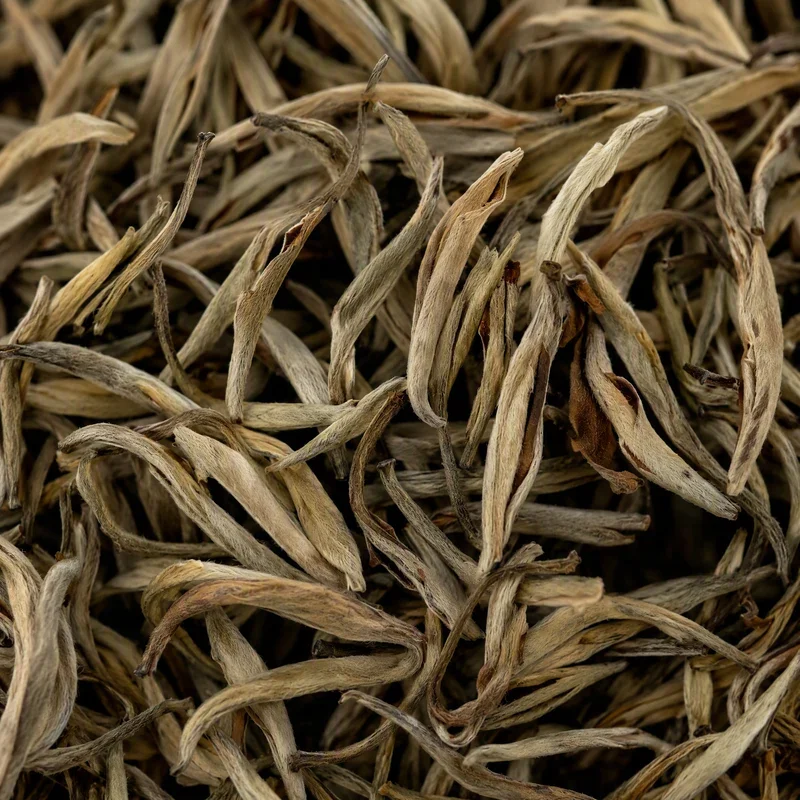
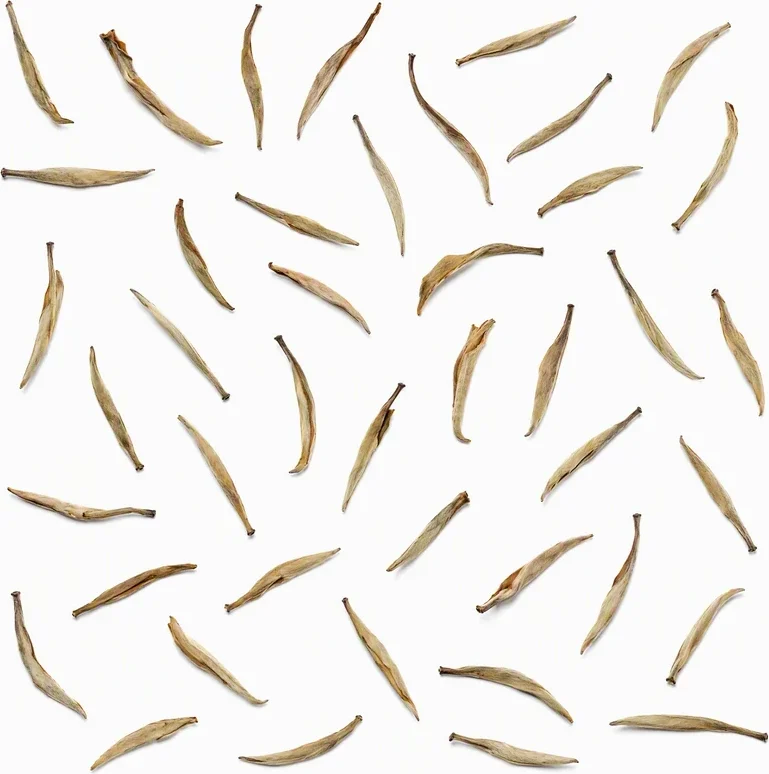
Tender, whole, elastic, bright green (嫩绿、完整、匀净、无杂). Shoots retain their form — indicator of "保毫" and careful processing.
Taste
Mild, "醇和微甘" (chúnhé wēigān, "harmoniously mild, slightly sweet"). Minimal astringency. Pronounced "回甘" (returning sweetness). Body — medium, "velvety".

03 / Origin passport

Origin and production

Mtundu wa tiyi
Green
Регион
China, Fújiàn Province (福建省), Zhènghé County (政和县, Zhènghé Xiàn), northern Fujian

Makhalidwe a tiyi

Makhalidwe a tiyi

Raw Material
It is categorically forbidden to damage the down — "保毫" (bǎo háo, "preserving down") — the main principle. Shoots are placed in loose layers in bamboo baskets, avoiding compression.

04 / Tea care

Keep it fresh

Chidebe
Airtight, opaque. Foil + vacuum packaging — ideal. Before opening — bring to room temperature to avoid condensation on down.
Light
Complete isolation — down and chlorophyll are photosensitive.
Nthawi yosungira
6–8 months at 0–5 °C. Best — in current harvest year. Long-term aging not recommended: Bai Mao Hou is valued for freshness and "毫香", which fade over time.
Kutentha kwa madzi
0–5 °C, airtight. Bai Mao Hou is especially sensitive to moisture — abundant down on tea leaves acts like a "sponge", absorbing atmospheric moisture and foreign odors faster than most green teas.

Tsatanetsatane

Tsatanetsatane

Mchere
Fluorine, potassium, magnesium, zinc.
Ma polyphenol
Moderate — prolonged withering (16–18 h) partially oxidizes catechins, reducing astringency. In polyphenol level Bai Mao Hou is closer to white teas (15–20%) than to standard green teas (20–30%).
Mavitamini
C, B group.

Ndemanga

Palibe ndemanga panobe. Tiuzeni maganizo anu pa tiyi uyu.

Lembani ndemanga

Patsani mlingo tiyi uyu ndikugawana malingaliro anu. Timayang'ana ndemanga iliyonse tisanaiyike.