
Przejdź do treści
Sklep z pu-erh

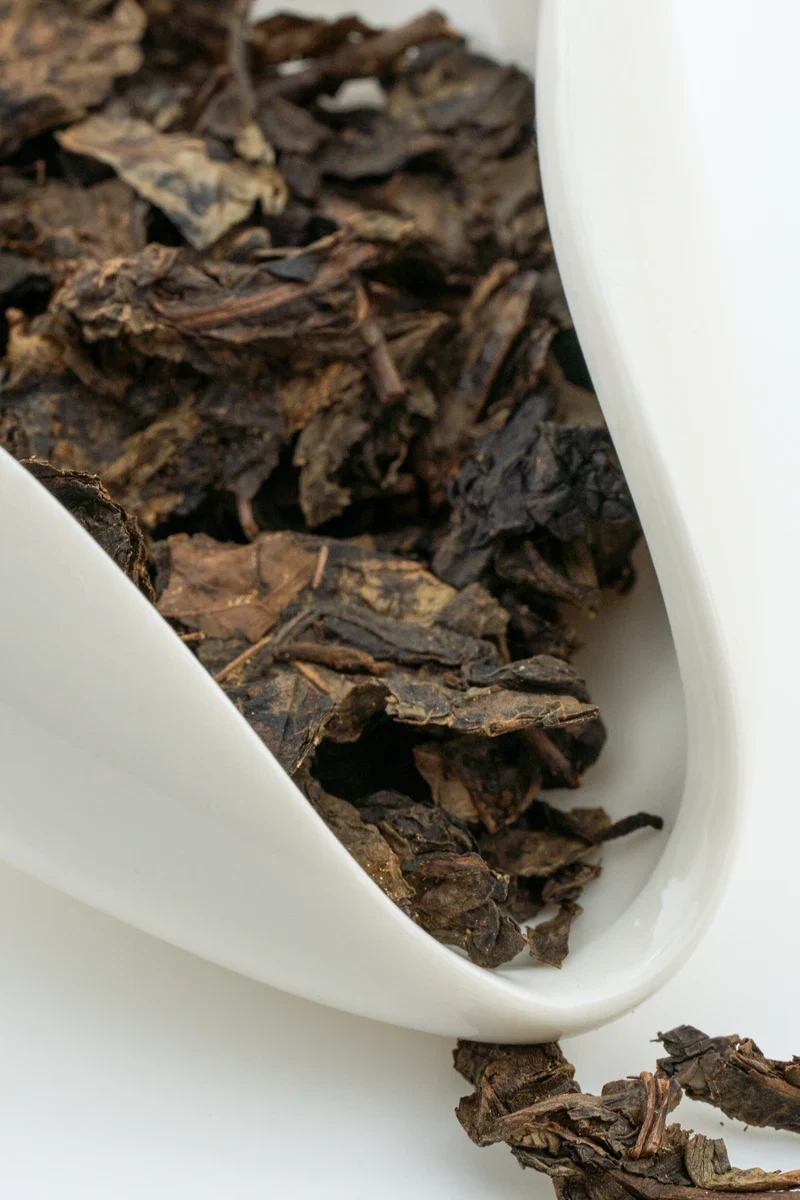
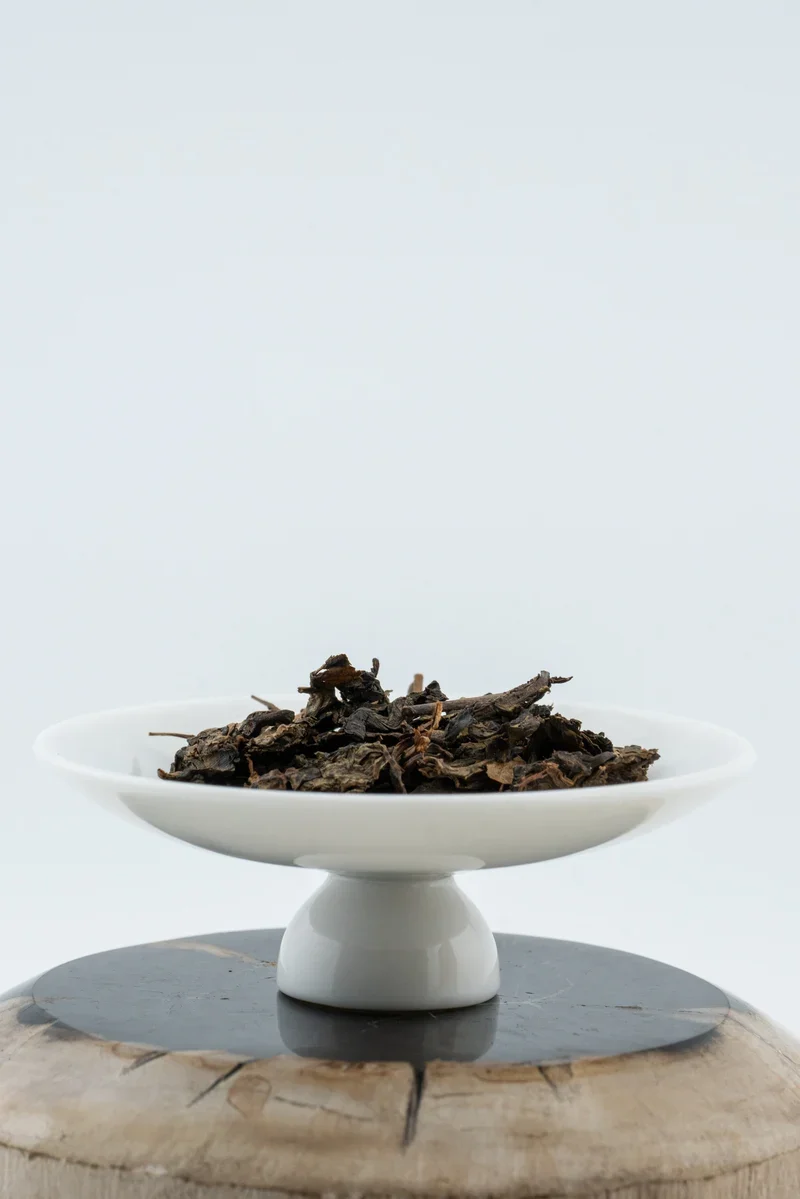
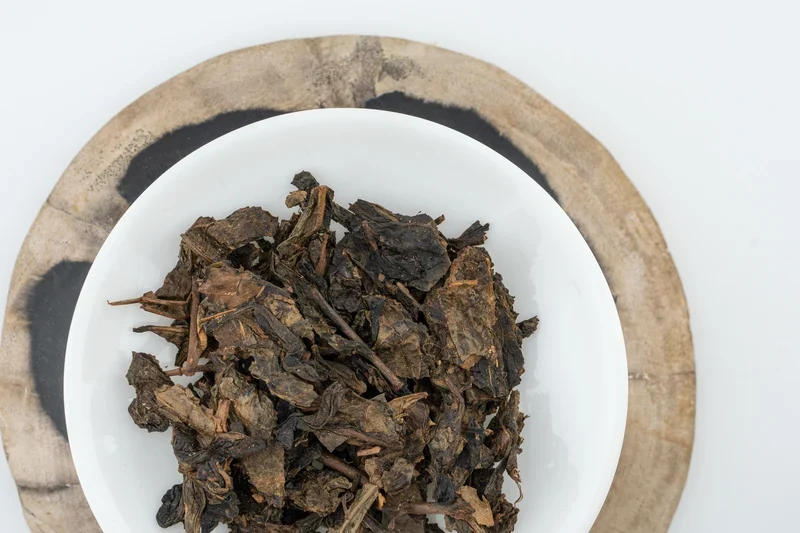
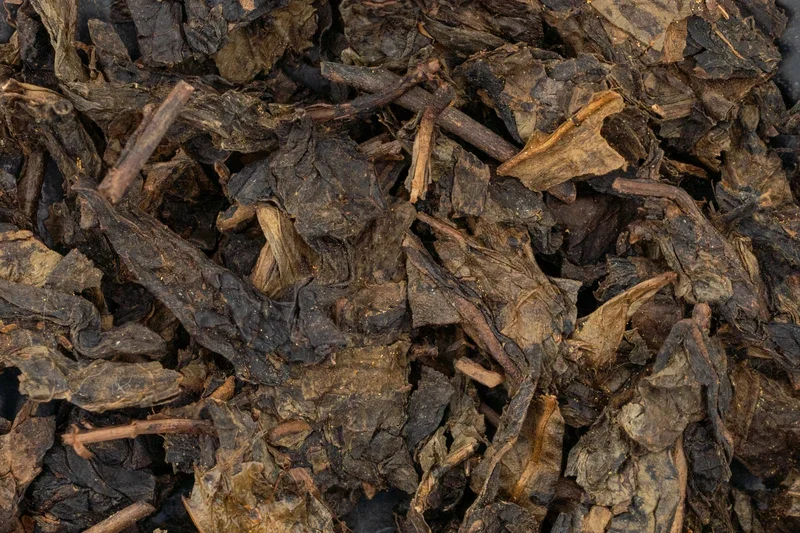
Starożytna Ciemna Herbata z Yi

古黟黑茶Gǔ yī hēi chá

Tea passport

Pochodzenie
China, Ānhuī Province, Huángshān City, Yī County
Sezon zbioru
marzec, kwiecień — kwiecień, maj, czerwiec, lipiec, sierpień, wrzesień, październik · główny zbiór: marzec, kwiecień, maj
Rodzaj herbaty
Dark Tea

SKU · GU-YI-HEI-CHA-CN

SKU · GU-YI-HEI-CHA-CN
Porównaj herbaty
Sposób parzenia

01 / Sensations

Profil smakowy

From the first impression to the smallest tasting note.

Intensity, balance and flavor notes

Example profile Tea data

TEA DATANumeric scores appear only after the tasting profile is filled; descriptive notes are shown separately.

Intensywność

0 — 5
—

Numeric scores have not been added yet

Scores will appear after tasting. Descriptive notes are listed separately.

Taste balance

5 axes
—

Numeric scores have not been added yet

Scores will appear after tasting. Descriptive notes are listed separately.

Note wheel

4
  • Earthy
  • Dried fruit
  • Herbal
  • Spicy
Poznaj nuty smakowe. Jeśli filtr jest dostępny, wybierz nutę, aby zobaczyć pasujące herbaty.Dossier
02 / Practice

Brewing

Choose a method and start with the parameters published for this tea.

Parzenie

Parzenie gongfu

Temperatura wody
100 °C
Ilość herbaty
6 g
Objętość wody
100 ml
Pierwsze parzenie
10 s
Czas dodawany do każdego parzenia
5 s
Liczba parzeń
10
Przepłukanie
Tak

Parzenie

Parzenie zachodnie

Temperatura wody
100 °C
Ilość herbaty
3 g
Objętość wody
200 ml
Pierwsze parzenie
3 min
Liczba parzeń
2
Przepłukanie
Nie

Smak

Profil smakowy

Liquor Color
Orange-yellow (橙黄, chéng huáng), bright, clear. With increased aging time, color deepens to orange-red and reddish-brown. Young tea liquor may be lighter, with greenish tint.
Spent Leaves
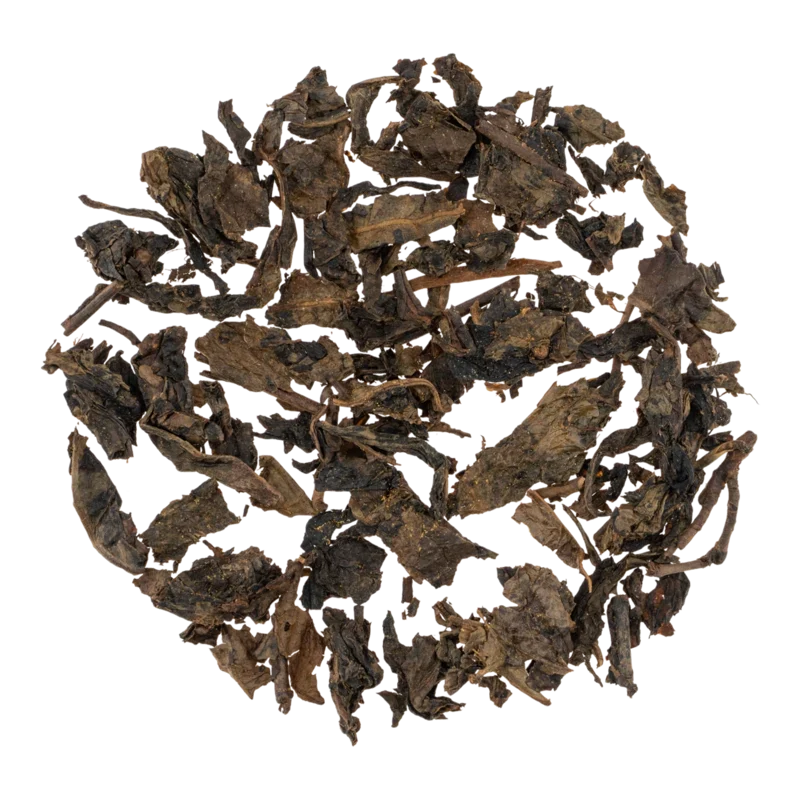
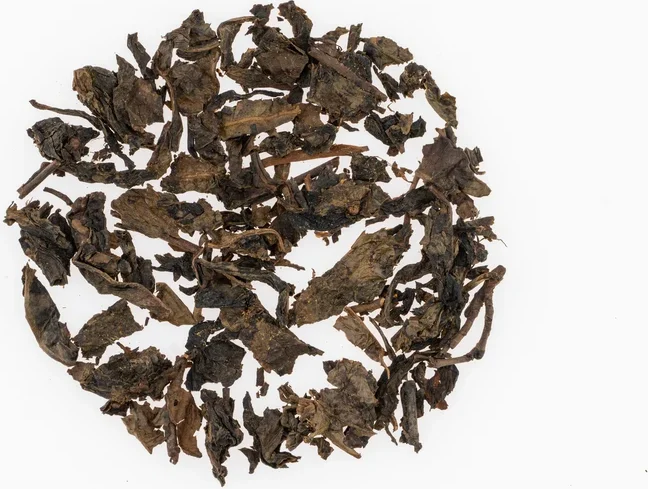
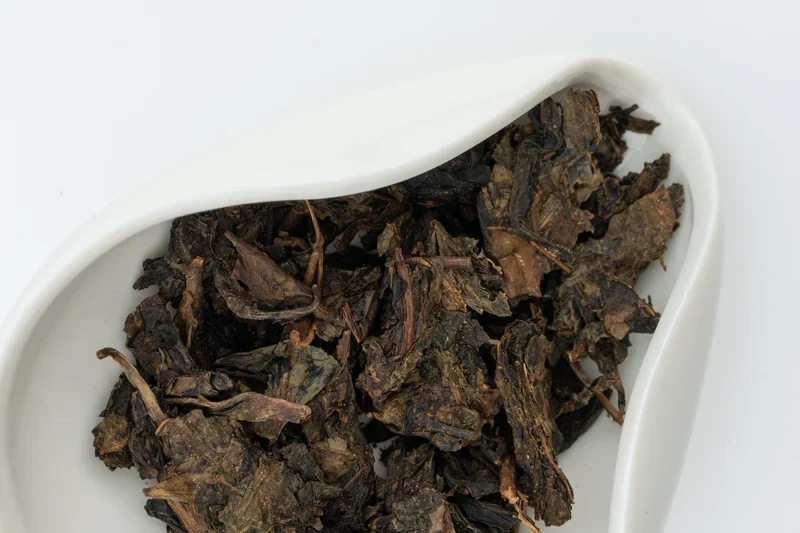
Leaves unfold, revealing dark brown color with reddish cast. Stems and whole leaves are noticeable. Leaf is elastic, not loose — a sign of proper fermentation.

03 / Origin passport

Origin and production

Rodzaj herbaty
Dark
Alt Names
Ān Chá (安茶, Ān Chá) — historical trade name, literally "tea from An[hui]"; Ruǎn Zhī Chá (软枝茶, ruǎn zhī chá) — folk name, "tea with soft branches"; Yùn Hé Chá (运合茶, yùn hé chá) — ancient name, recorded in Song dynasty sources.
Soil
Fertile, predominantly acidic red-yellow soils (红壤-黄壤), enriched with organic matter and minerals. High iron and aluminum content contributes to the formation of the characteristic flavor profile.
Регион
China (中国, Zhōngguó), Ānhuī Province (安徽省, Ānhuī Shěng), Huángshān City (黄山市, Huángshān Shì), Yī County (黟县, Yī Xiàn)

04 / Tea care

Keep it fresh

Enemies
Foreign odors (store separately from spices, perfumery, household chemicals), direct sunlight, excessive moisture, insects.
Humidity
50–70%. Excessive humidity leads to unwanted molding, insufficient — to drying out and stopping maturation processes.
Temperatura wody
15–30°C, without sharp fluctuations.

Szczegóły

Szczegóły

Amino Acids
L-theanine is present, whose content is favored by high-mountain growing conditions under diffused light. Participates in forming soft, sweetish aftertaste.
Minerały
Potassium, magnesium, manganese, fluorine, zinc, selenium. Tea from mountainous regions of Yi County contains increased amounts of manganese and zinc due to soil mineral composition.
Witaminy
B-group vitamins (B₁, B₂, B₆), vitamin PP (nicotinic acid), trace amounts of vitamin C. Content of fat-soluble vitamins (E, K) increases during microbial fermentation.

Opinie

Nie ma jeszcze opinii. Powiedz nam, co sądzisz o tej herbacie.

Napisz opinię

Oceń tę herbatę i podziel się wrażeniami. Sprawdzamy każdą opinię przed publikacją.