Brewing
Gongfu brewing
- Water temperature
- 100 °C
- Tea amount
- 6 g
- Water volume
- 100 ml
- First steep
- 10 s
- Time added per infusion
- 5 s
- Infusions
- 10

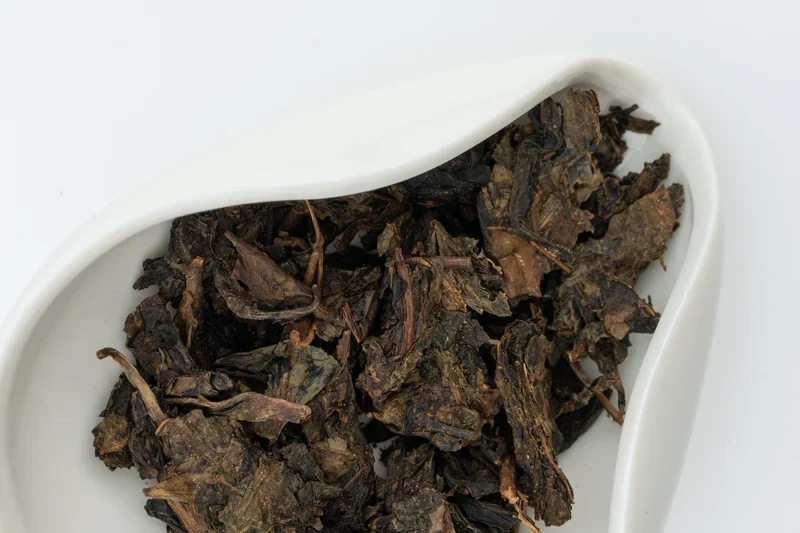
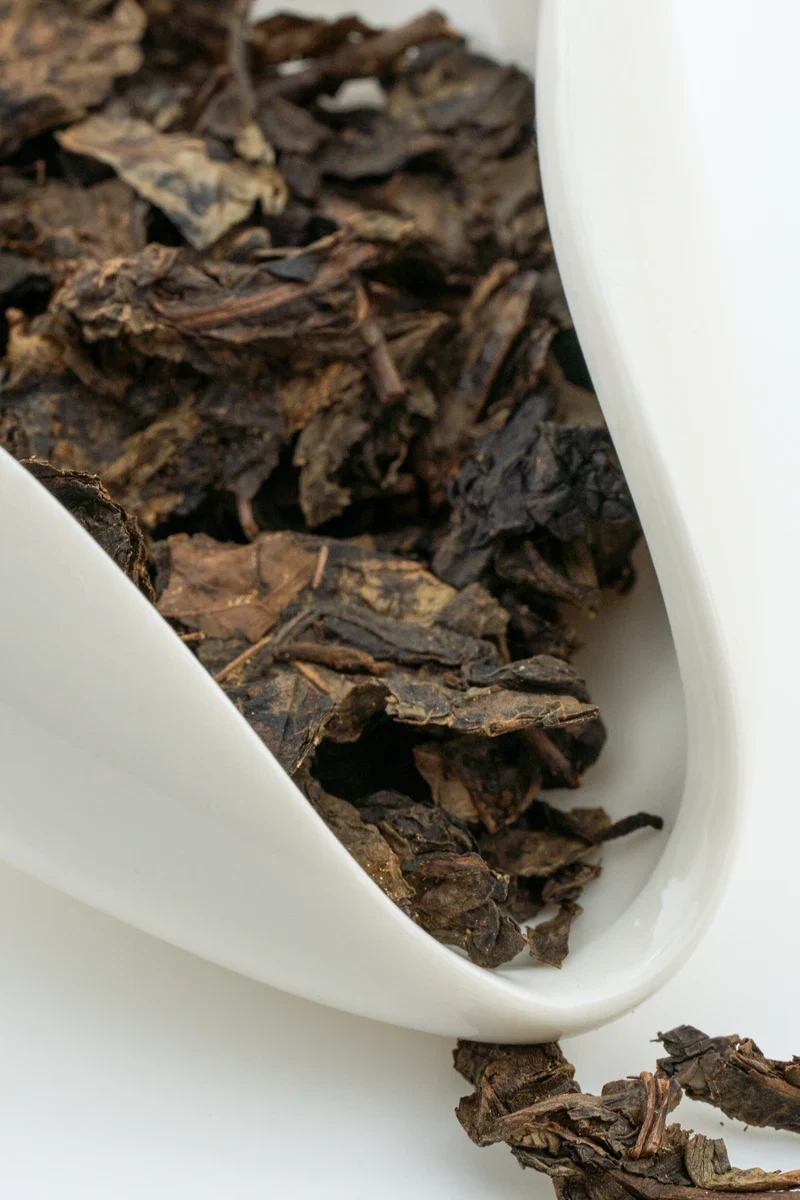
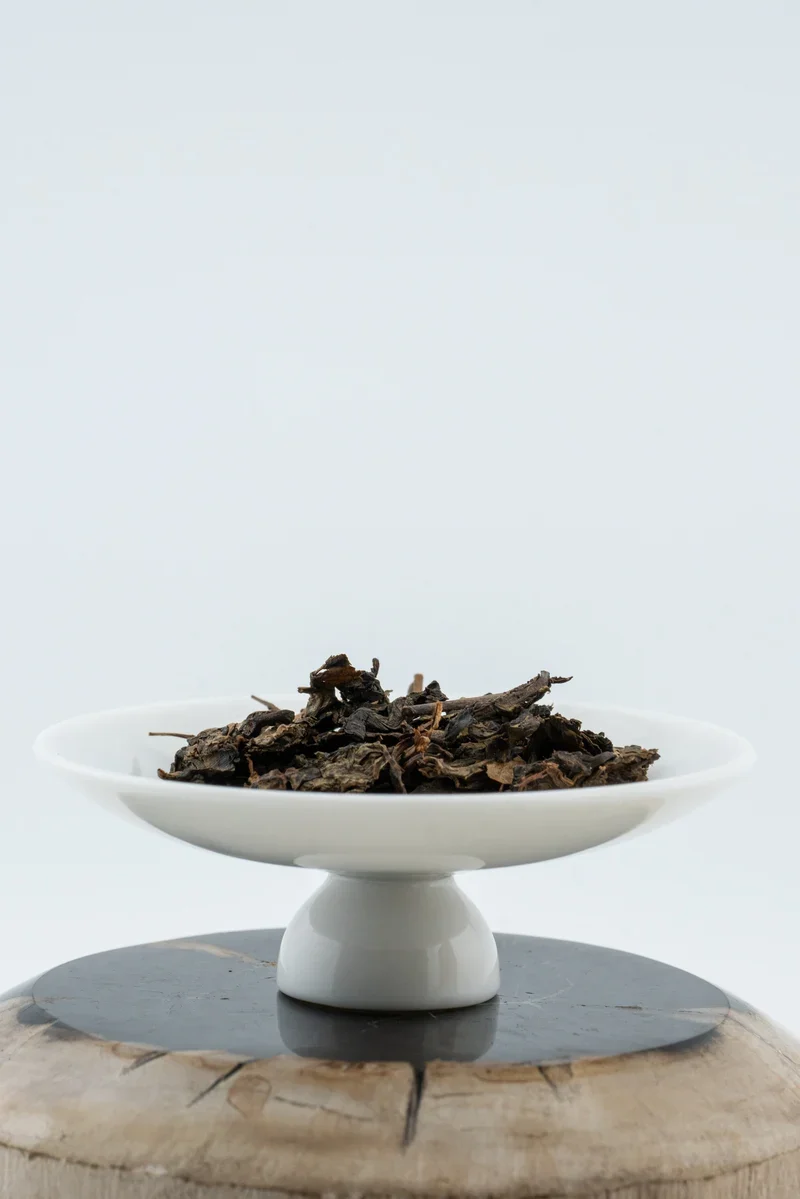
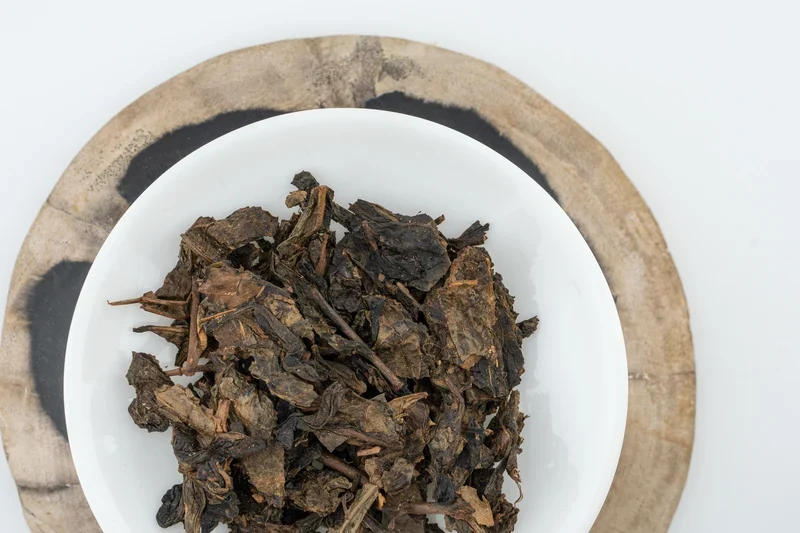
Gǔ yī hēi chá
Choose a brewing method. Start with the recommended quantities and time, then adjust to taste.
Brewing
Brewing
Taste
Tea encyclopedia
Alt Names: Ān Chá (安茶, Ān Chá) — historical trade name, literally "tea from An[hui]"; Ruǎn Zhī Chá (软枝茶, ruǎn zhī chá) — folk name, "tea with soft branches"; Yùn Hé Chá (运合茶, yùn hé chá) — ancient name, recorded in Song dynasty sources.
Alt Names: Ān Chá (安茶, Ān Chá) — historical trade name, literally "tea from An[hui]"; Ruǎn Zhī Chá (软枝茶, ruǎn zhī chá) — folk name, "tea with soft branches"; Yùn Hé Chá (运合茶, yùn hé chá) — ancient name, recorded in Song dynasty sources.
Category: Regional dark tea of Anhui Province, historical tea of Huizhou. Modern brand — "Gu Yi" (古黟, "Ancient Yi[xian]"), produced by "Huangshan Tianfang Tea Co., Ltd." (黄山市天方茶叶有限公司). Includes four series: 茯砖 (fu zhuan), 天尖 (tian jian), 黑砖 (hei zhuan) and 花卷 (hua juan).
Coordinates: Approximately 29°55′ North latitude, 117°56′ East longitude.
Origin: China (中国, Zhōngguó), Ānhuī Province (安徽省, Ānhuī Shěng), Huángshān City (黄山市, Huángshān Shì), Yī County (黟县, Yī Xiàn). The core of production is the high-mountain tea gardens of Měixī Township (美溪乡, Měixī Xiāng), where a tea plantation complex of more than one thousand mu (approximately 67 hectares) is located. Historically closely connected with the production of an chá (安茶) in neighboring Qímén County (祁门县, Qímén Xiàn), from where the tradition of reviving this tea came.
Type: Post-fermented dark tea (hei cha, 黑茶, hēi chá). Belongs to the category of teas in which microbial fermentation plays a key role during the wò duī (渥堆, wò duī — "wet piling") stage, as well as prolonged natural aging. By classification, this is one of the six main types of Chinese tea.
Look for certified dealers of "Huangshan Tianfang Tea Co., Ltd." (黄山市天方茶叶有限公司).
Stores specializing in dark teas and pu-erh, with good reputation and ability to provide authenticity certificates.
Visit tea gardens in Měixī Township (美溪乡) or production facilities in Yi County for guaranteed authenticity.
Major tea exhibitions in China where producers present their products directly.
Reputable online tea retailers with good reviews and return policies, preferably those specializing in Anhui teas.
Cultural Significance: Gù Yī Hēi Chá is inextricably linked with the traditional culture of Huīzhōu (徽州, Huīzhōu). The tea custom "sigezi cha" (锡格子茶, xī gé zi chá) deserves special mention — a New Year hospitality ritual of Yi County. "Sige" is a multi-tiered tin box of local handicraft production, in whose four compartments local sweets (including the famous "qianzhang su" — "thousand-layer pastries"), tea eggs, and tea are placed. The treat is served with green or red tea and symbolizes wishes to "rise ever higher" (步步高升, bùbù gāoshēng) and "keep happiness in the house" (留福在家, liú fú zài jiā). Today, Gu Yi Hei Cha is also a calling card of Yi County as one of the five "black treasures" (五黑, wǔ hēi) of the county — alongside black rice, black chickens, black plums, and black sesame.
History: The roots of Gǔ Yī Hēi Chá trace back to the Sōng dynasty (宋, Sòng, 960–1279). In the treatise "Xin'an Zhi" (《新安志》, "Records of Xin'an"), compiled during the Chunxi reign period (淳熙, Chúnxī, 1174–1189), the so-called "yun he cha" (运合茶) is mentioned — tea that arose as a result of natural fermentation of leaves during transportation. In the local dialect of Yi County, the word "he" (合) sounds similar to the word "hei" (黑 — "black"), which probably indicates a direct connection between this ancient tea and the modern dark tea of the region.
Strict selection — one bud and two leaves (一芽二叶, yī yá èr yè). For tian jian, more tender raw material is used — one bud and one to two young leaves. Characteristic feature: the presence of a small stem (梗, gěng) is permitted and even welcomed, which is important for the microbial fermentation process and flavor formation.
Cultivar: The main raw material consists of leaves from the Zhūyè Zhǒng cultivar (槠叶种, Zhūyè Zhǒng) — a medium-leaf and small-leaf variety of Camellia sinensis var. sinensis, belonging to the nationally recognized tea varieties of China (国家级良种, guójiā jí liángzhǒng). This same cultivar is the basis for producing the famous Qímén Hóng Chá (祁门红茶, Qímén Hóngchá — Keemun). Zhuye Zhong bushes are characterized by medium growth vigor, good resistance to cold and diseases, elliptical leaves with finely serrated edges, and rich green color.
Picking: Main harvesting is conducted in spring — from early April to late May. According to a local saying, "spring tea — a whole load, summer tea — just a handful, and don't pick autumn tea even if you have to sell your children" (春茶一担、夏茶一头、卖儿卖女不采秋茶). A small amount of summer raw material (about 20% of spring) is permitted for blending; autumn leaf is not used.
Raw Material: Buds and leaves should be large, fleshy, with a pronounced stem. Yi County is famous for large-leaf (大叶种, dà yè zhǒng) tea, although the main cultivar belongs to the medium-leaf group. Raw material from high-mountain plantations in Meixi Township is especially highly valued for its enrichment with delicate floral notes from aromatic plants growing nearby.
Altitude: Main plantations are located at 400–800 m above sea level. High-mountain gardens in Meixi Township reach 700–800 m.
Climate: Northern subtropical humid monsoon (北亚热带湿润季风气候). Four distinct seasons: mild winter, warm summer. Average annual temperature 15–16°C. Annual precipitation 1500–1800 mm. Relatively few sunny days — cloudy, foggy weather predominates, which reduces catechin content and increases amino acid levels in the leaf.
Soil: Fertile, predominantly acidic red-yellow soils (红壤-黄壤), enriched with organic matter and minerals. High iron and aluminum content contributes to the formation of the characteristic flavor profile.
Tea plantations are surrounded by groves of aromatic trees and shrubs (桂花, osmanthus; 兰花, orchid), whose aromas are absorbed by tea leaves during growth and subsequent natural aging. Yi County is also one of the country's leading ecological tea-producing counties (全国生态产茶县).
April — May, standard "one bud — two leaves" with short stem.
High-temperature treatment in wok or on specialized mechanized lines to inactivate enzymes, stop oxidation, and soften the leaf. A special machine for shaqing has been developed, adapted for local raw material.
Primary rolling to destroy cell membranes and release juice. Creates conditions for subsequent fermentation.
Key stage that distinguishes dark tea from all other categories. Light fermentation technology (轻发酵, qīng fājiào) is used with formation of small piles (小堆, xiǎo duī) weighing from 50 to 500 kg. Every 4 hours, mixing and turning (翻堆, fān duī) is conducted to ensure uniform microbial processes and prevent overheating. This approach allows preservation of aromatic compounds that are lost during intensive fermentation.
Additional rolling after wo dui to compact leaf structure and evenly distribute fermented juice.
Primary drying to reduce moisture to a level suitable for storage.
Characteristic stage for Gu Yi Hei Cha: steam treatment softens the leaf and activates the release of aromatic essential oils. This technique traces back to traditional an cha technology, when tea was steamed before packaging in bamboo baskets.
Depending on the type of final product, tea is pressed into bricks (砖, zhuān), formed into cylindrical bundles (花卷, huā juǎn) in bamboo baskets, or left loose (散茶, sàn chá — for tian jian). When pressing tea bricks, Huizhou carving technique is applied to create decorative reliefs.
Minimum period — three years. Aging takes place in specialized wooden warehouses (专用木仓, zhuānyòng mù cāng) with temperature and humidity control. During storage, slow microbial fermentation continues, new aromatic compounds form, and taste softens. For fù zhuān (茯砖), the aging stage is accompanied by formation of "jinhua" (金花, jīn huā — "golden flowers") — colonies of beneficial fungus Eurotium cristatum (冠突散囊菌, guàn tū sàn náng jūn).
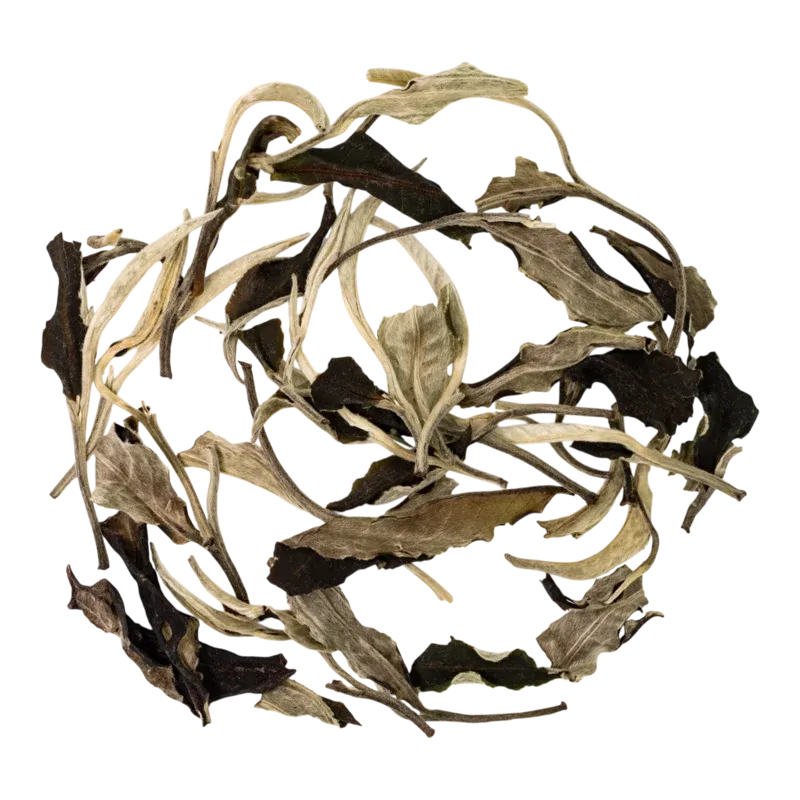
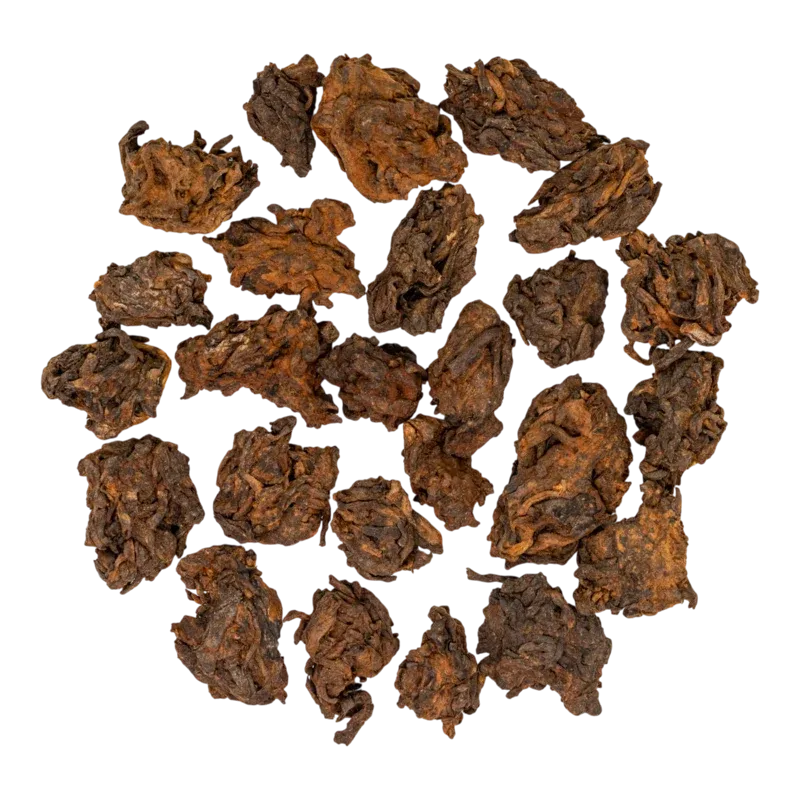
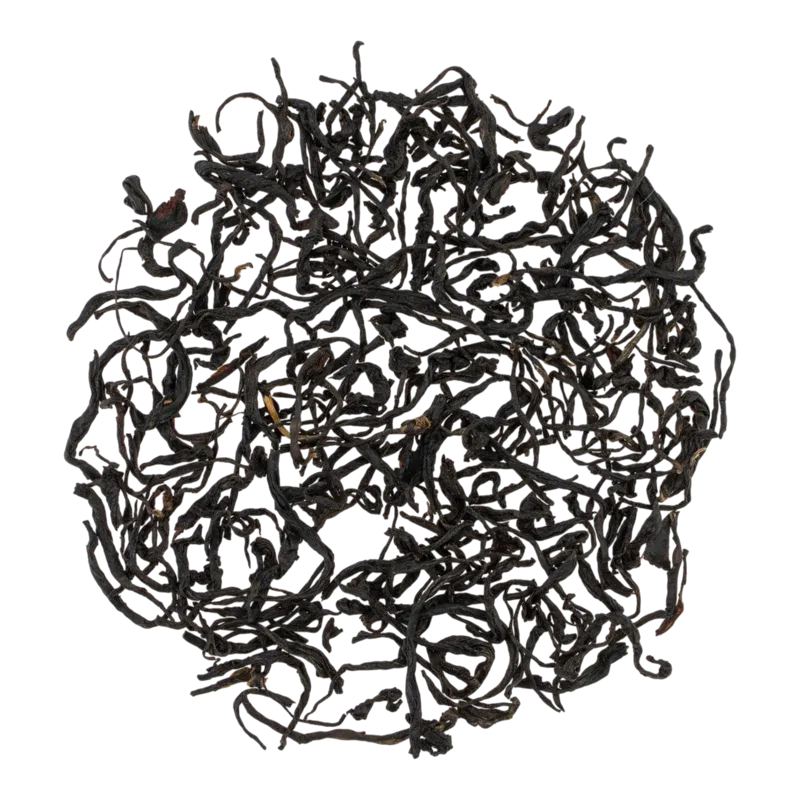
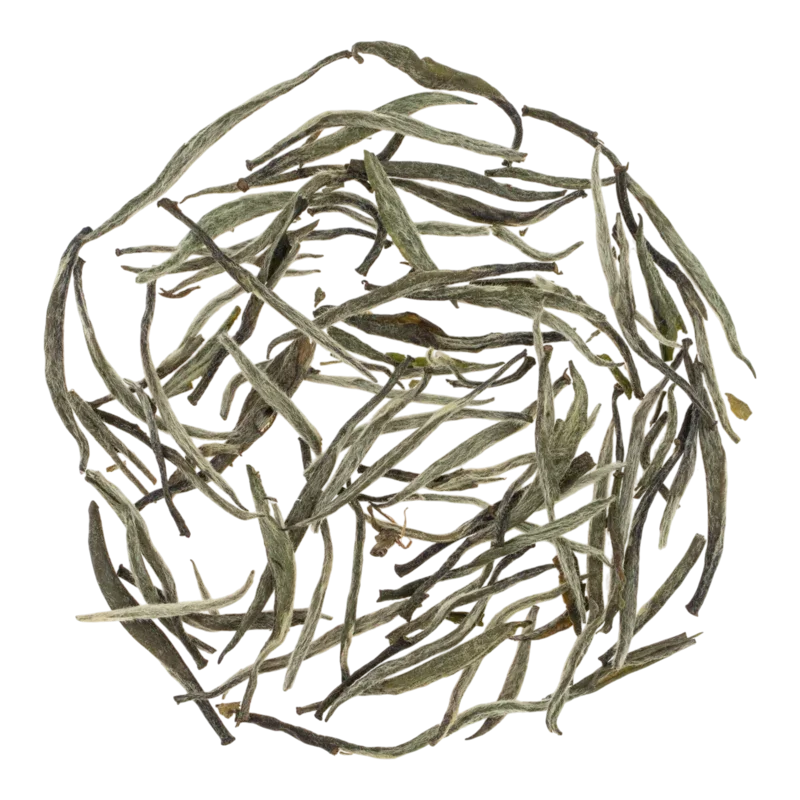
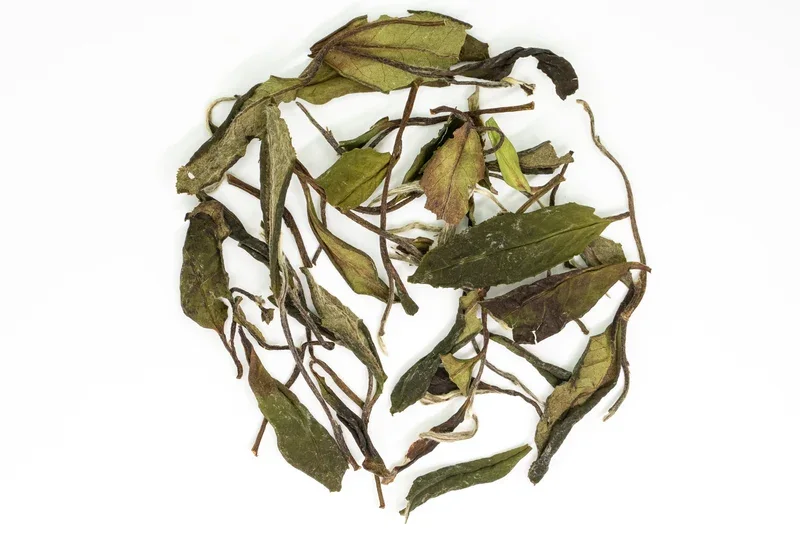
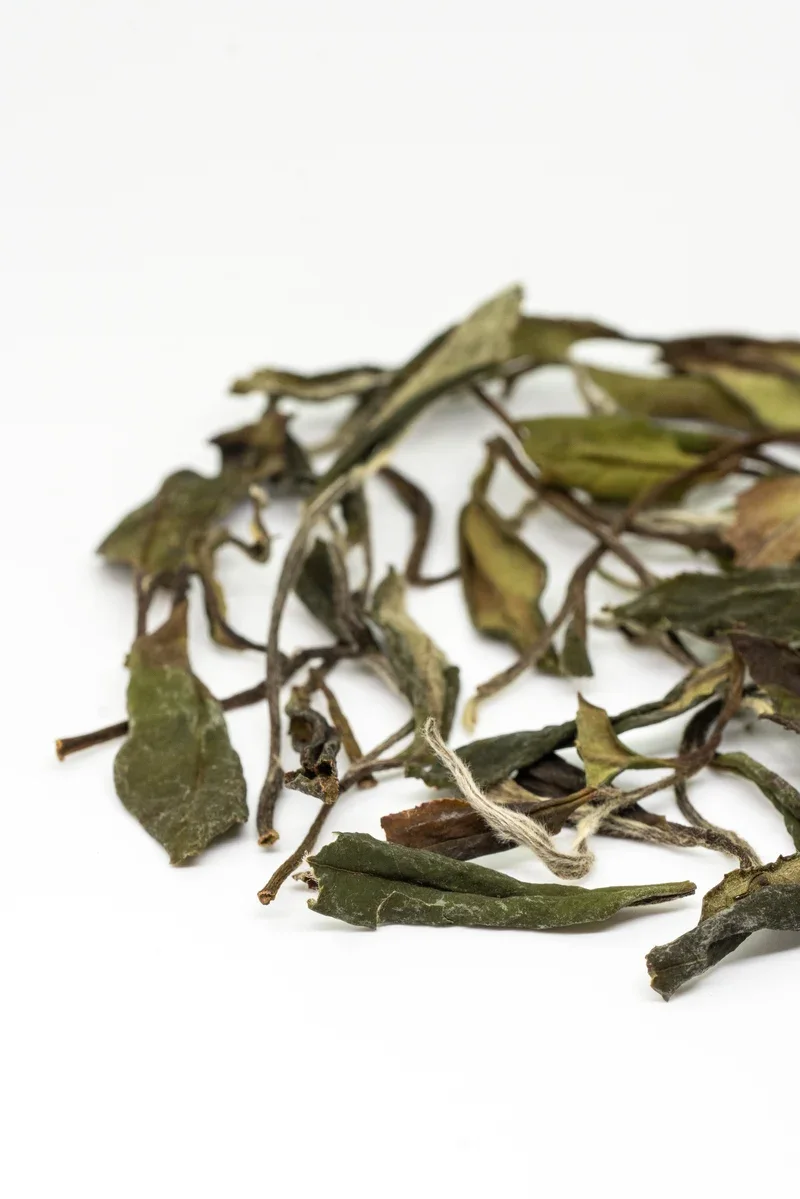
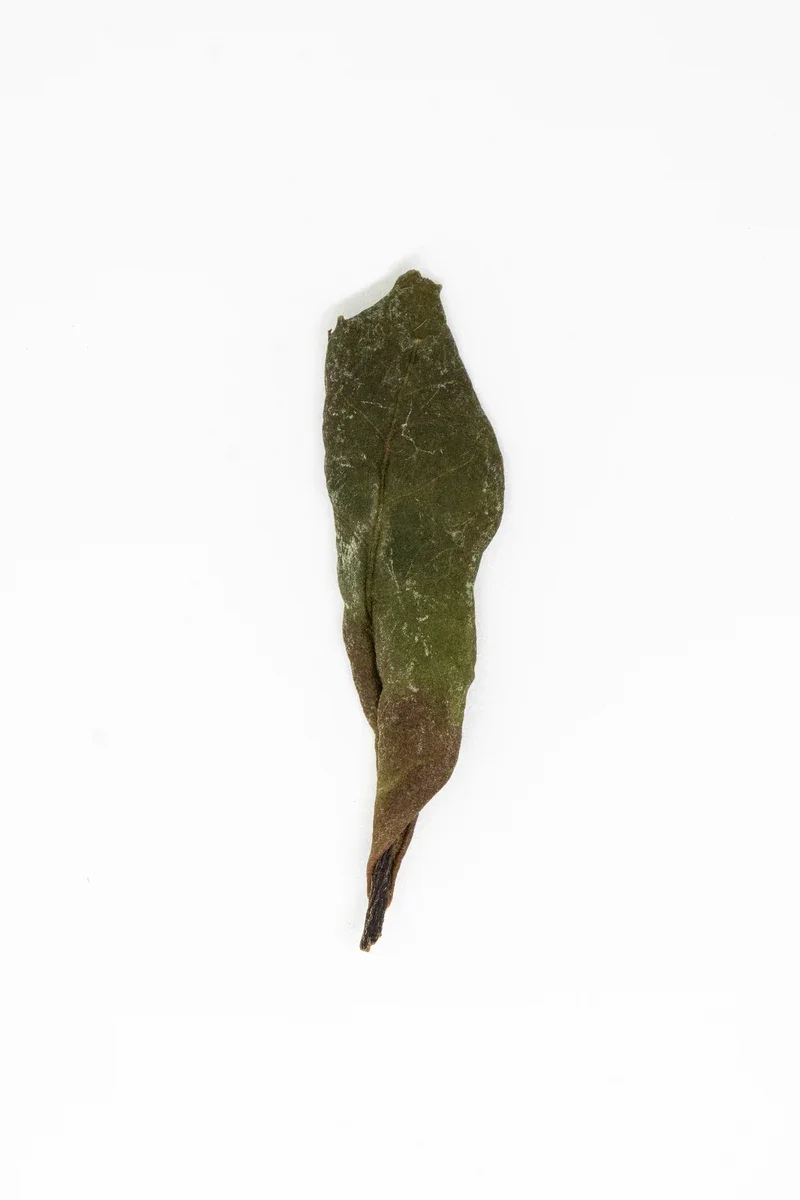
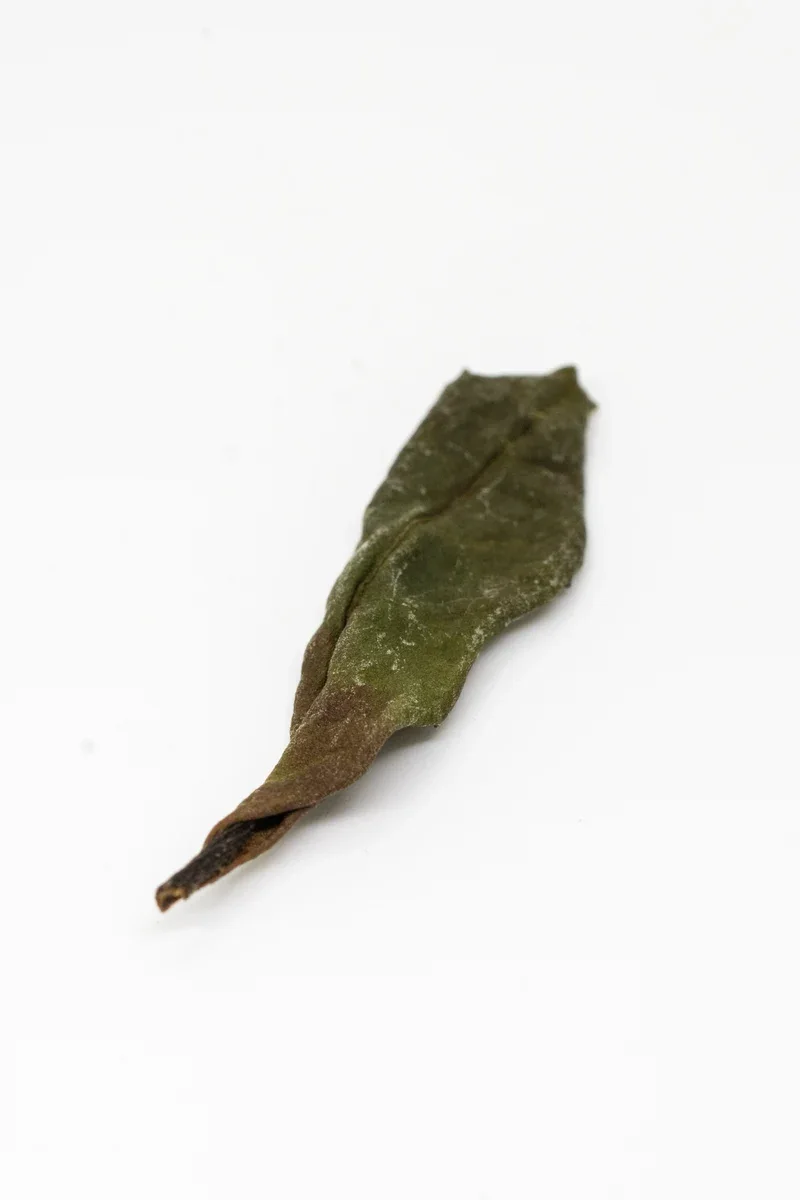
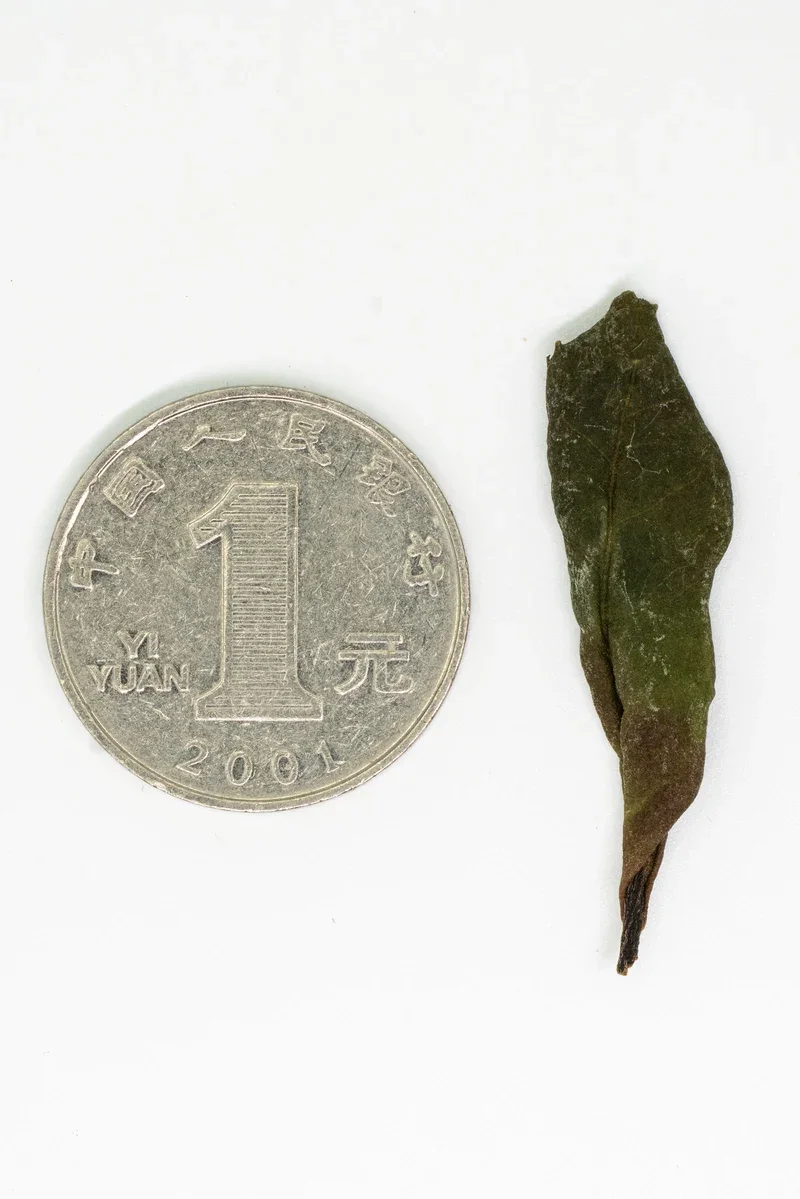
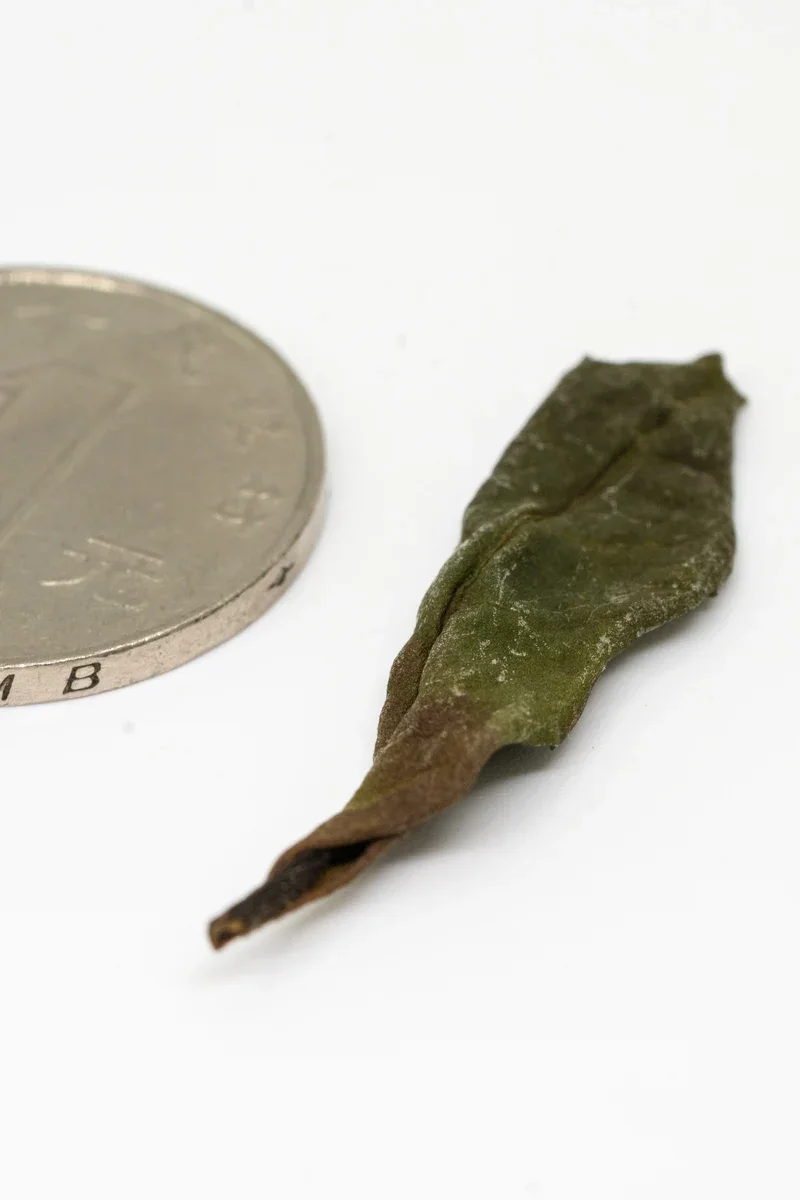
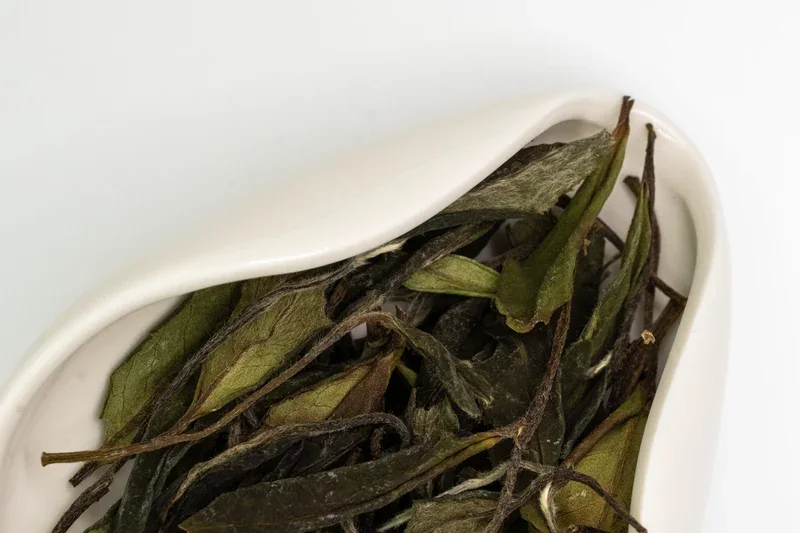
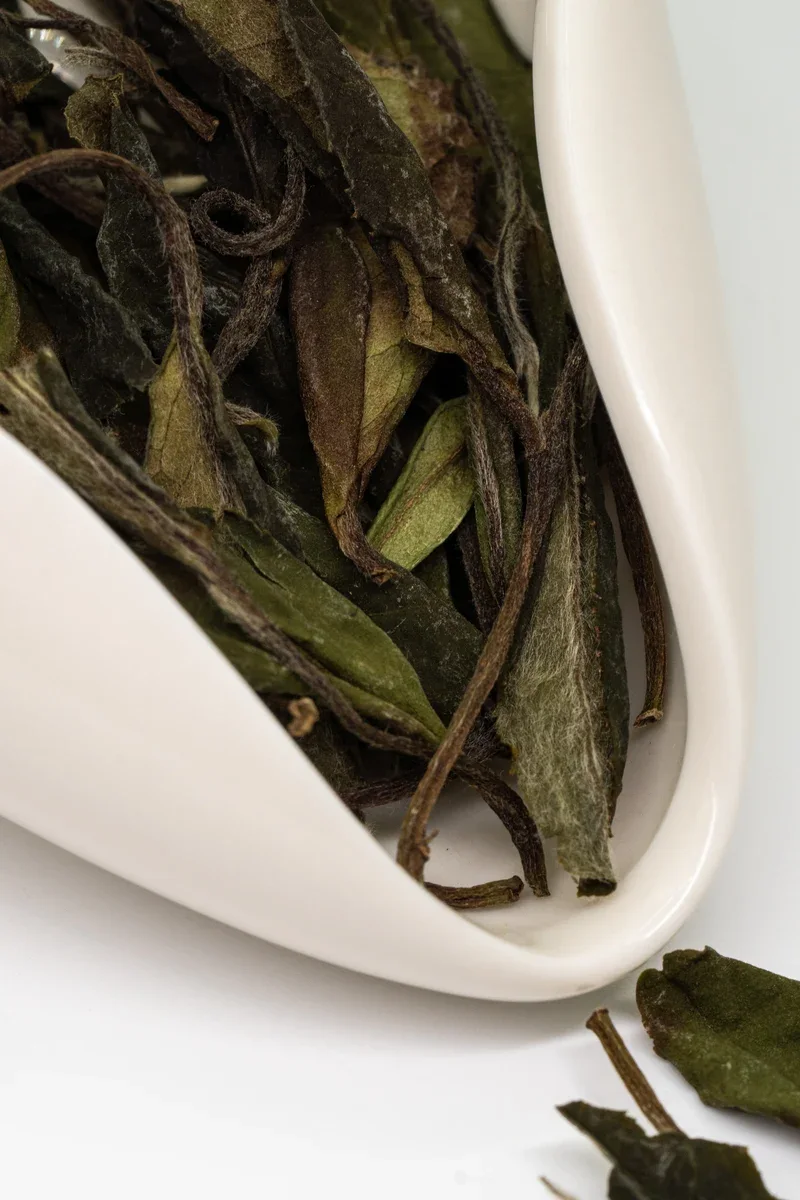
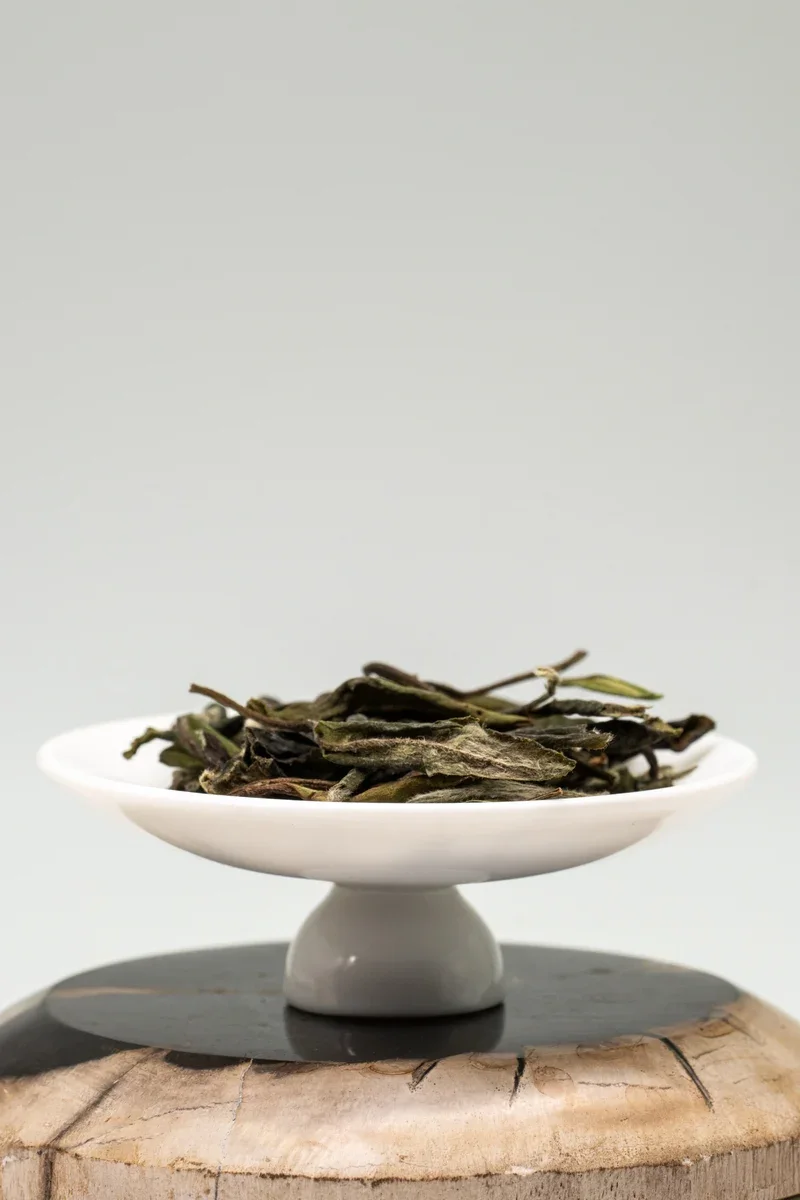
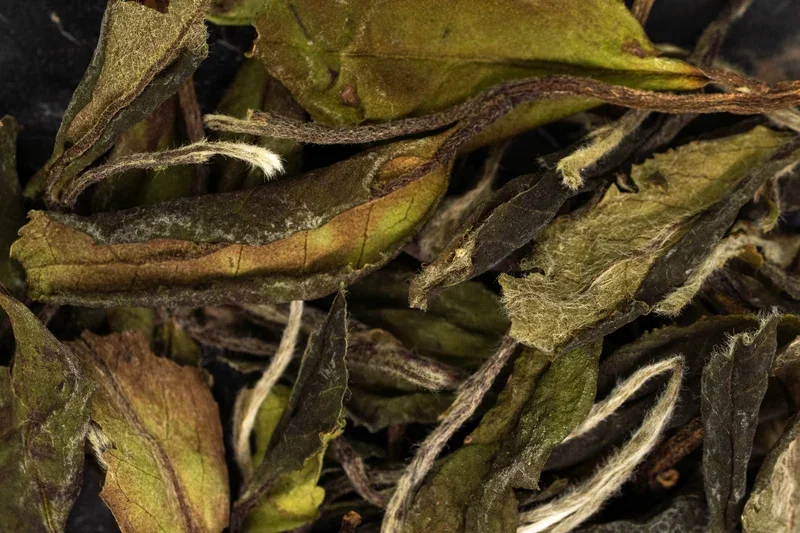
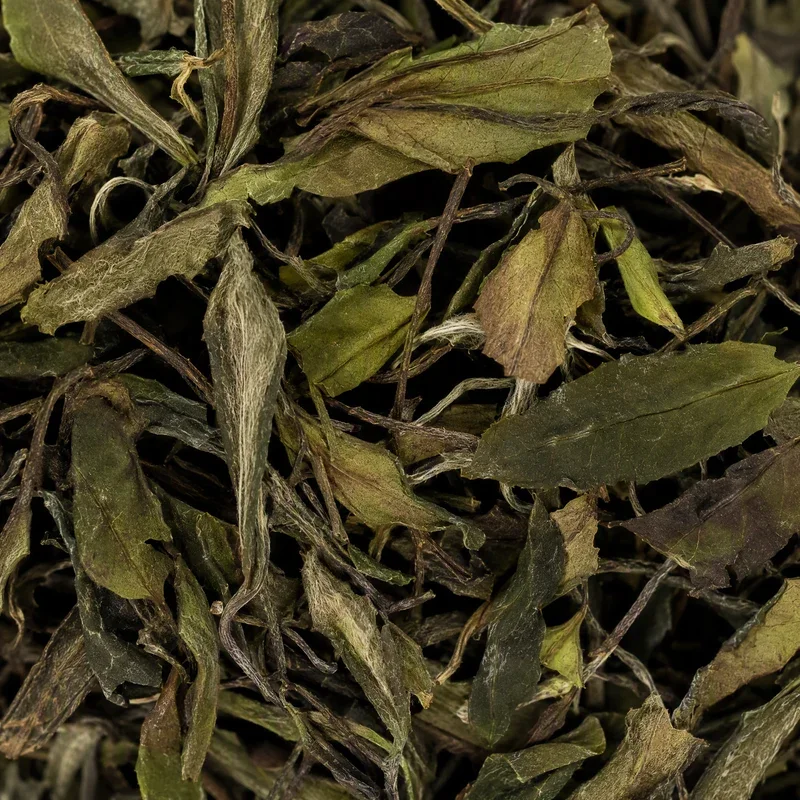
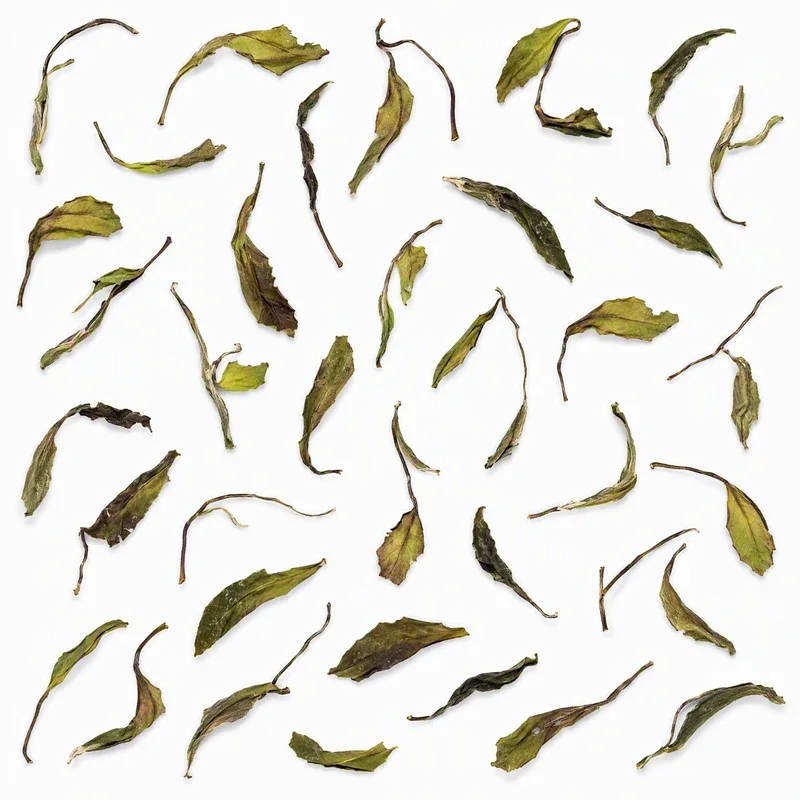
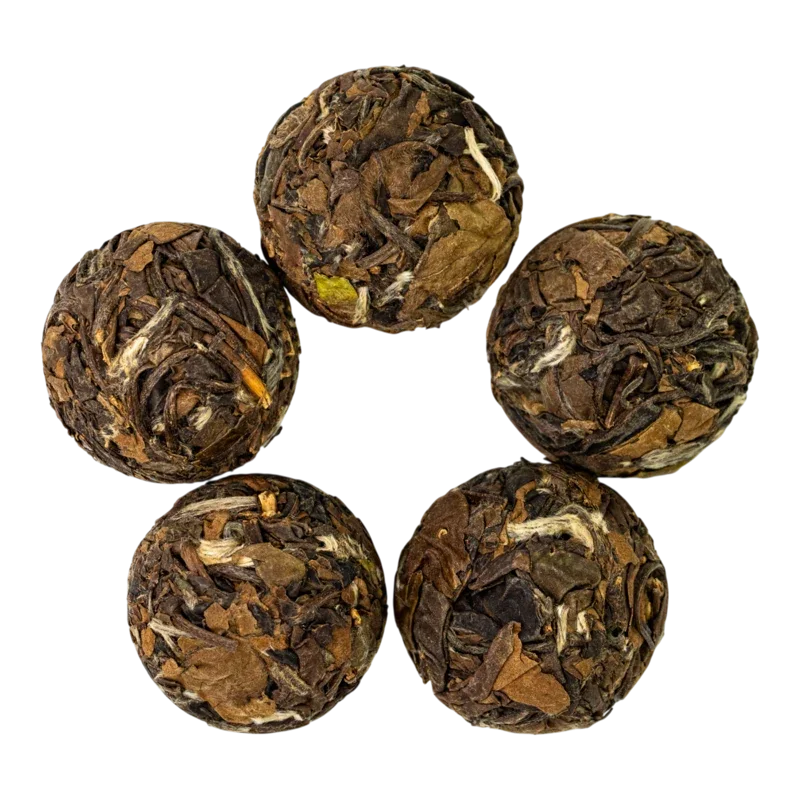
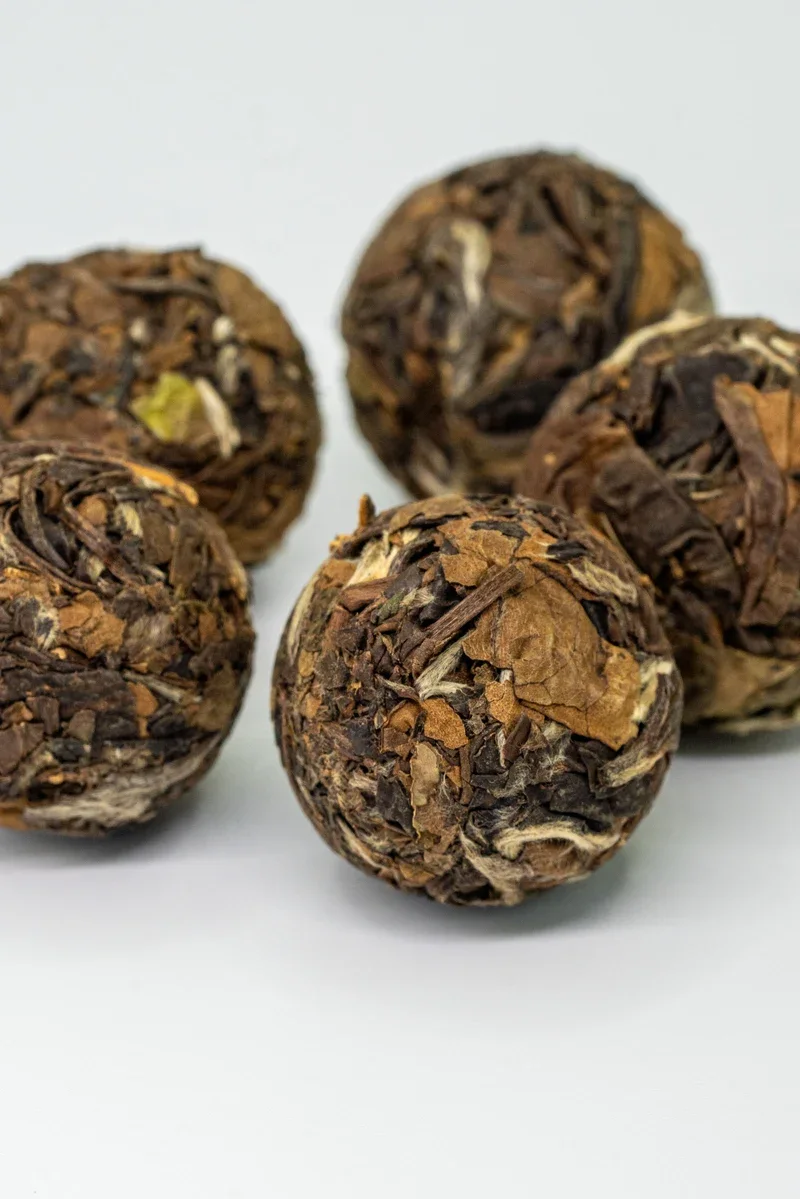
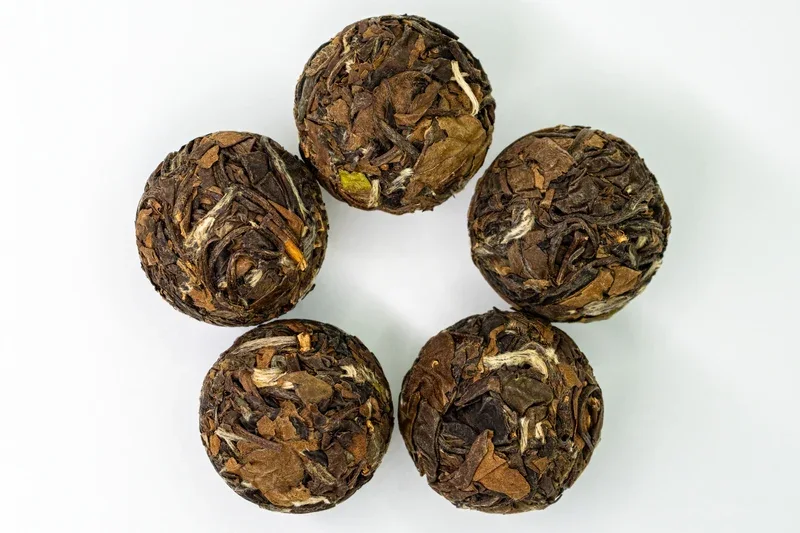
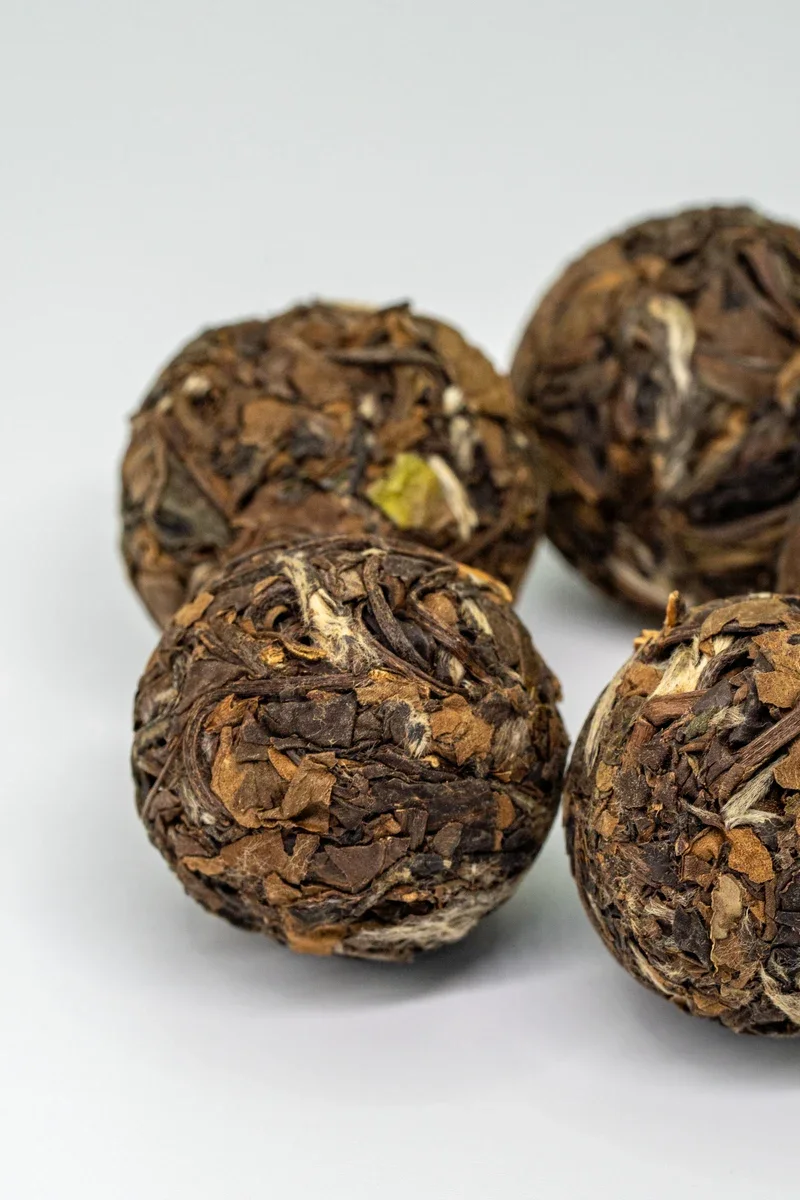
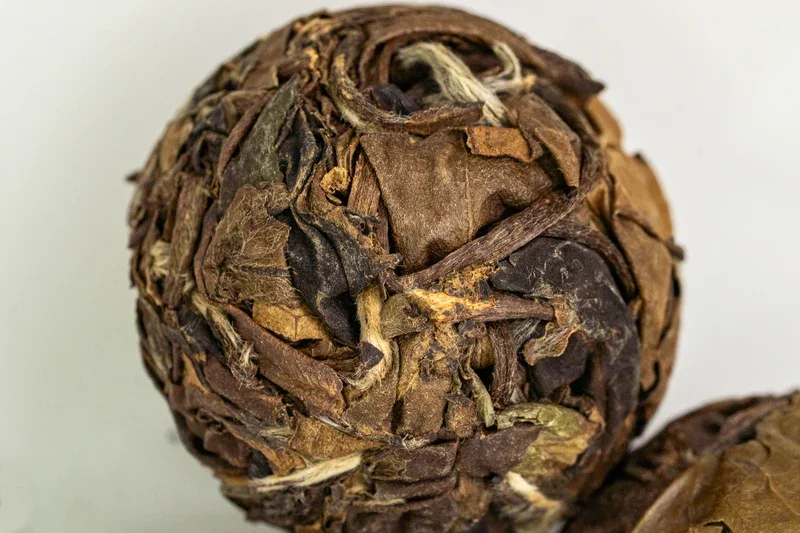
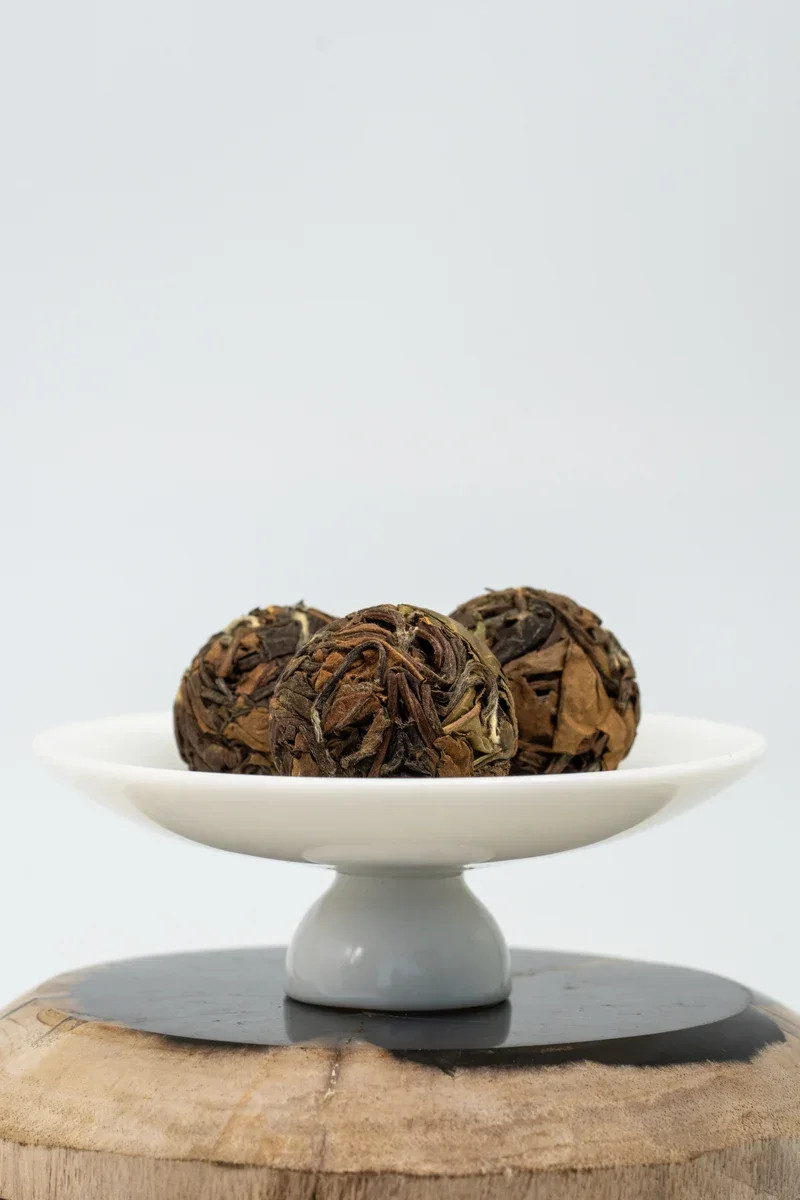
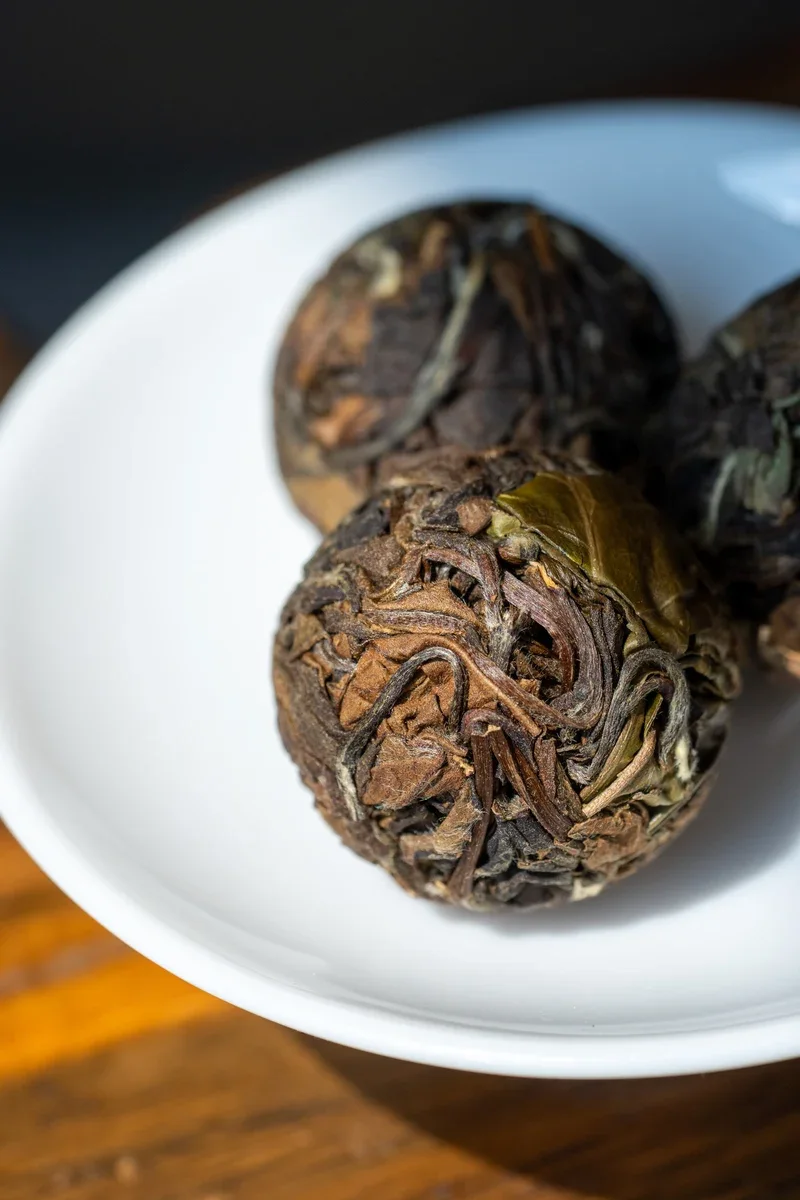
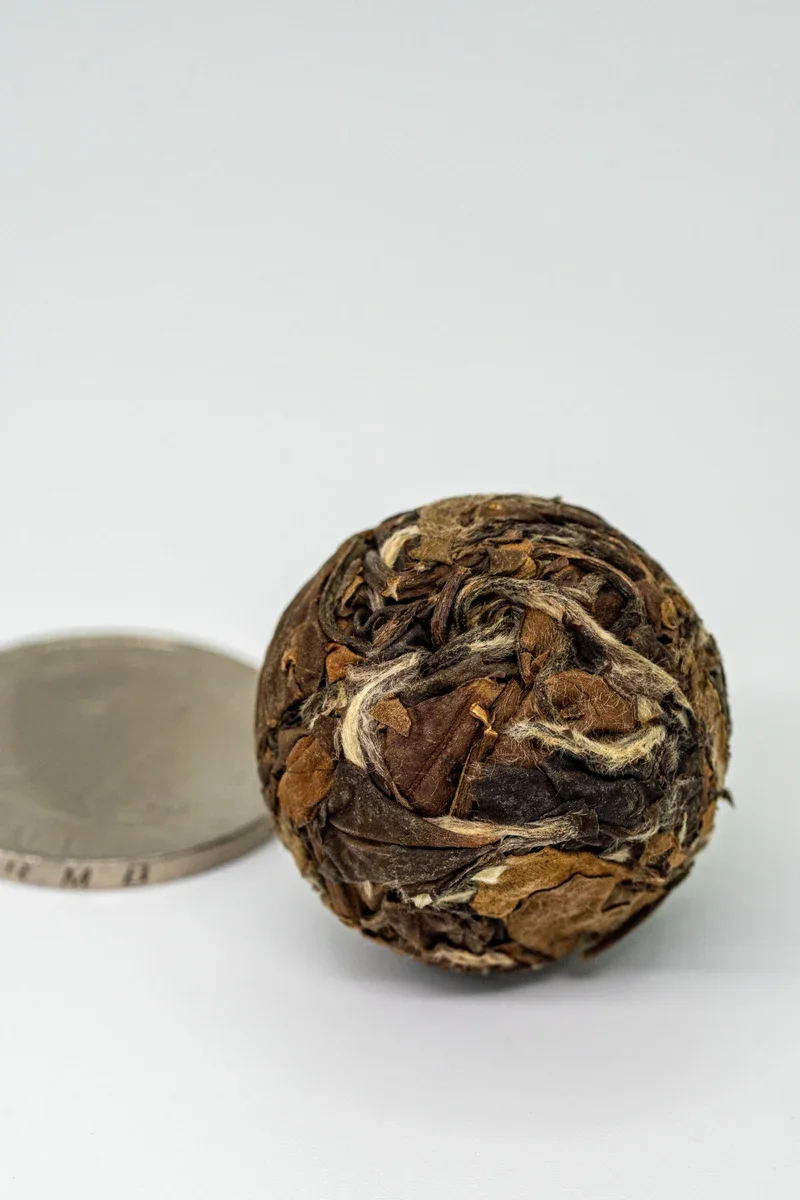
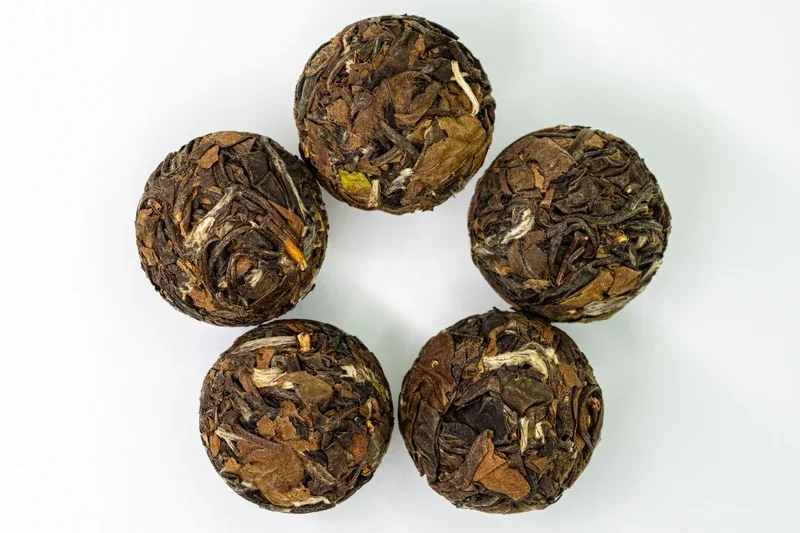
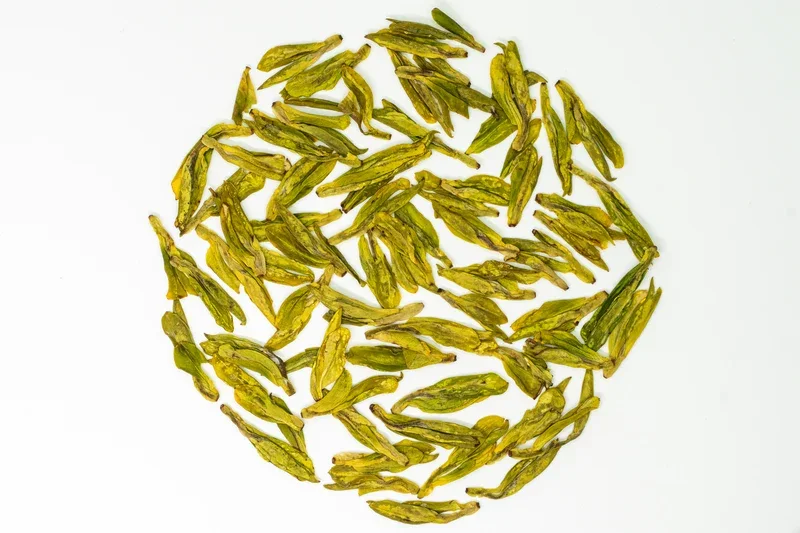
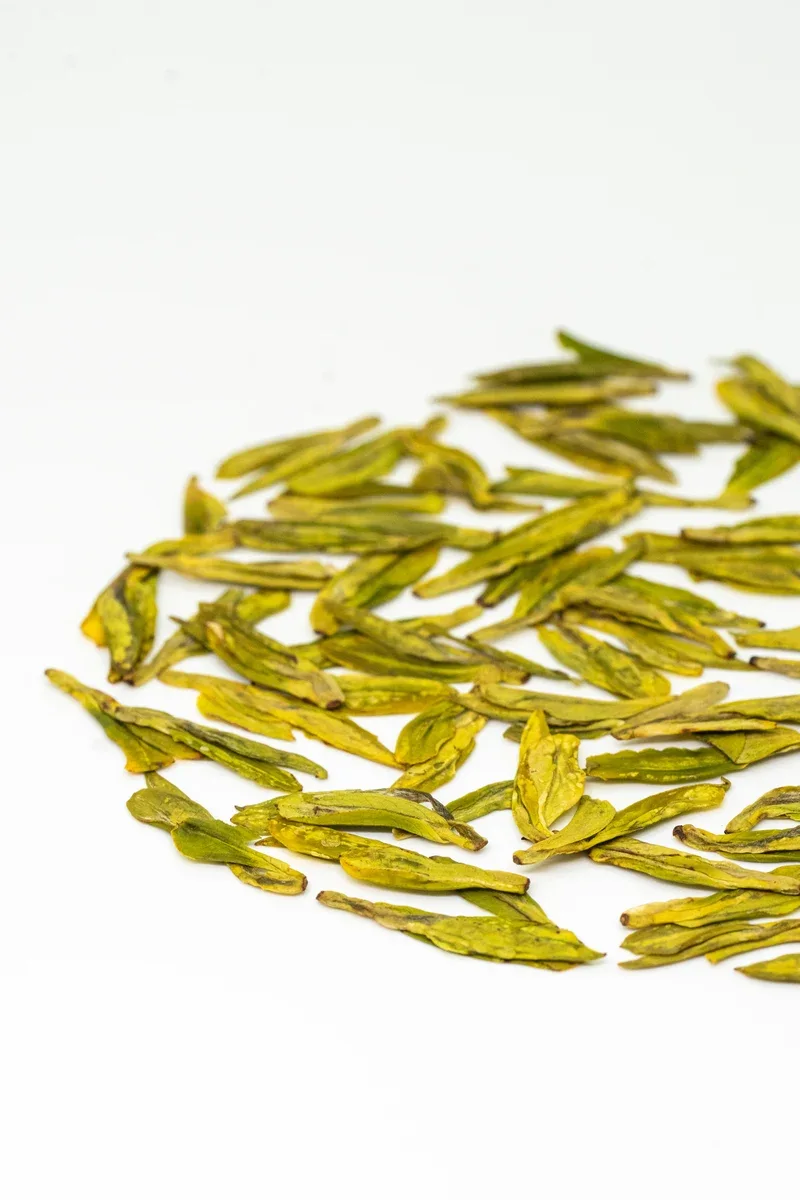
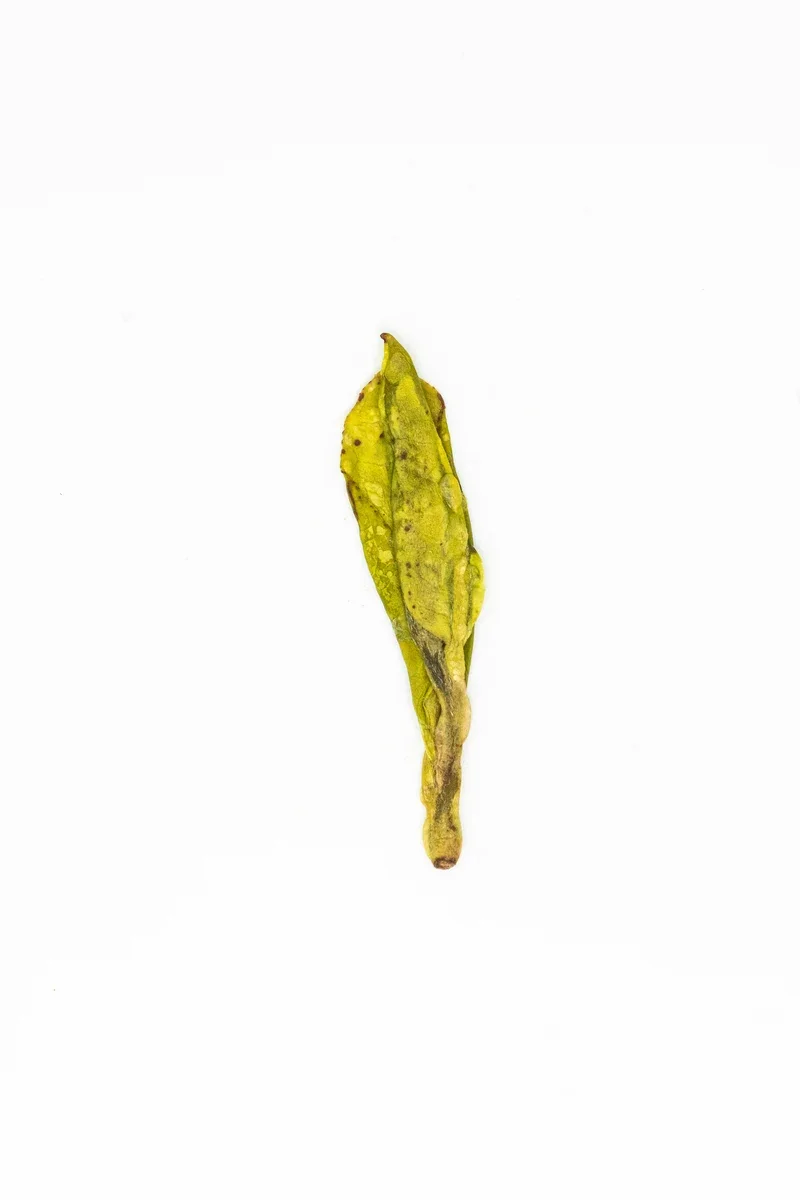
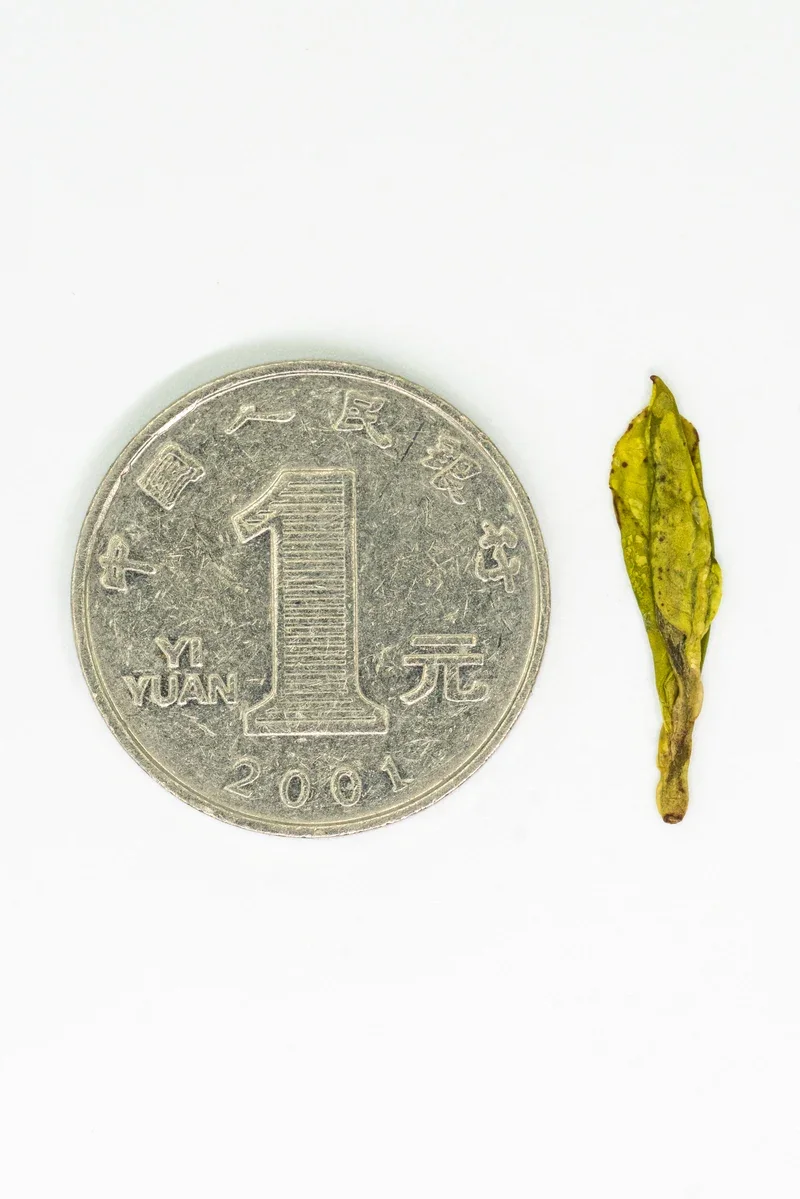
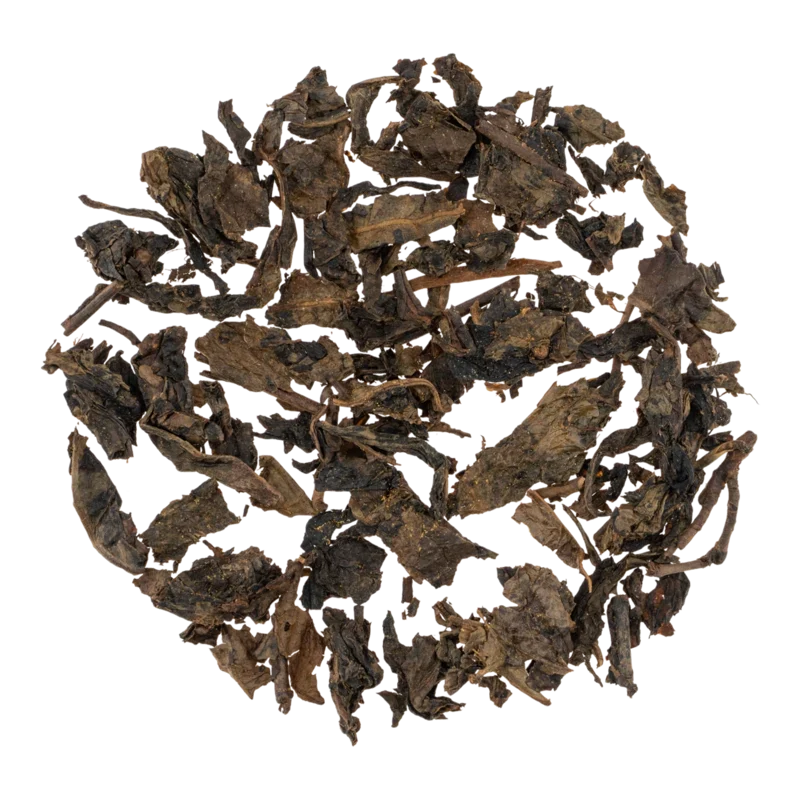
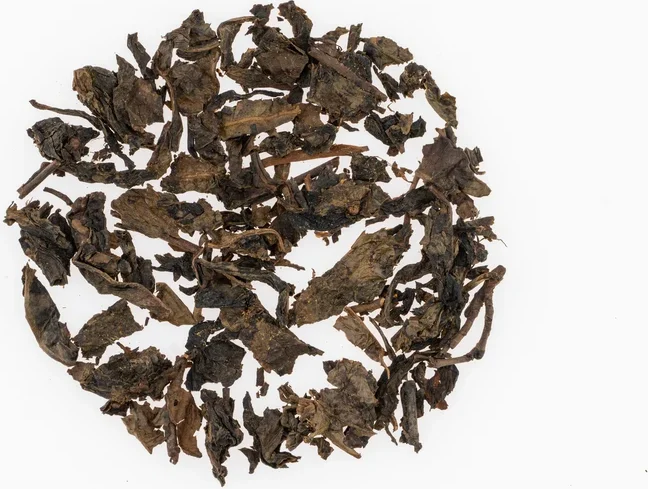
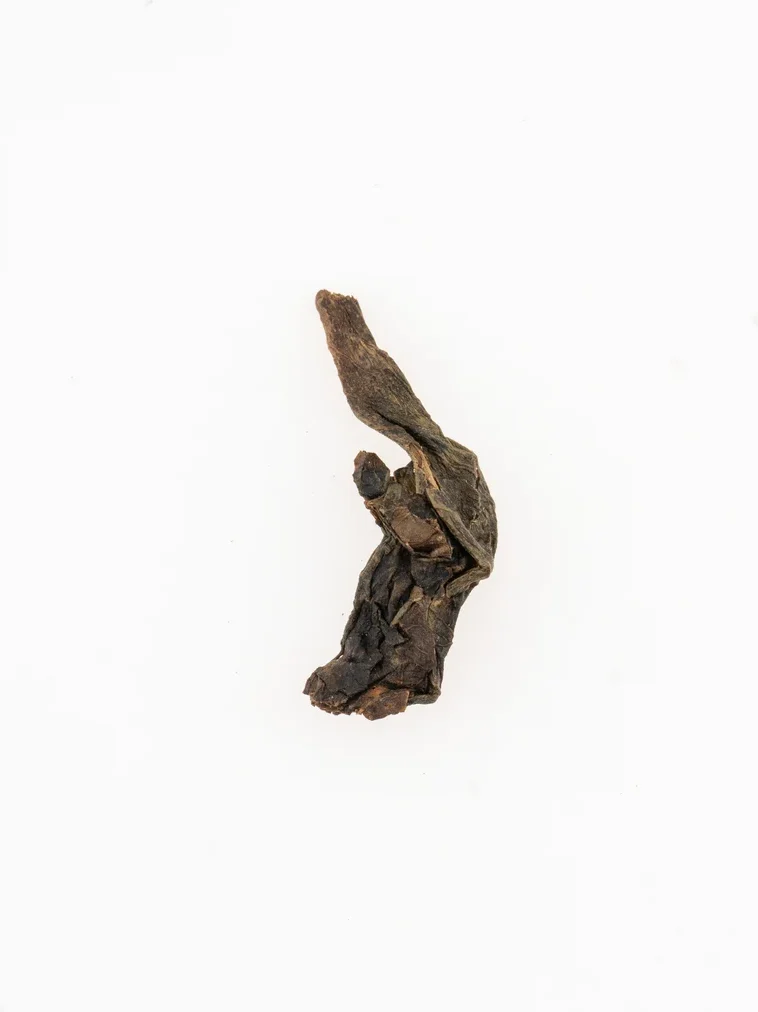
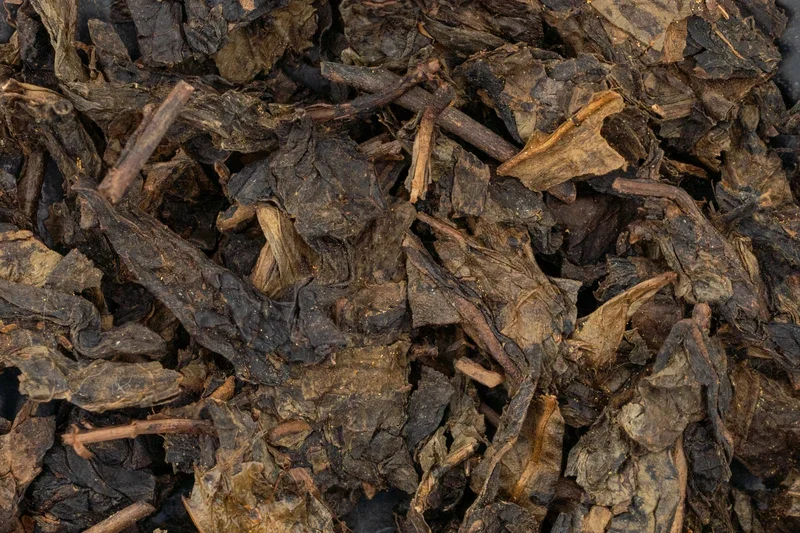
Dry Leaf Appearance: Depends on the form of release. Loose tian jian — dark, elongated tea particles with noticeable stems, color from dark brown to black-brown (乌褐, wū hè). Brick tea (fu zhuan, hei zhuan) — tightly pressed tiles with smooth surface; when broken, fu zhuan shows scatterings of golden dots — "jinhua" colonies. Hua juan — dense cylinder in bamboo basket.
Dry Leaf Aroma: Pronounced and distinctive. Dominated by notes of dried ginger (干姜, gān jiāng) and medicinal herbs (草药香, cǎo yào xiāng), creating a recognizable "ginger-herbal" profile. Depending on age and type, tones of green grass (青草香), candied fruits may be present, and fu zhuan has characteristic mushroom aroma of "jinhua."
Liquor Aroma: Multi-layered, unfolds dynamically. In first infusions, ginger and herbal notes predominate, gradually replaced by tones of dried fruits and candied fruits (果脯蜜饯香, guǒ pǔ mì jiàn xiāng). At the bottom of the cup (杯底香, bēi dǐ xiāng), the aroma lasts long — a characteristic feature of quality Gu Yi Hei Cha. Fu zhuan has a distinct mushroom tone "junhua xiang" (菌花香).
Liquor Color: Orange-yellow (橙黄, chéng huáng), bright, clear. With increased aging time, color deepens to orange-red and reddish-brown. Young tea liquor may be lighter, with greenish tint.
Spent Leaves: Leaves unfold, revealing dark brown color with reddish cast. Stems and whole leaves are noticeable. Leaf is elastic, not loose — a sign of proper fermentation.
Taste: The first sip reveals slight bitterness (微苦, wēi kǔ) and noticeable astringency (收敛性强, shōu liǎn xìng qiáng), reminiscent of young sheng pu-erh character. However, bitterness quickly gives way to rapid sweet aftertaste (回甘快, huí gān kuài) — one of the calling cards of this tea. The liquor body is dense, thick (醇厚, chún hòu), texture silky and soft (柔滑, róu huá). With age, astringency softens and sweetness deepens. Ten-year-old and older teas are distinguished by oily, viscous texture (粘稠, niánchóu).
Alkaloids: Caffeine (2–4% of dry weight), theobromine, theophylline. Due to prolonged fermentation and aging, free caffeine is partially bound with polyphenols, making the tonic effect softer and more prolonged compared to green tea.
Amino Acids: L-theanine is present, whose content is favored by high-mountain growing conditions under diffused light. Participates in forming soft, sweetish aftertaste.
Fu zhuan contains a complex of Eurotium cristatum metabolites, including up to 18 types of amino acids and more than 450 biologically active compounds. Also characteristic is the presence of lovastatin-like compounds involved in lipid metabolism regulation.
Essential Oils: Significant role in forming the unique ginger-herbal aroma. Volatile aromatic compounds include linalool, geraniol, citronellol, and a number of other terpenoids characteristic of post-fermented teas. The steam "aroma lifting" stage activates essential oil release.
Minerals: Potassium, magnesium, manganese, fluorine, zinc, selenium. Tea from mountainous regions of Yi County contains increased amounts of manganese and zinc due to soil mineral composition.
Polyphenols: Polyphenol content is lower than in green tea but significantly transformed due to microbial fermentation. Catechins are partially oxidized to theaflavins and thearubigins, which provide taste softness and rich liquor color. The presence of "golden flowers" in fu zhuan additionally modifies the polyphenolic profile: Eurotium cristatum breaks down part of the tannins, reducing astringency.
Vitamins: B-group vitamins (B₁, B₂, B₆), vitamin PP (nicotinic acid), trace amounts of vitamin C. Content of fat-soluble vitamins (E, K) increases during microbial fermentation.
Gu Yi Hei Cha is traditionally and justifiably considered one of the best "digestive teas." Microbial enzymes break down fats and proteins, accelerating digestion of heavy food. The effect was especially valued by nomadic peoples and residents of southern provinces with fatty cuisine.
Polyphenols and "golden flower" metabolites contribute to regulating cholesterol and triglyceride levels in blood. Tea is traditionally recommended after abundant, fatty meals.
Theaflavins and thearubigins, as well as microorganism metabolic products, have the ability to neutralize free radicals, slowing cellular aging processes.
Traditional Chinese medicine highly values an cha for its ability to "clear heat and stop bleeding," "expel toxins and reduce swelling." In the 19th century, Lingnan doctors used this tea to combat epidemics in Guangdong, and in 2003, demand for an cha sharply increased during the SARS outbreak — in southern China it was used as part of folk remedies.
According to traditional assessments, the invigorating action of Gu Yi Hei Cha exceeds the effect of ordinary green tea, while being softer and more prolonged.
Probiotic properties associated with the presence of beneficial fungal metabolites (especially in fu zhuan) contribute to healthy intestinal microflora balance.
Regular consumption of dark tea is associated with blood pressure reduction and improved vascular wall elasticity.
Ceramic teapot (陶壶, táo hú) or Yíxīng purple clay teapot (紫砂壶, zǐ shā hú) is preferable. The porous clay structure absorbs "storage taste" (堆味, duī wèi) characteristic of young dark tea and helps reveal pure aroma. For tasting, gaiwan is also suitable.
Tea Amount: Ratio 1:40 (for example, 5 g tea per 200 ml water). For pressed tea — fill teapot approximately 1/4 volume.
Water Temperature: 100°C — boiling water. Full revelation of Gu Yi Hei Cha aroma and taste requires maximum temperature.
Container: Wooden warehouses (木仓) are used in production. At home, kraft paper, cardboard box, bamboo container are suitable. Storage without packaging in a special tea cabinet is acceptable. Completely airtight containers are categorically not recommended — tea must "breathe."
Enemies: Foreign odors (store separately from spices, perfumery, household chemicals), direct sunlight, excessive moisture, insects.
Humidity: 50–70%. Excessive humidity leads to unwanted molding, insufficient — to drying out and stopping maturation processes.
Dry, cool, dark, well-ventilated room. Avoid direct sunlight.
Temperature: 15–30°C, without sharp fluctuations.
Tea pressed into brick form, whose main characteristic is the presence of "golden flowers" (金花, jīn huā), colonies of the beneficial fungus Eurotium cristatum. Possesses a characteristic mushroom aroma (菌花香), mild, slightly sweet taste. Considered most beneficial for digestion and lipid metabolism regulation. The most recognizable variety of Gu Yi Hei Cha.
Loose (unpressed) tea made from the most tender raw material. Distinguished by a higher degree of fragrance, elegant and refined taste compared to pressed varieties. Clean, clear aroma with ginger-floral notes. Ideal for daily brewing with short steeps.
Densely pressed tea of dark, almost black color. Distinguished by high density and durability, which ensures excellent preservation during long-term storage. Full, rich taste with pronounced astringency. Suitable for multi-year aging.
Tea pressed into cylindrical form in a bamboo basket — analogous to Húnán qiān liàng chá (千两茶). Inside the cylinder, slow post-fermentation continues for many years. The most "collectible" form of release with maximum potential for maturation.
Look for official "Gu Yi" (古黟) brand representatives or specialized tea shops. "Tianfang" company has more than 300 branded sales points throughout China.
Genuine Gu Yi Hei Cha has dark brown, charcoal-brown color. Leaf should be whole, with noticeable stems. Fu zhuan when broken should show visible "golden flowers" — evenly distributed golden dots. Gray or black coating without characteristic aroma is a sign of ordinary mold, not "jinhua."
Characteristic ginger-herbal tone should be present, without mustiness and sharp unpleasant odors. "Jinhua" aroma is pleasant, mushroom-like, reminiscent of forest smell.
Liquor should be clear, orange-yellow, with quick "returning sweetness." Muddy, sour, or rancid liquor is a sign of spoilage or counterfeit.
Suspiciously low price for "aged" tea is reason for doubt. Genuine tea with ten-year aging cannot be cheap.
No reviews yet. Tell us what you think of this tea.
Rate this tea and share your impressions. We review each submission before publishing it.