Brewing
Gongfu brewing
- Water temperature
- 75 °C
- Tea amount
- 5 g
- Water volume
- 100 ml
- First steep
- 10 s
- Time added per infusion
- 5 s
- Infusions
- 4

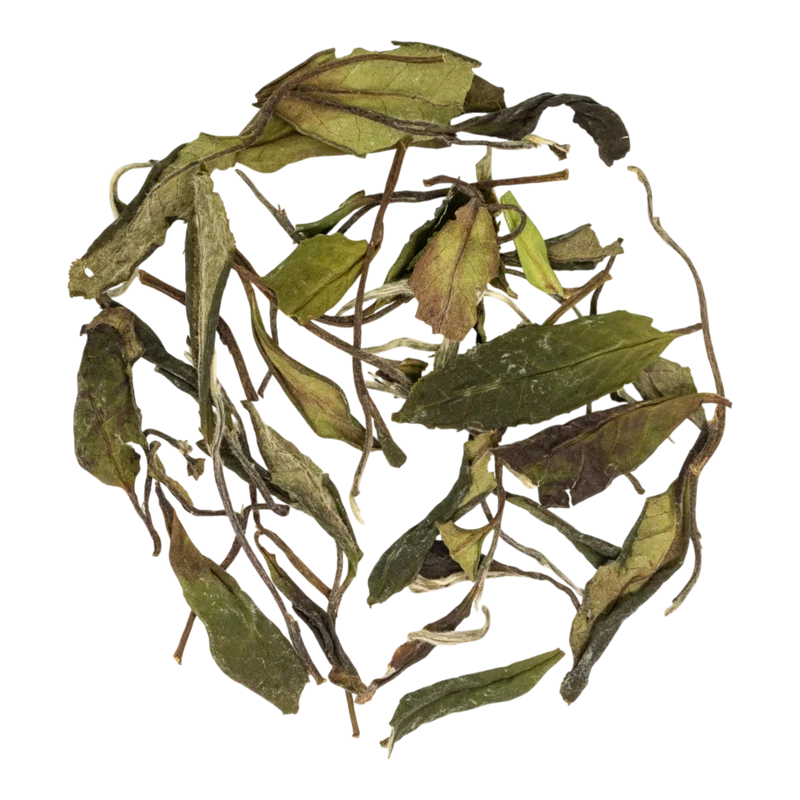
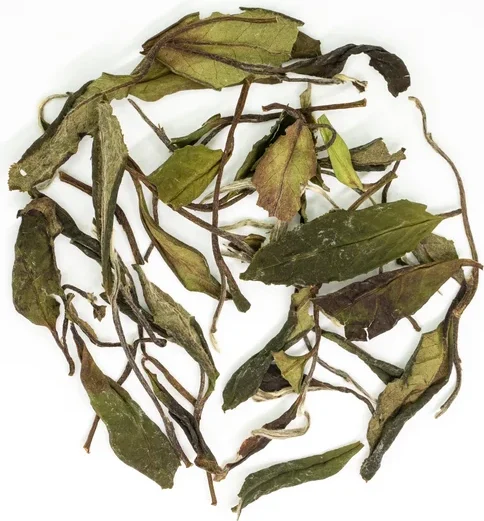
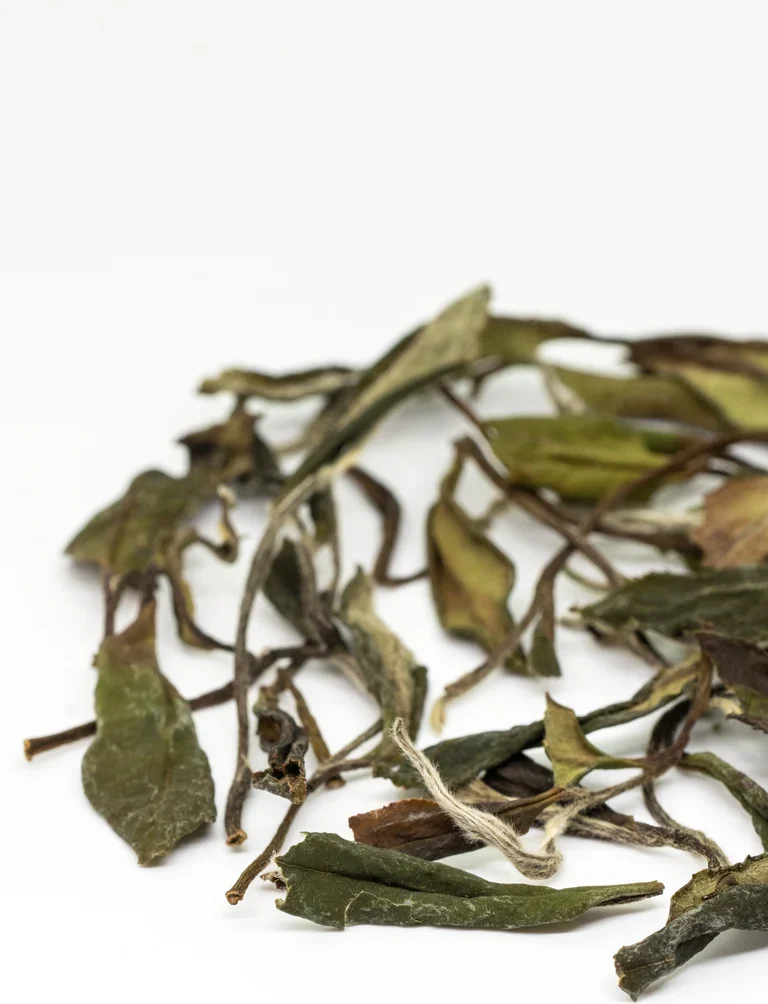
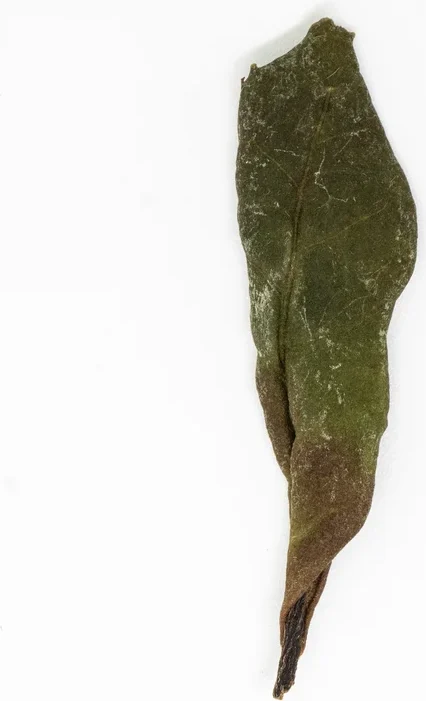
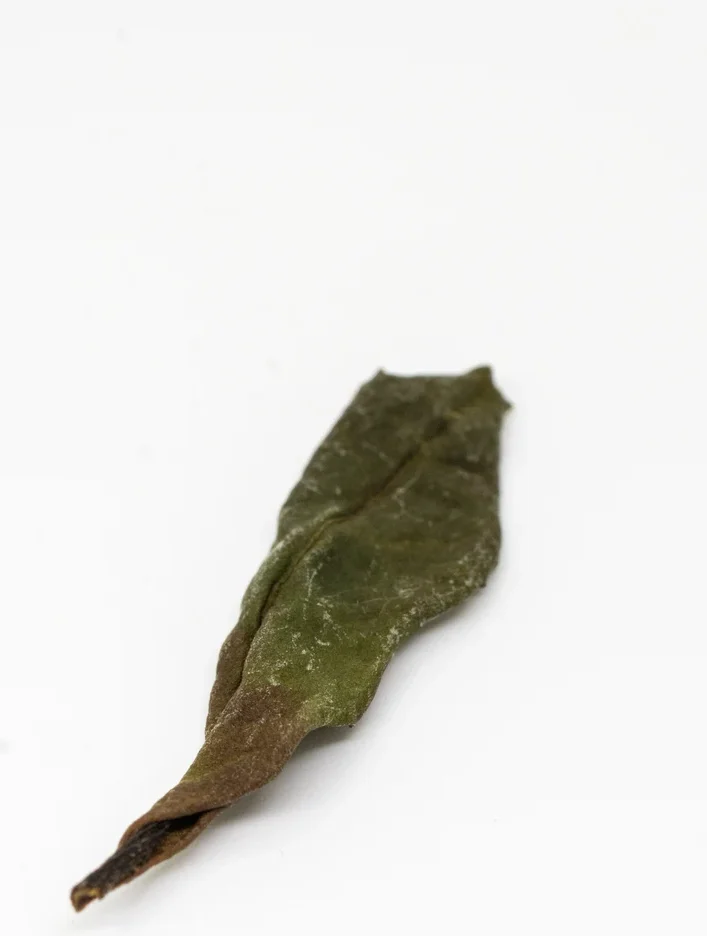
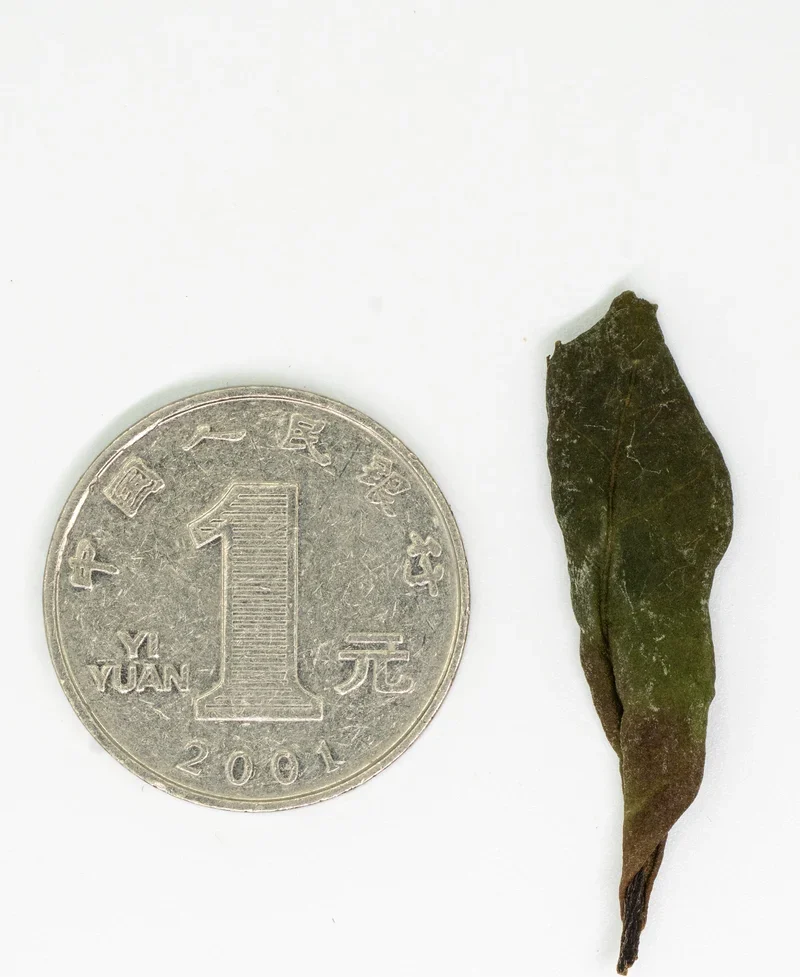
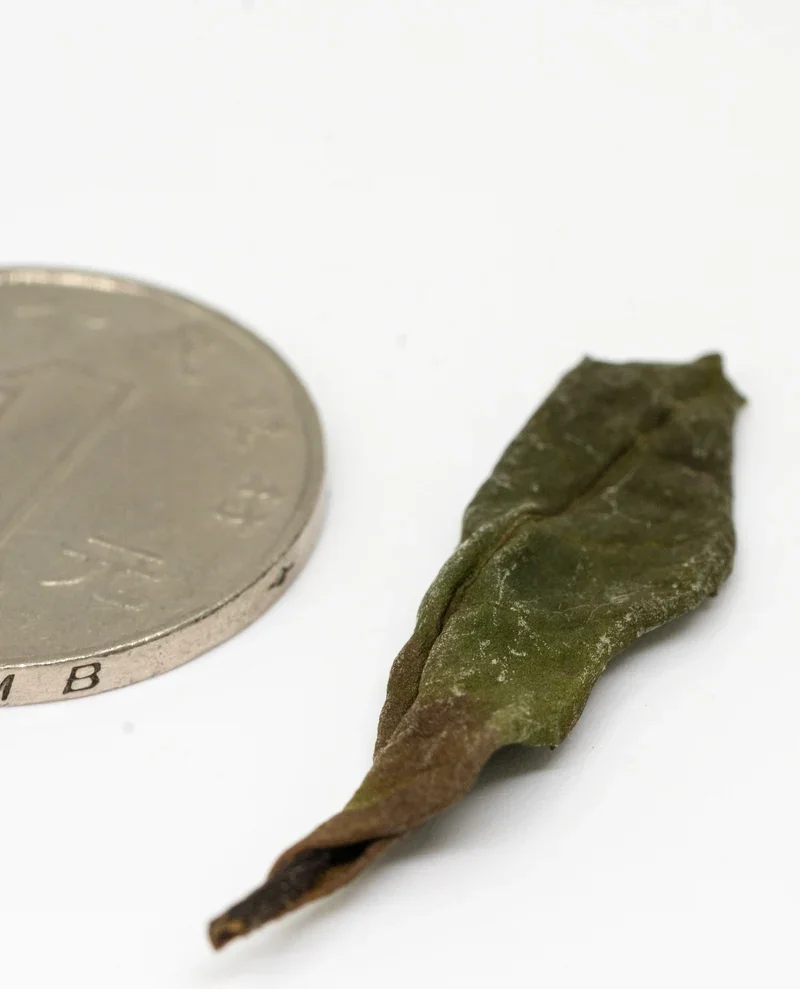
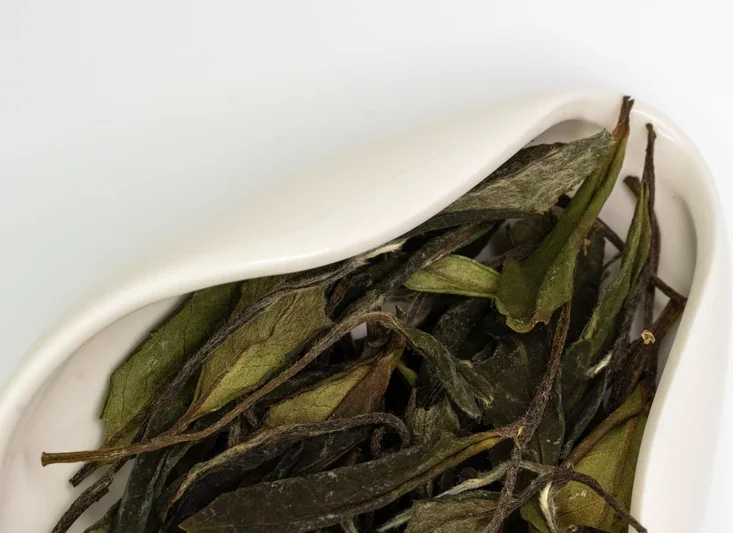
shòuméi xīn chá
Choose a brewing method. Start with the recommended quantities and time, then adjust to taste.
Brewing
Brewing
Taste
Tea encyclopedia
Category: Leaf white tea (in white tea classification often refers to "later" harvests and more mature leaves).
Category: Leaf white tea (in white tea classification often refers to "later" harvests and more mature leaves).
tea of the current season without aging — more herbal and "green" in profile than aged Shou Mei.
Coordinates: approximately 27° N, 119–120° E (for Fujian standards).
Origin: China, primarily Fujian (Fuding/Zhenghe as classical centers of white tea). Shou Mei is also made in other regions, but the standard style is usually associated with Fujian.
Type: White tea (lightly oxidized).
Cultural Significance: in white tea culture, Shou Mei is important because it most clearly shows the advantages of aging: it quickly demonstrates the transition from herbal profile to "compote-like."
History: Shou Mei is often perceived as the "folk" category of white tea: it is less demanding in production, gives stable results, and stores well.
depend on region and farm; in Fujian classics, "white" cultivars are used (Fuding Da Bai/Da Hao, Zhenghe Da Bai) and/or local bush populations.
more mature leaves and stems (compared to Yin Zhen and Bai Mu Dan). This provides:
spring and/or later harvests — depends on producer's standards.
for Shou Mei it is critical that the leaf be healthy and clean, because the "leaf" category more strongly shows raw material coarseness.
the humid subtropical climate of Fujian allows for slow withering, which helps soften mature leaves.
in fresh Shou Mei there is usually more herbal line and "hay," less floral delicacy. This is a normal characteristic of the category.
allows for more mature leaves; important to avoid rough damage.
key stage that makes mature leaves soft. Poor withering gives coarse herbal bitterness.
gentle; overheating gives baked notes and brittleness.
removal of overly coarse fragments.
common for Shou Mei; "fresh" can be drunk loose, while part of the batch often goes into pressing for aging.
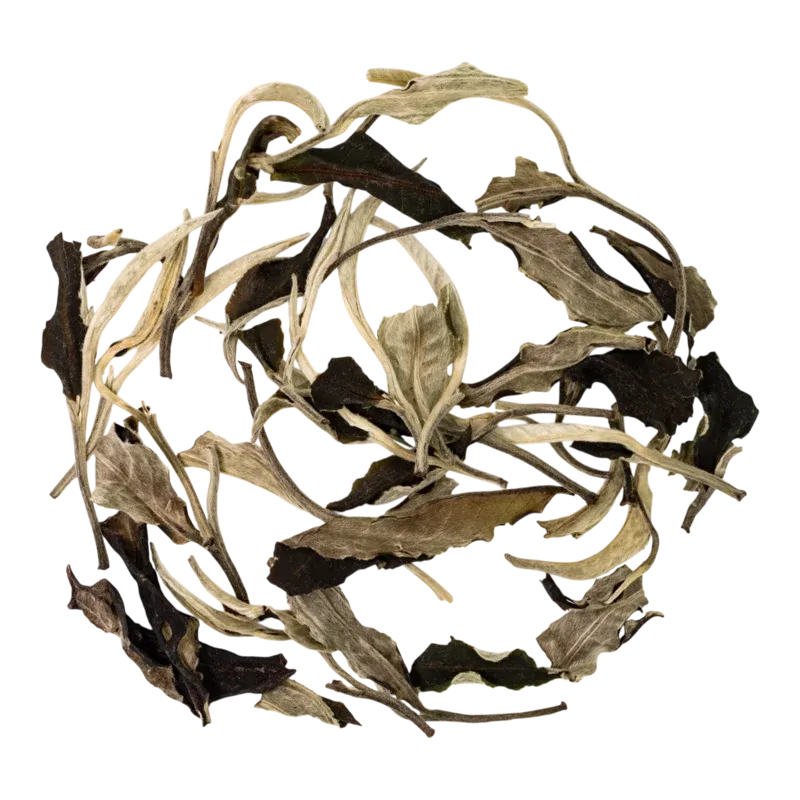
large leaves, noticeable stems; color from gray-green to olive.
fresh grass, hay, light honey, sometimes apple peel undertone.
golden.
long, sweet, with herbal trail.
Taste: dense, sweetish, with moderate astringency when over-steeped.
Amino Acids: responsible for sweetness, softness, and "umami" sensation.
usually acts more gently than in green and red teas, but the level depends on the proportion of buds and leaf youth.
in young tea give undertones of wildflowers, fresh hay, green apple; with aging shift to honey, dried fruits, and herbs.
enhance "silkiness" and roundness of taste (especially in varieties with a greater proportion of leaves and stems).
Polyphenols: form antioxidant potential and light astringency.
polyphenols help reduce oxidative stress.
the combination of caffeine and theanine gives many people steady focus.
warm infusion is often perceived as comfortable after meals (especially aged whites).
regular tea drinking may support hygiene due to polyphenol profile.
bud teas (especially Yin Zhen) with boiling water lose florality and give harsh astringency.
white tea opens gradually; better to make short infusions and increase time.
conversely, old white and dense pressing often require 95–100 °C, otherwise taste will be flat.
white tea quickly "absorbs" kitchen, spices, and household chemicals.
expecting "spring greenness" from old white is a mistake; its value is in honey, dried fruits, and soft density.
5–7 g per 150–200 ml.
15–25 sec for the first, then increase; 6–10 infusions.
2–3 g per 300–500 ml, 10–20 minutes (adjust to taste).
for fresh — optional, but especially reveals itself with aging.
Water Temperature: 90–100 °C (Shou Mei tolerates boiling water well).
Container: airtight (jar, zip-lock bag/foil bag), without "aromatic" materials.
dry, cool, dark, without temperature fluctuations.
separate from spices, coffee, incense.
possible for very delicate batches (especially with high bud content), but only with perfect airtightness, otherwise tea quickly absorbs odors and moisture.
denser, more herbal, better tolerates boiling water, more often suitable for thermos.
more floral and transparent, "higher" in aromatics, better at 80–90 °C.
if you need "everyday tea" and density — Shou Mei; if you want floral elegance — Bai Mu Dan.
less volume, less crumbs.
in pressing tea ages slower and often more "cohesively," because leaf has less contact with air.
pressing often has more "compote-like" density and fewer sharp top notes.
white tea is seasonal beverage. "Spring" is usually finer in aroma, "summer/autumn" — denser and more herbal.
for Fujian classics, Fuding/Zhenghe and specific village/hamlet are important. For new regions — specific growing area.
Yin Zhen / Bai Mu Dan / Gong Mei / Shou Mei (or equivalent). This is more honest than abstract "premium."
minimum crumbs and dust, neat fraction.
even size and color — sign of stable sorting.
clean, without "basement," dampness, chemicals, and sharp perfumery.
good white tea usually gives clean, not cloudy liquor.
should be sweet and long, without unpleasant acid and "dirt."
70–80 °C.
80–90 °C.
90–100 °C.
any musty, sour, "dusty" notes usually indicate storage or raw material problems.
good white tea beautifully changes from infusion to infusion; "flat" taste is more often sign of mediocre batch.
white tea can be astringent, but bitterness shouldn't dominate.
strong batches have sensation of "oiliness" or "silk" — don't confuse with bitterness.
good with fruits (pear, apple), light biscuits, nuts, soft cheeses. Also excellent as "morning tea" — gently invigorating.
especially harmonious with dried fruits, warm pastries, nut desserts, porridges; in winter often drunk as "warming" tea. Shou Mei boiled is almost "compote," it befriends home cooking.
spicy dishes, strong garlic/onion, bright spices, and very sweet creamy desserts — they easily "overwhelm" white tea's delicate aroma.
No reviews yet. Tell us what you think of this tea.
Rate this tea and share your impressions. We review each submission before publishing it.