
Slaan oor na inhoud
Pu-erh-winkel

Sichuan Biān Chá

四川边茶Sìchuān biān chá

Tea passport

Herkoms
China, Sìchuān Province, main production areas: Ya'an Prefecture, Gānzī Prefecture, Ābā Prefecture, as well as some other areas bordering the Tibet Autonomous Region
Oesseisoen
Maart, April — April, Mei, Junie, Julie, Augustus, September, Oktober · spitsoes: Maart, April, Mei
Teesoort
Dark Tea

SKU · SICHUAN-BIAN-CHA-CN

SKU · SICHUAN-BIAN-CHA-CN
Vergelyk tee
Hoe om te laat trek

01 / Sensations

Smaakprofiel

From the first impression to the smallest tasting note.

Intensity, balance and flavor notes

Example profile Tea data

TEA DATANumeric scores appear only after the tasting profile is filled; descriptive notes are shown separately.

Intensiteit

0 — 5
—

Numeric scores have not been added yet

Scores will appear after tasting. Descriptive notes are listed separately.

Taste balance

5 axes
—

Numeric scores have not been added yet

Scores will appear after tasting. Descriptive notes are listed separately.

Note wheel

4
  • Woody
  • Earthy
  • Dried fruit
  • Spicy
Verken die smaaknote. Waar filtering beskikbaar is, kies 'n noot om bypassende tee te sien.Dossier
02 / Practice

Brewing

Choose a method and start with the parameters published for this tea.

Trekproses

Gongfu-trekmetode

Watertemperatuur
95 °C
Hoeveelheid tee
7 g
Watervolume
100 ml
Eerste trek
10 s
Tyd bygevoeg per treksel
5 s
Treksels
9
Spoel af
Ja

Trekproses

Westerse trekmetode

Watertemperatuur
93 °C
Hoeveelheid tee
3 g
Watervolume
200 ml
Eerste trek
3 min
Treksels
2
Spoel af
Nee

Smaak

Smaakprofiel

Dry Leaf Aroma
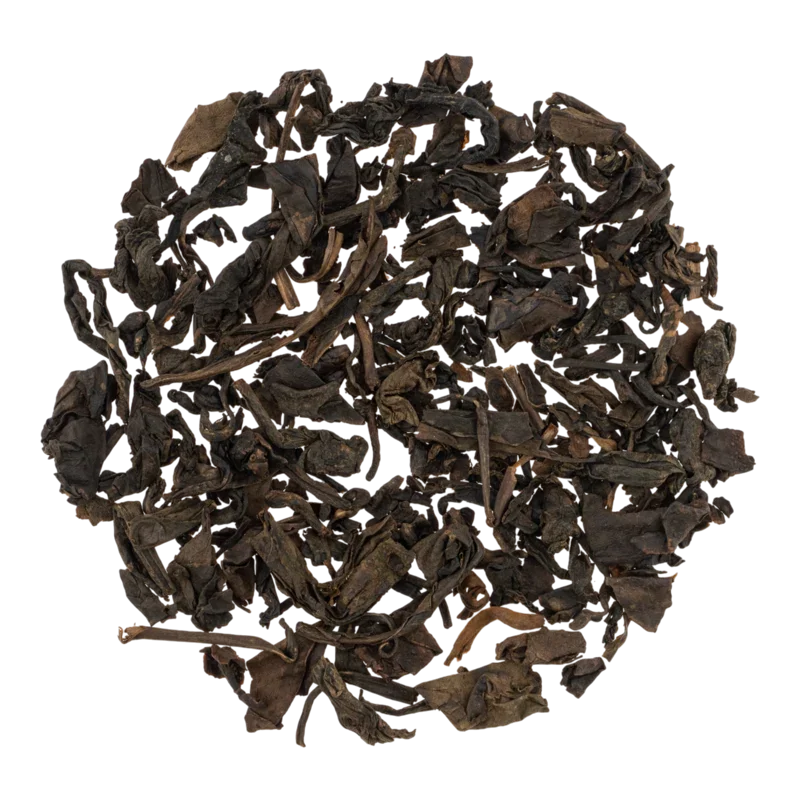
Rich, with notes of wood, earth, dried fruits, spices, sometimes with smoky or "cellar" nuances. With age, the aroma becomes more complex and deep.
Liquor Aroma
Bright, woody-spicy, with shades of dried fruits, nuts, sometimes with light smokiness.
Liquor Color
From dark amber to reddish-brown, clear, rich.
Spent Leaves
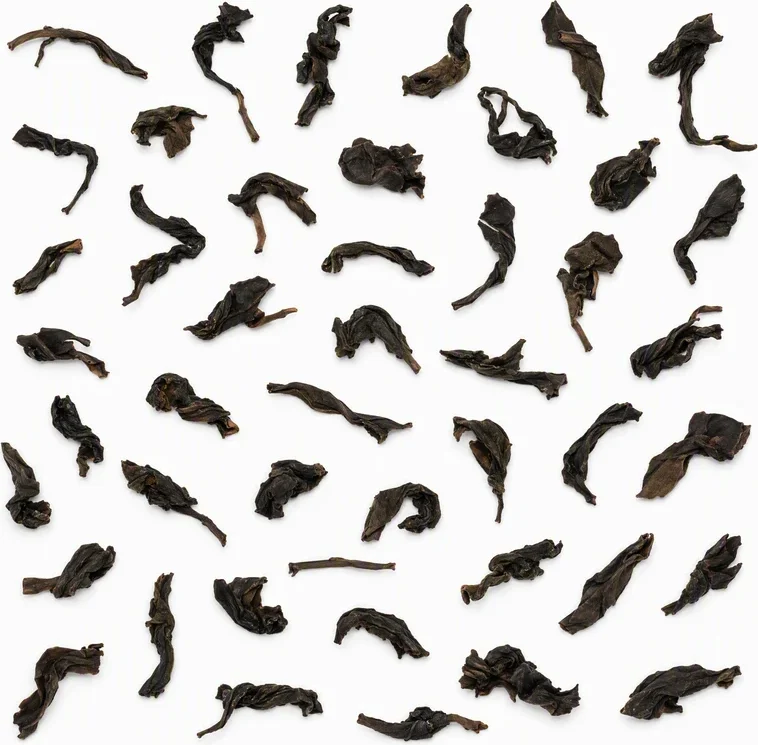
Large, whole or broken leaves, dark brown color.

03 / Origin passport

Origin and production

Teesoort
Dark
Climate
Subtropical monsoon climate with distinct seasons. Characterized by high humidity, abundant precipitation, frequent fogs and moderate amounts of sunlight. Average annual temperature ranges from 14 to 19°C.
Soil
Diverse, but mainly fertile soils rich in organic matter and minerals.
Регион
China, Sìchuān Province (四川, Sìchuān), main production areas: Ya'an Prefecture (雅安, Yǎ'ān), Gānzī Prefecture (甘孜, Gānzī), Ābā Prefecture (阿坝, Ābā), as well as some other areas bordering the Tibet Autonomous Region

Tee-eienskappe

Tee-eienskappe

Picking
Picking occurs, as a rule, in summer and autumn, when the leaves reach maturity.
Pluck Standard
Varies depending on the tea variety. Both young leaves (bud and 2-3 leaves) and more mature leaves with petioles can be used.
Raw Material
Lower than for elite teas. The main thing is that the leaves are healthy and undamaged.

04 / Tea care

Keep it fresh

Houer
It is best to store Sichuan Bian Cha in original packaging, if it provides sufficient tightness and ventilation. You can also use:

Besonderhede

Besonderhede

Cultural Significance
Sichuan Bian Cha has played an important role in the economy, politics and culture of both China and Tibet for centuries. It was not just a commodity, but also a means of strengthening ties between different peoples.
Alkaloïede
Caffeine, theobromine, theophylline.
Amino Acids
Including L-theanine.
Essential Oils
Determine the rich aroma of tea.
Minerale
Potassium, fluorine, magnesium, manganese, iron, selenium.
Polifenole
Tannins that give tea astringency and have antioxidant properties.
Vitamiene
C, B group, E, K.

Beoordelings

Nog geen beoordelings nie. Vertel ons wat jy van hierdie tee dink.

Skryf 'n beoordeling

Gradeer hierdie tee en deel jou indrukke. Ons gaan elke voorlegging na voordat dit gepubliseer word.