Brewing
Gongfu brewing
- Water temperature
- 95 °C
- Tea amount
- 7 g
- Water volume
- 100 ml
- First steep
- 10 s
- Time added per infusion
- 5 s
- Infusions
- 9


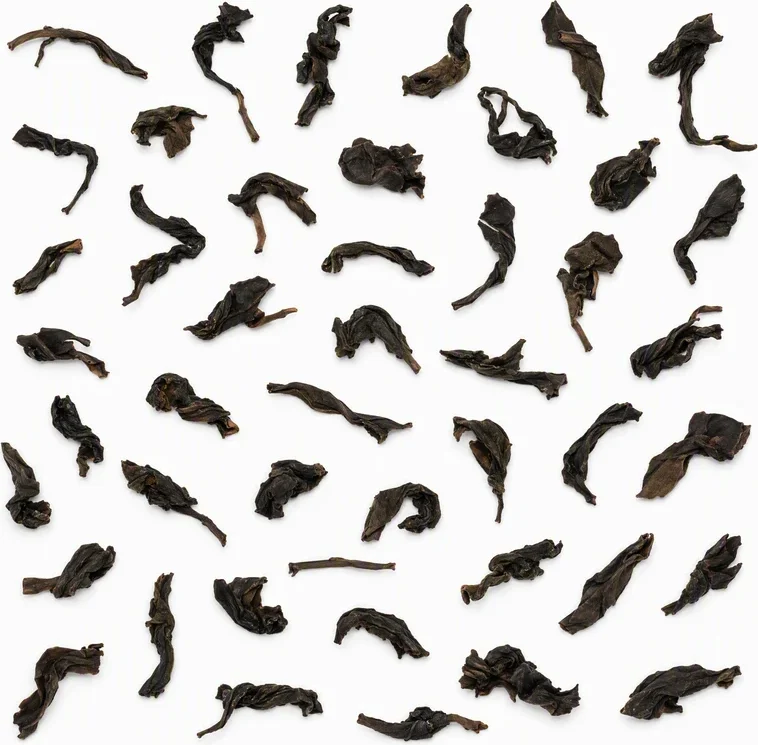

Sìchuān biān chá
Choose a brewing method. Start with the recommended quantities and time, then adjust to taste.
Brewing
Brewing
Taste
Tea encyclopedia
Category: Belongs to the category "Bian Cha" (边茶, Biān Chá) - "Border teas", traditionally produced for consumption by ethnic minorities in southwestern and northwestern China, as well as for export to neighboring regions (Tibet, Mongolia, Central Asian countries).
Category: Belongs to the category "Bian Cha" (边茶, Biān Chá) - "Border teas", traditionally produced for consumption by ethnic minorities in southwestern and northwestern China, as well as for export to neighboring regions (Tibet, Mongolia, Central Asian countries).
Coordinates: Sichuan is located in southwestern China, between 26° and 34° North latitude and 97° and 108° East longitude.
Origin: China, Sìchuān Province (四川, Sìchuān), main production areas: Ya'an Prefecture (雅安, Yǎ'ān), Gānzī Prefecture (甘孜, Gānzī), Ābā Prefecture (阿坝, Ābā), as well as some other areas bordering the Tibet Autonomous Region.
Type: Post-fermented tea, belongs to the category of Hēi Chá (黑茶, Hēichá - "Dark tea").
Sichuan Bian Cha has been the main type of tea supplied to Tibet for centuries. It still forms the basis of traditional Tibetan tea with butter and salt - sutei chai.
Besides Tibet, Sichuan Bian Cha was exported to other regions of China, as well as to Mongolia and Central Asian countries.
Although Sichuan Bian Cha is traditionally pressed into bricks, other forms are now found, including cakes and even loose versions.
"Kang" refers to the historical trading center Kāngdìng (康定), located on the border with Tibet. It was through Kangding that tea from Sichuan reached Tibet. "Zhuan" means brick. This name emphasizes the historical connection of tea with trade on the Great Tea Road.
In recent years, there has been a revival of interest in traditional types of tea in China, including Sichuan Bian Cha. Many producers strive to preserve and revive ancient production technologies, and tea enthusiasts increasingly value this distinctive tea.
Cultural Significance: Sichuan Bian Cha has played an important role in the economy, politics and culture of both China and Tibet for centuries. It was not just a commodity, but also a means of strengthening ties between different peoples.
History: The history of Sichuan Bian Cha spans more than a thousand years. Tea production in Sichuan Province began during the Han dynasty (206 BCE - 220 CE), and possibly even earlier. Initially, tea was produced for domestic consumption, but over time it became an important commodity in trade with Tibet, starting from the Tang dynasty (618-907) and especially during the Song (960-1279) and Ming (1368-1644) dynasties.
Sichuan Bian Cha was one of the main commodities transported along the Ancient Tea Horse Road (茶马古道, Chá Mǎ Gǔdào), also known as the "Southern Silk Road". This trade route connected Sichuan and Yunnan with Tibet, India and other regions. Tea was exchanged for horses, medicinal herbs, hides and other goods.
For Tibetans living in the harsh conditions of high altitude, tea was and remains not just a beverage, but the most important food product, a source of vitamins and microelements. Traditionally, Tibetans drink tea with yak butter and salt (sutei chai).
The name "Bian Cha" (边茶) - "border tea" - reflects the historical role of this tea as a commodity intended for trade with peoples living on the periphery of China.
Cultivar: For the production of Sichuan Bian Cha, mainly local Sichuan tea bush cultivars are used, as well as cultivars brought from Yunnan. Often coarse, mature leaves and stems are used, which is a characteristic feature of "border" teas. However, for some varieties, for example, for "Jin Jian", younger leaves may also be used.
Picking: Picking occurs, as a rule, in summer and autumn, when the leaves reach maturity.
Pluck Standard: Varies depending on the tea variety. Both young leaves (bud and 2-3 leaves) and more mature leaves with petioles can be used.
Raw Material: Lower than for elite teas. The main thing is that the leaves are healthy and undamaged.
Altitude: Tea plantations are located at altitudes from 500 to 2000 meters above sea level and higher.
Climate: Subtropical monsoon climate with distinct seasons. Characterized by high humidity, abundant precipitation, frequent fogs and moderate amounts of sunlight. Average annual temperature ranges from 14 to 19°C.
Soil: Diverse, but mainly fertile soils rich in organic matter and minerals.
Located in southwestern China, known for its diverse topography, including the Sichuan Basin, mountains and plateaus.
Described above.
Picked leaves are spread out in the open air or indoors for withering. This stage may be brief.
Pan-firing at high temperature to stop enzymatic processes. For Sichuan Bian Cha, this stage can be conducted in several steps, using both woks and steaming.
Leaves are rolled to damage the cellular structure, release juice and give them shape. The degree of rolling may vary.
Tea is dried in the sun, over coals or in special drying cabinets. This stage can be quite prolonged to remove most of the moisture from the leaves.
For Sichuan Bian Cha, like other Hei Cha, the process of post-fermentation is characteristic, which occurs after drying and pressing, during storage and transportation. This process can last for years and decades, and it is precisely this that gives the tea its unique taste and aroma. Some producers may conduct light fermentation before drying, but this is rather an exception.
Before pressing, tea is often steamed to make the leaves softer and more pliable.
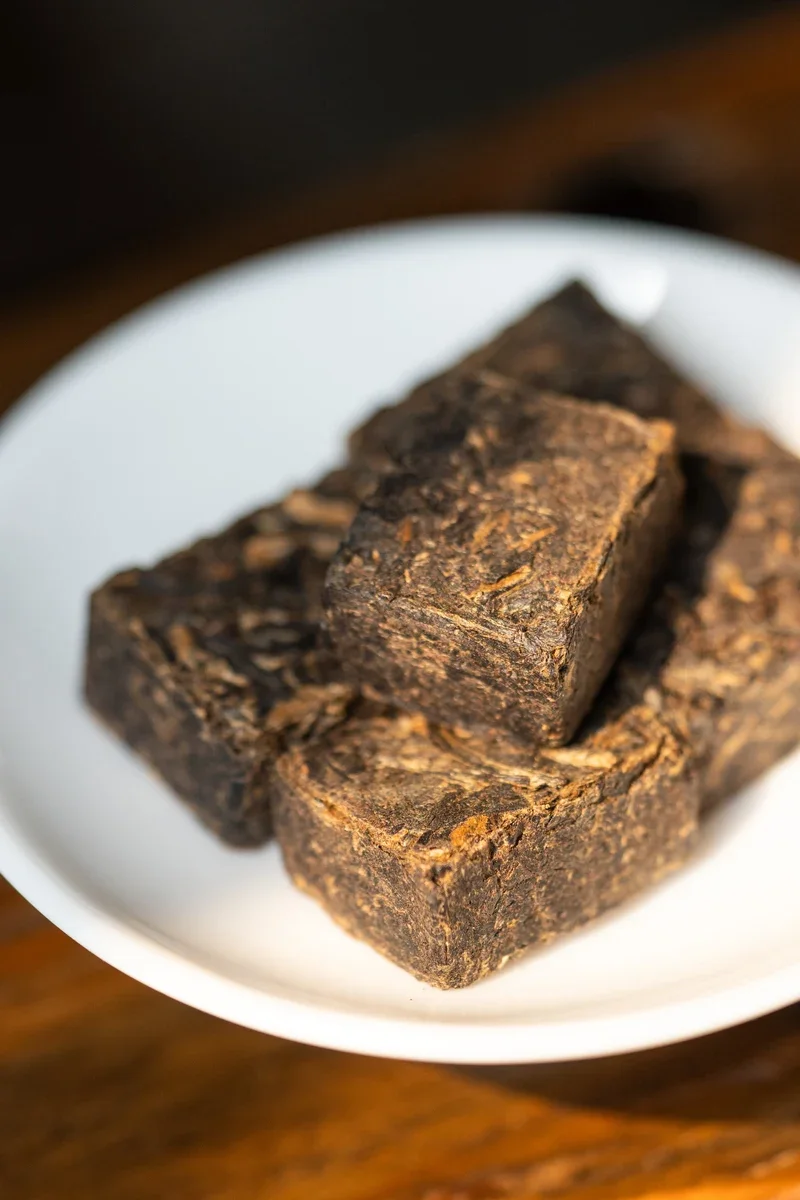
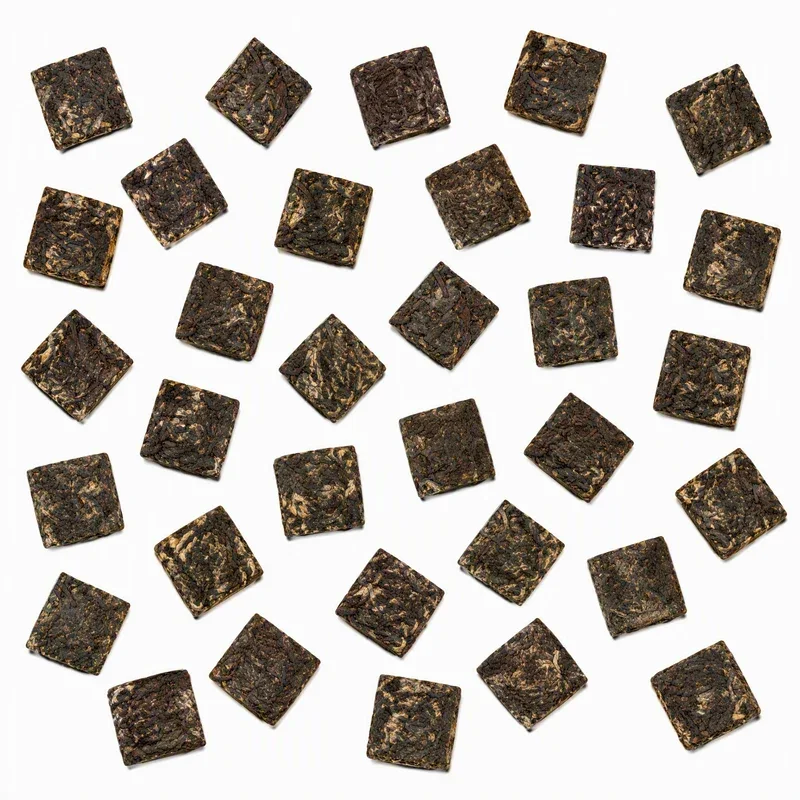
Sichuan Bian Cha is traditionally pressed into bricks (zhuan cha - 砖茶) or tiles, other forms are less common. Pressing is carried out using special molds and presses.
After pressing, tea is sent for storage, where it continues to slowly ferment and mature. This process can last from several months to several years and decades.
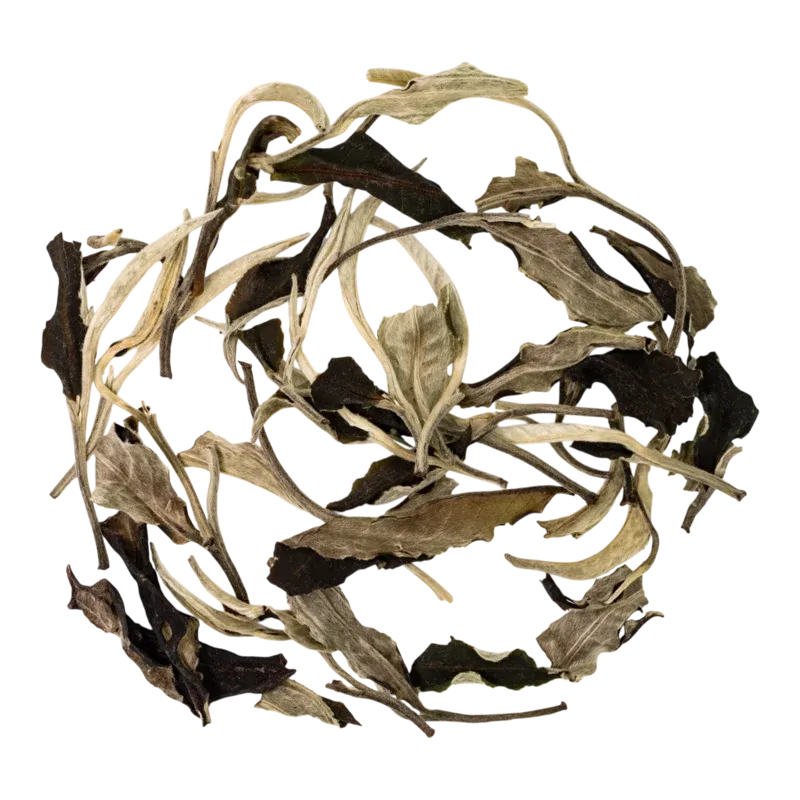
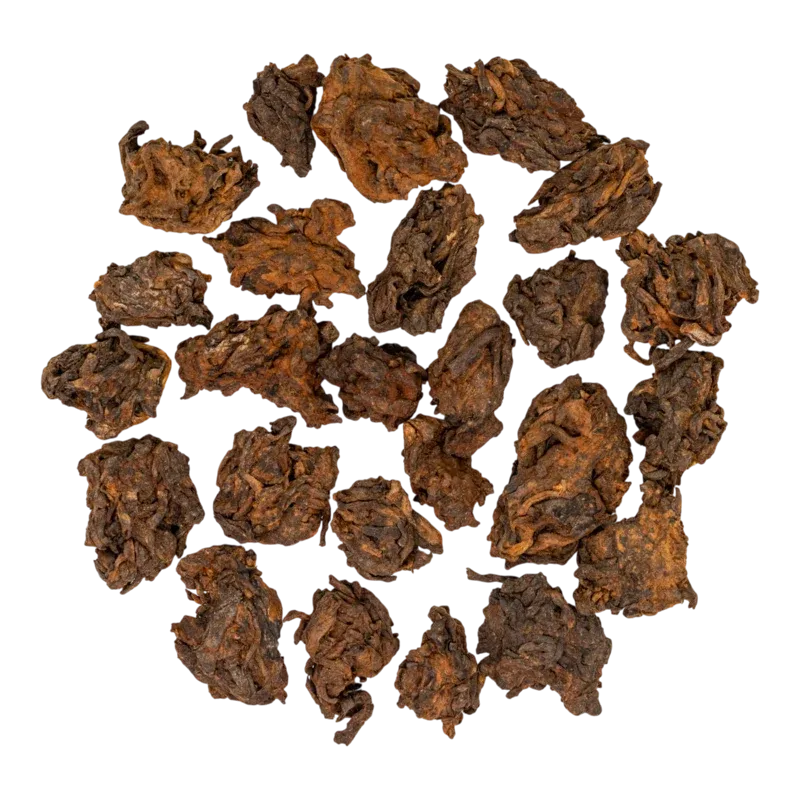
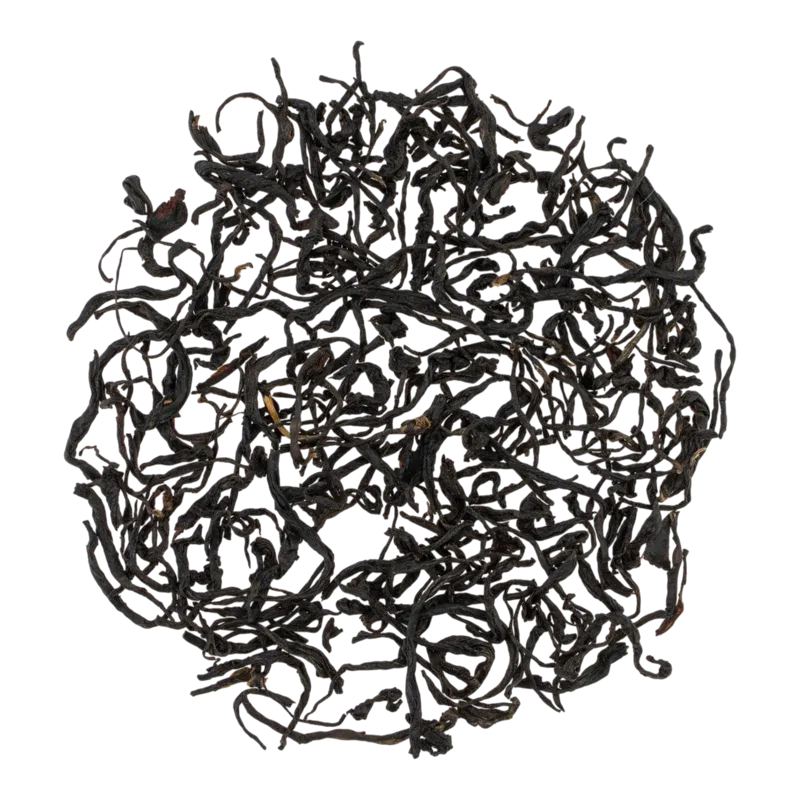
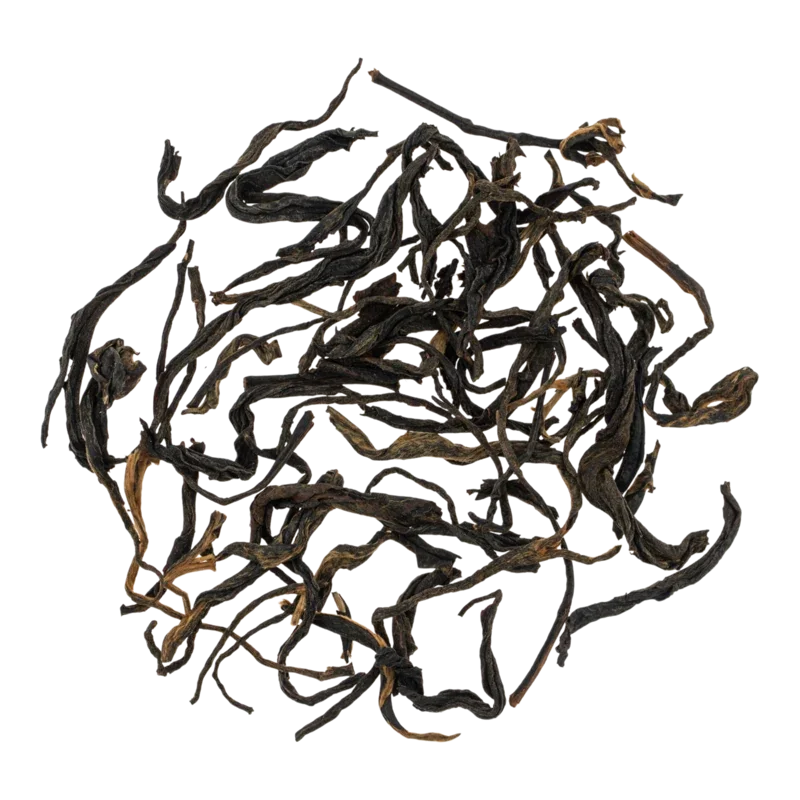
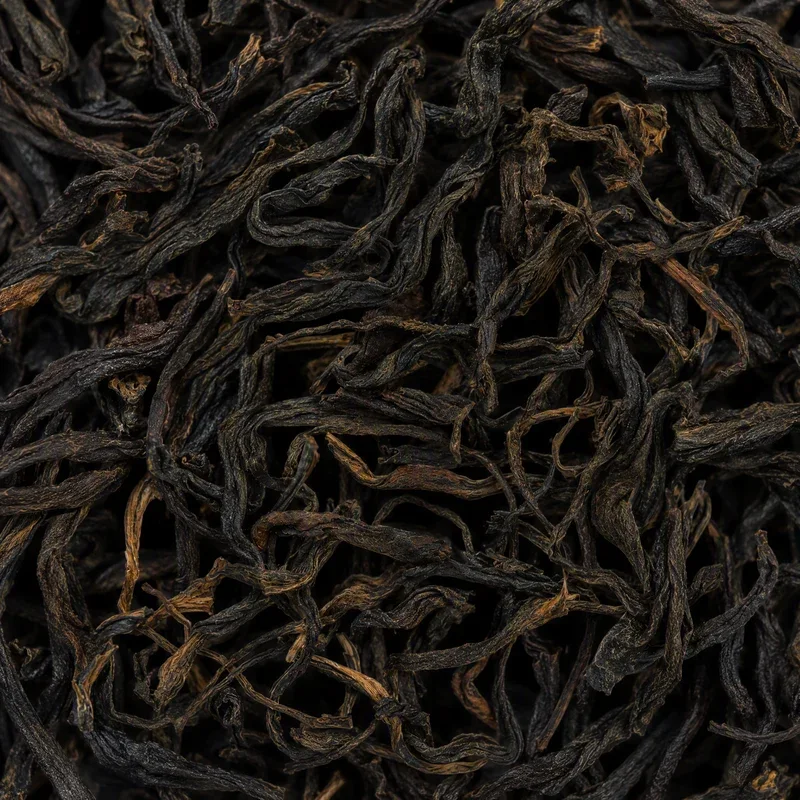
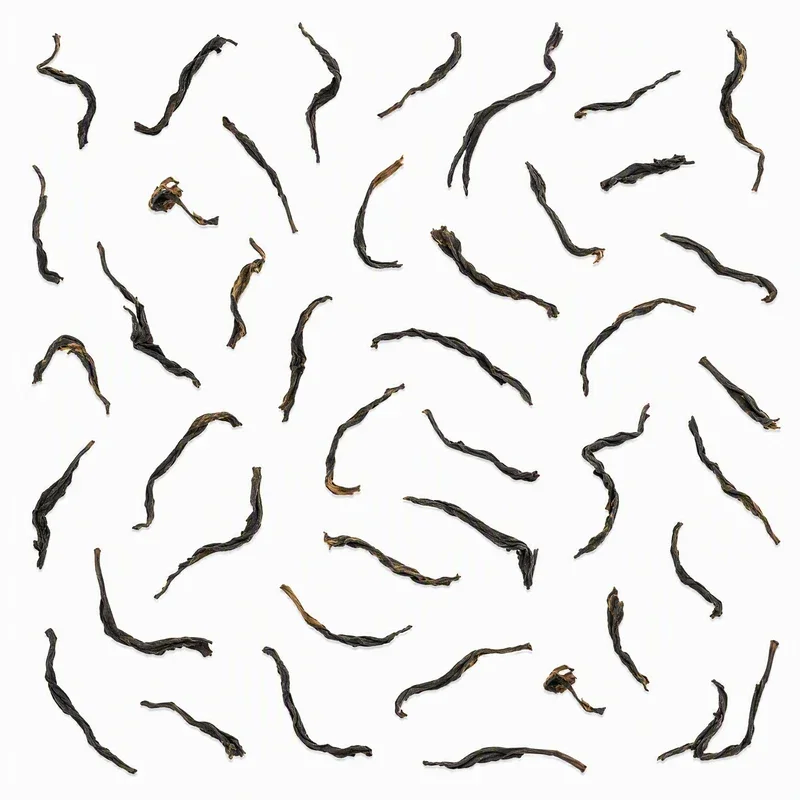
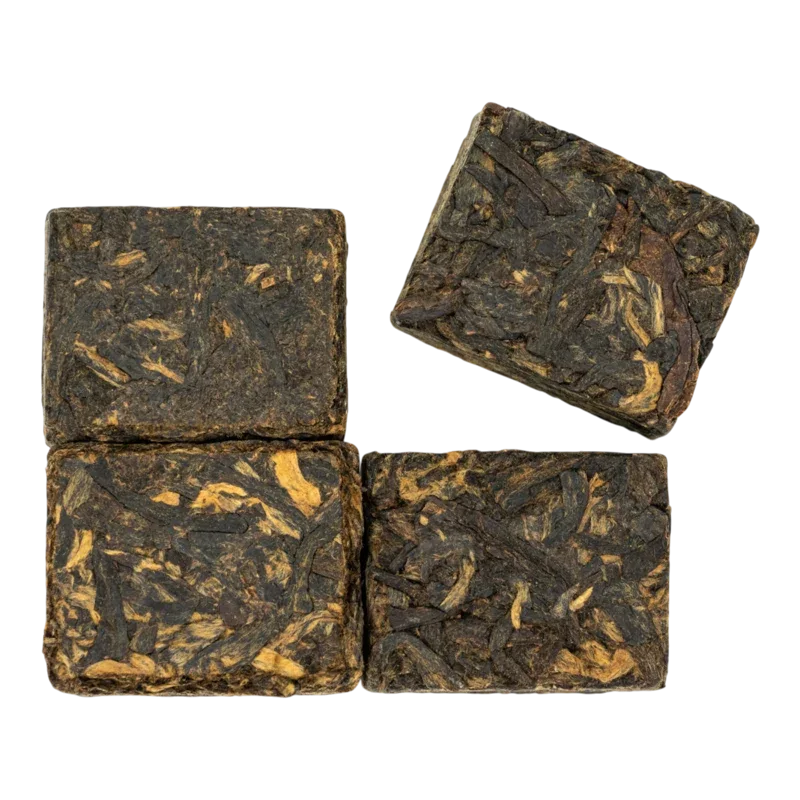
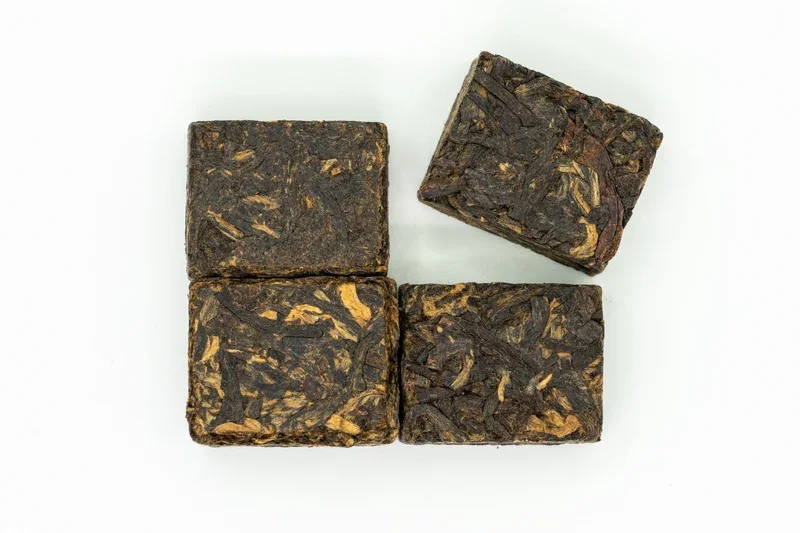
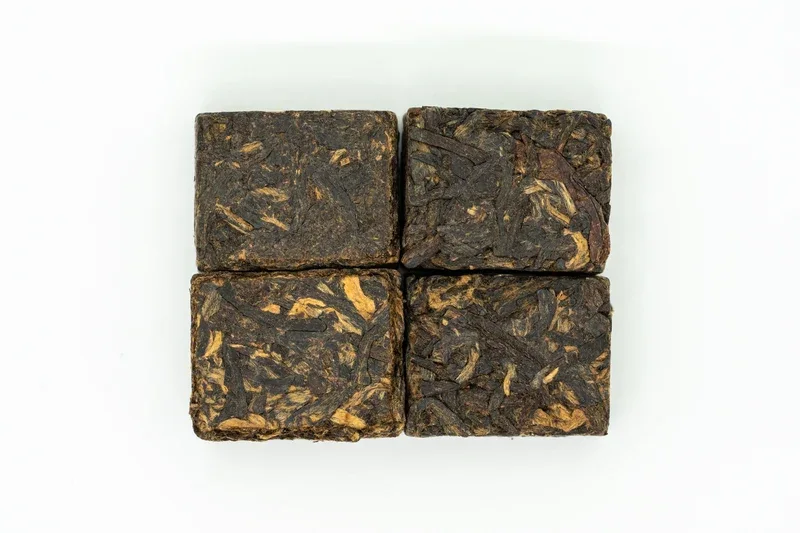
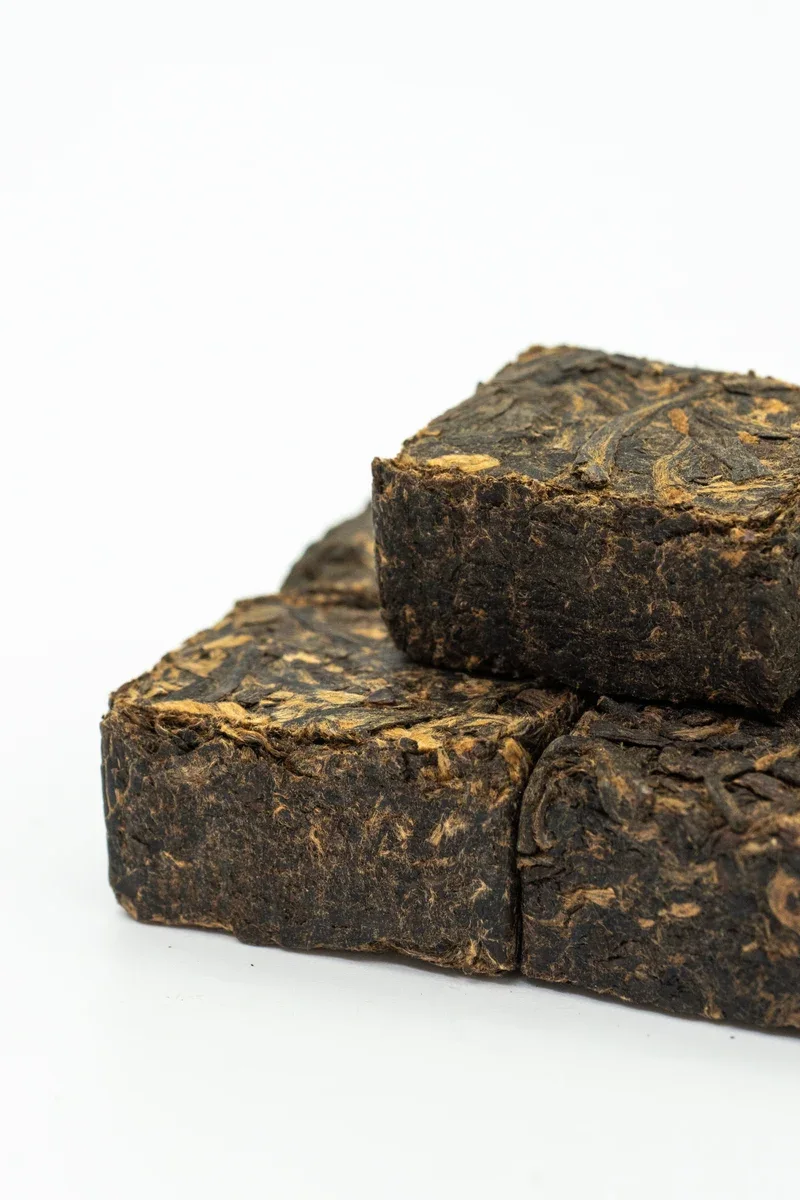
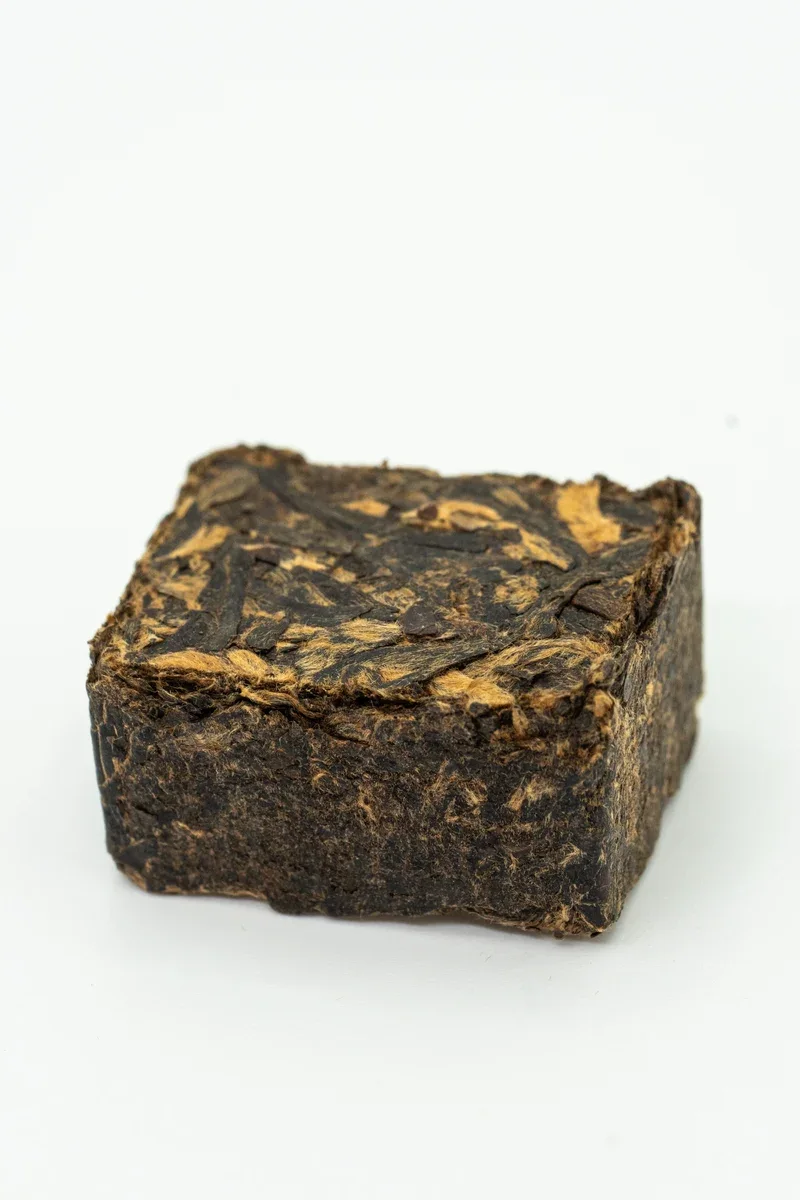
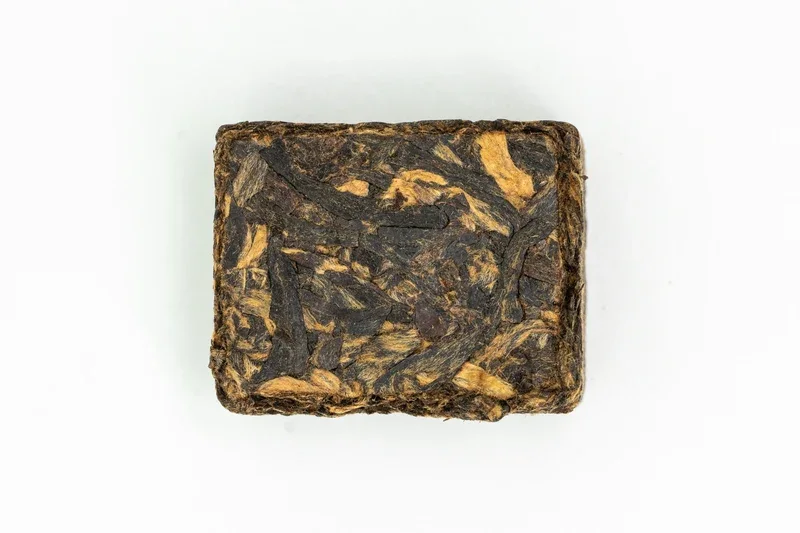
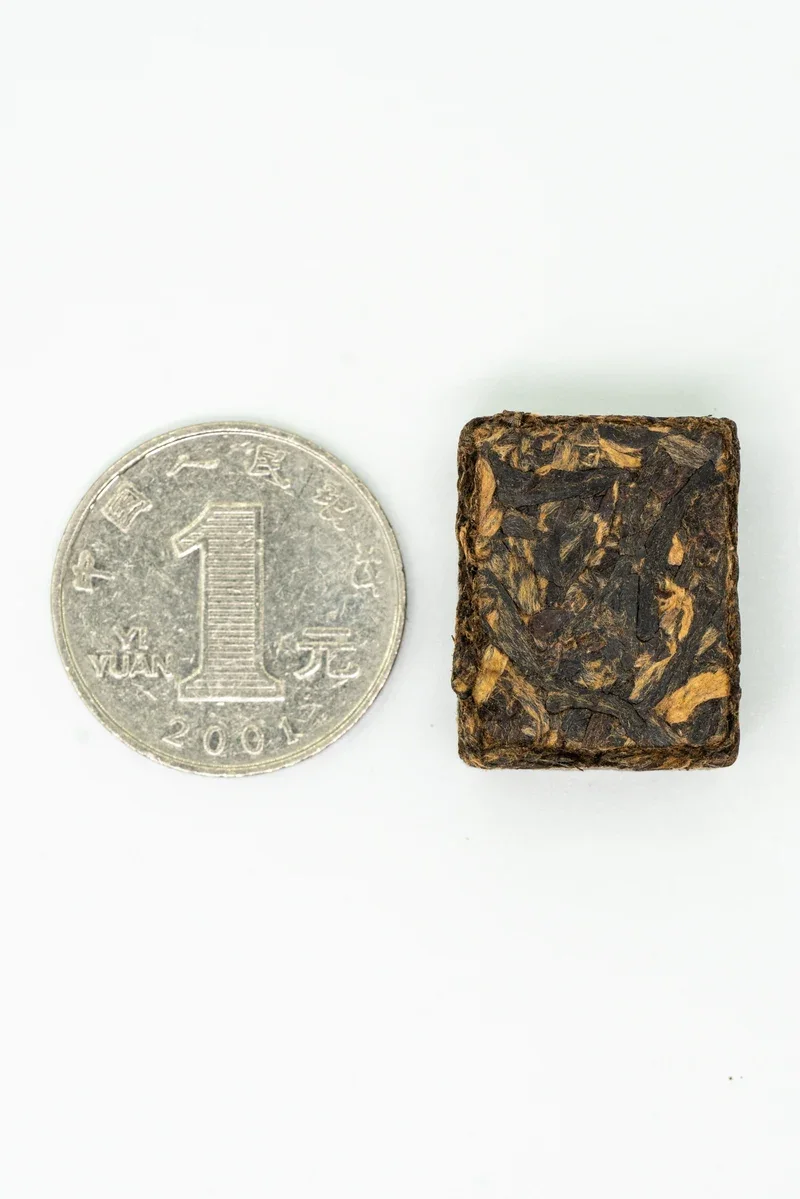
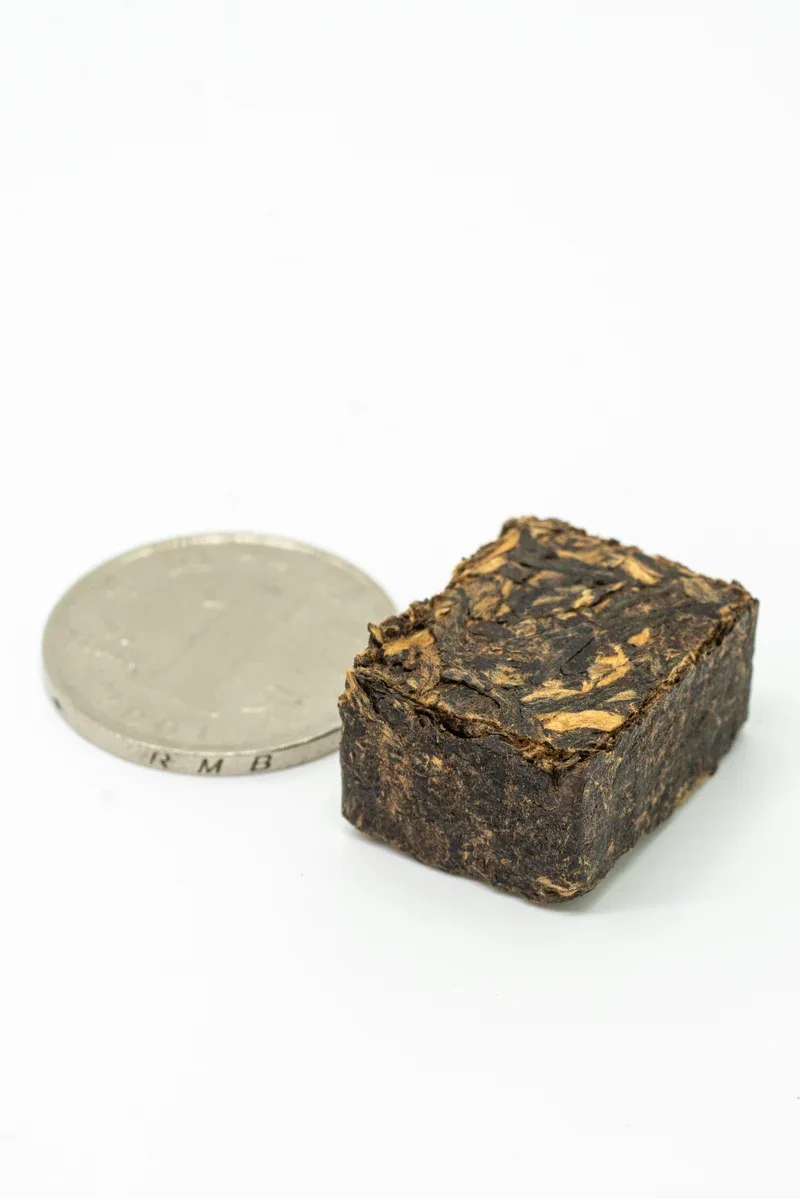
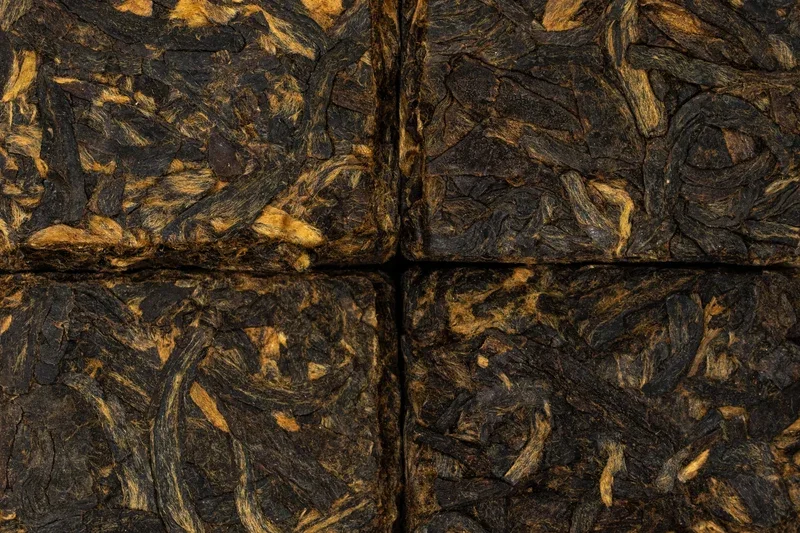
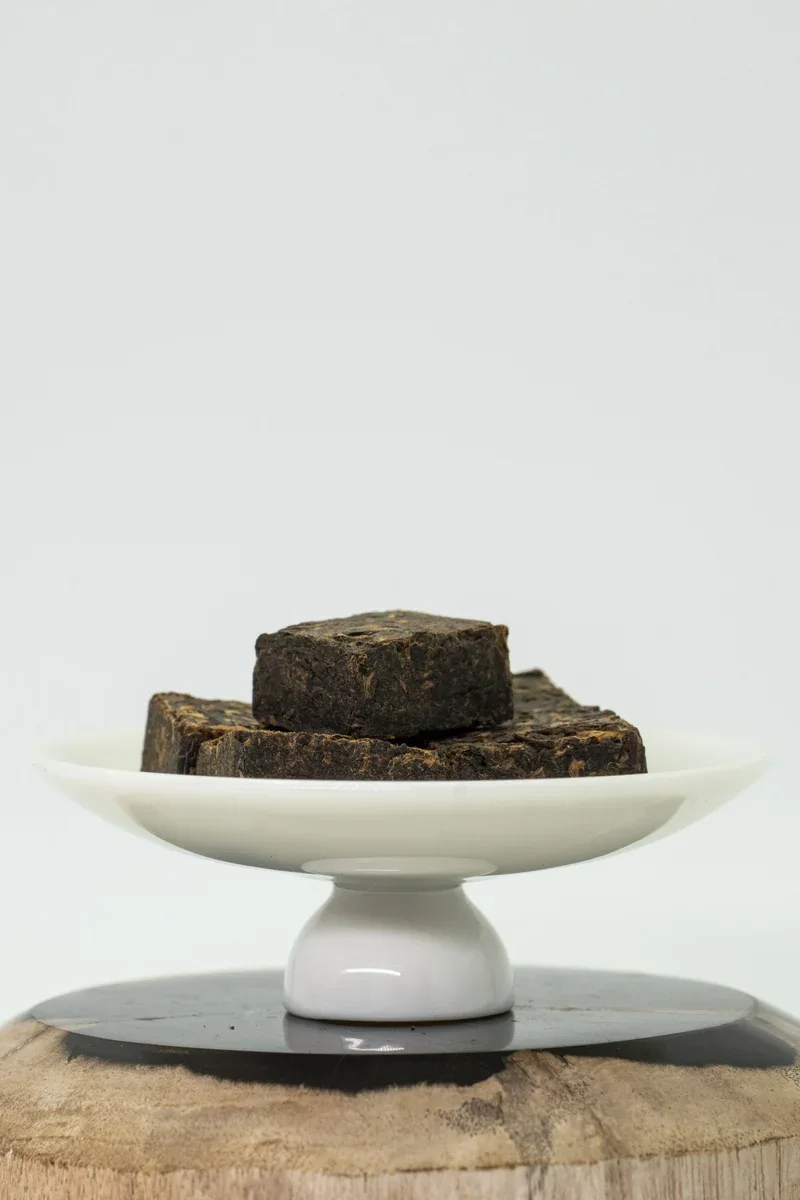
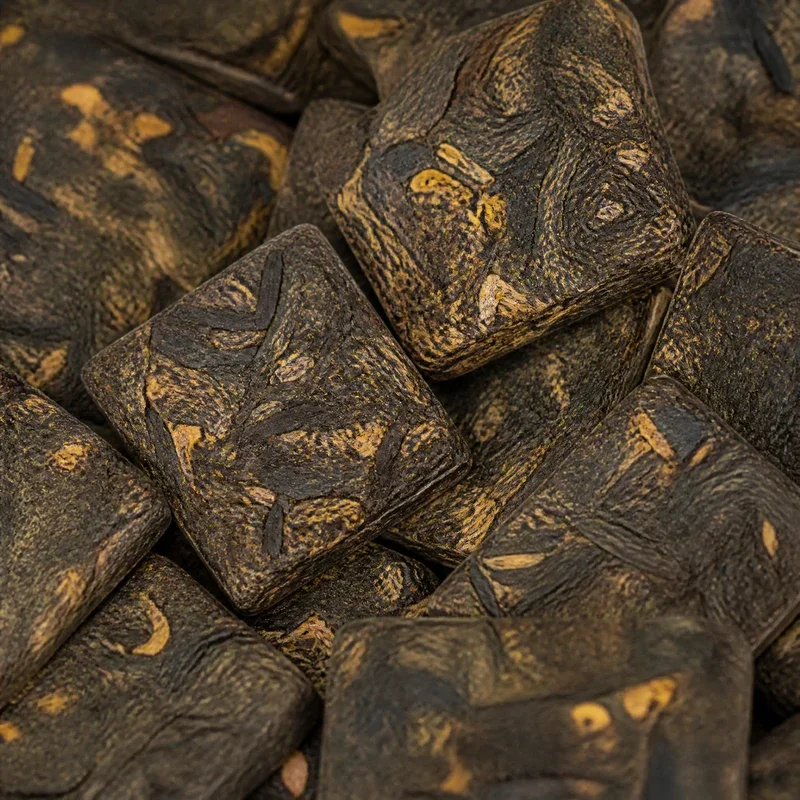
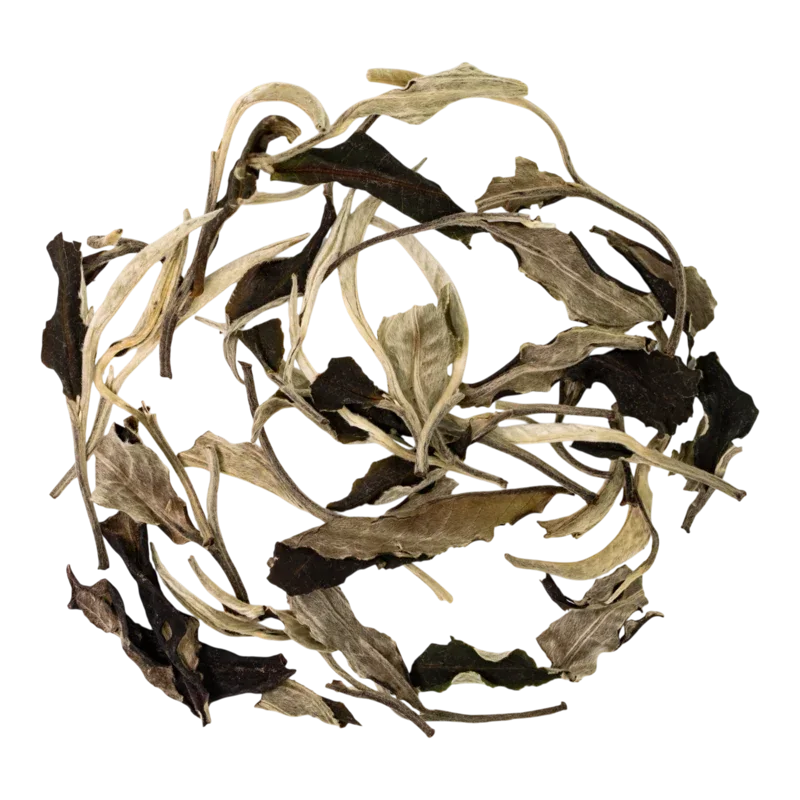
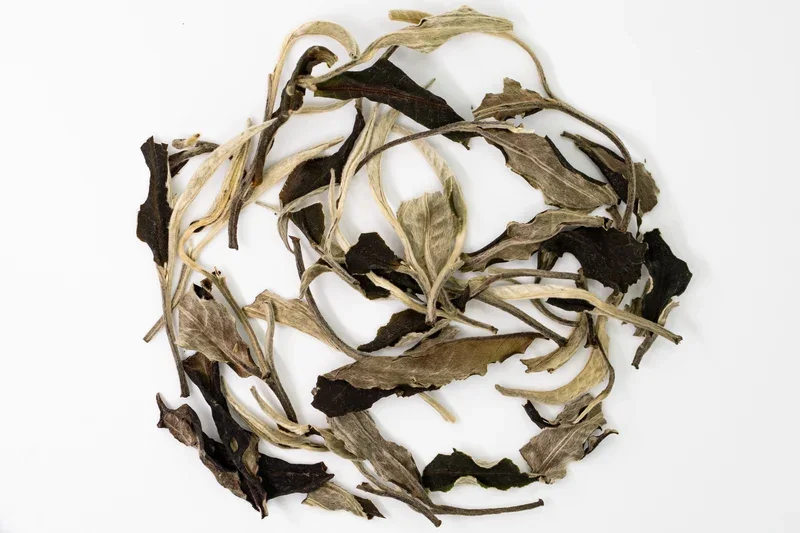
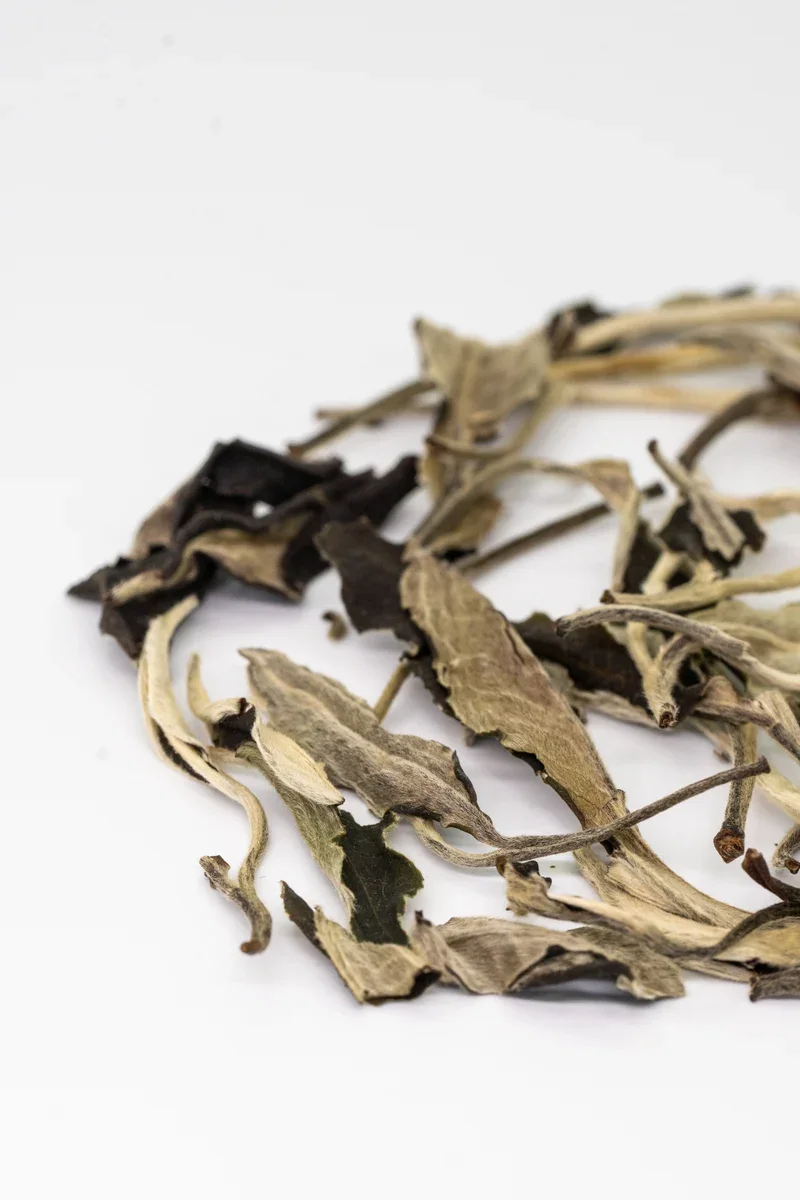
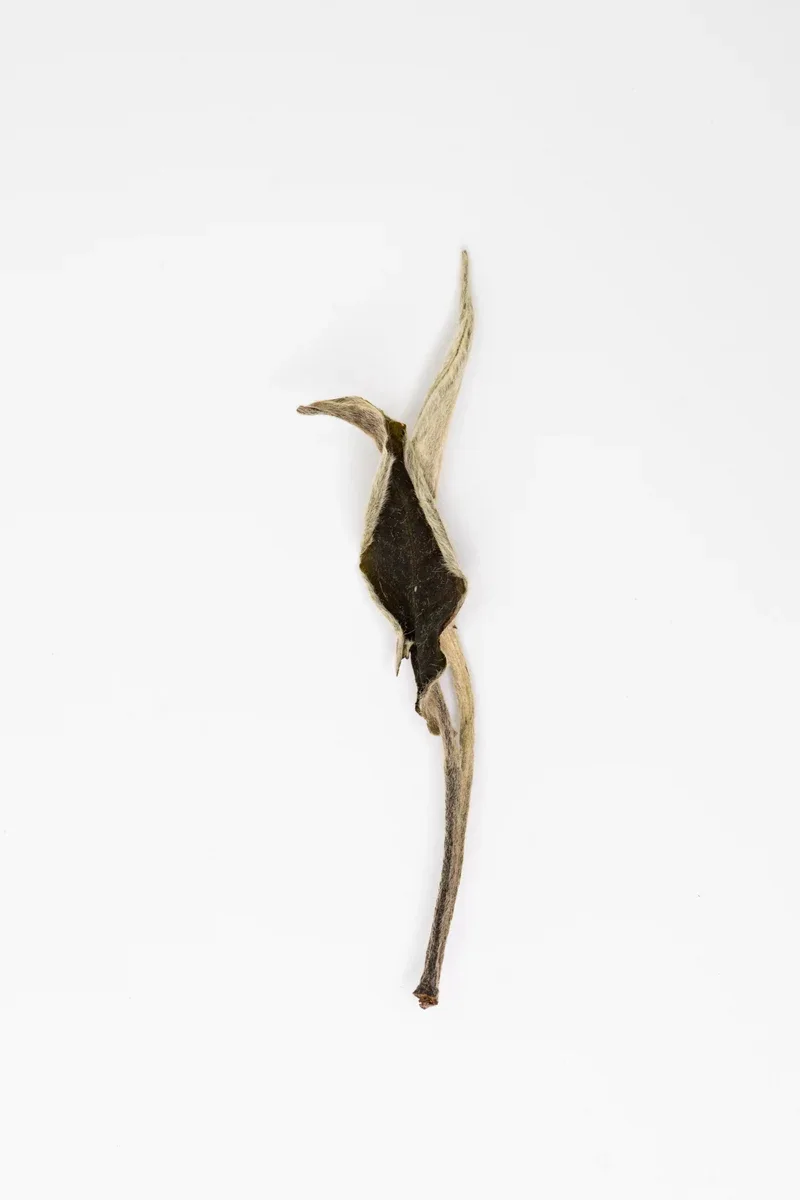
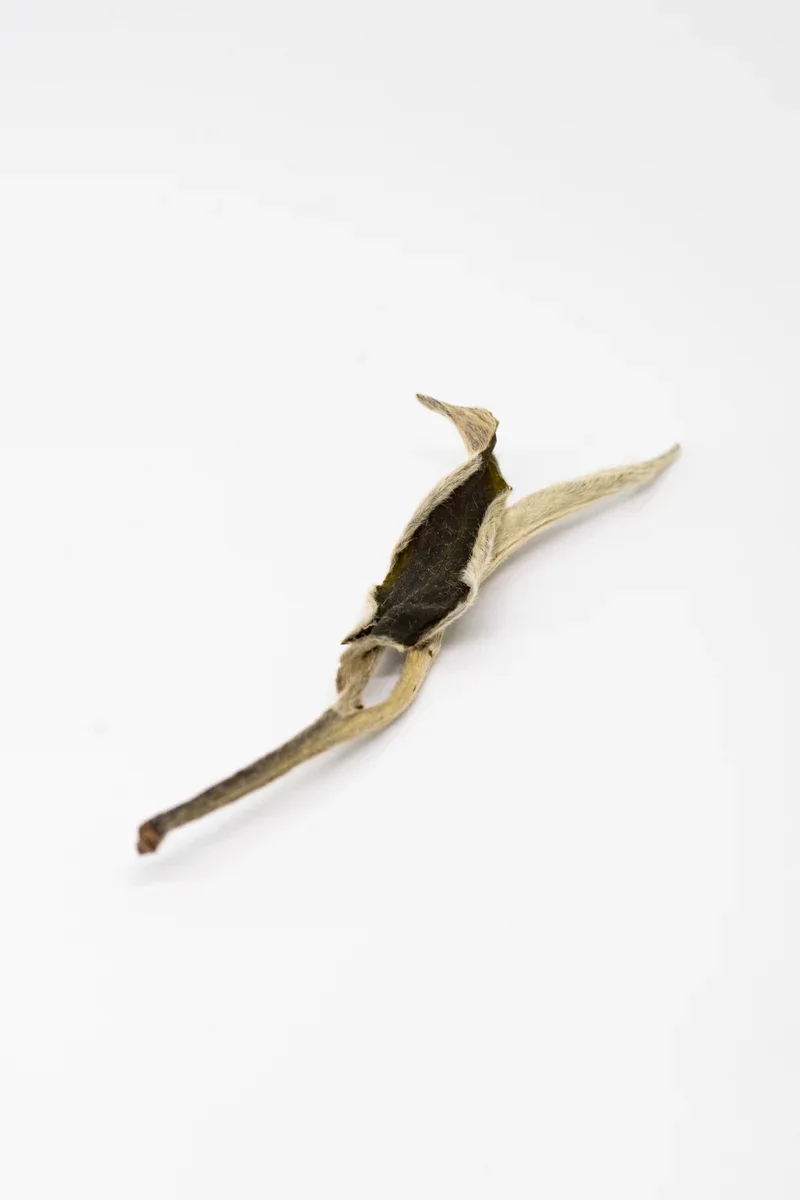
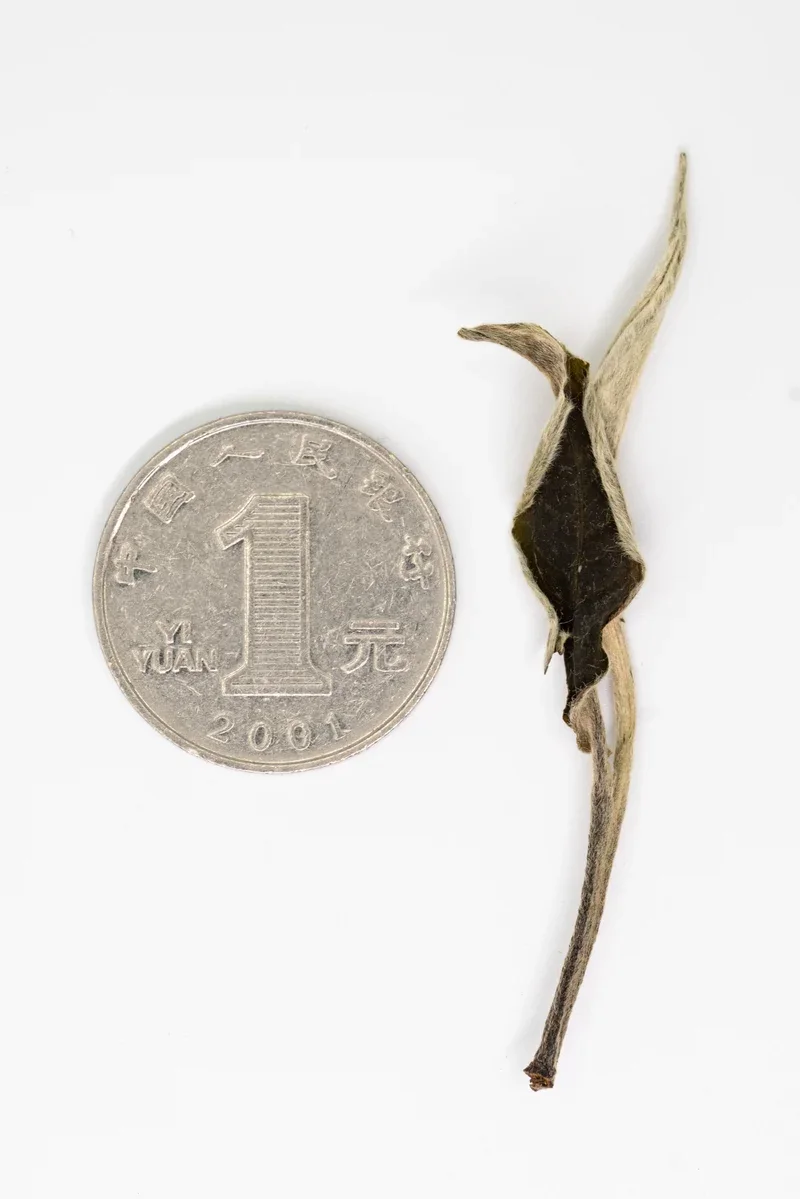
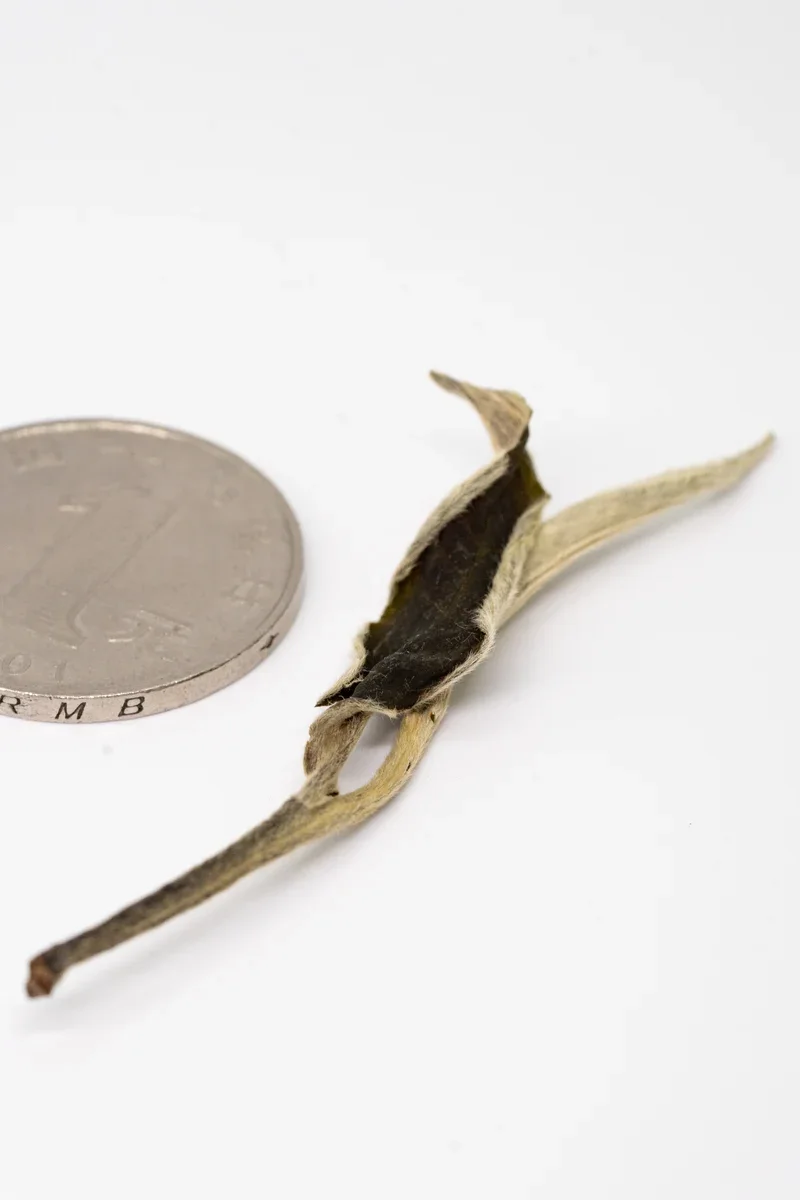
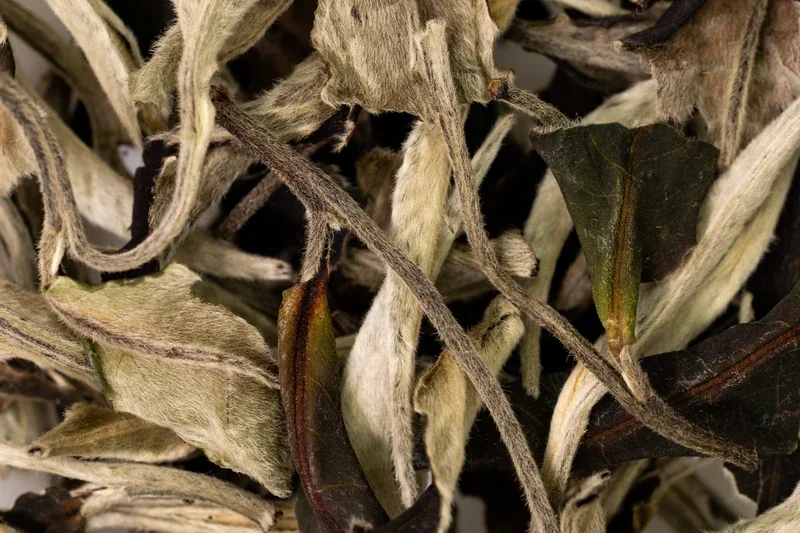
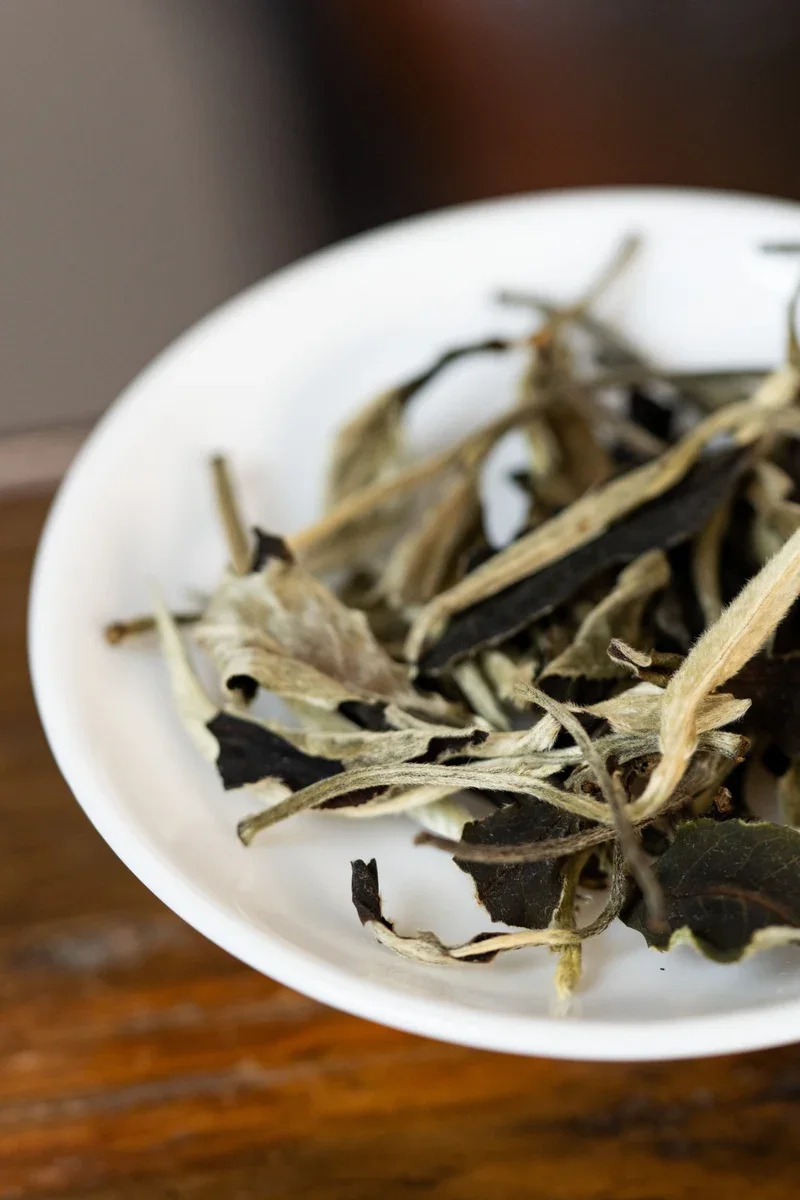
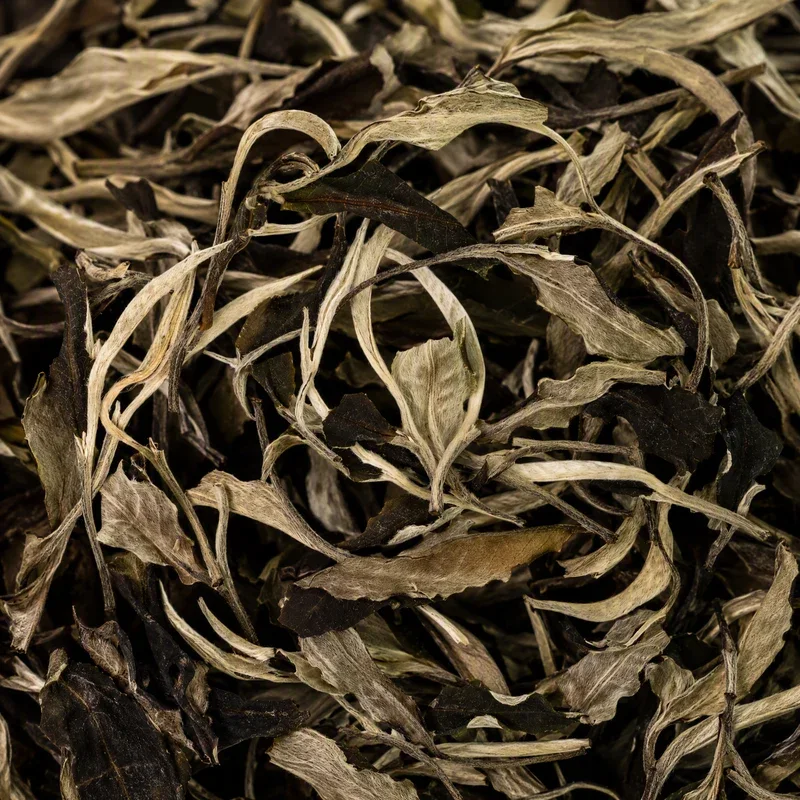
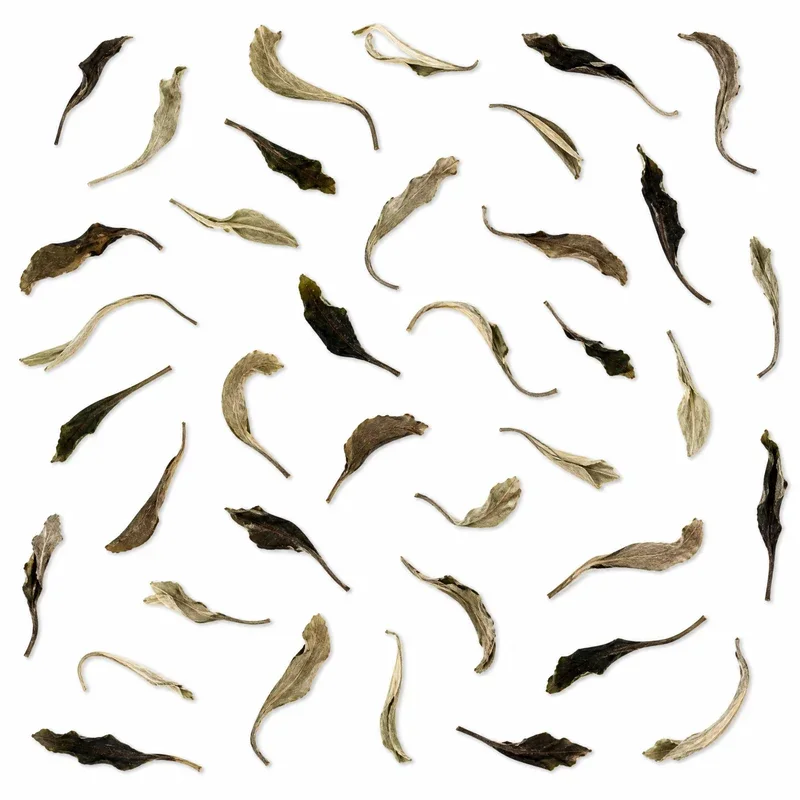
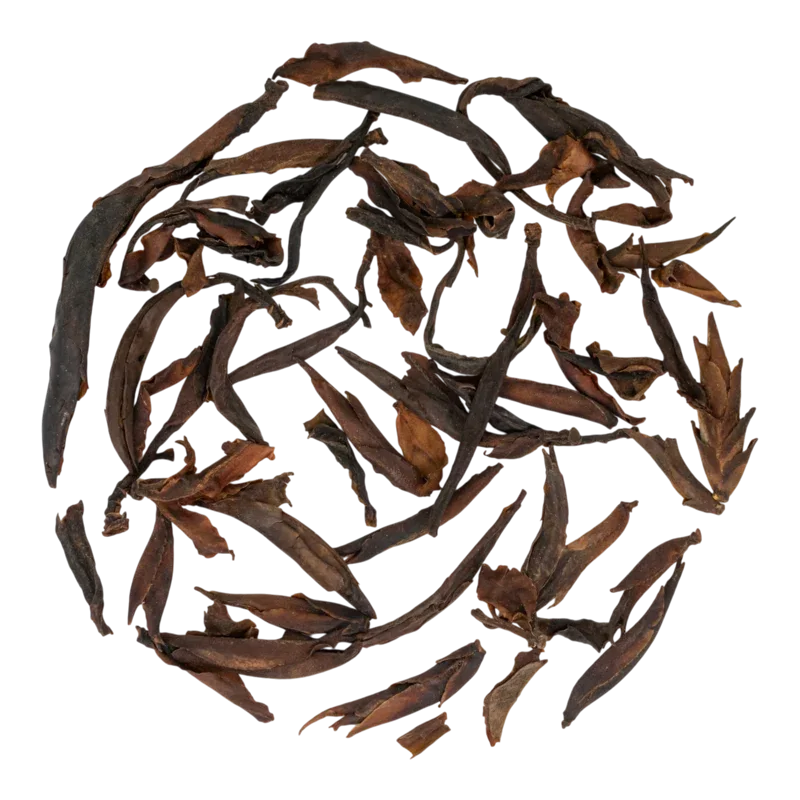
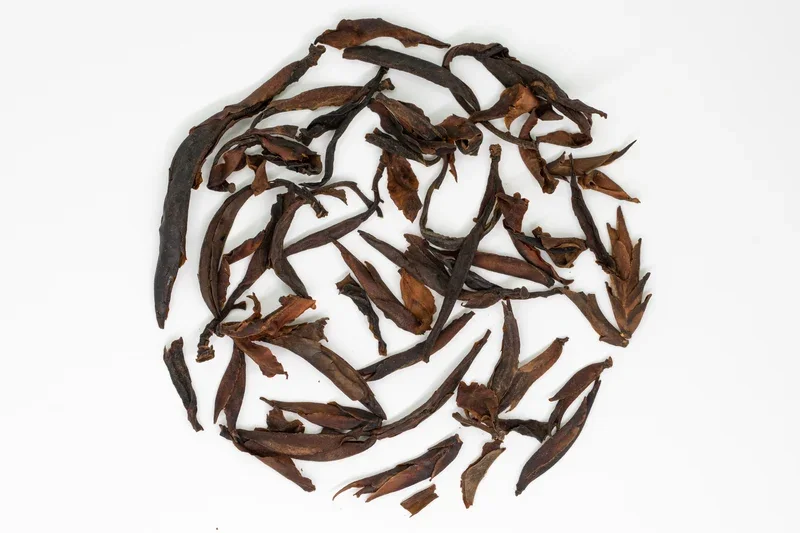
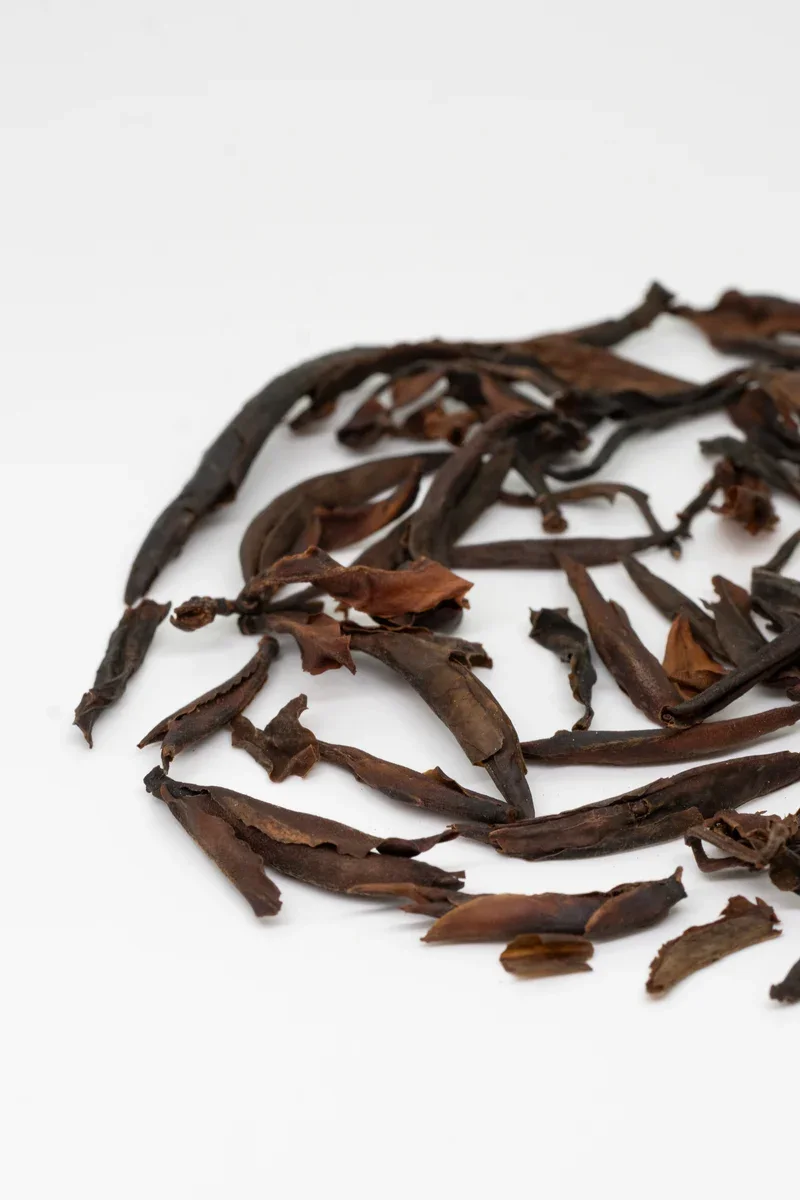
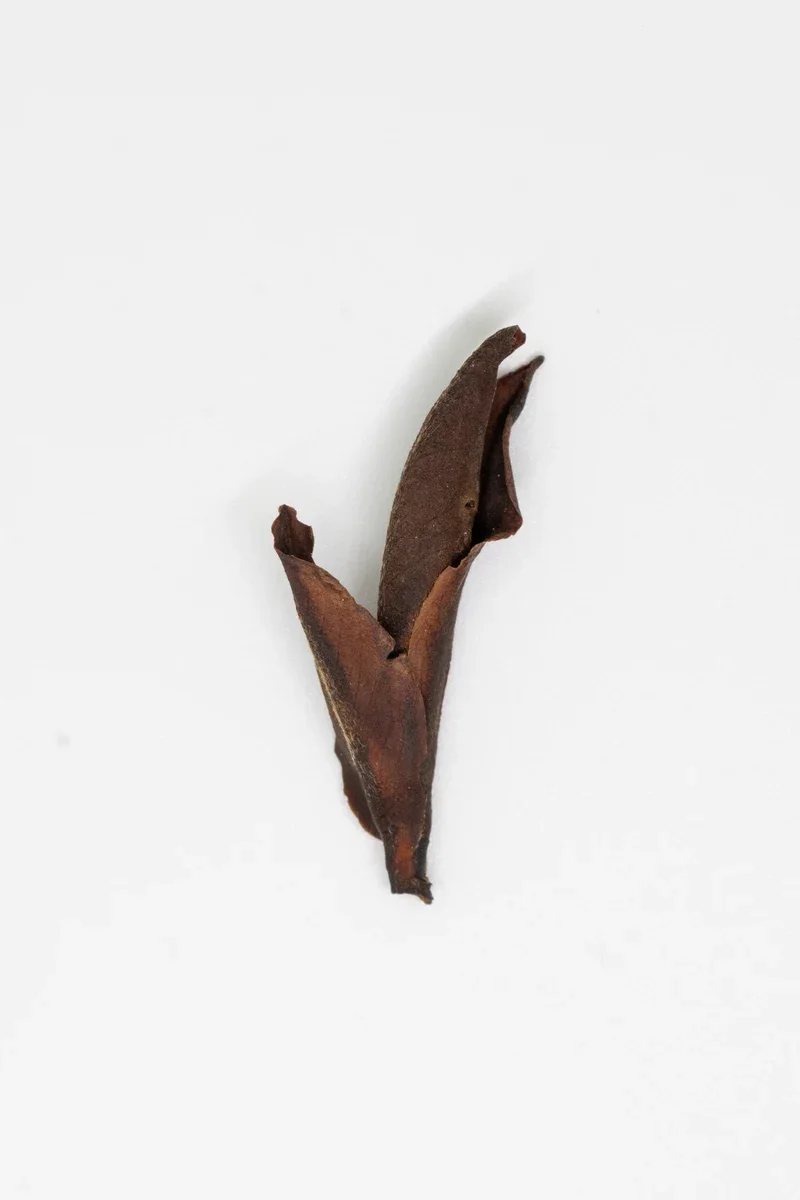
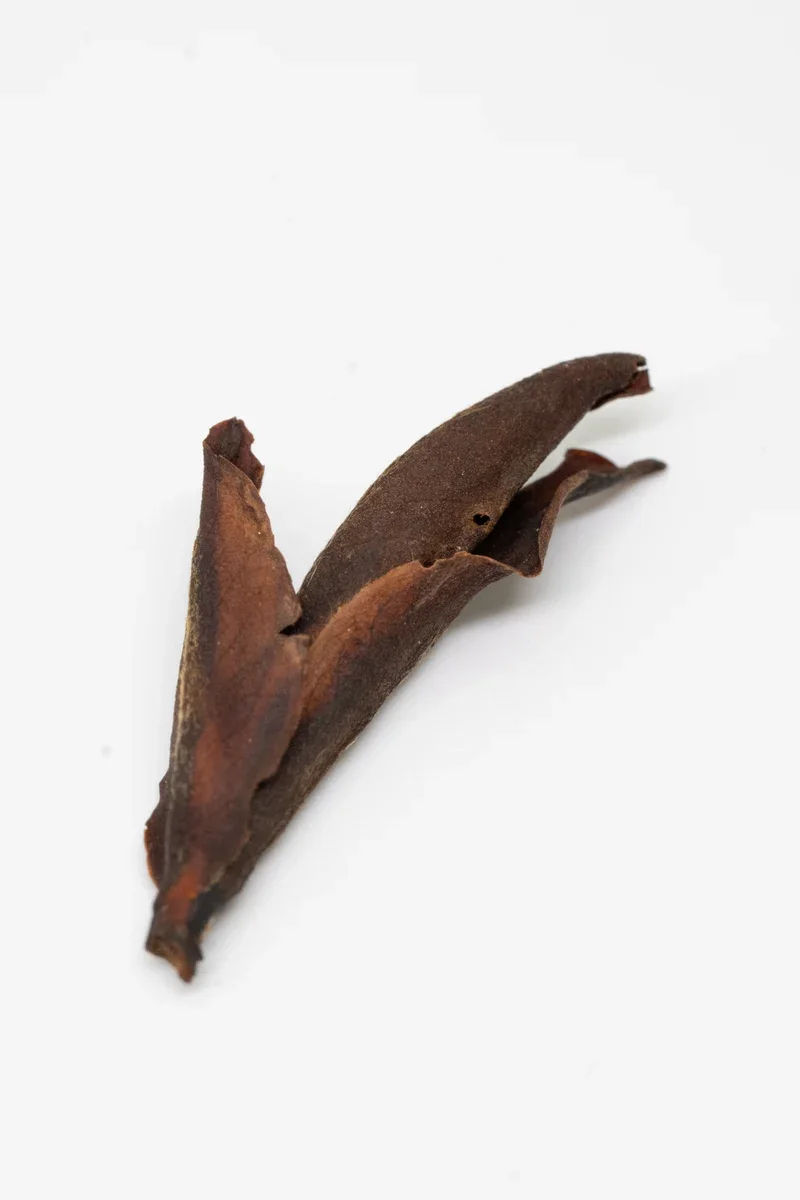
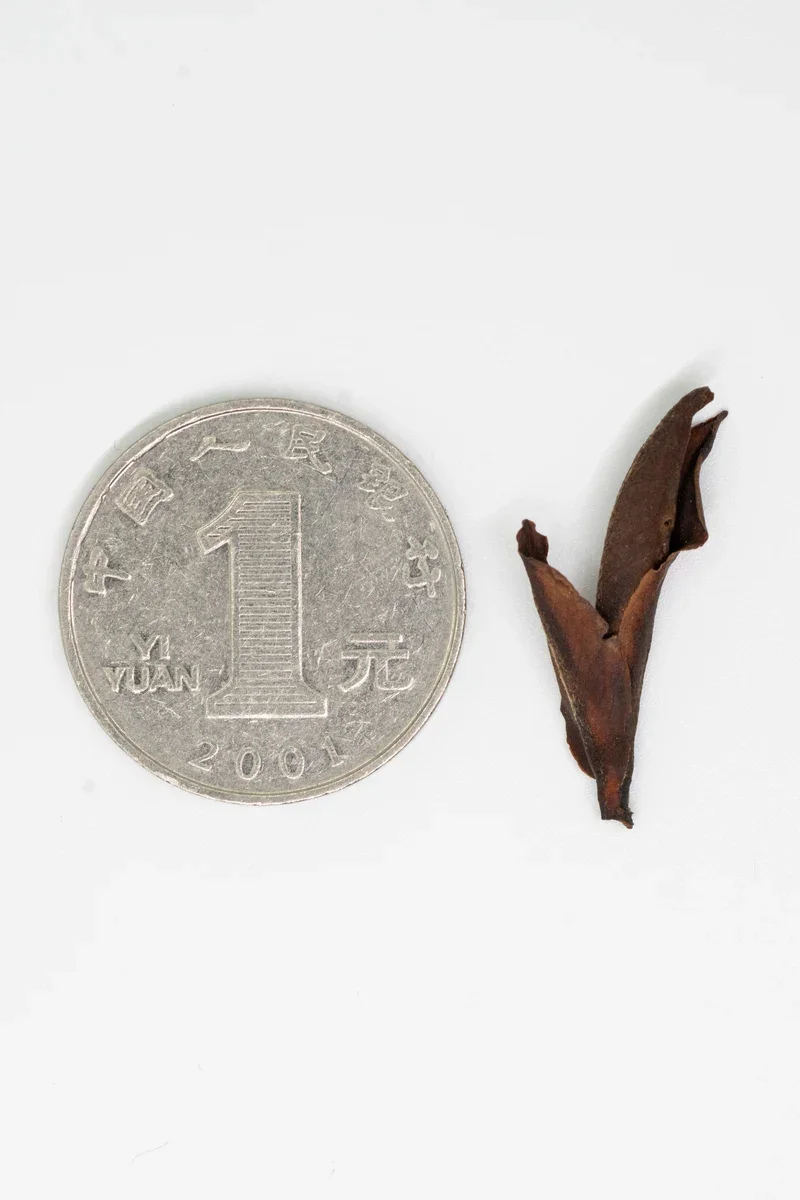
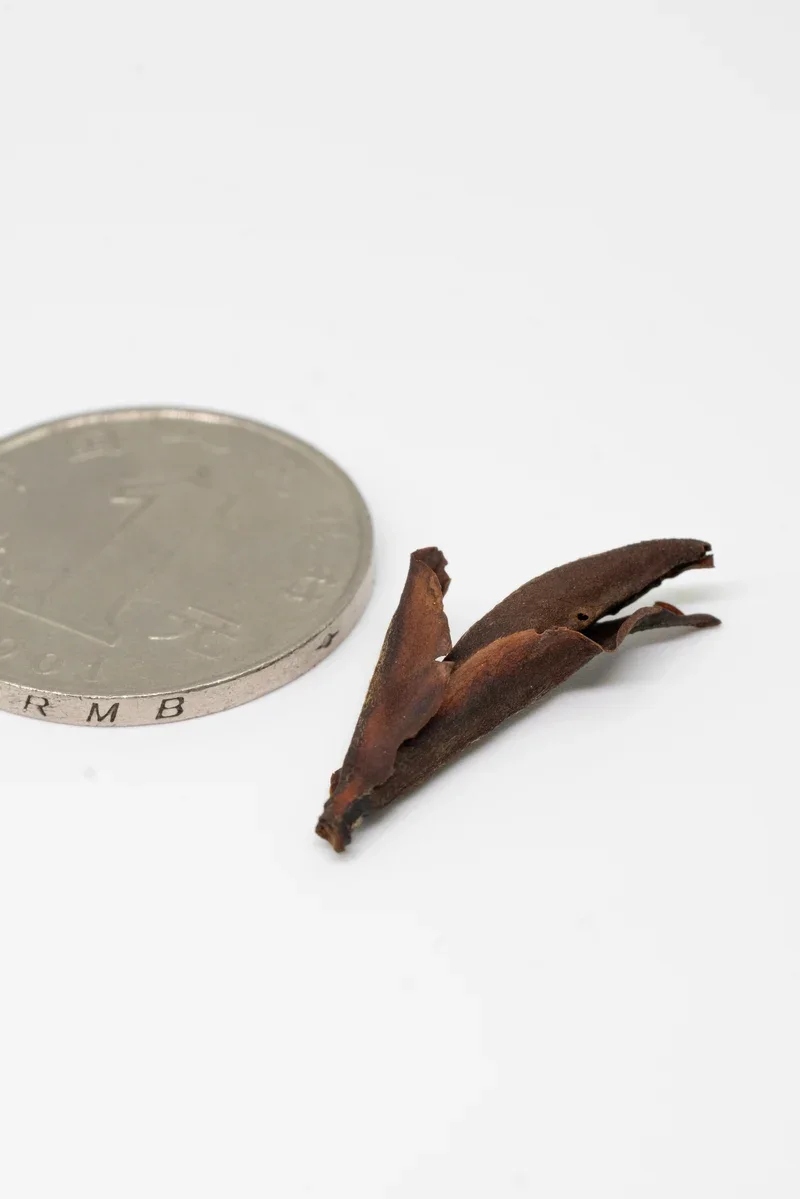
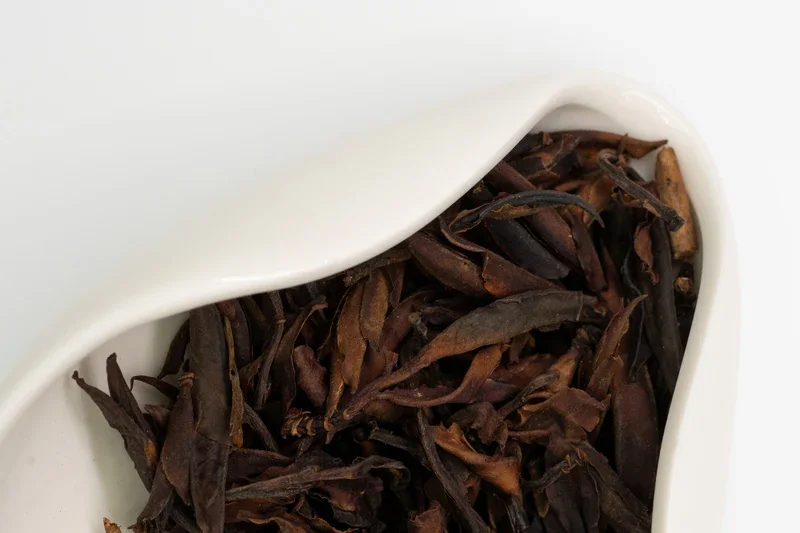
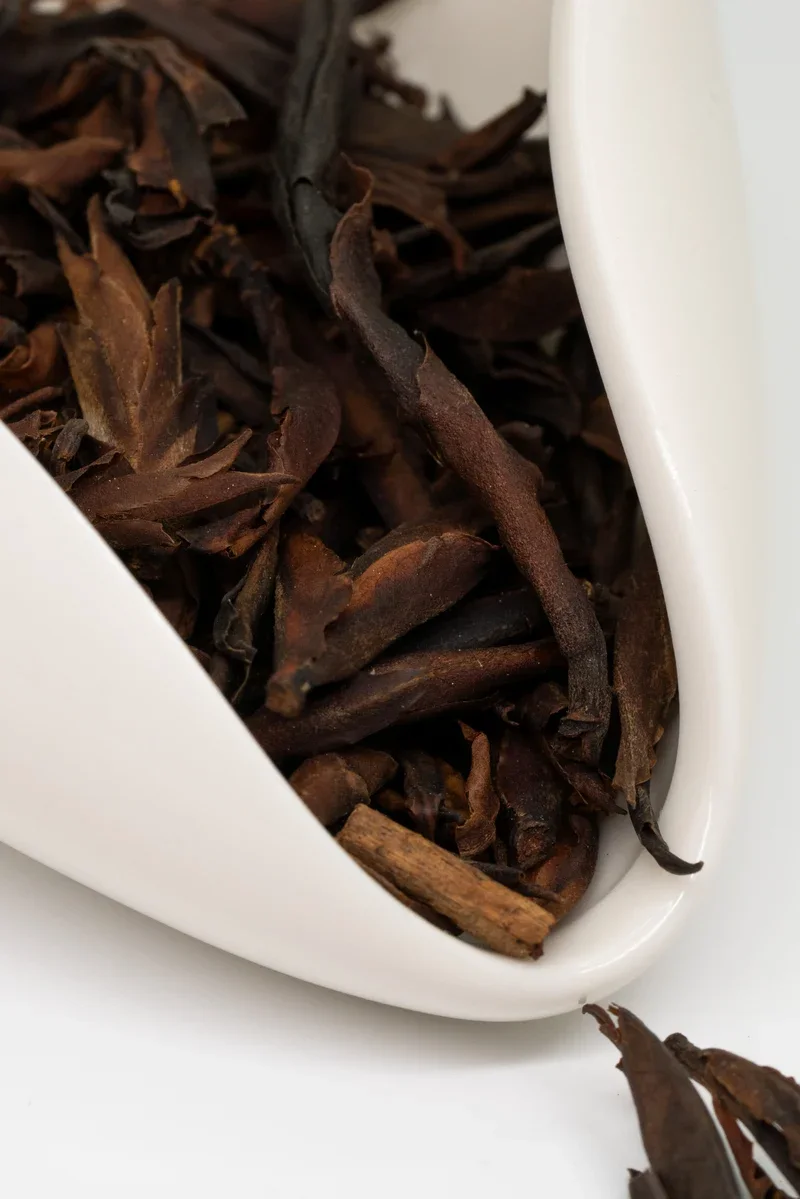
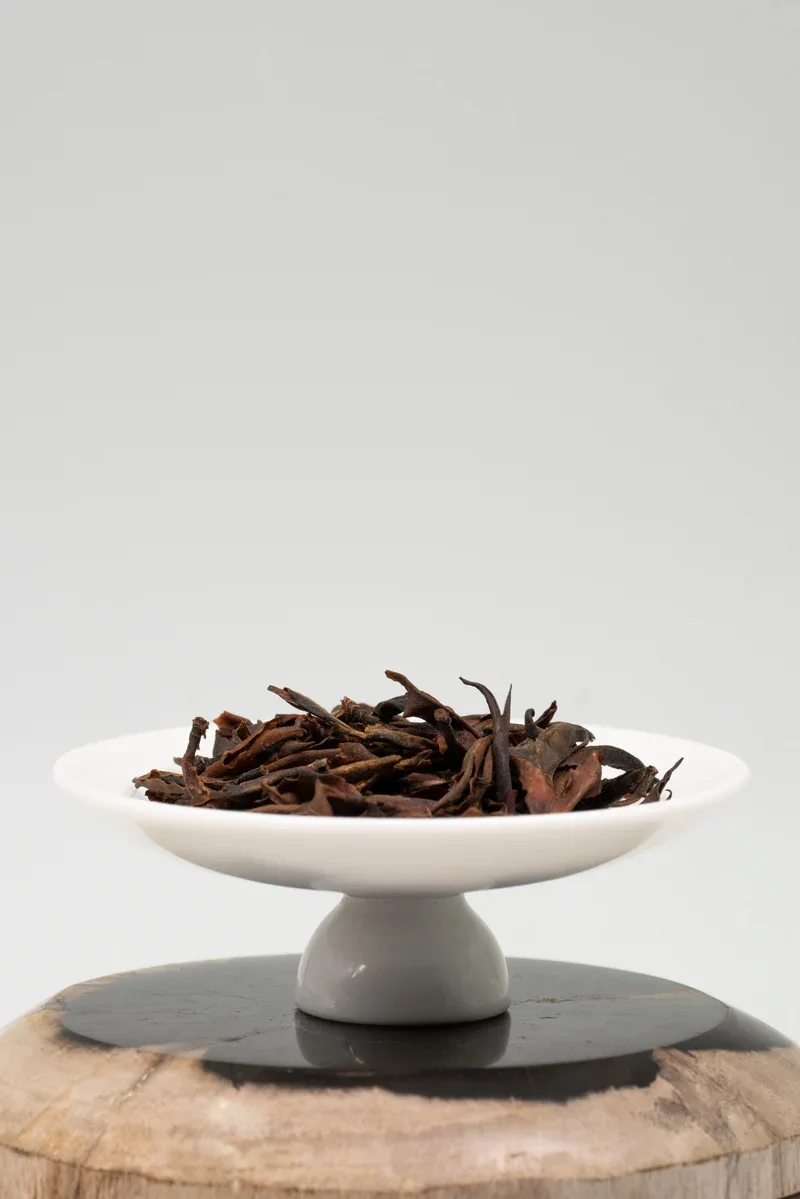
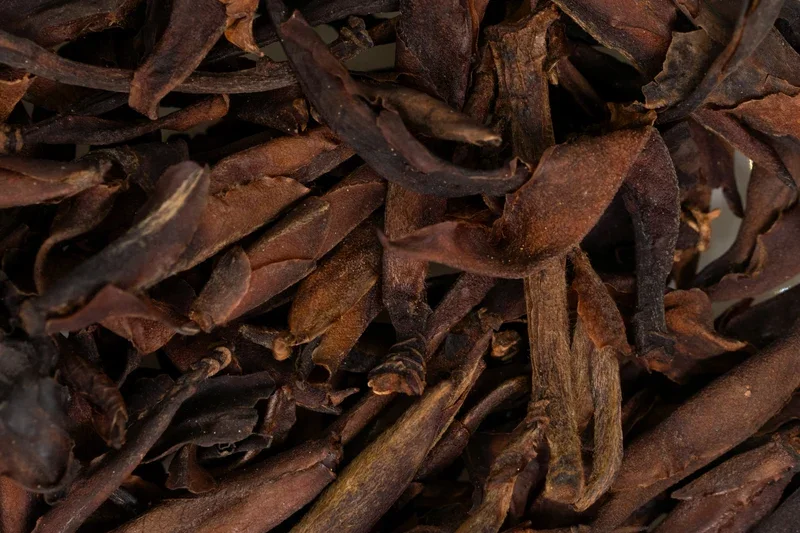
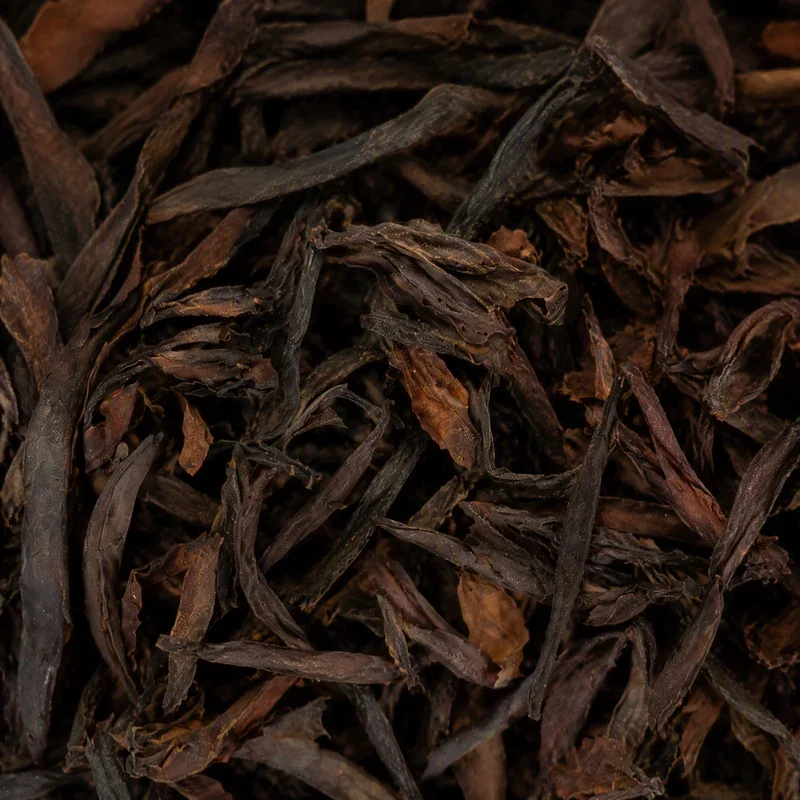
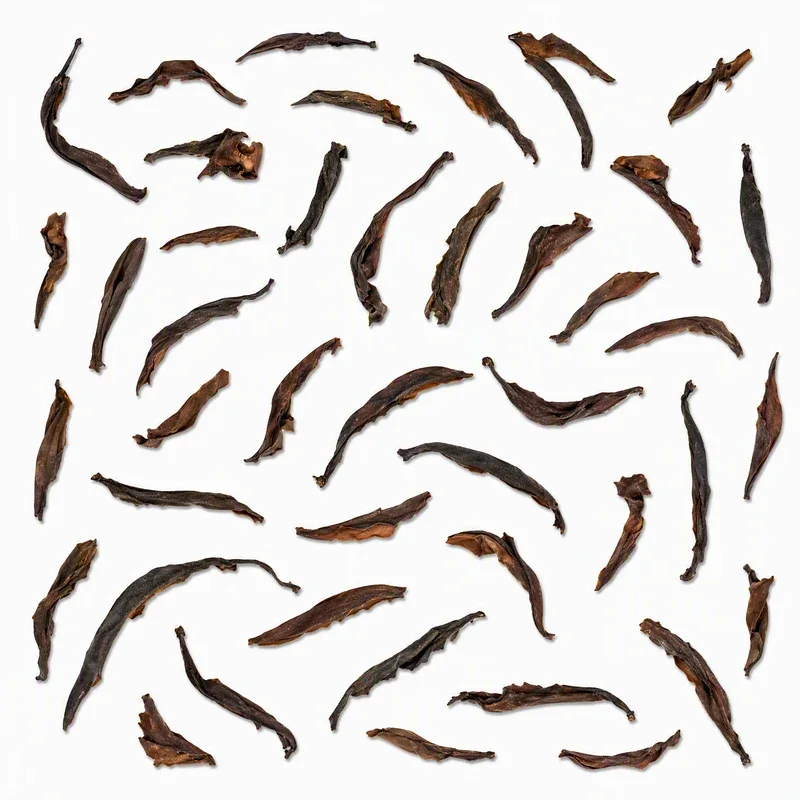
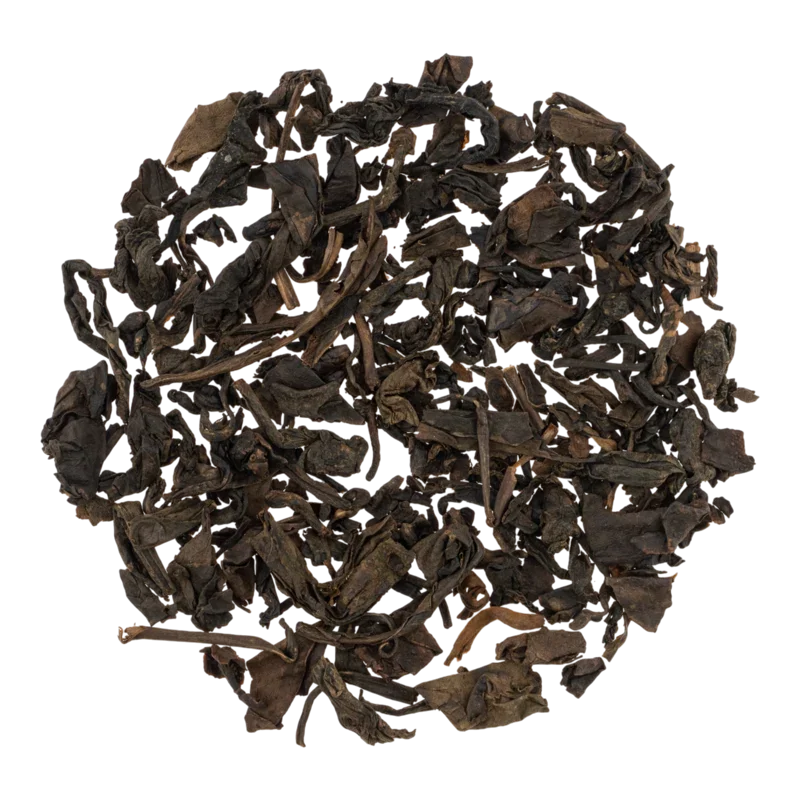
Dry Leaf Appearance: Depends on the form of release (pressed or loose). Pressed tea: dense bricks or tiles, dark brown color, sometimes with inclusions of lighter leaves. Loose tea: large, mature leaves, twisted or broken, dark brown color.
Dry Leaf Aroma: Rich, with notes of wood, earth, dried fruits, spices, sometimes with smoky or "cellar" nuances. With age, the aroma becomes more complex and deep.
Liquor Aroma: Bright, woody-spicy, with shades of dried fruits, nuts, sometimes with light smokiness.
Liquor Color: From dark amber to reddish-brown, clear, rich.
Spent Leaves: Large, whole or broken leaves, dark brown color.
Taste: Full, rich, dense, with light astringency and sweet aftertaste. The bouquet is dominated by woody, nutty, spicy notes, with nuances of dried fruits, prunes, earth. The taste changes depending on the age of the tea and brewing method. In aged tea, astringency softens, sweeter, "compote-like" notes appear.
Alkaloids: Caffeine, theobromine, theophylline.
Amino Acids: Including L-theanine.
Essential Oils: Determine the rich aroma of tea.
Minerals: Potassium, fluorine, magnesium, manganese, iron, selenium.
Polyphenols: Tannins that give tea astringency and have antioxidant properties.
Vitamins: C, B group, E, K.
Sichuan Bian Cha has a pronounced warming effect, so it is especially good in cold weather.
Stimulates digestion, promotes food assimilation, especially fatty and heavy food. Helps with digestive disorders.
Invigorates, relieves fatigue, increases performance, improves concentration.
Protects cells from free radical damage, slows aging processes, reduces the risk of many diseases.
May help reduce "bad" cholesterol levels, strengthen blood vessel walls, normalize blood pressure.
Promotes cleansing the body of waste and toxins.
Accelerates metabolism, promotes fat breakdown, helps control appetite.
Increases the body's resistance to infections.
Some studies show that Hei Cha may help normalize blood sugar levels.
In Tibet, Sichuan Bian Cha is traditionally used to prepare sutei chai - salted tea with yak butter. This drink is an important part of the Tibetan diet, it warms, nourishes and gives strength in the harsh conditions of high altitude.
Sichuan Bian Cha can also be brewed using the Gongfu Cha method - traditional Chinese tea ceremony.
For brewing, it is best to use a gaiwan or small Yixing clay teapot.
Sichuan Bian Cha pairs well with fatty and heavy food, as well as with some desserts.
This tea can be drunk at any time of day, but it is especially good for afternoon and evening tea sessions.
Since Sichuan Bian Cha is usually pressed, before brewing it is necessary to break off a small piece from it. This should be done carefully, with a special pu-erh knife or awl, trying not to damage the leaves.
Too long steeping can make the tea taste excessively astringent.
Sichuan Bian Cha, like other Hei Cha, is well suited for boiling over fire.
Tea Amount: 5-7 grams per 150-200 ml of water (for flash steeps). For steeping in a large teapot - based on desired strength.
Teaware: Yixing clay teapot is ideal, as it retains heat well and allows the tea to fully unfold. You can also use a gaiwan or porcelain teaware.
Water Temperature: 95-100°C (boiling water).
Container: It is best to store Sichuan Bian Cha in original packaging, if it provides sufficient tightness and ventilation. You can also use:
Dark, dry, well-ventilated place with constant temperature (ideally - room temperature, about 20-25°C) and moderate humidity (about 60-70%).
They allow air to pass through well, but at the same time protect tea from foreign odors.
Suitable for storage, but it is important that they are made from natural materials and have no foreign odors.
Excessive humidity can lead to mold and tea spoilage.
Destroys beneficial substances and worsens tea aroma.
Tea easily absorbs odors, so it cannot be stored near products with strong odors (spices, coffee, fish, etc.).
Negatively affect the tea aging process.
Different areas of Sichuan Province can give the tea their unique characteristics.
Highest grade, made from the most tender raw materials (bud and one-two top leaves).
More mature leaves are used, quality is lower than Jin Jian.
Most common form, bricks or tiles.
Cakes, tuo cha, and loose versions are less common.
Up to 3 years of aging.
From 3 years and older. The older the tea, the more complex and deep its taste and aroma become.
The older the tea, the higher the price. Aged tea is valued significantly higher.
Use of younger leaves (for example, for the Jin Jian variety), raw materials from wild trees, as well as from high-altitude plantations, increases the cost.
Famous brands and masters usually cost more.
Some vintage specimens can be very expensive.
In specialized tea shops the price is usually higher than when buying directly from the producer (but the quality guarantee is also higher).
Look for specialized tea shops with good reputation that value their customers and can provide reliable information about tea origin.
Too low a price should be alarming, especially for aged specimens. Real Sichuan Bian Cha cannot be cheap.
Pay attention to packaging quality, presence of information about the producer, production year (if the tea is aged). The tea itself should match the description: tightly pressed bricks or tiles (for pressed), dark brown color, characteristic aroma.
Dry tea should have a characteristic woody-spicy, "compote-like" aroma, without mustiness or foreign odors.
Liquor color should be from dark amber to reddish-brown, clear. Spent leaves should consist of whole leaves of dark brown color.
The presence of "Jin Hua" (Golden Flowers) is a good sign, but not a 100% guarantee of authenticity, as they have learned to imitate them.
Before buying a large batch of expensive tea, take a small amount for testing to evaluate its quality.
No reviews yet. Tell us what you think of this tea.
Rate this tea and share your impressions. We review each submission before publishing it.