Brewing
Gongfu brewing
- Water temperature
- 93 °C
- Tea amount
- 5 g
- Water volume
- 100 ml
- First steep
- 10 s
- Time added per infusion
- 5 s
- Infusions
- 4

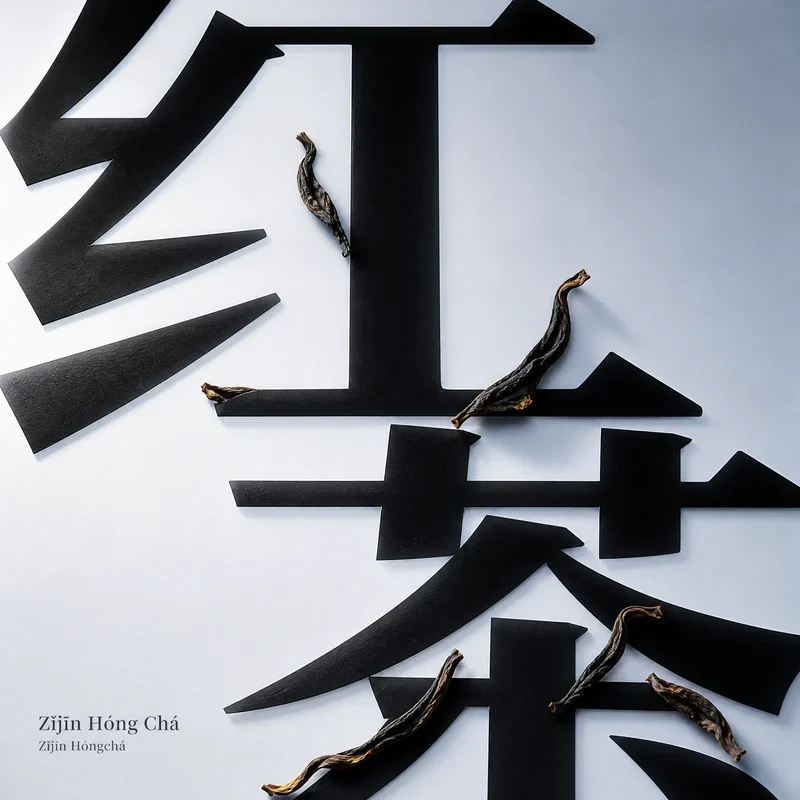
Zǐjīn Hóngchá
Choose a brewing method. Start with the recommended quantities and time, then adjust to taste.
Brewing
Brewing
Taste
Tea encyclopedia
Alt Names: Zǐjīn hóngchá (紫金紅茶); Zǐjīn chánchá hóngchá (紫金蟬茶紅茶, when using cicada-bitten raw material); Zǐjīn xuān hóngchá (紫金萱紅茶, when using Jinxuan cultivar).
Alt Names: Zǐjīn hóngchá (紫金紅茶); Zǐjīn chánchá hóngchá (紫金蟬茶紅茶, when using cicada-bitten raw material); Zǐjīn xuān hóngchá (紫金萱紅茶, when using Jinxuan cultivar).
Category: Regional Guangdong red tea. By technology — gongfu hong cha (工夫紅茶). Part of the production belongs to the subcategory "chancha" (蟬茶) — tea from leaves bitten by small green leafhoppers, possessing a characteristic honey aroma.
"Zijin chancha" — national geographical indication product (國家地理標誌產品). "Zijin hongcha" — recognized by the provincial agricultural department as "famous and special new product of Guangdong" (廣東名特優新農產品, 2017).
Coordinates: approximately 23°38′ N, 115°11′ E.
Origin: China, Guǎngdōng Province (廣東省), Héyuán City (河源市), Zǐjīn County (紫金縣). Main tea districts: Longwo Township (龍窩鎮), Zicheng (紫城鎮), Nánlǐng (南嶺鎮), Shangyi (上義鎮). Best batches — from mountain ranges Wudunshan (武頓山), Chenglongzhang (承龍嶂), Yingfengshan (鷹峰山), altitude 600–1000 m.
Type: Red tea (black tea) (紅茶, hóngchá), fully oxidized.
Small green leafhopper (小綠葉蟬) is a scourge for most tea plantations worldwide, but in Zijin (as in Taiwan for Dongfang Meiren) its bites are the key to unique aroma and high price. Balance between "beneficial" leafhopper quantity and "harmful" overpopulation is one of the subtleties of local tea cultivation.
Zijin is located on the same parallel (~23° N) as Taiwan's Alishan and Yunnan's Pu-erh — a zone considered optimal for tea cultivation.
Dominance of Jinxuan cultivar (TTES №12) connects Zijin with Taiwanese tea tradition. Introduction of Taiwanese varieties and technologies in the early 2000s became a key factor in the county's "tea renaissance."
8 samples from Zijin received the title "Guangdong's Ten Best Spring Teas" — more than any other county in the province.
Zijin is one of the oldest tea counties in Guangdong with continuous history dating back to the Ming era. During the Ming-Qing period, local tea was among the "three famous teas of Dongjiang," placing it alongside historical teas of Guangdong.
The mechanism of "honey aroma" formation in "chancha" is identical to Taiwanese "Dongfang Meiren" (東方美人) — both here and there, the unique profile is created by small green leafhopper bites. However, unlike the Taiwanese analog, which is processed as oolong, Zijin chancha can be produced as green, red tea (black tea), white tea and even yellow tea — a total of 5 processing types are represented on the market.
Products from individual Zijin estates (for example, "Jinshan Meiren," "Huanghua") are exported to USA, Canada, Australia and New Zealand, as well as to specialized tea shops in Hong Kong, Macau and Taiwan.
Small green leafhopper (小綠葉蟬, Empoasca flavescens) feeds on the sap of young shoots, introducing salivary enzymes into the tissues. In response, the plant triggers a defensive reaction, synthesizing volatile terpenoid and aromatic compounds — these form the characteristic "honey aroma" (蜜香, mìxiāng) of chancha. The principle is identical to Taiwanese "Dongfang Meiren" (東方美人).
Picking: Spring (March–April) — best grade. Summer (May–July) — season of leafhopper activity, optimal for "chancha." Autumn (September–October).
Pluck Standard: One bud with two leaves (一芽二葉), hand-picked.
Altitude: 300–1000 m. Main high-quality plantations — 600–1000 m (Wudunshan, Chenglongzhang).
Climate: Subtropical monsoon. Average annual temperature ~21°C. Precipitation — 1700–2000 mm/year. Humidity — 78–82%. Frost-free period — 300+ days. Mild winters without severe cold. Frequent mountain mists.
Soil: Acidic (pH 4.5–5.5), red and yellow lateritic soils, well-drained, with moderate organic content. Underlying rocks — granite and shale.
Zǐjīn is located on the eastern bank of the middle reaches of the Dongjiang River (東江), in the "golden latitude" zone for tea — on the same parallel as Taiwan's Alishan and Yunnan's Pu-erh (≈23° N).
County forest coverage — 76%. Air and water consistently meet Class I–II national standards. The county is called "green gem on the Tropic of Cancer line" (北回歸線上的綠寶石). For "chancha" production, complete absence of pesticides is necessary — leafhoppers die from any insecticides, guaranteeing ecological purity of the product. According to Guangdong Tea Research Institute data, the "honey aroma" mechanism of chancha is due to specific salivary enzymes entering the leaf during leafhopper bites, triggering a cascade of defensive reactions: the tea plant synthesizes volatile terpenoids and indole compounds that in nature attract parasitoid predators of leafhoppers, but in the cup give that very "honey" aroma. The principle is completely identical to Taiwanese "Dongfang Meiren" (東方美人), however in Zijin it is implemented not only on oolong, but also on red tea (black tea), green, white and even yellow tea.
Water: The county is located in the Dongjiang River basin — one of the largest tributaries of the Pearl River. Water resource purity (Class I–II) ensures quality irrigation and processing.
Hand-picked, one bud + two leaves. For "chancha" — targeted picking of shoots damaged by leafhoppers (identified by characteristic withering and curling of leaf edges).
10–18 hours, natural or indoors. For "chancha" raw material, withering may be more intensive — the leaf is already partially dehydrated by leafhopper bites.
Machine or hand rolling. Formation of tight, even tea particles.
3–5 hours, at 25–28°C. Full oxidation. For "chancha" — oxidation begins earlier thanks to enzymes introduced by leafhoppers; this leads to smoother, "seamless" oxidation with increased formation of aromatic compounds in the honey and fruity register.
High-temperature, standard for Guangdong red teas. Temperature 100–110°C; fixes oxidation and "lifts" aroma. Individual producers experiment with charcoal roasting (炭焙, tàn bèi), giving the liquor additional "bread-like" depth.
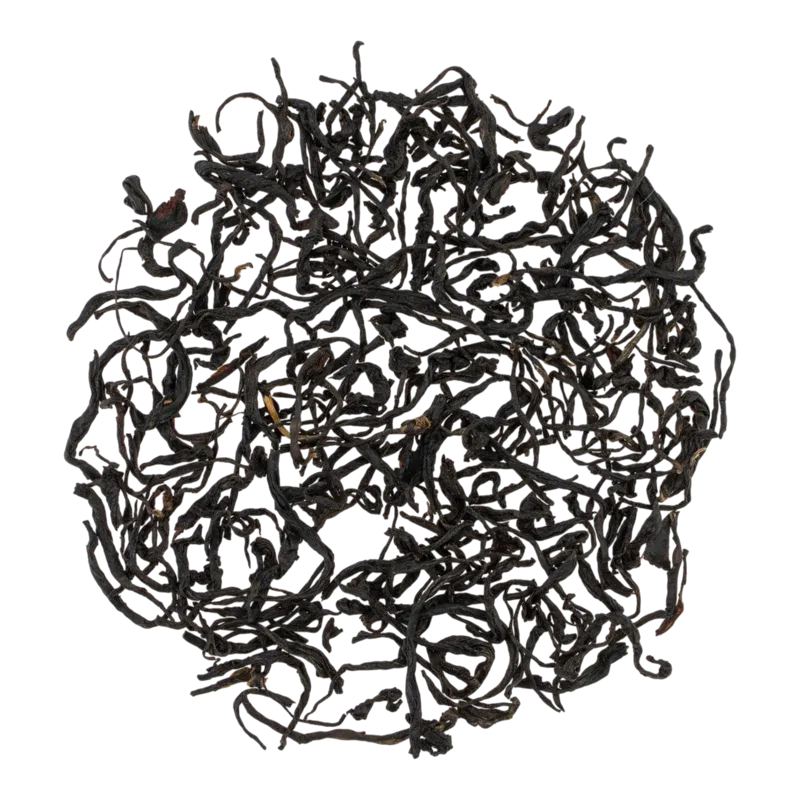
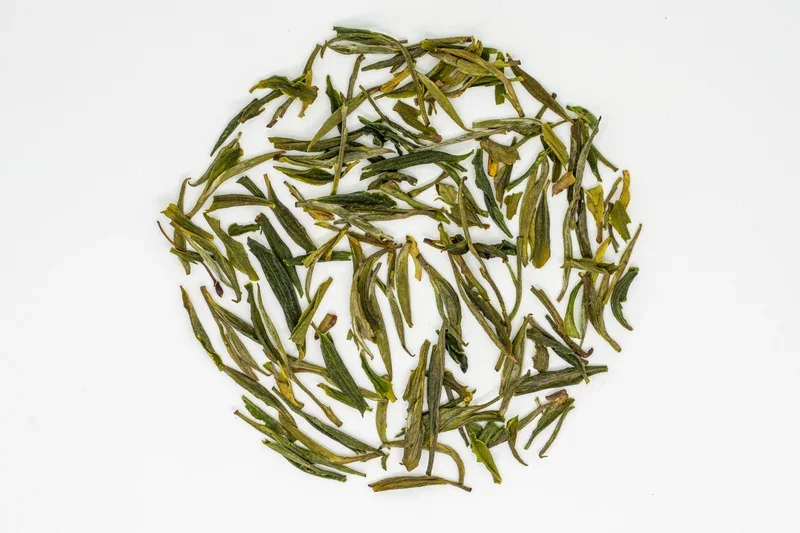
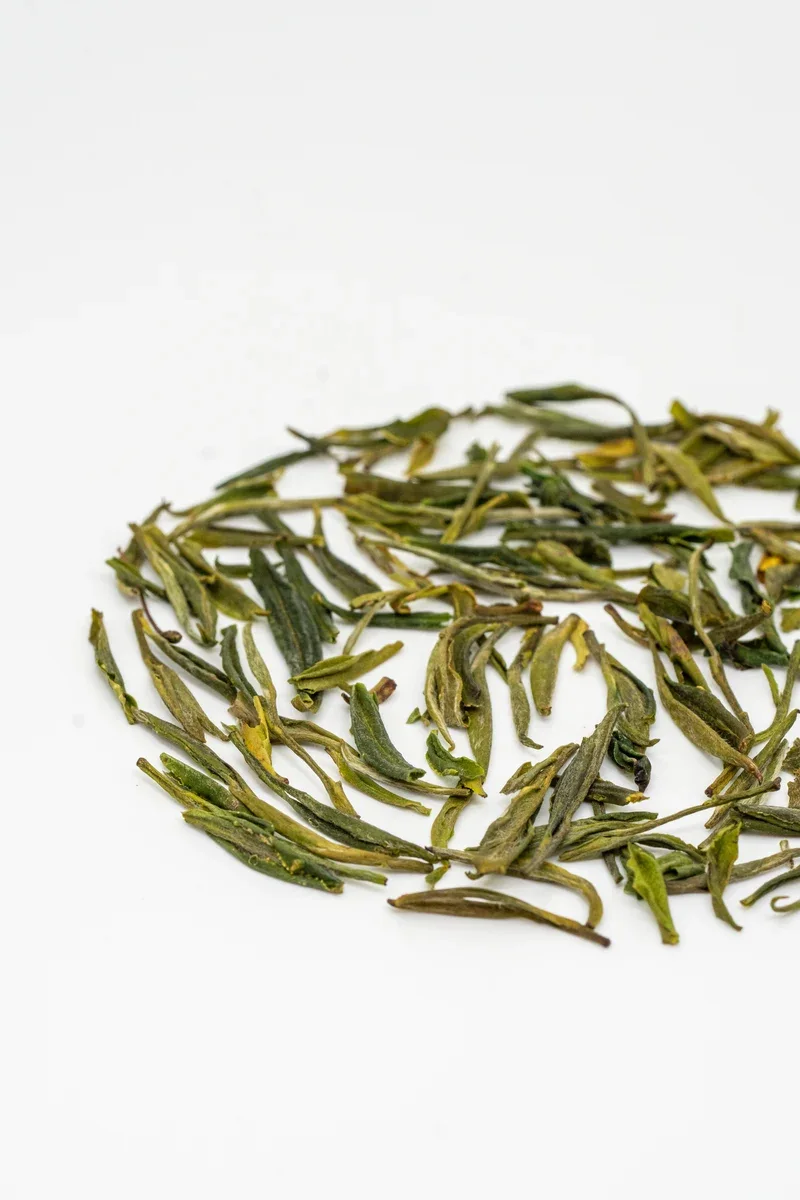
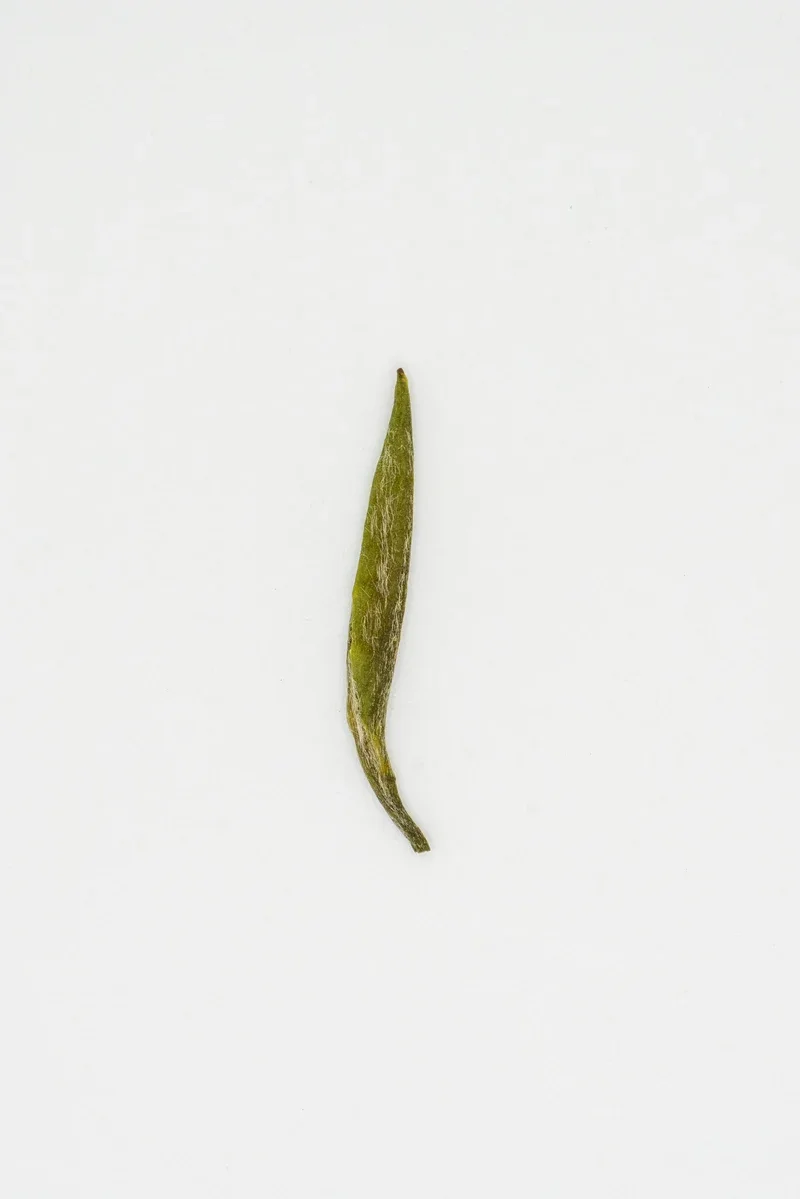
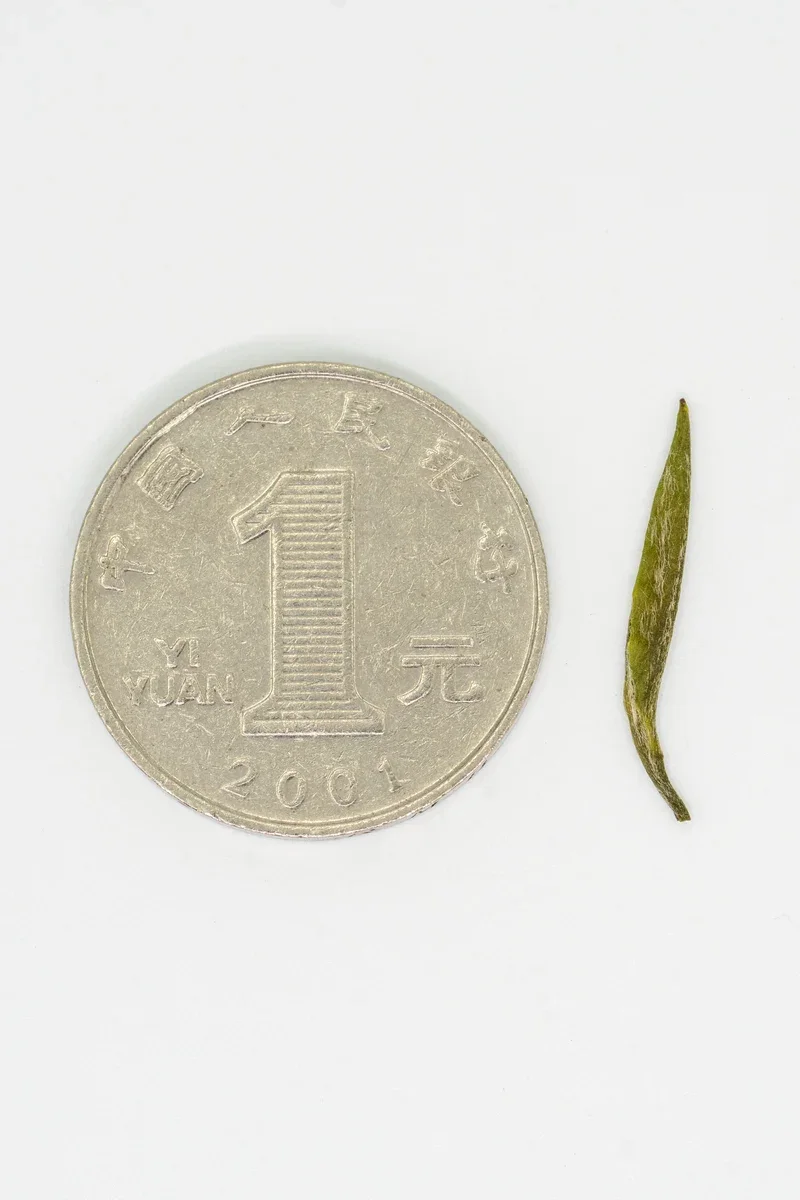
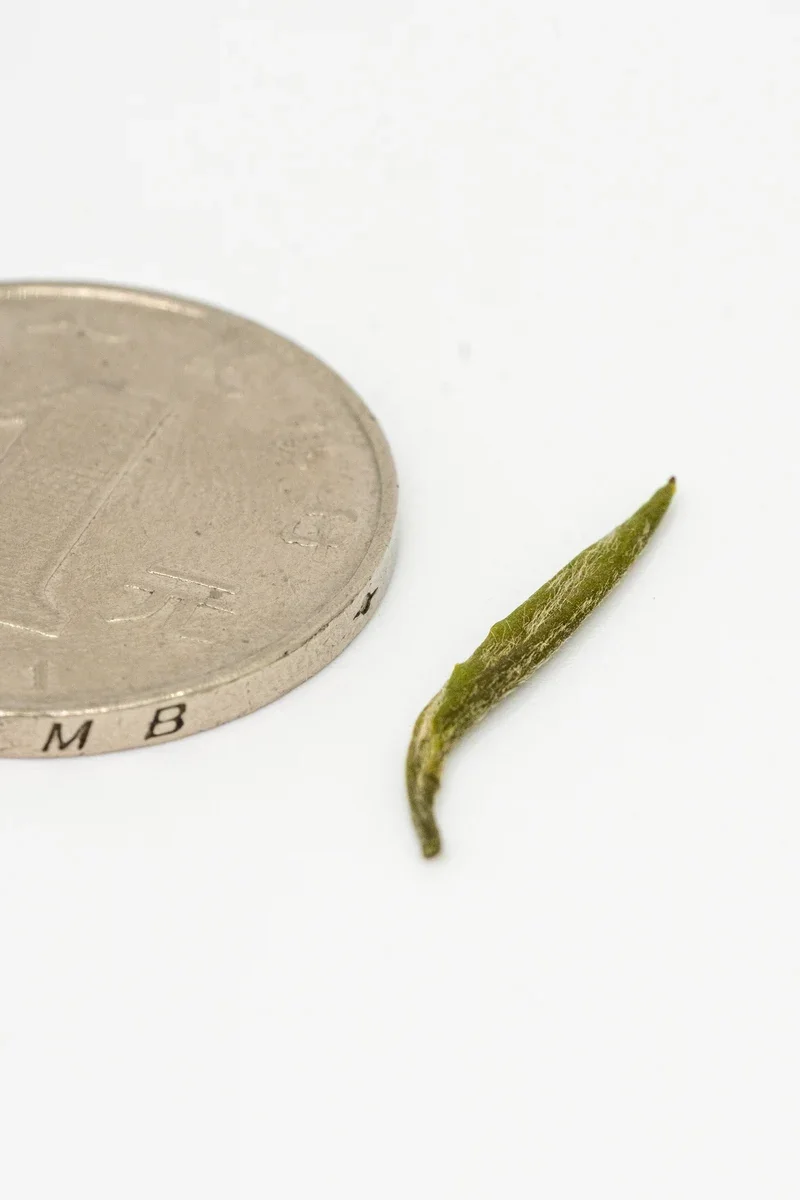
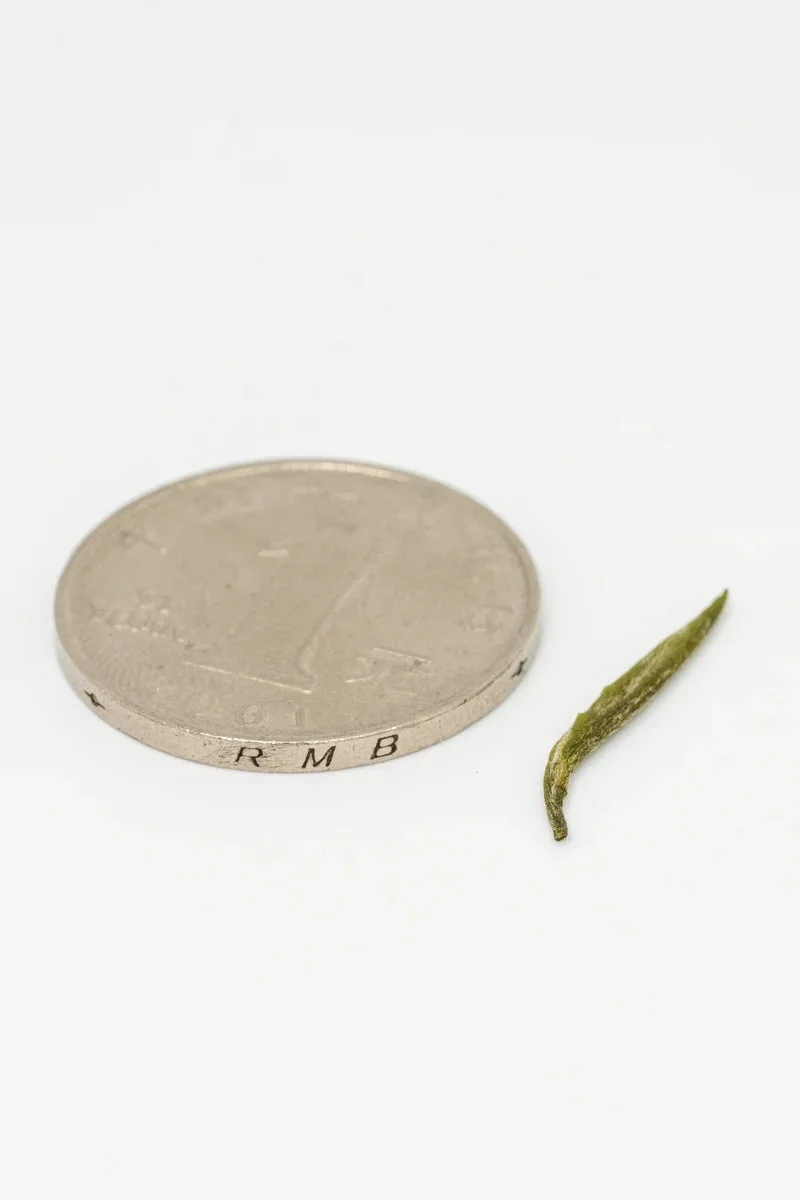
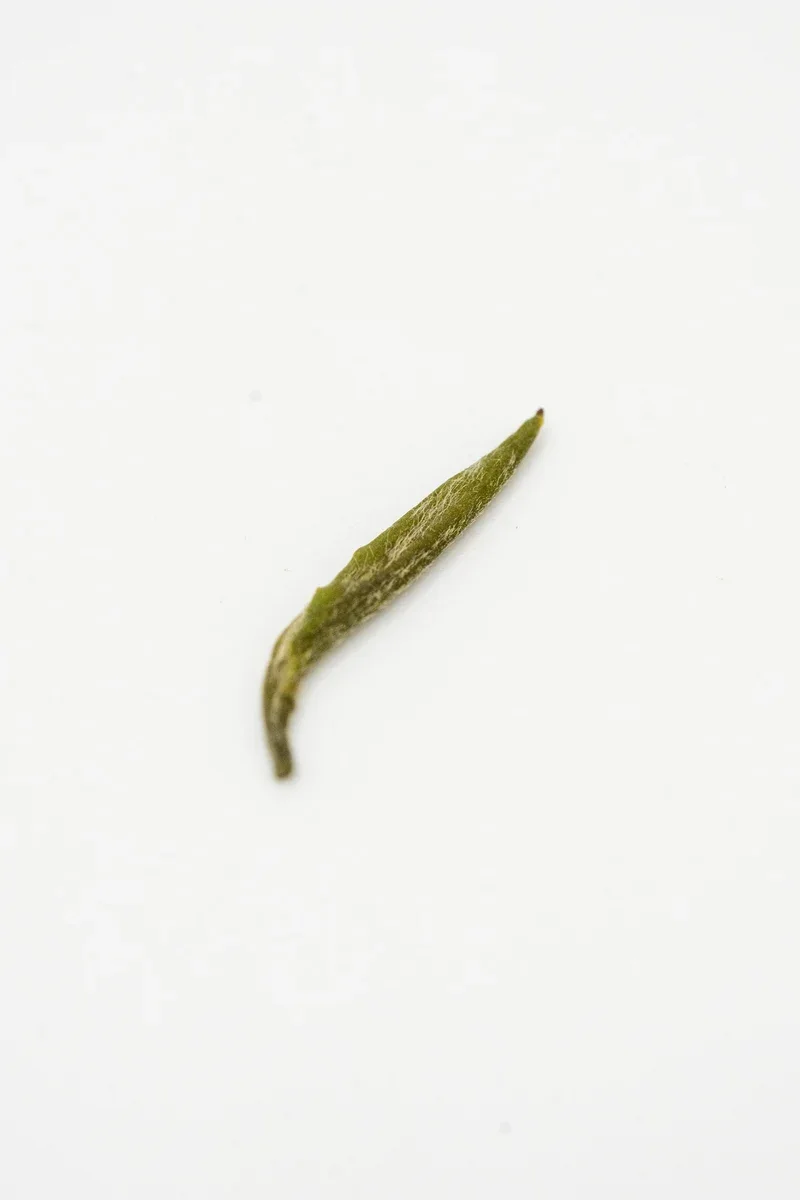
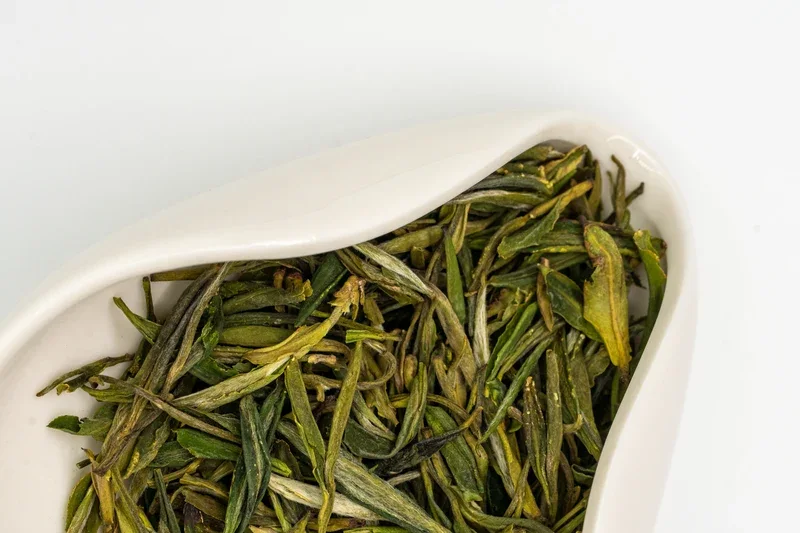
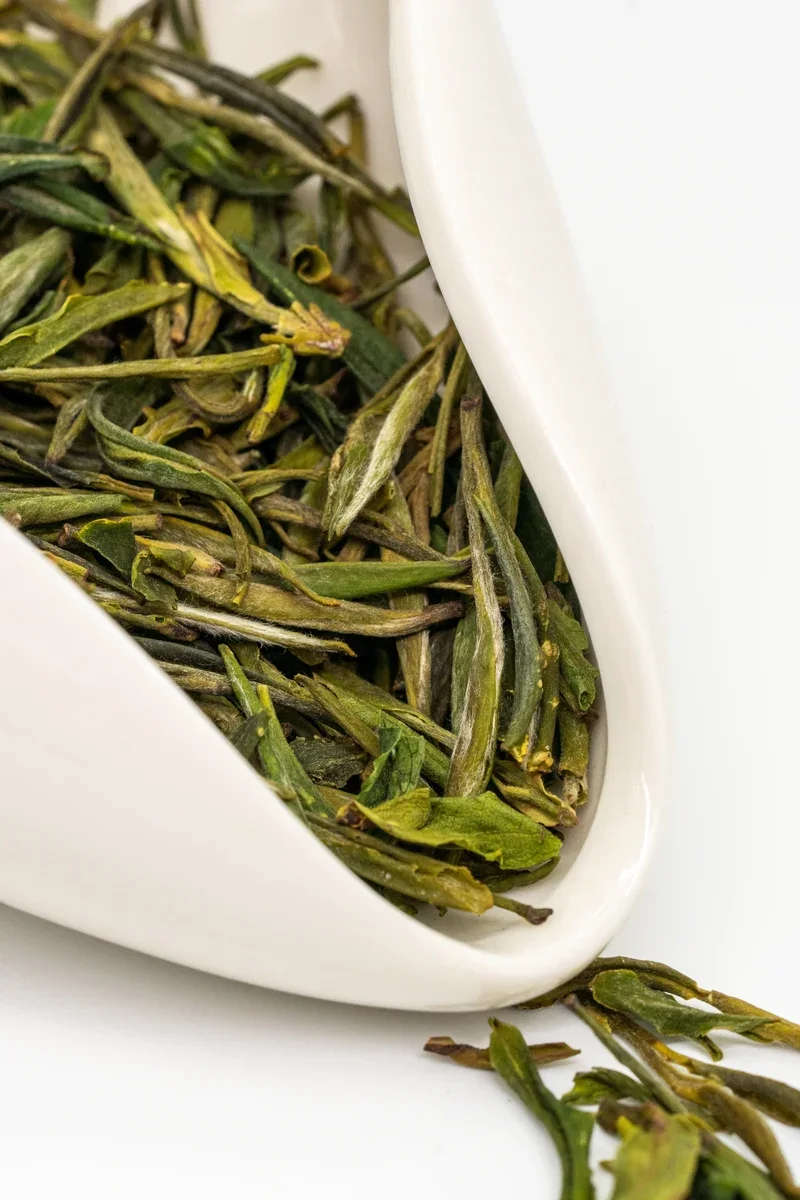
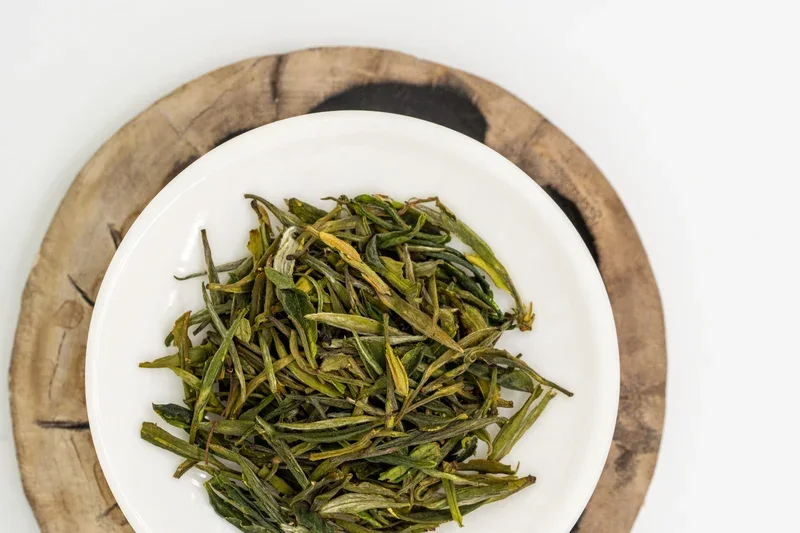
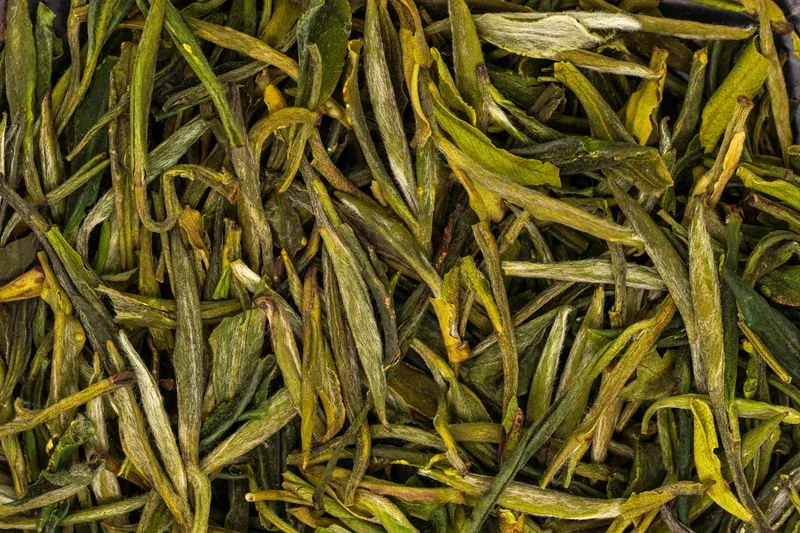
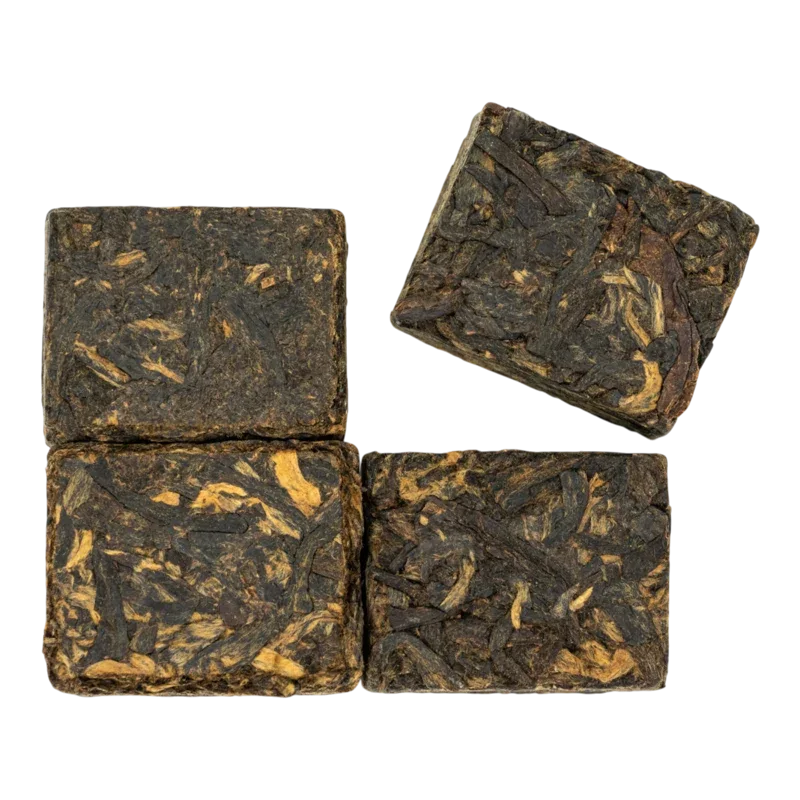
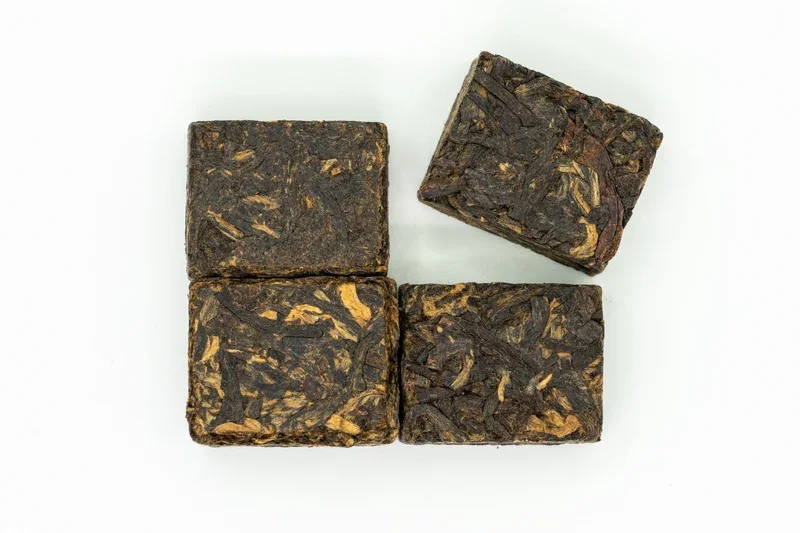
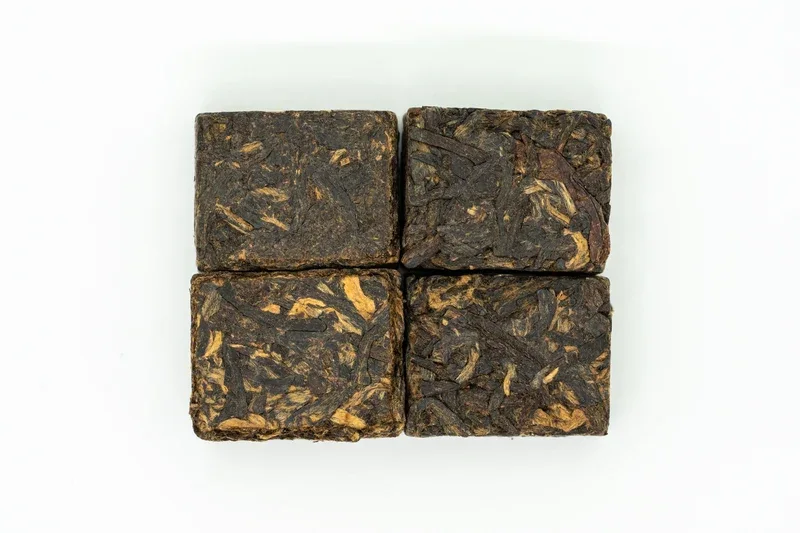
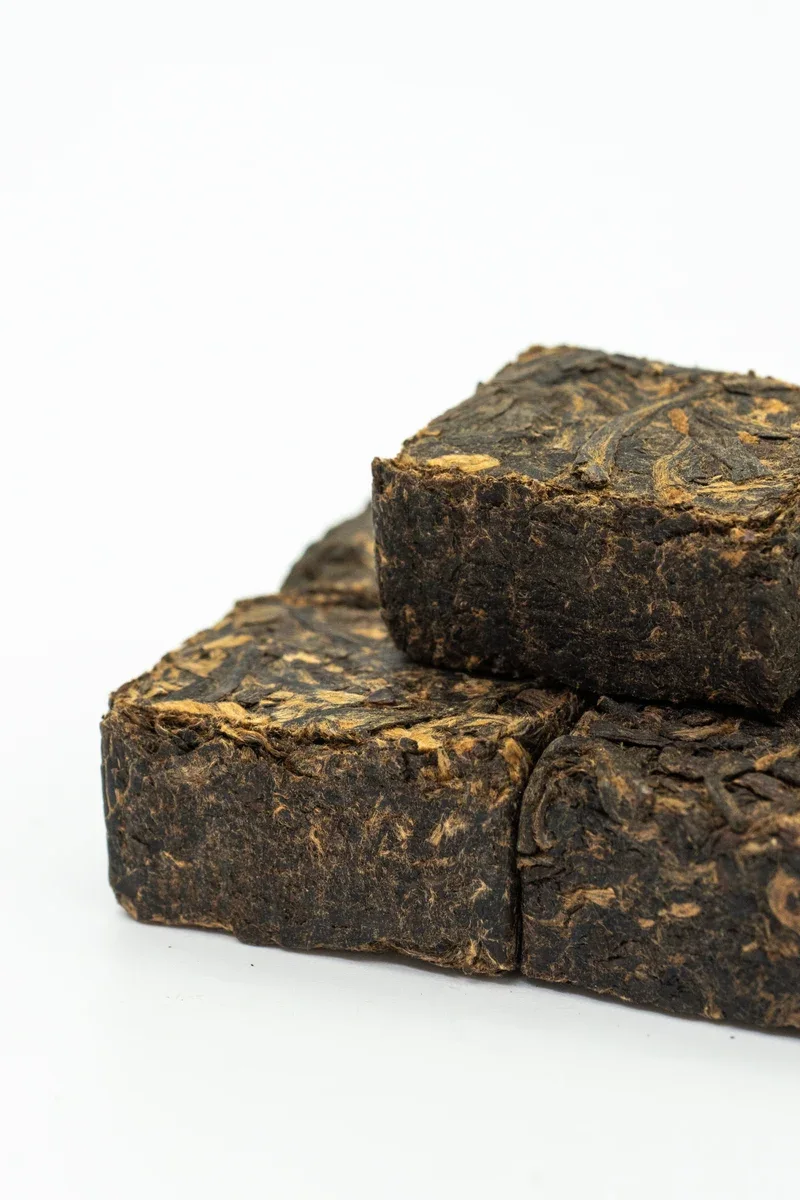
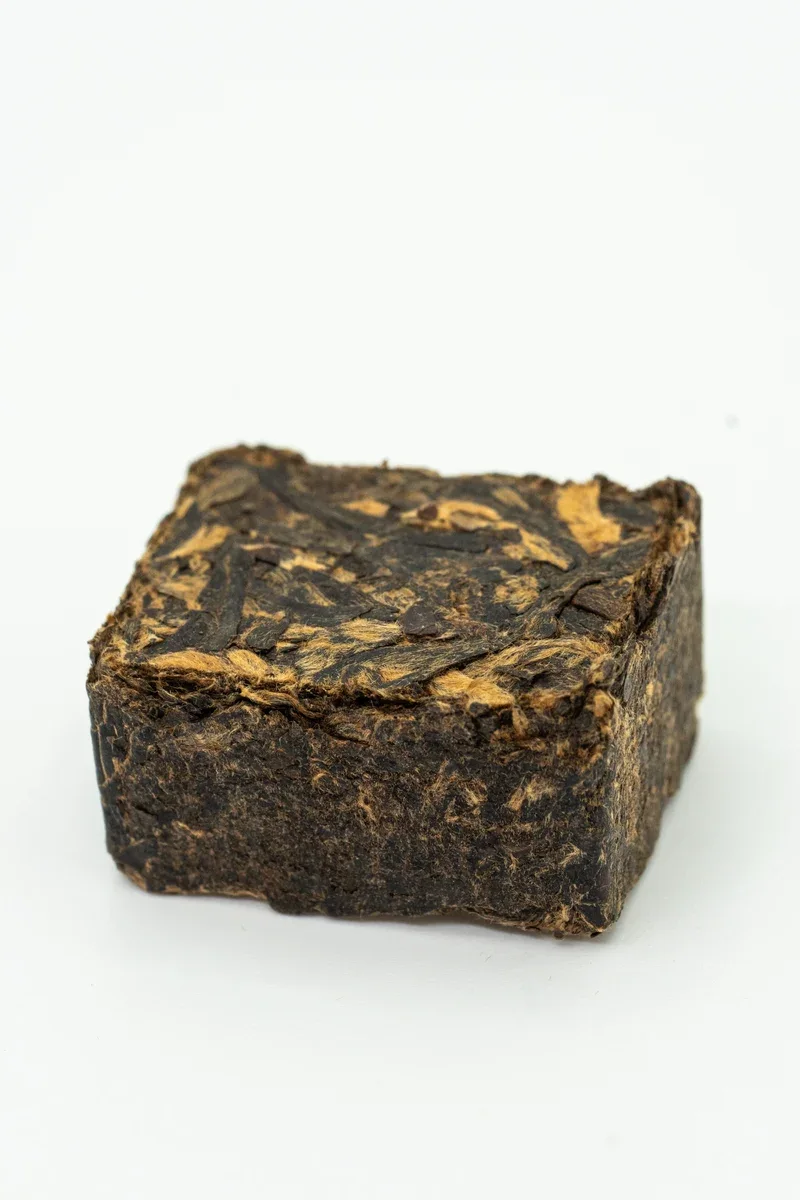
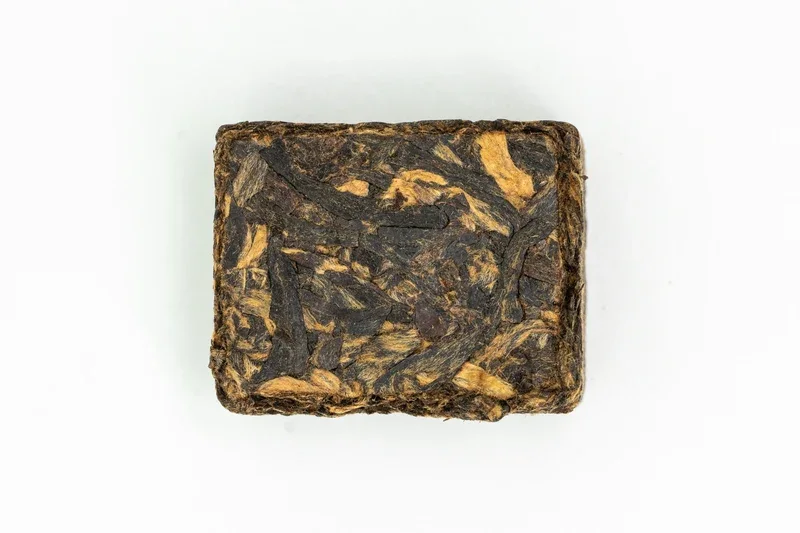
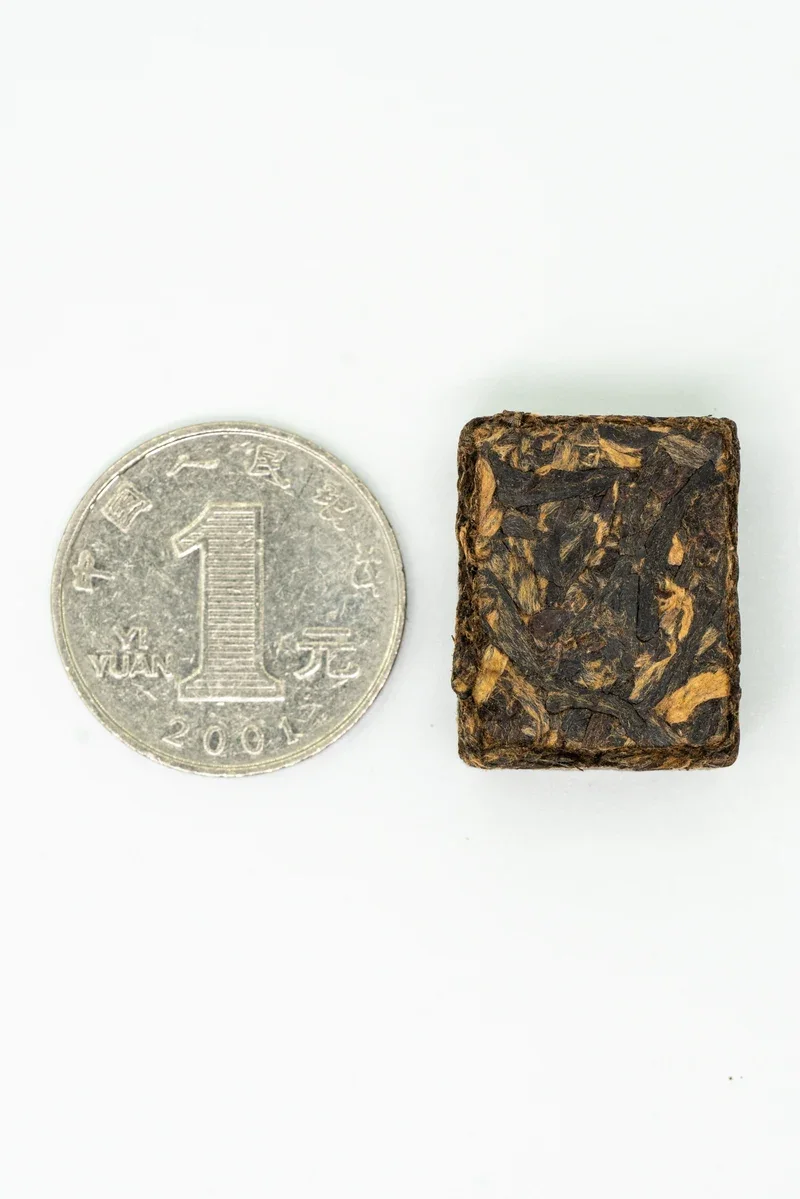
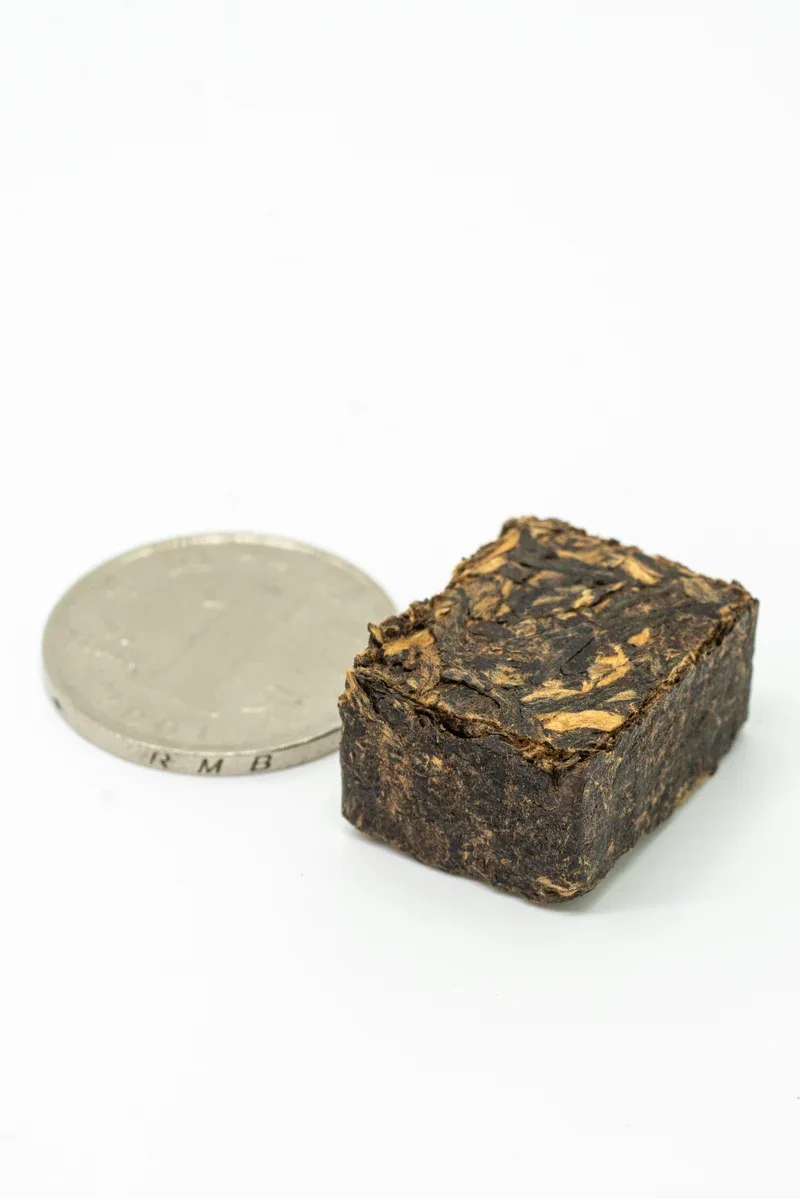
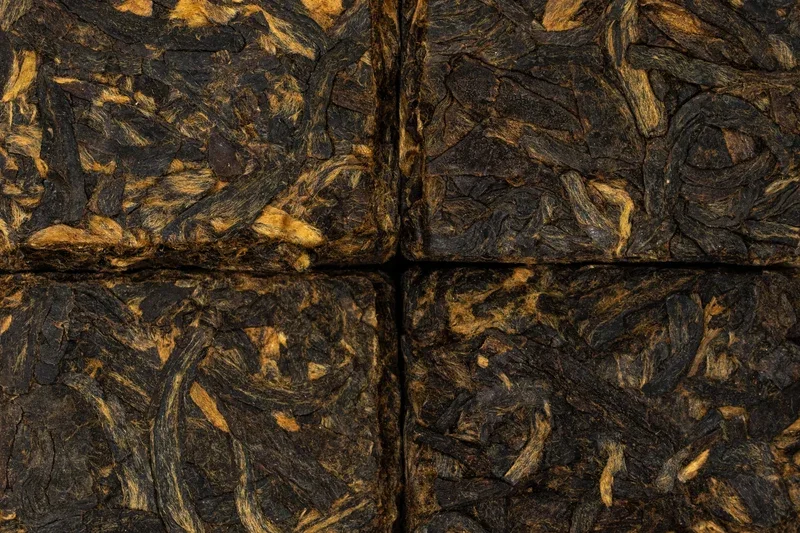
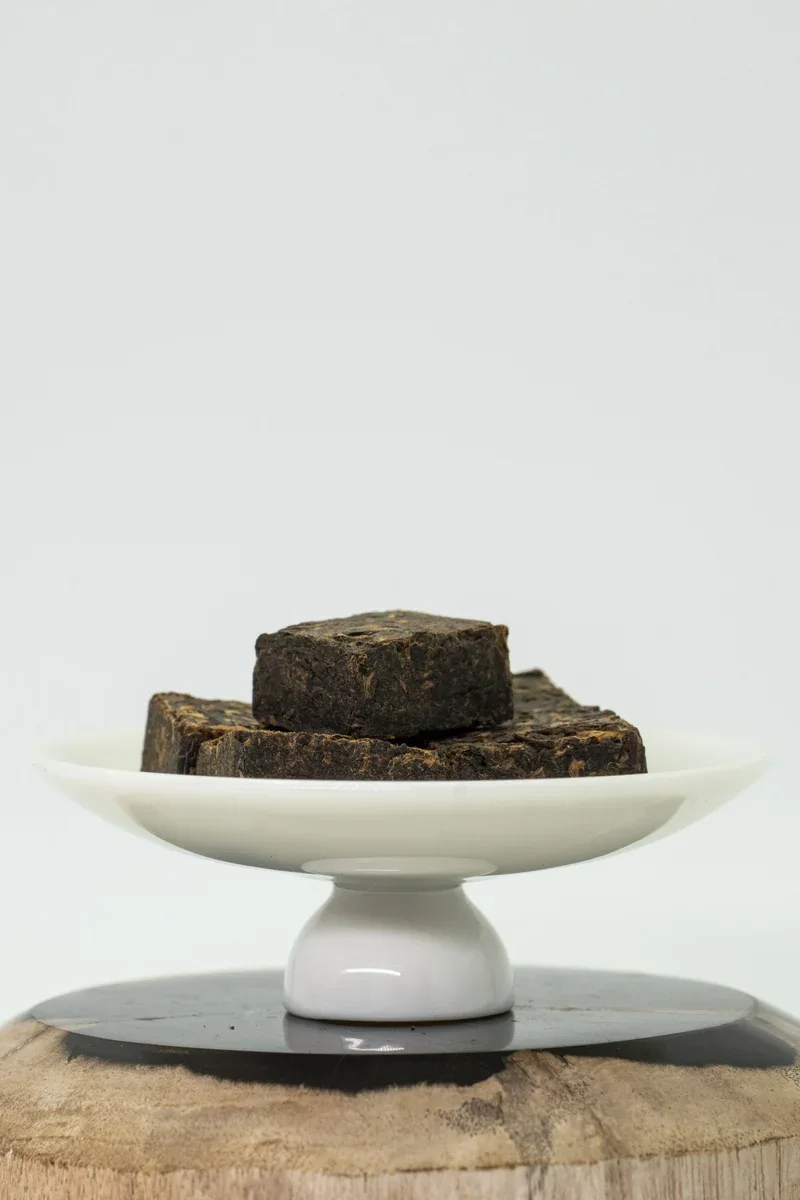
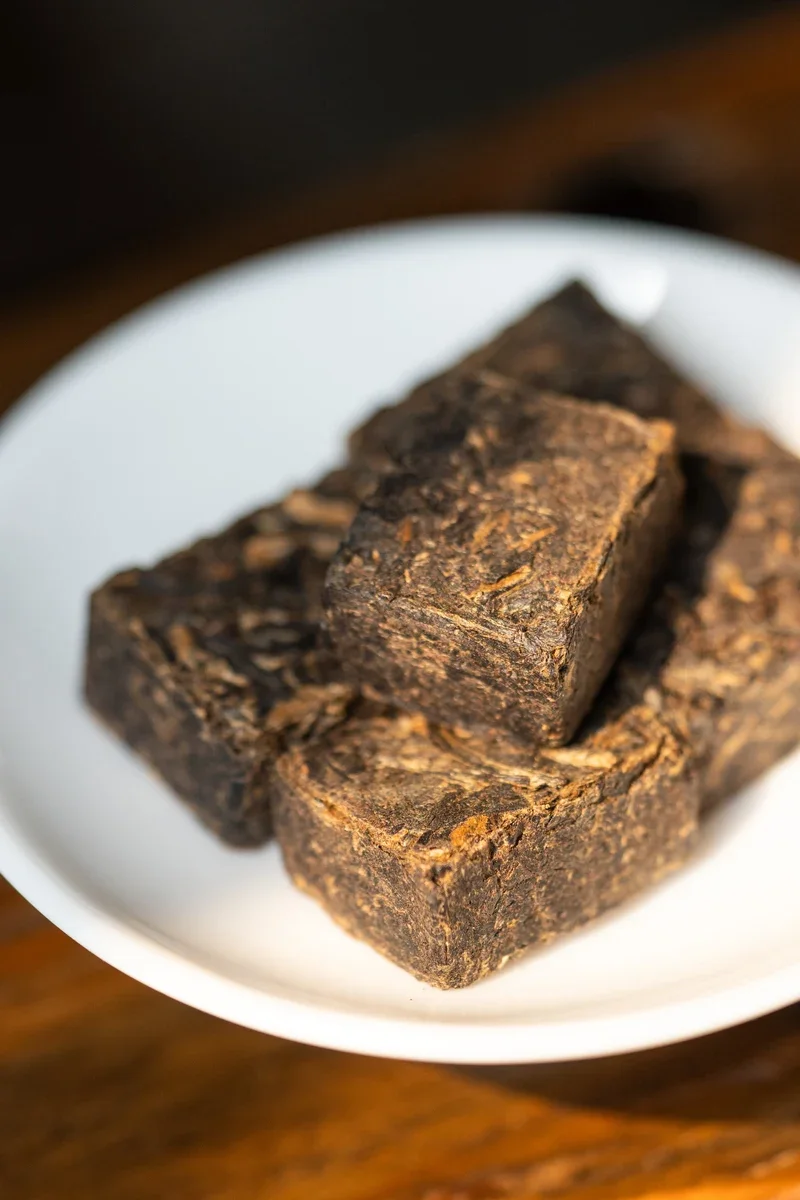
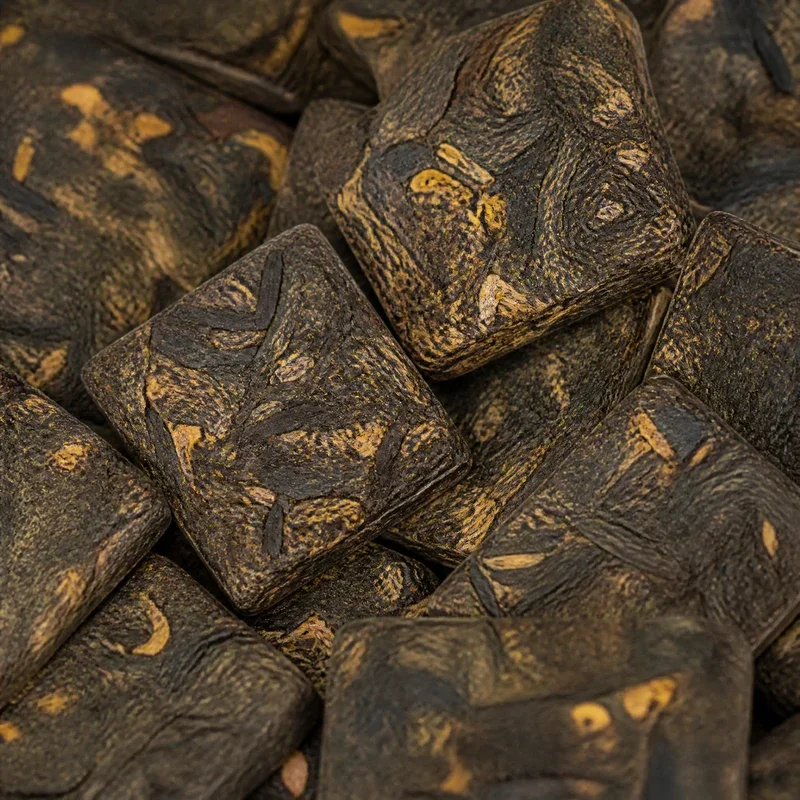
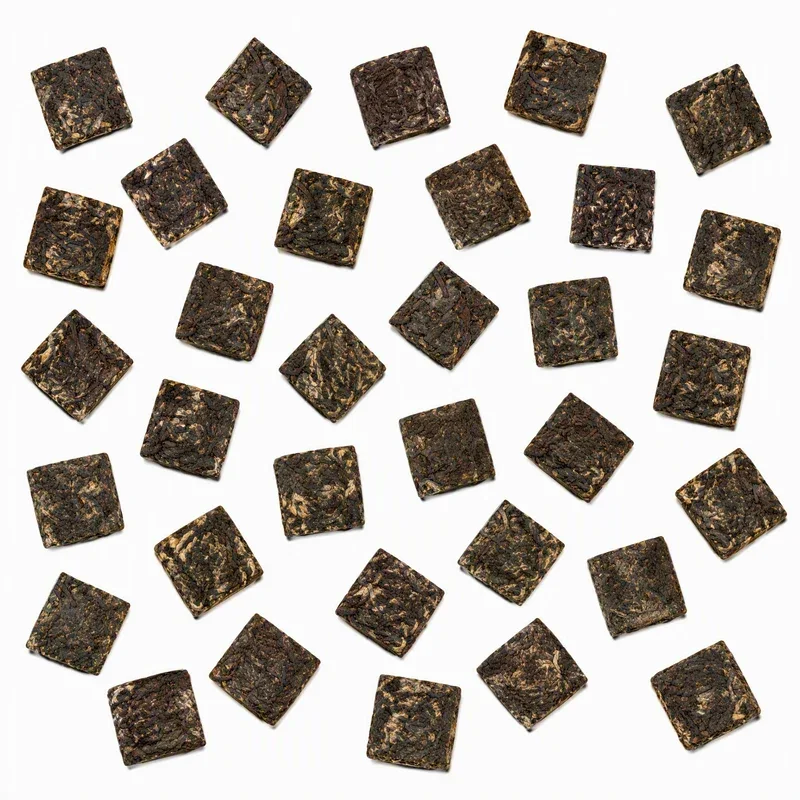
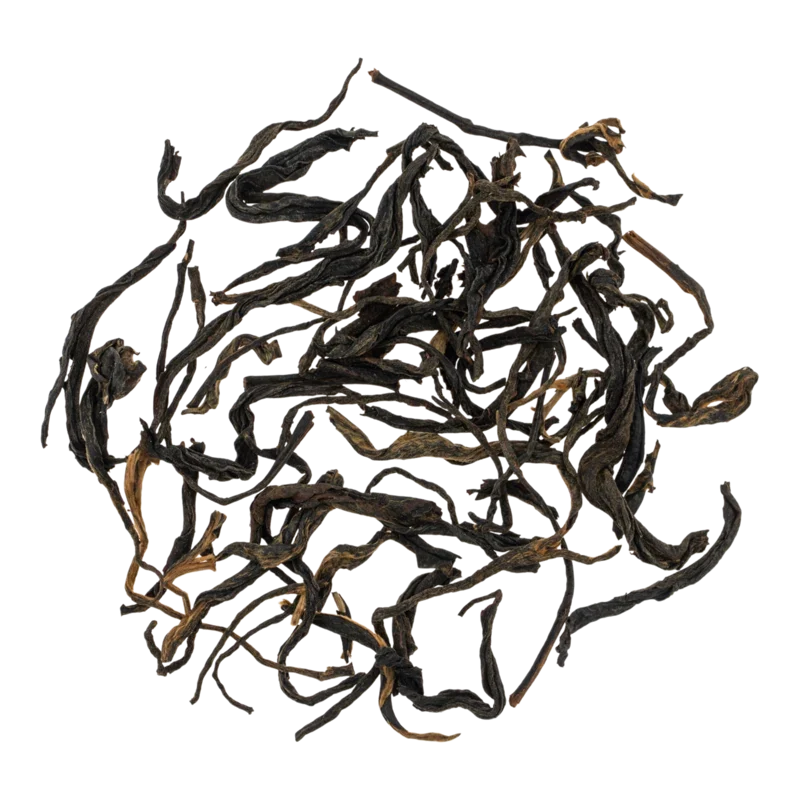
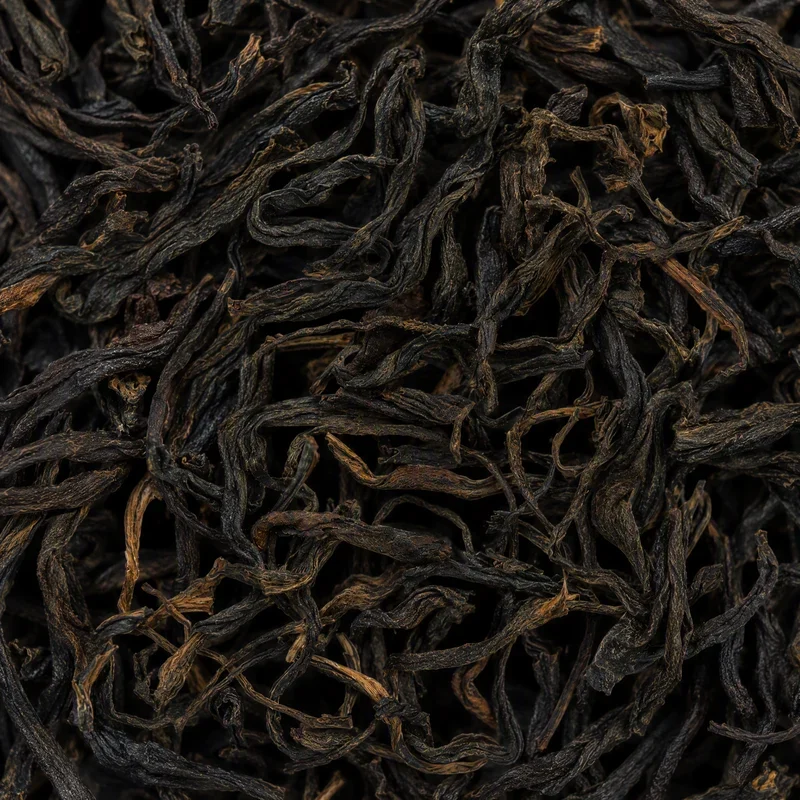
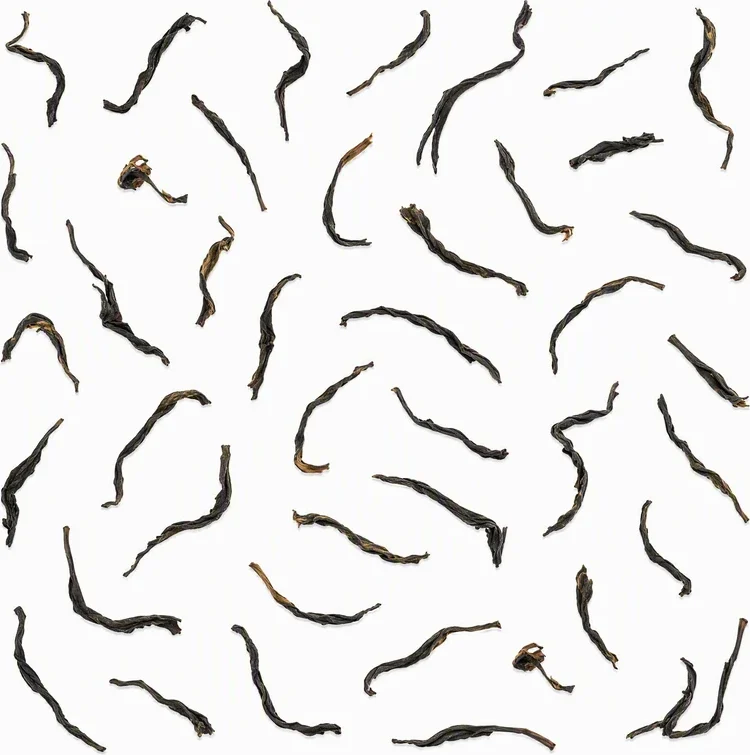
Dry Leaf Appearance: Tightly rolled, even tea particles of dark brown to black color. In "chancha" — characteristic white-yellow tips. Oily luster.
Dry Leaf Aroma: Honey, with notes of dried fruits and caramel. In "chancha" — pronounced "honey aroma" (蜜香), reminiscent of Taiwanese Dongfang Meiren aroma: ripe fruits, honey, muscat.
Liquor Aroma: Bright, persistent. Honey, ripe fruits (lychee, longan), flowers. In "chancha" — special "fragrance" and depth generated by defensive metabolites of the tea leaf. As the liquor cools, "honey" top notes give way to warm "caramel" and "bread-like" base notes. Aroma withstands 5–7 infusions without significant loss of intensity.
Liquor Color: Bright red, clear, transparent (紅亮, hóng liàng). With "golden ring" around the cup edge in the best batches.
Spent Leaves: Soft, elastic, evenly colored leaves of reddish-brown color.
Taste: Dense, sweet, rounded. Pronounced honey sweetness (甜潤, tián rùn), mild astringency, good "throat passage" (喉韻回甘). In "chancha" — increased sweetness and practically zero bitterness. Jinxuan cultivar contributes characteristic "milky" note, especially noticeable in the first two-three infusions. Aftertaste is long, with growing sweetness and light "citrus" resonance.
Amino Acids: 2–4%. Jinxuan cultivar is distinguished by increased amino acid content, ensuring pronounced sweetness.
2.5–4%.
Increased content of terpenoid and indole compounds — products of defensive reaction to leafhopper bites. Include linalool, nerol, geraniol, (E)-nerolidol, indole and a series of C₁₃-norisoprenoids. This complex creates the unique "honey" profile.
3–5% — among the highest among red teas, especially in "chancha" batches. Increased sugar content is explained by two factors: first, Jinxuan cultivar is genetically predisposed to high sweetness; second, the defensive reaction to leafhopper bites includes enhanced sugar synthesis as part of the leaf's "wound healing" mechanism. Result — liquor with natural sweetness, requiring no sugar or honey even for people accustomed to sweetened beverages.
1–2%, providing "silky" liquor texture — a characteristic feature of Zijin Hong Cha.
B-group vitamins, vitamin E; potassium, phosphorus, magnesium, manganese, zinc. Mineral profile reflects the composition of granite-shale parent rocks of the region.
Polyphenols: 15–25% dry weight. Catechins transformed into theaflavins and thearubigins — they form the red color and mellowness.
Moderate caffeine content combined with L-theanine provides calm, non-aggressive tone.
Theaflavins and thearubigins are effective antioxidants.
"Warm" nature according to TCM, suitable for autumn-winter season.
Stimulates secretion, helps after fatty food.
"Chancha" production is by definition pesticide-free — presence of living leafhoppers is incompatible with chemical treatment. This makes "chancha" one of the most ecologically pure teas on the market.
Tannins suppress pathogenic microflora, supporting oral health.
Theaflavins promote elasticity of small vessels and capillaries, normalize blood rheology.
L-theanine, content of which in Jinxuan cultivar is traditionally increased, promotes a state of calm concentration. Combined with honey sweetness and soft body of the liquor, Zijin Hong Cha has a pronounced "comforting" effect.
From Jinxuan cultivar. Mild, with "milky" sweetness.
From leafhopper-bitten raw material. Maximum "honey" profile.
From local varieties. More "classic," less exotic profile.
Wudunshan (武頓山), Chenglongzhang (承龍嶂), Yingfengshan (鷹峰山) — each with micro-nuances.
Tè Jí (特級), 1st, 2nd — standard gradation.
"Chancha" is excellent in "European" format: 3 g per large cup, 3–4 minutes steeping. Honey sweetness unfolds more fully with slightly longer water contact. Also, Zǐjīn Hóng Chá is excellent for cold brewing (冷泡, lěng pào): 3–4 g per 500 ml room temperature water, 4–6 hours in refrigerator. Result — refreshing, silky liquor with honey sweetness and minimal astringency. For "chancha" with its increased aromatic compound content, cold brewing is especially advantageous: low temperature minimizes tannin extraction but preserves the "honey" bouquet.
Tea Amount: 4–5 g per 100–120 ml (gongfu); 3 g per 200–250 ml (steeping).
Teaware: Porcelain gaiwan or teapot; glass for visual enjoyment of liquor color.
Water Temperature: 90–95°C.
Container: Airtight, opaque. Tin can, foil-lined bag.
Shelf Life: 12–24 months for optimal taste.
10–25°C, humidity up to 60%, away from odors.
Authentic Zijin Hong Cha — from Zijin County, Heyuan City, Guangdong. Require information about the estate.
Don't confuse with artificial flavoring. Authentic "chancha" has persistent, "deep" honey aroma, manifesting from first to last infusion; artificial flavoring quickly fades.
"Chancha" by definition cannot contain pesticide residues. Look for certification (有機認證, 無公害).
Limit consumption in the second half of the day. Recommended daily dose — 5–8 g.
Tannins and caffeine may cause discomfort.
Limit to 2–3 g/day or consult a doctor.
No reviews yet. Tell us what you think of this tea.
Rate this tea and share your impressions. We review each submission before publishing it.