
Aller au contenu
Boutique de pu-erh

Jinfuyucui

金佛玉翠jīnfúyùcuì

Tea passport

Origine
China, Chóngqìng Municipality, Nánchuān District
Saison de récolte
mars, avril — avril, mai · récolte principale: avril
Type de thé
Thé vert

SKU · JINFUYUCUI-CN

SKU · JINFUYUCUI-CN
Comparer les thés
Comment infuser

01 / Sensations

Profil gustatif

From the first impression to the smallest tasting note.

Intensity, balance and flavor notes

Example profile Tea data

TEA DATANumeric scores appear only after the tasting profile is filled; descriptive notes are shown separately.

Intensité

0 — 5
—

Numeric scores have not been added yet

Scores will appear after tasting. Descriptive notes are listed separately.

Taste balance

5 axes
—

Numeric scores have not been added yet

Scores will appear after tasting. Descriptive notes are listed separately.

Note wheel

4
  • Floral
  • Creamy
  • Chestnut
  • Vegetal
Explorez les notes de saveur. Lorsque le filtre est disponible, sélectionnez une note pour afficher les thés correspondants.Dossier
02 / Practice

Brewing

Choose a method and start with the parameters published for this tea.

Infusion

Infusion gong fu

Température de l’eau
75 °C
Quantité de thé
5 g
Volume d’eau
100 ml
Première infusion
10 s
Temps ajouté par infusion
5 s
Infusions
3
Rinçage
Non

Infusion

Infusion occidentale

Température de l’eau
70 °C
Quantité de thé
3 g
Volume d’eau
200 ml
Première infusion
3 min
Infusions
2
Rinçage
Non

Saveur

Profil gustatif

Dry Leaf Appearance
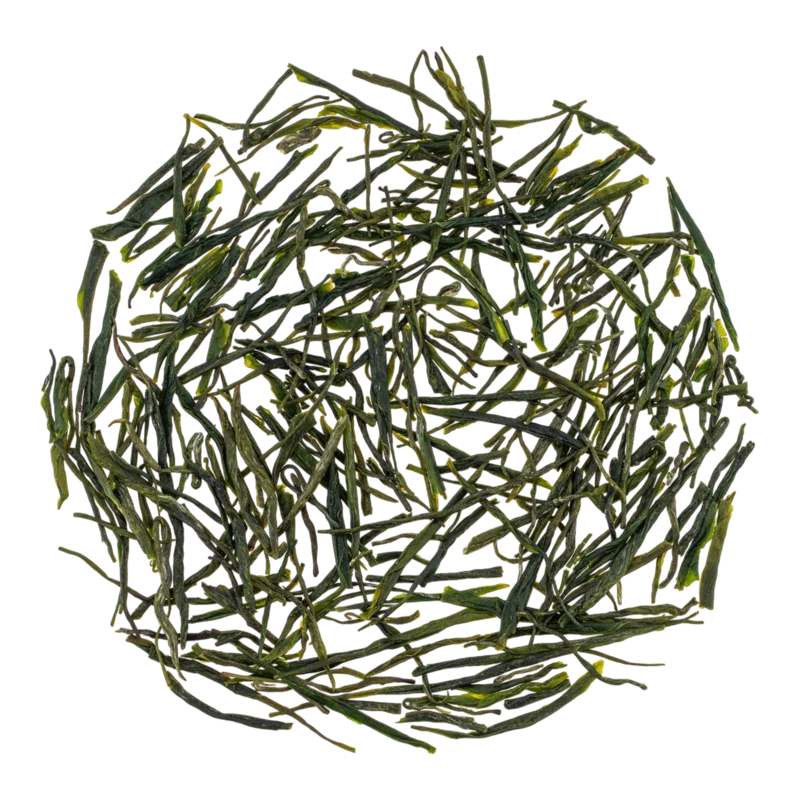
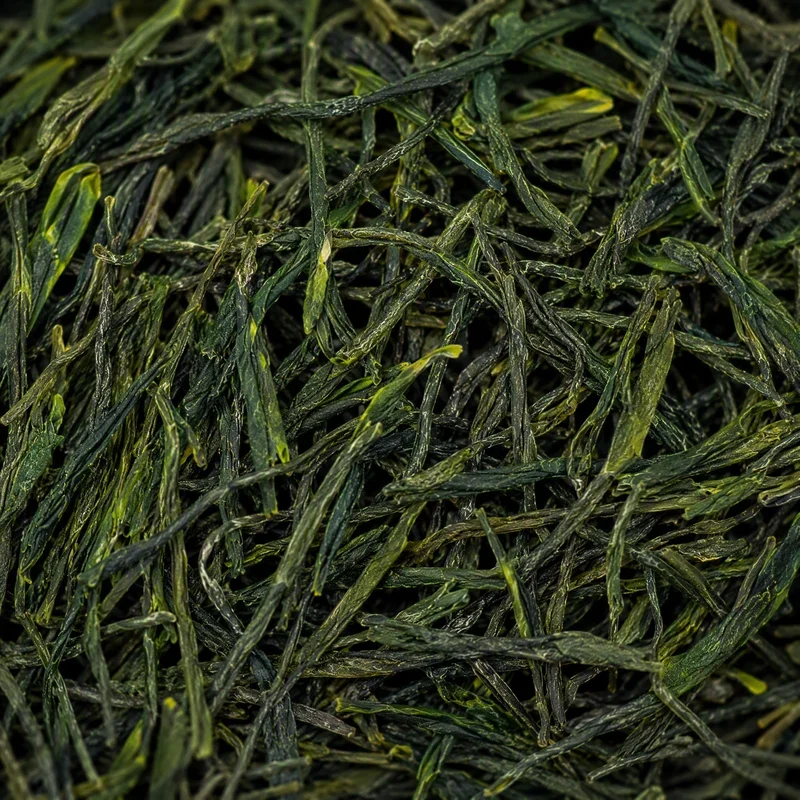
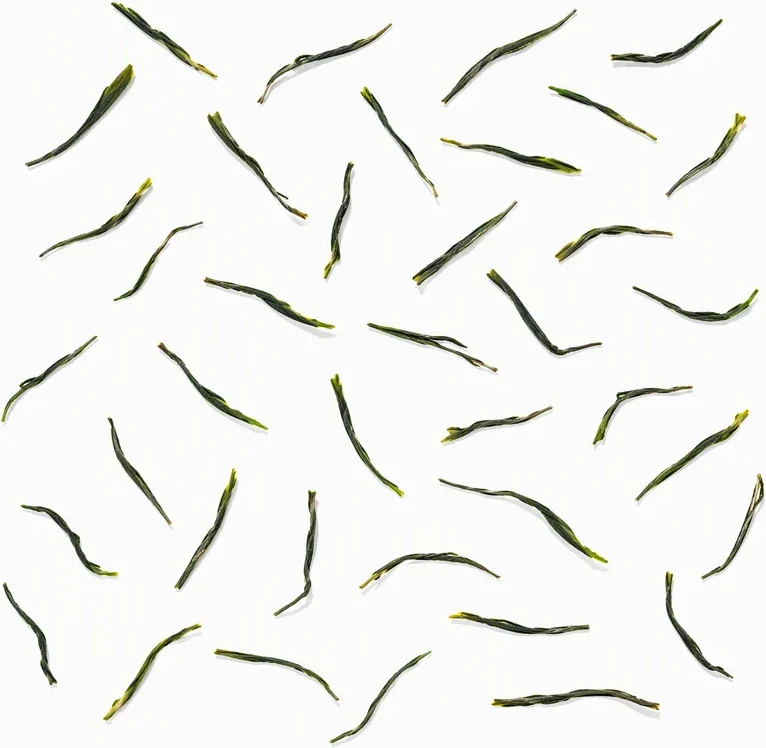
Tea particles are straight, tightly rolled, weighty (紧直重实, jǐnzhí zhòngshí), color — deep green with pronounced oily luster (绿润, lǜrùn) and noticeable silver tips. Shape — straight rod (紧直形, jǐnzhí xíng), high uniformity.
Dry Leaf Aroma
Pronounced chestnut aroma (栗香, lìxiāng) with clean notes of fresh greenery; high-altitude batches have a characteristic "cold aroma" (冷香, lěngxiāng) that reveals itself upon cooling.
Liquor Color
Tender green, bright and clear (嫩绿明亮, nèn lǜ míngliàng), with repeated infusions transitions to yellow-green.
Spent Leaves
Yellow-green, bright (黄绿明亮), buds and leaves whole, even, elastic, with good size uniformity.

03 / Origin passport

Origin and production

Type de thé
Green
Soil
Weakly acidic yellow soils and purple soils (紫色土, zǐsè tǔ) with pH 4.5–6.5, rich in organic matter. The core production territory belongs to a water conservation zone where the use of chemical fertilizers and pesticides is prohibited.
Регион
China, Chóngqìng Municipality (重庆市, Chóngqìng Shì), Nánchuān District (南川区, Nánchuān Qū)

Caractéristiques du thé

Caractéristiques du thé

Pluck Standard
Special grade (特级) — one bud with one just-beginning-to-unfold leaf (一芽一叶初展, yī yá yī yè chūzhǎn); first grade (一级) — one bud with two leaves; second grade (二级) — one bud with three leaves.
Raw Material
Fresh, uniform, without mechanical damage, without coarse and overripe leaves. Tea polyphenol content in fresh leaf — not less than 25%, water extract — not less than 47.4%.

04 / Tea care

Keep it fresh

Условия хранения
Не указаны для этой партии.

Détails

Détails

Alcaloïdes
Caffeine (咖啡碱, kāfēi jiǎn), theobromine, theophylline. Caffeine content in high-altitude tea is generally somewhat higher than in lowland analogues, due to a longer vegetation period.
Essential Oils
Responsible for chestnut aroma formation; among key volatile compounds — linalool, geraniol, phenylacetaldehyde and pyrazines formed during pan-firing.
Minéraux
Potassium, manganese, zinc, fluorine, phosphorus. The presence of purple soils of volcanic origin enriches the tea leaf with microelements.
Vitamines
Vitamin C (ascorbic acid) — content in fresh green tea leaf is one of the highest among food products, but is partially destroyed during pan-firing. Also present are B-group vitamins (B₁, B₂), vitamin K and vitamin E.

Avis

Aucun avis pour le moment. Dites-nous ce que vous pensez de ce thé.

Rédiger un avis

Notez ce thé et partagez vos impressions. Nous vérifions chaque avis avant sa publication.