
Aller au contenu
Boutique de pu-erh

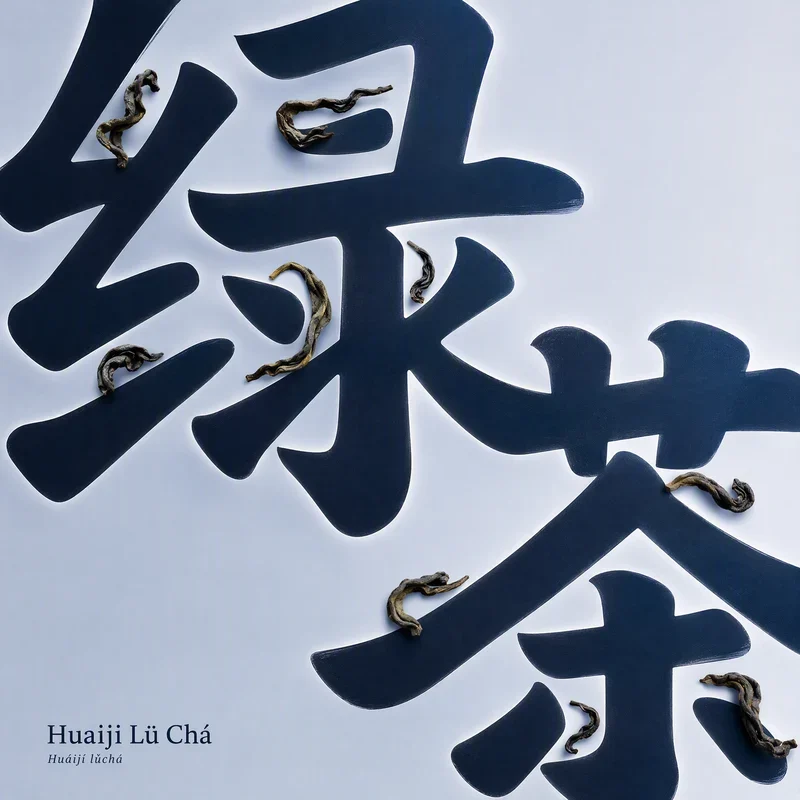
Huaiji Lü Cha

怀集绿茶Huáijí lǜchá

Tea passport

Origine
China, Guǎngdōng Province, Zhàoqìng City, Huáijí County
Saison de récolte
mars, avril — avril, mai · récolte principale: avril
Type de thé
Thé vert

SKU · HUAIJI-LUCHA-CN

SKU · HUAIJI-LUCHA-CN
Comparer les thés
Comment infuser

01 / Sensations

Profil gustatif

From the first impression to the smallest tasting note.

Intensity, balance and flavor notes

Example profile Tea data

TEA DATANumeric scores appear only after the tasting profile is filled; descriptive notes are shown separately.

Intensité

0 — 5
—

Numeric scores have not been added yet

Scores will appear after tasting. Descriptive notes are listed separately.

Taste balance

5 axes
—

Numeric scores have not been added yet

Scores will appear after tasting. Descriptive notes are listed separately.

Note wheel

3
  • Floral
  • Chestnut
  • Vegetal
Explorez les notes de saveur. Lorsque le filtre est disponible, sélectionnez une note pour afficher les thés correspondants.Dossier
02 / Practice

Brewing

Choose a method and start with the parameters published for this tea.

Infusion

Infusion gong fu

Température de l’eau
75 °C
Quantité de thé
5 g
Volume d’eau
100 ml
Première infusion
10 s
Temps ajouté par infusion
5 s
Infusions
3
Rinçage
Non

Infusion

Infusion occidentale

Température de l’eau
70 °C
Quantité de thé
3 g
Volume d’eau
200 ml
Première infusion
3 min
Infusions
2
Rinçage
Non

Saveur

Profil gustatif

Dry Leaf Appearance
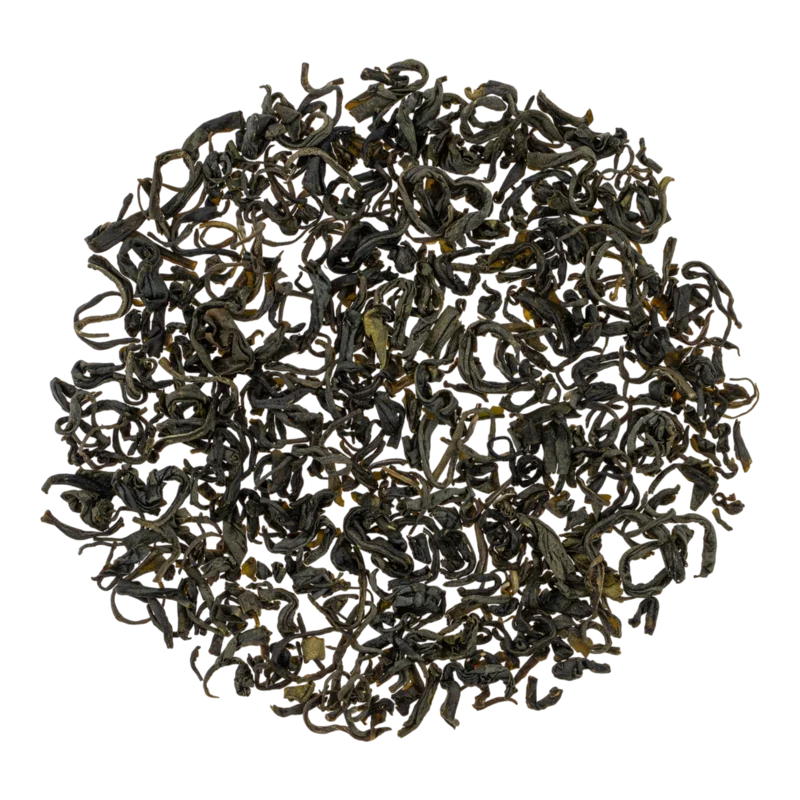
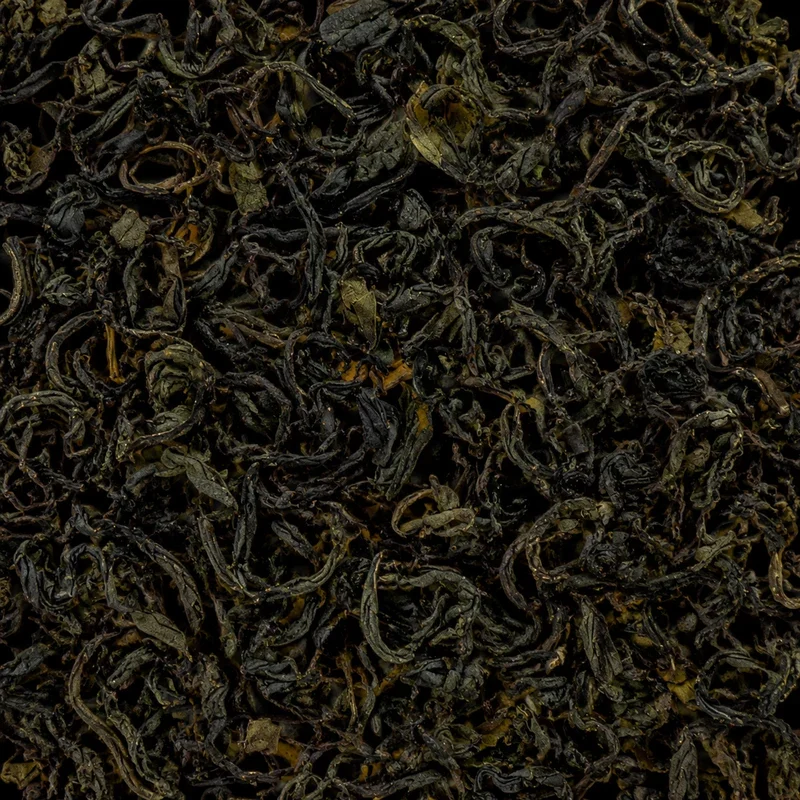
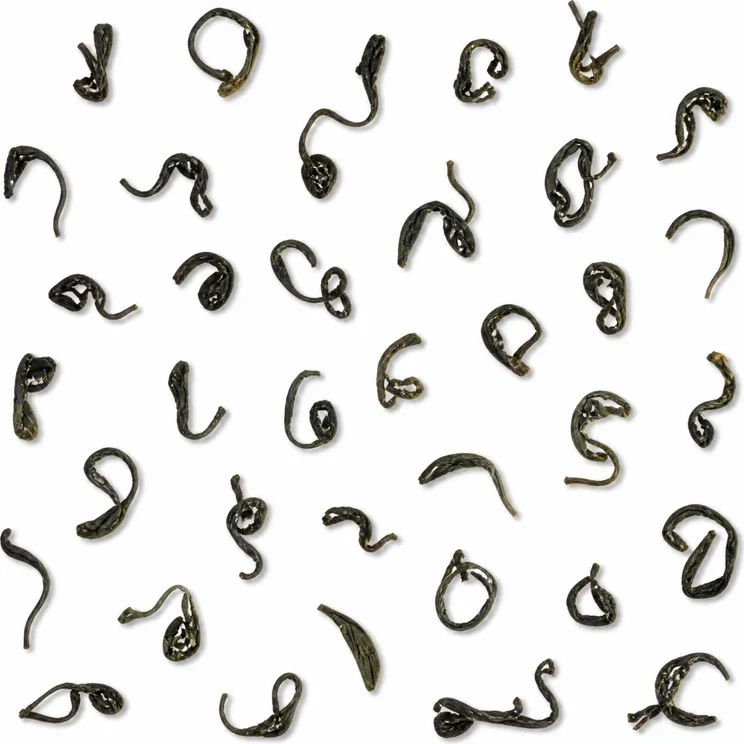
Thin, uniform tea particles with clean shape; color — rich green with light luster. In highest grades — noticeable white down.
Dry Leaf Aroma
Fresh, clean, with distinct chestnut undertones (栗香, lì xiāng). In premium batches — light floral notes.
Liquor Aroma
Clean, bright; chestnut tone unfolds more fully, complemented by gentle sweetness and green freshness.
Liquor Color
Green or yellow-green, bright and clear (明亮清澈, míngliàng qīngchè).
Spent Leaves
Tender green, uniform, elastic. Leaves retain integrity and fresh green color.

03 / Origin passport

Origin and production

Type de thé
Green
Регион
China, Guǎngdōng Province (广东, Guǎngdōng), Zhàoqìng City (肇庆, Zhàoqìng), Huáijí County (怀集县, Huáijí xiàn)

Caractéristiques du thé

Caractéristiques du thé

Cultivar
Local population varieties (群体种, qúntǐ zhǒng), adapted to the mountain climate of northwestern Guangdong. Regional cultivars selected for both green and red tea needs are also used.
Picking
Spring harvest is primary (March–April); for premium batches — early spring buds before Qīngmíng (清明). Summer and autumn harvests are used for mass-market batches.
Pluck Standard
For highest grades — one bud and one to two upper leaves (一芽一叶 — 一芽二叶). For ordinary batches — one bud and two to three leaves.
Raw Material
Intact, freshly picked, without mechanical damage. Rapid delivery to production is critical due to high average daily temperatures in the subtropics.

04 / Tea care

Keep it fresh

Условия хранения
Не указаны для этой партии.

Détails

Détails

Alcaloïdes
Caffeine — 2–3.5% dry weight. Theobromine and theophylline — in trace amounts.
Amino Acids
Elevated content relative to average levels for regional green teas — result of high-mountain terroir, frequent fogs, and diffused lighting. L-theanine (L-茶氨酸) — key amino acid determining taste softness and sweetness.
Essential Oils
Linalool, geraniol, cis-3-hexenol (responsible for "green" tone); pyrazines — for chestnut undertones.
Minéraux
Elevated selenium (Se) content — reflection of regional soil geochemical profile. Potassium, magnesium, phosphorus, zinc are present.
Polyphénols
Content — typical for high-mountain green teas of the subtropical zone (~28–32% dry weight). Catechins (EGCG, ECG, EC) provide antioxidant activity.
Vitamines
Vitamin C, B-group vitamins (B₁, B₂), carotenoids.

Avis

Aucun avis pour le moment. Dites-nous ce que vous pensez de ce thé.

Rédiger un avis

Notez ce thé et partagez vos impressions. Nous vérifions chaque avis avant sa publication.