
Aller au contenu
Boutique de pu-erh

Anjizhi Huang Jin Ya

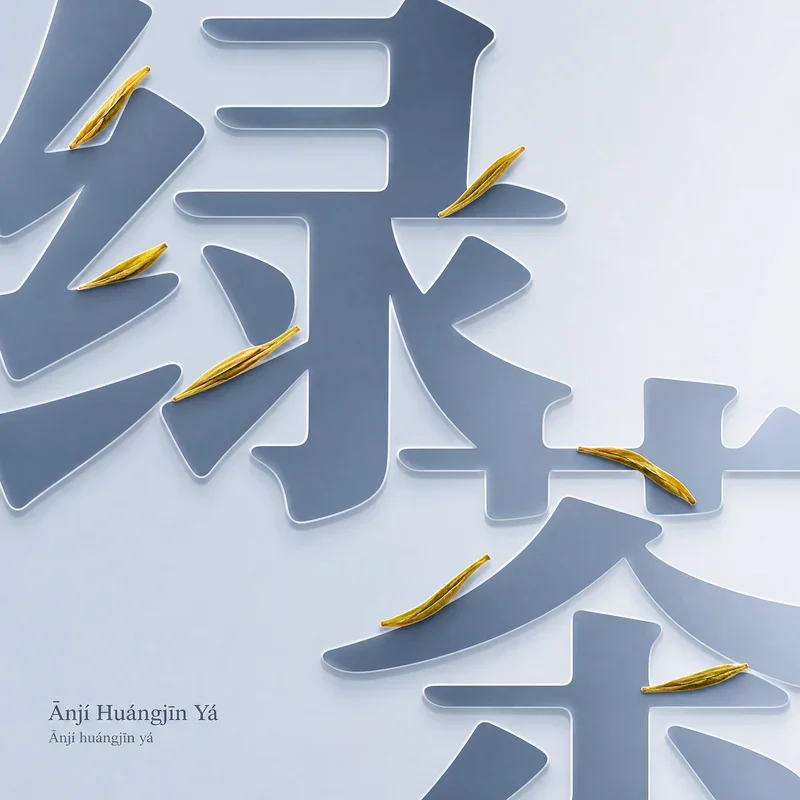
安吉黄金芽Ānjí huángjīn yá

Tea passport

Origine
The Huángjīn Yá cultivar was discovered in the late 1990s at the "Deshi Jia" tea farm in Sānqīshì township, Yúyáo city, Zhèjiāng Province
Saison de récolte
mars, avril — avril, mai · récolte principale: avril
Type de thé
Zhejiang Green Teas

SKU · ANJI-HUANGJIN-YA-CN

SKU · ANJI-HUANGJIN-YA-CN
Comparer les thés
Comment infuser

01 / Sensations

Profil gustatif

From the first impression to the smallest tasting note.

Intensity, balance and flavor notes

Example profile Tea data

TEA DATANumeric scores appear only after the tasting profile is filled; descriptive notes are shown separately.

Intensité

0 — 5
—

Numeric scores have not been added yet

Scores will appear after tasting. Descriptive notes are listed separately.

Taste balance

5 axes
—

Numeric scores have not been added yet

Scores will appear after tasting. Descriptive notes are listed separately.

Note wheel

7
  • Floral
  • Honey
  • Umami
  • Dried fruit
  • Creamy
  • Chestnut
  • Vegetal
Explorez les notes de saveur. Lorsque le filtre est disponible, sélectionnez une note pour afficher les thés correspondants.Dossier
02 / Practice

Brewing

Choose a method and start with the parameters published for this tea.

Infusion

Infusion gong fu

Température de l’eau
75 °C
Quantité de thé
5 g
Volume d’eau
100 ml
Première infusion
10 s
Temps ajouté par infusion
5 s
Infusions
3
Rinçage
Non

Infusion

Infusion occidentale

Température de l’eau
70 °C
Quantité de thé
3 g
Volume d’eau
200 ml
Première infusion
3 min
Infusions
2
Rinçage
Non

Saveur

Profil gustatif

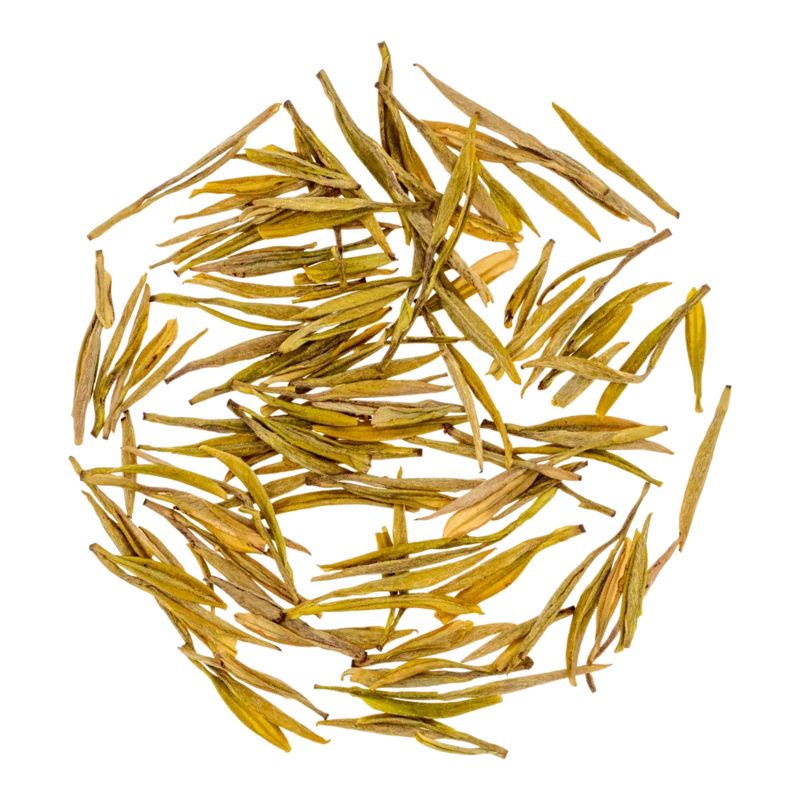
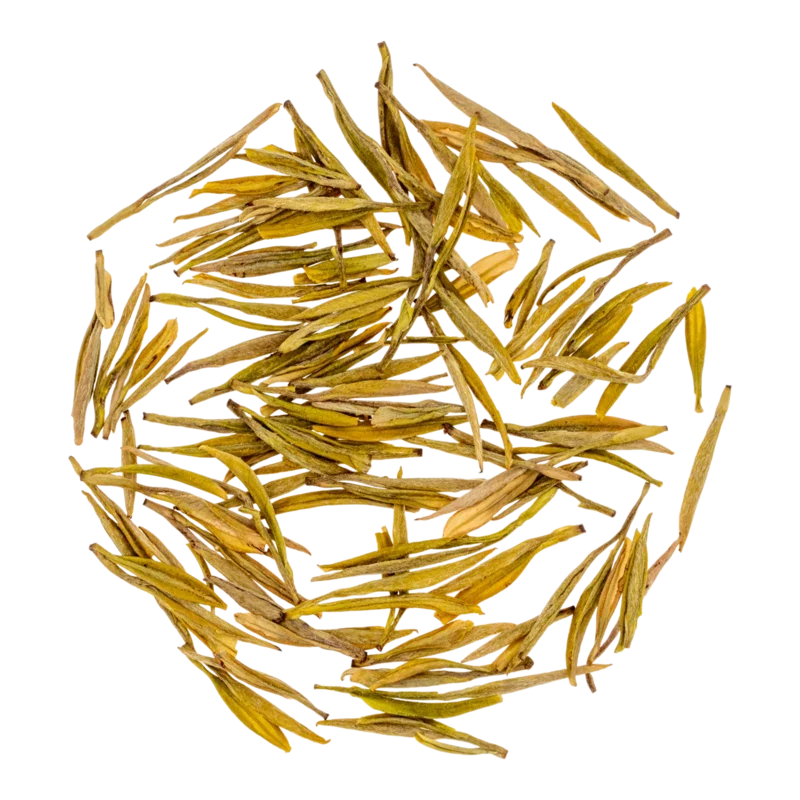
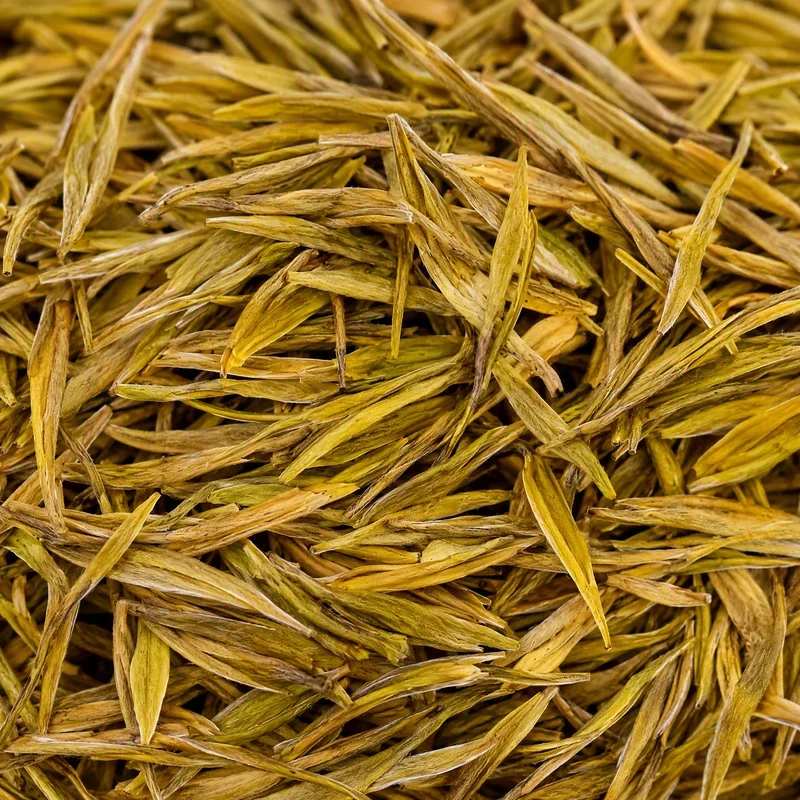
Dry Leaf Aroma
Delicate, sweetish, with notes of ripe persimmon, roasted chestnuts, pumpkin seeds, light oiliness (clarified butter) and fresh asparagus. In highest grades a delicate floral note is present.
Liquor Aroma
Fresh, mild, floral-herbaceous, with tones of meadow grasses, violet powder, light citrus acidity and barely perceptible creamy tone. As it cools, nutty and honey notes unfold.
Liquor Color
Transparent, bright, clear golden-yellow, sometimes described as "chrysanthemum color" or "Japanese persimmon color." When cooling, the color becomes even more saturated and deep.

03 / Origin passport

Origin and production

Type de thé
Green
Soil
Acidic or slightly acidic (pH 4.5–6.0), loose, well-drained, with deep soil profile (over 80 cm), high humus and organic matter content, rich in potassium, manganese and iron. Water stagnation is not permitted.
Регион
The Huángjīn Yá cultivar (黄金芽, Huángjīn Yá) was discovered in the late 1990s at the "Deshi Jia" tea farm (德氏家茶场) in Sānqīshì township (三七市镇, Sānqīshì zhèn), Yúyáo city (余姚市, Yúyáo shì), Zhèjiāng Province (浙江, Zhèjiāng)

Caractéristiques du thé

Caractéristiques du thé

Pluck Standard
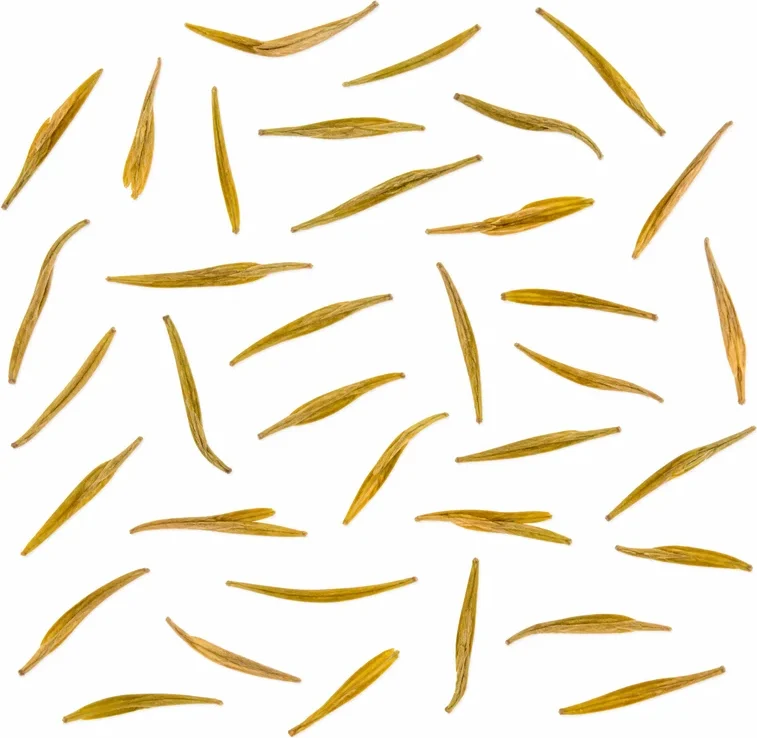
For highest grades — one bud (一芽, yī yá) or one bud + one young leaf (一芽一叶, yī yá yī yè). For standard grades — one bud + two leaves (一芽二叶, yī yá èr yè). Only undamaged shoots of uniform golden color are harvested.
Raw Material
Shoots must be fresh, tender, without mechanical damage and signs of disease. Shoots with pronounced golden-yellow coloration are preferred — a sign of high amino acid and carotenoid content.

04 / Tea care

Keep it fresh

Условия хранения
Не указаны для этой партии.

Détails

Détails

Essential Oils
Present in small amounts; responsible for floral-herbaceous aroma of the liquor.
Minéraux
Potassium, fluorine, manganese, zinc, selenium and other trace elements.
Vitamines
Vitamin C, B-group vitamins (B₁, B₂), PP (niacin). Vitamin C concentration may be higher than in Anji Bai Cha.

Avis

Aucun avis pour le moment. Dites-nous ce que vous pensez de ce thé.

Rédiger un avis

Notez ce thé et partagez vos impressions. Nous vérifions chaque avis avant sa publication.