Brewing
Gongfu brewing
- Water temperature
- 93 °C
- Tea amount
- 5 g
- Water volume
- 100 ml
- First steep
- 10 s
- Time added per infusion
- 5 s
- Infusions
- 4

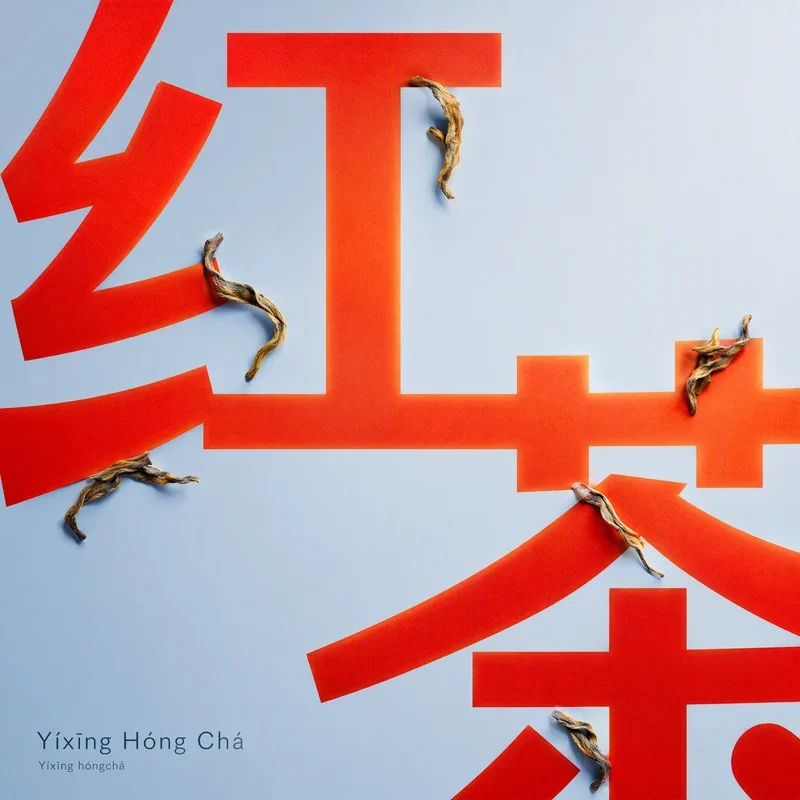
Yíxīng hóngchá
Choose a brewing method. Start with the recommended quantities and time, then adjust to taste.
Brewing
Brewing
Taste
Tea encyclopedia
Category: Premium Chinese red tea (black tea). In China's tea nomenclature, it belongs to the group "Suhong" (苏红, Sūhóng) — red teas of Jiangsu Province. It has geographical indication status (地理标志证明商标) under the name "Yixing Hong" (宜兴红). The production technology (Yixing Yangxian Cha Zhizuo Jiyi, 宜兴阳羡茶制作技艺) is included in the registry of intangible cultural heritage of Jiangsu Province.
Category: Premium Chinese red tea (black tea). In China's tea nomenclature, it belongs to the group "Suhong" (苏红, Sūhóng) — red teas of Jiangsu Province. It has geographical indication status (地理标志证明商标) under the name "Yixing Hong" (宜兴红). The production technology (Yixing Yangxian Cha Zhizuo Jiyi, 宜兴阳羡茶制作技艺) is included in the registry of intangible cultural heritage of Jiangsu Province.
Coordinates: Approximately 31°21′ N, 119°49′ E.
Origin: China, Jiāngsū Province (江苏省, Jiāngsū Shěng), Yixing city-county (宜兴市, Yíxīng Shì). The historical region is located on the southern shore of Lake Tàihú (太湖, Tàihú), in the foothills of the Tiānmùshān range (天目山, Tiānmù Shān). Main plantations are concentrated in the districts of Hufu (湖㳇, Húfù), Zhāngzhǔ (张渚, Zhāngzhǔ), and Dīngshān (丁山, Dīngshān).
Type: Red tea (black tea) (红茶, hóngchá) — fully oxidized. By classification, it belongs to the category of gongfu hong cha (工夫红茶, gōngfu hóngchá) — red teas requiring high craftsmanship in production. In Western tradition, this corresponds to black tea.
Seek suppliers with direct connections to Yixing producers, preferably those who also deal in Yixing teapots — this indicates deep knowledge of the region.
Lingxia Tea Factory (岭下茶场), Yíxīng Tea Research Institute (宜兴茶叶研究所), and other certified enterprises in Yixing.
Reputable Chinese tea platforms with authentication systems and producer verification.
Yixing Hong Cha is regularly presented at major Chinese tea exhibitions, where direct contact with producers is possible.
Yixing is the rarest example of a place where two great Chinese arts, tea-making and pottery, developed in closest mutual influence for over a thousand years. It is said that Yíxīng teapot kiln workers (窑工, yáogōng) were the first regular consumers of local red tea — they tested and "seasoned" their creations by brewing Yixing Hong Cha in them.
Yixing Hong Cha uses the same type of tea bush (Jiukeng Quntichong) as some varieties of the famous green tea Longjing from neighboring Zhejiang. This genetic kinship gives Yixing red tea special sweetness and softness.
The tradition of planting bamboo groves around tea plantations — the "Bamboo Sea" (竹海) — not only protects the bushes but creates a unique microclimate: bamboo filters light, stabilizes temperature, and enriches soil with organic substances.
In 1915, Yixing tea "Queshe" (雀舌, "Sparrow's Tongue") was recognized at the Panama-Pacific International Exhibition — along with Maotai, this tea brought China world recognition.
"Golden Buds of the Bamboo Sea" — flagship variety created in 1996 at Lingxia tea factory. Distinguished by abundance of golden tips, delicate aroma with floral notes, and tender, sweet taste. Multiple winner of special awards at the "Lu Yu Cup" (陆羽杯) and "Zhong Cha Cup" (中茶杯) competitions.
"Golden Down of Yangxian" — premium variety with high bud content, distinguished by sweet floral aroma.
From April harvest raw material (bud + 1 leaf). Maximum tips, finest aroma, most delicate taste.
From May harvest raw material (bud + 2 leaves). More intense taste, full body.
Cultural Significance: The uniqueness of Yíxīng Hóng Chá is defined by its symbiosis with Yíxīng teapots made from purple clay zǐshā (紫砂, zǐshā). This is perhaps the only region in the world where two great crafts — tea-making and pottery — developed in parallel, mutually enriching each other. The porous structure of zisha clay absorbs tea aromas, gradually "seasoning" and improving the taste of subsequent brewings. The Qīng dynasty poet Wāng Wenbo (汪文柏, Wāng Wénbǎi) wrote: "What need have people for pearls and jade, when there is a lump of clay from the banks of Yangxian!" (人间珠玉安足取,岂如阳羡溪头一丸土). It is precisely this synergy that gave birth to the concept of "one teapot — one tea" (一壶一茶) and elevated tea drinking to the rank of art. Yixing zisha masters have long used precisely local red tea to test and "season" their creations.
History: Yixing's tea culture is one of the most ancient in China. As early as the "Records of Tongjun" (《桐君录》, Tóngjūn Lù) from the Han era (206 BCE — 220 CE), it was stated that "excellent tea is grown in Jinling" — Jinling referring precisely to the Yixing area (then called Yangxian, 阳羡). During the Tang dynasty (618–907), tea from Yángxiàn received the status of imperial tribute (贡茶, gòngchá) after the "tea sage" Lù Yǔ (陆羽, Lù Yǔ) praised it, calling it "incomparable aroma, worthy of presentation to the court" (芳香冠世产,可荐于上). The poet Lú Tóng (卢仝, Lú Tóng) immortalized Yangxian tea with the line "Until the emperor tastes Yangxian tea, a hundred herbs dare not bloom first" (天子须尝阳羡茶,百草不敢先开花). During the Song (960–1279) and Ming (1368–1644) dynasties, the tradition flourished: Sū Shì (苏轼, Sū Shì) dreamed of "buying a field in Yangxian and growing old there" (买田阳羡吾将老), and master Gōng Chūn (供春, Gōng Chūn) around 1506–1521 perfected the form of the famous purple clay teapots.
Name Breakdown: "Yixing" (宜兴) — the city name; "Hong Cha" (红茶) — "red tea." The alternative name "Yangxian Hong Cha" (阳羡红茶) refers to the ancient name of Yixing — Yángxiàn (阳羡), under which this tea region has been known since the Qin-Han era.
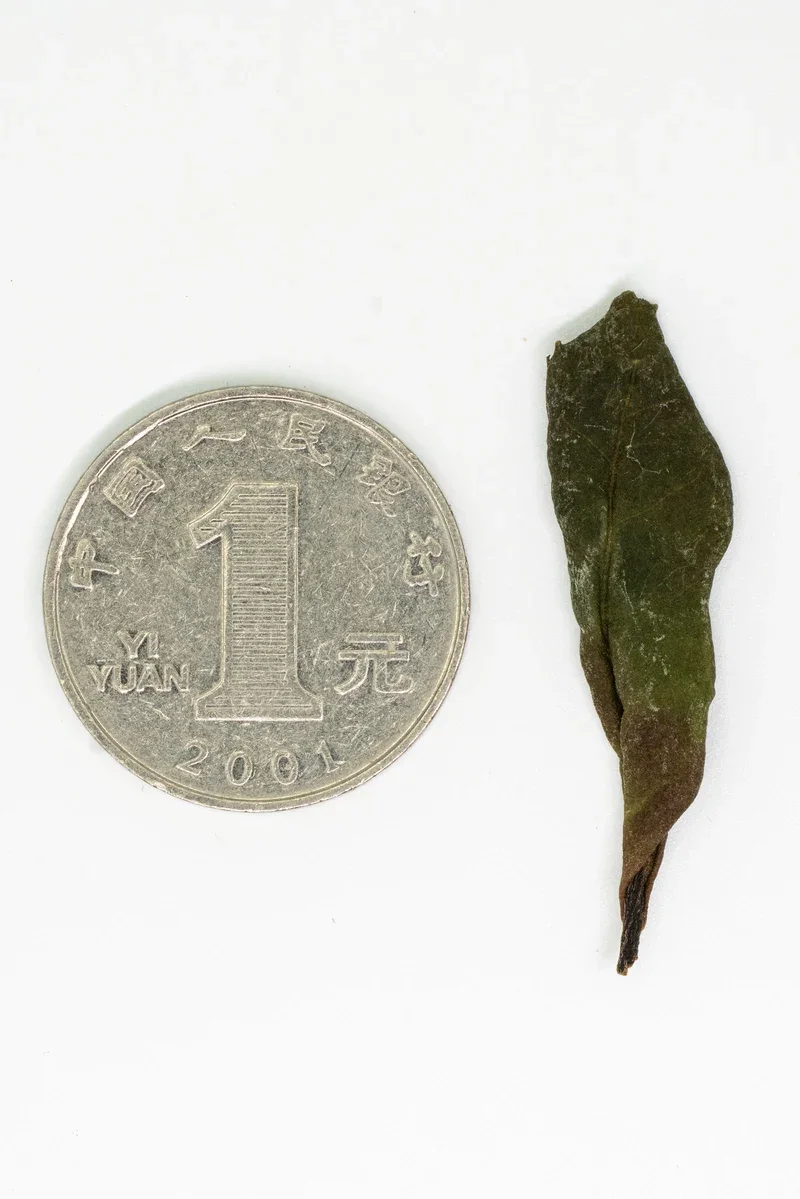
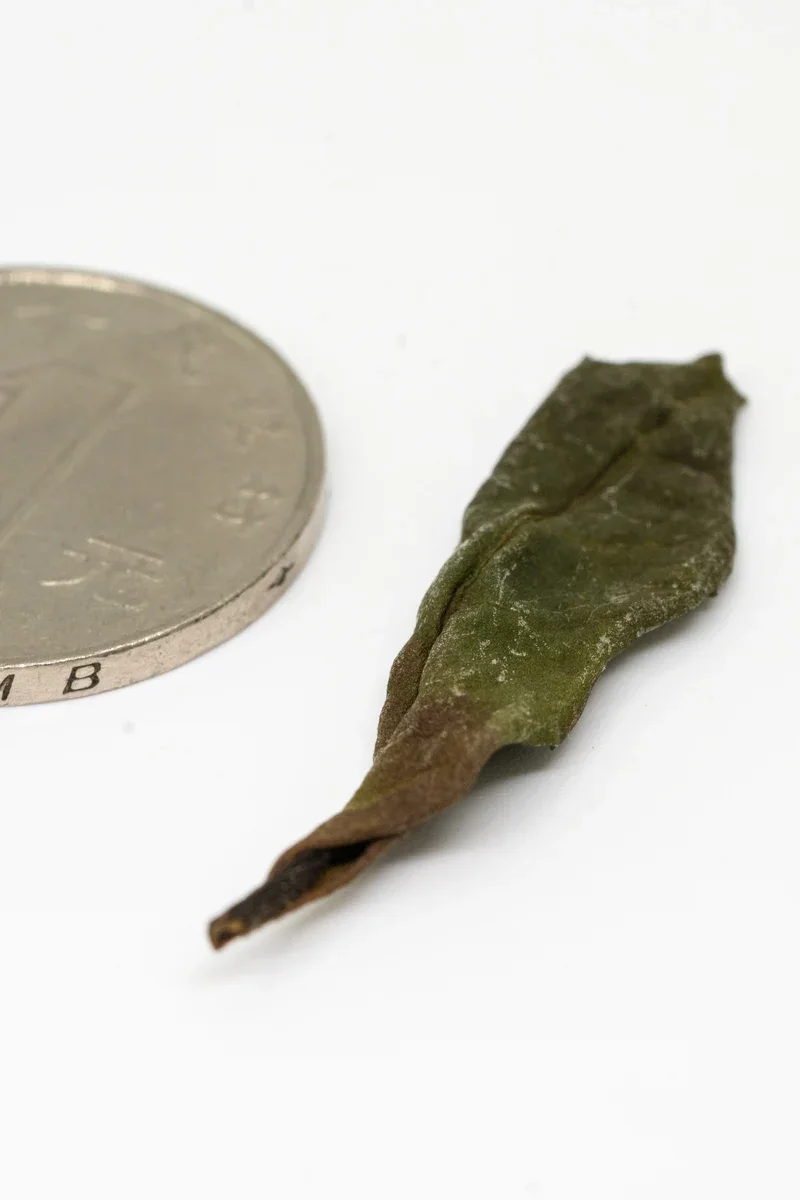
Medium-sized leaves (4–6 cm), obovate in shape, with a matte surface and pronounced venation. Young buds (tips) are covered with dense silvery down (trichomes).
Harvested in April. Standard — bud and one young leaf (一芽一叶, yī yá yī yè).
Harvested in May. Standard — bud and two young leaves (一芽二叶, yī yá èr yè).
Cultivar: Local small-leaf variety Camellia sinensis var. sinensis is used. Main cultivars: Jiǔkēng Quntichong (九坑群体种, Jiǔkēng Qúntǐzhǒng) — local varietal population, genetically close to the raw material of the famous Longjing from neighboring Zhejiang Province, which accounts for the increased L-theanine content. Introduced cultivars are also used: Zhueyezhong (槠叶种, Zhūyèzhǒng) and Fúdǐng Dǎ Bái Háo (福鼎大白毫, Fúdǐng Dàbáiháo).
Picking: Exclusively spring hand-picking (before the start of the meiyu rainy season, 梅雨).
Raw Material: Only undamaged, fresh spring harvest material with high tip content. Leaves collected after rain or in daytime heat are not used.
Altitude: 50–200 m above sea level, main plantations at 50–150 m. Yixing is a low-mountain tea region, but the microclimate created by Lake Taihu and bamboo groves compensates for the modest elevation.
Climate: Subtropical monsoon with four distinct seasons. Average annual temperature +15°C, annual precipitation about 1200 mm. The proximity of Lake Taihu moderates temperature fluctuations and provides high air humidity. Bamboo groves create a unique microclimate: they protect from wind and erosion, create natural partial shade, and enrich the soil with organic matter.
Soil: Alluvial, formed under the influence of Lake Taihu. Yellow-brown (黄棕壤) and red (红壤) soils predominate with acidic reaction (pH 4.8–5.3) and high content of iron oxides (Fe₂O₃ > 9%) and manganese. The mineral composition of these soils is related to the famous Yixing zisha clay, which is reflected in the mineral notes in the tea's taste.
Hilly terrain south of Lake Taihu, at the foot of the northeastern spurs of the Tianmushan range. The main production zone is the Zhúhǎi district (竹海, Zhúhǎi, "Bamboo Sea"), named for the extensive bamboo groves surrounding the tea plantations.
Plantations are located on slopes with 15–25° incline. Intercropping of tea bushes and bamboo is practiced (茶竹间作, chá zhú jiānzuò). Organic fertilizers based on rice husks and lake algae from Taihu are used. Weeding is manual, without herbicides. In 2002, Yixing became one of the first 20 base areas for producing ecologically clean tea in China.
Hand-picking of flushes in spring. Harvesting is done in the morning, after the dew has dried.
Collected leaves are spread in a thin layer (no more than 20 cm) on bamboo trays. The process can take place in the sun under cloth (shai qing) or in shade. Duration — about 4 hours, until leaf moisture decreases to approximately 68%. At this stage, the leaf loses turgor, becomes soft, and acquires a light floral aroma.
Leaves are rolled in mechanical rollers for about 30 minutes following the principle "no pressure — light — medium — heavy" (空揉、轻压、中压、重压). This breaks down cell walls, releases juice and enzymes, preparing the leaf for oxidation.
Rolled leaves are held in a room at about 25°C and humidity over 85% for approximately 4 hours. The leaf acquires a reddish-brown color and fruity aroma. Readiness is determined by an experienced master visually and by smell.
Stopping oxidation through quick pan-firing in woks at about 140°C for 8 minutes.
After initial pan-firing, leaves are additionally rolled by hand to form characteristic tight "spiral pearls" (螺旋珠形, luóxuán zhūxíng).
Key feature of Yixing technology — low-temperature stepped regime:
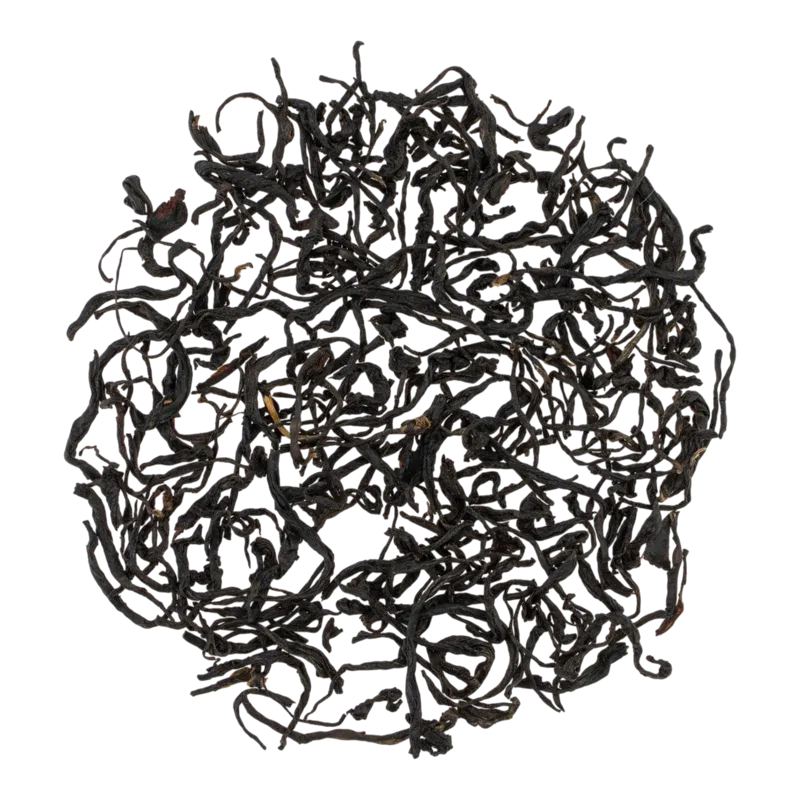
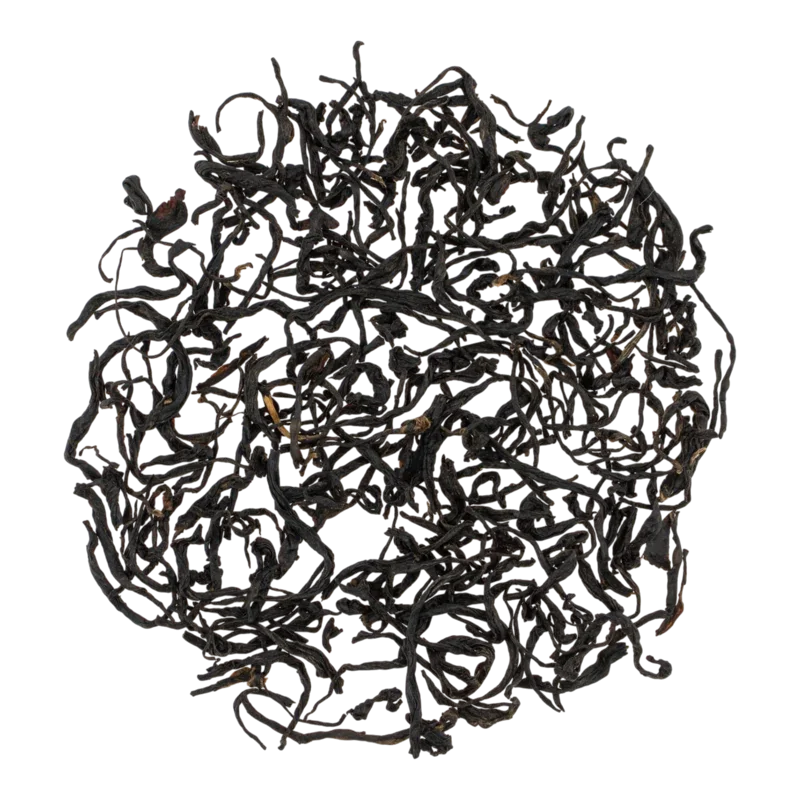
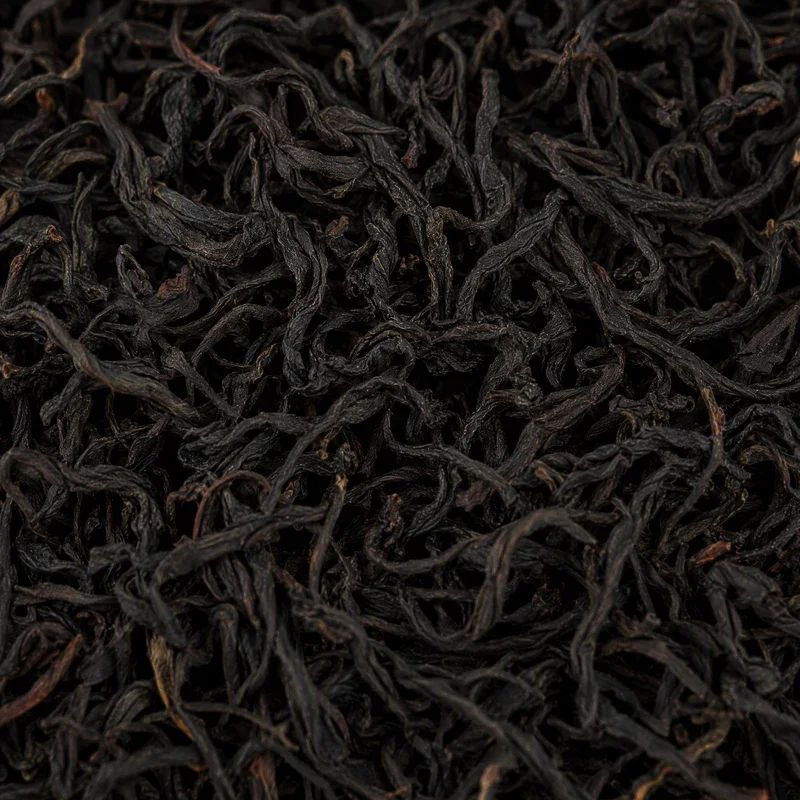
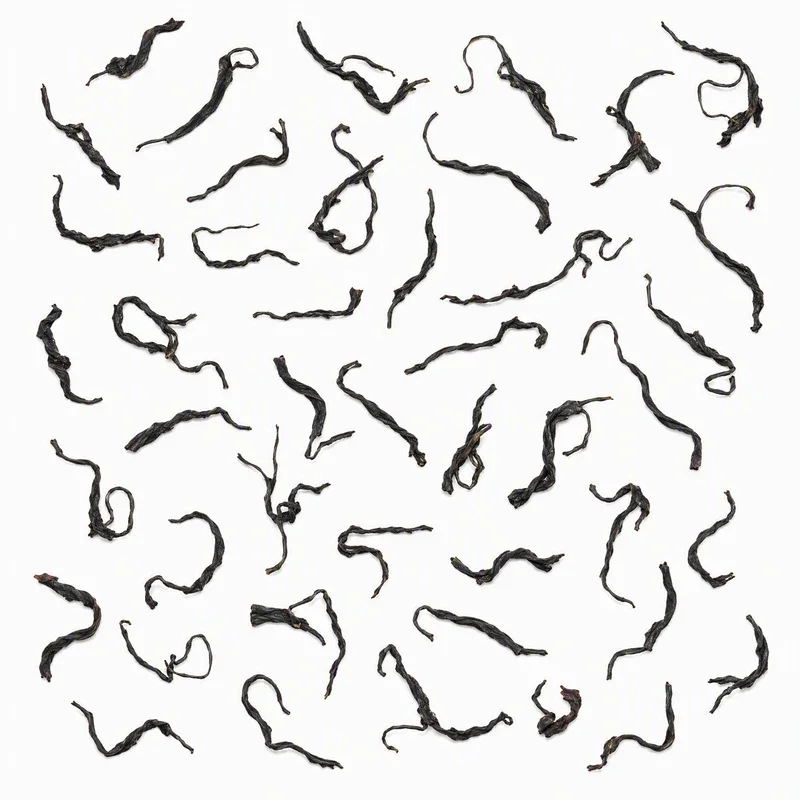
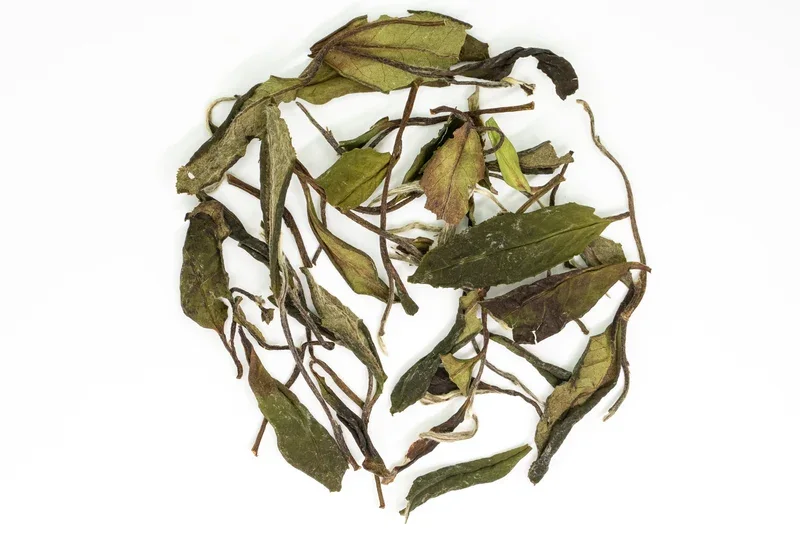
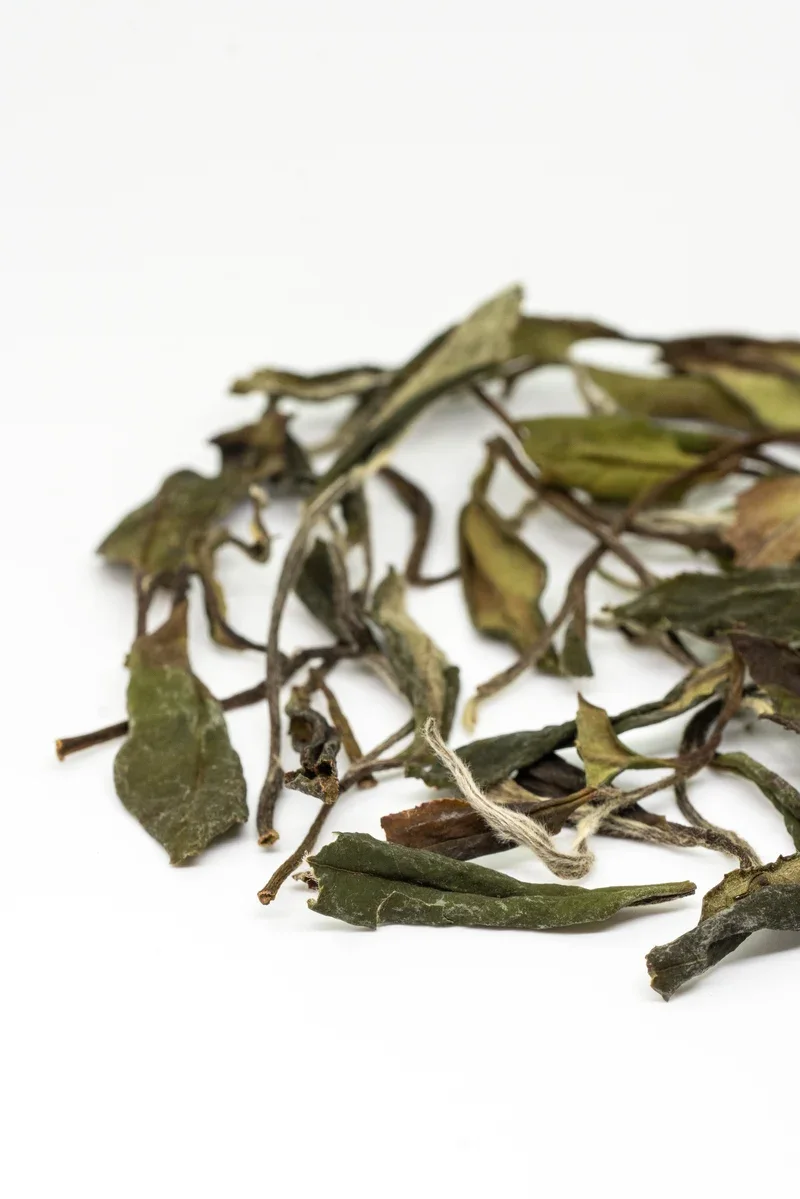
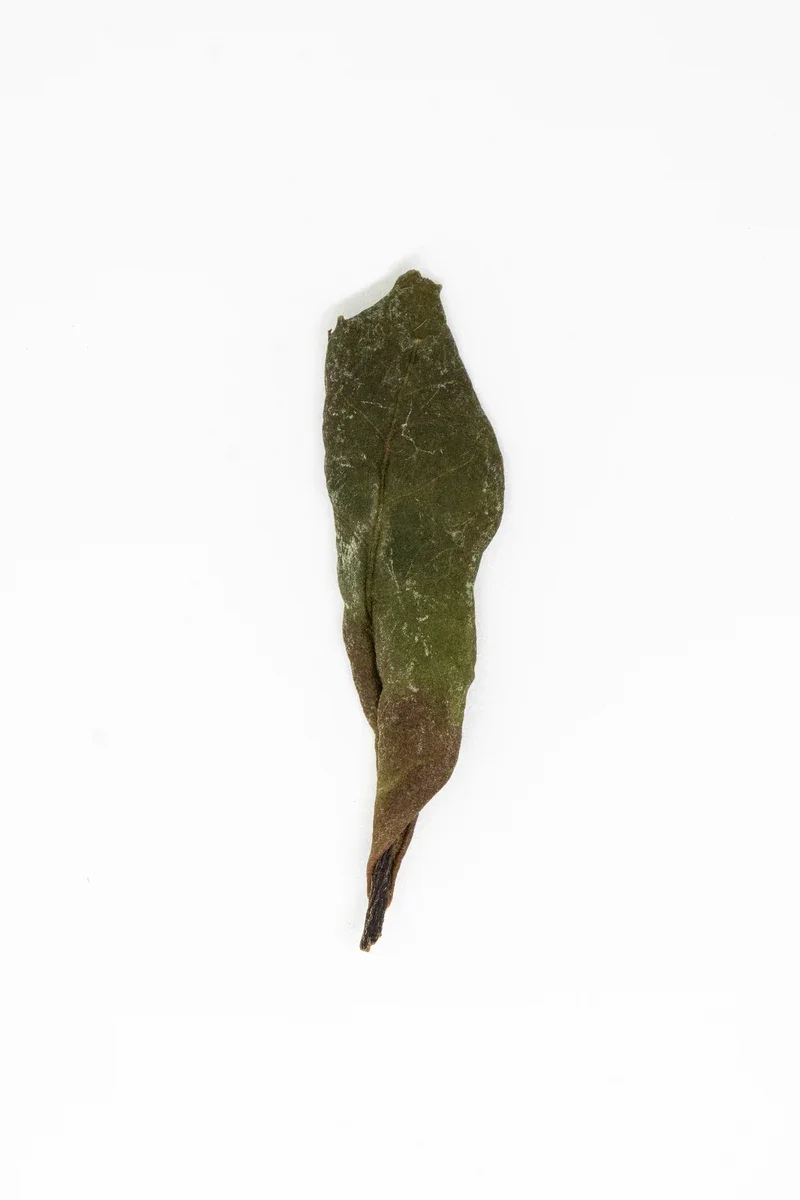
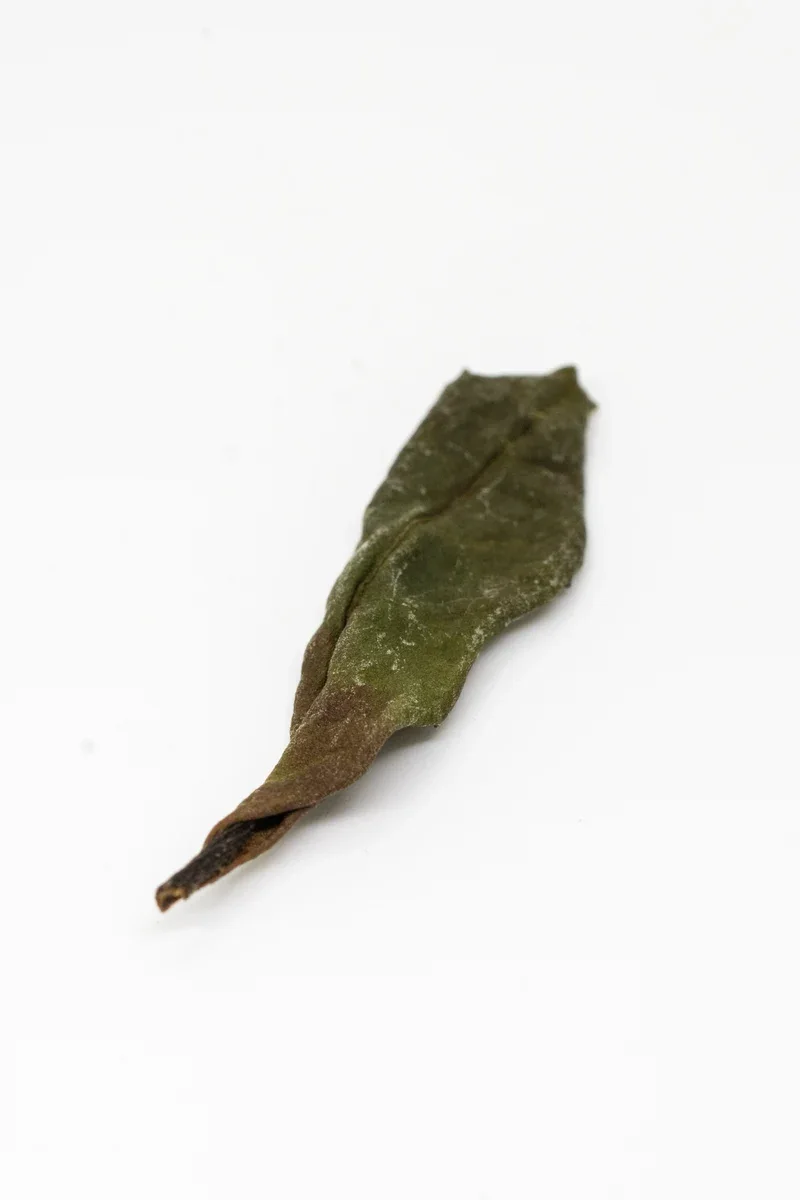
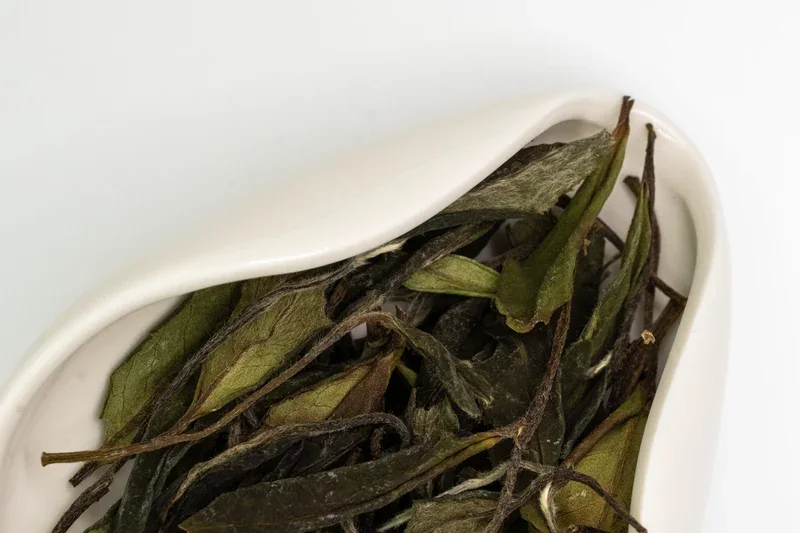
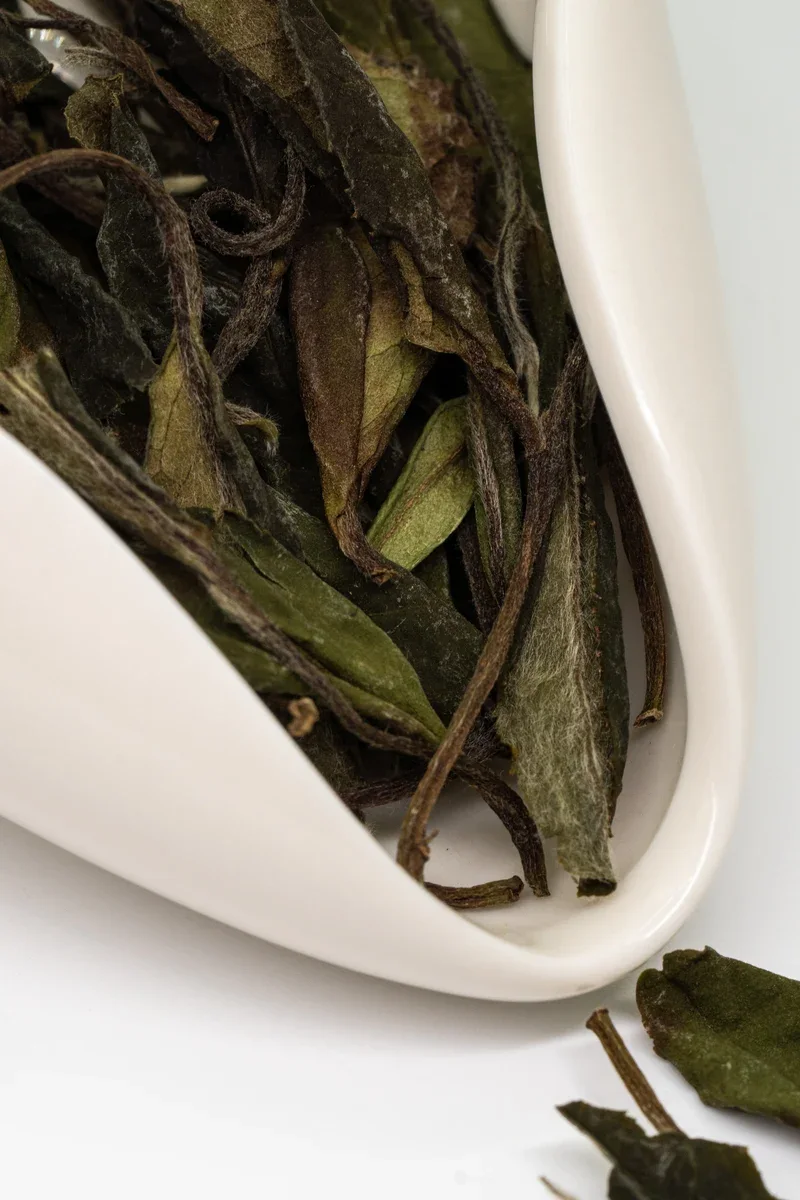
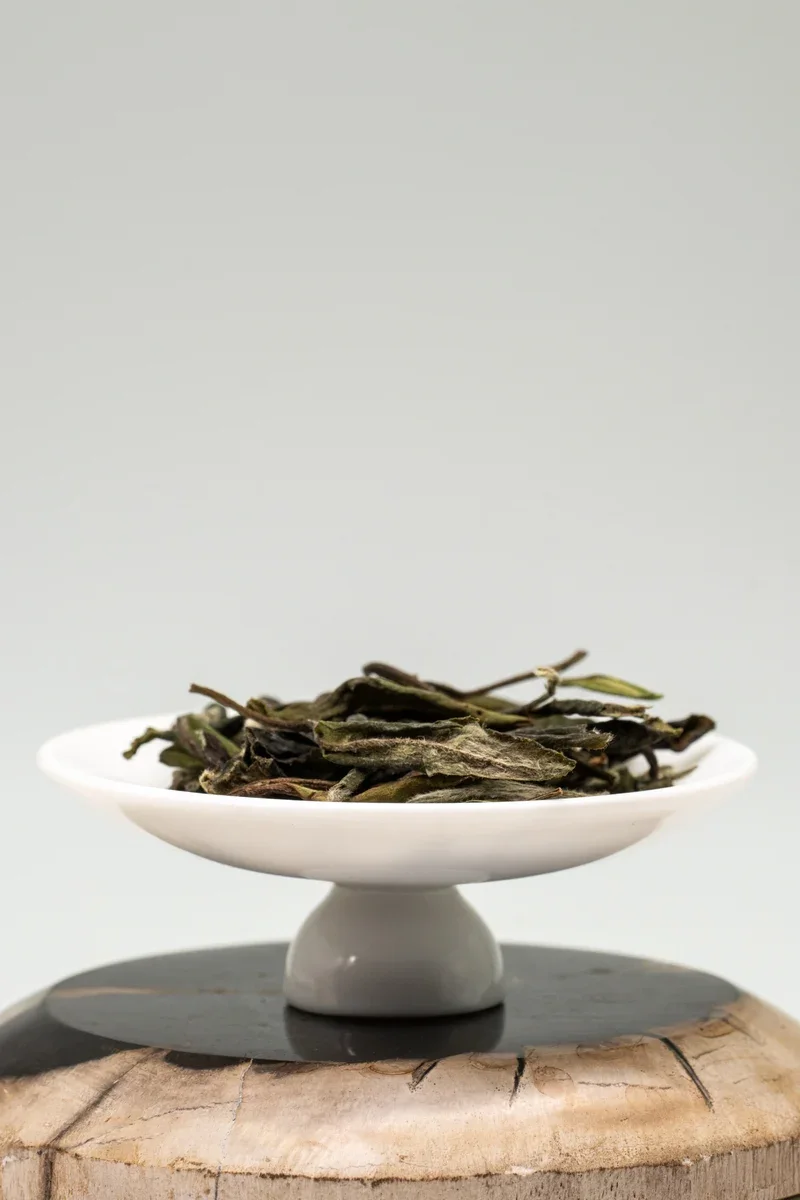
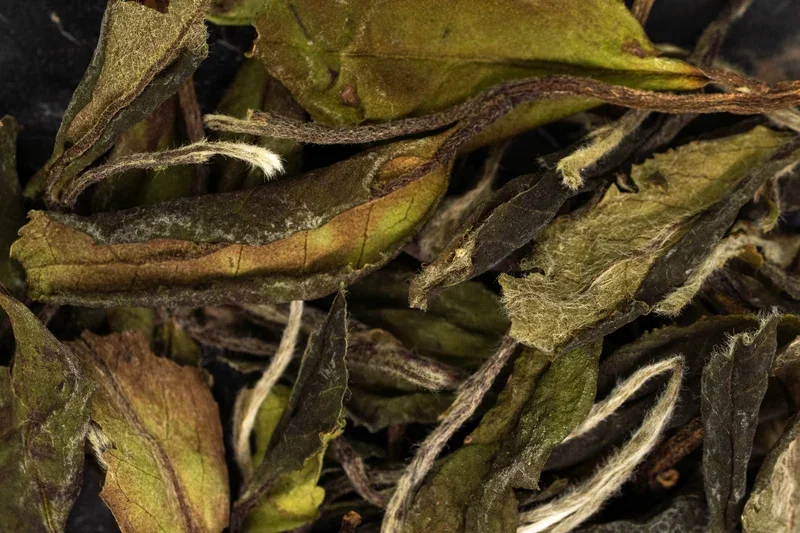
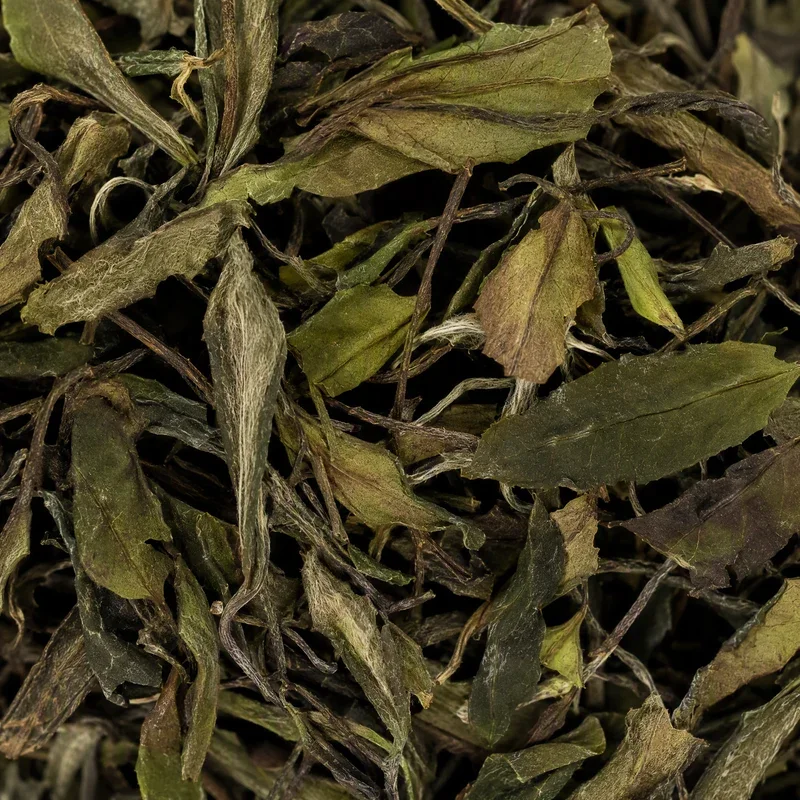
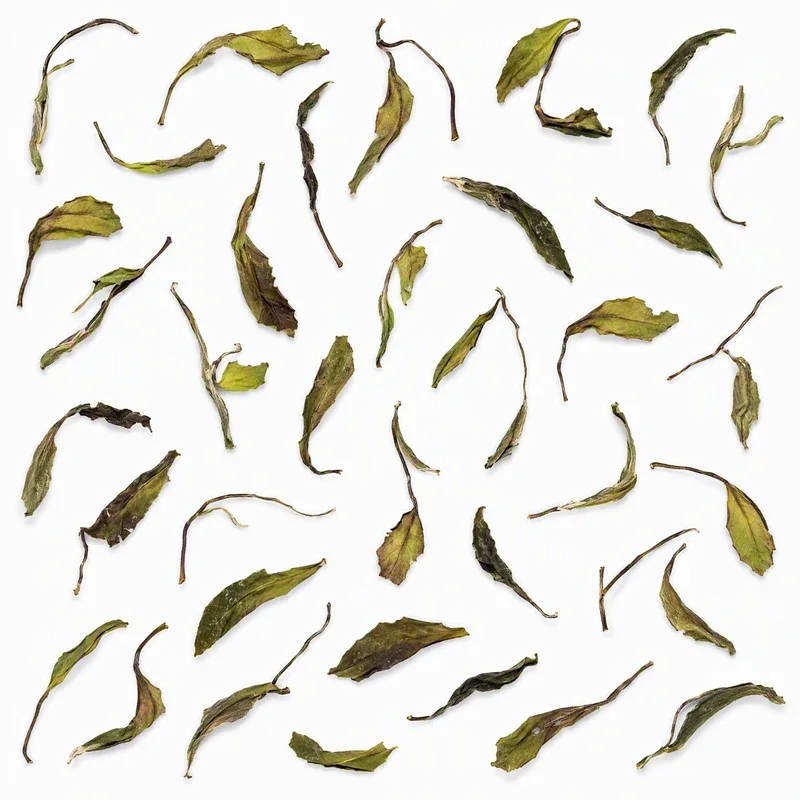
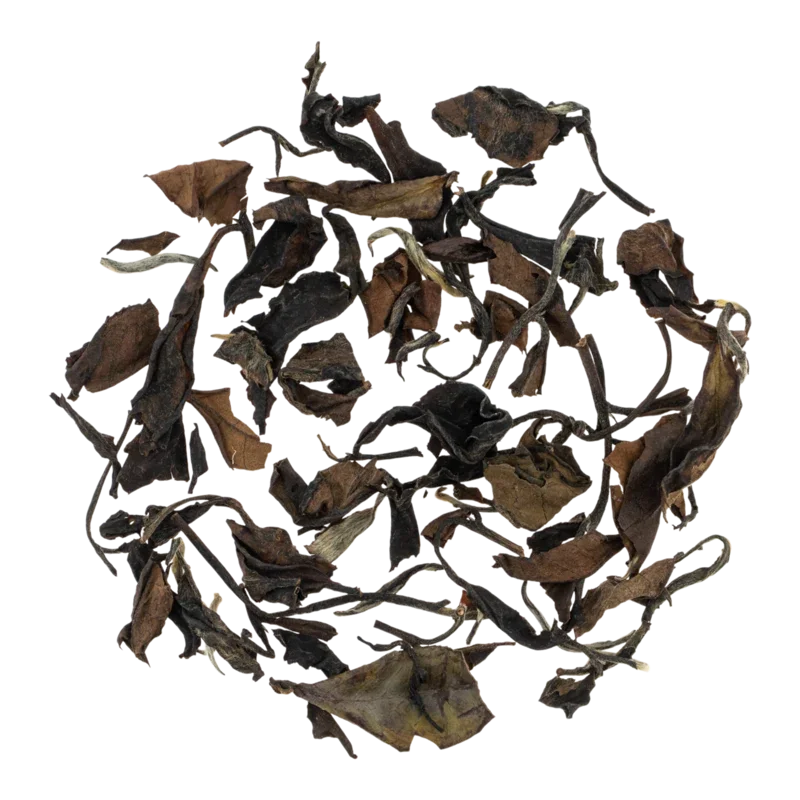
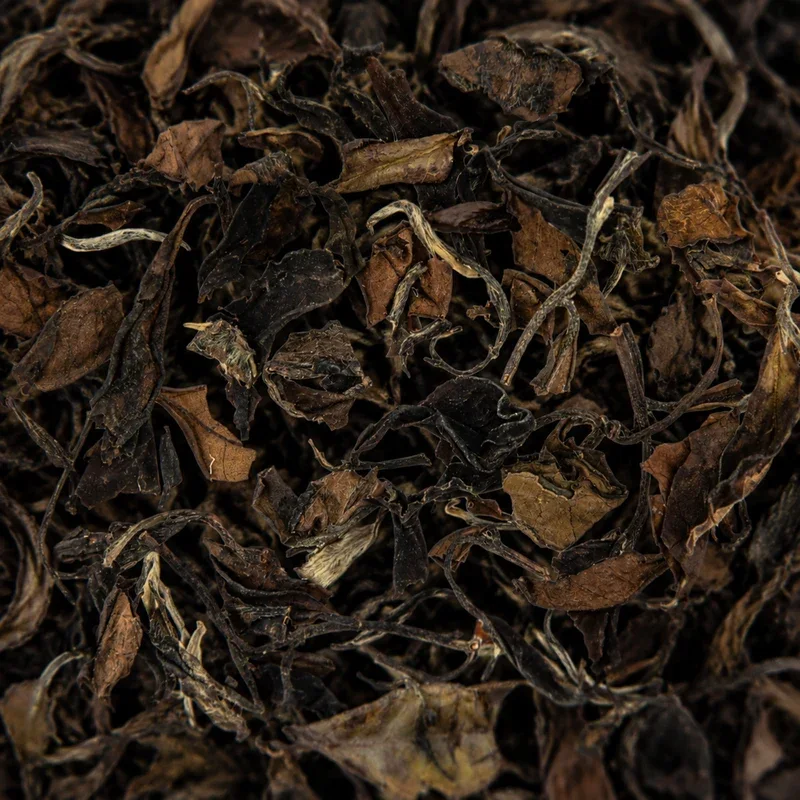
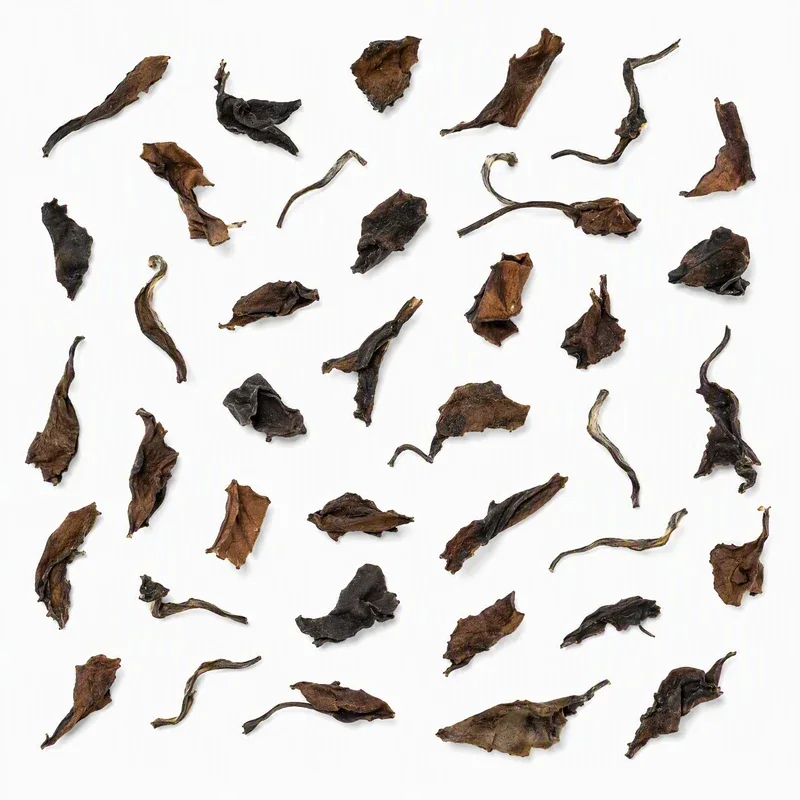
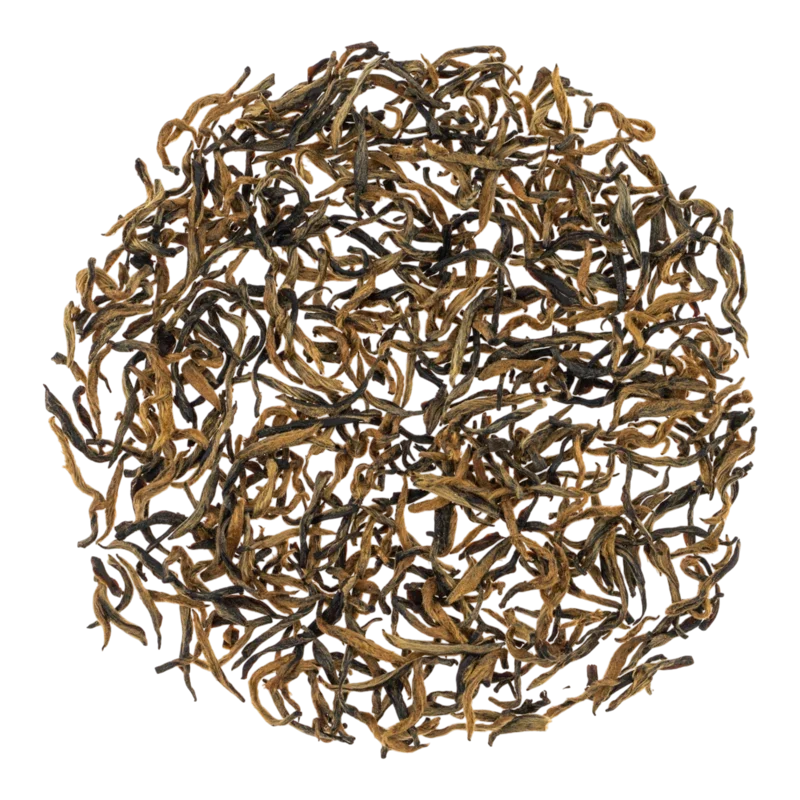
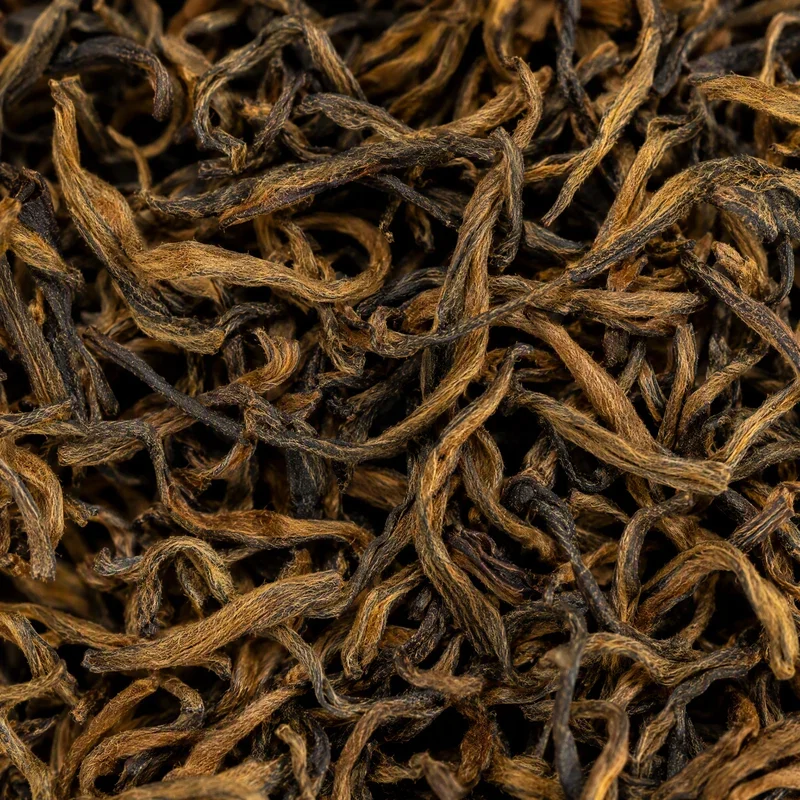
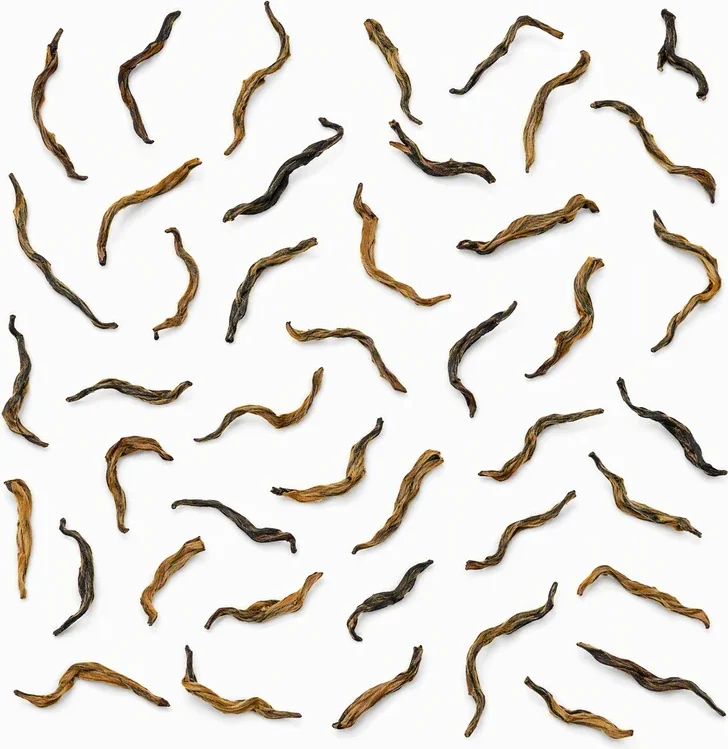
Dry Leaf Appearance: Tightly rolled into thin spirals or "pearls," dark brown, almost black leaves with visible golden or reddish buds (tips). The dry leaf surface is matte with a slight sheen.
Dry Leaf Aroma: Intense, complex, warm and sweet. Dark chocolate, cocoa, malt, fresh baking notes predominate, with hints of dried fruits (prunes, dates) and light spiciness.
Liquor Aroma: Rich, dense, warming. Develops the dry leaf notes, adding hints of baked fruits, caramel, sometimes light floral or woody nuances. As it cools, honey sweetness emerges.
Liquor Color: Bright, clear, rich red-amber or ruby color with pronounced golden rim (金圈, jīnquān) at the cup edges — a sign of high theaflavin content.
Spent Leaves: Leaves unfold, demonstrating wholeness and elasticity. Color is uniform, reddish-brown. Tender buds are clearly visible.
Taste: Rich, full-bodied, yet soft, smooth, velvety, practically without astringency and bitterness when properly brewed. Sweet malty, chocolate and caramel tones dominate, balanced by pleasant fruity acidity. Long, sweetish aftertaste with pronounced mineral notes — the "imprint" of Yixing soils.
Alkaloids: Caffeine — about 2.5–3.5% of dry mass. Theobromine and theophylline — in trace amounts.
Amino Acids: L-theanine — content above average for red teas (about 1.5–2.5% of dry mass), explained by the genetic relationship of local cultivars with Longjing raw material. L-theanine gives the taste pronounced sweetness and umami notes.
Increased content of γ- and δ-tocopherols (forms of vitamin E with pronounced antioxidant activity) is noted.
Carotenoids, giving the liquor a warm golden hue.
Essential Oils: Volatile aromatic compounds — α-terpineol, linalool, citral, geraniol, nerol and others. Their increased content is ensured by the low-temperature drying regime.
Minerals: Potassium, manganese, fluorine, iron (increased content due to iron oxide-rich soils).
Polyphenols: Include theaflavins (give brightness to the liquor and form the "golden rim") and thearubigins (provide color depth and taste smoothness). Total polyphenol content after oxidation — about 10–15% of dry mass.
Vitamins: B group (B1, B2), C, PP (nicotinic acid).
Caffeine provides alertness and increases concentration. The effect is softened by L-theanine, eliminating nervousness and sharp energy spikes.
The combination of L-theanine and caffeine promotes mental clarity, positive mood, and improved working memory.
Red tea (black tea) has a "warm nature" (温性, wēnxìng) according to traditional Chinese medicine classification and is ideal for cold weather.
Theaflavins, thearubigins, and γ-δ-tocopherols provide powerful protection of cells from free radicals.
May improve peristalsis and aid in digesting fatty foods.
Red tea polyphenols positively affect blood vessel wall elasticity and microcirculation.
Tea Amount: 5–7 grams per 150–200 ml water.
Teaware: Ideally — a Yíxīng teapot made from purple clay zǐshā (紫砂壶, zǐshā hú), "seasoned" for red teas. Porcelain gaiwan or porcelain teapot also work excellently. Brewing Yixing Hong Cha in a Yixing teapot is not simply a choice of vessel, but a reunion of two facets of one culture.
Water Temperature: 90–95°C. Boiling water may coarsen the taste, too cool water won't open the "pearl" aroma.
"Golden Buds of the Bamboo Sea" — flagship variety created in 1996 at the Lingxia tea factory. Distinguished by abundant golden tips, delicate aroma with floral notes and tender, sweet taste. Multiple-time winner of special awards at the "Lu Yu Cup" (陆羽杯) and "Zhong Cha Cup" (中茶杯) competitions.
"Golden Down of Yangxi" — premium variety with high bud content, distinguished by sweet floral aroma.
From April harvest material (bud + 1 leaf). Maximum tips, finest aroma, most delicate taste.
From May harvest material (bud + 2 leaves). Richer taste, full body.
Price Category: Cost depends on grade, harvest season, and producer. Approximate prices on China's domestic market: special grade (特级) — about 600 yuan per 500g, first grade (一级) — about 400 yuan, second grade (二级) — about 280 yuan per 500g. Premium spring batches with high tip content cost more.
No reviews yet. Tell us what you think of this tea.
Rate this tea and share your impressions. We review each submission before publishing it.