Brewing
Gongfu brewing
- Water temperature
- 78 °C
- Tea amount
- 5 g
- Water volume
- 100 ml
- First steep
- 10 s
- Time added per infusion
- 5 s
- Infusions
- 4

Yuǎnān huángchá
Choose a brewing method. Start with the recommended quantities and time, then adjust to taste.
Brewing
Brewing
Taste
Tea encyclopedia
Category: One of the "Four Great Yellow Teas of China" (中国四大黄茶). Product with protected geographical indication (国家农产品地理标志, 2017). Technology included in the registry of intangible cultural heritage of Húběi Province (2009, confirmed 2021). The only yellow tea of Hubei Province. 2017 — title "Homeland of Chinese Tea Culture" (中国茶文化之乡) and "Tea — Cultural Name of China" (中华文化名茶) from the China International Tea Culture Research Society.
Category: One of the "Four Great Yellow Teas of China" (中国四大黄茶). Product with protected geographical indication (国家农产品地理标志, 2017). Technology included in the registry of intangible cultural heritage of Húběi Province (2009, confirmed 2021). The only yellow tea of Hubei Province. 2017 — title "Homeland of Chinese Tea Culture" (中国茶文化之乡) and "Tea — Cultural Name of China" (中华文化名茶) from the China International Tea Culture Research Society.
Coordinates: Approximately 31°06' North latitude, 111°38' East longitude.
Origin: China, Húběi Province (湖北), Yíchāng Prefecture (宜昌), Yuan'an County (远安县). Yuan'an is located in the northeast of Yichang, in the transitional zone from the Western Hubei Mountains to the Jianghan Plain. The ancient name of the territory — Xiázhōu (峡州), mentioned by Lu Yu in "The Classic of Tea."
Type: Yellow tea (黄茶, huángchá), lightly oxidized. Belongs to the subcategory "yellow small tea" (黄小茶, huáng xiǎo chá) — made from one bud with one to two leaves. According to Wikipedia classification, "远安鹿苑" is one of the canonical representatives of "huangxiaocha."
Cultural Significance: Yuanan Huang Cha is a deeply Buddhist tea. It was born within monastery walls, was praised by a monk in verse, carved on a stone stele in the monastery courtyard. "Mountain spirit and stone nectar" is not merely metaphor, but an indication of Buddhist practice: tea as a means of maintaining alertness during meditation (参禅). The legend of Leizu (嫘祖, consort of the Yellow Emperor Huangdi), who absent-mindedly "over-fermented" pan-fired tea in a basket, thereby creating the menhuang technology, is one of the origin myths of yellow tea tied specifically to Yuan'an: according to legend, Leizu was born in these lands. Yuan'an is also the birthplace of Leizu, goddess of sericulture: tea and silk — two gifts from Yuan'an to Chinese civilization.
Lù Yǔ (陆羽) in "The Classic of Tea" (《茶经》, 760) rated teas from the Xiazhou region as the best in the southern mountain regions: "Shannan — Xiázhōu is superior (山南,以峡州上). Xiazhou produces tea in the mountain valleys of Yuan'an, Yidou, and Yiling counties." According to local legend, Lu Yu, traveling west in 751, stayed by the Jù River (沮河) in Yuan'an for several months, exchanging tea production experience with local farmers. Yuan'an takes pride in the title "first county of The Classic of Tea" (陆羽《茶经》第一县).
The earliest records of tea from Lù Yuán Sì monastery (鹿苑寺) date to the sixth year of Jiading (嘉定六年, 1214). According to other sources, monks began cultivating tea at the monastery walls in 1225. Production was minimal, but the aroma attracted surrounding farmers, who began transplanting tea bushes from the monastery across the mountain slopes.
Legend connects the perfection of technology with a monk named Yusong (玉松), who discovered special tea trees in the monastery vicinity and developed processing methods that became the foundation of modern Yuanan Huang Cha.
During the Qiánlóng reign (乾隆, 1736–1796), Lu Yuan Cha was selected as imperial "tribute tea" (贡茶). The Xianfeng "Yuan'an County Gazetteer" (咸丰《远安县志》) records: "Among Yuan'an teas, lu yuan is unparalleled" (远安茶以鹿苑为绝品). In 1883 (9th year of Guangxu), high-ranking Buddhist monk Jintian (金田) visited Lu Yuan Si monastery, tasted the tea, and left the poem "Unparalleled Tea" (《绝品茶》): "Mountain spirit and stone nectar — flavor surpassing all; one breath of aroma envelops the entire face. Not only does it clear the mind and brighten the eyes — during meditation it conquers the army of the sleep demon" (山精石液品超群,一种馨香满面熏,不但清心明目好,参禅能伏睡魔军).
1966 — Yuanan Huang Cha technology included in the textbook "Tea Science" (《制茶学》) for higher agricultural institutes. 1982 and 1986 — twice awarded the title "National Famous Tea" (全国名茶) by the Ministry of Commerce. 1985 — inclusion in "Selected Research on Famous Teas of China" (《中国名茶研究选集》). 2009 — technology in Hubei intangible heritage registry. 2017 — protected geographical indication.
Before processing, picked shoots are "broken": overly long leaves are shortened, selecting only tender terminal buds with the first leaf. This is a unique preparatory operation not found in technologies of other yellow teas.
Cultivar: Primary — local group population (本地群体种, sexual reproduction), distinguished by pronounced lanhuaxiang (兰花香, orchid aroma). Additional — Fúdǐng Dàbáichá (福鼎大白茶), Echa No. 1 (鄂茶1号). Local group population — genetically diverse, adapted to danxia (丹霞) soils, with high amino acid content (≥6.77% in spring tea — 30% higher than standard green teas).
Picking: 3–5 days before Qīngmíng (清明) and until Gǔyǔ (谷雨), over ~15 days. Standard: one bud with one to two leaves. Requirements: freshness, tenderness, uniformity, cleanliness. Do not pick "fish leaves" (鱼叶, scale-like basal leaves), old and damaged leaves.
Climate: Subtropical monsoon. Average annual temperature — 16.4°C. Relative humidity — ≥80%. Number of foggy days — ≥200 per year. Diurnal temperature variation — significant (ensures amino acid accumulation).
Soil: Red-yellow soils (红黄壤), pH 4.5–6.5, formed by weathering of red sandstone. Rich in selenium (Se) and zinc (Zn) — microelements important for health. Loose, well-drained.
Unique for tea-producing regions — danxia landform (丹霞地貌, "danxia landscape"): red sandstone hills with characteristic cliffs and grottos. 31° North latitude. Elevation — 40–800 m above sea level.
Three rivers — Jù River (沮河), Zhāng River (漳河), and Xī River (西河) — encircle the territory. 54 reservoirs provide irrigation.
Forest coverage — 74.5%. Core zone (Lu Yuan Village, 鹿苑村) — water conservation territory: prohibition on use of chemical fertilizers and pesticides. Ancient tea trees (tree age ≥30 years) comprise ~40% of core zone plantations. Vicinity of Lu Yuan Si monastery: Qingshi (青狮, "Green Lion") and Báixiàng (白象, "White Elephant") mountains serve as natural "guardians"; Jinping Peak (锦屏峰) on the slope of Yunmen Mountain (云门山, "Cloud Gate Mountain") — as a "screen"; streams flow through the valley, wild orchids and evergreen nanmu trees (楠树) grow — all this forms a unique microclimate.
4–6 hours. Thin layer on bamboo sieves. Light withering, beginning of aroma formation.
Temperature ~180°C. "Paochao" technique (抛炒, "tossing"): leaf is tossed in the wok, ensuring even heating. Enzyme inactivation, fixation of green aroma.
Formation of initial leaf structure. Light pressure — do not destroy cellular structure.
Key stage — formation of "three yellows" (三黄, sān huáng): yellow dry leaf, yellow spent leaves, yellow liquor. Tea mass is placed in bamboo baskets (竹篓), compacted, covered with damp hemp cloth (湿麻布). Time — 18–24 hours. During fermentation — three turnings (三次翻堆), controlling degree of yellowing: target "huanghualu" (黄化率, yellowing rate) — 50–60%. Readiness criterion: leaf has acquired yellow color, aroma — clean, without acidity. This is the only yellow tea in Hubei using true pile menhuang.
Deepening of shaping — creation of characteristic "huanzi jiao" (环子脚, "ring-shaped feet"): leaf curls into ring-like spirals.
Two stages:
Tools — bamboo baskets, wooden paddles, bamboo sieves. Prohibition on metal surfaces (避金属氧化) — to prevent unwanted oxidation.
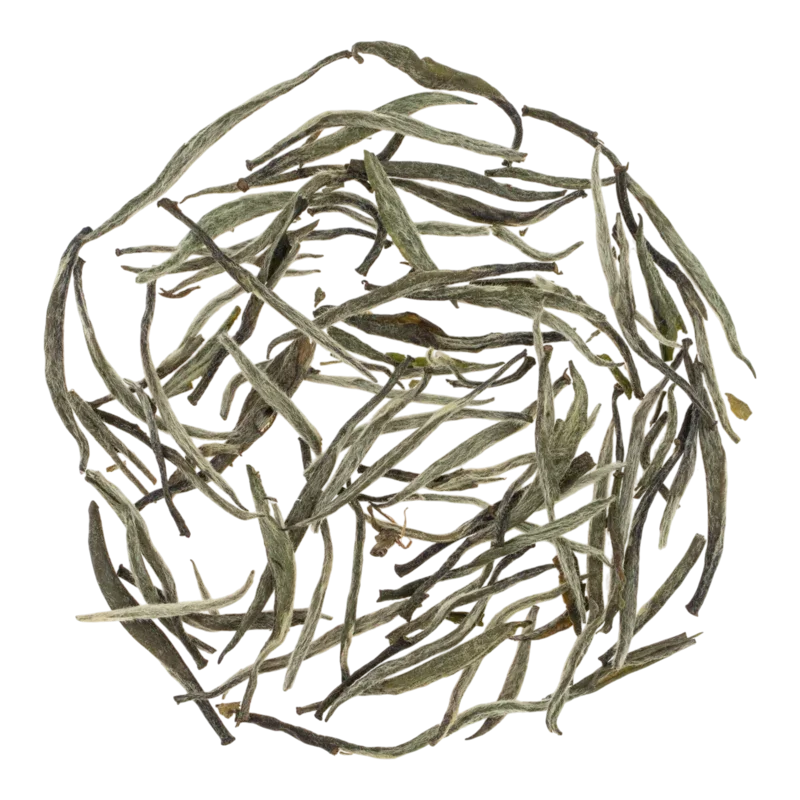
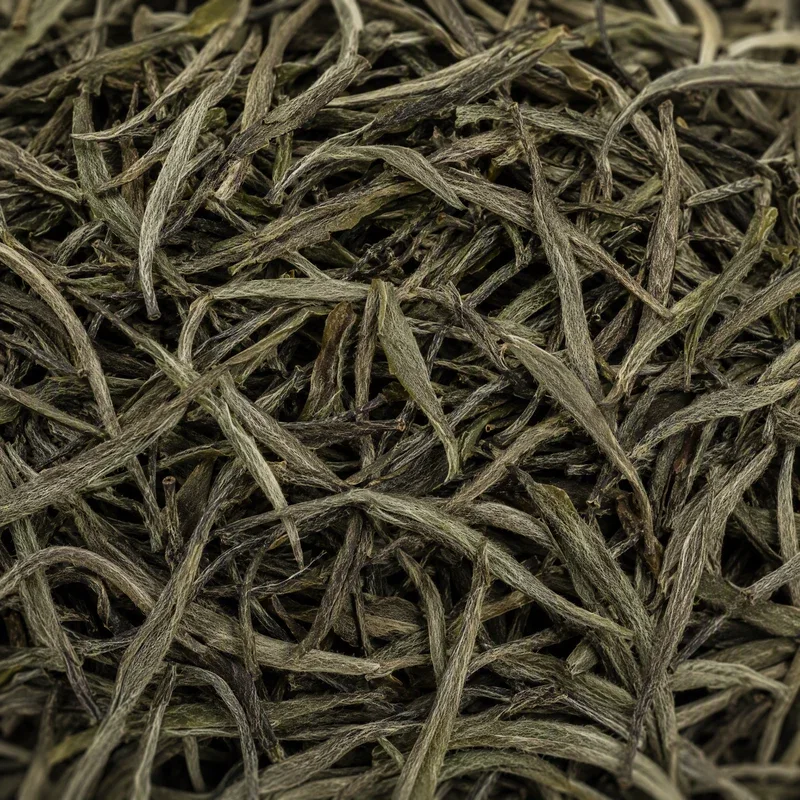
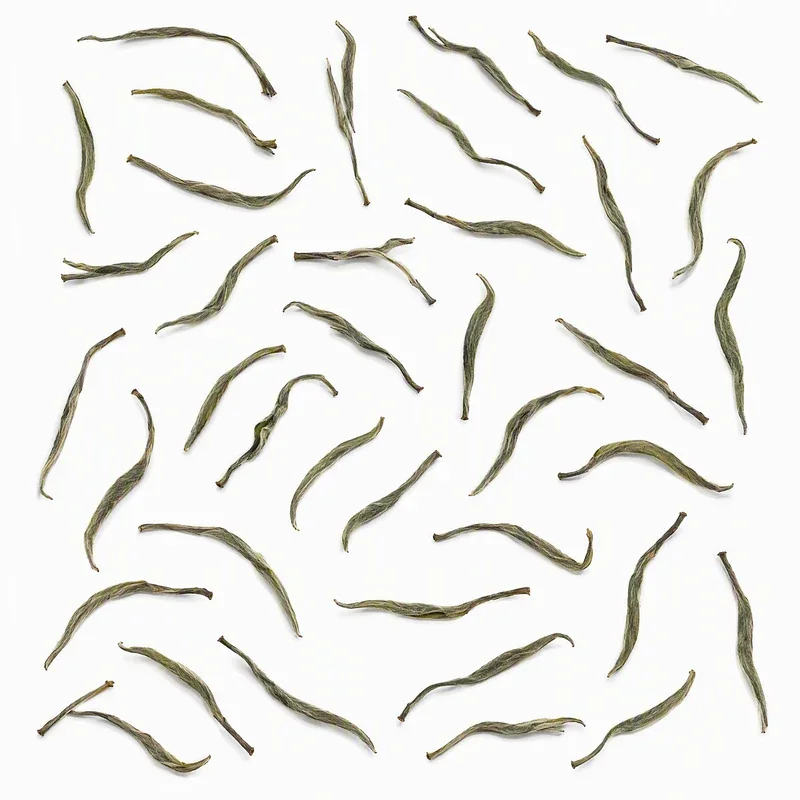
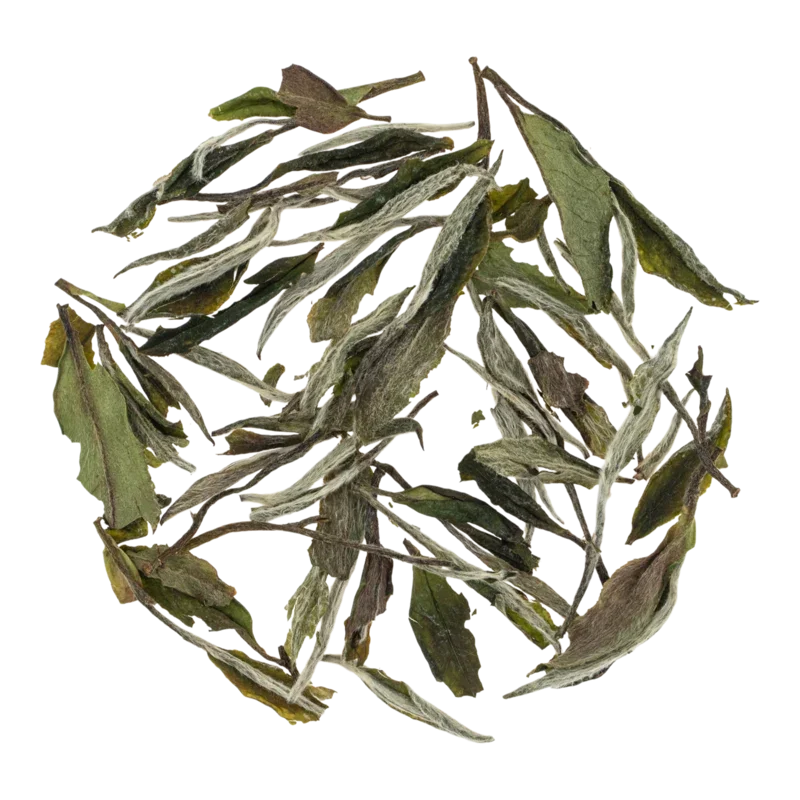
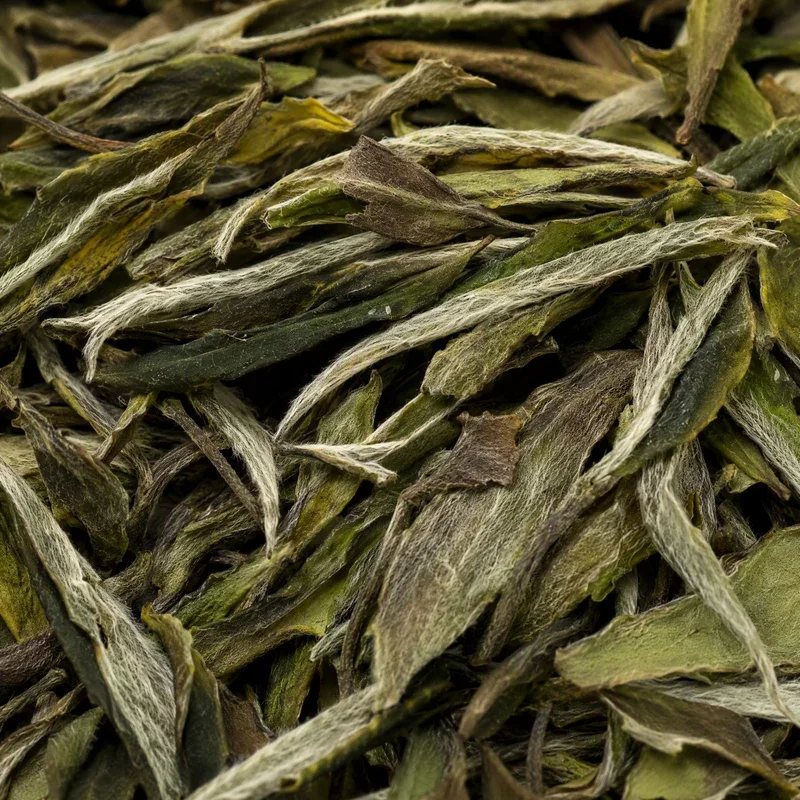
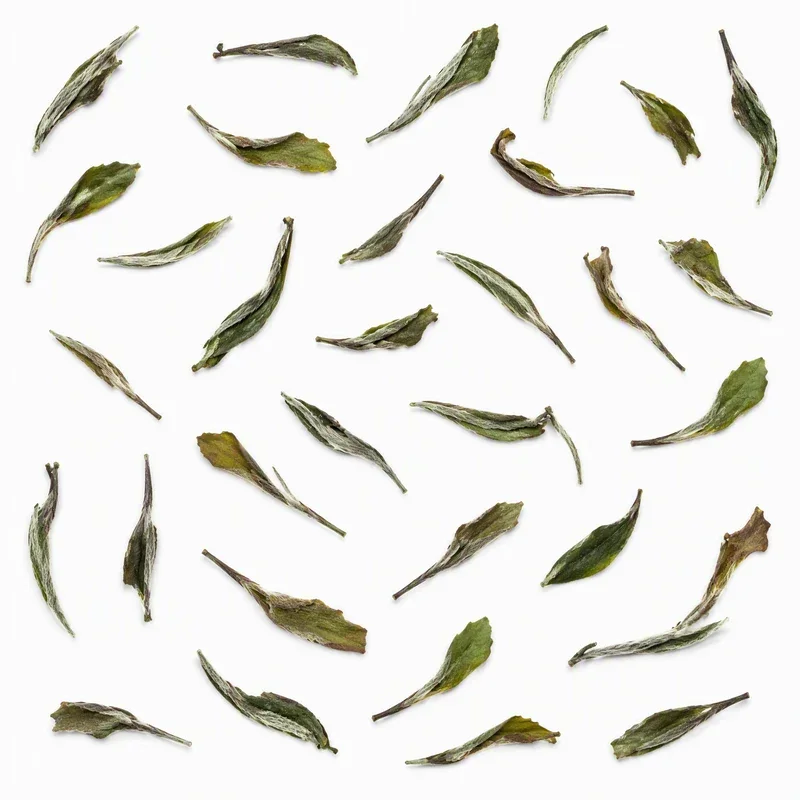
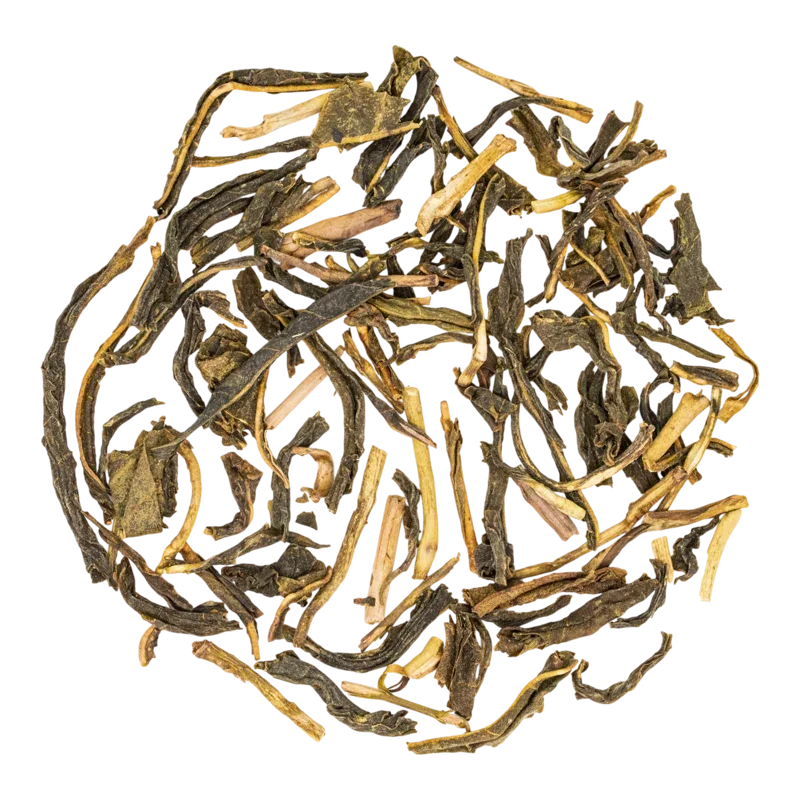
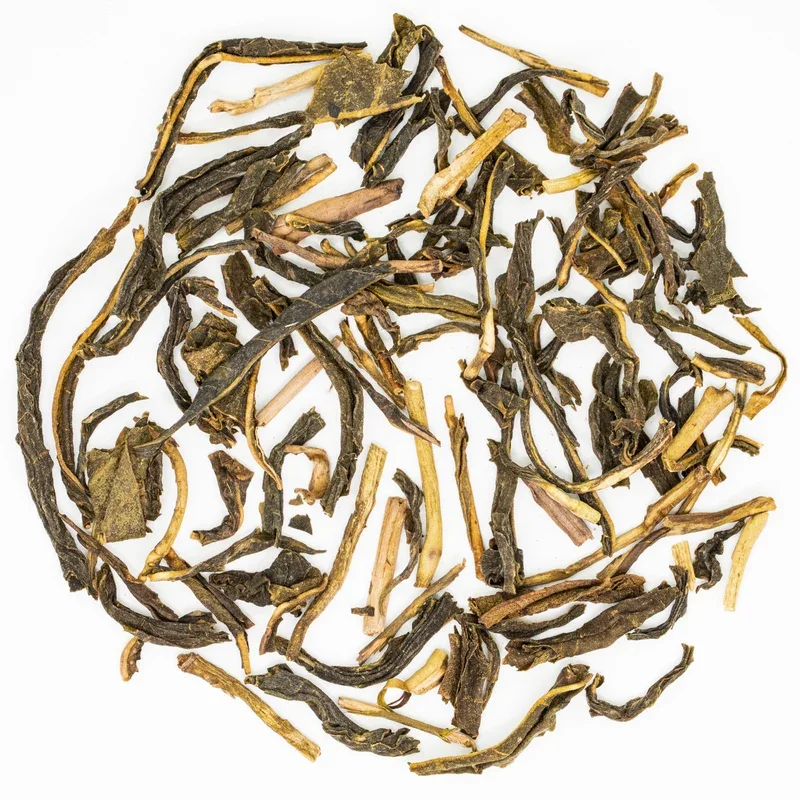
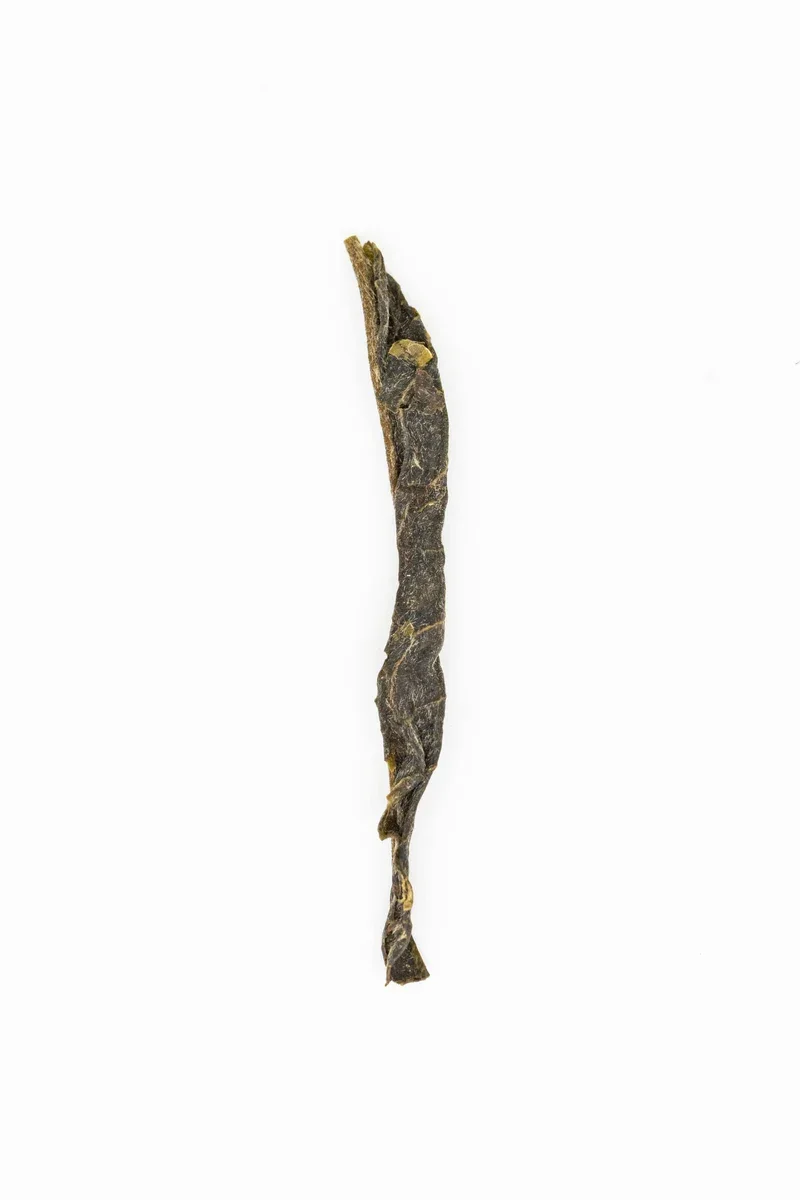
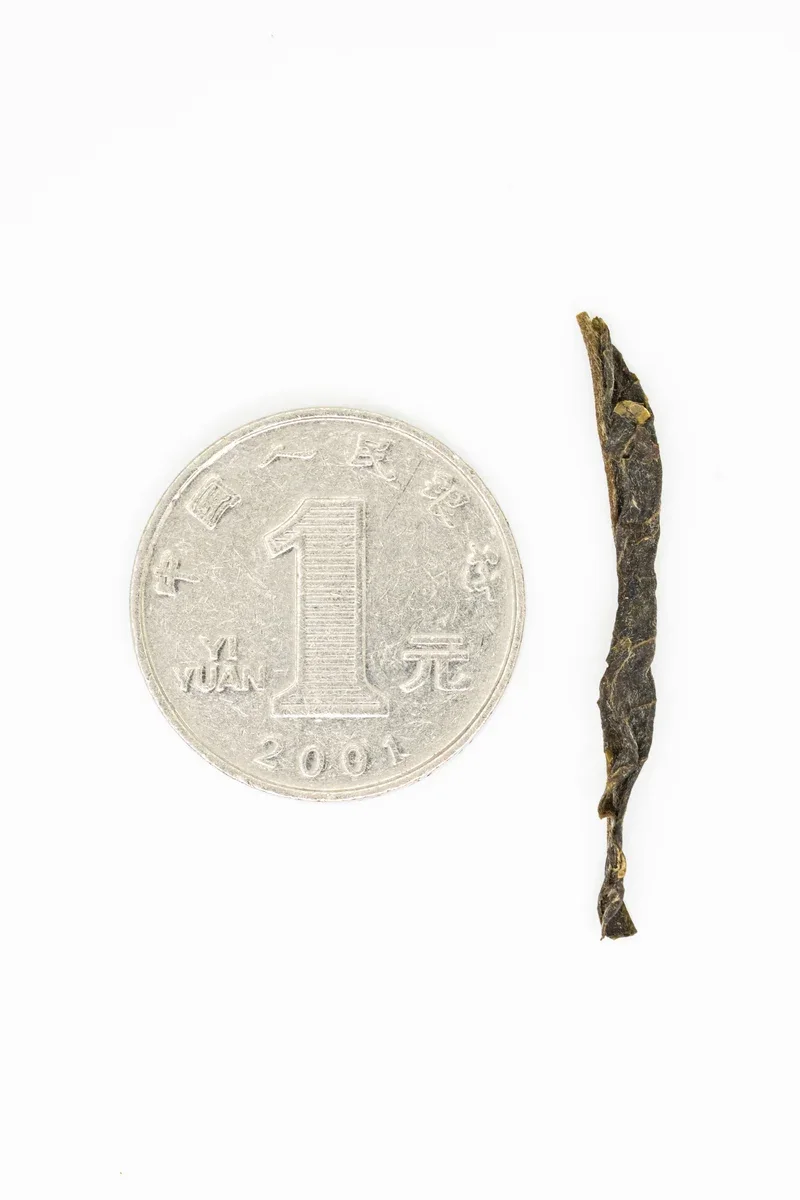
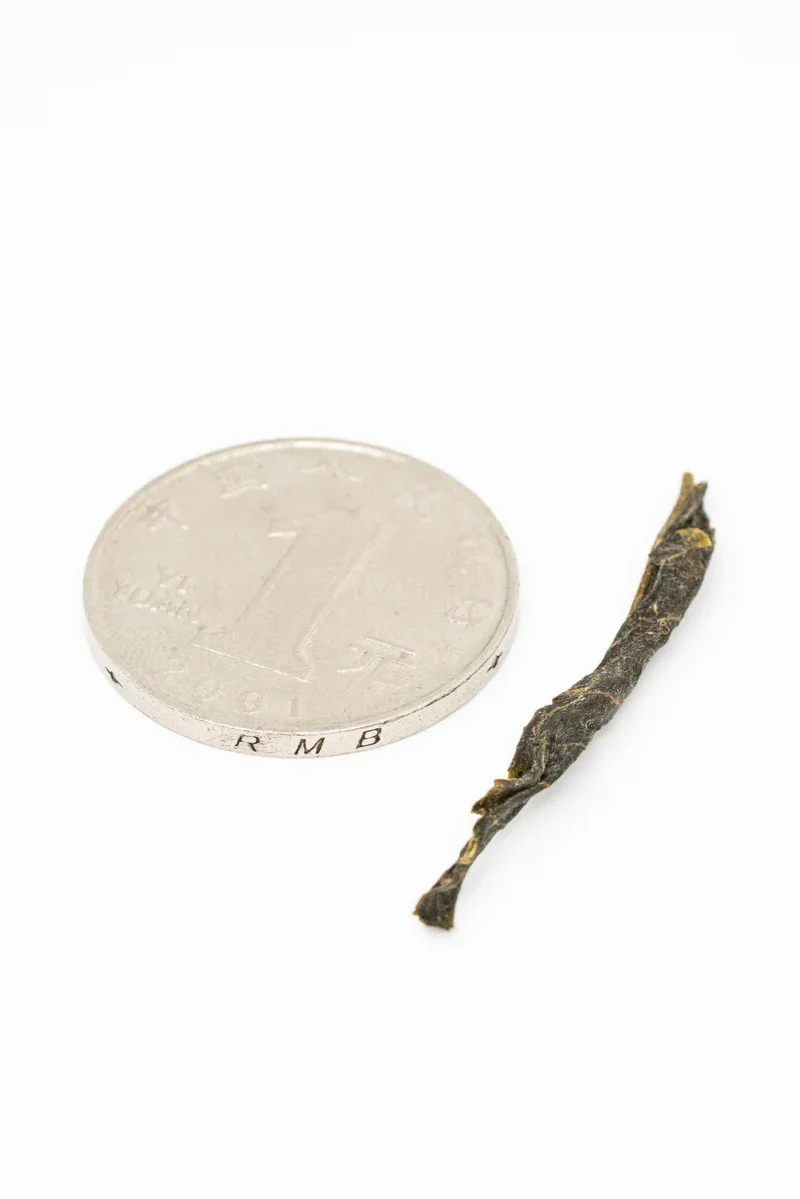
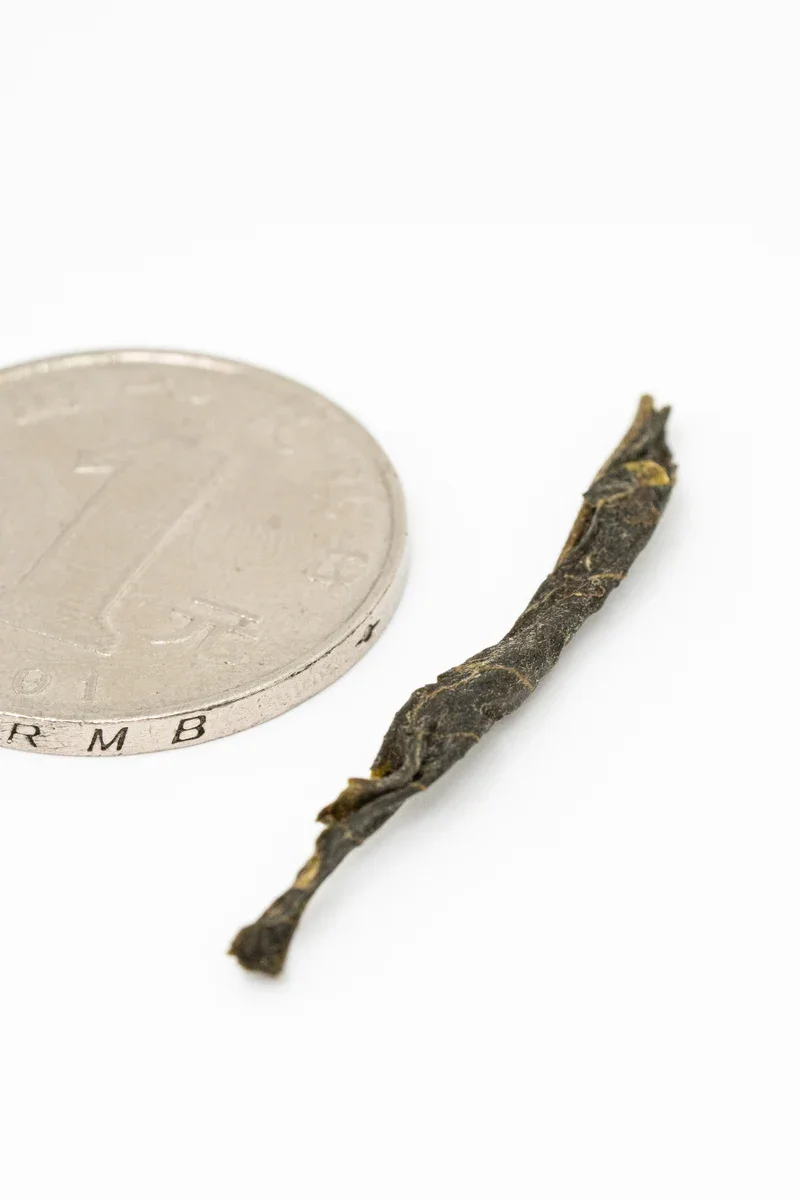
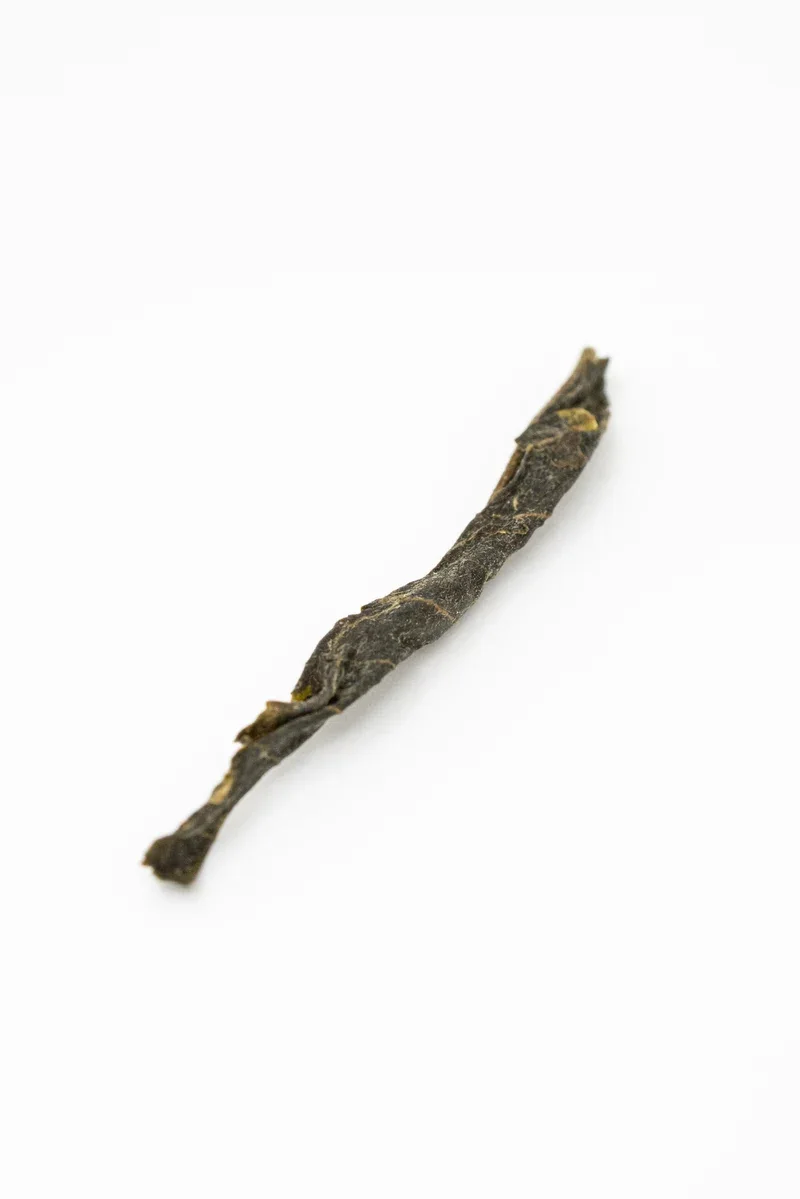
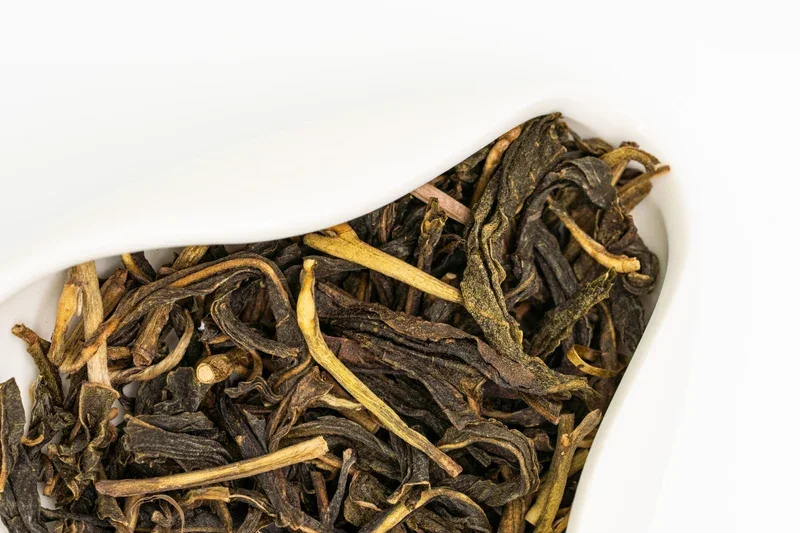
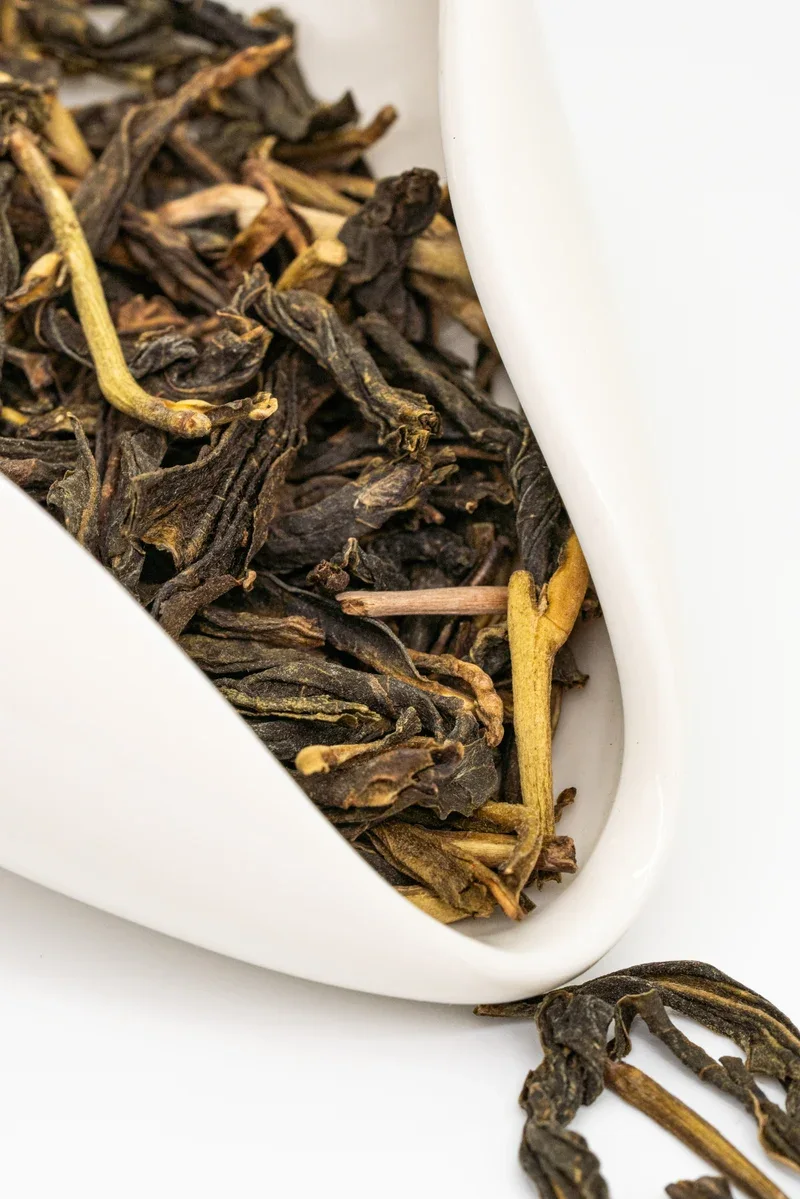
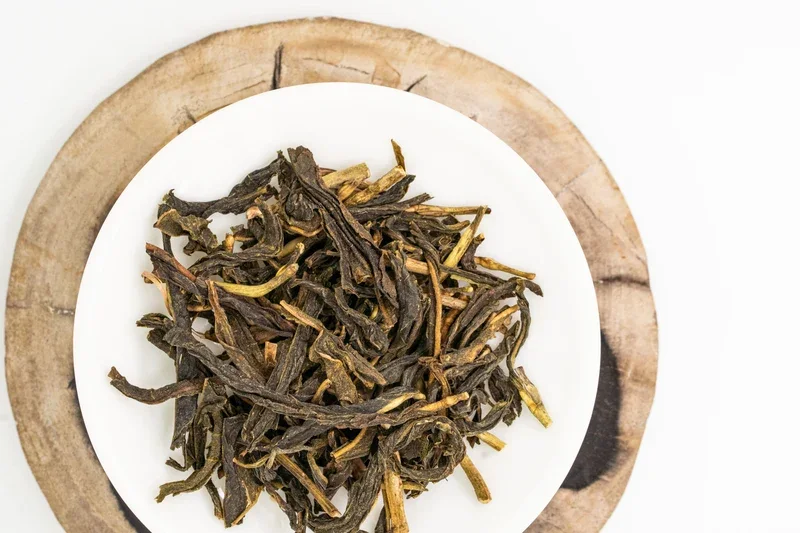
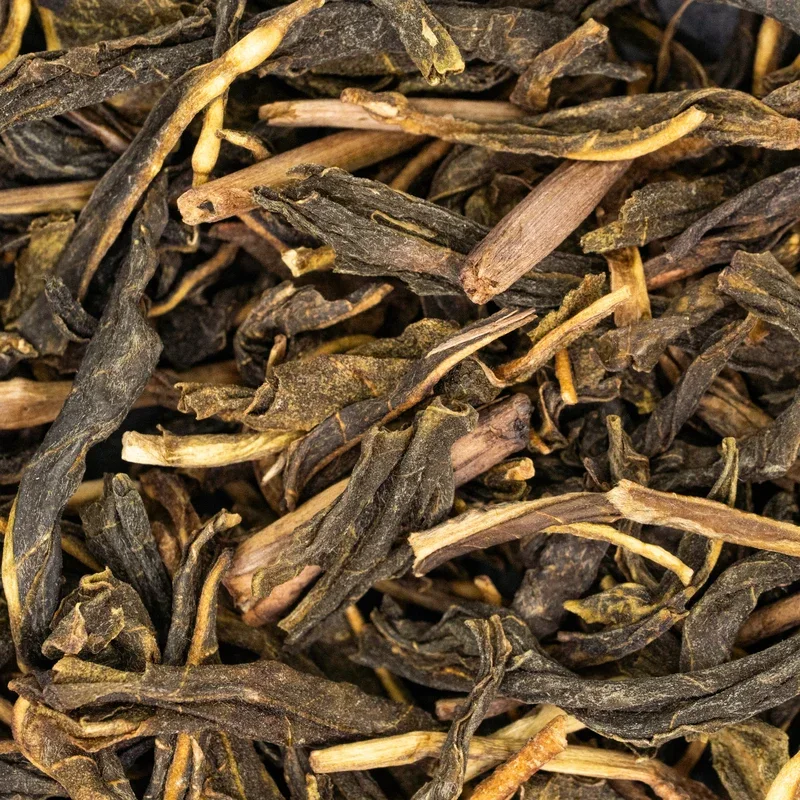
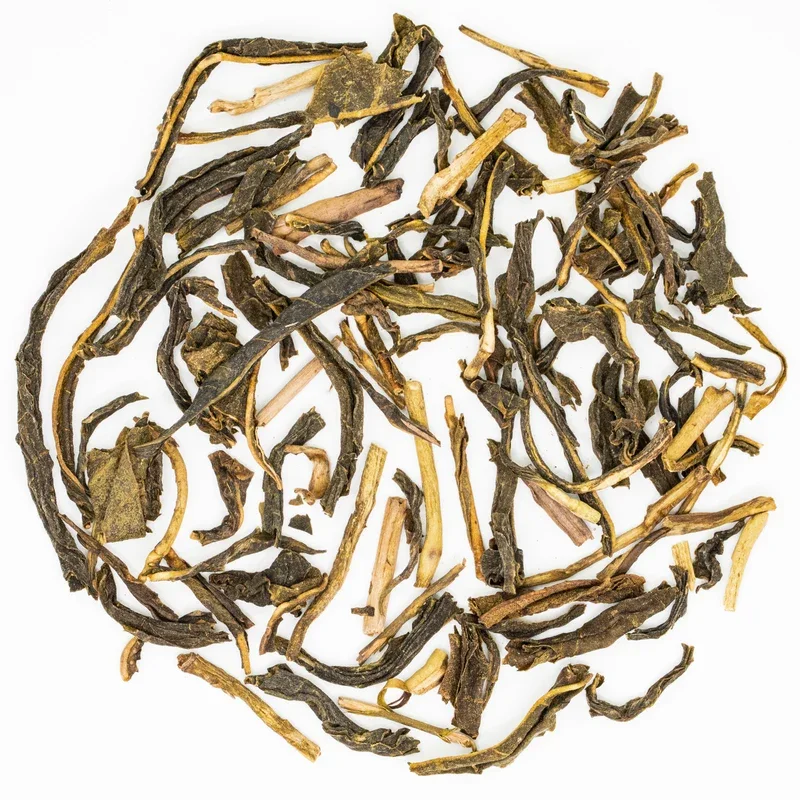
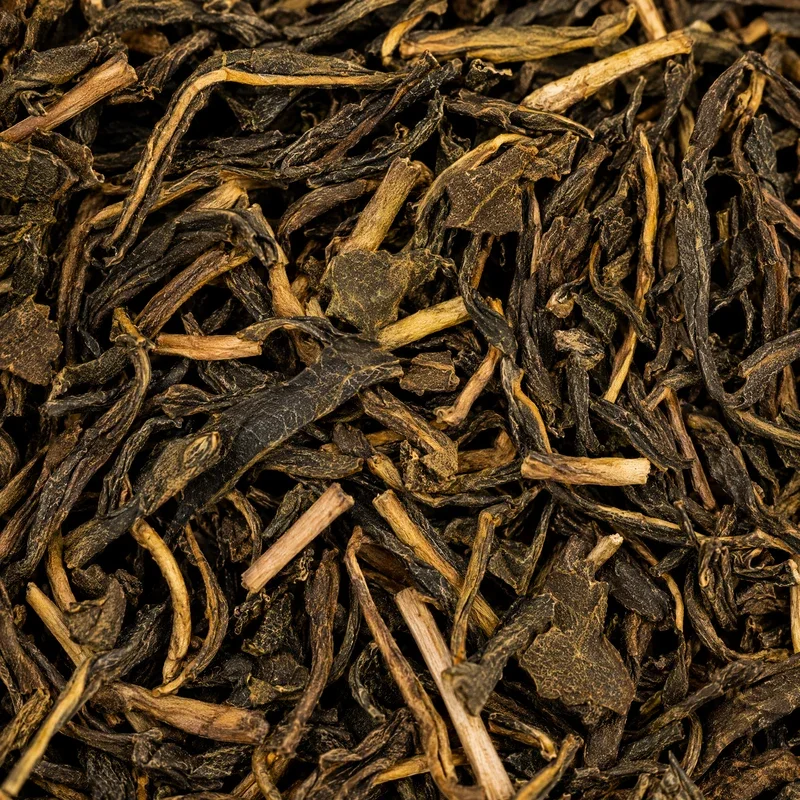
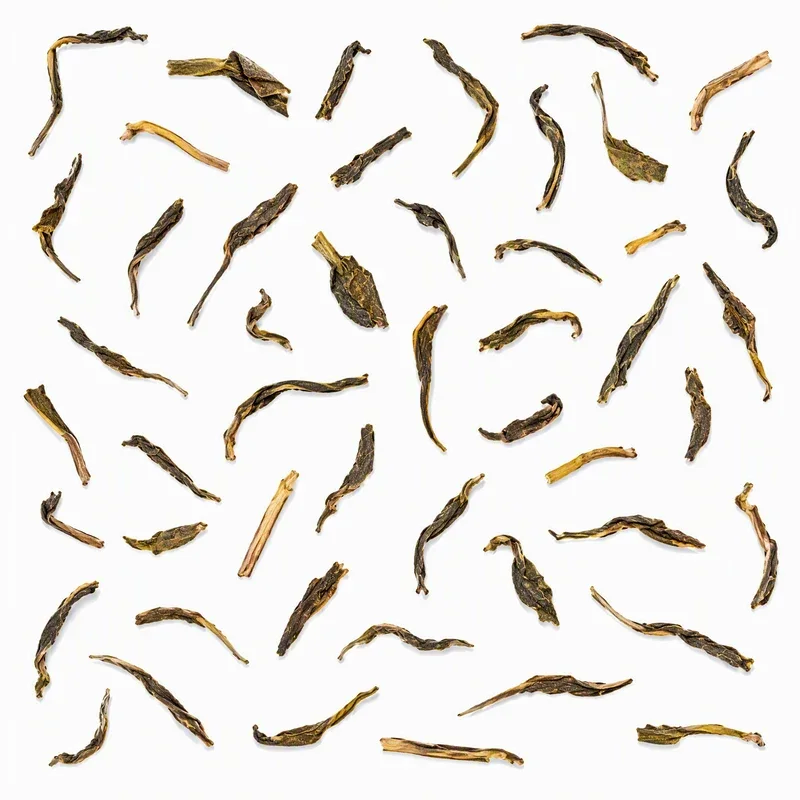
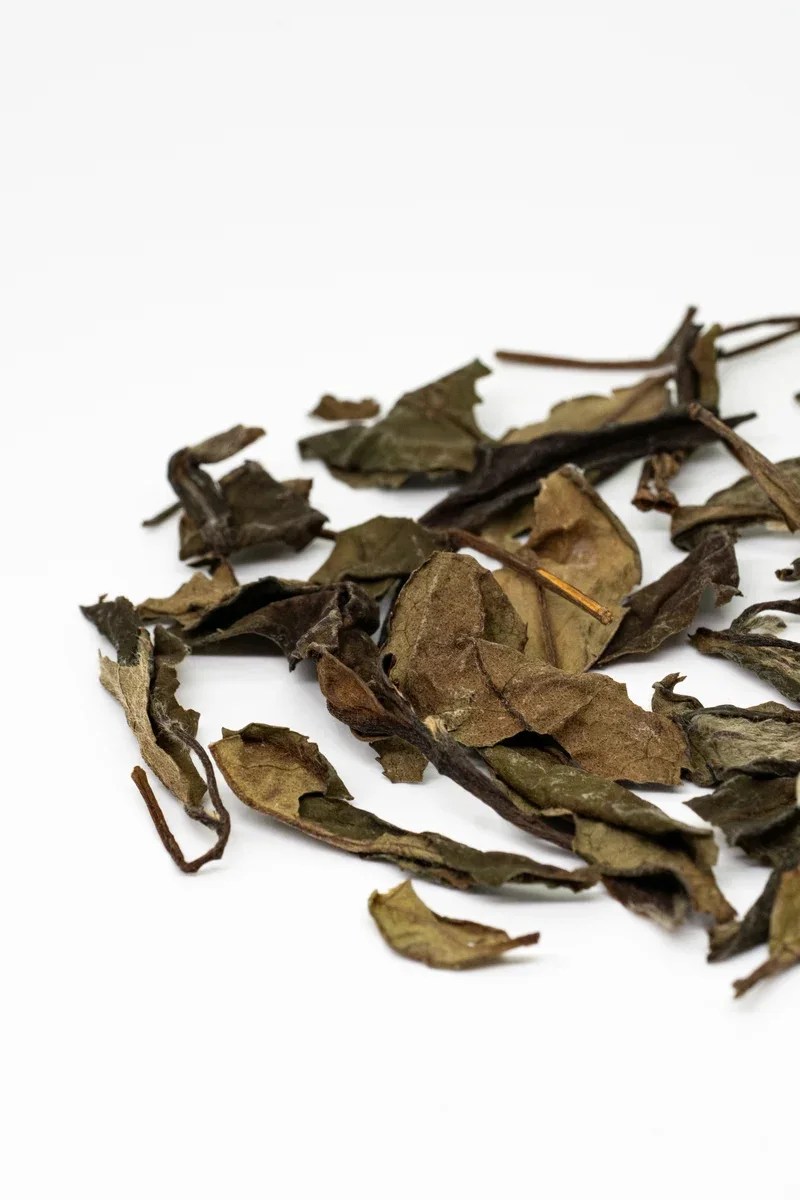
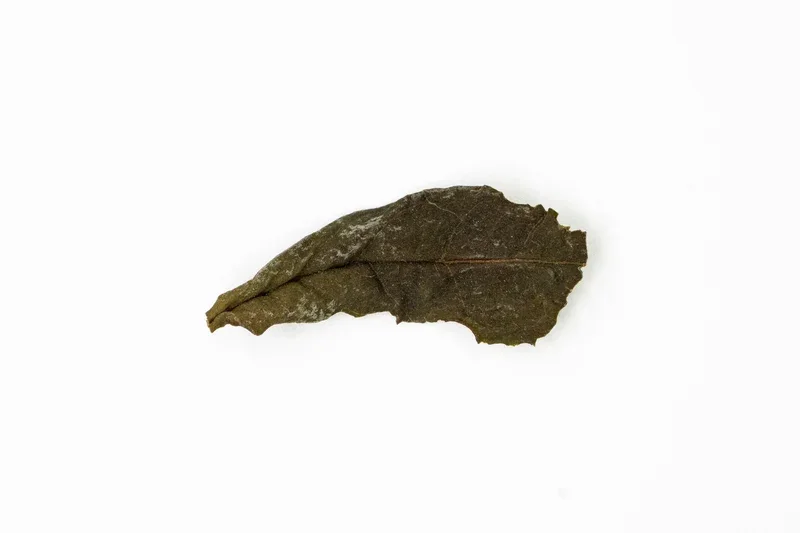
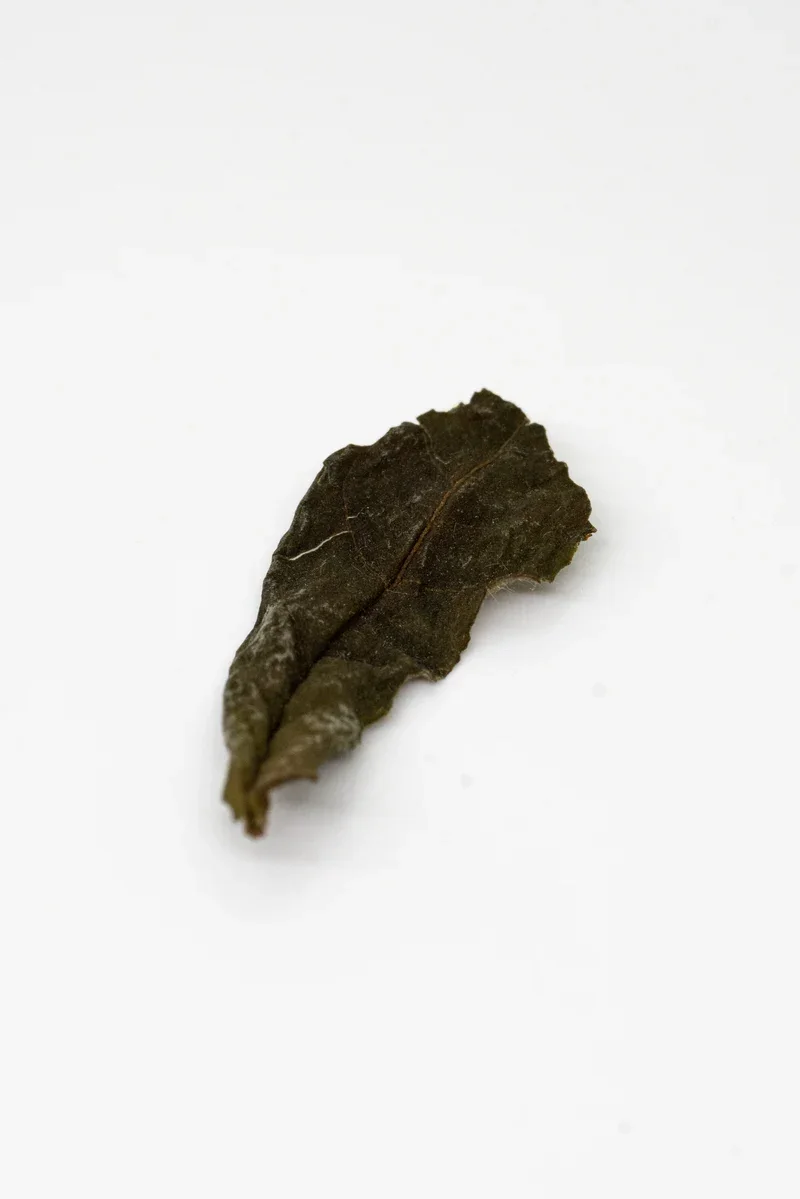
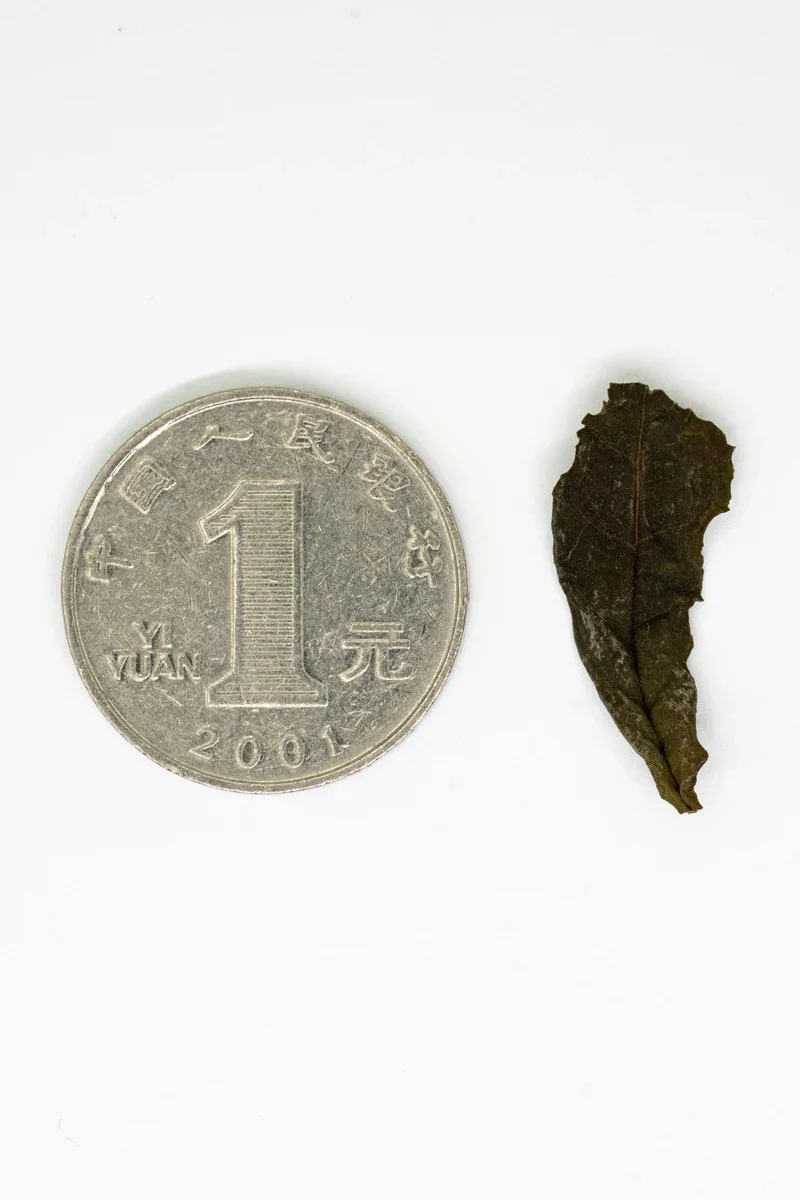
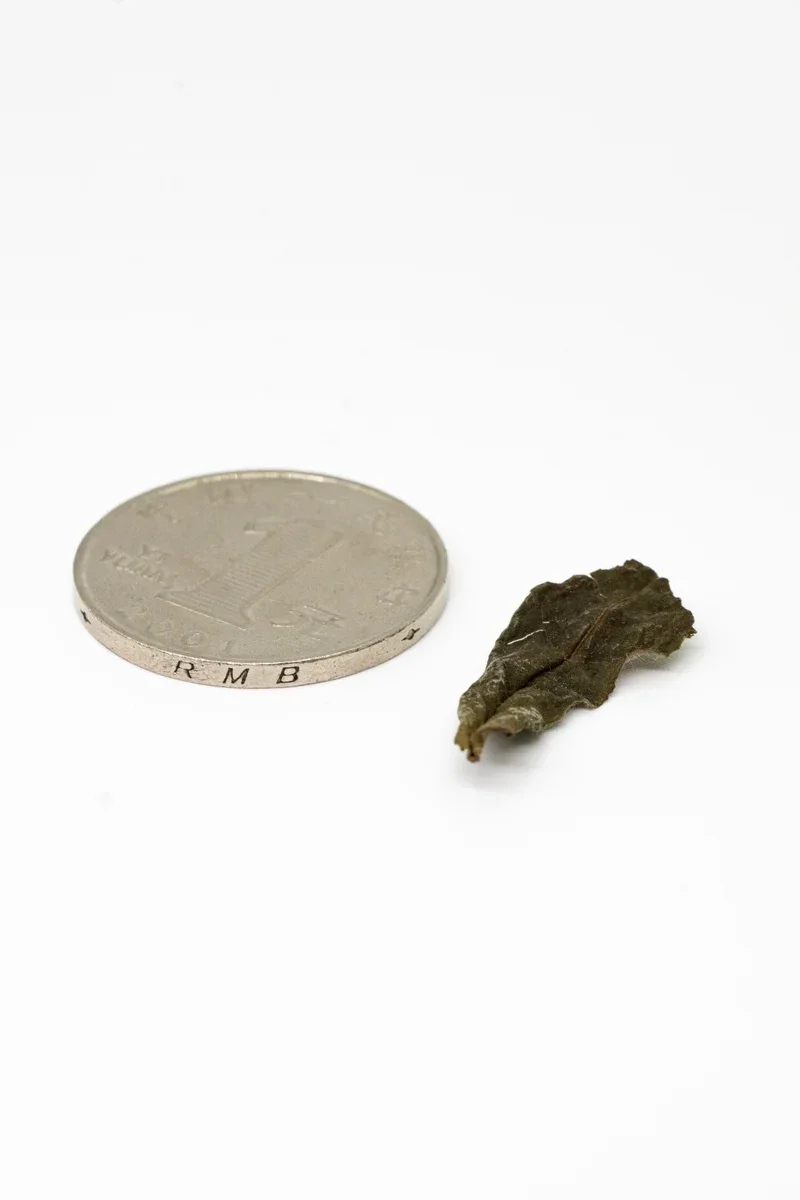
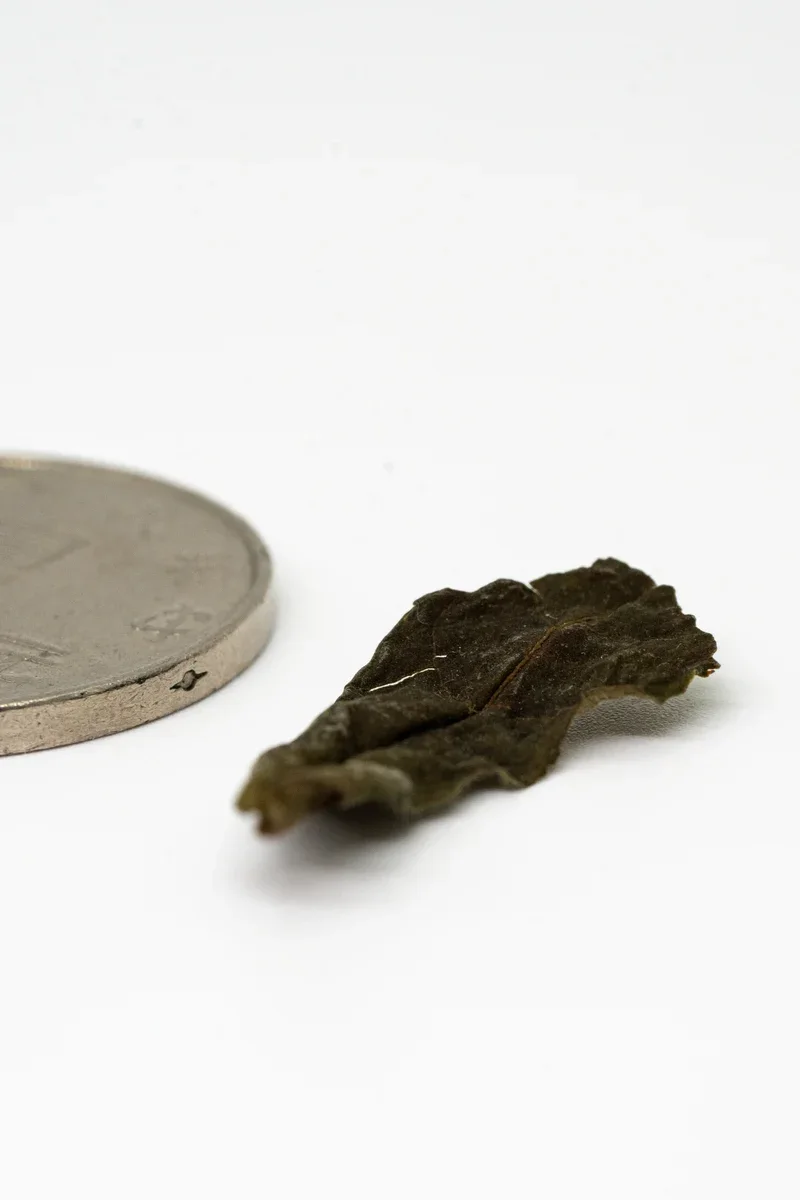
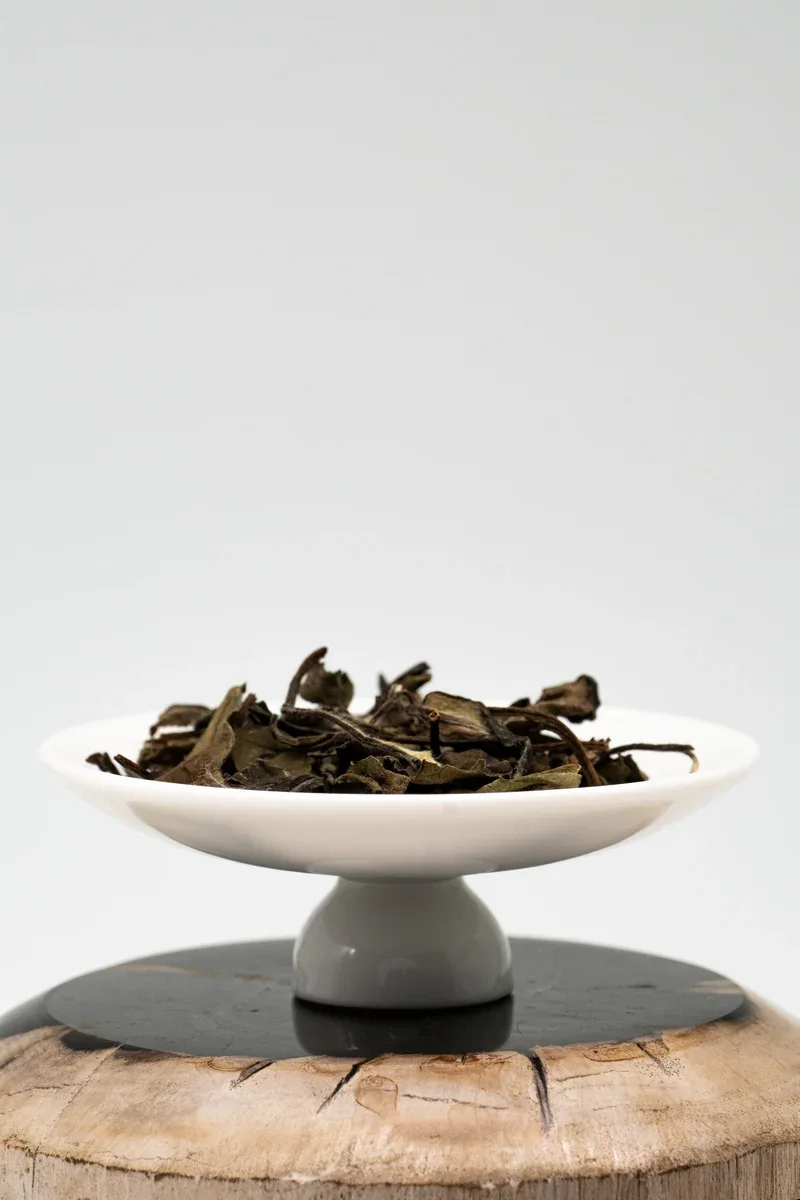
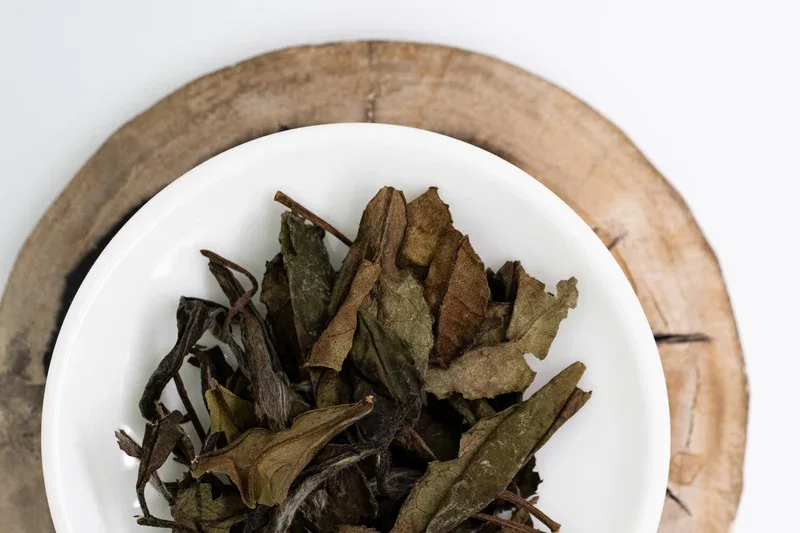
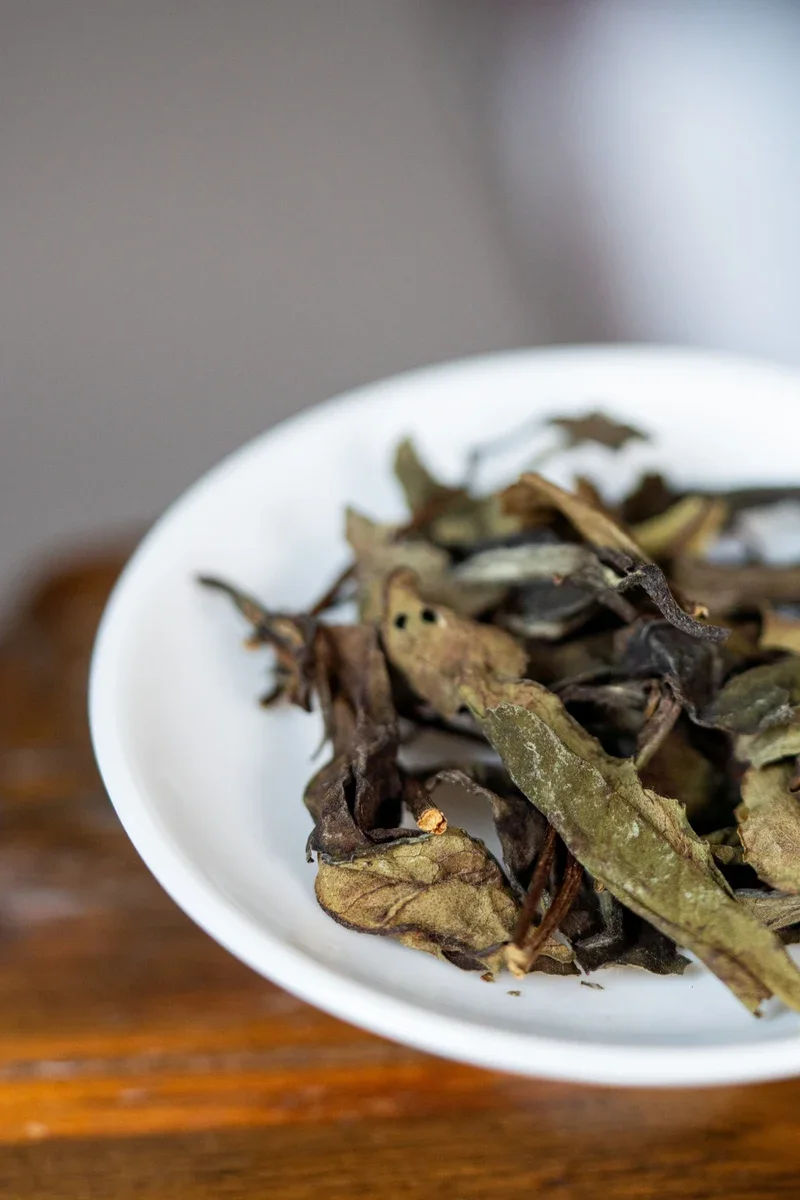
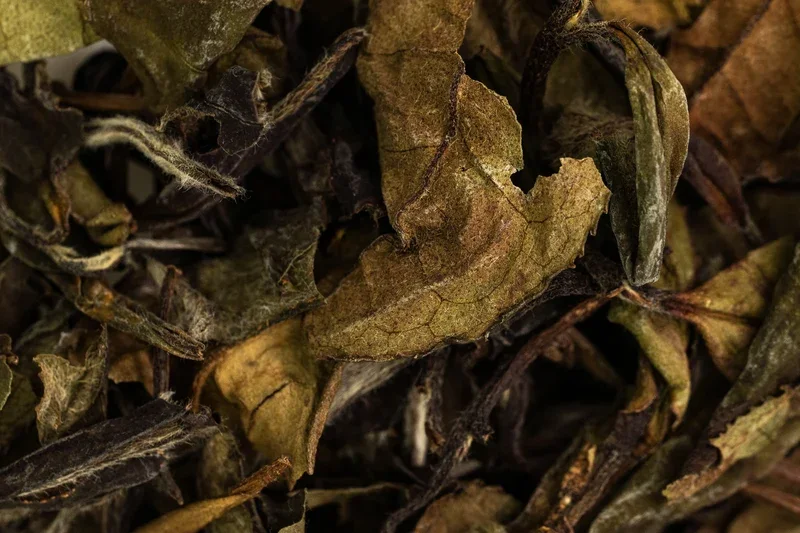
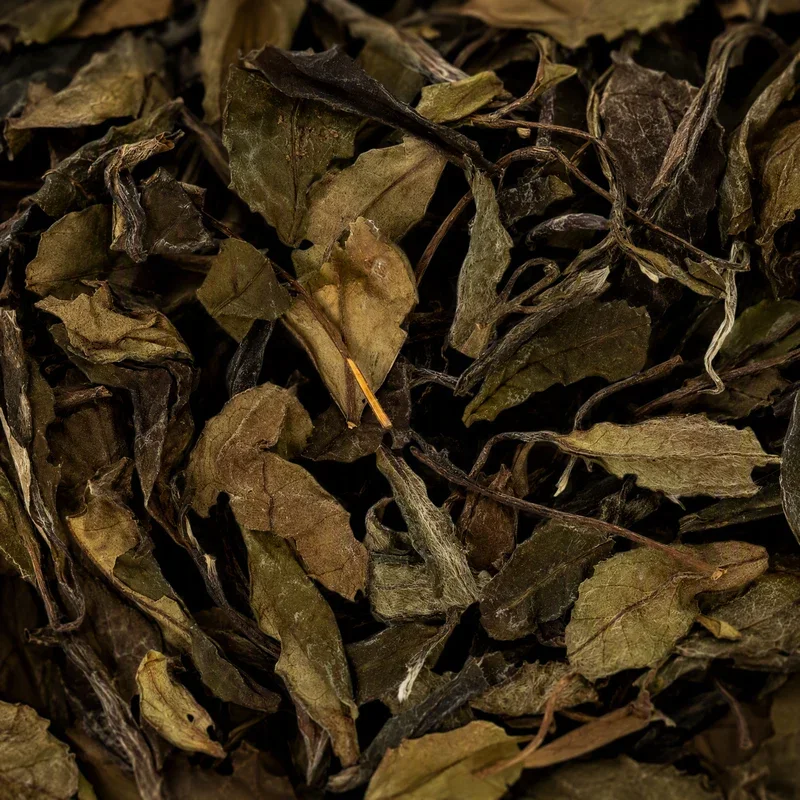
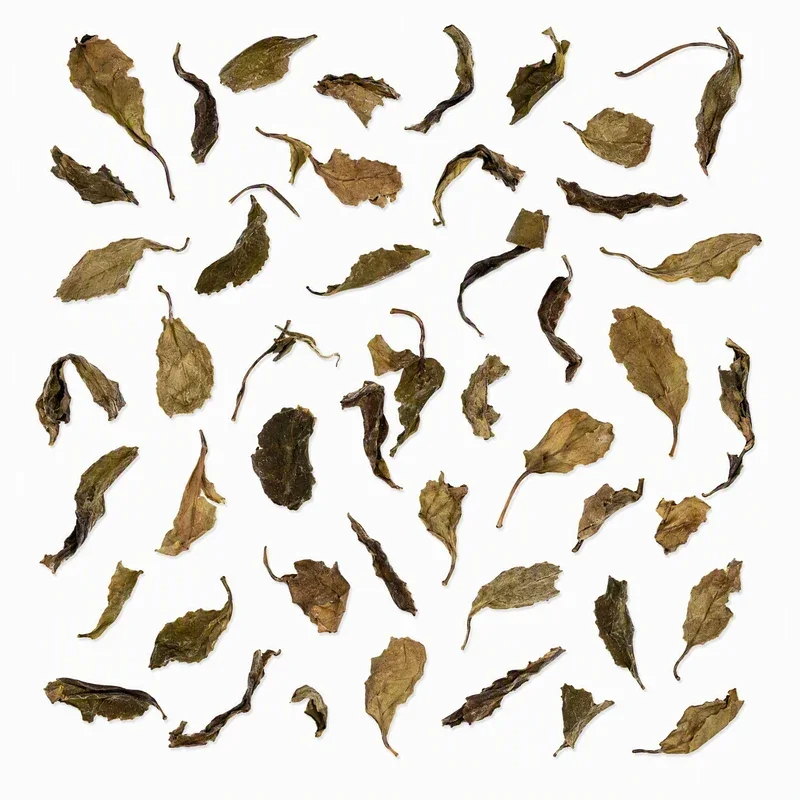
Dry Leaf Appearance: "Huanzi jiao" (环子脚, "ring-shaped feet"): curling conditions resemble rings or crescents — unique shape not found in other yellow teas. Color — golden yellow (金黄色). On surface — "yuzi pao" (鱼子泡, "fish roe bubbles"): tiny blisters formed during high-temperature pan-firing — diagnostic sign of authenticity. White down — noticeable.
Dry Leaf Aroma: Multi-layered. Base — "qingxiang" (清香, clean aroma). Above — "nenxiang" (嫩香, tender aroma) in early spring tea; "lixiang" (栗香, chestnut aroma) in main spring; "lanhuaxiang" (兰花香, orchid aroma) — characteristic of local group population; "songyan xiang" (松烟香, pine smoke) — from charcoal drying.
Liquor Aroma: "Qingxiang dai lan yun" (清香带兰韵, "clean aroma with orchid resonance"). Delicate, multi-faceted, lasting. Pine smoke is felt as a light trail, not as dominance.
Liquor Color: "Huangjing mingliang" (黄净明亮) — yellow, clean, bright. In "gongya" (贡芽, imperial grade) — light yellow; in "teji" (特级, extra) — deeper yellow. Clear.
Spent Leaves: "Nenhuang yun zheng" (嫩黄匀整) — tender yellow, uniform, whole leaves, opened "into flowers" (成朵).
Taste: "Chunhou ganliang" (醇厚甘凉) — thick, rich, sweet, with characteristic "coolness" (甘凉, gānliáng) — sensation of freshness and minty aftertaste, rare for yellow teas. Oily texture (滑, huá — "slipperiness"). Bitterness and astringency — absent. Aftertaste — sweet, lasting, with sugary return (蔗糖回甘).
Amino Acids: ≥6.77% in spring tea — one of the highest indicators among yellow teas (30% higher than ordinary green teas). L-theanine provides pronounced sweetness and "umami."
≥160 mg per 100 g — outstanding indicator. GABA — neurotransmitter with anxiolytic and sedative action. This level is one of the highest among non-specialized teas (i.e., not GABA-teas).
Significant content — participate in blood sugar level regulation.
15 mg per 100 g — suppression of cariogenic bacteria activity by 90%.
Selenium (Se), zinc (Zn) — from Yuan'an danxia soils.
Polyphenols: Moderate content, deeply transformed during pile fermentation — softness without loss of antioxidant activity.
Vitamins: C, B group.
Yuanan Huang Cha polyphenols possess pronounced ability to neutralize free radicals.
GABA (≥160 mg/100 g) — natural anxiolytic. Promotes anxiety reduction, sleep quality improvement. Monk Jintian noted not accidentally: "during meditation conquers the army of the sleep demon" — paradoxically, tea both calms and invigorates simultaneously (L-theanine + caffeine + GABA).
Tea polysaccharides promote glycemic control.
Fluorine (15 mg/100 g) suppresses 90% of cariogenic bacteria activity.
"Ni han ni zao" (不寒不燥, "neither cold nor hot") — Yuan'an tea is neutral in thermal nature (in TCM terms), suitable for consumption in any season.
Do not use boiling water (>90°C). Fresh tea is recommended to rest 15 days in dark place to "shed fire energy" (褪火气). After opening package — drink within 72 hours to preserve aroma. Do not drink on empty stomach (tannins irritate mucosa).
Tea Amount: 5 g per 250 ml water (1:50 ratio) for gaiwan; 3 g per glass cup.
Teaware: Porcelain gàiwǎn (盖碗) — preferable, reveals multi-layered aroma. Glass cup — for observing "huanzi jiao" opening.
Water Temperature: 85–90°C. Not above 90°C — high temperature destroys L-theanine and reduces "xianwei" (鲜味, fresh taste).
Single buds ≥95%, "crescent" shape (月牙形), apricot-yellow color (杏黄色). Aroma — clean, lasting. ≥1500 yuan per jin (500 g).
One bud with first opening leaf ≥90%. "Huanzi jiao" — tight, clear. Chestnut aroma — high, sharp. 800–1500 yuan.
One bud with one leaf. Rich, resistant to repeated brewing. 400–800 yuan.
One bud with two leaves. Aroma — clean. 200–400 yuan.
Large leaf, blend. Natural curl, loose. "Chenxiang" (陈香). Most affordable.
Less common than Junshan Yin Zhen, but substitution with green tea without menhuang is possible. Authenticity signs: "huanzi jiao" (ring curling), "yuzi pao" (roe bubbles), golden yellow (not green) color, yellow (not green) liquor, "ganliang" (cool sweetness) — not grassiness.
No reviews yet. Tell us what you think of this tea.
Rate this tea and share your impressions. We review each submission before publishing it.