Brewing
Gongfu brewing
- Water temperature
- 95 °C
- Tea amount
- 7 g
- Water volume
- 100 ml
- First steep
- 10 s
- Time added per infusion
- 5 s
- Infusions
- 10

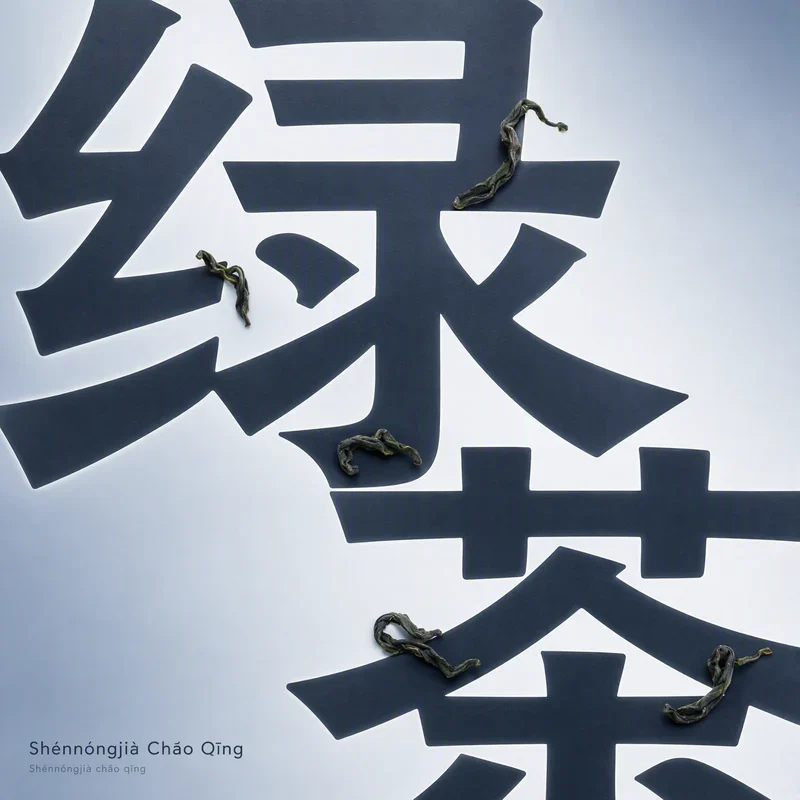
Shénnóngjià chǎo qīng
Choose a brewing method. Start with the recommended quantities and time, then adjust to taste.
Brewing
Brewing
Taste
Tea encyclopedia
Category: National Geographical Indication Product (国家农产品地理标志, 2013 — under the brand "Muyu Green Tea", 木鱼绿茶). Brands "Shennong Qifeng" (神农奇峰) and "Shennong Bifeng" (神农碧峰) — "Famous Teas of Hubei" (湖北名茶, 1992).
Category: National Geographical Indication Product (国家农产品地理标志, 2013 — under the brand "Muyu Green Tea", 木鱼绿茶). Brands "Shennong Qifeng" (神农奇峰) and "Shennong Bifeng" (神农碧峰) — "Famous Teas of Hubei" (湖北名茶, 1992).
Coordinates: Approximately 31°30′ North latitude, 110°20′ East longitude.
Origin: China, Húběi Province (湖北, Húběi), Shénnóngjià Forest District (神农架林区) — the only forest district (林区) at provincial level in China, being neither a county nor a city. UNESCO World Heritage Site (since 2016). Core terroir — Mùyú Town (木鱼镇, Mùyú Zhèn), villages Qīngtián (青天村), Honghuaping (红花坪村) and Maohu (茅胡村) — more than 80% of highest grade teas.
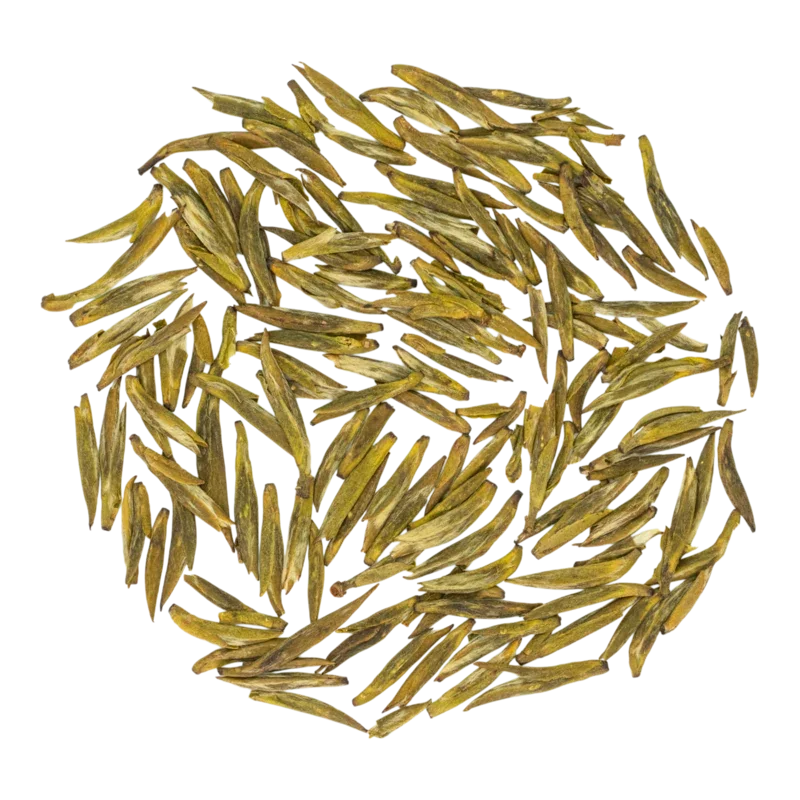
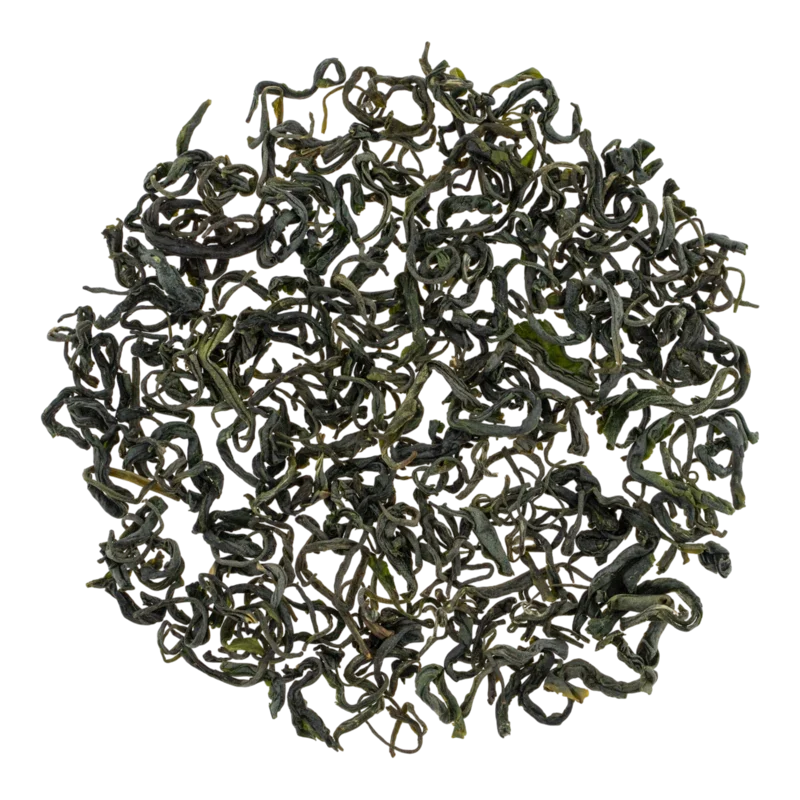
Type: Green tea (non-oxidized). Produced in two forms: classic pan-fired (炒青, chǎoqīng — tightly twisted strips) and needle-shaped "芽茶" (yacha — from whole buds, flat-straight form). By technology — pan-fired (炒青绿茶).
Buy with GI marking "木鱼绿茶"; evaluate chestnut (yacha) or clean green (chaoqing) aroma; check taste smoothness with minimal astringency.
Cultural Significance: Shennongjia is the place where, according to legend, tea was born as a beverage. This is the "ground zero" of tea civilization — not in an agronomic sense (tea as a plant), but in a mythological and cultural sense. For Chinese culture, Shennong is as key a figure as Prometheus for Greek culture: he brought people agriculture, medicines, and tea. Tea from Shennongjia is not just a beverage, but a tangible connection to the "beginning of beginnings".
History: Shennongjia — literally "Shennong's Ladder": according to legend, the mythical Divine Farmer Shénnóng (神农氏) built wooden ladders-"steps" (架, jià) to climb into the mountains and taste hundreds of herbs in search of medicines. Once, after being poisoned by a toxic herb, he discovered tea tree leaves that neutralized the poison — thus, according to myth, the healing effect of tea was discovered. Lù Yǔ (陆羽) in "The Classic of Tea" established this legend with the formula: "The drinking of tea began with Shennong" (茶之为饮,发乎神农氏) — a phrase that became the "ground zero" of world tea history.
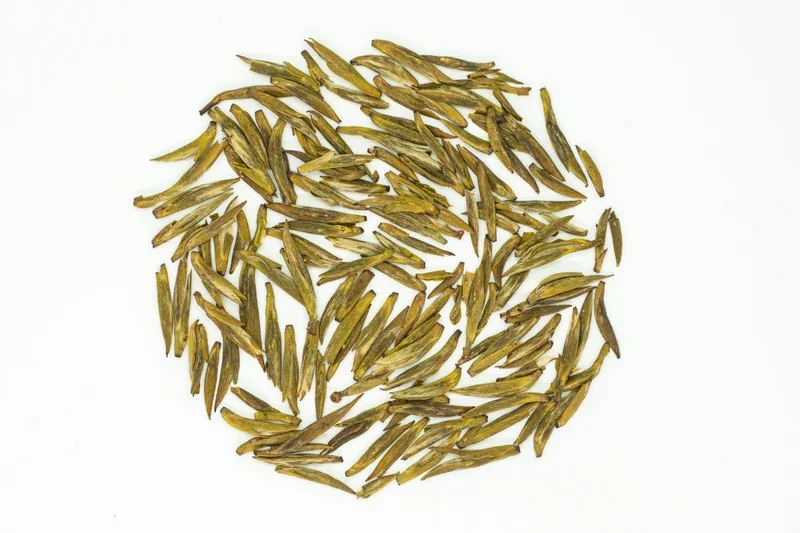
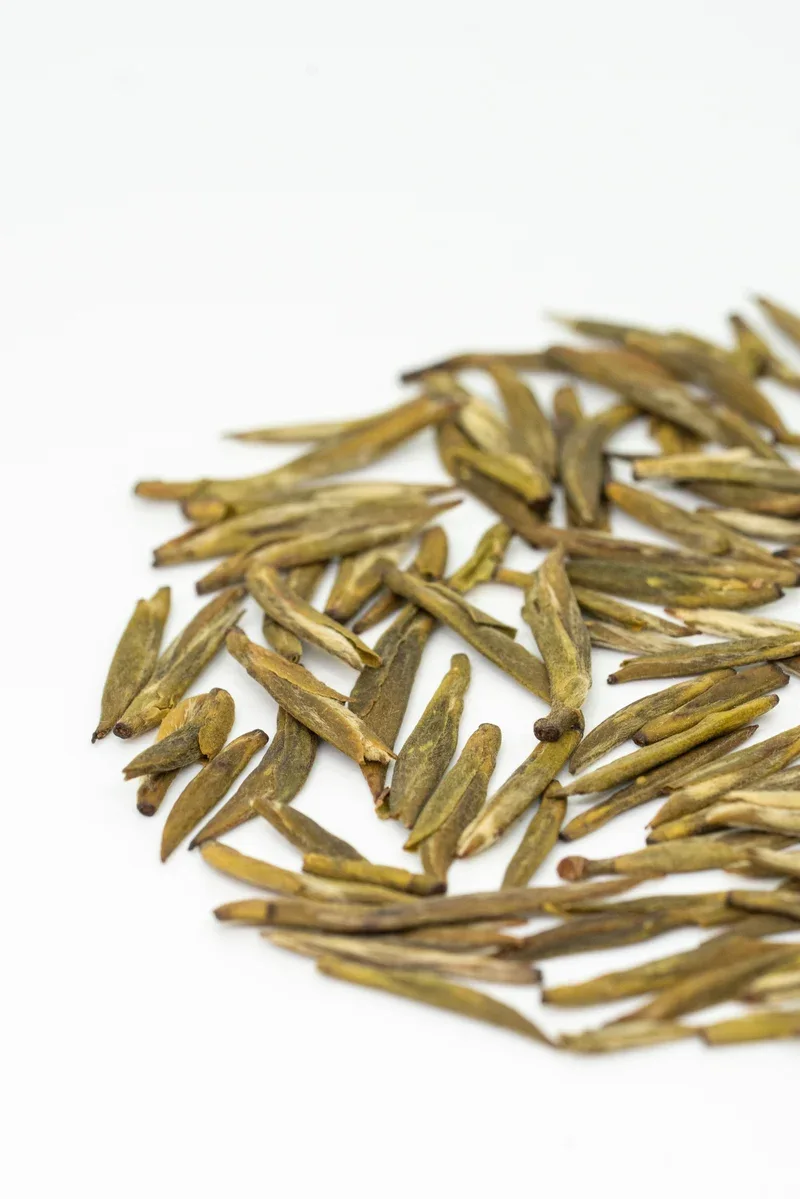
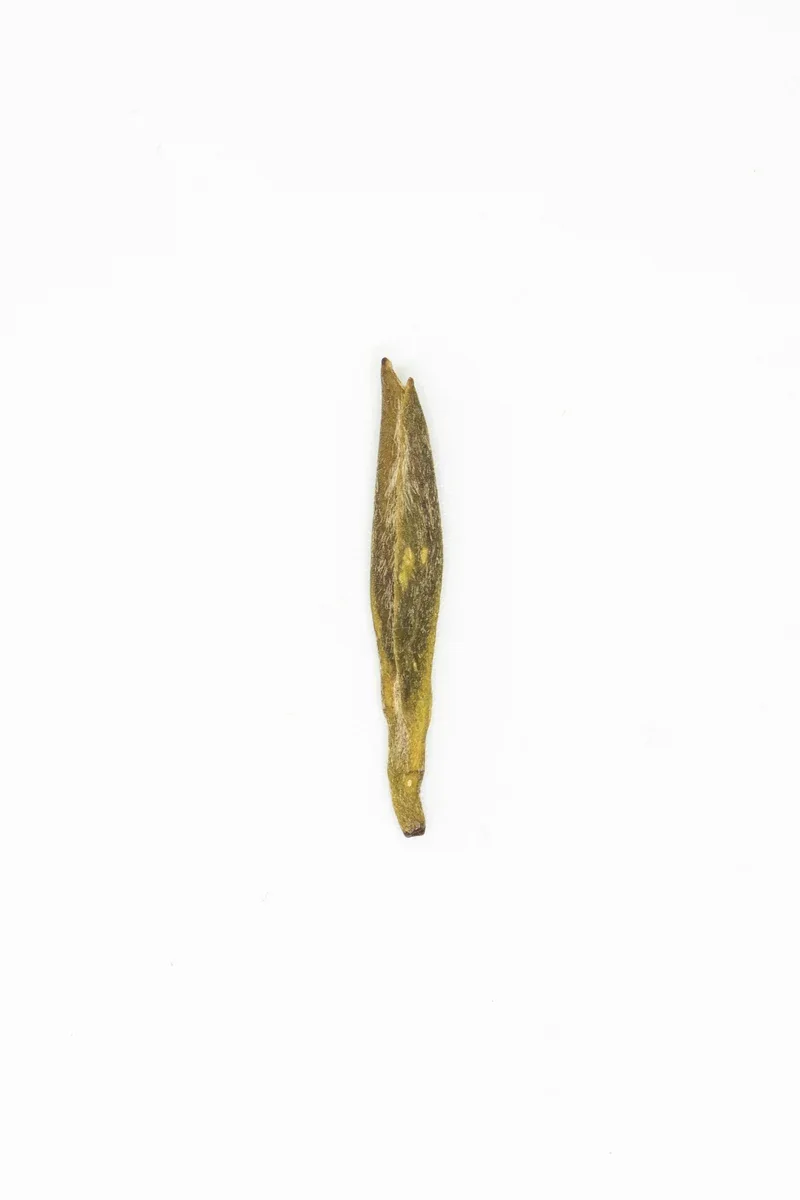
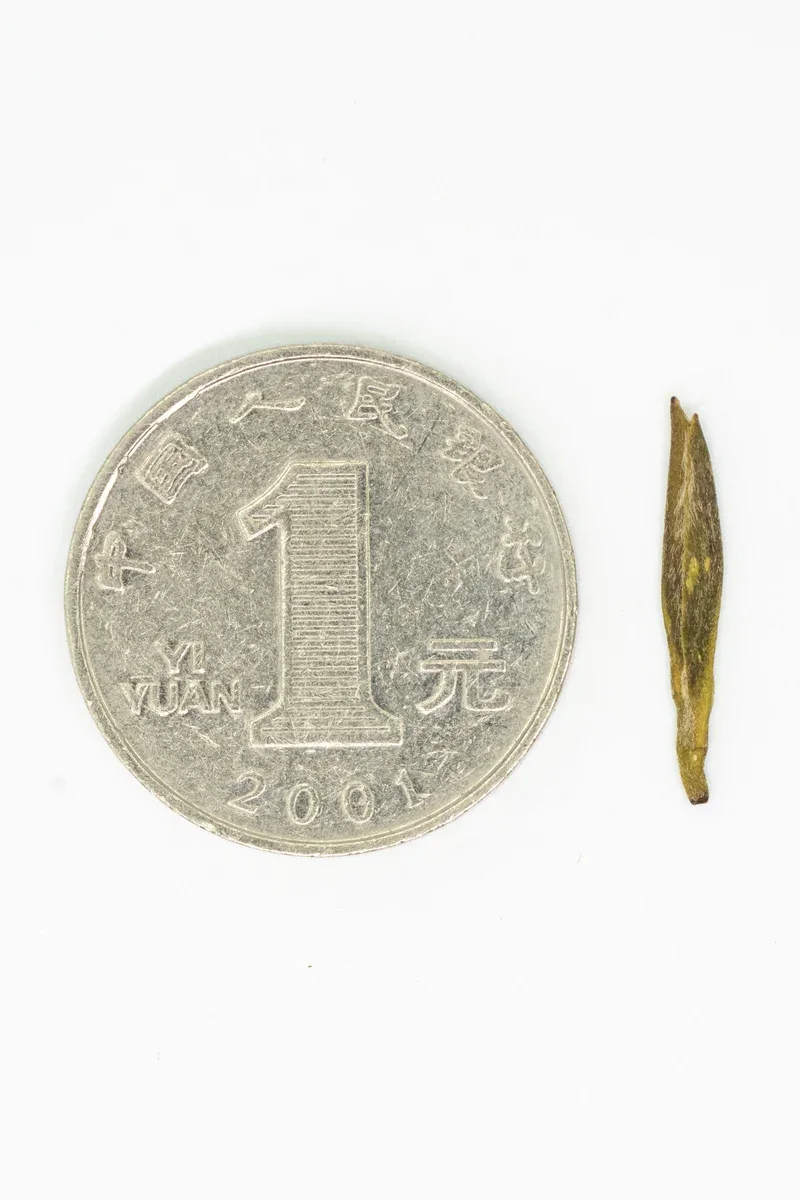
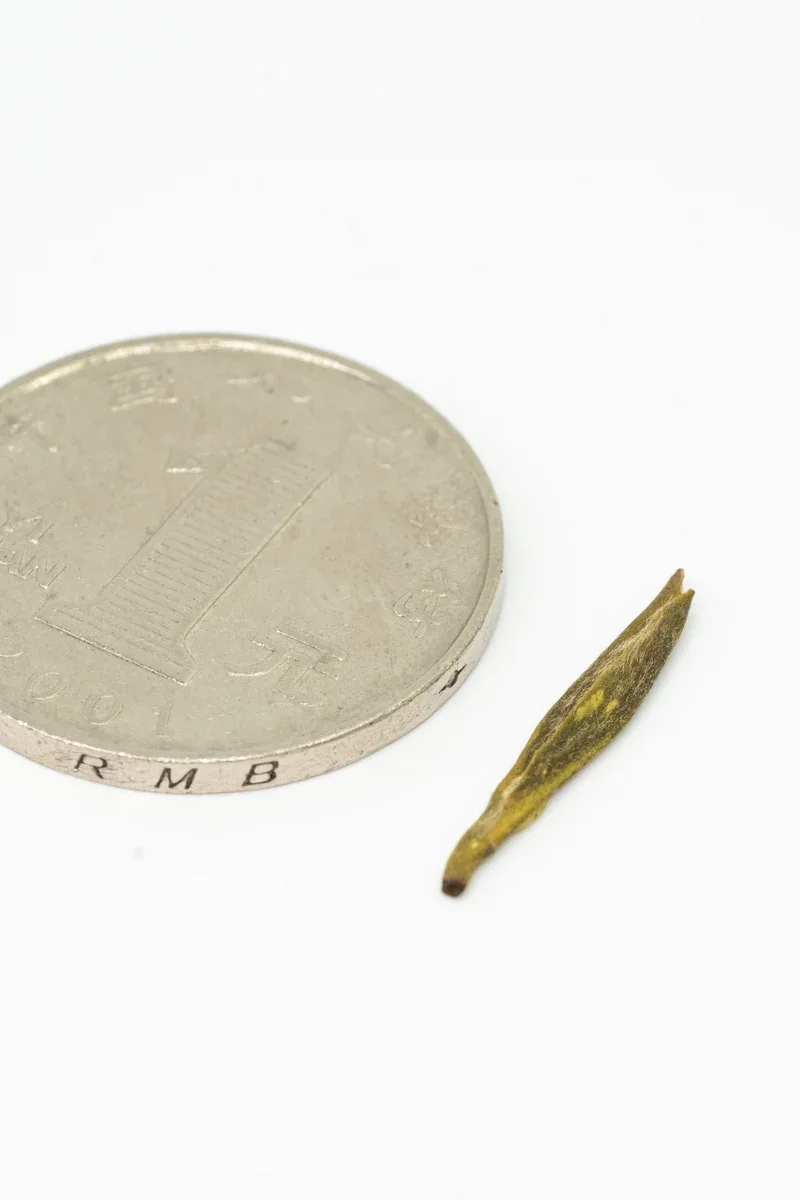
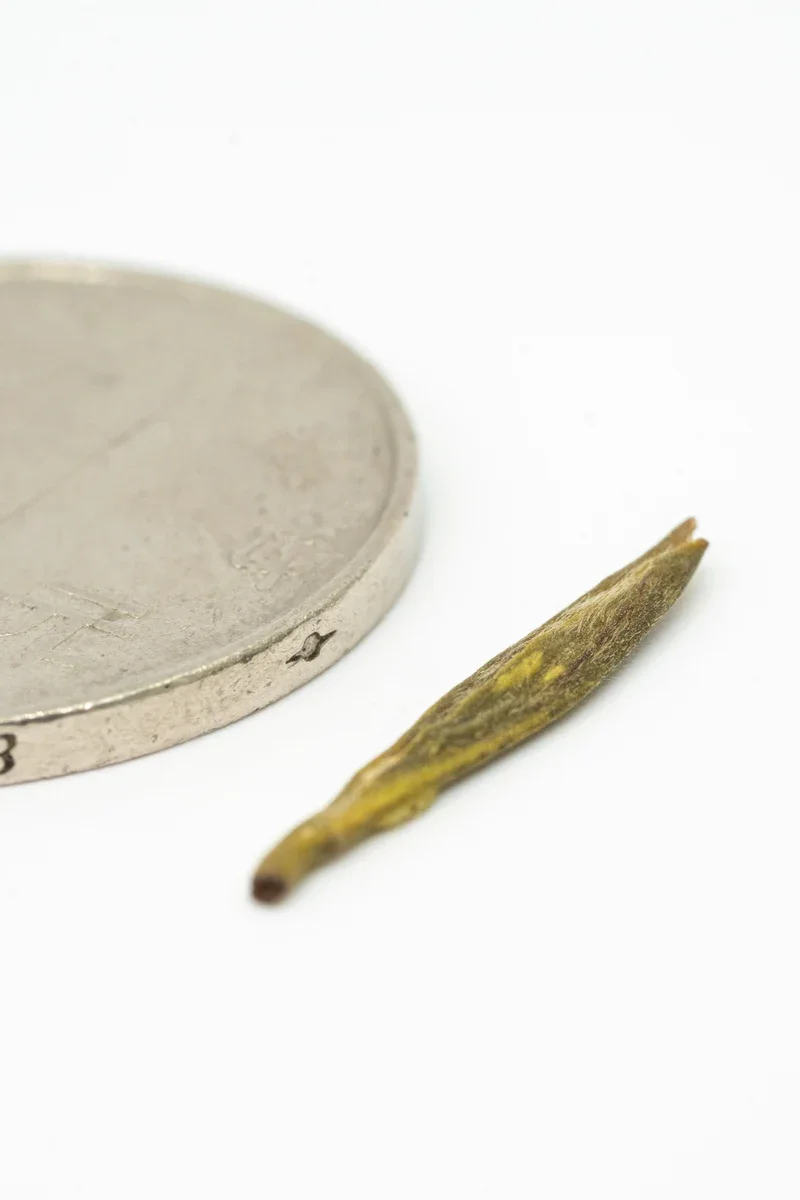
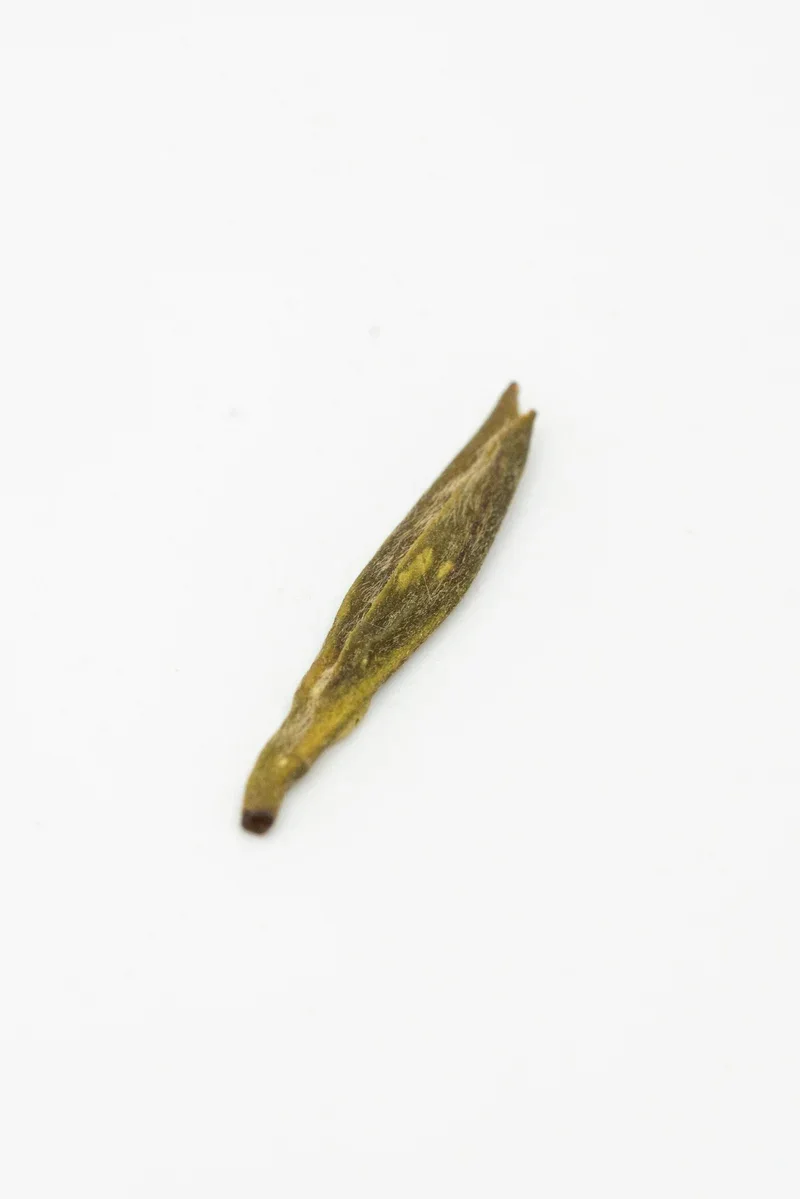
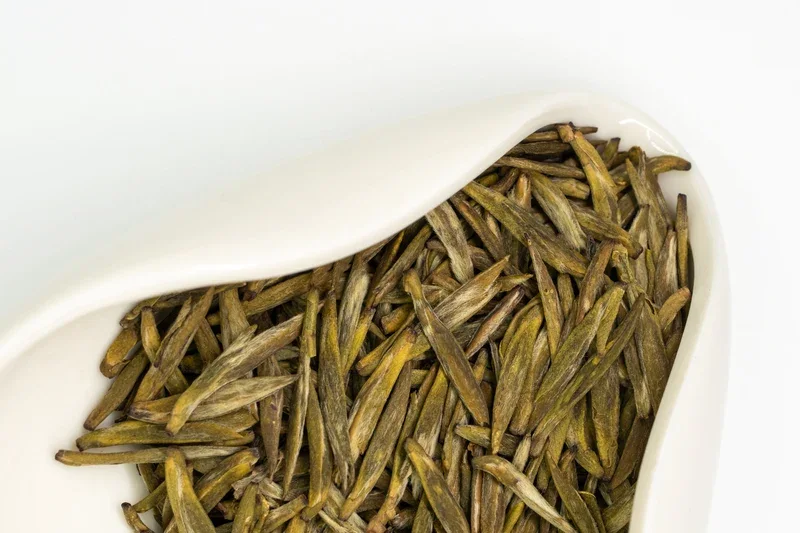
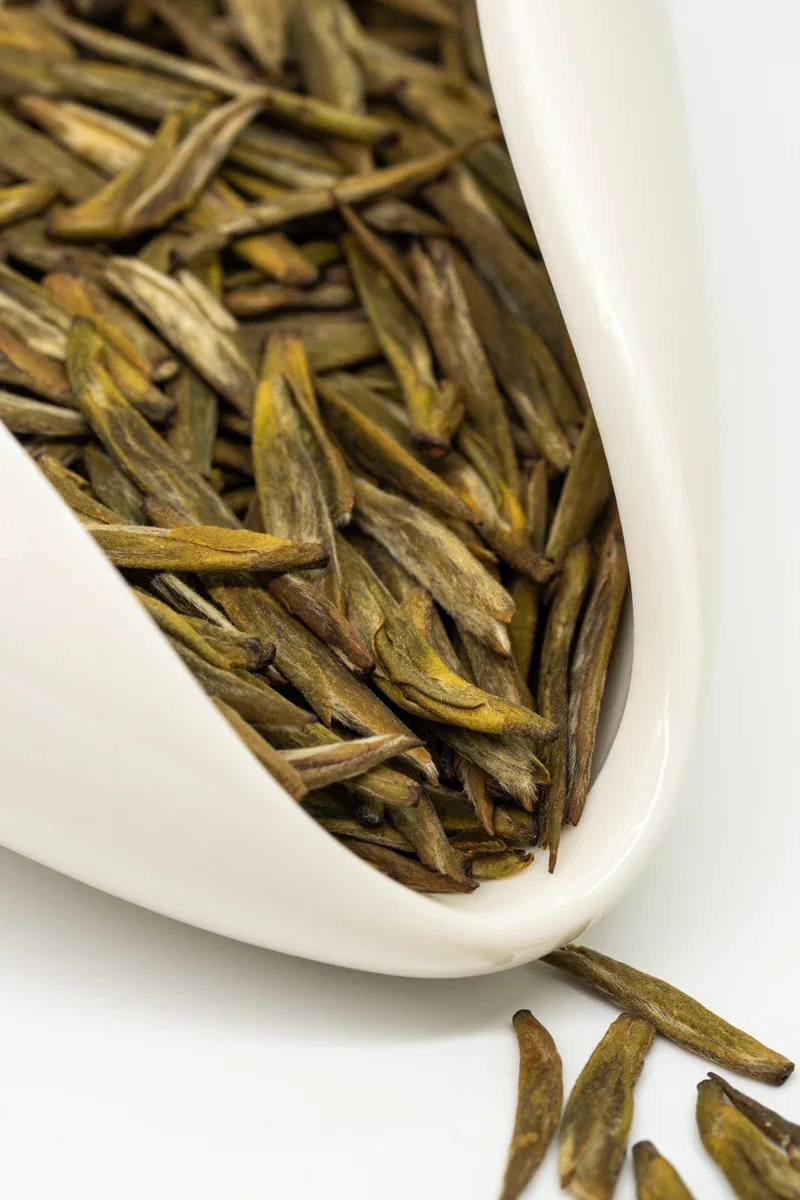
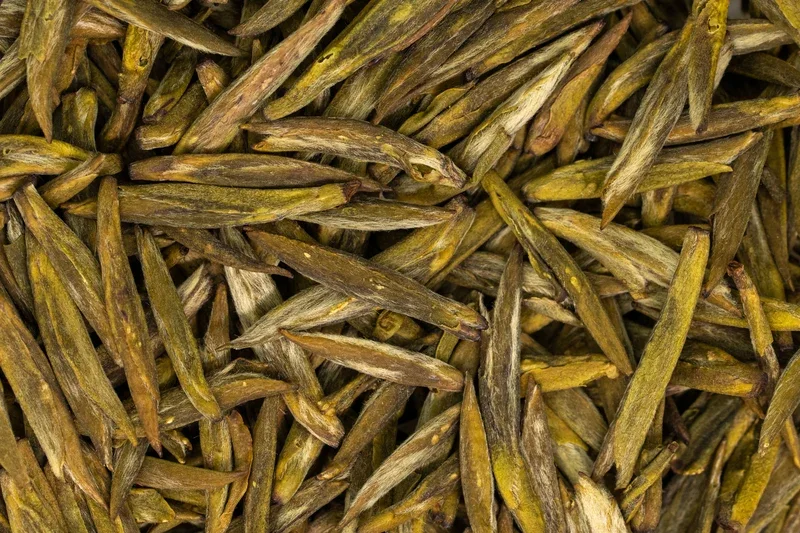
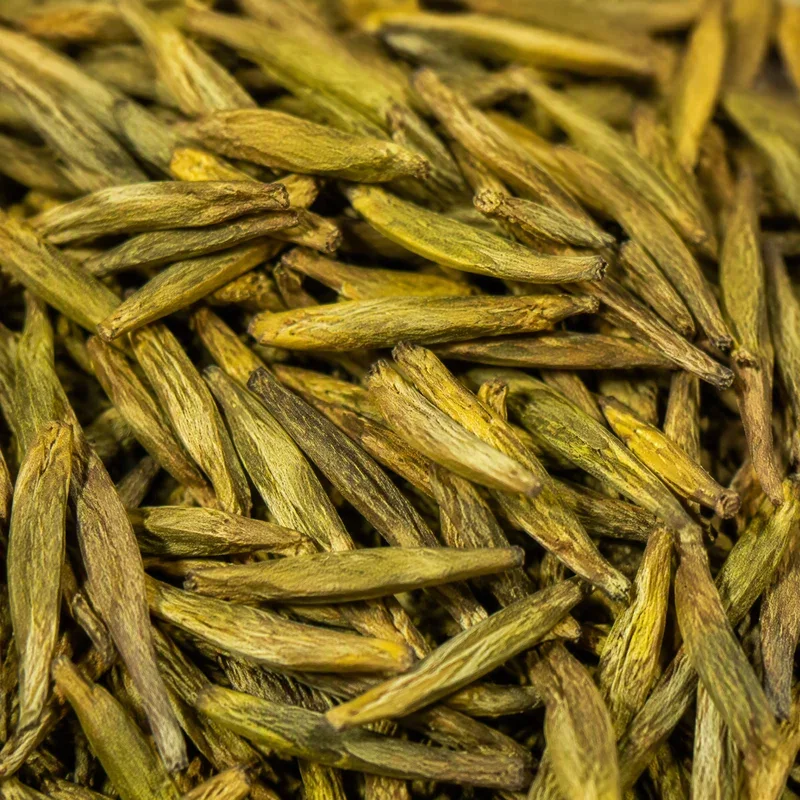
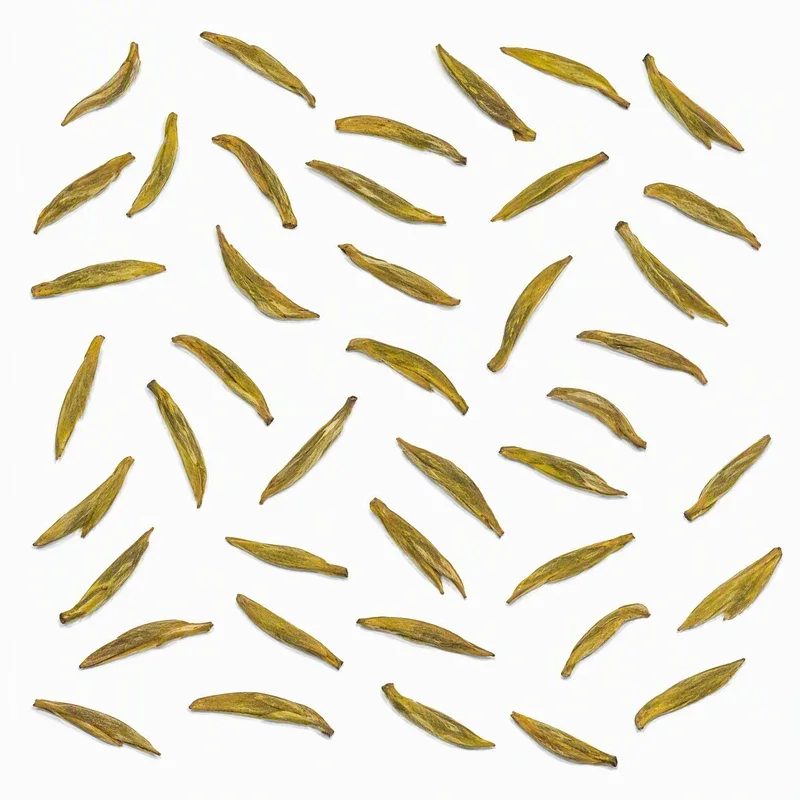
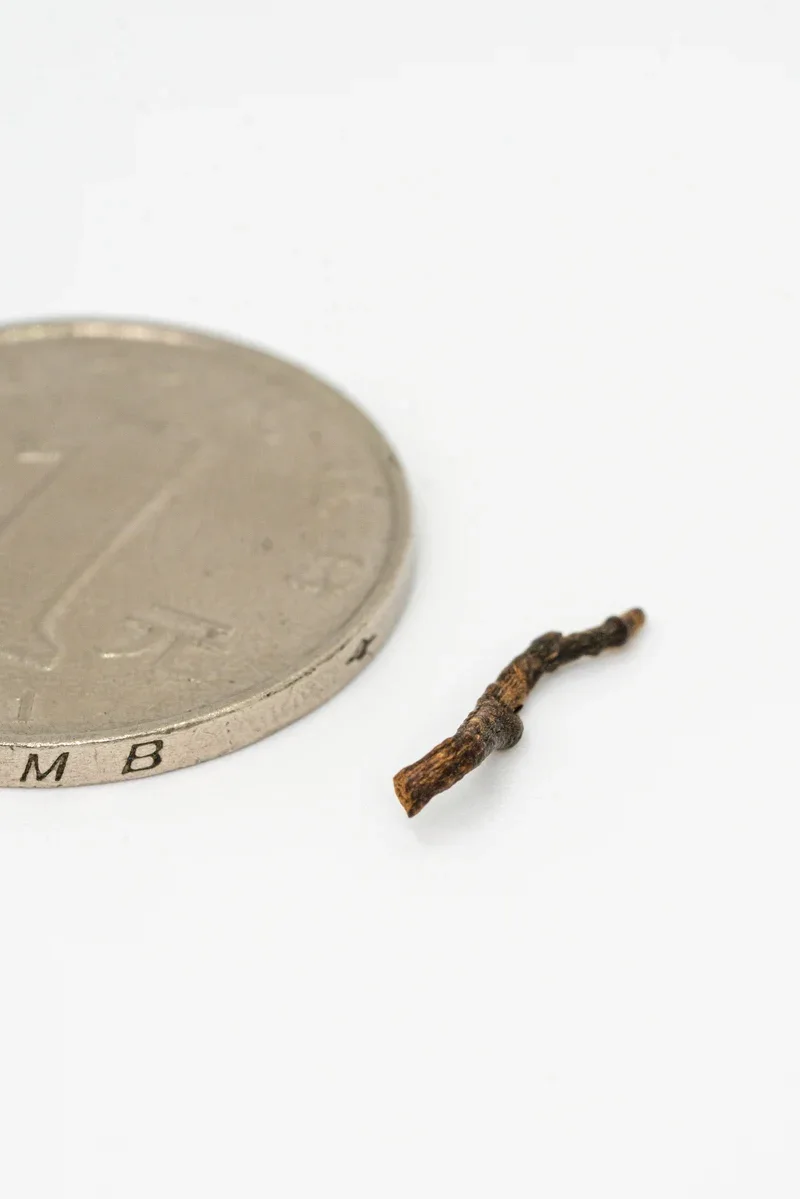
Whole buds or one bud with one leaf. Flat-straight form with abundant down. Chestnut aroma. Highest grade.
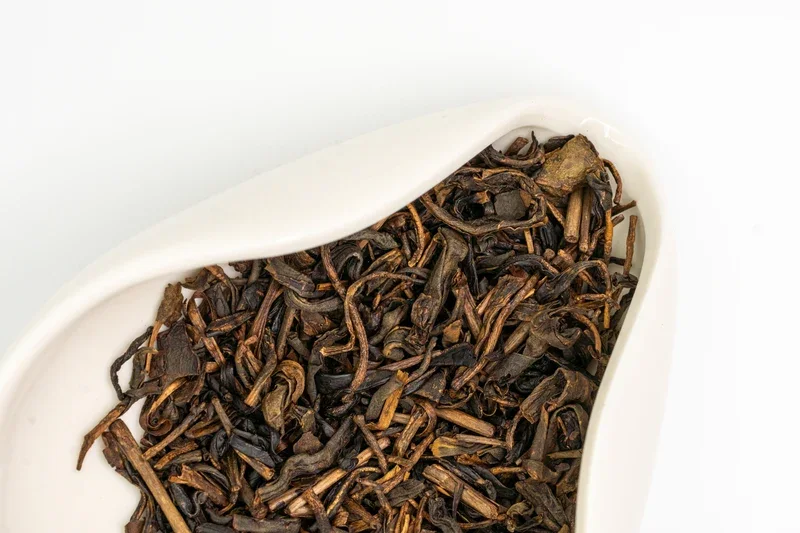
One bud with one-two leaves. Twisted tight form. Clean aroma. Mass type.
Whole buds or one bud with one leaf. Dense, even, downy. Chestnut aroma. ~550 yuan per jin.
One bud with one leaf. Bright green liquor. Fresh mild taste. ~300 yuan (loose).
One bud with two leaves. Clean aroma. For tea bags. ~160 yuan.
Cultivar: Local mountain groups of Camellia sinensis var. sinensis cultivars, adapted to the high-altitude climate of Shennongjia. In 2007, wild tea trees were discovered in the protected forests — evidence that Camellia sinensis grows here naturally, without introduction.
Picking: Spring. Standard depends on type:
Altitude: 800–1500 meters above sea level — one of the highest tea-growing regions in central China.
Climate: Average annual temperature — 12°C (one of the lowest among tea-growing zones). Daily temperature variations — >10°C. Annual precipitation — 850–2500 mm (wide range depending on elevation). Average annual number of cloudy and foggy days — >200. Proportion of diffused light — >70%.
Soil: Slightly acidic yellow-brown soils (微酸性黄棕壤), pH 5.5–6.9. Organic content — ≥15 g/kg. Naturally enriched with zinc and selenium. Water resources — mountain springs of State Class I.
Shennongjia mountain massif — part of the Dabashan Range (大巴山脉), at the junction of Hubei, Sichuan and Shaanxi. UNESCO World Heritage Site (2016). The only "forest district" (林区) at provincial level in China.
Forest coverage — 88.6% — one of the highest indicators among all tea-growing zones in the world. Tea gardens alternate with relict primeval forest. Complete ban on chemical pesticides — pest control by biological method (瓢虫生物控虫, "ladybugs"). This is — de facto "tea from primeval forest".
3–4 hours.
At 140–160°C in cast iron wok. Technique "抖闷" (dǒumèn — tossing + smothering). Formula "高温快炒" — "rapid pan-firing at high temperature" — stops oxidation and "locks in" polyphenols, preserving freshness.
In bamboo baskets, by hand or mechanically.
Simultaneous drying and shaping — "边炒边整形" (biān chǎo biān zhěngxíng). Third of the "three shaping stages".
Final brief heating.
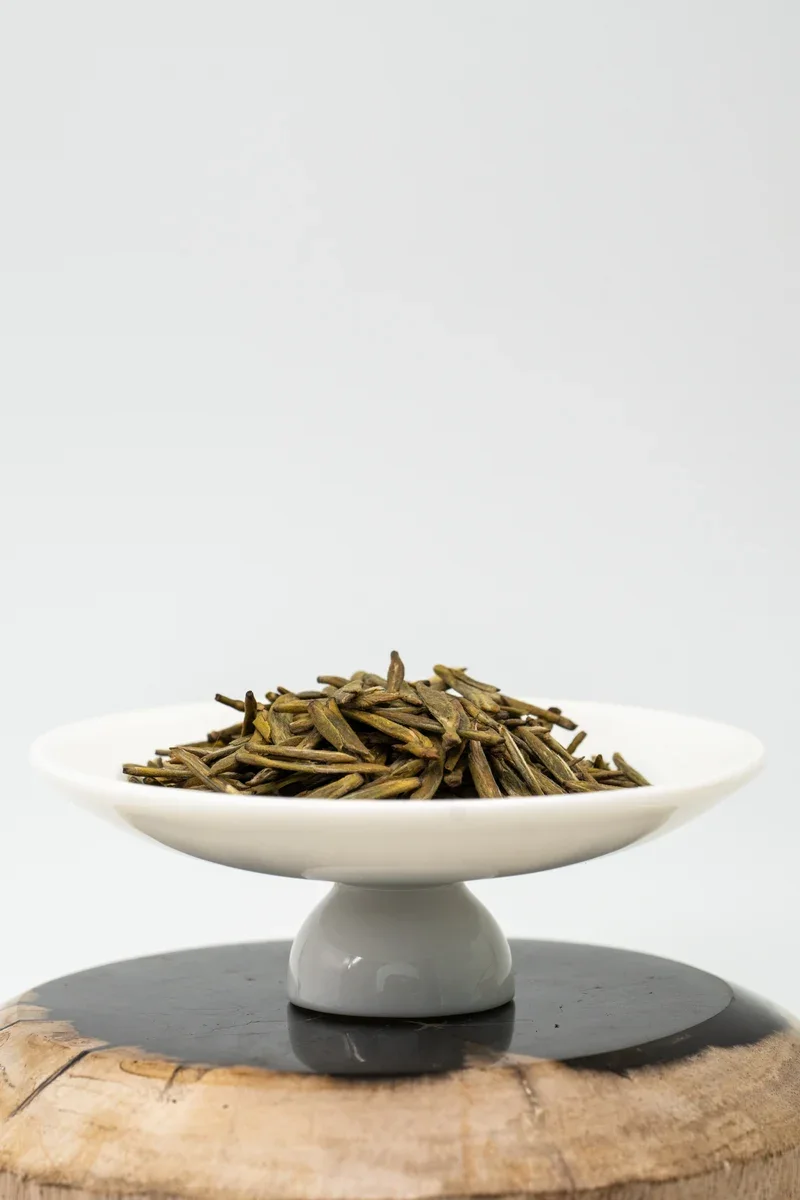
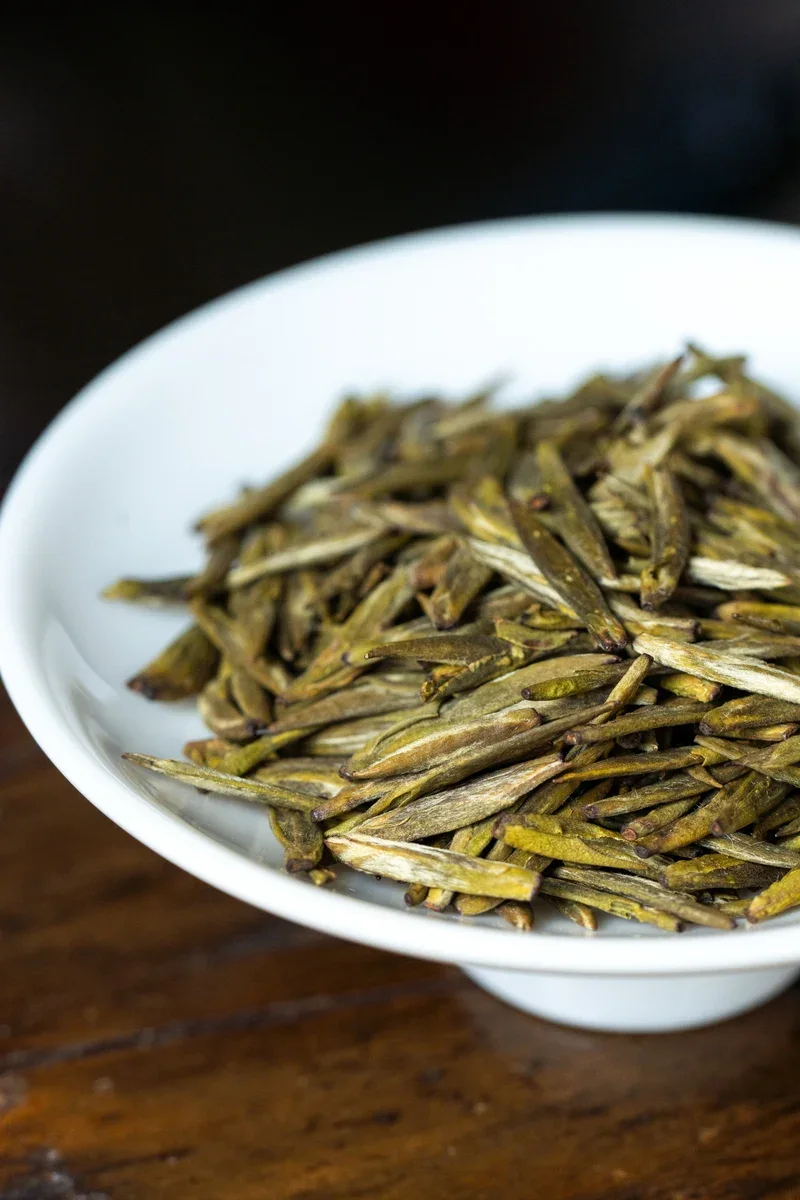
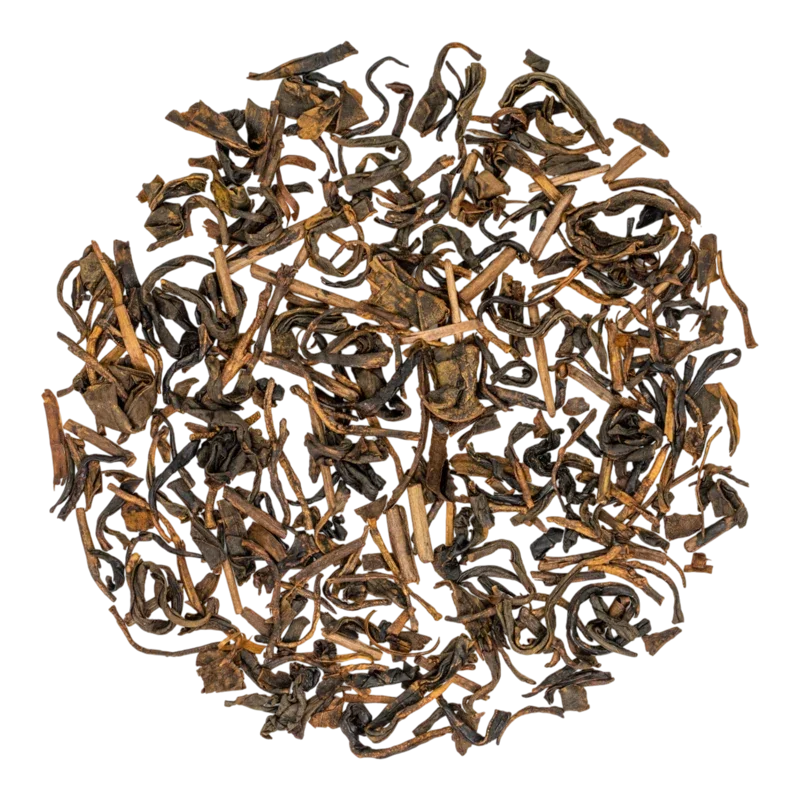
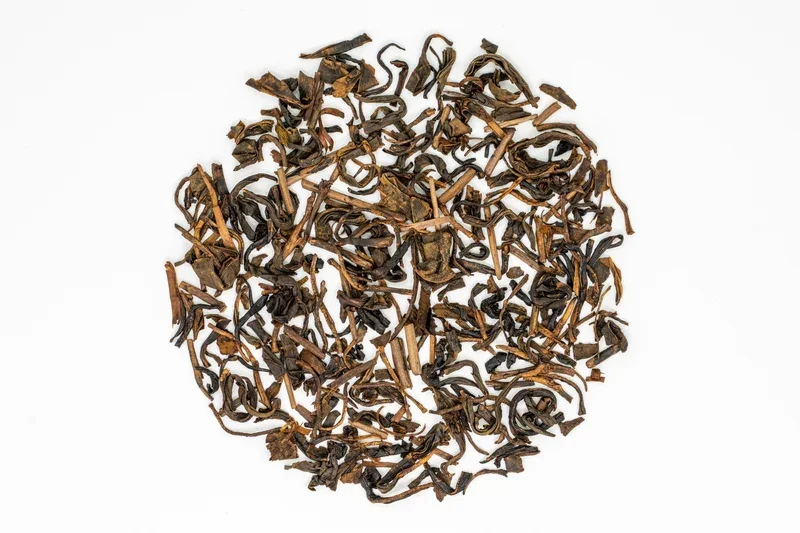
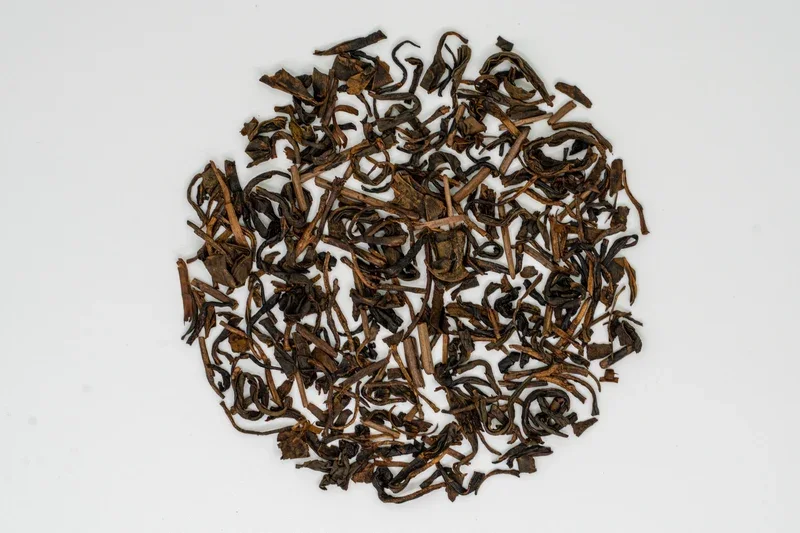
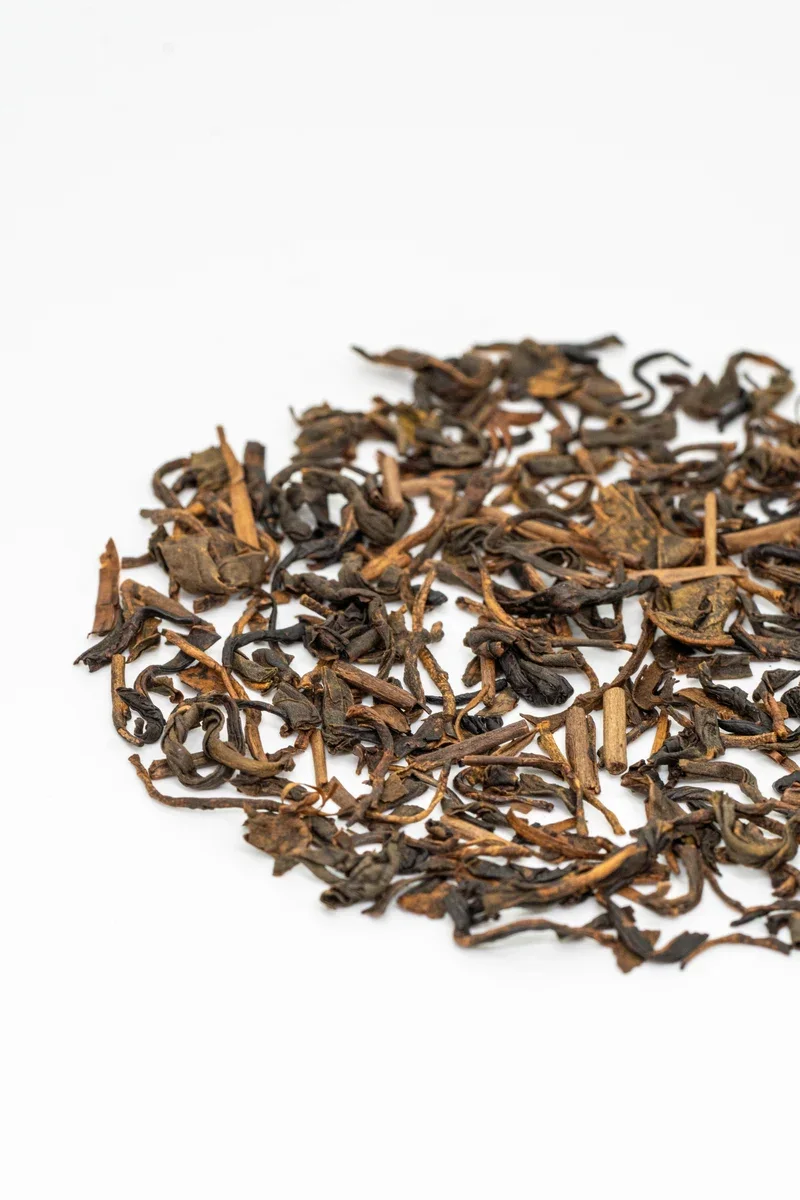
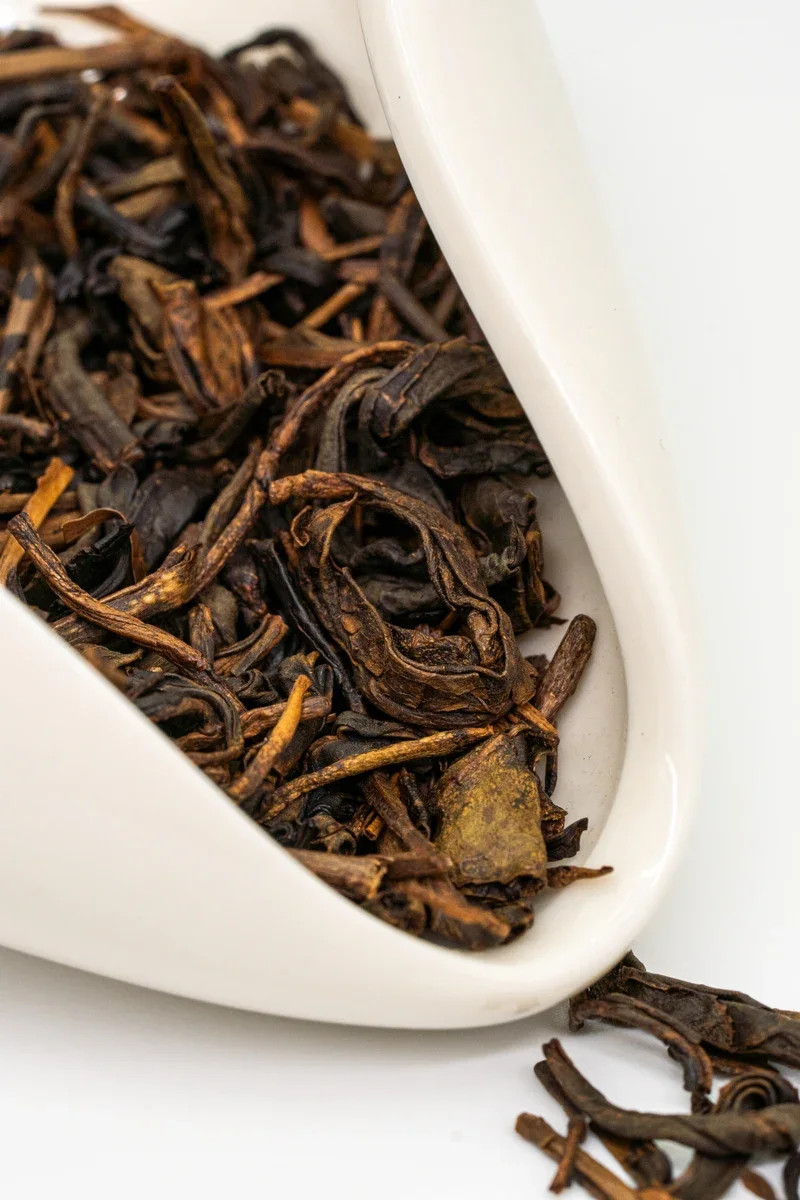
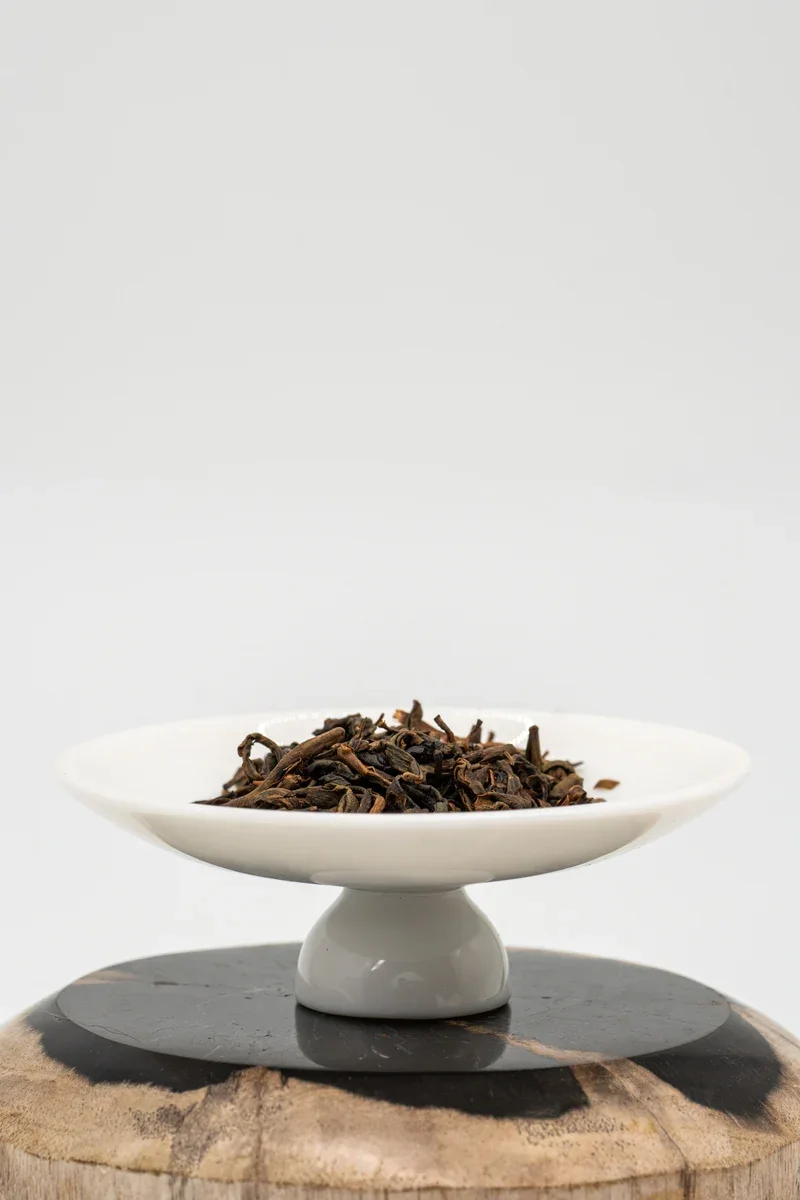
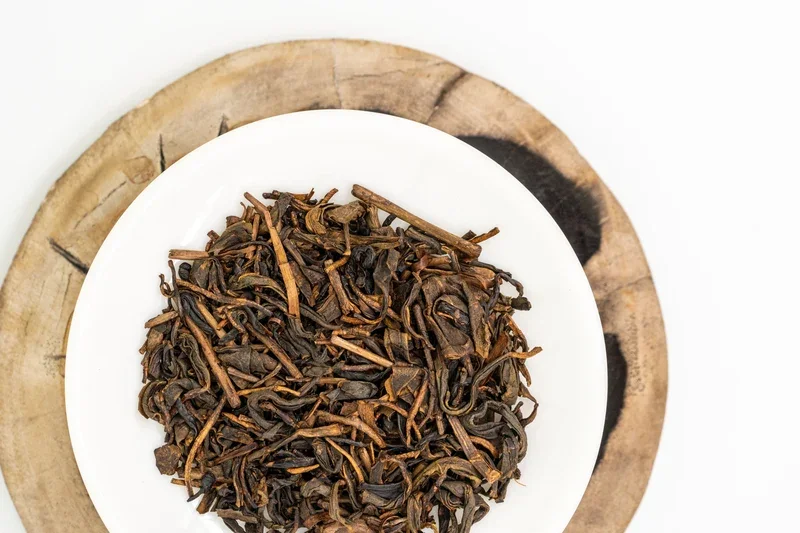
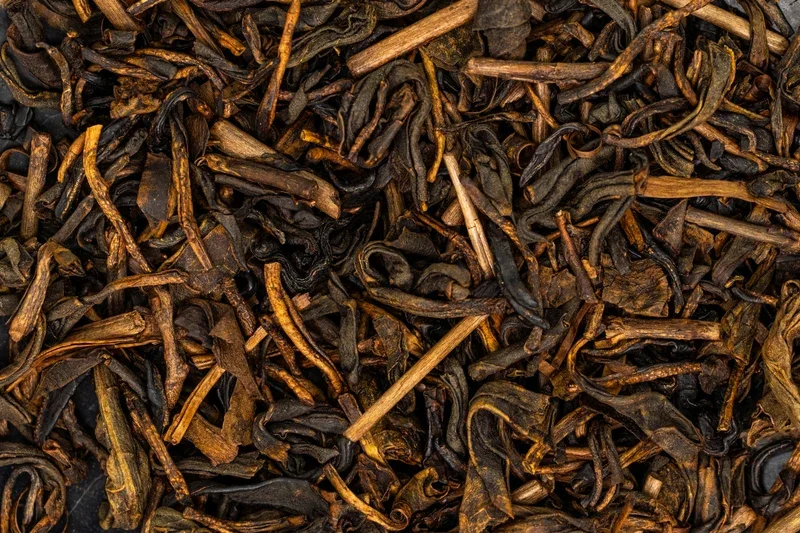
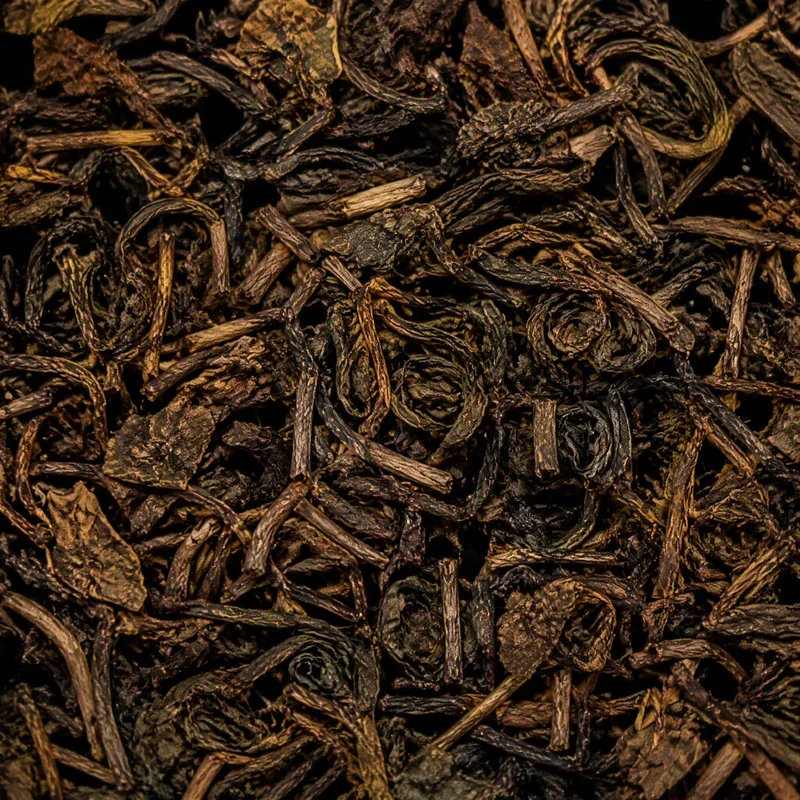
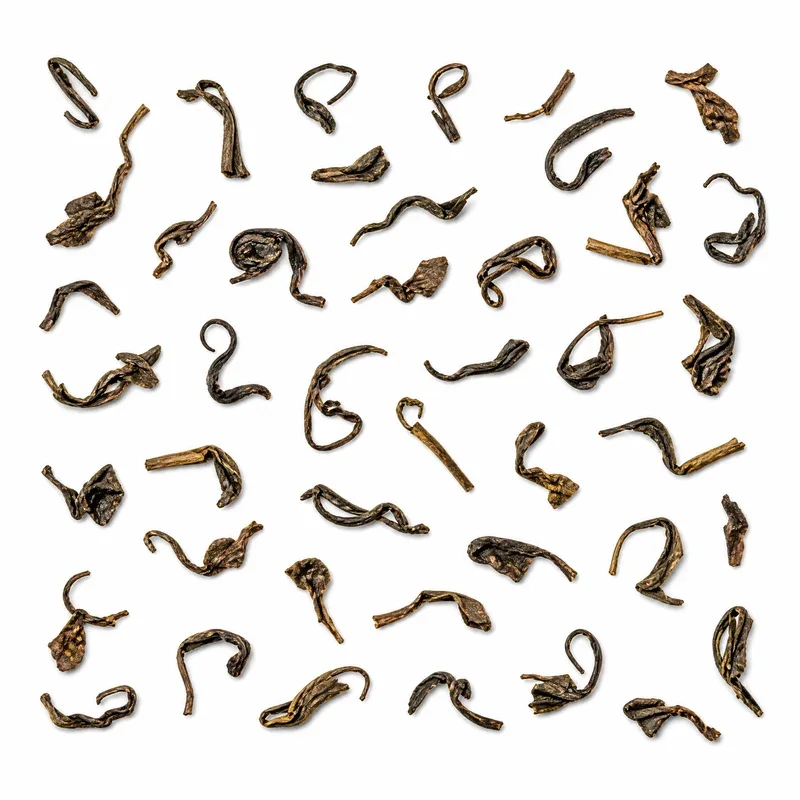
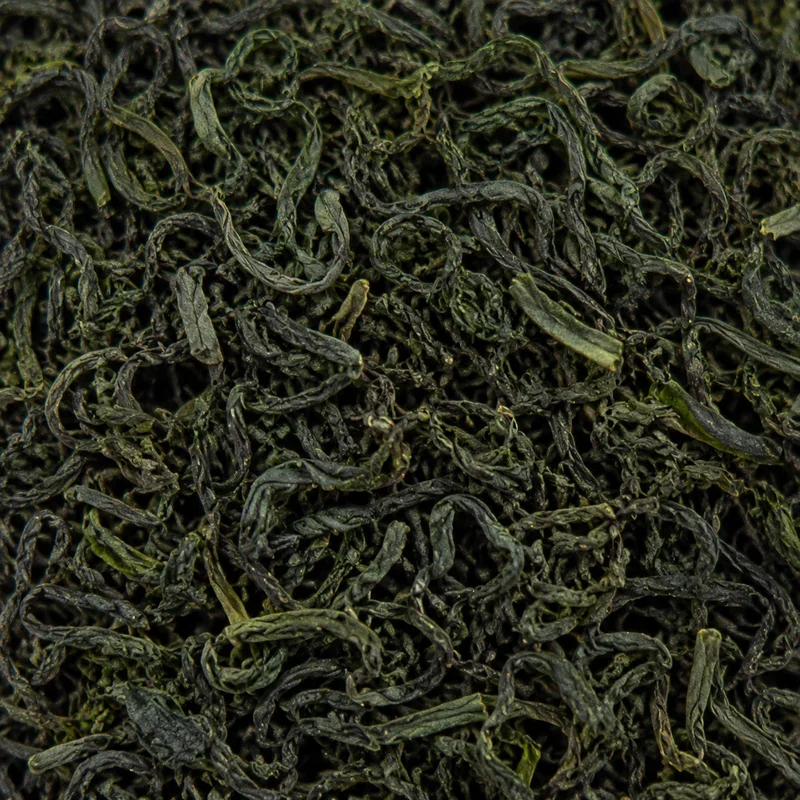
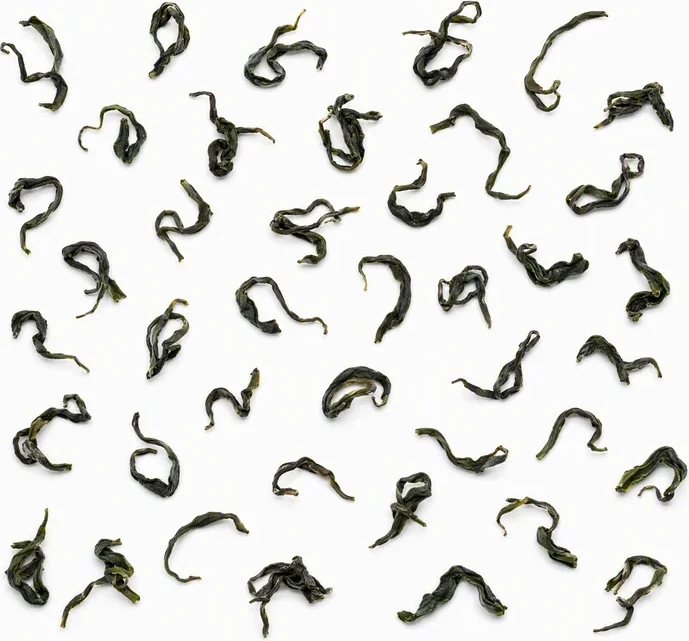
Dry Leaf Appearance: "Chaoqing" type — dense, twisted strips (条索紧结卷曲), emerald-green, with down. "Yacha" type — flat, straight, with abundant silvery down (扁直挺秀,显毫).
Dry Leaf Aroma: Chestnut (栗香) — main note for "yacha". Clean green (清香) — for "chaoqing". Floral overtone (带花香) — in spring batches. Residual aroma in empty cup — >5 minutes.
Liquor Aroma: High, persistent, clean (清高持久).
Liquor Color: Yellow-green, clear and bright (黄绿清澈明亮).
Spent Leaves: Tender, green, uniform shoots, soft, "gathered in buds" (嫩绿匀整、柔软成朵).
Taste: Fresh and brisk (鲜爽) — amino acids ≥4.0%. Mellow and rich (醇厚) — polyphenols ≥12%. Pronounced returning sweetness (回甘明显). Astringency — minimal (涩感微弱).
Alkaloids: Caffeine — moderate content.
Amino Acids: ≥4.0% — above average. Key factor for freshness and sweetness.
Content — 2 times higher than ordinary green teas. Selenium soils of Shennongjia — part of Hubei's "selenium belt".
18 times higher than vitamin E.
Elevated content — from mountain soils.
Polyphenols: ≥12% — moderate content providing balance without harsh astringency.
Vitamins: Vitamin C, carotenoids.
Selenium (×2 above normal) clears radiation free radicals with 60% higher efficiency than ordinary tea.
Polyphenols — efficiency 18 times higher than vitamin E, slowing skin aging.
Catechins suppress fat absorption. According to studies, in diabetic patients with 60-day intake, fasting sugar levels decreased by 12% (vs. 8% for ordinary green tea).
Caffeine and L-theanine.
not medical advice.
#1 Hubei, "Diaoyutai tea". Caihua is more "diplomatic" and elegant; Shennongjia is more "wild" and mineral.
Steamed (蒸青), with "Japanese" character. Yu Lu is more "umami"; Shennongjia is more chestnut and "forest-like".
Also from Hubei, also connected to myth (Li Bai named it). Xianrenzhang is steamed, "palm-shaped"; Shennongjia is pan-fired, twisted.
no more than 500 ml per day (caffeine control). Between tea and medications — minimum 1 hour (tannins reduce iron absorption).
Tea Amount: 3 g per 150 ml (1:50 ratio).
Teaware: Glass tumbler or white porcelain gaiwan. Water — neutral or slightly acidic mountain water (忌碱性水 — do not use alkaline water).
Water Temperature: 80–85°C (boiling water, cooled ~90 seconds).
Buy with GI marking "木鱼绿茶"; evaluate chestnut (yacha) or clean green (chaoqing) aroma; check taste smoothness with minimal astringency.
No reviews yet. Tell us what you think of this tea.
Rate this tea and share your impressions. We review each submission before publishing it.