Brewing
Gongfu brewing
- Water temperature
- 75 °C
- Tea amount
- 5 g
- Water volume
- 100 ml
- First steep
- 10 s
- Time added per infusion
- 5 s
- Infusions
- 4

Táichá 18 hào hóngyù báichá
Choose a brewing method. Start with the recommended quantities and time, then adjust to taste.
Brewing
Brewing
Taste
Tea encyclopedia
Category: Experimental Taiwanese white tea from a red tea cultivar. Niche product of limited production.
Category: Experimental Taiwanese white tea from a red tea cultivar. Niche product of limited production.
TTES No. 18 (臺茶18號, Táichá 18 Hào), commercial name — Hóngyù (紅玉, Hóngyù, "Red Jade"). Interspecific hybrid obtained by crossing Burmese variety Camellia sinensis var. assamica (mother tree) and Taiwanese wild species Camellia formosensis (Masamune and Suzuki) M. H. Su, Ce and Zou (father tree). Family Theaceae.
Coordinates: ~23.85° N, 120.92° E.
Origin: Taiwan, Nántóu County (南投縣, Nántóu Xiàn), Yúchí Township (魚池鄉, Yúchí Xiāng), Sǔn Moon Lake area (日月潭, Rìyuè Tán, "Lake of Sun and Moon").
Type: White tea (lightly oxidized, oxidation level less than 10%).
Cultural Significance: This tea symbolizes the innovative spirit of Taiwanese tea cultivation — readiness to rethink established boundaries and experiment with processing technologies. The appearance of white tea from a red tea cultivar demonstrates one of the key principles of the Taiwanese approach: the genetic potential of a plant can manifest completely differently depending on the chosen technology.
History: Cultivar TTES No. 18 is the result of many years of breeding work by the Taiwan Tea Research and Extension Station (臺灣茶業改良場, Táiwān Cháyè Gǎiliáng Chǎng, TRES, often designated as TTRES), Yúchí branch (魚池分場). The history of this hybrid is connected with the program to revive the Taiwanese red tea industry. During the Japanese colonial period (1895–1945), large-leaf Assam varieties from India were brought to the Sun Moon Lake area, as local conditions proved ideal for growing red tea. Taiwanese red tea was highly valued at London tea auctions and was even supplied as imperial tribute (御用貢品, yùyòng gòngpǐn) to the Japanese court. After World War II and the transition of the Taiwanese tea industry to the domestic market in the 1970s, with the dominance of semi-oxidized oolongs, red tea lost its position. The breeding program was conducted for more than fifty years: the most aromatic mother tree of Burmese Assam type and wild Taiwanese tea bush as father were selected for crossing. TTES No. 18 was officially presented in 1999. In the same year, the devastating 921 earthquake (集集大地震, Jíjí dà dìzhèn, September 21, 1999, magnitude 7.3) became a catalyst for the program to restore the tea industry of the Yuchi region, and Hongyu became a symbol of this revival, quickly gaining recognition as the flagship Taiwanese red tea. Subsequently, in 2009, another red tea cultivar was developed — TTES No. 21 (臺茶21號, commercial name "Hongyun", 紅韻), continuing the revival line. The idea of proces
Name Breakdown: "Taicha 18 Hao" (臺茶18號) — "Taiwan Tea Number 18", cultivar registration number. "Hongyu" (紅玉) — "Red Jade", commercial name reflecting the deep red color of the liquor in the red tea version and the precious character of the tea. "Bai Cha" (白茶) — "white tea", indication of processing technology.
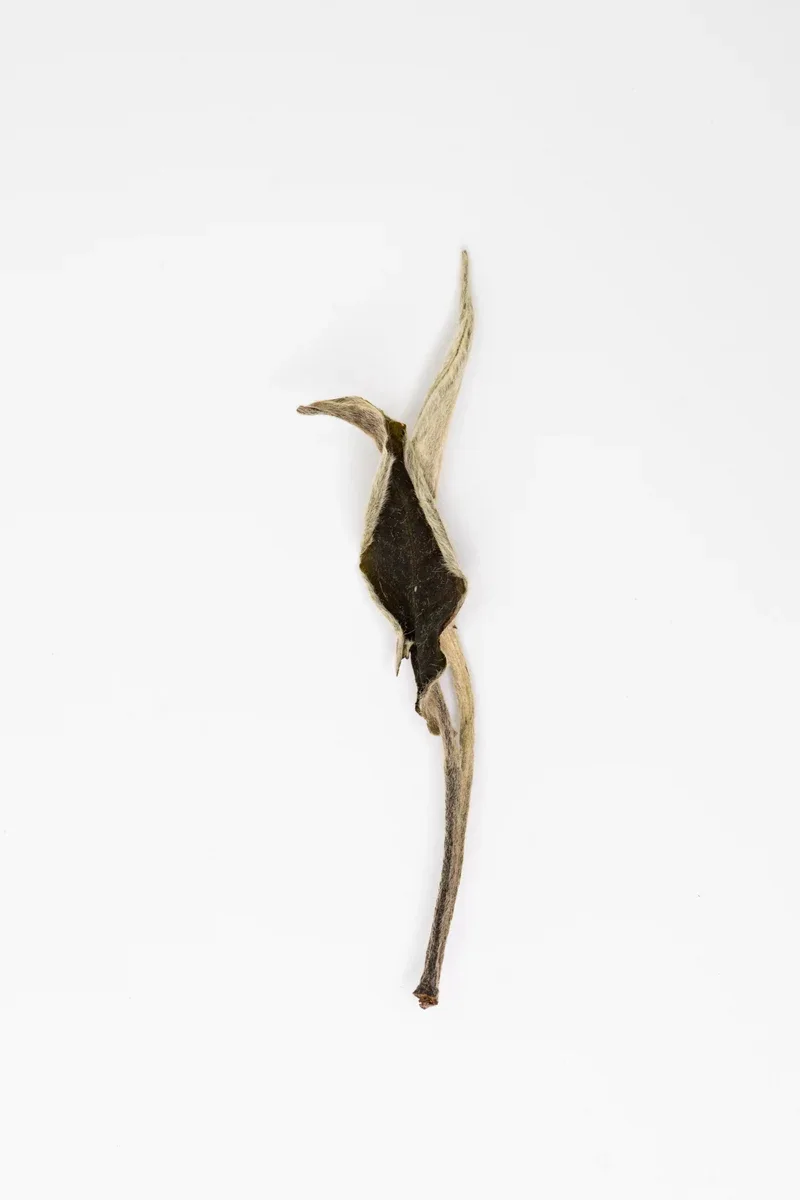
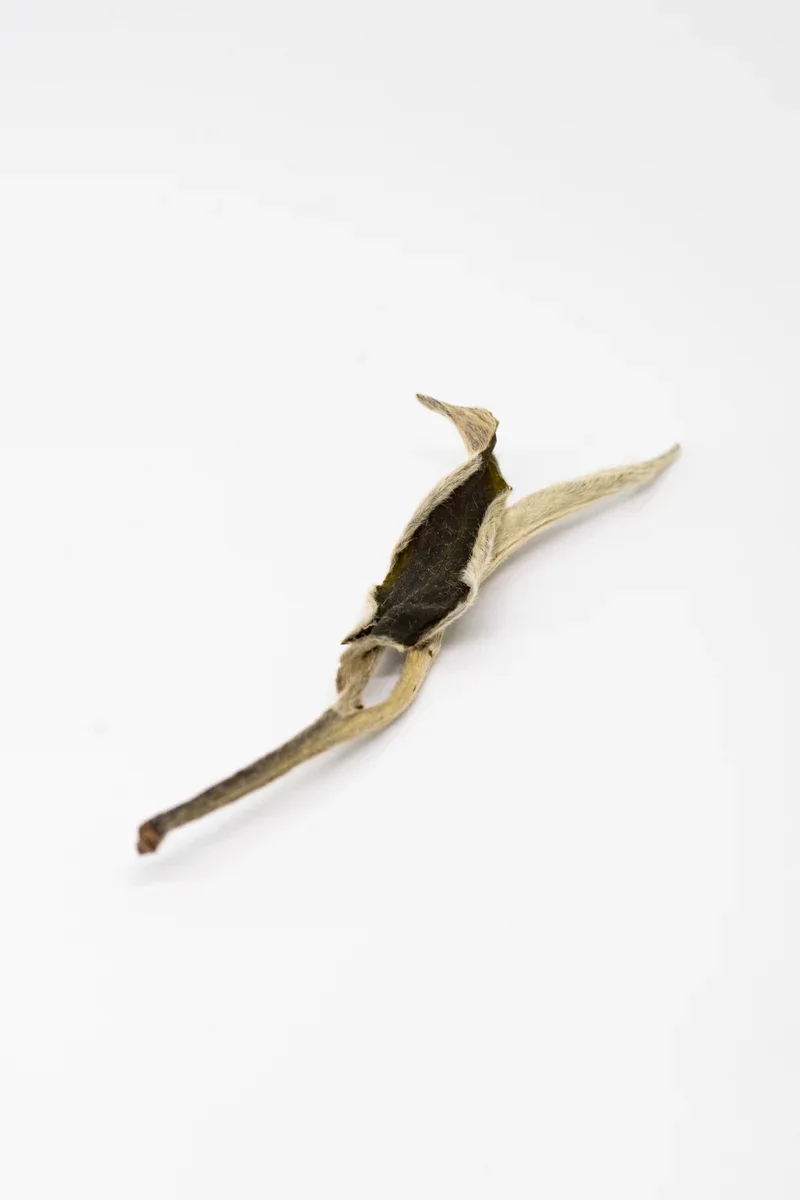
For Hongyu white tea production, young spring shoots are picked — flush (bud and two upper leaves). Buds are covered with delicate silvery down (trichomes), though less dense than Fujian white tea cultivars. Picking is done by hand, in morning hours, to minimize loss of essential oils.
Predominantly spring (March–April). Spring harvest ensures maximum concentration of aromatic substances and most pronounced menthol character.
Cultivar: TTES No. 18 — interspecific hybrid combining traits of both parent species. From C. sinensis var. assamica inherited large, fleshy leaves with high polyphenol content and pronounced vegetative vigor. From Camellia formosensis (台灣山茶, Táiwān Shānchá) — wild Taiwanese tea tree, confirmed as an independent species according to 2009 DNA analysis data (Su, Ce, Zou) — inherited increased content of aromatic compounds, genetic resistance to pests and characteristic menthol-camphor aroma. C. formosensis — endemic to Taiwan, growing in the mid-mountain zone (800–1800 m) of the central, southern and eastern parts of the island. Differs from C. sinensis var. assamica by glabrous terminal buds and midrib protruding on both sides of the leaf. TTES No. 18 bush — vigorous, large-leaf, with good adaptation to central Taiwan conditions.
Altitude: 350–750 m a.s.l. Main plantations — on gentle hills around the lake.
Climate: Humid subtropical. Average annual temperature ~22°C, abundant precipitation (~2000 mm/year), high relative humidity (annual average >80%). Frequent morning and evening fogs create conditions of diffused lighting, slowing leaf maturation and promoting accumulation of aromatic substances. Temperature amplitudes between day and night are 8–12°C, which additionally stimulates synthesis of amino acids and essential oils. Mild winters ensure prolonged growing season.
Soil: Fertile red soils of volcanic origin with acidic reaction, providing excellent drainage and rich mineral profile.
Yúchí Township (魚池鄉), Nantou County, central Taiwan. Sun Moon Lake area — historical cradle of Taiwanese red tea.
Thanks to the hybrid's genetic resistance to main tea bush pests, inherited from wild Camellia formosensis, many farmers practice organic or ecological farming, refusing synthetic pesticides and applying natural fertilizers (compost, green manures).
Hand picking of young flushes in morning hours. Raw material is immediately delivered for processing to prevent uncontrolled oxidation.
Key and longest stage determining the character of finished tea. Picked leaves are spread in thin layer on bamboo trays and left to wither under diffused sunlight or in well-ventilated room for 48–72 hours. Leaf moisture gradually decreases to ~60%. Process is controlled by master according to changes in color, texture and aroma of leaf. During this stage, gradual moisture evaporation, partial chlorophyll destruction and initial polyphenol transformation occur, forming the basis of aromatic profile. Precise withering regime (ratio of solar and indoor stages, temperature, humidity) varies from farmer to farmer and is the main secret of mastery.
In some cases, very light hand rolling is applied for slight damage to cell walls, which initiates controlled oxidation and promotes formation of additional aromatic notes.
Leaves are left for slow natural oxidation at room temperature for several hours. Process is stopped when oxidation degree reaches no more than 10%, determined by slight color change of leaf and appearance of characteristic aromatic tones.
Final drying at low temperatures (~40°C), often using infrared lamps, to fix achieved state and reduce moisture to level necessary for storage (≤5%).
Absence of high-temperature fixation (杀青, shāqīng) — fundamental difference from oolongs and green teas from the same cultivar.
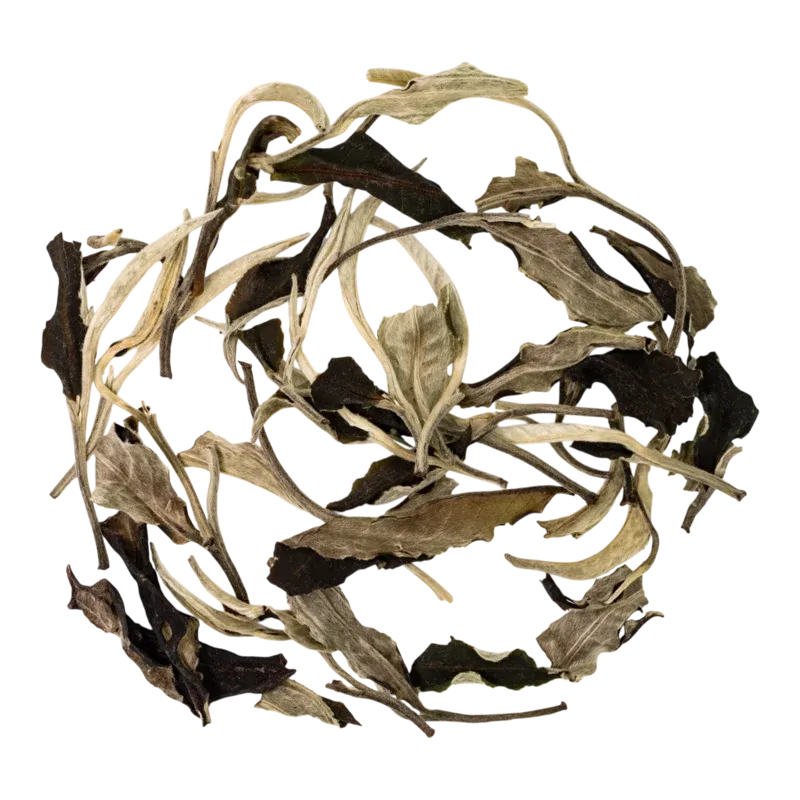
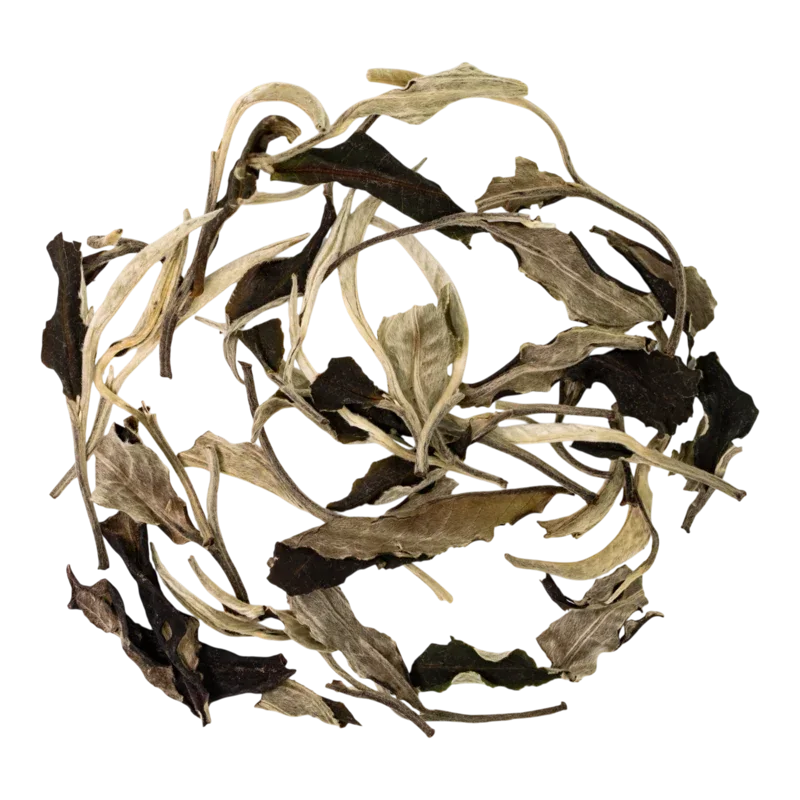
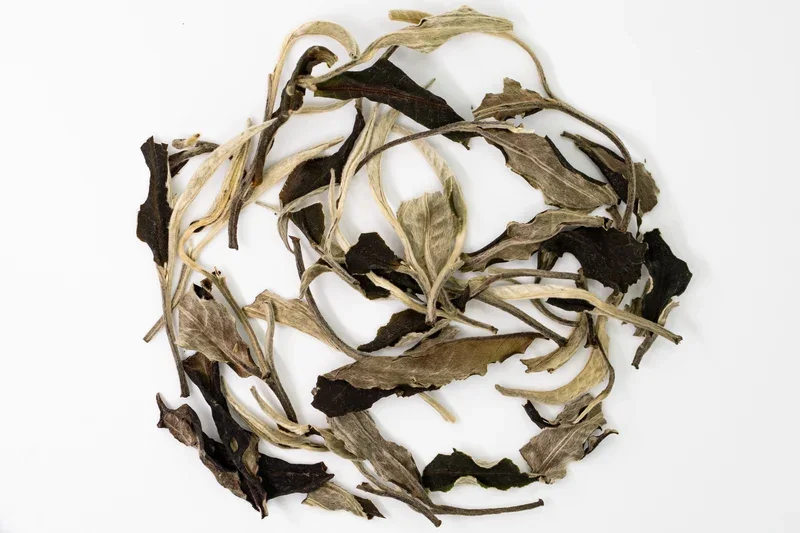
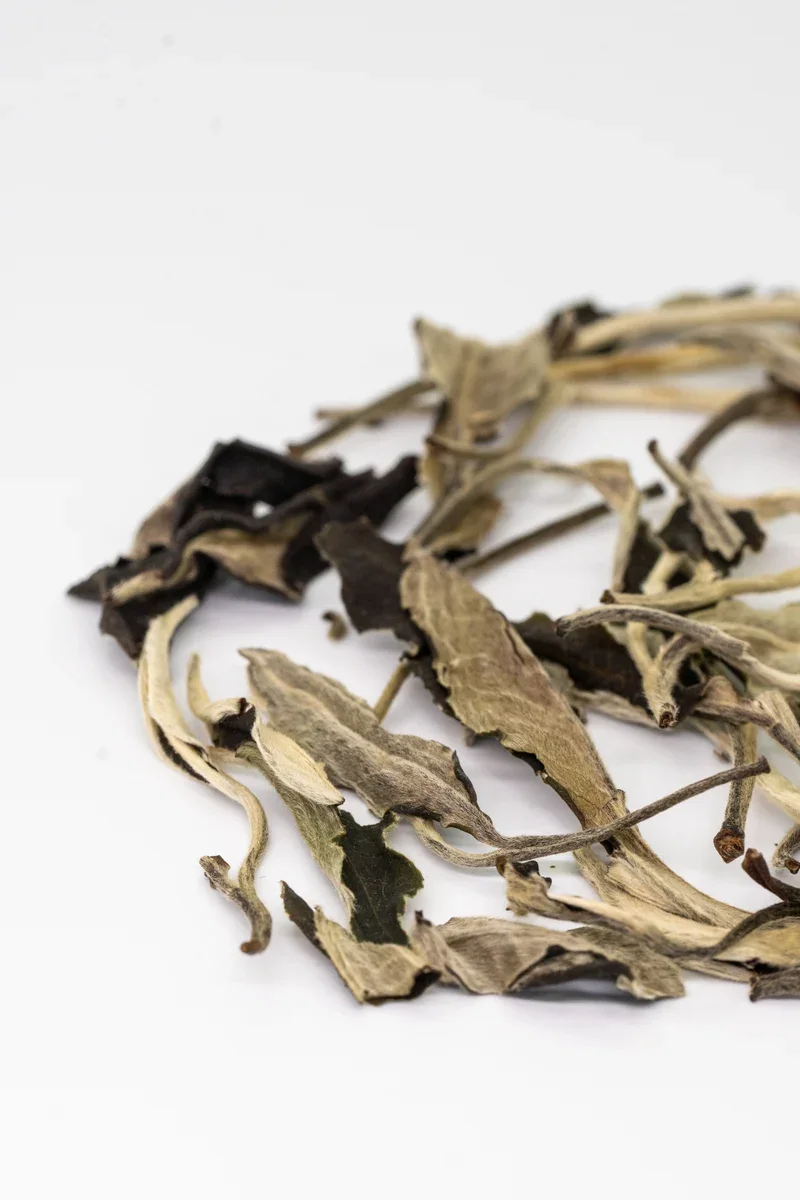
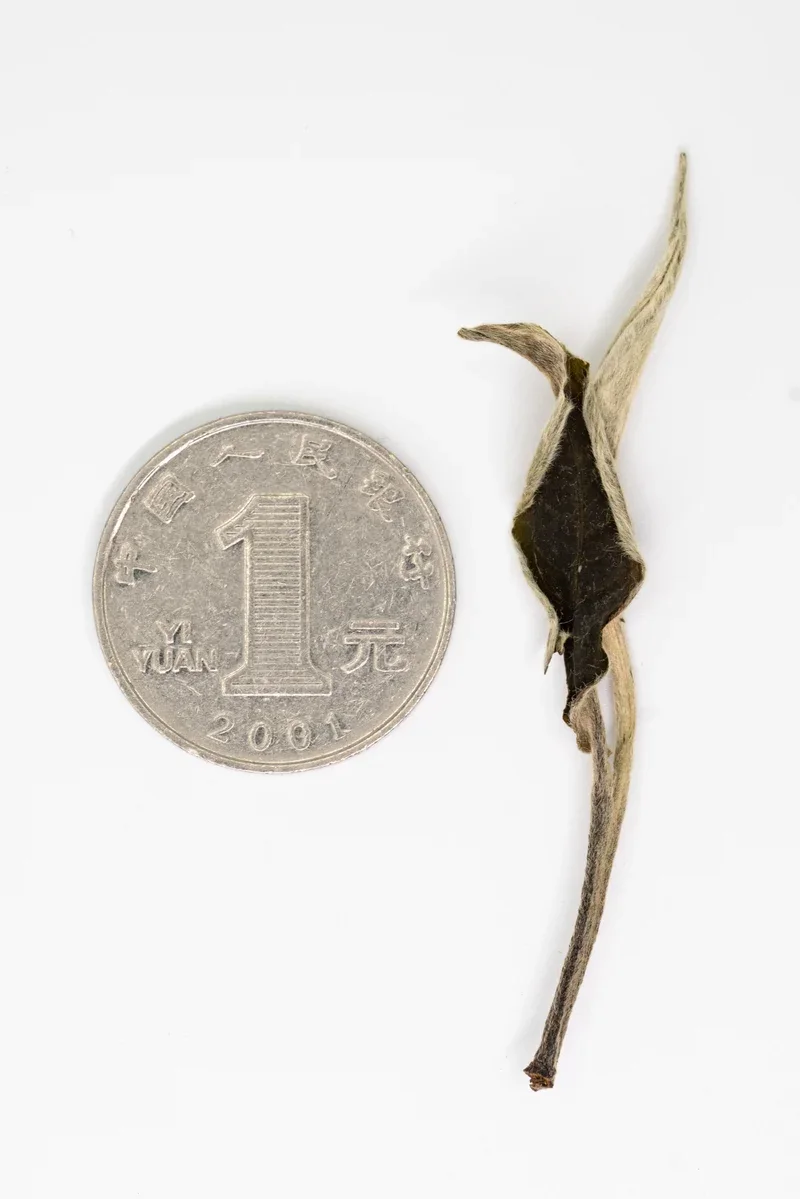
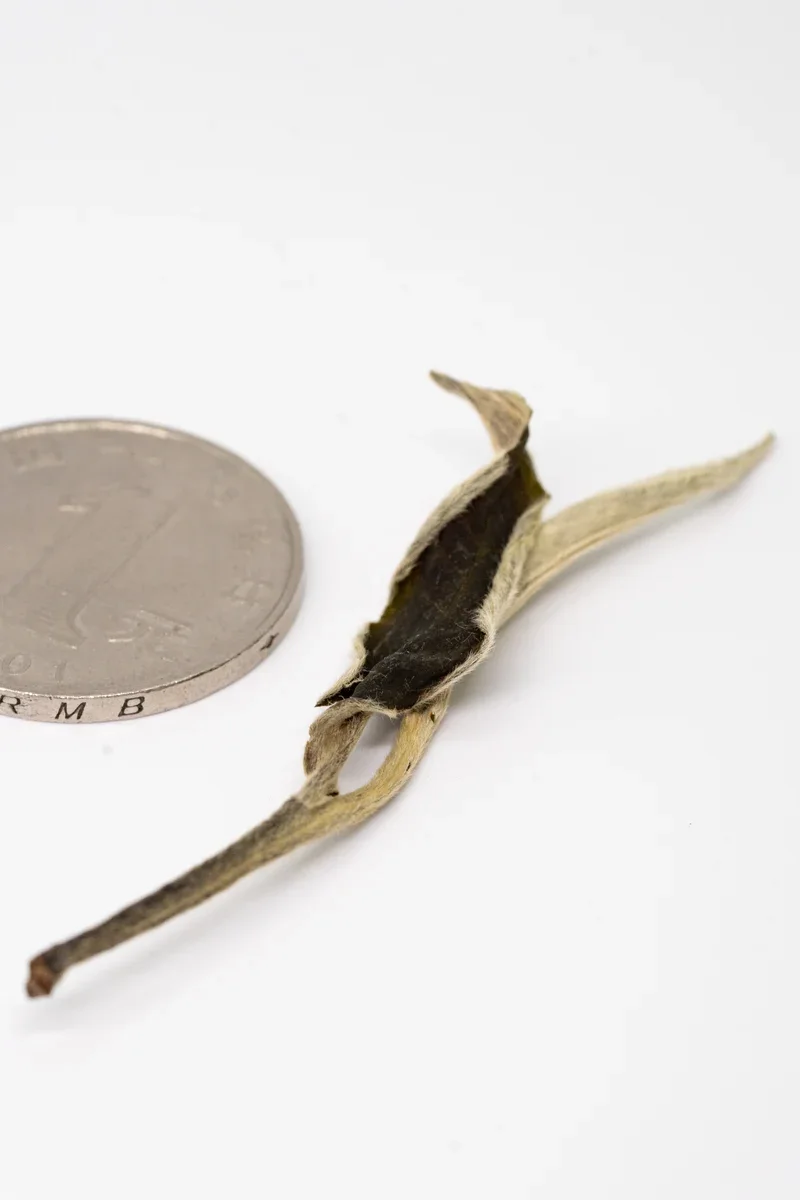
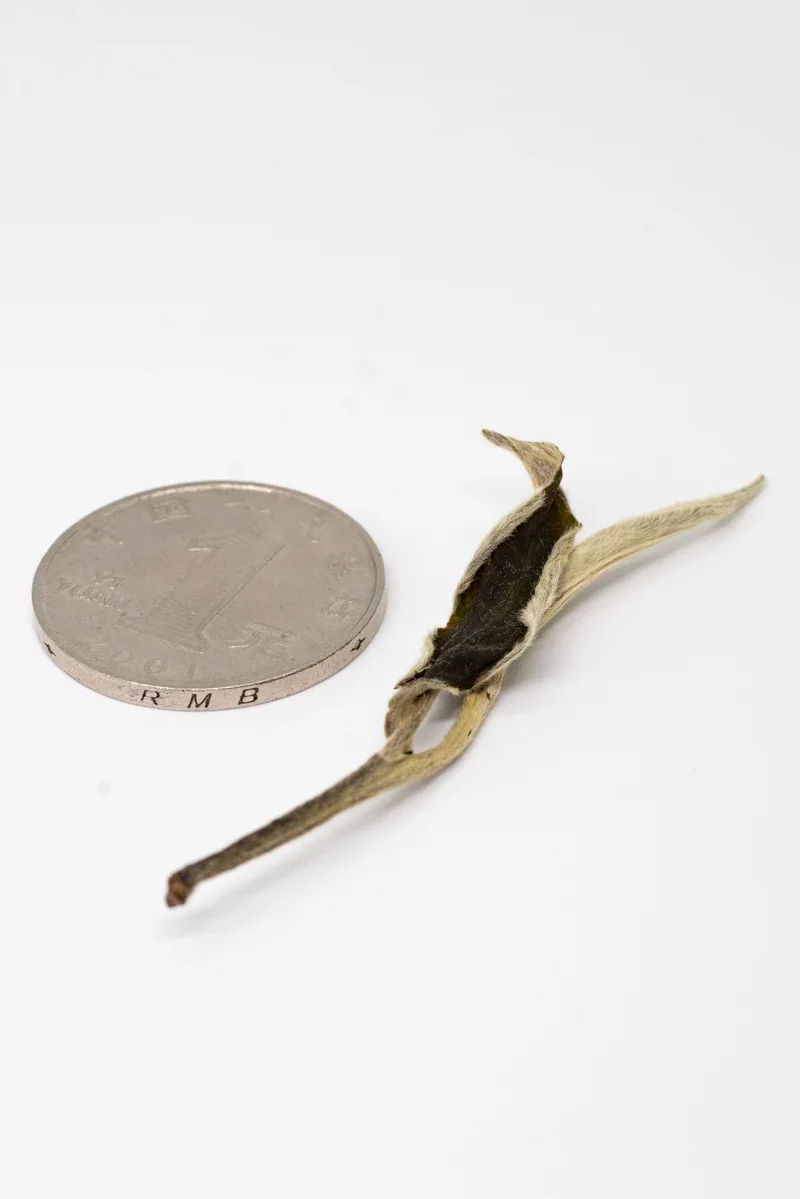
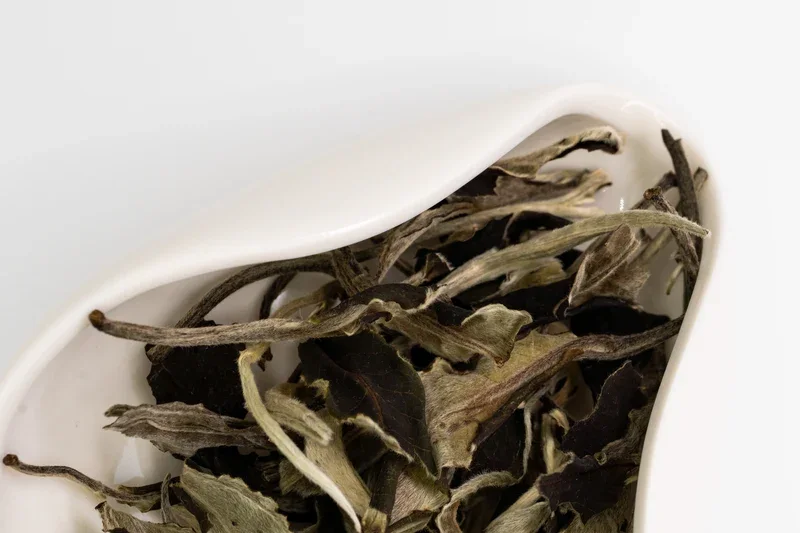
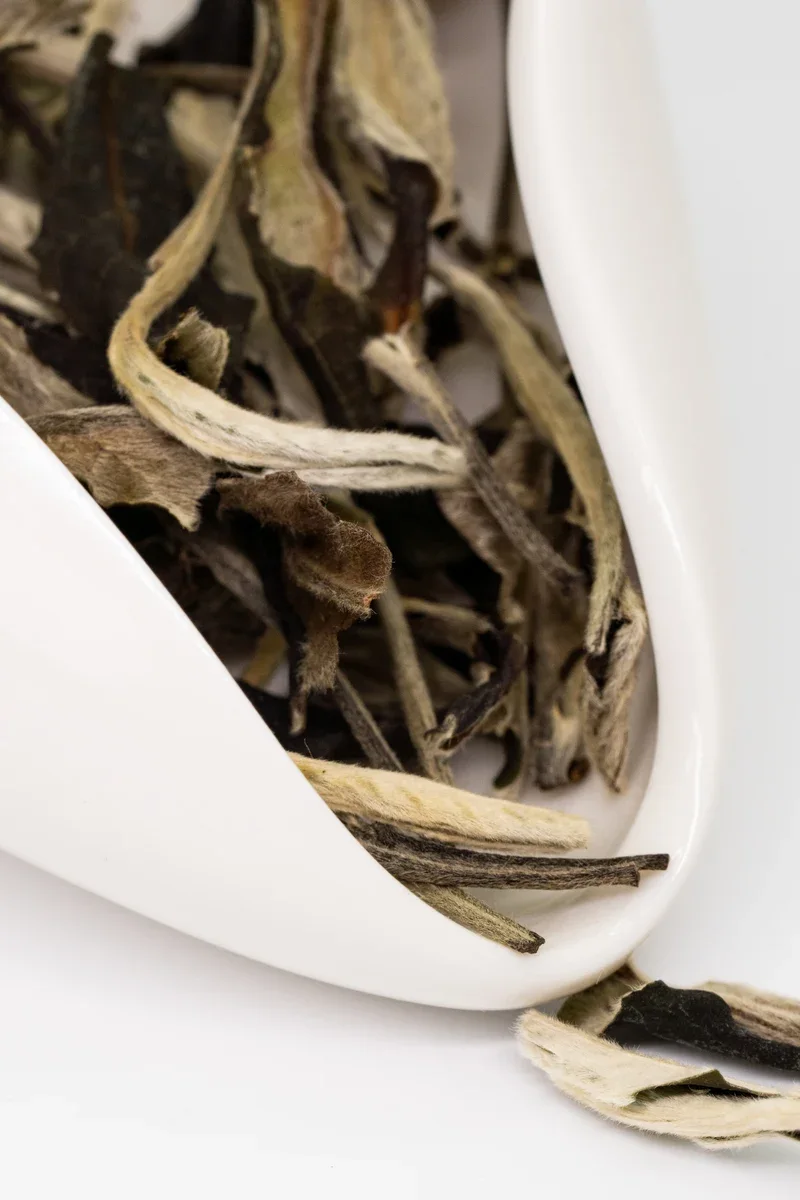
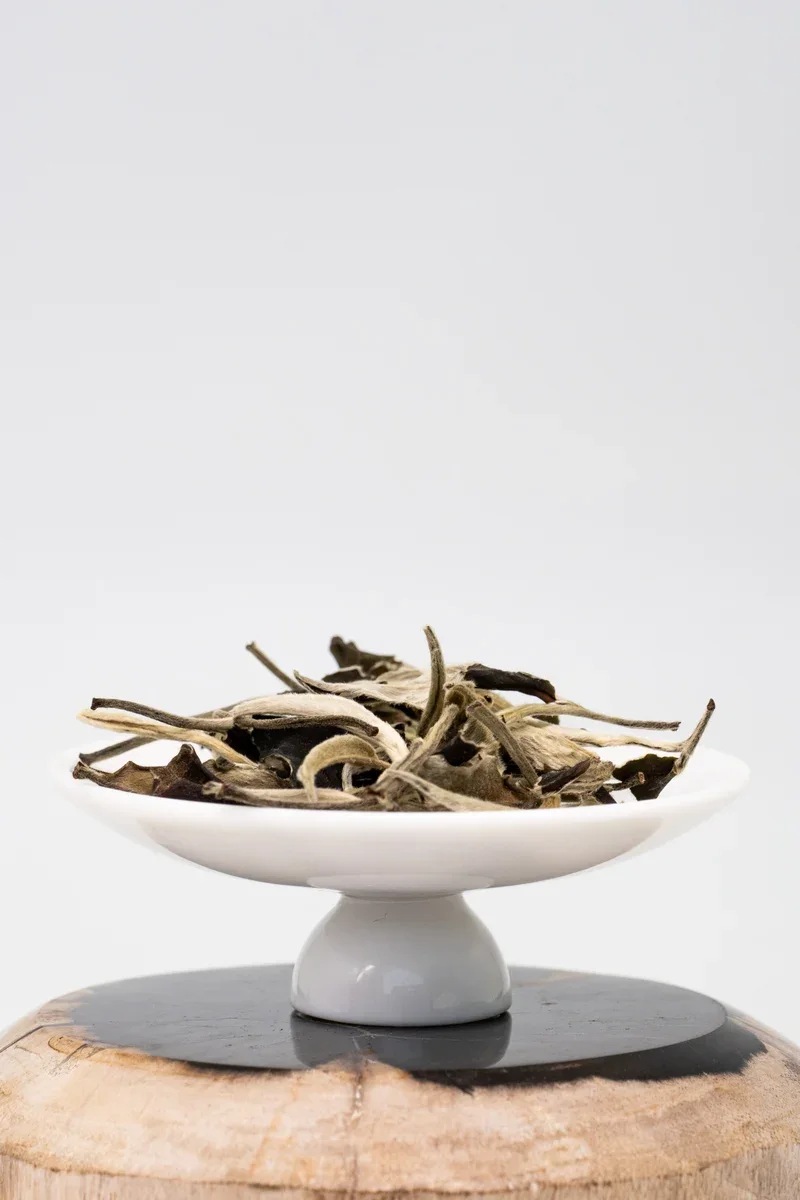
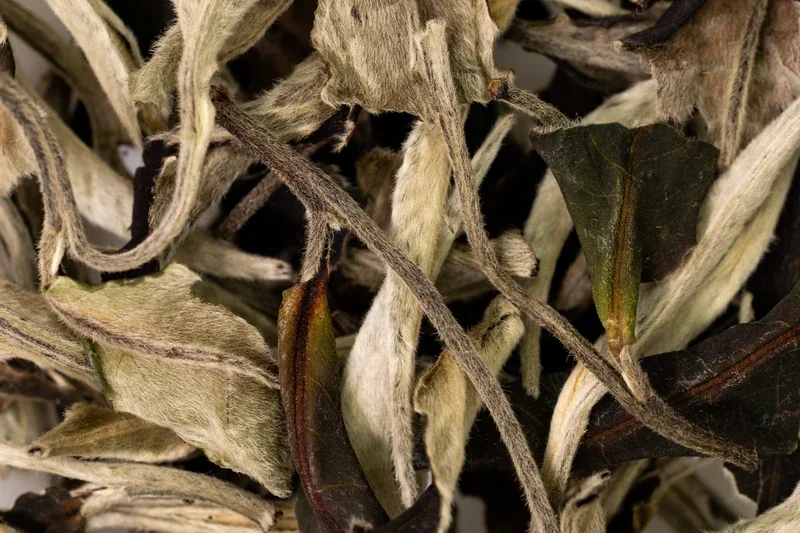
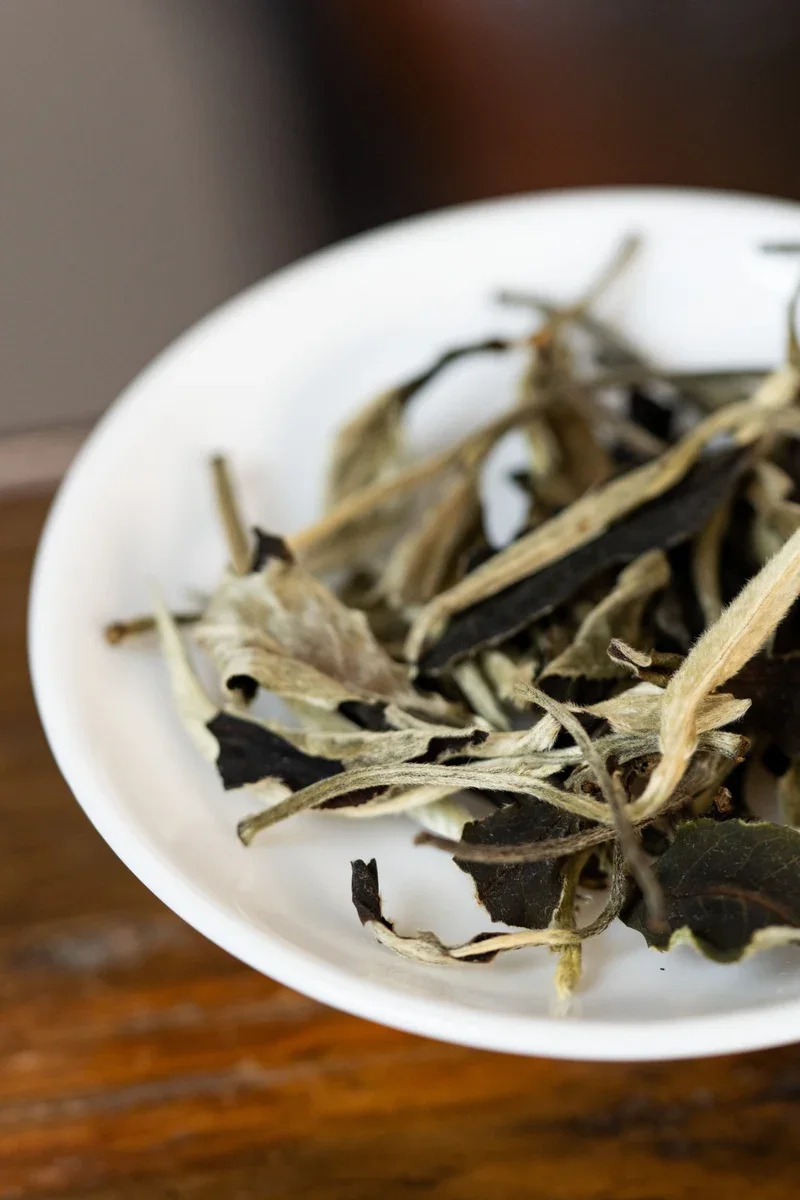
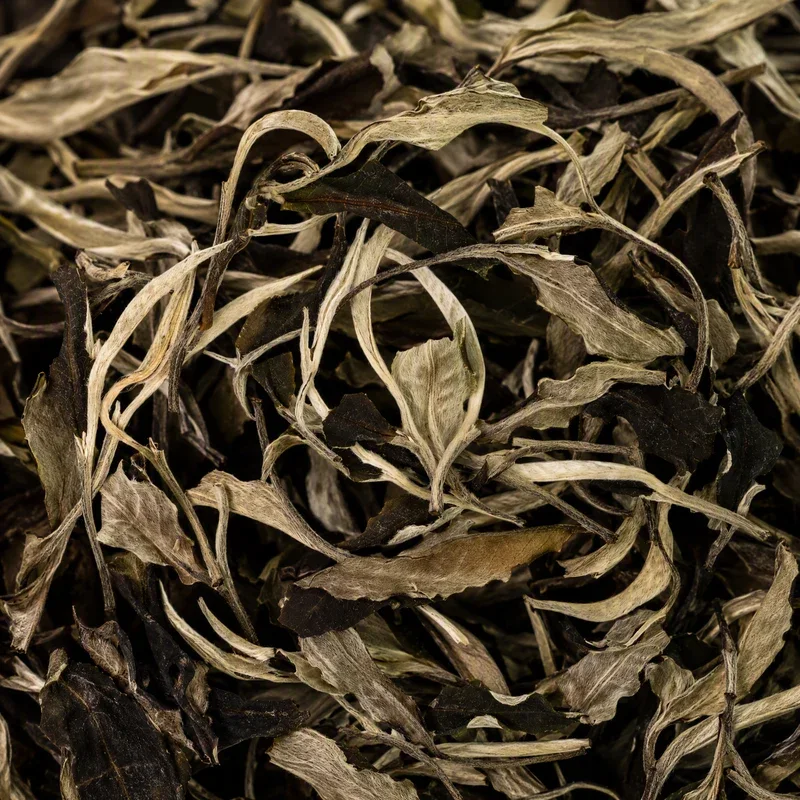
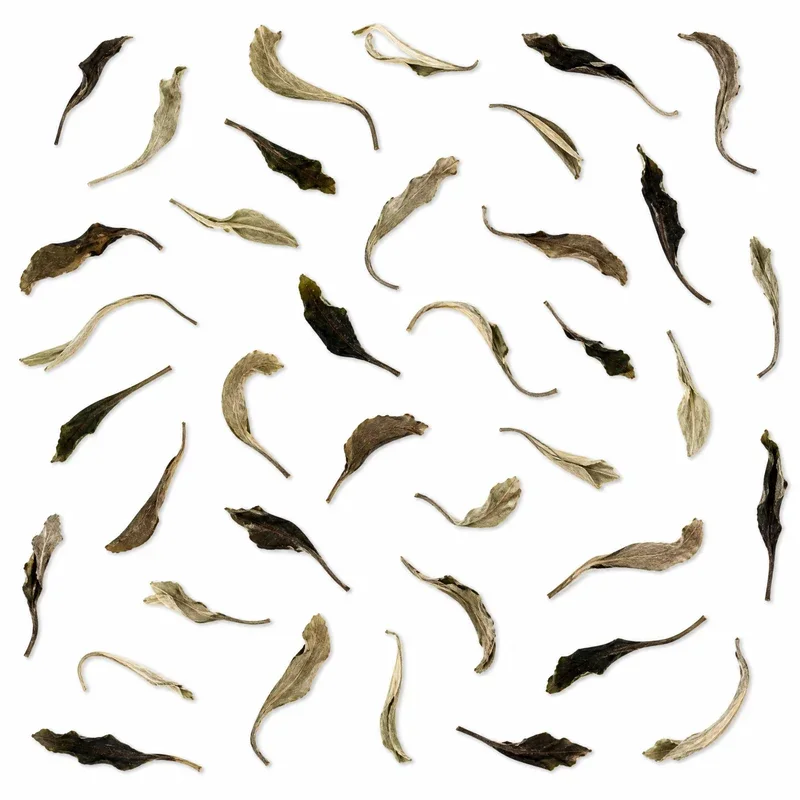
Dry Leaf Appearance: Large, slightly twisted leaves of dark green or brownish color with noticeable veins and inclusions of silvery downy buds. Visually noticeably different from compact Fujian white teas.
Dry Leaf Aroma: Bright and memorable. Dominated by notes of fresh mint, menthol and camphor — calling card of cultivar TTES No. 18. Complemented by shades of tropical fruits (melon, mango, lychee) and light caramel sweetness.
Liquor Aroma: Retains menthol and fruity notes of dry leaf, but in softer, enveloping presentation. When cooling, floral and honey nuances appear.
Liquor Color: From pale yellow to light amber, clear, with light golden tint.
Spent Leaves: Large, elastic leaves of olive-green or brownish color, well preserving integrity. Menthol aroma is felt in spent leaves too.
Taste: Complex, multifaceted, revealing gradually. Begins with light sweetness reminiscent of brown sugar or honey, transitions to juicy fruity tones (melon, forest berries) and finishes with long, refreshing, slightly "cooling" aftertaste with camphor-menthol nuances. Astringency is practically absent even with prolonged steeping. Texture — smooth, oily.
Alkaloids: Moderate caffeine content (~2.5–3.5%), theobromine and theophylline in trace amounts. Tonic effect is mild but more noticeable than pure white teas from small-leaf cultivars.
Amino Acids: Contains L-theanine, providing relaxing effect and mild sweetness. Amino acid to polyphenol ratio — moderate, giving taste balance of sweetness and structure.
Essential Oils: Key feature — presence of monoterpene compounds, primarily menthol and camphor, inherited from Camellia formosensis. They are responsible for characteristic cooling aroma and refreshing aftertaste, having no analogues among white teas. In red tea version of TTES No. 18, among pronounced aromatic notes, cinnamic aldehyde (cinnamon note), linalool and geraniol (floral tones) are also noted. In white tea version, thanks to absence of high-temperature processing, volatile compounds are preserved in fuller volume, ensuring rich and multilayered aroma.
Minerals: Potassium, magnesium, manganese.
Polyphenols: Rich in catechins, especially EGCG (epigallocatechin gallate), possessing pronounced antioxidant activity. Total polyphenol content — about 20–25% of dry mass, higher than typical Fujian white teas (assamica gene influence). Increased flavanone content is assumed compared to classic Chinese white teas.
Vitamins: Vitamin C, B-group vitamins.
High polyphenol content (catechins, including EGCG) provides pronounced neutralization of free radicals and slowing of oxidative processes in cells.
White tea studies indicate catechins' ability to reduce "bad" cholesterol (LDL) levels and improve vascular wall elasticity.
White tea polyphenol complex shows antibacterial activity, including against bacteria causing caries (Streptococcus mutans).
Combination of EGCG and menthol compounds may have beneficial effect on respiratory tract mucous membranes, showing anti-inflammatory and mild bronchodilating properties.
Preliminary studies indicate possible nerve cell protection through complex action of L-theanine and polyphenols.
Invigorates without overexcitation, providing state of calm concentration.
Menthol component provides pleasant refreshing sensation, especially when consuming cooled liquor in hot weather.
Allergic reactions possible, especially in people sensitive to menthol or camphor.
Moderate caffeine content; people with increased sensitivity are recommended to limit consumption, especially in afternoon.
Essential oils (menthol, camphor) may have irritating effect on gastric mucosa in people with gastroesophageal reflux disease (GERD) or increased acidity.
Like other teas, may affect metabolism of certain medications. When taking anticoagulants and other prescription drugs, medical consultation is recommended.
Soft, filtered, with low mineral content.
Let finished liquor "breathe" in cup before consumption — with slight cooling, menthol aroma may intensify.
Tea Amount: 3–5 g per 150–200 ml water.
Teaware: Porcelain gàiwǎn (蓋碗, gàiwǎn) or glass teapot. Transparent teaware allows observing unfolding of large leaves and evaluating liquor color. Brewing in porcelain teapot is acceptable.
Water Temperature: 80–90°C. Too hot water can destroy delicate aromatic compounds and introduce unwanted astringency.
Red tea from same cultivar TTES No. 18, main product — "calling card" of Sun Moon Lake. Fully oxidized (90–100%). Taste — dense, rich, with pronounced notes of cinnamon, dried fruits and menthol. In white tea version, menthol-fruity profile is more delicate, sweetness — more floral and honey-like, and liquor body — significantly lighter.
White tea standard from small-leaf cultivar. Fresh, clean taste with notes of bamboo and hay. Lacks menthol profile characteristic of Hongyu. Texture more slender and mineral, while Hongyu — oily and fruity.
Yunnan white tea from large-leaf Assam cultivars. Also distinguished by large leaves and full-bodied taste, but instead of menthol notes, honey-fruity and slightly smoky shades dominate.
Taiwanese white tea from small-leaf cultivar TTES No. 23, developed from Chinese Qimen (Keemun) seeds. More floral and delicate, with notes of jasmine and magnolia instead of menthol. Body — lighter, structure — more elegant, without camphor character of Hongyu. If Hongyu is "tropical garden after rain", then Qi Yun is "spring morning in mountain flower garden".
Indian white tea from first spring flush. Distinguished by muscatel and floral notes characteristic of Darjeeling terroir. Unlike Hongyu, lacks menthol component; structure more dry, with noticeable astringency.
Price Category: Premium. Retail price — from 45 to 60 USD per 100 g and higher. Limited batches from individual farmers may cost significantly more.
Limited production (niche product of small farms), hand picking, high-cost cultivar, experimental character.
No reviews yet. Tell us what you think of this tea.
Rate this tea and share your impressions. We review each submission before publishing it.