Brewing
Gongfu brewing
- Water temperature
- 75 °C
- Tea amount
- 5 g
- Water volume
- 100 ml
- First steep
- 10 s
- Time added per infusion
- 5 s
- Infusions
- 3

Jīntán què shé
Choose a brewing method. Start with the recommended quantities and time, then adjust to taste.
Brewing
Brewing
Taste
Tea encyclopedia
Category: National Geographical Indication Product (中国国家地理标志产品, 2012) — the first tea product from Changzhou City to receive this protection. In 1986, it received the title "Famous Tea of National Level" from the Ministry of Commerce of the PRC (商业部"全国名茶").
Category: National Geographical Indication Product (中国国家地理标志产品, 2012) — the first tea product from Changzhou City to receive this protection. In 1986, it received the title "Famous Tea of National Level" from the Ministry of Commerce of the PRC (商业部"全国名茶").
Fanglu Tea Farm (方麓茶场) and ancient tea gardens on the eastern slope of Máoshān (茅山东麓), area — approximately 6,000 mu (400 hectares). Highest quality — from gardens in the Maoshan Tourist Area zone.
Coordinates: Approximately 31°33′ North latitude, 119°32′ East longitude.
Origin: China, Jiāngsū Province (江苏, Jiāngsū), Chángzhōu City (常州市, Chángzhōu Shì), Jīntán District (金坛区, Jīntán Qū). The geographical indication zone covers the townships of Xuebu (薛埠镇), Zhiqian (指前镇), Zhulin (朱林镇), and Zhixi (直溪镇).
Type: Green tea (non-oxidized). Belongs to flat pan-fired green teas (扁形炒青绿茶, biǎnxíng chǎoqīng lǜchá).
Cultural Significance: Jintan Queshe is one of the few teas connected to the Daoist mountain Maoshan — center of the Shàngqīng school (上清派, Shàngqīng Pài), one of the most influential Daoist traditions. Maoshan is the "spiritual capital" of Daoism in southern Jiangsu, and tea from its slopes possesses a symbolic "Daoist" aura of purity and longevity.
History: Tea cultivation in Jintan District is documented from the Sui era (581–618): even then, local tea was included in the list of regional delicacies. During the Northern Song era (960–1127), scholar-encyclopedist Shěn Kuò (沈括, 1031–1095) in "Dream Pool Essays" (梦溪笔谈, Mèngxī Bǐtán) recorded the name "雀舌" (què shé, "sparrow's tongue") — this is one of the first mentions of this tea term in written sources.
Cultivar: Several medium-leaf and small-leaf cultivars of Camellia sinensis var. sinensis are used for production:
Picking: Early spring picking. For the highest grade (特级) — exclusively whole buds (全单芽, quán dān yá). For producing 500 g of the highest grade, 40,000–45,000 buds are required. For first grade — one bud with one barely opened leaf. For second grade — one bud with one leaf.
Raw Material: Tender, fleshy buds of uniform size, without damage. Processing — on the day of picking.
Altitude: 300–800 meters above sea level.
Climate: North subtropical monsoon. Average annual temperature — 15.3°C, annual precipitation — ≥1,600 mm. Average annual number of foggy days — 120. Abundance of diffused light (漫射光) promotes accumulation of amino acids and aromatic compounds.
Soil: Yellow-brown soils (黄棕壤) with pH 4.5–6.0, deep profile (≥1 m), organic matter content ≥1.5%, rich in minerals. Industrial pollution is absent. Forest coverage — over 30%. Numerous reservoirs and ponds ensure stable humidity.
Topography: Eastern slope of Maoshan — hilly zone with gentle slopes, ideally suited for tea gardens.
4–7 hours of spreading to remove excess moisture and begin aromatic processes.
In a rolling drum (滚筒) at 100–120°C — gentle fixation preserving the tenderness of the raw material.
Intermediate cooling.
Key stage. The master uses techniques of "搭" (dā, "laying"), "压" (yā, "pressing"), and "抓" (zhuā, "grasping"), forming flat "sparrow tongues." The wok temperature varies according to the scheme "high — low — high" (高—低—高), ensuring optimal balance of shape and aroma.
At 70–80°C — gentle drying to moisture content ≤6%. Fixing the chestnut aroma.
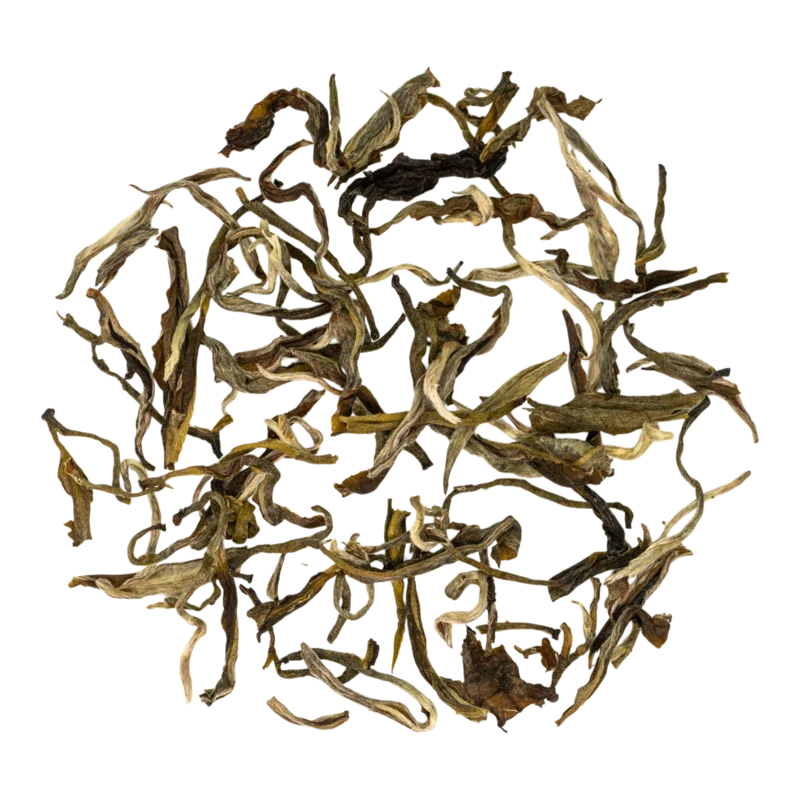
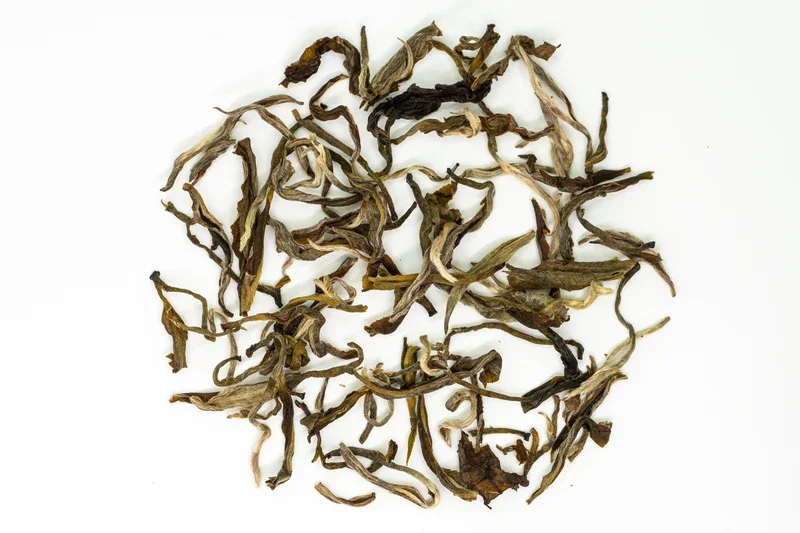
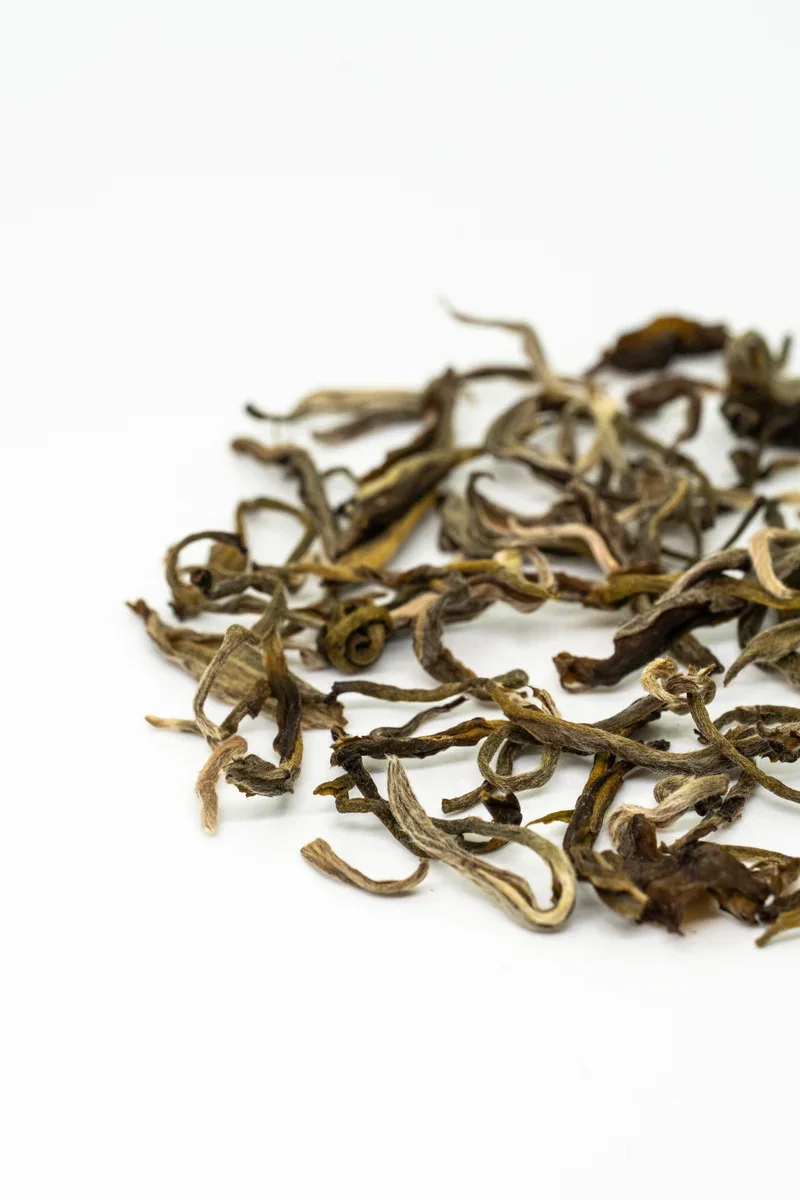
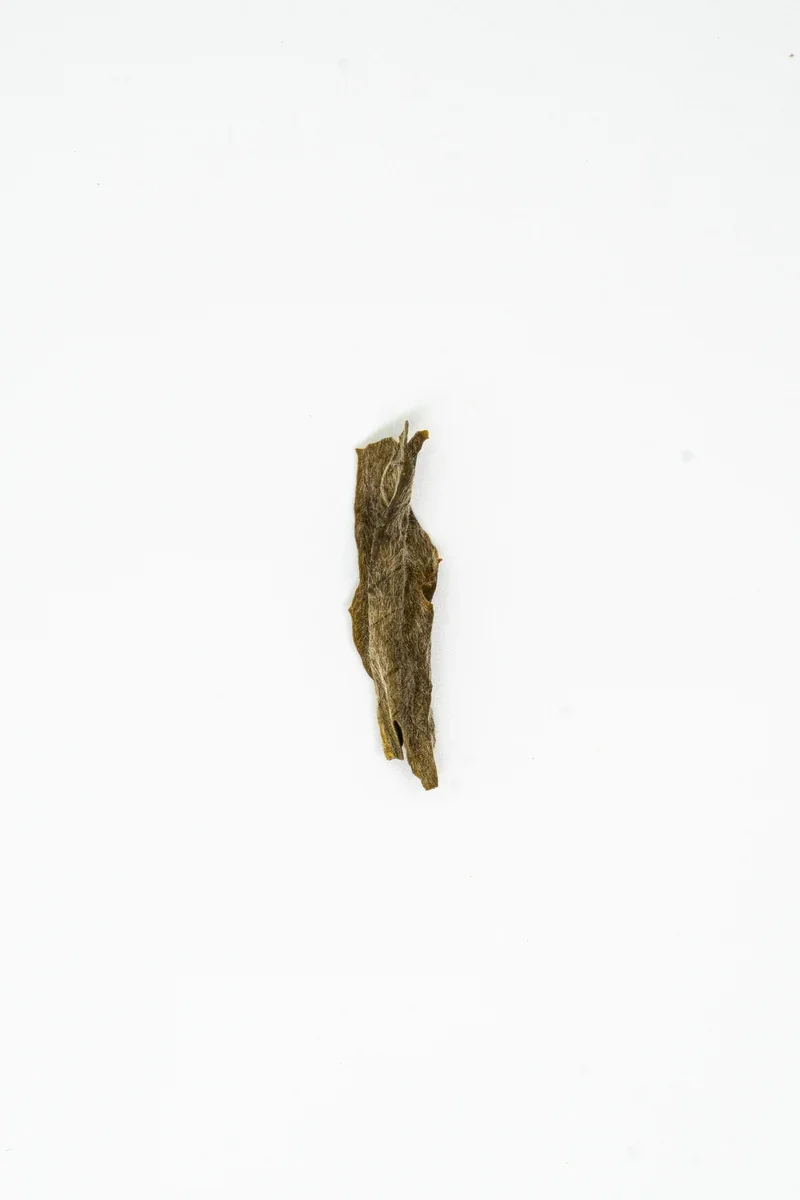
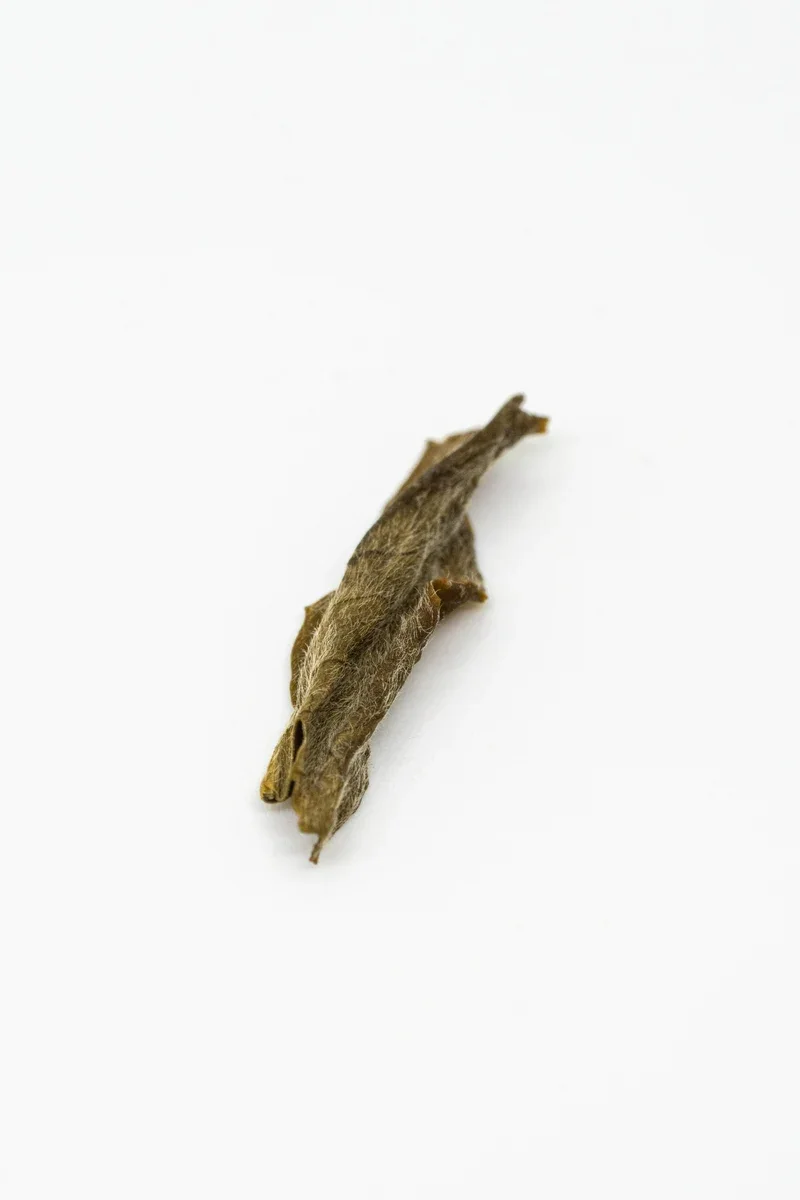
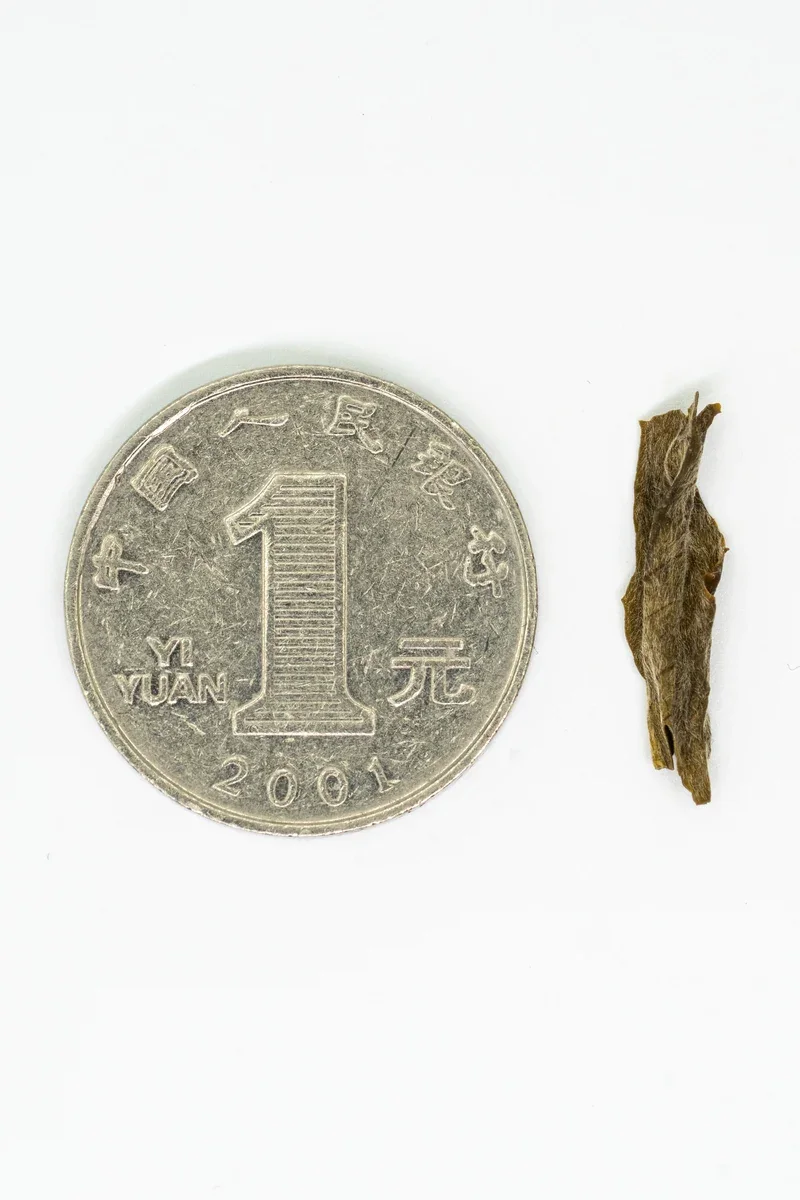
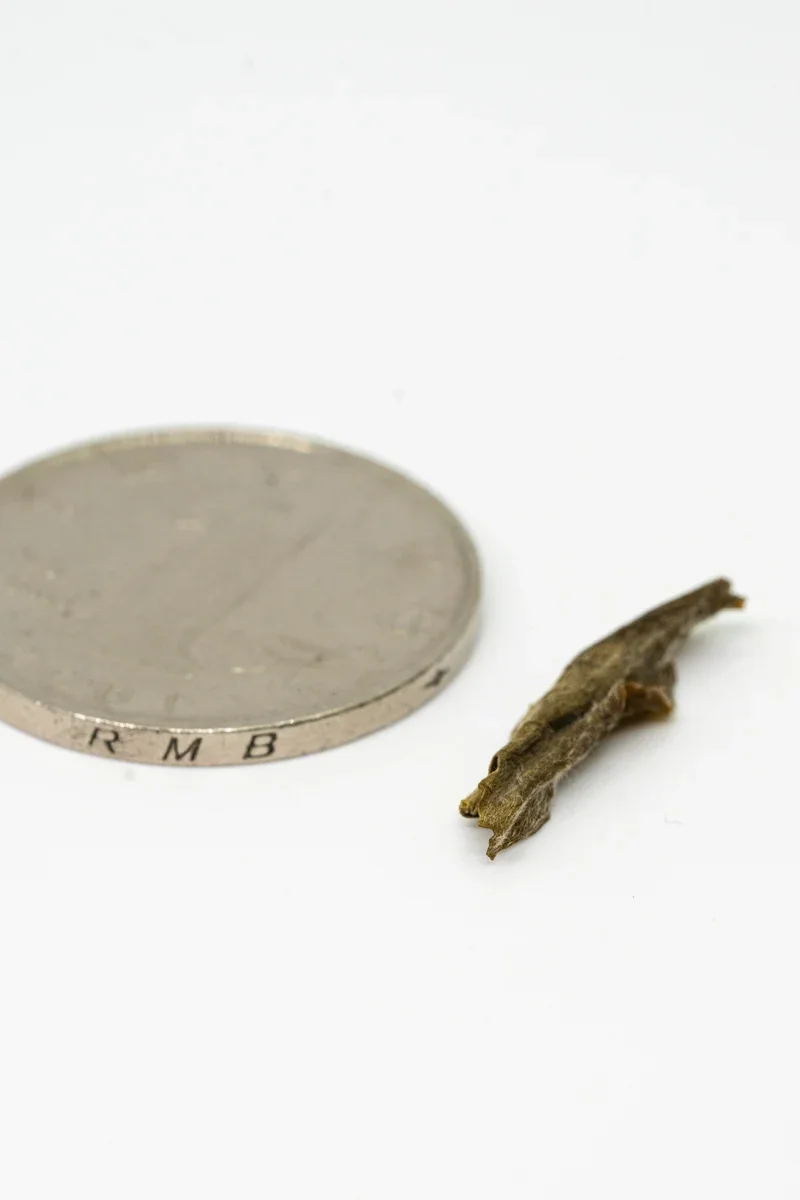
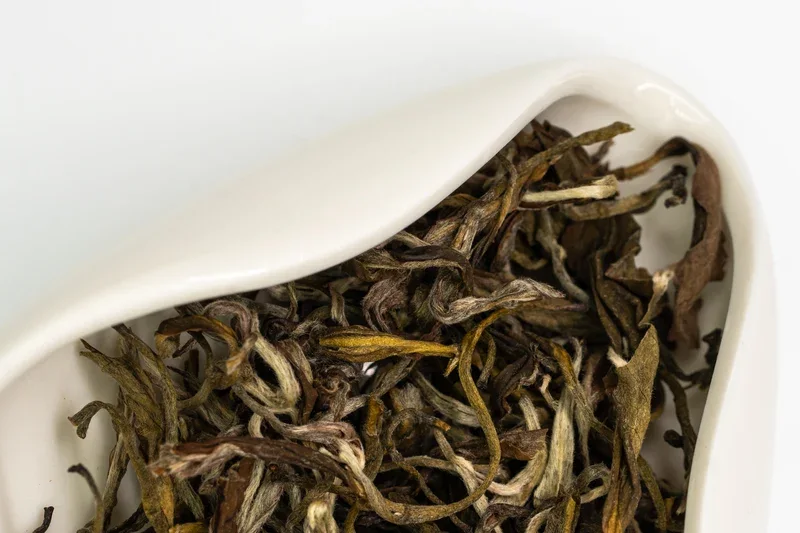
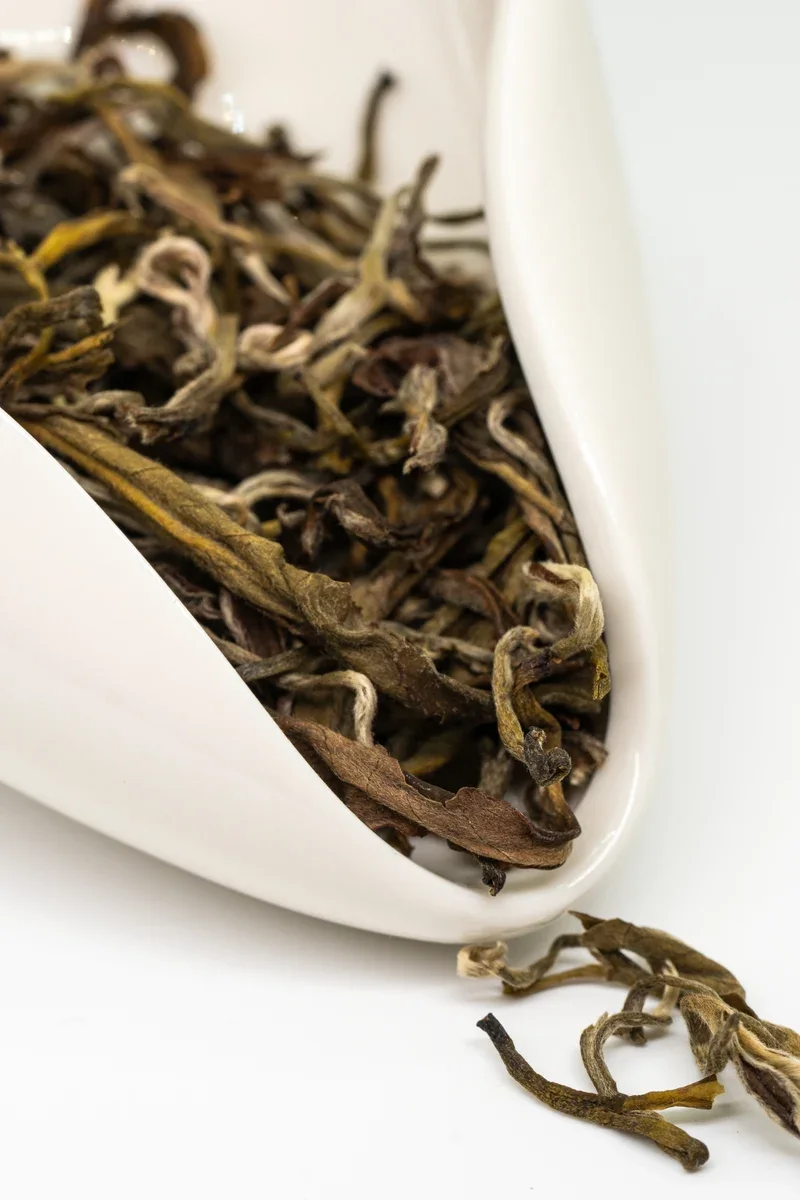
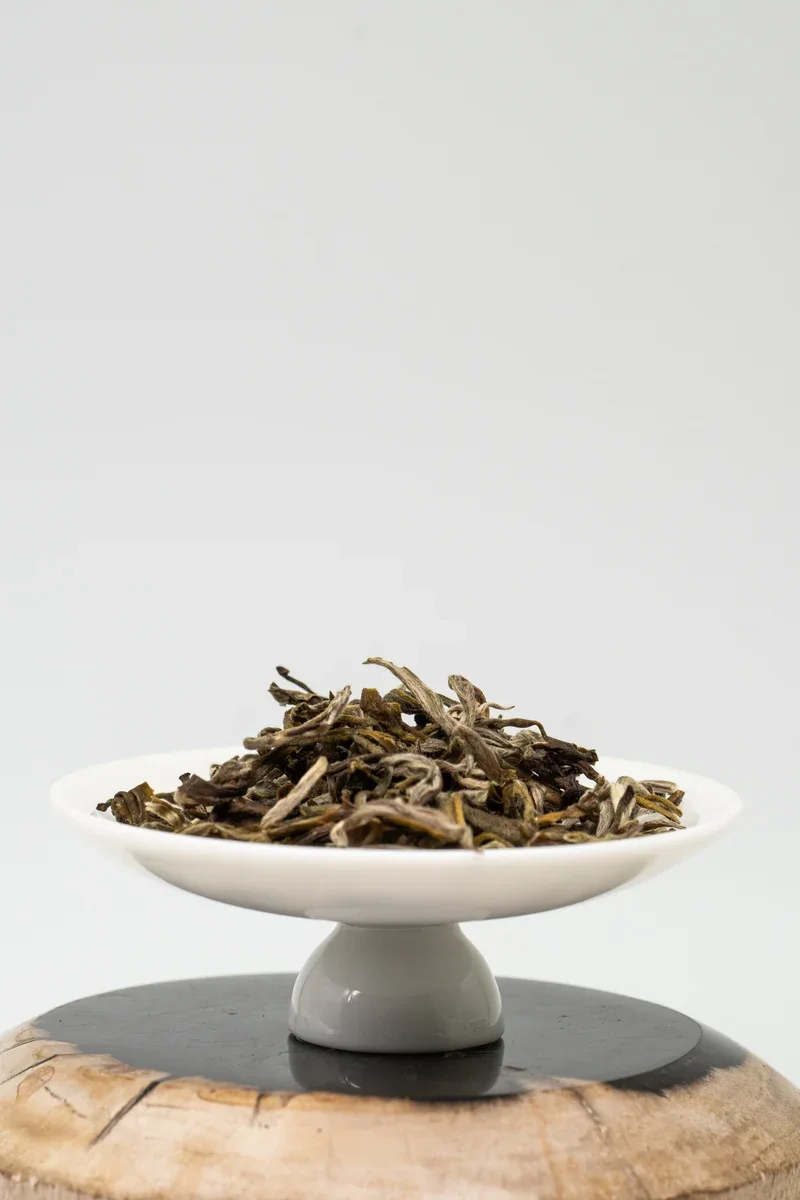
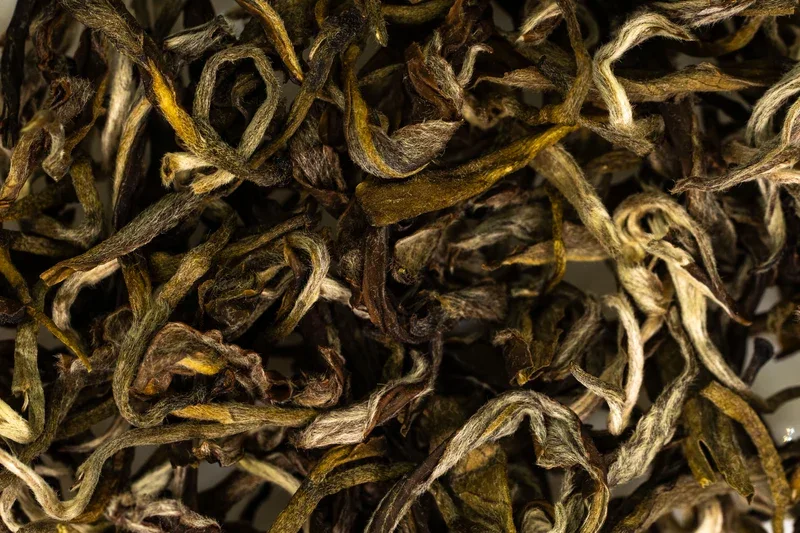
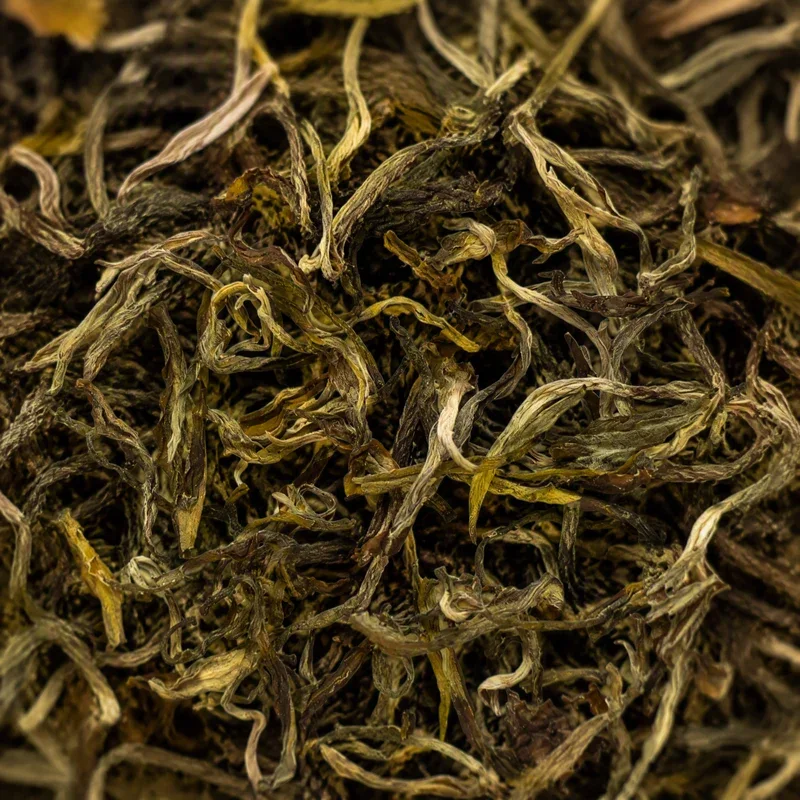
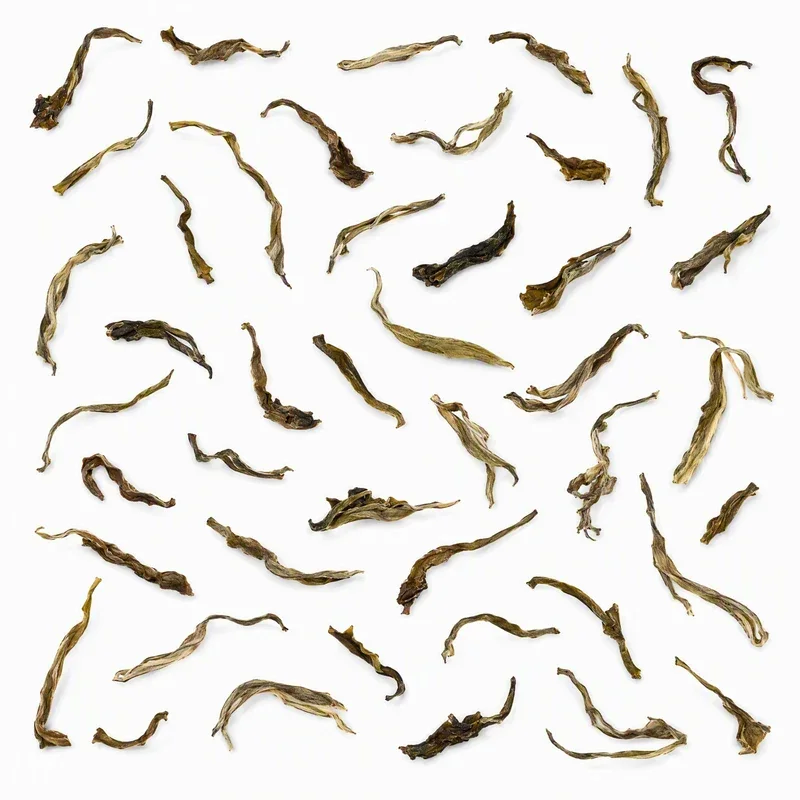
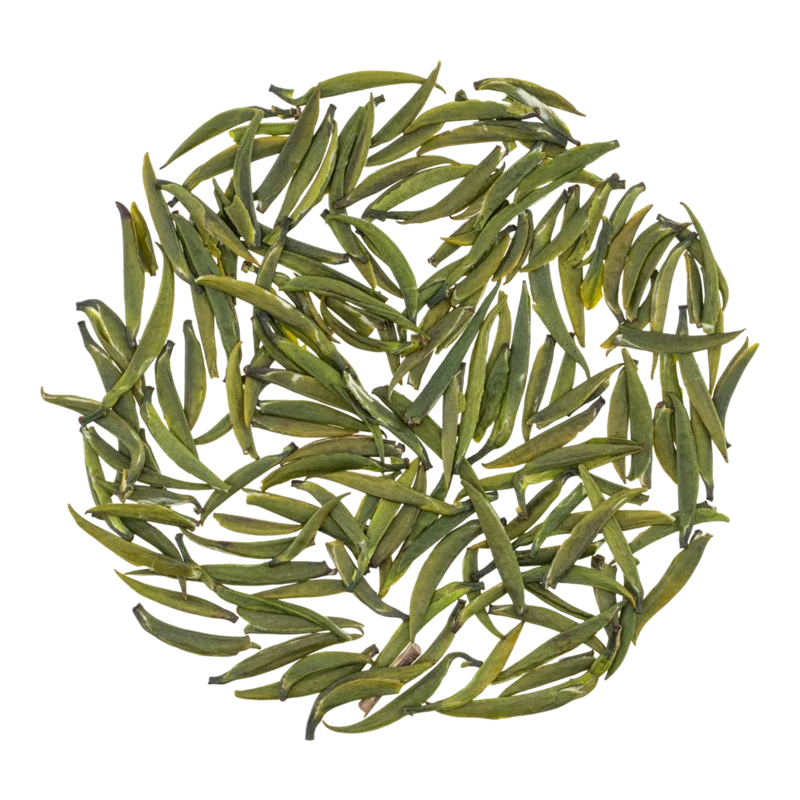
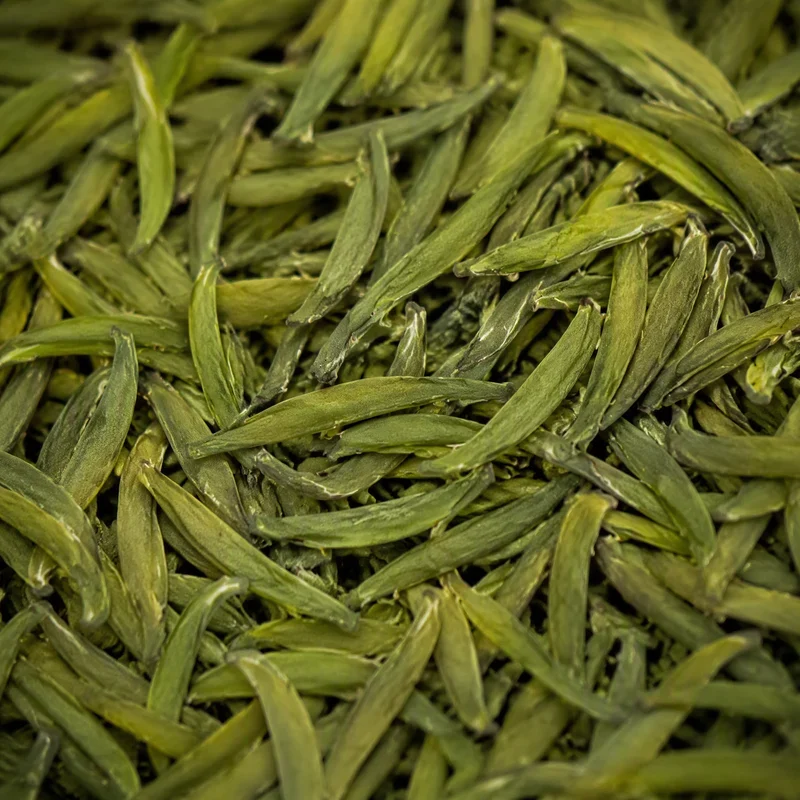
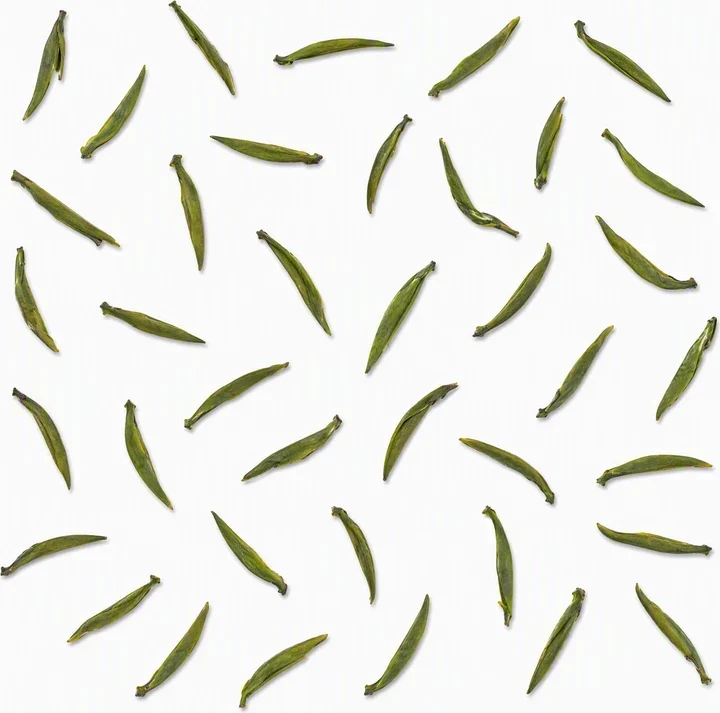
Dry Leaf Appearance: Flat, slender, pointed tea leaves (扁平挺秀, biǎnpíng tǐngxiù), in form — classic "sparrow tongues" (状如雀舌): tip — pointed, "like a bird's beak." Color — bright green with oily luster (绿润). Light subdued down (显毫). In highest grades — golden down appears (金毫隐现).
Dry Leaf Aroma: Clean, high, persistent (清高). Chestnut note dominates (栗香明显持久, lì xiāng míngxiǎn chíjiǔ) — rich and lasting. Clean green freshness. In some batches — light floral overtone (花香), due to peculiarities of light oxidation during shaping.
Liquor Aroma: Chestnut, persistent, with clean green base. Unfolds gradually.
Liquor Color: Bright, clear (明亮), yellow-green.
Spent Leaves: Tender, uniform shoots, gathered in "buds" (嫩匀成朵). Color — light green, lively.
Taste: Fresh and brisk (鲜爽, xiānshuǎng) — high amino acid content provides bright "umami" note. Sweet (甘, gān). Dense and full-bodied (醇厚, chúnhòu). Pronounced returning sweetness (回甘持久, huígān chíjiǔ). Astringency is minimal.
Alkaloids: Caffeine — content above average (according to research, significantly higher than ordinary green teas). Theobromine, theophylline.
Amino Acids: Content significantly above average for green teas — result of abundant diffused light (120 foggy days) and fertile soils with organic content ≥1.5%.
Present in noticeable quantities — contribute to lipid profile regulation.
Minerals: High manganese content (锰, měng) — promotes bone tissue strengthening. Potassium, magnesium, zinc, fluorine.
Polyphenols: Content ≥25% — above average for flat green teas. Provides powerful antioxidant potential.
Vitamins: Vitamin C, B-group vitamins.
Polyphenols (≥25%) effectively neutralize free radicals.
Theaflavins regulate blood lipid levels.
High manganese content promotes maintenance of bone density.
Catechins suppress pathogenic bacteria in the oral cavity and intestines.
Caffeine and L-theanine provide gentle alertness.
the listed properties are based on publicly available data and are not medical recommendations.
freshly purchased tea is recommended to rest ~2 weeks for "fire taste to dissipate." Avoid prolonged steeping — tannins increase bitterness.
Tea Amount: 3 g per 150–180 ml water (ratio 1:50–1:60).
Teaware: Glass cup or white porcelain gaiwan.
Water Temperature: 80°C (boiled water, cooled).
From Sichuan. Twisted (not flat) leaf with floral-orchid aroma. Ganlu is more "dewy" and sweet; Jintan is more chestnut and structured.
From Sichuan. Also "sparrow's tongue," but from different terroir. Pujiang is softer; Jintan is richer in polyphenols, with more persistent chestnut aroma.
Flat tea with bean-chestnut aroma. Longjing is more "oily" and broader in shape; Jintan Queshe is more miniature and pointed, with "cleaner" chestnut note.
From Shaanxi. Also "sparrow's tongue," but from mountainous northwestern terroir. Ningqiang is lighter; Jintan is more full-bodied.
characteristic "sparrow tongues" — flat, slender, pointed. Round or uneven tea leaves — different type of tea.
persistent chestnut tone — signature mark. Absence of chestnut note — reason for doubt.
bright, clear. Cloudy — sign of counterfeit.
suspiciously low price — sign of counterfeit.
No reviews yet. Tell us what you think of this tea.
Rate this tea and share your impressions. We review each submission before publishing it.