Brewing
Gongfu brewing
- Water temperature
- 75 °C
- Tea amount
- 5 g
- Water volume
- 100 ml
- First steep
- 10 s
- Time added per infusion
- 5 s
- Infusions
- 4

Táiwān qīngxīn báichá
Choose a brewing method. Start with the recommended quantities and time, then adjust to taste.
Brewing
Brewing
Taste
Tea encyclopedia
Category: Innovative Taiwanese white tea, artisanal experimental tea.
Category: Innovative Taiwanese white tea, artisanal experimental tea.
Coordinates: Approximately 23°50′ North latitude, 120°42′ East longitude.
Origin: Táiwān (臺灣, Táiwān), Nántóu County (南投縣, Nántóu Xiàn), Míngjiān Township (名間鄉, Míngjiān Xiāng). Mingjian is located in the western part of Nantou County, on the northern bank of the Zhuóshuǐ River (濁水溪, Zhuóshuǐ Xī), at the southern tip of the Bāguà Mountain Range (八卦山, Bāguàshān). The township is Taiwan's largest tea-growing region by plantation area — over 2,000 hectares — and provides a significant share of tea raw material for the island's domestic market. The Sōngbǎilǐng area (松柏嶺, Sōngbǎilǐng) within Mingjian Township received its poetic name "松柏長青茶" (Sōngbǎi Chángqīng Chá, "Evergreen Tea of Pines and Cypresses") in 1975 from Chiang Ching-kuo (蔣經國), future president of Taiwan.
Type: White tea (lightly oxidized, oxidation level no more than 5%).
Cultural Significance: Taiwan Qingxin Bai Cha symbolizes the innovative spirit of Taiwanese tea masters — their readiness to reinterpret traditional cultivars and technologies to create fundamentally new products. This tea demonstrates that boundaries between tea categories are fluid and that the same cultivar can reveal itself in completely different ways under various processing technologies.
History: White tea as a category originated in China's Fújiàn Province (福建, Fújiàn), where modern minimal processing technology was formed during the Jiāqìng era (嘉慶, Jiāqìng, circa 1796). Taiwanese farmers, inheriting centuries-old oolong production traditions, began experimenting with white tea techniques in the 21st century, applying them to oolong cultivars. The pioneer of this direction is considered to be a farmer surnamed Yu (Mr. Yu) from Mingjian Township, who adapted classic white tea technology for the Qingxin Ganzhi cultivar. The first batches were released in limited quantities and received high ratings at international tea competitions, particularly 92 points at the World Teas Competition. According to available information, Master Yu patented a special processing method called "dry fermentation" (乾發酵, gān fājiào), aimed at improving the flavor profile without increasing the degree of oxidation.
Cultivar: Qīngxīn Gànzhī (青心柑仔, Qīngxīn Gānzǐ) — a subvariety of the extensive Qīngxīn family (青心, Qīngxīn), also known as Ruǎnzhī Oolong (軟枝烏龍, Ruǎnzhī Wūlóng, "soft-branch oolong"), Zhǒngzǐ (種仔, Zhǒngzǐ) or Yùcóng (玉叢, Yùcóng). Belongs to the species Camellia sinensis var. sinensis. The Qingxin cultivar traces its origin to Fujian's Ǎijiǎo Oolong (矮腳烏龍, Ǎijiǎo Wūlóng) from Ānxī County (安溪, Ānxī); according to legend, it was brought to Táiwān by Lín Fèngchí (林鳳池, Lín Fèngchí) in 1855 and planted on Dòngdǐng Mountain (凍頂山, Dòngdǐng Shān) in Nantou County. During the Japanese colonial period, it was additionally selected and bred into its modern form. According to data from the Taiwan Tea Research and Extension Station (茶及飲料作物改良場, Chá jí yǐnliào zuòwù gǎiliáng chǎng, TBRS), Qingxin is a late-ripening variety with a small open-type bush, dense foliage, and fleshy leaves with pronounced dark green luster. The Ganzhi subvariety is distinguished by enhanced bud-forming ability and particularly pronounced floral character, which is why it is widely used for producing high-grade Oriental Beauty (東方美人, Dōngfāng Měirén). A distinctive feature is the light purple tint of young shoots and petioles.
Picking: Early spring, usually late February. Hand-picked.
Pluck Standard: Tender young buds (tips) together with the first two upper leaves (一芽二葉, yī yá èr yè).
Raw Material: Leaves must be whole, undamaged, with dense silvery down (白毫, báiháo). Shoot length 5–7 cm. Due to slow growth under shaded plantation conditions, the raw material is distinguished by increased amino acid content.
Altitude: 350–400 meters above sea level. Despite the relatively low elevation for Taiwanese tea, special microclimate and soil conditions compensate for the lack of altitude.
Climate: Subtropical monsoon, with average annual temperature +22–25 °C and sufficient humidity. Frequent morning fogs, characteristic of the Sōngbǎilǐng area (松柏嶺, Sōngbǎilǐng, "Evergreen Pine Ridge"), create natural diffused lighting.
Soil: Red-brown lateritic soils (紅土, hóngtǔ), rich in iron, characteristic of the Bagua Mountain Range. Formed on alluvial terraces of the Zhuoshui River. High mineral content in the soil gives the tea a subtle mineral note in the aftertaste.
The township is located on the western slopes of the Bagua Mountain Range and river terraces on the northern bank of the Zhuoshui River. The area of tea plantations in the region exceeds 2,000 hectares — this is Taiwan's largest tea-growing district, providing about 40% of Taiwan's total tea production. The history of tea cultivation in Mingjian dates back to the Qing era; during the Japanese colonial period, the industry received significant development, and in the 1920s, masters were brought from Fujian's Anxi who passed on oolong-making techniques to local farmers.
Tea bushes grow in the shade of acacia trees, which form natural diffused light. This technique slows leaf growth and promotes amino acid accumulation (particularly L-theanine), responsible for sweetness and depth of flavor. The Qingxin cultivar generally has weak disease resistance (susceptible to kuzhibing (枯枝病, kūzhī bìng — branch withering)) and low yield, making tea from it more expensive and rare.
Hand-picking is conducted in late February when young shoots reach the "one bud — two leaves" standard. Harvested in morning hours after dew evaporation.
Picked leaves are carefully spread in a thin layer on bamboo trays and left to wither for approximately 48 hours at controlled temperature around +25 °C and humidity around 70%. This is a key stage during which the leaf loses moisture, enzymes are activated, and gentle transformation of chemical composition begins. Prolonged withering promotes development of floral-fruity aromas.
Very brief and delicate mechanical action is performed — no more than two minutes. The goal is to slightly disrupt the cellular structure of the leaf and initiate light oxidation without damaging the integrity of the leaf blade. This stage, borrowed from oolong technology, distinguishes this tea from classic Fujian white teas, which typically undergo no rolling at all.
The tea undergoes brief oxidation, the degree of which is carefully controlled and does not exceed 5%. This stage is reportedly related to the "dry fermentation" method patented by Master Yu.
Final drying is conducted using infrared emitters at relatively low temperature (+40 °C). The gentle temperature regime allows fixing the aroma and maximally preserving delicate essential oils, amino acids, and polyphenols.
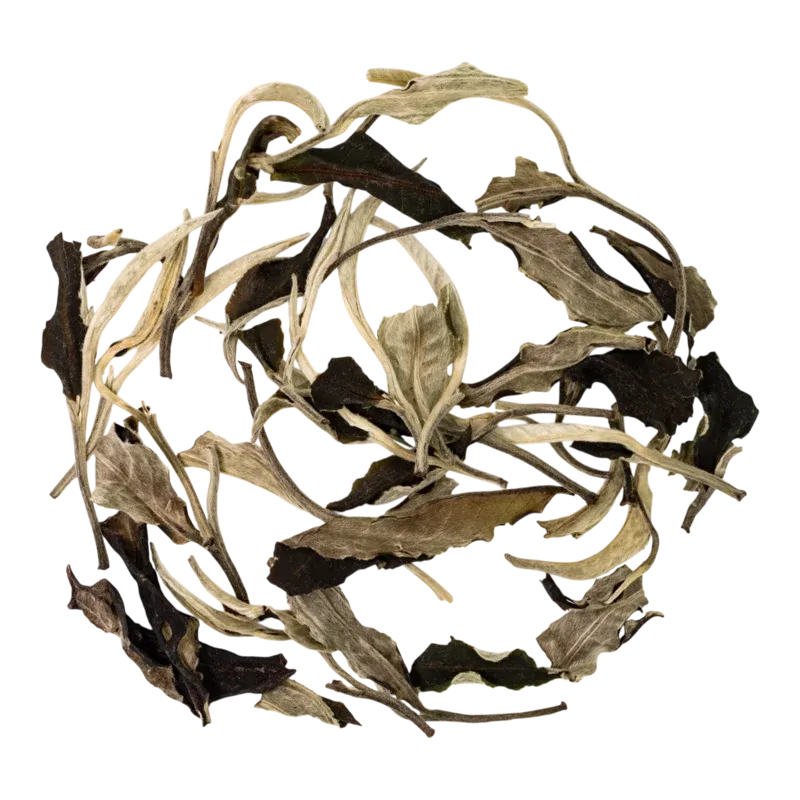
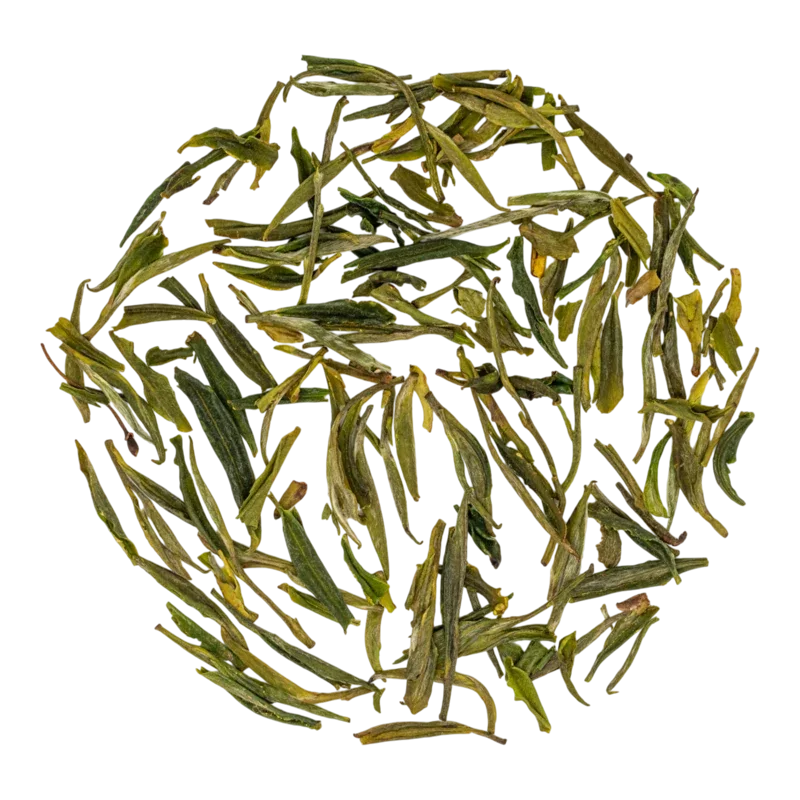
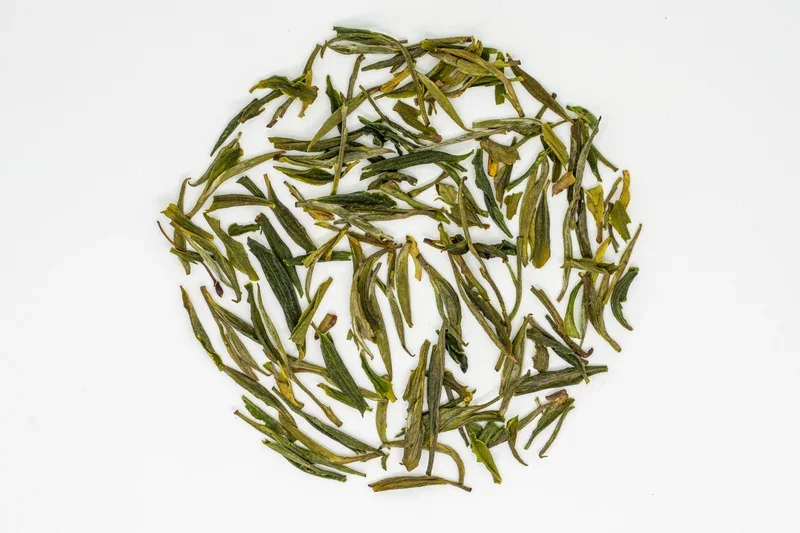
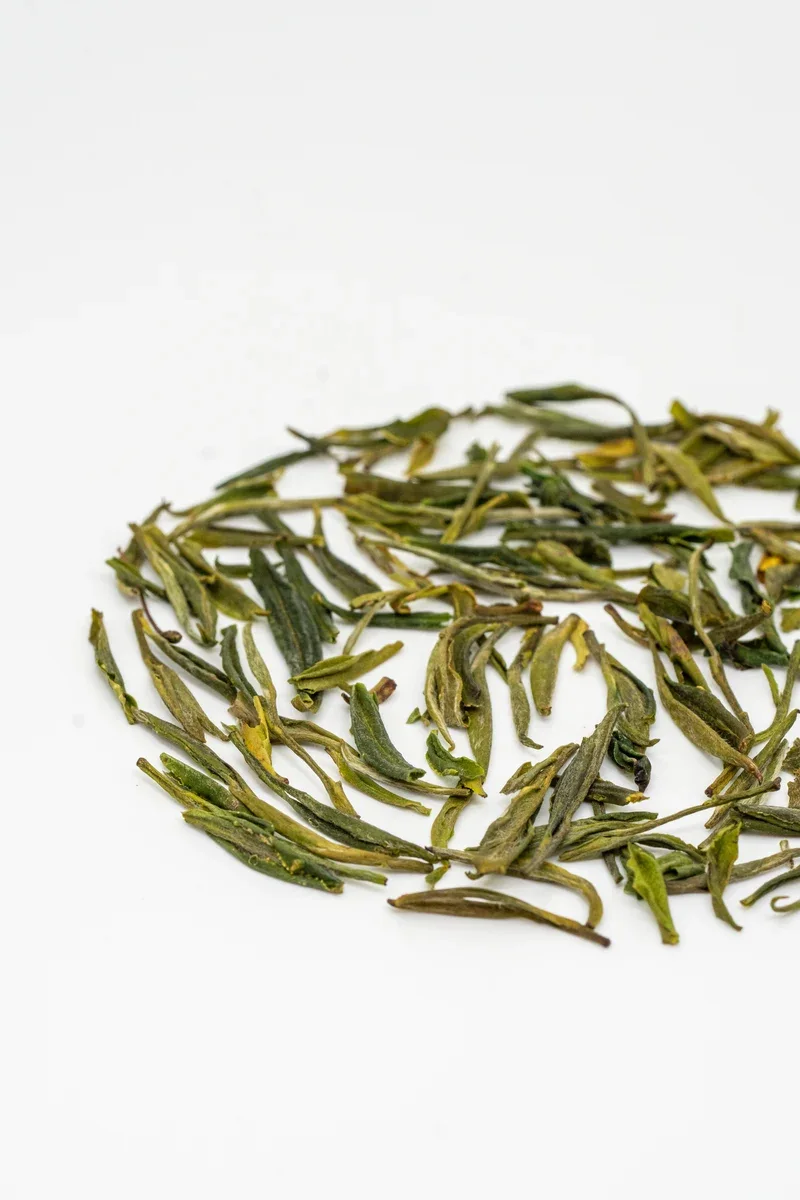
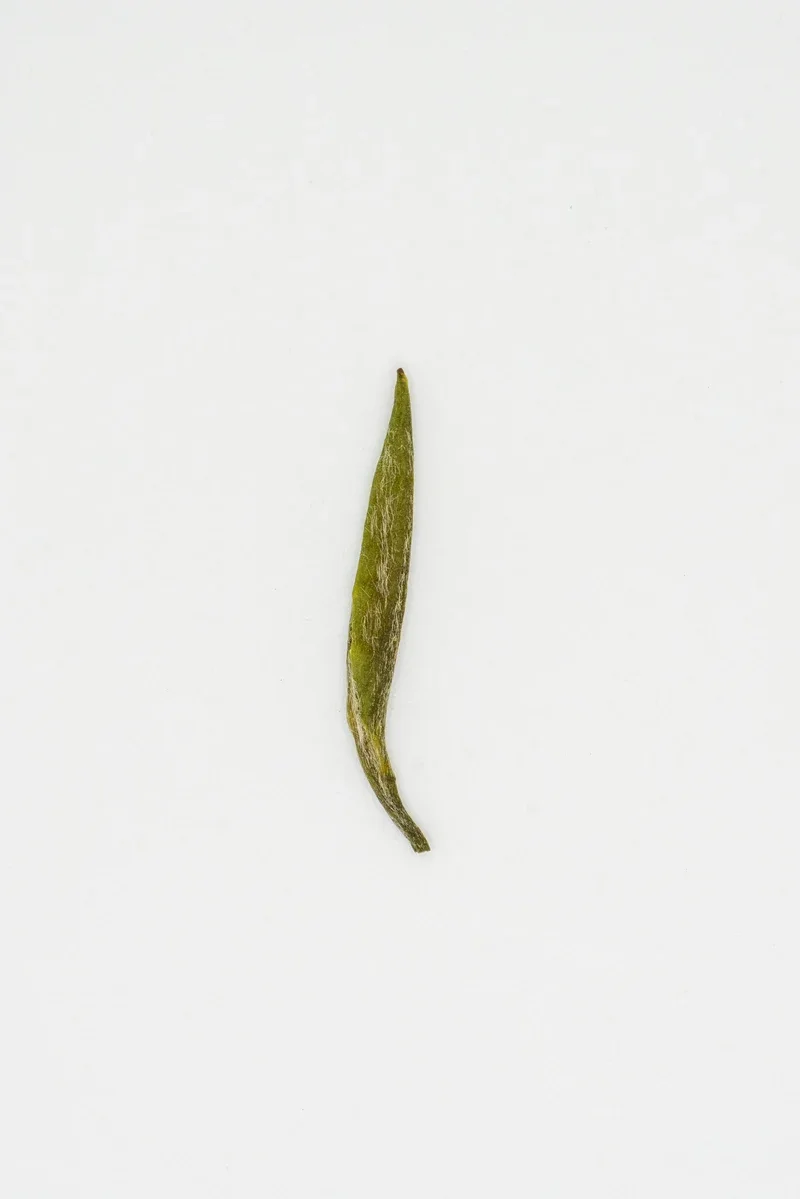
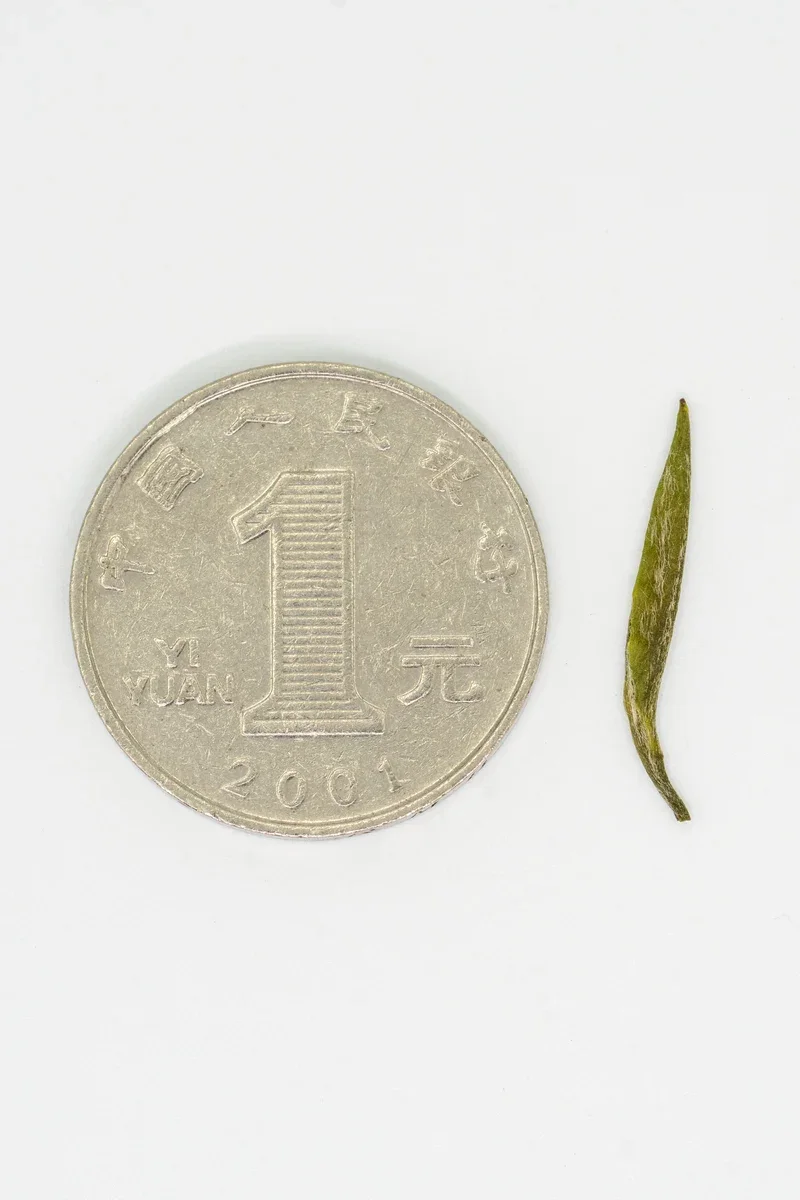
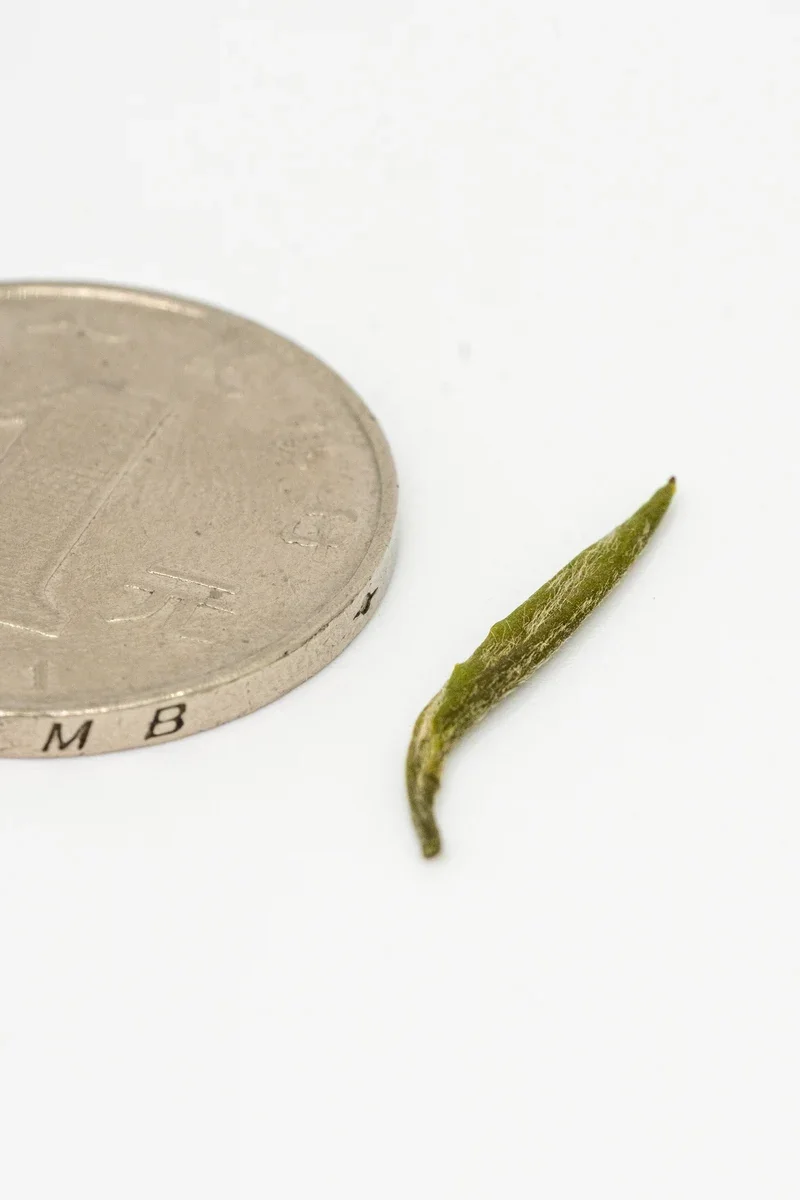
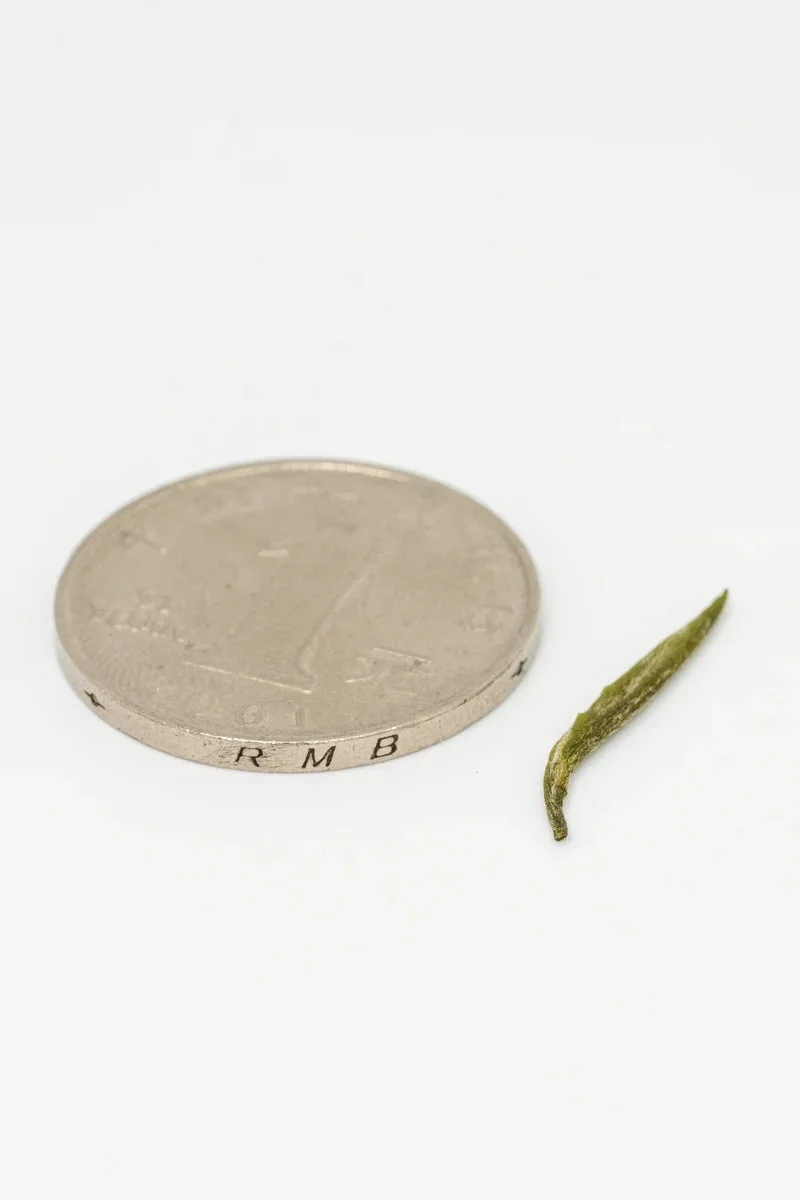
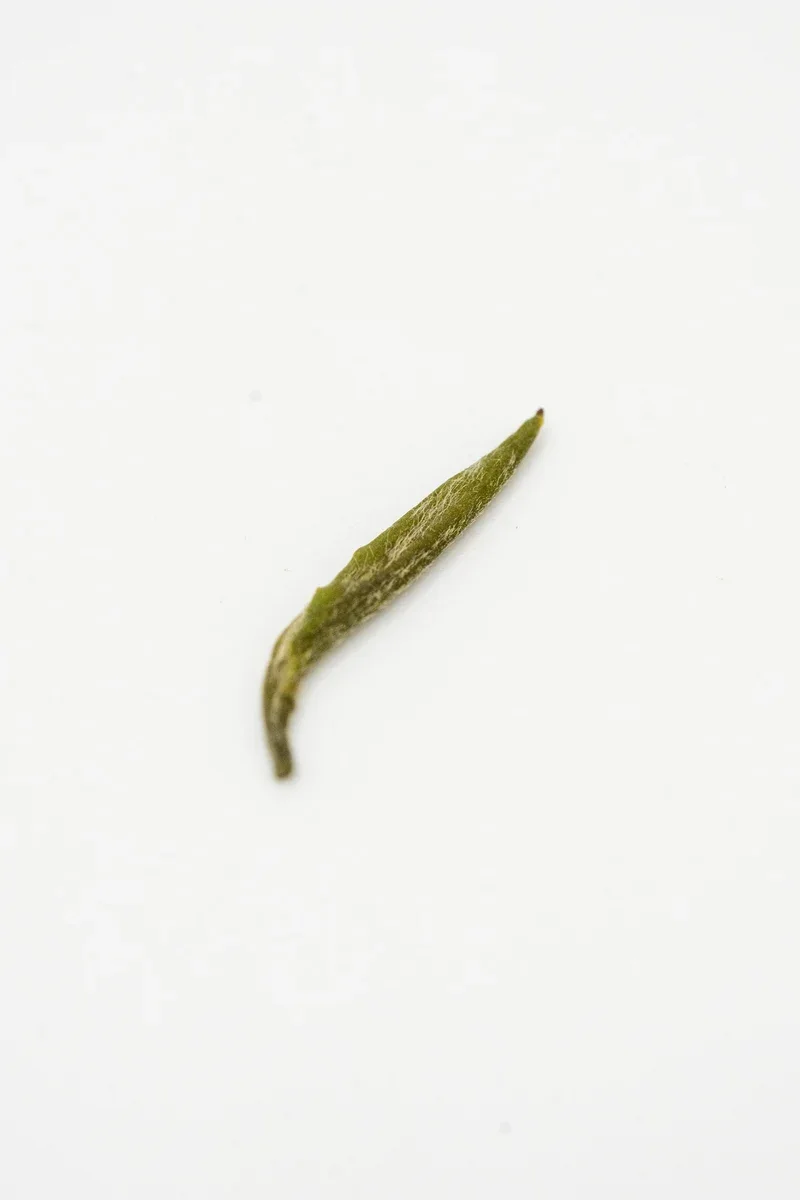
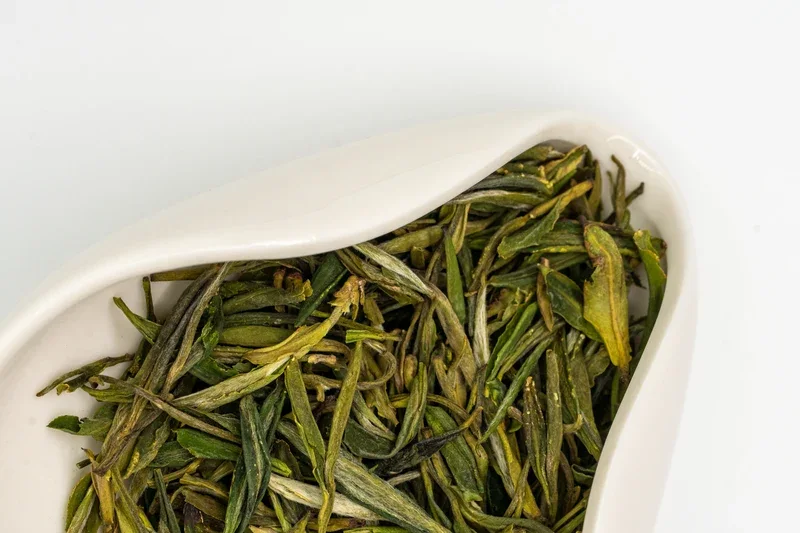
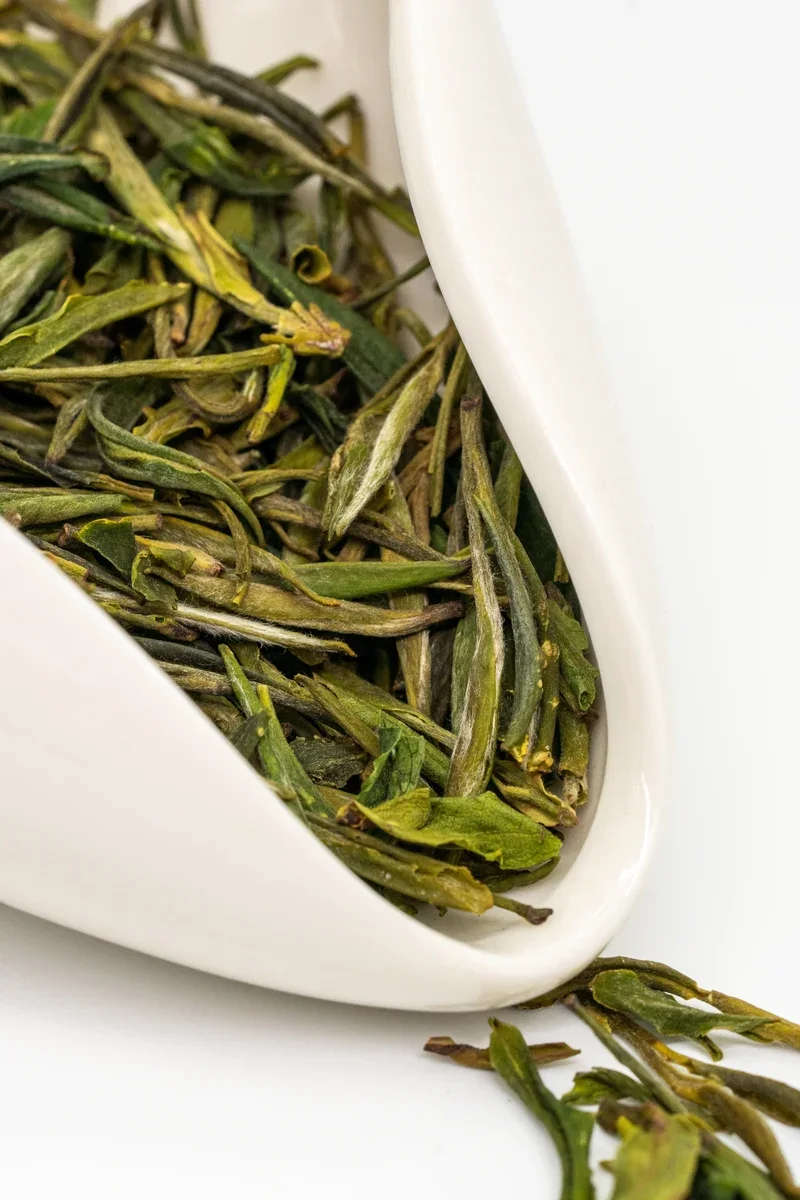
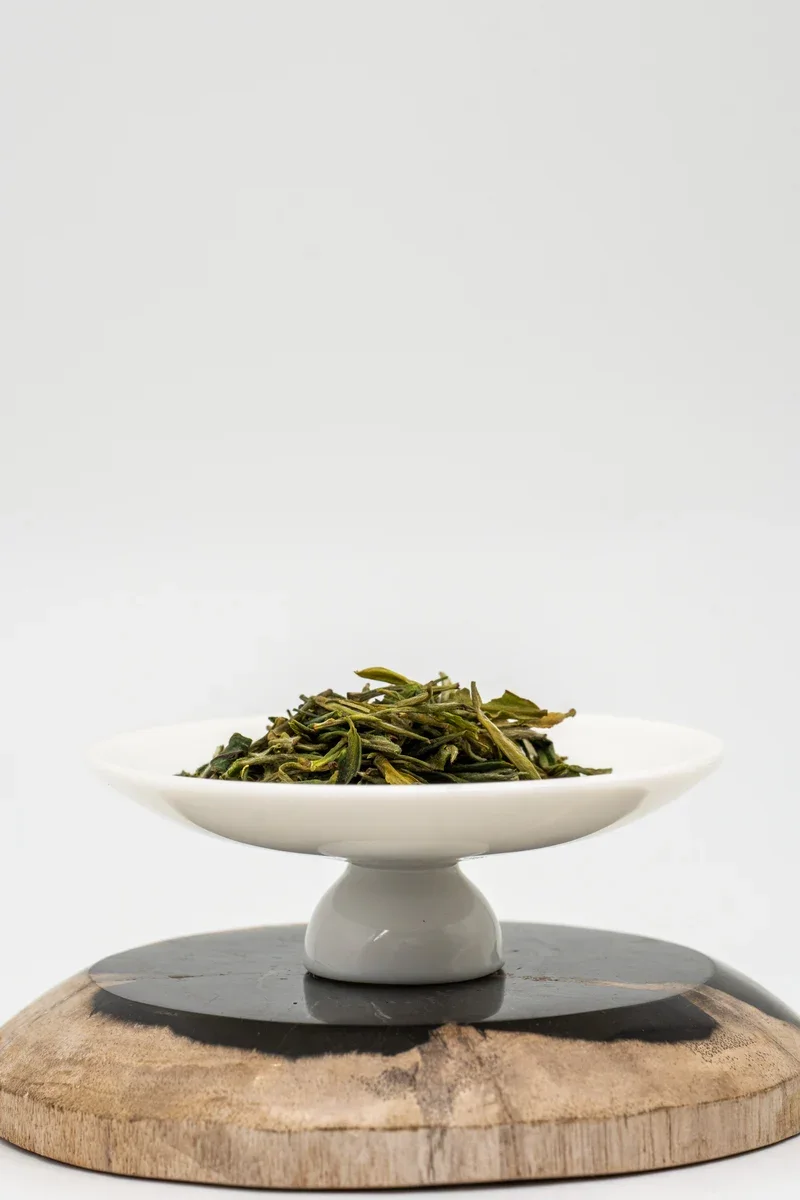
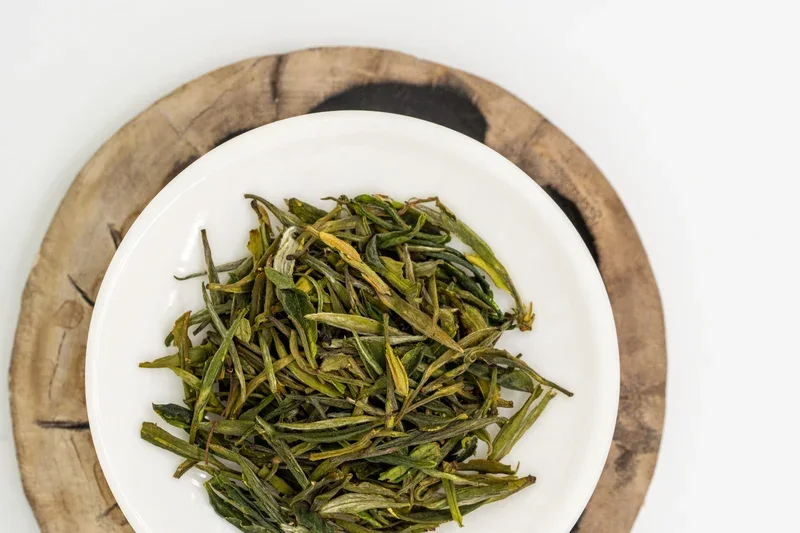
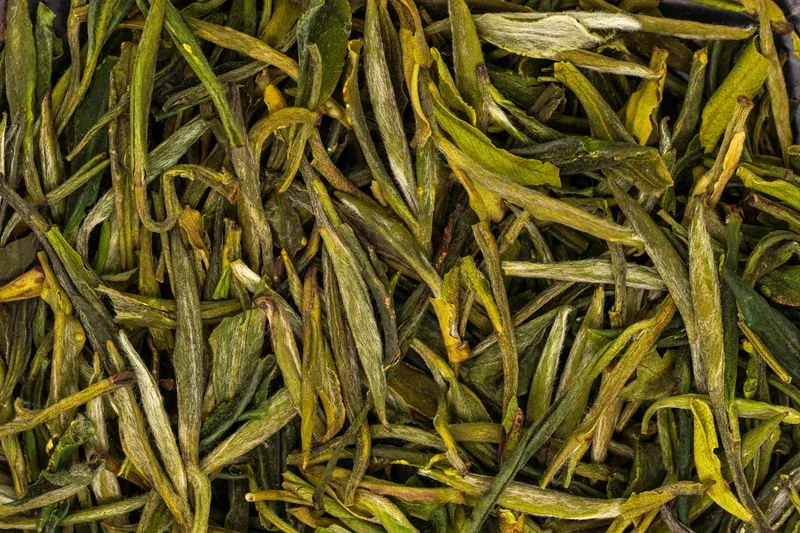
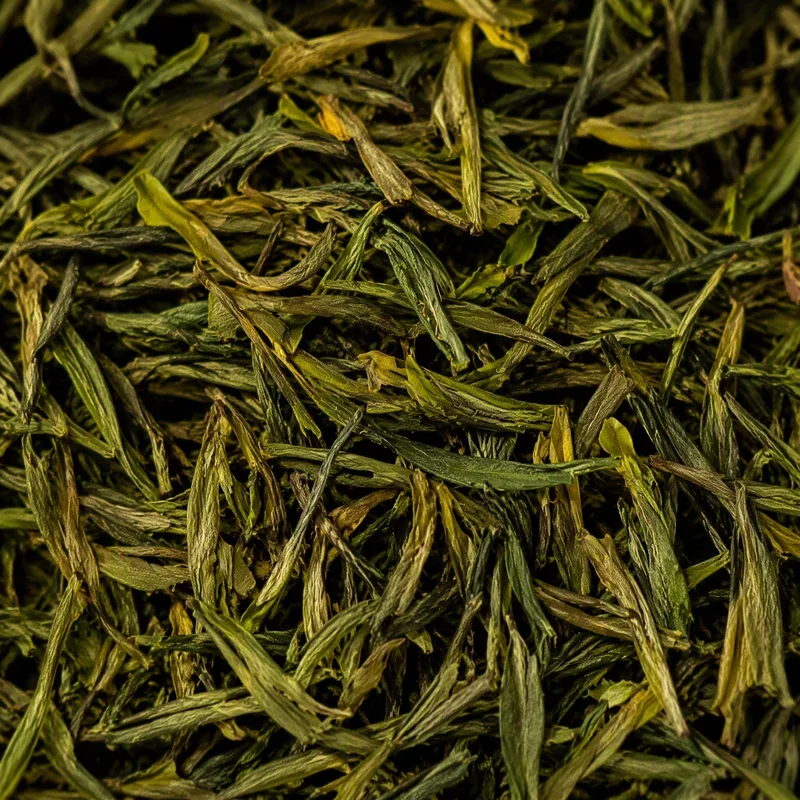
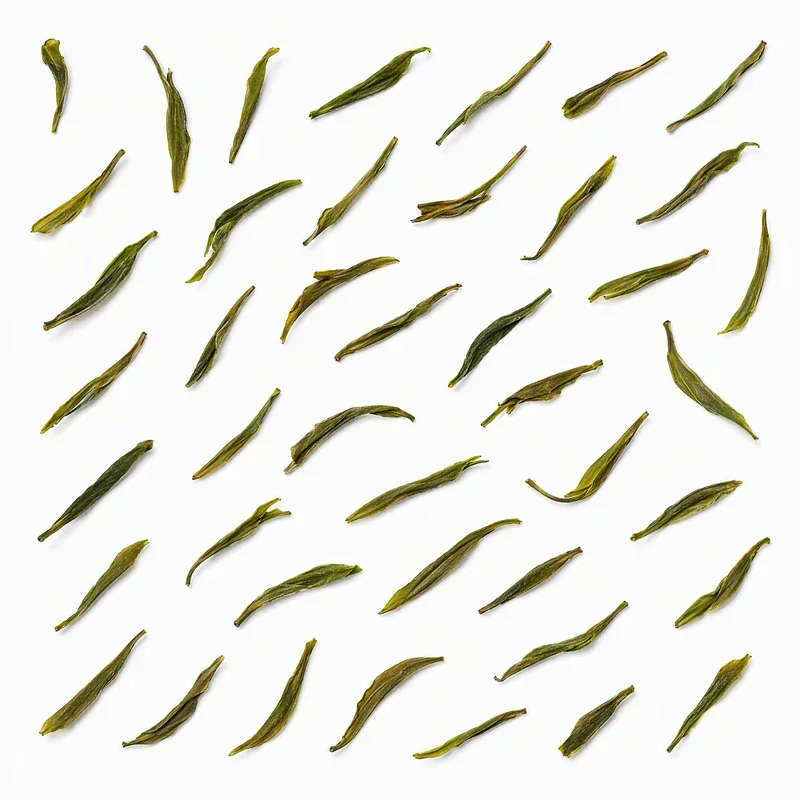
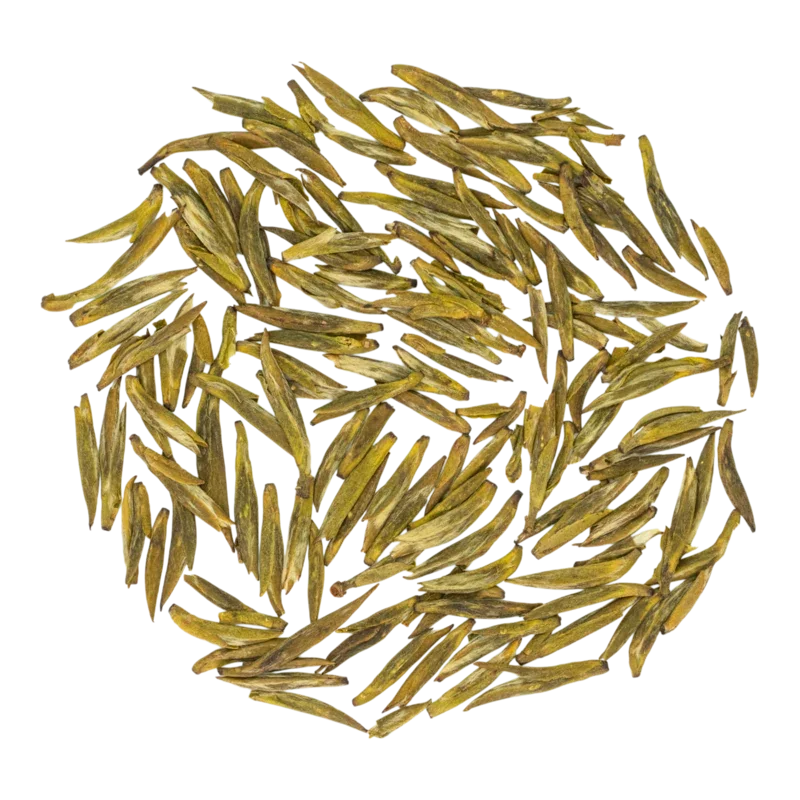
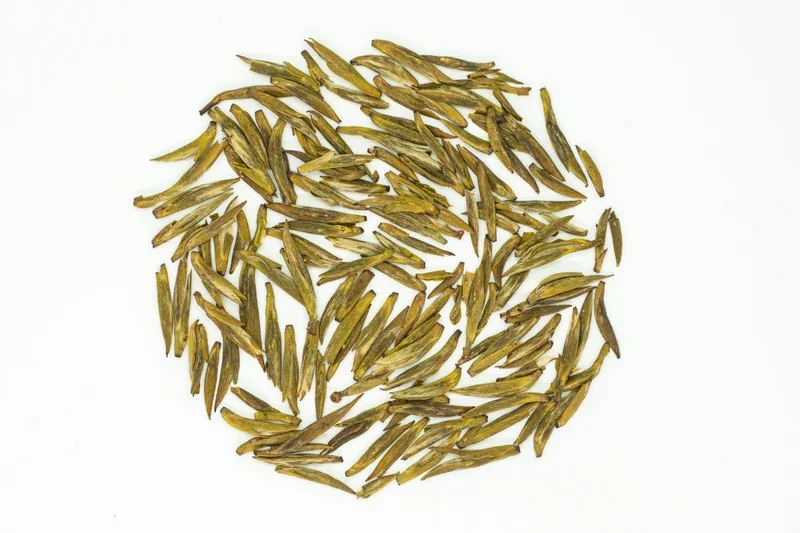
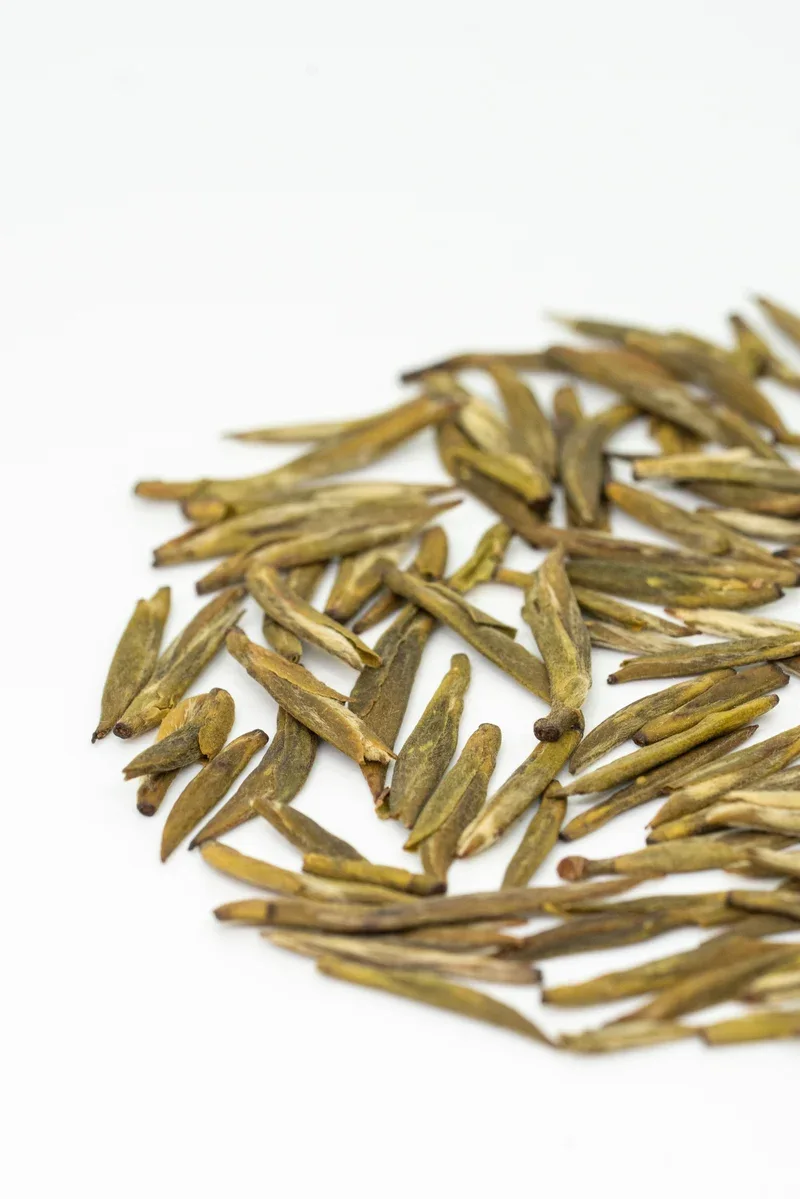
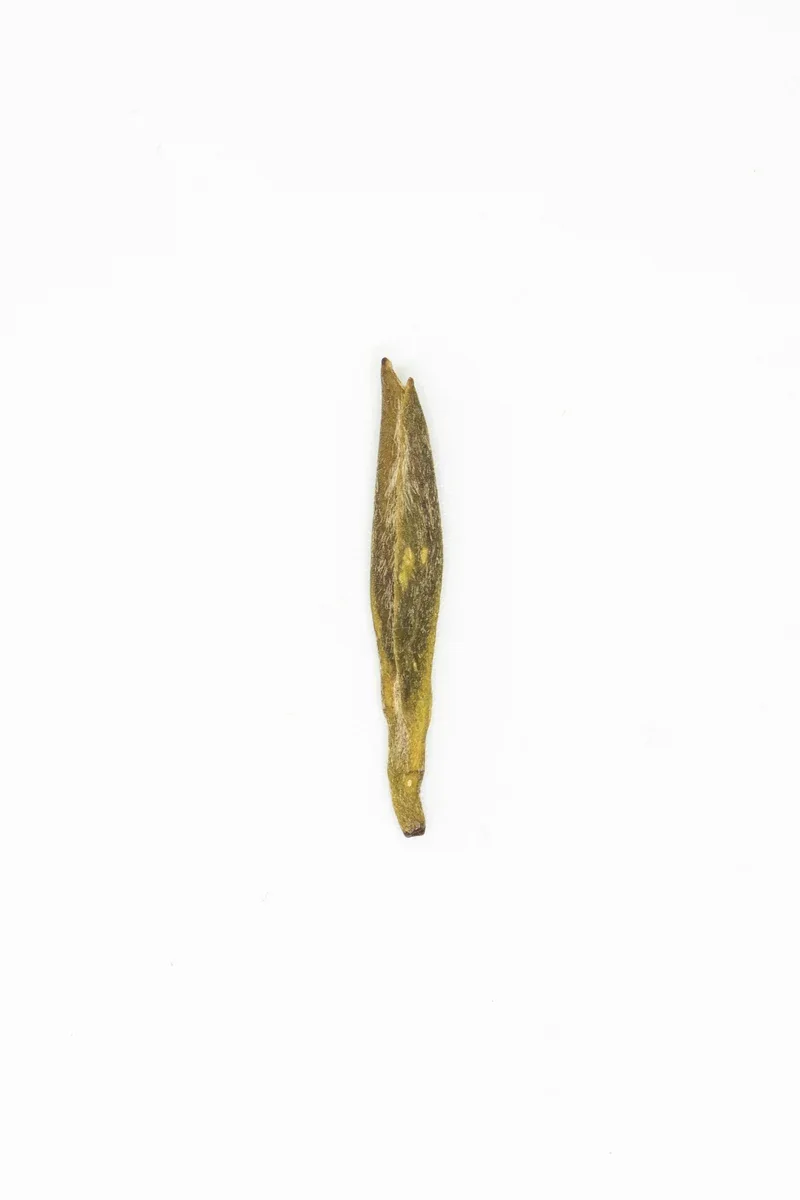
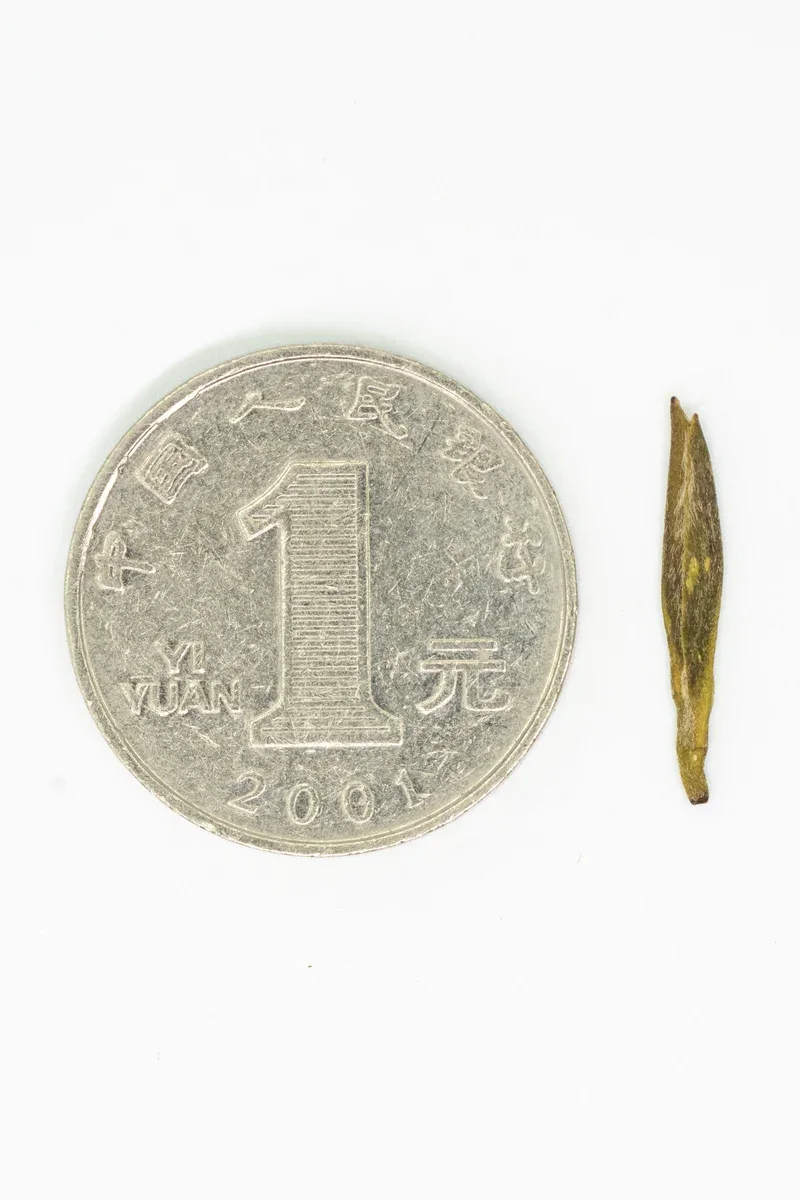
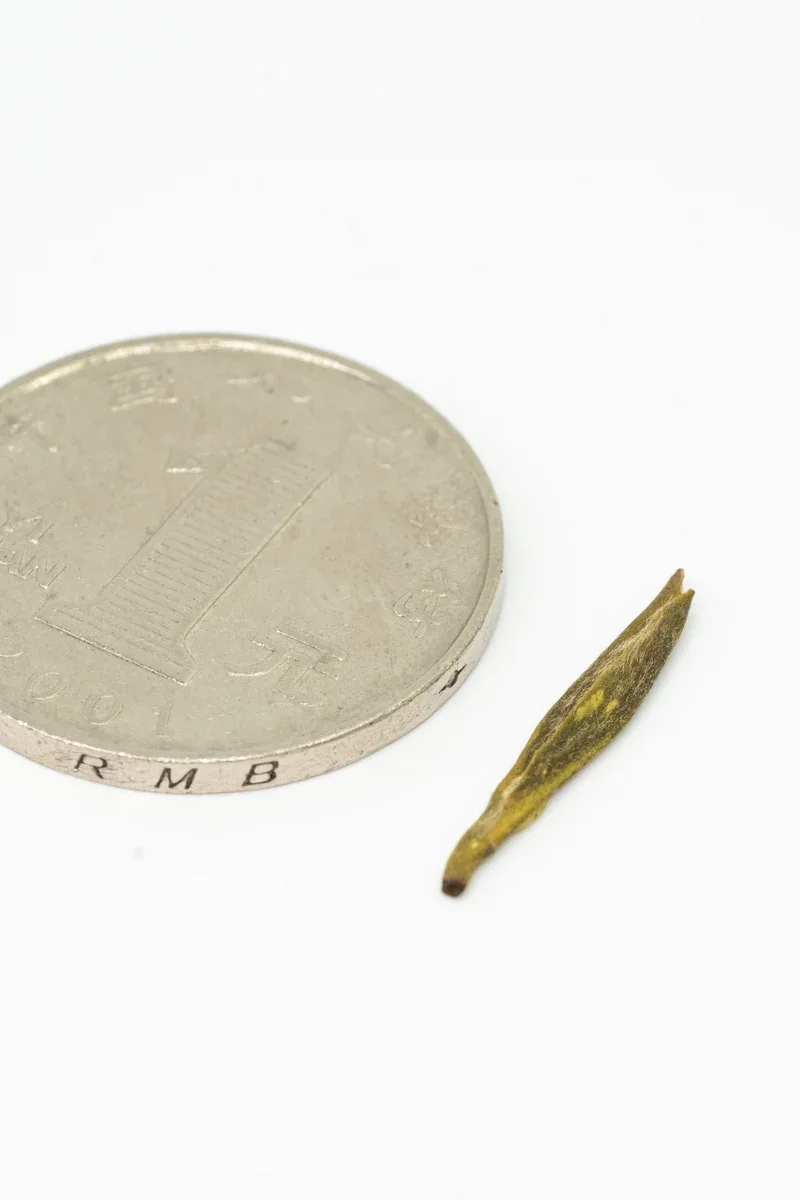
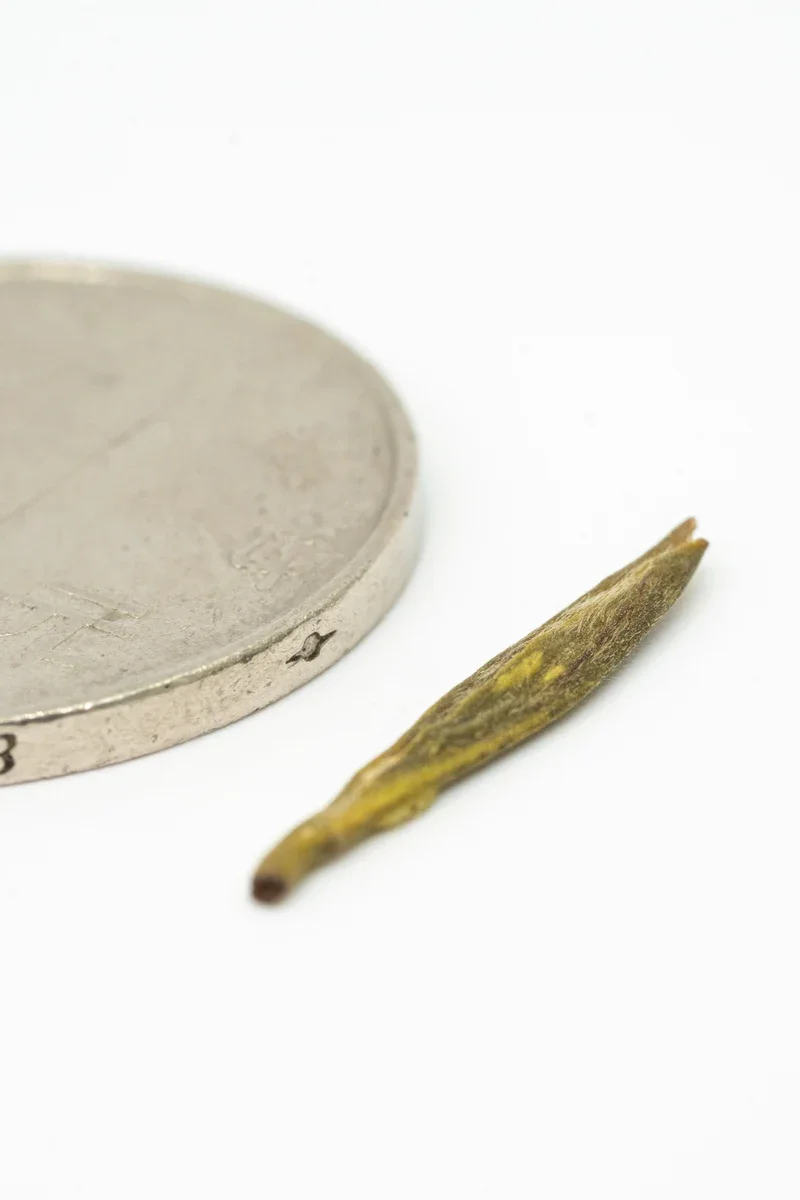
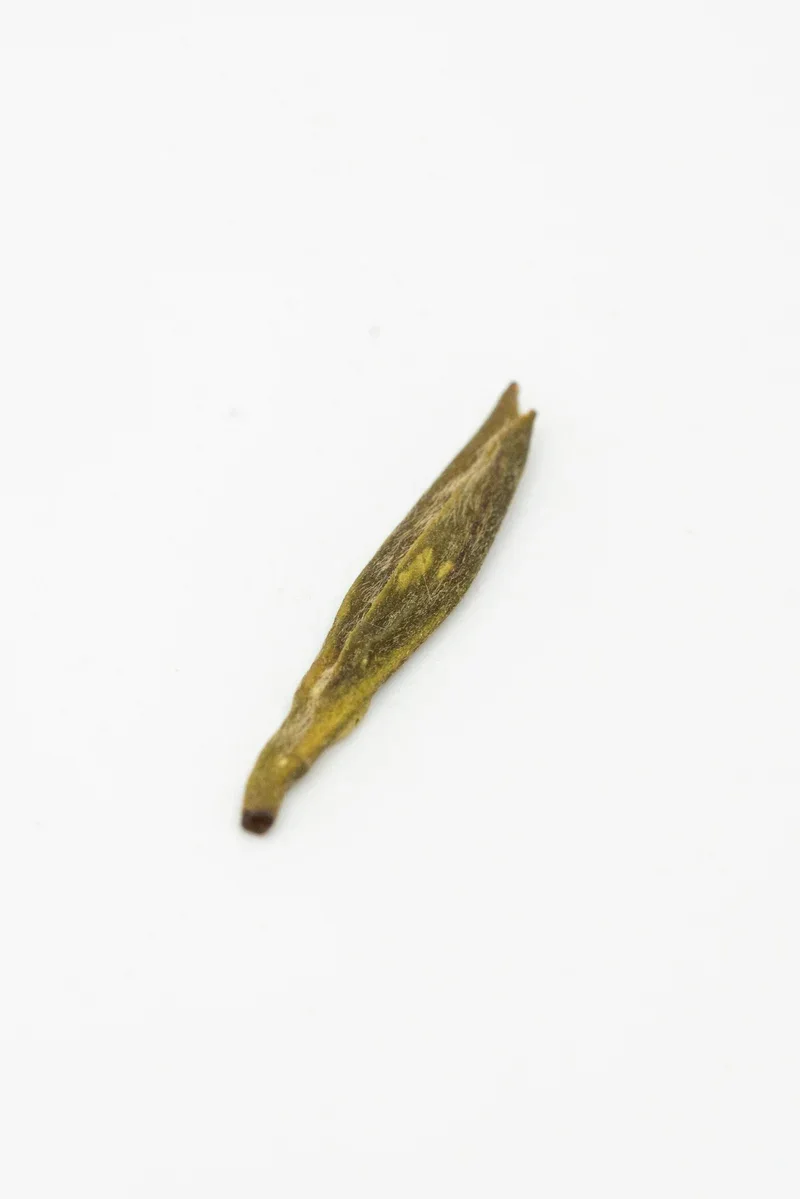
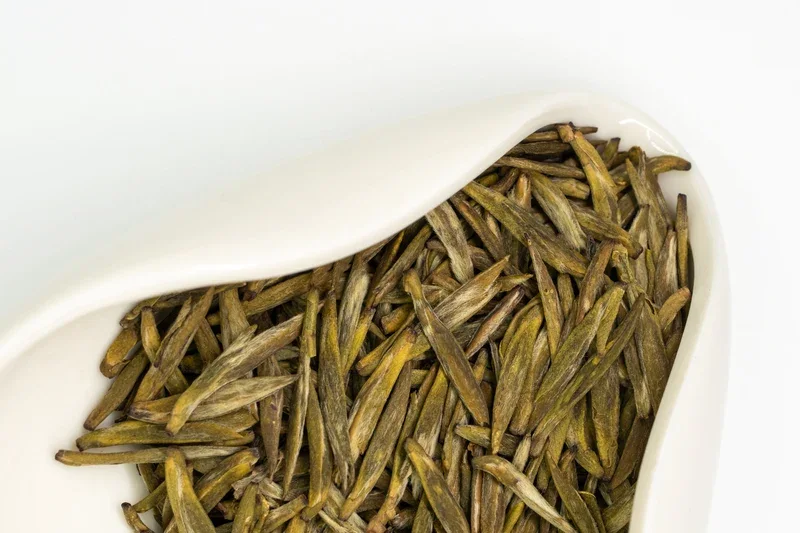
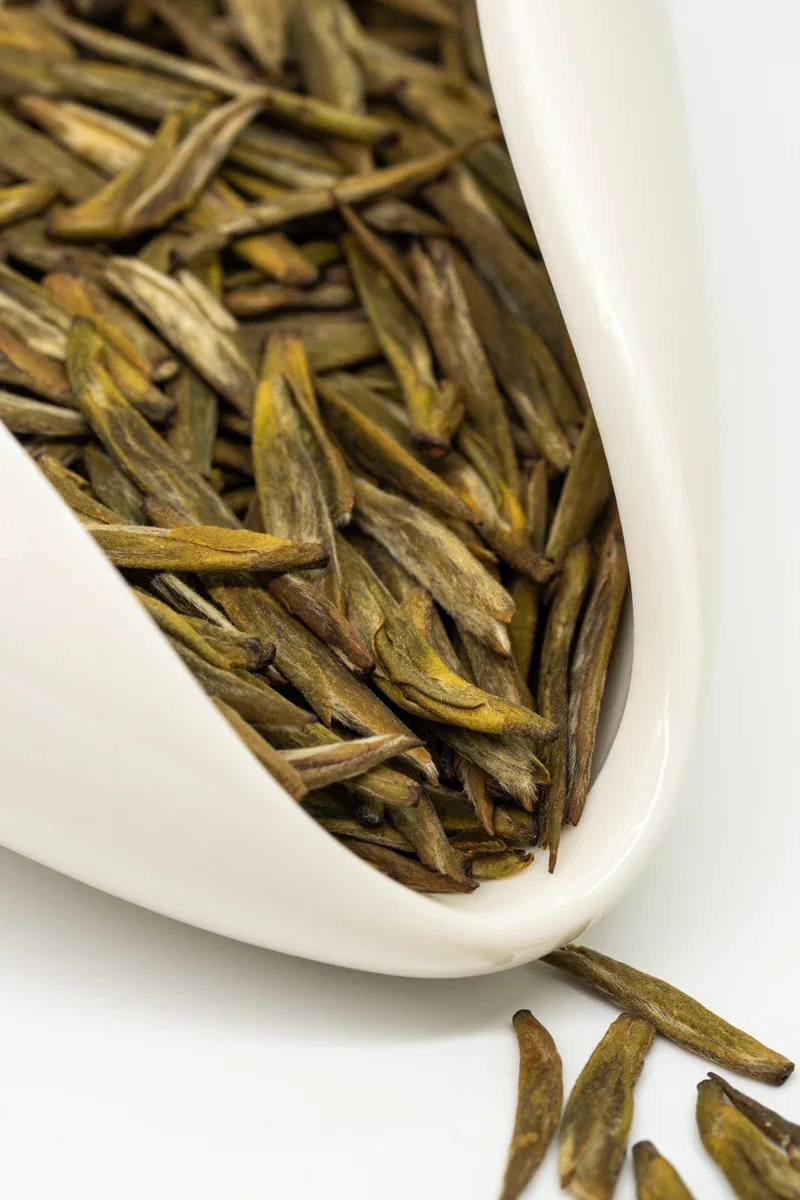
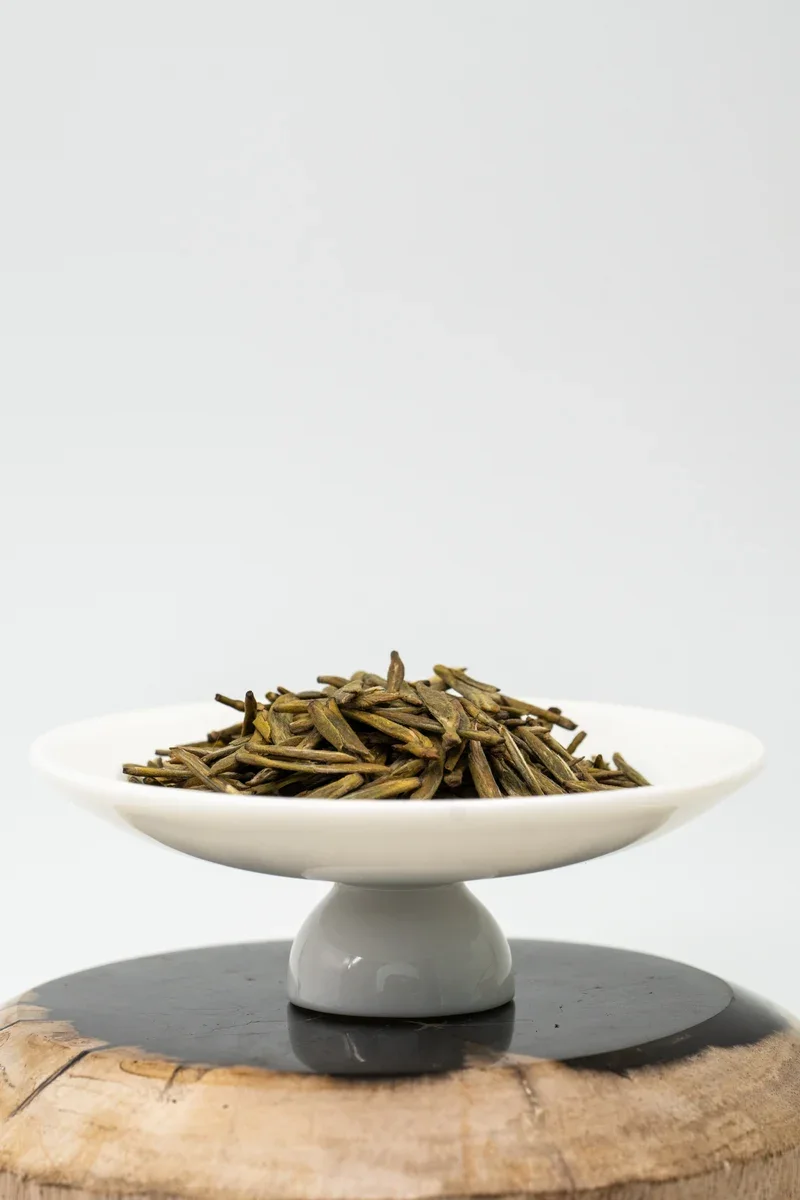
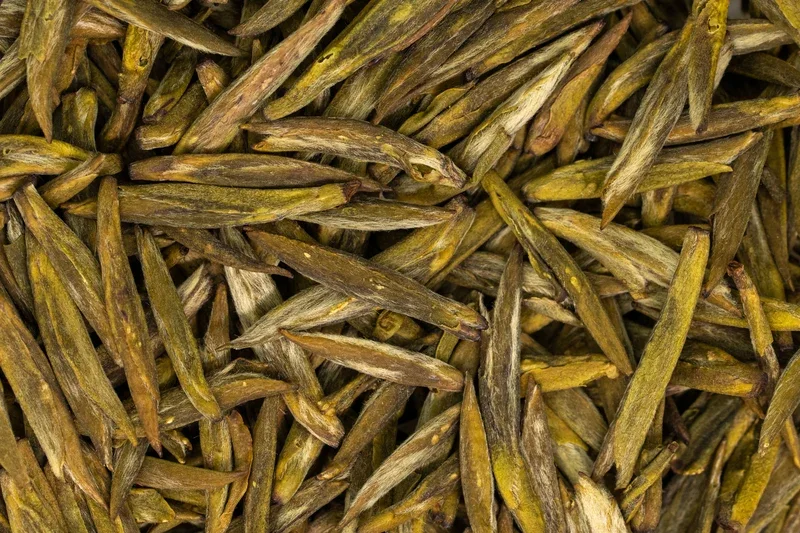
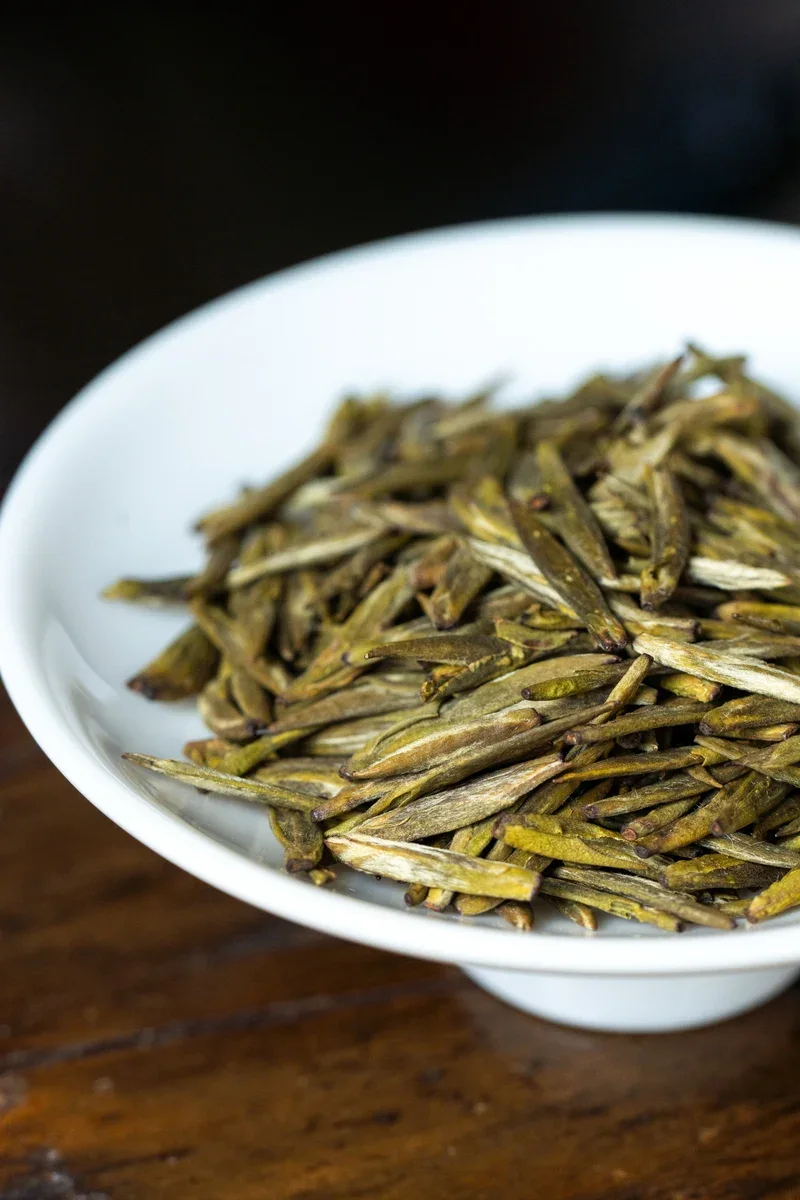
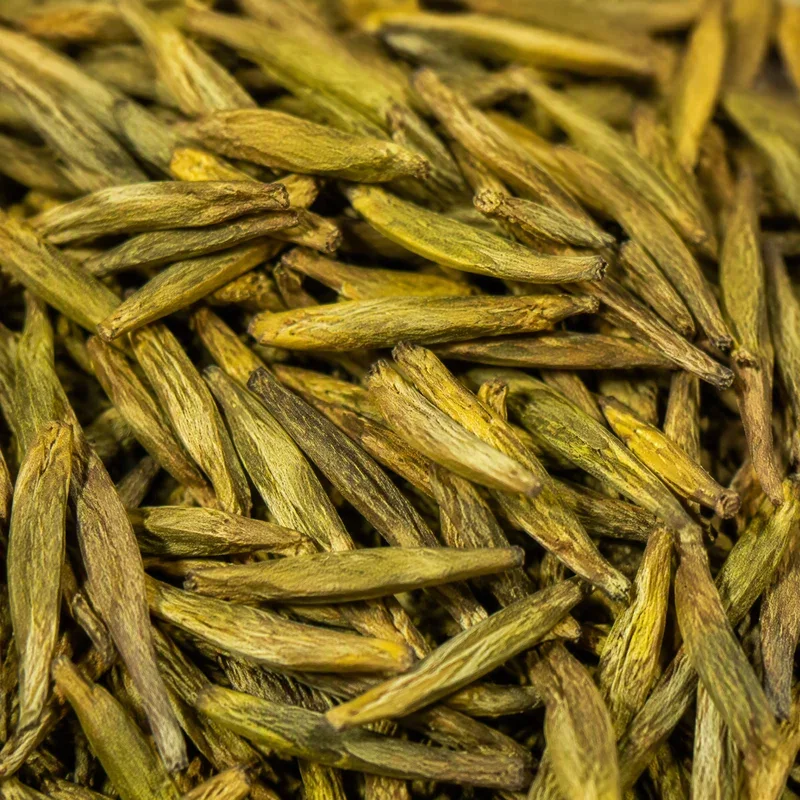
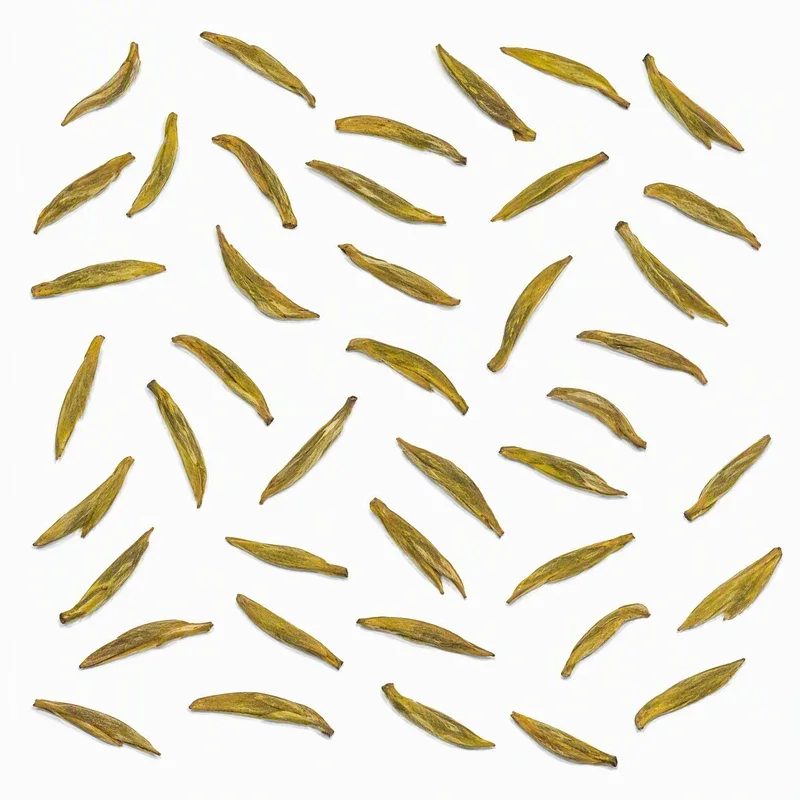
Dry Leaf Appearance: Large, whole leaves that have well-preserved their shape, dark green in color with visible silvery veins and abundant white down. Petioles may have the characteristic light purple tint of the cultivar. Leaf size is noticeably larger than typical Fujian white teas — leaf blades resemble bay leaves in shape.
Dry Leaf Aroma: Complex, multi-layered, floral-fruity profile. Dominated by notes of ripe pear and tender magnolia petals, complemented by subtle hints of mango and fresh greenery.
Liquor Aroma: Develops and deepens the dry leaf theme, enriched with honey and creamy nuances. As the cup cools, additional fruity notes are revealed.
Liquor Color: Clear, light amber with golden highlights. Clean, without cloudiness.
Spent Leaves: Large, well-opened leaves with preserved silvery down. Color from olive-green to yellowish-green. Leaves are soft, elastic, with visible purplish petioles.
Taste: Soft, smooth, with pronounced oily texture and natural sweetness reminiscent of melon honey. Medium-bodied — more saturated than classic Fujian white teas, which is a consequence of using an oolong cultivar. In middle steeps, light floral-creamy notes appear. Long, refreshing aftertaste with a subtle mineral note in the finish — an "echo" of the iron-rich red soils of Mingjian.
Alkaloids: Caffeine content is relatively low — about 1% of dry mass (approximately 10–15 mg per 150 ml cup), which is lower than most green teas and oolongs. Theobromine and theophylline are also present in trace amounts.
Amino Acids: Amino acid content is elevated — about 2% of dry mass. The main amino acid is L-theanine (L-茶氨酸, L-chá'ānsuan), responsible for characteristic taste sweetness and mild relaxing effect. High L-theanine content is due to shaded cultivation and early spring harvest.
Essential Oils: Volatile compounds play a significant role in the aromatic profile: β-ionone, responsible for floral notes, and linalool oxide, contributing subtle citrus and fresh notes. It is precisely the essential oils of the Qingxin cultivar that create that unique floral character distinguishing this tea from Fujian whites.
Minerals: Potassium, magnesium, fluorine, zinc, manganese. Elevated iron and manganese content is due to the mineral composition of Mingjian's red lateritic soils.
Polyphenols: Polyphenol content is about 14% of dry mass, which is typical for minimally processed white teas. The main catechin is epigallocatechin-3-gallate (EGCG), providing high antioxidant activity. Due to low oxidation degree, catechins are preserved in native form, not converting to theaflavins and thearubigins.
Vitamins: Vitamins C, B₁, B₂. Due to low-temperature drying (+40 °C), vitamin C is preserved to a significantly greater extent than in teas that have undergone high-temperature processing.
High catechin content, primarily EGCG, provides pronounced antioxidant activity, neutralizing free radicals and protecting cells from oxidative damage. Minimally processed white teas are considered among the most antioxidant-rich beverages.
White tea polyphenols stimulate collagen and elastin synthesis, helping maintain skin firmness and youth. Antioxidants also help protect skin from ultraviolet exposure.
High L-theanine content with relatively low caffeine level provides mild relaxing effect without drowsiness, improves concentration and cognitive functions.
Catechins help reduce "bad" cholesterol (LDL) levels, improve vascular elasticity, and help normalize blood pressure.
White tea polyphenols may help reduce carbohydrate absorption by inhibiting digestive enzymes (α-amylase and α-glucosidase), which is beneficial for preventing sharp glucose level spikes.
The complex of polyphenols, vitamins, and minerals supports the body's protective functions. Laboratory studies show potential antiproliferative and anti-inflammatory activity of white tea polyphenols.
Due to the synergistic effect of L-theanine and small amounts of caffeine, the tea provides calm, "clean" alertness — without nervousness and rapid heartbeat.
Like any food product, tea may cause allergic reactions in certain individuals.
Although the caffeine content in this tea is low, people with heightened caffeine sensitivity and small children should consume it moderately, avoiding intake in evening hours.
Tea polyphenols may affect blood clotting. When taking anticoagulants, consultation with a treating physician is recommended.
For gastritis with high acidity or peptic ulcer disease, it is recommended to drink tea after meals, not on an empty stomach.
People with hypotension should consume tea with caution, monitoring their well-being.
5 grams of tea per 500 ml of cold filtered water, steep in refrigerator for 6–8 hours. Cold infusion emphasizes fruity sweetness and refreshing character of the tea.
Tea Amount: 5 grams per 100–150 ml of water.
Teaware: Porcelain gàiwǎn (蓋碗, gàiwǎn) or glass teapot. Porcelain better reveals the subtle floral aroma. Yixing teapot is not recommended — its porous walls may muffle the tea's delicate character.
Water Temperature: 85 °C for first steeps, gradually increasing to 90 °C in later steeps. Too hot water can "burn" delicate essential oils and destroy L-theanine, depriving the tea of characteristic sweetness.
Enemies: Moisture (leads to mold), direct sunlight (destroys chlorophyll and essential oils), strong odors (tea easily absorbs foreign aromas), temperature fluctuations.
Store in a dry, cool place (around +18 °C) in airtight, opaque containers — ceramic jars or foil packages with zip closure. Protect from direct sunlight, moisture, and foreign odors. Optimal humidity — no higher than 50%.
Like other white teas, Taiwan Qingxin Bai Cha is capable of developing over time. When stored in a dry room with moderate ventilation (in a cardboard box wrapped in kraft paper), the tea's flavor will gradually transform, acquiring more mature, woody-honey notes with dried fruit nuances. Avoid complete sealing during long-term aging — tea needs minimal air access for slow post-fermentation processes.
Classic white tea from Fuding (Fujian), made exclusively from buds of the Fúdǐng Dà Bái Chá (福鼎大白茶) cultivar. Possesses a more delicate, "clean" taste with sweet nutty notes. Taiwan Qing Xin Bai Cha differs with its denser body, pronounced oily texture, and fruity-floral profile thanks to the oolong cultivar.
Fujian white tea made from buds and leaves, closer in picking standard to the Taiwanese tea. Bai Mu Dan has a more grassy-floral character with light astringency. The Taiwanese tea is sweeter, more fruity, with an "oily" texture.
Another Taiwanese white tea from the same Qing Xin Gan Zhi cultivar, but produced in the Sanxi district (New Taipei). The difference in terroir—Sanxi is located higher (300–600 m) and has a different soil profile—gives the tea a somewhat different character: more pronounced vegetal quality and light astringency compared to the honey sweetness of the Mingjian variant.
Yunnan white tea made from large-leaf material (Camellia sinensis var. assamica). Possesses a more powerful, dense flavor with honey-floral and chocolate notes. Unlike the Taiwanese tea, it is made from completely different botanical material and has a fundamentally different character.
Prefer specialized Taiwanese tea shops with transparent supply chains and indication of specific farmer/region.
Leaves should be large, whole, with abundant silvery down. Light purple tint of petioles is possible — a sign of the Qingxin cultivar. Uneven leaf size, presence of broken fragments and dust — signs of low quality.
Dry leaf should possess natural floral-fruity aroma without sharp, artificial pear or flower notes.
Liquor color — clear, light amber. Cloudy or dark liquor indicates processing violations or improper storage.
Prices significantly below market should be alarming, considering the labor-intensive production and limited volumes.
No reviews yet. Tell us what you think of this tea.
Rate this tea and share your impressions. We review each submission before publishing it.