Brewing
Gongfu brewing
- Water temperature
- 78 °C
- Tea amount
- 5 g
- Water volume
- 100 ml
- First steep
- 10 s
- Time added per infusion
- 5 s
- Infusions
- 4

Yuèyáng huángchá
Choose a brewing method. Start with the recommended quantities and time, then adjust to taste.
Brewing
Brewing
Taste
Tea encyclopedia
Category: Product with Protected Geographical Indication (国家地理标志产品, Guójiā Dìlǐ Biāozhì Chǎnpǐn), registered in 2014. Included among China's Famous Teas (中国名茶, Zhōngguó Míngchá).
Category: Product with Protected Geographical Indication (国家地理标志产品, Guójiā Dìlǐ Biāozhì Chǎnpǐn), registered in 2014. Included among China's Famous Teas (中国名茶, Zhōngguó Míngchá).
The legendary island in the middle of Dongting Lake — birthplace of Jūnshān Yínzhēn (君山银针, Jūnshān Yínzhēn). The island's area is less than 1 km², but it is precisely here that a unique microclimate forms, creating incomparable raw material.
Northern shore of Dongting Lake, birthplace of Běigǎng Máojiān (北港毛尖 — "Northern Harbor Hairy Tips").
Longjiao Mountain (龙窖山) massif — production of large-leaf yellow tea.
Lianyun Mountains (连云山) — high-altitude raw material.
Yùshān Mountain (禹山) — mass market production.
Coordinates: 112°18′–114°09′ E, 28°25′–29°51′ N.
Origin: China, Húnán Province (湖南, Húnán), Yuèyáng Prefecture (岳阳, Yuèyáng). The production territory encompasses the entire Yueyang Prefecture.
Type: Yellow tea (黄茶, huángchá) — lightly oxidized (degree of oxidation ≤50%). The key technological operation is "menhuang" (闷黄 — "sealed yellowing"), ensuring the characteristic "yellow liquor and yellow leaves" (黄汤黄叶, huáng tāng huáng yè).
Main universal variety for Hunan yellow teas. Medium-leaf, with high amino acid content.
Early-maturing, aromatic, used for high-grade raw material.
Series of specialized yellow tea cultivars with increased amino acid content (up to 7%) and reduced bitterness.
Specially bred ultra-early varieties with exceptional "tenderness retention" (持嫩性, chí nèn xìng), intended exclusively for silver needle production.
Large-leaf variety used for producing "yellow large-leaf tea" (黄大茶).
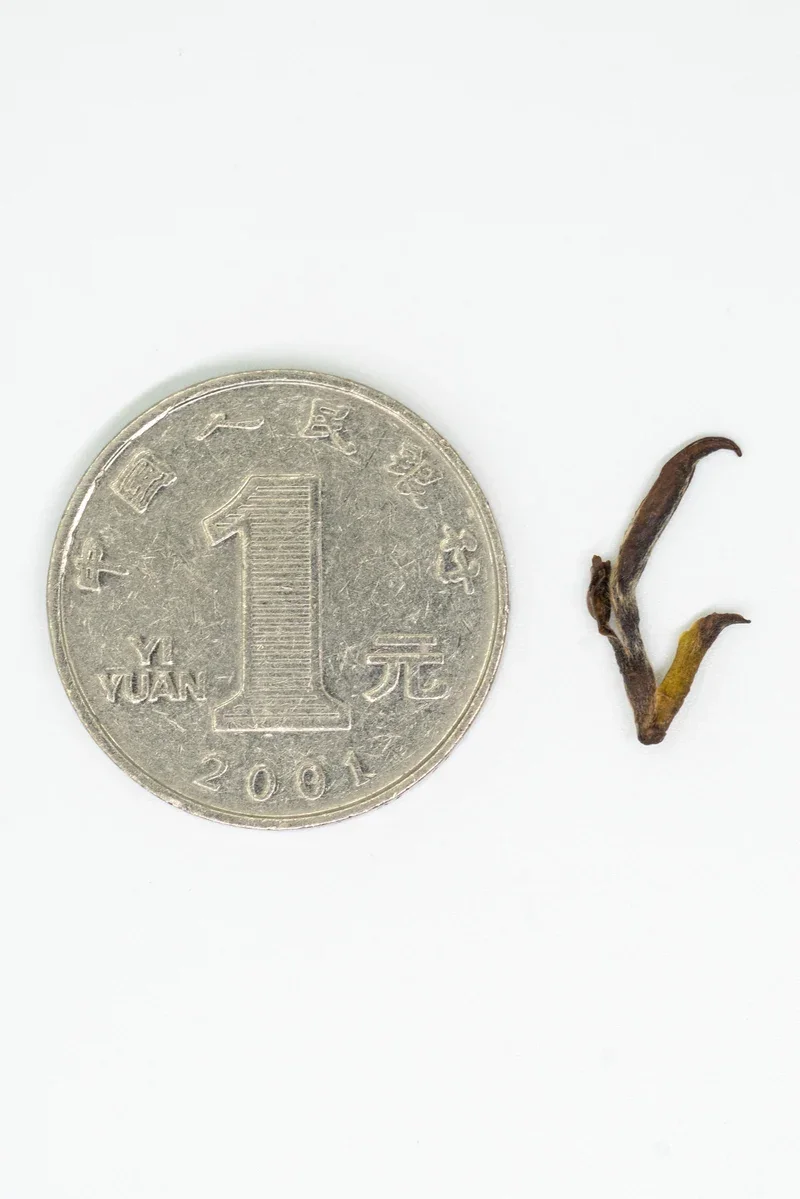
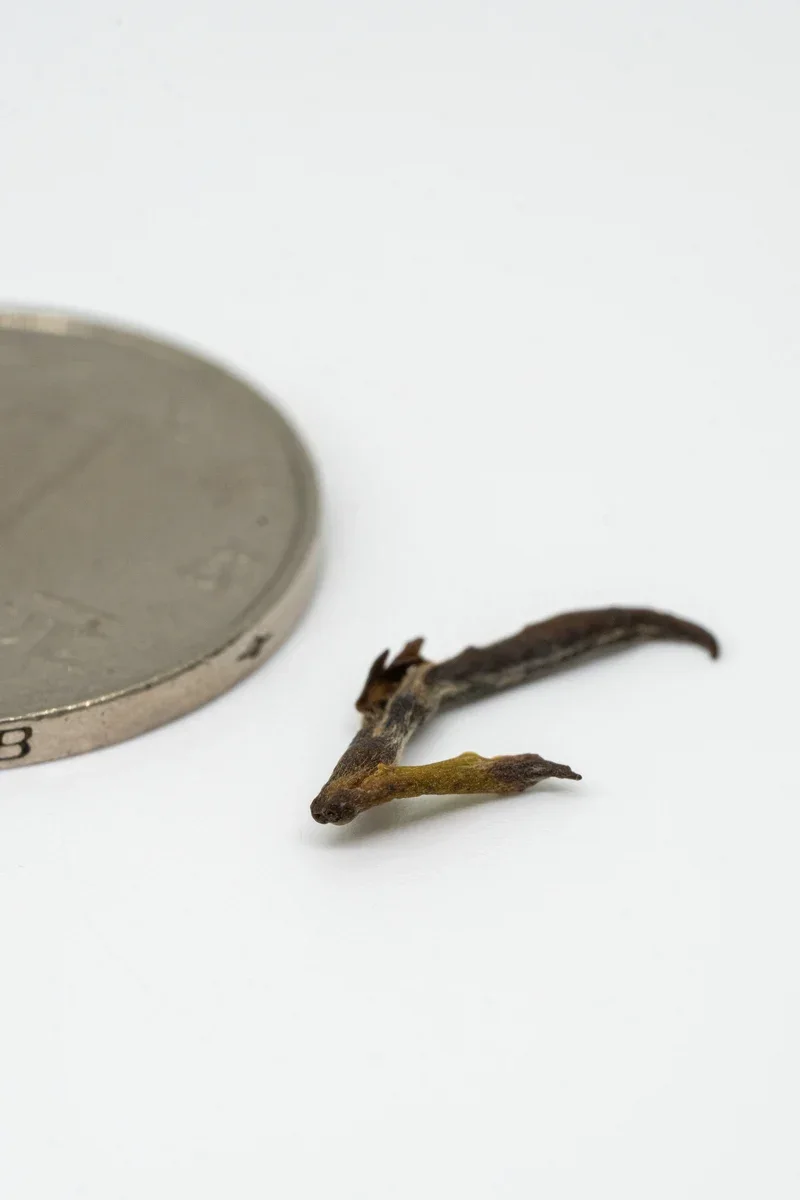
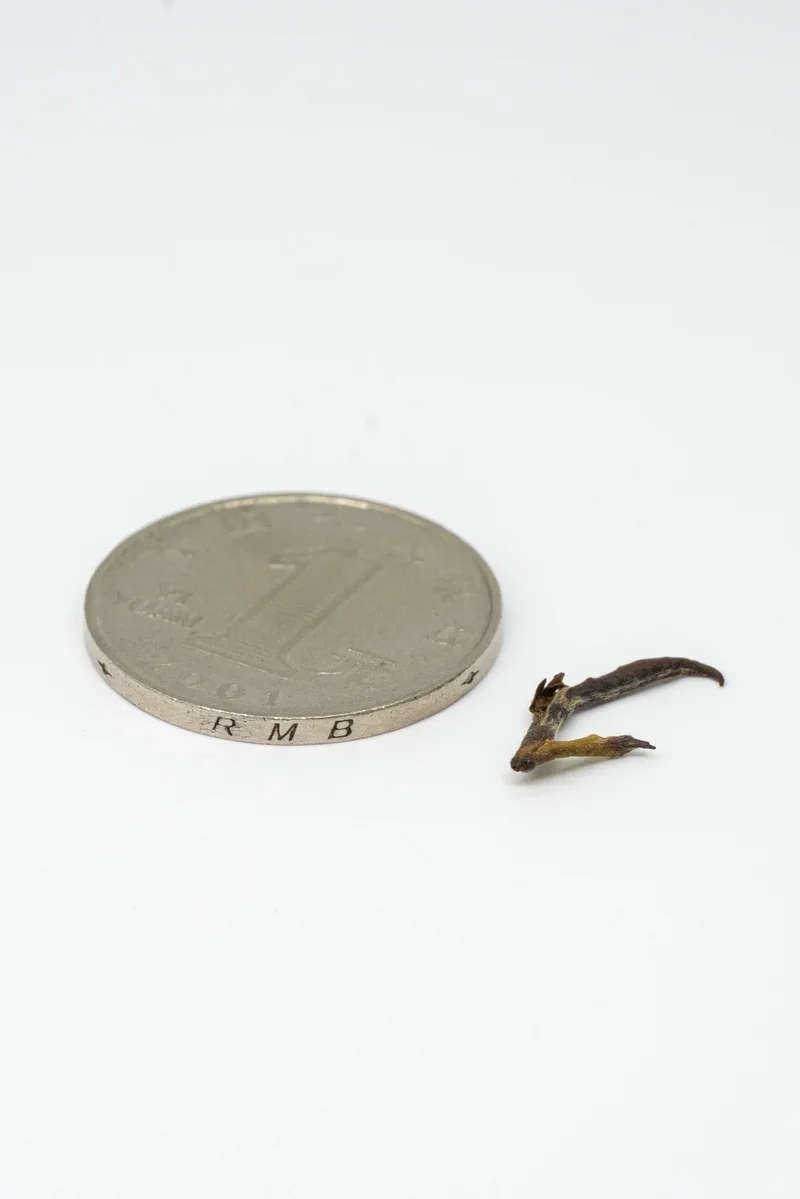
Only unopened buds (单芽, dān yá). Bud length — 25–30 mm, width — 3–4 mm, with stem ~2 mm. For 500 g of dry tea, 40,000–50,000 buds are required (approximately 2 kg of fresh buds).
One bud — one leaf.
One bud — two-three leaves and more.
The strictest rule applied to harvesting Jūnshān Yínzhēn (君山银针, Jūnshān Yínzhēn): do not pick in rain; do not pick during frost; do not pick opened buds; do not pick purple buds; do not pick hollow buds; do not pick curved buds; do not pick those damaged by pests; do not pick weak and thin ones; do not pick those not meeting size requirements. Harvesting with such restrictions is figuratively compared to "searching for a sewing needle in the dark."
Cultivar: A wide spectrum of varieties is used, both old population groups (群体种, qúntǐ zhǒng — seed propagation) and modern clonal cultivars:
Altitude: 60–800 meters above sea level. Junshan Island — only 60–70 m, but the water mass of the lake creates an effect equivalent to significantly greater altitude.
Climate: Subtropical monsoon. Average annual temperature — 16.1°C. Precipitation — ~1400 mm/year. Key factor: more than 180 foggy days per year — diffused light (散射光, sǎnshè guāng) stimulates amino acid accumulation and reduces bitterness. Daily temperature range — more than 10°C, which enhances aromatic compound synthesis. Average annual relative humidity on Junshan Island — 84%.
Soil: Predominantly red (红壤, hóng rǎng) and yellow (黄壤, huáng rǎng) lateritic soils; pH 4.0–6.0; organic matter content ≥1.5%. Important feature — elevated selenium content (0.82 mg/kg) and zinc, due to the geology of lacustrine deposits. On Junshan Island, soils are fine-grained sandy, deep, loose, with high heat capacity.
Yueyang is located in northeastern Hunan Province, in the "golden tea belt" between 28° and 30° North latitude. The city stands on the southern bank of the Yangtze, at the northeastern corner of Dongting Lake — China's second-largest freshwater lake. Dongting Lake acts as a giant climatic regulator, moderating temperature fluctuations and ensuring constant high humidity.
Forest coverage — 70.27%. Negative ion concentration — 13,000/cm³ (territory certified as "China's Natural Oxygen Bar" — 中国天然氧吧). On Junshan Island, trees and shrubs create natural shading for tea plantations. Tea gardens are managed according to green agriculture principles: double-row dense planting (row spacing 1.2–1.8 m), prohibition of chemical fertilizers and pesticides, use of yellow sticky traps and insecticidal lamps.
Fresh buds are spread on bamboo trays in a 3–5 cm layer, with light ventilation, until moisture content ~70%.
In an inclined wok (20° incline), pre-rubbed with wax. Temperature: "first high (100–120°C), then low (80°C)". Load — ~300 g per wok. The master uses both hands to lightly toss the buds, moving them forward and upward, allowing them to slide along the wok wall. Movements are light, without pressure, to avoid breaking buds, removing down, or causing darkening. After 4–5 minutes, when stems soften, the "green spirit" (青气) disappears and tea aroma appears (mass loss ~30%), buds are removed.
Pan-fired buds are placed in bamboo sieves, heat is dispersed by light tossing and small fragments are removed. Cooling — 4–5 minutes.
On a charcoal brazier (炭火炕灶, tànhuǒ kāng zào) at 50–60°C, 20–30 minutes, to ~50% dryness. Critical moment: over-dry — leaves won't yellow during sealed yellowing; under-dry — aroma will be dull, color dark.
Similar to the first, but shorter — 22–24 hours. Complements and "completes" yellowing to the required degree. After second sealed yellowing, the taste and color of Jūnshān Yínzhēn (君山银针, Jūnshān Yínzhēn) are finally formed.
At ~50°C, about an hour, to ~80% dryness. Goal — fix the results of first sealed yellowing and prepare leaves for the second.
At 50–55°C to 5–6% moisture content. Portions — ~500 g. Low temperature preserves delicate aroma.
Hand selection of standard buds; rejection of broken, too long, too short ones.
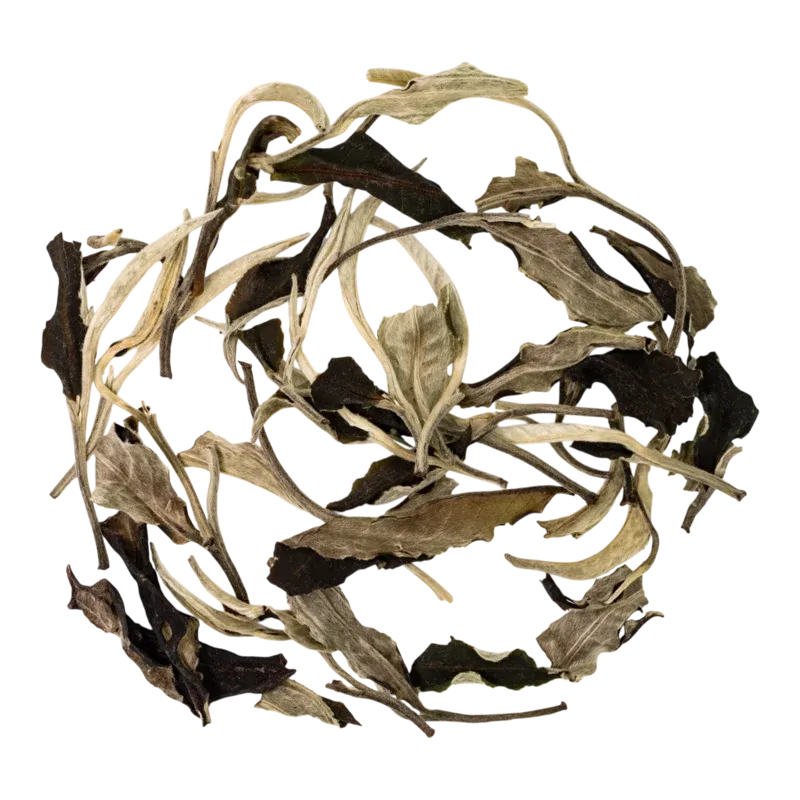
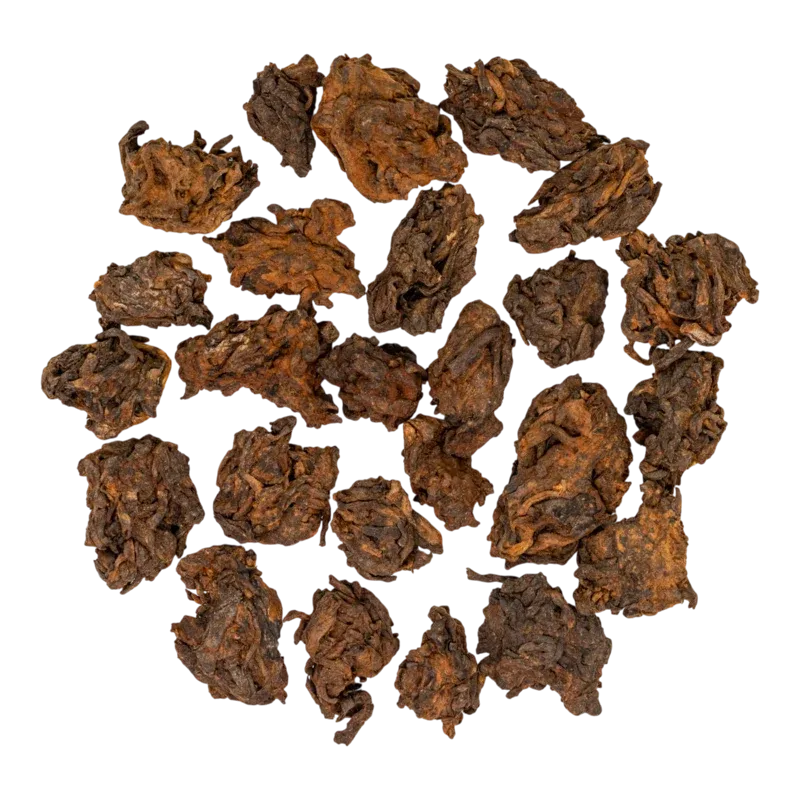
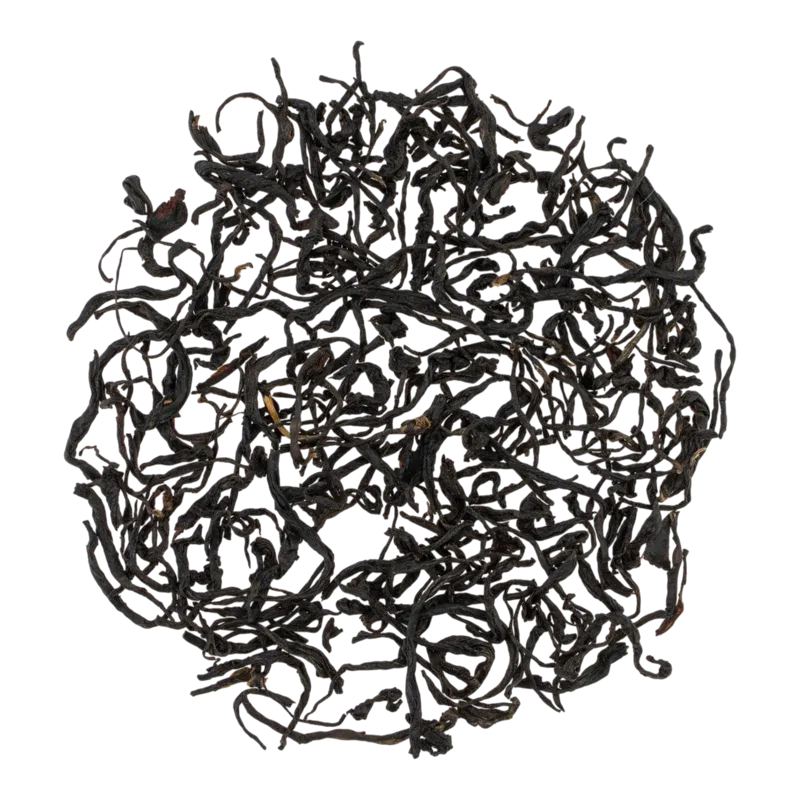
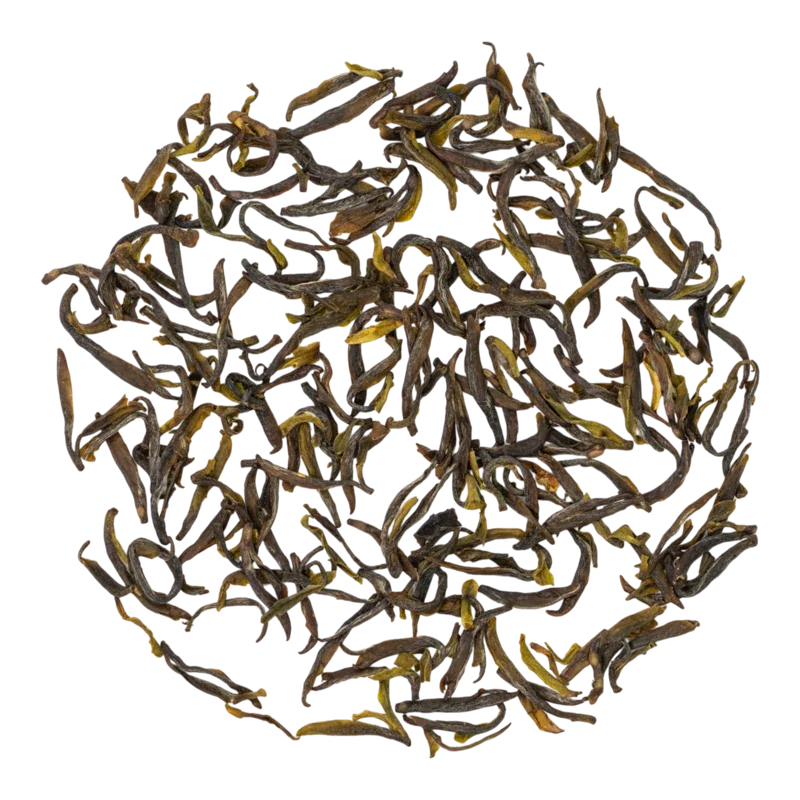
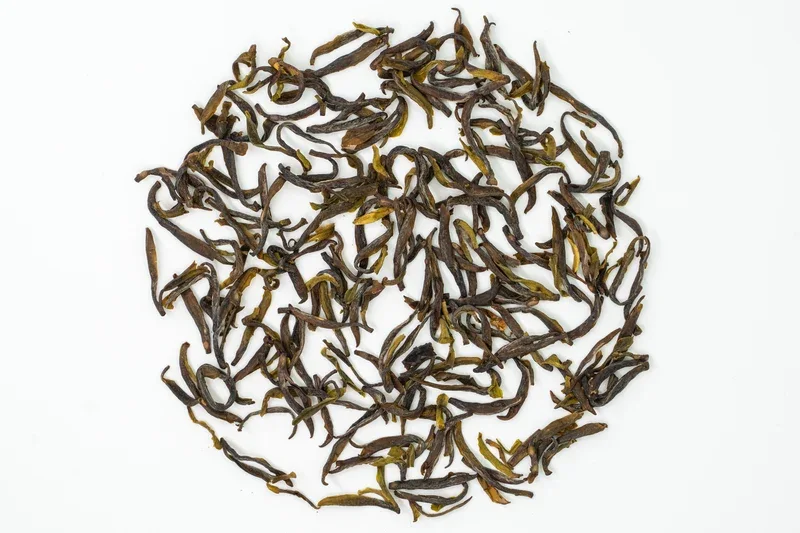
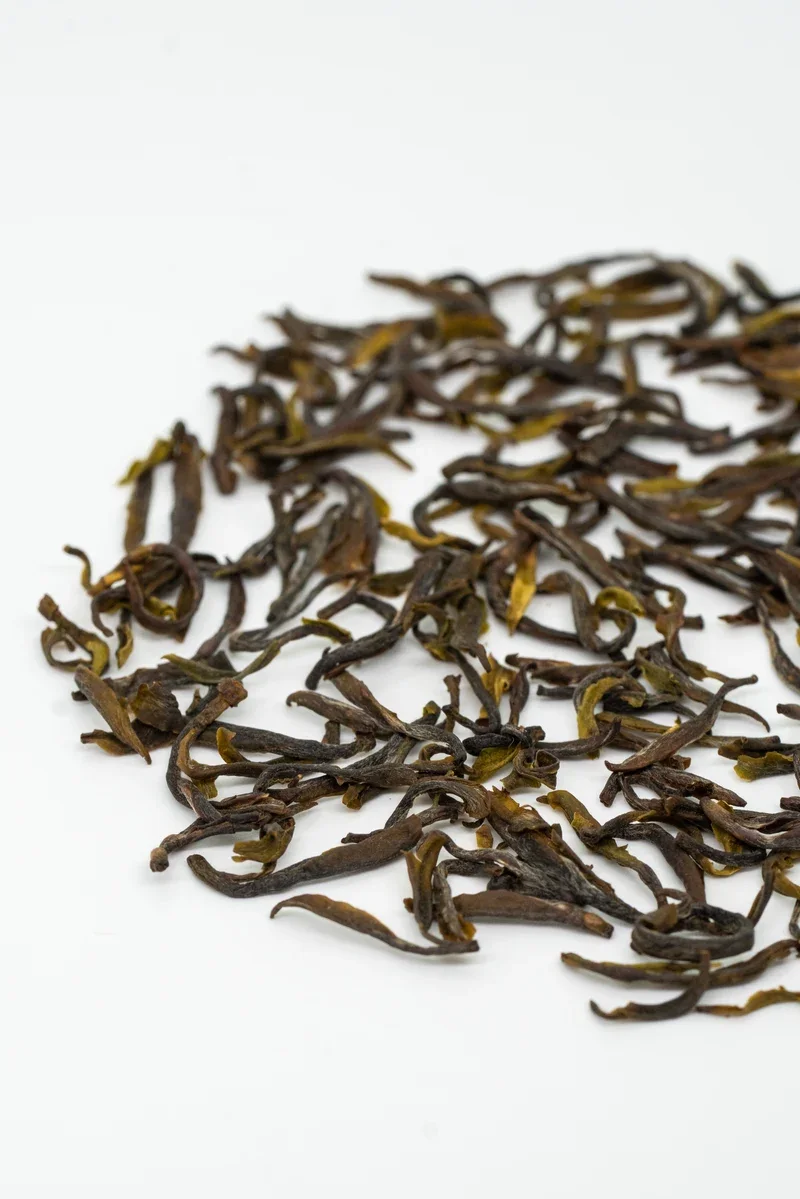
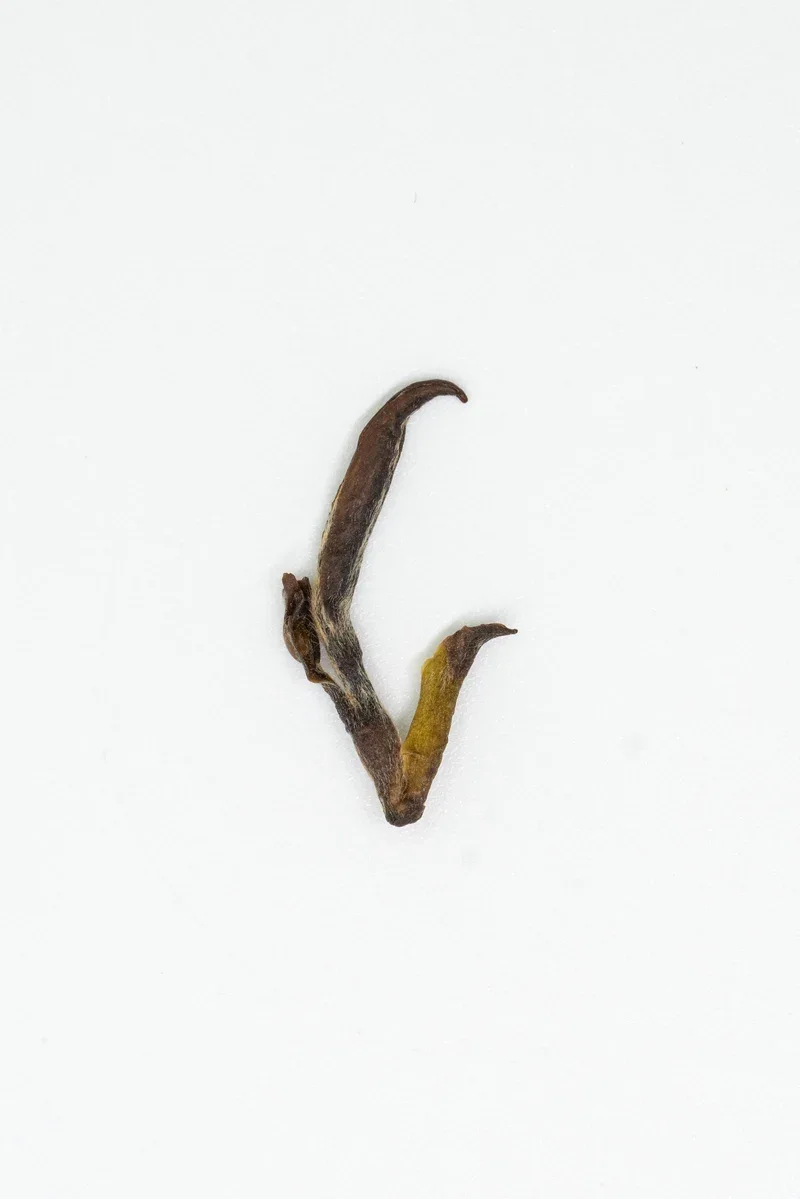
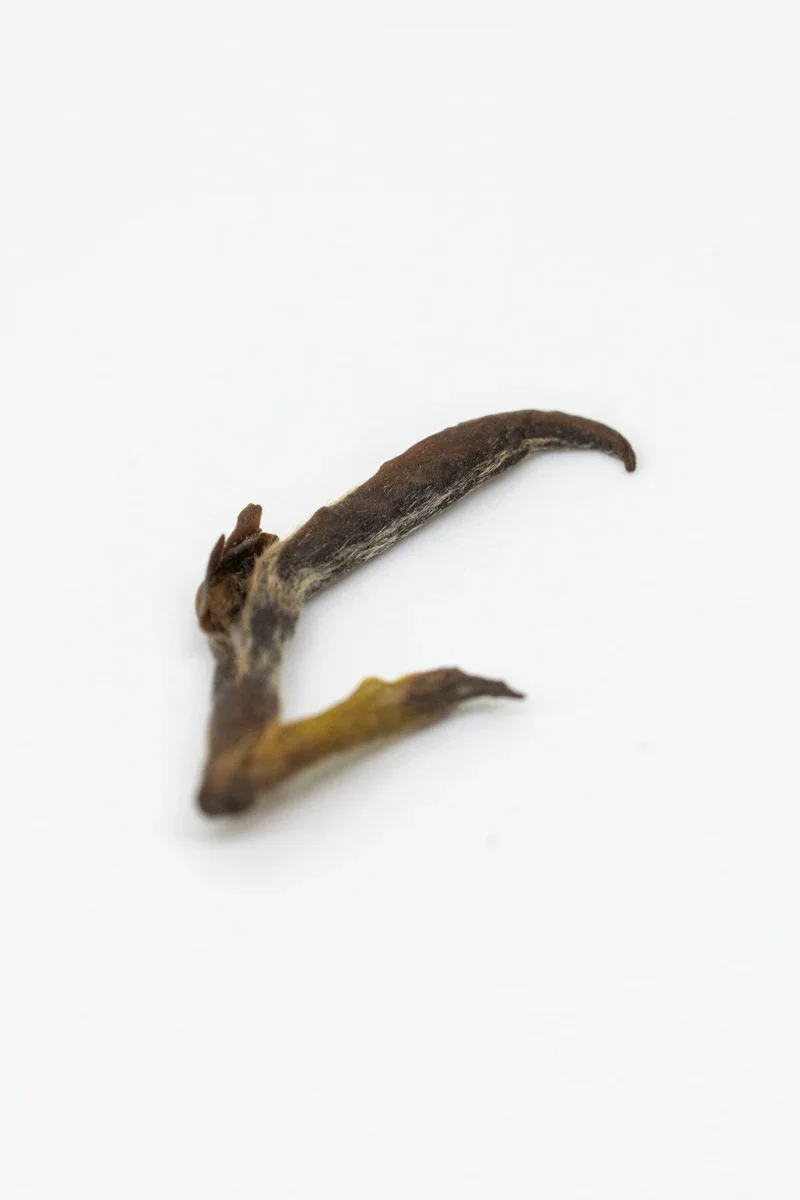
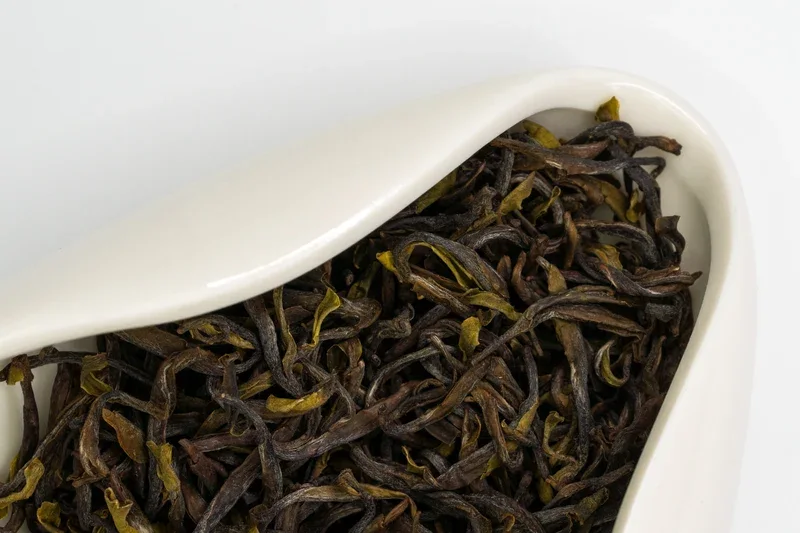
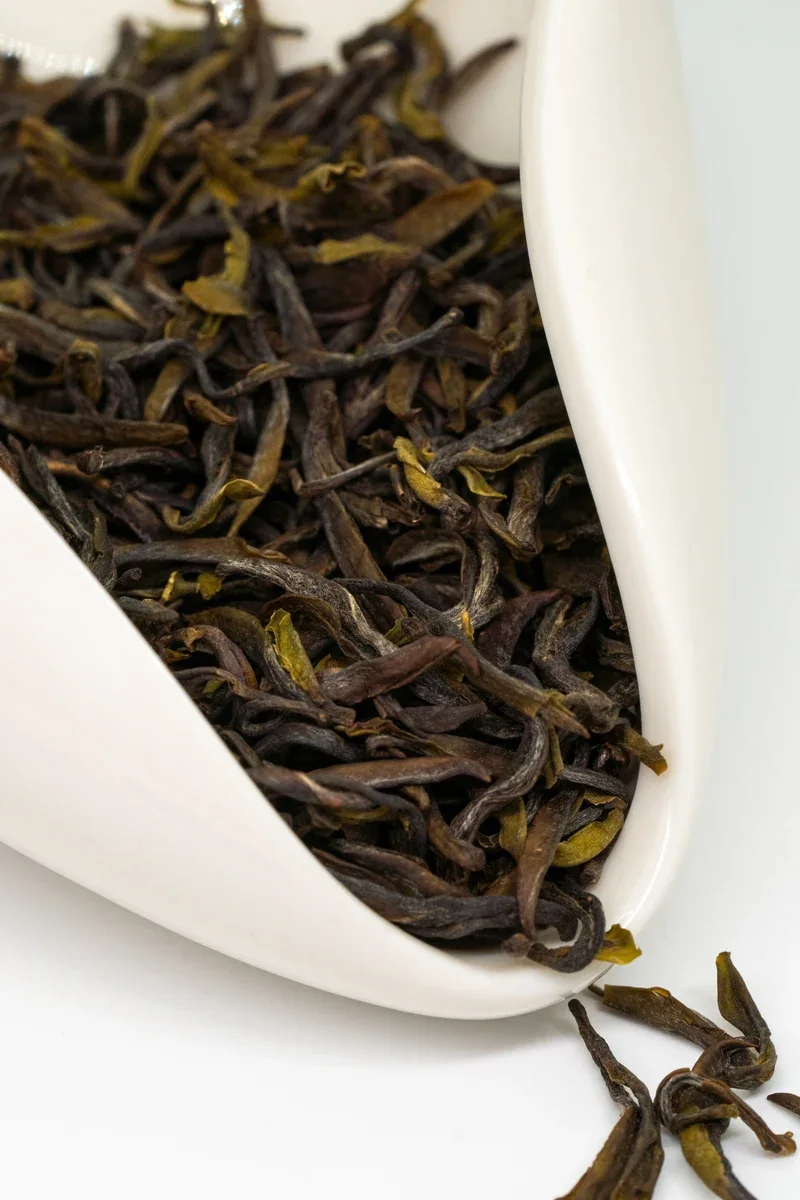
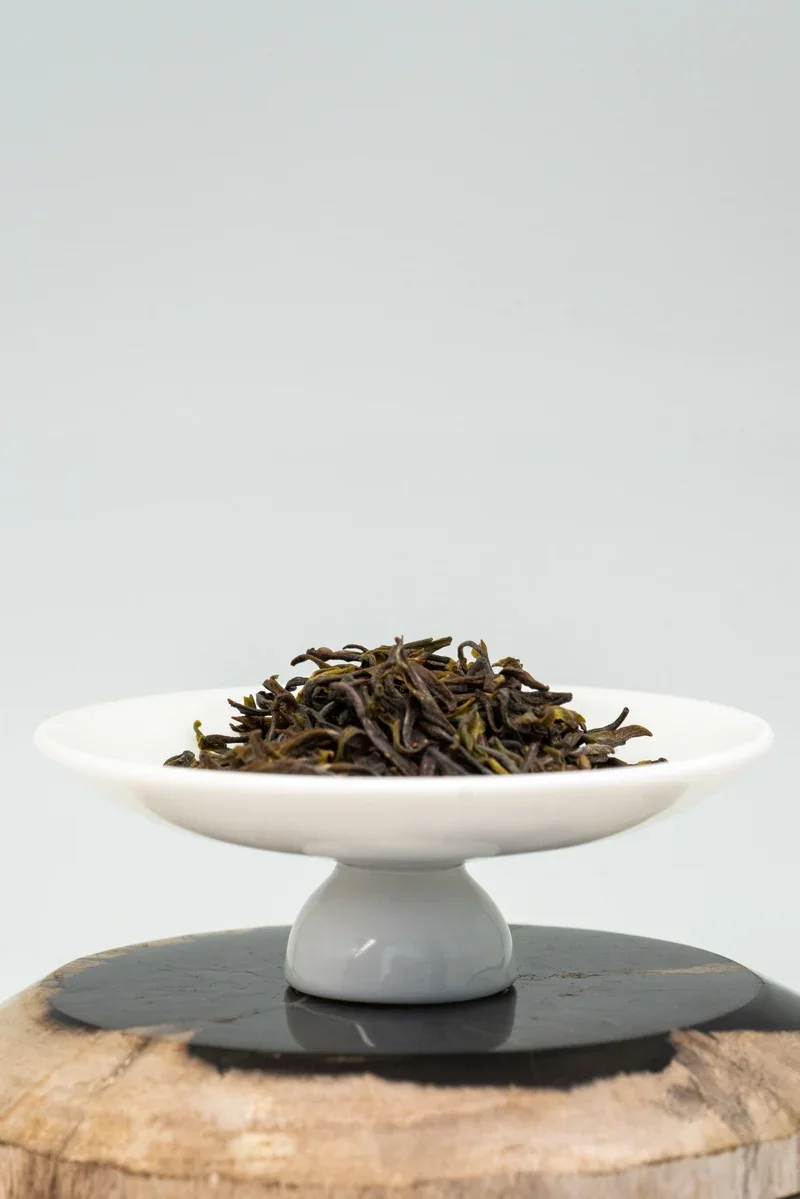
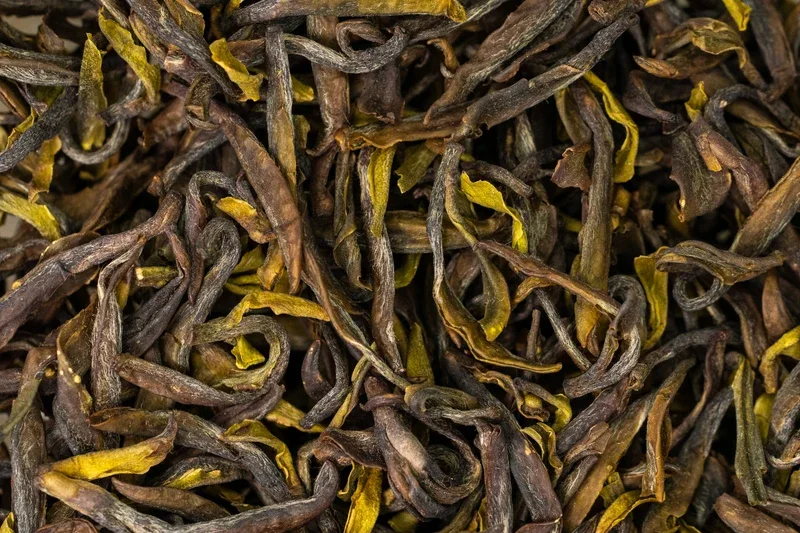
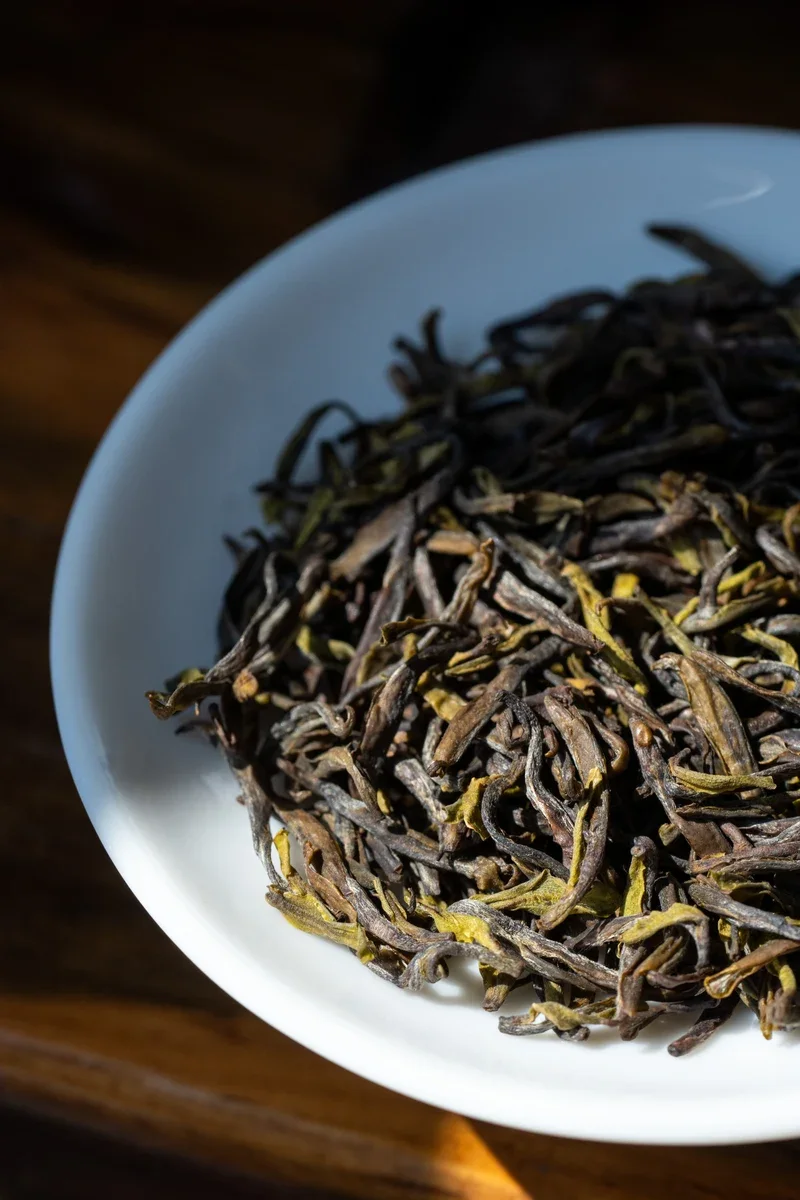
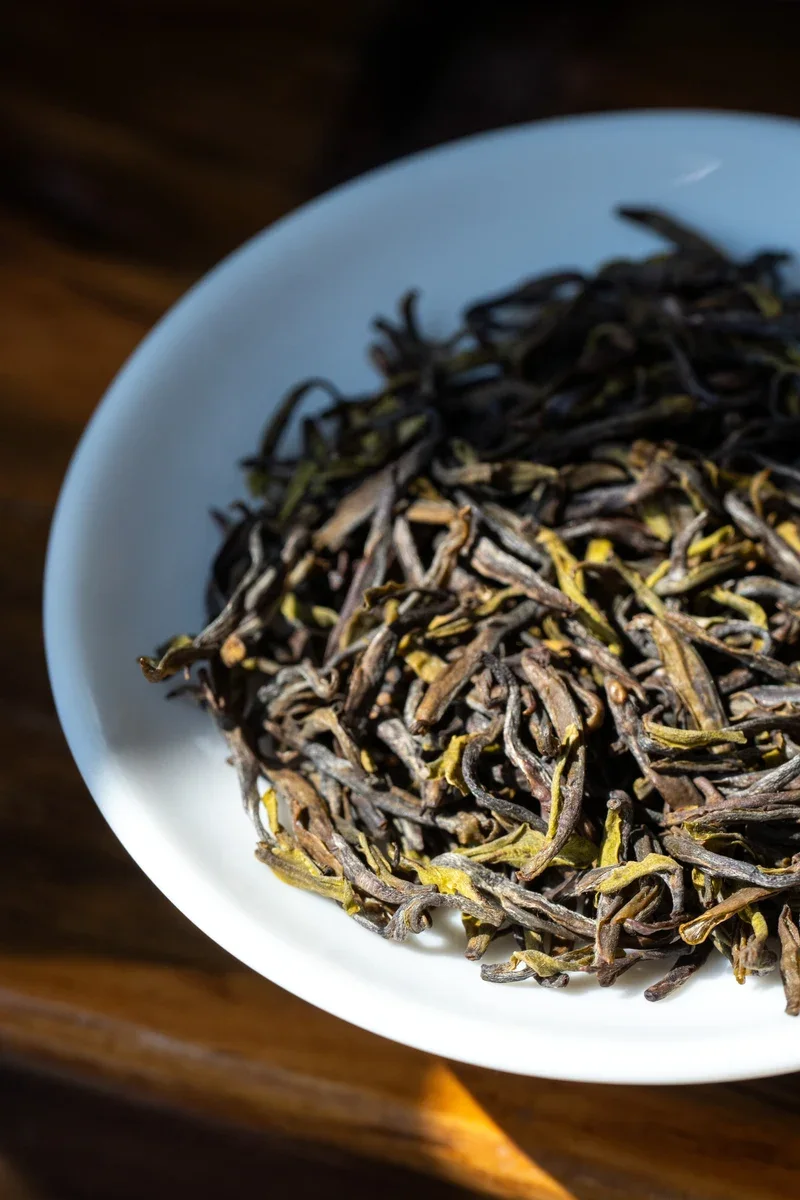
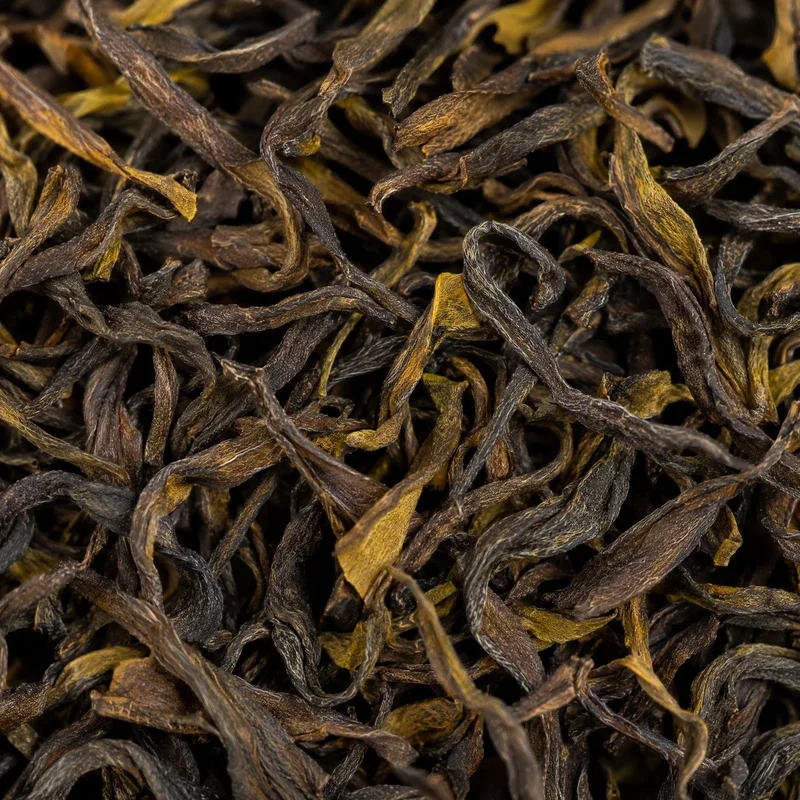
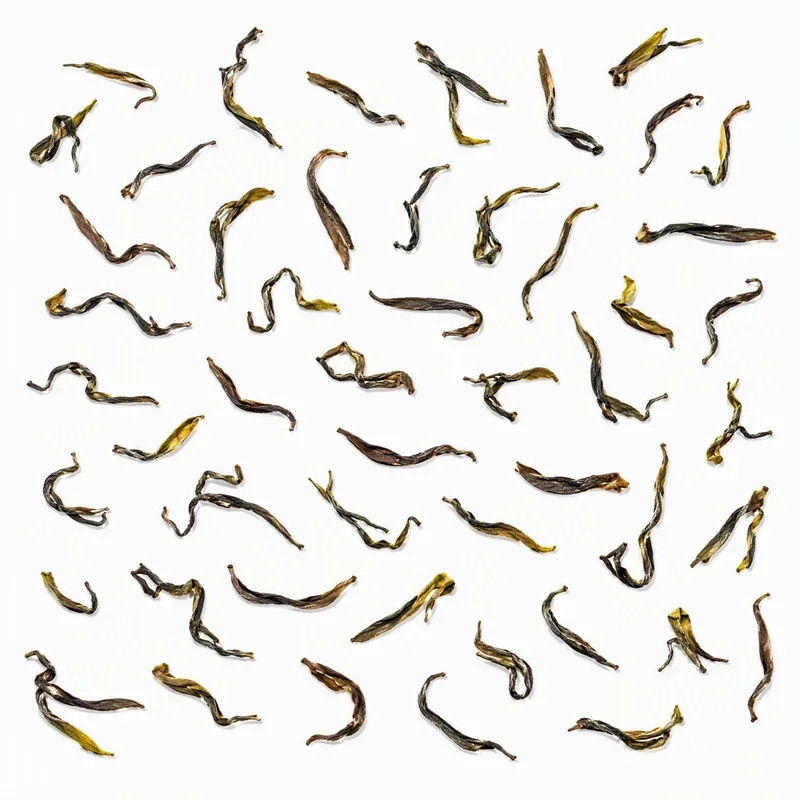
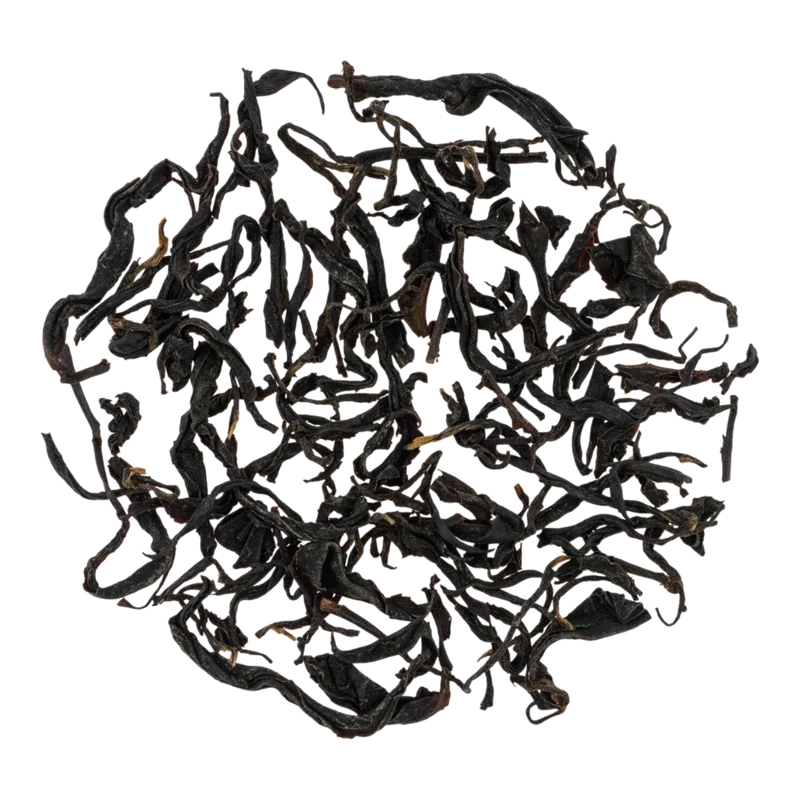
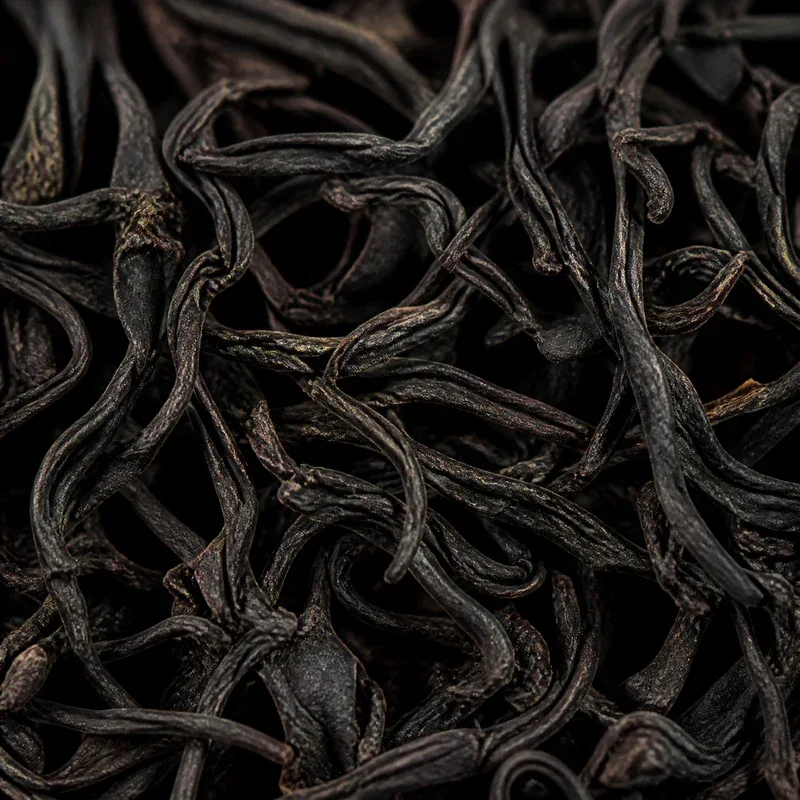
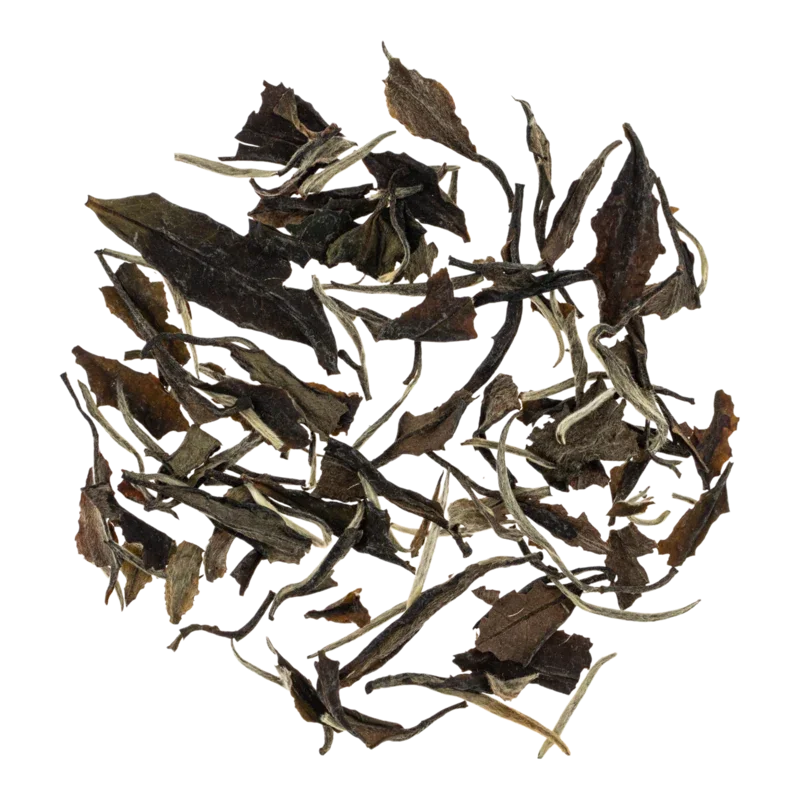
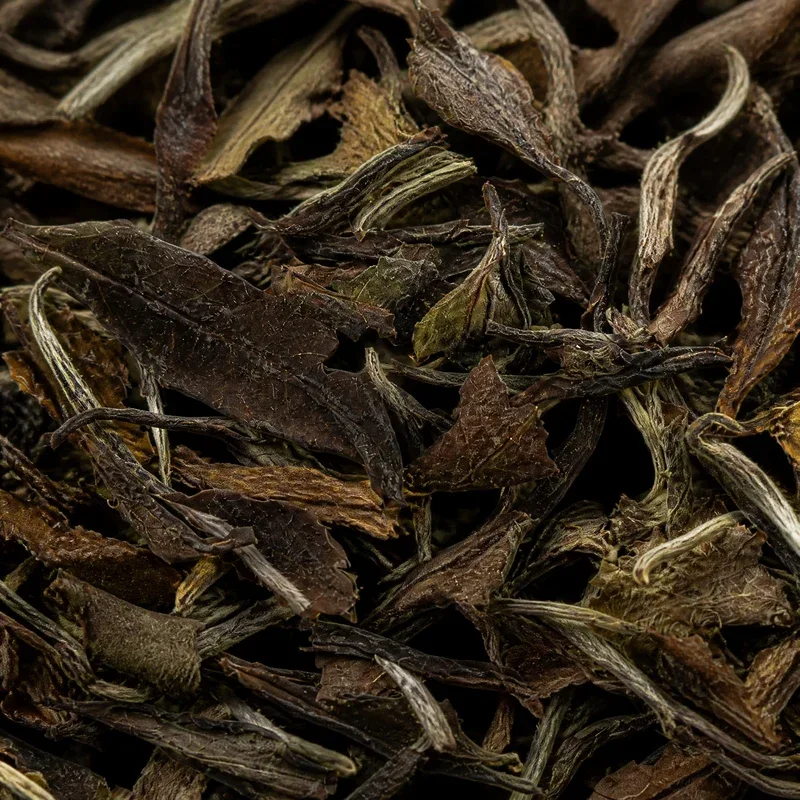
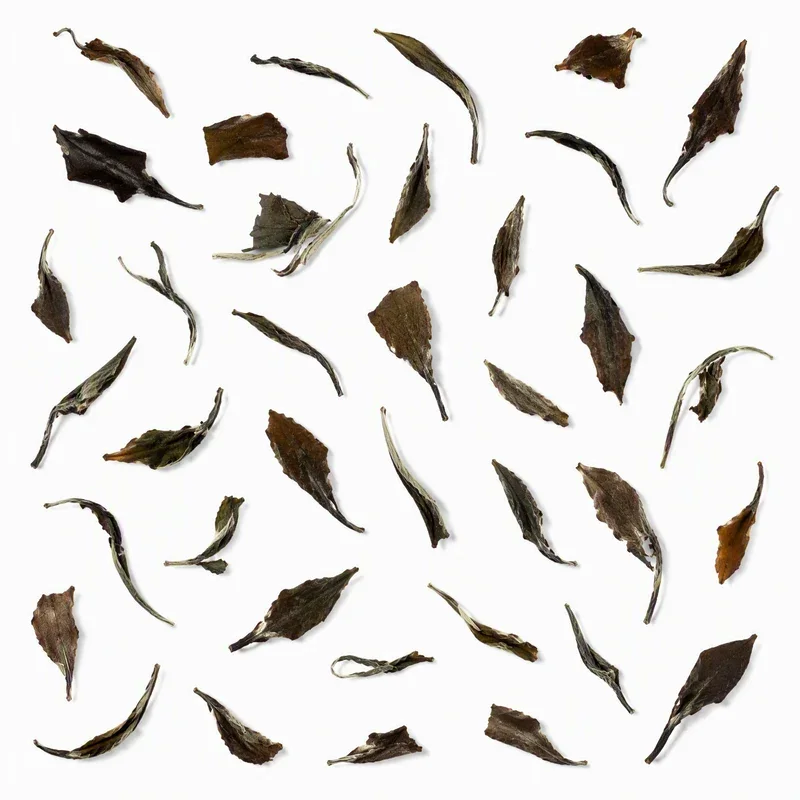
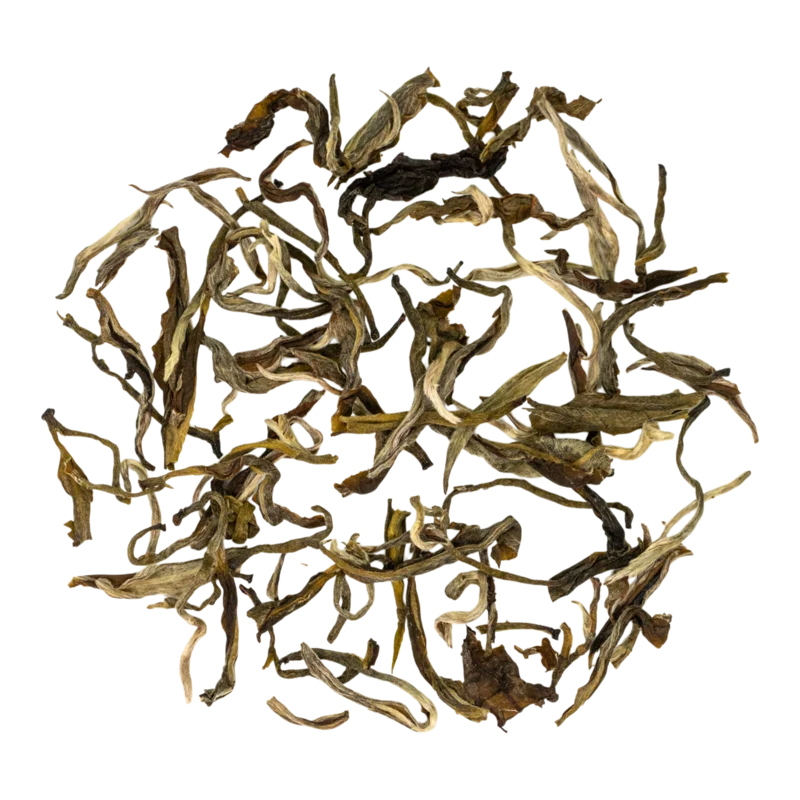
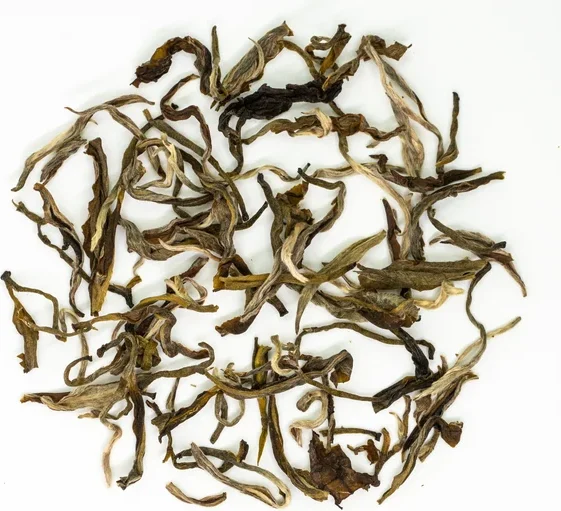
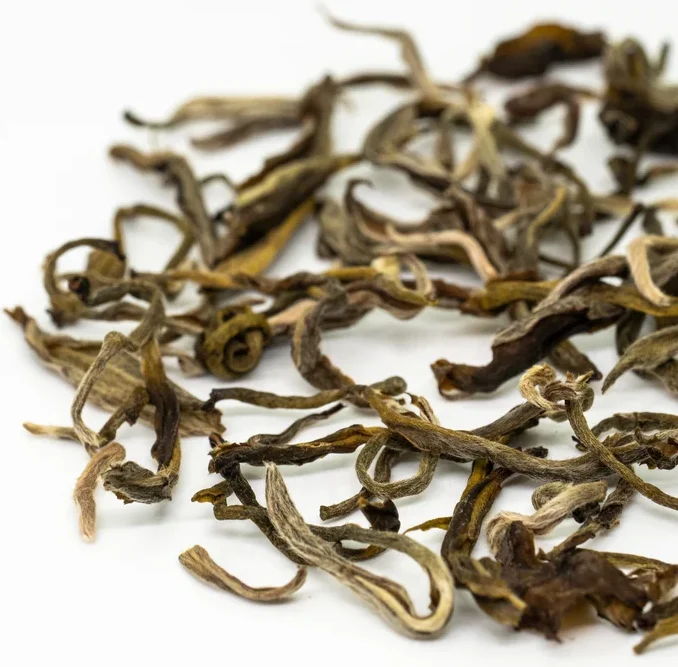
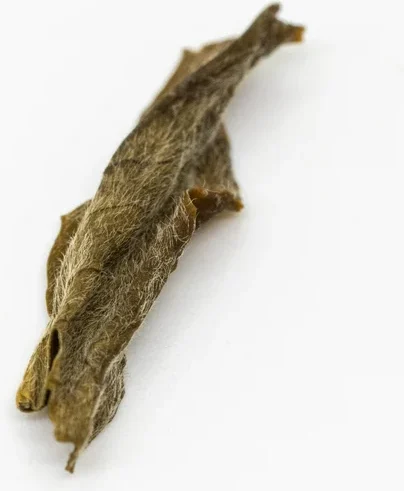
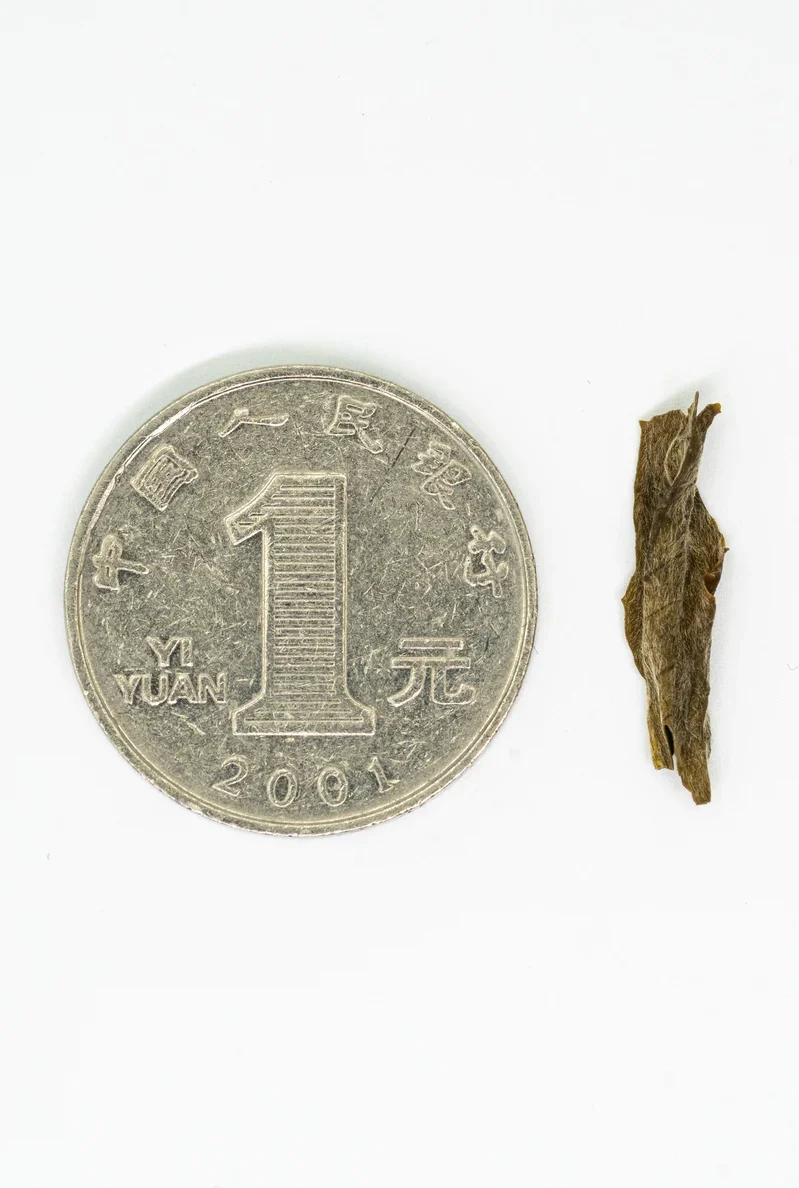
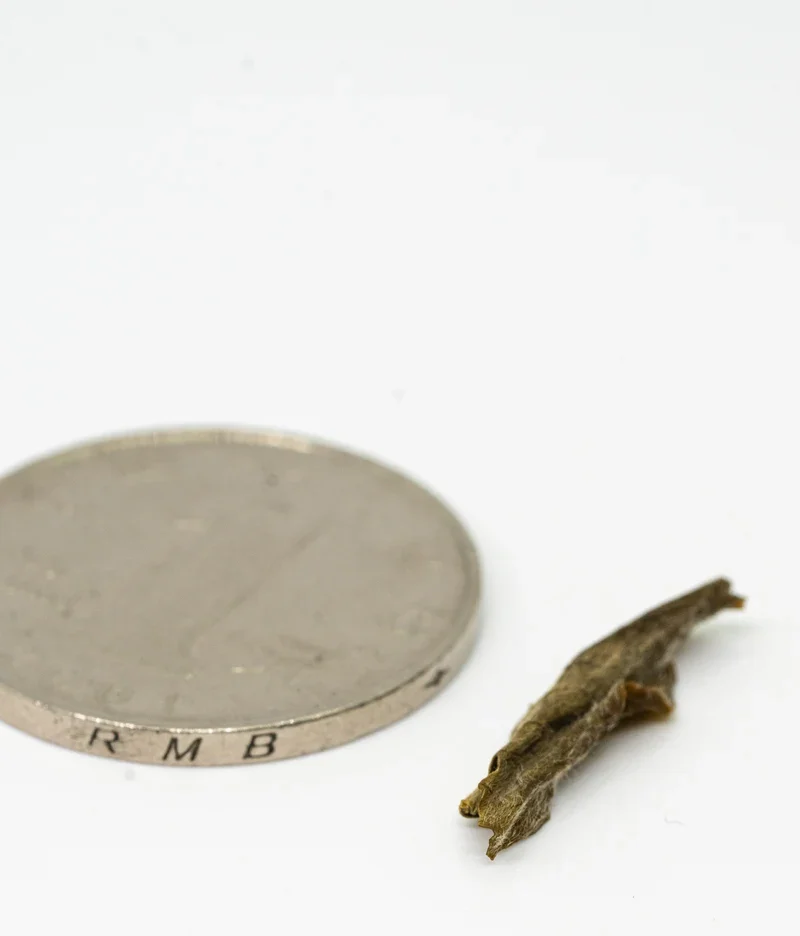
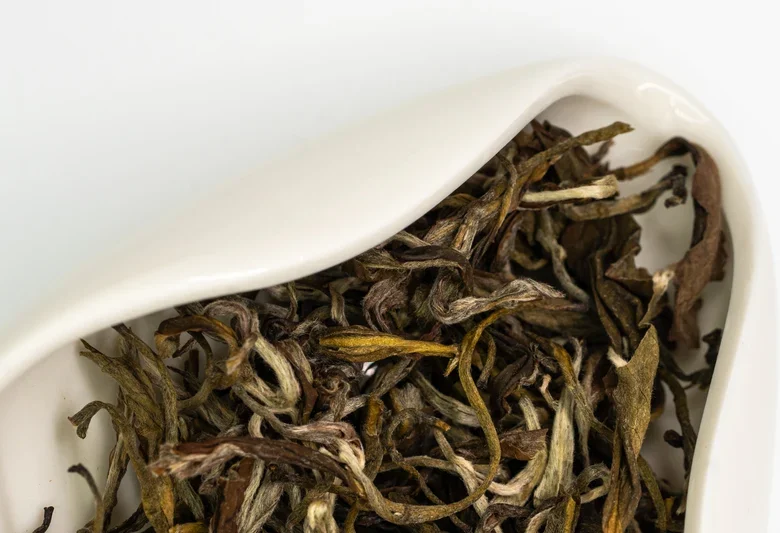
Dry Leaf Appearance: Depends on the product:
Dry Leaf Aroma: Delicate, sweetish, with notes of cooked chestnuts (嫩栗香, nèn lì xiāng) in higher grades; "stewed" enzymatic aroma (酵香, jiào xiāng) — characteristic of all Yueyang yellow teas.
Liquor Aroma: Clean, sweet, with dominant "tender freshness" (嫩香, nèn xiāng). Jūnshān Yínzhēn (君山银针, Jūnshān Yínzhēn) additionally has subtle honey and floral notes. Běigǎng Máojiān (北港毛尖) — slightly deeper, with light "bread-like" warmth.
Liquor Color: Apricot-yellow (杏黄, xìng huáng) — light, clear, with bright luster (明亮, míng liàng). In more oxidized samples (Huang Ye) — orange-yellow.
Spent Leaves: Tender yellow (嫩黄), uniform, resilient. Buds/leaves whole, arranged in neat "rosettes" (成朵, chéng duǒ). Uniformity — indicator of proper sorting and sealed yellowing.
Taste: Formula — "甘醇鲜爽" (gān chún xiān shuǎng — "sweet, mellow, fresh, brisk"). Body — medium, without heaviness. Sweetness — persistent, "background." Astringency — practically absent (menhuang destroys astringent catechins). Pronounced "returning sweetness" (回甘, huí gān). Aftertaste — long, clean, slightly "milky." Sensation — silky, enveloping.
Alkaloids: Caffeine — 2–4% of dry matter. Synergy with high L-theanine content provides mild, prolonged energy without sharp stimulation.
Amino Acids: Exceptionally high content — in special grade Jūnshān Yínzhēn (君山银针, Jūnshān Yínzhēn), amino acids comprise ≥12.5% of dry matter (3–5 times higher than most green teas). Main component — L-theanine, responsible for sweetness, umami, and relaxing effect. The menhuang stage does not destroy amino acids, but only modifies the polyphenol balance, which "exposes" theanine sweetness.
Content significantly reduced — precisely the breakdown of chlorophyll (with pheophytin formation) creates the yellow color of leaves and liquor.
Content of tea polysaccharides (茶多糖, chá duō táng) is elevated, especially in large-leaf raw material (Huang Ye). Precisely polysaccharides form the "enveloping" texture of the liquor.
Minerals: Potassium, zinc, magnesium, selenium (elevated content — reflects geochemistry of lacustrine soils), fluorine.
Polyphenols: Moderate content — lower than in green tea due to partial oxidation during sealed yellowing. This ensures mildness: bitterness and astringency are significantly reduced. Water extract (水浸出物, shuǐ jìnchū wù) — ≥32% for special grade.
Vitamins: Vitamin C (in significant quantity — mild heat treatment preserves it), B vitamins.
Menhuang reduces astringent catechin content, sharply decreasing irritating effects on gastric mucosa. Simultaneously, digestive enzymes formed during sealed yellowing favorably affect intestinal microflora.
Despite partial polyphenol oxidation, antioxidant activity remains high due to preserved vitamin C, polyphenols, and products of their mild transformation.
High L-theanine content combined with moderate caffeine provides a state of "calm alertness" — energy without anxiety.
Tea polysaccharides and polyphenols jointly participate in insulin resistance regulation.
Flavonoids in Yueyang yellow tea possess properties potentially protective of lung tissue.
For tasting and aroma evaluation of Yueyang Huang Ya and Huang Ye.
Tea Amount: 3 g per 150 ml (1:50 ratio).
Water Temperature: Primary choice for Jūnshān Yínzhēn (君山银针, Jūnshān Yínzhēn) — essential for observing "three rises and three falls." Glass should be heat-resistant with a tight lid.
Container: Airtight: aluminum foil + polyethylene (复合袋, fùhé dài), tin cans, porcelain containers. Advisable to place silica gel packet or special tea desiccant inside.
Shelf Life: 12–18 months for loose tea (under proper conditions). New tea is recommended to "rest" 1–2 weeks after production to "remove fire" (褪火, tuì huǒ).
From light, foreign odors, moisture. Do not store near spices, coffee, or other aromatic products.
Can be stored long-term (years) at room temperature, similar to dark tea, due to presence of "golden flowers" (冠突散囊菌, Eurotium cristatum). Details — see article "Yueyang Huang Cha Zhuan."
Temperature: 0–5°C (refrigerator) — optimal for preserving freshness and color. Before opening — bring to room temperature (wait a day) to avoid condensation.
Peak of Yueyang yellow tea. Only buds, only from Junshan Island, only first spring harvest. Shape — thin straight needles. Liquor — apricot-yellow. Taste — delicate, sweet, with long honey aftertaste. "Three rises and three falls" when brewing. The only yellow tea in the canonical list of "Ten Famous Teas of China."
Historical tea produced on the northern shore of Dongting Lake in the Beigang area. Belongs to "yellow small tea" category (黄小茶, huáng xiǎo chá). Raw material — one bud — one-two leaves. Technology — "拍汗" (brief sealed yellowing under blanket, 30–40 minutes). Liquor — greenish-yellow. Taste — fresh, sweet, with distinct "bread-like" note.
General name for small and medium raw material (one bud — one leaf) processed by double sealed yellowing technology. Shape — "芽形" (bud-like). Color — yellow-green. Taste — mild, fresh, harmonious.
Large-leaf yellow tea (one bud — two-three leaves and more). Shape — "眉形" (eyebrow-like). Leaf — fleshy, dense. High brewing endurance. Rich in polysaccharides. Taste — full, sweet, substantial.
Separate and unique category for Yueyang tradition — yellow tea pressed into bricks or cakes. Contains "golden flowers" (金花, jīn huā) — colonies of Eurotium cristatum. Can be stored and "aged" for years, acquiring depth similar to dark tea. Details — see separate article "Yueyang Huang Cha Zhuan."
Price Category: Wide range. Special grade Jūnshān Yínzhēn (君山银针, Jūnshān Yínzhēn) — one of the world's most expensive yellow teas (tiny production volume, hand picking, 78-hour processing). Yueyang Huang Ya — mid-range segment. Yueyang Huang Ye — affordable daily tea.
No reviews yet. Tell us what you think of this tea.
Rate this tea and share your impressions. We review each submission before publishing it.