Brewing
Gongfu brewing
- Water temperature
- 78 °C
- Tea amount
- 5 g
- Water volume
- 100 ml
- First steep
- 10 s
- Time added per infusion
- 5 s
- Infusions
- 4

Guìzhōu huángchá
Choose a brewing method. Start with the recommended quantities and time, then adjust to taste.
Brewing
Brewing
Taste
Tea encyclopedia
Category: Regional group of yellow teas from Guizhou Province. In the classification by raw material tenderness, it occupies an intermediate position: Hǎimǎ Gōng Chá is closer to huáng xiaocha (黄小茶, "small yellow tea" — from buds and 1–2 leaves), while Lao Gong Xiang, using more mature raw material, approaches huang dacha (黄大茶, "large yellow tea"). Some classifiers distinguish "Guizhou Tang ancient yellow tea" (贵州唐朝古法黄茶) as a separate subcategory — so distinctive is its technology.
Category: Regional group of yellow teas from Guizhou Province. In the classification by raw material tenderness, it occupies an intermediate position: Hǎimǎ Gōng Chá is closer to huáng xiaocha (黄小茶, "small yellow tea" — from buds and 1–2 leaves), while Lao Gong Xiang, using more mature raw material, approaches huang dacha (黄大茶, "large yellow tea"). Some classifiers distinguish "Guizhou Tang ancient yellow tea" (贵州唐朝古法黄茶) as a separate subcategory — so distinctive is its technology.
Coordinates: Approximately 27°07′ N, 105°36′ E (Haimagon area).
Origin: China, Guìzhōu Province (贵州省, Guìzhōu Shěng), southwestern China. Main areas: Dàfāng County (大方县) of Bìjié City (毕节市, Bìjié Shì) — birthplace of Haima Gong Cha; Māodòng Village (茅洞) in the same county — birthplace of Lao Gong Xiang. Geographically — northwestern part of the Guizhou Plateau, at the junction of the Wūjiāng (乌江) and Chìshuǐ (赤水) river basins.
Type: Yellow tea (黄茶, huángchá) — lightly oxidized (5–25% oxidation). The key technological stage is sealed yellowing (menhuang) (闷黄, mèn huáng), which defines the category.
Cultural Significance: Guizhou yellow teas are among the least known and rarest huangcha in China. In the conditions of geographic isolation of mountainous Guizhou, archaic technologies have been preserved here that were lost in other provinces: prolonged sealed yellowing (menhuang) (up to 50 days) with heating on charcoal, multiple cycles of "sealed yellowing — drying — repeated sealed yellowing". This makes Guizhou huangcha not only a beverage but also a living monument to tea craftsmanship.
Name Breakdown: 贵州 (Guìzhōu) — name of the province, literally "precious region"; 黄茶 (Huángchá) — "yellow tea". Full name — "yellow tea [from] Guizhou".
Cultivar: Predominantly local group populations (群体种, qúntǐ zhǒng), adapted to the mountainous conditions of northwestern Guizhou. For Haima Gong Cha, medium-leaf bushes with abundant down on shoots are used — "back white down" (背有白毛, bèi yǒu bái máo) is considered a quality marker. The cultivar Xiaoe Fúdǐng (小叶福鼎, Xiǎoyè Fúdǐng) is also used — a small-leaf selection from Fujian that has adapted well in Guizhou.
Picking: Spring — primary. Hǎimǎ Gōng Chá is picked during the Gǔyǔ period (谷雨, "Grain Rain", around April 20); for Lao Gong Xiang, autumn picking is also possible. Standard — one bud and one-two young leaves (一芽一二叶). For premium grades — tender buds with abundant down.
Raw Material: Fresh, whole, undamaged. Picked in morning hours after dew has dried. Deep roots of local group populations, extending into rocky soils, provide increased mineralization of raw material (zinc, selenium).
Altitude: 1000–1500 m above sea level. Haimagon Township — at altitude ~1200 m; Maodong Village — ~1100–1300 m.
Climate: Subtropical mountain monsoon with pronounced vertical zonation. Average annual temperature ~15°C — cooler than most tea regions in China. Average annual precipitation ~1100–1200 mm. Relative humidity ~80%. Frequent fogs and cloudiness — up to 200+ days per year. Significant daily temperature fluctuations (10–15°C) slow shoot growth and promote accumulation of amino acids, sugars, and microelements.
Soil: Poor, rocky, acidic (pH 4.5–5.5), based on quartzites and schists. Rich in zinc (Zn) and selenium (Se) — the Bijie area is part of Guizhou's "selenium belt". Good drainage on mountain slopes.
Northwestern part of the Guìzhōu Plateau (黔西北), Bijie area. Tea gardens are located in remote mountain villages with limited transportation access, which contributed to the preservation of traditional technologies but limited production scale.
Low population density, minimal industrial load, abundance of forests. Many plantations are managed organically — without pesticides, using fermented rapeseed meal as fertilizer. Several farms have international organic certifications (USDA Organic, EU Organic).
Hand-picking of tender raw material.
Pan-firing in a heated iron wok at ~300°C. Brief (shorter than for green tea) — to inactivate enzymes but preserve sufficient moisture for subsequent sealed yellowing. Time — 2–3 minutes.
Light hand rolling to shape and release cell juices. Even moisture distribution — key to uniform yellowing.
Key stage defining the yellow tea category. Slightly moist rolled leaves are wrapped in dense cloth or special paper and left at controlled temperature (~40–50°C) and humidity. For Haima Gong Cha, sealed yellowing lasts 8–12 hours in one-two cycles. For Lao Gong Xiang — up to 50 days (!), with multiple cycles: sealed yellowing → drying on charcoal → repeated sealed yellowing. For heating, smoldering coals from local deciduous species are used — this gives the tea a characteristic light smoky shade (焦香, jiāo xiāng). During menhuang, non-enzymatic oxidation of polyphenols occurs: chlorophyll is partially destroyed and transformed into demethylated form (脱镁叶绿素), green color yields to yellow; simultaneously, content of free amino acids and volatile aromatic compounds increases.
Final drying at low temperature (70–80°C) on charcoal (文火慢炕, wénhuǒ màn kàng — "slow drying on gentle fire"). For Haima Gong Cha, this stage lasts up to 10–12 hours — extremely long by tea production standards. Total processing duration for Haima Gong Cha — over 30 hours.
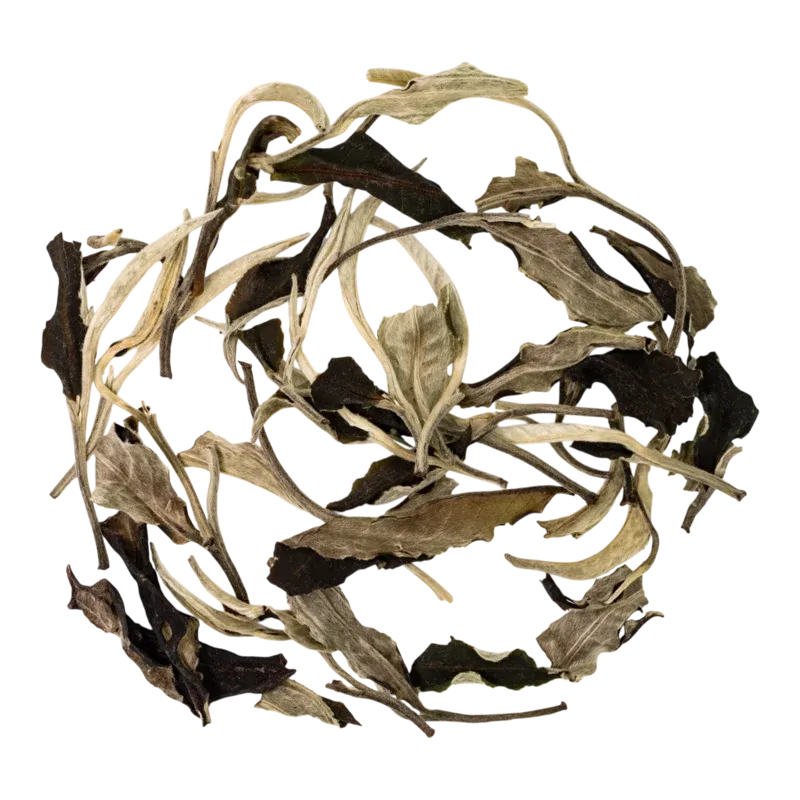
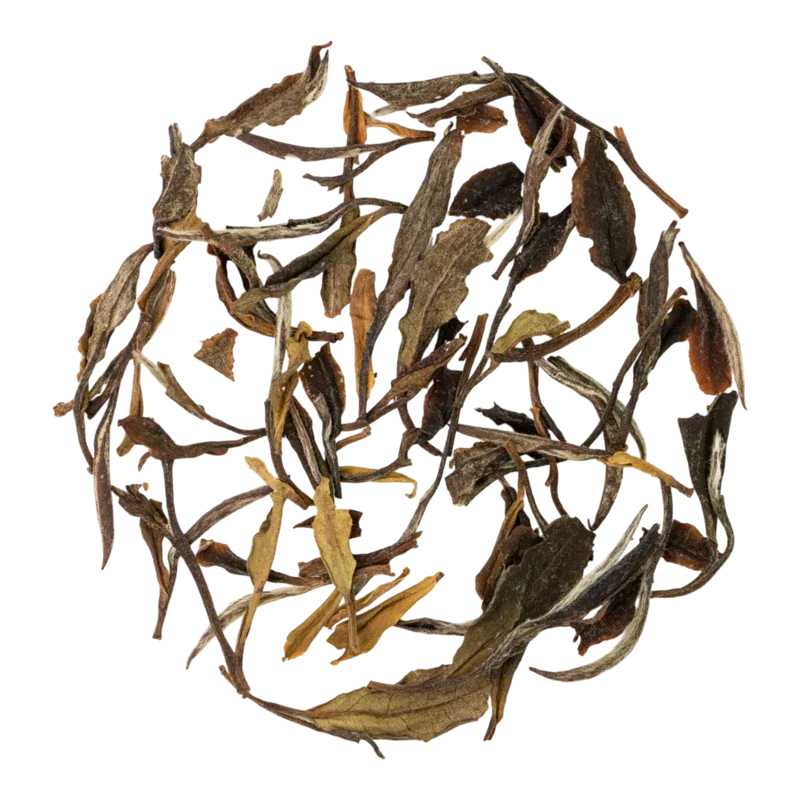
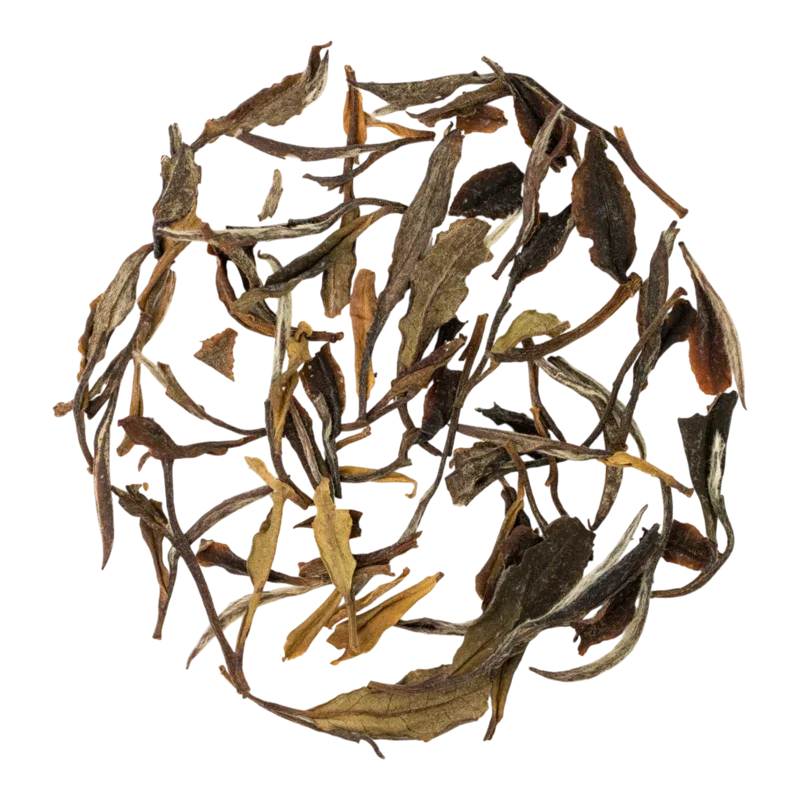
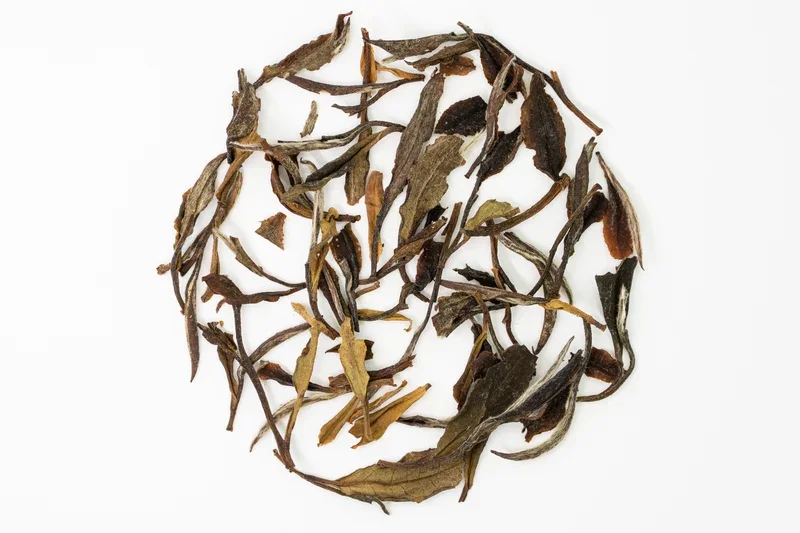
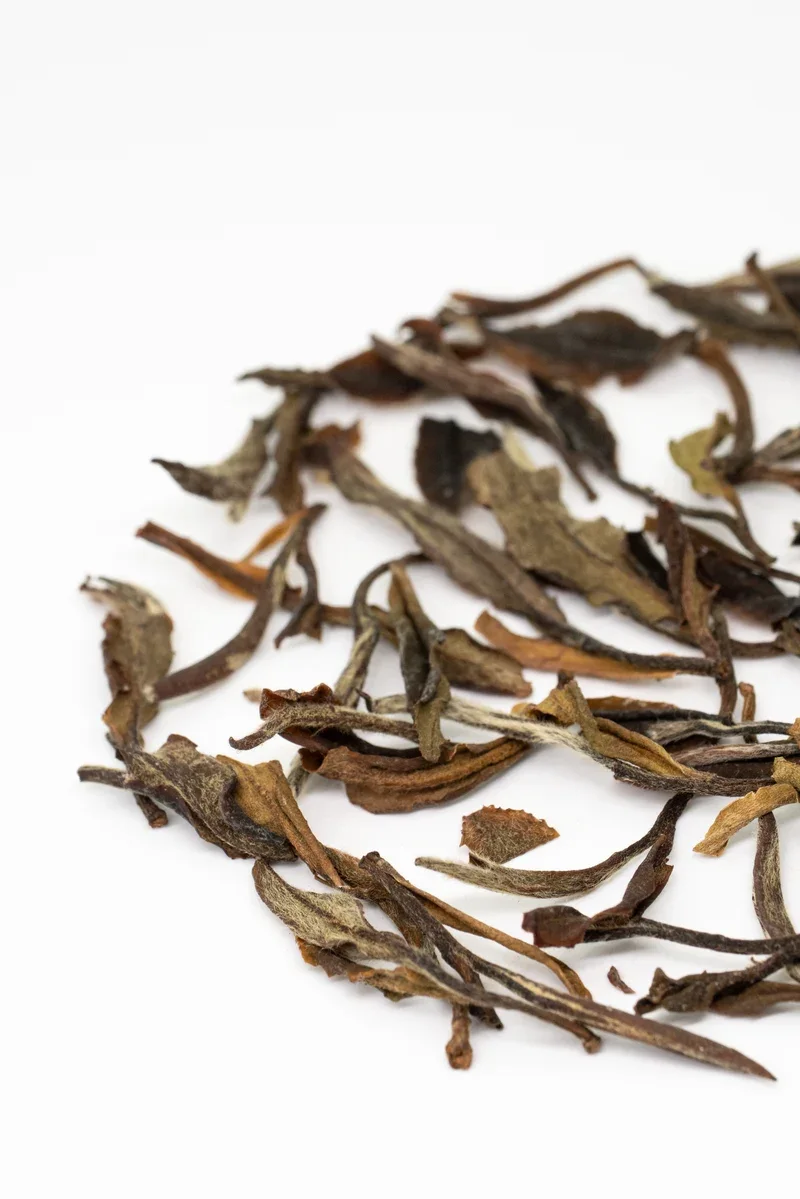
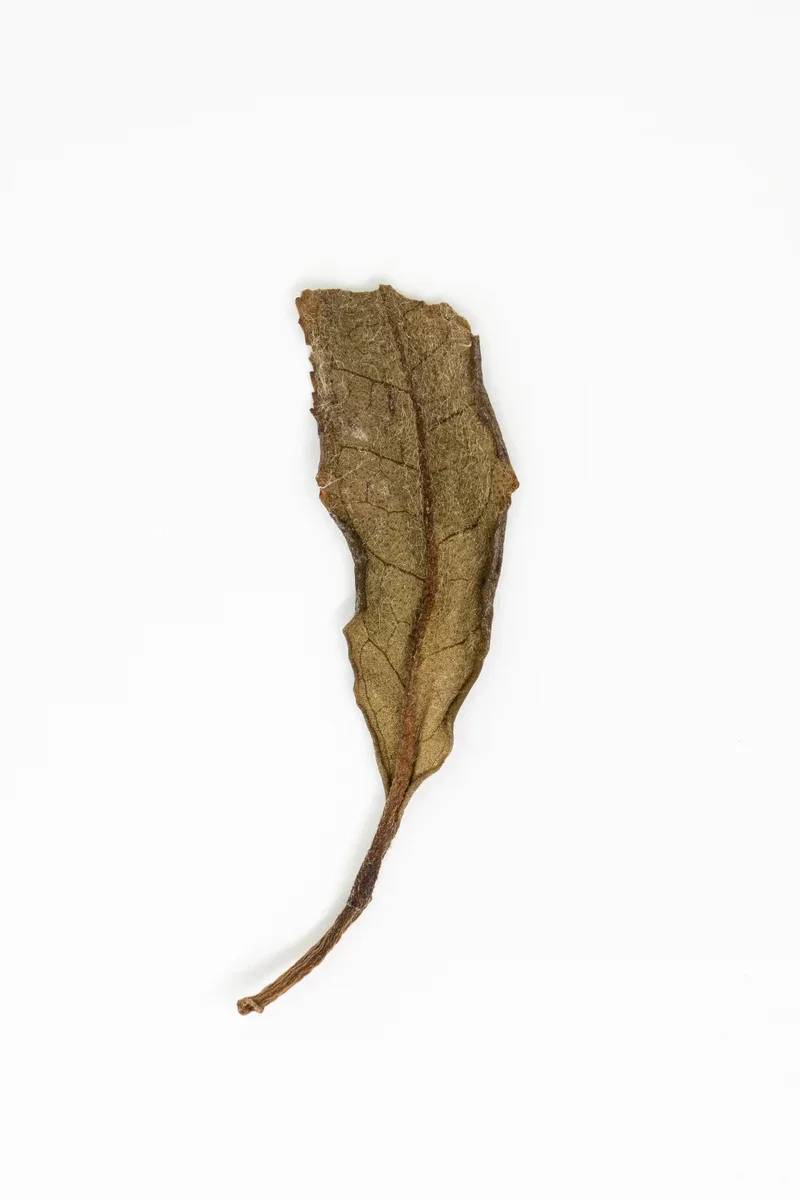
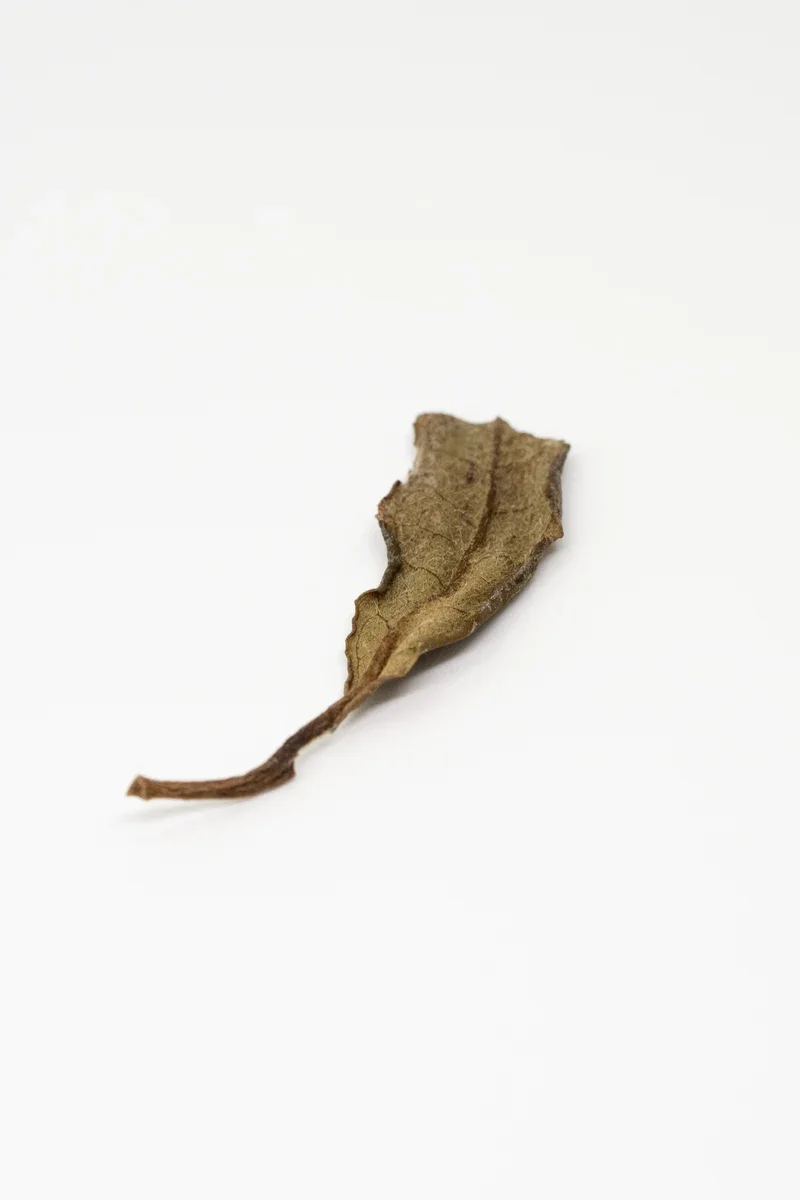
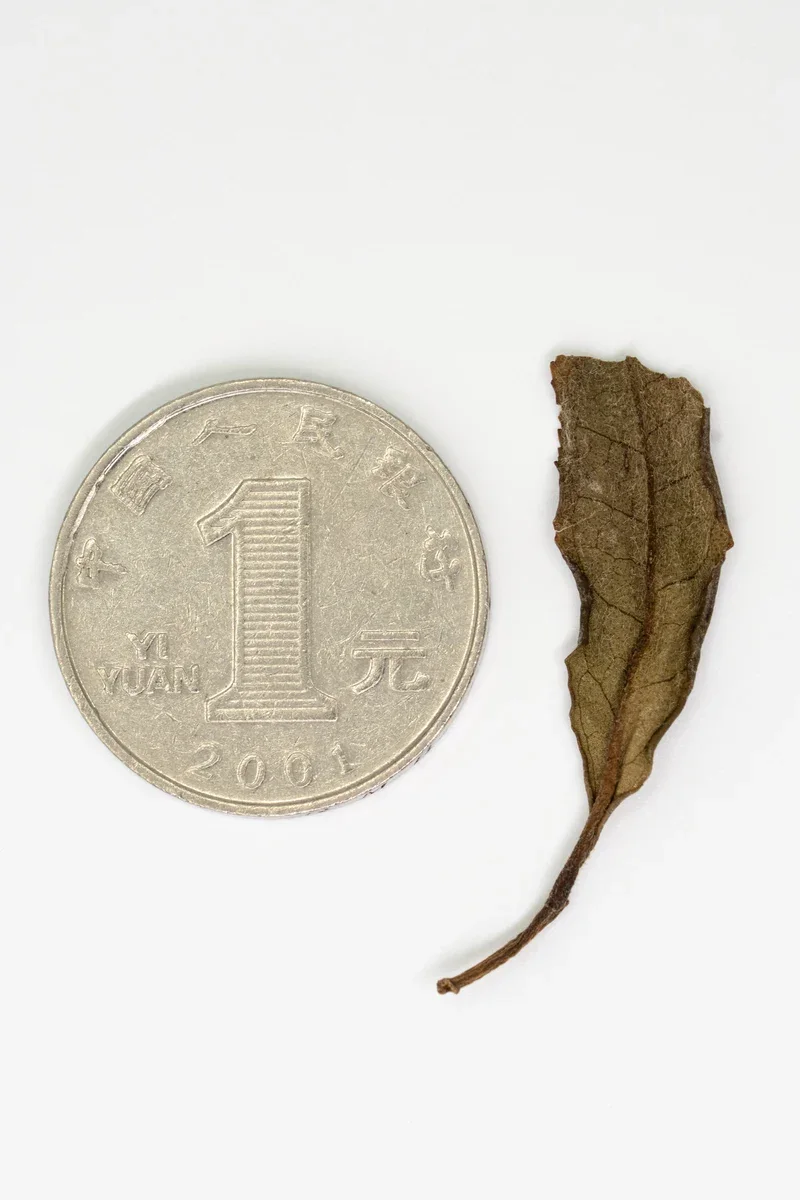
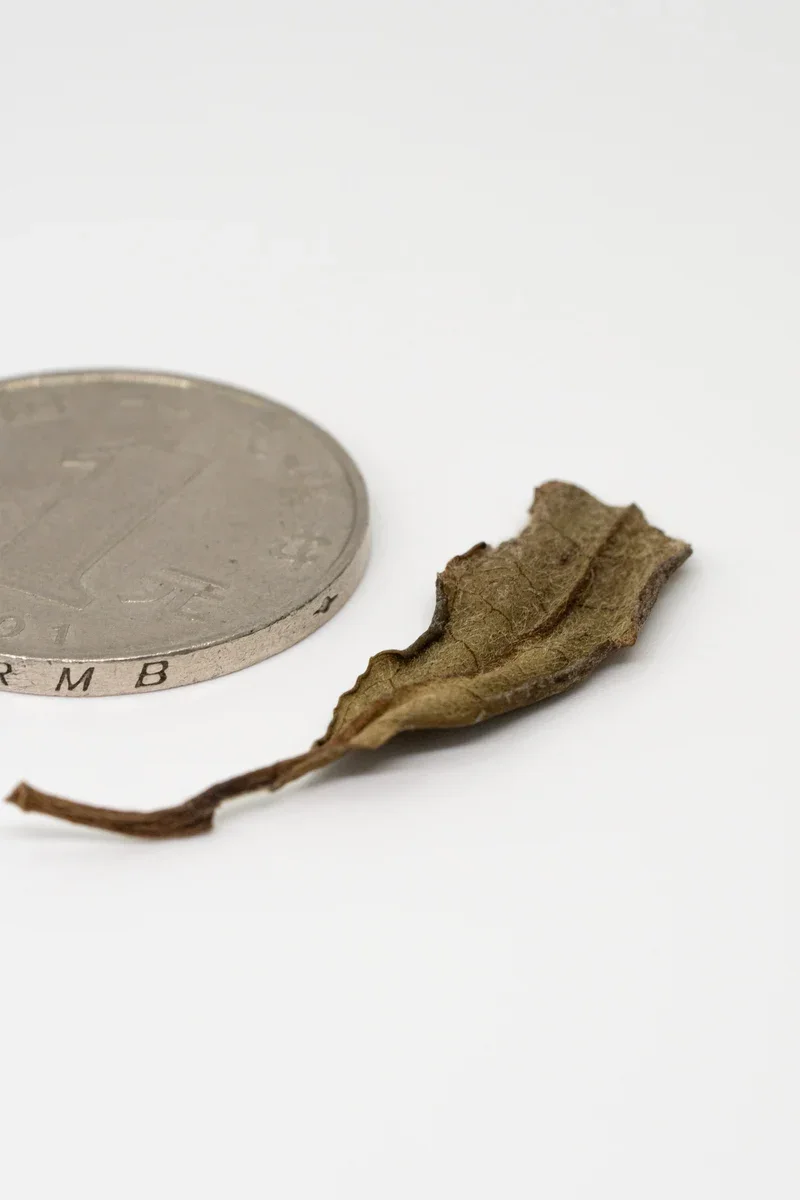
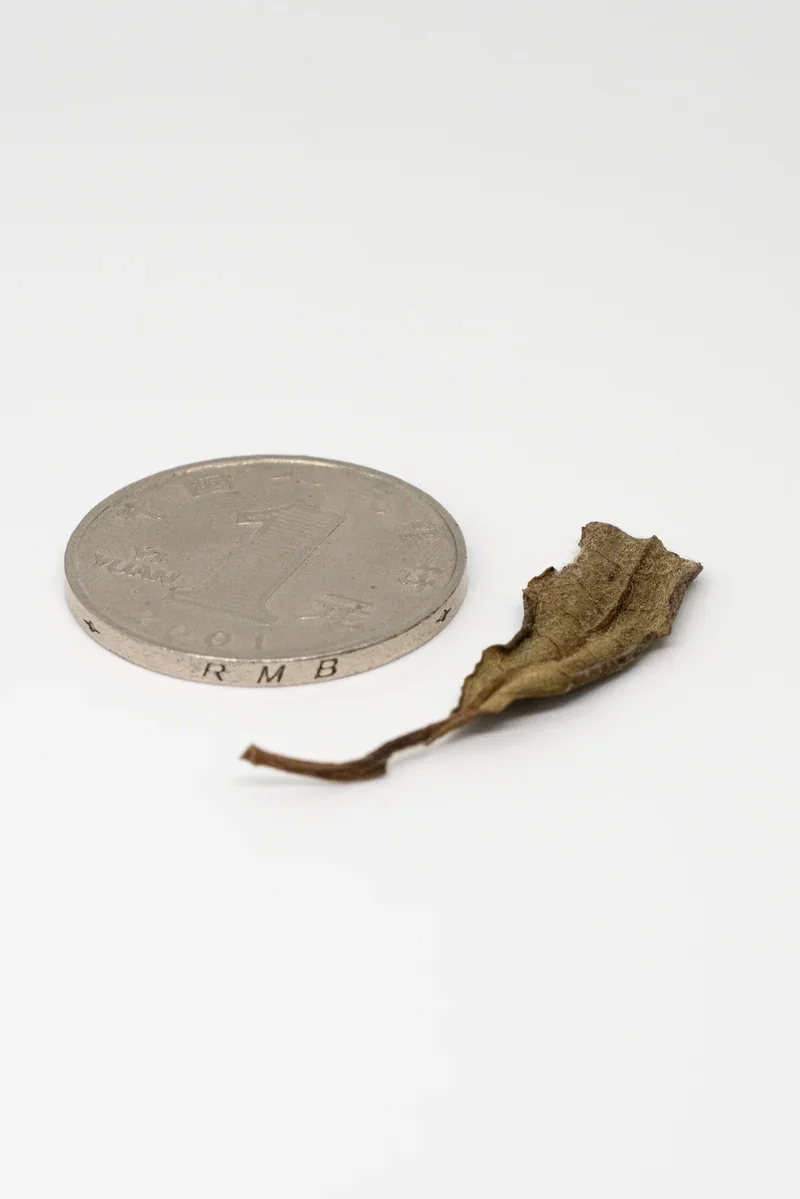
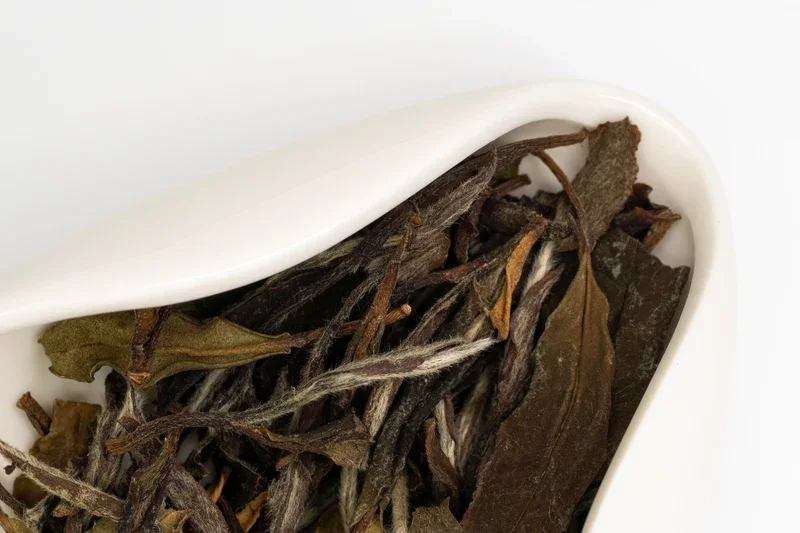
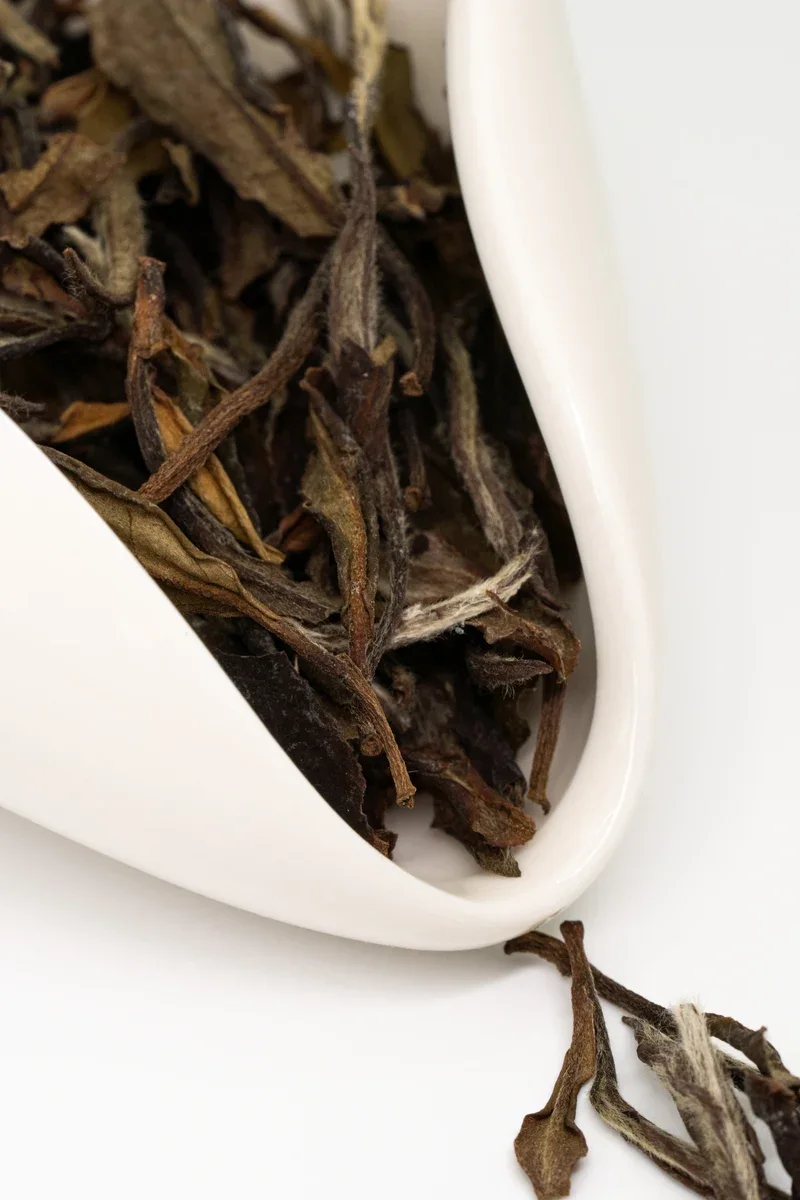
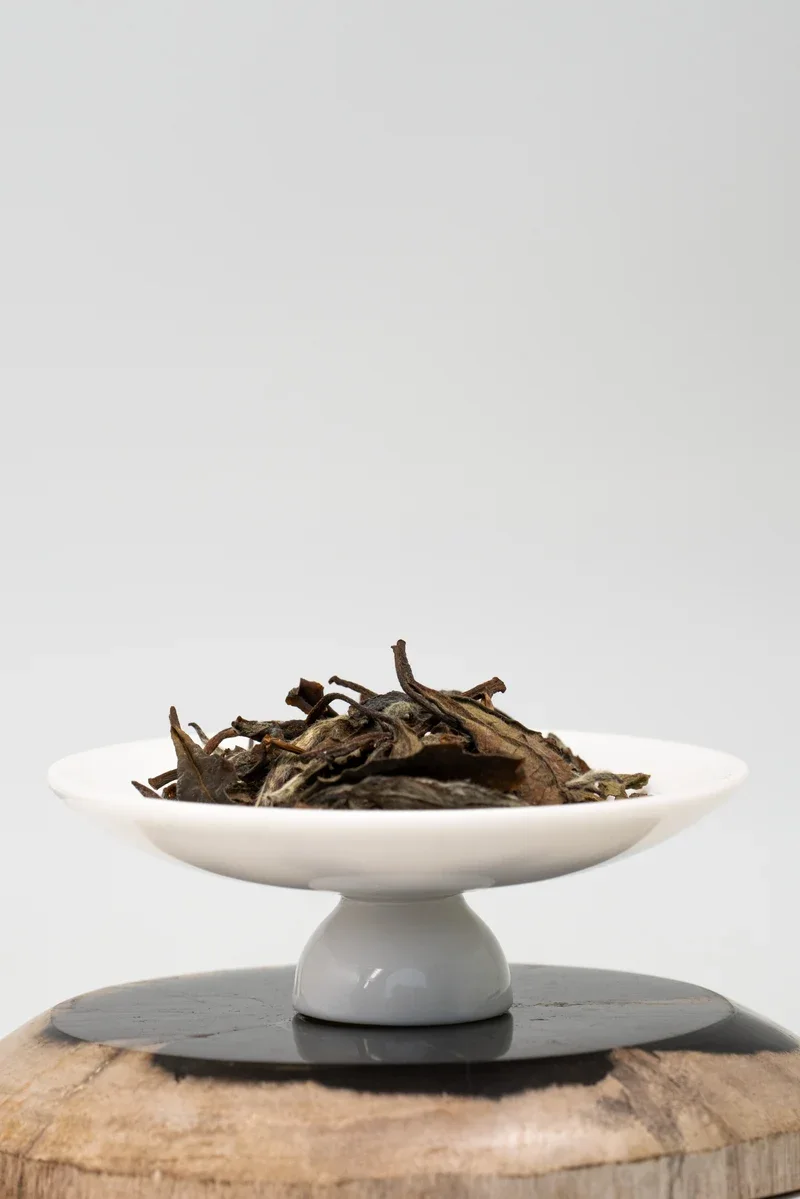
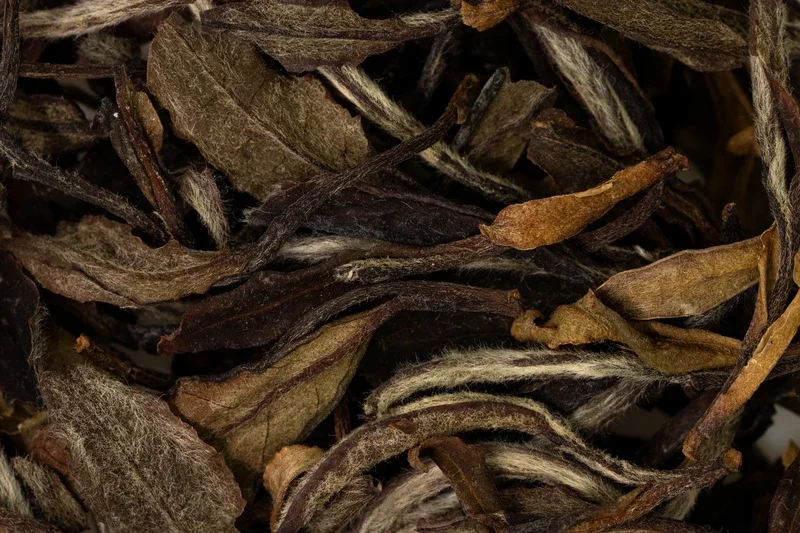
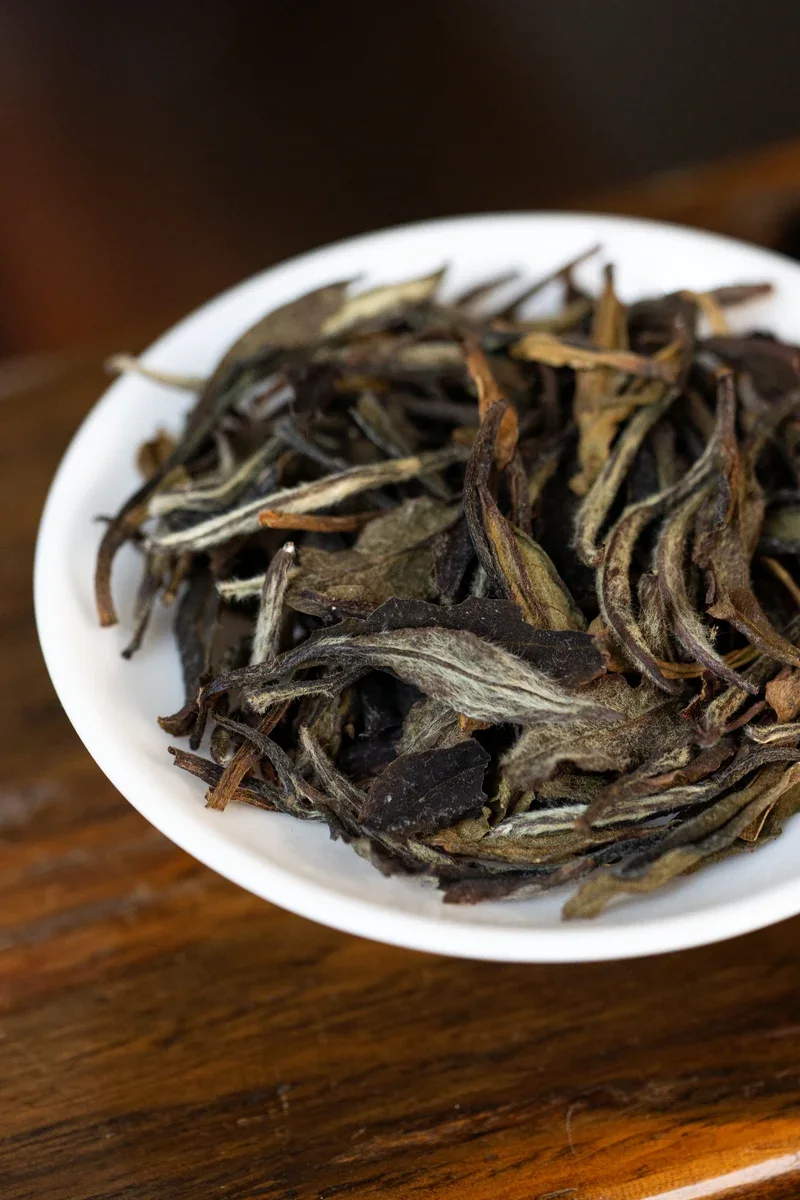
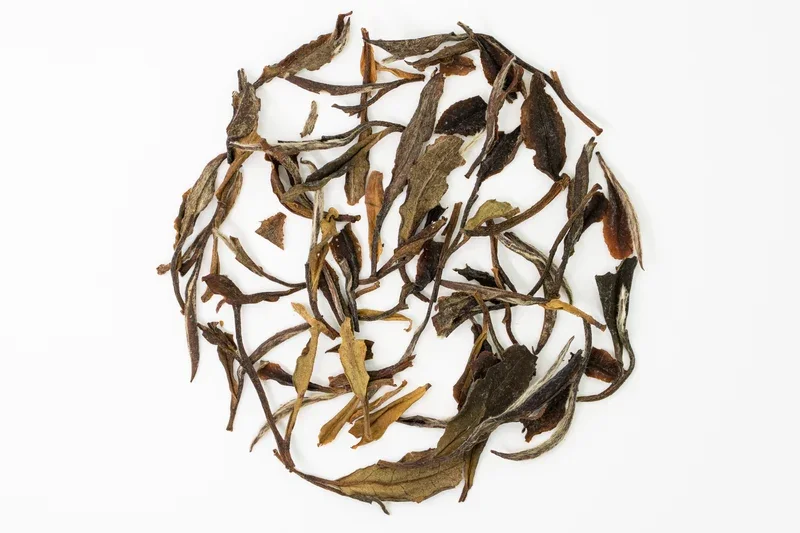
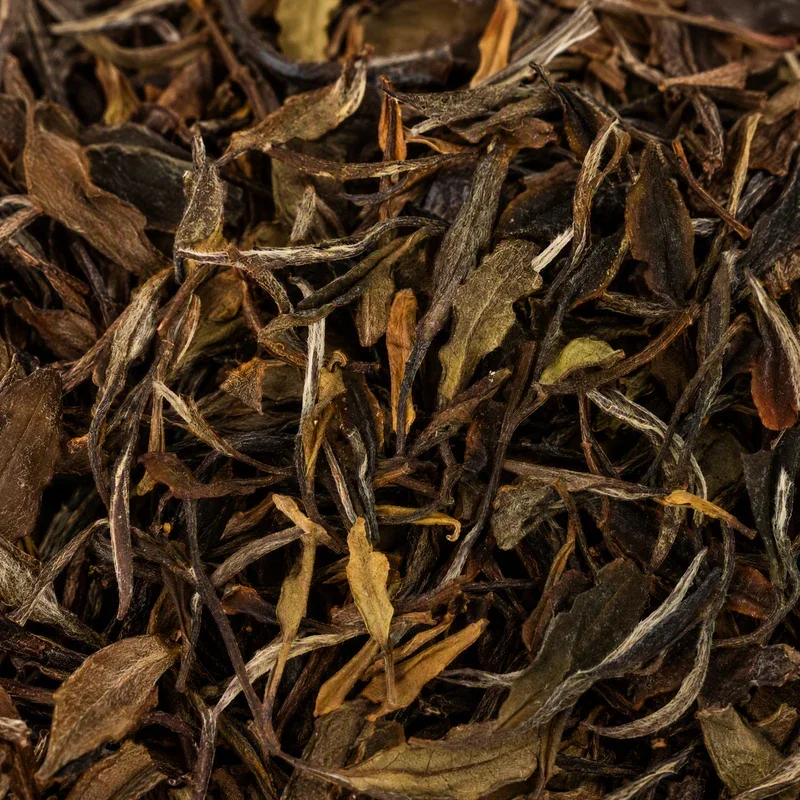
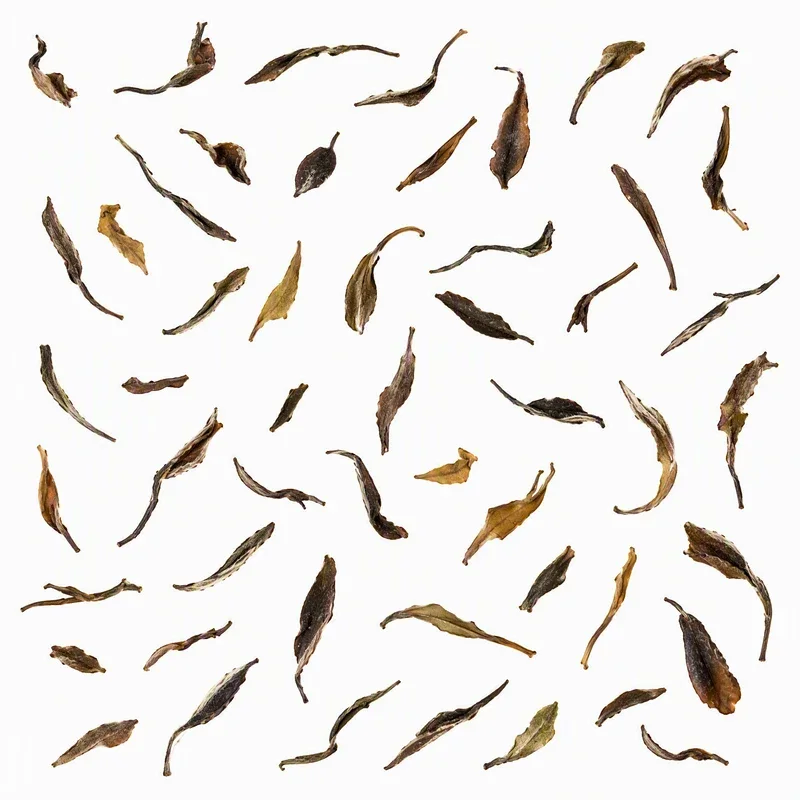
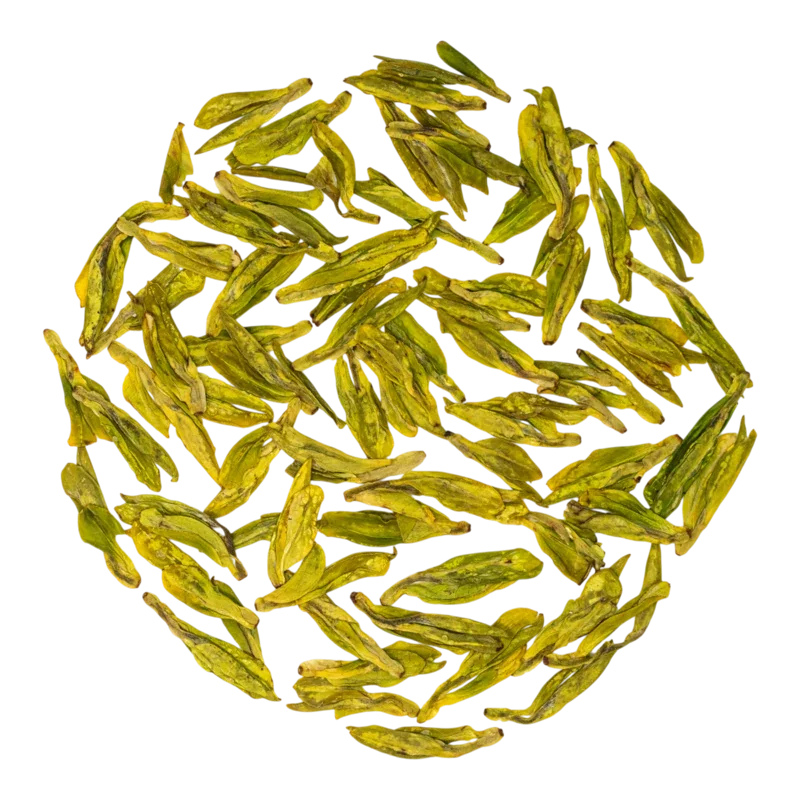
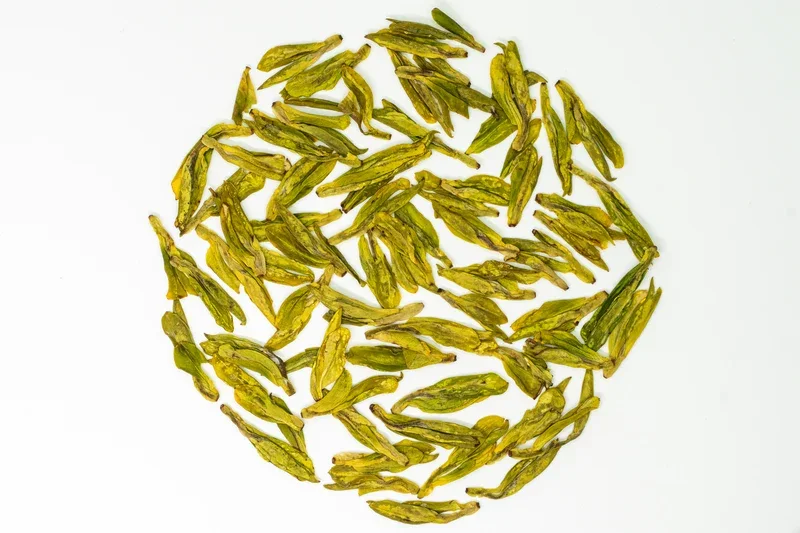
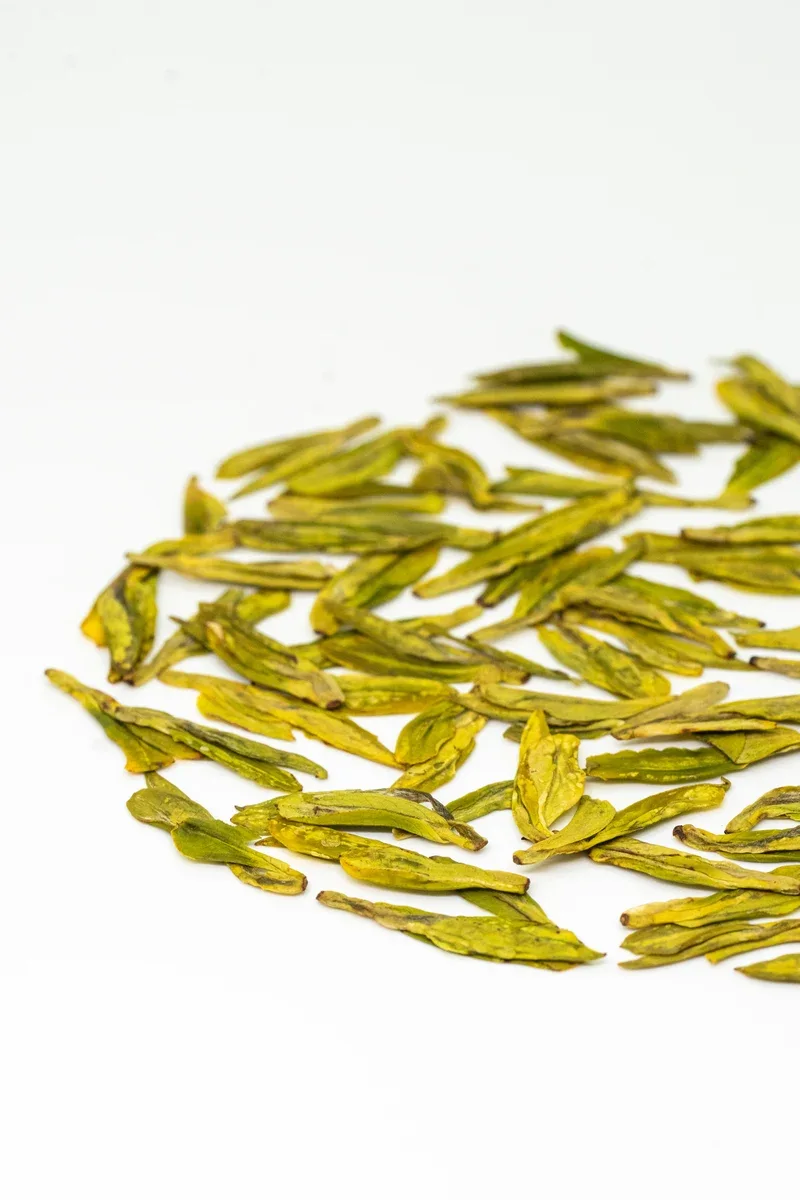
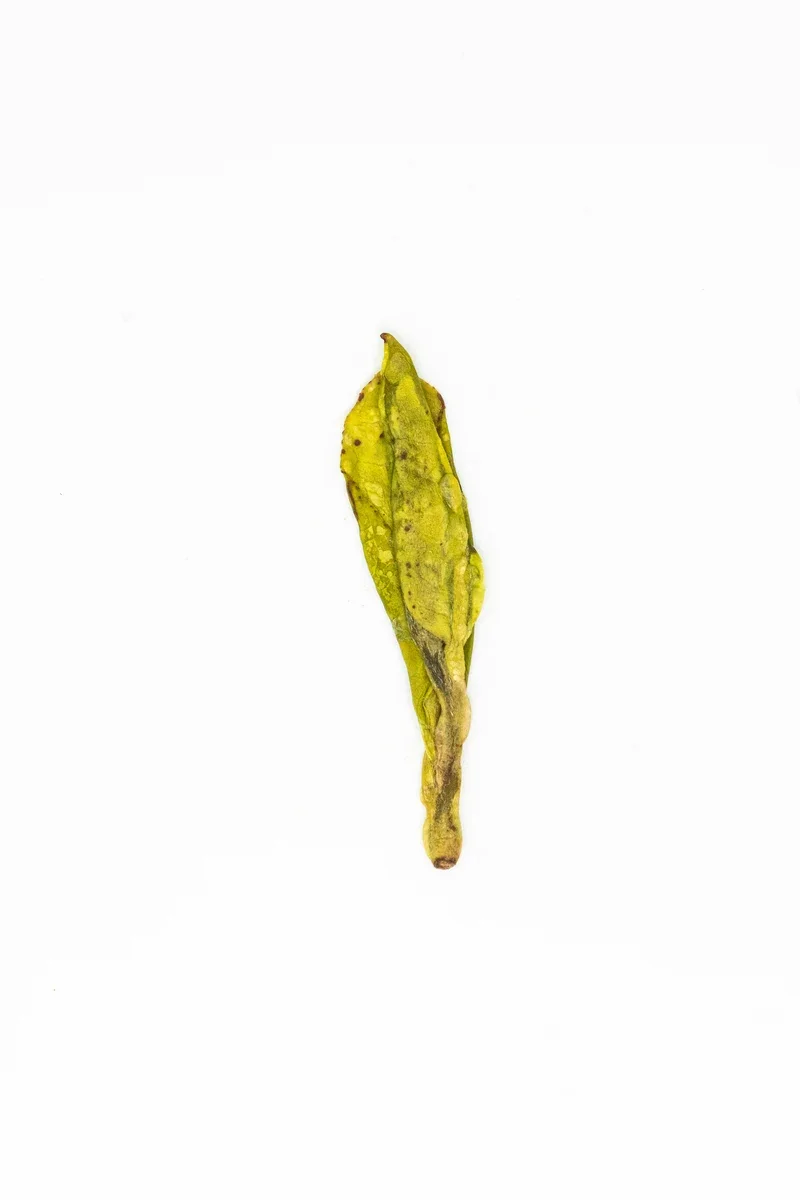
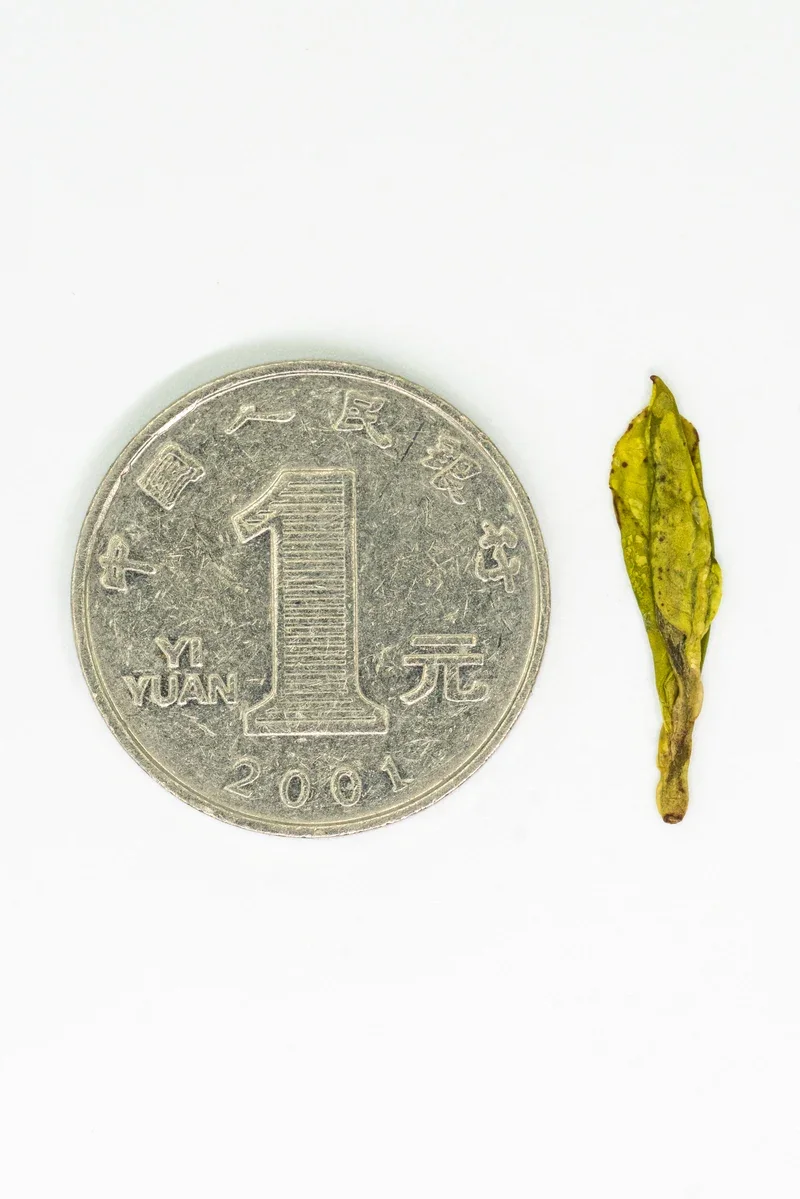
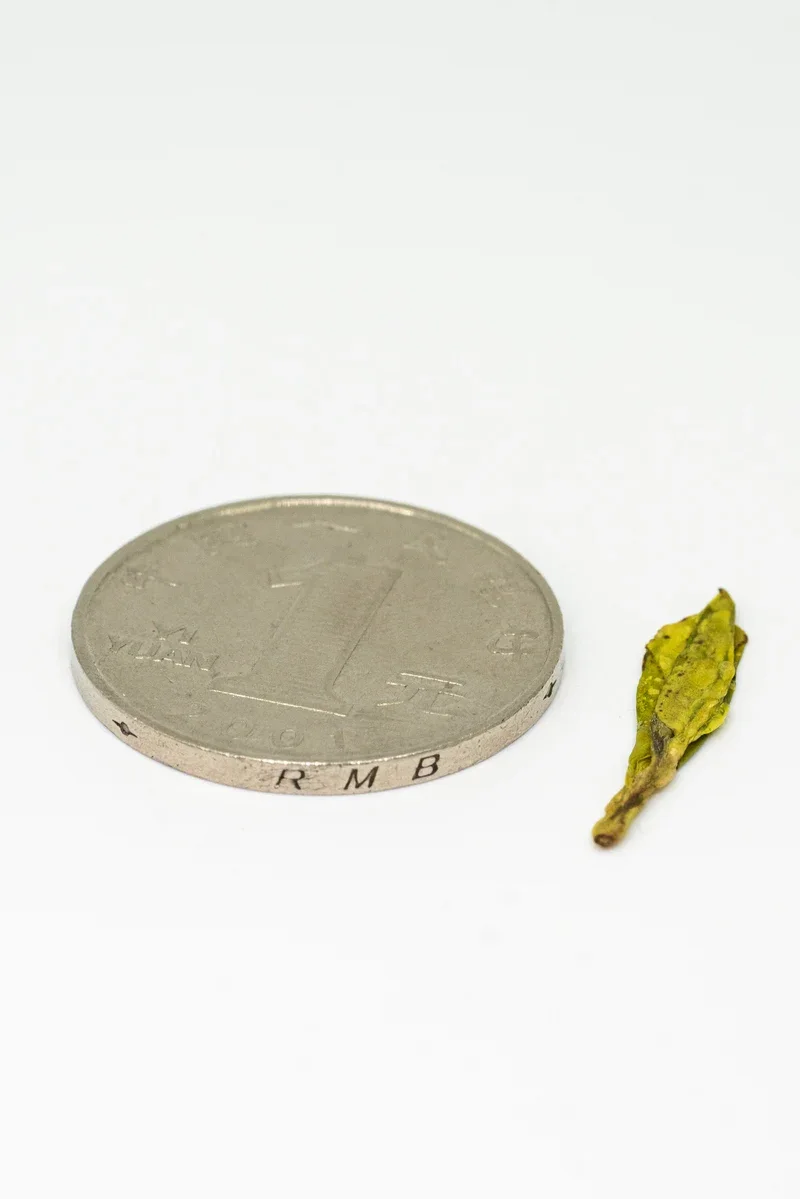
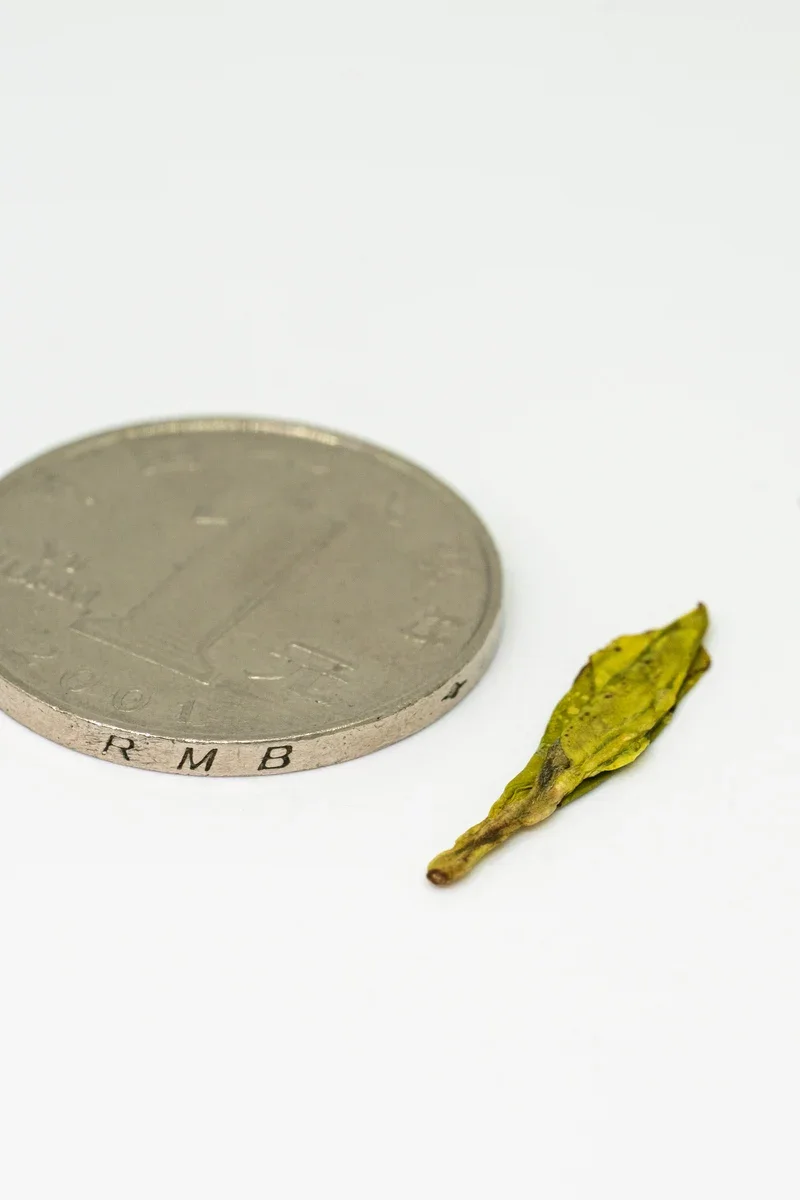
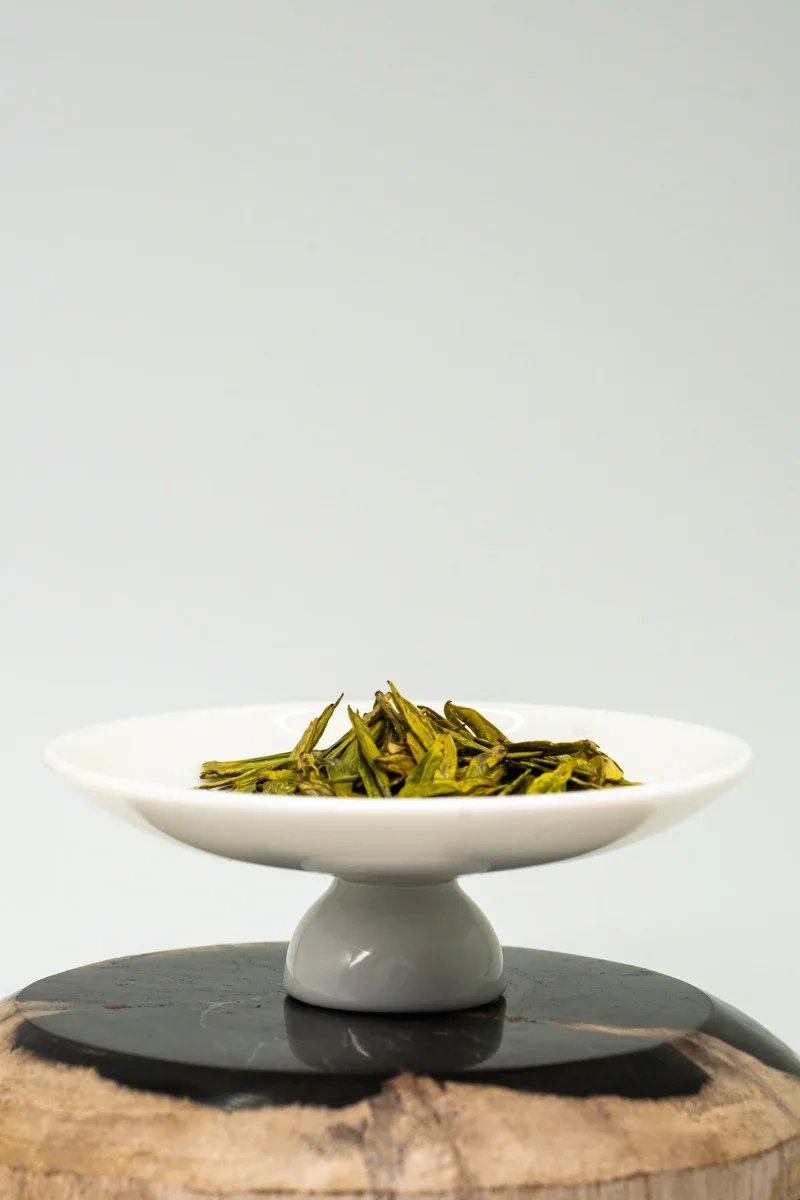
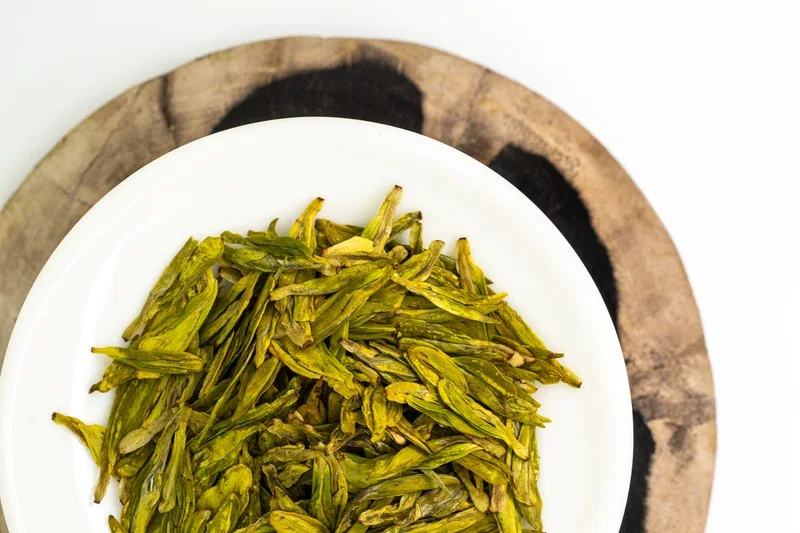
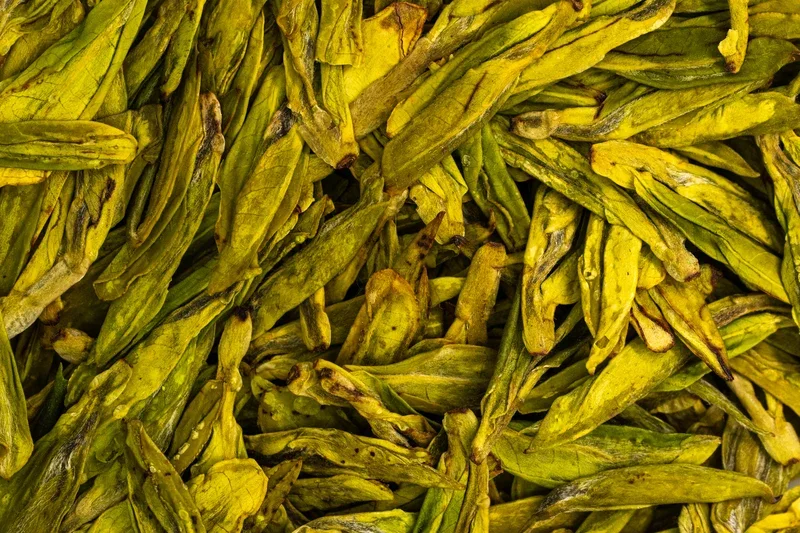
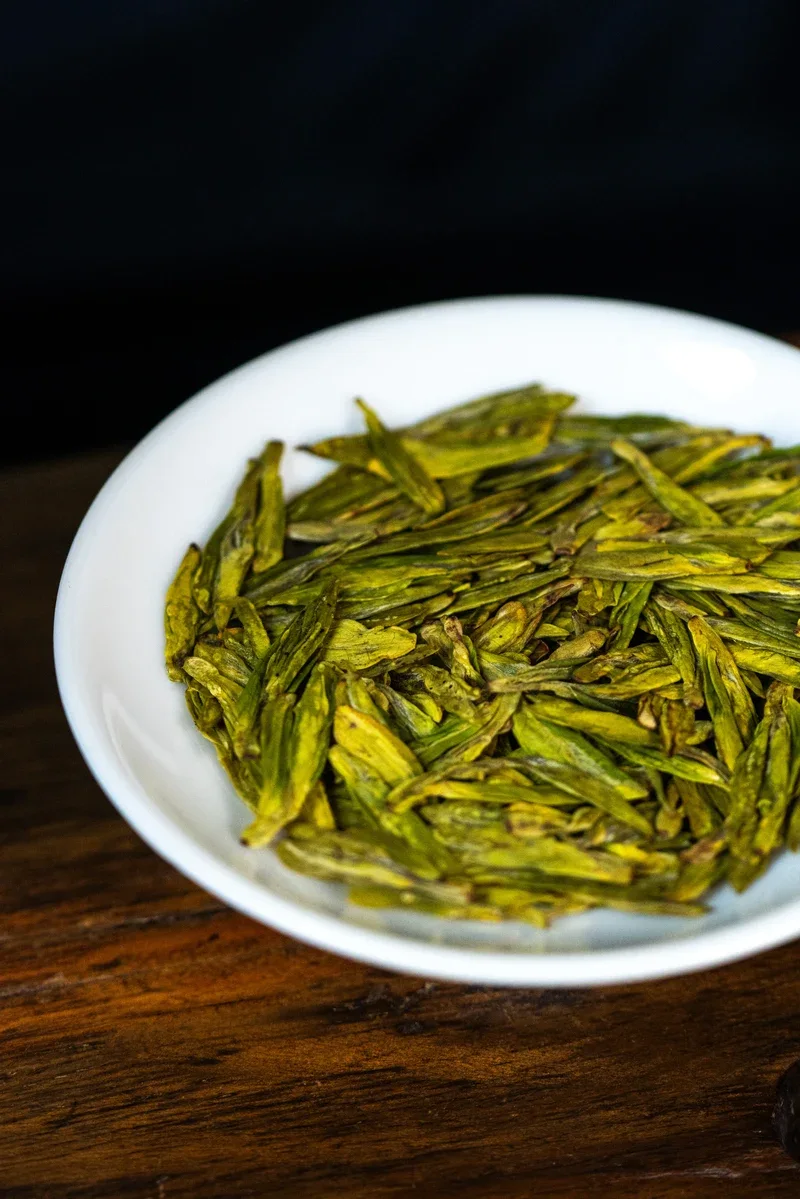
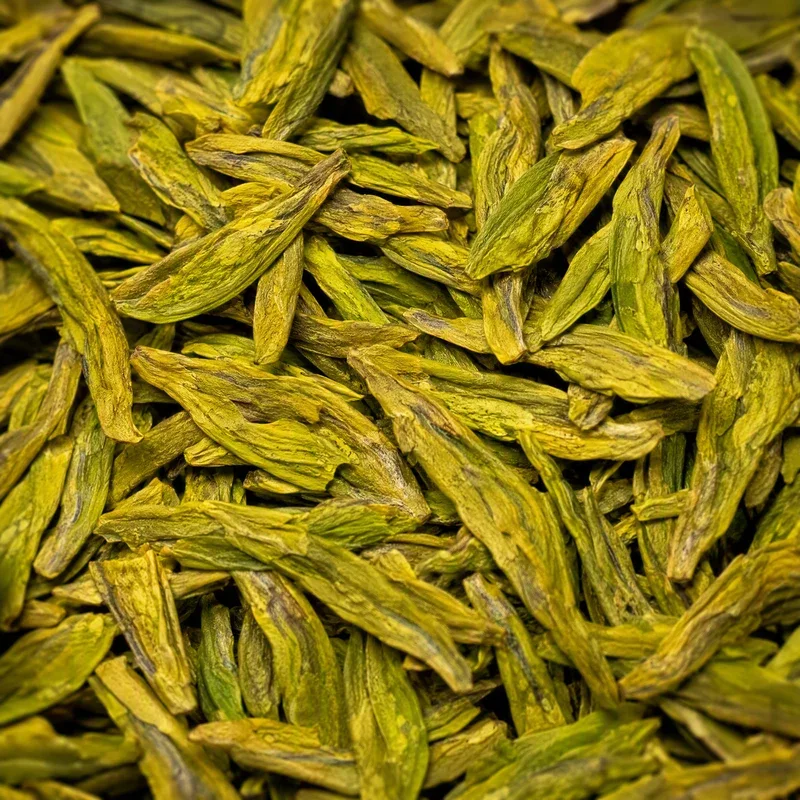
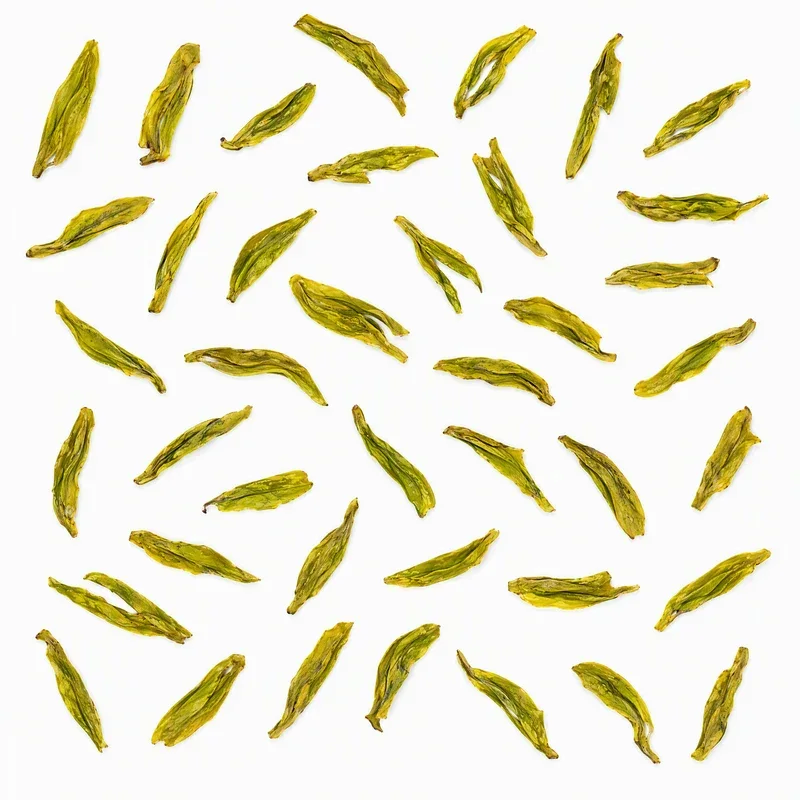
Dry Leaf Appearance: Tightly twisted, curved tea particles (紧结卷曲, jǐnjié juǎnqū) with noticeable silvery down. Color — from yellow-green to olive with golden streaks. Lao Gong Xiang — darker, with copper-chestnut tones.
Dry Leaf Aroma: Complex: sweetish, with notes of dried hay, roasted corn, light citrus peel, and orchid flowers. In charcoal-processed varieties — thin smoky trail (焦糖香, caramel-smoky tone).
Liquor Color: Clear, from light golden to rich amber (杏黄, xìng huáng — "apricot-yellow"). Lao Gong Xiang after prolonged menhuang — deep honey-amber.
Spent Leaves: Soft, elastic leaves of yellow-green color, evenly colored. Uniformity of yellowing — main quality marker of menhuang.
Taste: Soft (醇和, chúnhé), smooth (滑, huá), oily, practically without bitterness and astringency. Sweet notes reminiscent of roasted corn or sweet vegetables. Light minerality — "rock taste" (岩韵, yán yùn), due to rocky soils. Refreshing acidity reminiscent of pear. Aftertaste (回甘, huígān) — long, sweet, with "grain-like" finish.
Amino Acids: Elevated content (~3–4%). L-theanine dominates. Cool mountain climate with large daily temperature fluctuations and prolonged cloudiness promotes amino acid accumulation. Phenol-amino acid ratio (酚氨比, fēn'ān bǐ) — lower than green teas, explaining sweetness and "freshness" of taste.
~2.5–3.5%. Moderate level — lower than most green teas.
Elevated due to prolonged sealed yellowing — microbial and non-enzymatic hydrolysis increases monosaccharide content.
During menhuang, chlorophyll partially degrades, forming pheophytins (脱镁叶绿素); simultaneously, carotenoid visibility increases — hence the yellow color of leaf and liquor.
Minerals: Elevated content of zinc (Zn), selenium (Se), iron (Fe) — consequence of geochemical features of Bijie soils. Selenium — natural antioxidant; its presence — one of competitive advantages of Guizhou teas.
Polyphenols: Moderate content (~15–20%). During sealed yellowing, part of catechins (especially EGCG and ECG) undergo non-enzymatic oxidation, which reduces bitterness and astringency compared to green tea from the same raw material. The smoothed polyphenol complex ensures taste softness.
Thanks to prolonged menhuang, Guizhou yellow teas are significantly gentler on the stomach than green teas. Reduced content of untransformed catechins reduces irritating effect on mucosa. Traditionally considered to "warm spleen and stomach" (暖脾胃, nuǎn pí wèi).
During menhuang, digestive enzymes form that promote food breakdown. Huangcha is traditionally recommended for bloating, heaviness after eating, decreased appetite.
Residual polyphenols + selenium from soils — double antioxidant complex.
L-theanine combined with moderate caffeine provides calm, focused alertness.
Flavonoids and polyphenols promote normalization of lipid profile and blood pressure.
Food product, not medicine. With individual caffeine sensitivity — do not drink in evening. With gastritis exacerbation — with caution, despite gentleness. 5–8 g/day.
Standard of "bud" yellow tea — only pure buds, menhuang ~72 hours, honey sweetness. Guizhou huangcha — coarser in raw material, significantly longer in sealed yellowing, with pronounced "grain-like" and smoky profile.
Most ancient yellow tea with Tang roots. Triple menhuang for 6–8 hours each. Honey, rounded taste. Guizhou huangcha — more prolonged and intensive menhuang, more pronounced minerality and "character".
Chestnut, soft, with roasted nut note. Many modern batches are actually produced without menhuang (= green tea). Guizhou huangcha — technologically more "authentic" huangcha, with full and prolonged menhuang.
Main representative of Guizhou huangcha, described in separate article. Menhuang 8–12 hours, charcoal drying 10+ hours. "Younger brother" of Lao Gong Xiang in sealed yellowing duration, but with more tender raw material and less intensive smoky shade.
"Yellow soup" — emphasis on thickness and oiliness of liquor, menhuang ~24 hours. Guizhou huangcha — more "dry", mineral, with "grain-like" dominance.
4–5 g per 150 ml (gongfu); 3 g per 200 ml (European method).
Guizhou huangcha — among the most "tolerant" to over-steeping among yellow teas: prolonged menhuang has already "softened" the polyphenol complex, and even with minute steeping, bitterness does not appear.
Teaware: Porcelain gàiwǎn (盖碗) — ideal: does not absorb aromas, allows observation of liquor color. Glass cup — for visual enjoyment. Yixing teapot not recommended — porous clay absorbs delicate notes.
Water Temperature: 75–85°C. Tender raw material does not tolerate boiling water — at temperatures above 90°C, uncharacteristic bitterness appears.
Container: Airtight, opaque — foil bags with zip-lock, ceramic jars, tin cans.
Enemies: Light, moisture, foreign odors, high temperature.
Shelf Life: In airtight packaging when refrigerated — up to 18–24 months. After opening — 1–2 months. Lao Gong Xiang with deep menhuang is capable of limited aging — taste "rounds out" over 1–2 years, similar to lightly oxidized oolongs.
Temperature: Optimally 0–5°C (refrigerator) in airtight packaging. For Lao Gong Xiang, having undergone prolonged menhuang, room temperature storage in dry dark place is acceptable — its profile is less sensitive to oxidation.
No reviews yet. Tell us what you think of this tea.
Rate this tea and share your impressions. We review each submission before publishing it.