Brewing
Gongfu brewing
- Water temperature
- 93 °C
- Tea amount
- 5 g
- Water volume
- 100 ml
- First steep
- 10 s
- Time added per infusion
- 5 s
- Infusions
- 4

Zǐjuān Hóngchá
Choose a brewing method. Start with the recommended quantities and time, then adjust to taste.
Brewing
Brewing
Taste
Tea encyclopedia
Alt Names: Zǐjuān hóngchá (紫鵑紅茶); Ziyun hóng (紫雲紅, "Purple Cloud Red" — commercial name of some producers); Zǐjuān diānhóng (紫鵑滇紅).
Alt Names: Zǐjuān hóngchá (紫鵑紅茶); Ziyun hóng (紫雲紅, "Purple Cloud Red" — commercial name of some producers); Zǐjuān diānhóng (紫鵑滇紅).
Category: Diānhóng (滇紅) — Yunnan school of red teas. A separate subcategory distinguished by cultivar rather than processing technology. Sometimes positioned as "functional tea" (功能性茶飲) due to high anthocyanin content.
Coordinates: ~21°55′ N, 100°26′ E (Menghai).
Origin: China, Yúnnán Province (雲南省). Original area — territory of the Yúnnán Tea Research Institute (雲南省茶葉科學研究所) in Měnghǎi County (勐海縣), Xishuangbanna. Subsequently, the Zijuan cultivar was introduced to other areas of Yunnan (Pu'er, Lincang), as well as to Fujian, Zhejiang, Sichuan, Guangdong, and Guizhou.
Type: Red tea (black tea) (紅茶, hóngchá), fully oxidized.
All Zijuan trees in the world are clones of a single plant discovered in 1985. No other commercial tea variety of global scale has such a "narrow bottleneck" of origin.
Zijuan is called "three-color tea" (三色茶): dry leaf — purple-black, liquor — purple (for green tea) or ruby (for red), spent leaves — indigo-blue (for green) or dark red with purple undertone (for red).
Zijuan liquor (in green tea form) changes color depending on water pH: acidic — red; neutral — purple; alkaline — blue. This property is used as authenticity test.
The oldest Zijuan trees are contemporaries of the breeding "discovery" (1985), i.e., about 40 years old. By Yunnan tea cultivation standards, this is "youth." This is why among pu-erh connoisseurs, Zijuan evokes mixed reactions: young raw material lacks the depth and "minerality" of ancient trees, but record anthocyanin content compensates for age "deficit" with unique functionality.
In "The Classic of Tea" (《茶經》, Chájīng, 760 CE), Lu Yu wrote: "From mountain shaded places — purple is superior, green is inferior" (陽崖陰林,紫者上,綠者次). Although Lu Yu meant wild purple mutations, modern Zijuan marketers actively use this quote.
From Zijuan leaves, all six main tea types are successfully produced (green, white, yellow, oolong, red, and dark/heicha), as well as tea paste and instant granules. However, red tea and white tea are recognized as most successful forms: oxidation removes excessive bitterness, while anthocyanins are preserved sufficiently.
Zijuan is the only commercial tea whose liquor (in green form) demonstrates clear color reaction to water acidity visible to naked eye. This property is used not only as authenticity test but also as visual aid in chemistry lessons.
Small tree (小喬木), semi-spreading crown (樹姿開張). Semi-woody stems — purple-red; woody — brownish-green. Leaf — elongated-elliptical (柳葉型), green with purple tint; young shoots (bud + 1–3 leaves) — completely purple. Abundant silvery hairs. Belongs to large-leaf type (大葉類), medium in vegetation timing (中芽種).
January–April: purple-red shoots. May–October: deep violet. November–December: pale purple-red. Old leaves — dark green year-round.
Cultivar: Zǐjuān (紫鵑, Zǐjuān) — Camellia sinensis var. assamica, mutant line developed through vegetative cloning from a spontaneous mutant of Yunnan large-leaf variety.
Picking: Spring (March–April) — most valuable harvest: maximum anthocyanin concentration, tenderness. Summer and autumn — standard batches.
Pluck Standard: One bud with one-two leaves for premium batches; one bud with two-three leaves — for standard ones.
Raw Material: Whole purple shoots without damage. Intensity of purple coloration — direct indicator of anthocyanin content.
Altitude: 1000–1800 m a.s.l. Best results — in the 1200–1500 m zone, where diurnal temperature variation stimulates anthocyanin synthesis.
Měnghǎi (勐海), Xishuangbanna, Yunnan. Subsequently introduced to Pu'er, Lincang, and beyond Yunnan.
Average annual temperature ~15°C; absolute minimum not below –5°C; soil pH 4.5–5.5 (acidic). Subtropical-tropical climate with pronounced seasonality.
Exclusively vegetative (cutting). High survival rate; resistance to cold, drought, and diseases — enhanced compared to ordinary large-leaf varieties.
As of the 2020s, Zijuan is grown in limited volumes predominantly in Yunnan (Menghai, Pu'er, Lincang); total planting area is significantly less than standard large-leaf varieties, which determines relative rarity and high price.
Zijuan has standard requirements of the Yunnan large-leaf type: acidic soils, adequate moisture, protection from extreme frosts. However, in practice it has been found that the intensity of purple coloration (and, accordingly, anthocyanin content) depends on a whole complex of factors: altitude above sea level (higher — brighter), UV radiation intensity, temperature variations, and soil composition. Plantations in zones with strong UV radiation and significant diurnal variation (≥10°C) produce the most "vivid" raw material. This explains why Zijuan from Menghai and Lincang exceeds in anthocyanin content plants introduced to warmer lowland areas outside Yunnan.
Hand-picking of purple shoots, one bud + one-two leaves.
12–18 hours, natural or in controlled temperature rooms. Leaf loses 55–65% moisture, becomes soft. Purple coloration of shoots is preserved.
Manual or on rollers. Moderate intensity — to preserve leaf integrity and uniform juice release.
4–6 hours, at 25–28°C. Critically important stage: full oxidation transforms bitter catechins and "harsh" anthocyanins into softer polymeric pigments (thearubigins, theaflavins), which radically reduces bitterness and astringency characteristic of green tea from Zijuan.
High-temperature (for classic dianhong) or sun-drying (for shaihong). Part of anthocyanins are destroyed at high temperature; sun-drying preserves them to a greater extent.
Studies showed that anthocyanin content in red tea from Zǐjuān is lower than in green tea (烘青), but still significantly higher than in any red tea from ordinary varieties. At the same time, caffeine content in the red variant is highest among all forms of Zijuan processing. Interestingly, gallic acid (没食子酸) and water-soluble sugar content increases during oxidation, which explains the softer and sweeter taste of red tea compared to green. Masters from Menghai note that optimal oxidation degree for Zijuan Hong Cha is slightly higher than standard for dianhong (90–95% instead of 85–90%): this maximally reduces anthocyanin bitterness without completely destroying their bioactivity.
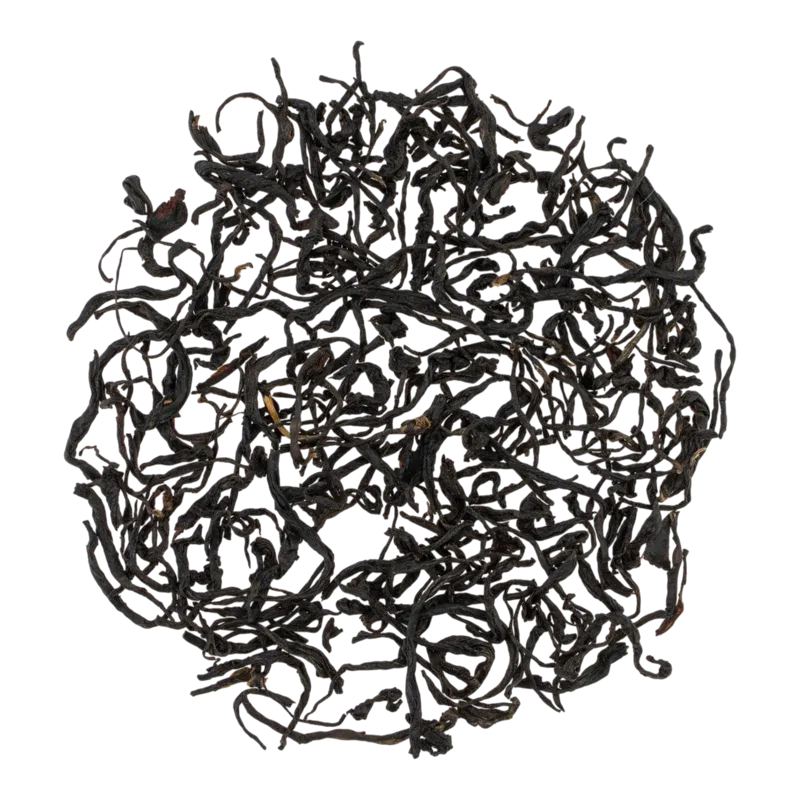
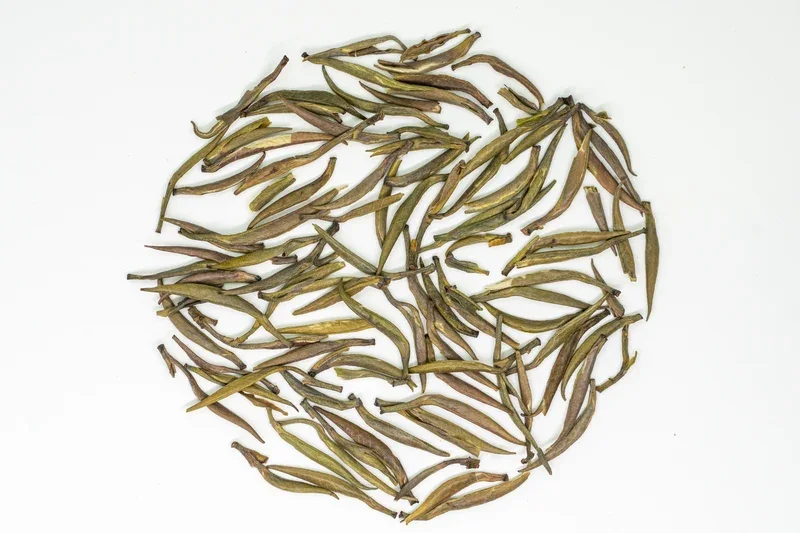
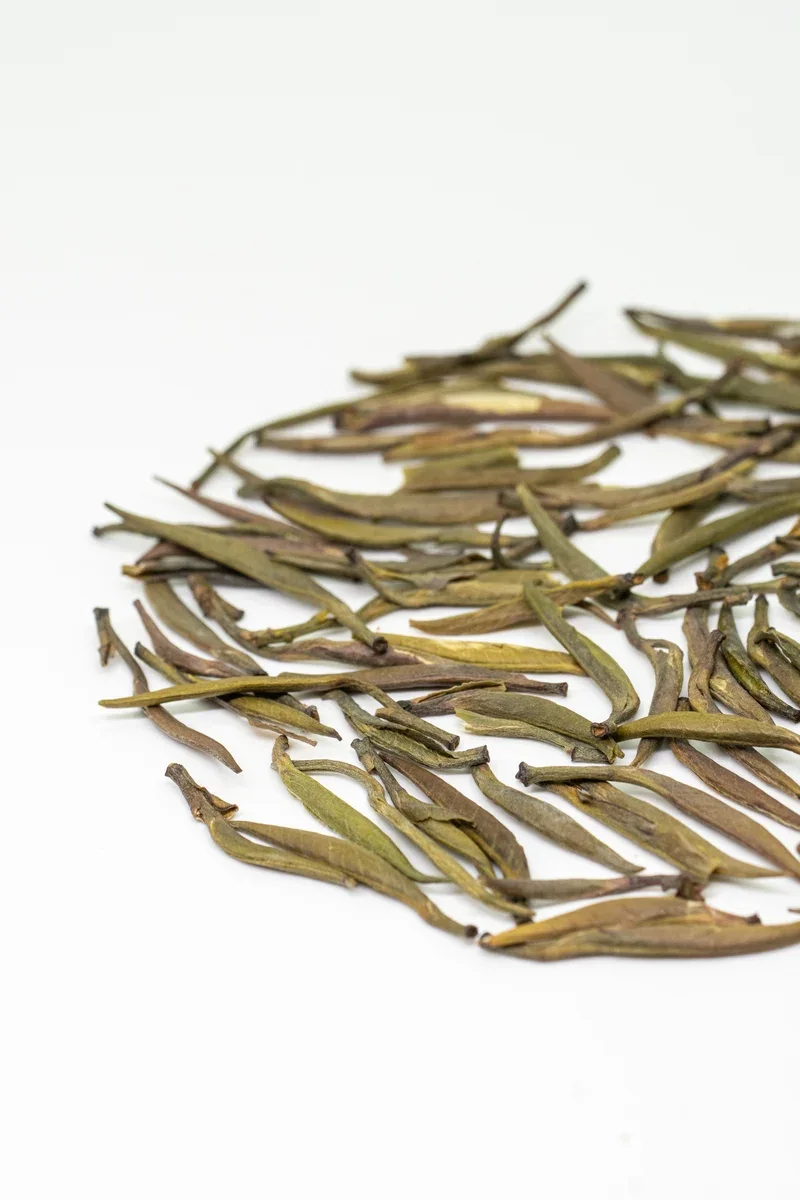
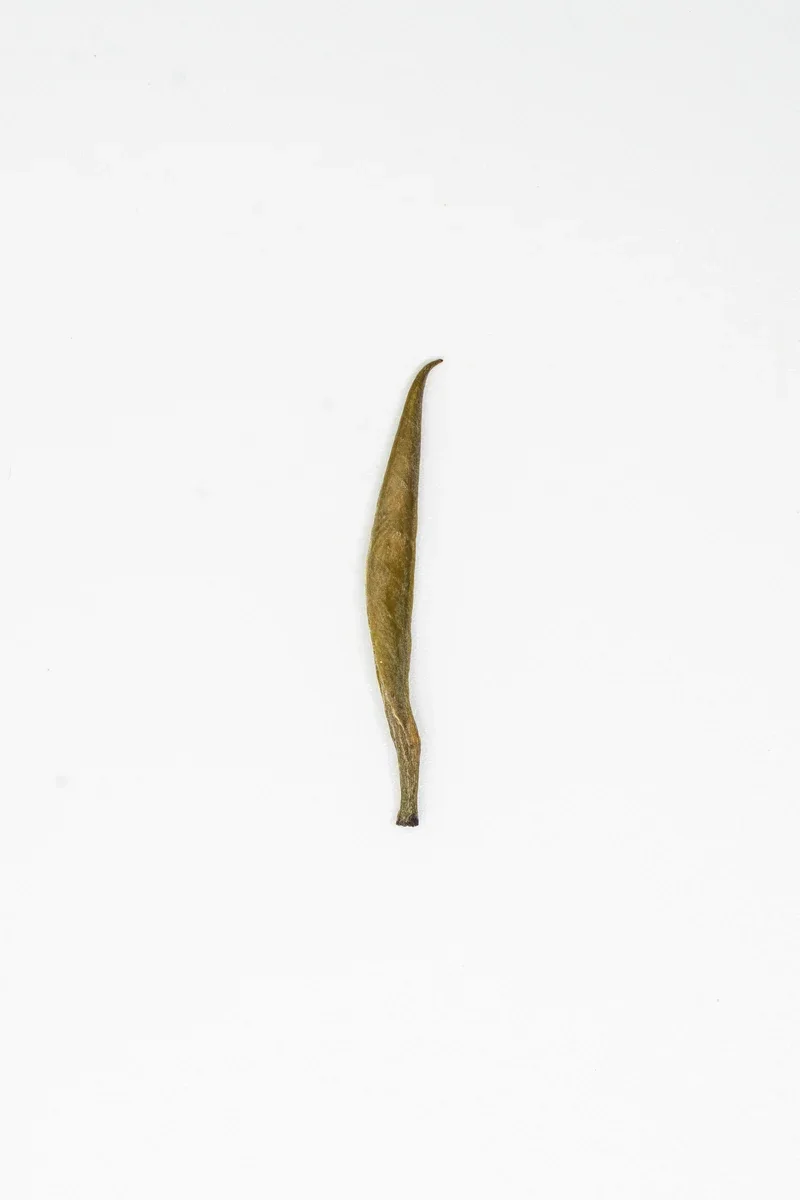
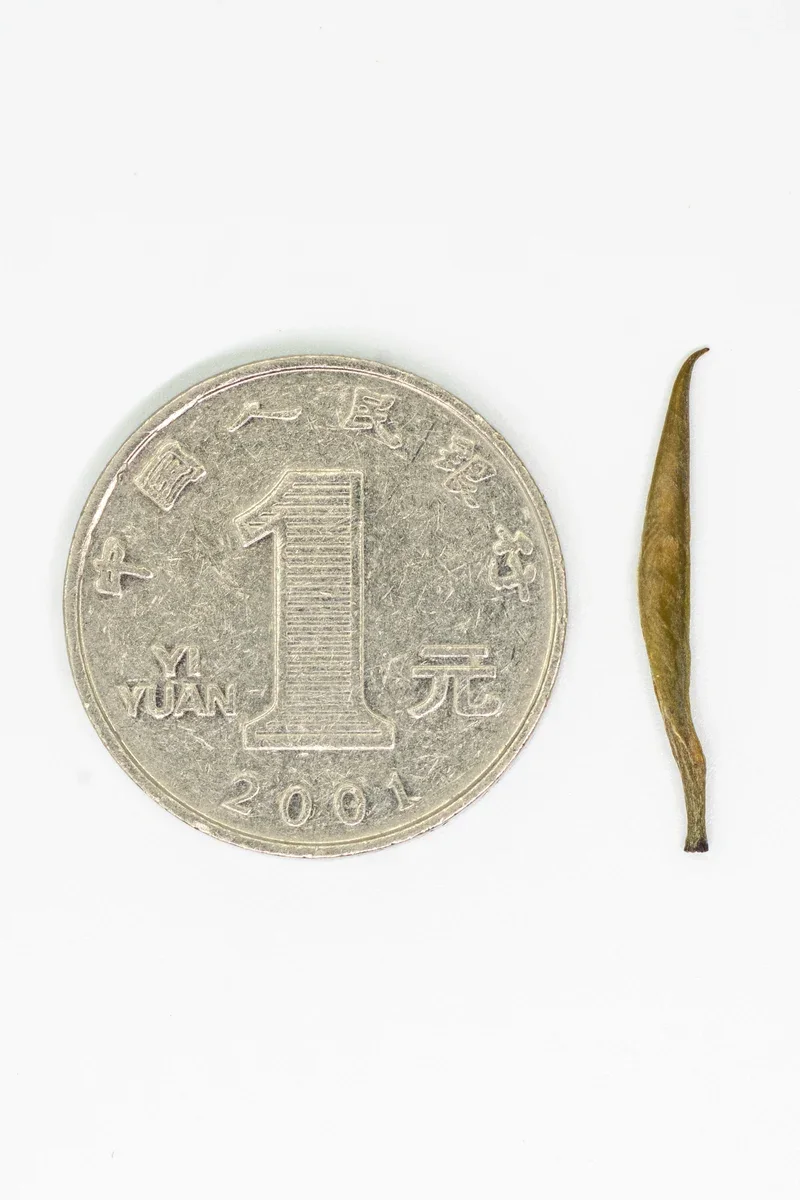
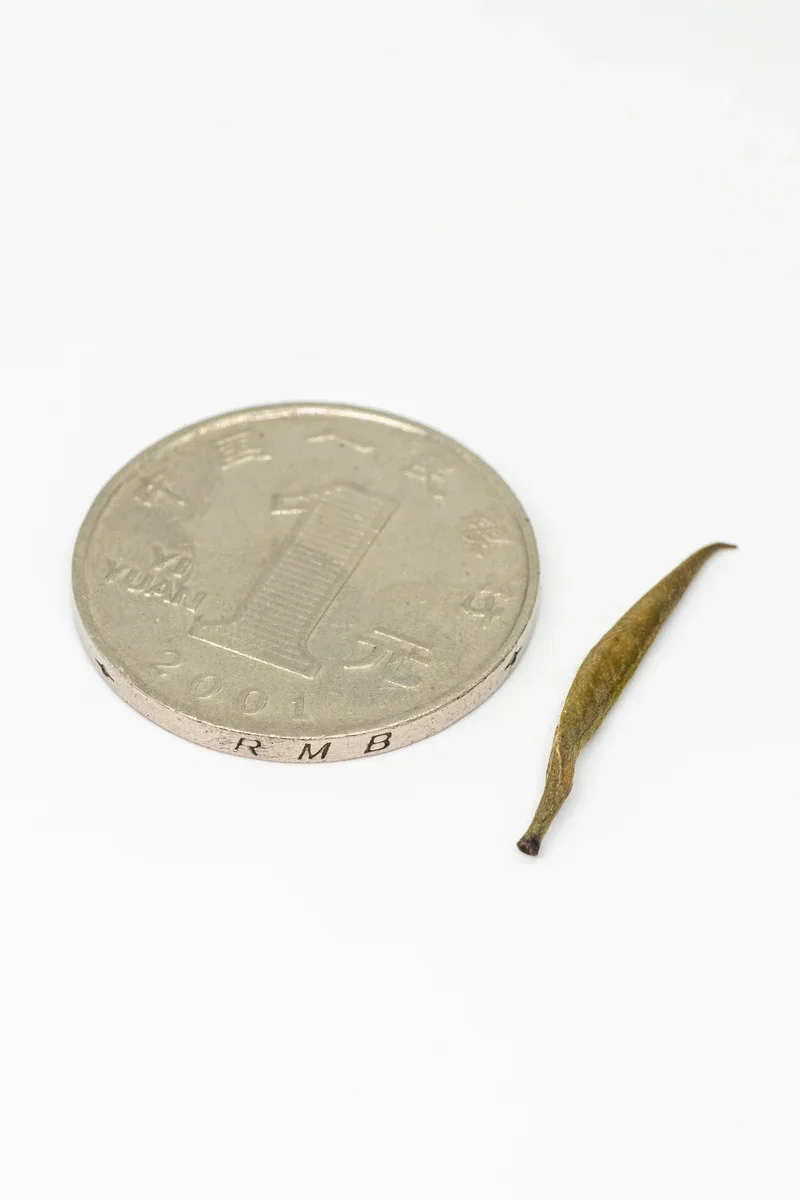
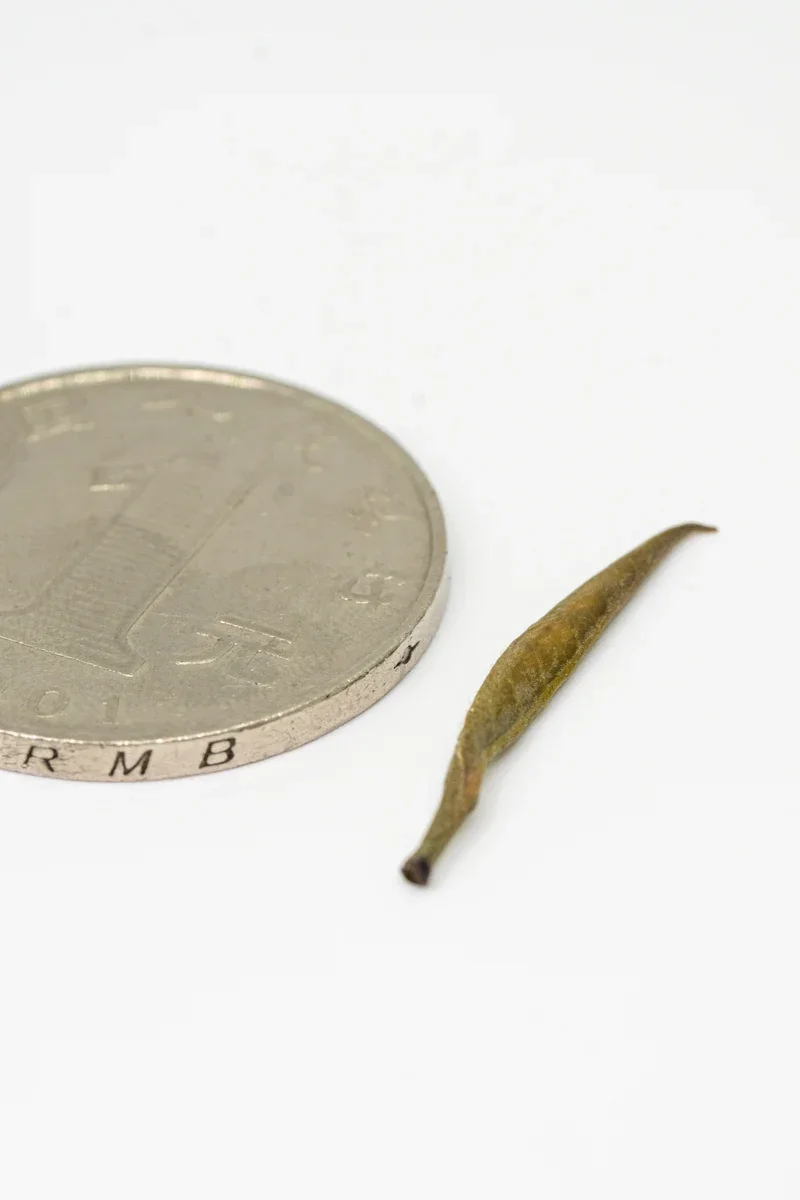
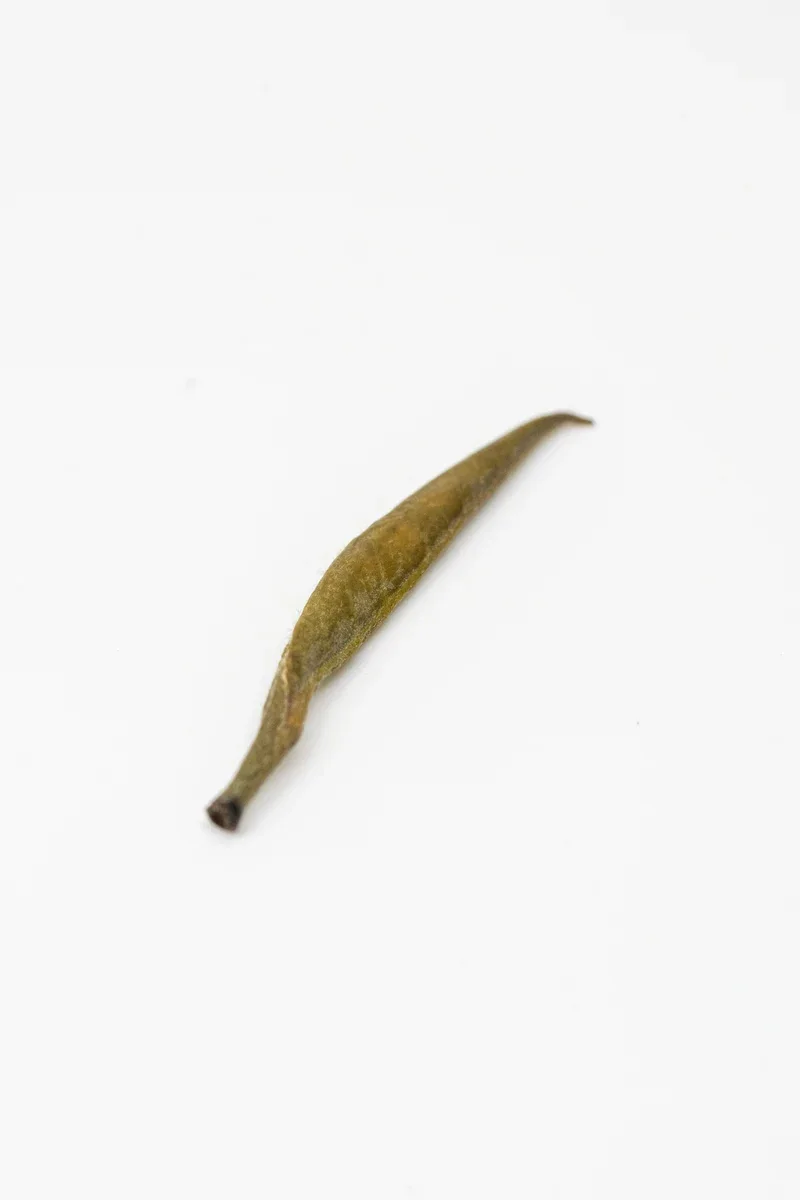
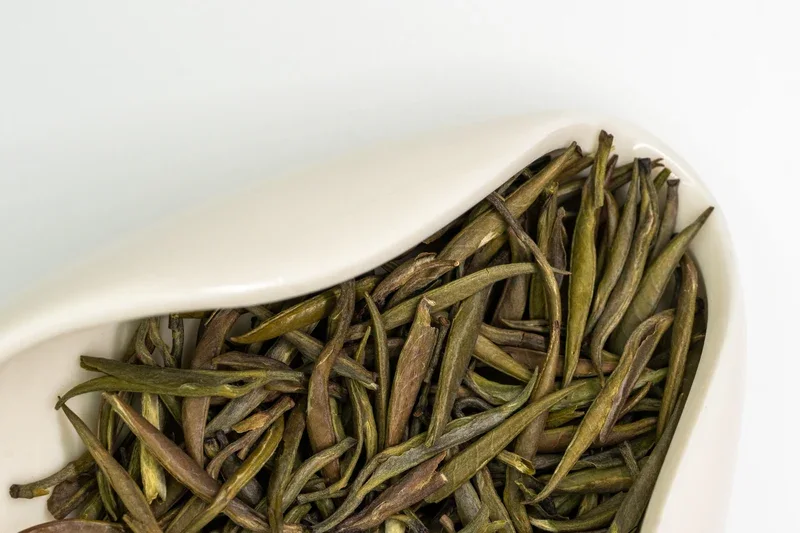
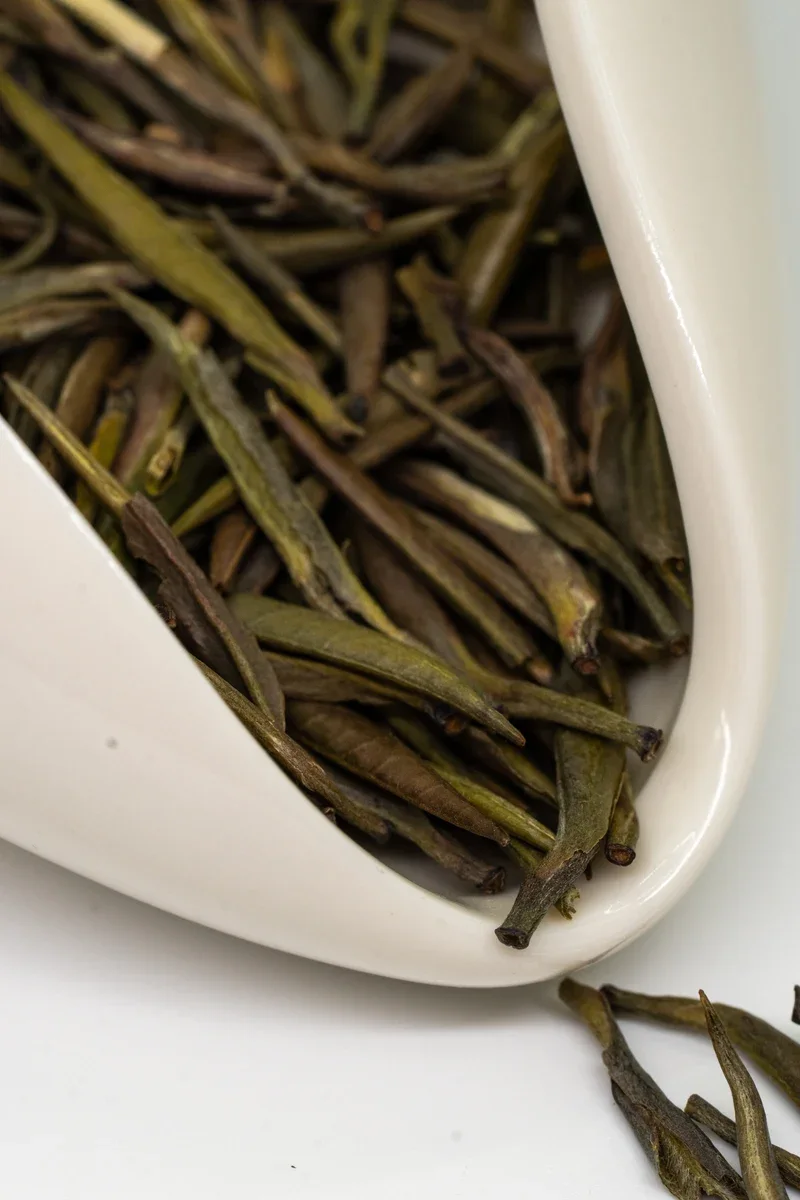
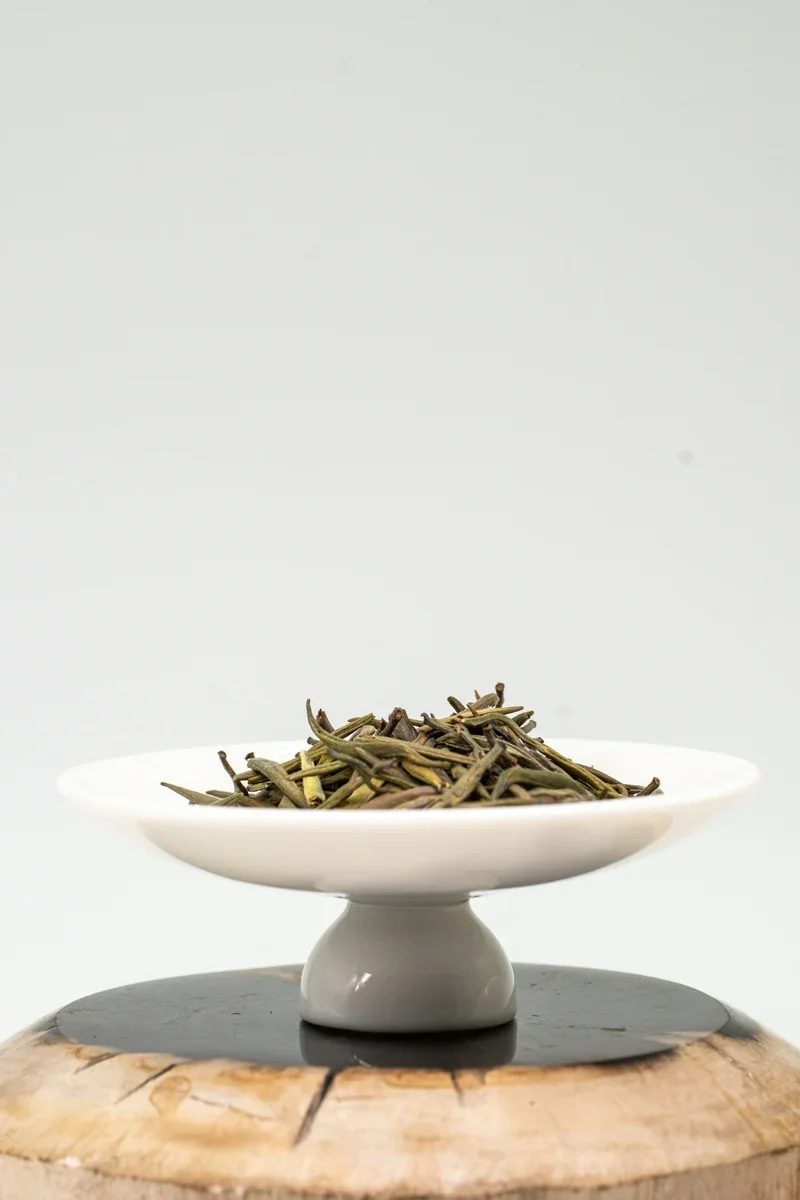
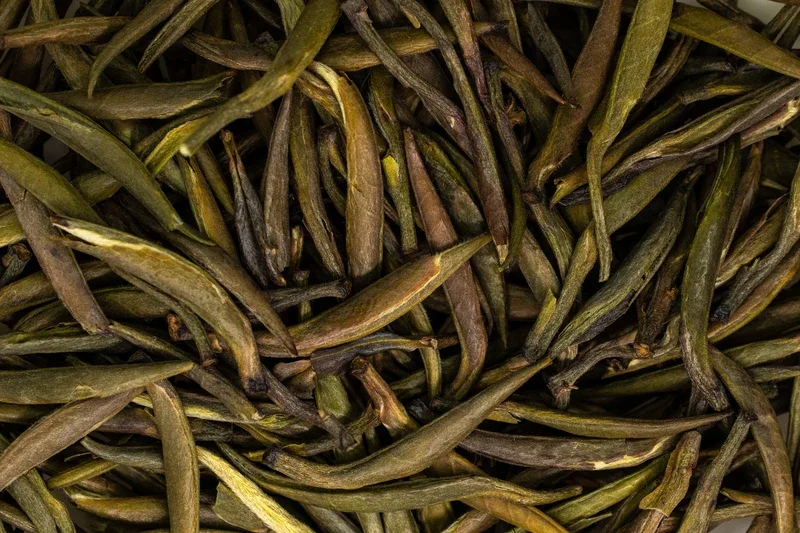
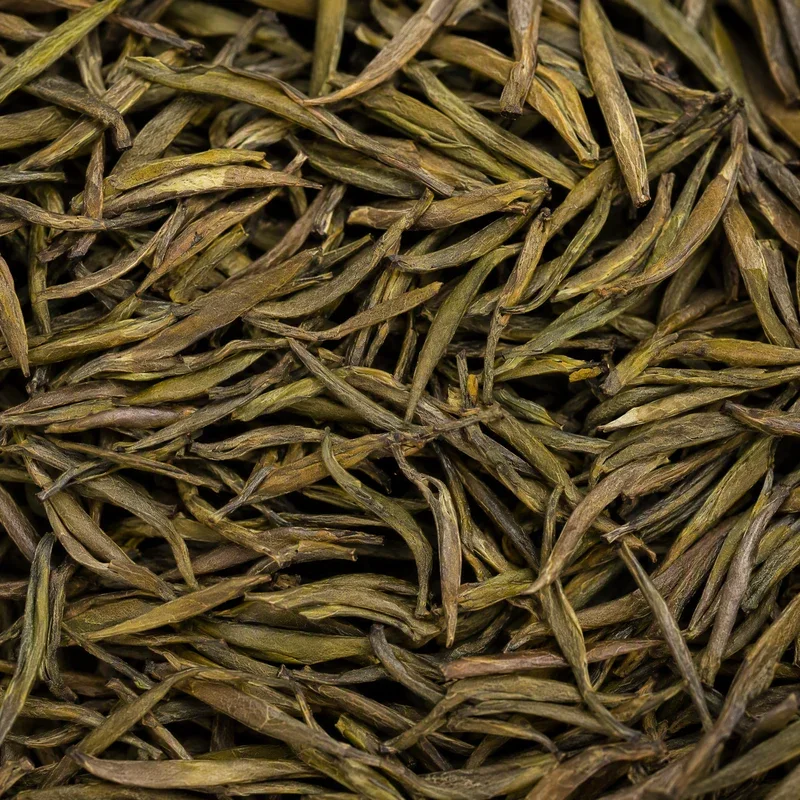
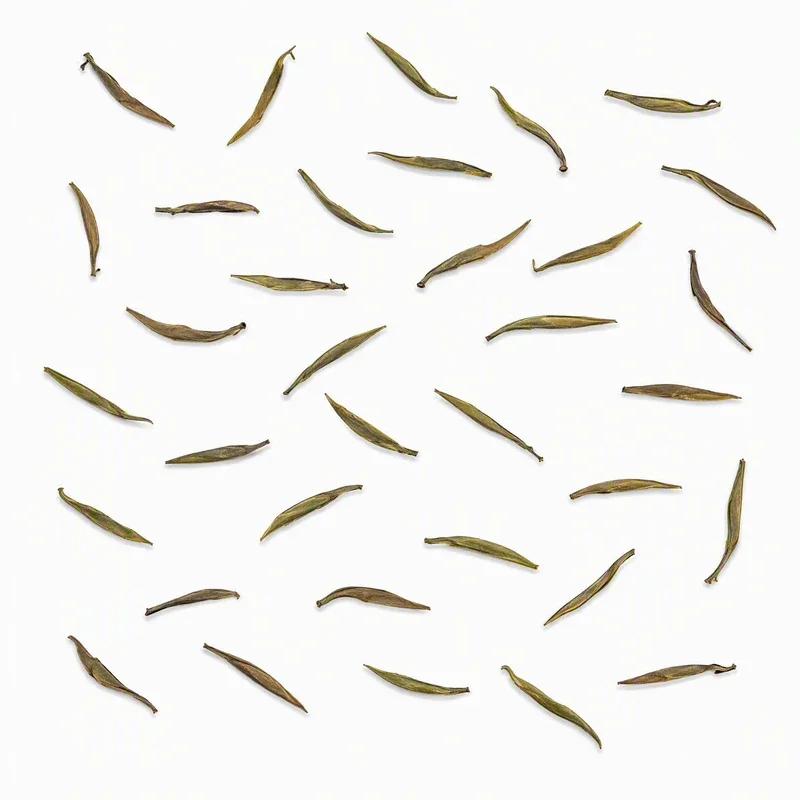
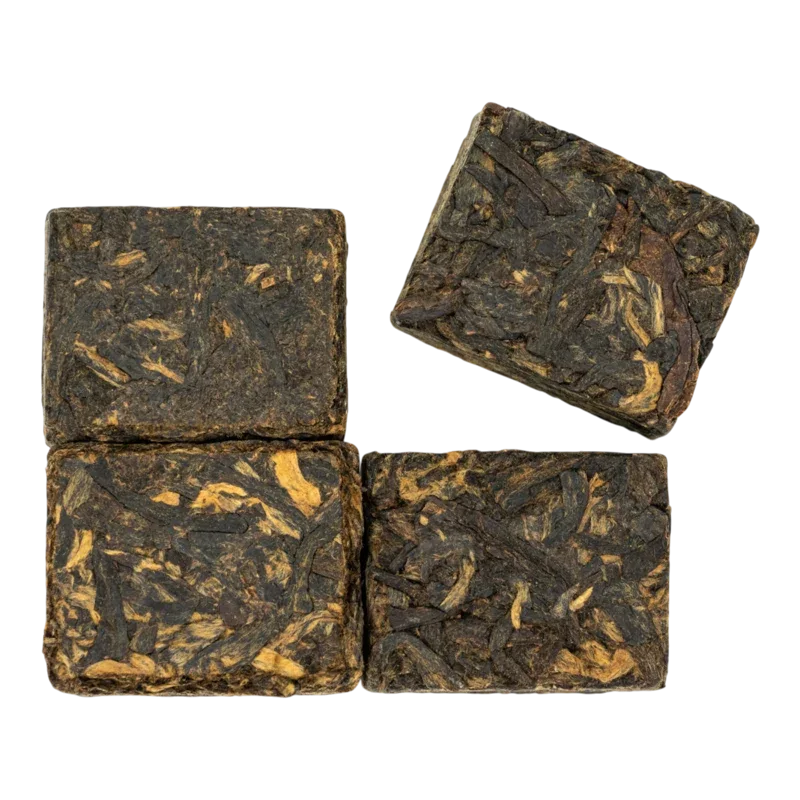
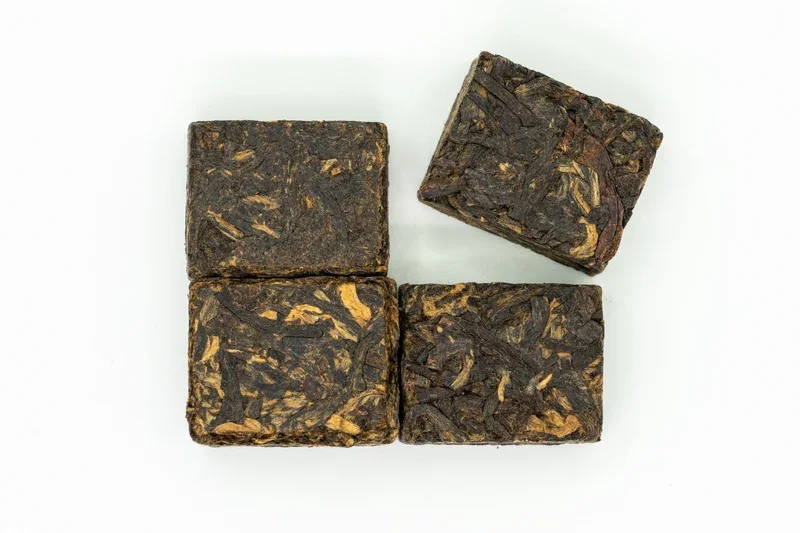
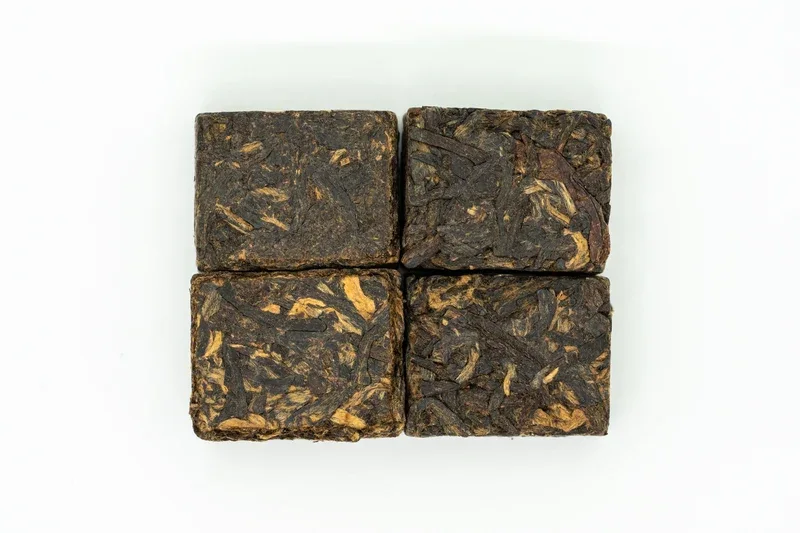
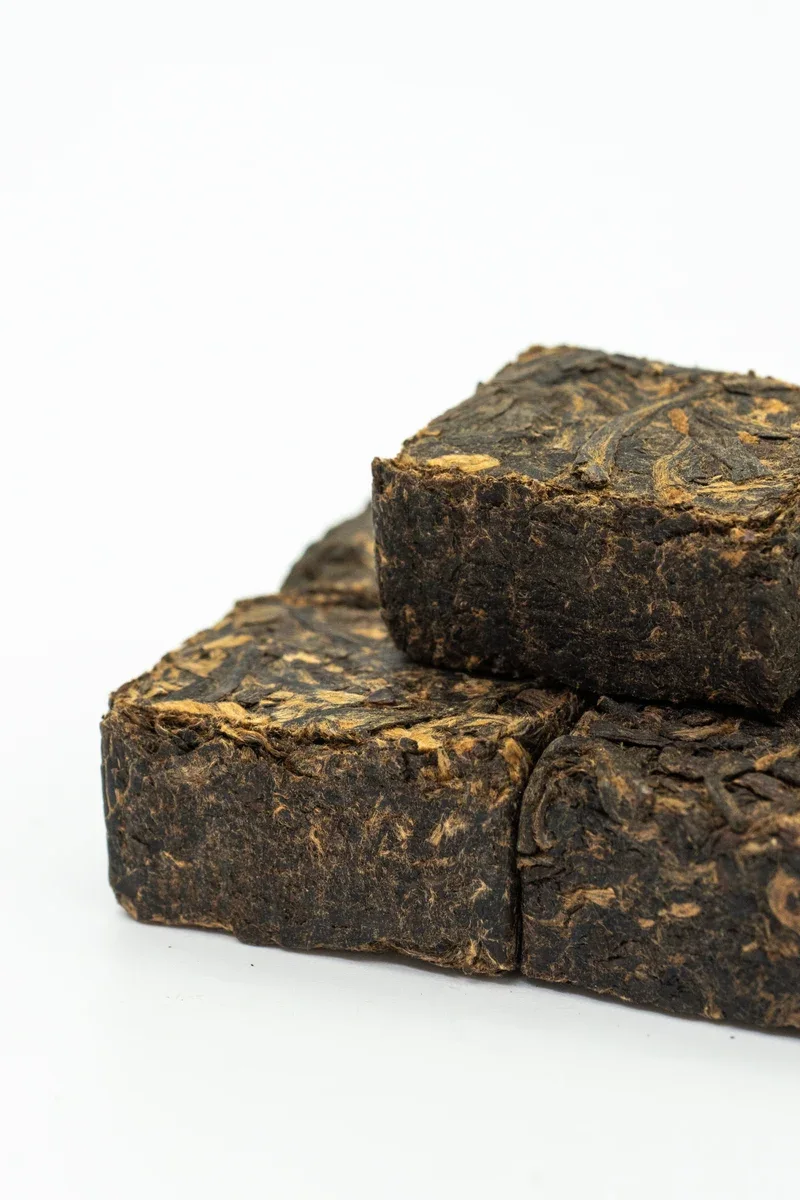
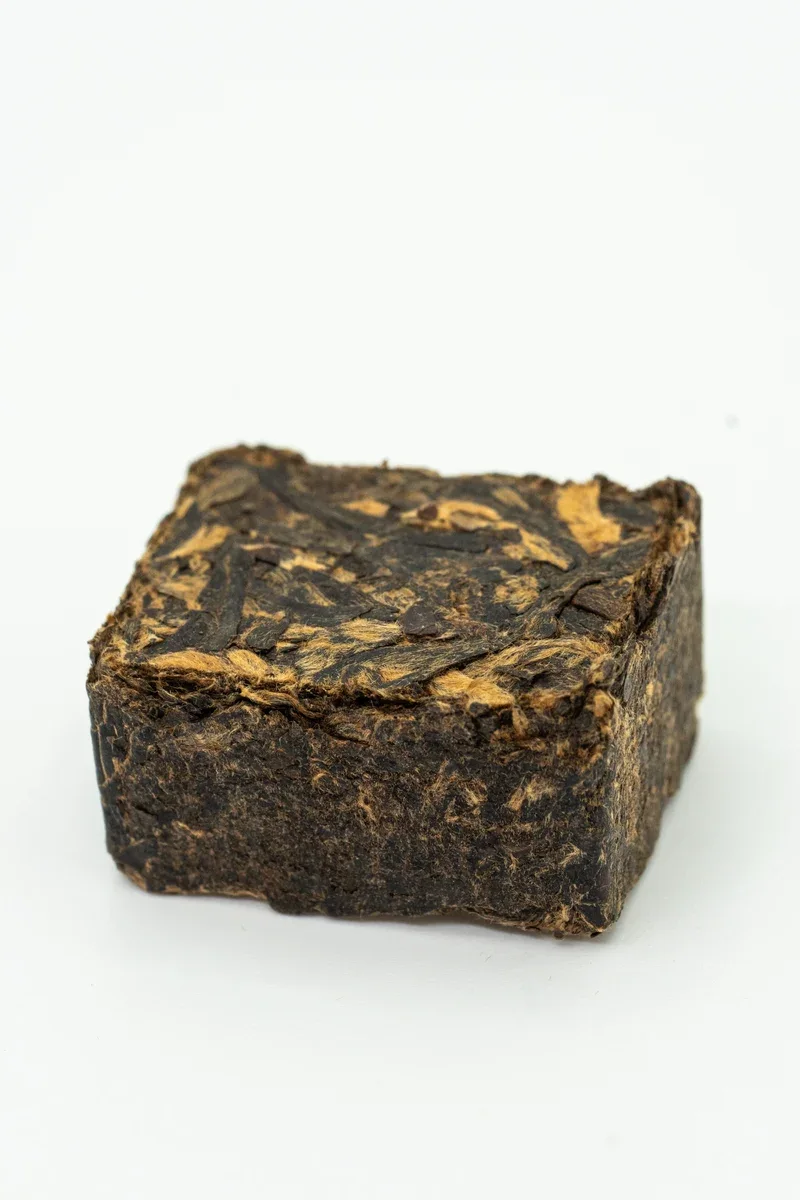
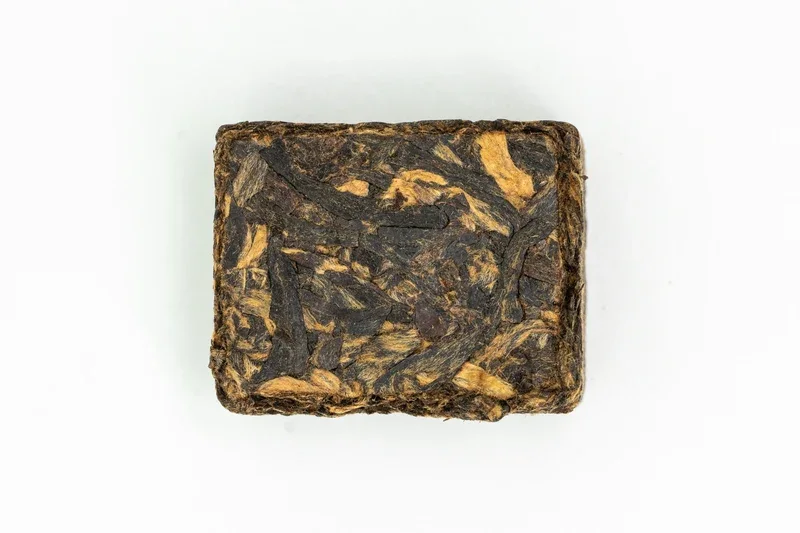
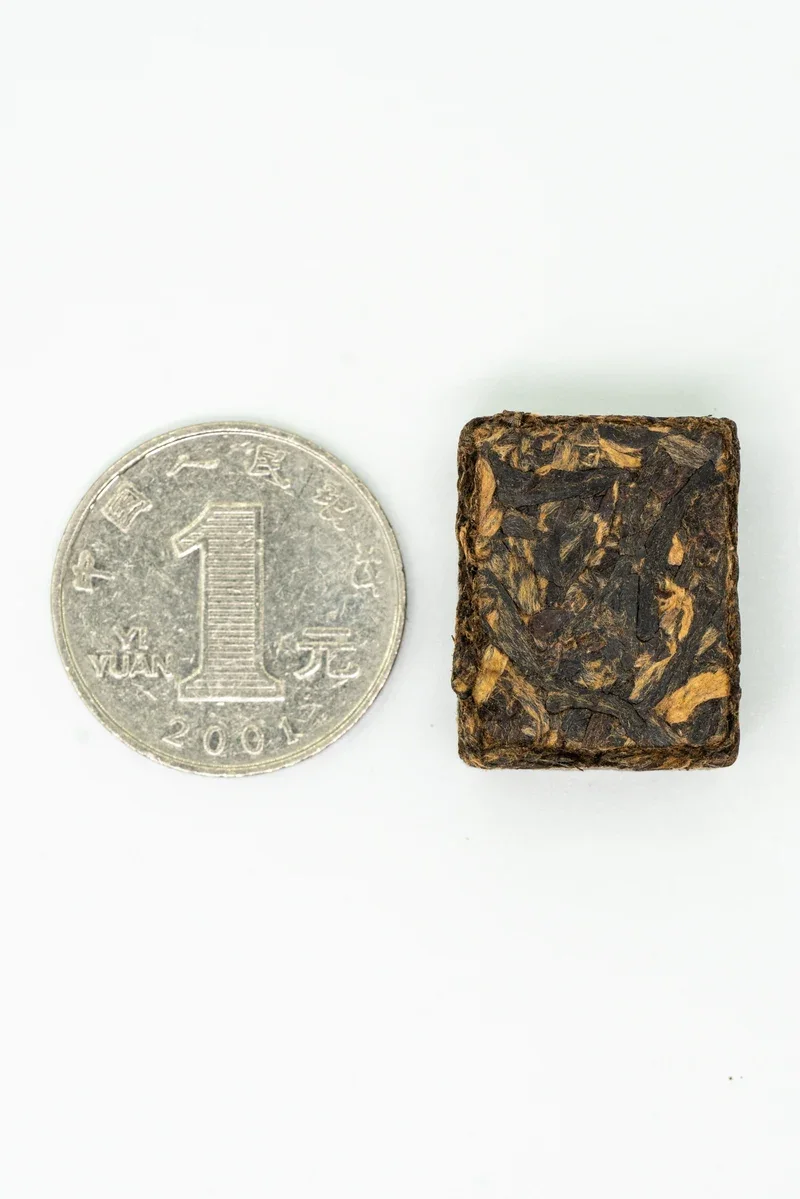
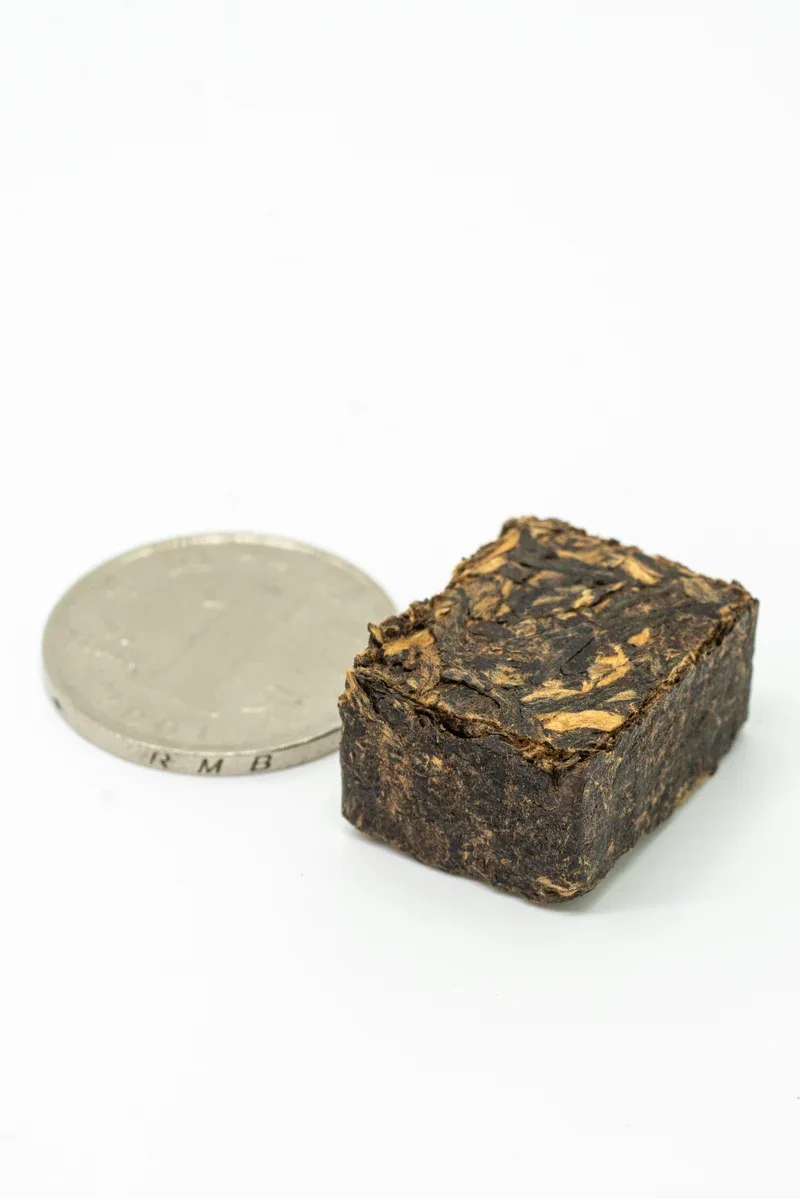
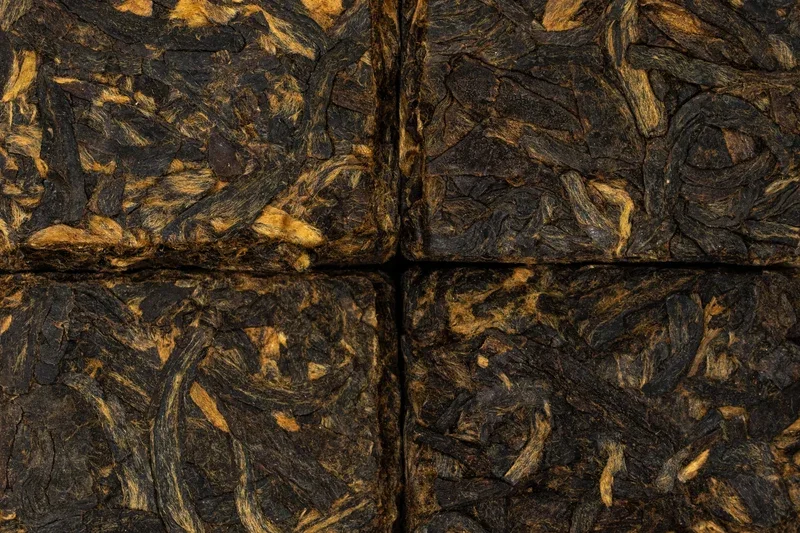
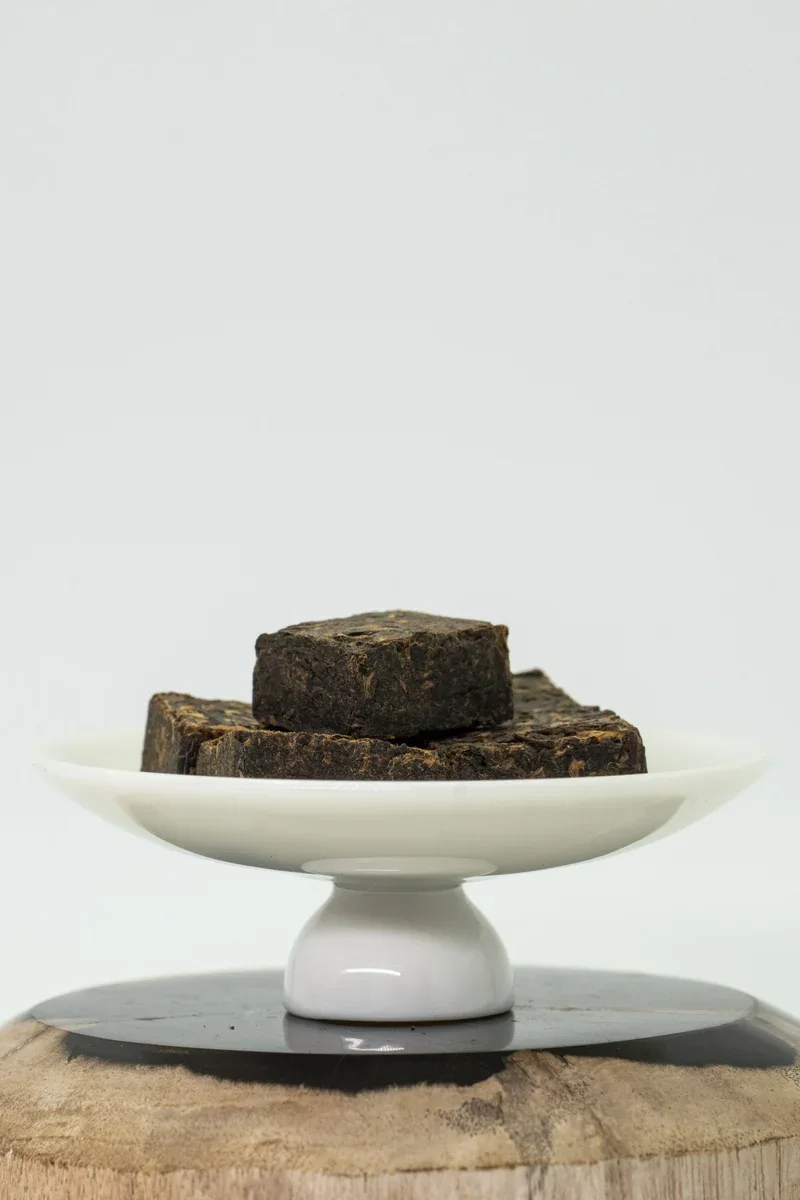
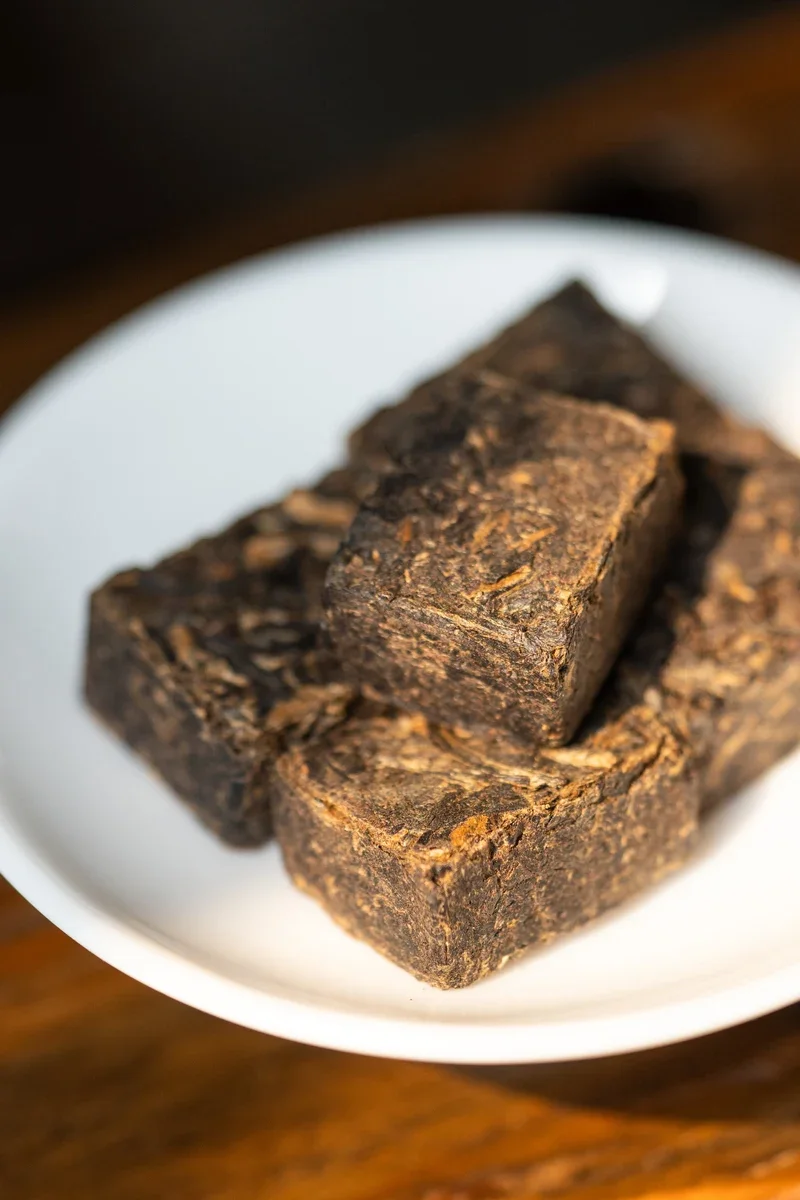
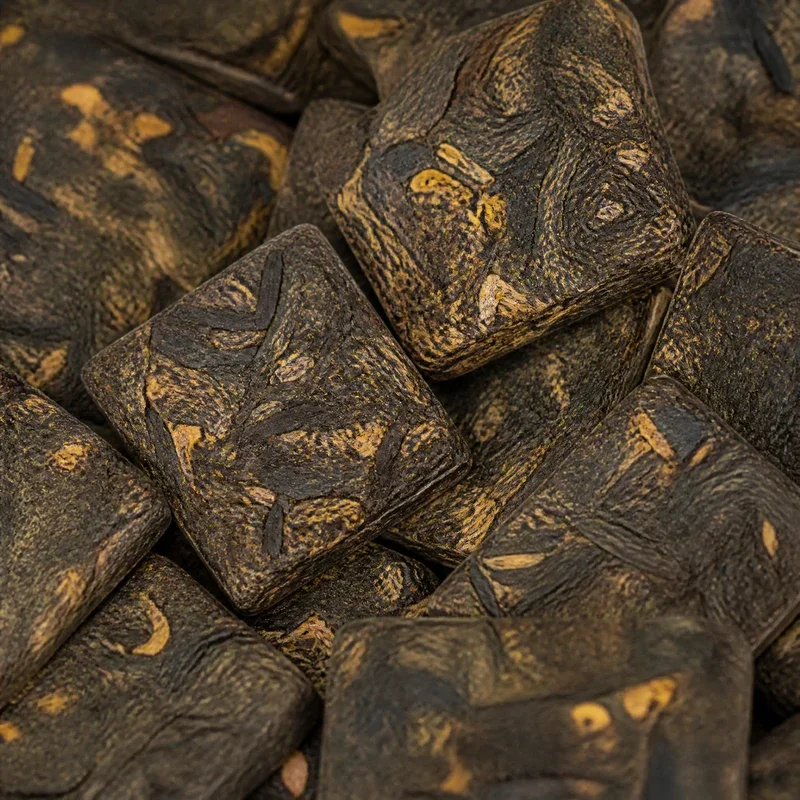
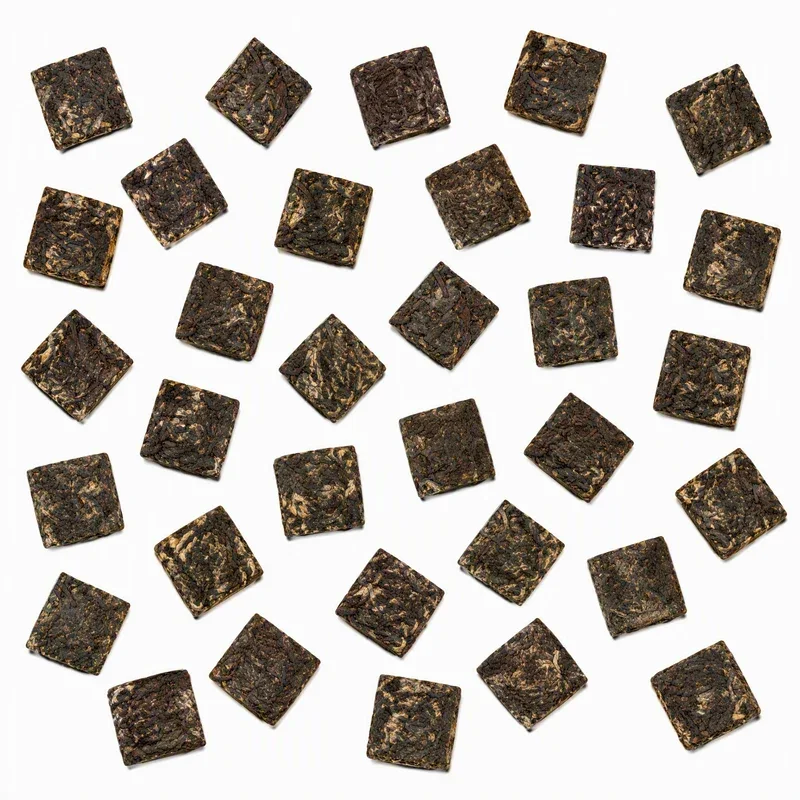
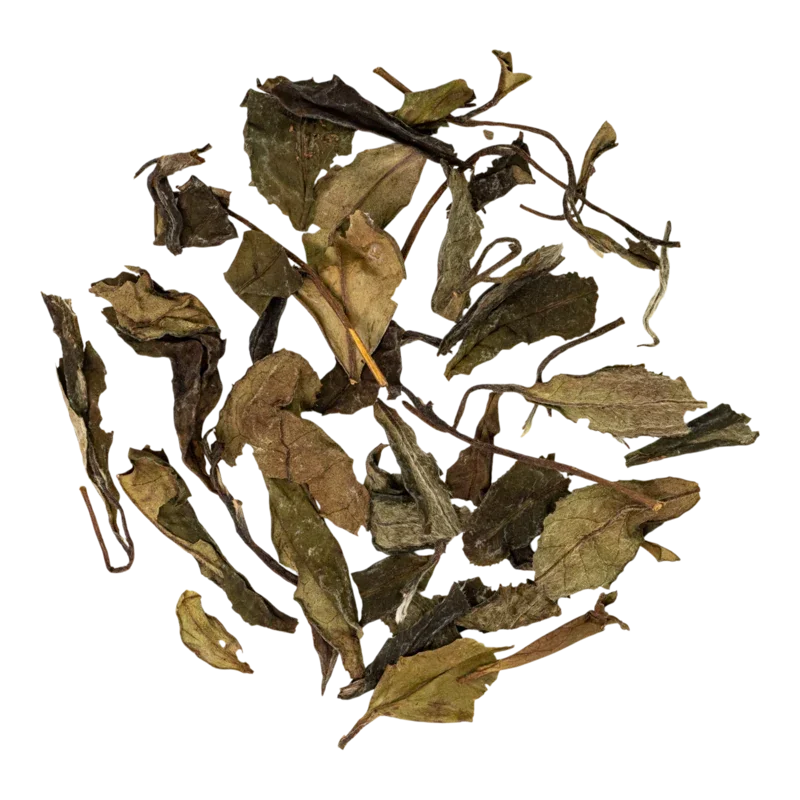
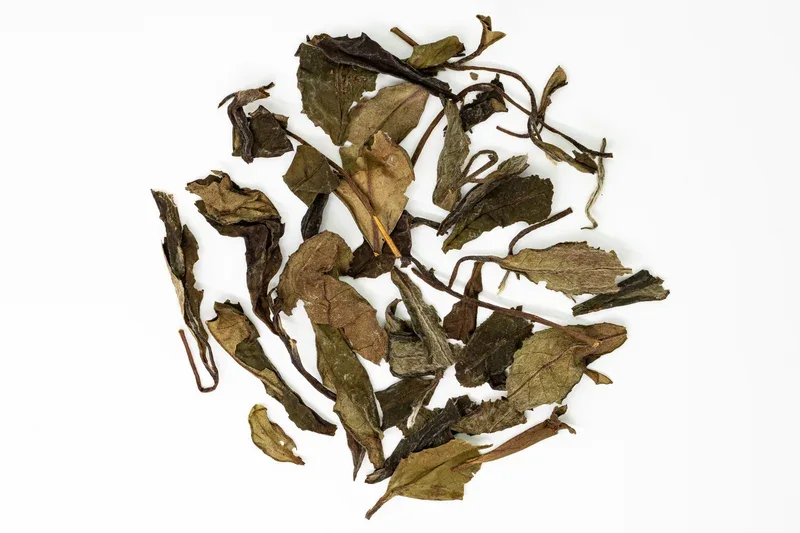
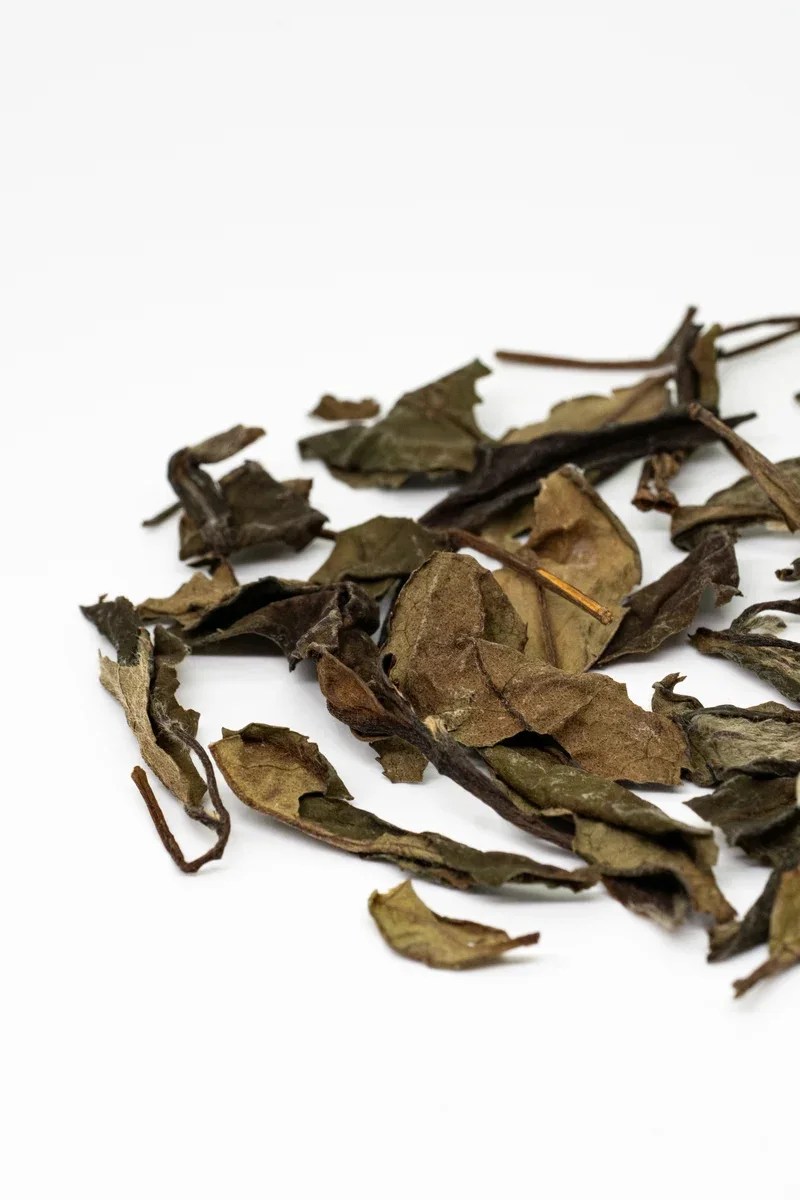
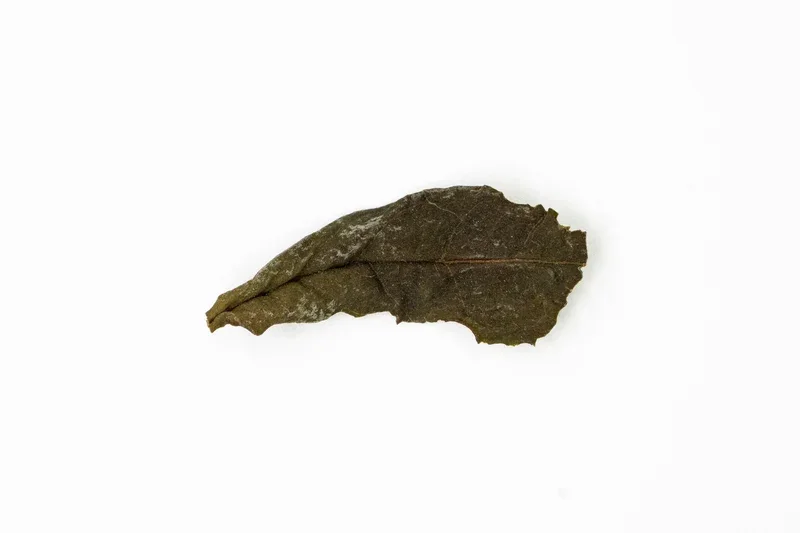
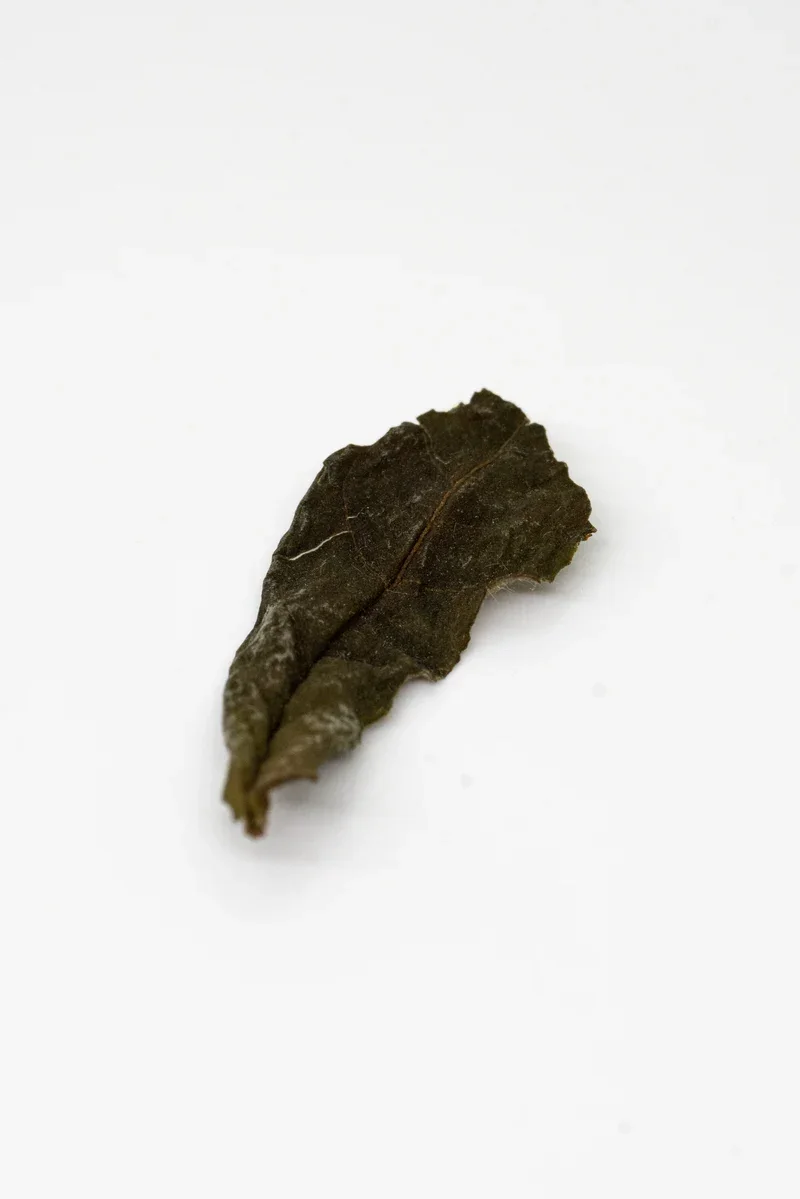
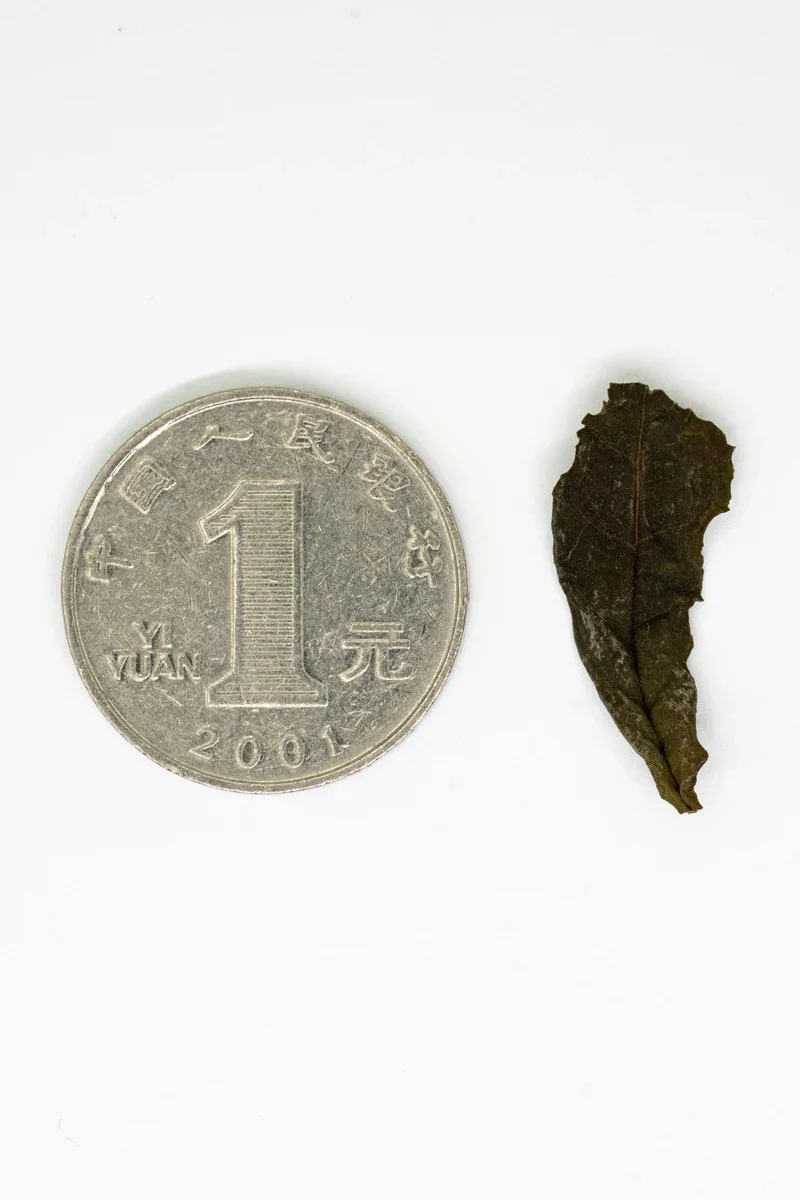
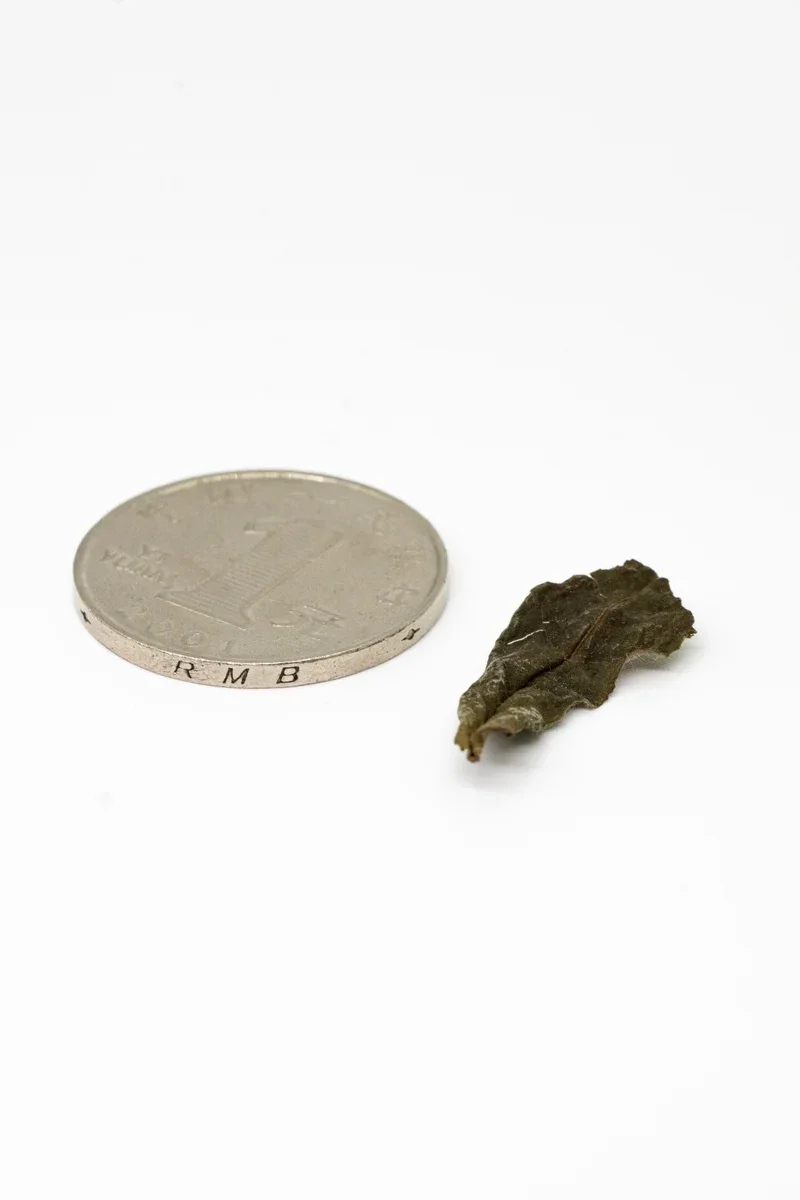
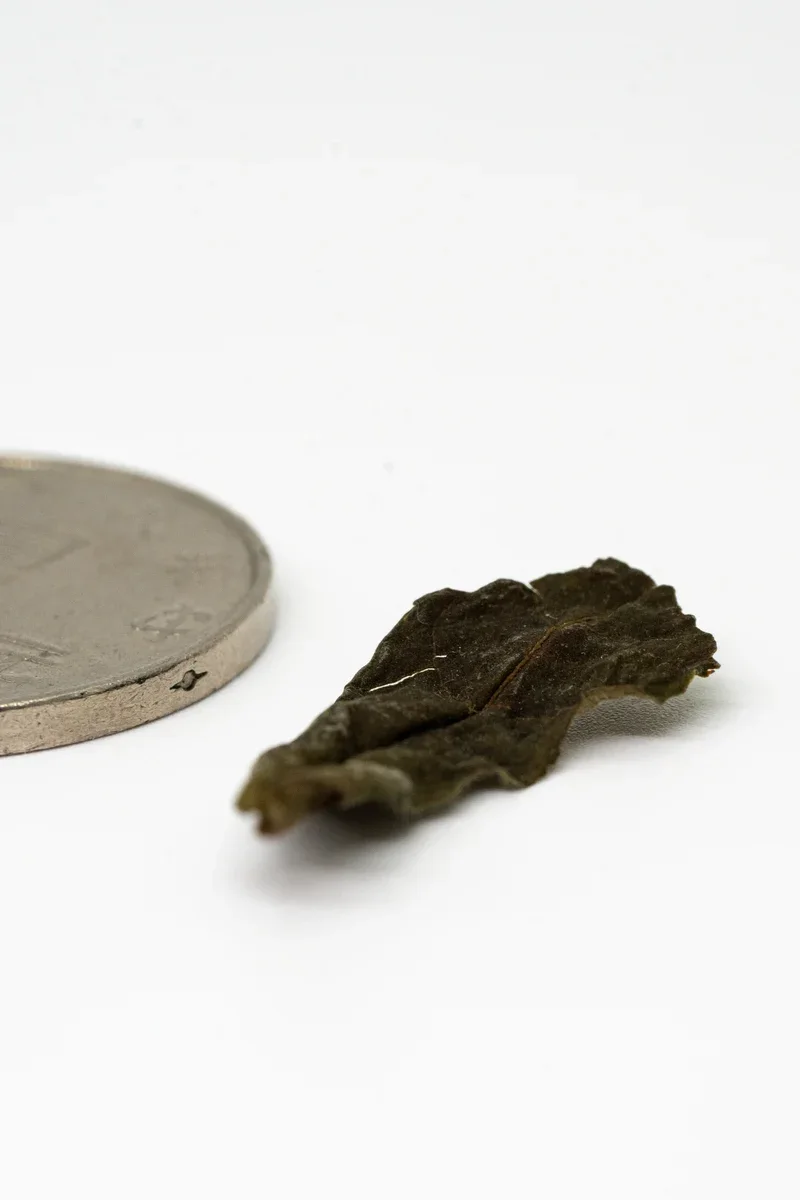
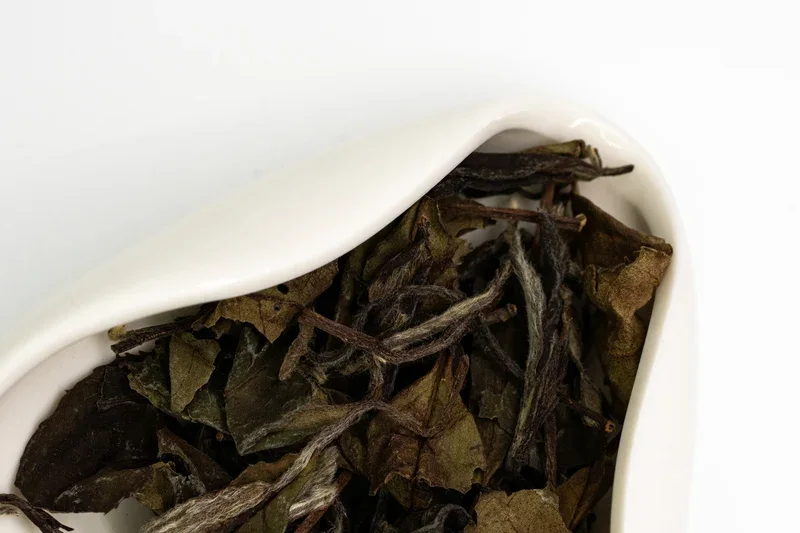
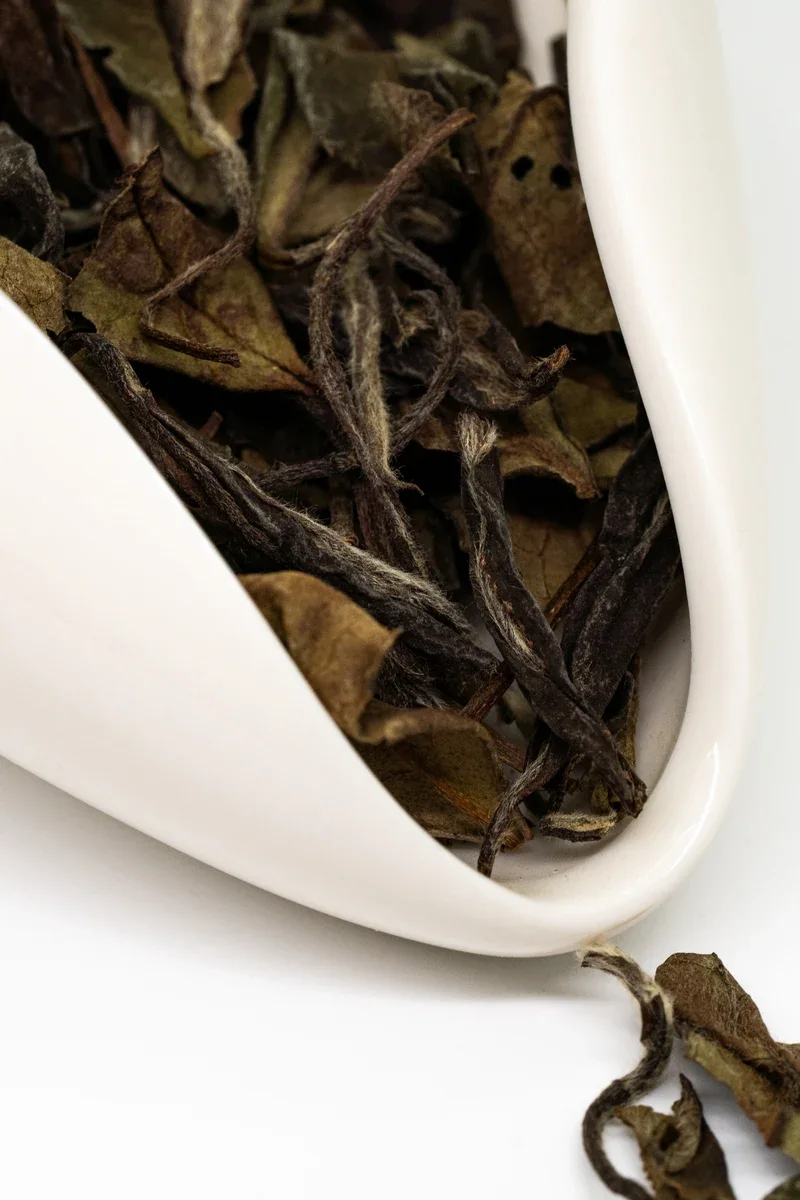
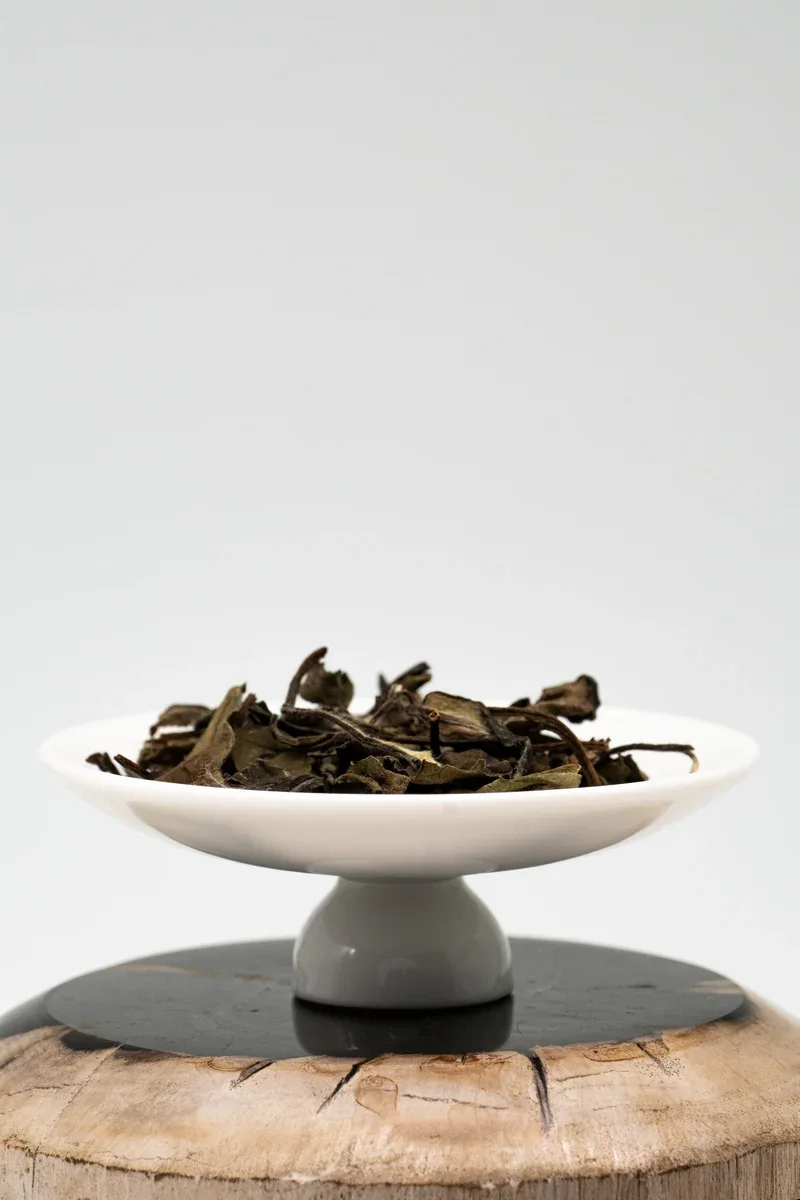
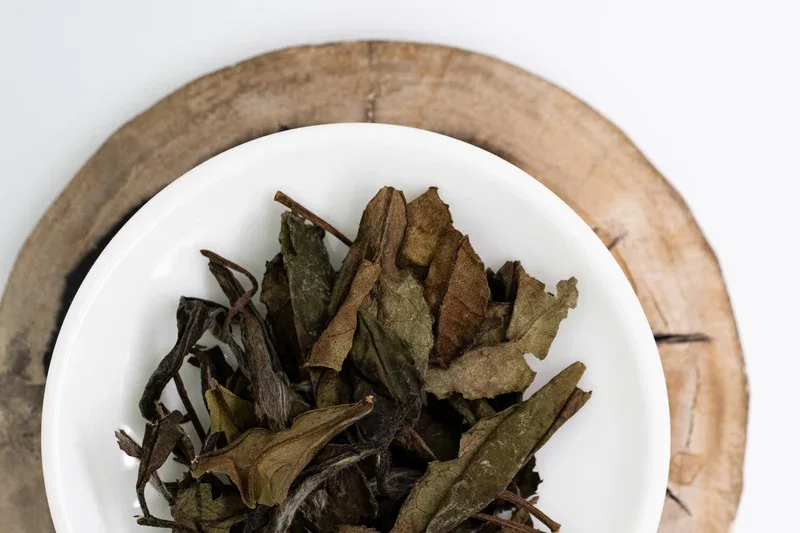
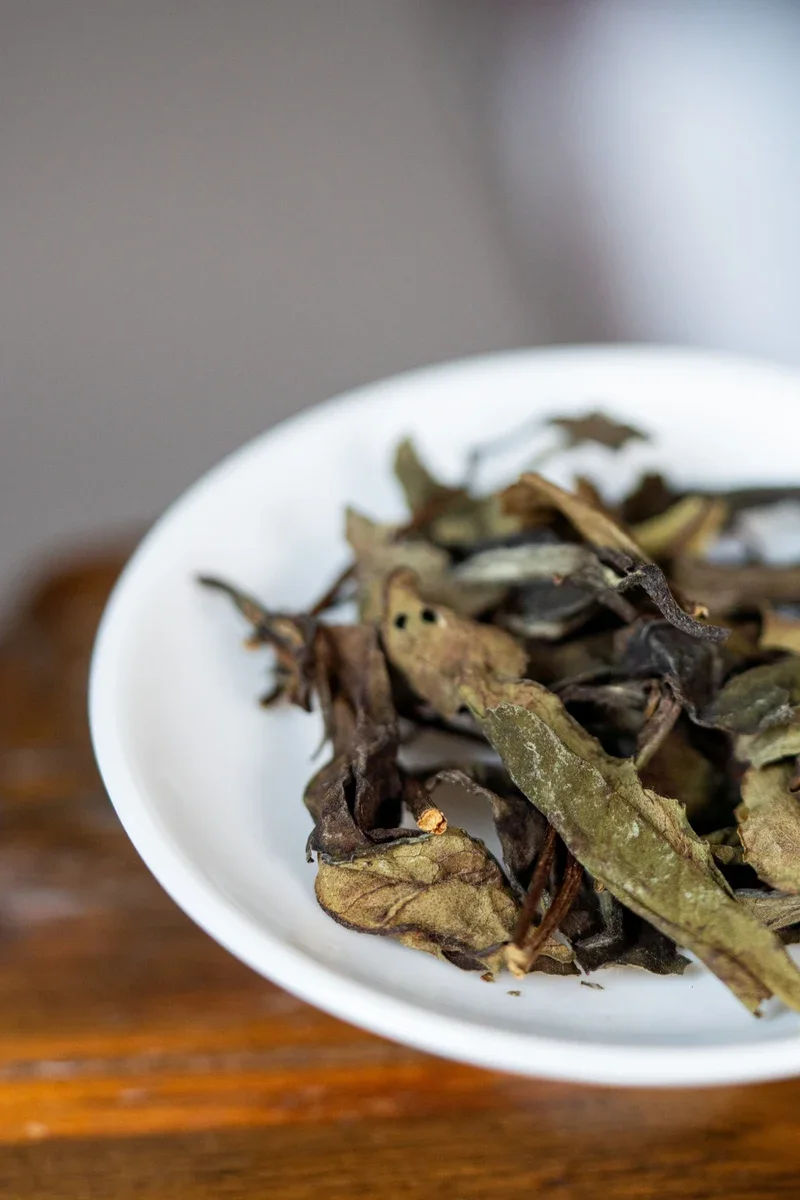
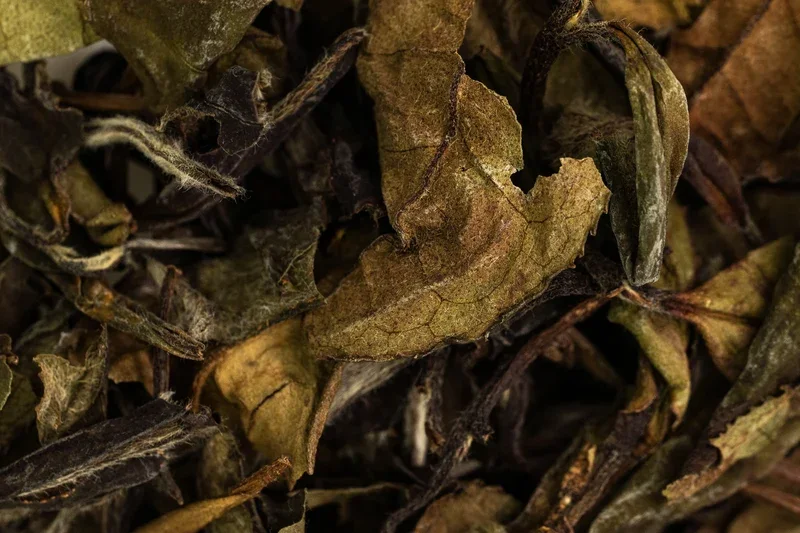
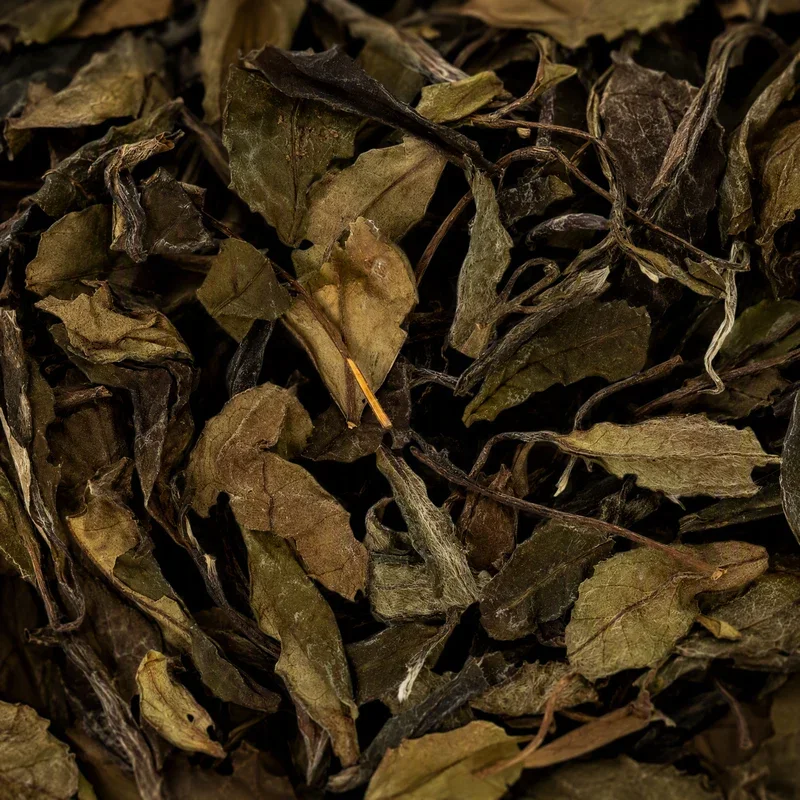
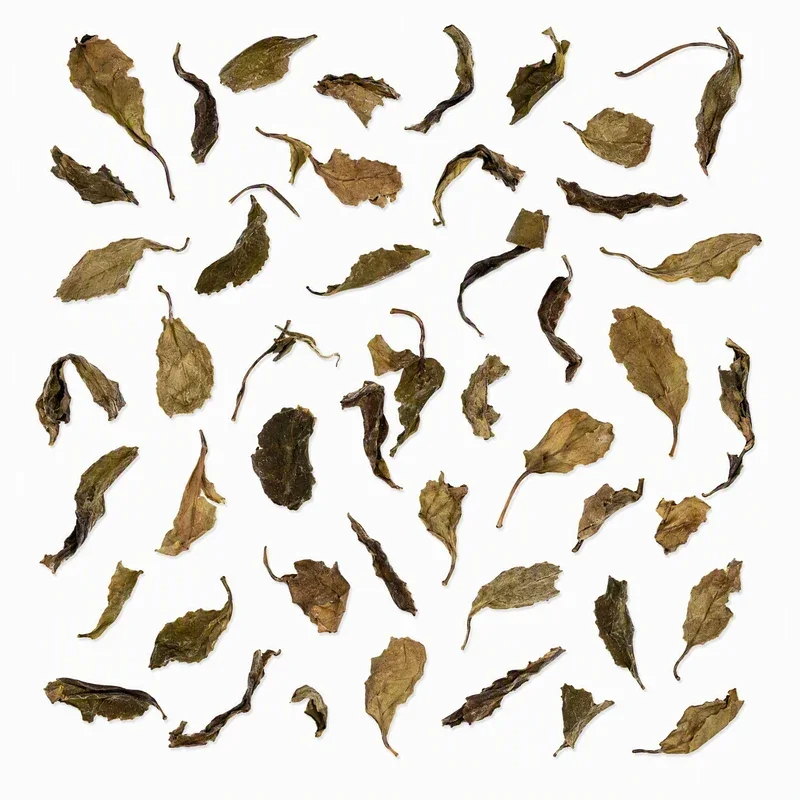
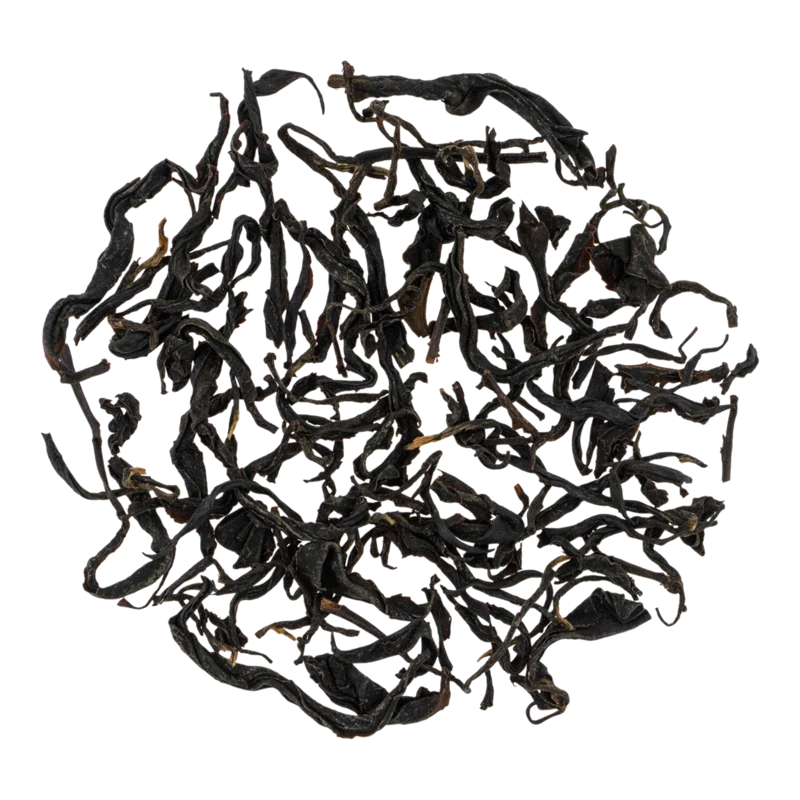
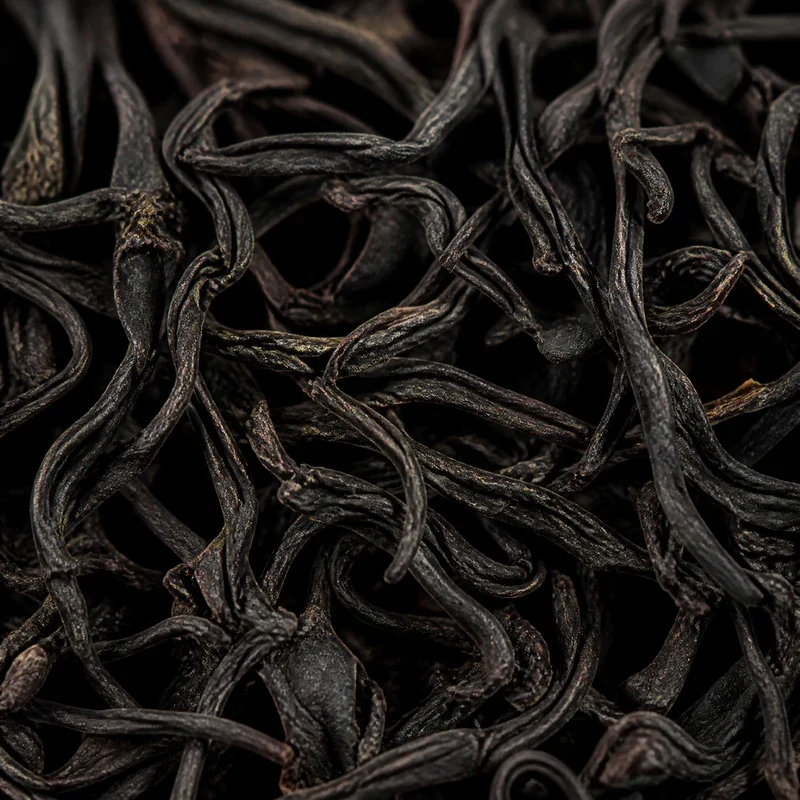
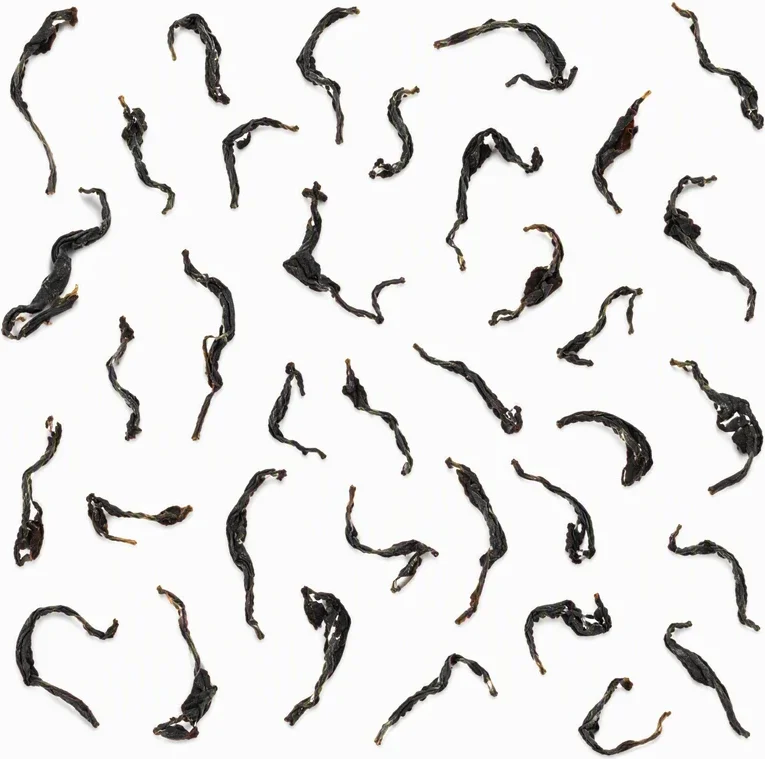
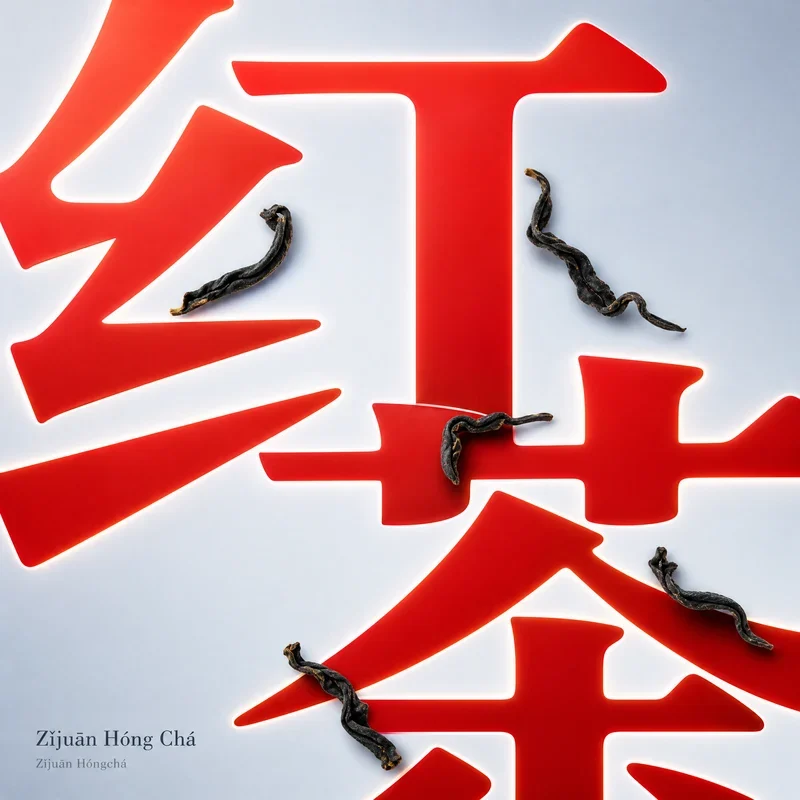
Dry Leaf Appearance: Relatively large, tightly twisted tea particles, dark chestnut to almost black, with characteristic purple sheen. Light down. Overall appearance darker than standard dianhong.
Dry Leaf Aroma: Medium intensity, with notes of honey, forest berries (blueberry, blackberry), light "medicinal" note (中藥香) characteristic of Zijuan.
Liquor Aroma: Honey-like, with pronounced floral component and subtle "berry" nuancing. Less "loud" than classic dianhong — more introverted and deep.
Liquor Color: Red-amber, clear and transparent, with characteristic ruby tint. Somewhat darker than standard dianhong. Unlike green tea from Zijuan (where liquor is purple), red tea does not show pronounced violet coloration — anthocyanins are masked by thearubigins.
Spent Leaves: Dark red leaves with characteristic purple undertone, soft, slightly tough (typical Zijuan feature noted in professional tastings).
Taste: Soft, even (平和, pínghé — "peaceful" — term from professional tastings). Sweetness persistent, without aggression. Light "berry" acidity — Zijuan's calling card. Minimal astringency. Long-lasting, sweet aftertaste. Medium but "clean" body.
Amino Acids: 2–3%. L-theanine provides softness and sweetness.
Main distinguishing feature of Zijuan. Average content in raw material — ~26.7 mg/g (according to Yunnan Academy of Agricultural Sciences, 2014), which is ~4 times higher than in natural purple mutations (紫芽, ~6.7 mg/g). Identified: delphinidin (飛燕草色素), cyanidin (矢車菊素), pelargonidin (天竺葵素), peonidin (芍藥色素), and malvidin (錦葵色素). During oxidation, part of anthocyanins are destroyed, but residual content still significantly exceeds the norm for ordinary red teas.
3–5% — elevated content; among all forms of Zijuan processing, red tea shows the highest caffeine level.
Elevated content compared to standard Yunnan varieties.
Elevated level — characteristic feature of Zijuan.
Linalool, linalool oxides, benzyl alcohol — key components. Profile less diverse than standard dianhong (68 identified components in red tea vs. 80–81 in green).
Polyphenols: 20–30% of dry weight. Catechins partially transformed into theaflavins and thearubigins. Catechin content decreases with increasing oxidation degree (in red tea — minimum compared to green and white).
Anthocyanins are among the most effective natural antioxidants, surpassing vitamins C and E. Even after oxidation, Zijuan Hong Cha retains significant antioxidant potential.
Studies by Yunnan Academy of Agricultural Sciences confirmed the ability of Zijuan extracts to lower blood pressure.
Anthocyanins help protect cells from UV damage and oxidative stress. Zijuan is called "natural cosmetic for internal use."
Anthocyanins (especially delphinidin) improve retinal microcirculation.
High caffeine content combined with L-theanine provides smooth tonic effect.
Polyphenols and flavonoids help normalize lipid profile.
Anthocyanins and polyphenols have proven antibacterial properties, suppressing pathogenic microflora.
L-theanine combined with caffeine and anthocyanin antioxidants supports cognitive function and concentration while reducing anxiety. The "tone + protection" combination makes Zijuan Hong Cha attractive for people working under high intellectual load.
Anthocyanins have proven ability to reduce systemic inflammation markers.
Among all forms of Zijuan processing, red tea shows maximum caffeine level. Limit consumption in afternoon.
May cause stomach discomfort.
Zijuan trees are young (up to ~40 years); raw material less "mature" than ancient trees. Over-steeping may produce noticeable bitterness.
Recommended to limit to 2–3 g/day or consult doctor.
Neutral (pH ~7.0) purified water recommended. Acidic water (pH < 5) shifts liquor color toward red; alkaline (pH > 8) — toward blue. Neutral is optimal for standard red taste.
Water quality and pH — critically important factor for Zijuan. Tap water in different cities has various pH (usually 6.5–8.5), which directly affects liquor color and taste. For stable results, neutral bottled water is recommended. Using hard or alkaline water may give the liquor an unpleasant "earthy" taste and shift color toward bluish range.
2–3 g per 200–250 ml cup, steeping 3–4 minutes at 85°C. Zijuan Hong Cha is soft and pleasant in this format; "berry" nuancing unfolds with slightly longer water contact.
Tea Amount: 4–5 g per 100–120 ml (gongfu); 2–3 g per 200–250 ml (steeping).
Teaware: Porcelain gaiwan (white porcelain reveals color nuances of liquor). Glass teaware — for visual enjoyment of the hue.
Water Temperature: 85–90°C. Young cultivar (Zijuan trees maximum ~40 years) produces raw material with less dense cellular structure than old trees; overheating intensifies bitterness.
Container: Airtight, opaque (anthocyanins are sensitive to light and oxidation).
Shelf Life: 12–18 months for optimal taste. Long-term storage not recommended: anthocyanins gradually oxidize, losing bioactivity. Zijuan is tea that is "valuable when new, not when aged" (貴新不貴陳). Studies showed that samples stored more than 10 years lose characteristic purple liquor tint and "berry" acidity, approaching ordinary aged dianhong in taste. Thus, the point of drinking Zijuan is precisely in its unique "fresh" profile; for aging purposes, better choose other raw material.
10–25°C, humidity up to 60%, away from foreign odors.
Zijuan is a stable cultivar with purple coloration of buds, leaves, and stems throughout vegetation. Natural purple mutations (紫芽) are spontaneous, unstable, with purple coloration only of first 1–3 leaves.
Adding a drop of lemon juice to genuine Zijuan liquor shifts color toward red; drop of soda — toward blue. Ordinary red tea doesn't show such reaction (or shows minimally).
Genuine Zijuan Hong Cha has characteristic "berry" nuancing (blueberry, blackberry) absent in ordinary dianhong.
No reviews yet. Tell us what you think of this tea.
Rate this tea and share your impressions. We review each submission before publishing it.