Brewing
Gongfu brewing
- Water temperature
- 93 °C
- Tea amount
- 5 g
- Water volume
- 100 ml
- First steep
- 10 s
- Time added per infusion
- 5 s
- Infusions
- 4

jīn mǔdān
Choose a brewing method. Start with the recommended quantities and time, then adjust to taste.
Brewing
Brewing
Taste
Tea encyclopedia
Category: Modern selective tea bush cultivar; in the context of Wuyi tea cultivation — one of the «new famous cultivars» (新品种名枞, xīn pǐnzhǒng míng cóng), widely used for producing cliff oolongs Yán Chá (岩茶, Yán Chá).
Category: Modern selective tea bush cultivar; in the context of Wuyi tea cultivation — one of the «new famous cultivars» (新品种名枞, xīn pǐnzhǒng míng cóng), widely used for producing cliff oolongs Yán Chá (岩茶, Yán Chá).
Coordinates: Wuyi Mountains area — approximately 27°43′ N, 117°41′ E; Fujian Tea Research Institute — 27°13′ N, 119°35′ E.
Origin: China, Fújiàn Province (福建, Fújiàn). The cultivar was developed at the Tea Research Institute of Fújiàn Academy of Agricultural Sciences (福建省农业科学院茶叶研究所, Fújiàn Shěng Nóngyè Kēxuéyuàn Cháyè Yánjiūsuǒ) from 1978 to 2002. Main cultivation region — Wǔyí Mountains (武夷山, Wǔyí Shān), northern Fujian; also grown in southern Fujian (Anxi and Yongchun counties), in Guangdong and Guangxi provinces.
Type: Oolong (semi-oxidized tea, oxidation degree 30–50%). Red tea (black tea) (fully oxidized) and, more rarely, green tea are also produced from this cultivar.
Cultural Significance: Jin Mudan occupies a special place among the «laboratory» cultivars of Wuyi Mountains: it demonstrates how modern breeding enriches the ancient tradition of cliff tea cultivation. In Fujian Province, tea from this cultivar is associated with prosperity and is often presented as a gift during holidays. Among professional tasters, Jin Mudan is valued for its exceptionally high «percentage of premium tea production» (制优率, zhì yōu lǜ), significantly exceeding the indicators of many traditional cultivars.
History: Work on creating the Jin Mudan cultivar began in 1978, when breeders at the Fujian Tea Research Institute conducted hybridization of two outstanding southern Fujian cultivars: Tieguanyin was chosen as the maternal plant, and Huang Dan (Huang Jin Gui) as the paternal plant. For more than two decades, trials and selection were conducted, and in 2001 the cultivar was awarded the status of «first-class outstanding genetic resource» (一级优异种质, yī jí yōuyì zhǒngzhì) within the framework of the national scientific-technical program «Ninth Five-Year Plan» (九五科技攻关, jiǔ wǔ kējì gōngguān) with registration number 220. In 2003, Jin Mudan passed provincial-level variety testing (number 闽审茶003002), and in 2010 — national certification by the China Tea Tree Variety Evaluation Committee with assignment of number 国品鉴茶20100024, becoming a recognized national tea bush cultivar (国家茶树良种, guójiā cháshù liángzhǒng).
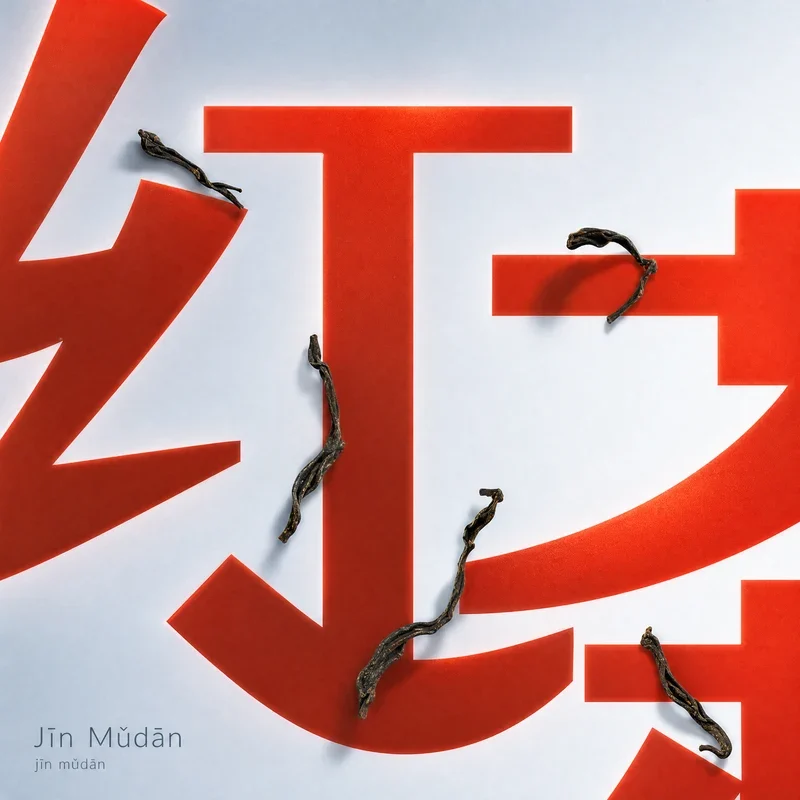
Name Breakdown: The name «Jin Mudan» (金牡丹) literally translates as «Golden Peony». The character «jin» (金, jīn) — «gold» — indicates high value and the noble, golden-amber color of the liquor. «Mudan» (牡丹, mǔdān) — «tree peony» — is one of the main symbols of wealth and prosperity in Chinese culture, the «king of flowers» (花王, huāwáng). The name emphasizes both the aesthetic beauty of the tea and its expressive floral aroma.
Medium-sized plant with relatively upright habit (树姿较直立, shùzī jiào zhílì) and fairly dense branching. Leaves are arranged horizontally, elliptical in shape, green color with glossy surface. Leaf blade is convex, edge slightly wavy, tip bluntly pointed, teeth small, sharp and frequent. Leaf tissue is fairly thick and brittle. Buds are purple-green in color, with weak pubescence. Weight of 100 shoots «one bud + three leaves» — about 70.9 g.
Cultivar: Jīn Mǔdān (金牡丹, jīn mǔdān) — hybrid cultivar of Camellia sinensis var. sinensis, obtained through artificial hybridization (杂交育种, zájiāo yùzhǒng) from Tiěguānyīn (铁观音, Tiě Guānyīn) × Huáng Dān (黄旦, Huáng Dān). Belongs to the asexual (vegetatively propagated) type (无性系, wúxìngxì), shrub form (灌木型, guànmù xíng), medium-leaf class (中叶类, zhōngyè lèi), early maturation type (早生种, zǎoshēng zhǒng). Diploid.
Picking: Early spring awakening: the period of mass development of «one bud + three leaves» shoots falls in early April. Main harvest — spring (first flush); summer and autumn harvests are also possible, but yield less aromatic raw material.
Raw Material: For high-quality Jin Mudan oolong, the standard is flush of «small to medium opening» (小至中开面, xiǎo zhì zhōng kāimiàn) — bud and two-three young, beginning to open leaves. For red tea (black tea), more mature leaves are acceptable.
Altitude: In Wuyi Mountains — from 300 to 650 meters above sea level, depending on the specific site (gorges, cliffs, river valleys).
Climate: Subtropical monsoon, with abundant precipitation (1600–2000 mm/year), frequent fogs, high humidity (about 80%) and average annual temperature 17–19°C. Significant differences between day and night temperatures contribute to the accumulation of aromatic compounds in the leaf.
Soil: Characteristic acidic (pH 4.5–5.5) weathered rocks of Wuyi Mountains — predominantly volcanic tuffs, sandstones and shales of Jurassic and Cretaceous periods. Soils are saturated with minerals (potassium, manganese, zinc, selenium), which determines the famous «rock rhyme» (岩韵, yán yùn) — the mineral character of the tea.
Main — Wǔyí Mountains (武夷山, Wǔyí Shān), northern Fujian. Here Jìn Mǔdān is cultivated in the zone of classic cliff teas (正岩, zhèngyán) and semi-cliff zone (半岩, bànyán). The cultivar is also successfully regionalized in southern Fujian (Yongchun and Anxi counties) and recommended for promotion in Guangdong and Guangxi provinces.
Jìn Mǔdān exhibits pronounced heterosis (杂种优势, zázhǒng yōushì): yield exceeds that of the parent cultivar Tieguanyin by 60% or more, and compared to the control cultivar Huang Dan — by 10–23%. Cutting survival rate is high, adaptability to various growing conditions is excellent. Dense planting is recommended (5000–5500 bushes per mu) with a two-row scheme, which compensates for the upright habit of the bush.
Hand picking of flushes of standard «bud + 2–3 leaves» when reaching the opening degree «small — medium open leaf».
Two-stage: first in open sun (日光萎凋, rìguāng wěidiāo) for 15–30 minutes, then in a ventilated room to even out moisture.
Key stage determining aroma character. Alternation of mechanical shaking of leaves on bamboo trays and rest periods (3 to 5 cycles). During shaking, leaf edges are damaged, triggering oxidation — oxidation of polyphenols. The middle of the leaf remains green (classic principle of «green leaf, red edge», 绿叶红镶边, lǜyè hóng xiāngbiān). Oxidation degree for Jin Mudan — medium, about 30–50%.
High-temperature treatment in a heated wok (锅炒杀青, guō chǎo shāqīng) to stop enzymatic processes and fix the achieved aromatic profile.
The leaf is given a longitudinally twisted form characteristic of Wuyi oolongs (unlike the spherical twist of southern Fujian oolongs).
Final and defining stage for Yan Cha. Traditional charcoal roasting (炭焙, tàn bèi) is conducted in several stages. For Jin Mudan, light or medium roasting (轻火至中火, qīnghuǒ zhì zhōnghuǒ) is typical, allowing maximum revelation of the natural floral aromatics of the cultivar. With light roasting, gardenia aroma (栀子花香, zhīzǐ huāxiāng) with milky undertones dominates; with medium roasting — warm notes of caramel and baked fruits appear.
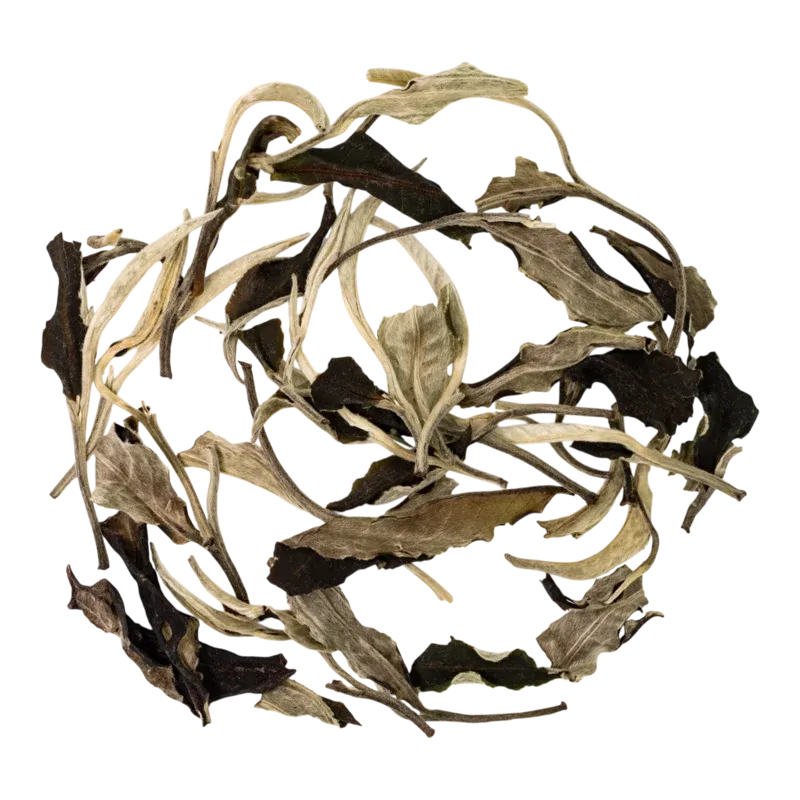
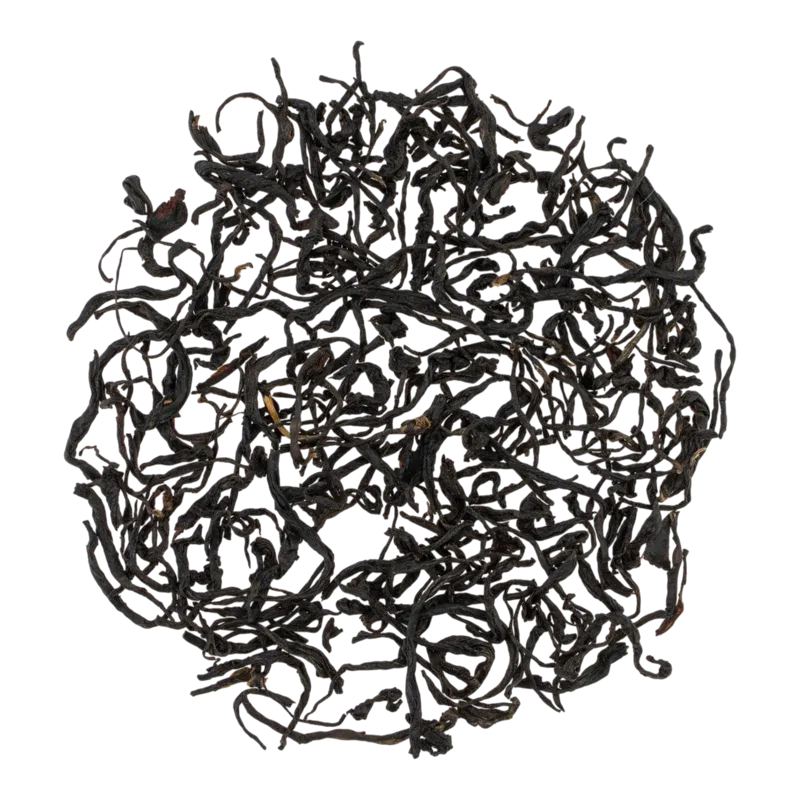
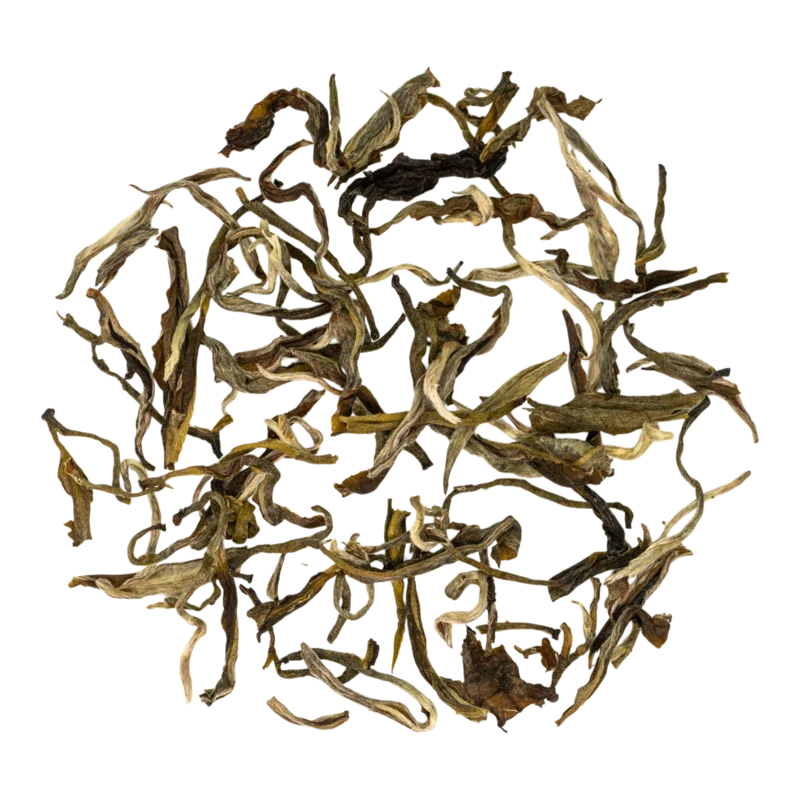
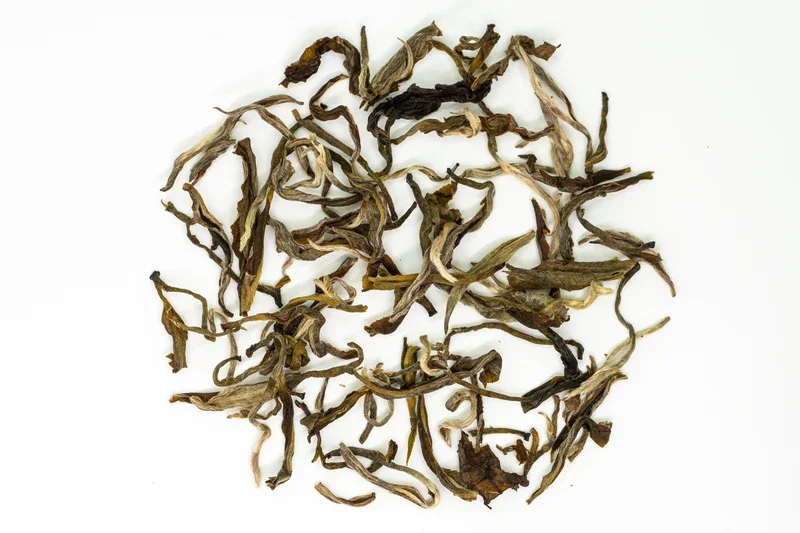
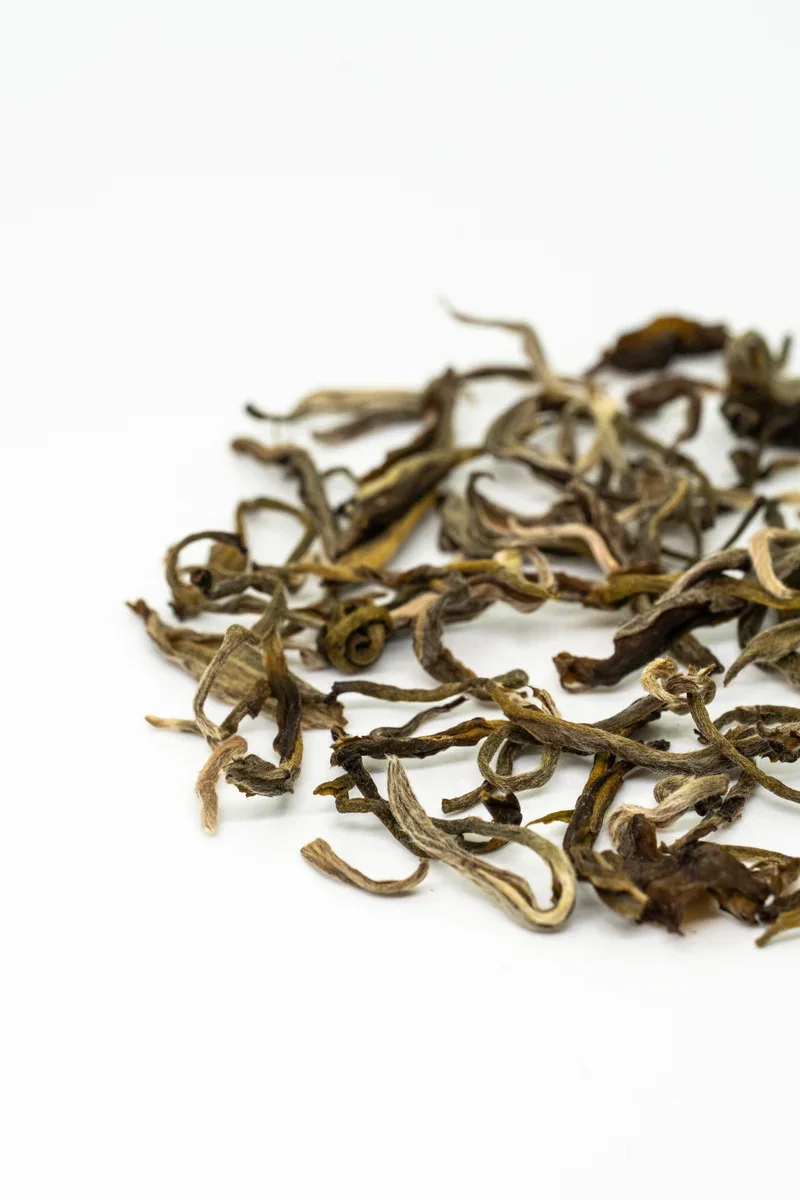
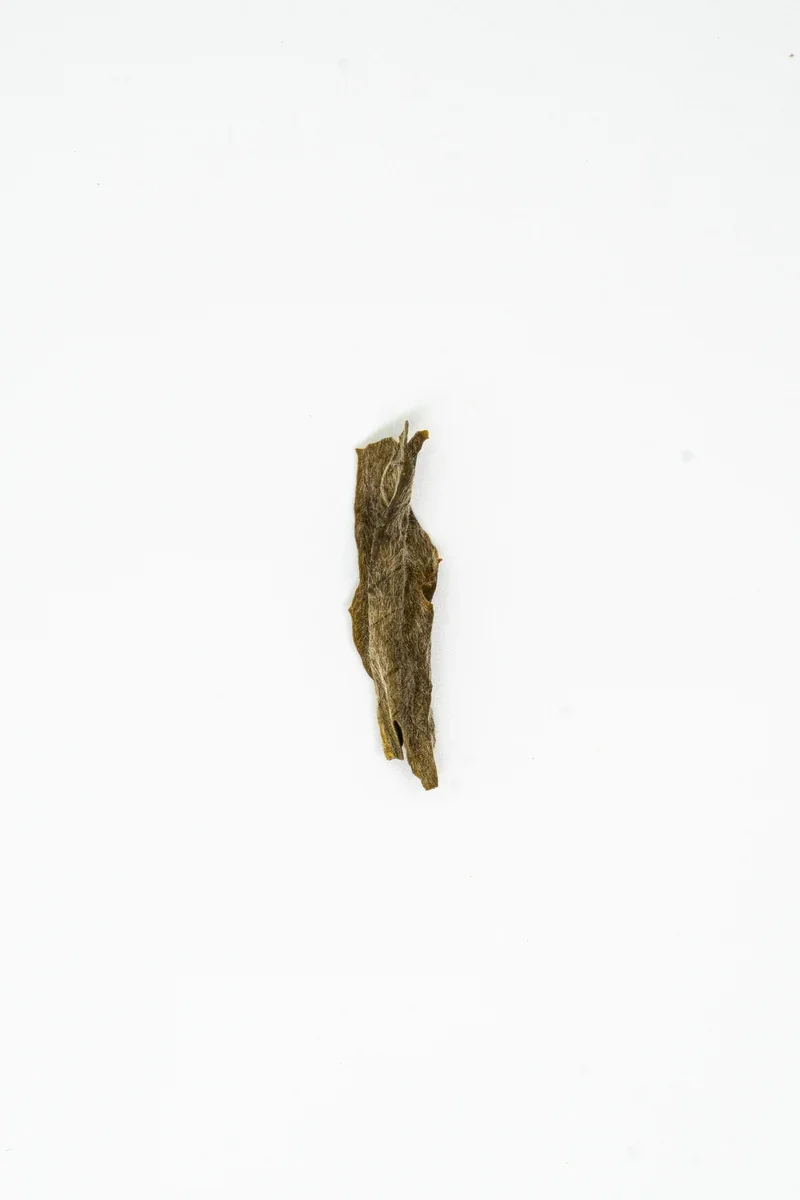
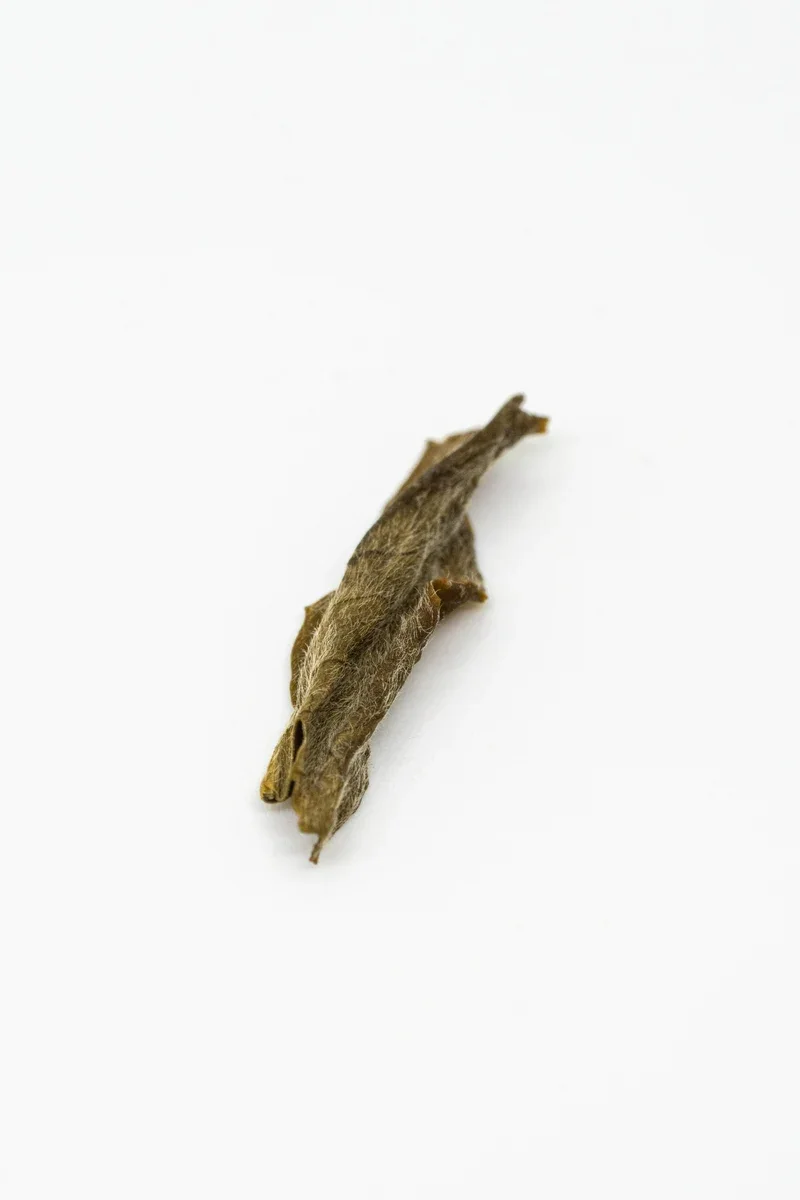
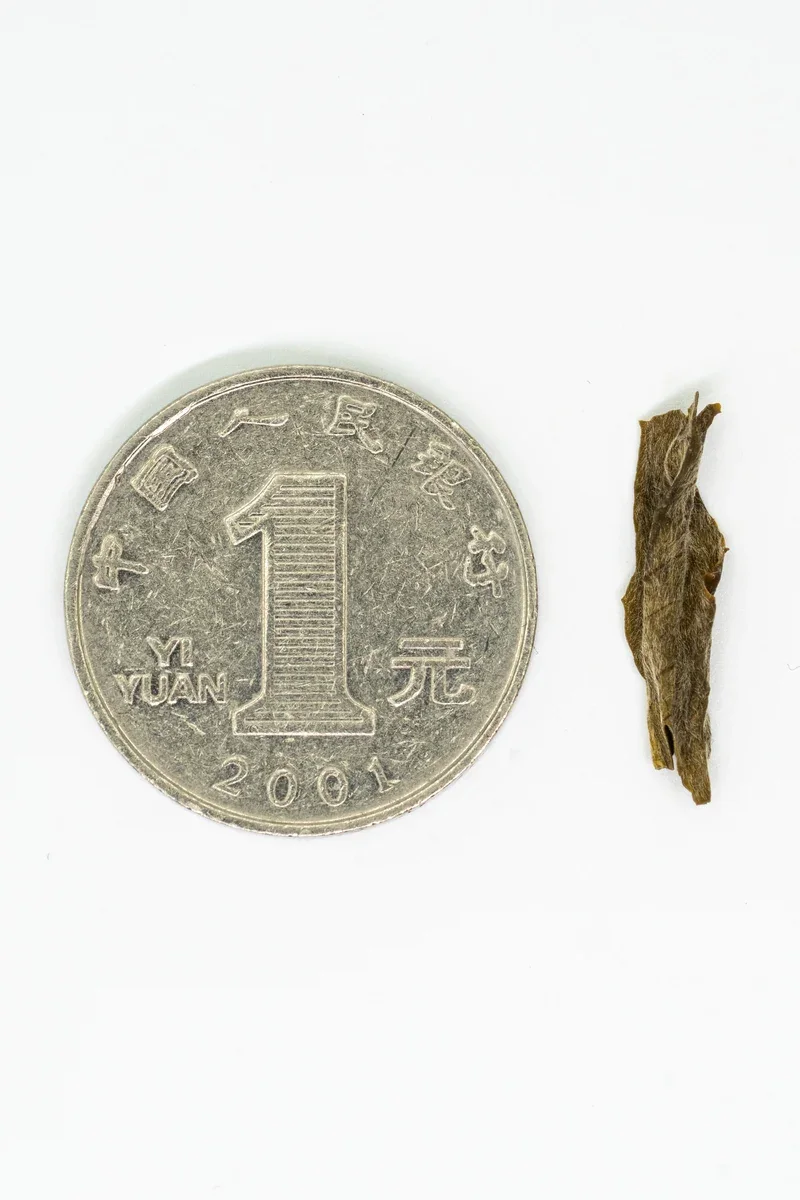
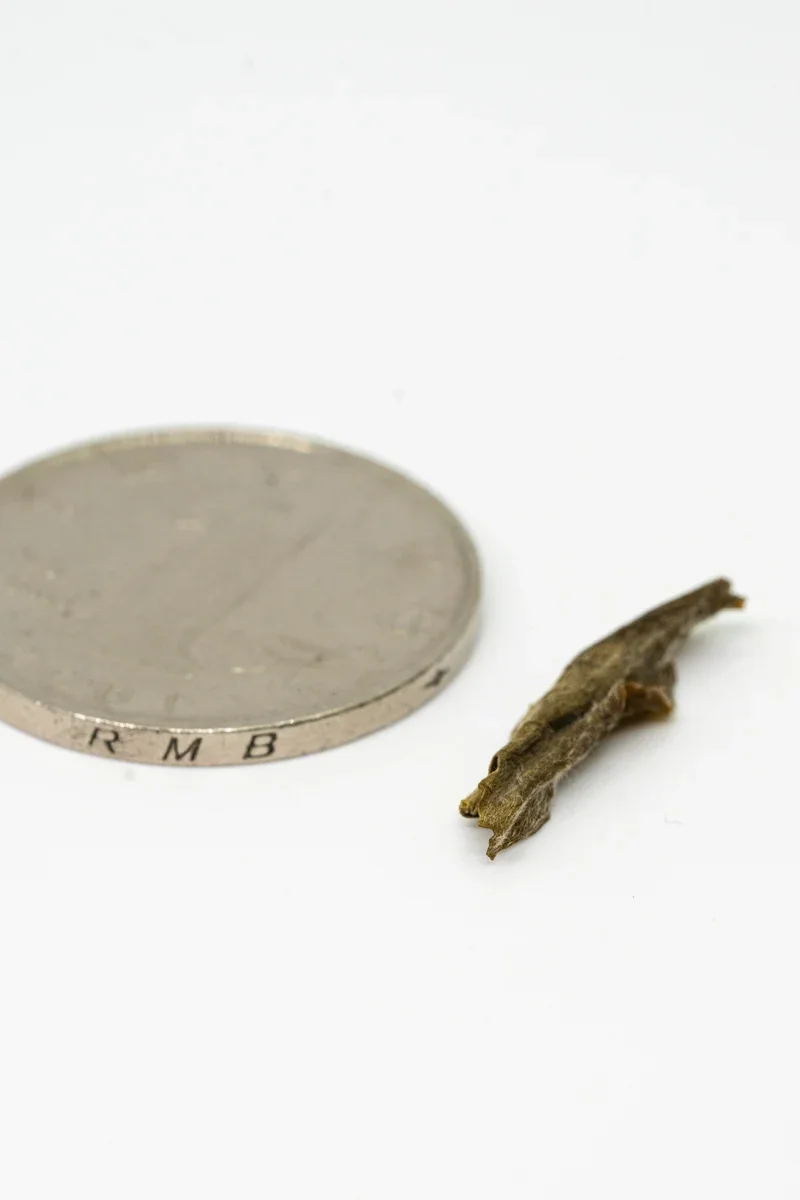
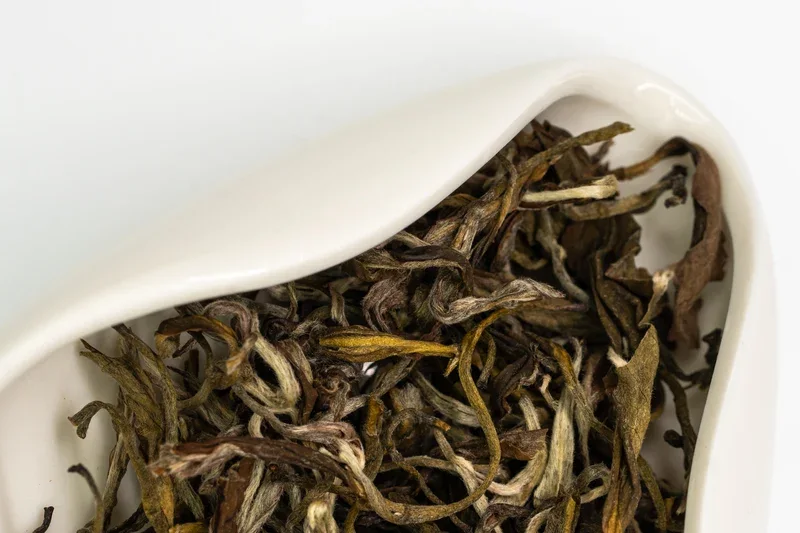
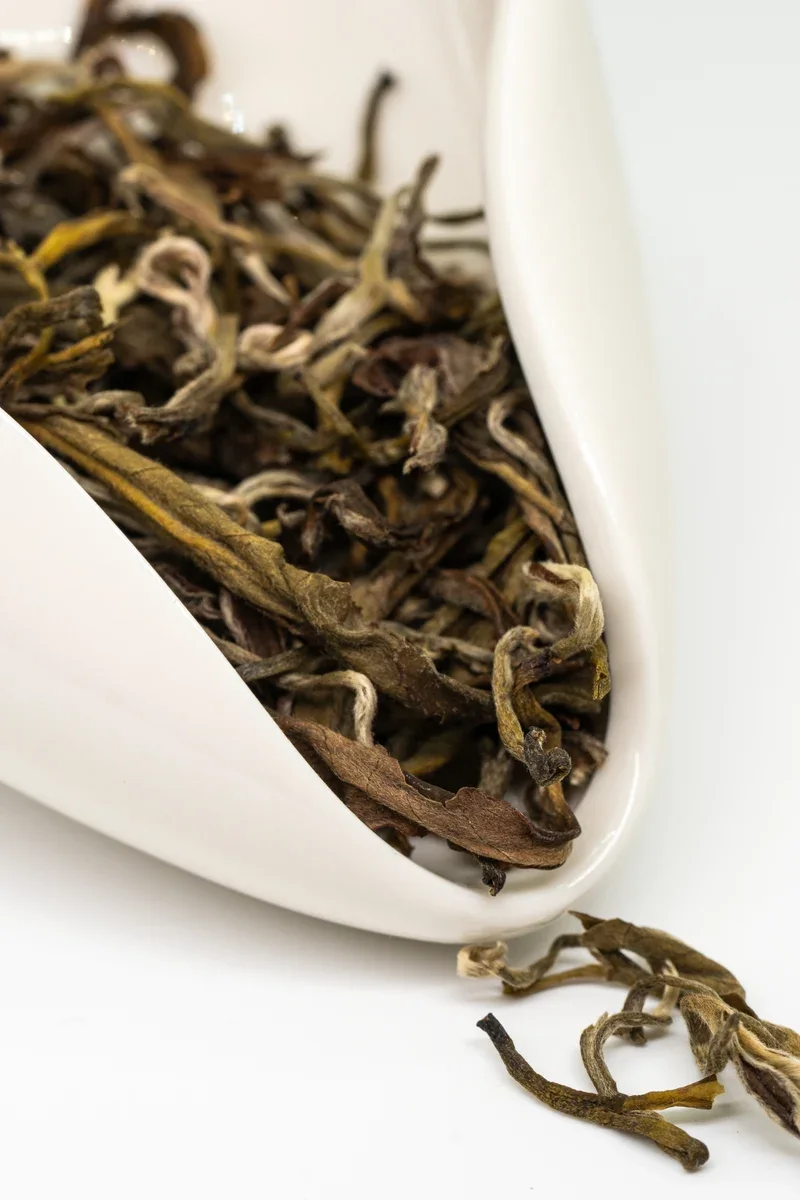
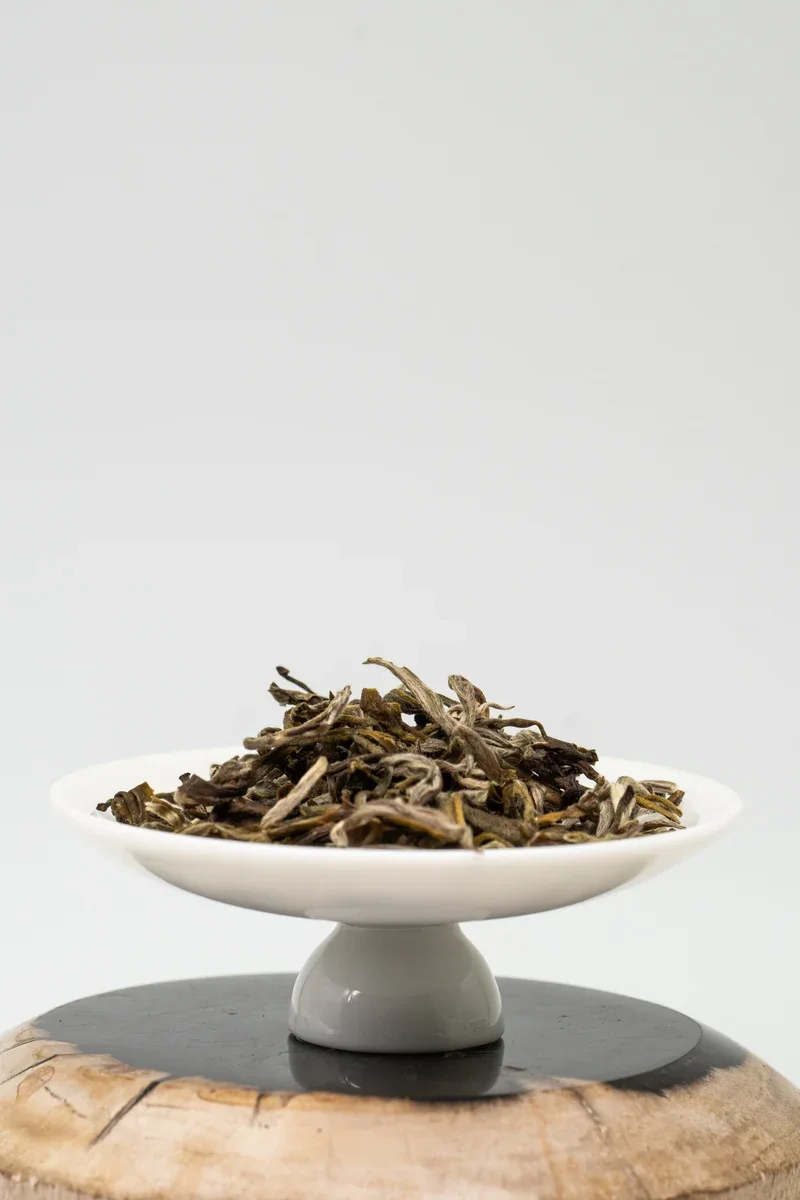
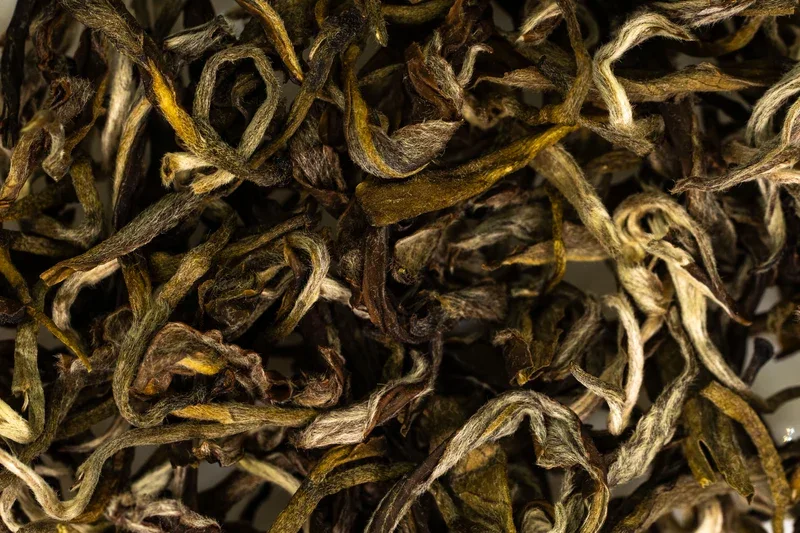
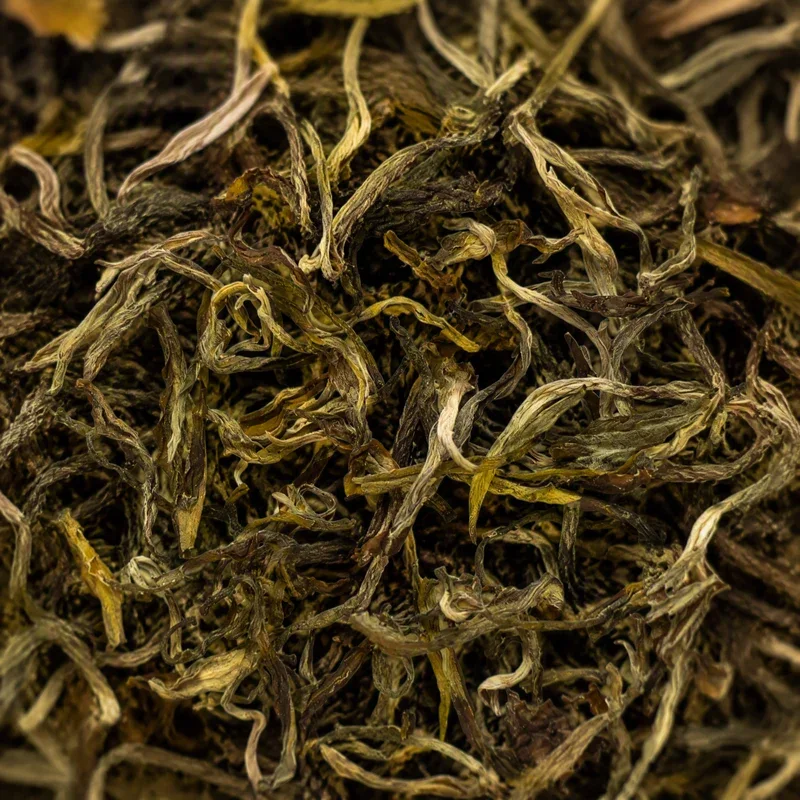
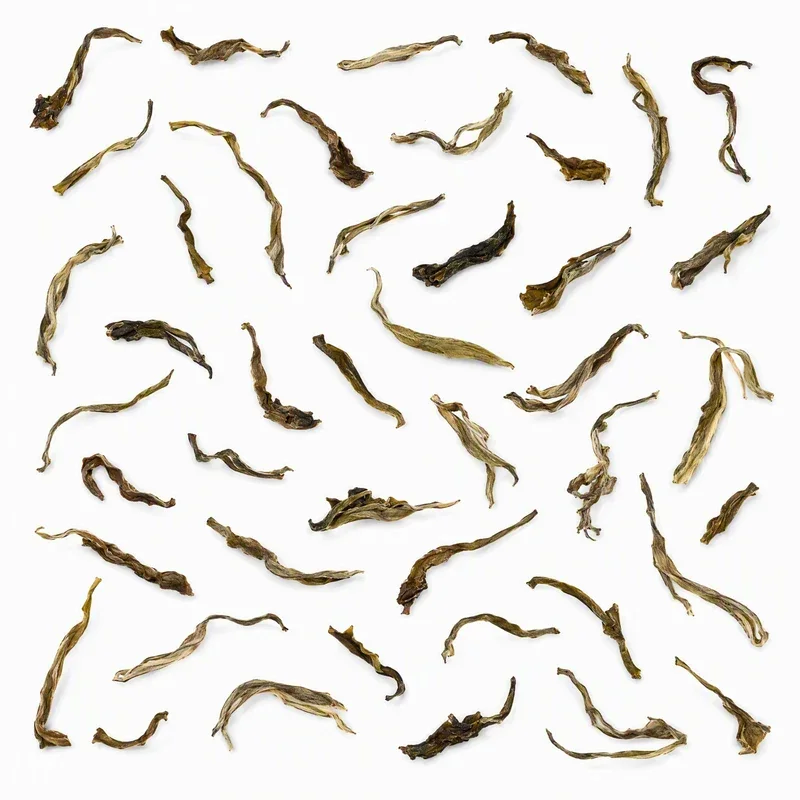
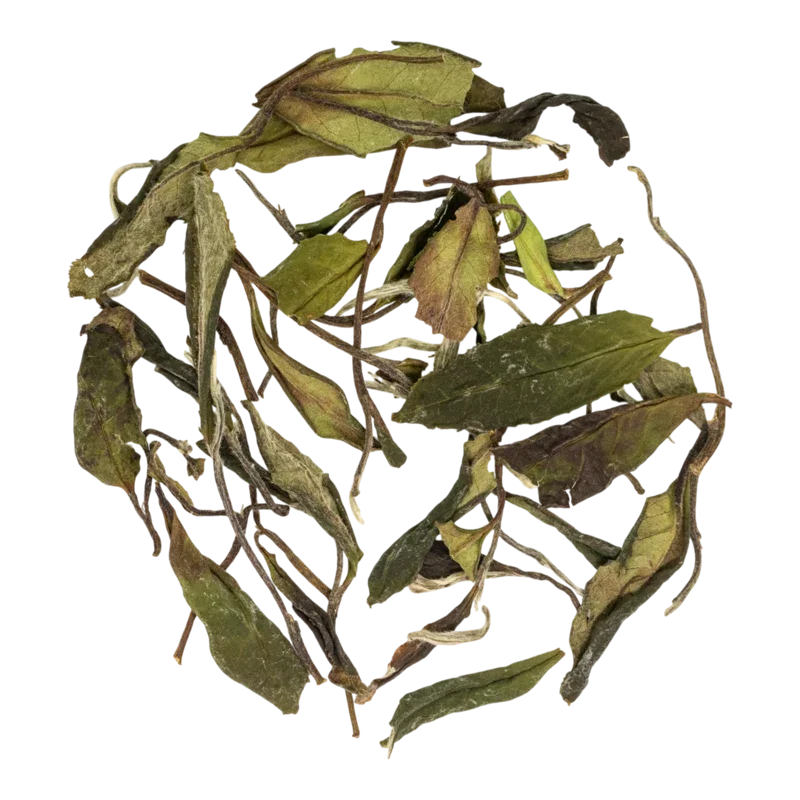
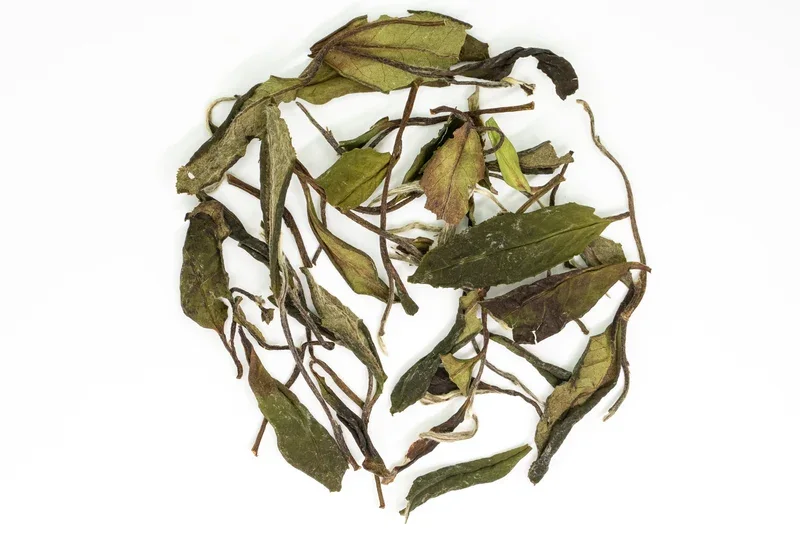
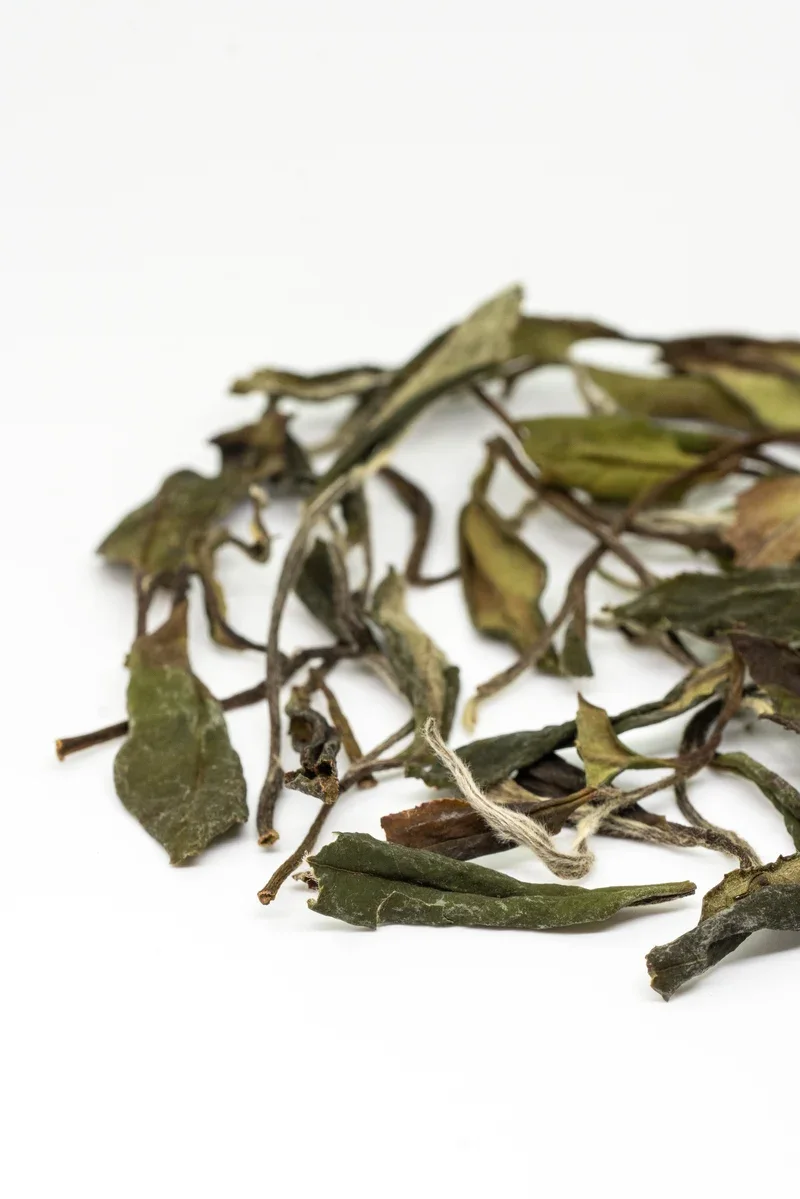
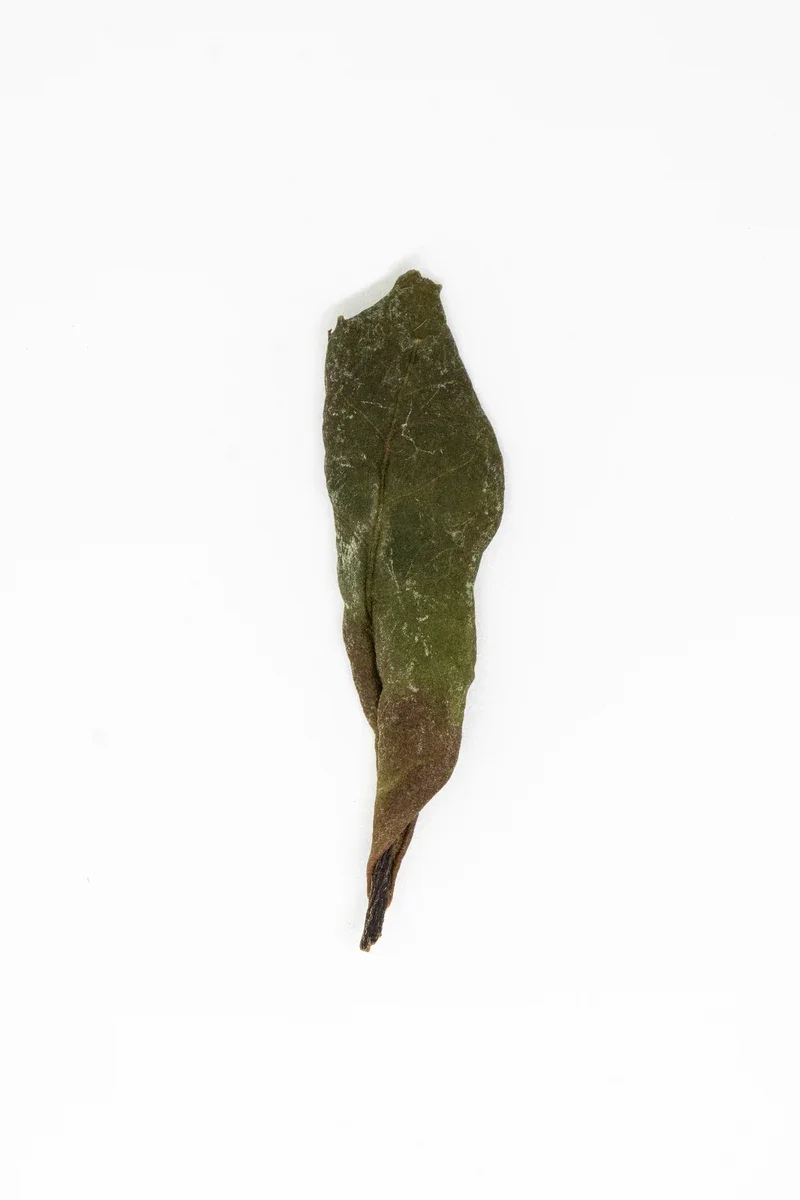
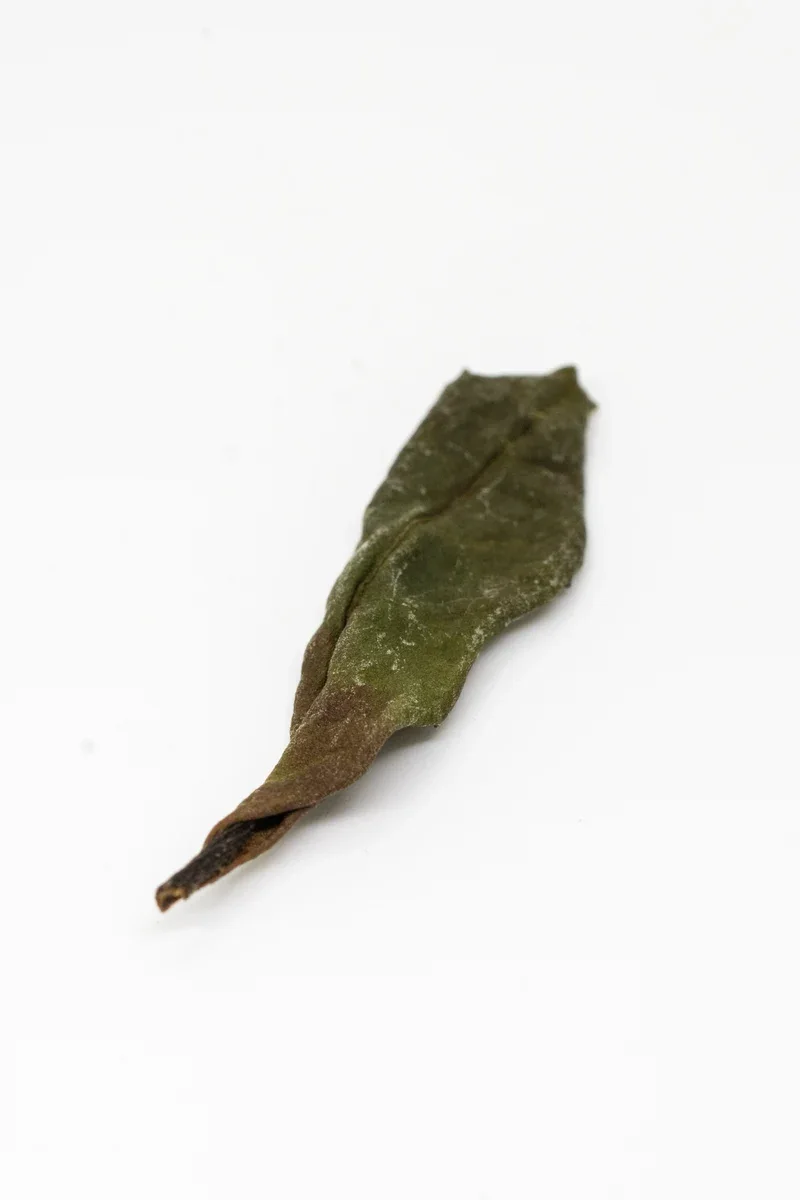
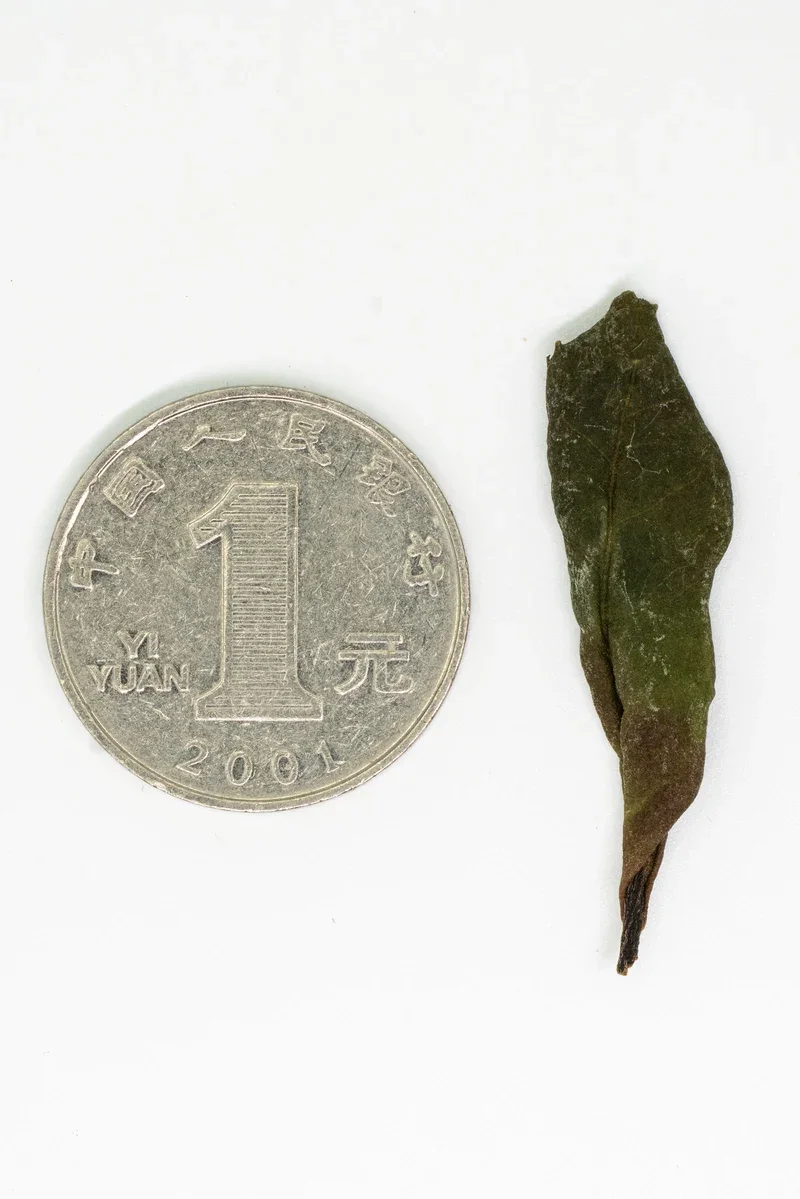
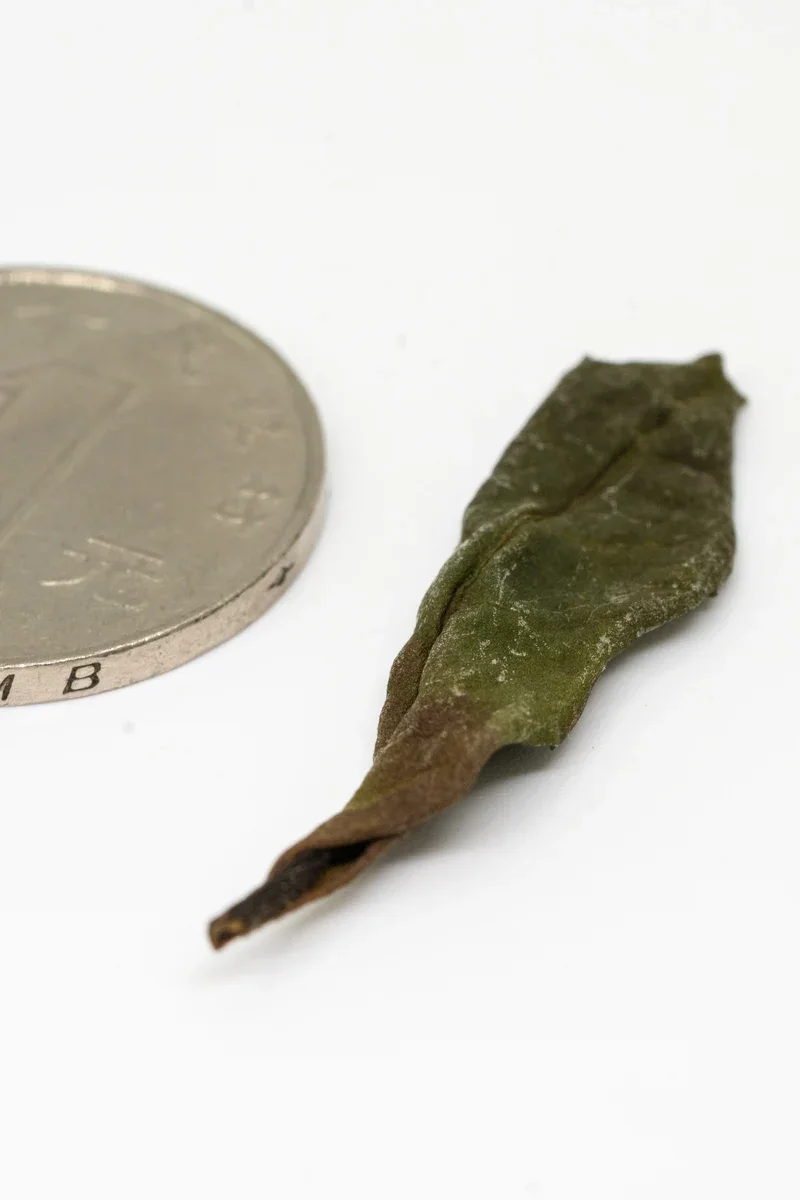
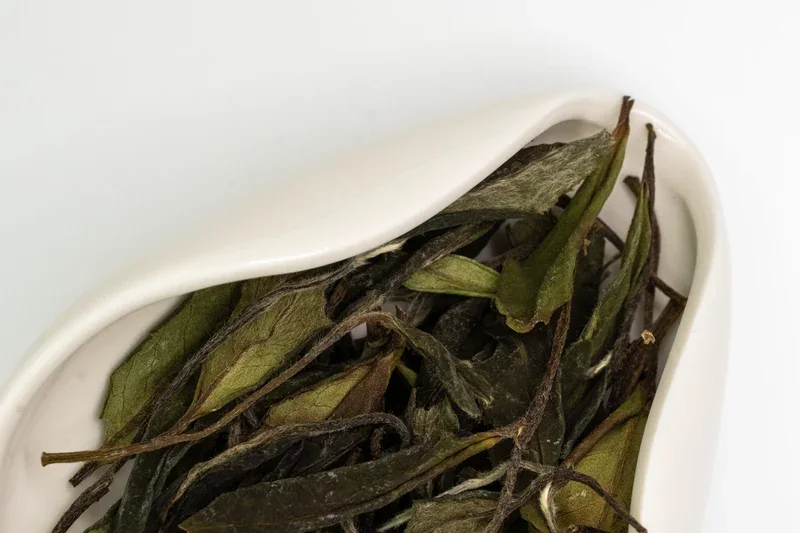
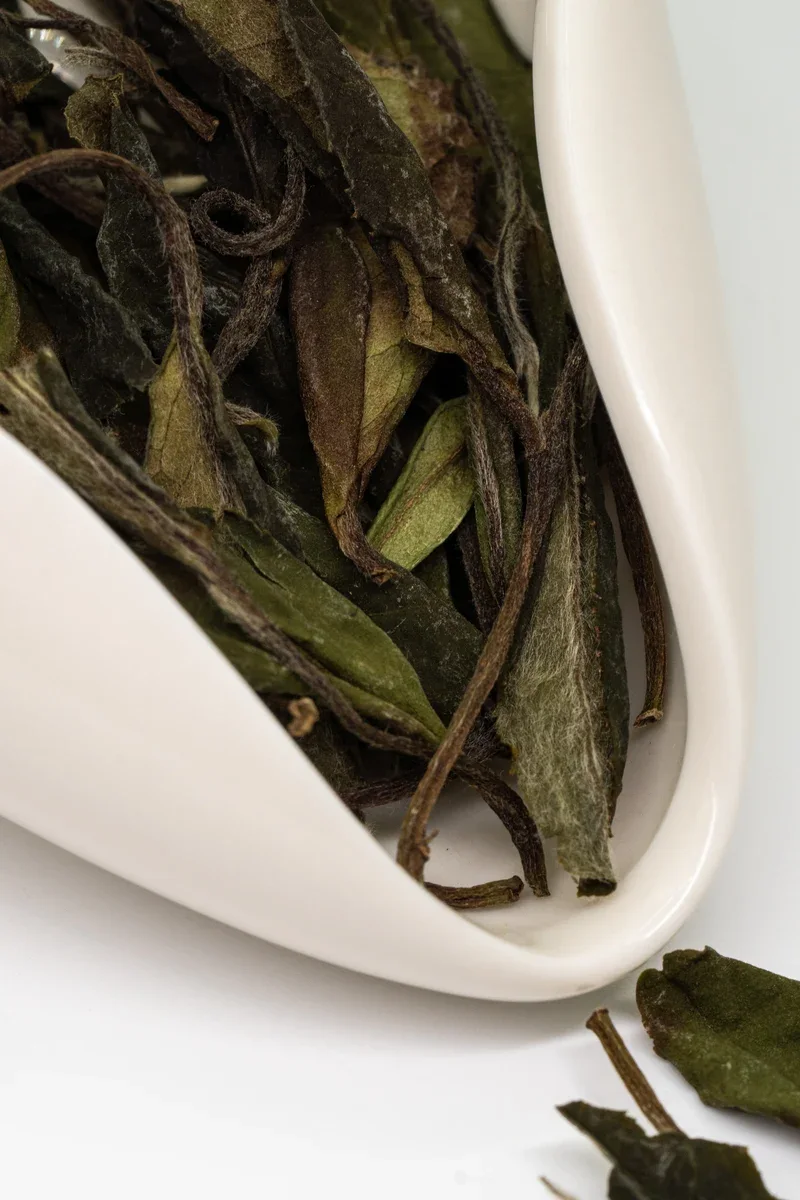
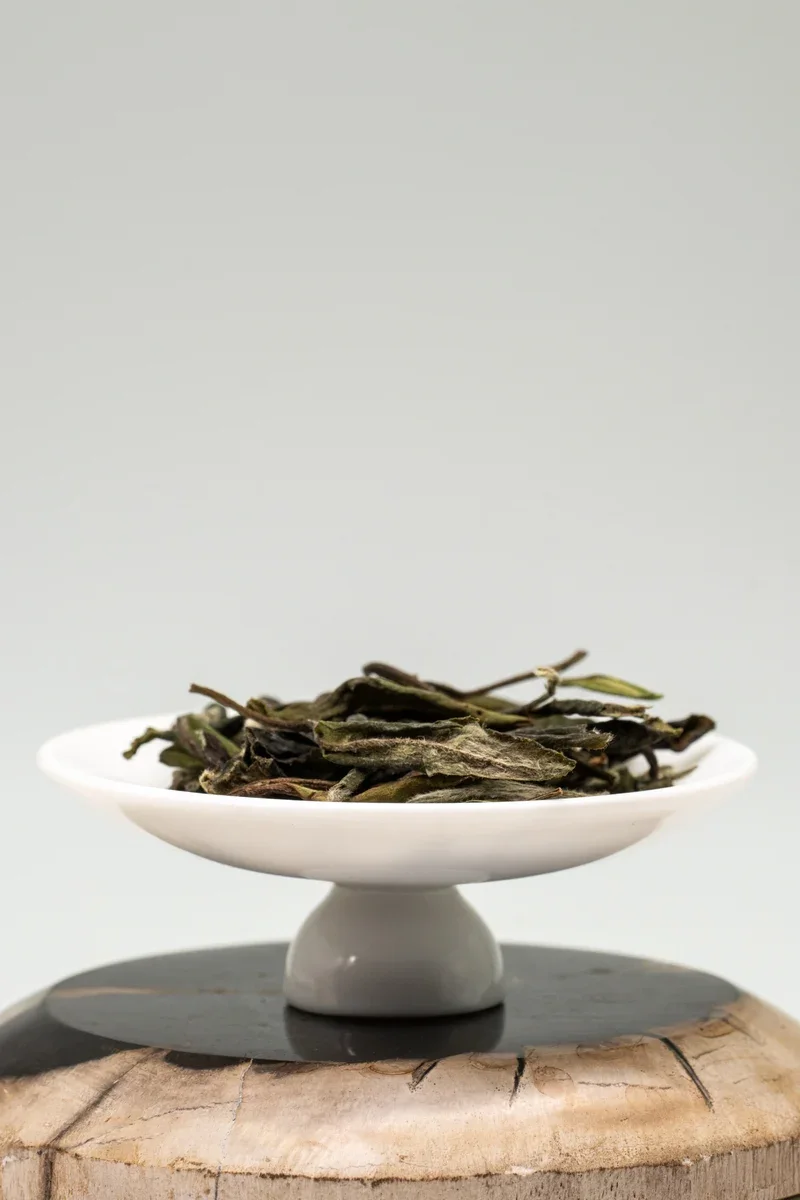
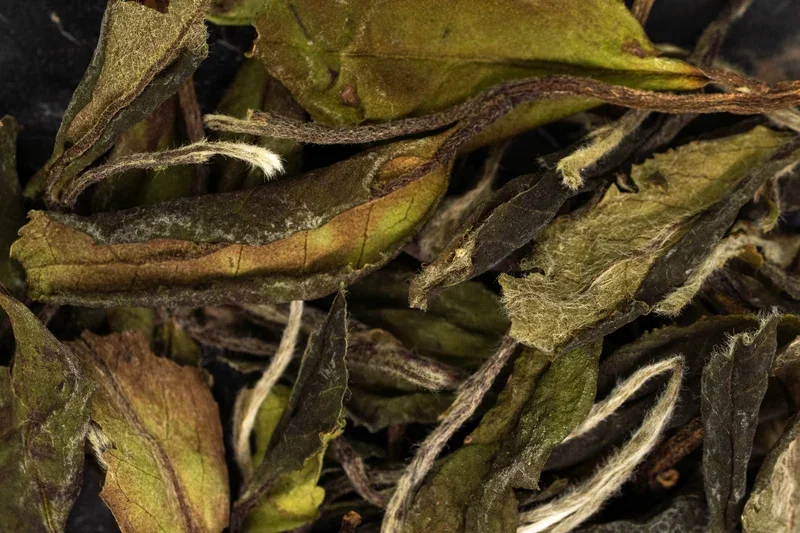
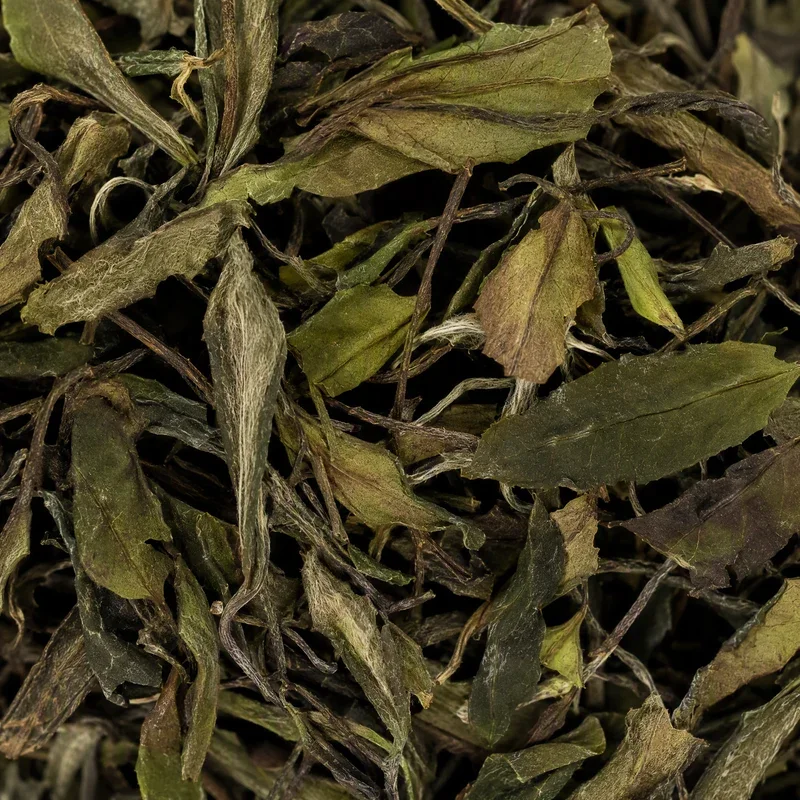
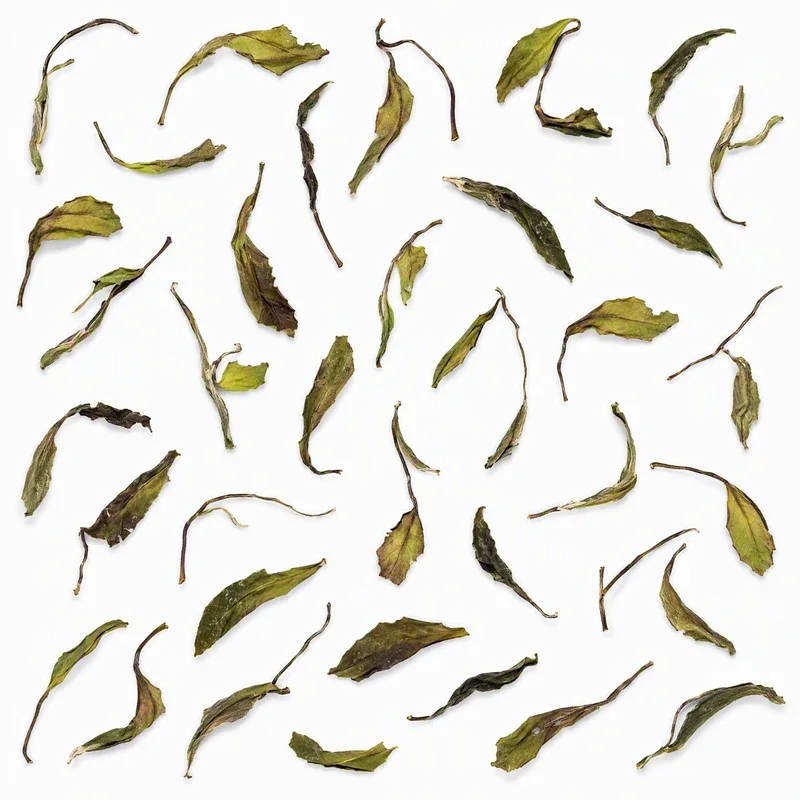
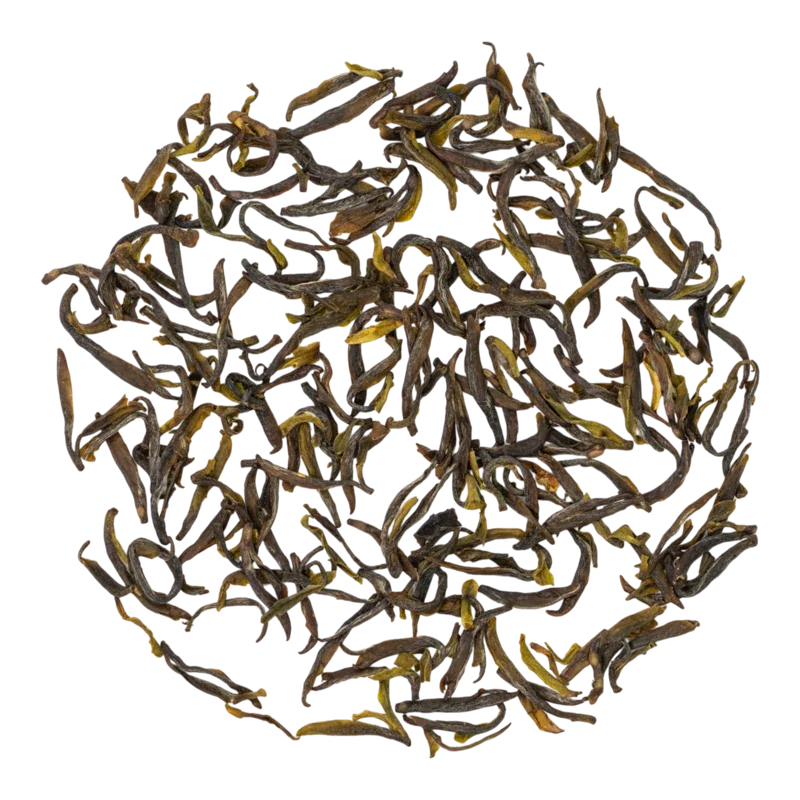
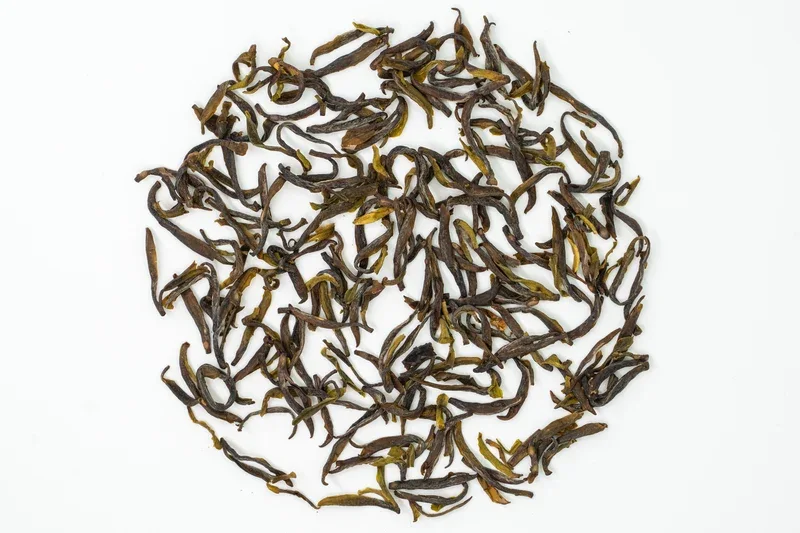
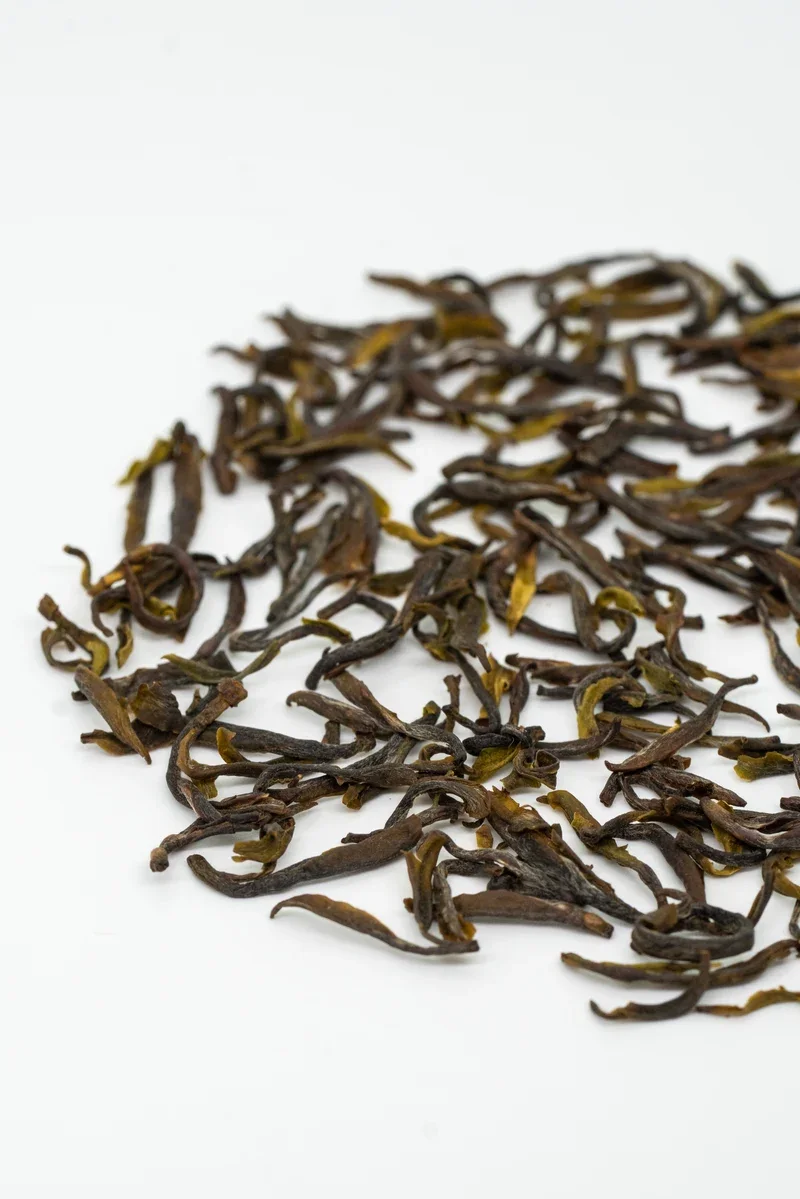
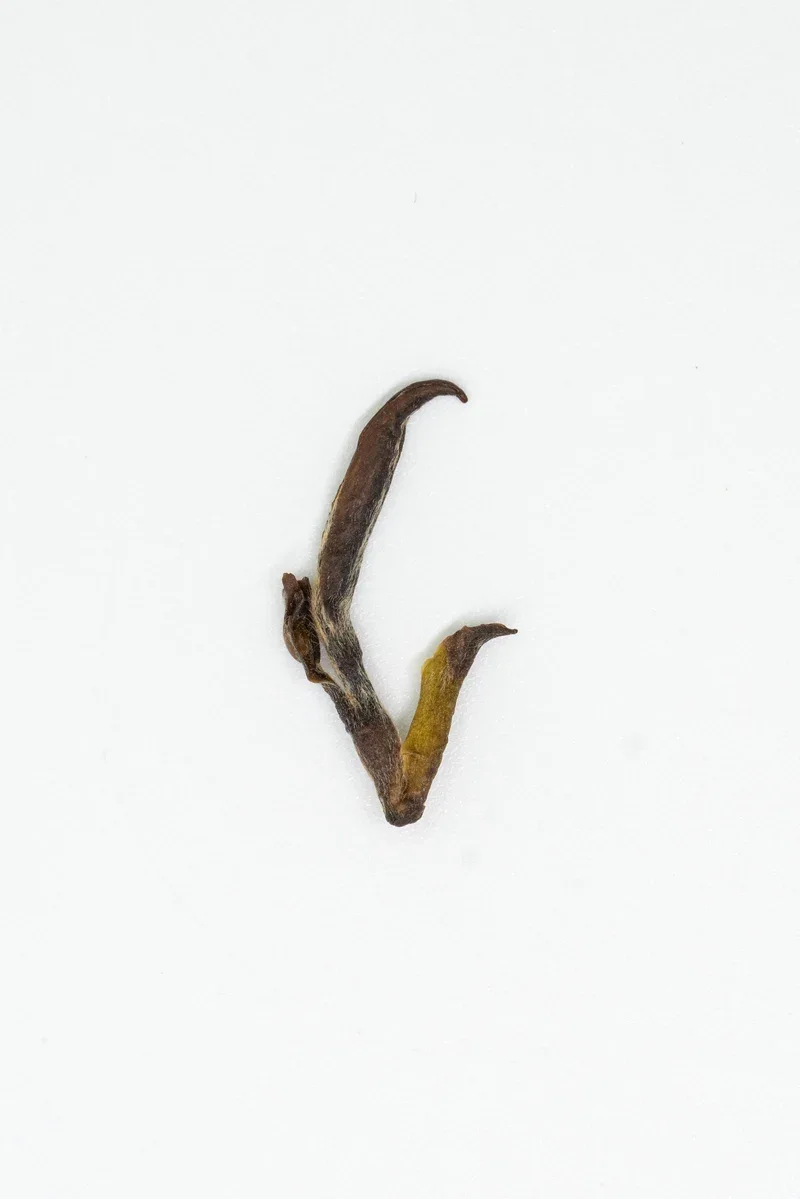
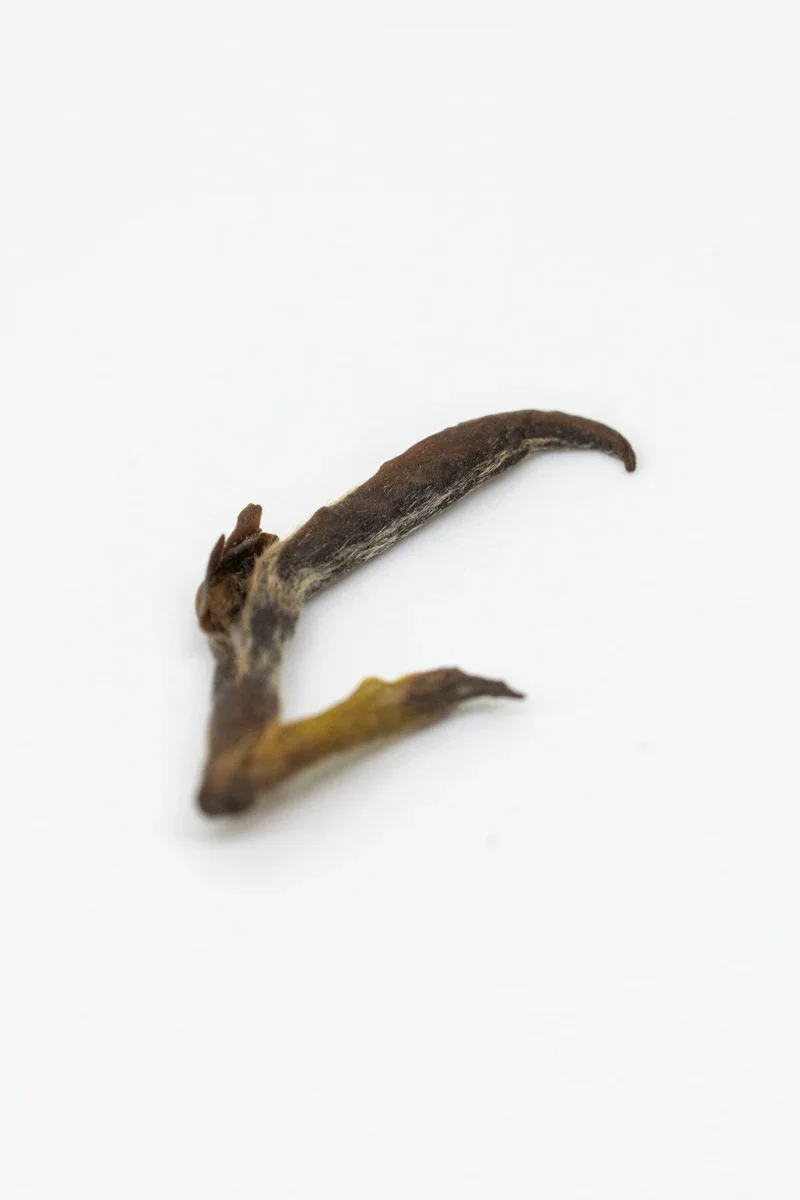
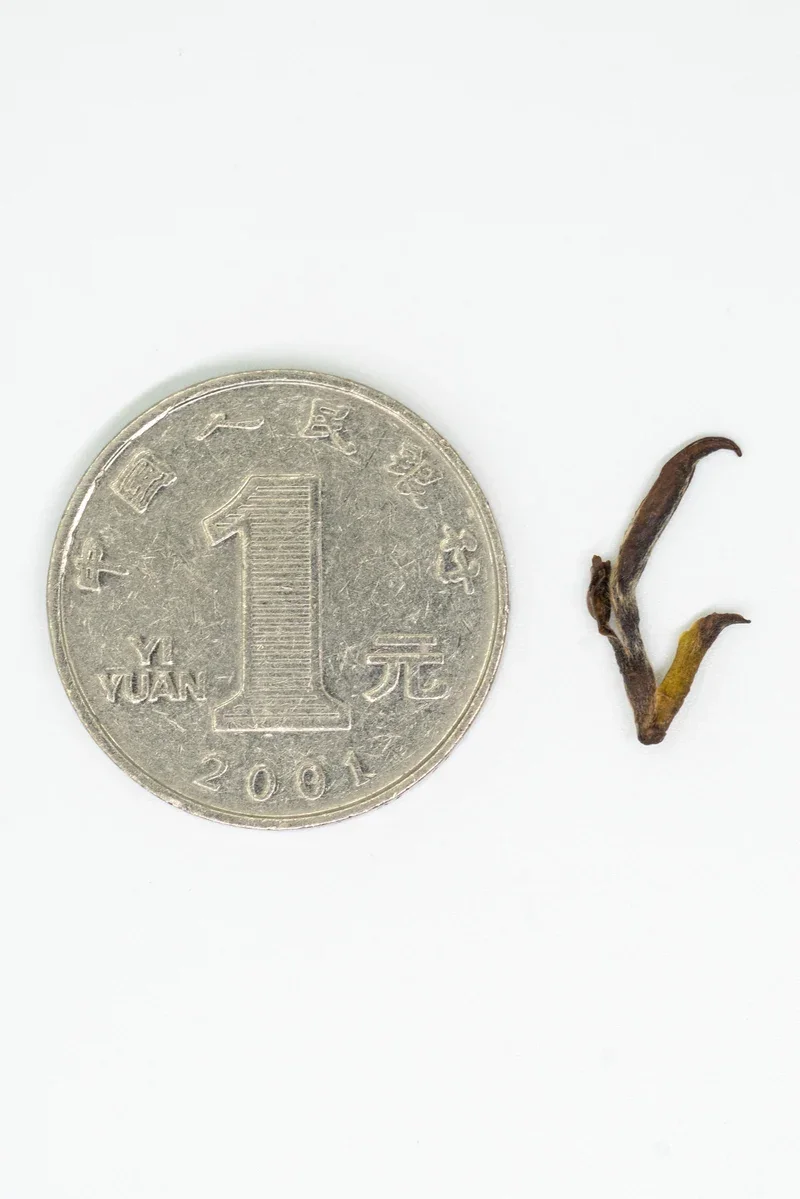
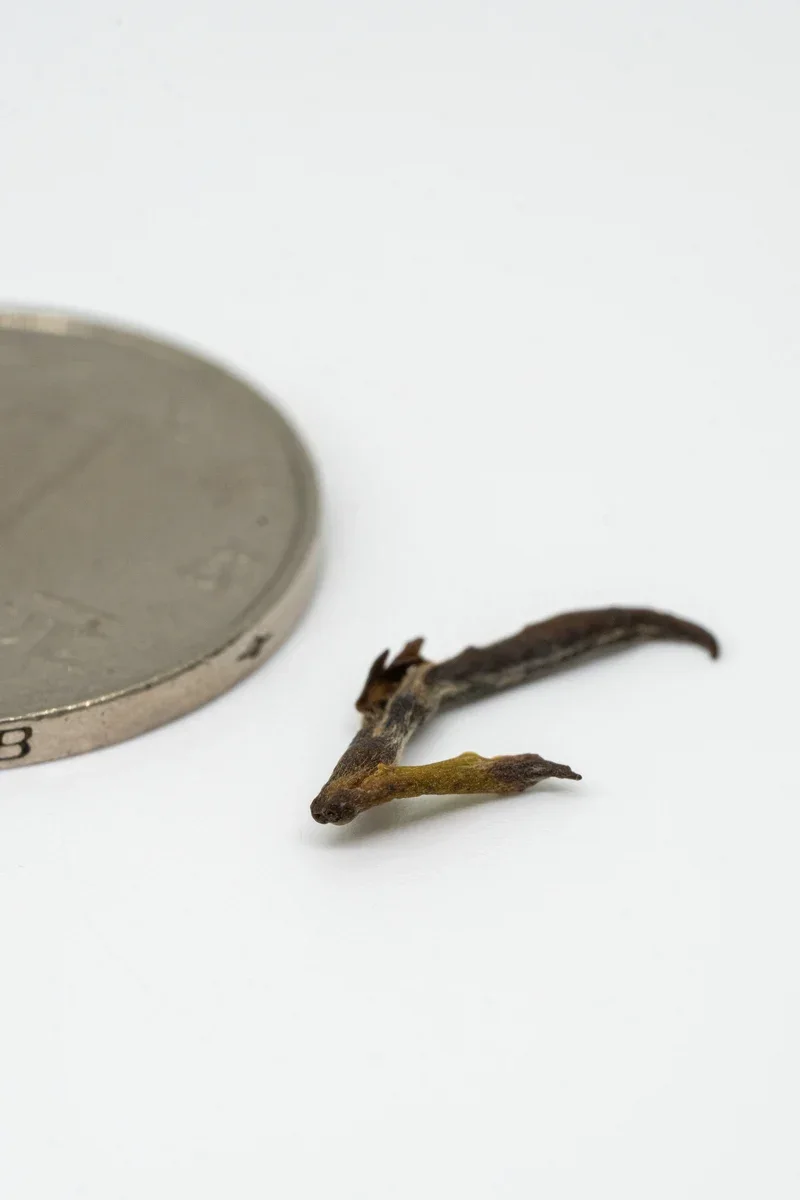
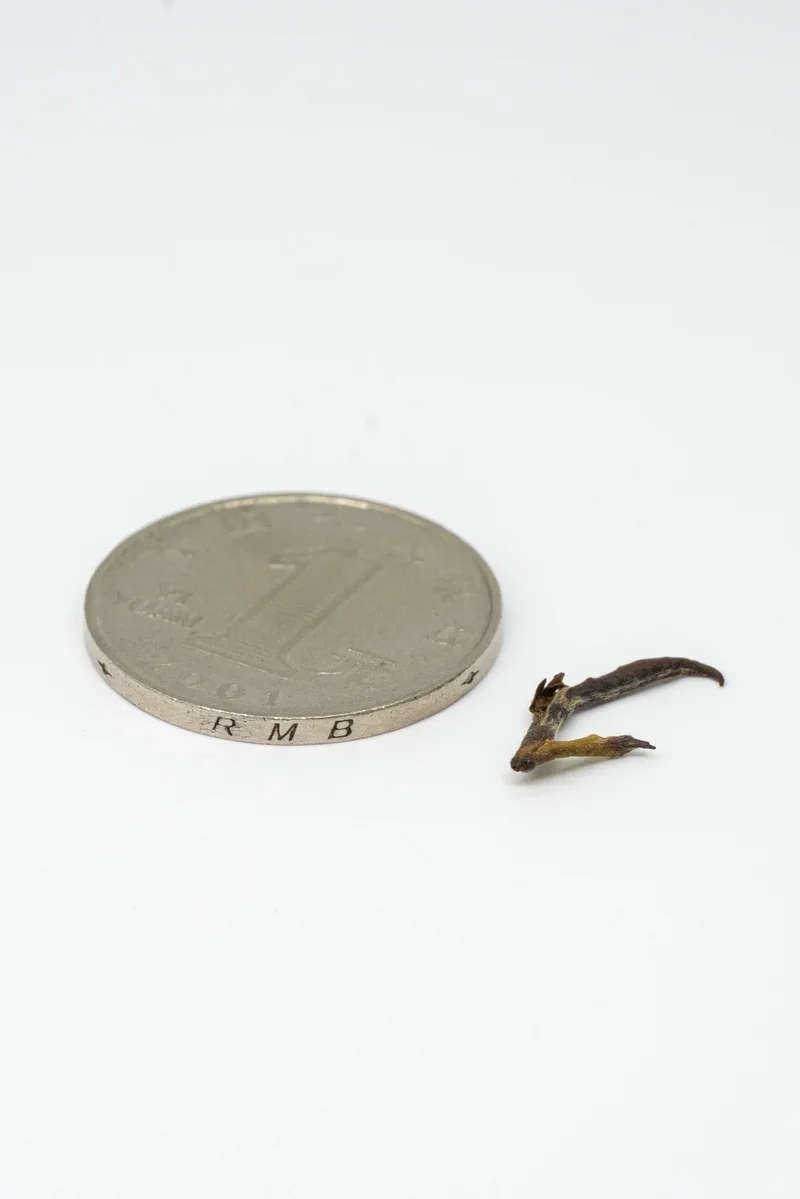
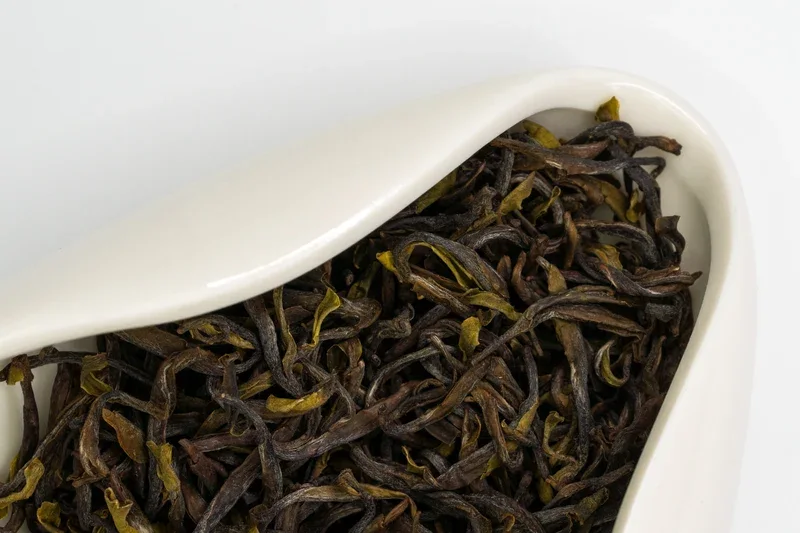
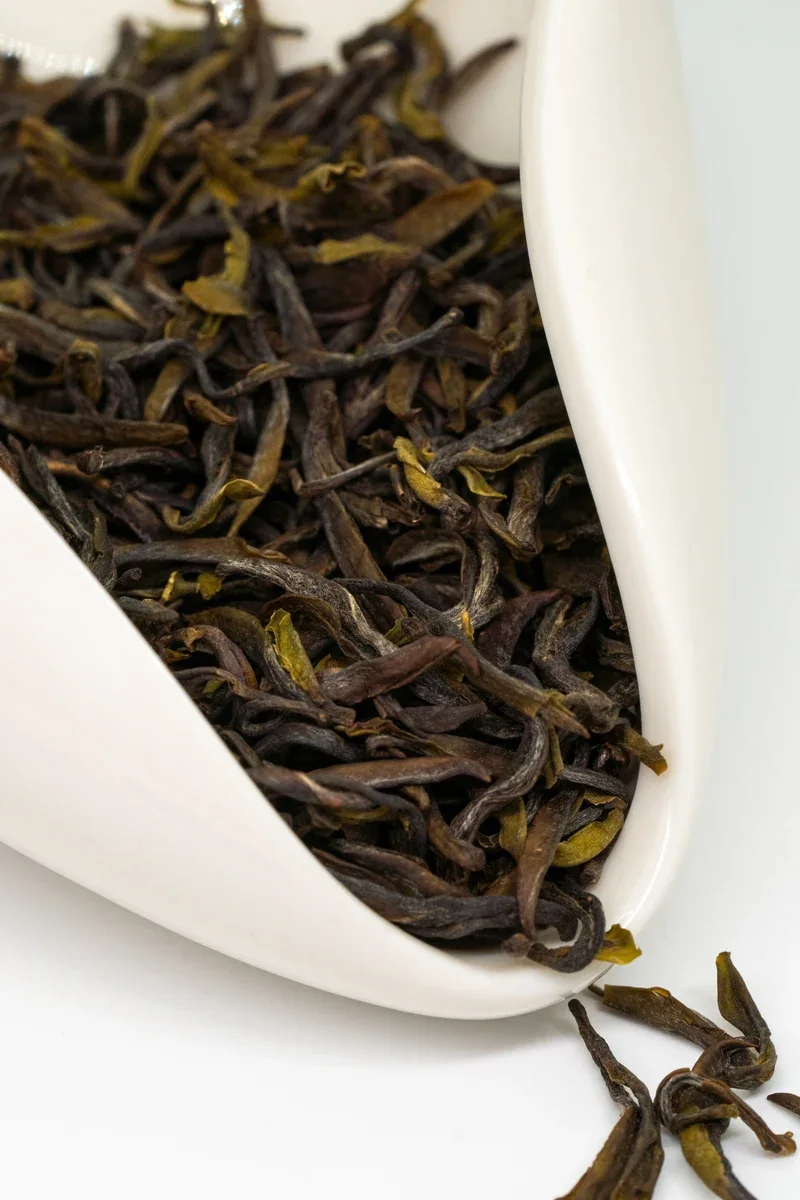
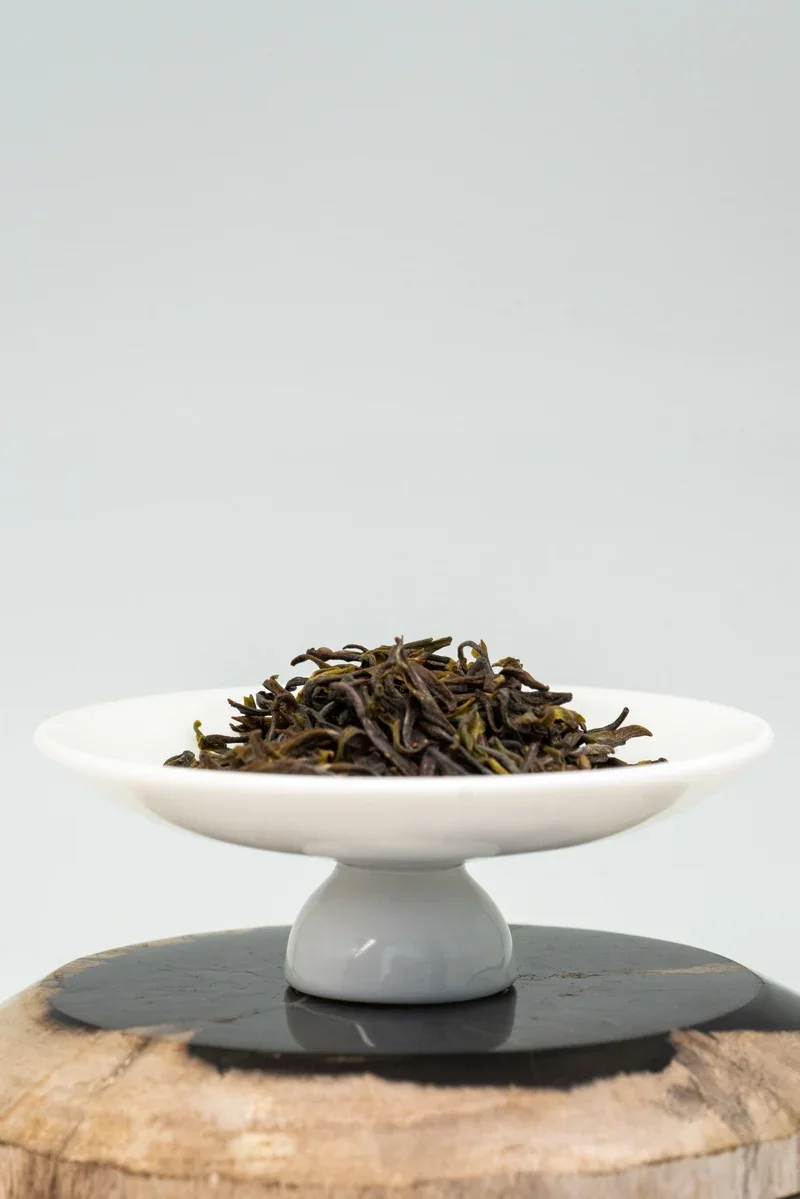
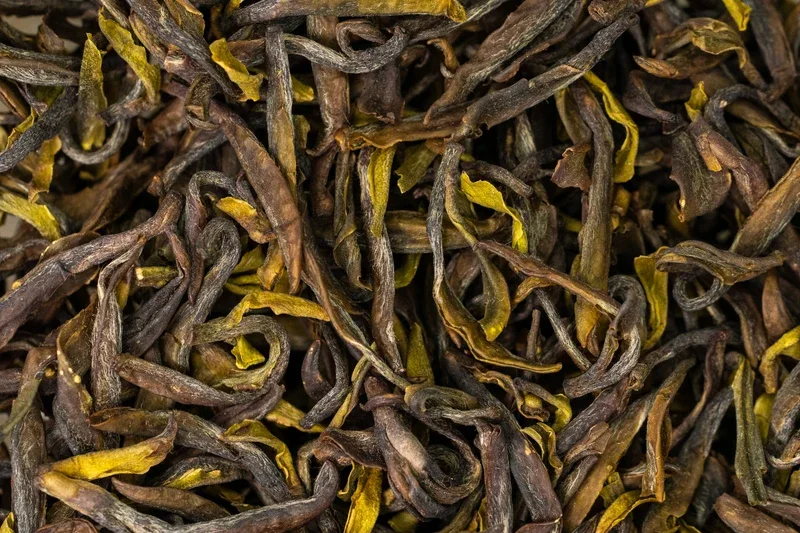
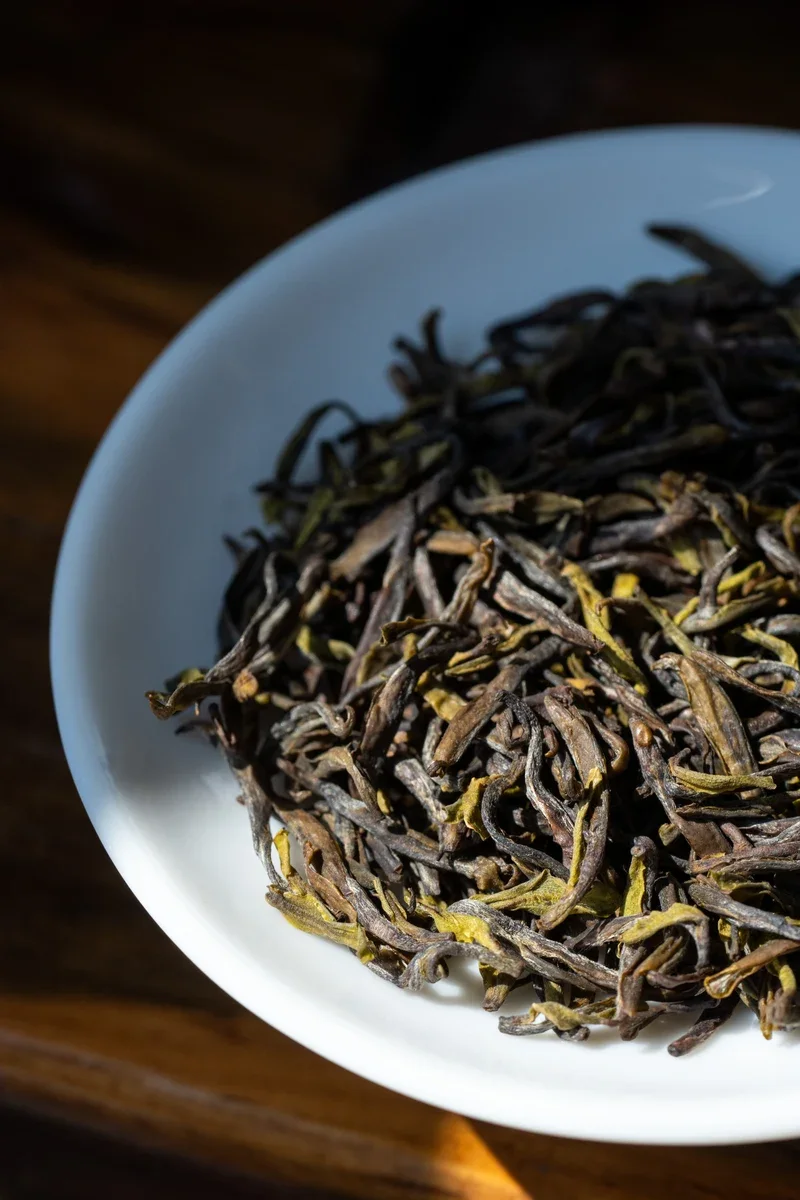
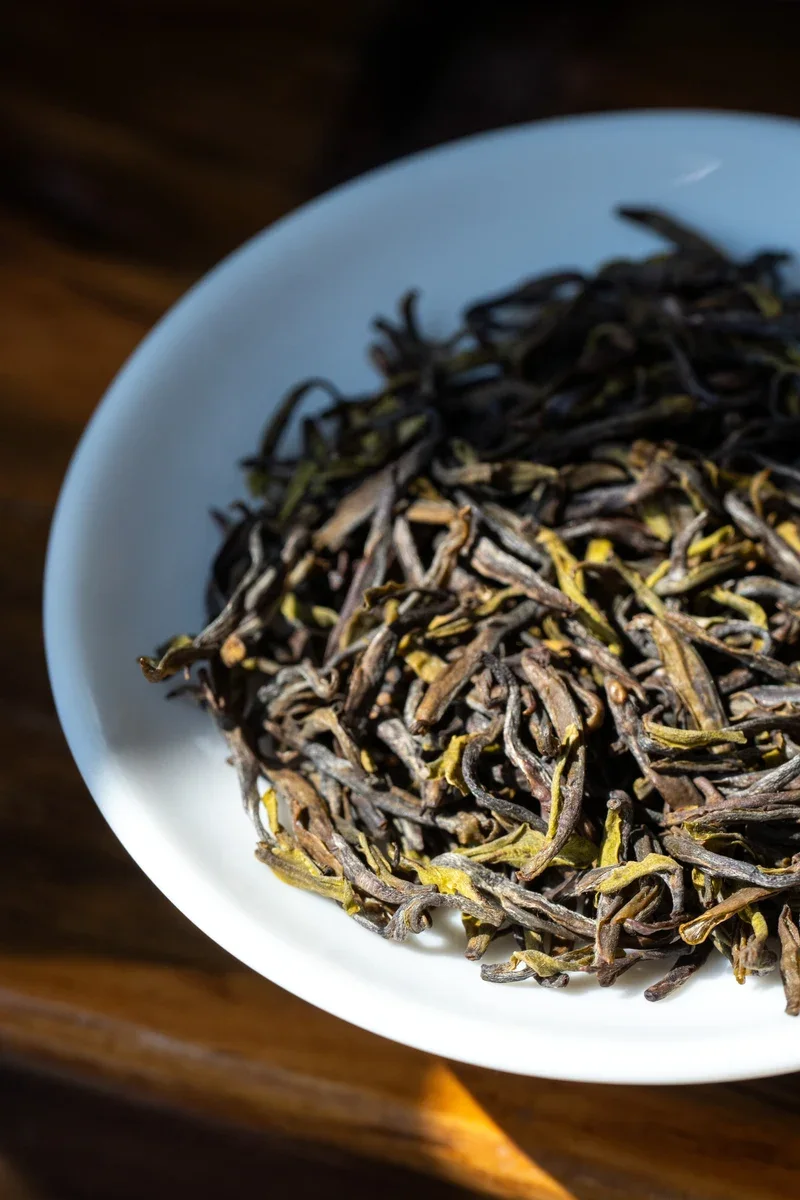
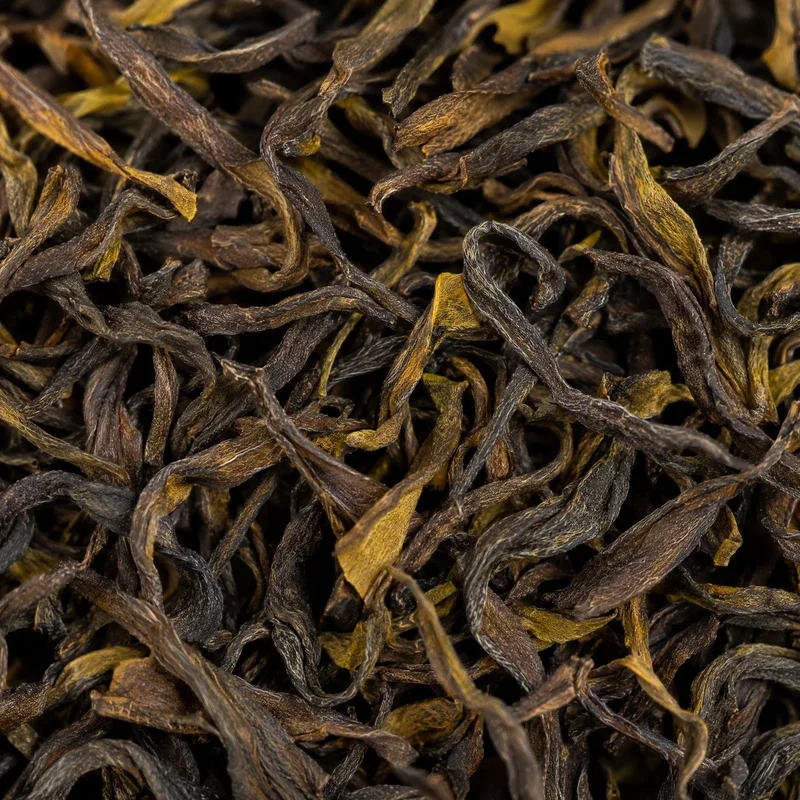
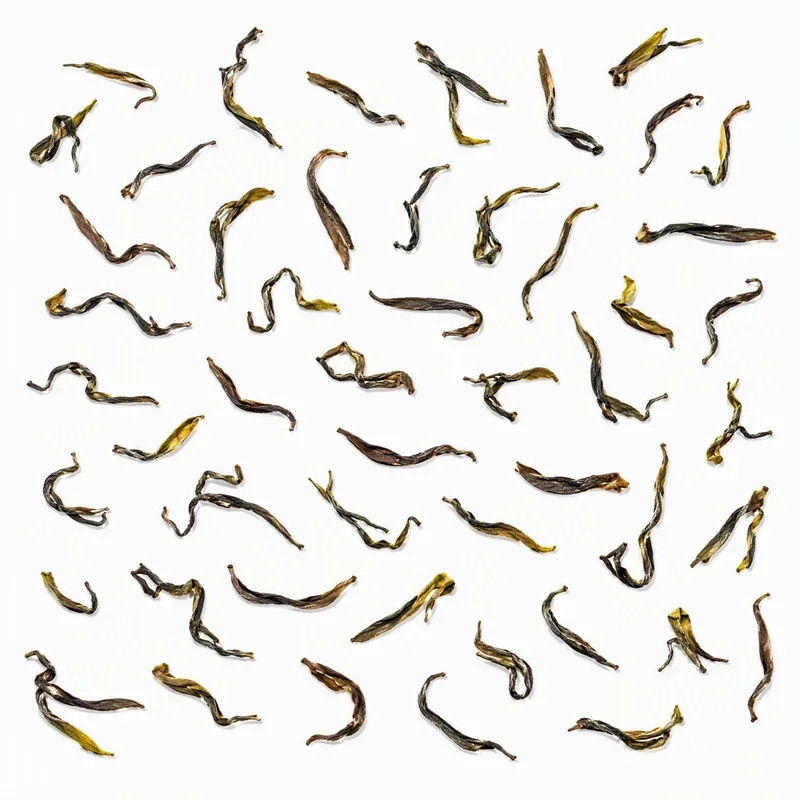
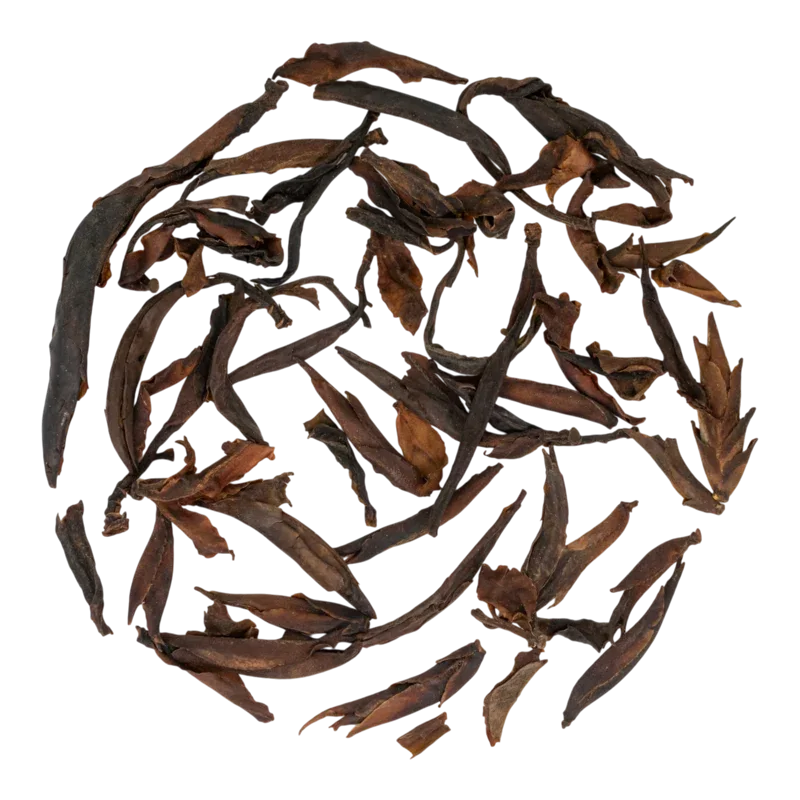
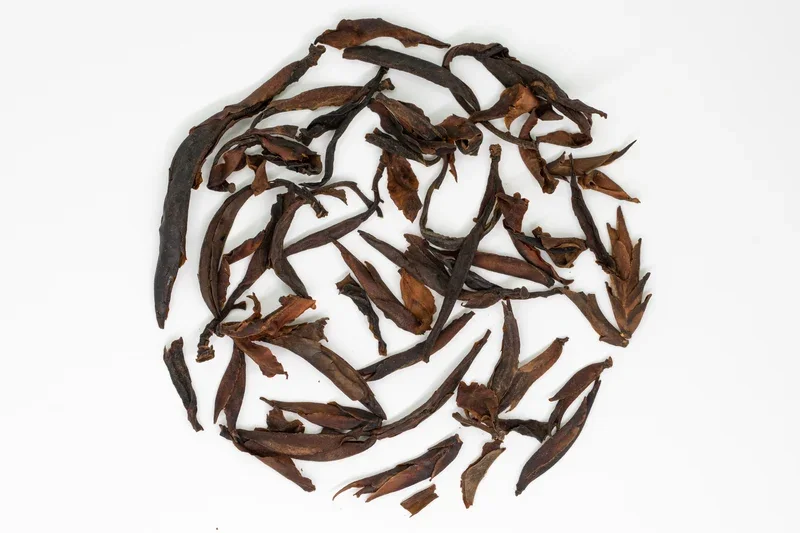
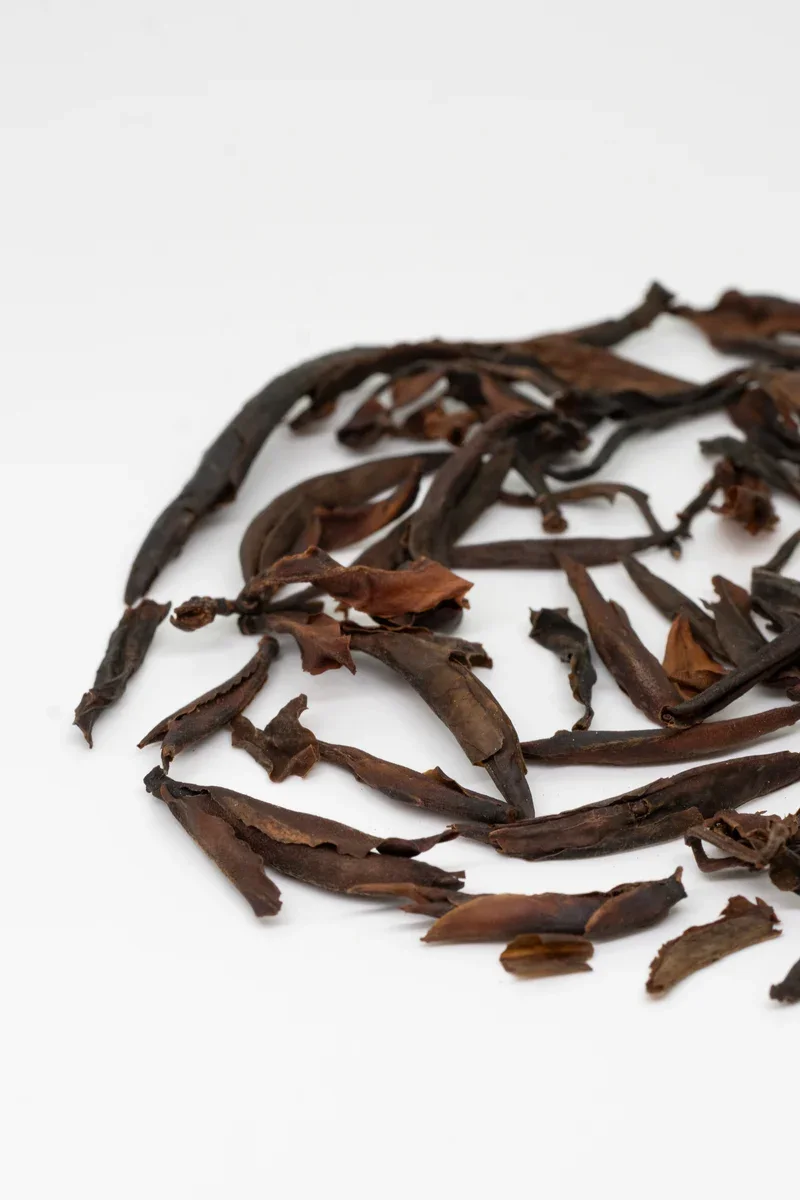
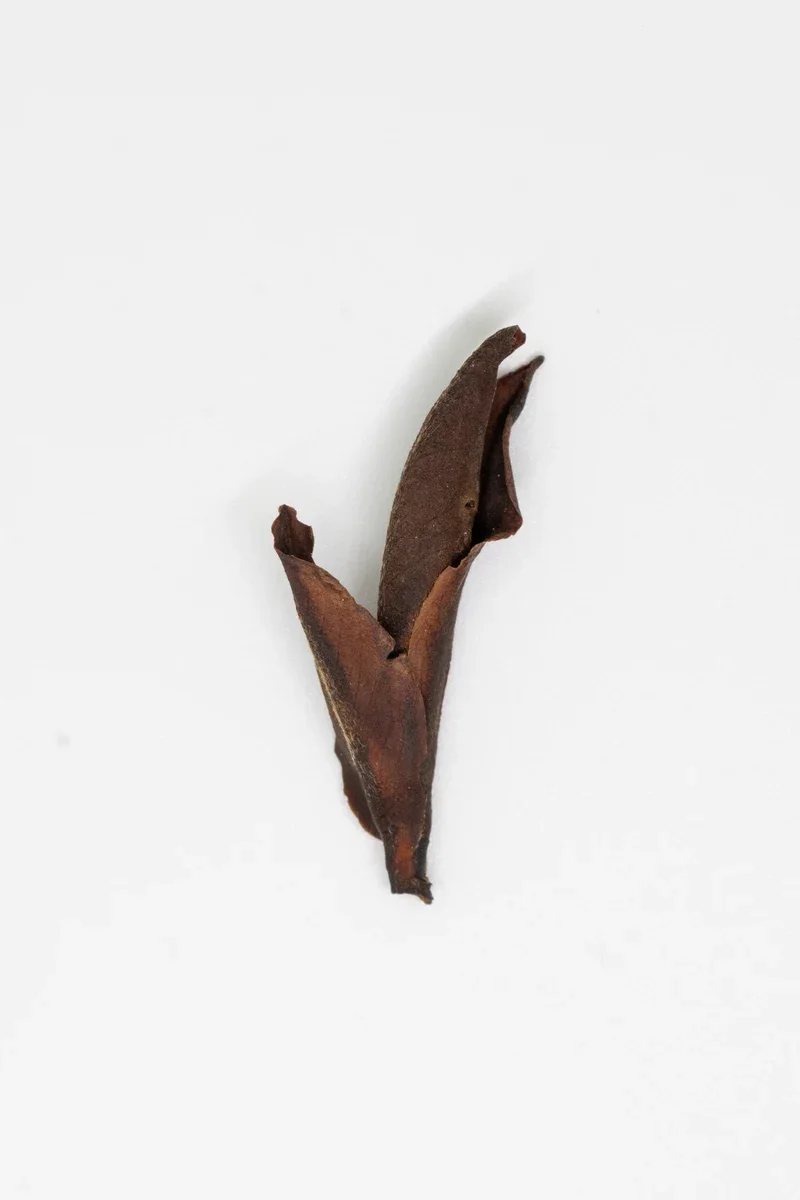
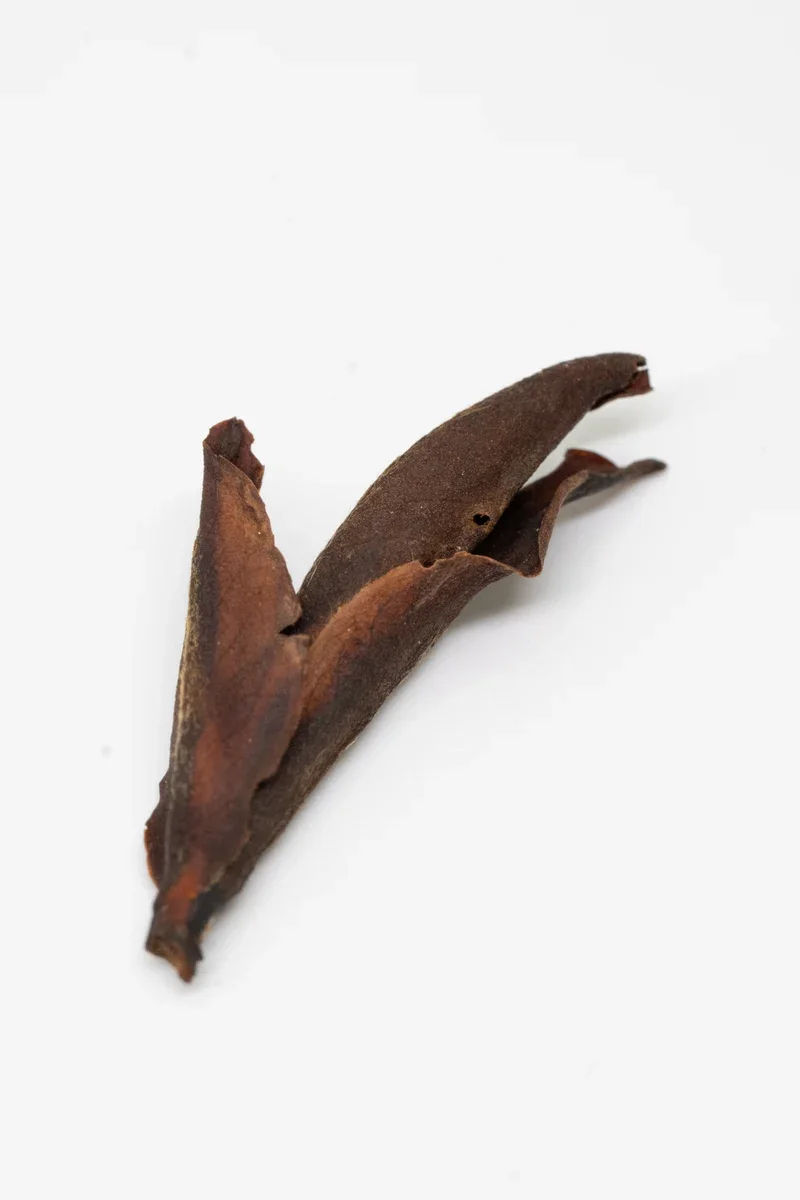
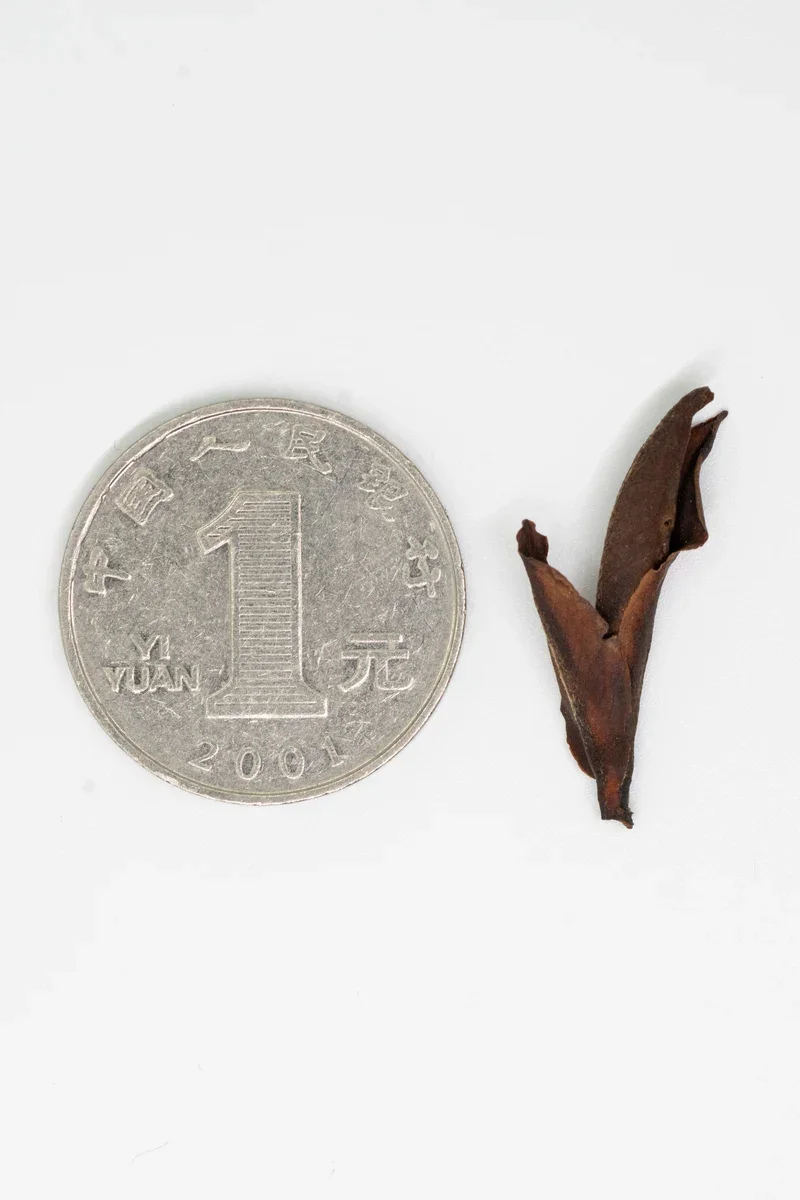
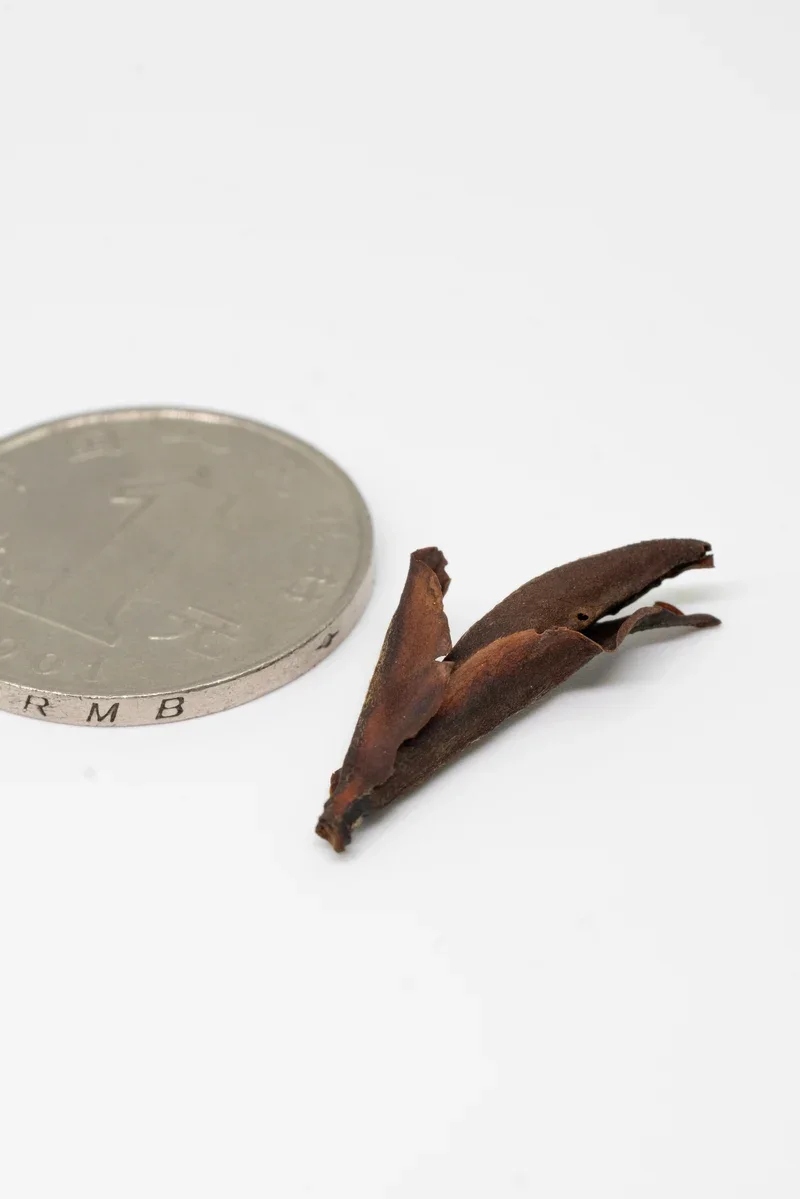
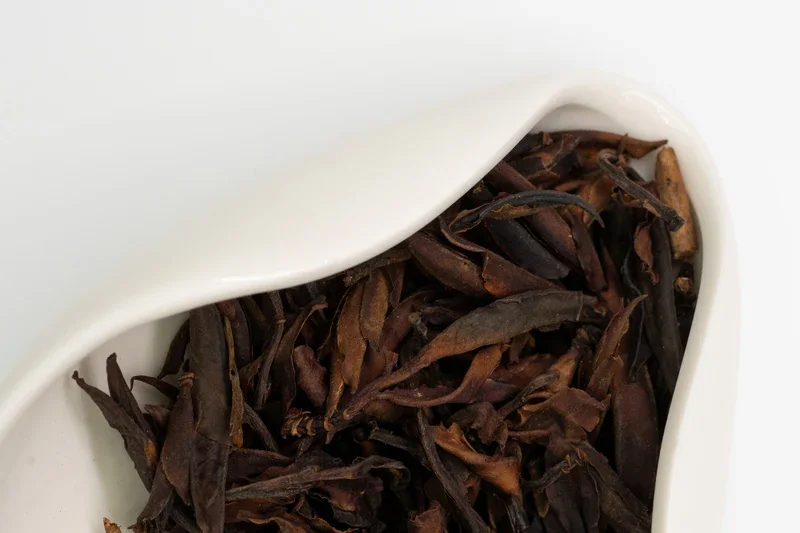
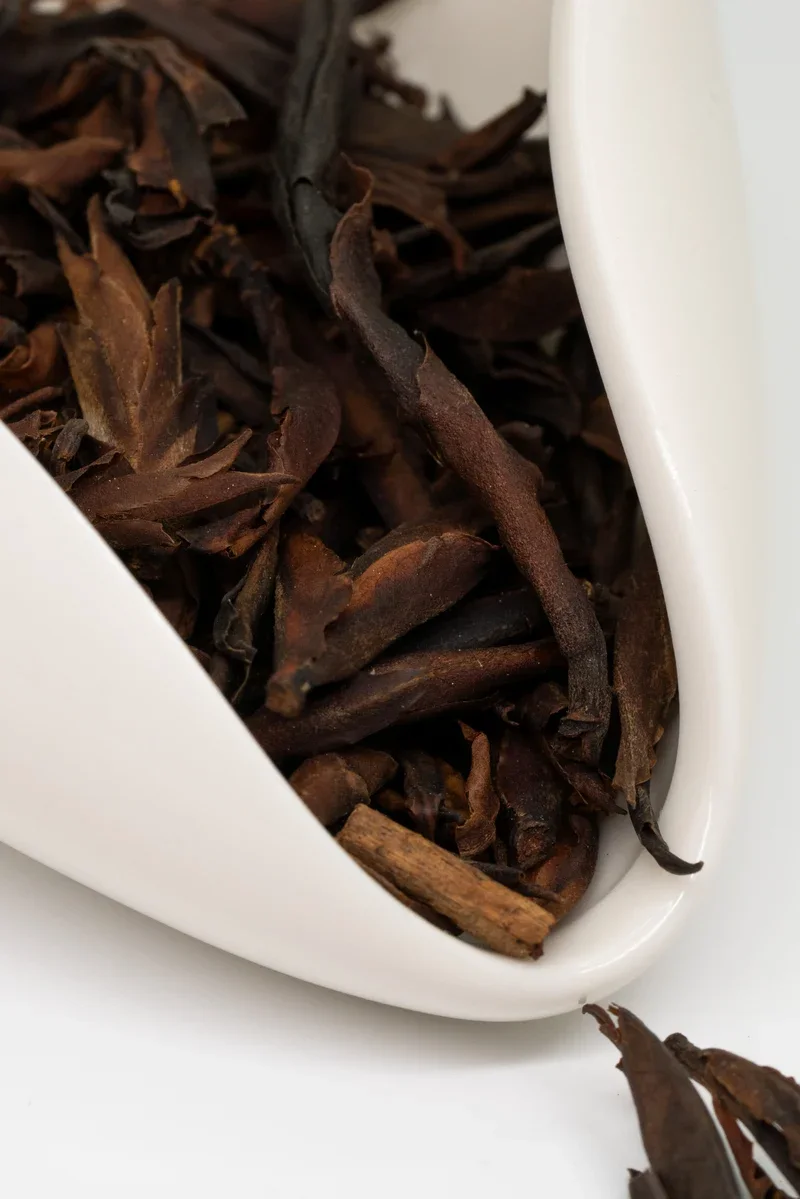
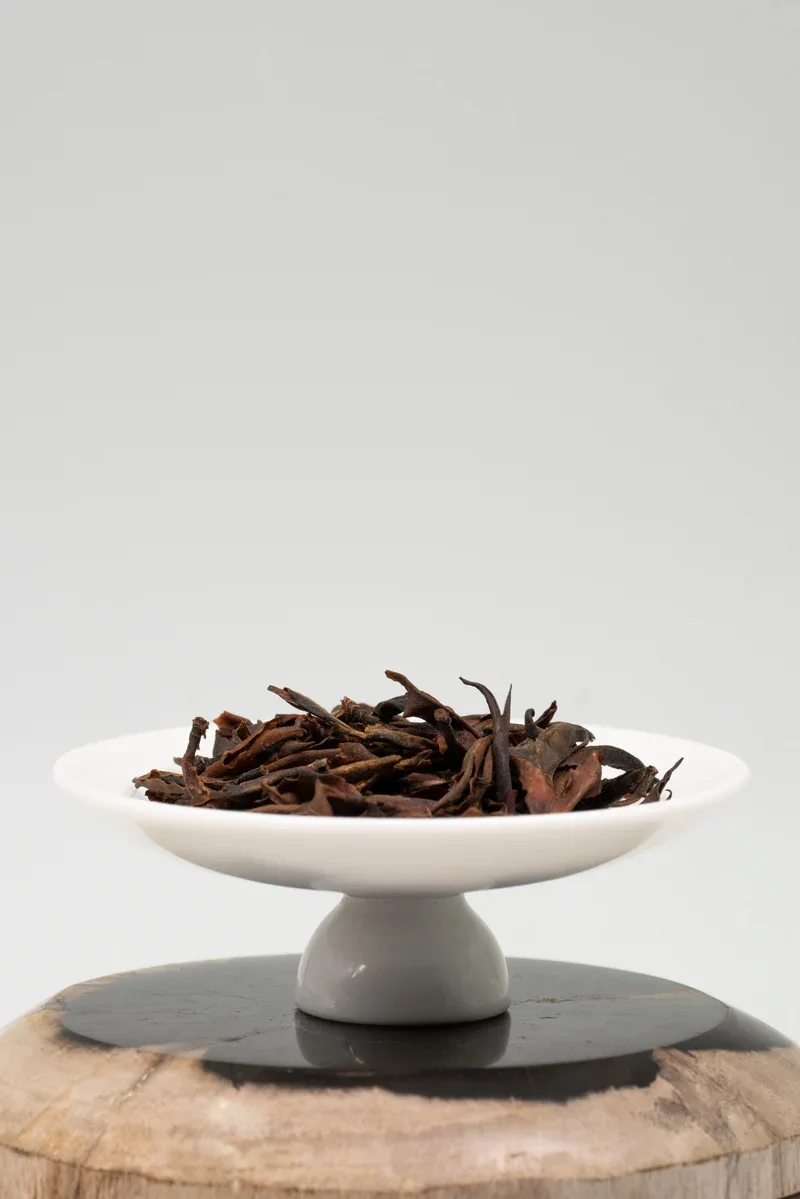
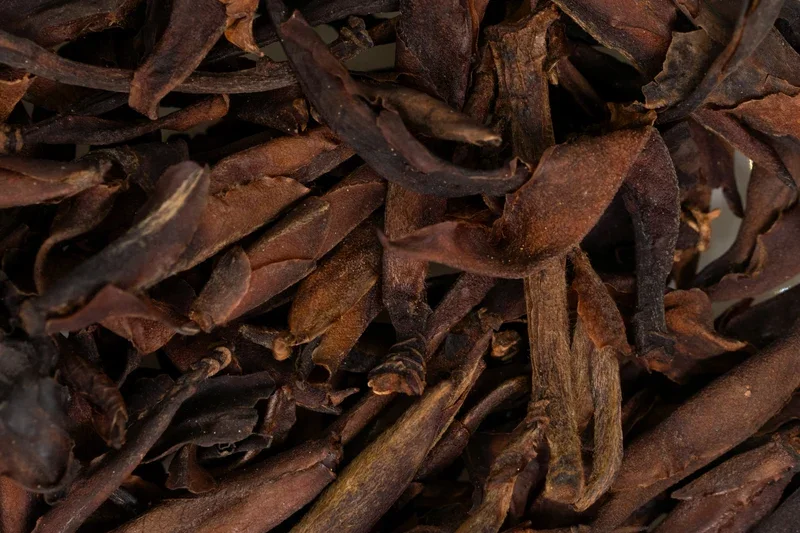
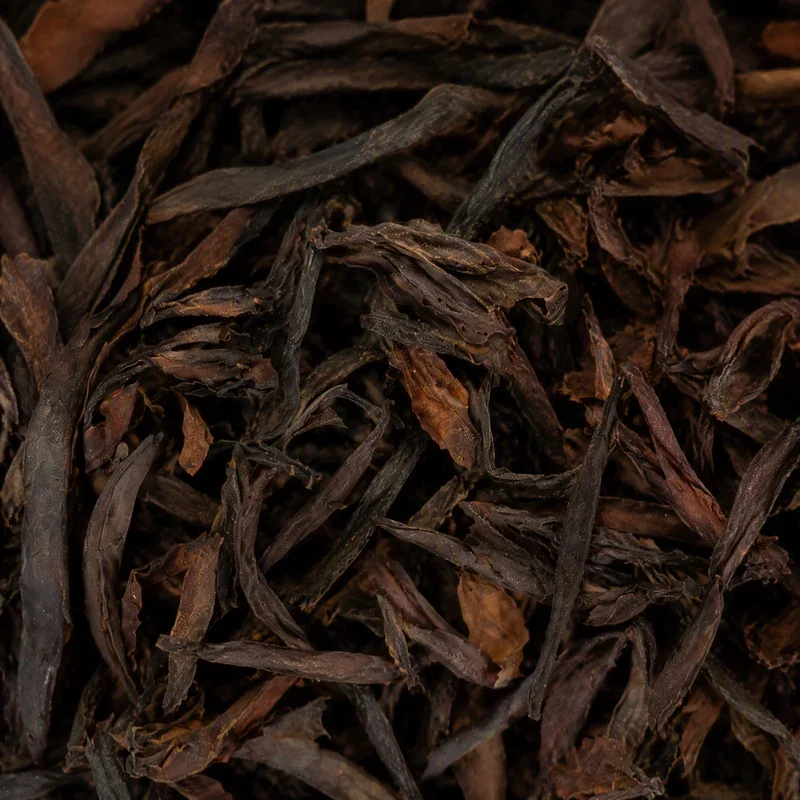
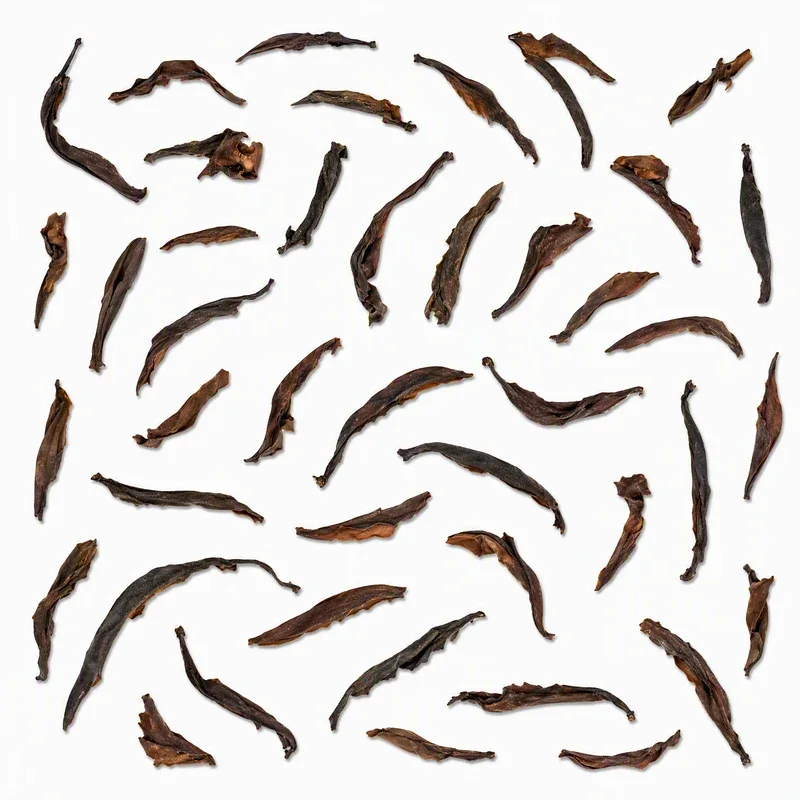
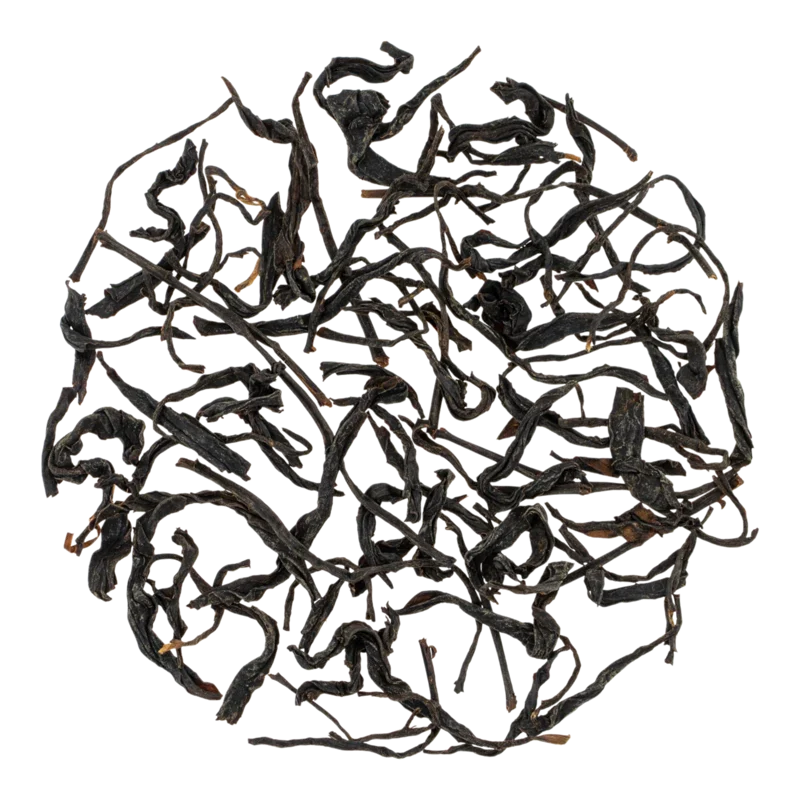
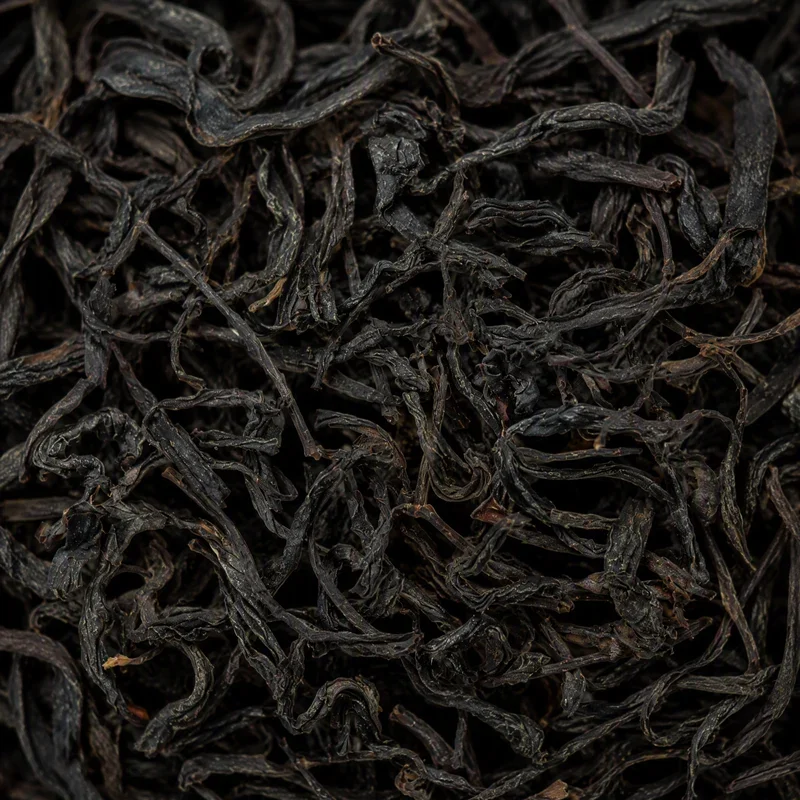
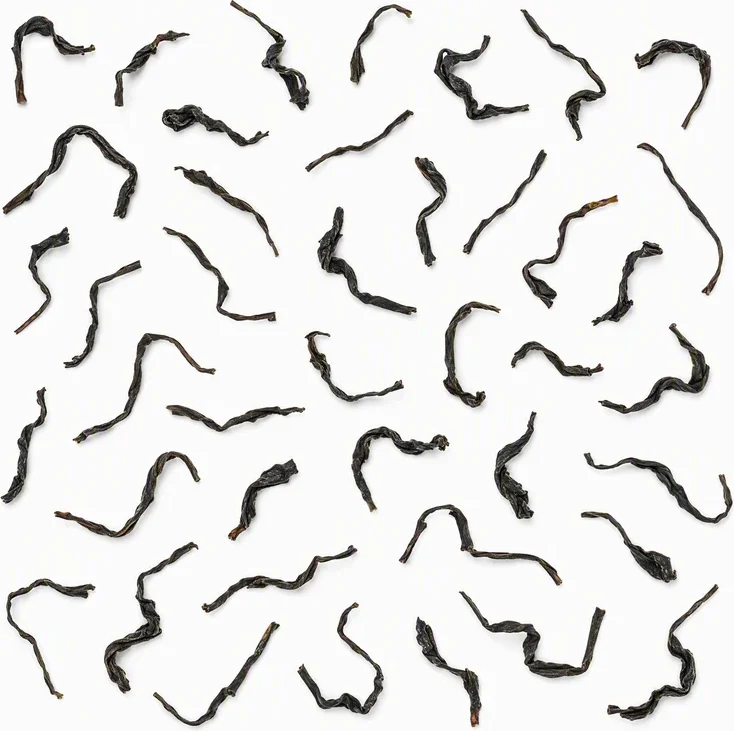
Dry Leaf Appearance: Oolong: Longitudinally twisted, dense, heavy strips (条索紧结重实, tiáosuǒ jǐnjié zhòngshí) of dark brown color with greenish-brown veins; with light roasting — with more noticeable green tint. Red tea (black tea): Thin, tightly twisted strips of almost black color with individual golden tips.
Dry Leaf Aroma: Oolong: Intense, high floral aroma — primarily gardenia notes (栀子花, zhīzǐ huā) with characteristic milky-creamy overtones, orchid and peony. With medium roasting, notes of baked fruits, caramel, and a subtle mineral component — «rock rhyme» are added. Red tea (black tea): Sweet, honey-like, with shades of peach, citrus and dried fruits.
Liquor Aroma: Rich, persistent, unfolding in waves from steeping to steeping. In oolong — bright gardenia note in first steepings, gradually transitioning to fruity-honey; mineral base is felt throughout the entire session.
Liquor Color: Oolong: From golden-amber to rich orange — depending on roasting degree; clear, with bright shine. Red tea (black tea): Bright ruby-red with golden rim (金圈, jīnquān).
Spent Leaves: Oolong: Large, elastic, whole leaves with characteristic coloration: reddish-brown edges and lighter, greenish middle — evidence of proper conduct of the «zuo qing» stage. Red tea (black tea): Uniform, soft leaves of even copper-brown color.
Taste: Oolong: Dense, oily, with perceptible «body» (醇厚, chúnhòu). Floral and fruity tones interweave with light astringency and pronounced returning sweetness (回甘, huígān). Aftertaste is long, refreshing, with mineral nuances. Characteristic «yun» — voluminous, resonating aftersensation in the throat — is distinctly expressed, which is an inheritance from the maternal cultivar Tieguanyin. Red tea (black tea): Soft, velvety, sweet, with notes of honey, caramel, water peach (水蜜桃, shuǐmìtáo) and light citrus acidity; astringency is practically absent.
Alkaloids: Caffeine (咖啡碱, kāfēi jiǎn) — about 4.4%; theobromine and theophylline — in trace amounts.
Amino Acids: 2.3–3.9%, including L-theanine (L-茶氨酸, L-chá ānjīsuān). High amino acid content determines pronounced sweetness and relaxing effect.
41.8–45.2% — indicator of liquor richness and extractability.
High concentration of terpene alcohols (linalool, nerol, geraniol) and indole derivatives responsible for floral-fruity aroma. It is precisely the richness of the aromatic complex that is the distinguishing feature of the Jin Mudan cultivar, explaining its high «制优率».
Minerals: Potassium, calcium, manganese, zinc, selenium, fluorine — mineral profile enriched thanks to Wuyi soils of volcanic origin.
Polyphenols: About 30.8–34.9% — high indicator ensuring pronounced structure and antioxidant potential. Include catechins (EGCG, EGC, ECG), and in oolong after partial oxidation — also dimeric polyphenols.
Vitamins: Vitamin C (ascorbic acid), B vitamins (B₁, B₂), vitamin E.
High polyphenol content, especially catechins, provides cellular protection from oxidative stress and neutralization of free radicals.
Caffeine combined with L-theanine creates mild, balanced stimulation: alertness and improved concentration without sharp nervous excitement.
L-theanine promotes alpha-wave production in the brain, reducing anxiety levels and contributing to a state of focused calm.
Oolong polyphenols stimulate lipolysis and accelerate fat metabolism, which is confirmed by a number of clinical studies.
Regular consumption of tea with high polyphenol content contributes to lowering LDL cholesterol levels and strengthening vessel walls.
A number of epidemiological studies indicate a positive correlation between regular oolong consumption and increased bone mineral density.
Vitamins and minerals (especially zinc and selenium) combined with polyphenols strengthen overall body resistance.
Tea Amount: 5–7 g per 100–150 ml water (with steeping method).
Teaware: Porcelain gàiwǎn (盖碗, gàiwǎn) — universal option allowing aroma evaluation in the lid; Yíxīng clay teapot (宜兴紫砂壶, Yíxīng zǐshā hú) — for denser, «warmer» liquor.
Water Temperature: 90–95°C for oolong; 85–90°C for red tea (black tea).
Container: Hermetically sealed packaging: vacuum foil bag, tin can with tight lid or ceramic container.
Enemies: Moisture, light, high temperature, foreign odors, oxygen.
Dry, cool, dark place, isolated from foreign odors. Optimal temperature — 15–25°C, humidity — no higher than 50%.
Light-roasted oolong is best consumed within 6–12 months to preserve aroma brightness; medium and heavy roasted oolong withstands storage for 2–3 years or more, with taste becoming softer and deeper. Red tea (black tea) is optimally consumed within 1–2 years. Re-roasting (复焙, fùbèi) after 1–2 years is standard practice for extending storage period of Wuyi oolongs.
Main and most famous product. Medium-oxidized oolong with light or medium degree charcoal roasting. Floral aroma (gardenia, orchid), dense taste with mineral «cliff» base, long aftertaste. This is the benchmark embodiment of the cultivar.
Fully oxidized tea, often produced using gongfu black tea technology (工夫红茶, gōngfū hóngchá). Soft, sweet, with pronounced floral-honey aroma. Actively produced in Shòuníng County (寿宁) of Fujian Province and positioned as «floral red tea».
Rarely encountered. Non-oxidized tea preserving the bright floral aroma of the cultivar; taste is fresh, with perceptible sweetness. Production is limited.
No reviews yet. Tell us what you think of this tea.
Rate this tea and share your impressions. We review each submission before publishing it.