Brewing
Gongfu brewing
- Water temperature
- 93 °C
- Tea amount
- 5 g
- Water volume
- 100 ml
- First steep
- 10 s
- Time added per infusion
- 5 s
- Infusions
- 4

Hèshān Hóngchá
Choose a brewing method. Start with the recommended quantities and time, then adjust to taste.
Brewing
Brewing
Taste
Tea encyclopedia
Alt Names: Hèshān hóngchá (鶴山紅茶); "Shuangshi" hongcha (雙石紅茶 — named after the famous tea factory in Shuanghe); "Gulao yin zhen" (古勞銀針 — silver needles from Gulao — a separate famous green tea from the same region, often mentioned together with the red tea).
Alt Names: Hèshān hóngchá (鶴山紅茶); "Shuangshi" hongcha (雙石紅茶 — named after the famous tea factory in Shuanghe); "Gulao yin zhen" (古勞銀針 — silver needles from Gulao — a separate famous green tea from the same region, often mentioned together with the red tea).
Category: Regional Guangdong red tea, belonging to the "yuehong gongfu" group (粵紅工夫, "Guangdong gongfu hongcha").
National product with geographical indication (國家農產品地理標誌, 2015). Provincial "famous, special, and premium agricultural product" (廣東名特優農產品, 2019). Intangible cultural heritage of Jiangmen City (2022) and Heshan County (2020). Protected territory includes 21 villages in 8 townships of Heshan City.
Coordinates: 22°28′–22°51′ N, 112°28′–113°02′ E.
Origin: China, Guǎngdōng Province (廣東省), Hèshān City (鶴山市, part of Jiangmen Prefecture / 江門市). Main tea districts: Shuanghe (雙合鎮, "Ten Li of Tea Fragrance" — 十里茶鄉), Zhaiwu (宅梧鎮), Gonghe (共和鎮), Hecheng (鶴城鎮), Longkou (龍口鎮), Gǔláo (古勞鎮).
Type: Red tea (black tea) (紅茶, hóngchá), fully oxidized. By technology — gongfu hongcha (工夫紅茶).
Tea Street (茶行街) in Hecheng, established around 1736, functioned as the main center of Heshan red tea trade for almost three centuries. Today it is being reconstructed as a historical-cultural quarter with investments exceeding 300 million yuan.
During the heyday (19th century), Heshan red tea comprised up to 80% of all Guangdong tea exports — a scale comparable to Qihong's role in Anhui.
The modern leadership of Shuanghe township in red tea cultivation is directly connected to the Vietnamese huaqiao community, relocated in 1978 and establishing 6,000 mu of tea gardens. The "Shuangshi" brand (雙石) became synonymous with Heshan red tea quality.
It was in Heshan in 1828 that huaqiao Wáng Zeban (王澤邦) created the first recipe for the legendary "Wang Laoji" (王老吉) — the most famous Chinese "cooling tea" (涼茶). And in 1821, another Heshan native — Yuán Jixun (源吉蓀) — created "Yuan Jilin Ganhe tea" (源吉林甘和茶). Heshan is the officially recognized "Birthplace of Chinese Cooling Tea" (中國涼茶之鄉, since 2013).
Since 2022, Heshan Hong Cha has been exported to Europe via the "Jiangmen–Europe" route (中歐班列), entering the global market.
Heshan tea cultivation has more than 700 years of continuous history, dating back to the Song–Yuan era.
Yúnnán Dà Yè (雲南大葉, large-leaf — dominates in Shuanghe township), Meijian (梅尖), Jinguanyin (金觀音), Shuǐxiān (水仙), Jīnxuān (金萱), as well as local traditional small-leaf type populations. About 7 main varieties in total.
Elliptical or elongated-ovate shape, with serrated edge; underside — green, glossy. Large-leaf varieties produce a more "muscular" liquor; small-leaf local varieties — more delicate and aromatic.
Picking: Spring (March–April) — highest grade; summer and autumn — standard. Early spring harvest (明前/雨前) is most valued.
Pluck Standard: One bud with one-two leaves for premium lots; one bud with two-three leaves for standard.
Altitude: 200–800 m a.s.l. Main plantations — 200–500 m; elite lots — from Maershan Mountain (馬耳山) and Gǔláo elevations (古勞茶山, ~200–400 m).
Climate: Subtropical monsoon. Average annual temperature ~22.6°C. Precipitation — 1,700–1,900 mm/year. Humidity 78–82%. Mild winters, long frost-free period. Frequent mountain mists, especially in Gulao and Shuanghe areas.
Soil: Predominantly red and yellow lateritic, acidic (pH 4.0–6.0), well-drained, with moderate organic content. Underlying rocks — granite and sandstone.
Shuanghe and Gulao districts are characterized by high forest cover and clean air. Many tea gardens are located away from industrial zones; several estates have "pollution-free production" certification (無公害). Shuanghe is a "Guangdong Provincial Pollution-Free Tea Production Base" (廣東省無公害茶葉生產基地). In the Gulao area, tea bushes grow on slopes shrouded in morning mist — a microclimate that local tea growers describe with the formula: "mountain mist nourishes leaves, dew tempers aroma" (山霧養葉,露水鍊香).
Spring harvest (春茶) — highest grade, maximum amino acids, minimum astringency. Summer (夏茶) — more astringent, suitable for mass production and blends. Autumn (秋茶) — with pronounced aroma, valued for "floral-honey" notes.
Topography: Heshan is hilly terrain with numerous low elevations. Moderately steep, well-drained slopes.
Manual, one bud + one-two leaves.
Natural (shade or sun) or indoors with temperature control. 10–18 hours. Leaf loses moisture, becomes soft, light fruity aroma appears. Readiness standard: "Leaf blade has lost gloss, veins are transparent, leaf has curled into a tube."
Machine or manual. Formation of tight, thin, even tea particles — characteristic feature of Heshan style.
3–6 hours, at 25–28°C, humidity 85–90%. Full fermentation. Control by color (copper-red) and aroma (fruity-honey).
Standard high-temperature drying; in some estates — carbon roasting (炭焙), adding additional depth and "bread" notes.
By size, presence of tips, and quality.
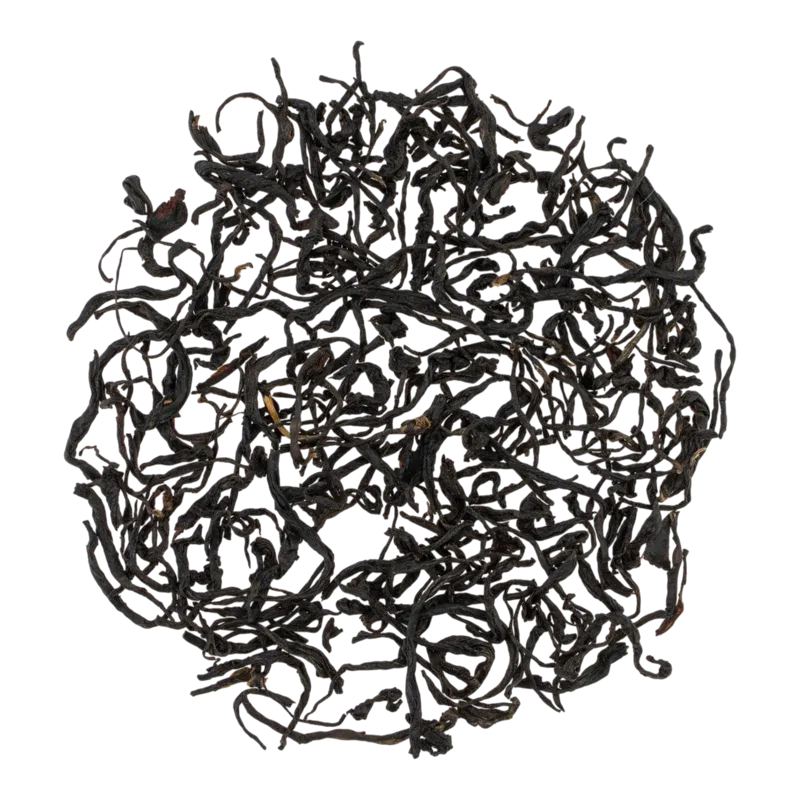
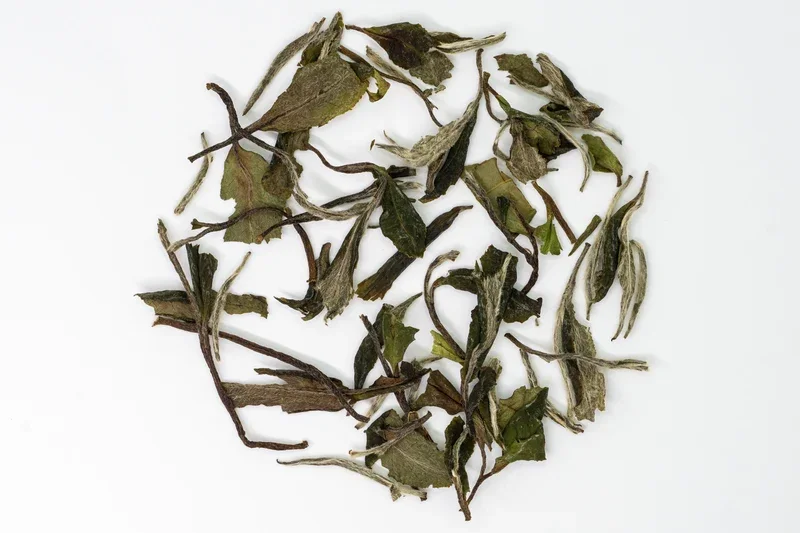
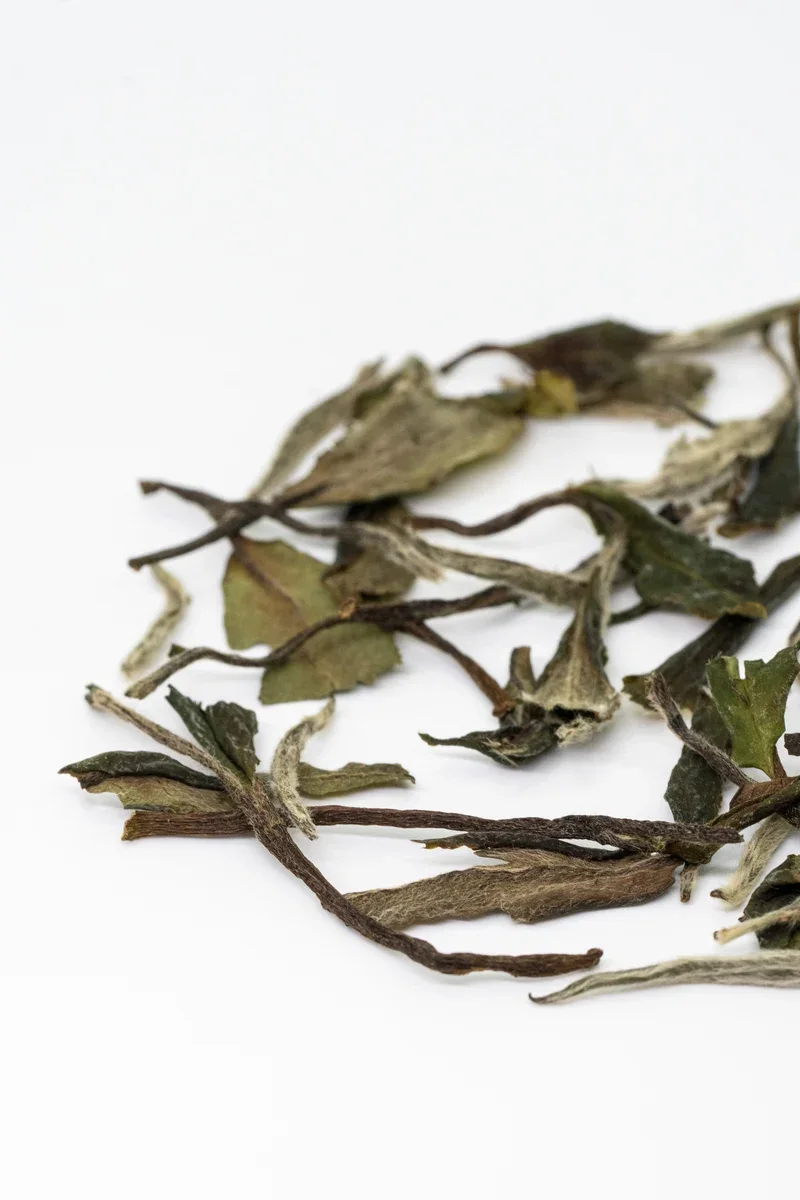
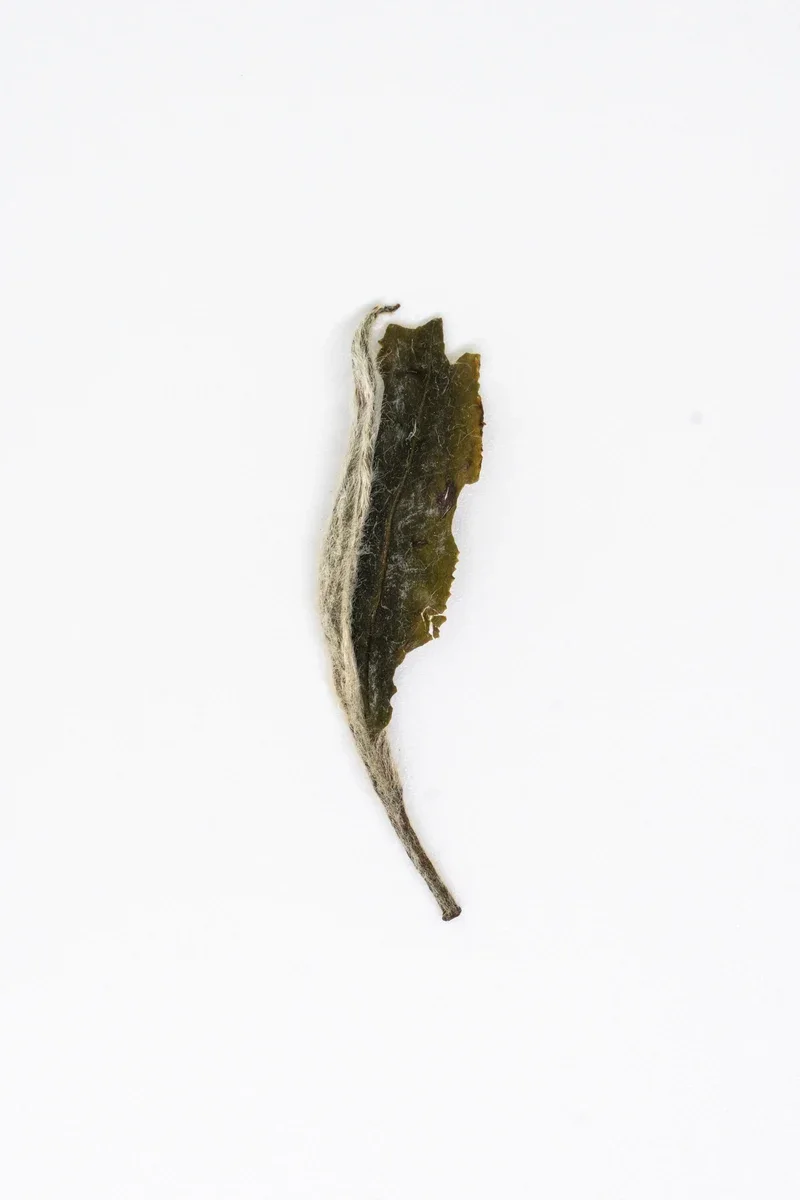
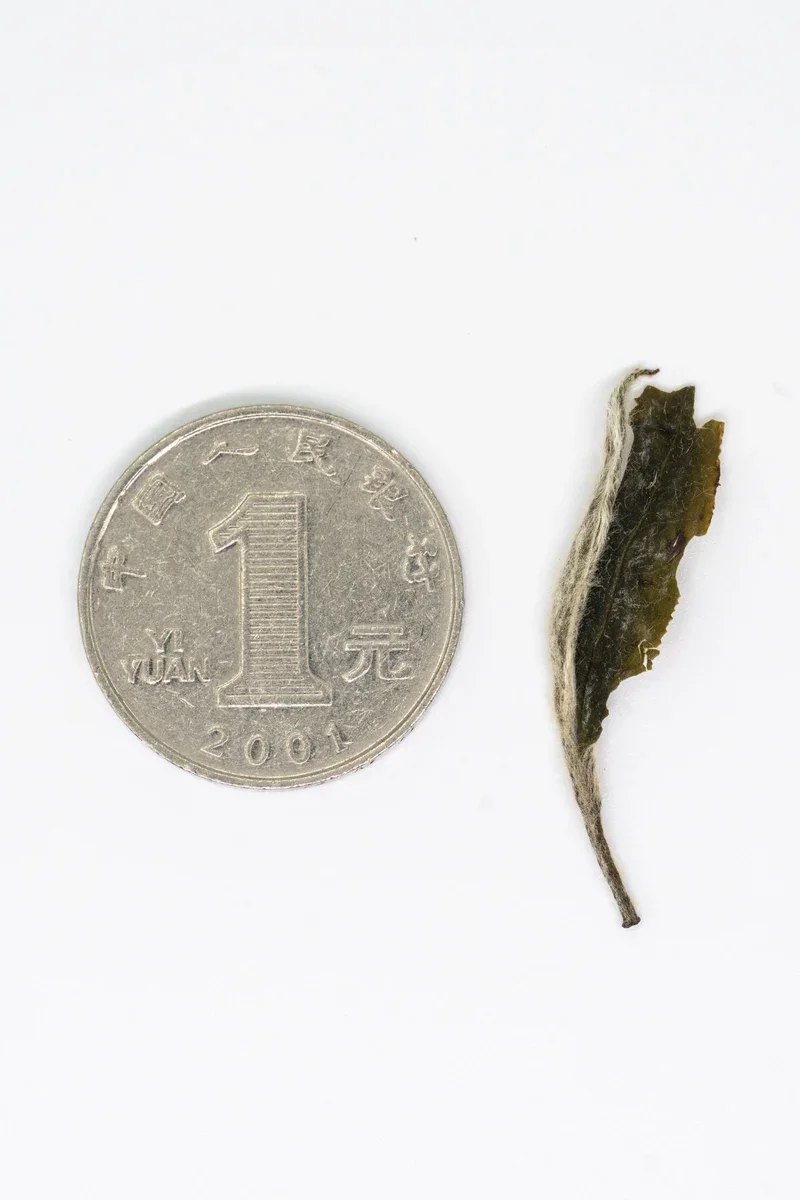
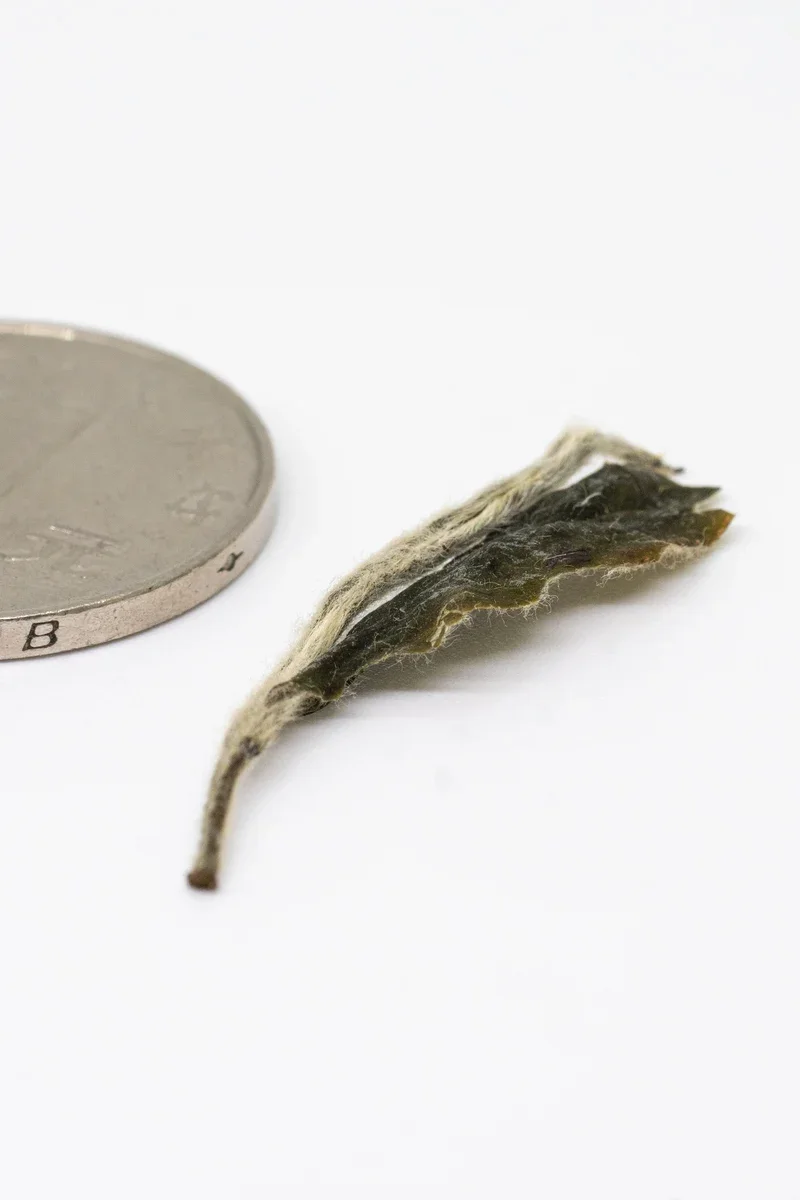
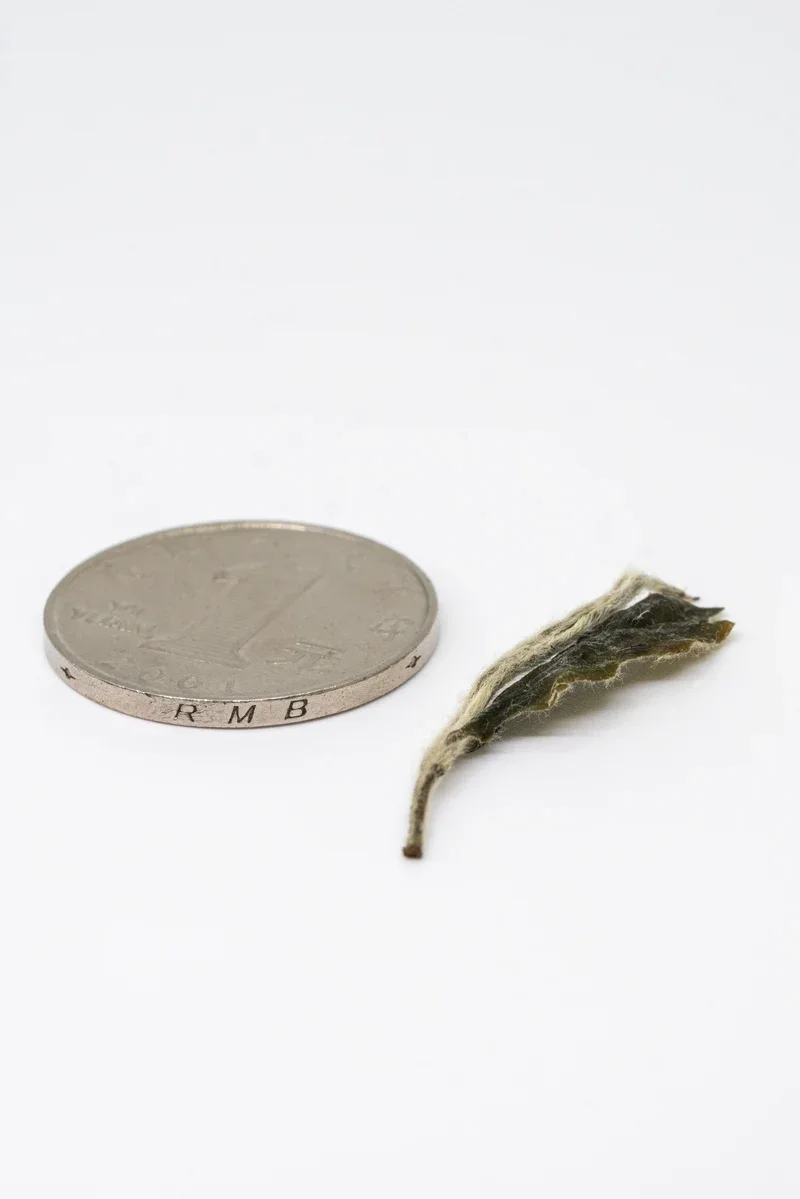
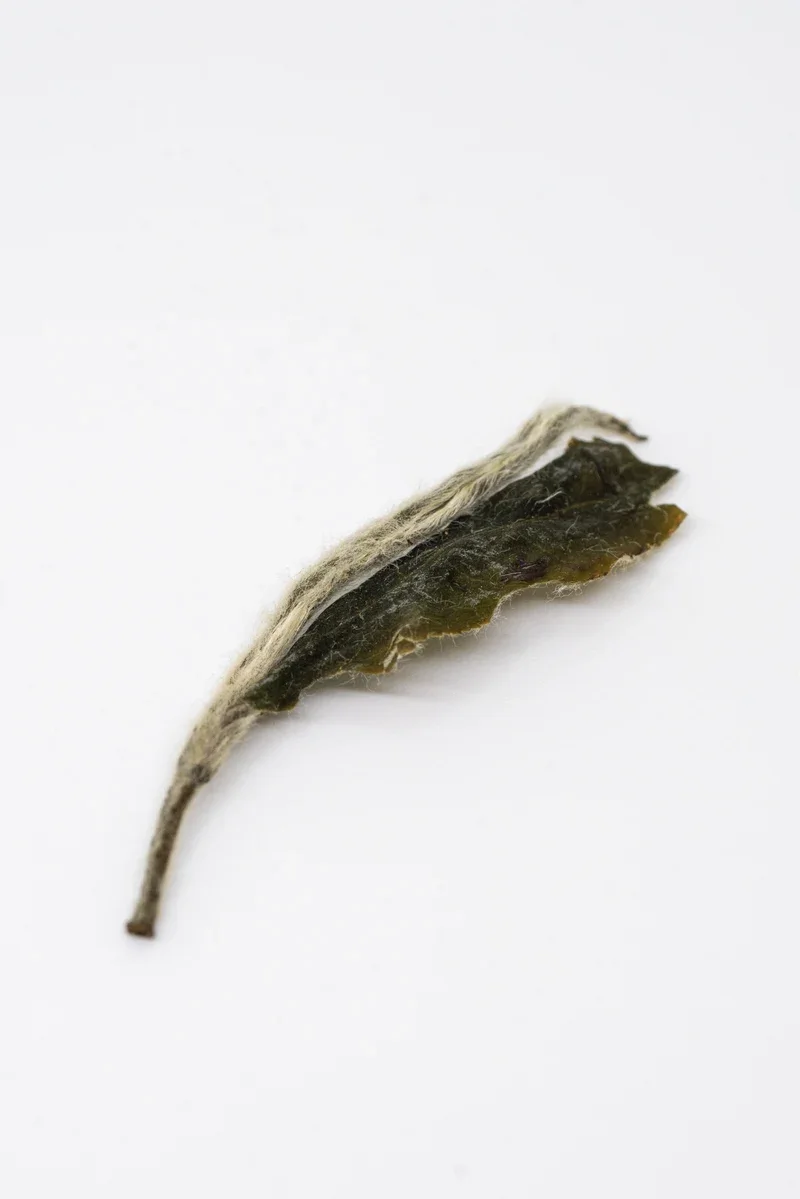
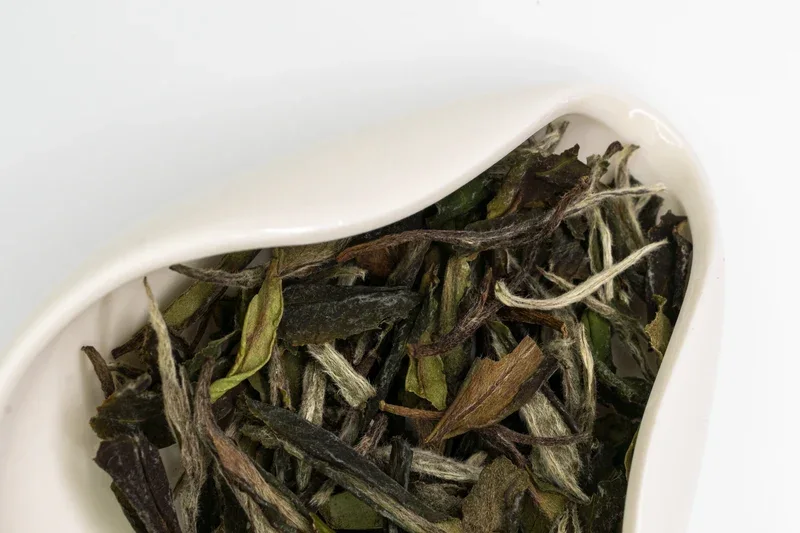
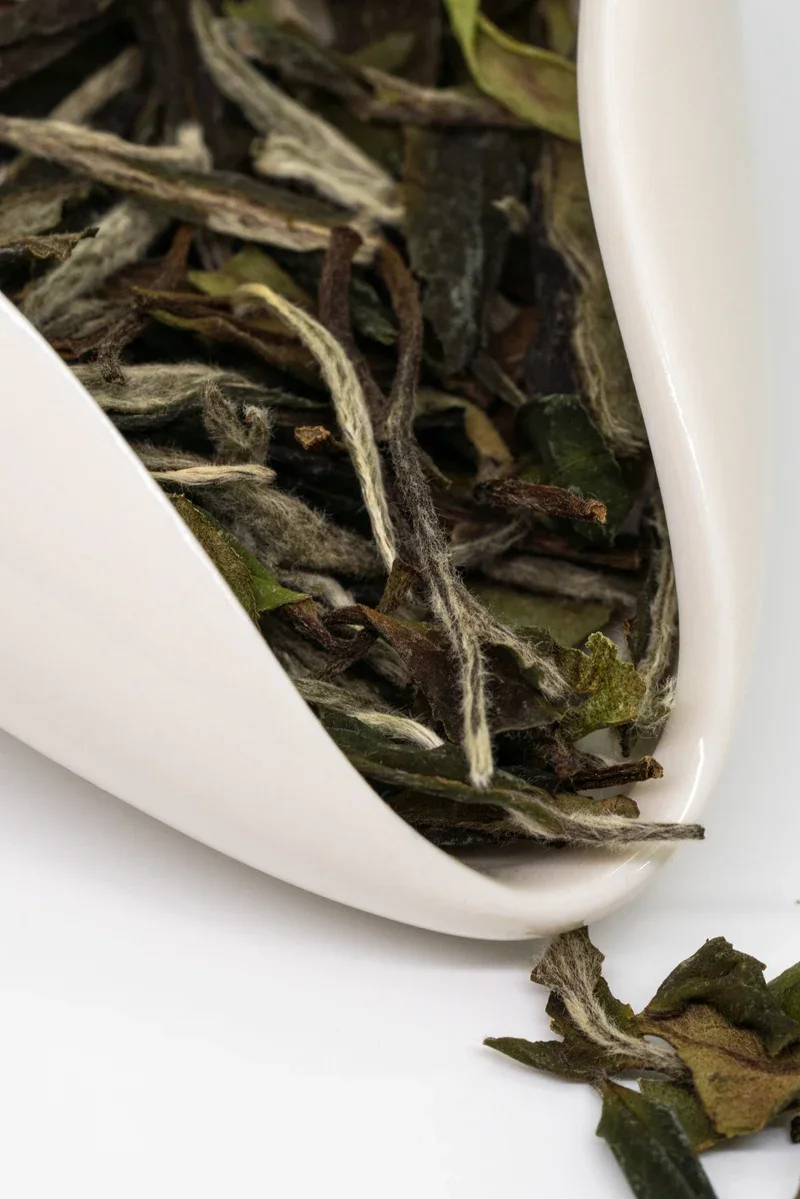
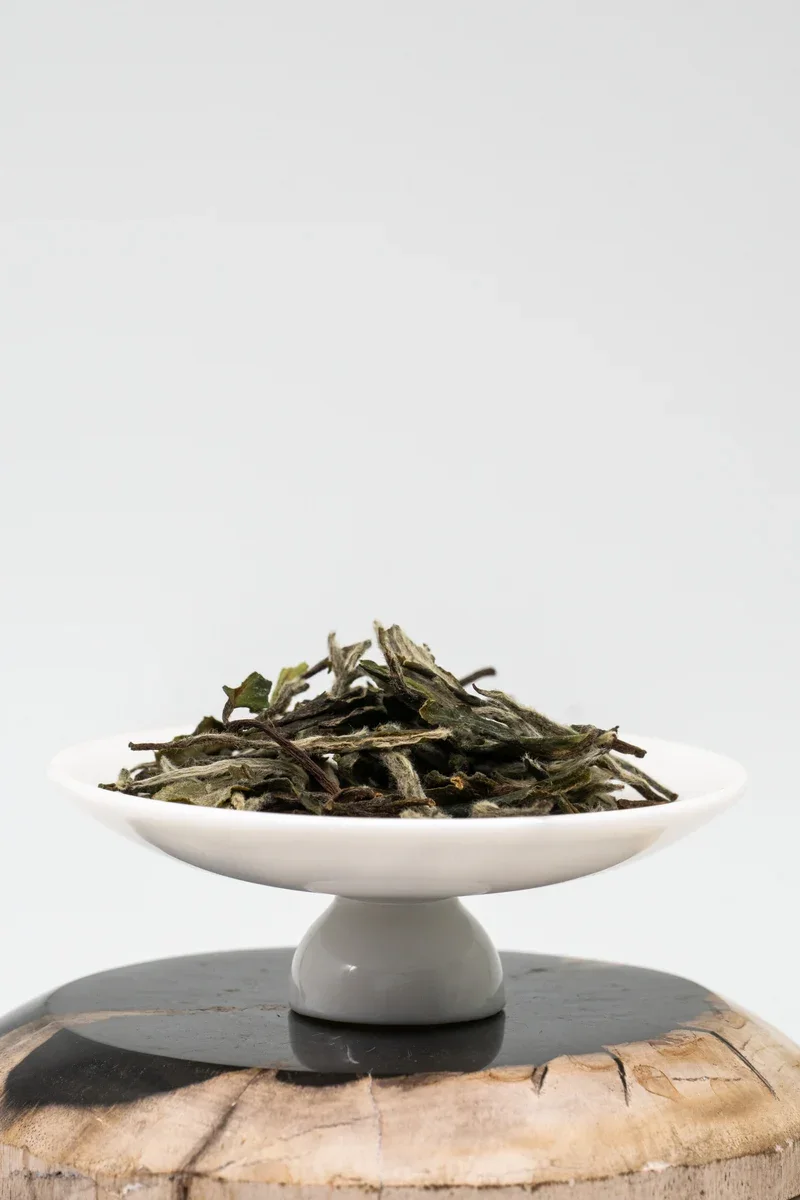
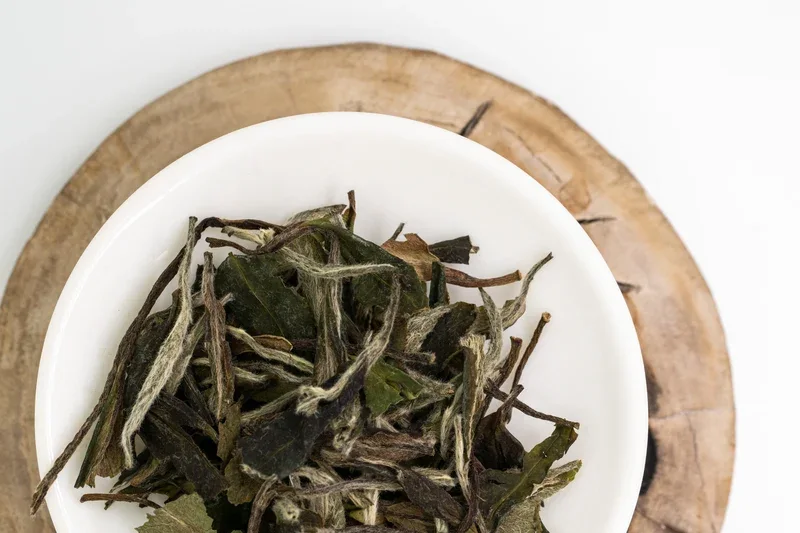
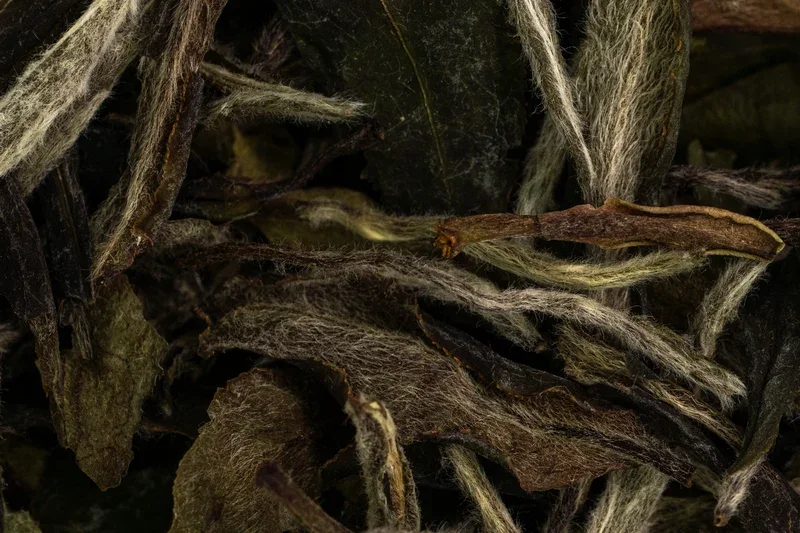
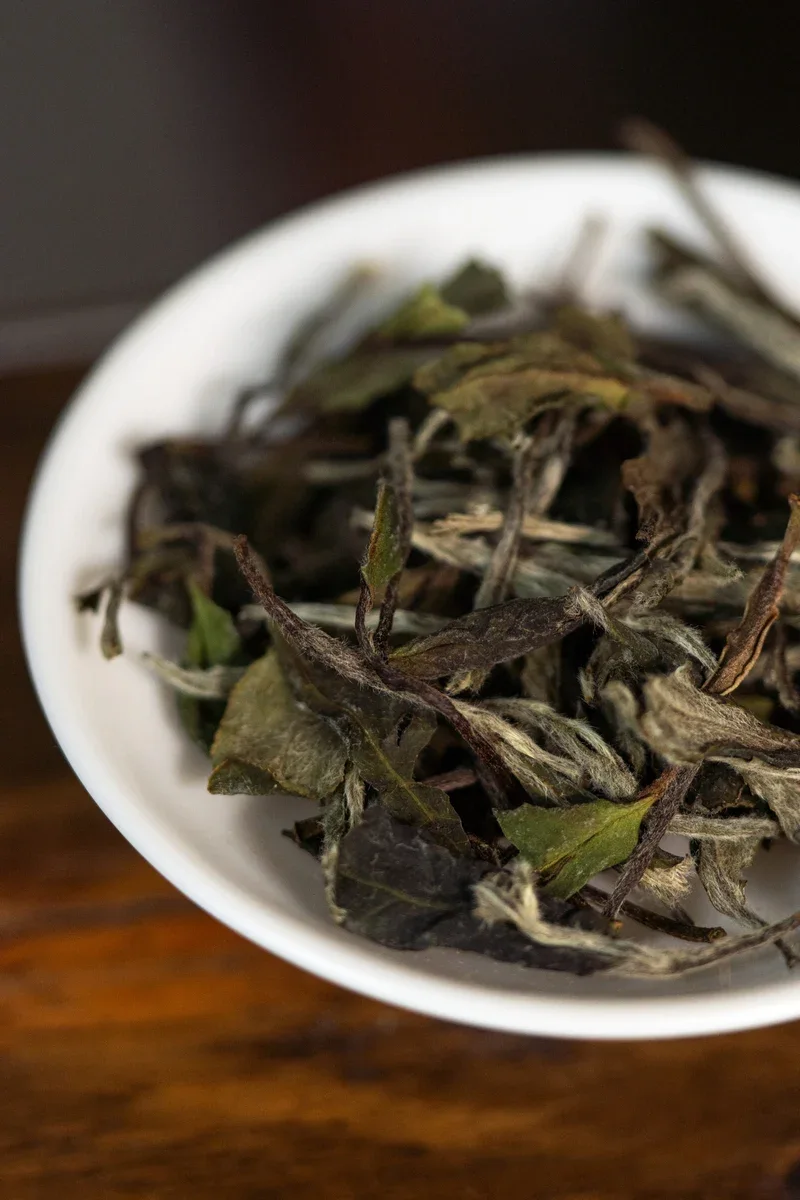
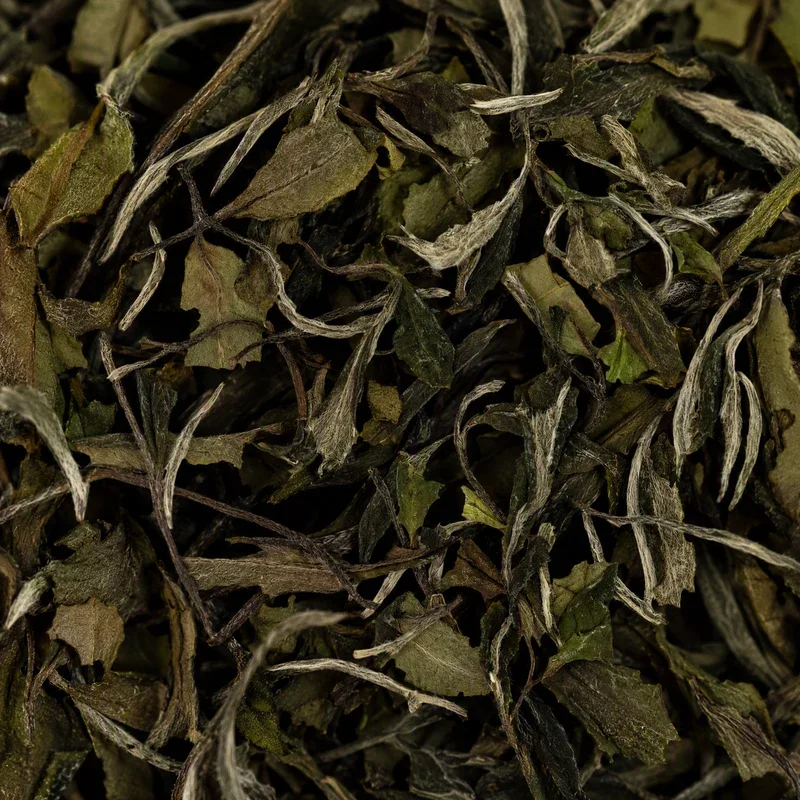
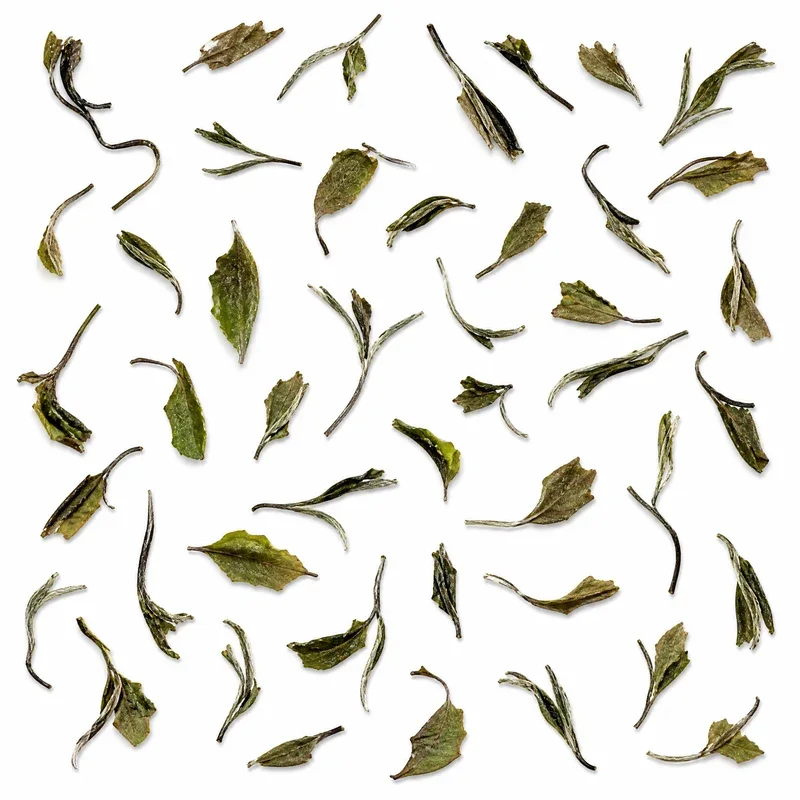
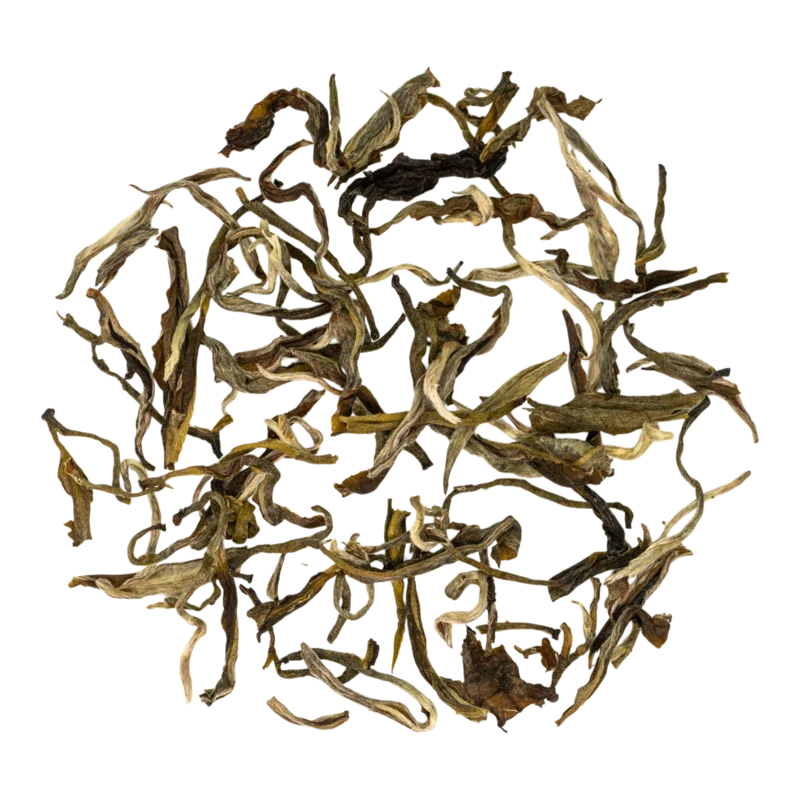
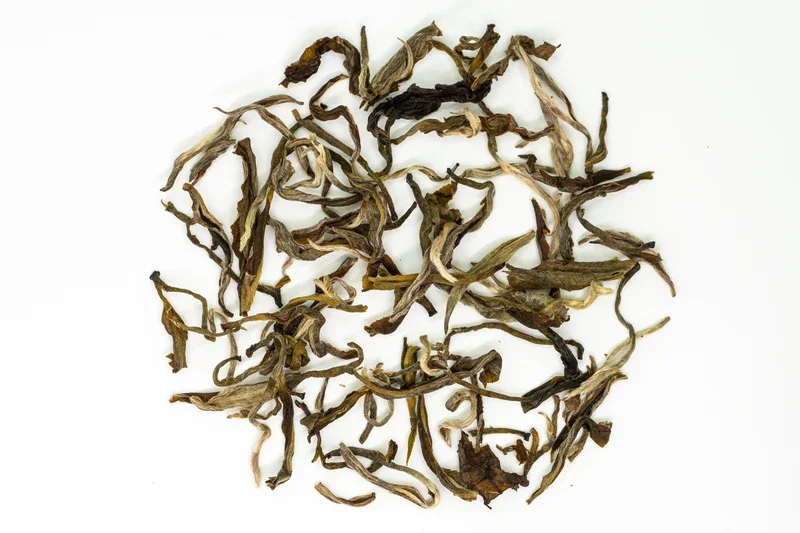
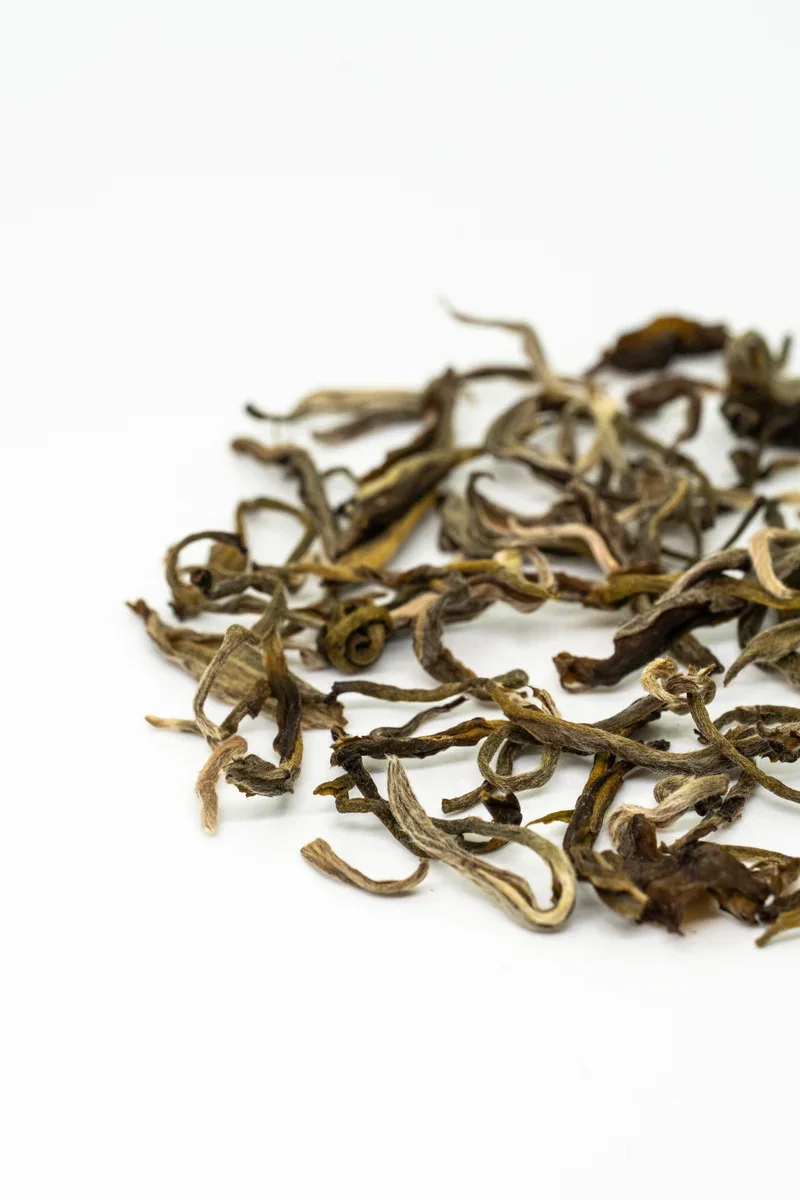
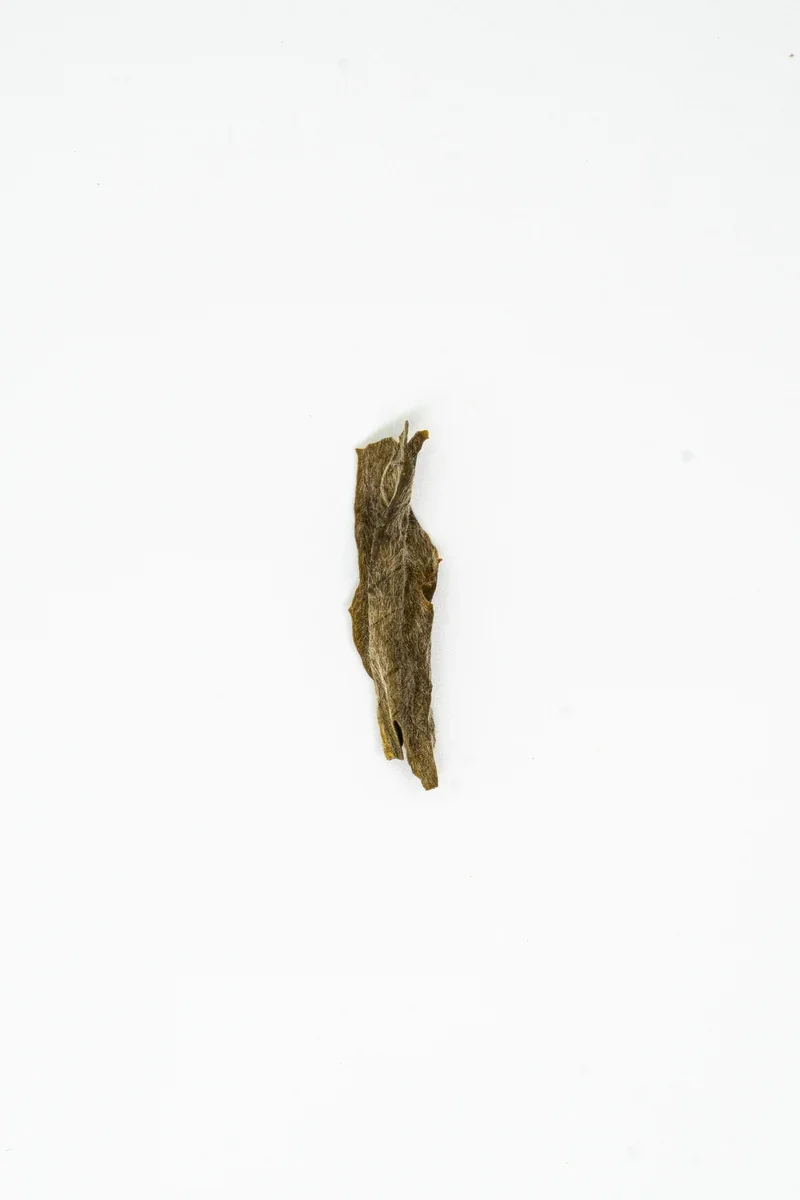
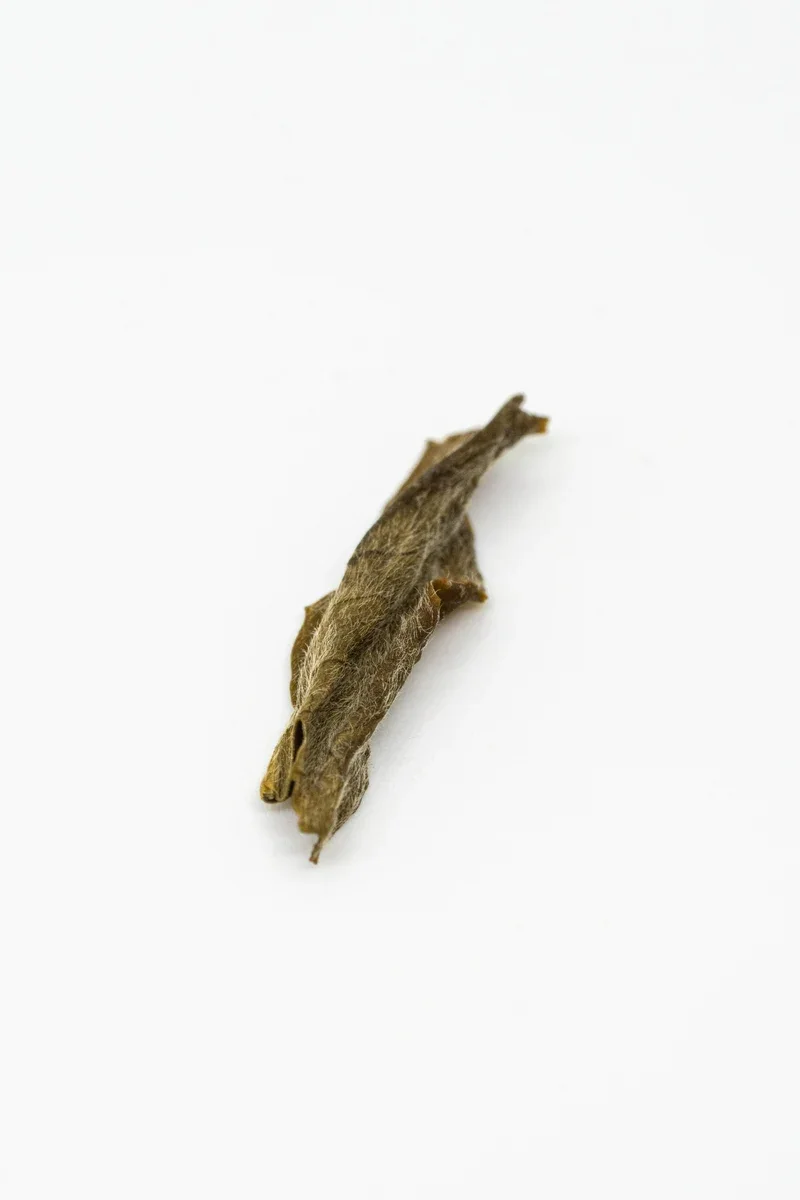
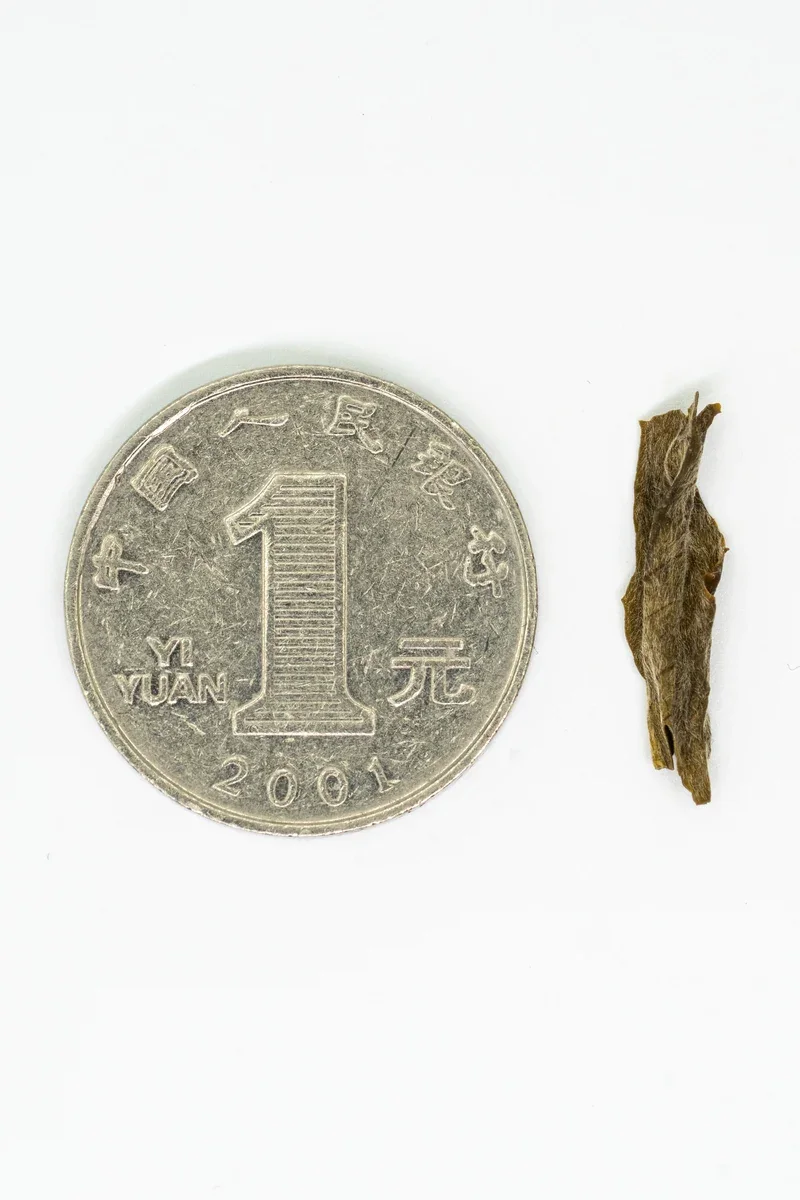
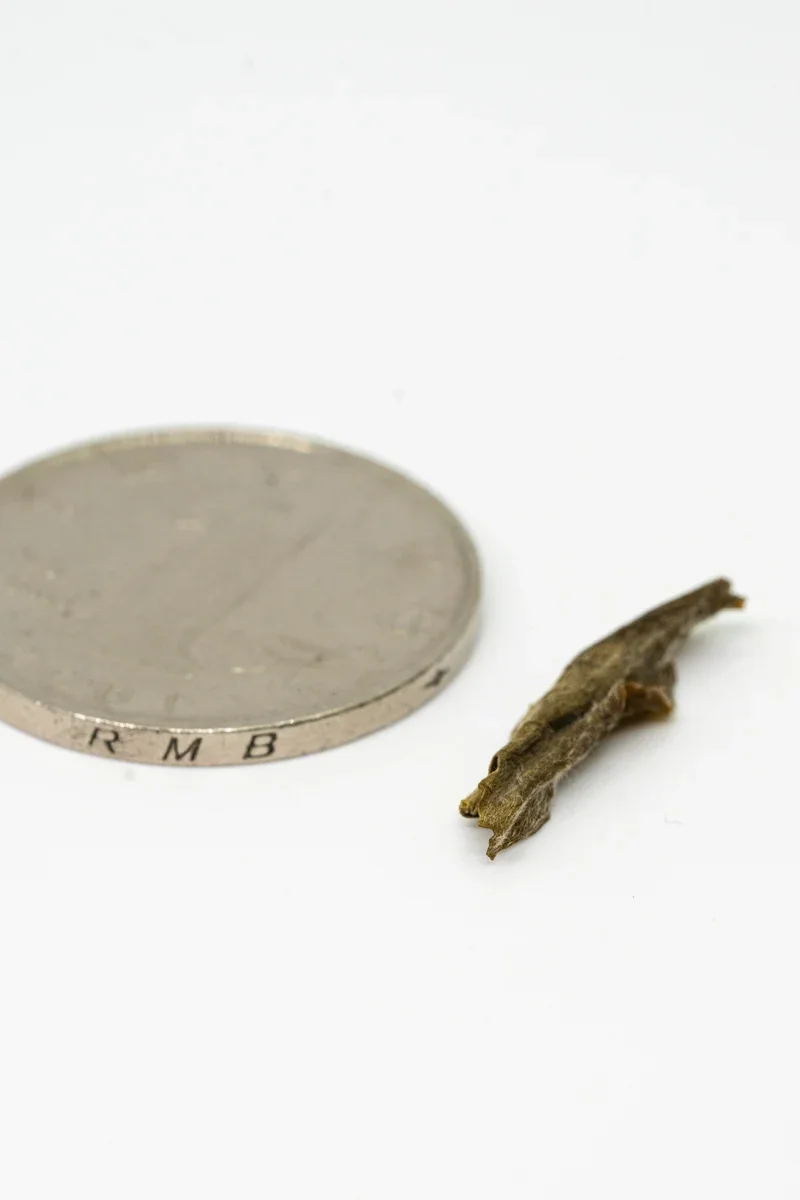
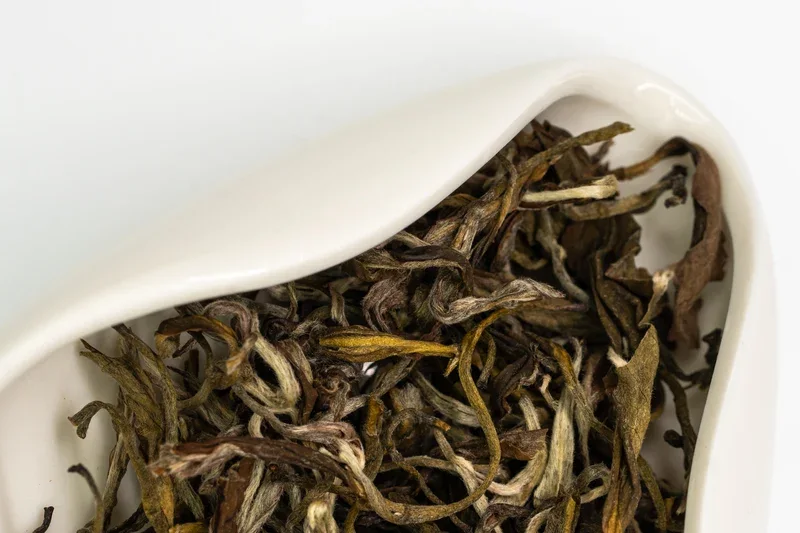
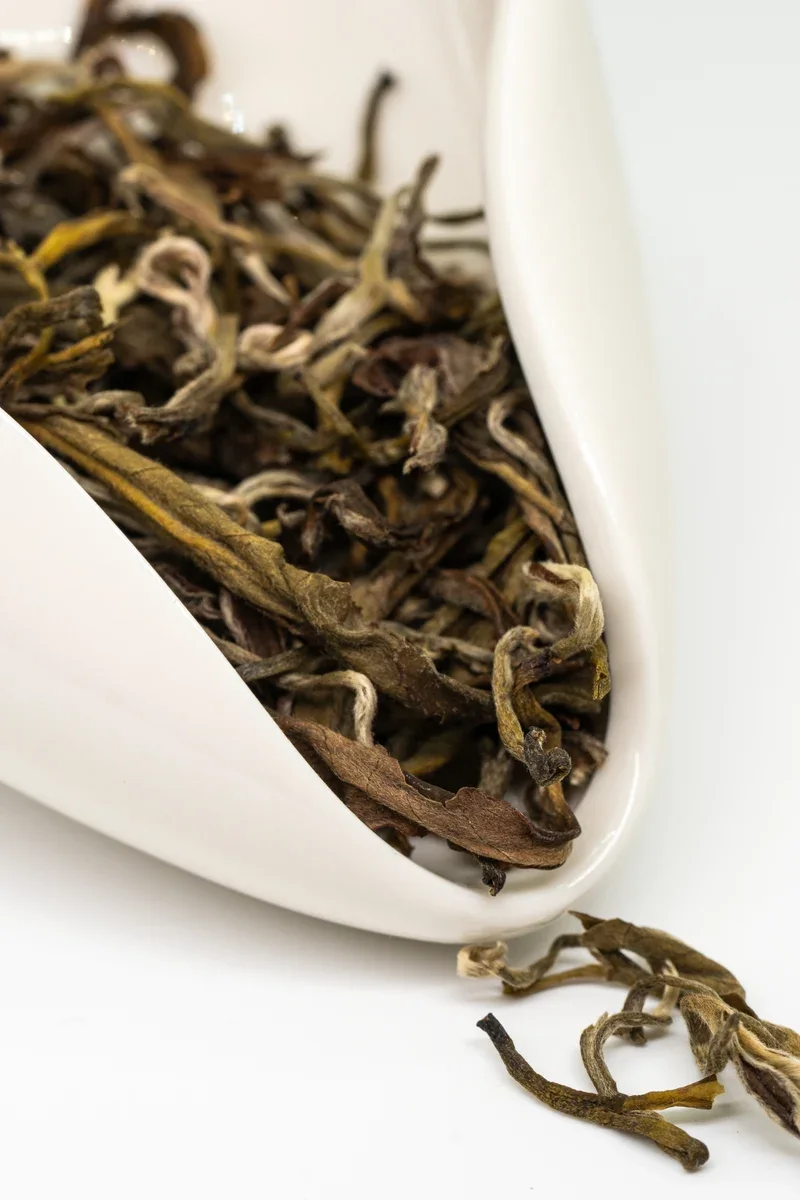
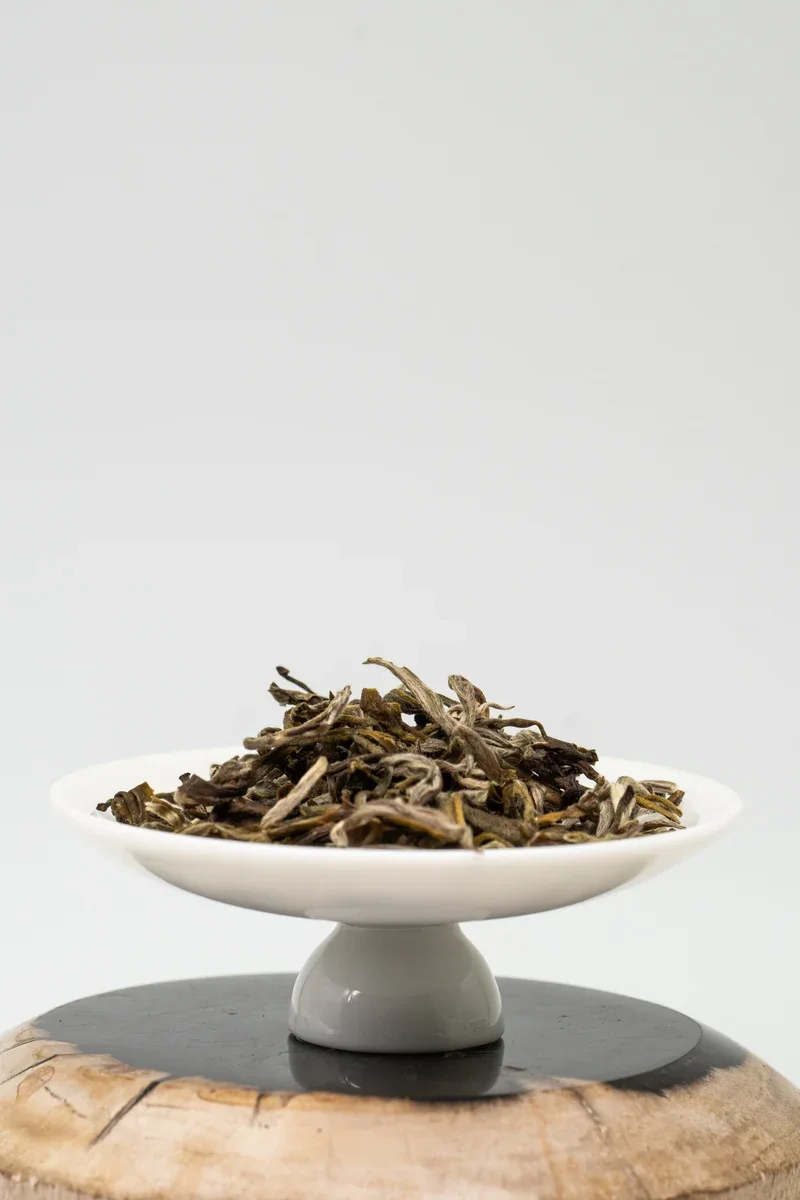
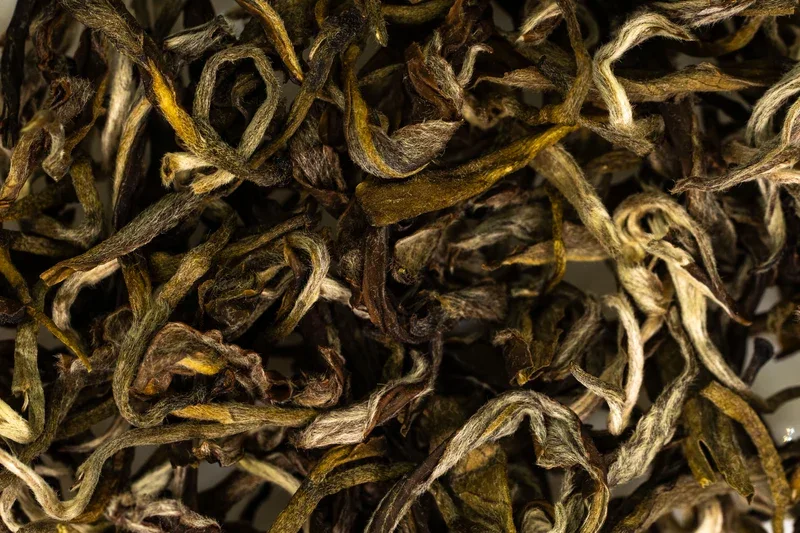
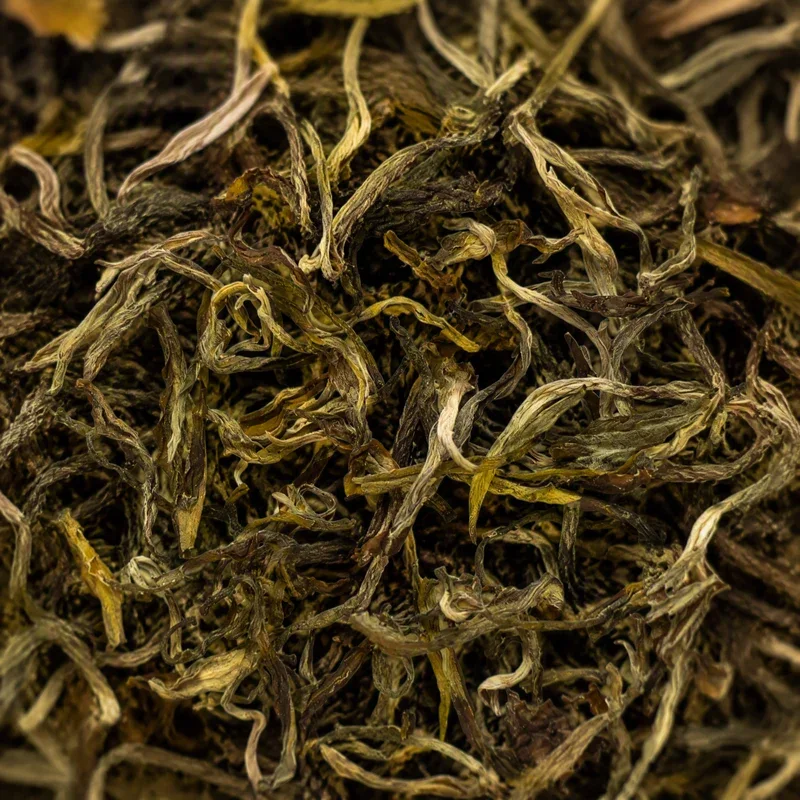
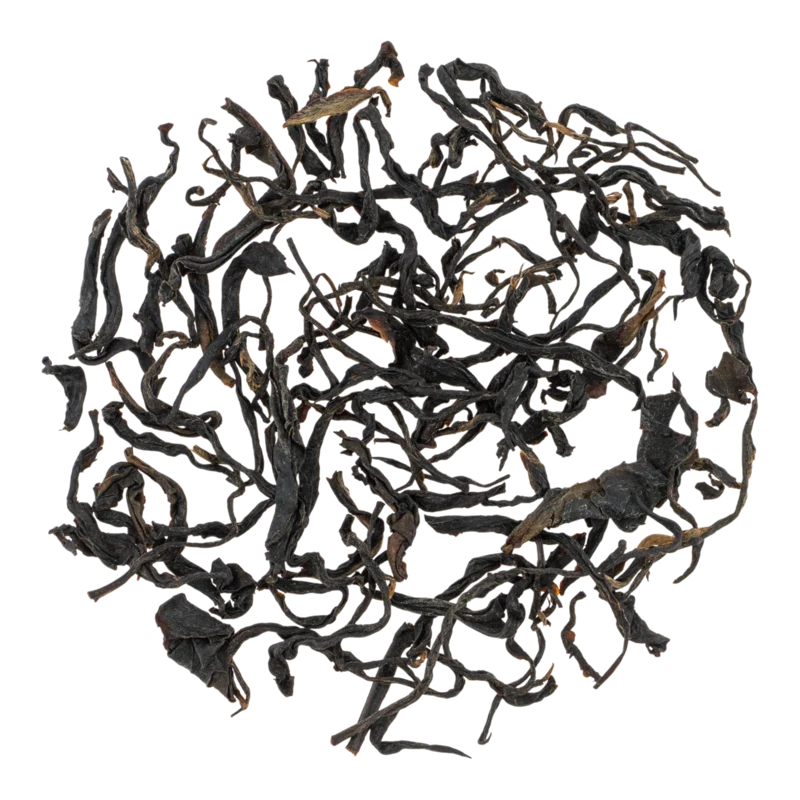
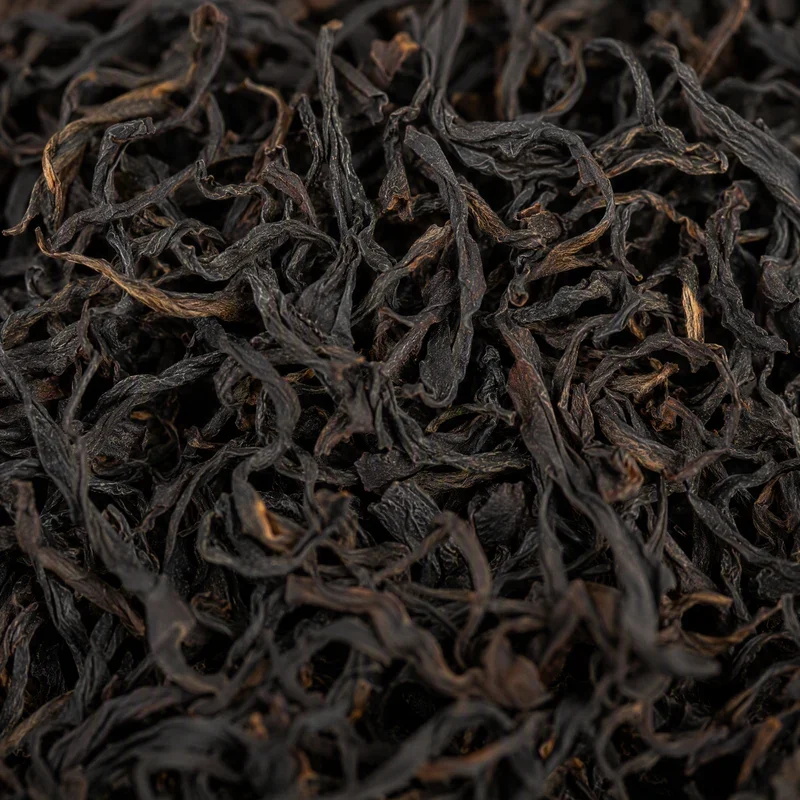
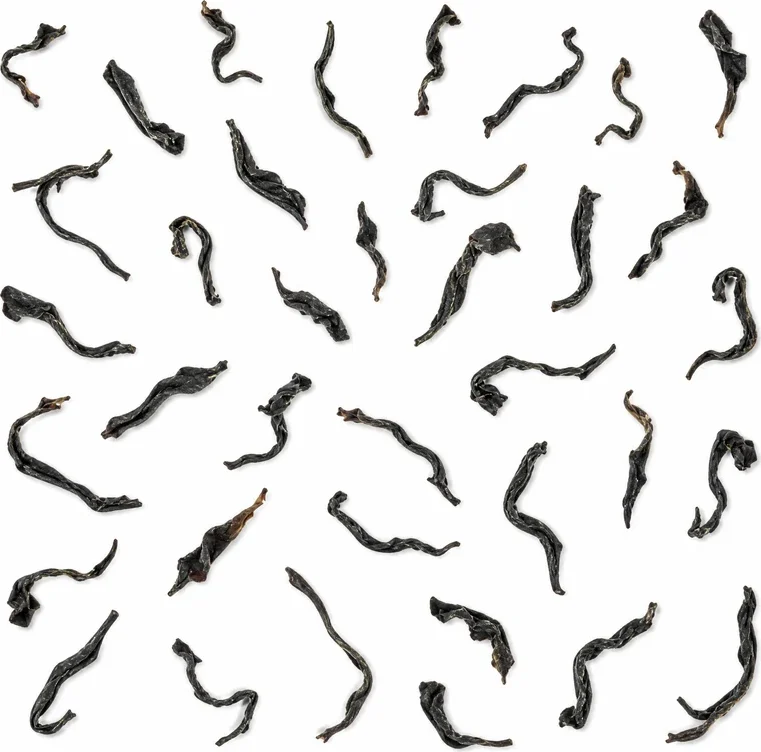
Dry Leaf Appearance: Thin, tightly twisted, even tea particles (條索緊密細長), dark brown to black, with characteristic oily luster (色澤烏潤). Higher grades have golden tips.
Dry Leaf Aroma: Rich, sweet. Honey, malty notes, dried fruit undertones. Characteristic "Guangdong" warmth of aroma.
Liquor Aroma: Persistent, enveloping. Honey, caramel, light floral notes. When cooling — "bread" undertone.
Liquor Color: Red-ruby to golden-red (紅潤), transparent. At the cup's edge — "golden ring" (金圈) in the best lots.
Spent Leaves: Even, elastic, red-brown leaves. Uniformity — indicator of proper processing.
Taste: Smooth (爽滑, shuǎng huá), sweet (甘甜蜜味), with honey aftertaste. Minimal astringency. Body — medium, "silky." Long aftertaste with increasing sweetness. High content of free amino acids (3.1–3.2%) forms distinct "umami" — soft, enveloping, "brothy" sweetness not characteristic of most Guangdong red teas. This particular feature makes Heshan Hong Cha exceptionally "drinkable" — one can drink cup after cup without feeling satiated. Shuanghe old-timers describe the character of local red tea with the formula: "enters softly, melts sweetly, finishes cleanly" (入口柔,化口甜,收口淨).
4.1–4.3% — form the red color of the liquor.
0.2–0.4% — provide "golden ring" and brightness.
0.779–1.014% — responsible for sweetness and smoothness.
34.5–39.2% — indicator of liquor "density" and "body."
2.0–2.6% — relatively low content ensuring gentle stimulation.
3.1–3.2% — elevated content forming "umami" and sweetness.
Polyphenols: 12.4–15.3% — moderate content ensuring taste smoothness.
Reduced caffeine content (2.0–2.6%) combined with high theanine levels provides even, "delicate" energy without anxiety.
Thearubigins and theaflavins are effective antioxidants.
"Warm" nature according to TCM; ideal for autumn-winter season.
Gently stimulates secretion, helps after fatty foods. Traditionally recommended after Guangdong cuisine dishes.
Tannins suppress pathogenic microflora.
High theanine content promotes calm concentration.
Shuanghe (雙合) — "northern direction": powerful, malty, based on Yunnan large-leaf raw material; Gǔláo (古勞) — "southern direction": more delicate, with floral notes, on local small-leaf varieties; Hecheng Maershan (馬耳山) — historical terroir mentioned in 18th–19th century sources; Baishuidai (白水帶) — traditional district southwest of Hecheng.
Tè Jí (特級), 1st, 2nd — standard gradation.
Classic gongfu hongcha — main; carbon-roasted (炭焙) — with additional depth; "Jupu tea" (菊普茶 / 桔普茶) — Heshan red tea with added dried chrysanthemum or mandarin peel — popular Guangdong tradition.
Heshan Hong Cha is excellent in "European" format too: 3 g per large cup, 3–5 minutes. Historically, this is exactly how huaqiao drank it in Southeast Asia.
Tea Amount: 4–5 g per 100–120 ml (gongfu); 3 g per 200–250 ml (steeping).
Teaware: Porcelain gaiwan (white porcelain reveals color nuances). Glass vessels — for visual enjoyment of the "golden ring." Yixing teapot — for daily brewing.
Water Temperature: 90–95°C.
Container: Airtight, opaque — tin can, foil-lined bag.
Shelf Life: 12–24 months for optimal taste.
10–25°C, humidity up to 60%, away from foreign odors.
Authentic Heshan Hong Cha — from 21 villages in 8 townships of Heshan City, listed in GI documentation. Demand information about the estate.
Tea particles — thin, tight, even, with oily luster. Coarse, loose particles — sign of substitution.
Red-ruby, transparent, with "golden ring." Cloudy or pale — reason for doubt.
Smooth, sweet, without coarse astringency. "Honey" aftertaste — marker of authenticity.
Heshan Hong Cha has relatively low caffeine content (2.0–2.6%), however, with sensitivity it is recommended to limit consumption in the afternoon.
Tannins may cause discomfort on an empty stomach.
Recommended to limit to 2–3 g/day or consult a doctor.
No reviews yet. Tell us what you think of this tea.
Rate this tea and share your impressions. We review each submission before publishing it.