Brewing
Gongfu brewing
- Water temperature
- 75 °C
- Tea amount
- 5 g
- Water volume
- 100 ml
- First steep
- 10 s
- Time added per infusion
- 5 s
- Infusions
- 3

Zǐyáng máo jiān
Choose a brewing method. Start with the recommended quantities and time, then adjust to taste.
Brewing
Brewing
Taste
Tea encyclopedia
Category: Historical Famous Teas of China. Product with geographical indication protection (国家原产地保护, early 21st century; 国家地理标志产品; 中国驰名商标). Ziyang County holds the official title "Hometown of China's Famous Teas" (中国名茶之乡).
Category: Historical Famous Teas of China. Product with geographical indication protection (国家原产地保护, early 21st century; 国家地理标志产品; 中国驰名商标). Ziyang County holds the official title "Hometown of China's Famous Teas" (中国名茶之乡).
Coordinates: approximately 32°32′ N, 108°32′ E (center of Ziyang County).
Origin: China, Shaanxi Province (陕西省, Shǎnxī Shěng), Ankang Prefecture-level City (安康市, Ānkāng Shì), Zǐyáng County (紫阳县, Zǐyáng Xiàn). The county is located on the northern slope of the Dabashan Range (大巴山, Dàbā Shān), along the banks of the Hànjiāng River (汉江, Hànjiāng), at the junction of the Yellow River and Yangtze River basins — in one of China's northernmost tea regions.
Type: Green tea (绿茶, lǜchá), unfermented. Subtype — strip-shaped roasted-dried green tea (条形烘青绿茶, tiáoxíng hōngqīng lǜchá), combining pan-firing (炒) and drying (烘).
Cultural Significance: Ziyang Mao Jian is a symbol of southern Shaanxi tea culture and the "root and soul" of Shaanxi tea (陕西茶叶的根和魂). The tea played a historical role as a connecting link between Han Chinese and northwestern nomadic peoples through "tea-horse" trade. The famous Chinese nutritionist Yú Ruòmù (于若木, Yú Ruòmù) gave the tea the formulation "Ziyang tea — rich in selenium, anti-cancer, excellent in color, aroma and taste, a true treasure among teas." The annual Ziyang Tea Culture Festival has become an important regional event.
History: Ziyang's tea tradition dates back more than three thousand years — to the era of the ancient Bǎ Kingdom (巴国, Bāguó), when wild tea already grew in the territory of modern southern Shaanxi. During the Eastern Han dynasty (25–220 CE), Buddhism penetrated the Ziyang region, and monastic tea culture became the driving force for tea production development: monks were forbidden to drink wine, and tea became the main beverage for staying alert during meditation. During the Tang dynasty (618–907), tea from the county became a tribute product (土贡, tǔgòng) of Jinzhou Prefecture (金州, Jīnzhōu — the ancient name for Ankang), delivered to the court. During the Song and Ming dynasties, tea from Ziyang became one of the key commodities in the "tea-for-horses exchange" policy (茶马法, chámǎ fǎ), which led to a sharp increase in production: chronicles describe the situation "making tea day and night without rest" (昼夜制茶不休). During the Qing dynasty, Ziyang Mao Jian entered the ranks of China's Ten Famous Teas and was celebrated in verse: "Since ancient times spring comes earliest to the southern slopes — by Qingming they're already brewing Ziyang tea" (自昔岭南春独早, 清明已煮紫阳茶). After the founding of the PRC in 1949, systematic work began to improve tea quality. In 1965, the Zǐyáng Group Cultivar (紫阳种) was recognized as one of the first 21 nationally recommended local tea bush varieties. On September 6, 1989, a historic scientific examination took place in Beijing — Ziyang selenium-rich tea became the worl
Name Breakdown: 紫阳 (Zǐyáng) — "Ziyang," the county name, which in turn derives from the Taoist name "Ziyang Zhenren" (紫阳真人) — founder of the Southern School of Taoism Zhang Boduan, who practiced in these places; literally — "purple radiance" (紫气东来, 阳光普照). 毛尖 (Máo Jiān) — "downy tips" — a classic name for teas made from tender buds with abundant down (白毫, báiháo).
Cultivar: The main cultivar is the Zǐyáng Group Cultivar (紫阳群体种, Zǐyáng qúntǐ zhǒng), recognized as a nationally recommended local variety (国家级地方良种). Belongs to the bush type (Camellia sinensis var. sinensis) with elliptical or lanceolate leaves. Distinguished by early bud awakening, dense branching, high resistance to adverse conditions and good productivity. Chemical profile of fresh leaf: polyphenols — 30.35%, amino acids — 3.08%, selenium — average 0.6530 mg/kg (maximum — up to 3.8536 mg/kg).
Picking: Spring picking — highest quality. Best raw material — "before Qingming" (明前茶, míngqián chá), when buds are most tender and amino acid content is maximum.
Pluck Standard: For highest grades (银针, yínzhēn — "silver needles") — pure single bud. For "Cuifeng" grade (翠峰, Cuìfēng) — bud with one beginning-to-unfurl leaf (一芽一叶初展). For main Mao Jian — bud with one to two leaves.
Raw Material: To produce one jin (500 g) of tea requires 18,000–24,000 buds of medium-leaf variety. Raw material must be fresh, uniform, without damaged and coarse leaves.
Altitude: Main tea gardens are located in mountain gorges and on slopes along the Hànjiāng and Rènhé Rivers (任河, Rènhé). Core zone — high-mountain gorges of Huàngǔ Township (焕古乡, Huàngǔ Xiāng) and Hépíng Township (和平乡, Hépíng Xiāng), as well as ecological tea gardens along the banks of Hanjiang and Renhe.
Soil: Acidic yellow sandy soils (酸性黄沙土), formed from granitic rocks, pH 4.5–6.5. Key feature — natural selenium enrichment: Se content in soils is 0.70–15.59 ppm, due to the distribution of rare Early Cambrian selenium-rich rocks in the county territory. Soils also contain elevated amounts of zinc, strontium and other trace elements, have high organic matter content and good air permeability.
The territory belongs to the northern foothills of the Dabashan Range — a zone of mountain gorges, canyons and steep slopes on the upper reaches of the Hanjiang. Mountain chains create a natural barrier from cold northwestern winds (role of the Qinling Range), while humid southern flows provide a mild subtropical climate. Average annual temperature — 15–18 °C, annual precipitation — over 1200 mm, mountains are year-round shrouded in clouds and mists.
Ziyang is one of China's northernmost tea regions (北缘茶区), which determines slower accumulation of substances in the leaf, later start of vegetation and, consequently, increased concentration of amino acids and aromatic compounds. The region is considered a "natural gene bank of quality tea varieties of the northern zone" (北方茶区优质茶树品种资源的天然基因库).
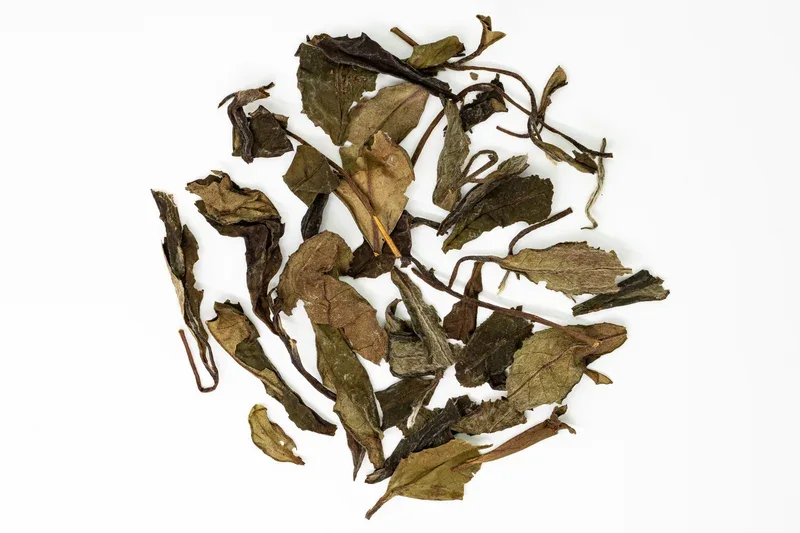
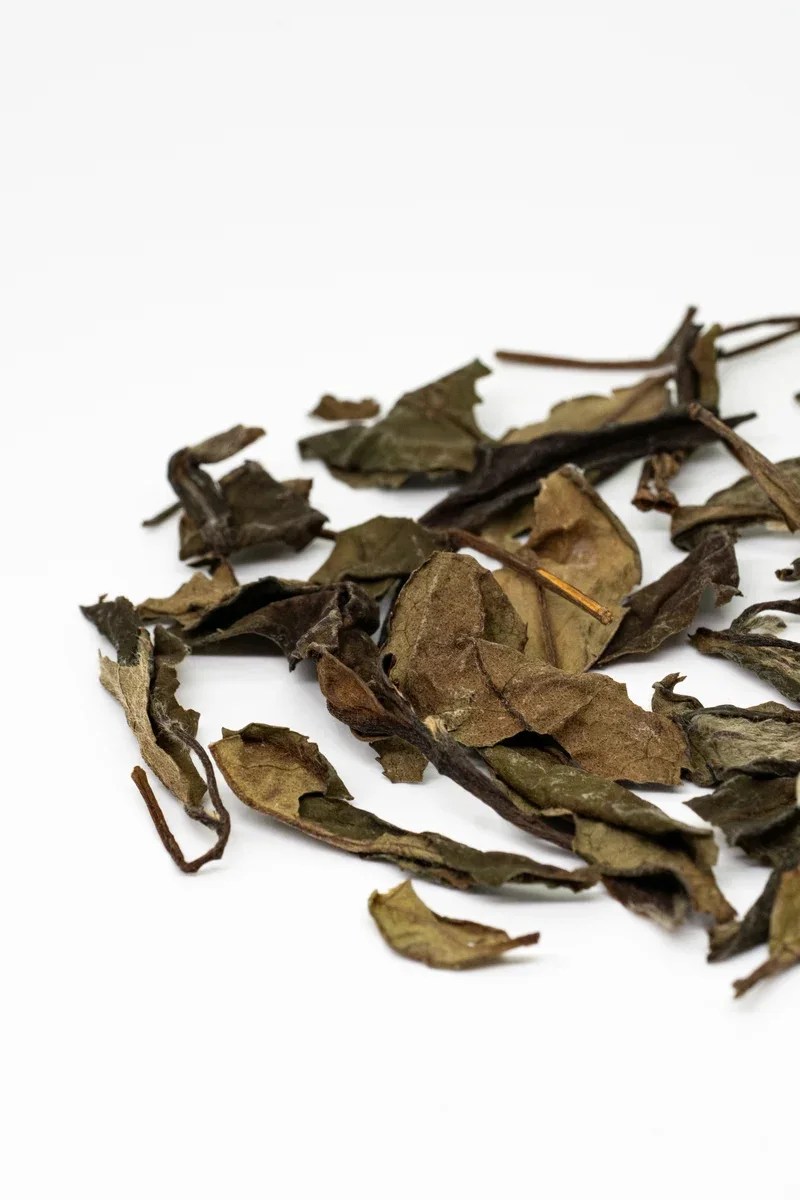
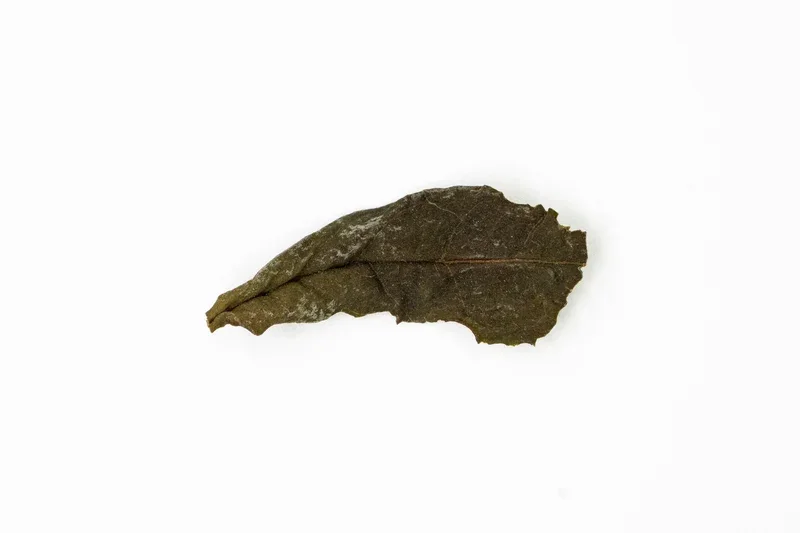
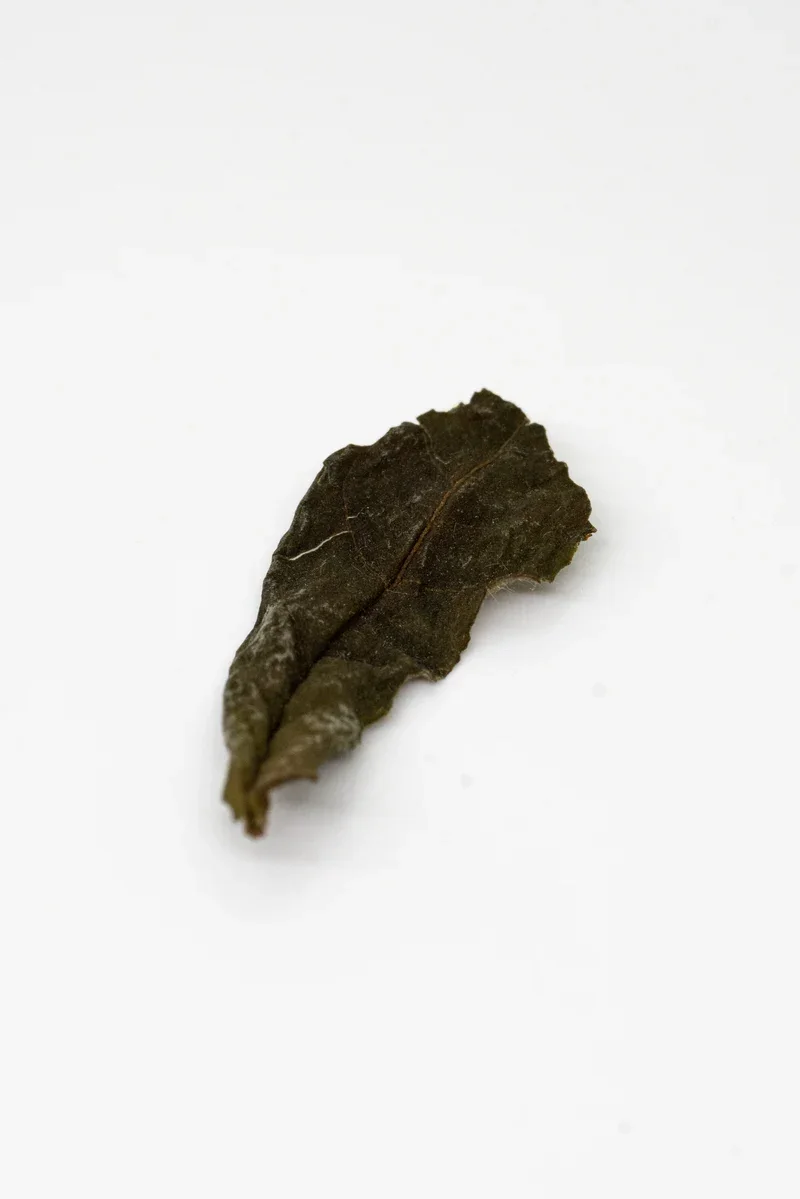
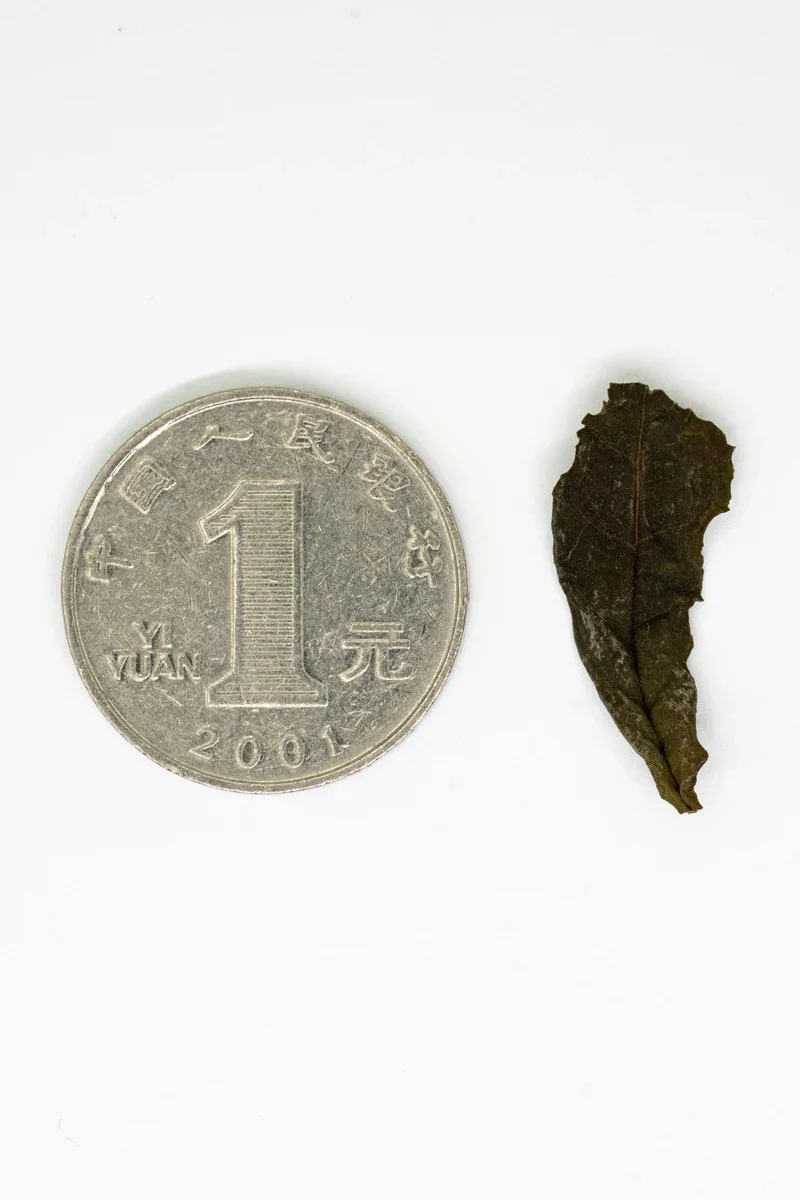
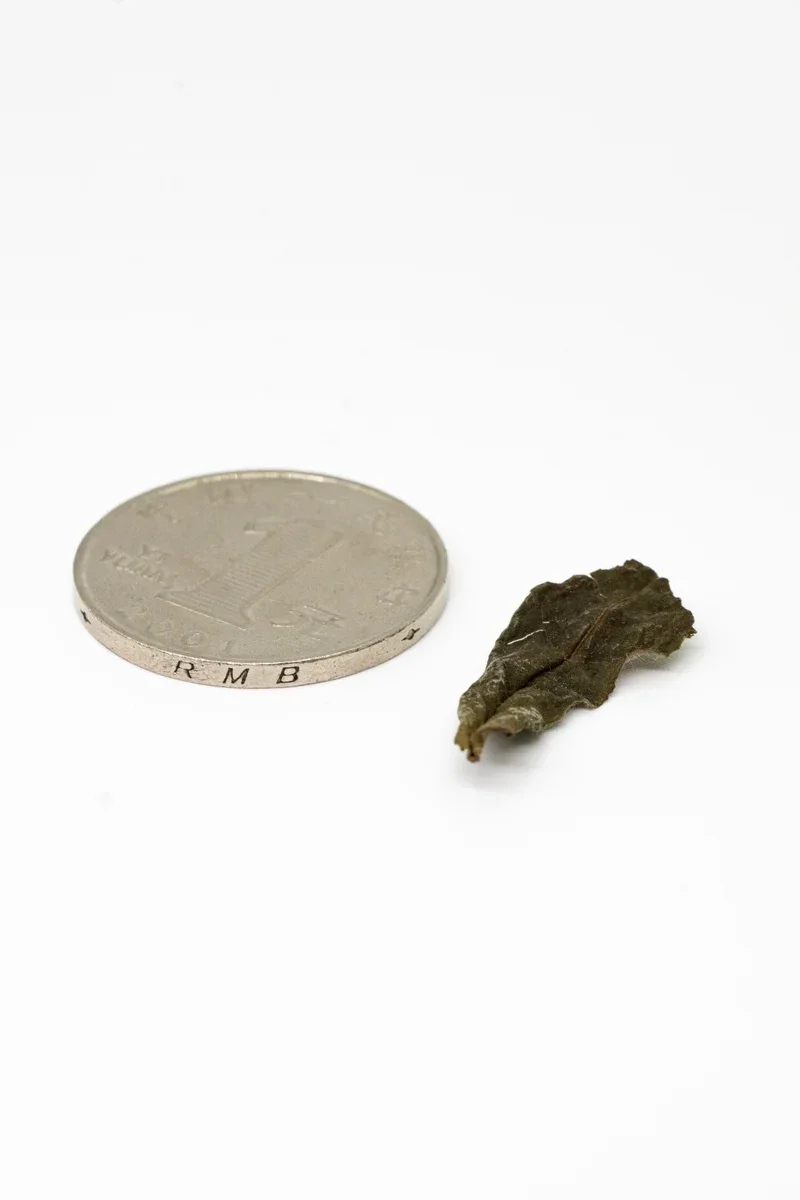
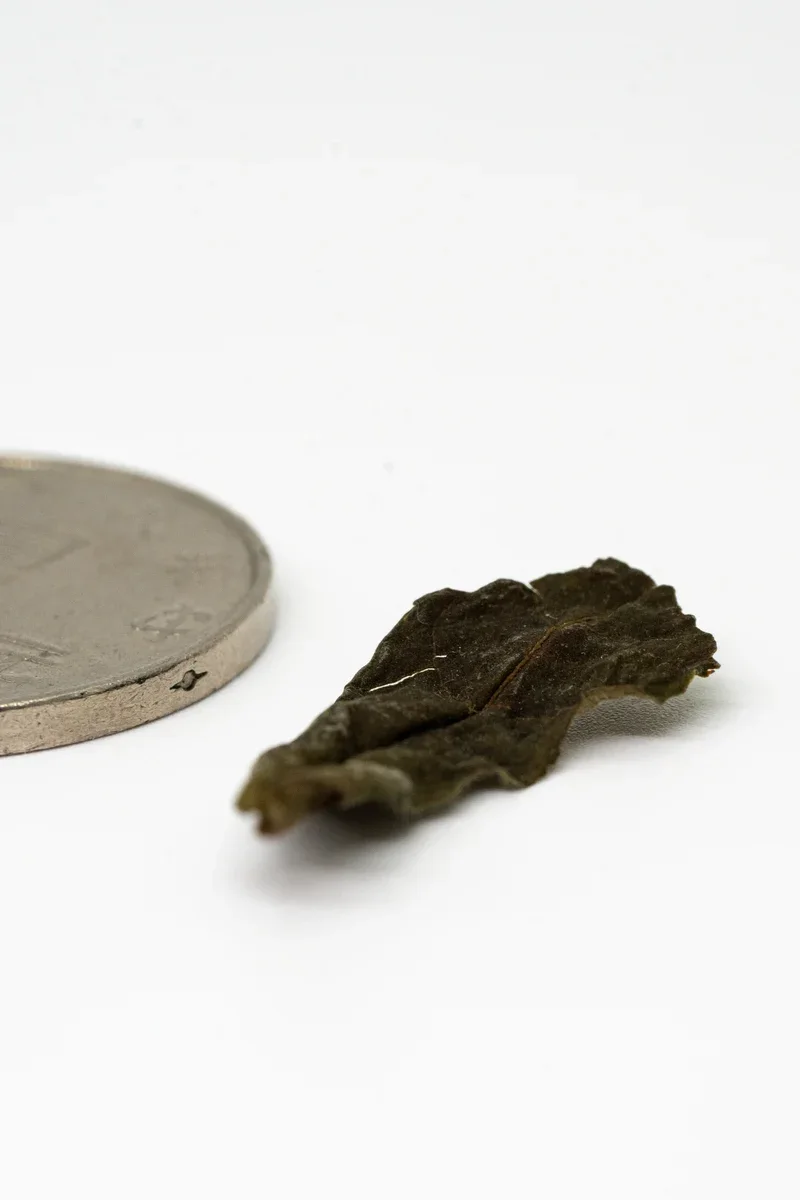
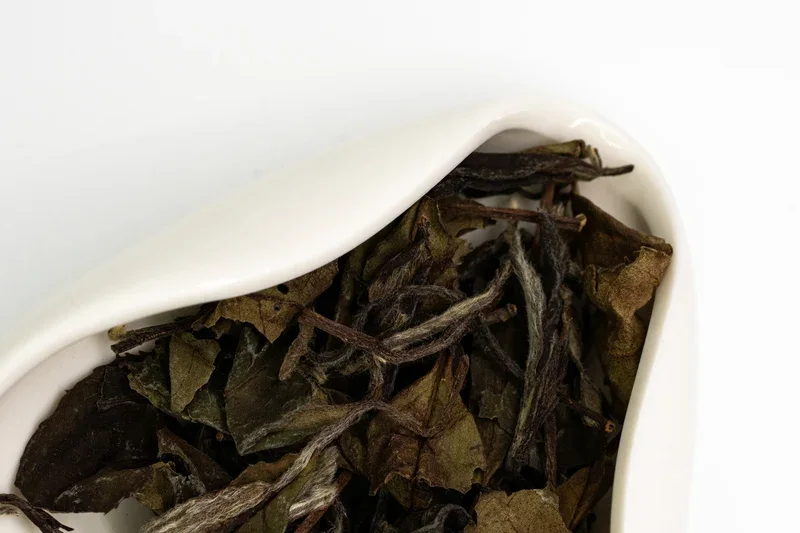
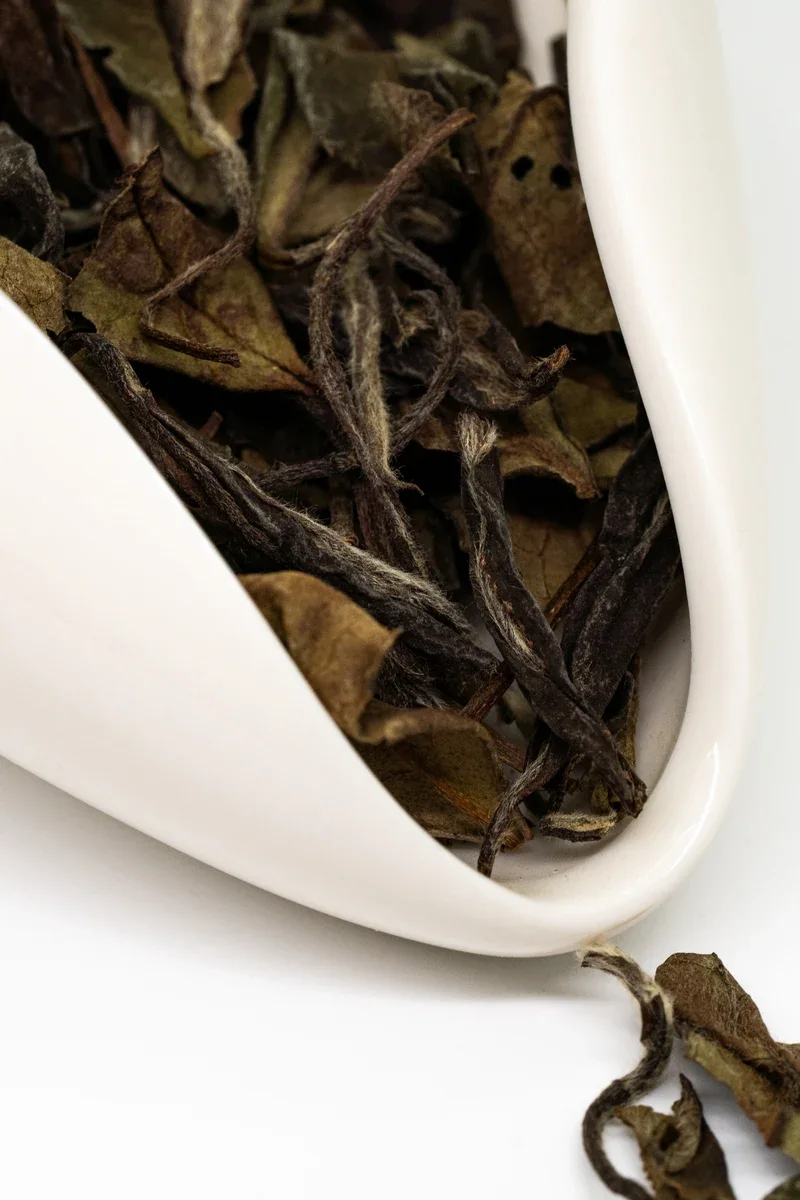
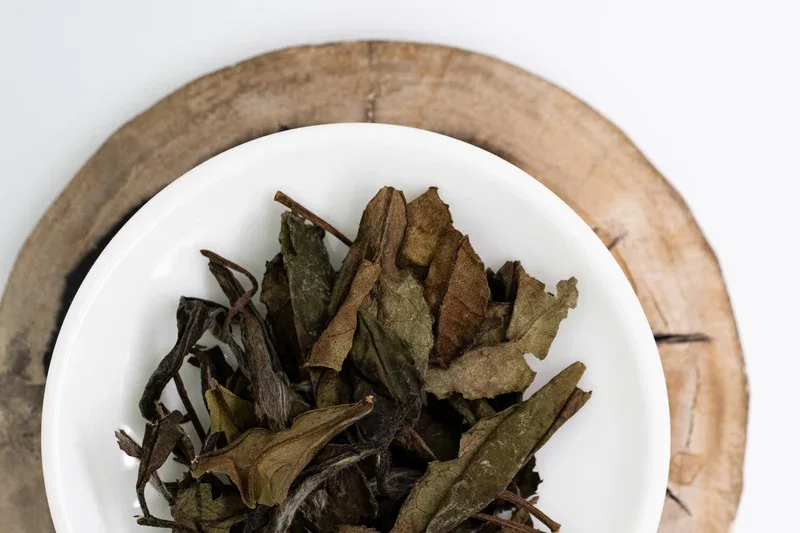
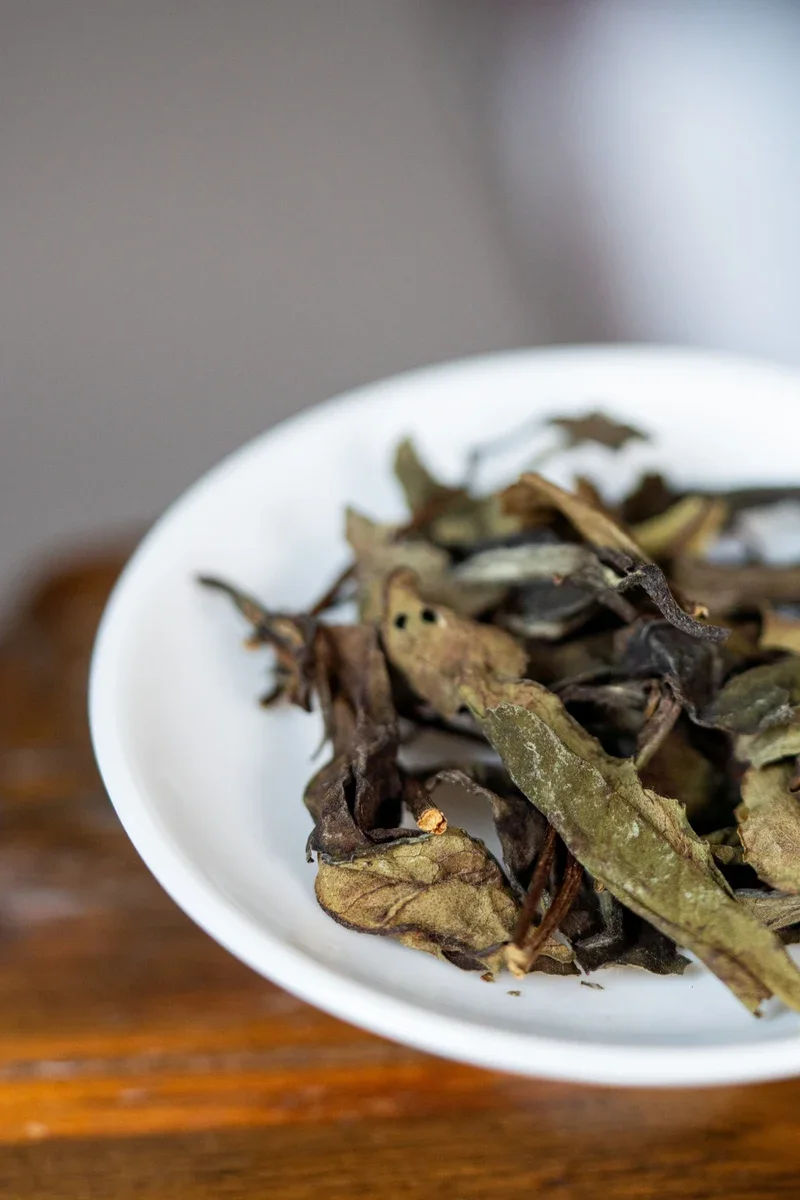
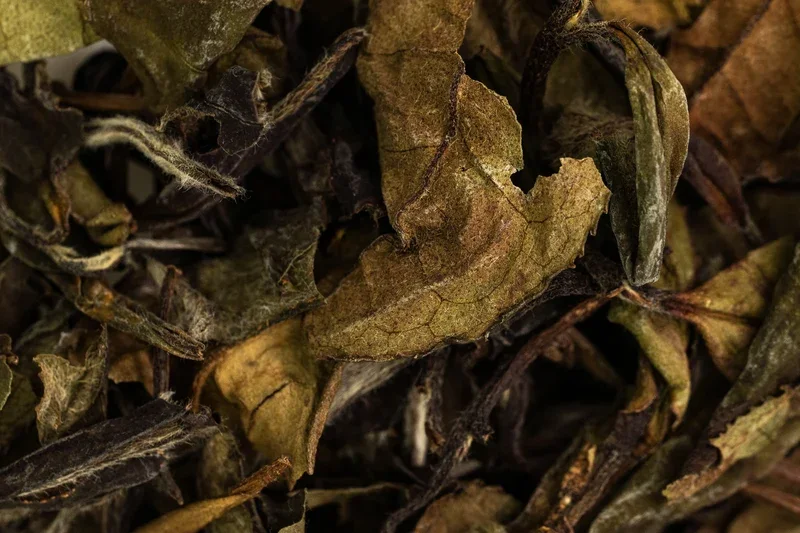
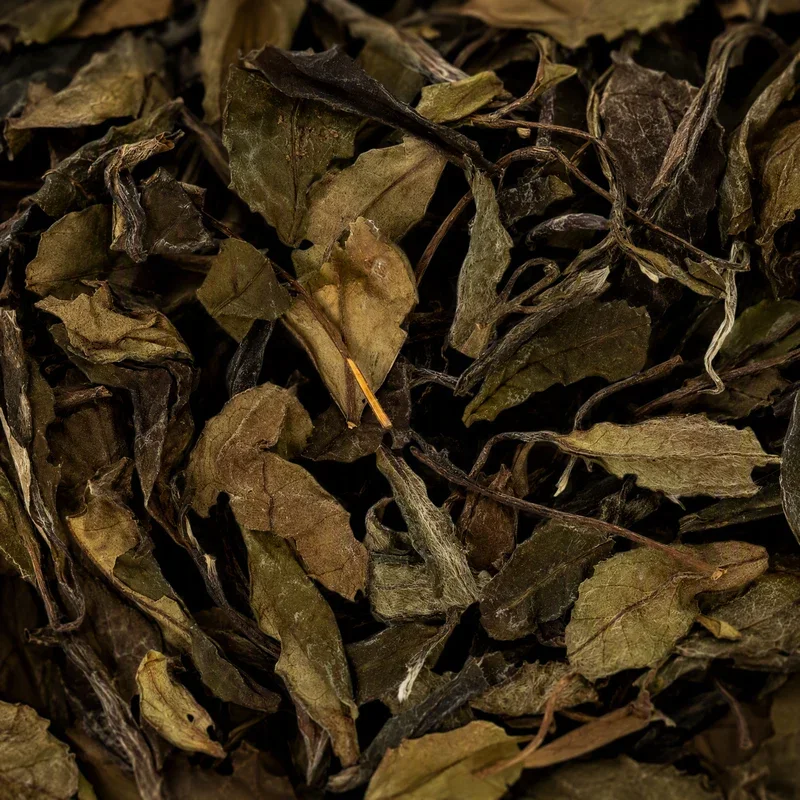
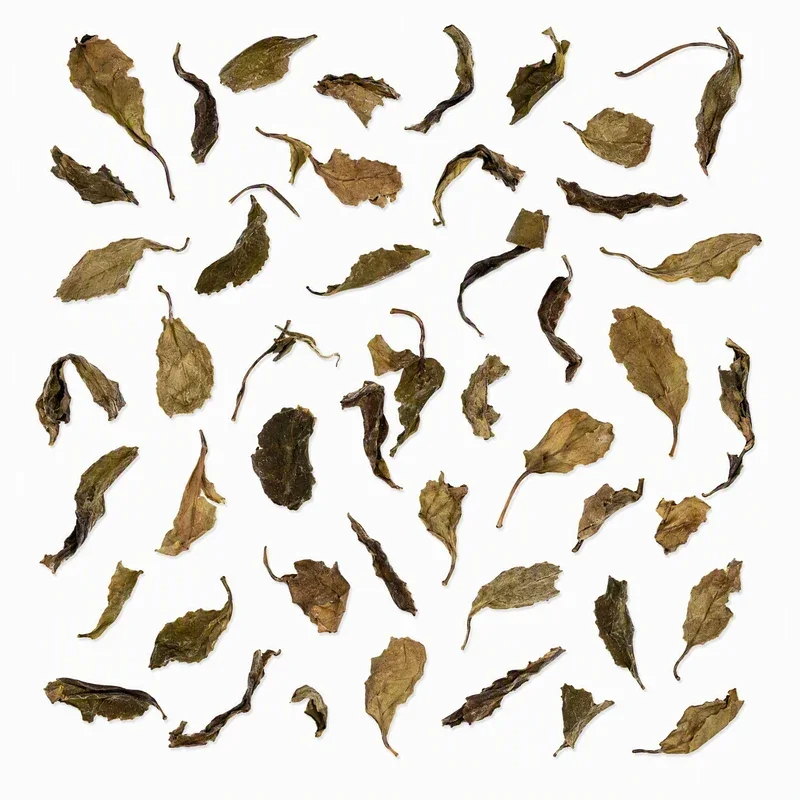
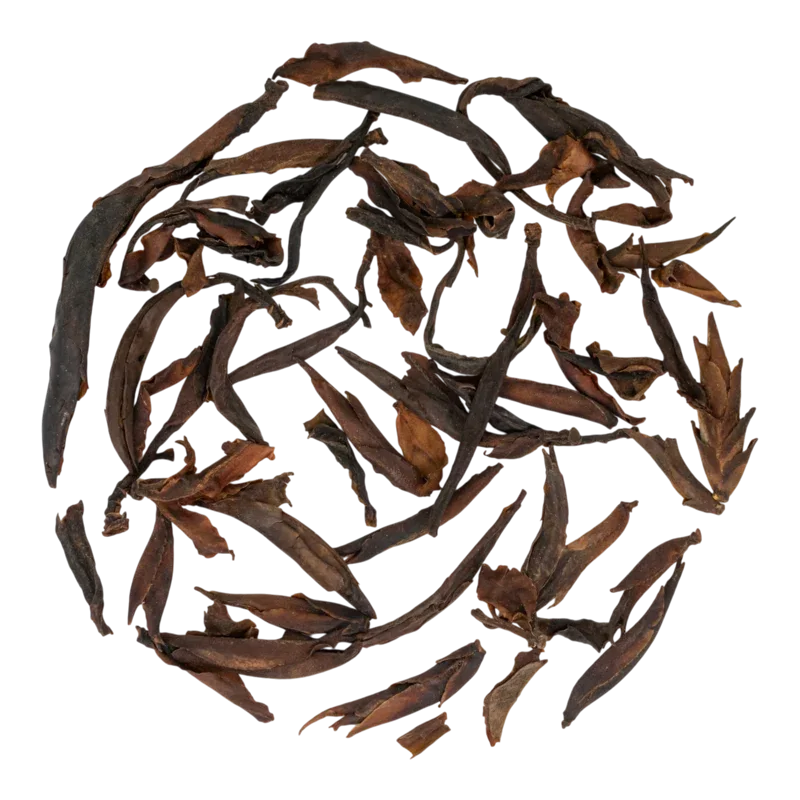
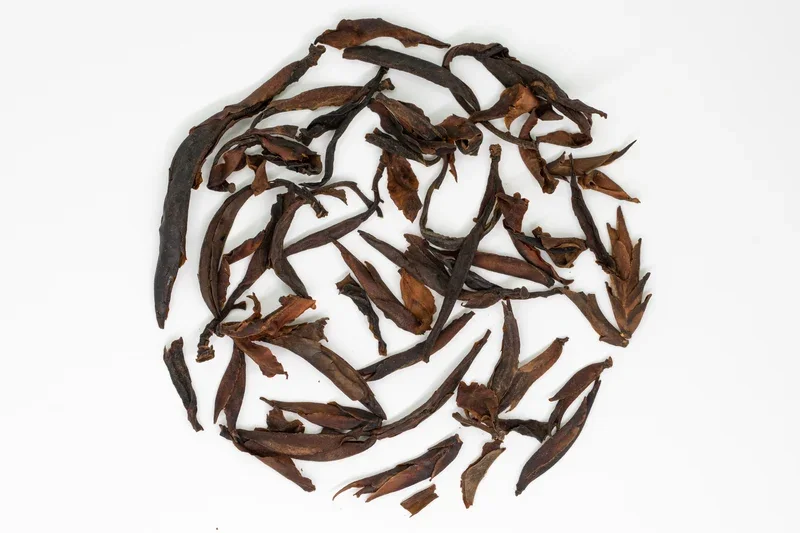
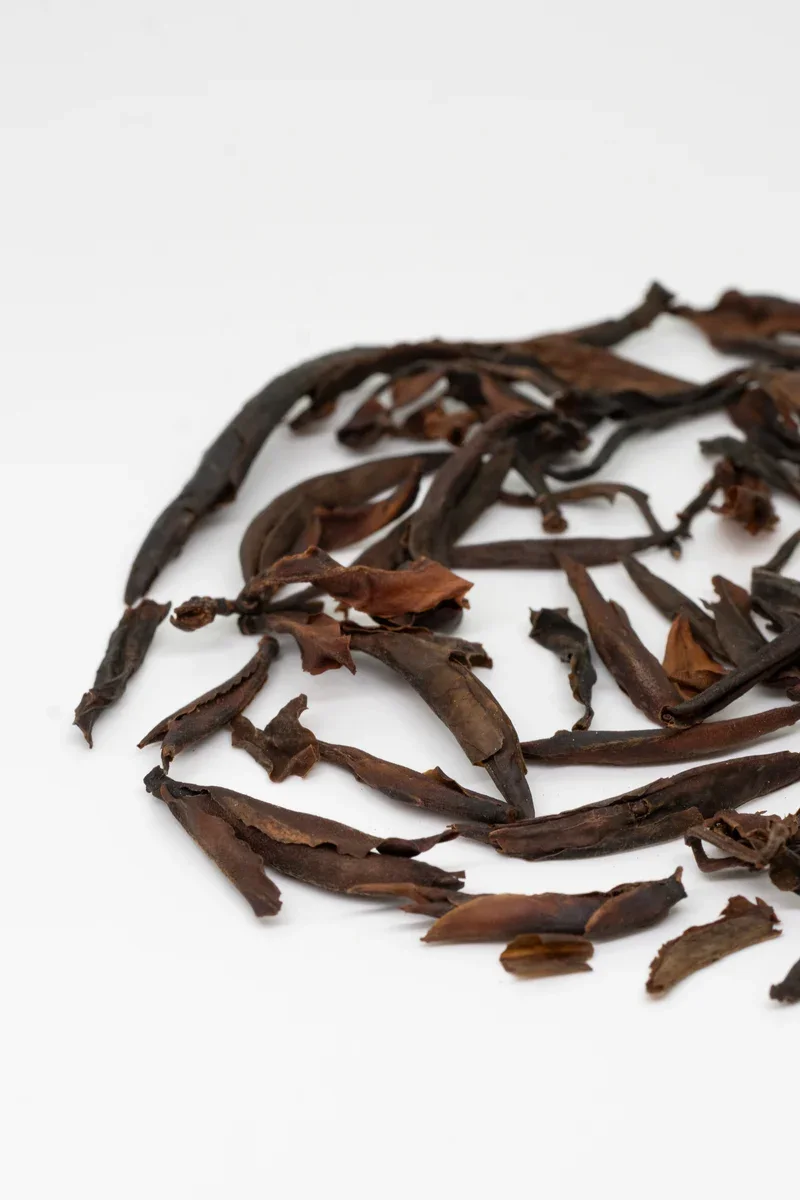
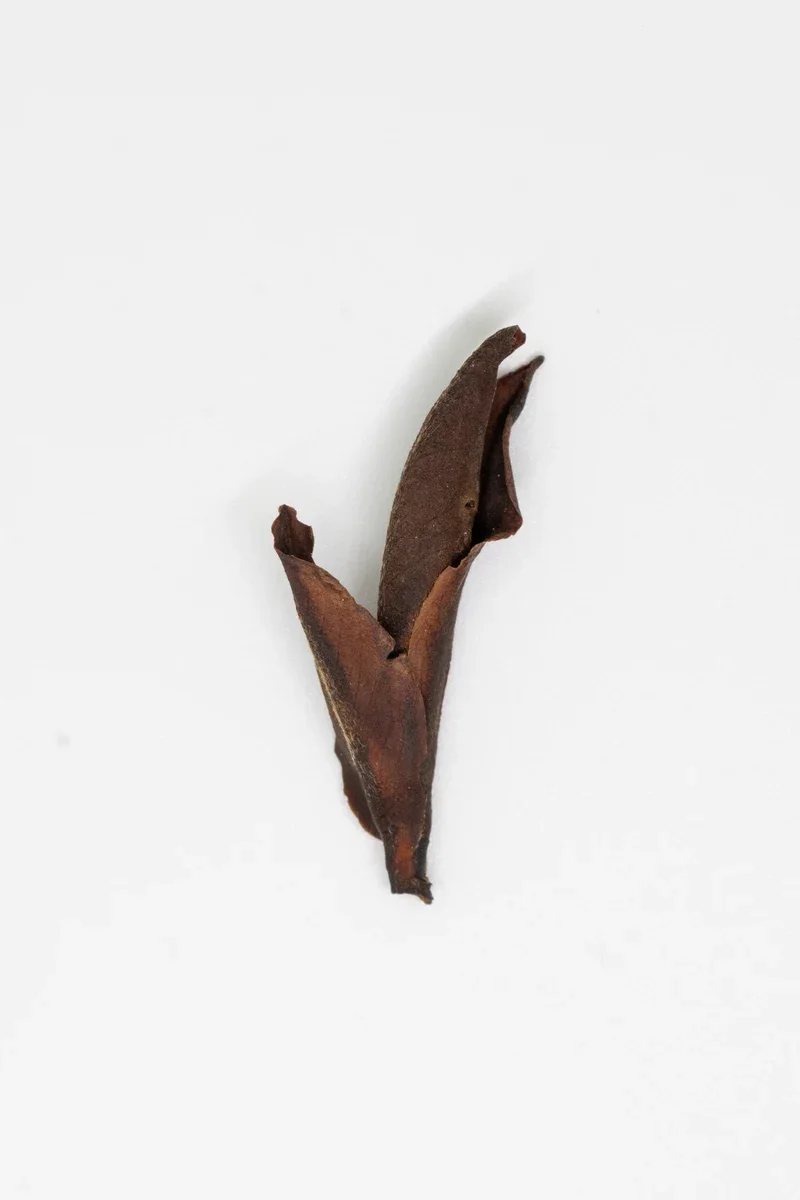
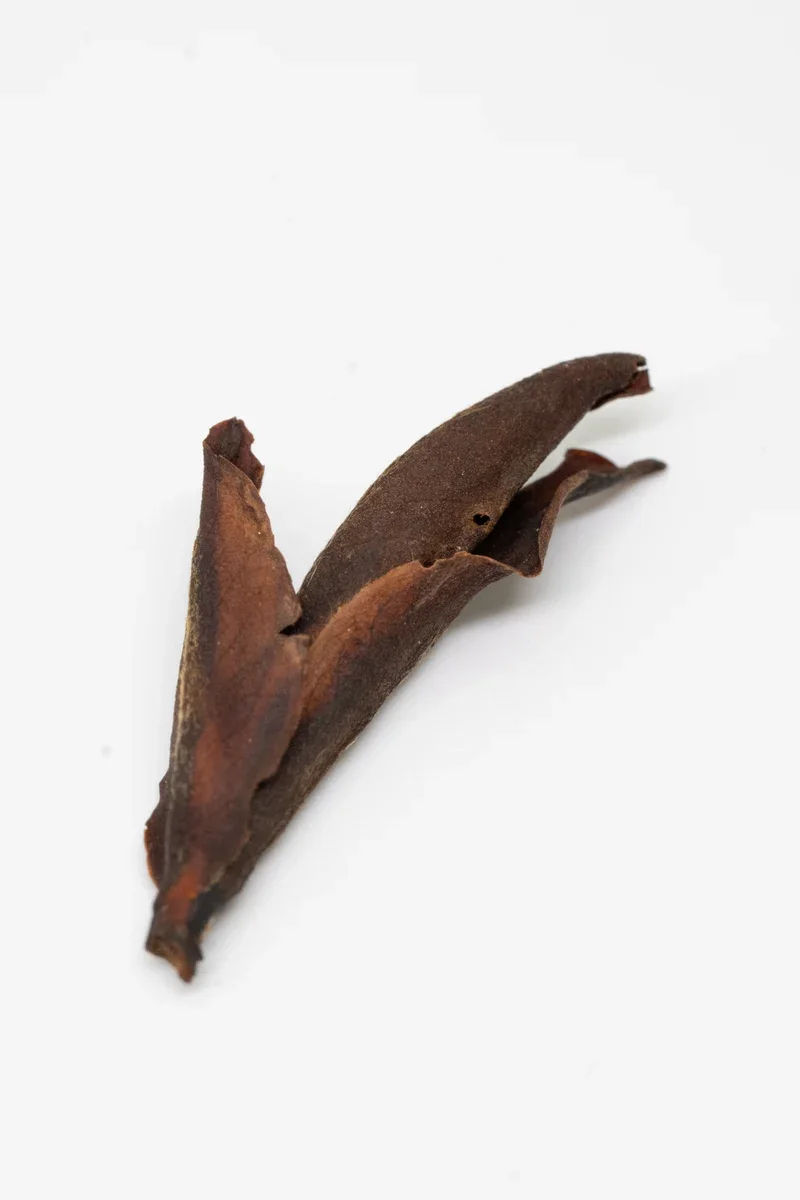
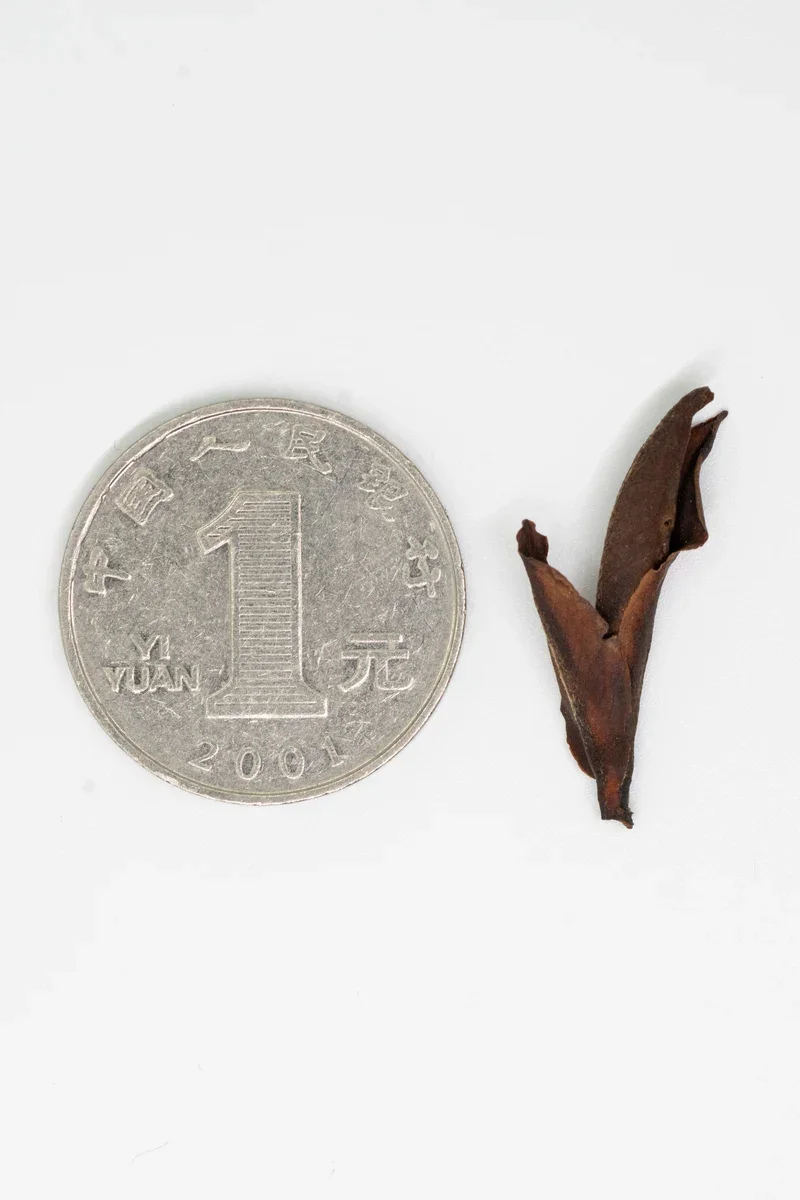
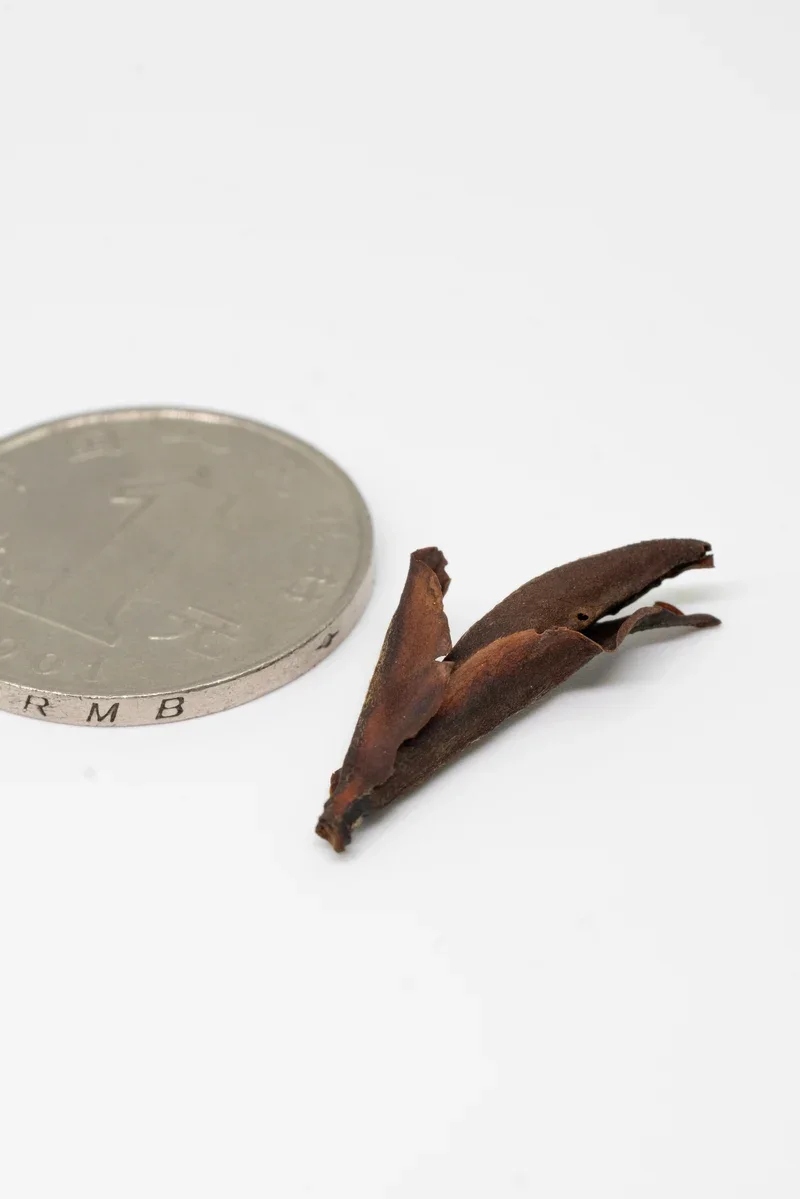
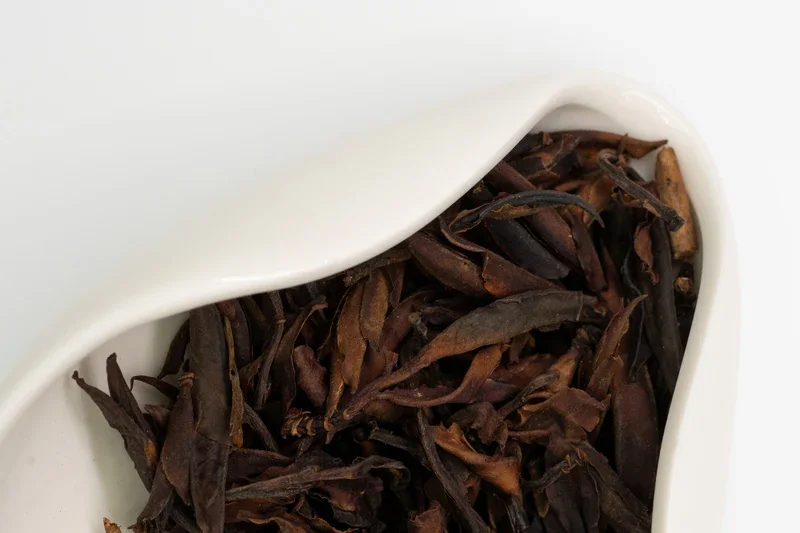
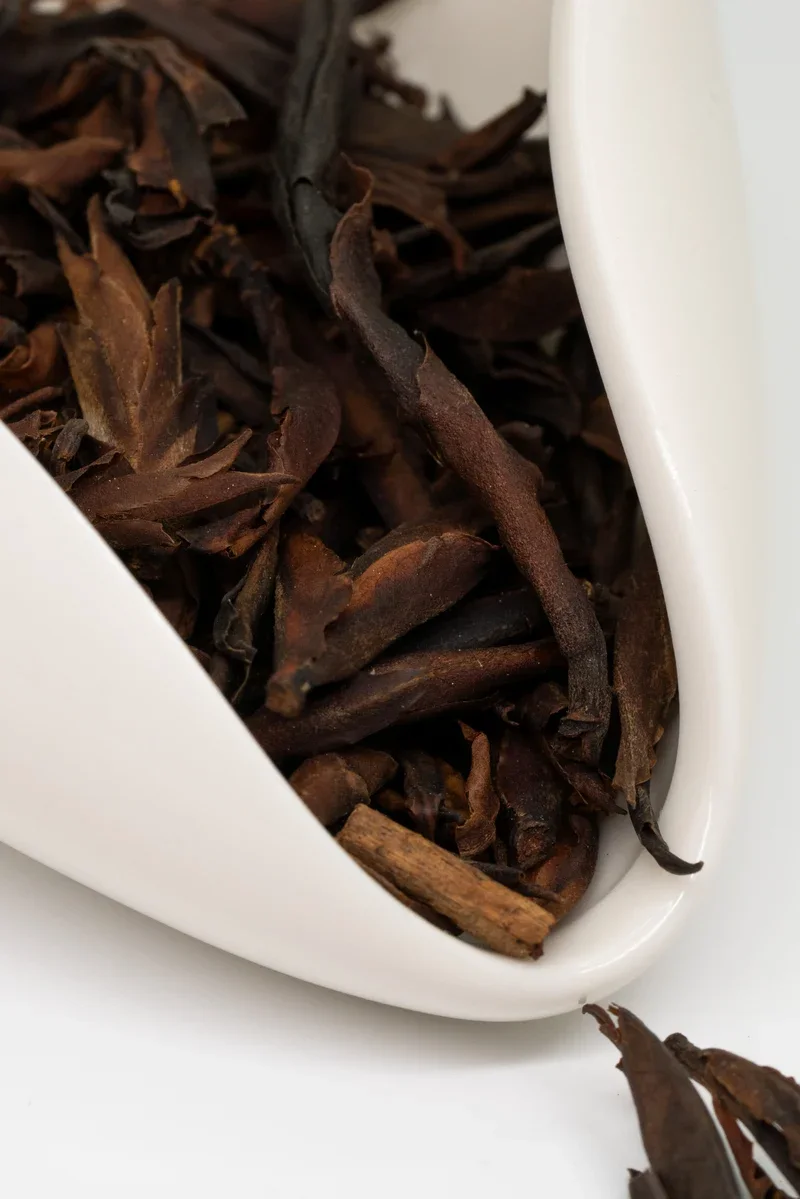
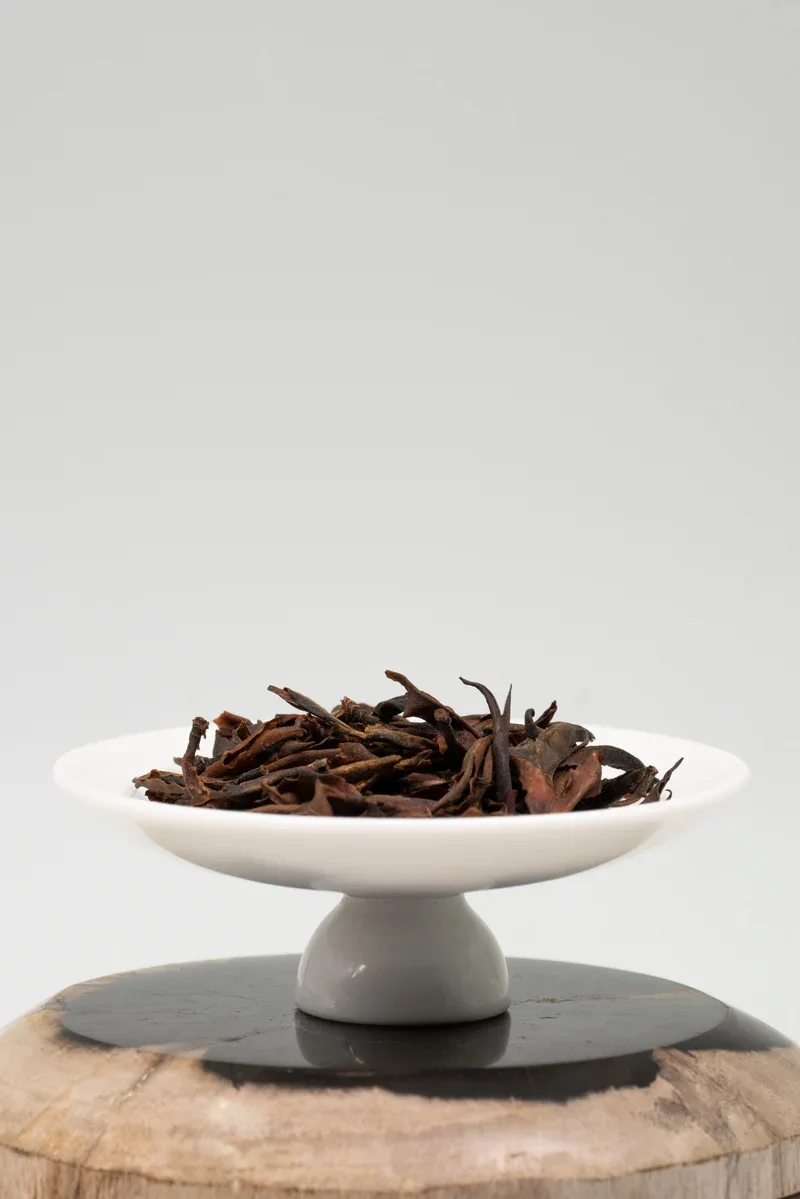
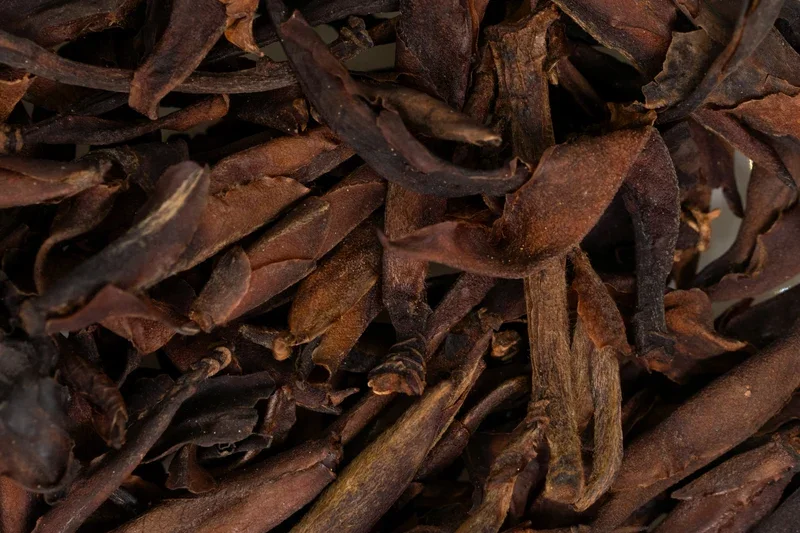
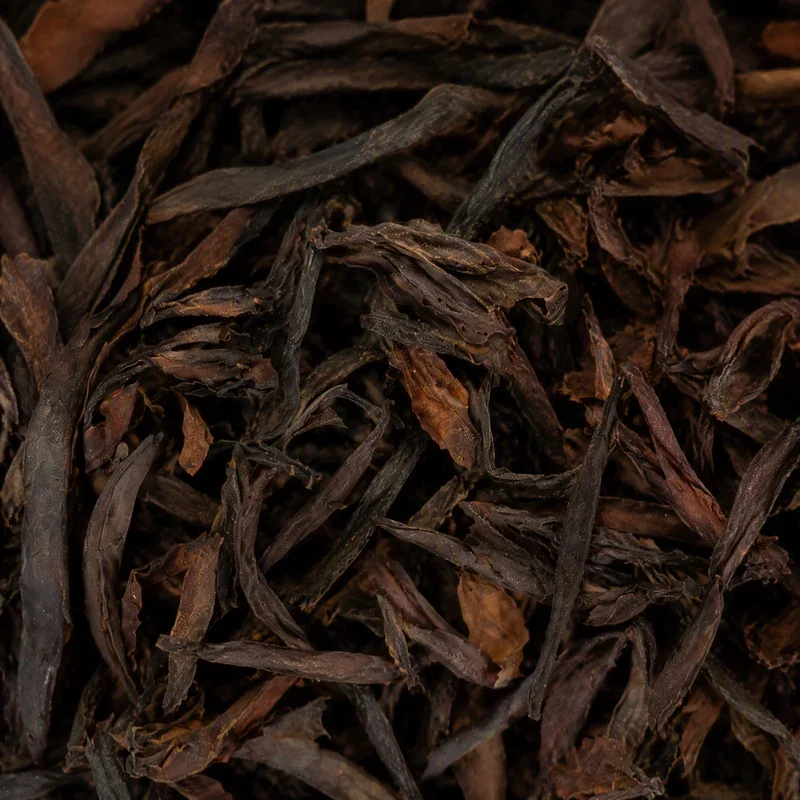
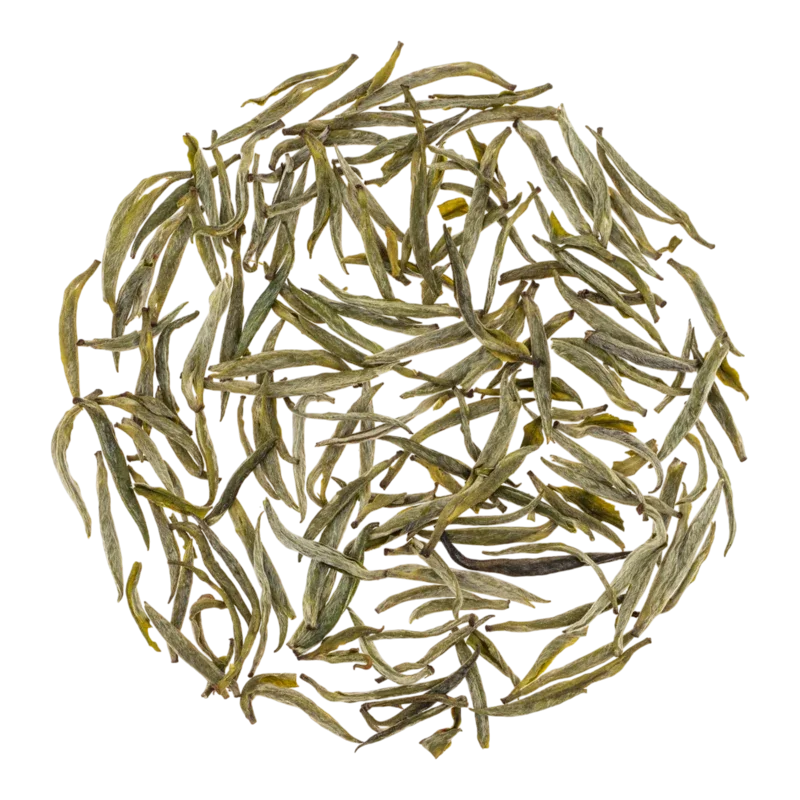
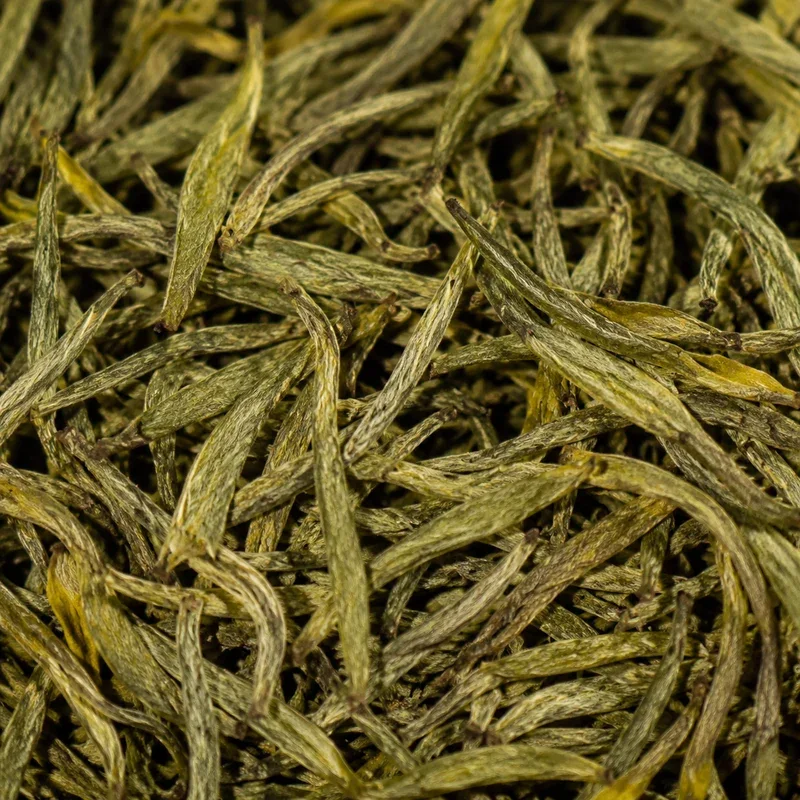
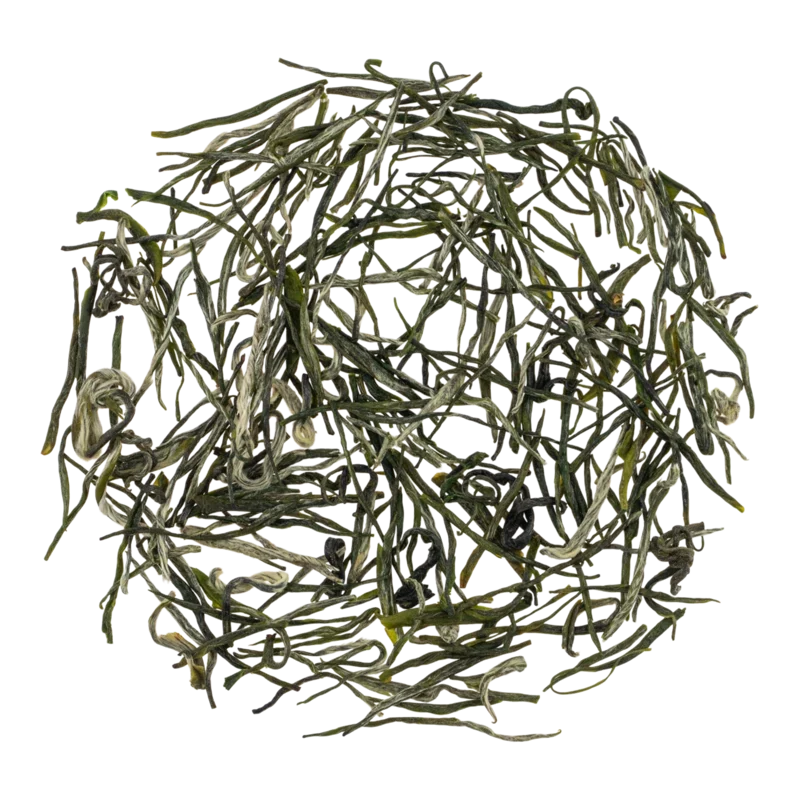
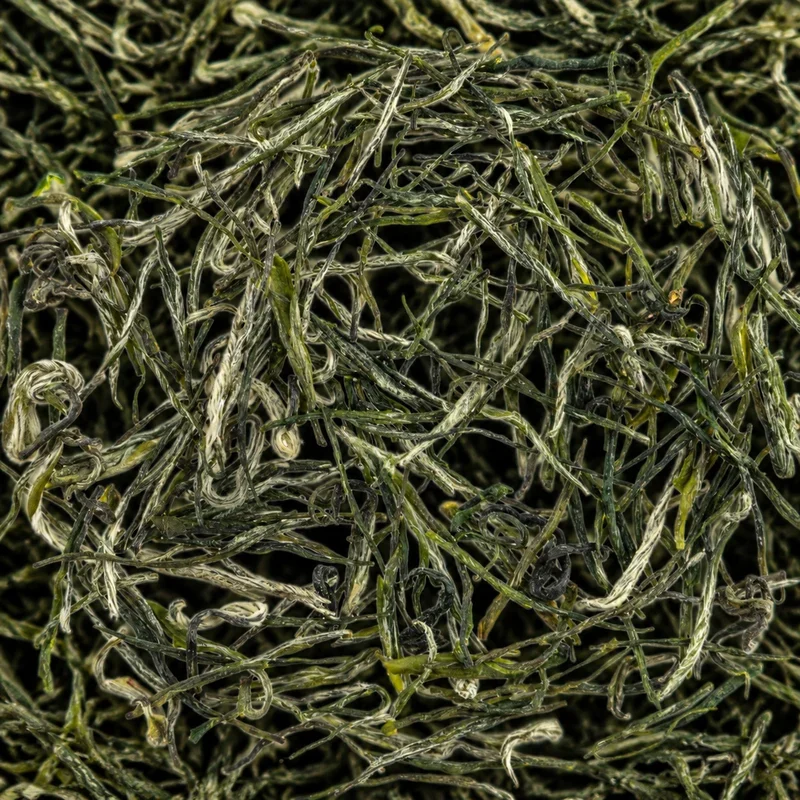
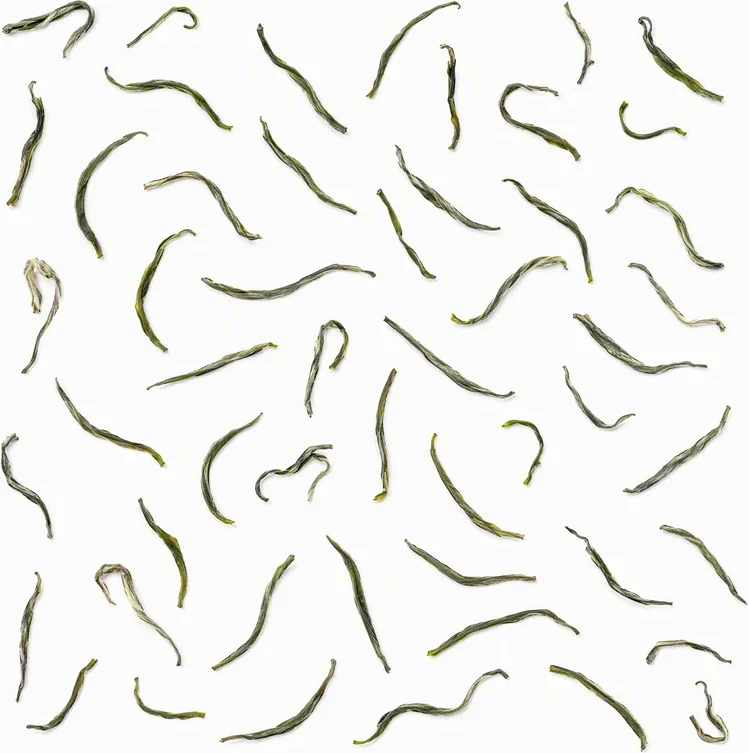
Dry Leaf Appearance: Two main styles: "Silver needles" (银针) — straight needle-like tea leaves from pure buds, abundantly covered with white down; "Cuifeng" (翠峰) — twisted, slightly curved tea leaves with noticeable down. Color — rich dark green.
Dry Leaf Aroma: Bright, persistent chestnut aroma (栗香, lìxiāng) — main note; delicate "bud" sweetness (嫩香, nènxiāng), characteristic of highest grades.
Liquor Aroma: Rich chestnut aroma, high and lasting (栗香高长); in best samples — with floral note undertones.
Liquor Color: Tender green (嫩绿), clear, transparent, with pronounced brightness (清澈明亮).
Spent Leaves: Tender, plump, whole leaves — green, bright, uniform, gathered in "bouquets" (嫩绿明亮, 匀整成朵).
Taste: Bright freshness (鲜爽, xiānshuǎng) — consequence of high amino acid content (3.08%); rich mellowness (醇厚, chúnhòu); pronounced, lasting sweet aftertaste (回甘, huígān), slowly building after the first sip. On first tasting the flavor may seem mild, then light bitterness unfolds, followed by dense aroma and building returning sweetness (huí gān).
Alkaloids: Caffeine — about 3%, theobromine, theophylline. Relatively high caffeine content provides pronounced tonic effect.
Amino Acids: Free amino acid content — 3.08%. L-theanine forms characteristic sweetness and "body" of taste, and also has mild relaxing and concentrating effects.
Key trace element distinguishing Ziyang tea from all other green teas. Average Se content in tea — 0.6530 mg/kg, maximum — up to 3.8536 mg/kg. This is approximately 5.5 times higher than in ordinary green tea. Selenium in tea is in organic form and has high bioavailability.
Essential Oils: Form chestnut aroma; their profile is determined by northern location of tea region and slow accumulation of aromatic substances.
Minerals: Zinc, strontium, potassium, manganese — in elevated concentrations, due to mineral composition of selenium-rich soils.
Polyphenols: Tea polyphenol content — 30.35% (according to analysis of fresh leaf of Ziyang Group Cultivar). Catechins (EGCG, EGC, ECG) — main antioxidants.
Vitamins: Vitamin C, B-group vitamins, β-carotene — in fresh spring raw material.
Famous "Ten Famous" from Henan Province. Both teas belong to Mao Jian type with abundant down, but Xinyang does not contain selenium. Xinyang aroma is more "grassy" and "chestnut-like," taste is more refreshing and less mellow than Ziyang.
Guizhou "Ten Famous." Small-leaf, with very fine, delicate down and delicate "bean" aroma. Compared to Ziyang — significantly lighter in body and less pronounced in chestnut note.
Pellet green tea from Guizhou — diametrically different shape (pellets vs. conditional twist), but comparable in freshness. Does not contain selenium.
Tea Amount: 3 g per 150 ml water (1:50 ratio).
Teaware: Clear glass cup — main option, allowing observation of downy bud unfolding. Porcelain gaiwan — universal alternative.
Water Temperature: 80 °C — optimal for balance of freshness and chestnut depth.
Airtight packaging, protection from foreign odors, light and moisture.
Fresh tea — within one month for maximum aroma. In airtight packaging in refrigerator — up to 12 months. After opening — 2–4 weeks.
Temperature: 0–5 °C (refrigerator) — optimal for long-term storage. Before opening, allow package to warm to room temperature.
Highest grade. Made from pure single buds. Shape — straight, needle-like, with abundant silvery down. Aroma — delicate, "bud" (嫩香); taste — maximally fresh and sweet.
First grade. Bud with one beginning-to-unfurl leaf. Shape — twisted, with abundant down. Aroma — rich chestnut; taste — mellow, with pronounced aftertaste.
Second-third grade. Bud with one to two leaves. Conditionally twisted shape. Aroma — persistent chestnut; taste — mellow, slightly astringent, well withstands multiple brewings.
Special grade (银针, silver needles) — from 800–1500 yuan per jin and higher, depending on year and producer. First grade (翠峰) — 400–800 yuan. Second and third grades — significantly more affordable, while possessing characteristic chestnut aroma and selenium profile.
Price Factors: Grade, picking time (before or after Qingming), growing altitude, hand or mechanized picking, selenium content.
No reviews yet. Tell us what you think of this tea.
Rate this tea and share your impressions. We review each submission before publishing it.