Brewing
Gongfu brewing
- Water temperature
- 92 °C
- Tea amount
- 6 g
- Water volume
- 100 ml
- First steep
- 10 s
- Time added per infusion
- 5 s
- Infusions
- 8


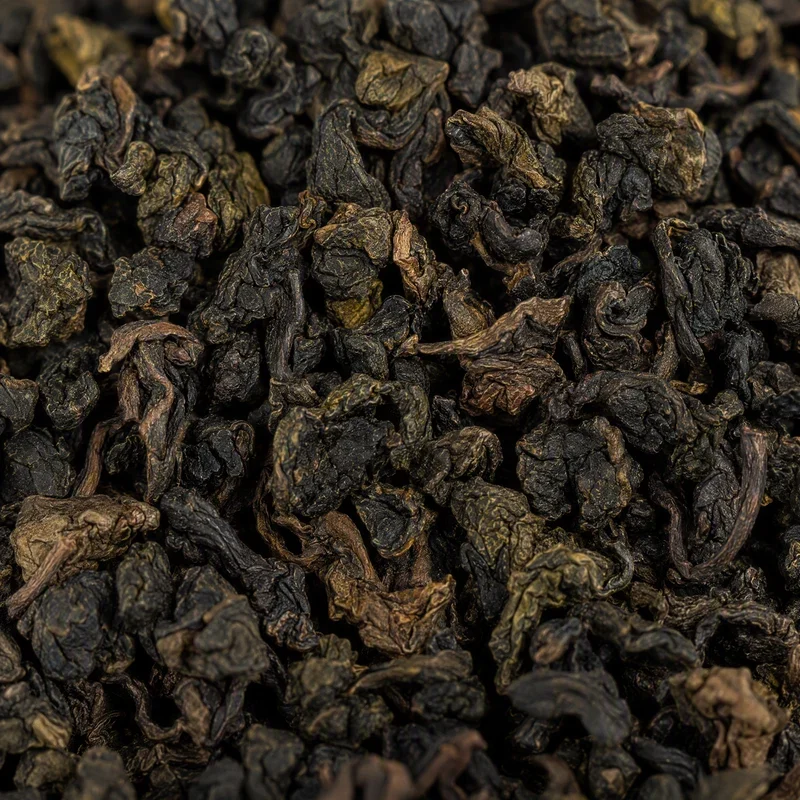
Zhāngzhōu sè zhǒng
Choose a brewing method. Start with the recommended quantities and time, then adjust to taste.
Brewing
Brewing
Taste
Tea encyclopedia
Category: Mǐnnán oolongs (闽南乌龙, Mǐnnán wūlóng). Representative product of the Zhangzhou tradition of blended oolongs.
Category: Mǐnnán oolongs (闽南乌龙, Mǐnnán wūlóng). Representative product of the Zhangzhou tradition of blended oolongs.
Hua'an — Xiāndū Township (华安县仙都镇, Huá'ān xiàn Xiāndū zhèn) — main supplier of Tieguanyin raw material; Nanjing — Shūyáng Township (南靖县书洋镇, Nánjìng xiàn Shūyáng zhèn) — Dangui; Pinghe — Qílǐng Township (平和县崎岭乡, Pínghé xiàn Qílǐng xiāng) — Bai Ya Qilan.
Coordinates: approximately 24°30′ N, 117°40′ E (center of Zhangzhou).
Origin: China, Fújiàn Province (福建省, Fújiàn shěng), Zhāngzhōu Prefecture (漳州市, Zhāngzhōu shì). Production territory covers 11 counties and districts: Hua'an (华安县, Huá'ān xiàn), Nánjìng (南靖县, Nánjìng xiàn), Pínghé (平和县, Pínghé xiàn), Zhao'an (诏安县, Zhào'ān xiàn) and others.
Type: Oolong (semi-oxidized tea, 乌龙茶, wūlóng chá), oxidation level 20–50%. Blended product (拼配, pīnpèi) combining several varieties of Minnan oolong.
Cultural Significance: For the older generation of Zhangzhou residents, Se Zhong is inseparably linked with the tradition of "gongfu cha" (工夫茶, gōngfū chá) — the art of tea drinking, which was documented here during the Qing Emperor Qianlong's reign (乾隆, Qiánlóng): in 1766, official Péng Guāngdǒu (彭光斗, Péng Guāngdǒu) described Zhangzhou gongfu cha in the manuscript "Min Suo Ji" (《闽琐记》). Tea is traditionally hand-packed in paper packets of one liang (50 g) — white bamboo paper inside, kraft with red-blue ornament outside. This "ancient" (古早, gǔzǎo) packaging became a recognizable symbol of Zhangzhou tea culture. For huáqiáo (华侨, huáqiáo) — Chinese emigrants in Southeast Asia — Se Zhong remains the taste of homeland: a significant portion of the factory's production is exported to Singapore, Malaysia, Indonesia, and Japan.
History: Zhangzhou's tea tradition dates back to the Táng dynasty (唐朝, Táng cháo). In 686, under Empress Wǔ Zétiān (武则天, Wǔ Zétiān), General Chén Yuánguāng (陈元光, Chén Yuánguāng) established Zhangzhou Prefecture, after which tea culture began developing in the region. By the Sòng dynasty (宋代, Sòng dài), tea was grown in all counties of the prefecture. The flourishing of Zhāngzhōu tea cultivation came during the Míng dynasty (明代, Míng dài): oolong production technology was considered the best in Fujian, as evidenced by lines from the "Song of Wuyi Tea" (《武夷茶歌》, Wǔyí Chá Gē): "近时制法重清漳" — "Nowadays they value the methods of pure Zhangzhou." During the Ming era, Yuegang Port (月港, Yuè gǎng) in Haicheng County became the world's largest tea trade center: according to the "Haicheng County Gazetteer" (《海澄县志》), tea exports reached 300 tons per year.
Name Breakdown: "Zhangzhou" (漳州) — the producing city; "Se" (色) — "color," "variety," "category"; "Zhong" (种) — "type," "variety." Thus, "Se Zhong" literally means "colored/diverse varieties" — a collective designation for all oolong cultivars beyond Tieguanyin, united in a single blend.
Se Zhong is a blended product, based on local Fujian variety groups (Camellia sinensis var. sinensis). Main cultivars in the blend:
Picking: Main seasons — spring (April–May) and autumn (September–October). Spring harvest provides higher amino acid concentration and chestnut aroma overtones; autumn — pronounced florality. Summer harvest is also practiced.
Pluck Standard: One bud and two-three leaves (一芽二叶至三叶, yī yá èr yè zhì sān yè) for spring tea; two-four leaves are acceptable for obtaining richer body.
Raw Material: Polyphenol content in fresh leaf ≥ 25%, amino acids ≥ 4.0% (source data). Shoots must be whole, evenly matured, without foreign odors and coarse stems.
Altitude: 600–800 m above sea level for main raw material zones.
Climate: Humid subtropical: average annual temperature 16–20°C, relative humidity ≥ 75%, over 200 foggy days per year. Significant difference between day and night temperatures slows consumption of accumulated metabolites and promotes formation of complex aromatics. Abundant diffused light (漫射光, mànshèguāng) stimulates accumulation of amino acids and aromatic precursors in the leaf.
Soil: Red-yellow mountain soils (红黄壤, hóng huáng rǎng) with acidic reaction (pH 4.5–6.0) predominate, enriched with microelements — selenium and zinc. The core of tea plantations is located in water source protection zones, where chemical fertilizers and pesticides are prohibited; several farms practice the ecological closed-cycle model "pig farming → biogas → tea plantations" (猪–沼–茶, zhū–zhǎo–chá).
Raw material base is located in mountainous areas of southern Fujian — hilly and mid-mountain landscapes of Hua'an, Nanjing, and Pinghe counties. Tea gardens occupy slopes protected from direct winds, with sufficient diffused lighting.
Top shoots are collected in morning hours and immediately delivered to the workshop, preventing overheating and "steaming" of raw material.
Sè Zhòng is characterized by intensive sūn withering (重晒, zhòng shài), which activates enzymes and lays the foundation for floral-fruity aromatics. The leaf loses part of its moisture and becomes pliable.
After the sun phase, leaf is transferred to a ventilated room for moisture redistribution equalization.
Key stage of aroma formation. Cycles of mechanical shaking in bamboo drums destroy cell walls at leaf edges, triggering partial oxidation. For Se Zhong, intensive shaking (重摇青, zhòng yáoqīng) is applied, promoting brighter and more complex floral-fruity profile than standard light Minnan oolongs.
Heating stops enzymatic processes, fixing the achieved oxidation level and aroma direction.
Formation of characteristic twisted leaf shape; destruction of cell membranes increases extractability during brewing.
Charcoal roasting at temperature ≤ 60°C (炭焙, tànbèi) — distinctive feature of the technology. Charcoal heat gives tea characteristic "fire aroma" (火功香, huǒgōng xiāng) and promotes long-term flavor stability. Throughout the entire process, bamboo and wooden utensils are used, excluding leaf contact with metal and associated oxidation.
Final and defining stage. The master technologist (非遗传承人, fēiyí chuánchéngrén — "inheritor of intangible cultural heritage") selects proportions of different cultivars, seasons, and plots, achieving harmony of aroma, body, and aftertaste. This stage distinguishes Se Zhong from single-variety oolongs and requires years of experience.
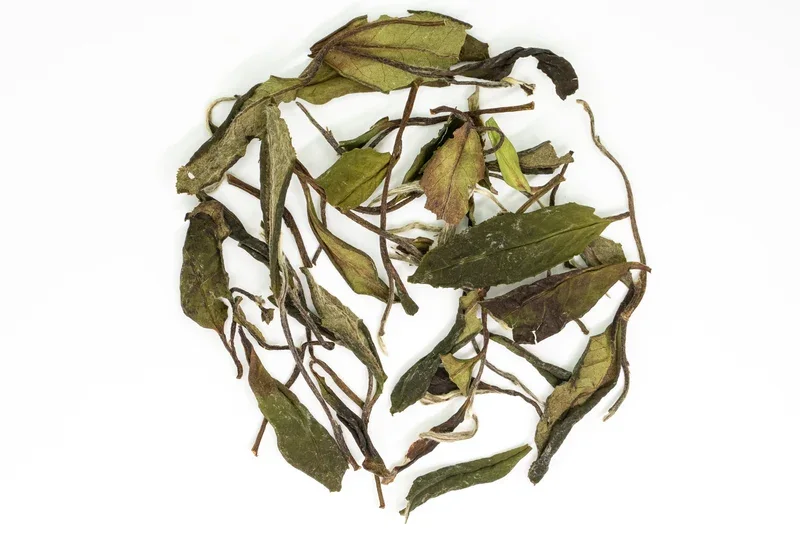
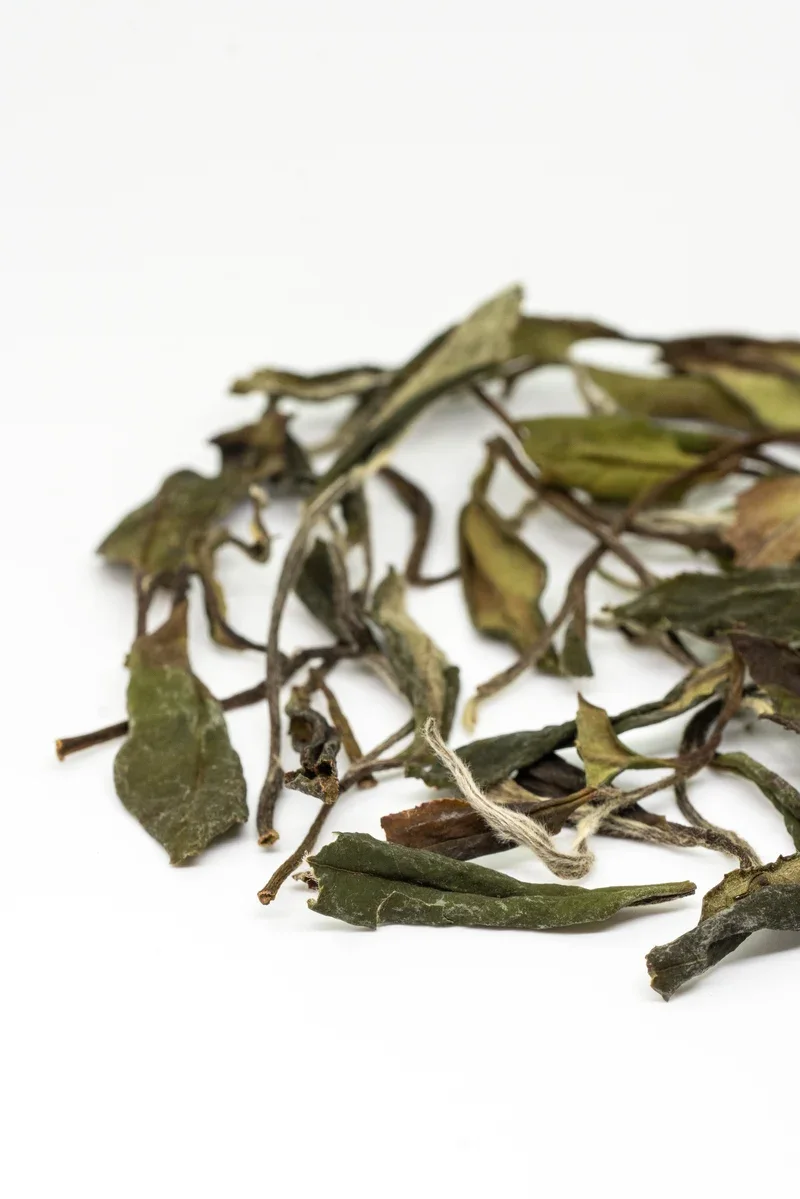
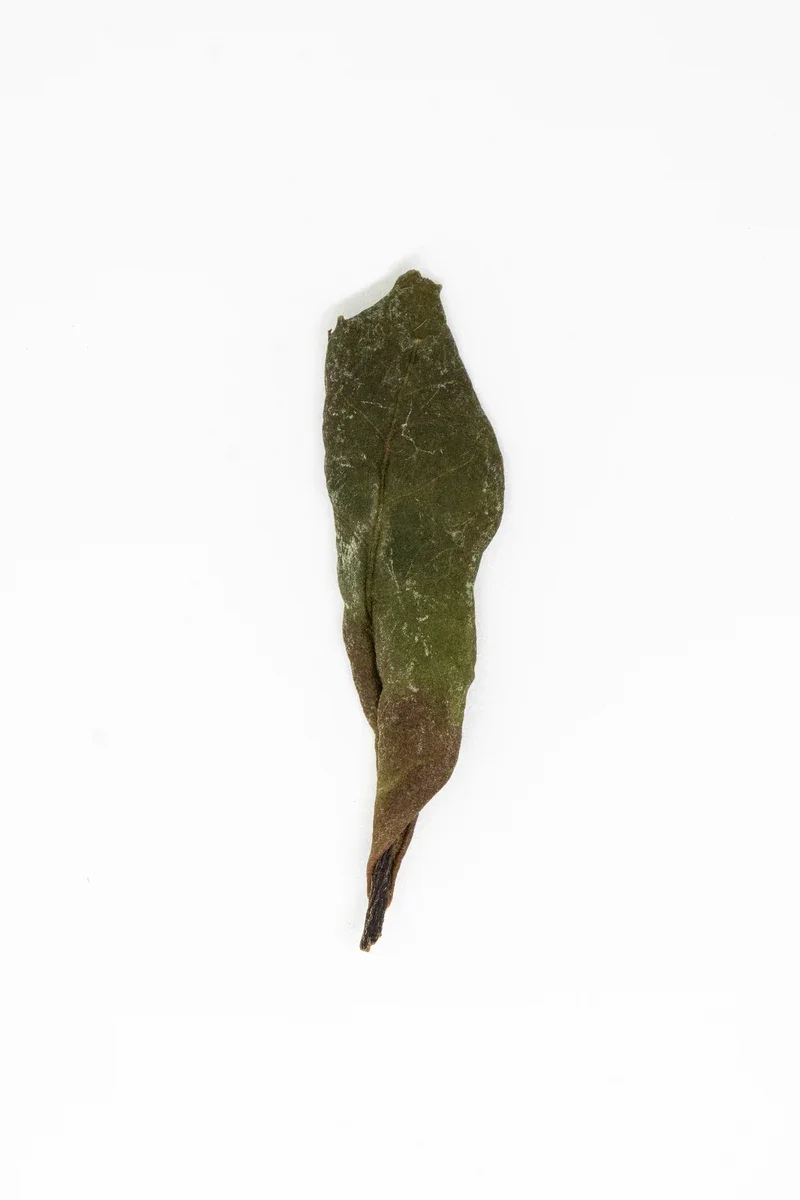
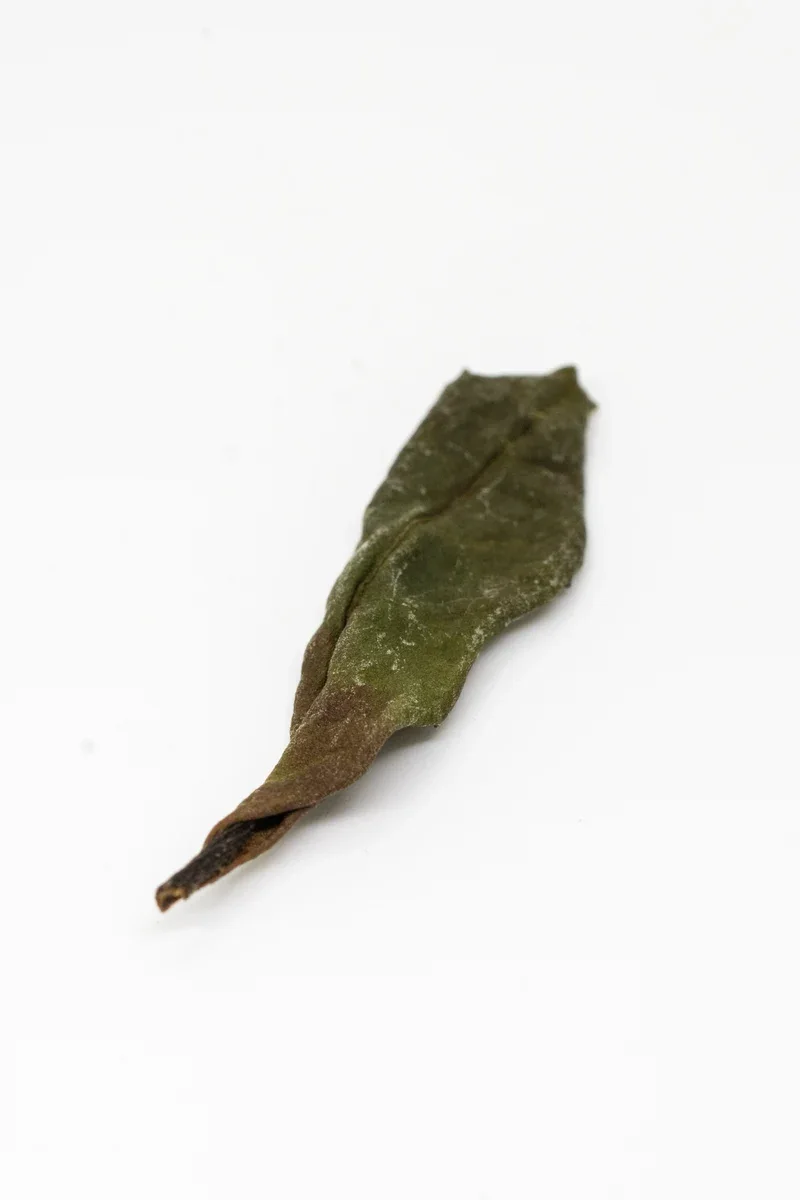
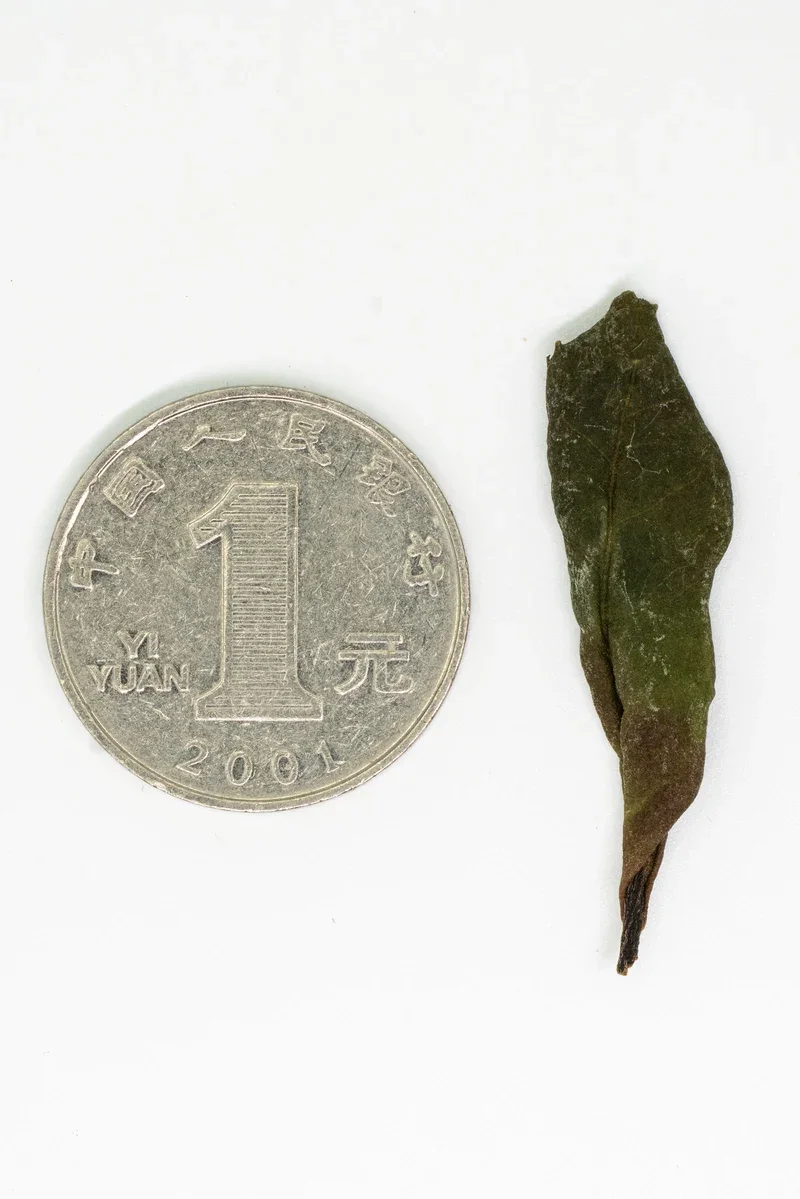
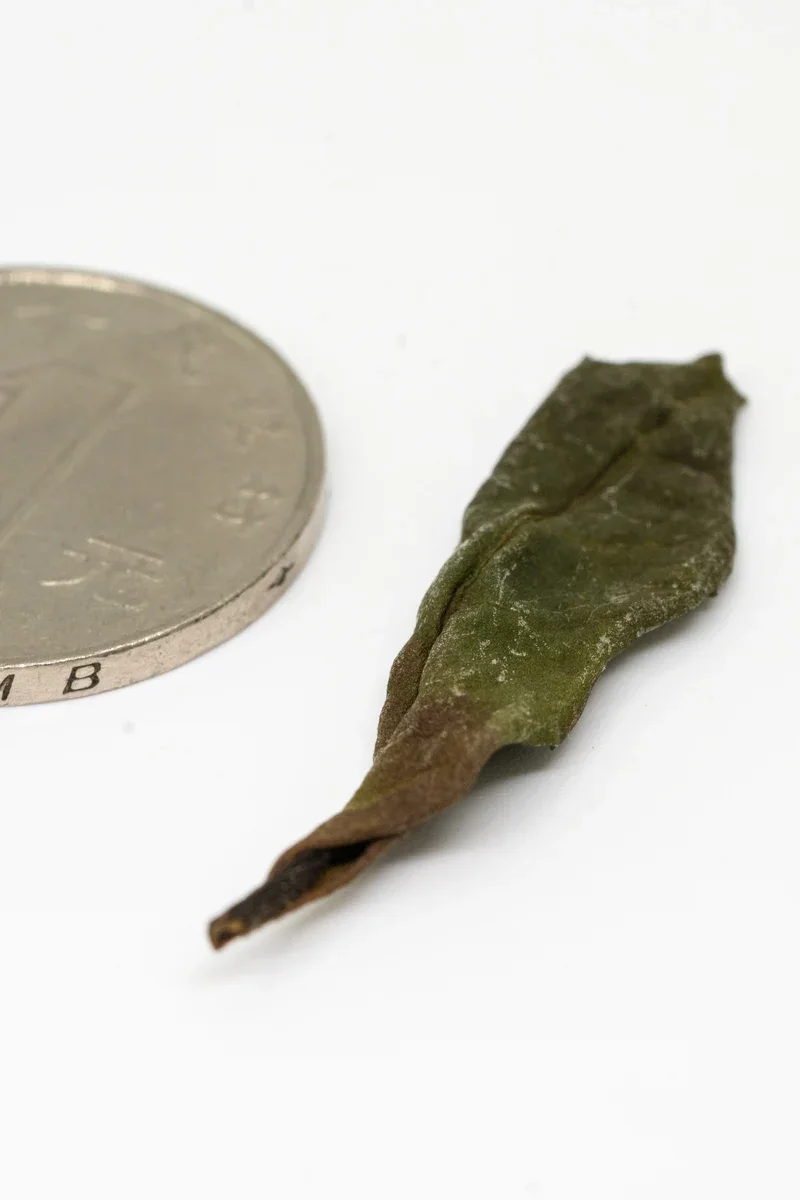
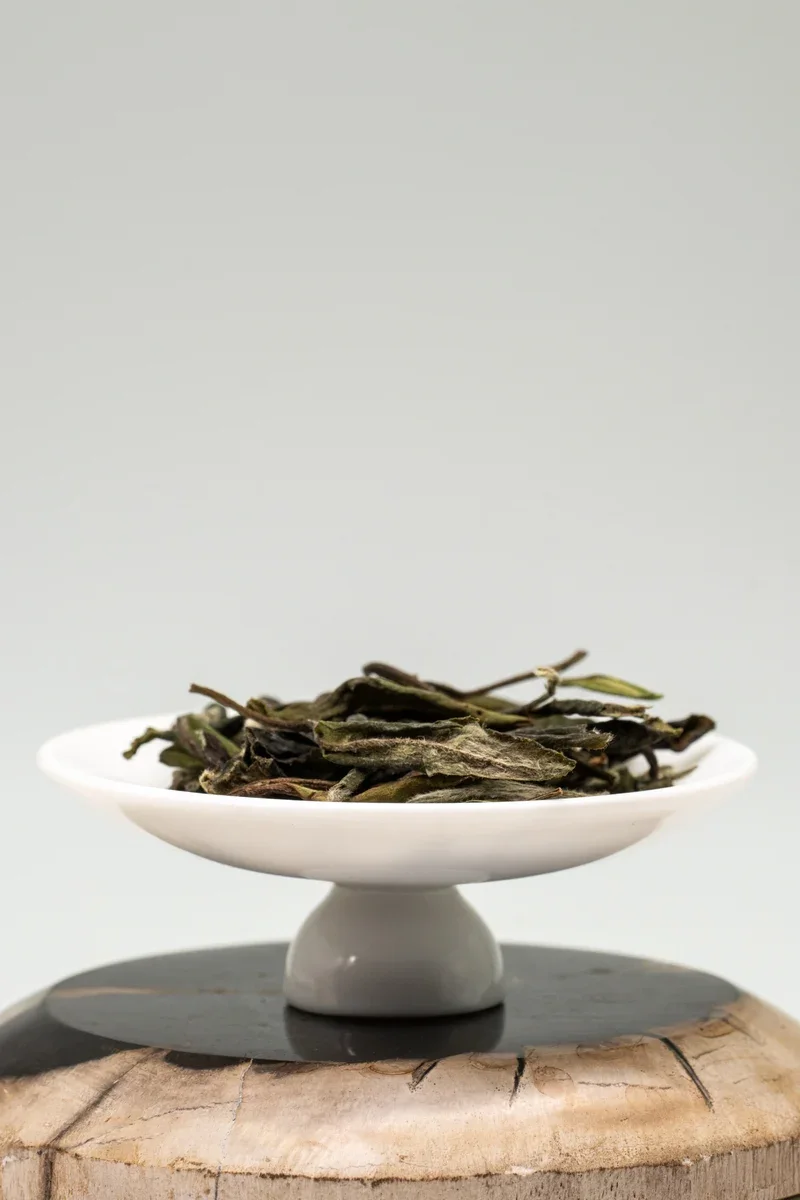
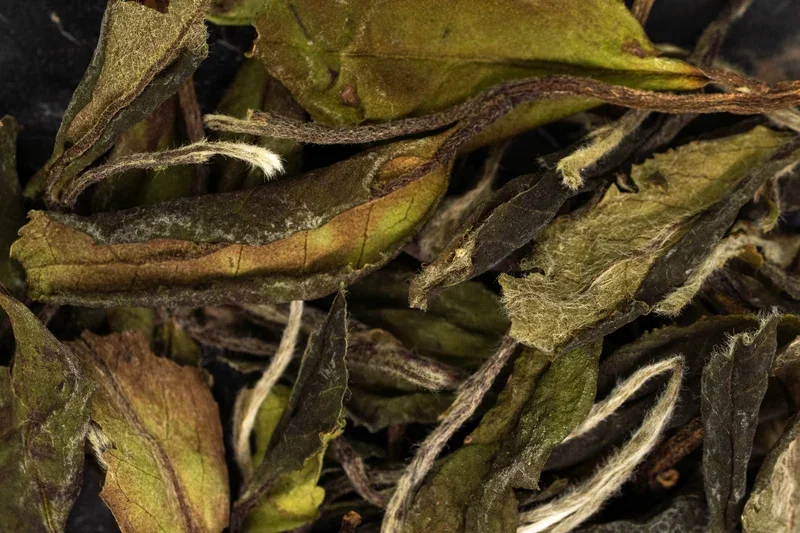
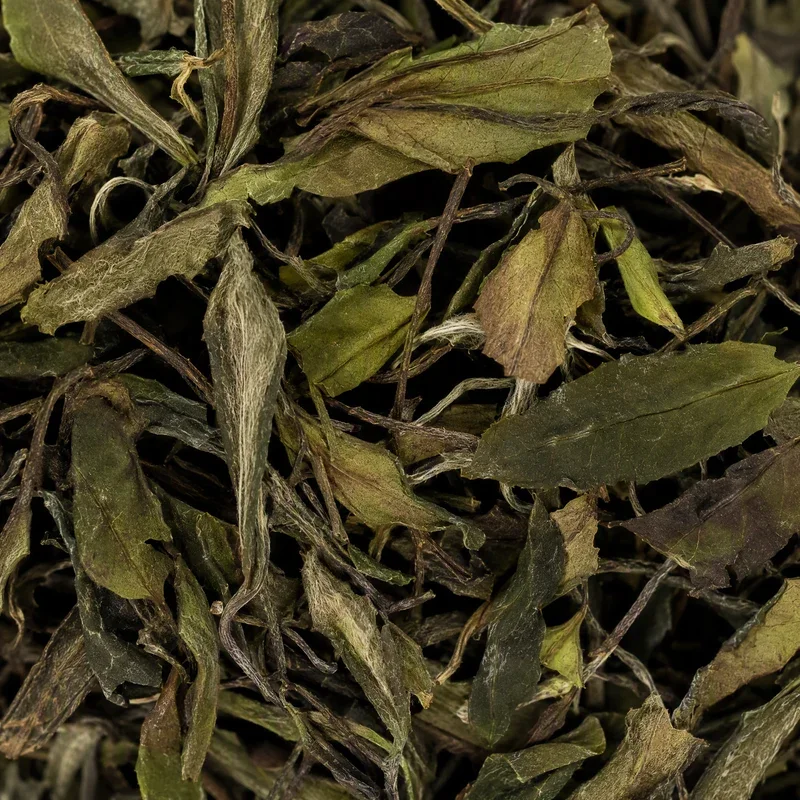
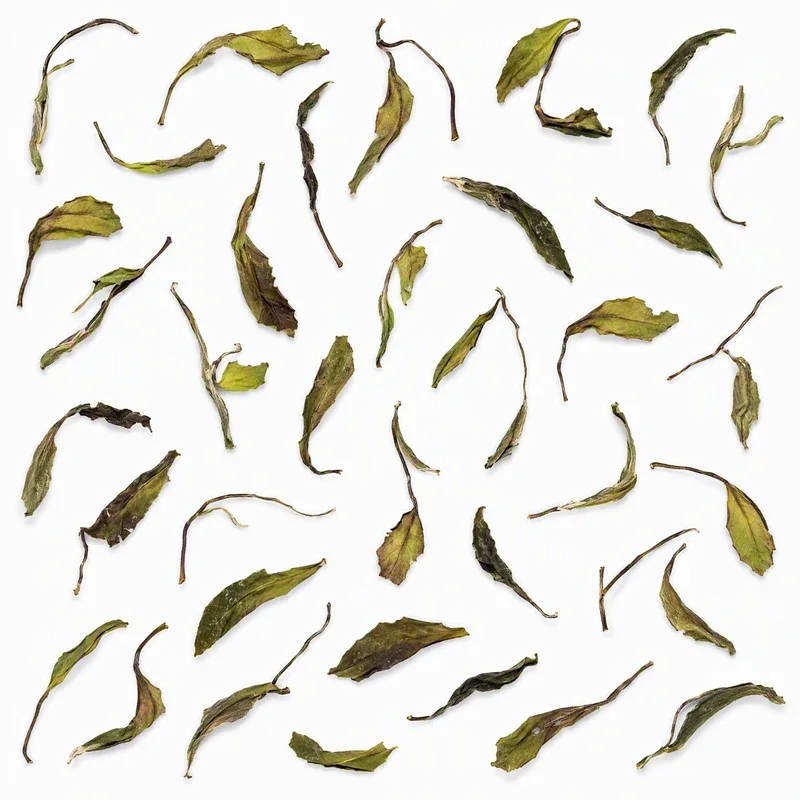
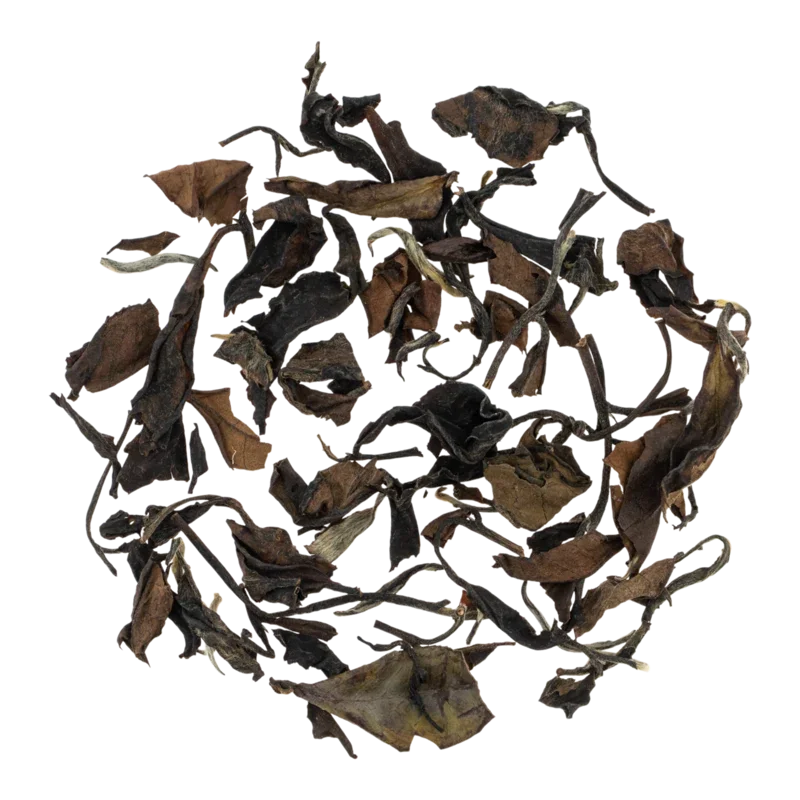
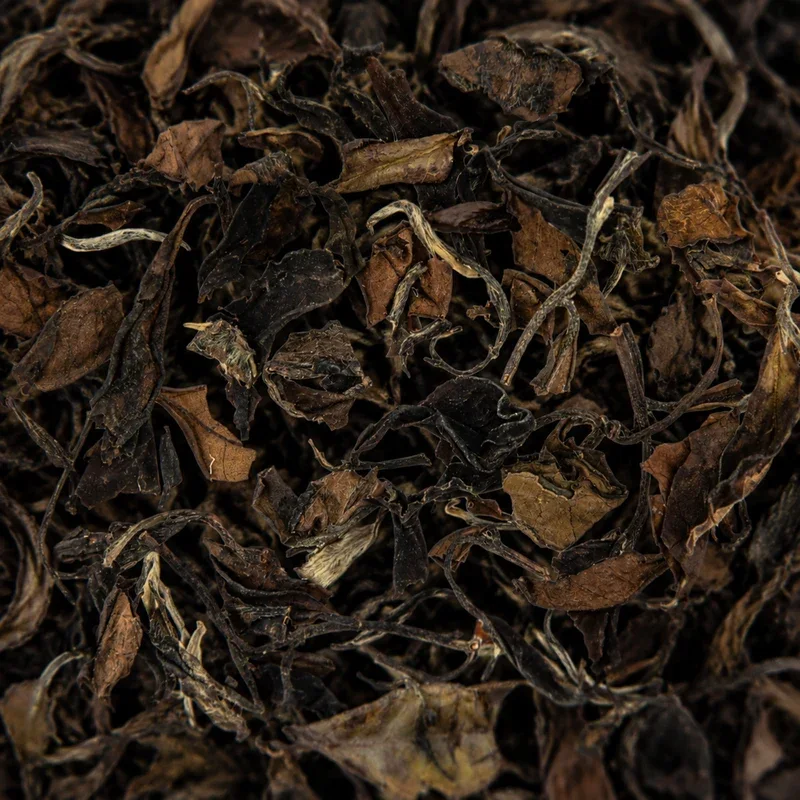
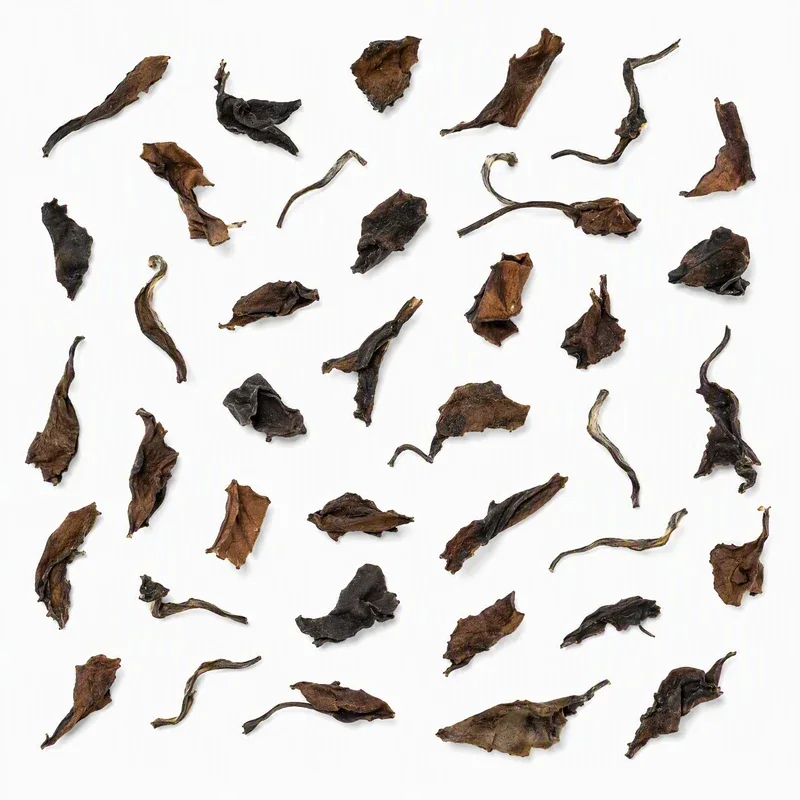
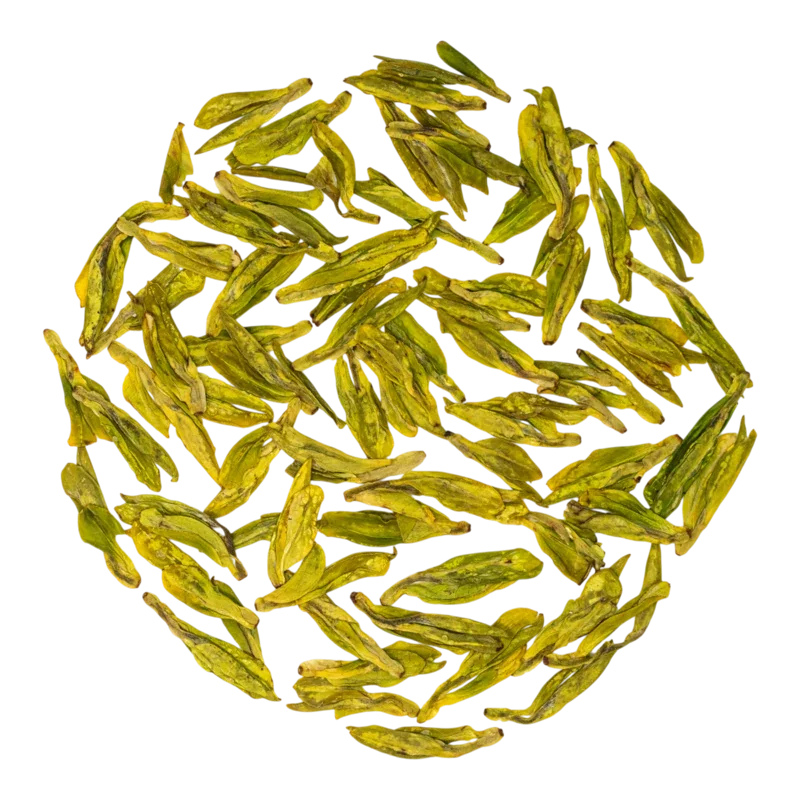
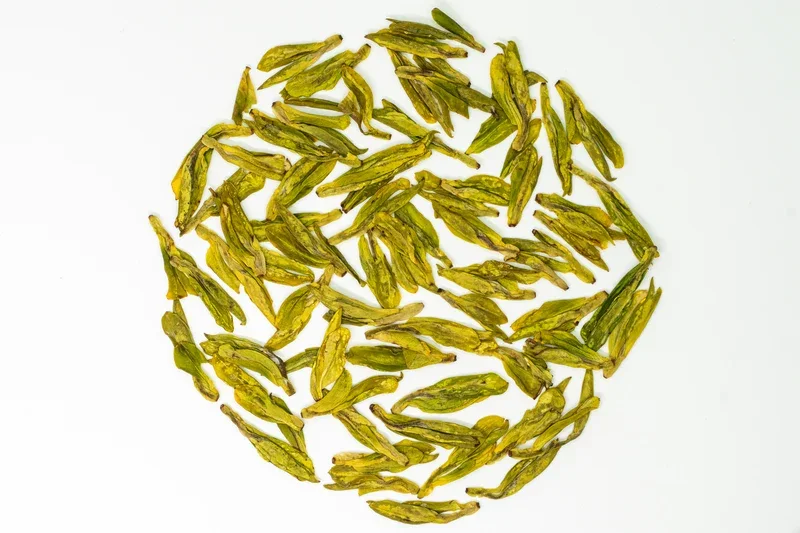
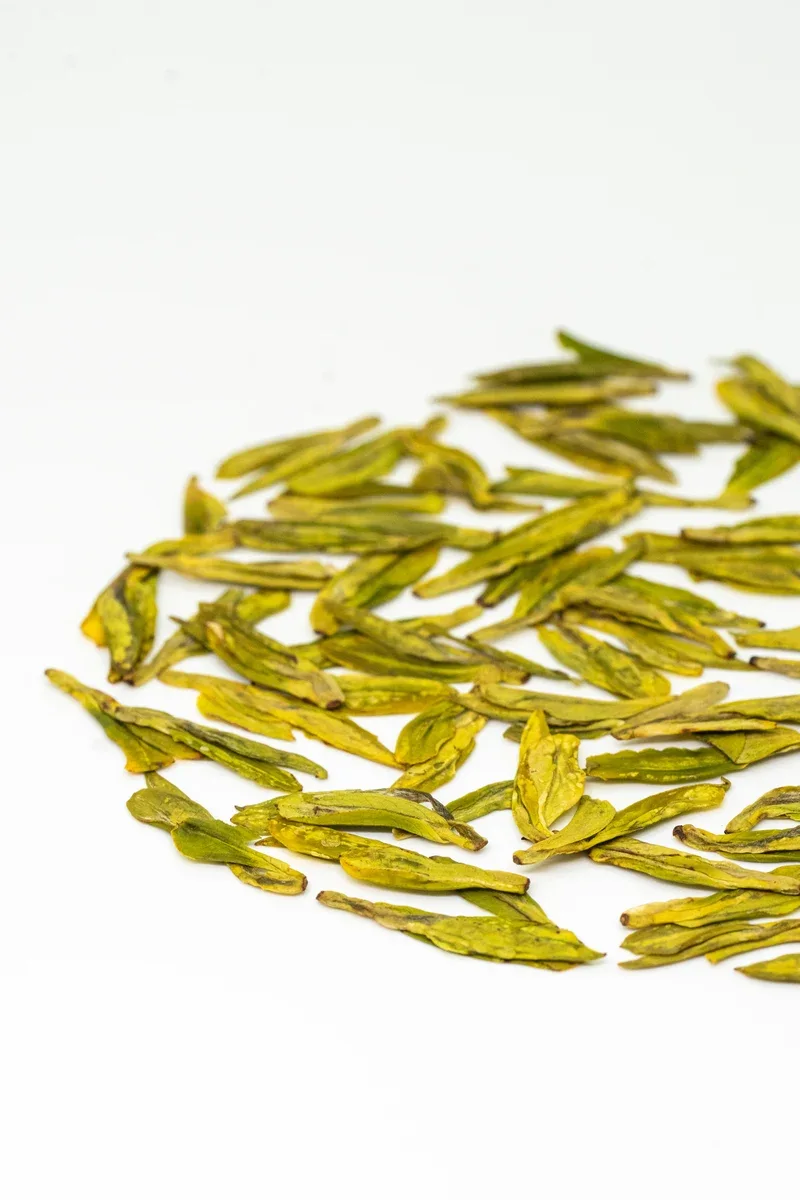
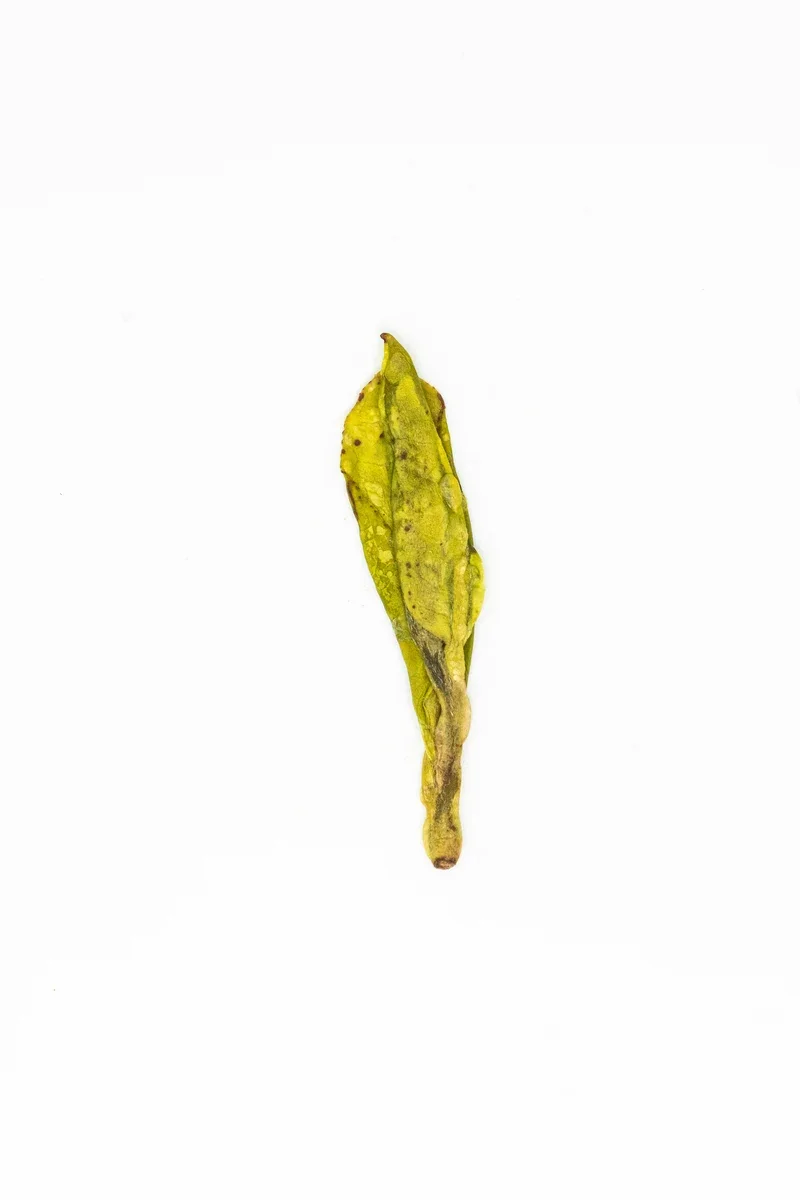
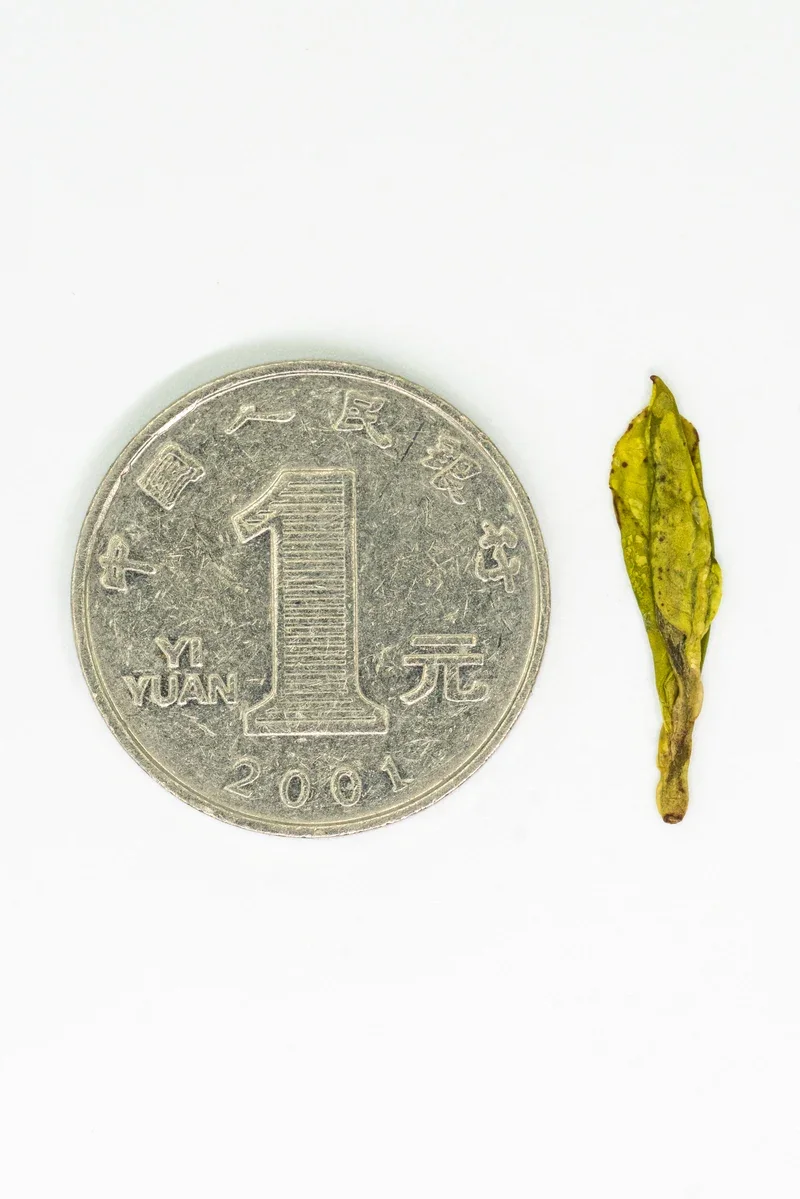
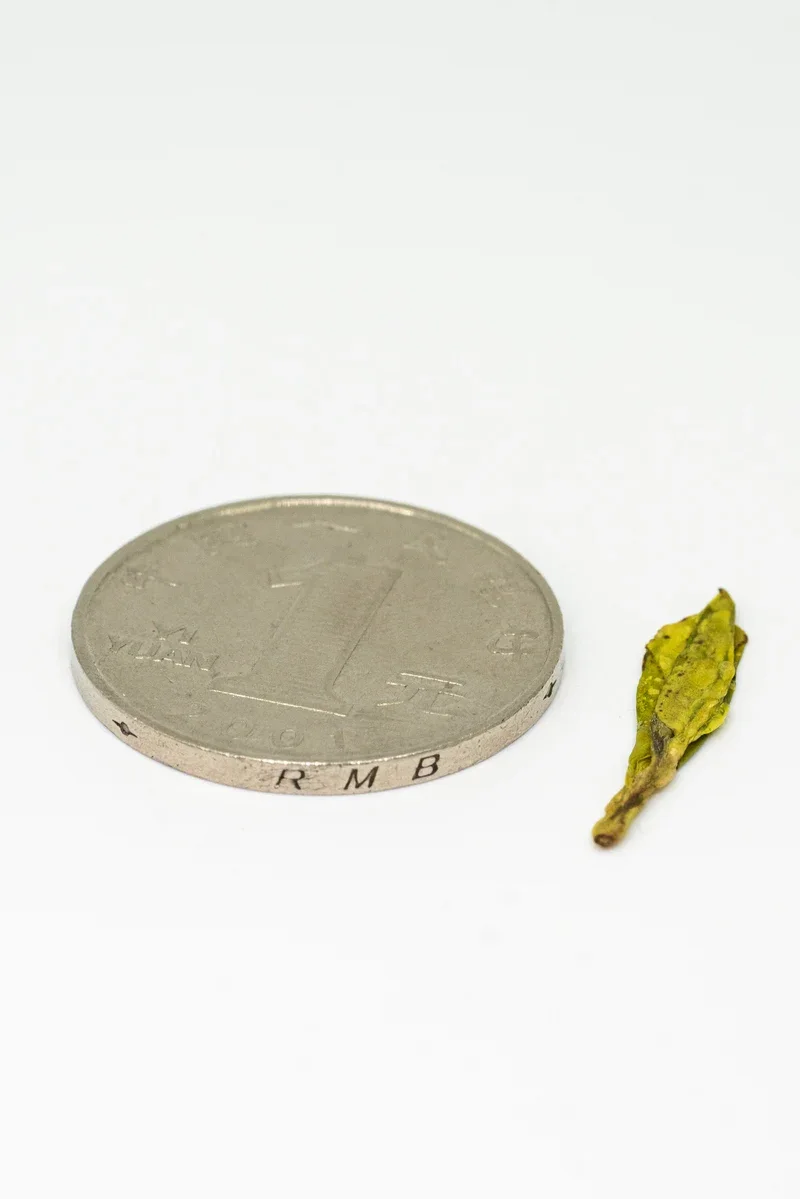
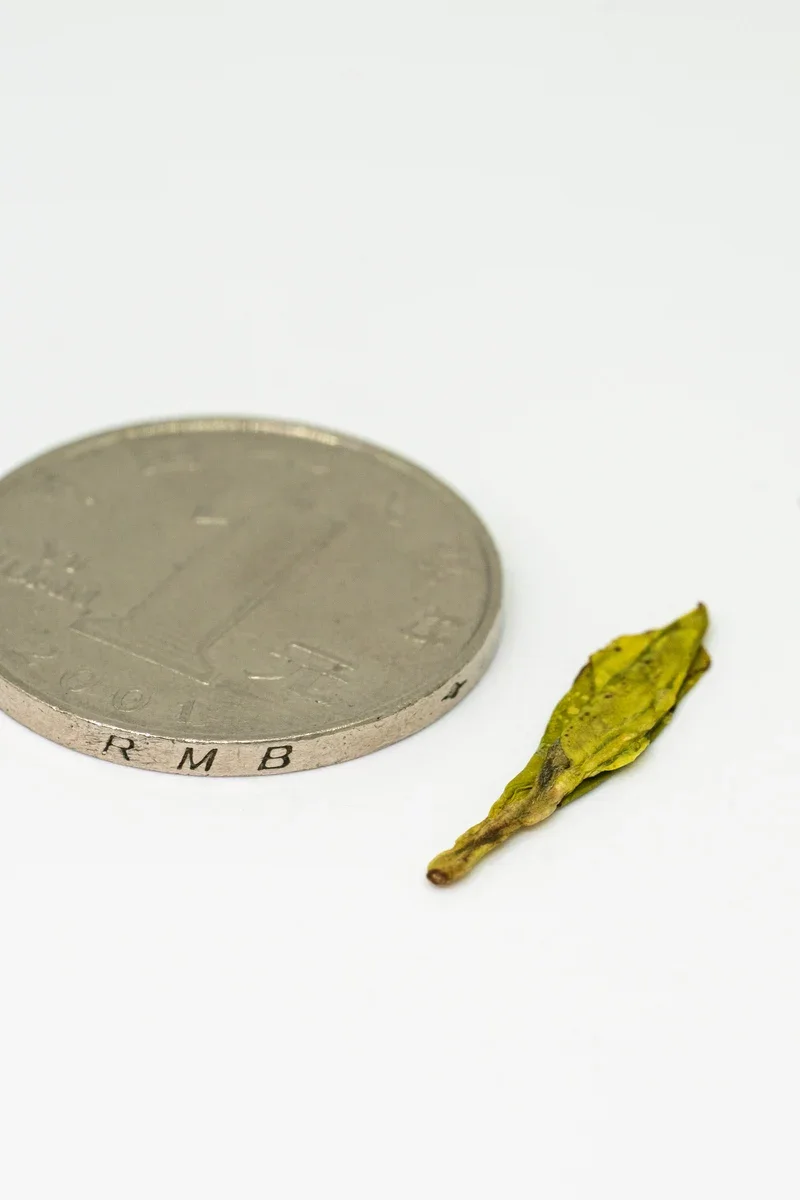
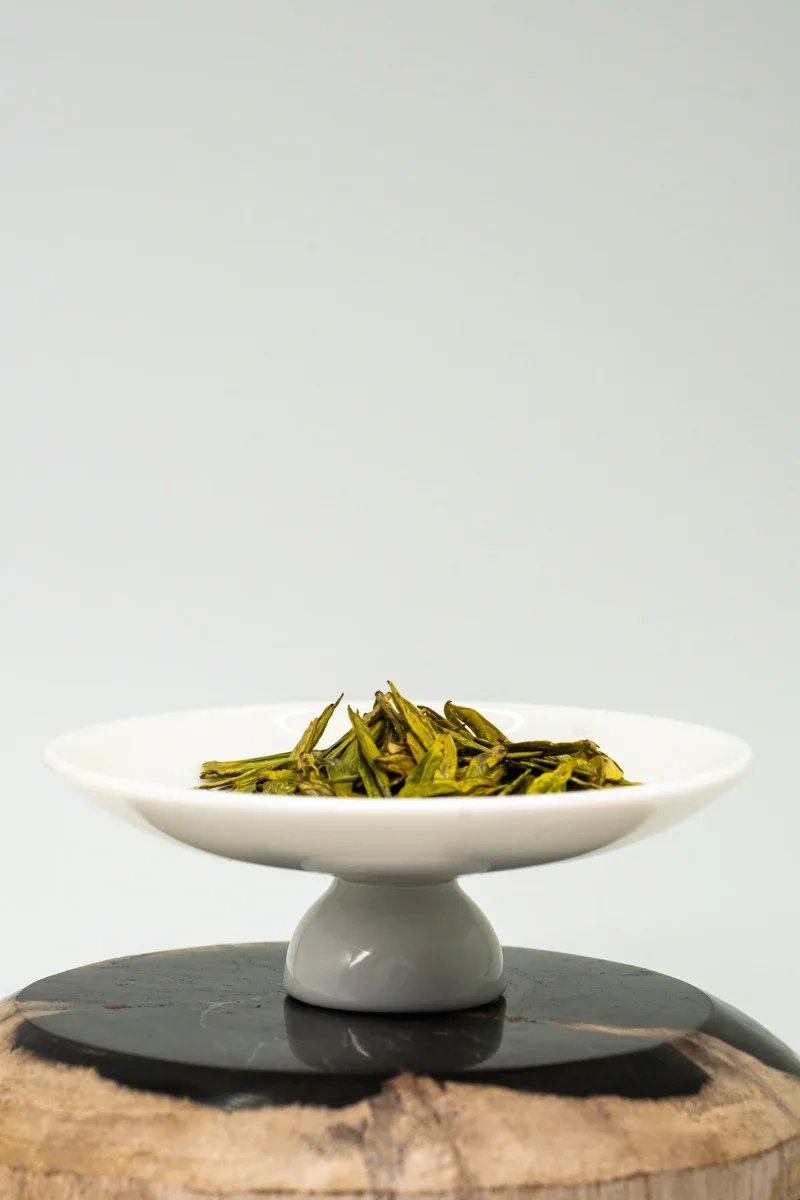
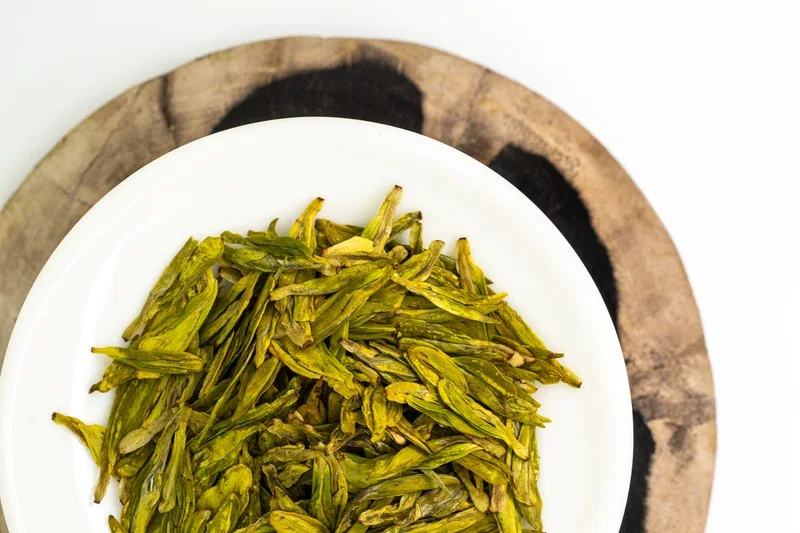
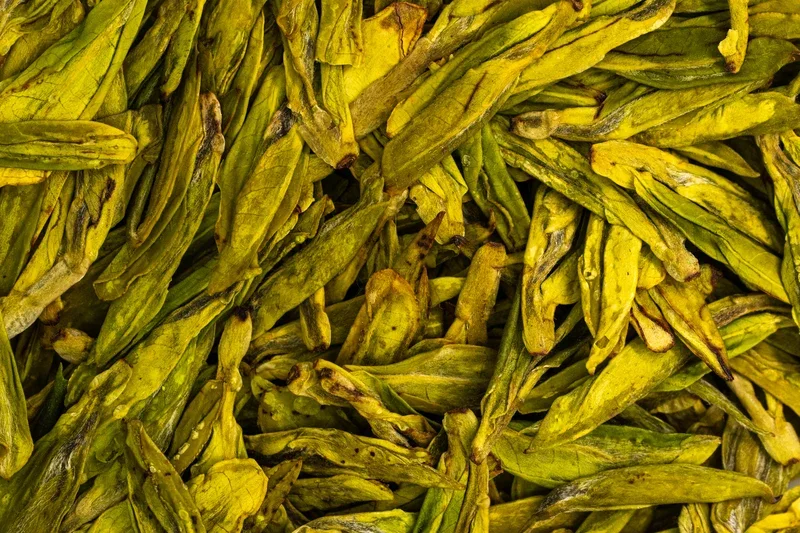
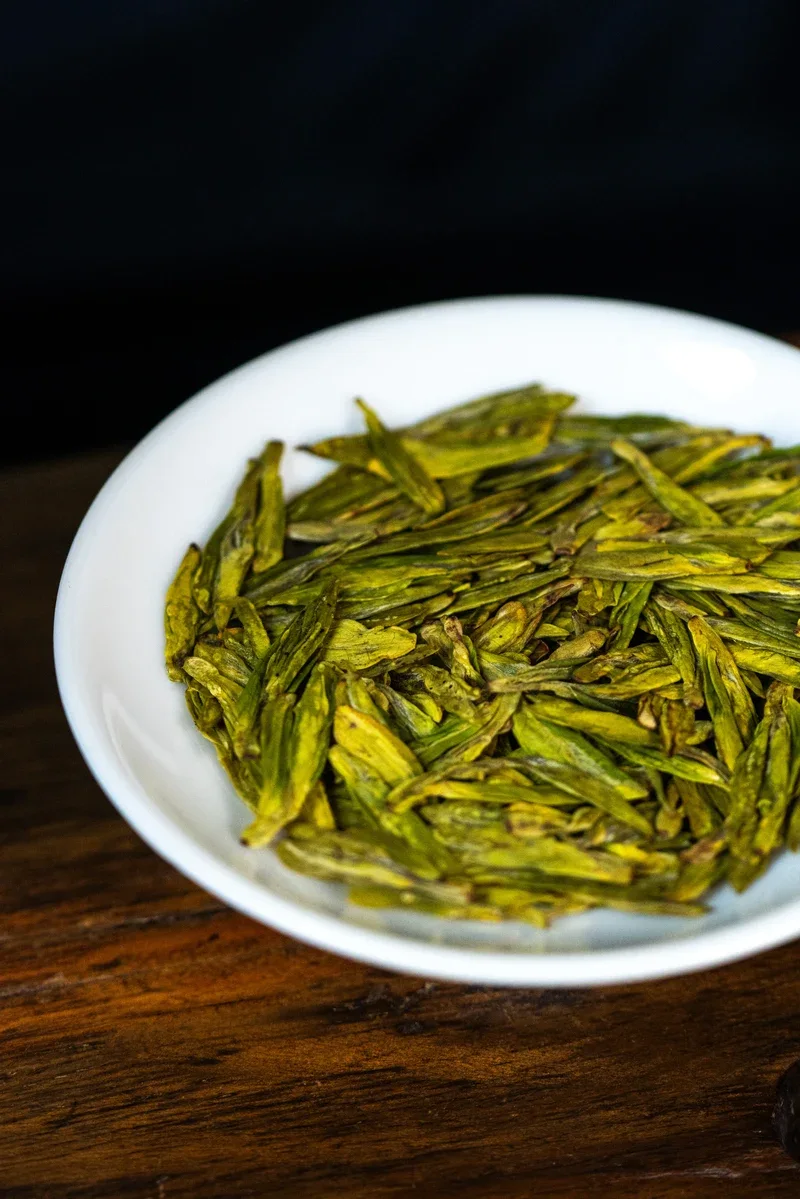
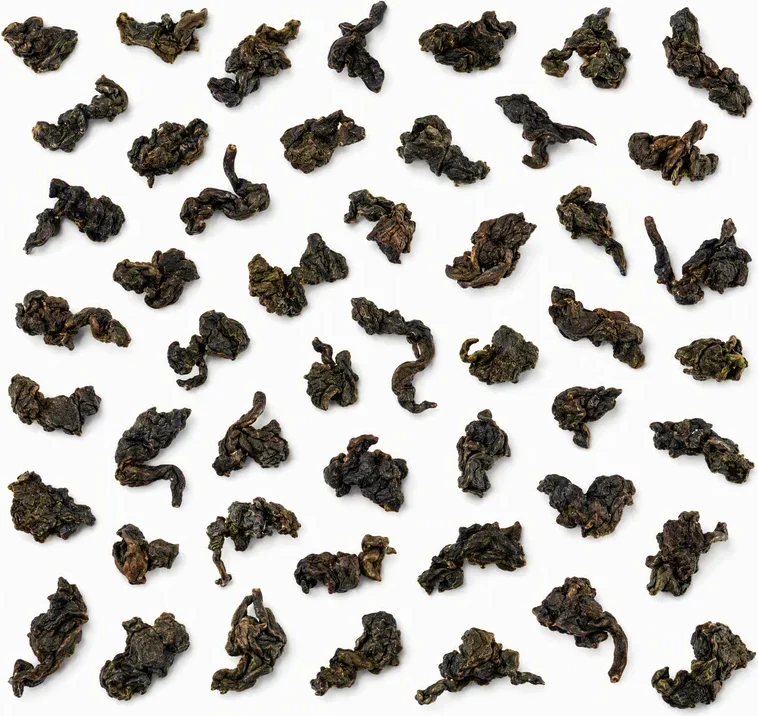
Dry Leaf Appearance: Tightly twisted, dense spirals (卷曲形, juǎnqū xíng); surface sandy-green with oily luster and light yellowish tint (砂绿油润带黄). Even calibration, uniform leaf.
Dry Leaf Aroma: Pure, high, with dominance of floral tones: orchid in highest grades (兰花香, lánhuā xiāng), floral-fruity bouquet in standard batches (花果香), young chestnut in spring batches (嫩栗香, nèn lì xiāng).
Liquor Aroma: Multi-layered: in first infusions — fresh floral aromatics with notes of orchid and lilac; in middle ones — fruity sweetness with chestnut warmth; in final ones (with charcoal roasting) — warm nutty-caramel tones, emphasized by soft "fire aroma."
Liquor Color: Orange-yellow (橙黄, chéng huáng), clear, transparent and bright. In light versions — closer to light golden; in versions with deep charcoal roasting — rich amber.
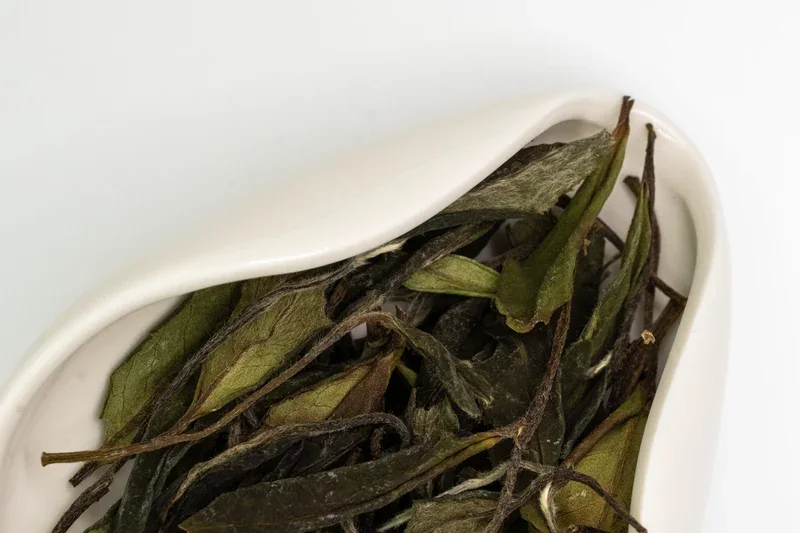
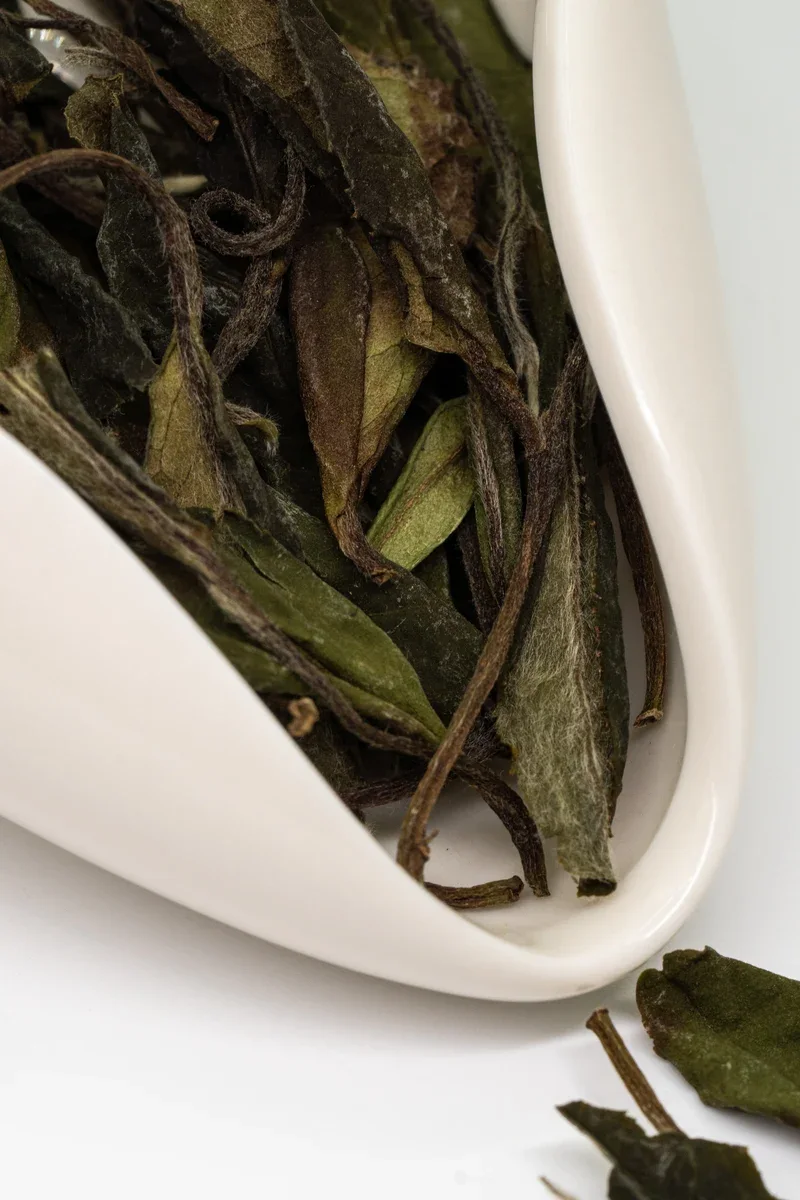
Spent Leaves: Soft, elastic, even; characteristic sign of quality oolong — "green leaf with red rim" (绿叶红镶边, lǜ yè hóng xiāngbiān): leaf center retains green-olive color, while edges damaged during shaking are colored copper-brown.
Taste: Full-bodied, 醇厚 (chúnhòu) — balance of richness and softness. Perceptible freshness (鲜爽, xiānshuǎng), provided by amino acids. Pronounced "returning aftertaste" (回甘, huígān) with distinct sugary sweetness. Light bitterness and astringency, characteristic primarily of the Maoxie portion in the blend, quickly transitioning to sweetness. Taste is stable throughout 6–8 infusions.
Alkaloids: Caffeine (咖啡碱, kāfēi jiǎn) — moderate level, typical for Minnan oolongs (approximately 2–4% dry weight). Theobromine (可可碱, kěkě jiǎn) and theophylline (茶碱, chá jiǎn) present in trace amounts.
Amino Acids: Content in raw material ≥ 4.0%. L-theanine (L-茶氨酸, L-chá ānjīsuān) — main amino acid responsible for soft sweetness and "background" relaxing effect. High-altitude origin of raw material (600–800 m) promotes increased free amino acid content due to enhanced nitrogen metabolism under diffused light conditions and temperature fluctuations.
Nerolidol (橙花叔醇, chénghuā shūchún), linalool (芳樟醇, fāngzhāng chún), geraniol (香叶醇, xiāngyè chún), indole, phenylethanol (苯乙醇, běn yǐ chún), jasmonic lactone and others. Intensive shaking during "zuoqing" promotes increased content of nerolidol and geraniol, forming the fruity-floral profile.
The blended character of Se Zhong combines chemical profiles of several cultivars, creating a more complex palette of amino acids and aromatic compounds than single-variety oolong.
Minerals: Potassium, calcium, magnesium, manganese, zinc, selenium (the latter two in elevated amounts due to mineral composition of red-yellow mountain soils of the region), iron, fluorine.
Polyphenols: Content in fresh leaf ≥ 25% (according to raw material standard). After partial oxidation, catechins partially transform into theaflavins and thearubigins, reducing astringency and forming characteristic oolong softness. According to source data, in Se Zhong the effectiveness of fat breakdown by polyphenols is 30% higher than average oolong, which may be due to high catechin content with moderate oxidation.
Vitamins: Vitamin C, B vitamins (B₁, B₂), vitamin E. Partial oxidation preserves more vitamin C than red teas (black tea), but less than green teas.
Combination of caffeine and L-theanine provides gentle stimulation without sharp energy spikes and drops — alertness is accompanied by calm concentration.
Catechins, especially EGCG (epigallocatechin gallate), effectively neutralize free radicals, contributing to cell protection from oxidative stress.
Oolong polyphenols promote cholesterol level normalization and accelerate fat metabolism. Traditionally, oolong is recommended as accompaniment to fatty food.
Warm infusion, especially in charcoal-roasted versions, stimulates digestive juice secretion and may alleviate bloating sensation after abundant meals.
Fluorine and catechins have moderate antibacterial action, positively affecting oral hygiene.
Regular moderate oolong consumption is associated with vascular elasticity support and blood pressure normalization — individually and within a balanced diet.
L-theanine promotes alpha brain wave production, associated with relaxed alertness state. The gongfu cha ritual itself serves as a form of mindful meditation.
Moderate oolong consumption may promote thermogenesis — increased energy expenditure by the organism.
Single-variety oolong from Anxi with "observational" guanyinyun (观音韵). Se Zhong — blended product from Zhangzhou, combining cultivars different from Tieguanyin. Se Zhong taste is more multifaceted due to blending, but less "pure" in single-variety sense.
Large-leaf oolong from Yongchun with citrus-bergamot profile. Unlike it, Se Zhong relies on floral-fruity bouquet of several varieties and has more "even" character.
Single-variety Qilan from Pinghe, one of Se Zhong blend components. As independent tea it demonstrates pure orchid aroma; in Se Zhong composition its character is complemented and "softened" by other cultivars.
"Sister" product of the same Zhangzhou Tea Factory. Usually positioned in higher price segment and may have different blend proportion, but technological base is common.
Third participant of classic Zhangzhou trio. Distinguished by own blend recipe; stylistically close to Se Zhong, but may stand out with different aromatic accent.
Do not pour steep boiling water (> 100°C) for light versions — this destroys delicate floral-fruity aromatics. Fresh tea is recommended to be kept in a dark place for 15 days to remove excessive "fire."
Tea Amount: 5–8 g per 100 ml (gongfu method) or 3–4 g per 200–250 ml (universal method).
Teaware: Gàiwǎn (盖碗, gàiwǎn) of white porcelain — universal choice, allowing aroma revelation and liquor color assessment. Yíxīng clay teapot (紫砂壶, zǐshā hú) is preferable for aged and charcoal-roasted versions: porous clay "remembers" aroma and adds softness. Chaohe (潮州罐, Cháozhōu guàn) — small gongfu teapot in Chaozhou style, traditional for the Minnan-Chaozhou region — is acceptable.
Water Temperature: 95–100°C. For charcoal-roasted versions use just-boiled water; for lighter batches, reduction to 90–95°C is acceptable.
Enemies: Moisture, high temperature, foreign odors, direct sunlight.
Airtight packaging (vacuum or foil zip bag), protection from moisture, foreign odors, direct light and heat. Optimal temperature — cool dry room (not above 25°C).
Charcoal-roasted versions store longer than light ones (up to 2–3 years without significant quality loss with proper storage). Light "qingxiang" (清香, qīngxiāng) batches should preferably be consumed within 6–12 months.
After opening packaging, tea is recommended to be consumed within 7 days, since volatile aromatic compounds quickly dissipate. Traditional paper packaging of Zhāngzhōu Factory (白竹纸 + kraft) provides moderate air permeability, suitable for tea intended for quick consumption.
Finely twisted spirals, delicate aroma resembling cinnamon flowers (桂花, guìhuā), fresh and invigorating taste.
Dense shoots with noticeable white hairs (白毫, báiháo), jasmine aroma with light fruity overtone, weak pleasant bitterness.
Strong shoots resembling bamboo nodes in shape, aroma close to Tieguanyin but more delicate.
Thin elegant shoots, pure high orchid aroma, light body.
Coarse powerful shoots, dense aroma with linear incense note (线香香, xiànxiāng xiāng), rich concentrated taste.
Shoots tightly twisted, spiral-shaped; color sandy-green with oily luster. Aroma pure, high, with pronounced orchid. Taste fresh, 醇厚 (chúnhòu), sweet and invigorating.
Shoots firmly twisted, sandy-green. Aroma pure. Taste sufficiently full-bodied.
Shoots moderately twisted, with light green tint. Aroma moderate, less prolonged. Taste even.
Shoots twisted, dark with gloss. Aroma weaker. Taste still rich, but with light coarseness.
Price Category: Se Zhong is historically positioned as affordable everyday oolong — "people's price with professional quality." Cost varies depending on grade (from third to special), harvest season, production year, and factory brand. Price for original factory production remains moderate compared to premium single-variety oolongs (highest grade Tieguanyin, Wuyi rock teas).
No reviews yet. Tell us what you think of this tea.
Rate this tea and share your impressions. We review each submission before publishing it.