Brewing
Gongfu brewing
- Water temperature
- 78 °C
- Tea amount
- 5 g
- Water volume
- 100 ml
- First steep
- 10 s
- Time added per infusion
- 5 s
- Infusions
- 4

Píngyáng huáng tāng
Choose a brewing method. Start with the recommended quantities and time, then adjust to taste.
Brewing
Brewing
Taste
Tea encyclopedia
Category: One of the four great traditional yellow teas of China (中国四大传统黄茶). Also known as "Wenzhou Huang Tang" (温州黄汤, Wēnzhōu Huáng Tāng) — "Wenzhou Yellow Liquor." Product with protected geographical indication (2014). Included in the "List of Geographical Indications Protected by China-EU Agreement" (中欧地理标志保护名录, 2020).
Category: One of the four great traditional yellow teas of China (中国四大传统黄茶). Also known as "Wenzhou Huang Tang" (温州黄汤, Wēnzhōu Huáng Tāng) — "Wenzhou Yellow Liquor." Product with protected geographical indication (2014). Included in the "List of Geographical Indications Protected by China-EU Agreement" (中欧地理标志保护名录, 2020).
Coordinates: Approximately 27° North latitude, 120° East longitude. Pingyang is positioned as part of the "golden belt of yellow tea on the 27th parallel" (北纬27°黄茶黄金生长带).
Origin: China, Zhèjiāng Province (浙江, Zhèjiāng), Wēnzhōu Prefecture (温州, Wēnzhōu), Píngyáng County (平阳县, Píngyáng Xiàn). Historically also produced in Tàishùn (泰顺), Rui'an (瑞安), and Yǒngjiā (永嘉) counties; tea from Taishun (Dongxi area) and Pingyang (Beigan / Nanyandang area) was considered finest. The trade name "Pingyang Huang Tang" became established because tea from all surrounding counties was purchased by Pingyang merchants and shipped north under a unified brand.
Type: Yellow tea (黄茶, huángchá), lightly oxidized. Belongs to the subcategory "yellow small tea" (黄小茶, huáng xiǎo chá) — a category that uses raw material of one bud with one to two leaves (unlike "huang ya cha" made from buds only).
Cultural Significance: Pingyang Huang Tang — symbol of revival of lost tea traditions. The story of Zhong Weibiao — rural teacher who abandoned his pedagogical career to save an ancient tea, transformed an impoverished mountain village into a thriving tea region, and became guardian of intangible heritage — one of the most inspiring in modern Chinese tea cultivation. In 2020, the "Pingyang Huang Tang Tea Park" (平阳黄汤茶博园) opened on Chaoyangshan tea garden territory — a 3A category tourist site with museum and tea production workshop. Pingyang actively develops the model "chalü ronghe" (茶旅融合, "integration of tea and tourism").
During the Qing era, Pingyang was a major green tea producer, with main supplies shipped by sea and rivers to Tianjin (天津), Yingkou (营口), and Beijing. According to oral tradition, once during a season of prolonged rains, freshly harvested green tea could not be properly dried in time. Merchants, pressed by delivery deadlines, shipped the insufficiently dried tea north. During the long sea voyage, the moist leaves "sealed yellowed" in the holds — spontaneous menhuang occurred. Upon arrival at destination, the tea had lost its bright green color and acquired a yellowish tint. To the surprise of the shippers, northern buyers found this tea softer, less astringent, and more pleasant than ordinary green tea. Thus was born Pingyang Huang Tang — a tea owing its existence to both misfortune and fortunate accident.
Píngyáng Huáng Tāng was included in the registry of imperial tributes (贡茶). Annual volume of northern shipments reached "more than a thousand dan" (千余担, ~50 tons) — a significant scale for a specialized yellow tea.
Wars, economic instability, and absence of written technology documentation led to complete loss of production. Pingyang Huang Tang vanished from the market for several decades.
Production resumption, however technology remained unstable, volumes minimal.
Senior agronomist Lín Píng (林平) from Píngyáng County Agricultural Bureau together with Lù Lìchuān (卢立浣) and Chén Jizhu (陈积柱) from Shuitou Experimental Tea Station began multi-year work to restore the technology. More than 10 years were spent relearning key stages: rolling, oxidation, and menhuang-drying.
First laboratory samples of Huang Tang receiving positive evaluation from Shanghai Tea Society.
Technology "Pingyang Huang Tang: tea leaf processing method" patented by China State Patent Office as an invention.
Pingyang Huang Tang appeared for sale in limited quantities.
Zhōng Wéibiāo (钟维标, Zhōng Wéibiāo), former rural teacher from Xinlian Village (新联村) in Shuitou Township, Chaoyangshan Mountain, after two decades of independent research, hundreds of experiments, and consultations with old masters, restored and perfected the ancient technology "jiu hong jiu men" (九烘九闷). This version became the foundation of the modern Pingyang Huang Tang standard and brought the tea its characteristic profile of "apricot liquor, corn aroma."
National certification "Product with Protected Geographical Indication" (国家地理标志产品).
Inclusion in "EU-China Geographical Indications List" — one of the few yellow teas in this registry.
Technology "jiu hong jiu men" entered the registry of intangible cultural heritage of Zhejiang Province. Zhǒng Wéibiāo recognized as guardian (传承人) of this tradition.
Brand valuation of "Pingyang Huang Tang" reached 40.77 billion yuan. Pingyang received titles "Hometown of Chinese Yellow Tea" (中国黄茶之乡) and "Hometown of Chinese Tea Culture" (中国茶文化之乡).
Cultivar: Main cultivar — Píngyáng Tèzǎo Chá (平阳特早茶, Píngyáng Tèzǎo Chá) — "Pingyang Super-early Tea." Recognized at provincial level (省级良种) in 1998. Small tree / large bush, medium-leaf type. Main feature — exceptionally early awakening (name literally means "specially early"), absence of generative growth (does not flower or produce seeds under normal conditions). Propagated vegetatively. Also uses local group population (当地群体种) — for production of "wild" / "huangye" (荒野茶) tea from old groves.
Picking: Main season — from Jingzhe (惊蛰, "Awakening of Insects," ~March 5) to Qīngmíng (清明, ~April 5) for spring tea; Báilù period (白露, "White Dew," ~September 8) — for autumn tea. Spring tea valued higher for maximum amino acid content; autumn — for sweetness and brewing endurance.
Pluck Standard: For supreme grade — bud with one barely emerging leaf (一芽一叶初展). For first grade — bud with one leaf (一芽一叶). For second — bud with two leaves (一芽二叶初展). Bud length ≤3 cm. Harvest start criterion: 10–15 standard shoots per square meter of bush crown.
Raw Material: Raw material must be uniform in size and degree of opening. Harvest conducted in dry weather. Leaves transported in bamboo containers (not polyethylene!) and immediately processed.
Altitude: 400–700 meters above sea level for Chaoyangshan core zone. Forest coverage — 87.4%.
Climate: Mid-subtropical marine monsoon (中亚热带海洋性季风气候). Average annual temperature 17.9°C. Annual precipitation 1,631.6 mm. Number of foggy days ≥200 per year. Relative humidity ≥85%. Pronounced diurnal temperature variation promotes accumulation of aromatic compounds and amino acids. Marine climate ensures mild winters and cool summers.
Soil: Red-yellow soils based on weathered volcanic basalt (火山岩风化红黄壤, pH 4.5–5.5). Distinctive feature — elevated selenium content (0.74–0.80 mg/kg), as well as potassium and zinc. Organic matter content — 1.1–3.9%. Volcanic origin of parent rock imparts characteristic minerality to the tea.
Pingyang located in southeastern Zhejiang, in the zone of East China Sea influence. Core zone — Chaoyangshan Mountain (朝阳山, Cháoyáng Shān) in Shuitou Township (水头镇) and Nanyandang area (南雁荡山, Nán Yàndàng Shān, Southern Yandang Mountains). Total tea garden area of the county — more than 51,000 mu (~3,400 hectares), of which about 8,000 mu in the core zone.
Chaoyangshan — peak with constant cloud cover and high negative ion content. Absence of industrial enterprises, spring water supply. Old tea groves (荒野茶, huāngyě chá) on Tianjingyang Mountain (天井垟) represent feral plantings aged 50–100+ years — their tea especially valued for flavor depth and "wild energy."
Fresh leaves spread in thin layer (≤3 cm) on bamboo sieves in clean, ventilated room. Time — 4–12 hours (maximum 20 hours), depending on humidity and raw material grade. Periodic turning for even moisture loss. Different grades and batches spread separately.
Mechanical or manual pan-firing to inactivate enzymes. Temperature regime details depend on specific producer; principle — rapid high-temperature treatment with color preservation.
Shaping into thin, tight, slightly curved strips (细紧纤秀). Pressure — following principle "light → medium → light."
Rolled leaves placed in bamboo baskets in 30–40 cm layer, covered with damp white cloth. Room temperature — 25–28°C, relative humidity — 65–75%. Time — 5–6 hours. When temperature inside pile rises to ~32°C, turning performed for equalization and cooling. Readiness criterion: leaf acquires yellowish tint, clean aroma appears. This is key stage of initial yellowing.
Drying machine, incoming air temperature 80–90°C. Leaves spread in thin layer (2–3 cm), time — 10–12 minutes. Bringing to ~50% moisture. Leaves remain soft to touch, tea aroma appears.
Repeated sealed yellowing to deepen yellowing. Temperature — 22–28°C, humidity — 75–80%. Time — 7–8 hours (longer than first cycle). Criterion: leaf becomes distinctly yellow, characteristic "menxiang" (闷香) — sealed yellowing aroma appears.
Temperature rises to 90–100°C. Layer — 3–4 cm, time — 8–10 minutes. Bringing to ~70% dryness. Huang Tang aroma becomes distinct.
Final cycle, completing formation of "three yellows." Temperature — 25–30°C, humidity — 80–85%. Time — 4–6 hours. Leaf acquires tender yellow color, sealed yellowing aroma becomes pronounced and persistent.
Final high-temperature drying: 110–120°C, layer 4–5 cm, 3–4 minutes. Bringing to complete dryness.
Removal of individual leaves, stems, tea seeds. Quality equalization. Packaging in 4–5 kg boxes.
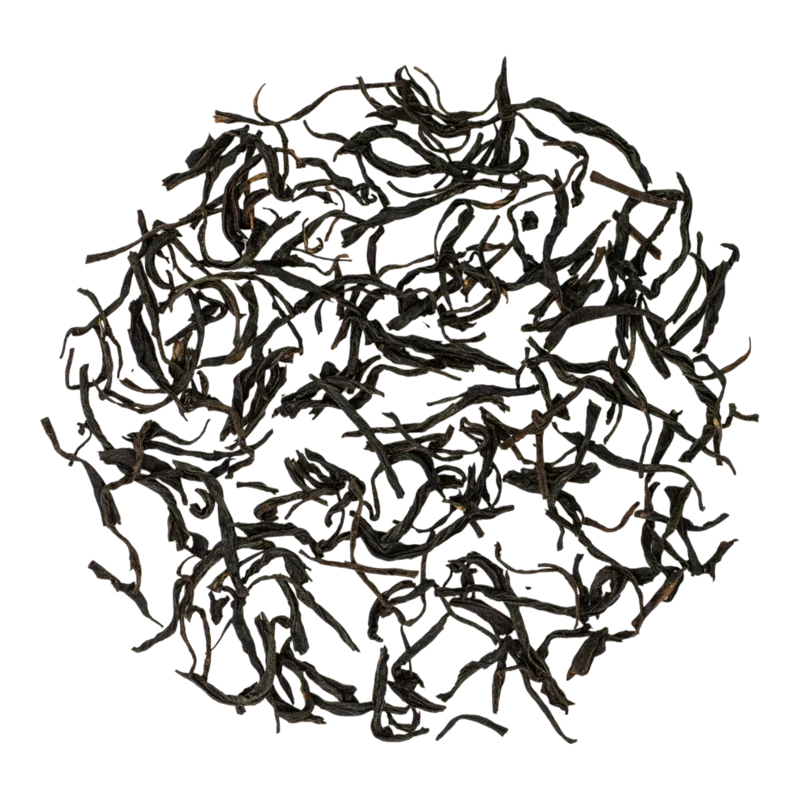
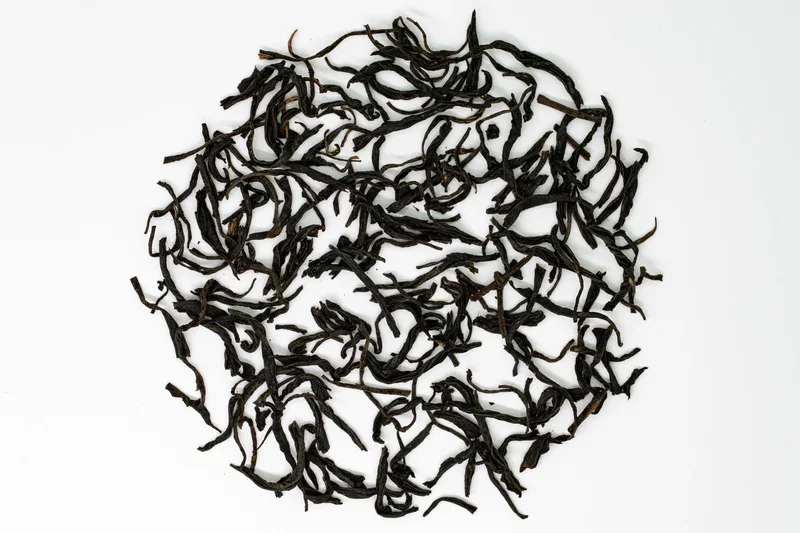
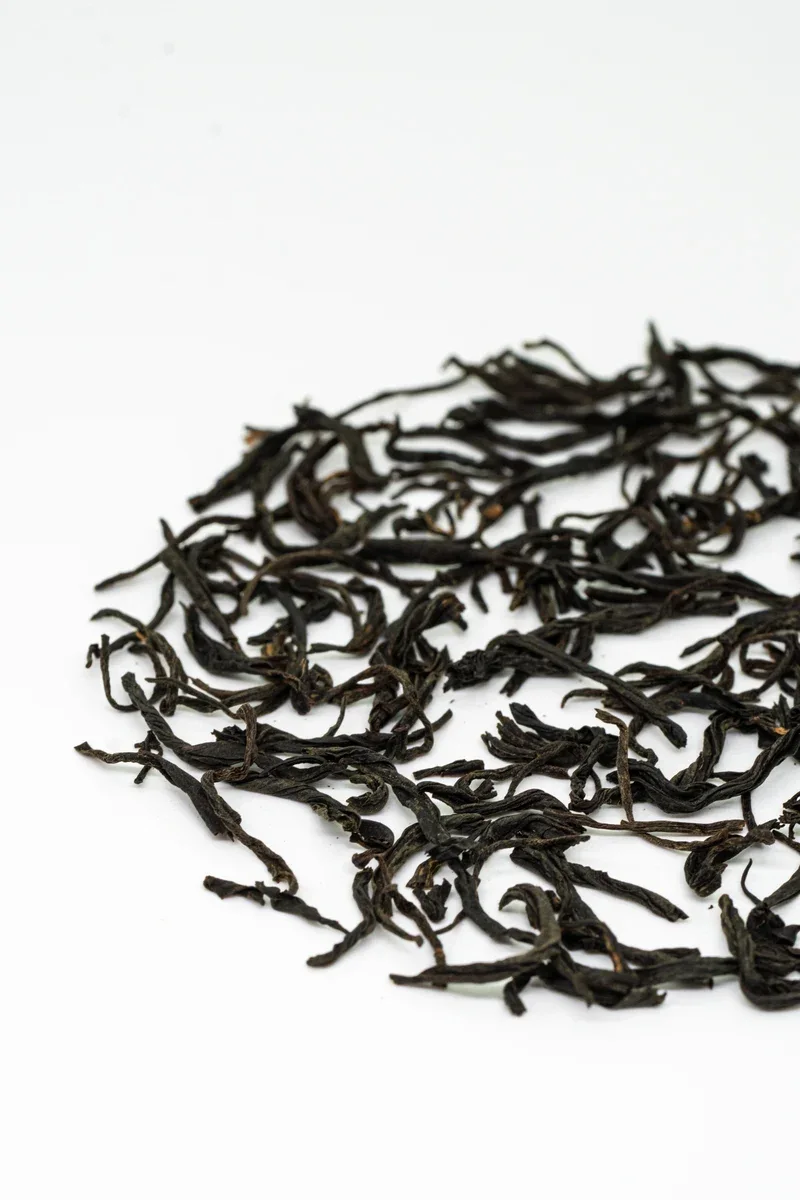
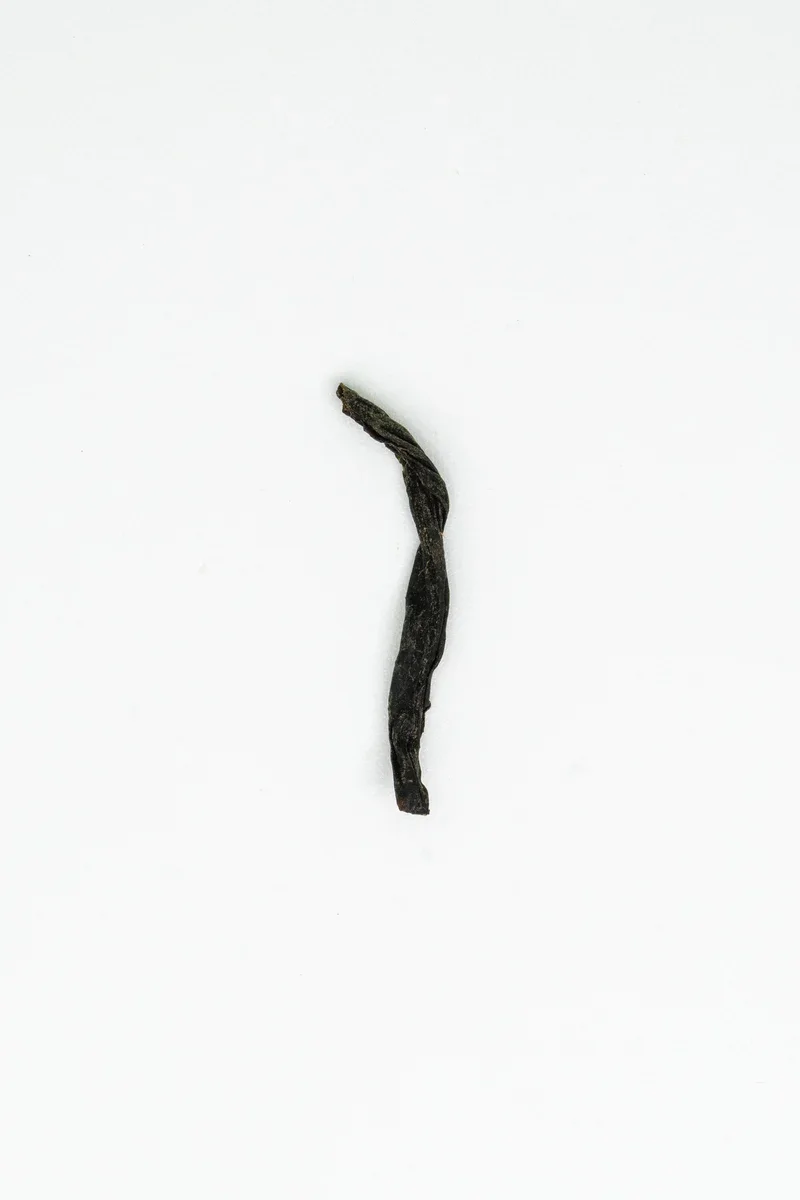
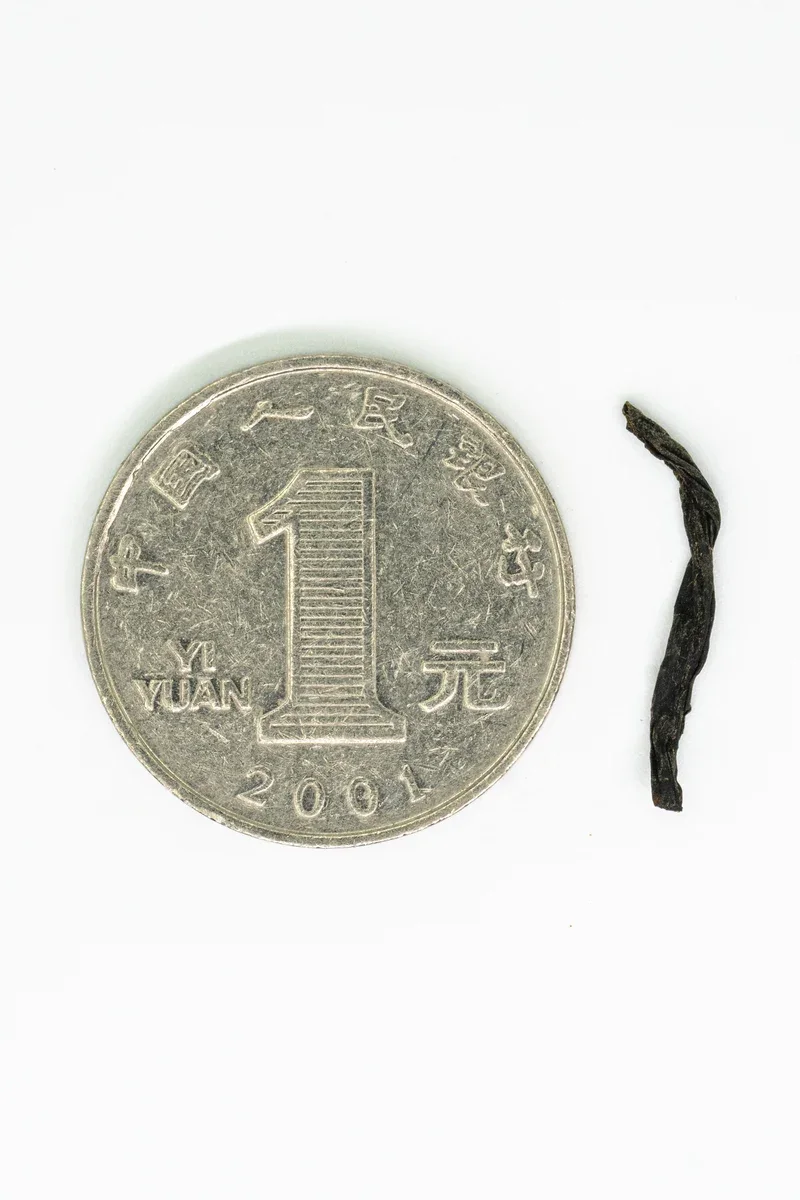
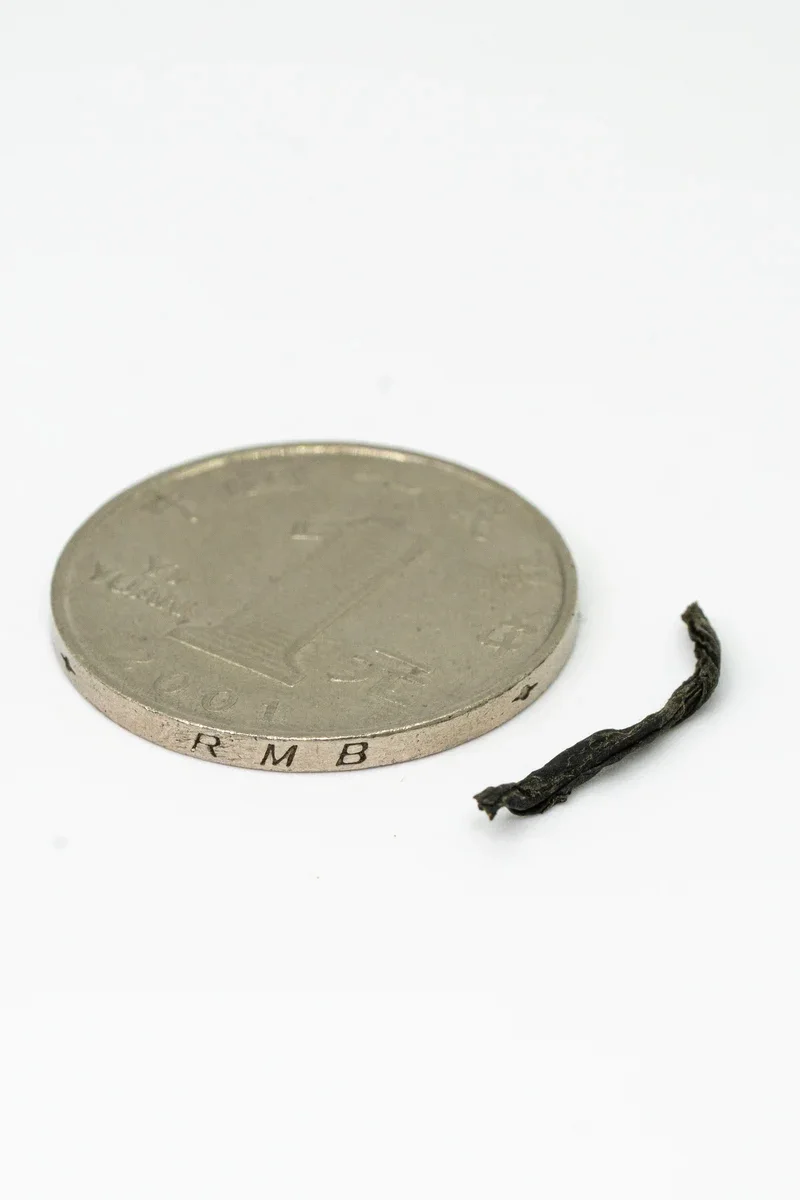
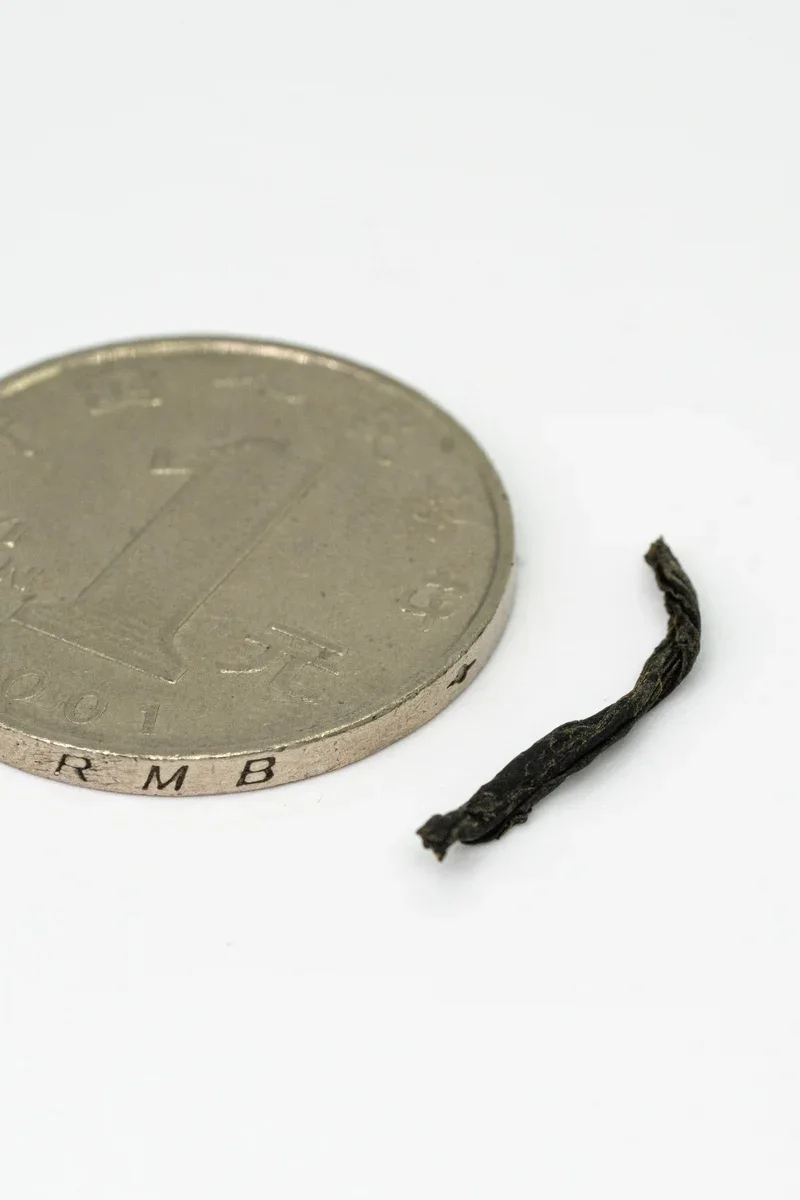
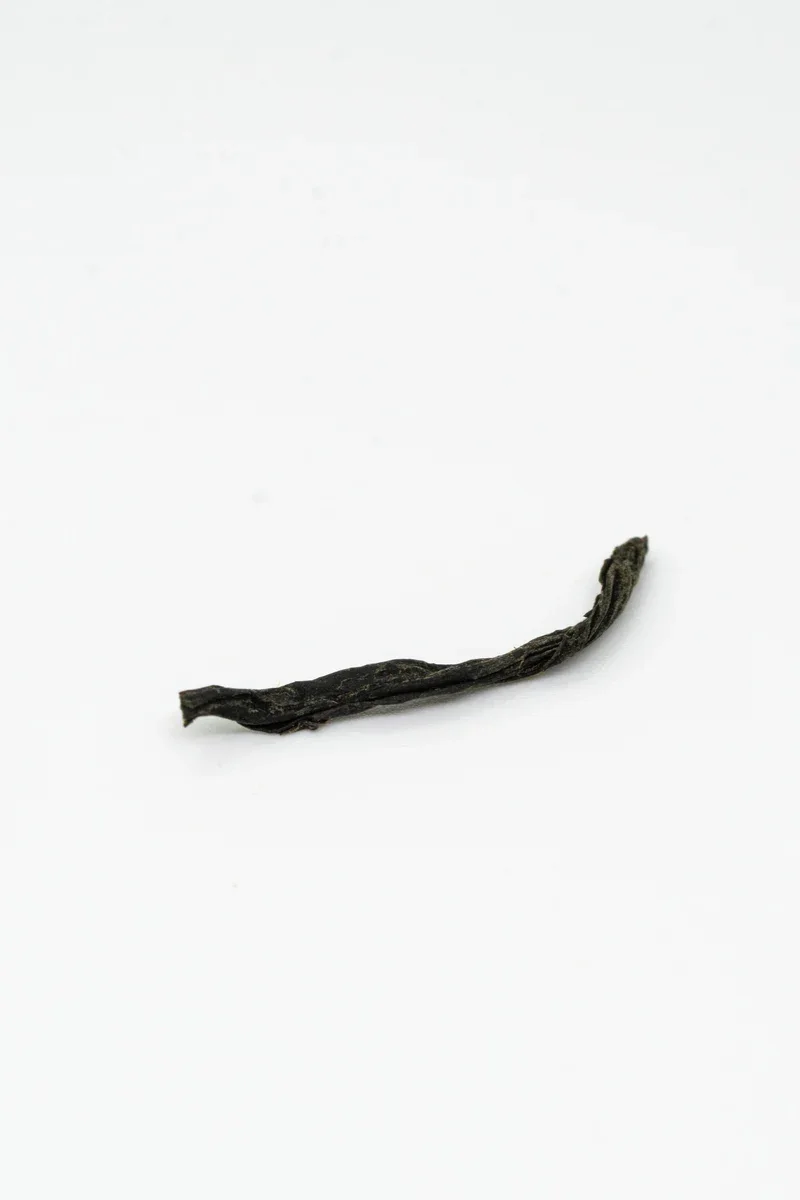
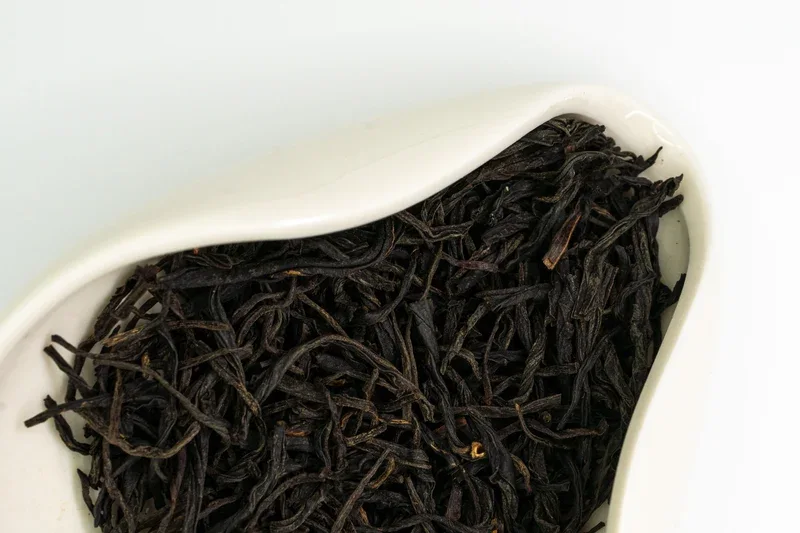
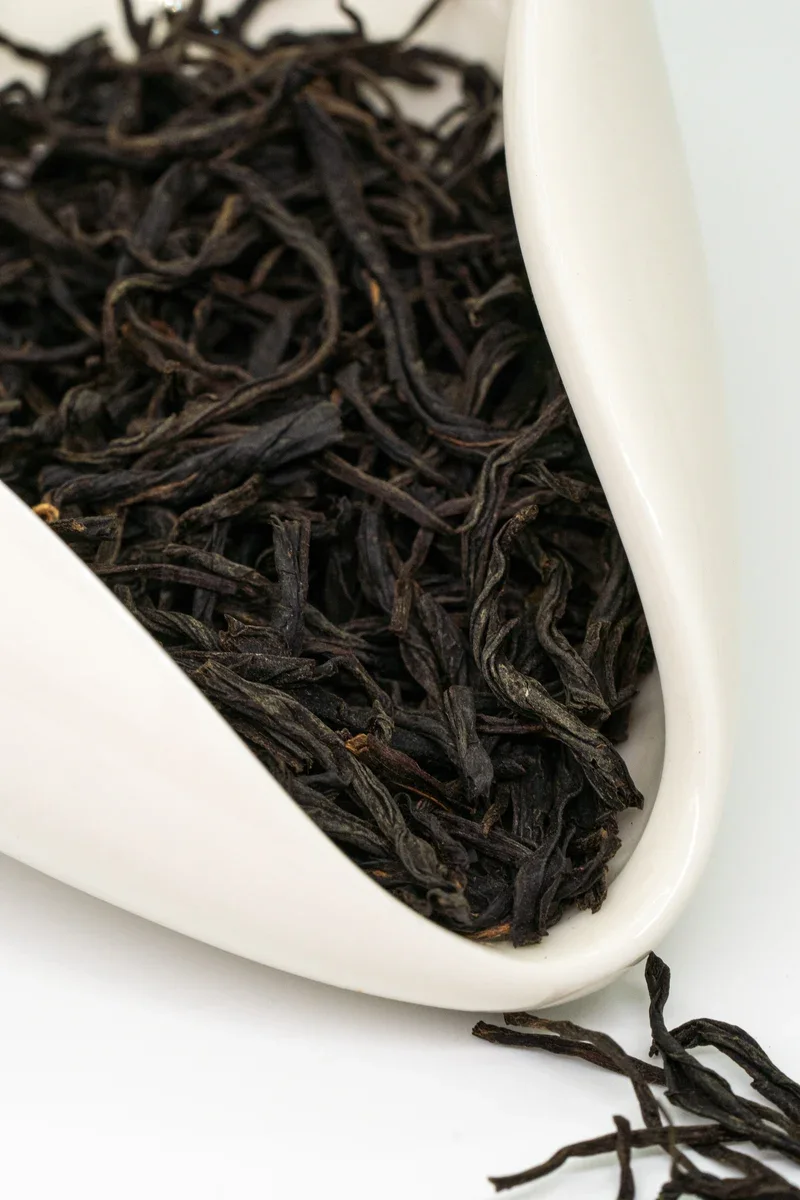
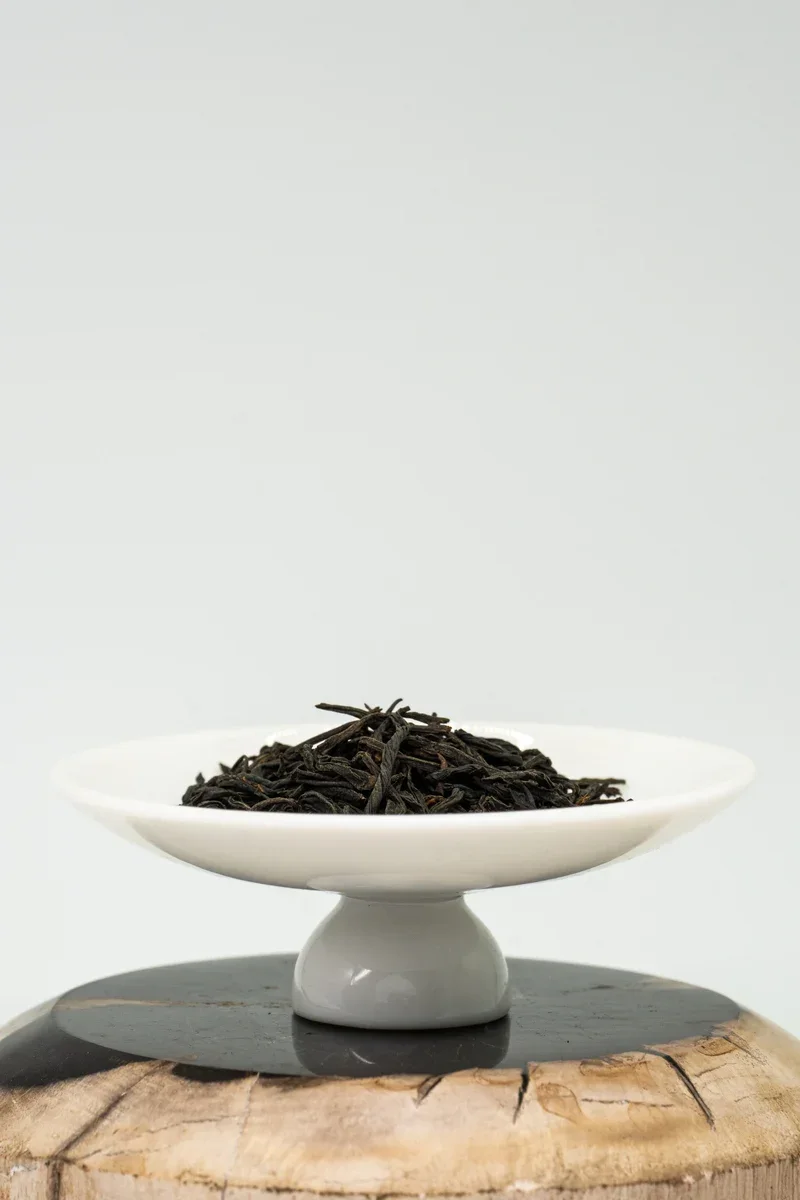
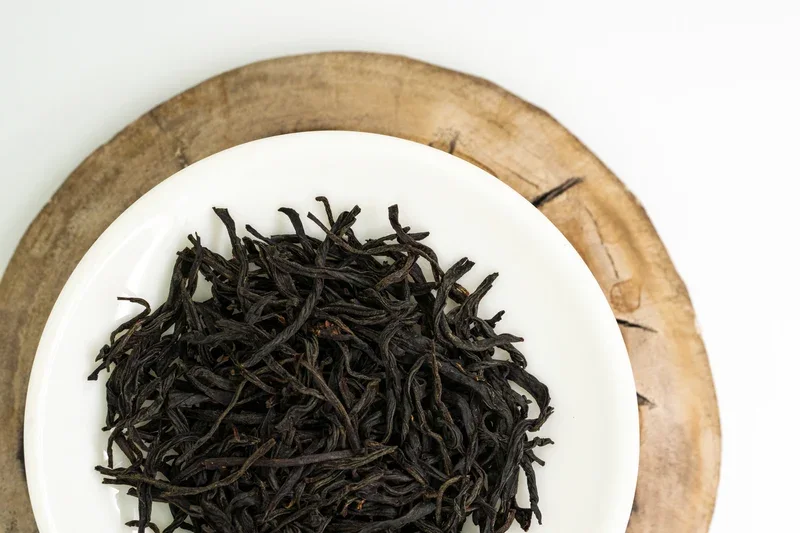
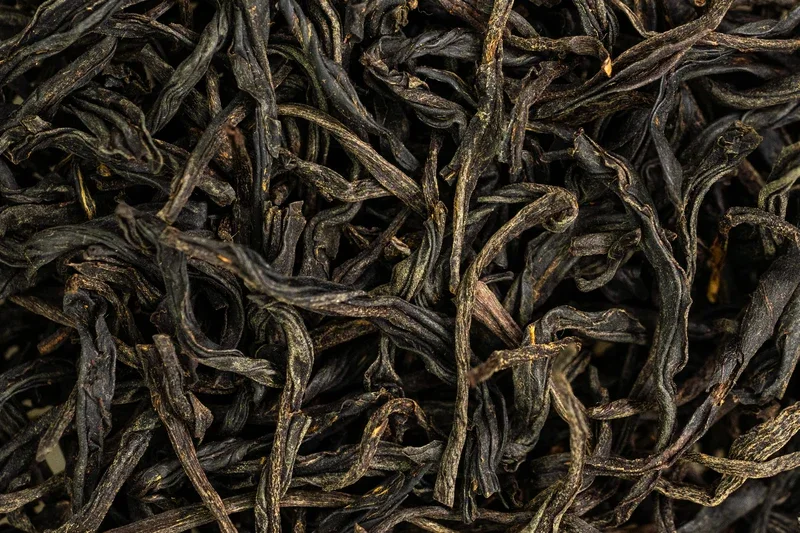
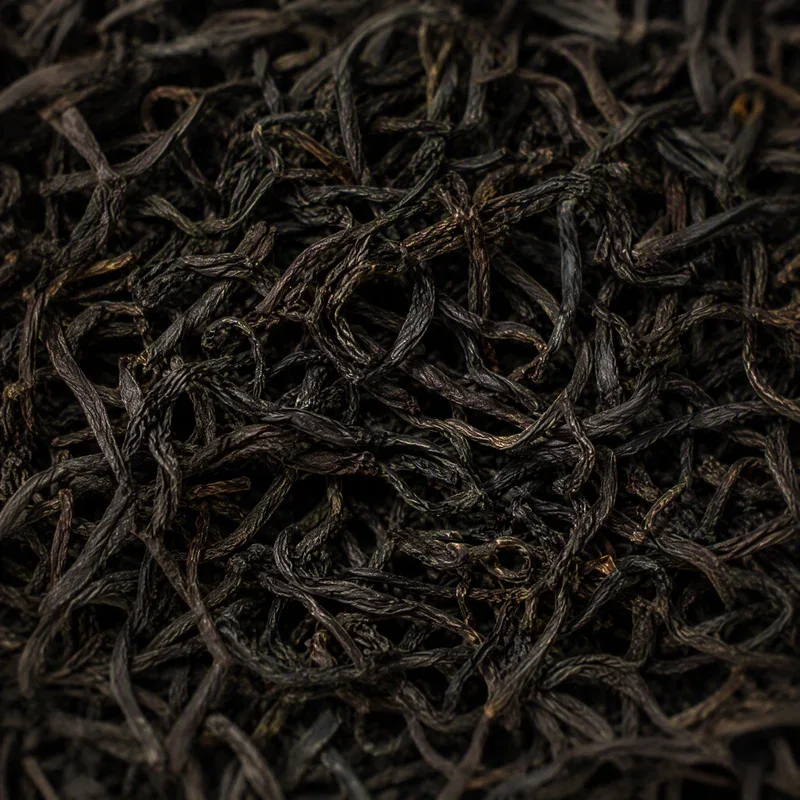
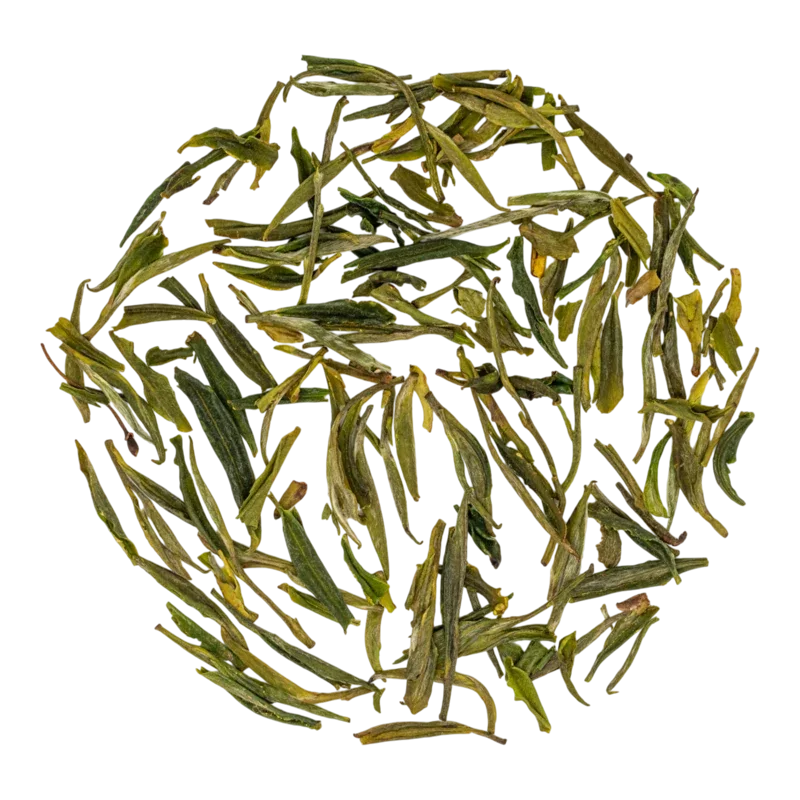
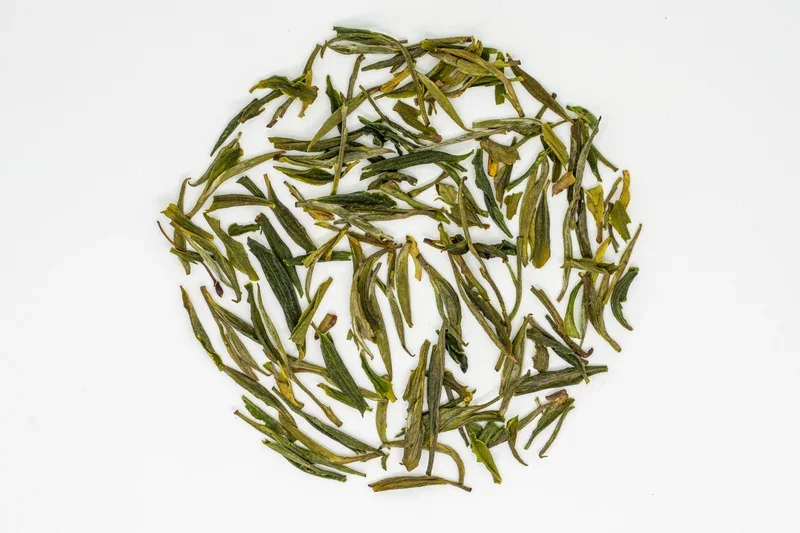
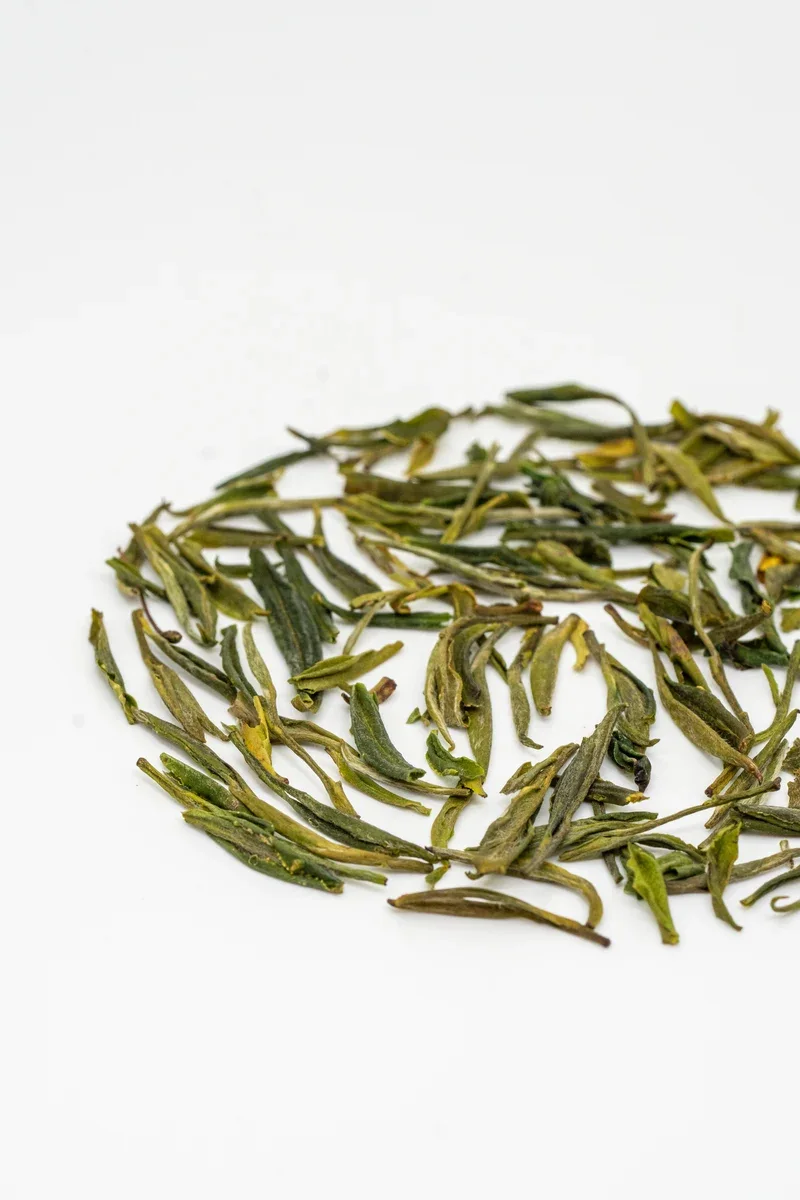
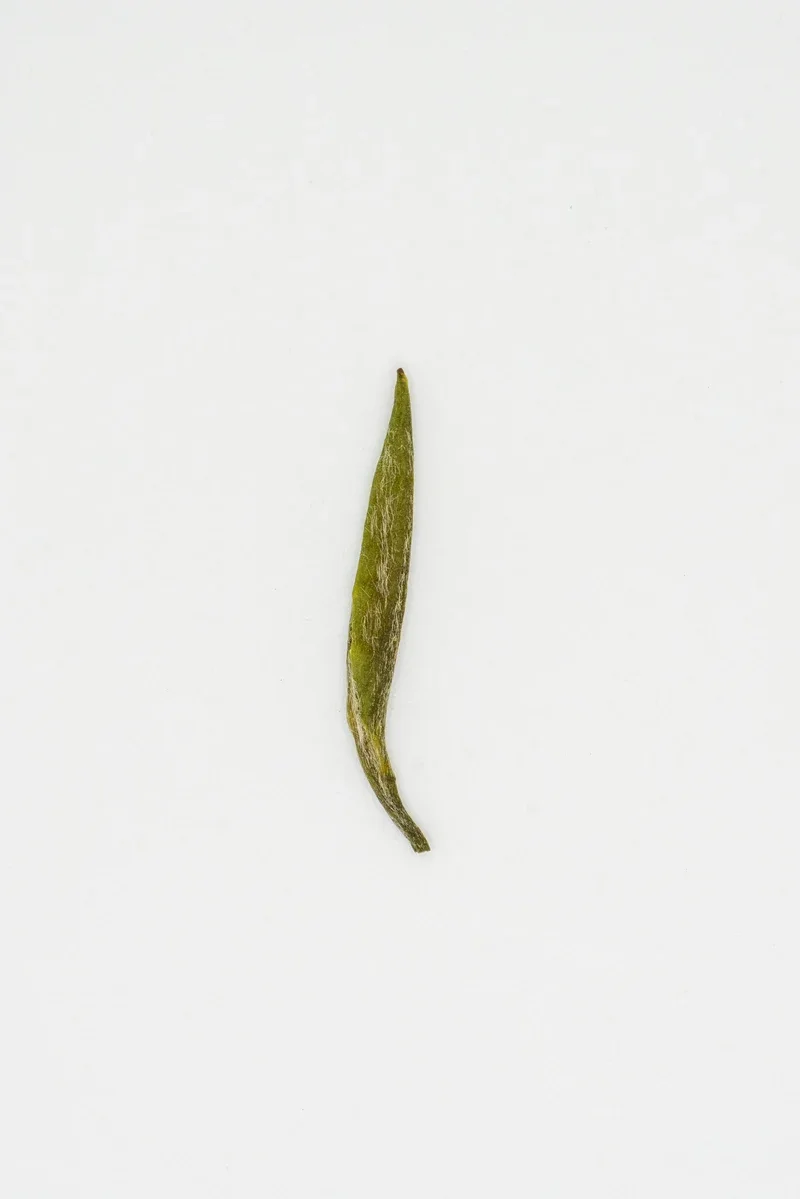
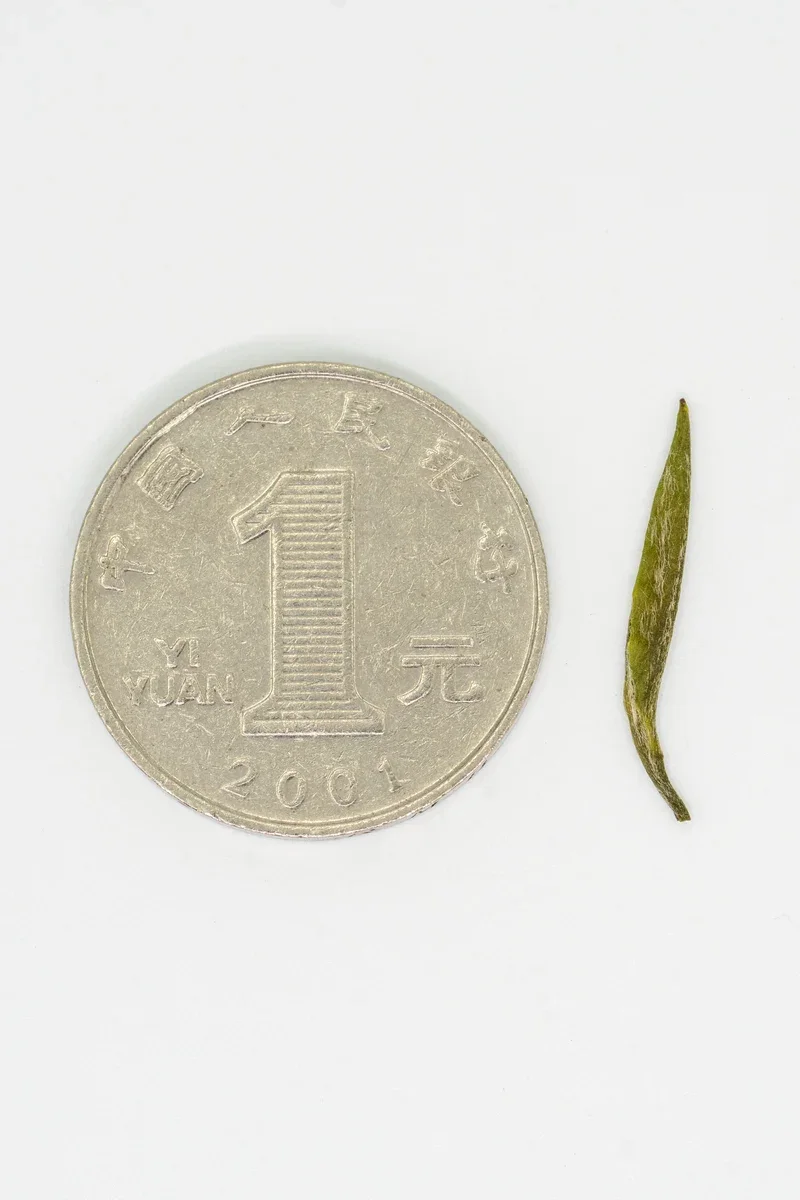
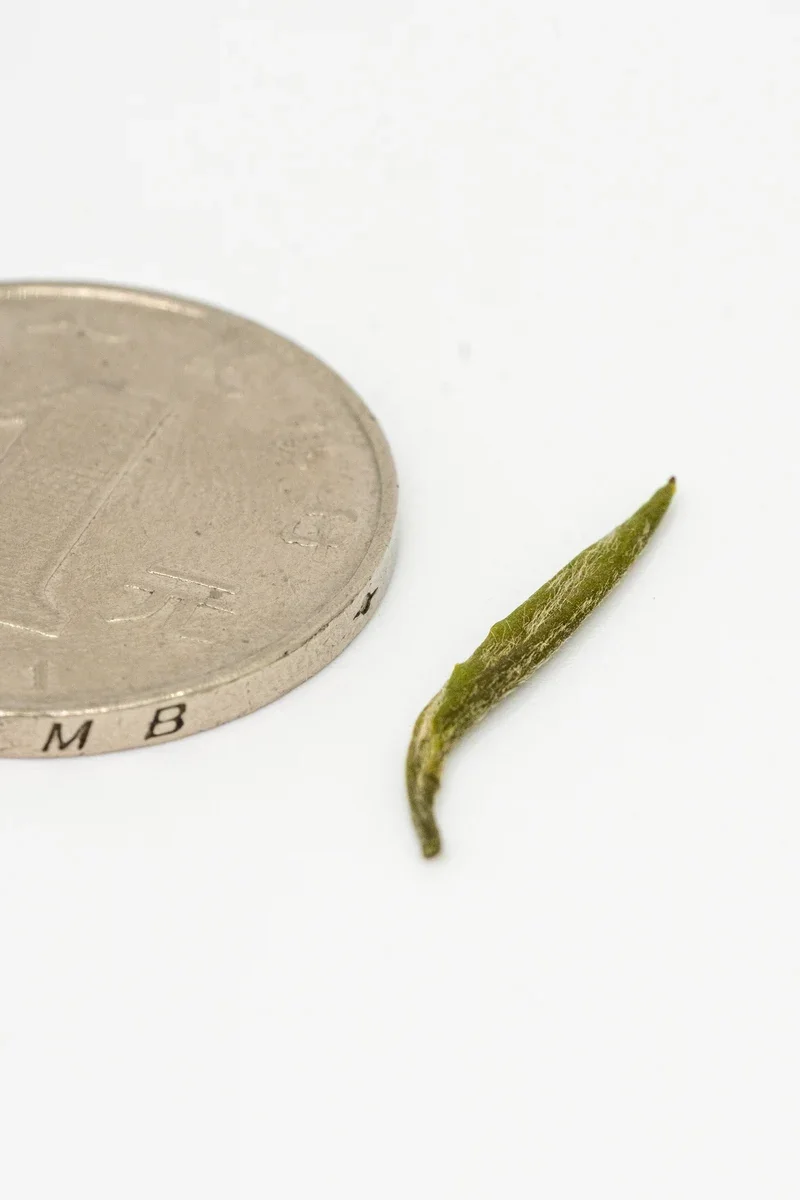
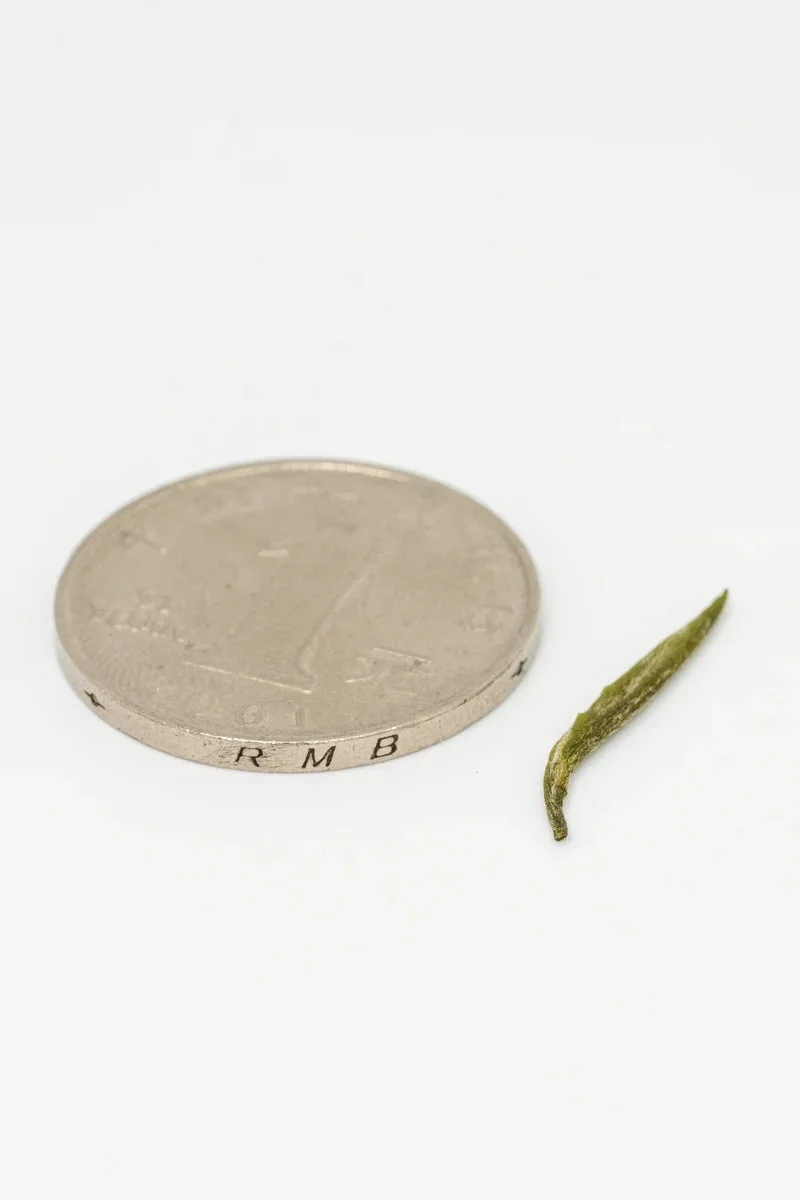
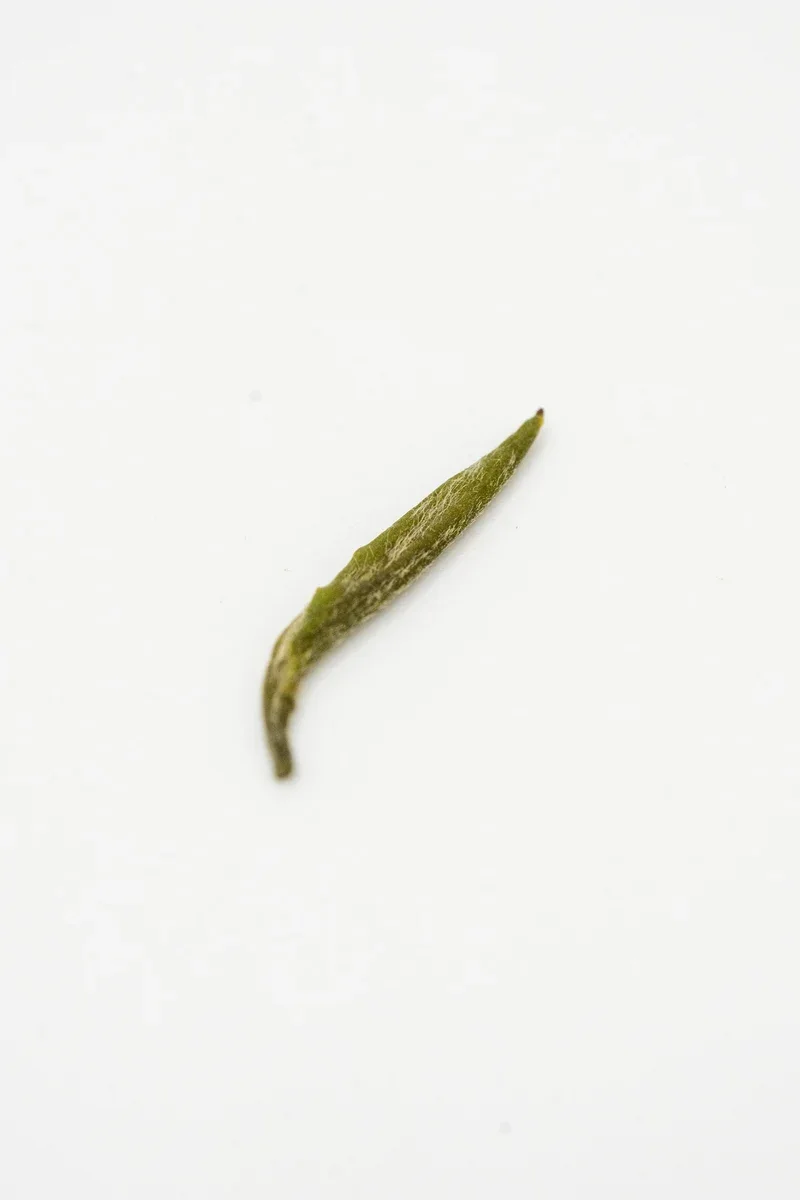
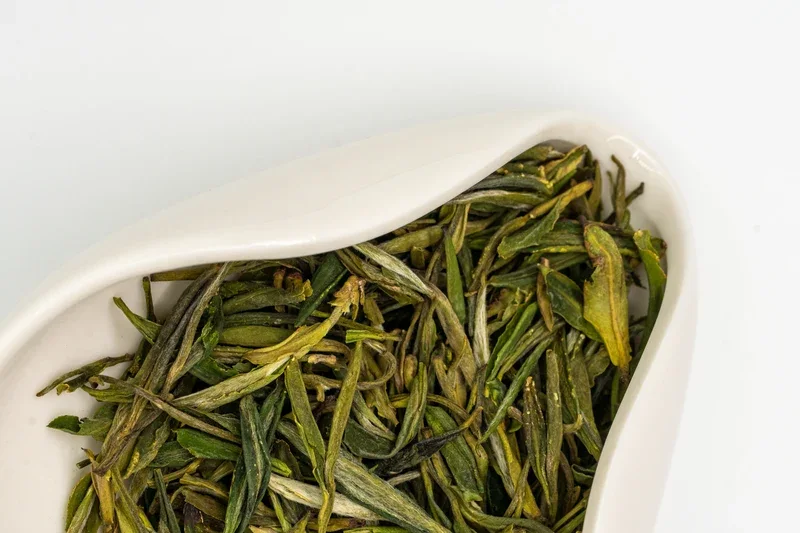
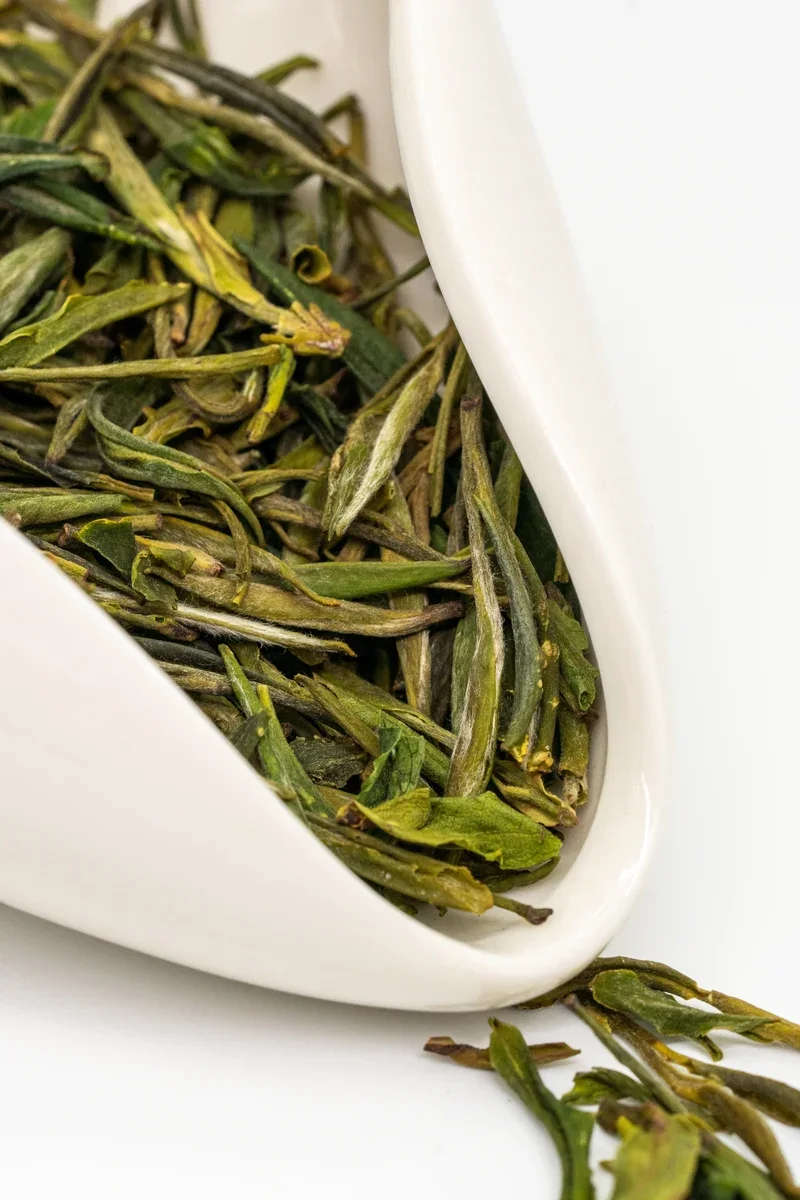
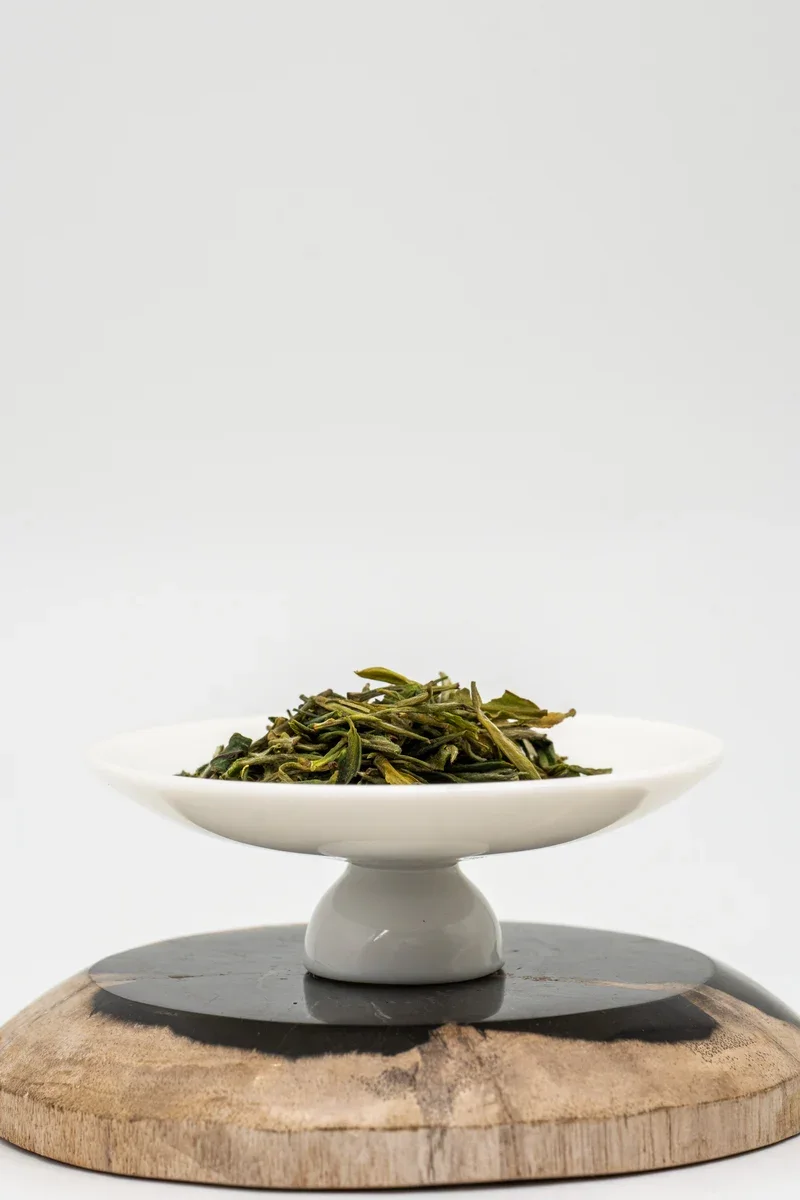
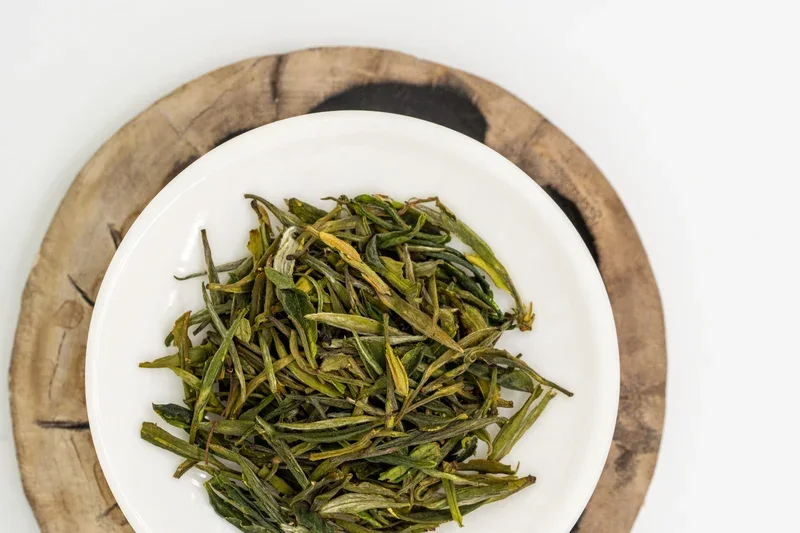
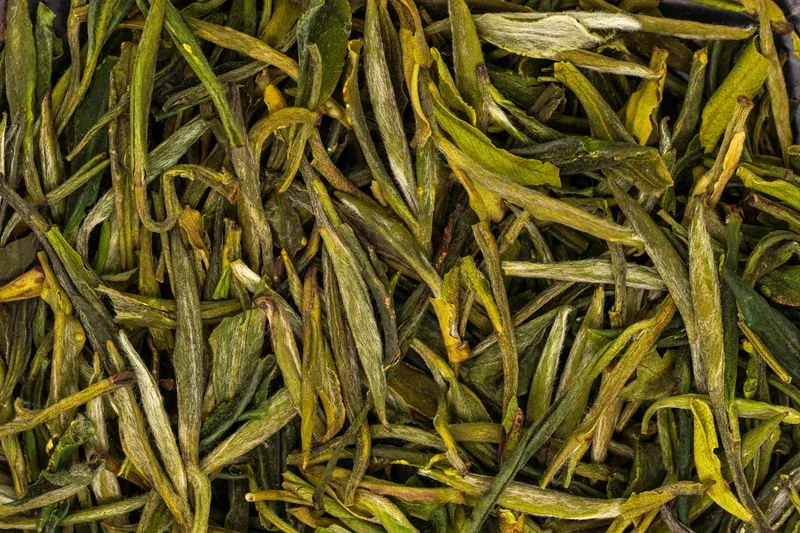
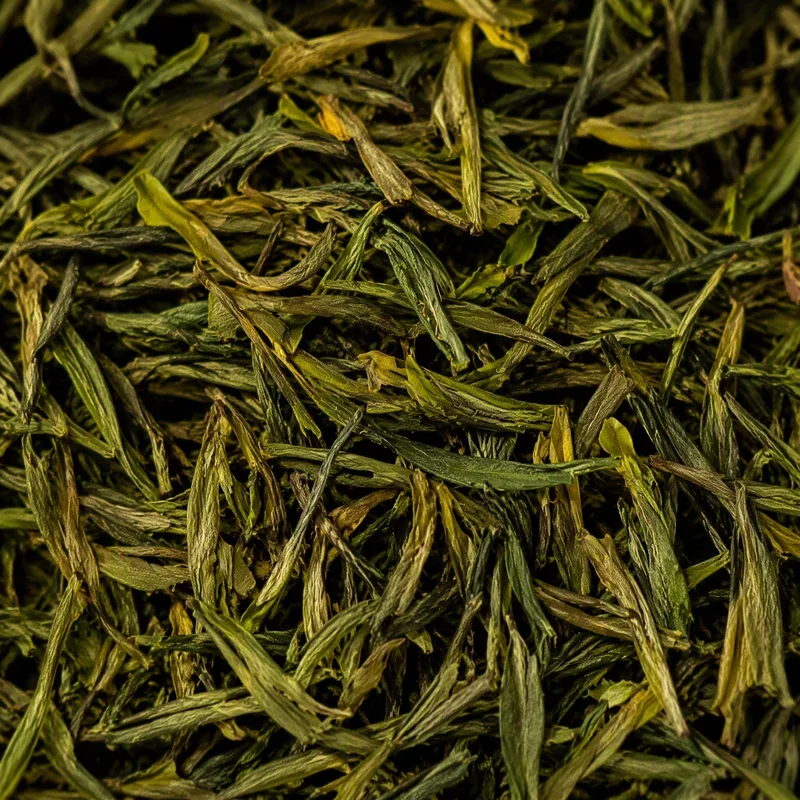
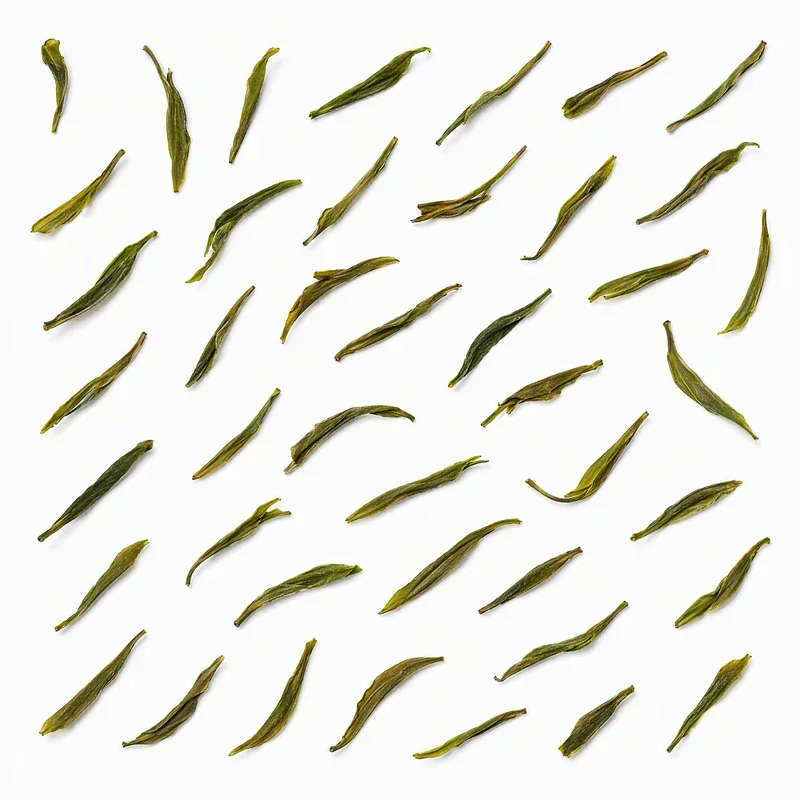
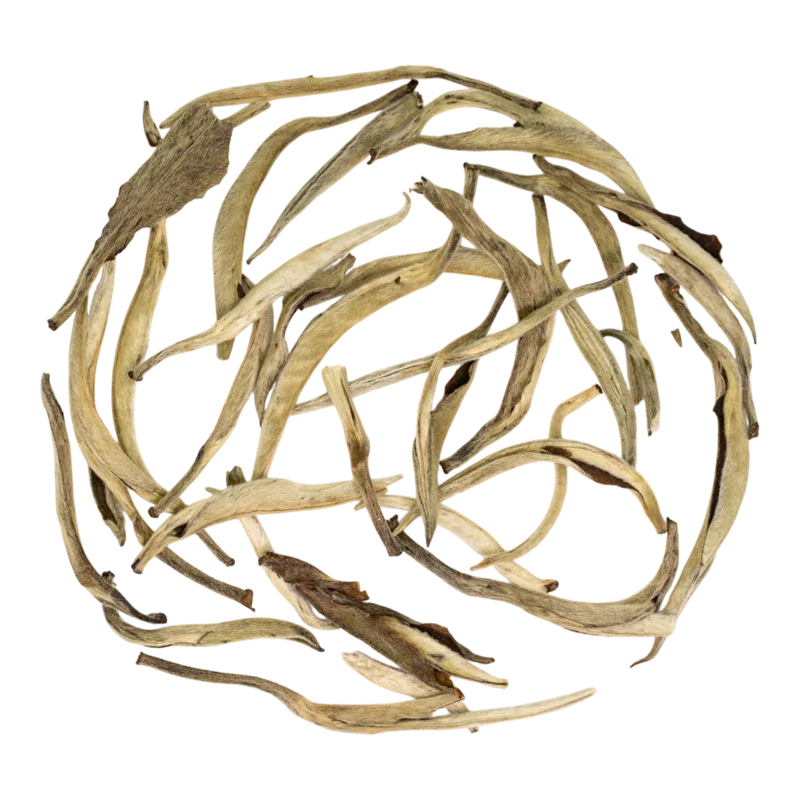
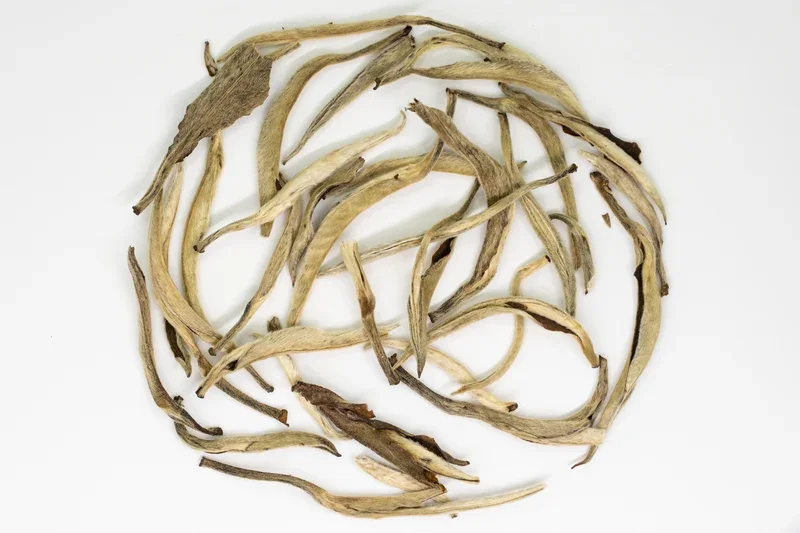
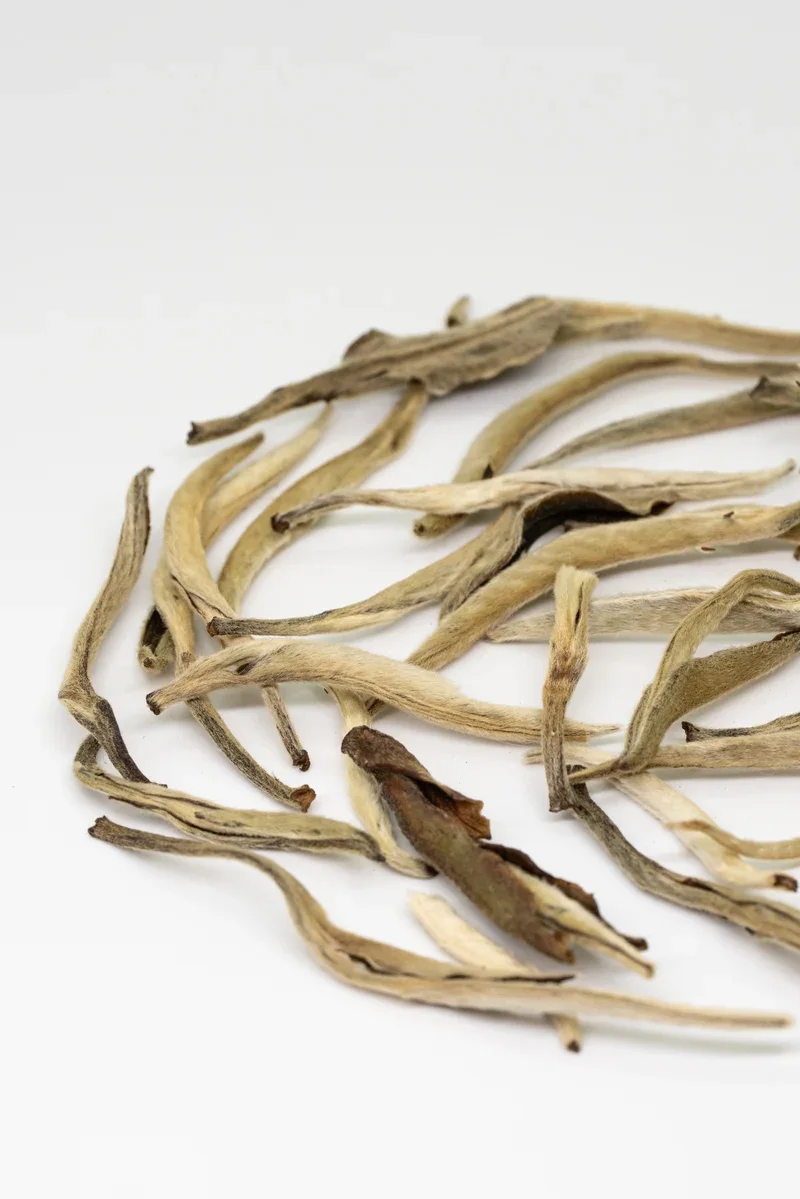
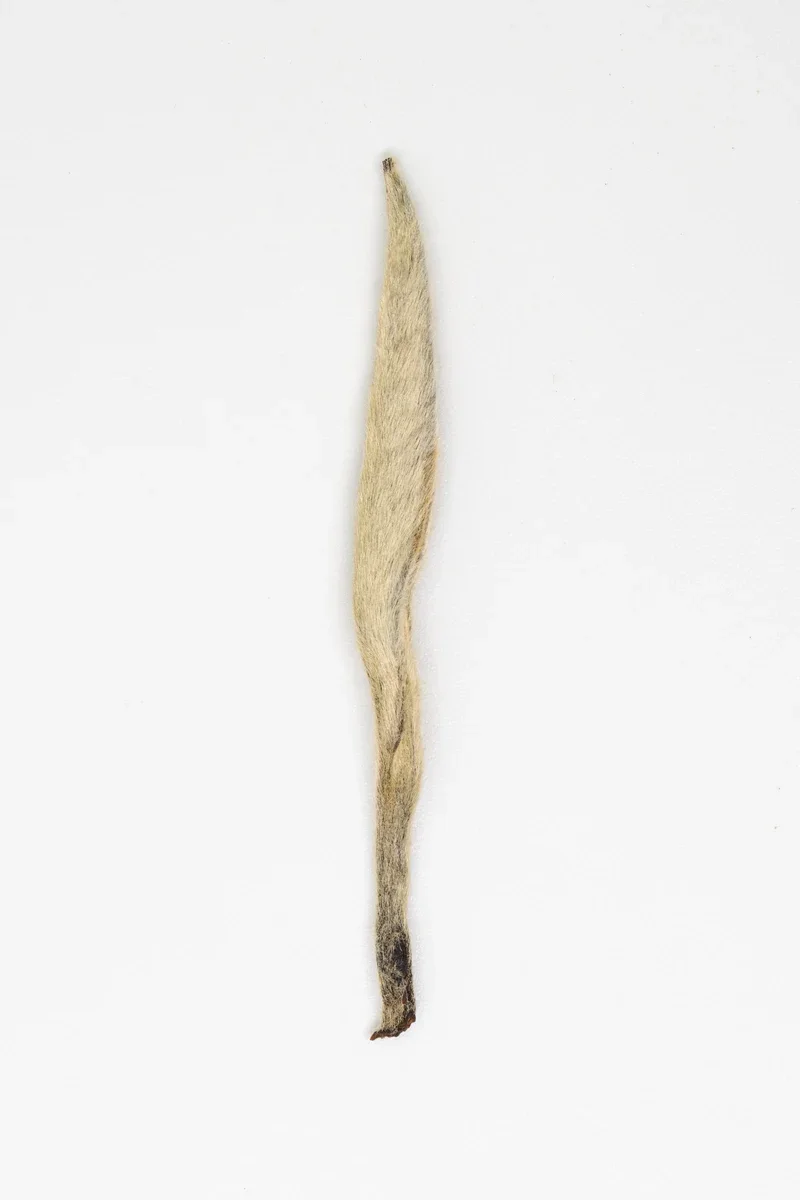
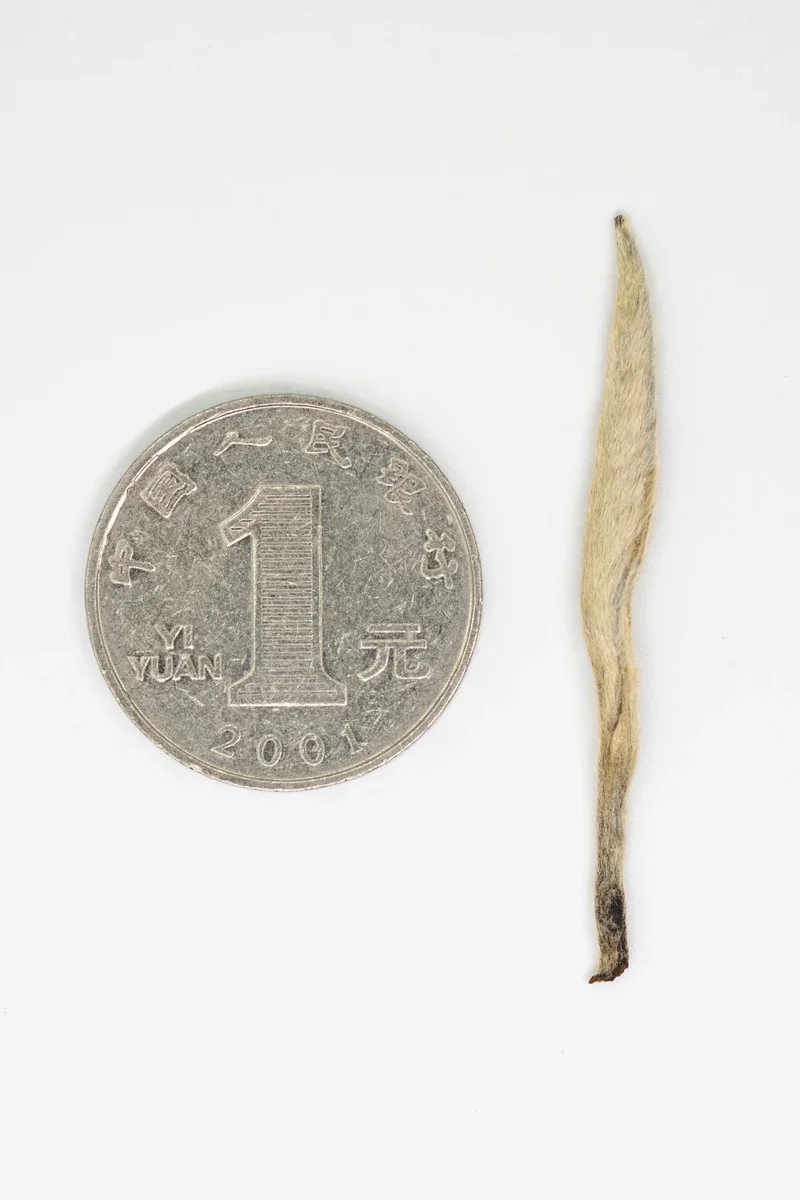
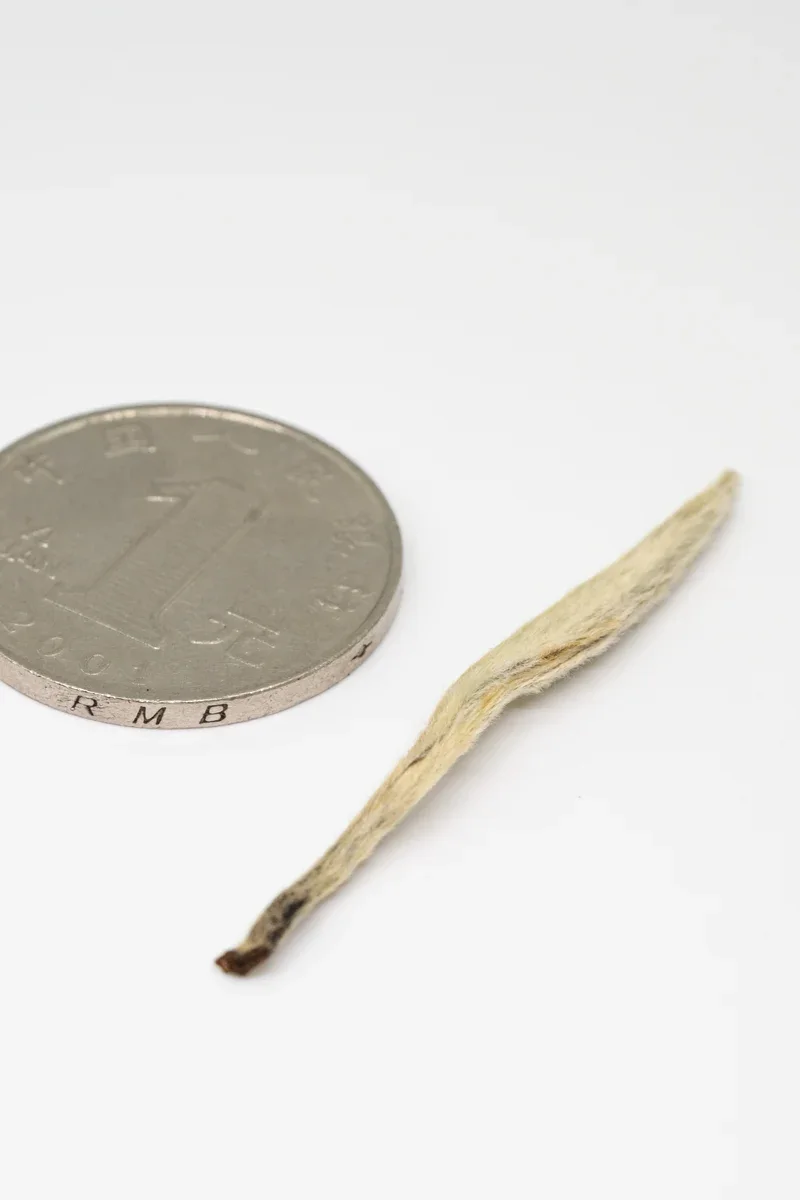
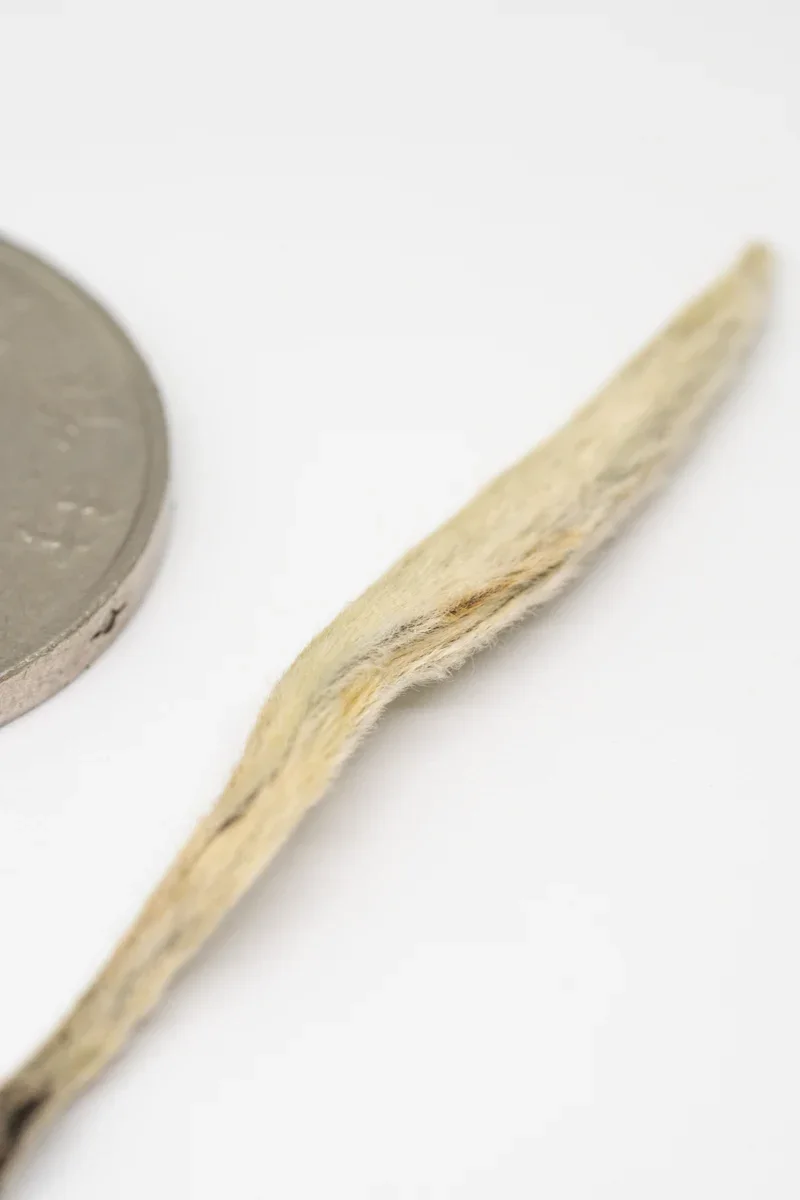
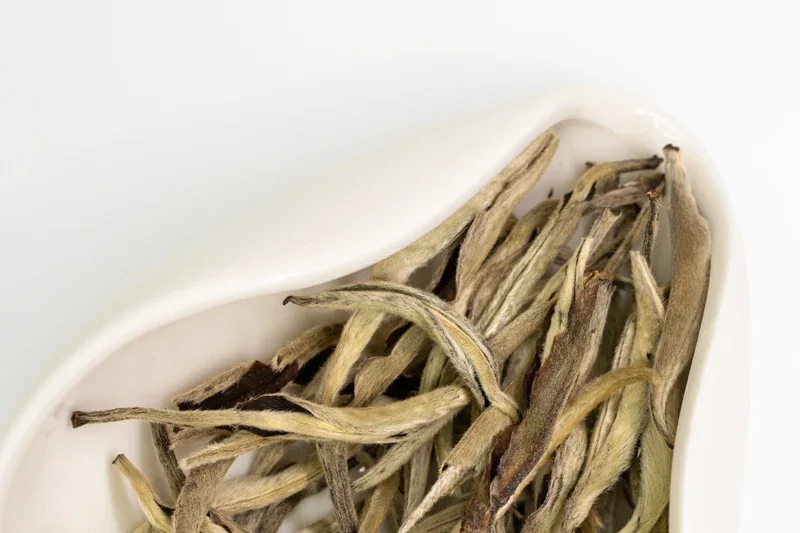
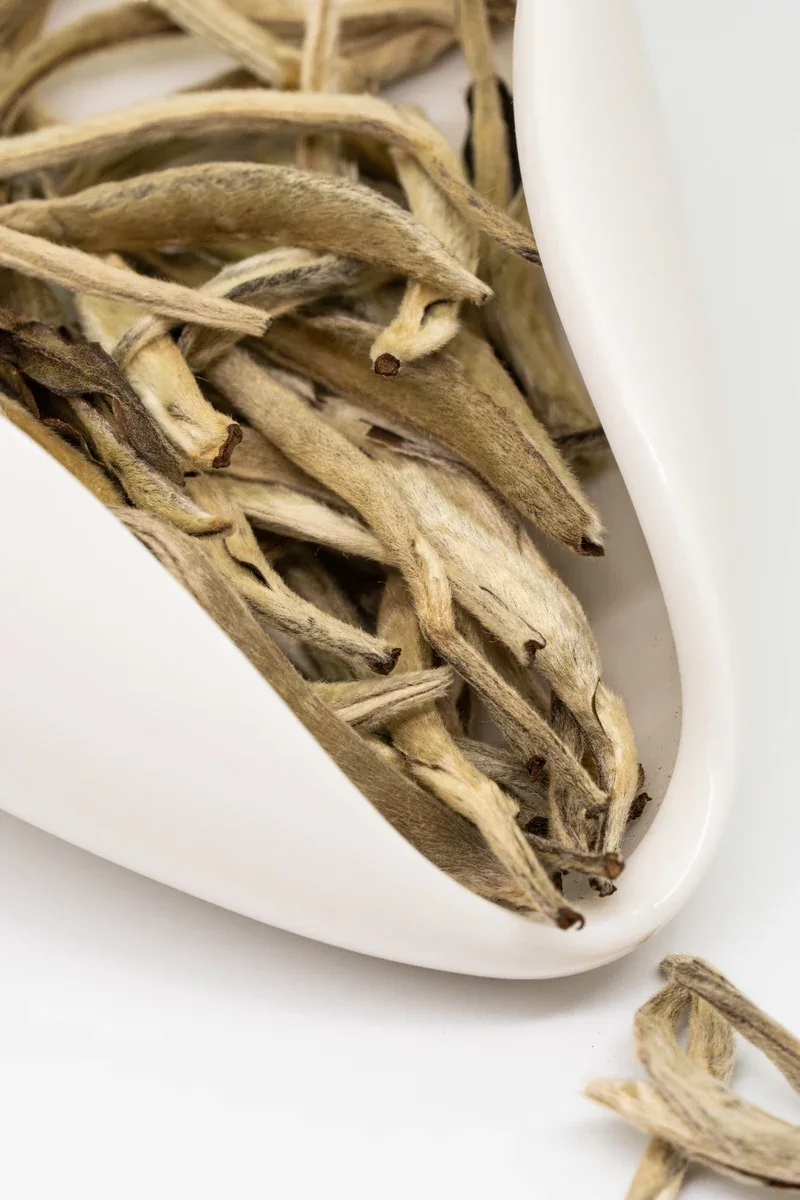
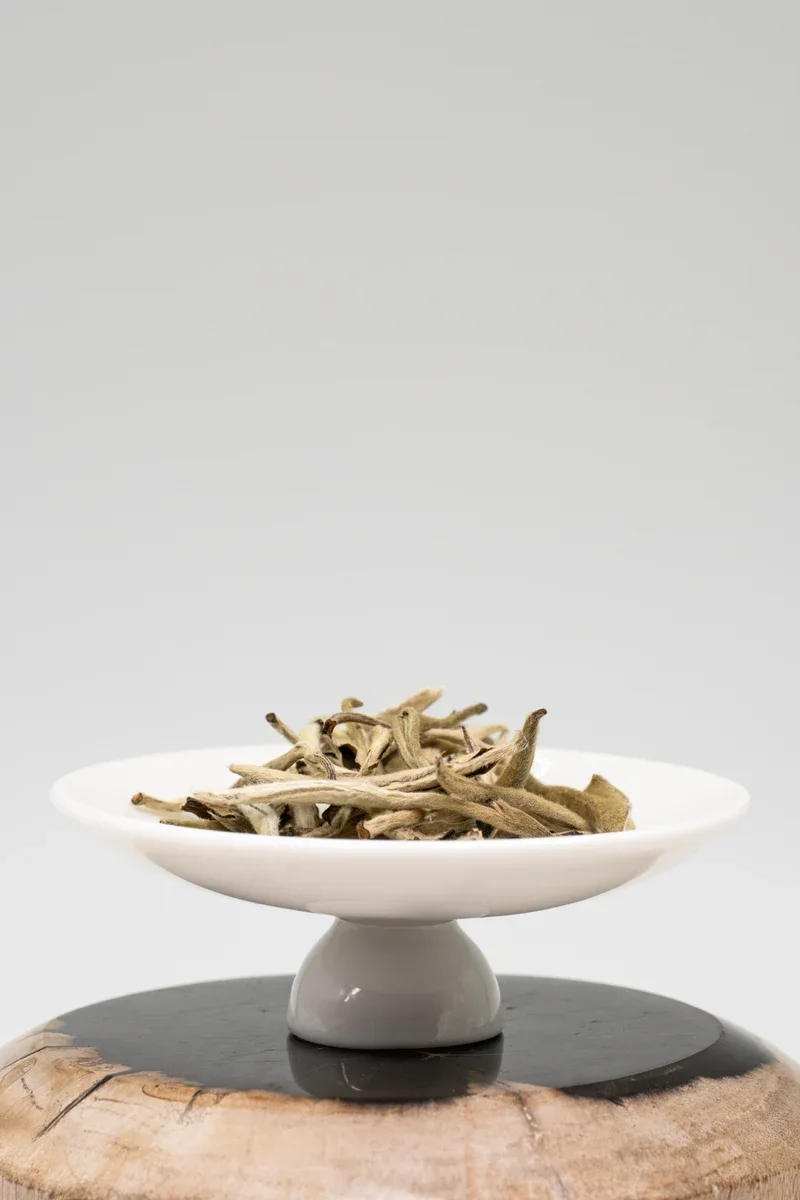
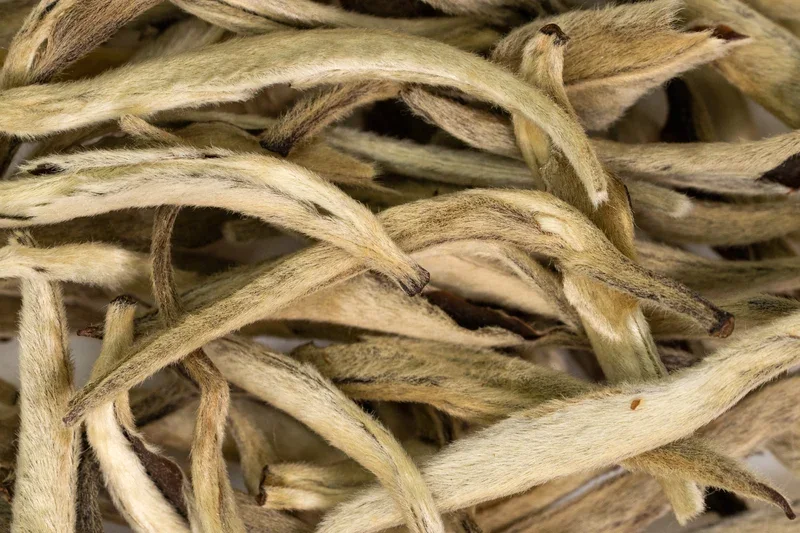
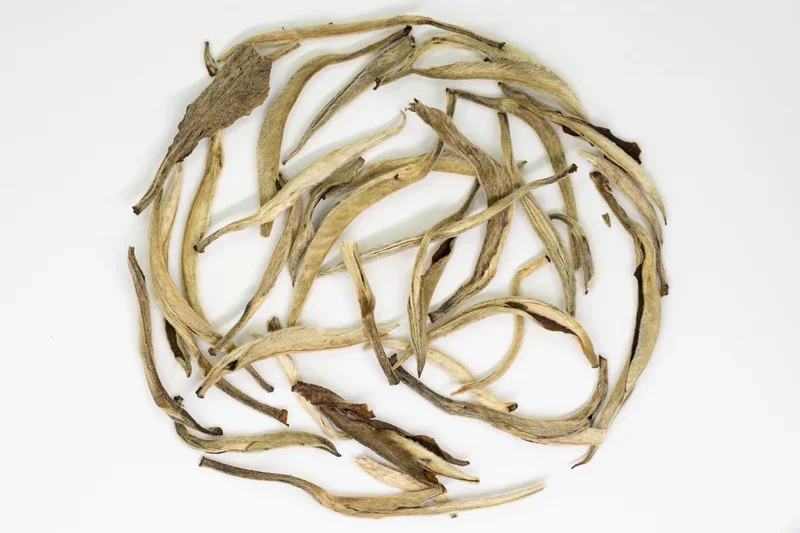
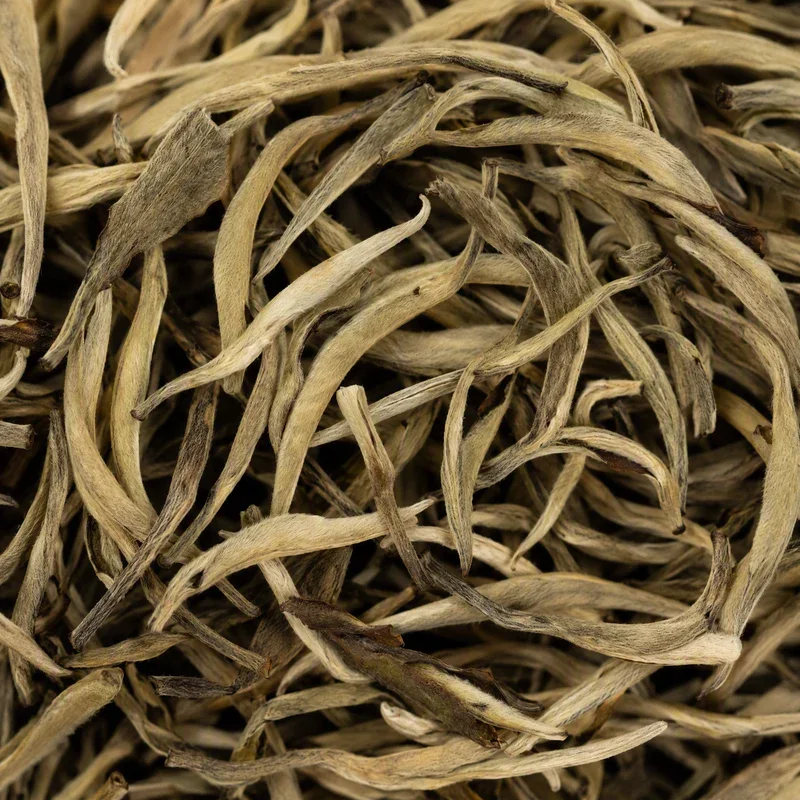
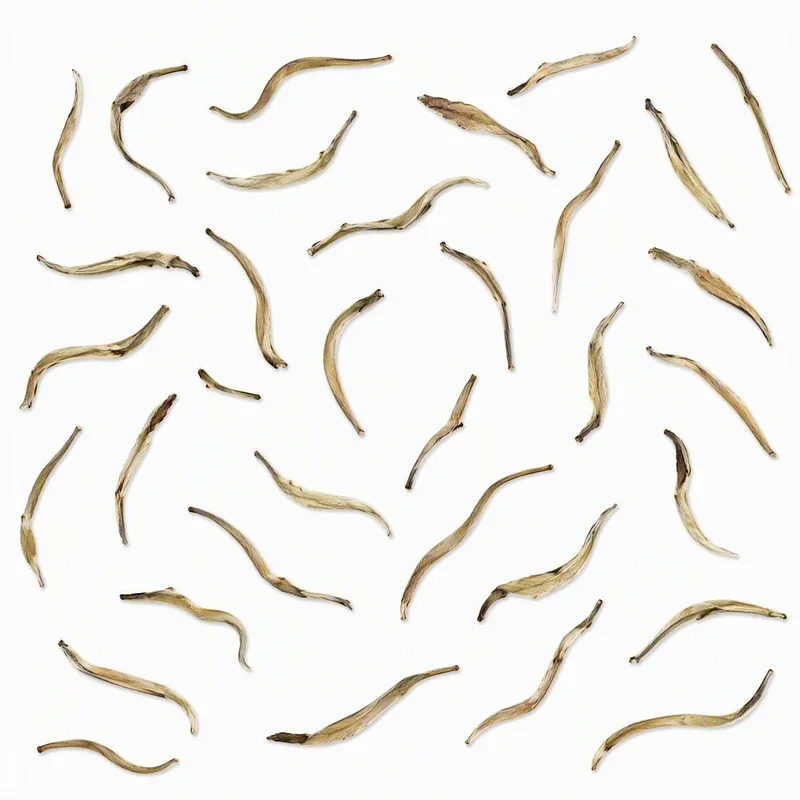
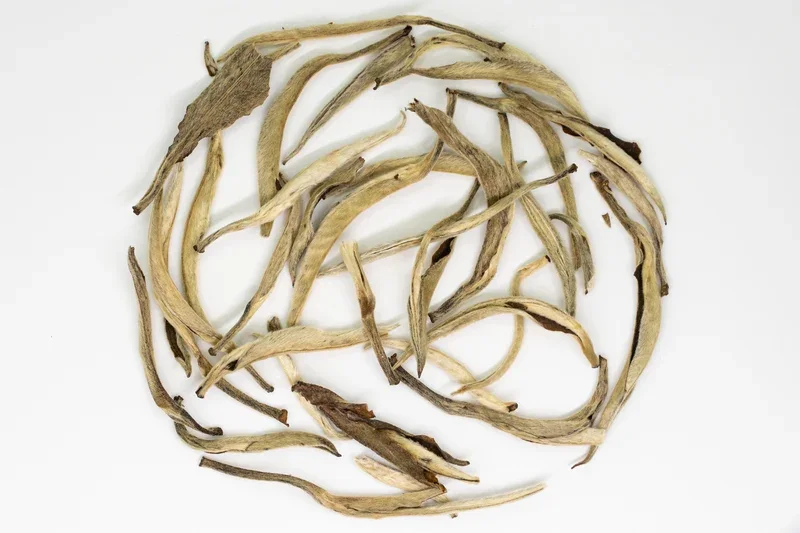
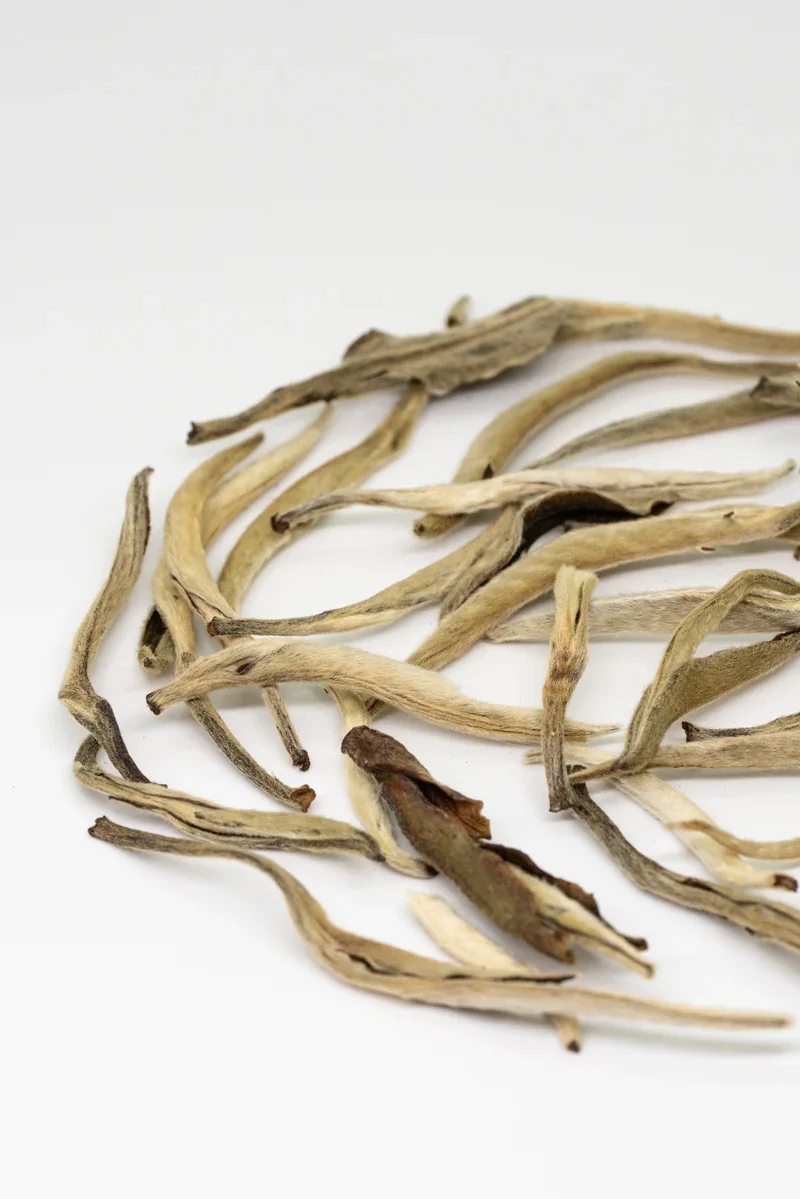
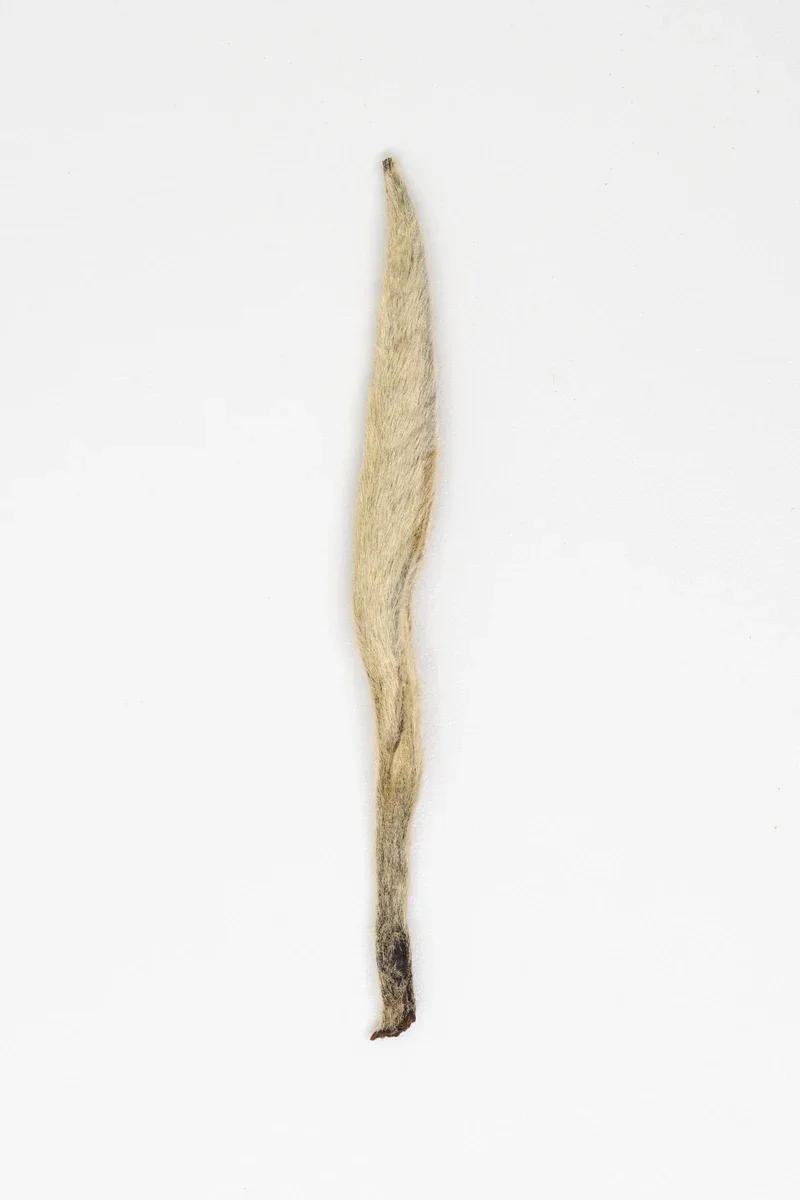
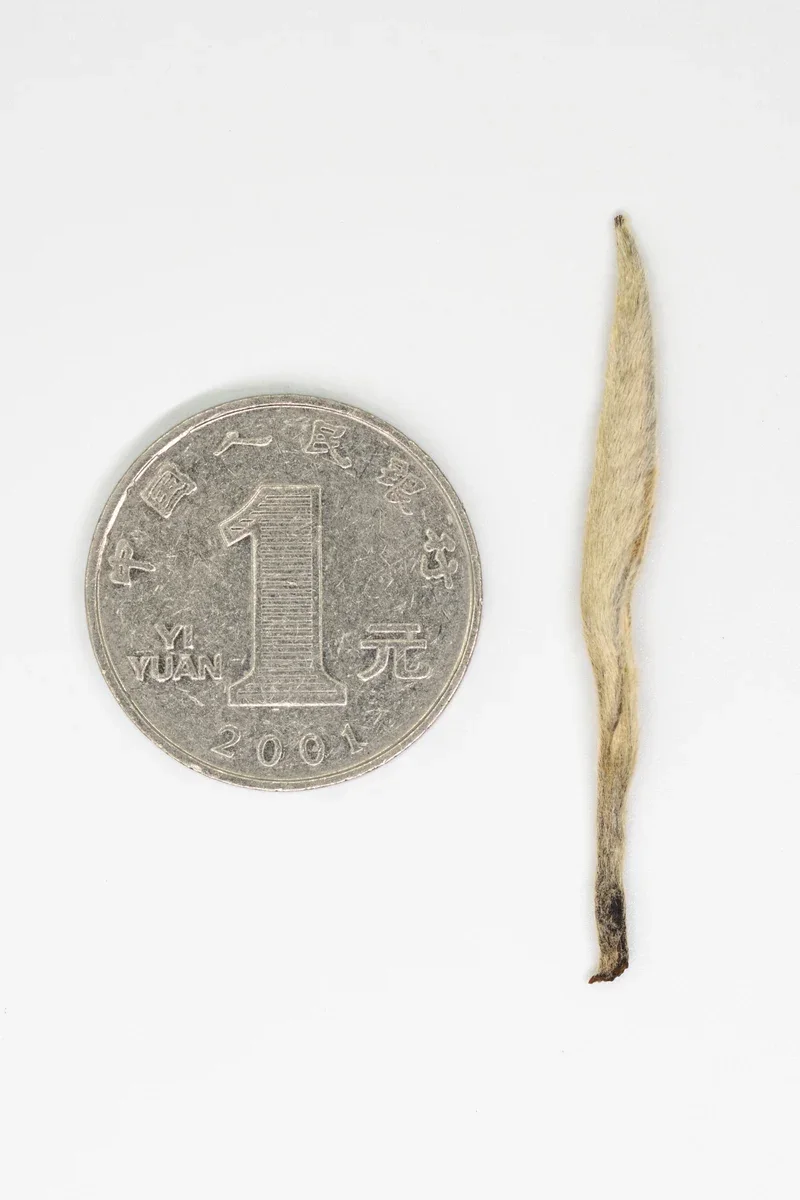
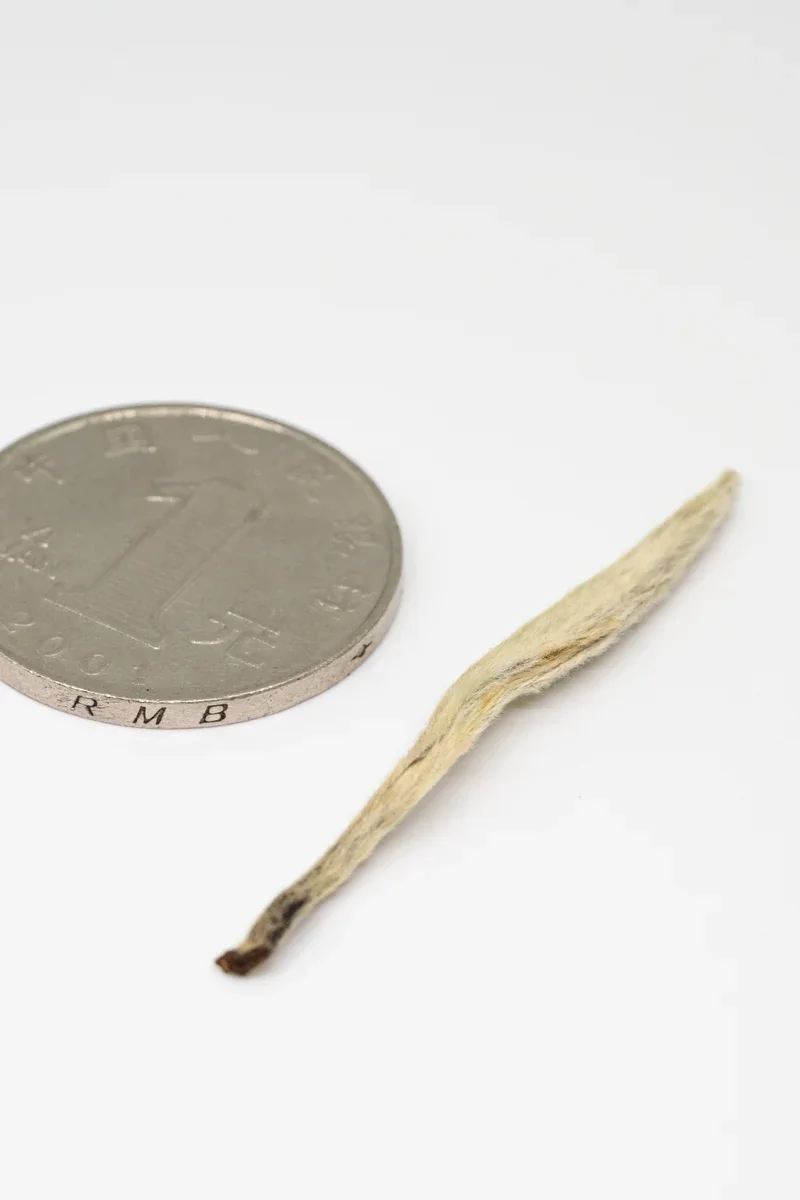
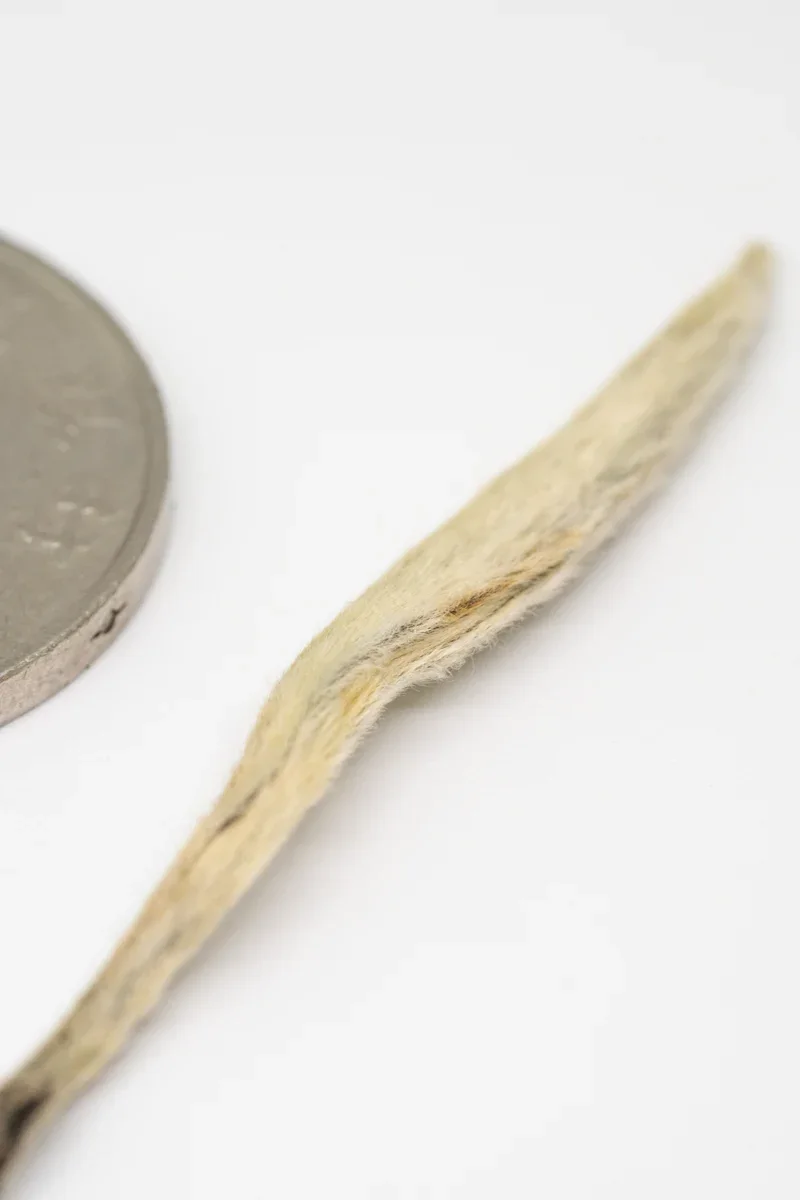
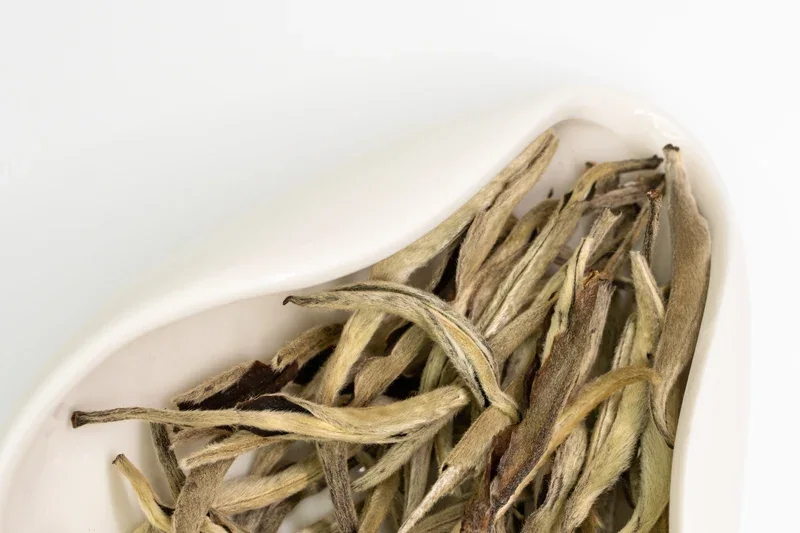
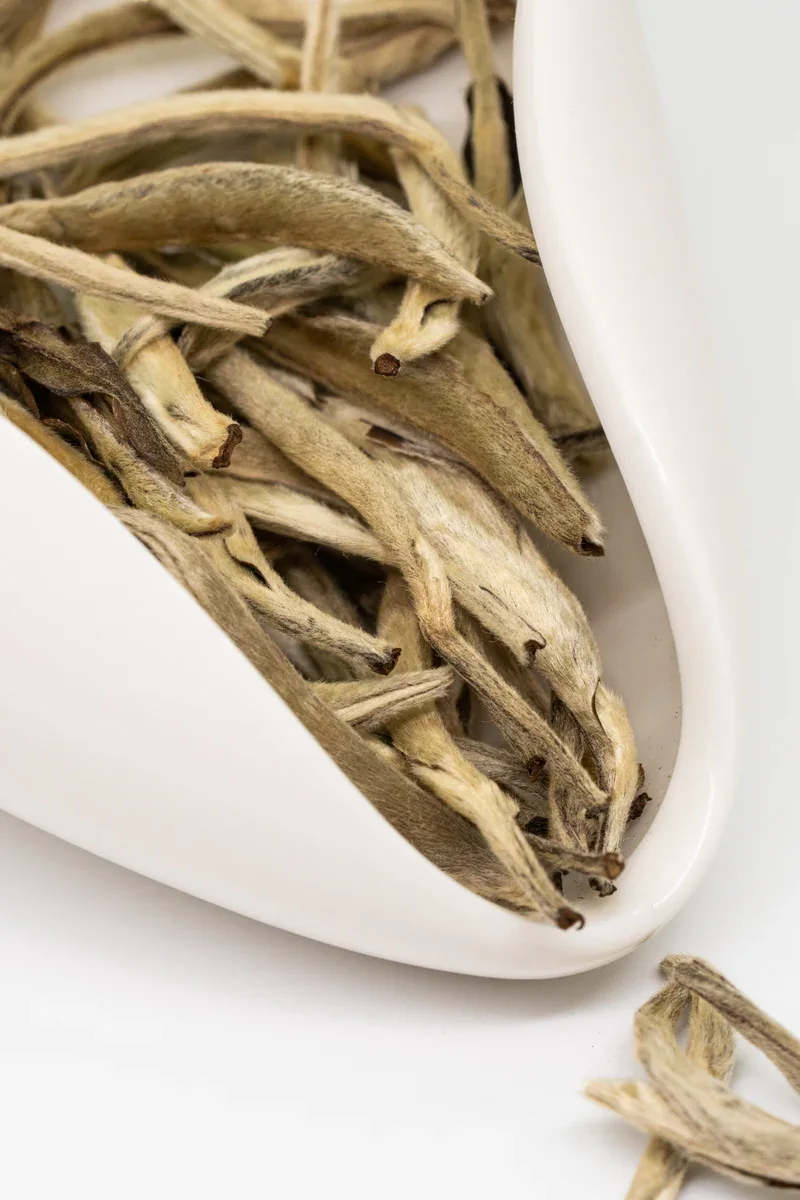
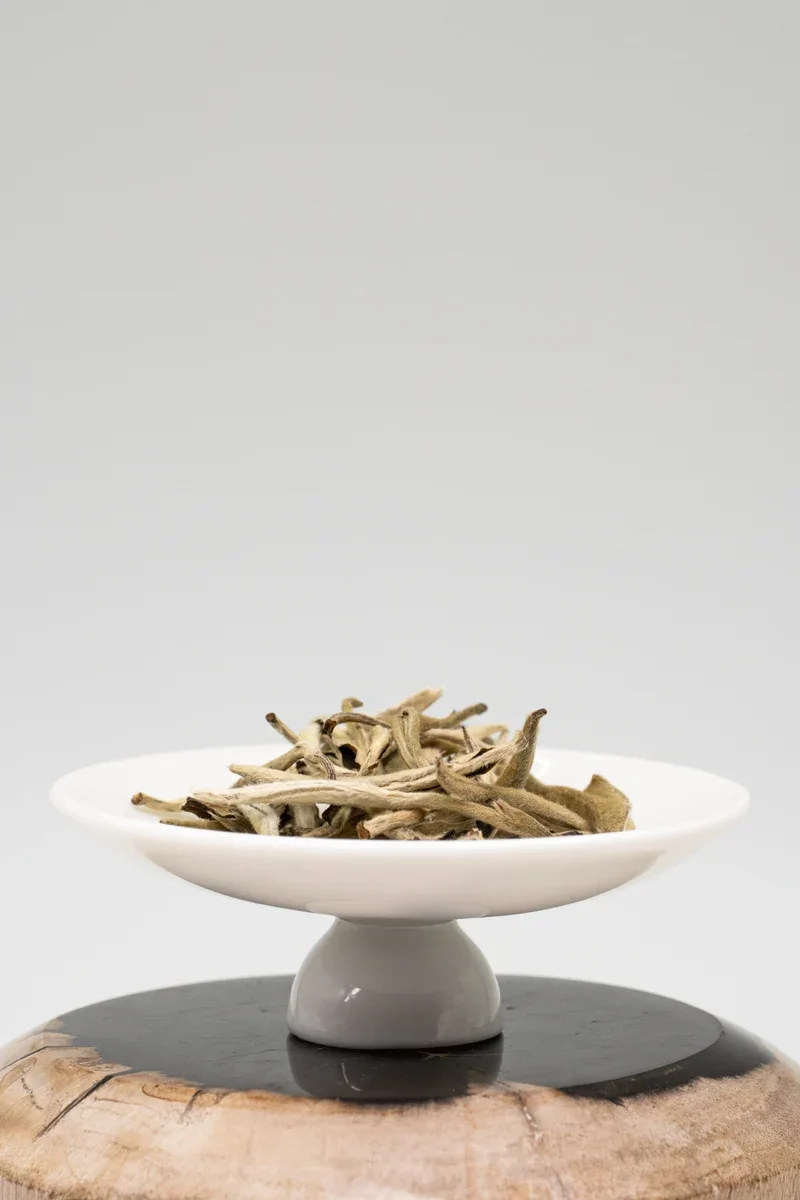
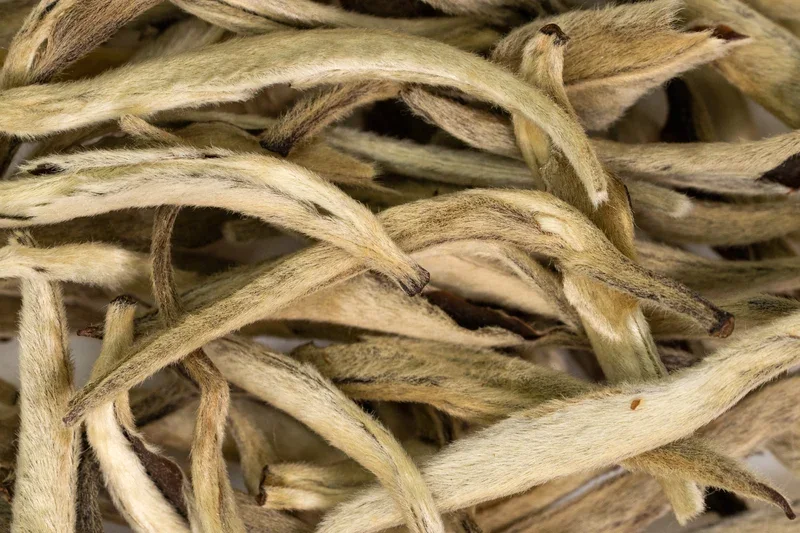
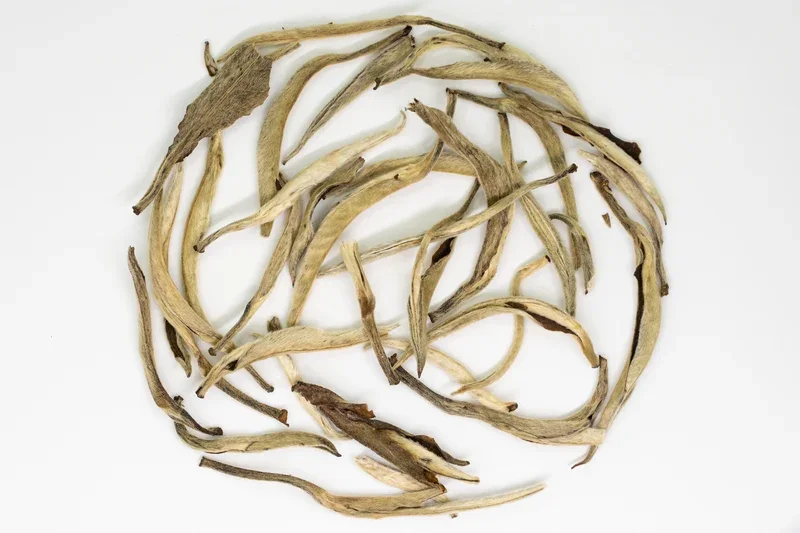
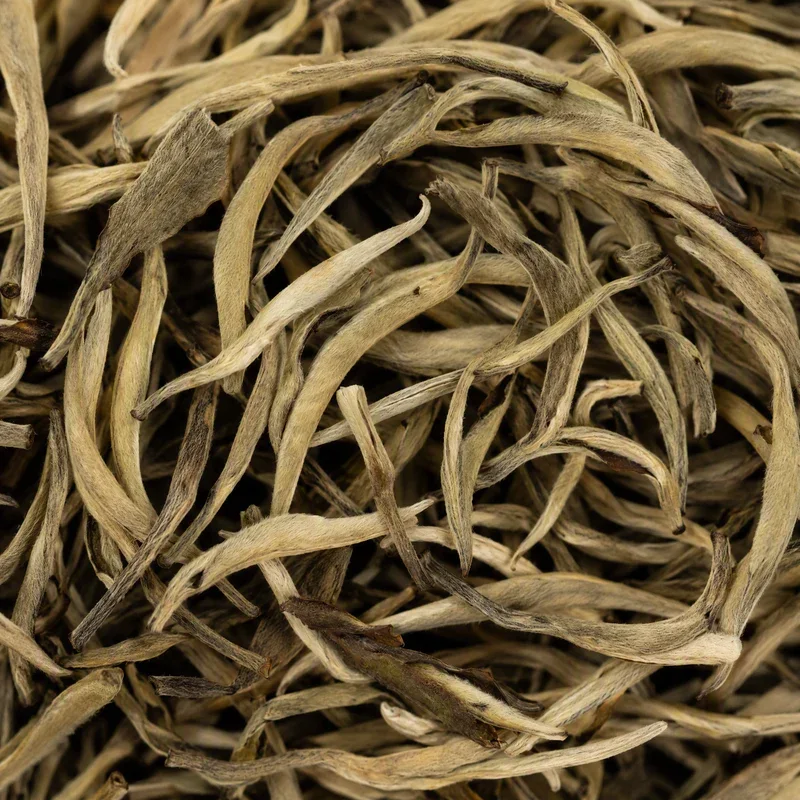
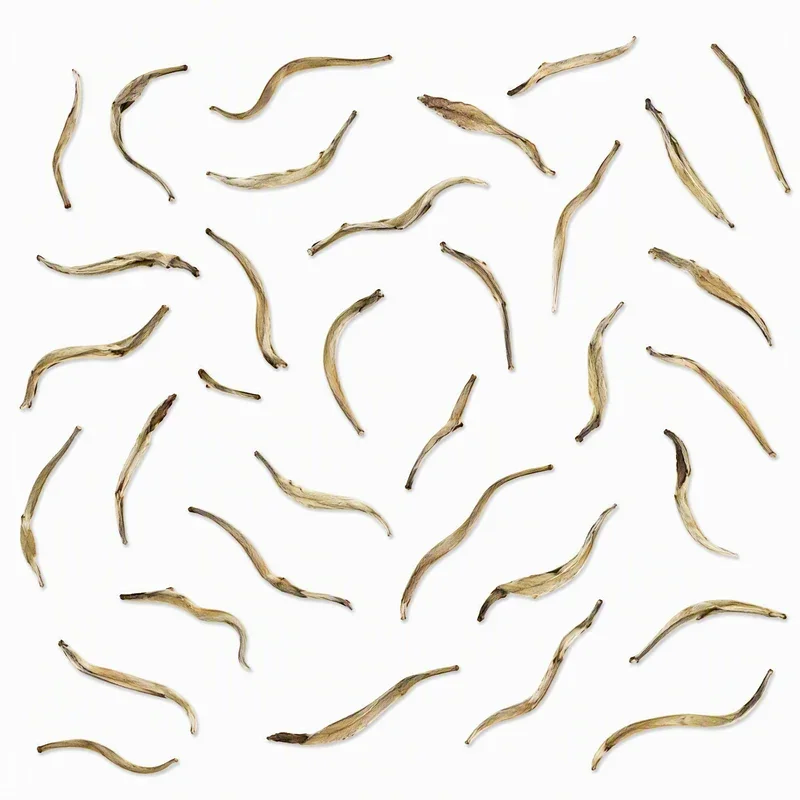
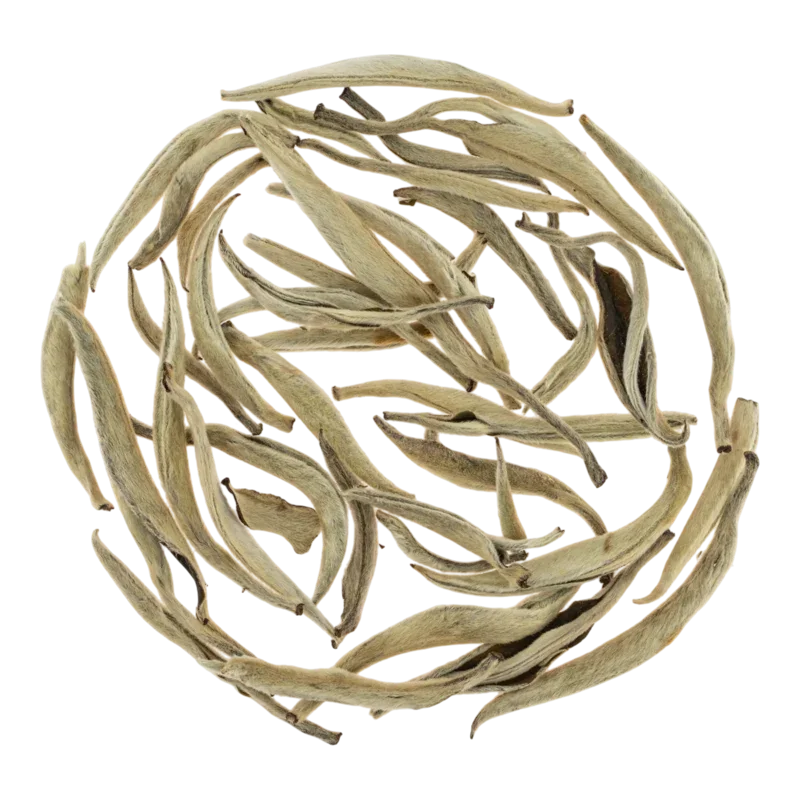
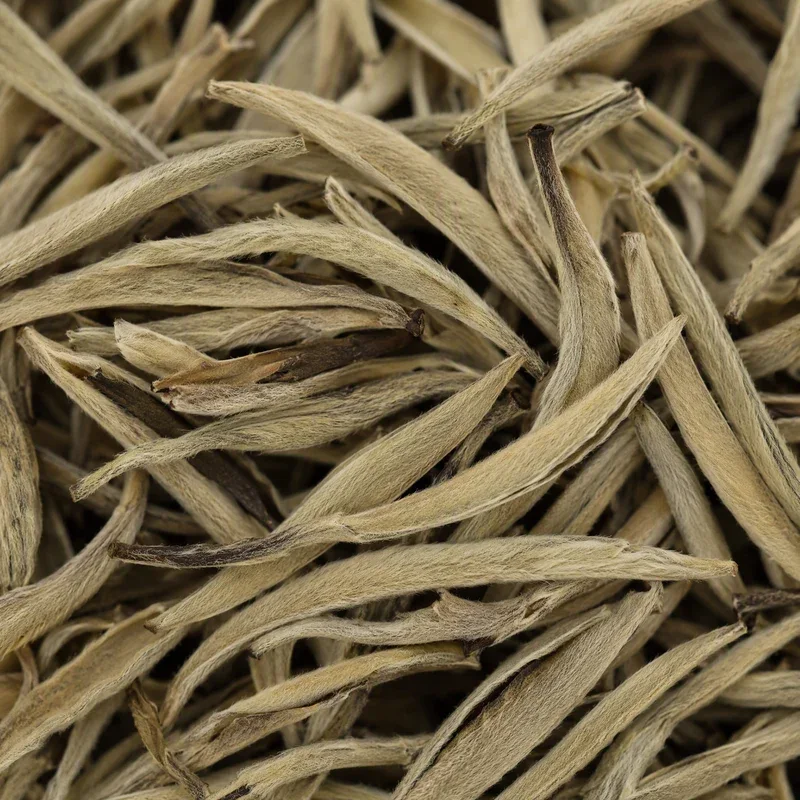
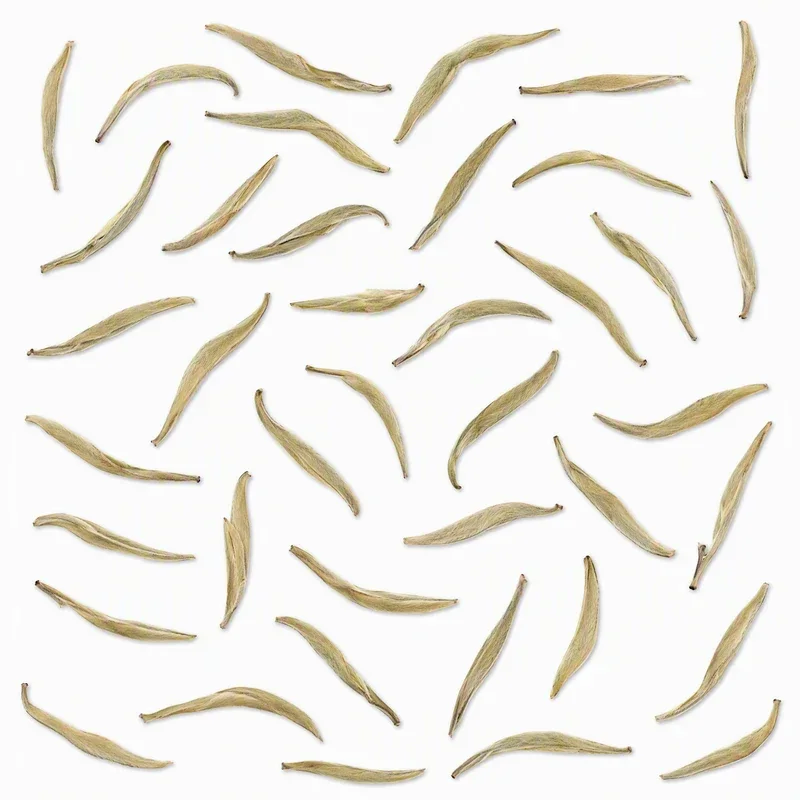
Dry Leaf Appearance: Thin, tight, elegant strips (条索细紧纤秀, tiáosuǒ xì jǐn xiān xiù). Color — yellow-green with abundant down (色泽黄绿多毫). In highest grades — pronounced golden rim (金圈). Shape differs from flat sword-like buds of Mengding Huang Ya — here leaf is twisted, resembling thin spirals.
Dry Leaf Aroma: Clean, high, with note of young corn and floral undertone.
Liquor Aroma: "Nen yumixiang" (嫩玉米香) — sweet corn aroma — main aromatic characteristic, formed by prolonged multi-stage sealed yellowing. This is "maoxiang" (毫香, down aroma), transformed by menhuang process. Also present tones of "milanxiang" (蜜兰香, honey-orchid), "qingfen" (清芬, clean floral).
Liquor Color: "Xinhuang mingliang" (杏黄明亮) — apricot-yellow, clear, with bright luster. In highest grades — with golden rim around cup edge (金圈, jīn quān). Significantly warmer and deeper in tone than tender yellow liquor of Mengding Huang Ya.
Like Mengding Huang Ya, quality Pingyang Huang Tang demonstrates "lenghohun" (冷后浑) — clouding of cooled liquor with appearance of finest "golden crystals" (金晶花, jīn jīng huā), representing crystallized theaflavin complexes. This is not a defect, but sign of rich chemical composition.
Spent Leaves: Tender yellow, resilient leaves, gathered in neat "rosettes" (嫩黄成朵匀齐). Uniformity — sign of proper grading.
Taste: Xiānchún ganshuan (鲜醇甘爽) — fresh, mellow, sweet, brisk. Texture dense but not heavy. Taste profile formula — "nong er bu se, hou er chuntian" (浓而不涩,厚而醇甜) — "rich but not astringent; thick but mellow-sweet." Aftertaste — prolonged sweet "return" (回甘, huígān).
Alkaloids: Caffeine — about 2.8% of dry matter. Combined with L-theanine provides mild, prolonged stimulating effect.
Amino Acids: ≥4.5% of dry matter — high indicator, due to early harvest (early March), marine climate, and Pingyang Tezao cultivar characteristics. L-theanine — dominant amino acid.
High content, providing pronounced natural sweetness.
Prolonged three-stage menhuang generates significant quantity of digestive enzymes.
Minerals: Potassium, zinc, fluorine, magnesium. Distinctive feature — elevated selenium (Se) content, inherited from Chaoyangshan volcanic soils. Selenium — important antioxidant microelement.
Polyphenols: Tea polyphenol content — typical for yellow teas, with partial catechin transformation during three-stage sealed yellowing. Significant theaflavin content (茶黄素, cháhuángsù) — pigments responsible for apricot liquor color and "golden crystals" phenomenon.
Vitamins: Vitamin C, B-group vitamins.
Abundance of digestive enzymes makes Pingyang Huang Tang one of the best teas for post-meal tea drinking. Fat breakdown efficiency estimated at ~1.5 times higher than green tea from similar raw material.
L-theanine and caffeine combination — calm alertness without nervousness.
Three-stage sealed yellowing substantially reduces catechin aggressiveness. Pingyang Huang Tang significantly milder than green teas and well-suited for people with sensitive digestion.
Polyphenols and selenium provide double antioxidant protection — rare combination for tea.
Theaflavins participate in cholesterol synthesis inhibition.
Polyphenolic complexes promote vascular elasticity and reduce thrombosis risk.
Tea Amount: 3 g per 110–150 ml water.
Teaware: Glass tumbler — for observing liquor color and leaf behavior. White porcelain gaiwan (110 ml) — for maximum aroma development.
Water Temperature: 85–90°C. Boiling water (100°C) too aggressive for tender raw material and provokes bitterness.
No reviews yet. Tell us what you think of this tea.
Rate this tea and share your impressions. We review each submission before publishing it.