Brewing
Gongfu brewing
- Water temperature
- 75 °C
- Tea amount
- 5 g
- Water volume
- 100 ml
- First steep
- 10 s
- Time added per infusion
- 5 s
- Infusions
- 4


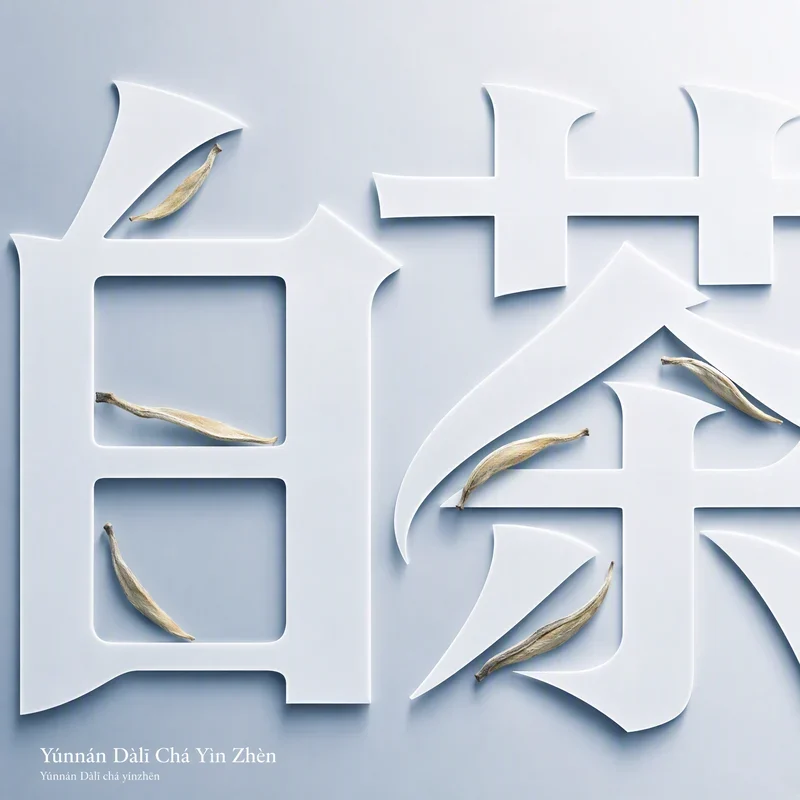
Yúnnán Dàlǐ chá yínzhēn
Choose a brewing method. Start with the recommended quantities and time, then adjust to taste.
Brewing
Brewing
Taste
Tea encyclopedia
Category: Rare artisanal white tea from wild raw material. Belongs to niche Yunnan white teas produced outside the traditional Fujian paradigm.
Category: Rare artisanal white tea from wild raw material. Belongs to niche Yunnan white teas produced outside the traditional Fujian paradigm.
Camellia taliensis (W. W. Sm.) Melch. — Dali camellia, wild species of section Thea, family Theaceae (Theaceae). Differs from cultivated tea (C. sinensis) by bare or weakly pubescent terminal buds, five-chambered ovary (versus three-chambered in C. sinensis) and large leathery leaves without pubescence.
Coordinates: ~23.5° N, 100.7° E (Jinggu area). Species range — from 21.20° to 25.38° N, from 98.11° to 102.16° E.
Origin: Yúnnán Province (云南, Yúnnán), China. Main production area — Jǐnggǔ County (景谷, Jǐnggǔ), Pu'er Prefecture (普洱, Pǔ'ěr). Wild populations of C. taliensis also occur in Myanmar and northern Thailand.
Type: White tea (白茶) (lightly oxidized, oxidation degree ~5–10%). Category — Yín Zhèn (银针, Yínzhēn, "silver needles"), made exclusively from unopened buds.
Cultural Significance: Within tea plant classification systems C. taliensis invariably maintains the status of a basic species alongside C. sinensis — in all editions, from Zhang Hongda's system (张宏达, Zhāng Hóngdá, 1981) to Min Tianlu's system (闵天禄, Mǐn Tiānlù, 1992), reflected in the English version of "Flora of China". This tea embodies the idea of a "living fossil" of the tea world. Camellia taliensis is one of the closest wild relatives of cultivated tea and, according to genetic research data, probably participated in the domestication of pu-erh tea (C. sinensis var. assamica). For connoisseurs, Dali Cha Yin Zhen is not just a beverage, but contact with the multi-million-year history of genus Camellia. In areas of traditional residence, some ethnic groups continue to use C. taliensis leaves in folk medicine and ritual practices.
History: The species Camellia taliensis was first described in 1917 by English botanist W. W. Smith based on specimens collected by G. Forrest near Gǎntōng Temple (感通寺, Gǎntōng Sì) on Cāngshān Mountain (苍山, Cāngshān) in Dali. The plant was initially assigned to genus Thea under the name Thea taliensis. In 1925, German botanist Melchior reclassified it into genus Camellia, establishing the modern Latin name. The use of C. taliensis leaves for tea preparation by local ethnic groups of Yunnan — the Dài (傣), Yī (彝) and Lahu (拉祜) peoples — presumably dates back to the Tāng dynasty (唐, Táng, 618–907), however with the spread of more productive cultivated forms of C. sinensis this species gradually lost economic significance. Modern production of white tea from C. taliensis is a relatively recent phenomenon, related to growing interest in wild and ecologically clean raw material.
Name Breakdown: "Yunnan" (云南) — province of origin; "Dali Cha" (大理茶) — species name, referring to the Dali region where the plant was first scientifically described; "Yin Zhen" (银针) — "silver needles", classical designation for tea consisting exclusively of tips covered with silvery down.
Thea taliensis W. W. Sm., Camellia irrawadiensis Barua, Camellia pentastyla H. T. Zhang, Camellia changningensis F. C. Zhang and others. Morphological variability of the species in different localities led to description of numerous "new species", subsequently reduced to synonymy.
For Yin Zhen production, exclusively unopened leaf buds (tips) collected in early spring are used. Buds are large, dense, fleshy, covered with thick silvery-white velvety down. Collection is done by hand in wild populations, which involves considerable labor costs — trees often grow in inaccessible mountain forests.
Early spring (March — early April), period before Qīngmíng festival (清明, Qīngmíng).
Cultivar: Camellia taliensis (W. W. Sm.) Melch. — evergreen tree or large shrub. In natural conditions of humid mountain forest, trees reach heights of 20–30 meters. Branches brown, glabrous; young shoots pale brown. Leaves leathery or thinly leathery, elliptic or oblong-elliptic, dark green above and light green below, glabrous on both sides, up to 12–18 cm long, with sparsely serrate or undulate-crenate margin. Flowers white or yellowish-white, fragrant, with 7–11 petals, solitary or clustered 2–5 in leaf axils. Ovary five-chambered, fruit a flattened-globose capsule with 2 seeds in each chamber. The species is listed in China's protected plants list (second category).
Altitude: 1300–2400 m (up to 2700 m) above sea level. Distribution center — mid-mountain zone at altitudes of 1500–2400 m in the basins of Láncāng River (澜沧江, Láncāng Jiāng) and Nù River (怒江, Nù Jiāng).
Climate: High air humidity, abundant precipitation (1500–2000 mm/year), frequent fogs, average annual temperature +15–18°C. Mild winters without frost at working altitudes.
Soil: Well-drained forest soils, rich in organic matter, with acidic reaction. Formed under the canopy of southern subtropical humid evergreen broad-leaved forest.
Subtropical mountain forests of Yunnan Province, predominantly Jinggu County, Pu'er Prefecture, as well as Jǐngdōng (景东, Jǐngdōng), Fèngqìng (凤庆, Fèngqìng), Chāngníng (昌宁, Chāngníng), Yǒngdé (永德, Yǒngdé) and Dali areas.
Camellia taliensis is one of the main edificator species (建群树种) of southern subtropical mid-mountain humid evergreen forest. Species diversity in primary C. taliensis habitats is extremely high: trees neighbor with rhododendrons, oaks, laurels and epiphytic orchids. Trees grow under conditions of natural competition with other forest species, under the canopy of the main tier, which provides diffused lighting and slows metabolism, promoting accumulation of amino acids and aromatic compounds in leaves. These very conditions — natural shading, abundance of organics in soil and absence of agrochemical intervention — form that deep, "wild" character of tea that cannot be reproduced under plantation conditions. Cultivation of the species is extremely limited; the overwhelming majority of raw material is collected from wild trees.
Careful hand-picking of only undamaged, high-quality buds during the short spring period. Picking is conducted in morning hours, after dew has cleared. Due to the wild nature of trees and their considerable size, the process requires special skills and physical endurance.
Collected buds are spread in thin layers on bamboo trays (竹筛, zhú shāi) for slow withering in shade or in well-ventilated rooms. Duration — 48–72 hours, depending on weather conditions. At this stage, leaf moisture gradually decreases, initial enzymatic processes are triggered, forming characteristic aroma.
Final drying at low temperatures — in sun (晒干, shàigān) or using gentle low-temperature drying methods (40–50°C) — to fix the achieved state and stop oxidative processes. Final moisture content of finished product — no more than 5–6%.
Complete absence of mechanical impact (crushing, rolling) allows preservation of bud integrity and minimizes degree of oxidation, which is a distinctive feature of Yin Zhen style.
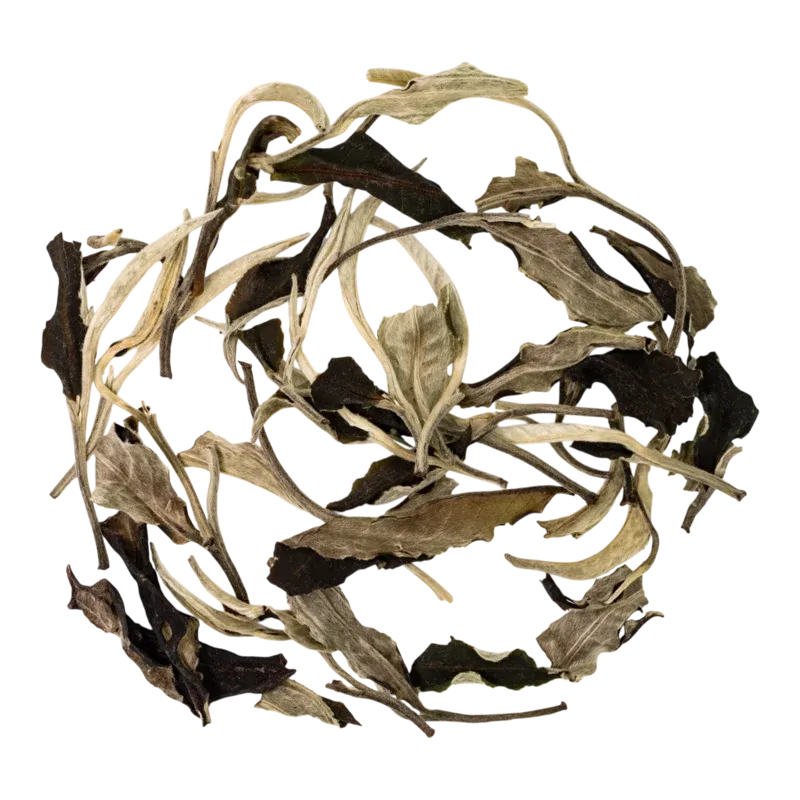
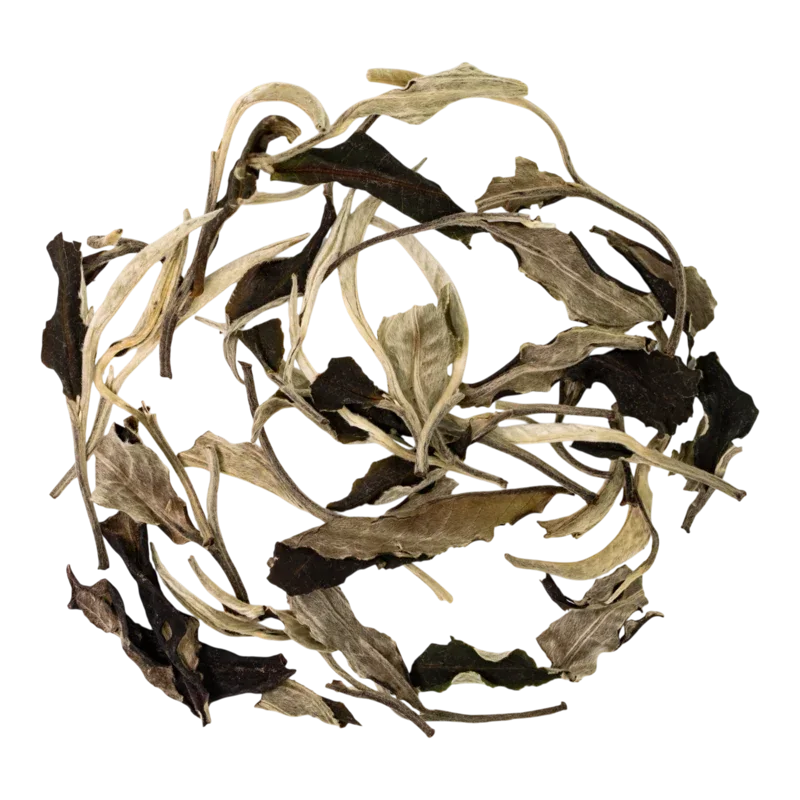
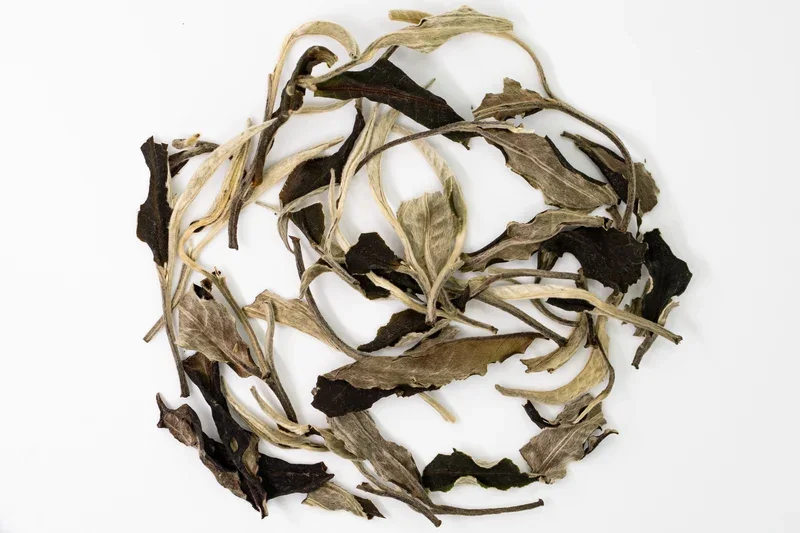
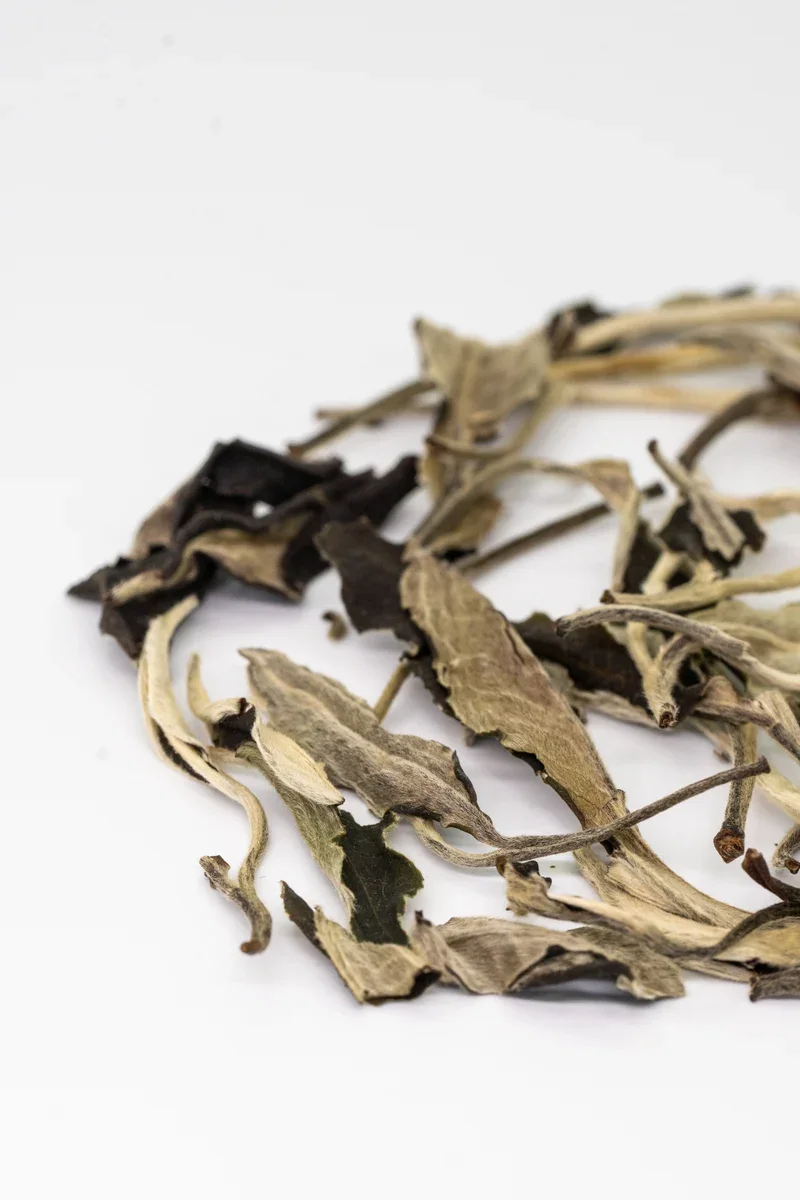
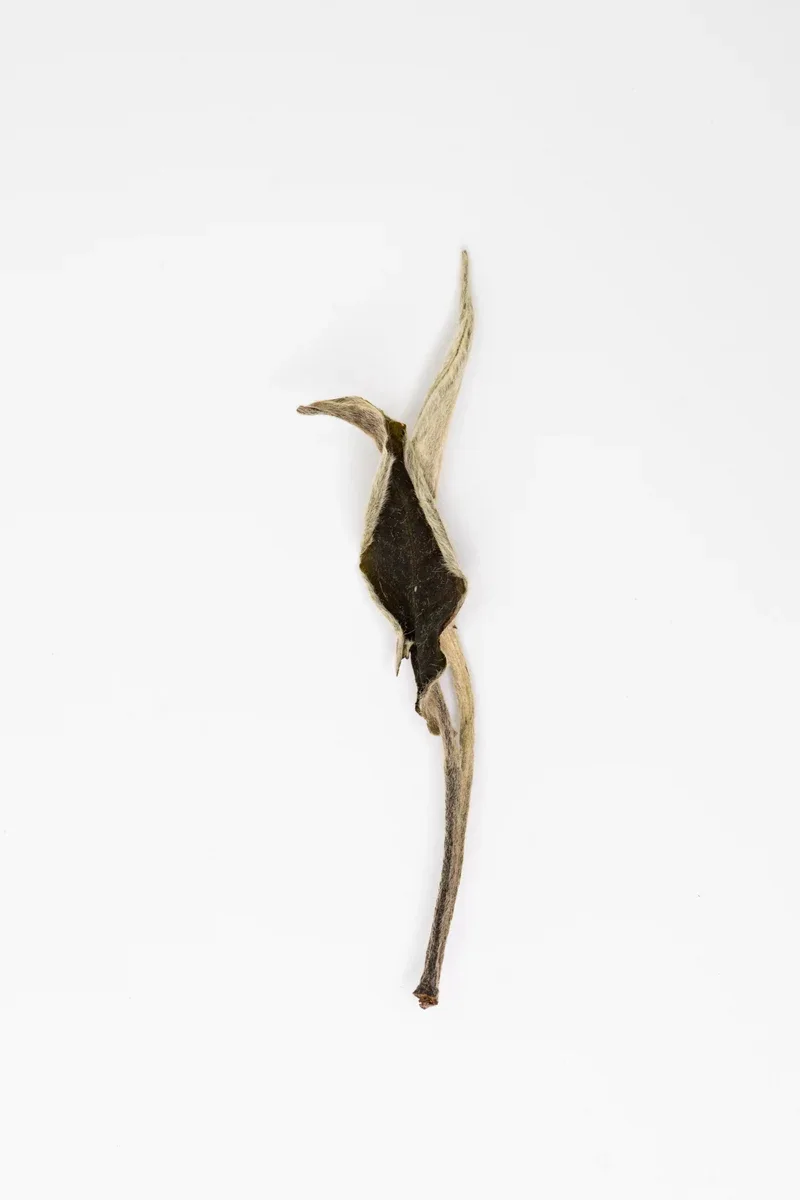
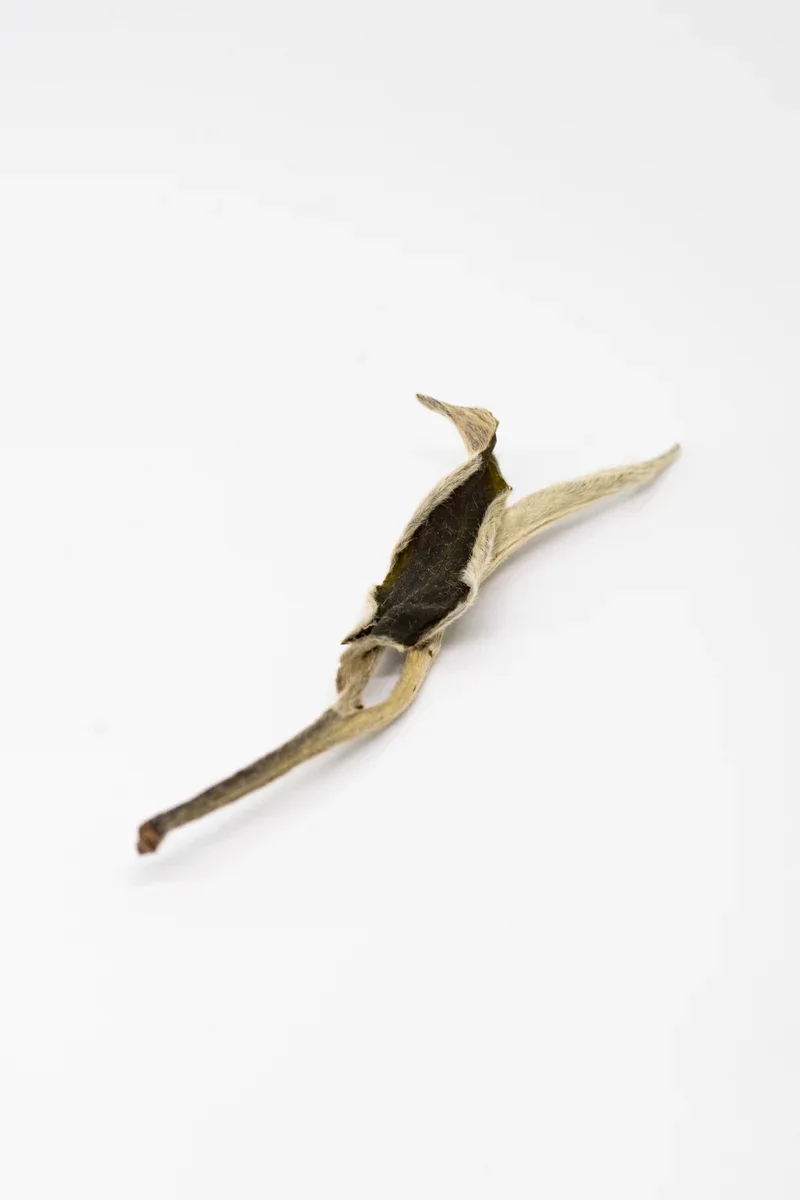
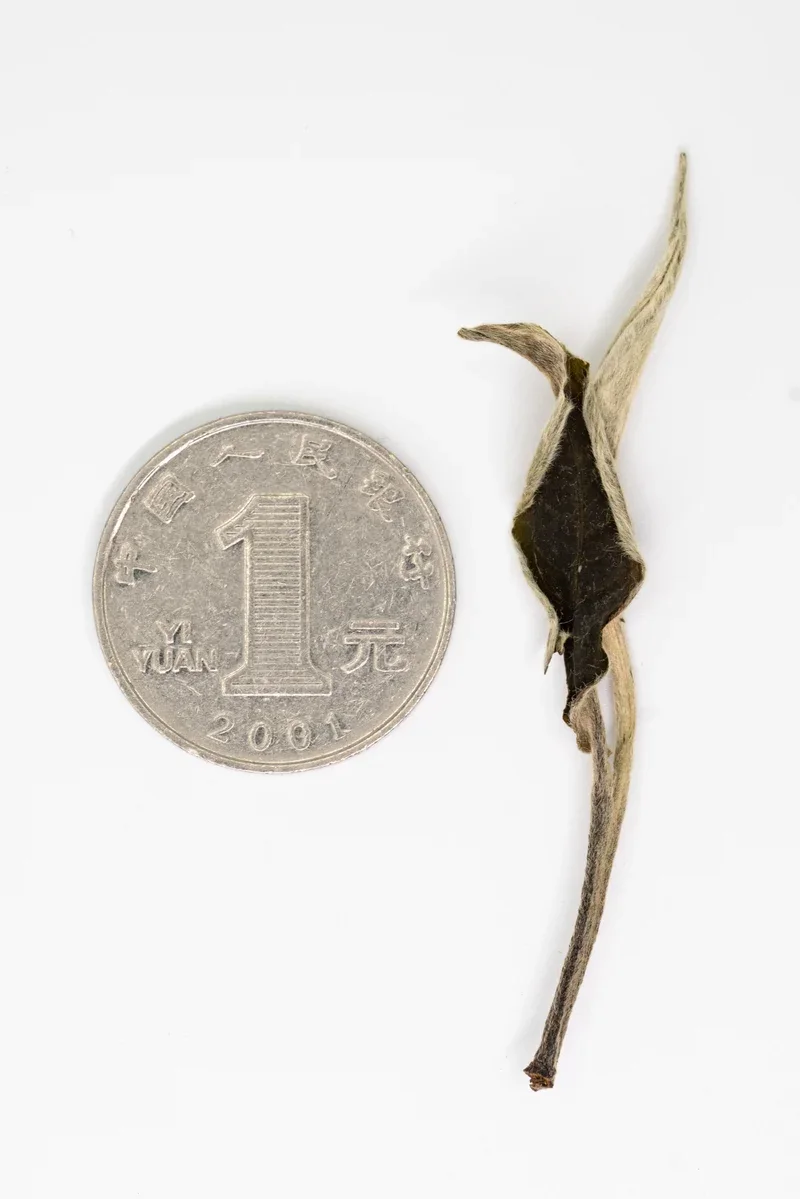
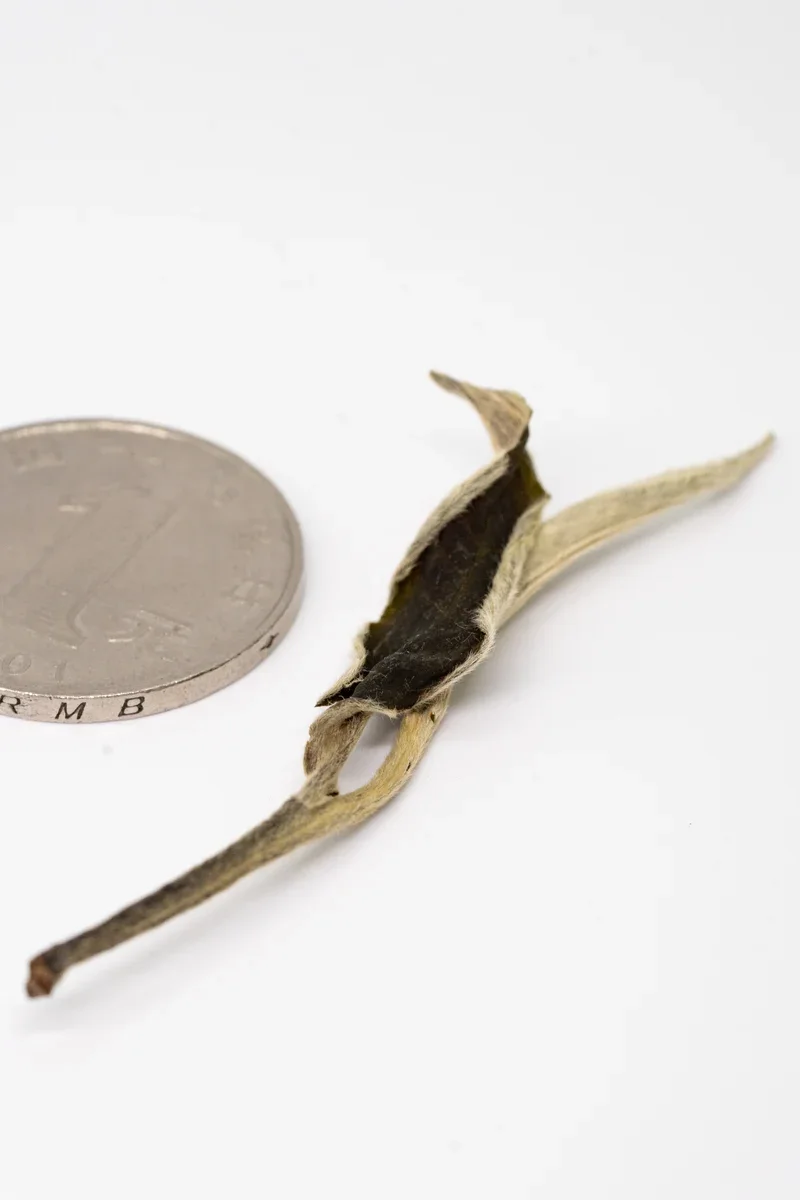
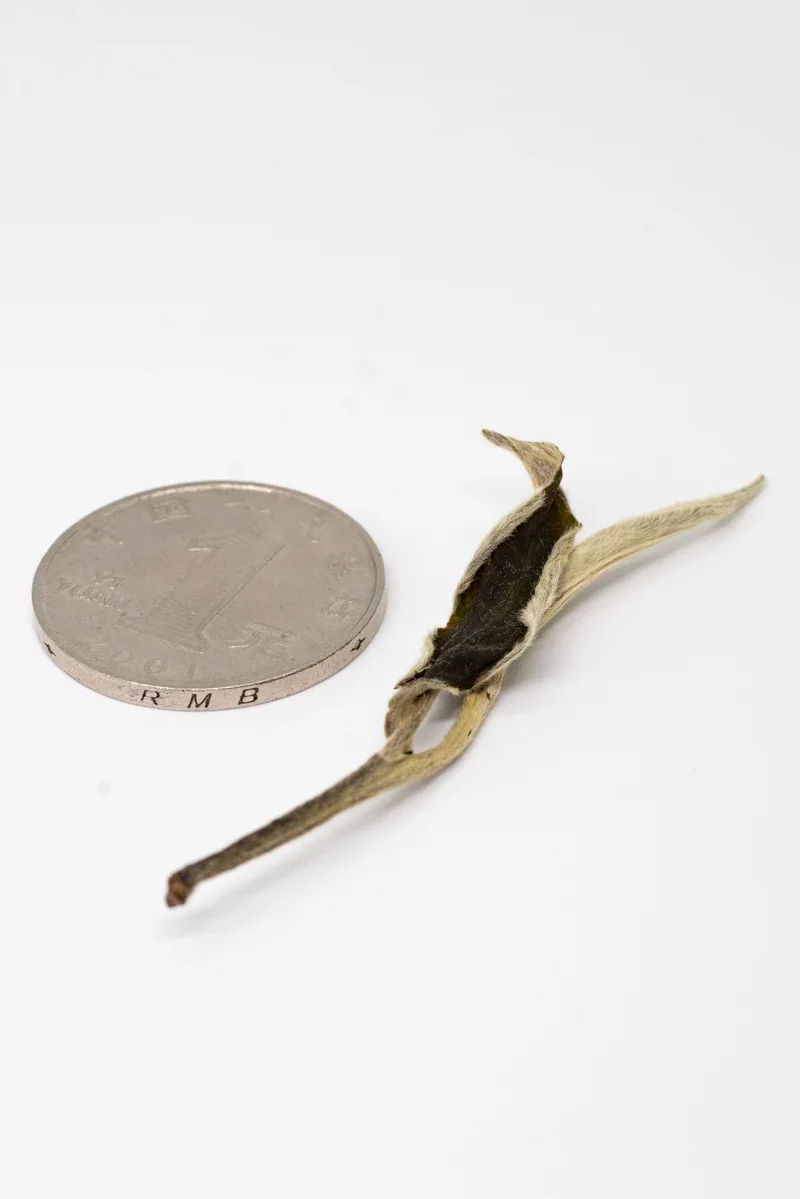
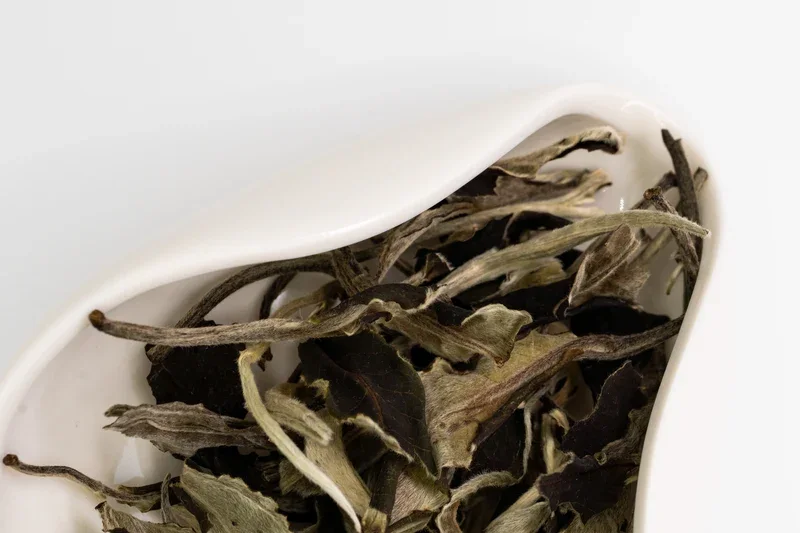
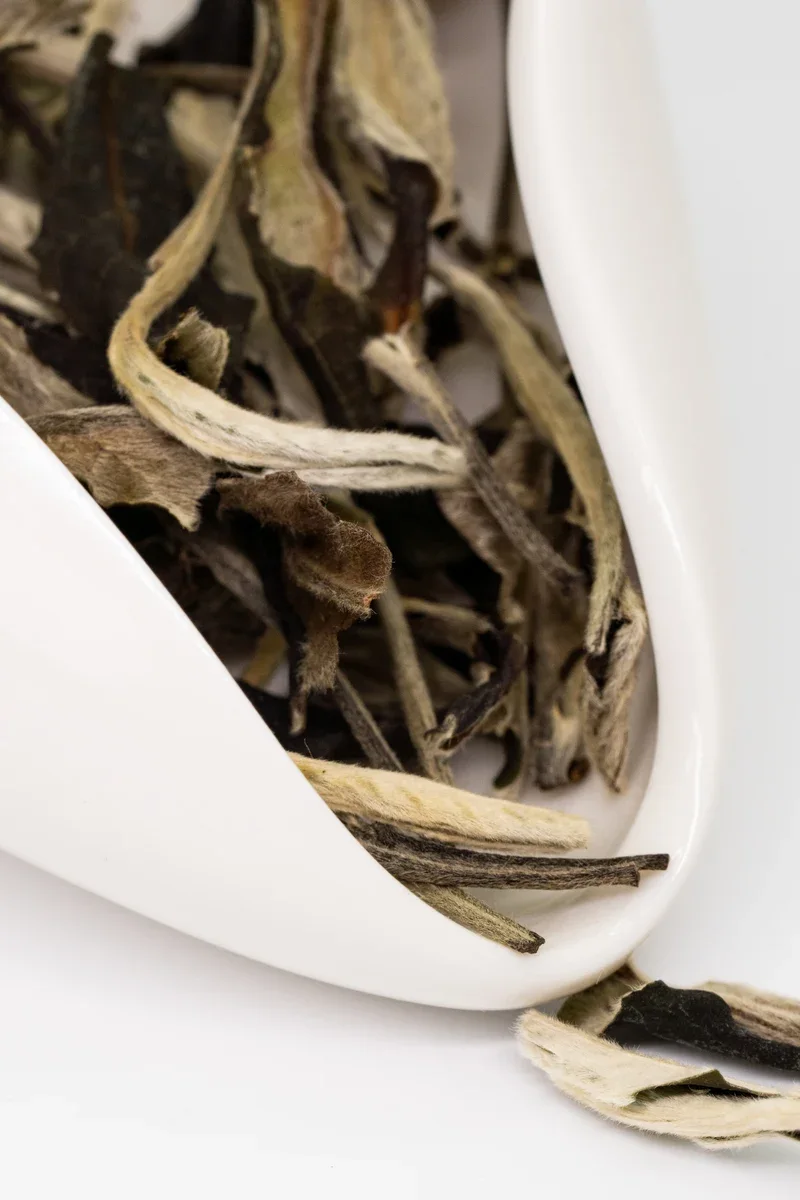
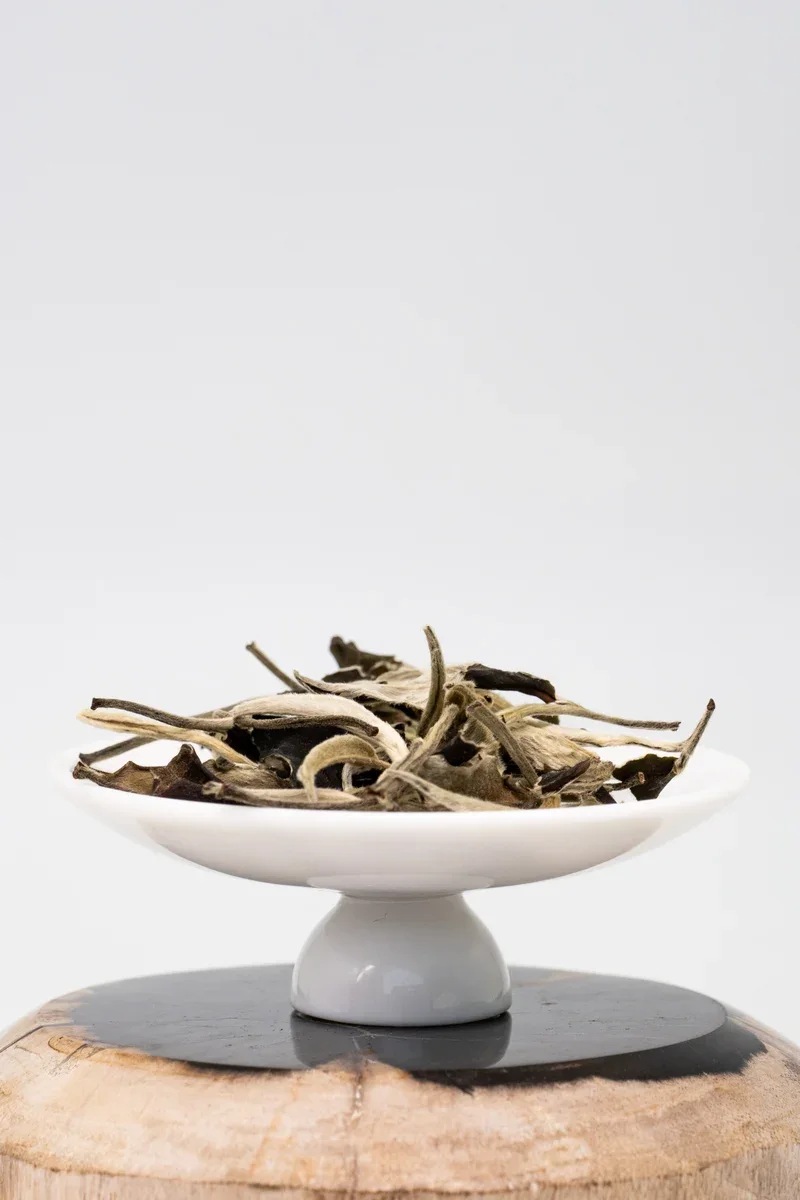
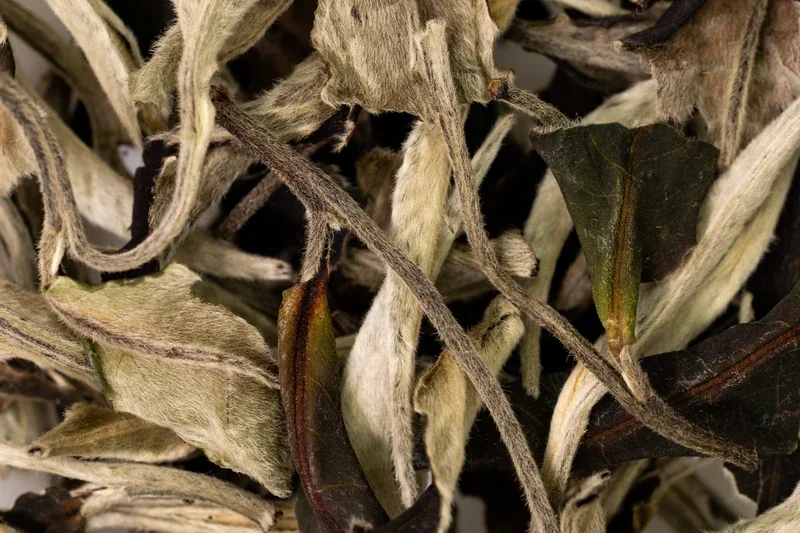
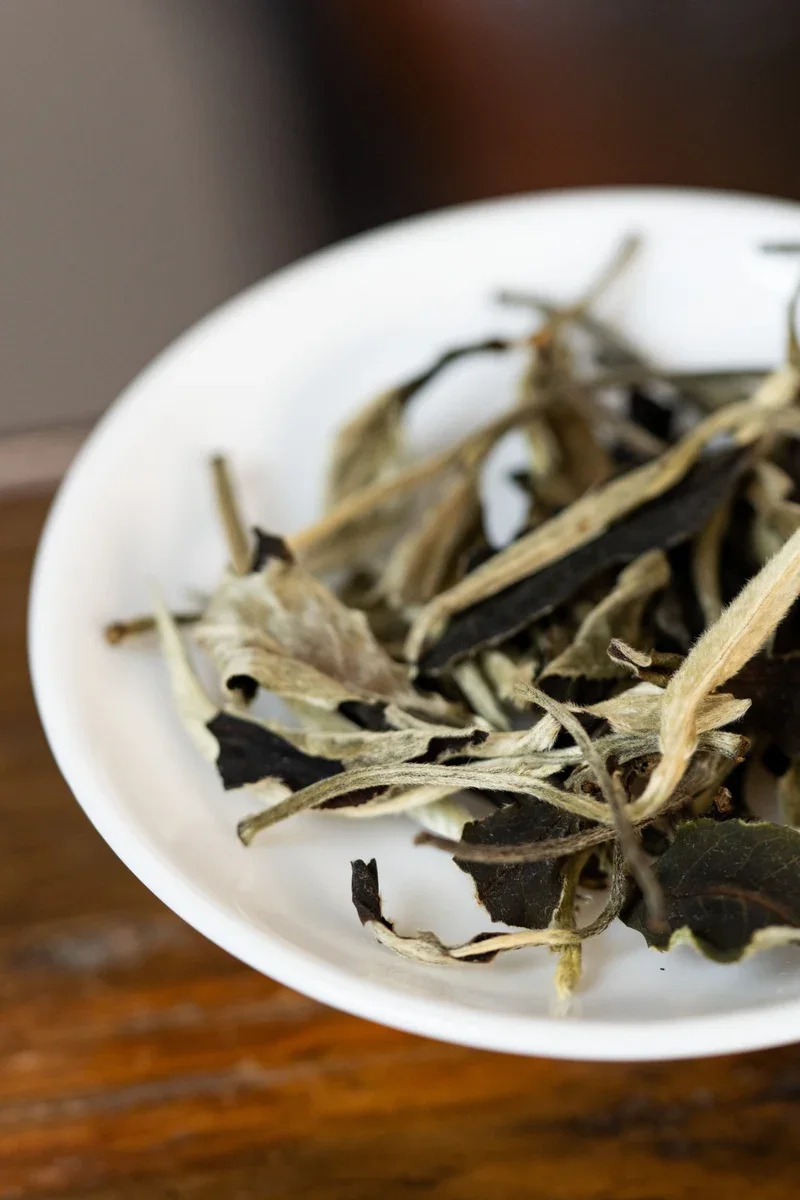
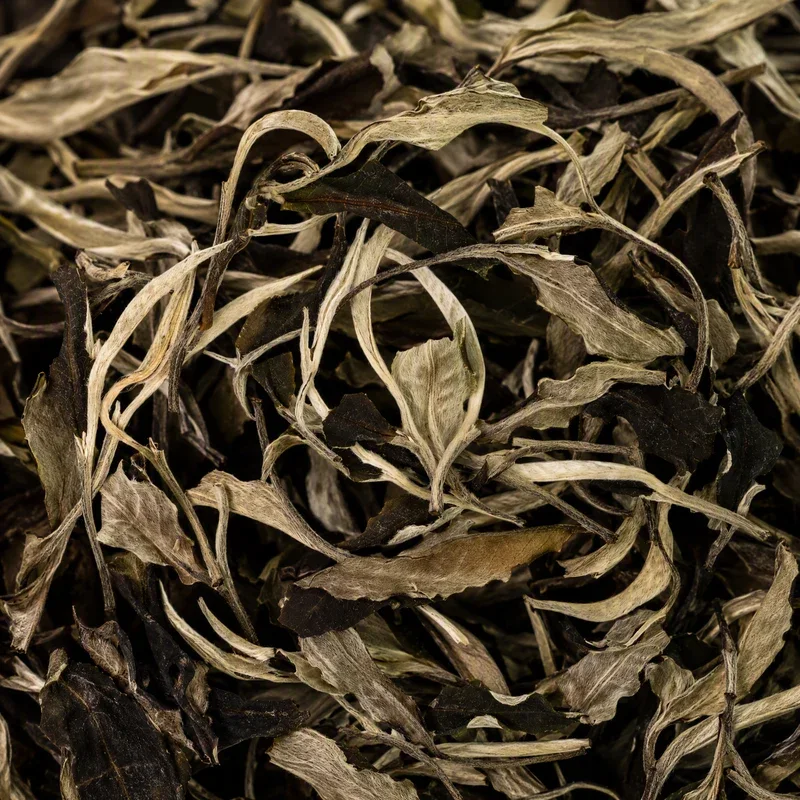
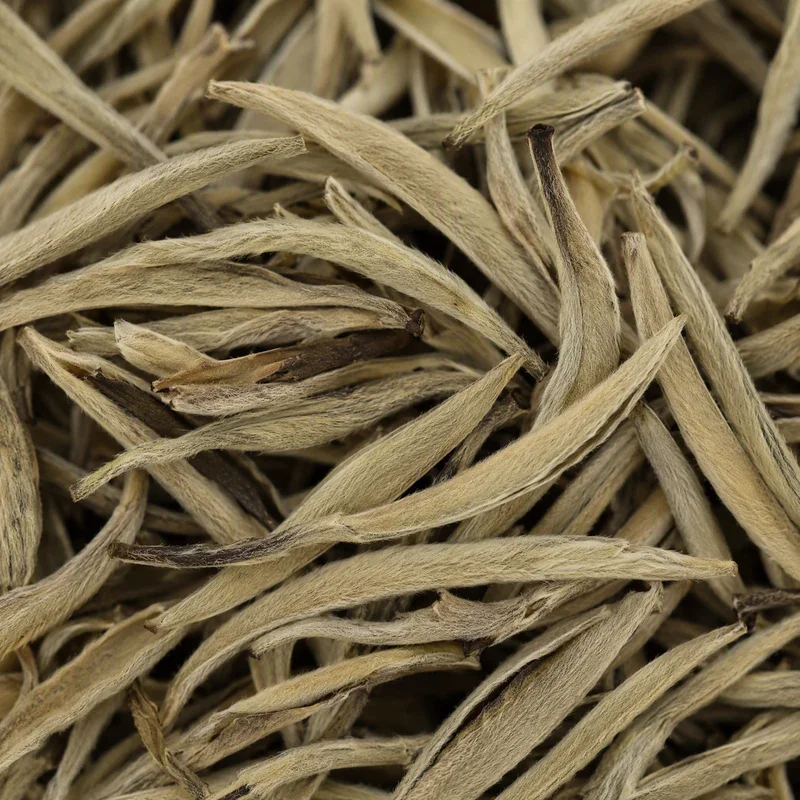
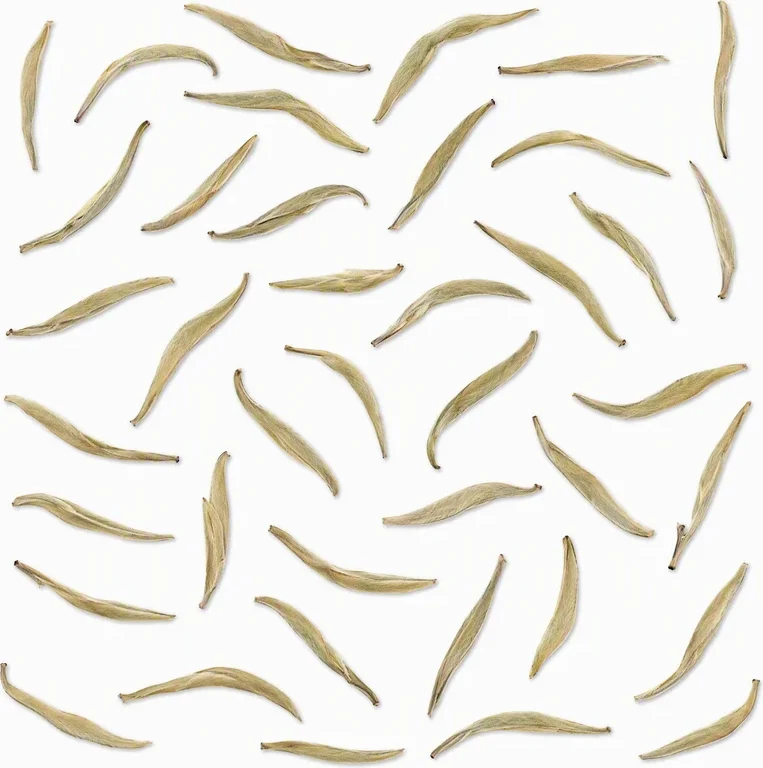
Dry Leaf Appearance: Large, straight, fleshy buds 2–3 cm long, densely covered with silvery-white down. Color varies from silvery-white to light green with silvery sheen. Shape needle-like, corresponding to the name "silver needles".
Dry Leaf Aroma: Delicate, gentle, sweetish, with delicate floral notes (orchid, magnolia), soft fruity undertones and light forest tone — a distinctive "breath of wild forest" that distinguishes C. taliensis raw material from cultivated varieties.
Liquor Aroma: Elegant, clean, transparent, with dominating notes of spring flowers, meadow grasses and delicate honey sweetness. As the liquor cools, nutty and slightly waxy undertones unfold.
Liquor Color: Very light, transparent, from pale yellow to golden-straw. With repeated infusions acquires a slightly more saturated champagne shade.
Spent Leaves: Buds remain whole, acquire light green or olive shade, become soft, elastic and velvety to touch.
Taste: Exceptionally soft, smooth, silky. Natural sweetness is expressed more strongly than in Fujian analogs. Light floral freshness is felt, delicate fruity notes (white peach, melon) and unobtrusive minerality. Bitterness and astringency are practically absent even with prolonged steeping. Aftertaste (回甘, huígān) is long, refreshing, with persistent sweetness.
Alkaloids: Caffeine content is noticeably lower than in C. sinensis — about 1.5–2.5% of dry mass. Theobromine and theophylline are present in trace amounts.
Amino Acids: High content of free amino acids, especially L-theanine, responsible for sweet taste (umami) and relaxing effect. The ratio of amino acids to polyphenols is shifted toward amino acids, which explains pronounced softness and sweetness.
Specific set of volatile compounds forming unique flavor-aromatic profile with forest and floral undertones. Studies note differences in aromatic substance composition from C. sinensis, including higher proportions of terpene alcohols.
Minerals: Potassium, magnesium, manganese, zinc, fluorides.
Polyphenols: Tea polyphenol content is somewhat lower than in cultivated forms of C. sinensis, however a unique set of catechins is present, including EGCG (epigallocatechin gallate). Total polyphenol content — about 18–22% of dry mass. Studies note presence of specific polyphenolic compounds not characteristic of C. sinensis.
Vitamins: Vitamin C, B-group vitamins.
Due to reduced caffeine content, tea energizes delicately, without causing overexcitation and sharp energy spikes. Suitable for evening consumption.
High L-theanine content promotes alpha-wave brain production, providing a state of calm concentration and reducing anxiety levels.
Polyphenolic complex, including EGCG and compounds specific to C. taliensis, helps neutralize free radicals and slow oxidative processes in cells.
Regular white tea consumption is associated with lowering "bad" cholesterol (LDL) levels and improving vascular elasticity.
Catechins and polysaccharides of white tea have general strengthening effect on immune system. In traditional medicine of Yunnan ethnic groups, C. taliensis leaves were used as anti-inflammatory and antipyretic remedy.
Tea's gentle character makes it suitable for people with sensitive stomachs; does not irritate mucous membrane. White tea polysaccharides promote normalization of intestinal microflora.
Antioxidant polyphenols combined with vitamin C promote collagen production and protect skin from photoaging.
Light, clean liquor excellently quenches thirst in hot weather.
Like any plant-origin product, tea from C. taliensis may cause allergic reactions in sensitive people.
Despite reduced caffeine content relative to C. sinensis, people with increased sensitivity to stimulants should control consumption volume, especially in evening hours.
Tea tannins (polyphenols) may slightly reduce non-heme iron absorption from food when consumed simultaneously with meals or immediately after. People with iron-deficiency anemia are recommended to separate tea and food intake by 30–60 minute intervals.
Soft, filtered, with low mineral content.
Tea Amount: 3–5 g per 150–200 ml water.
Teaware: Glass brewing vessel (飘逸杯, piāoyì bēi), glass tumbler (玻璃杯, bōlí bēi) or porcelain gaiwan (盖碗, gàiwǎn) are recommended. Transparent teaware allows admiring the dance of silvery buds in water and light liquor color. Unglazed clay teaware (Yixing clay) should be avoided as it may absorb delicate aroma.
Water Temperature: 80–90°C. Hotter water may damage delicate aromatic compounds and introduce unwanted bitterness.
Classical Fujian silver needles standard. Made from Fuding Da Bai Cha cultivar (C. sinensis). Buds are more slender, with denser down. Taste — fresh, with notes of bamboo, hay stack and light marine minerality. Compared to Dali Cha Yin Zhen — less pronounced natural sweetness, but higher structural clarity and "skeletal" taste.
Yunnan silver needles from Jinggu Da Bai Cha cultivar (C. sinensis var. assamica, variety "Yangta Da Bai Cha", 秧塔大白茶). Buds very large, fleshy. Taste fuller and denser than Dali Cha, but without that "wild" floral-forest note that C. taliensis species provides.
"Moonlight White" — Yunnan white tea, often made from Jinggu Da Bai Cha, rarely from C. taliensis. Includes not only buds but also leaves. Characterized by contrasting appearance — white down above and dark surface below. Taste — denser, with fruity-honey notes, less delicate than pure silver needles.
Fujian white tea from bud and two leaves. More aromatic and full-bodied than Yin Zhen, but with different type of sweetness — grassy-floral rather than forest.
Price Category: Premium and super-premium. Yunnan Dali Cha Yin Zhen is one of the most expensive white teas on the market. Rarity of wild raw material, labor-intensive hand-picking in mountain forests, limited C. taliensis population and unique properties determine high cost: from 80 to 200+ USD per 100 g depending on specific collection location and harvest year.
Age of wild trees, inaccessibility of collection sites, seasonality (only spring buds), small production volume, species conservation status.
No reviews yet. Tell us what you think of this tea.
Rate this tea and share your impressions. We review each submission before publishing it.