Brewing
Gongfu brewing
- Water temperature
- 75 °C
- Tea amount
- 5 g
- Water volume
- 100 ml
- First steep
- 10 s
- Time added per infusion
- 5 s
- Infusions
- 3

Yīngdé lǜchá
Choose a brewing method. Start with the recommended quantities and time, then adjust to taste.
Brewing
Brewing
Taste
Tea encyclopedia
Category: Geographical indication product. Flagship of green tea cultivation in Guangdong Province. Historical tribute tea (贡茶, gòng chá) of the Qing era.
Category: Geographical indication product. Flagship of green tea cultivation in Guangdong Province. Historical tribute tea (贡茶, gòng chá) of the Qing era.
Coordinates: Approximately 24°10′ North latitude, 113°22′ East longitude (24th degree — "Guangdong tea belt").
Origin: China, Guǎngdōng Province (广东, Guǎngdōng), Yīngdé City (英德市, Yīngdé Shì). Production zone — the entire Yingde municipal district. Core terroir — Shāduī Township (沙堆镇, Shāduī Zhèn) and Shuǐbiān Township (水边镇, Shuǐbiān Zhèn), providing more than 60% of total output, with Shāduī being the main source of supreme grade tea (特级).
Type: Green tea (non-oxidized). Belongs to baked green teas (烘青绿茶, hōngqīng lǜchá). Distinctive feature — made from large-leaf raw material (大叶种, dàyè zhǒng), which distinguishes it from most famous green teas that use small-leaf cultivars.
Cultural Significance: Yingde is one of the largest tea-growing cities in southern China, the "tea capital of Guangdong". Yingde green tea embodies successful transformation "from red to green" — a rare example in world tea cultivation of large-scale conversion of an entire region from one type of production to another.
History: Tea cultivation in Yingde is documented from the Tang era: Lù Yǔ (陆羽) in "The Classic of Tea" (茶经) mentioned that Sháozhōu (韶州, ancient name of the region that included Yingde) produces tea and "its taste is extremely good" (其味极佳). Yingde was one of three main tea-producing counties of Shaozhou in the Tang era.
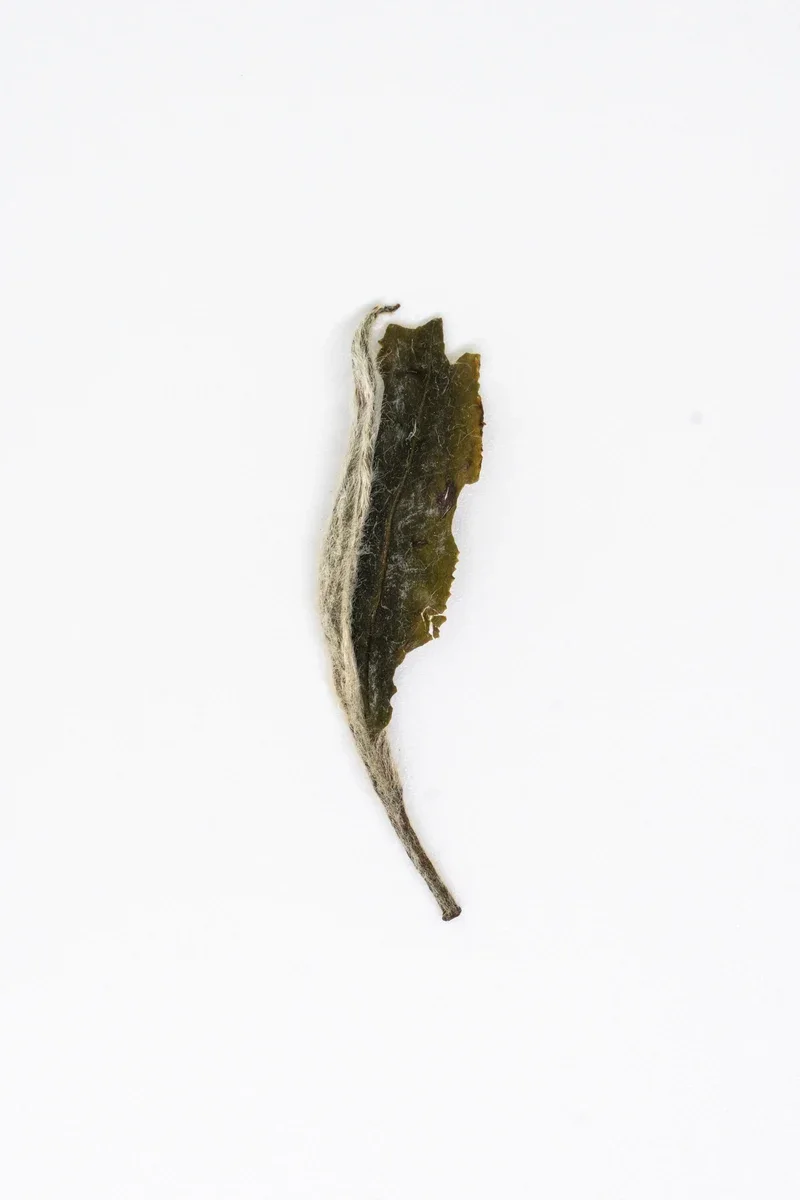
Full buds collected before Qingming. Shape — "雀舌" (sparrow tongue). Abundant down. Supreme grade (特级).
One bud with one leaf, before Guyu. First grade (一级).
One bud with two leaves. Thick, durable leaf. Mass production.
Until White Dew (白露, "White dew"). Natural floral aroma. High price-quality ratio.
Cultivar: Primary — Yunnan Large-leaf (云南大叶种, Yúnnán Dàyè Zhǒng) — Yunnan large-leaf variety of Camellia sinensis var. assamica. Tree-type (乔木型), with high frost resistance (in Guangdong conditions). Chemical profile of spring raw material: polyphenols ≥28.3%, amino acids ≥5% — 1.5 times higher than standard green teas from small-leaf cultivars. It is precisely the large-leaf raw material that provides the characteristic "concentration" (浓醇) of taste. Yunnan Large-leaf plantings became dominant after the "red to green" program of the 1990s.
Picking: Four seasons:
Raw Material: Tender, uniform shoots. Processing — on the day of picking.
Climate: Southern subtropical monsoon (南亚热带季风气候). Average annual temperature — 15.5–20.7°C, annual precipitation — 1200–1876 mm. Average annual number of cloudy and foggy days — >200. Daily temperature fluctuations — >10°C. Proportion of diffused light — 70% — one of the highest indicators among tea-growing regions.
Soil: Karst (喀斯特地貌) acidic yellow soils (酸性黄壤), pH 4.5–6.5. Naturally enriched with selenium and manganese (锰, měng). Forest coverage — 68.7%. Industrial pollution — absent.
Northern Guǎngdōng (粤北), hilly zone. 24th degree North latitude.
In Shadui and Shuibian townships, amino acid content in raw material reaches 147.33 mg/g — an exceptionally high indicator explaining the pronounced freshness and sweetness "鲜爽回甘". The ratio of polyphenols to caffeine is balanced, minimizing bitterness.
Hand-picking of shoots to the standard "one bud — one to three leaves" (depending on season and grade).
On bamboo trays (竹筛摊晾) for ~4 hours. Moisture content decreases to ~70%. Difference from standard spreading — precisely "萎凋" (withering), not simply "摊放" (spreading): raw material undergoes controlled loss of turgor.
In cast iron wok at 240°C. Key technique — "闷扬结合": the master alternates "stewing" (闷, mèn — leaves pressed to the bottom of the wok, heated in their own steam, ~2 minutes) and "tossing" (扬, yáng — leaves vigorously tossed, releasing steam, ~6 minutes). Stewing ensures deep heating of large leaves; tossing prevents overheating and "locks in emerald color" (锁翠, suǒcuì). The combination of these techniques reduces bitterness of large-leaf raw material (降低多酚苦涩).
Following the principle "light → heavy → light" (轻-重-轻), duration — 40 minutes. Shapes "sparrow tongues" (雀舌形) for supreme grades. Breakage coefficient (碎茶率) — <5%.
Two-stage: primary at 120°C to ~70% dryness (初烘至七成干); final at 90°C → 60°C (复干).
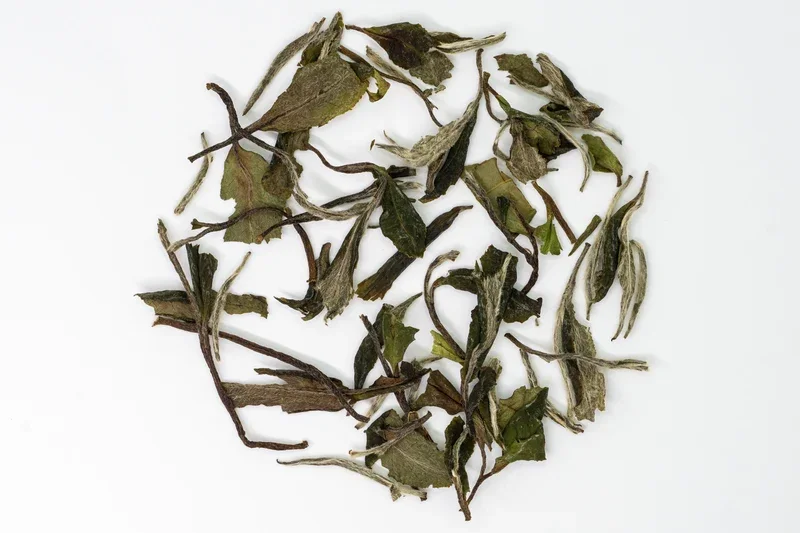
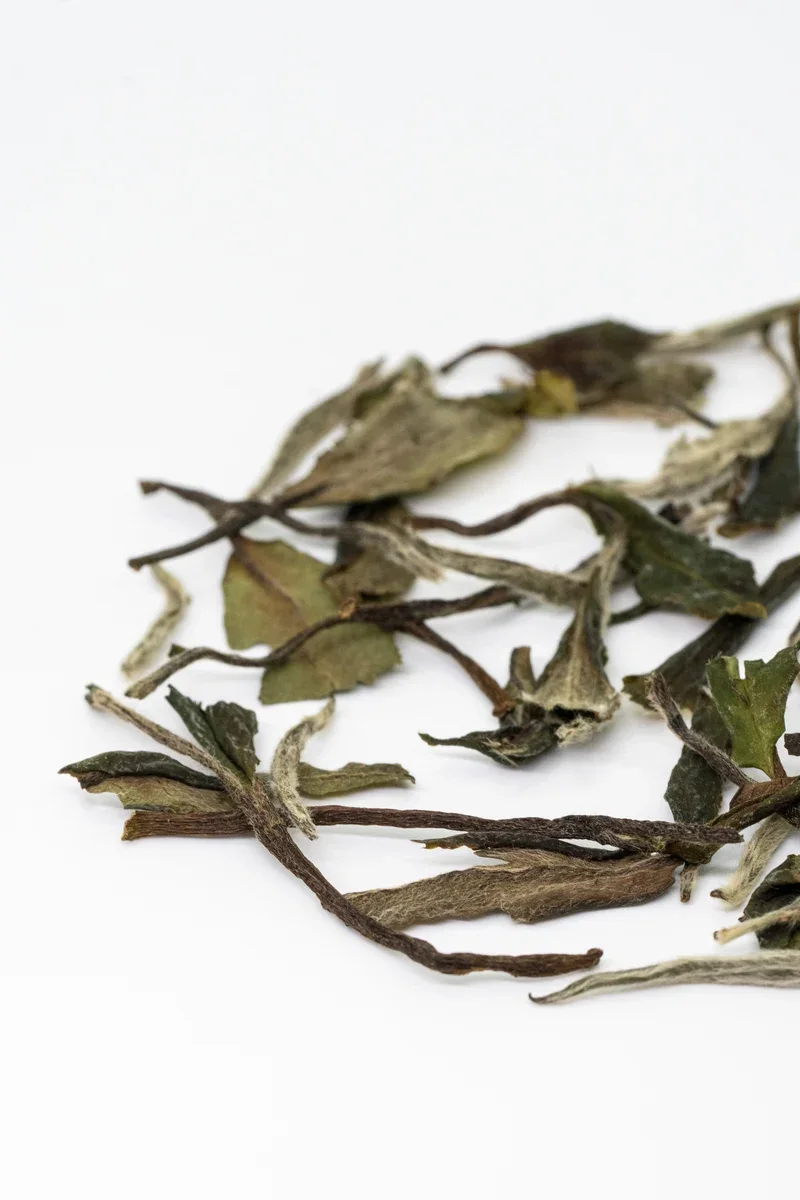
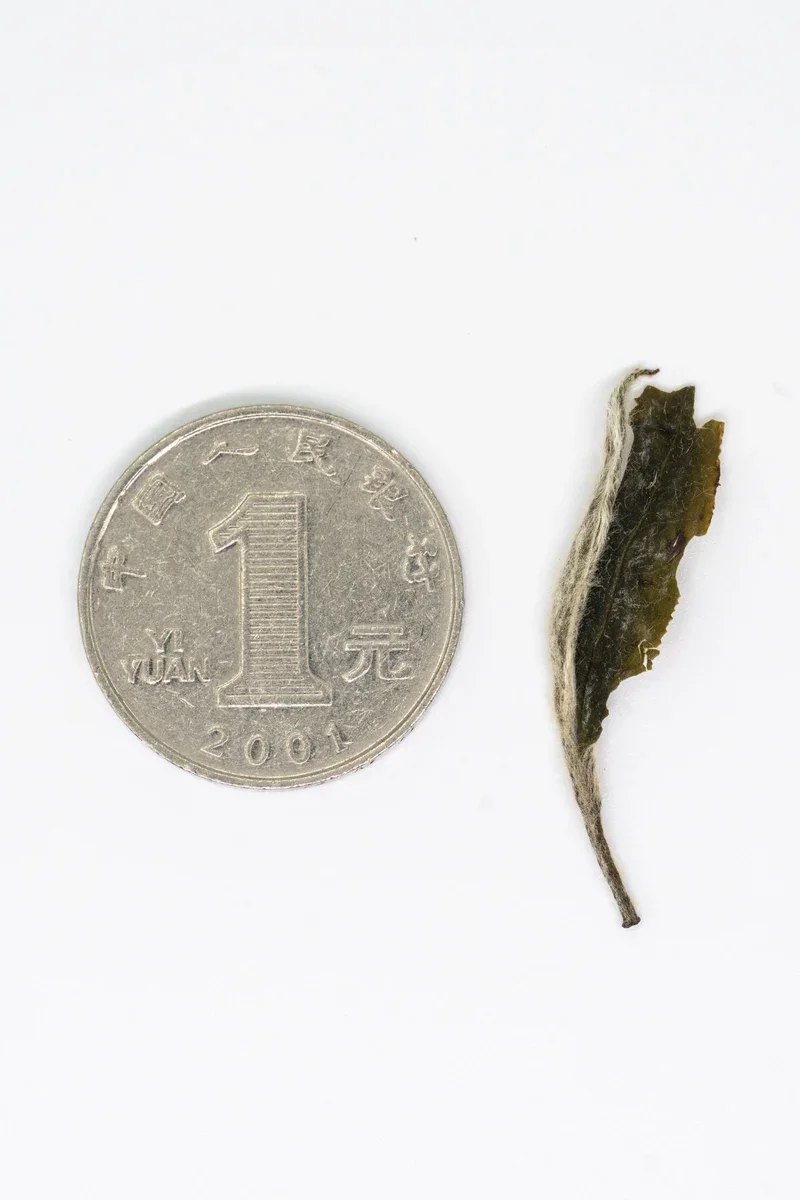
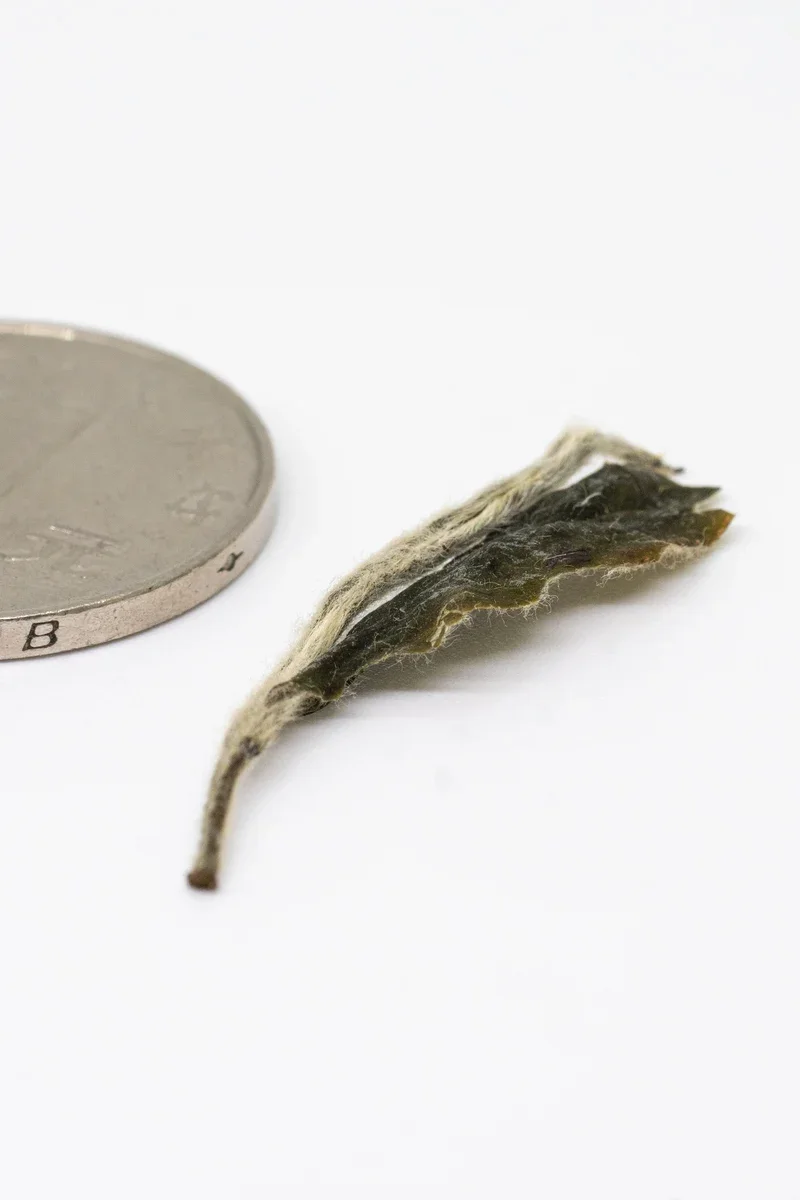
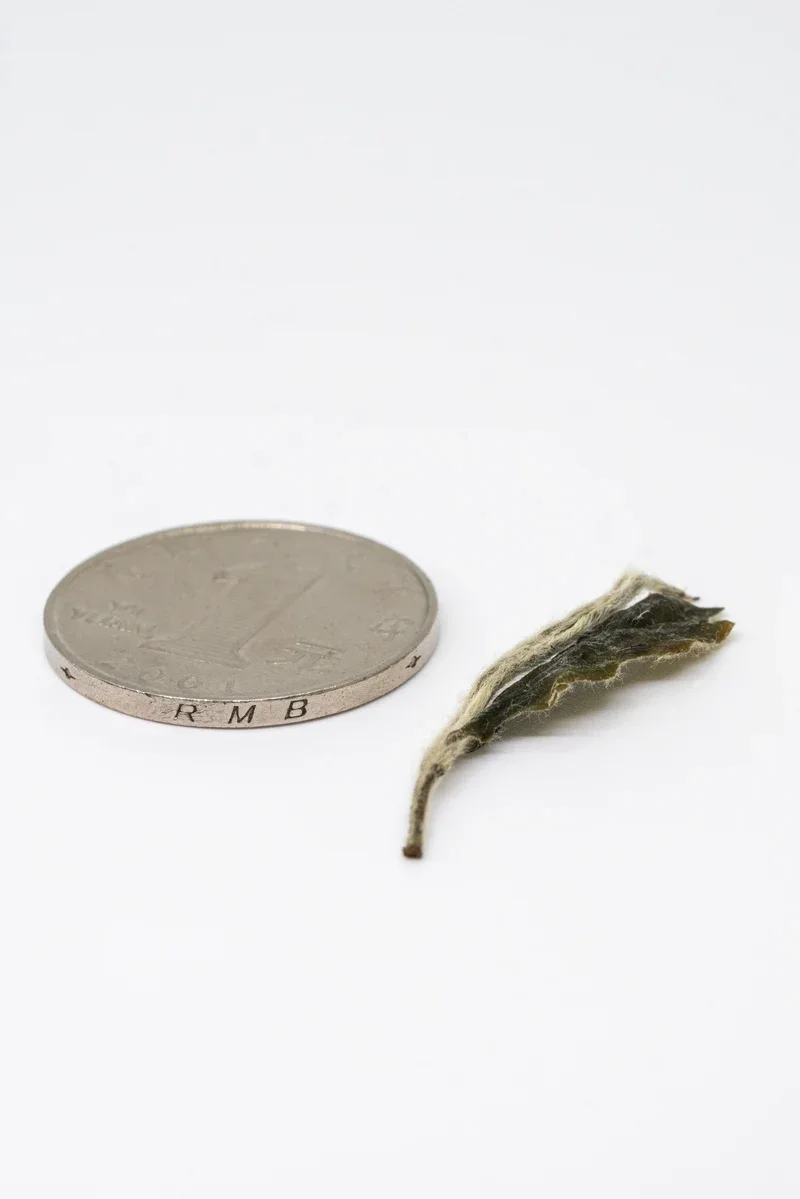
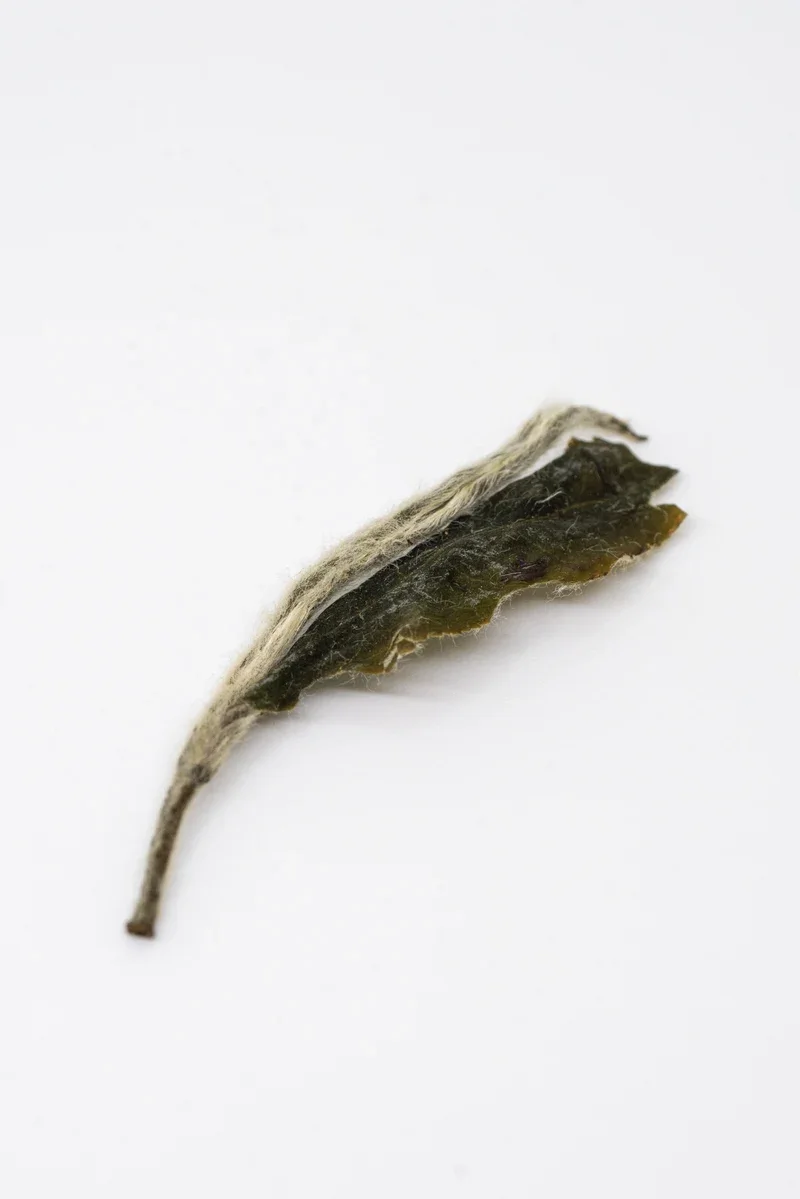
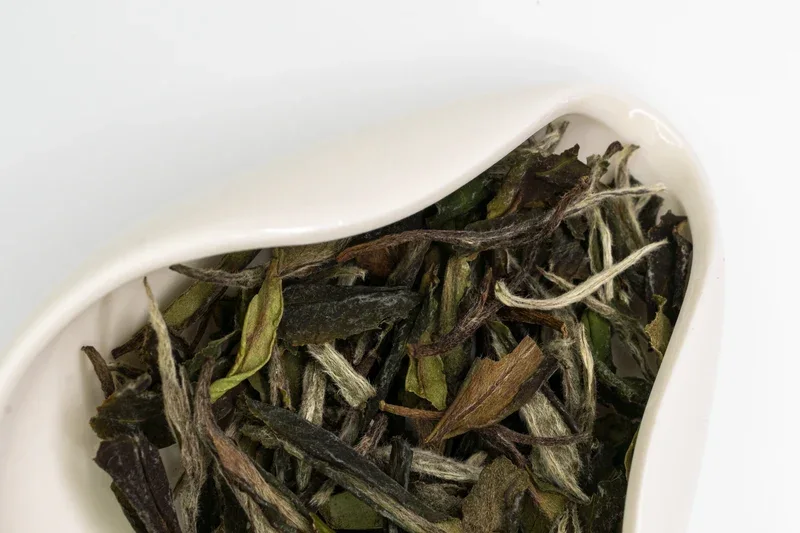
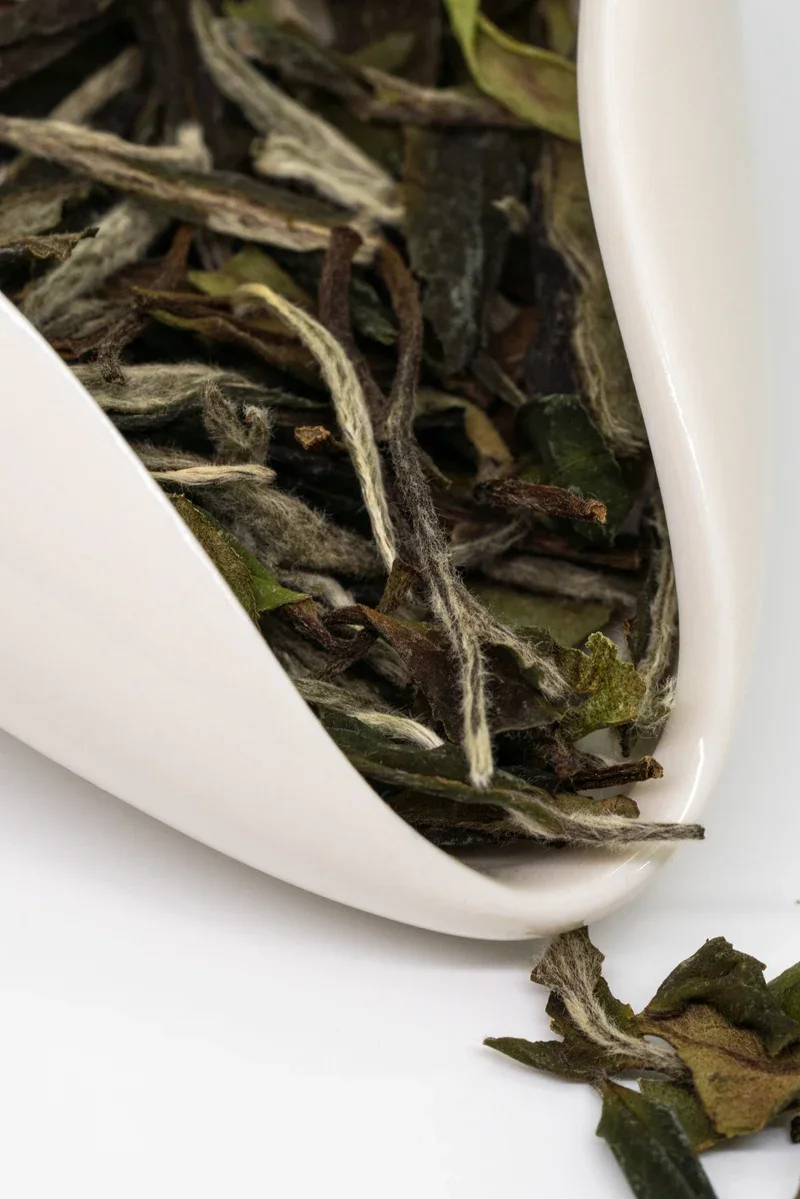
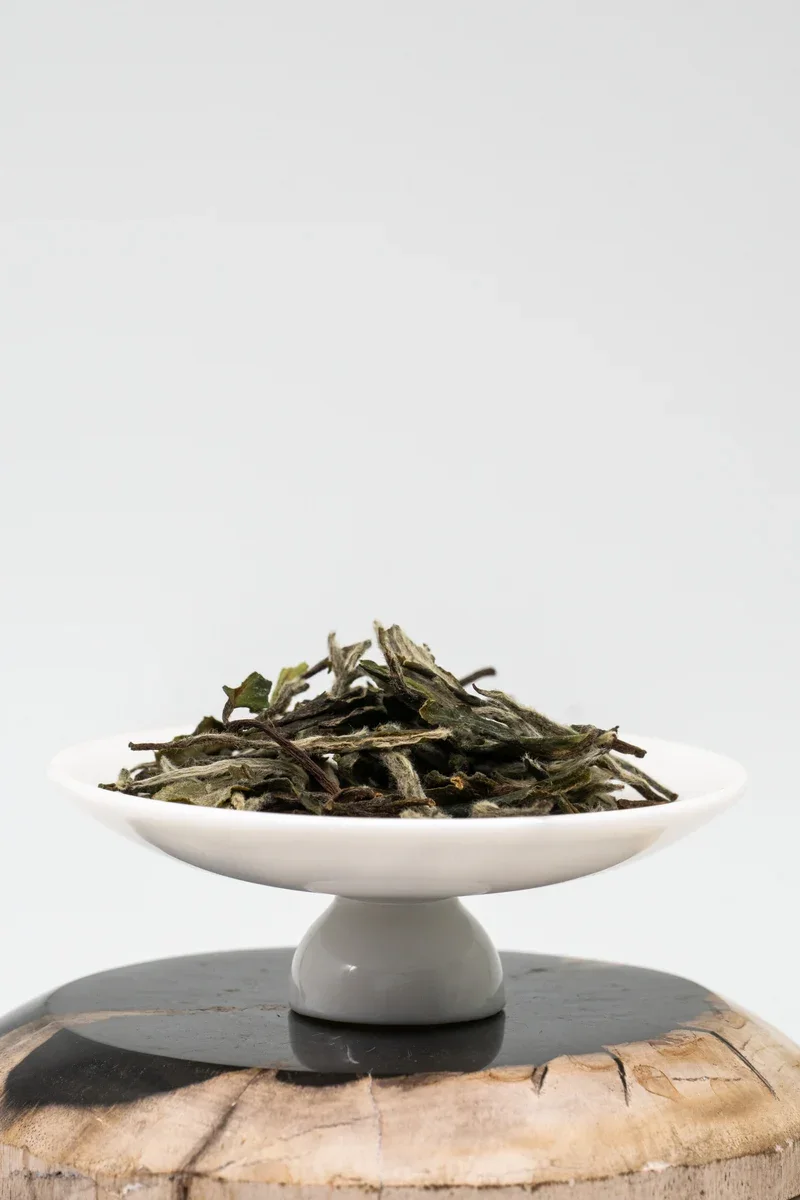
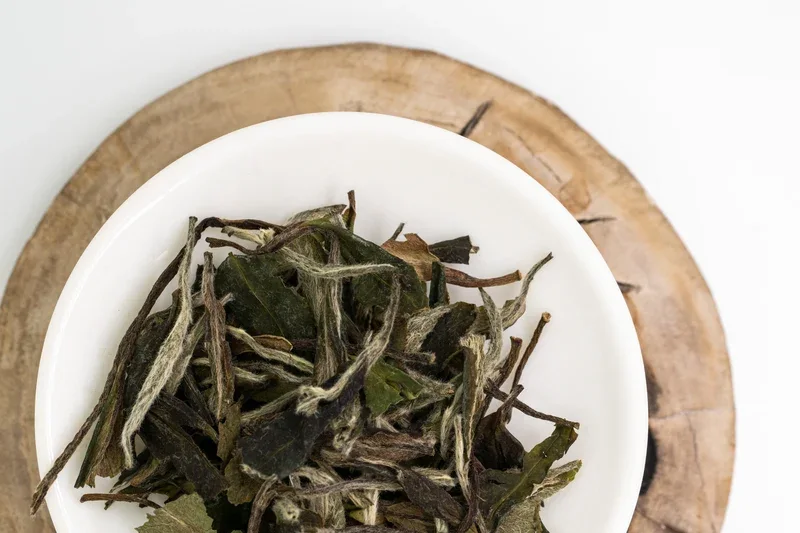
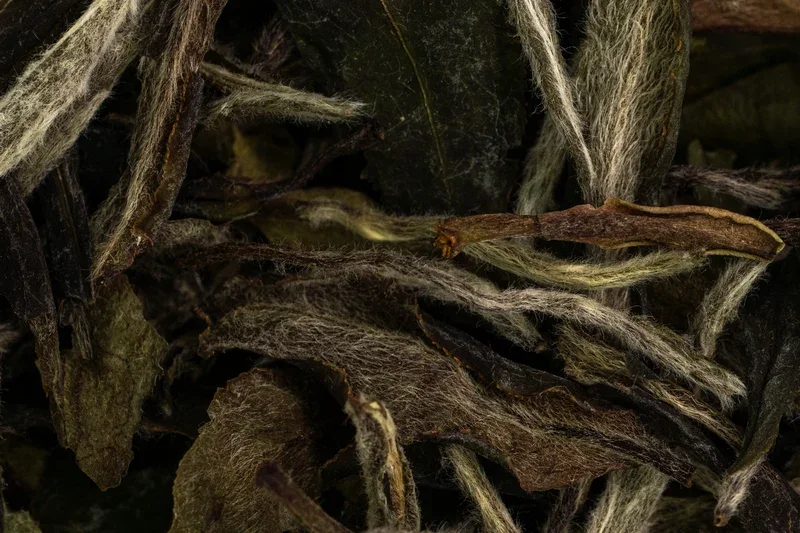
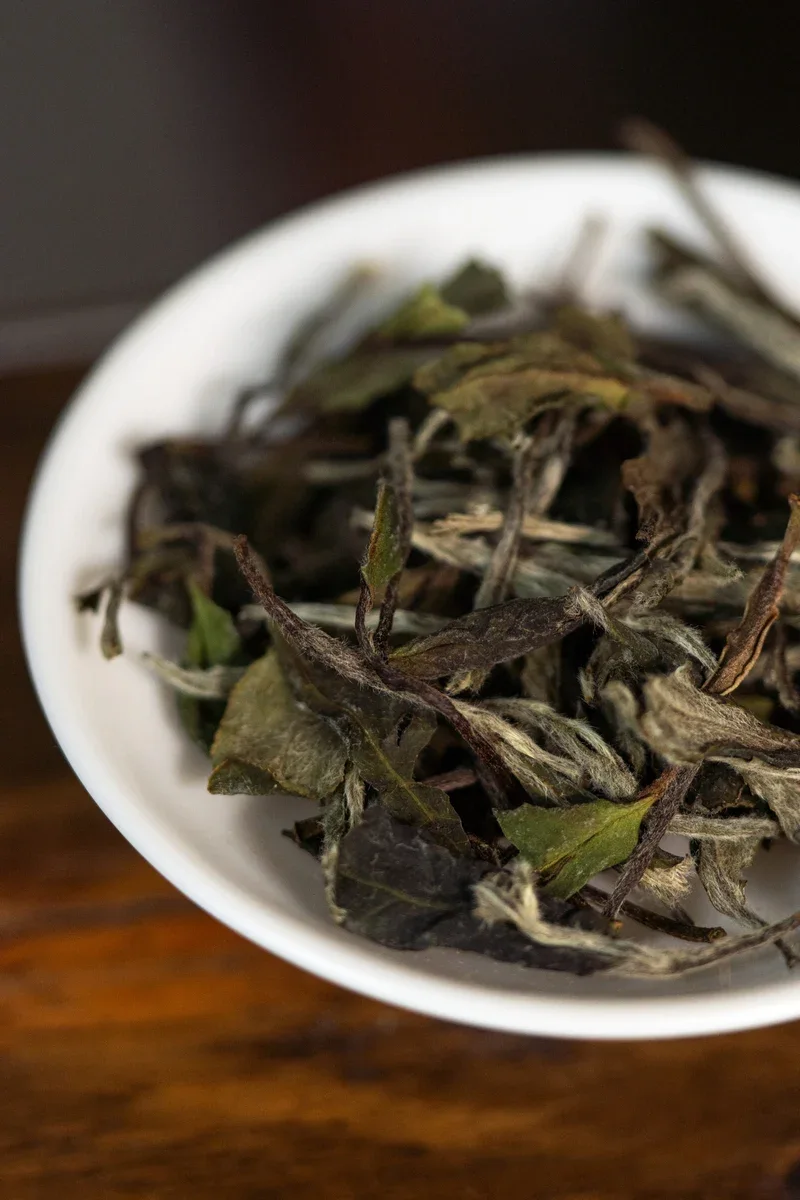
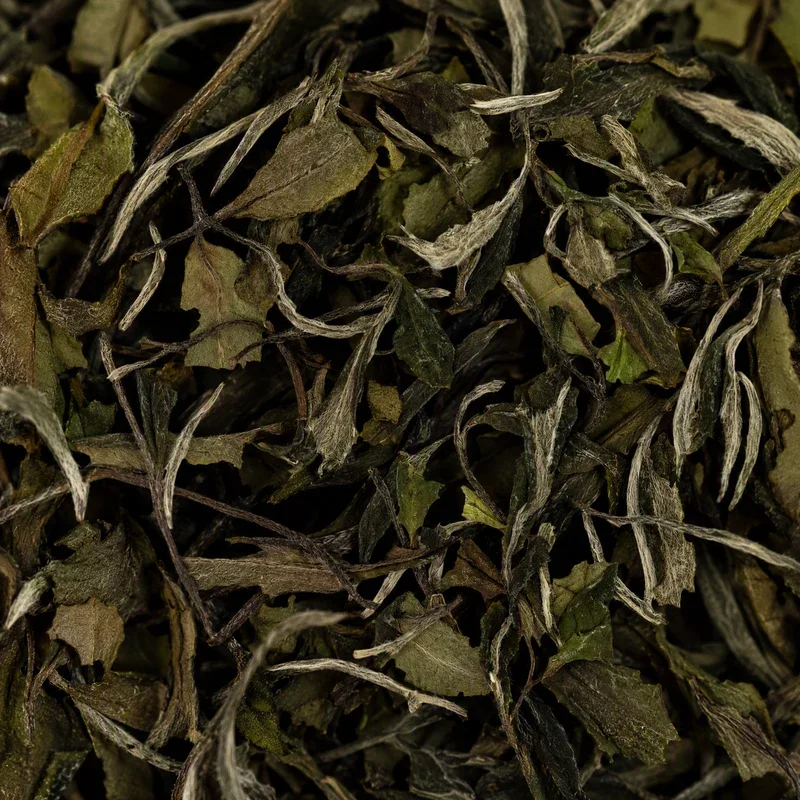
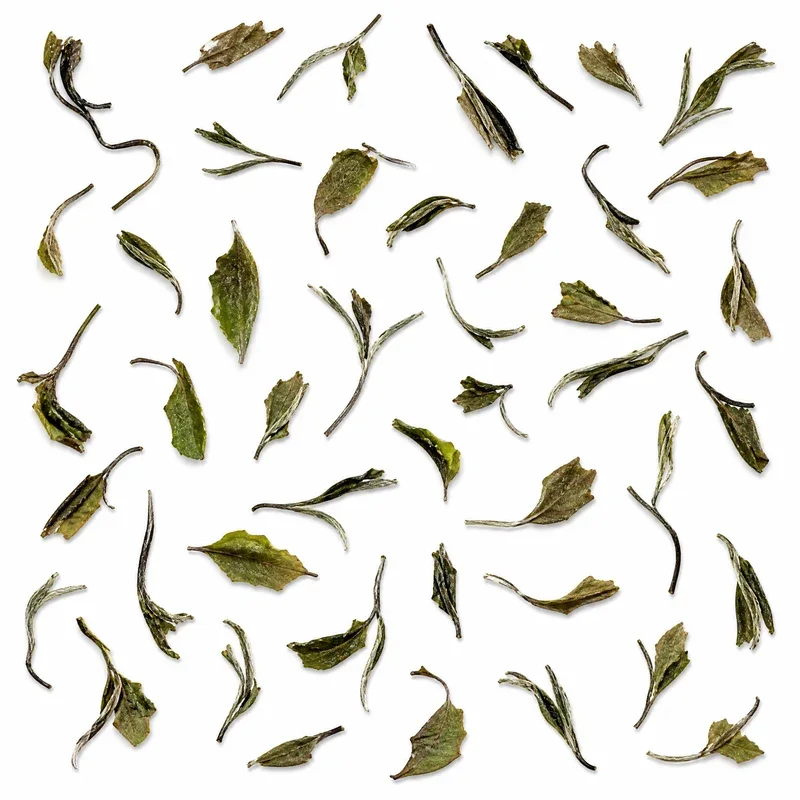
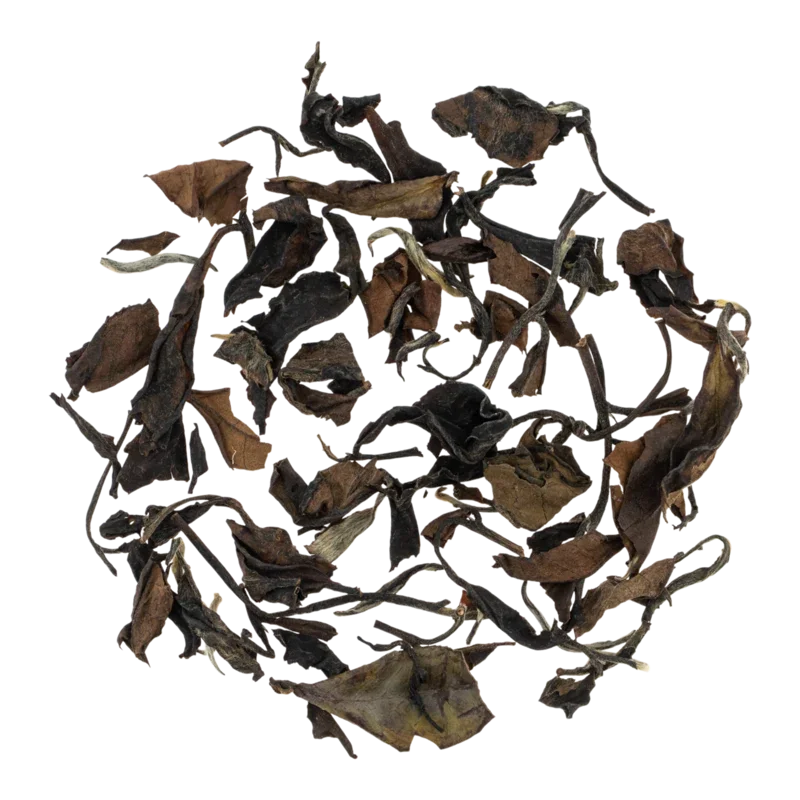
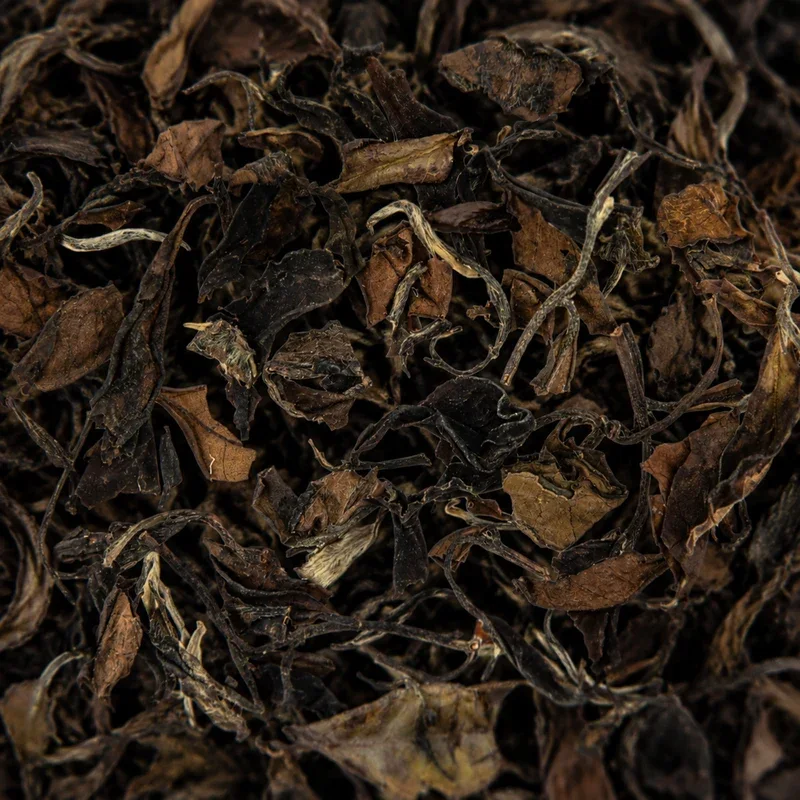
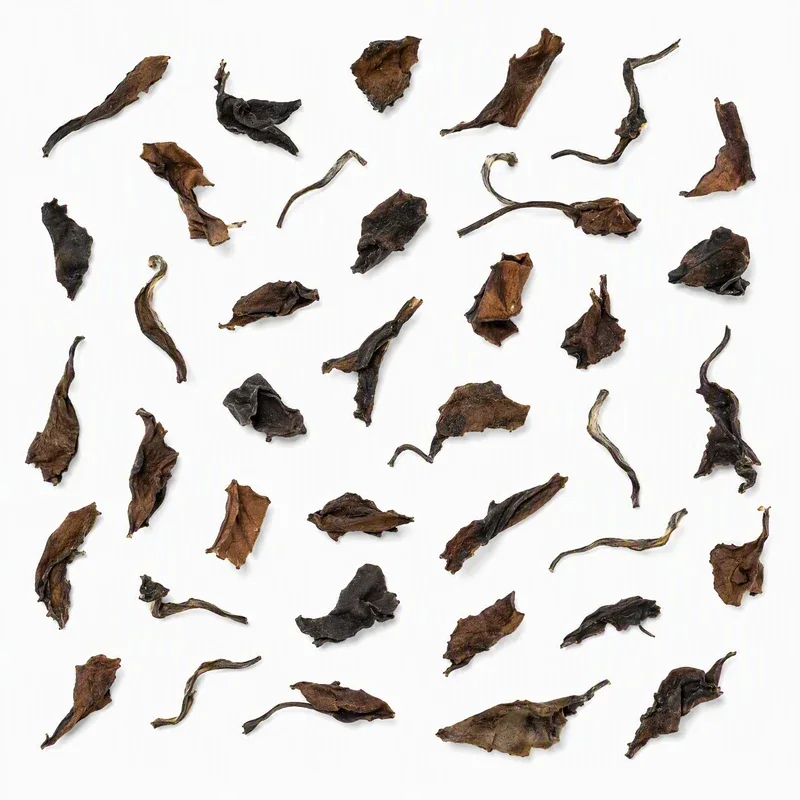
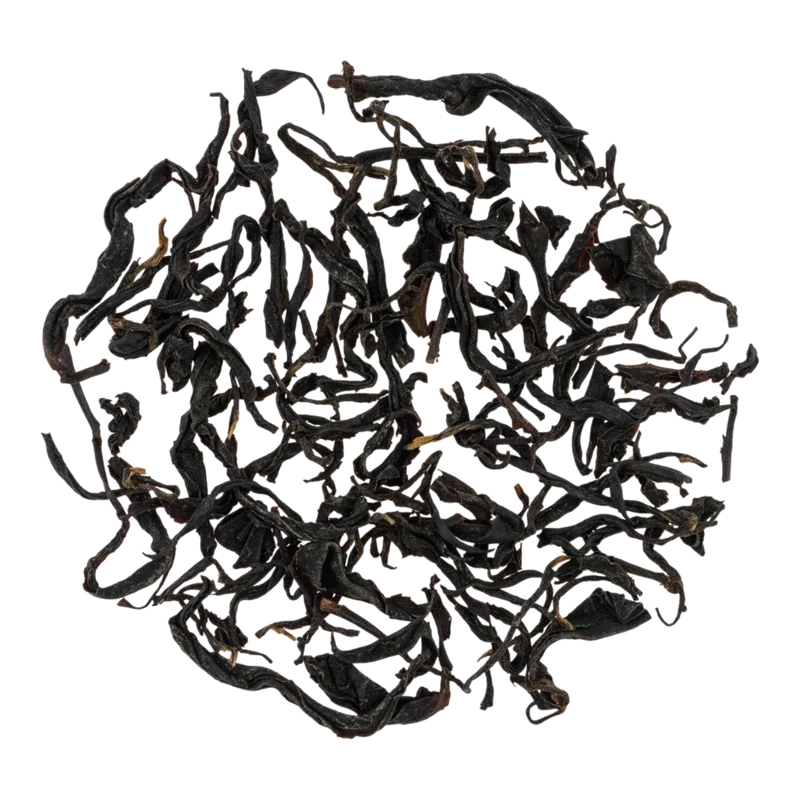
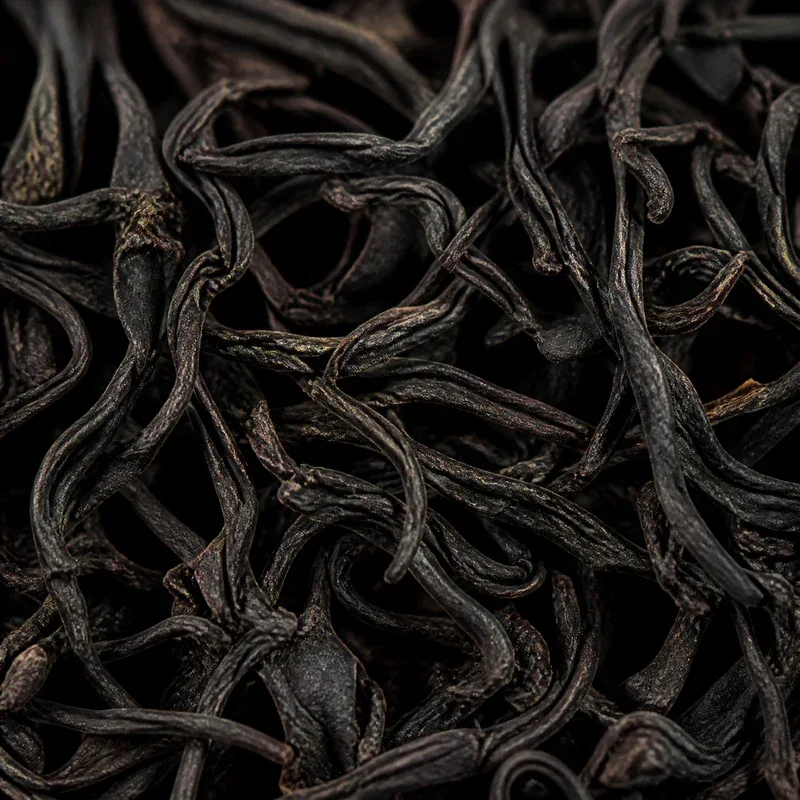
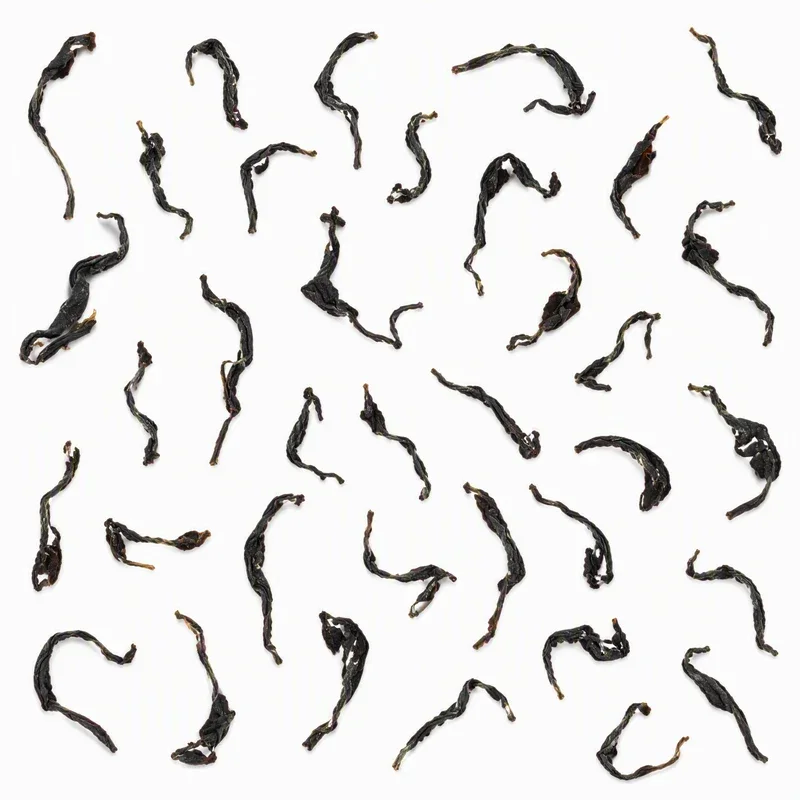
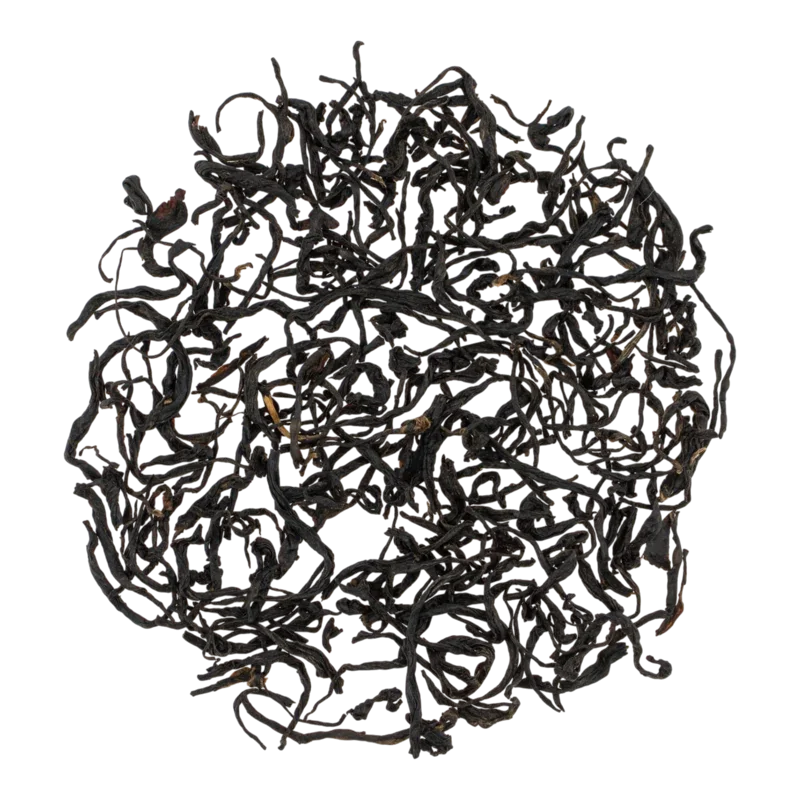
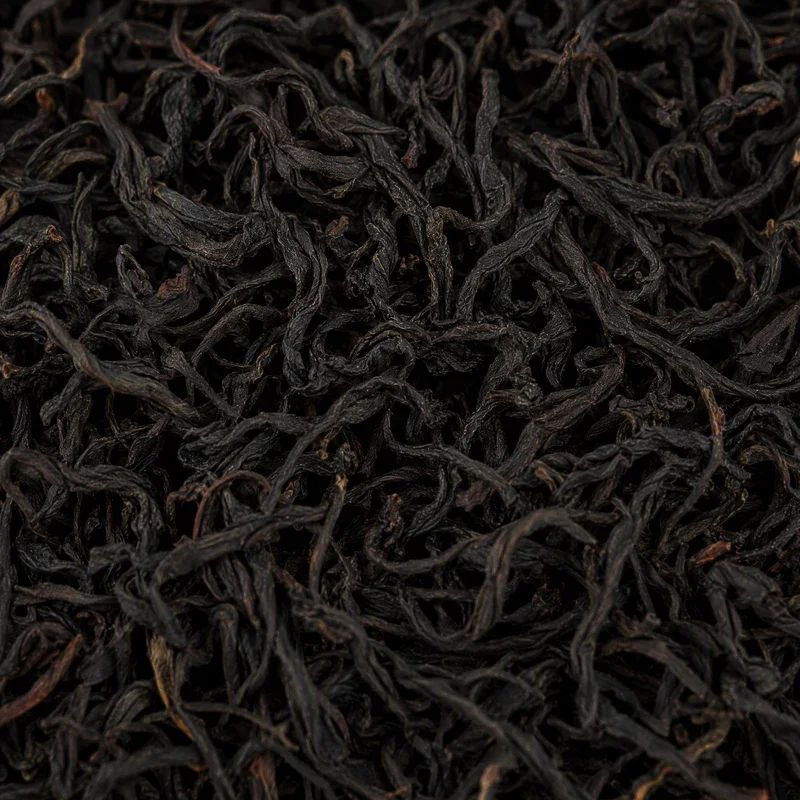
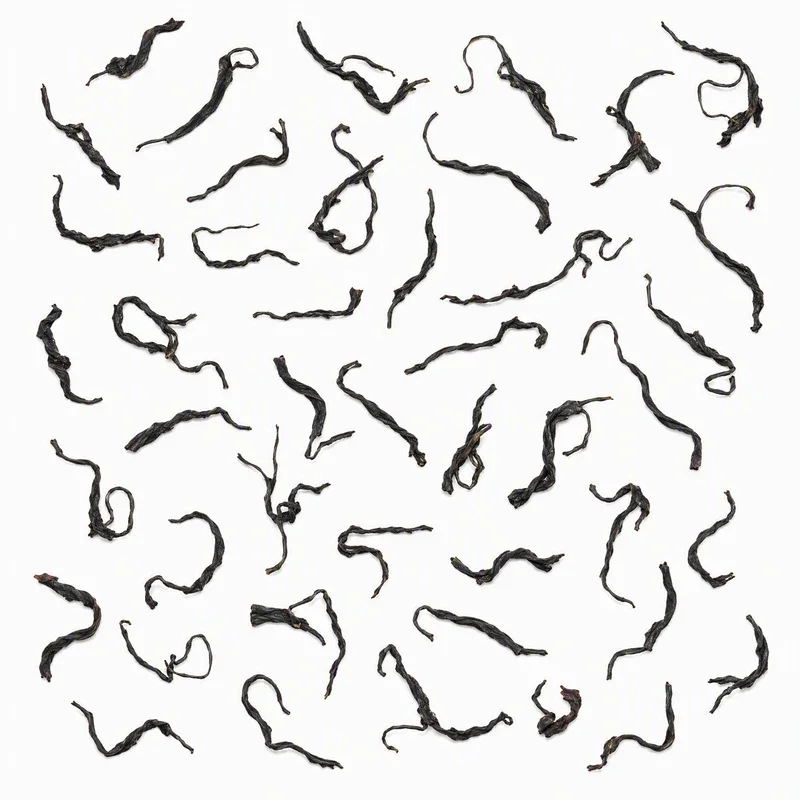
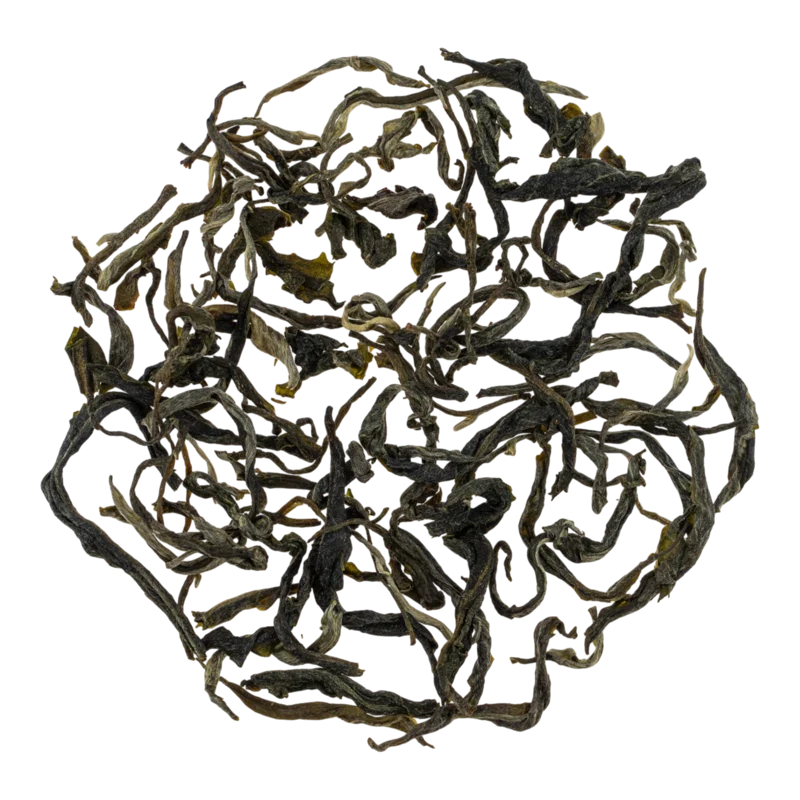
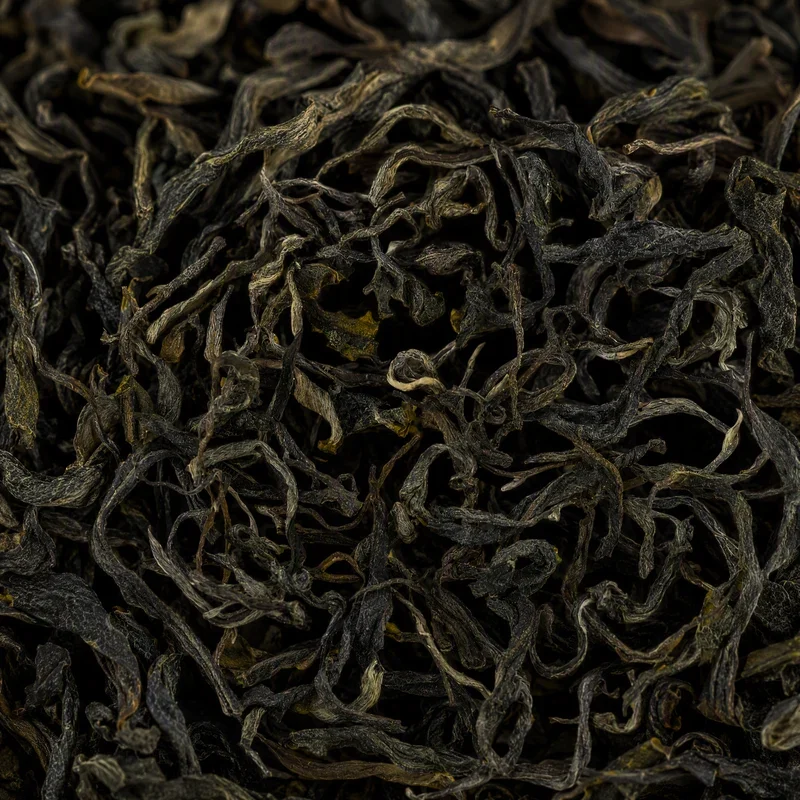
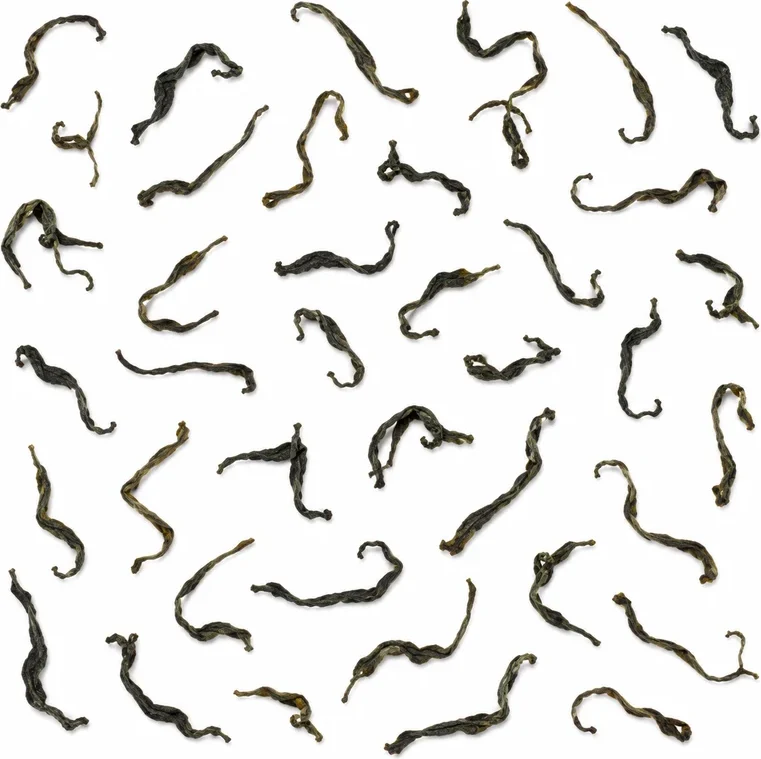
Dry Leaf Appearance: Supreme grade — tight, thin "sparrow tongues" (雀舌形, quèshé xíng), emerald-green with abundant silvery down (翠绿披毫). Mass grades — curled form (卷曲形). Leaf noticeably larger than small-leaf green teas — consequence of large-leaf cultivar.
Dry Leaf Aroma: Pure, high, persistent (清香, qīngxiāng). Orchid (兰花香) and chestnut (栗香) notes. Residual aroma in empty cup — >30 minutes — authenticity marker.
Liquor Aroma: High, persistent, with chestnut-orchid profile.
Liquor Color: Yellow-green, bright and clear (黄绿明亮).
Spent Leaves: Tender shoots gathered in "buds" of yellow-green color (嫩匀成朵,绿黄鲜活).
Taste: Rich and full (浓醇, nóngchún) — result of large-leaf raw material with elevated polyphenol content. Fresh (鲜爽) — amino acids ≥5%. Returning sweetness — stable and long-lasting (回甘持久). Formula: "微苦无涩" — "slight bitterness without harsh astringency" — unique characteristic explained by balanced ratio of polyphenols and caffeine.
Alkaloids: Caffeine — moderate content, balanced with polyphenols.
Amino Acids: ≥5% — 1.5 times higher than average for green teas. In core zone (Shadui) — up to 147.33 mg/g. It is precisely amino acids that determine pronounced freshness and "living" sweetness.
Significantly higher than in ordinary green teas. According to research by Guangdong Medical Academy (1986), elevated manganese content is linked to reduced liver cancer risk and enhanced free radical neutralization (+30% compared to ordinary green tea).
1.5 times higher than average — consequence of mild southern climate and abundant diffused light.
Naturally elevated content — from karst soils.
Minerals: Potassium, magnesium, zinc, manganese, selenium.
Polyphenols: 25–30% — above average for green teas. EGCG — main component. Free radical neutralization efficiency — 10 times higher than vitamin E.
Elevated manganese content — free radical neutralization efficiency 30% higher than ordinary green tea. 1986 study confirmed link to reduced liver cancer risk.
Catechins — efficiency 10 times higher than vitamin E. Vitamin C — 1.5 times higher than average.
Polyphenols (25–30%) stimulate fat breakdown.
Caffeine and L-theanine.
Polyphenols stimulate enzymes.
the listed properties are based on publicly available data and are not medical recommendations.
do not use repeatedly boiled water (忌反复烧开沸水) — this destroys polyphenol structure. Not recommended to drink on empty stomach — high tannin content may irritate mucous membrane. After opening — store in refrigerator, consume within 3 months.
Tea Amount: 3 g per 150 ml water (1:50 ratio).
Teaware: Glass tumbler (for observing "sparrow tongues") or white porcelain gaiwan (for aroma evaluation).
Water Temperature: 80–85°C; for supreme grade (特级) — 75°C.
Also from large-leaf Yunnan cultivar, but from Yunnan. Dian Lu — more "raw" and astringent; Yingde Green Tea — softer and more "processed" thanks to "闷扬结合" technique.
From Guangdong (Heshan). Historical green tea with orchid aroma. Gulao Tea — more small-leaf and delicate; Yingde — denser and more concentrated.
From Shandong. Also from "imported" cultivars (but small-leaf), also with elevated amino acid content. Rizhao — "northern"; Yingde — "southern". Chemically: both above average in amino acids, but Yingde — from large-leaf raw material, giving heavier body.
From small-leaf cultivar, flat. Long Jing — refined and elegant; Yingde — more powerful and concentrated, with more pronounced "bitterness" of large-leaf character.
authentic Yingde Green Tea is from large-leaf cultivar, leaf noticeably larger than small-leaf green teas. Small, "papery" leaf — suspicious.
residual aroma >30 minutes — authenticity marker.
formula "微苦无涩" (slight bitterness without astringency). Harsh astringency — counterfeit.
suspiciously low — sign of counterfeit.
No reviews yet. Tell us what you think of this tea.
Rate this tea and share your impressions. We review each submission before publishing it.