Brewing
Gongfu brewing
- Water temperature
- 93 °C
- Tea amount
- 5 g
- Water volume
- 100 ml
- First steep
- 10 s
- Time added per infusion
- 5 s
- Infusions
- 4

yīng hóng jiǔ hào
Choose a brewing method. Start with the recommended quantities and time, then adjust to taste.
Brewing
Brewing
Taste
Tea encyclopedia
Category: Elite red teas of China; flagship variety of Yìng Dé Hóng Chá (英德红茶, Yīngdé Hóngchá) — "red tea from Yingde," which ranks among the three great red teas of China alongside Qí Mèn Hóng Chá (祁门红茶) and Diān Hóng (滇红).
Category: Elite red teas of China; flagship variety of Yìng Dé Hóng Chá (英德红茶, Yīngdé Hóngchá) — "red tea from Yingde," which ranks among the three great red teas of China alongside Qí Mèn Hóng Chá (祁门红茶) and Diān Hóng (滇红).
Coordinates: Approximately 24°10′ N, 113°25′ E (central zone of Yingde County).
Origin: China (中国), Guǎngdōng Province (广东省, Guǎngdōng Shěng), Qingyuan Prefecture-level City (清远市, Qīngyuǎn Shì), Yingde County-level City (英德市, Yīngdé Shì). Tea gardens are concentrated in the foothill areas of northern Guangdong, predominantly within the boundaries of Yingde and adjacent territories. Since 2005, plantations have expanded to eastern and western districts of the province, as well as beyond its borders — to Sichuan, Guangxi, Fujian, Yunnan, Guizhou, and Tibet. Currently, the total area of Ying Hong No. 9 plantations in Guangdong and beyond exceeds 10,000 hectares.
Type: Red tea (black tea) (红茶, hóngchá), fully oxidized. According to European classification — black tea.
Ying Hong No. 9 is one of the few teas in the world whose name is simultaneously the designation of the cultivar, finished product and regional brand. This is a unique case in China's tea industry.
Elite "Jin Hao" from single buds of Ying Hong No. 9 was created in the late 1980s — long before the appearance of famous Jìn Jùn Méi (金骏眉, 2005), considered the progenitor of "bud" red teas.
In 1963, Elizabeth II used red tea from Yingde for a royal reception. Ying De Hong Cha became one of the first Chinese teas to conquer London after centuries of dominance by Indian and Ceylon varieties.
The first high-class product from Ying Hong No. 9 buds was not red, but yellow tea — "Yin Hao" (银毫, "silver down"), produced using yellow tea technology (黄茶). Only then did scientists switch to red technology and create "Jin Hao."
By 2015, the cumulative economic effect from introducing Ying Hong No. 9 exceeded 4 billion yuan; by the 2020s — more than 6 billion yuan, transforming Yingde from a depressed mountain county into a prosperous "tea region."
Tree with erect, powerful trunk, pronounced apical dominance. Crown semi-spreading, branching moderately dense.
Elliptical, light green, with convex glossy surface and gradually pointed tip. Leaf edge slightly wavy, leaf slightly folded inward.
Yellow-green colored, densely covered with down. Shoot formation ability is high. A shoot of "one bud — three leaves" type reaches 12.7 cm in length and 2.05 g in weight — the variety belongs to the heavy-bud type (重芽型品种). Annual shoots grow up to 132.7 cm with a thickness of 1.13 cm and bear up to 100 leaves — an indicator exceeding the original Yunnan population.
Yellow-white, corolla diameter 3–4 cm. Pistil higher than stamens, stigma three-parted. Flowering abundant, fruiting extremely scarce (花多而结实甚少).
Beginning of vegetation — mid to late March; beginning of shoot formation — late March to early April; dormancy period — mid-November to early December. Full vegetation cycle is 247–278 days.
Cultivar: Ying Hong No. 9 (英红9号, yīng hóng jiǔ hào) — a cultivar of the species Camellia sinensis (L.) Kuntze, selected by clonal selection from the Yunnan large-leaf population (云南大叶群体, Yúnnán Dàyè Qúntǐ), brought to Yingde in 1956. Belongs to the tree-type large-leaf type (乔木型大叶种, qiáomù xíng dàyè zhǒng). Botanical characteristics:
Picking: Due to early awakening and long vegetation period, harvest is possible from March to November. Spring harvest (春茶, chūnchá) is considered most valuable, especially early spring (明前, míngqián). Average yield — over 150 kg of dry tea per mu, which is 5 times higher than standard varieties.
Pluck Standard: Depends on product grade:
Altitude: Tea gardens are located at altitudes from 100 to 500 m above sea level, on slopes with gradients not exceeding 25°.
Climate: Subtropical monsoon, with mild winter and hot, humid summer. Average annual temperature 20–22°C. Precipitation 1800–2000 mm per year, air humidity high. Sum of active temperatures and duration of sunshine provide a long vegetation period. Frequent morning fogs and abundant dew contribute to the formation of tender, aromatic shoots.
Soil: Red soils (红壤, hóng rǎng), loose, with good air permeability, deep profile, high content of organic matter and minerals. Optimal pH — 4.5–6.5. Yingde red soils are rich in iron and aluminum, which favorably affects root system development and polyphenol accumulation.
Yingde County is located in the northern part of Guangdong Province, in the foothill zone of the Nánlǐng Range (南岭). The terrain is hilly, dissected by rivers and streams, with numerous valleys. The region is at the intersection of subtropical and temperate-tropical zones.
Ying Hong No. 9 demonstrates good adaptability not only in Guangdong, but also in Sichuan, Guangxi, Fujian and other subtropical regions. The variety is distinguished by high frost resistance for the large-leaf type and resistance to major diseases and pests.
Hand picking according to grade standard. For elite categories (Jin Hao, Jin Mao Hao) — exclusively early spring buds and unopened leaves.
Harvested leaves are spread in a thin layer on bamboo trays in the open air (sun or shade withering) or in a well-ventilated room. Duration — 12–18 hours and more. Goal — reduce moisture content to 60–70% of original, make the leaf soft and elastic, initiate initial biochemical oxidation processes.
Withered leaves are rolled by hand or on rollers in several stages. Large-leaf raw material of Ying Hong No. 9 requires more prolonged and intensive rolling for complete destruction of cellular structure and release of cell sap necessary for quality oxidation.
Key stage. Rolled leaves are laid in a layer of 8–12 cm in the fermentation room at temperature 22–28°C and humidity 90–95%. Duration — 3–5 hours. During complete oxidation, catechins transform into theaflavins and thearubigins, forming the characteristic red-brown color of the leaf, rich aroma and taste.
Conducted in two stages: primary drying (毛火, máo huǒ) at higher temperature for rapid stopping of fermentation and final drying (足火, zú huǒ) at reduced temperature for aroma fixation and removal of residual moisture. Final moisture content — no more than 6%.
Finished tea is sieved and sorted by size and quality into whole-leaf fractions, broken leaf and small fraction. Tips (buds) with abundant golden down are selected for highest grades.
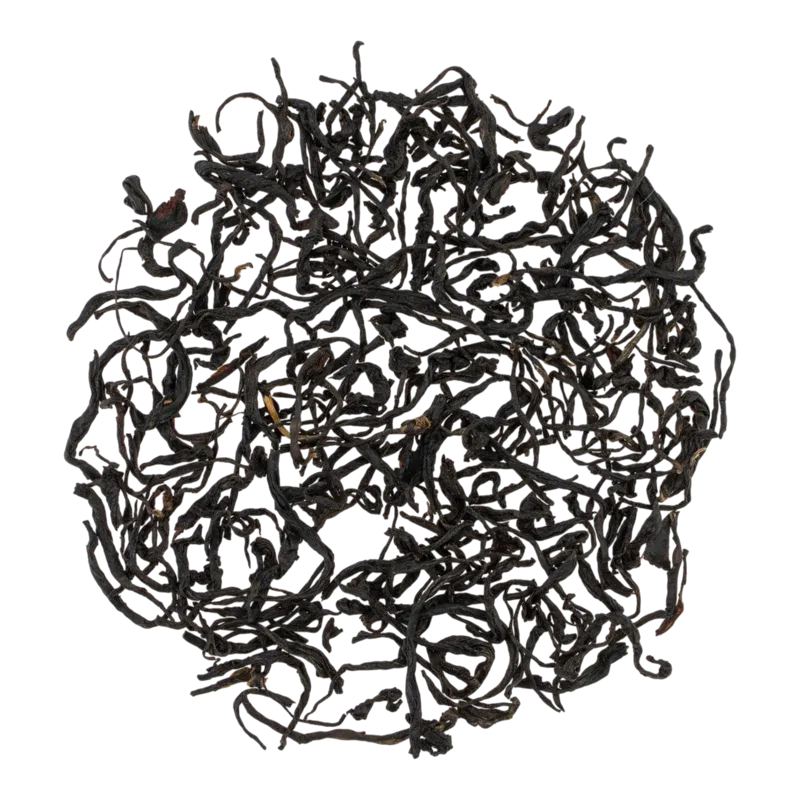
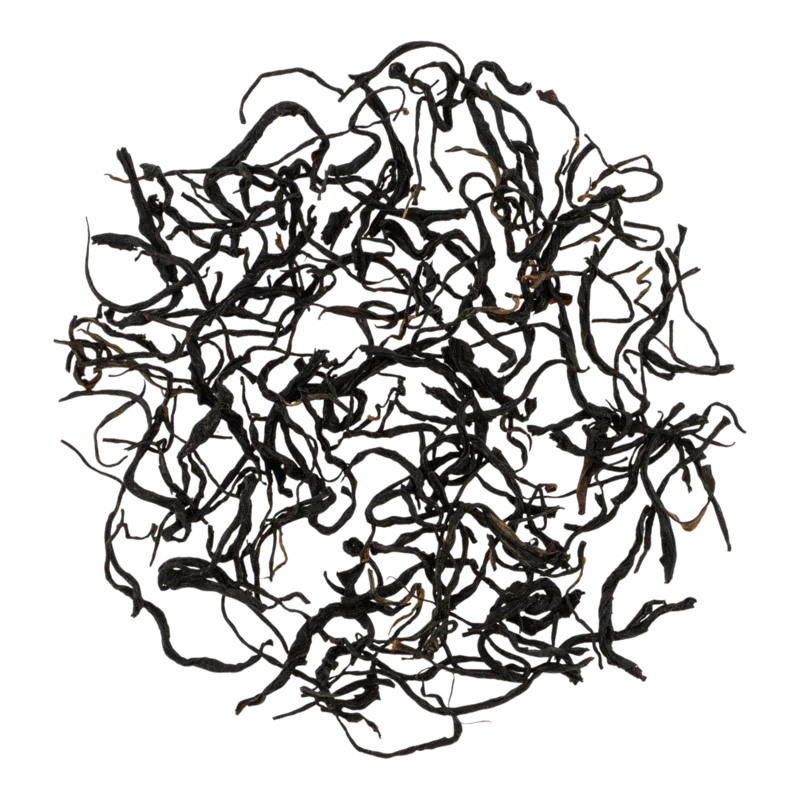
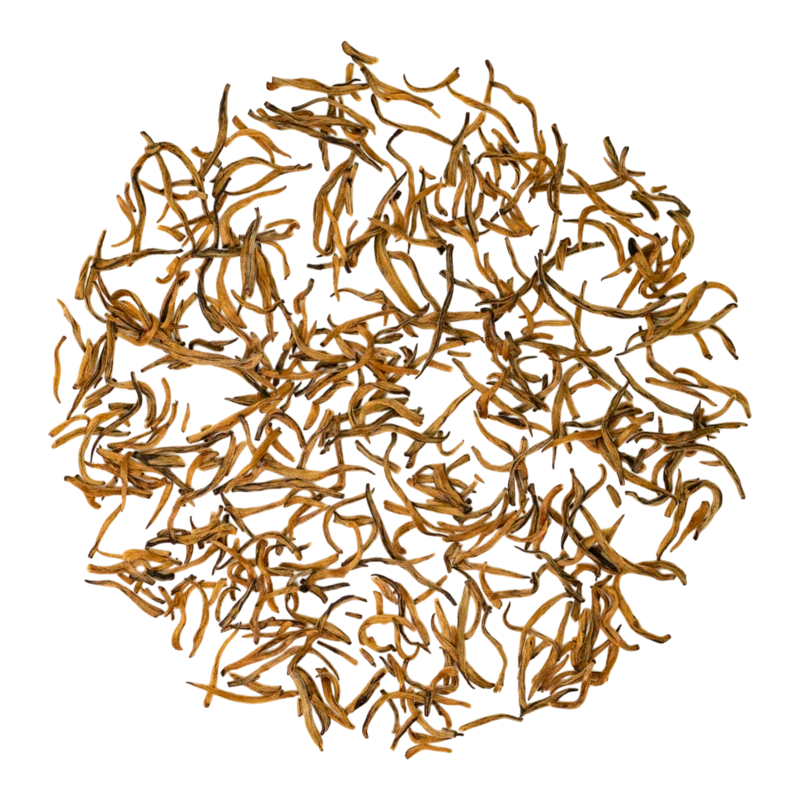
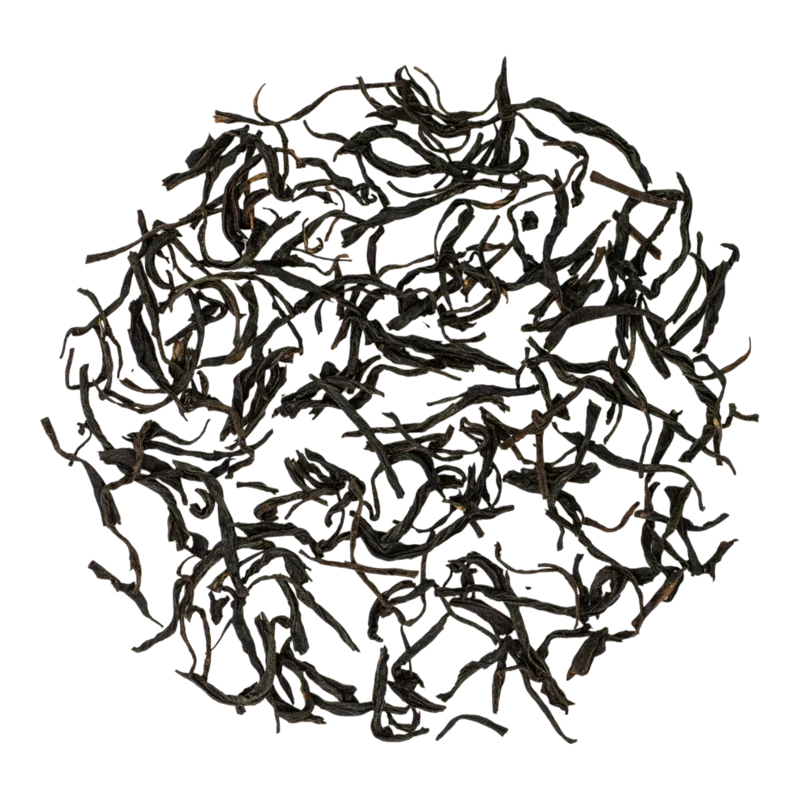
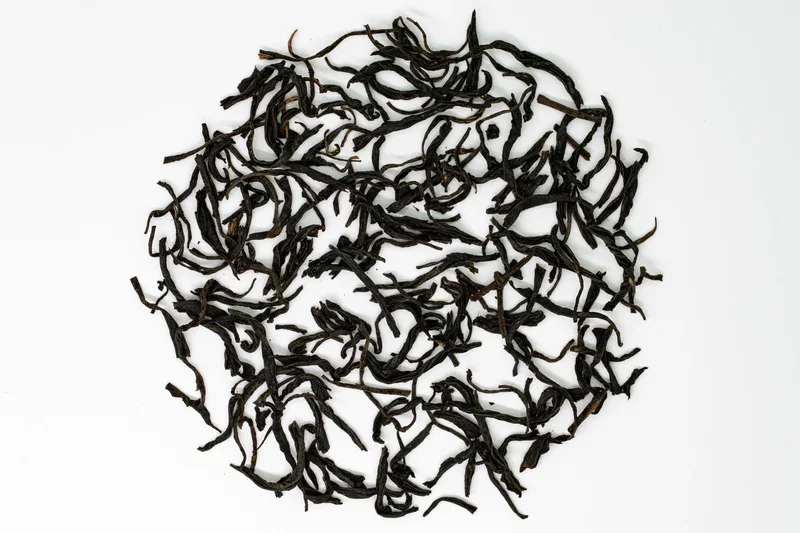
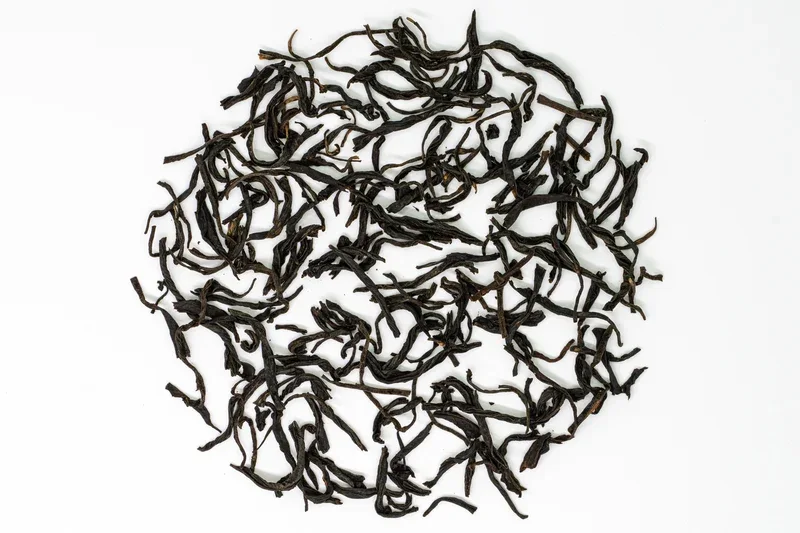
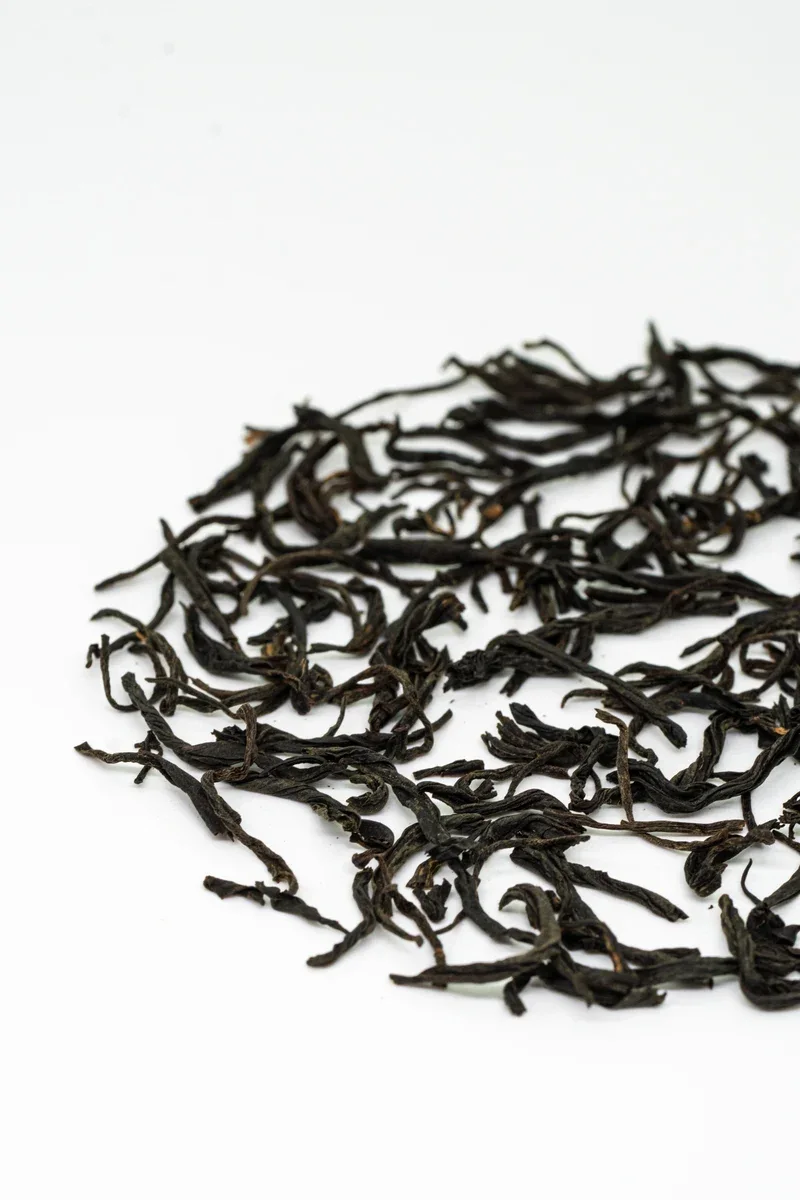
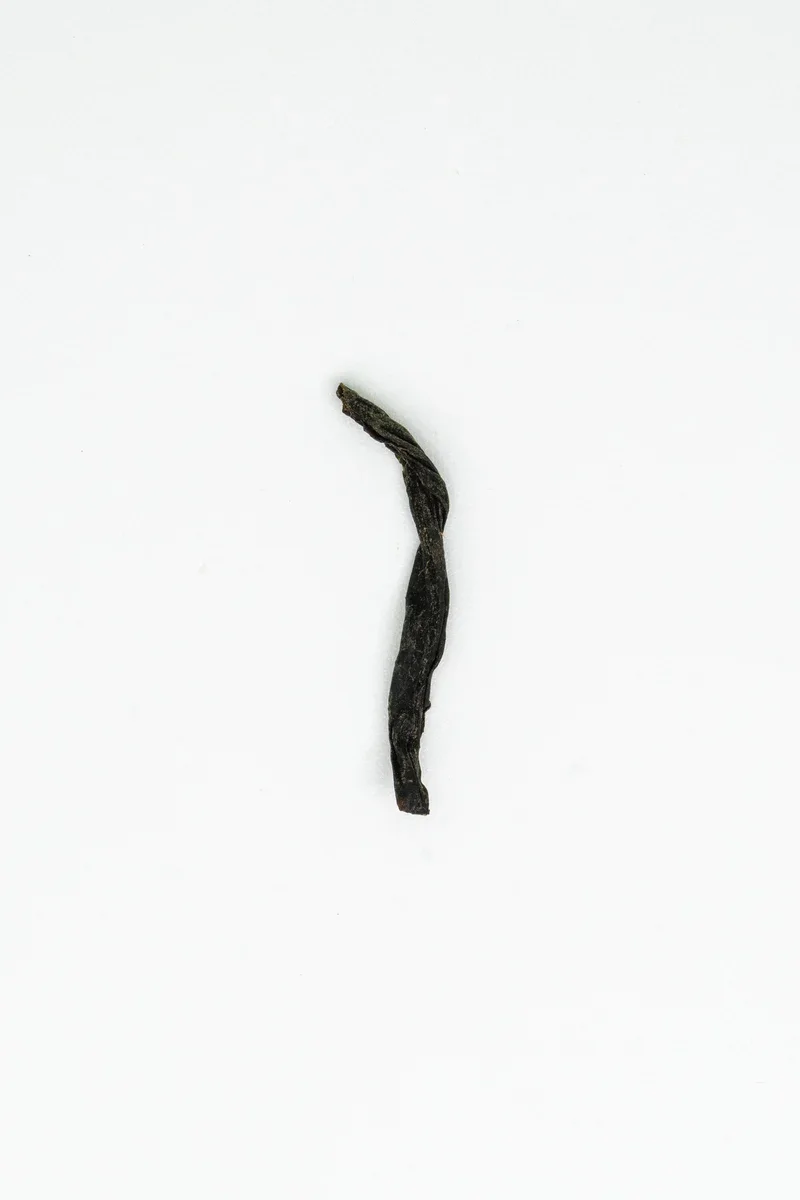
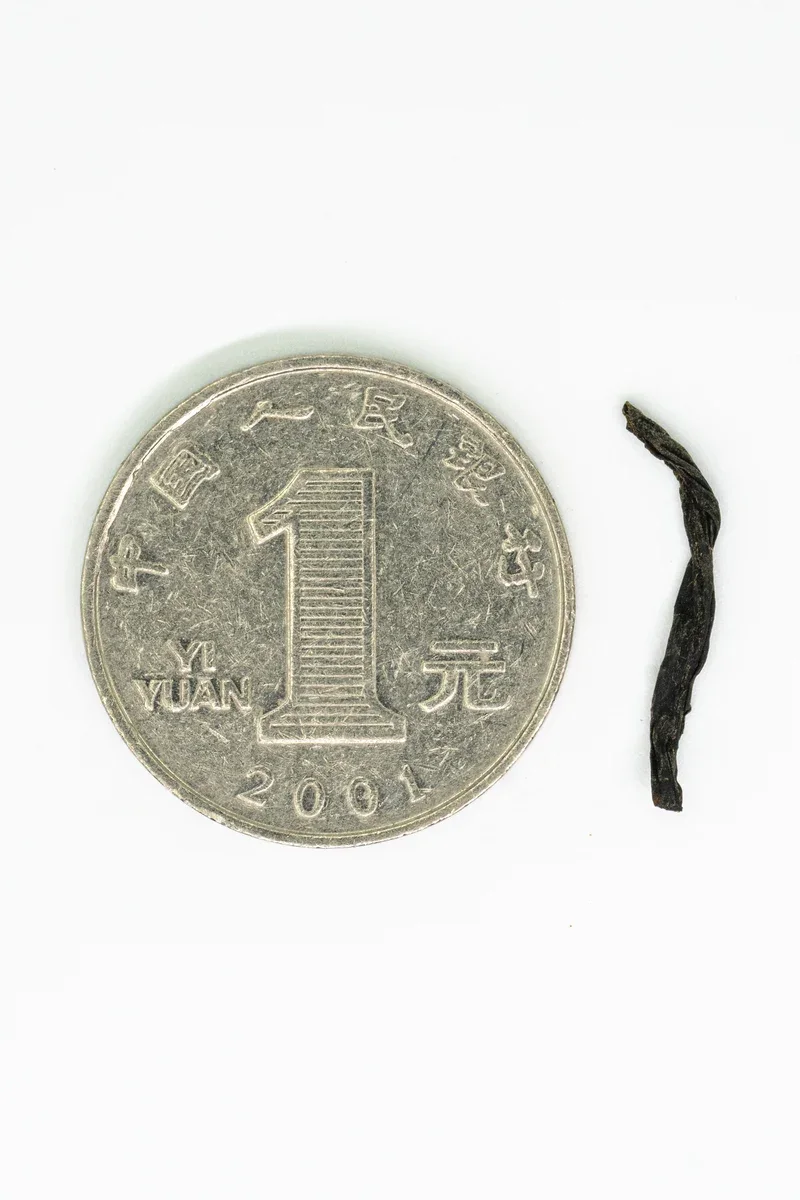
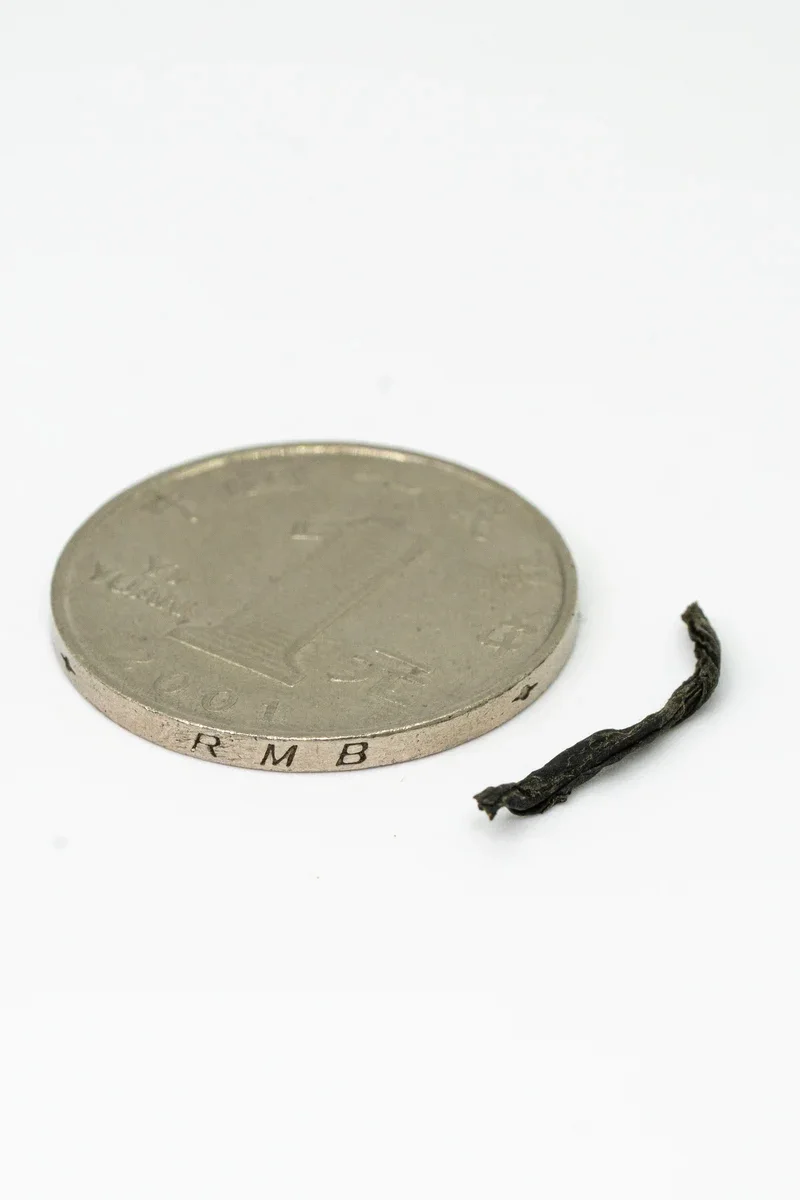
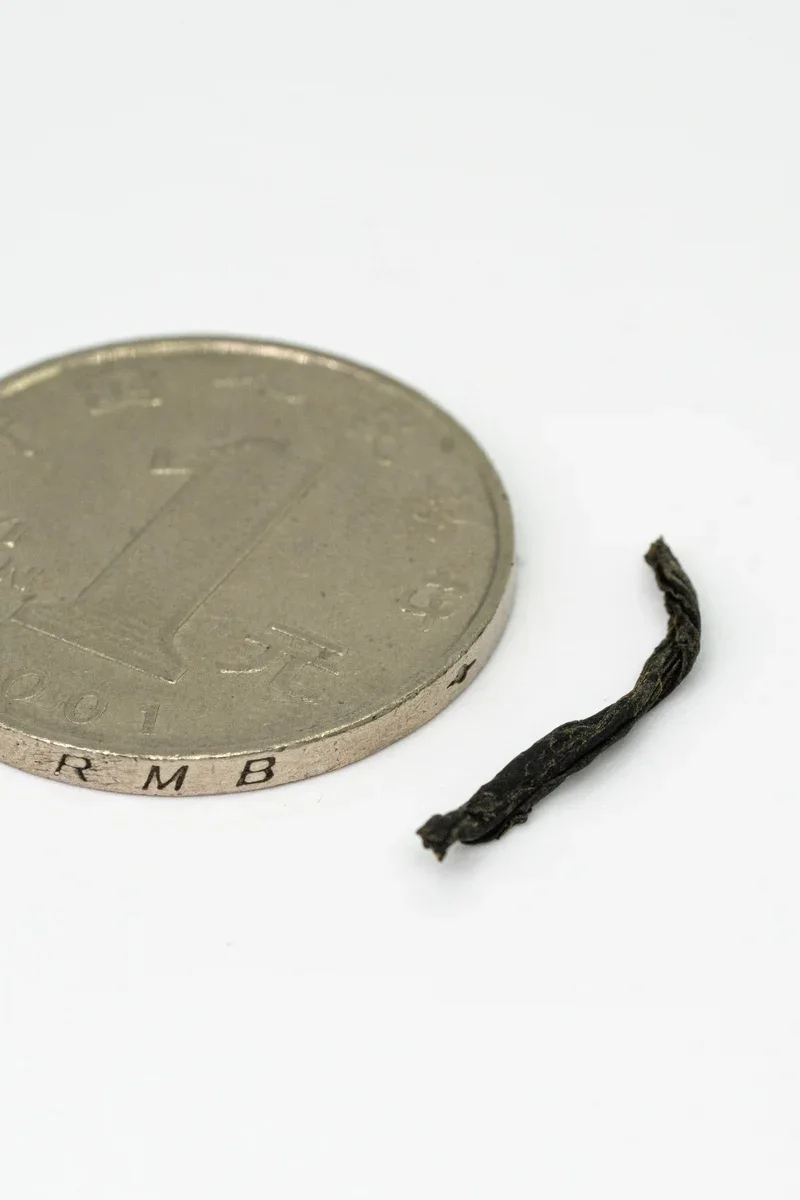
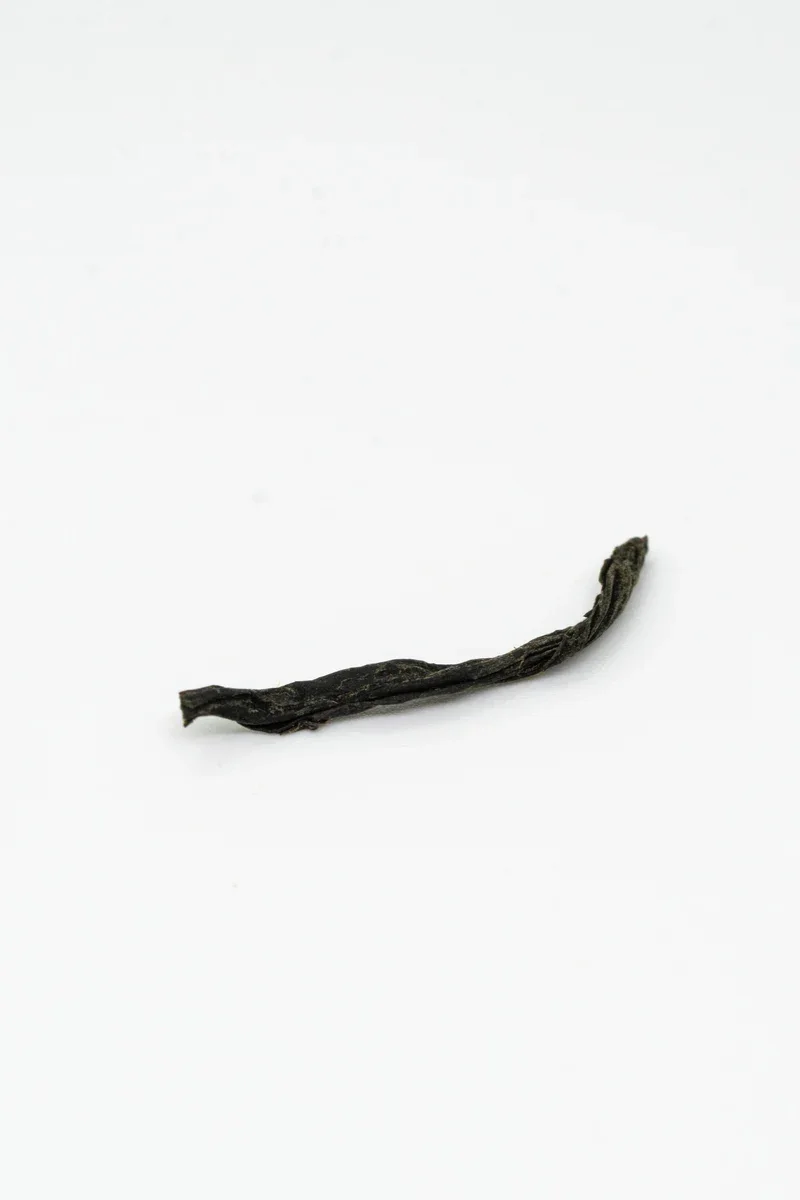
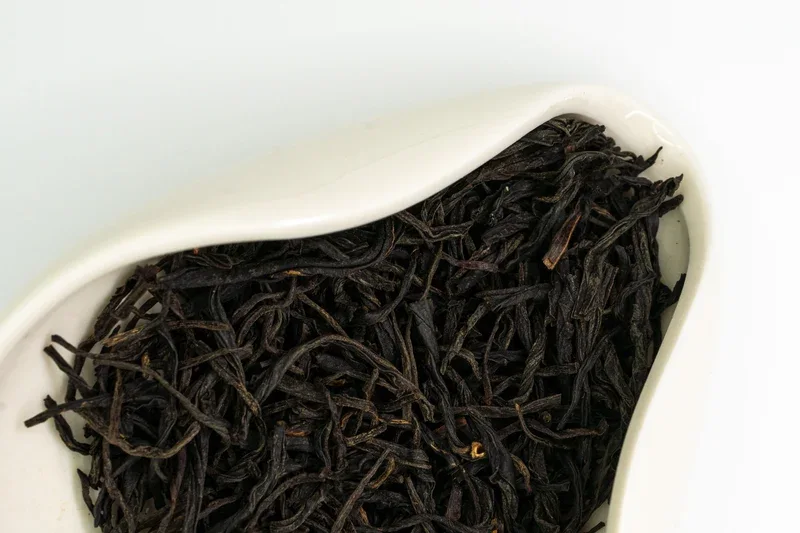
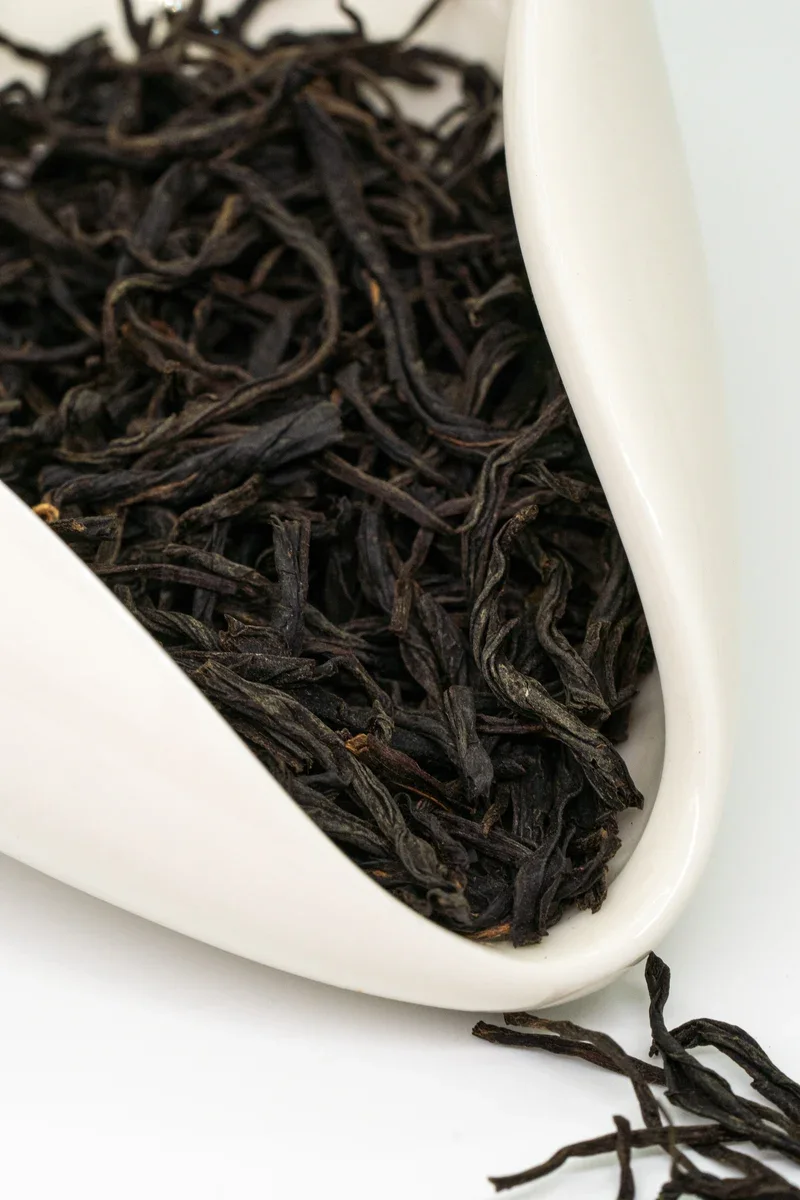
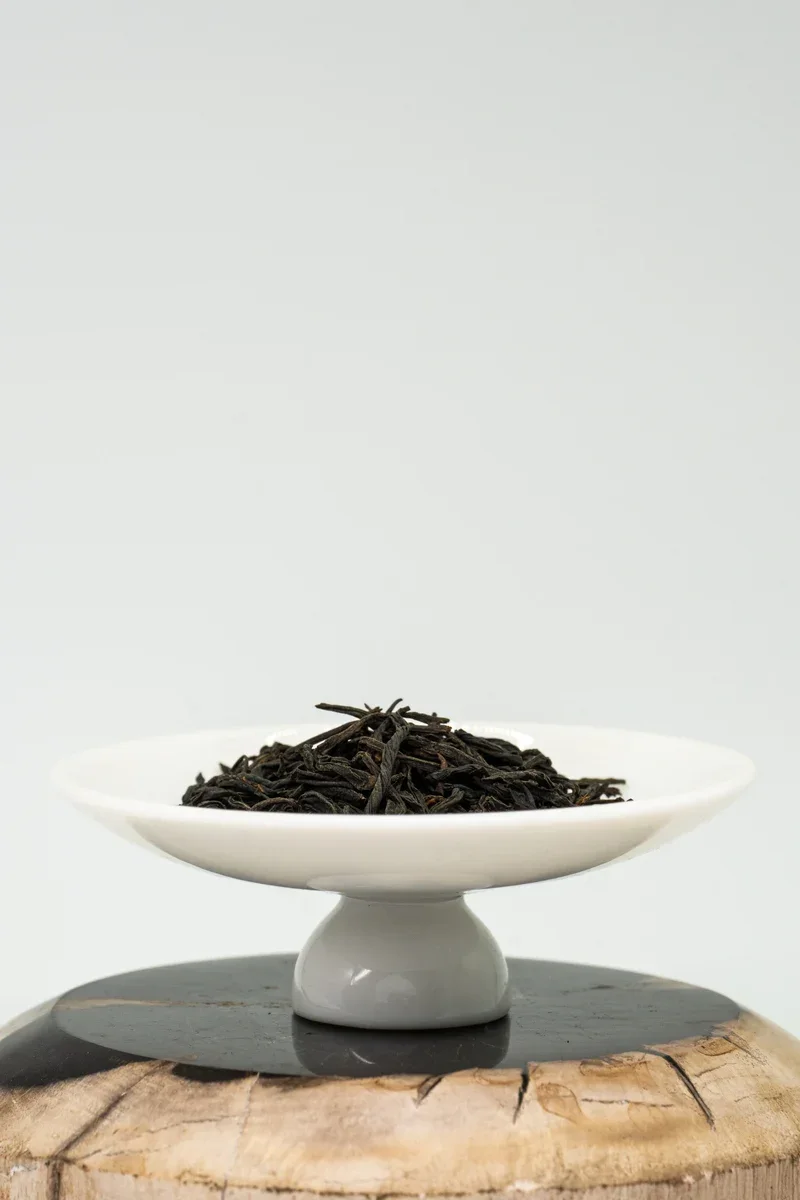
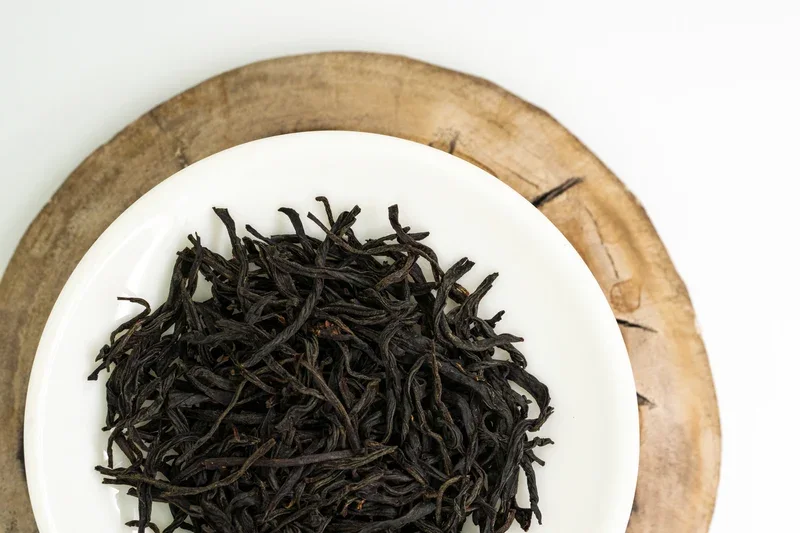
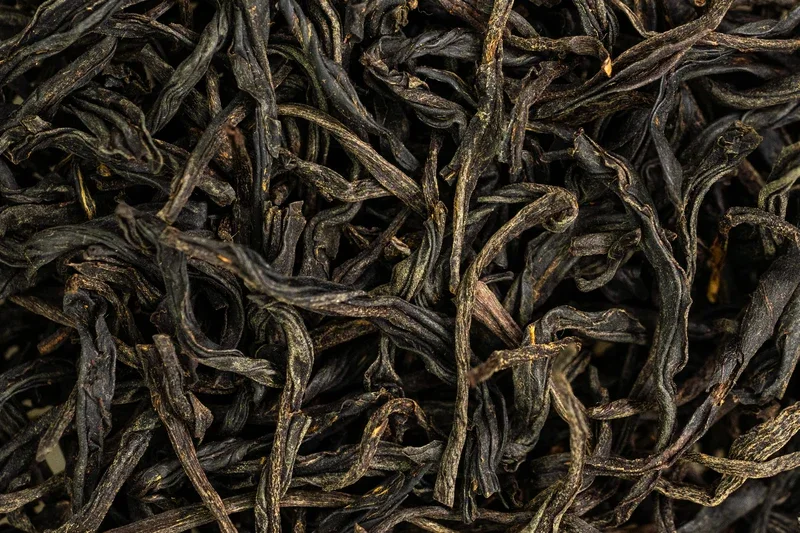
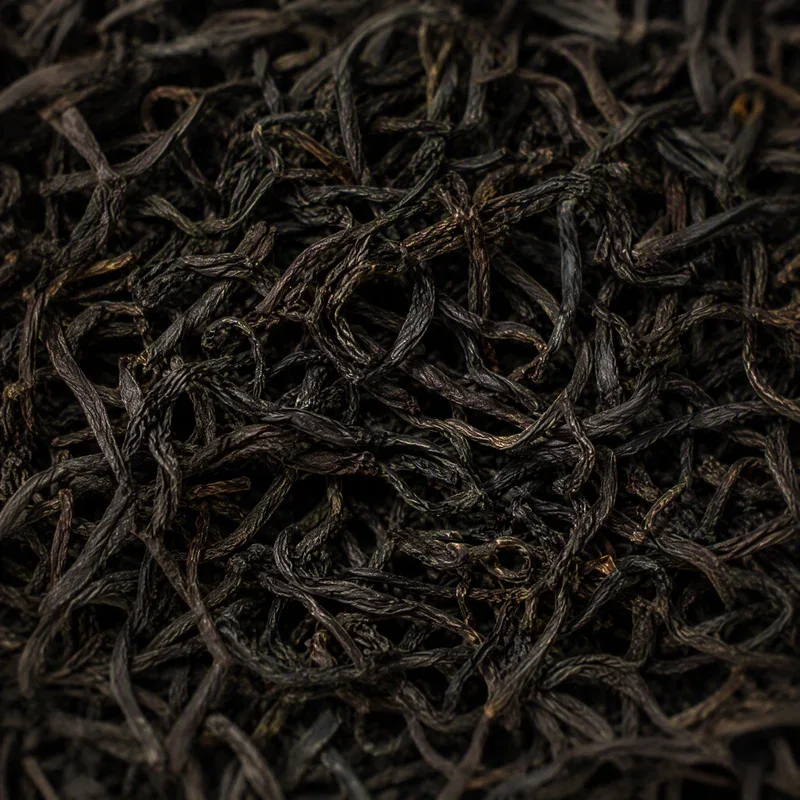
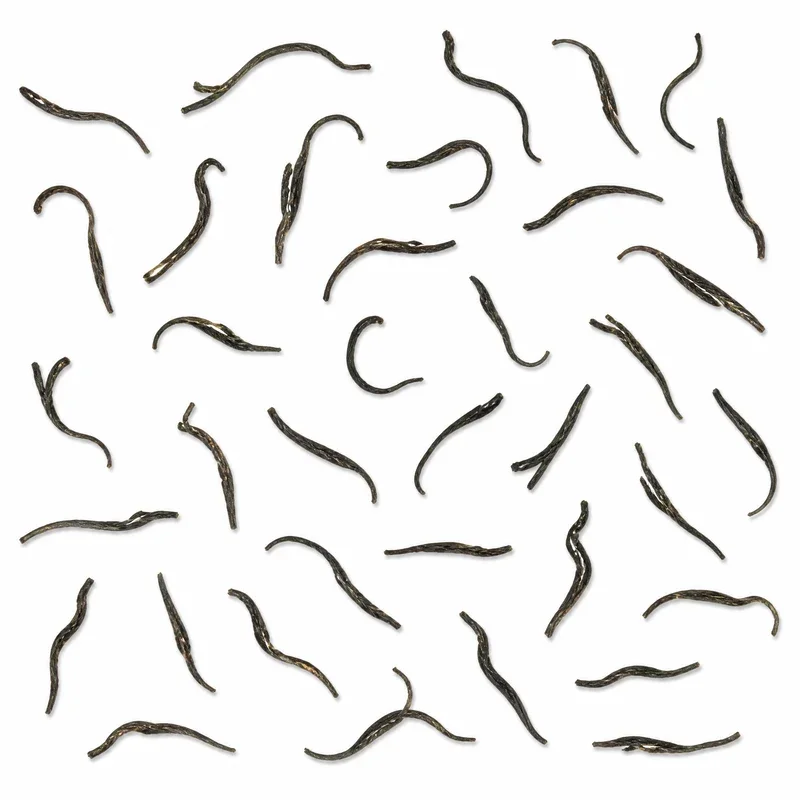
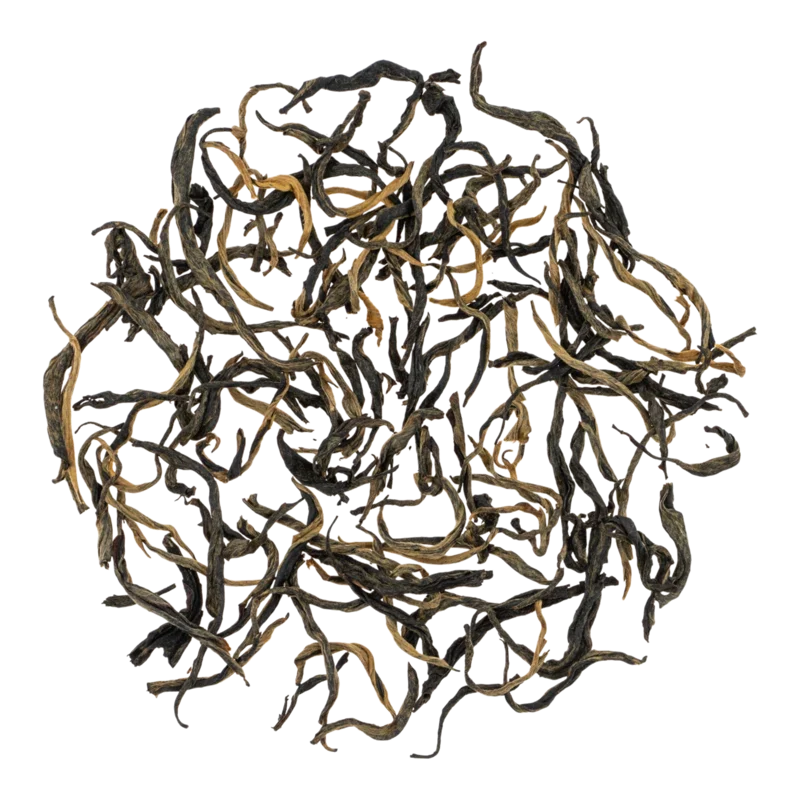
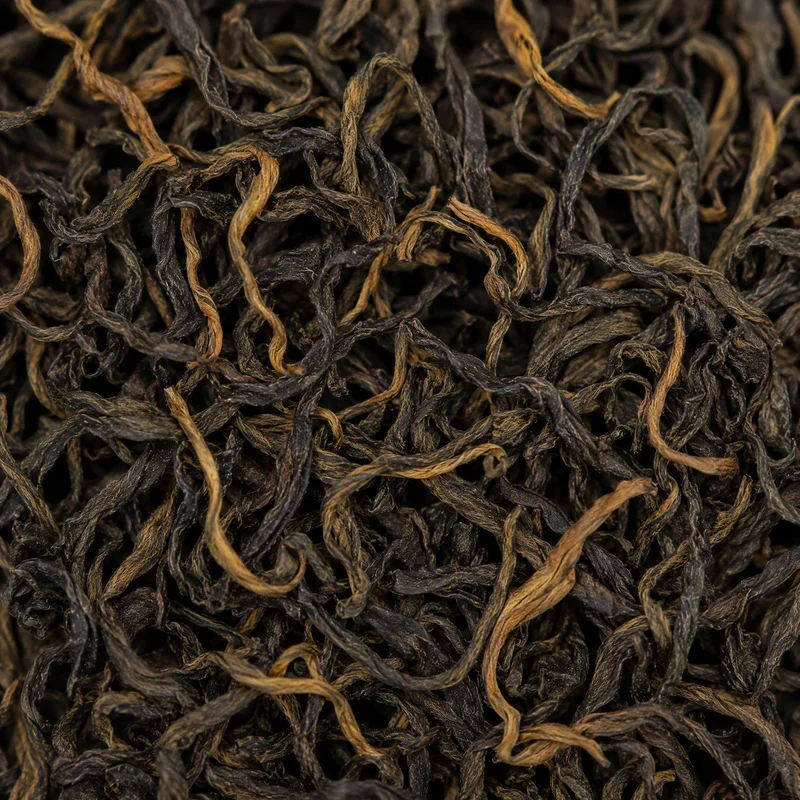
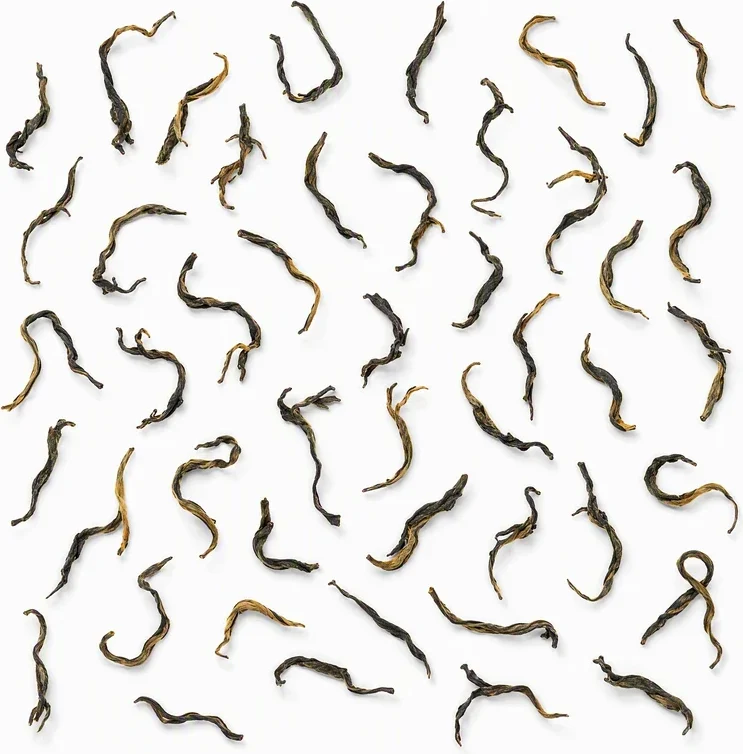
Dry Leaf Appearance: Tightly rolled, elastic tea particles in the form of strips or slightly curved "eyebrows." Color — from dark brown to black with oily luster, abundant golden and reddish inclusions of tips. For highest grades (Jin Hao) — solid golden down, dense, even form, without tea dust and broken fractions.
Dry Leaf Aroma: Rich, warm, enveloping. Leading notes: sweet potato (薯香, shǔ xiāng — characteristic "calling card" of Ying Hong No. 9), honey, malt, dried fruits (prunes, apricots, raisins), with subtle shades of chocolate, spices (cinnamon, cloves) and floral nuances.
Liquor Aroma: Bright, intense, highly lifting (高锐, gāo ruì). Sweet potato and honey notes dominate, supported by fruity (apricot, ripe plum), malty and caramel undertones. Floral component (orchid, rose) delicately manifests in the background.
Liquor Color: Red-amber (红艳明亮, hóng yàn míng liàng), rich, clear, with characteristic golden rim (金圈, jīn quān) around the edge of the cup — a sign of high theaflavin content.
Spent Leaves: Whole, elastic leaves of reddish-brown color, evenly unfolded. In highest grades — abundance of golden-orange buds. Spent leaves soft, tender, bright red, glossy (嫩明红亮).
Taste: Full, rich, velvety. Taste formula is classically described as "strong, powerful, fresh, brisk" (浓、强、鲜、爽, nóng, qiáng, xiān, shuǎng). Tea body is dense, sweetness pronounced (honey, caramel), astringency soft and rapidly transitioning to sweet aftertaste (回甘, huí gān). Bitterness is absent or minimal. Aftertaste long, warming, with notes of dried fruits and chocolate.
Alkaloids: Caffeine content (咖啡碱) — 4.12–4.35%, which is a fairly high indicator among red teas. Theobromine and theophylline are also present in smaller quantities.
Amino Acids: Total content in fresh leaf — about 2.06%; in finished tea — 0.78–3.64% depending on harvest season and grade. Main component — L-theanine (L-茶氨酸), providing the soft, sweetish component of taste and synergistic effect with caffeine (calm alertness without anxiety).
38.16–41.25% — high indicator, testifying to richness and depth of taste.
About 4.26%, providing natural sweetness of the infusion.
Extremely rich aromatic profile, due to high content of linalool, geraniol, phenylethyl alcohol and other terpenoids. The characteristic sweet potato note (薯香) is associated with a specific combination of aldehydes and maltol.
About 0.72%, complementing antioxidant activity.
Minerals: Potassium (about 2000 mg/100 g), calcium (about 300 mg/100 g), magnesium, manganese, iron, fluorine, zinc.
Polyphenols: Content in fresh leaf — about 34.17%, which is significantly higher than in most medium-leaf red teas. In finished tea after complete oxidation, polyphenol content decreases to 11–21% (depending on degree of fermentation and grade). The main part of catechins transforms into theaflavins (茶黄素, cháhuángsù) — 0.8–1.5% — and thearubigins (茶红素, cháhóngsù) — 7–12%, forming the color, taste and biological activity of the infusion. Catechin content in fresh leaf — about 152.13 mg/g.
Vitamins: C (about 50 mg/100 g, partially destroyed during fermentation), B group (B₁, B₂, B₆), E, K.
High caffeine content (4.12–4.35%) combined with L-theanine provides pronounced but gentle stimulation of the central nervous system — increased concentration, performance and alertness without sharp "spikes" and subsequent decline.
Theaflavins and thearubigins of Ying Hong No. 9 have proven ability to neutralize free radicals. Studies have shown that in theaflavin and thearubigin content, Ying Hong No. 9 surpasses Qi Men Hong Cha and Dian Hong.
Laboratory studies (Guangdong Academy of Agricultural Sciences) demonstrated that aqueous extract of Ying Hong No. 9 can reduce levels of liver damage markers (ALT, AST) and suppress the inflammatory TNF-α/NF-κB pathway, providing protective action in acute alcoholic damage.
Stimulates gastric juice secretion, promotes fat breakdown. Red tea is traditionally considered a "warm" drink (性温) and recommended for people with weakened digestion.
Ying Hong No. 9, as a fully oxidized tea, promotes improved blood circulation and thermoregulation, especially valuable in cold weather.
Regular consumption may contribute to lowering LDL cholesterol levels, strengthening vessel walls and normalizing blood pressure.
Caffeine and theobromine stimulate renal blood flow, promoting elimination of excess fluid and reducing edema.
Polyphenols and catechins have the ability to suppress growth of pathogenic microorganisms.
Tea Amount: 5 g per 150 ml water (gongfu method); 3–4 g per 200–250 ml (European method).
Teaware: Porcelain gàiwǎn (盖碗, gàiwǎn) — optimal choice, allowing full aroma revelation; Yíxīng teapot (宜兴紫砂壶) from red or brown clay; porcelain teapot.
Water Temperature: 90–95°C (not boiling water — to preserve delicate aromatic compounds).
Container: Airtight packaging — tin can, foil bag with valve or vacuum packaging. Exclude contact with foreign odors (spices, perfumery, household chemicals).
Enemies: Moisture, light, oxygen, high temperature, foreign odors.
Shelf Life: With proper conditions — 2–3 years. Ying Hong No. 9 does not belong to teas that improve with aging; optimal quality — in the first 18 months after production.
Dry, cool, dark place, away from direct sunlight and heat sources.
Temperature: Room temperature (15–25°C). Refrigerator storage is not required and not recommended — condensation upon removal harms the tea.
Classic Anhui red tea from medium-leaf cultivar Zhu Ye Zhong. Possesses the famous "qi men xiang" (祁门香) — complex aroma with floral-fruity and honey notes. Compared to it, Ying Hong No. 9 demonstrates denser body, pronounced sweet potato and malt sweetness, more powerful strength (浓强) and rich liquor color with golden rim. Qi Men is more delicate and refined; Ying Hong No. 9 — more full-bodied and generous.
Yunnan red tea from the same large-leaf ancestors as Ying Hong No. 9. Dian Hong is distinguished by more pronounced spicy, woody and chocolate undertones, as well as characteristic dense, viscous texture. Ying Hong No. 9 with similar strength possesses cleaner, more "transparent" sweetness and signature sweet potato-honey note, as well as higher level of freshness (鲜爽度).
Premium Fujian red tea, entirely from buds of Cai Cha cultivar. Possesses exquisite, delicate taste with dominance of honey-floral notes and light fruity acidity. Compared to it, Jin Hao from Ying Hong No. 9 is more powerful and "southern" in character: body denser, sweetness deeper, aroma warmer and more enveloping, with significant malty-chocolate component.
Progenitor of world red teas from Wuyi Mountains, Fujian. Traditional versions are distinguished by famous "smoked" aroma (pine smoke), completely absent in Ying Hong No. 9. New "smokeless" Xiao Zhongs are closer in profile, but possess lighter body and pronounced pine-resinous undertones.
In Yingde, red teas are also produced from other varieties — Jin Guanyin, Meizhang, Rou Gui, brought from Fujian. They possess more pronounced floral notes, but yield to Ying Hong No. 9 in body density, "strength" and characteristic sweet potato-honey signature.
Price Category: Ying Hong No. 9 occupies a wide price range — from affordable mass categories to super-premium. Mass Ying Hong No. 9 (一芽二叶) — from 200 to 800 yuan per jin (500 g); Jin Ying Hong — 800–2000 yuan; Jin Mao Hao — 2000–5000 yuan; Jin Hao from single buds — from 5000 to 10,000+ yuan per jin, being one of the most expensive red teas in China. Average revenue per mu of Ying Hong No. 9 plantations is about 60,000 yuan — five times higher than ordinary varieties.
The "Hongyan" brand (鸿雁) belongs directly to the Guangdong Tea Institute — creator of the variety. Other reliable brands: "Yipinming" (怡品茗), "Ying Jiu Zhuangyuan" (英九庄园), "Ba Bai Xiu Cai" (八百秀才).
Tea particles should be tightly rolled, even, with luster. Highest grades — abundant golden down. Tea dust, dull color, fraction unevenness — signs of counterfeiting.
The characteristic sweet potato note (薯香) is mandatory — the "calling card" of authentic Ying Hong No. 9, absent in counterfeits from other varieties.
Color should be bright, red-amber, clear, with golden rim. Muddy, dull infusion indicates poor quality raw material or technology violation.
If "Jin Hao" is offered at a price below 3000 yuan per jin — this is almost certainly not an authentic product.
No reviews yet. Tell us what you think of this tea.
Rate this tea and share your impressions. We review each submission before publishing it.