Brewing
Gongfu brewing
- Water temperature
- 93 °C
- Tea amount
- 5 g
- Water volume
- 100 ml
- First steep
- 10 s
- Time added per infusion
- 5 s
- Infusions
- 4

Tóngbǎi Hóngchá
Choose a brewing method. Start with the recommended quantities and time, then adjust to taste.
Brewing
Brewing
Taste
Tea encyclopedia
Category: Regional Henan red tea. Part of the group "Henan Hong Cha Si Da Ming Cong" (河南紅茶四大名樅, "Four Famous Red Teas of Henan") alongside Xìnyáng Hóng Chá (信陽紅), Hanshan Hóng Chá (函山紅) and Lúshān Hóng Chá (盧山紅).
Category: Regional Henan red tea. Part of the group "Henan Hong Cha Si Da Ming Cong" (河南紅茶四大名樅, "Four Famous Red Teas of Henan") alongside Xìnyáng Hóng Chá (信陽紅), Hanshan Hóng Chá (函山紅) and Lúshān Hóng Chá (盧山紅).
"Tongbai Yuye" (桐柏玉葉, green tea) — national product with GI (2015); "Tongbai Hong" — regional public brand, part of "One Hundred Strongest Tea Brands of China"; "Fourth Famous Red Tea of Henan". In 2018 "Tongbai Hong" won the title "Tea Influencing China" (中國影響力茶品牌獎) at the 15th International Tea Culture Symposium. In 2022 the county received the status of "Pilot County for Integrated Tea Industry Development" (三茶統籌發展先行縣) from the China International Tea Culture Society.
Coordinates: approximately 32°22′ N, 113°24′ E.
Origin: China, Hénán Province (河南省), Nányáng Prefecture (南陽市), Tóngbǎi County (桐柏縣). Main tea districts: Chengwan (程灣鎮, largest — over 50,000 mu), Wucheng (吳城鎮, Wangwan Village / 王灣村 — 11,000 mu), Anpeng (安棚鎮), Yuehe (月河鎮). Core production area — slopes of the main peak of the Tongbai range — Taibai Dǐng (太白頂, 1140 m).
Type: Red tea (black tea) (紅茶, hóngchá), fully oxidized. By technology — gongfu hong cha (工夫紅茶).
Until 2010 all Tongbai leaves went to green tea; summer-autumn raw material simply went to waste. Creating "Tongbai Hong" literally doubled tea farmers' income, turning "waste" into a premium product.
In 2018 "Tongbai Hong" won the titles "Champion" and "Best Aroma" in the red tea category at the 6th Hong Kong International Tea Exhibition.
Liú Zhōnghuá (劉仲華) — one of two members of the Chinese Academy of Engineering in the tea field — personally oversees the development of "Tongbai Hong". His working base is located in Tongbai County.
In Tongbai the "Zhongyuan Chazu Xiaozhen" (中原茶祖小鎮, "Tea Ancestor Town of the Central Plain") is being built — a large-scale project on 4,000 mu, combining tea production, cultural tourism and scientific research.
Tea cultivation in Tongbai is documented from the Tang era (7th–9th centuries), however red tea "Tongbai Hong" has existed only since 2010 — a contrast emphasizing the rapidity of its rise.
Total area of Tongbai tea gardens — 163,000 mu (≈10,867 ha), of which 116,000 mu are in cultivation; annual production volume — ~4,000 tons, total turnover — over 2 billion yuan. More than 50,000 people are employed in the tea industry.
Local small-leaf and medium-leaf populations of Camellia sinensis var. sinensis, adapted to the northern border of China's tea zone. Varieties historically cultivated on the slopes of Tongbaishan predominate: they are distinguished by high winter hardiness and increased amino acid content due to a longer dormancy period.
A significant part of tea gardens was established in the 1960–70s and subsequently partially abandoned; these "wild" (荒野/拋荒) gardens today are valued for ecological purity and flavor intensity. There are also young high-productivity plantations.
Picking: For red tea — predominantly summer (June–August) and autumn (September–October): precisely the use of summer-autumn raw material became the economic breakthrough of "Tongbai Hong". Spring leaves are directed to the production of green "Tongbai Yuye".
Pluck Standard: One bud with one-two leaves for premium batches; one bud with two-three leaves for standard grades.
Altitude: 300–1140 m. Main quality tea zone — 500–900 m. Main peak Taibai Dǐng (太白頂) — 1140 m.
Climate: Transitional — from subtropical (南方) to temperate (北方). Four distinct seasons. Average annual temperature ~15°C. Precipitation — 1100–1300 mm/year. Frequent mountain fogs. Significant diurnal temperature variation (especially in autumn), promoting accumulation of aromatic substances. Frost-free period ~220 days.
Soil: Acidic (pH 4.5–6.0), yellow and brown mountain soils, loose, well-drained, rich in organic matter (especially in wild garden zones).
Tongbai is located on the Yu-E (豫鄂, Henan-Hubei) border, in the heart of the Tongbaishan range (桐柏山), which is the watershed between the Yangtze and Huai River basins. The county is the source of the thousand-kilometer Huái River (千里淮河發源地).
Mountain terrain, high forest coverage, distance from industrial centers. Many gardens are located in the zone of the national nature reserve "Tongbai — Taibai Ding". In 2023 two county enterprises received the status of "National Ecological Low-Carbon Tea Enterprise" (全國首批生態低碳茶認證企業). A significant part of tea gardens are "wild" (荒野茶, huāngyě chá): established in the 1960–70s and subsequently abandoned, they grew for decades without any human intervention, which gives their raw material special ecological purity and flavor intensity. The largest tea village — Chengwan (程灣鎮): 50,000+ mu of tea gardens, of which ~47,000 mu are "wild" and semi-wild. Chengwan accounts for over 60% of all tea production in the county.
Water: The county is located at the source of the Huai River — one of China's largest rivers (千里淮河). The purity of mountain springs ensures quality irrigation and processing. Local formula: "Spring water of Tongbaishan — the best partner for Tongbai tea" (桐柏山泉水,泡桐柏茶最配).
Manual, one bud + one-two leaves.
Raw material is divided by size and maturity before processing begins.
Natural or indoors with ventilation; 12–18 hours. Leaves lose 55–65% moisture.
Mechanical, forming tight, tightly rolled tea leaves.
4–6 hours, at 25–28°C, controlled humidity. Full oxidation.
Multi-stage — initial at elevated temperature (stopping oxidation), then final at reduced temperature (stabilizing aroma and moisture).
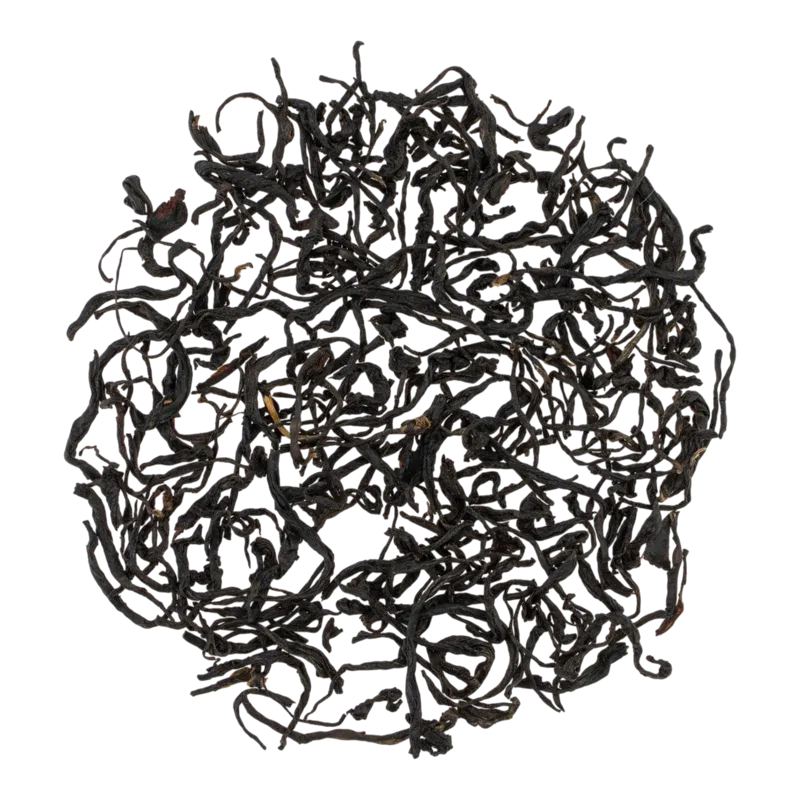
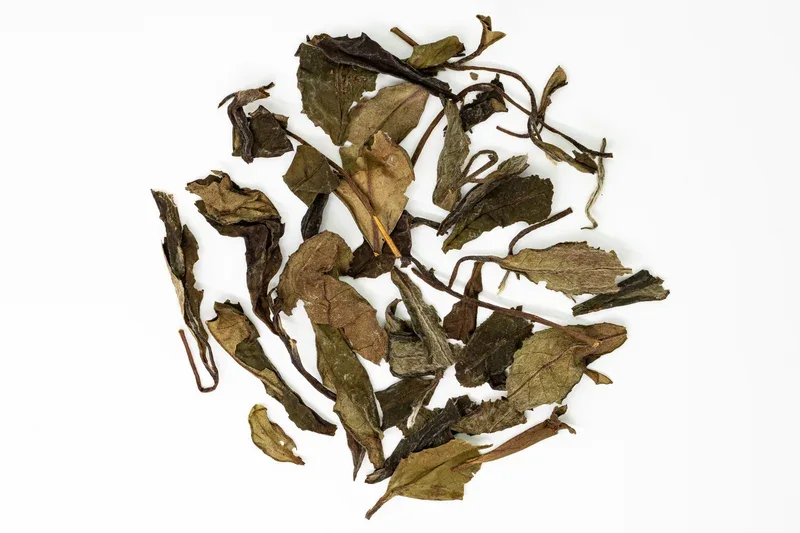
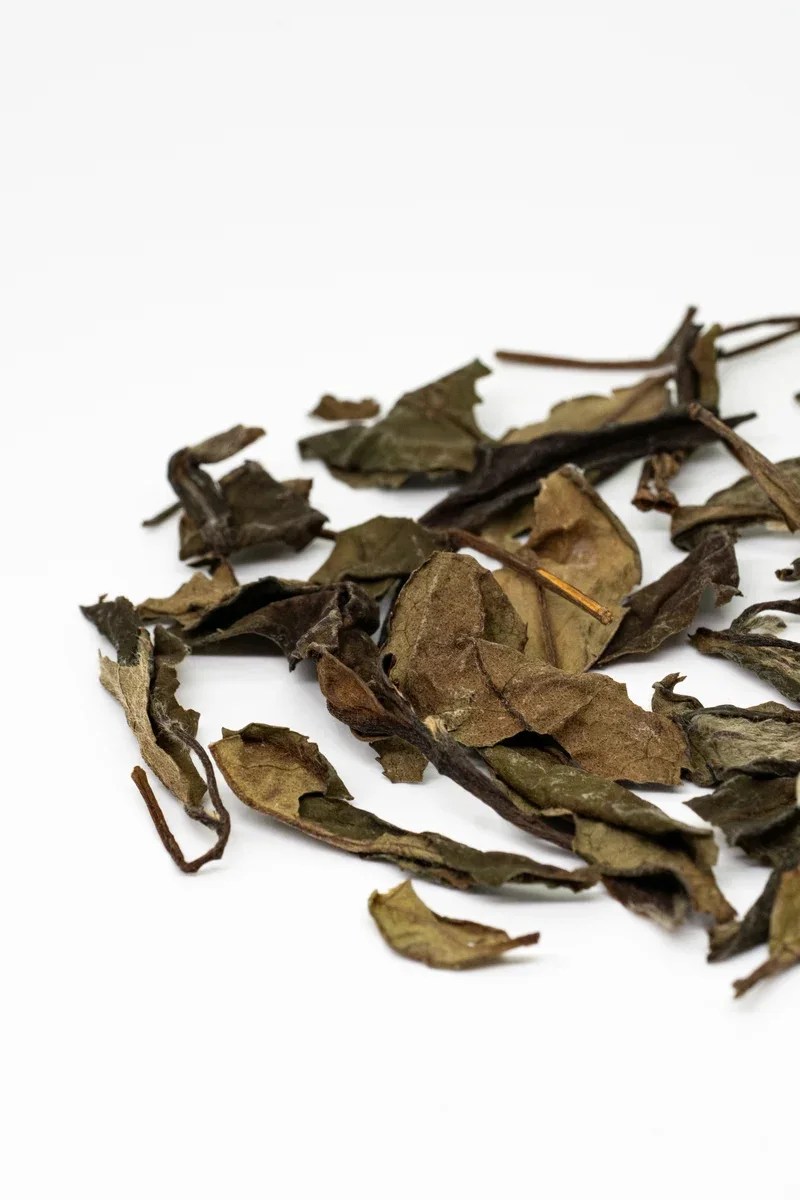
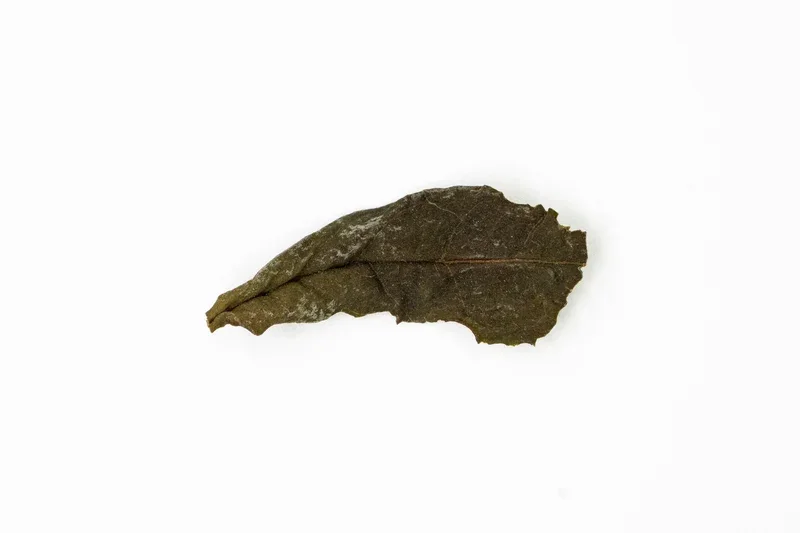
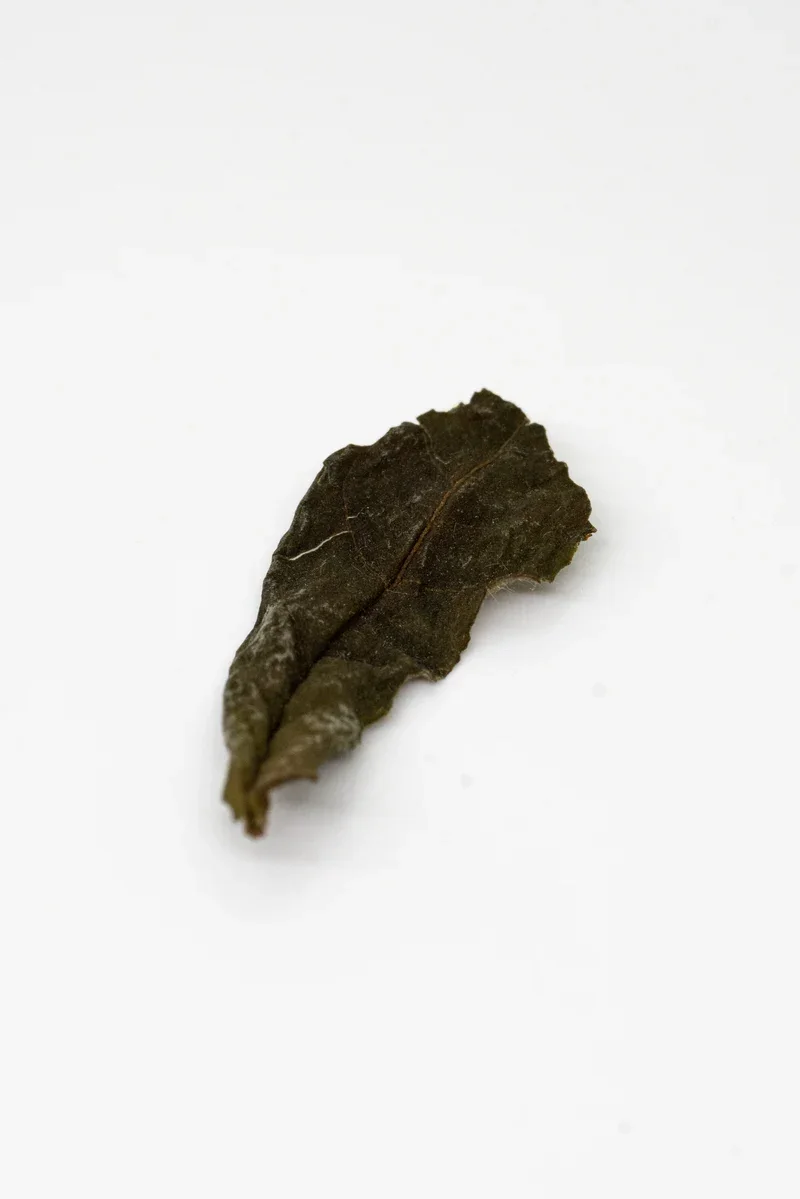
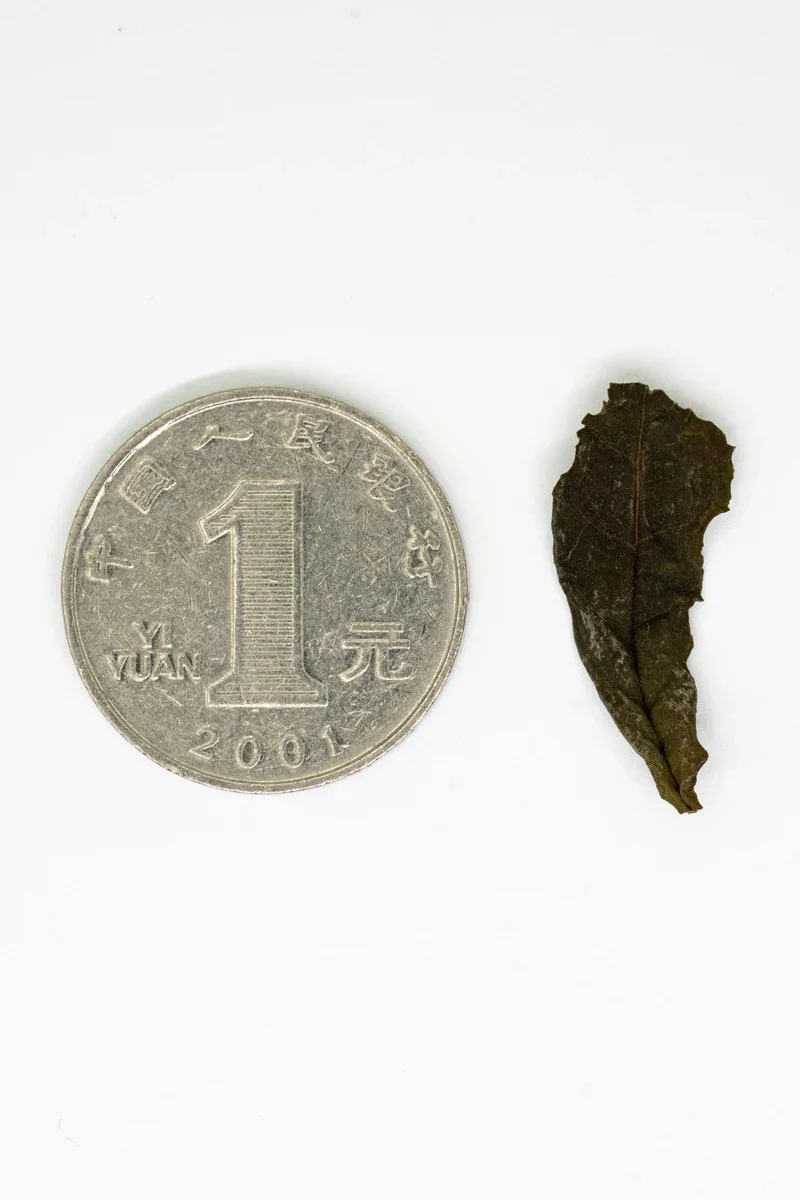
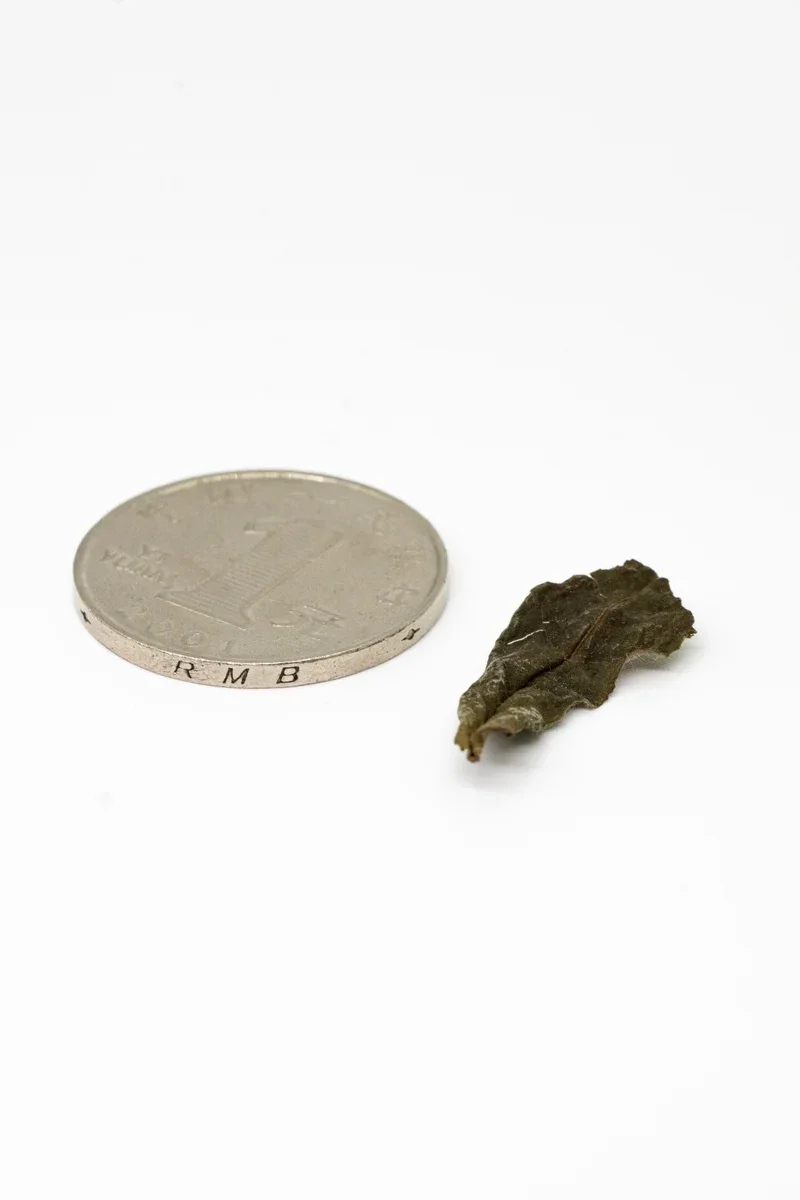
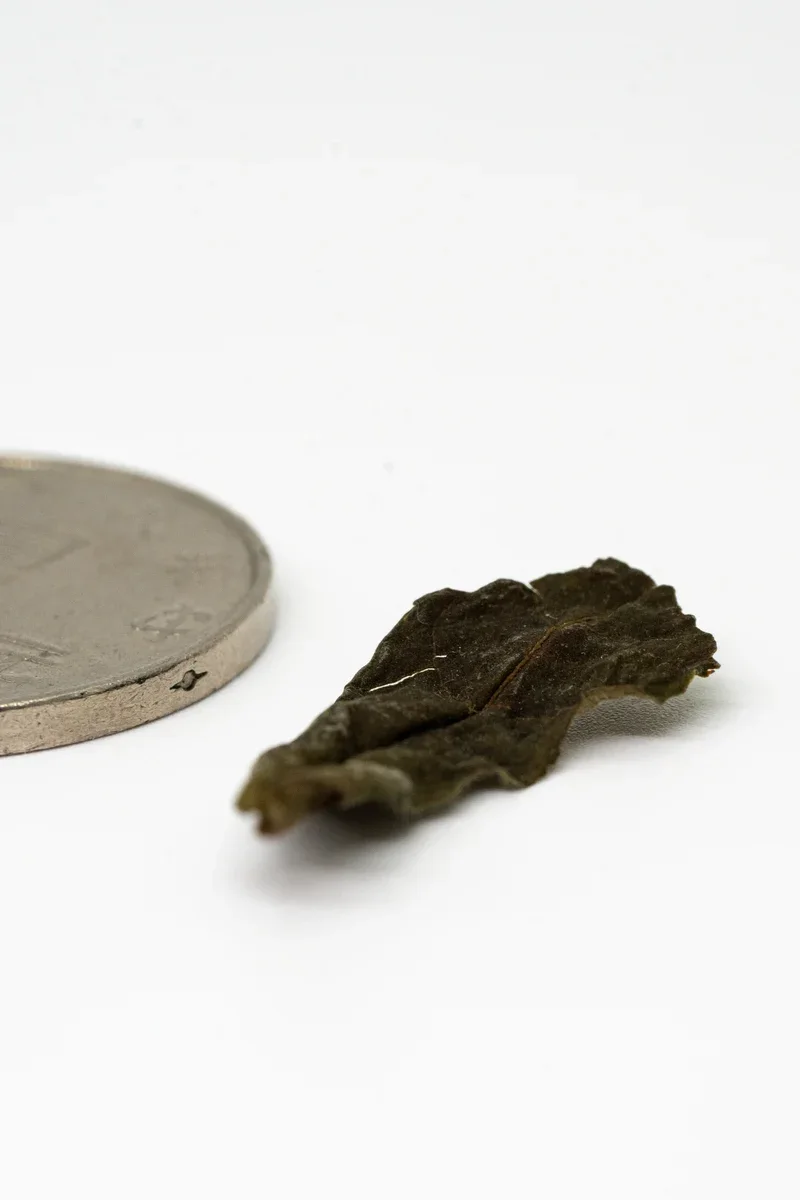
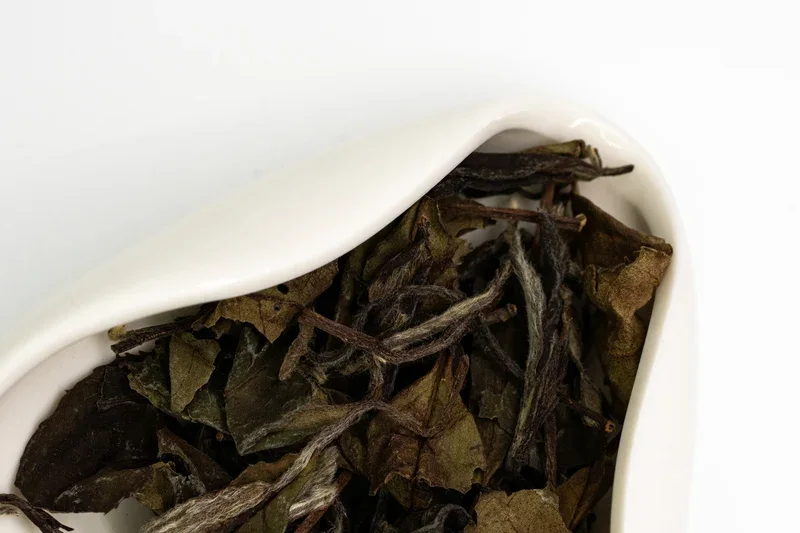
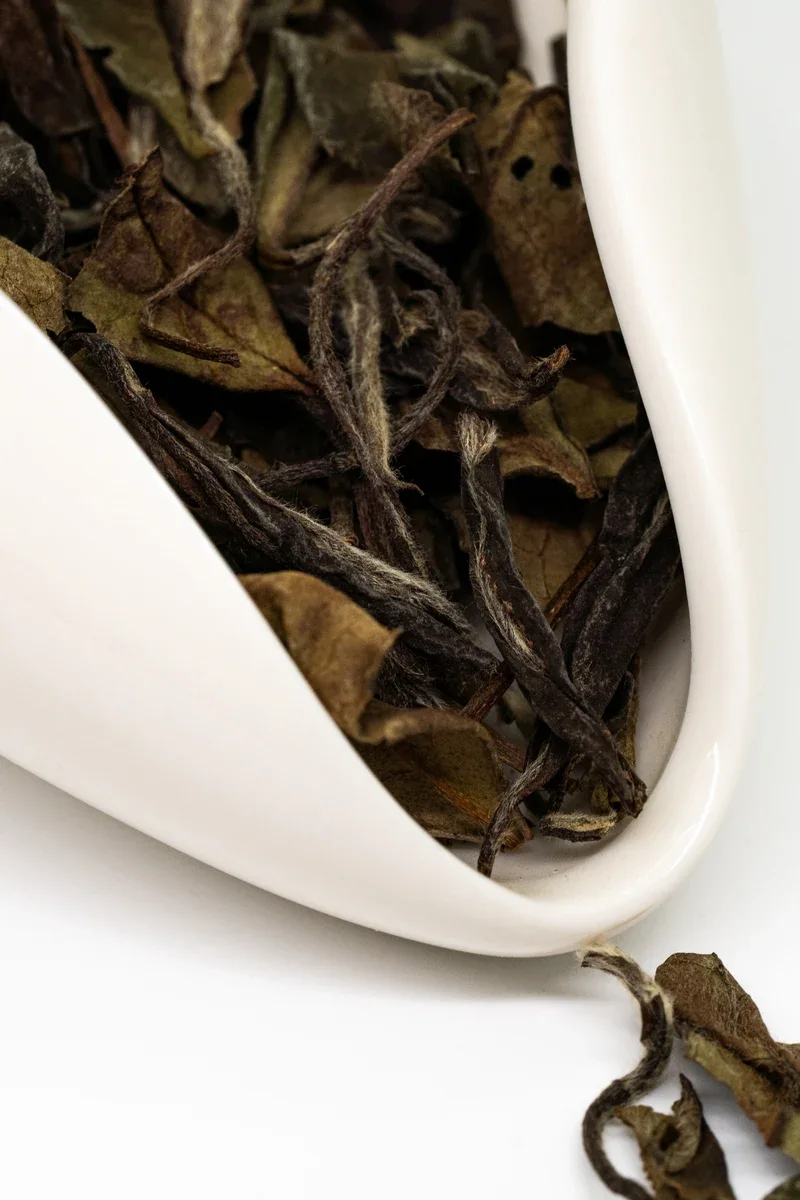
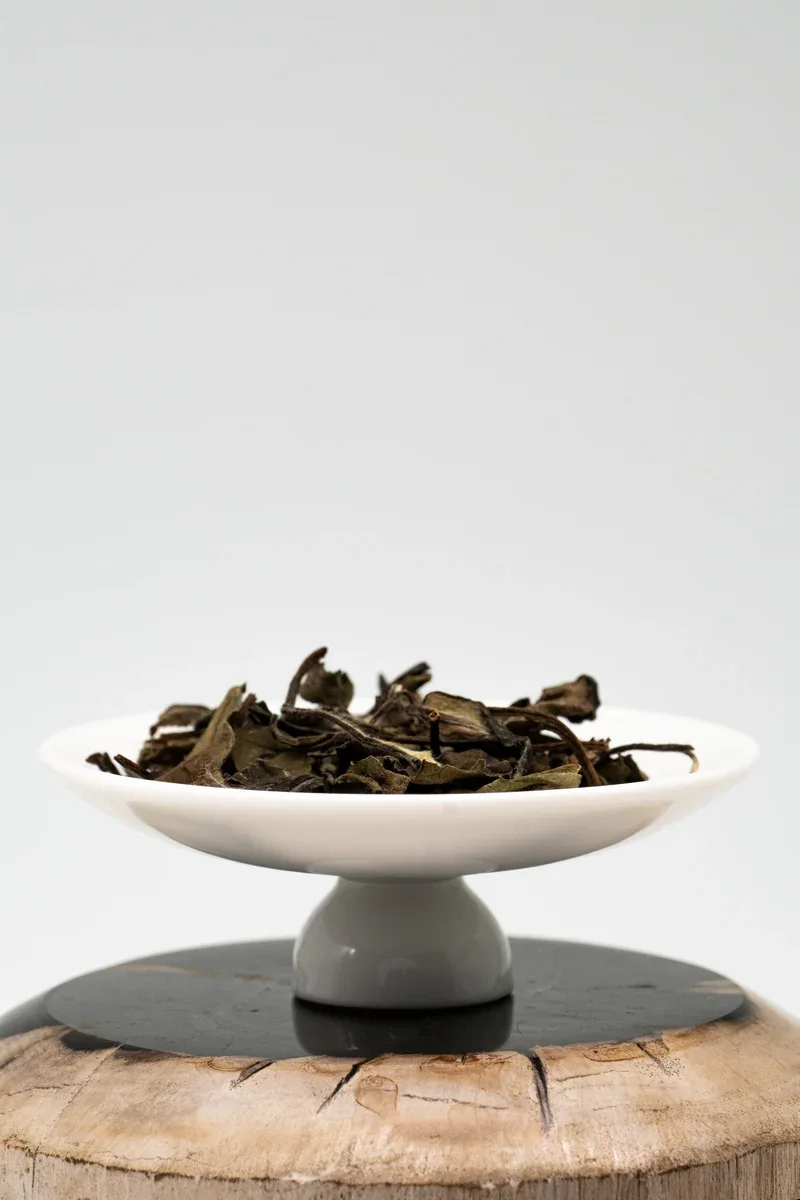
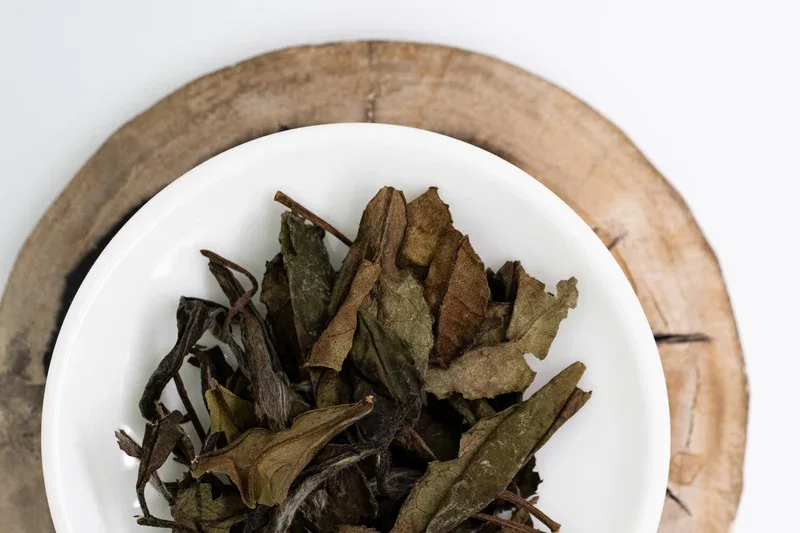
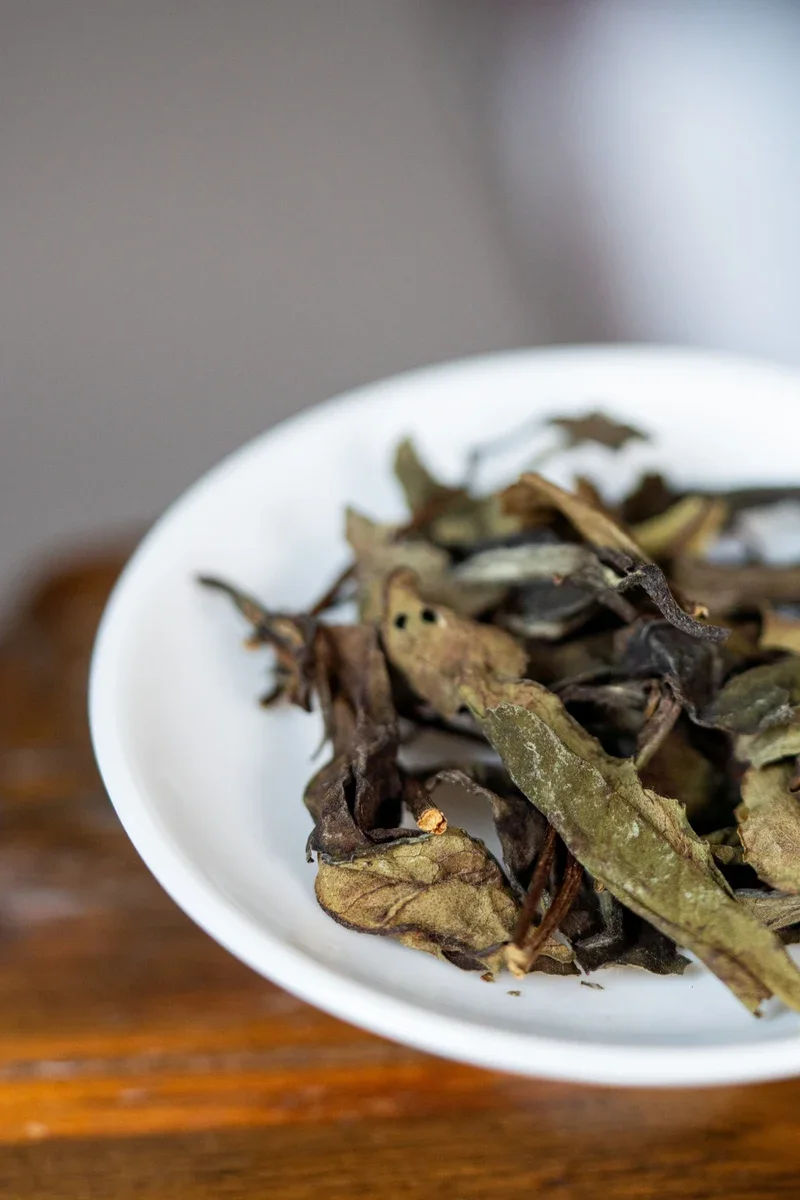
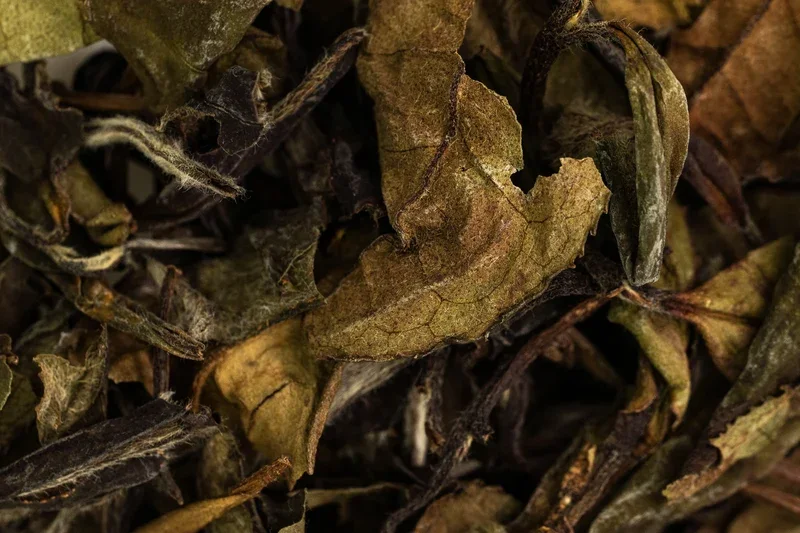
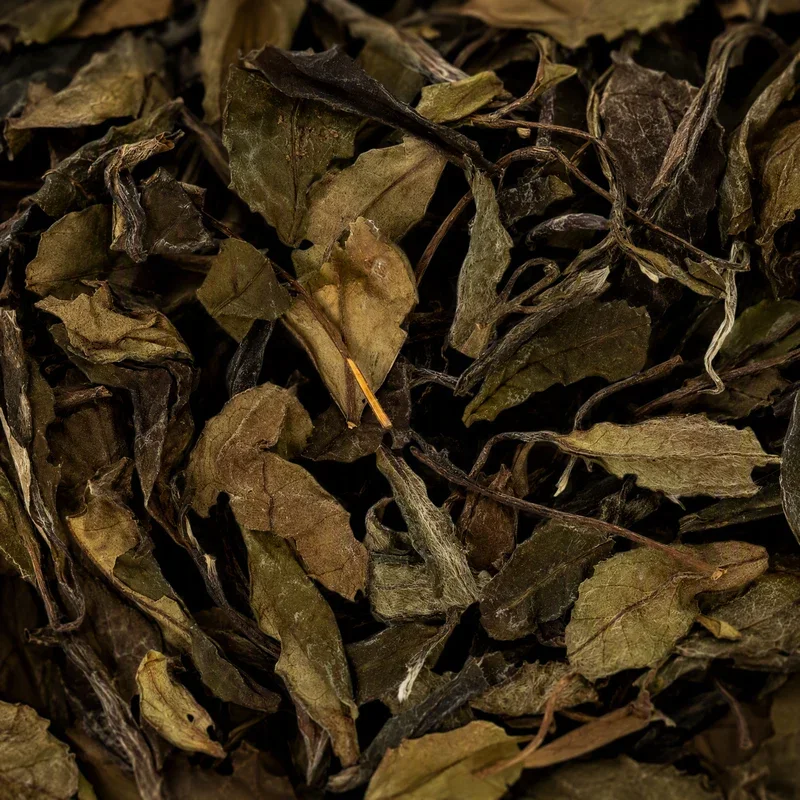
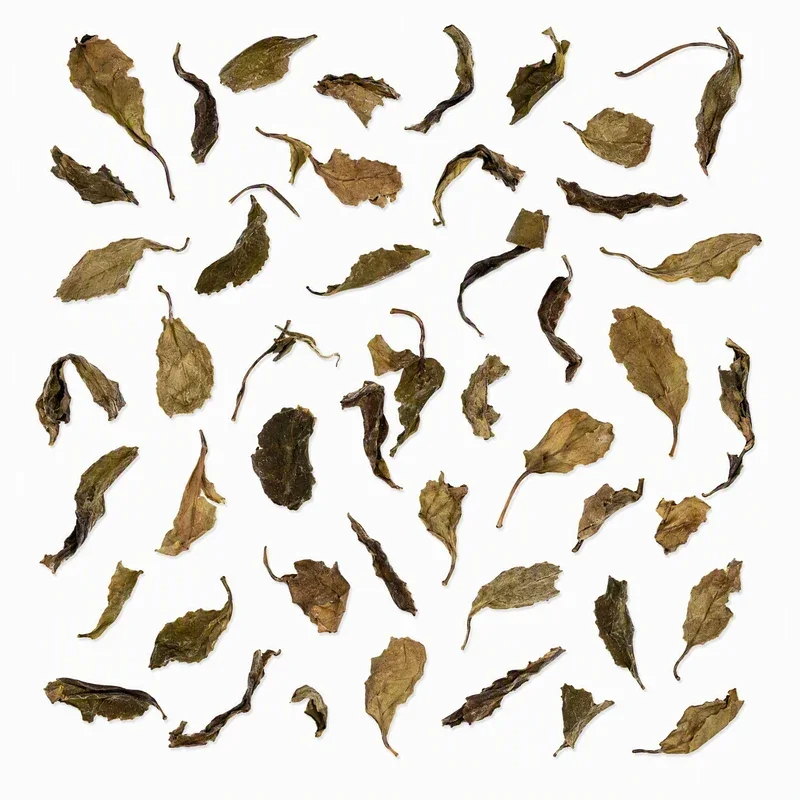
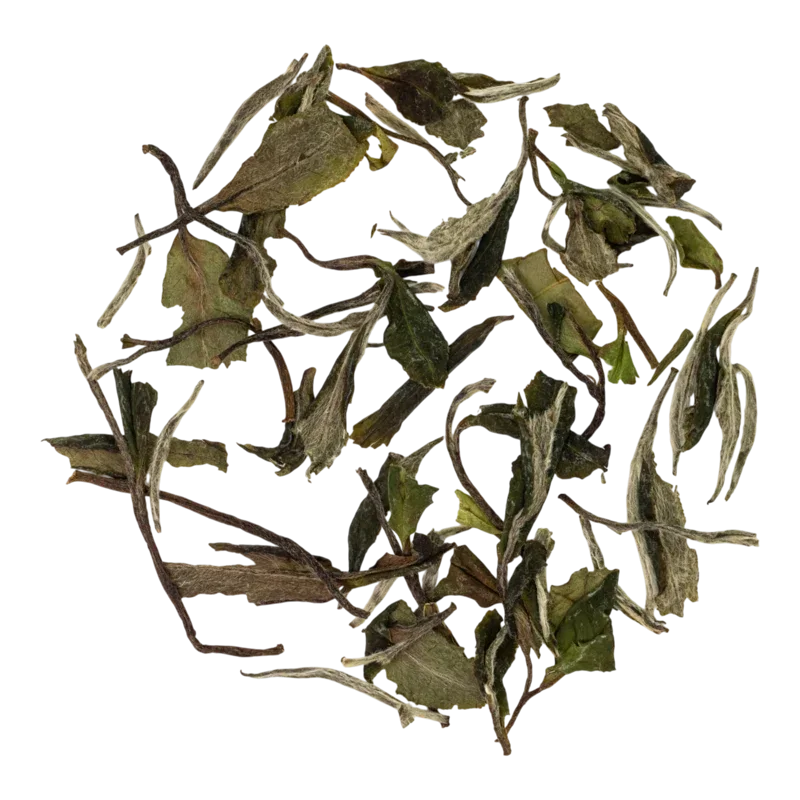
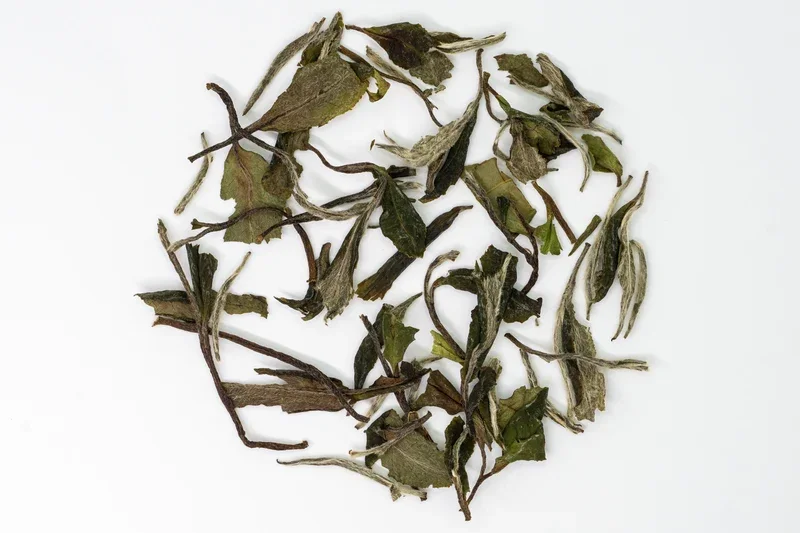
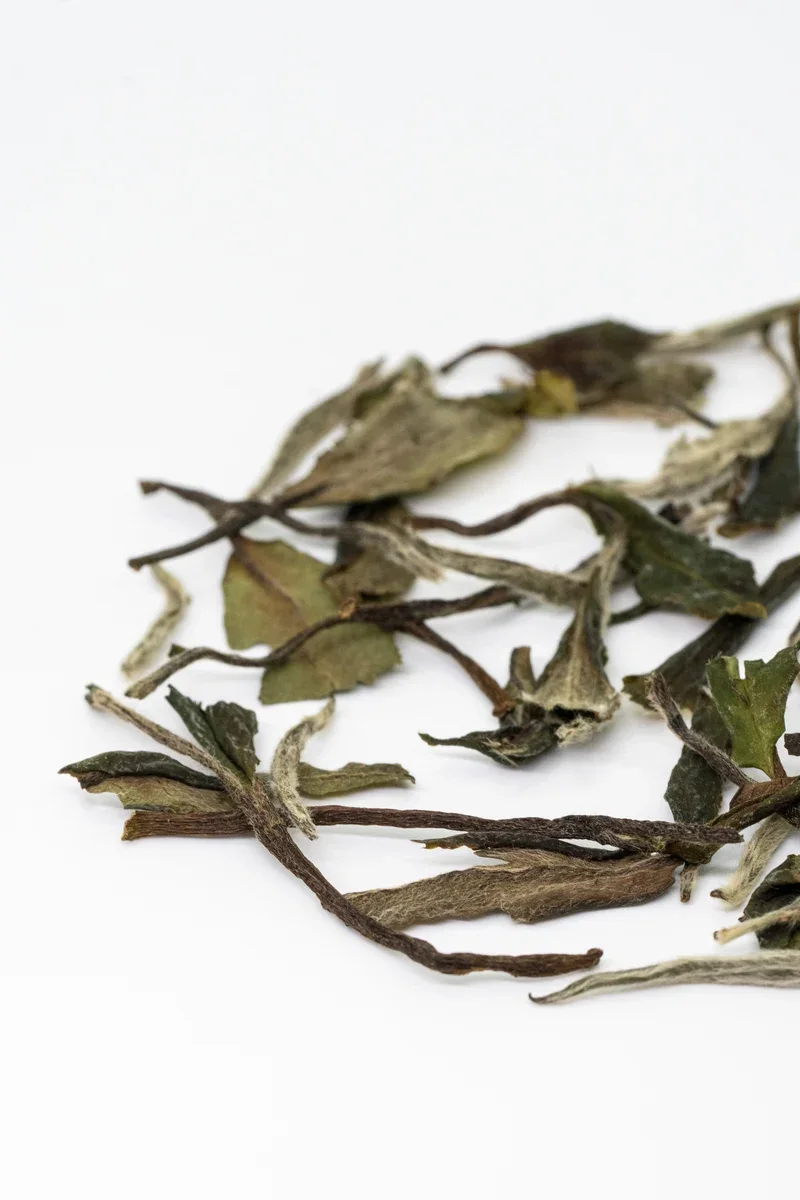
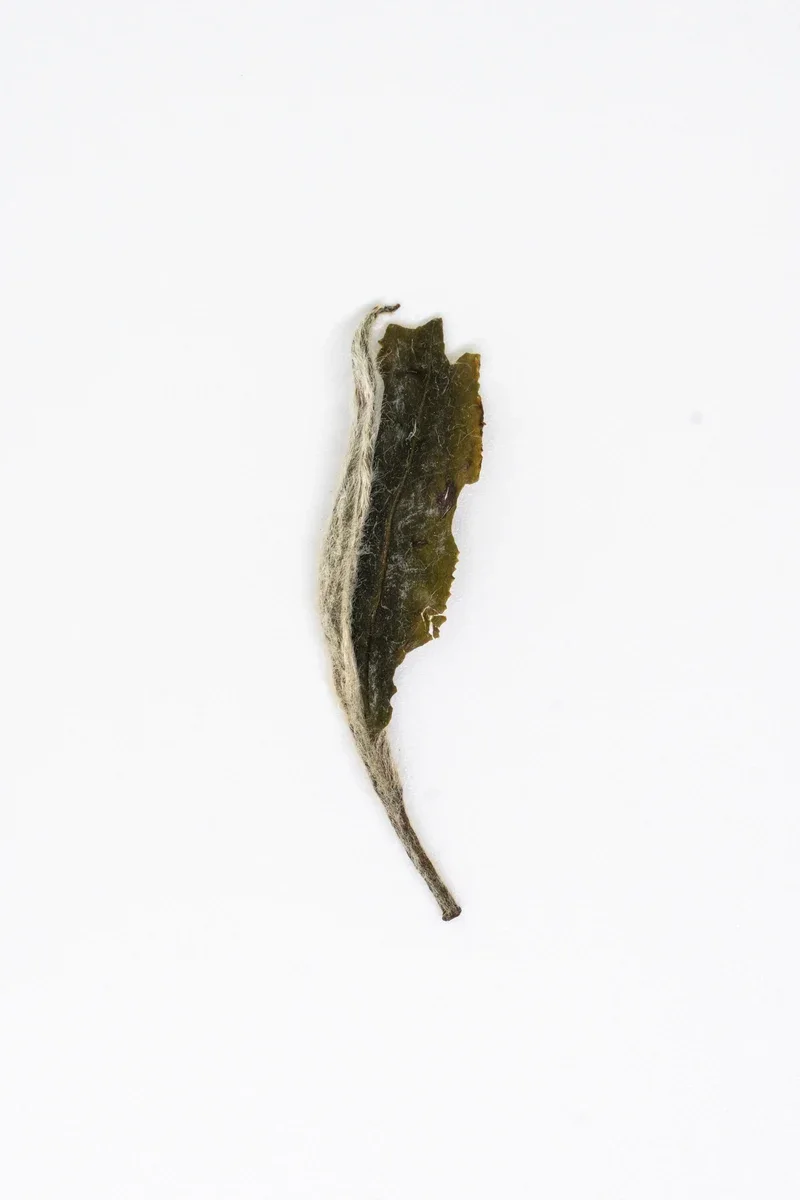
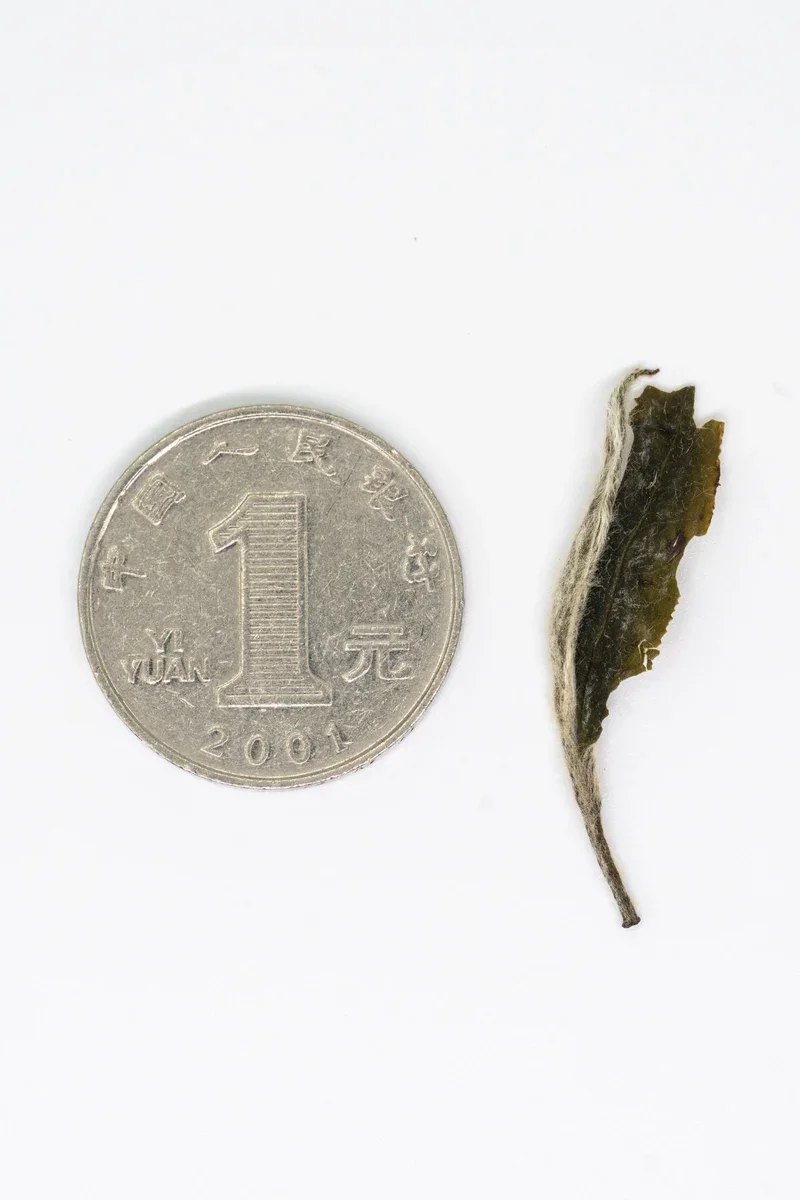
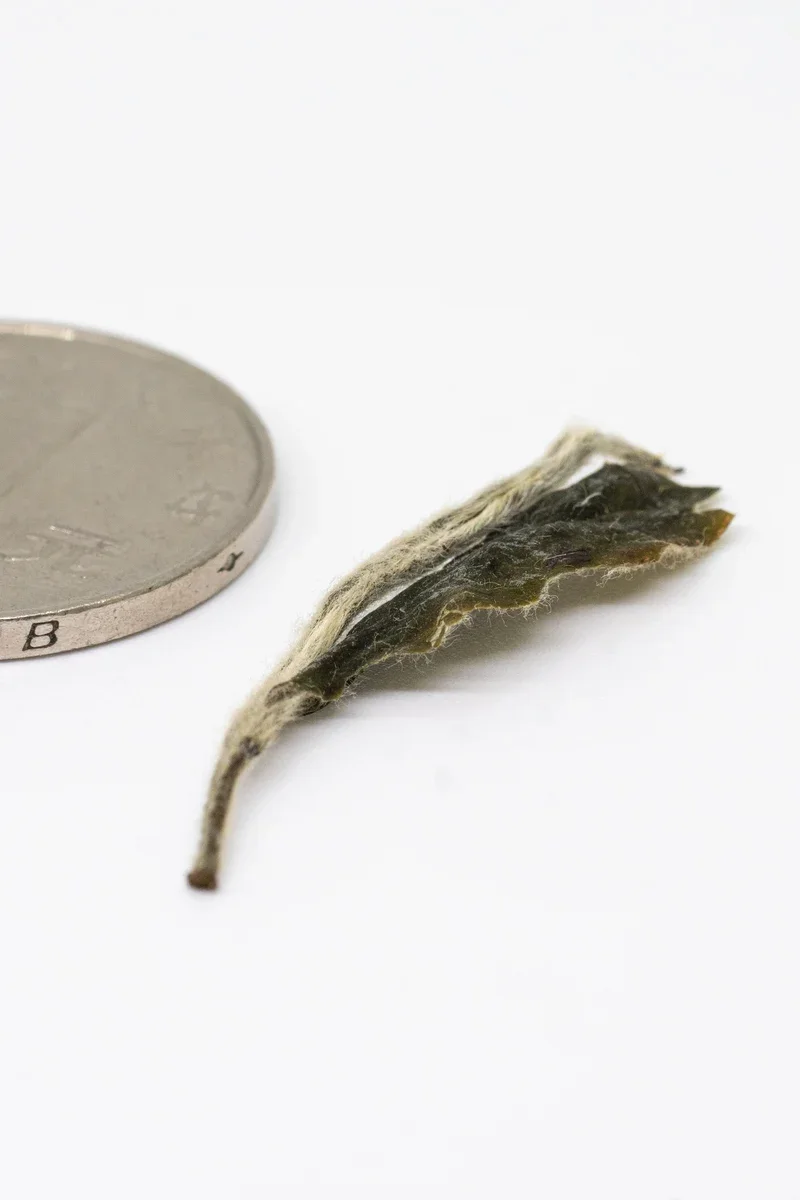
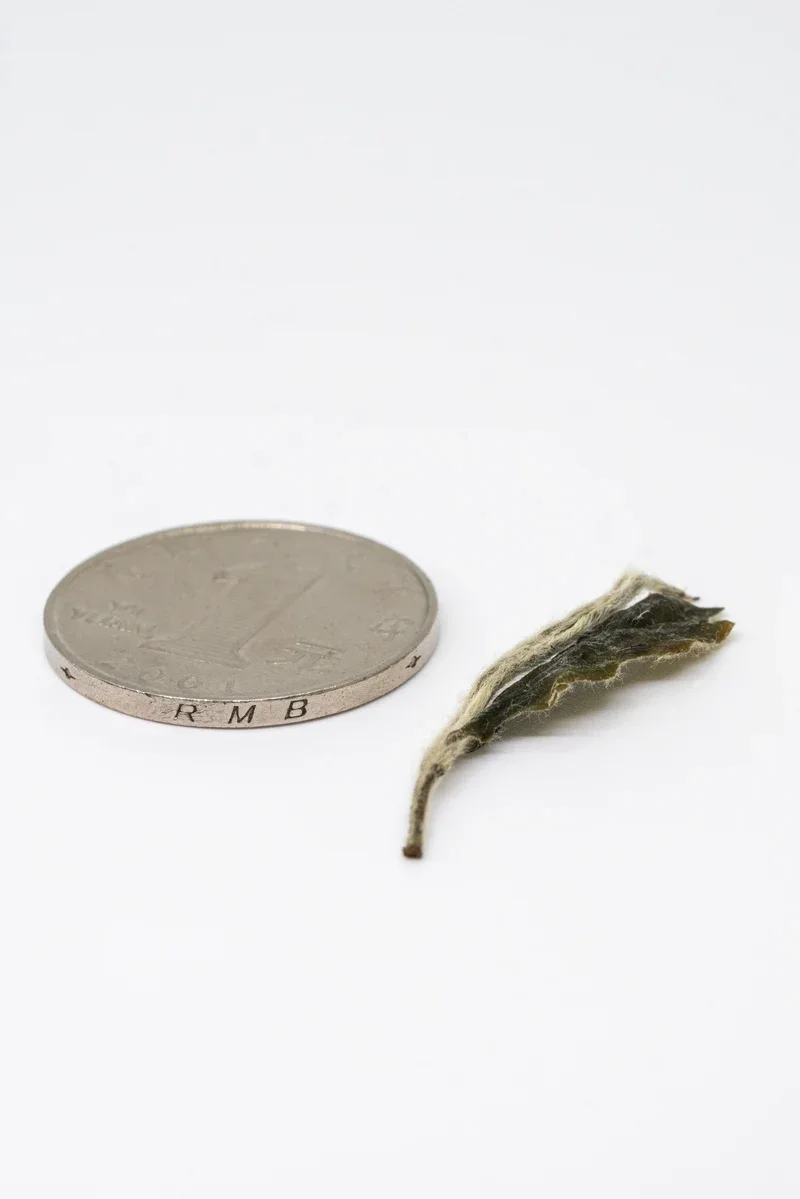
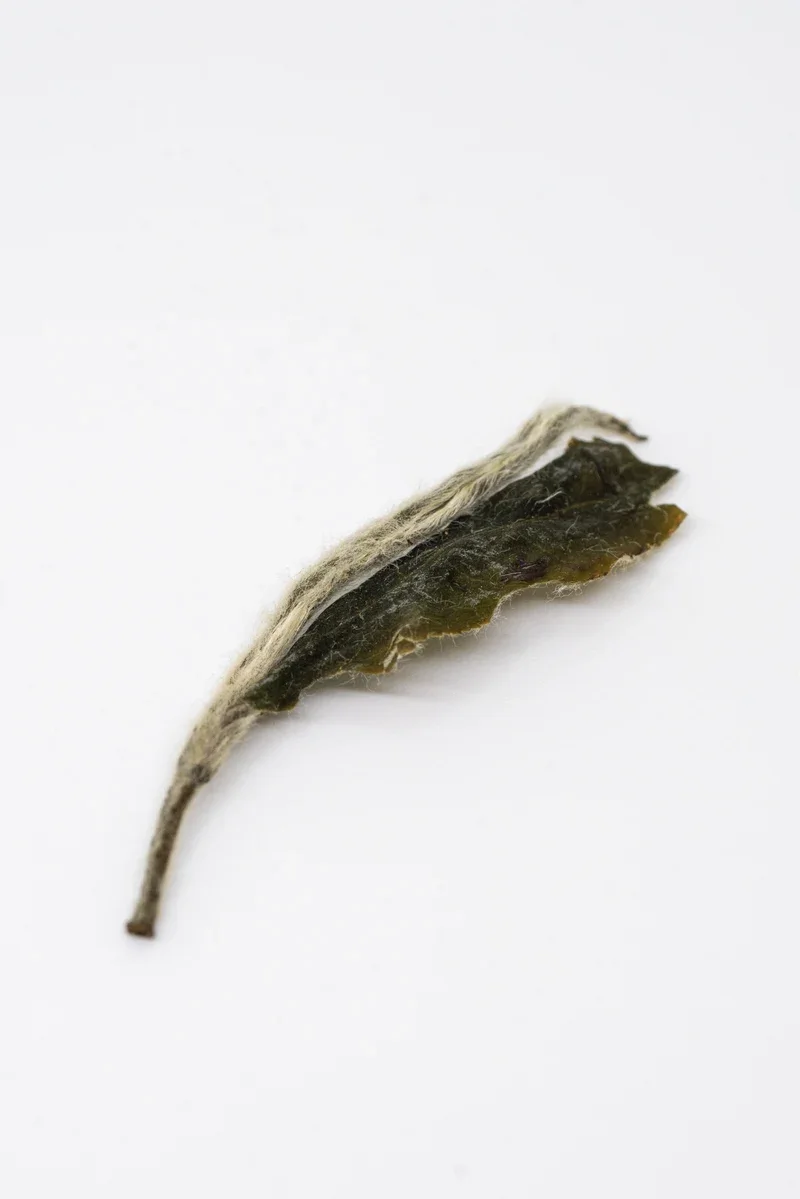
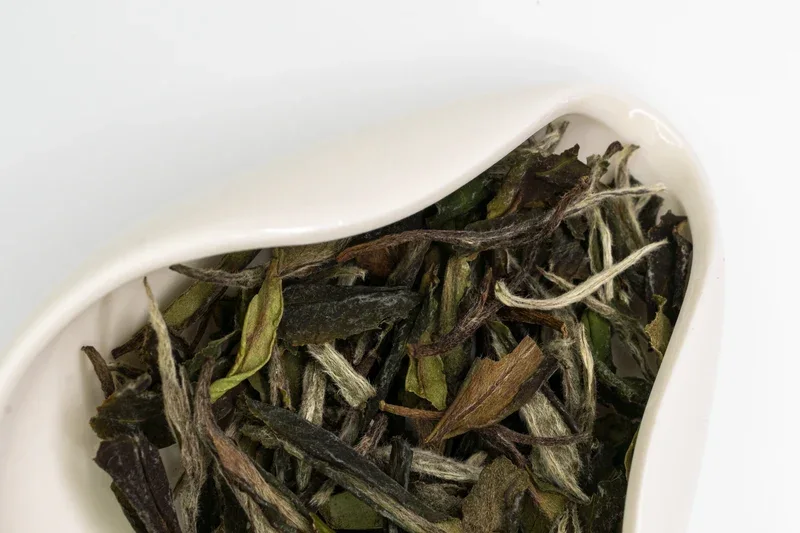
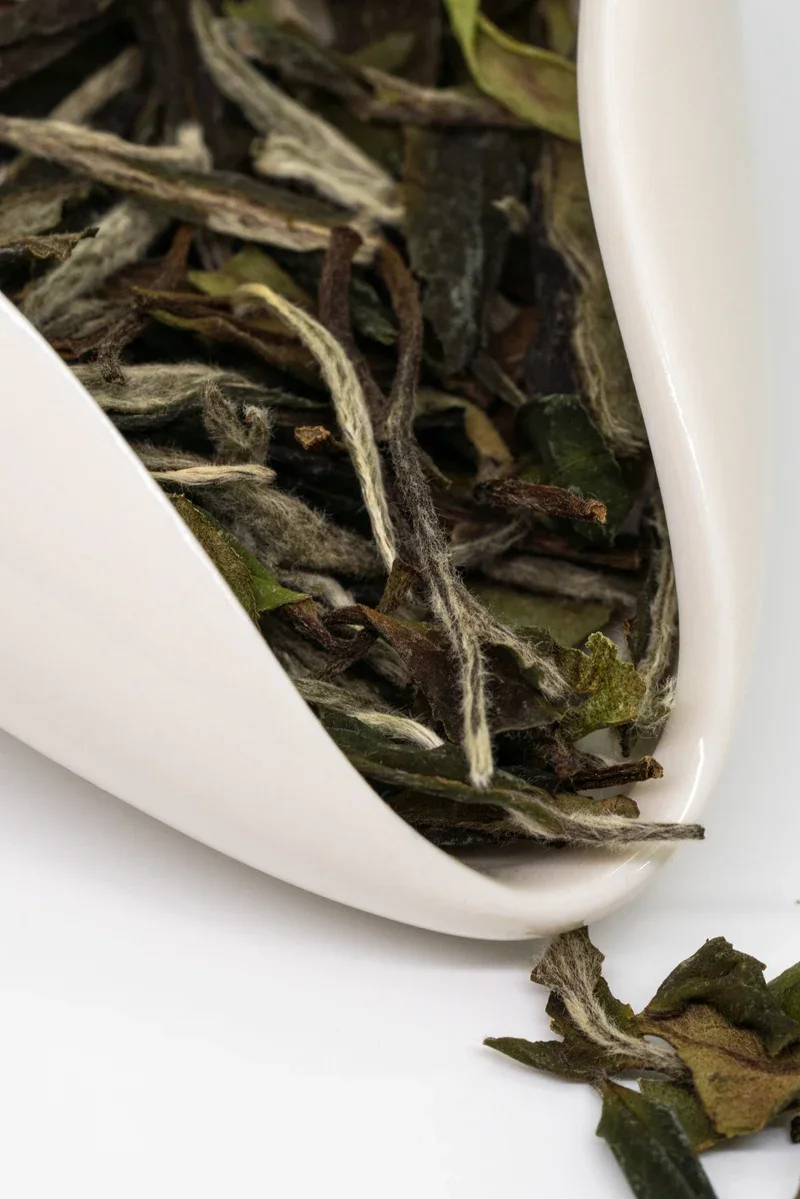
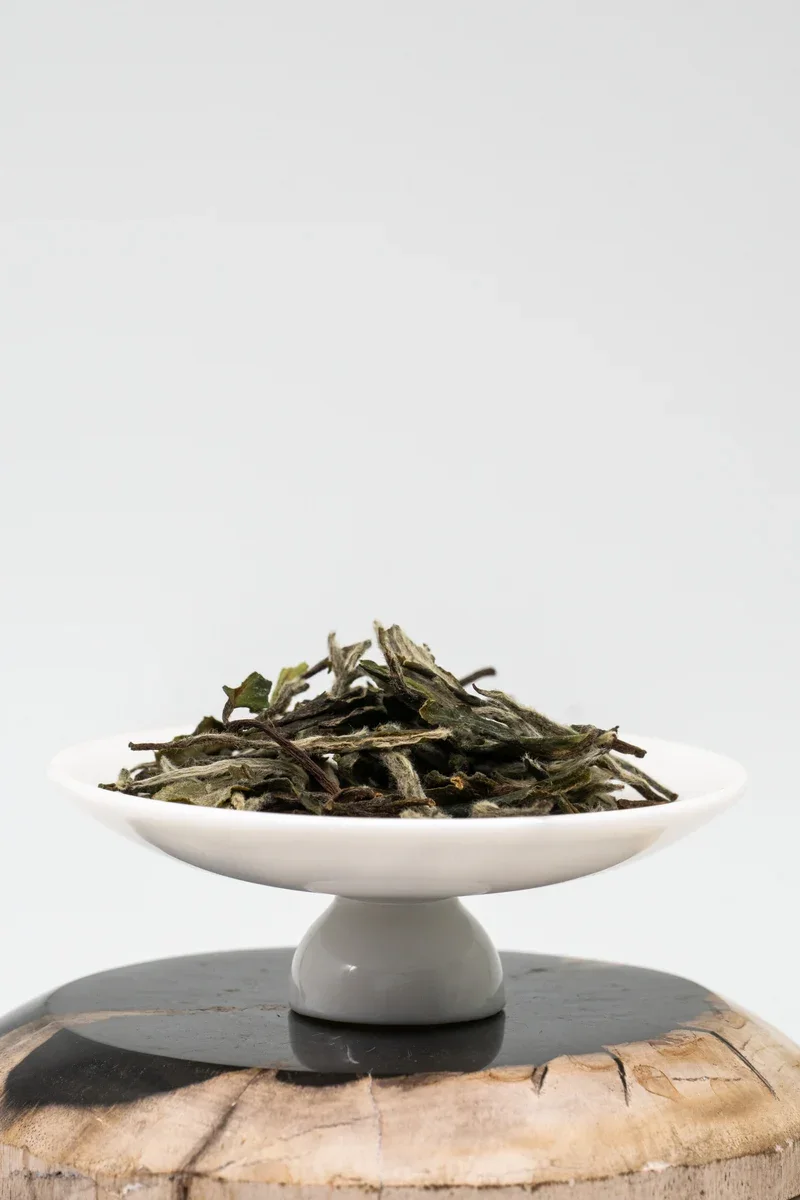
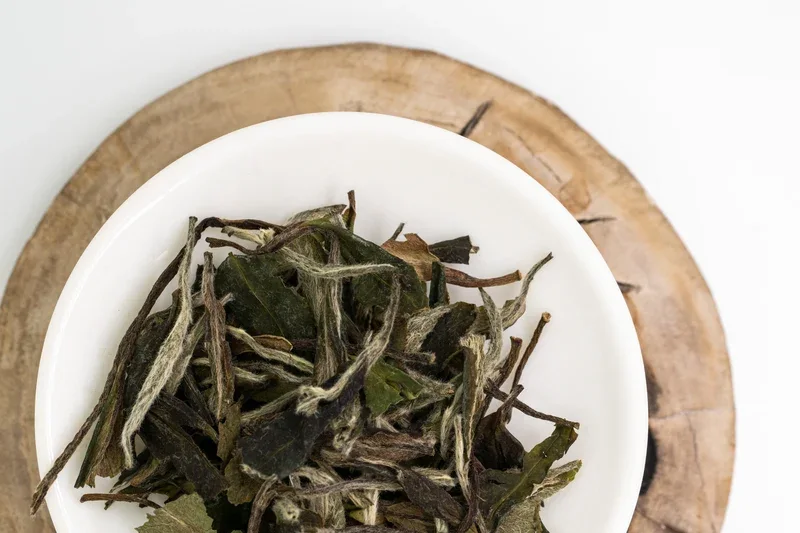
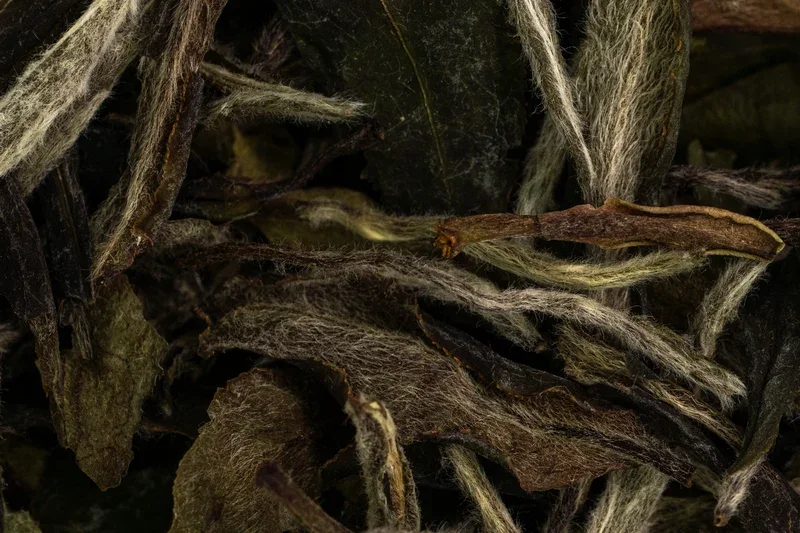
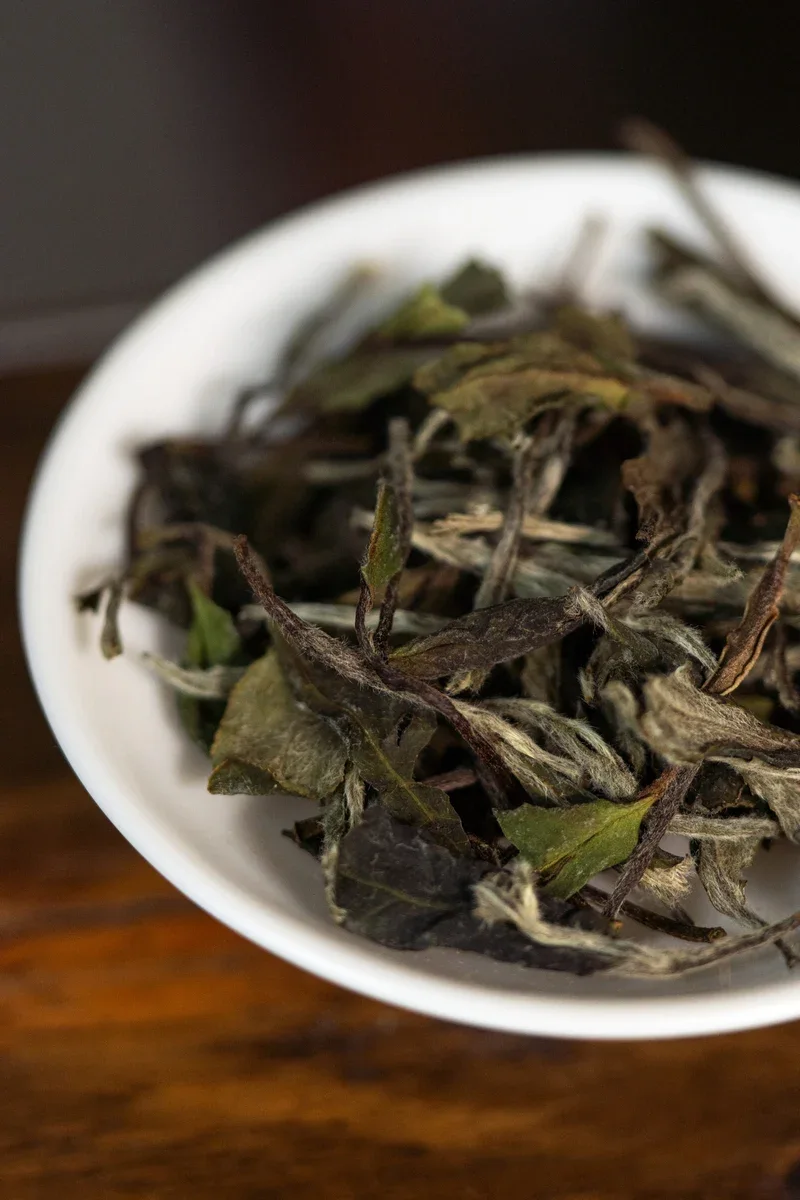
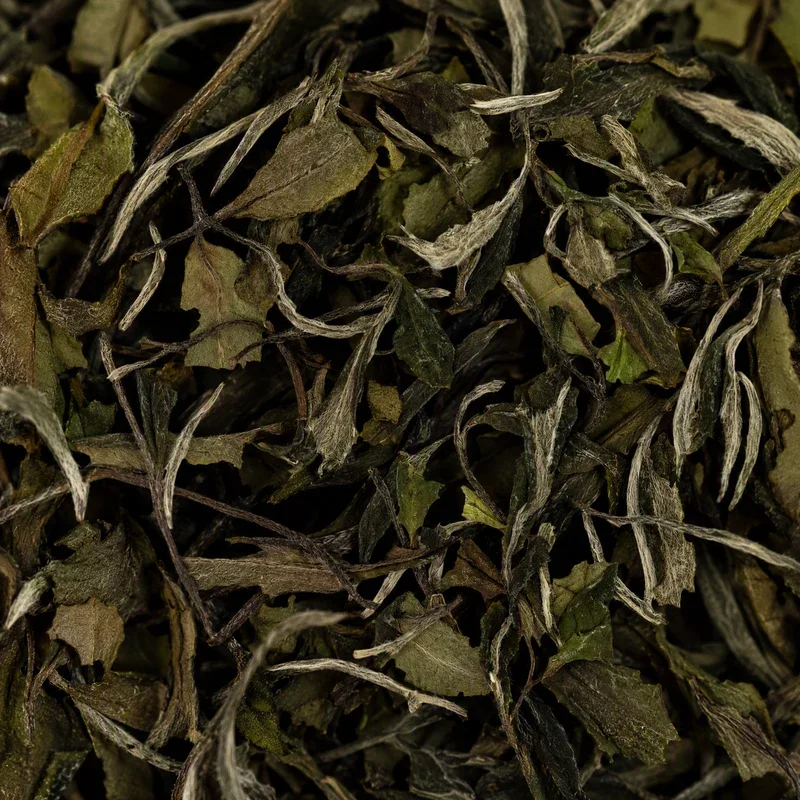
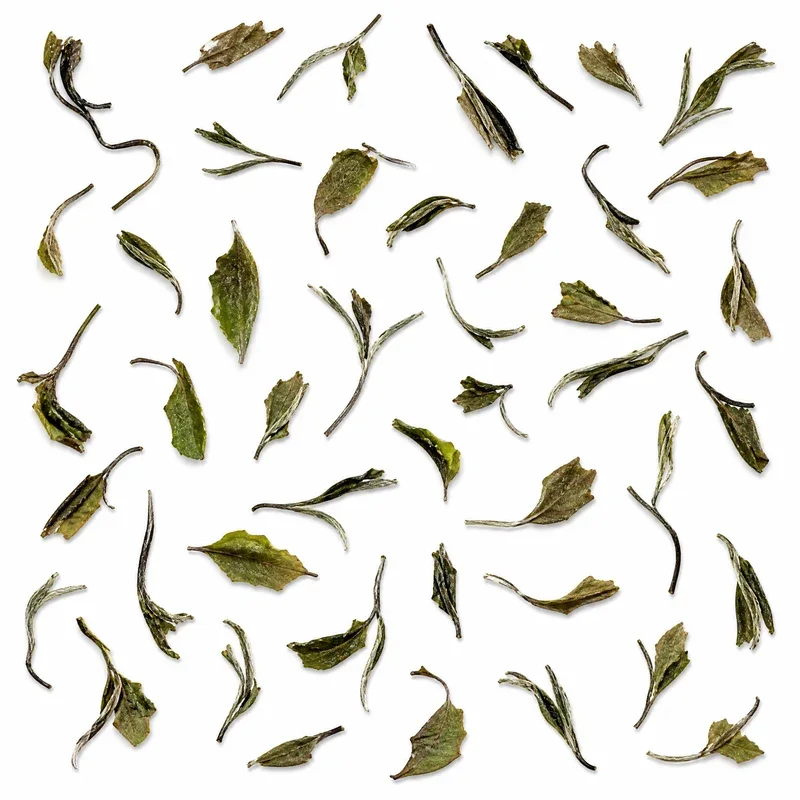
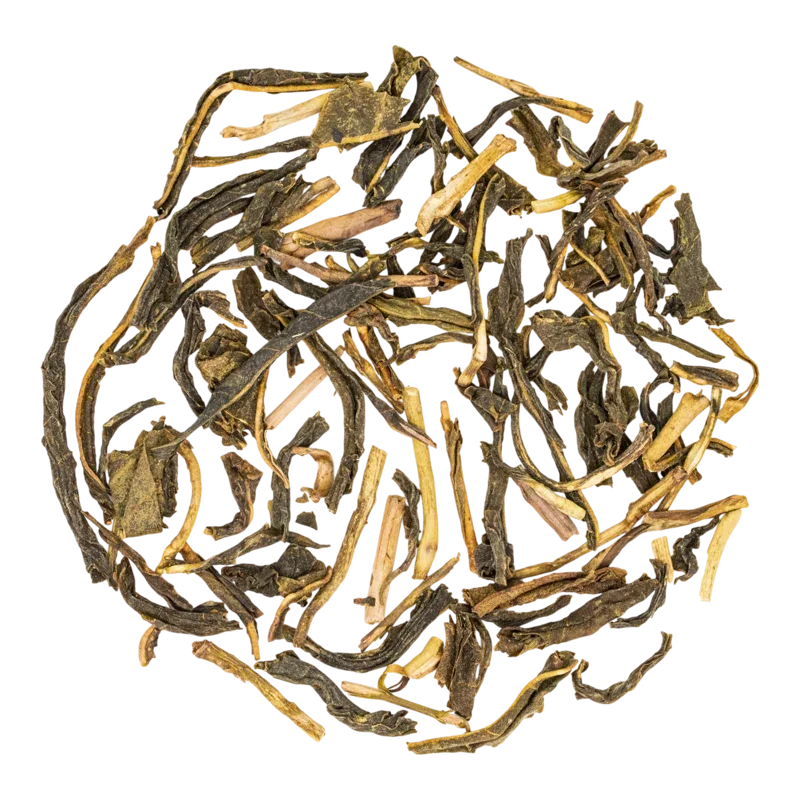
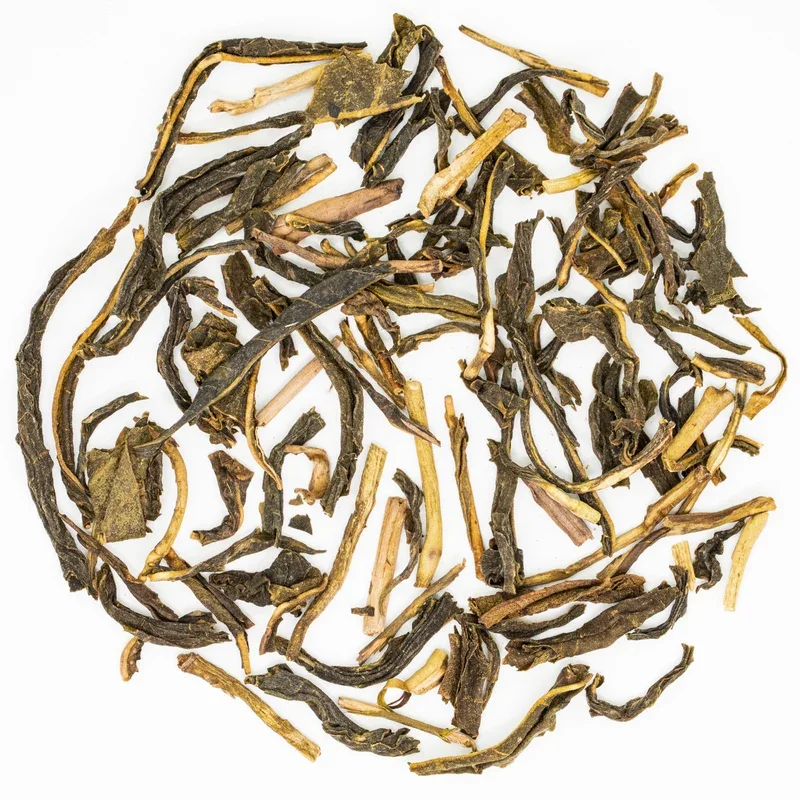
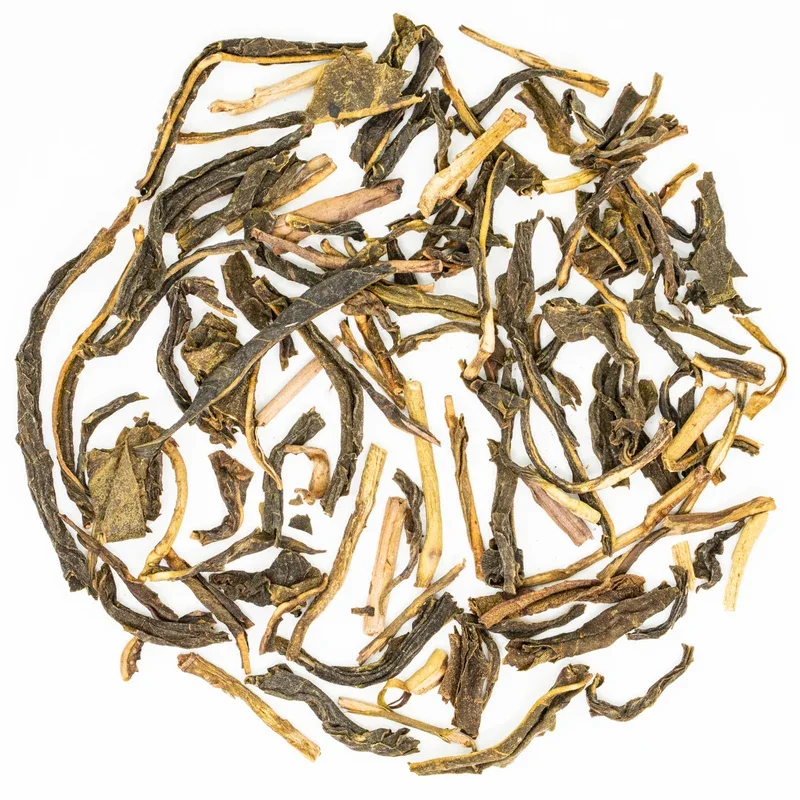
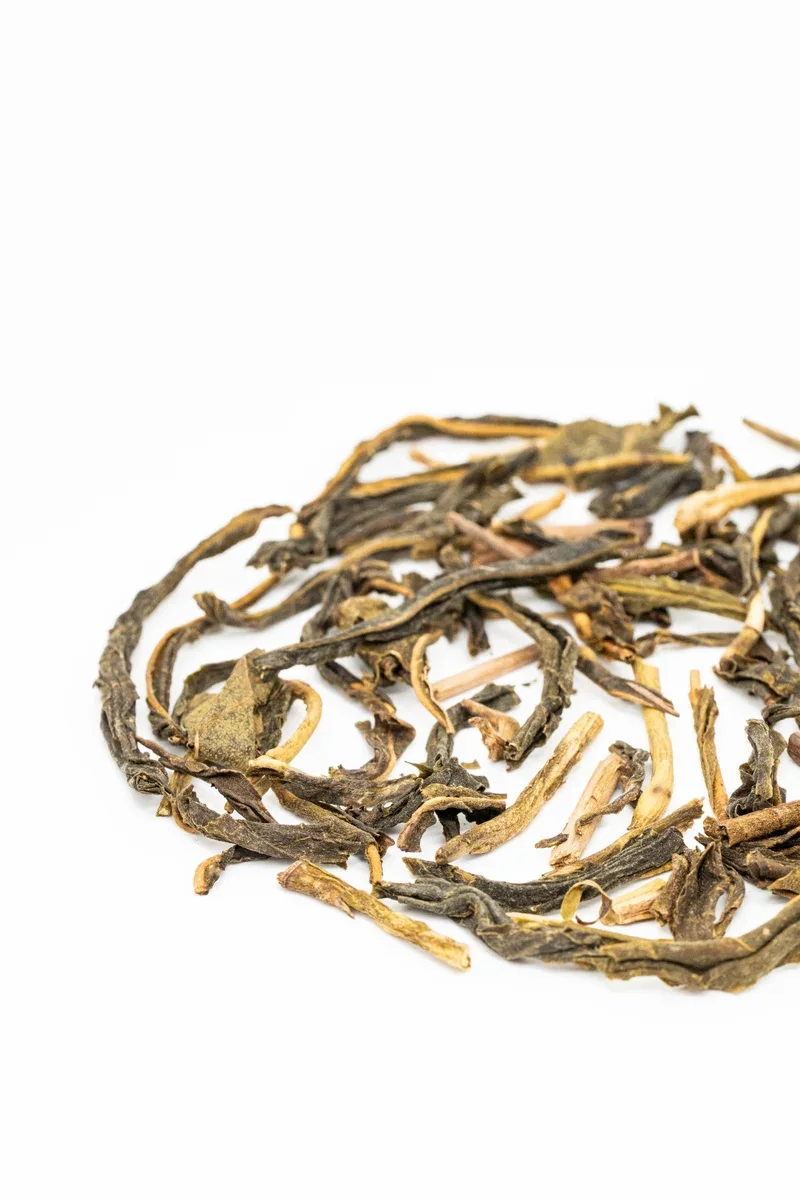
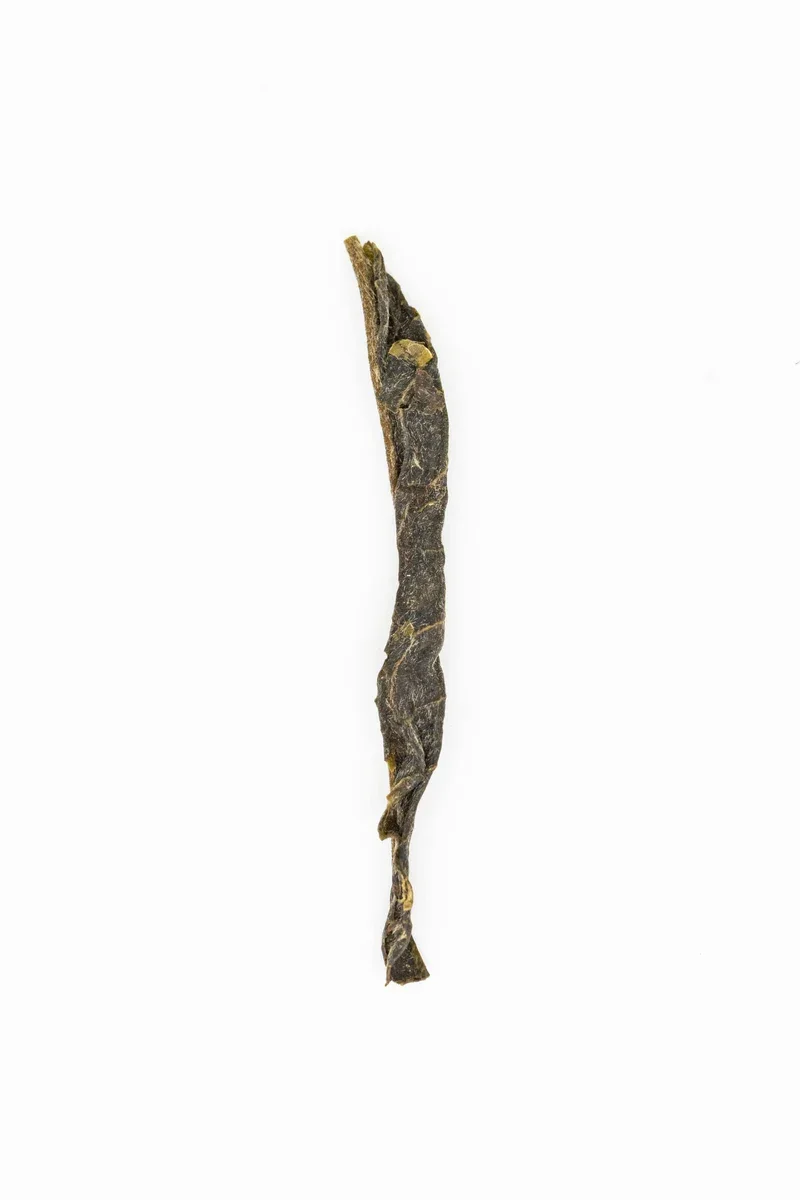
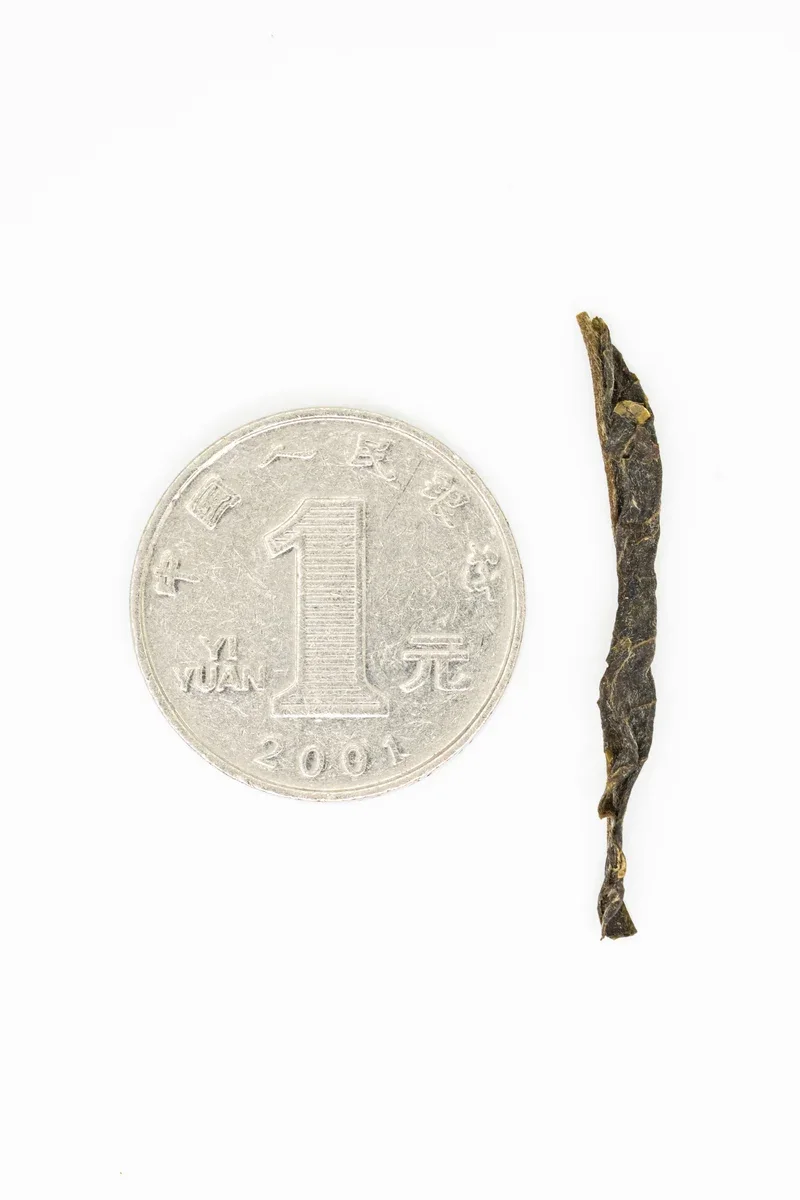
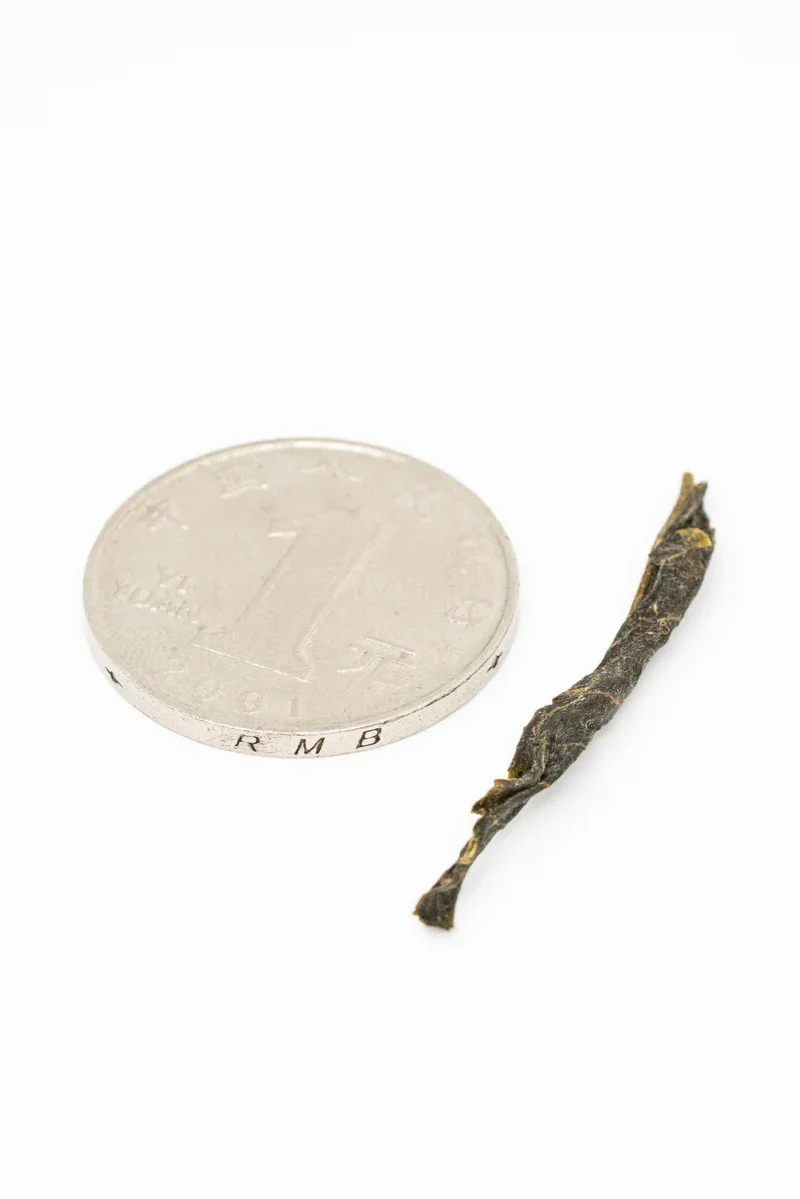
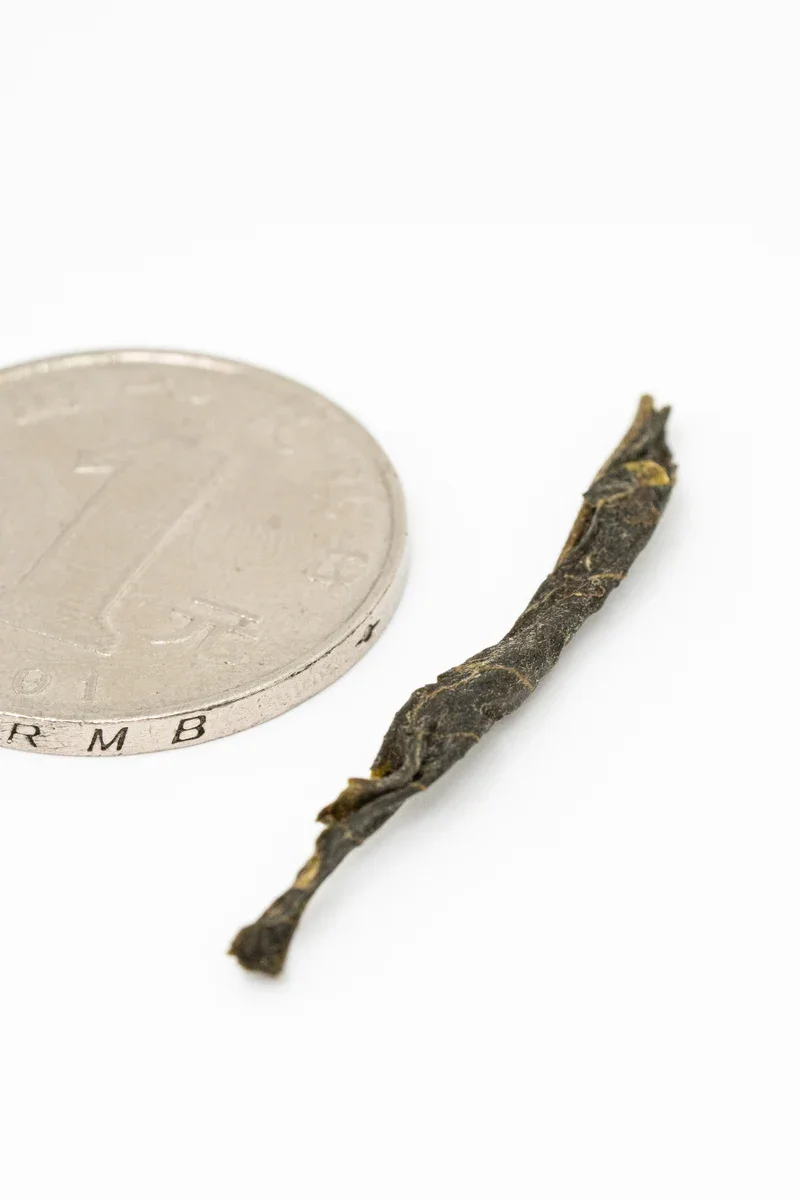
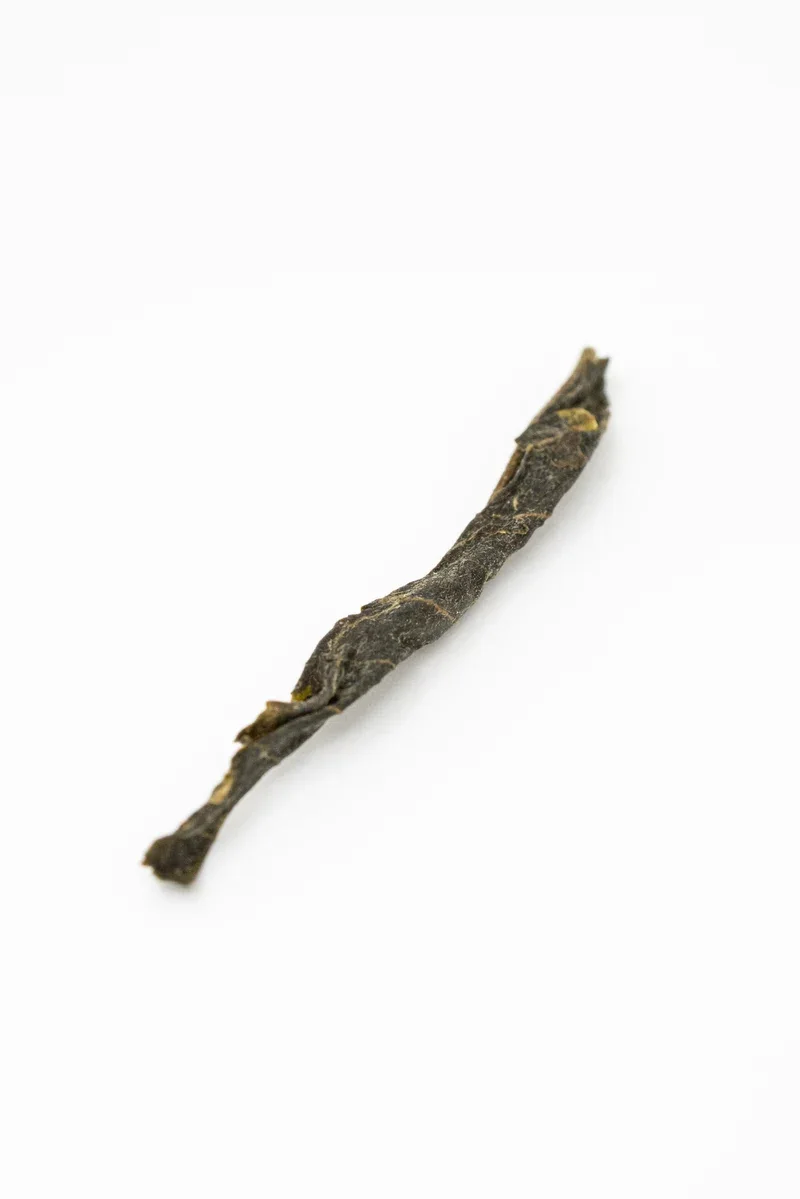
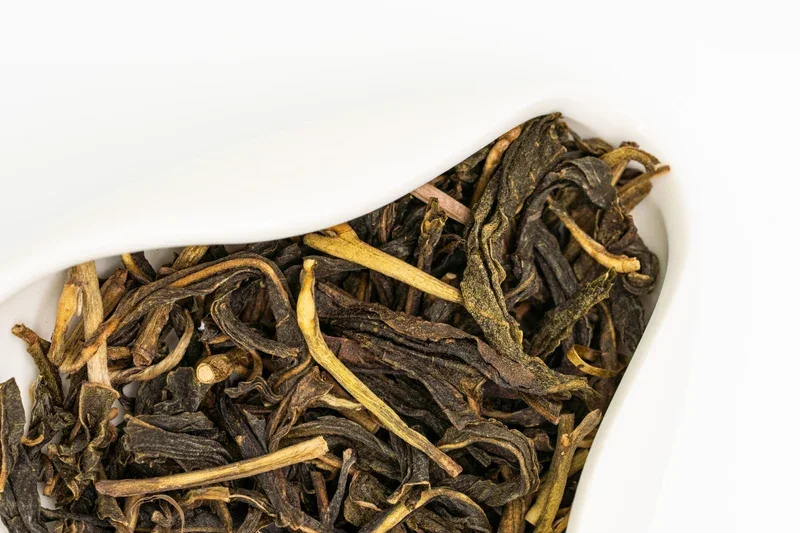
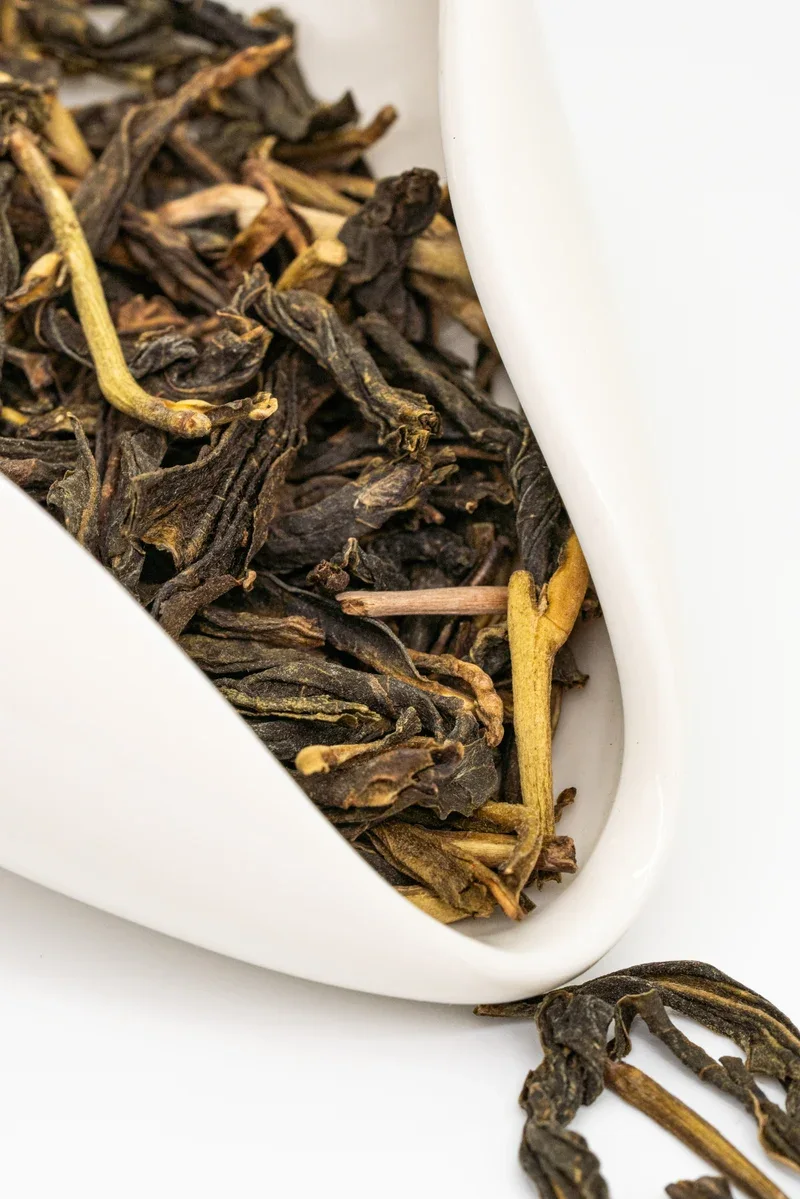
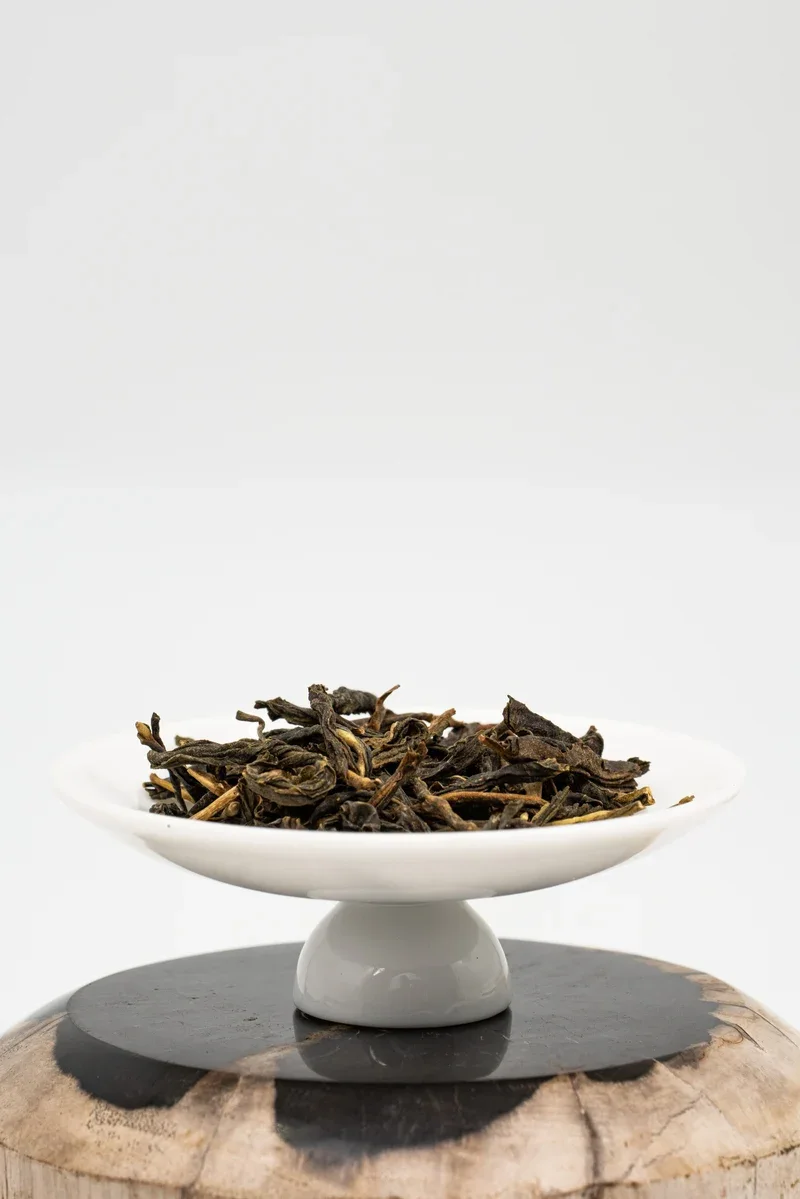
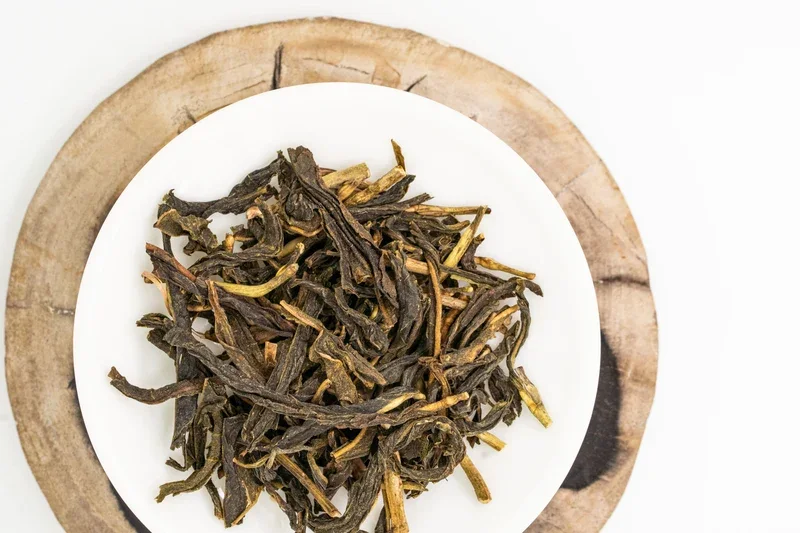
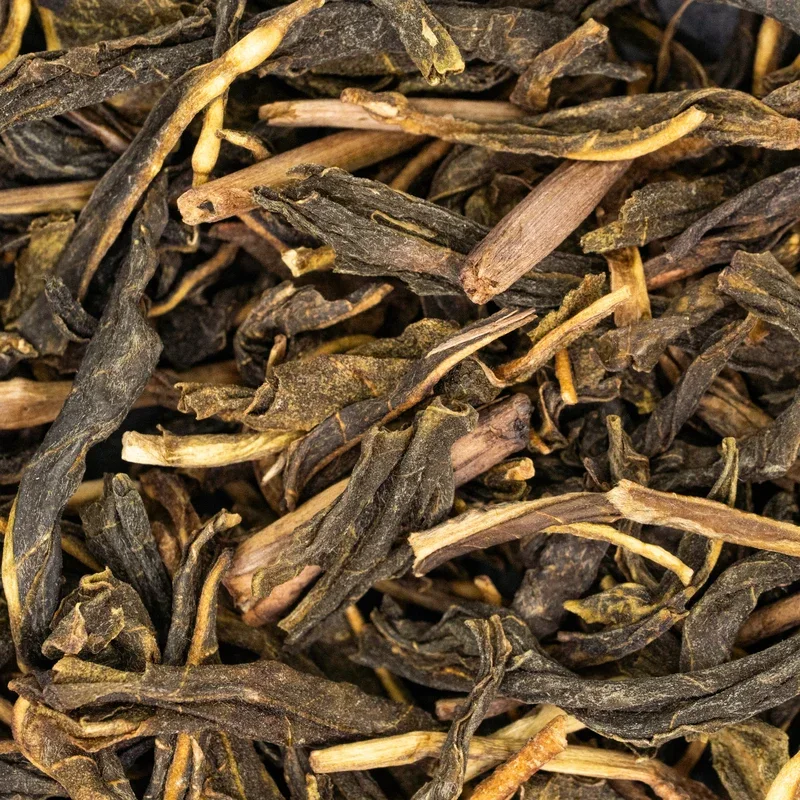
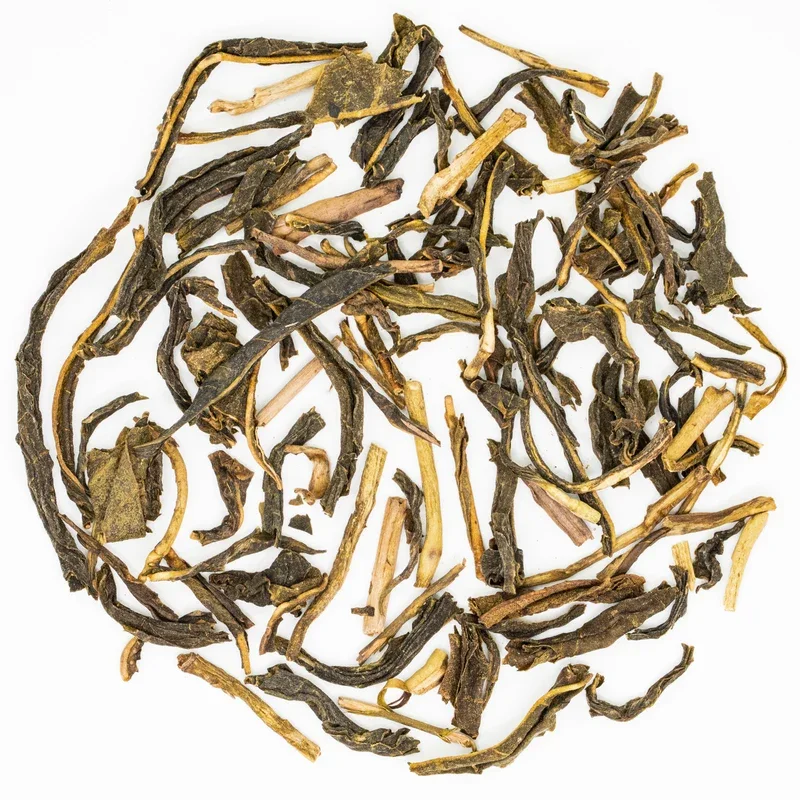
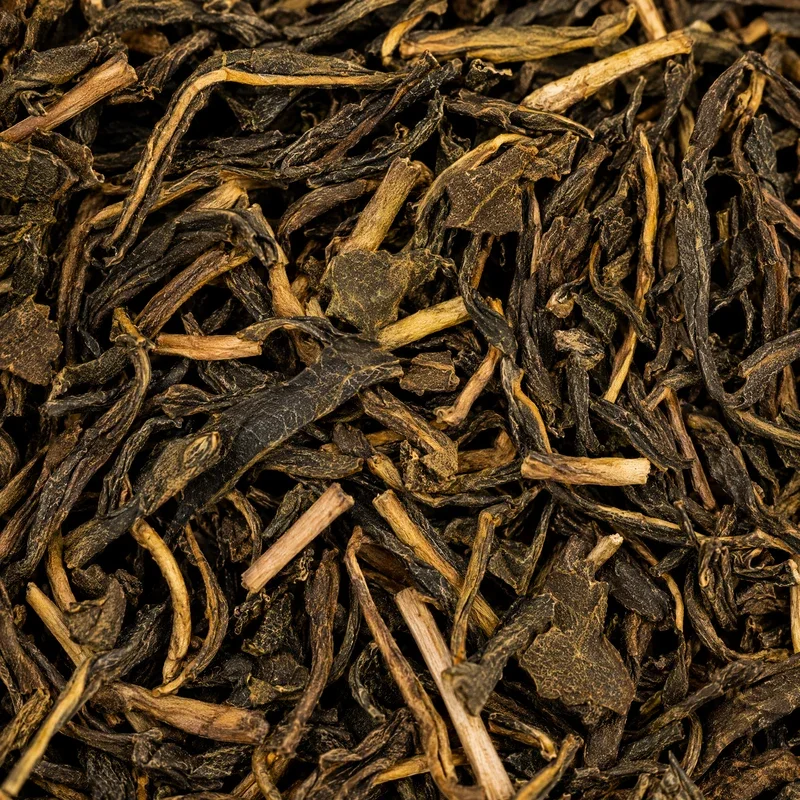
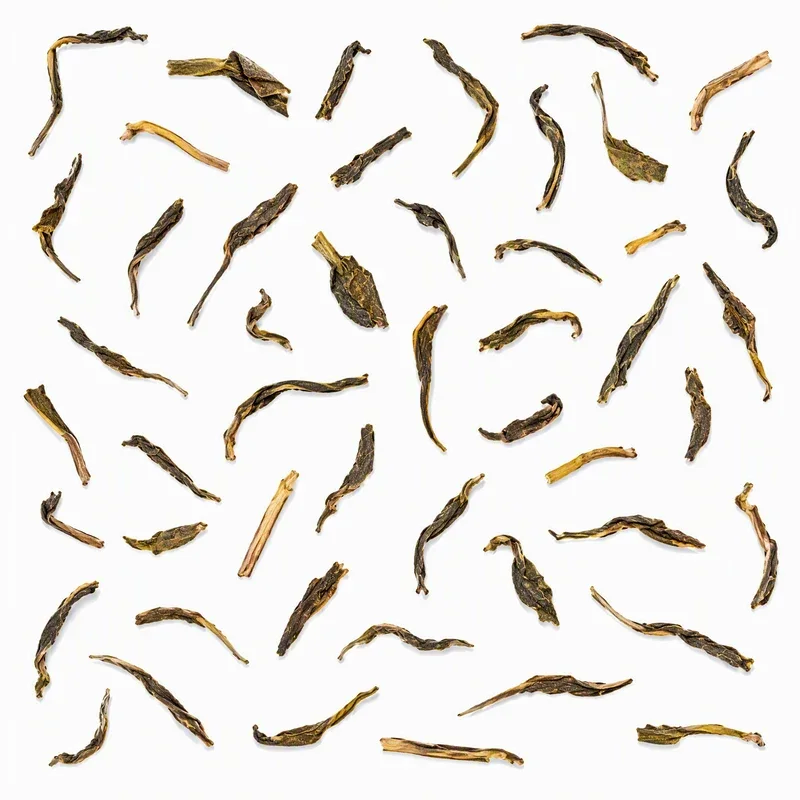
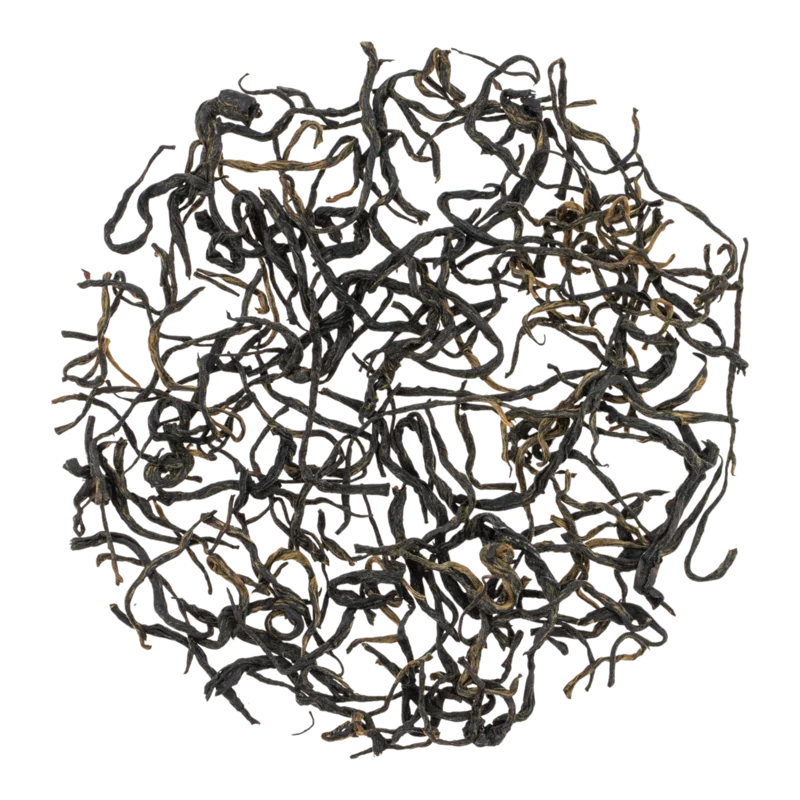
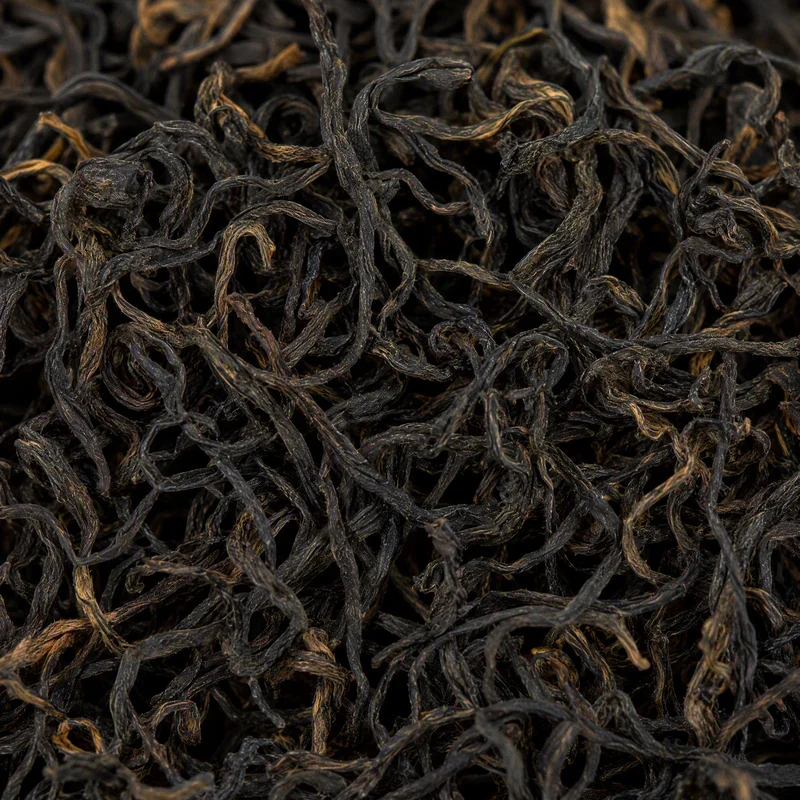
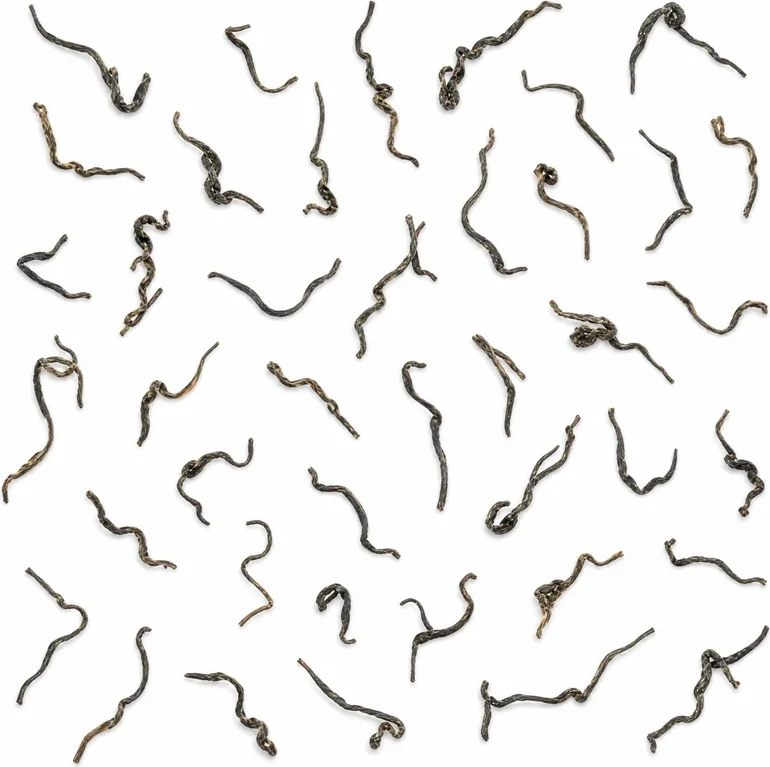
Dry Leaf Appearance: Tightly rolled tea leaves (條索緊結), dark with oily luster (烏潤), with noticeable golden tips (顯金毫).
Dry Leaf Aroma: Honey (蜜香), with notes of roasted chestnut and light florality.
Liquor Aroma: Persistent honey aroma (蜜香持久) — the calling card of "Tongbai Hong". Some batches show "huaguoxiang" (花果香 — floral-fruity), "shuxiang" (薯香 — "sweet potato", characteristic of Henan red teas) or "mixiang" (蜜香 — pure honey).
Liquor Color: Golden-yellow (金黃), clear, bright. The shade is lighter and more "golden" than southern red teas — a characteristic feature of Henan hong cha from small-leaf raw material. This color is a direct consequence of the balance of theaflavins (responsible for "gold" and brightness) and thearubigins (giving "redness" and body): Tongbai small-leaf raw material has a relatively higher proportion of theaflavins than large-leaf southern teas, which creates the characteristic "sunny" shade of the liquor. For a connoisseur this is a visual clue: if Tongbai red tea gives a dark red rather than golden liquor — this is reason to doubt authenticity.
Spent Leaves: Red, even, bright (葉底紅勻明亮).
Taste: Mellow and rich (醇厚, chún hòu), with pronounced sweetness and long aftertaste. Minimal astringency. Throat resonance (喉韻) perceptible in the best batches.
Amino Acids: 3–4% — increased content due to small-leaf raw material and prolonged winter dormancy. Precisely the high level of amino acids (especially L-theanine) forms the "honey sweetness" and smoothness of "Tongbai Hong".
2.5–3.5%.
Profile depends on batch: honey (linalool, geraniol), floral (nerolidol), "baked" (pyrazines — with enhanced final drying).
Minerals: Selenium (Se) — Tongbaishan is part of a selenium-enriched zone (富硒帶), which increases the antioxidant potential of the tea.
Polyphenols: 15–22% dry weight. With full oxidation catechins transform into theaflavins and thearubigins.
Moderate caffeine content combined with high L-theanine level provides "calm" energy.
Theaflavins, thearubigins and selenium — triple antioxidant system.
"Warm" nature according to TCM, ideal for cold winters of Central China.
Helps after fatty food; traditionally recommended with Henan cuisine.
High L-theanine content promotes calm concentration.
Main brand — gongfu hong cha from summer-autumn raw material.
Portion format (cup) — mass market, convenient, popularized through "Tongbai Hong for students" campaigns.
Not red, but dark tea — separate product, first fuzhuan cha in Henan, also created based on Tongbai raw material.
Tè Jí (特級), 1st, 2nd.
"Tongbai Hong" is excellent for office format: 3 g in a 300 ml glass, 3–5 minutes steeping. This is exactly how it is drunk at Henan provincial assembly meetings, where "Tongbai Hong" has become the unofficial "parliamentary tea". The golden liquor color, gentle sweetness and persistent honey aroma make it ideal for long steeping in a glass — it doesn't become bitter or sour even when over-steeped, which favorably distinguishes it from more "aggressive" southern red teas.
3 g per 200–250 ml cup, 3–4 minutes. Optimal for first acquaintance with Henan red tea.
Tea Amount: 4–5 g per 100–120 ml (gongfu); 3 g per 200–250 ml (steeping).
Teaware: Porcelain gaiwan or glass cup (to evaluate the golden color of the liquor).
Water Temperature: 90–95°C.
Container: Airtight, opaque.
Shelf Life: 12–24 months.
10–25°C, humidity up to 60%.
Limit consumption in the second half of the day.
Limit to 2–3 g/day or consult a doctor.
No reviews yet. Tell us what you think of this tea.
Rate this tea and share your impressions. We review each submission before publishing it.