Brewing
Gongfu brewing
- Water temperature
- 93 °C
- Tea amount
- 5 g
- Water volume
- 100 ml
- First steep
- 10 s
- Time added per infusion
- 5 s
- Infusions
- 4

Rìyuètán hóngchá
Choose a brewing method. Start with the recommended quantities and time, then adjust to taste.
Brewing
Brewing
Taste
Tea encyclopedia
Alt Names: Taiwan Hóng Chá (臺灣紅茶); by specific cultivars: Hóng Yǔ (紅玉, "Red Jade" — Tai Cha No. 18), Hóng Yùn (紅韻, "Red Rhyme" — Tai Cha No. 21), Tai Cha No. 8 (台茶8號).
Alt Names: Taiwan Hóng Chá (臺灣紅茶); by specific cultivars: Hóng Yǔ (紅玉, "Red Jade" — Tai Cha No. 18), Hóng Yùn (紅韻, "Red Rhyme" — Tai Cha No. 21), Tai Cha No. 8 (台茶8號).
Category: Premium Taiwanese red tea (black tea). Flagship of Taiwanese red tea cultivation. Yúchí District (魚池) is officially recognized as the "Birthplace of Taiwan's Red Tea."
Coordinates: approximately 23°51′ N, 120°54′ E
Origin: Táiwān (臺灣, Táiwān), Nántóu County (南投縣, Nántóu Xiàn), Yúchí Township (魚池鄉, Yúchí Xiāng) — the district surrounding Rìyuètán Lake (日月潭, Rìyuètán — "Sun Moon Lake"). This is Taiwan's largest natural lake, located at 748 m above sea level in the central mountainous part of the island.
Type: Red tea (black tea) (紅茶, hóngchá), fully oxidized (100% oxidation). According to European classification — black tea.
Tai Cha No. 18 "Hong Yu" is the result of one of the longest breeding projects in world tea history. Crossing began in 1946, and the new cultivar received its name only in 1999. Nearly half a century of selection, testing, and patience.
The "921" earthquake (September 21, 1999, M 7.6) that devastated Yuchi paradoxically became a catalyst for Taiwan's "red renaissance": the regional reconstruction program focused on tea industry development, and Hong Yu became its main symbol.
Natural cinnamon and menthol aroma is a genetic feature of the "Assam × Taiwanese wild tea" hybrid. No other cultivar in the world possesses such an aromatic profile — this is not flavoring, but a natural property of the leaf.
During World War II, Japanese station director Arai Kokichiro (新井耕吉郎) single-handedly maintained the tea plant collection in Yuchi. Without his efforts, the program from which Hong Yu was born would have been impossible.
Unlike mainland Chinese "hot gongfu" tradition, Taiwanese actively practice cold brew (冷泡茶) — and Hong Yu is considered one of the best teas for this format.
Cultural Significance: Riyuetan Hong Cha is a symbolic tea: a symbol of the region's revival after the 1999 earthquake and a symbol of Taiwanese distinctiveness in the world of red tea. Tai Cha No. 18 "Hong Yu" is a unique Taiwanese endemic with no analogues anywhere in the world; its cinnamon and mint aroma cannot be reproduced with other raw materials. Sun Moon Lake is central Taiwan's main tourist attraction, and the tea has become an integral part of the local brand.
History: The history of red tea on Taiwan begins during the Japanese colonial period (1895–1945). In 1925, Japanese agronomists brought Assam tea plant seedlings (Camellia sinensis var. assamica) from India and planted them in several regions of Taiwan — in Pingzhen (平鎮) and Yúchí (魚池). The Yuchi district, thanks to its climate similarity to Assam, yielded the best results, and the Taiwan Governor-General (臺灣總督府) established the Yúchí Red Tea Experimental Branch (魚池紅茶試驗支所) here, the predecessor of the current Tea Research and Extension Station (茶業改良場魚池分場, TRES Yuchi Branch). Simultaneously, researchers discovered wild Taiwanese mountain tea (Camellia formosensis) — an endemic species of the island.
Flagship. Hybrid of Burmese large-leaf Assam tea B-729 (C. sinensis var. assamica) × wild Taiwanese mountain tea B-607 (Camellia formosensis). Developed at TRES Yuchi Station over 48 years of breeding (1946–1999). Large leaves, abundant tips. Unique aromatics — natural notes of cinnamon (肉桂香, ròuguì xiāng) and mint/menthol (薄荷香, bòhé xiāng). Contains specific terpene compounds not found in other cultivars. Grows only on Taiwan — a world endemic.
Newer cultivar (2008). Distinguished by muscatel-honey aroma with citrus overtones. Less common than No. 18.
Early Assam hybrid (1930s). Classic profile — malty-caramel, without cinnamon-mint notes. Used less frequently.
Pure Assam tea lines brought in the 1920s. Produce dense, rich red tea in the "Indian" style.
Cultivar: Main cultivars used for Riyuetan Hong Cha:
Picking: Spring–autumn (March–November). Best season — summer (June–August): hot and humid climate promotes active growth of large-leaf raw material and accumulation of aromatic substances. Summer harvest of Tai Cha No. 18 is considered the "gold standard."
Pluck Standard: One bud with two-three leaves (一芽二三葉). Hand-picking is mandatory for premium batches (手採, shǒu cǎi).
Raw Material: Large, healthy, undamaged shoots. Rapid delivery to the workshop.
Altitude: 600–1,000 m above sea level. Main zone — 700–800 m.
Climate: Subtropical montane monsoon. Average annual temperature — 20–22°C. Precipitation — ~2,000 mm/year. High humidity — 80–85%. Frequent mists, especially morning and evening. Warm summer, mild winter. Minimal diurnal temperature amplitude moderated by lake influence.
Soil: Fertile red and lateritic soils, well-drained, rich in organics and minerals. Slightly acidic (pH ~4.5–5.5). Ideally suited for large-leaf Assam cultivars.
Taiwan's largest natural lake, located at 748 m elevation in the mountains of the central part of the island. Surrounded by mountains covered with subtropical forests. The district's climate — subtropical montane, with high humidity and abundant mists — proved remarkably similar to Assam conditions, which determined the choice of Japanese agronomists in 1925.
"Fish Pond" (魚池) — the main tea-producing district. Tea gardens are located on hilly slopes around the lake, often among bamboo groves and forests.
Hand-picking (手採) for premium batches; mechanized — for mass production.
Solar or indoor. Duration — 12–24 hours. Large-leaf Assam raw material requires longer withering than small-leaf Chinese varieties. Moisture loss — 60–70%.
Machine (roller), but with careful pressure control. Large Assam leaves are fleshy and juicy; it's important to achieve uniform juice extraction without crude structural destruction.
At controlled temperature (~25–30°C) and humidity (~90–95%). Duration — 3–6 hours. For Tai Cha No. 18 — the master focuses on the appearance of characteristic cinnamon-mint aroma as a marker of optimal oxidation.
Hot air in drying chambers. Temperature — 100–110°C. Aroma fixation and moisture removal to 3–5%. Without charcoal roasting (unlike Fujian traditions) — Taiwanese style is "cleaner" and "clearer."
Separation into fractions by size and quality.
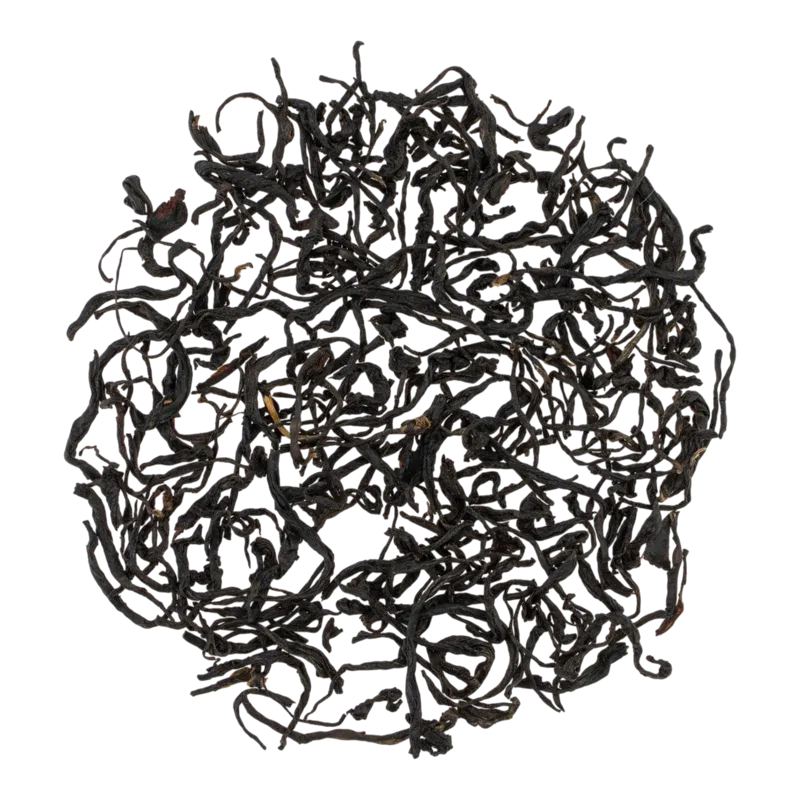
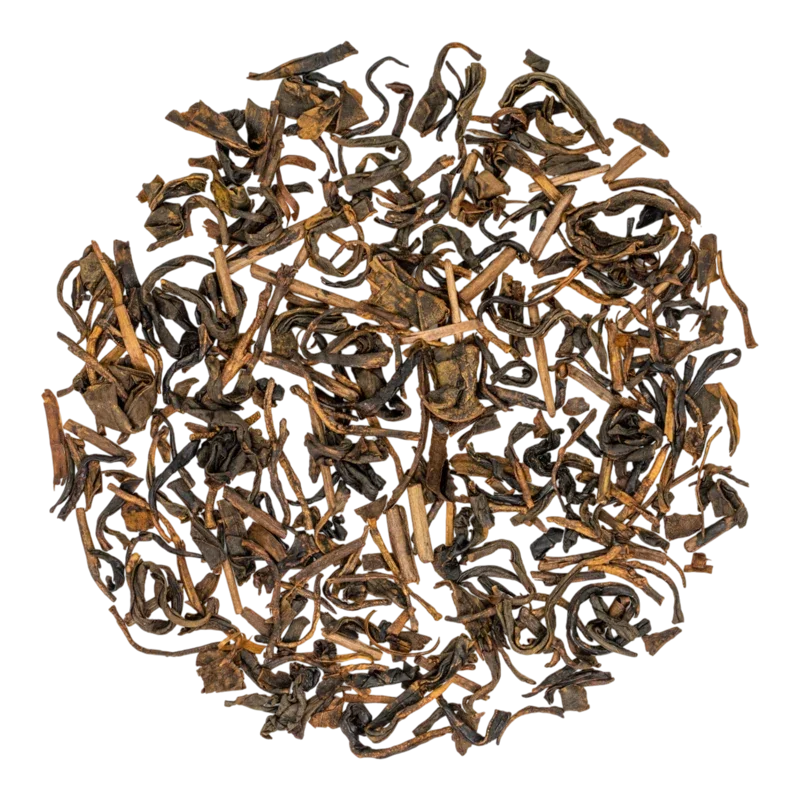
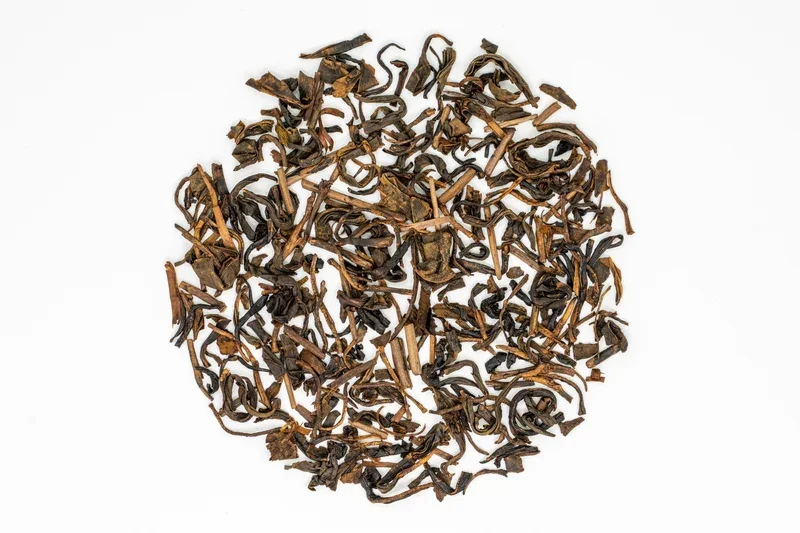
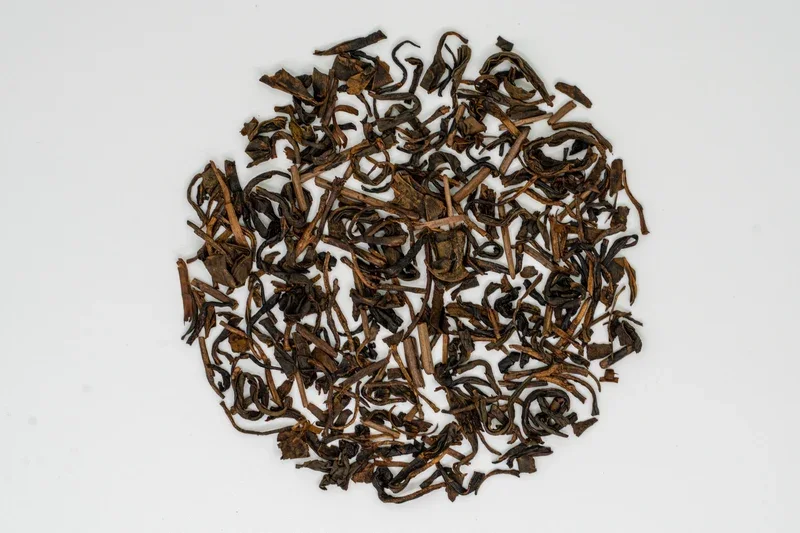
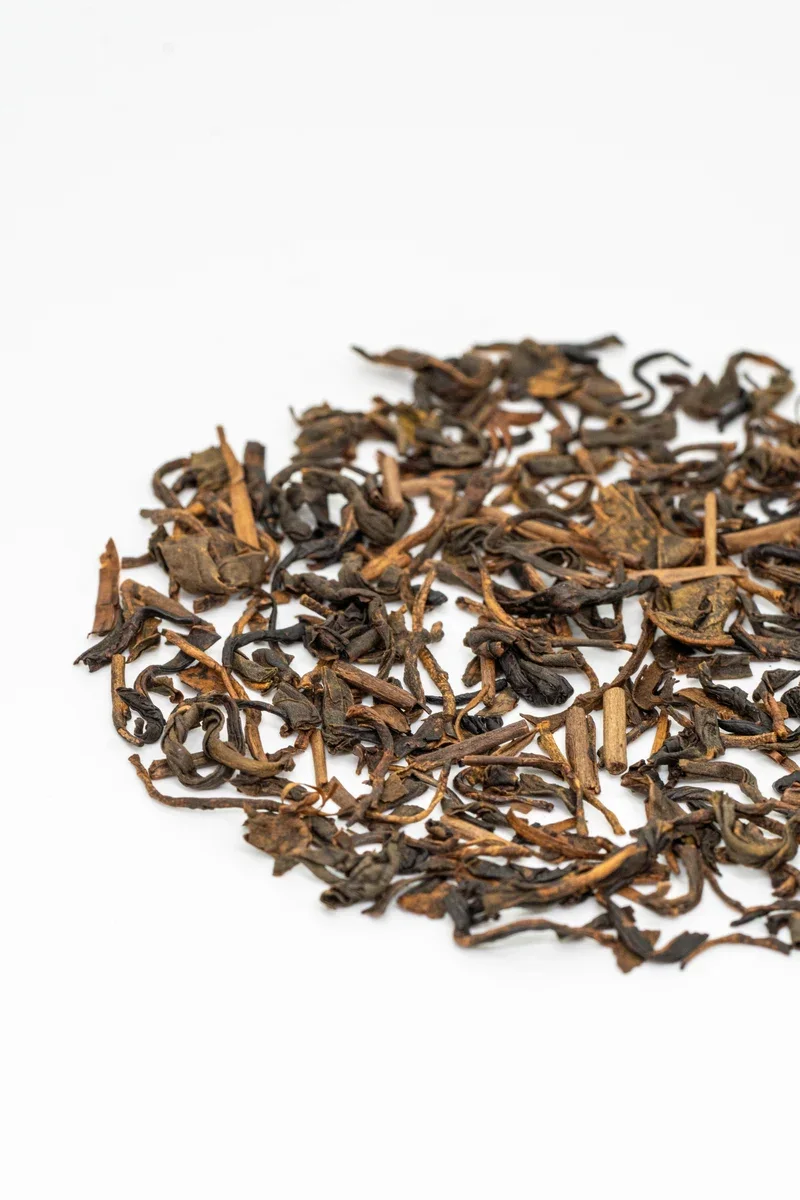
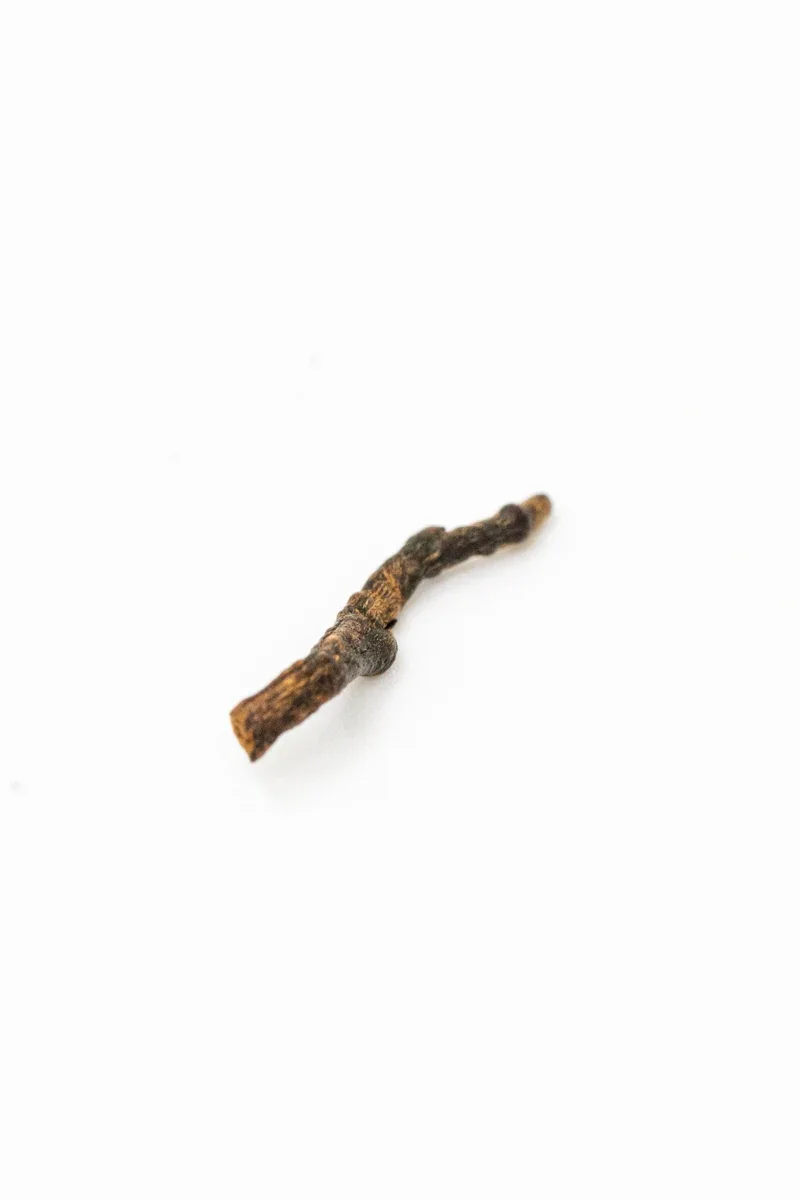
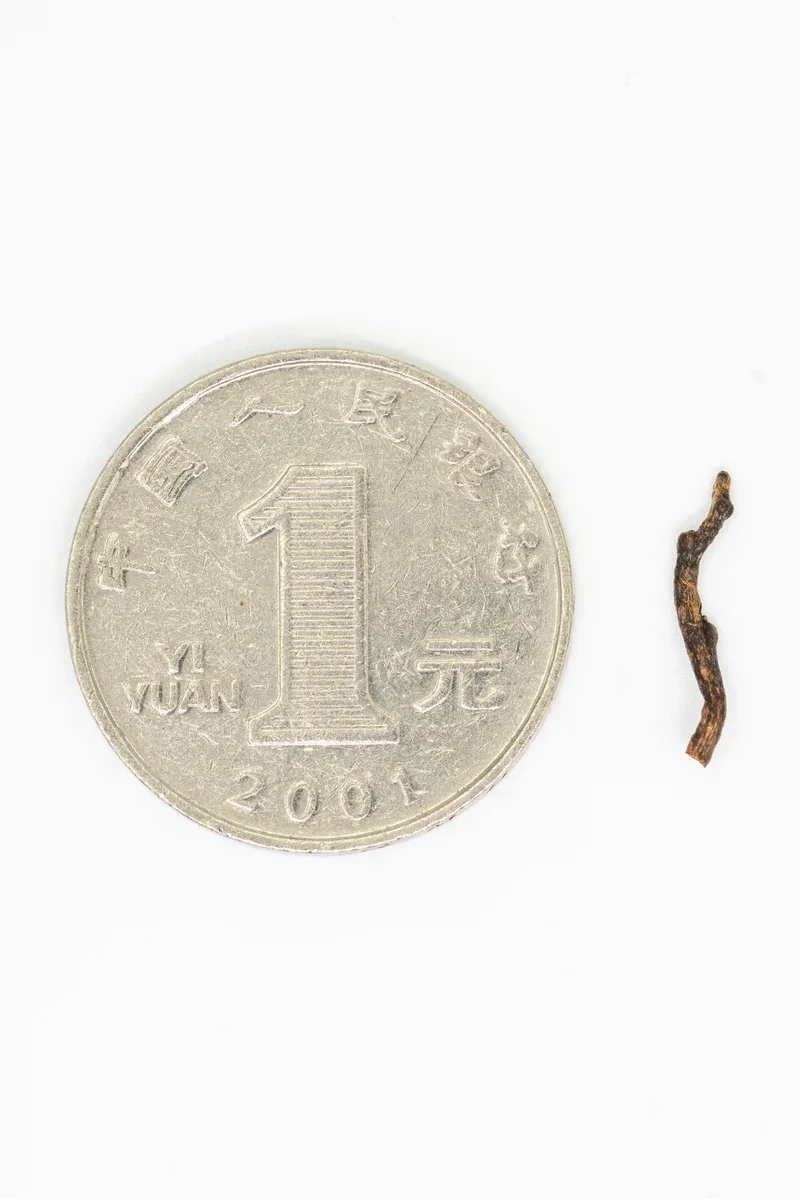
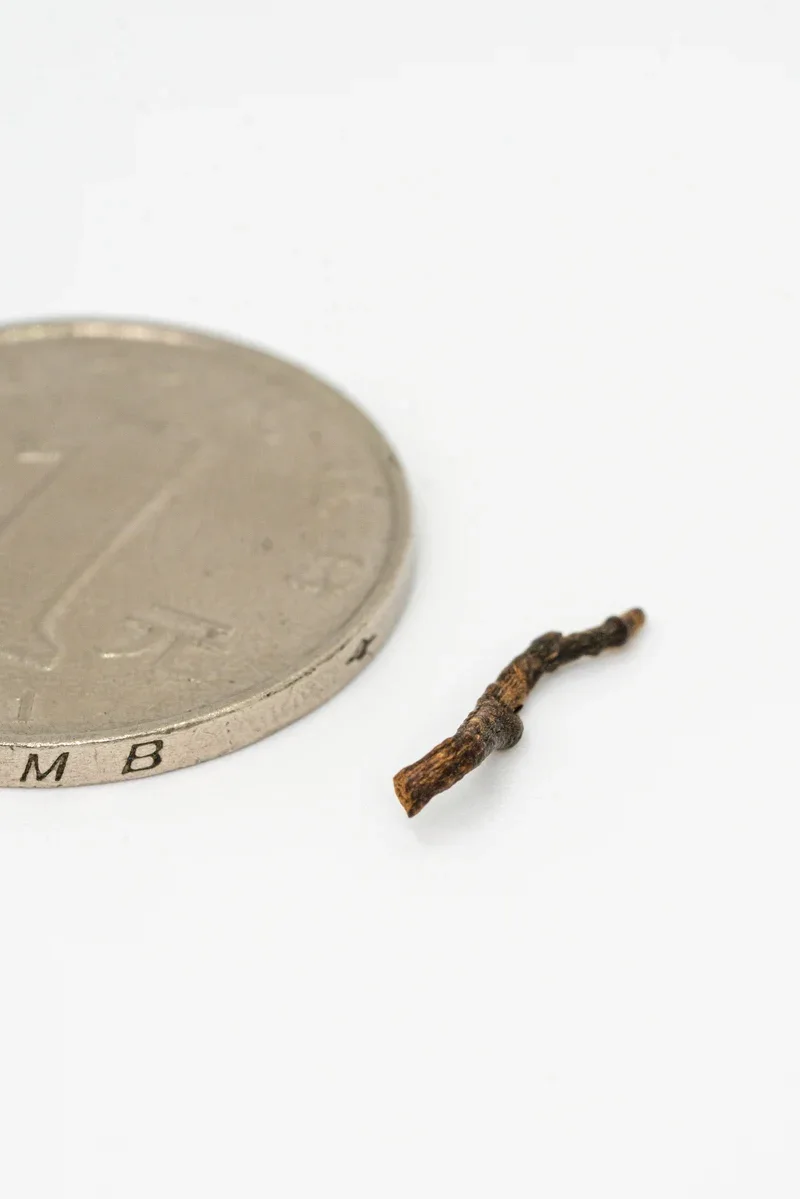
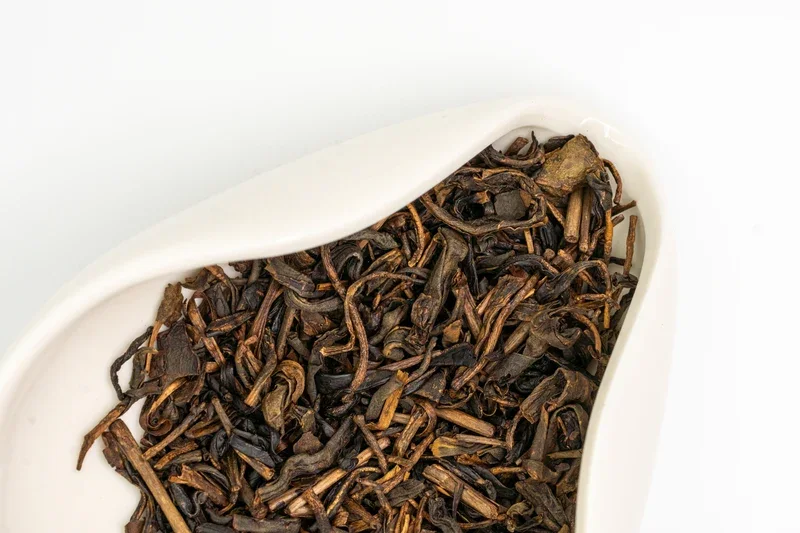
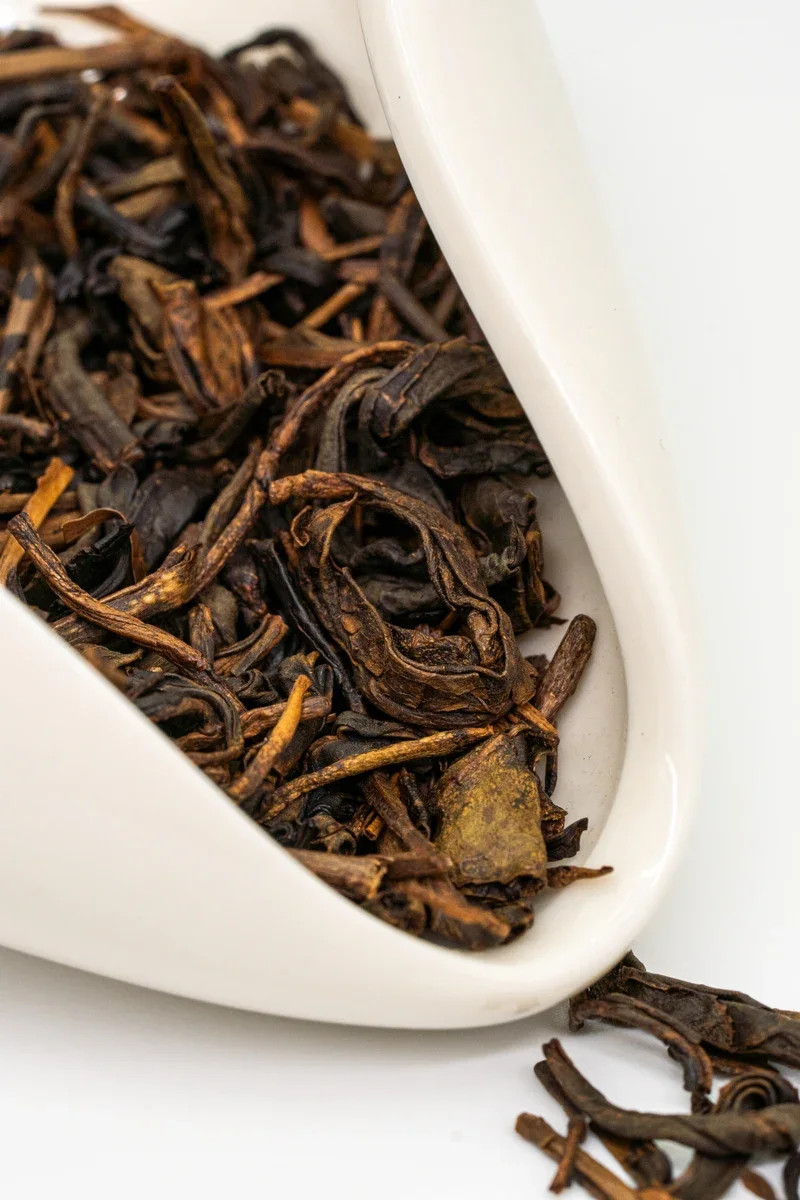
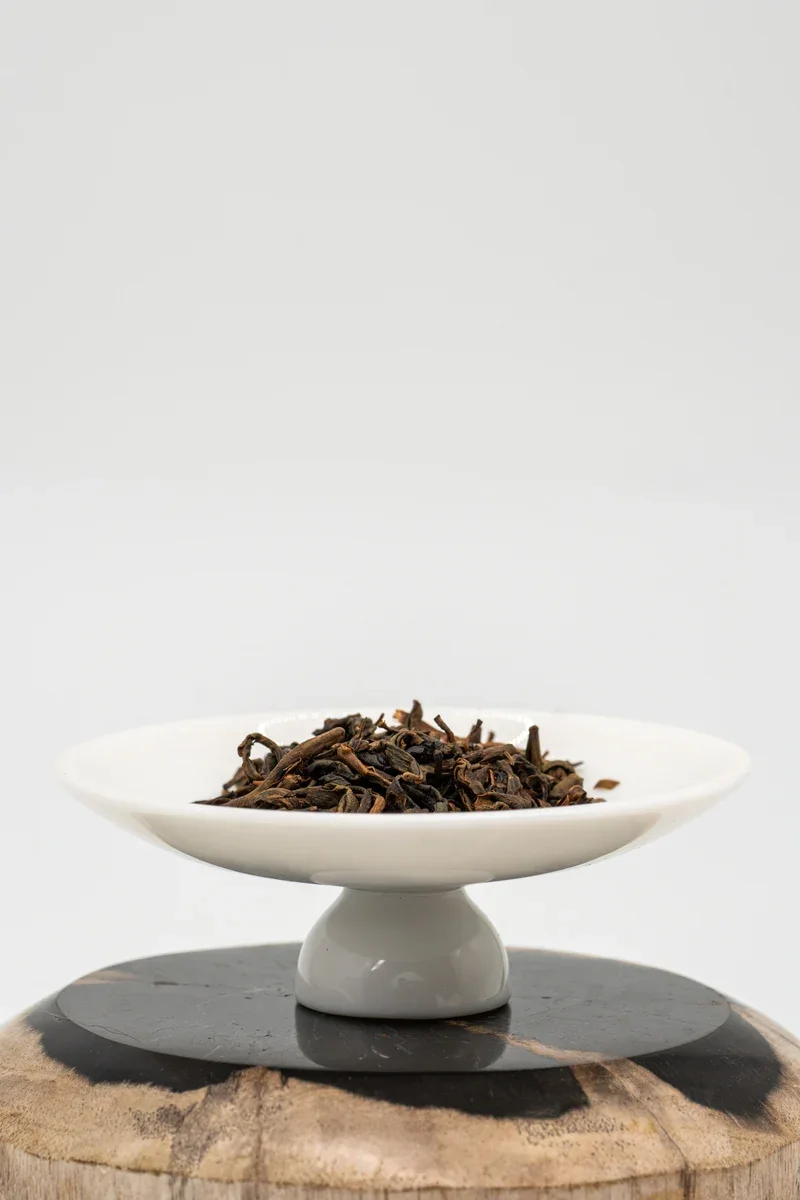
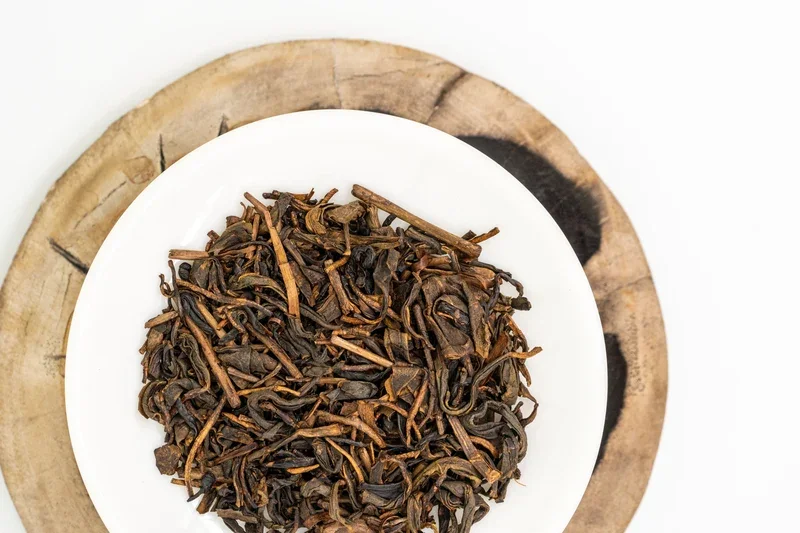
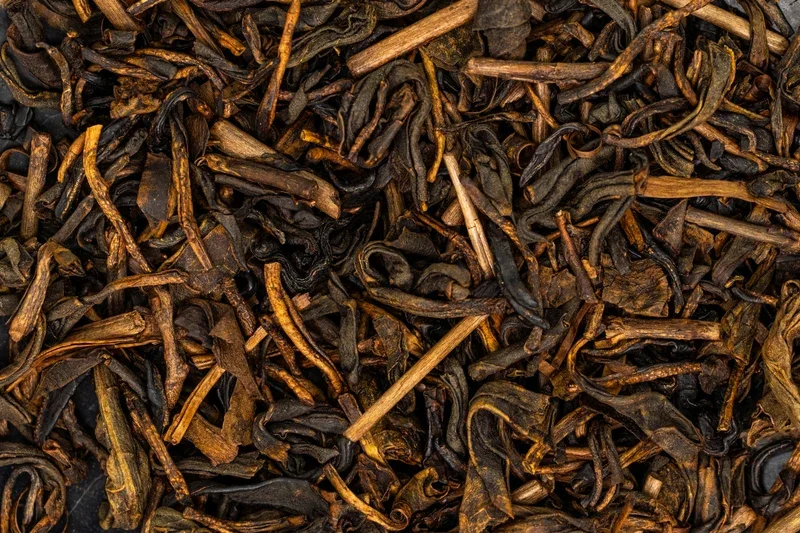
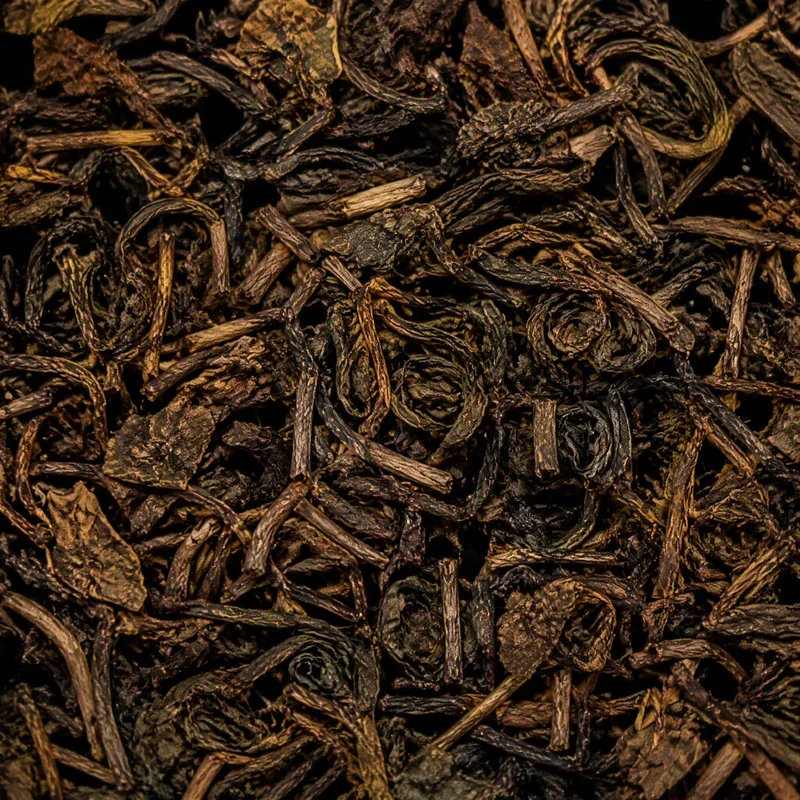
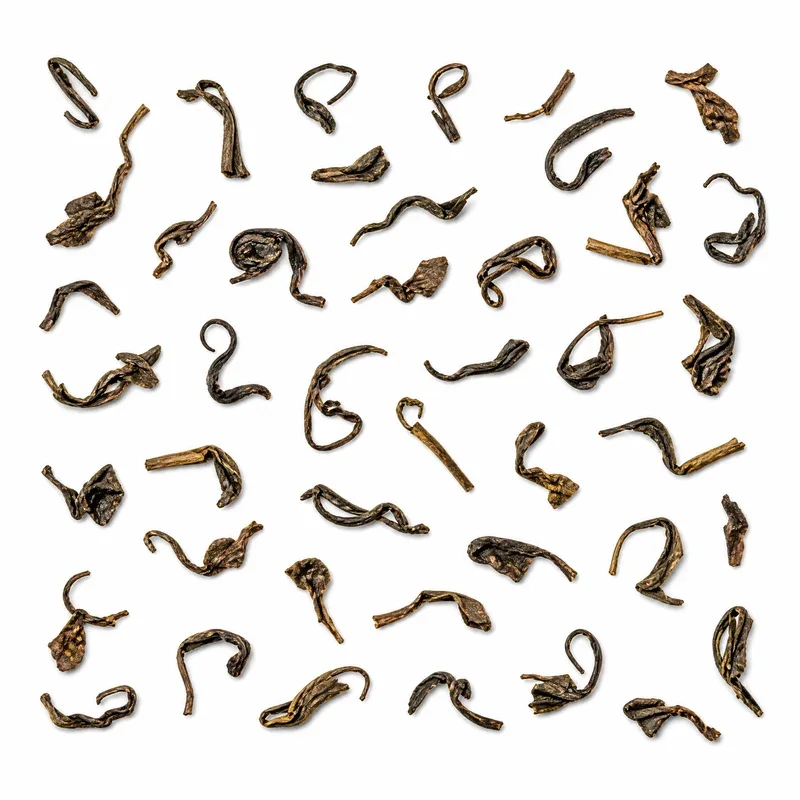
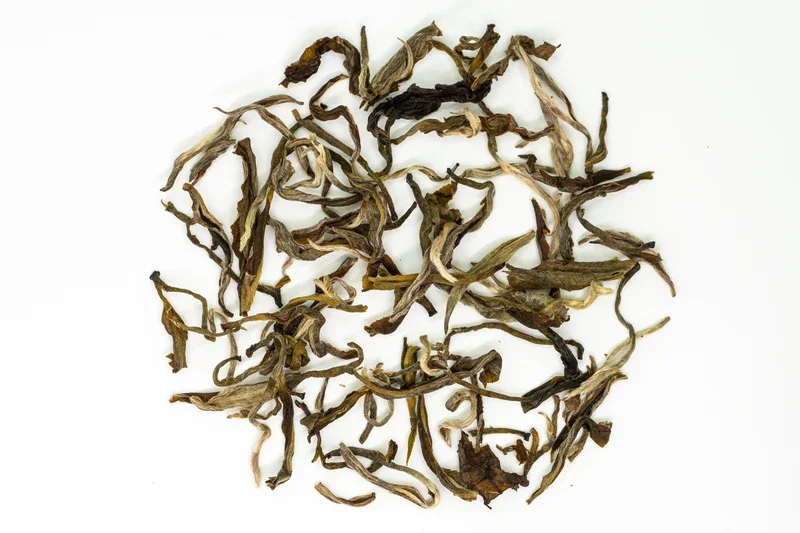
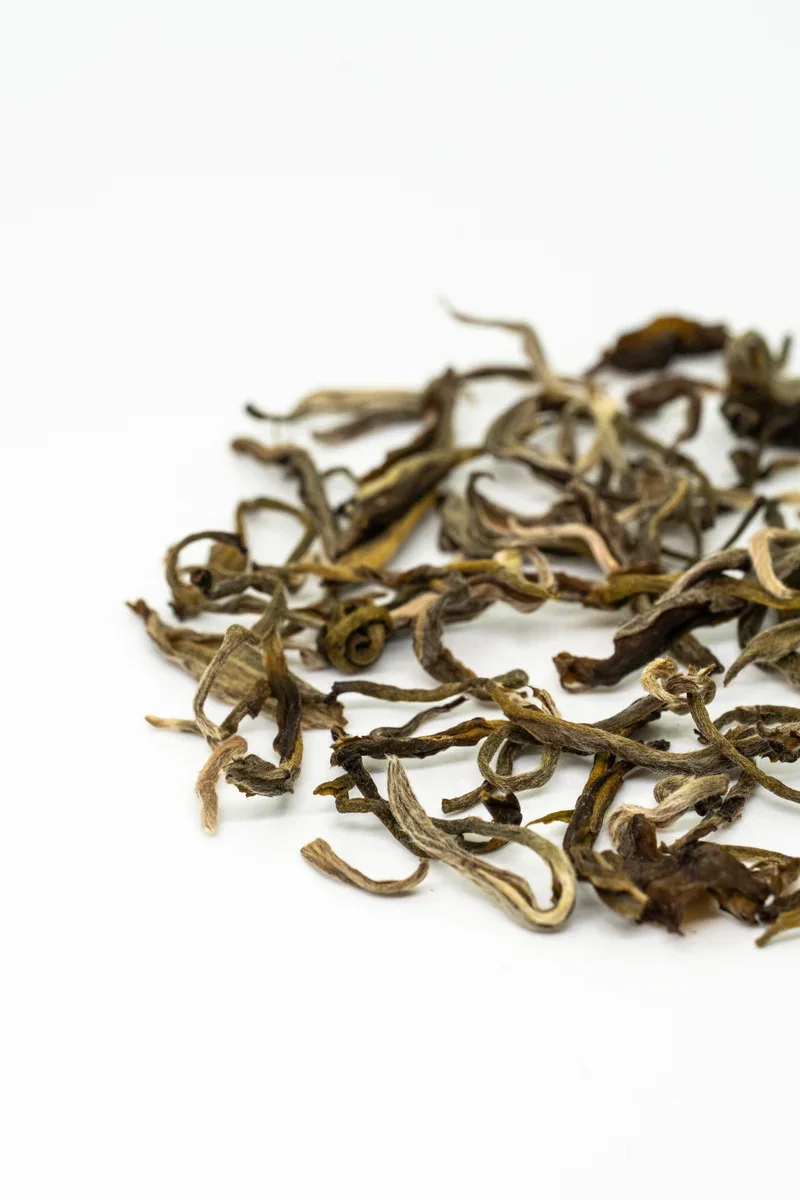
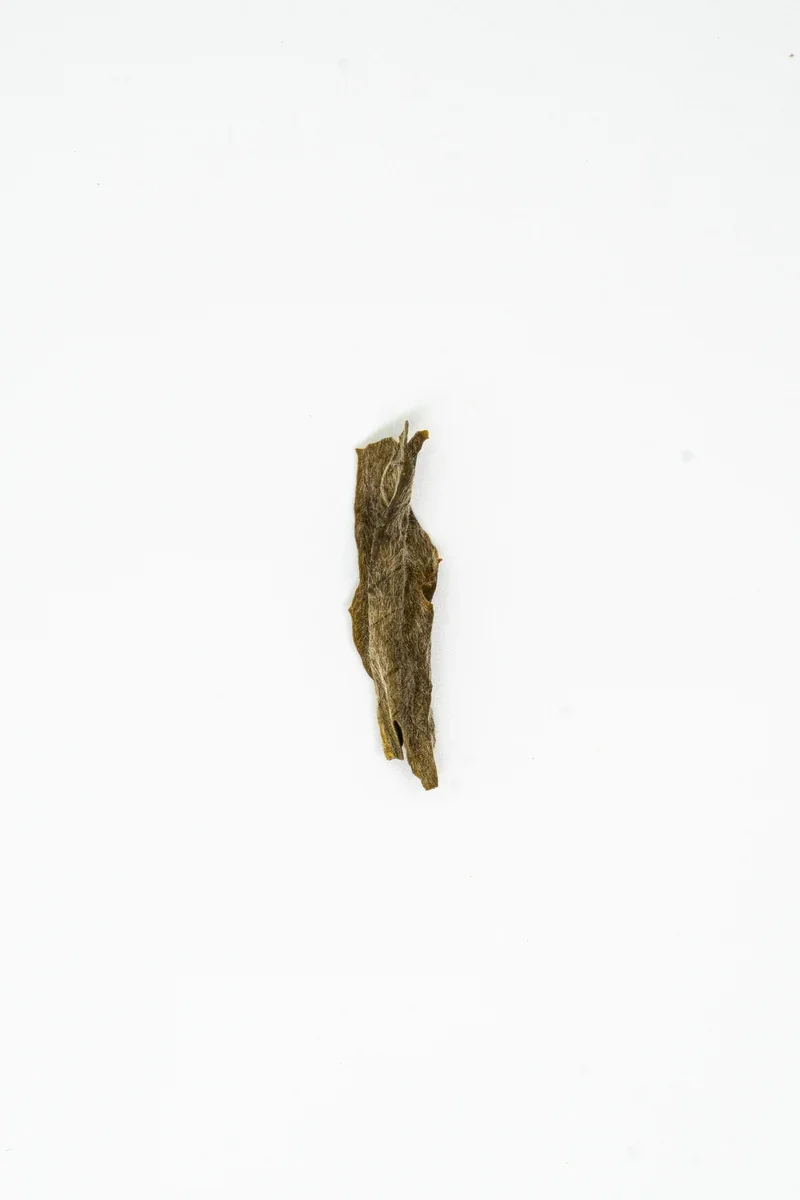
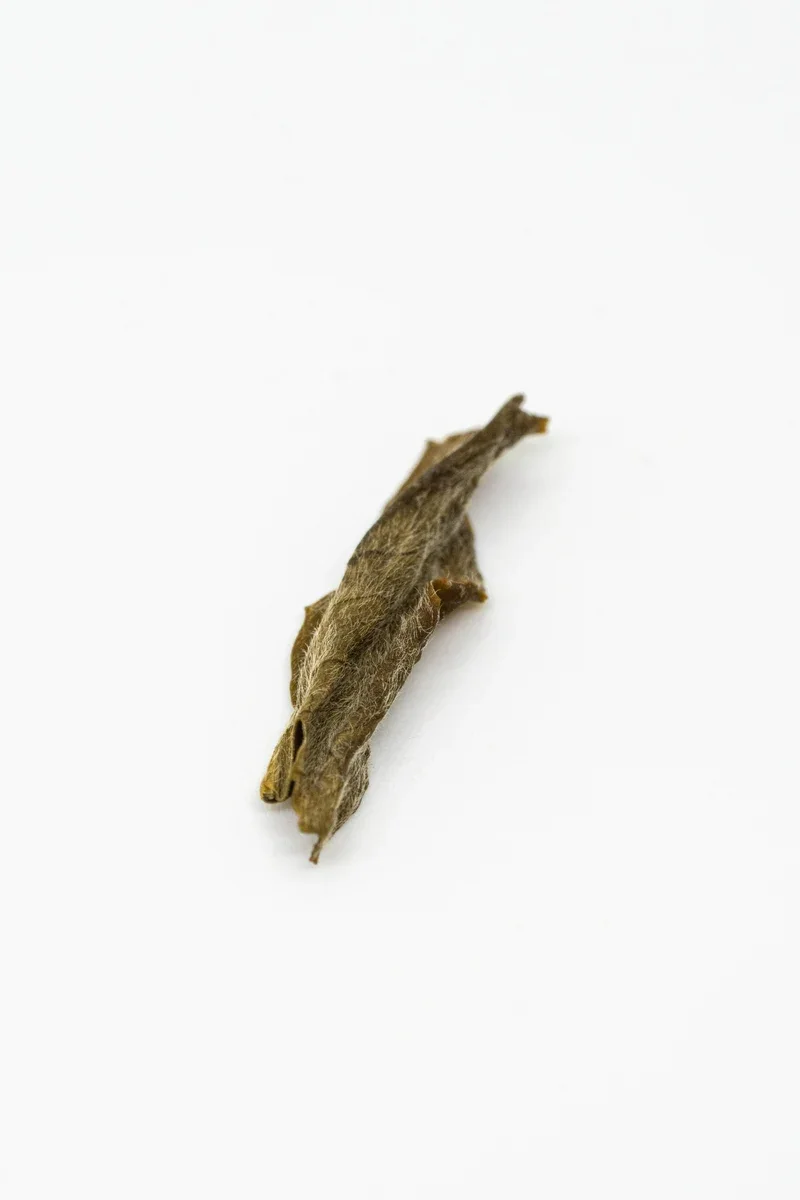
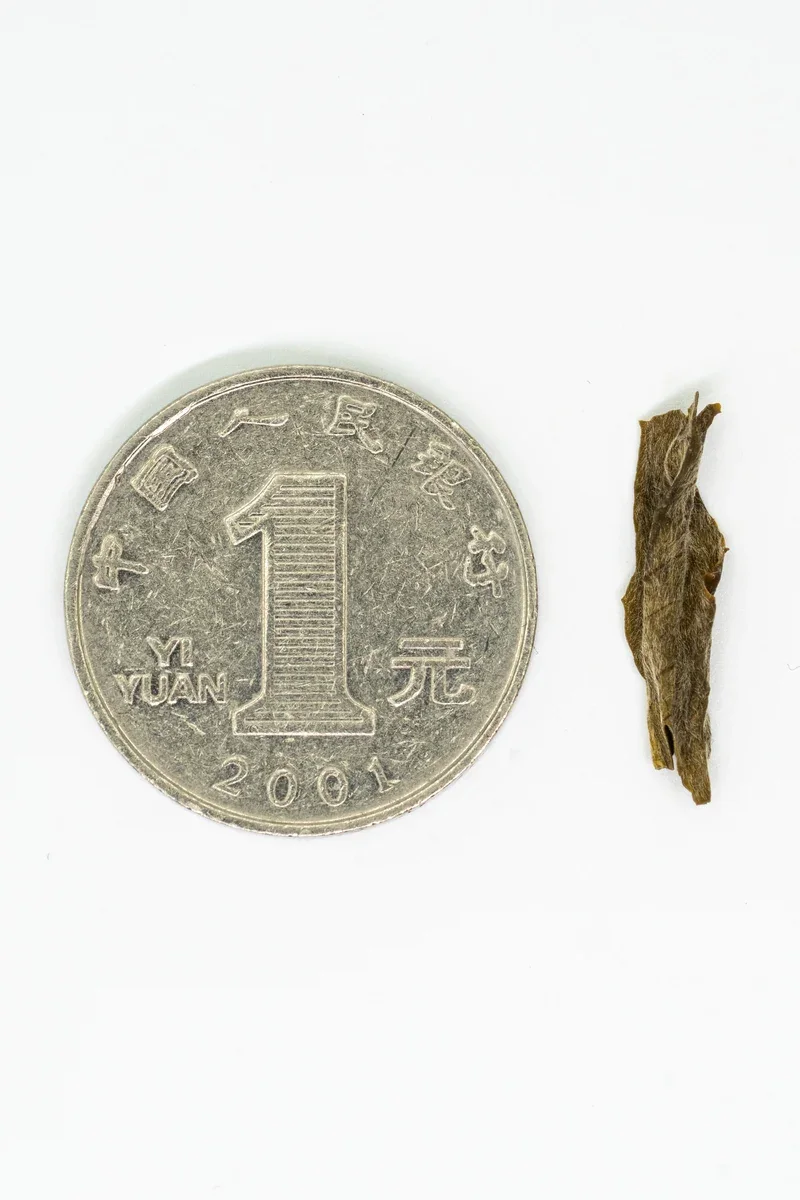
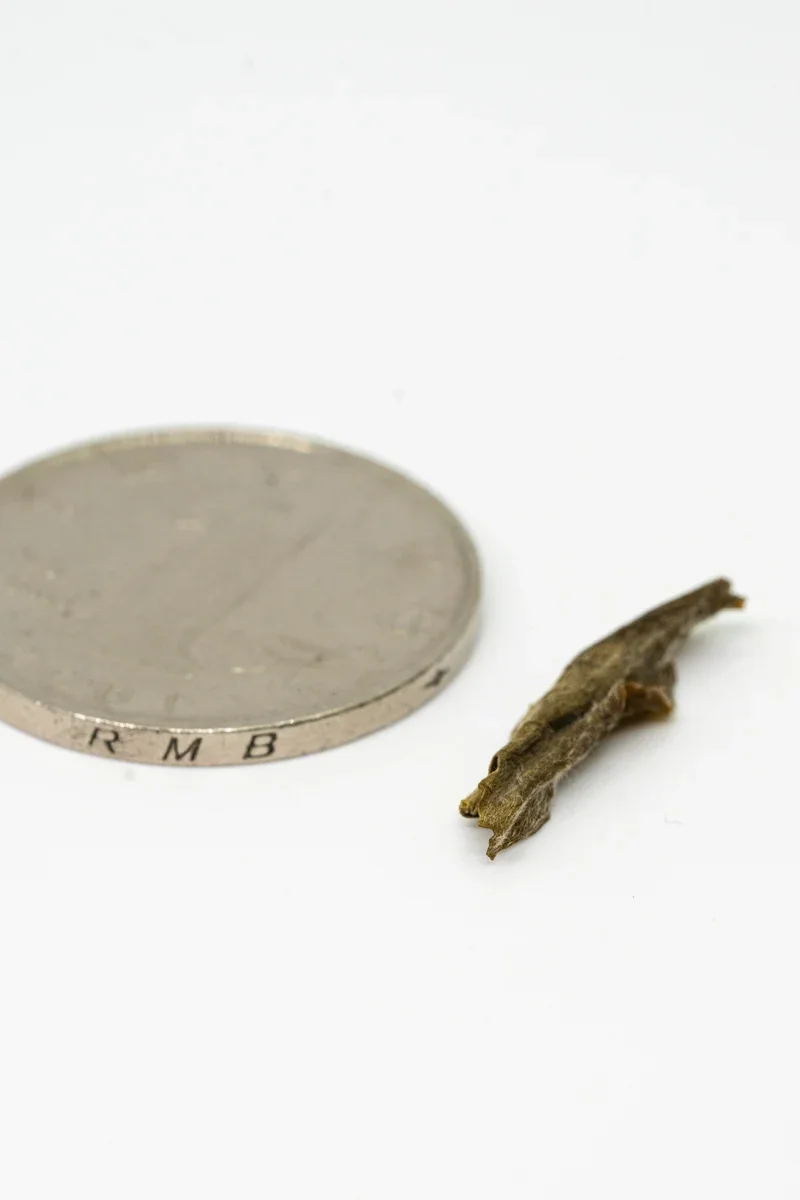
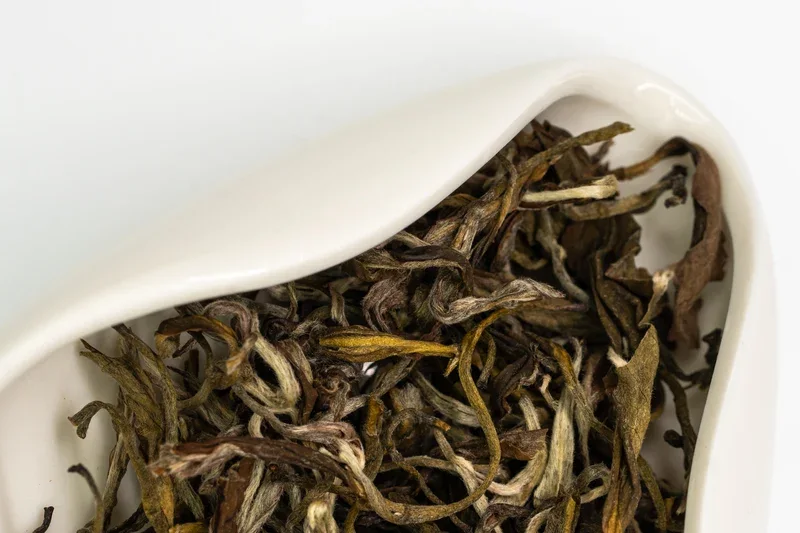
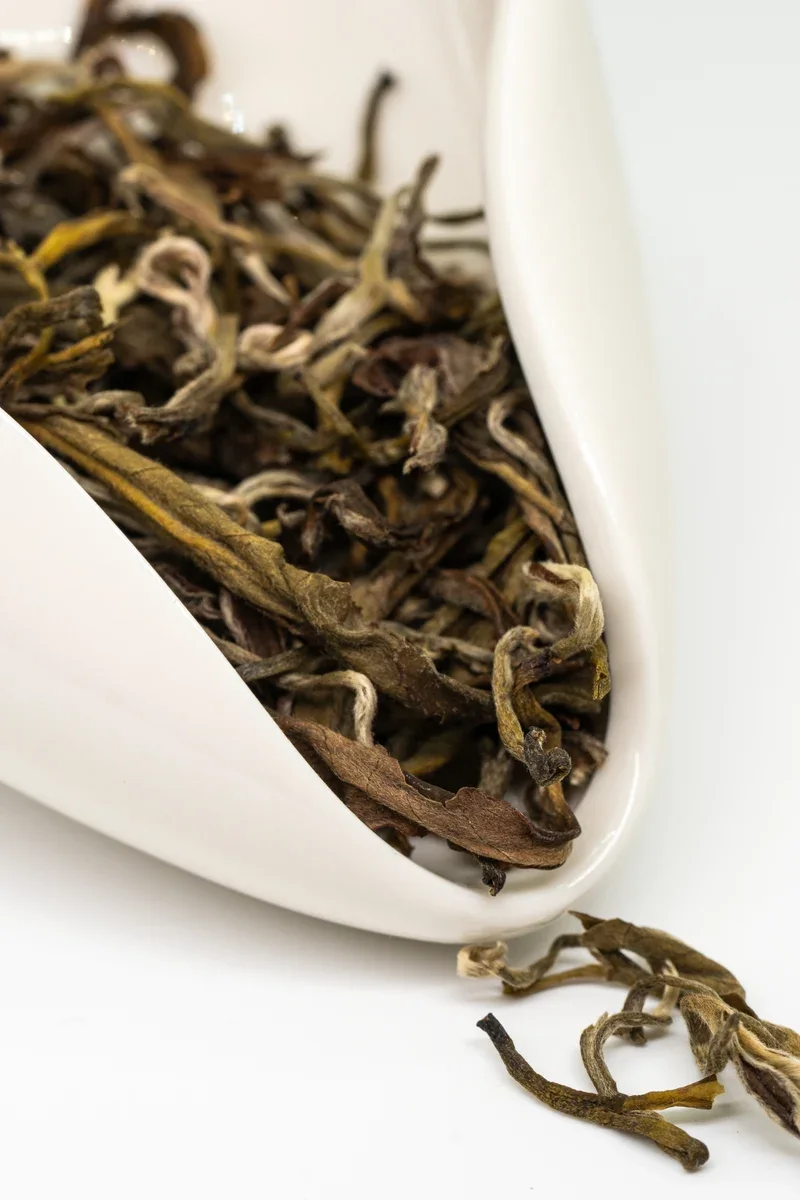
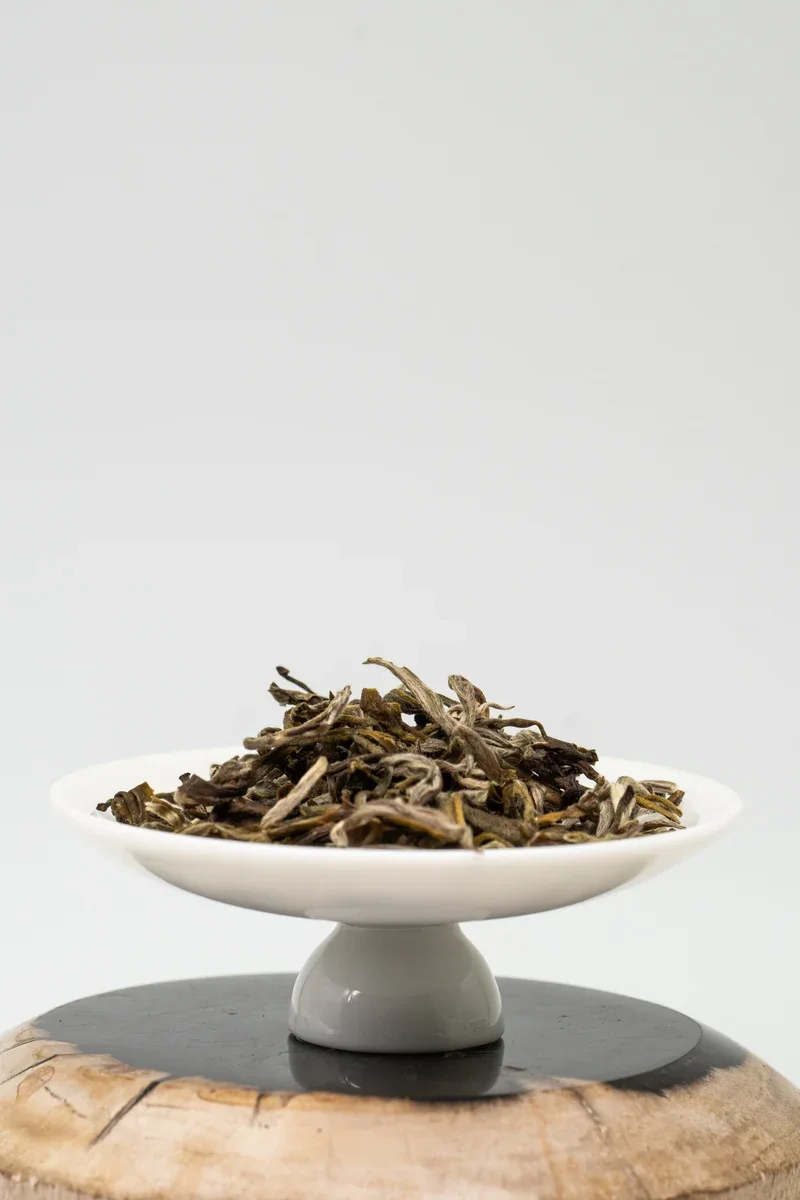
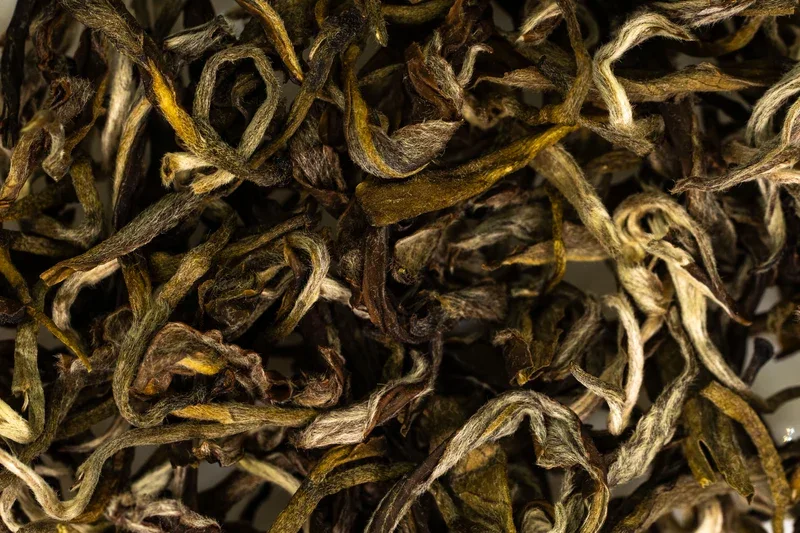
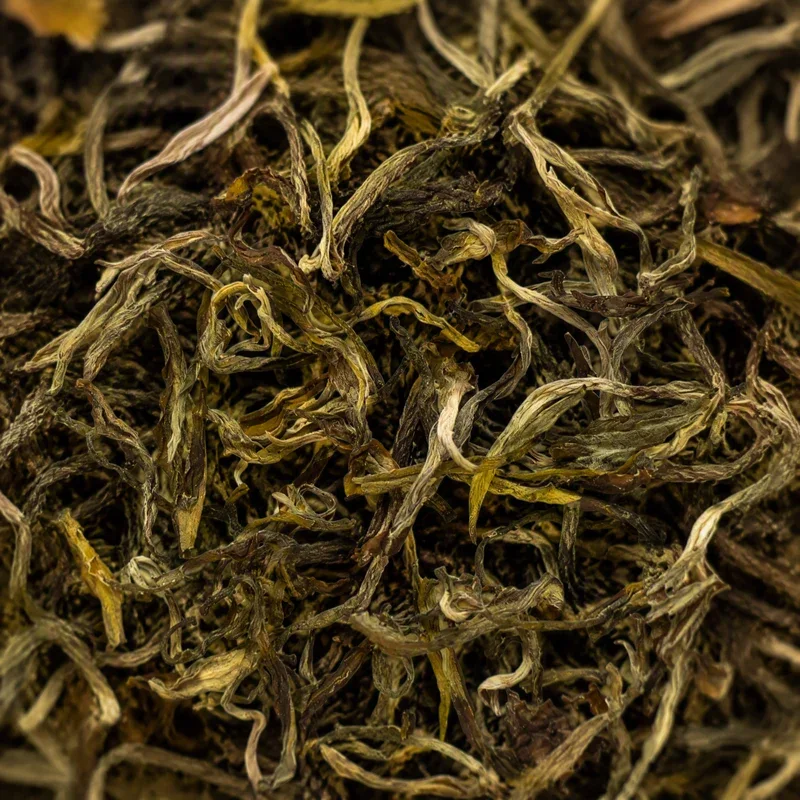
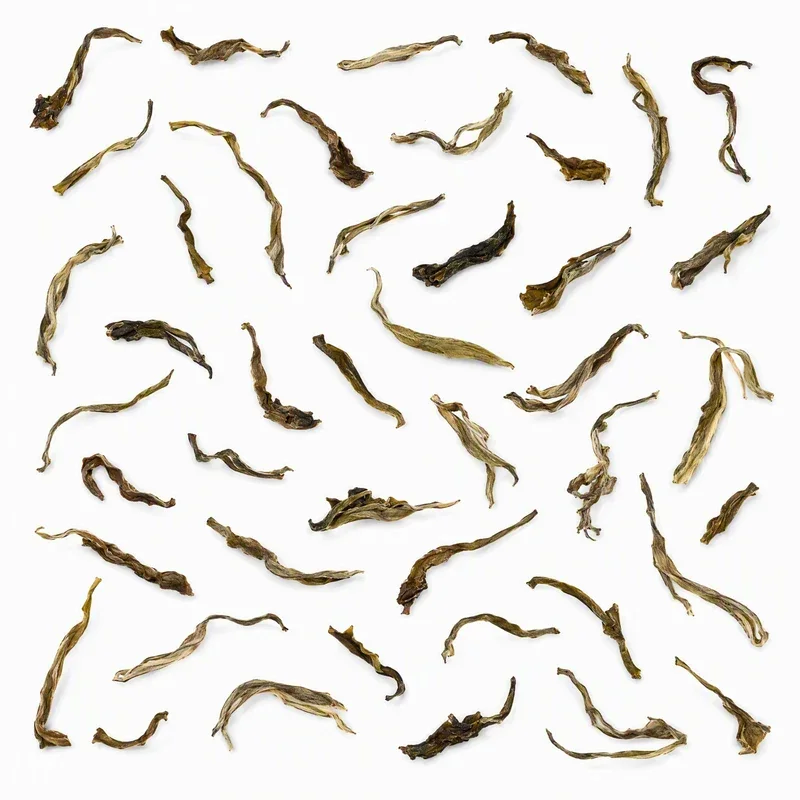
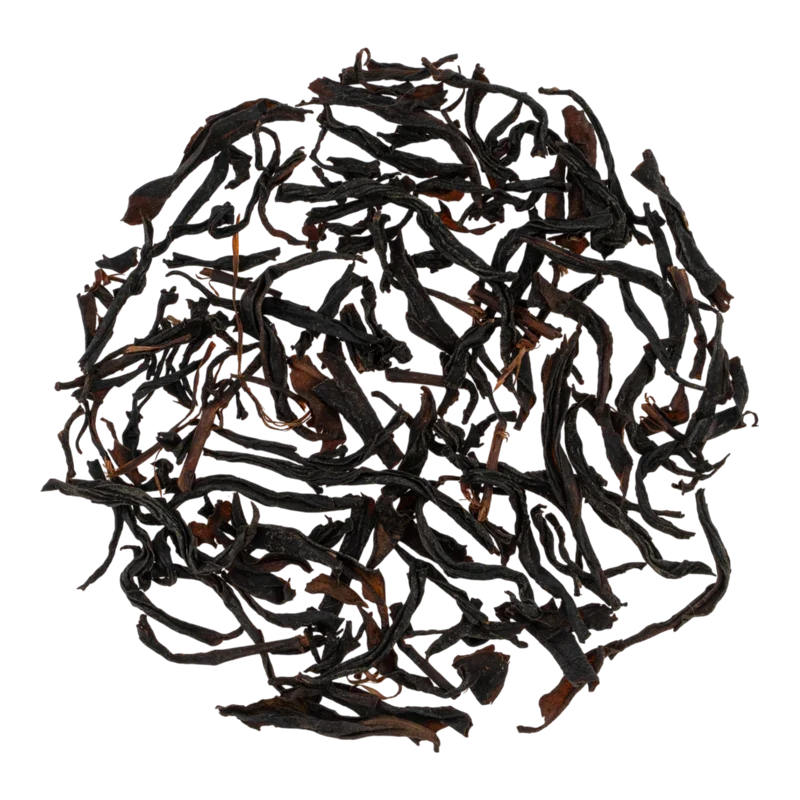
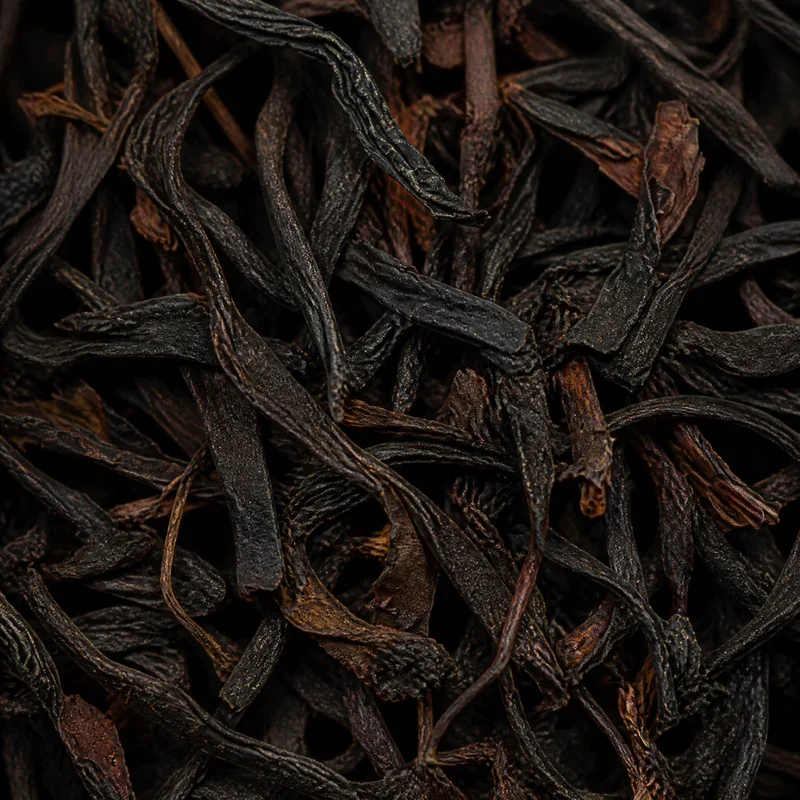
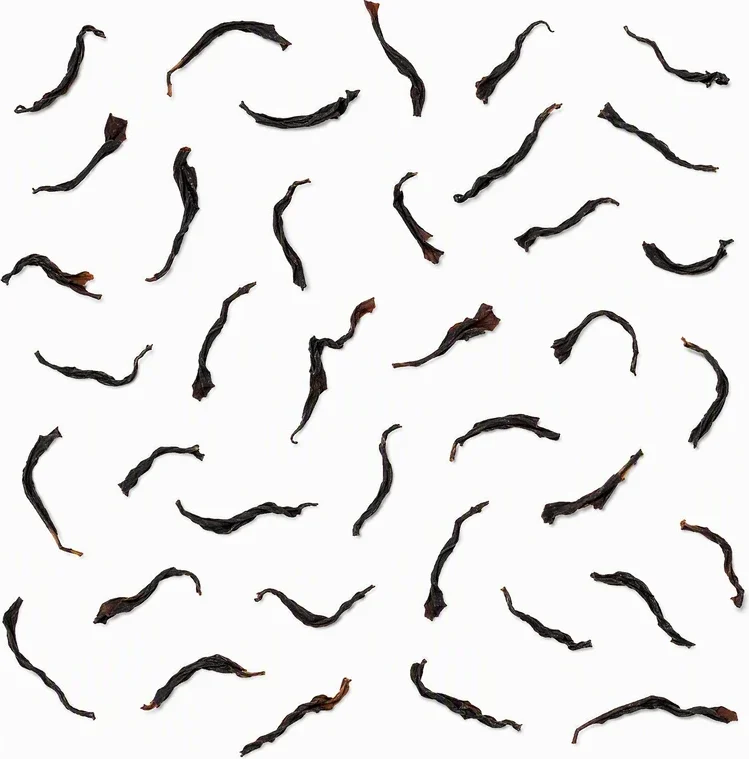
Dry Leaf Appearance: Medium-length strips, tightly twisted, with golden-reddish tips. Color — dark brown to black, with oily luster. Leaves larger than small-leaf Chinese red teas — heritage of Assam lineage.
Dry Leaf Aroma: Hong Yu's calling card — natural aroma of cinnamon (肉桂香) and mint/menthol (薄荷香), having no analogues among other red teas of the world. Overtones — caramel, honey, tropical fruits (pineapple, mango), light woody note. Aroma is rich, persistent, instantly recognizable.
Liquor Aroma: Multi-layered. First layer — cinnamon and mint (fresh, mentholated coolness). Second — caramel, burnt sugar, honey. Third — light fruity notes (pineapple, lychee). With cooling — intensification of minty shade.
Liquor Color: Deep ruby-red ("scarlet jade"), bright, clear. It was precisely for this color that the tea received the name "Red Jade."
Spent Leaves: Large, whole, fleshy leaves of copper-red color, elastic. Assam heritage — leaves noticeably larger than Chinese red teas.
Taste: Full, rich, with pronounced "body" (heritage of Assam blood). Dominants — cinnamon, mint, caramel, honey. Astringency — moderate, "silky," without coarseness. Sweetness natural, not "sugary." Aftertaste — long, with minty-cinnamon coolness and caramel sweetness. Returning sweetness (huí gān) (回甘) — pronounced.
Alkaloids: Caffeine — content lower than pure Assam, due to contribution of Taiwanese wild component.
Amino Acids: L-theanine and other amino acids. Content — moderate.
Unique profile — high content of trans-cinnamaldehyde (cinnamon), menthol and menthone (mint), linalool, geraniol. It is precisely the ratio of these components that creates the inimitable "cinnamon-mint" character, not found in any other tea cultivar.
Minerals: Potassium, calcium, magnesium, iron, manganese, zinc.
Polyphenols: High content (higher than small-leaf Chinese varieties, due to Assam lineage). Theaflavins and thearubigins form the deep ruby color and "velvetiness."
Vitamins: C (partially), B₁, B₂, E.
Caffeine combined with L-theanine provides smooth, sustained energy.
High polyphenol content (Assam lineage) provides powerful antioxidant potential.
Fully oxidized red tea is "warm" according to TCM. Cinnamon-mint profile enhances sensations of warmth and freshness simultaneously.
Gently stimulates gastric juice secretion; cinnamon is traditionally considered beneficial for digestion.
Polyphenols and theaflavins improve vascular elasticity.
Mentholated notes create a sensation of light coolness — the tea is excellent in hot weather as cold brew (冷泡, lěng pào).
L-theanine promotes a state of calm concentration.
Riyuetan Hong Cha is magnificent as cold brew: 5 g per 500 ml cold water, in refrigerator 6–8 hours. Cinnamon-mint coolness unfolds especially brightly when cold.
Tea Amount: 4–5 g per 100–120 ml (gongfu); 3 g per 200–250 ml (European method).
Teaware: Porcelain gàiwǎn (蓋碗) 100–120 ml — optimal: neutral material reveals cinnamon-mint aroma without distortion. Glass teapot — allows admiring the ruby color of "Red Jade." Yixing teapot — acceptable, but may muffle mentholated freshness.
Water Temperature: 90–100°C. Large-leaf Assam cultivar opens well with boiling water. For delicate batches — 90–95°C.
Container: Airtight, opaque — tin can, foil bag, ceramic vessel.
Dry, cool, dark place, away from foreign odors. 15–25°C, humidity up to 60%.
12–24 months. According to Taiwanese experts, Hong Yu "matures": storage for 1 year after purchase can improve the profile, making it more "rounded" and "sweet." Quality batches store up to 3 years.
Flagship. Assam × Taiwanese wild tea. Cinnamon + mint. Most famous and expensive. Taiwan's world endemic.
Newer (2008). Muscatel-honey aroma with citrus overtones. Less "bright," more "calm" in profile than No. 18.
Early Assam hybrid (1930s). Classic malty-caramel profile, without cinnamon-mint notes. Dense, rich. More accessible.
Pure Assam tea — strong, "English" style. With milk and sugar — excellent. Most accessible.
From Camellia formosensis. Rare, produced in small batches. Unique "forest," grassy-floral profile. Collector grade.
Authentic Rìyuètán Hóng Chá is from Yúchí Township (魚池鄉), Nantou County. Look for "魚池鄉" indication on packaging.
For Tai Cha No. 18 — natural notes of cinnamon and menthol are the signature marker. If aroma is "ordinary" — sweet-malty without cinnamon — this is likely Tai Cha No. 8 or Assam tea, not Hong Yu.
Deep ruby, bright, clear. Dull or cloudy — sign of low quality.
"Hong Yu" for 100 NTD/75 g — suspicious.
Taiwanese farmers often provide SGS certificates and competition award marks.
No reviews yet. Tell us what you think of this tea.
Rate this tea and share your impressions. We review each submission before publishing it.