Brewing
Gongfu brewing
- Water temperature
- 80 °C
- Tea amount
- 5 g
- Water volume
- 100 ml
- First steep
- 10 s
- Time added per infusion
- 5 s
- Infusions
- 3

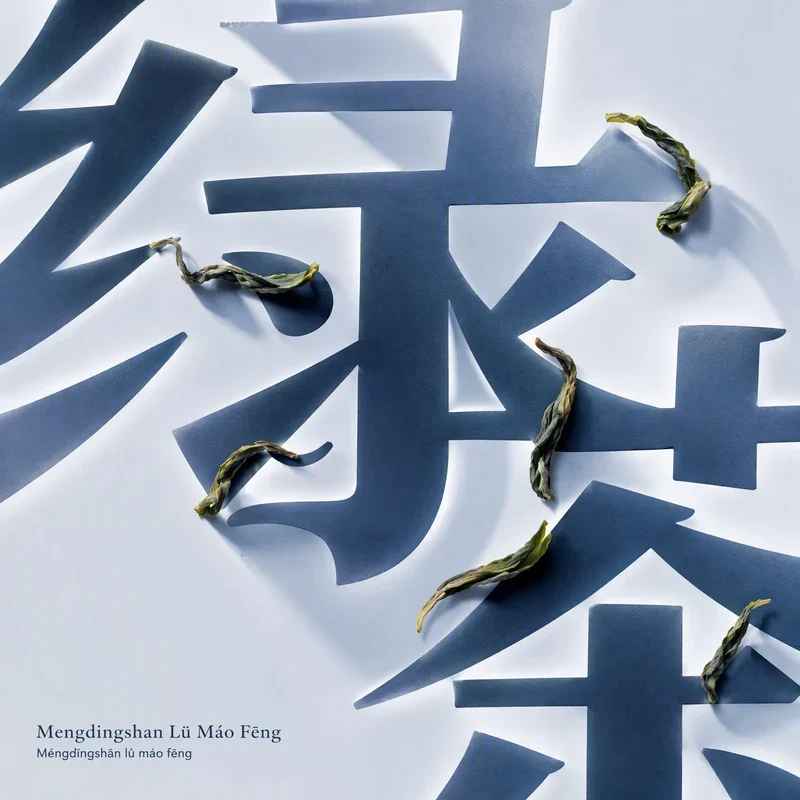
Méngdǐngshān lǜ máo fēng
Choose a brewing method. Start with the recommended quantities and time, then adjust to taste.
Brewing
Brewing
Taste
Tea encyclopedia
Category: Representative of Mount Méngdǐngshān teas (蒙顶山茶, Méngdǐngshān Chá). "Tribute Tea of Five Dynasties" (五朝贡茗, 742 — end of Qing, 1169 years). Mengdingshan Cha was included in the "Ten Famous Teas of China" (全国十大名茶, 1959). Industry standard "Mengdingshan Cha — Part 2: Green Tea" (《蒙顶山茶 第2部分:绿茶》) was approved in 2020. Production core — "Ancient Imperial Tea Garden" (古皇茶园, Gǔ Huáng Cháyuán) on the five peaks of Mount Mengdingshan: Shangqingfeng (上清峰), Ganlufeng (甘露峰), Lingyinfeng (灵隐峰) an...
Category: Representative of Mount Méngdǐngshān teas (蒙顶山茶, Méngdǐngshān Chá). "Tribute Tea of Five Dynasties" (五朝贡茗, 742 — end of Qing, 1169 years). Mengdingshan Cha was included in the "Ten Famous Teas of China" (全国十大名茶, 1959). Industry standard "Mengdingshan Cha — Part 2: Green Tea" (《蒙顶山茶 第2部分:绿茶》) was approved in 2020. Production core — "Ancient Imperial Tea Garden" (古皇茶园, Gǔ Huáng Cháyuán) on the five peaks of Mount Mengdingshan: Shangqingfeng (上清峰), Ganlufeng (甘露峰), Lingyinfeng (灵隐峰) and others.
Coordinates: Approximately 30°05′ N, 103°12′ E.
Origin: China, Sìchuān Province (四川省, Sìchuān Shěng), Ya'an City (雅安市, Yǎ'ān Shì), Míngshān District (名山区, Míngshān Qū) and partially Yǔchéng District (雨城区, Yǔchéng Qū). The region is located on the "Golden Belt of 30° N latitude" (北纬30°黄金产茶带, Běiwěi 30° Huángjīn Chǎnchá Dài) — a latitudinal corridor uniting many famous tea regions of the world.
Type: Green tea (绿茶, lǜchá), non-oxidized. Delicate baked (细嫩烘青绿茶, xìnèn hōngqīng lǜchá). Form — straight strip (紧细匀直, jǐnxì yúnzhí). Degree of oxidation — 0%.
Full bud or one bud + one leaf in initial opening stage (一芽一叶初展). Tea leaves straight, thin, tender green with dense white down. Aroma — chestnut (栗香). Price — 500–800 yuan per 500 g.
One bud + two leaves (一芽二叶). Form slightly looser, aroma less refined, taste more intense.
Cultivar: Méngshān Qúntǐzhǒng (蒙山群体种, Méngshān Qúntǐzhǒng) — local small-leaf population variety, formed over centuries in the conditions of high-altitude, super-humid climate of Mengdingshan. Distinguished by high frost resistance, abundant white down on buds and increased amino acid content — result of adaptation to constant mists and diffused light. Buds are tender, compact, with characteristic "fluffy" appearance.
Picking: One bud + one leaf (一芽一叶). Tea leaves even, with less abundant down.
Altitude: 1000–1400 m. Core — five peaks of Mount Mengdingshan and "Ancient Imperial Tea Garden" (古皇茶园) on the very summit. Altitude differences and constant mists create vertical climatic zonality, ensuring diversity of flavor profiles even within one mountain.
Climate: Northern subtropical humid. Average annual temperature — 15.5°C. Annual precipitation — ≥1500 mm — one of the wettest tea regions in China. Record fog indicator: more than 280 days of fog per year (according to some data, up to 300+), which provides almost constant diffused light and suppression of ultraviolet radiation. Relative air humidity — 82%. It is precisely this microclimate that gave rise to the famous epithet "漏天" ("leaking sky").
Soil: Yellow-brown (黄棕壤土, huángzōng rǎngtǔ). pH 4.5–5.6 — weakly acidic reaction, optimal for tea bush. Soils are rich in organic matter, as well as microelements — selenium (Se) and zinc (Zn), which is due to the geological composition of Mengdingshan rocks and contributes to the unique mineral profile of the tea.
Freshly picked raw material is spread in a thin layer on bamboo sieves in a ventilated room. Light protein hydrolysis begins, free amino acids are released, content of grassy aldehydes decreases.
Pan-firing (杀青, shāqīng) — rapid high-temperature fixation, inactivating oxidases and fixing green color. → Rolling (揉捻, róuniǎn) — mechanical destruction of cell walls, release of cell juice.
Repeated pan-firing → repeated rolling. Deepening of aromatic profile, further compaction of form.
Final pan-firing → final rolling. Fixing of "rich-mellow" (浓醇, nóngchún) taste, formation of final dense, thin strip structure.
Giving tea leaves straight, thin, uniform form (紧细匀直).
Low-temperature final drying in drying oven to moisture content ≤6%. Aroma fixation and ensuring stability during storage.
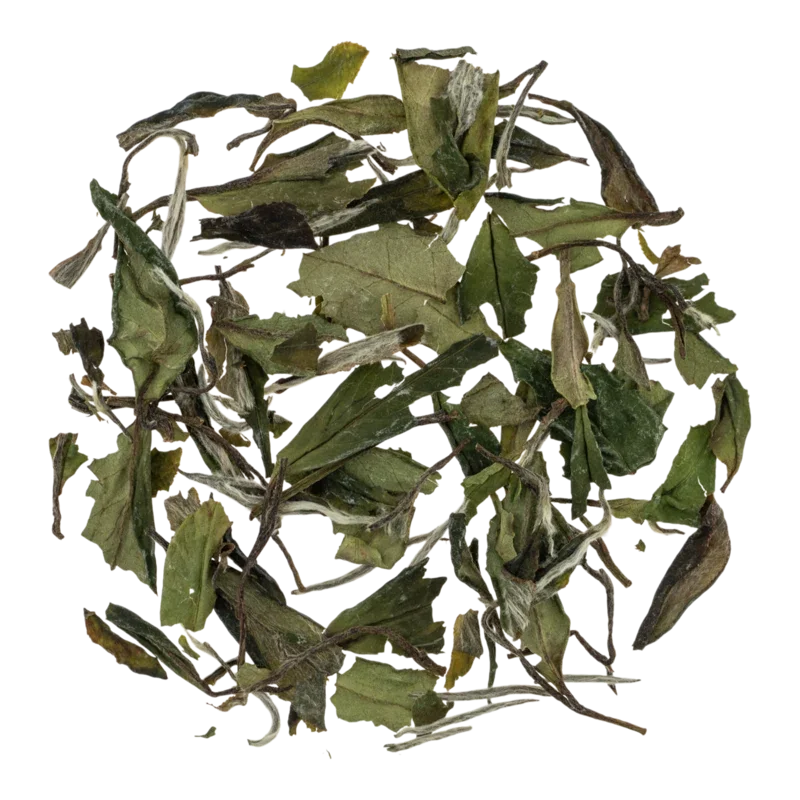
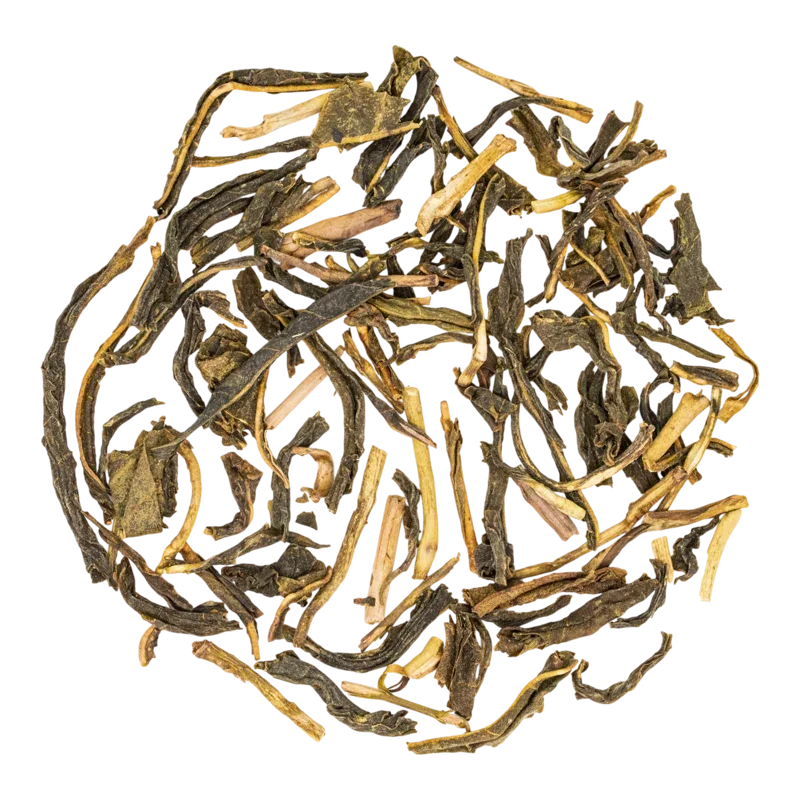
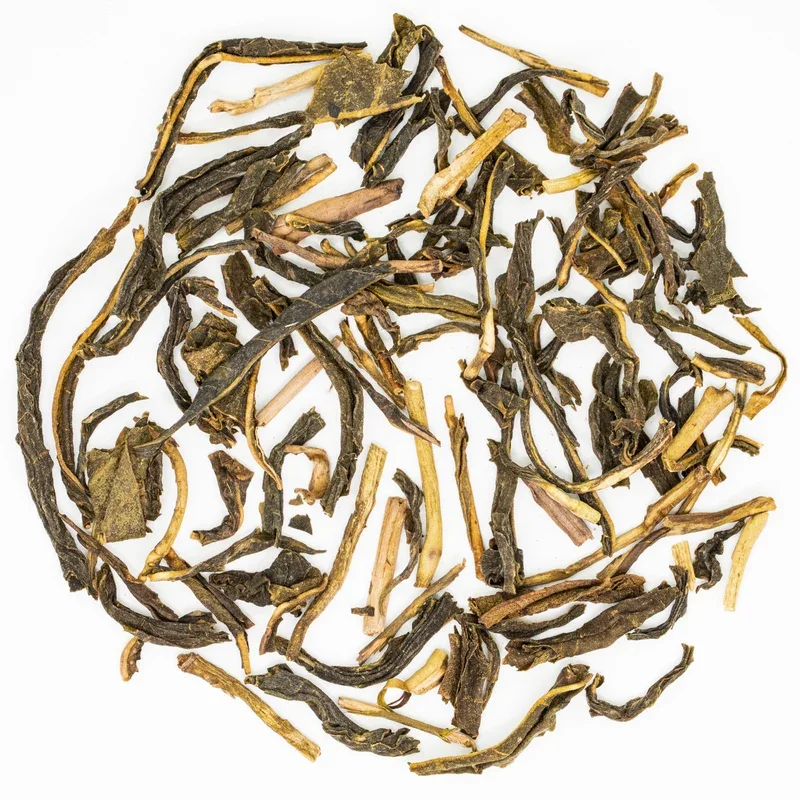
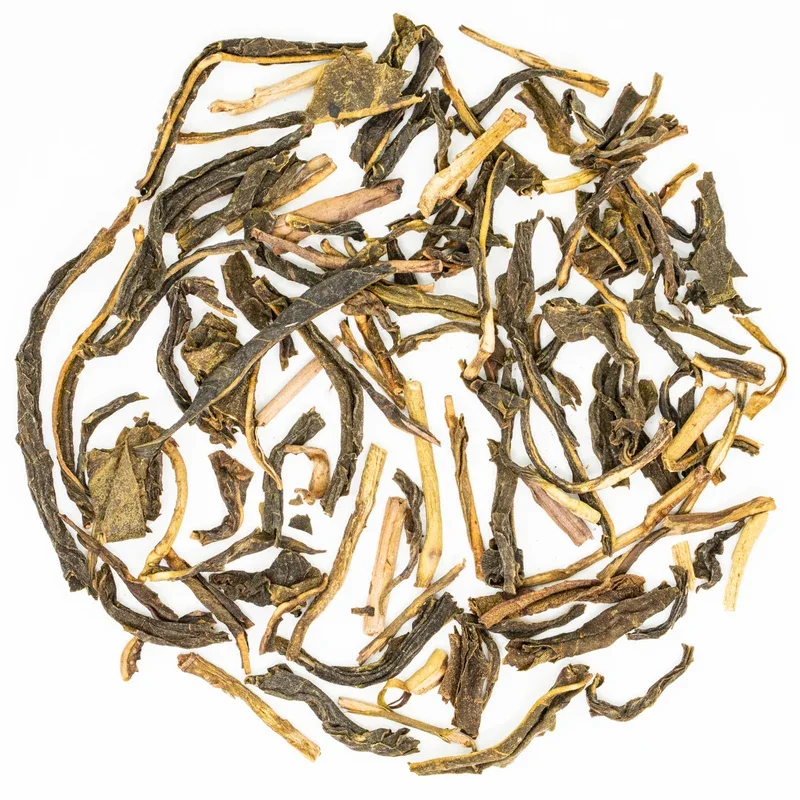
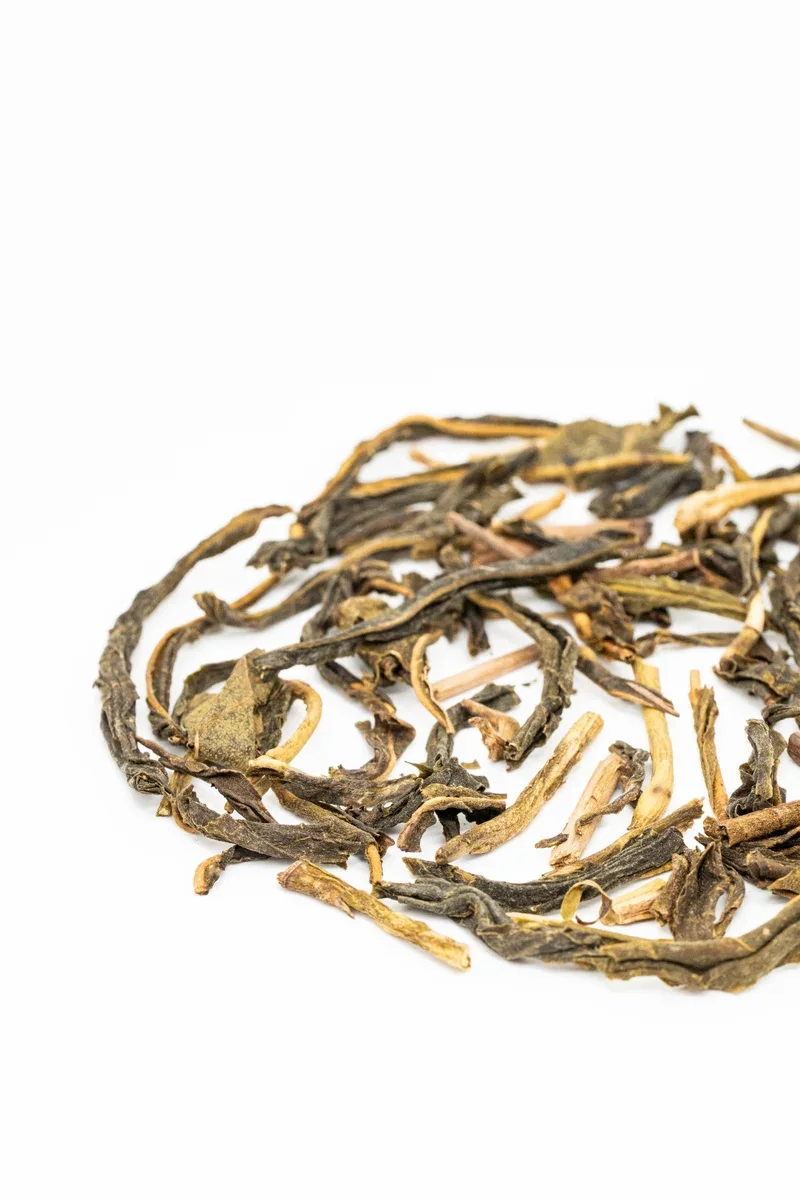
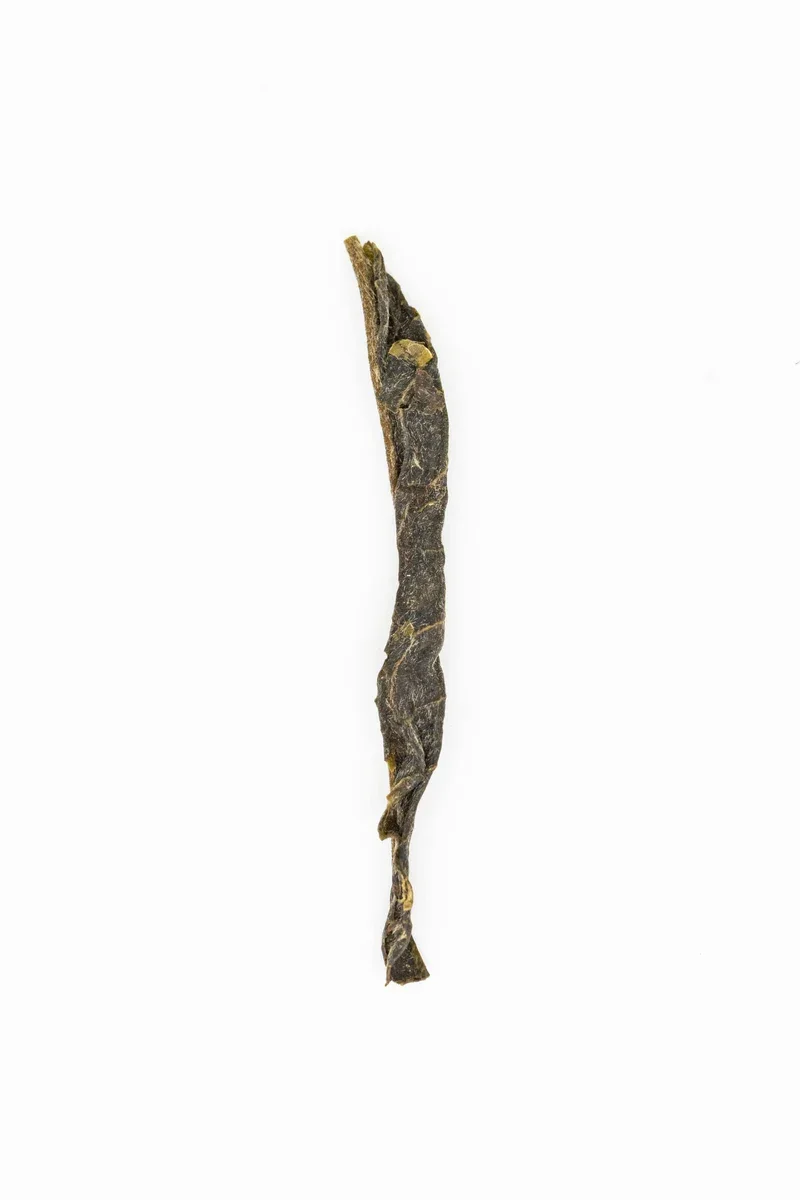
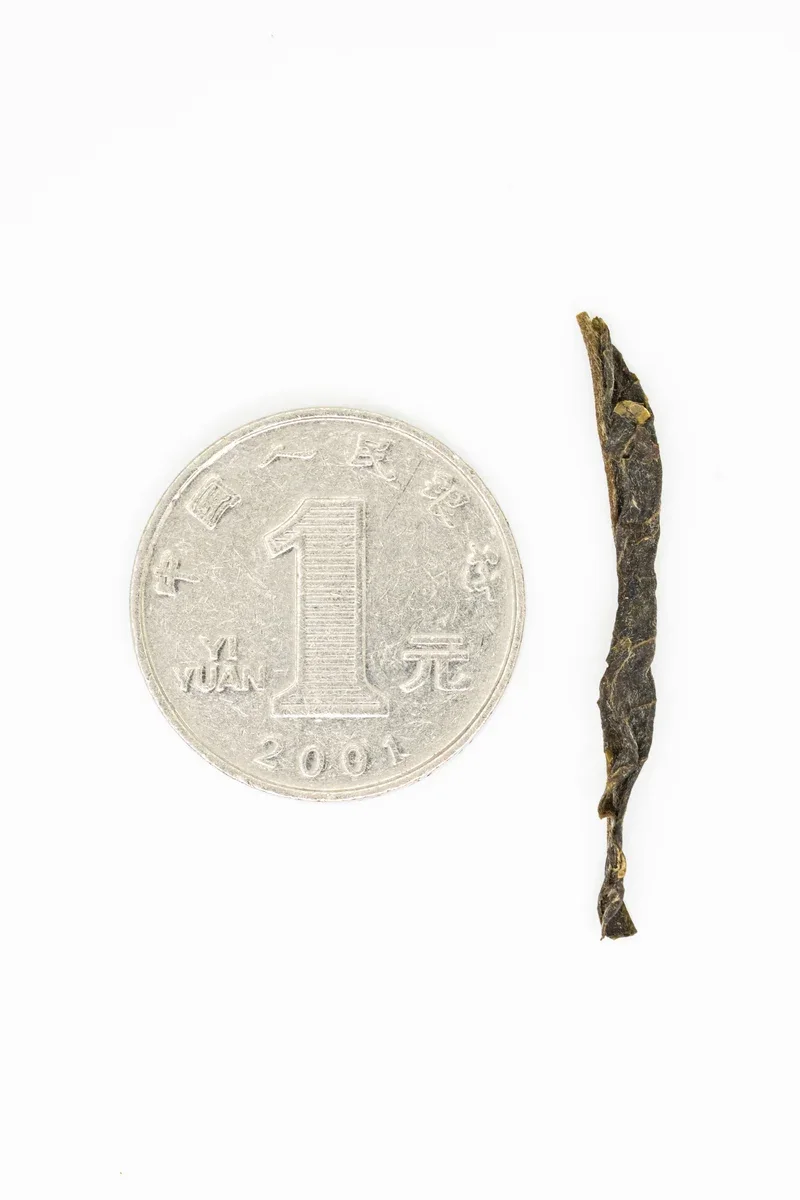
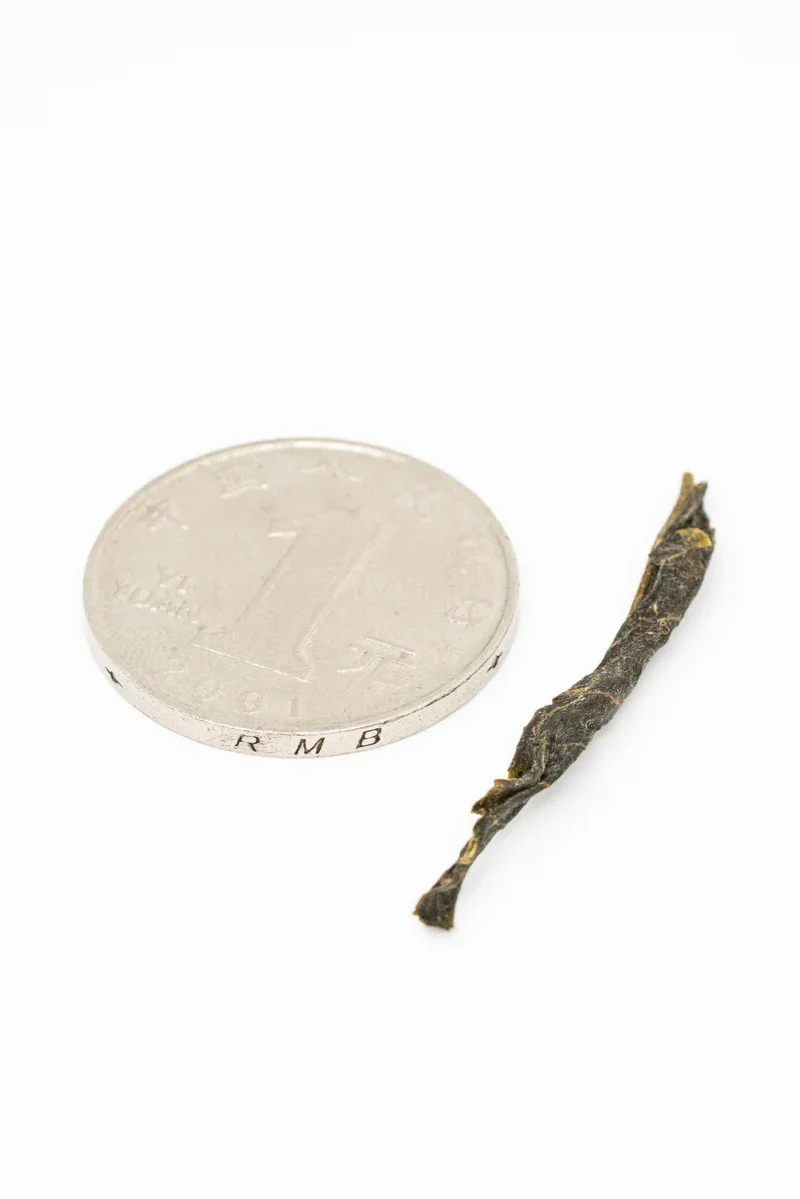
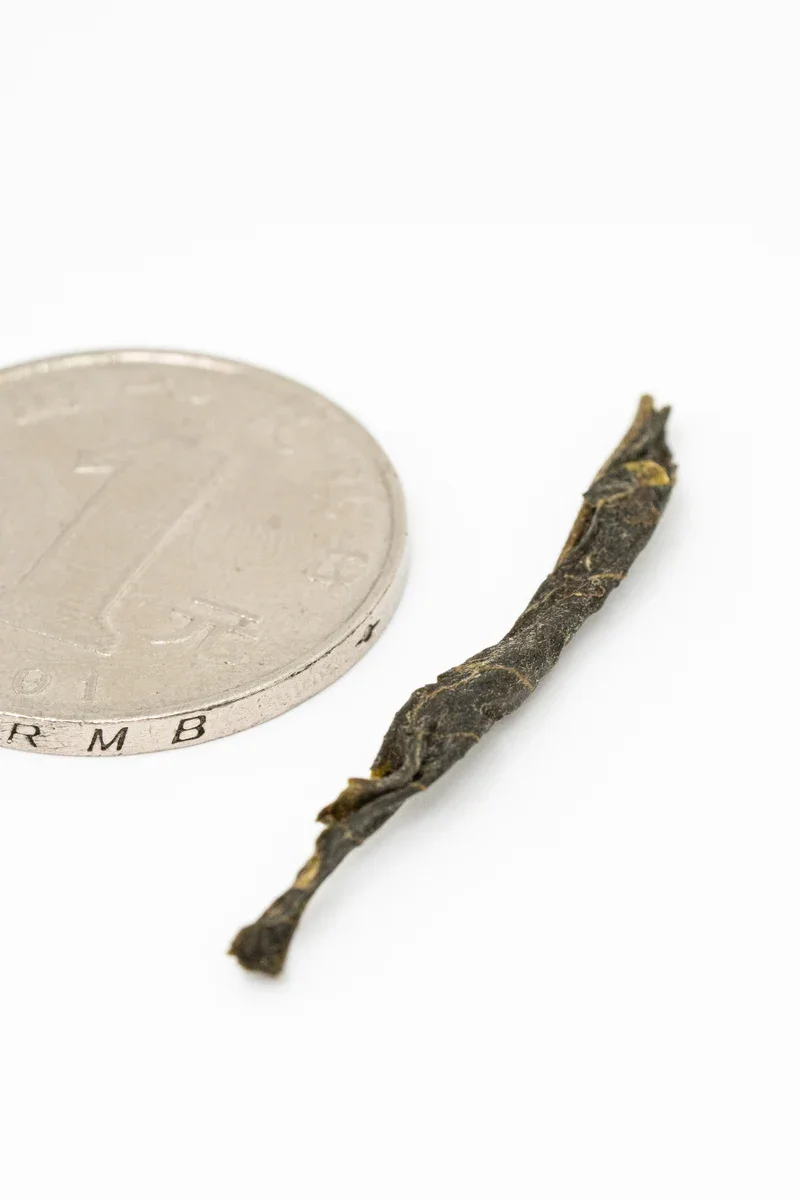
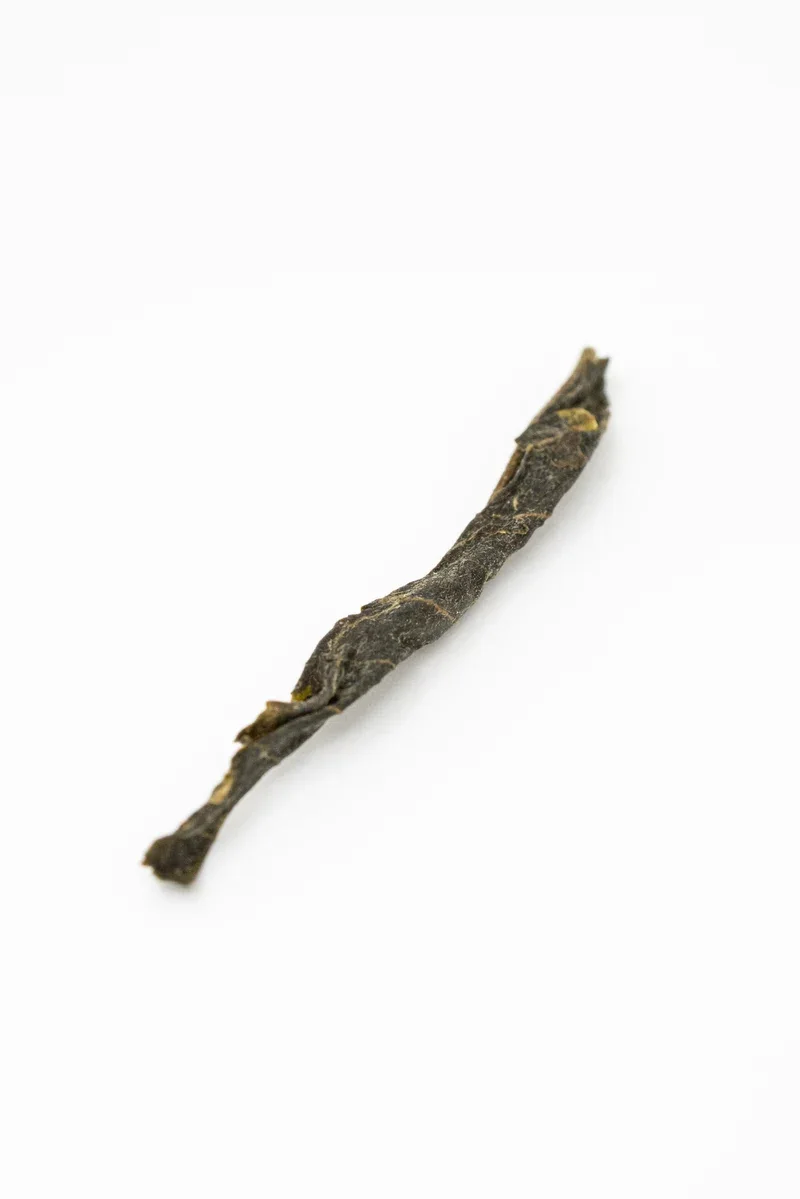
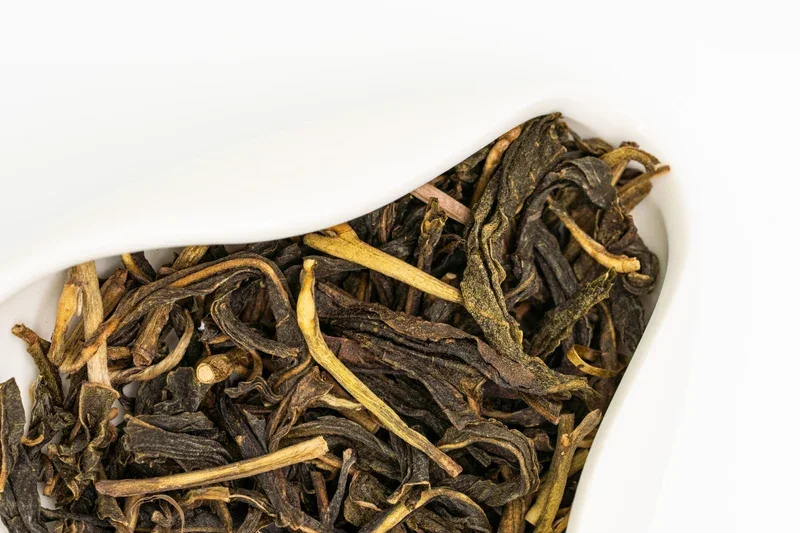
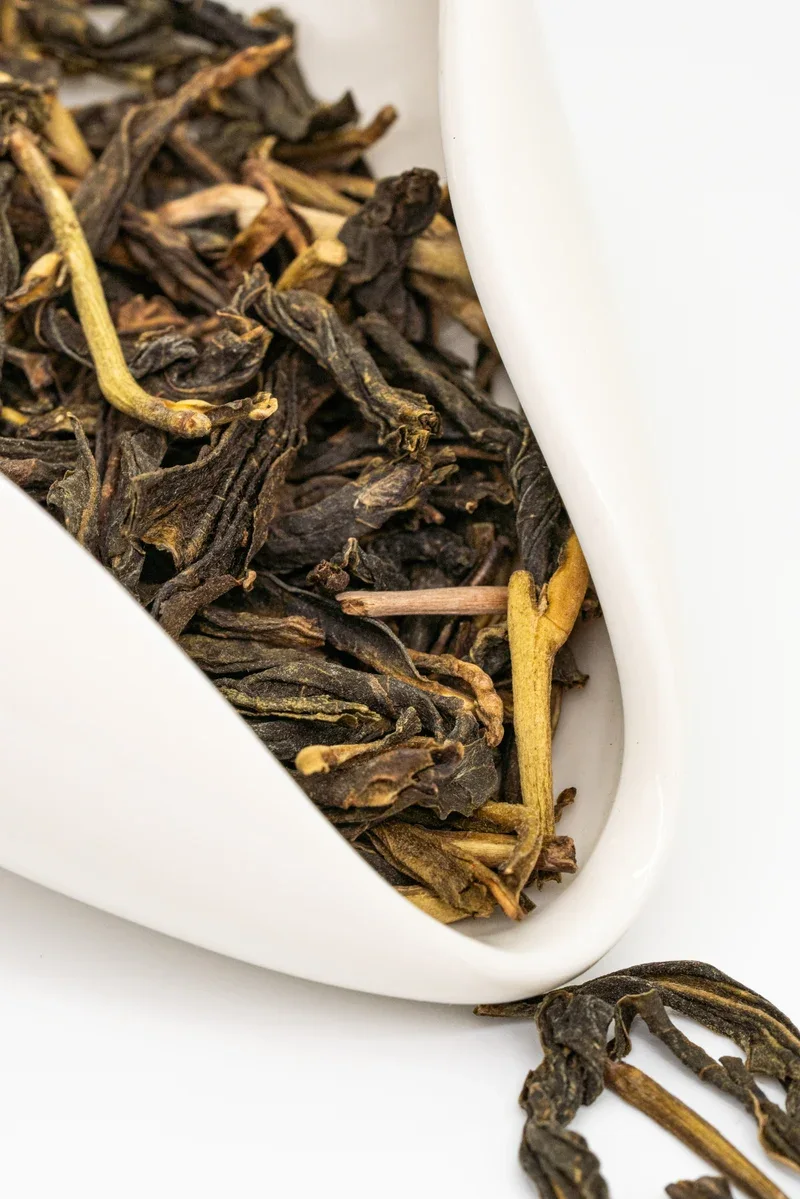
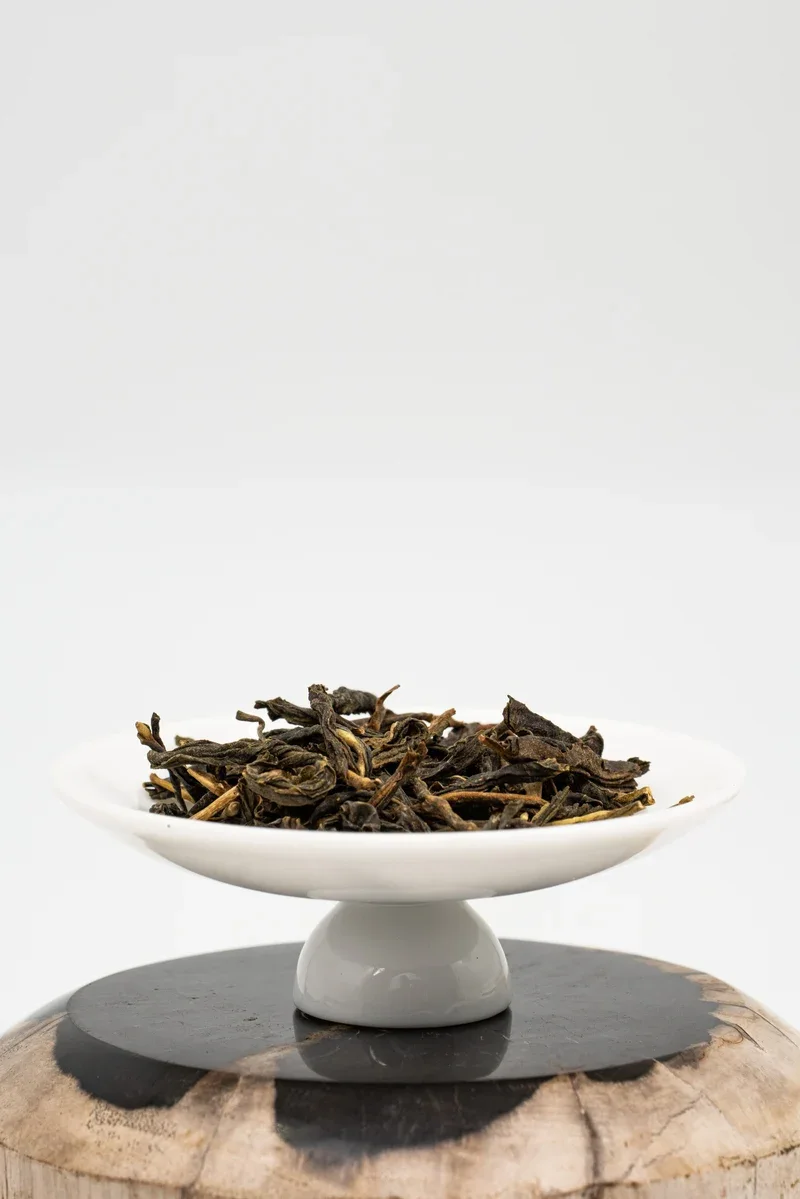
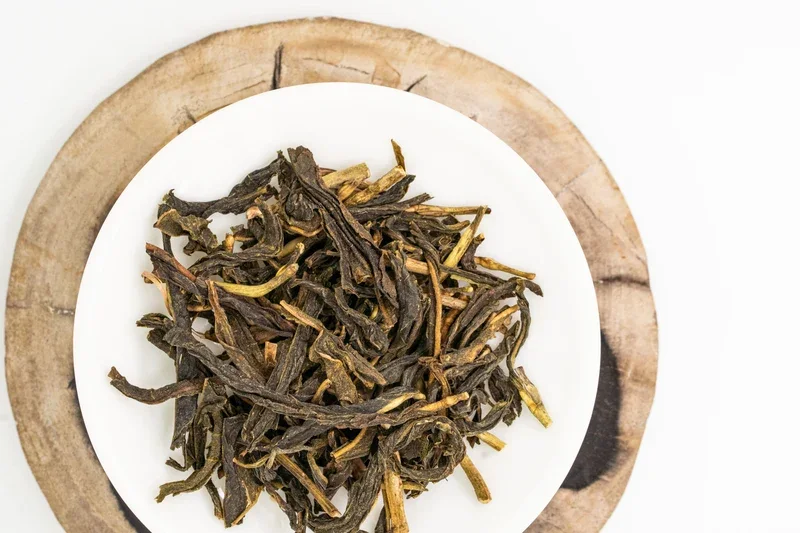
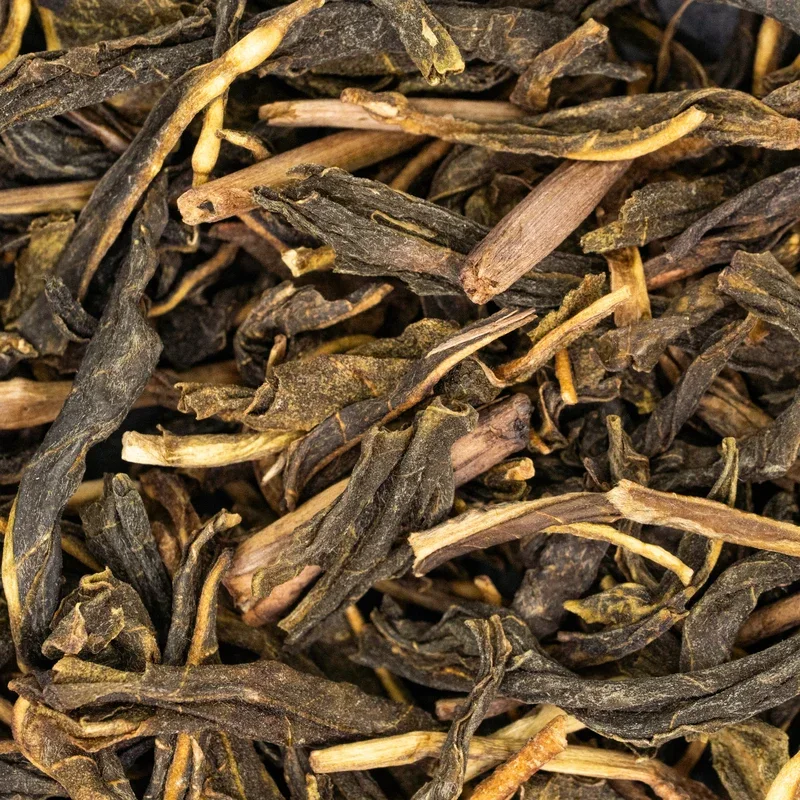
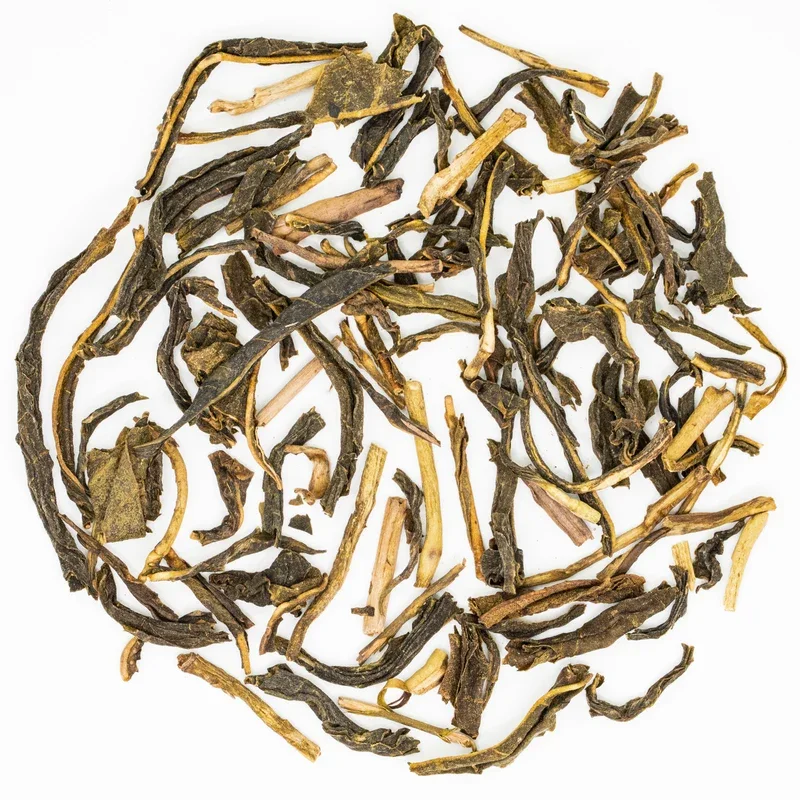
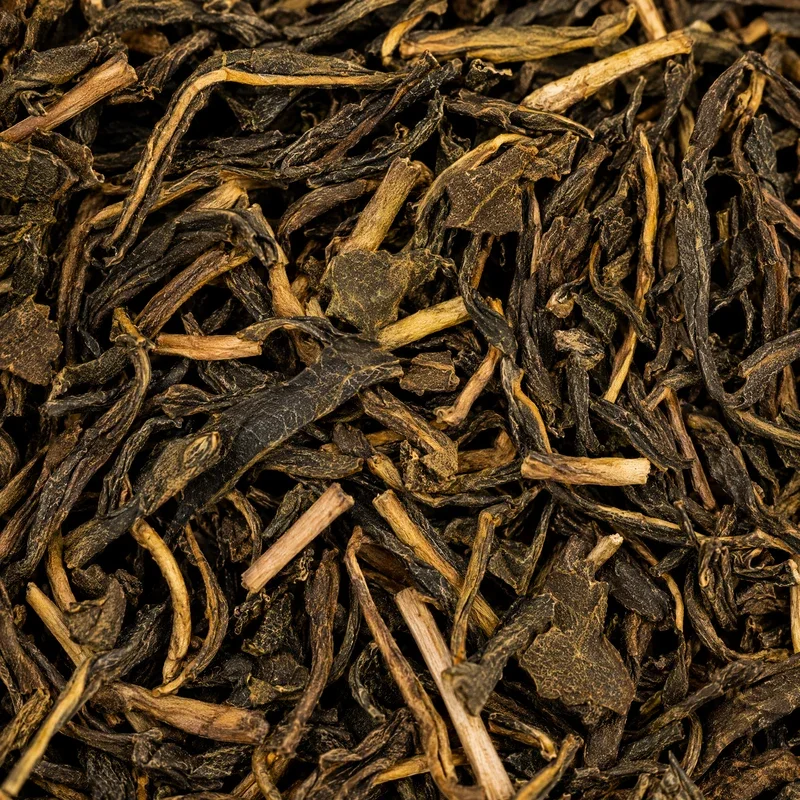
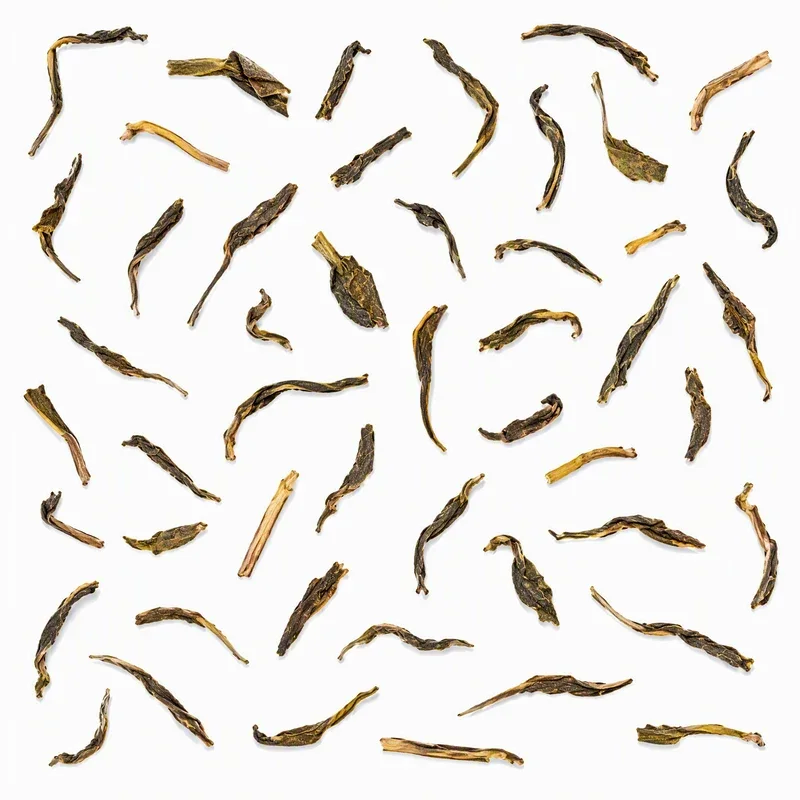
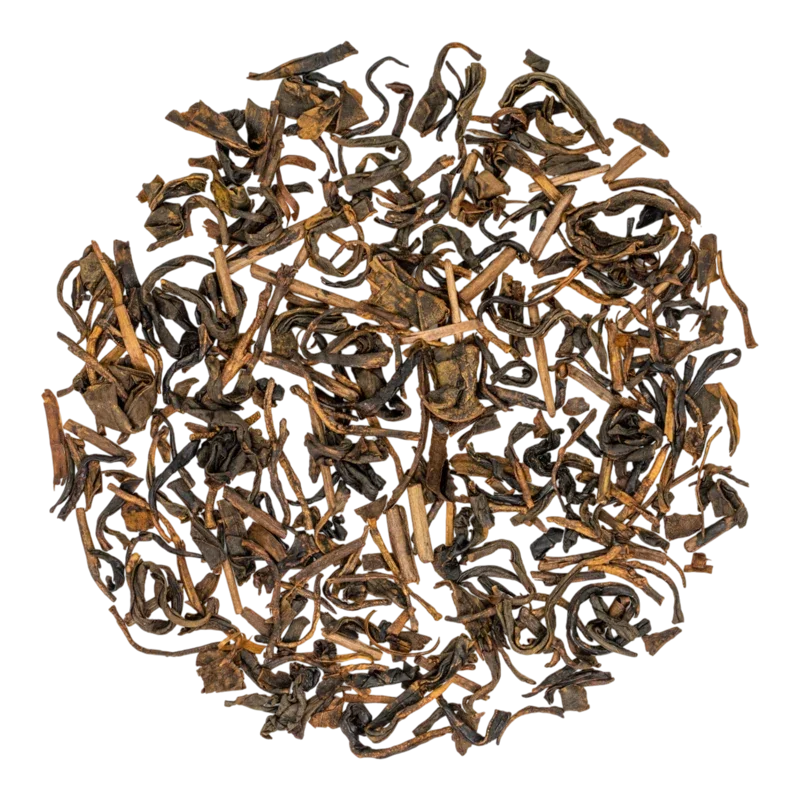
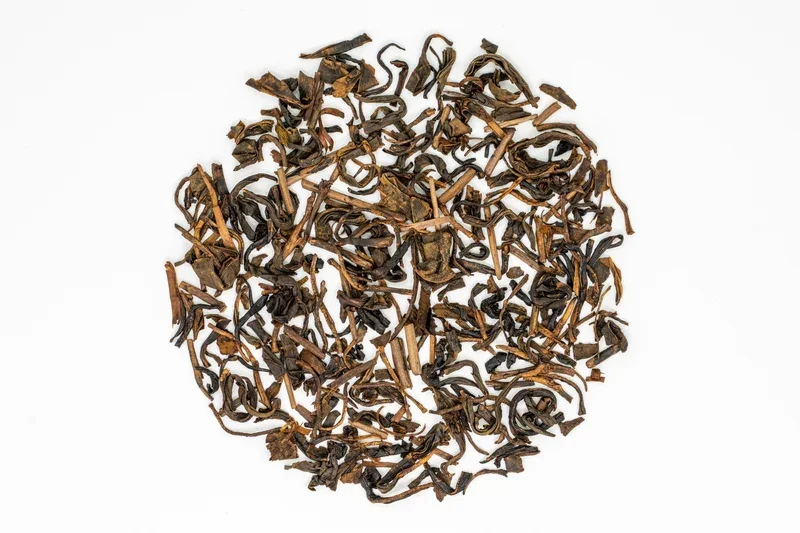
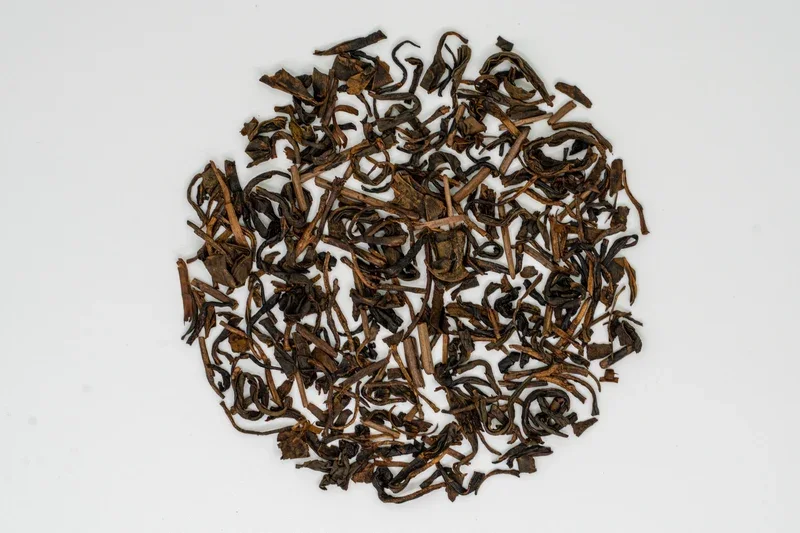
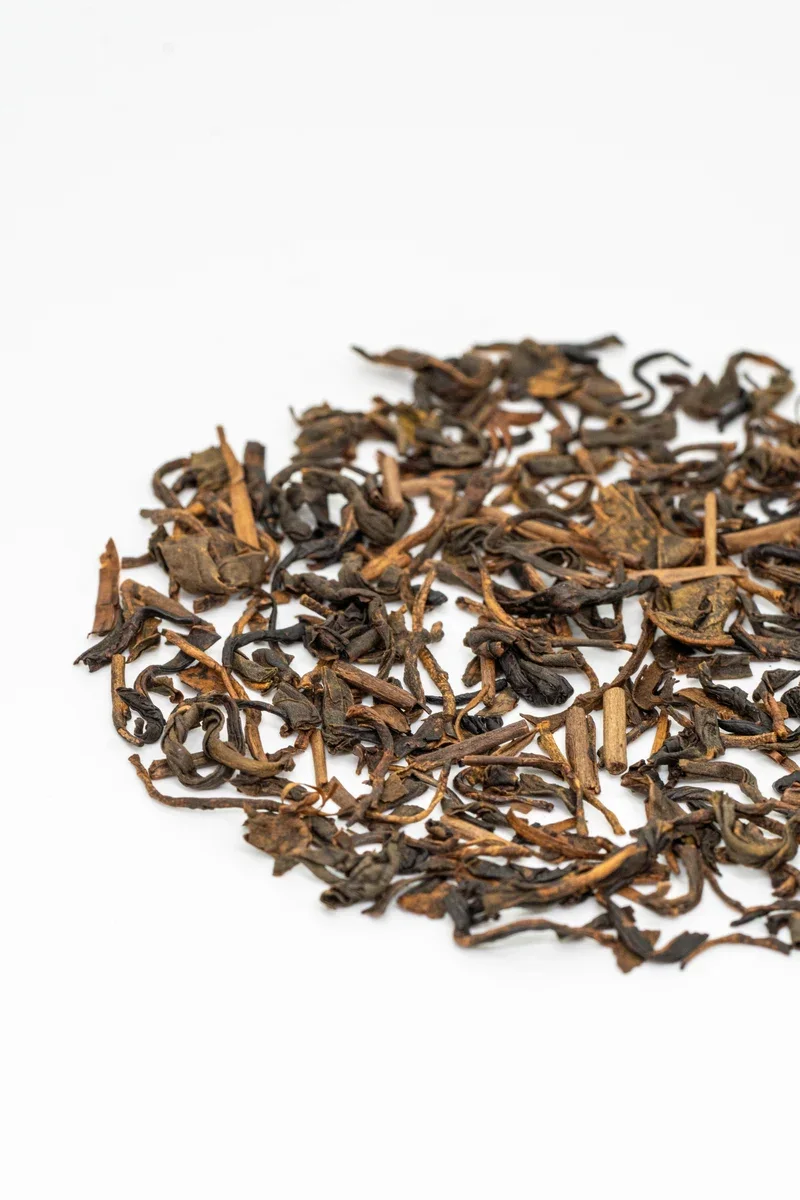
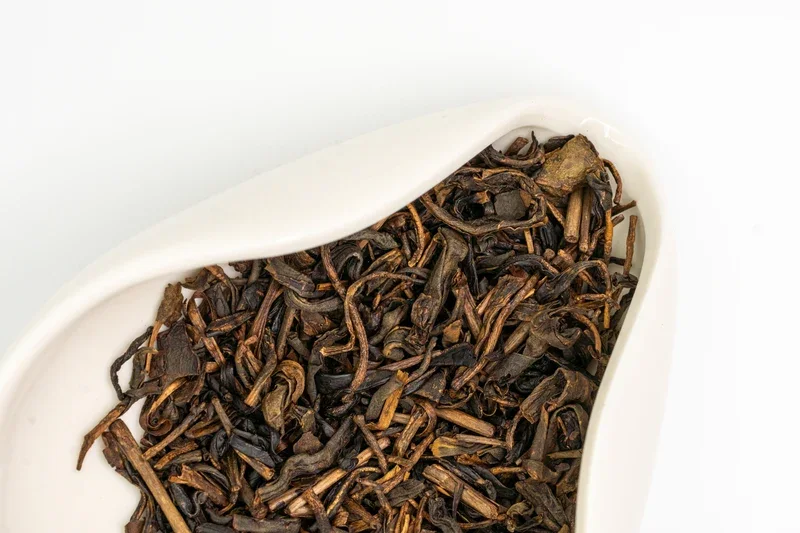
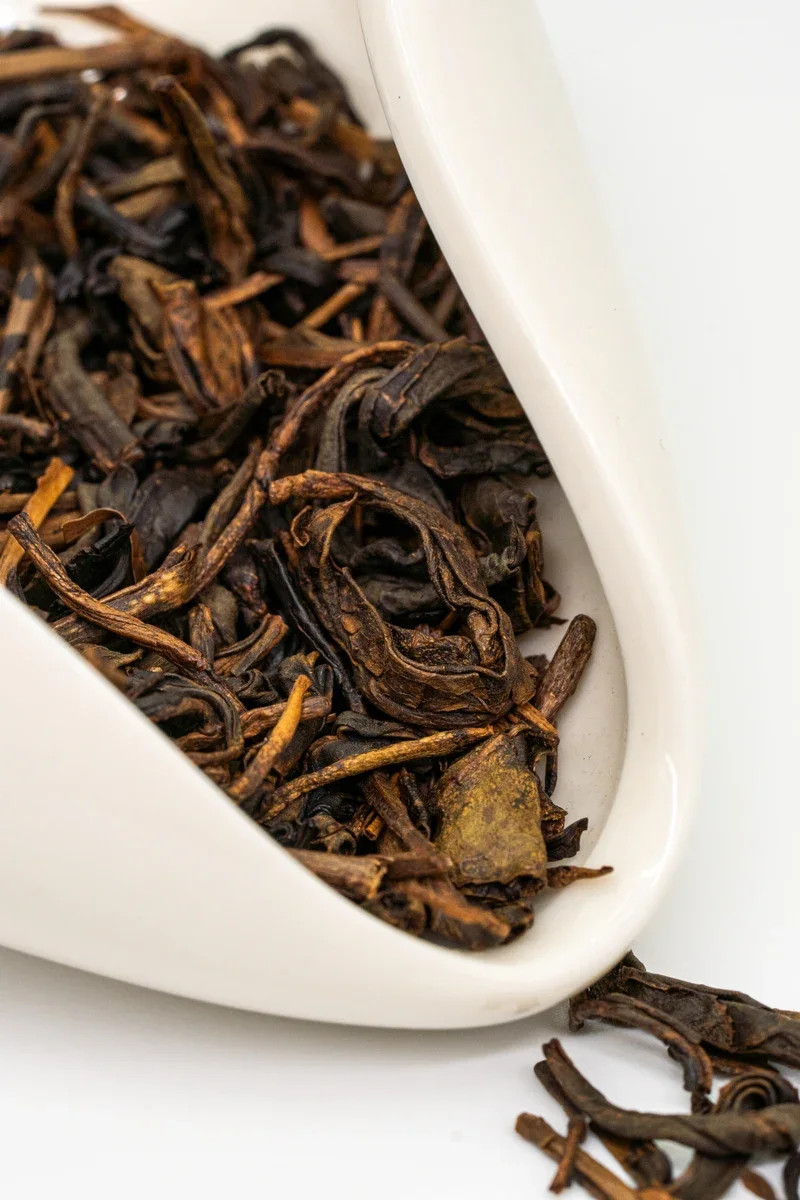
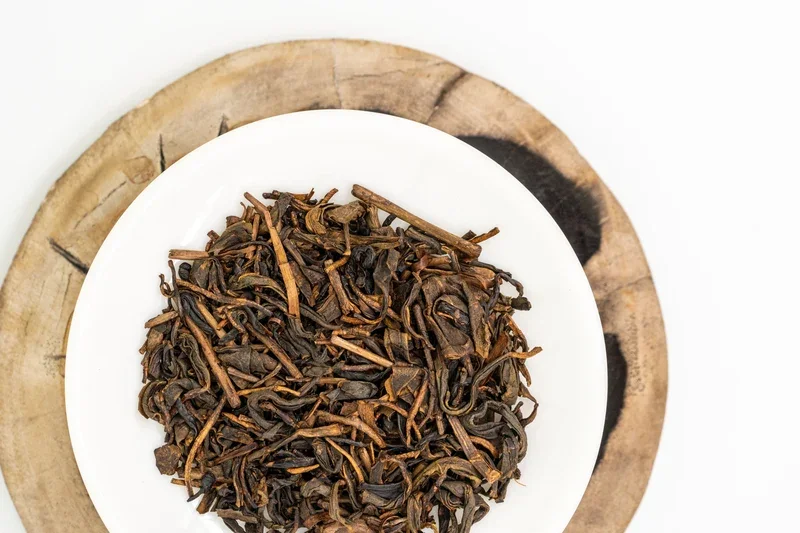
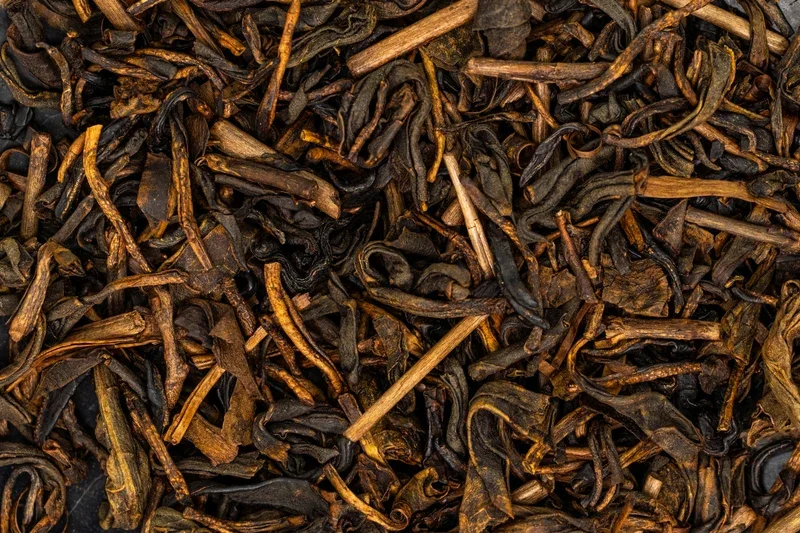
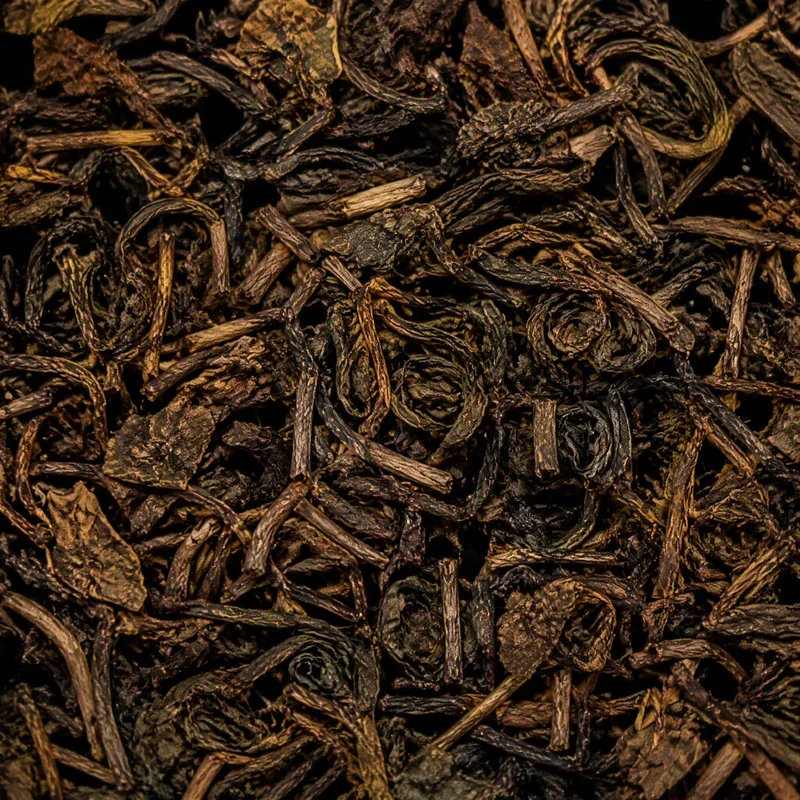
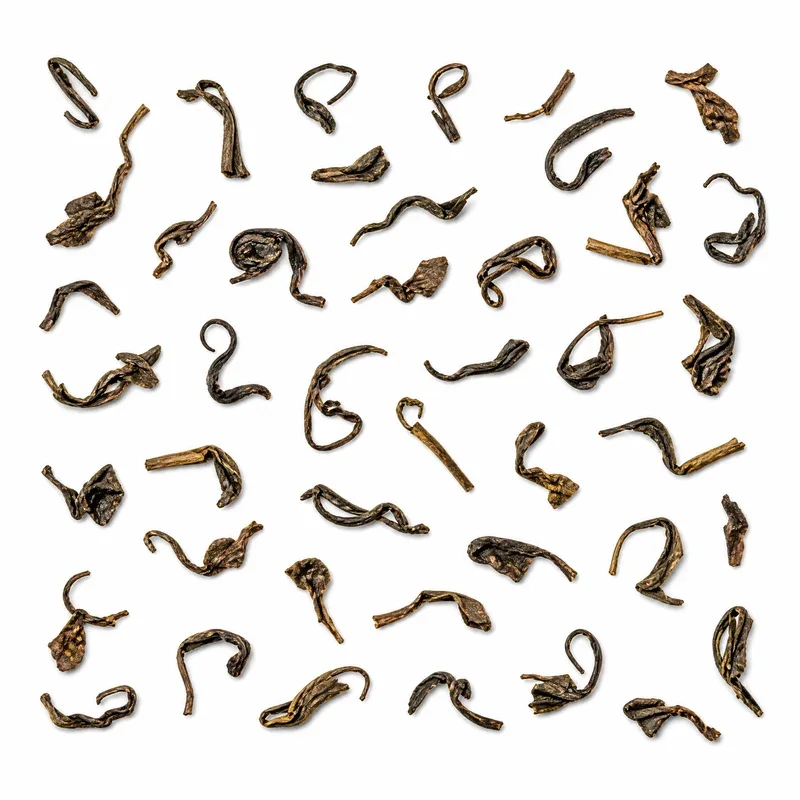
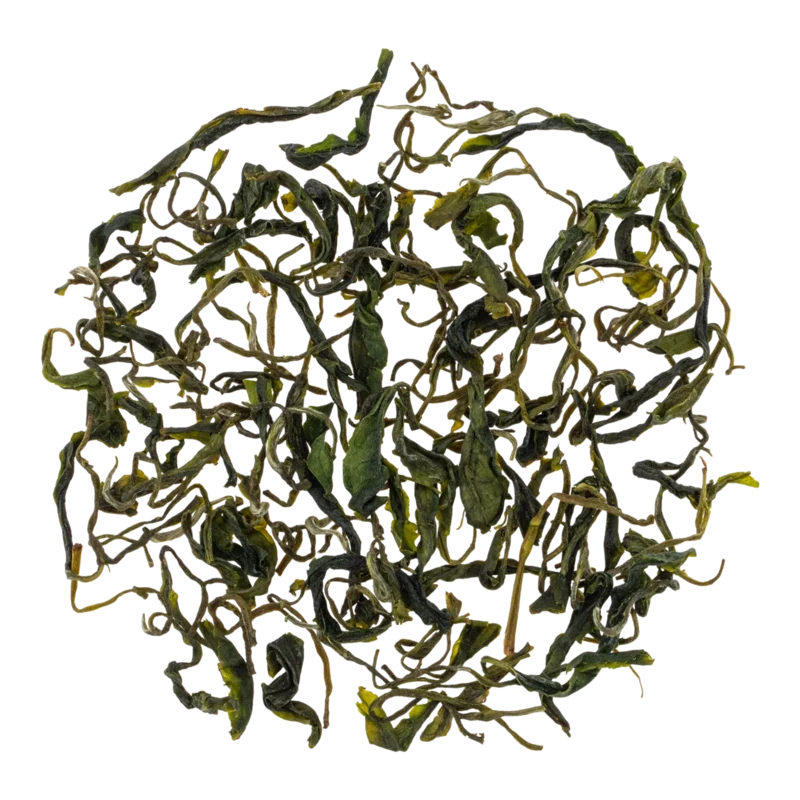
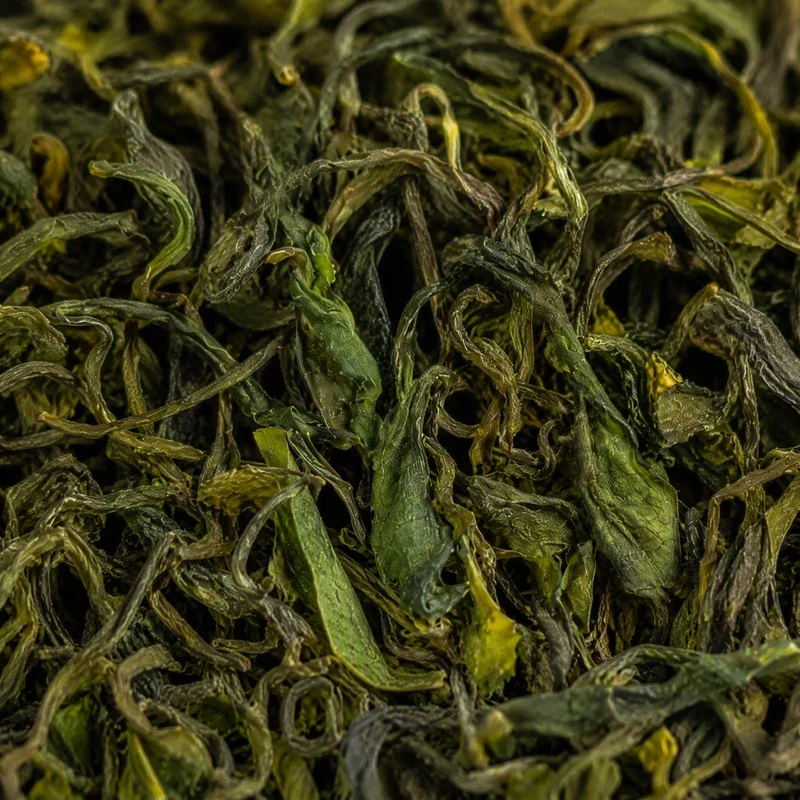
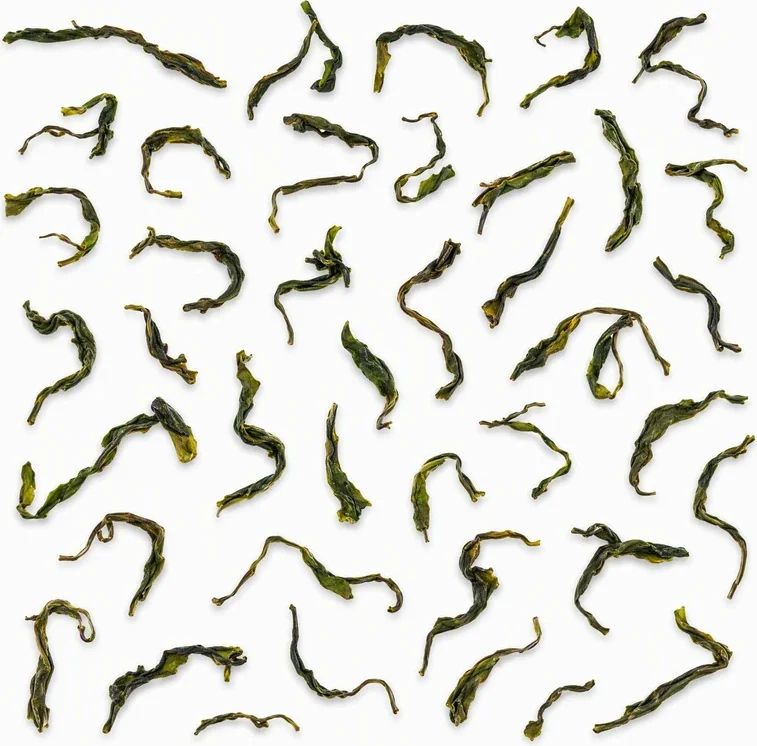
Dry Leaf Appearance: Dense, thin, straight strips (紧细匀直, jǐnxì yúnzhí). Color — tender green (嫩绿, nèn lǜ) with noticeable white down on tips. Tea leaves uniform in size and form, slightly pointed — "mountain peaks" (峰).
Dry Leaf Aroma: Delicate, sweetish, with chestnut and grassy notes. Light "corn" undertone (玉米香, yùmǐ xiāng) — specific terroir note of Mengdingshan.
Liquor Aroma: "Tender chestnut" (嫩栗香, nèn lìxiāng) — dominant note. "Green leaf" (青叶香, qīngyè xiāng) — background freshness. "Corn" (玉米香) — specific terroir note, characteristic precisely of Mengdingshan teas and practically not found in green teas from other regions. Aroma is persistent, unfolds gradually.
Liquor Color: Yellow, bright and clear (黄亮明净, huáng liàng míng jìng). Not green, like many green teas, but precisely yellow — result of baking (烘青) technology and triple pan-firing.
Spent Leaves: Greenish-yellow, uniform, glossy (绿黄匀亮, lǜhuáng yún liàng). Leaves open completely, maintaining integrity and softness.
Taste: Fresh and mellow (鲜醇, xiānchún). Rich and mellow (浓醇, nóngchún) — key characteristic, due to "三炒三揉" technology. Sweet-fresh (甘爽, gānshuǎng) with persistent returning sweetness (回甘, huígān). Bitterness is minimal thanks to reduced polyphenol content (consequence of 280+ days of fog). Aftertaste — long, with light "warming" note, absent in most green teas.
Amino Acids: Increased content — direct consequence of record cloudiness (280+ days of fog): diffused light slows amino acid breakdown and stimulates their accumulation. Main component — L-theanine (茶氨酸, chá ānjīsuān), comprising about 50% of total free amino acids. L-theanine determines delicate umami taste, relaxing effect and "warming" character. Polyphenol/amino acid ratio (酚氨比, fēn'ān bǐ) — one of the lowest among Chinese green teas, making Lü Mao Feng a standard of "freshness without bitterness."
Moderate content (2–3% dry mass). In combination with L-theanine provides mild tonic effect without pronounced stimulation.
Present in significant quantity, contribute to antioxidant potential and yellow tint of liquor.
Essential Oils: Responsible for characteristic "chestnut-corn" aroma. Main components — linalool, neraniol, furfural (responsible for chestnut note), hexanal and cis-3-hexenol (grassy undertones).
Minerals: Selenium (Se) and zinc (Zn) — increased content, due to mineral composition of Mengdingshan rocks. Selenium — powerful antioxidant, participating in glutathione peroxidase function. Zinc — necessary for immune function and protein synthesis. Potassium, calcium, magnesium, iron, manganese — in standard amounts for green tea.
Polyphenols: Moderate content — lower than teas from low-altitude sunny regions. Reason — 280+ days of fog suppress photosynthetic accumulation of catechins. Reduced polyphenol level ensures "warm" (温性) character of tea and minimal bitterness. Main fraction — catechins (EGCG, ECG, EGC), possessing antioxidant action.
Vitamins: Vitamin C (significant content, preserved thanks to minimal oxidation), B-group vitamins (B1, B2), vitamin E.
Tea Amount: 3 g per 150 ml water (1:50 ratio).
Teaware: Glass tumbler (for visual enjoyment of unfolding tea leaves), porcelain gaiwan (盖碗, gàiwǎn) or porcelain teapot. For maximum revelation of "rich-mellow" taste, gaiwan is preferable — it allows more precise control of steeping time.
Water Temperature: 80–90°C. Supreme grade — 80°C (more tender raw material requires lower temperature). First and second grades — up to 90°C.
No reviews yet. Tell us what you think of this tea.
Rate this tea and share your impressions. We review each submission before publishing it.