Brewing
Gongfu brewing
- Water temperature
- 75 °C
- Tea amount
- 5 g
- Water volume
- 100 ml
- First steep
- 10 s
- Time added per infusion
- 5 s
- Infusions
- 4

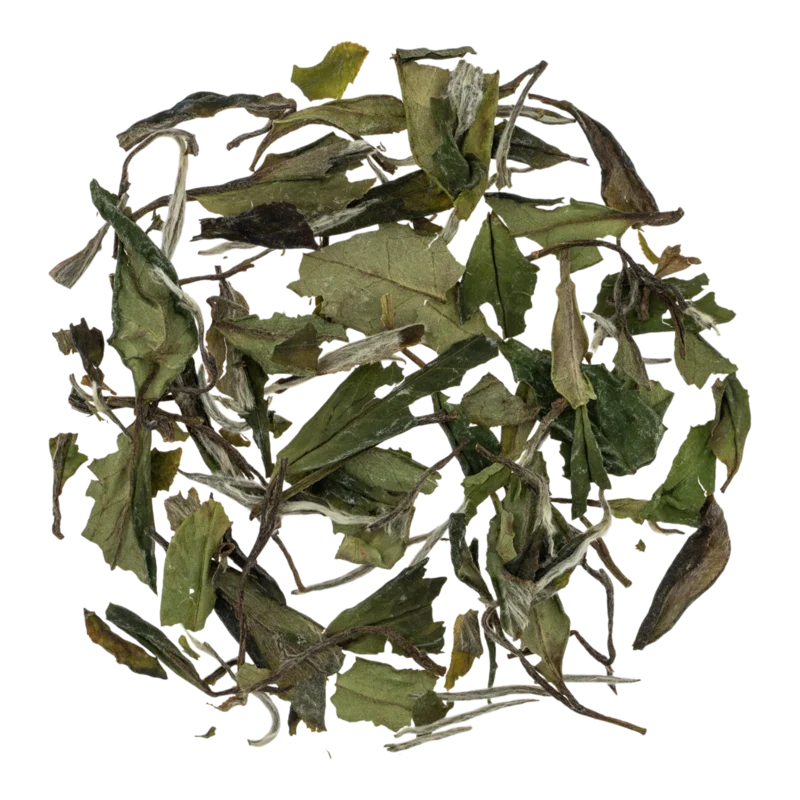
Fúdǐng báichá
Choose a brewing method. Start with the recommended quantities and time, then adjust to taste.
Brewing
Brewing
Taste
Tea encyclopedia
Category: Chinese white teas of Fujian; regional "classic" of white tea and one of the main market benchmarks.
Category: Chinese white teas of Fujian; regional "classic" of white tea and one of the main market benchmarks.
Fuding white tea is established in the standards and origin protection system; the national white tea standard GB/T 22291 (categories, raw material requirements and organoleptic characteristics) also serves as a market benchmark.
Coordinates: approximately 27.3° N, 120.2° E (Fuding and mountainous areas around Taimushan).
Origin: China, Fújiàn Province (福建, Fújiàn), Níngdé Prefecture (宁德, Níngdé), county-level city Fuding (福鼎市, Fúdǐng Shì). In practice, several key zones and micro-terroirs are often distinguished: Tàimǔshān (太姥山, Tàimǔshān), Pánxī (磻溪, Pánxī), Guǎnyáng (管阳, Guǎnyáng), Diǎntóu (点头, Diǎntóu), Báilín (白琳, Báilín), and others.
Type: White tea (lightly oxidized; gentle natural oxidation is conventionally estimated in the range of ~5–10%).
Cultural Significance: Fuding white tea is an important element of regional identity in Ningde and one of the most recognizable "origin brands" in the world of white teas. It is widely given as gifts, collected (in aged and pressed forms) and often becomes the first "serious white tea" for beginners.
Fujian is one of the key regions in Chinese tea history, and Fuding is traditionally called the "birthplace of white tea" in the modern sense. It is important to distinguish two lines: ancient mentions of "white" tea as rare raw material/tribute and the formation of recognizable white tea technology (with controlled withering and drying) in later epochs.
it was around Fuding white teas that the popular formula "一年茶,三年药,七年宝" ("one year — tea, three years — medicine, seven years — treasure") became established. In encyclopedic terms, this is a cultural metaphor for the value of aging, not a medical promise.
the classic Fuding profile is associated with large-leaf "white" varieties:
main picking — early spring; summer/autumn batches are also possible (usually denser and more "grassy" in character).
white tea almost doesn't "hide" defects: leaf quality, garden cleanliness and picking care are directly reflected in taste.
Pluck Standard: depends on category:
Climate: humid subtropical monsoon — many fogs, mild winter, warm spring. For white tea this is a plus: withering proceeds slowly and evenly, forming pure sweetness and "airy" aroma.
Soil: acidic red soils and mountain soils with good drainage are widespread in the region; this contributes to "dry" minerality and clean aftertaste.
combination of coastal influences and mountain ranges. In high and cooler zones (often valued in the market) tea can give more delicate aroma and bright liquor clarity.
in professional circles, differences between Taimushan/Panxi/Guanyang etc. are often discussed — they manifest in degree of florality, density and character of sweetness, but depend on both year and producer.
by hand, in dry weather; integrity of bud and upper leaves is important.
on bamboo sieves or trays. Different practices are found in Fuding:
natural or low-temperature; the task is to stabilize the tea while preserving light aroma and not "baking" the leaf.
removal of coarse fragments, batch equalization.
part of Fuding white tea is released in the form of cakes/bricks. Pressing facilitates storage and aging, and taste usually becomes denser and more "compote-like."
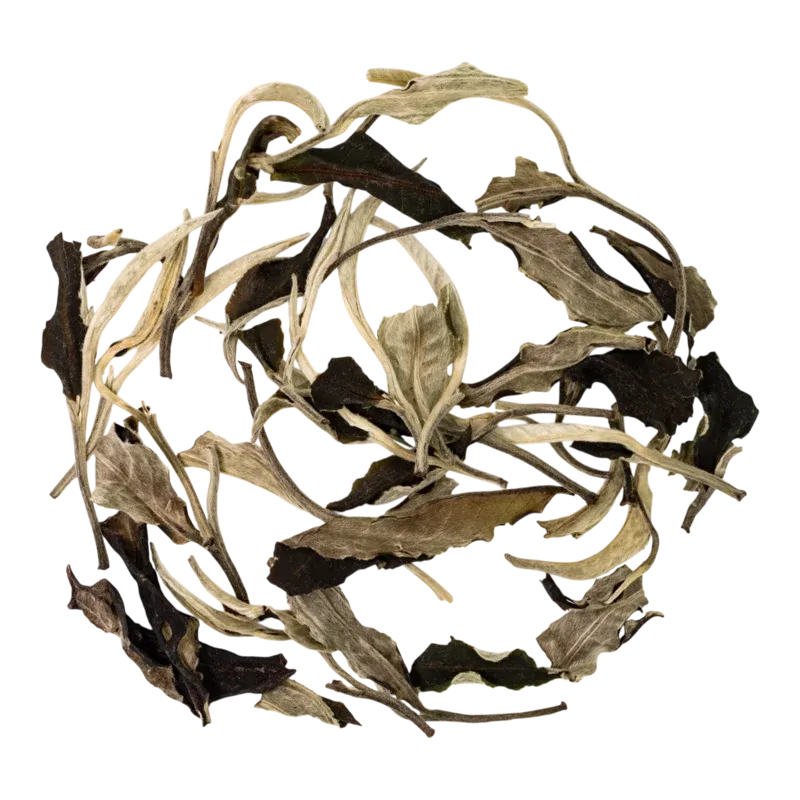
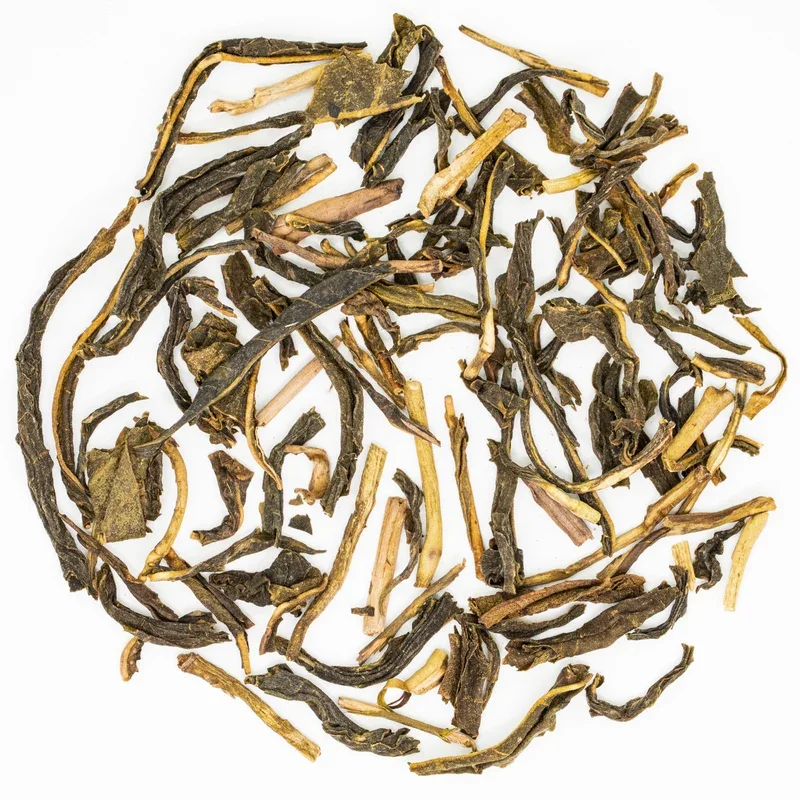
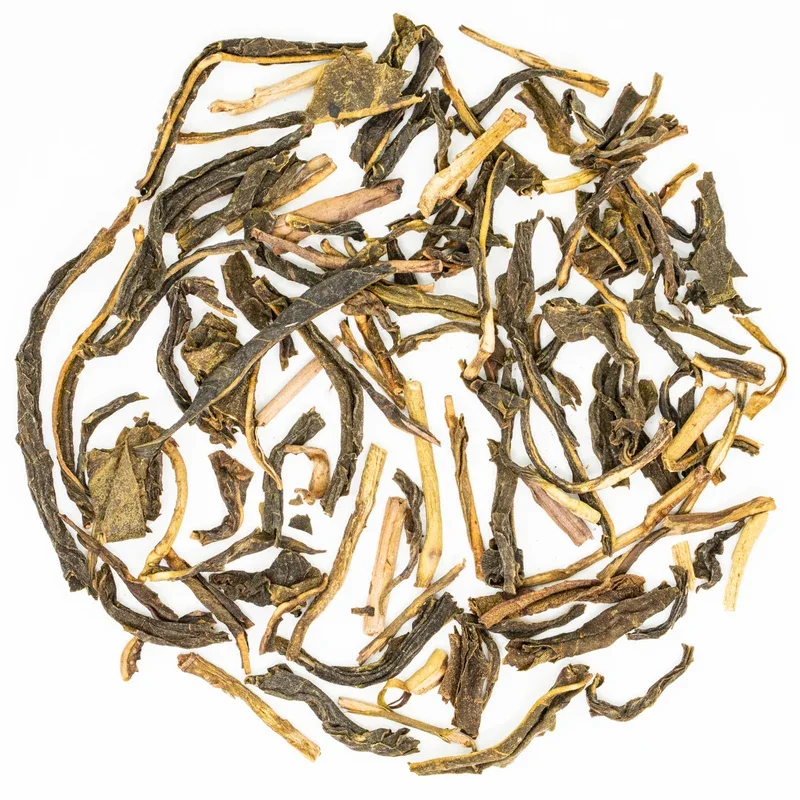
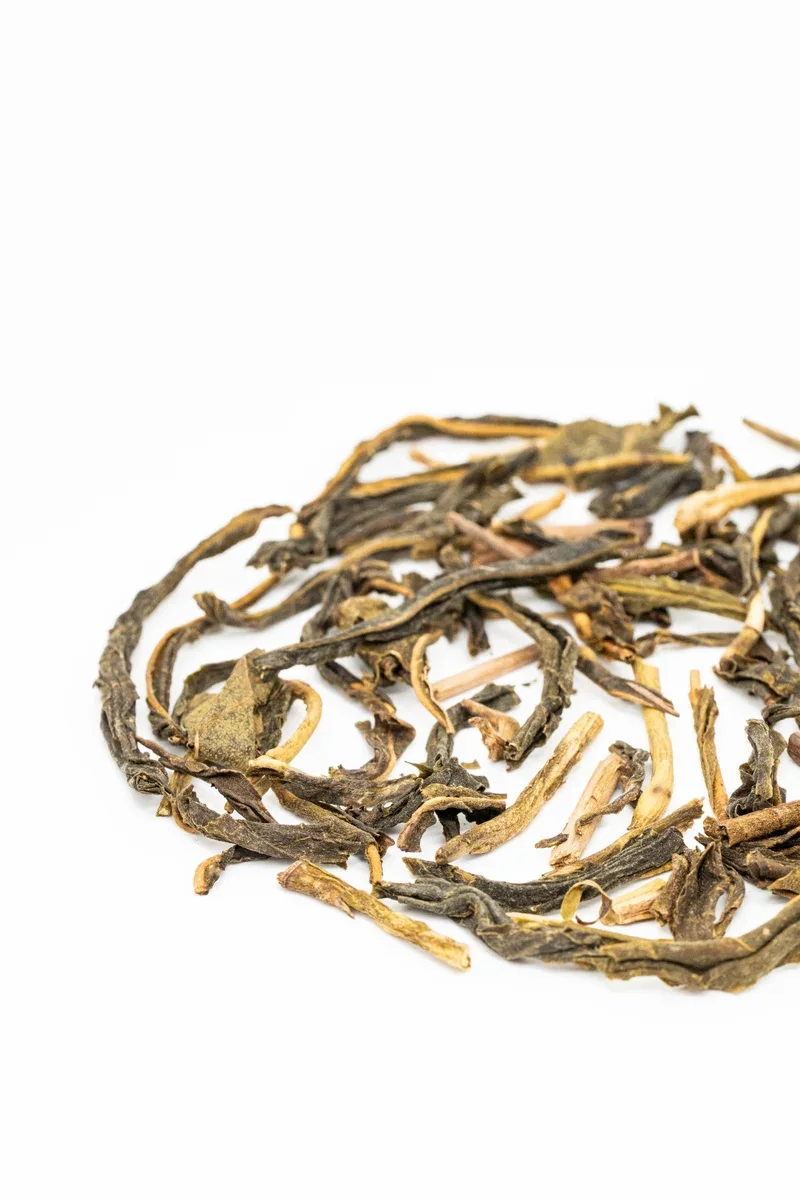
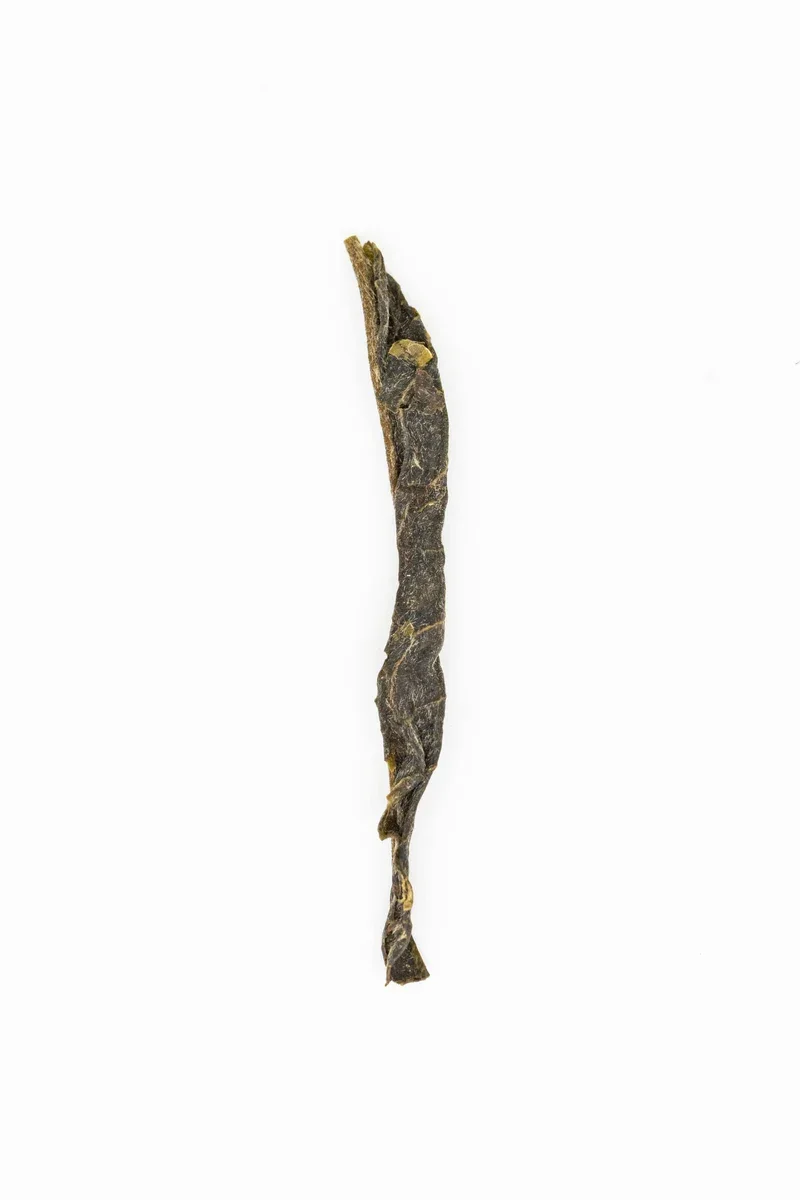
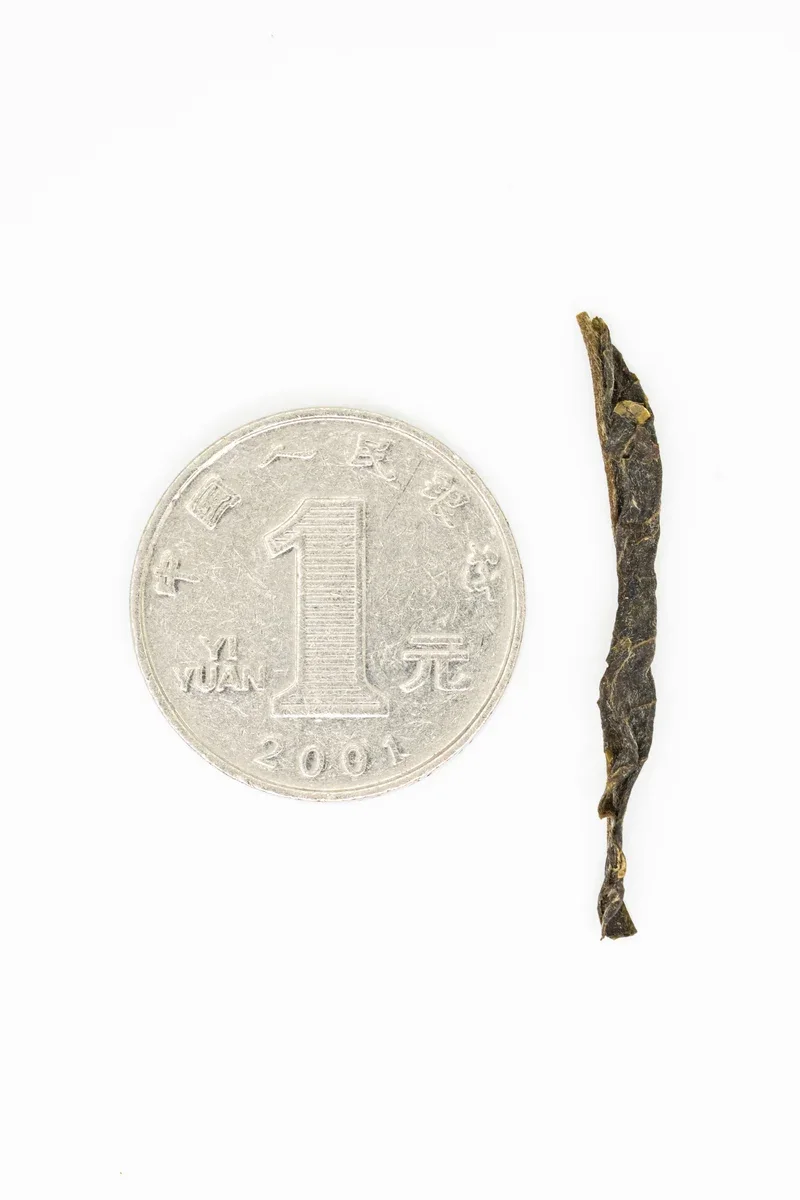
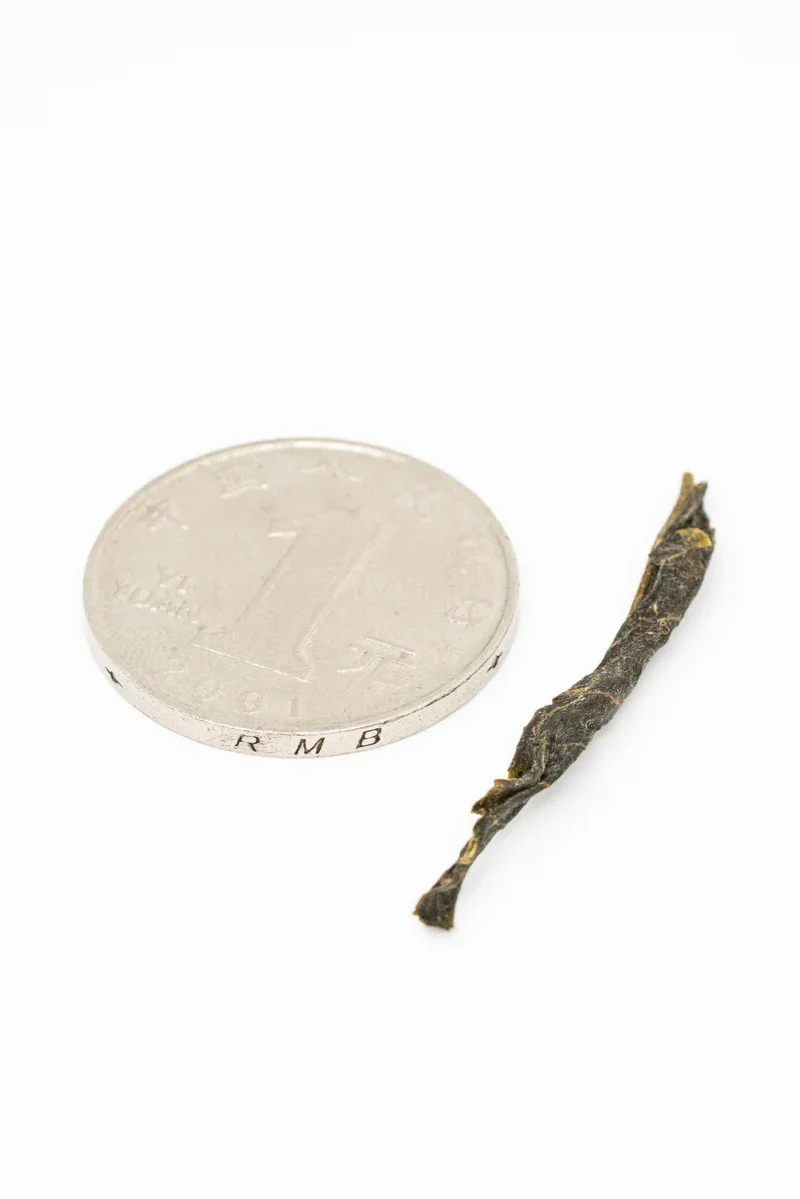
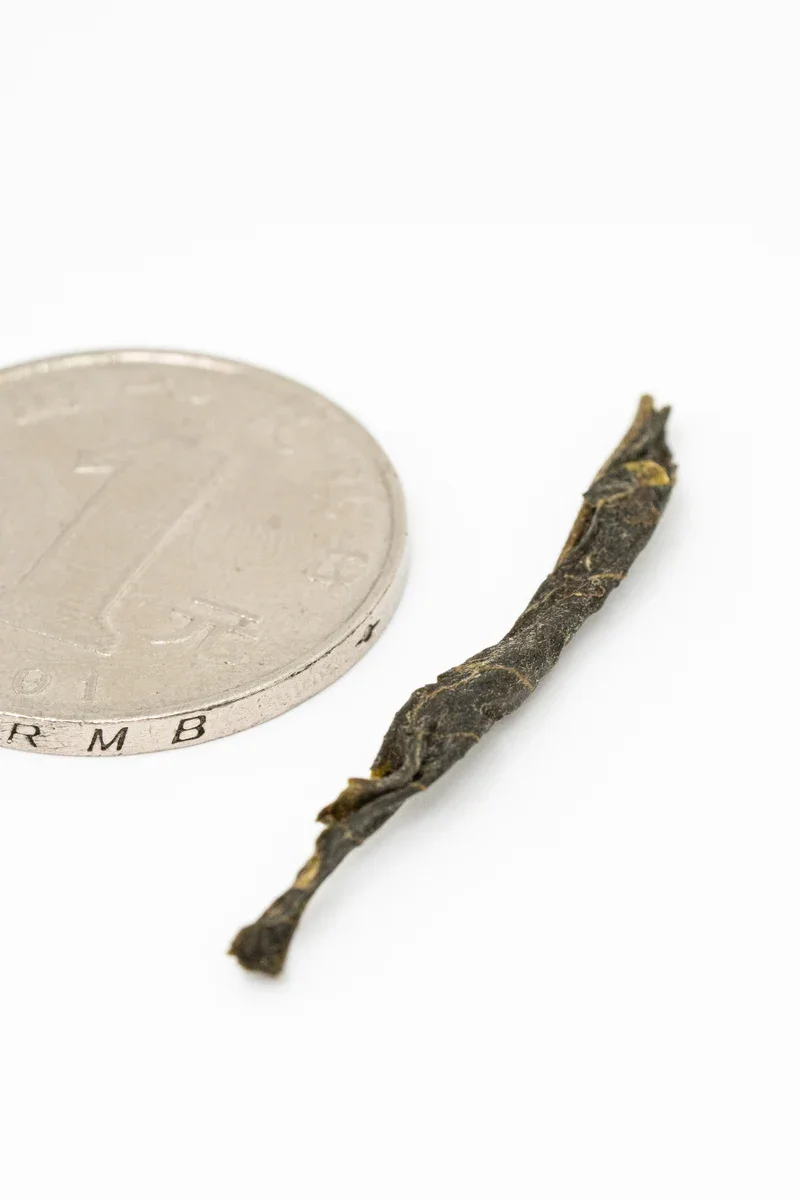
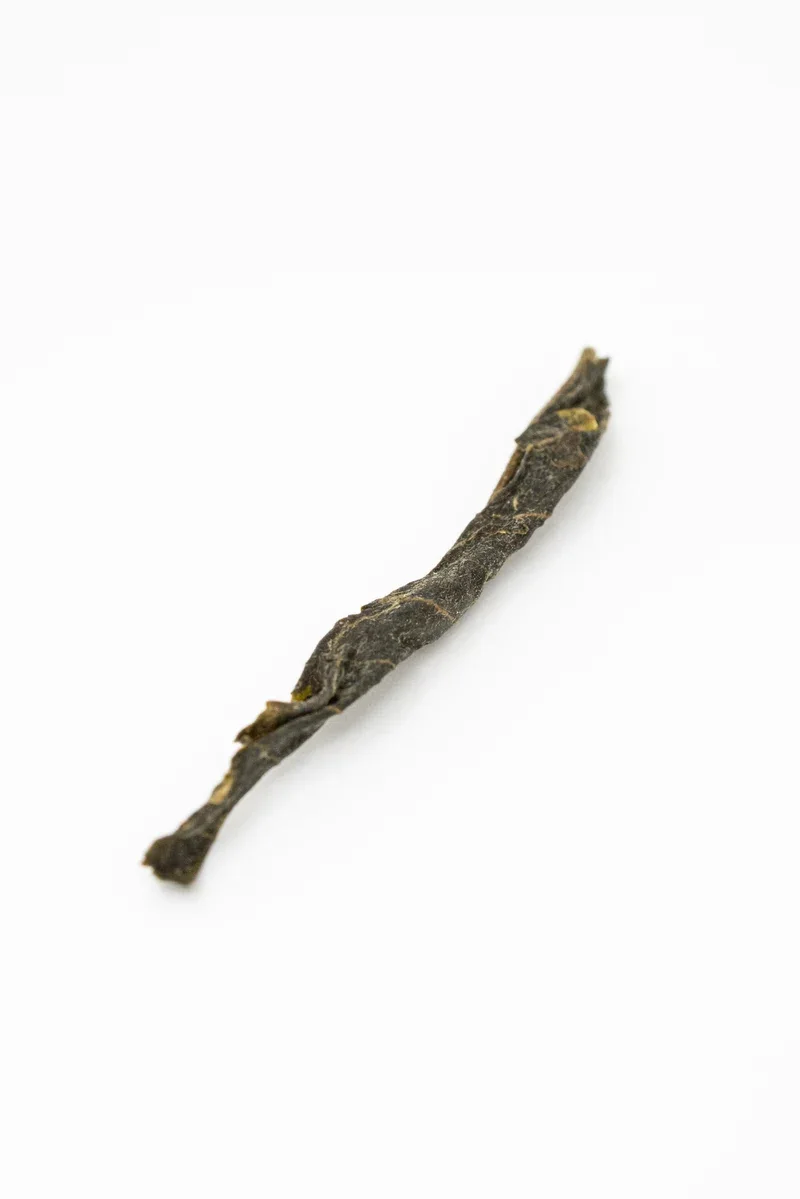
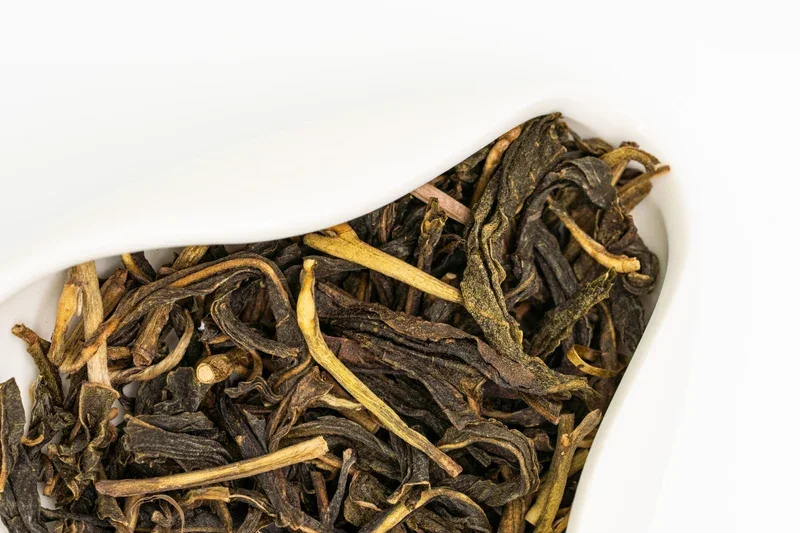
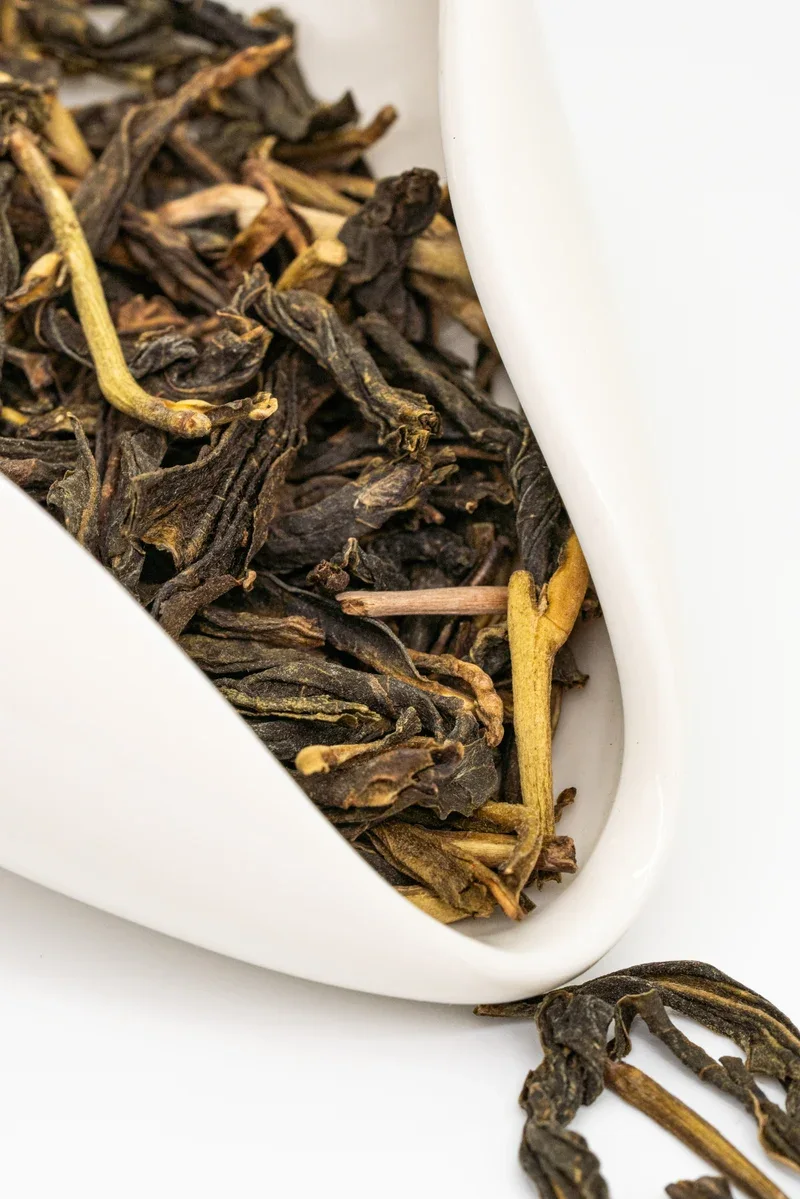
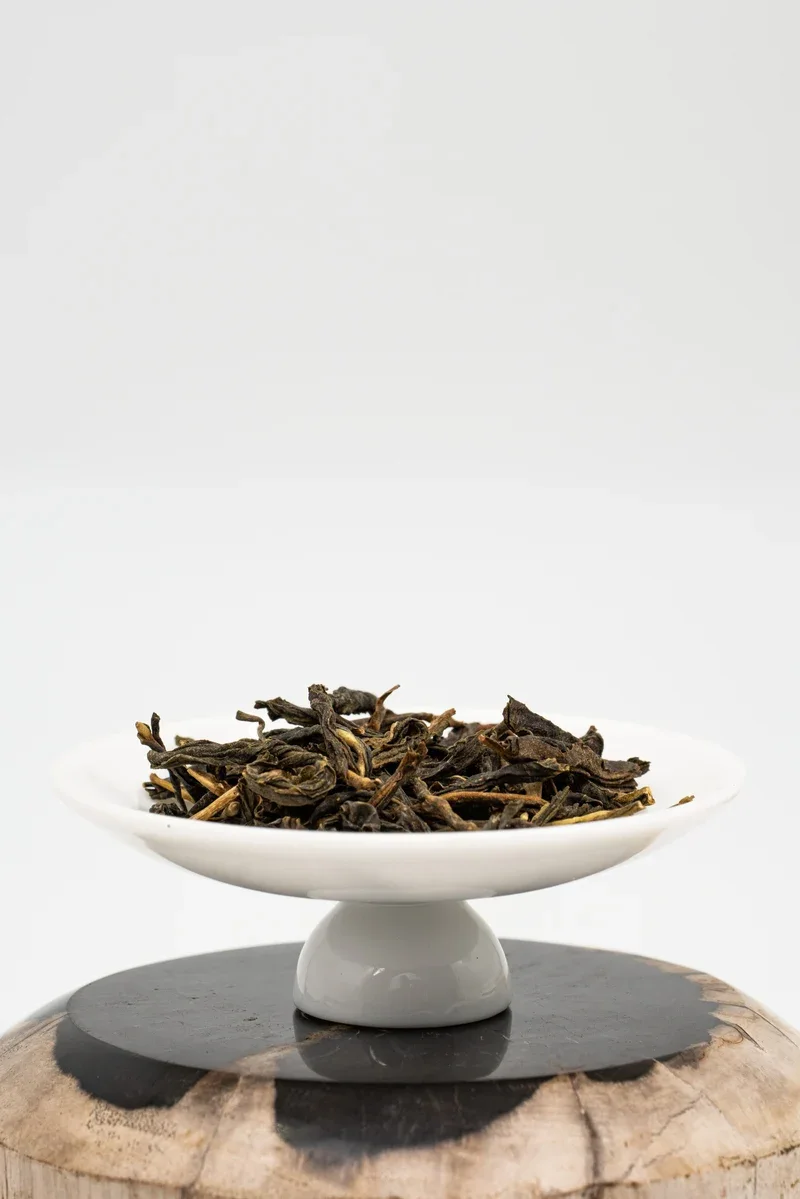
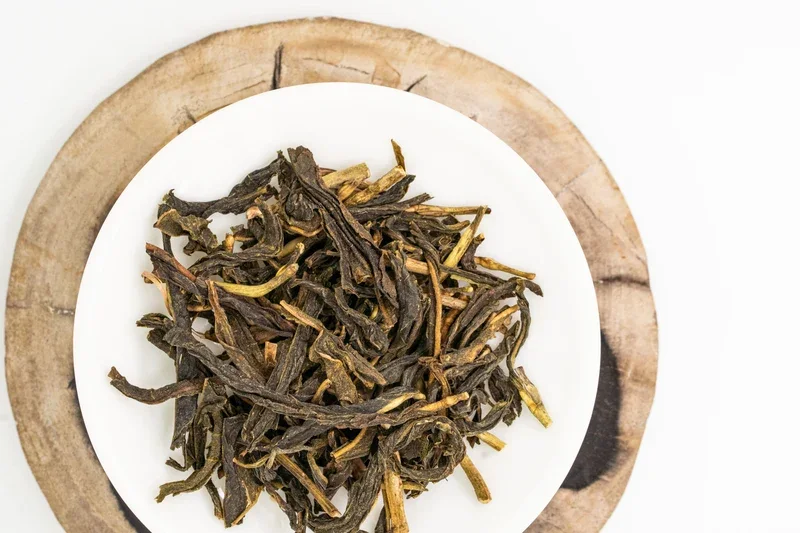
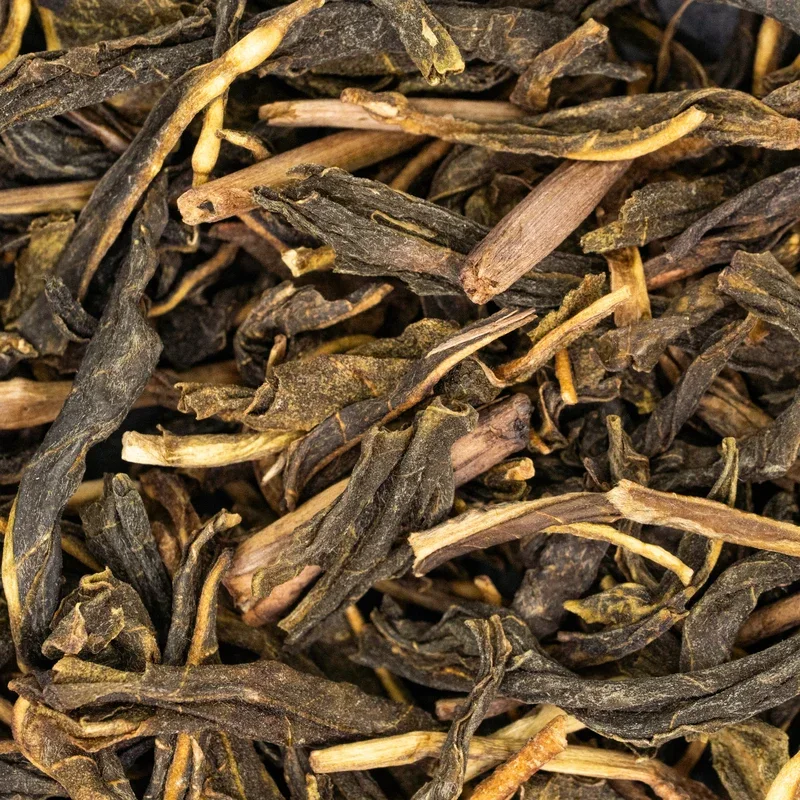
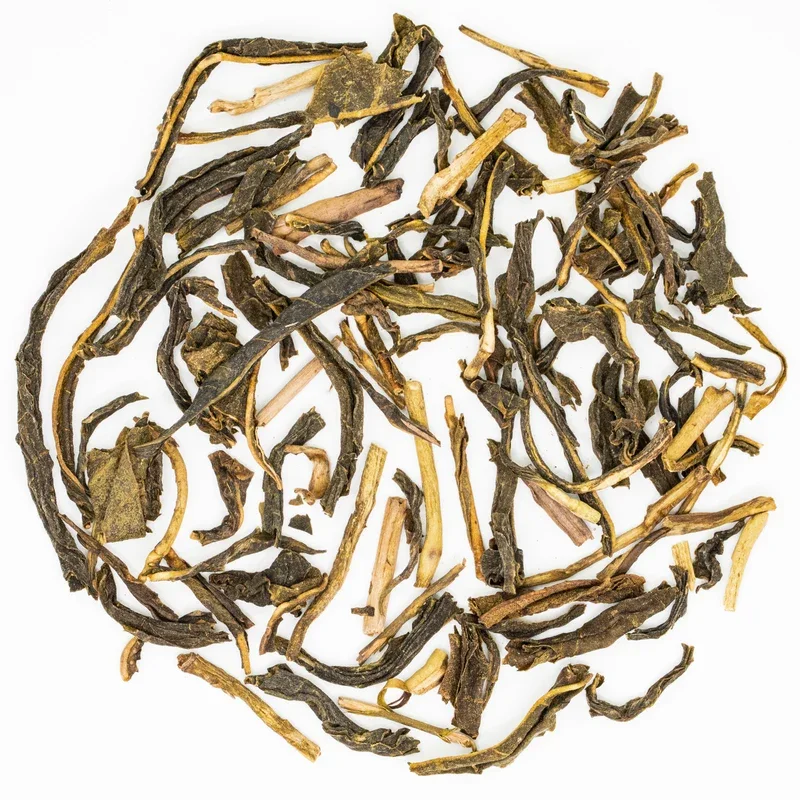
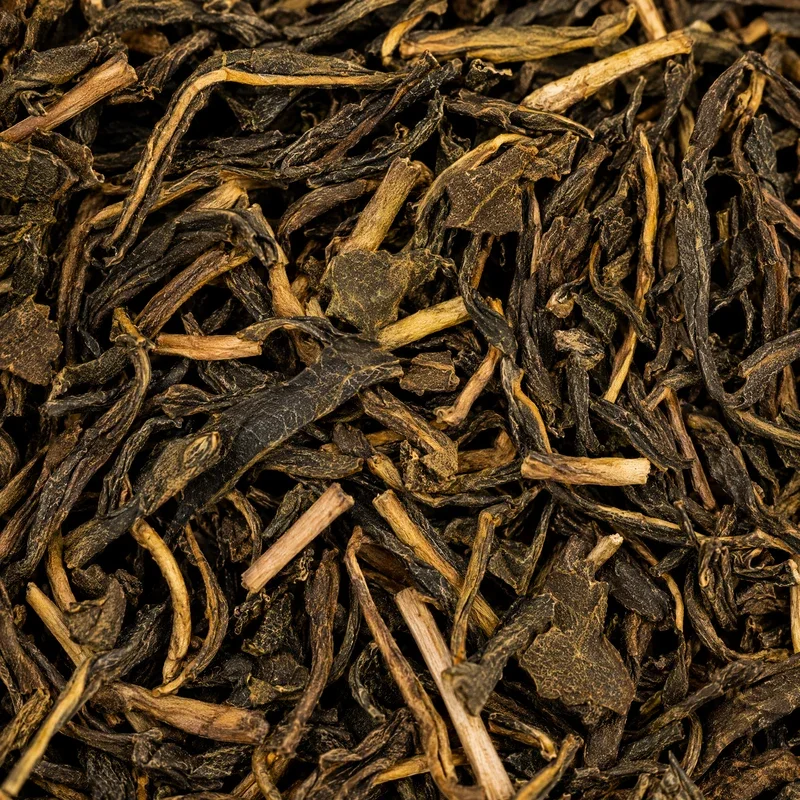
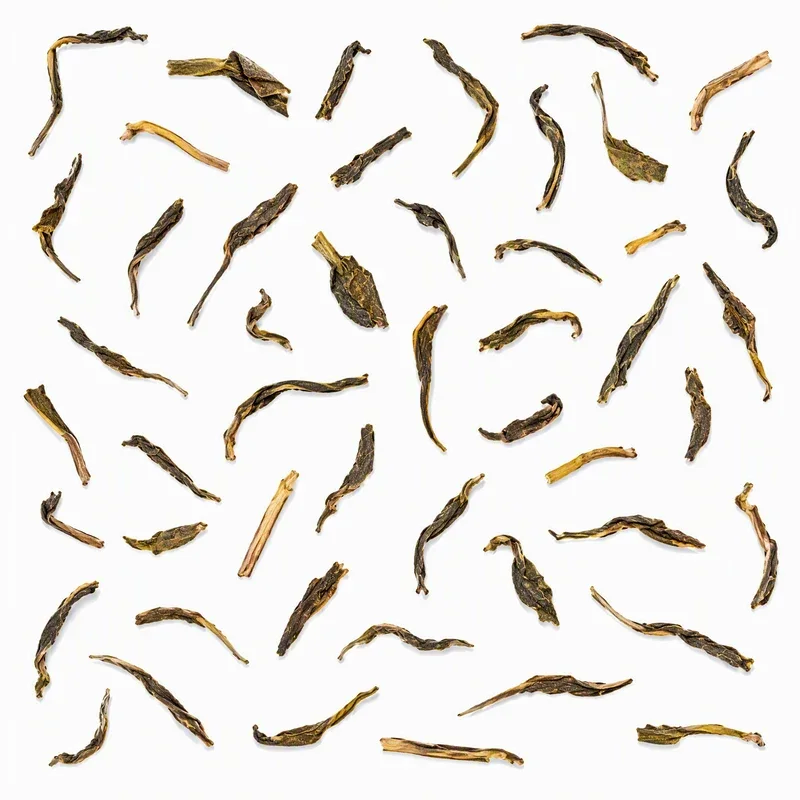
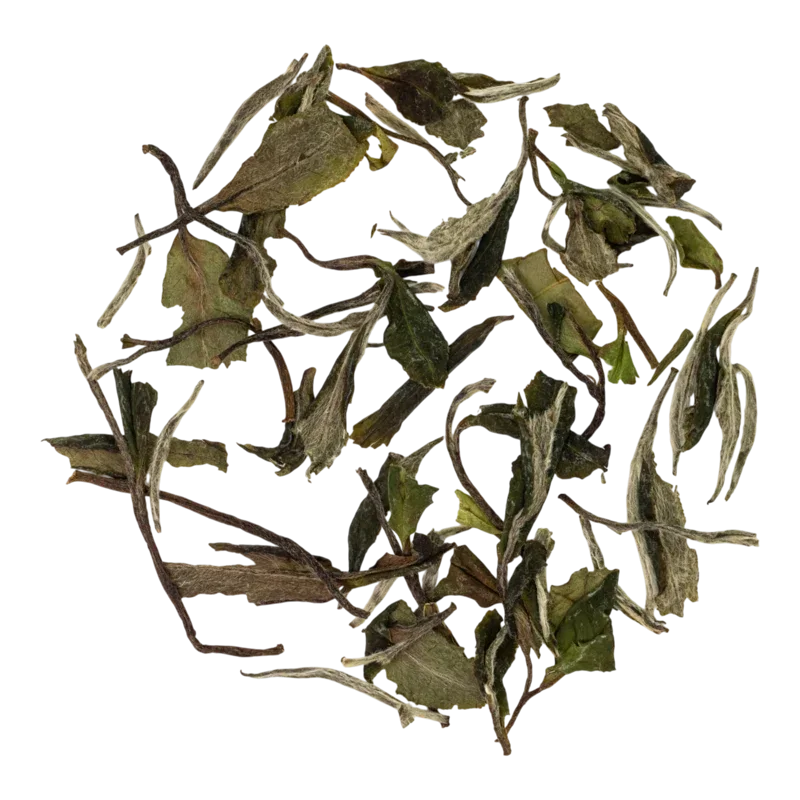
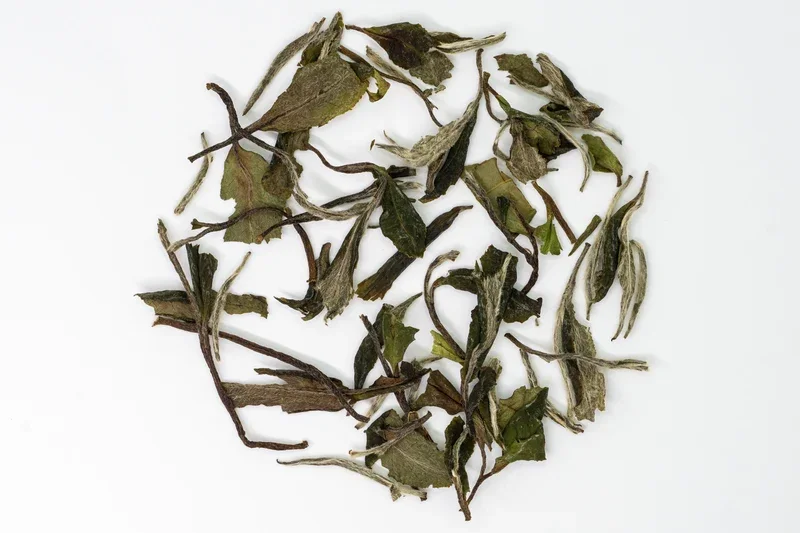
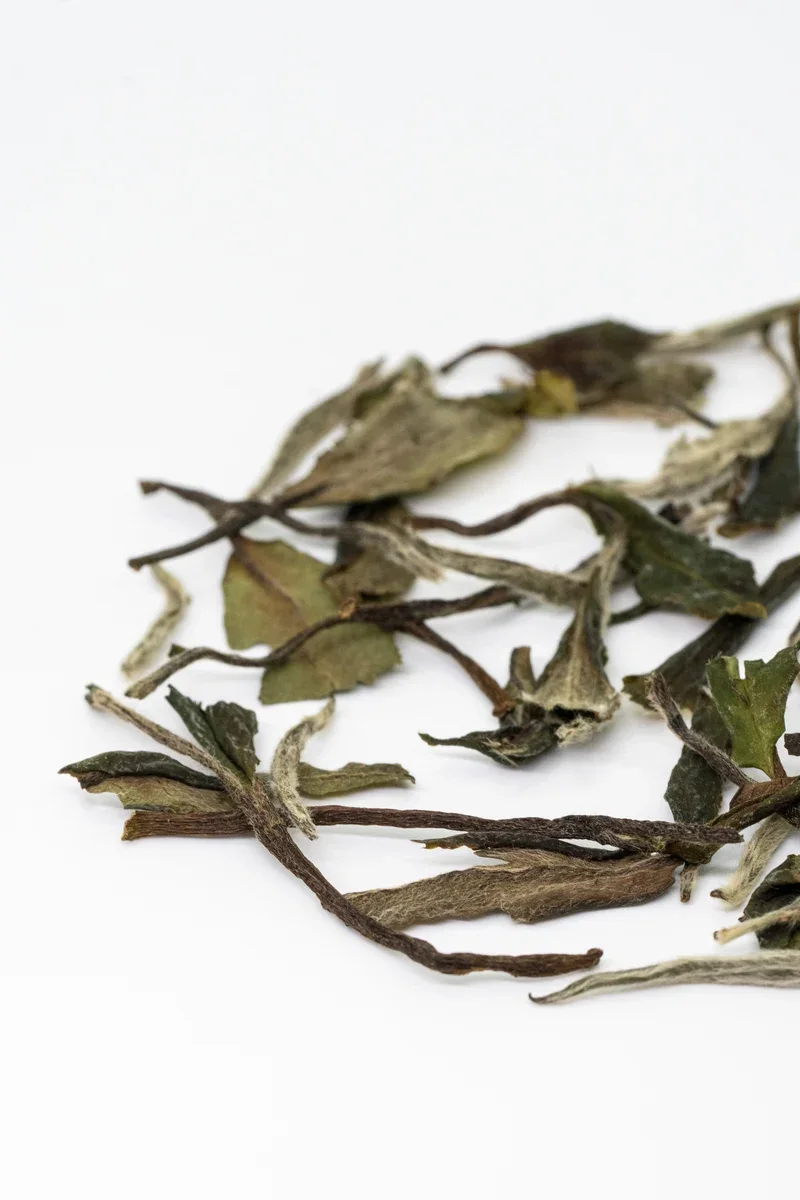
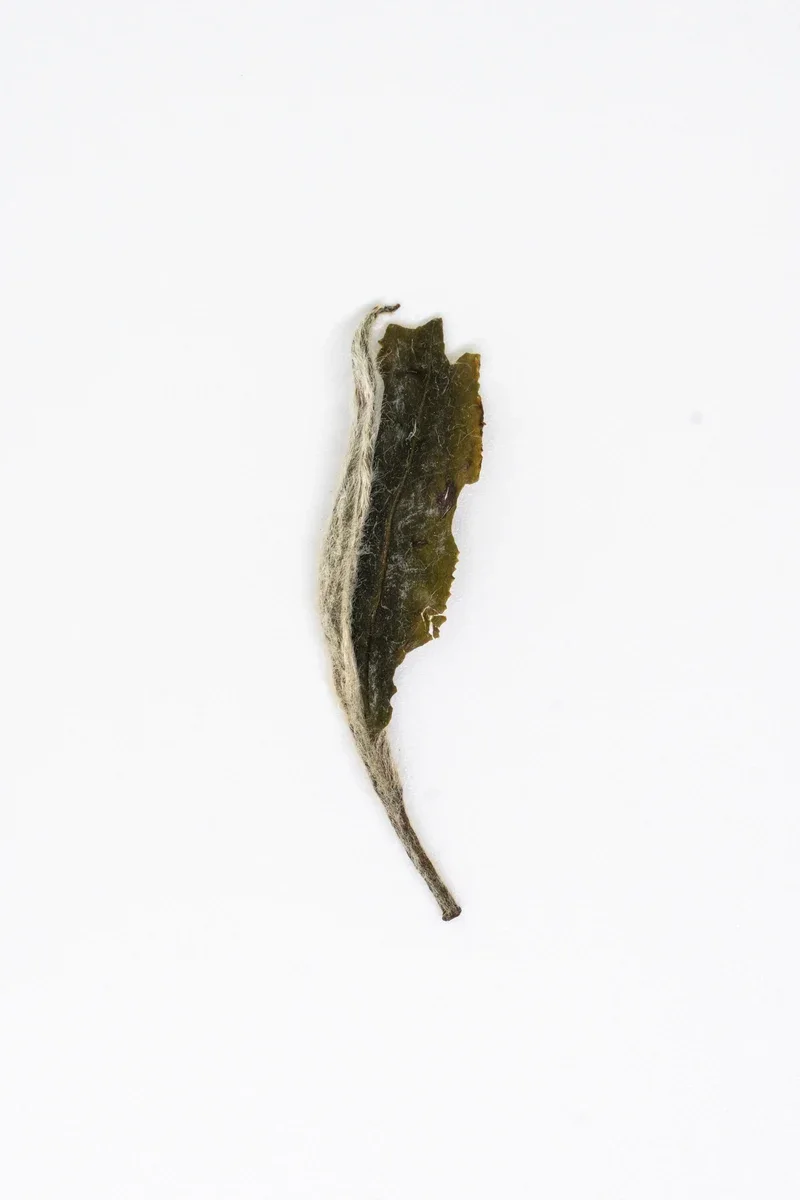
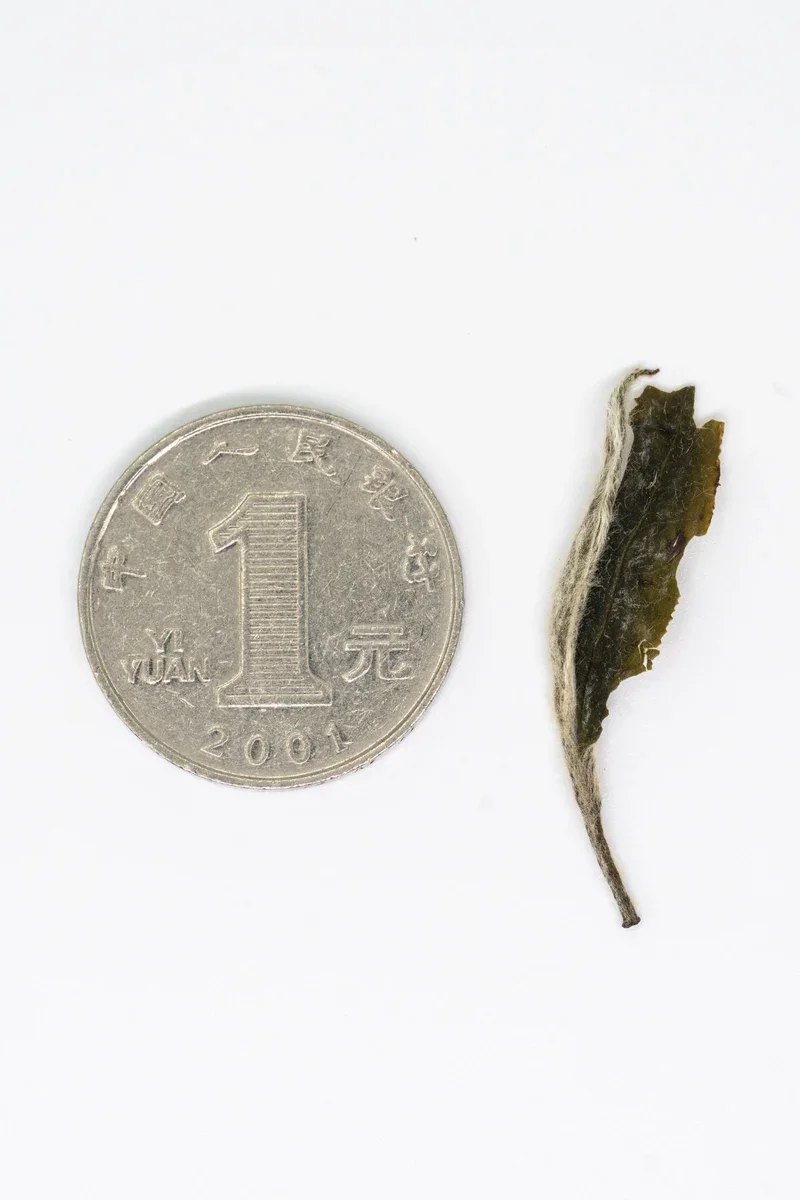
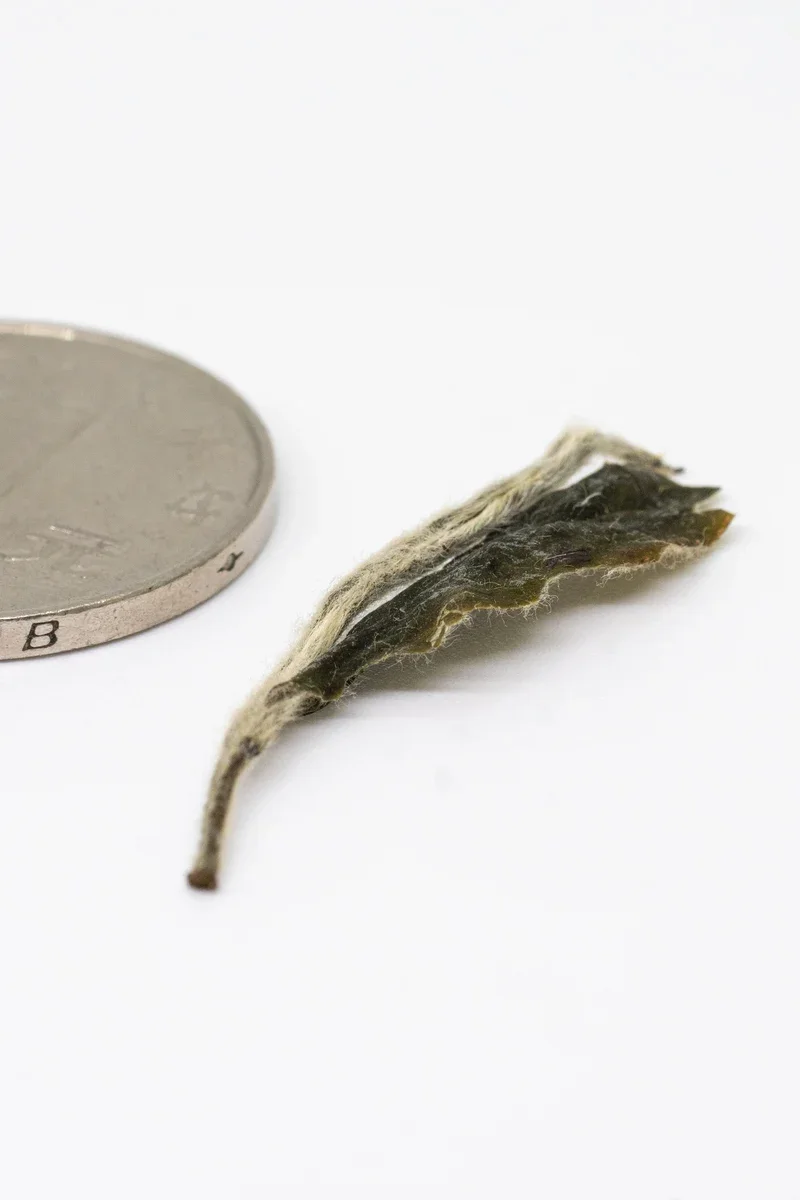
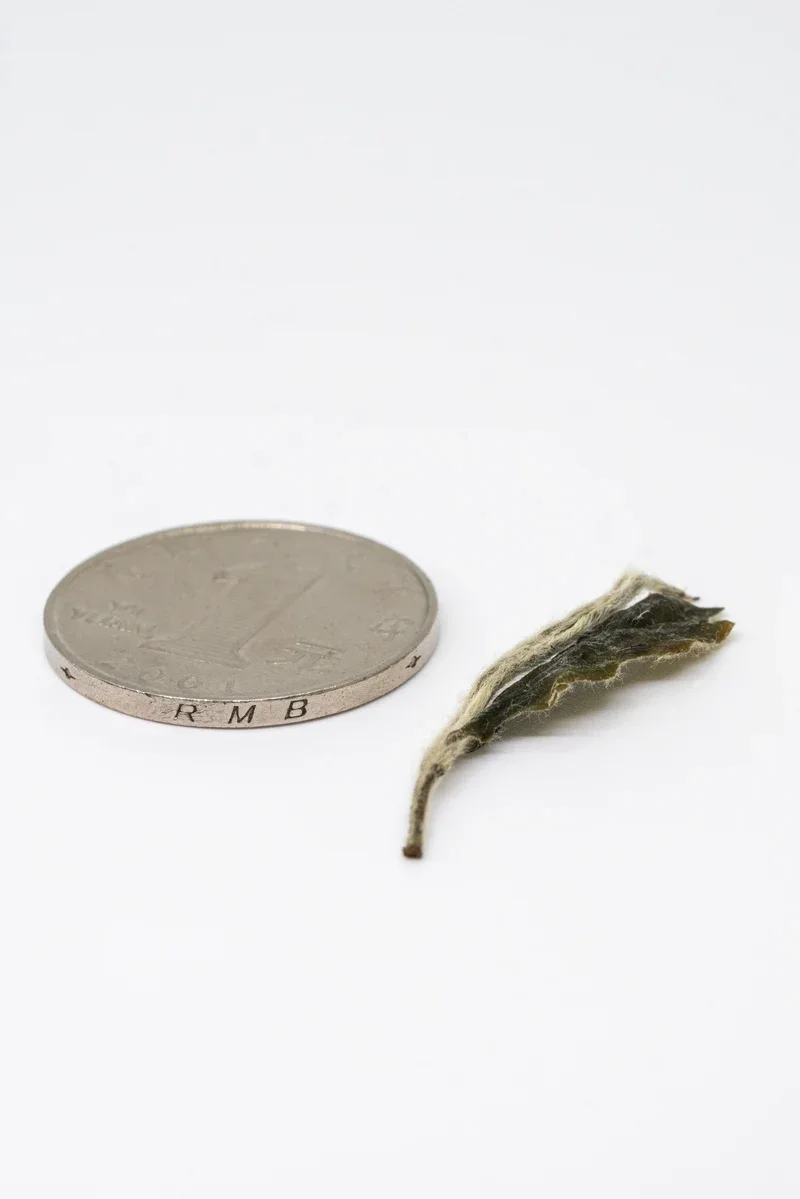
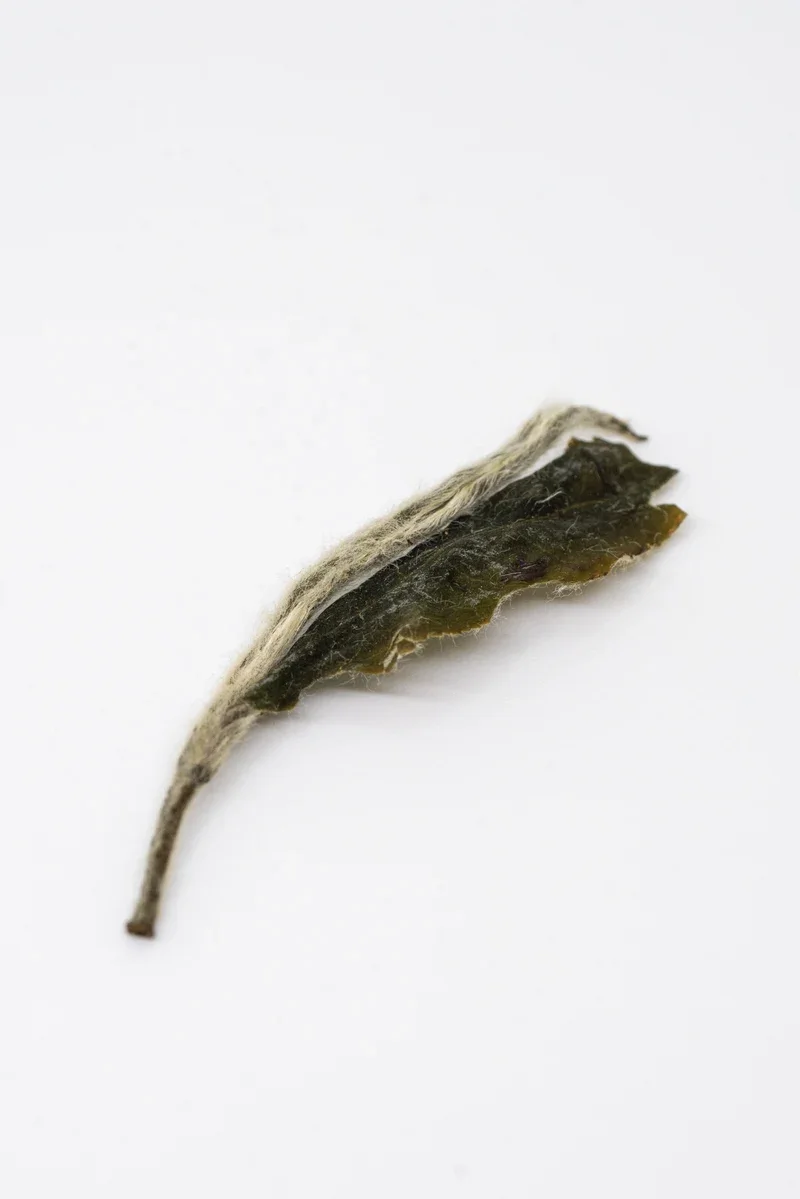
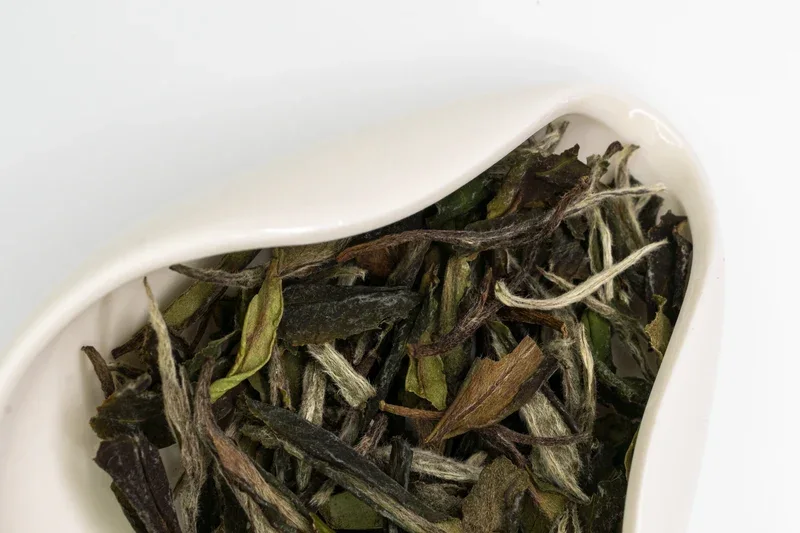
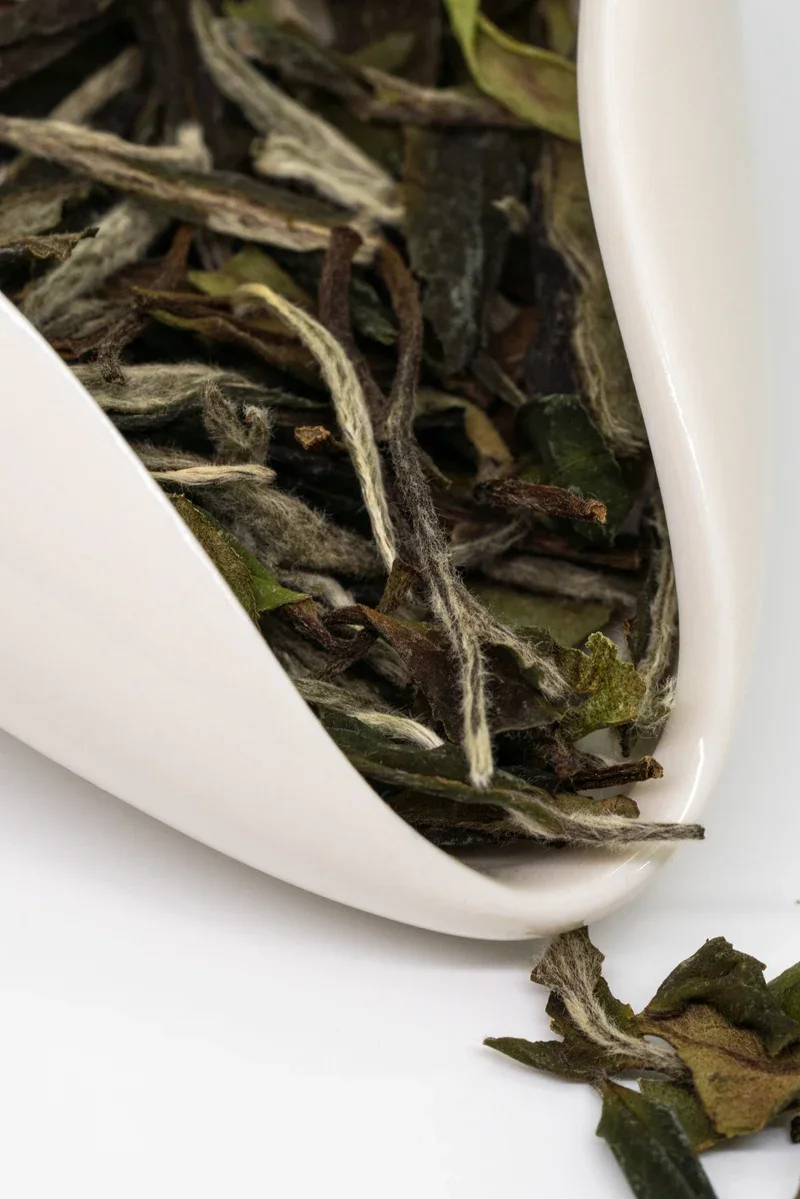
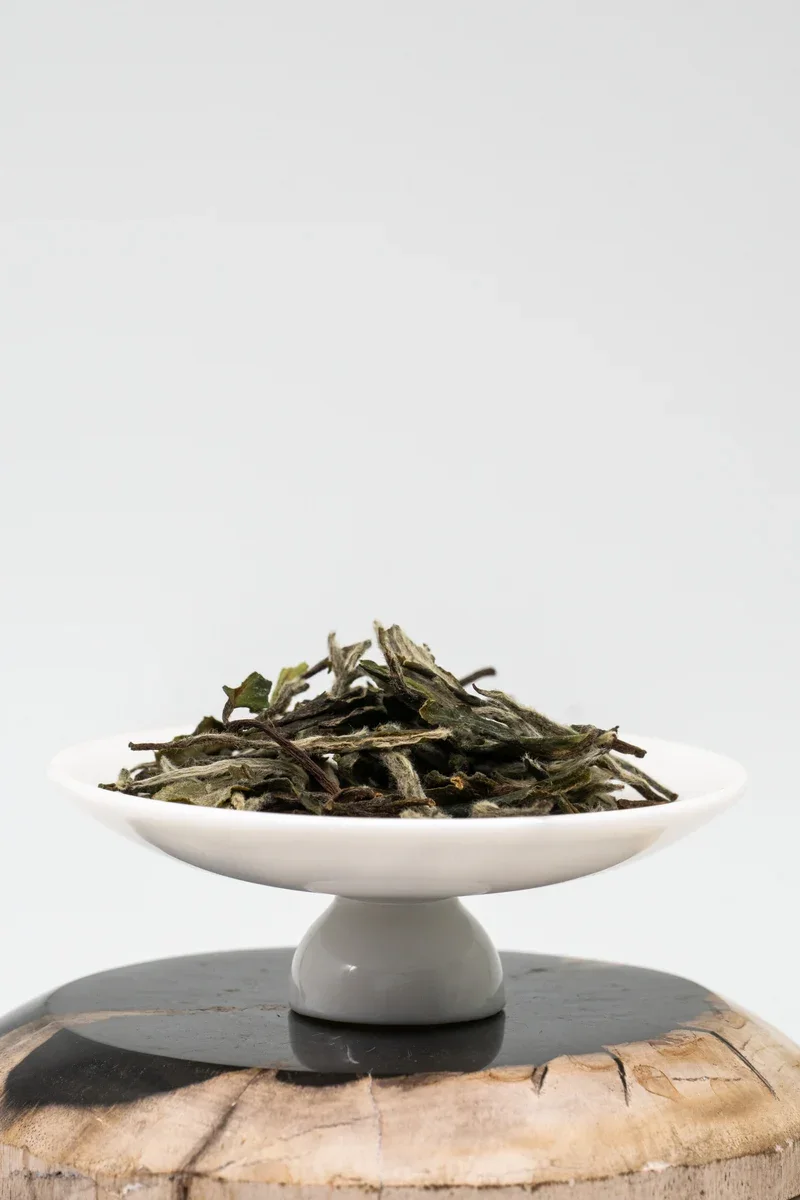
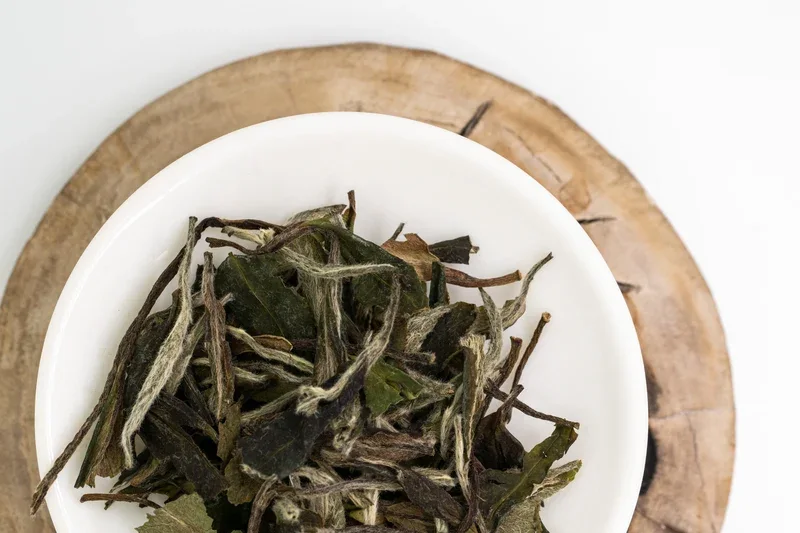
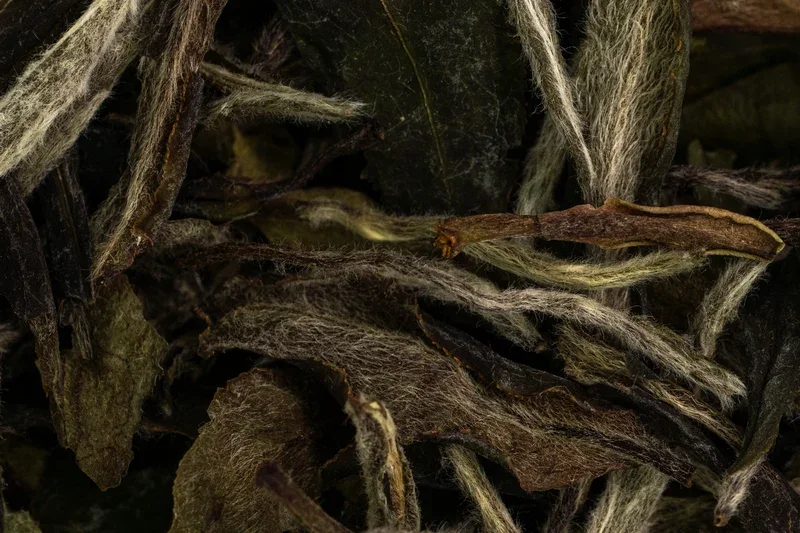
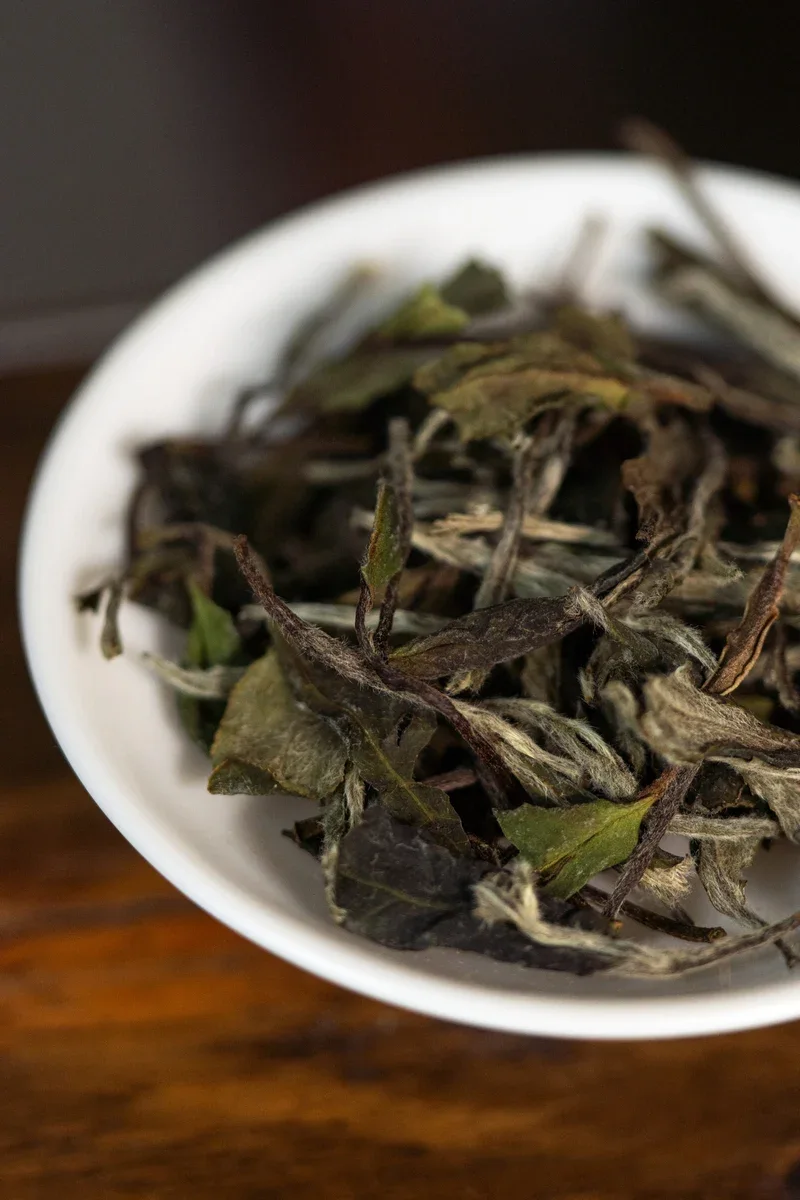
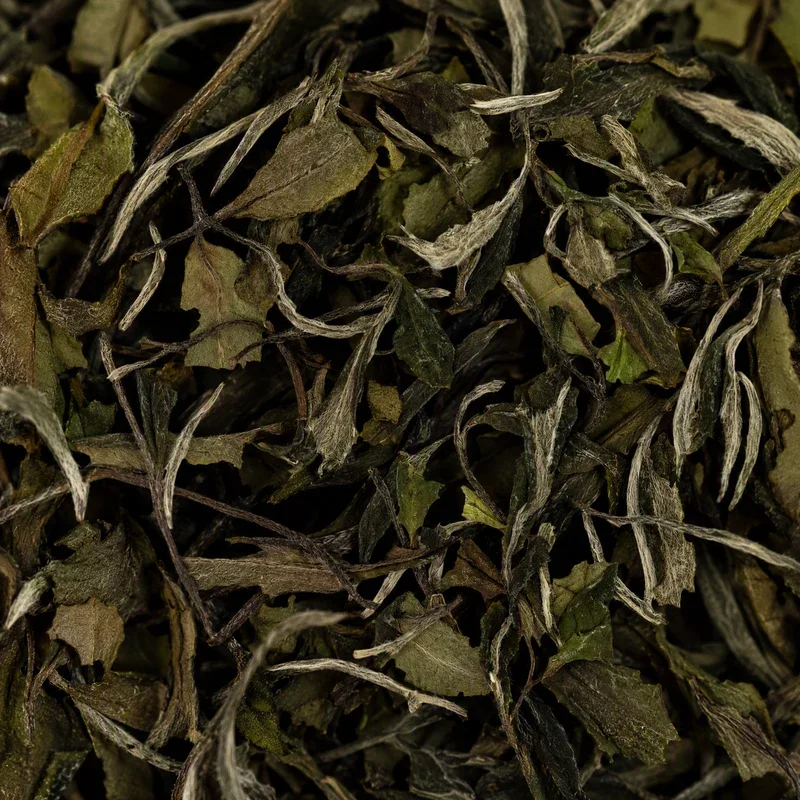
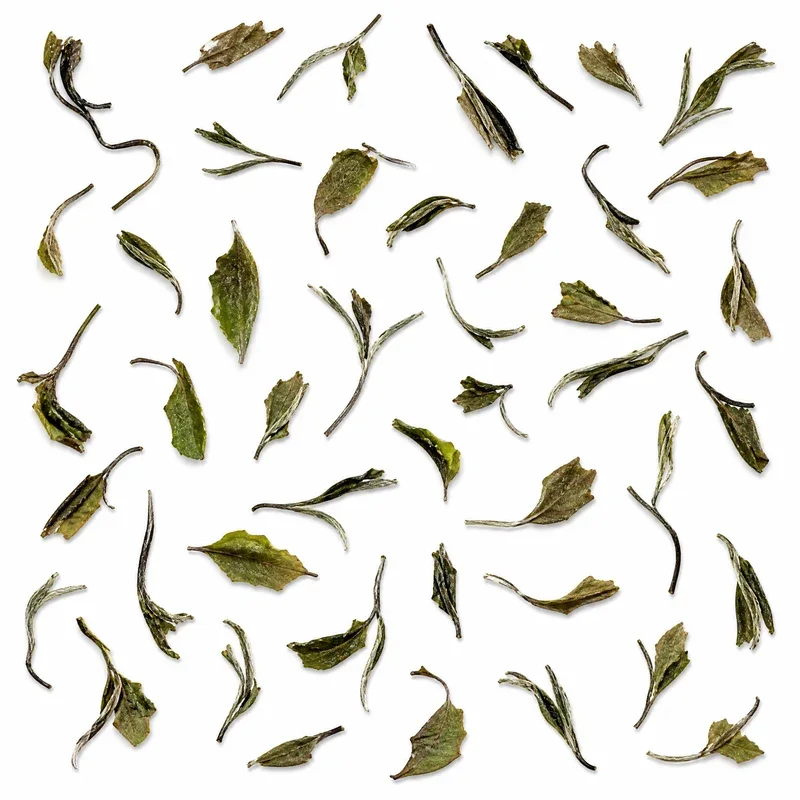
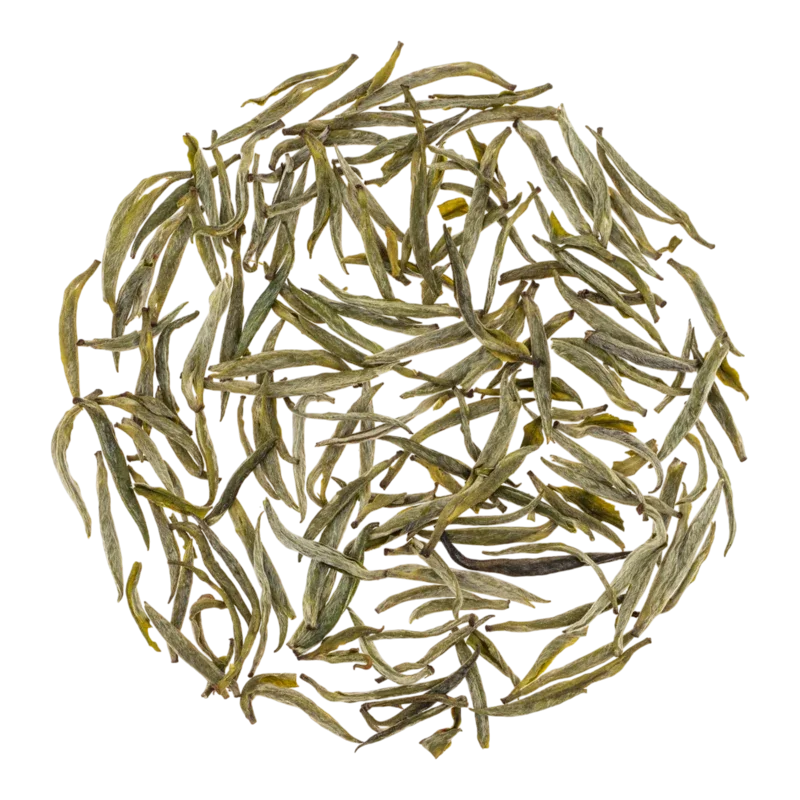
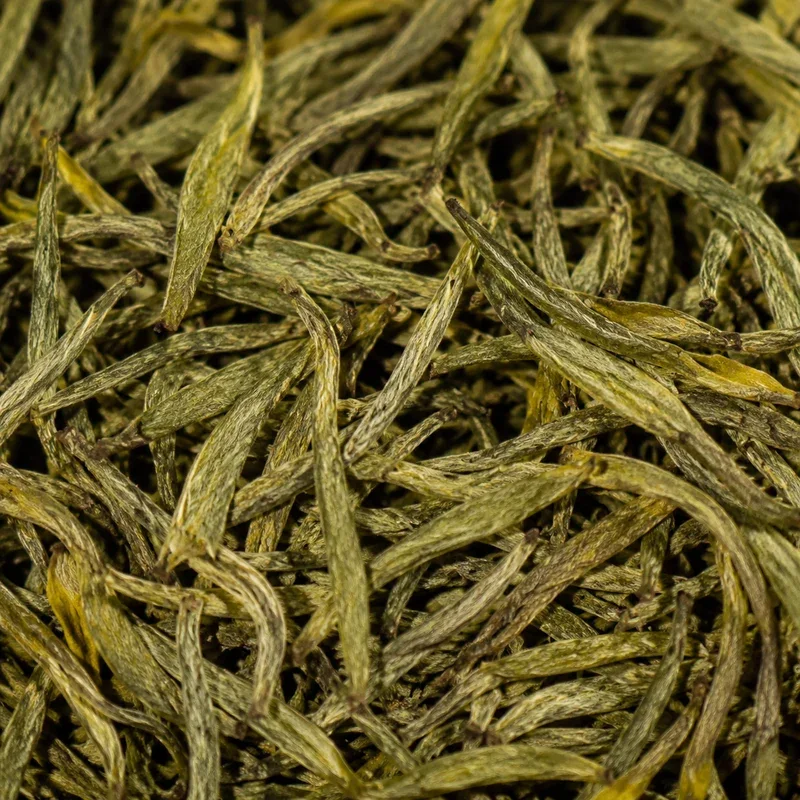
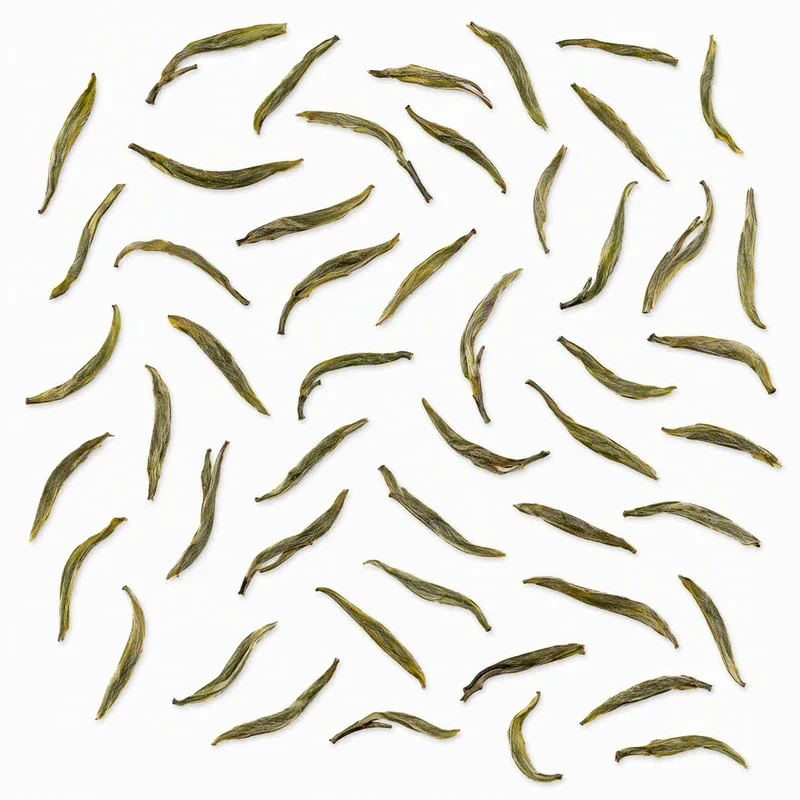
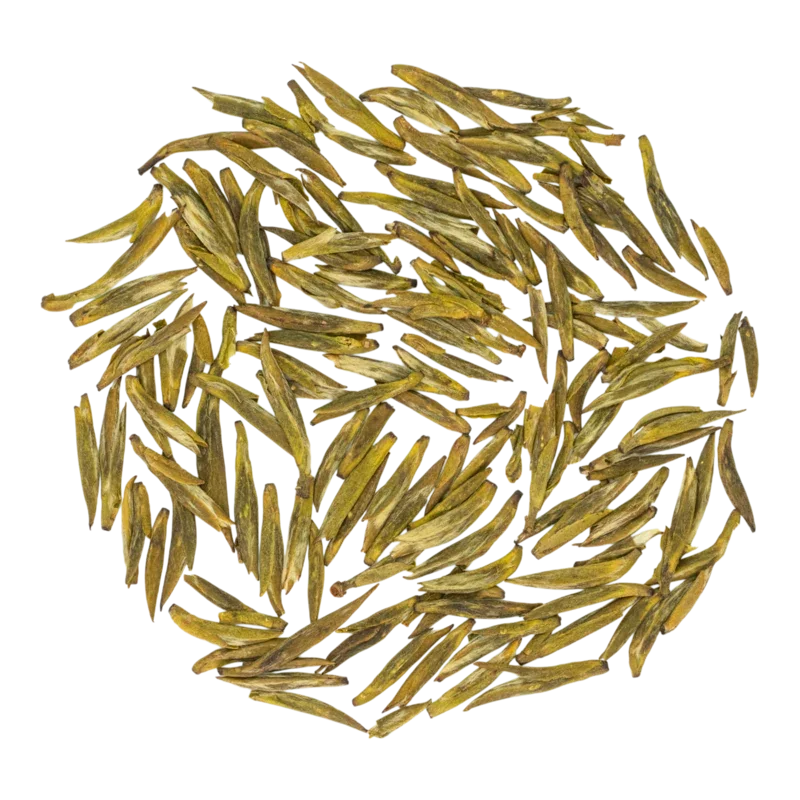
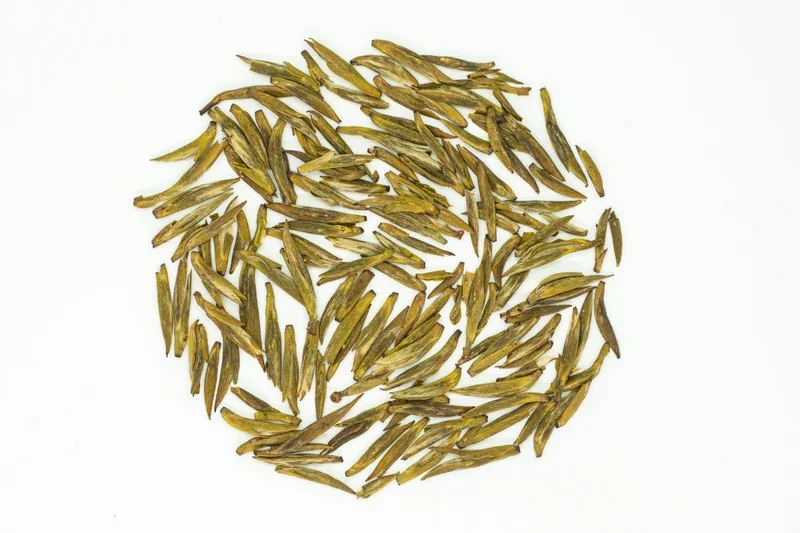
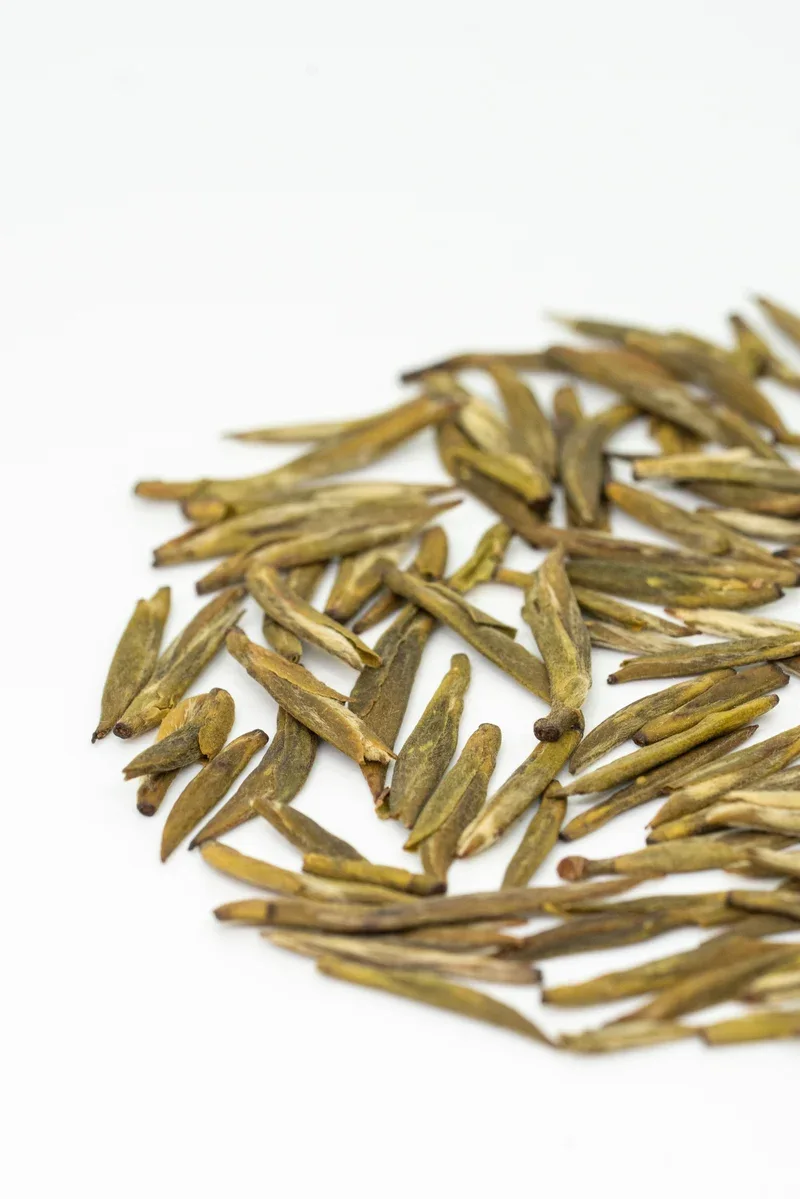
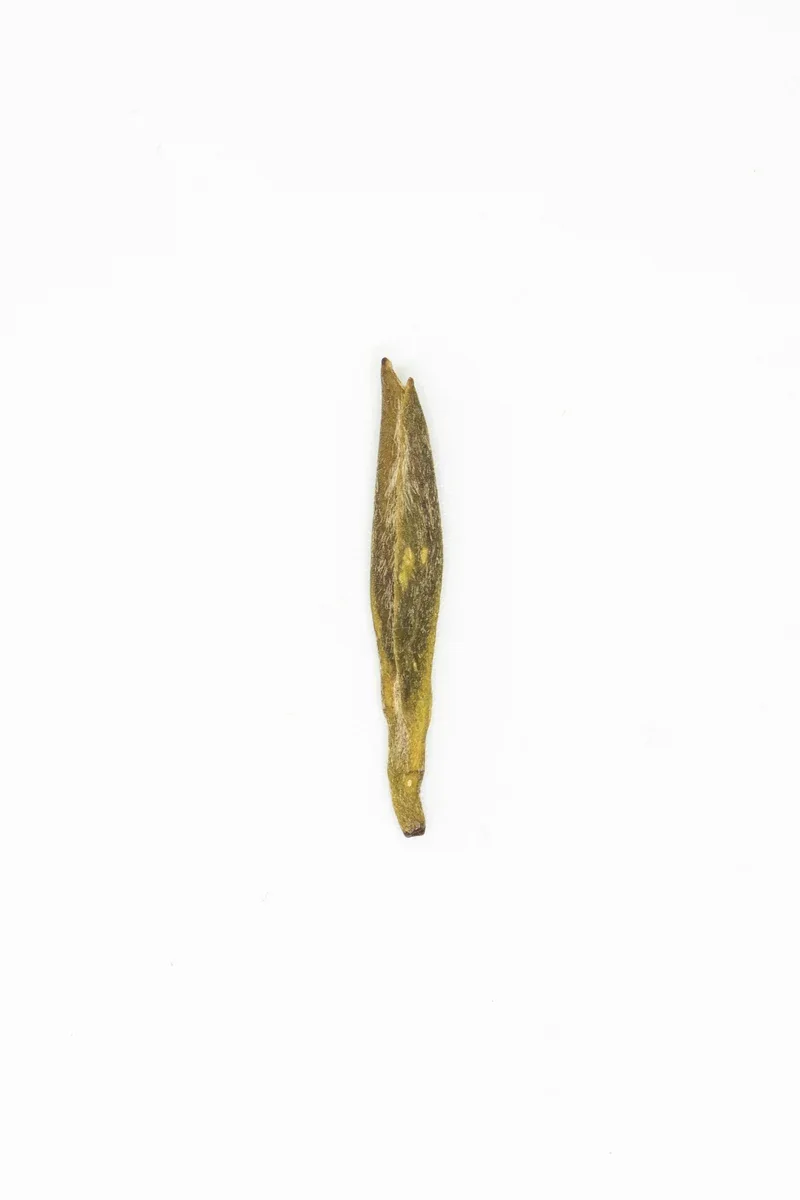
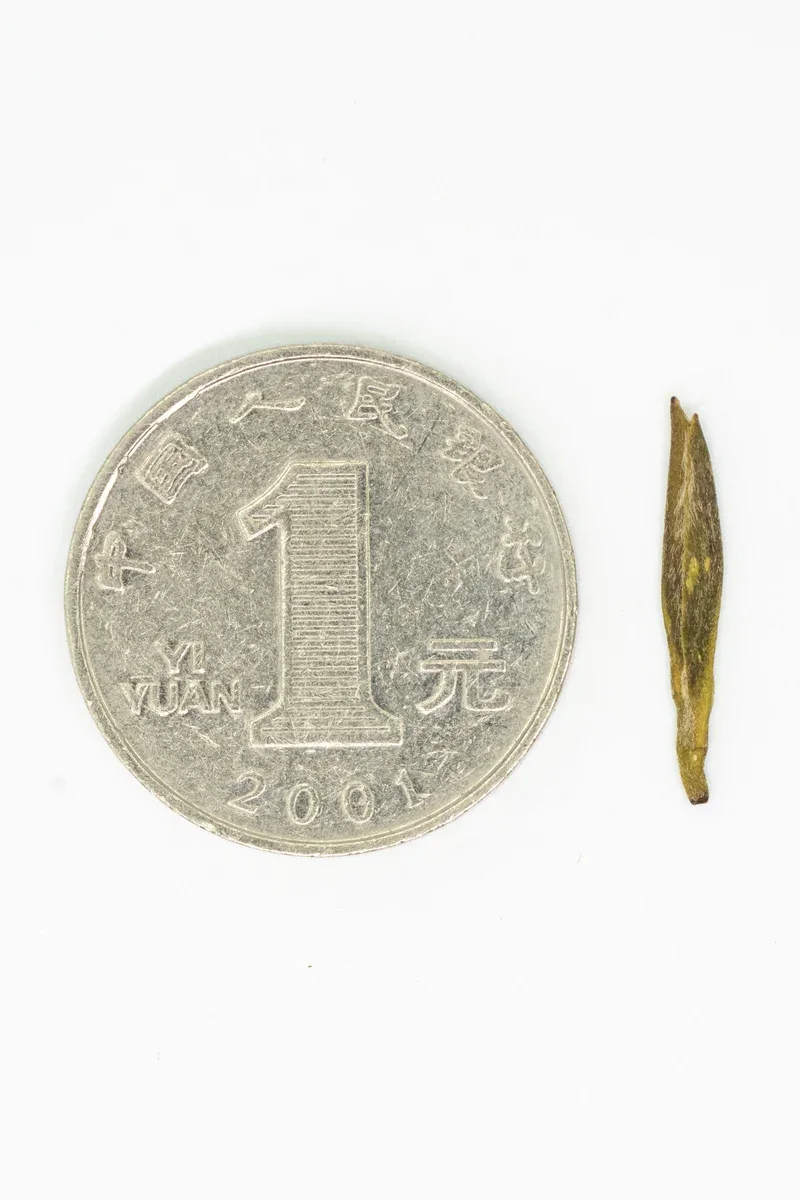
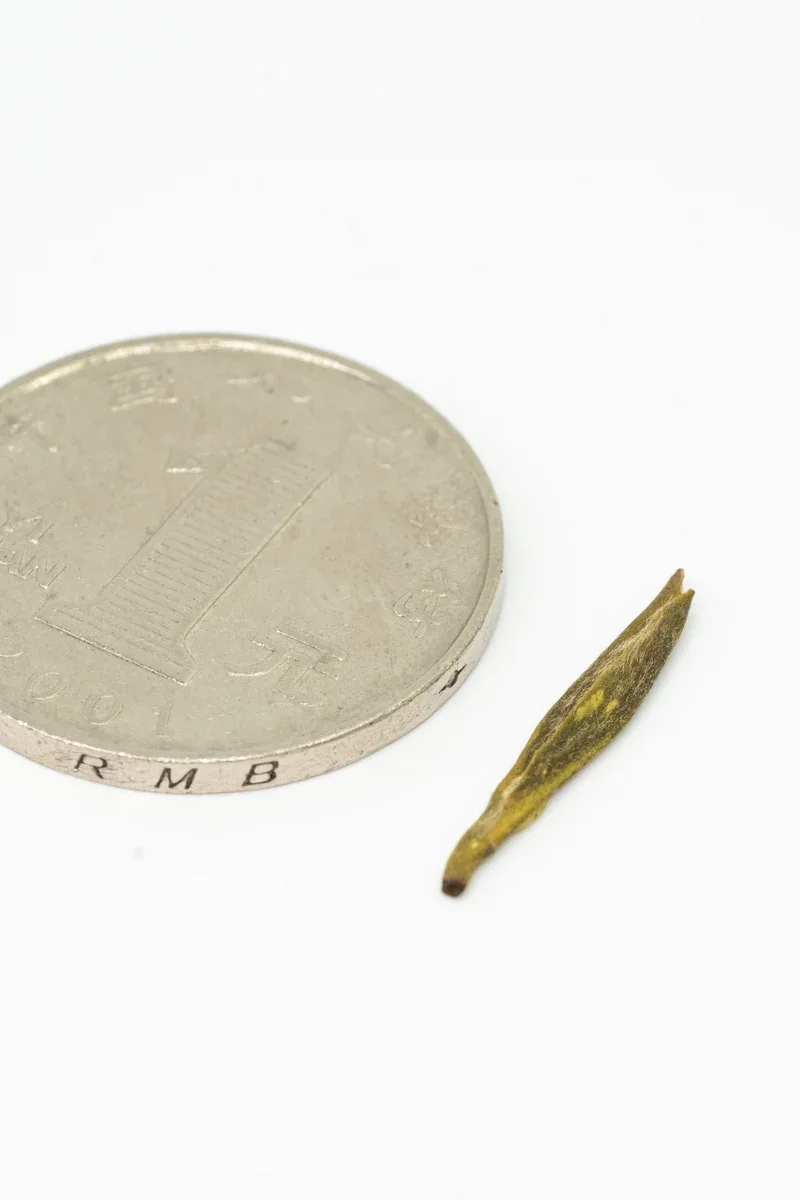
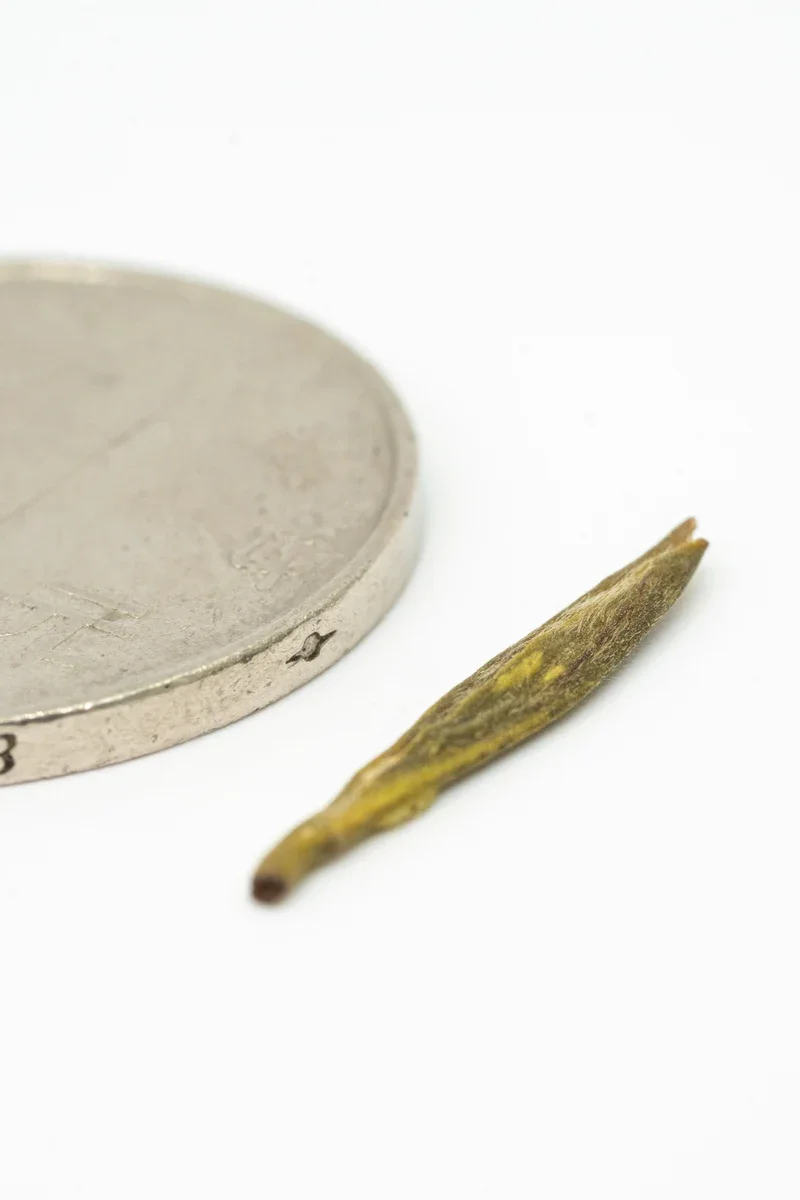
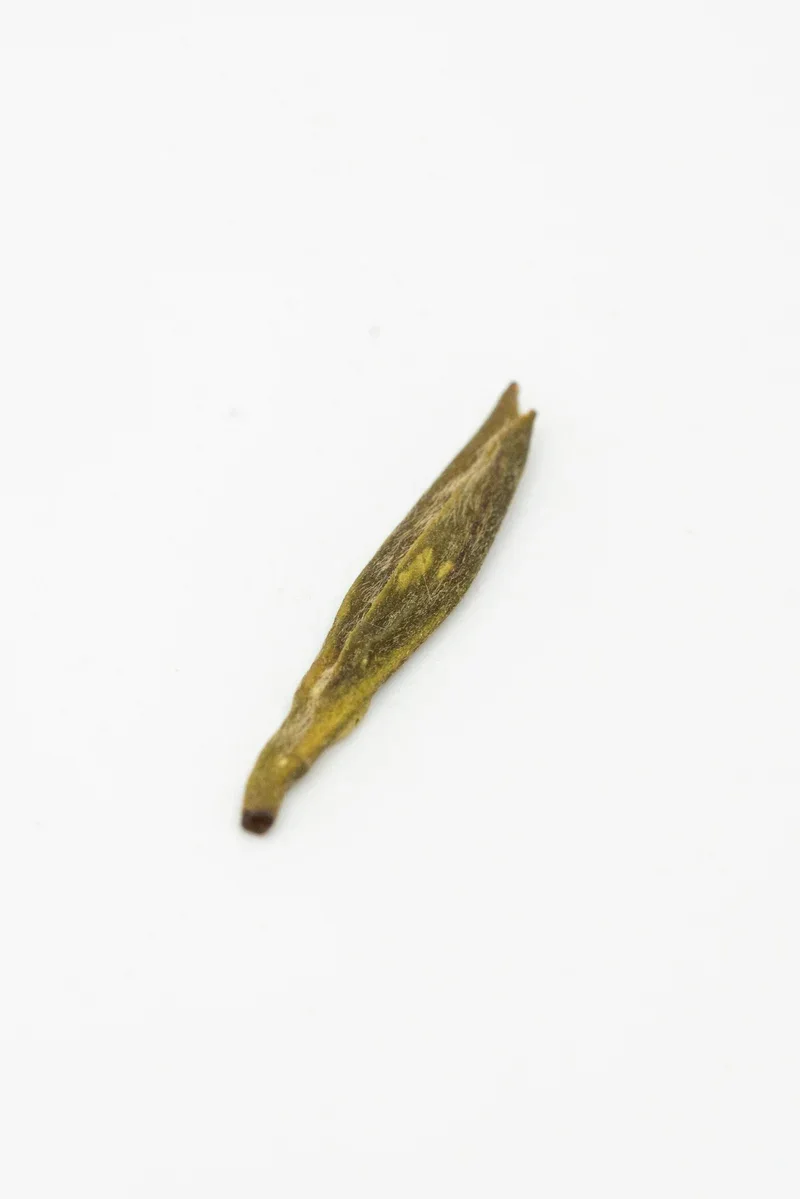
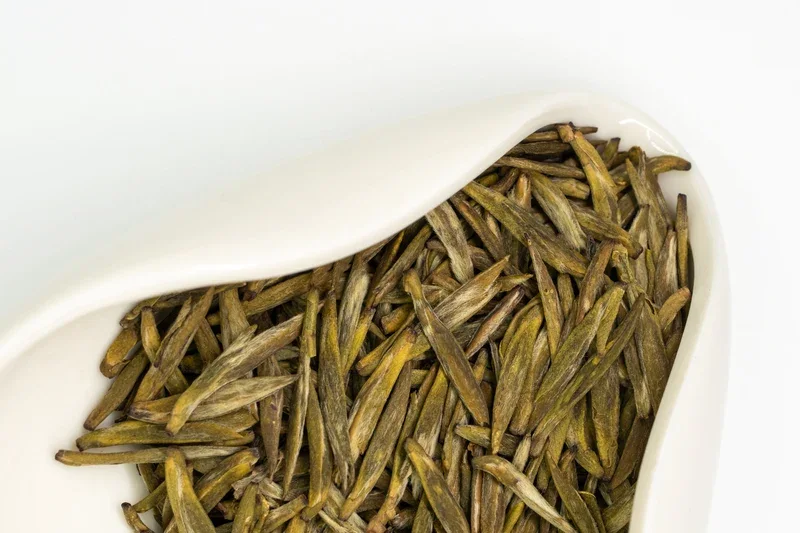
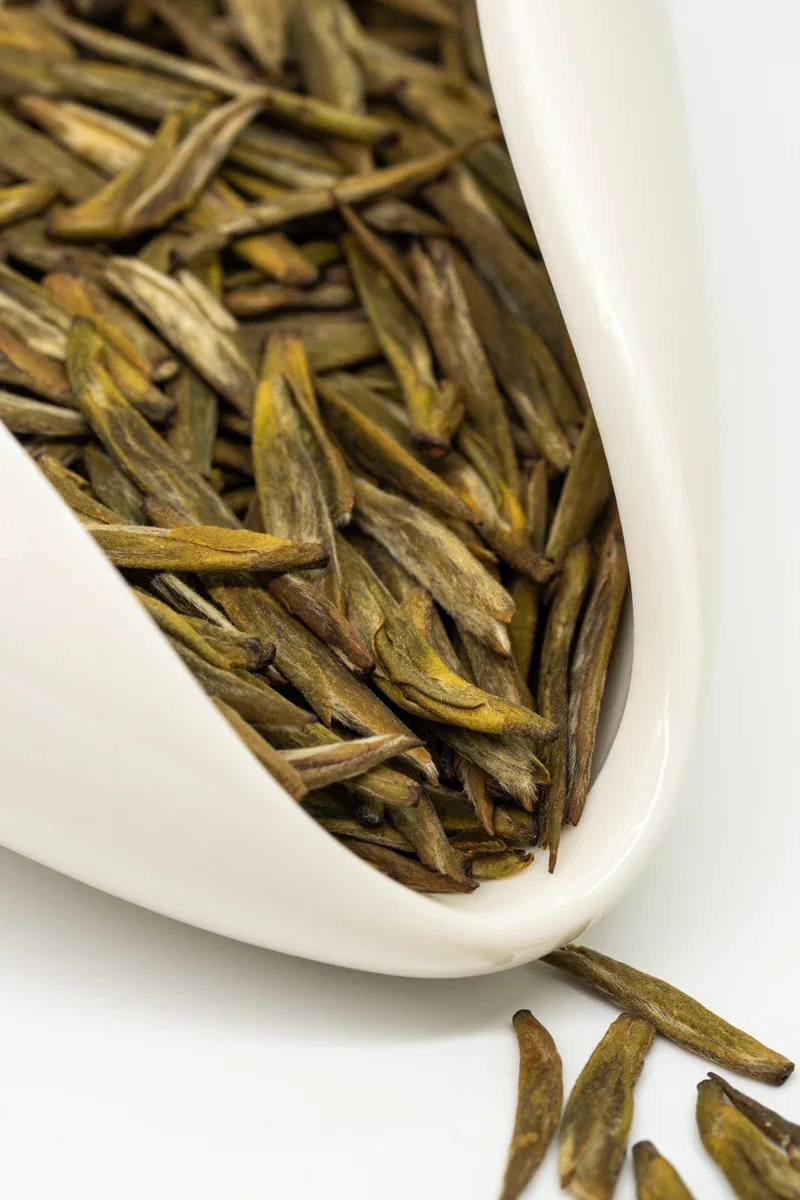
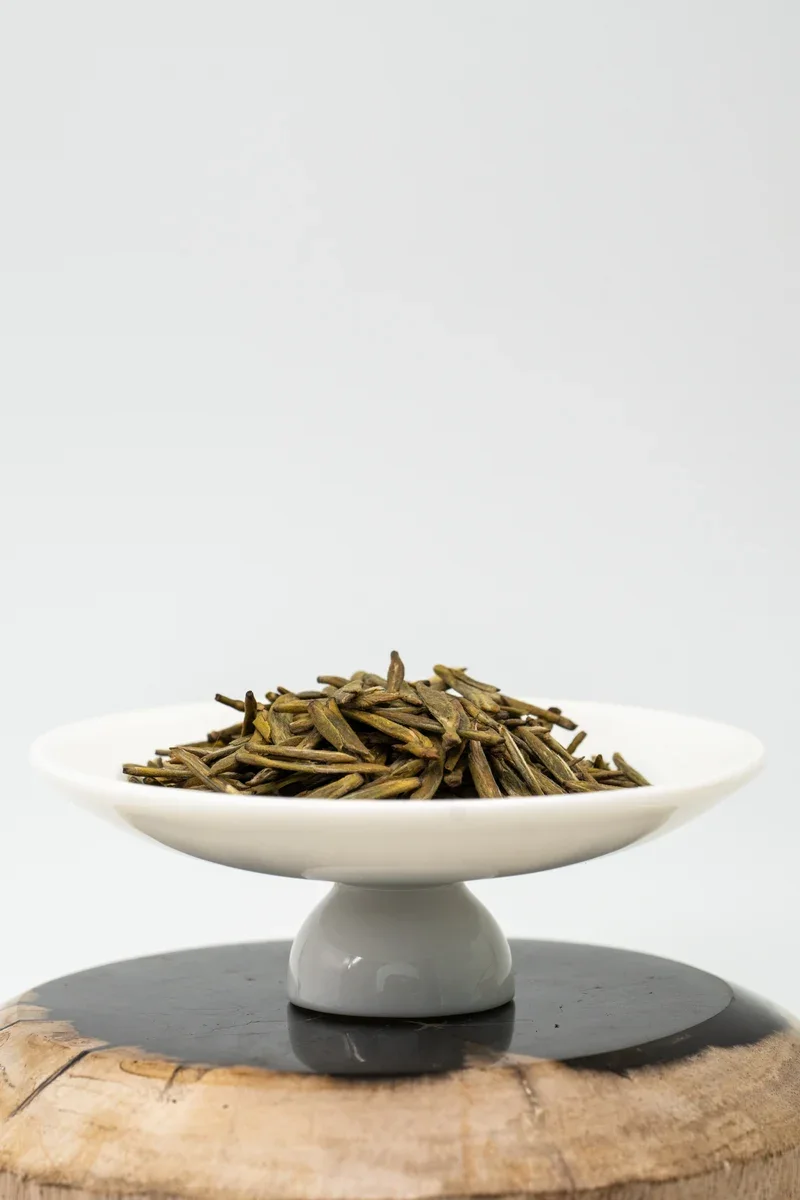
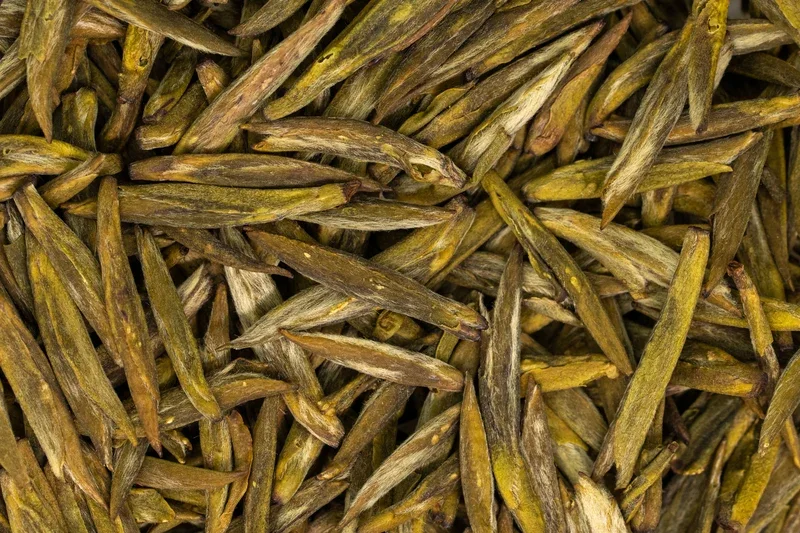
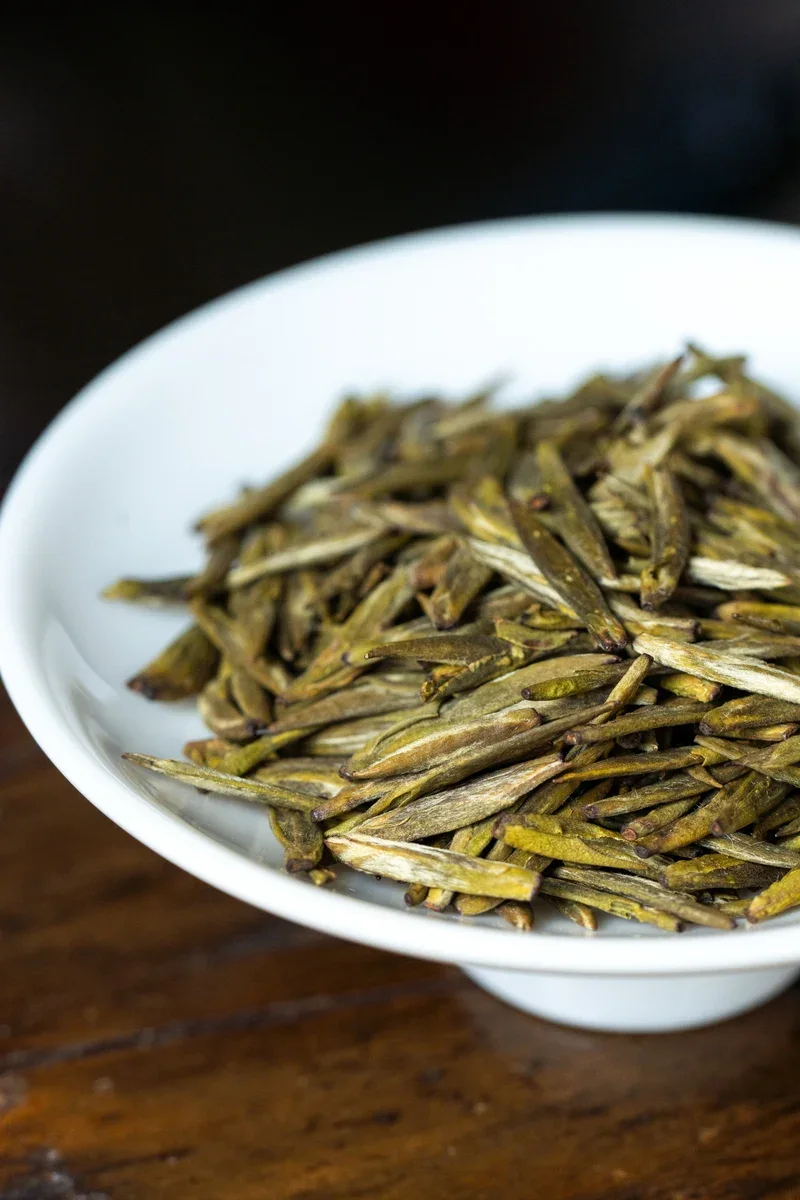
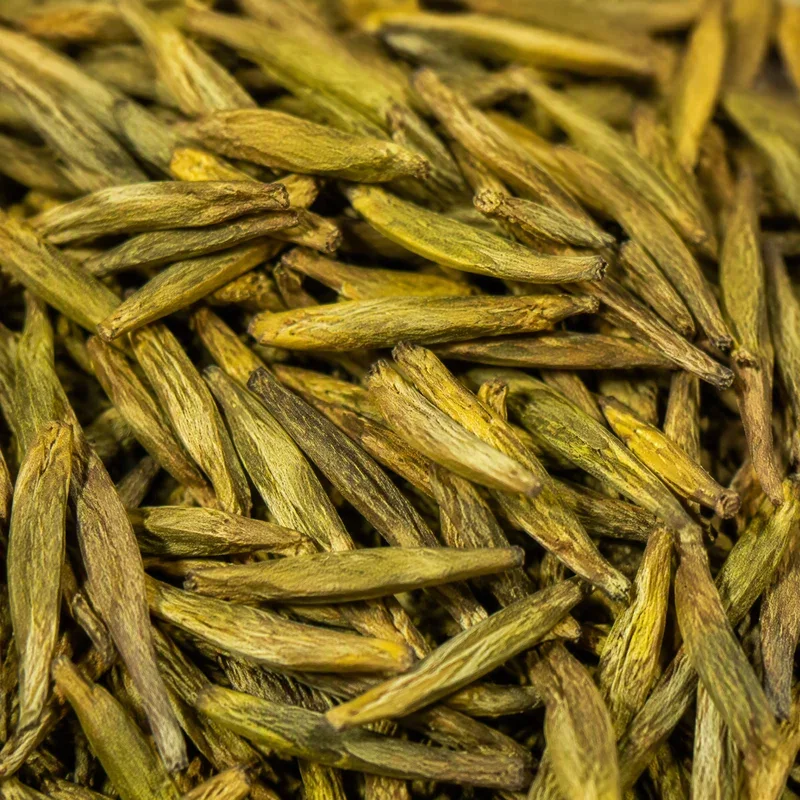
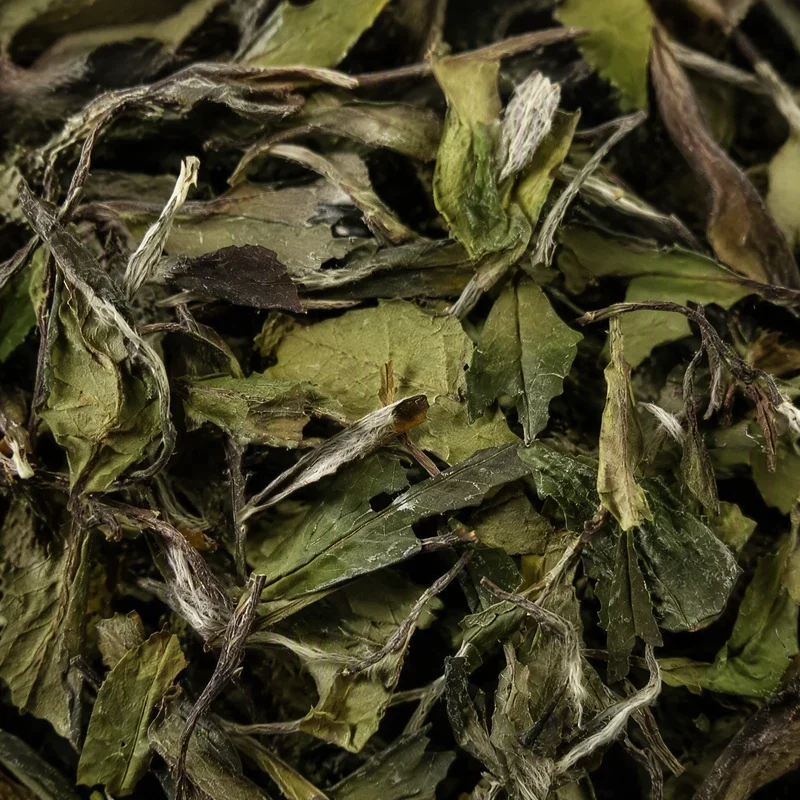
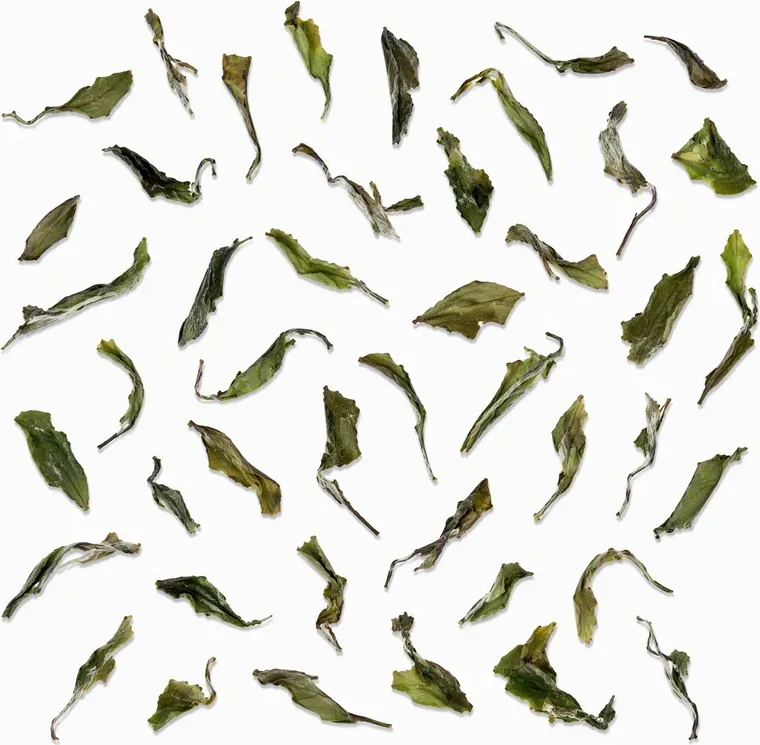
from silvery buds (Yin Zhen) to more leafy fractions (Shou Mei). Quality tea looks whole and neat.
in young tea — white flowers, meadow herbs, fresh straw, light honey; in aged tea — honey, dried fruits, sometimes "date" note in old Shou Mei.
from very light straw-yellow (young bud teas) to amber (aged and/or leafy).
Spent Leaves: elastic, lively; in good batches retains clean "garden" aroma without mustiness.
Taste: soft, without coarse bitterness; sweetness is often felt already in the first steeps. Astringency is light and "dry," increasing when water is overheated.
Amino Acids: responsible for sweetness, softness and "umami" sensation.
usually acts more gently than in green and red teas (black tea), but level depends on proportion of buds and leaf youth.
in young tea give notes of field flowers, fresh hay, green apple; during aging shift toward honey, dried fruits and herbs.
enhance "silkiness" and roundness of taste (especially in grades with greater proportion of leaf and stems).
Polyphenols: form antioxidant potential and light astringency.
polyphenols help reduce oxidative stress.
the combination of caffeine and theanine gives many people steady focus.
warm liquor is often perceived as comfortable after meals (especially aged whites).
regular tea drinking may support hygiene due to polyphenolic profile.
bud teas (especially Yin Zhen) lose florality on boiling water and give harsh astringency.
white tea opens gradually; it's better to make short steeps and build up time.
conversely, old white and dense pressing often require 95–100 °C, otherwise taste will be flat.
white tea quickly "absorbs" kitchen, spices and household chemicals.
expecting "spring greenness" from old white is a mistake; its value is in honey, dried fruits and soft density.
4–6 g per 150–200 ml for gaiwan/teapot; for a glass you can use 2–3 g per 200–250 ml.
start with 10–20 seconds, then gradually increase time. Quality white tea withstands 5–8 steeps.
white tea "loves air" — don't be afraid to briefly air out dry leaf in a warmed gaiwan before the first steep.
75–80 °C, short steeps — for delicacy and florality.
80–90 °C, can be slightly "denser" in timing.
90–100 °C, withstands long steeps and boiling.
Teaware: porcelain/glass. Glass is convenient if you want to observe leaf opening.
Water Temperature: 75–90 °C (the more buds and "delicacy" — the lower the temperature).
Container: airtight (jar, zip-lock bag/foil bag), without "aromatic" materials.
dry, cool, dark, without temperature fluctuations.
separate from spices, coffee, incense.
possible for very delicate batches (especially with high bud content), but only with perfect airtightness, otherwise tea quickly picks up odors and moisture.
cakes/bricks from Bai Mu Dan, Gong Mei or Shou Mei — separate "storage culture" and boiling.
less volume, less crumbs.
in pressing tea ages slower and often more "cohesively," because leaf has less contact with air.
pressing often has more "compote" density and fewer sharp top notes.
white tea is a seasonal beverage. "Spring" is usually finer in aroma, "summer/autumn" — denser and more grassy.
for Fujian classics Fuding/Zhenghe and specific township/village are important. For new regions — specific growing area.
Yin Zhen / Bai Mu Dan / Gong Mei / Shou Mei (or analog). This is more honest than abstract "premium."
minimum crumbs and dust, neat fraction.
even size and color — sign of stable sorting.
clean, without "basement," dampness, chemicals and sharp perfumery.
good white tea usually gives clean, not cloudy liquor.
should be sweet and long, without unpleasant acid and "dirt."
70–80 °C.
80–90 °C.
90–100 °C.
any musty, sour, "dusty" notes usually speak of storage or raw material problems.
good white tea beautifully changes from steep to steep; "flat" taste is more often a sign of mediocre batch.
white tea can be astringent, but bitterness shouldn't dominate.
strong batches have sensation of "oiliness" or "silk" — don't confuse with bitterness.
good with fruits (pear, apple), light biscuits, nuts, soft cheeses. Also excellent as "morning tea" — gently invigorating.
especially harmonious with dried fruits, warm pastries, nut desserts, porridges; in winter they're often drunk as "warming" tea. Shou Mei in boiling is almost "compote," it befriends home cooking.
spicy dishes, strong garlic/onion, bright spices and very sweet cream desserts — they easily "overwhelm" delicate white tea aroma.
No reviews yet. Tell us what you think of this tea.
Rate this tea and share your impressions. We review each submission before publishing it.