Brewing
Gongfu brewing
- Water temperature
- 92 °C
- Tea amount
- 6 g
- Water volume
- 100 ml
- First steep
- 10 s
- Time added per infusion
- 5 s
- Infusions
- 8

máoxiè chá
Choose a brewing method. Start with the recommended quantities and time, then adjust to taste.
Brewing
Brewing
Taste
Tea encyclopedia
Category: Southern Fújiàn oolongs (闽南乌龙, Mǐnnán Wūlóng). Within the Anxi tradition, Maoxie belongs to the group of «sezhong» (色种) — «colored» (that is, «other than Tieguanyin») cultivars, which also include Benshan, Huangdan, Dàyè Wūlóng (大叶乌龙) and Méizhàn (梅占).
Category: Southern Fújiàn oolongs (闽南乌龙, Mǐnnán Wūlóng). Within the Anxi tradition, Maoxie belongs to the group of «sezhong» (色种) — «colored» (that is, «other than Tieguanyin») cultivars, which also include Benshan, Huangdan, Dàyè Wūlóng (大叶乌龙) and Méizhàn (梅占).
Coordinates: Approximately 24°53′ N, 117°58′ E (Daping Township, production core).
Origin: China, Fújiàn Province (福建省, Fújiàn Shěng), Ānxī County (安溪县, Ānxī Xiàn), Dàpíng Township (大坪乡, Dàpíng Xiāng), Fúměi Village (福美村, Fúměi Cūn), Dàqiūlún locality (大丘仑, Dàqiūlún).
Type: Oolong (semi-oxidized tea, oxidation level 15–30% for «qingxiang» style, up to 35–40% for roasted versions). Within the same cultivar, red tea (black tea) (fully oxidized) and green tea (unoxidized) are also produced, however the classic and most widespread form is precisely oolong.
Cultural Significance: Maoxie occupies a stable place in the «four great teas of Anxi» (安溪四大名茶) and is the county's leading export tea. The famous tea scientist Zhāng Tiānfú (张天福, Zhāng Tiānfú), one of the «four patriarchs of Chinese tea», called Daping Township the «pearl of the tea sea» (茶海明珠, cháhǎi míngzhū) — precisely for its role as the birthplace of Maoxie. The tea is exported to Japan, Sweden and other countries; to Sweden it is supplied under the poetic trade name «Yin Hao Meiren Cha» (银毫美人茶, «Beauty Tea with Silver Down»).
History: The origin of the Maoxie cultivar is documented in the «Register of Tea Plant Cultivars» (《茶树品种志》, «Chá shù pǐnzhǒng zhì»), published in 1979 by the Tea Research Institute of the Fujian Academy of Agricultural Sciences. According to the record, in 1907 (33rd year of the Guangxu era, 光绪三十三年) a tea grower from Píngzhōu Village (萍州村, Píngzhōu Cūn) named Zhāng Jiāxié (张加协, Zhāng Jiāxié) was traveling through Fumei Village on his way to buy fabric and learned from a local resident named Gaoxiang about an extraordinarily fast-growing tea bush that began yielding crops just two years after planting. Zhang brought home more than a hundred saplings and planted them at his place; thanks to high yield and good quality, the tea quickly spread throughout the Pingzhou area.
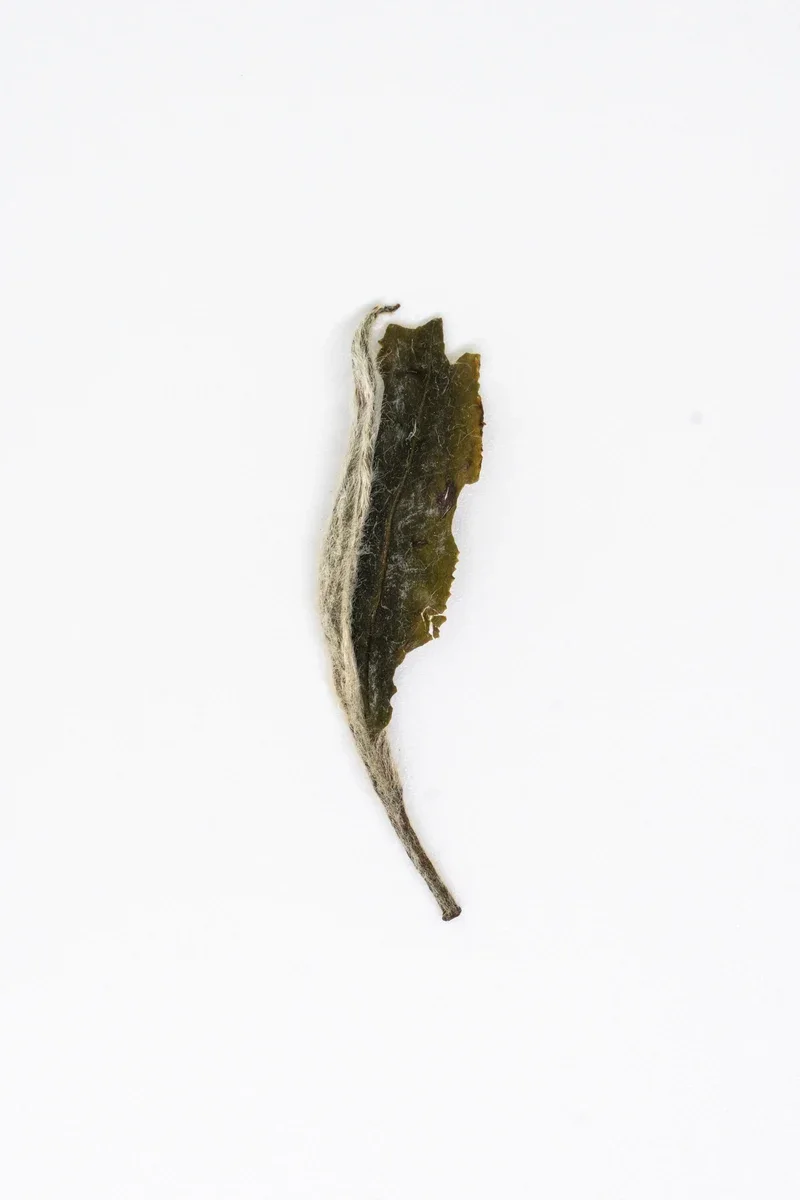
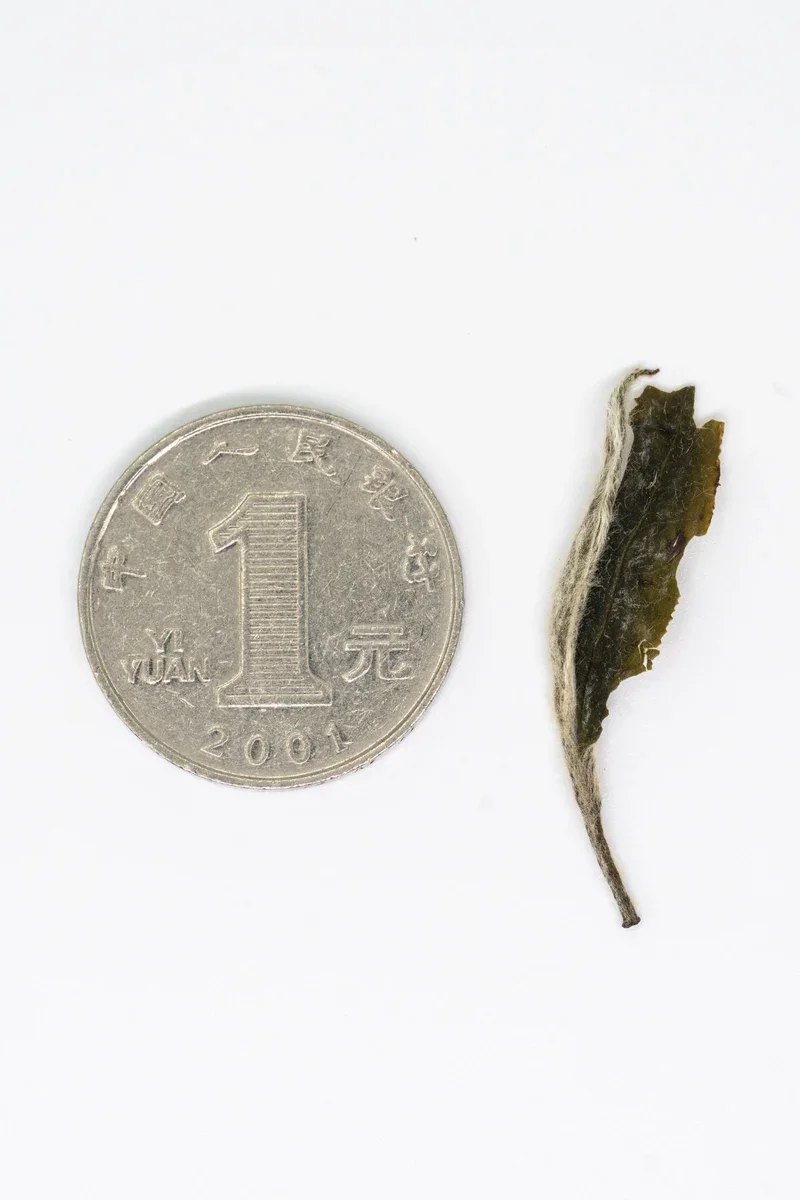
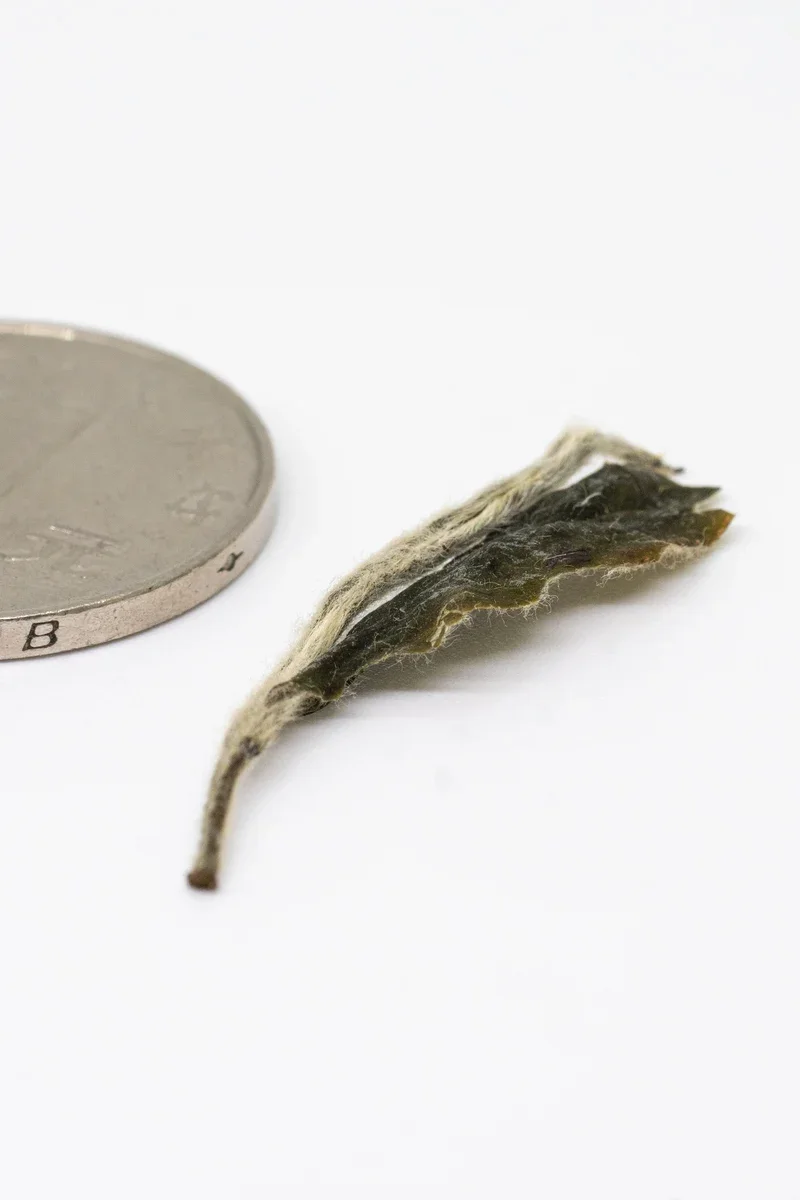
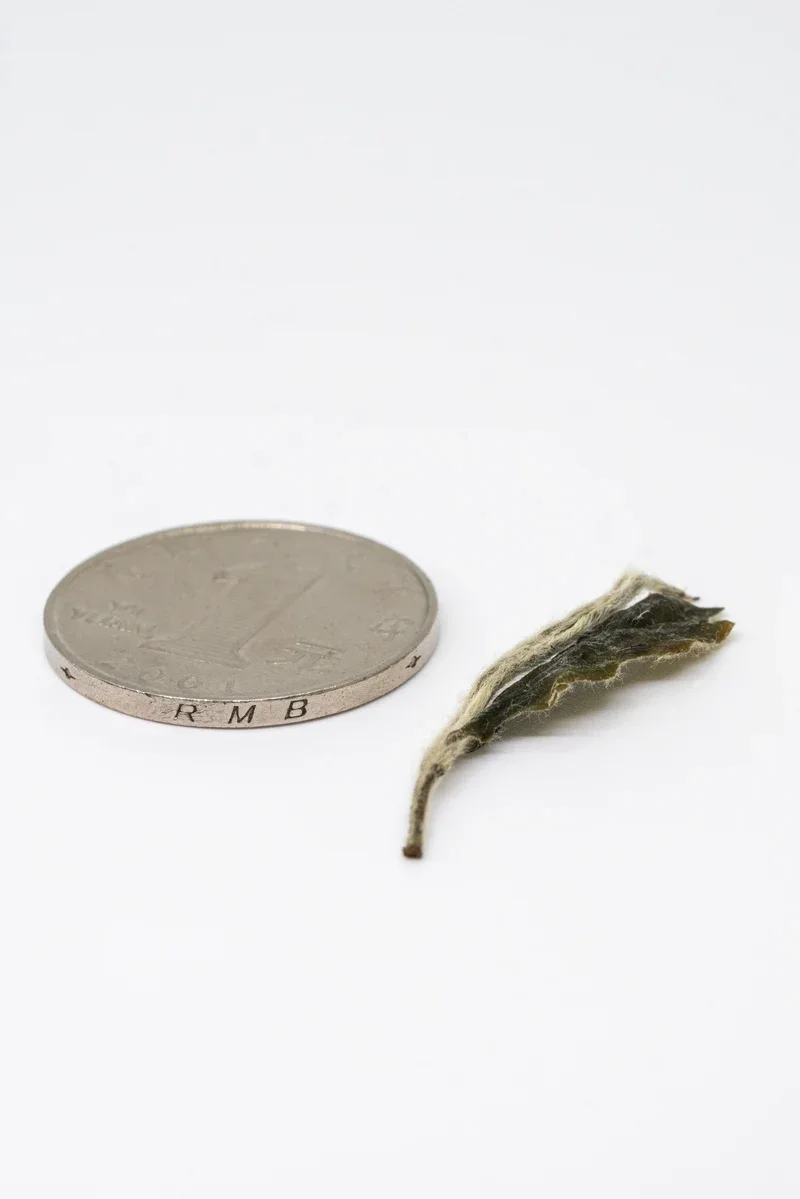
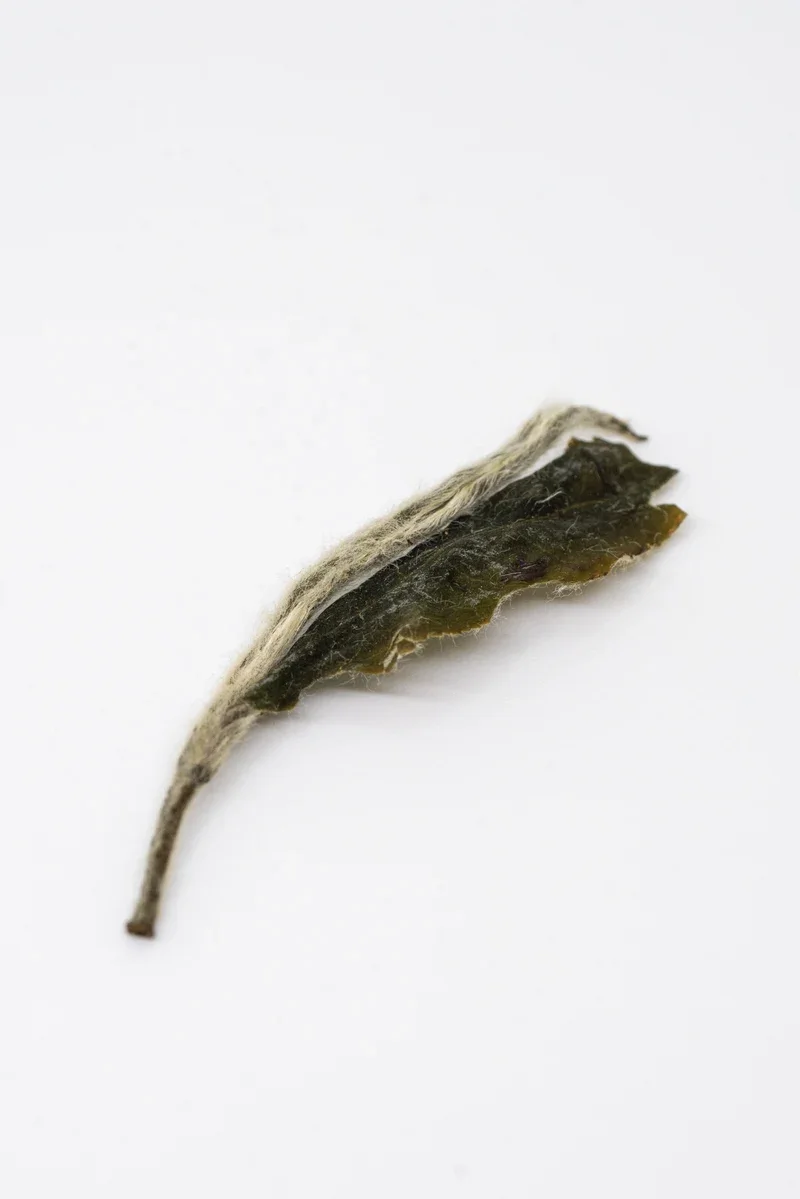
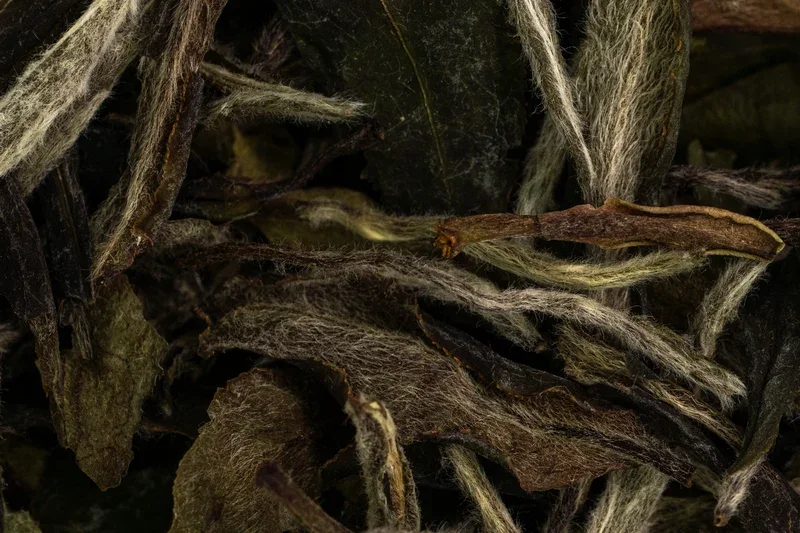
Name Breakdown: 毛 (máo) — «hair, down, hairy»; 蟹 (xiè) — «crab». The name reflects two morphological features of the cultivar: dense white down (白毫, báiháo) on buds and the reverse side of leaves, as well as the characteristic shape of leaf serrations — deep, sharp and curved downward, like crab claws. Alternative ancient name — Minghua (茗花, Mínghuā, literally «tea flower»); during the Republic period the tea was also called Máowài (毛外, Máowài).
Cultivar: Máoxiè (毛蟹, Máoxiè), also called Minghua (茗花). Asexual (vegetative) propagation; shrub type (灌木型, guànmù xíng), medium-leaf class (中叶类, zhōngyè lèi), medium-bud subtype (中芽种, zhōngyá zhǒng); mixed ploidy set (混倍体). Belongs to Camellia sinensis var. sinensis. Bush habit semi-spreading (半开展, bànkāizhǎn), branching dense. Leaves elliptical, flat, with pointed tip; color dark green; blade thick, brittle; leaf margin serrations deep, sharp, curved downward (characteristic diagnostic feature). Buds and shoots powerful, thick, with short internodes; reverse side of leaf and shoot tips densely covered with white down (白毫). Flowers abundantly but practically does not set fruit.
Picking: Spring (April — early May) and autumn (September–October) — classic seasons; summer harvest is also practiced but yields less aromatic raw material. Peak development of «one bud + three leaves» shoot falls in mid-April.
Pluck Standard: Predominantly «one bud + two-three leaves» (一芽二三叶). Harvest is done by hand: with index finger and thumb grasp the middle of the shoot stem and break it off with a spring motion. Optimal time — from noon to 3:00 PM, when morning dew has completely dried and the content of aromatic substances in the leaf is maximum.
Raw Material: Whole upper shoot, uniform degree of maturity, absence of mechanical damage, traces of disease and foreign odors. In premium grade raw material (特级) the proportion of «bud + two leaves» standard shoots comprises no less than 90%, white down is especially pronounced.
Altitude: 500–1200 m above sea level. The peak of Mafengshan Mountain (马峰山, Mǎfēng Shān) in Daping reaches 1200 m and represents the highest point of the growing zone; most tea gardens are located at 600–850 m elevation.
Climate: Mid-mountain humid subtropical (中亚热带). Average annual temperature 15–18°C, difference between day and night temperature more than 10°C. Annual precipitation 1600–1900 mm, relative humidity 78–80%, number of foggy days exceeds 180 per year, which ensures a high proportion of diffused light (~70%). Annual insolation — about 1875 hours. The combination of conditions — coolness, fog, diffused light and significant diurnal temperature variations — promotes accumulation of aromatic substances and amino acids in the leaf.
Soil: Acidic red soils (红壤, hóng rǎng) and yellow soils (黄壤, huáng rǎng), pH 4.5–6.0. Soil layer depth more than 1 m, organic matter content ≥ 2.45%. Forest coverage of Daping territory is 78%, industrial pollution is absent. Soils are enriched with selenium, making the region a base for producing «green products» (绿色食品) of high ecological standard.
Production core — Dàpíng Township (大坪乡) of Anxi County, including Píngzhōu Village (萍州村, place of first planting), Fúměi Village (福美村, place of original discovery) and Fēnglín Village (枫林村). Daping accounts for about 60% of all Maoxie output in the county. Besides Daping, Máoxiè is grown in townships and towns Hǔqiū (虎邱), Chéngxiāng (城厢), Pénglái (蓬莱), Kuidou (魁斗), Jingu (金谷), Hutou (湖头), Guanqiao (官桥), Lóngmén (龙门) and others — more than 13 administrative units of Anxi in total. Outside the county, the cultivar is regionalized in other counties of Fujian, as well as in Guangdong, Jiangxi, Hunan, Zhejiang, Hubei and Anhui provinces.
Shoots of «one bud + two leaves» standard are collected during midday hours (12:00–15:00), when leaf moisture is minimal. Raw material is immediately delivered to the workshop.
Leaves are spread in a thin layer in the sǔn or blown with warm air (热风萎凋); goal — loss of approximately 10% moisture. Leaf becomes soft and pliable, initial aroma-forming reactions are triggered.
4–5 cycles of shaking with intermediate rest periods are conducted. Mechanical action damages cells at the leaf edge, triggering partial oxidation; key aromatic compounds are formed in the process — primarily the jasmine profile (类茉莉花香). This is the most creative stage, requiring precise «reading» of aroma from the master.
Heating in a wok at about 260°C stops enzymatic processes and fixes the established aromatic profile.
Manual (or semi-manual) rolling forms the dense, rounded particle shape characteristic of Anxi oolongs, resembling «big head, sharp tail» (头大尾尖). Coarse mechanical rolling is not used — it would disrupt the integrity of the leaf and its down.
Two-stage: primary drying (初烘, chūhōng) at 60–80°C and final drying to moisture content ≤ 6%. For «qingxiang» style (清香, «clean aroma») roasting is minimal; for roasted versions additional charcoal roasting is applied (炭焙, tànbèi).
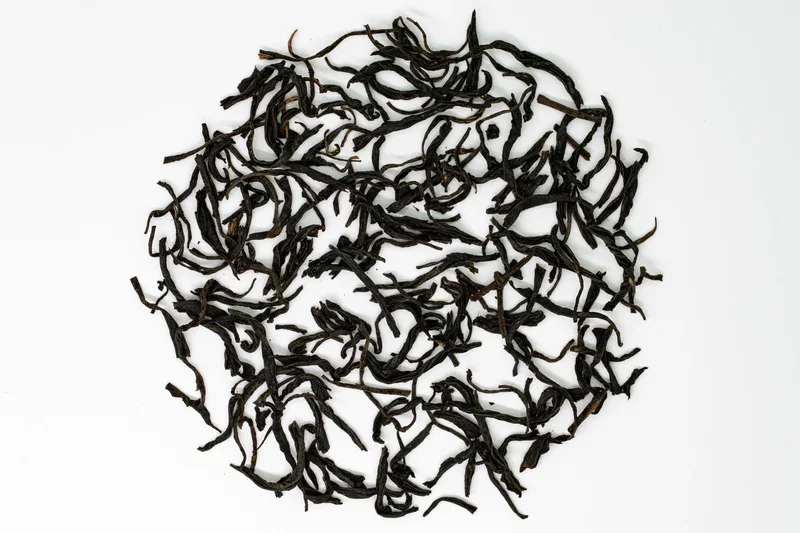
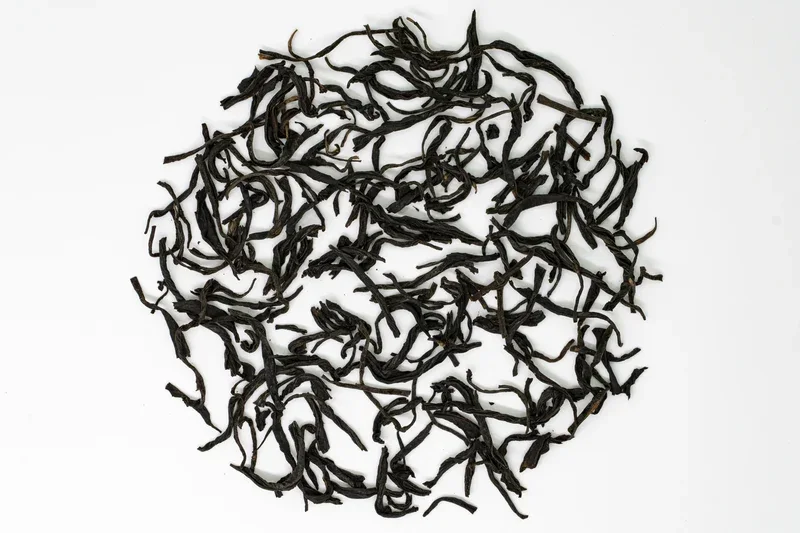
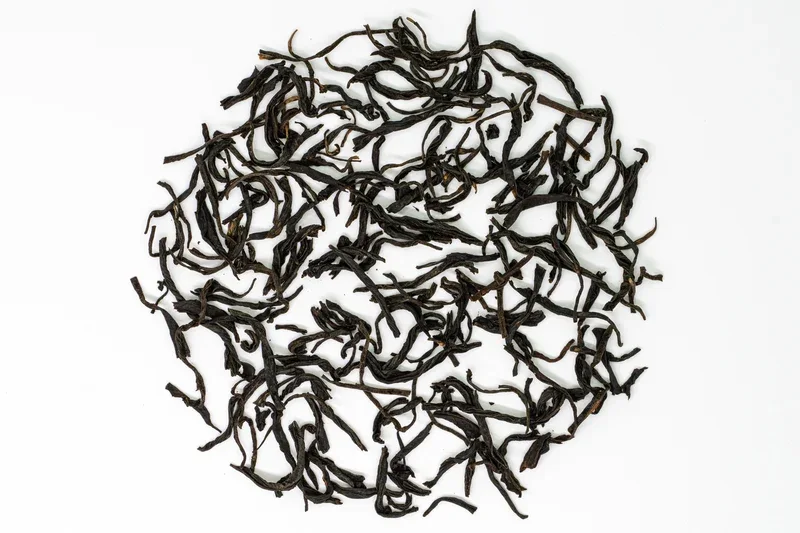
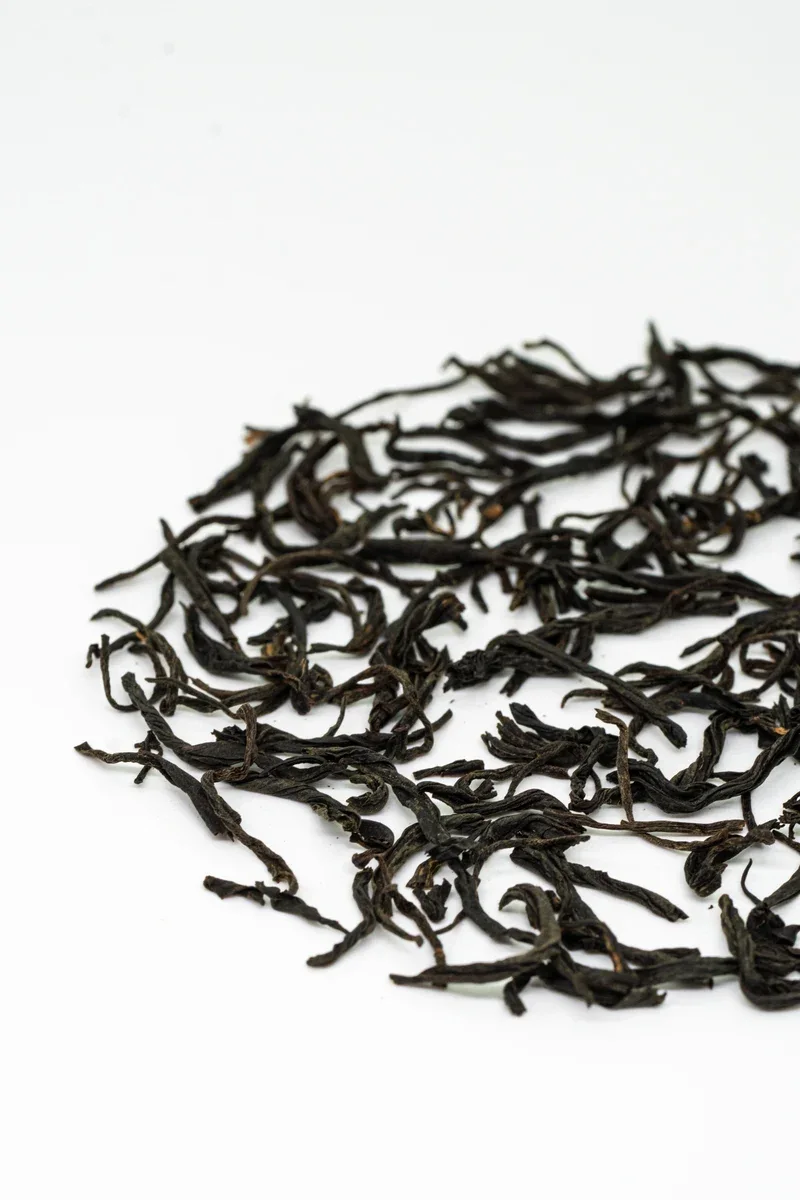
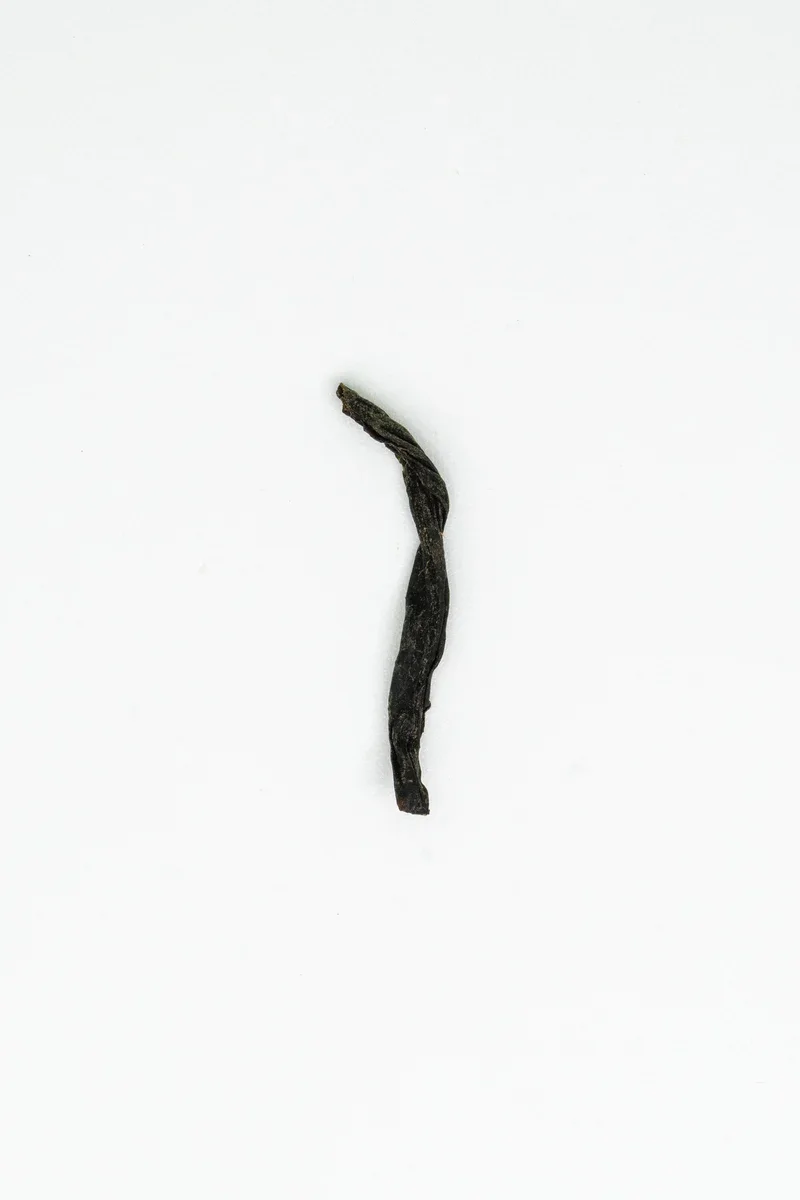
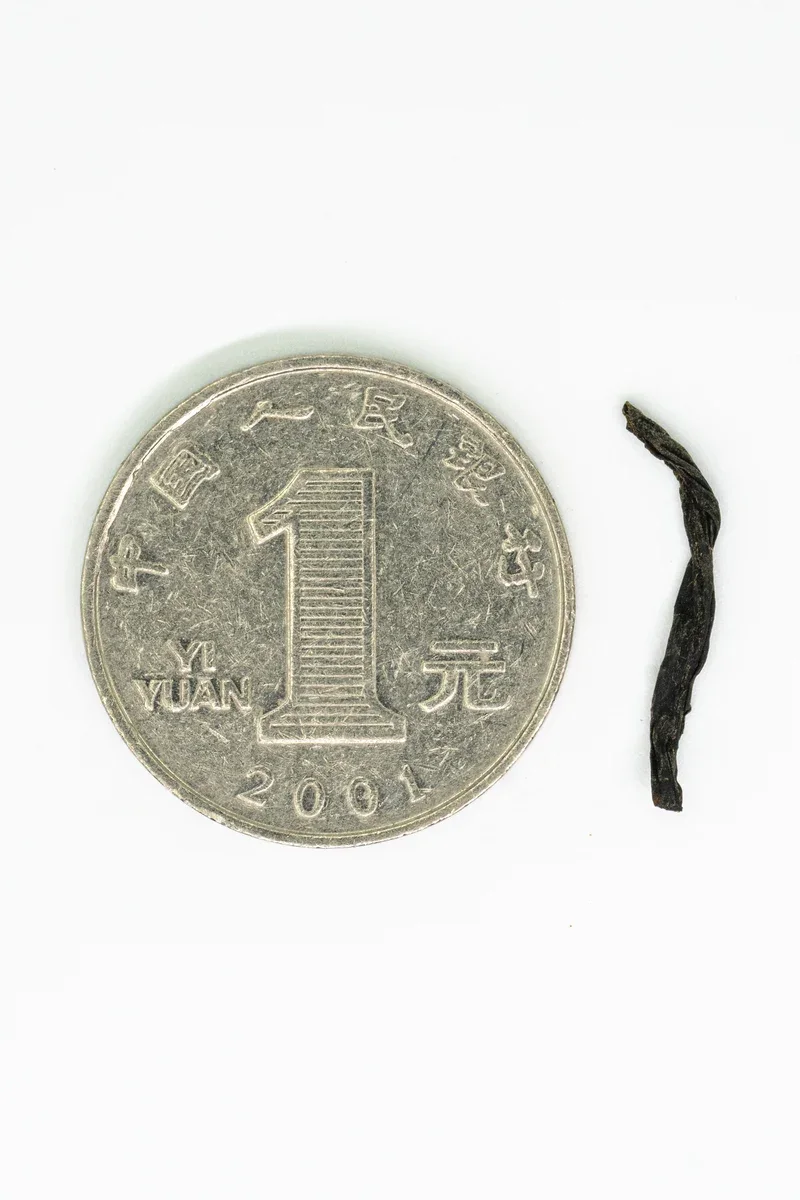
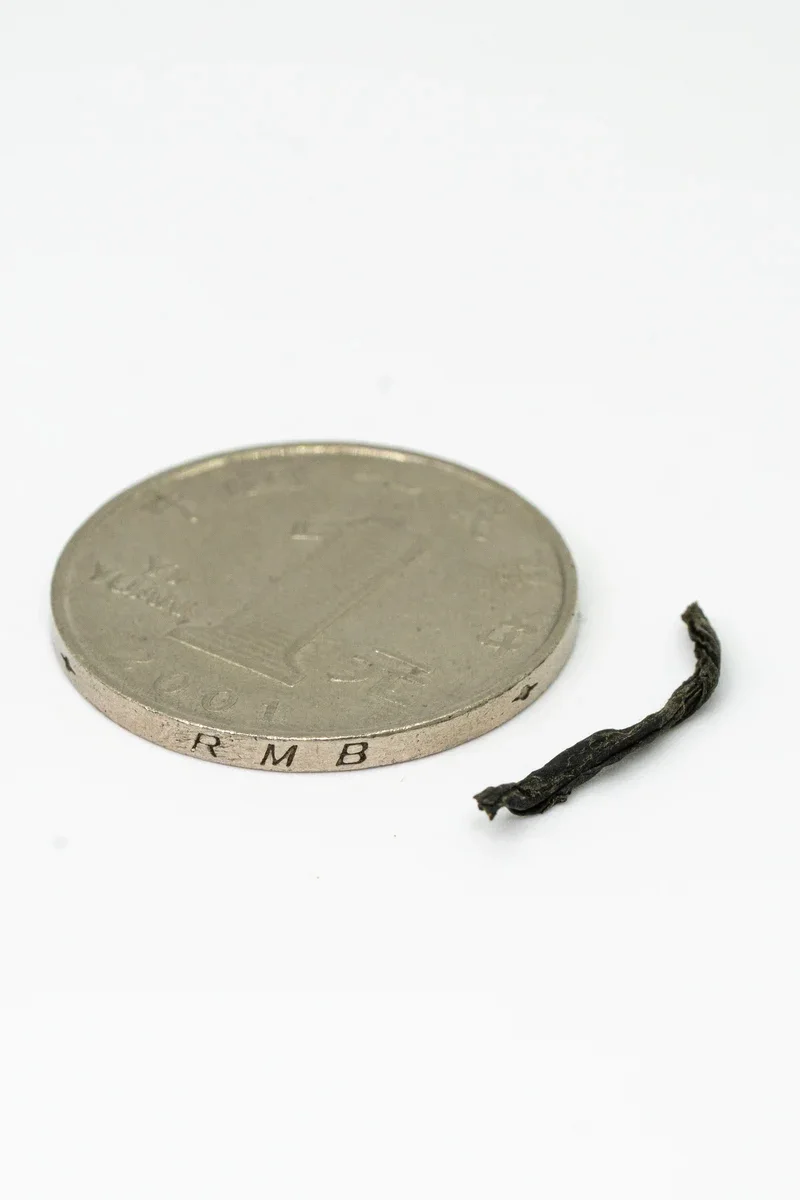
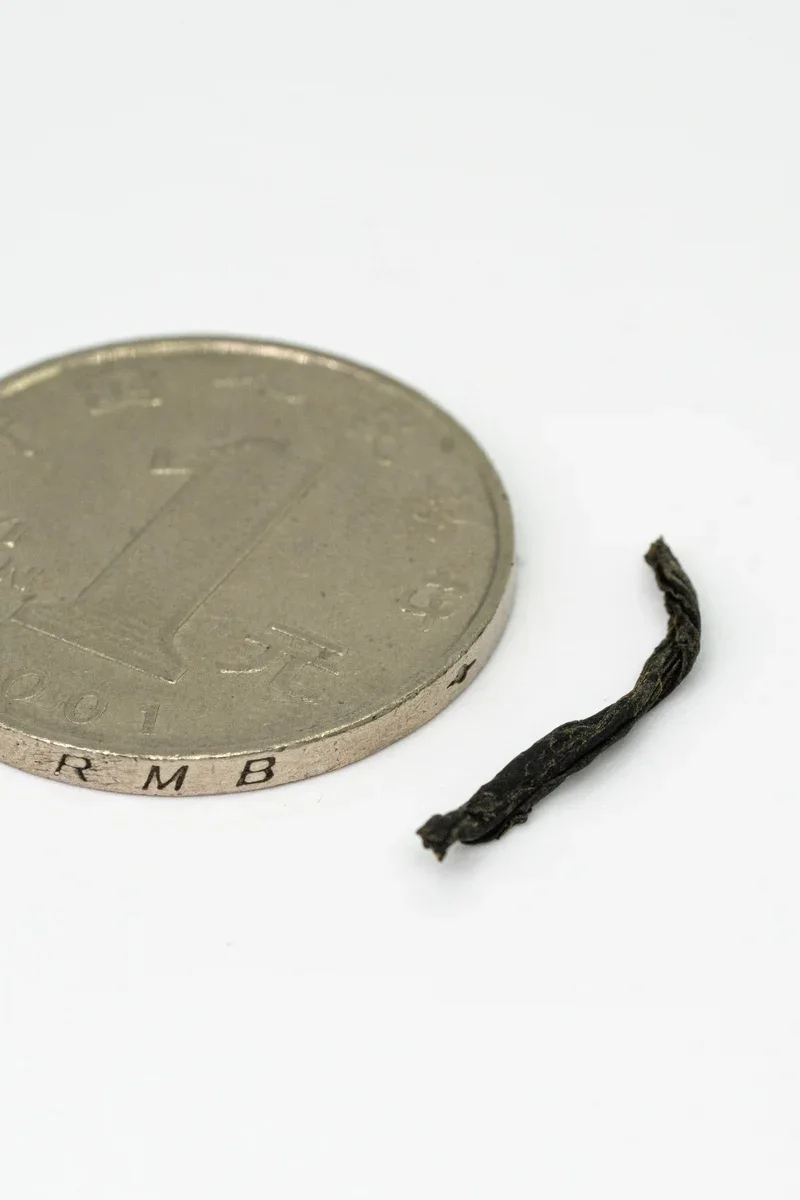
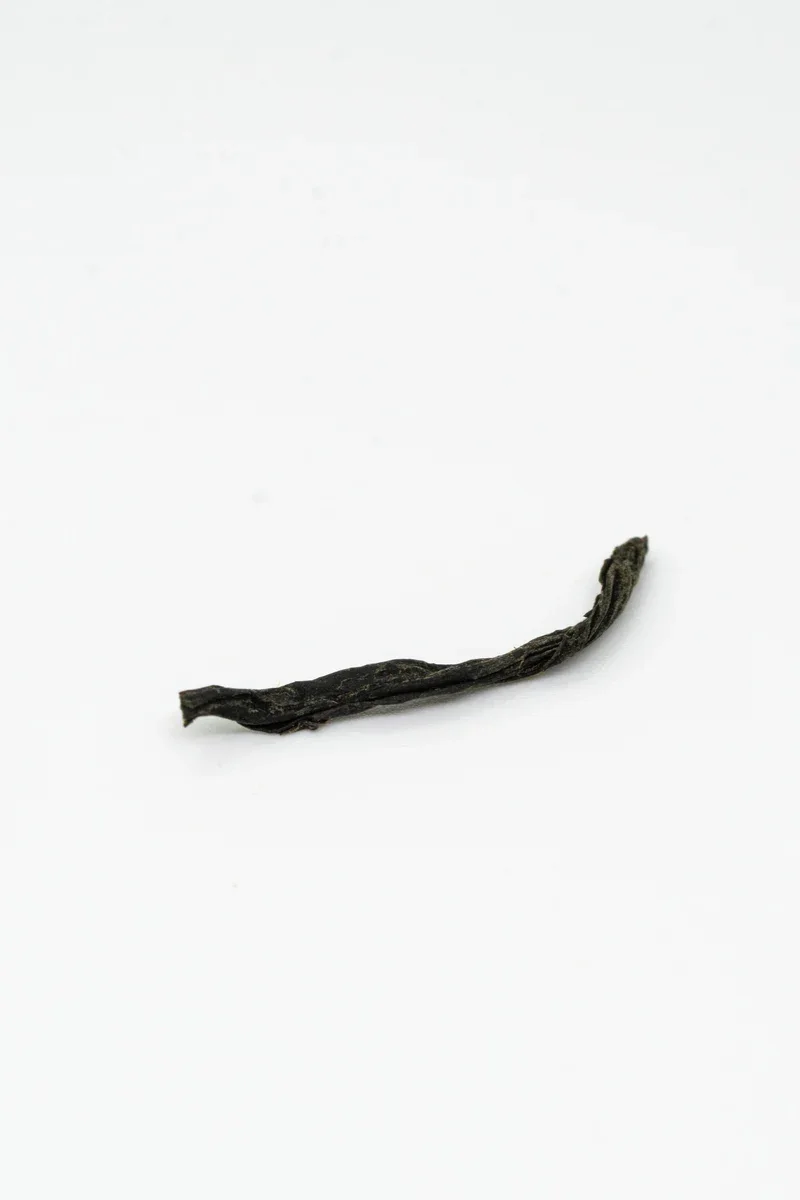
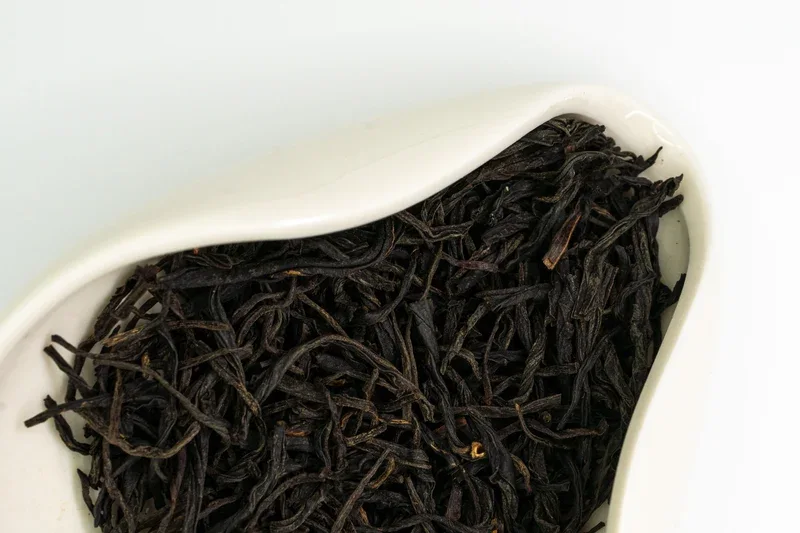
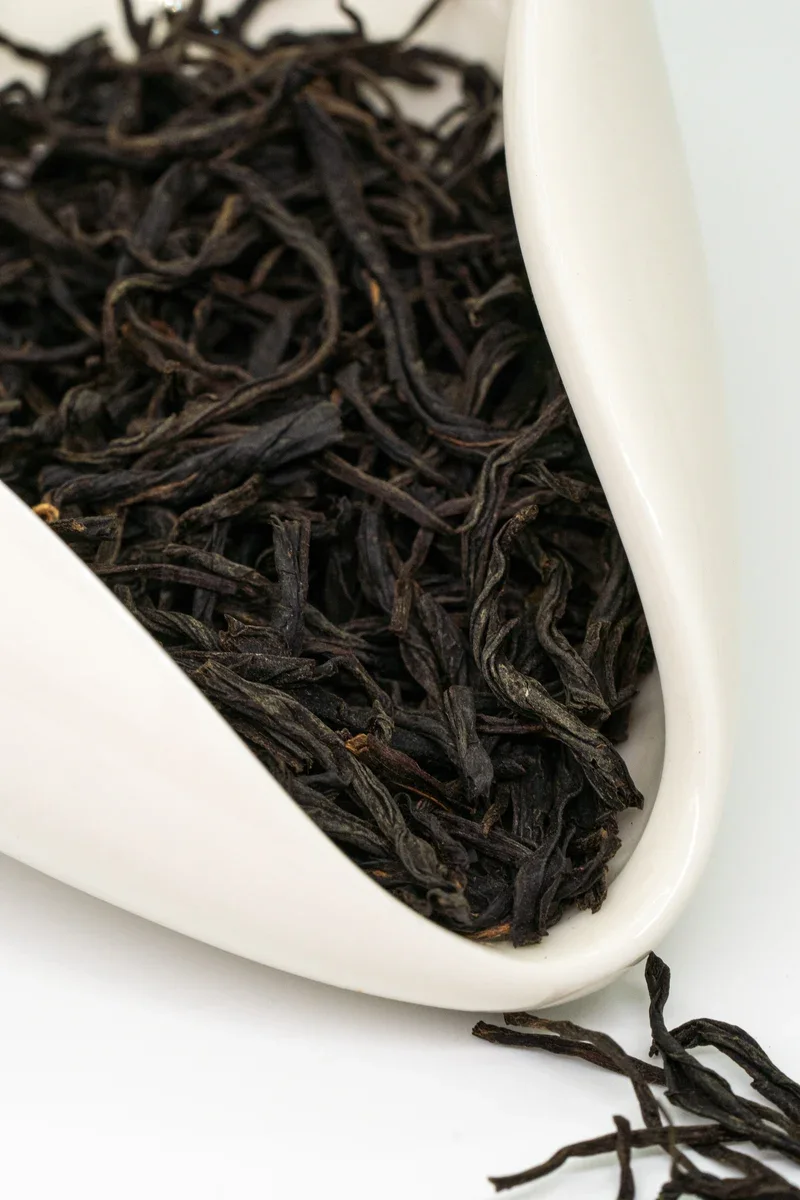
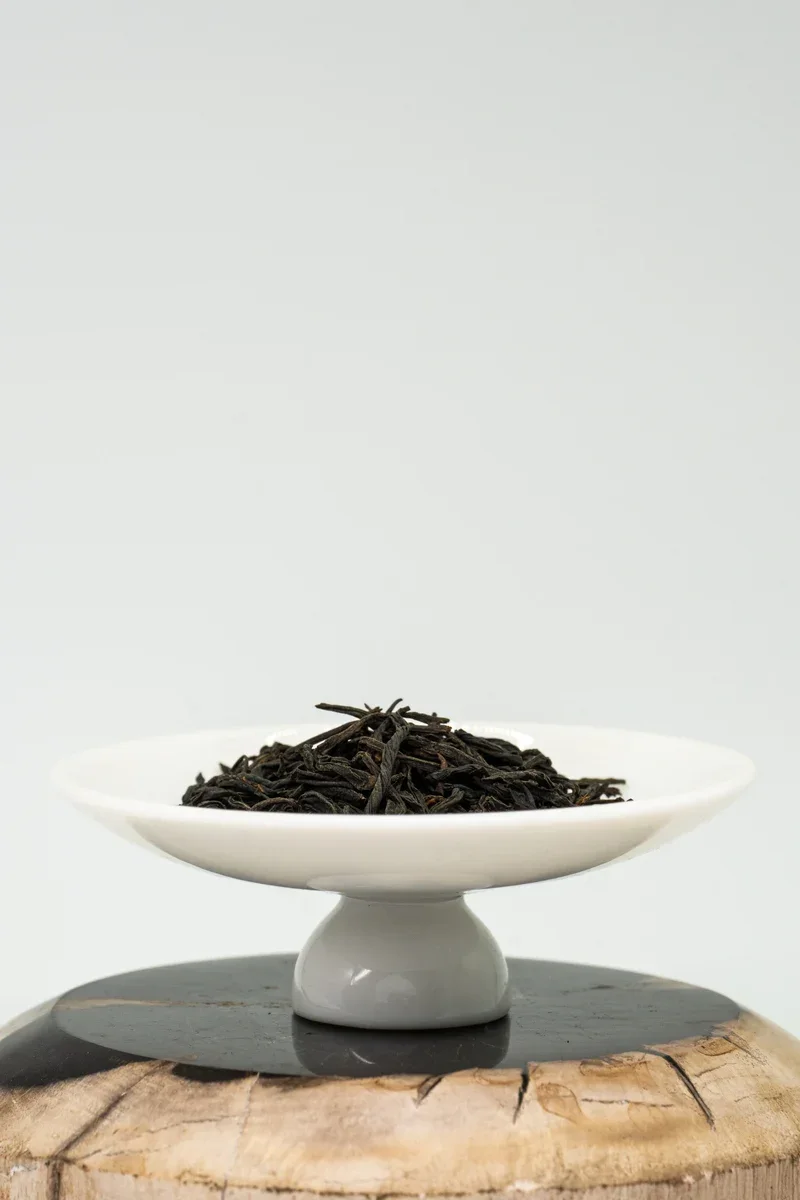
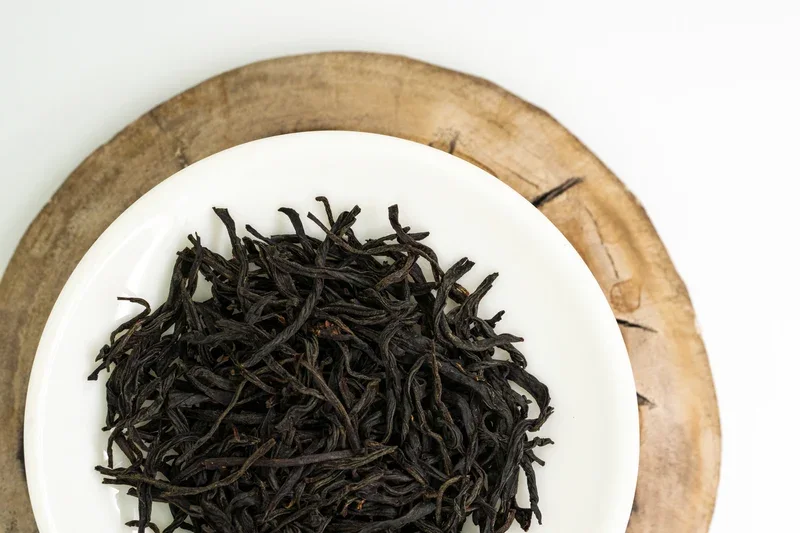
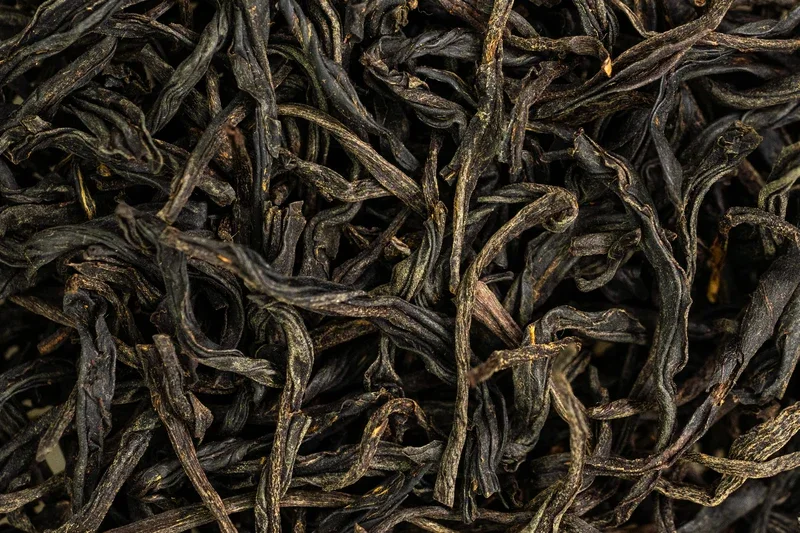
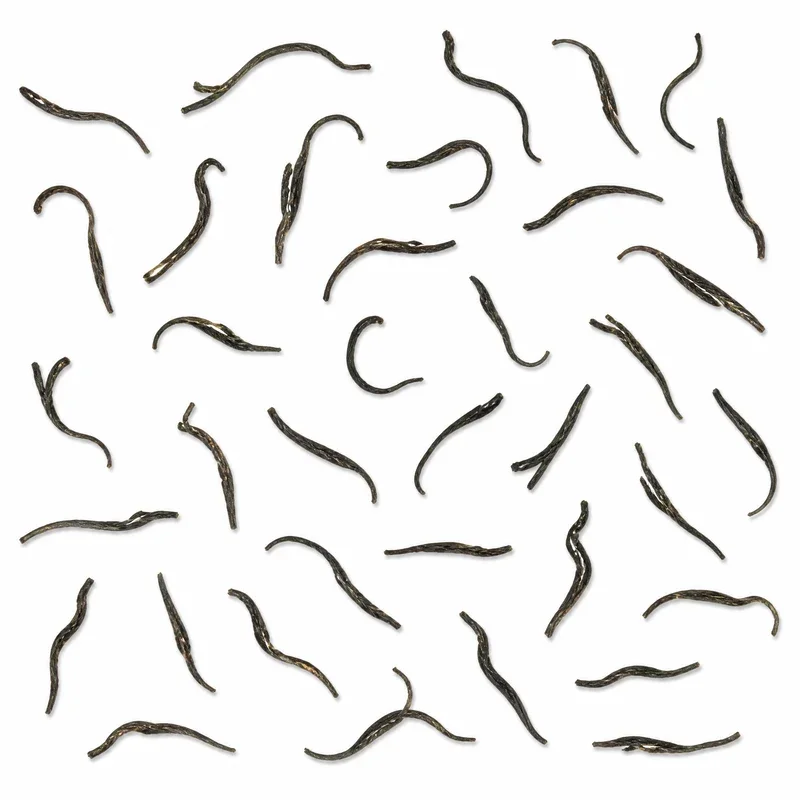
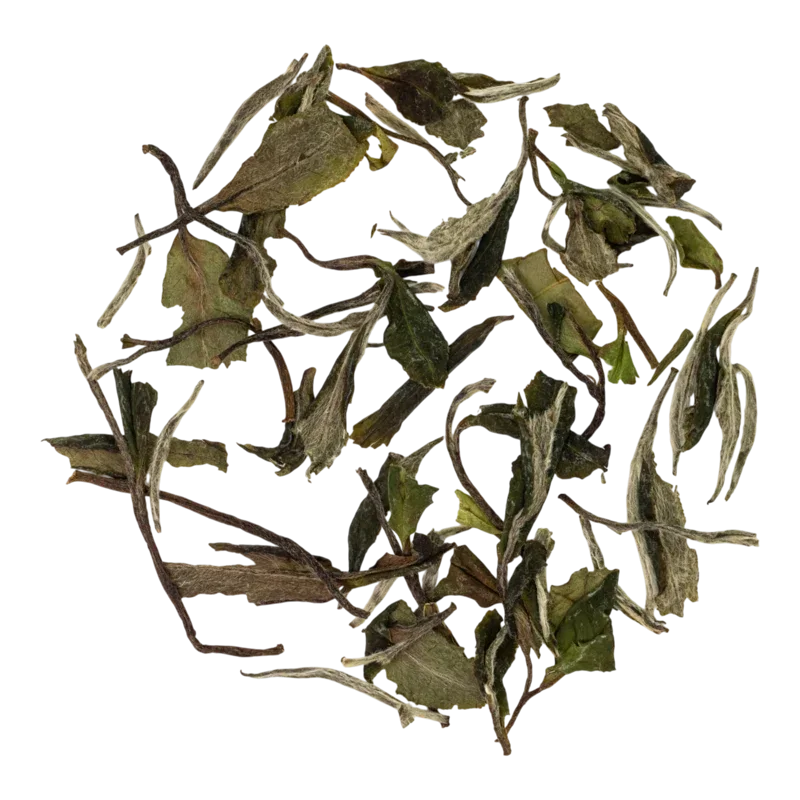
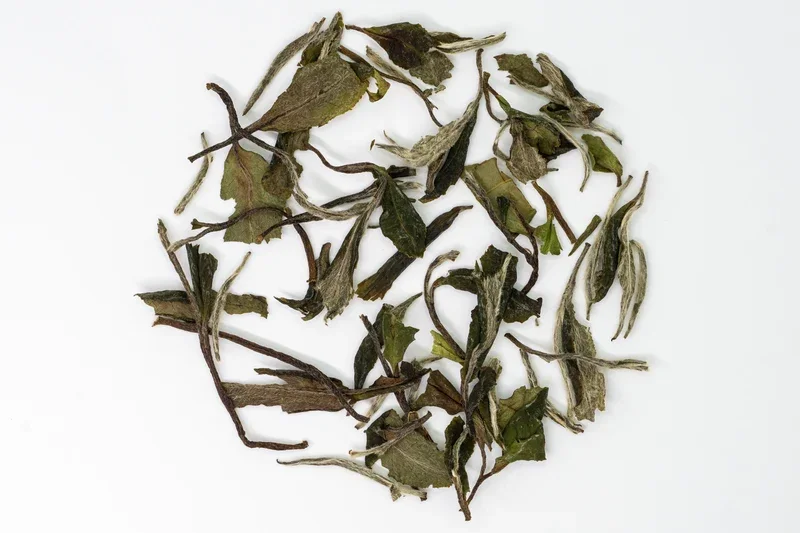
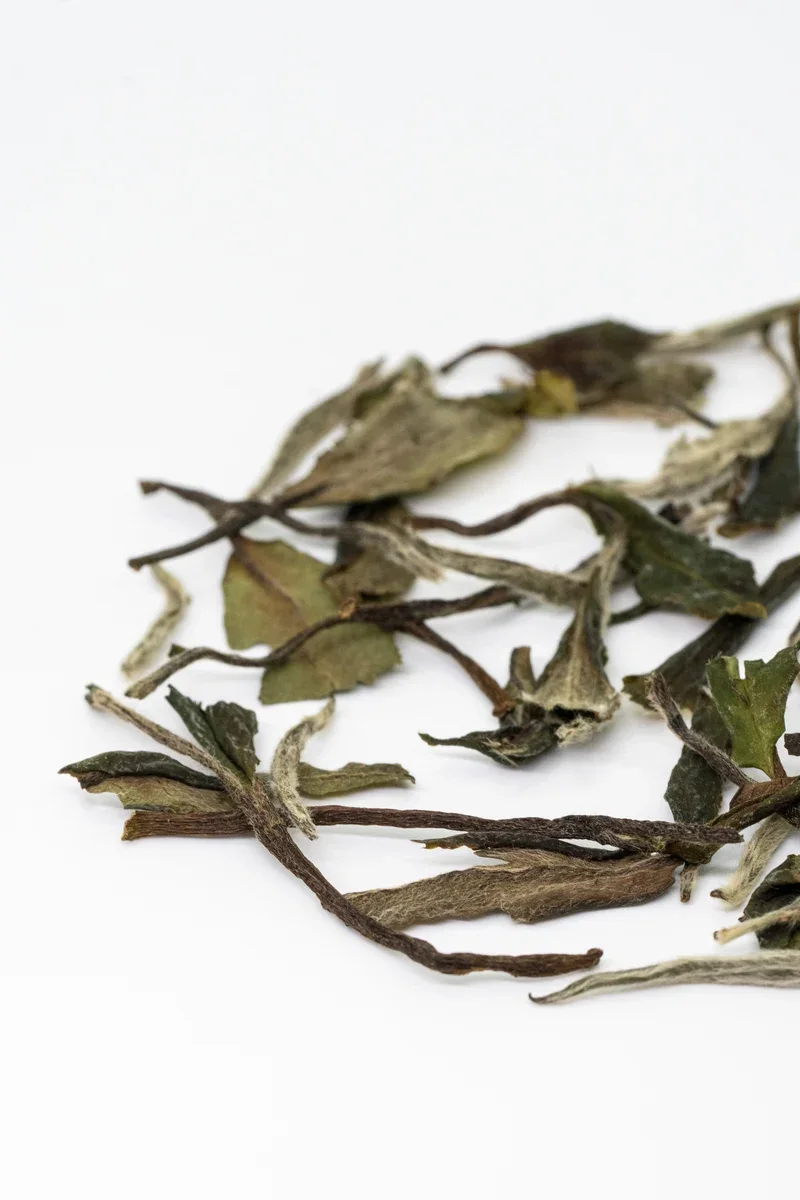
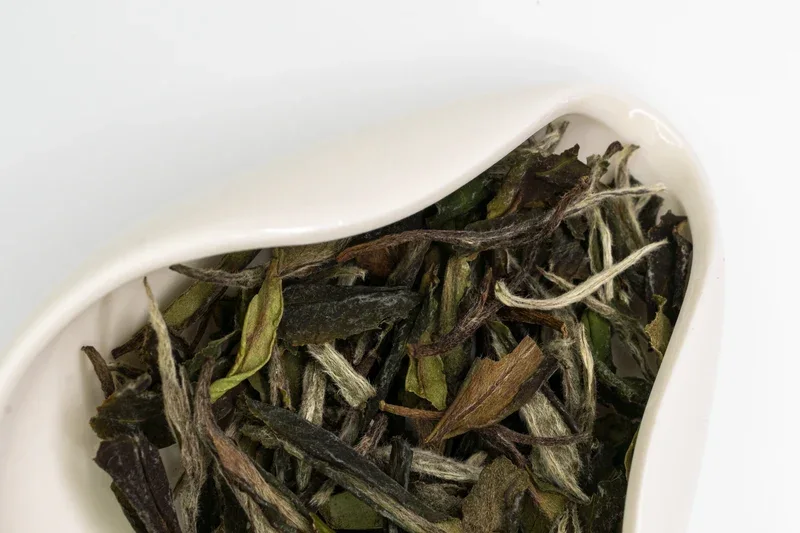
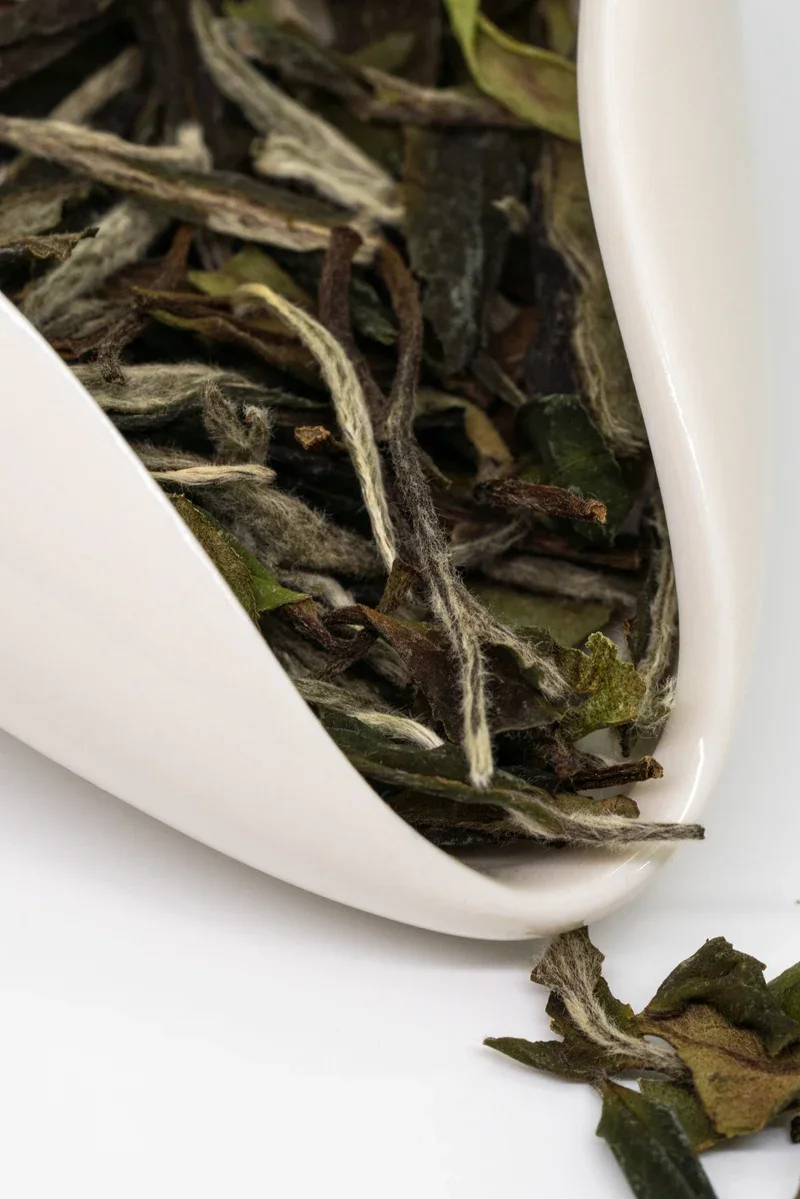
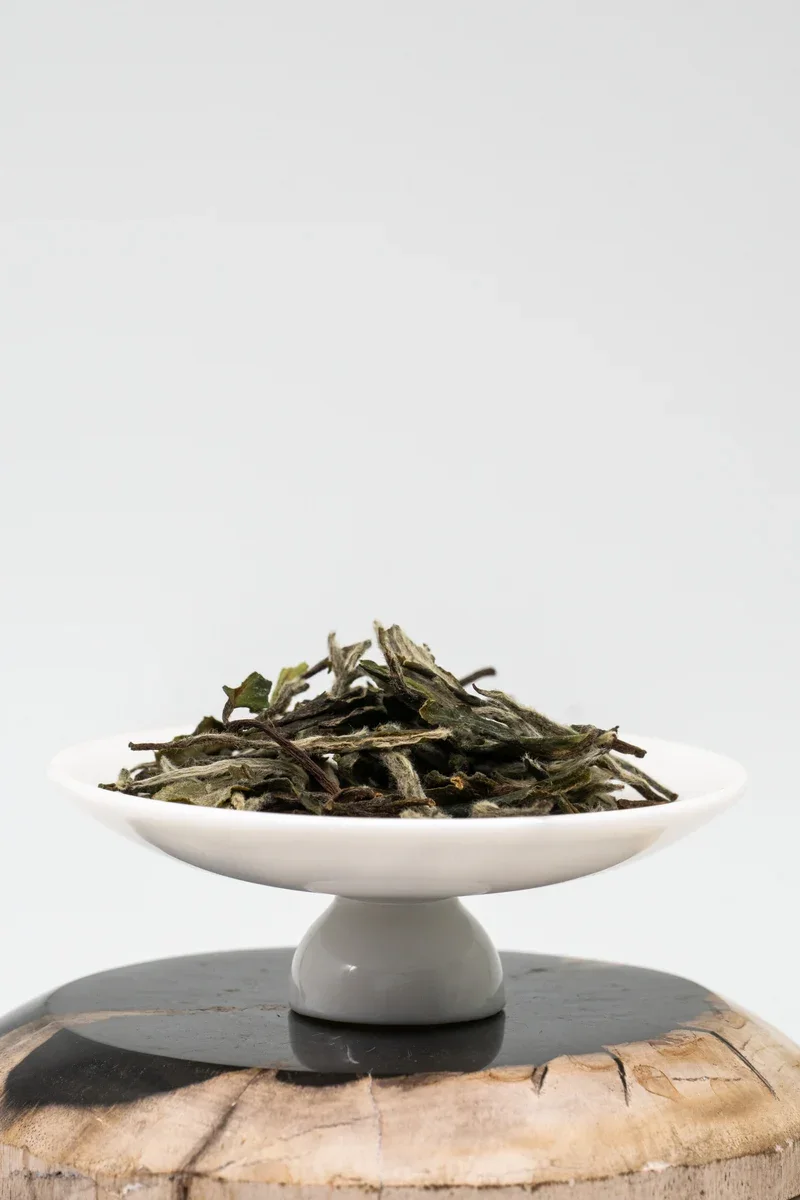
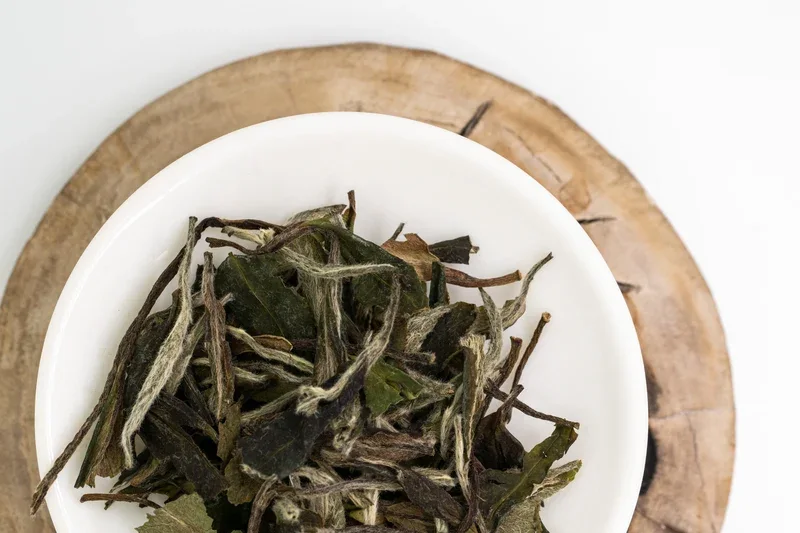
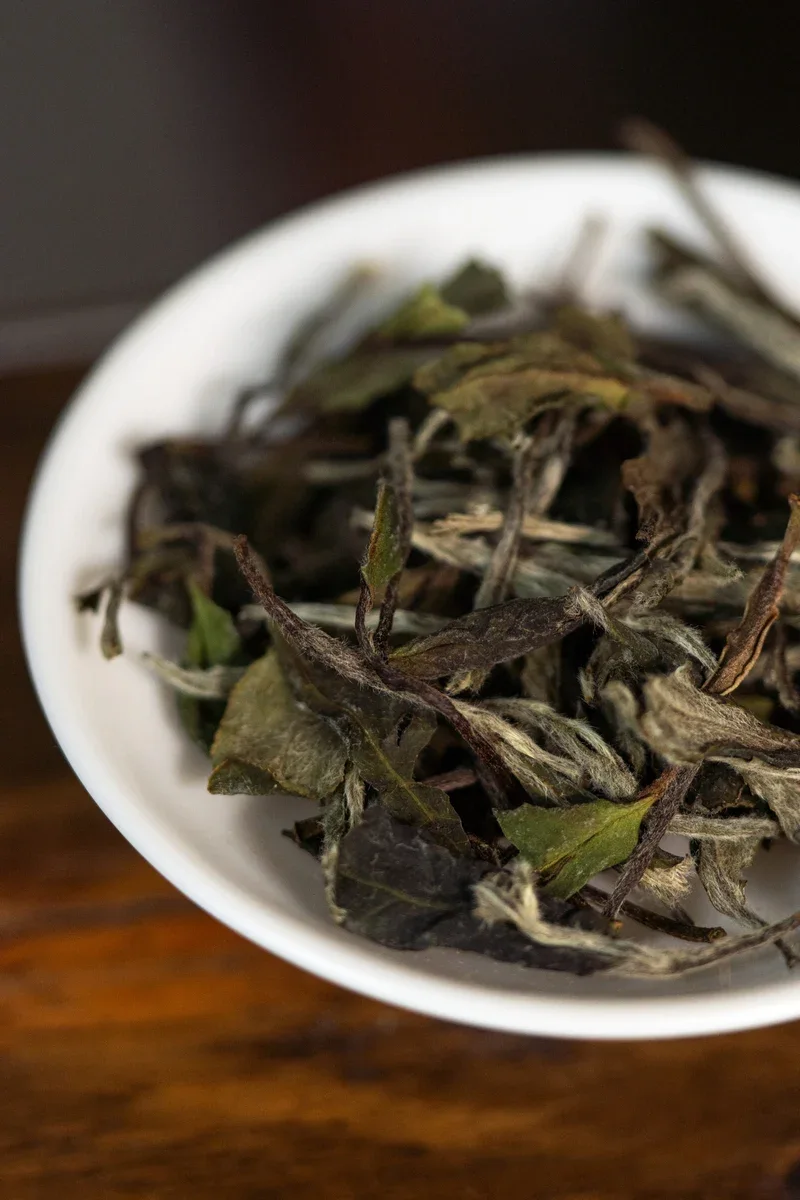
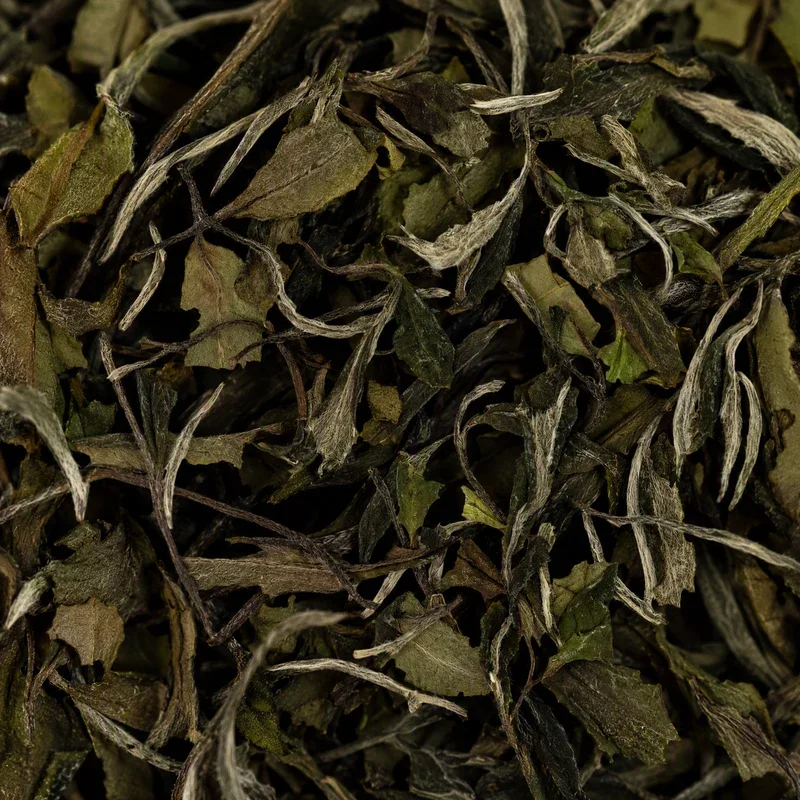
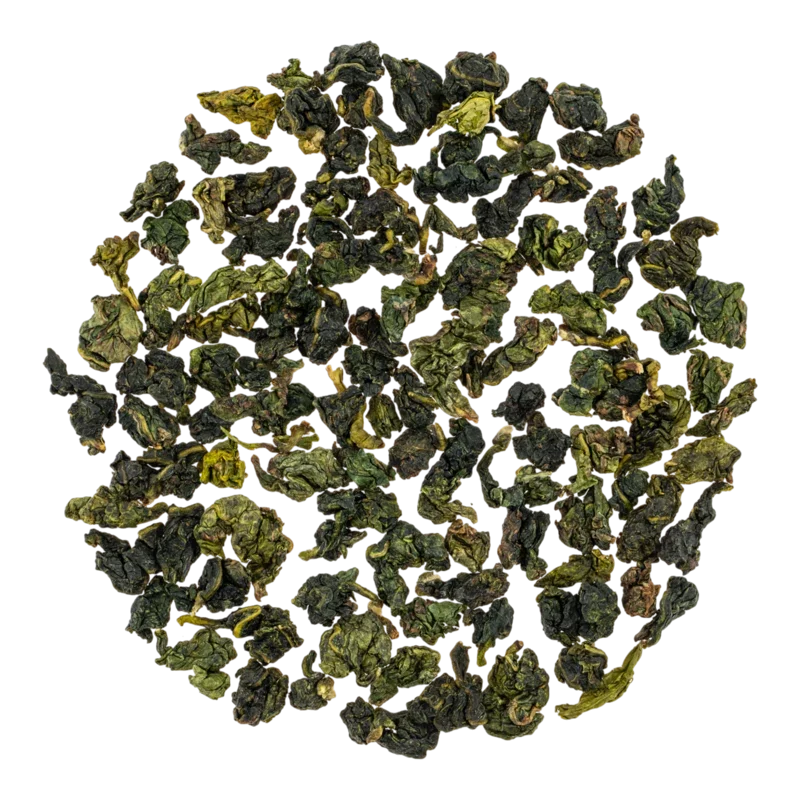
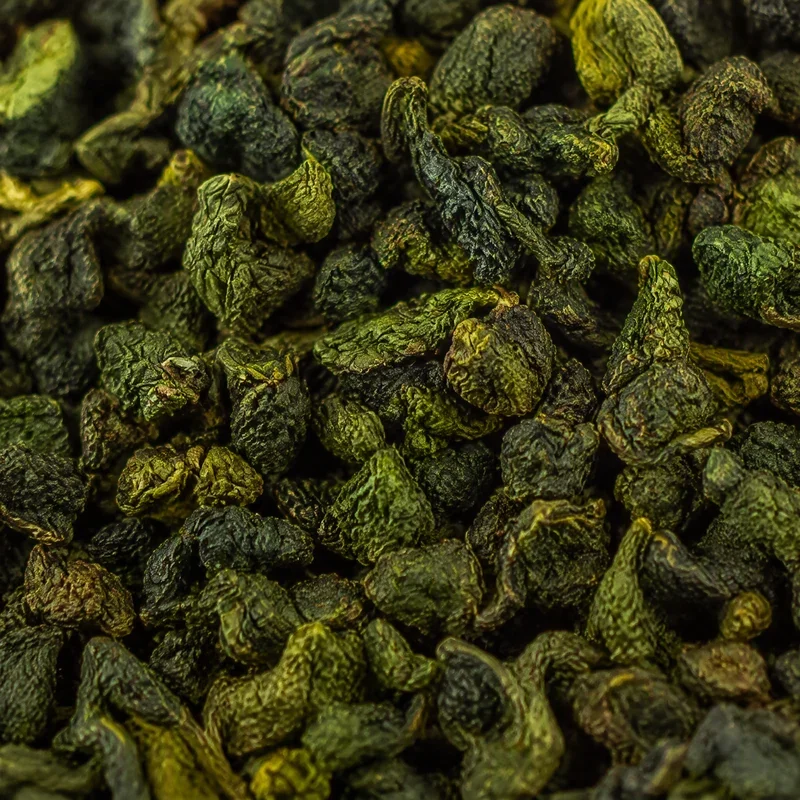
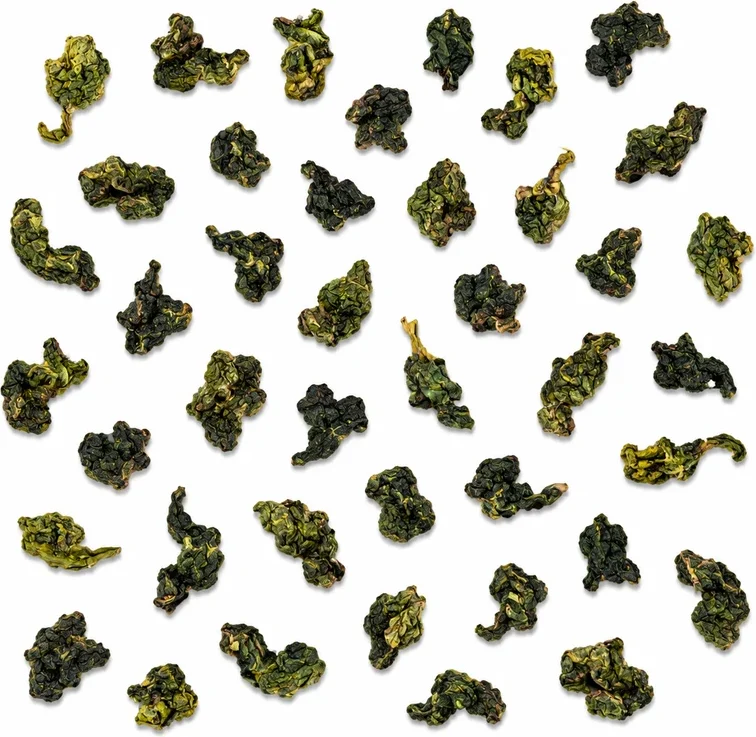
Dry Leaf Appearance: Dense, tightly rolled granules (颗粒状) of characteristic «big head, sharp tail» shape, with clearly expressed sandy-green shade (砂绿色, shālǜ sè). White down (white «hao») is clearly visible on the surface. When dropped on a ceramic surface, granules produce a distinct ringing sound — a sign of density, traditionally described as «heavy like iron» (沉重如铁). Stems are round in cross-section, which distinguishes Maoxie from the oval stems of Tieguanyin.
Dry Leaf Aroma: Clean, high, with distinct jasmine note (茉莉花香, mòli huāxiāng) — the cultivar's signature feature. Fresh green tones and light creamy sweetness are present.
Liquor Aroma: Floral, with dominating jasmine tone in first infusions. As the leaf opens, fruity nuances appear and honey sweetness increases. In roasted versions (浓香型) — nutty and caramel overtones; with aging honey aroma develops (蜜香).
Liquor Color: From greenish-yellow (青黄, qīnghuáng) in «qingxiang» style to pure golden-yellow (金黄, jīnhuáng) in roasted versions. Liquor is transparent, bright.
Spent Leaves: Leaves open, demonstrating whole blade — round, small, with distinct middle width and pointed ends. Serrations deep, frequent, sharp, characteristically curved downward (锯齿下钩). Color of spent leaves — from yellow-green to olive; blade soft, elastic. Important diagnostic detail: Maoxie leaves curl inward, while Tieguanyin leaves — outward.
Taste: Clean and soft, with light but distinct body density (醇厚, chúnhòu). The taste contains gentle sweetness and freshness; aftertaste (回甘, huígān) is long and returning. High-quality samples demonstrate a soft echo of «guanyinyun» (观音韵) — the characteristic velvety depth characteristic of the best Anxi oolongs. Compared to Tieguanyin, Maoxie liquor is somewhat lighter and more transparent, body less dense, however aroma — higher and more penetrating.
Alkaloids: Caffeine — 3.2–4.1% (moderately high level for oolong), theobromine and theophylline — in trace amounts. Synergy of caffeine and L-theanine provides mild, sustained tonic effect without sharp peak.
Amino Acids: 3.0–4.2%, of which a significant portion is L-theanine. High amino acid content is due to mountain terroir with abundant fog and diffused light, suppressing catechin photosynthesis and promoting accumulation of nitrogenous compounds.
≥ 45% in premium grade tea — indicator of dense, extractive liquor.
Precisely the aromatic complex distinguishes Maoxie from other Anxi cultivars. Linalool and its oxides, cis-jasmone and methyl jasmonate dominate — compounds responsible for the jasmine note. With long aging the aromatic profile shifts toward honey and nutty tones.
Minerals: Potassium, magnesium, manganese, zinc. Fluorine content is especially high — Maoxie ranks among the first places by this indicator among all six types of tea. Additionally, Daping soils are enriched with selenium, and the finished tea is distinguished by elevated content of this microelement.
Polyphenols: Content — 14.7–20.1% (in spring leaf of «one bud + two leaves» standard). Catechins comprise the main portion; total catechin content — about 5.8%. During partial oxidation in the «yaoqing» process, part of the catechins transforms into aromatic aldehydes and alcohols forming the jasmine profile.
Vitamins: Ascorbic acid (vitamin C), B-group vitamins (B₁, B₂), rutin (vitamin P).
Combination of caffeine (3.2–4.1%) and L-theanine provides mild, prolonged alertness without nervousness characteristic of coffee. Supports cognitive functions and sustained attention.
Maoxie polyphenols (primarily catechins) effectively neutralize free radicals. Studies of Anxi oolongs show that their antioxidant activity is especially pronounced.
Tea polyphenols participate in regulation of cholesterol and triglyceride metabolism. Traditionally Anxi oolongs are associated with healthy weight support — in 1979 and 1984 in Japan Maoxie was sold under «beauty tea» and «slimming tea» brands during the «oolong boom».
High fluorine content in Maoxie promotes formation of fluorapatite — a compound that increases enamel resistance to acid erosion and caries.
Elevated selenium content stimulates production of immune proteins and antibodies.
Oolong polyphenols and their oxidation products help break down fats and proteins, facilitating digestion — this is especially pronounced in roasted versions.
The ritual of multiple gōngfū brewing (功夫茶) combined with the mild sedative effect of L-theanine creates favorable conditions for mindful rest.
Tea Amount: 7 g per 140 ml (gongfu, 1:20 ratio) or 3–4 g per 200–250 ml (European style).
Teaware: Porcelain gàiwǎn (盖碗, gàiwǎn) — universal choice, allowing observation of liquor color and lid aroma. For roasted versions Yíxīng teapot of purple clay (紫砂壶, zǐshā hú) works well — clay «breathes» and emphasizes taste depth.
Water Temperature: 95–100°C (boiling water). For «qingxiang» style reduction to 90–95°C is acceptable; for roasted versions and aged Maoxie — exclusively 100°C.
Enemies: Moisture, direct sunlight, foreign odors (tea intensively absorbs aromas), high temperature.
Airtight packaging (vacuum or foil bag), storage in refrigerator at 0–5°C. Under such conditions tea maintains freshness for 6–12 months. After opening packaging it is recommended to consume tea within 6 months to avoid polyphenol oxidation.
Less sensitive to temperature; storage at room temperature in airtight opaque container. Shelf life — 18–24 months and more.
Like other Anxi oolongs, roasted Maoxie can be aged. Over years aroma shifts toward honey, nutty and woody nuances; liquor acquires deep amber color.
«Elder brother» in the Anxi quartet. Denser, heavier liquor; bright floral-orchid aroma with deep «guanyinyun»; leaf larger, stem thicker (resembles drumstick). Maoxie is lighter, more transparent and brighter in aroma (jasmine vs. orchid); stem thinner, spent leaves curl inward (Tieguanyin — outward). Tiěguānyīn is late variety (晚生种), Maoxie — medium (中芽种), which ensures earlier harvest.
Closest «relative» of Tieguanyin, discovered around 1870. Similar to Tieguanyin in taste and leaf shape, but stems thinner, with pronounced internodes (resemble bamboo twig). Maoxie, unlike Benshan, has pronounced white down and characteristic «claw» serrations.
Earliest of Anxi cultivars («Qingming tea»). Thin, elongated leaf of yellow-green color; exceptionally bright, penetrating aroma (peach, cinnamon tree). Maoxie — medium in timing, with more rounded, jasmine aroma and greater liquor density.
Semi-arboreal cultivar (小乔木型) from Sanyang Village. Universal: oolongs, red and green teas are made from it. Leaf larger and more powerful than Maoxie; aroma has characteristic «meizhan chuan» — sharp, «penetrating» shade, different from Maoxie's jasmine note.
Price Category: Maoxie is one of the most affordable Anxi oolongs, due to high yield of the cultivar and extensive growing zone. Mass product (ordinary grades) costs significantly less than Tieguanyin of similar quality. However premium Maoxie — high-altitude, spring, handmade — can reach 500–600 yuan per jin (500 g) and higher, competing with good Tieguanyin samples. Price factors: growing altitude, harvest season (spring more expensive than autumn and summer), hand vs. machine processing, roasting degree, master reputation and specific plot. In the market premium batches are often sold under the trade name «Maoxie Wang» (毛蟹王, Máoxiè Wáng, literally «King Maoxie») — the suffix «Wang» (王) indicates select raw material and especially careful processing.
No reviews yet. Tell us what you think of this tea.
Rate this tea and share your impressions. We review each submission before publishing it.