Brewing
Gongfu brewing
- Water temperature
- 75 °C
- Tea amount
- 5 g
- Water volume
- 100 ml
- First steep
- 10 s
- Time added per infusion
- 5 s
- Infusions
- 3

Máoshān qīng fēng
Choose a brewing method. Start with the recommended quantities and time, then adjust to taste.
Brewing
Brewing
Taste
Tea encyclopedia
Category: National Geographical Indication Product of China (国家地理标志产品, Guójiā Dìlǐ Biāozhì Chǎnpǐn). National Silver Quality Medal (国家银质奖, 1990). National Gold Medal (国家金奖, 1995). Gold Medal of China International Agricultural Products Fair (中国国际农产品交易会金奖, 2015). "Great Tea Mountain of China" (中国大美茶山, 2023 — "Maoshan Tea Sea" landscape). The core production area is located within Máoshān National Geopark (茅山国家地质公园, Máoshān Guójiā Dìzhì Gōngyuán). Brand value — 8.02 billion yuan (Zhejiang Unive...
Category: National Geographical Indication Product of China (国家地理标志产品, Guójiā Dìlǐ Biāozhì Chǎnpǐn). National Silver Quality Medal (国家银质奖, 1990). National Gold Medal (国家金奖, 1995). Gold Medal of China International Agricultural Products Fair (中国国际农产品交易会金奖, 2015). "Great Tea Mountain of China" (中国大美茶山, 2023 — "Maoshan Tea Sea" landscape). The core production area is located within Máoshān National Geopark (茅山国家地质公园, Máoshān Guójiā Dìzhì Gōngyuán). Brand value — 8.02 billion yuan (Zhejiang University assessment, 2015).
Coordinates: Approximately 31°45′ North latitude, 119°33′ East longitude.
Origin: China, Jiāngsū Province (江苏省, Jiāngsū Shěng), Chángzhōu City (常州市, Chángzhōu Shì), Jīntán District (金坛区, Jīntán Qū). The district has approximately 60 tea farms covering a total area of about 4,100 mu (≈273 hectares). The core area is Máolù Town (茅麓镇, Máolù Zhèn).
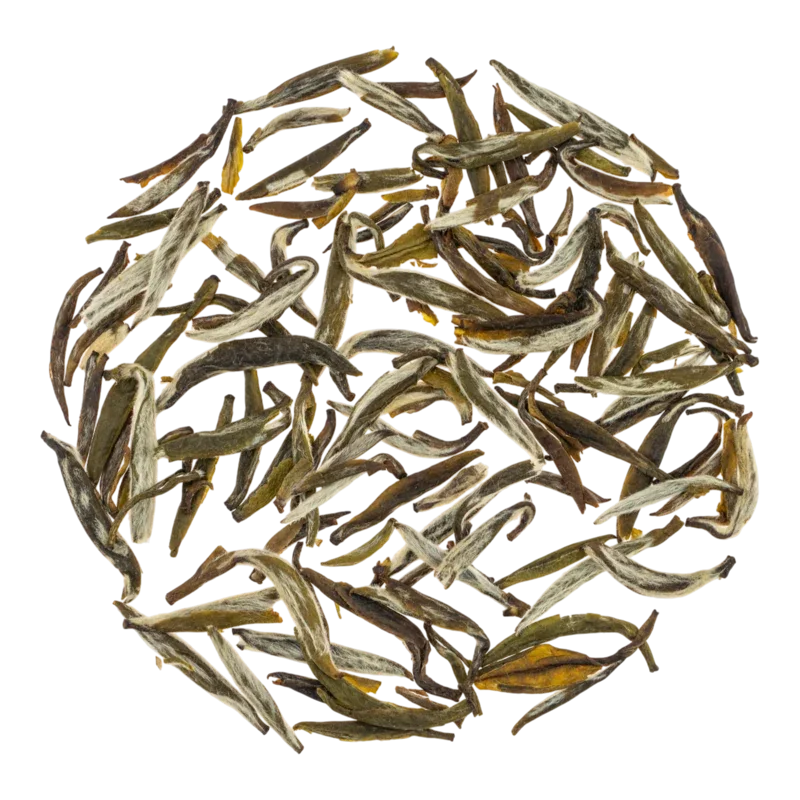
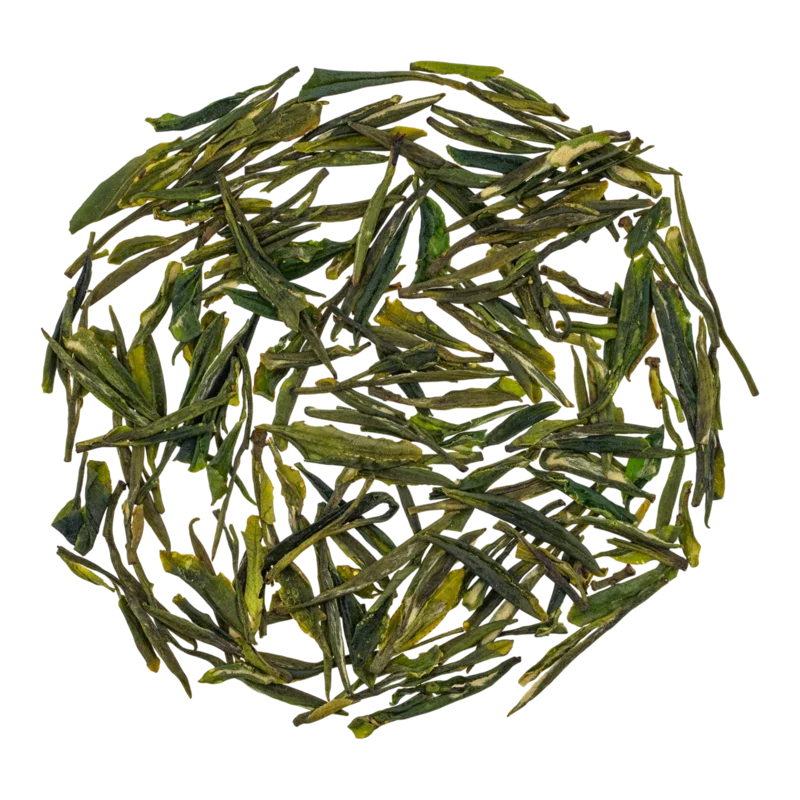
Type: Green tea (绿茶, lǜchá), non-oxidized. Flat pan-fired (扁形炒青绿茶, biǎnxíng chǎoqīng lǜchá). Shape — "sword-like" (挺直如剑): flat, straight, with abundant white down. Oxidation level — 0%.
Full bud or one bud + one leaf in initial opening stage (一芽一叶初展). Down covers ≥90% of the tea leaf surface. Producing 1 kg of supreme grade requires about 90,000 buds — an indicator comparable to elite green teas like Lü Yáng Chūn (绿扬春) from neighboring Yangzhou. Price — from 1,000 yuan per 500 g.
One bud + two leaves (一芽二叶). Tea leaves slightly larger, aroma less refined.
Cultivar: Máoshān Qúntǐzhǒng (茅山群体种, Máoshān Qúntǐzhǒng) — local population variety, medium- and small-leaf, frost-resistant, well-adapted to the northern subtropical climate conditions of Jiangsu. Distinguished by high amino acid content and pronounced tenderness of buds with abundant white down.
Picking: One bud + one leaf (一芽一叶). Even, flat shape with noticeable down.
Climate: Northern subtropical monsoon. Average annual temperature — 15.3°C. Annual precipitation — 1,063.5 mm. Constant cloudiness and frequent mists provide diffused light, promoting amino acid accumulation and reducing bitterness in tea leaves. Relative humidity — ≥80%.
Soil: Xiashu yellow-brown soils (下蜀黄棕壤土, Xiàshǔ Huángzōng Rǎngtǔ, "Lower Shu Yellow-Brown Soils"). pH 4.5–5.5 — weakly acidic reaction, optimal for tea plants. Soils are deep, fertile, rich in organic matter. Similar soil type is characteristic of neighboring Jintan District, where Jīntán Quèshé (金坛雀舌) is produced.
Mount Maoshan — 372.5 m (not high by high-mountain tea standards, however constant mistiness and specific microclimate of the geopark compensate for the relatively low elevation).
Tea gardens are located within Maoshan National Geopark. Forest cover in the production zone — 38.5% (according to some data, in the core tea zone — up to 55%). Absence of industrial facilities ensures zero pollution. Tea gardens are certified as "pollution-free food" (无公害食品) and "green food" (绿色食品); some farms have passed organic certification.
Harvested material is evenly spread on bamboo sieves in a ventilated room for 4 hours. During this time, surface moisture evaporates from the leaves, light protein hydrolysis begins with amino acid release, laying the foundation for fresh umami taste.
Key stage, performed by hand. The master applies four characteristic techniques: "liao" (撩, picking up), "dou" (抖, shaking), "tuo" (托, supporting), "ting" (挺, straightening). The combination of these movements forms the initial "blade-like" shape of the tea leaf and quickly inactivates oxidases, fixing the green color and fresh aroma.
After pan-firing, tea is spread in a thin layer for cooling and redistribution of residual moisture between the surface and core of the tea leaf.
Low-temperature (40–55°C) slow pan-firing with simultaneous shaping — "litiao yabian" (理条压扁, lǐtiáo yābiǎn, "straightening strips + flattening"). This is a critical stage that gives the final "sword-like" shape: tea leaves become perfectly flat, straight, and glossy. Temperature regime — "先低后高" (first low, then increasing), with precise pressure control: excessive force makes the tea leaf too wide and flat, insufficient — leaves it loose and incompletely developed.
"Gemo bopian" (割末簸片, gēmò bōpiàn) — trimming fragments and winnowing sorting. Small fragments, dust, and non-standard tea leaves are removed. Final moisture content — ≤6%.
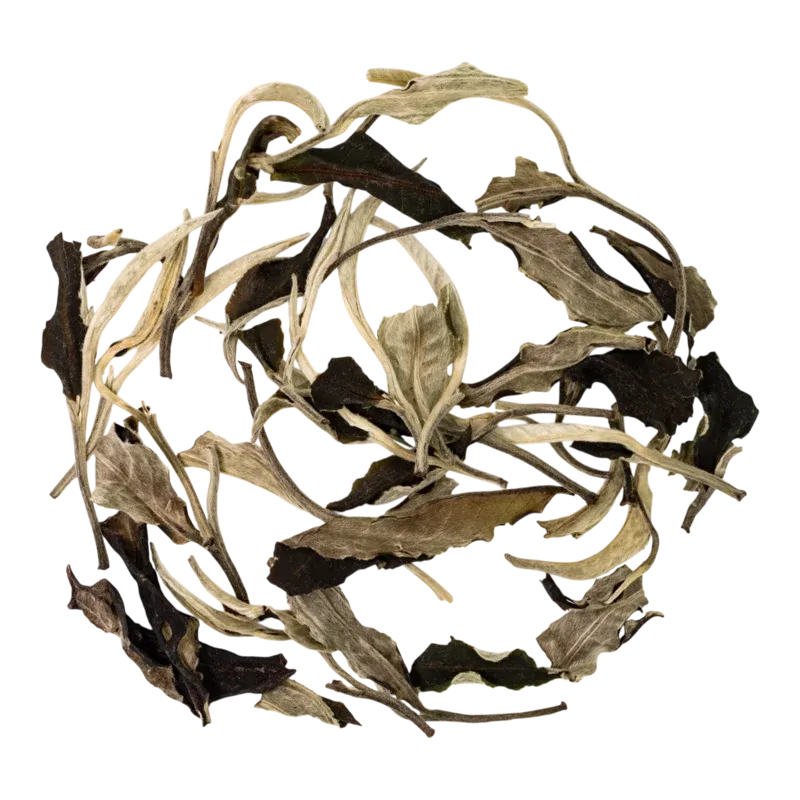
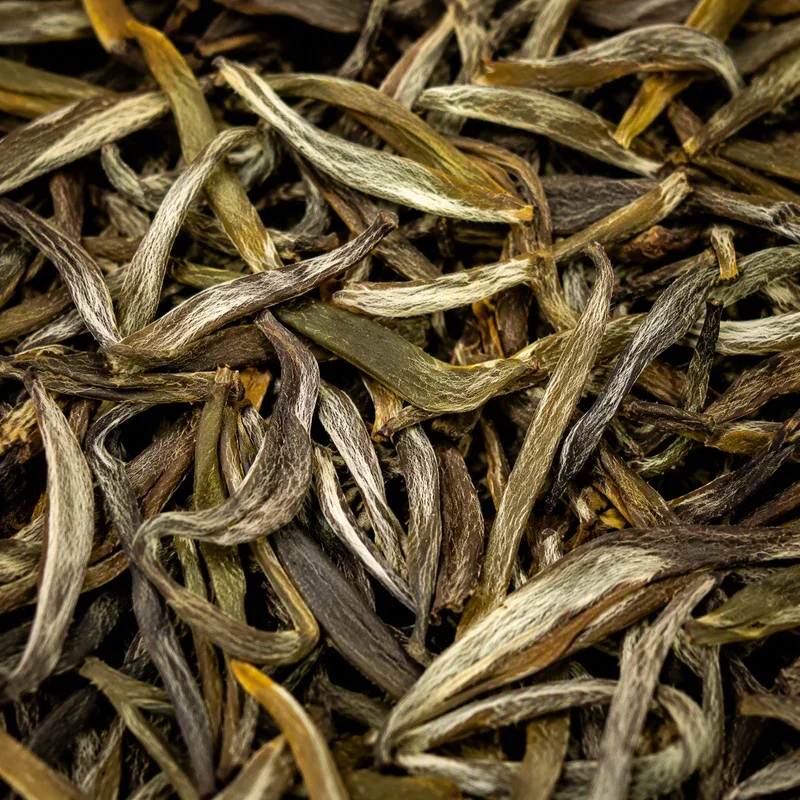
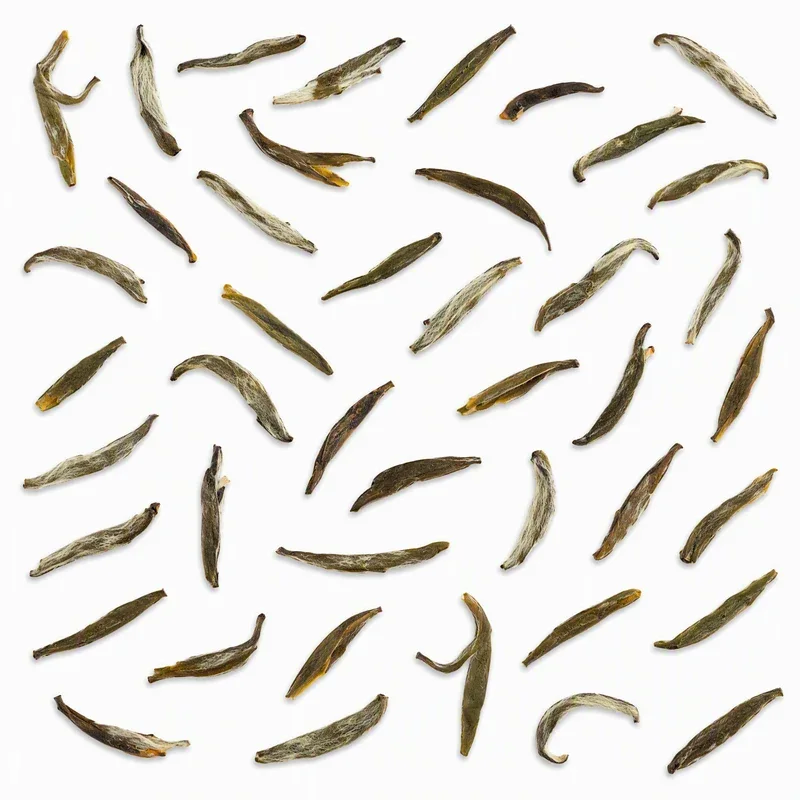
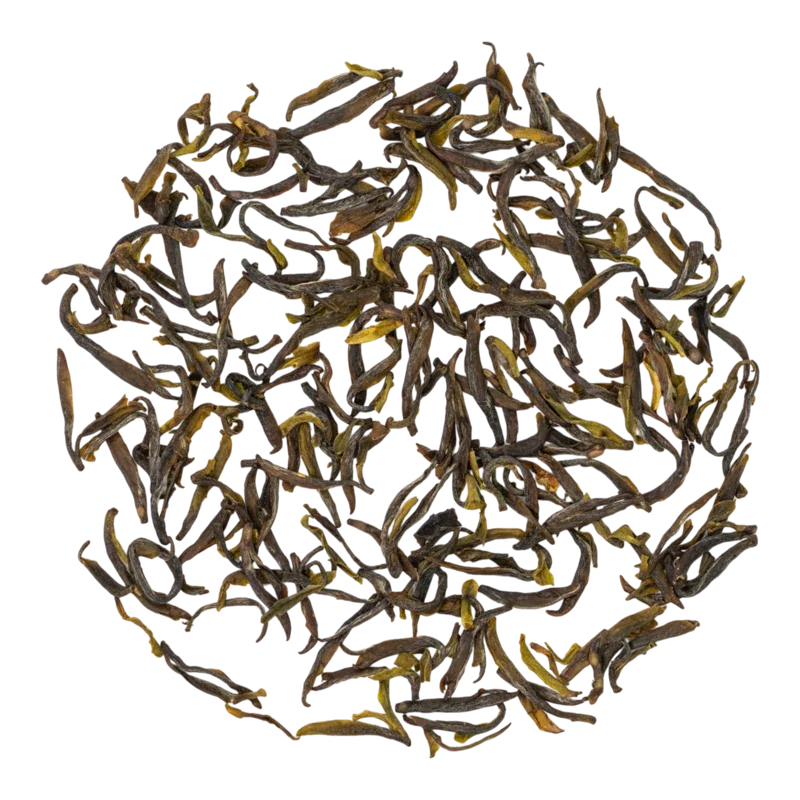
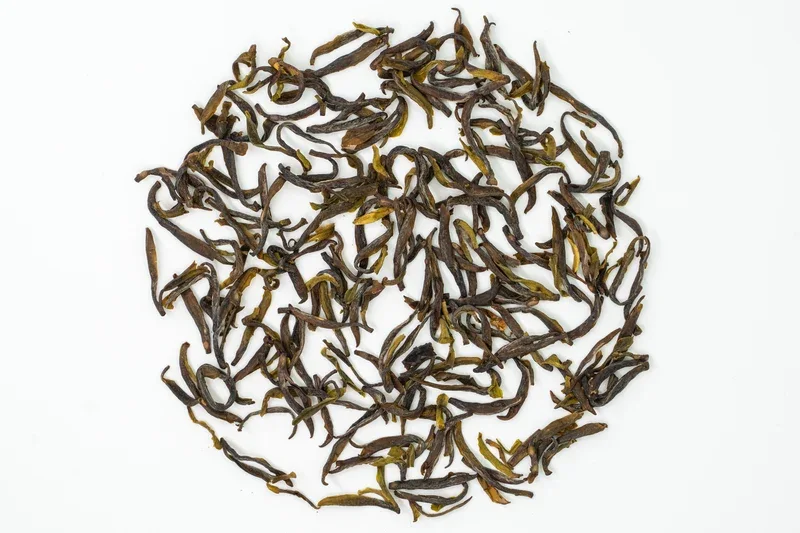
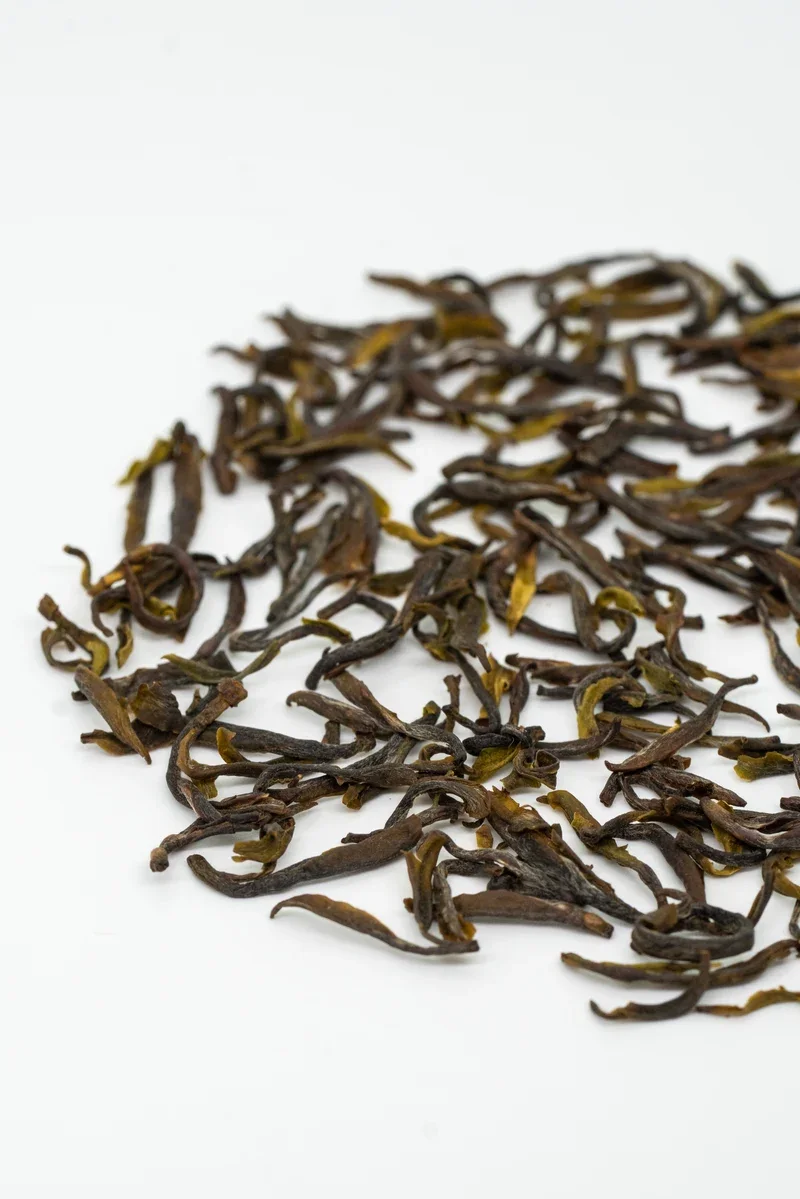
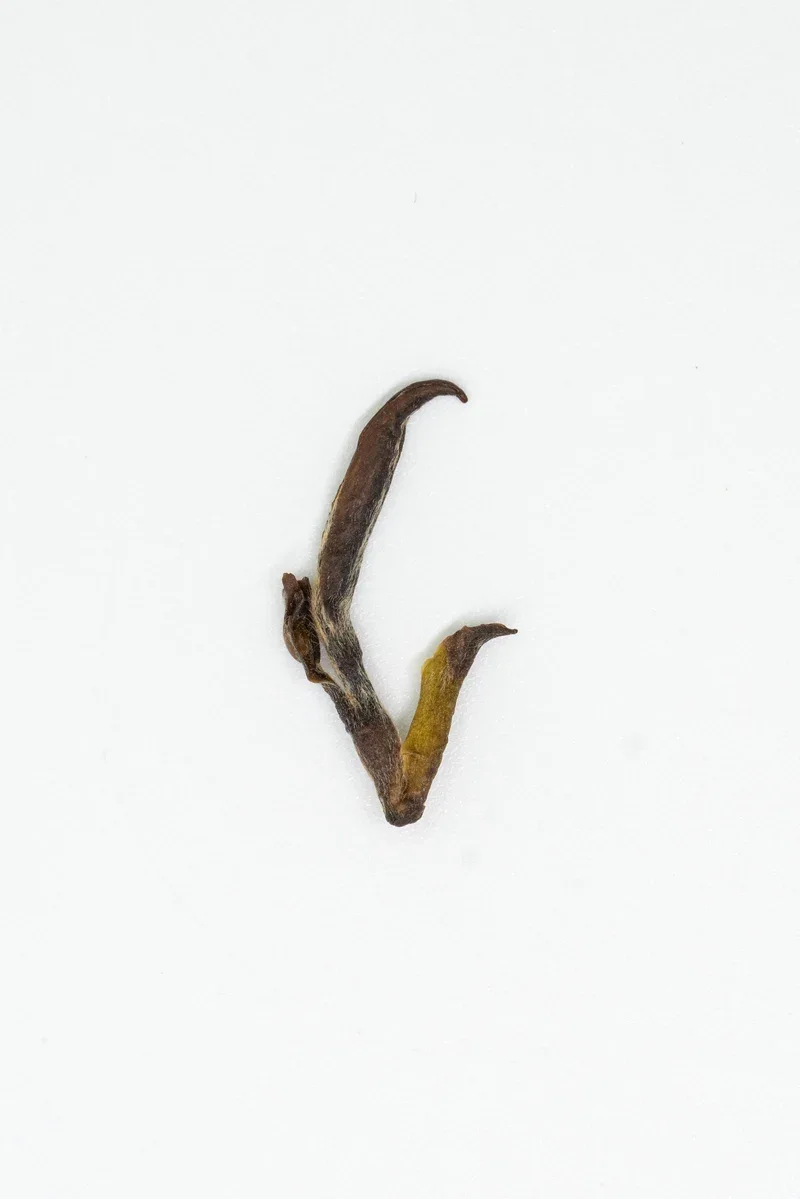
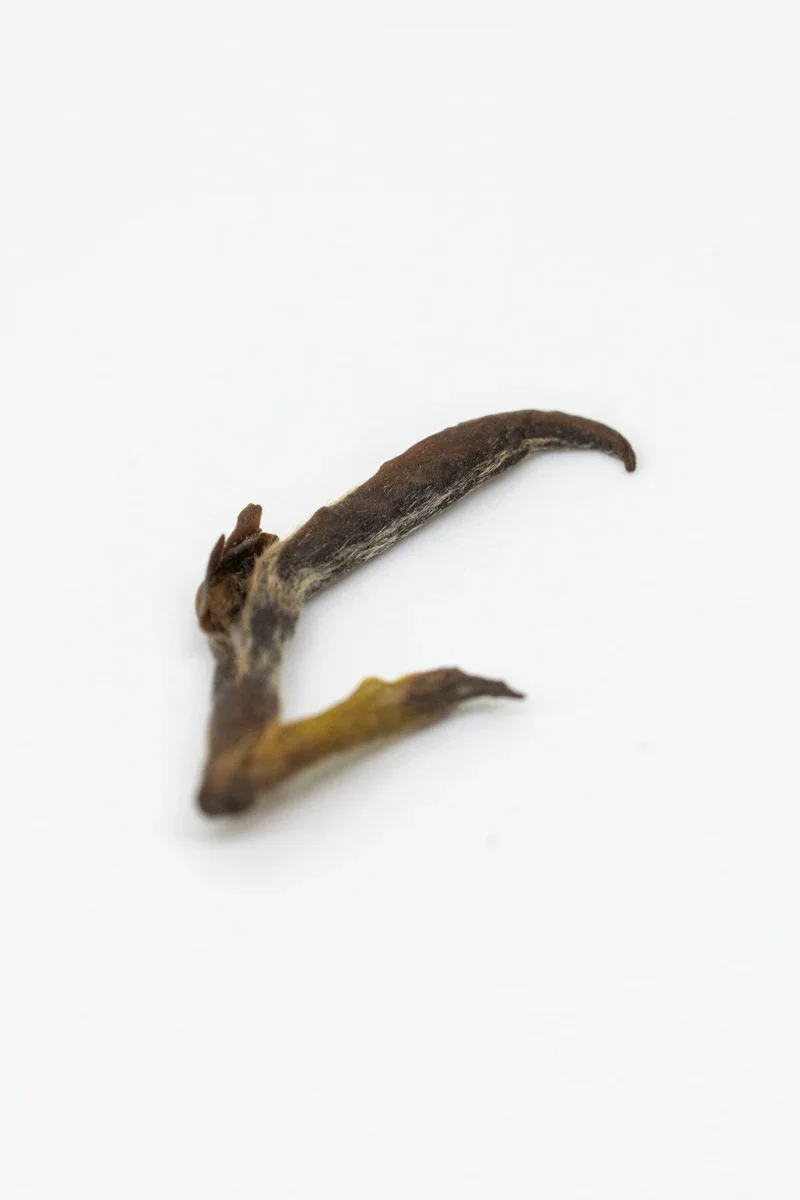
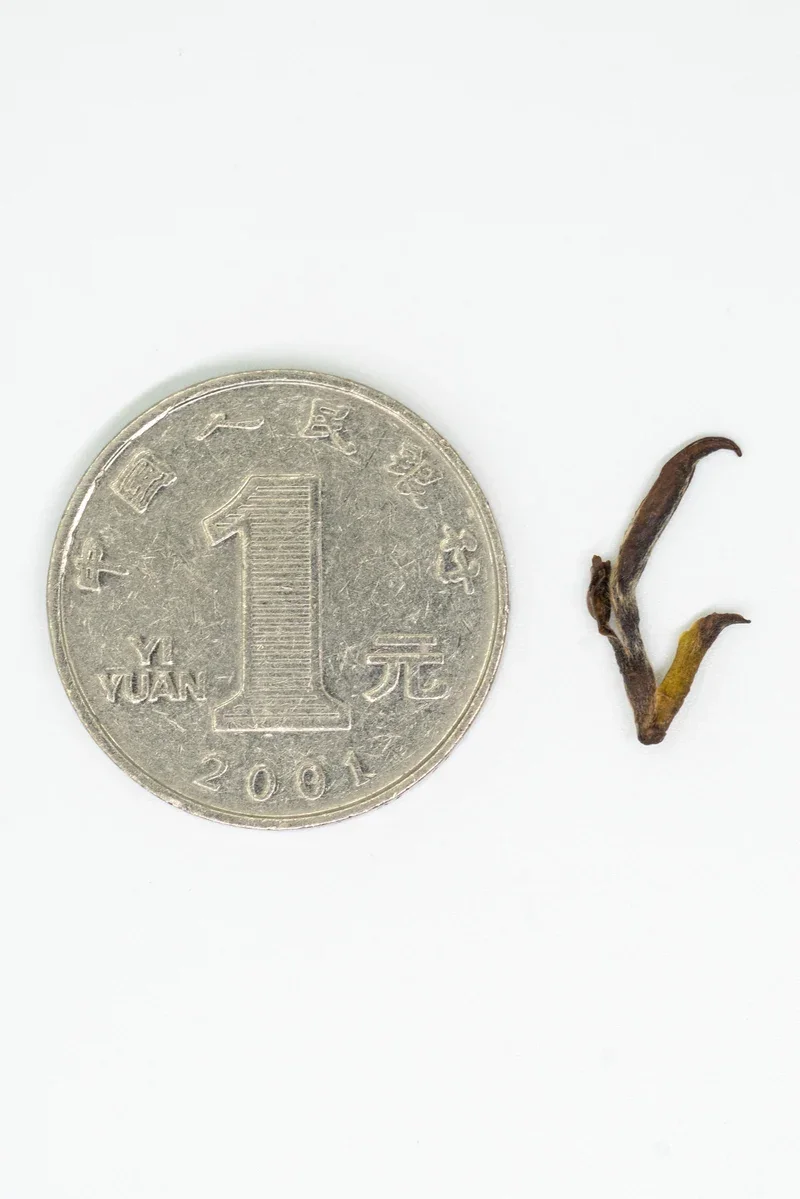
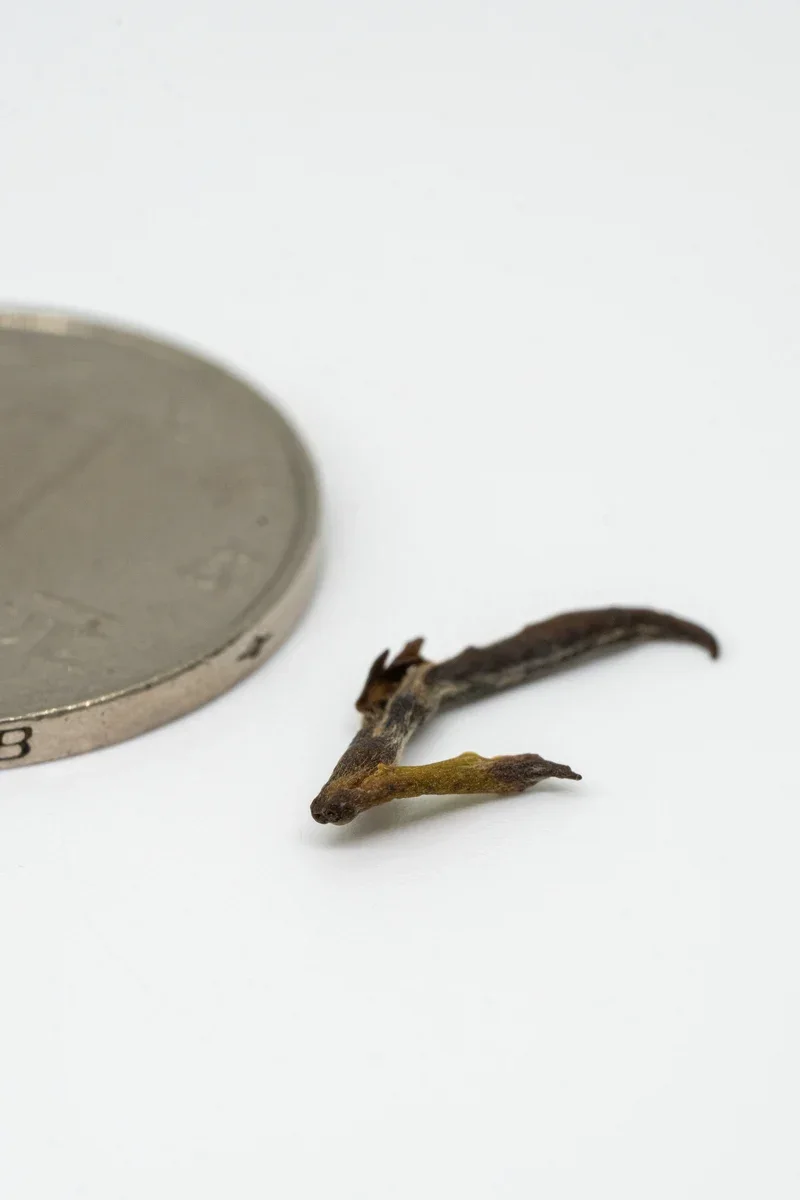
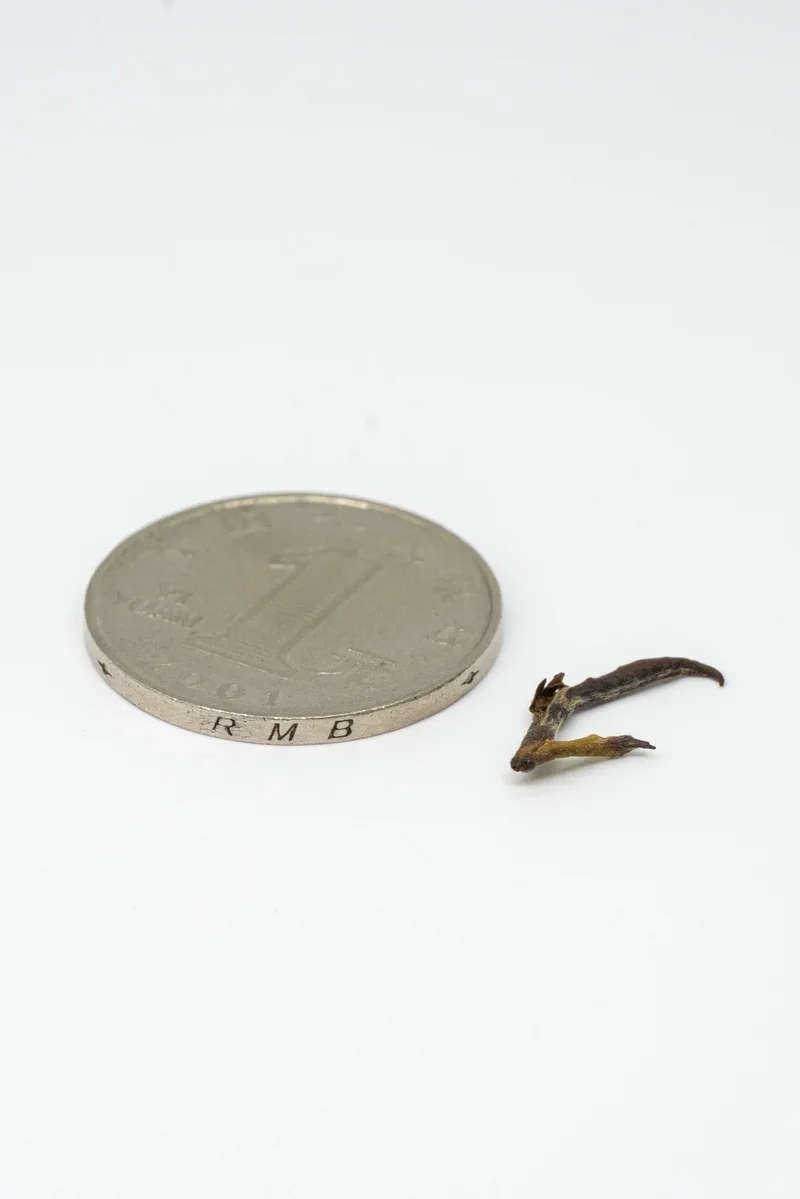
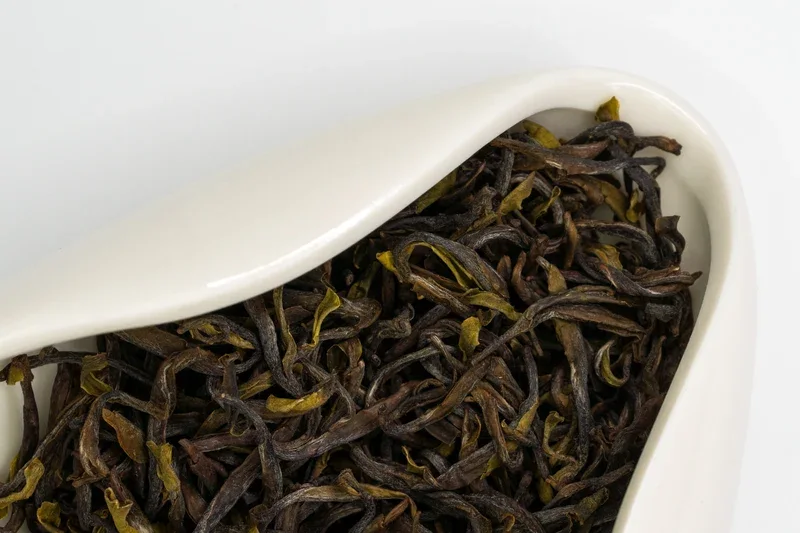
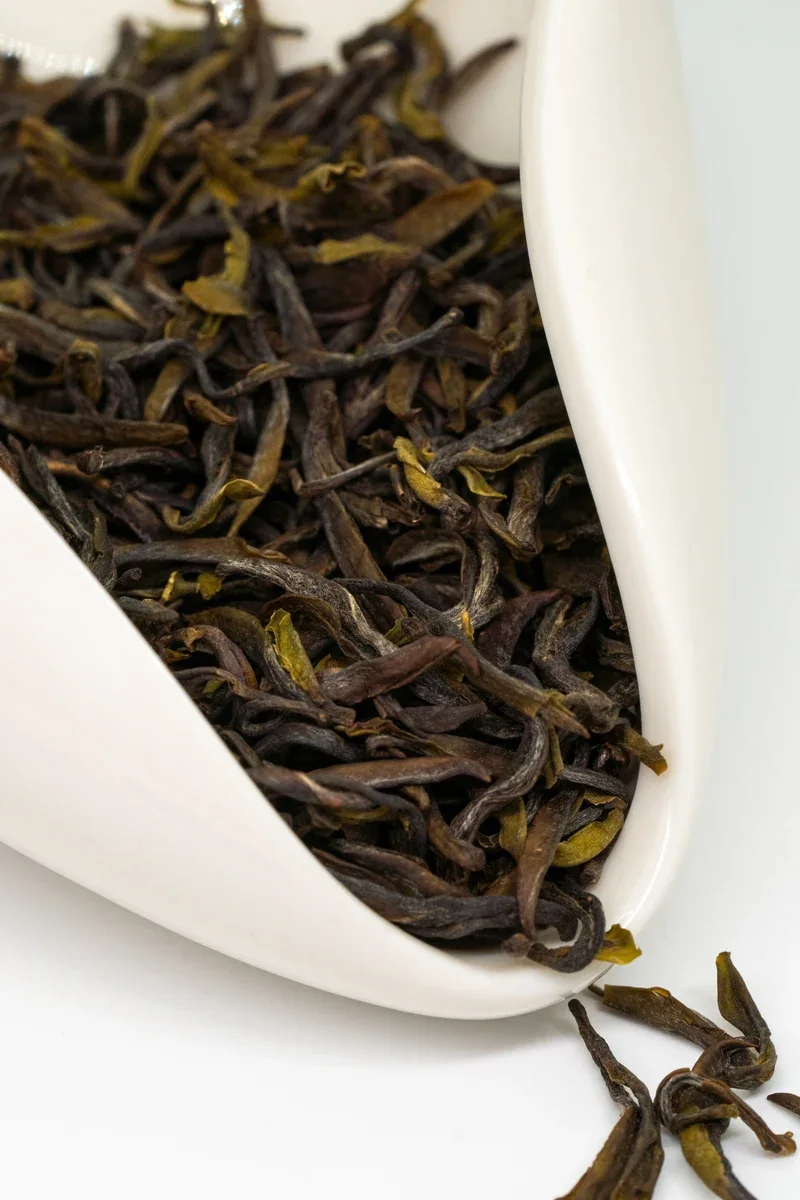
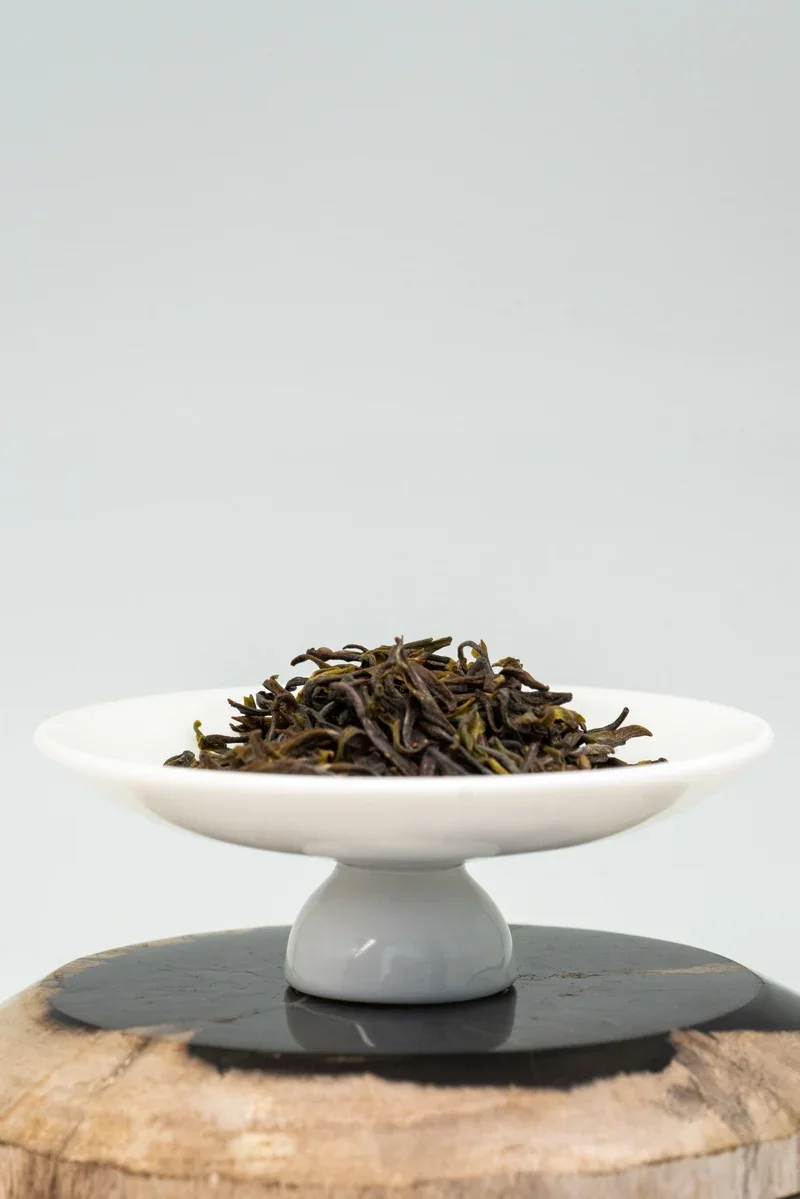
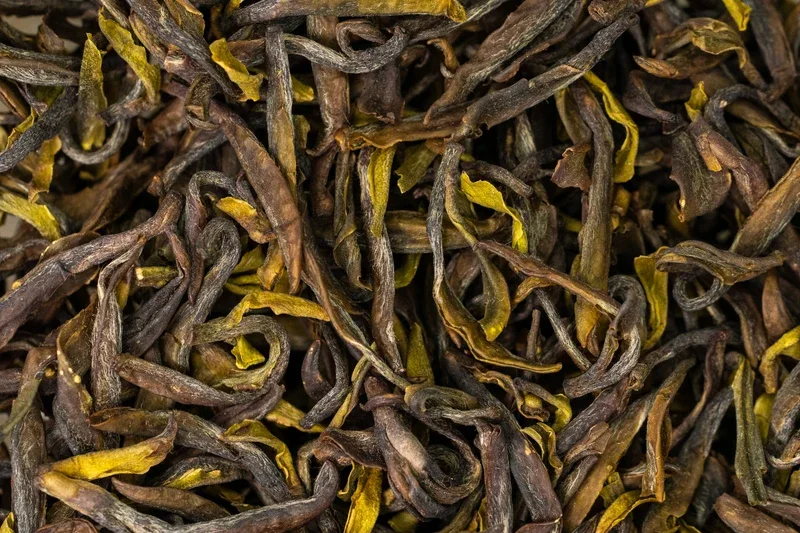
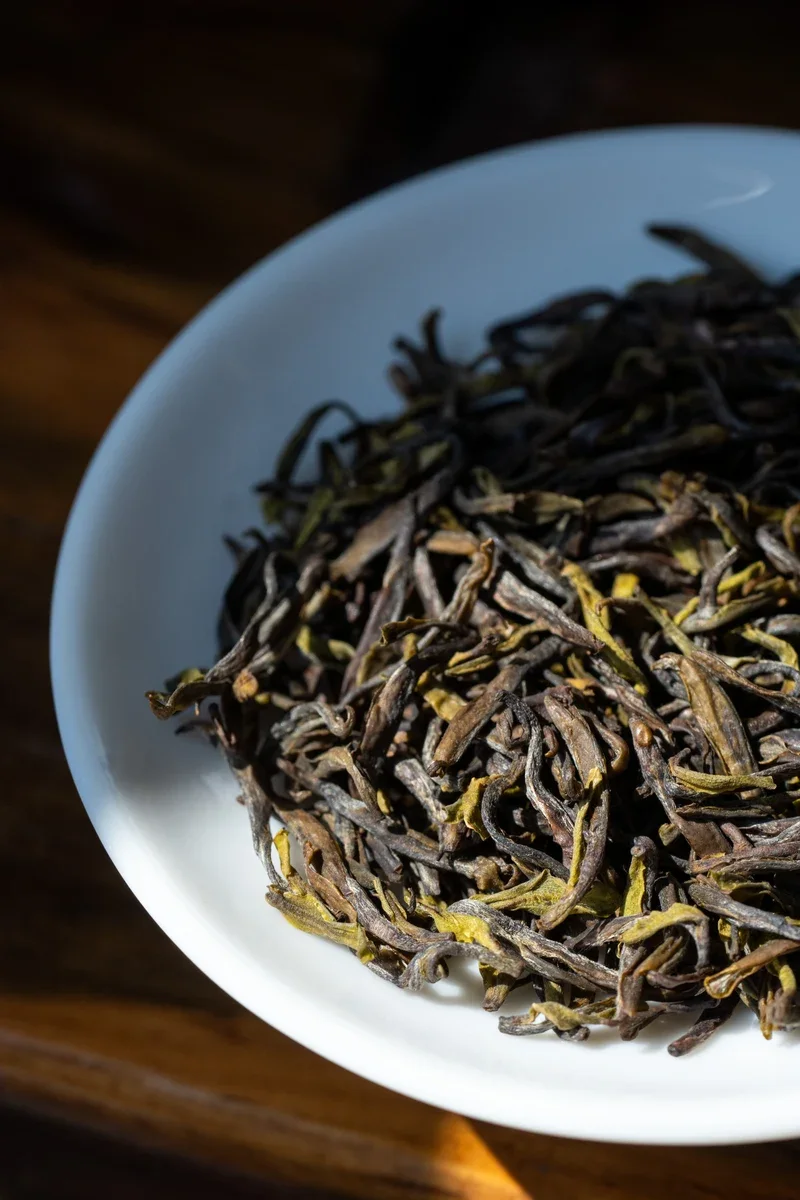
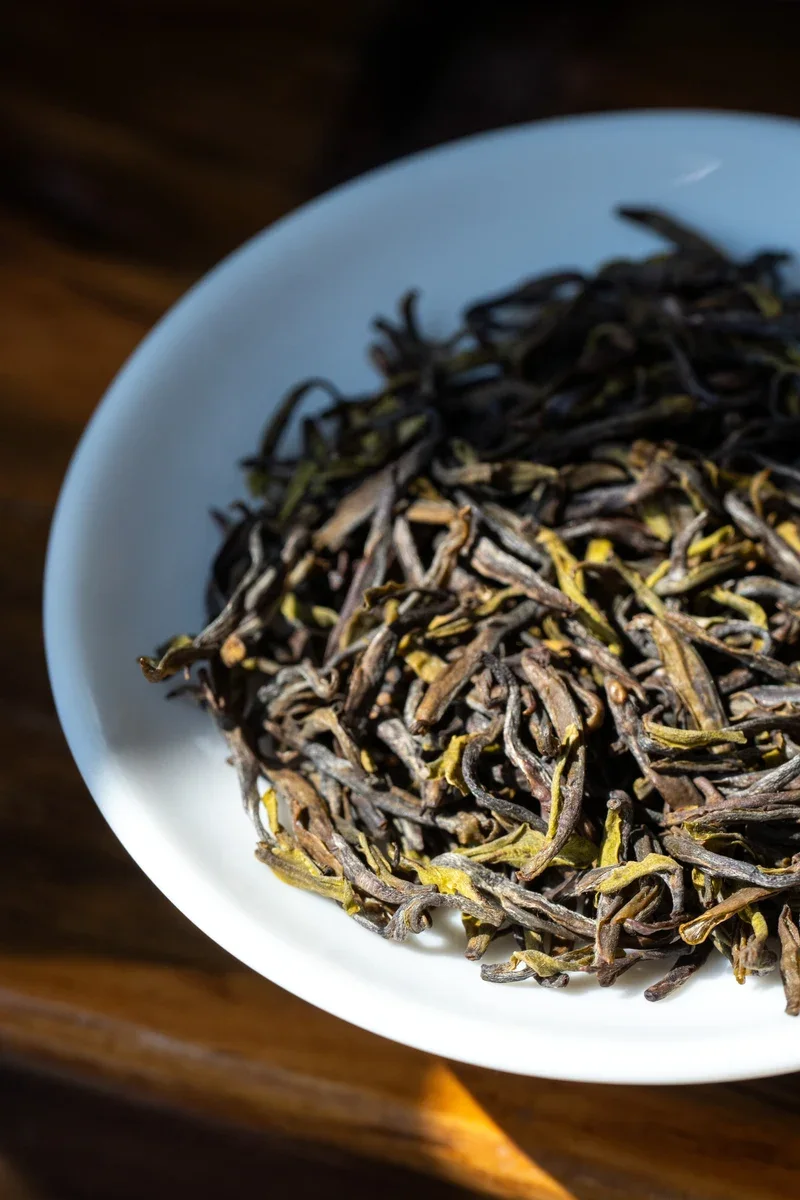
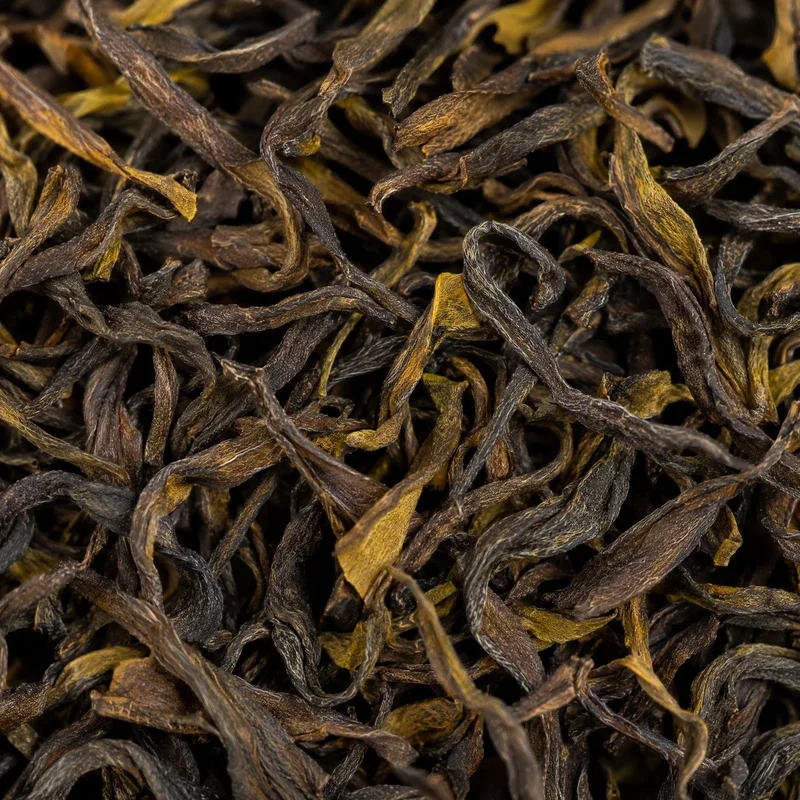
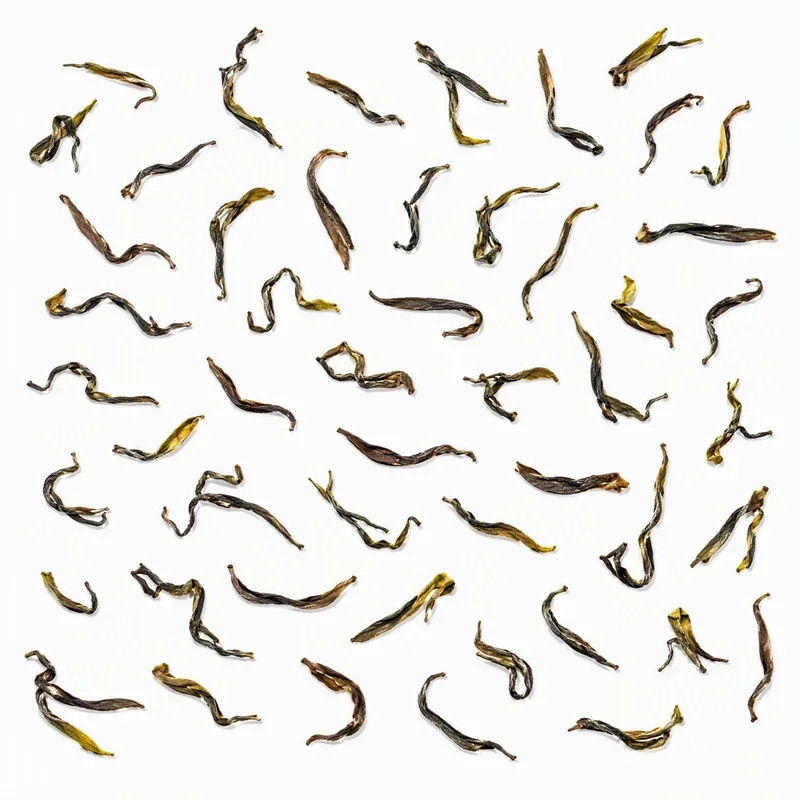
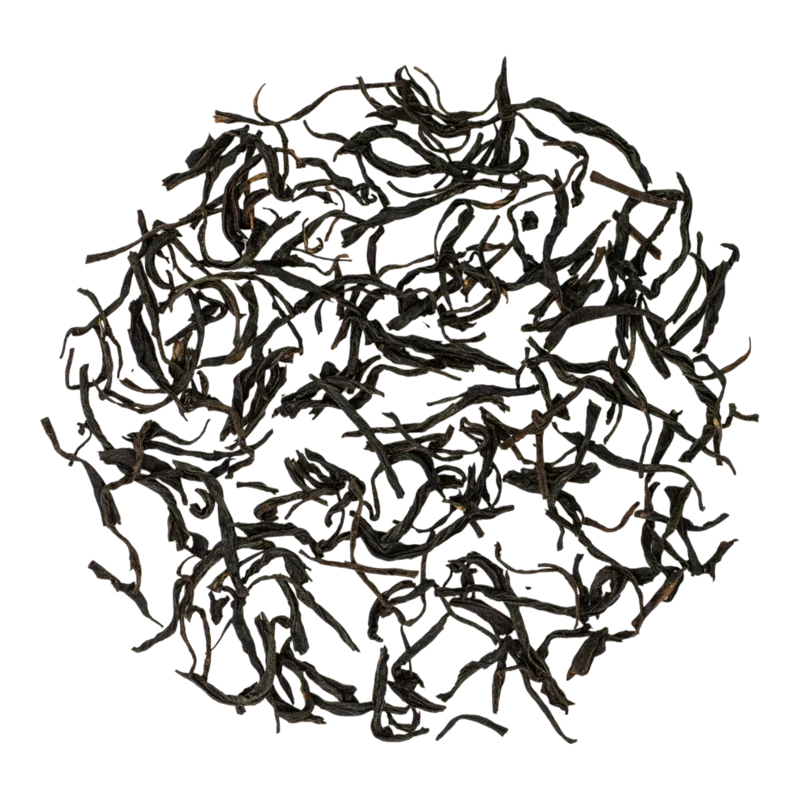
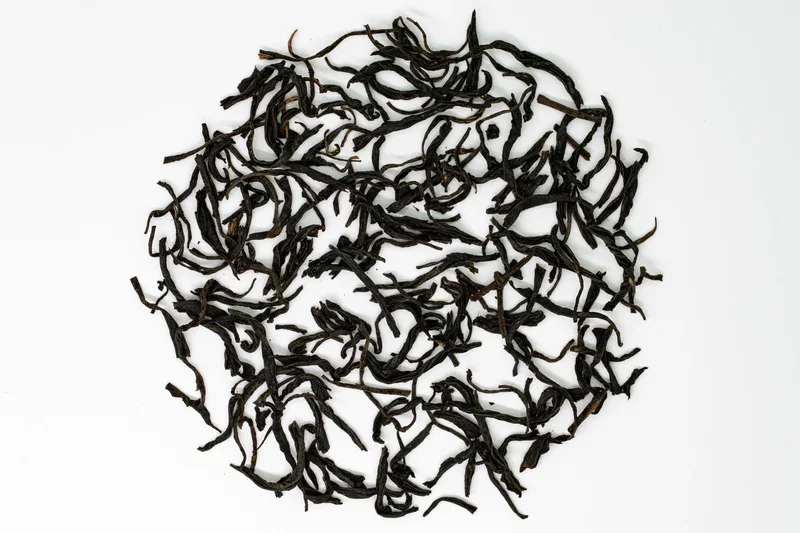
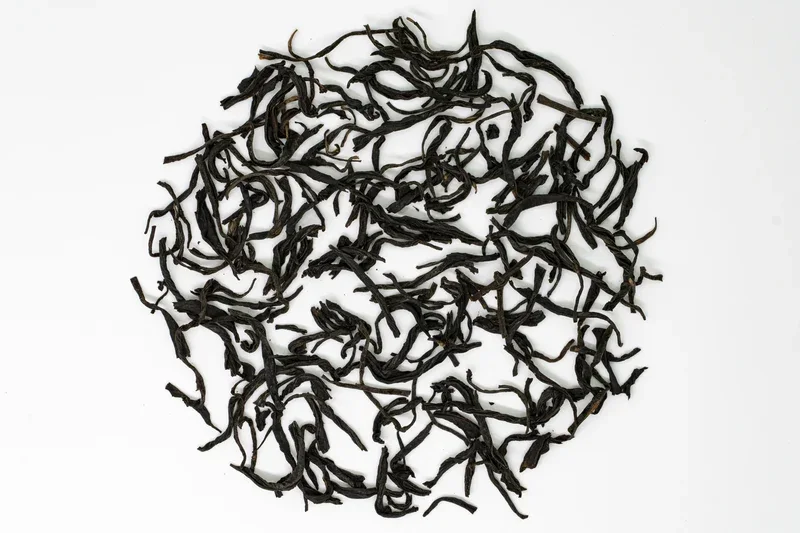
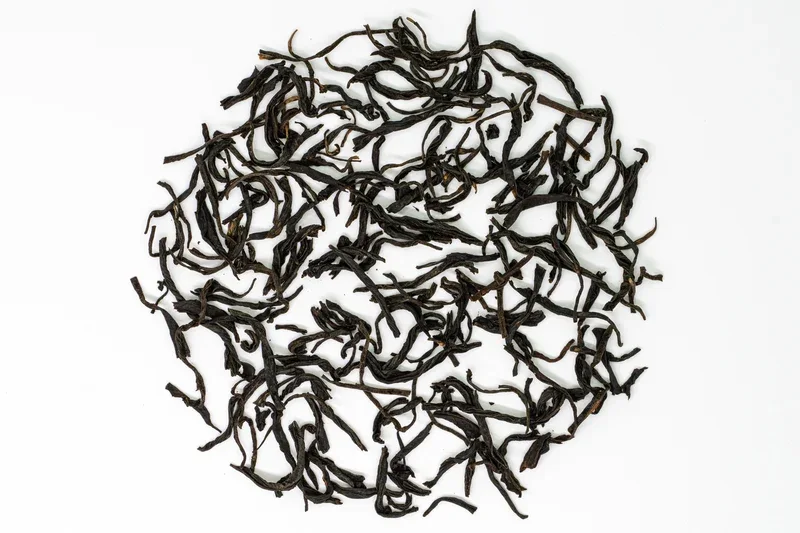
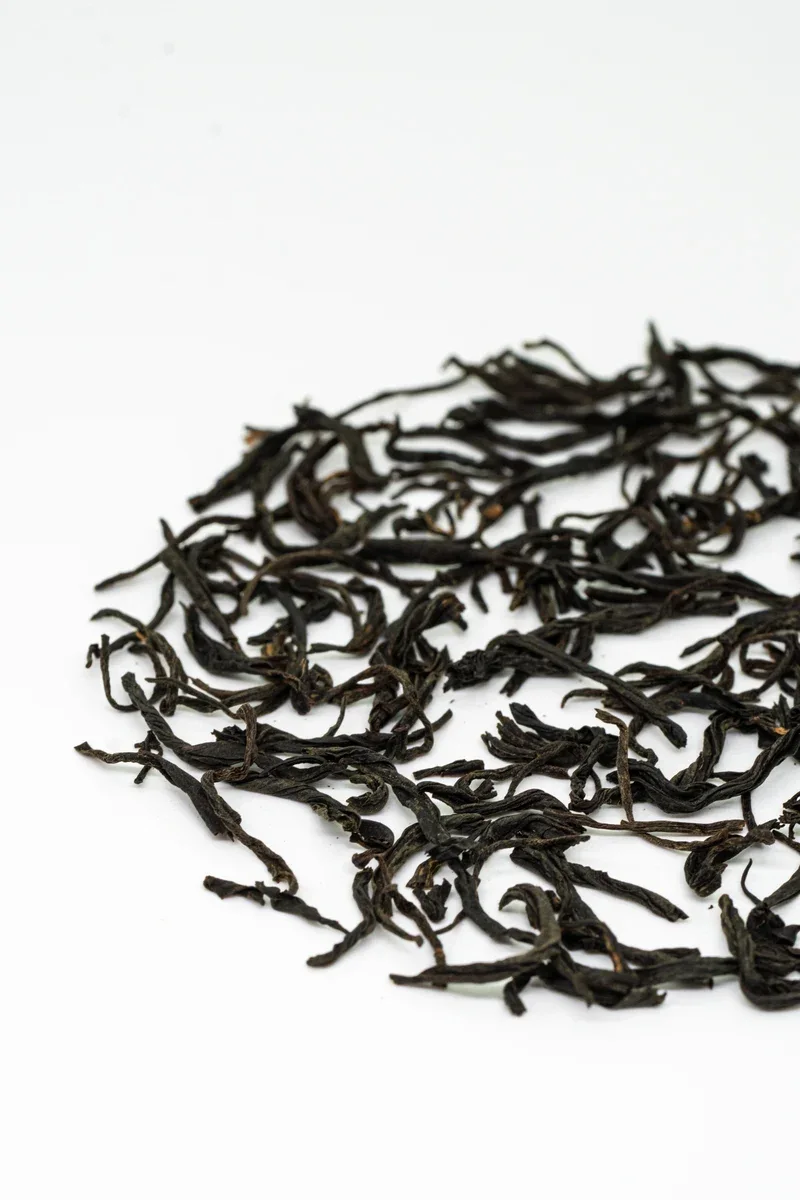
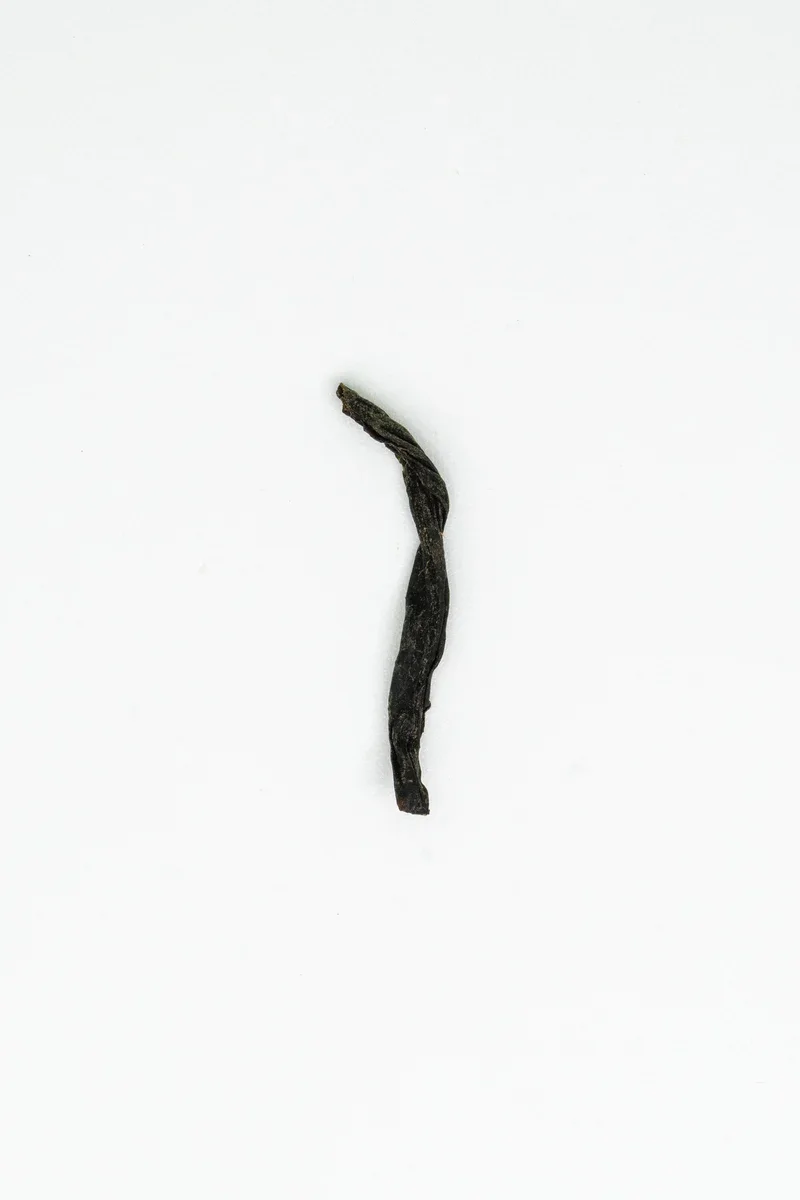
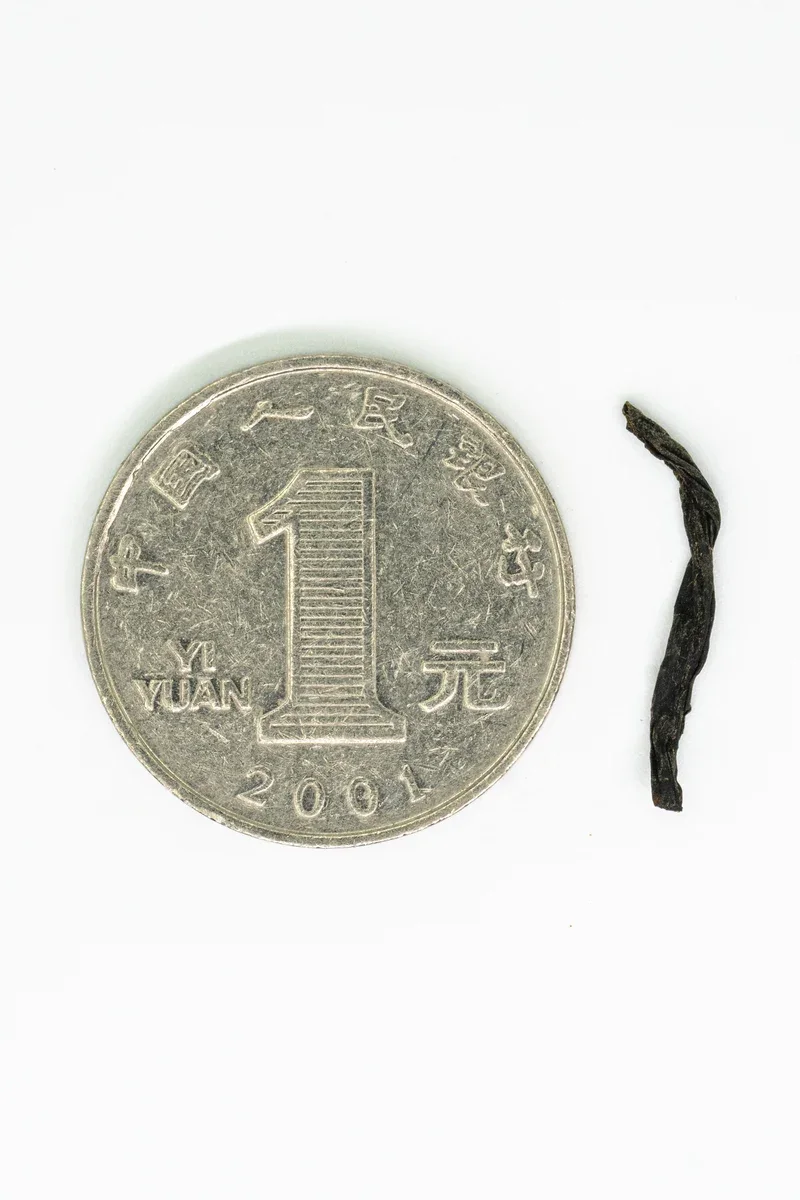
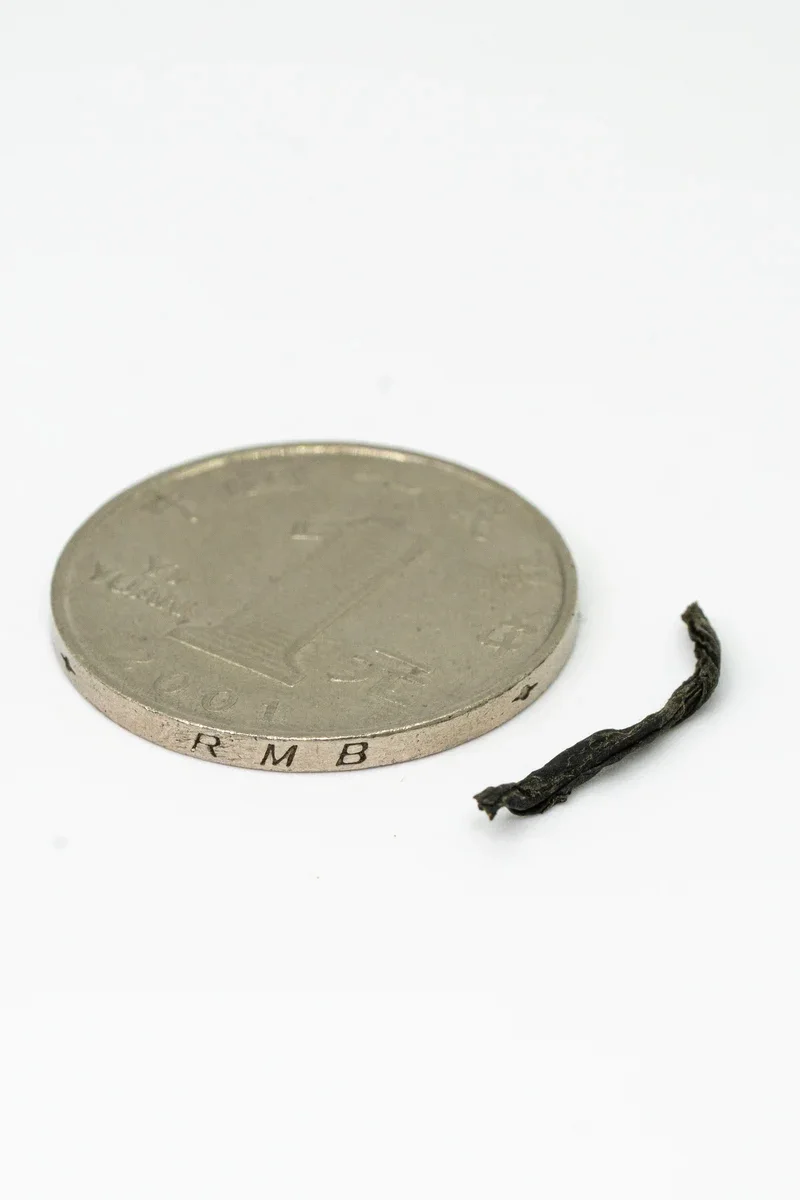
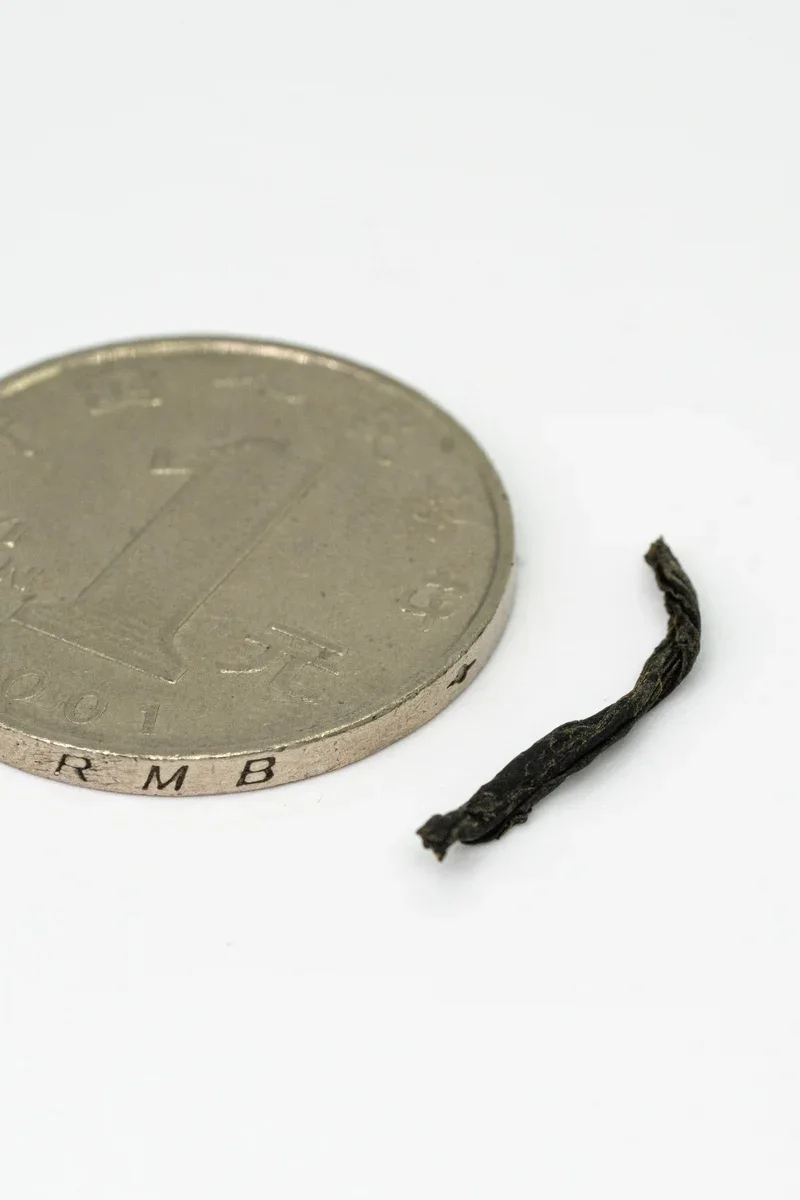
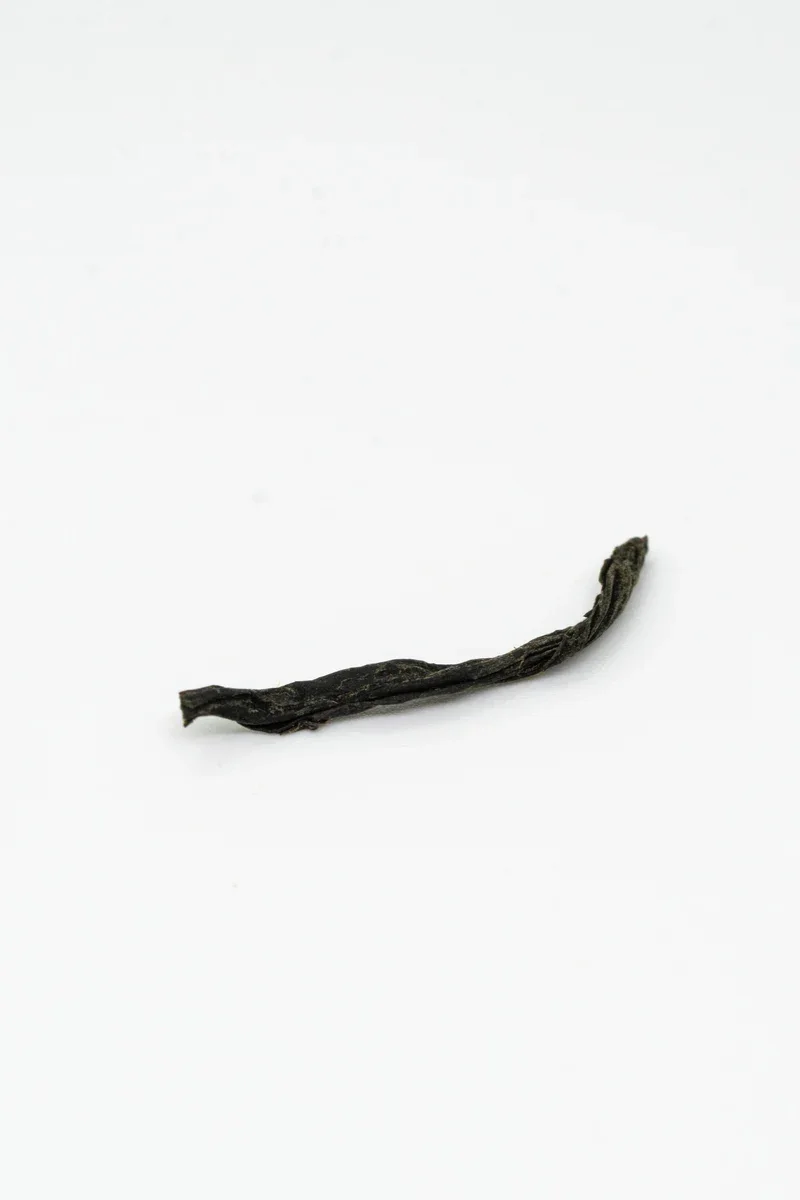
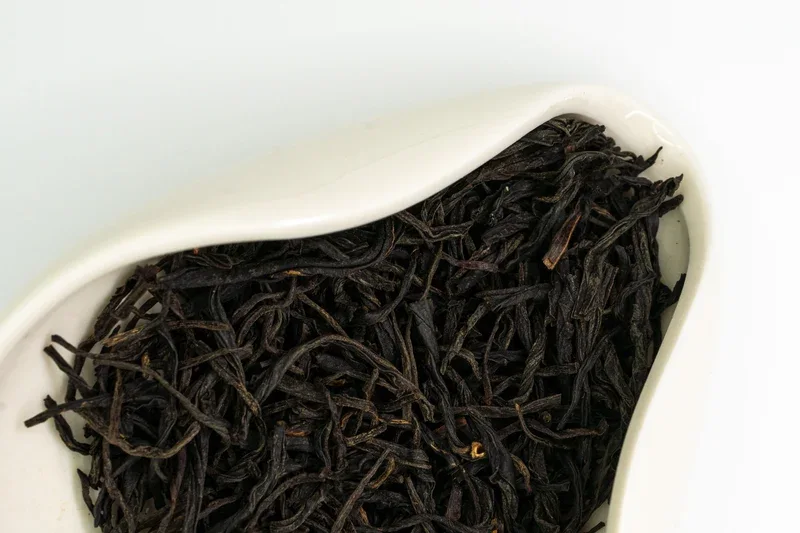
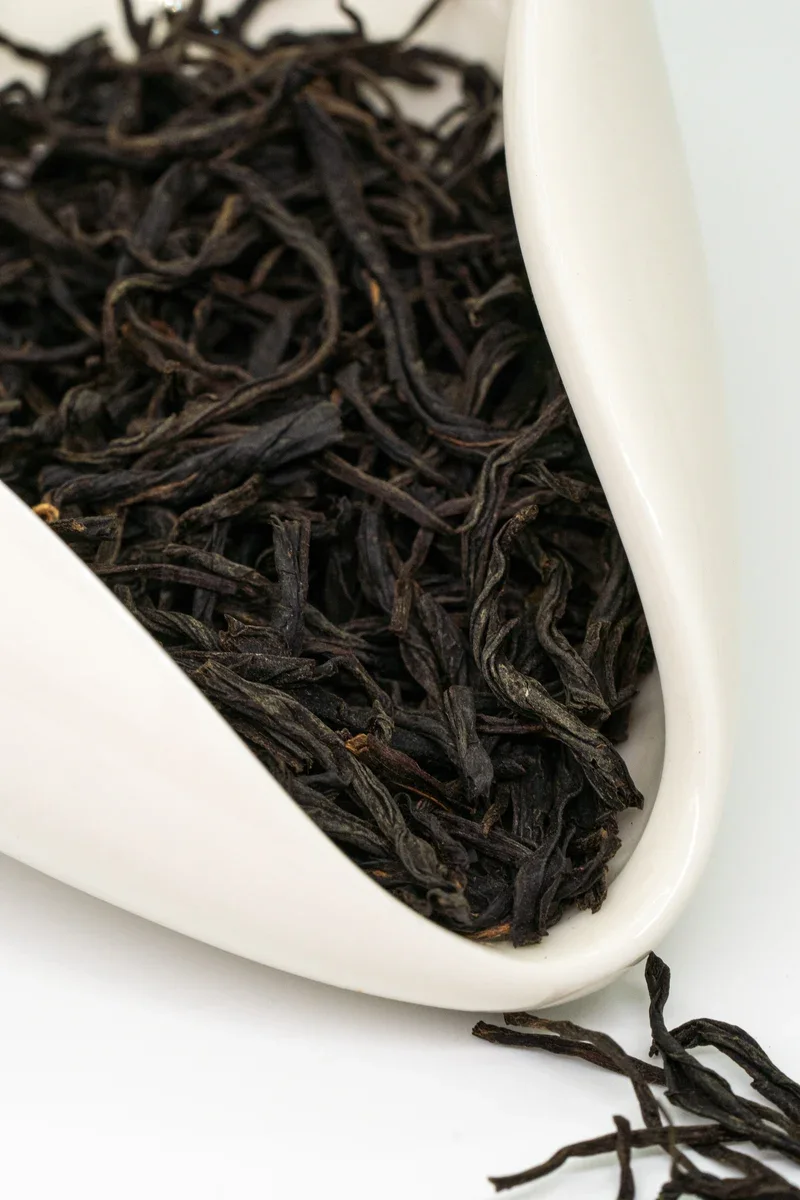
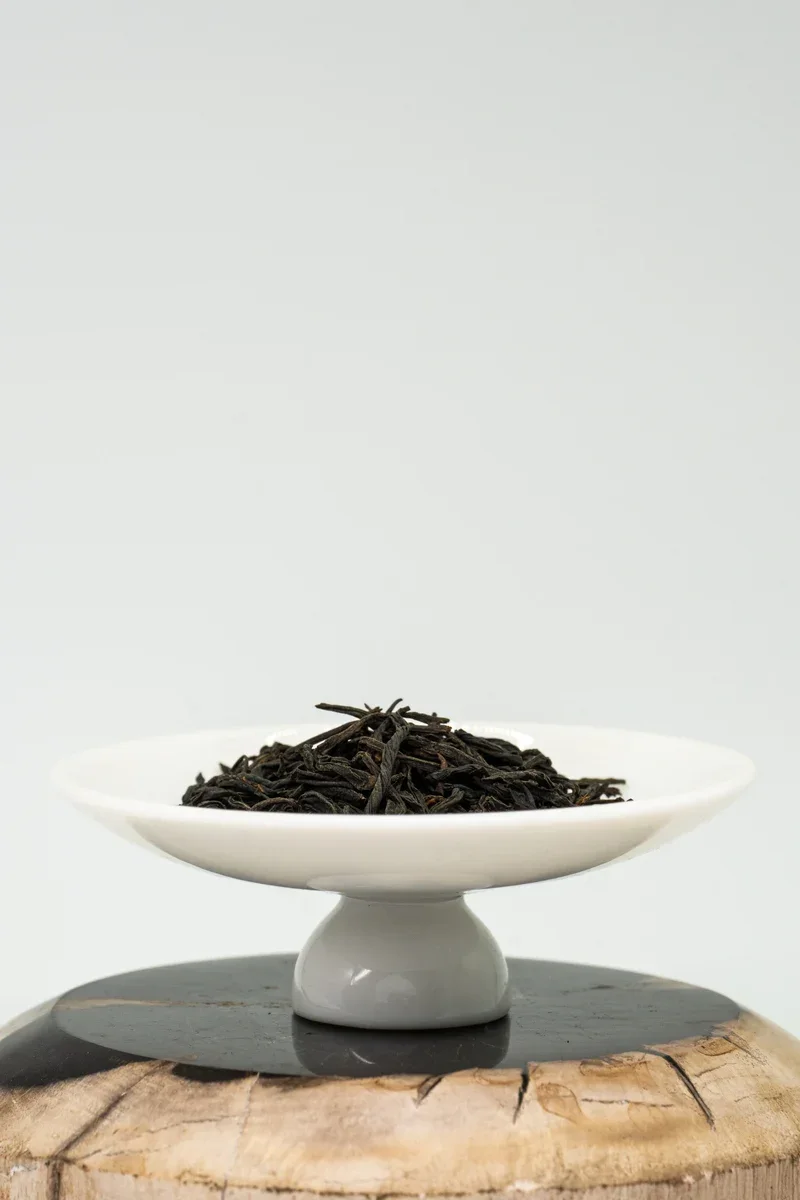
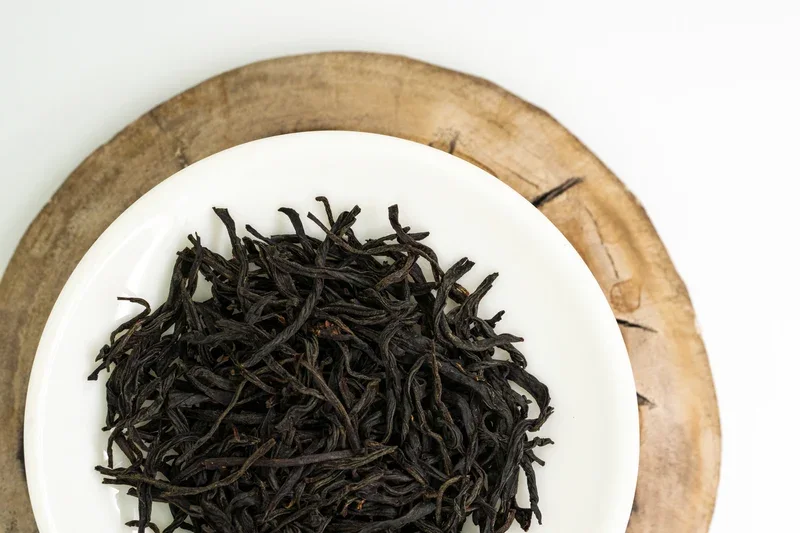
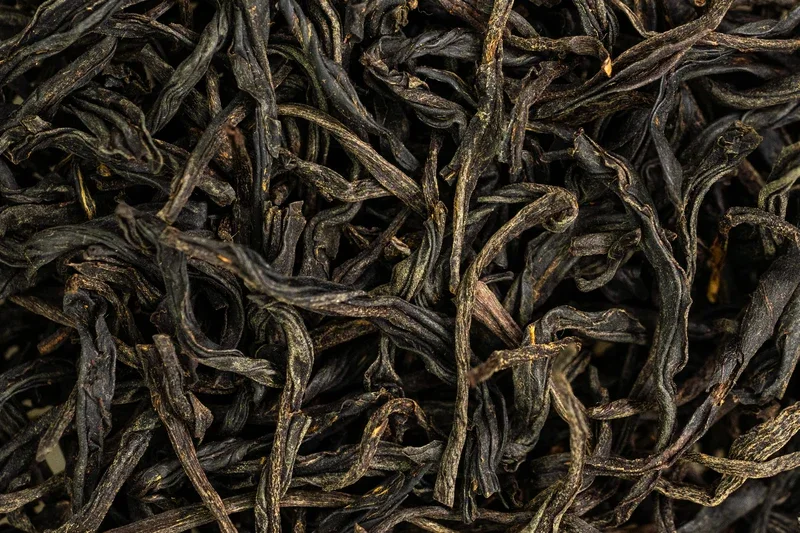
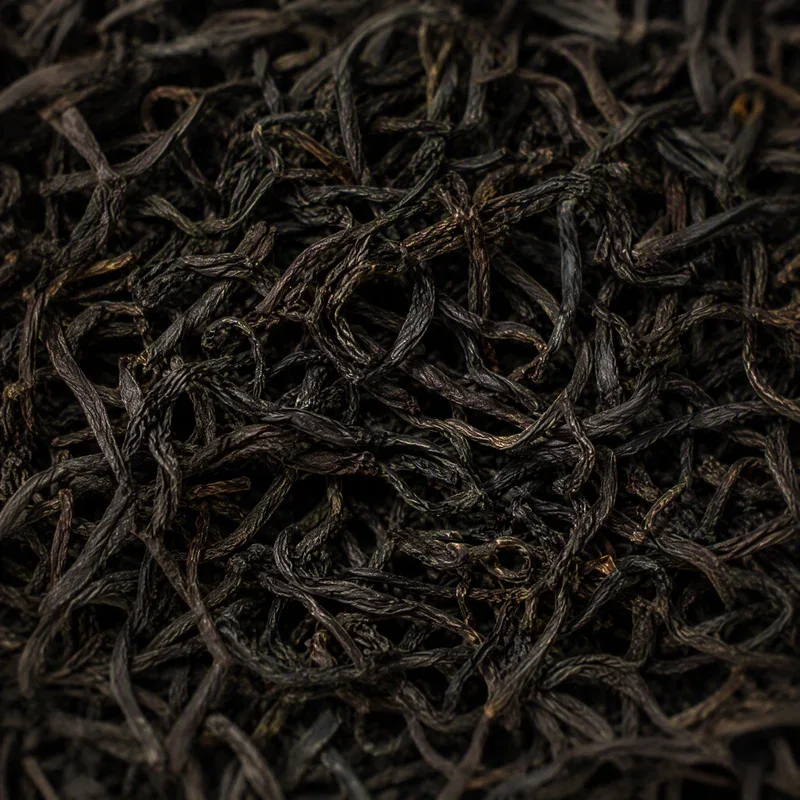
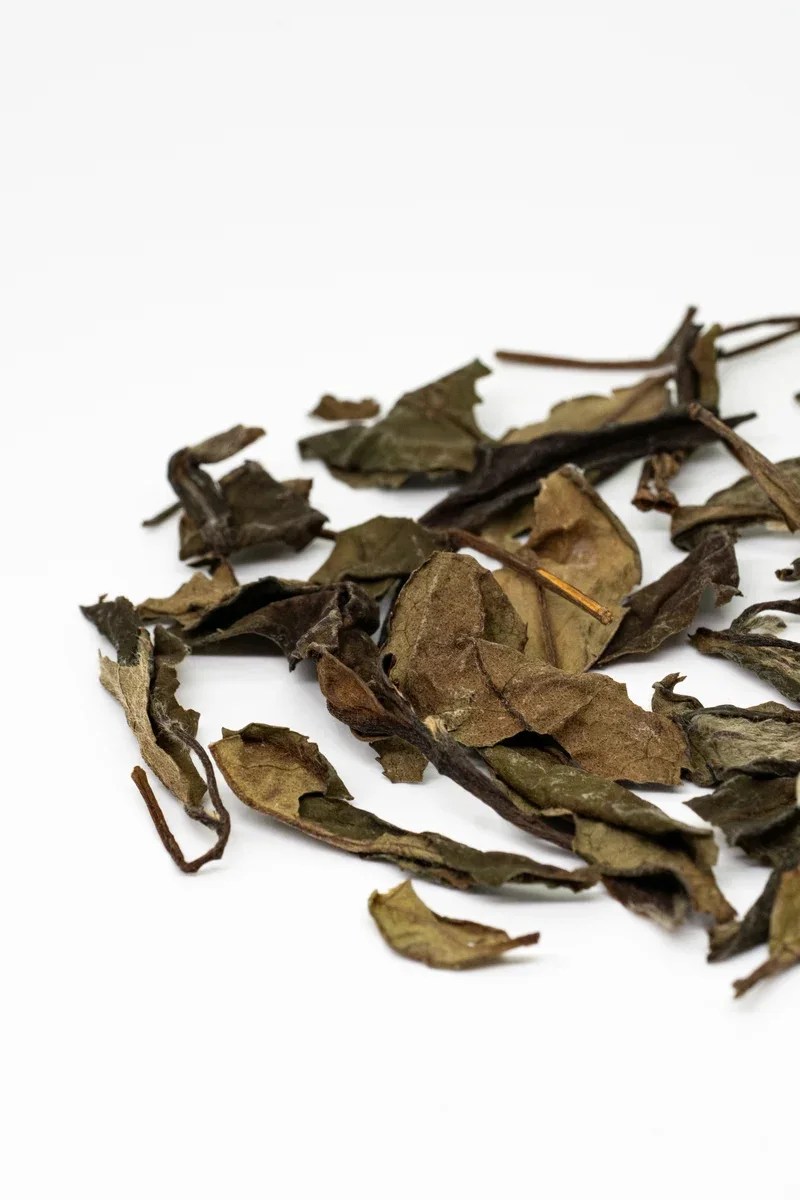
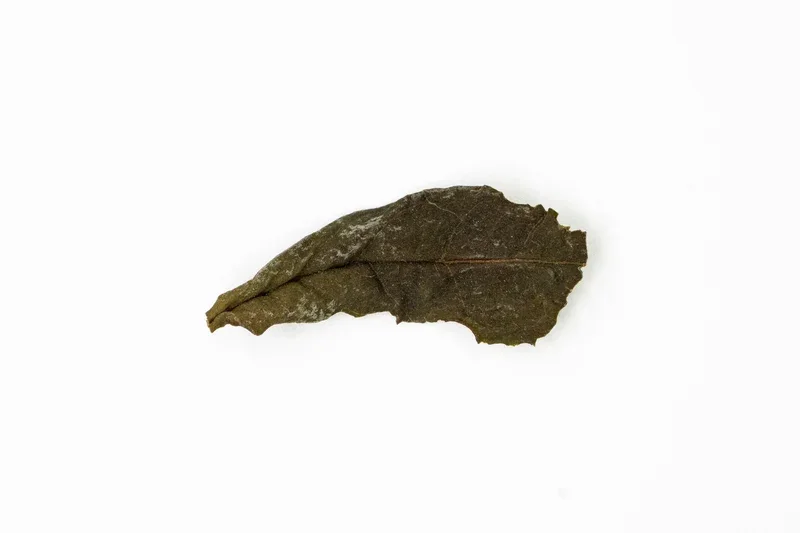
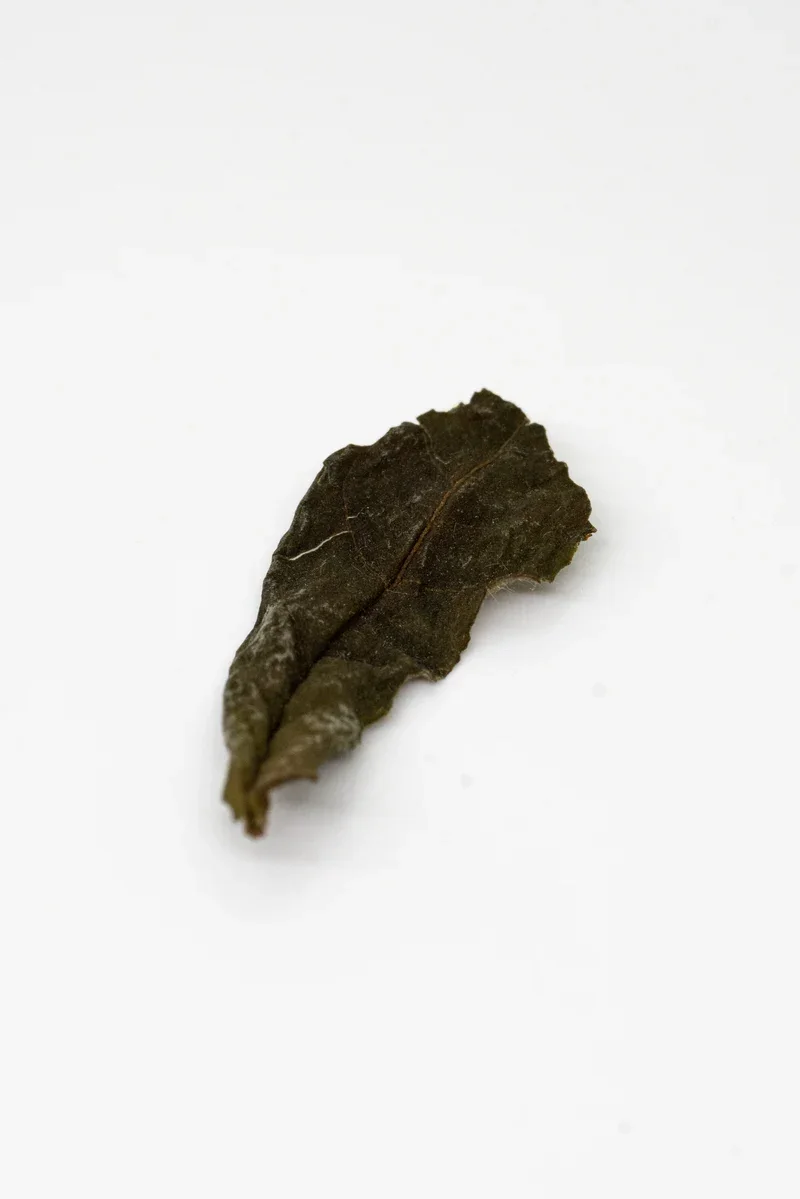
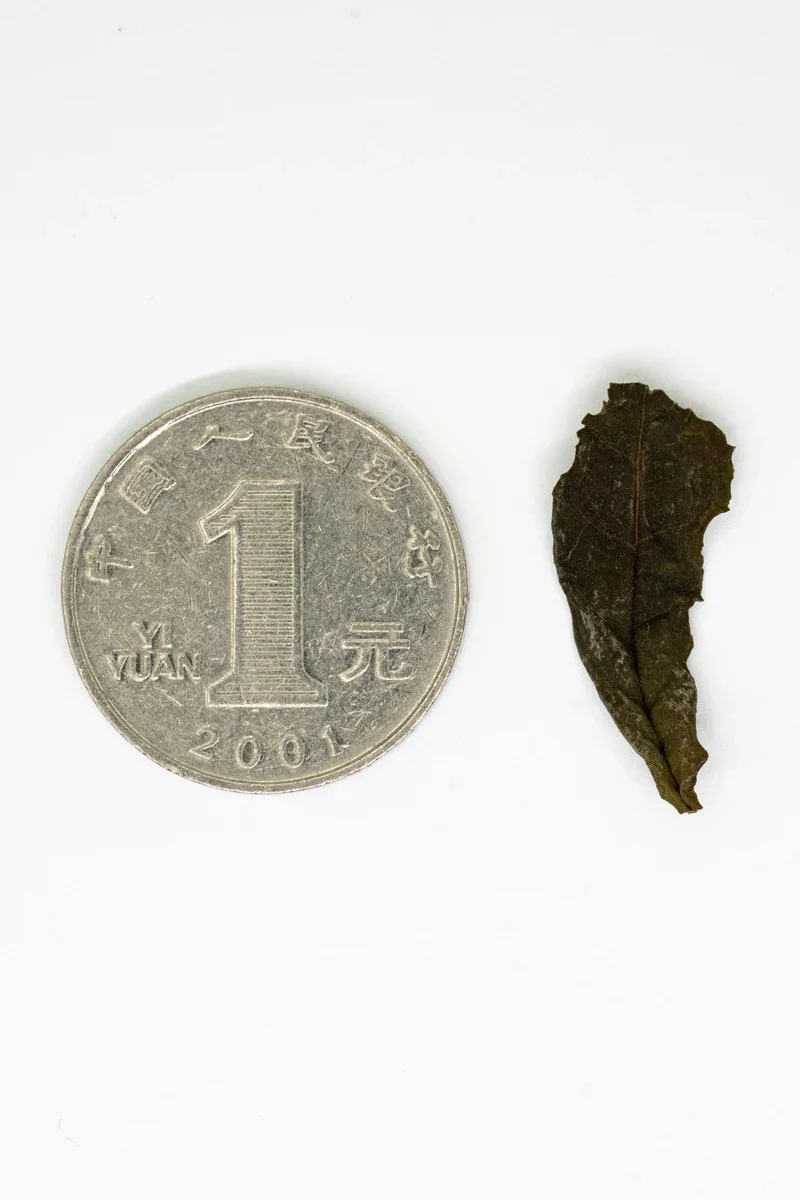
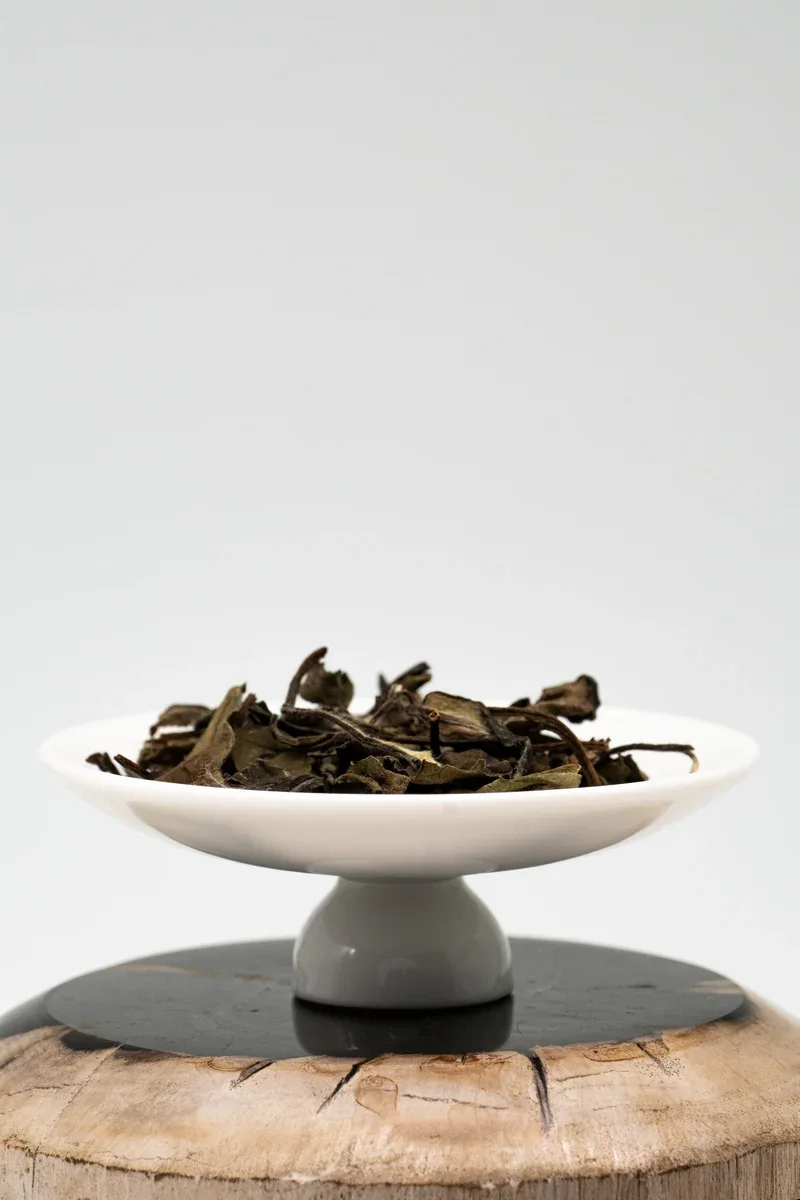
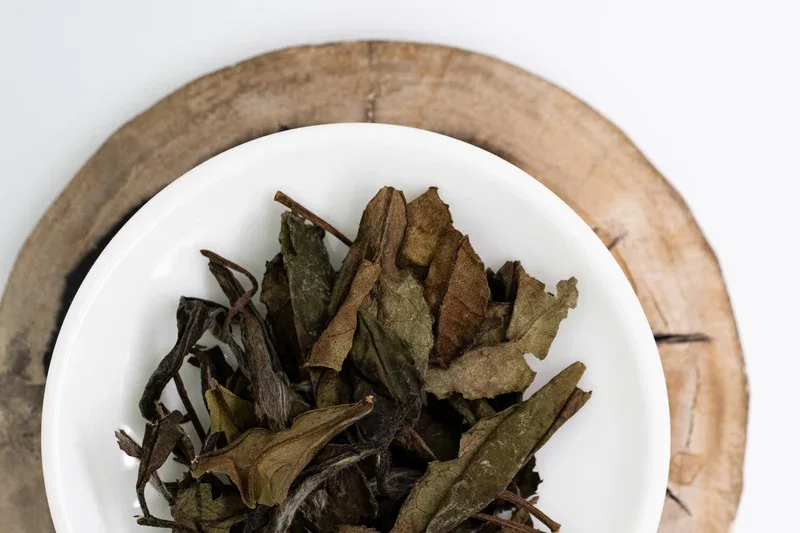
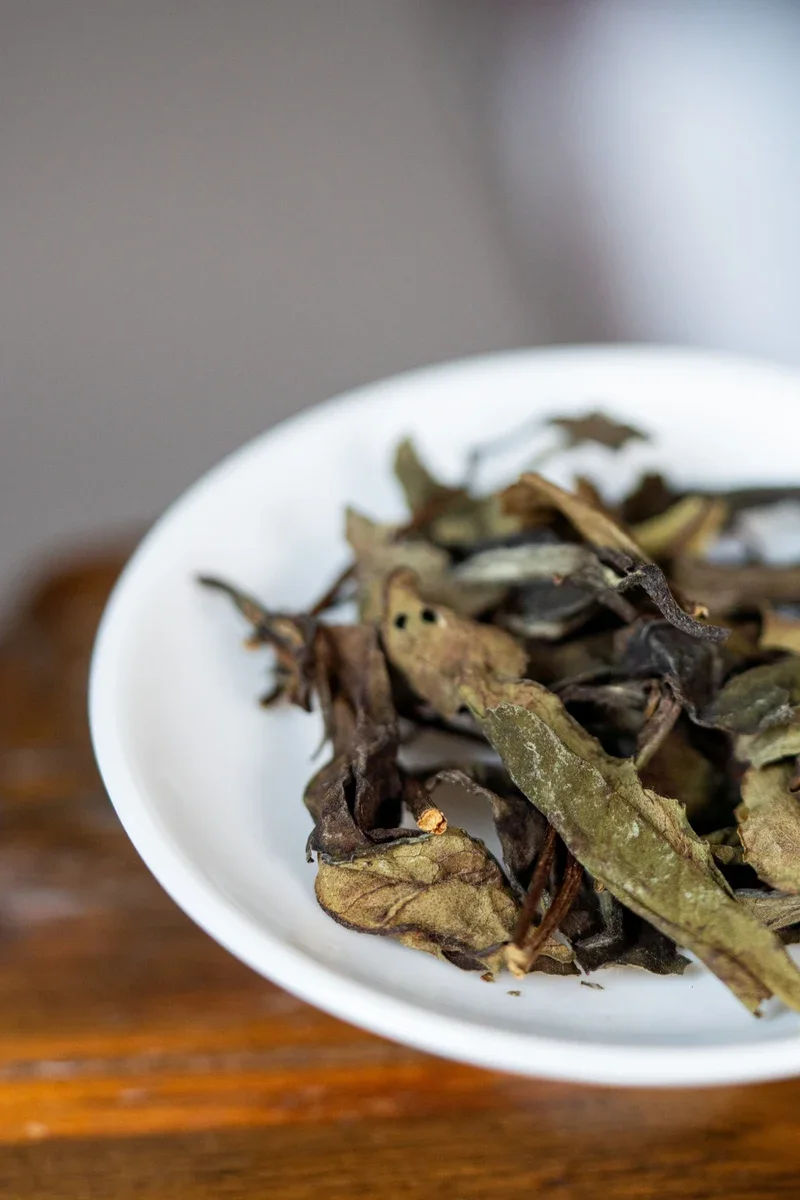
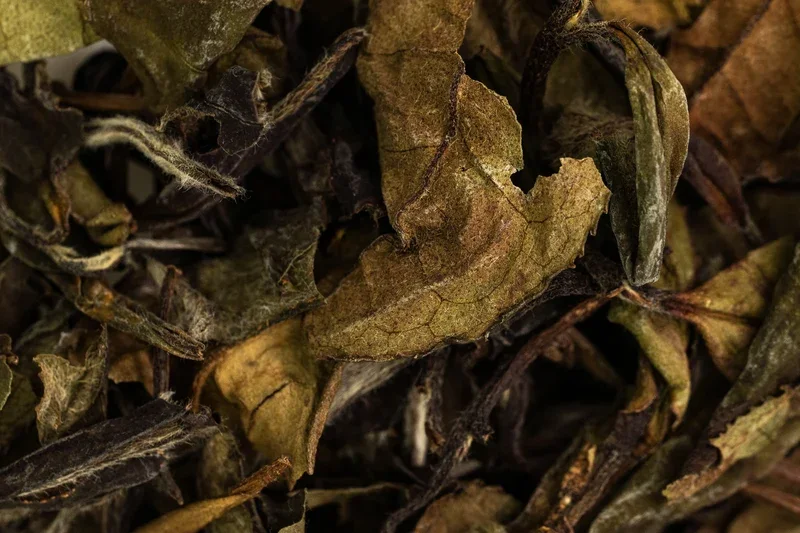
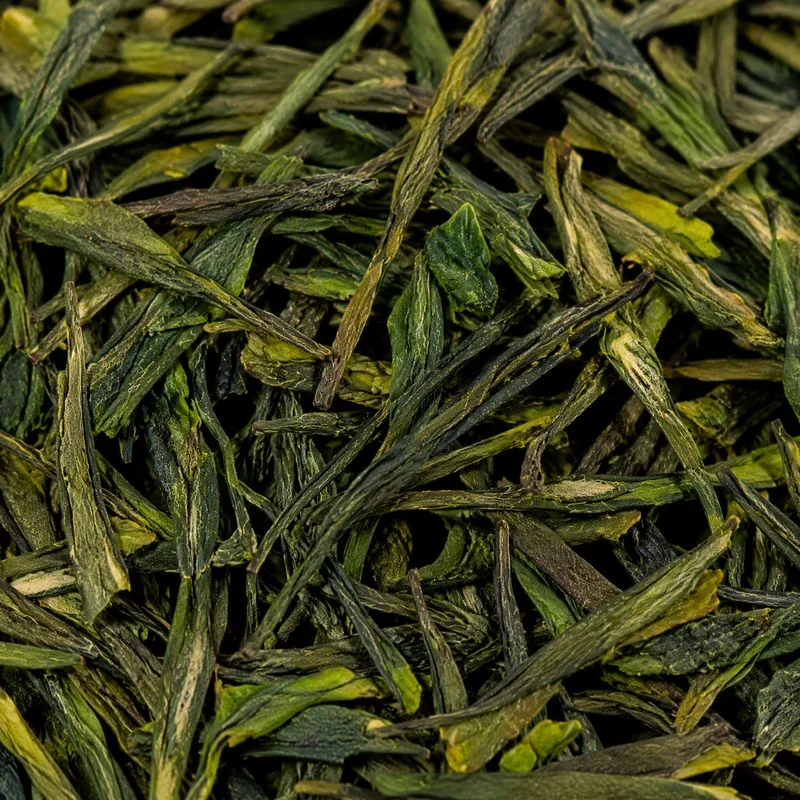
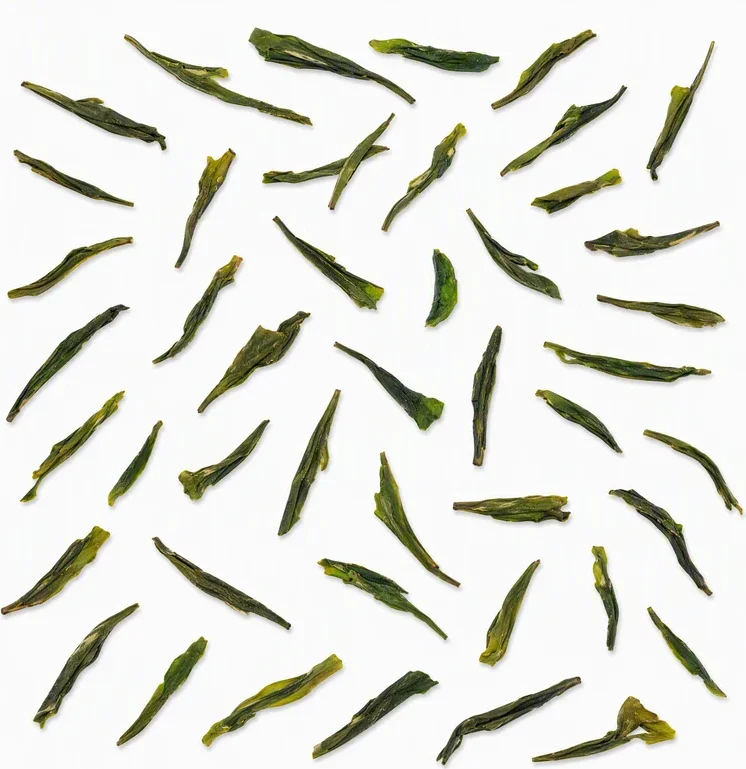
Dry Leaf Appearance: Flat, straight "blades" (扁平挺直如剑, biǎnpíng tǐngzhí rú jiàn). Color — green with oily luster (绿润, lǜrùn). Surface evenly covered with white down (显毫, xiǎnháo). Tea leaves uniform in size and shape, without fragments and dust.
Dry Leaf Aroma: Clean, fresh, with notes of young greenery and light beany undertone characteristic of flat pan-fired teas from Jiangsu.
Liquor Aroma: Clean (清香, qīngxiāng), high and fresh (高爽, gāoshuǎng). Persistent, unfolding in several layers: initial — fresh greenery, middle — light chestnut tone, final — delicate floral sweetness. Aroma persists through several infusions.
Liquor Color: Green, clear and bright (绿明, lǜmíng), with light yellow tint. High transparency.
Spent Leaves: Tender green, uniform (嫩绿匀整, nèn lǜ yún zhěng). Leaves unfold completely, maintaining integrity and elasticity.
Taste: Fresh (鲜爽, xiānshuǎng) and mellow (醇厚, chúnhòu). Pronounced umami (鲜, xiān), due to high amino acid content. Returning sweetness (回甘, huígān) — gentle and prolonged. Bitterness and astringency are minimal with proper brewing. Aftertaste — clean, with light coolness.
Amino Acids: Elevated content — result of northern subtropical climate, constant cloudiness, and acidic yellow-brown soils. Main component — L-theanine (茶氨酸, chá ānjīsuān), comprising about half of total free amino acids. L-theanine is responsible for umami taste (鲜味) and gentle, relaxing sweetness. Polyphenol/amino acid ratio (酚氨比, fēn'ān bǐ) — reduced, which is a marker of high-quality spring green tea with pronounced freshness and minimal bitterness.
2–3% dry weight — typical level for green teas. Provides moderate tonic effect, softened by L-theanine presence.
Elevated content — characteristic feature of teas from yellow-brown soils of Jintan. Contributes to tooth enamel strengthening and caries prevention.
Essential Oils: Responsible for characteristic clean "qingxiang" (清香) aroma. Main components — linalool, geraniol, cis-3-hexenol (fresh-cut grass aroma).
Minerals: Potassium, calcium, magnesium, iron, manganese, zinc, selenium (in trace amounts, depending on specific plot).
Polyphenols: Content — 15–20% dry weight (characteristic range for tender early spring green teas from northern subtropics). Main fraction — catechins (儿茶素, ér chá sù), predominantly epigallocatechin-3-gallate (EGCG), possessing pronounced antioxidant action. Moderate polyphenol level (lower than southern large-leaf teas) ensures mild, non-aggressive taste without pronounced bitterness.
Vitamins: Vitamin C (ascorbic acid) — preserved in significant amounts due to minimal oxidation. B-group vitamins (B1, B2), vitamin E (tocopherols).
Tea Amount: 3 g per 150 ml water (1:50 ratio).
Teaware: Transparent glass tumbler — standard for "Qing Feng". Notably, the tea's technical standard specifies recommended glass transparency — ≥91.5%, emphasizing the aesthetic value of observing "blades" slowly descending in water. Porcelain gàiwǎn (盖碗, gàiwǎn) is also suitable for more controlled brewing.
Water Temperature: 80–85°C. Do not use boiling water — too high temperature extracts excessive polyphenols, giving the liquor bitterness and masking delicate aroma.
No reviews yet. Tell us what you think of this tea.
Rate this tea and share your impressions. We review each submission before publishing it.