Brewing
Gongfu brewing
- Water temperature
- 93 °C
- Tea amount
- 5 g
- Water volume
- 100 ml
- First steep
- 10 s
- Time added per infusion
- 5 s
- Infusions
- 4

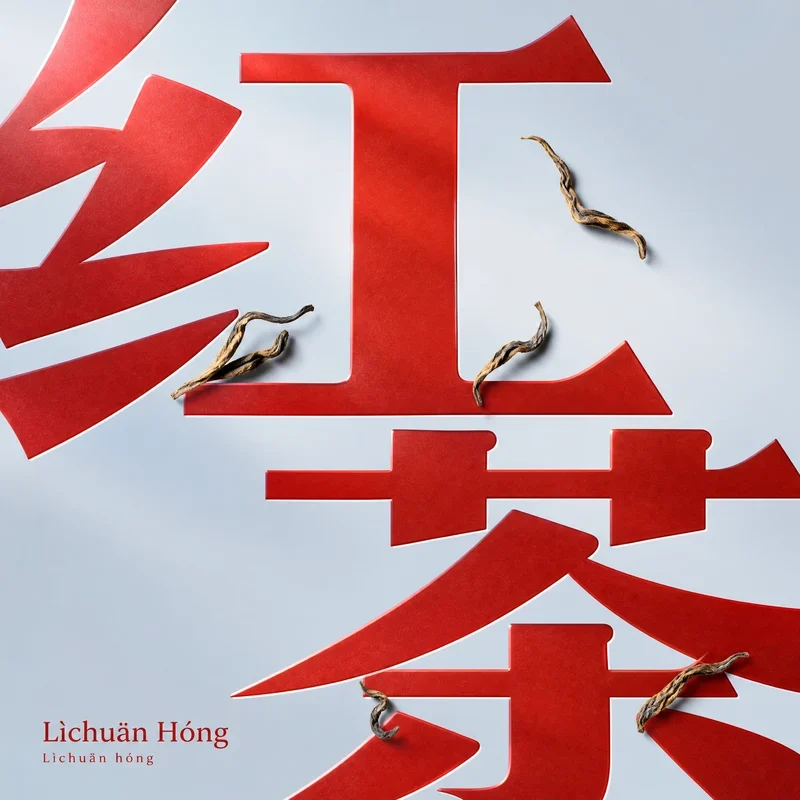
Lìchuān hóng
Choose a brewing method. Start with the recommended quantities and time, then adjust to taste.
Brewing
Brewing
Taste
Tea encyclopedia
Category: Gōngfū hóngchá (工夫红茶, gōngfū hóngchá). Historically part of the "Yihong" (宜红, Yíhóng) family — "Yichang Red Gongfu Tea," one of the four great gongfu hongcha of China. Since 2012, positioned as an independent brand "Lichuan Gongfu Hongcha" (利川工夫红茶), abbreviated as "Lichuan Hong" (利川红).
Category: Gōngfū hóngchá (工夫红茶, gōngfū hóngchá). Historically part of the "Yihong" (宜红, Yíhóng) family — "Yichang Red Gongfu Tea," one of the four great gongfu hongcha of China. Since 2012, positioned as an independent brand "Lichuan Gongfu Hongcha" (利川工夫红茶), abbreviated as "Lichuan Hong" (利川红).
Coordinates: Approximately 30°18′ N, 108°56′ E (Lichuan, central part; Maoba — southeast, in the Yujiang River valley, 郁江).
Origin: China, Húběi Province (湖北省, Húběi Shěng), Ēnshì Tujia and Miáo Autonomous Prefecture (恩施土家族苗族自治州, Ēnshì Tǔjiāzú Miáozú Zìzhìzhōu), Lìchuān City (利川市, Lìchuān Shì). Core production area — Máobà Township (毛坝镇, Máobà Zhèn) — recognized as the "birthplace of Lichuan Hong" and historical base of export Yihong gongfu hongcha. Additional zones: Zhonglu Township (忠路镇), Baiyangba Township (柏杨坝镇), Wendou Township (文斗乡), and Shaxi Township (沙溪乡).
Type: Chinese red tea (black tea) (红茶, hóngchá), fully oxidized.
Cultural Significance: Lichuan Hong is not just tea, but a symbol of economic transformation of an entire region. Mountainous Maoba, in the 1980s one of the poorest corners of western Hubei, today prospers thanks to the tea industry. Tea became a "conductor" of Tujia ethnic culture into the daily life of the rest of China and foreign markets. In Maoba, a unique "tea memorial tradition" (茶叶孝文化) is preserved: on New Year's Eve, two cups of tea are placed on the home altar for ancestors; if the tea becomes turbid by morning — it means the ancestral spirits accepted the offering, and the year will be prosperous. This belief is connected to the peculiarity of local "Leng Hou Hun" and is actually a folk explanation of the "cold turbidity" phenomenon. Lichuan holds the status of a sub-regional brand "Enshi Selenium Tea" (恩施硒茶, "Enshi Selenium Tea").
History: Lichuan is a territory with more than 2,800 years of tea cultivation history: according to local chronicles ("Lichuan County Annals," 利川县志), tea cultivation began during the Western Zhōu period (西周). During the Ming era, local "Wudong Cha" (雾洞茶, "Tea from Misty Caves") was supplied to the court as tribute tea.
Name Breakdown: "Lichuan" (利川) — city name, literally: "li" (利) — "beneficial, favorable," "chuan" (川) — "river, plain among mountains." As stated in local chronicles: "Plains and plateaus along the Qingjiang River alternate with mountain ranges — this is the 'beneficial river'" (有利之川). "Hong" (红) — "red," indicates the tea type.
Unique local variety discovered in 1980 in Jiabi Village (夹壁村). Bushes demonstrate an unusual growth pattern: for the first four years, branches develop horizontally, and only after crown "closure" do they begin growing vertically. Budding frequency is low, yield is modest, cuttings root poorly — all this makes the raw material expensive and limited. This cultivar produces tea with characteristic "cold turbidity" — the calling card of Lichuan Hong.
Early-ripening local variety that flowers 20 days earlier than standard cultivars, with characteristic "triple aroma" — tender freshness, chestnut, and flowers.
Cultivar: The raw material base consists of several cultivars:
Picking: Main season — spring (March–April); most valuable batches are picked before Qingming. Summer and autumn pickings are used for mass-market batches.
Pluck Standard: Single bud (单芽) for premium grades; one bud and one leaf (一芽一叶) for highest grade; one bud and two leaves (一芽二叶) for standard batches.
Raw Material: Fresh, whole shoot without mechanical damage; picking altitude — from 400 m above sea level; minimal delay between picking and withering.
Altitude: Main plantations are located at 800–1200 m above sea level. Average altitude of Lichuan territory — about 1100 m. Tea gardens in Maoba — at 900 m and higher.
Climate: Subtropical monsoon with pronounced mountain character; average annual temperature 12.3–16.7°C depending on altitude; average annual precipitation 1200–1600 mm; frost-free period duration ~232 days; sunshine hours — about 1300–1410 per year. Frequent dense fogs are characteristic (Maoba township literally "drowns" in clouds), significant diurnal temperature variations, high humidity — classic conditions for accumulating amino acids and aromatic substances in tea leaves. Average summer temperature — 22.2°C; historical maximum — 35°C: in Lichuan there is "no cruel summer" (夏无酷暑).
Soil: Weakly acidic yellow-brown mountain soils (黄棕壤, pH 4.5–6.5) with deep fertile layer (>60 cm), loose sandy loam texture and good aeration. Critically important feature: soils are naturally enriched with selenium (硒, xī) — the region is part of the "World Selenium Capital" (世界硒都), selenium content in tea leaves is stable in the range of 0.25–4 mg/kg.
Lìchuān is part of the Xingdoushan National Nature Reserve (星斗山国家级自然保护区) zone with forest coverage exceeding 64%. Absence of large industrial enterprises, clean mountain air, and rich biodiversity create conditions for ecologically clean tea cultivation; a significant portion of plantations is certified to organic standards.
Hand selection of tender shoots according to grade standard; picking is conducted after morning dew has dried.
Lichuan Hong innovation — use of patented electric withering trough with constant temperature control (electric heating + standardized withering trough, 电热恒温+标准化萎凋槽). This solution ensures uniform reduction of leaf moisture to 58–62% regardless of weather conditions — a critically important advantage in the chronically humid and cloudy climate of Maoba. Withering lasts 10–16 hours.
Leaf shaping and release of cellular juice. For tender tippy raw material "Leng Hou Hun," pressure is minimal to preserve shoot integrity and avoid excessive extraction.
Temperature in the fermentation room is strictly controlled and does not exceed 30°C. This stage determines the fate of "cold turbidity": it is necessary to accumulate maximum theaflavins (responsible for turbidity when cooling) with a balanced amount of thearubigins. Duration 3–5 hours; leaves acquire characteristic copper-red shade with intense fruity-floral aroma.
Two-stage: first stage at 120°C for 35–40 minutes to ~25% moisture, layer thickness <1 cm; after cooling (2–3 hours) — second stage at 75–85°C to ~8% moisture, layer 1.5–2 cm. Final aroma enhancement (提香 — tíxiāng): at 80–85°C, layer ~3 cm, to ~5% moisture — tea crumbles to powder when compressed, stem breaks with a crunch.
Includes sifting (毛筛), shaking (抖筛), differential sifting (分筛), "compression" (紧门), winnowing (撩筛), cutting (切断), wind sorting (风选), hand picking (拣剔), re-firing (补火), "airing" (清风), blending (拼和), and packaging (装箱). Final product purity — not less than 95%; broken fragment content — not more than 2%.
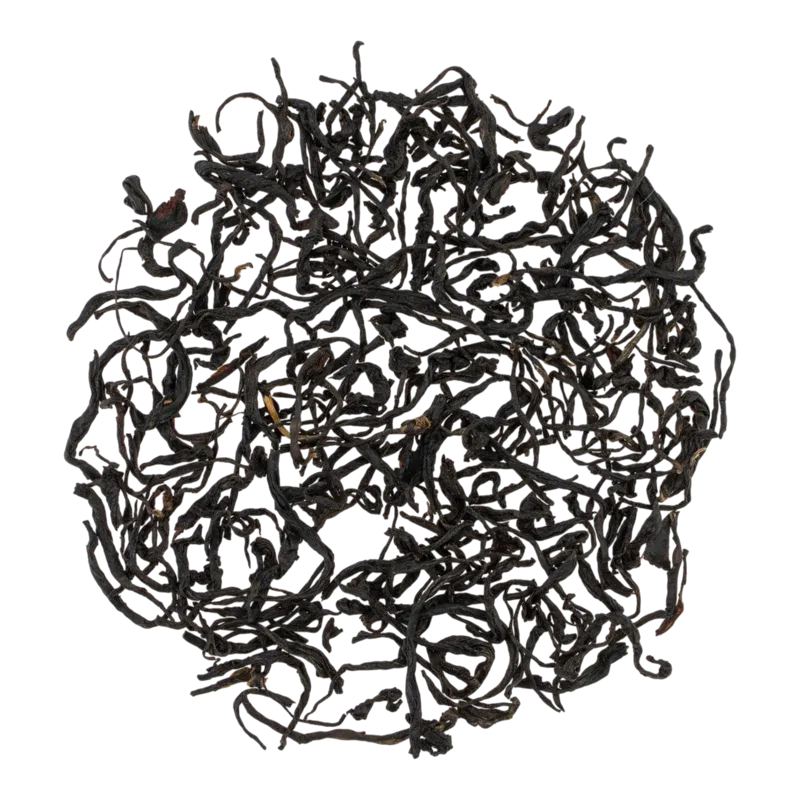
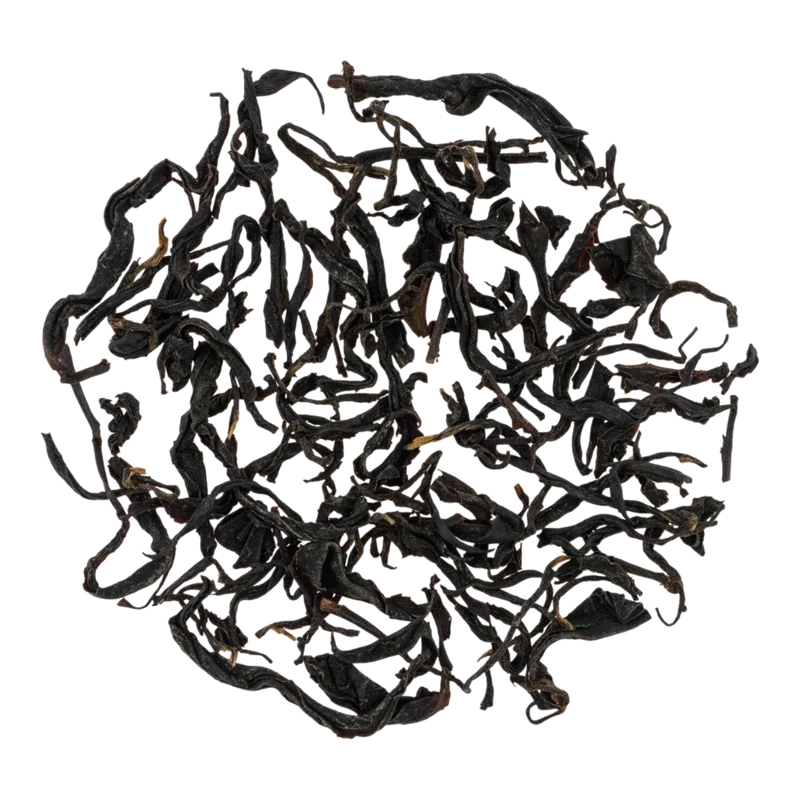
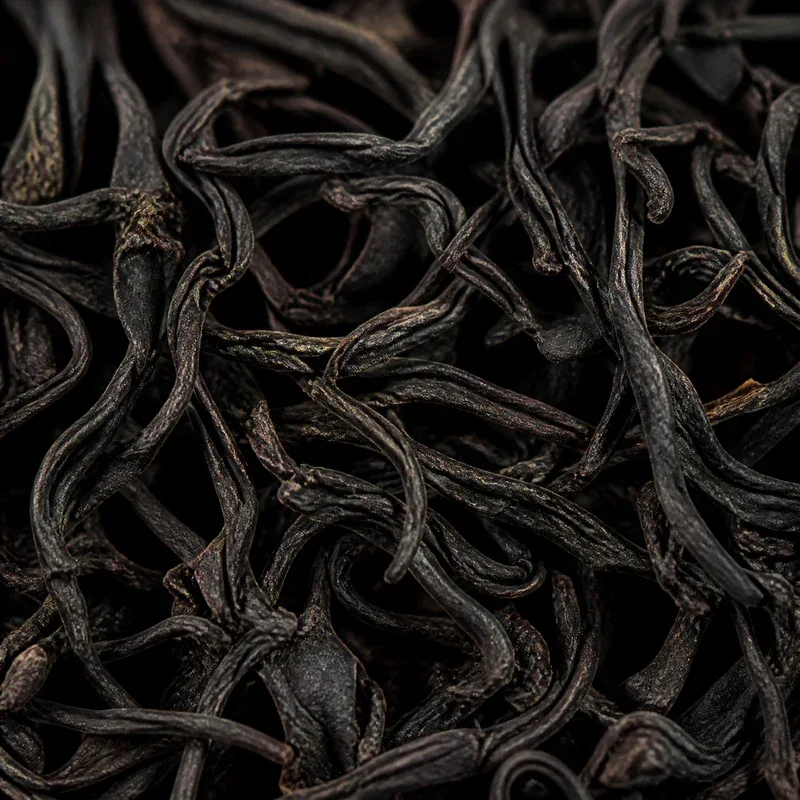
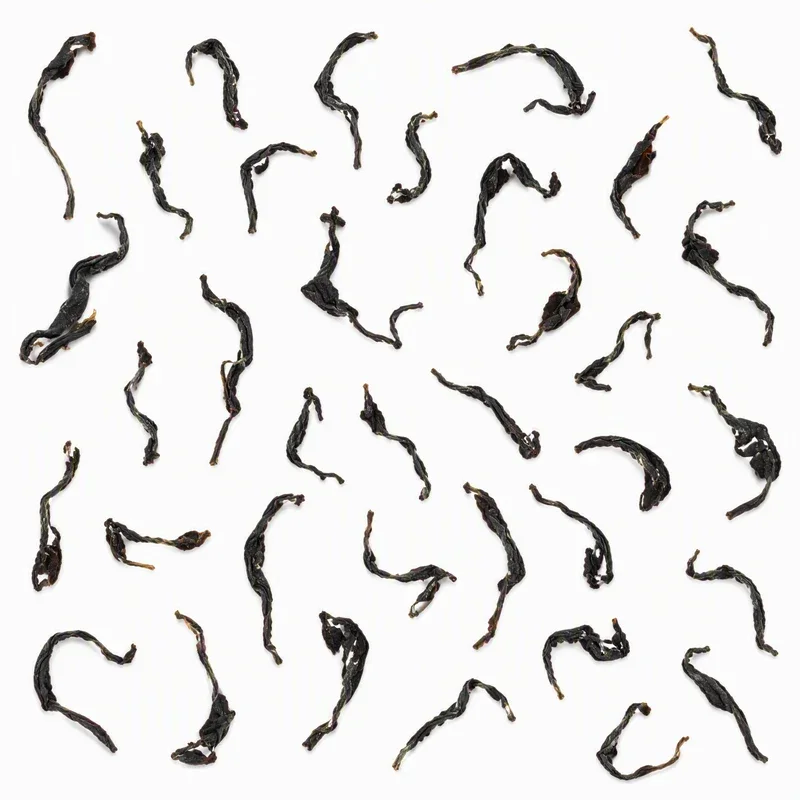
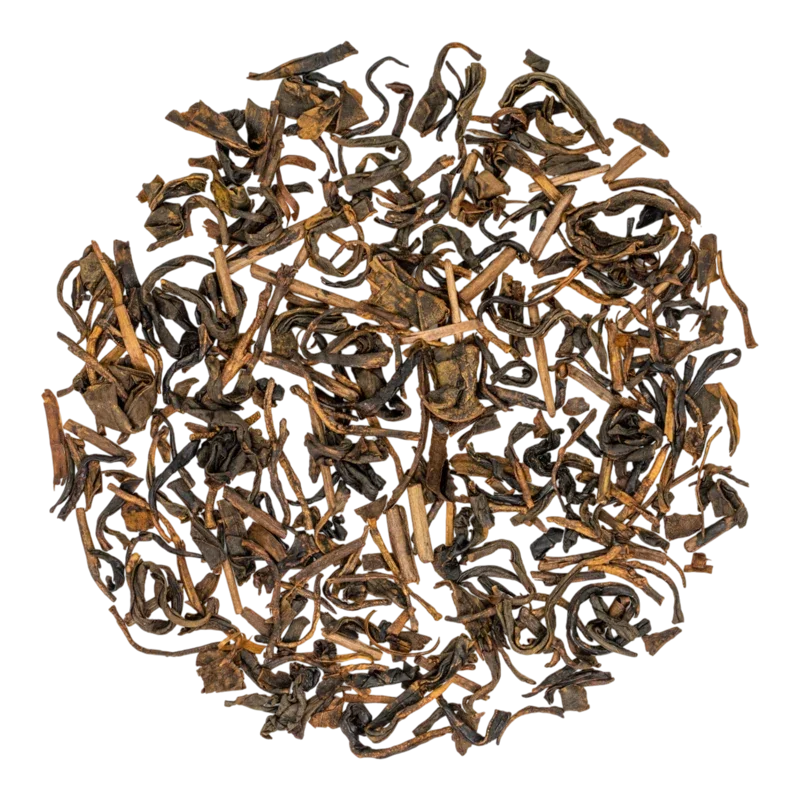
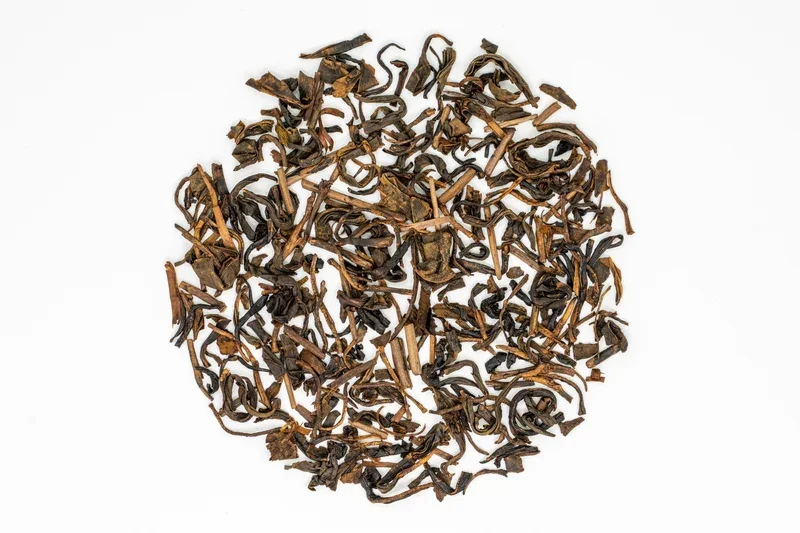
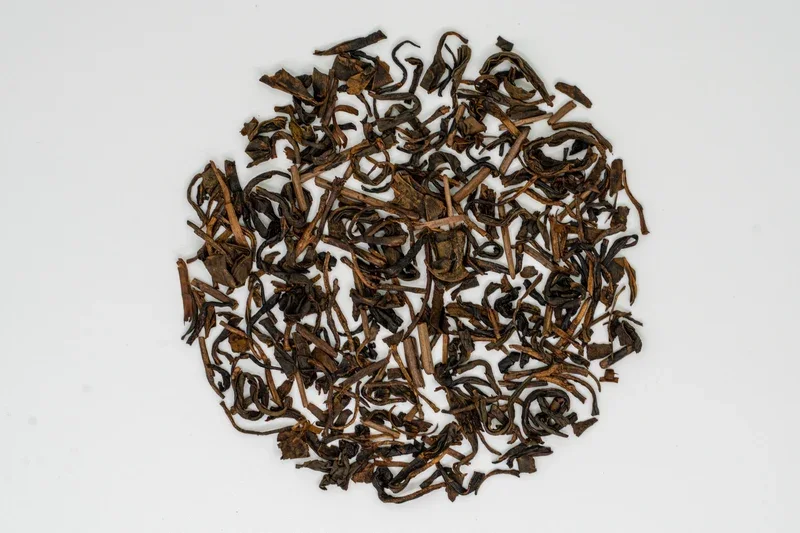
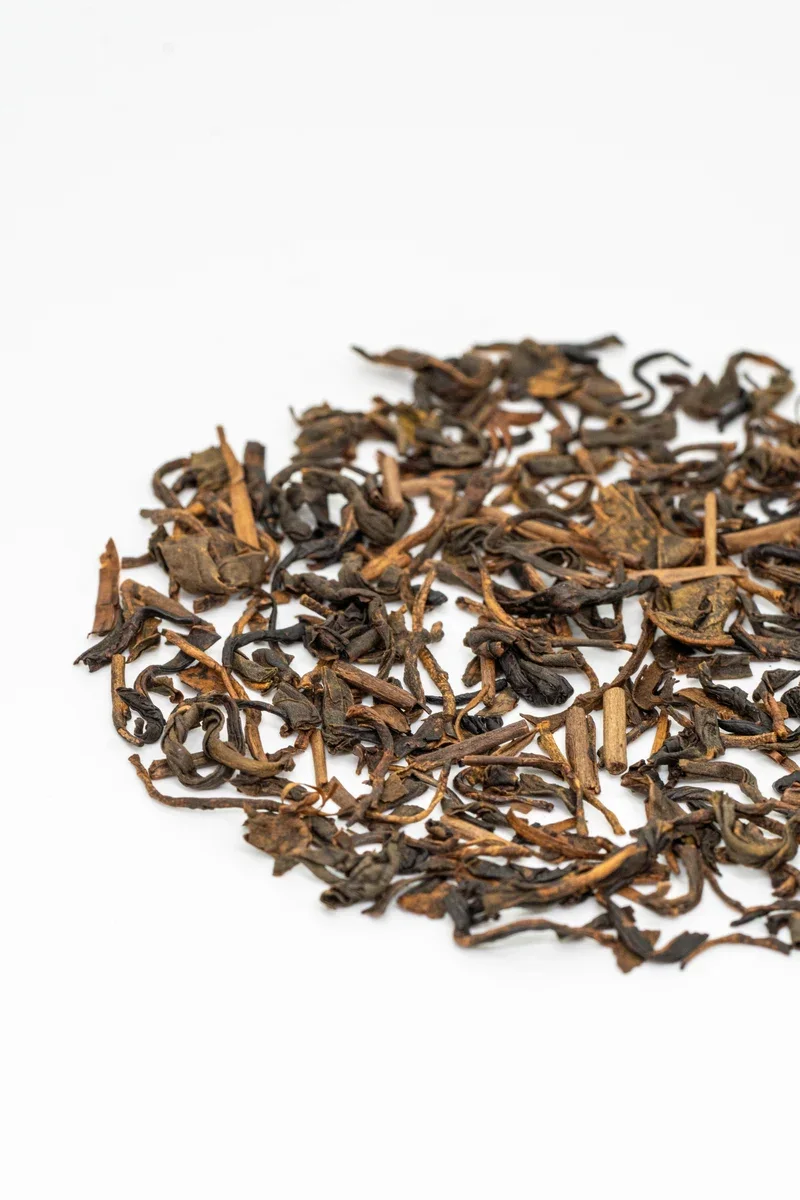
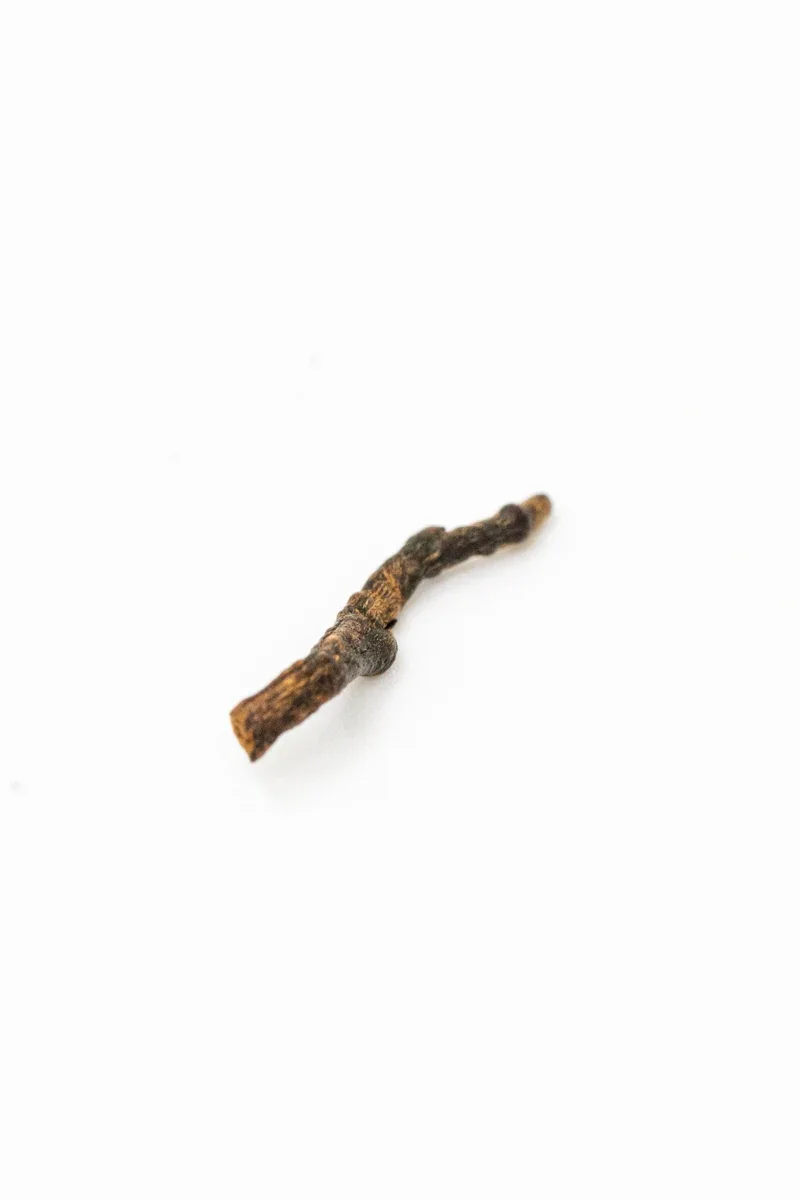
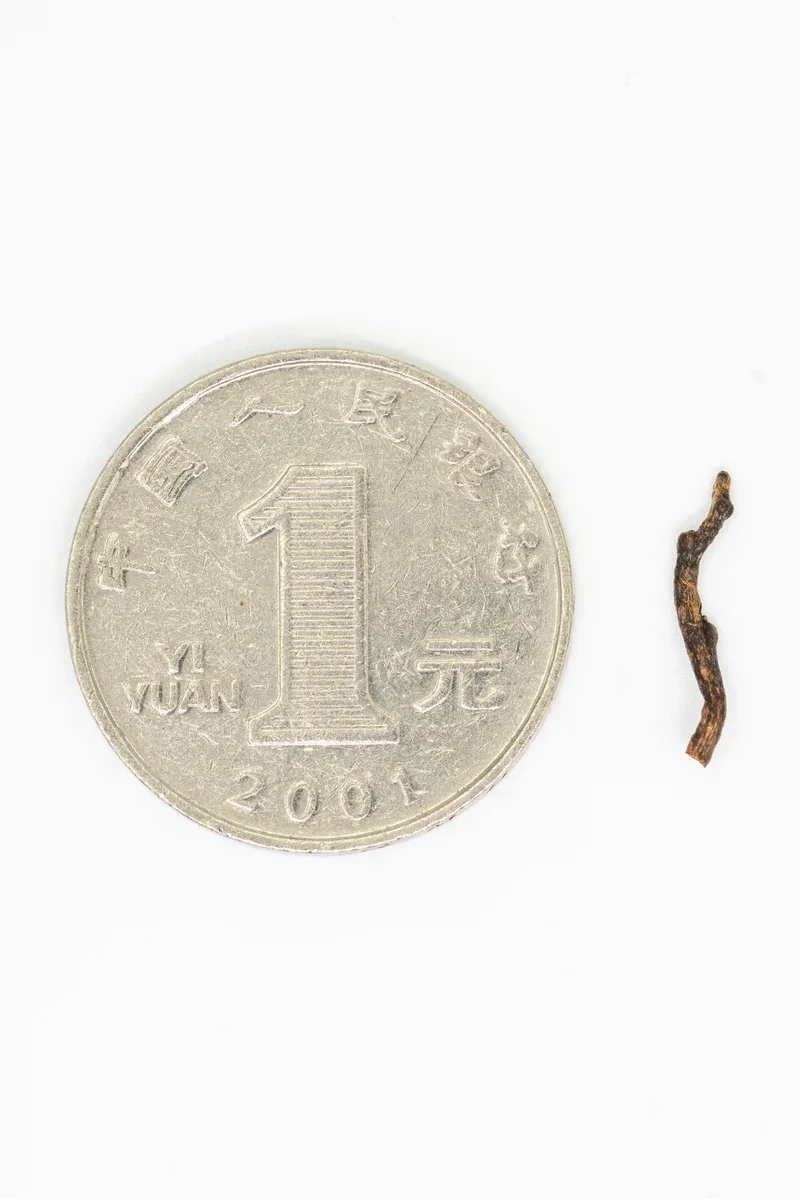
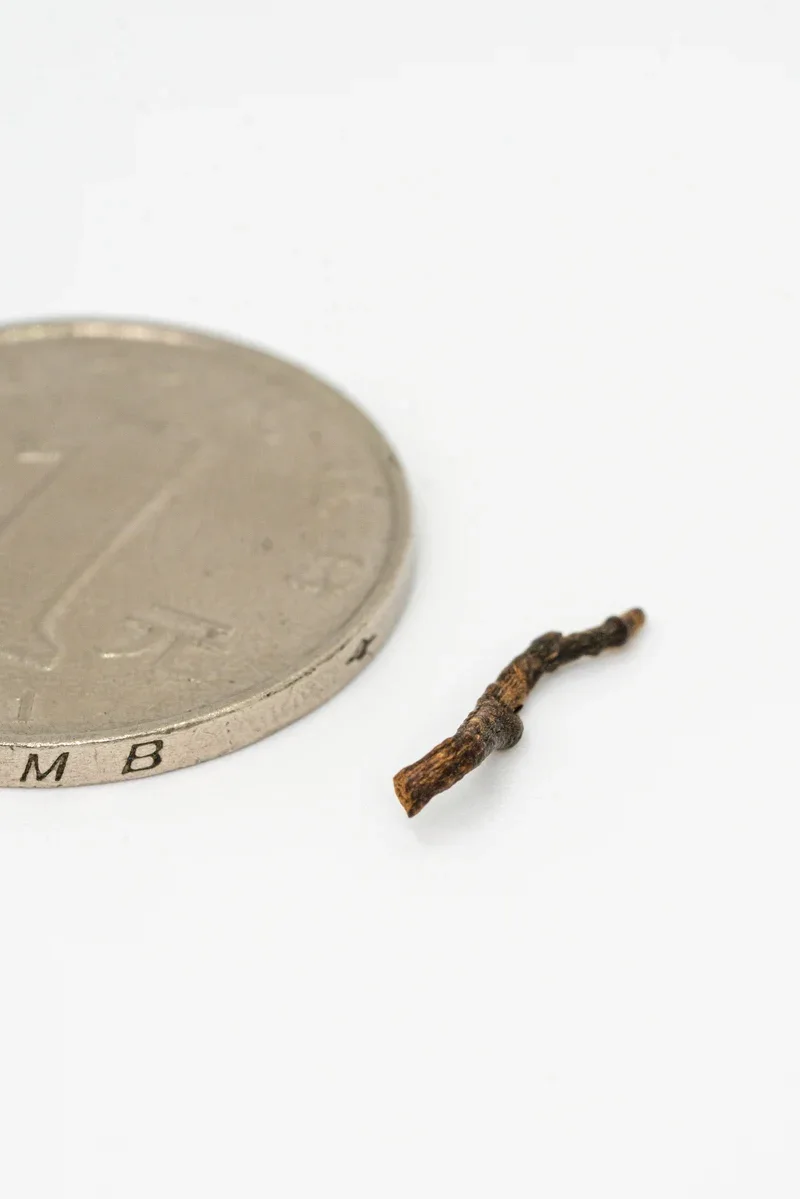
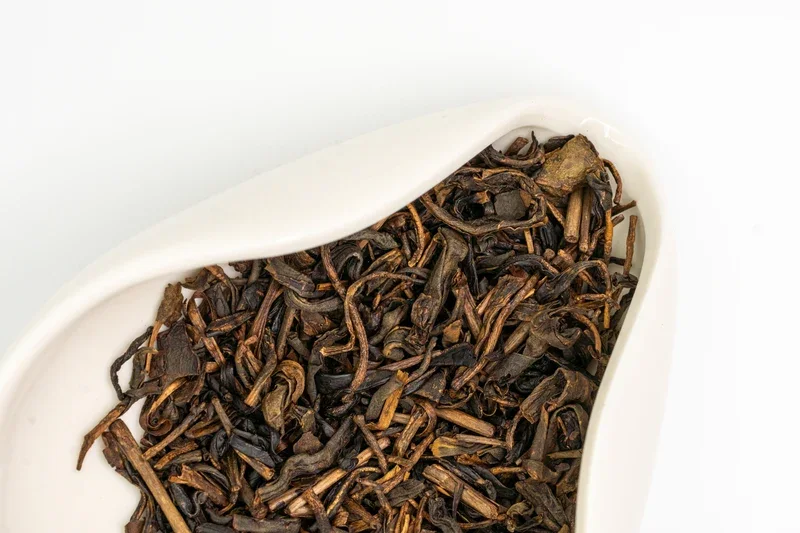
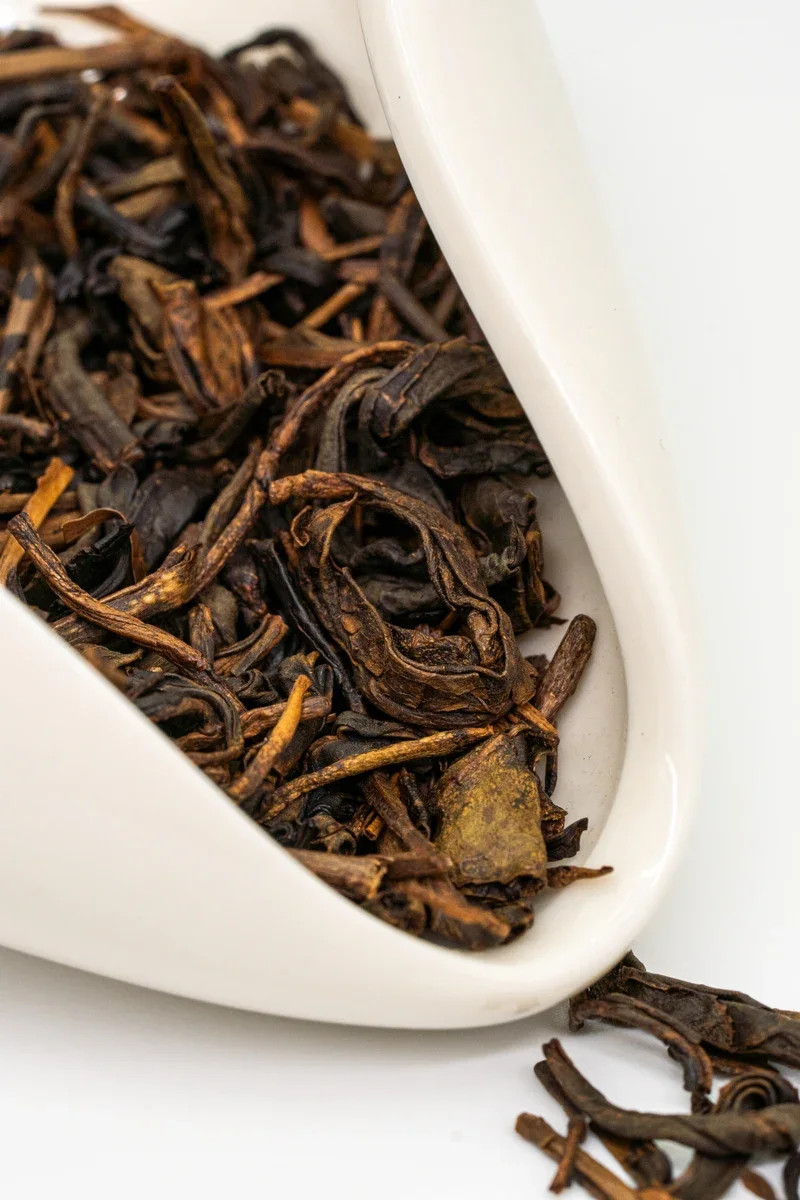
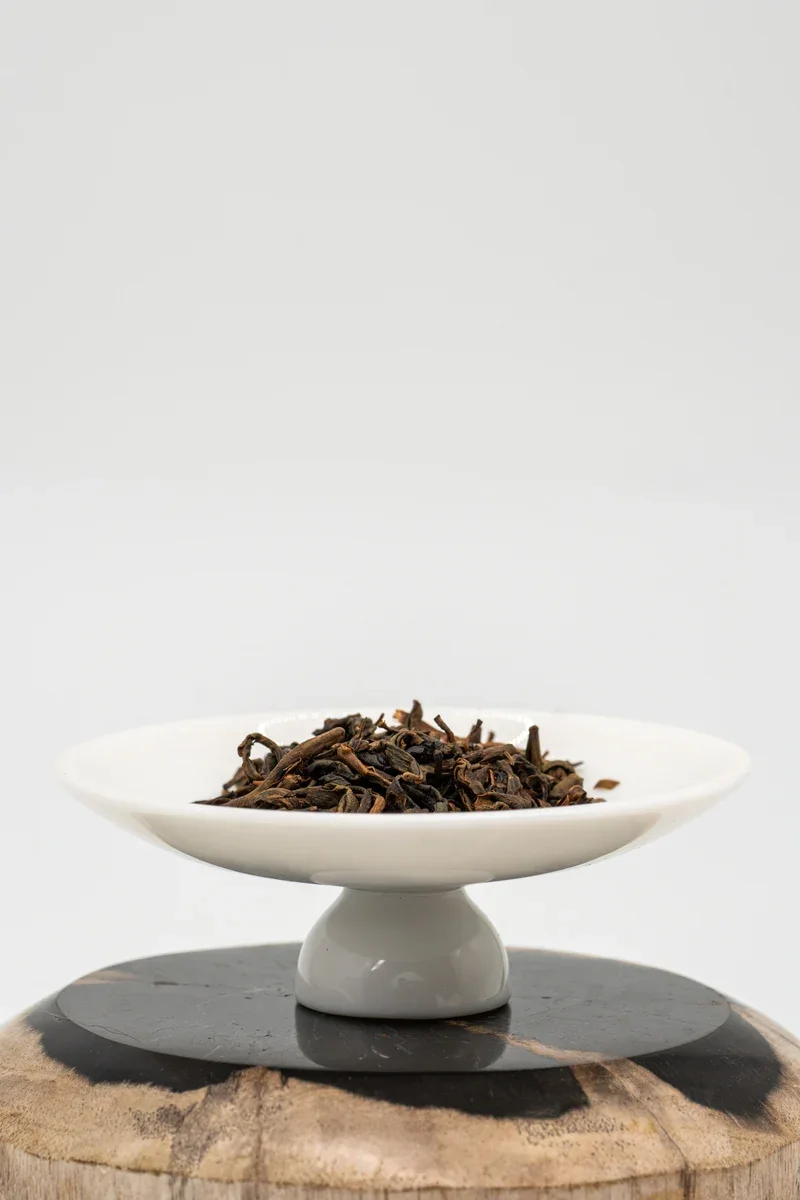
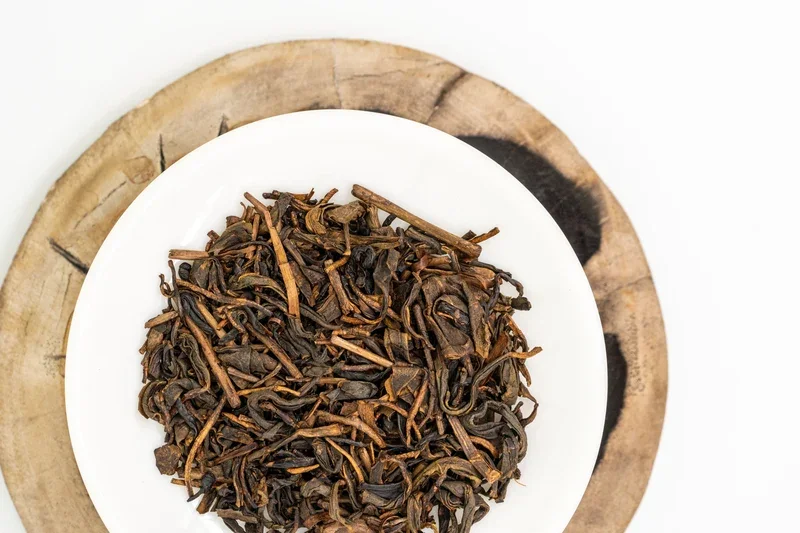
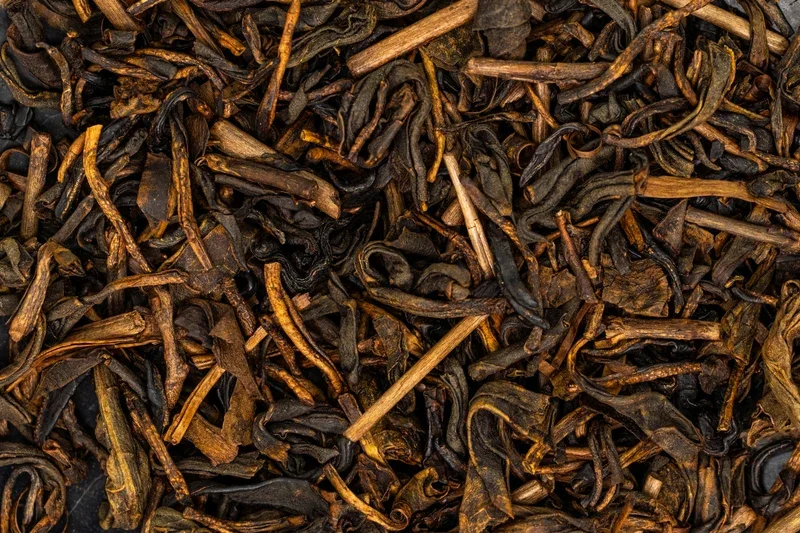
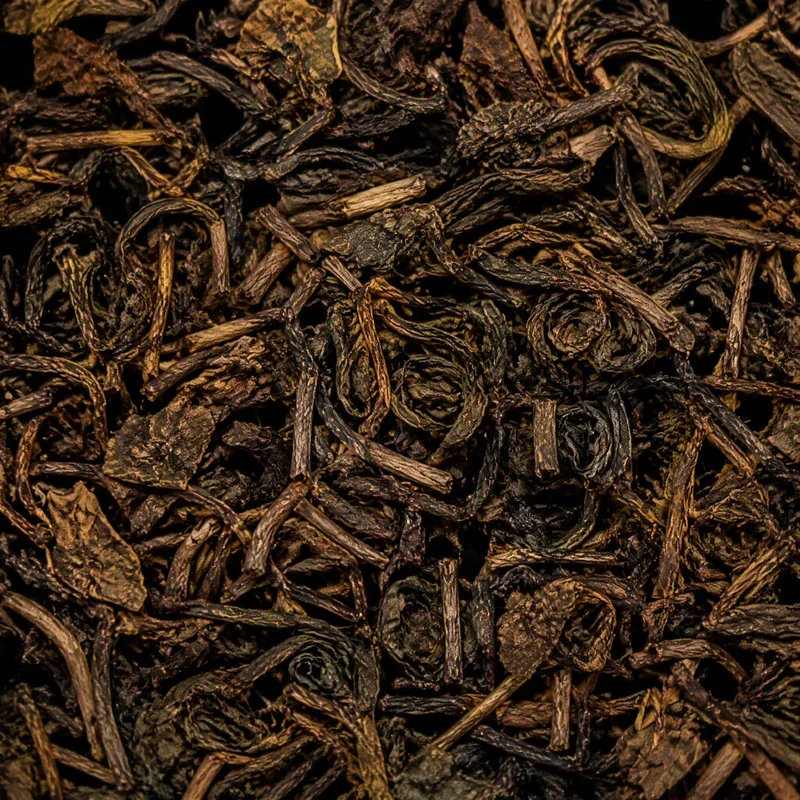
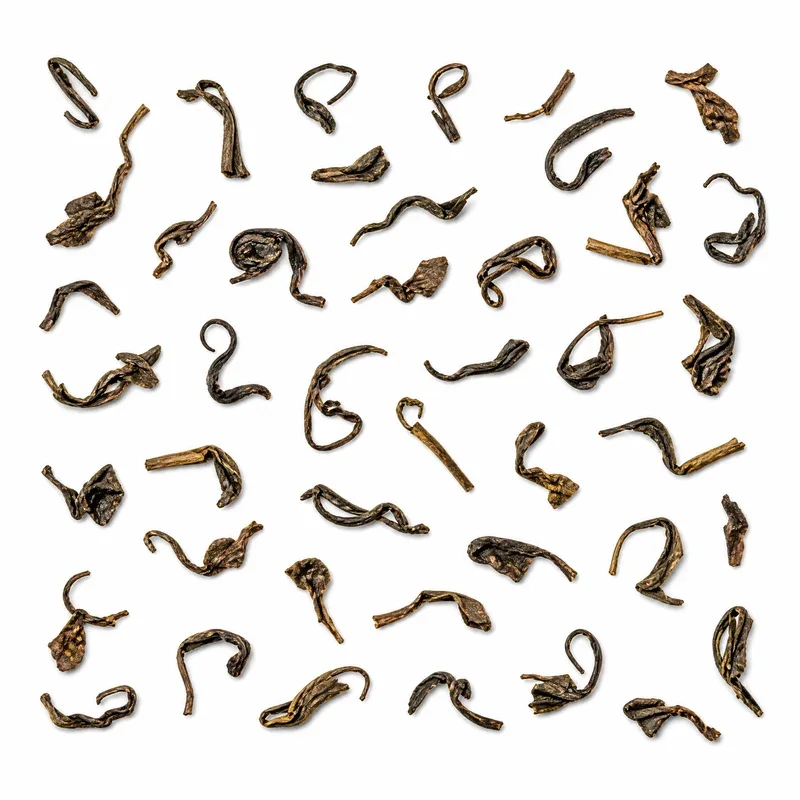
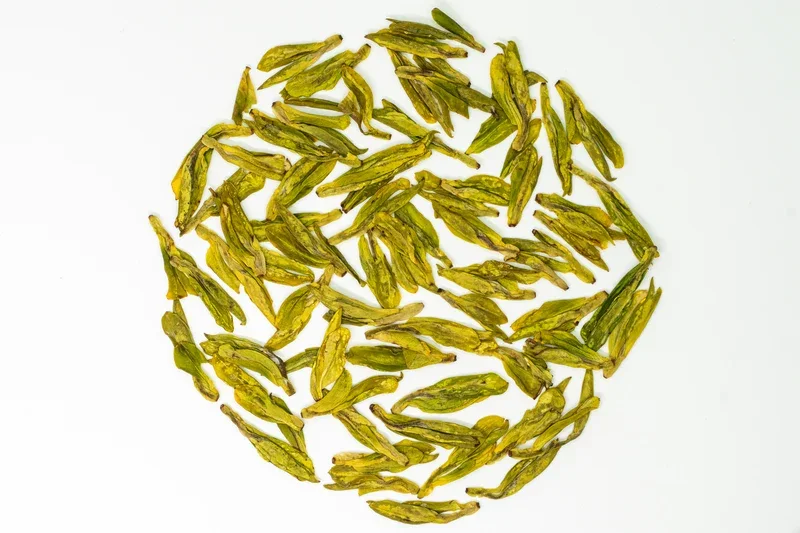
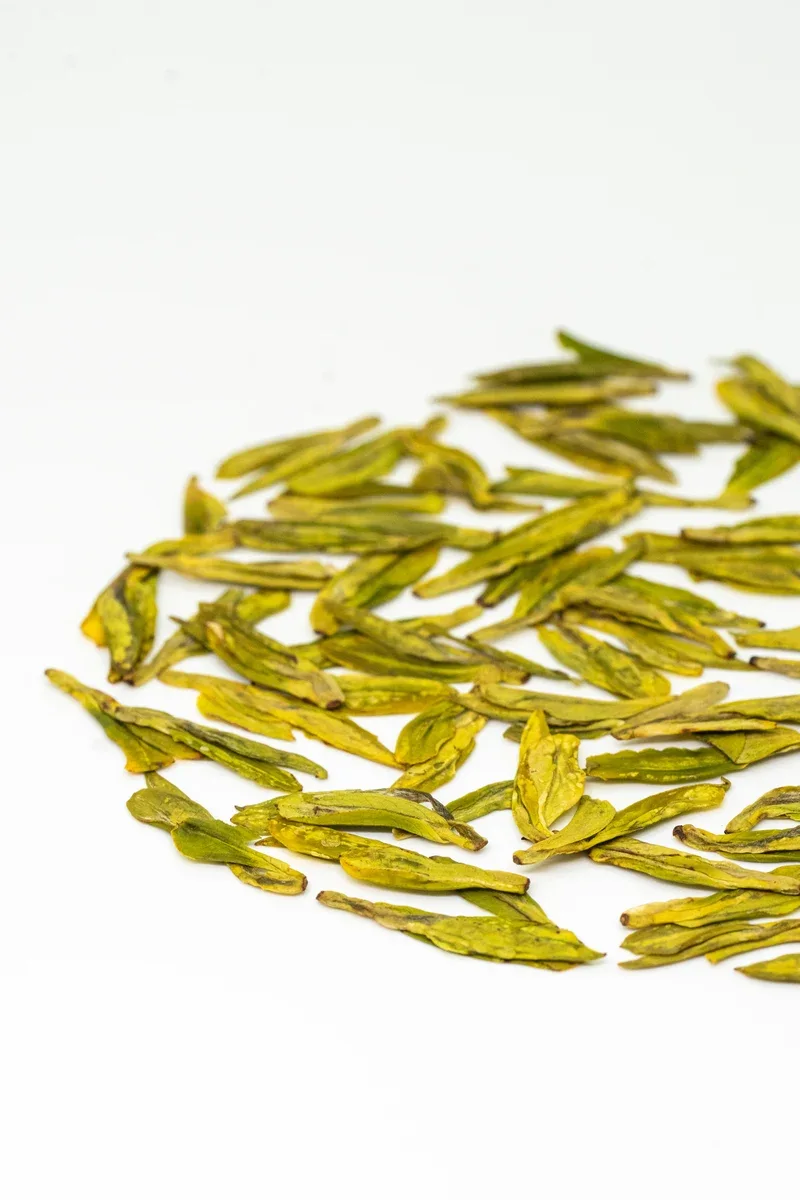
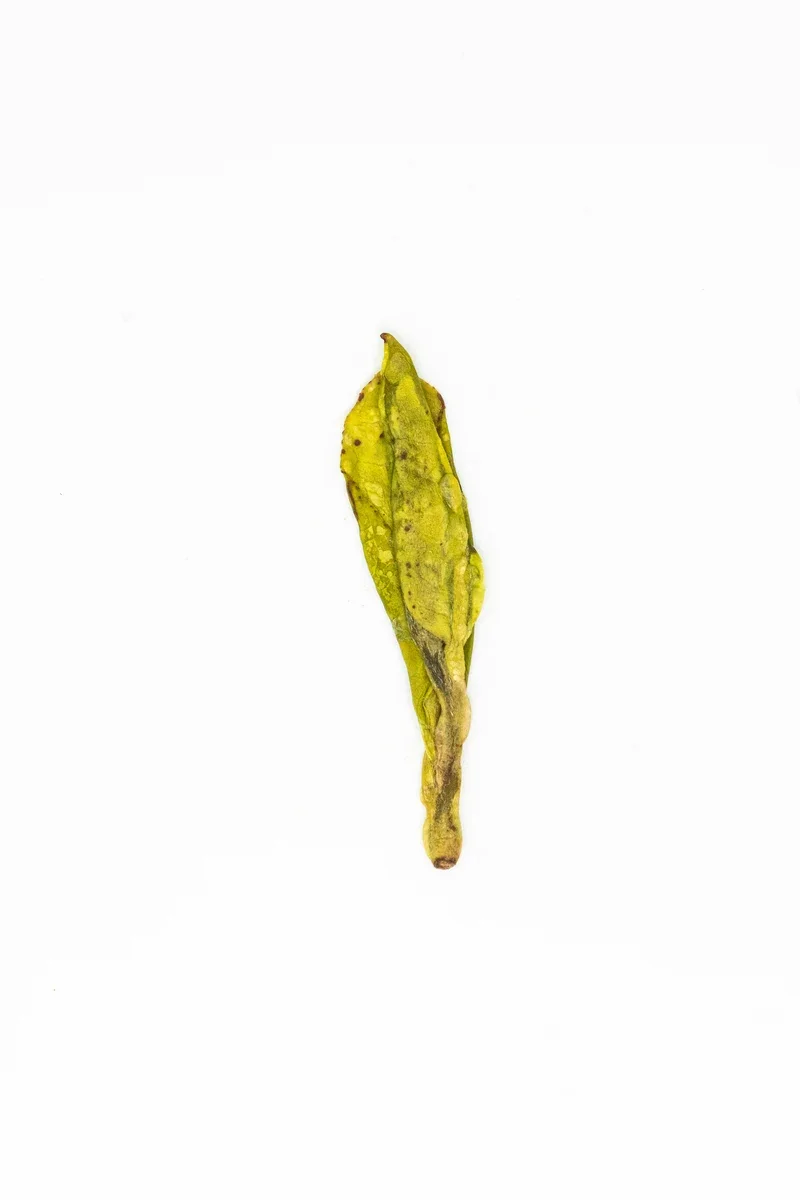
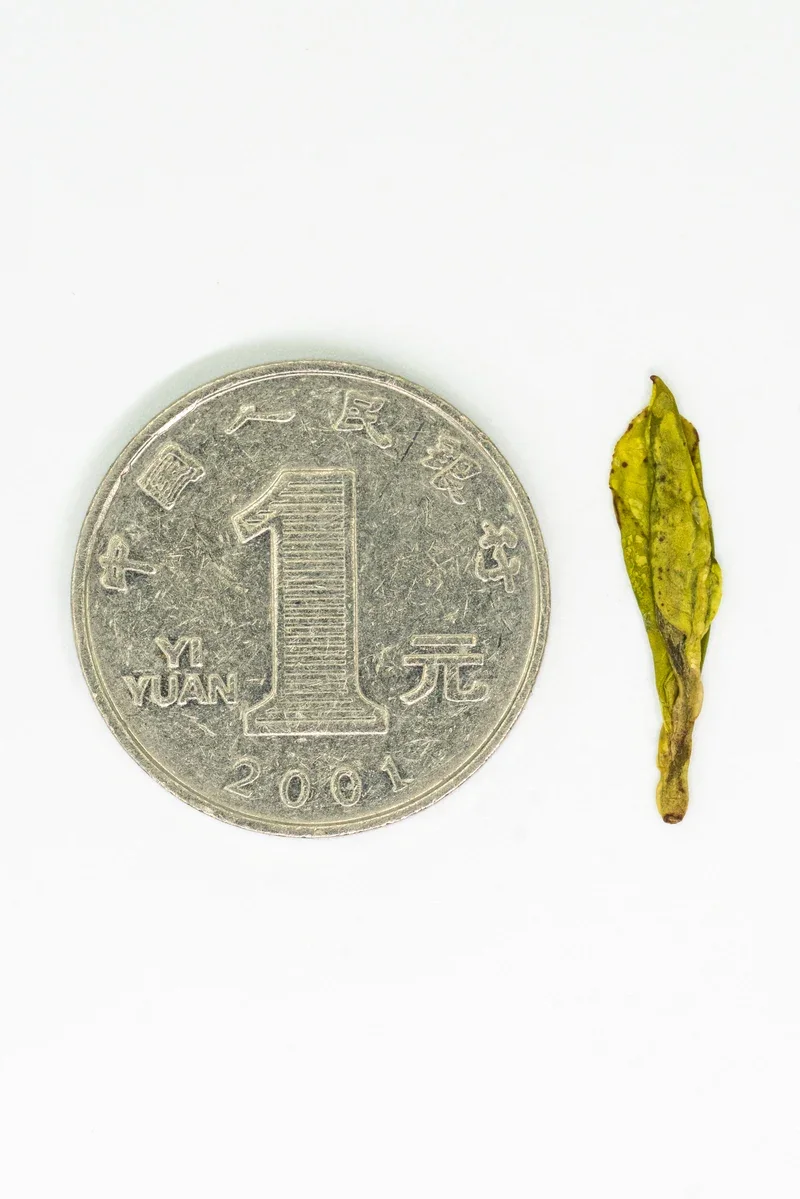
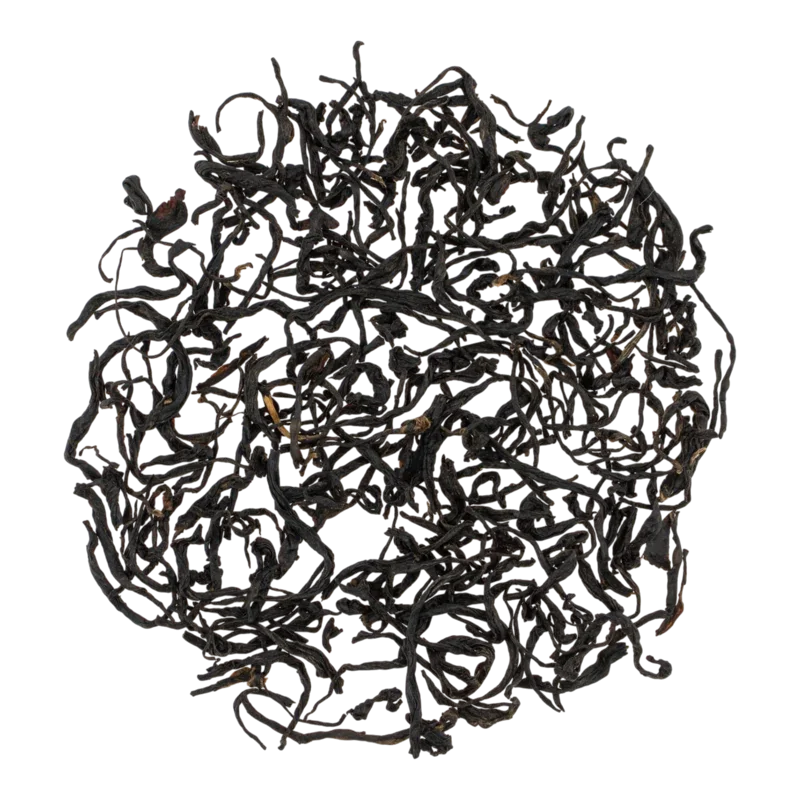
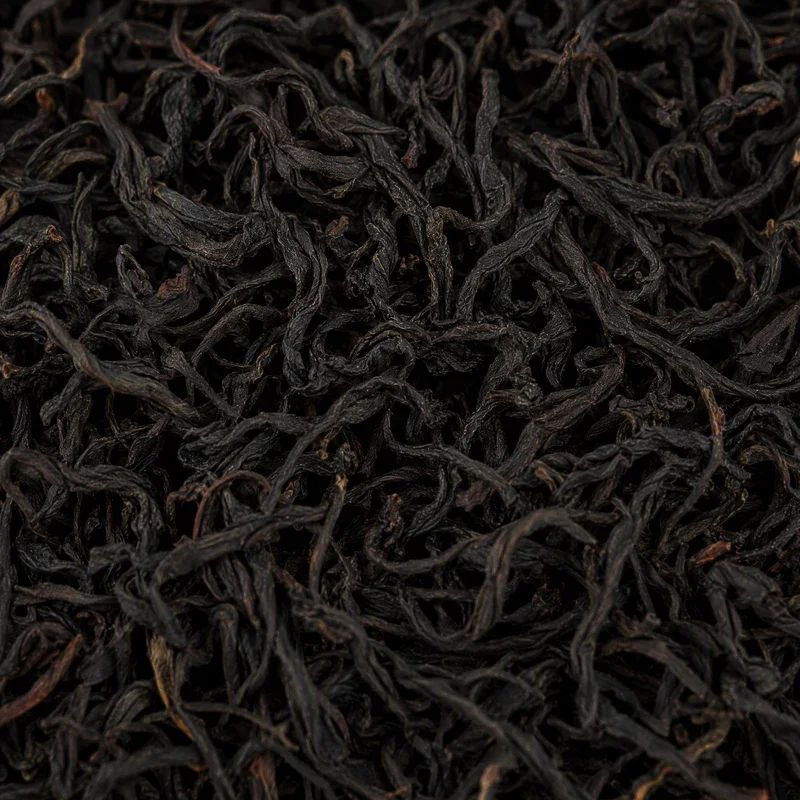
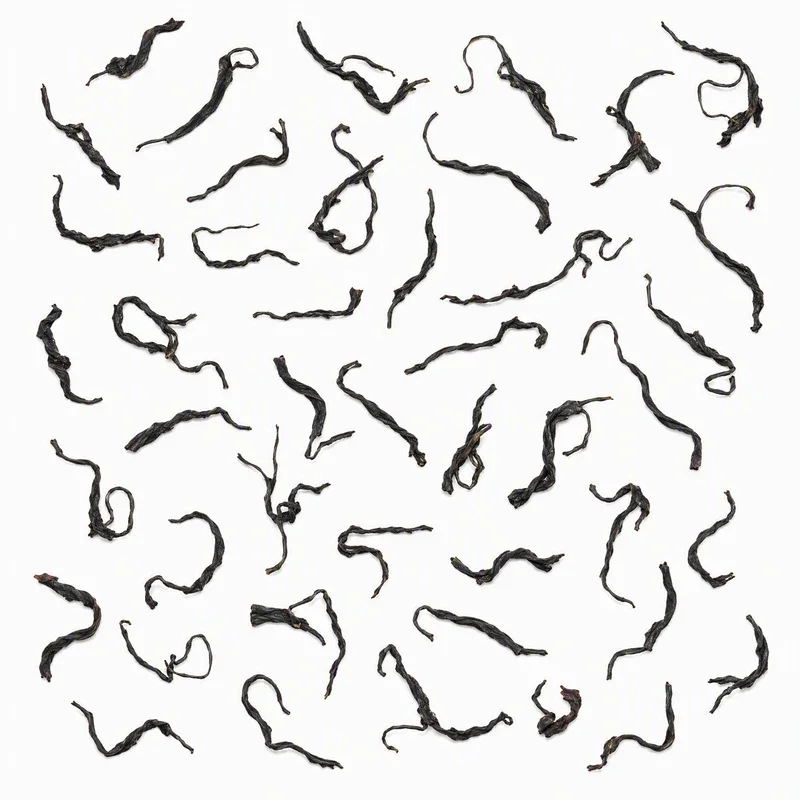
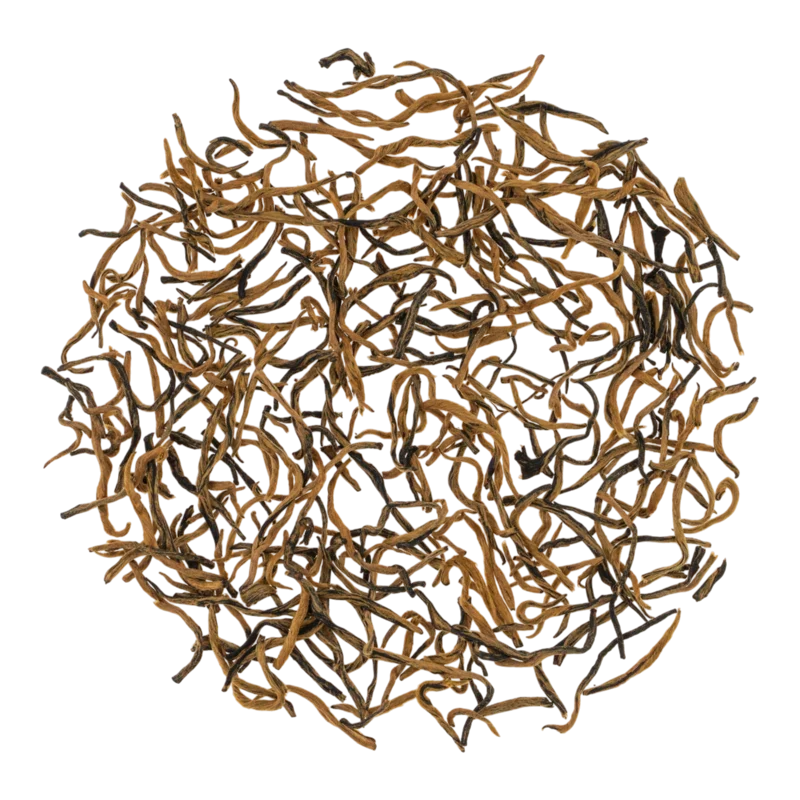
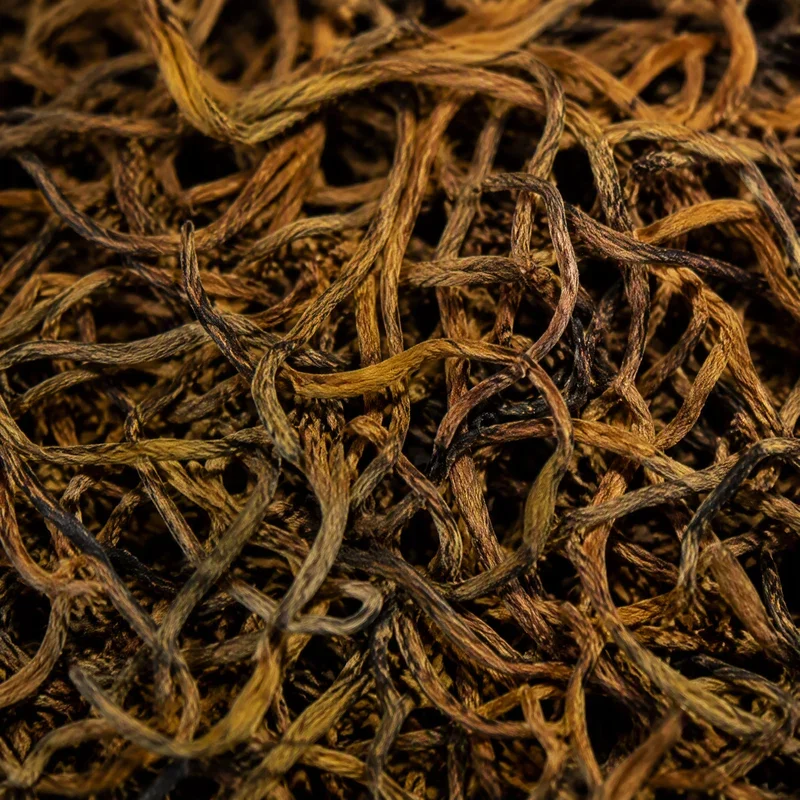
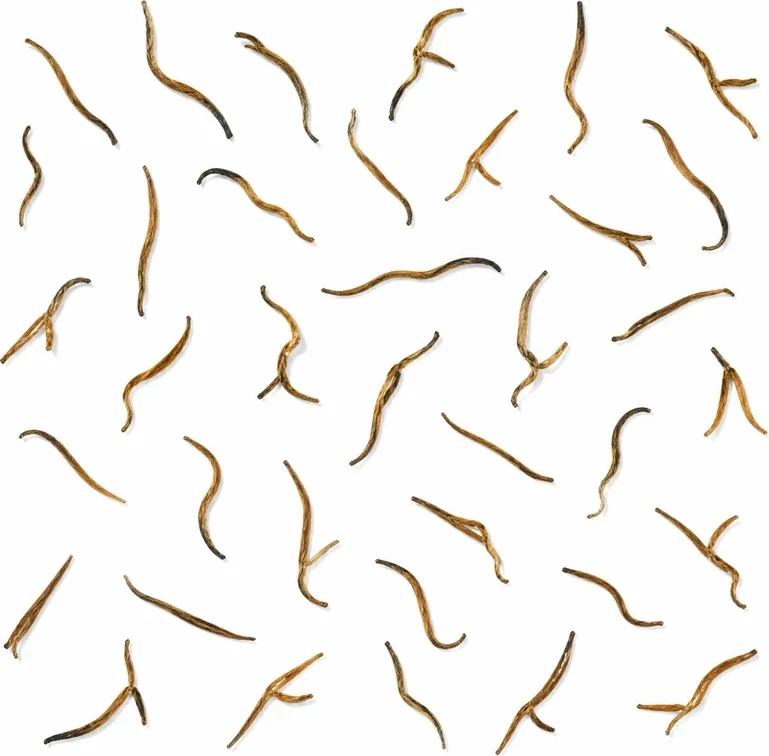
Dry Leaf Appearance: Thin, tightly twisted, straight and even strands (条索紧细匀整); color — deep black with oily luster (色泽乌润); in highest grades — pronounced golden tips (金毫, jīnháo), elegant and neat (锋苗秀丽).
Dry Leaf Aroma: Honey, flowers (花蜜香, huāmì xiāng), light coniferous resinous note; in "Leng Hou Hun" — additional deep "velvety" note.
Liquor Aroma: Rich and persistent (香气馥郁持久) — from honey-floral top notes to dried fruit and caramel middle notes, with subtle coniferous-woody background.
Liquor Color: "玛瑙红" (mǎnǎo hóng) — "agate color": red-amber, bright, with golden rim (金圈); liquor is transparent and "liquid-jade smooth" (液态玉润). When cooled below ~16°C, liquor from "Leng Hou Hun" batches forms characteristic "milky" turbidity (冷后浑), which completely disappears upon reheating — the calling card of this tea.
Spent Leaves: Even, tender, with clearly distinguishable buds (嫩匀带芽); color red-copper, texture elastic.
Taste: Full-bodied, juicy and smooth (滋味甜醇滑爽); pronounced natural sweetness, "silky" texture, gentle astringency transforming into long warming aftertaste (回甘). In premium batches from "Leng Hou Hun" — exceptional "oiliness" and taste purity.
Alkaloids: Caffeine 2.5–4% of dry mass; theobromine, theophylline — in trace amounts.
Amino Acids: 2–4%, including L-theanine — key component of smoothness, sweetness, and "calming alertness."
Complex of terpenes and Maillard reaction products — linalool, geraniol, phenylacetaldehyde — forming the "honey-floral" aroma. In "Leng Hou Hun," the aromatic profile is described as "like flowers and fruits" (如花似果).
Combination of high theaflavin index, natural selenium, and rich amino acid profile makes Lichuan Hong one of the most "functional" red teas in China.
Minerals: Potassium, magnesium, manganese, zinc, fluorine. Unique feature — high content of organic selenium (硒, xī): 0.25–4 mg/kg dry mass. Selenium is a powerful antioxidant and essential microelement participating in immune system and thyroid gland function.
Polyphenols: Total content 12–18% of dry mass. Dominated by catechin oxidation products: theaflavins (TF) and thearubigins (TR). Key feature — increased theaflavin content in "Leng Hou Hun" variety, which causes the "cold turbidity" phenomenon: when temperature drops, theaflavins form insoluble complexes with caffeine, creating an opalescent suspension. Upon heating, complexes decompose again, and the liquor becomes transparent. High theaflavin level is an international indicator of red tea quality.
Vitamins: Carotenoids (provitamin A), vitamins B₁, B₂, C (partially), E.
Caffeine and L-theanine provide smooth, prolonged alertness without "coffee swings" — increase concentration and reaction speed.
Theaflavins + organic selenium — double antioxidant shield; selenium participates in glutathione peroxidase synthesis, one of the key enzymes of cellular antioxidant system.
Selenium is an essential microelement for normal thyroid gland function and thyroid hormone metabolism.
Warm red tea stimulates digestive secretion, especially beneficial after fatty and meat foods.
Red tea polyphenols combined with selenium help maintain vascular elasticity and normalize cholesterol profile.
Red tea of "warm nature" (温性) — ideal choice for cold mountain climate and winter season.
Selenium and polyphenols have synergistic stimulating effect on immune system.
L-theanine combined with caffeine improves working memory and concentration ability.
Tea Amount: 4–6 g per 100–120 ml (gongfu); 2–3 g per 200–250 ml (steeping); for standard tasting — 5 g per glass cup.
Teaware: Porcelain gàiwǎn (盖碗) — optimal choice for evaluating aroma and taste purity. Glass teapot or cup allows observing the famous "agate" liquor color and, when cooling, the "cold turbidity" phenomenon. Yixing teapot from purple clay — for more rounded, "enveloping" profile.
Water Temperature: 90–95°C for standard batches; 85–90°C for delicate tippy grades from "Leng Hou Hun."
Made exclusively from tipsy or single-leaf raw material of the eponymous cultivar. "Agate" colored liquor, characteristic milky turbidity when cooled. Exceptionally clean, "silky" taste with long honey-floral aftertaste. Most expensive and limited grade.
Highest grade from pure tipsy raw material (单芽) of various cultivars. Abundant golden fuzzy tips, bright honey aroma, smooth rounded taste.
Batches from plantations above 1000 m above sea level. More pronounced minerality, "fresh juiciness," and delicate coniferous notes.
Mass-market grade, one bud and two leaves. Dense, strong, with more pronounced astringency; excellent price/quality ratio.
Batches from early-ripening cultivar with characteristic "triple aroma" (嫩香、栗香、花香). More "green" and "fresh" profile compared to standard Lichuan Hong.
No reviews yet. Tell us what you think of this tea.
Rate this tea and share your impressions. We review each submission before publishing it.