Brewing
Gongfu brewing
- Water temperature
- 92 °C
- Tea amount
- 6 g
- Water volume
- 100 ml
- First steep
- 10 s
- Time added per infusion
- 5 s
- Infusions
- 8

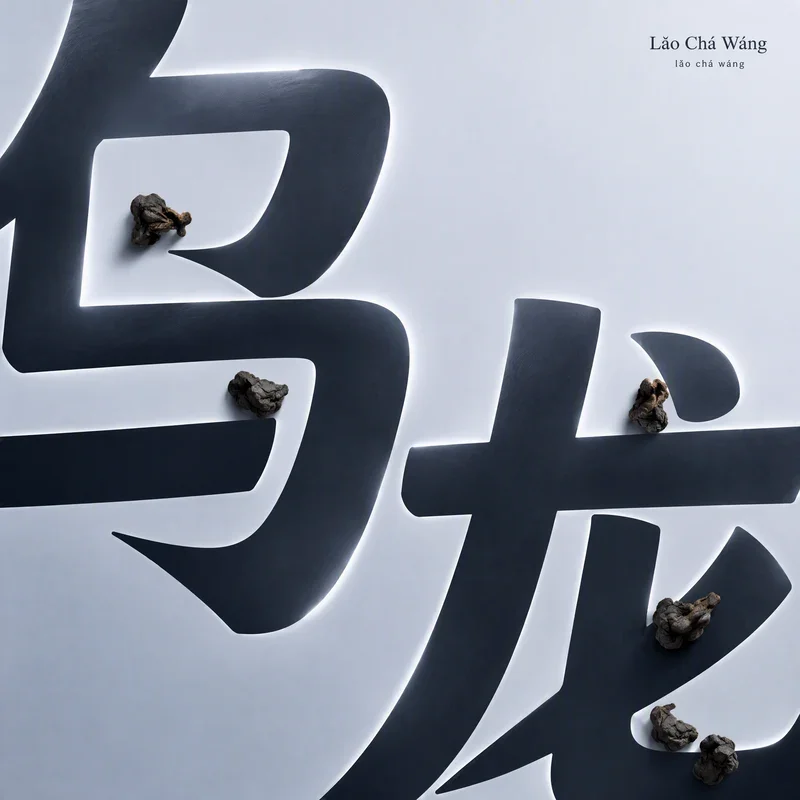
lǎo chá wáng
Choose a brewing method. Start with the recommended quantities and time, then adjust to taste.
Brewing
Brewing
Taste
Tea encyclopedia
Category: Collectible, elite aged teas.
Category: Collectible, elite aged teas.
"Lao Cha Wang" is not a registered variety, but a commercial designation for the highest grade of aged oolongs. In the market, tea of very different quality may be sold under this name.
Origin: Predominantly Taiwan (Nantou, Lugu, Alishan, Li Shan) and Fujian (Anxi, Wuyi Mountains). The tradition of aging oolongs exists in both regions, but the Taiwanese school of "Lao Cha" is particularly developed.
Type: Aged oolong (老茶, lǎo chá). The degree of oxidation and technology of the original tea can be any (from lightly oxidized green to heavily oxidized dark oolongs). During aging and re-roasting, oxidation deepens.
Cultural Significance: Lao Cha Wang is tea for meditation, for "conversation with time." In Taiwanese tea culture, it is drunk on special occasions: meetings of old friends, holidays, ancestor veneration rituals (祭祖, jì zǔ). In the Southeast Asian diaspora, aged oolongs are valued as folk medicine and a symbol of generational continuity.
History: The tradition of storing oolongs has roots in times when prolonged storage was the only way to transport tea over great distances—along the Ancient Tea Horse Road and maritime routes to Southeast Asia. Over time, it was discovered that properly stored oolongs do not spoil but transform: bitterness and astringency fade, complex sweet-spicy notes appear, and the body of the liquor becomes velvety.
Qīng Xīn Oolong (青心烏龍), Jīn Xuān (金萱), Cuì Yǔ (翠玉), Sì Jí Chūn (四季春) — as the base for Lao Dong Ding, Lao Alishan.
Tiěguānyīn (铁观音), Běn Shān (本山) — for Lao Tieguanyin; Shuǐ Xiàn (水仙), Róu Guì (肉桂), Da Hong Pao — for aged yancha.
Not every oolong is suitable for aging. A dense cellular structure of the leaf, sufficient oxidation, and initial roasting are needed — otherwise the tea will not "mature" but "die" during storage.
Pluck Standard: Depends on the original variety. For aging, quality raw material with potential for evolution is selected — typically medium- and heavily oxidized oolongs.
Lugu, Mingjian — main storage centers. Taiwan's humid subtropical climate requires special attention to humidity control during storage.
Drier climate is favorable for natural aging.
Special tea warehouses with controlled temperature (15–25°C) and humidity (50–65%). Clay vessels, wooden boxes, paper packaging — with limited but constant air access.
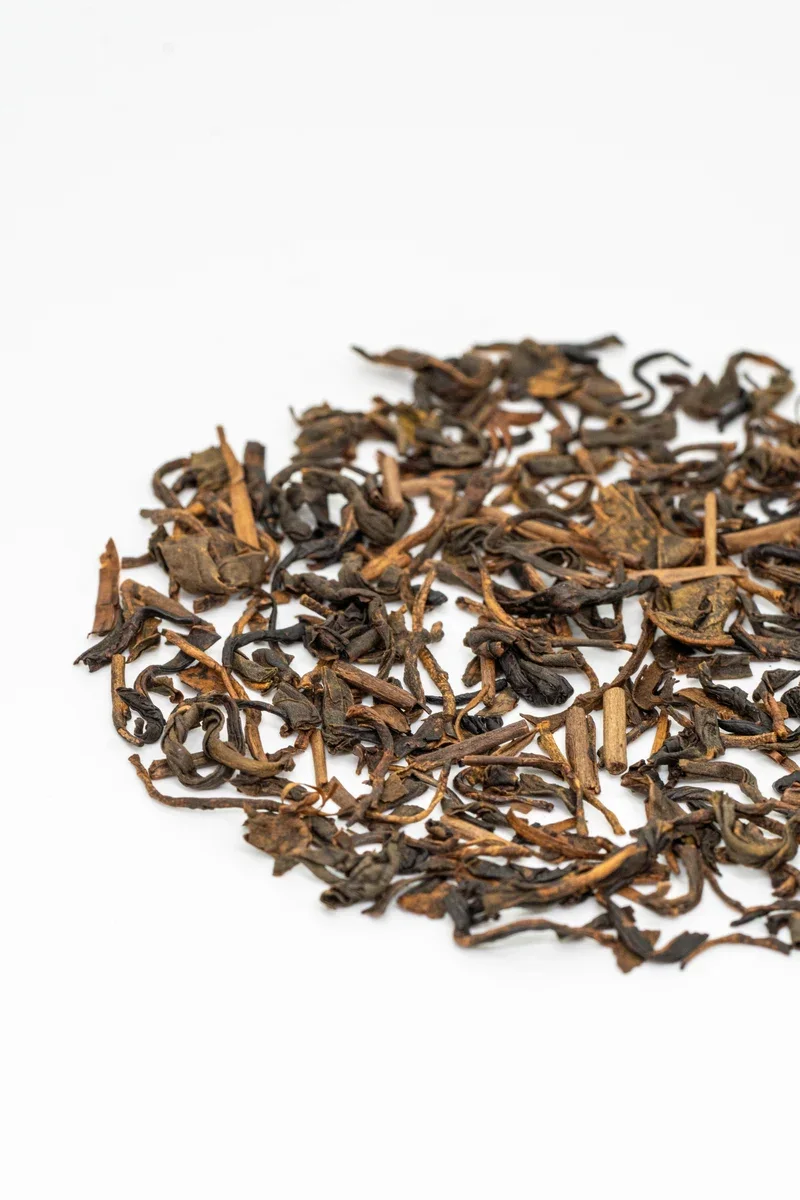
Dry Leaf Aroma: Deep, complex — dried fruits (prunes, apricots, raisins), caramel, chocolate, nuts, spices, old wood, leather. Medicinal-herbal nuances may appear. The aroma is "mature," "velvety" — without the sharpness of young tea.
Liquor Aroma: Warming — dried fruits, caramel, spices dominate. Chocolate, nuts, woody notes. Light smokiness.
Liquor Color: Dark amber, reddish-brown, cognac-like. Clear, with oily luster.
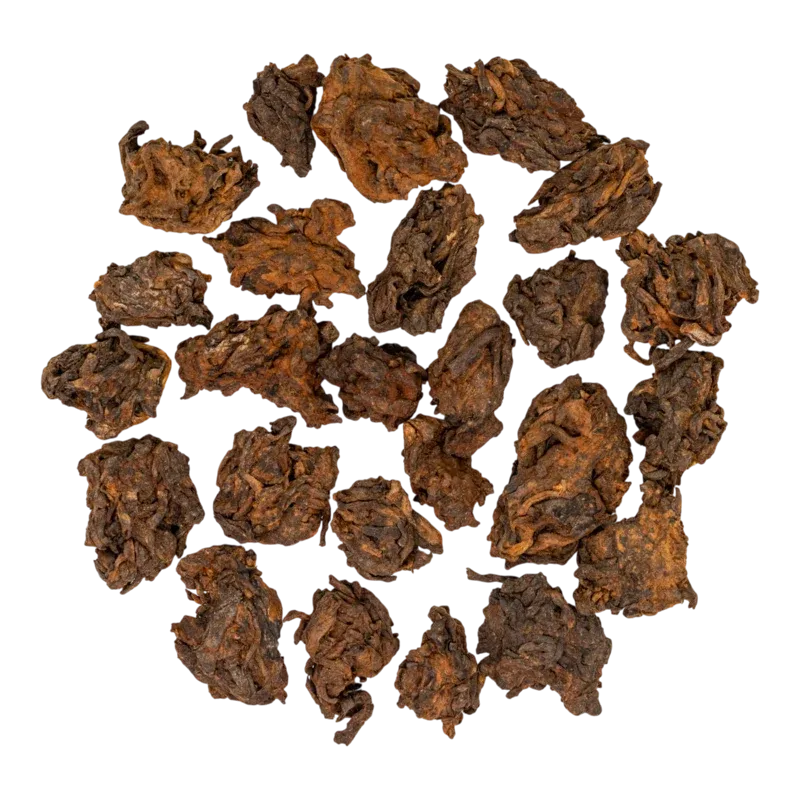
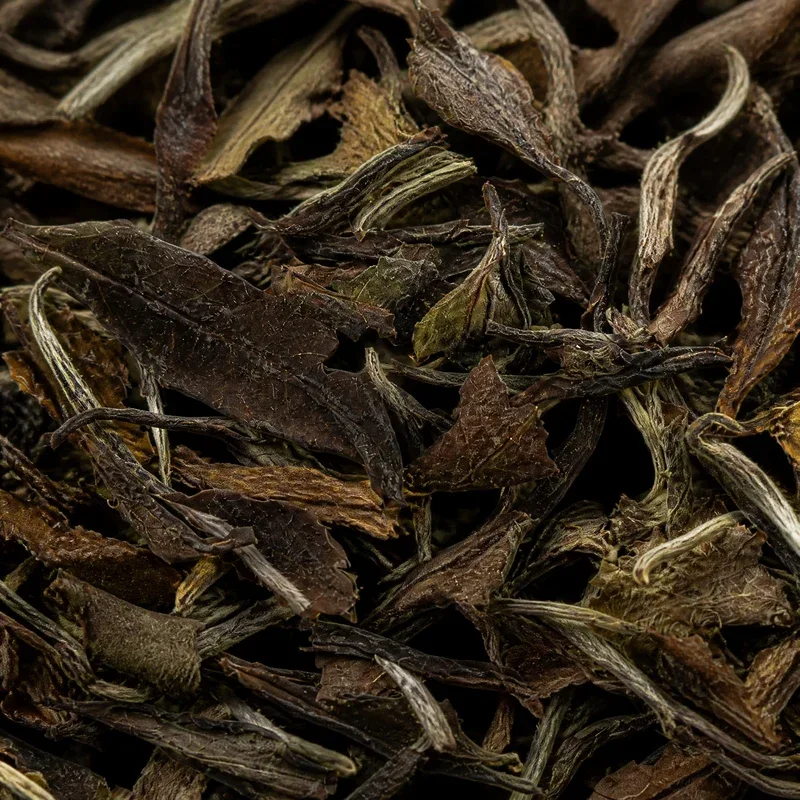
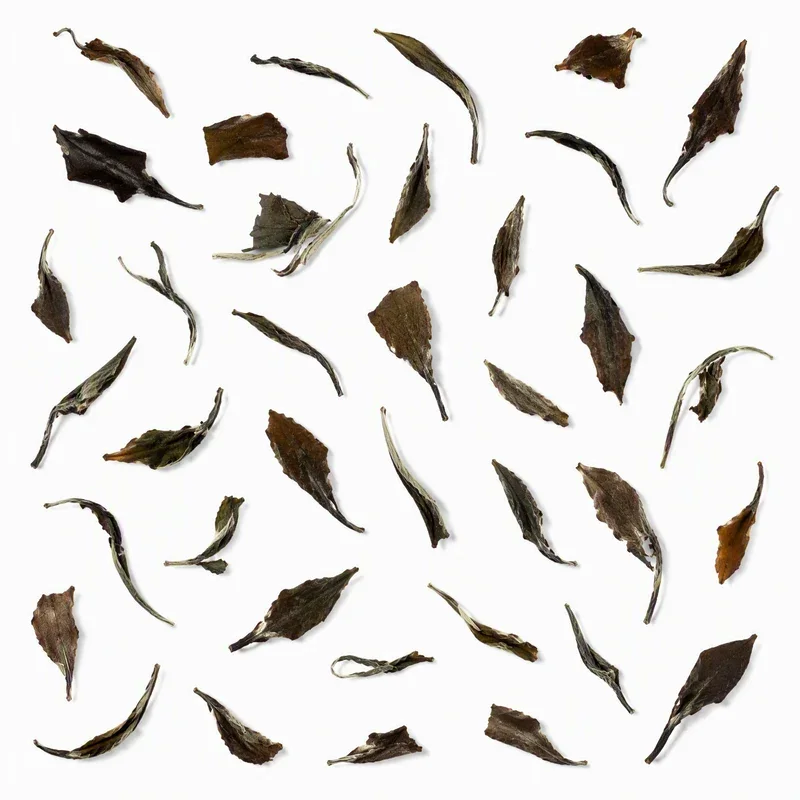
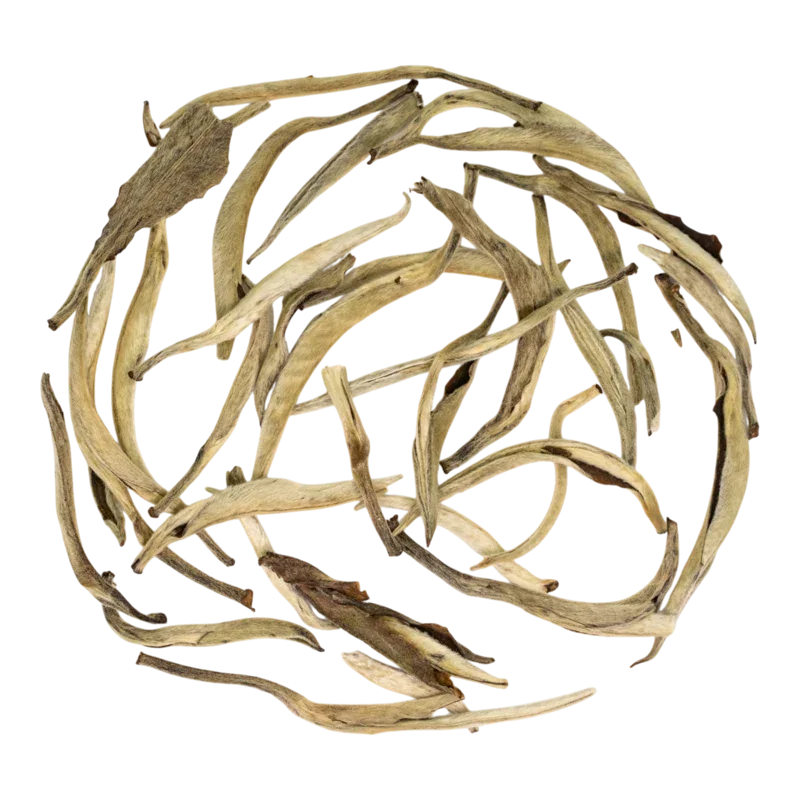
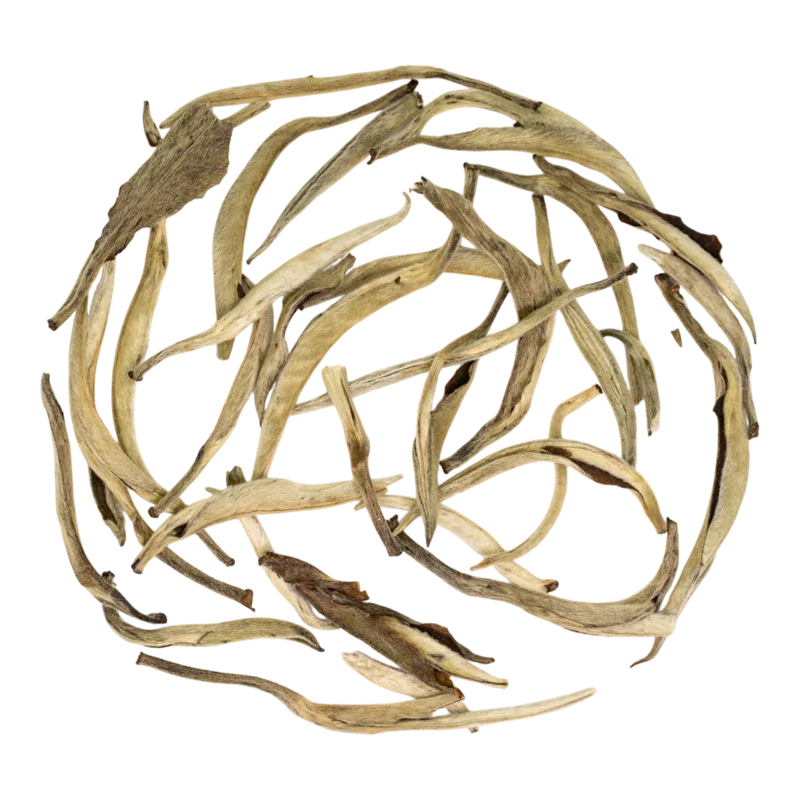
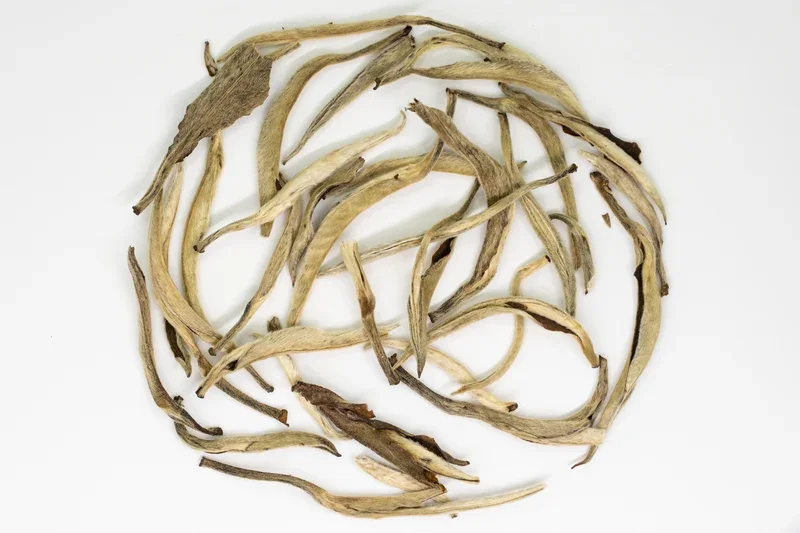
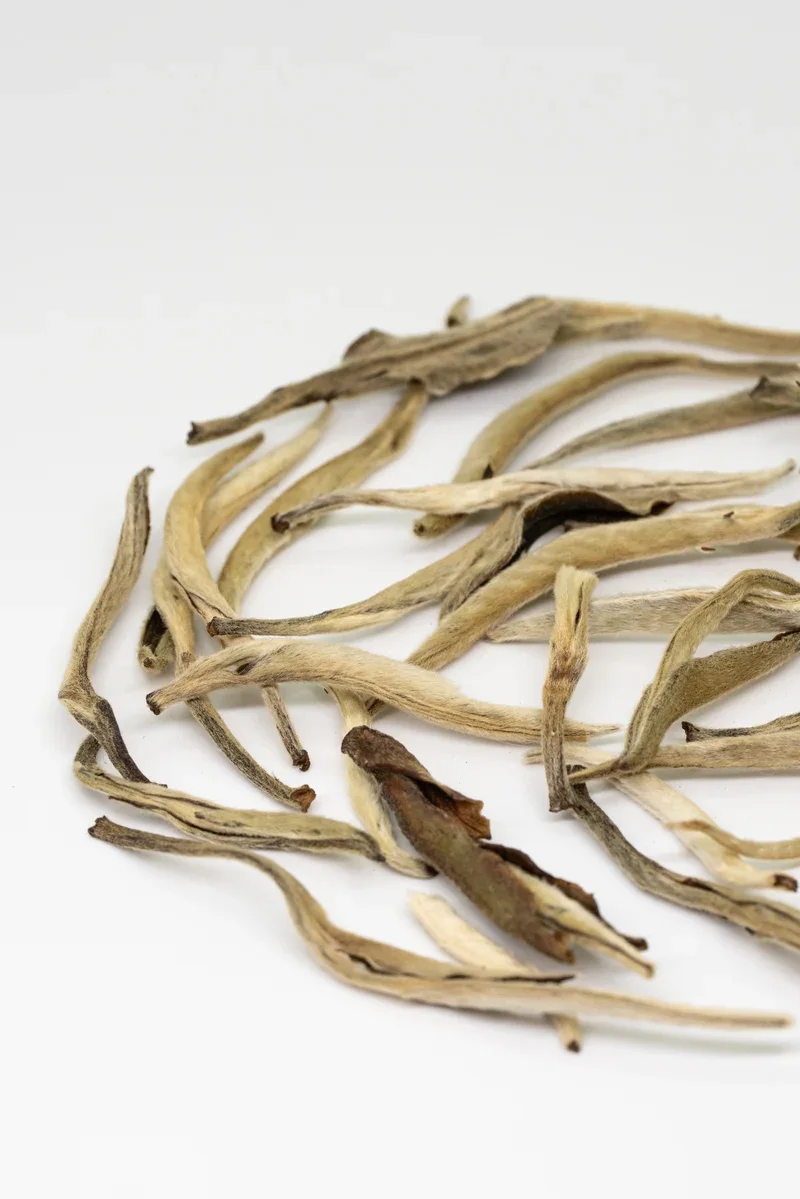
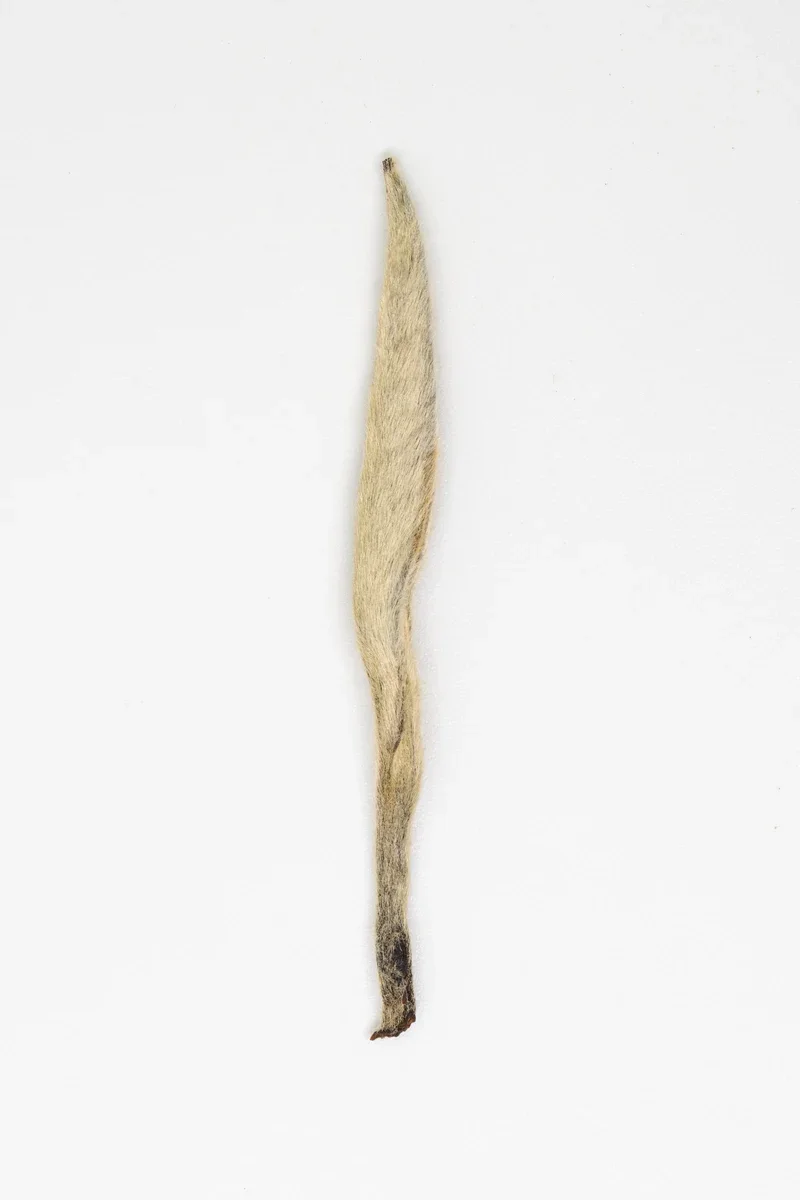
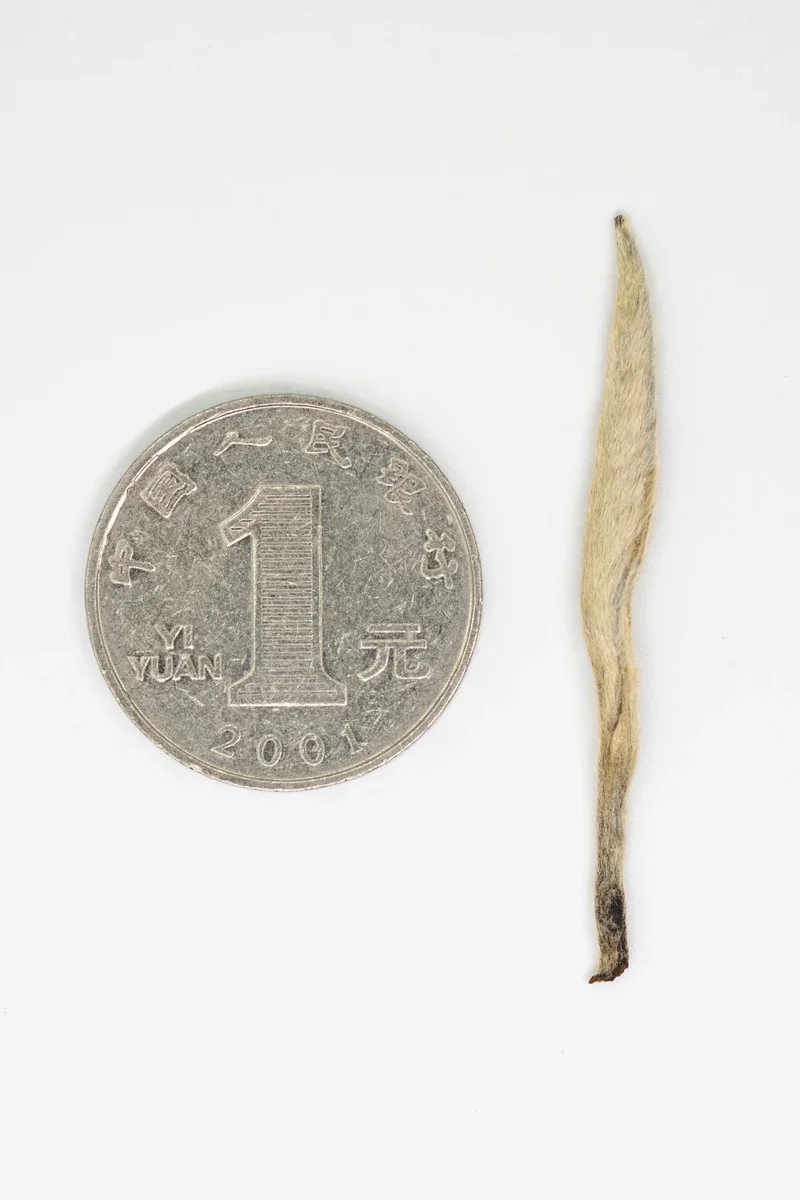
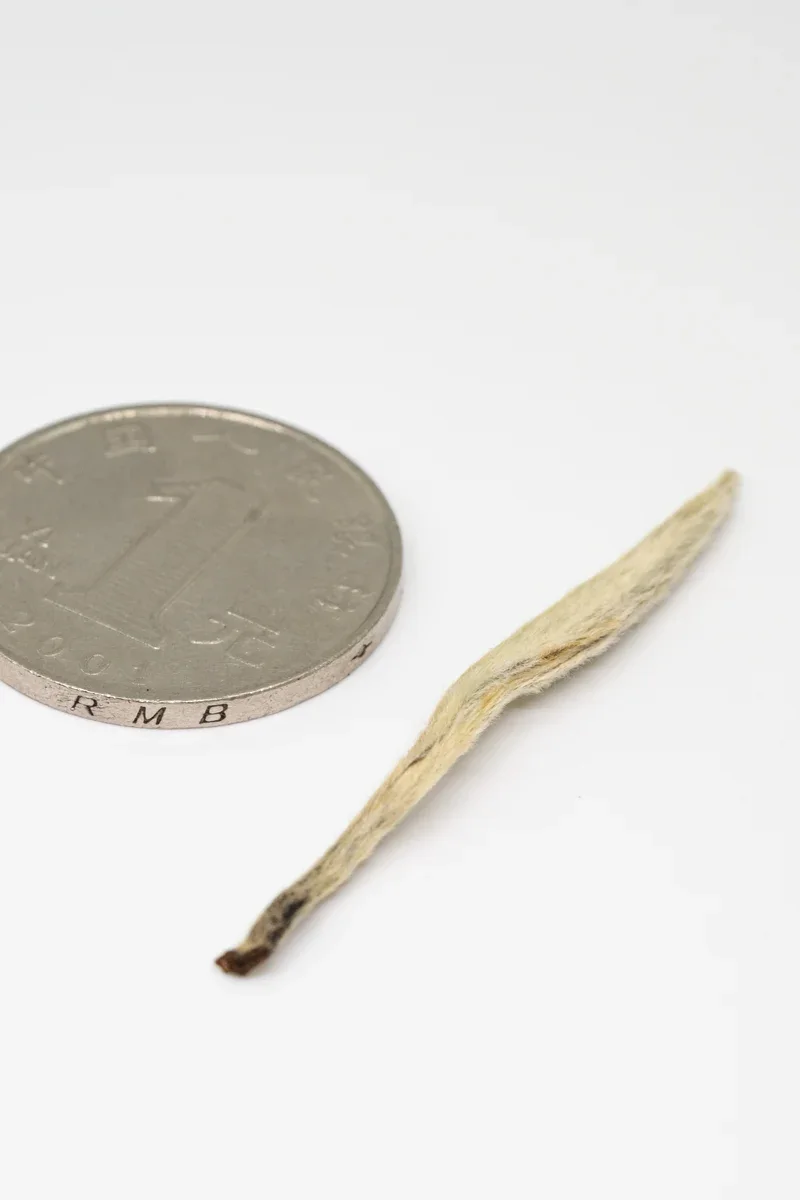
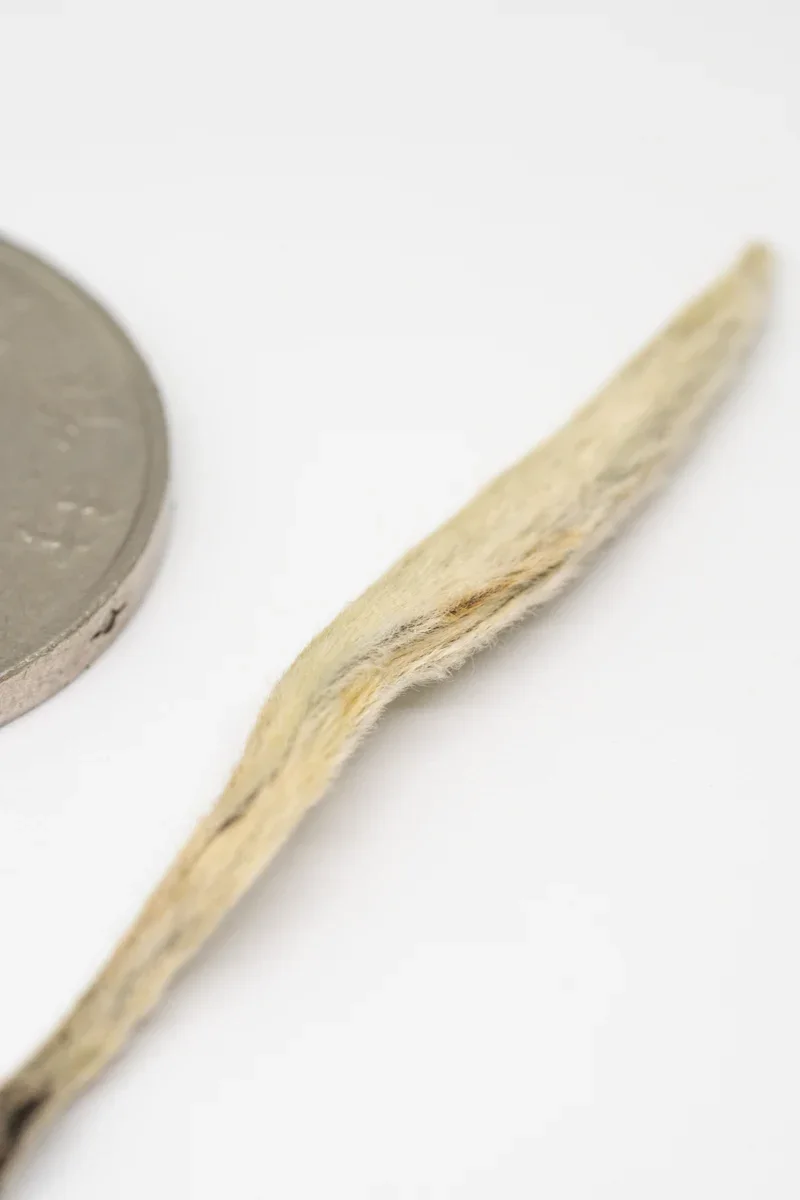
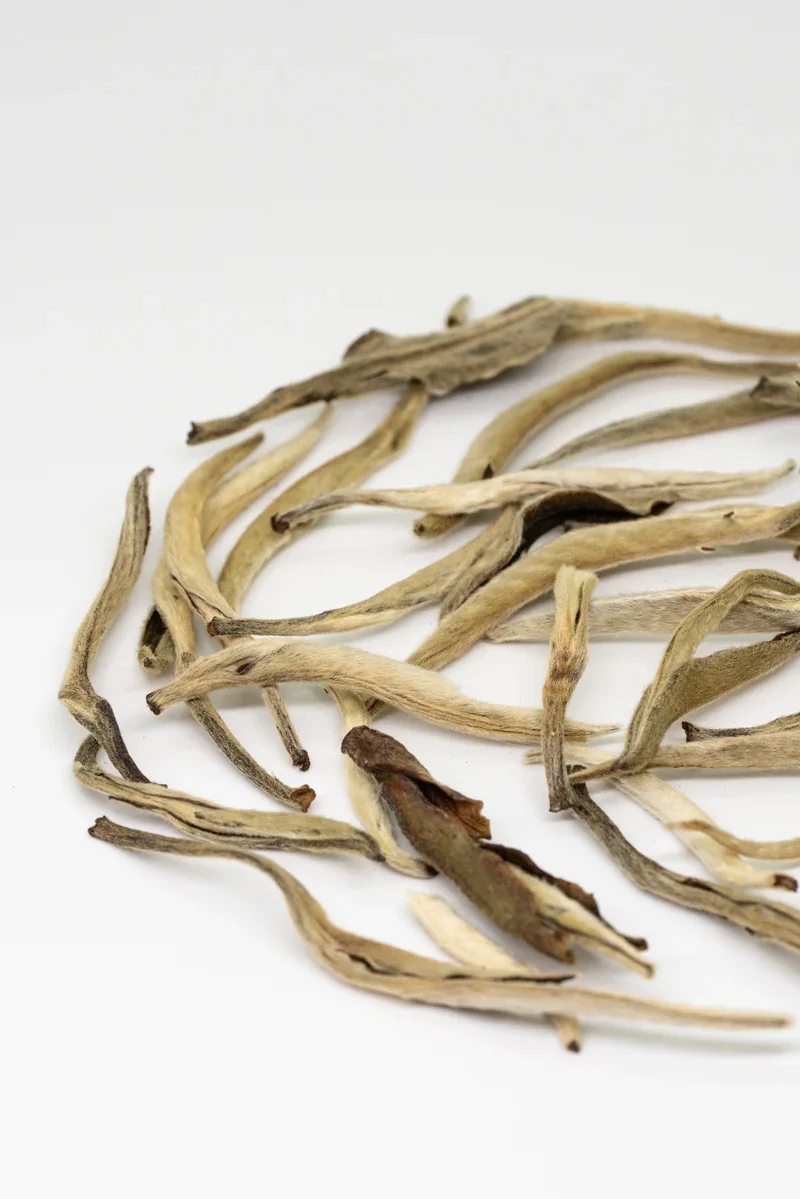
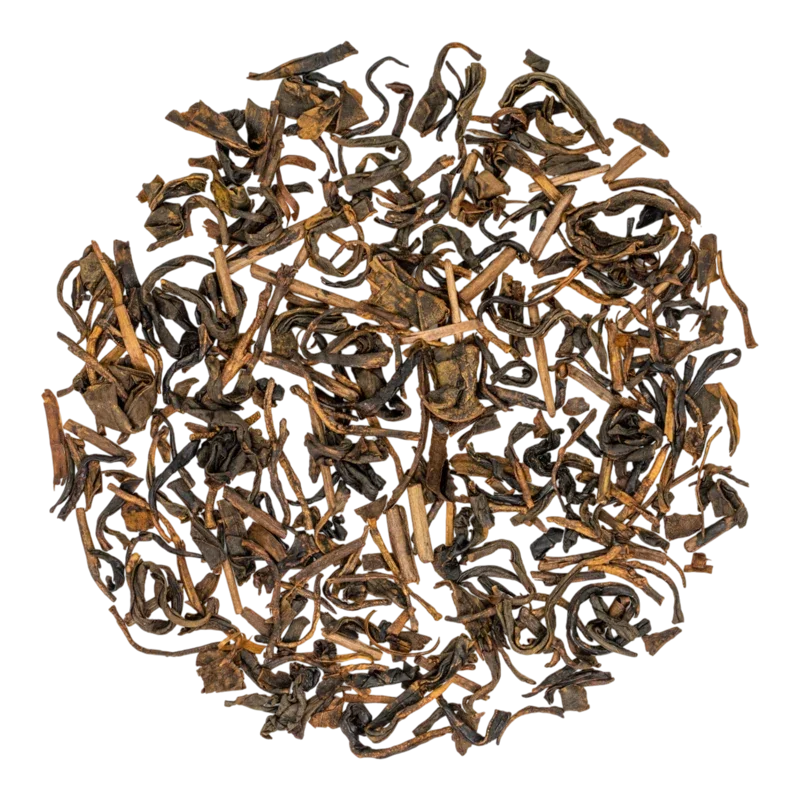
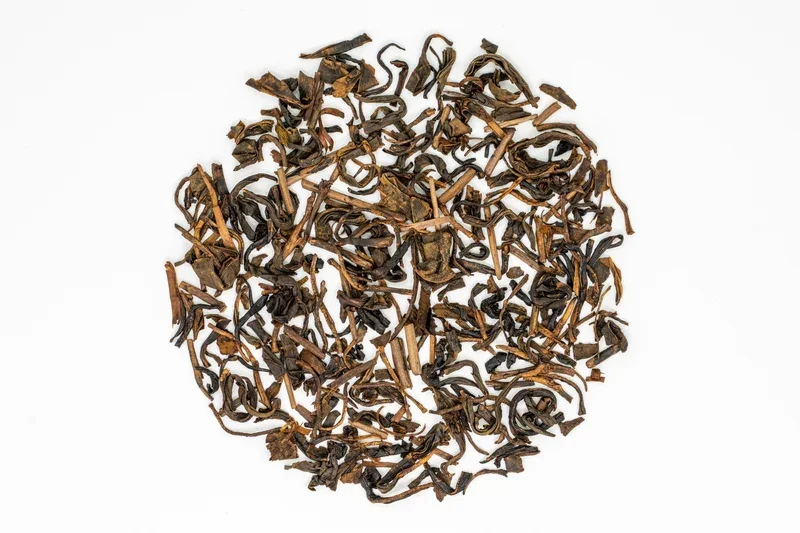
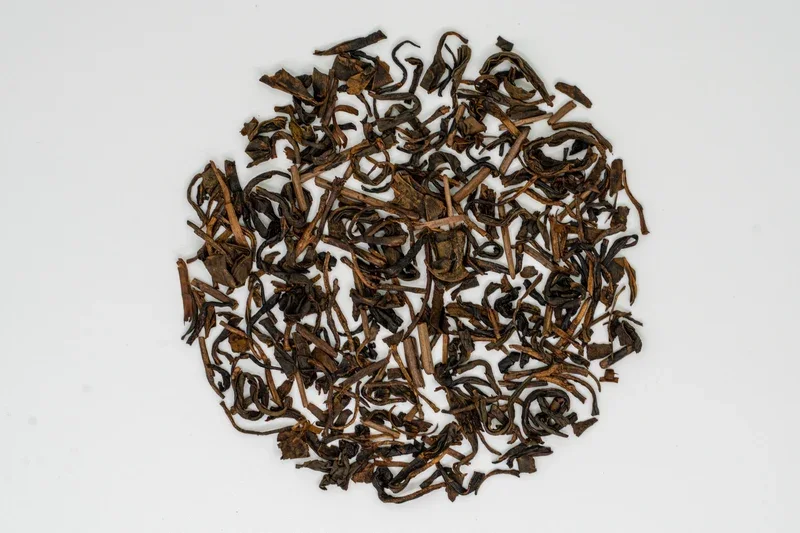
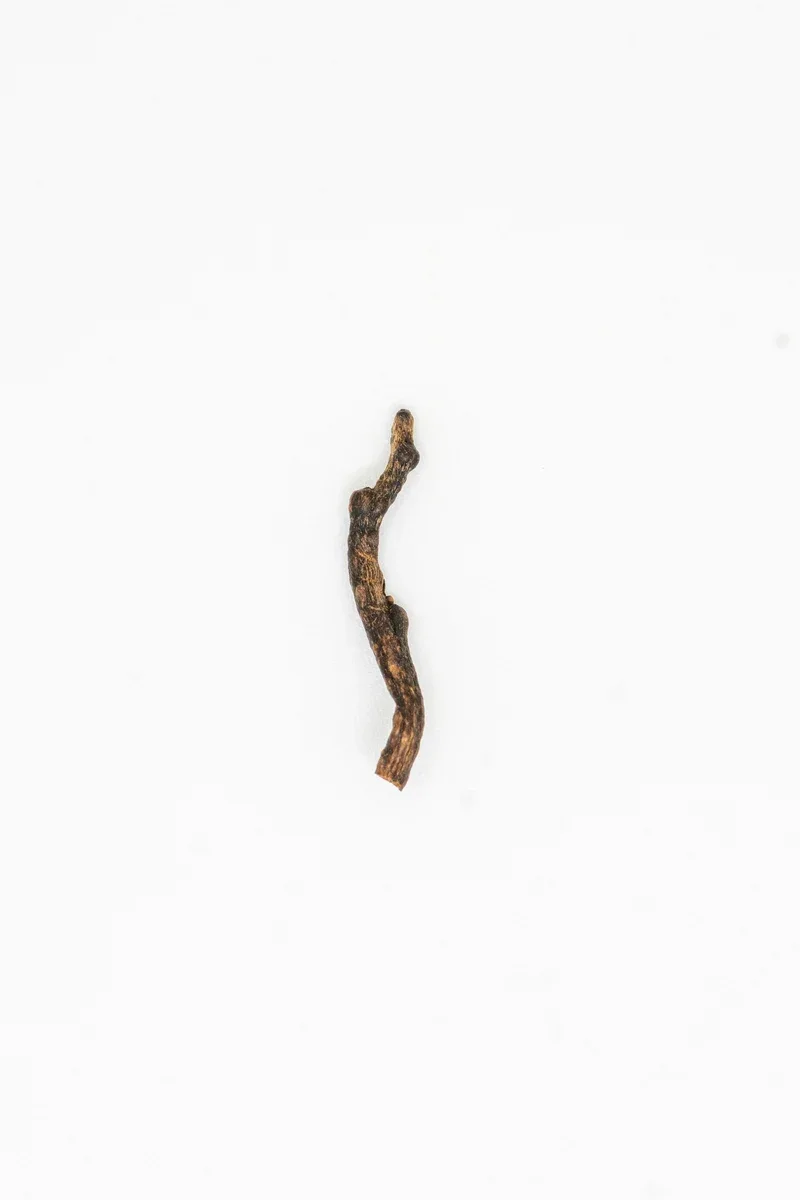
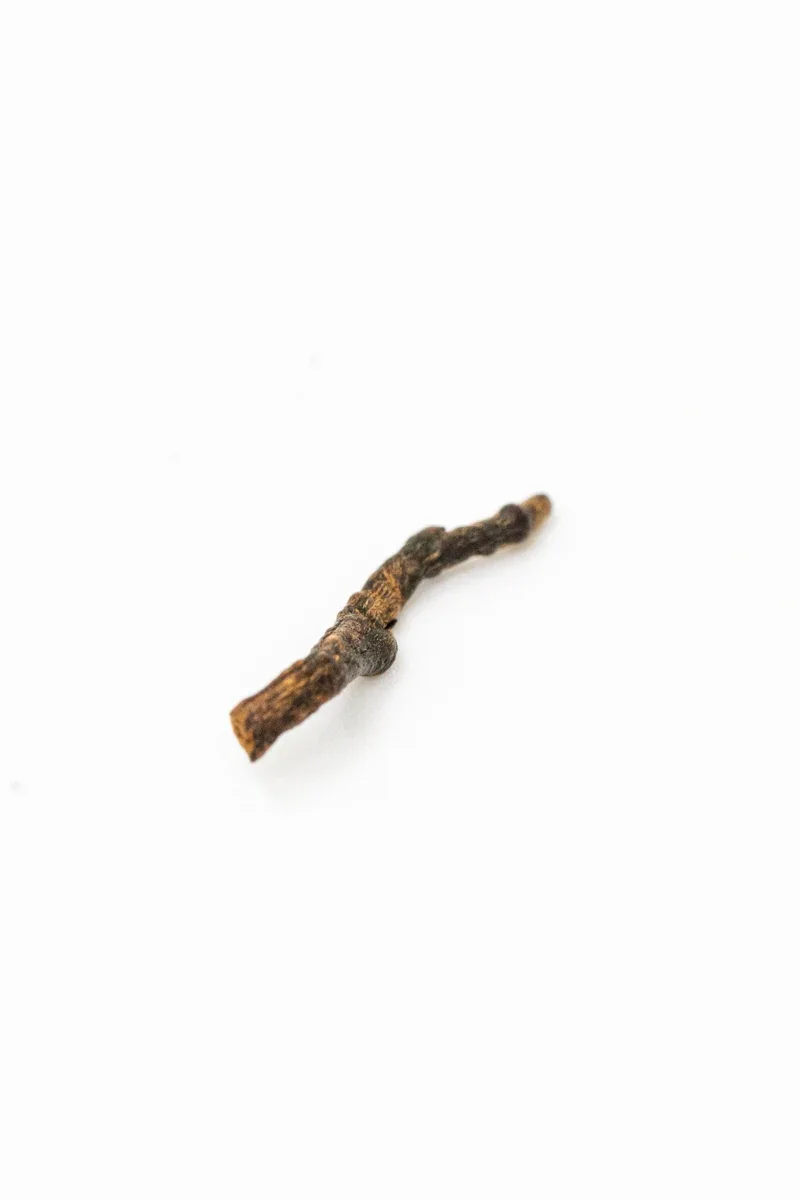
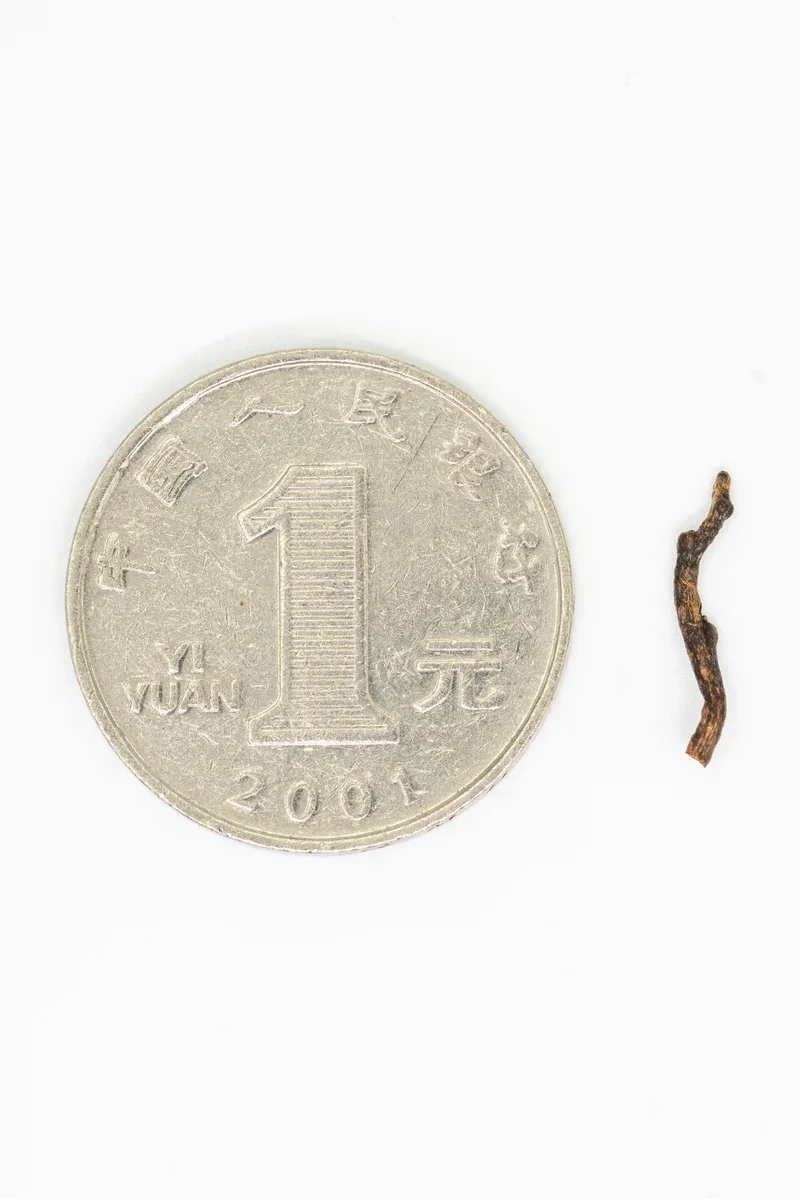
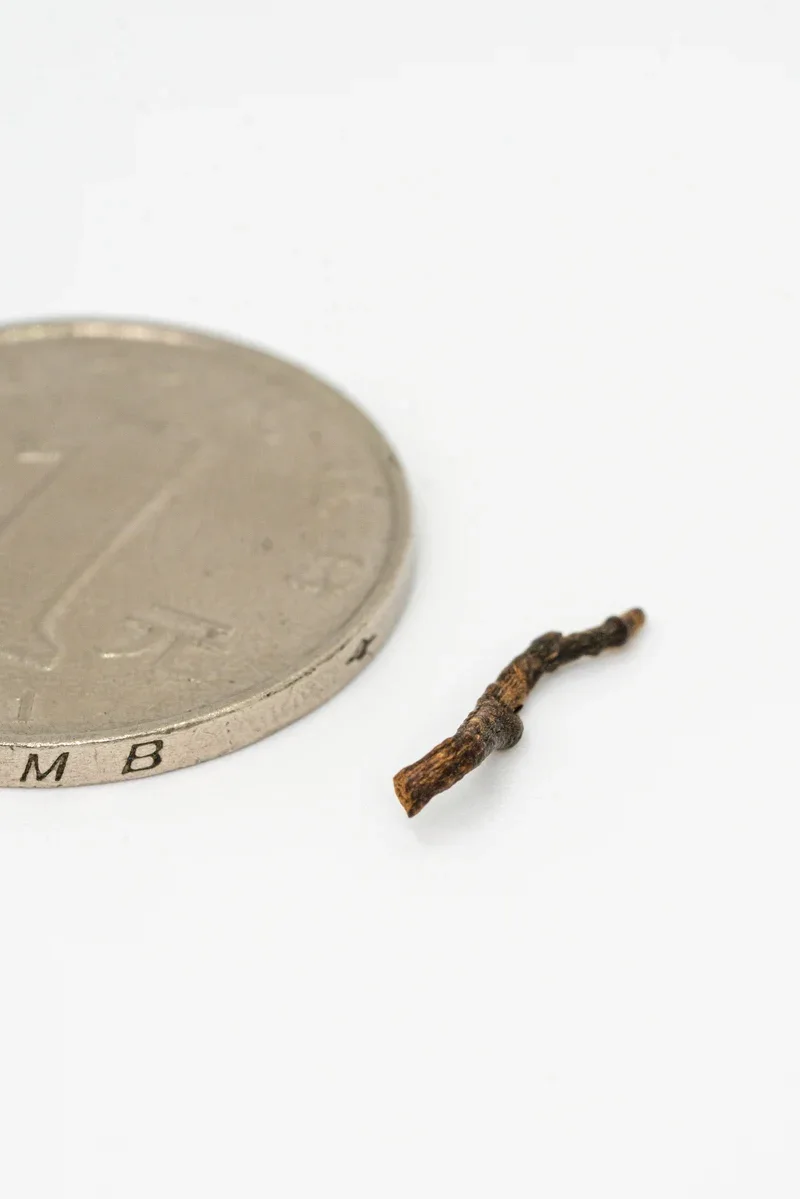
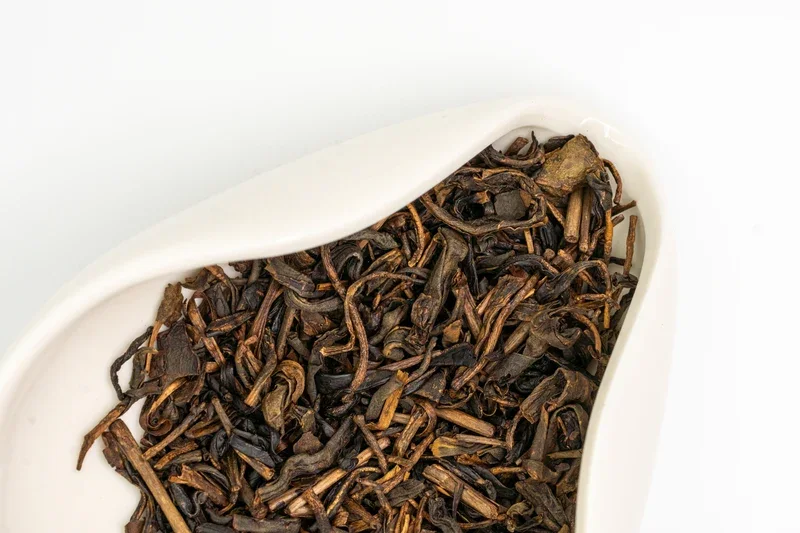
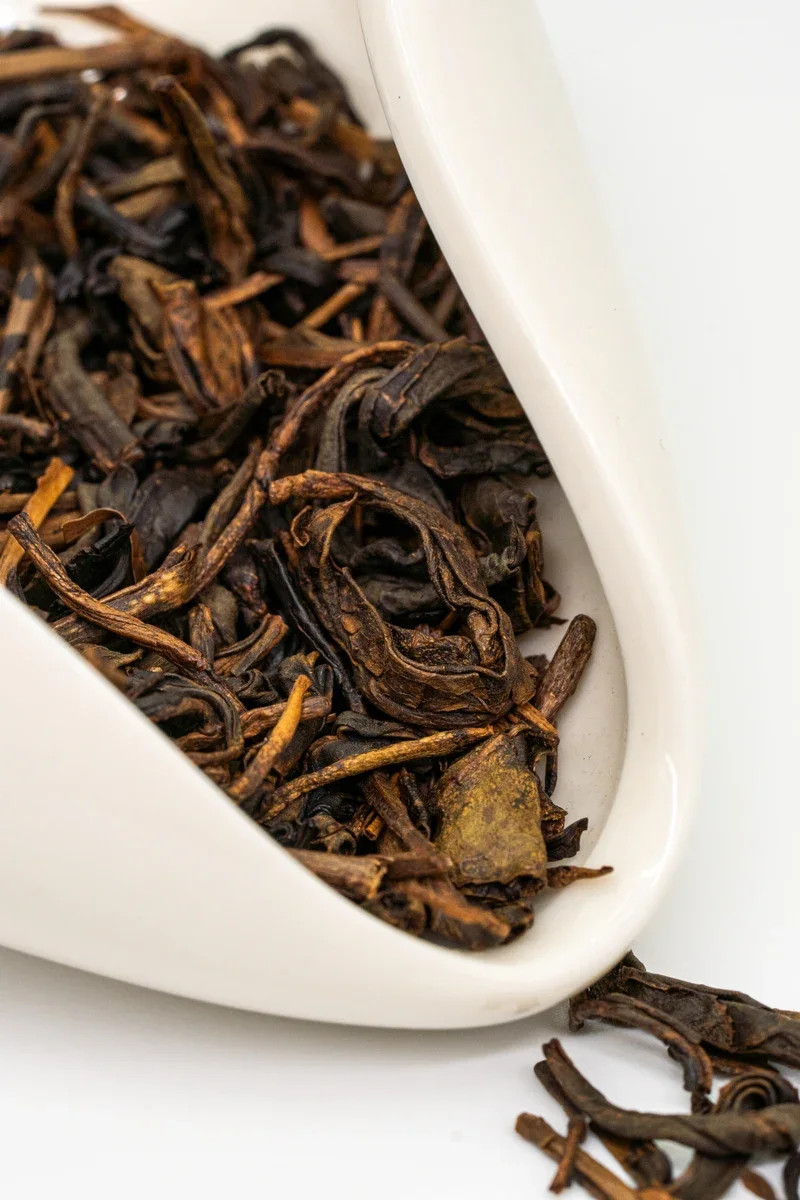
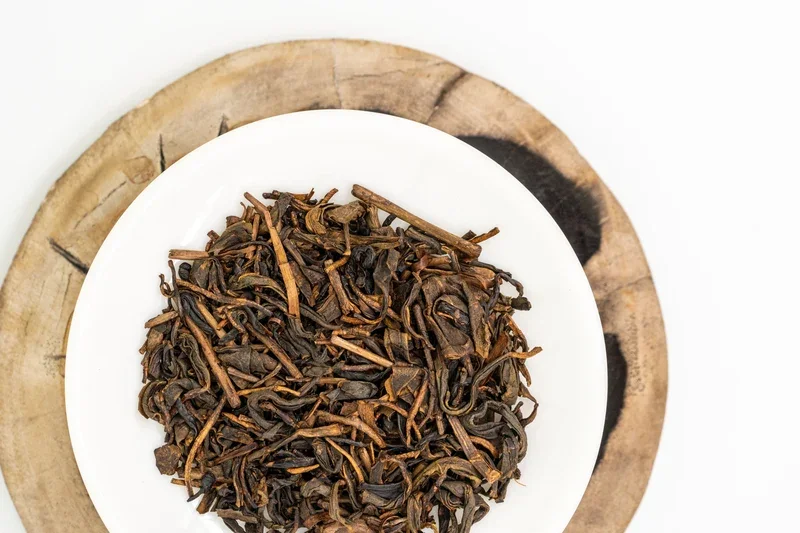
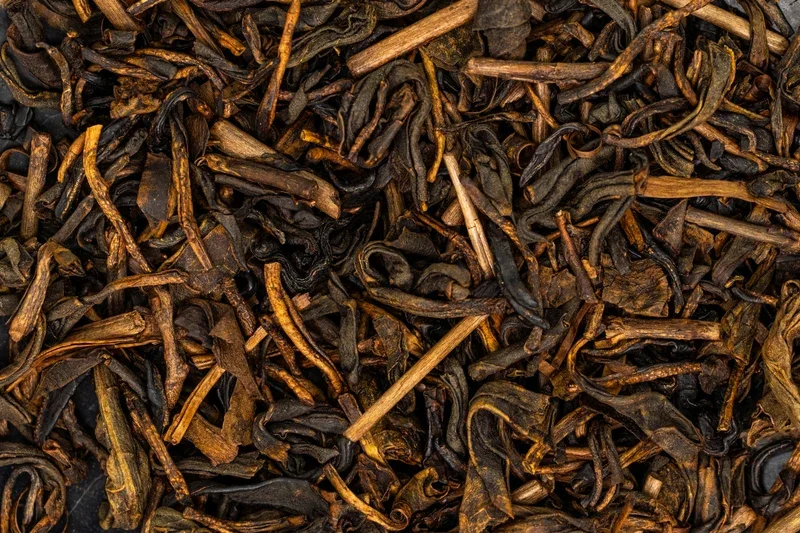
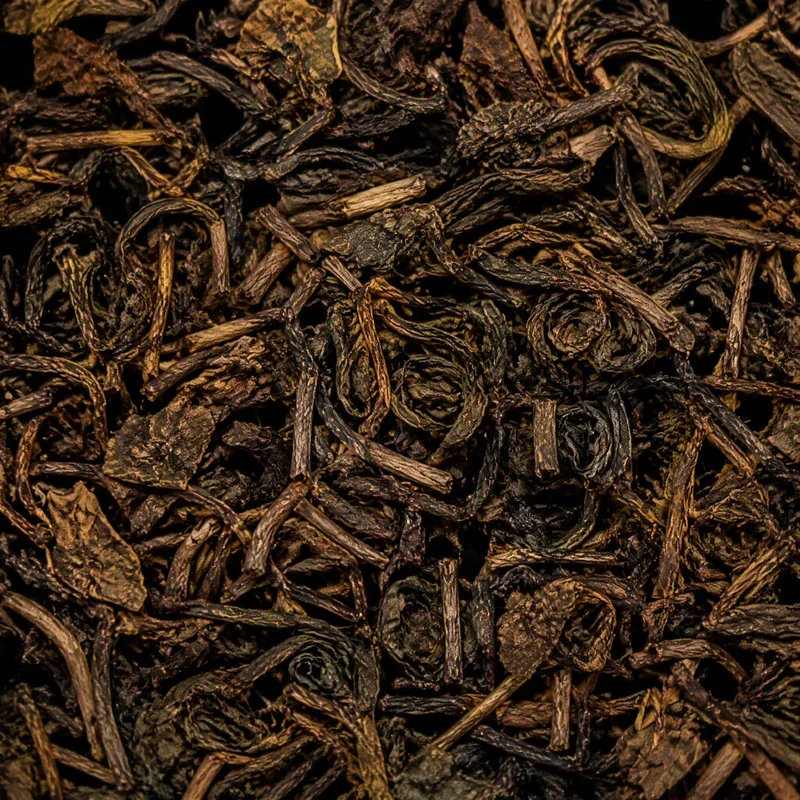
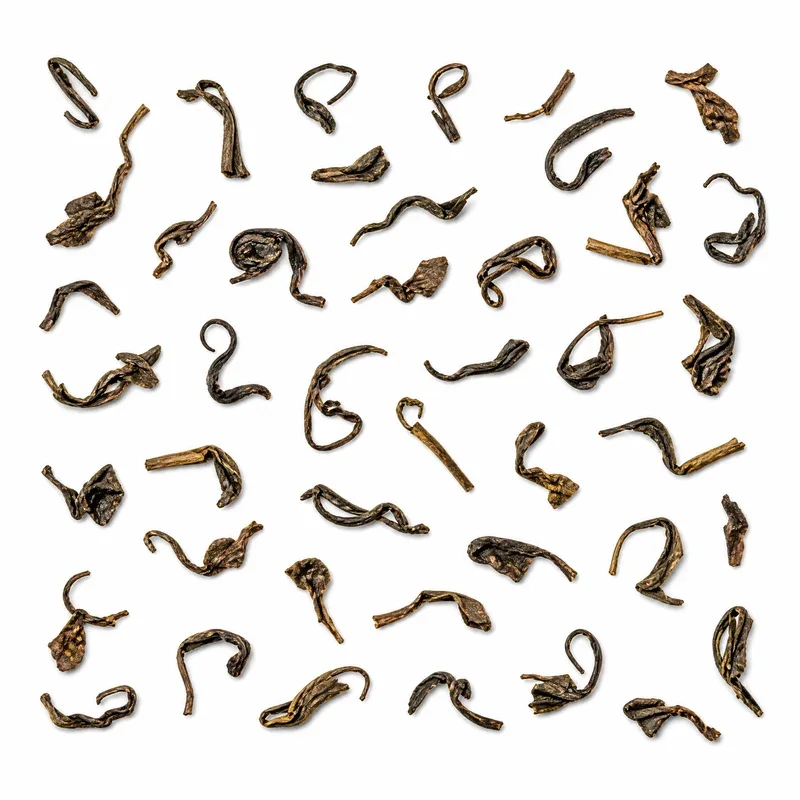
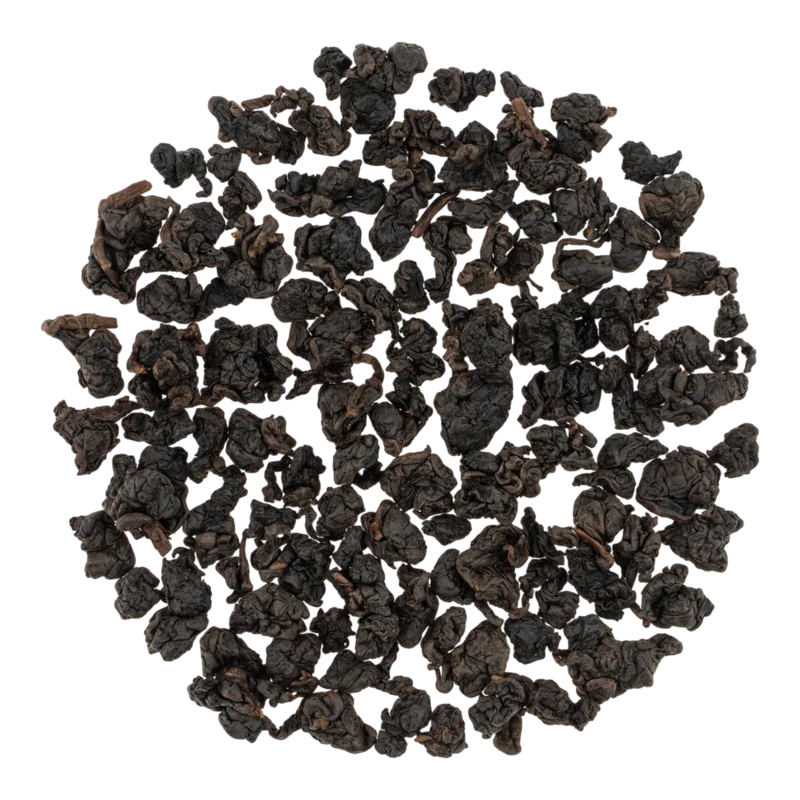
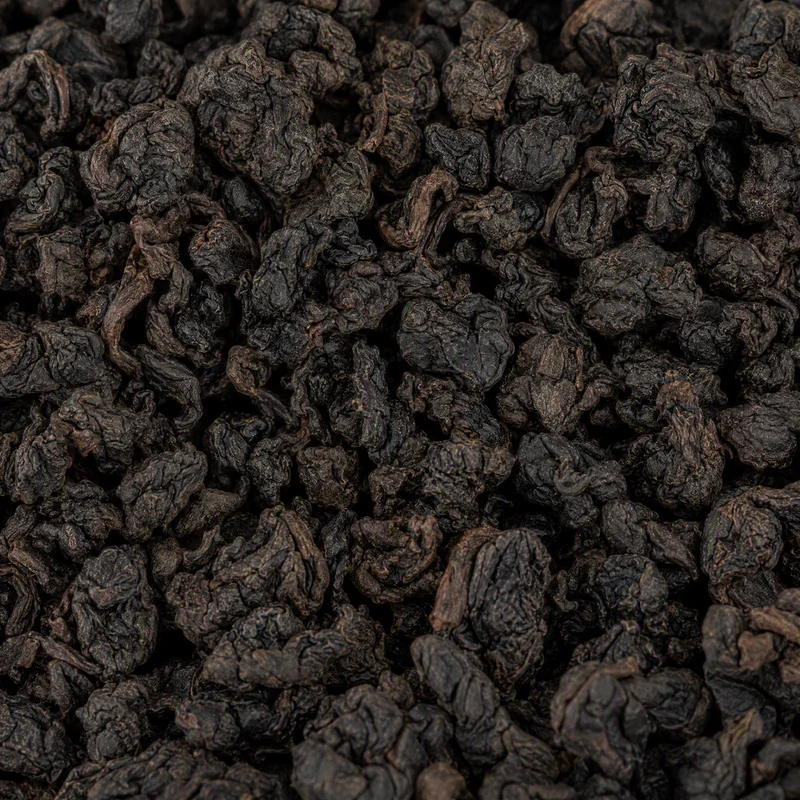
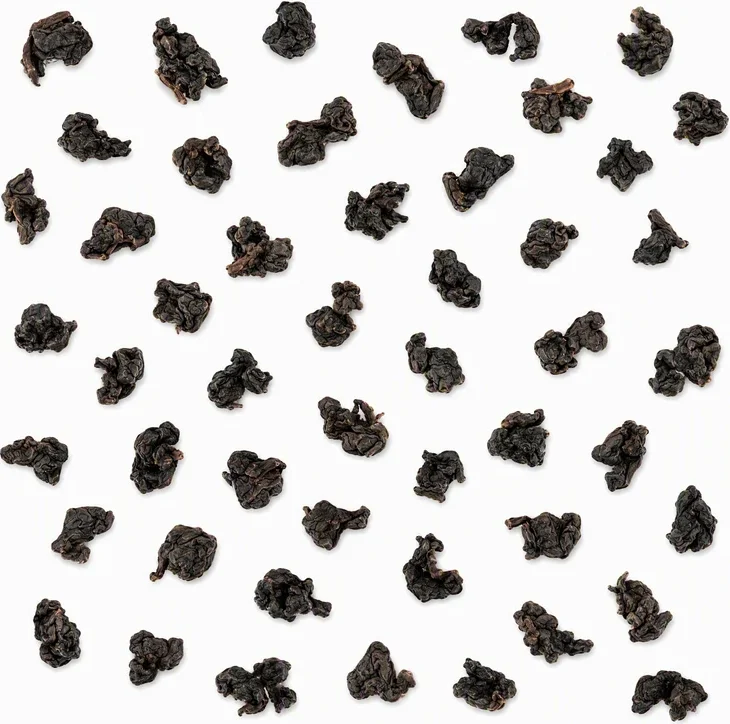
Tightly rolled tea particles (semi-spheres or longitudinal) of dark brown, almost black color with oily luster. "Tea dust" from multiple roastings may be present.
Spent Leaves: Dense dark brown leaves, whole, resilient despite age.
Taste: Rich, dense, oily, "velvety." Noble bitterness quickly transitions to long, sweet aftertaste (回甘, huígān). Notes of dried fruits, caramel, chocolate, spices (cinnamon, cloves), nuts. Body — full, thick. Astringency is minimal — it has "dissolved" over years of aging. Described as "mature," "wise," "deep."
Alkaloids: Caffeine is preserved (~2–3%); theobromine, theophylline.
Amino Acids: Part of L-theanine degrades, but new compounds appear, responsible for complex "mature" sweetness.
Pyrazines, furanols, furfural — "baked," caramel notes formed during re-roasting.
Essential Oils: Composition transforms; fresh floral notes are replaced by spicy, woody, "balsamic" ones.
Minerals: Potassium, fluorine, magnesium, manganese, iron — are preserved.
Polyphenols: Catechin content decreases; they transition to more oxidized forms — theaflavins and thearubigins, which give the dark color of the liquor and velvety texture.
Pronounced warm "character" (温性, wēn xìng) in TCM terms. Ideal in cold weather.
Stimulates digestion, helps with heaviness after fatty food. Traditional folk remedy of the Minnan diaspora for intestinal disorders.
Gentle — caffeine + mature polyphenols. Effect is more "deep" and "slow" than young tea.
Thearubigins and theaflavins possess their own antioxidant activity.
Peace, clarity of mind, meditative state. The effect of a cup of Lao Cha Wang is "silence within."
90–95°C. Boiling water (100°C) is not recommended — may "burn" the mature leaf.
Lao Cha Wang is excellent for boiling by Lu Yu's method (煮茶, zhǔ chá) — boiling tea in a teapot over fire. This method reveals the maximum depth of aged oolong.
Tea Amount: 5–7 g per 150 ml.
Teaware: Yixing teapot (紫砂壶, zǐshā hú) — ideal; porous clay enriches and "rounds" mature notes. Gaiwan — also suitable.
Aged oolongs need "air" to continue slow evolution.
Multiple intensive roasting of young tea to imitate "mature" flavor. Result — burnt, flat, without depth. Real Lao Cha Wang has noble bitterness that quickly transitions to sweetness; counterfeit — bitterness "stands" and doesn't fade.
5-year tea is passed off as 20-year-old. Practically impossible to verify without expertise or trust in the seller.
Real Lao Cha Wang — velvety, complex, with long returning sweetness (huí gān). Counterfeit — burnt, flat, without "tail."
No reviews yet. Tell us what you think of this tea.
Rate this tea and share your impressions. We review each submission before publishing it.