Brewing
Gongfu brewing
- Water temperature
- 75 °C
- Tea amount
- 5 g
- Water volume
- 100 ml
- First steep
- 10 s
- Time added per infusion
- 5 s
- Infusions
- 3


Guìlín máo jiān
Choose a brewing method. Start with the recommended quantities and time, then adjust to taste.
Brewing
Brewing
Taste
Tea encyclopedia
Category: Regional famous tea of Guǎngxī (广西名茶). Award from the Ministry of Agriculture of the PRC "优质产品" (1989). Gold medal at the Bangkok International Exhibition (1993, "中国优质农产品展览会"). Production is regulated by the local Guangxi standard "Technical Regulations for Processing Guilin Mao Jian" (《桂林毛尖茶加工技术规程》, 2014).
Category: Regional famous tea of Guǎngxī (广西名茶). Award from the Ministry of Agriculture of the PRC "优质产品" (1989). Gold medal at the Bangkok International Exhibition (1993, "中国优质农产品展览会"). Production is regulated by the local Guangxi standard "Technical Regulations for Processing Guilin Mao Jian" (《桂林毛尖茶加工技术规程》, 2014).
Coordinates: Approximately 25°18′ North latitude, 110°20′ East longitude.
Origin: China, Guǎngxī Zhuāng Autonomous Region (广西壮族自治区, Guǎngxī Zhuàngzú Zìzhìqū), Guìlín City (桂林市, Guìlín Shì). Core production area — Mount Yáoshān (尧山, 909 m) in Qīxīng (七星区) and Diecai (叠彩区) districts. Tea gardens are located on the territory of the scenic area of Míng dynasty Jingjiang prince tombs (明代靖江王墓群风景区).
Type: Green tea (绿茶, lǜchá), non-oxidized. Belongs to hot air-dried green teas (烘青绿茶, hōngqīng lǜchá) with strip-shaped (条索形, tiáosuǒ xíng) leaf form.
Guangxi-Guìlín Tea Research Institute (广西桂林茶叶科学研究所) and authorized distributors.
Specialized tea shops in Guilin, online platforms with certification.
Tea shops in Guilin scenic areas, but verify authenticity.
Cultural Significance: Guilin Mao Jian is produced in one of China's most scenic places — at the foot of Mount Yaoshan, on the territory of the Míng dynasty Jingjiang prince tomb complex (靖江王墓群) — the largest preserved Ming necropolis in southern China. Tea gardens framing ancient tombs create a unique combination of natural, historical, and agricultural landscape. Guilin City, receiving millions of tourists annually, promotes local tea as part of the region's "gastronomic map."
History: Guilin Mao Jian is a relatively young tea, created during the era of "tea renaissance" of the 1980s.
Cultivar: Several cultivars of Camellia sinensis var. sinensis are used:
Picking: Thanks to the Fuyun 6 variety and Guilin's subtropical climate (temperature >15°C already in late February), harvest begins a month earlier than in Jiangnan. This advantage provides a market window for "first spring tea" (早春茶). Spring raw material is distinguished by maximum amino acid accumulation and pronounced freshness.
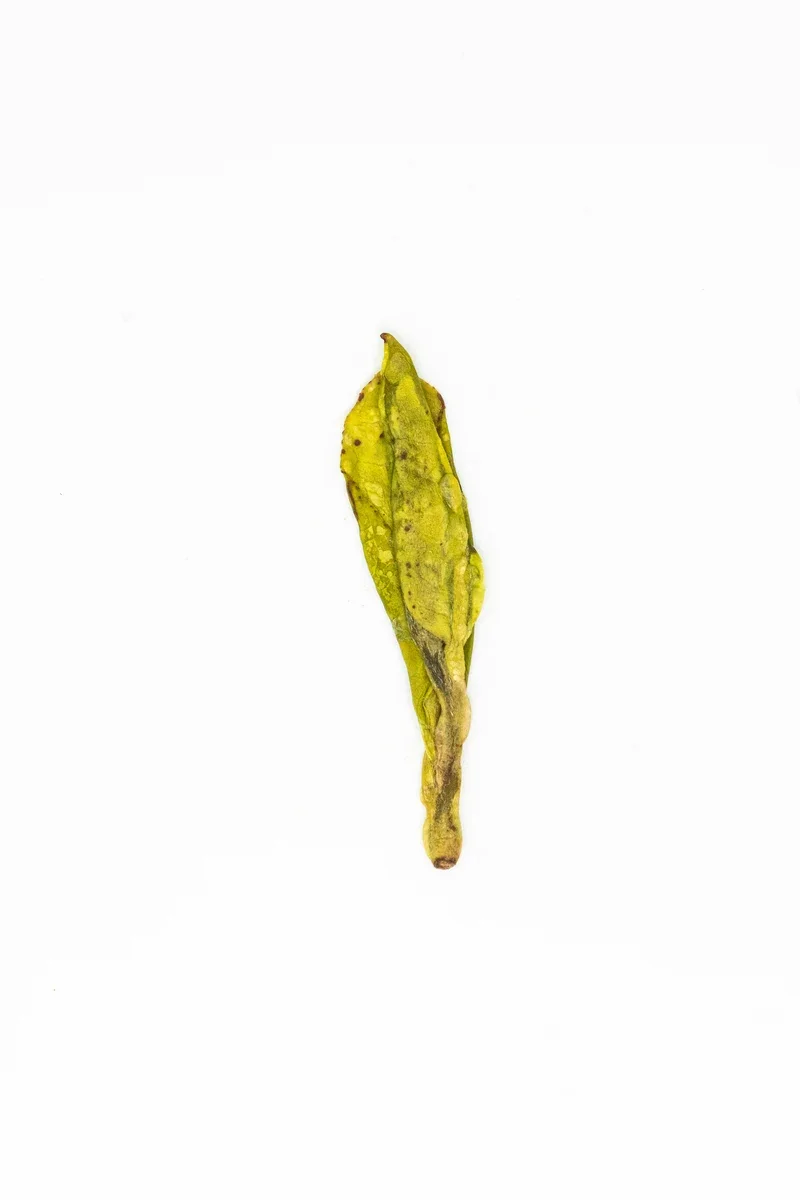
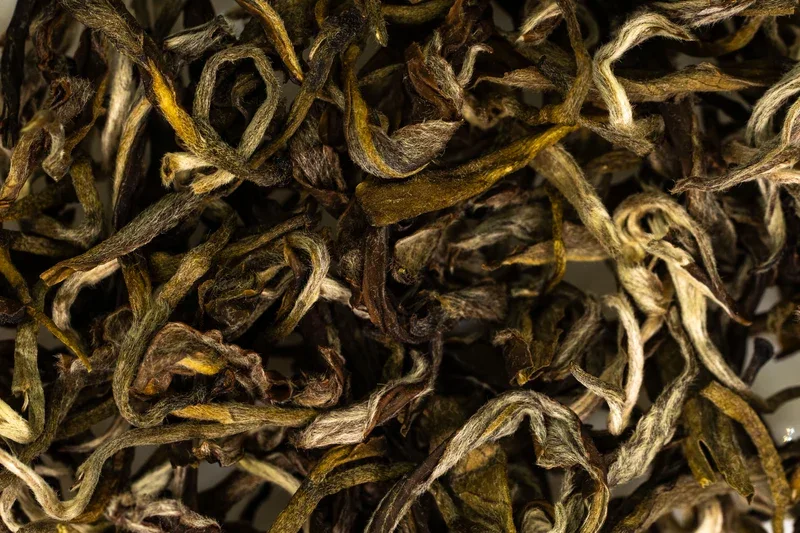
Raw Material: Shoots uniform, tender, with abundant white down (白毫 ≥90% for premium grade). Processing — on the same day.
Altitude: About 300 m above sea level. Low compared to mountain terroirs of Guizhou and Sichuan, but compensated by low latitude (25° N) and high humidity.
Climate: Guilin is located in the subtropical monsoon climate zone. Average annual temperature — 19.1°C. Annual precipitation — 1733 mm. Significant daily temperature fluctuations in spring. During spring tea harvest period — frequent rains and fogs, high proportion of diffused light.
Soil: Yellow-red soils (黄红壤, huáng hóng rǎng) with pH 5.0–5.5. Organic matter content — 1.38–1.88%. Key uniqueness — natural enrichment with selenium and zinc: Se content in tea leaf — 0.146 μg/g (7 times higher than ordinary green tea).
Forest cover of Mount Yaoshan — 67%. Complete absence of industrial pollution sources in the production zone (territory of natural and historical reserve).
Manual or semi-mechanized harvest in morning hours.
Shoots are spread on bamboo sieves for 3–6 hours. Moisture loss — ~5%.
Rotary drum at 260°C, duration — 4–5 minutes. High temperature ensures rapid and complete enzyme inactivation.
Method "light → heavy → light" (轻—重—轻 alternation). Formation of tight strip structure of tea leaves.
Hot air at 120°C. Removal of main moisture mass.
Temperature reduced to 80°C. Bringing to moisture content ≤6%.
Key final operation: heating at 80°C for 15 minutes. This stage significantly enhances aroma persistence and ensures precise moisture control (≤6%).
Multi-variety blending (多品种拼配) is applied: Fuding Damao (for downy aroma) + Fuyun 6 (for flavor richness and density). Ratio is selected for each grade.
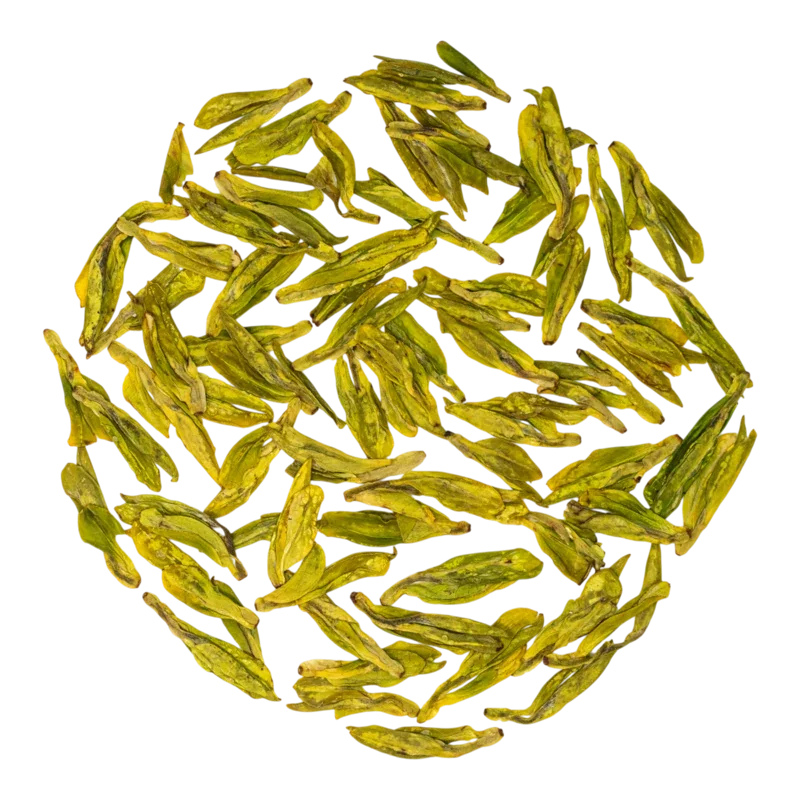
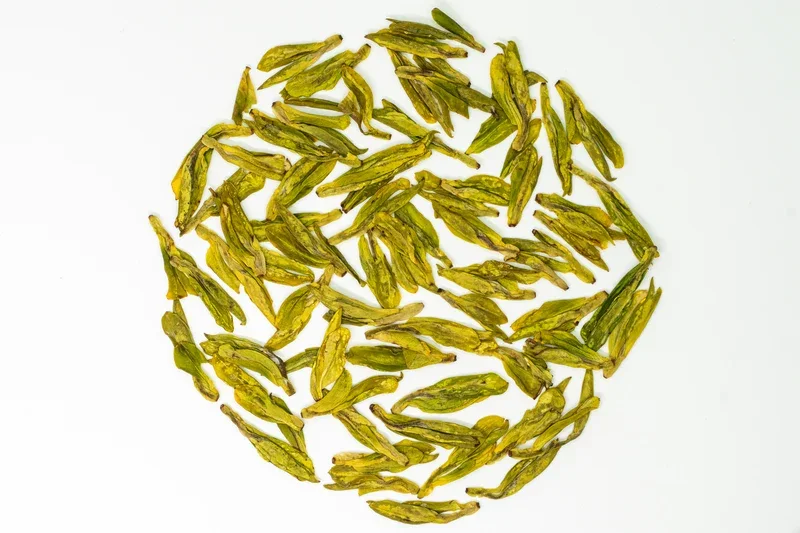
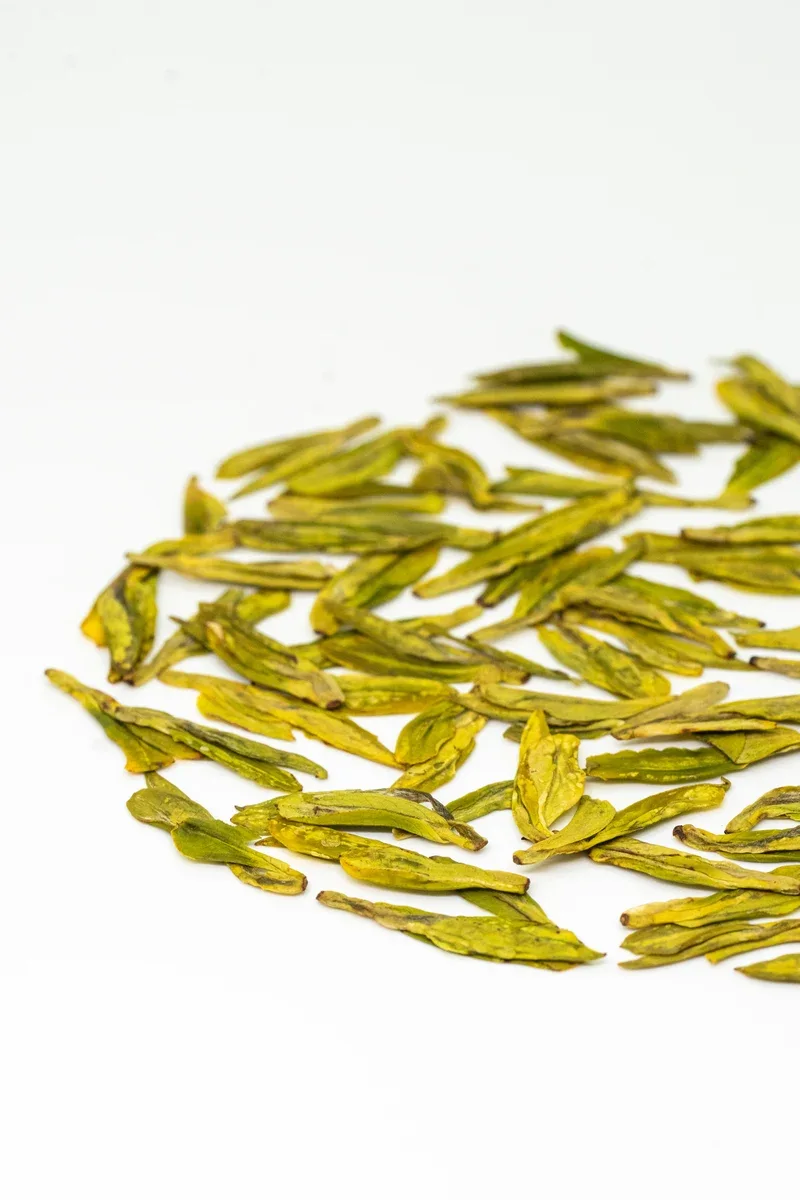
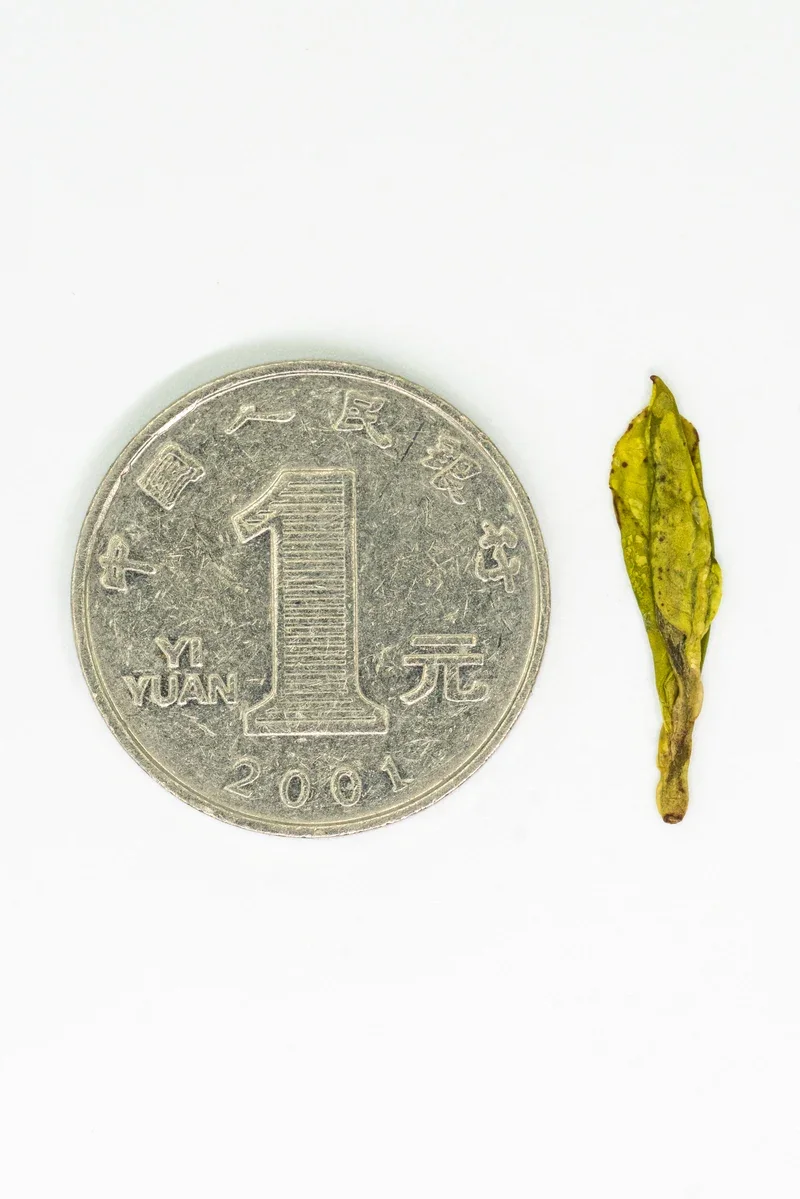
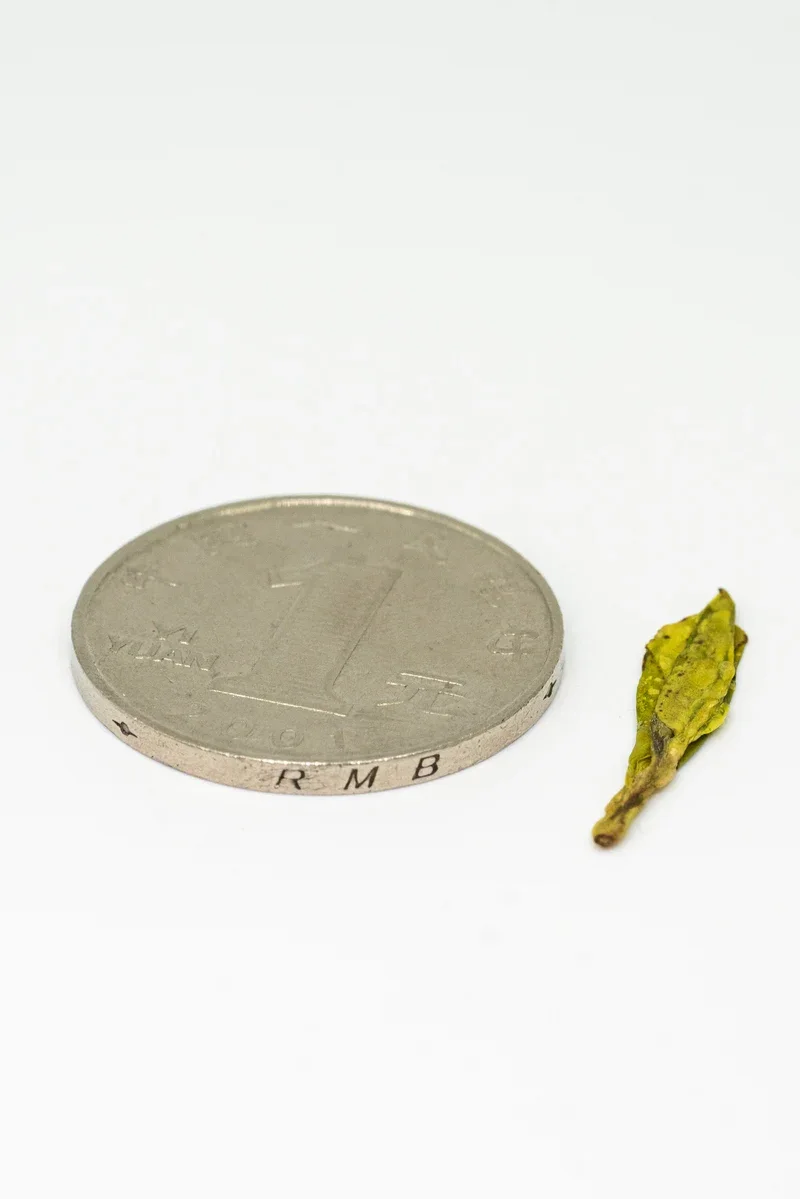
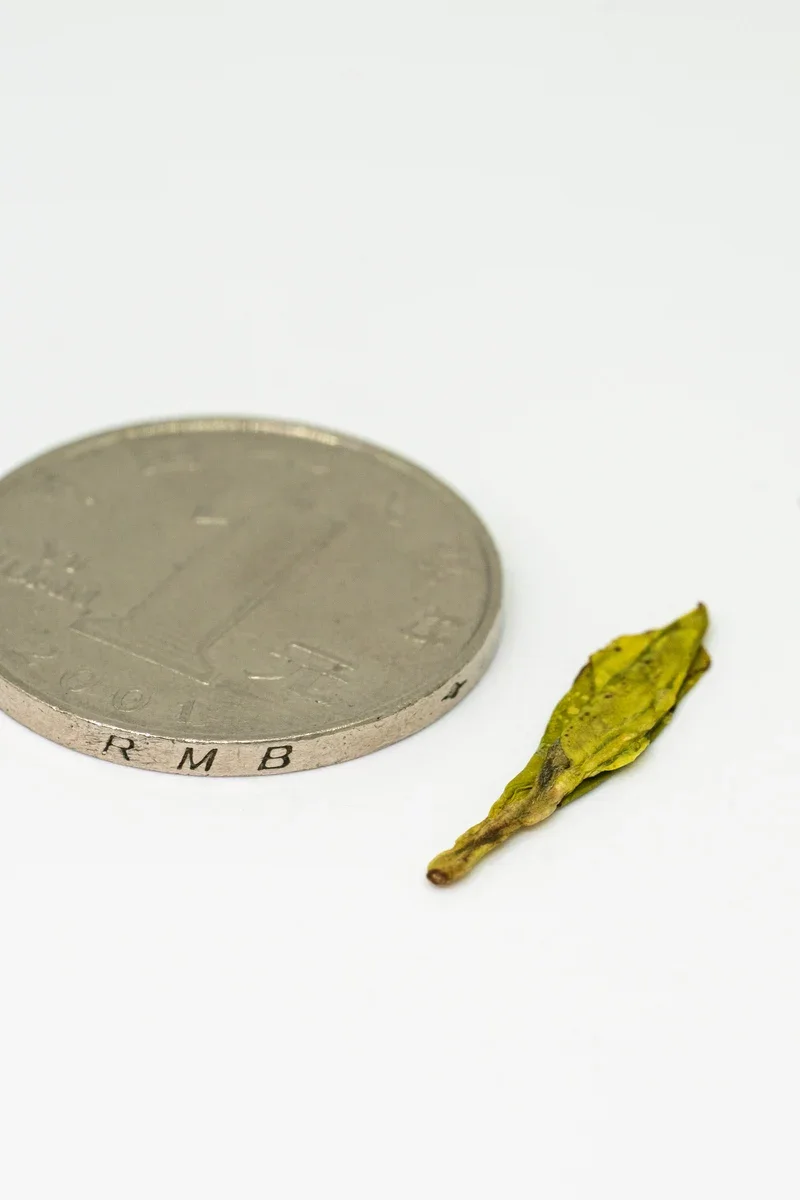
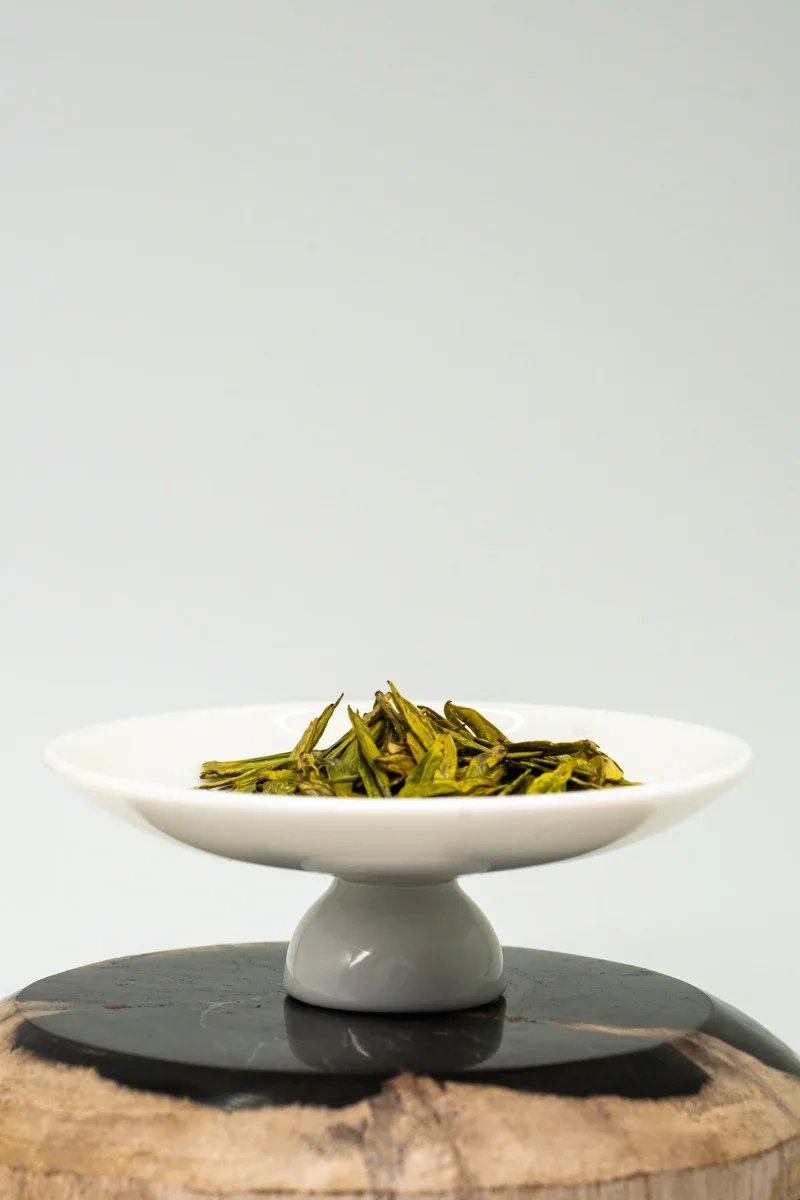
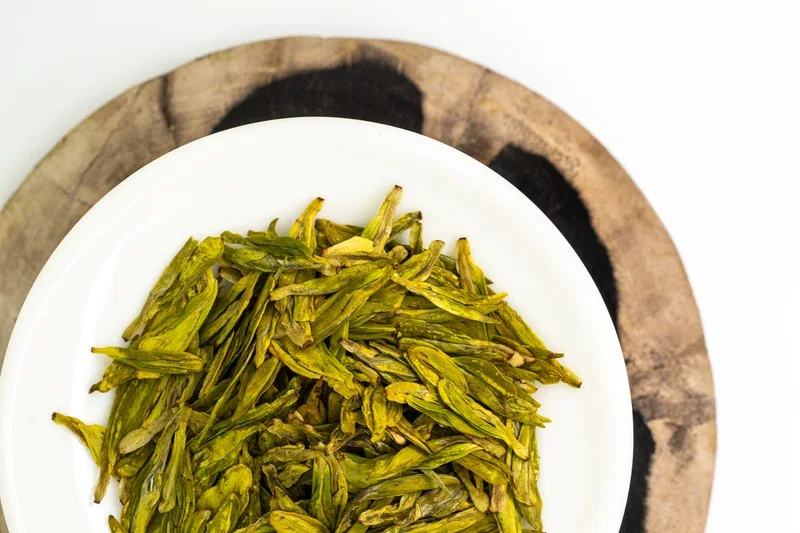
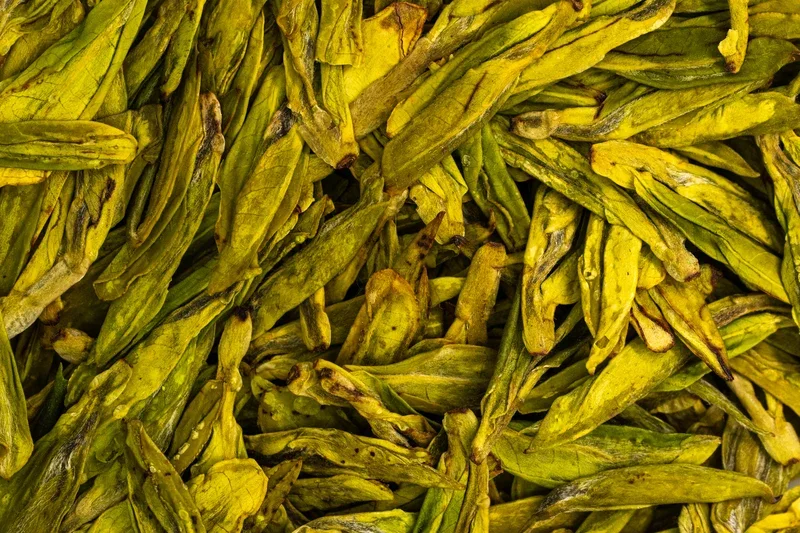
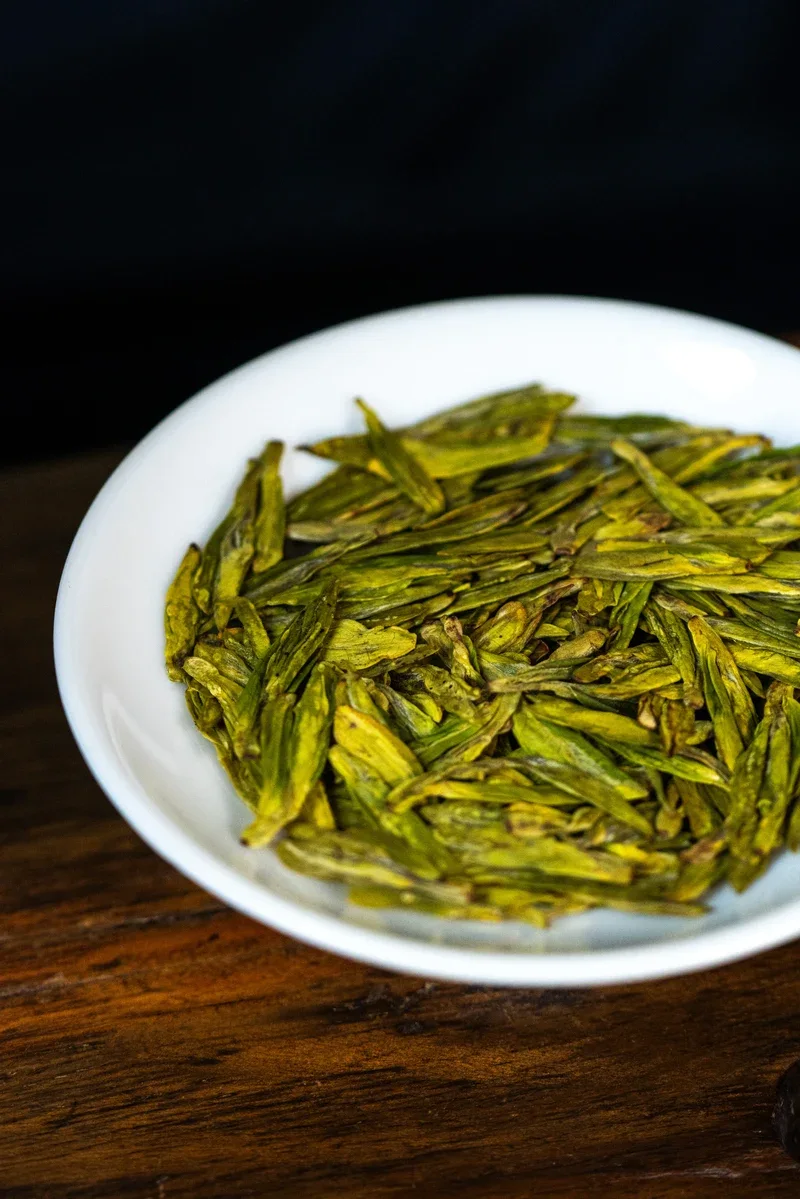
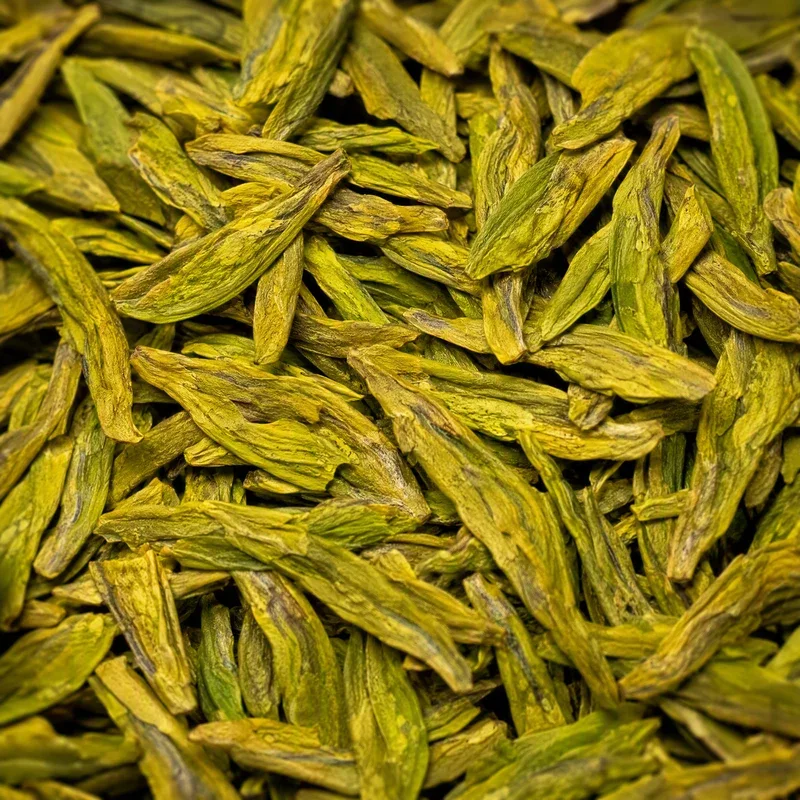
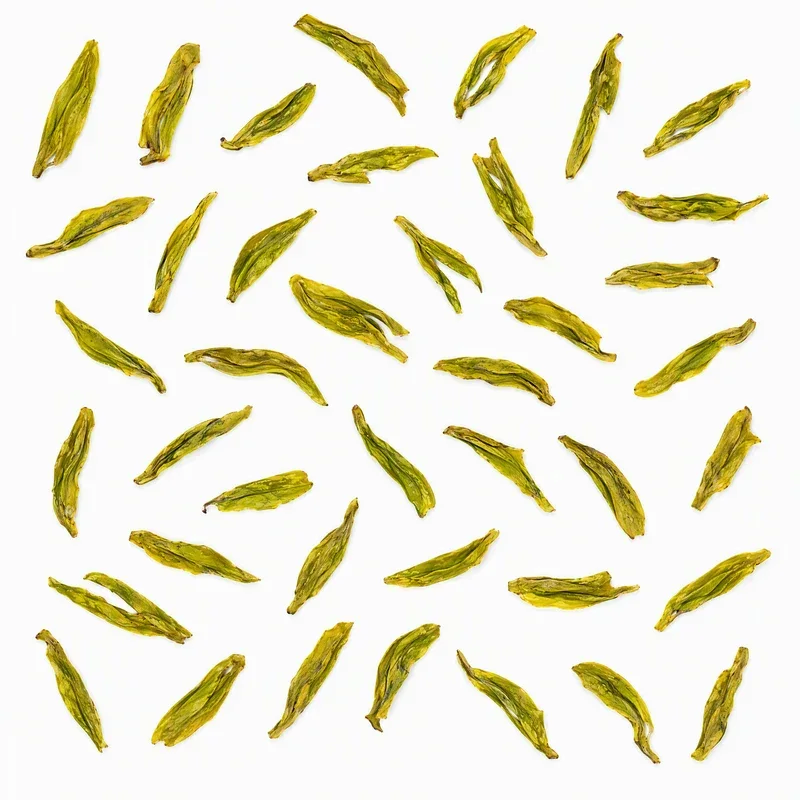
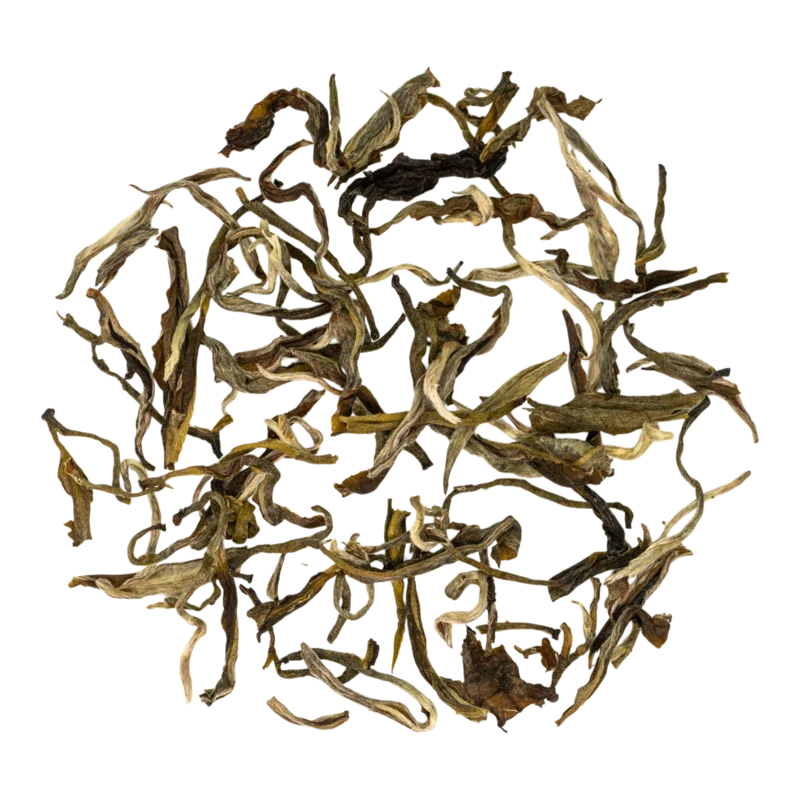
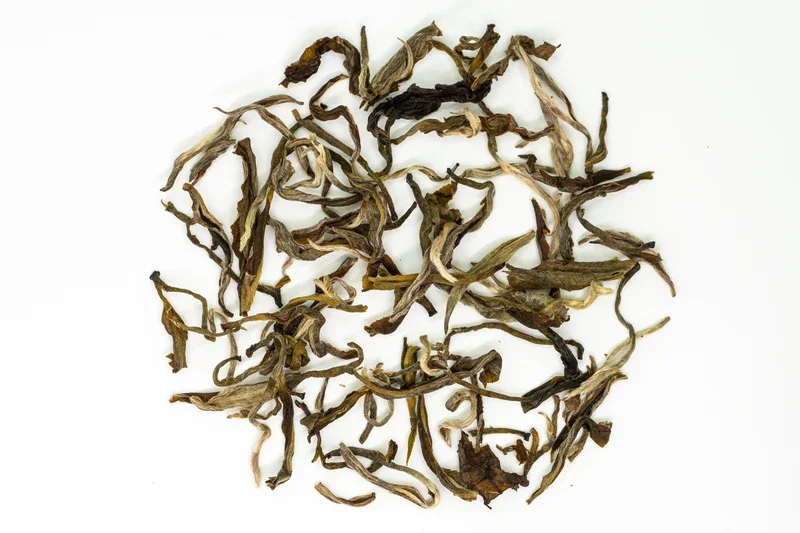
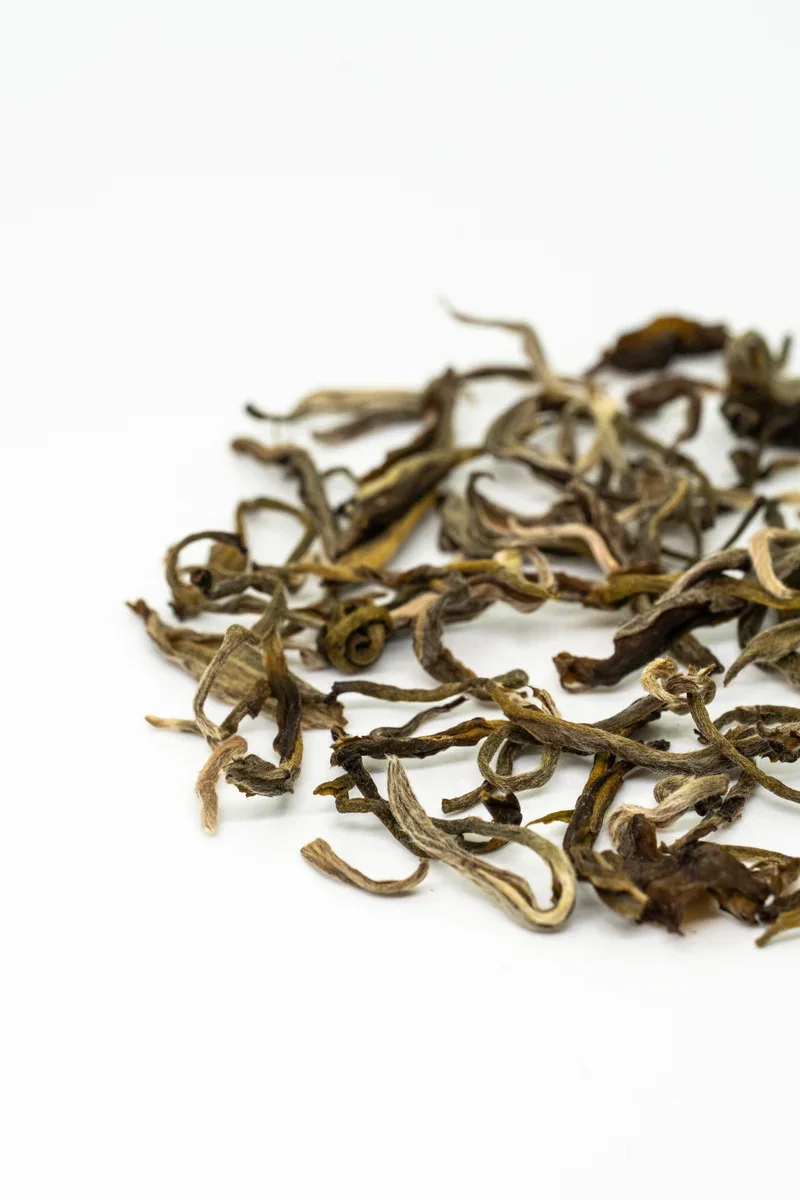
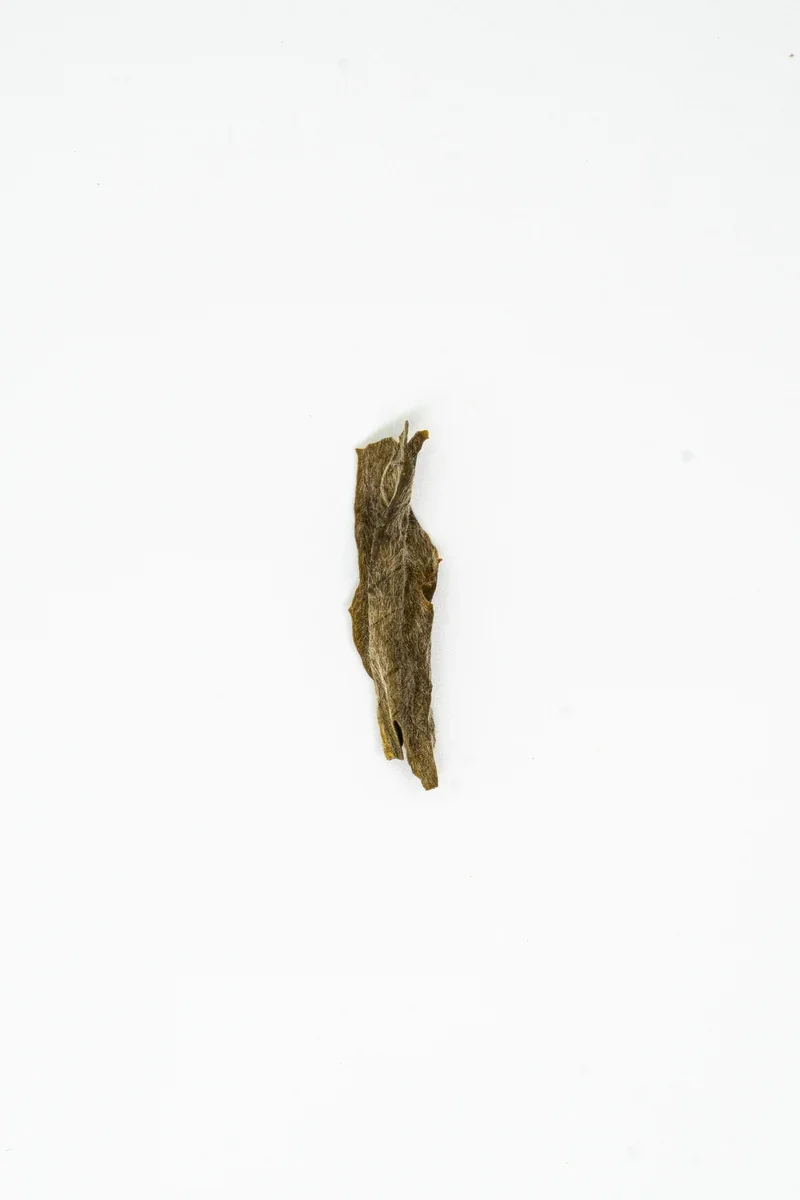
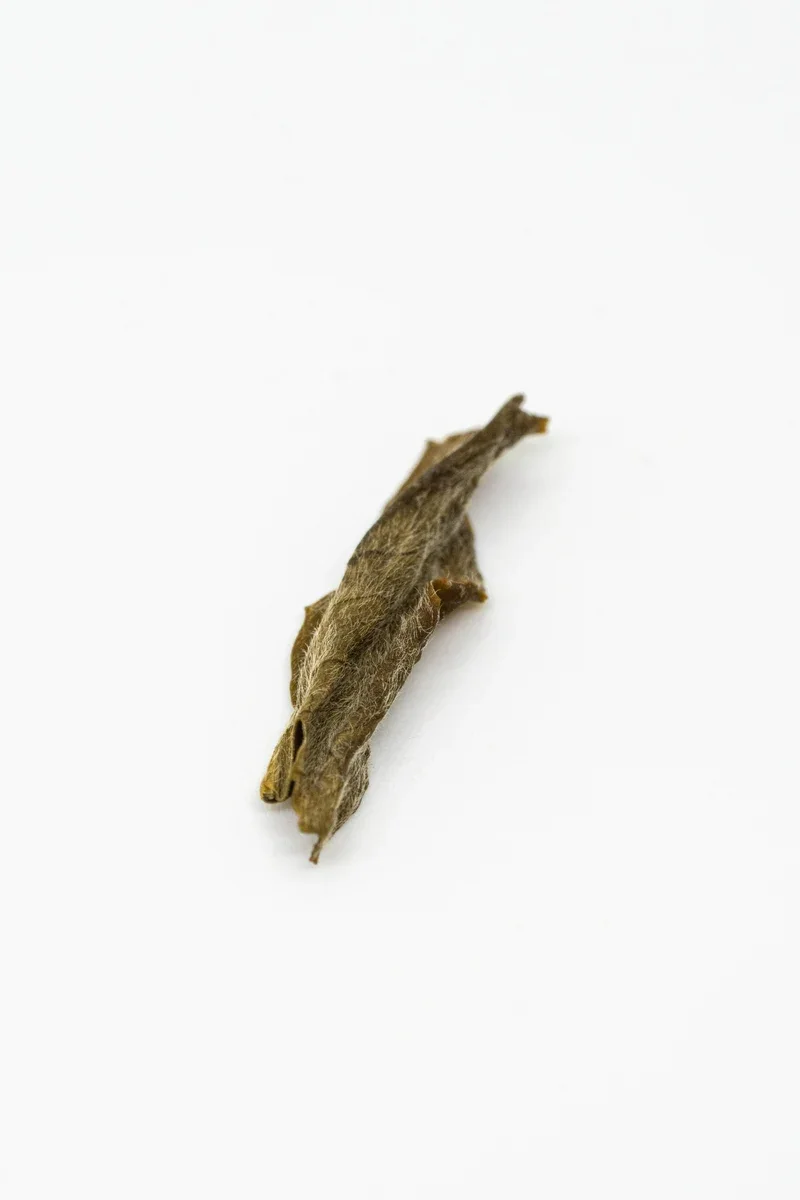
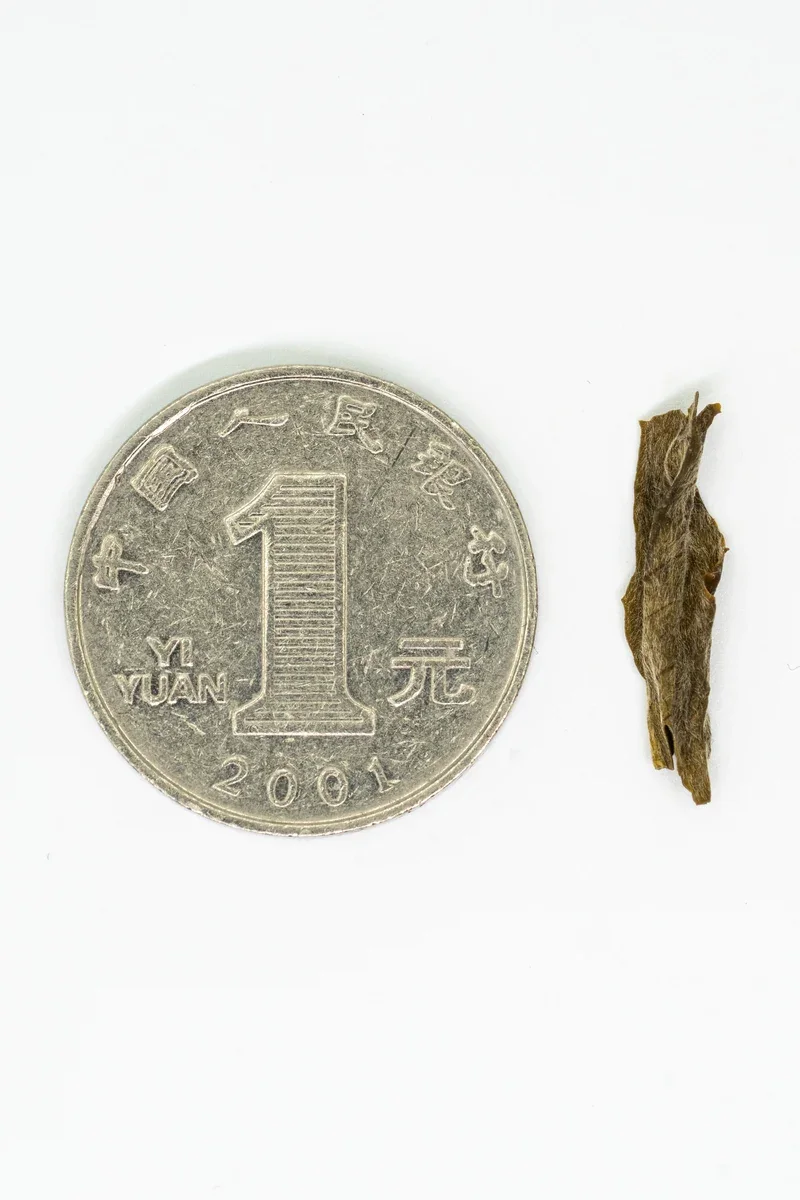
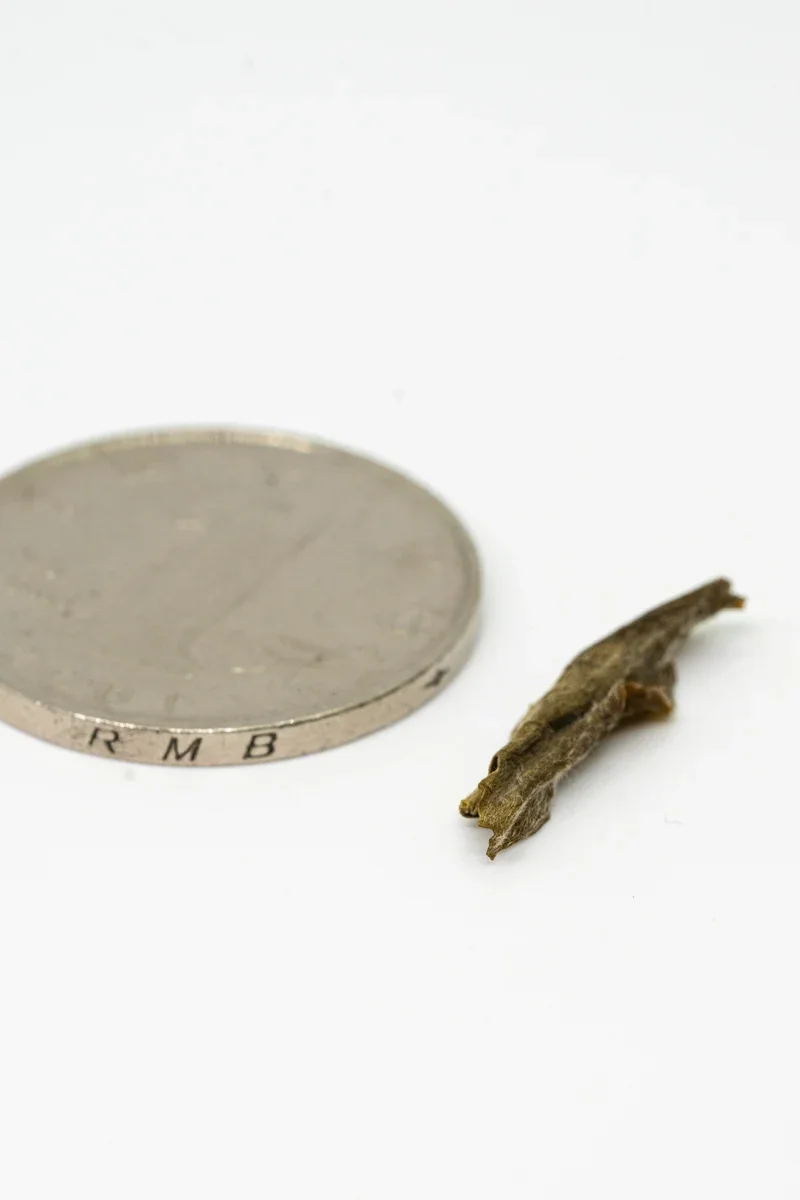
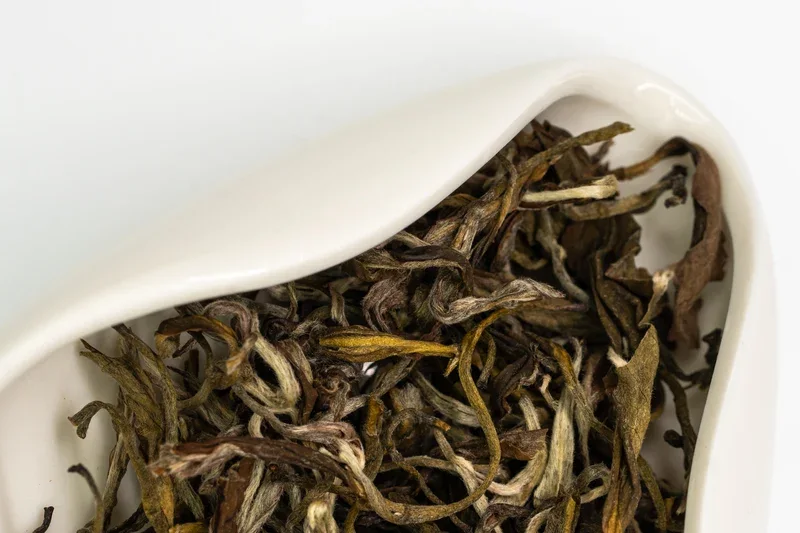
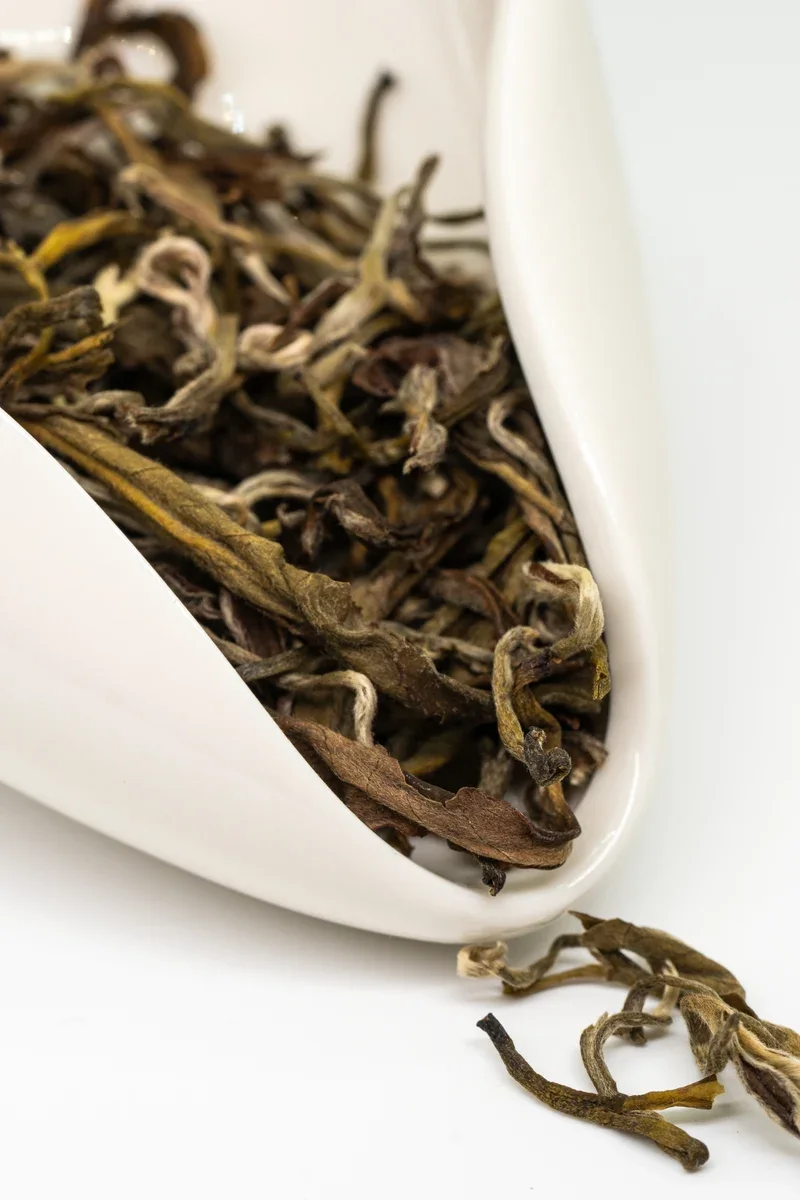
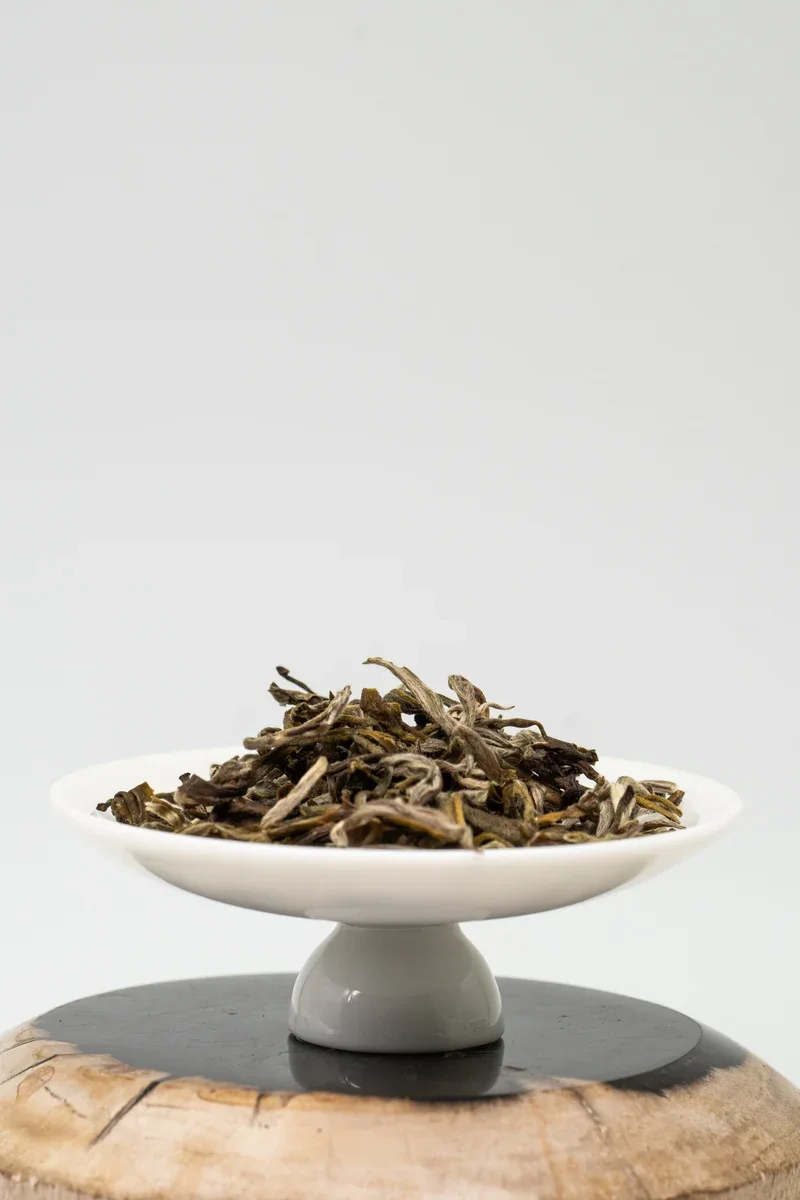
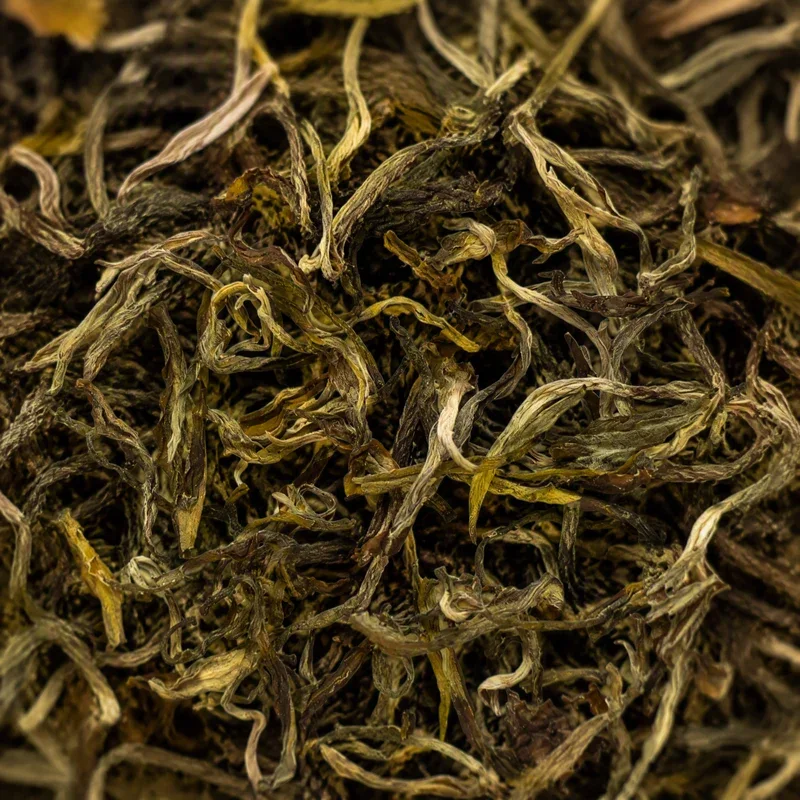
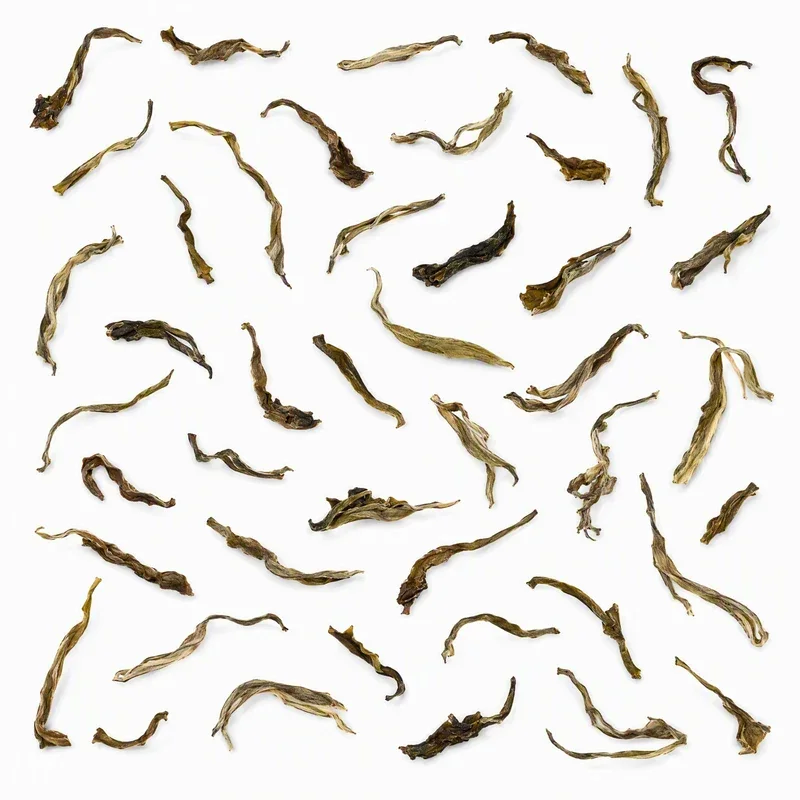
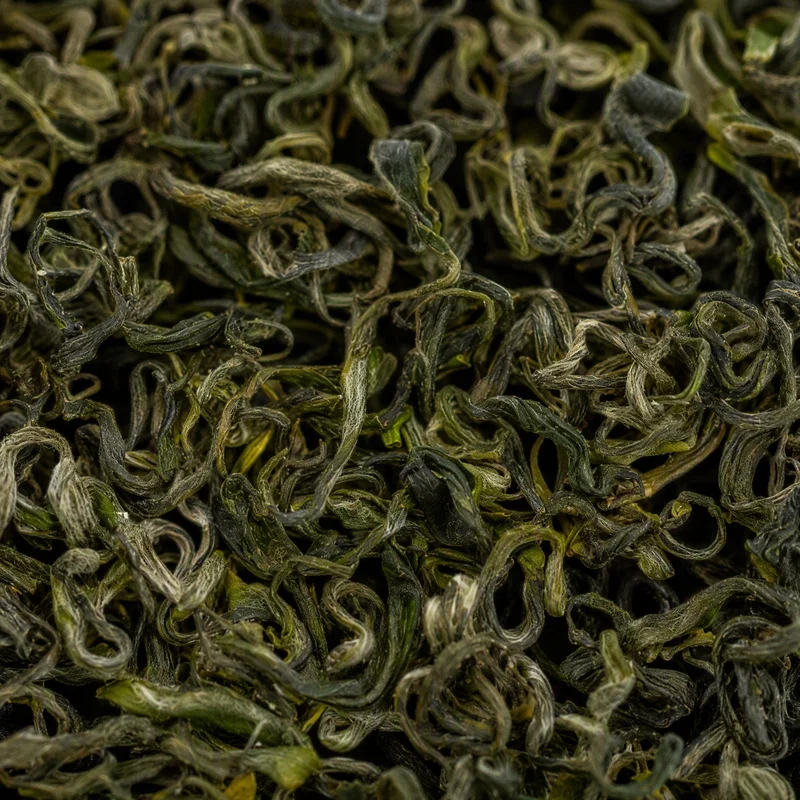
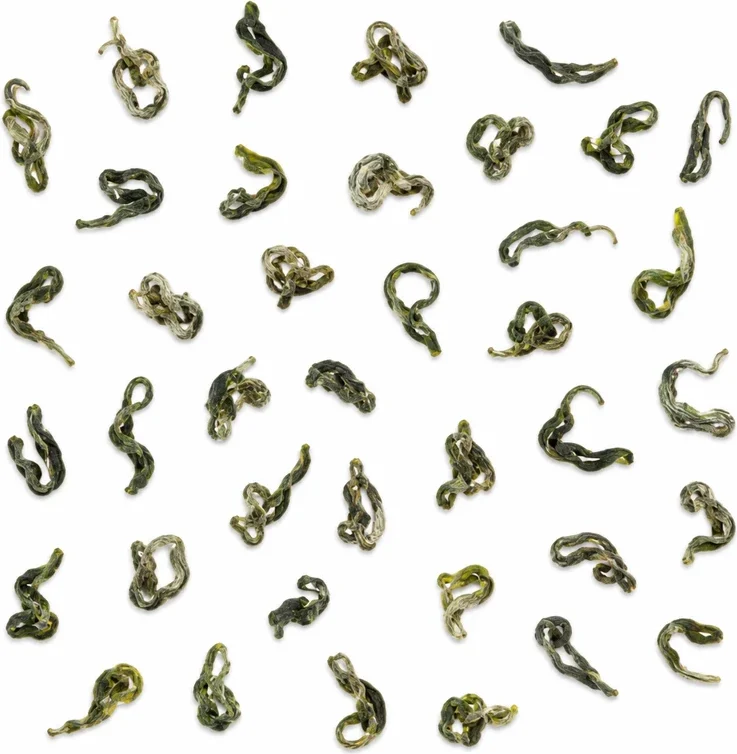
Dry Leaf Appearance: Tight, straight strips (条索紧细匀直), with abundant silvery-white down (白毫显露). Color — emerald green (翠绿).
Dry Leaf Aroma: Clean, high (清香), with delicate "young" note (嫩香) for premium grade and chestnut (栗香) for first grade. Cold cup retains aroma for more than 15 minutes.
Liquor Aroma: Clean, persistent, with pronounced freshness. Best batches — with light floral undertone.
Liquor Color: Turquoise-green, clear and transparent (碧绿清澈) for premium grade; yellow-green — for second grade.
Spent Leaves: Tender green, bright (嫩绿明亮), uniform. Shoots unfold in complete "bouquets" (匀整成朵).
Taste: Fresh (鲜爽), mellow (醇和, chúnhé), with moderate polyphenol content ensuring balance without excessive astringency. Returning sweetness (回甘) — persistent. Aftertaste — with "cool" note (高山冷韵, "high-mountain cold rhyme").
Amino Acids: ~3.9% — high indicator. Amino acids determine the characteristic "freshness" and "briskness" of Guilin Mao Jian.
0.146 μg/g — 7 times higher than average for ordinary green teas. Key marker of Yaoshan terroir.
Content 30% higher than in similar hongshao teas — according to researchers' claims, this enhances tooth enamel protection.
≥45%.
Moderate content.
Minerals: Se, Zn, K, Mg, F.
Polyphenols: ~23.4% (data for main cultivar Fuyun 6). Moderate indicator ensuring mellow taste.
Vitamins: Vitamin C, B-group vitamins.
Se 0.146 μg/g — significant additional Se source.
Polyphenols ~23% + organic Se — synergy of two antioxidant protection systems.
Increased fluorine content (+30% above norm) enhances enamel resistance to acid erosion.
Caffeine + L-theanine — gentle alertness.
Catechins normalize intestinal microflora.
Catechins promote blood sugar level control (water-extractable ≥45%).
Also from Guangxi, high-mountain. Guilin Mao Jian — more "downy," Se-enriched, from Yaoshan karst terroir.
Also from Guilin, historical tea from Mount Xishan. Guilin Mao Jian — modern artisanal, scientific approach to cultivar selection.
Henan. Classic "Mao Jian," rolled, downy. Guilin — similar category, but from subtropical karst.
Tea Amount: 3 g per 150 ml (1:50 ratio).
Teaware: Glass tumbler (for observing "tea dance") or white porcelain gaiwan (for aroma concentration).
Water Temperature: 80°C (cool boiling water ~2 minutes). Tender buds are sensitive to overheating.
Price Category: Middle and upper segment of Guangxi green teas. Premium grade (特级, manual harvest) — from 600 yuan per 500 g. First grade — 200–400 yuan. Second grade — mass market tea.
No reviews yet. Tell us what you think of this tea.
Rate this tea and share your impressions. We review each submission before publishing it.