Brewing
Gongfu brewing
- Water temperature
- 92 °C
- Tea amount
- 6 g
- Water volume
- 100 ml
- First steep
- 10 s
- Time added per infusion
- 5 s
- Infusions
- 8

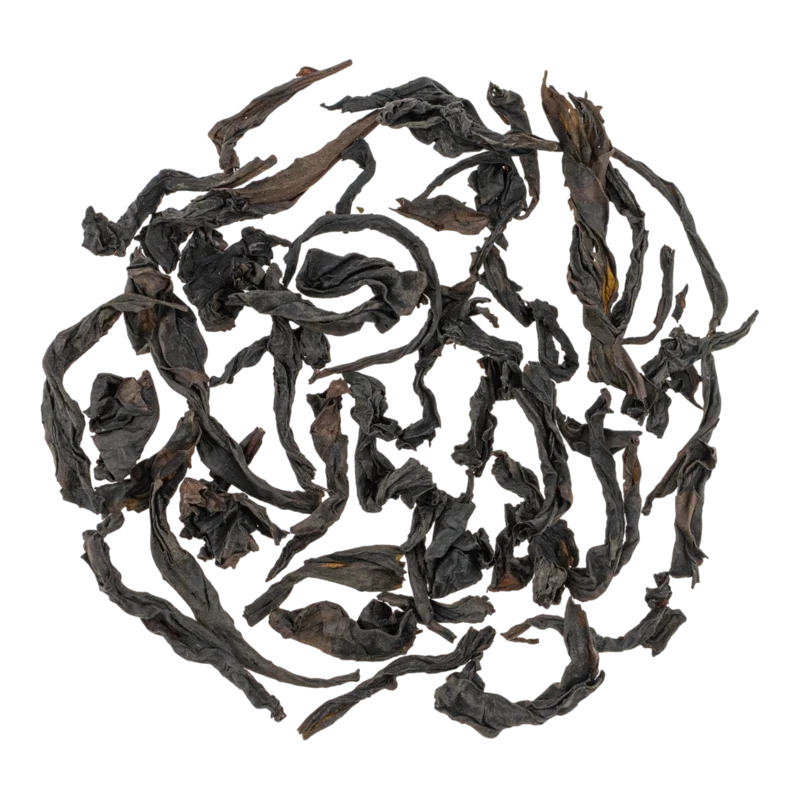
fó shǒu
Choose a brewing method. Start with the recommended quantities and time, then adjust to taste.
Brewing
Brewing
Taste
Tea encyclopedia
Category: Southern Fújiàn oolongs (闽南乌龙, Mǐnnán wūlóng). Among the renowned Fujian teas. Product with protected geographical indication (地理标志产品, 2006). National standard: GB/T 21824-2008.
Category: Southern Fújiàn oolongs (闽南乌龙, Mǐnnán wūlóng). Among the renowned Fujian teas. Product with protected geographical indication (地理标志产品, 2006). National standard: GB/T 21824-2008.
Ānxī County (安溪) — less pronounced citron profile; Wǔyí Mountains (武夷山) — cultivar used as yancha, with minerality and "岩韵" (rock rhyme).
Coordinates: ≈ 25.32° N, 118.29° E (central part of Yongchun County).
Origin: China, Fújiàn Province (福建), Yǒngchūn County (永春县), Quánzhōu Prefecture (泉州市). Main production townships: Sukeng (苏坑), Yudou (玉斗), Guìyáng (桂洋), Jindou (锦斗), Kengzikou (坑仔口).
Type: Oolong (semi-oxidized tea, oxidation level 20–60%). Produced in two main styles: qingxiang (清香型) — light, emphasizing freshness and florality; nongxiang (浓香型) — with deeper roasting, fuller body and caramel-nutty overtones.
Spring (April–May, ~40% of volume, most valuable), summer, summer-autumn, autumn.
Cultivar: Fóshǒu (佛手) — large-leaf bush-type Camellia sinensis var. sinensis. One of the most ancient oolong varieties. Leaves — extraordinarily large, oval, palm-sized, with thick fleshy blade, undulating surface and sparse serrations along the edge; main vein notably curved. The cultivar practically does not flower or fruit — propagated exclusively vegetatively (by cuttings and grafting).
Pluck Standard: Shoot with 4–5 unfolded leaves and dormant bud (驻芽); pick 2–3 upper leaves. Afternoon picking, processing by evening of the same day.
Climate: Humid subtropical monsoon. Average annual temperature 17–21°C, precipitation 1600–2100 mm/year, humidity ~77%. Significant diurnal temperature amplitude promotes accumulation of aromatic compounds.
Soil: Acidic mountain red soils (红壤), pH 4.5–6.5, high organic content, zinc and manganese.
400–900 m; optimal zone — 600–900 m (Sukeng, Yudou, Guiyang townships).
Topography: Yongchun County — slopes of Dàiyún Range (戴云山), hilly-mountainous terrain. On Shifengyan territory, 89 old tea trees over 300 years old are preserved.
Dry Leaf Aroma: Bright, sweet-fruity, with dominant citron note (香橼香). In finest examples — additional "pear" tone (雪梨香). In roasted versions — undertone of baked rice and caramel.
Liquor Aroma: Deep, multi-layered. First infusions — citron freshness; later — warm fruity-honey tones. Top grades demonstrate pure "佛手韵."
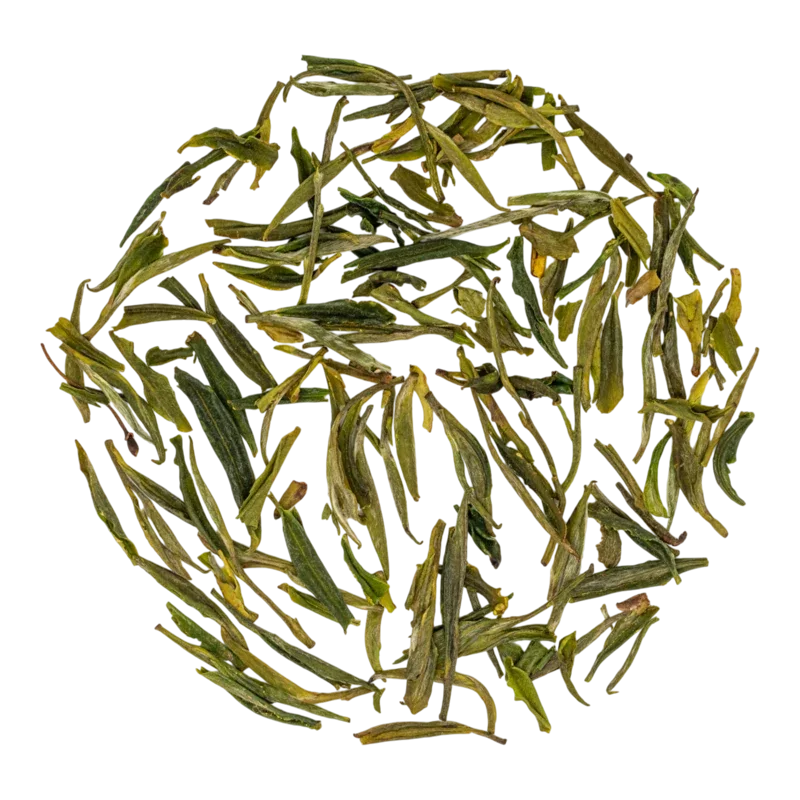
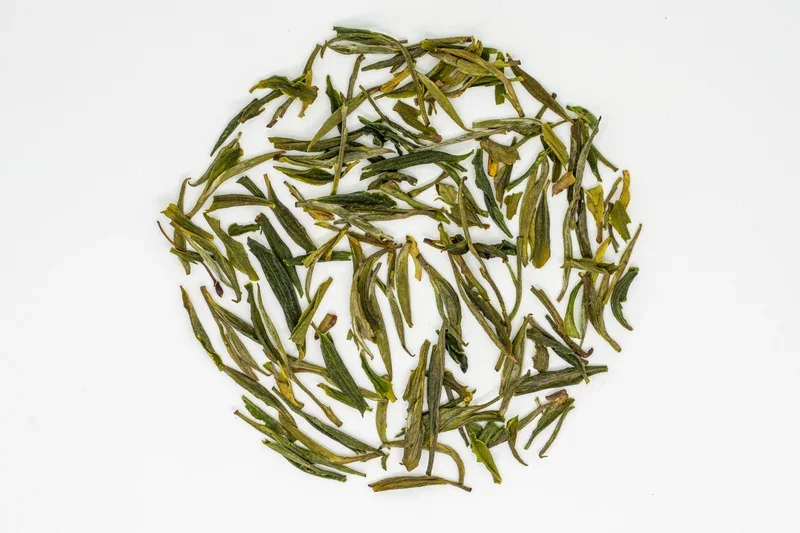
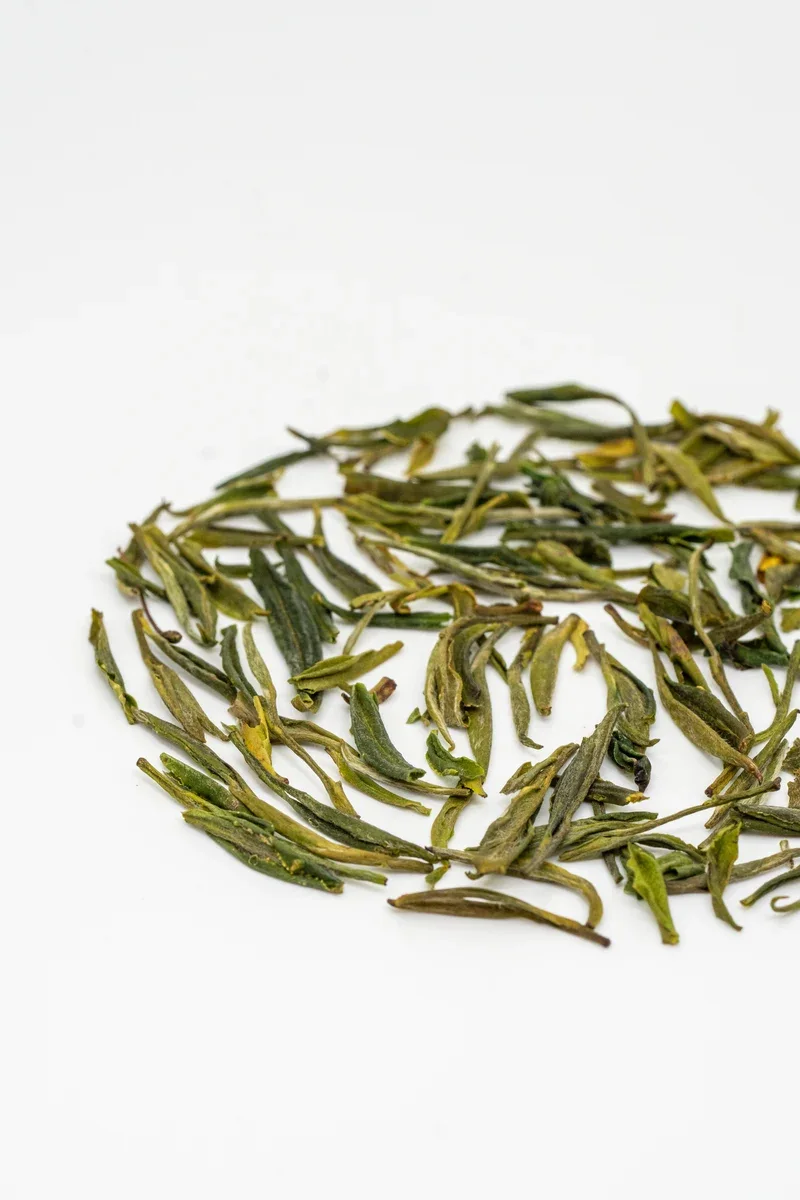
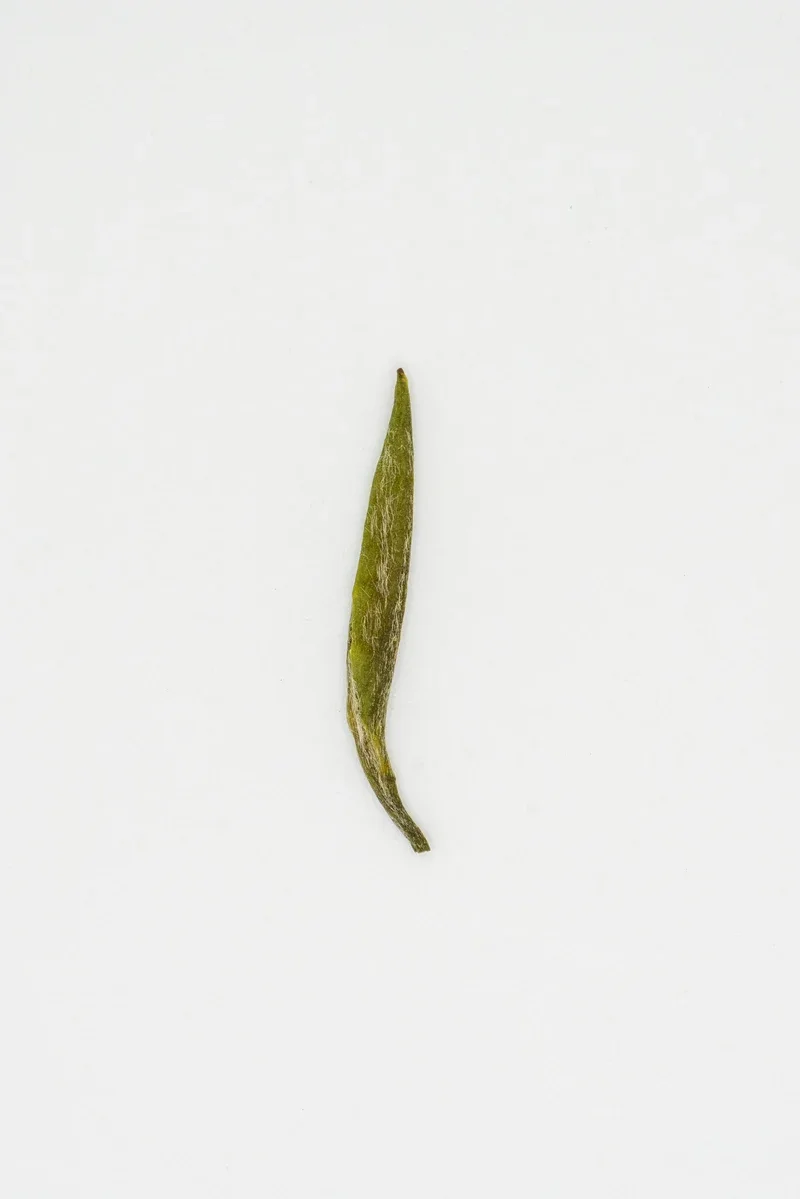
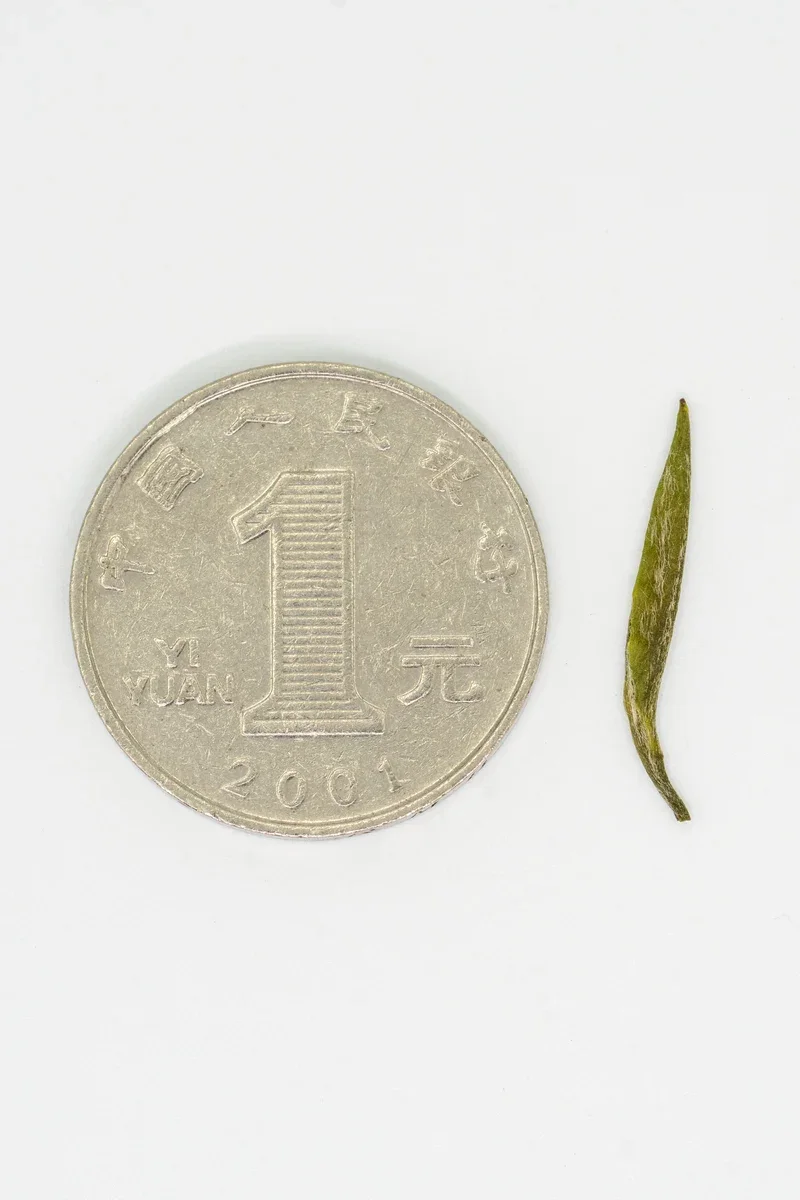
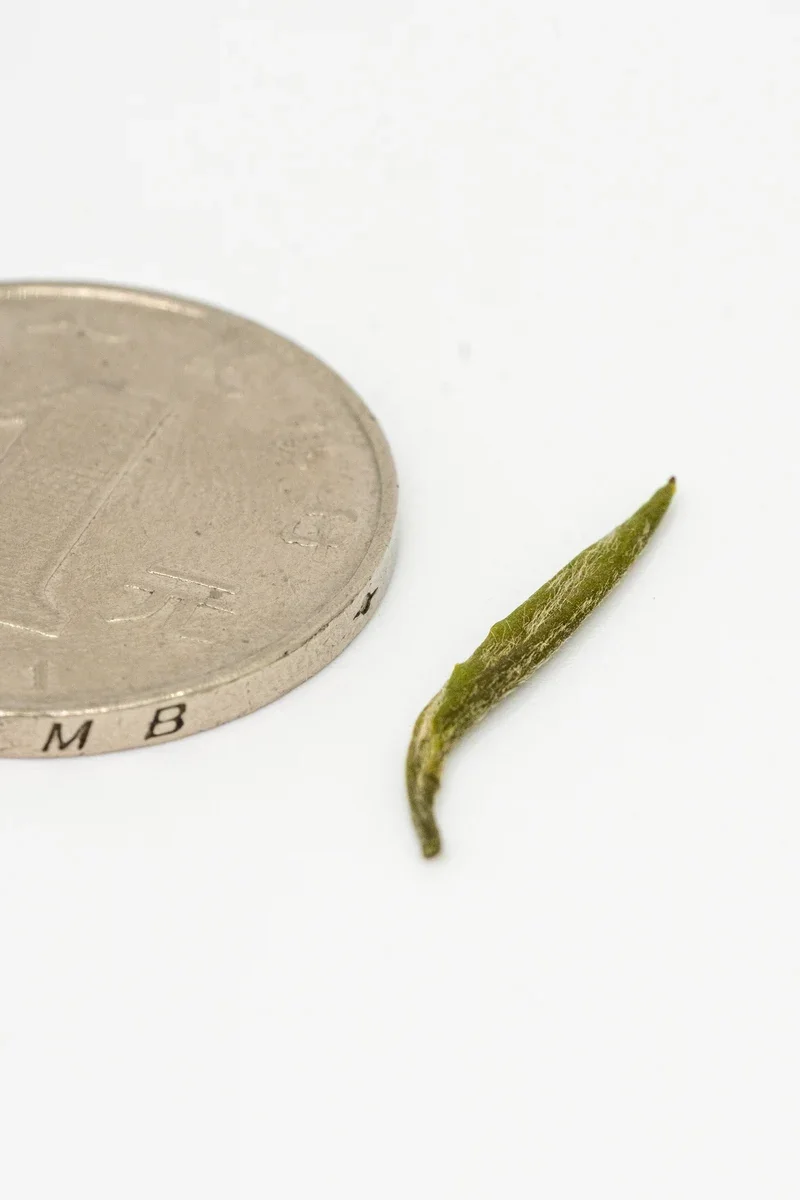
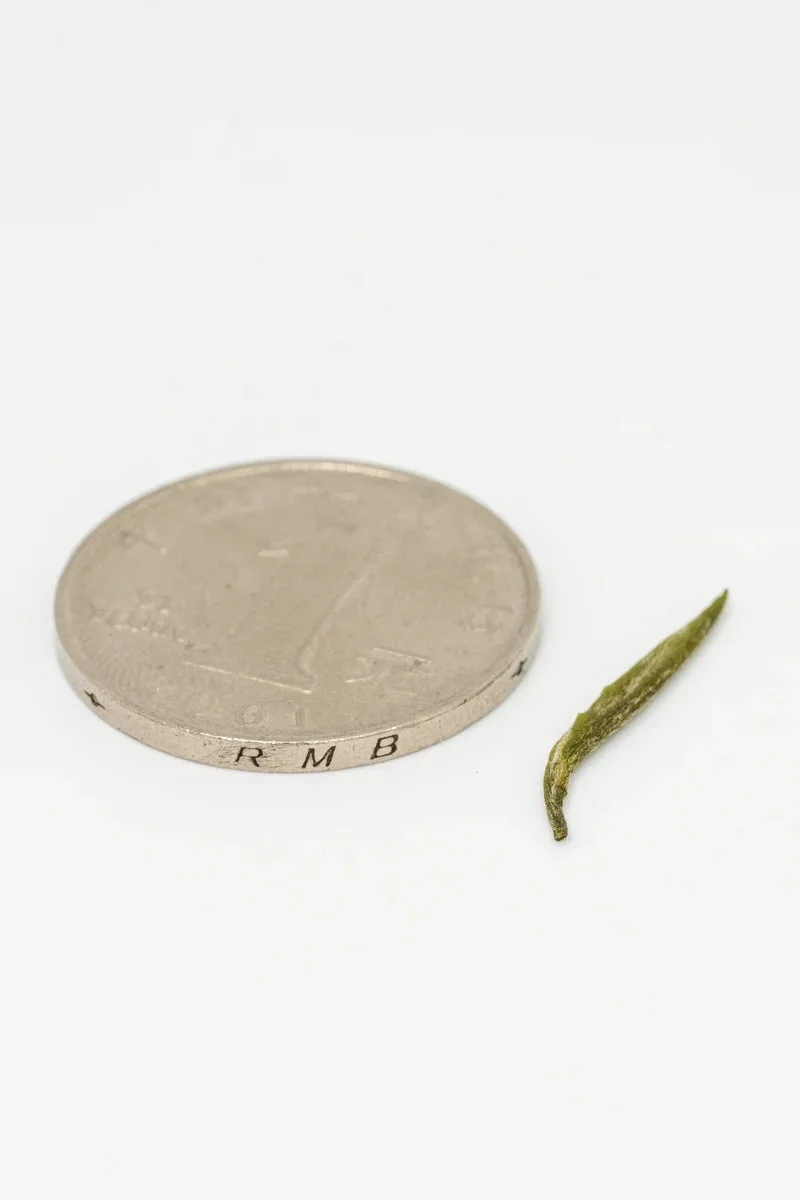
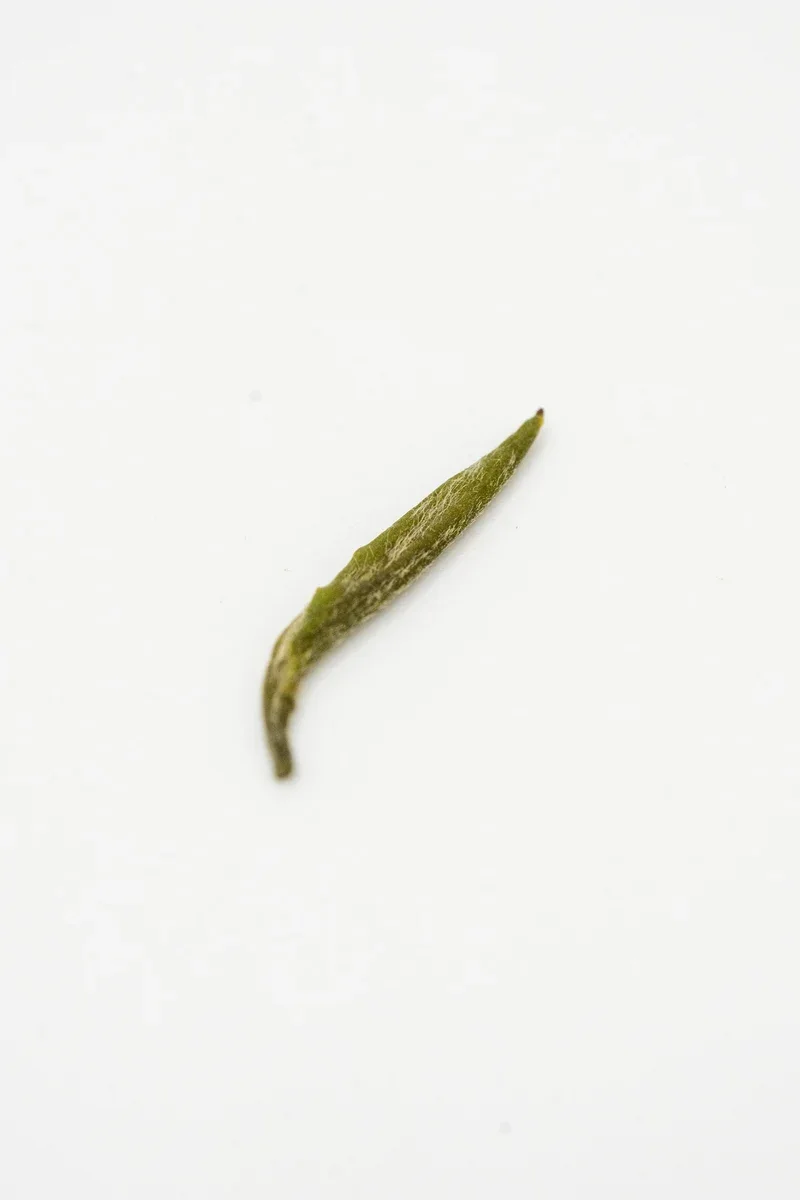
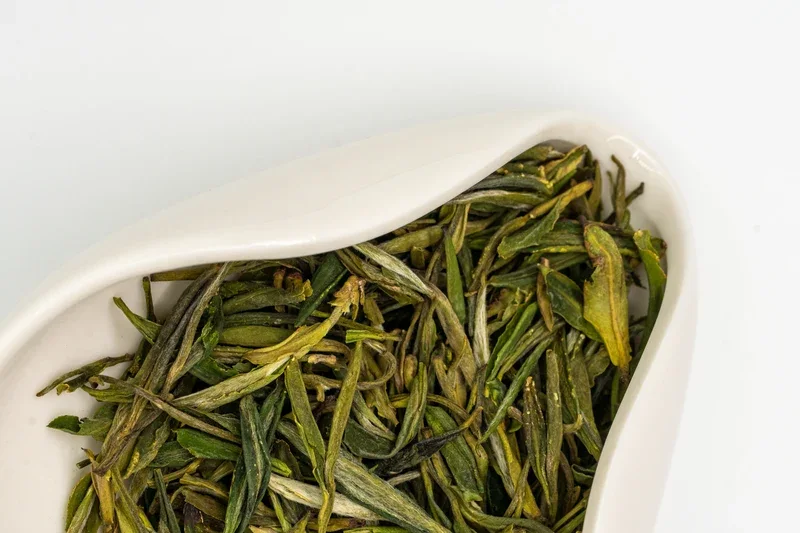
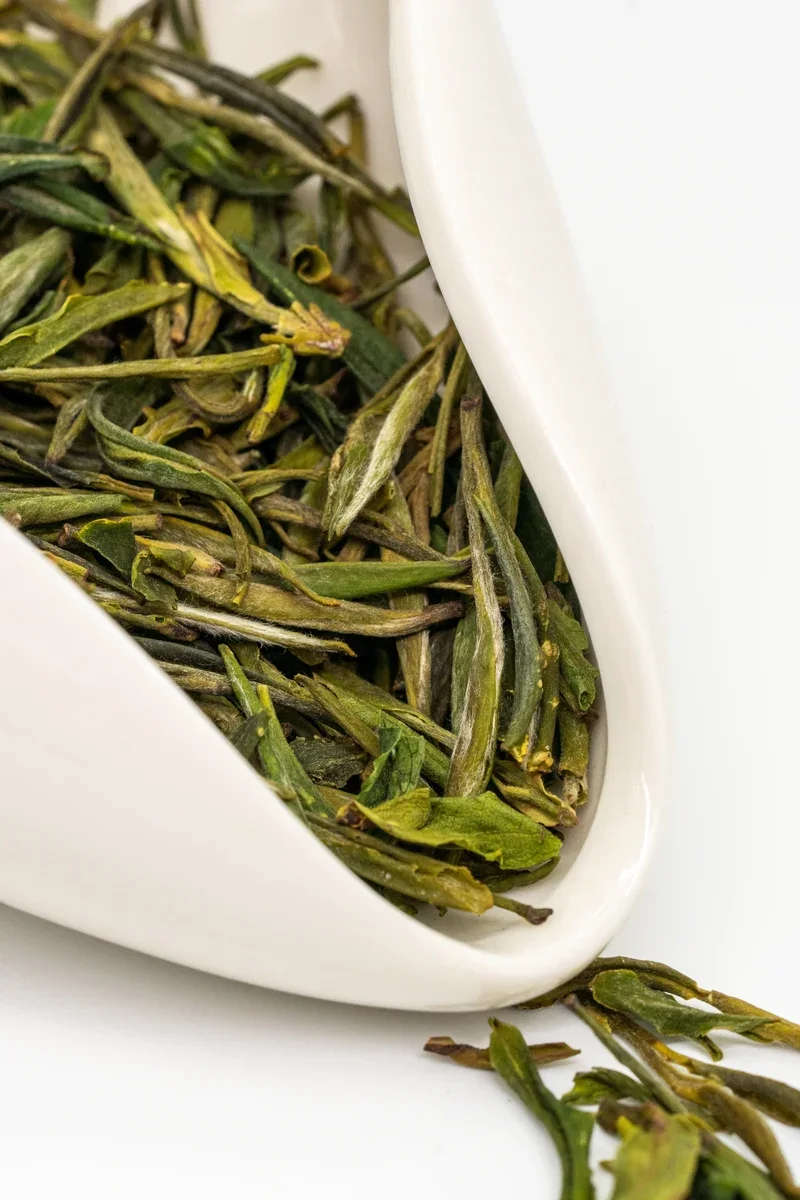
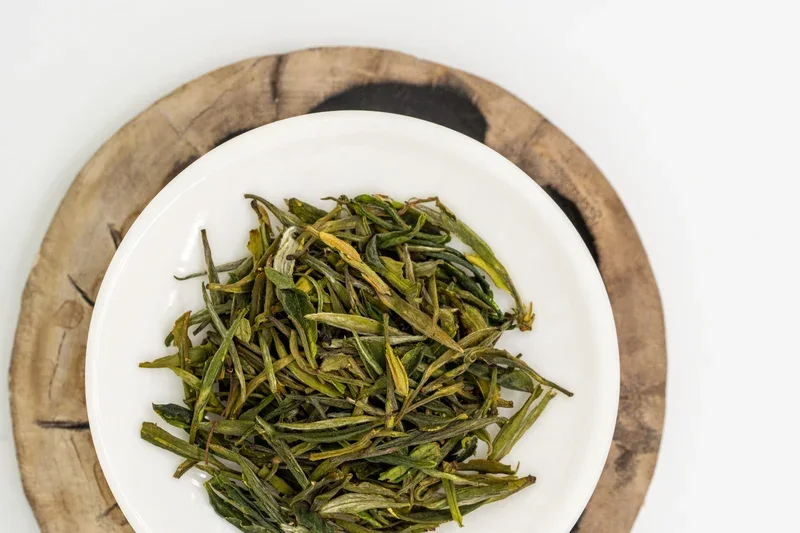
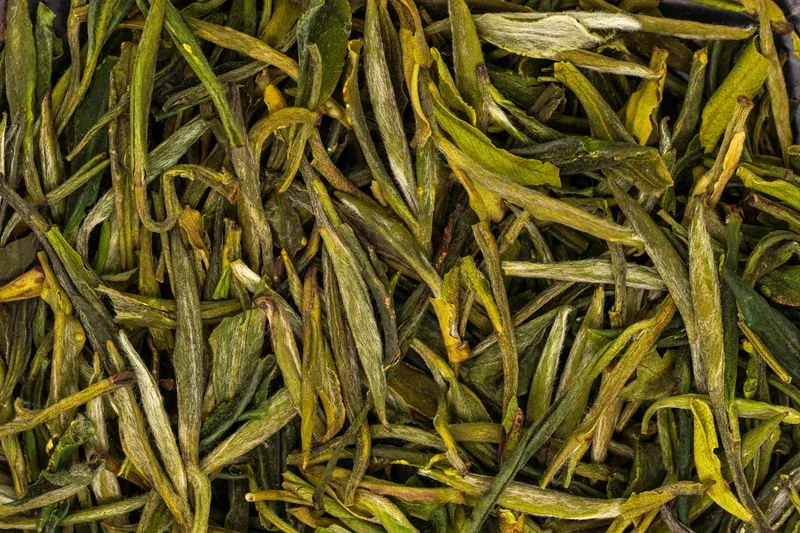
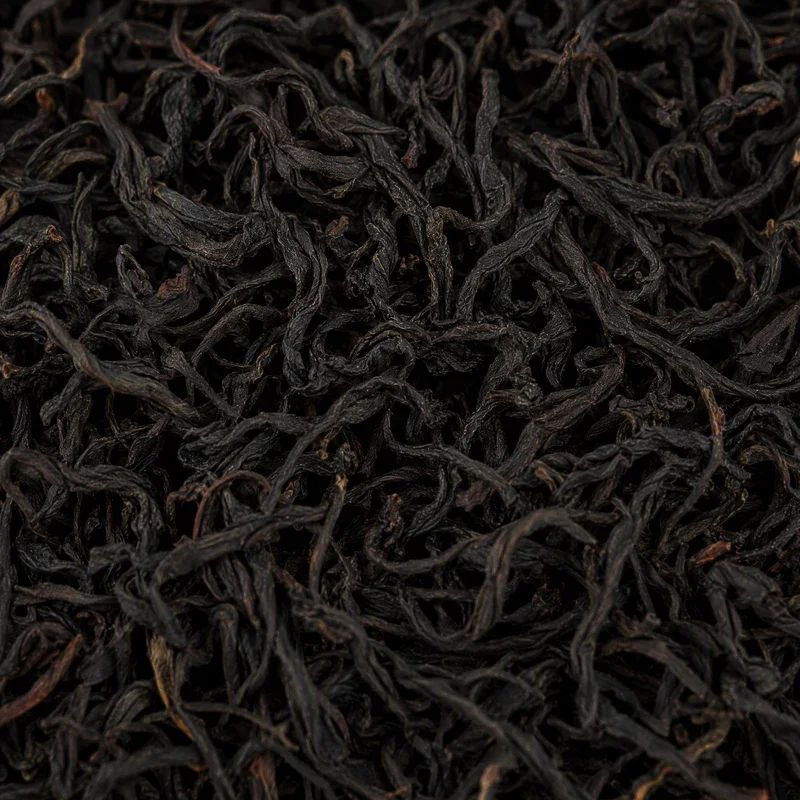
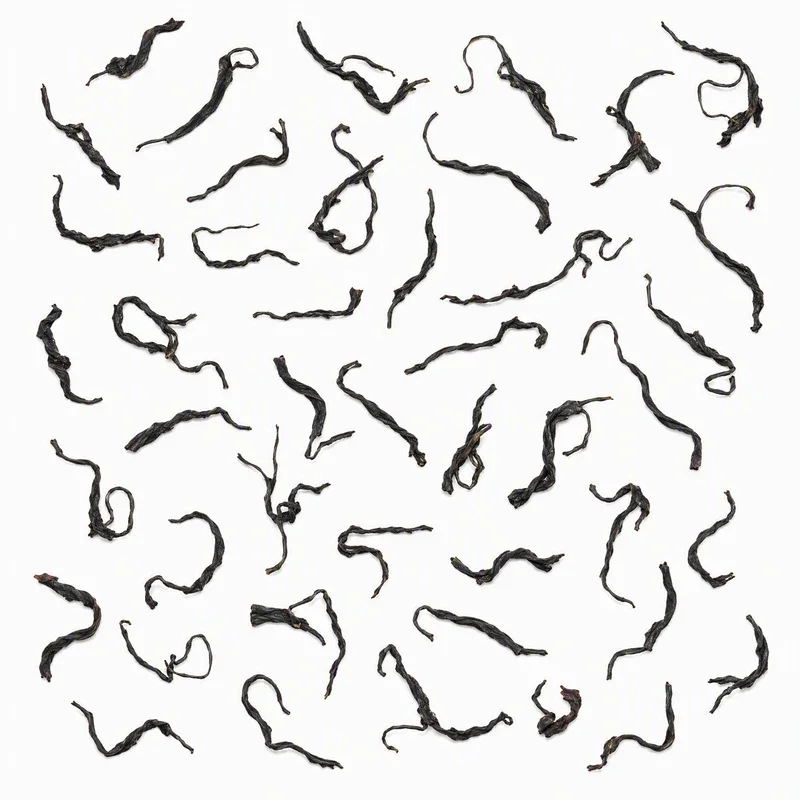
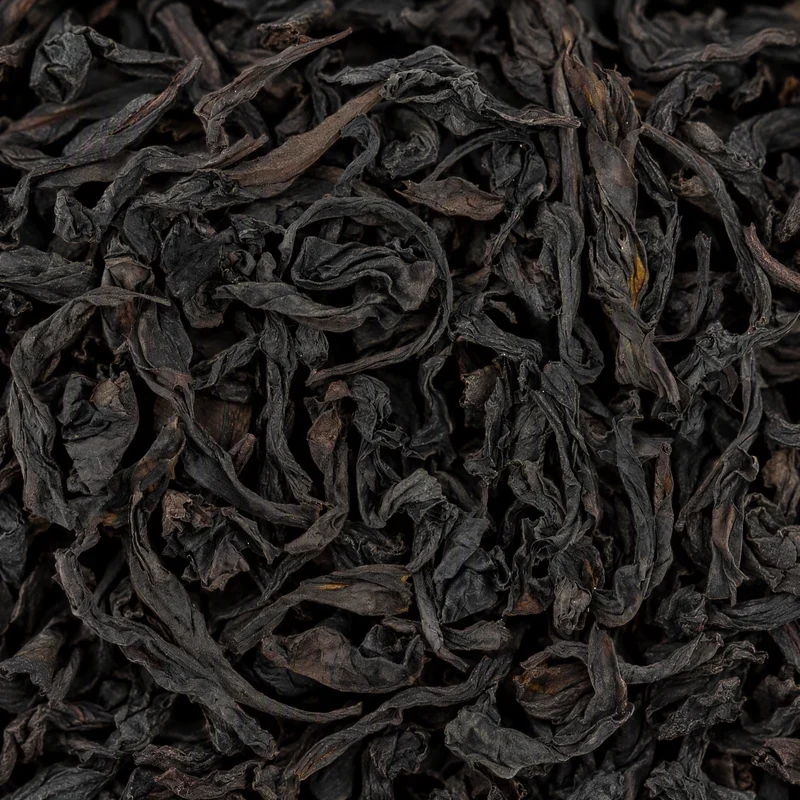
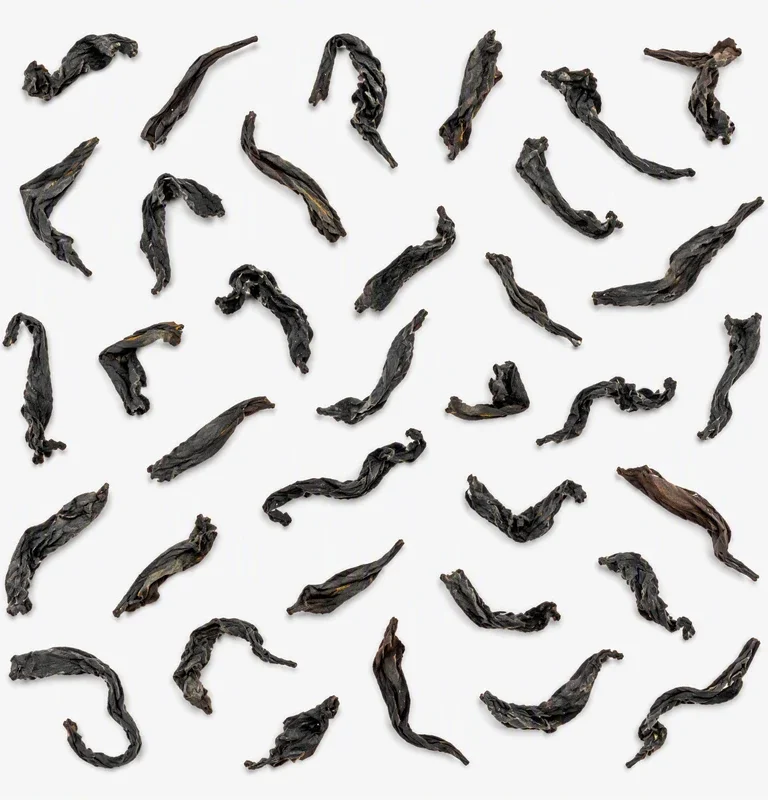
Tight, heavy granules or short "cords" resembling dried oysters (海蛎干状). Color — dark olive with sandy-green sheen and gloss. Noticeably larger than Tieguanyin.
Golden-yellow to orange-amber, clear, oily.
Spent Leaves: Large, thick, soft leaves of yellow-green color with distinct red edge, significantly larger than other oolong cultivars.
Taste: Full-bodied, oily, with pronounced sweetness and prolonged returning sweetness (回甘). Notes: citron, ripe pear, honey, caramel (in roasted versions). Body — thick, "heavier" than Tieguanyin.
Alkaloids: Caffeine ~2.4%.
Amino Acids: L-theanine; total protein ~25%.
12 mg/g — record among all oolongs.
Water-soluble substances ~46% — explains density and richness of liquor.
Essential Oils: Terpenoids forming citron aroma; one of the highest contents among Southern Fujian oolongs.
Minerals: Zinc — 57 μg/g (highest among oolongs); potassium, magnesium, manganese, fluorine.
Polyphenols: Tannins ~21% of dry mass. High polyphenol oxidase activity.
Vitamins: A, B group, C.
Record flavonoid content (12 mg/g).
Caffeine + L-theanine — "calm mental clarity."
In Yongchun folk medicine — remedy for intestinal disorders. Studies by Fujian Institute of Traditional Chinese Medicine (2003) confirm positive effects on intestinal mucosa.
57 μg/g — record among oolongs; important for immunity, skin, reproductive system.
High fluorine content — enamel strengthening, caries prevention.
Flavonoids and polyphenols promote vascular elasticity.
Roasted versions warm well in cold weather.
95–100°C (nongxiang — full boiling water; qingxiang — 90–95°C).
Evaluate lid aroma (盖香) — it best reveals Fo Shou's varietal character.
Tea Amount: 7–8 g per 100–120 ml (gongfu); 3–4 g per 200–250 ml (daily).
Teaware: White porcelain gaiwan (optimal for evaluating lid aroma). For roasted versions — Yixing teapot.
Tight round granules, sandy-green luster. Brightest citron aroma. Liquor — golden-yellow, clear.
Dense twist, black-green luster. Rich aroma. Liquor — orange-yellow.
Moderate density, clean aroma. Liquor — light yellow.
Somewhat coarse granules, even aroma without depth.
Standard. Most pronounced citron aroma, fruity density, oily body. Protected geographical indication.
Less pronounced citron profile; may differ in oxidation degree. More accessible.
Yancha style with charcoal roasting. Mineral, "rocky" character with "岩韵" (rock rhyme). Radically different from Yongchun.
No reviews yet. Tell us what you think of this tea.
Rate this tea and share your impressions. We review each submission before publishing it.