Brewing
Gongfu brewing
- Water temperature
- 92 °C
- Tea amount
- 6 g
- Water volume
- 100 ml
- First steep
- 10 s
- Time added per infusion
- 5 s
- Infusions
- 8

cuìyù wūlóng
Choose a brewing method. Start with the recommended quantities and time, then adjust to taste.
Brewing
Brewing
Taste
Tea encyclopedia
Category: Taiwanese light oolong of new breeding. Taicha No. 13 (臺茶13號).
Category: Taiwanese light oolong of new breeding. Taicha No. 13 (臺茶13號).
Coordinates: Mingjian, Nantou — approximately 23°52′ N, 120°40′ E. Elevation of main plantations — from 300 to 600 m a.s.l.; individual plantings in the Alishan area reach 1,400 m.
Origin: Táiwān (臺灣, Táiwān). The cultivar was developed by the Taiwan Tea Research and Extension Station (茶及飲料作物改良場, formerly — 臺灣省茶業改良場, Táiwān Shěng Cháyè Gǎiliáng Chǎng, TRES) in Táoyuán City (桃園, Táoyuán). Main regions of commercial production: Nántóu County (南投縣, Nántóu Xiàn) — primarily Míngjiān Township (名間鄉, Míngjiān Xiāng) and Sōngbǎilǐng area (松柏嶺, Sōngbǎilǐng); also Chiayi County (嘉義縣, Jiāyì Xiàn) — Ālǐshān area (阿里山, Ālǐshān); New Taipei (新北市, Xīnběi Shì) — Pínglín area (坪林, Pínglín); Yílán County (宜蘭縣, Yílán Xiàn); Taitung County (臺東縣, Táidōng Xiàn).
Type: Oolong (semi-oxidized tea, qing cha / 青茶, Qīngchá). Oxidation level — approximately 15–20%, which places it in the category of light (lightly oxidized) oolongs.
Direct purchase from TRES-certified farms in Nantou County (Mingjian, Songbailing), Chiayi County (Alishan), New Taipei (Pinglin). Recommended cooperatives: Mingjian Farmers' Association (名間鄉農會), Sōngbǎilǐng Tea Production Cooperative (松柏嶺茶葉生產合作社).
Stores with direct relationships with Taiwanese producers and regular quality testing. Preference for shops providing detailed information about harvest season, processing method, and origin.
Taiwanese tea platforms with international shipping: Taiwan Tea Crafts, Floating Leaves Tea, Mountain Tea. International platforms: Mei Leaf, What-Cha, Yunnan Sourcing (Taiwan section).
Presence of SGS pesticide testing certificates, competition awards from Taiwanese tea associations, detailed origin information (specific township, elevation, harvest season), vacuum packaging with production date.
Suspiciously low prices (below $30/kg) usually indicate low quality or counterfeit. Optimal price-quality ratio — $40–80/kg for standard quality, $80–150/kg for high-mountain or competition-grade tea.
Cultural Significance: Jade Oolong together with its "brother" Jīn Xuān (金萱) symbolizes the beginning of a new era in Taiwanese tea cultivation — the era of scientific breeding. Until 1981, the overwhelming majority of Taiwanese oolongs were produced from the traditional Qīngxīn Oolong (青心烏龍, Qīngxīn Wūlóng) cultivar, brought from Fujian. The appearance of high-yielding and disease-resistant varieties Cui Yu and Jin Xuan made quality oolong accessible to a wide range of consumers, not just connoisseurs of elite high-mountain teas. The commercial success of these cultivars contributed to the popularization of Taiwanese teas in the world market and became a model for further breeding programs (Taicha No. 17 "Yinxiang," Taicha No. 19 "Biyu," Taicha No. 20 "Yinhong," etc.).
History: The emergence of Jade Oolong is inseparably linked with the name of Wǔ Zhènduó (吳振鐸, Wú Zhènduo, 1918–2000) — an outstanding Taiwanese tea scientist, awarded the unofficial title "father of post-war Taiwanese tea" (戰後臺茶之父). A native of Fu'an County (福安) in Fujian Province, graduate of Fújiàn Higher Tea School and student of Zhāng Tiānfú (張天福), he arrived in Taiwan in 1947 and from 1968 headed the reorganized Taiwan Tea Research and Extension Station (TRES), becoming its first director.
Shrub type (灌木型), upright habit (直立型). Small-leaf variety (小葉種). Leaves of broad-elliptical shape, 6–8 cm long, 3–4 cm wide, with pronounced central vein. Young shoots — light green with slight purple tinge; mature leaves — dark green with pronounced gloss. Pubescence (茸毛) — medium. Crown relatively sparse, which distinguishes Cui Yu from the more densely leafed Jin Xuan. According to TRES data, Cui Yu yield is approximately 20% higher than traditional cultivars Qīngxīn Oolong and Qīngxīn Dàmǎo (青心大冇), though somewhat lower than Jin Xuan.
Cultivar: Cuì Yù (翠玉, Cuìyù), Taicha No. 13, working code — Tainong 2029 (臺農2029號). Hybrid of Camellia sinensis var. sinensis, obtained through artificial crossing: paternal line (花粉, pollen) — Tainong No. 80 (臺農80號, Hankow line / 漢口系), maternal line (花蕊, pistil) — Yìngzhī Hóngxīn (硬枝紅心, Yìngzhī Hóngxīn — "Hard Branch Red Heart"), an old Taiwanese cultivar traditionally used for producing Tieguanyin and medium-oxidation oolongs.
Picking: Medium-ripening variety (中生種): beginning of spring harvest — first decade of April (one week later than early-ripening varieties such as Sijichun / 四季春, and simultaneously with Jin Xuan). Main harvest seasons — spring (April–May) and autumn (October–November). Harvest standard — flush: bud and two–three upper leaves (一芽二三葉). Thanks to upright habit, both manual and machine harvesting are possible; mechanized harvesting predominates on the flatland plantations of Mingjian.
Raw Material: Healthy, undamaged leaves corresponding to harvest standard. Spring harvest is valued higher than autumn due to higher amino acid content and more delicate aroma.
Altitude: Main plantations — 300–600 m a.s.l. Individual high-mountain plantings — up to 1,400 m (Zhangshuhu area / 樟樹湖 in Alishan).
Climate: Subtropical monsoon. Average annual temperature — approximately +21°C. Annual precipitation — approximately 2,000 mm. High air humidity. Frequent morning fogs are characteristic, diffusing direct sunlight and promoting amino acid accumulation in leaves, which softens the tea's taste.
Soil: Red ferrallitic soils (紅壤), rich in iron and aluminum oxides, with acidic reaction (pH 4.5–5.5), providing good drainage and moderate mineral nutrition.
Míngjiān (名間鄉) and Sōngbǎilǐng (松柏嶺), Nántóu County (南投縣) — the largest tea region of central Taiwan, providing a significant share of commercial Cui Yu production. This is where numerous specialized oolong processing factories (茶葉精緻代工廠) are located.
Pínglín (坪林) in New Taipei — traditional region of Wénshān Bāozhǒng (文山包種); Yílán (宜蘭), Taitung (臺東), Ālǐshān area (阿里山) in Chiayi County — high-mountain plantings up to 1,400 m.
Modern methods are applied: drip irrigation, inter-row planting of leguminous crops for natural soil nitrogen enrichment (green manuring), shading of bushes before harvest to increase L-theanine content. The share of organic production is growing thanks to government programs supporting ecological farming and mandatory testing for pesticide residues (SGS 470-component test).
Freshly picked leaves are spread in a thin layer on bamboo trays under direct or diffused sunlight for 20–40 minutes to begin moisture evaporation and start enzymatic processes. Leaves lose their initial turgor and acquire softness.
Leaves are transferred to a ventilated room where they are periodically tossed by hand or in bamboo drums. Tossing (搖青, Yáoqīng) damages cell walls at leaf edges, ensuring contact between polyphenol oxidase and polyphenols and starting oxidation. The process is repeated 3 to 5 times with increasing rest intervals, total duration — 6–10 hours. At this stage, the characteristic bright floral aroma (品種香) of Cui Yu is formed.
When the oxidation level reaches 15–20% (leaf edges acquire reddish tinge while the center remains green), the process is stopped by rapid heating in a drum roaster at approximately 250–300°C for 5–7 minutes. Enzyme inactivation fixes the achieved fermentation level and preserves the green color of the leaf.
Leaves are repeatedly rolled in cloth bags (布球揉捻, Bùqiú Róuniǎn — "shaping in cloth ball"), alternating rolling with brief drying. This process is repeated up to 15–20 times and gives the tea its characteristic form of dense semi-spherical granules. Rolling also destroys cellular membranes, enhancing extractability during brewing.
Final drying is conducted in several stages at gradually decreasing temperature (from 100–110°C to 70–80°C) to remove residual moisture to 3–5% level and fix shape and aroma.
Removal of stems and broken leaves, sorting of finished tea by size and quality using optical sorting machines and manual selection.
Standard Jade Oolong is released in "light" (清香型, Qīngxiāng xíng) style without additional roasting. However, part of the production undergoes light or medium roasting (中培火) to impart nutty and caramel notes.
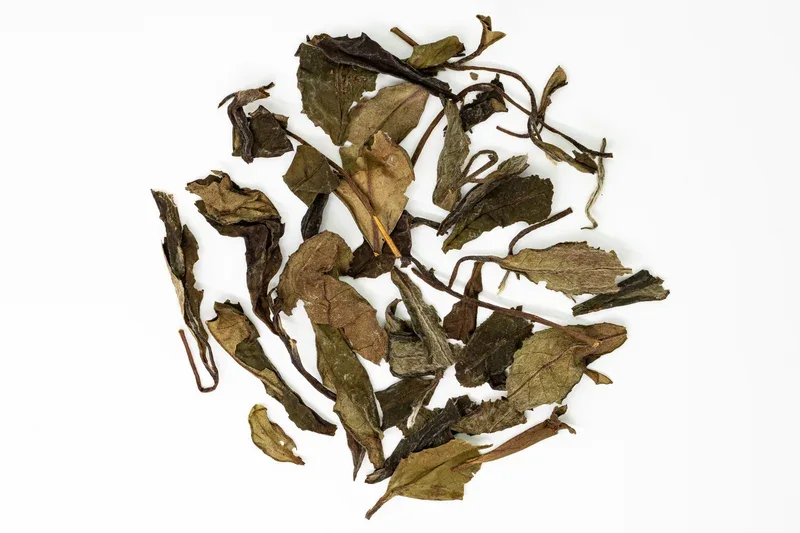
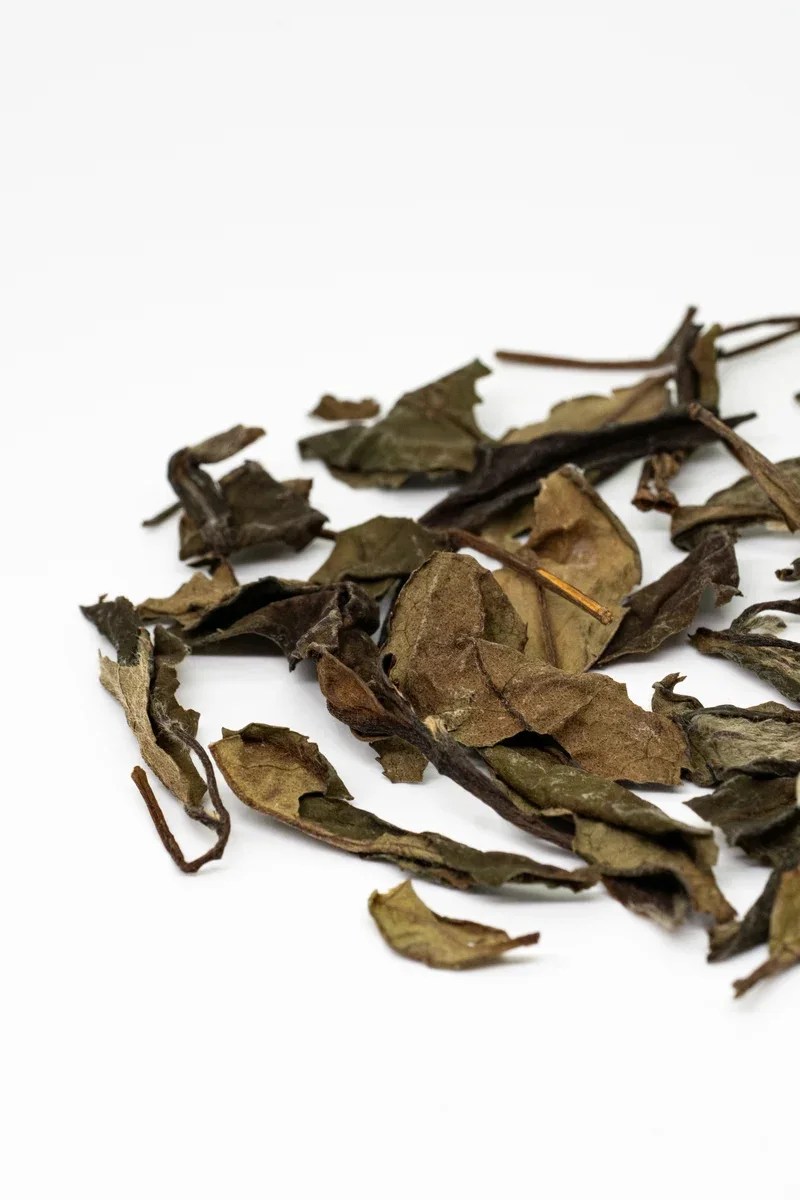
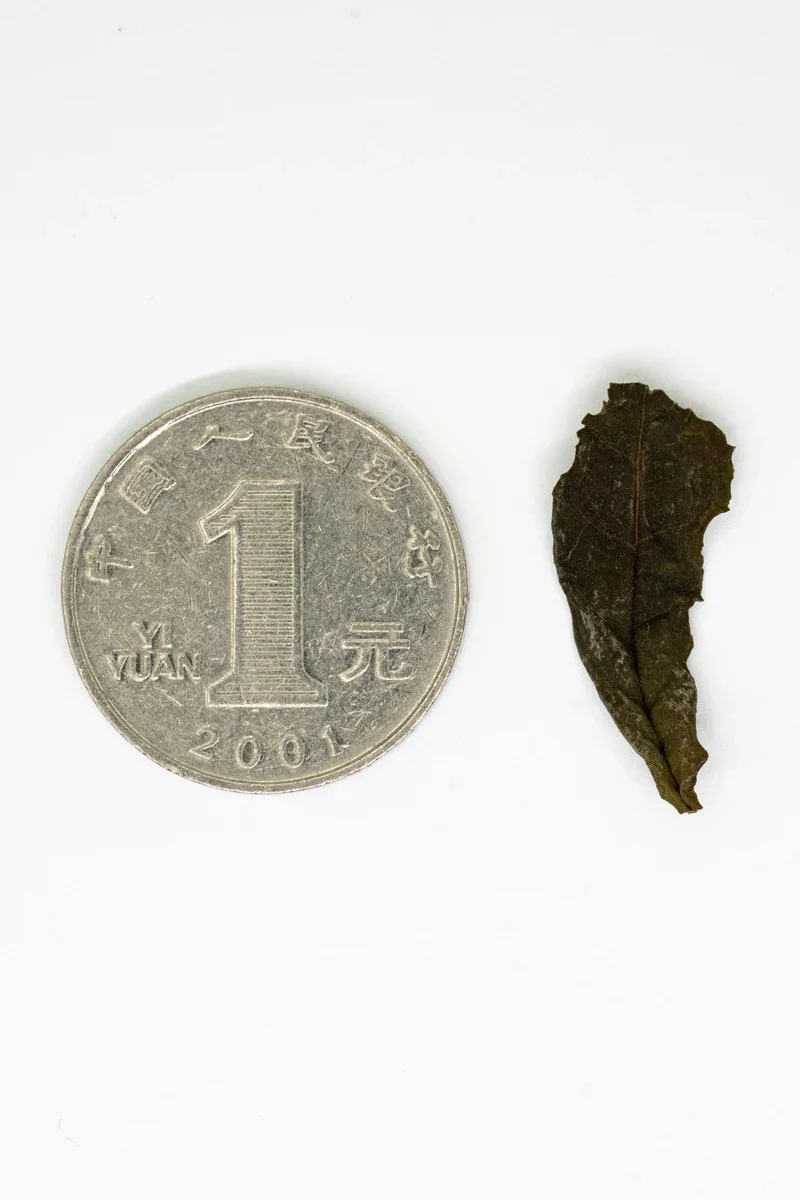
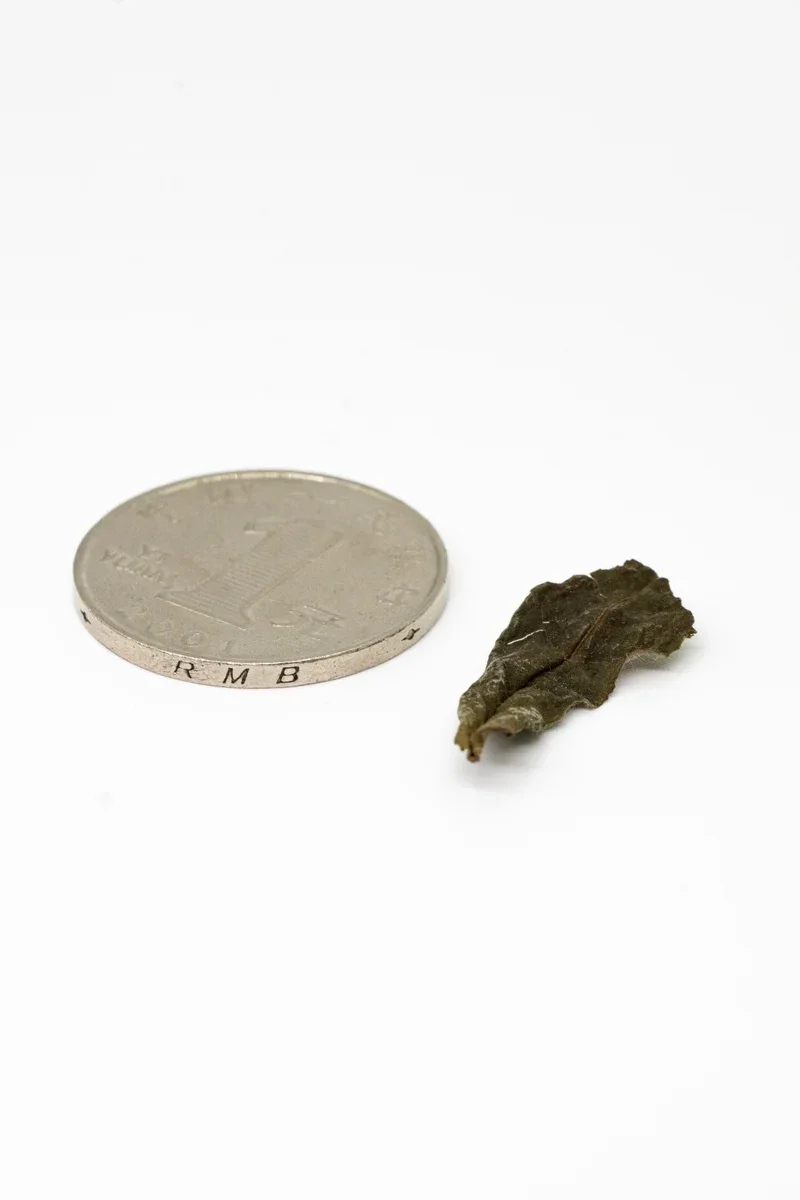
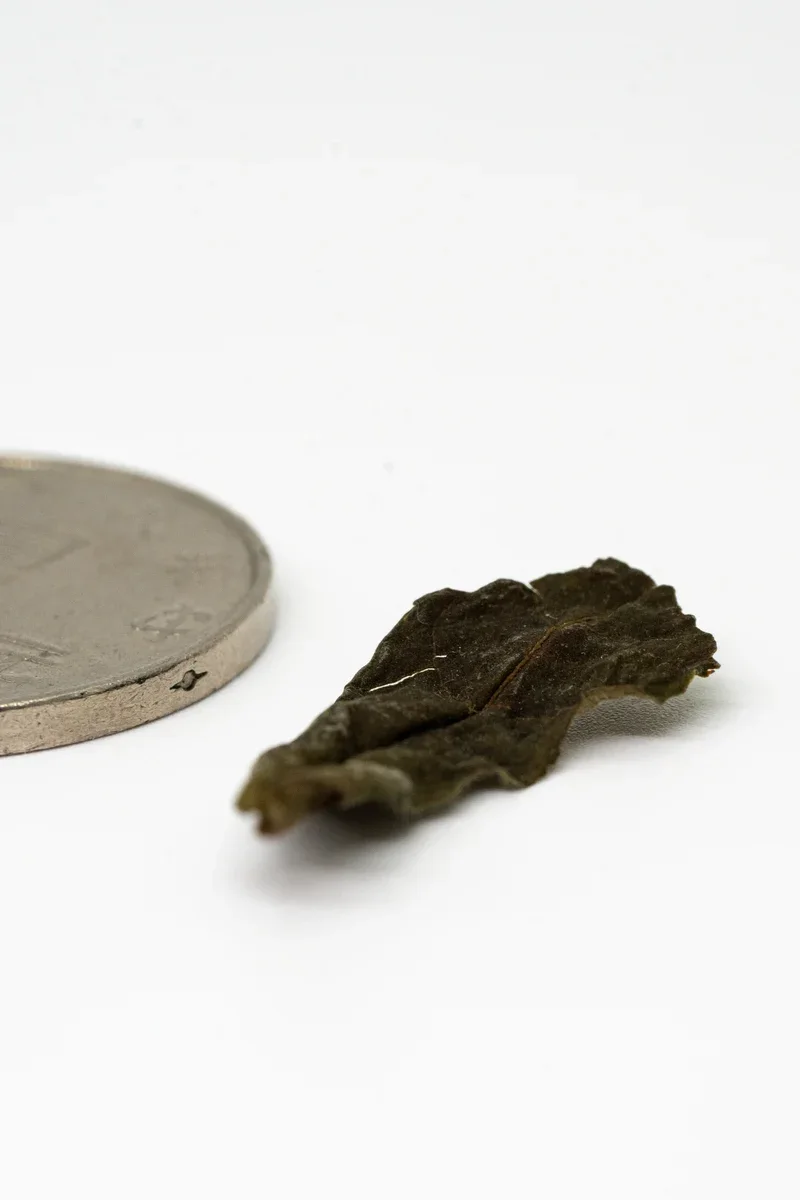
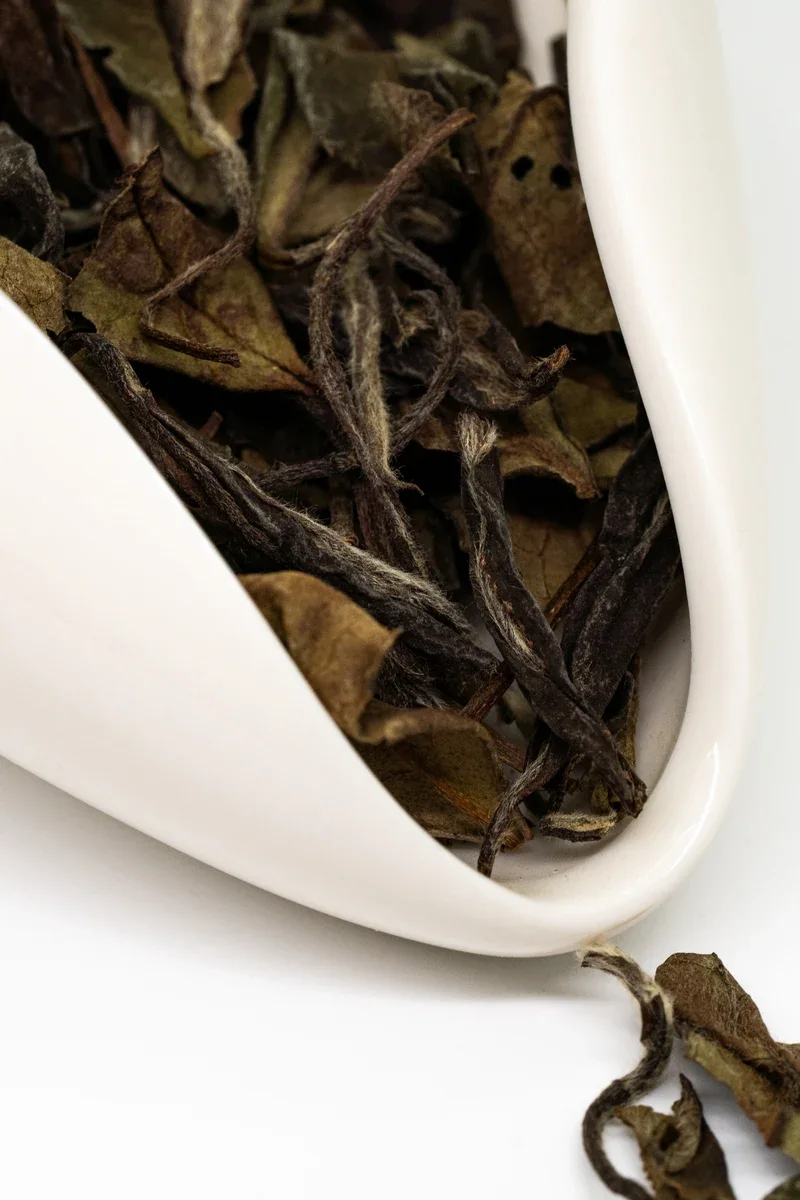
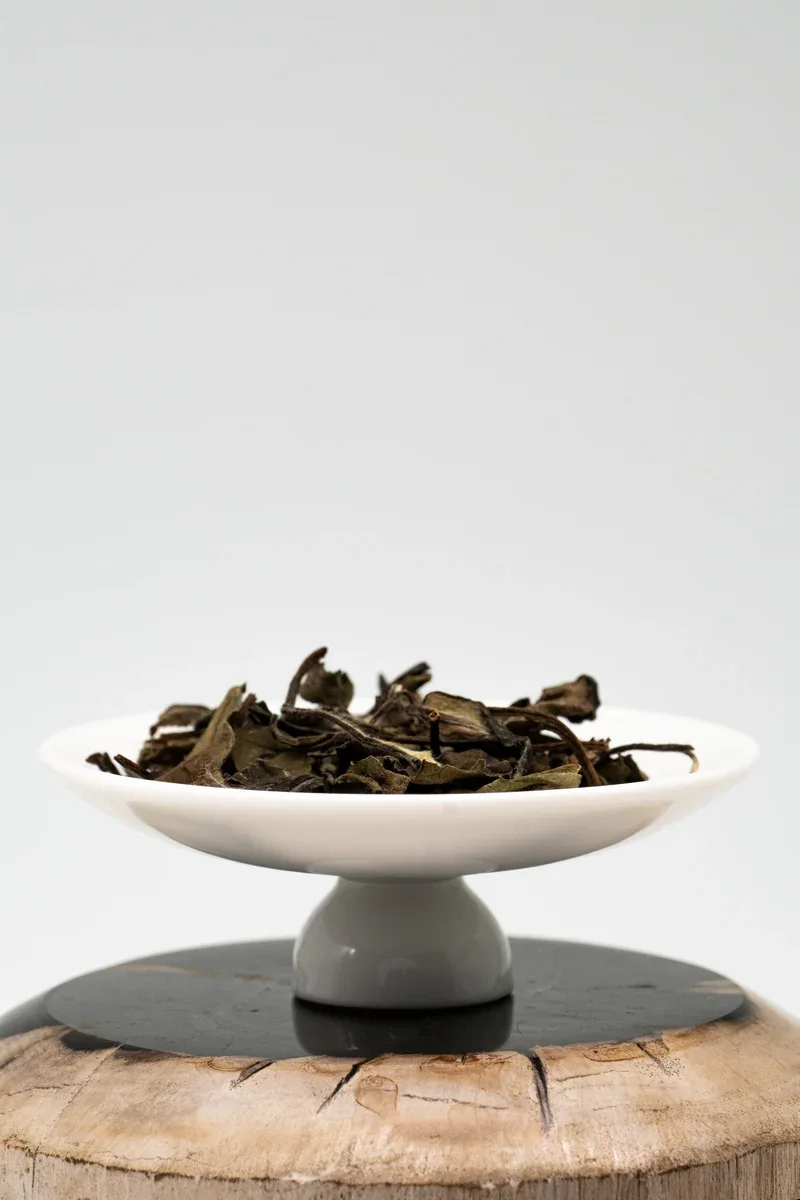
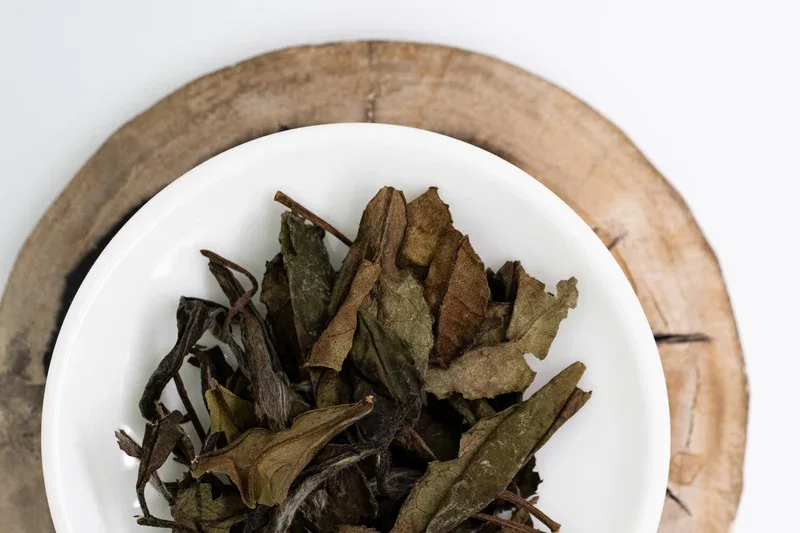
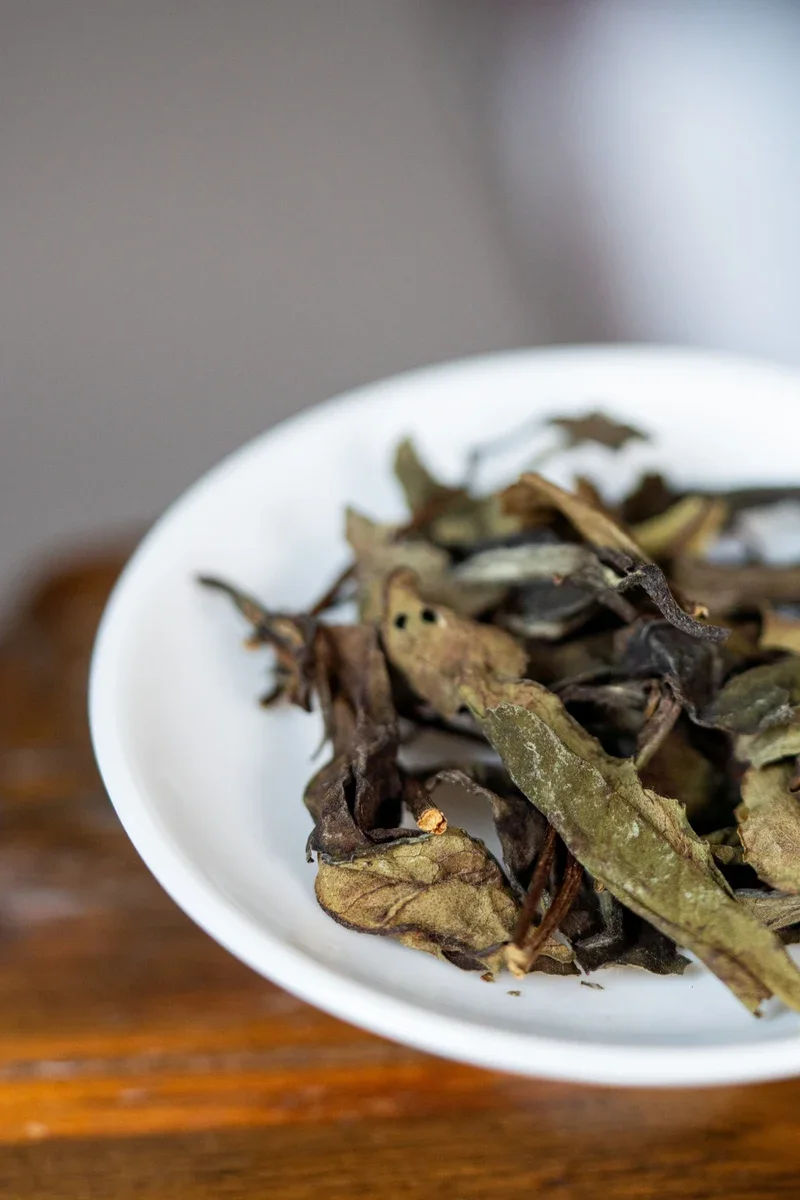
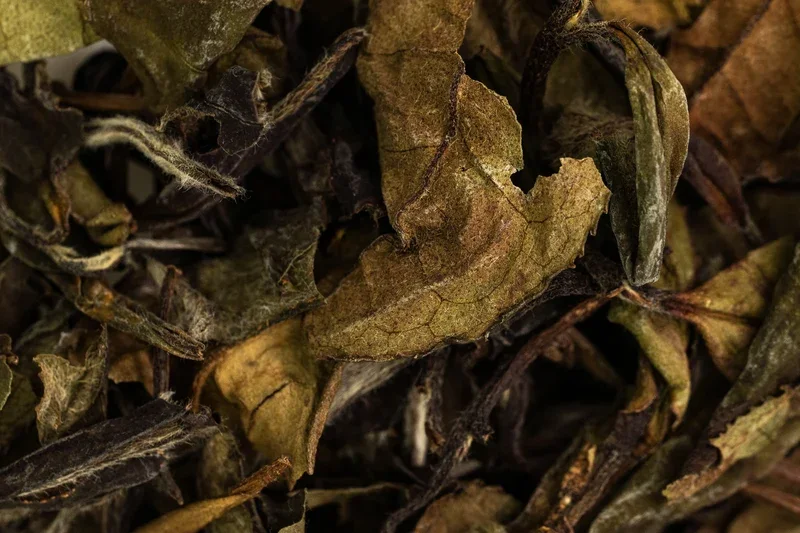
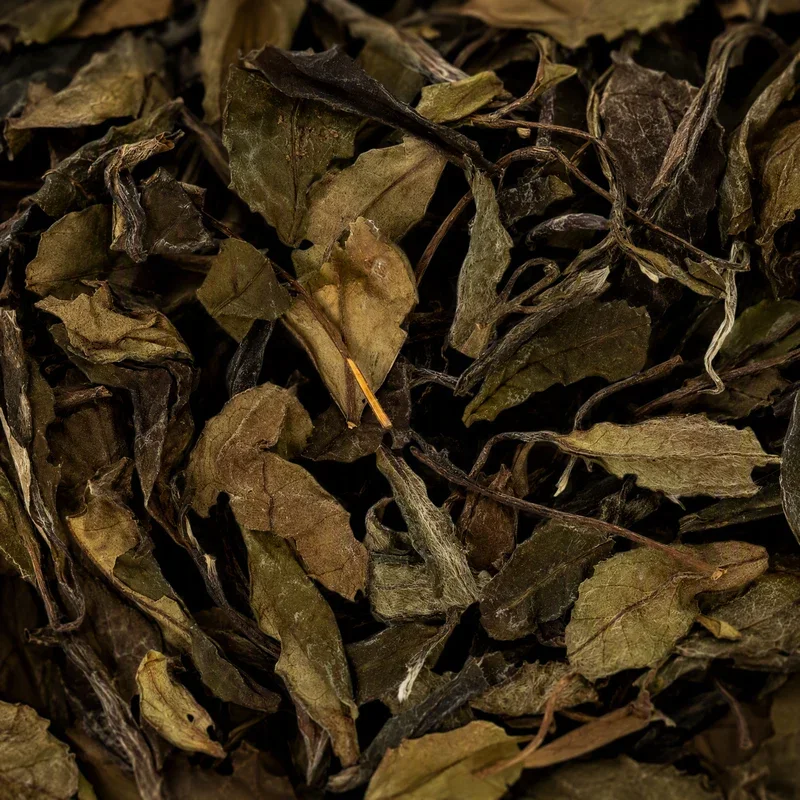
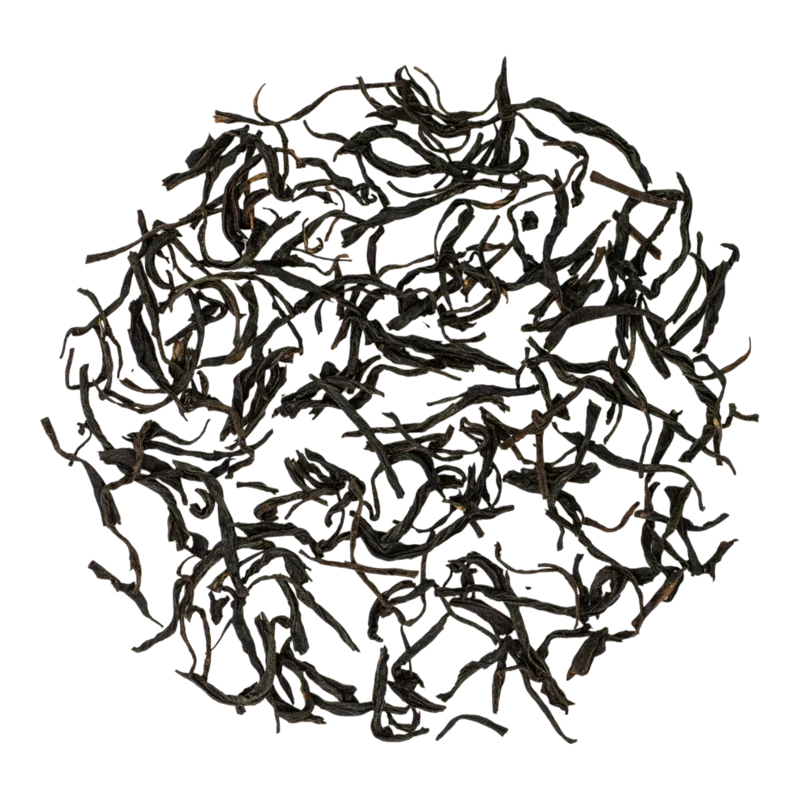
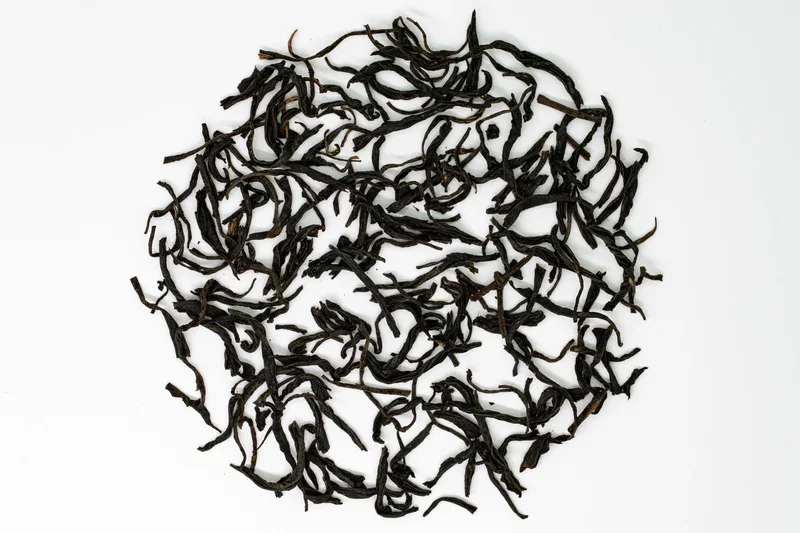
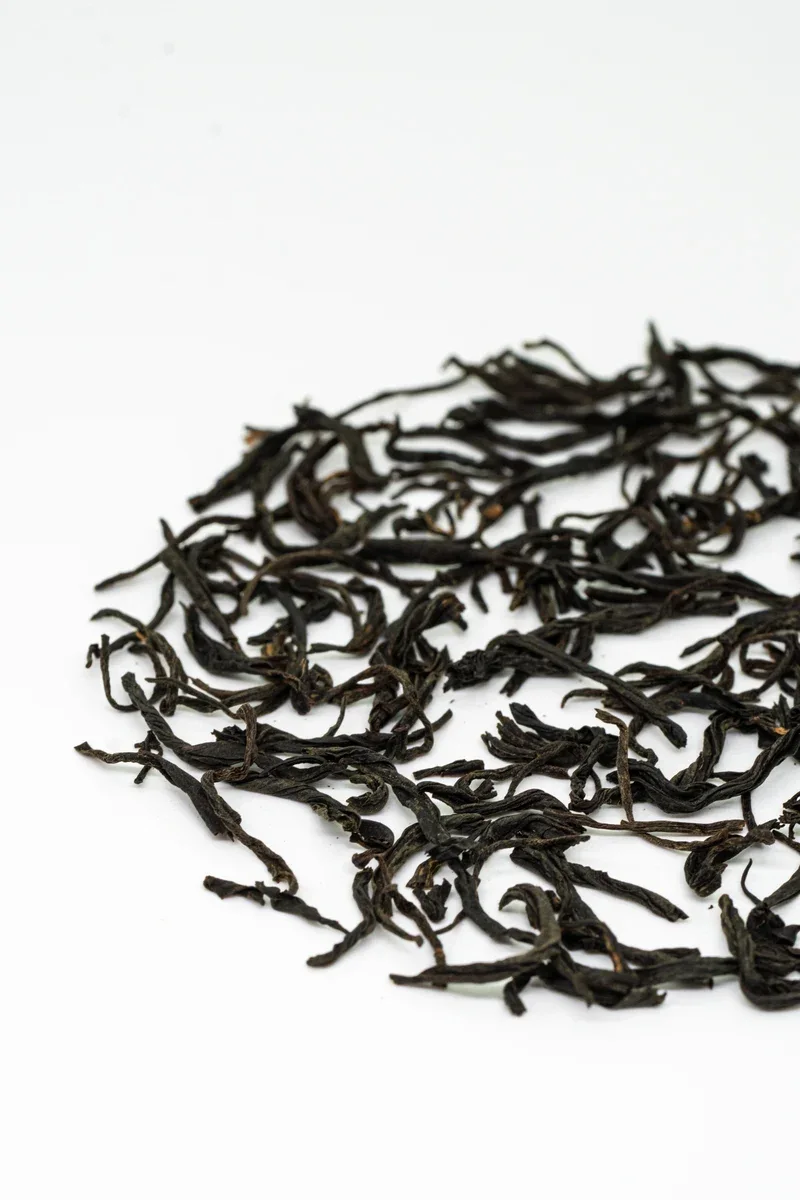
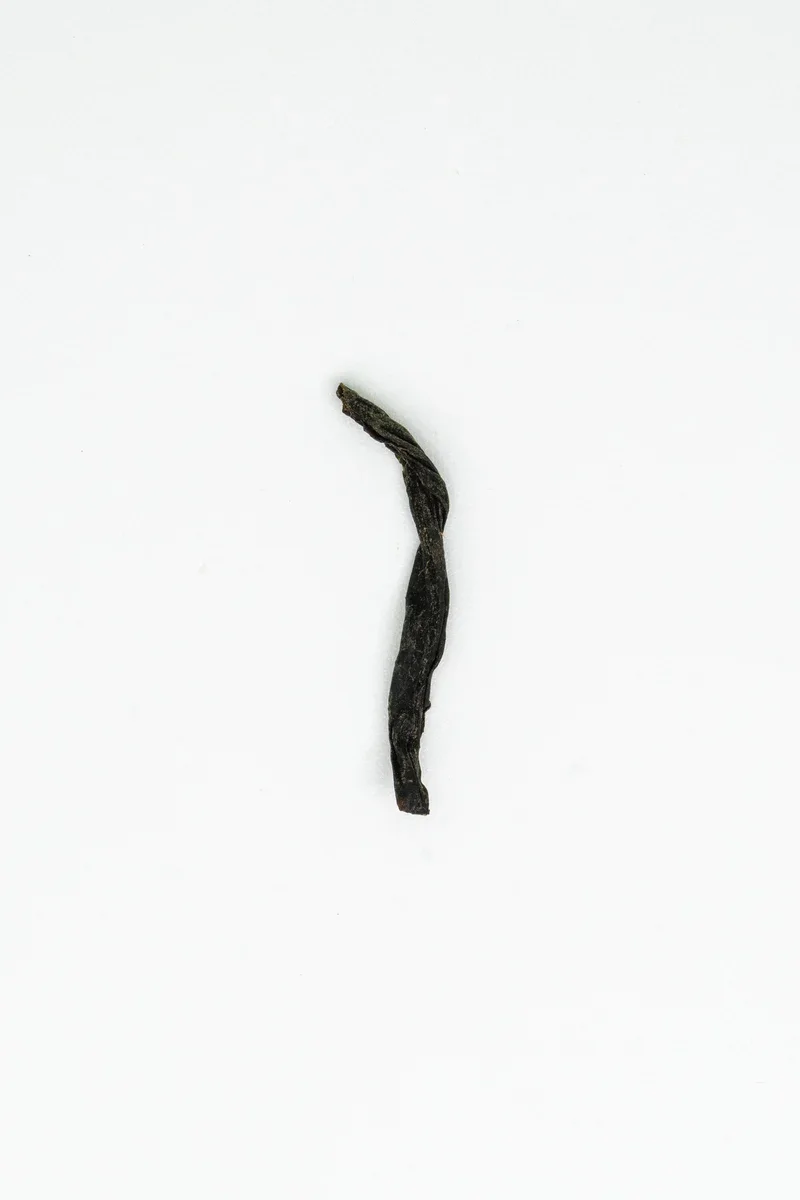
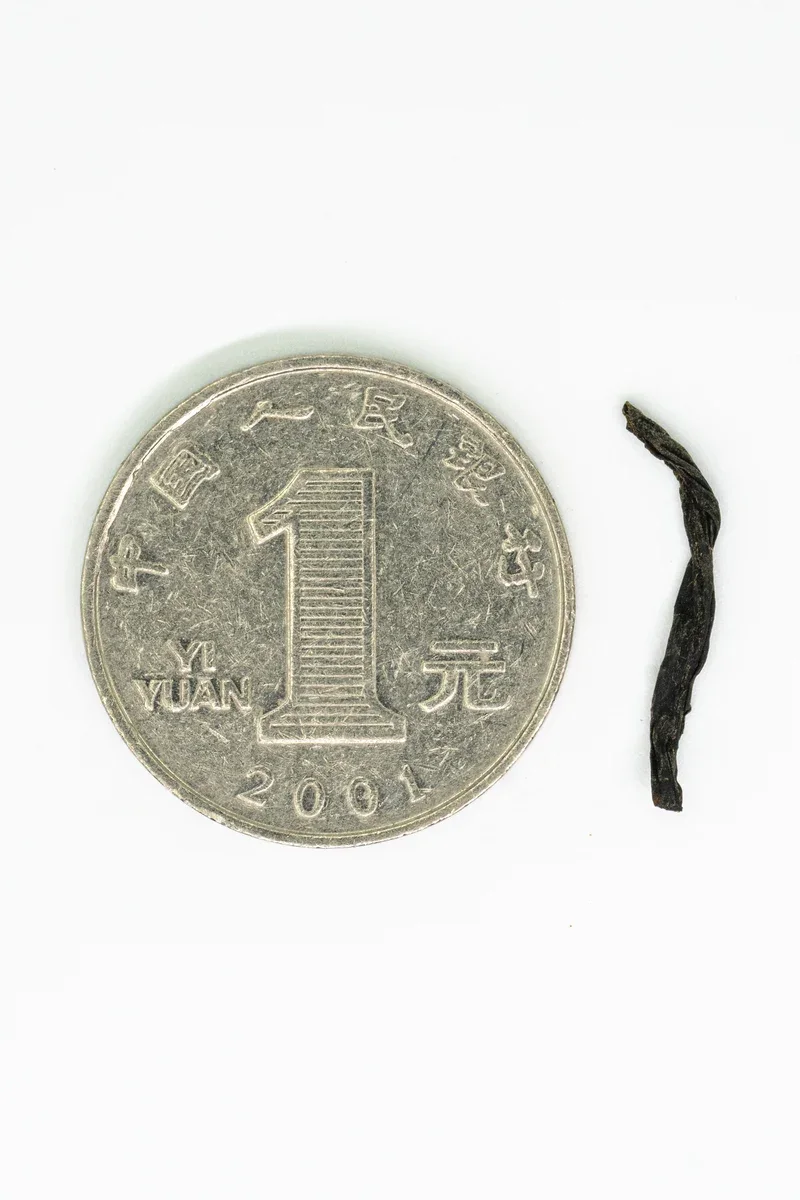
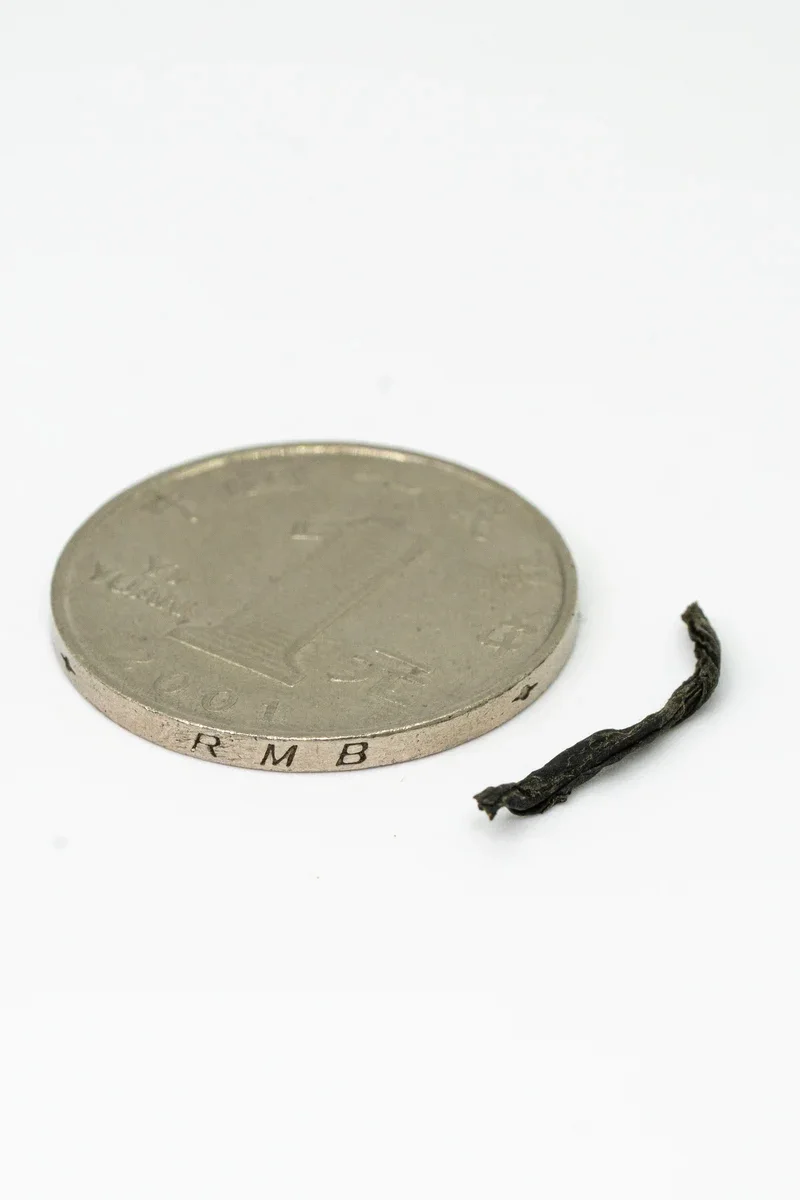
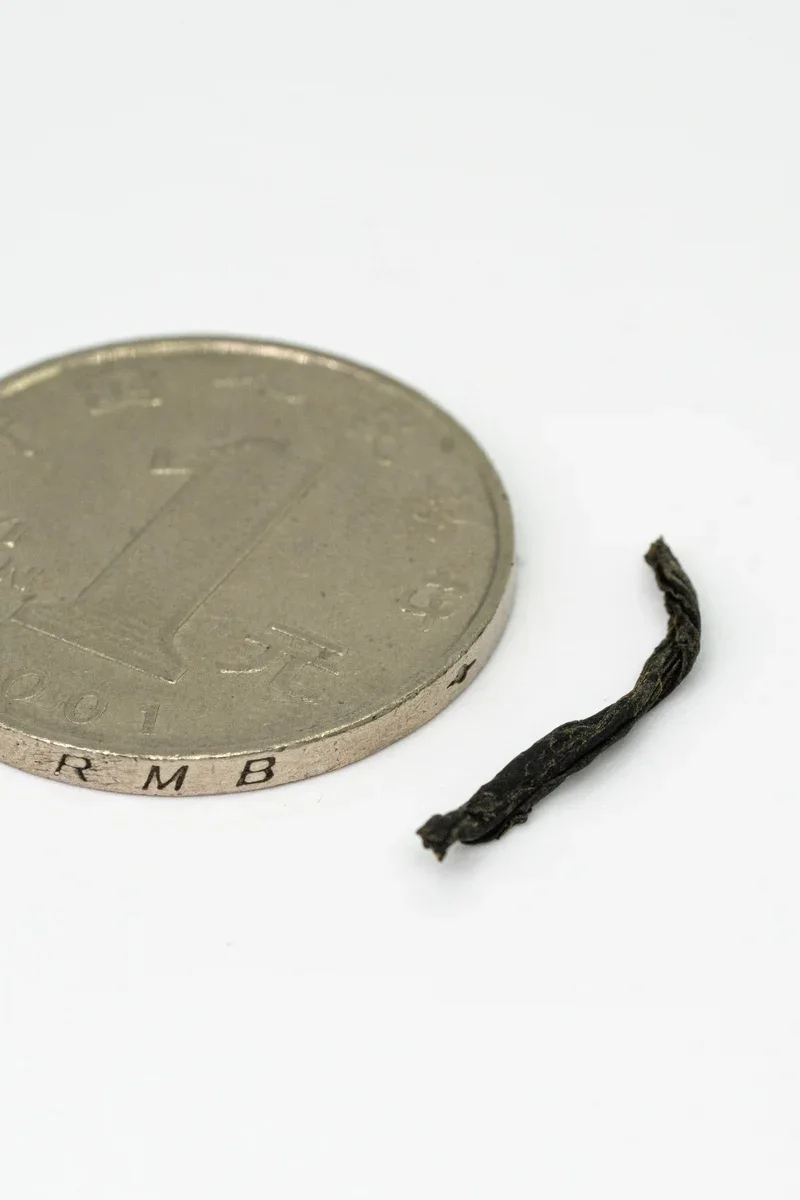
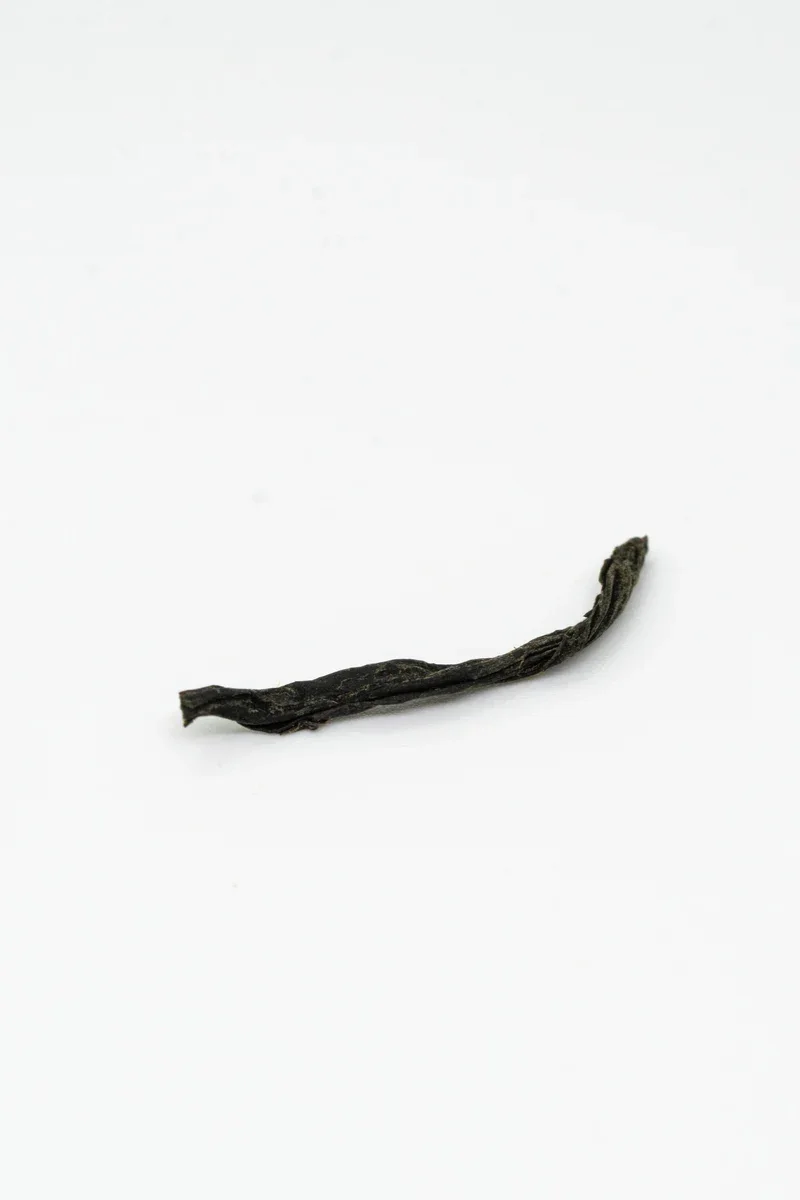
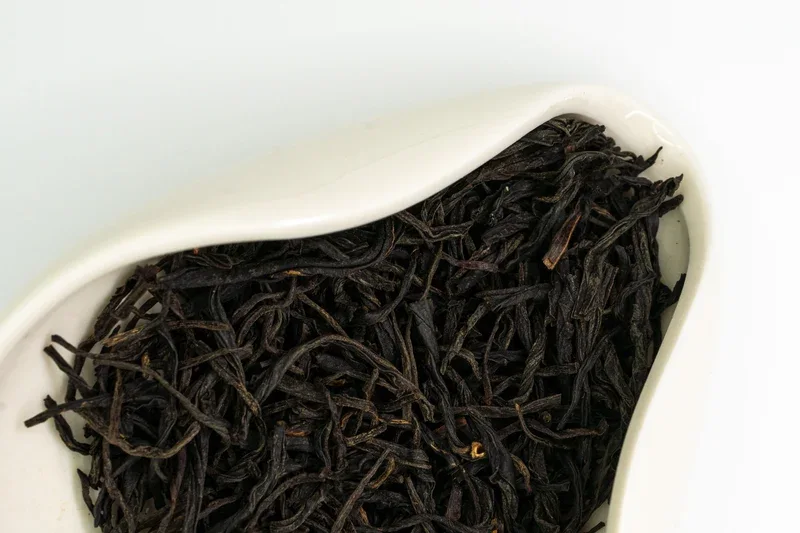
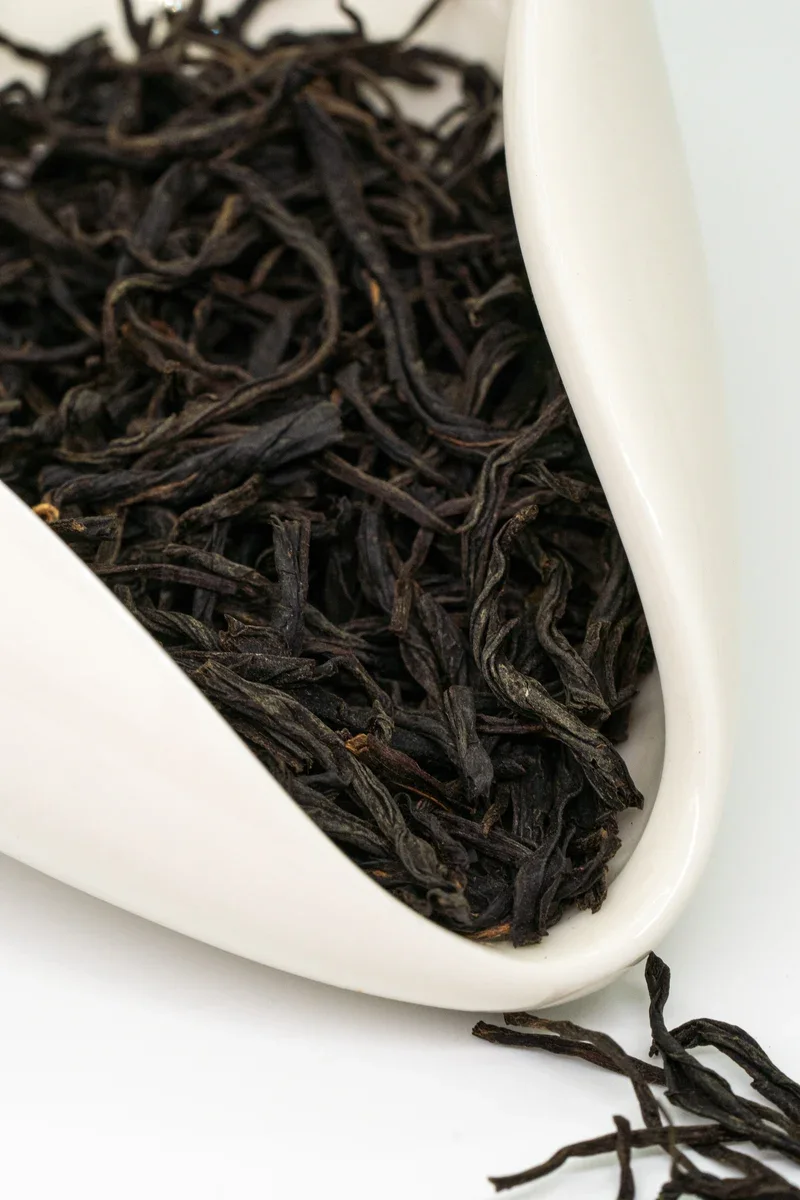
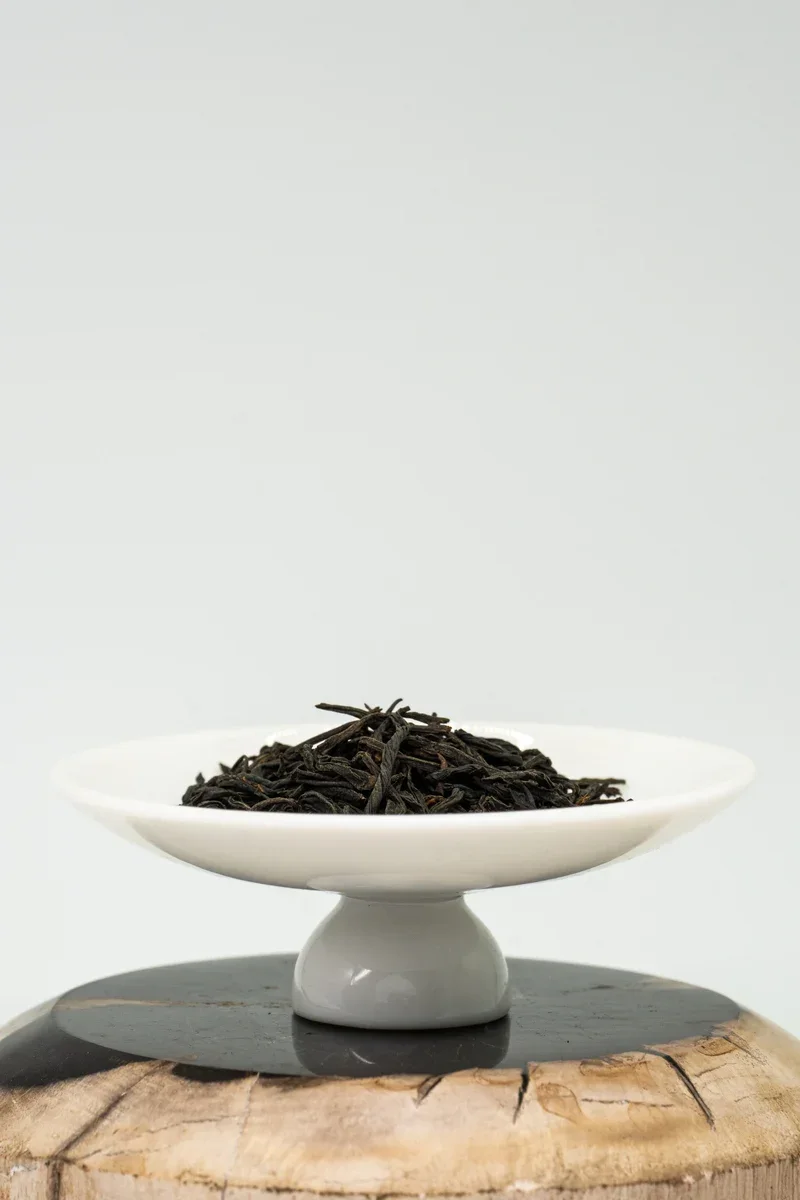
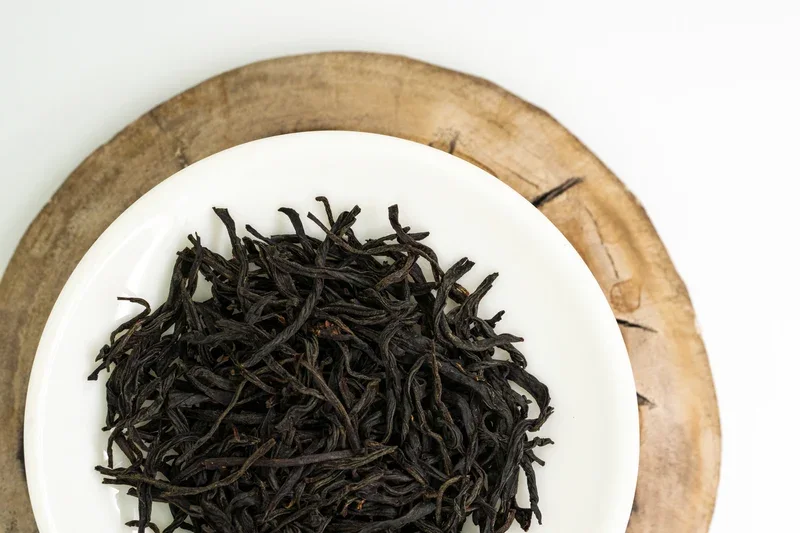
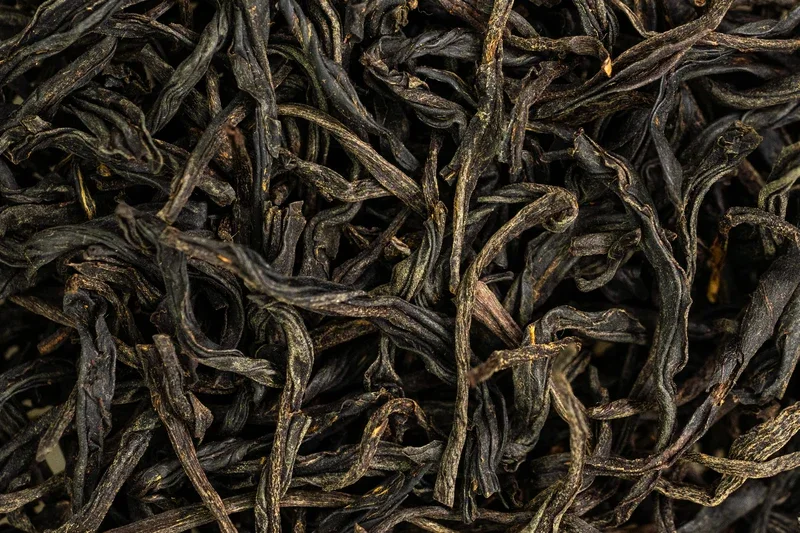
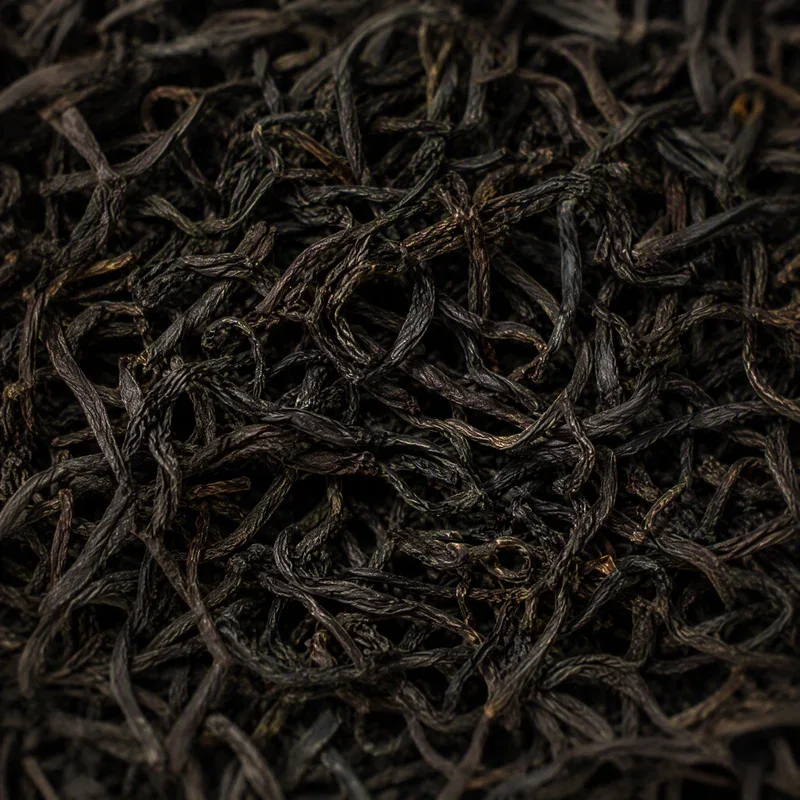
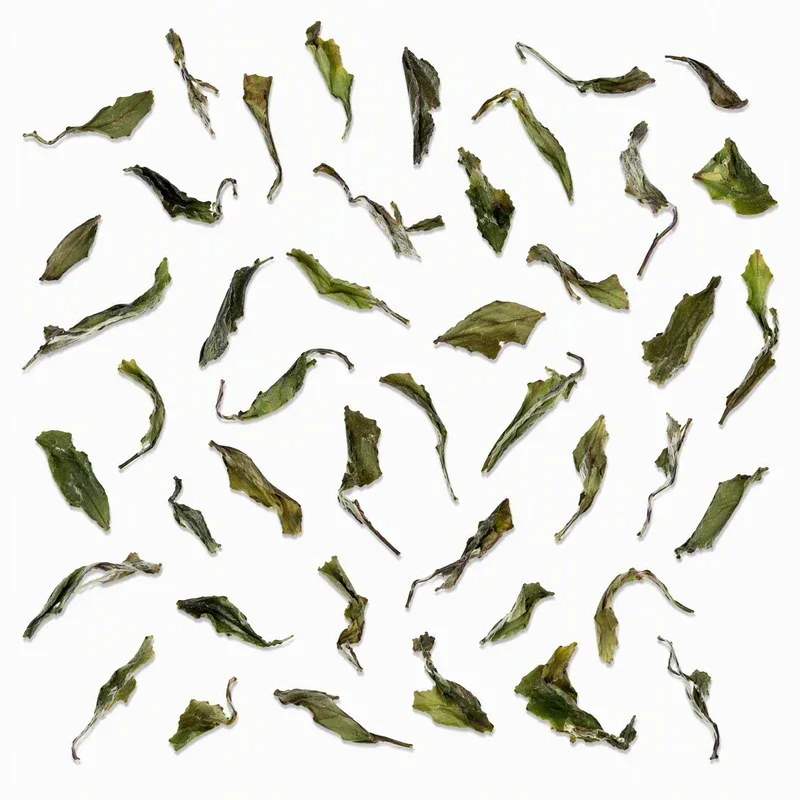
Dry Leaf Appearance: Tightly rolled semi-spherical granules (球型) of irregular shape, 0.5–1.0 cm in size. Color — from light green to olive-green (翠綠 or 黃綠), with natural gloss on the surface. Short stems may be present. The leaf appears brighter green and thinner compared to Jin Xuan granules.
Dry Leaf Aroma: Fresh, clean, floral-grassy. The typical varietal aroma (品種香, Pǐnzhǒng xiāng) of Cui Yu is described by the formula "clean aroma striking the nose" (清香撲鼻, Qīngxiāng Pūbí) — these are pronounced notes of white flowers: betel palm flowers (檳榔花, Bīnláng huā), magnolia (玉蘭花, Yùlán huā), jasmine (茉莉, Mòlì). Light creamy-nutty undertones (almond).
Liquor Aroma: Bright, high, floral. Notes of jasmine, magnolia, and orchid dominate, complemented by creamy-vanilla and sweet undertones of young corn. The aroma is persistent, unfolding in layers from infusion to infusion.
Liquor Color: Clear, from light golden (蜜黃) to pale amber, with pearlescent sheen. With light oxidation — closer to honey-green.
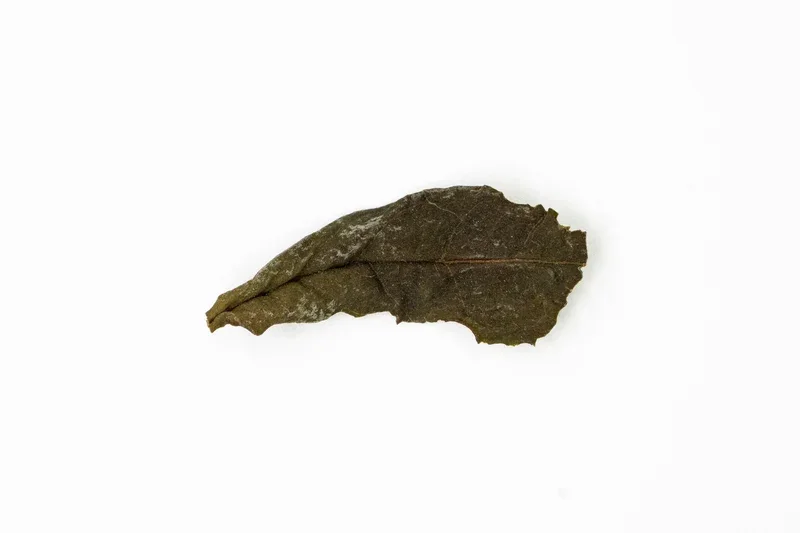
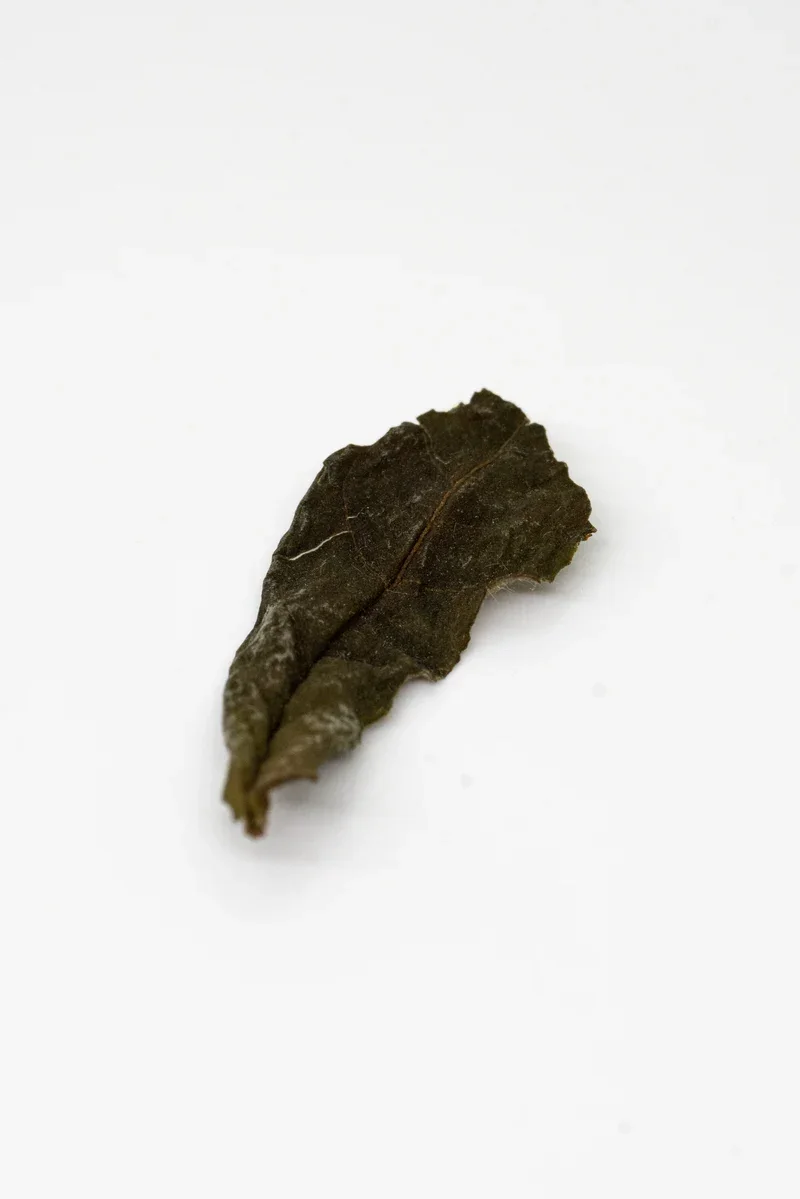
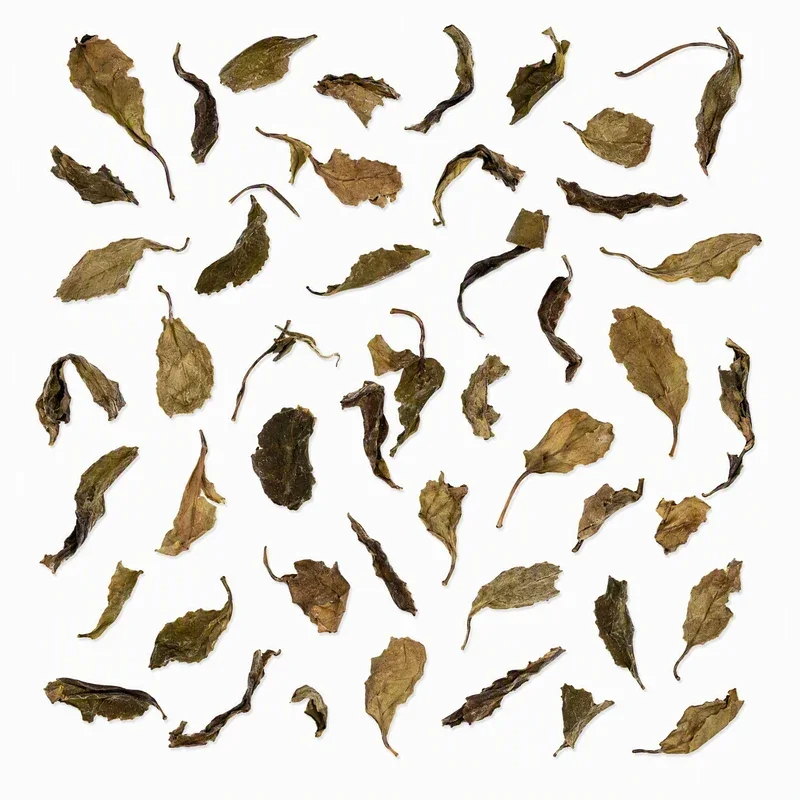
Spent Leaves: Elastic, whole leaves of light green color with characteristic reddish edges (紅邊, hóngbiān), indicating the degree of oxidation. Leaves unfold quickly (展開速度快), texture is soft and thin (柔薄), with high moisture and transparency.
Taste: Soft, smooth, oily (滑, huá). Sweet floral profile with light, refreshing acidity of green apple. Astringency is minimal. Aftertaste (回甘, Huígān) — long-lasting, sweetish, with floral trail. Tea body is light but rich in aromatic nuances.
Alkaloids: Caffeine (咖啡鹼) — approximately 2.5% of dry mass (25 mg/g). Theobromine and theophylline — in trace amounts.
Amino Acids: Total content — approximately 2–4% of dry mass. Key component — L-theanine (L-茶氨酸): approximately 1.5–1.6%, due to agrotechnics (shading before harvest) and variety characteristics. L-theanine is the main carrier of sweet and "umami" taste, as well as a neuromodulator promoting α-brain wave generation.
Approximately 0.8%.
3–4%, participate in forming the "body" of the liquor.
It is in this group that the uniqueness of Cui Yu manifests. The varietal aroma (品種香) is due to high content of linalool, geraniol, nerol, and indole — substances characteristic of jasmine, magnolia, and white flower aromas.
The Cui Yu cultivar is often used as raw material for producing GABA-oolong (佳葉龍茶, Jiāyè Lóngchá) through anaerobic fermentation in nitrogen environment, which significantly increases the content of γ-aminobutyric acid (GABA) in leaves. However, standard Jade Oolong does not undergo this treatment and contains GABA at the usual level for oolongs.
Minerals: Potassium, magnesium, manganese, fluorine, zinc, selenium.
Polyphenols: 18–22% of dry mass. Main fraction — catechins (兒茶素): 12–15%, including EGCG (epigallocatechin gallate), EGC, ECG, and EC. Due to moderate oxidation, a significant portion of catechins remains in unoxidized form, providing antioxidant activity close to green teas.
Vitamins: C (partially preserved with moderate oxidation), B₁, B₂, PP.
High catechin content (especially EGCG) provides neutralization of free radicals and protection of cells from oxidative stress. In antioxidant activity, light oolongs approach green teas.
The combination of caffeine (~25 mg/g) and L-theanine (~16 mg/g) creates the characteristic "energizing but calm" effect of quality oolongs: improved concentration and cognitive functions without excessive nervous excitement. L-theanine modulates caffeine action, promoting α-brain wave generation.
Moderate polyphenol content stimulates peristalsis and digestive juice secretion. Oolongs are traditionally considered good accompaniment to abundant food.
A number of studies indicate the ability of tea polyphenols to support vascular elasticity and contribute to cholesterol level normalization with regular consumption.
Antioxidants and vitamin C support skin health, slowing aging processes.
Catechins possess moderate antimicrobial activity and contribute to immune function support.
L-theanine has mild anxiolytic action, promoting relaxation without drowsiness.
Fluorine and polyphenol content contributes to caries prevention and gum health maintenance.
10–15 g per 1 liter cold water, steep in refrigerator for 6–8 hours. The cold method particularly successfully reveals the sweetness and florality of Cui Yu, minimizing bitterness and astringency.
Teaware: Porcelain Gàiwǎn (蓋碗, Gàiwǎn) — optimal choice for revealing the high floral aroma of Cui Yu. Porcelain or clay teapot with thick walls for maintaining stable temperature is also suitable. Yíxīng teapot (宜興紫砂壺) is acceptable but non-functional for light oolongs, as porous clay absorbs delicate aromas.
Water Temperature: 85–95°C. Lower temperature (85–88°C) emphasizes the floral delicacy of aroma, higher temperature (90–95°C) — reveals taste density and body depth.
Container: Airtight, opaque — foil vacuum bag, ceramic or tin container with tight lid.
Shelf Life: In original airtight packaging — up to 2 years. After opening — recommended consumption within 3–6 months.
Dry, cool, dark place, away from spices and strongly scented products.
Vacuum packaging and refrigerator storage at 0–5°C and low humidity are recommended. Before opening, the package must be brought to room temperature to avoid condensation on the leaf.
Unlike dark oolongs and pu-erhs, Jade Oolong is not intended for long-term aging in standard form. However, there is a separate category — aged Jade Oolong (陳年翠玉, Chénnián Cuìyù), which undergoes controlled aging with periodic roasting.
Price Category: Jade Oolong is positioned as quality everyday tea of the medium price segment. Due to high cultivar yield and possibility of machine harvesting, its cost is significantly lower than high-mountain oolongs from Qingxin Oolong. Approximate retail prices: in Taiwan — 600–1,500 TWD per jin (600 g) for standard quality; competition samples (比賽茶) — significantly more expensive. In Europe — 50–80 €/kg, in USA — 40–60 $/pound for medium quality tea. High-mountain Cui Yu from Alishan can cost 2–3 times more than flatland tea.
Region and growing elevation, harvest season (spring more expensive than autumn), harvest method (manual more expensive than machine), processing degree, presence of competition awards.
No reviews yet. Tell us what you think of this tea.
Rate this tea and share your impressions. We review each submission before publishing it.