Brewing
Gongfu brewing
- Water temperature
- 92 °C
- Tea amount
- 6 g
- Water volume
- 100 ml
- First steep
- 10 s
- Time added per infusion
- 5 s
- Infusions
- 8

běn shān
Choose a brewing method. Start with the recommended quantities and time, then adjust to taste.
Brewing
Brewing
Taste
Tea encyclopedia
Category: Southern Fújiàn oolongs (闽南乌龙). One of the four famous oolongs of Anxi County.
Category: Southern Fújiàn oolongs (闽南乌龙). One of the four famous oolongs of Anxi County.
Coordinates: ~25° N latitude, ~118° E longitude.
Origin: China, Fújiàn Province (福建, Fújiàn), Ānxī County (安溪县, Ānxī Xiàn), Quánzhōu Prefecture (泉州市, Quánzhōu Shì). Main production areas: Xīpíng (西坪), Xiánghuá (祥华), Longjuan (龙涓), Gǎndé (感德) townships — the same villages that produce Tieguanyin.
Type: Oolong (semi-oxidized tea). Oxidation level 20–40%, depending on style — from light (qingxiang, 清香型) to medium (nongxiang, 浓香型).
Cultural Significance: Benshan occupies the niche of an "insider's" tea: it is well known to local producers and experienced connoisseurs, but is almost unknown to the general public. This makes it attractive to those seeking authentic Anxi terroir without paying a premium for the "Tieguanyin" brand.
History: Benshan is one of the oldest oolong cultivars of Anxi; its cultivation preceded the appearance of Tieguanyin. According to local legends, Běnshān was cultivated in the mountains of Ānxī during the Míng dynasty (明, 1368–1644), long before the famous legend of peasant Wei Yin and his "Iron Goddess of Mercy" (early 18th century). Some researchers believe that the Benshan cultivar is one of the genetic predecessors of Tieguanyin — or at least belongs to the same local population of wild and semi-wild tea plants from which Tieguanyin was selected.
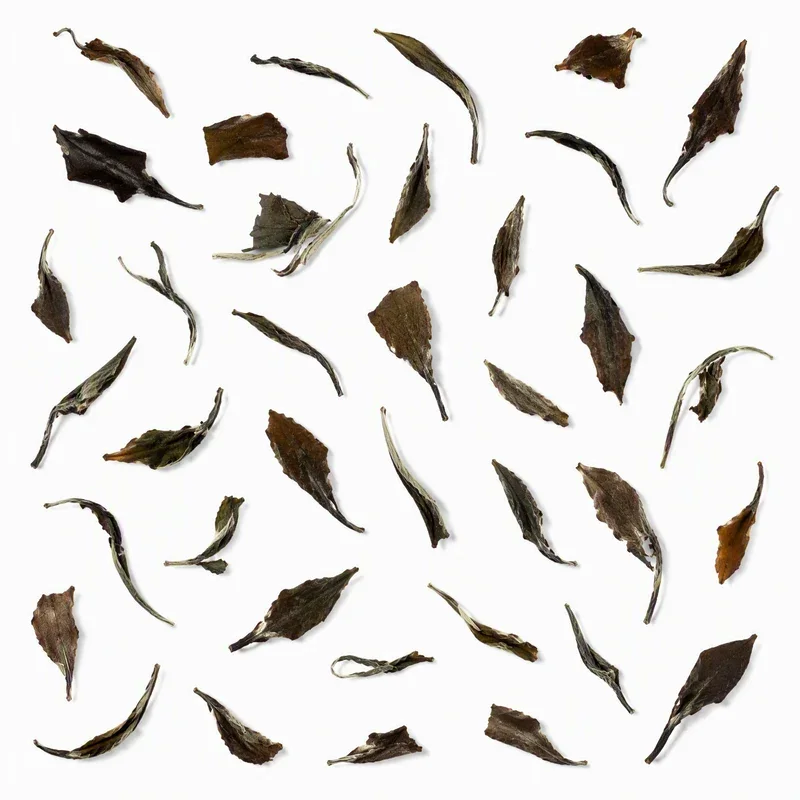
Medium size, oval, with fine serrations along the edge. Leaf blade is dense, fleshy, but noticeably thinner than Tieguanyin, which gives the finished tea a slightly lighter body. Color is rich green. Venation is less pronounced than in Tieguanyin.
Benshan flowers earlier (by 3–5 days), its shoots are slightly thinner, and leaves are smaller. Finished tea particles are less dense and heavy. An experienced master distinguishes Benshan from Tieguanyin by these visual markers.
Spring (April–May), summer, autumn. Winter harvest is extremely rare.
Cultivar: Běnshān (本山) — Camellia sinensis var. sinensis. Medium-height shrub, more compact and low-growing than Tieguanyin. Shoots are reddish-brown.
Pluck Standard: Bud and 2–3 upper leaves (一芽二三叶). Spring harvest is the most valuable.
Altitude: 500–1000 m a.s.l. High-altitude gardens (>700 m) produce more aromatic and sweet raw material.
Climate: Subtropical monsoon. Average annual temperature 16–21°C, precipitation 1600–1800 mm/year. Frequent fogs, especially in high mountains. Diurnal temperature variations 8–12°C.
Soil: Red and yellow lateritic soils, rich in iron oxides, manganese and organic matter. Acidic reaction (pH 4.5–6.0), good drainage.
Benshan is considered a more hardy cultivar than Tieguanyin: it better tolerates drought and is less susceptible to pests, making it attractive to farmers practicing organic farming.
Topography: Hilly and mountainous terrain of southeastern Fujian. Benshan tea gardens are located on the same slopes as Tieguanyin plantations — often literally neighboring.
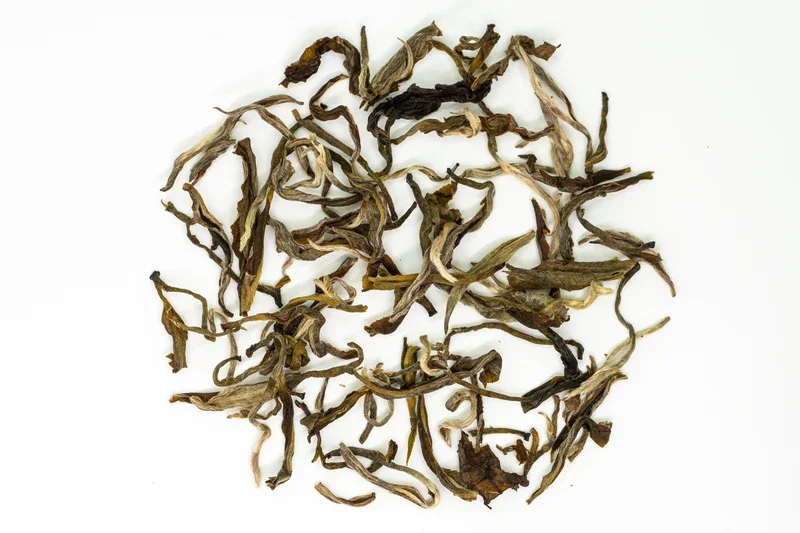
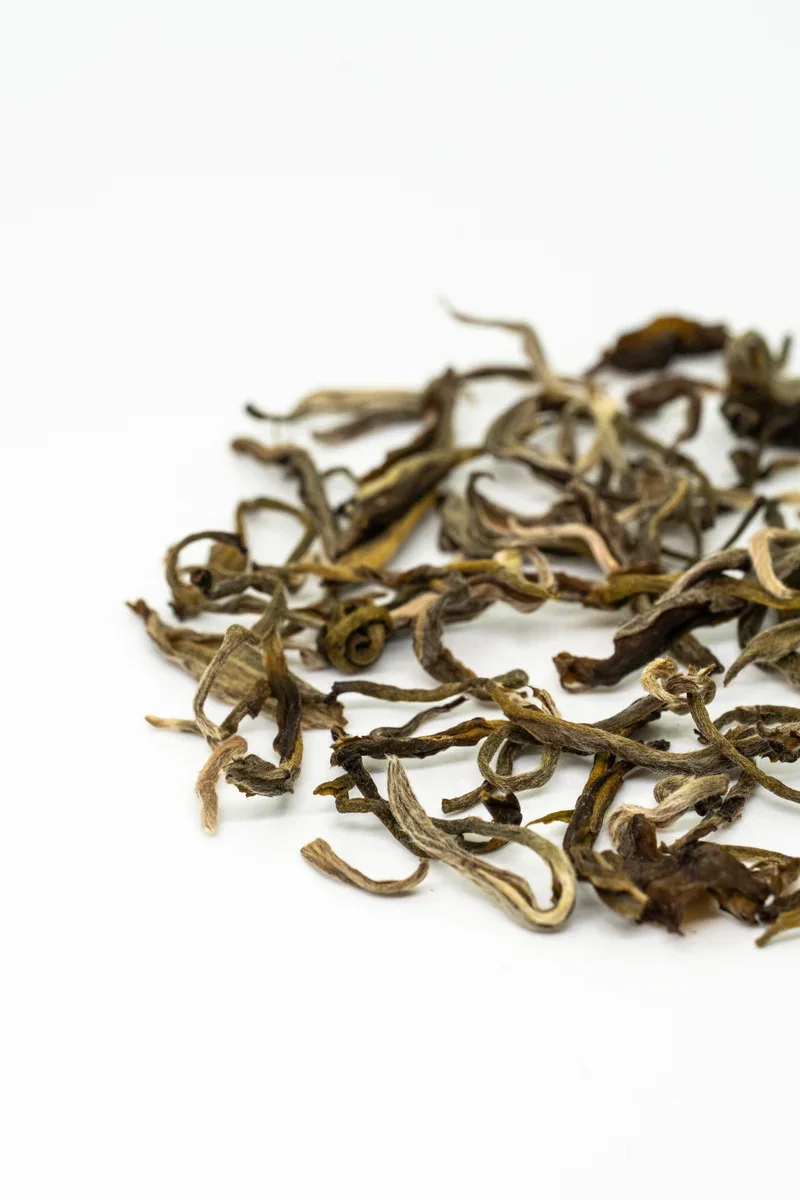
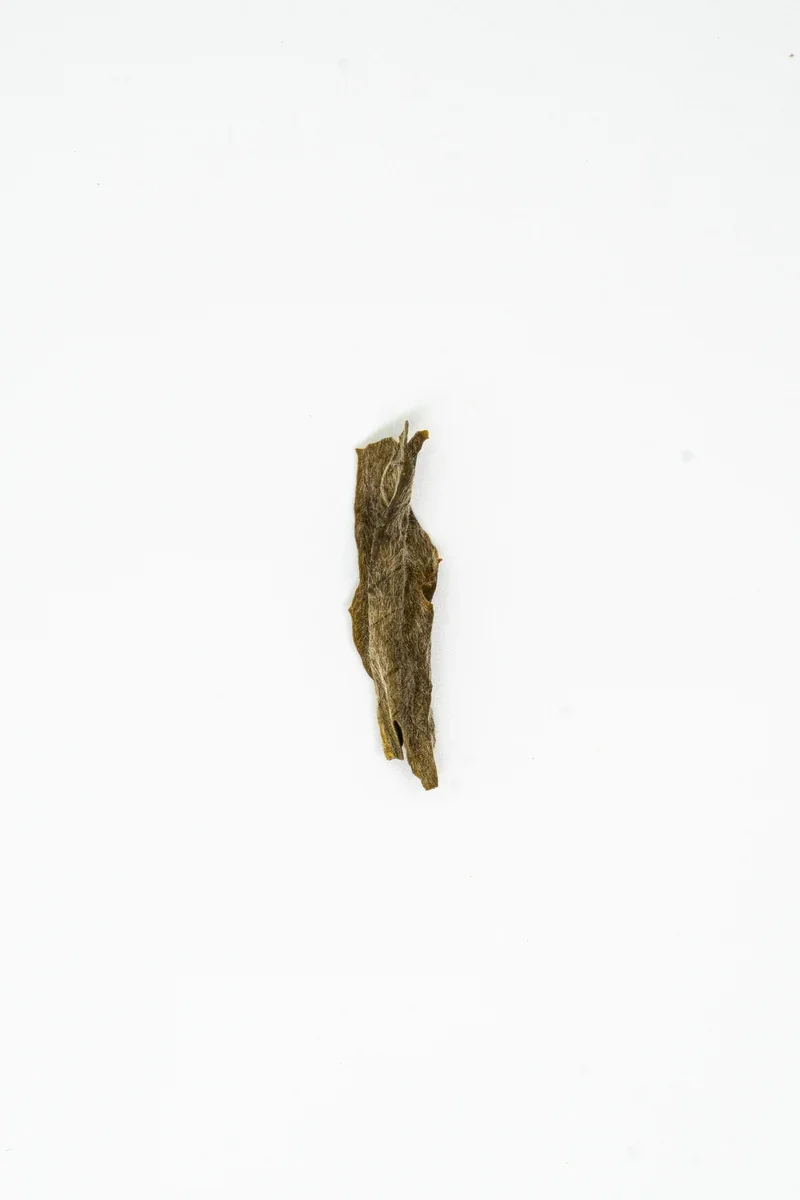
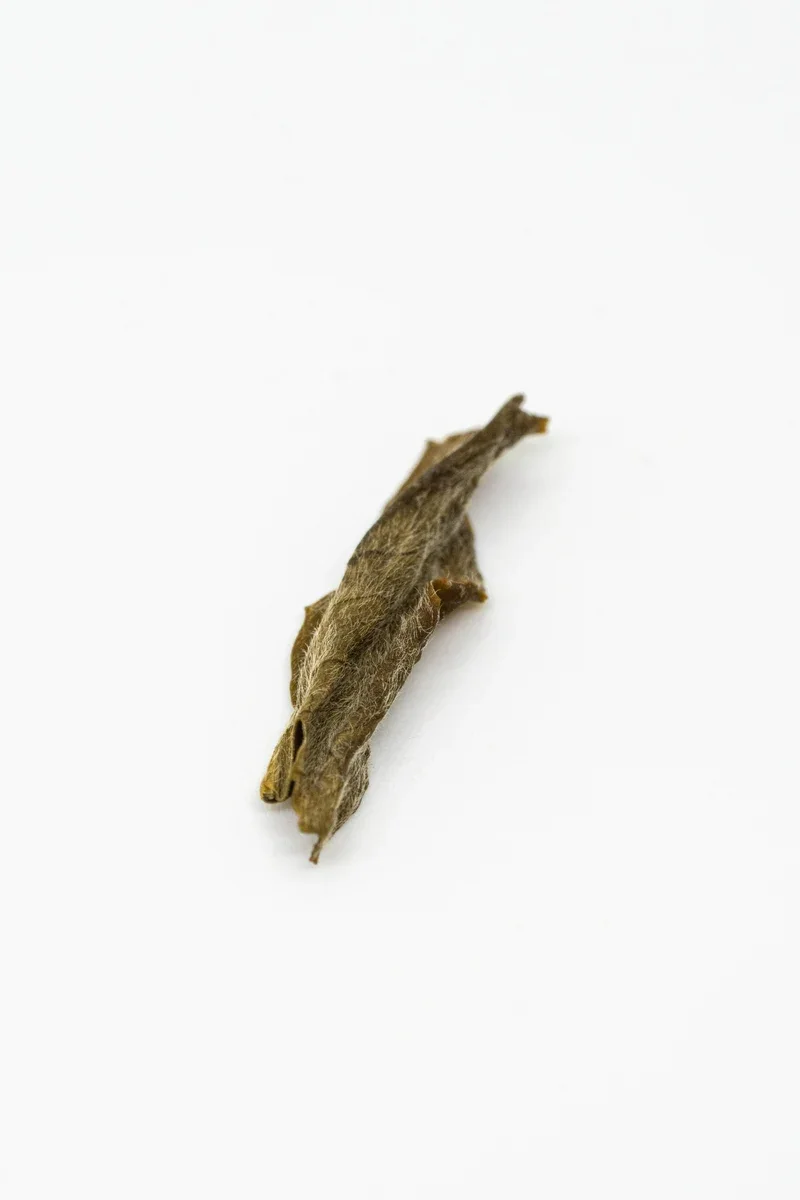
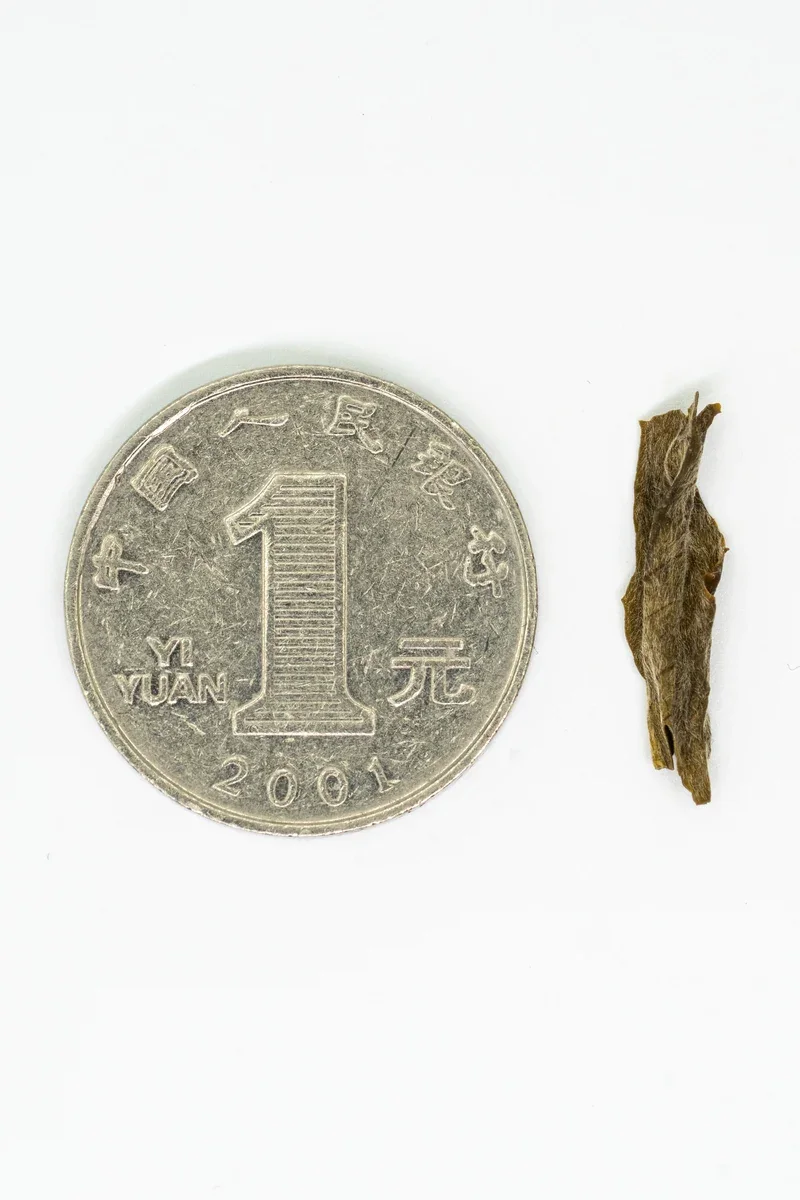
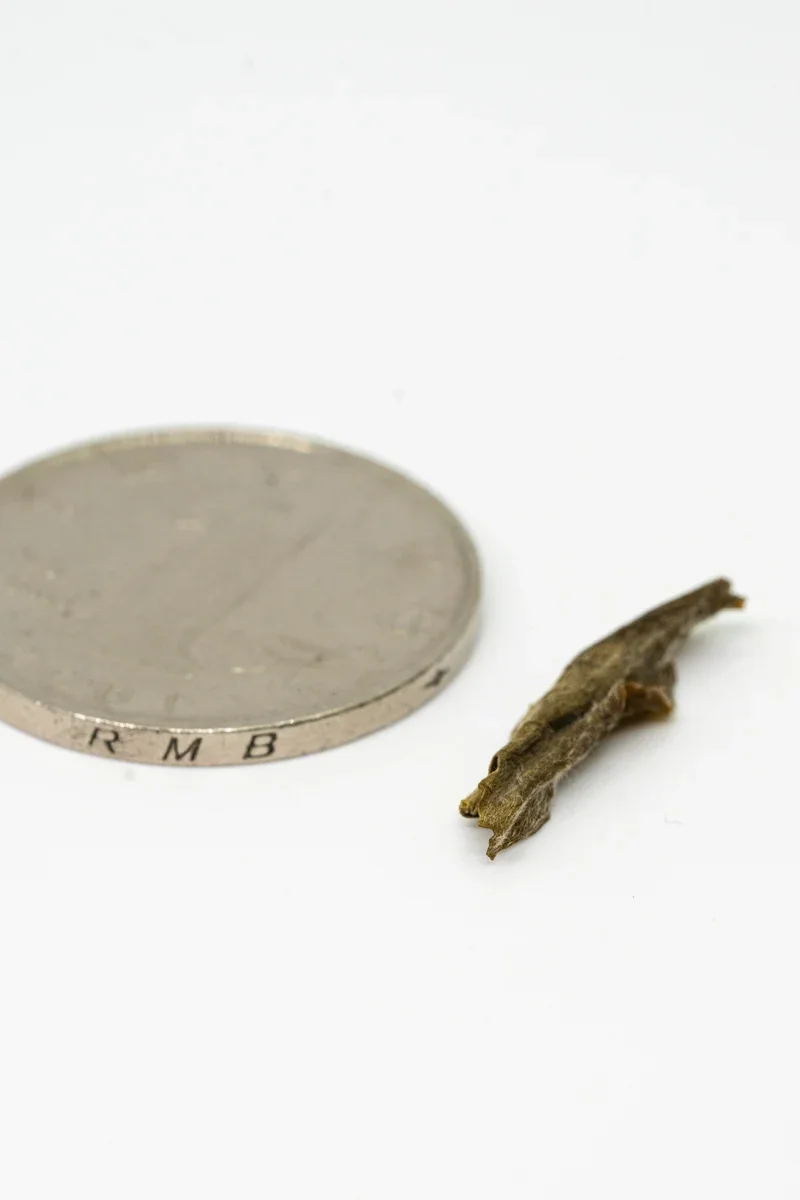
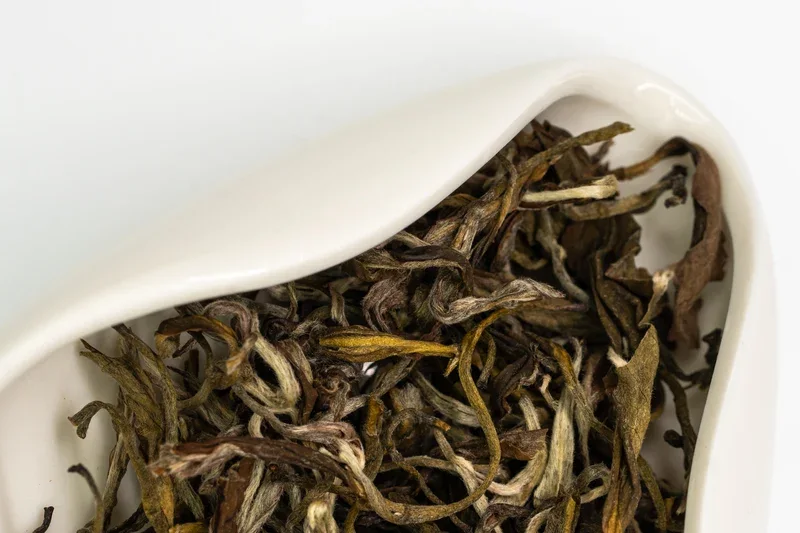
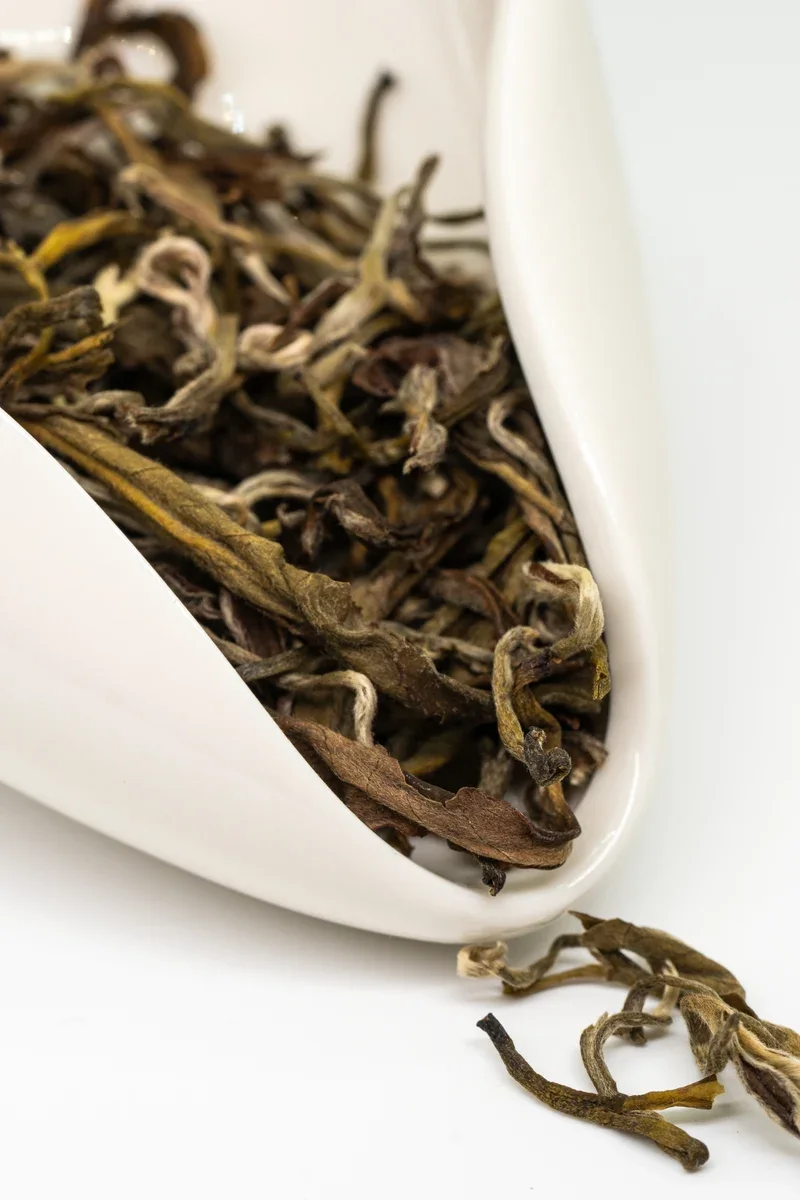
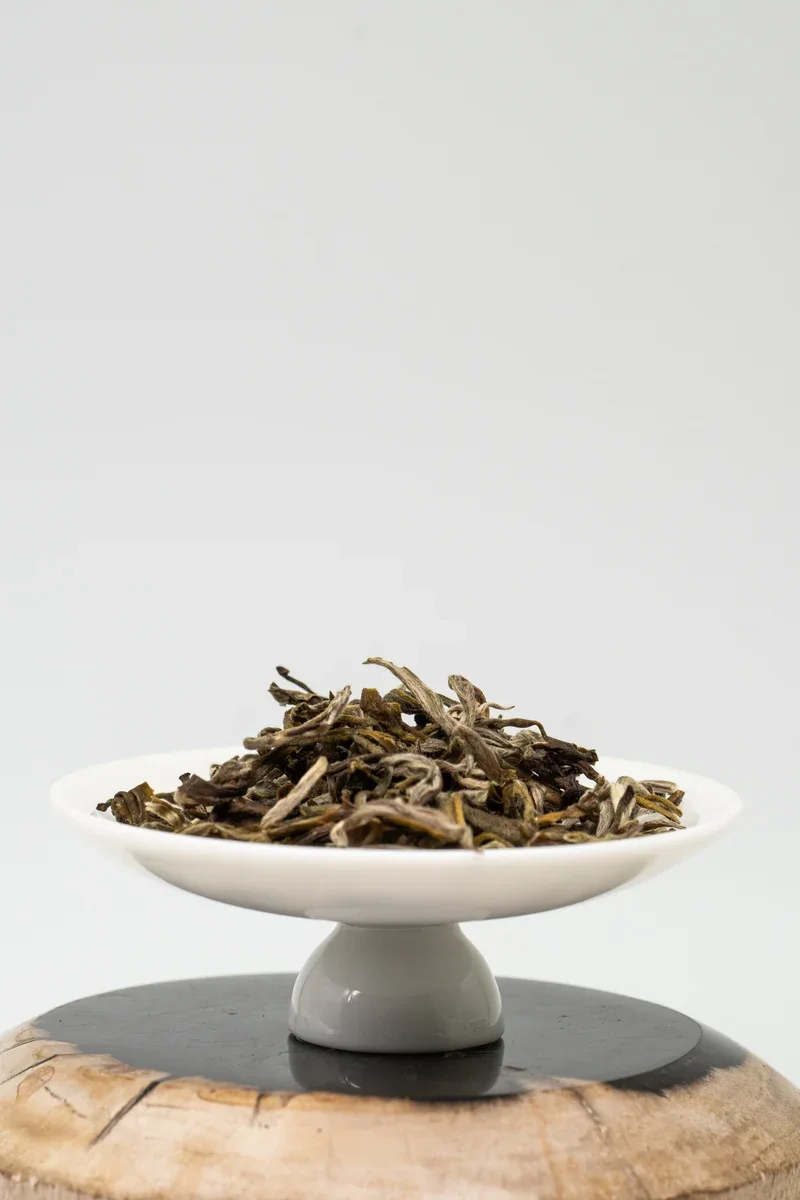
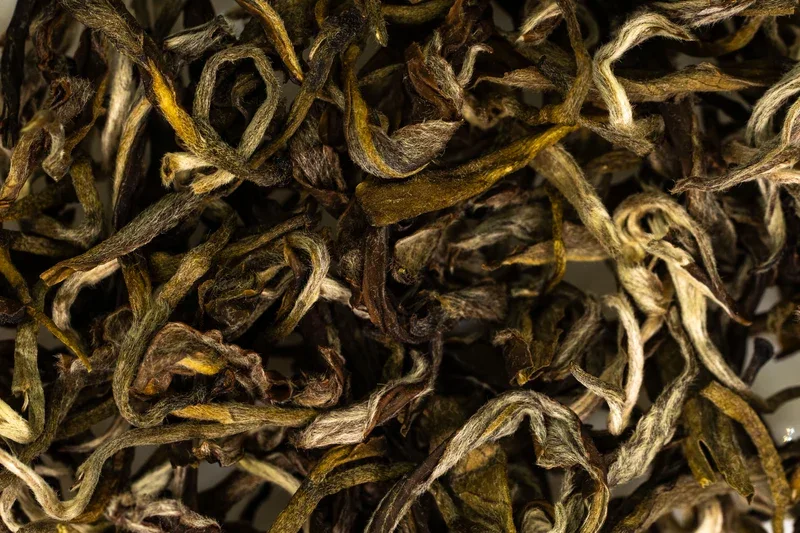
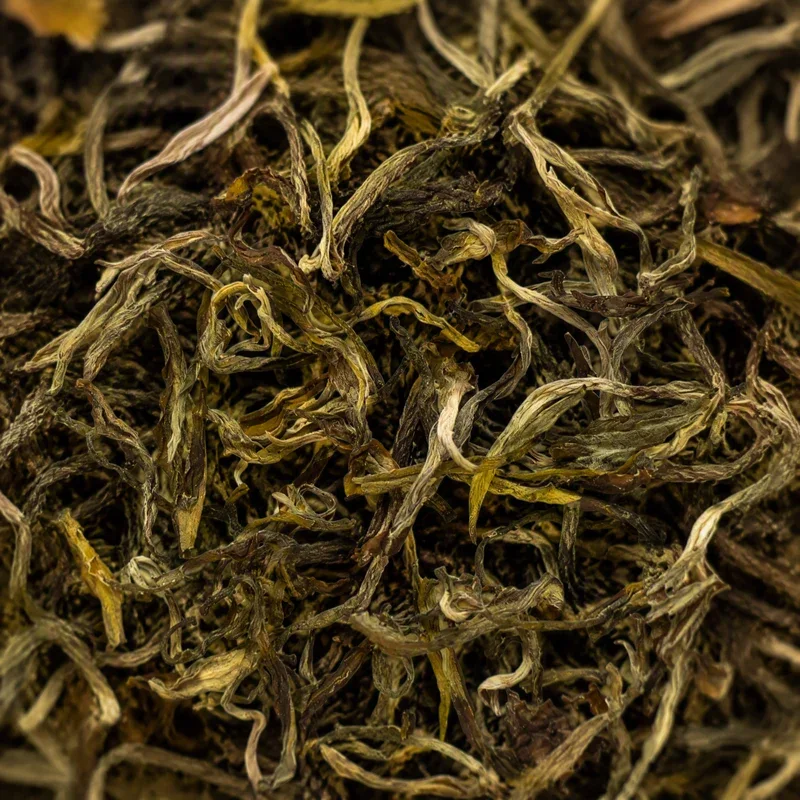
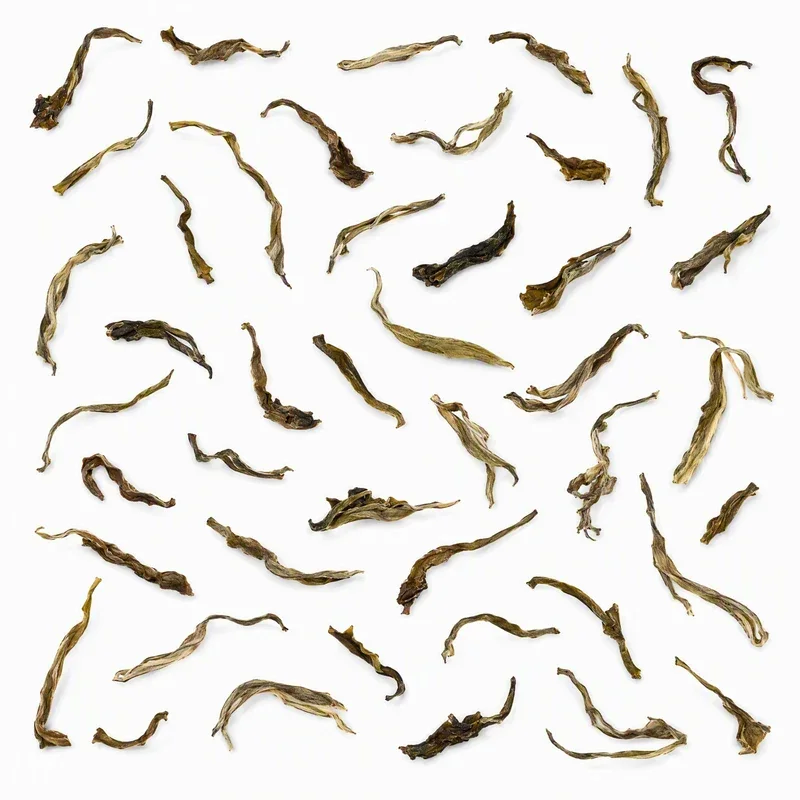
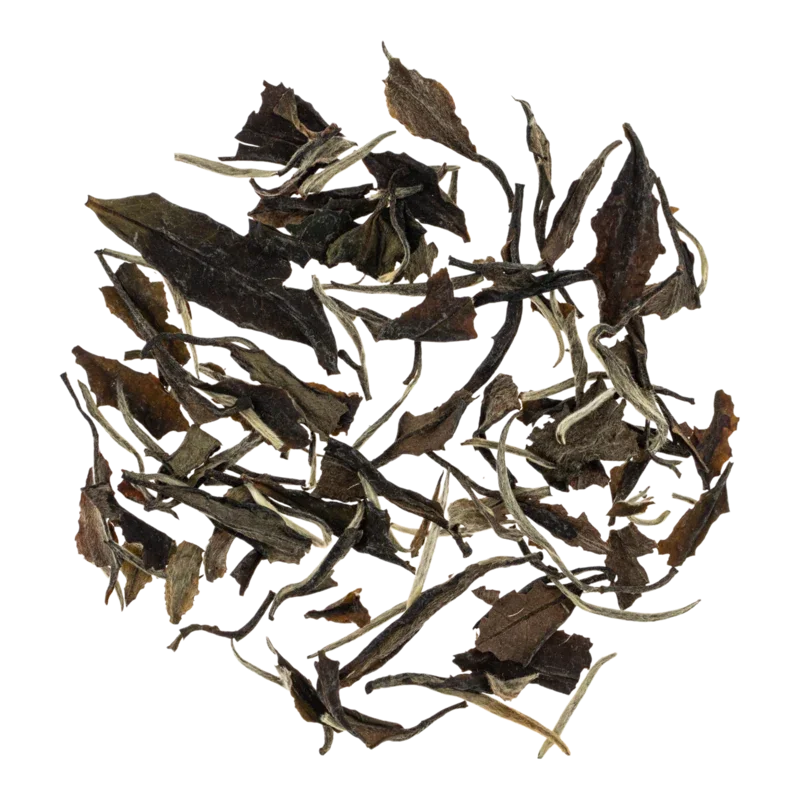
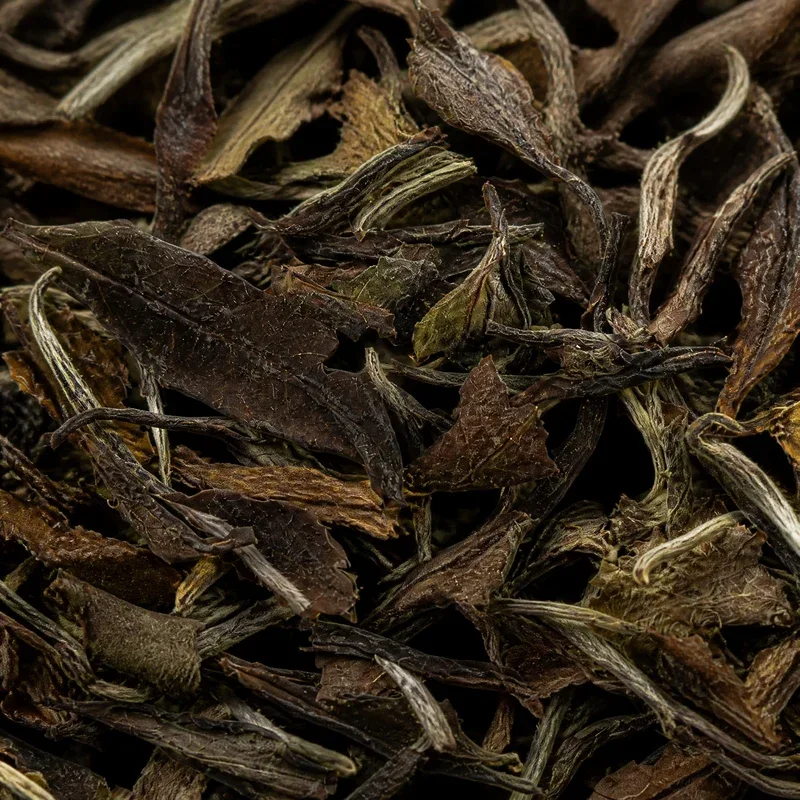
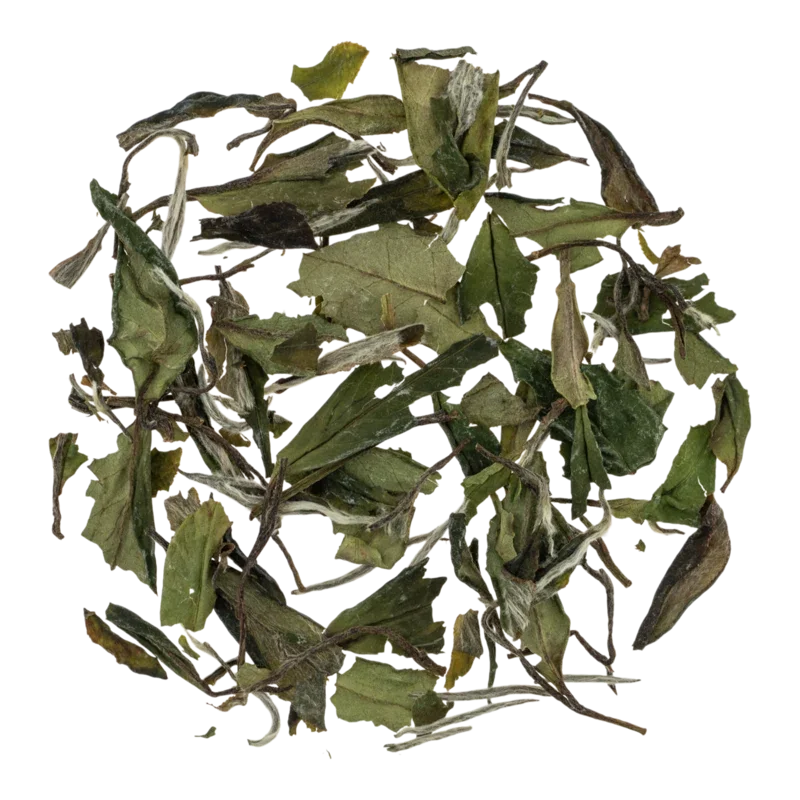
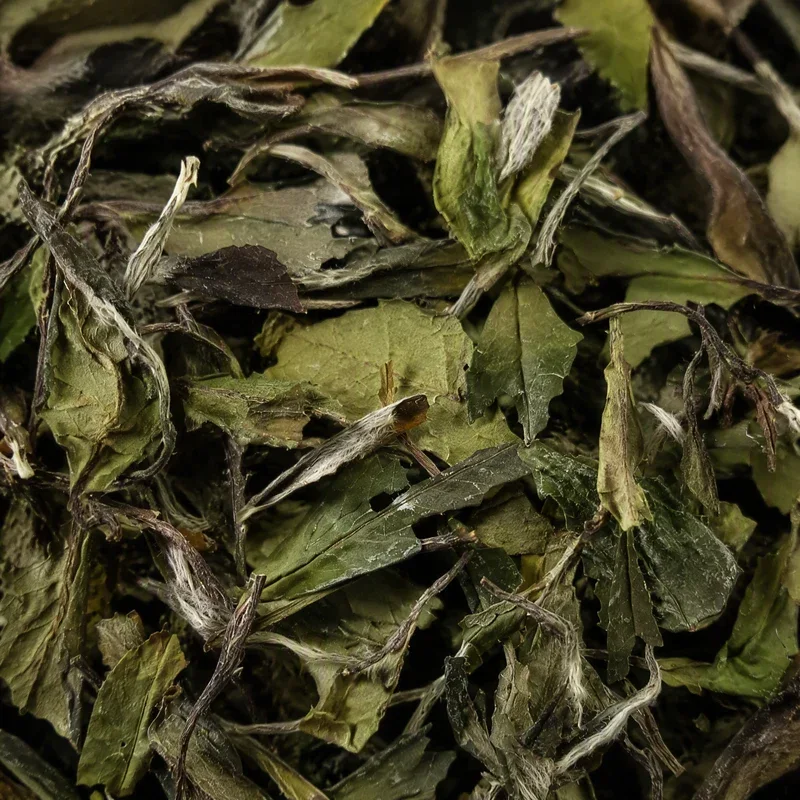
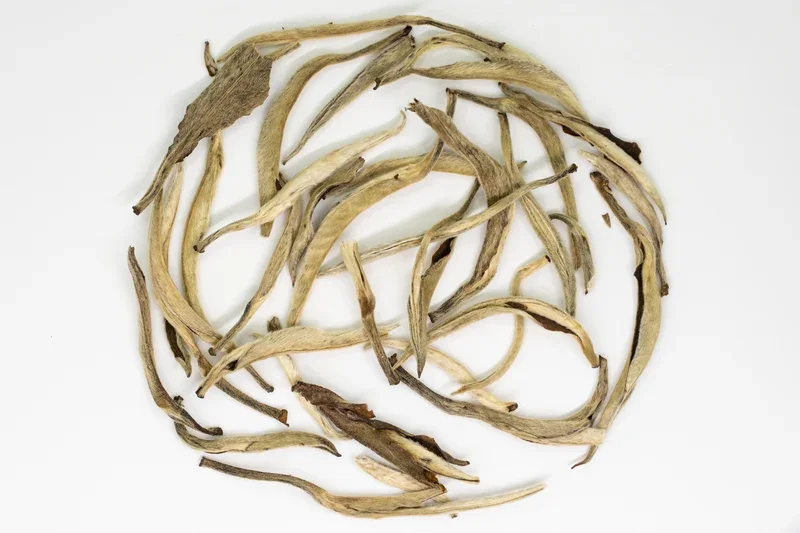
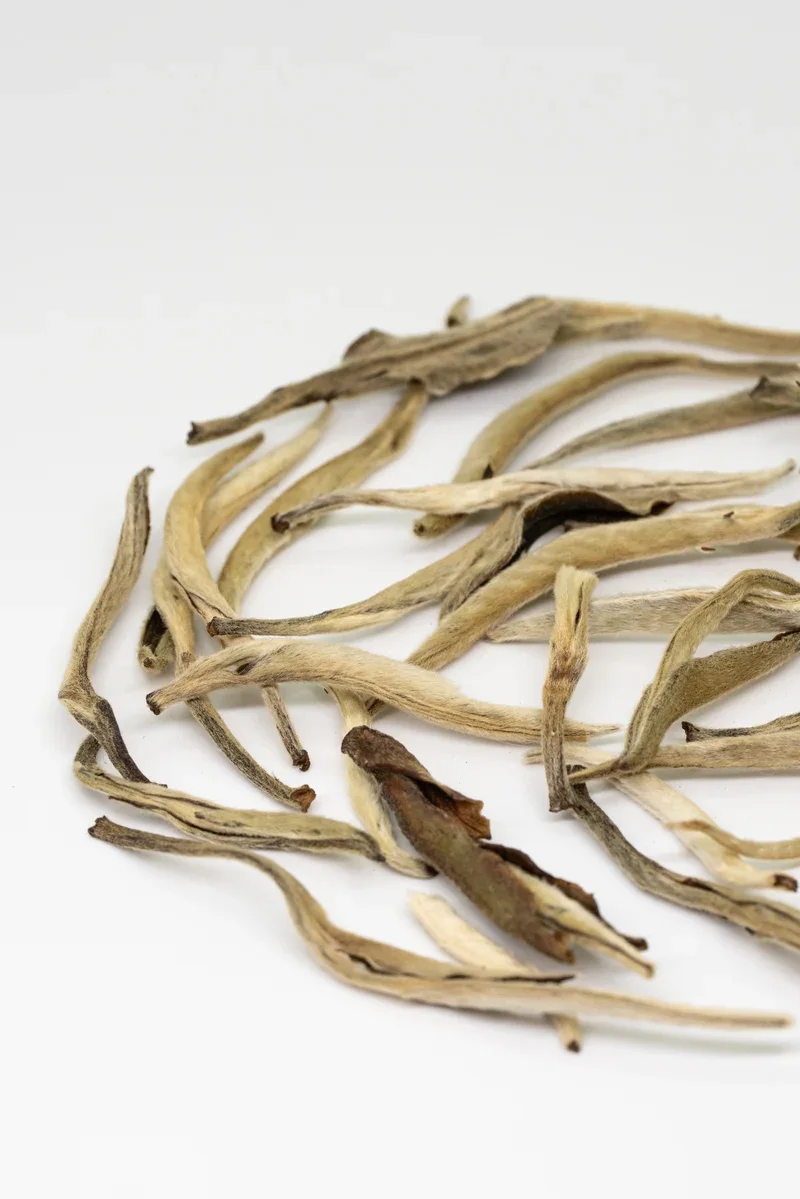
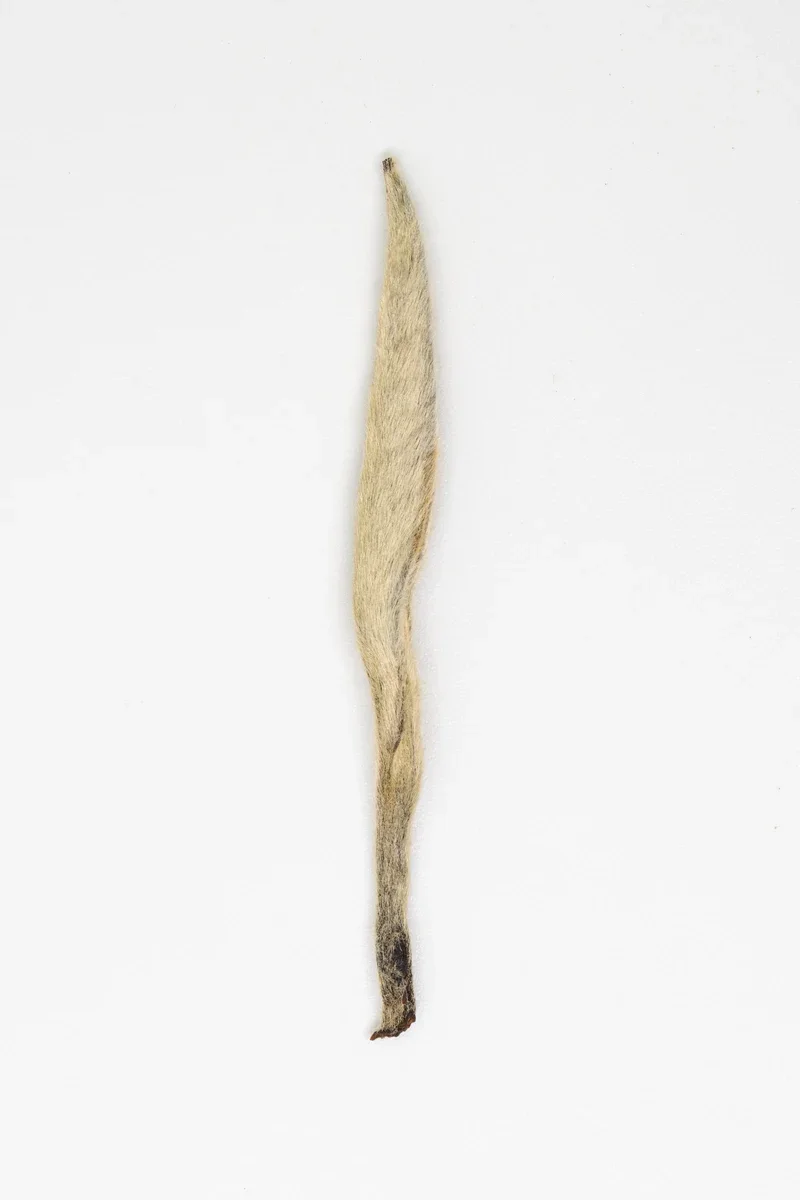
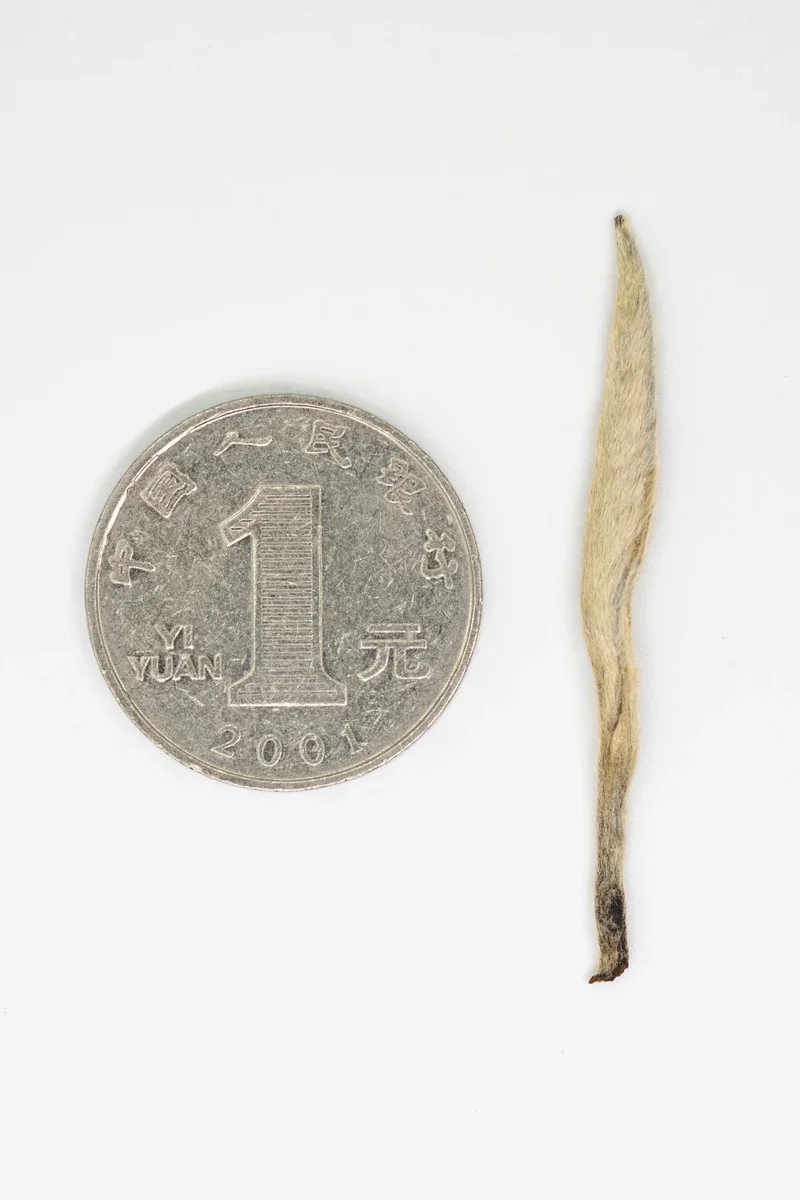
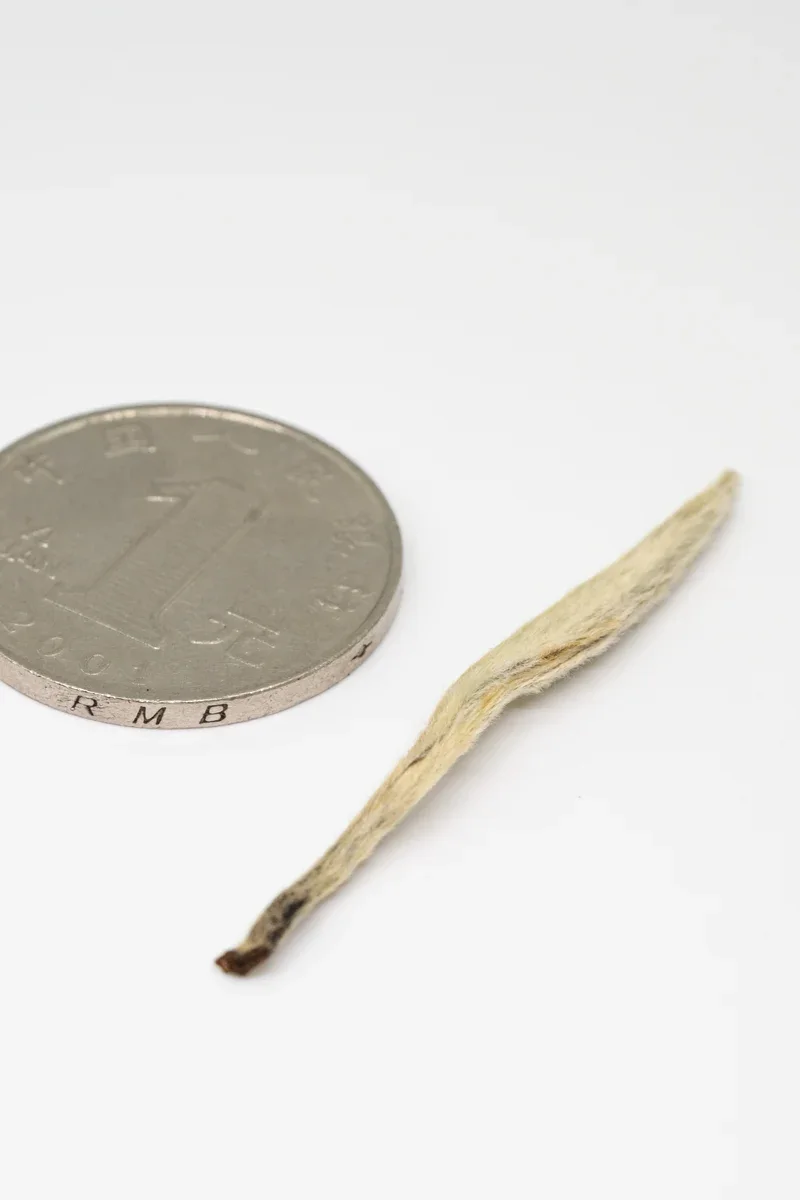
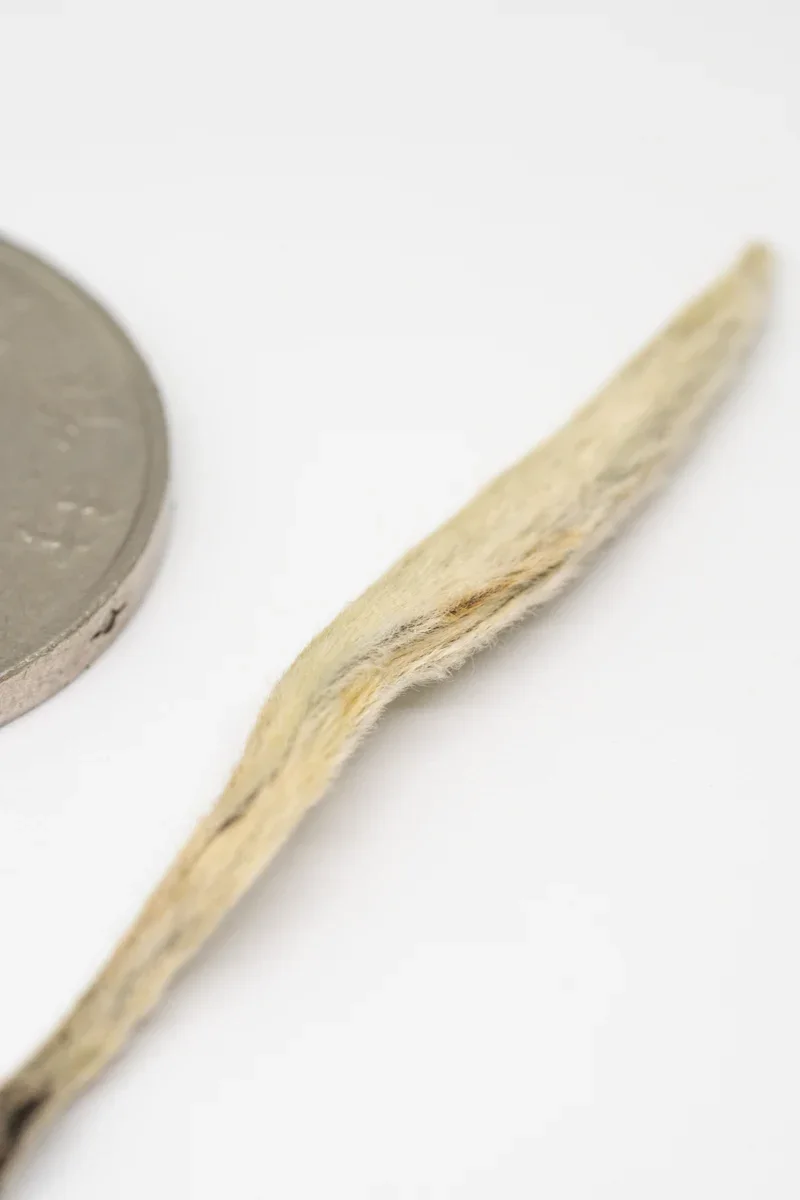
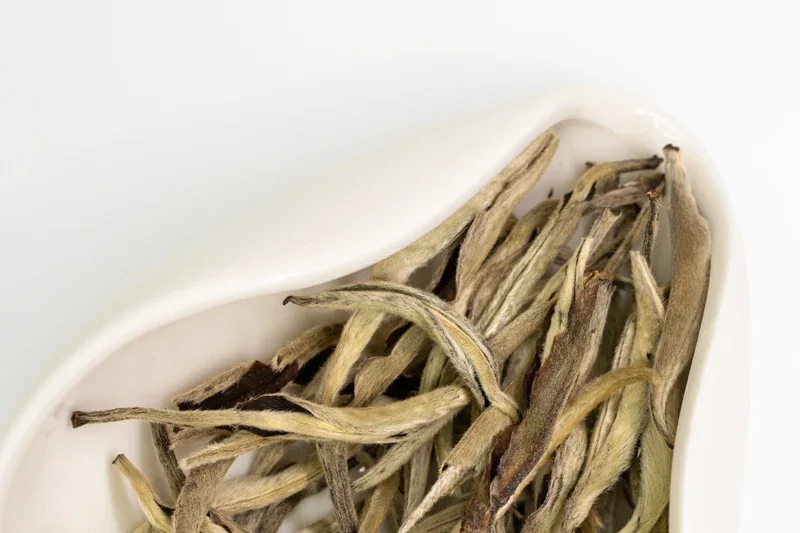
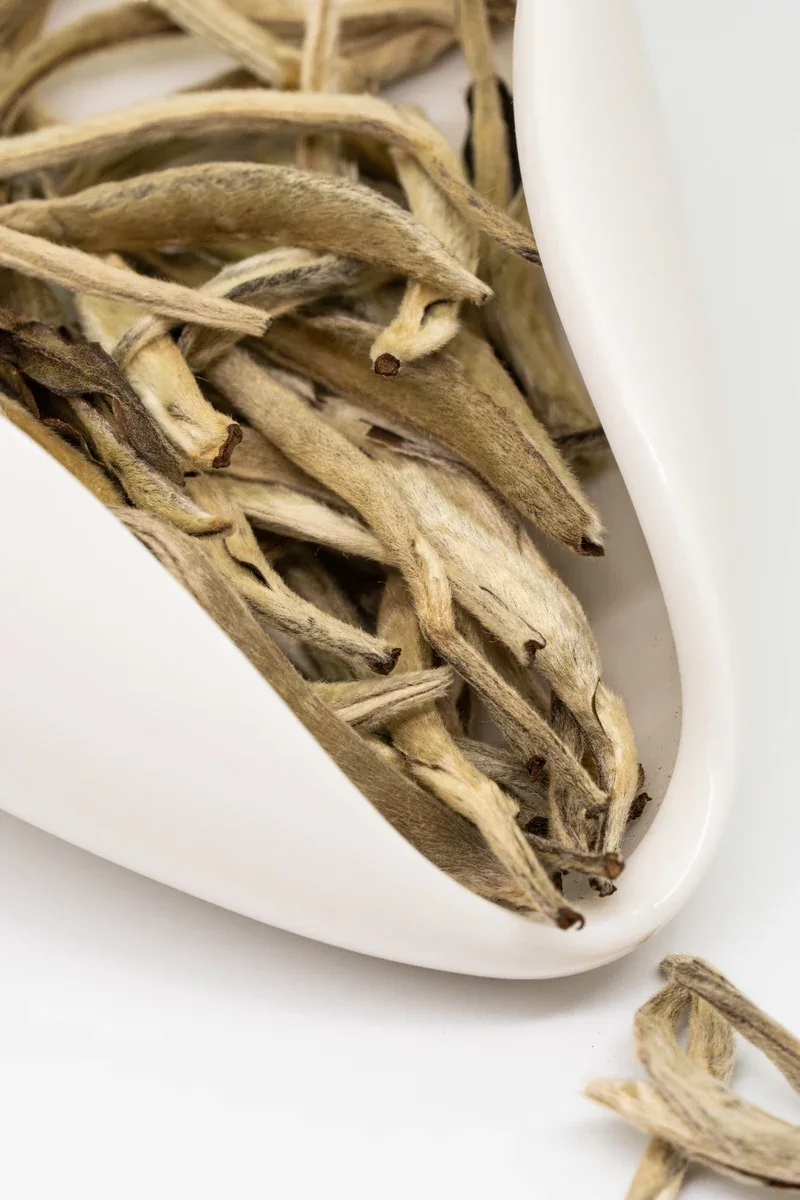
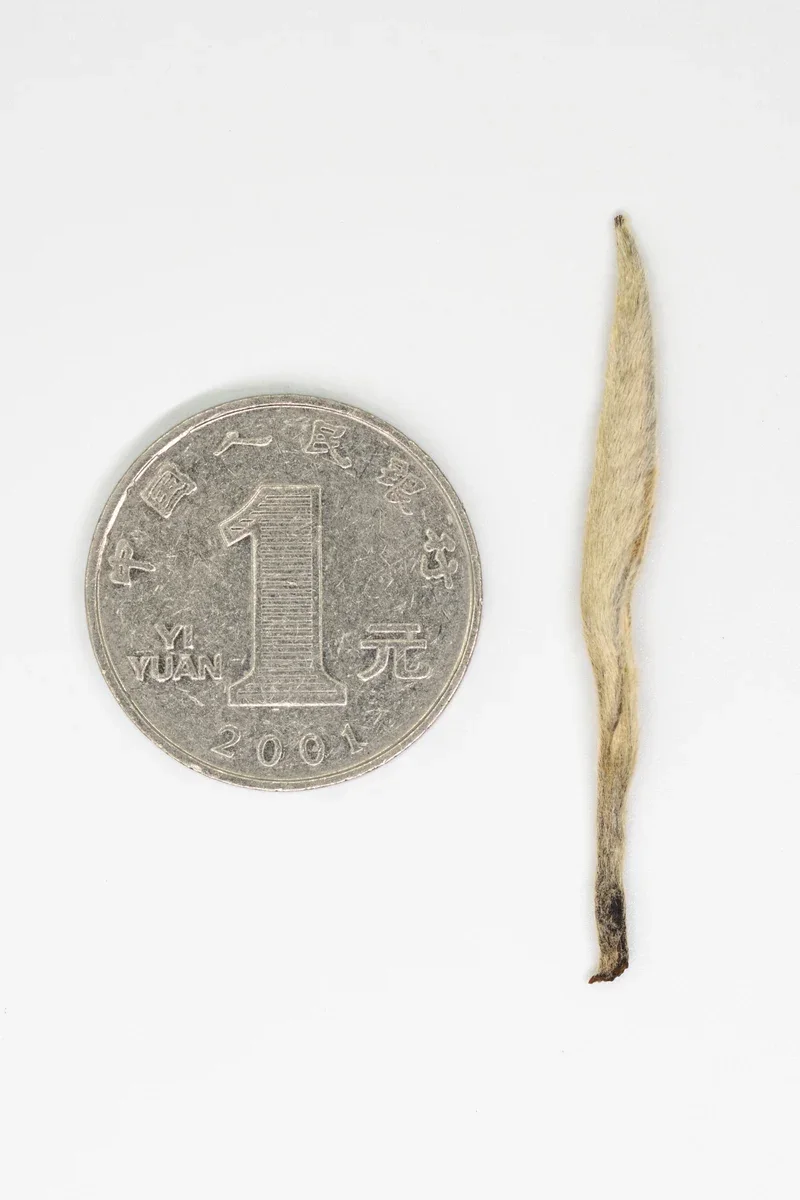
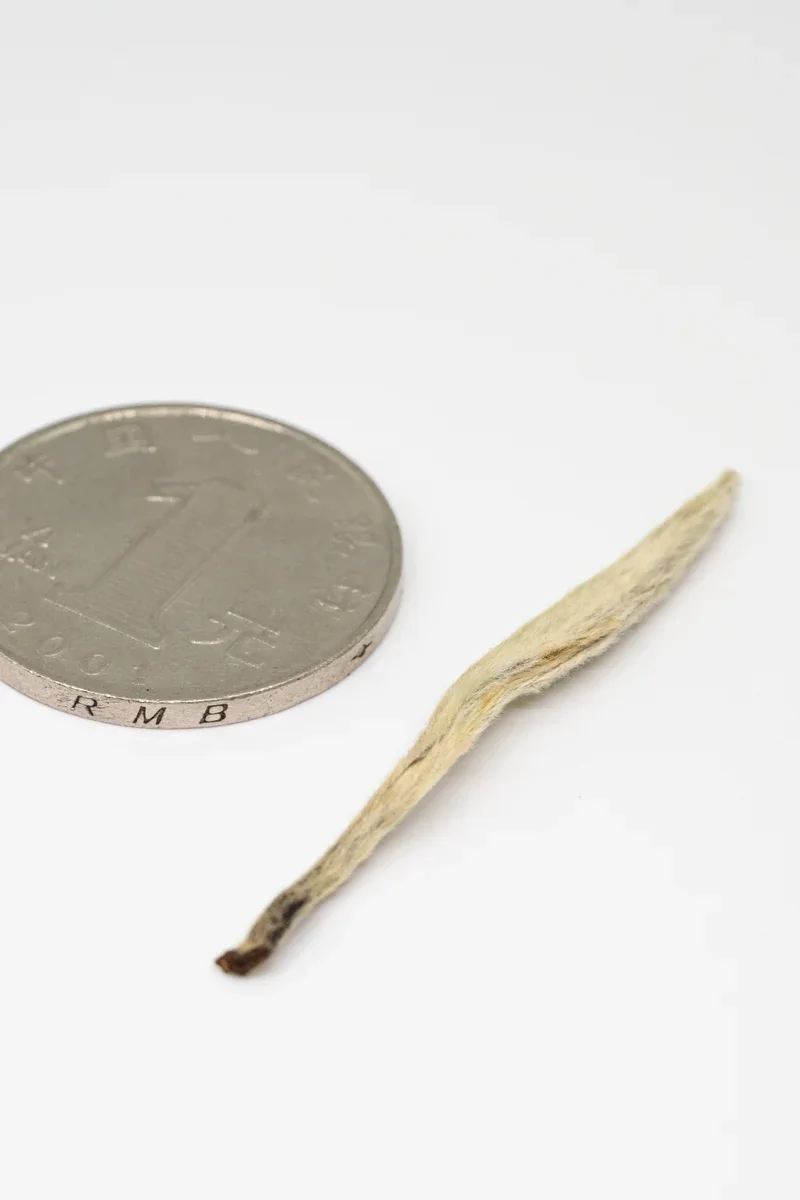
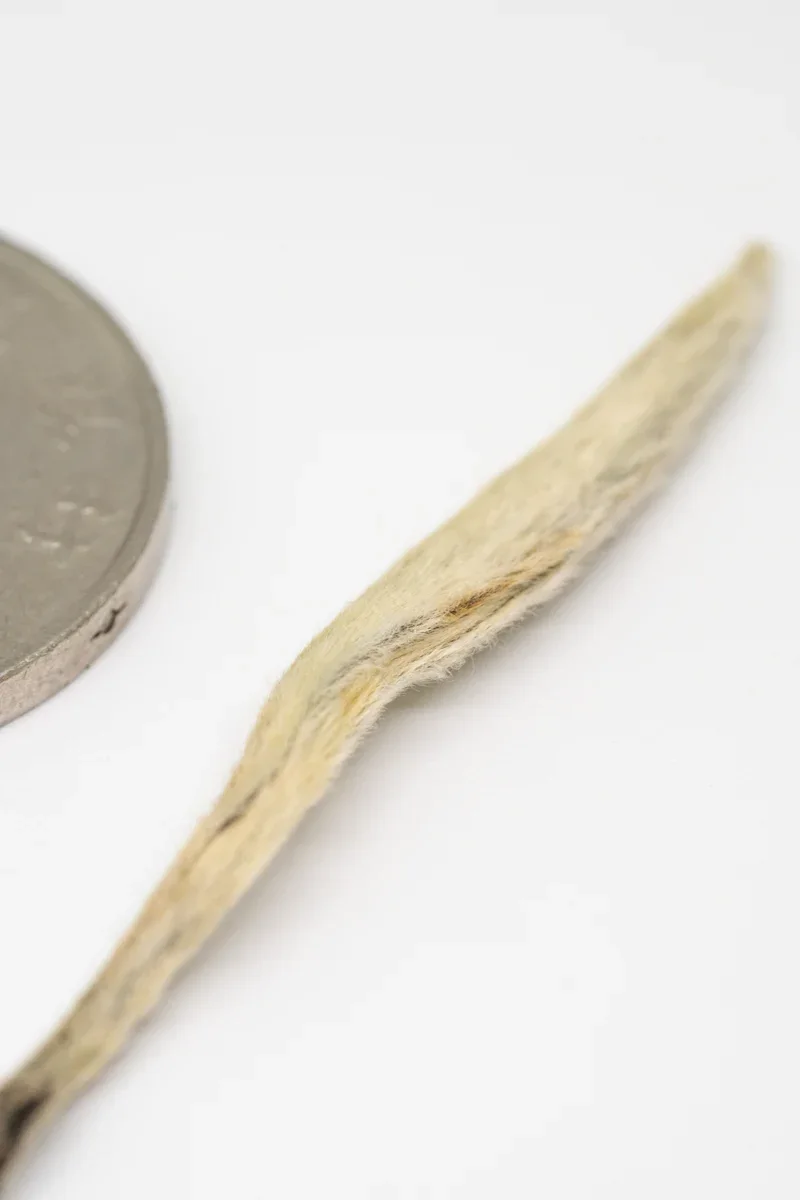
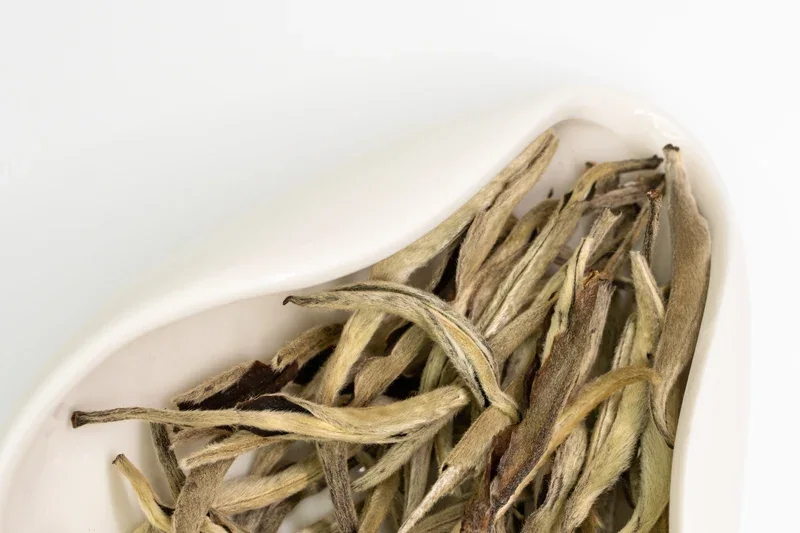
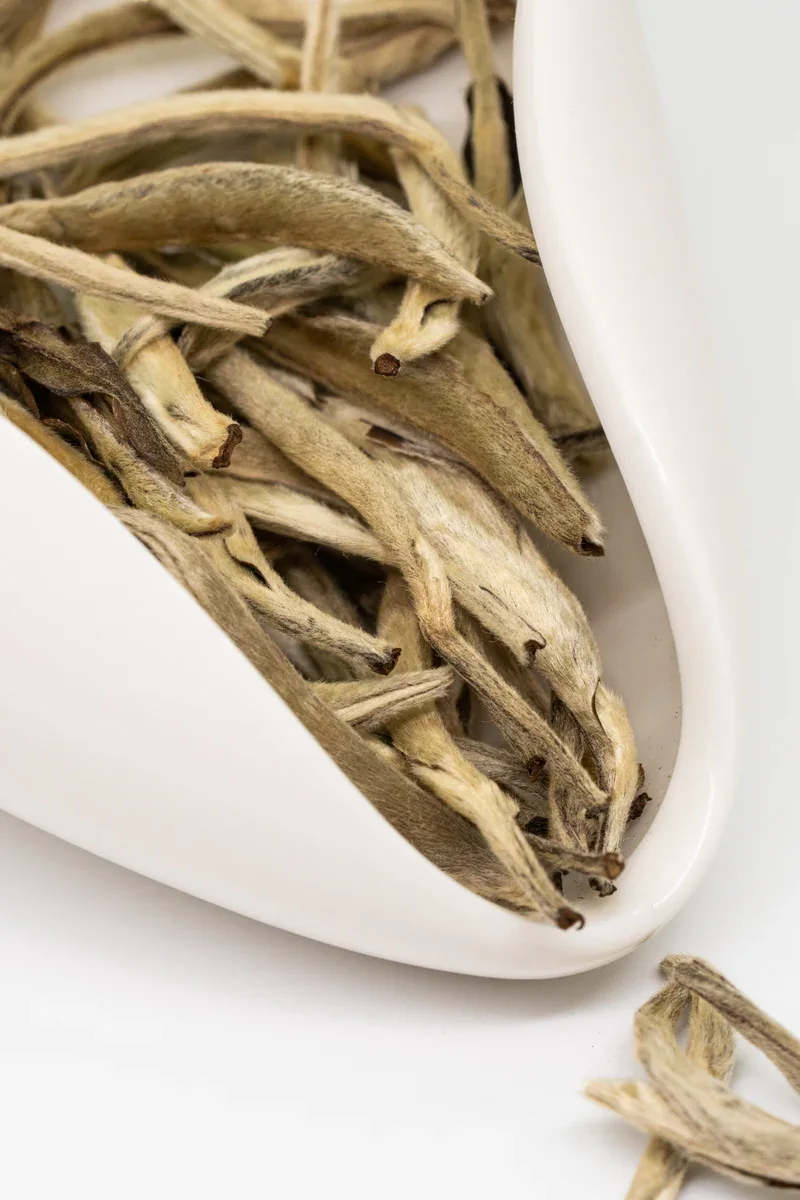
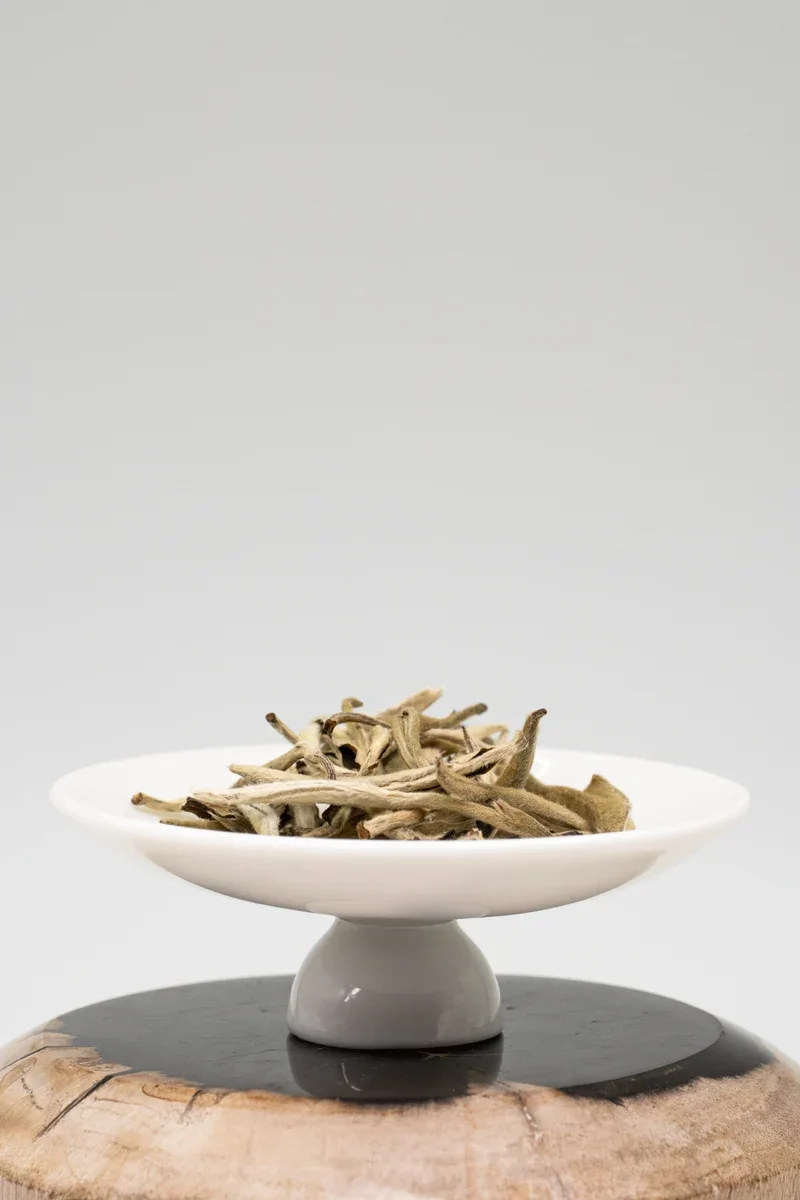
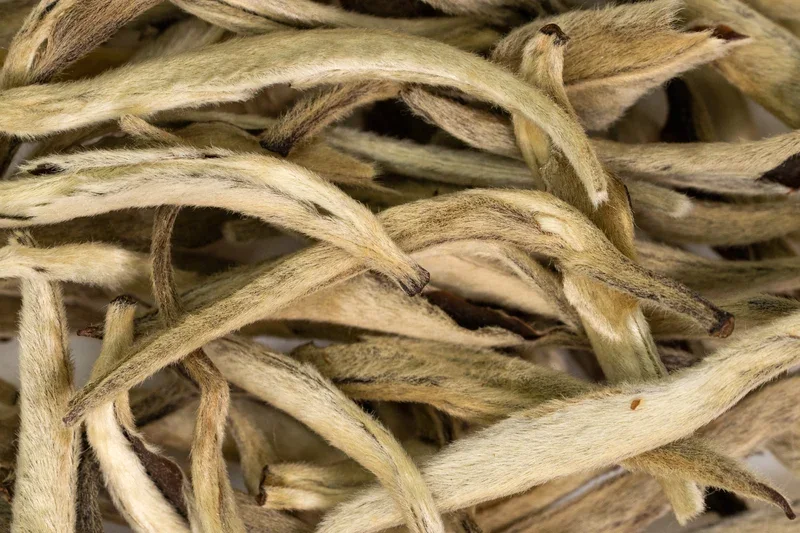
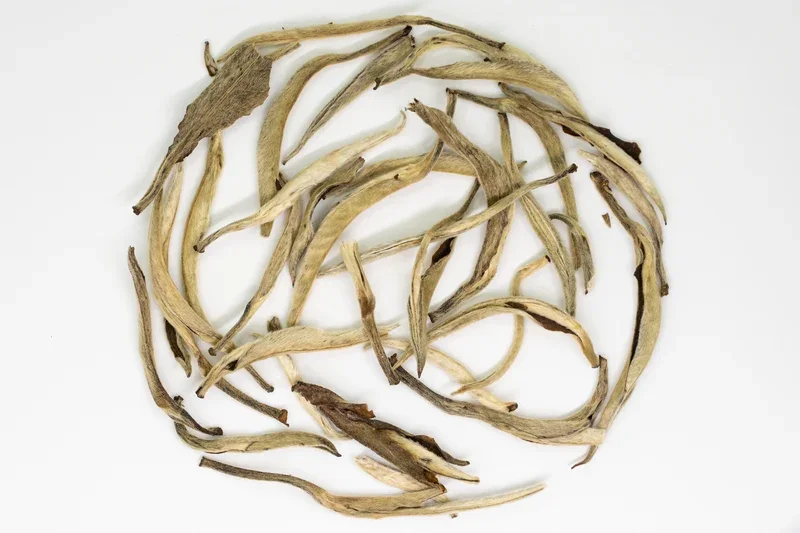
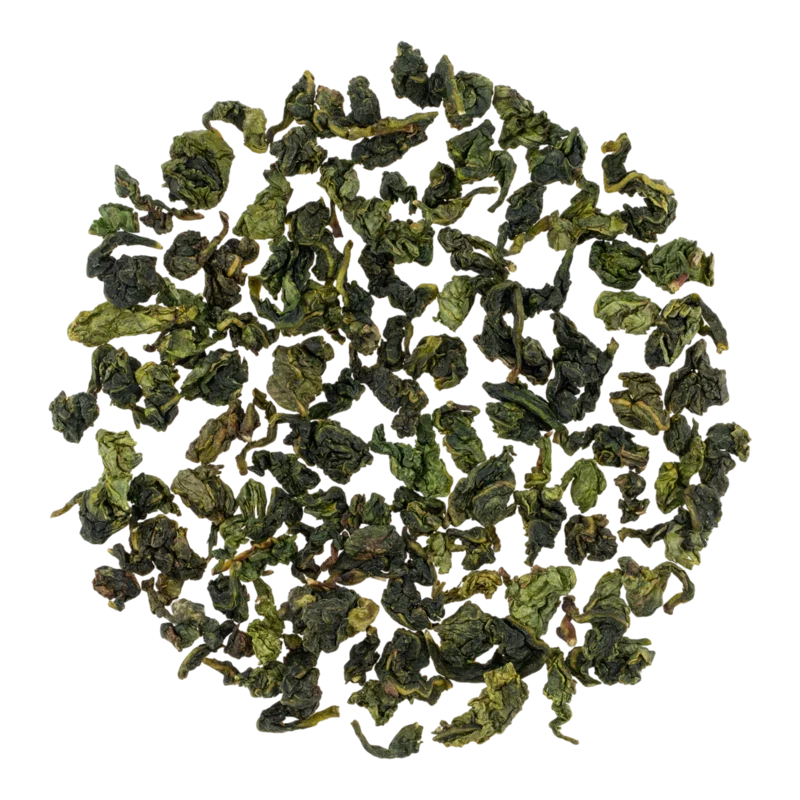
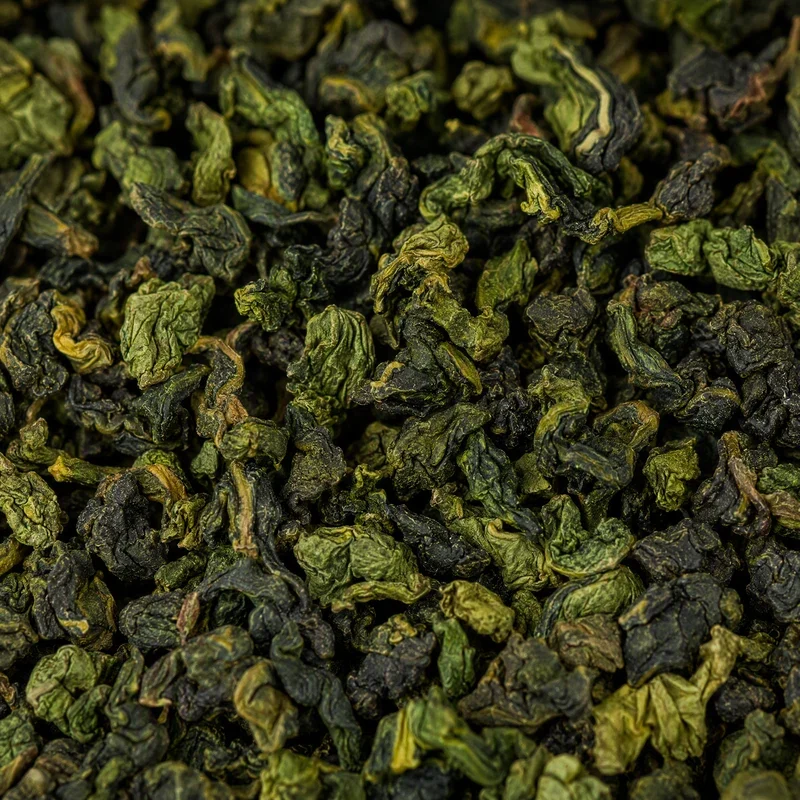
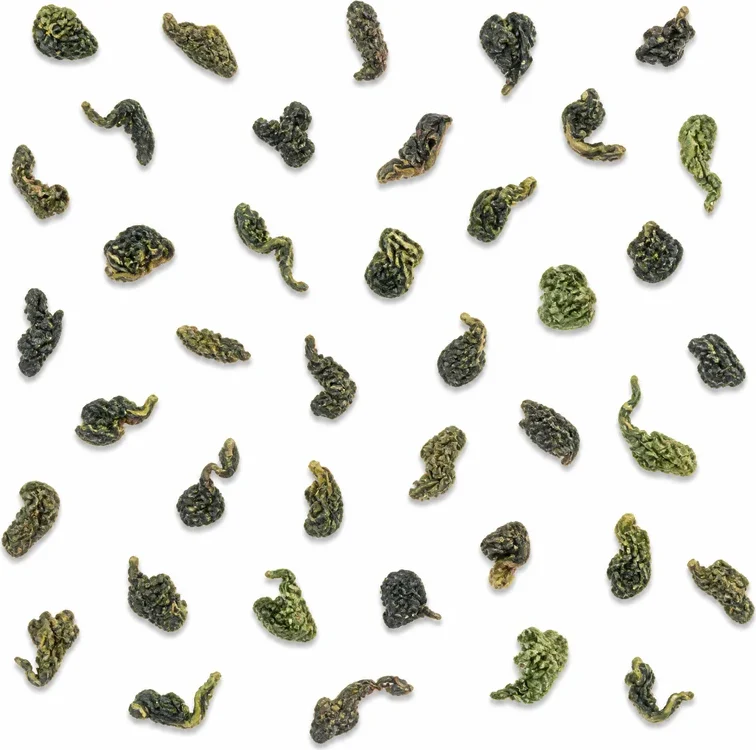
Dry Leaf Appearance: Semi-spherical pellets, from emerald-green to dark green color, with light luster. Rolling is slightly less tight, and pellets are slightly more elongated than Tieguanyin — a key visual marker. Tips with white down.
Dry Leaf Aroma: Fresh, bright. Floral notes (orchid, narcissus), but with more pronounced grassy undertones than Tieguanyin. Light fruity (green apple) and honey nuances. Less "creamy" than Tieguanyin — more "green," "meadow" character.
Liquor Aroma: Floral, sweetish, with grassy freshness and light honey undertones. Aroma is slightly less intense than Tieguanyin, but cleaner and more transparent.
Liquor Color: Light yellow, golden-green, transparent, with bright luster.
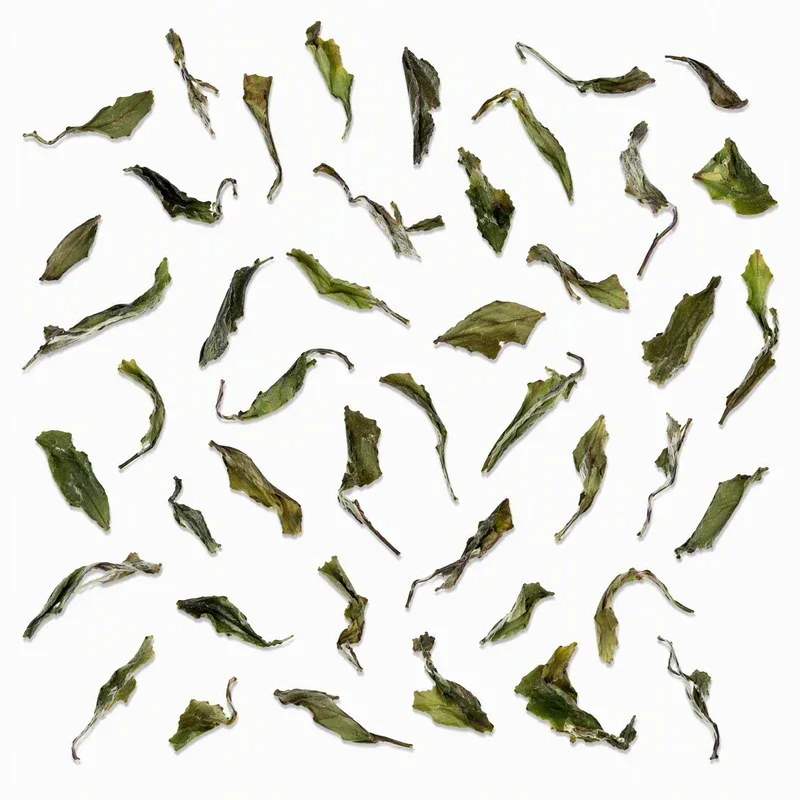
Spent Leaves: Whole elastic leaves of emerald-green color. Leaves are noticeably thinner and smaller than Tieguanyin.
Taste: Soft, refreshing, with light astringency and distinct natural sweetness. Floral and grassy notes dominate; fruity (green apple, unripe pear) and honey notes are secondary. Liquor body is medium, slightly lighter than Tieguanyin. Aftertaste is long, refreshing, with returning sweetness (回甘, huígān). Less oily than Tieguanyin — rather "crystalline."
Alkaloids: Caffeine ~2–3% of dry mass (moderate). Theobromine, theophylline — trace amounts.
Amino Acids: L-theanine — sweet taste, relaxing effect. Content is somewhat lower than high-altitude Tieguanyin due to slightly thinner leaf blade.
Essential Oils: Linalool, nerol, geraniol (floral notes); hexenol and its esters (grassy freshness — more pronounced than in Tieguanyin, which forms the characteristic "green" aroma).
Minerals: Potassium, fluorine, magnesium, manganese, iron (from red soils of Anxi).
Polyphenols: EGCG and other catechins — antioxidants. Total polyphenol content ~20–25% of dry mass, close to Tieguanyin.
Vitamins: C, B group, E.
Catechins neutralize free radicals.
Caffeine + L-theanine — gentle alertness without nervousness.
Mild stimulation; suitable for consumption after meals.
The grassy, "crystalline" character of Benshan is especially good for quenching thirst in hot weather.
LDL reduction, vessel strengthening.
Fluorine from Anxi soils + catechins — caries prevention.
85–95°C. For spring qingxiang — 85–90°C; for nongxiang — 90–95°C.
Benshan is a good tea for comparative tasting with Tieguanyin. Brew both simultaneously in two gaiwans — differences become obvious from the first infusion.
Tea Amount: 5–7 g per 150 ml.
Teaware: Gaiwan (porcelain) — optimal for evaluating delicate aroma. Yixing teapot — for nongxiang style.
No reviews yet. Tell us what you think of this tea.
Rate this tea and share your impressions. We review each submission before publishing it.