Brewing
Gongfu brewing
- Water temperature
- 75 °C
- Tea amount
- 5 g
- Water volume
- 100 ml
- First steep
- 10 s
- Time added per infusion
- 5 s
- Infusions
- 3

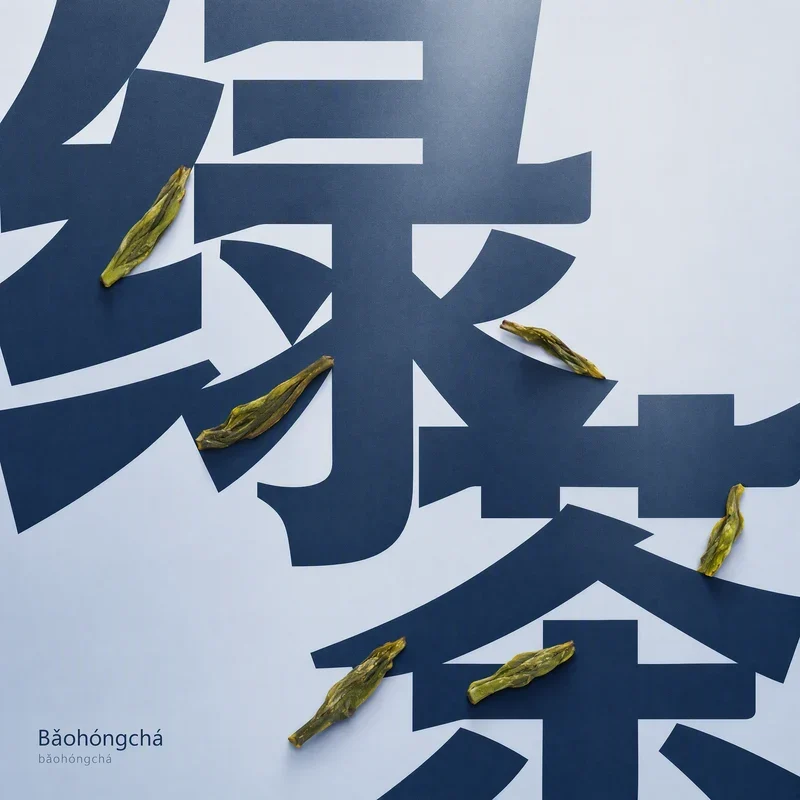
bǎohóngchá
Choose a brewing method. Start with the recommended quantities and time, then adjust to taste.
Brewing
Brewing
Taste
Tea encyclopedia
Category: Historical famous tea of China (中国历史名茶). Tribute tea (贡茶, gòngchá) of the Ming and Qing eras — from the 36th year of the Jiajing reign (嘉靖, 1557) to the Xiánfēng period (咸丰, 1851–1861). In 2016, the production technology was included in the registry of intangible cultural heritage of Yunnan Province. In 2024 — special award "Zhongcha Cup" (中茶杯).
Category: Historical famous tea of China (中国历史名茶). Tribute tea (贡茶, gòngchá) of the Ming and Qing eras — from the 36th year of the Jiajing reign (嘉靖, 1557) to the Xiánfēng period (咸丰, 1851–1861). In 2016, the production technology was included in the registry of intangible cultural heritage of Yunnan Province. In 2024 — special award "Zhongcha Cup" (中茶杯).
Coordinates: Approximately 24°55′ North latitude, 103°10′ East longitude.
Origin: China, Yúnnán Province (云南, Yúnnán), Kūnmíng City (昆明, Kūnmíng), Yíliáng County (宜良县, Yíliáng Xiàn). The production zone covers 15 townships and villages of the county. The terroir core is Bǎohóng Mountain (宝洪山, Bǎohóng Shān), surroundings of the Buddhist monastery Baohongsi (宝洪寺, Bǎohóng Sì). Tea gardens of the core constitute 90% of production, concentrated in the villages of Jiangtoucun (江头村) and Dacunzi (大村子).
Type: Green tea (non-oxidized). Belongs to flat pan-fired green teas (扁形炒青绿茶, biǎnxíng chǎoqīng lǜchá) — the same shaping type as Longjing.
signature intensity — "roast in house — fragrance in courtyard". Weak, unexpressive aroma — sign of fake.
long-lasting cold aroma (冷杯留香) — marker of authenticity.
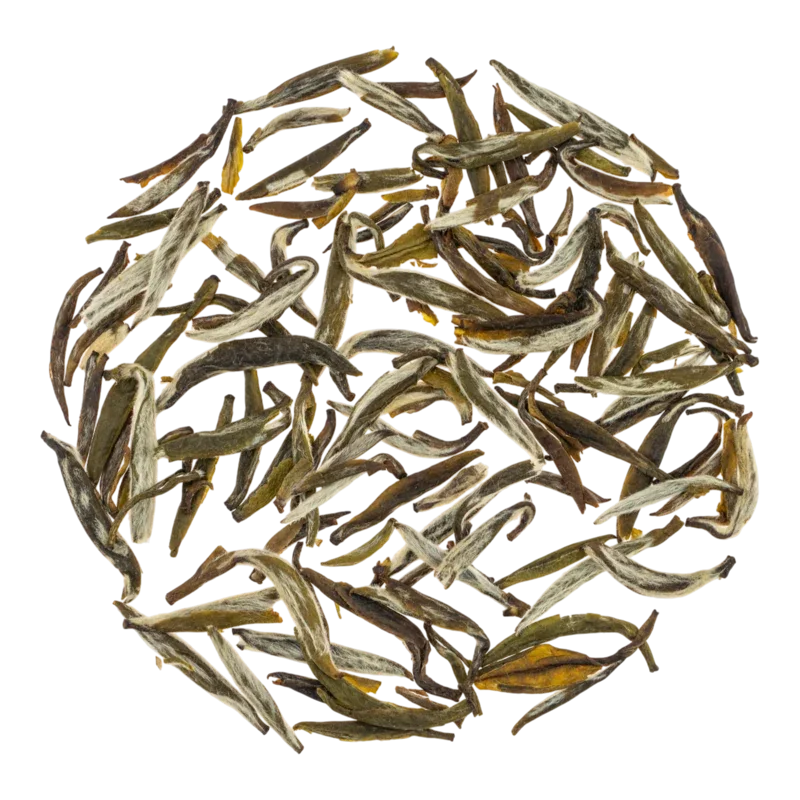
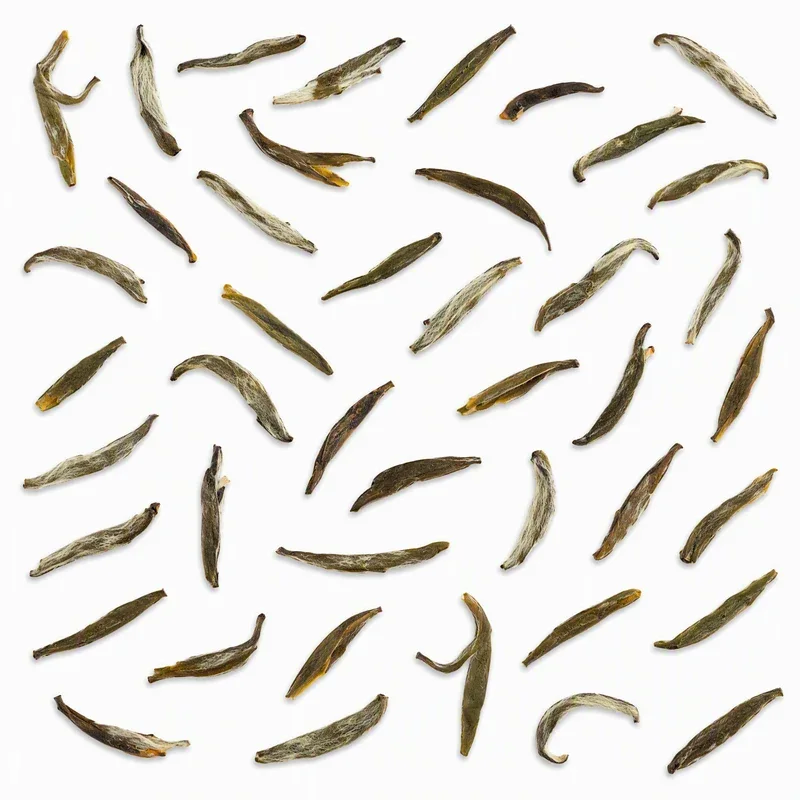
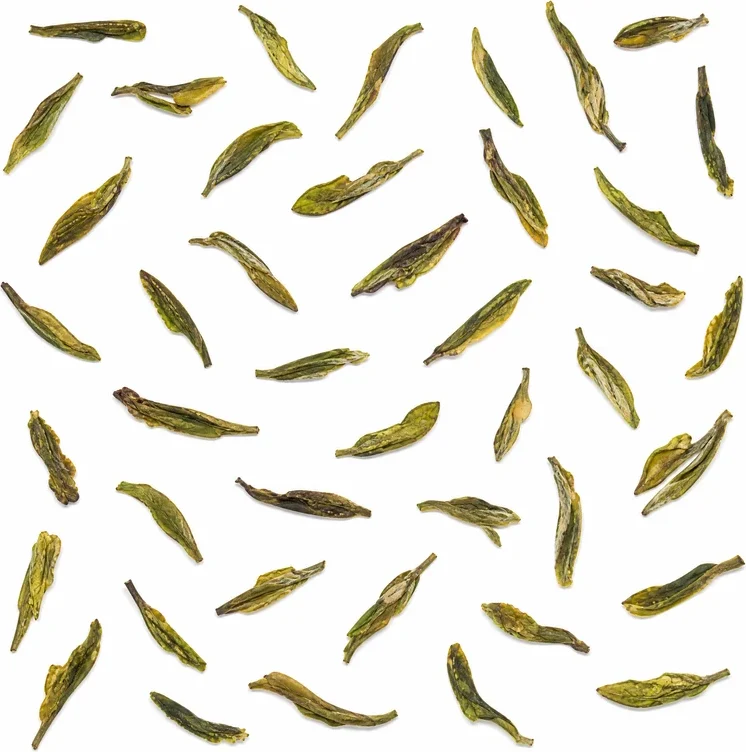
flat, straight leaves resembling needles. Twisted or uneven — different tea type.
suspiciously low price — sign of fake.
Prototype and "teacher". Longjing is milder, bean-chestnut, with pronounced umami note. Baohongcha is more aromatically bright, with intense, "piercing" high aroma.
From Guizhou. Also flat, also "inspired by Longjing". Meitan is more "technological" (95% automation); Baohongcha is completely manual, with deeper historical background.
From Sichuan. Flat, emerald, "bamboo leaf". Zhuye Qing is lighter and "cleaner"; Baohongcha is more aromatically intense.
Cultural Significance: Baohongcha is a unique artifact of inter-regional cultural exchange: Fujian tea bushes, transplanted by Buddhist monks to Yunnan over a thousand years ago, adapted to the high-mountain Yunnan terroir and gave birth to a tea unlike either Fujian or classical Yunnan styles. Baohongcha is a peculiar "bridge" between the tea cultures of eastern and southwestern China. Baohongsi monastery remains the center of the region's tea tradition to this day.
History: The origin of Baohongcha is connected to the Buddhist monastery Baohongsi, founded on the mountain of the same name. According to local chronicles, in the Tang era (618–907) the monastery's founder (开山和尚, kāishān héshàng) brought small-leaf tea seedlings from Fujian Province and planted them on the mountain slopes around the temple. Initially the tea was called "Xiangguosicha" (相国寺茶, "Tea of Xiangguo Monastery").
Cultivar: Main cultivar — Yúnnán Zhongxiaoyequntichong (云南中小叶群体种, Yúnnán zhōngxiǎoyè qúntǐzhǒng) — local indigenous small-leaf and medium-leaf variety of Camellia sinensis var. sinensis, descendant of introduced Fujian populations. Leaves are thick, fleshy, with high "tenderness retention" (持嫩性强). Additionally used is Fúdǐng Dàbáichá (福鼎大白茶) — introduced large-leaf variety with abundant down, increasing white fuzz density and taste freshness.
Picking: Early spring picking. For supreme grade (特级) — full buds or one bud with one barely opened leaf. For first grade — one bud with one leaf. For second grade — one bud with two leaves.
Raw Material: Tender, uniform, undamaged shoots. Processing — on the day of picking.
Altitude: 1550–1750 meters above sea level — significantly higher than most small-leaf green teas of China. High-mountain location ensures slow growth and increased amino acid accumulation.
Climate: Subtropical monsoon. Average annual temperature — 16°C, annual precipitation — 1200–1400 mm. Clouds and fog cover the tea gardens 80% of the time. Diurnal temperature variations are significant. Abundant diffused light contributes to forming a mild, sweetish flavor profile.
Soil: Yellow-brown soils (黄棕壤) on granite foundation, pH 4.8–5.5, rich in organic matter, potassium and selenium. Good aeration and water permeability.
Brief spreading to remove excess moisture.
Manual pan-firing in a cast iron wok at 140–200°C. The master works with bare hands (徒手炒, túshǒu chǎo) — without metal tools, so as not to damage the aroma. At this stage oxidation is stopped and the famous bright aroma is fixed.
Intermediate cooling for moisture redistribution.
Key stage determining shape and appearance. At low temperature (50–60°C) the master presses and polishes the tea leaves against the wok walls, giving them a flat, smooth form resembling cedar or fir leaves (似杉松叶). Simultaneously the down is "drawn" to the surface. The entire stage is performed without metal tools — only with hands.
Final sorting, removal of fragments and non-standard leaves. Moisture content in finished tea — ≤7%.
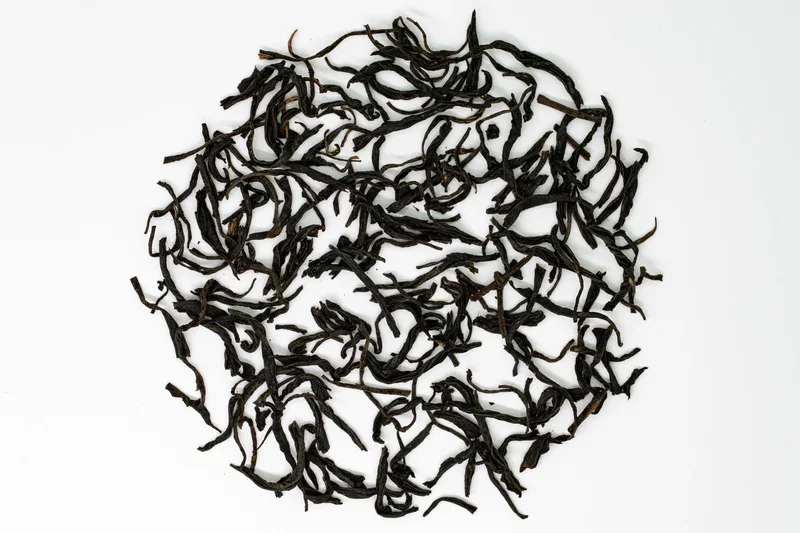
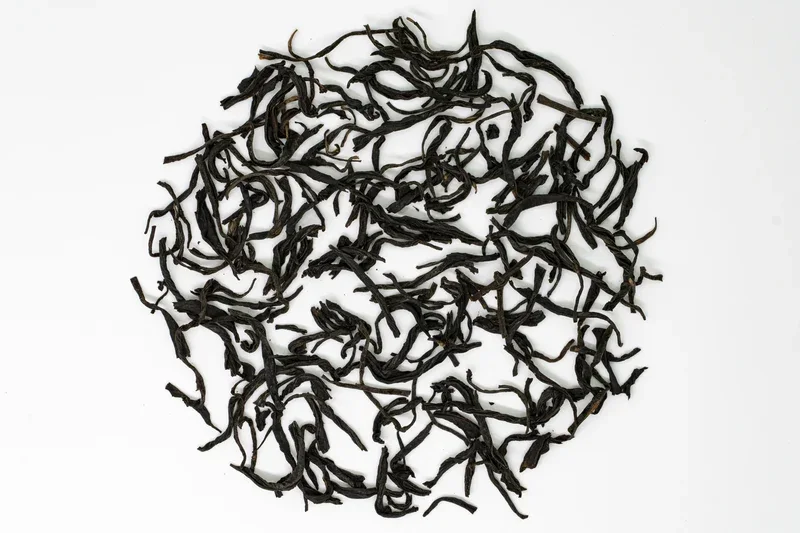
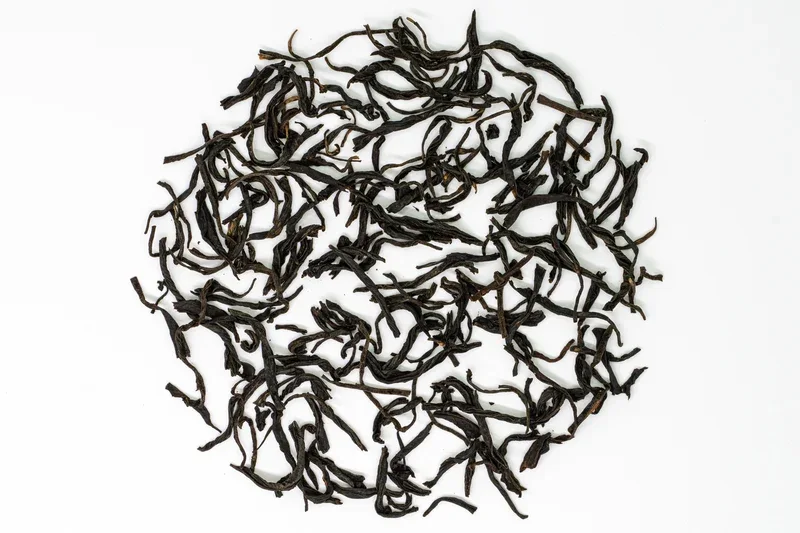
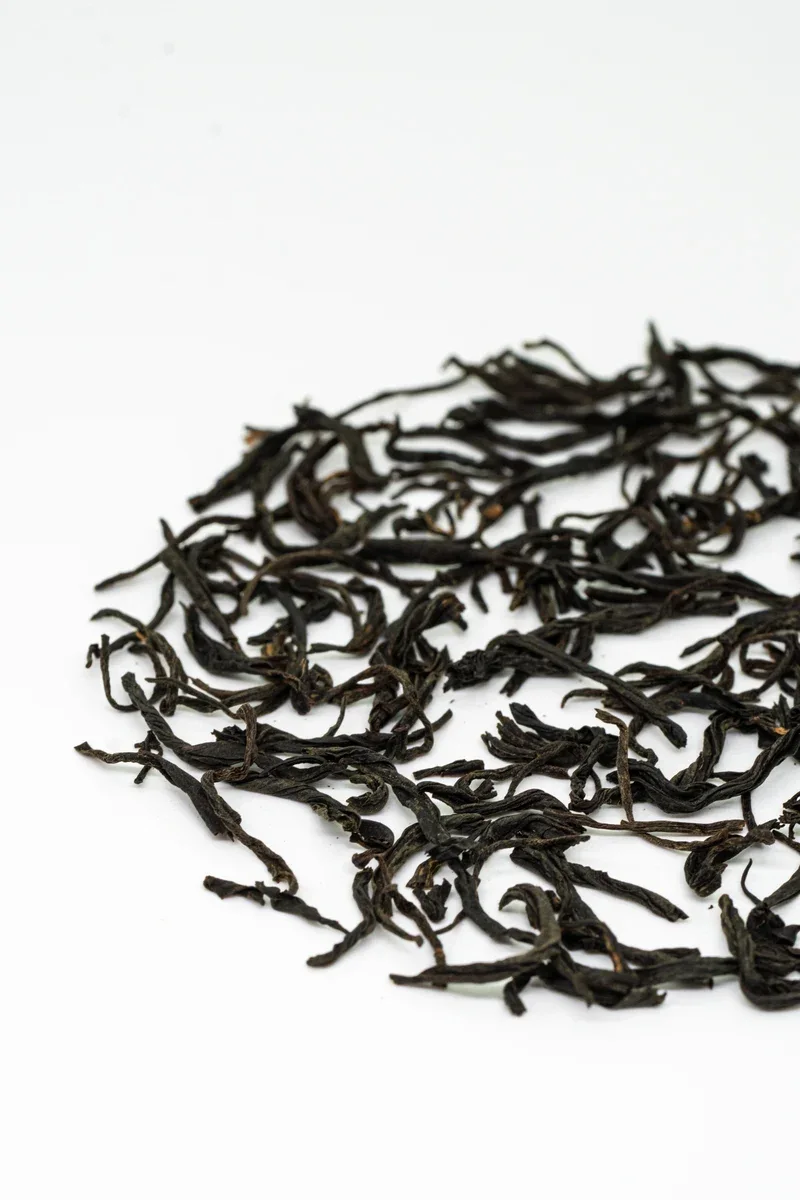
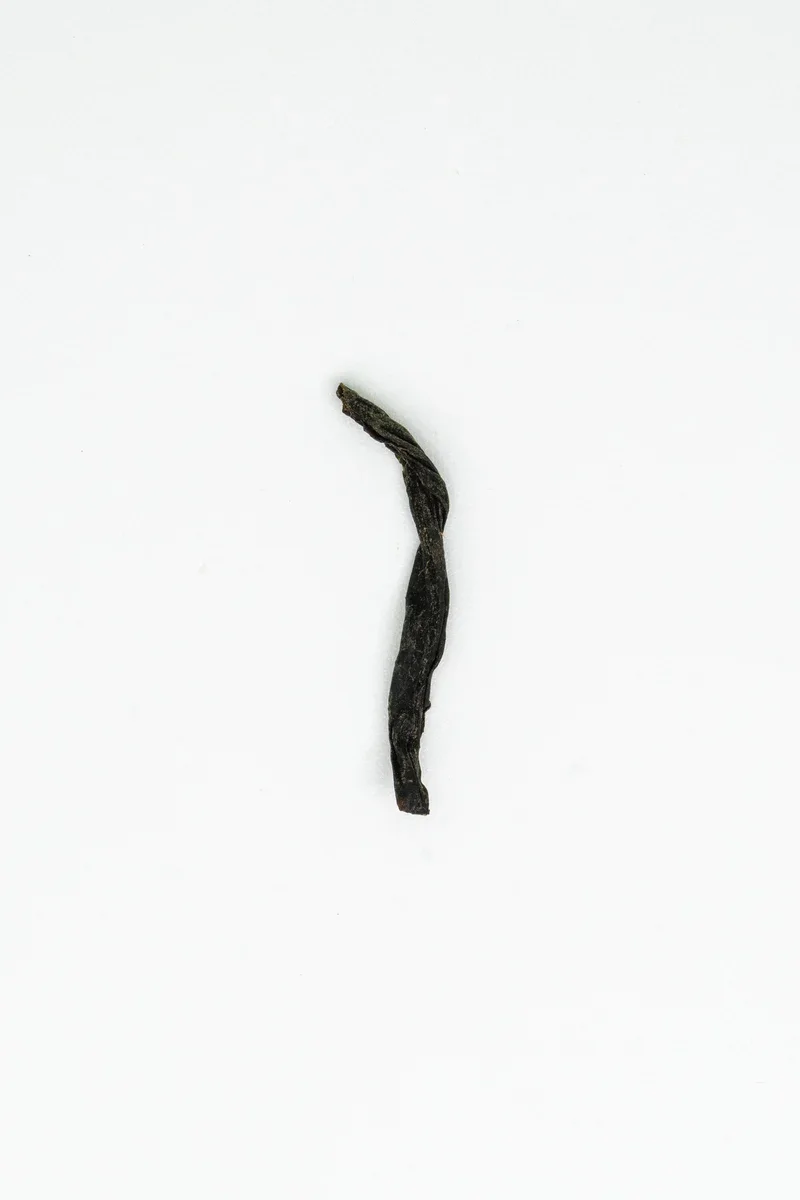
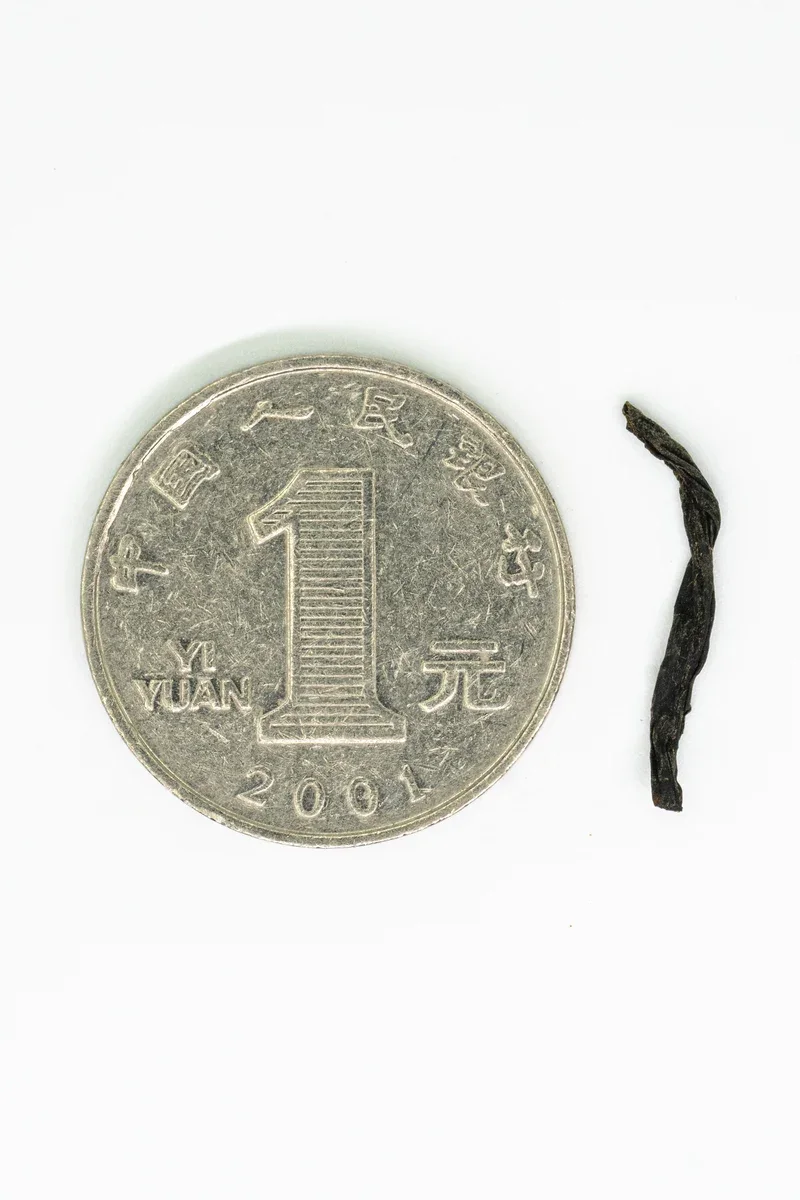
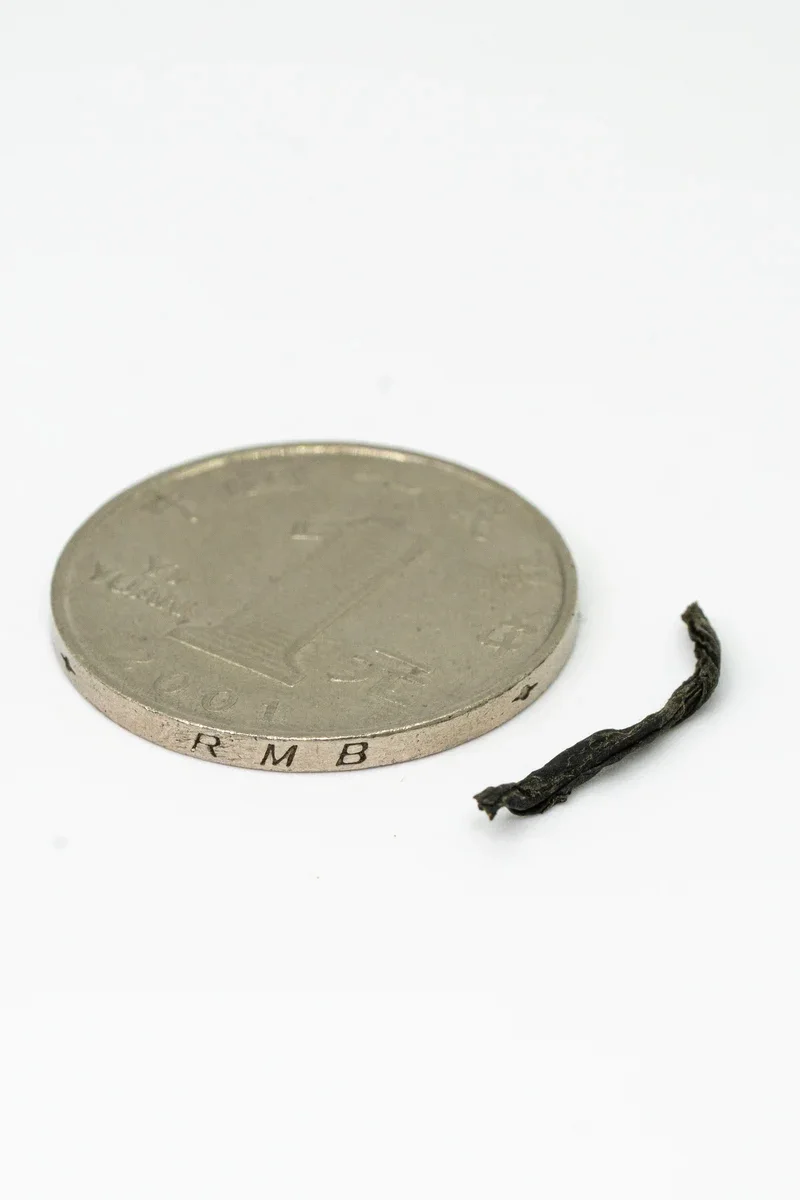
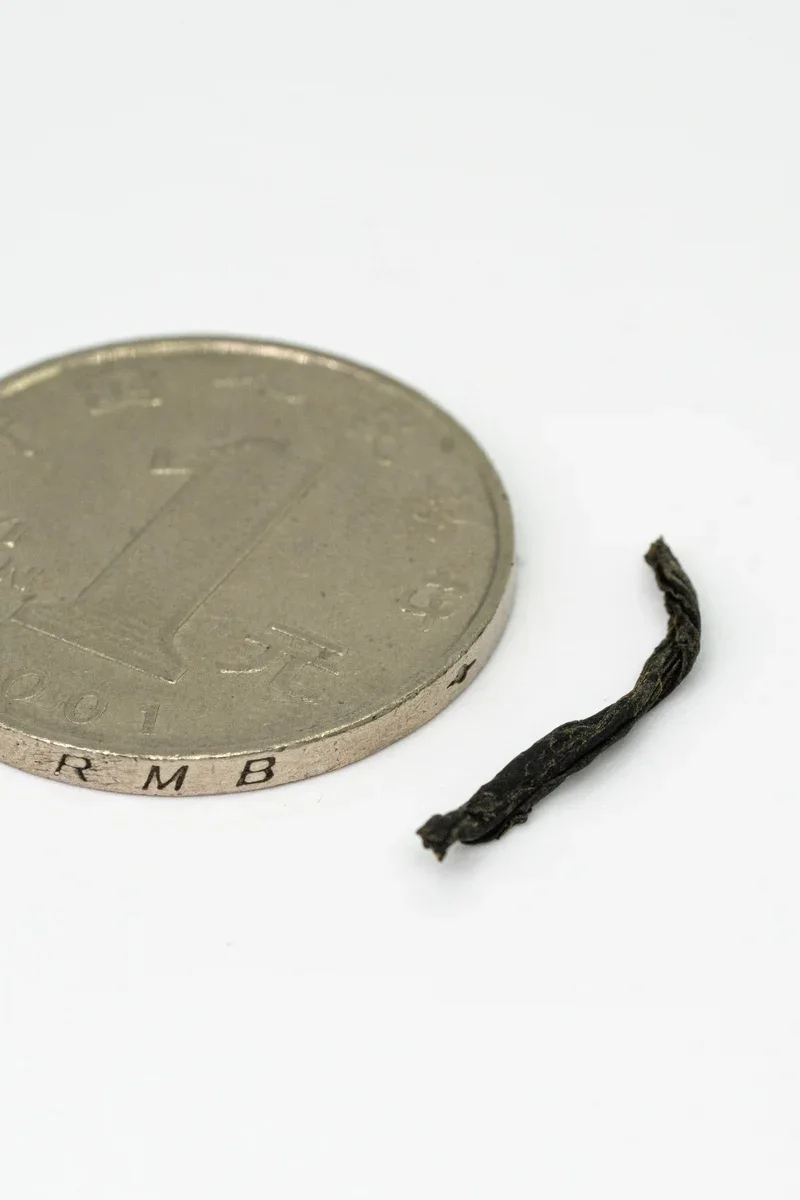
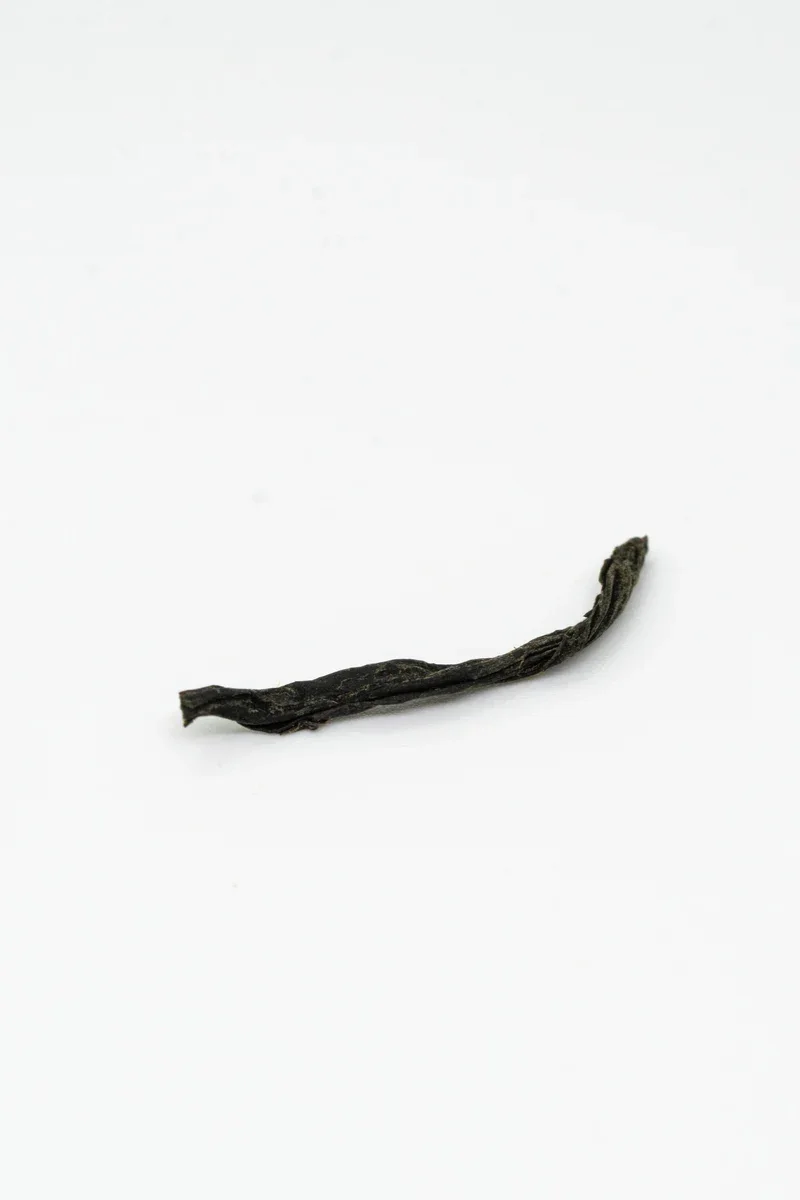
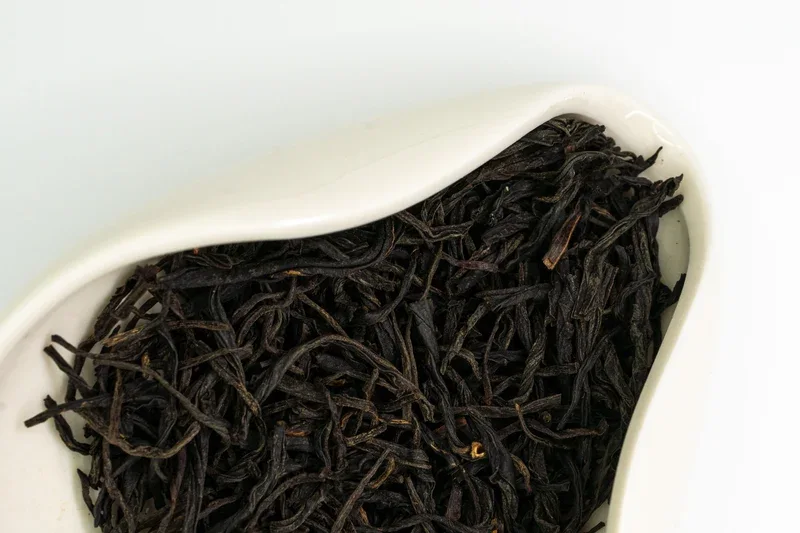
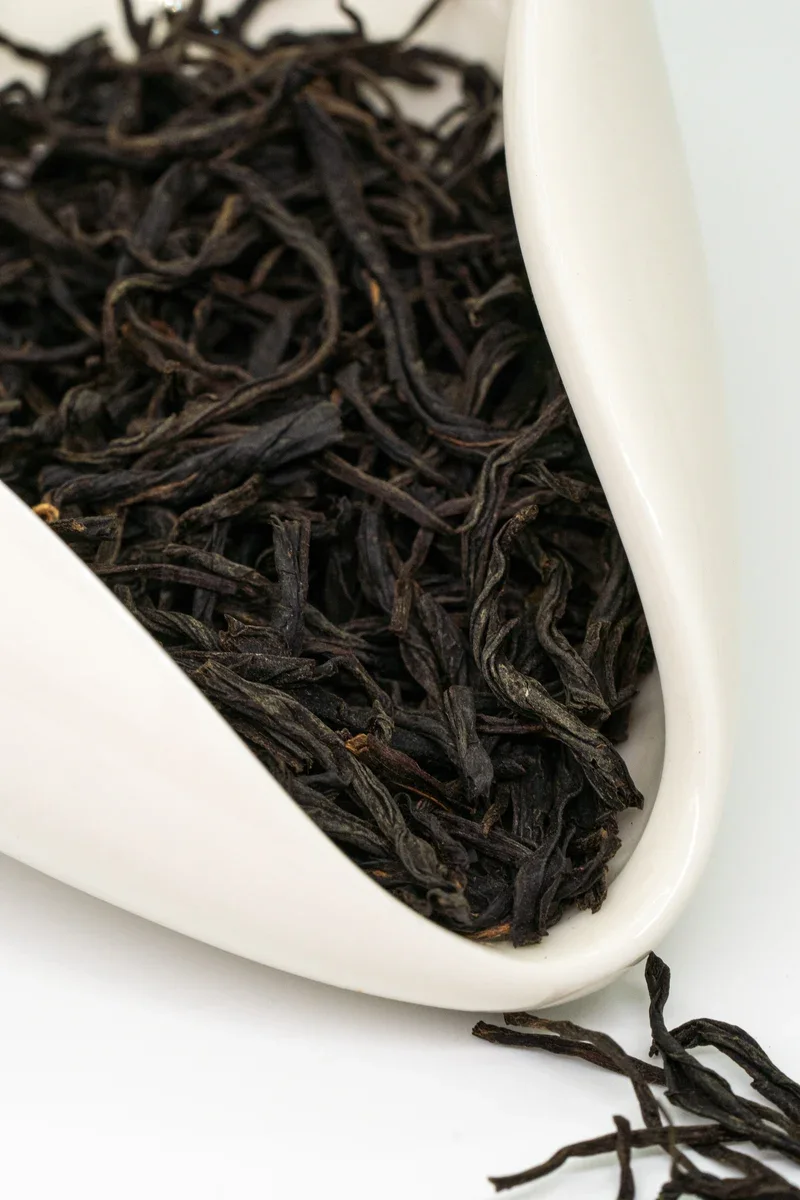
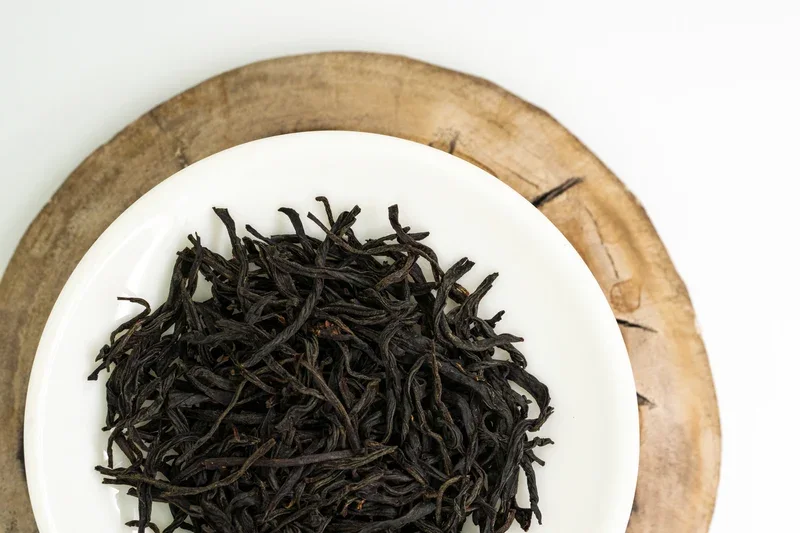
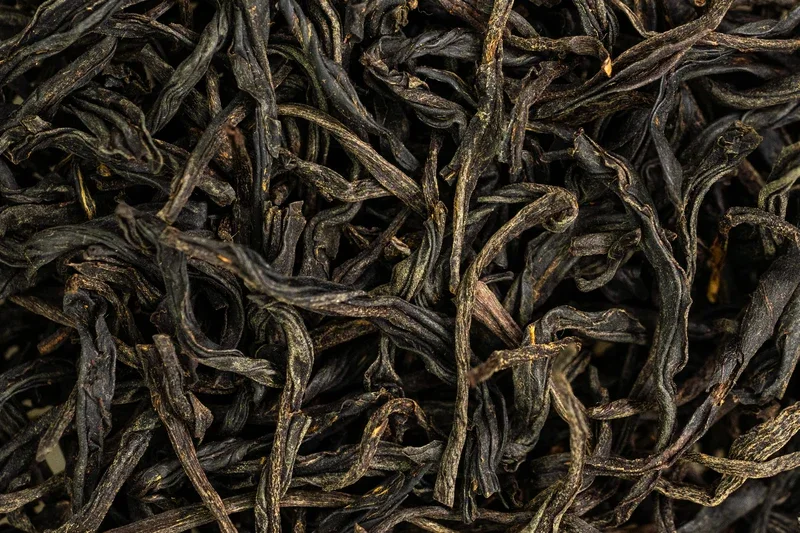
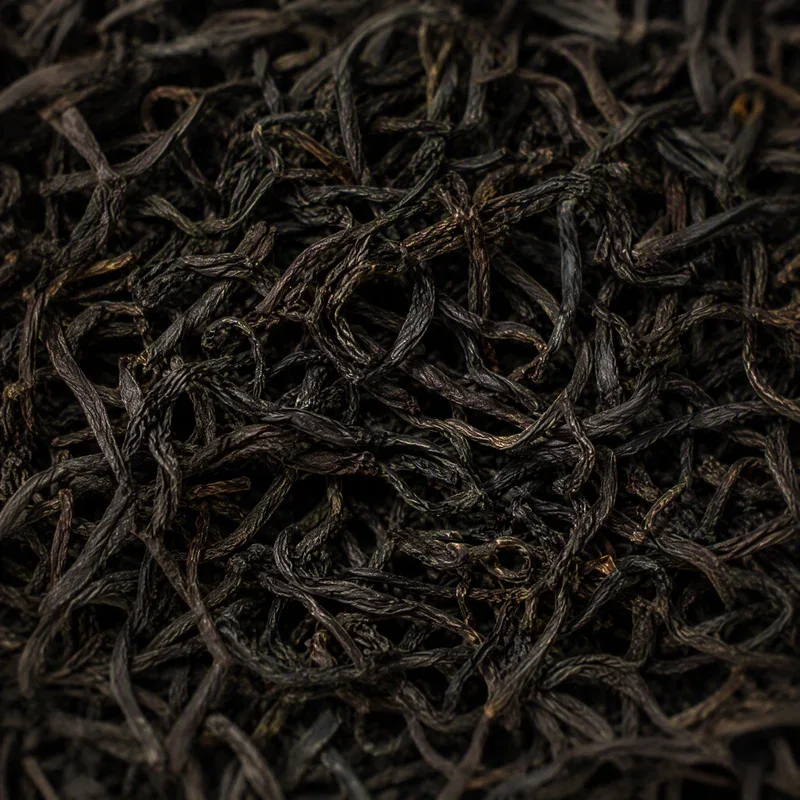
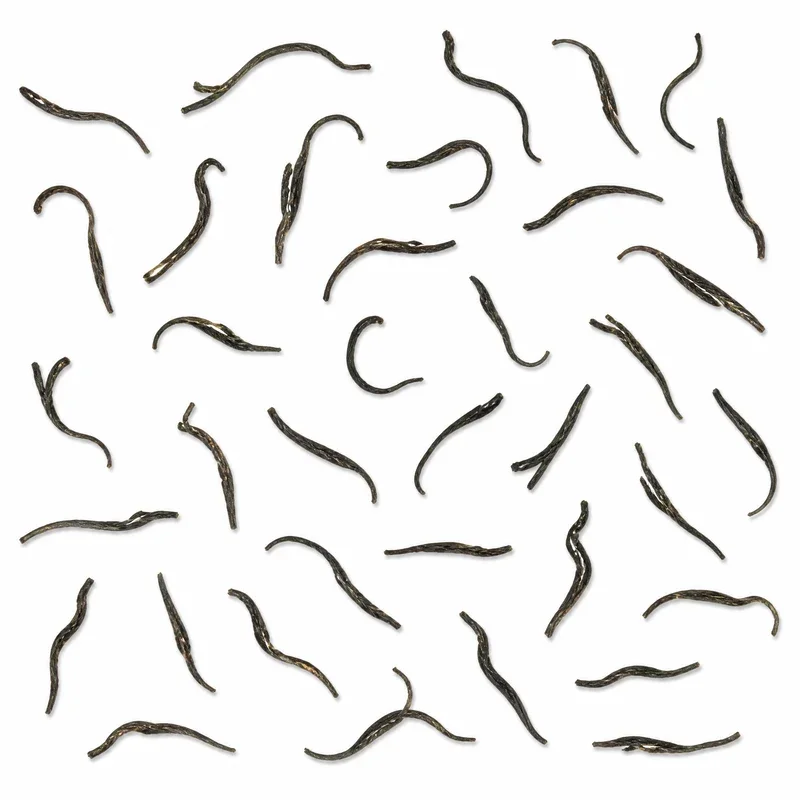
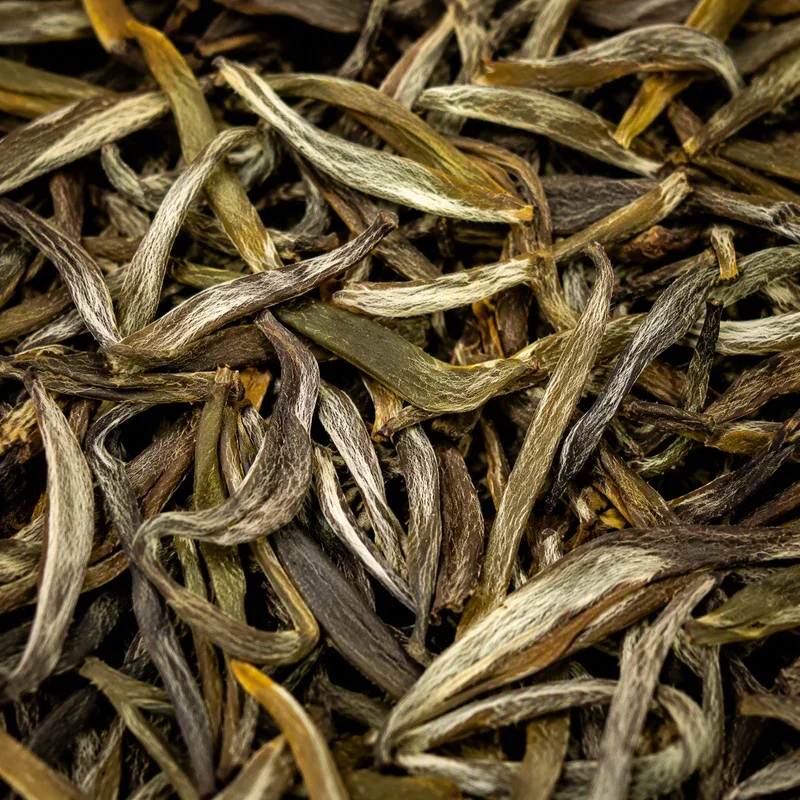
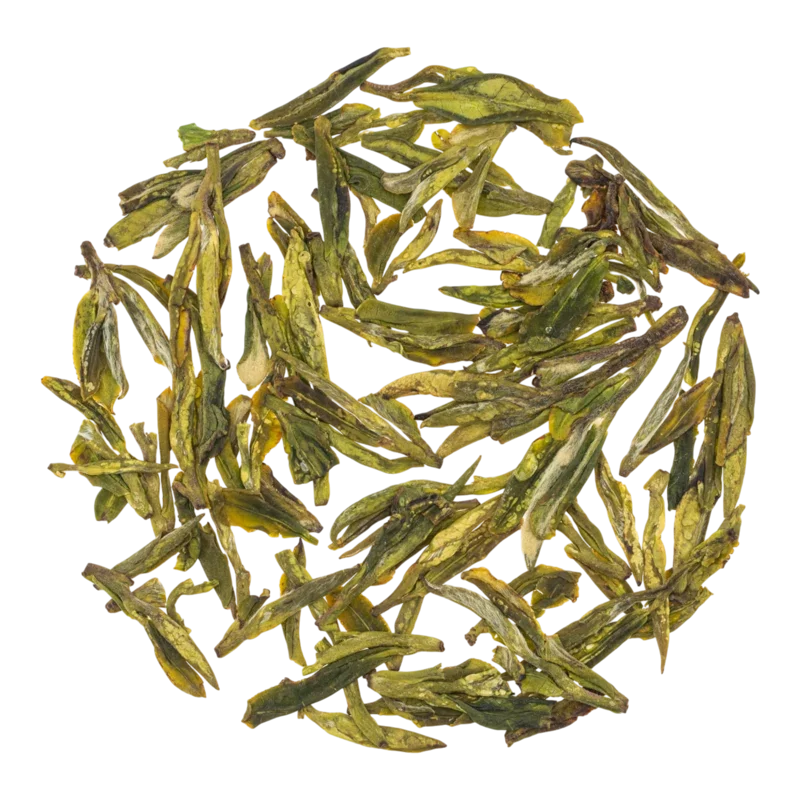
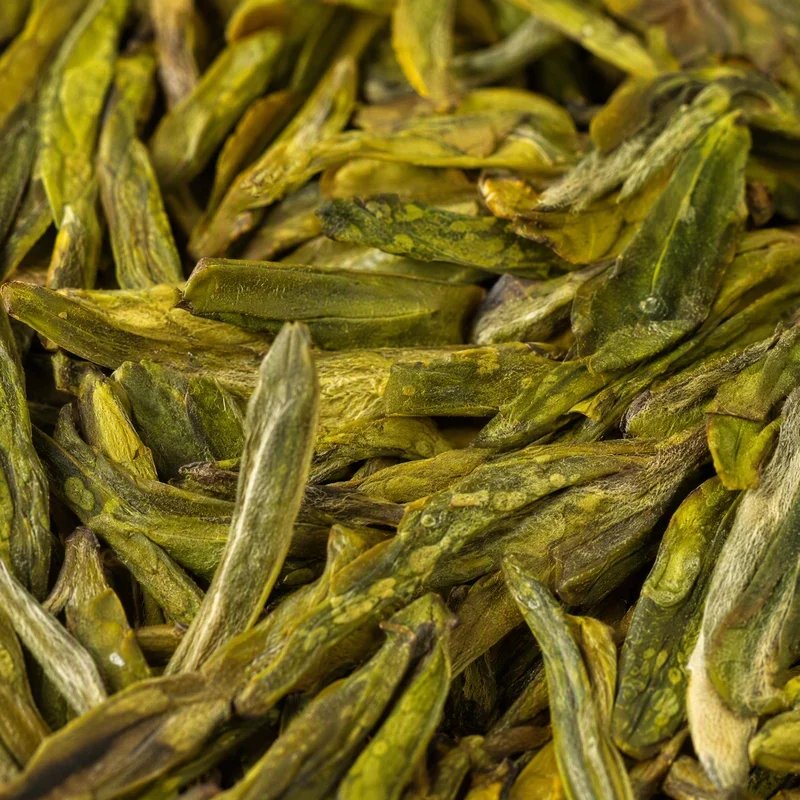
Dry Leaf Appearance: Flat, straight, smooth leaves (扁直平滑), resembling cedar needles or fir leaves (似杉松叶). Color — bright green with oily luster (绿润). In the "Juhong" (橘红) grade — abundant golden down (金毫密布).
Dry Leaf Aroma: Exceptionally bright, high and persistent (高锐馥郁, gāoruì fùyù). Main characteristic — intensity: "屋内炒茶院外香" ("Roast in the house — fragrance in the courtyard"). Dominated by pure green freshness (清香), delicate note of young shoots (嫩香) and chestnut-bean roasting (豆香/栗香).
Liquor Aroma: Persistent, bright, with the same high profile. Residual aroma in empty cup (冷杯留香) — long-lasting, which is a marker of authenticity.
Liquor Color: Yellow-green, bright and clear (黄绿清澈).
Spent Leaves: Tender, uniform, elastic shoots of green color.
Taste: Fresh and brisk (鲜爽, xiānshuǎng) — high amino acid content ensures bright freshness. Sweet (甘甜, gāntián) — quick returning sweetness. Mellow and rich (醇厚, chúnhòu) — tea liquor with perceptible "oiliness". Astringency is minimal.
Alkaloids: Caffeine — moderate content. Theobromine, theophylline.
Amino Acids: Elevated content — key factor of pronounced freshness and sweetness.
Exceptionally rich volatile complex — precisely this ensures the famous aroma intensity.
Minerals: Potassium, selenium, zinc, manganese — determined by granite soils.
Polyphenols: Significant content. Provide antioxidant potential and light taste structure.
Vitamins: Vitamin C, carotenoids.
Traditionally classified as a "cooling" tea.
Carotenoids and vitamin C contribute to eye protection.
Catechins neutralize free radicals.
Polyphenols stimulate fat breakdown.
Caffeine and L-theanine provide gentle alertness.
the listed properties are based on publicly available data and are not medical recommendations.
optimal liquor temperature for drinking — around 60°C: precisely then freshness and sweetness are maximally perceived.
Tea Amount: 3 g per 150 ml water (1:50 ratio).
Teaware: White porcelain cup or gaiwan — for evaluating yellow-green liquor and aroma. Glass tumbler — for observing the unfolding of flat leaves.
Water Temperature: 80–85°C.
The prototype and "teacher." Long Jing is softer, with bean-chestnut notes and a pronounced umami character. Baohongcha is more aromatically vibrant, with an intense, "piercing" high aroma.
From Guizhou. Also flat, also "inspired by Long Jing." Meitan is more "technological" (95% automation); Baohongcha is completely handmade, with a deeper historical background.
From Sichuan. Flat, emerald, "bamboo leaf." Zhuyeqing is lighter and "cleaner"; Baohongcha is more aromatically intense.
signature intensity — "roast in house — fragrance in courtyard". Weak, unexpressive aroma — sign of fake.
long-lasting cold aroma (冷杯留香) — marker of authenticity.
flat, straight leaves resembling needles. Twisted or uneven — different tea type.
suspiciously low price — sign of fake.
No reviews yet. Tell us what you think of this tea.
Rate this tea and share your impressions. We review each submission before publishing it.