Brewing
Gongfu brewing
- Water temperature
- 92 °C
- Tea amount
- 6 g
- Water volume
- 100 ml
- First steep
- 10 s
- Time added per infusion
- 5 s
- Infusions
- 8

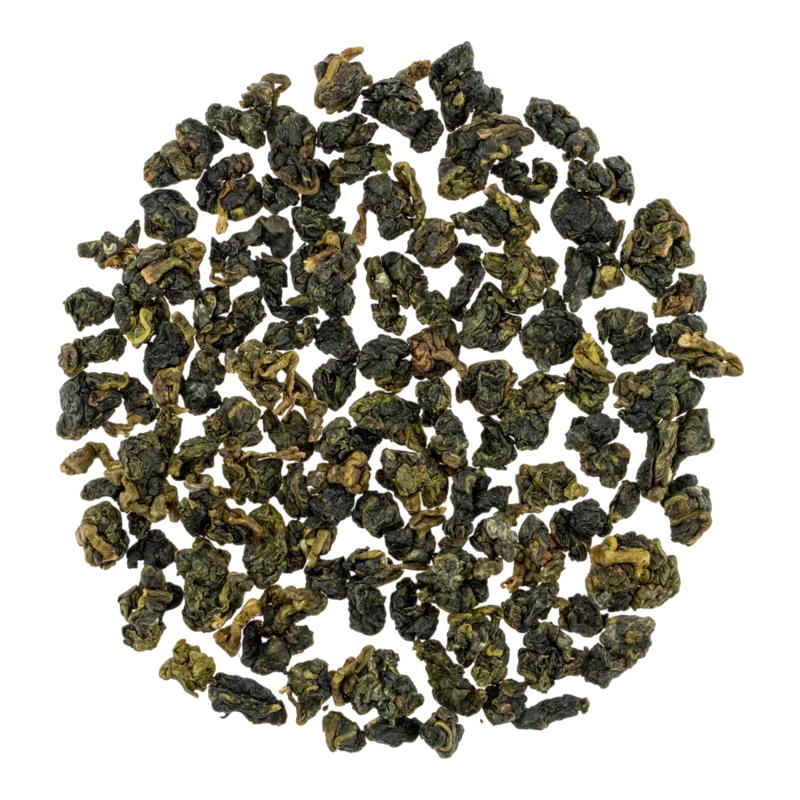
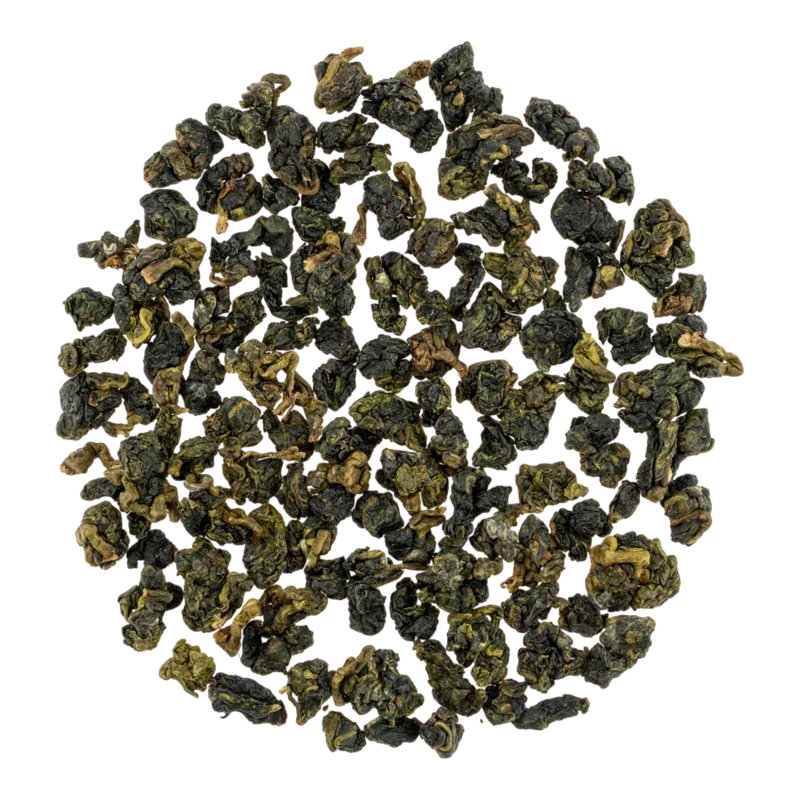
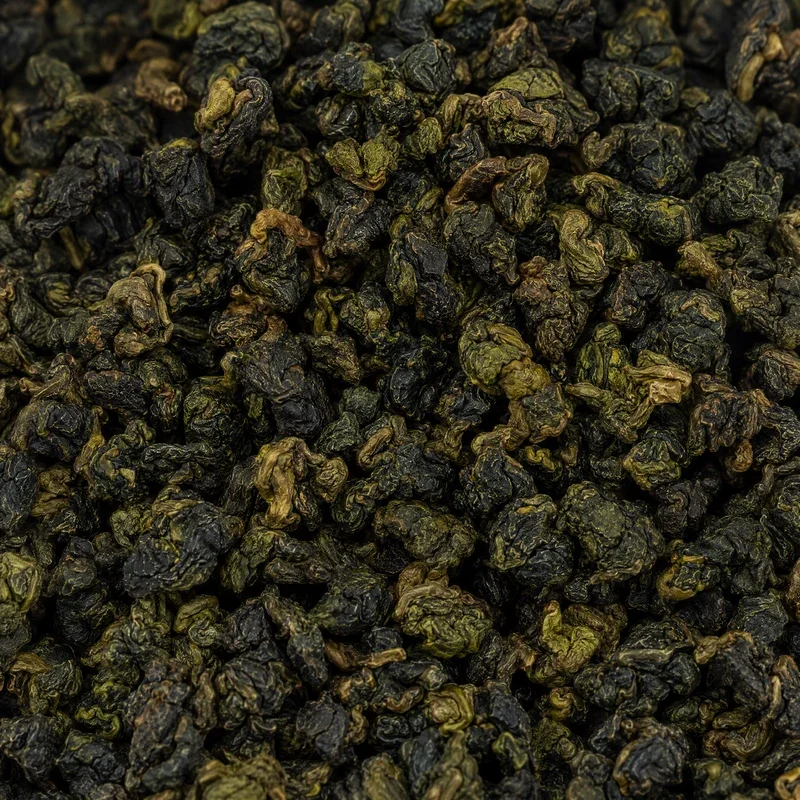
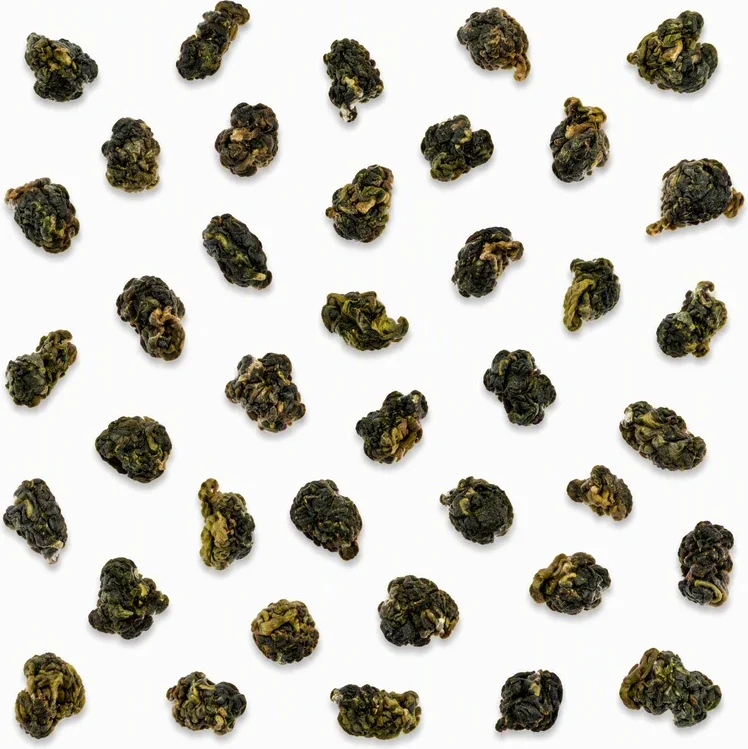
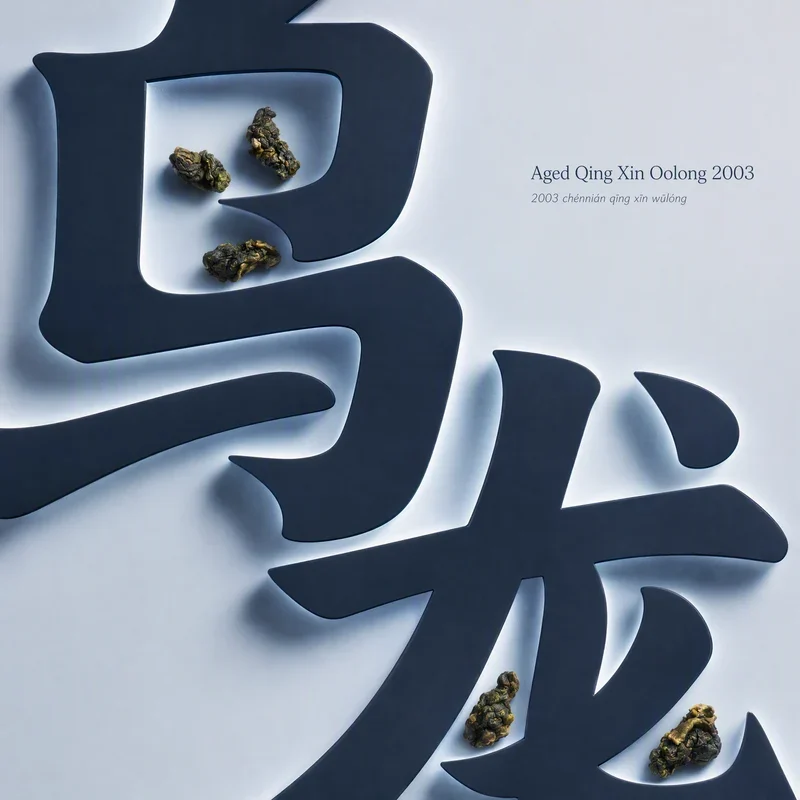
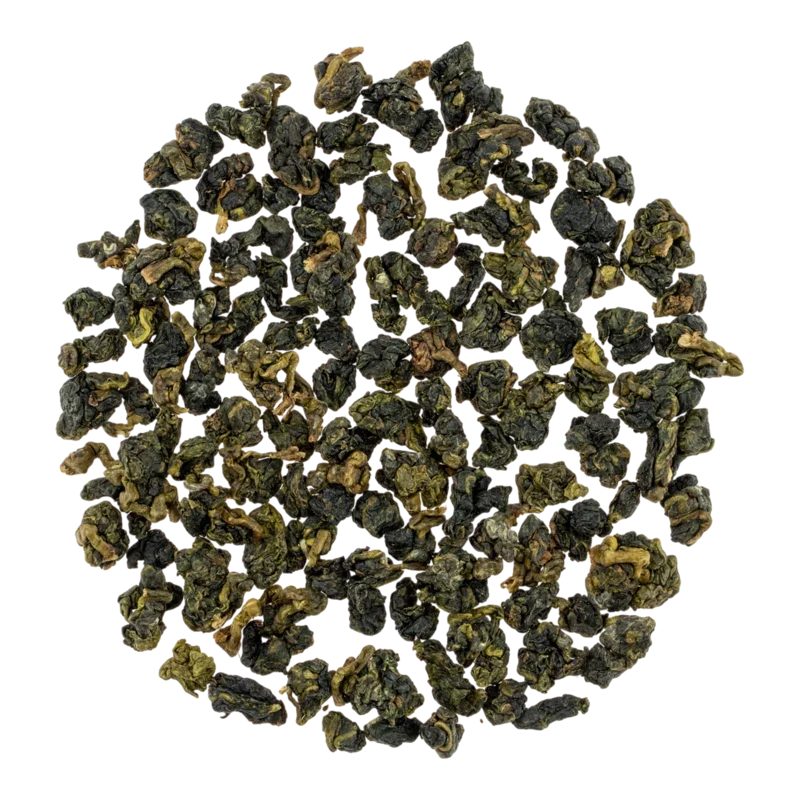
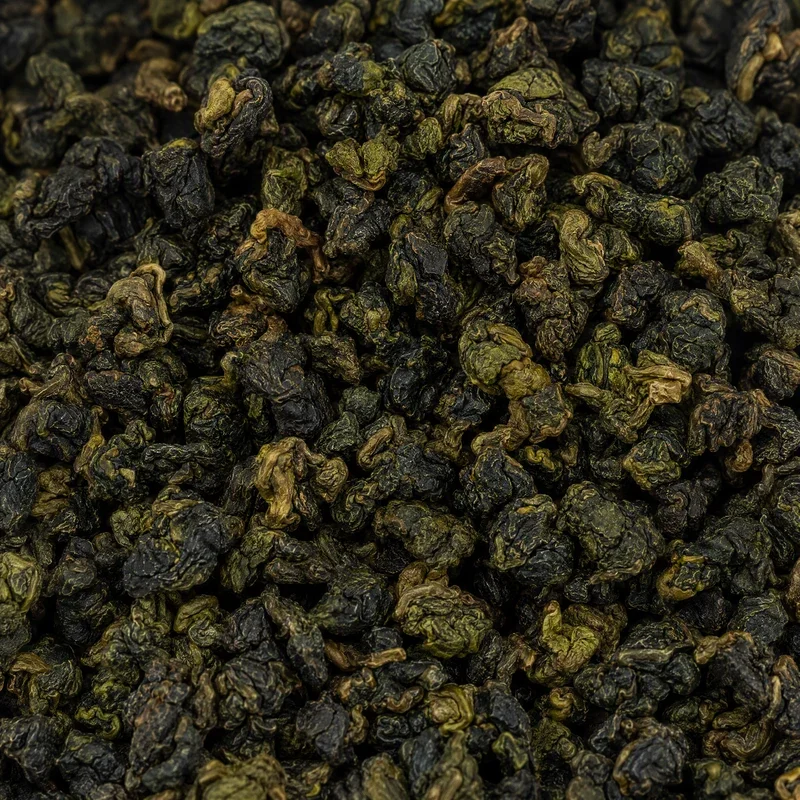
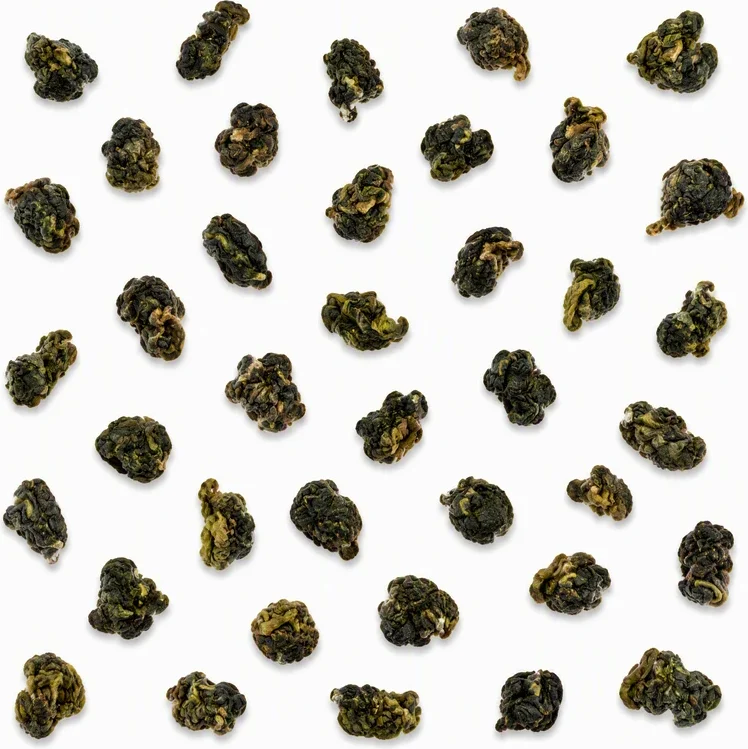
2003 chénnián qīng xīn wūlóng
Choose a brewing method. Start with the recommended quantities and time, then adjust to taste.
Brewing
Brewing
Tea encyclopedia
oolong · CN · oolong
oolong · CN · oolong
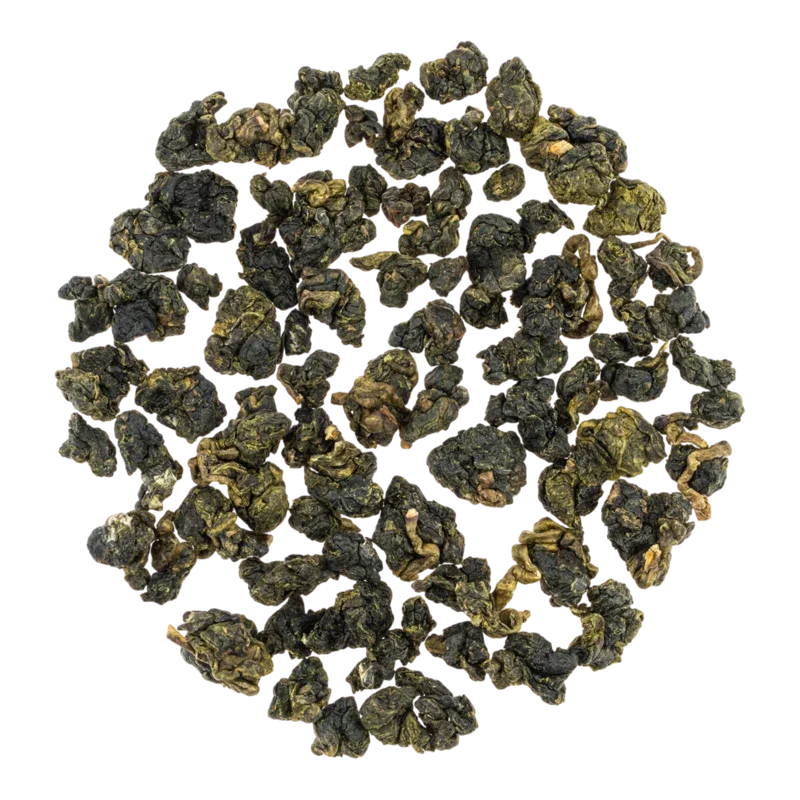
cultivar: Qīng Xīn (青心, Qīng Xīn), also known as Qīng Xīn Oolong (青心烏龍, Qīng Xīn Wūlóng) or Ruǎn Zhī (軟枝, Ruǎn Zhī — "Soft Stem"). One of the oldest and most widespread Taiwanese cultivars of Camellia sinensis var. sinensis, originating from Fujian Province. Qing Xin is considered the reference variety for producing both high-mountain and aged Taiwanese oolongs due to the structural stability of the leaf to repeated thermal processing. picking: For producing this tea, mature, dense leaves of summer harvest (July 2003) were used — third flush of "three-four leaves" standard (三四葉, sān sì yè). Summer harvest was chosen deliberately: mature leaves have a thicker cell wall and are more resistant to multiple roasting cycles over decades, while preserving aromatic oils. raw material: For producing aged oolongs of lao cha category, exclusively high-quality raw material is used — only such leaf is capable of developing complexity and depth over time. Low-quality leaves during long-term storage lose aroma and flavor, turning into a tasteless product.
process: Warm vessel. Rinse leaf with hot water — first steeping (rinse) is discarded to "awaken" tightly rolled, dried leaves. First brewing steeping — 20–30 seconds; then several short steepings (5–10 seconds), with gradual increase in exposure. tea amount: 5–7 grams per 100–150 ml gaiwan or Yixing teapot. teaware: Yíxīng teapot (宜興壺, Yíxīng hú) from purple clay — optimal choice, enhancing "roundness" and depth of aged oolong flavor. Gaiwan acceptable for more neutral evaluation. water temp: 95°C — higher than for fresh oolongs, since dense, multiply roasted leaf requires higher temperature for extraction.
alkaloids: Caffeine content reduced compared to fresh oolong. Multiple roasting and long-term storage promote sublimation of part of caffeine, making tea milder in its effect on the body. amino acids: Free L-theanine content reduced (consumed in Maillard reactions), however products of these reactions form complex flavor compounds responsible for depth and "roundness" of taste.
minerals: Potassium, manganese, fluorine, zinc; mineral composition determined by volcanic soils of Wushe. polyphenols: Total catechin content reduced compared to fresh oolong due to oxidative processes. EGCG partially converted to gallic acid and theaflavins. Antioxidant activity preserved, though transformed.
category: Taiwanese aged high-mountain oolongs — lao cha (老茶, lǎo chá). Aging of over 20 years places this tea in the category of rare collectible specimens; by Taiwanese standards, oolong is considered "aged" when stored for three years or more, and "mature" from six to eight years. coordinates: Approximately 24°01′ N, 121°08′ E. The Wushe area is located in the foothills of Taiwan's Central Mountain Range, near the famous Cingjing Farm (清境農場, Qīngjìng nóngchǎng). origin: Taiwan, Nántóu County (南投縣, Nántóu xiàn), Ren'ai Township (仁愛鄉, Rén'ài xiāng), Wùshè area (霧社, Wùshè). The tea garden is located at 1500 meters above sea level in the mountains of central Taiwan. type: Semi-oxidized tea (oolong), medium degree of oxidation (~30%), high degree of roasting (~60%). Belongs to the category of aged (陳年, chénnián) dark oolongs (濃香型, nóng xiāng xíng).
cultural significance: Aged Taiwanese oolongs occupy a special niche in the island's tea culture. Unlike pu-erhs, which mature through microbial fermentation, lao cha evolves through oxidative and non-enzymatic Maillard reactions occurring under controlled storage conditions and periodic roasting. Taiwanese connoisseurs describe the energy of aged oolong with the term chá qì (茶氣, chá qì) — "tea energy," which becomes deeper, softer, and more harmonious over the years. Teas with aging of more than 20 years are considered artifacts of tea mastery and passed between collectors as valuable rarities. history: The tradition of aging oolongs has its roots in Fujian practices of storing tea in clay vessels with periodic "refreshing" through roasting. This methodology was brought to Táiwān by settlers from Ānxī (安溪, Ānxī) and Wǔyí Mountains (武夷山, Wǔyí shān) and adapted by local masters to the specifics of Taiwanese raw materials. The first experiments with controlled aging of oolongs in Nantou date to the early 20th century, however commercial production of aged high-mountain oolongs only developed in the 1980s–1990s, when Taiwanese tea growers realized the potential of long-term storage of quality high-mountain leaf. Tea gardens in the Wushe mountains were established in 1987 by Mountain Tea company, which, starting from a small shop in Taipei in 1977, purposefully sought territories with optimal conditions for tea cultivation. This particular tea was harvested in 2003 — four years after the devastating 921 earthquake (九二一大地震, Jiǔ'èryī dà dìzhèn), when the region's infrastructure had been largely restored. Since harvest, the tea has been stored in Taiwan under the control of a tea master, undergoing roasting cycles every two to three years. In 2014, this tea won second place at the North American Tea Championship in the aged and roasted oolong category, confirming its exceptional quality at the international level. name breakdown: The phrase "Qing Xin" (青心, Qīng Xīn) — "Green Heart" — refers to the cultivar from which the tea is made. The character "青" (qīng) means "green, young," "心" (xīn) — "heart, core." The designation "陳年" (chénnián) — literally "of past years" — is the standard designation for aged tea in Chinese and Taiwanese terminology. The number "2003" indicates the harvest year — a key parameter for collectible aged teas, analogous to vintage in winemaking.
price category: Aged Taiwanese oolongs with confirmed storage history of more than 20 years belong to the category of rare and expensive teas. Cost is determined by combination of factors: harvest year (older — more expensive), quality of original raw material, growing altitude, roasting mastery, and confirmed storage chain. Premium specimens of 20-year aging — from $80–150 per 100 g; commercial lao cha of 5–10-year aging — $30–60 per 100 g.
container: Traditional method — storage in glazed clay vessels (陶罐, táo guàn), providing minimal air exchange. Modern alternative — hermetic opaque metal or ceramic jar. Vacuum packaging used between roasting cycles. humidity: Dry place with humidity no more than 50–60%. Excess moisture — main enemy of aged oolong, causing appearance of musty, "wet" tones. shelf life: Practically unlimited with proper conditions and periodic roasting (once every 2–3 years). Known specimens of Taiwanese lao cha with aging of 50–60 and more years exist.
temperature: Room temperature (15–25°C), stable, without sharp fluctuations. Unlike fresh oolongs, aged teas do not require refrigerated storage — slow chemical processes at room temperature continue to improve flavor.
altitude: 1500 meters above sea level. This is sufficient altitude to qualify as gāoshān chá (高山茶, gāo shān chá — high-mountain tea, from 1000 m), ensuring slowed bush growth and increased concentration of flavor-aromatic compounds. climate: Cool mountain climate with average annual temperature around +14°C and significant daily fluctuations (10–15°C). The Wushe mountains are almost constantly shrouded in mist, creating diffused light that slows photosynthesis and promotes increased accumulation of amino acids (particularly L-theanine) and aromatic substances — monoterpene alcohols responsible for floral notes. Average annual precipitation is about 2800 mm. soil: Mountain soils of volcanic origin with high mineralization, good drainage, and slightly acidic reaction. The Wushe area is known for fertile soils, which historically attracted farmers — before tea plantations appeared, fruit trees and vegetables were grown here.
No reviews yet. Tell us what you think of this tea.
Rate this tea and share your impressions. We review each submission before publishing it.