Brewing
Gongfu brewing
- Water temperature
- 92 °C
- Tea amount
- 6 g
- Water volume
- 100 ml
- First steep
- 10 s
- Time added per infusion
- 5 s
- Infusions
- 8

Wǔyí wūlóng
Choose a brewing method. Start with the recommended quantities and time, then adjust to taste.
Brewing
Brewing
Taste
Tea encyclopedia
Category: Taiwanese oolongs of heritage varieties. Some sources classify as a subgroup of hóngshuǐ oolongs (紅水烏龍).
Category: Taiwanese oolongs of heritage varieties. Some sources classify as a subgroup of hóngshuǐ oolongs (紅水烏龍).
Coordinates: ~23°51' N, ~120°40' E.
Origin: Taiwan, Nántóu County (南投縣), Míngjiān Township (名間鄉). Plantations on the southeastern slopes of the Bāguà Mountain Range (八卦山脈), 250–400 m above sea level.
Type: Oolong, medium degree of oxidation (15–50%). Dark oolongs (濃香型, nóng xiāng xíng) of medium and high roasting.
Altitude: 250–400 m (low mountains — high yield, but requires processing mastery for flavor depth).
Climate: Subtropical monsoon, ~21°C average annual, ~2000 mm precipitation. Morning fogs. Diurnal temperature variations 8–12°C.
Soil: Red soils (紅土) of lateritic type with high Fe₂O₃ content, pH 5.0–5.5. Elevated manganese content (~150 mg/100 g) — geological feature of Mingjian.
Mingjian — Taiwan's largest district by concentration of tea farms; tea plantations occupy more than 90% of terraced lands.
Some farms practice organic farming: inter-row legumes, living hedges from TTES №18, culinary herbs for biodiversity.
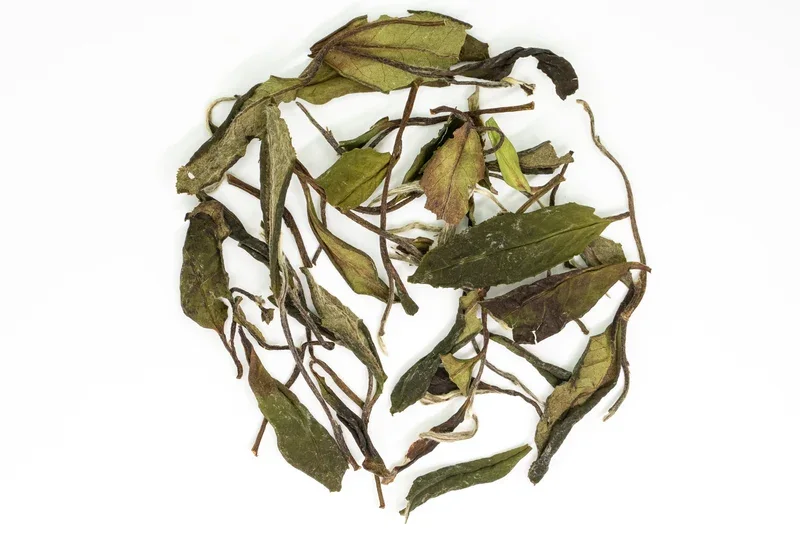
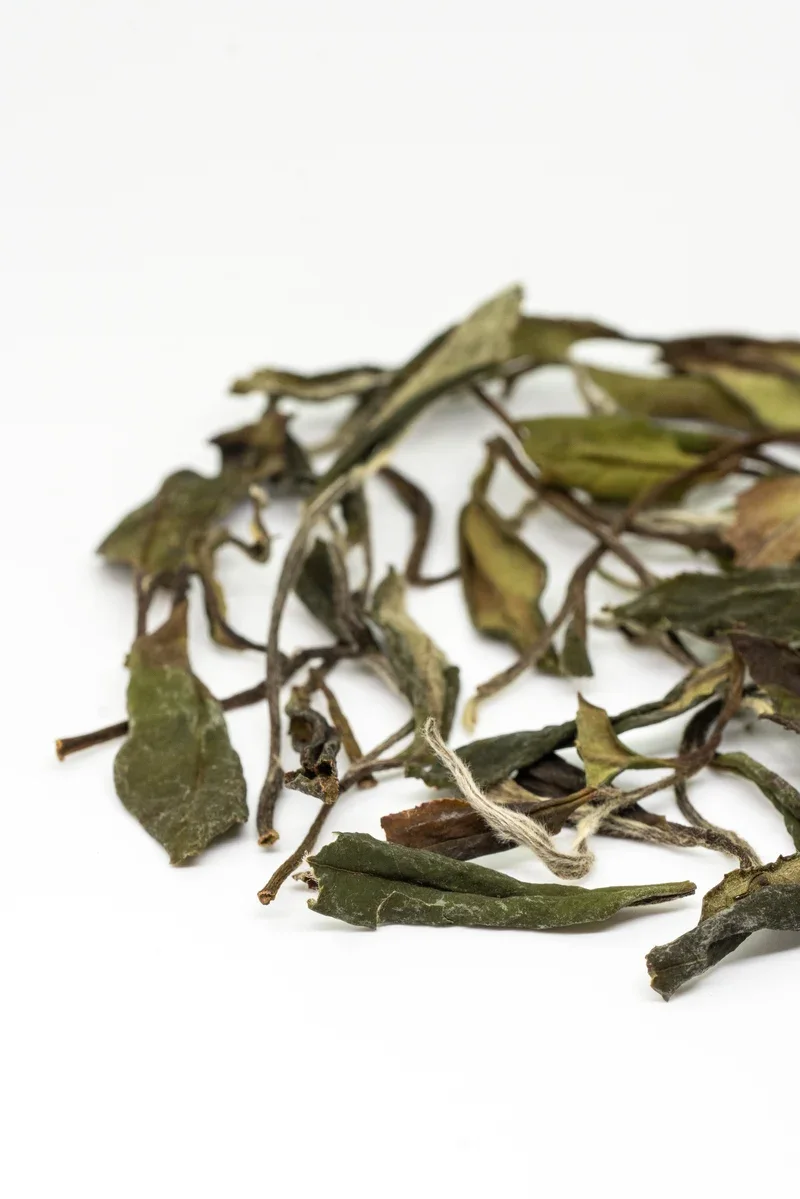
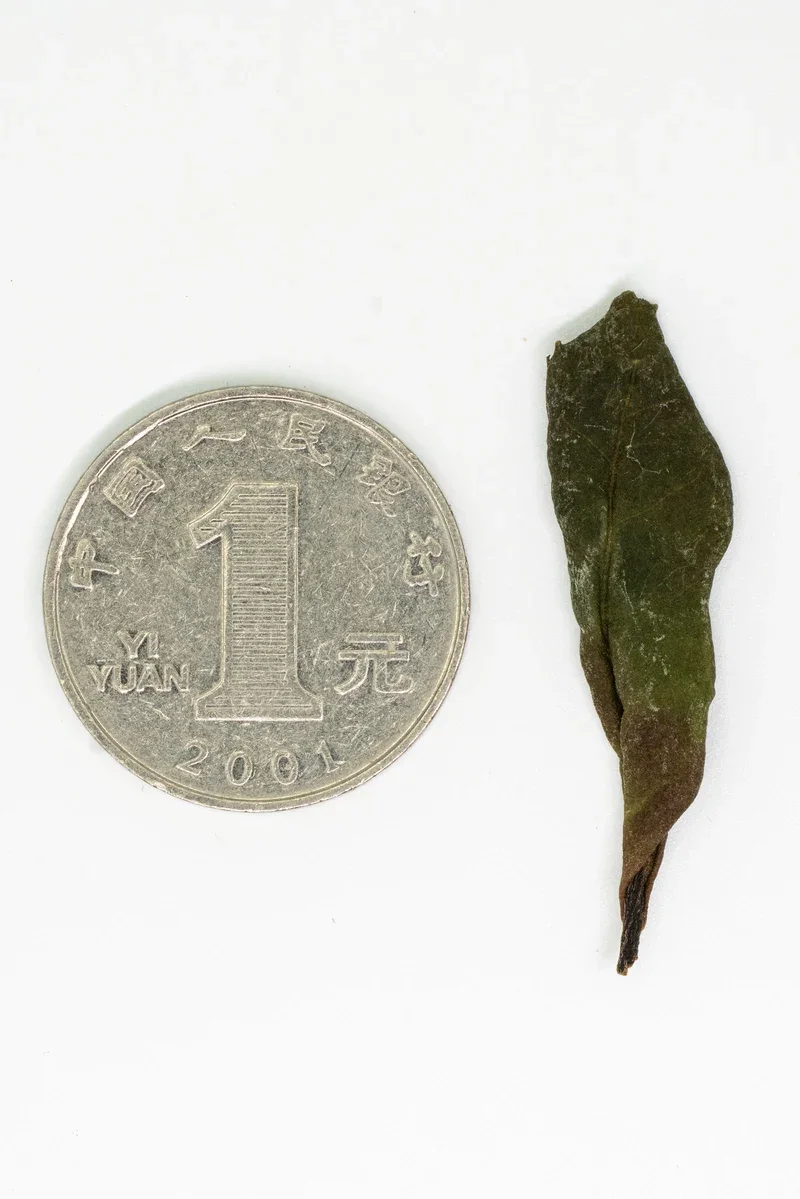
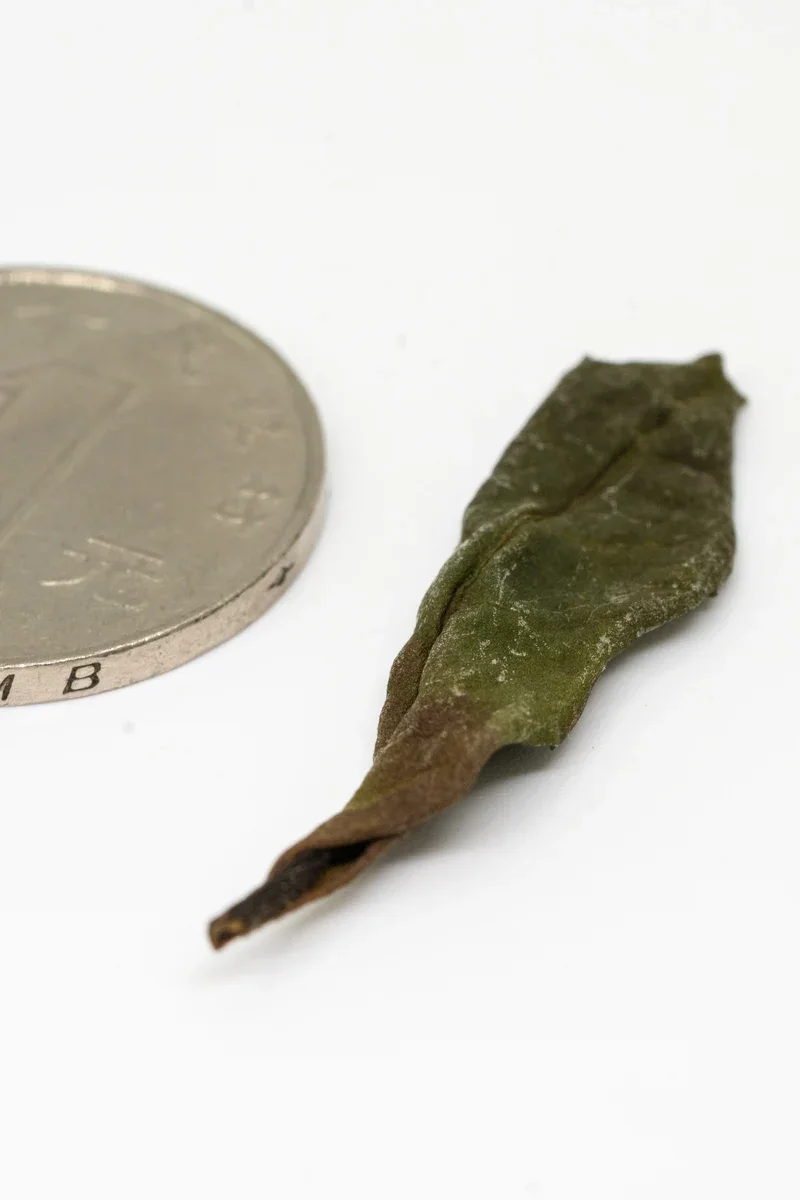
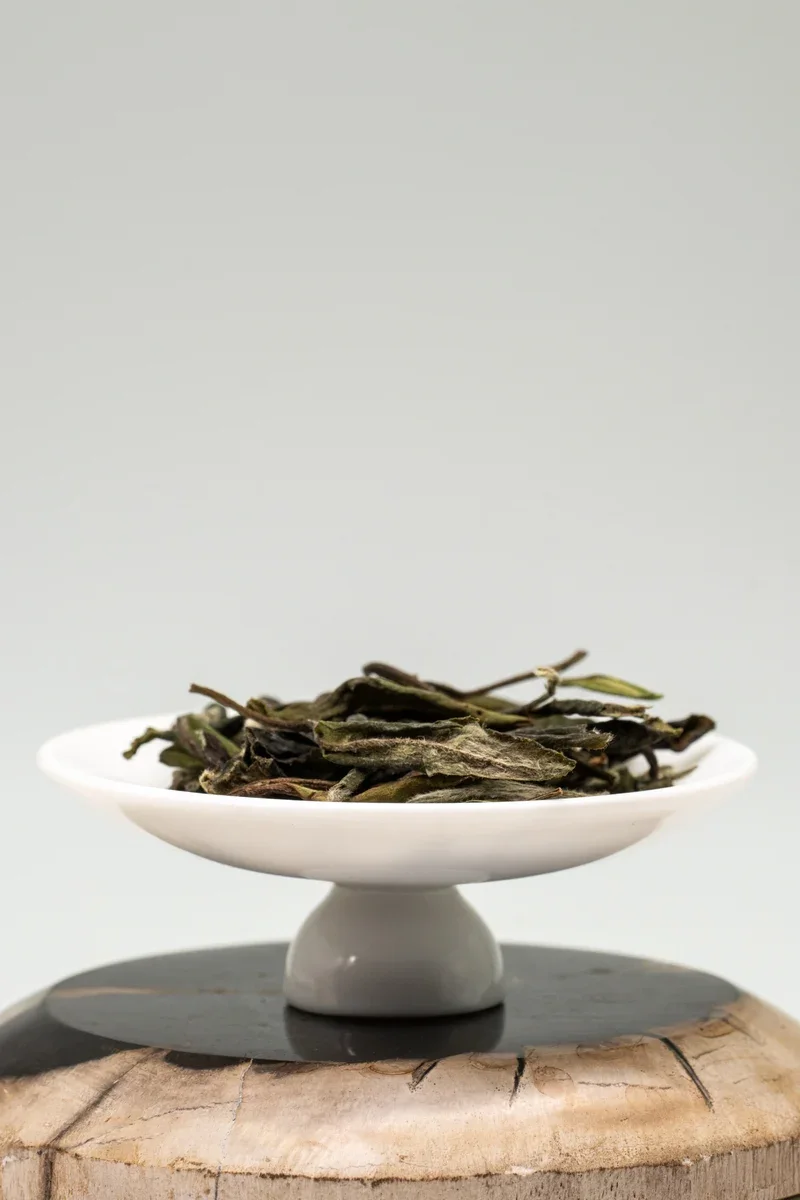
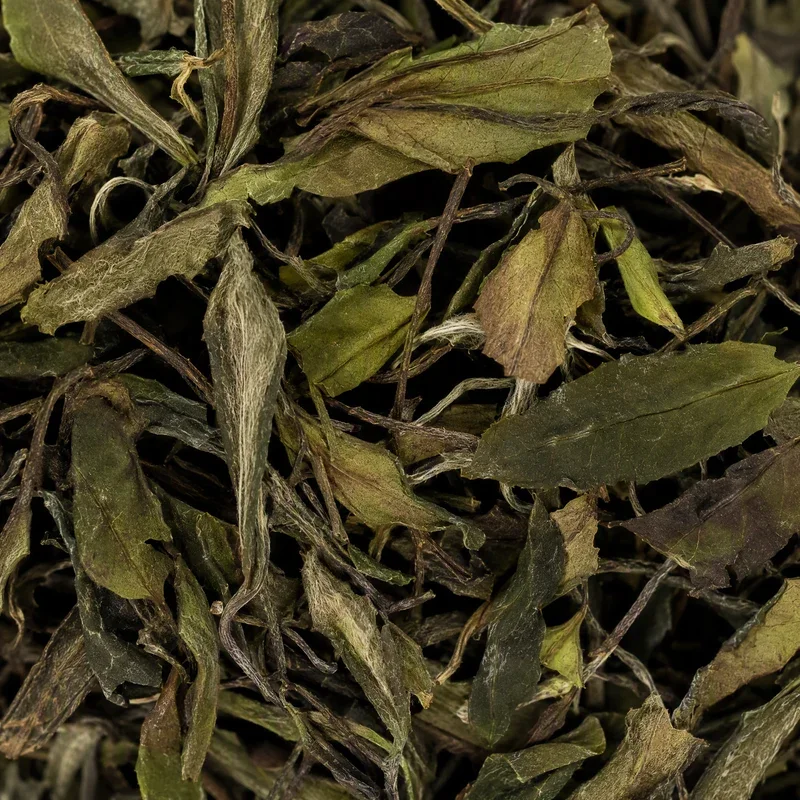
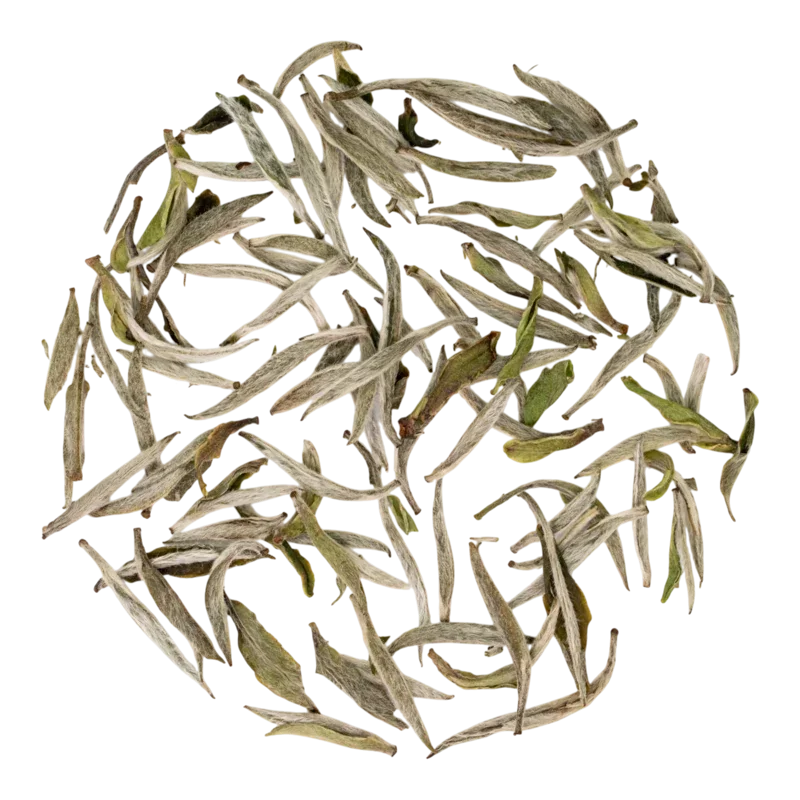
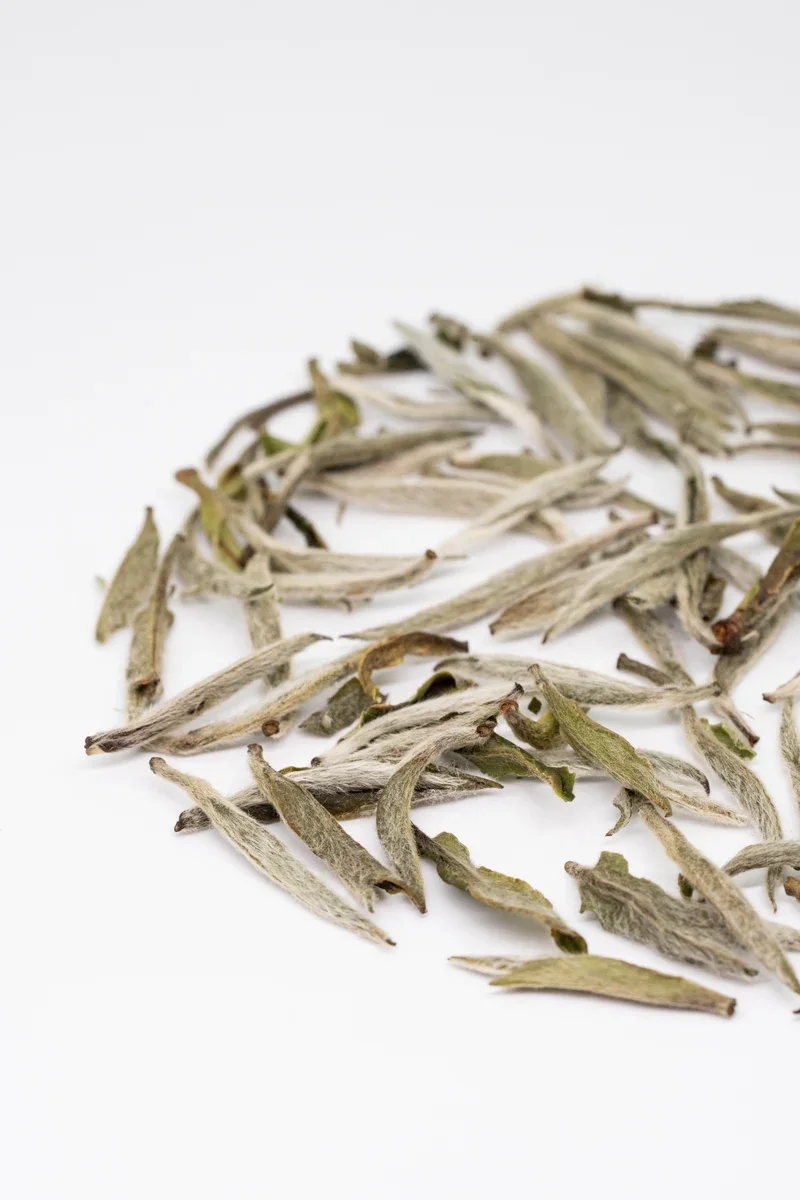
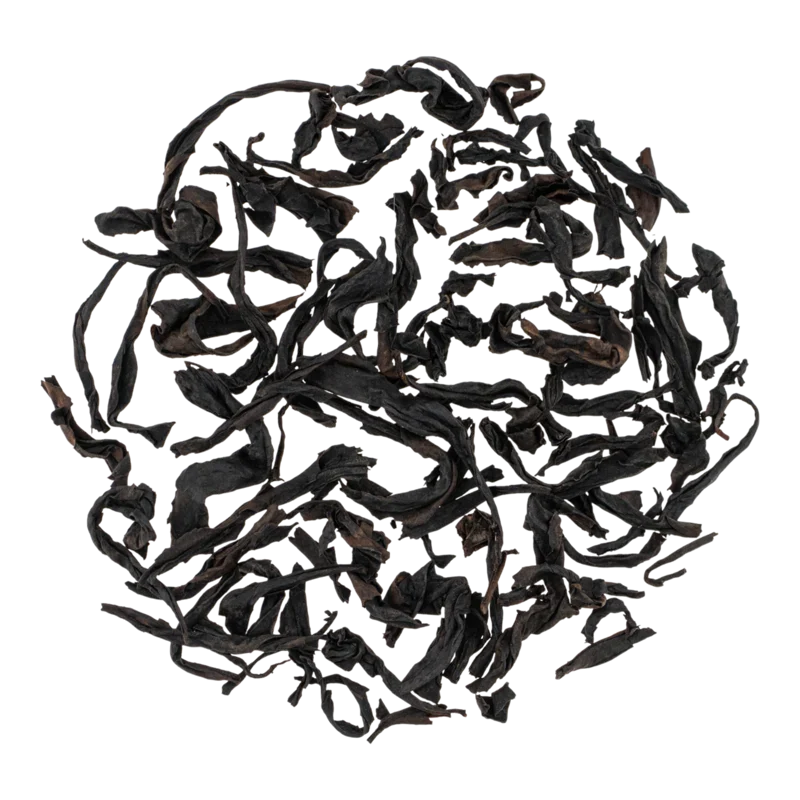
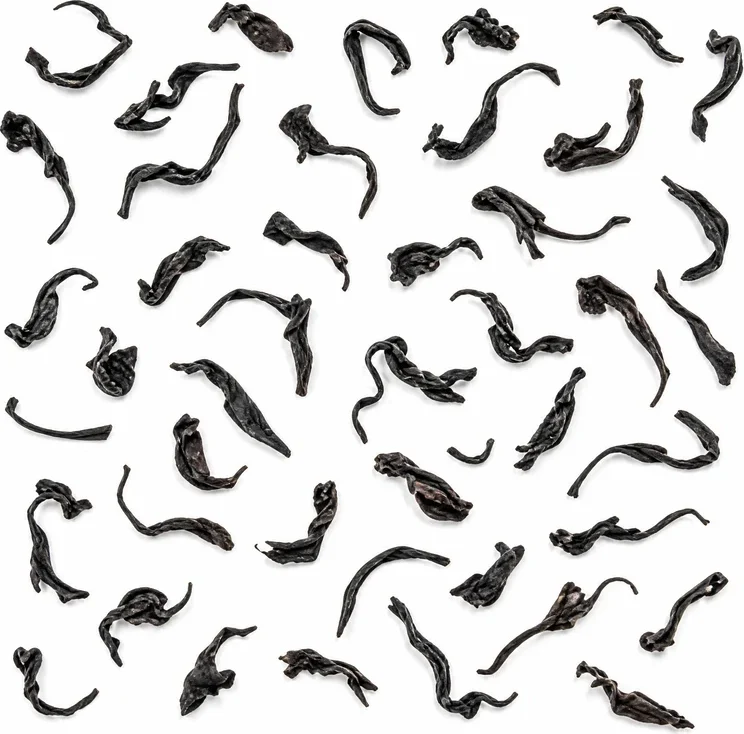
Dense granules ∅5–8 mm, dark olive with steel luster.
Roasting, dried fruits (prunes, apricots), deep minerality of heated stone → jasmine honey, chestnut creaminess, vanilla.
Golden-yellow to rich amber (topaz).
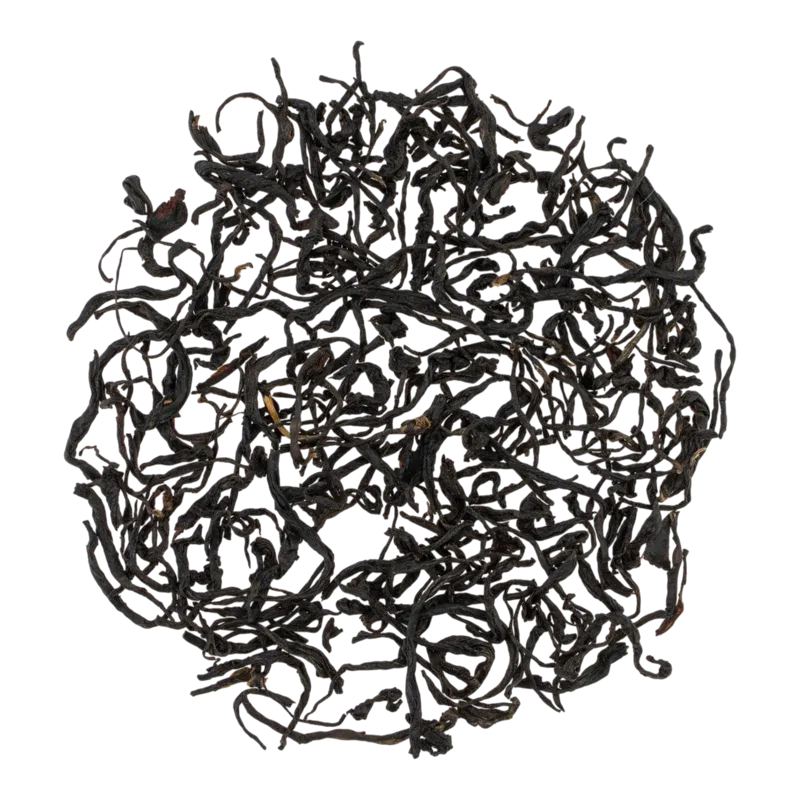
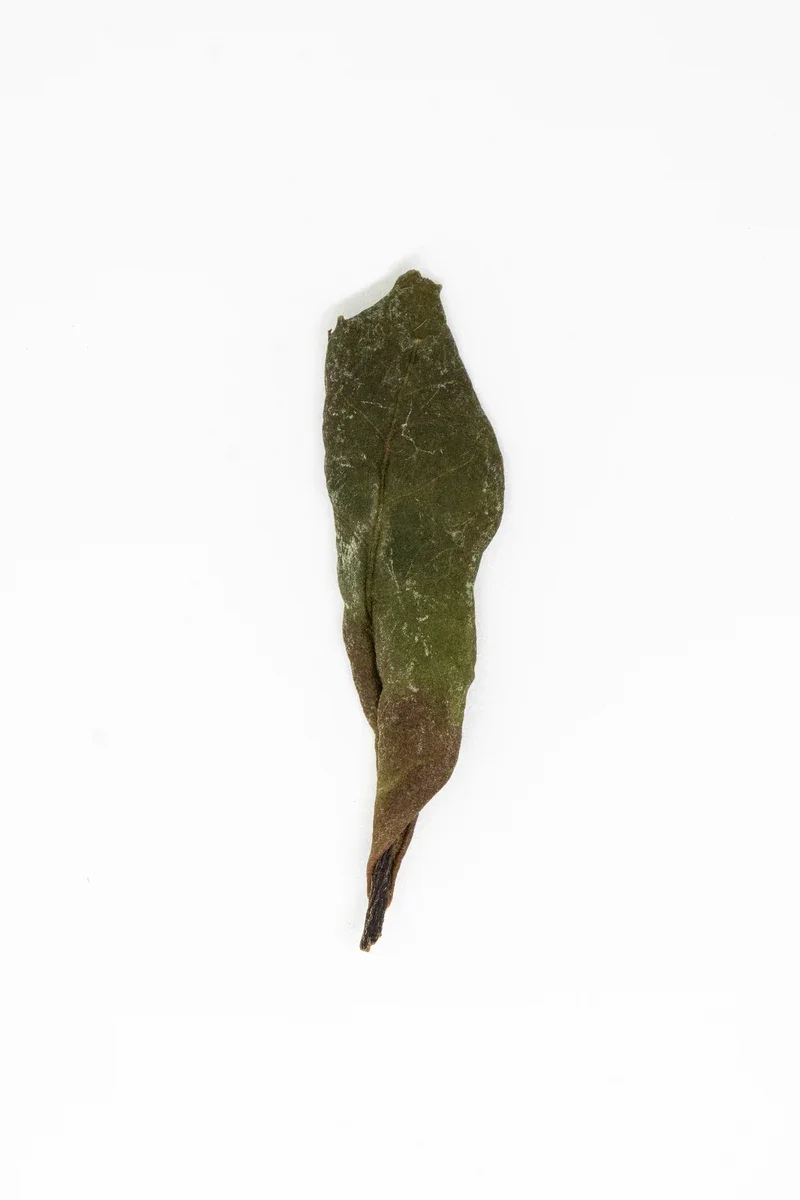
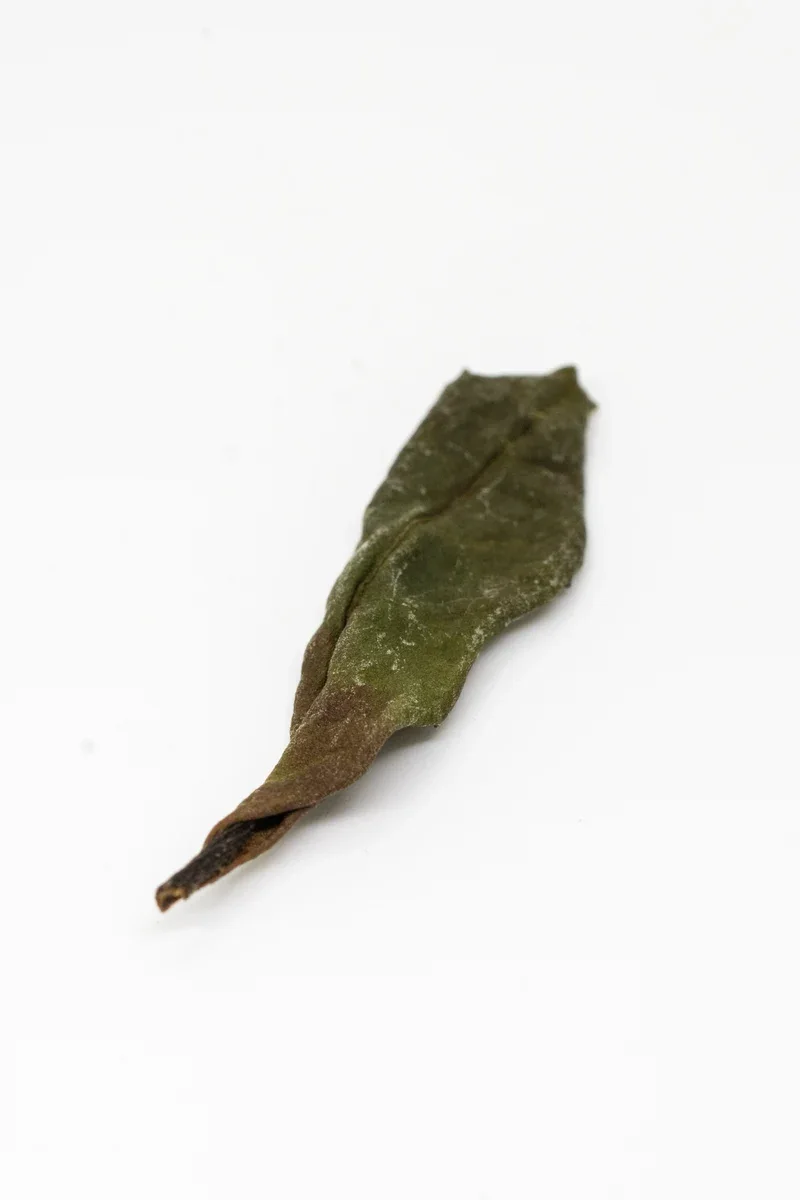
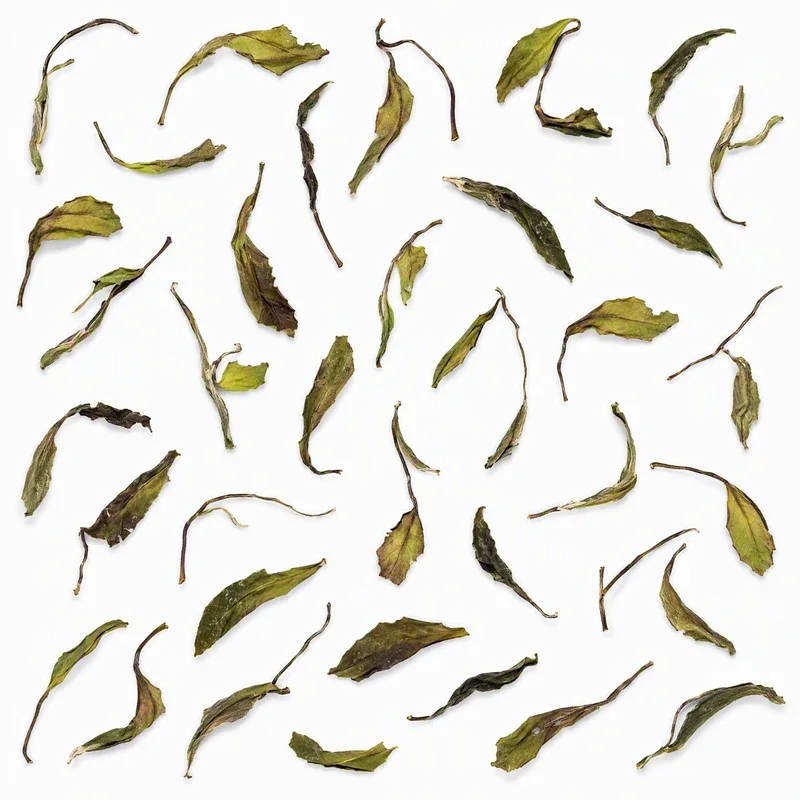
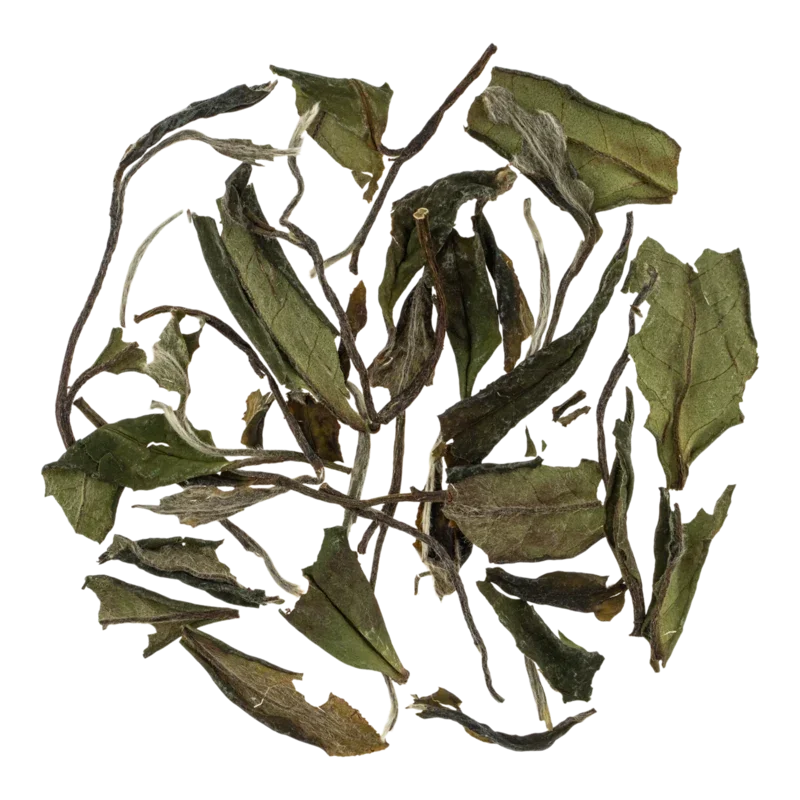
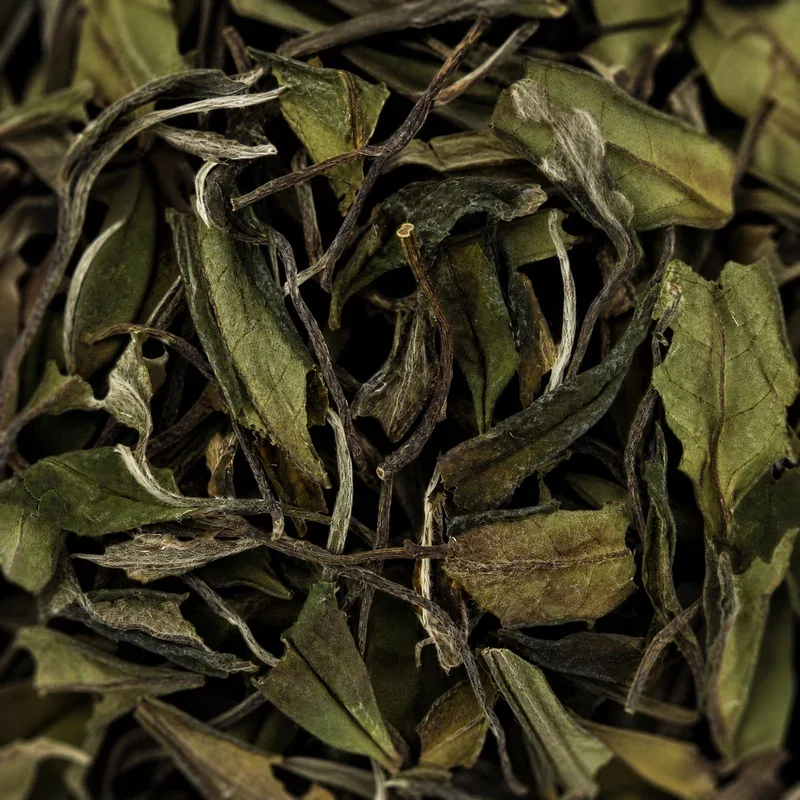
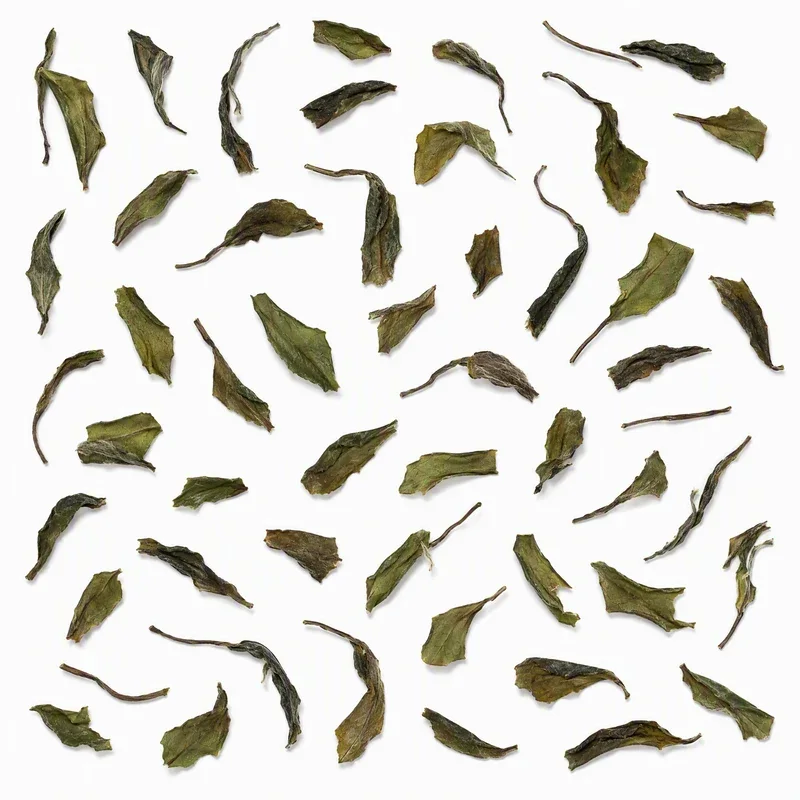
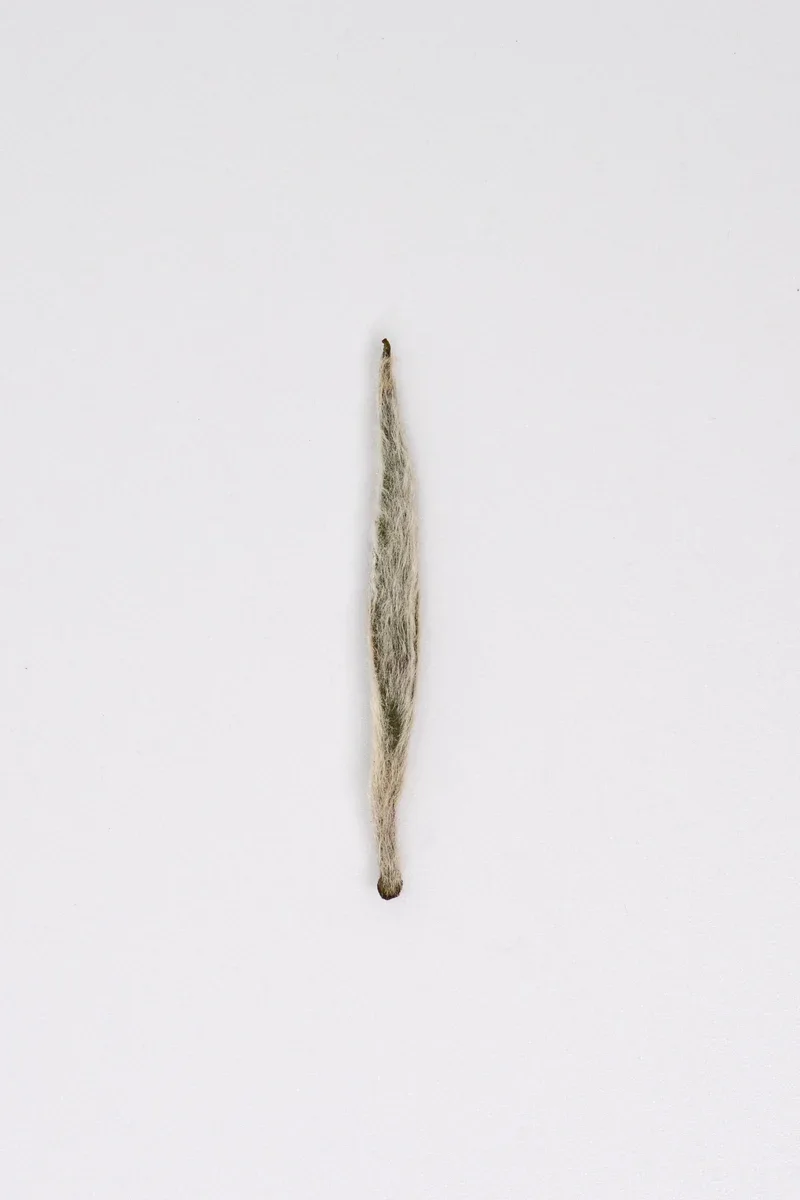
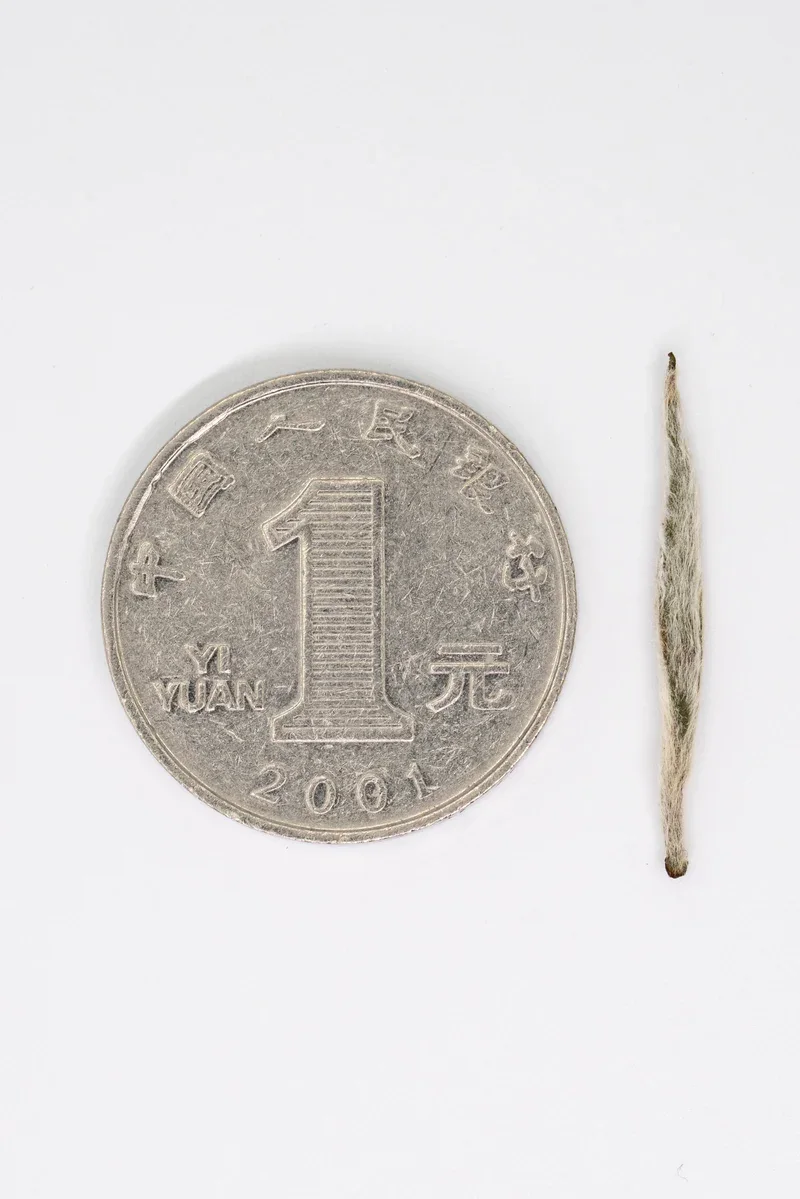
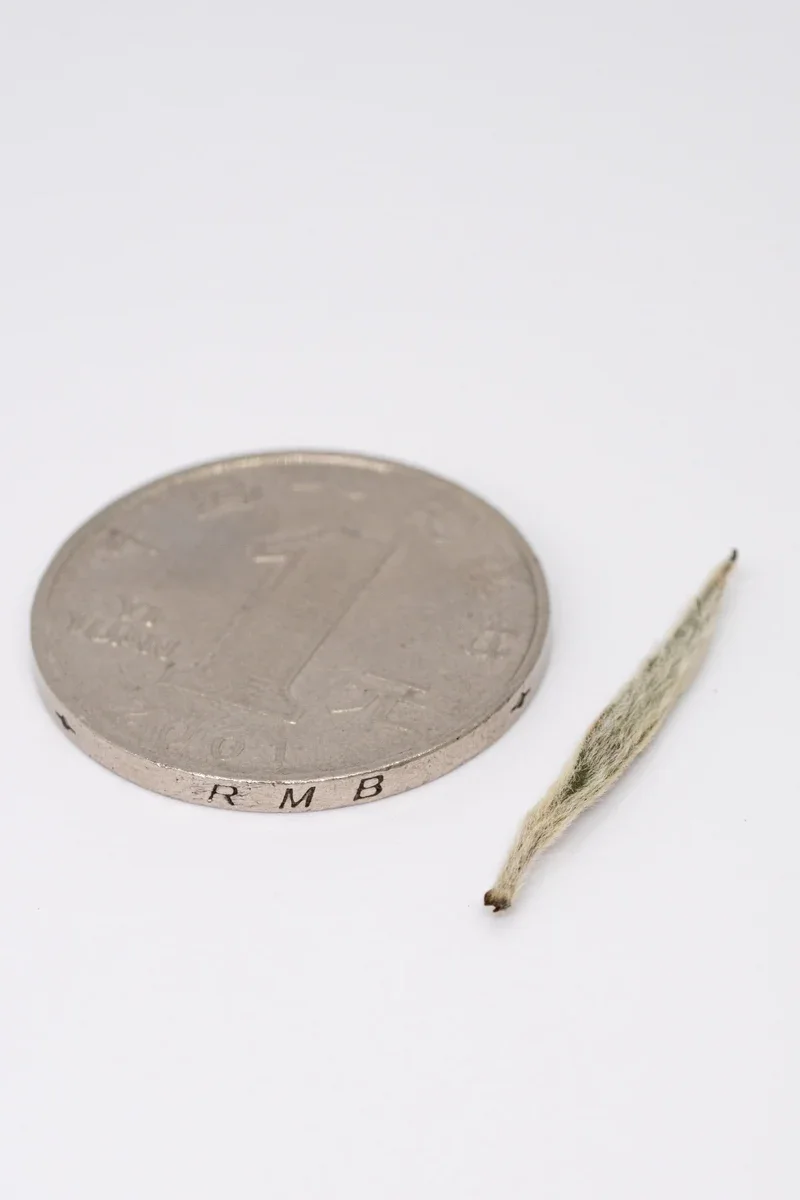
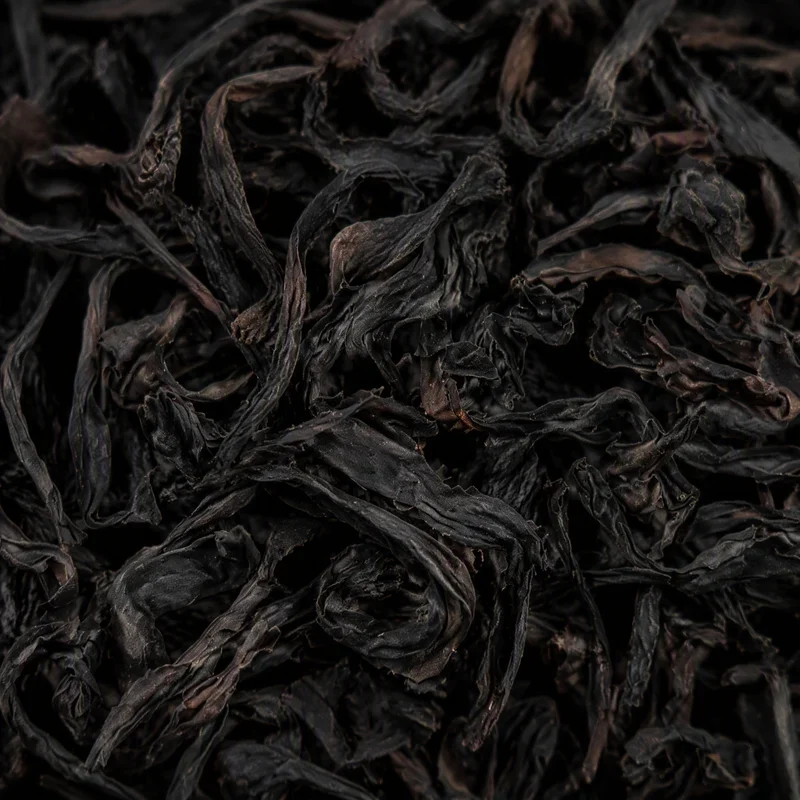
Longitudinal twist, dark brown with olive and burgundy highlights.
Roasting, burnt sugar, dried fruits, light minerality → caramel, baked fruits, orchid/gardenia.
Amber, golden-chestnut.
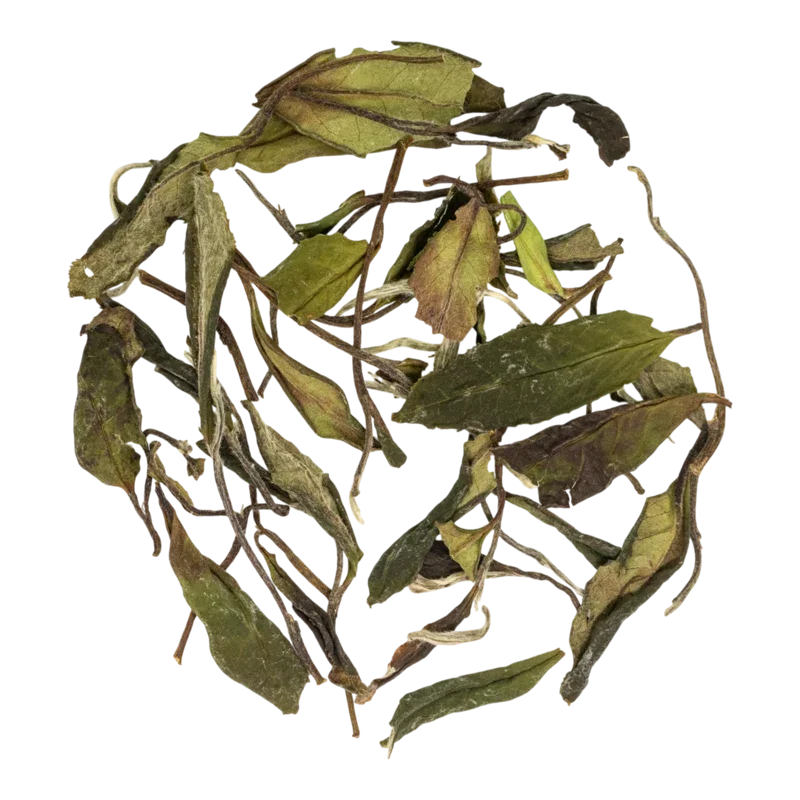
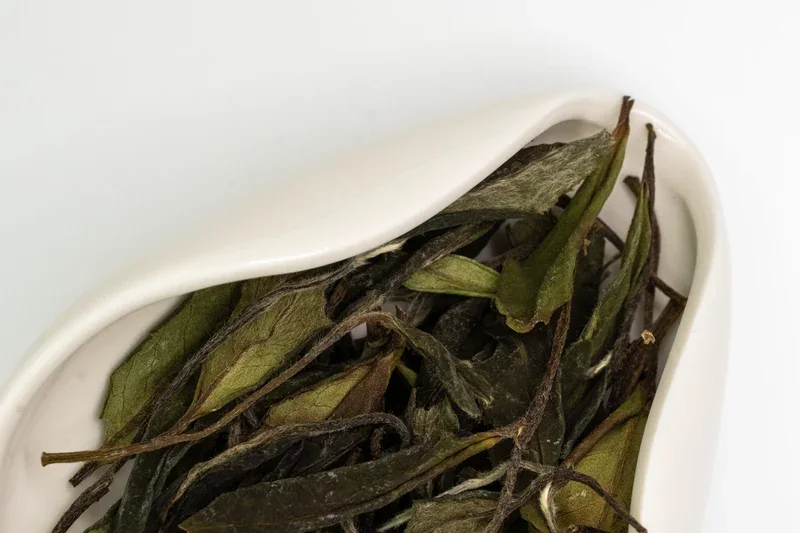
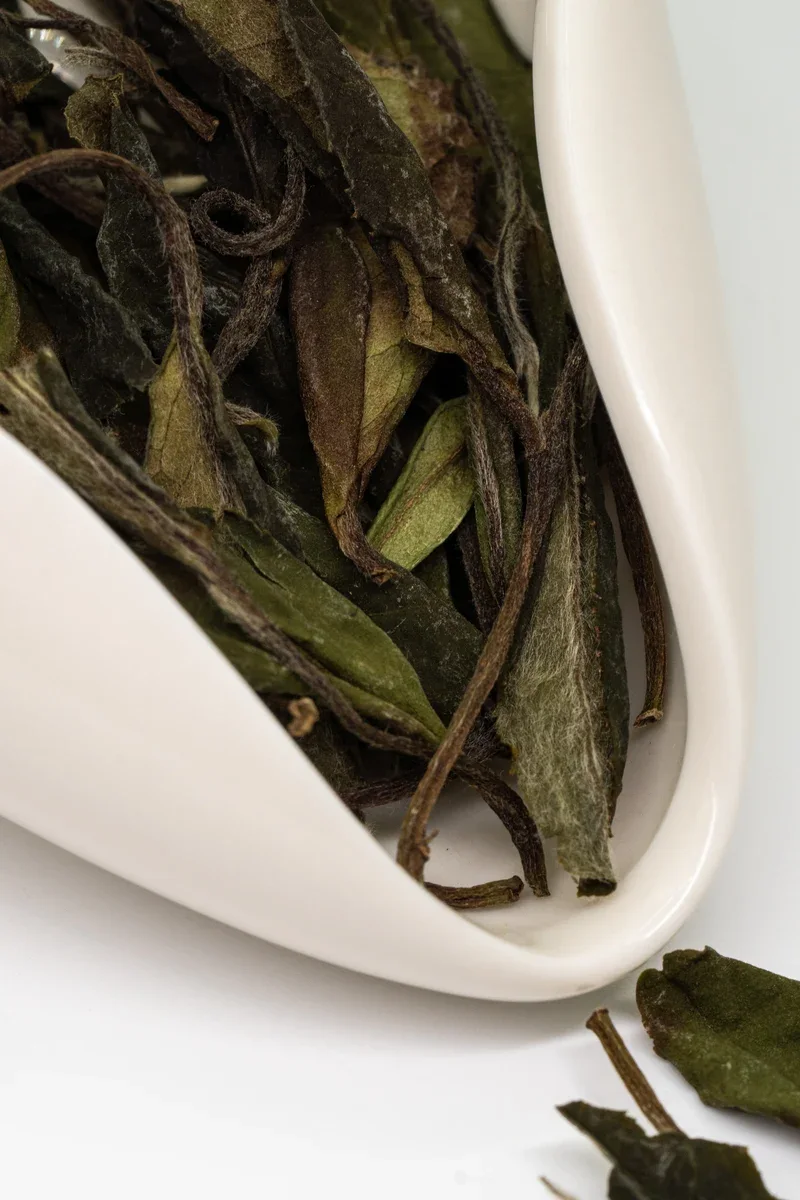
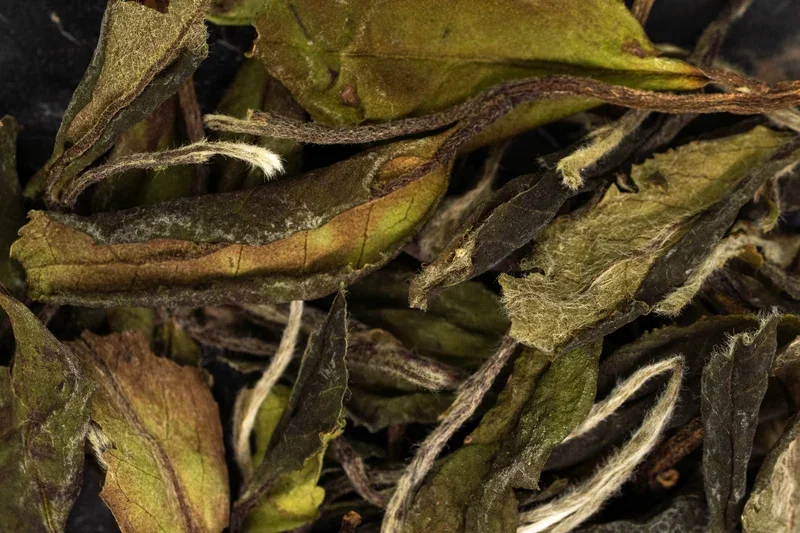
Spent Leaves: Dark green whole leaves with reddish-brown edges.
Taste: Dense, viscous, balanced. Honey, pastry, roasted nuts, minerality. Aftertaste long, sweetish, with light bitterness. Softer and rounder than Oolong Wu.
Amino Acids: L-theanine ~1.84% (Oolong Wu); ~3% free amino acids (Shui Xian). Sweetness, umami, relaxation.
~25 mg/g (Oolong Wu); ~2% (Shui Xian). Moderate stimulation.
~12% (Shui Xian) — prebiotic effect.
Essential Oils: Linalool, nerol, geraniol, benzyl acetate, methyl salicylate. Unique marker of Wu cultivar — terpene lactone wuyenolide C. Pyrazines and furfural (Maillard reaction products during roasting).
Minerals: Potassium, manganese (elevated due to red soils — ~150 mg/100 g), magnesium, iron, fluorine.
Polyphenols: ~22–23% of dry mass. EGCG, theaflavins (products of enzymatic oxidation).
Catechins (EGCG) + theaflavins.
LDL reduction.
α-amylase inhibition.
Tannins stimulate digestive juices; polysaccharides — prebiotic.
L-theanine + caffeine — concentration without agitation.
Caries prevention (Streptococcus mutans inhibition).
Manganese, fluorine.
Container: Airtight, opaque (tin, ceramic, foil-lined bag). Vacuum or nitrogen atmosphere — advantage.
Shelf Life: Up to 24 months. Roasted oolongs more stable than light ones. For Oolong Wu, periodic re-roasting (每年覆焙) possible to maintain freshness.
+5…+25°C, humidity <55%, away from odors and light.
Collectors age for years; 1958 sample sold at auction for record sum.
From Qing Xin cultivar; more nutty and caramel, less mineral.
From Tieguanyin cultivar; more spicy, dense.
High-mountain light oolong; radically different — fresh, floral, without roasting.
Mainland originals; more pronounced "rock rhyme (yán yùn)" (岩韻), more smoky character. Taiwanese versions softer, with more pronounced floral notes.
No reviews yet. Tell us what you think of this tea.
Rate this tea and share your impressions. We review each submission before publishing it.