Brewing
Gongfu brewing
- Water temperature
- 92 °C
- Tea amount
- 6 g
- Water volume
- 100 ml
- First steep
- 10 s
- Time added per infusion
- 5 s
- Infusions
- 8

Lí shān hóng wūlóng
Choose a brewing method. Start with the recommended quantities and time, then adjust to taste.
Brewing
Brewing
Taste
Tea encyclopedia
Category: Taiwanese high-mountain oolongs (台灣高山烏龍茶, Táiwān Gāoshān Wūlóng Chá).
Category: Taiwanese high-mountain oolongs (台灣高山烏龍茶, Táiwān Gāoshān Wūlóng Chá).
Since 2016, the Hépíng District administration officially registered the origin certification mark (產地證明標章) for the designation "Lishan Cha" (梨山茶), establishing the geographic boundaries of the tea region.
Coordinates: Approximately 24°15′ N, 121°15′ E.
Origin: Líshān mountain massif (梨山, Lí Shān), Hépíng District (和平區, Hépíng Qū), Taichung City (台中市, Táizhōng Shì), Taiwan. Main production subregions: Fúshòushān (福壽山, Fúshòushān), Wǔlíng (武陵, Wǔlíng), Cuìfēng (翠峰, Cuìfēng), Huágǎng (華崗, Huágǎng), Huánshān (環山, Huánshān), Sōngmào (松茂, Sōngmào). Red oolong in Hong Oolong style is produced predominantly in the Cuifeng area at altitudes of 2100–2200 m.
Type: Oolong (semi-oxidized tea) with high degree of oxidation 70–85%. By degree of oxidation occupies ān intermediate position between dark rock oolongs (岩茶, yán chá) and fully oxidized red teas (black tea). In Taiwanese classification belongs to the category of "red oolongs" (紅烏龍, hóng wūlóng) — a special style of highly oxidized oolongs without charcoal roasting.
The very concept of "high-mountain tea" (高山茶, gāoshān chá) was born precisely on Lishan slopes, when a local farmer didn't know what to call tea grown on a mountain above 2000 m, and simply dubbed it "high-mountain" — this definition gradually spread to all Taiwanese high-mountain teas.
In 1965, tea from Lishan became the favorite drink of President Chiang Kai-shek (蔣介石), which instantly gave the region an aura of elitism that persists to this day.
Qing Xin Oolong tea bushes in response to insect pest attacks release volatile compound cis-jasmone, attracting their natural enemies — particularly ladybugs. This very compound contributes the characteristic floral-jasmine tone to the finished tea's aroma.
Pears, apples and peaches grow side by side with tea bushes on the same slopes. Intertwining of root systems in the common soil layer, according to local farmers, imparts subtle fruity aromatic components to the leaves — that very "aroma of pear mountain".
Thanks to high content of soluble substances due to slow leaf growth, Lishan Hong Oolong withstands 10–12 and more infusions — significantly more than lowland oolongs (6–8) and Alishan teas (8–9).
The Qing Xin Oolong cultivar is genetically close to mainland southern Fujian varieties brought to Taiwan by settlers from Fujian Province. Distinguished by thin, aromatically rich leaves with high L-theanine content and moderate bitter catechins.
Cultivar: Predominantly Qīng Xīn Oolong (青心烏龍, Qīng Xīn Wūlóng; literally "blue heart oolong"), also known as Ruǎn Zhī Oolong (軟枝烏龍, Ruǎn Zhī Wūlóng — "soft branch oolong"). This is one of the four "great" Taiwanese cultivars officially selected by the Taiwan Tea Research Station in 1918. Botanically belongs to the species Camellia sinensis var. sinensis. Medium-height plant (up to 1 m when cultivated), with dark green elliptical leaves 5–7 cm long, leathery surface and distinct serration along the edges. Young shoots may have a slight anthocyanin (reddish) tint — a consequence of ultraviolet stress at high altitude.
Picking: Hand-picked. Main seasons — spring (春茶, chūnchá; late May — early June) and autumn (秋茶, qiūchá; August). Winter harvest (冬茶, dōngchá; late October) is practiced on lower plots. Raw material standard: flush "bud plus two leaves" (一心二葉, yī xīn èr yè). Low yield — about 120–150 g of finished tea per bush per year — is due to slow leaf growth in high-mountain conditions.
Altitude: 2100–2200 m above sea level (for Hong Oolong style from Cuifeng area).
Climate: Average annual temperature about +12°C, snowfall possible in winter. Day/night temperature difference reaches 15–20°C, which is critically important for accumulation of aromatic compounds and L-theanine. Fog more than 300 days per year reduces intensity of direct solar radiation, softening synthesis of bitter catechins. Ultraviolet radiation level is nevertheless high due to thin air (UVB index 8–10), which stimulates production of protective antioxidant compounds.
Soil: Gravelly loams with admixture of shale rocks (砾質壤土及頁岩, lìzhì rǎngtǔ jí yèyán). Acidity pH 4.5–5.2, good water permeability. High content of calcium, magnesium, zinc provides characteristic mineral undertone in late infusions.
Lishan mountain massif, Heping District, Taichung City. Borders Nántóu County (南投縣) and Hualien County (花蓮縣). Tea plantations are concentrated at altitudes of 1450–2490 m, with the most valuable plots for red oolong production located in the 2100–2200 m belt.
Planting density up to 500 bushes/ha. Organic fertilizers based on fermented soy meal; irrigation with spring water through drip systems. Stressful high-mountain conditions promote L-theanine accumulation approximately 40% above the level of lowland teas while simultaneously reducing bitter catechin content by approximately 25%.
Líshān tea plantations are interspersed with fruit orchards of pears (梨, lí), apples and peaches. Intertwining of root systems is traditionally considered one of the reasons for the characteristic fruity aroma of local tea.
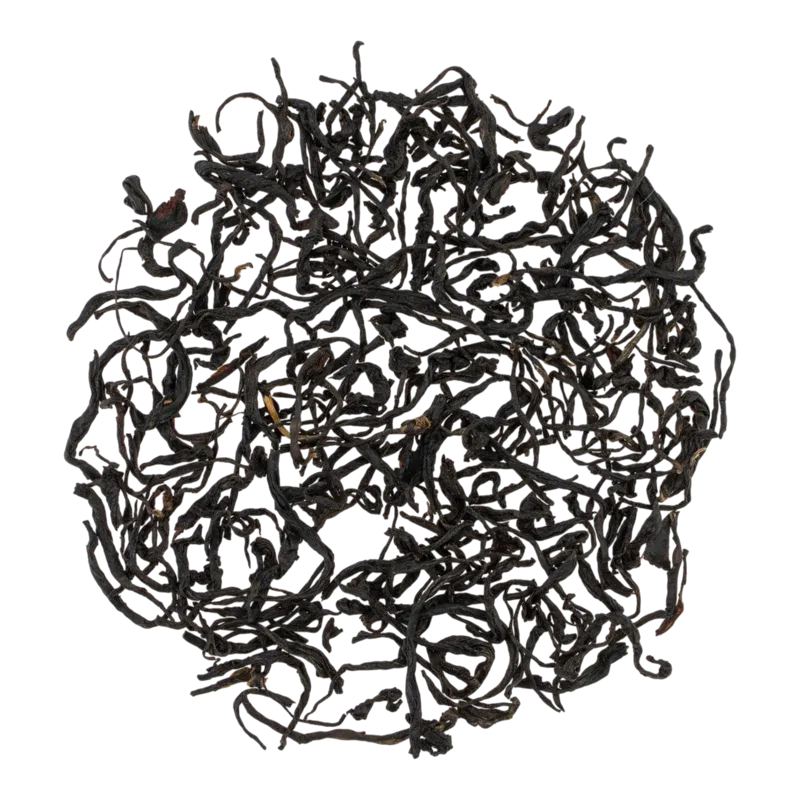
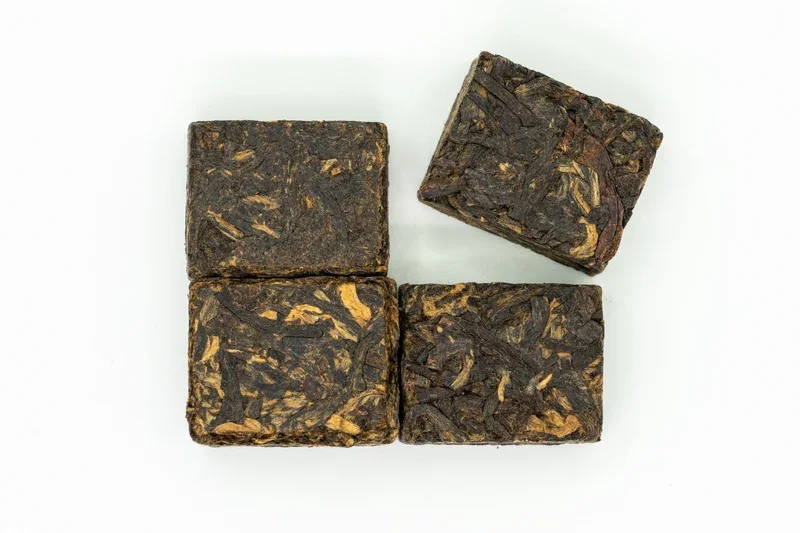
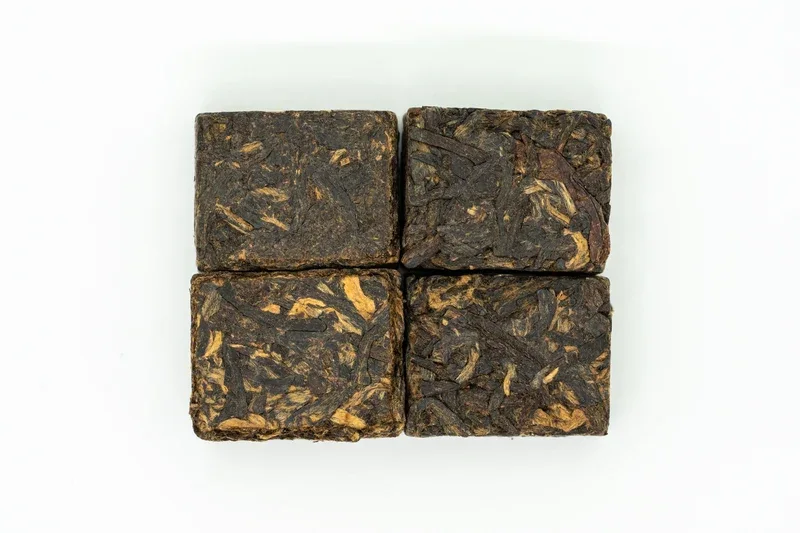
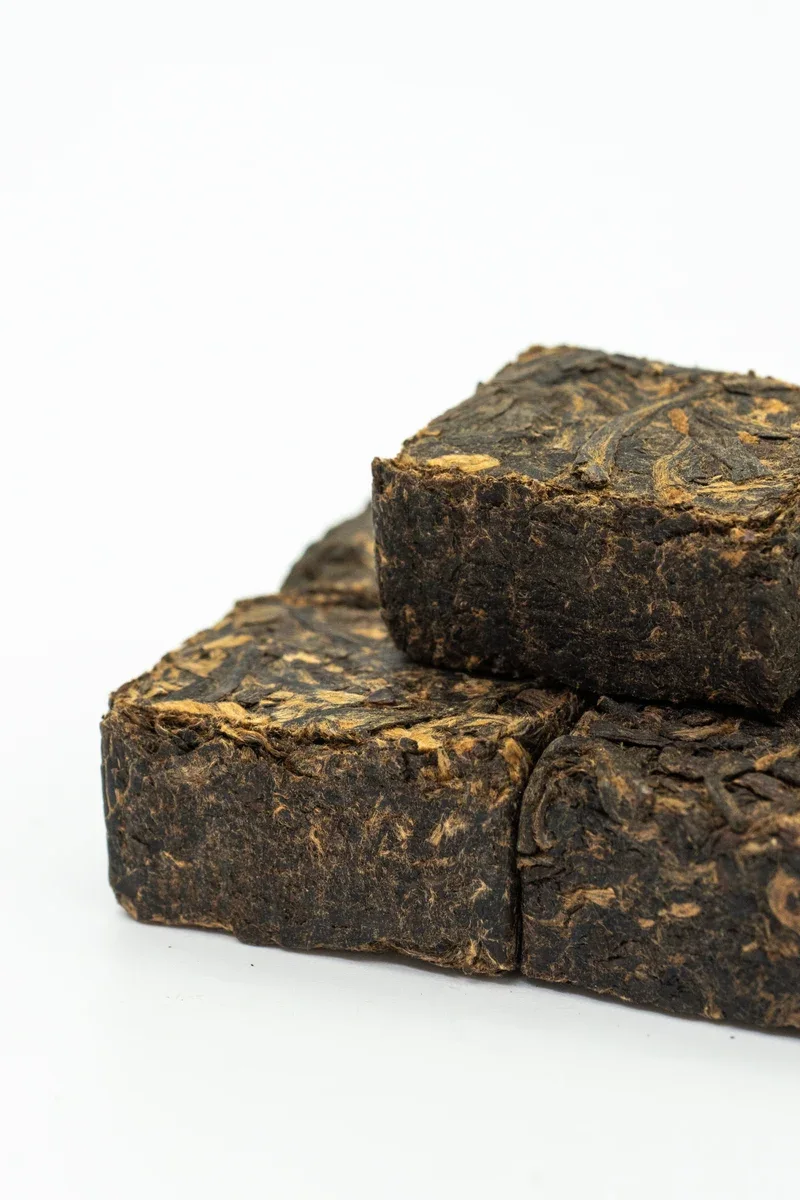
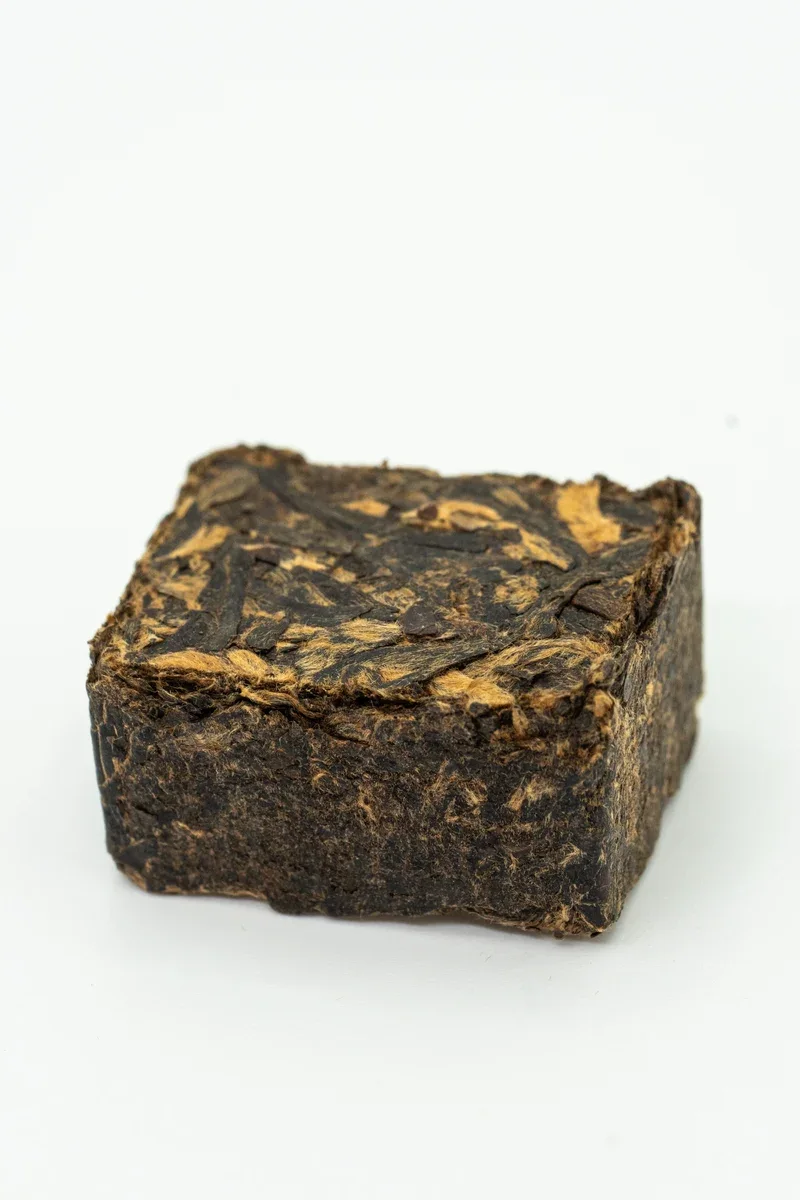
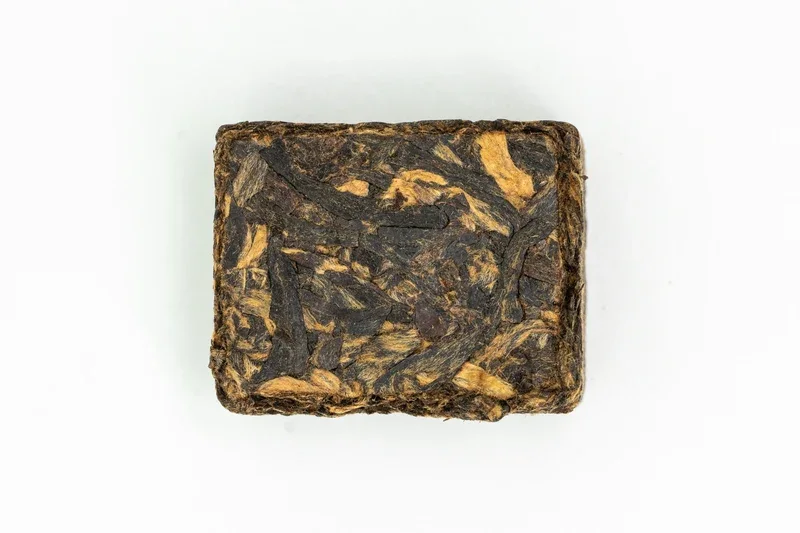
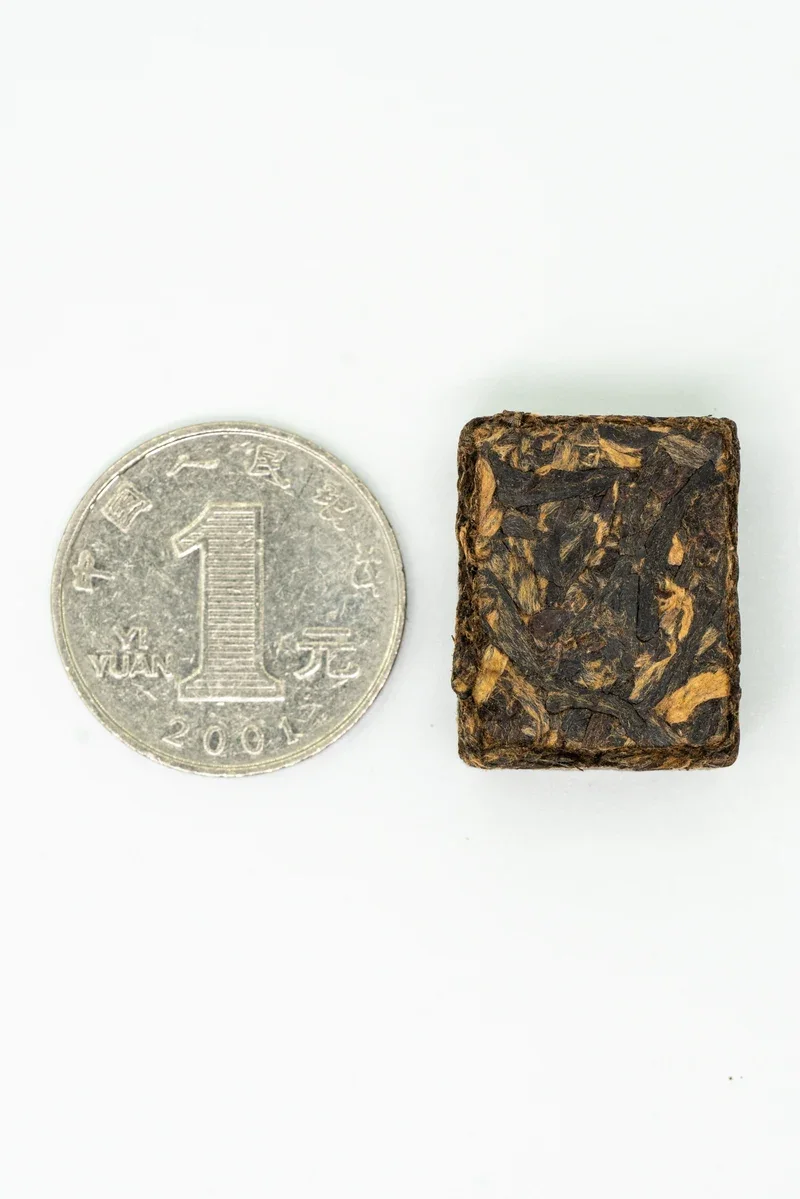
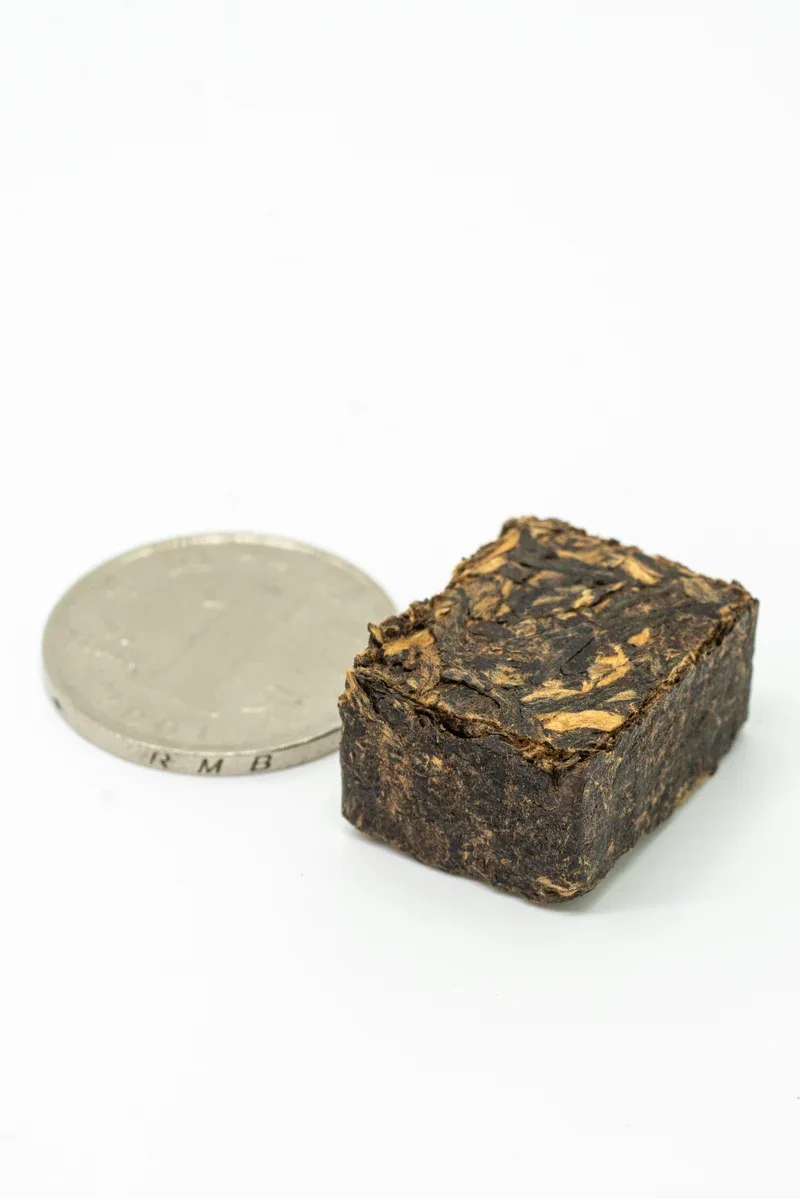
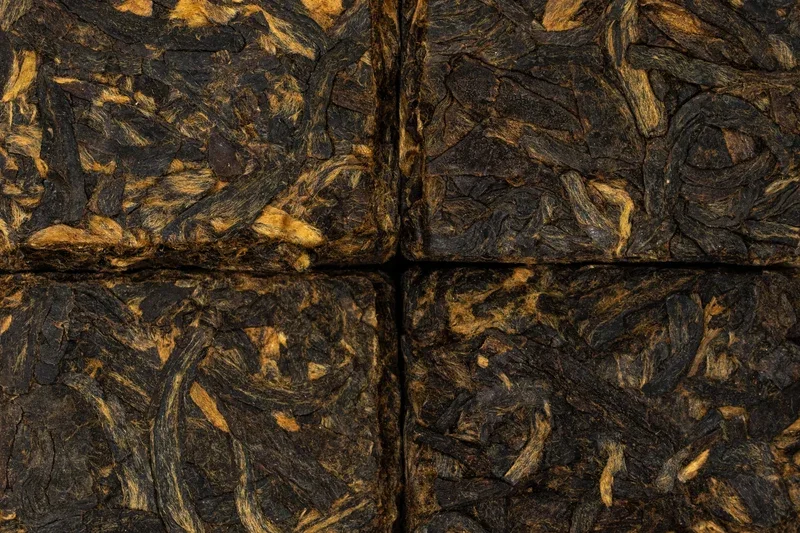
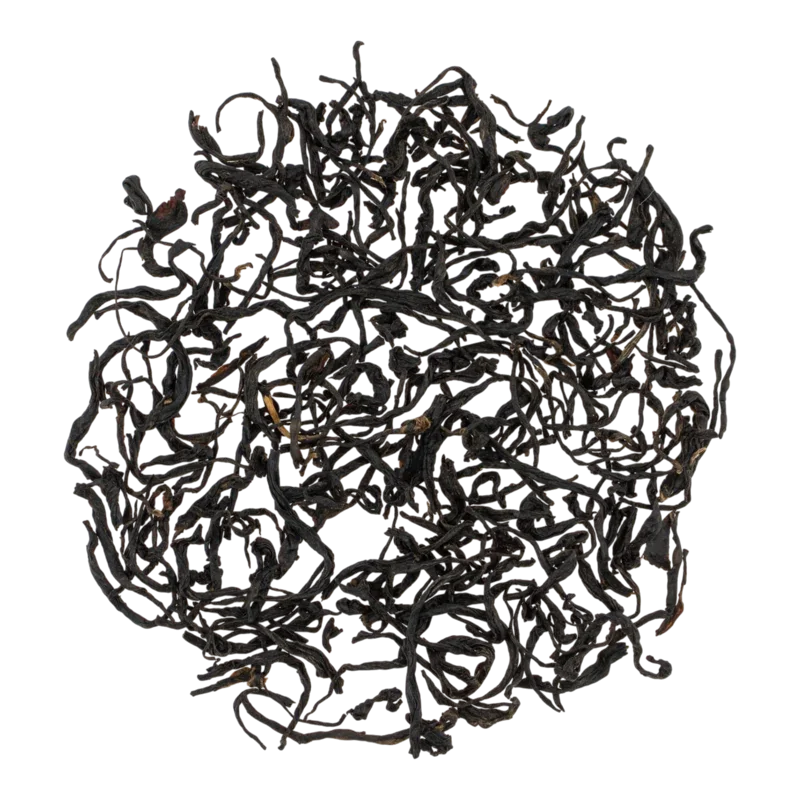
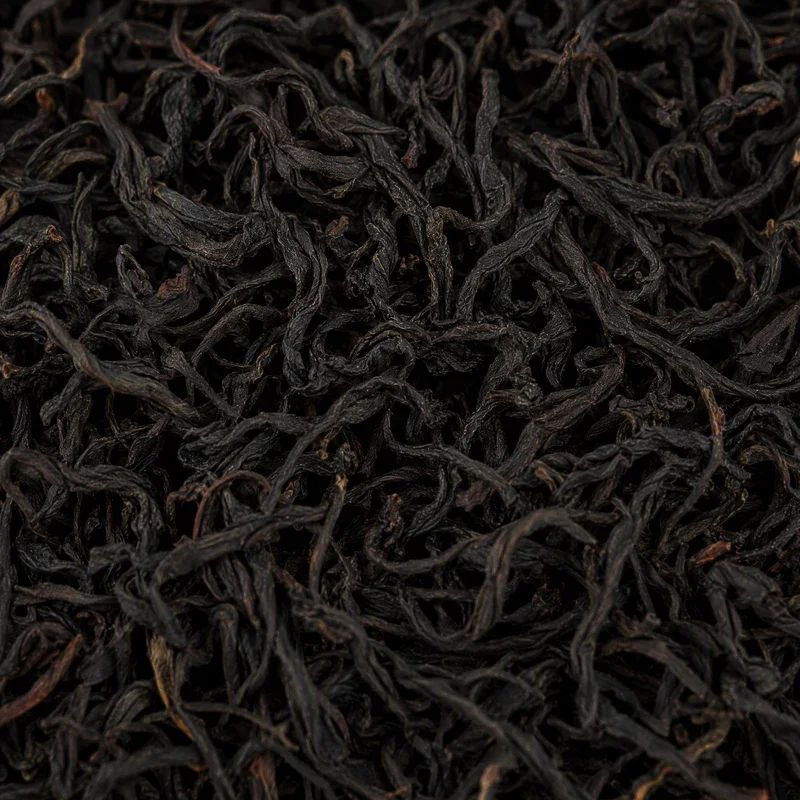
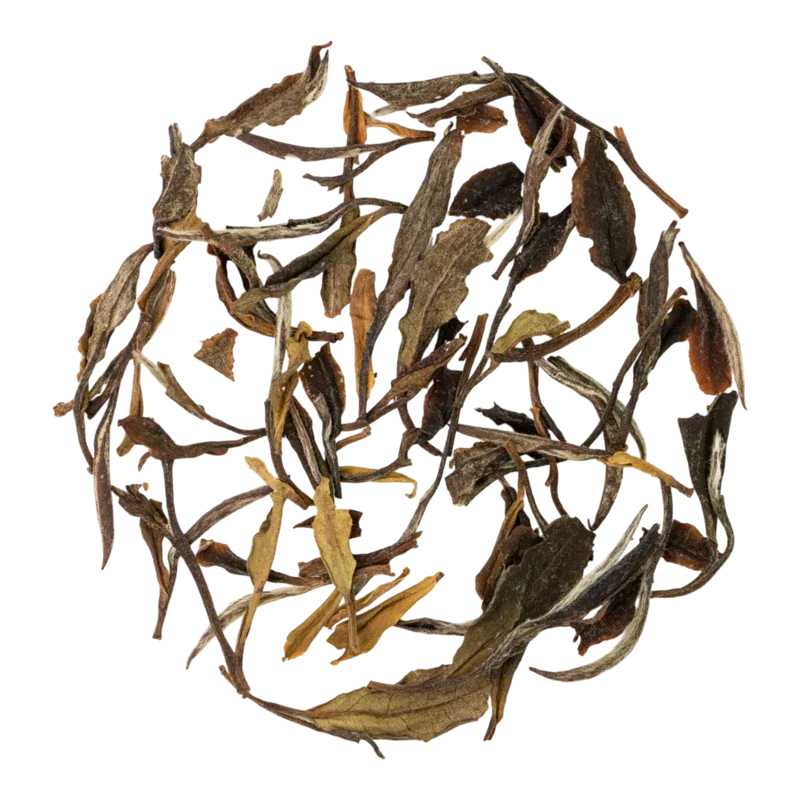
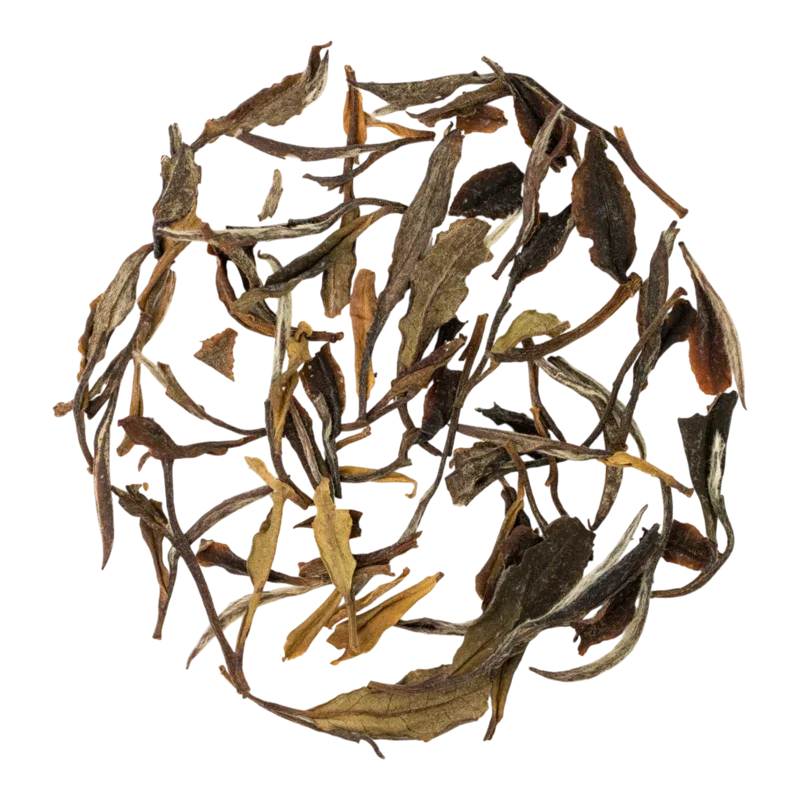
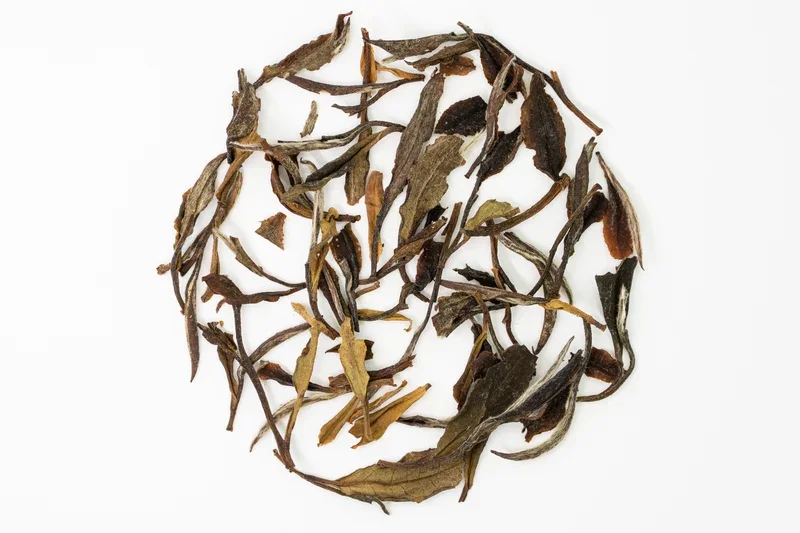
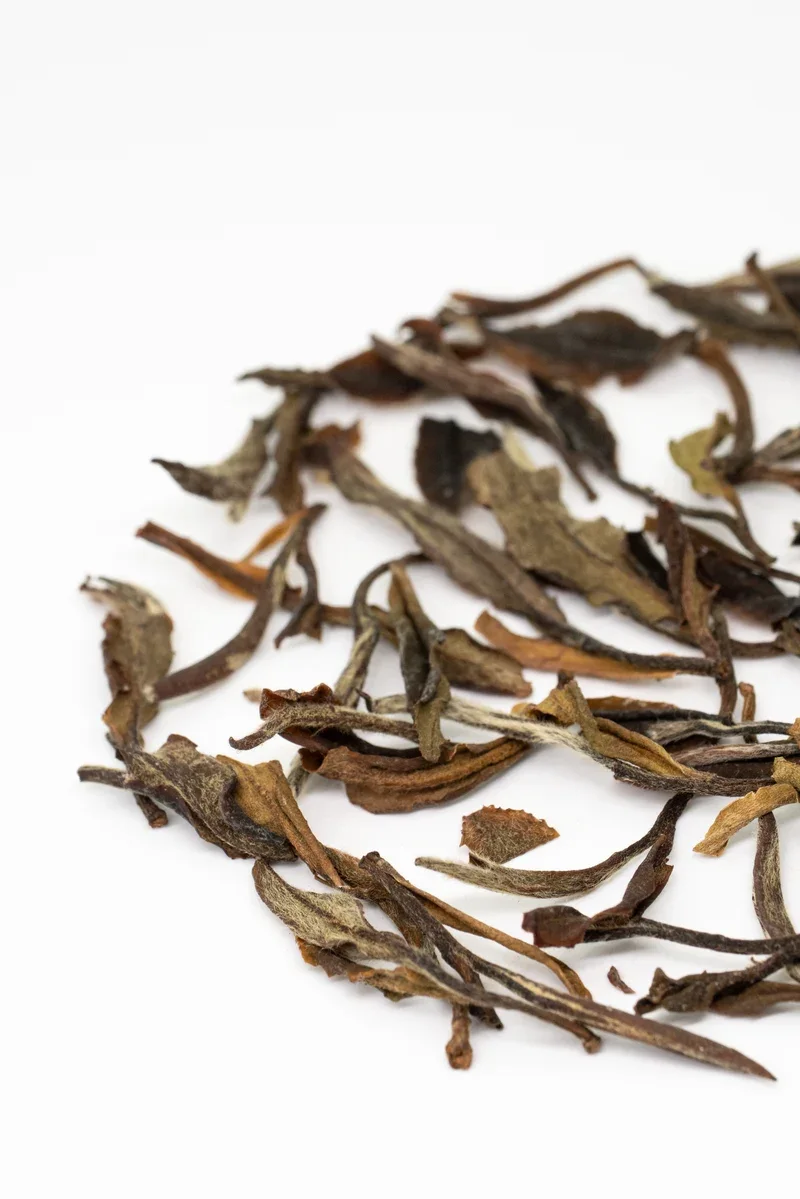
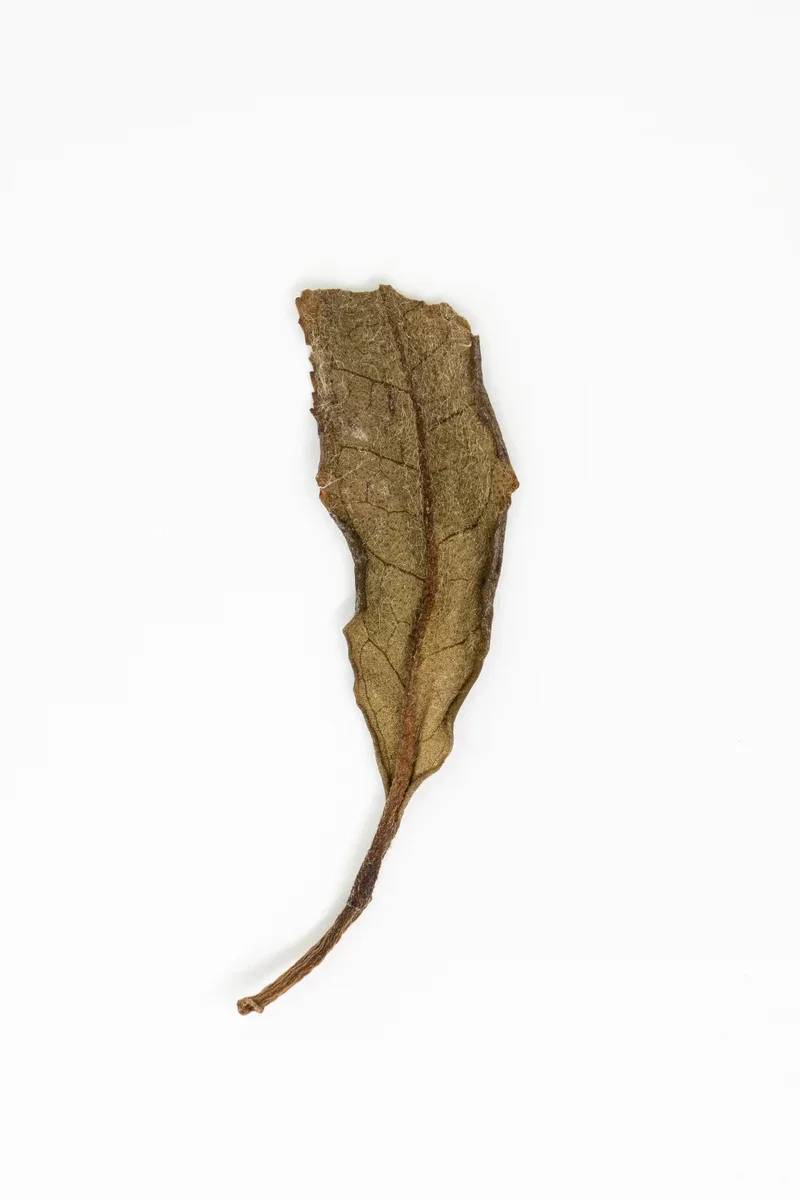
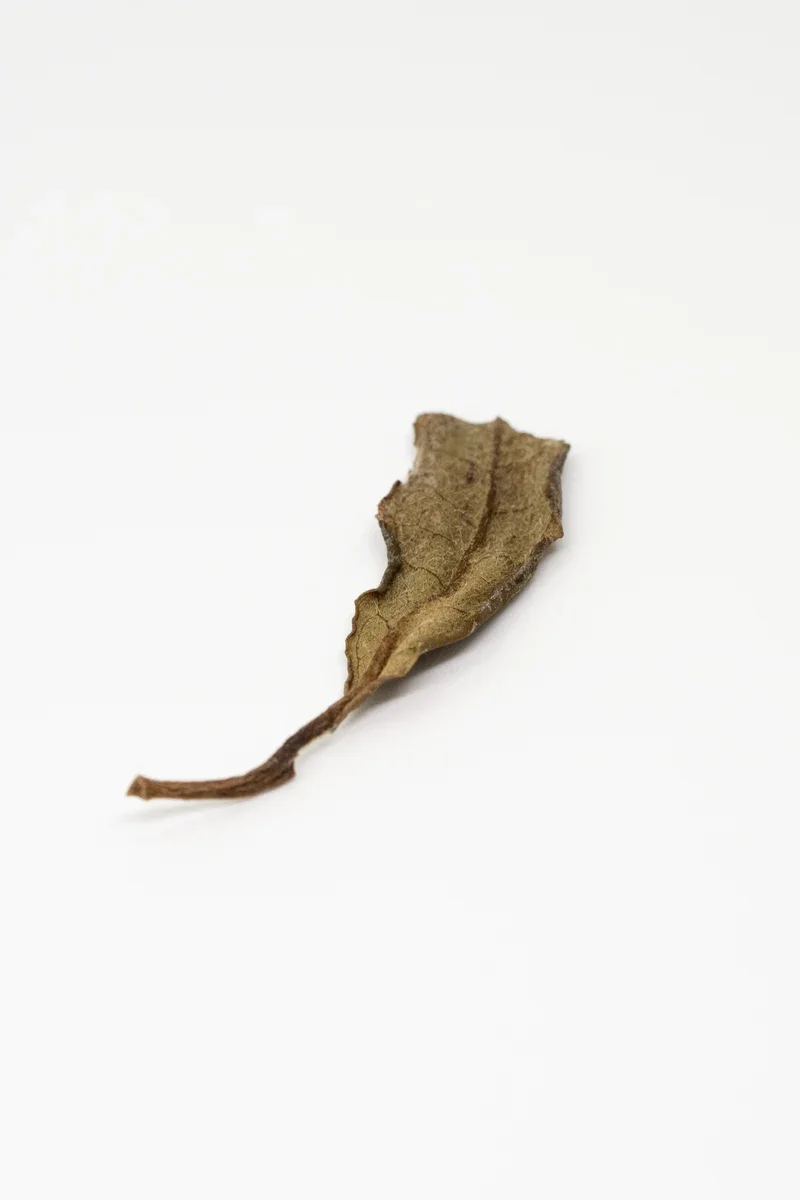
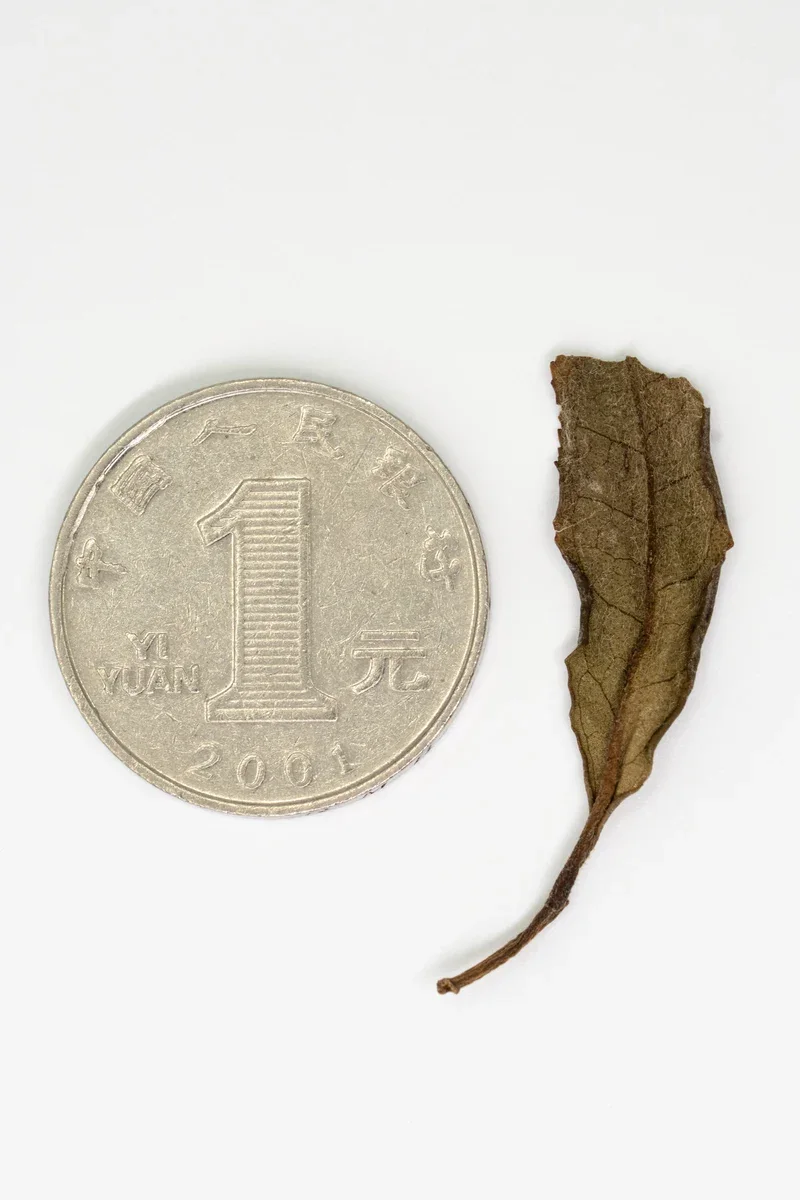
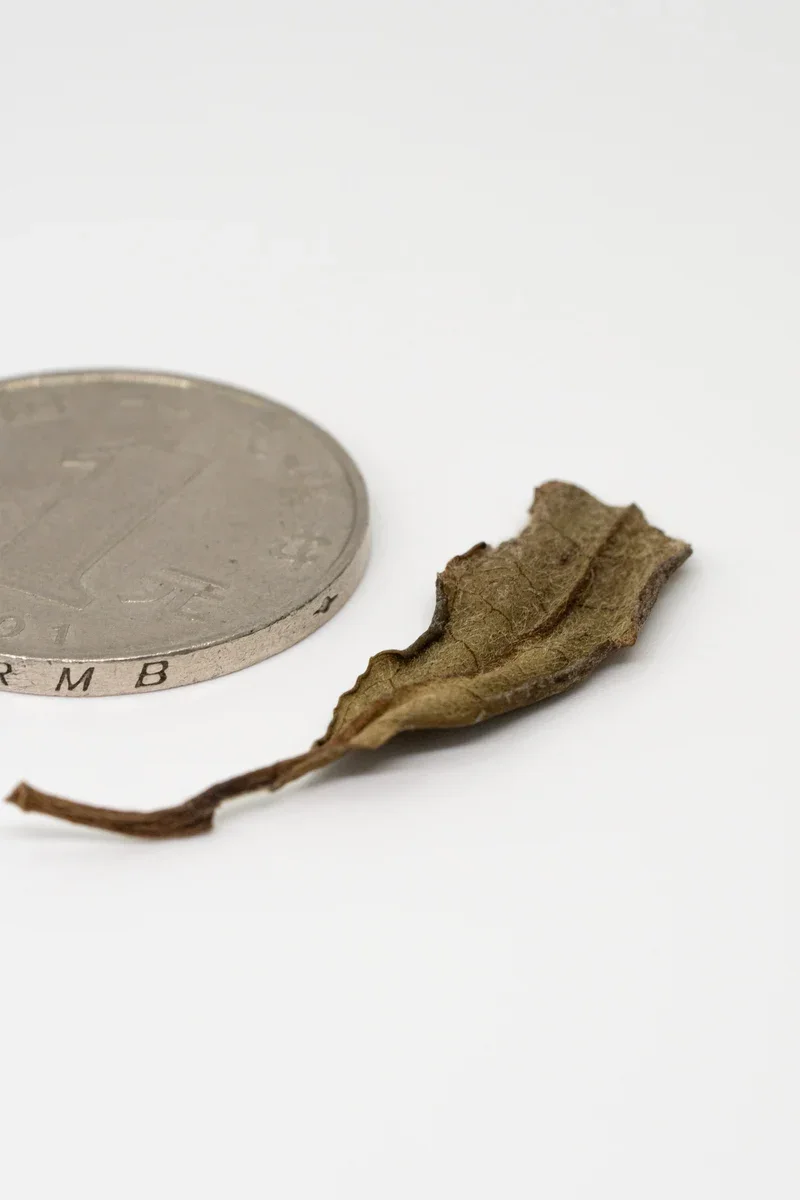
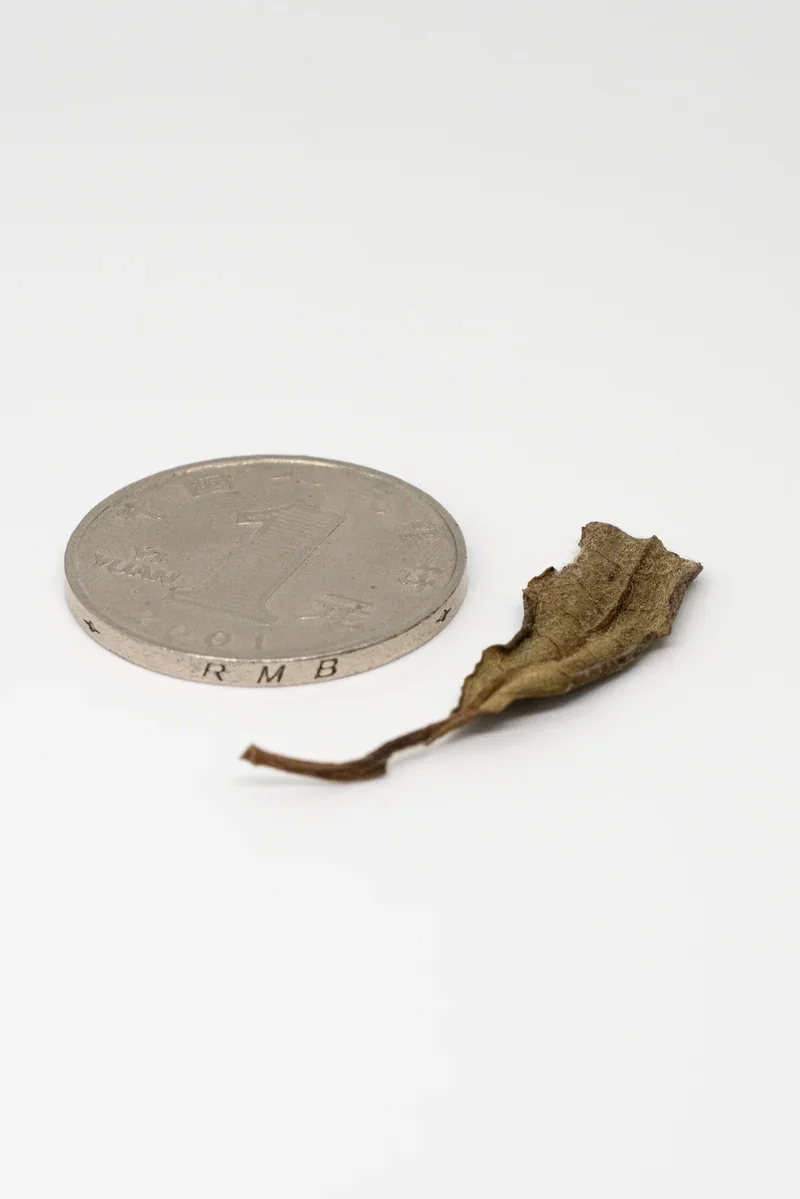
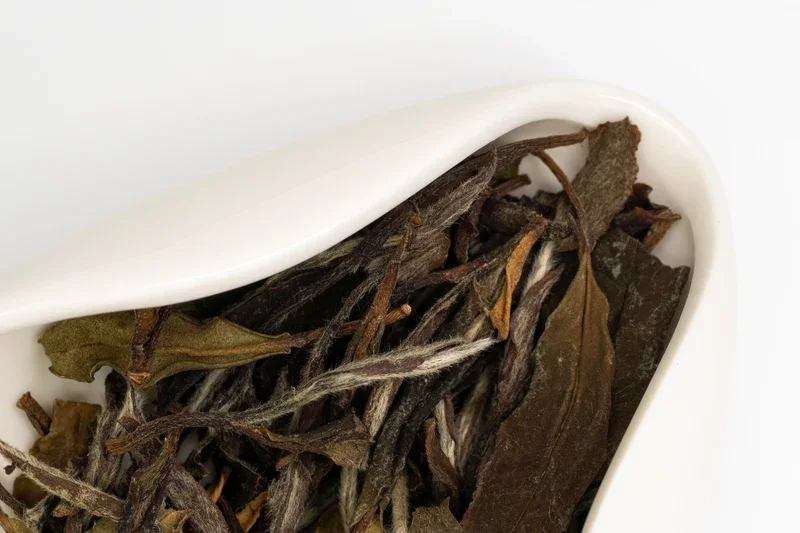
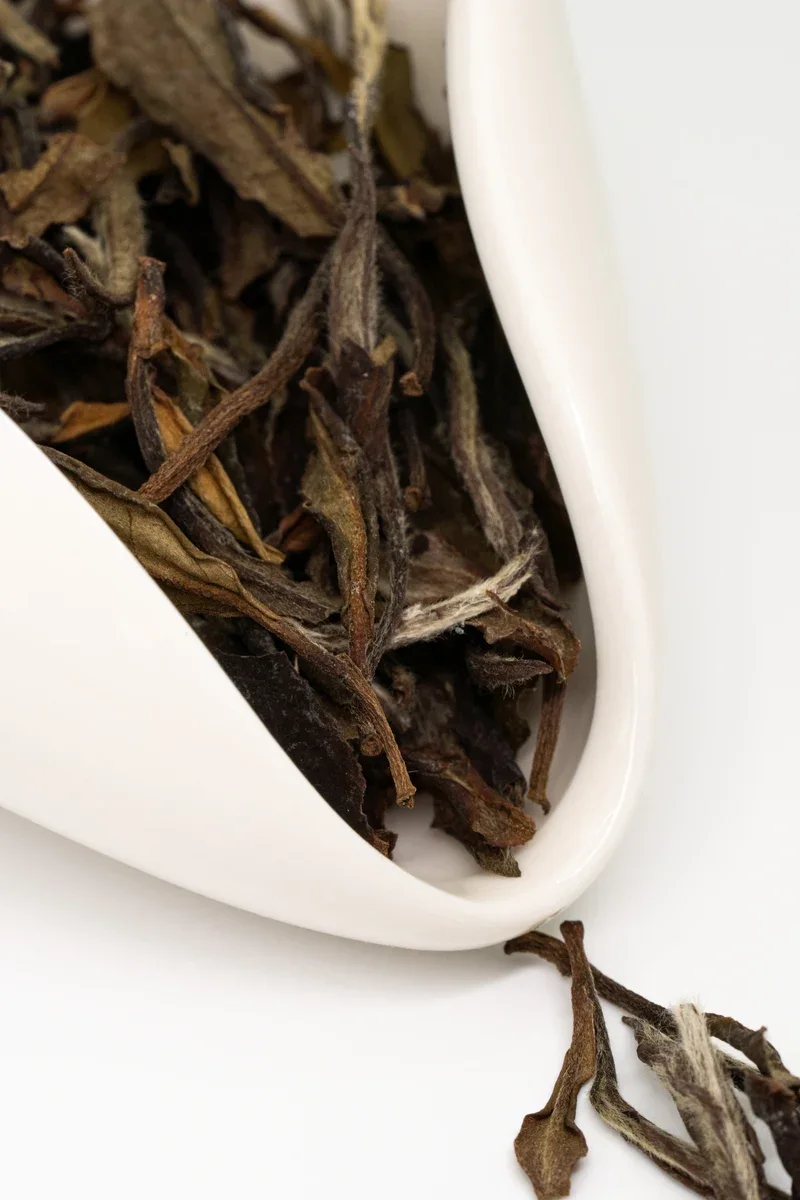
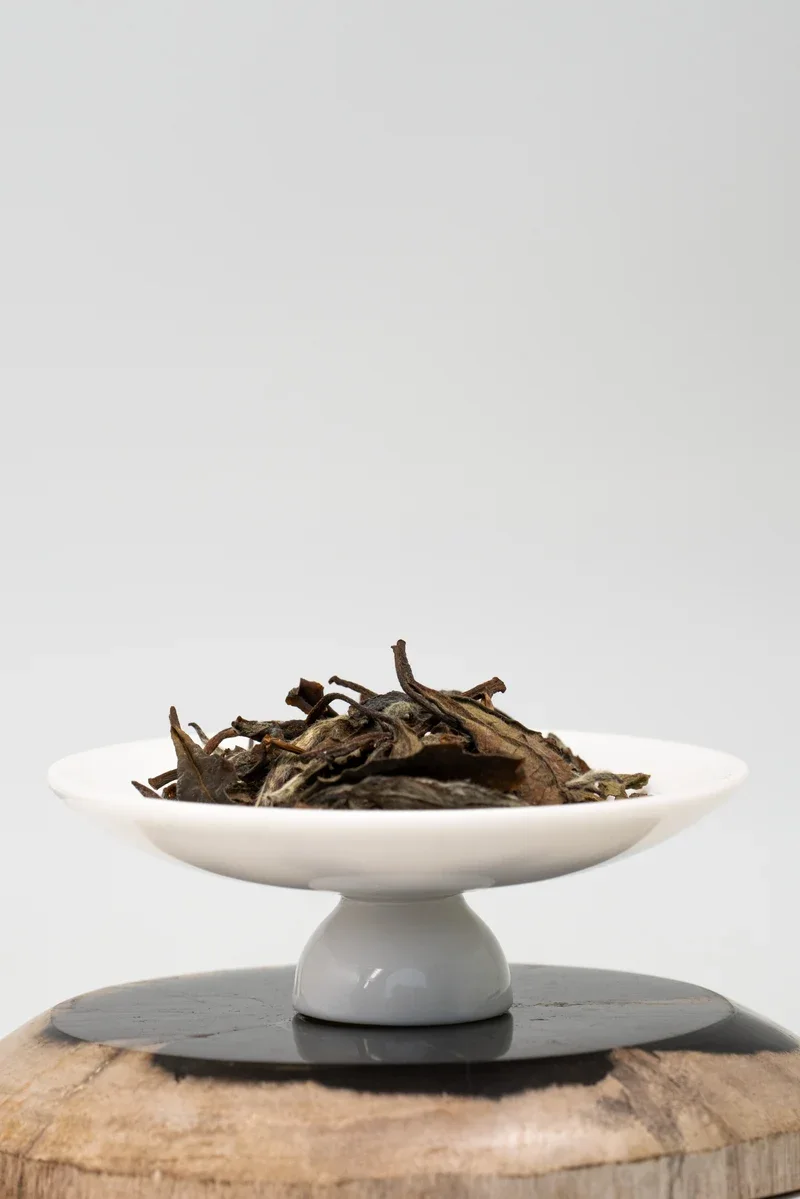
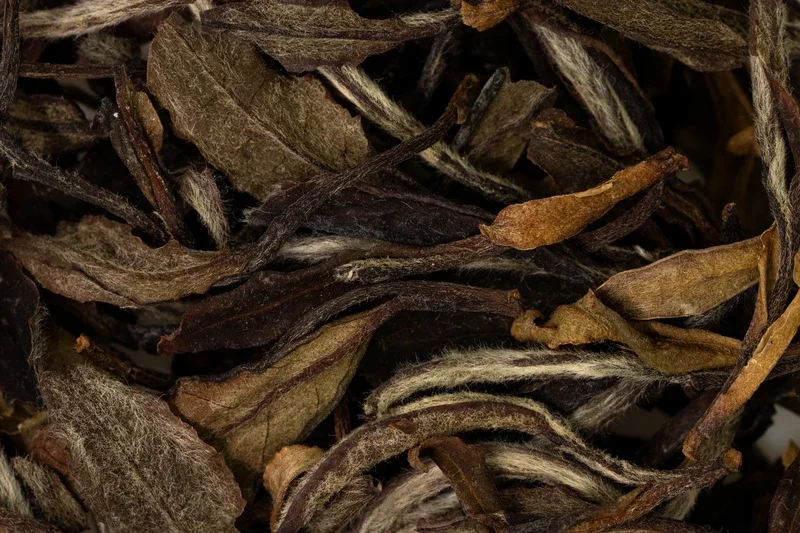
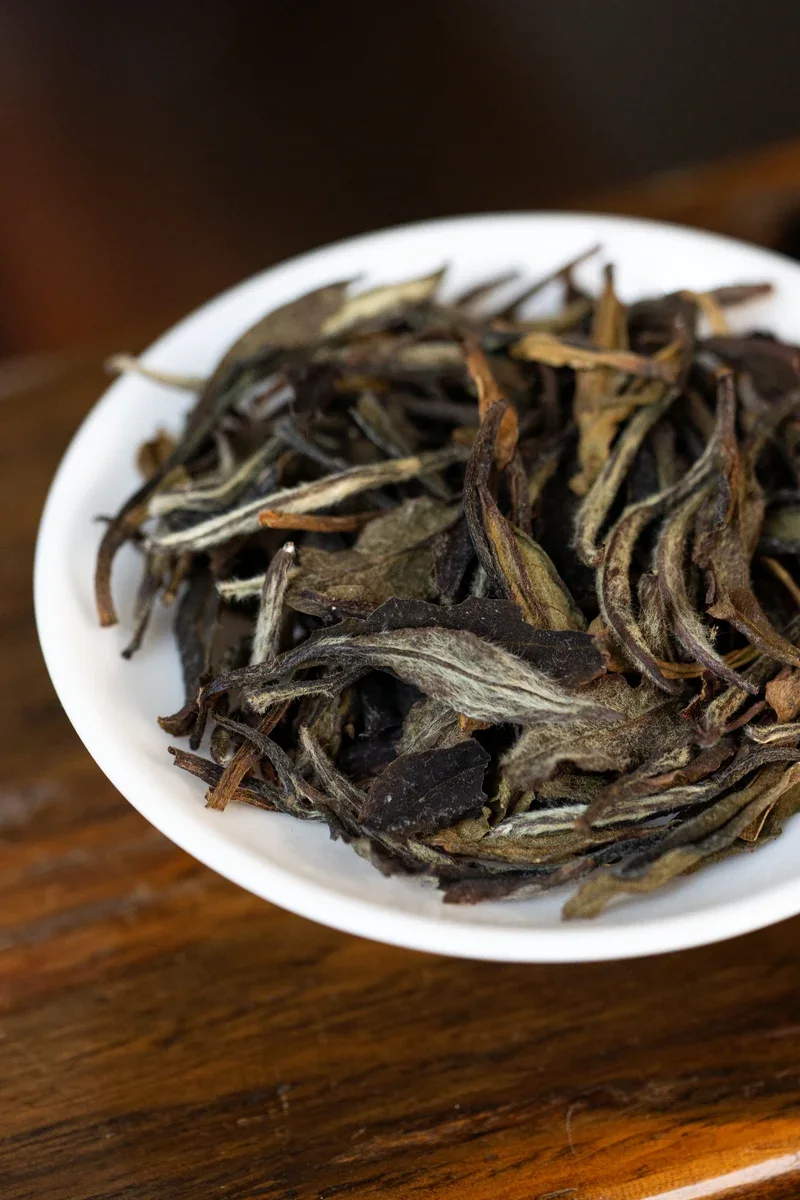
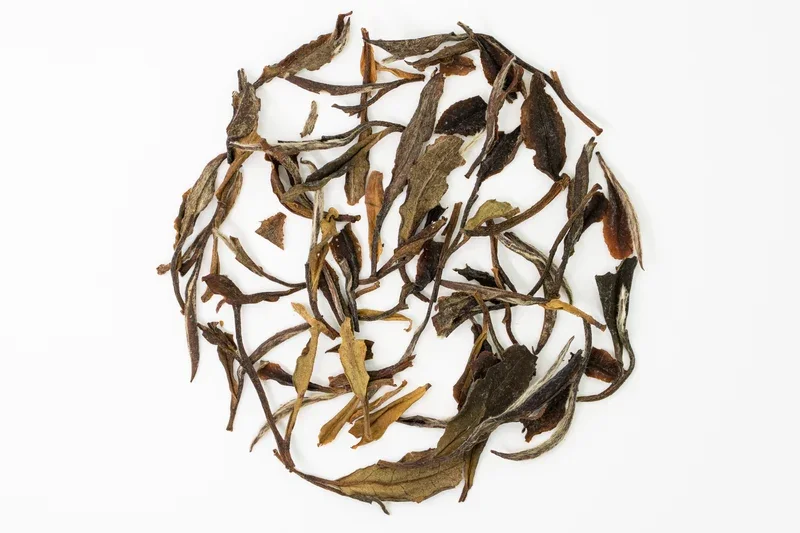
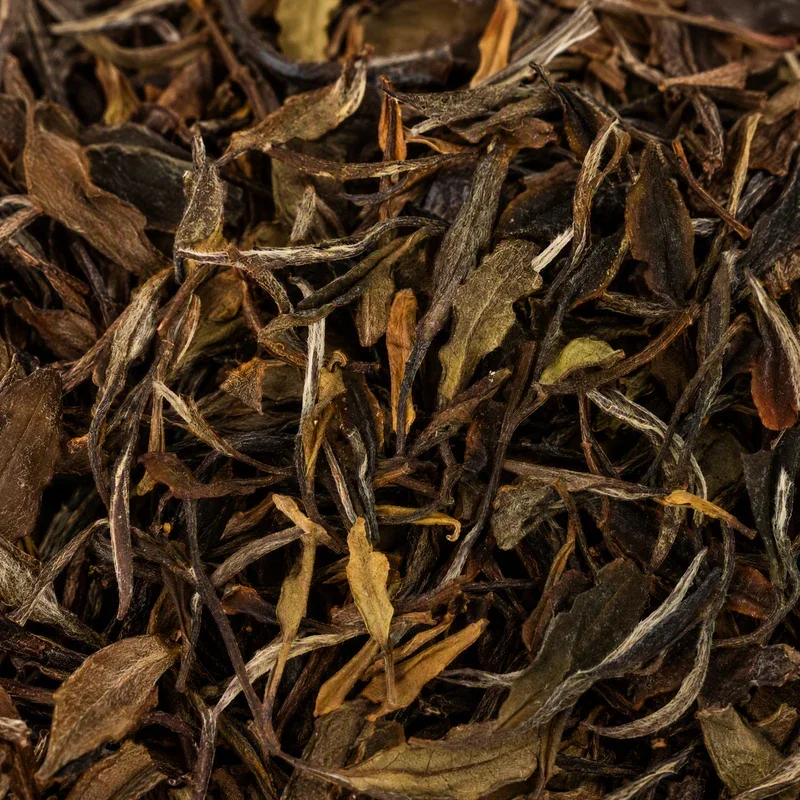
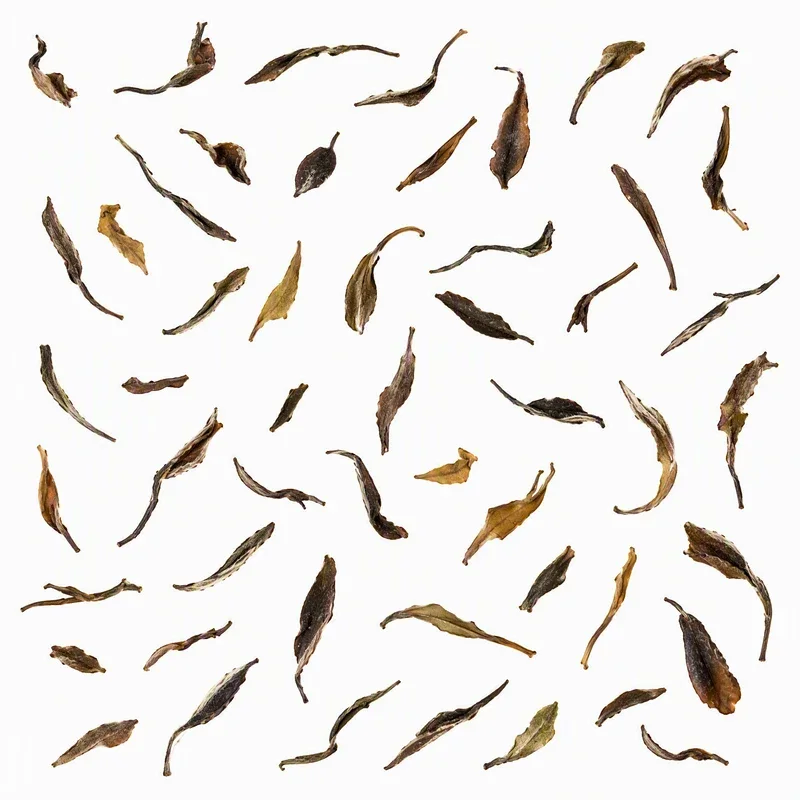
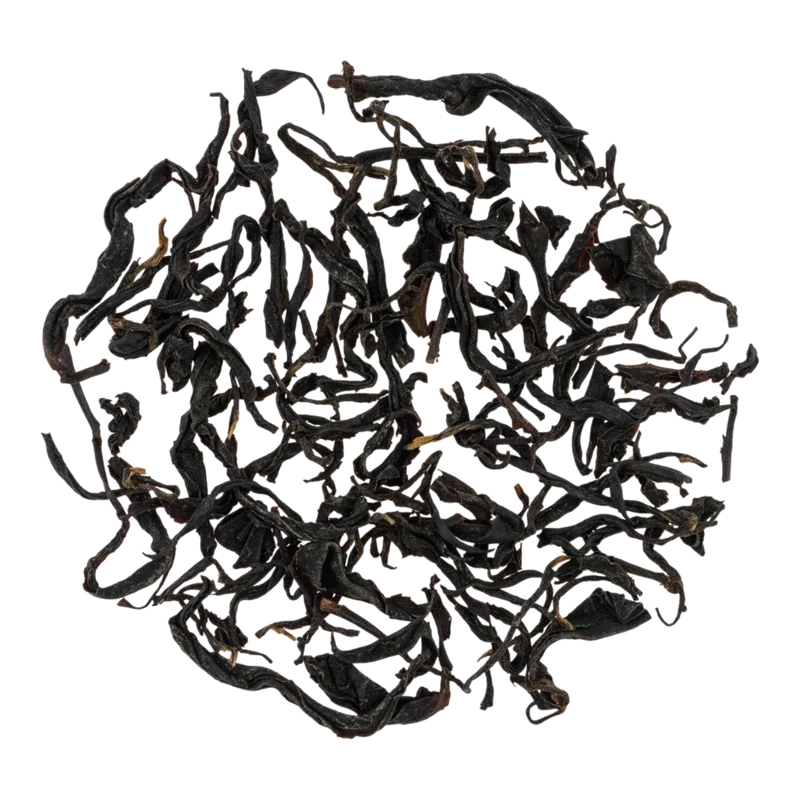
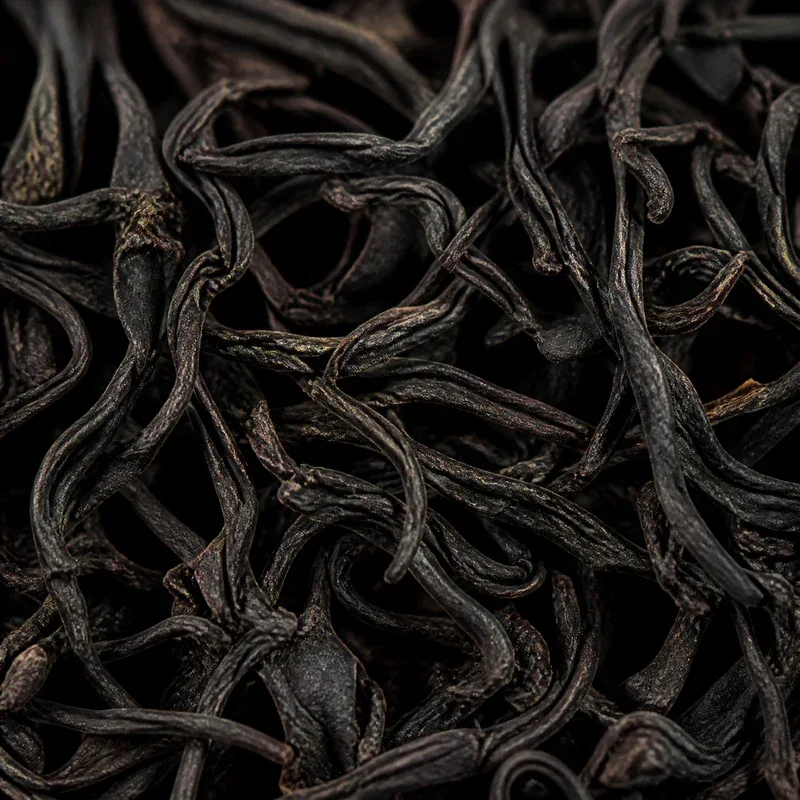
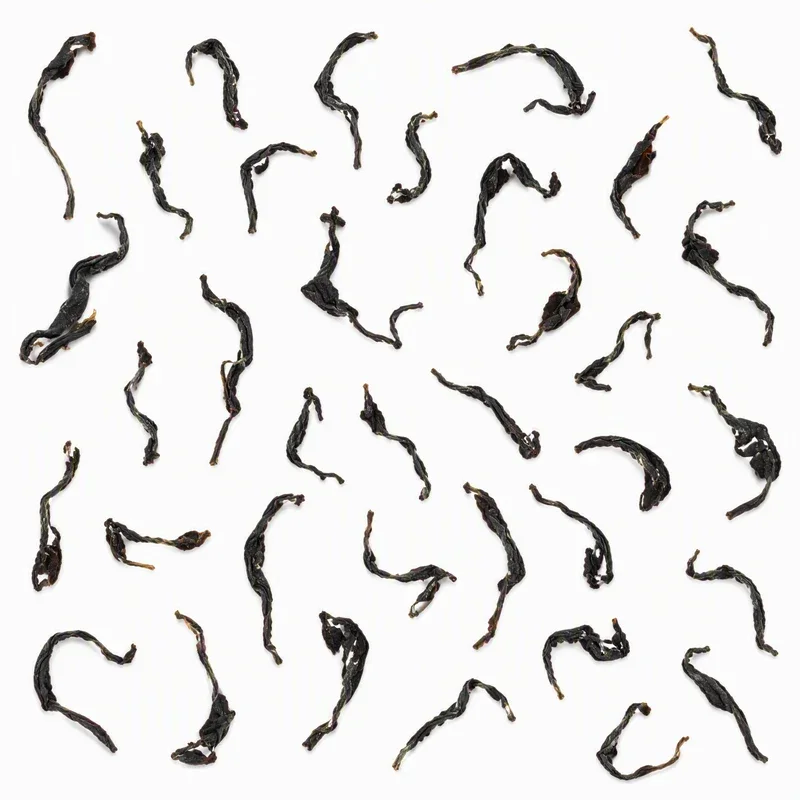
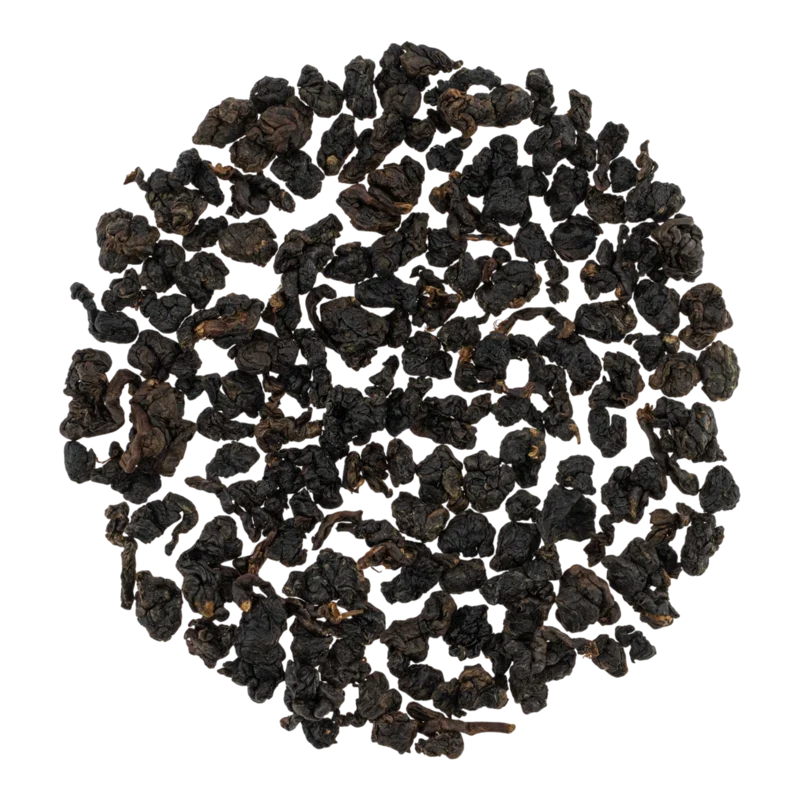
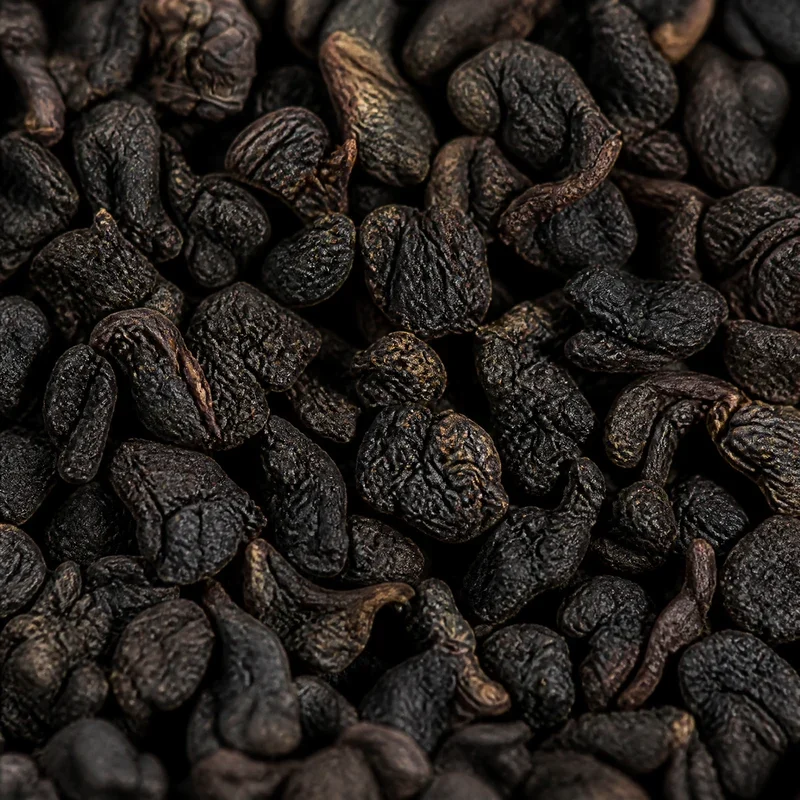
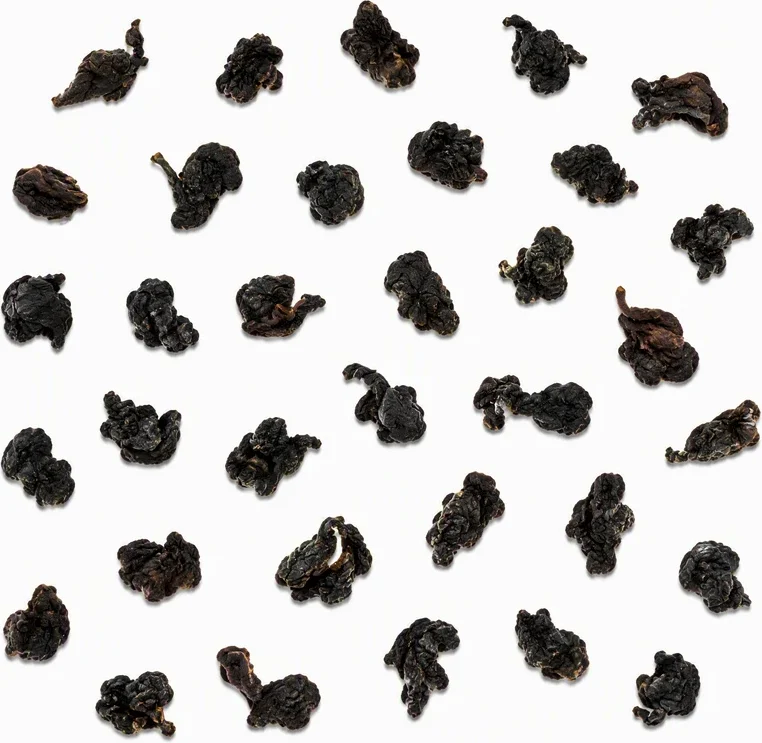
Dry Leaf Appearance: Dense tightly rolled balls 6–8 mm in diameter. Color dark olive, transitioning to brownish with burgundy streaks — consequence of high oxidation. Surface slightly matte; under magnification, silvery pubescence is visible (trichomes longer than 200 μm).
Dry Leaf Aroma: Complex, multi-layered. Floral notes dominate (trans-β-ionone, rose), complemented by light menthol undertones (methyl salicylate) and grassy freshness (hexenol). In depth — soft honey tone.
Liquor Aroma: Intense, warm honey-floral bouquet with distinct fruity notes (ripe pear, apricot, peach). When hot, light woody undertones are present (nerolidol). As it cools, the aroma becomes more delicate and creamy.
Liquor Color: Bright amber-orange, clear, with light golden cast.
Long-lasting (more than 15 minutes), clean. Begins with honey-floral accord, smoothly transitions to almond and ends with persistent mineral aftertaste.
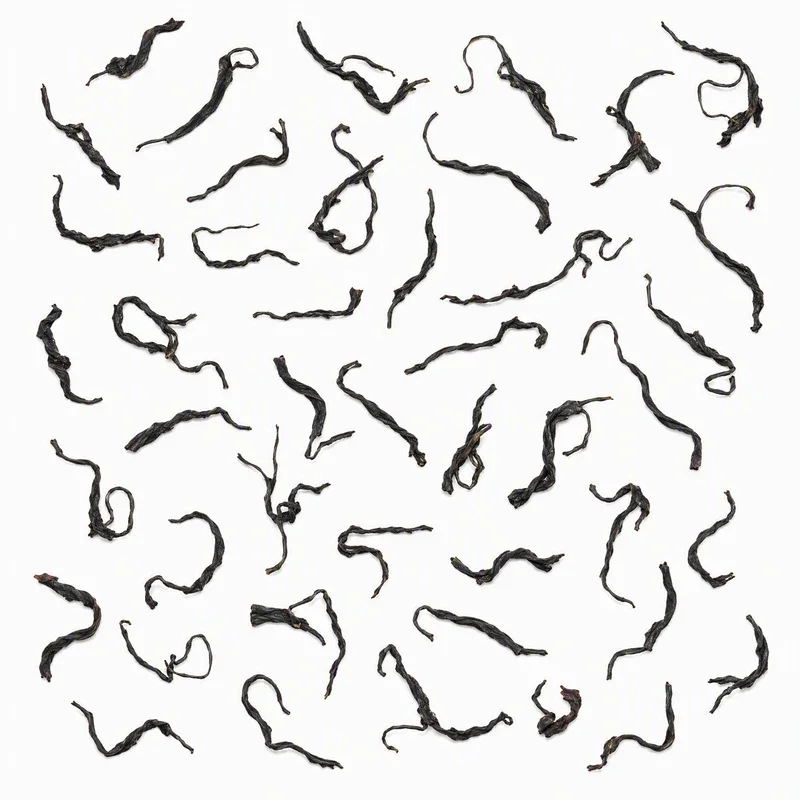
Spent Leaves: Leaves fully unfold, dark brown with orange edges — classic "green belly, red rim" (綠腹紅鑲邊) of oxidized Taiwanese oolongs. Leaf tissue is elastic, fleshy, leathery.
Taste: Rich, smooth, oily. Pronounced natural sweetness (fructose, glutamic acid) combines with soft barely perceptible bitterness of catechin gallates. Notable umami (theanine) gives volume and "cloudiness" to texture. Characteristic notes of honey, ripe fruits and flowers are present from first to last infusion; in middle and late infusions, mineral "wet stone" undertone appears.
Alkaloids: About 35 mg/g; caffeine comprises ~98% (≈34.3 mg/g). One 100 ml serving of liquor contains ~30–35 mg caffeine.
Amino Acids: About 70 mg/g. L-theanine comprises ~55% (≈38.5 mg/g), glutamic acid — ~20%. L-theanine content is 40% higher than lowland teas of the same cultivar. Precisely the high theanine/caffeine ratio determines the relaxing umami quality.
Unique profile: cis-jasmone (floral), β-damascenone (fruity-rosy), nerolidol (woody-floral), trans-β-ionone (violet), methyl salicylate (menthol), linalool oxide (sweet-floral). Absence of final roasting allows volatile compounds to be preserved in full.
ORAC about 35,000 μTE/g — indicator exceeding the level of matcha green tea.
Minerals: Calcium, magnesium, potassium, phosphorus, zinc, manganese, fluorine. Mineral profile reflects composition of shale-gravelly soils of Lishan.
Polyphenols: About 180 mg/g dry weight. EGCG predominates (~45% of total catechins) and ECG (~30%). Compared to lowland oolongs, bitter catechin content is reduced by ~25%. Theaflavins and thearubigins, formed during high oxidation, give the liquor amber color and soft astringency.
Vitamins: Vitamin C (partially preserved during partial oxidation), B vitamins (B1, B2, B3), vitamin E (tocopherols).
Theaflavins and thearubigins contribute to lowering LDL ("bad" cholesterol) levels and maintaining vascular wall elasticity. Regular moderate consumption is associated with blood pressure normalization.
High polyphenol content neutralizes free radicals, slowing oxidative cell damage. Antioxidant activity exceeds indicators of most green teas.
Synergy of L-theanine and caffeine improves attention concentration, working memory and information processing speed without anxiety characteristic of pure caffeine.
High L-theanine content (~38.5 mg/g) stimulates alpha-wave production in the brain — state of relaxed concentration without drowsiness.
Catechins have antibacterial action on pathogenic intestinal microflora, including inhibiting Helicobacter pylori adhesion to stomach walls. Moderate oxidation makes tea less irritating to the stomach compared to fully oxidized teas.
Polyphenols and theanine together have immunomodulating action, increasing NK-cell (natural killer) activity.
Extracts of highly oxidized Taiwanese oolong are used in cosmetology in masks with antibacterial action against acne and in hair rinses against seborrhea.
Tea Amount: 5–7 g per 100–120 ml water.
Teaware: White porcelain gaiwan (allows evaluation of liquor color) or Yixing teapot. For drinking — cups of 30–50 ml volume.
Water Temperature: 90–95°C for first infusions, gradually reducing to 85°C for infusions 5–7+.
Store in vacuum packaging or airtight container with oxygen absorber. After opening — in tightly closing metal container or ceramic vessel.
Opaque containers (metal, dark glass, black ceramics). Direct light accelerates degradation of aromatic compounds.
Dry cool place (below 25°C), humidity not above 60%.
Airtight packaging at room temperature in dark place.
Vacuum packaging in freezer at –18–20°C; up to 18 months without aroma loss.
Lishan Hong Oolong allows slow "maturation" in clay vessels at 55–60% humidity — up to 5–7 years. With aging, floral notes smooth out, fruity sweetness deepens and earthy depth is added.
Price Category: Below 80–100 USD/100 g when declaring high-mountain origin — sign of counterfeit. Blends with Ālǐshān (阿里山) or Sǔn Moon Lake red tea (日月潭紅茶) are common.
Look for "梨山茶" mark (產地證明標章) and QR code for batch traceability. TRES (Taiwan Tea Research and Extension Station) standard confirms compliance with technological requirements.
Authentic balls — dense, dark olive-brown with reddish streaks. Under magnification, trichomes longer than 200 μm are visible. Too uniform color or granulated form — sign of fake.
Genuine Lishan possesses clean natural honey-floral aroma. Cloying-sweet "chemical" smell (rose essence, caramel) indicates artificial flavoring (ethyl maltol).
Amber-orange, clear liquor. Cloudiness or too intense dark coloration indicates admixture of cheap red tea (black tea).
No reviews yet. Tell us what you think of this tea.
Rate this tea and share your impressions. We review each submission before publishing it.