Brewing
Gongfu brewing
- Water temperature
- 75 °C
- Tea amount
- 5 g
- Water volume
- 100 ml
- First steep
- 10 s
- Time added per infusion
- 5 s
- Infusions
- 4

yúnwù gòngchá
Choose a brewing method. Start with the recommended quantities and time, then adjust to taste.
Brewing
Brewing
Taste
Tea encyclopedia
Alt Names: Niào Wáng Chá (鸟王茶, Niǎowáng Chá) — after Niaowang village; Yù Gōu Chá (鱼钩茶, Yúgōu Chá) — "fishing hook tea," after the shape of the dry leaf; Bái Yùn Chá (白云茶, Báiyún Chá) — "white cloud tea," according to legend; Guìdìng Xuě Yá (贵定雪芽, Guìdìng Xuěyá) — "snow bud from Guiding." The local Miao (Hapa-Miao, 海葩苗) call this tea "bulaoji" (不老几, bùlǎojī).
Alt Names: Niào Wáng Chá (鸟王茶, Niǎowáng Chá) — after Niaowang village; Yù Gōu Chá (鱼钩茶, Yúgōu Chá) — "fishing hook tea," after the shape of the dry leaf; Bái Yùn Chá (白云茶, Báiyún Chá) — "white cloud tea," according to legend; Guìdìng Xuě Yá (贵定雪芽, Guìdìng Xuěyá) — "snow bud from Guiding." The local Miao (Hapa-Miao, 海葩苗) call this tea "bulaoji" (不老几, bùlǎojī).
Category: Historical famous green tea of China; included in the ten famous teas of Guìzhōu Province (贵州十大名茶). Belongs to the group of special green teas (特种绿茶, tèzhǒng lǜchá).
National-level geographical indication product (国家农产品地理标志, certified 2010). Production is regulated by local standard DB52/T 547—2008 "Guiding Yunwu Gong Cha."
Coordinates: approximately 106°51′–107°22′ E, 26°05′–26°47′ N (territory of Guiding County).
Origin: China, Guìzhōu Province (贵州省), Guìdìng County (贵定县), Yúnwù Town (云雾镇). The tea received its name from Yúnwù Shān (云雾山) — the main peak of the Miáolǐng range (苗岭), the watershed of three river systems — Wǔ (乌江), Yuán (沅江), and Pān (盘江). The highest point of the mountain is 1583.6 m.
Type: Green tea (绿茶, lǜchá) — non-oxidized, degree of oxidation minimal (less than 5%).
Official organization overseeing geographical indication compliance and quality standards.
Direct producers from the core territory, including Niaowang Village Cooperative and Meizichong Tea Farm.
Several farms in the region hold European organic certification and export-quality standards.
Reputable dealers in major Chinese cities carrying authenticated geographical indication products.
Official flagship stores of Guizhou tea companies on Tmall and JD.com with proper certification documentation.
Cultivar: Main cultivar — Niào Wáng quntishu zhǒng (鸟王群体种, Niǎowáng qúntǐ zhǒng), a local small-leaf population variety of Camellia sinensis var. sinensis. In 2014, it was recognized as a provincial excellent cultivar (省级优良品种) by the Guizhou Variety Testing Committee. It is distinguished by high ability to maintain shoot tenderness (持嫩性), thick fleshy leaves of elliptical shape, and abundant pubescence. The weight of 100 buds of one-bud-one-leaf standard (一芽一叶) is about 45 g. Fúdǐng Dàbái Chá (福鼎大白茶) is used as an auxiliary cultivar.
Picking: Main picking — spring (March – early April); optimal period — before the Qīngmíng festival (清明, usually April 4–5). Summer and autumn pickings are also produced but valued significantly lower.
Pluck Standard: Depends on grade: for "Zhengong" category (珍贡, Zhēngòng) — only buds (单芽); for Premium grade (特级) — bud with one just-opening leaflet (一芽一叶初展); for First grade (一级) — bud with two leaflets (一芽二叶); for Second grade (二级) — bud with two fully developed leaflets.
Raw Material: Exclusively hand-picking; bamboo and wooden tools are used (avoiding metal contact to prevent oxidation). Raw material must be fresh, without mechanical damage. Spring buds are characterized by increased amino acid content (≥3.32% for spring picking).
Altitude: Main tea gardens are located at altitudes of 1200–1500 m above sea level; the mountain peak reaches 1583.6 m.
Climate: Subtropical monsoon high-mountain type. Average annual temperature about 15°C; mild winters without harsh frosts, summer without extreme heat. The number of foggy days exceeds 200 per year, ensuring predominance of diffused light — ideal conditions for accumulation of amino acids and L-theanine in tea leaves. Significant diurnal temperature variation additionally stimulates synthesis of aromatic compounds. Average annual precipitation — about 1107 mm, relative humidity — about 80%. Frost-free period — 300–340 days.
Soil: Yellow and yellow-red sandy loam soils (黄壤, 黄红砂壤), developed on yellow-gray shales. pH 4.5–6.0 — optimal for tea plants. Fertile layer depth — not less than 80 cm. Organic matter content — 5.63–18.87%. Soils are enriched with zinc and selenium.
Forest cover — 70.93% (according to Yunwu Town data); in the main tea garden zone — up to 87.6%. Use of chemical fertilizers and pesticides is prohibited; many farms have European organic certification. Water supply — mountain springs meeting first-class quality standards.
Niǎowáng village (鸟王村) in Yunwu Town — the historical place of tribute tea production; Meizichong tea farm (梅子冲茶场) with an area of 3000 mu at the foot of the main peak; Buddhist zone Yangbao Shan; ancient tea tree massif Doupeng Shan.
Hand-picking in the mornings; standard depends on grade (see section 3). Bamboo baskets for transportation.
Fresh raw material is spread in a thin layer in a ventilated room for 4 hours for partial moisture evaporation and initial aroma development.
A rotating drum (滚筒杀青) is used at 180–240°C. Goal — inactivation of polyphenol oxidase, stopping oxidation, fixing green color and fresh aroma. In hand production, a cast iron pan over wood fire is used.
Light rolling to break cell walls and form initial leaf structure. Light pressure — to preserve white pubescence (毫, háo).
The cycle is repeated three times: each time firing fixes the shape, and rolling intensifies the twist. It is precisely the multiple cycles that form the characteristic hook-shaped leaf form.
Key proprietary stage: tea leaves are rolled into balls and then straightened, extracting white hairs to the surface. This technique gives the finished tea abundant pubescence and visual "silverness."
Slow drying at 80°C to moisture content ≤7%. The principle "first strong, then weak fire" (先武火后文火) is applied to fix aroma without over-drying.
Finished tea is sifted, selected by size and quality, distributed by grades.
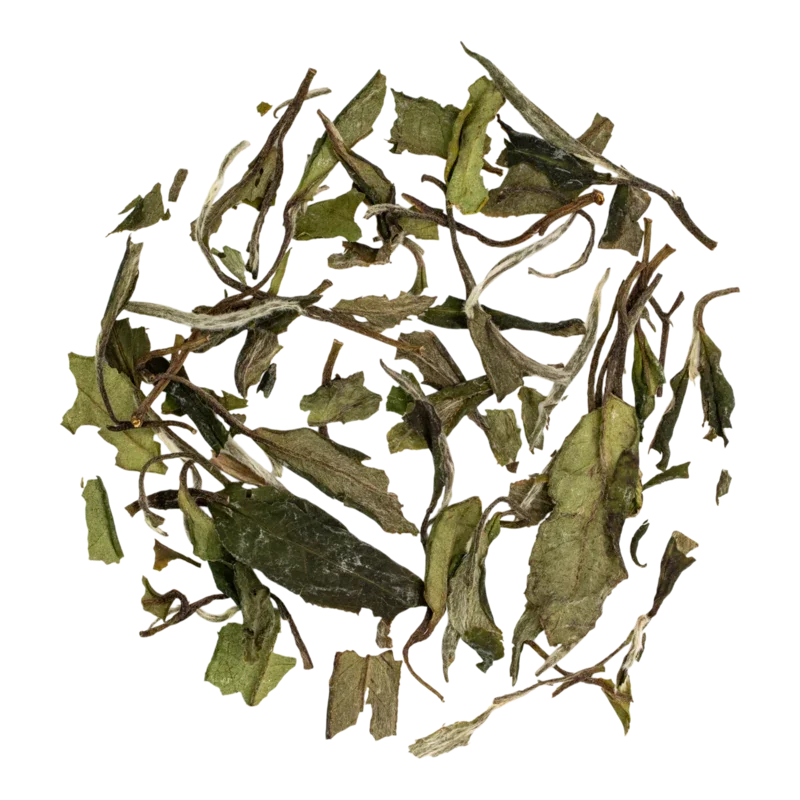
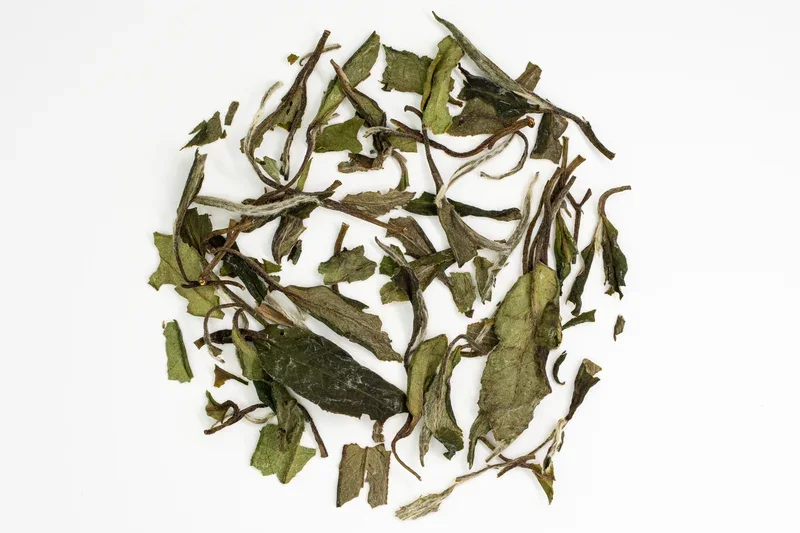
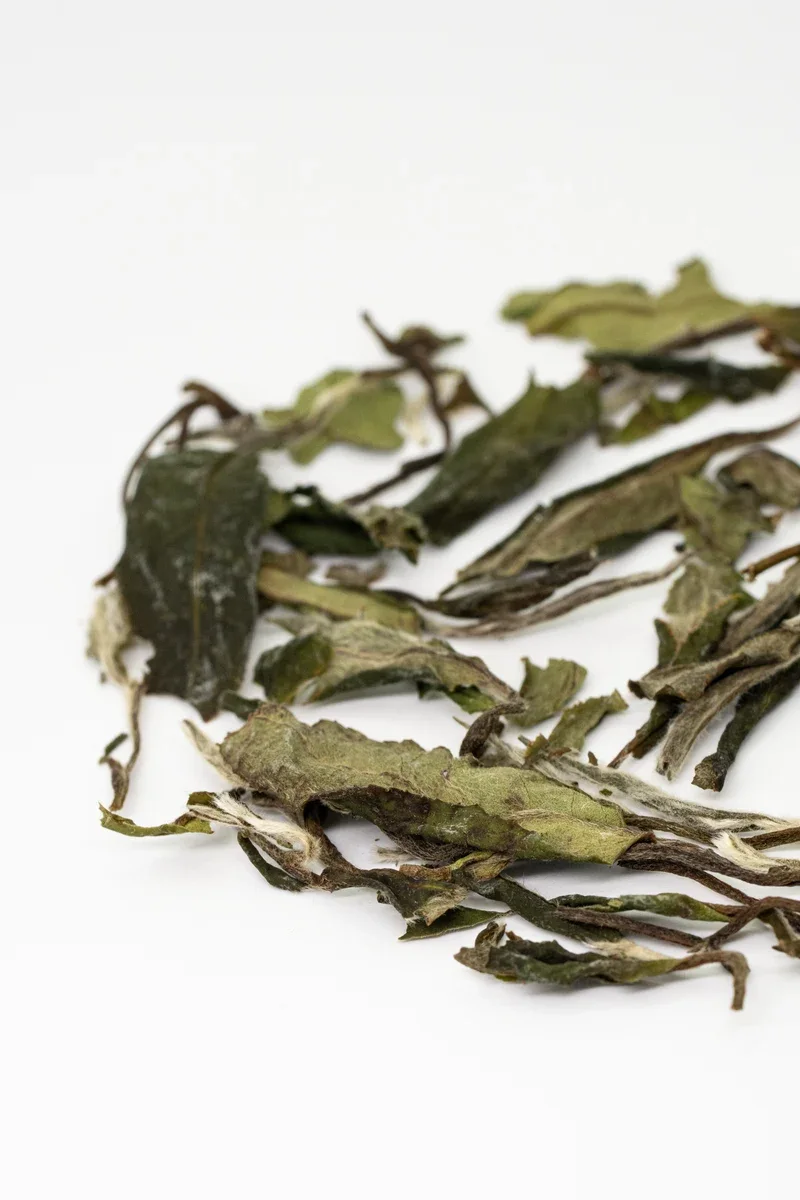
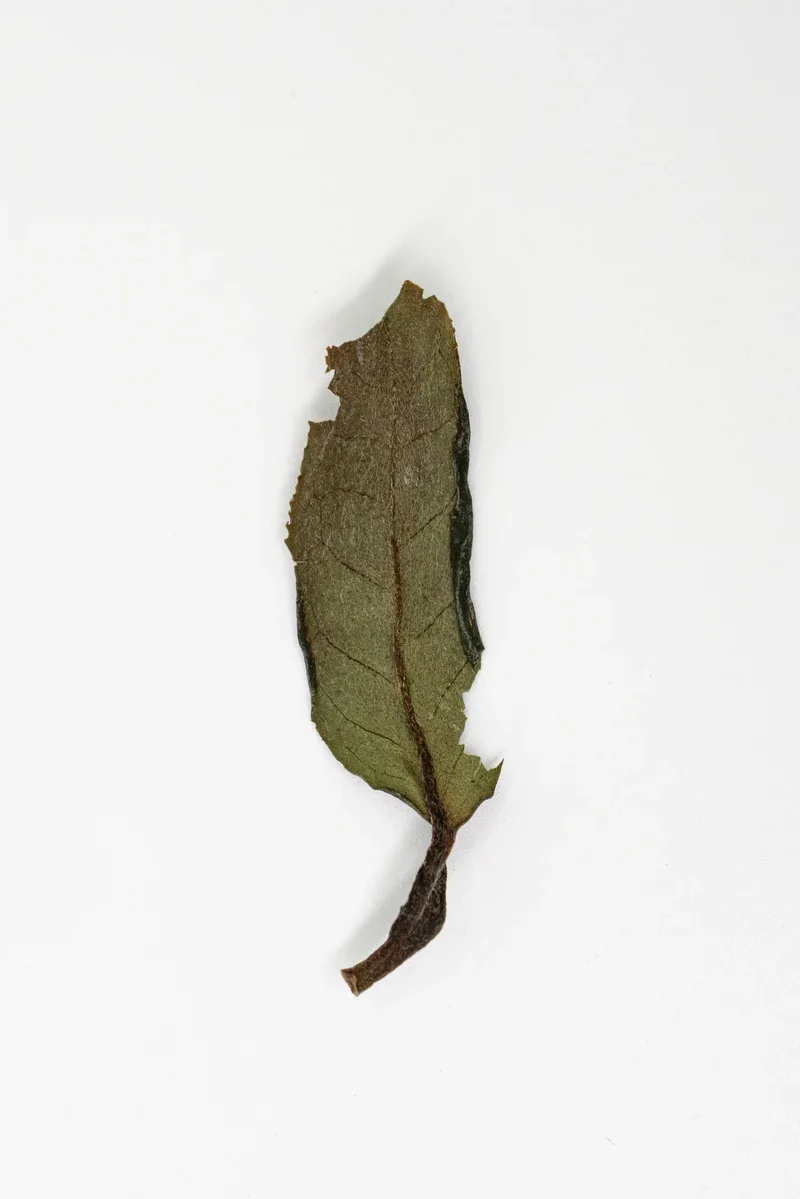
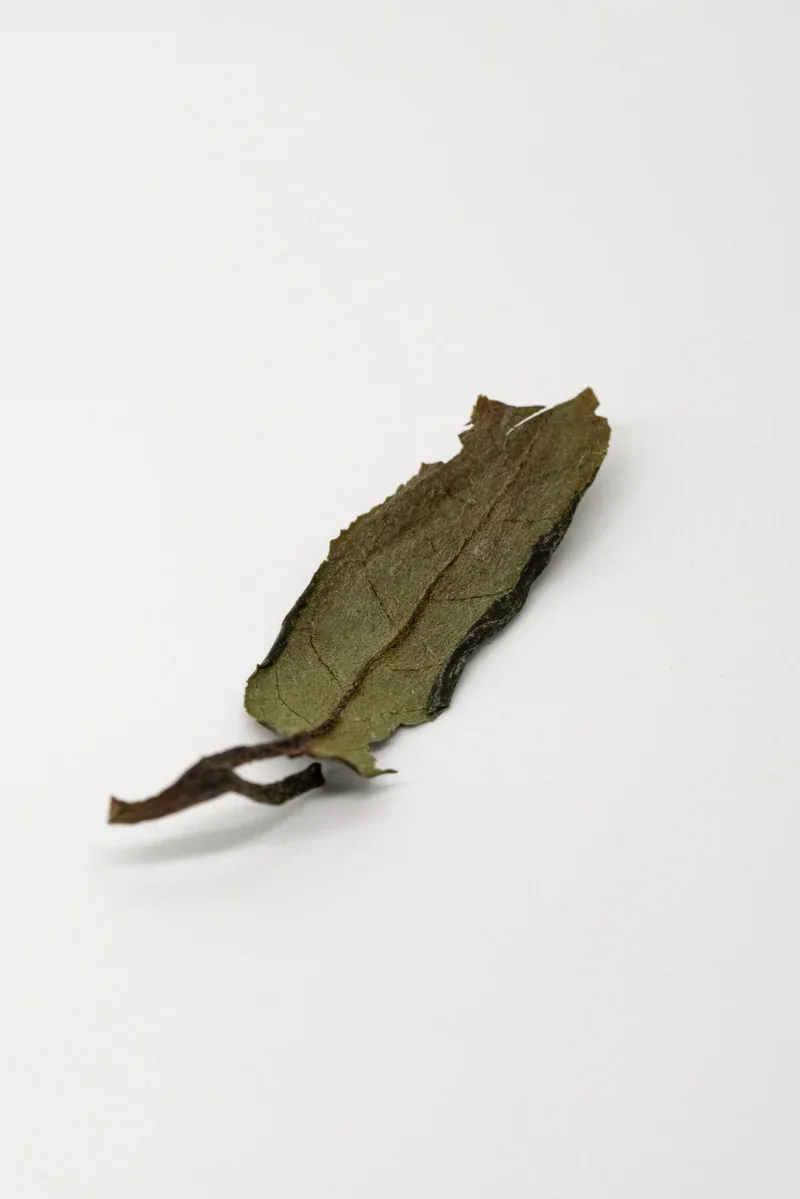
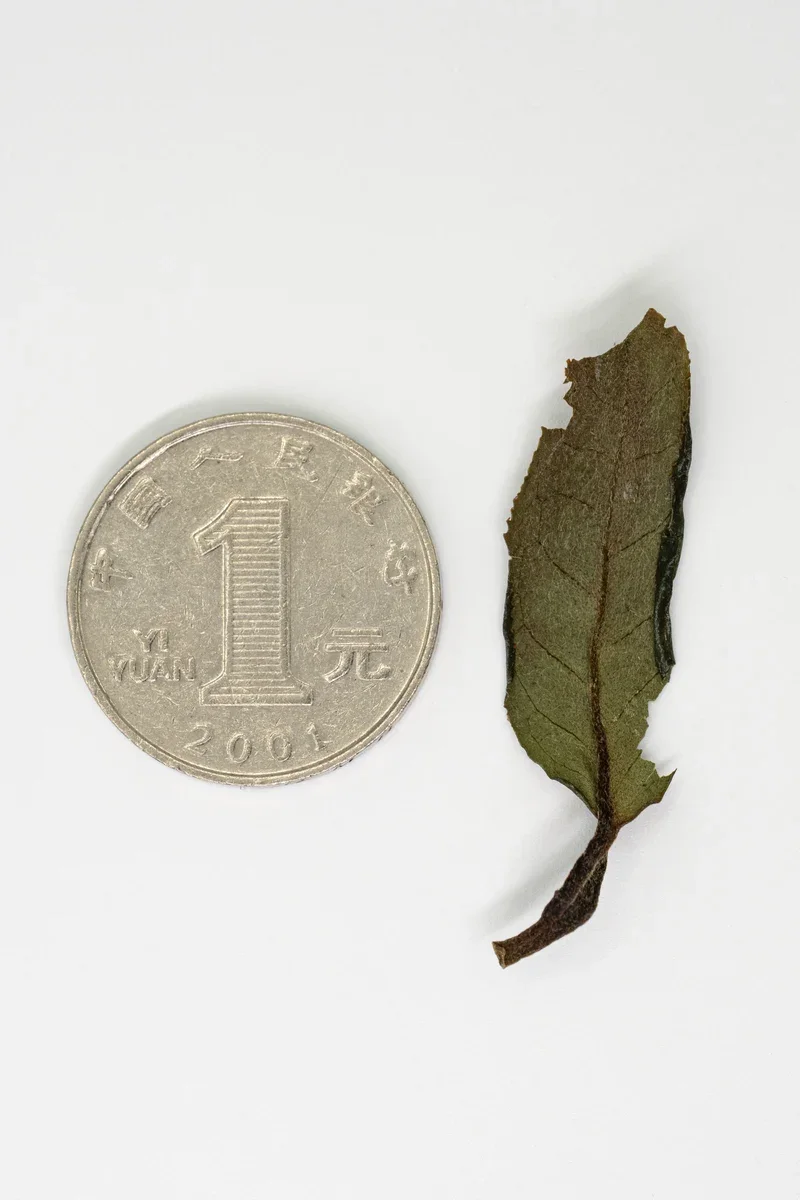
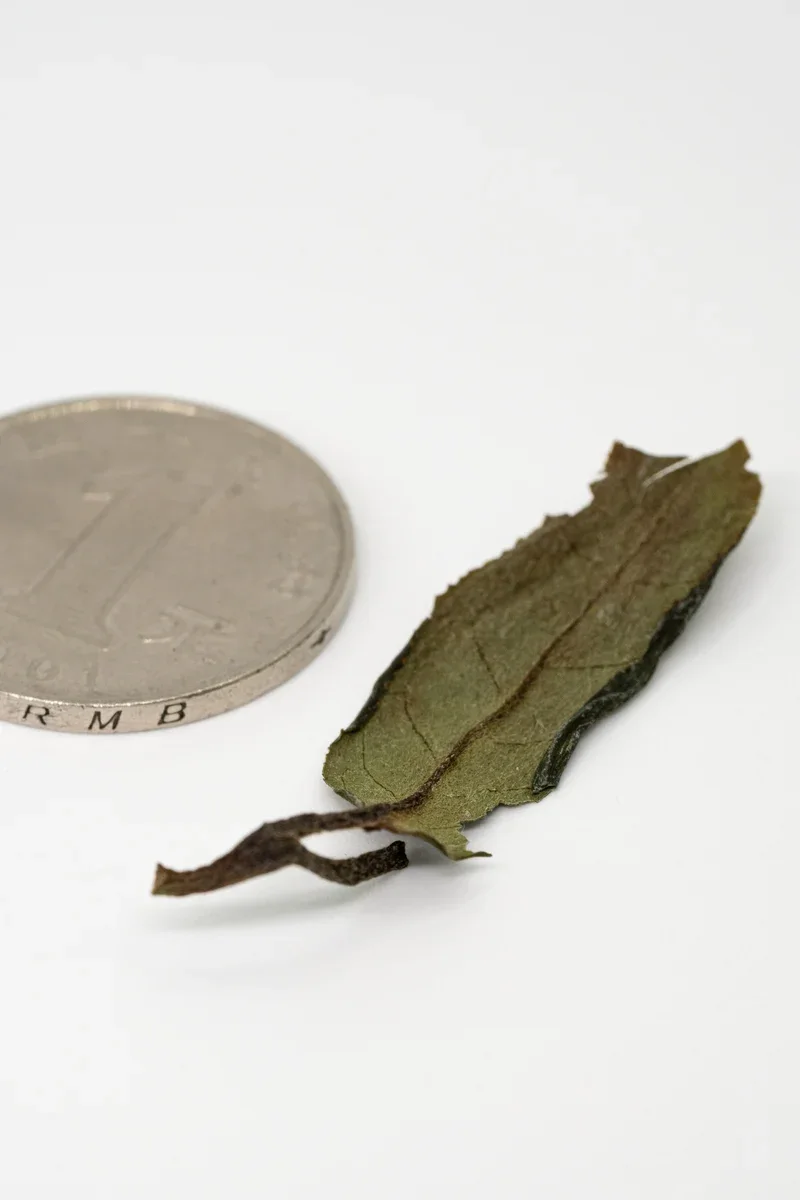
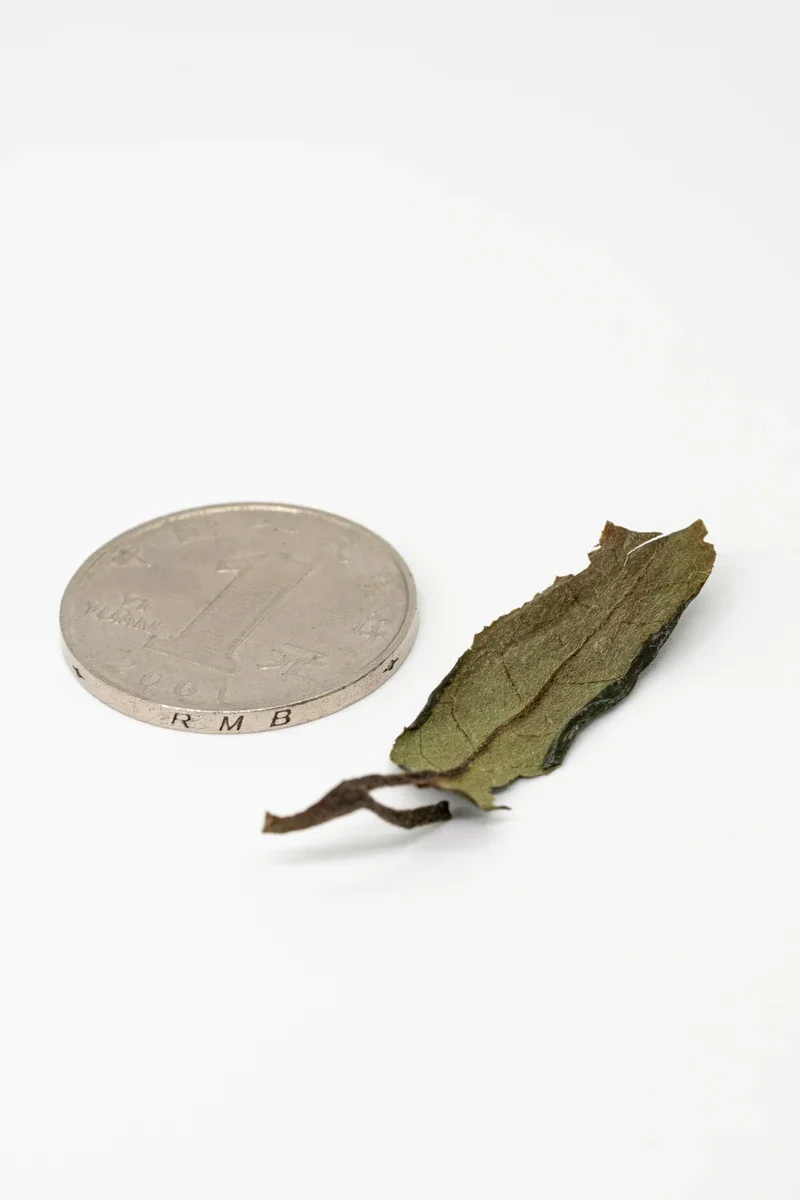
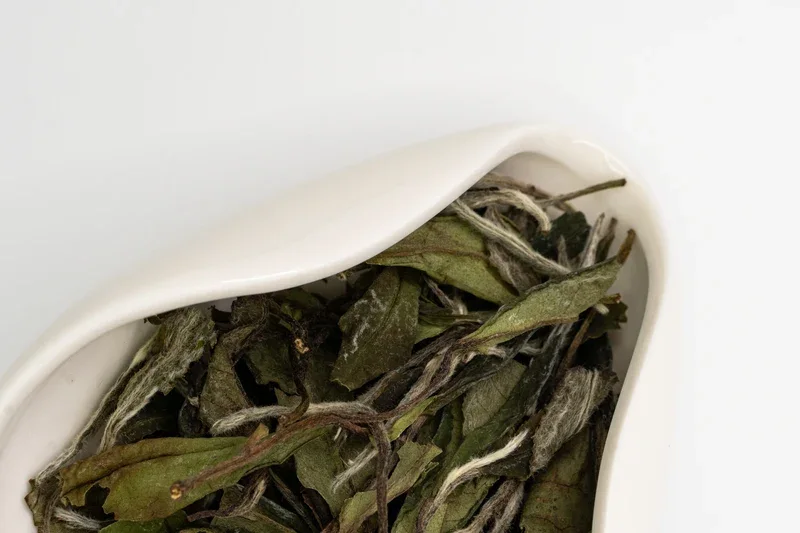
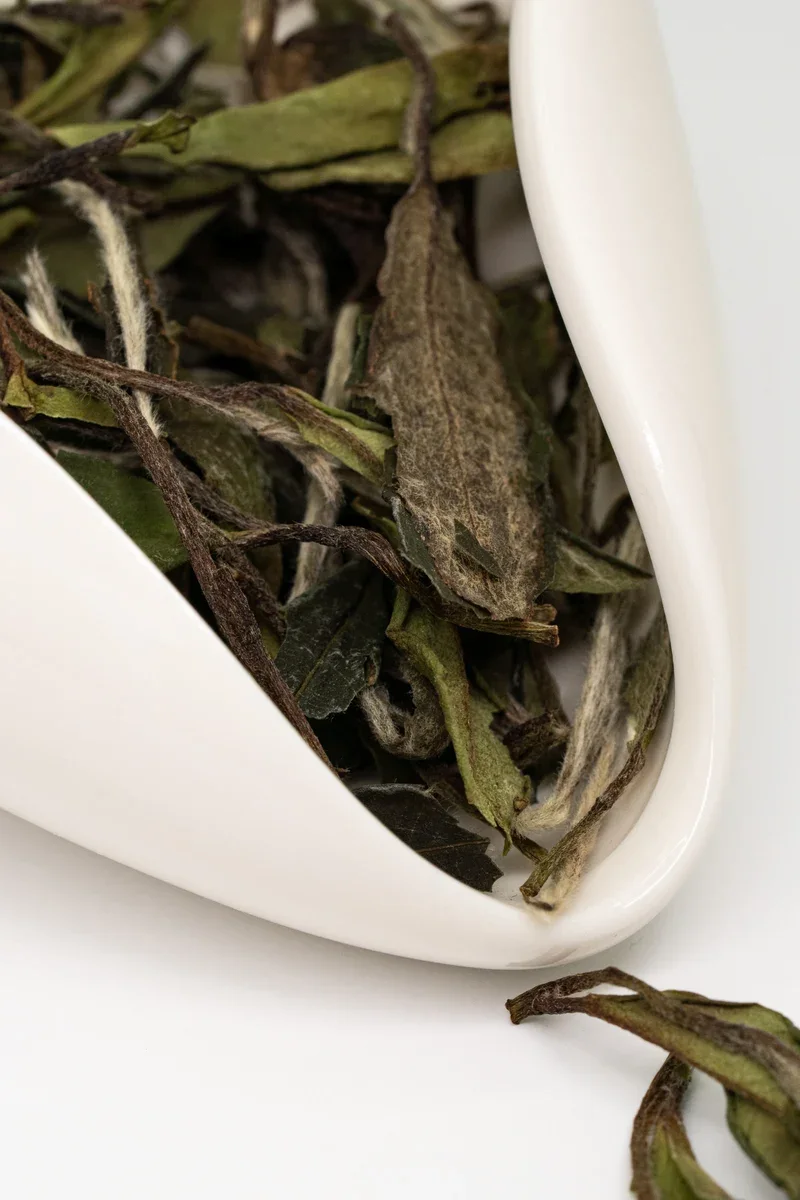
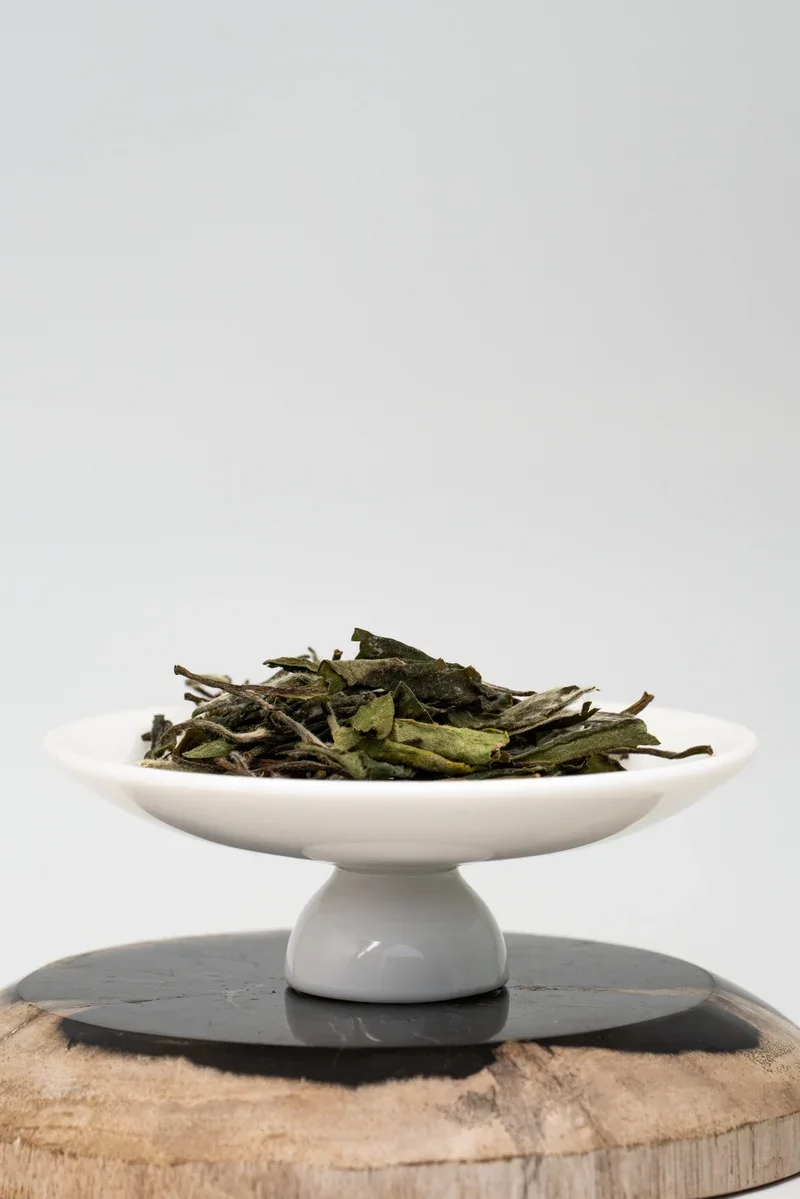
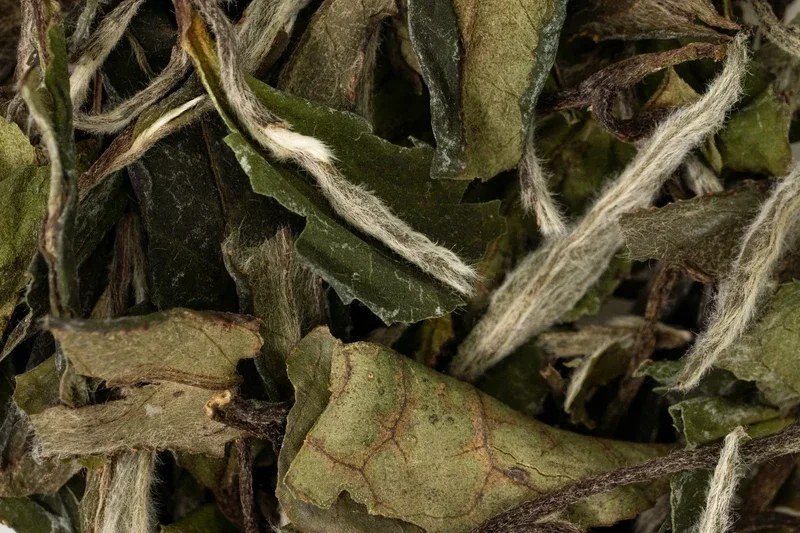
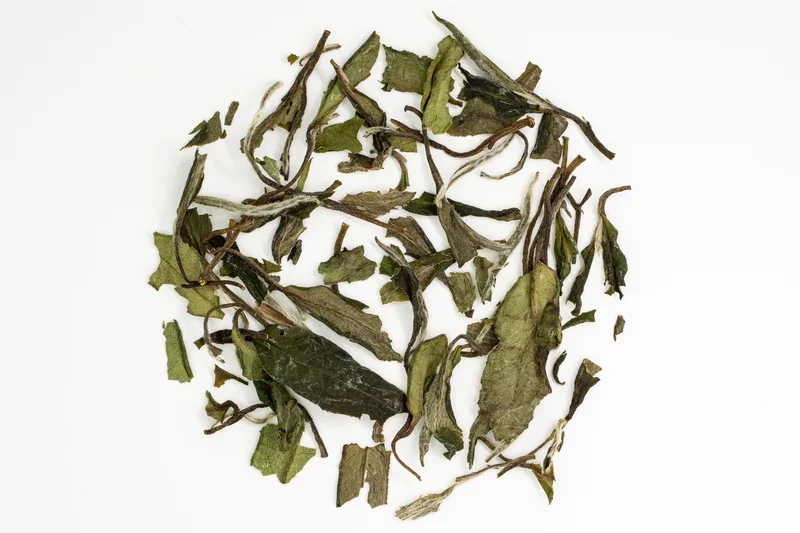
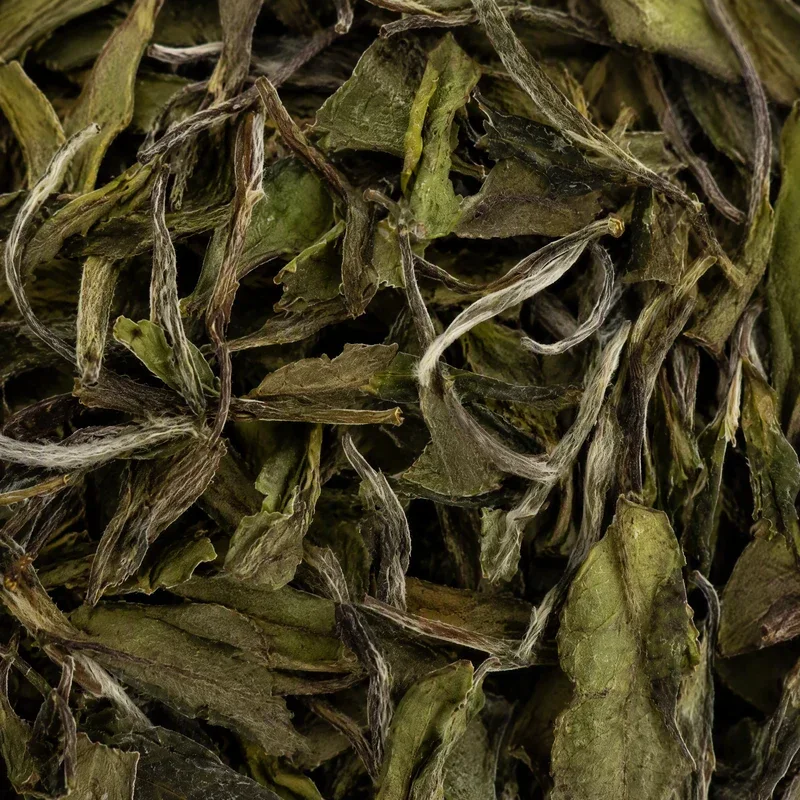
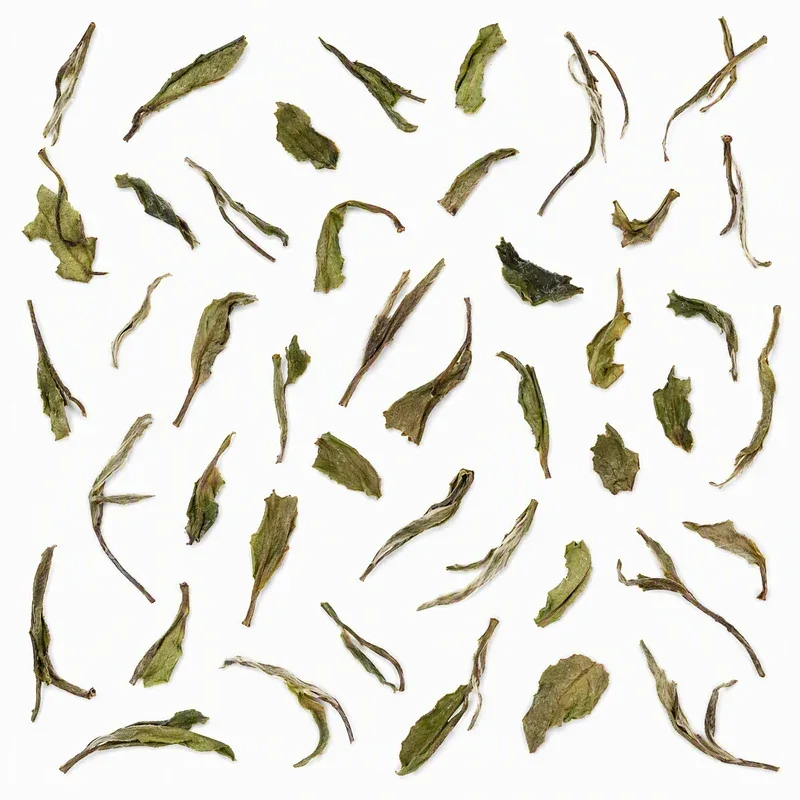
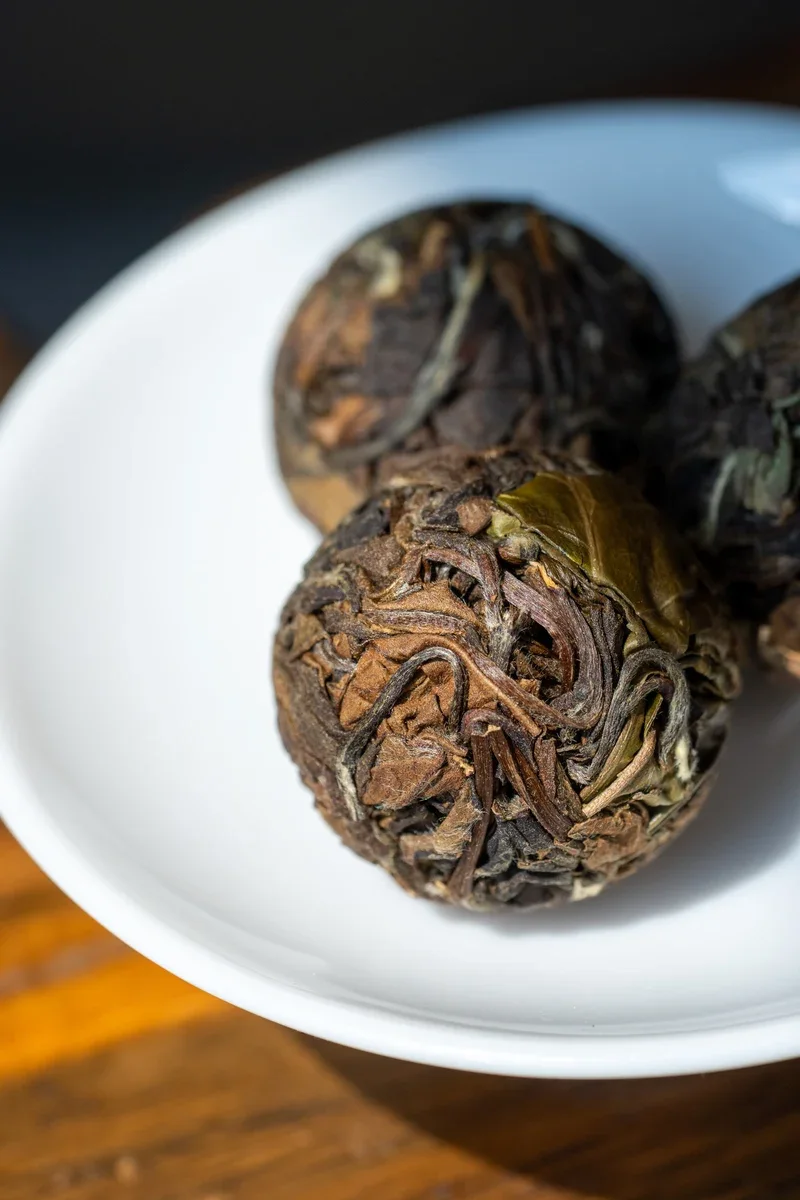
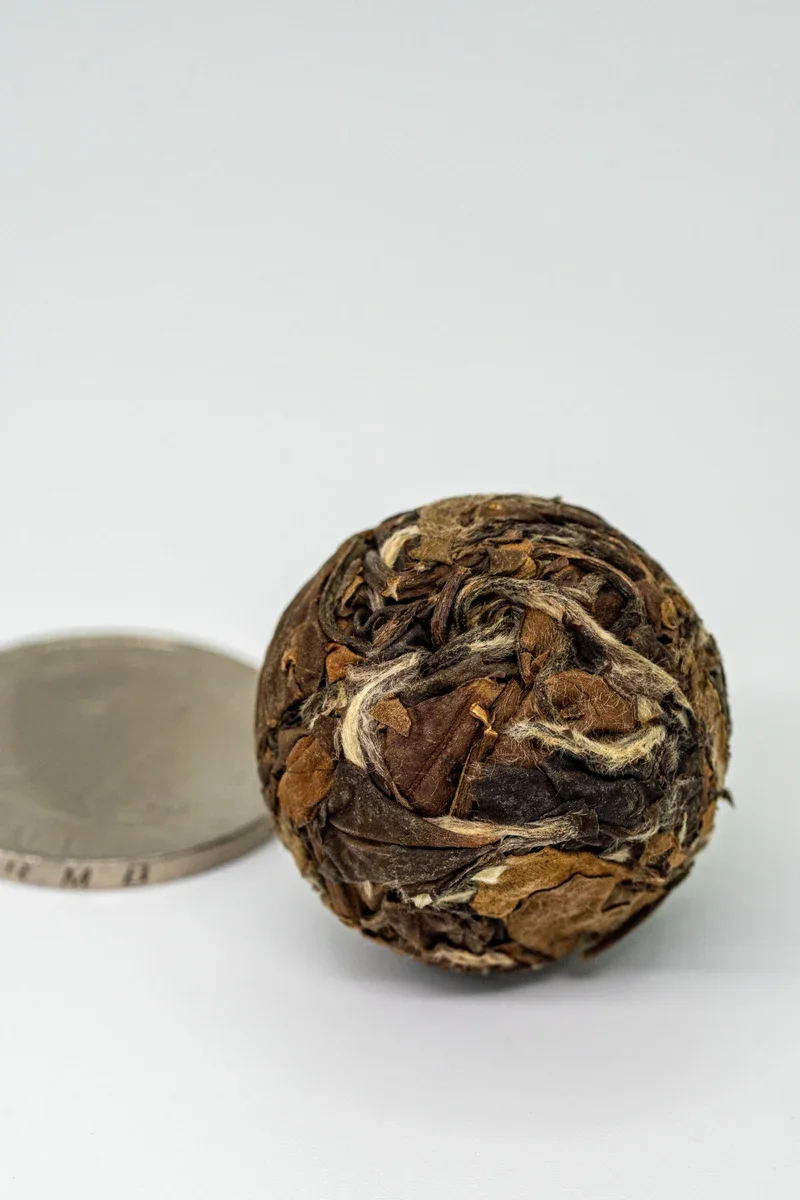
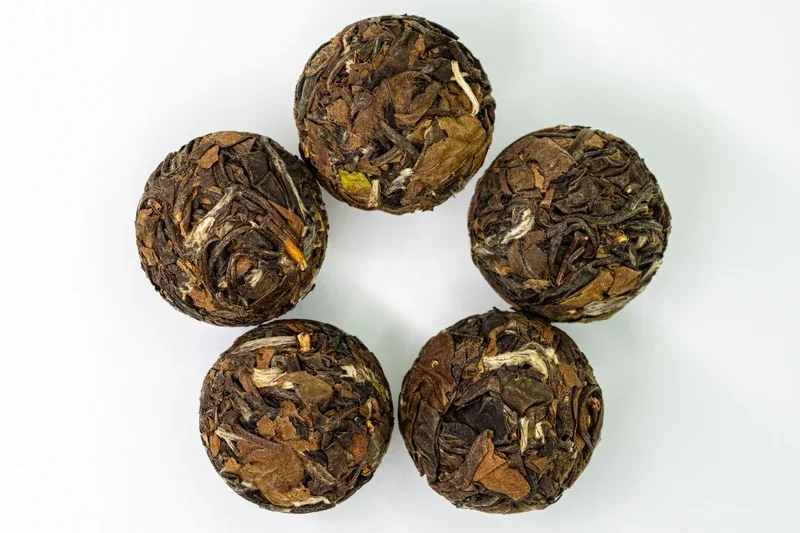
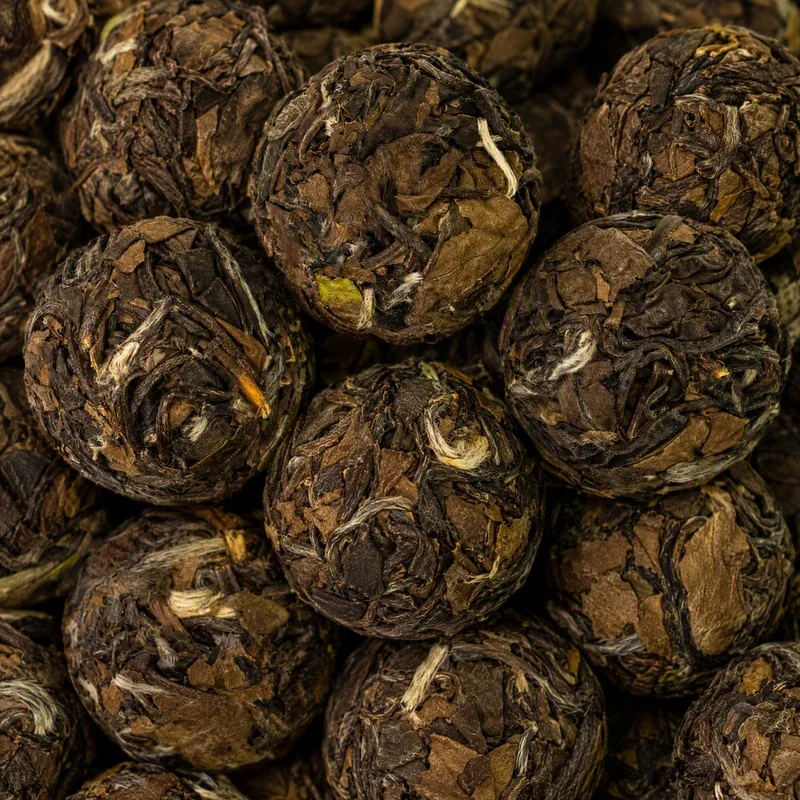
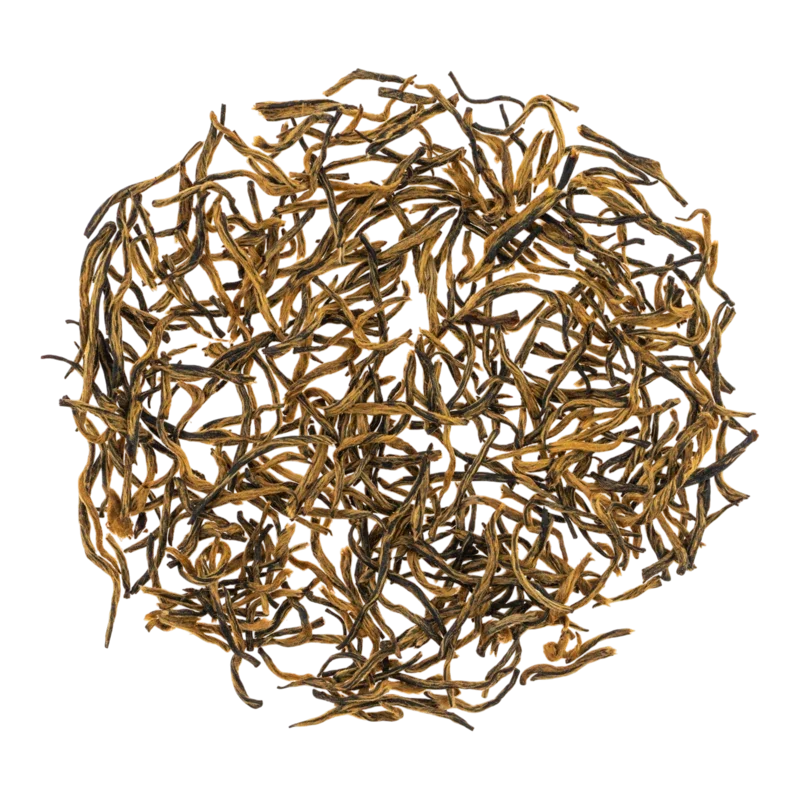
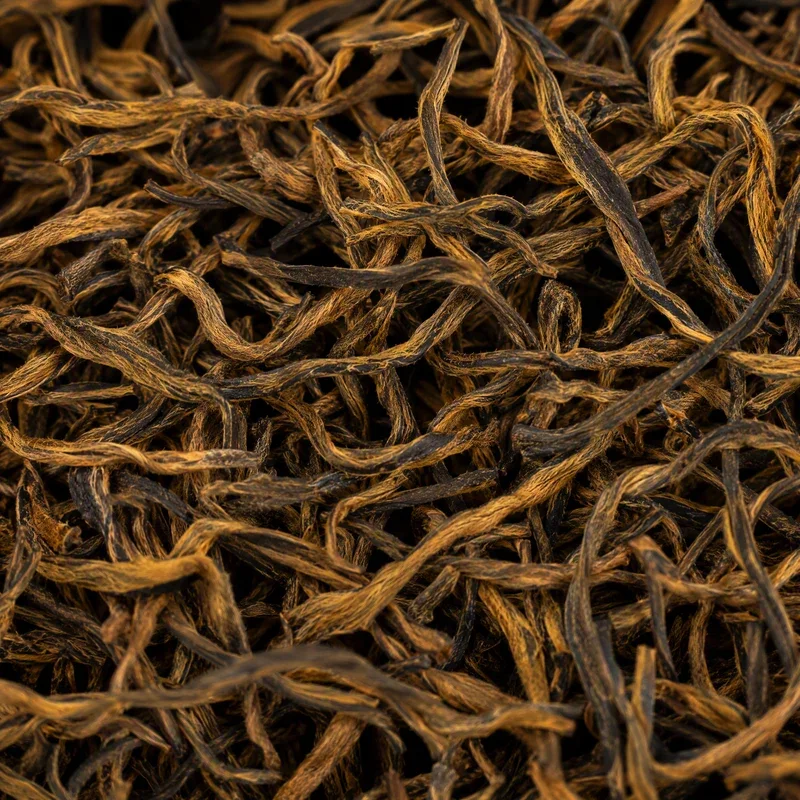
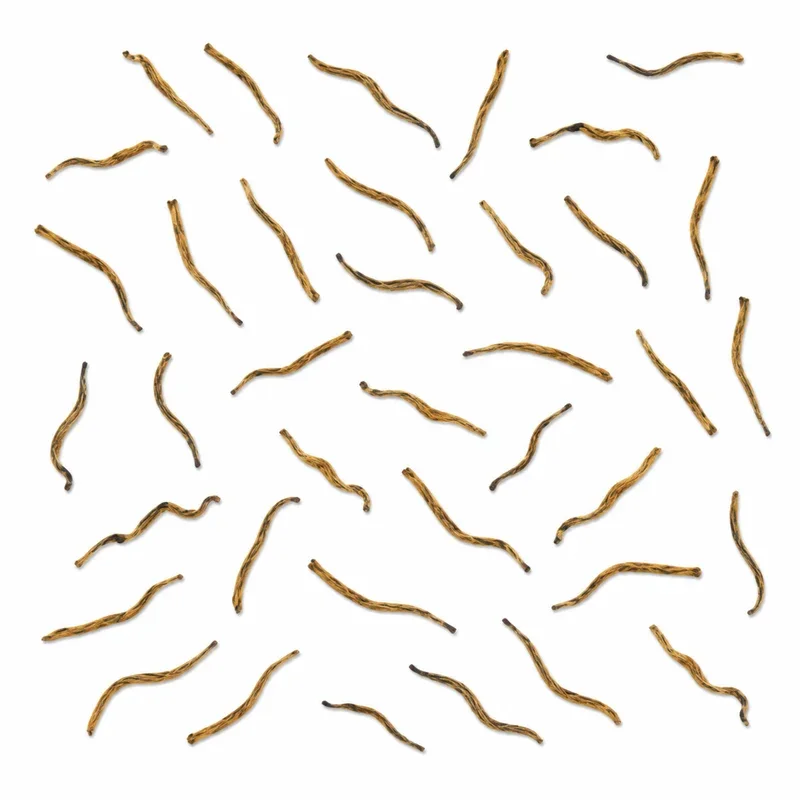
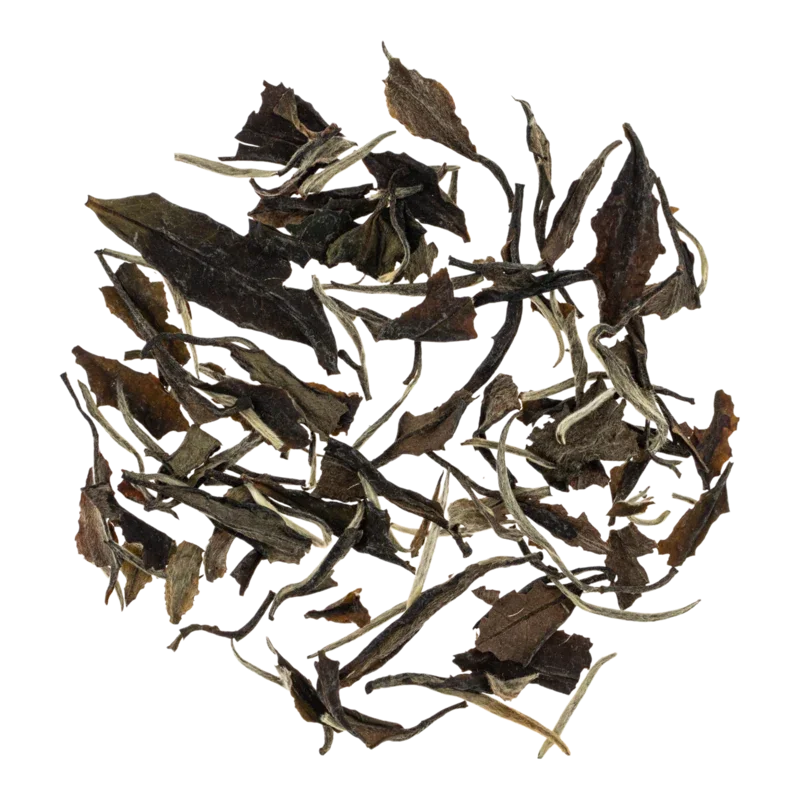
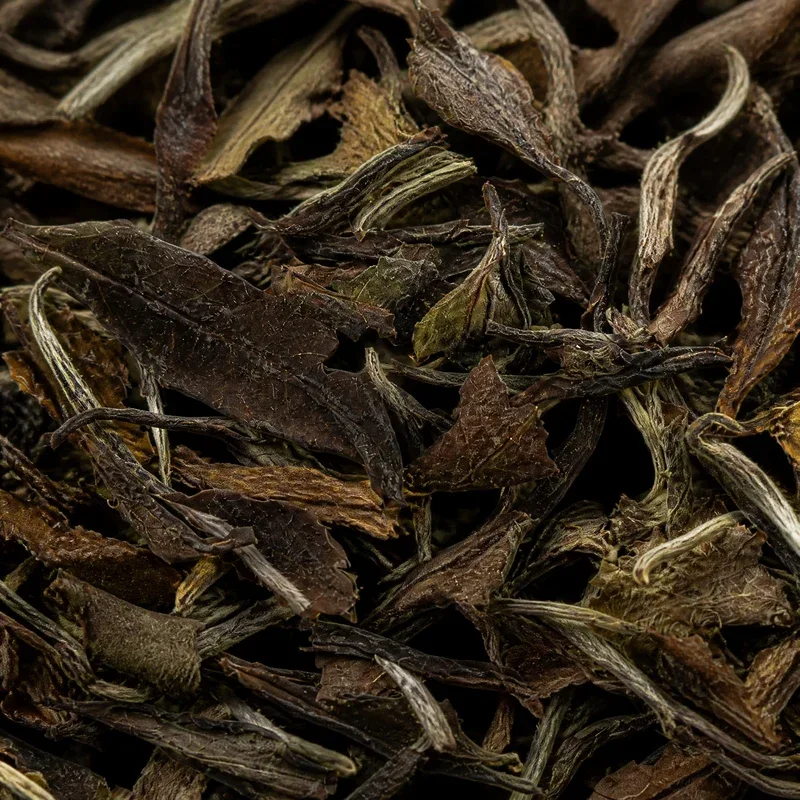
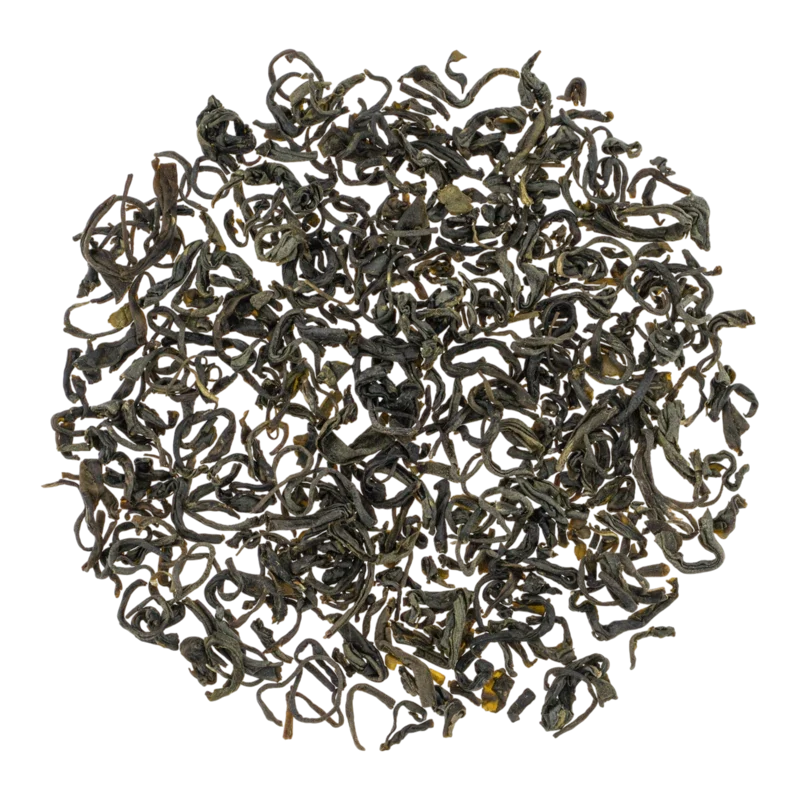
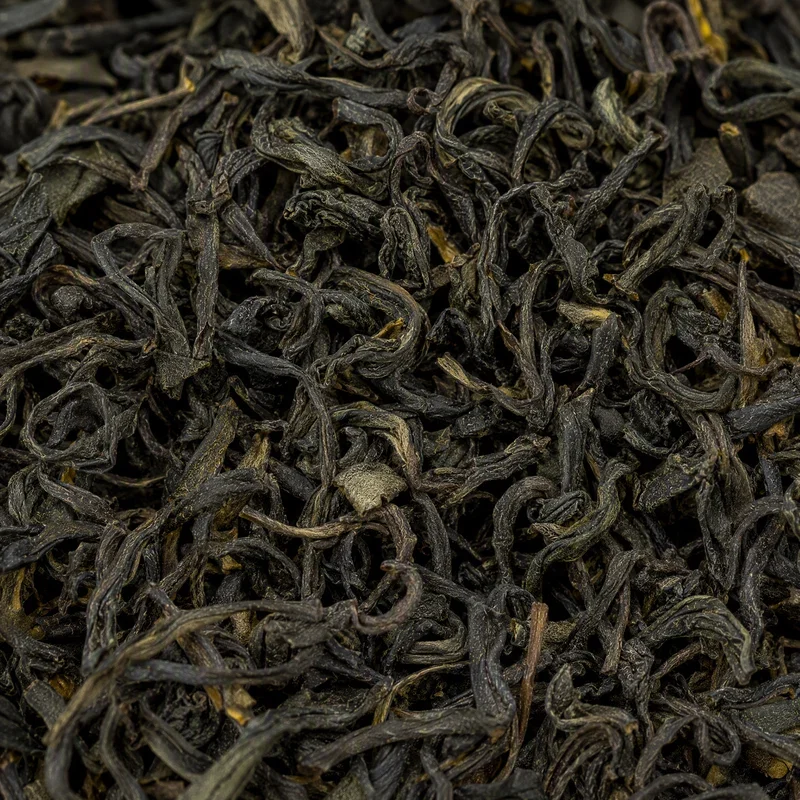
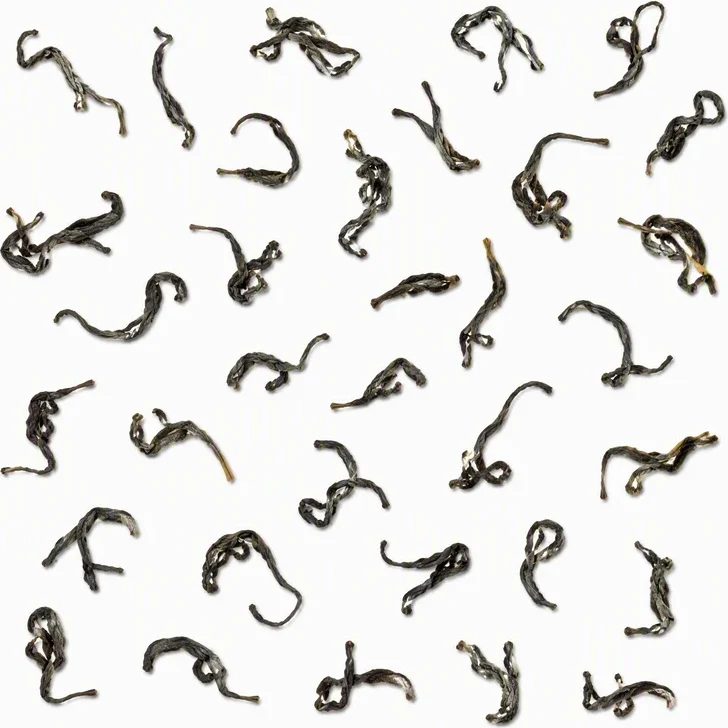
Dry Leaf Appearance: Thin, tightly twisted into hook-shaped form (鱼钩形, yúgōu xíng) tea particles, covered with abundant white pubescence. Color — bright green, emerald (翠绿). Leaf even, uniform; in higher grades — glossy, oily.
Dry Leaf Aroma: Fresh, clean, with distinct chestnut notes (栗香, lìxiāng) and light honey undertone. In "Zhengong" category — pronounced "white pubescence" aroma (毫香, háoxiāng), reminiscent of young corn.
Liquor Aroma: Persistent, high, noble. Chestnut aroma dominates; in the middle plane — honey sweetness (蜜香, mìxiāng); when the cup cools, delicate floral notes appear, reminiscent of orchid. Empty cup aroma (冷杯香) lasts for a long time.
Liquor Color: Bright tender green with yellowish tint (嫩绿明亮), clean and transparent. In "Zhengong" grade — lighter, the color of young jade.
Spent Leaves: Tender, even, lively (嫩匀鲜活); yellow-green color, bright (黄绿明亮). Leaflets open completely, demonstrating picking integrity.
Taste: Dense and rich (醇厚, chúnhòu) with bright freshness (鲜爽, xiānshuǎng). Body — medium, with noticeable "viscosity" (粘稠感). Pronounced and prolonged returning sweetness (回甘, huígān). Bitterness and astringency are absent with proper brewing. Classic characteristic: "first cup — aroma, second — richness, third — sweetness and roundness, fourth-fifth — aftertaste still alive" (一杯香,二杯浓,三杯甘又醇,四杯五杯韵犹存).
Alkaloids: Caffeine (咖啡碱) — about 2.89–4.23%; theobromine and theophylline — in typical amounts for green tea.
Amino Acids: ≥4.65% (GI standard); separate data give 2.18 mg/g for "one bud — two leaves" standard. High L-theanine content is related to prolonged exposure to diffused light and significant diurnal temperature variation.
≥41.69%, indicating exceptional richness and "density" of the liquor. For first grade — ≥40%.
Chestnut and honey aromatic profile is formed by pyrazines, furanones, and linalool, formed during the "three firings" process.
Minerals: Zinc (Zn) and selenium (Se) — in elevated concentrations, due to the mineral composition of regional soils.
Polyphenols: ≥33.81% (according to expert analysis); in the geographical indication standard — ≥34.4%. For comparison: average content in Chinese green teas — 20–30%. High level is due to the combination of small-leaf cultivar and high-mountain terroir. Main components — catechins: EGCG, EGC, ECG, EC; total catechin content — about 125.21 mg/%.
Vitamins: Vitamin C — significant content (characteristic of high-mountain green teas), as well as B-group vitamins, vitamin E.
High catechin content (especially EGCG) provides pronounced ability to neutralize free radicals.
The combination of caffeine and L-theanine gives mild, even stimulation without sharp peaks and drops — characteristic "tea alertness" (清醒感).
Catechins stimulate fat oxidation, which may contribute to body weight control. According to local sources, lipolysis effectiveness is 30% higher than ordinary green teas — probably due to increased polyphenol concentration.
Regular consumption of green tea with high polyphenol content is associated with reduction of "bad" cholesterol (LDL) levels.
Zinc participates in immune system function and tissue regeneration; selenium — natural antioxidant and element supporting thyroid function.
Caffeine combined with polyphenols is traditionally used in hot weather to quench thirst and relieve heat discomfort.
L-theanine improves concentration and promotes a state of calm focus.
Tea catechins and tannins possess moderate bacteriostatic effect.
1 g tea per 50 ml cold water; refrigerate for 30 minutes. Method enhances sweetness and reduces extracted caffeine content.
Tea Amount: 3 g per 150 ml (1:50 ratio); for gaiwan volume 100–120 ml — 5–7 g.
Teaware: Glass tumbler (玻璃杯) — for observing the "dance" of tea particles and liquor color; white porcelain gaiwan (盖碗) — for revealing aromatics and multiple infusion format; porcelain teapot — for European method.
Water Temperature: 80–85°C. For "Zhengong" grade (pure buds) — closer to 80°C; for First and Second grades — up to 85°C. Boiling water above 90°C is categorically not recommended: high temperature destroys theanine and intensifies bitterness.
Enemies: Light, moisture (storage moisture content ≤7%), heat, foreign odors, oxygen.
Shelf Life: Most expressive in the first 6–12 months after production. Fresh tea is recommended to be "awakened" (醒茶) for 7 days after opening packaging — kept in a ventilated place protected from light to eliminate residual "fire" taste. After opening vacuum packaging — consume within 10 days.
Airtight light-proof packaging; away from foreign odors and moisture sources. Optimal — refrigerator at 0–5°C.
The "closest relative" — also from Guizhou Province (Duyun County), included in the "ten famous teas of China." Both teas use small-leaf local cultivars, distinguished by abundant down and fresh taste. However, Duyun Maojian has a more delicate needle-like shape, while Yunwu Gong Cha has a unique hook-shaped twist. Maojian's aromatics are more delicate and floral; Gong Cha is more intense, with a chestnut-honey inclination.
Classic "cloud" tea from Jiangxi Province. Similar ecological conditions (high mountains, frequent mists), but Lushan Yunwu is produced using chao-qing technology (wok-firing) without the multiple cycle of "three roastings"; its shape is flat-curved, taste is softer and more grassy, without the pronounced chestnut note.
Famous tea from Henan Province, also with abundant down. Shape is straight, needle-like; taste is clean, fresh, with a chestnut-bean shade. Xinyang's terroir (800–1000 m) is lower than Yunwu's (1200–1500 m), which gives less amino acid accumulation.
Ancient "tribute" tea from Sichuan. Like Yunwu Gong Cha, it possesses a centuries-old "gongcha" history. Shape is finely twisted, delicate; taste is more delicate and "sweet" (the name "gan lu" means "sweet dew"). Polyphenol content is lower than in Yunwu Gong Cha.
Modern branded tea from Guizhou, oriented toward the mass market. Significantly larger leaf (one bud + two-three leaves), pronounced chestnut note, but less finesse and complexity compared to Yunwu Gong Cha.
Authentic Yunwu Gong Cha has characteristic hook-shaped twist and abundant white pubescence. Imitations often have straight or unexpressed twist.
Real tea possesses persistent chestnut-honey aroma without "hay-like," musty, or sour smell.
Transparent, tender green, without cloudiness. Cloudy liquor indicates coarse raw material or improper storage.
Suspiciously low price (less than 100 yuan per jin for claimed "premium grade") — sign of substitution.
Prefer products with geographical indication marking (国家农产品地理标志) and known cooperatives from Guiding County. Check for standard DB52/T 547—2008 on packaging.
No reviews yet. Tell us what you think of this tea.
Rate this tea and share your impressions. We review each submission before publishing it.