Brewing
Gongfu brewing
- Water temperature
- 100 °C
- Tea amount
- 7 g
- Water volume
- 100 ml
- First steep
- 10 s
- Time added per infusion
- 5 s
- Infusions
- 12

Yúnnán Gǔ Shù Hóngchá
Choose a brewing method. Start with the recommended quantities and time, then adjust to taste.
Brewing
Brewing
Taste
Tea encyclopedia
Alt Names: Gǔ Shú Diānhóng (古樹滇紅); Gǔ Shú Shàihóng (古樹曬紅); Yè Shěng Hóng Chá (野生紅茶, when using wild trees); colloquially — "ancient tree red," "old tree dianhong."
Alt Names: Gǔ Shú Diānhóng (古樹滇紅); Gǔ Shú Shàihóng (古樹曬紅); Yè Shěng Hóng Chá (野生紅茶, when using wild trees); colloquially — "ancient tree red," "old tree dianhong."
Category: Diānhóng (滇紅, Diānhóng) — Yunnan school of red teas. Gu Shu Hong Cha is the premium segment of dianhong, distinguished by raw material origin (ancient trees) rather than processing technology. Subdivided into two main styles: Gu Shu Dianhong (古樹滇紅) — classic high-temperature drying; Gu Shu Shaihong (古樹曬紅) — sun-drying, allowing further transformation during storage.
Coordinates: 21°–25° N, 98°–102° E. Growing altitudes — 1200–2200 m a.s.l.
Origin: China, Yúnnán Province (雲南省). Main regions: Líncāng (臨滄) — Fèngqìng (鳳慶), Měngkù (勐庫), Bīngdǎo (冰島); Xīshuāngbǎnnà (西雙版納) — Yiwu (易武), Měnghǎi (勐海); Pu'er (普洱) — Jǐngmài (景邁), Ailaoshan (哀牢山), Zhenyuan (鎮沅).
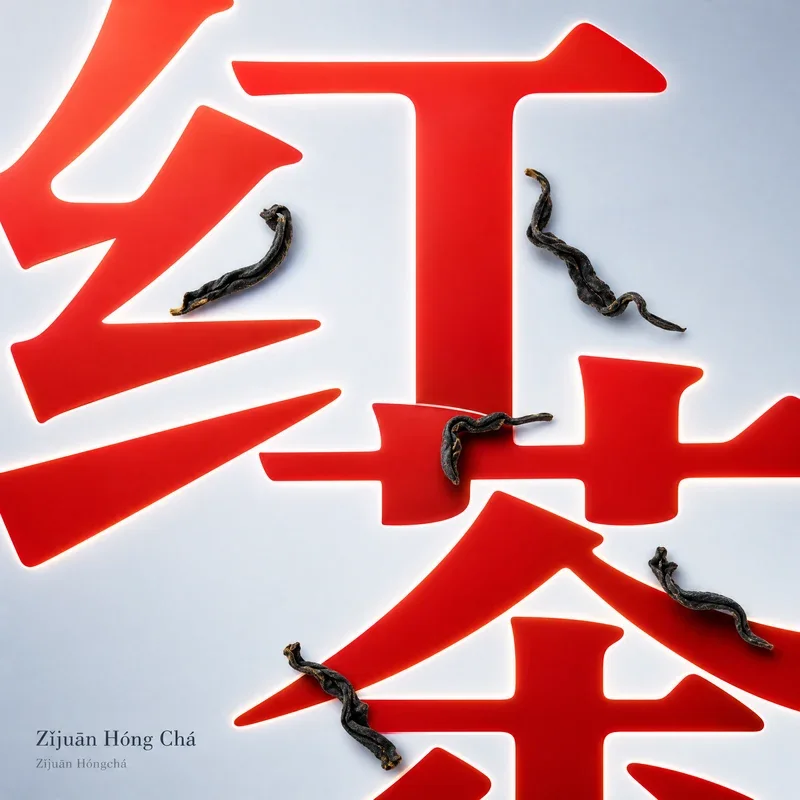
Type: Red tea (black tea) (紅茶, hóngchá), fully oxidized.
In Zhenyuan-Ailaoshan (哀牢山) region grow wild tea trees up to 2,700 years old. Leaves from them are extremely rarely used for red tea, but individual experimental batches exist.
Shaihong from tree material — unique tea with no direct analogues in other tea traditions: by material and storage potential it's closer to sheng pu-erh, by processing technology — to red tea.
Yúnnán red tea founder Fēng Shàoqiú (馮紹裘) in 1938 produced the first dianhong batch in Fengqing; it was sent to London where it received highest ratings. However, in those years only plantation material was used — no one would have thought to make red tea from precious tree leaves.
Among connoisseurs, "cha qi" (茶氣) — physical sensation after drinking tea — is considered one of the key markers of genuine gu shu. Plantation tea generally doesn't produce such effect.
The most ancient prototype of Yunnan red tea — "Taihe sweet tea" (太和甜茶) from Pu'er region — was primitive shaihong, produced by regional peoples long before industrial dianhong appeared.
Camellia sinensis var. assamica — Yunnan large-leaf type (雲南大葉種, Yúnnán Dàyè Zhǒng). Includes local populations and cultivars: Měngkù Dà Yè (勐庫大葉), Fèngqìng Dà Yè (鳳慶大葉), Měnghǎi Dà Yè (勐海大葉), as well as wild forms C. sinensis var. dehungensis and C. taliensis.
From 100 years (gu shu boundary); most valuable material — from trees 200–500+ years old. Trees grow in forest ecosystems, often in symbiosis with tropical and subtropical vegetation, without use of agrochemicals.
Tree or semi-tree type (乔木/半乔木). Height — 3–15 m (without pruning). Leaf blade large (12–20 cm), fleshy, with abundant cellular juice content.
Picking: Spring (March–April) — best grade: maximum amino acids, tenderness, sweetness. Autumn (September–October) — more pronounced aroma, "honey" notes. Summer pickings — standard batches.
Pluck Standard: One bud with one-two leaves (一芽一二葉) for premium batches; one bud with two-three leaves — for standard ones. Ancient trees have larger and thicker leaves than plantation bushes.
Altitude: 1200–2200 m. Optimal zone for Gu Shu — 1400–1900 m: here significant day-night temperature differences slow growth and promote accumulation of aromatic substances.
Climate: Subtropical-tropical monsoon. Average annual temperature 14–22°C. Precipitation 1200–1800 mm/year. Humidity ≥80%. Abundant morning mists. Daily temperature range up to 15°C. Intense ultraviolet radiation at altitudes, stimulating polyphenol synthesis.
Soil: Red and yellow lateritic soils (紅壤/黃壤), acidic (pH 4.5–6.0), rich in iron and aluminum oxides, with good drainage. In forest ecosystems — high organic content.
Yunnan — southwest China, bordering Myanmar, Laos, and Vietnam. Mountainous terrain, enormous altitude range (from 76 to 6740 m), diversity of microclimates and biodiversity make Yunnan the cradle of the world's tea tree.
Ancient trees grow in semi-forest "tea gardens" (古茶園), often without pruning and without any agrochemicals. Deep root systems (up to 5–10 m) provide access to mineral horizons unavailable to young bushes, forming the unique "mineral signature" of each shangtou (山頭 — mountain area). This property is the key difference between gu shu and plantation tea: if taidicha (台地茶) reflects the general character of a region, gu shu carries the "voice" of a specific mountain, specific slope, specific soil horizon. This is precisely why Gu Shu Hong Cha is tea that makes sense to mark not only by region, but also by shangtou, similar to wine-making crus.
Spring picking (春茶) — highest grade: leaf soft, amino acid content maximum, bitterness and astringency minimal. Autumn (秋茶, "Gu Hua Cha" — "autumn flower tea") — more aromatic, with more pronounced honey tones. Summer picking (雨水茶, "rain tea") — coarser, used for mass batches and blends.
Hand picking one bud + one-two leaves.
Natural (on bamboo trays) or combined; 12–20 hours. Loss of 55–65% moisture. Leaf becomes soft, aromatic, with initial notes of flowers and fruits. Large gu shu leaves require longer and more delicate withering than plantation material.
Predominantly manual — to preserve integrity of large leaves. Cell wall destruction, juice extraction. Rolling intensity moderate.
In cool, humid room, 4–8 hours. Leaf transitions from green through purple-copper to red-brown. Control by color, aroma, and tactile sensations.
High-temperature (100–120°C), fixing fermentation and "lifting" aroma. Tea acquires bright, rich aroma but loses potential for further transformation.
By size and presence of tips.
Slightly incomplete (70–80%), preserving residual enzymatic activity.
In sun, at natural temperature. Tea preserves "living" enzymes and microbiological potential, allowing long-term storage with gradual flavor improvement — similar to sheng pu-erh.
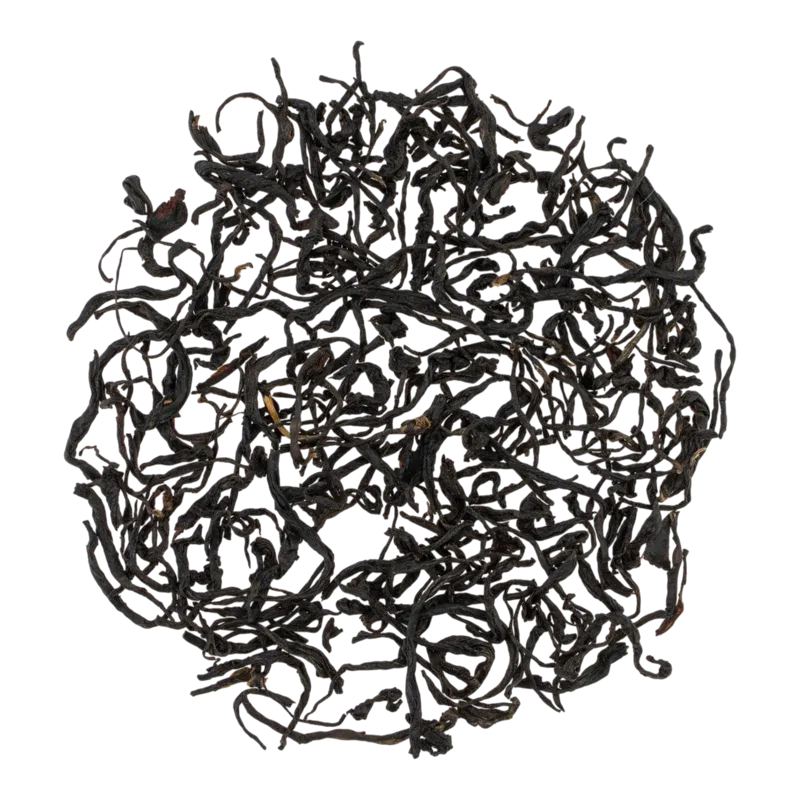
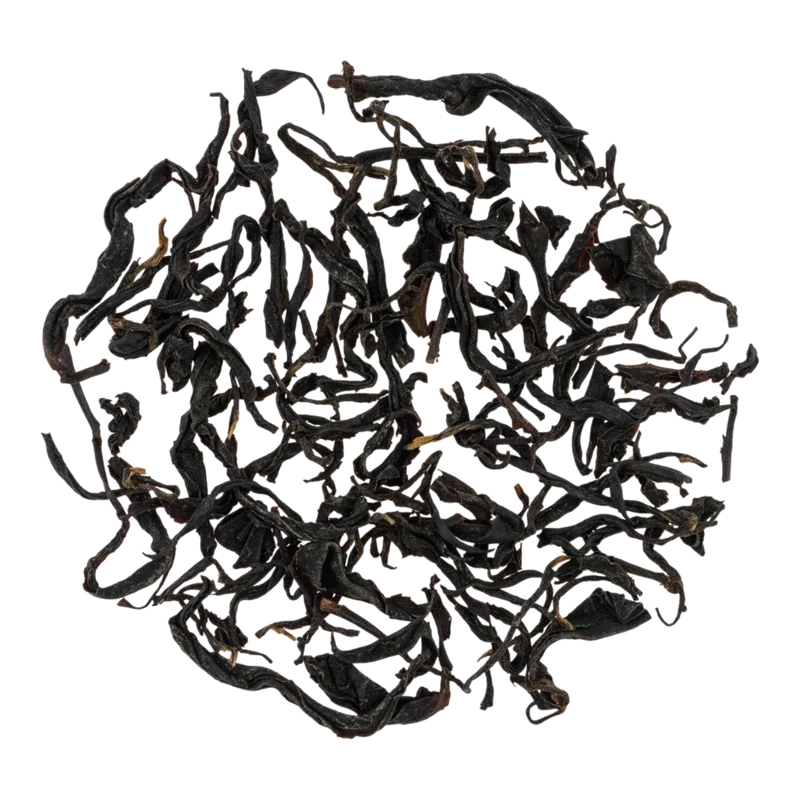
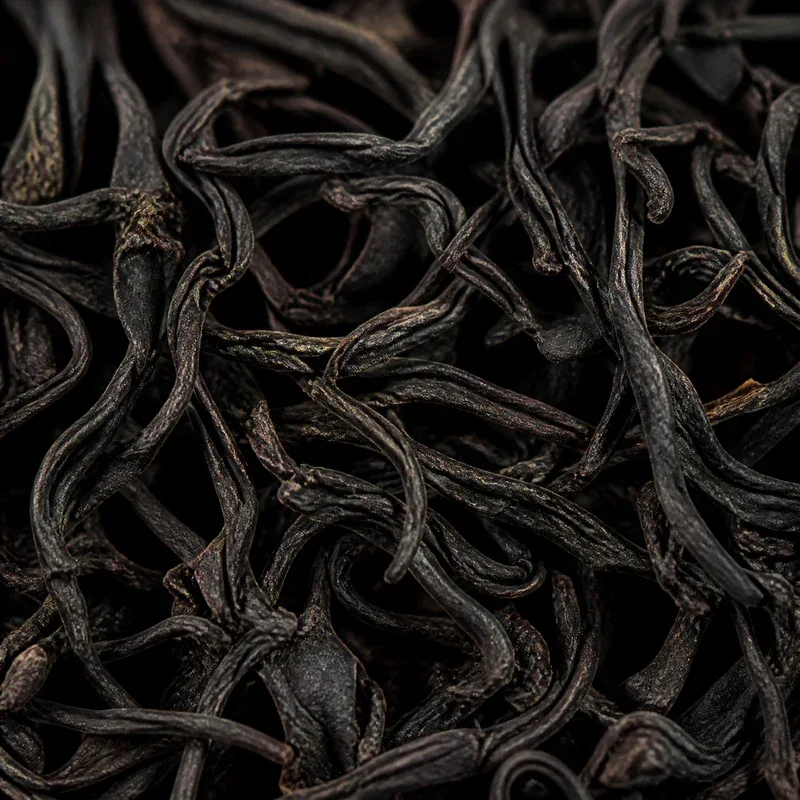
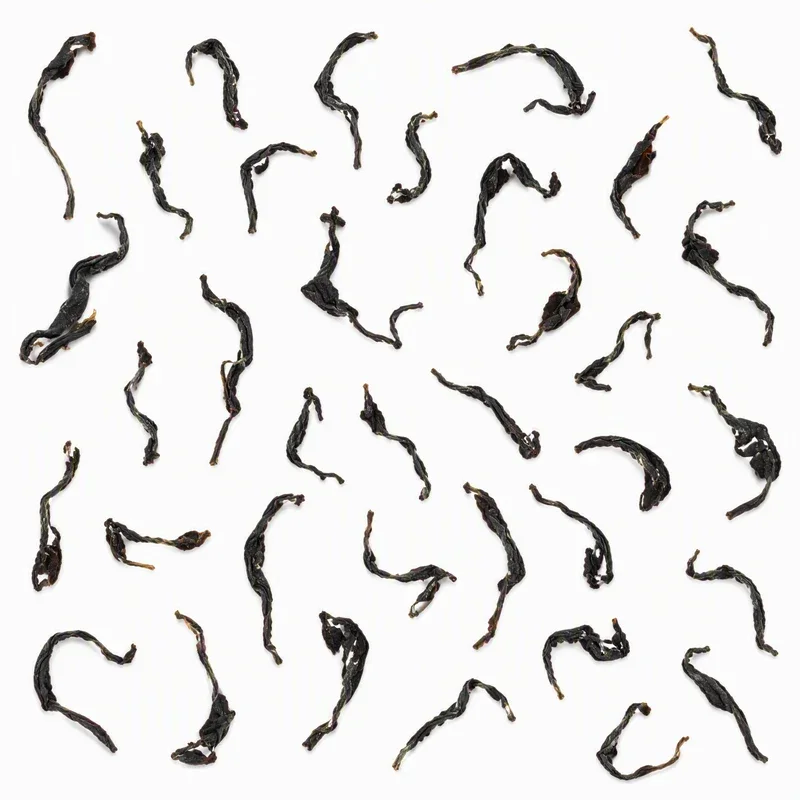
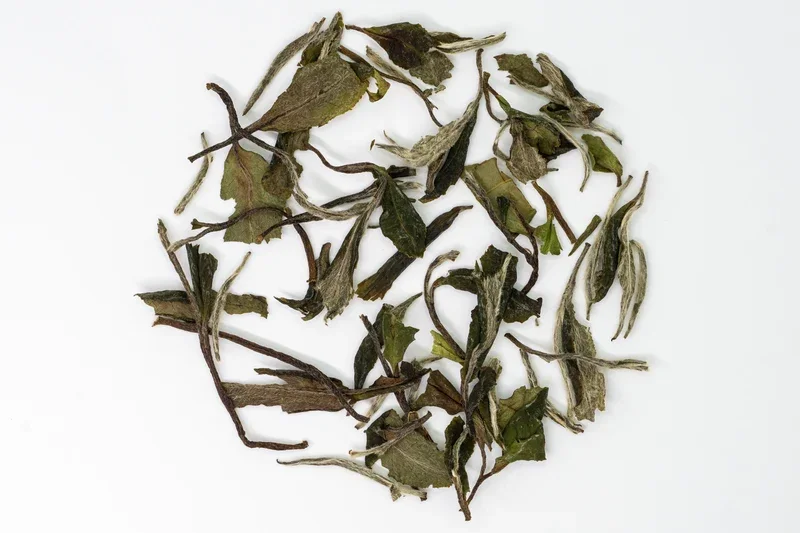
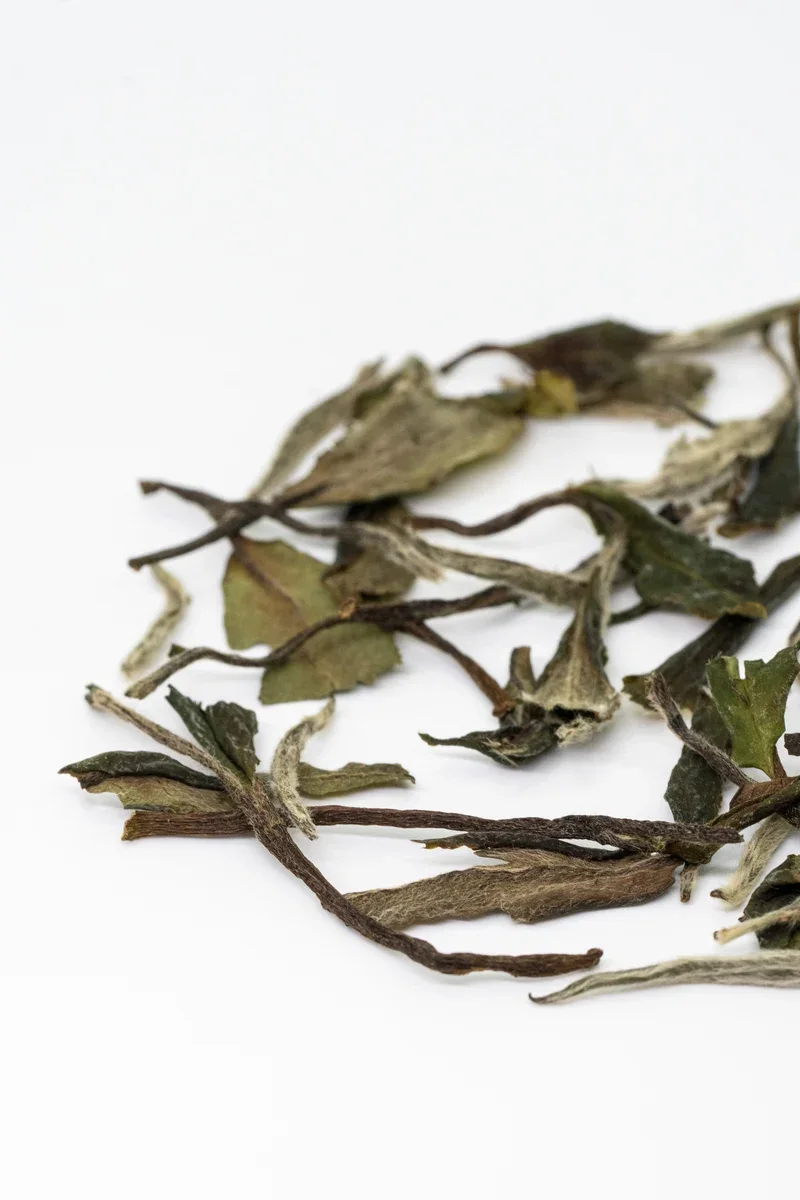
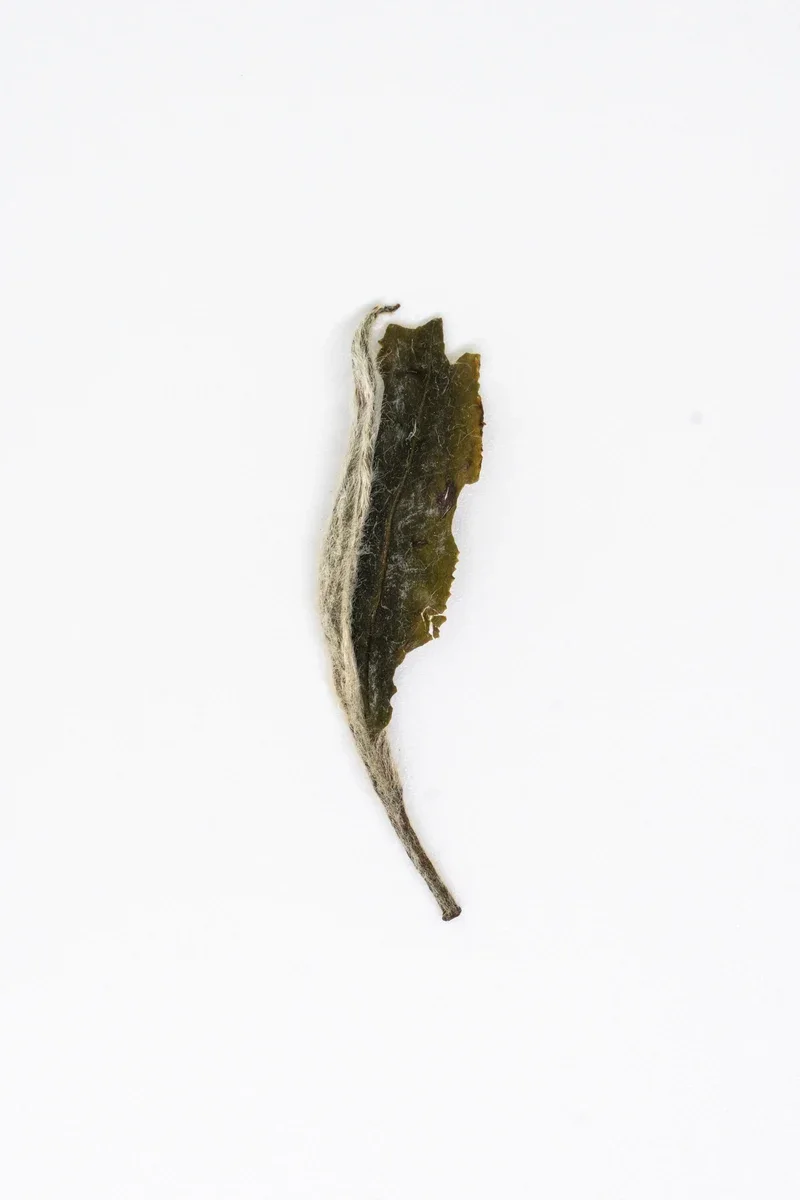
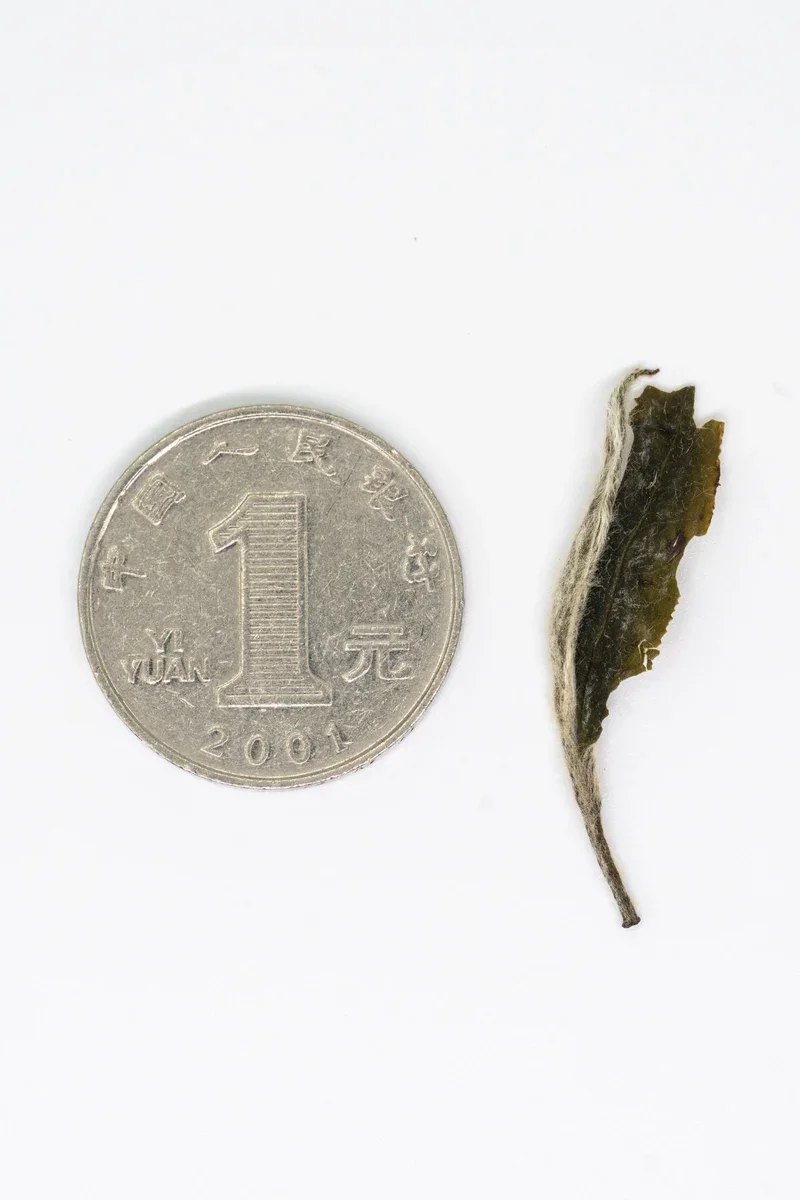
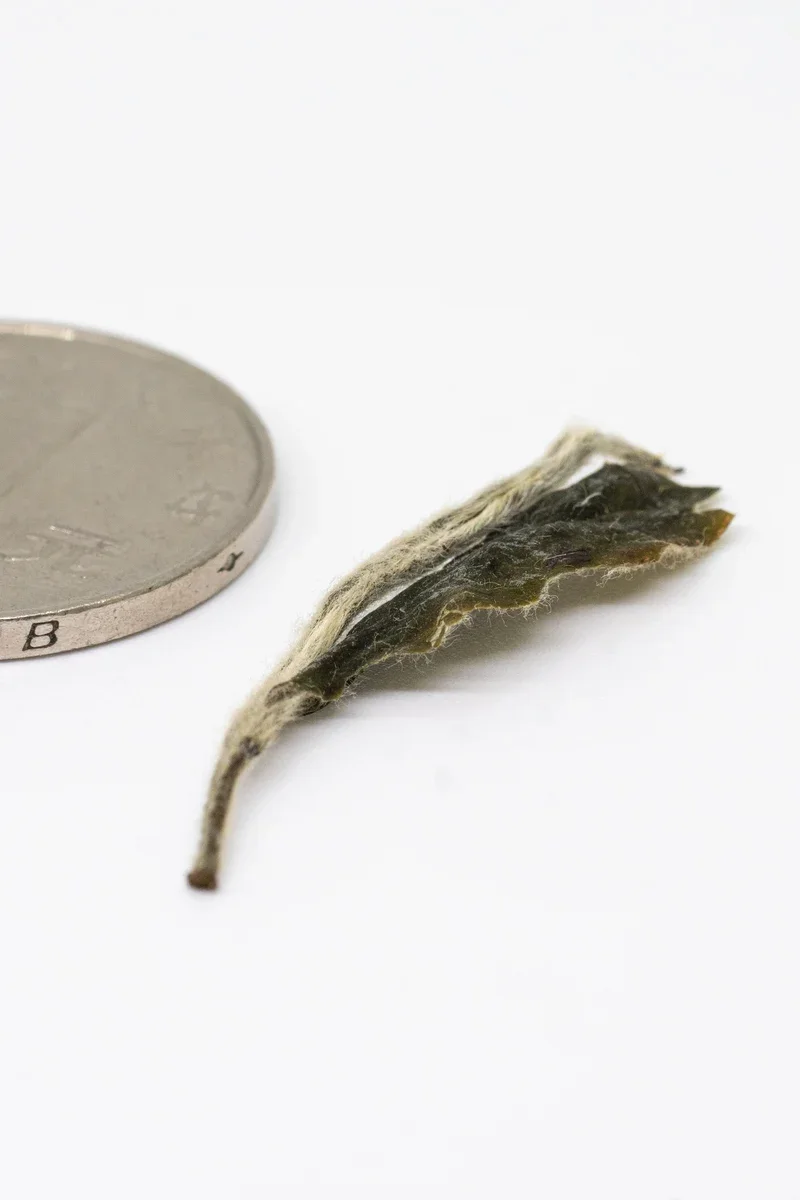
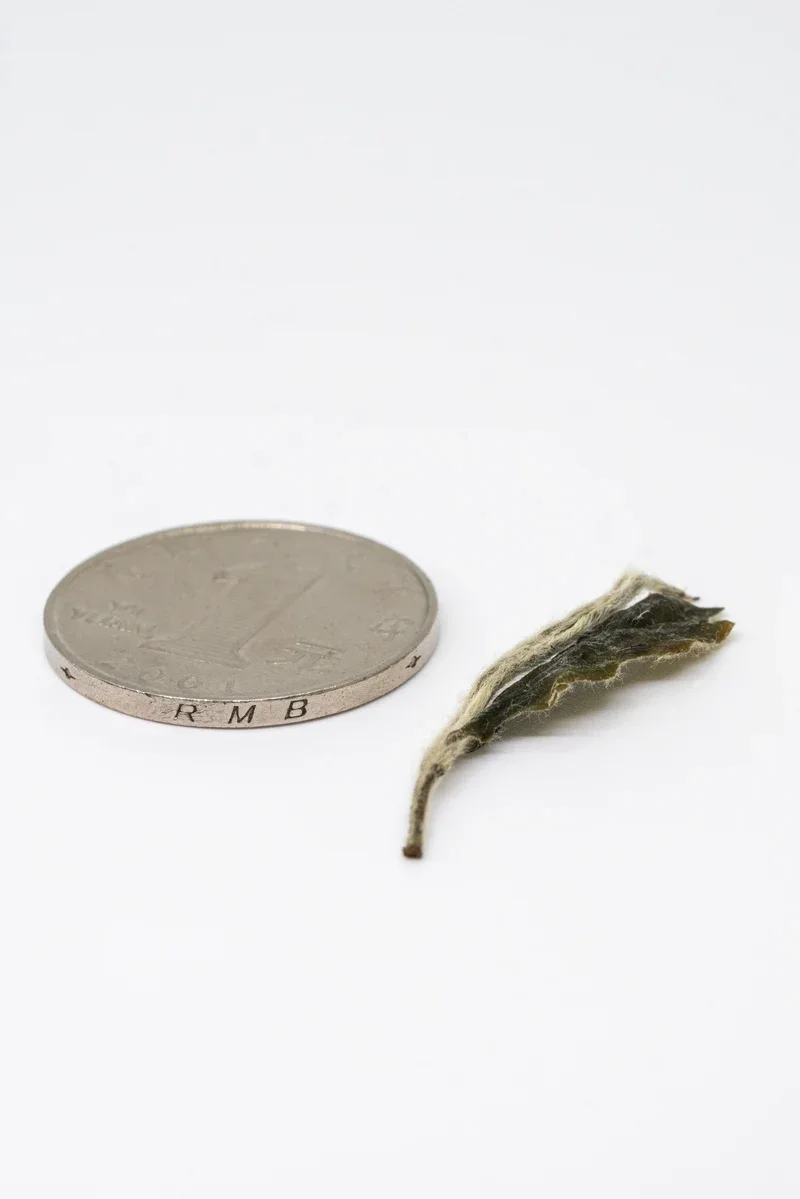
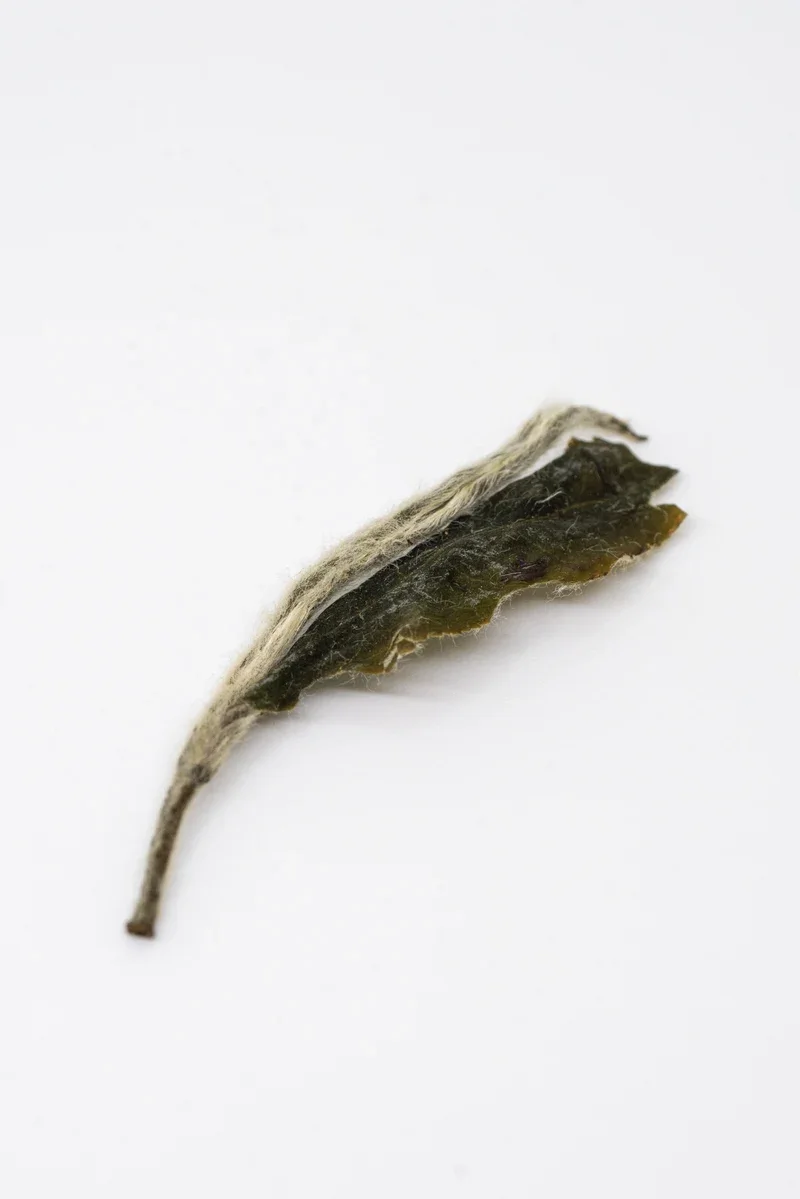
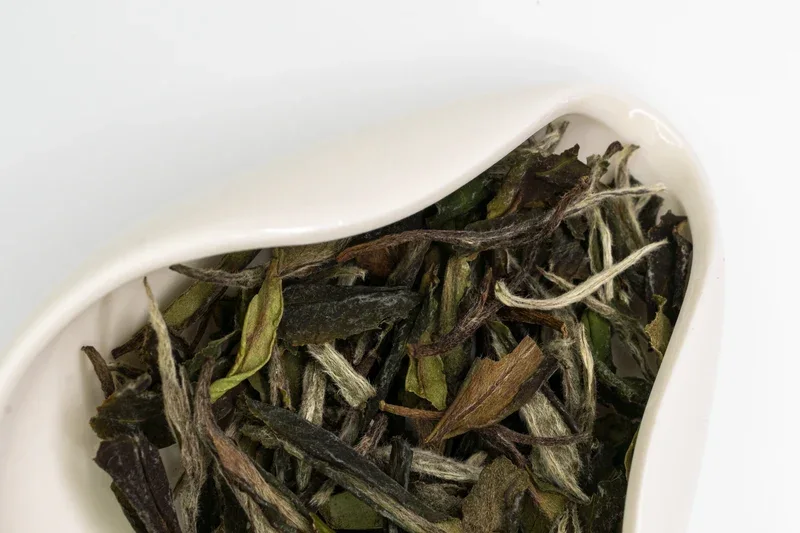
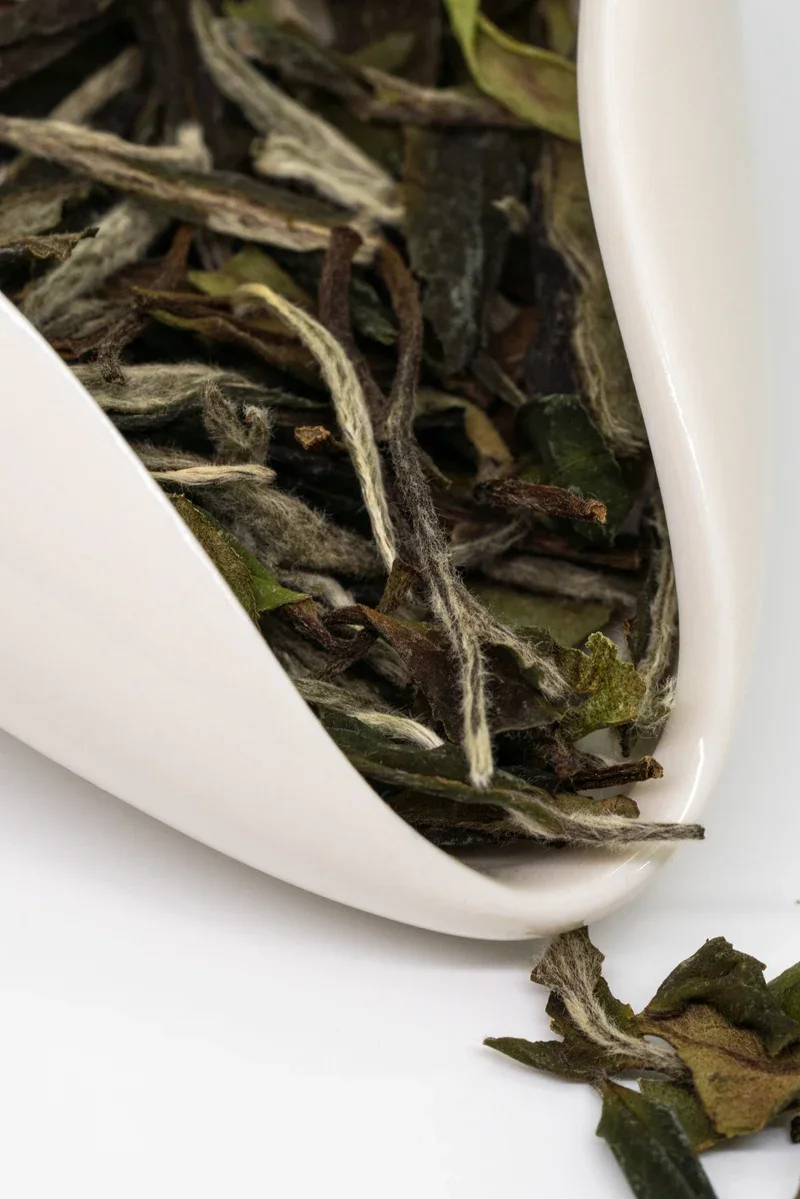
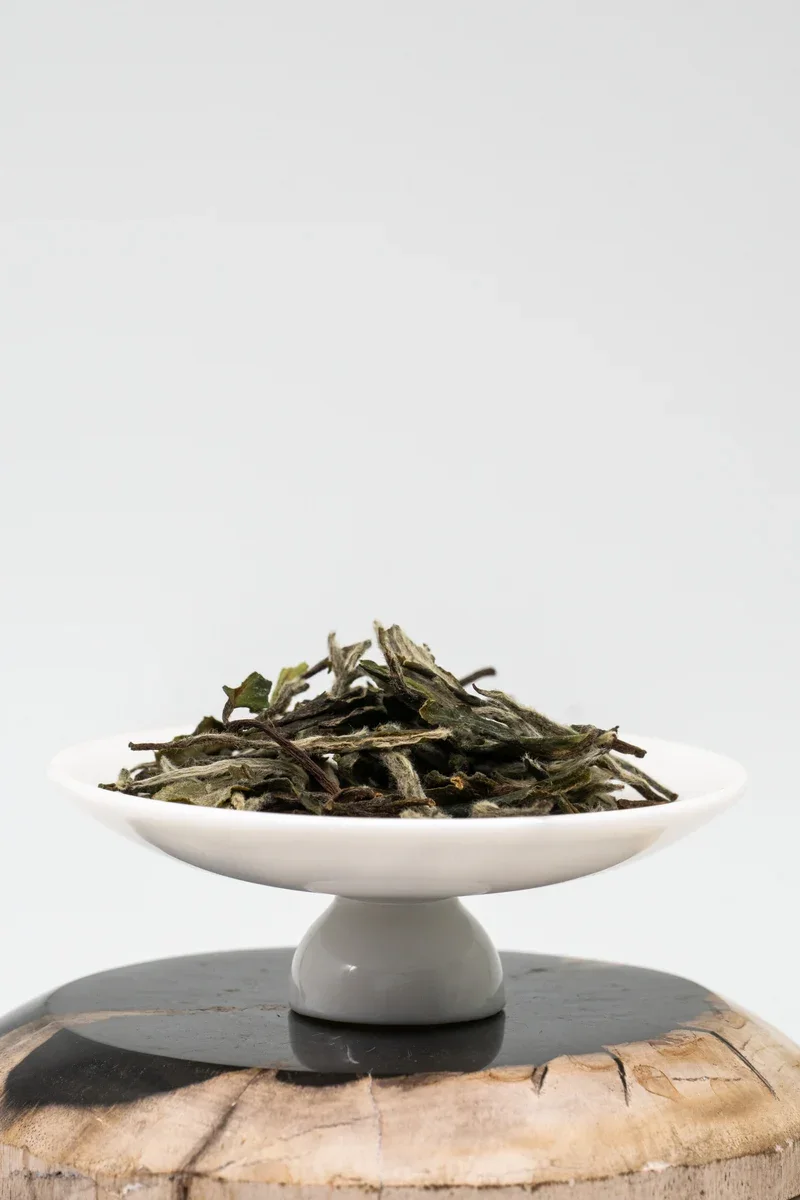
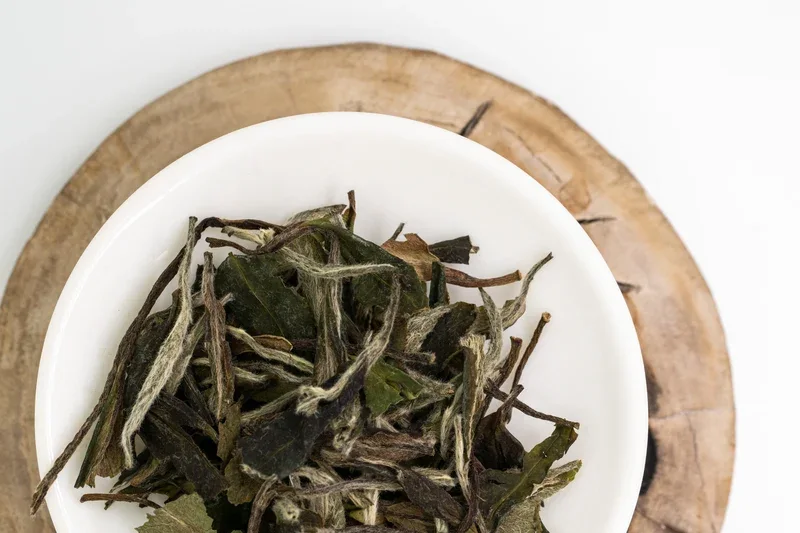
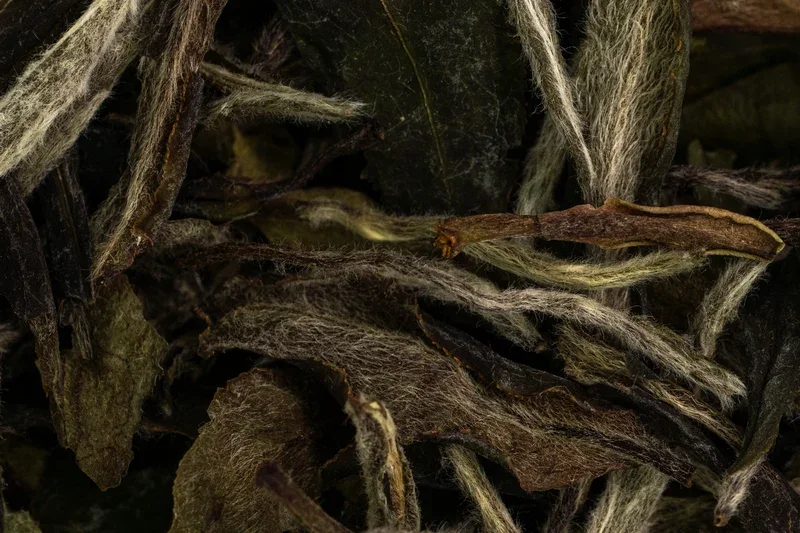
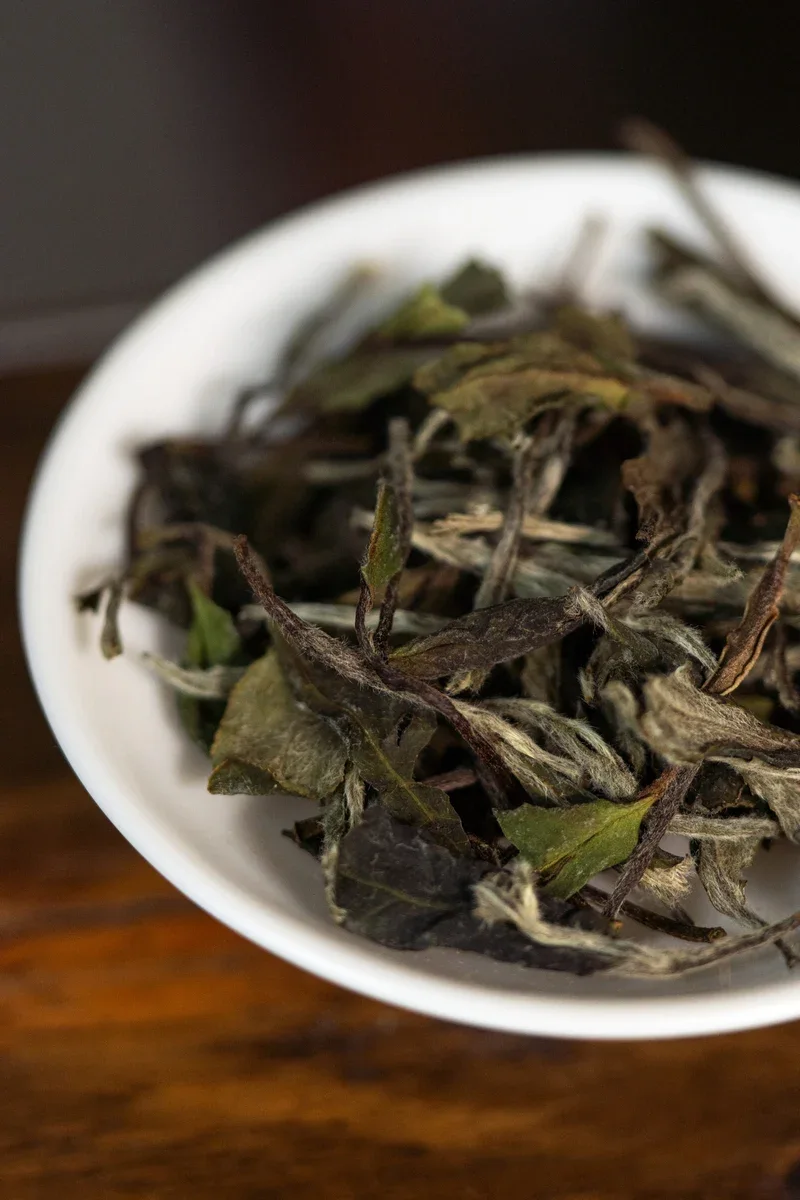
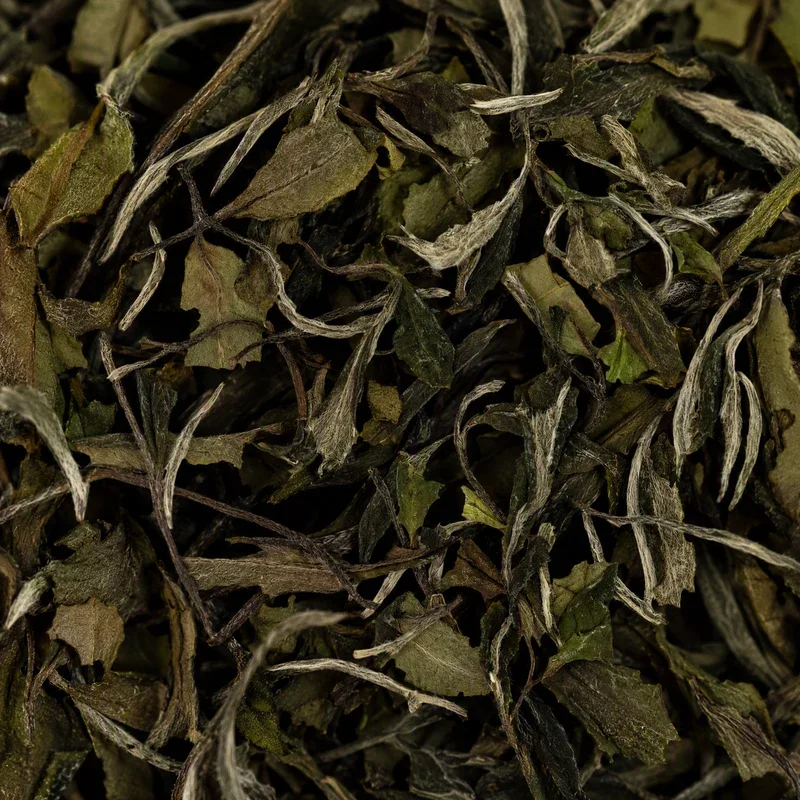
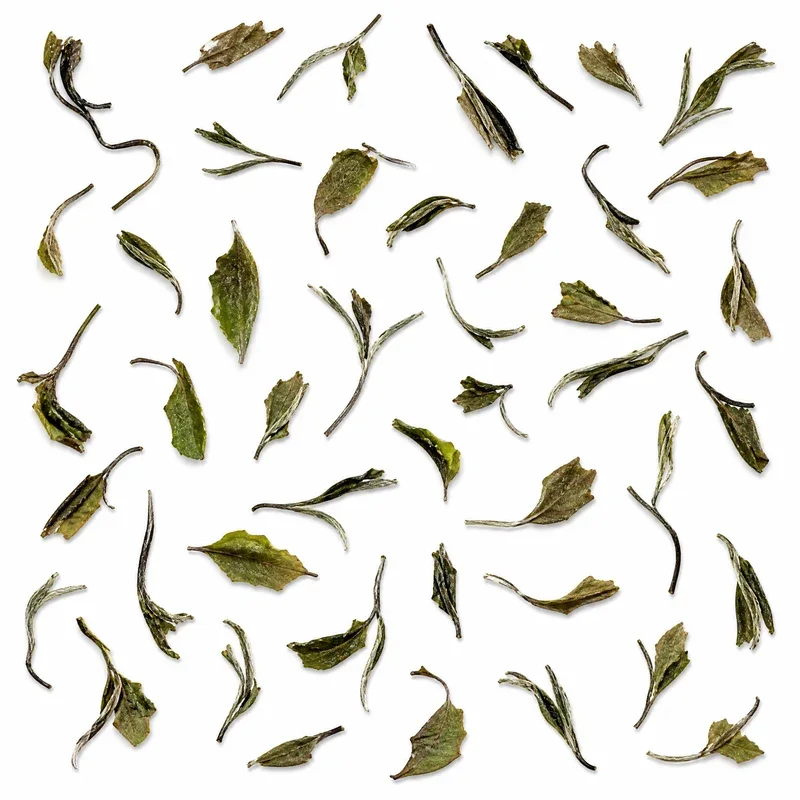
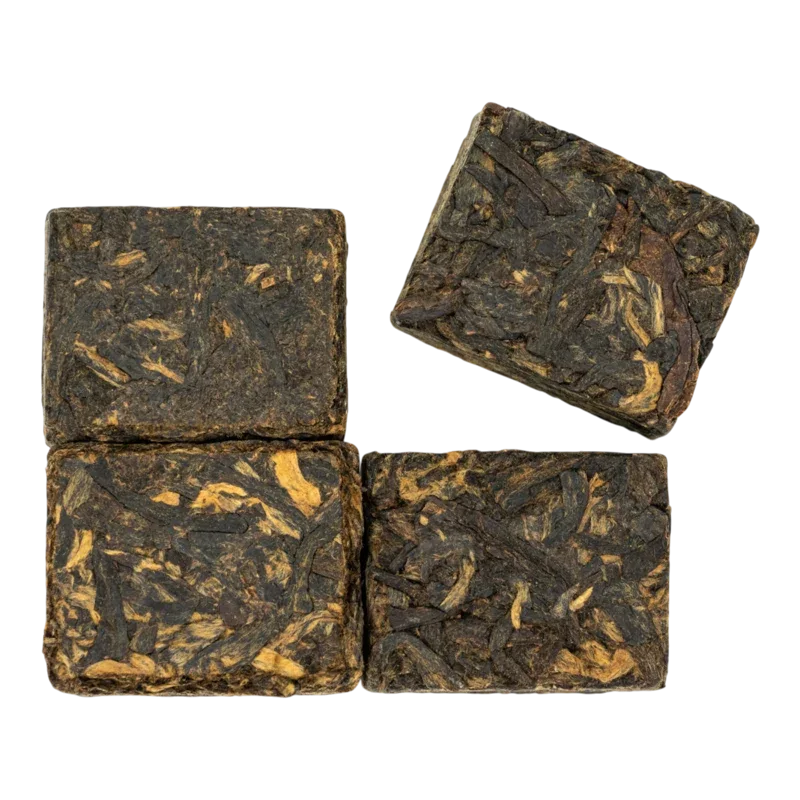
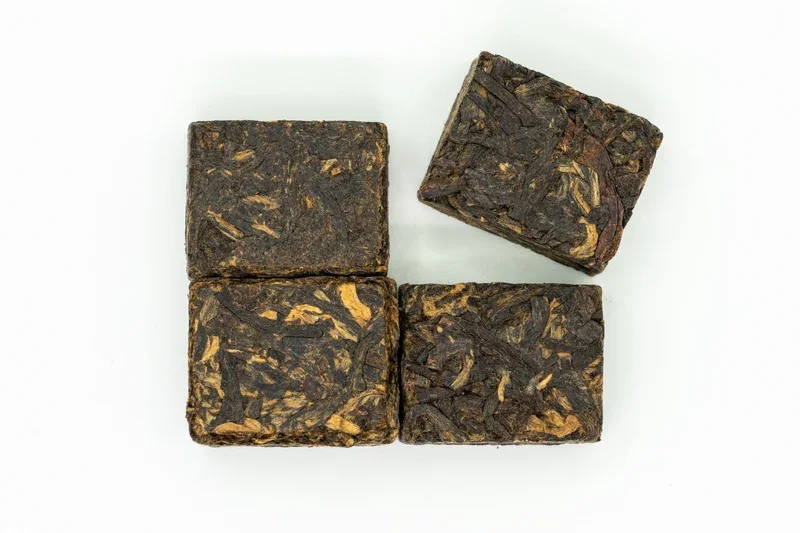
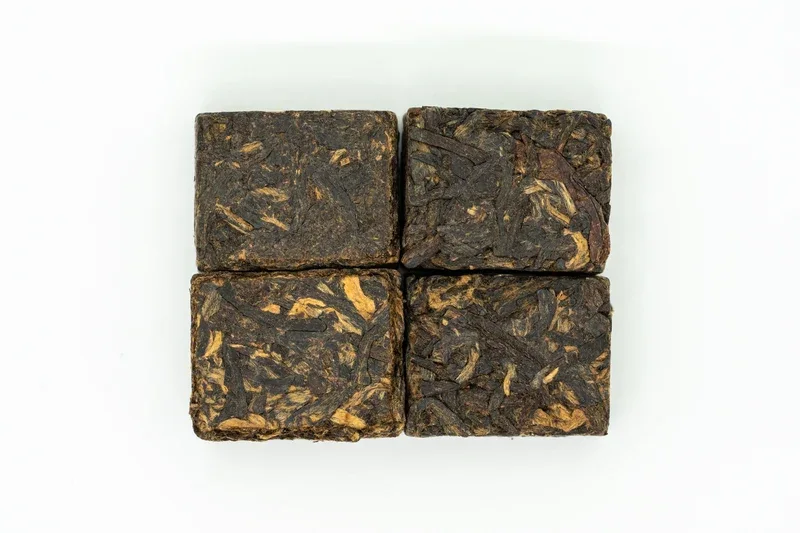
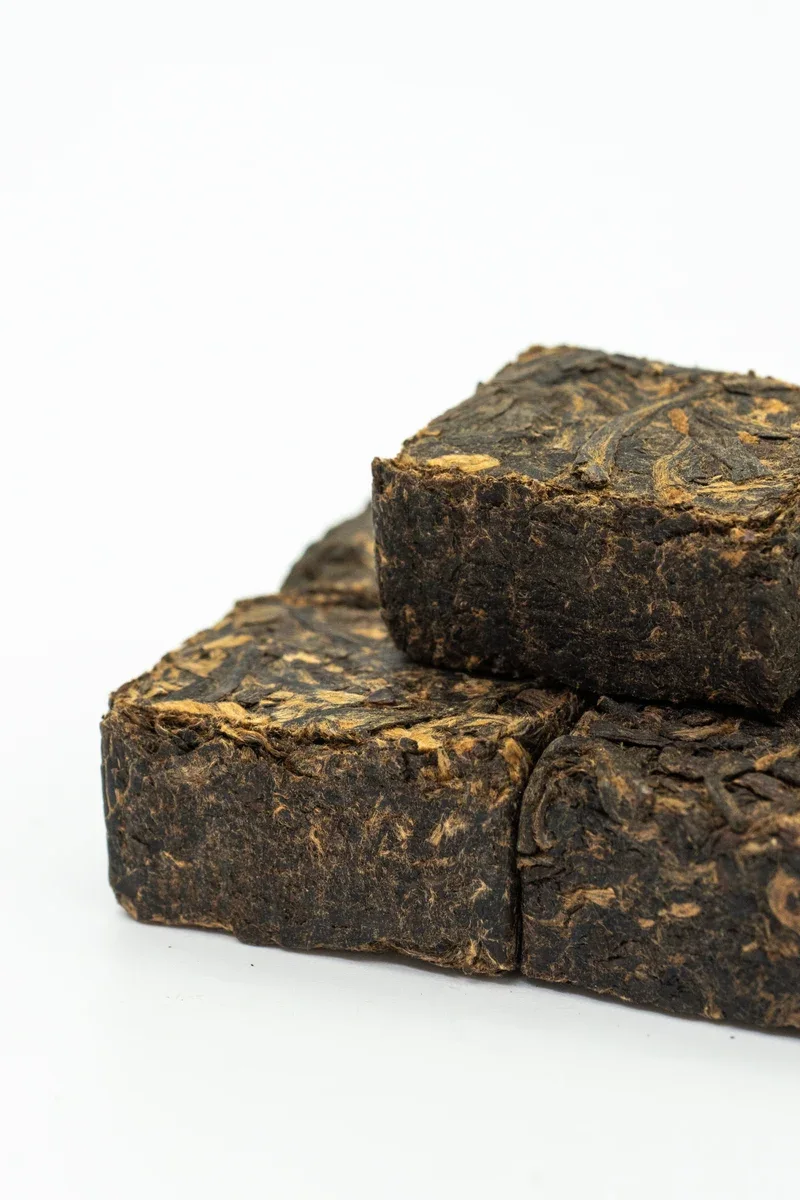
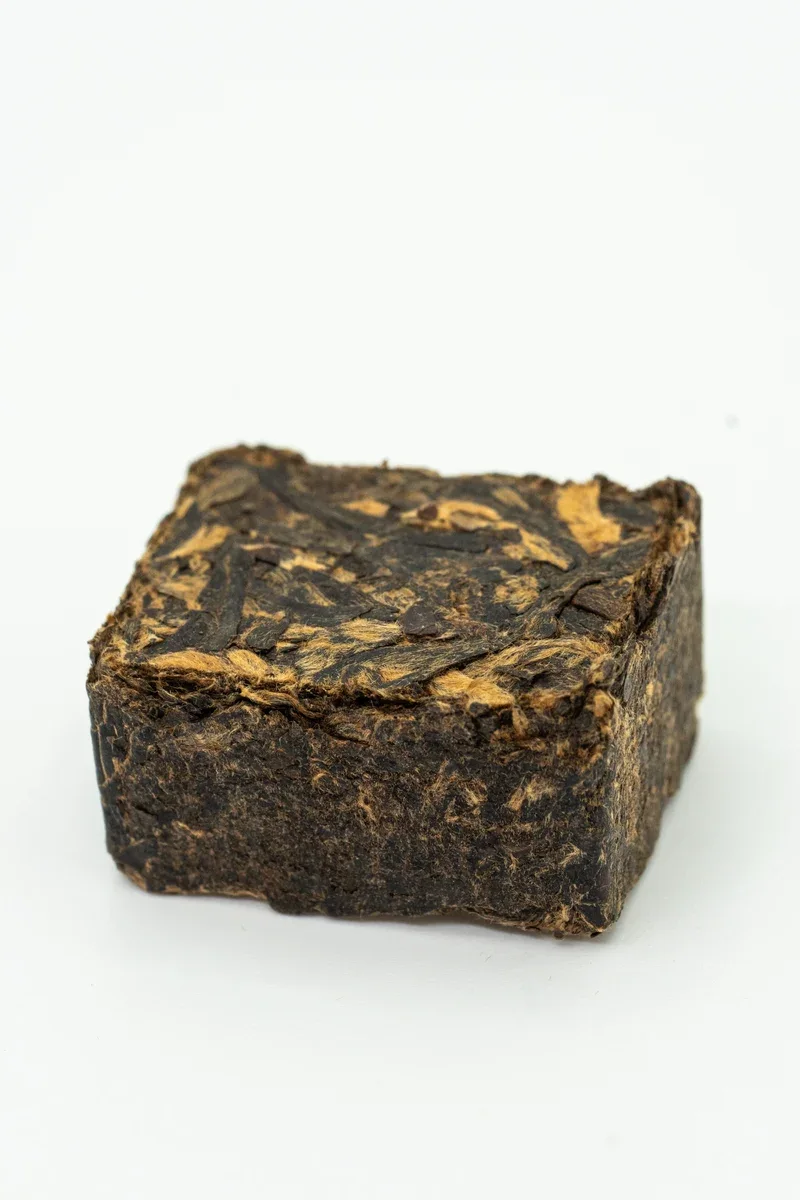
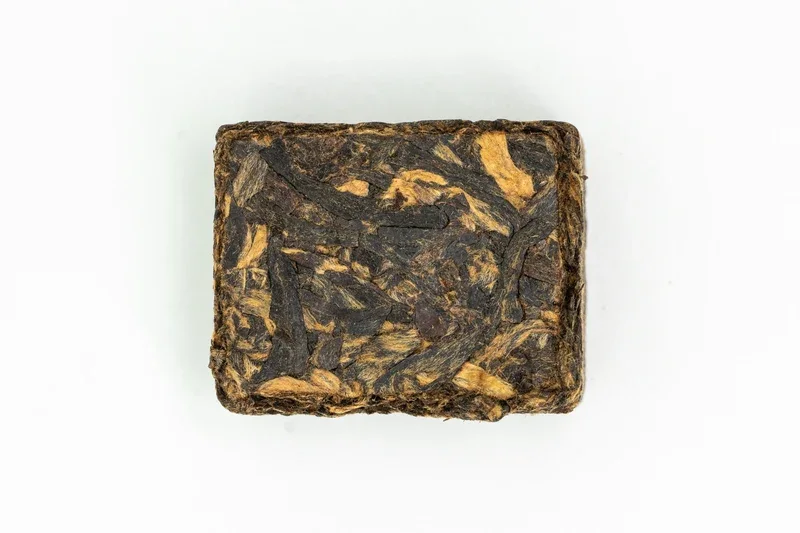
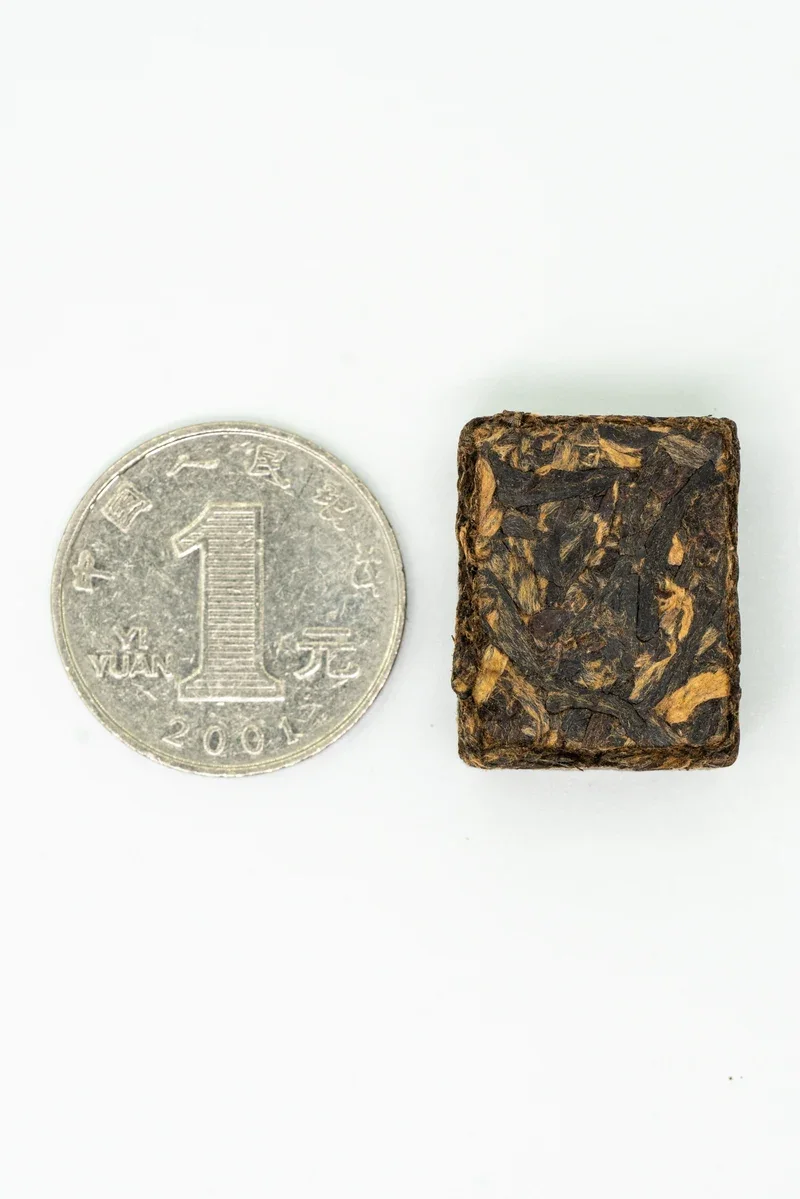
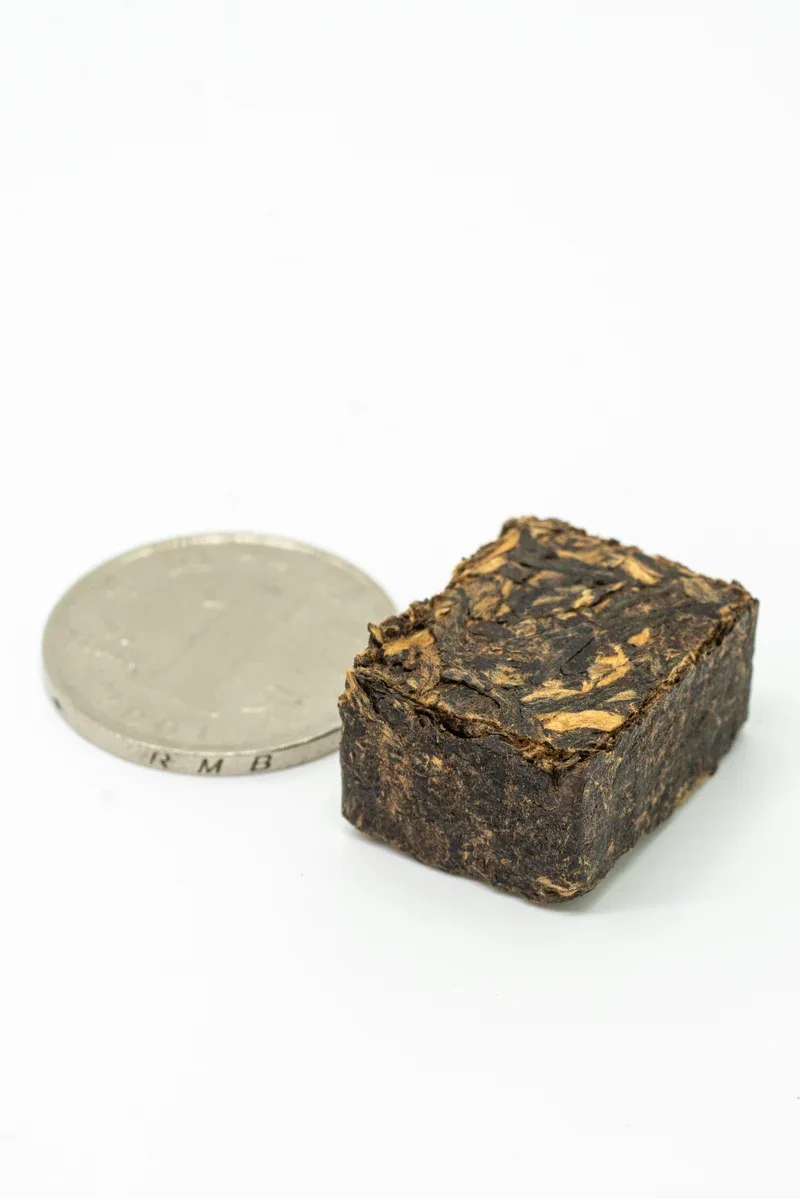
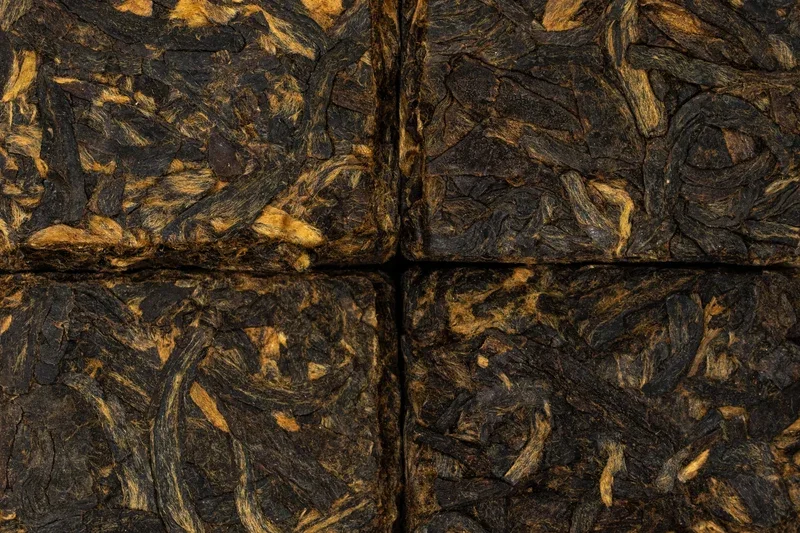
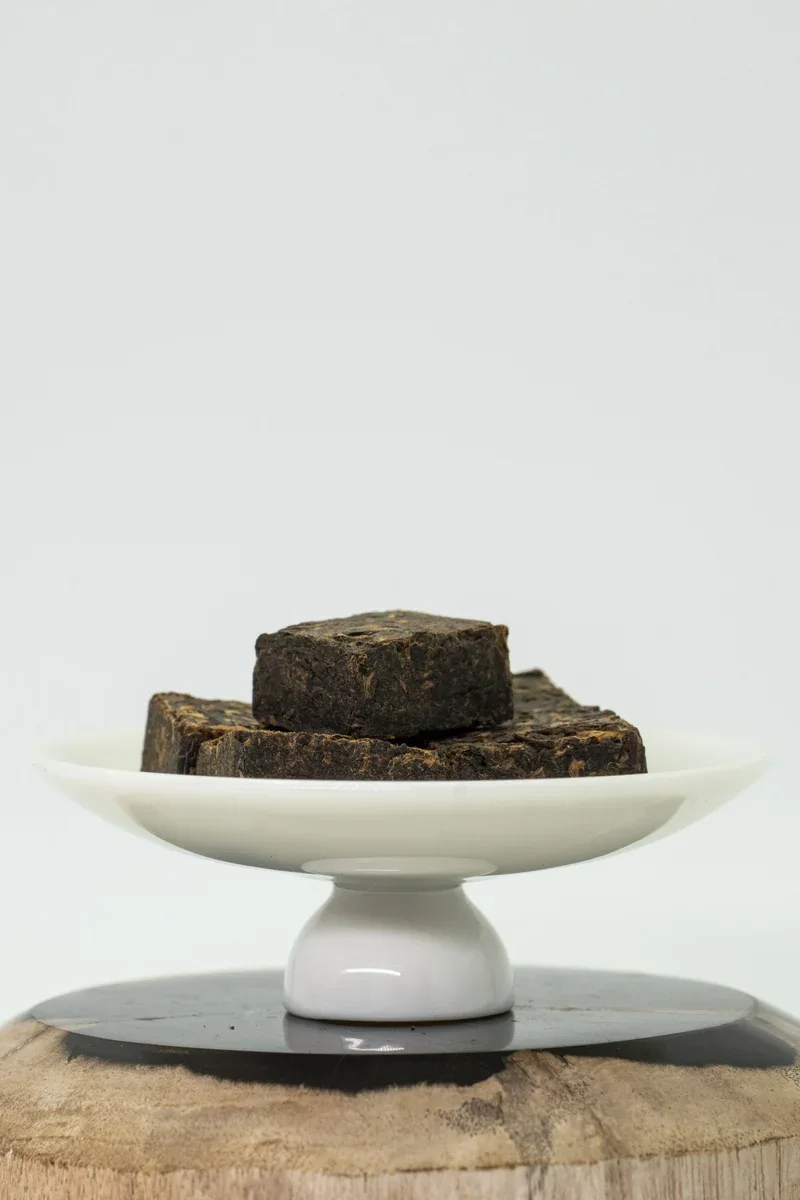
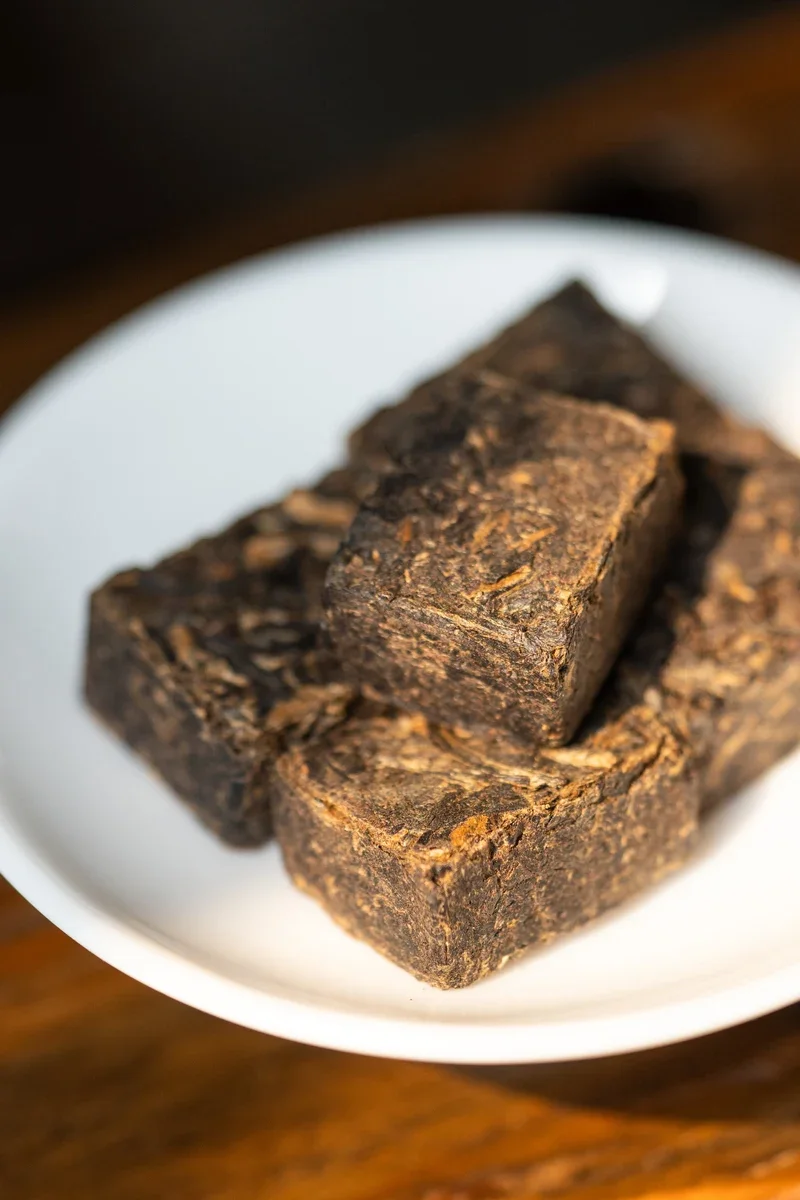
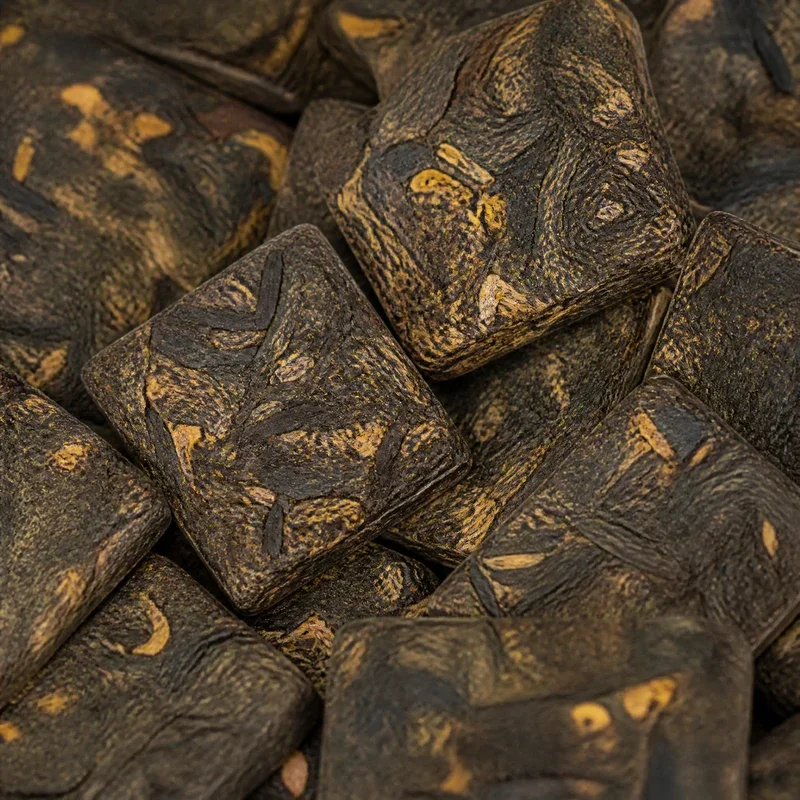
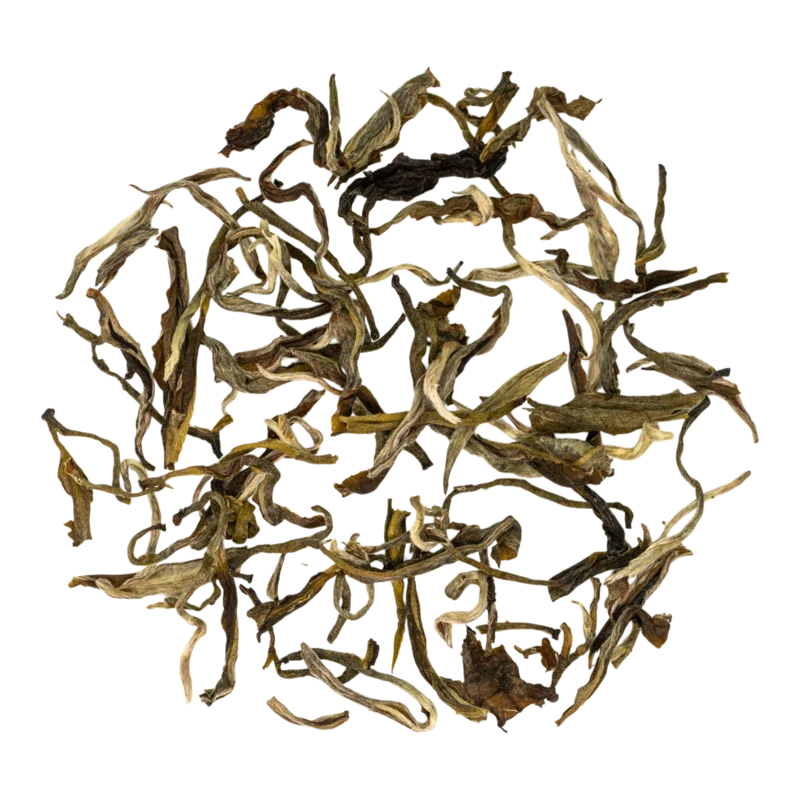
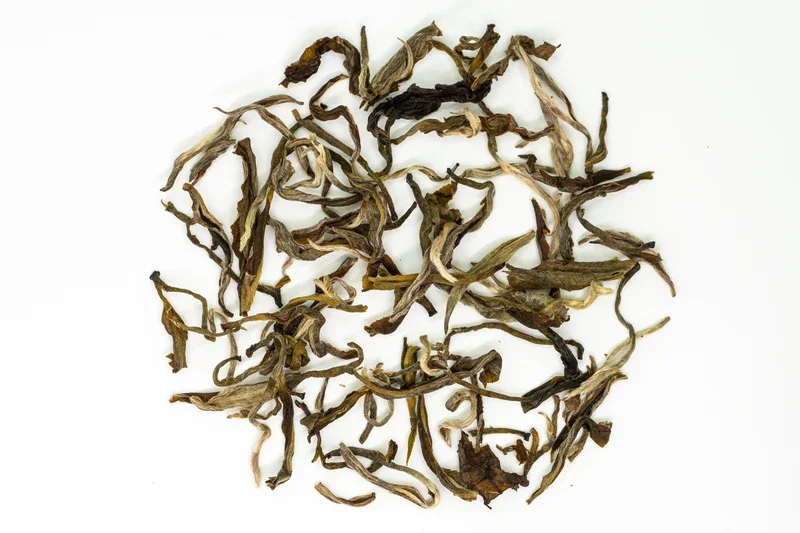
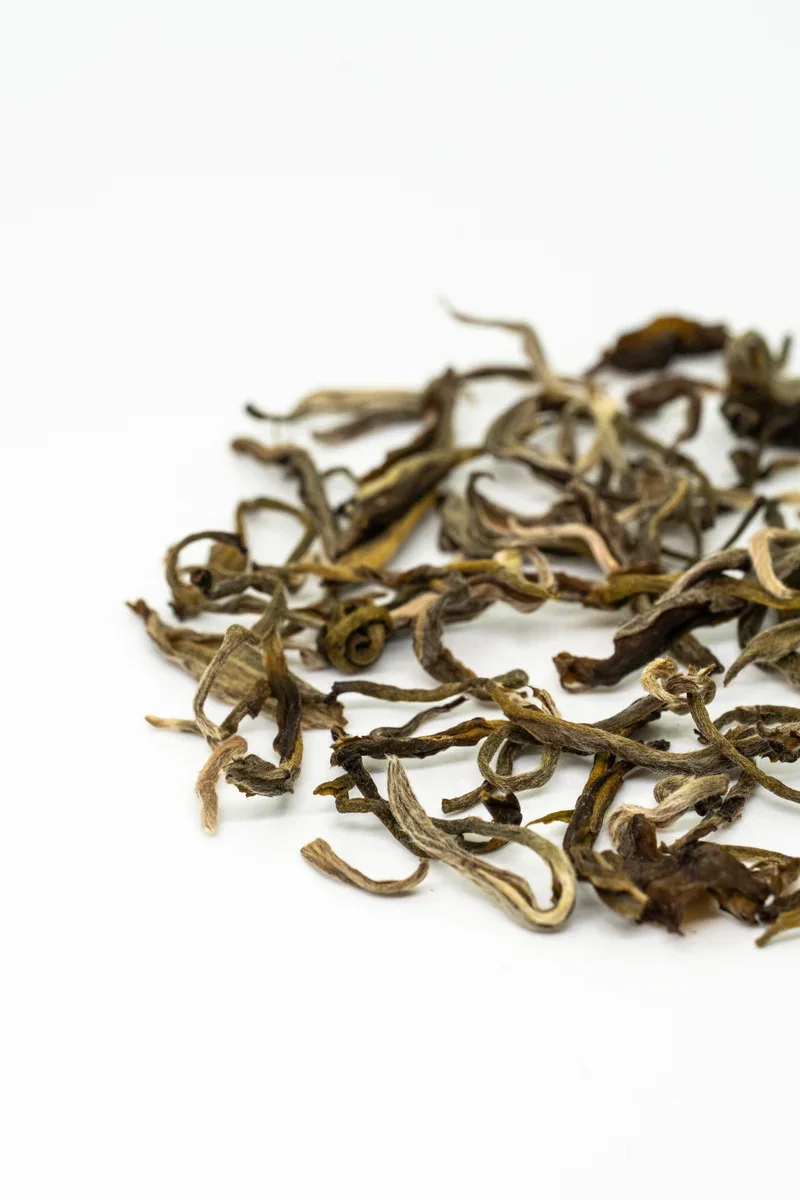
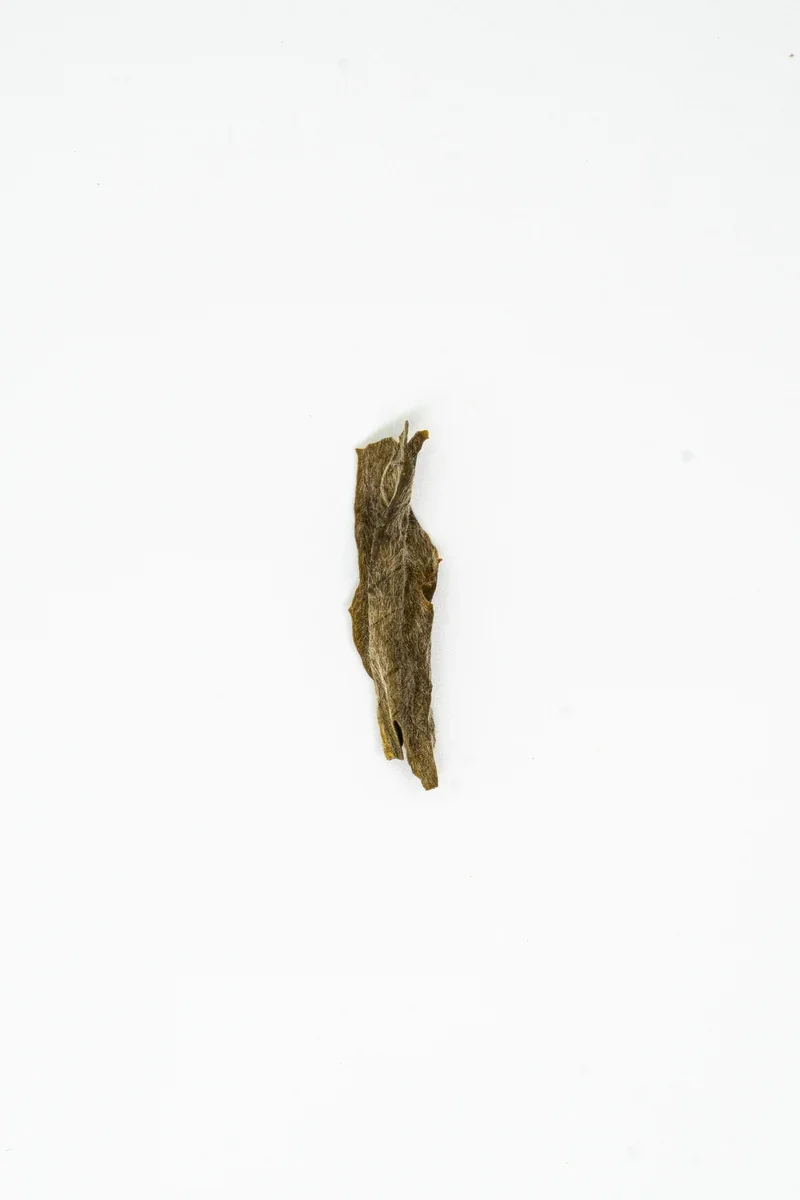
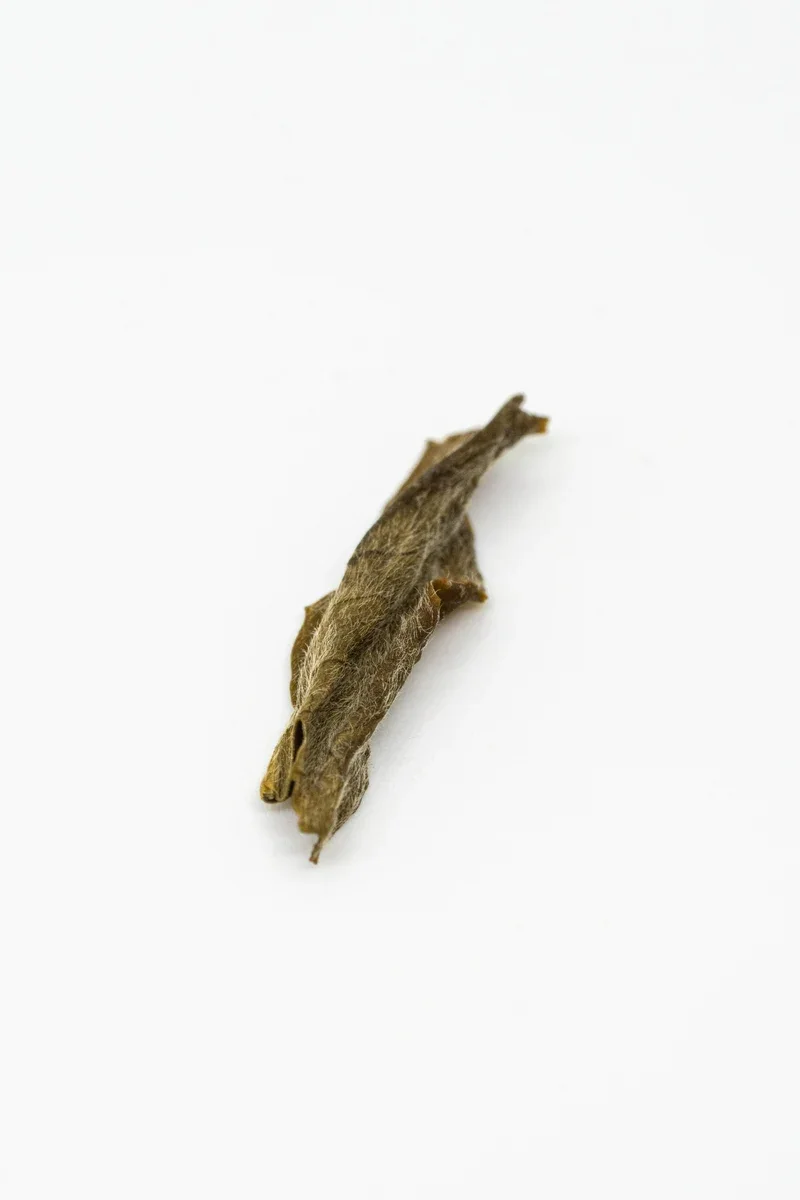
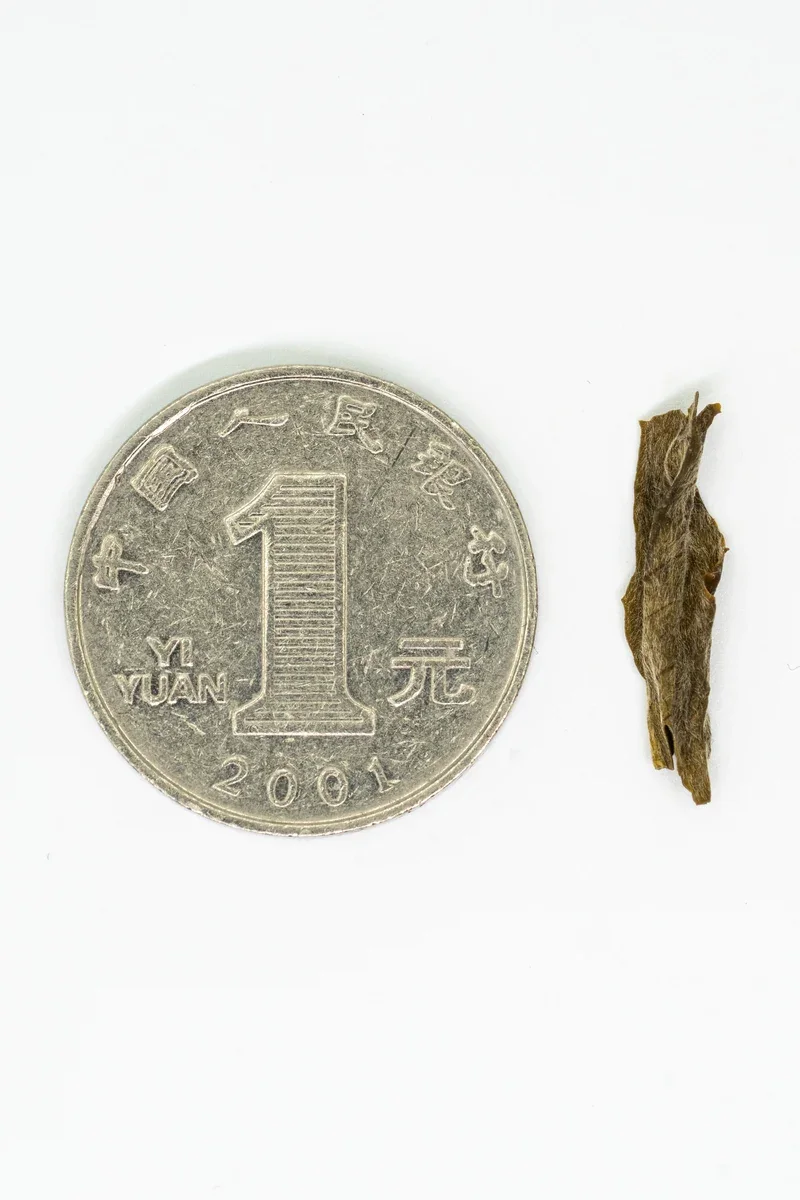
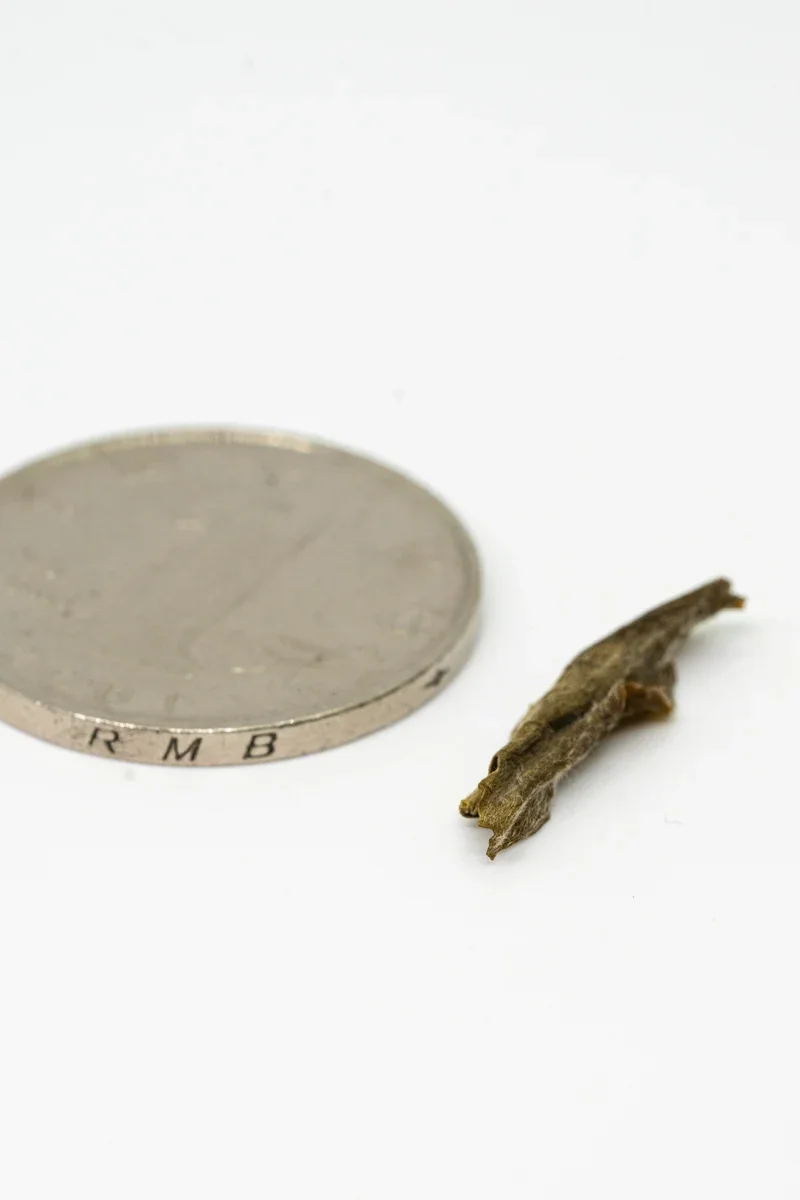
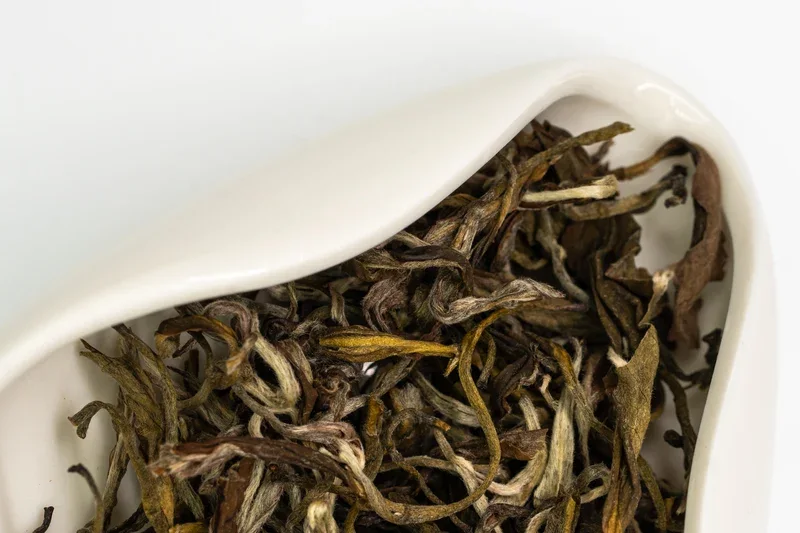
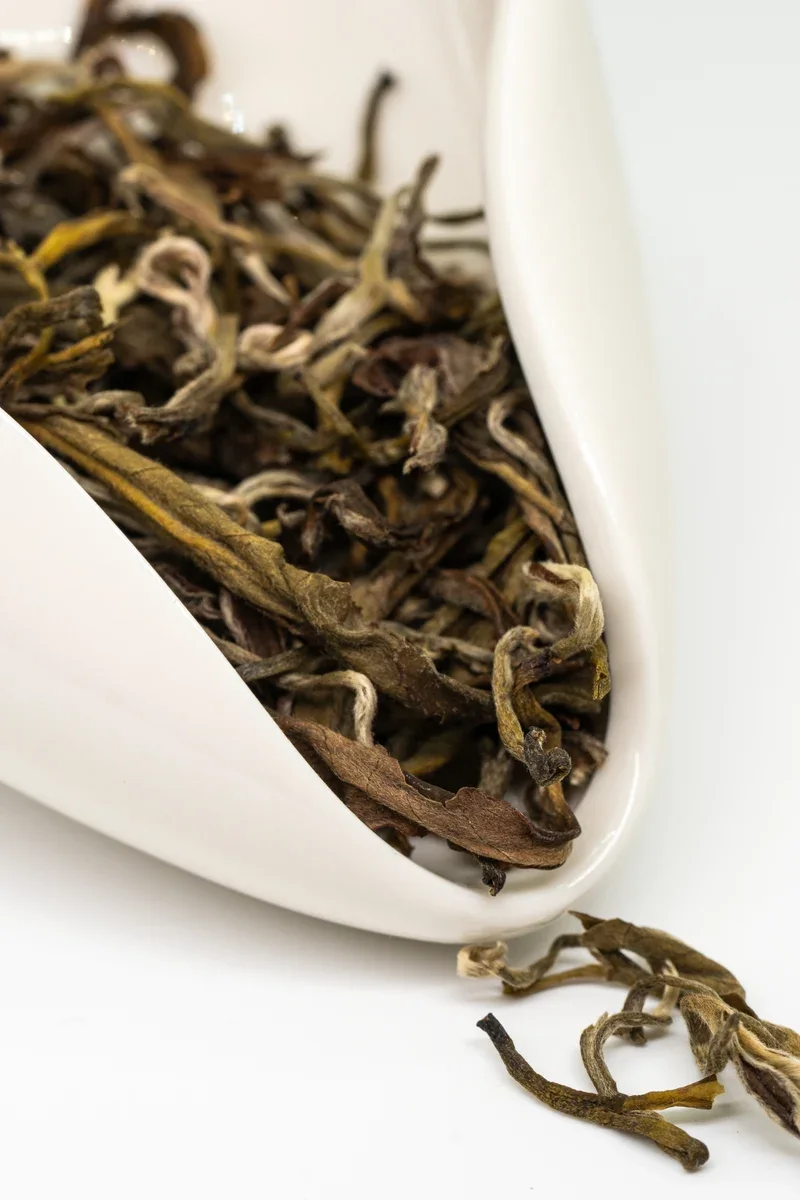
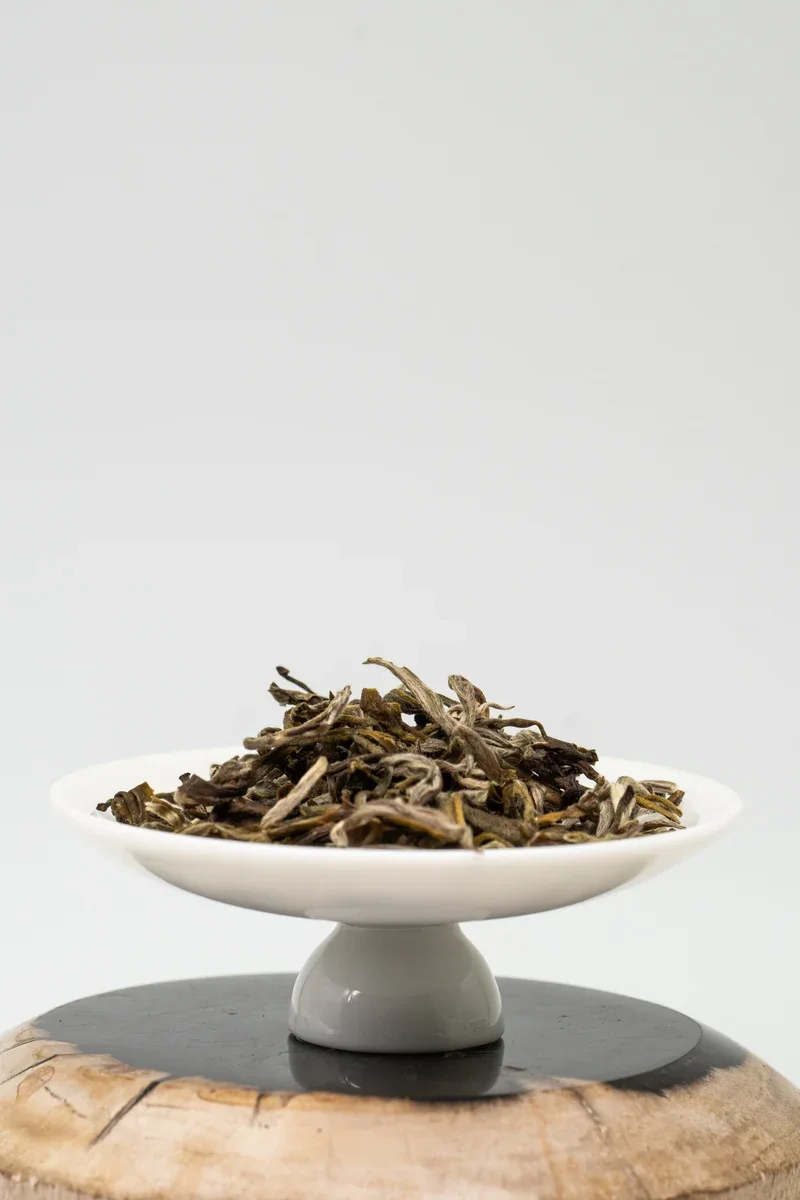
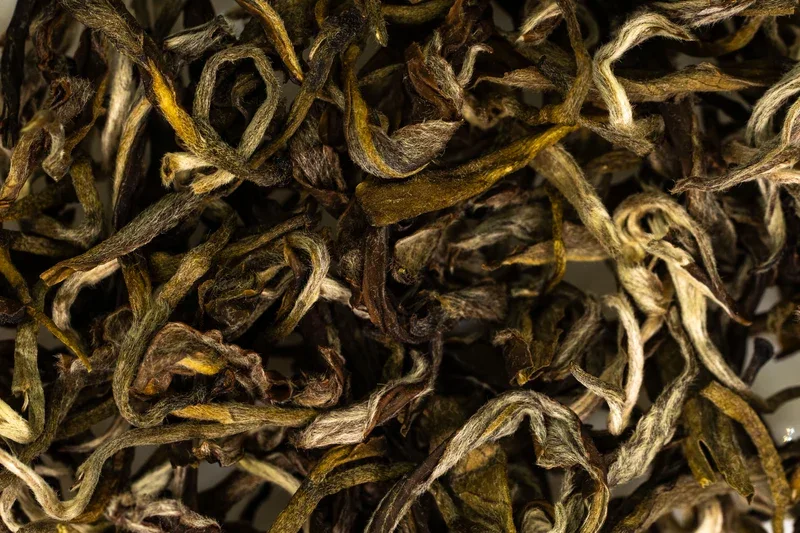
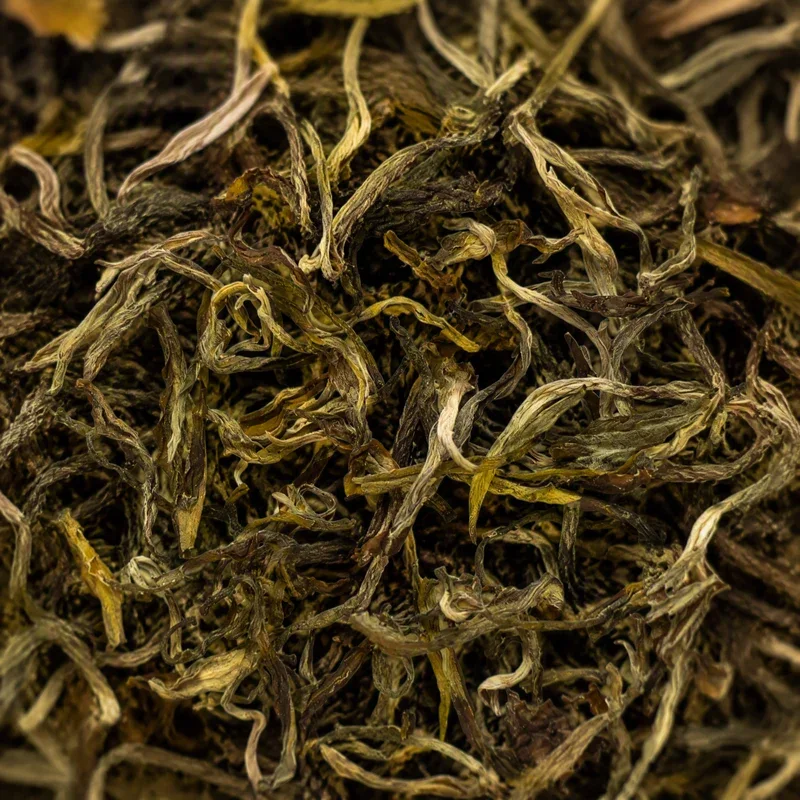
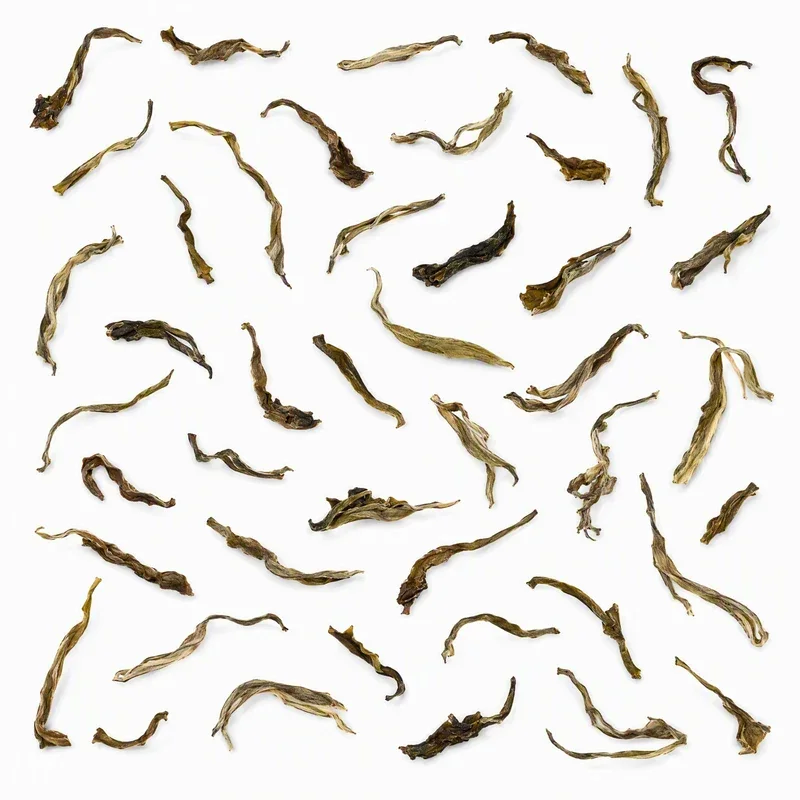
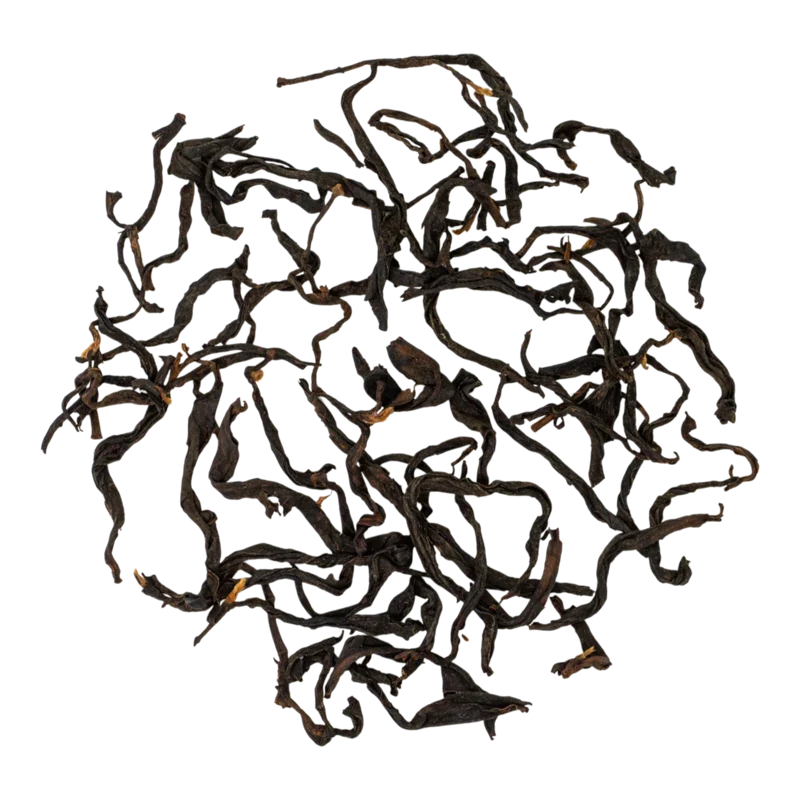
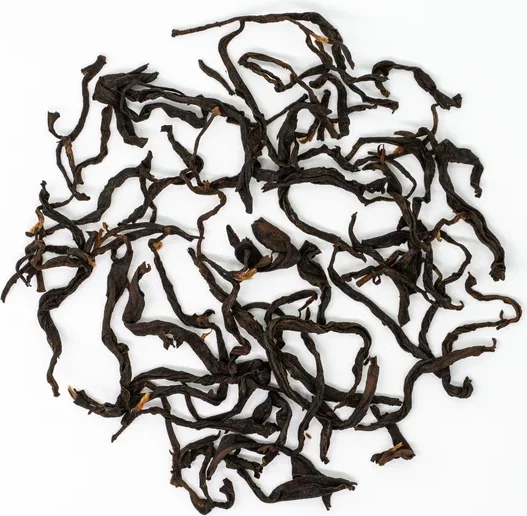
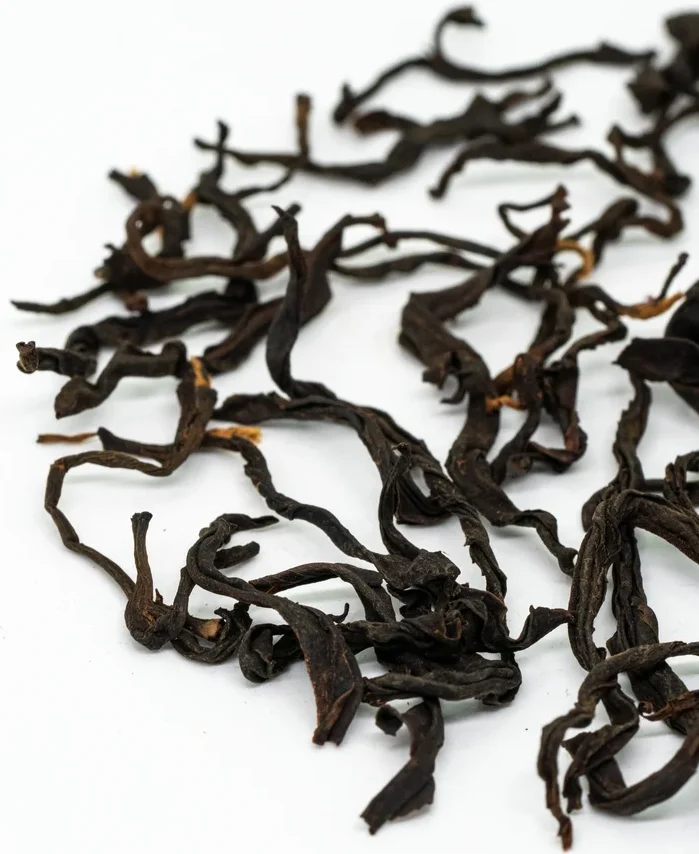
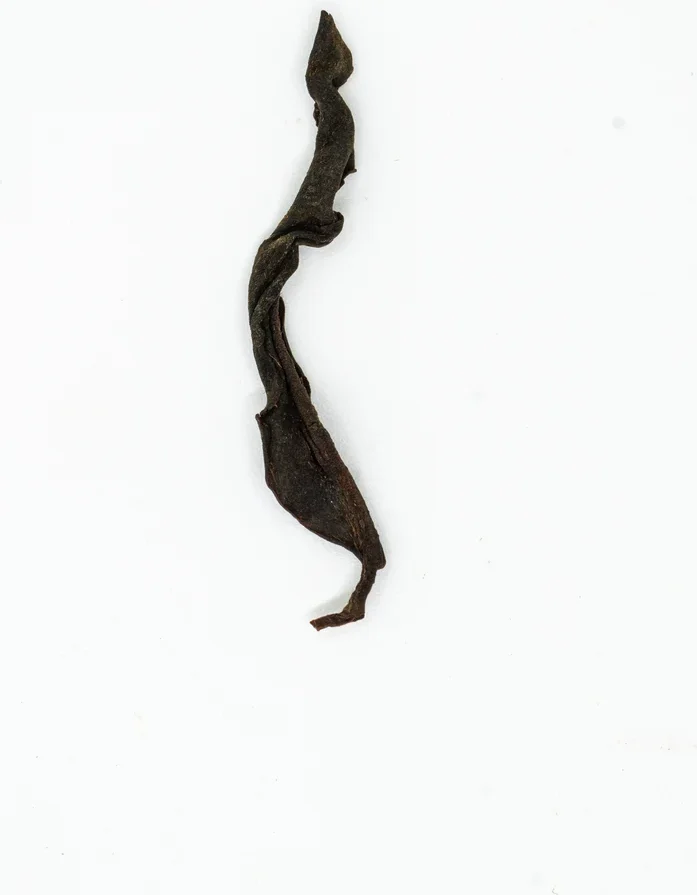
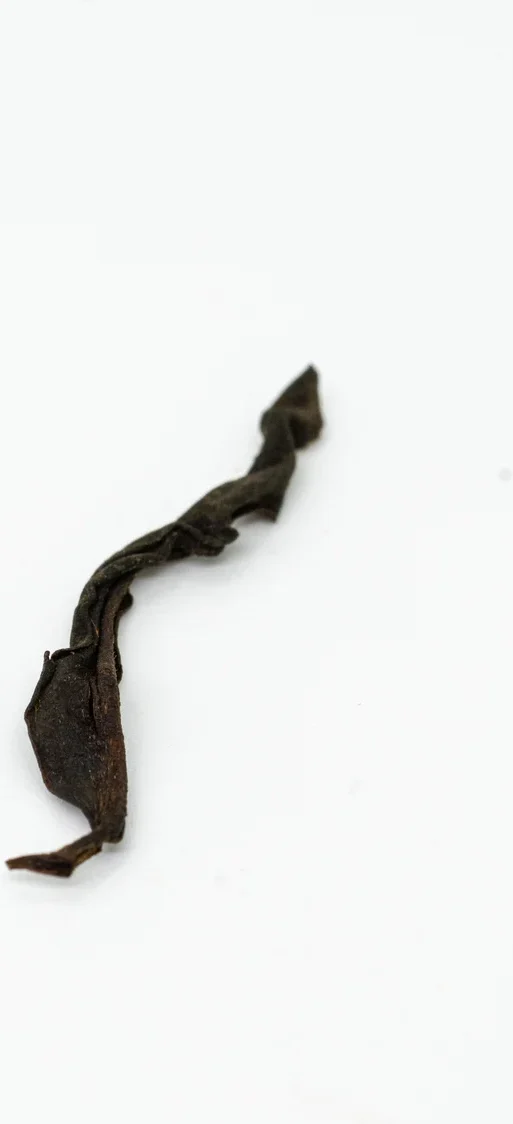
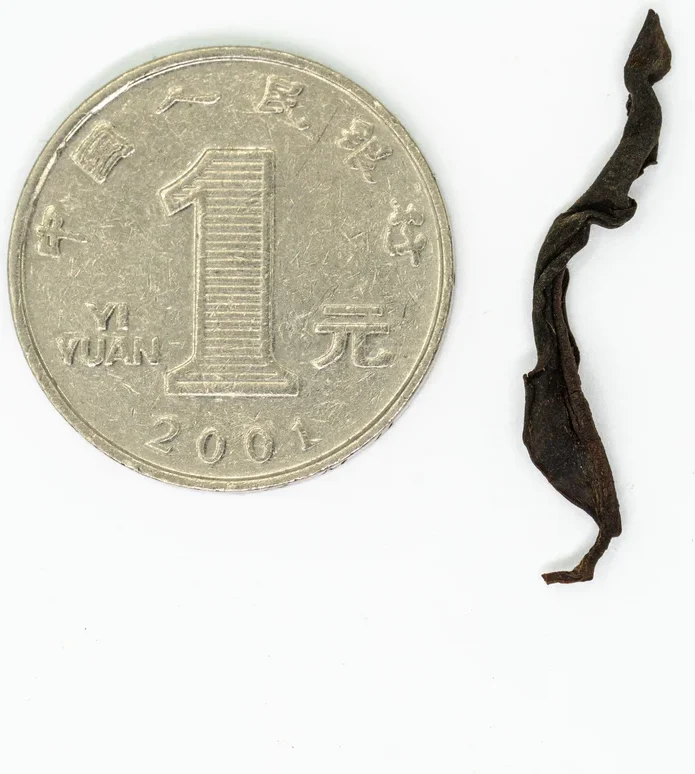
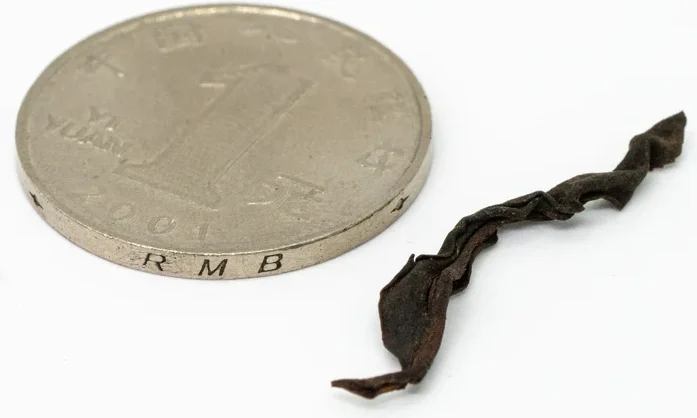
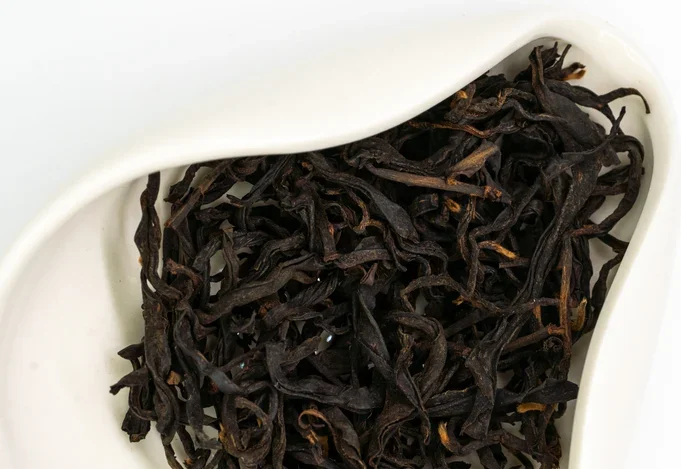
Dry Leaf Appearance: Large, fat, tightly twisted tea particles. Color — from black-brown to dark chestnut, with abundant golden down (金毫, jīn háo). Leaf noticeably larger than standard dianhong. Oily luster.
Dry Leaf Aroma: Deep, multi-layered: honey, dried fruits (date, longan), caramel, light floral note (orchid, rose). Shaihong has more restrained, "earthy" aroma with notes of dry wood.
Liquor Aroma: Powerful and persistent. Honey, caramel, dried fruits. With infusions, floral and mineral depth unfolds. In best samples — "cha qi" (茶氣): sensation of warmth and energy flow after several cups.
Liquor Color: Dark amber to deep ruby, clear, with golden gleam in light. Shaihong — lighter, orange-amber.
Spent Leaves: Large, whole, elastic leaves of copper-red color. Stems and "ma ti" (馬蹄 — "hooves" — thickenings at shoot base) — characteristic marker of tree material.
Taste: Dense, "oily," with pronounced body — quality described in Chinese tasting as "hou yun" (喉韻, "throat resonance"). Sweetness deep, "sugary," without "saccharine quality." Soft, "velvety" astringency, quickly transitioning to powerful hui gan (回甘 — "returning sweetness"). Mineral notes reflecting terroir. Exceptionally long aftertaste.
Alkaloids: Caffeine 3–5% (higher than small-leaf red teas), theobromine, theophylline. High caffeine content combined with L-theanine gives characteristic "soft but powerful" tonic effect.
Amino Acids: 2–4%. L-theanine — basis of softness and "umami." Ancient trees generally have higher amino acid content than plantation bushes, thanks to deep root systems and slow growth.
Linalool, geraniol, nerol, phenylacetaldehyde, β-ionone, methyl salicylate. Profile depends on terroir: Fengqing batches — more "honey" and "caramel"; batches from Yiwu and Menghai — more "floral" and "mineral."
Increased content of zinc, selenium, manganese — result of deep root system penetration.
3–5% soluble sugars; pectic substances provide characteristic "oily" liquor texture.
Polyphenols: 25–35% dry weight (significantly higher than small-leaf red teas). During fermentation, catechins transform into theaflavins (1–2%), thearubigins (8–15%), and theabrownins — they provide color depth and taste "velvet."
High caffeine content combined with L-theanine provides long, even tone without anxiety — so-called "tea intoxication" (茶醉, chá zuì).
Theaflavins, thearubigins, and residual catechins — effective antioxidants.
Traditionally recommended after heavy and fatty meals; improves GI motility.
"Warm" nature according to TCM. Especially suitable for cold season and people with "cold" constitution.
Increased content of trace elements (Zn, Se, Mn) from deep soil horizons.
Many enthusiasts note pronounced physical effect after several cups — sensation of warmth, lightness, and concentration, associated with complex action of alkaloids, amino acids, and minerals.
Theaflavins and residual catechins promote vascular elasticity, normalization of blood pressure and cholesterol levels.
Tannins suppress pathogenic microflora, supporting oral and GI health.
Gǔ Shú Diānhóng (高溫烘乾 — high-temperature) and Gǔ Shú Shàihóng (日曬 — sun-drying). First — bright, "perfumery"; second — restrained, with transformation potential.
Batches marked by shàngtóu (山頭): Bīngdǎo (冰島) — icy sweetness, purity; Yiwu (易武) — honey, softness; Jǐngmài (景邁) — florality; Fèngqìng (鳳慶) — caramel, power.
"Da Shu" (大樹, 50–100 years), "Gu Shu" (古樹, 100+ years), "Qiannian Gu Shu" (千年古樹, 1000+ years — extremely rare).
Cultivated ancient trees (栽培型古樹) and wild (野生古樹, Ye Sheng Gu Shu) — the latter produce tea with more pronounced "wildness" of taste and unpredictable profile.
Gu Shu Hong Cha doesn't require ceremonial delicacy — this is "power" tea, forgiving brewing errors but revealing depth with attentive approach.
Tea Amount: 5–7 g per 100–120 ml (gongfu method); 3–4 g per 200–250 ml (steeping).
Teaware: Porcelain gàiwǎn (蓋碗) — ideal for tasting, doesn't distort aroma. Yíxīng teapot (宜興紫砂壺) — excellent for gu shu: porous clay structure "collects" and enhances liquor density.
Water Temperature: 90–95°C for standard batches; 95–100°C (boiling) for dense batches and shaihong. Large, thick gu shu leaves open at higher temperatures.
Airtight, opaque container. 10–25°C, humidity up to 60%. Optimal period — 12–24 months. Over time, bright "top" notes fade, but base honey-fruit tones preserve for 2–3 years.
Storage in ventilated but protected from foreign odors environment (similar to sheng pu-erh). Shaihong develops deeper, "aged" profile over time: after 1–2 years pronounced sweetness appears; after 3–5 years — dried fruit and "medicinal" (藥香) notes. Storage potential — 5–10+ years.
Genuine gu shu withstands 10–15 infusions with minimal flavor loss. Plantation material "gives up" at 6–8th infusion.
Gu shu has large, fleshy leaf with noticeable "ma ti" (thickening at shoot base). Stem long, flexible.
Minerality, "throat resonance" (喉韻), powerful hui gan. Plantation dianhong is sweeter and "flatter."
Demand information about specific shangtou, season, and producer.
Genuine Gu Shu Hong Cha from famous shangtou cannot cost like mass dianhong.
3–5% dry weight — one of the highest among red teas. Recommended to limit consumption in afternoon. Daily dose — 5–8 g dry leaf.
Dense, extractive liquor may cause discomfort, nausea, or "tea intoxication" on empty stomach.
Powerful Gu Shu Hong Cha may cause sweating, heat rush, light dizziness in unaccustomed people. This is normal reaction, but better to start acquaintance with small portions.
Recommended to limit to 2–3 g/day or consult doctor.
No reviews yet. Tell us what you think of this tea.
Rate this tea and share your impressions. We review each submission before publishing it.