Brewing
Gongfu brewing
- Water temperature
- 75 °C
- Tea amount
- 5 g
- Water volume
- 100 ml
- First steep
- 10 s
- Time added per infusion
- 5 s
- Infusions
- 3

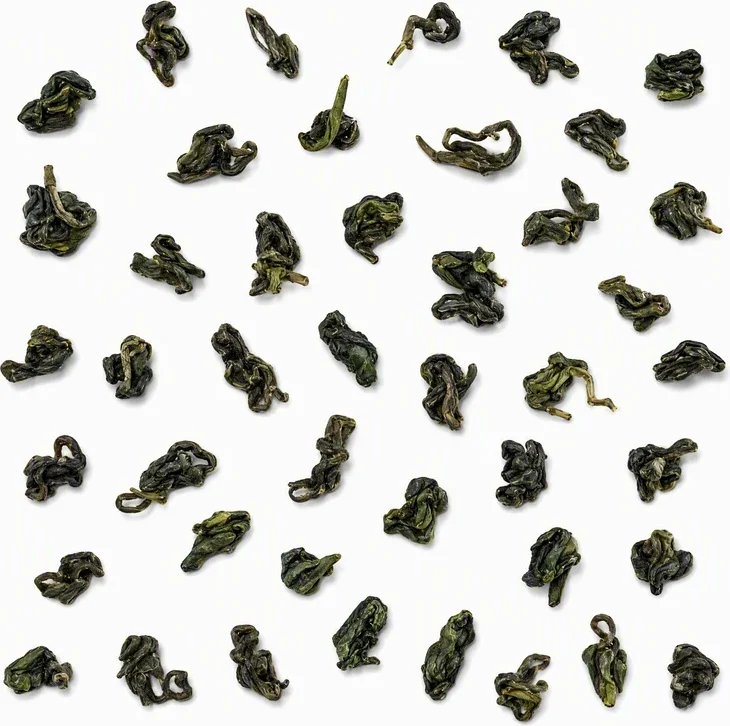
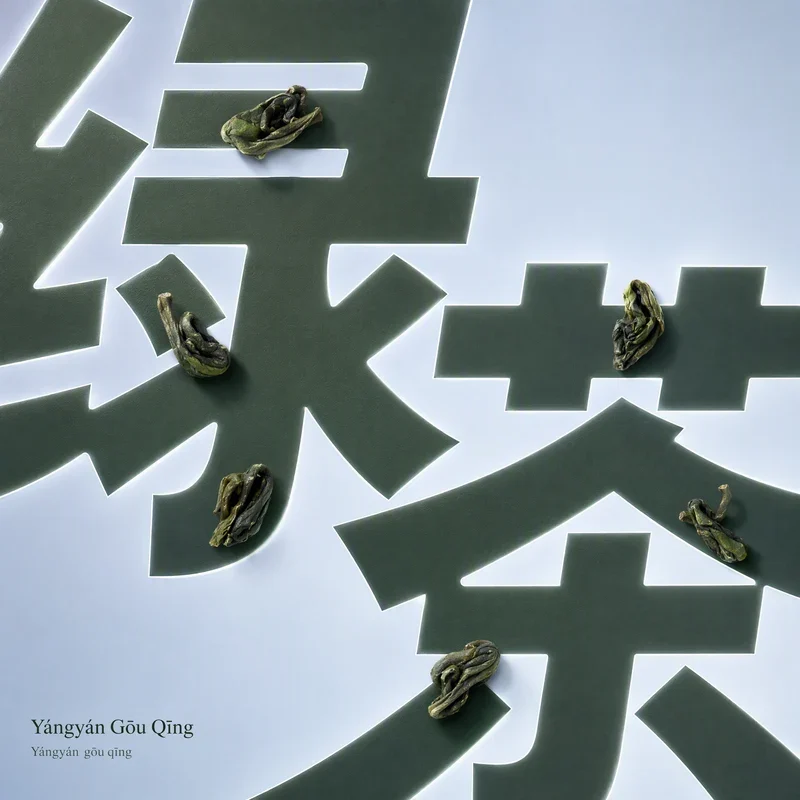
Yángyán gōu qīng
Choose a brewing method. Start with the recommended quantities and time, then adjust to taste.
Brewing
Brewing
Taste
Tea encyclopedia
Category: Regional famous tea of Zhejiang. Product with protected geographical designation (中国国家地理标志产品, Zhōngguó guójiā dìlǐ biāozhì chǎnpǐn). Included among the "Four Agricultural Product Business Cards of Linhai" (临海四大农产品名片).
Category: Regional famous tea of Zhejiang. Product with protected geographical designation (中国国家地理标志产品, Zhōngguó guójiā dìlǐ biāozhì chǎnpǐn). Included among the "Four Agricultural Product Business Cards of Linhai" (临海四大农产品名片).
Coordinates: approximately 28.97° N, 121.05° E (Mount Yangyan, core production zone).
Origin: China, Zhèjiāng Province (浙江省, Zhèjiāng shěng), Tāizhōu Prefecture (台州市, Tāizhōu shì), Linhai County-level City (临海市, Línhǎi shì), Hétóu Township (河头镇, Hétóu zhèn).
Type: Green tea (绿茶, lǜchá), non-oxidized. Belongs to pan-fired green teas (炒青绿茶, chǎoqīng lǜchá) with unique "gouqing" shaping (勾青, gōuqīng — "curved green").
Cultivar: Main cultivar (about 70% of plantings) — local population variety (本地群体种, běndì qúntǐ zhǒng), also called "sexually propagated population variety" (有性群体种, yǒuxìng qúntǐ zhǒng). This is a genetically diverse population adapted to the local terroir over decades. Additional cultivars: Fúdǐng Dà Bái Chá (福鼎大白茶, Fúdǐng Dà Bái Chá) and Yíngshuāng (迎霜, Yíngshuāng) — an early-maturing variety used for early harvests and production of the elite "Yansun" line (岩笋, Yánsǔn — "bamboo shoots of the rock").
Picking: Spring harvest — most valuable. Free amino acid content in spring leaves reaches ≥4.6%, significantly higher than average for green teas.
Pluck Standard: For elite grade "Jingpin" (精品级) — exclusively single buds (单芽, dānyá), proportion of whole buds ≥95%. For "Teyu" (特优级) — one bud with one beginning-to-unfurl leaf (一芽一叶初展). For first grade (一级) — one bud with two leaves. About 30,000 buds are required to produce 500 g of elite tea.
Altitude: Core plantations — summit and upper slopes of Mount Yangyan, 786 m above sea level. The overall production zone covers the entire Hetou Township. Core area — 5,000 mu (~333 ha), cooperative zone — another 4,000 mu.
Climate: Northern subtropical monsoon zone with pronounced oceanic influence (北亚热带海洋性气候). Average annual temperature — 17.1°C. Relative humidity — ≥80% throughout the year. Number of foggy days — over 200 per year. Significant difference between day and night temperatures promotes intensive accumulation of amino acids and aromatic compounds.
Soil: Red-yellow soils (红黄壤, hóng huáng rǎng), deep fertile horizon. pH 4.6–6.5 — optimal acidity for tea plants. Organic matter content ≥3%. Forest coverage of the territory — 74%, ensuring air purity and biodiversity.
The core production zone is a water conservation area (水源保护区). Use of chemical fertilizers and pesticides is completely prohibited. About 40% of tea bushes on the mountain summit are old trees aged 30+ years, surrounded by relict forest.
Freshly picked leaves are spread in a thin layer for 4–12 hours. Moisture partially evaporates, initial aromatic transformations begin.
Pan-firing in a rotating drum (滚筒, gǔntǒng) at temperature ~200°C for 1–2.5 minutes. Stops enzymatic oxidation and establishes the aroma framework.
Light pressure, 5–15 minutes. Releases cell juices and creates prerequisites for flavor body formation.
Temperature 100–130°C. Shape fixation and partial moisture removal.
Key original stage. Leaves are processed in a special shaping machine for 30–60 minutes, acquiring the characteristic "hook-shaped" form — dense, compact, with pronounced curve. This stage gave the tea its name.
Temperature 110–120°C. Bringing to stable moisture content and final aroma fixation.
Removal of dust, broken leaves, and non-standard fractions. The finished product is classified by grades.
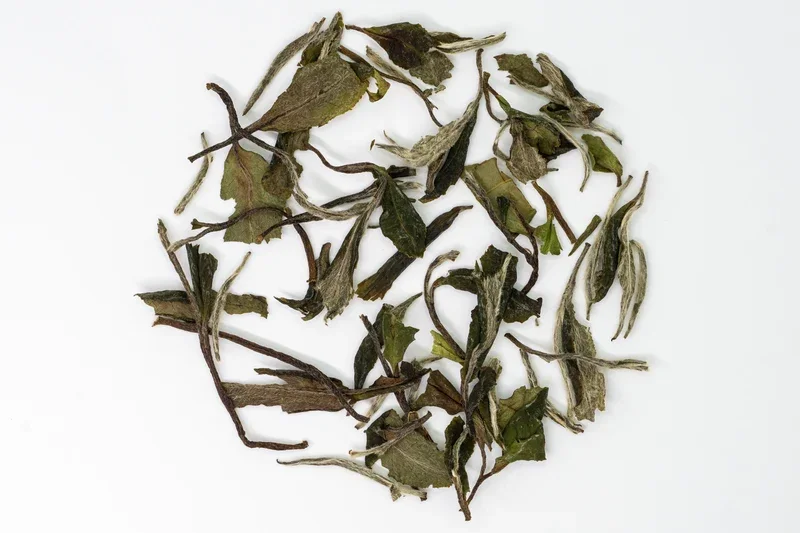
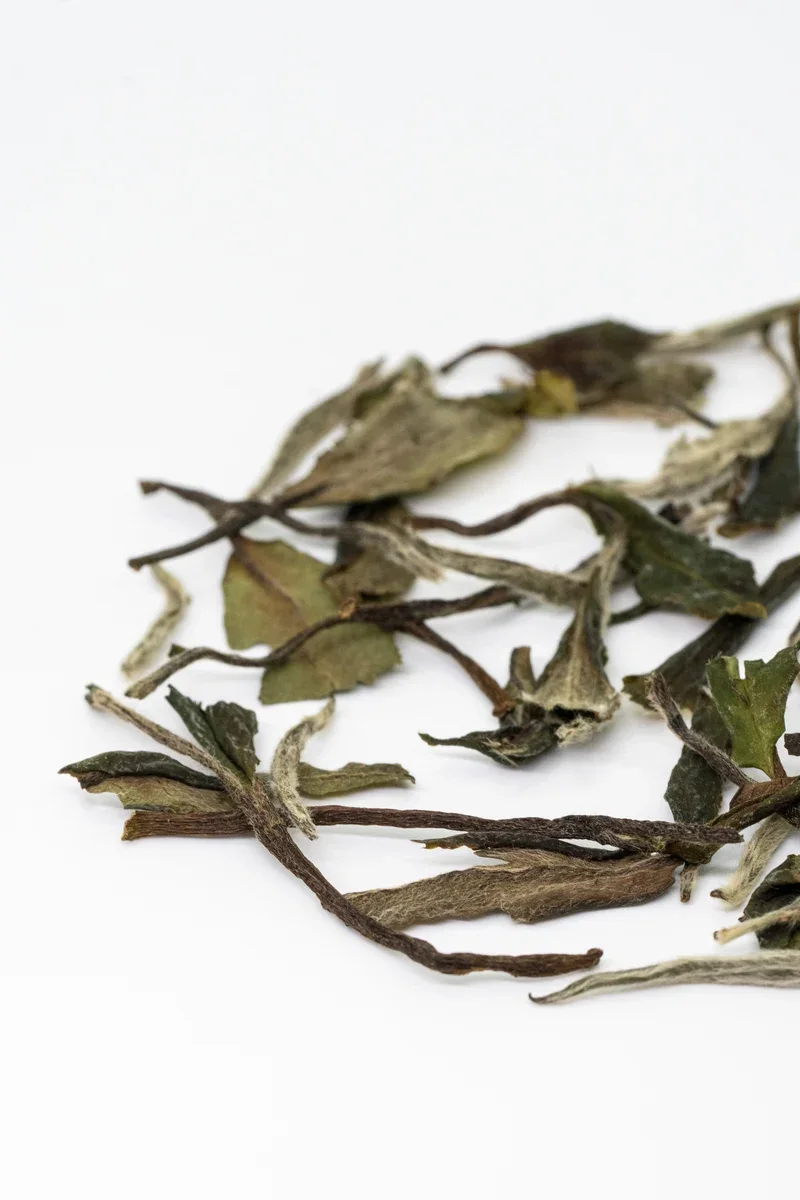
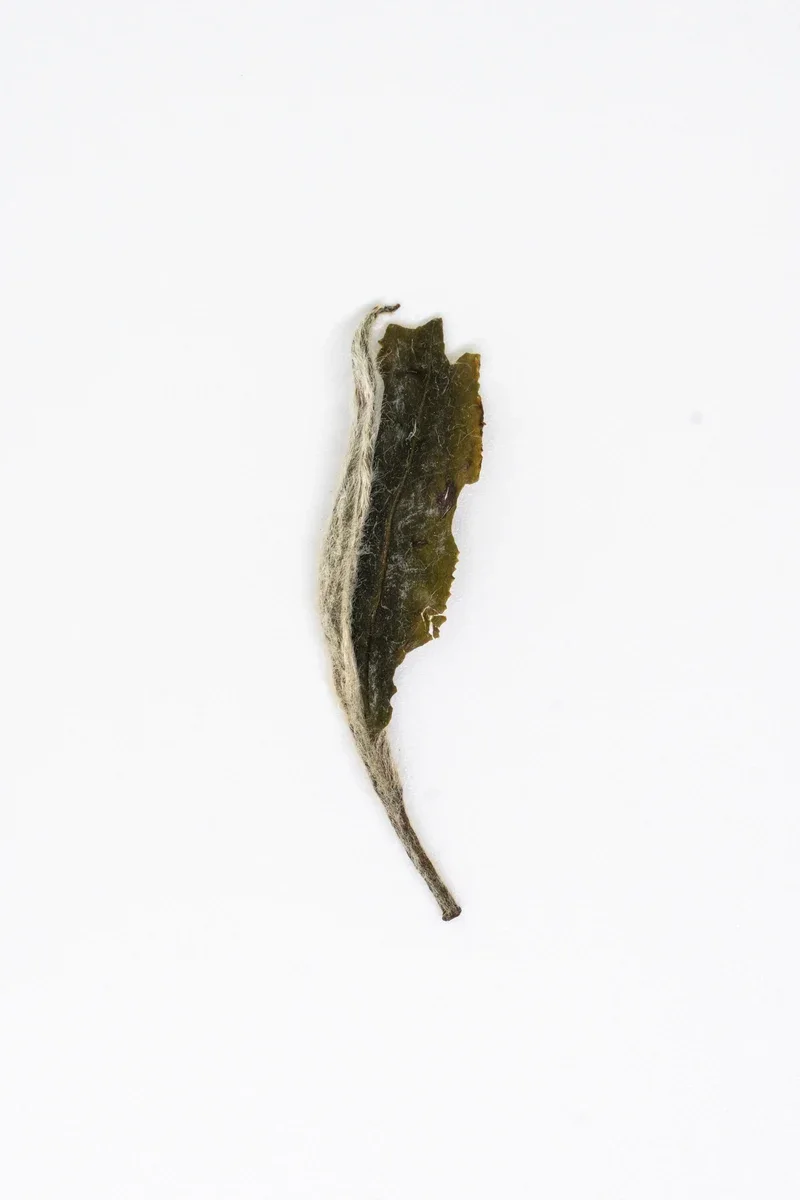
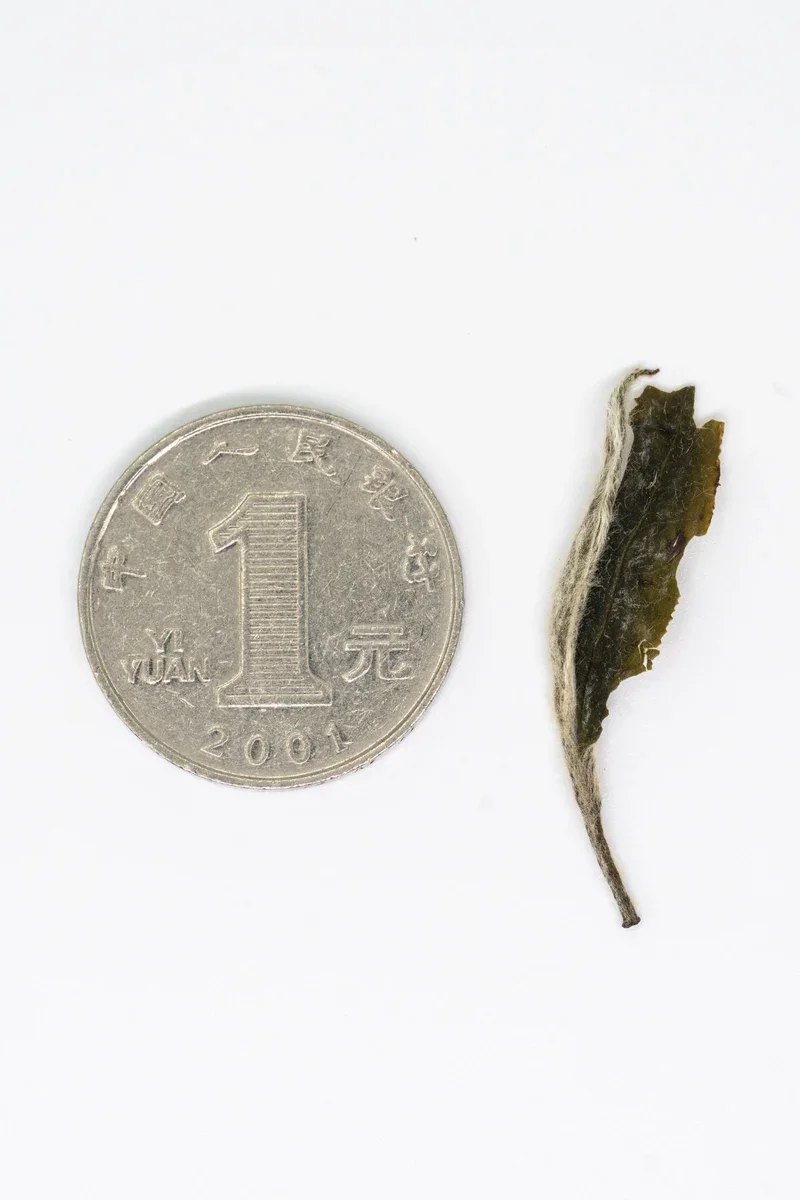
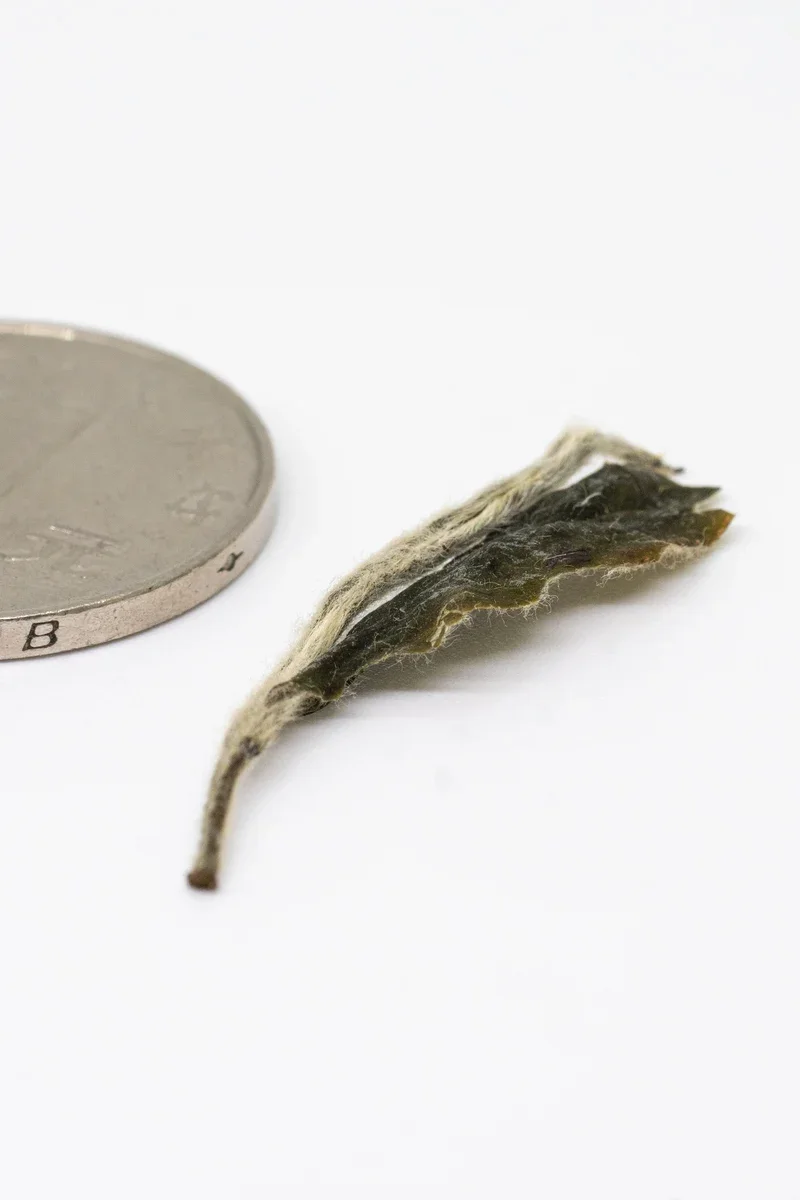
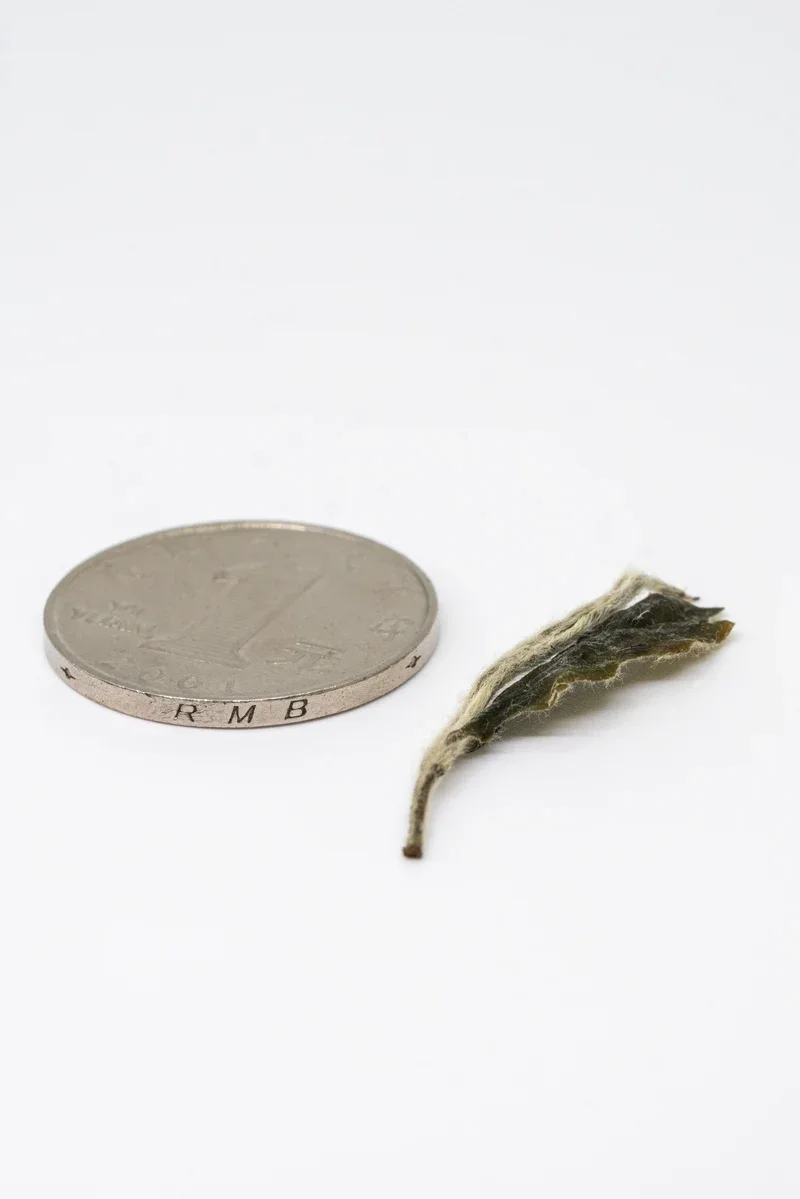
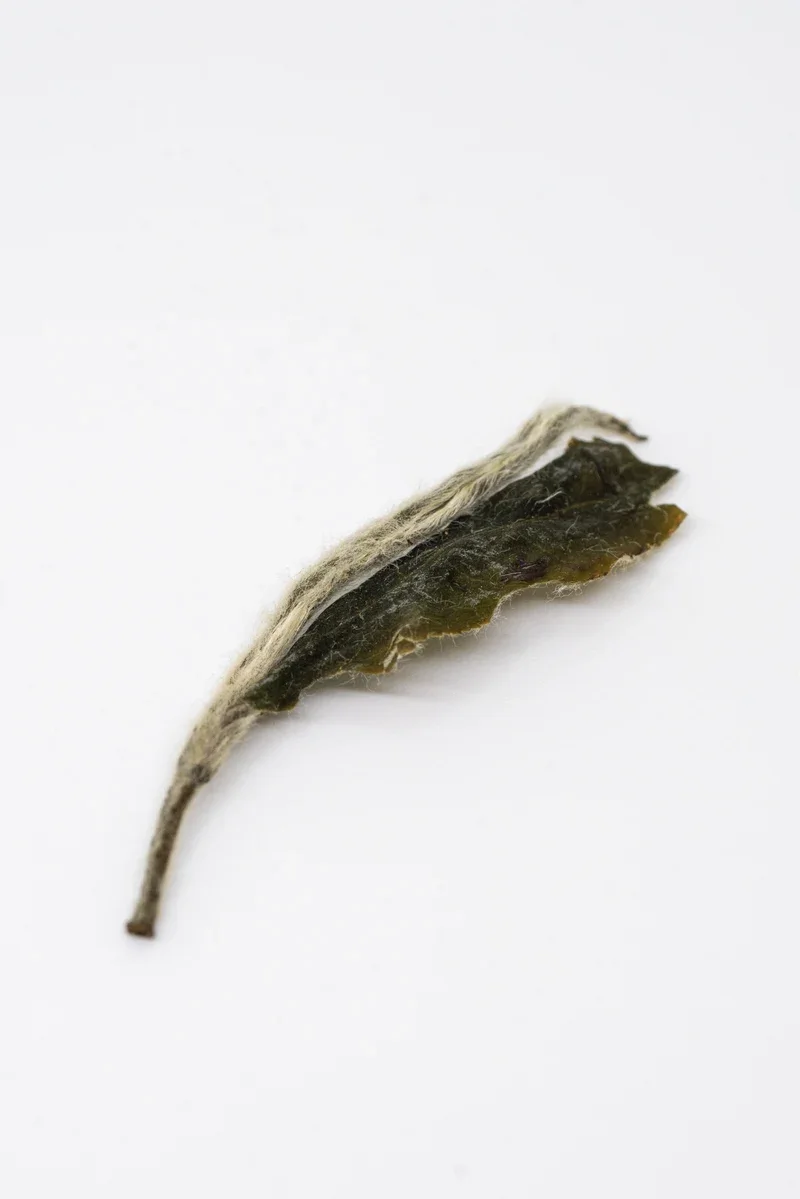
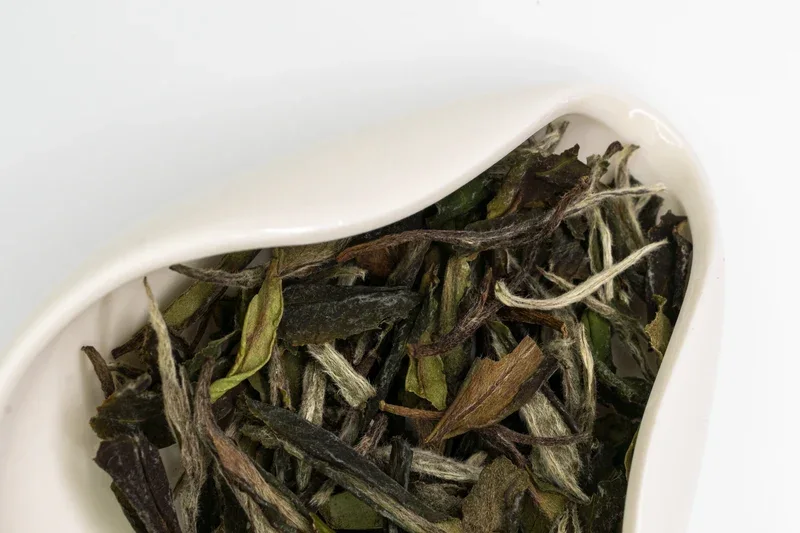
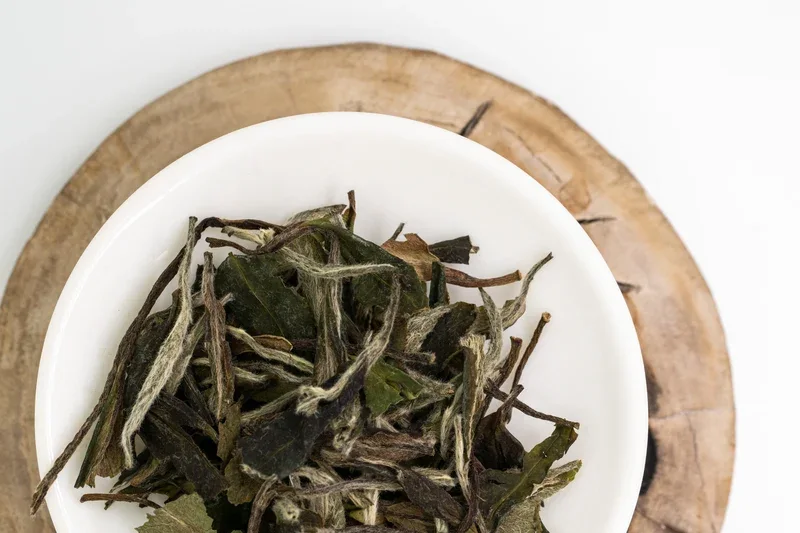
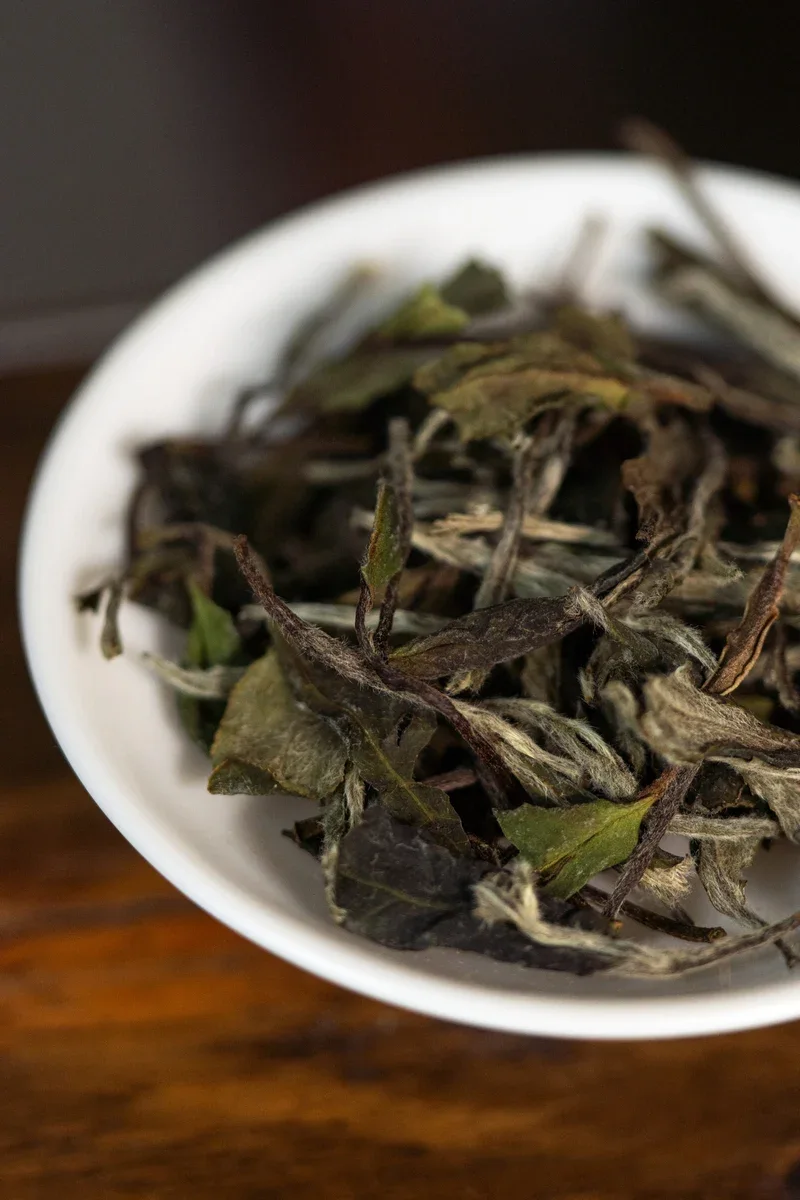
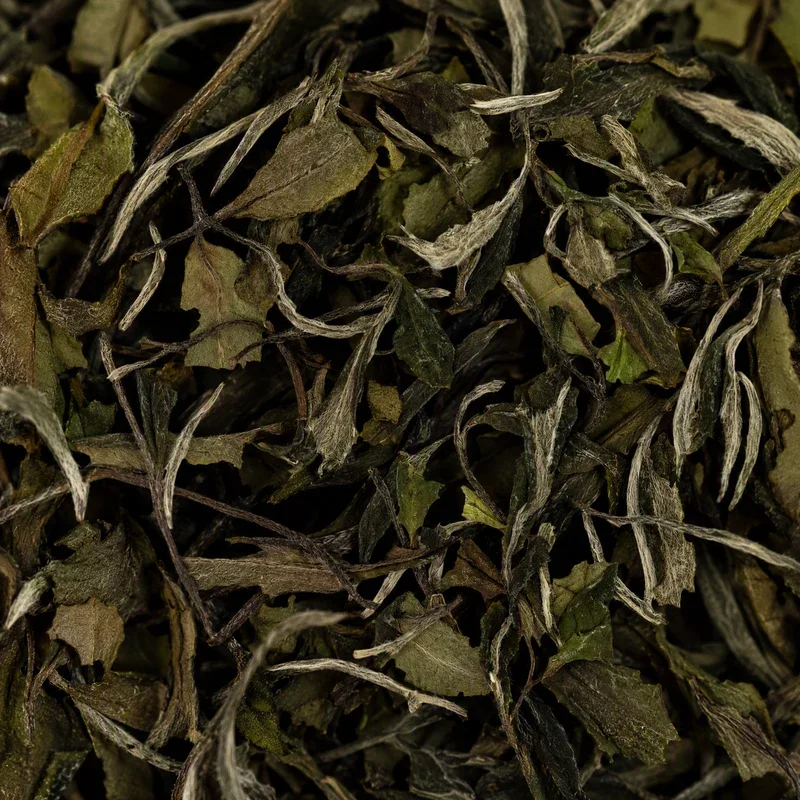
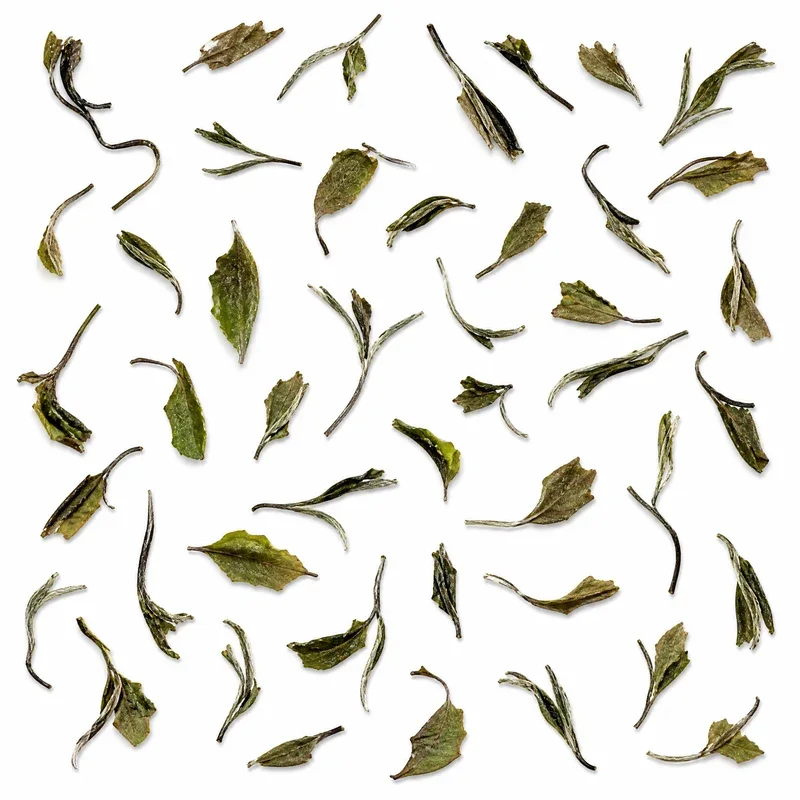
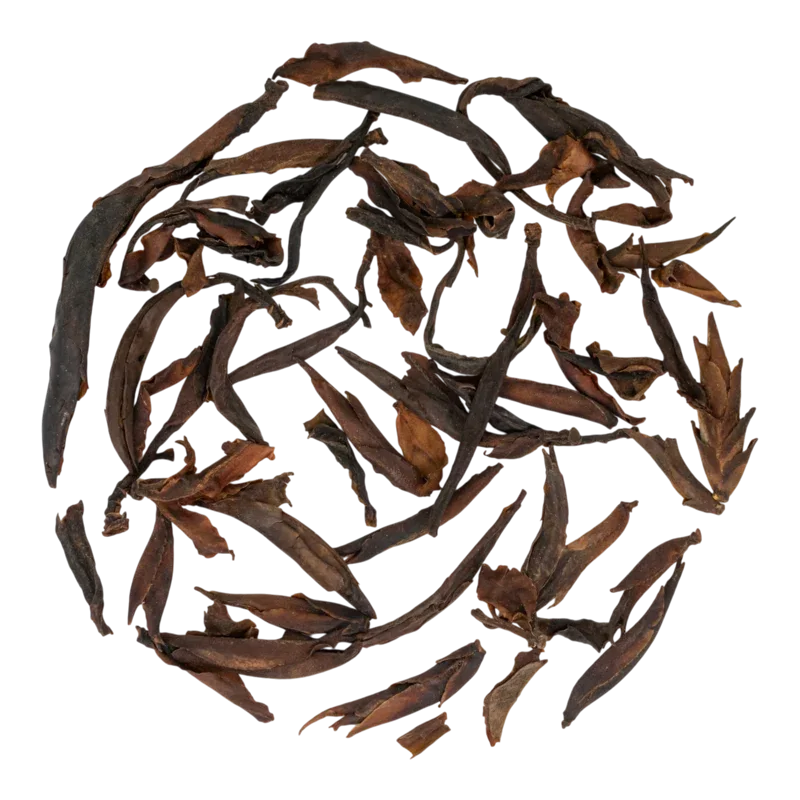
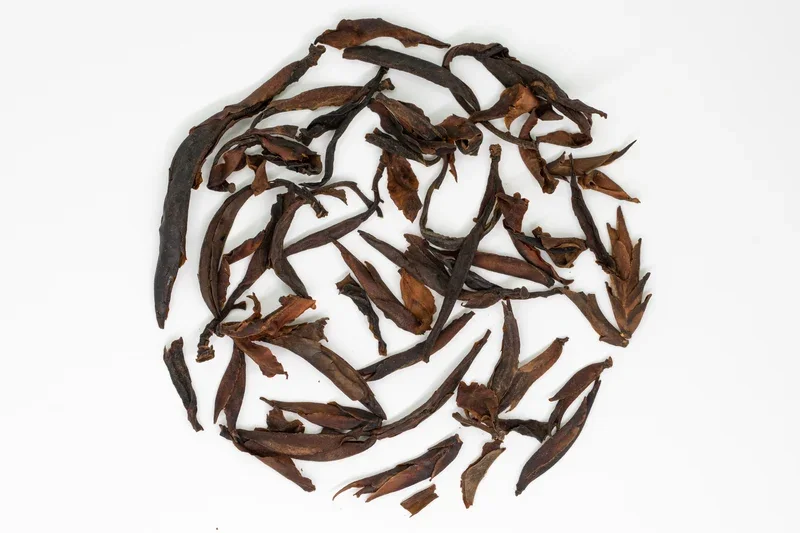
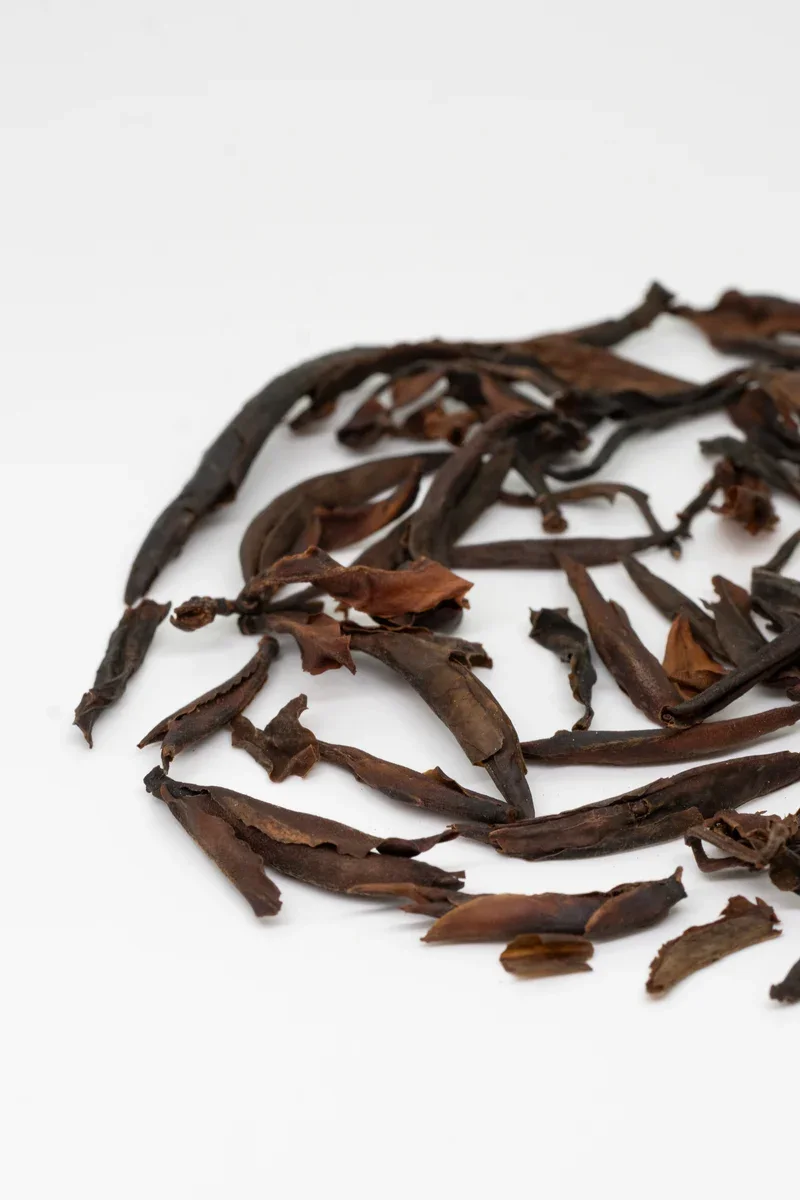
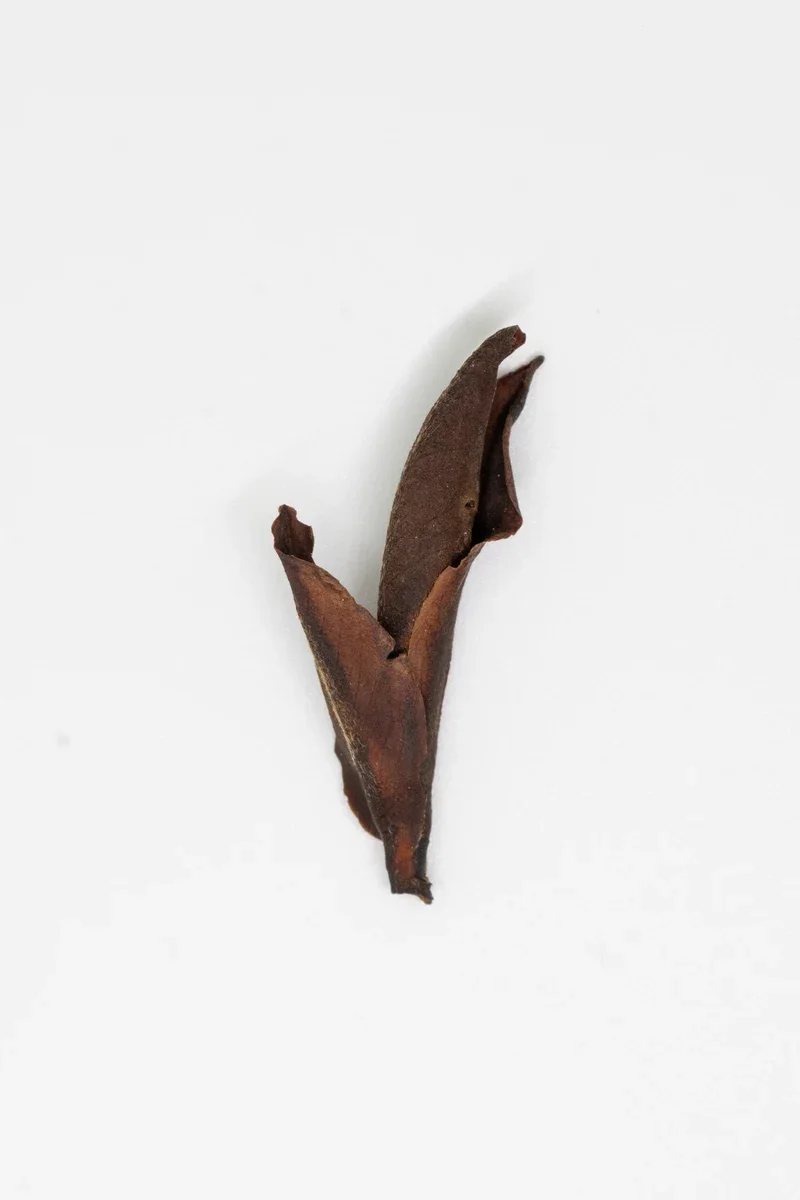
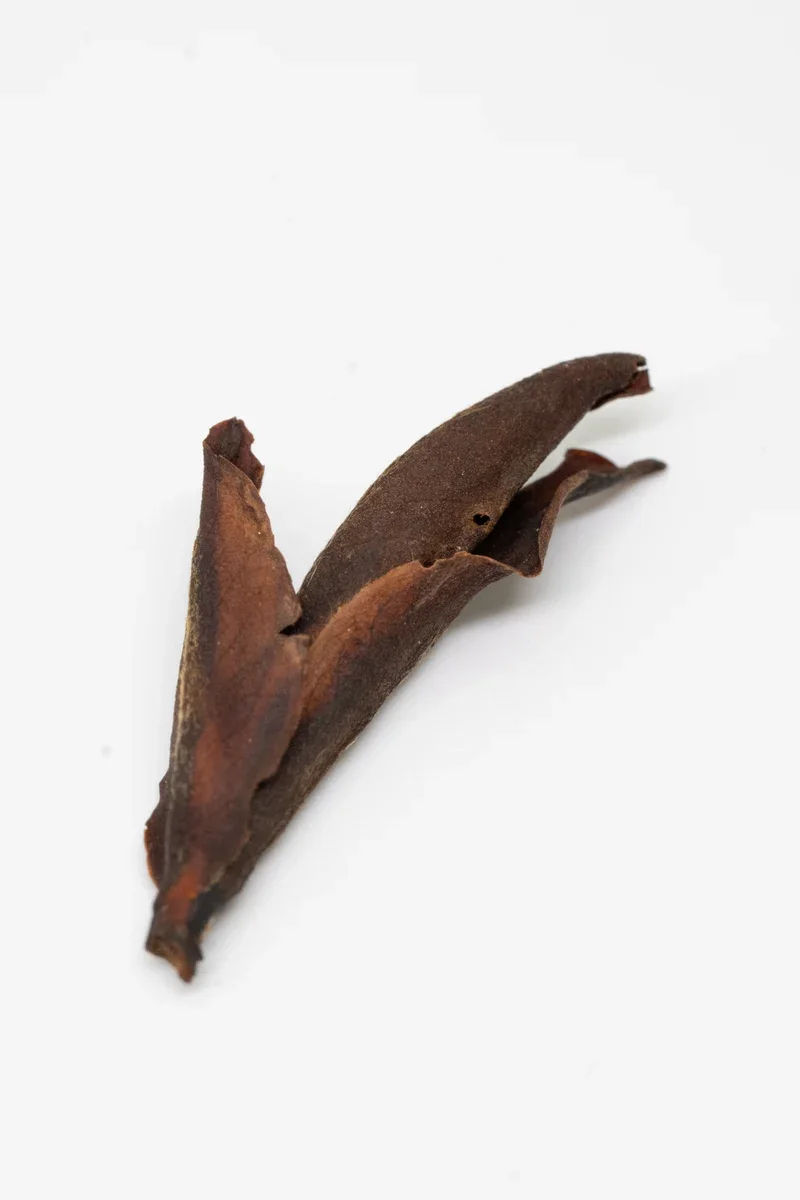
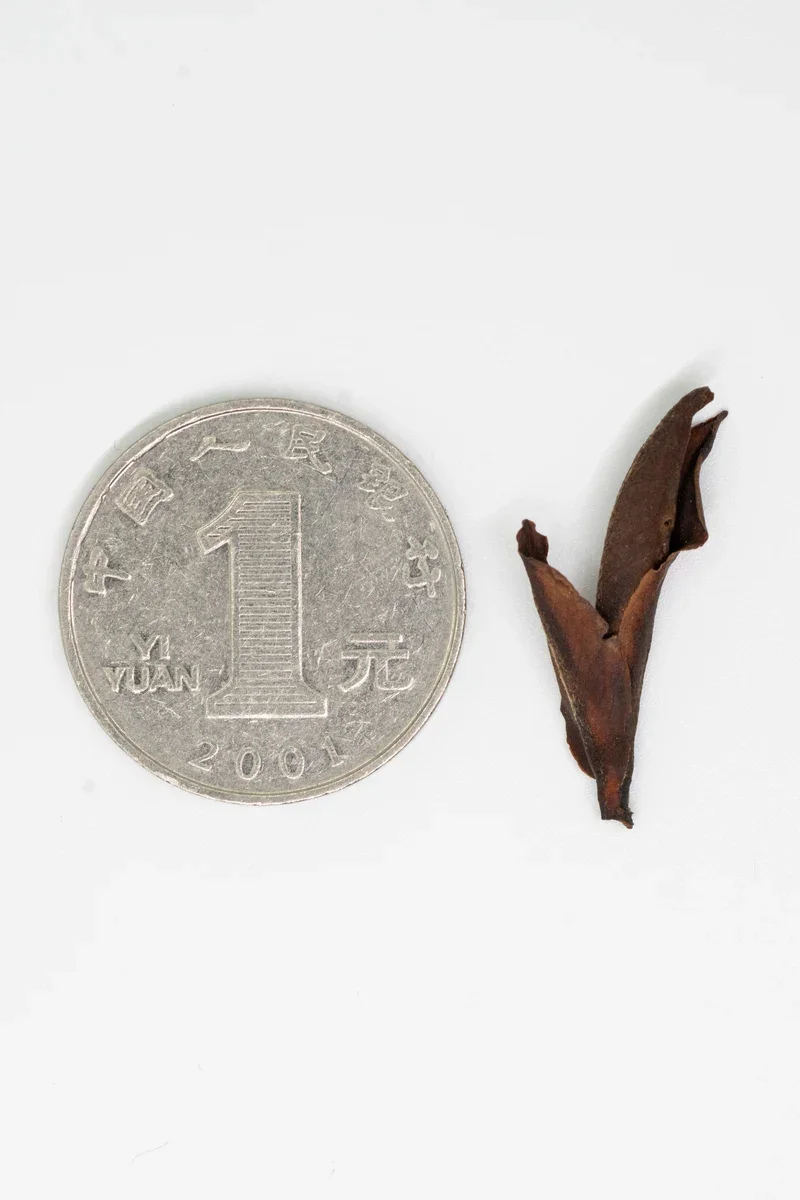
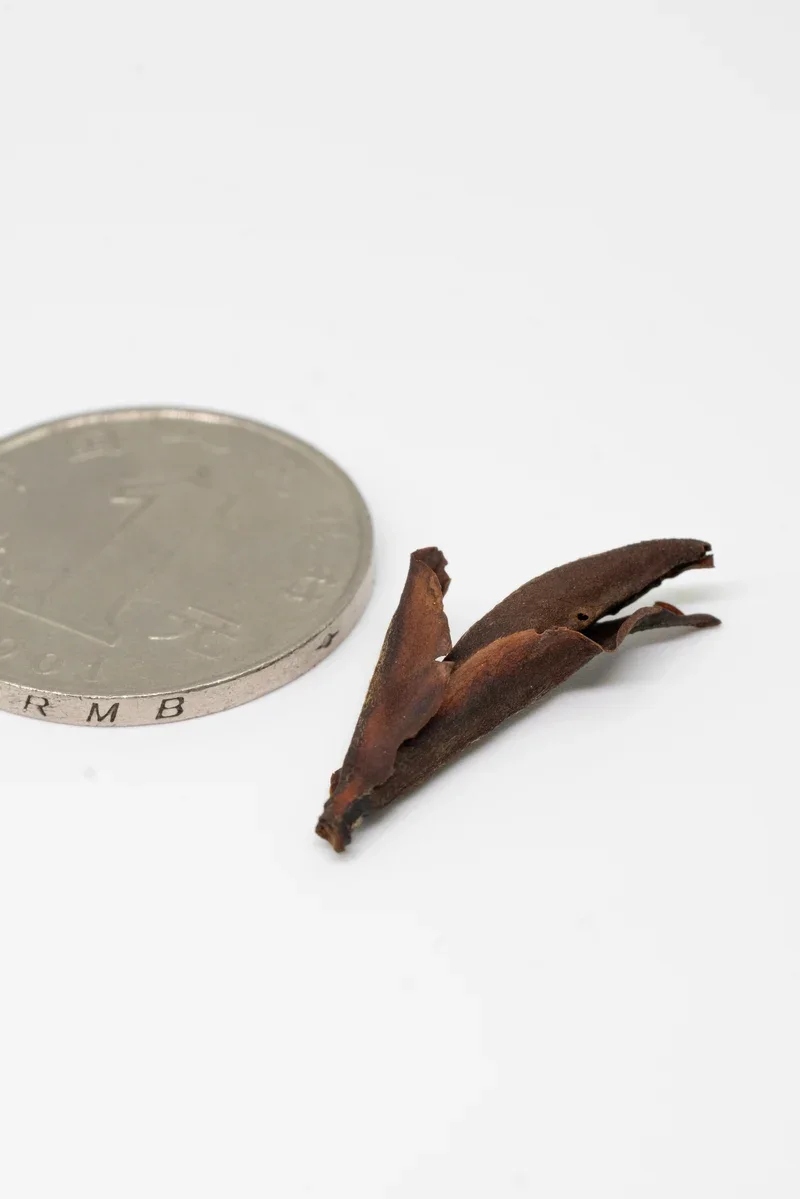
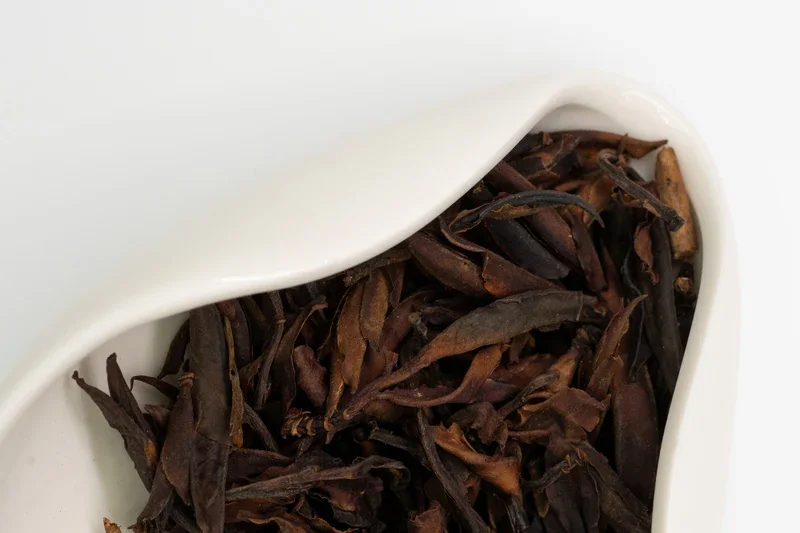
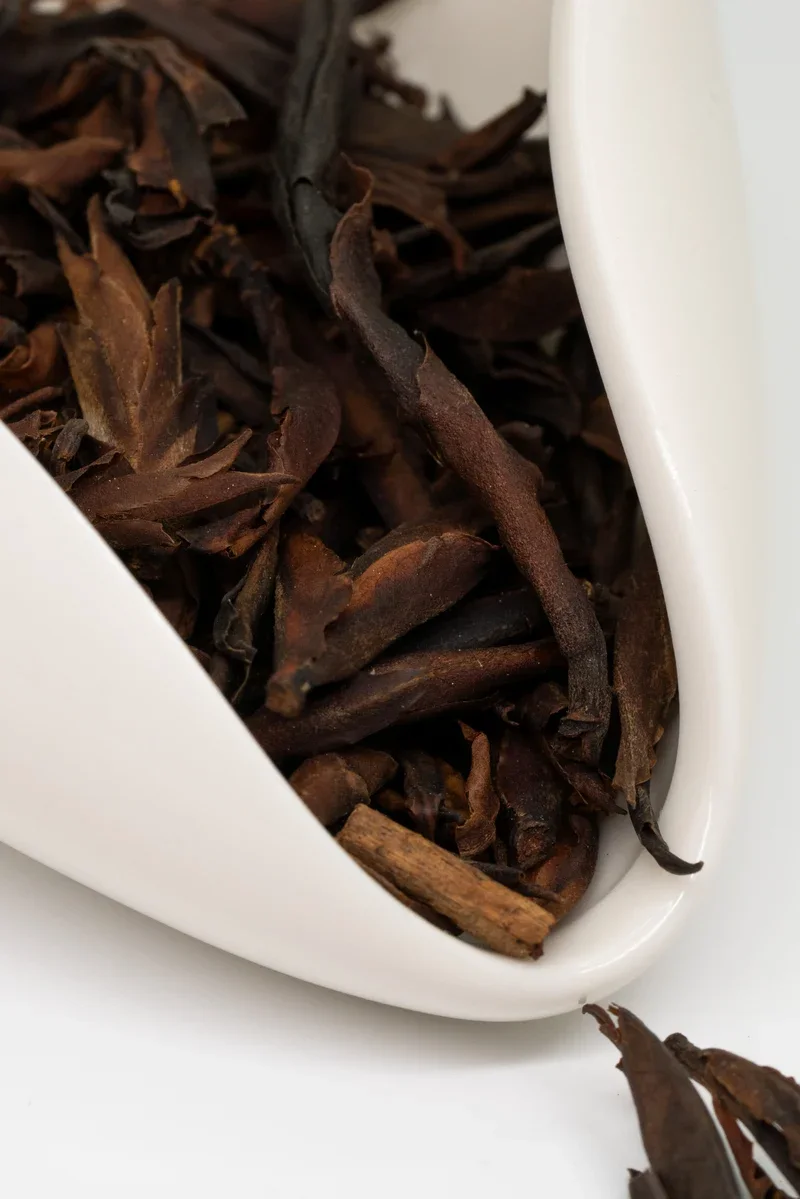
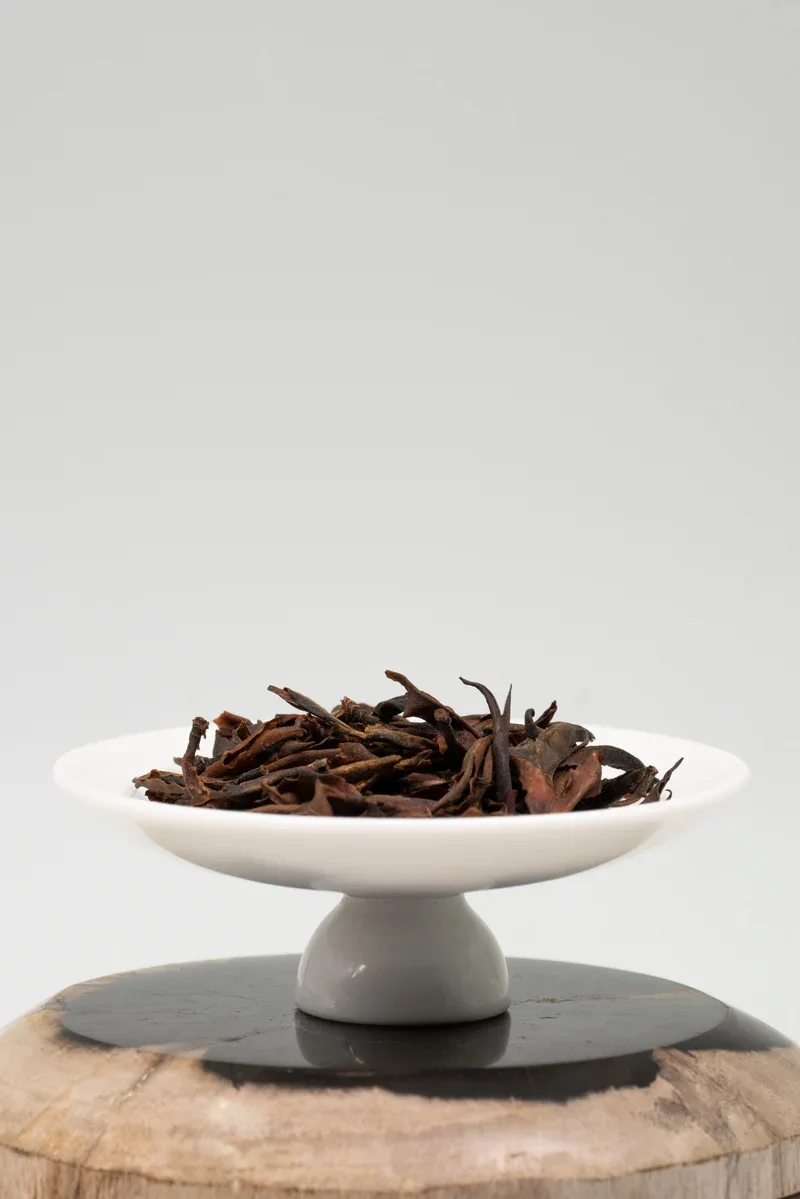
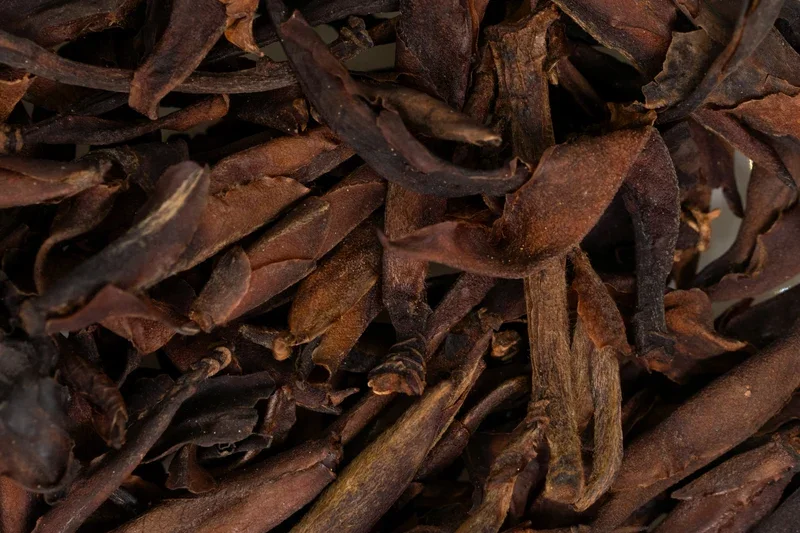
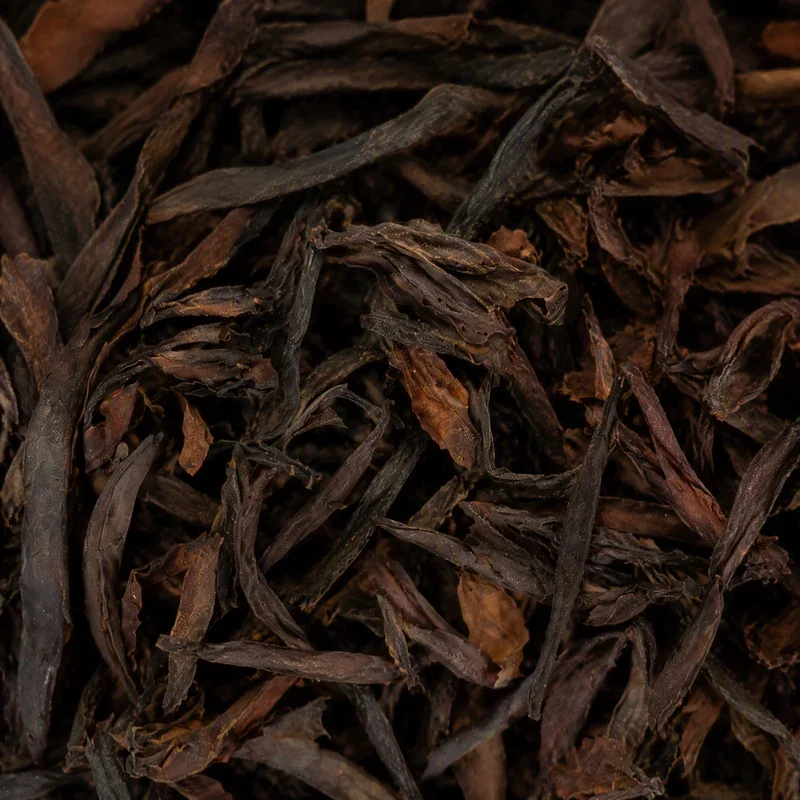
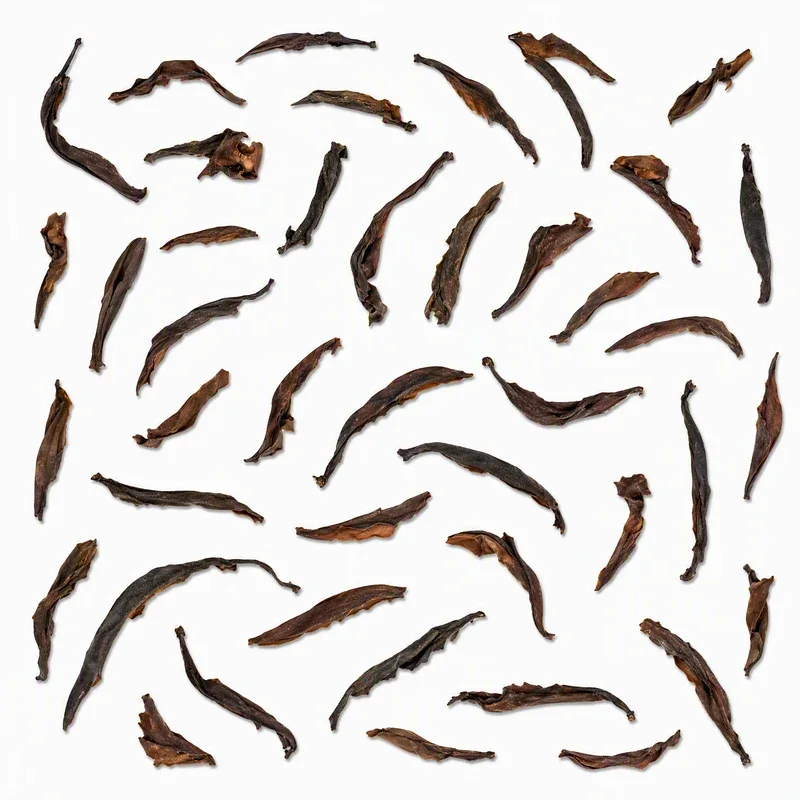
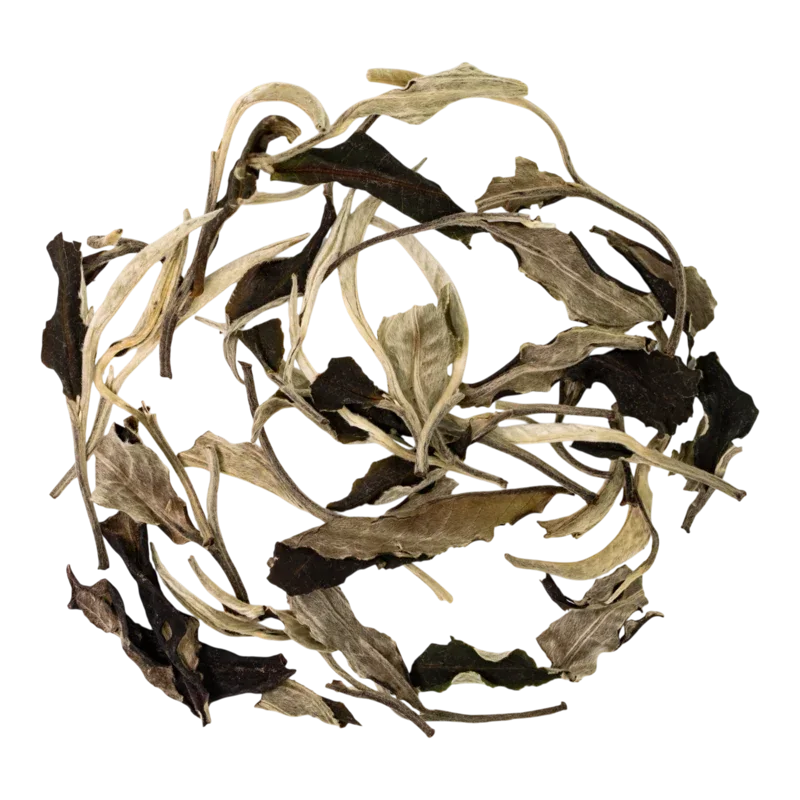
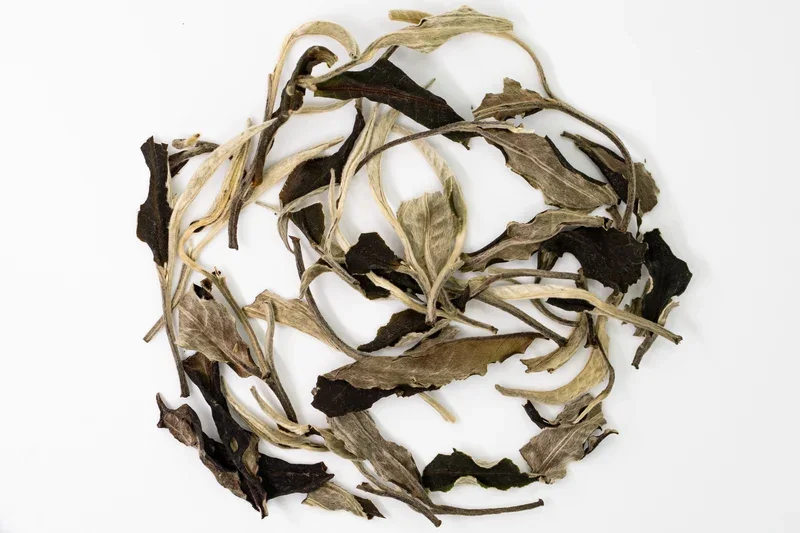
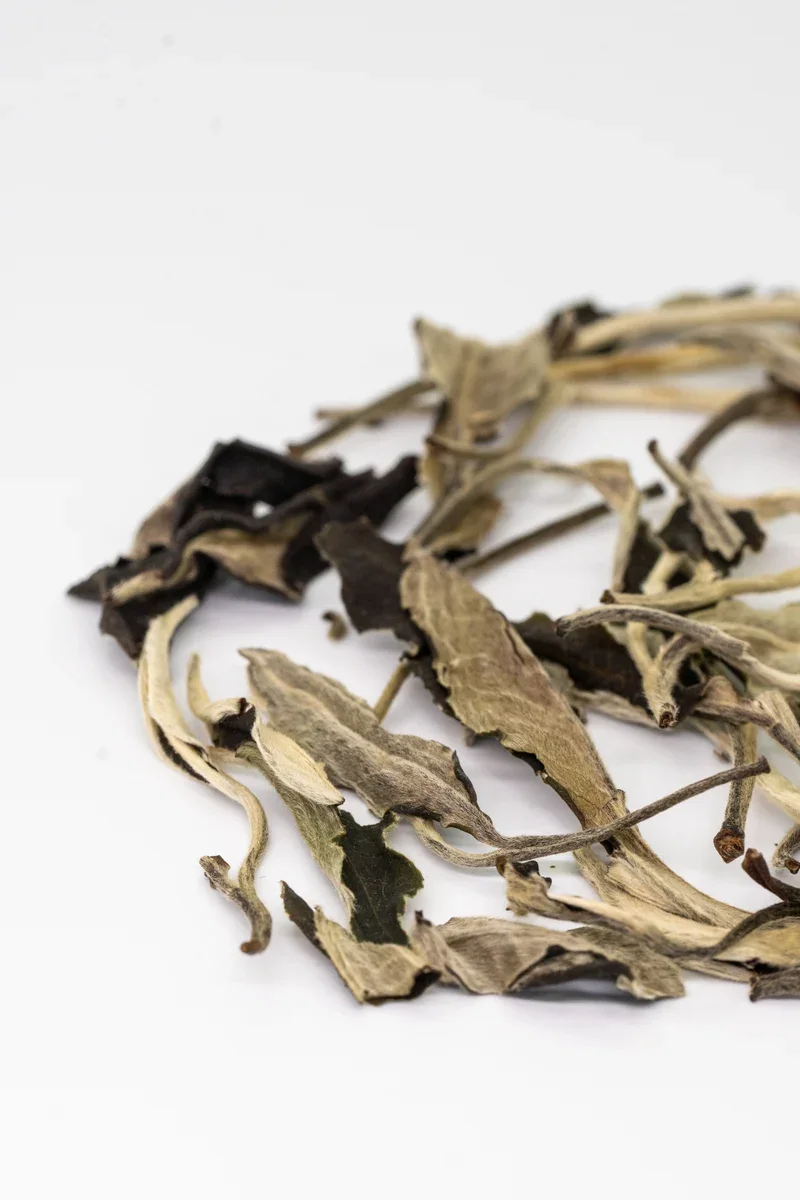
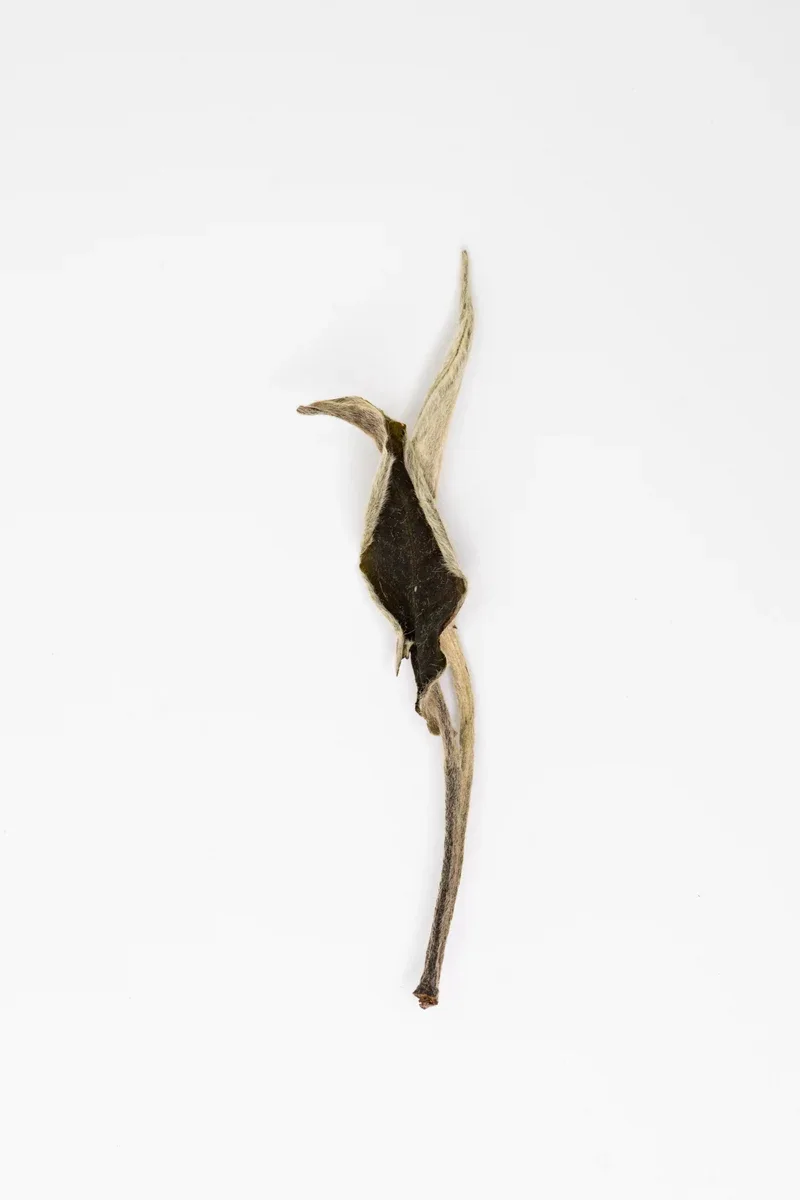
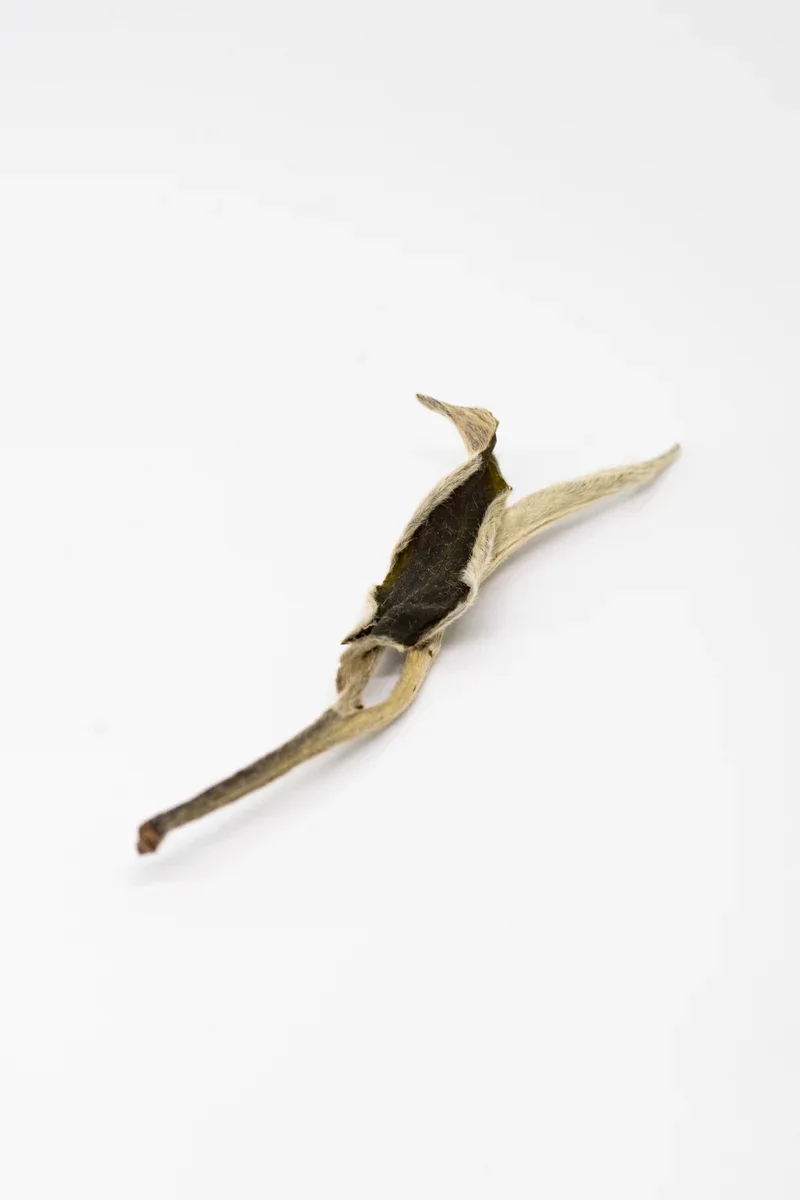
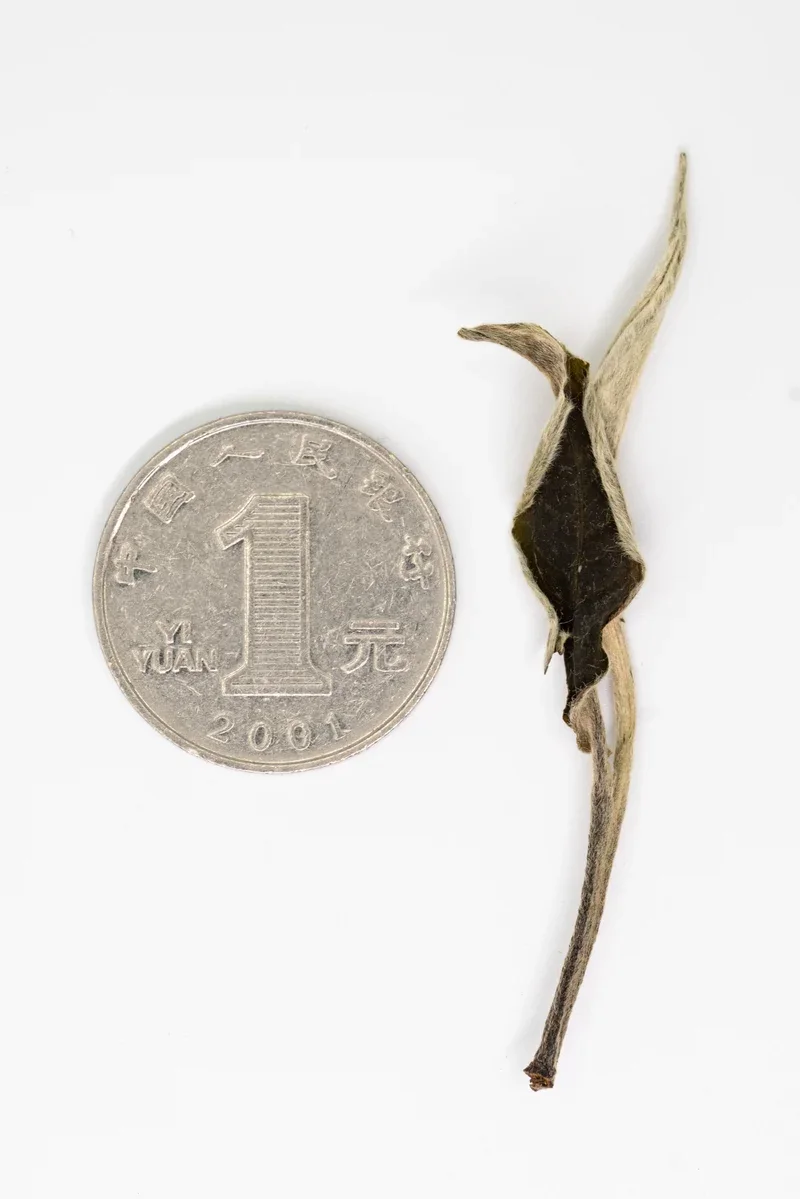
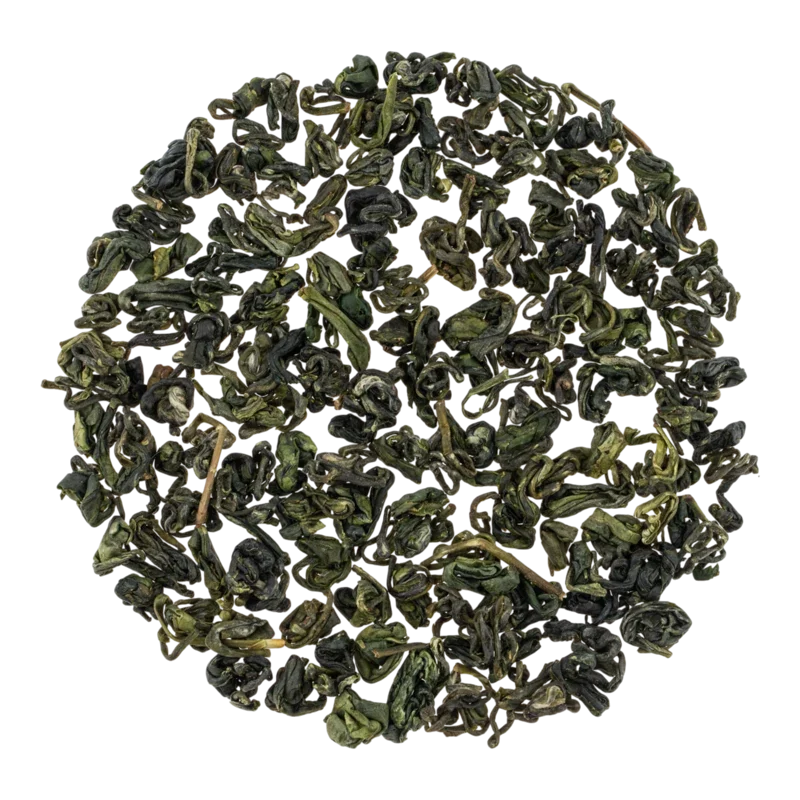
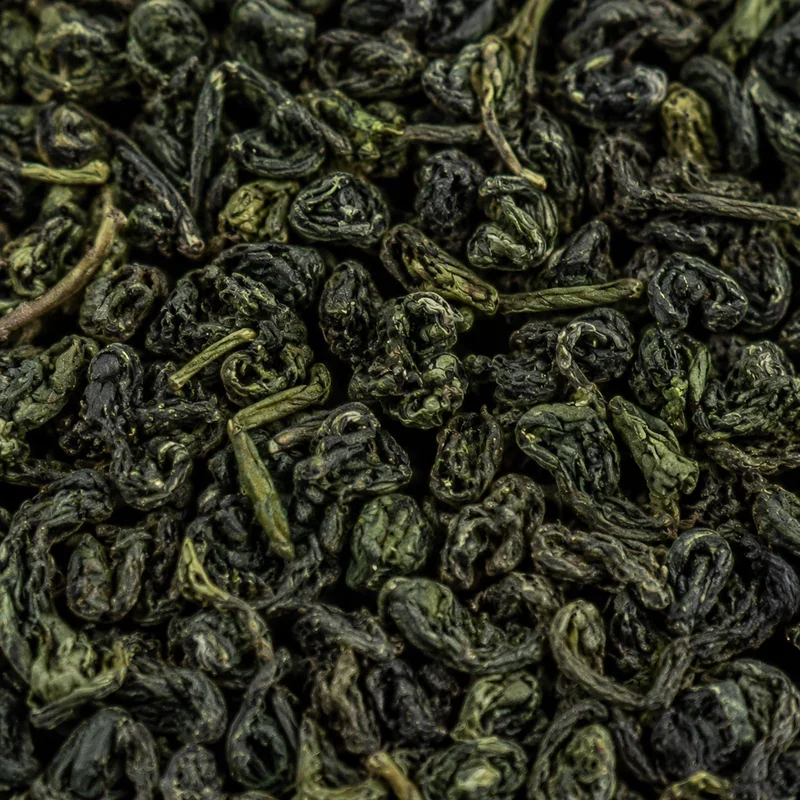
Dry Leaf Appearance: Characteristic curved (勾曲, gōuqū) shape — compact, tightly twisted "hooks." Color — rich green with oily luster (绿润, lǜrùn). Elite grades show noticeable white down (显毫, xiǎn háo). After additional processing (精制, jīngzhì), leaves acquire a granulated appearance. Tea looks neat and uniform.
Dry Leaf Aroma: Bright chestnut (栗香, lìxiāng) — the tea's main aroma, persistent and high. In elite grade, chestnut is sharp and piercing (栗香高锐, lìxiāng gāo ruì). Additionally, pure floral notes (花香, huāxiāng) and soft fruity undertones appear, especially in the "Chunyu Erhao" variety (春雨二号, Chūnyǔ Èrhào).
Liquor Aroma: High, persistent and lasting (香高持久, xiāng gāo chíjiǔ). Chestnut dominance is enriched with fresh floral overtones. Aroma does not fade over 6–8 steepings.
Liquor Color: Clear and bright (清澈明亮, qīngchè míngliàng) — for elite grades, tender green (嫩绿); for first grade — yellow-green with pronounced clarity.
Spent Leaves: Tender leaves arranged in neat clusters (细嫩成朵, xìnèn chéng duǒ), green, lively, with luster (绿润鲜活, lǜrùn xiānhuó).
Taste: Chúnshuǎng (醇爽, chúnshuǎng) — "mellow and refreshing" — the central characteristic. Balance: medium-density body, neither too light nor heavy. Pronounced freshness (鲜爽, xiānshuǎng) due to high amino acid content. Sweetness reminiscent of cane sugar (甘醇, gānchún). Extended returning sweetness (回甘绵长, huígān miáncháng). Bitterness and astringency are minimal.
Alkaloids: Caffeine (咖啡碱) in standard concentrations for green tea (~2.5–3.5%). Provides tonic effect, softened by L-theanine presence.
Amino Acids: Elevated content — one of the tea's calling cards. In spring harvest — ≥4.6% of dry weight. L-theanine is responsible for pronounced umami character, sweetness, and calming effect.
Content — about 15 mg/100 g, providing pronounced caries-preventive effect: suppression of cariogenic bacteria activity by ~90% (according to producer data).
High chlorophyll content — consequence of abundant fog and diffused light — determines the rich green color of liquor and leaves.
≥45% for elite grades — indicator of high concentration of flavor components.
Minerals: Potassium, zinc, manganese, iron, magnesium, selenium.
Polyphenols: Antioxidant effectiveness of Yangyan Gou Qing catechins is 18 times higher than vitamin E (according to producer data, refers to general property of tea catechins). Content — typical for quality green tea (22–28% of dry weight). Catechins, especially EGCG, play a key role in forming the astringent taste component and antioxidant activity.
Vitamins: Vitamin C, B-group vitamins, carotenoids.
Catechins, primarily EGCG, effectively neutralize free radicals, slowing cellular aging and oxidative stress.
High fluorine content and antibacterial action of polyphenols create double protection for tooth enamel.
Catechins accelerate fat breakdown. According to producer data, fat metabolism rate with regular consumption of Yangyan Gou Qing is 30% higher than with ordinary green tea consumption.
Balanced interaction of caffeine and L-theanine provides gentle, prolonged tone and cognitive function improvement without anxiety.
Polyphenols promote cholesterol level normalization and maintenance of vascular elasticity.
Stimulation of gastric juice secretion, facilitation of fatty food digestion. Especially beneficial after meals.
Catechins demonstrate moderate anti-inflammatory activity in in vitro studies.
Soft, with low mineralization. Soft water emphasizes sweetness and amino acid freshness.
Tea Amount: 3 g per 150 ml (glass cup, "top pouring" method); 5–7 g per 100–120 ml gaiwan (gongfu).
Teaware: Glass cup — for visual enjoyment and daily tea drinking. Gàiwǎn (盖碗) or porcelain teapot — for gongfu.
Water Temperature: 80–85°C. Boiling water (>85°C) is categorically not recommended — it causes liquor yellowing, loss of delicate aroma, and vitamin C destruction.
Container: Foil vacuum bags, tin or ceramic containers with tight lids. Air contact is the main enemy of freshness.
Enemies: Light (UV radiation), moisture, high temperature, foreign odors.
Shelf Life: Most expressive in first 6–12 months. Due to dense leaf structure and shaping technology, Yangyan Gou Qing has increased storage stability compared to more delicate green teas (noted by producer as "耐贮藏", nài zhùcáng — "storage-resistant").
Temperature: In refrigerator (0–5°C) with strict sealing — optimal regime for green tea.
"Elder brother" from the same region — the tea that inspired Gou Qing's creation. Pánháo has spiral shape (蟠, pán — "winding"), more pronounced floral aroma, and lighter body. Gou Qing is denser, with emphasis on chestnut and brewing endurance.
Flat shape vs. curved. Longjing — bean-floral, with characteristic freshness and lightness. Gou Qing — chestnut, more bodied, with extended returning sweetness and greater infusion resistance. Different styles, each perfect in its own way.
Also Zhejiang green tea with elevated amino acid content, but with fundamentally different character: Anji is delicate, ultra-light, with umami dominance and almost no chestnut. Gou Qing is more structured, aromatic, with pronounced "roasted" note.
Neighboring tea from Taizhou, also mountain and foggy. Cloud-mist tea is more delicate and grassy, Gou Qing is denser and "stronger" in character.
Elite line from single buds of Yingshuang variety — most expensive.
Whole buds ≥95%, chestnut aroma high and sharp. Price — from 600 yuan per jin (500 g) and higher.
One bud with one beginning-to-unfurl leaf, tender green liquor.
One bud with two leaves, pure aroma, more accessible price.
Price 200–500 yuan per jin. Well-suited for daily consumption.
Genuine Yangyan Gou Qing has recognizable "hook-shaped" curve, dense structure, and uniform twist. Counterfeits are often loose, non-uniform in shape.
Persistent chestnut with floral undertone. Quickly disappearing or "flat" aroma is a sign of poor-quality product.
Clear, bright, yellow-green. Cloudy or dull liquor indicates old material or technology violation.
Genuine tea withstands 6–8 infusions without taste loss. Counterfeits "exhaust" after 2–3.
Product with geographical indication should have corresponding marking. Buy from authorized dealers of Yangyan Tea Farm.
No reviews yet. Tell us what you think of this tea.
Rate this tea and share your impressions. We review each submission before publishing it.