Brewing
Gongfu brewing
- Water temperature
- 80 °C
- Tea amount
- 5 g
- Water volume
- 100 ml
- First steep
- 10 s
- Time added per infusion
- 5 s
- Infusions
- 3

Yàndàng máo fēng
Choose a brewing method. Start with the recommended quantities and time, then adjust to taste.
Brewing
Brewing
Taste
Tea encyclopedia
Category: Regional Chinese green teas. Tea with protected geographical indication (国家农产品地理标志产品, 2018).
Category: Regional Chinese green teas. Tea with protected geographical indication (国家农产品地理标志产品, 2018).
Coordinates: approximately 28°23′ N, 121°05′ E.
Origin: China, Zhèjiāng Province (浙江省, Zhèjiāng shěng), Yueqing County-level City (乐清市, Yuèqīng shì), territory of Mount Yàndàng mountain range (雁荡山).
Type: Green tea (绿茶, lǜchá) — non-oxidized. Oxidation degree minimal (less than 5%). Technologically belongs to hōngqīng (烘青, hōngqīng) — group of teas dried with hot air, with elements of chaoqing (炒青, chǎoqīng) — pan-firing in wok.
In the book "Qing bai lei chao" (《清稗类钞》) by Qīng author Xú Ké (徐珂), legend is cited: Mount Yandang monks fed monkeys rice pouches in winter, and in spring monkeys in gratitude collected tea for them from inaccessible cliffs. This tea, growing in rock crevices and saturated with minerals, was considered highest quality.
Folk legend states that tea tree on Mount Yandang was gifted to people by ancient dragon dwelling in Dalongqiu Waterfall — hence special connection of local tea cultivation with water element.
Traditional tea tasting of Yandang Maofeng assumes rule "yi yin jia san wen" (一饮加三闻) — "one sip and three inhalations": first inhalation — intense aroma, second — subtle and elegant, third — still distinguishable echo. Three steeps unfold as "strong," "mild," and "still full of tea spirit."
Yandang is one of few tea regions in world where soil-forming rock consists of Mesozoic volcanic tuffs. This factor gives liquor barely perceptible minerality that connoisseurs compare with "stone freshness" (岩骨, yán gǔ) of Wuyi teas, though flavor formation mechanisms differ.
To produce 500 g of special grade requires hand-picking and processing approximately 32,000 tender single buds — labor requiring exceptional care and speed.
Cultural Significance: Yandang Maofeng is one of the "five treasures of Mount Yandang" (雁山五珍). The tea is inseparably connected with the picturesque mountain range, which ranks among the "First Mountains of the Southeast" (东南第一山), and with the UNESCO Global Geopark (the world's first geopark with volcanic theme from the Mesozoic era). The cultivation principle "tea in landscape, landscape in tea; tea in forest, forest in tea; stone gives birth to tea, tea grows with stone" (茶在景中,景中有茶;茶在林中,林中有茶;石与茶生,茶与石长) transforms tea gardens into elements of landscape heritage.
History: Tea cultivation in the Yàndàng Mountains dates back to the Eastern Jìn dynasty (东晋, Dōng Jìn). According to chronicles, during the Yǒnghé reign period (永和, 345–365 CE), Buddhist monk Nuòjùnà (诺讵那, Nuòjùnà) brought tea culture to the local monasteries, establishing the tradition of "cha-chan yi wei" (茶禅一味) — "tea and Chan Buddhism are one." During the Northern Sòng period (北宋, Běi Sòng), in the fourth year of the Chunhua reign (淳化, 993 CE), Yàndàng tea was included in the list of tributes to the imperial court (土贡散茶). During the Míng (明, Míng) and Qīng (清, Qīng) dynasties, "Yanming" remained imperial tribute tea (贡茶, gòngchá) for over 500 years. Sòng poet Méi Yáochén (梅尧臣, Méi Yáochén) praised Yandang tea in his poem "Dedication to Tea from Bixiao Peak" (《遣碧霄峰茗诗》), and Qīng literatus Yuán Méi (袁枚, Yuán Méi) left famous lines about Dalongqiu Waterfall, at whose foot the finest tea gardens are located. In 1954, Yandang Maofeng was included in the list of "Famous Teas of China" (中国名茶). In 1963, the tea officially received its modern name "Yandang Maofeng." In 1979, it was included in the publication "Famous Teas of China" (《中国名茶》). In 2005, the tea received the title of one of the "Ten Best Tourist Teas of Zhejiang Province." In 2009, the traditional processing technology was inscribed in the Registry of Intangible Cultural Heritage of Zhejiang Province. In 2018, the Ministry of Agriculture of the PRC granted the tea the status of "Product with Geographical Indication" (国家农产品地理标志
Name Breakdown: "Yandang" (雁荡) literally means "goose refuge" — according to legend, flocks of wild geese stopped at the high-mountain lake Yànhú (雁湖) every autumn; the famous Míng dynasty traveler Xú Xiákè (徐霞客, Xú Xiákè) called this place "home for swans and geese" (鸿雁之家). "Maofeng" (毛峰) — "downy peak" — refers to the abundant white down (bai hao, 白毫) on tender buds collected on mountain peaks.
Cultivar: Main cultivar — local population variety (本地群体种, běndì qúntǐ zhǒng), genetically heterogeneous, propagated by seeds, comprising about 70% of plantations. Belongs to Camellia sinensis var. sinensis — small-leaf type of bush habit. Additionally planted: Longjing 43 (龙井43, Lóngjǐng 43) — early-ripening clone with high amino acid content; Yíngshuāng (迎霜, Yíngshuāng) — medium-ripening variety with pronounced aromatics; Zhizhen Zǎo (智仁早, Zhìrén Zǎo) — ultra-early variety; Zhènóng series (浙农, Zhènóng) — regionalized clones.
Picking: Spring harvest — primary. Mǐnchá (明茶) — before Qīngmíng festival (清明, ≈ April 5): only single buds; yucha (雨茶) — before Gǔyǔ (谷雨, ≈ April 20): bud with one leaf. High-altitude location delays vegetation by 1–2 weeks compared to lowland areas.
Pluck Standard: Special grade — single bud (≥ 95% single buds); first grade — bud and one leaf in initial opening stage (一芽一叶初展, yī yá yī yè chū zhǎn); second grade — bud and two leaves. Damaged, purple, and rain-affected leaves are not harvested. Harvesting is done by hand.
Raw Material: For highest grades, free amino acid content in spring harvest must be no less than 4.2%; spring shoots of local population are distinguished by thickened, succulent buds with pronounced silvery down.
Altitude: 100–1046 m a.s.l. Key tea gardens are located at altitudes of 500–1000 m. Highest point — Yanhugang area (雁湖岗, 900–1046 m).
Climate: Subtropical oceanic monsoon. Average annual temperature 18.3°C. Air humidity ≥ 81%. Number of foggy days ≥ 200 per year. Significant diurnal temperature variations slow shoot growth and promote accumulation of amino acids and aromatic compounds.
Soil: Red (红壤), yellow (黄壤), mountain meadow and mountain ash soils (山地香灰土). Acidic reaction: pH 4.5–6.5. Organic matter content ≥ 3%. Soils are rich in microelements — iron, magnesium, manganese.
Yandang is an ancient volcanic massif from the Mesozoic era. Weathering of volcanic rocks formed unique "fragrant ash soil" (香灰土, xiāng huī tǔ) — light loam with stony inclusions, providing excellent drainage and root aeration. Tea bushes often grow directly in rock crevices, receiving mineral nutrition from basaltic rocks.
Forest coverage of territory — over 90%. Core of productive zone belongs to water conservation territories where chemical fertilizers and pesticides are prohibited. Diffused light penetrating through cloud cover and tree canopies stimulates synthesis of L-theanine and volatile aromatic substances. Irrigation — by mountain spring waters meeting Class II drinking water standards according to PRC national standard.
Hand harvesting according to grade standard. Immediate rejection of "fish leaves" (鱼叶), single leaf blades, damaged shoots.
Fresh leaves are spread in thin layer on bamboo screens (竹匾, zhú biǎn) for 6–12 hours. Partial moisture loss occurs, enzyme activation and initial aroma formation.
Wok temperature about 180°C. Combined technique of "tossing and pressing" (抛闷结合, pāo mèn jiéhé) is applied: alternating high tossing of leaves (for rapid moisture evaporation) and brief pressing with lid (for uniform heating). Goal — deactivation of oxidative enzymes and fixation of green color.
Light rolling on bamboo tray (竹匾轻揉). Forms leaf structure, breaks cell walls for subsequent extraction.
Temperature 100–150°C. Rapid moisture reduction.
Temperature about 80°C. Manual rubbing and straightening of each tea leaf (搓条, cuō tiáo), during which silvery down "rises" to the surface. At this stage the characteristic slightly curved shape resembling pine needle is formed.
Low-temperature prolonged drying at 60°C (低温长烘, dī wēn cháng hōng) — signature feature of Yandang Maofeng technology, "locking in" the delicate floral aroma. Moisture content in finished product ≤ 7.0%.
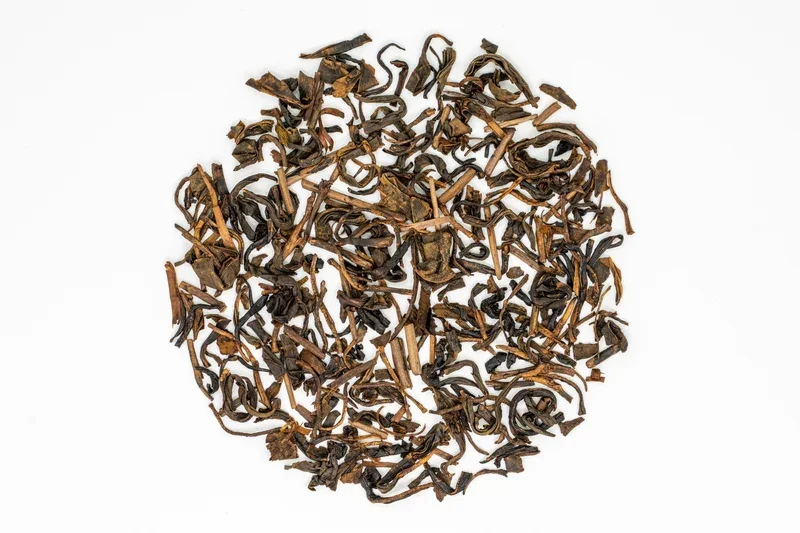
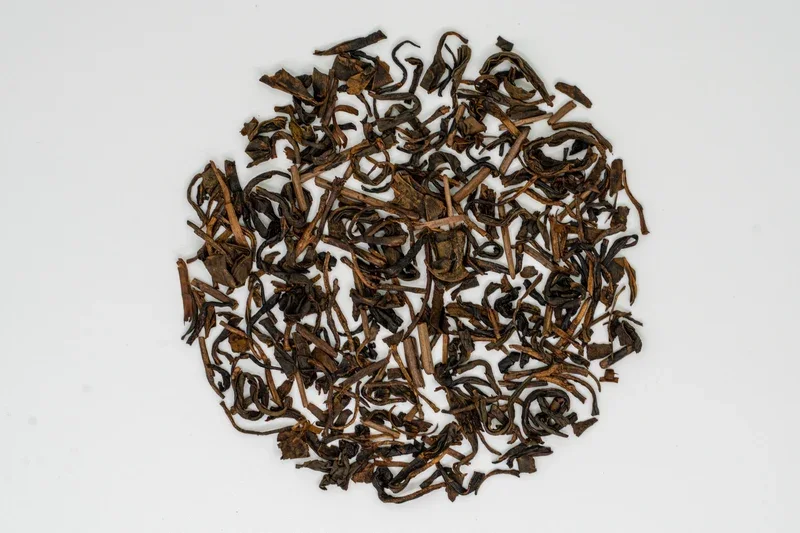
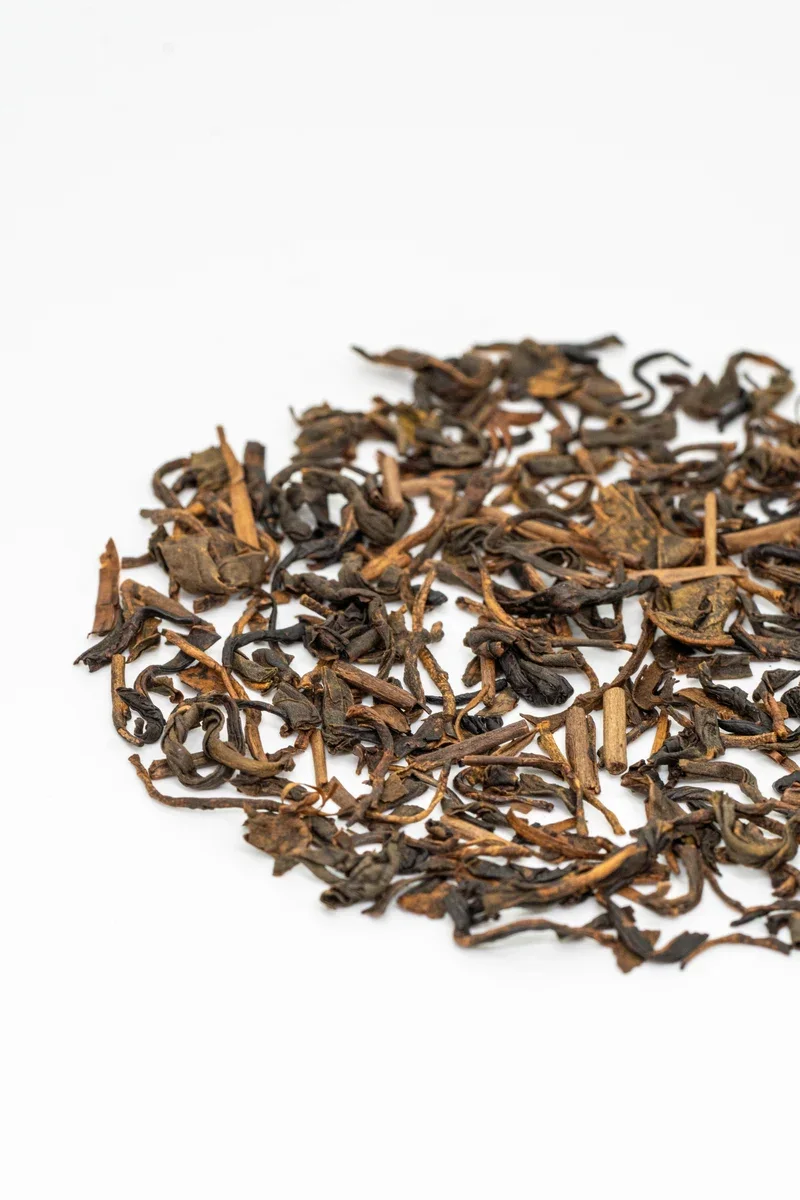
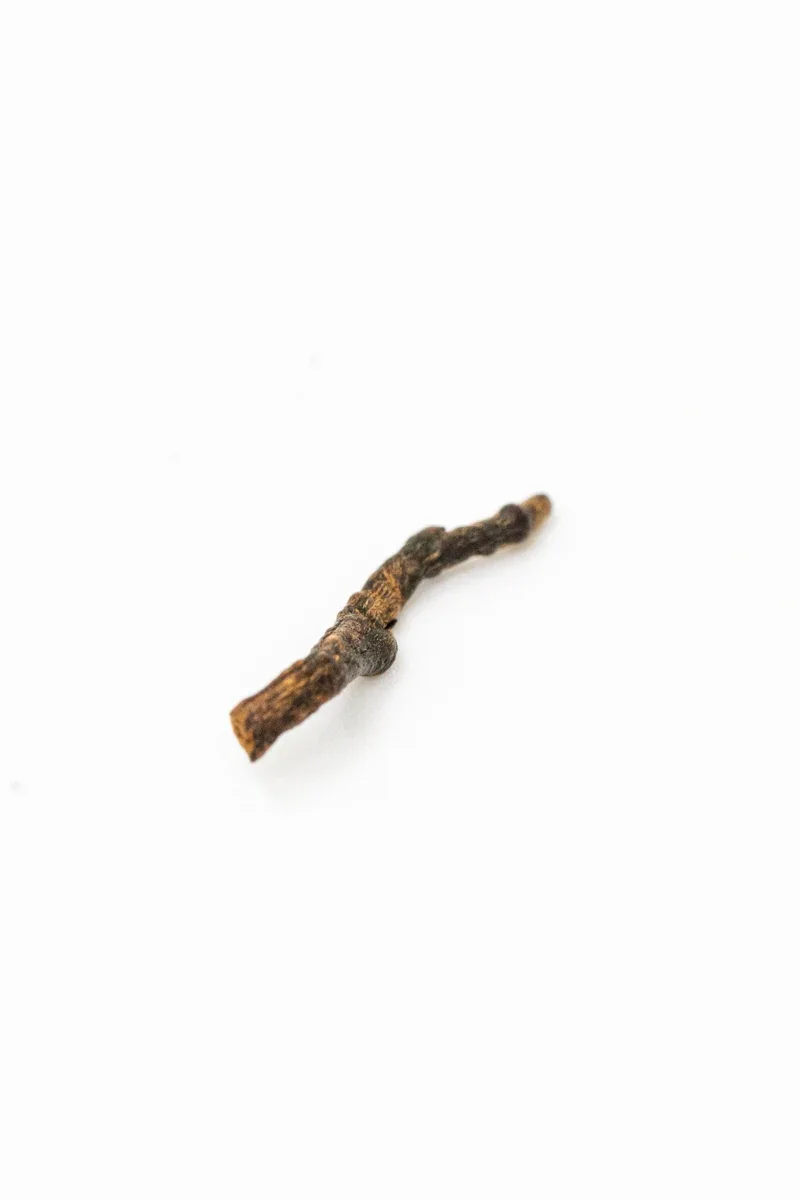
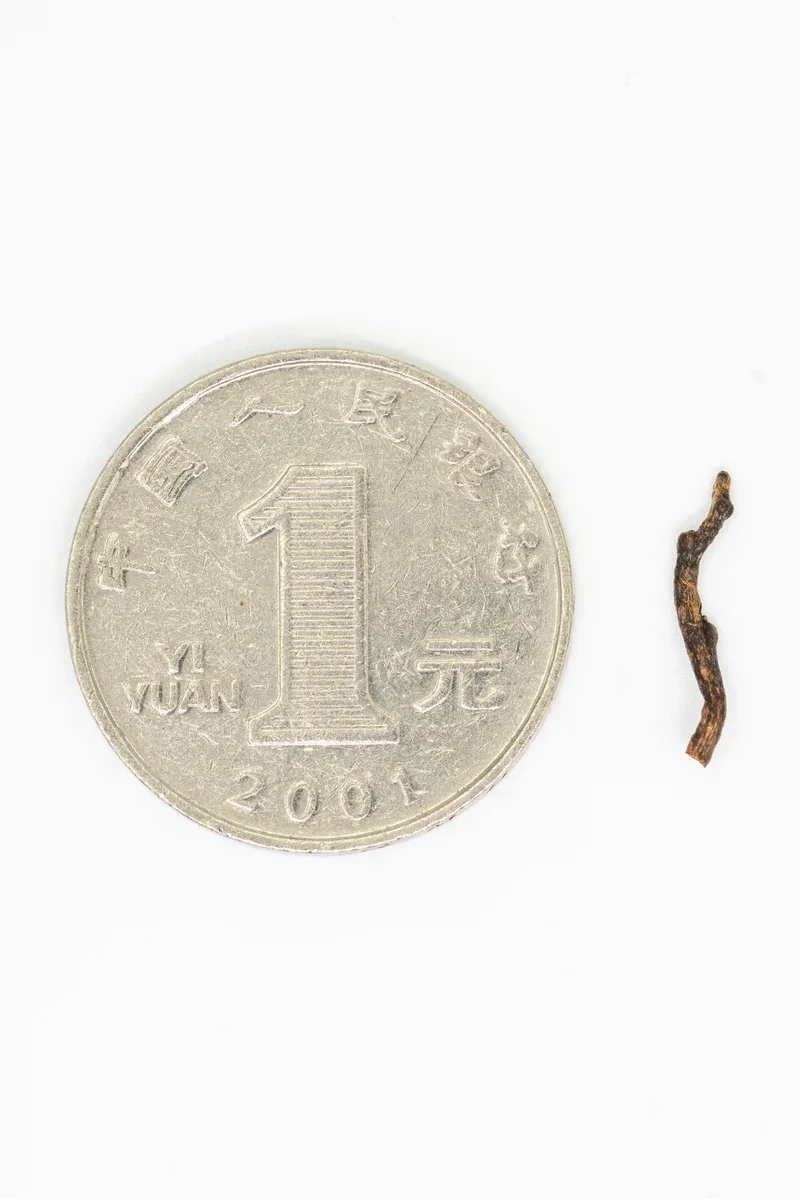
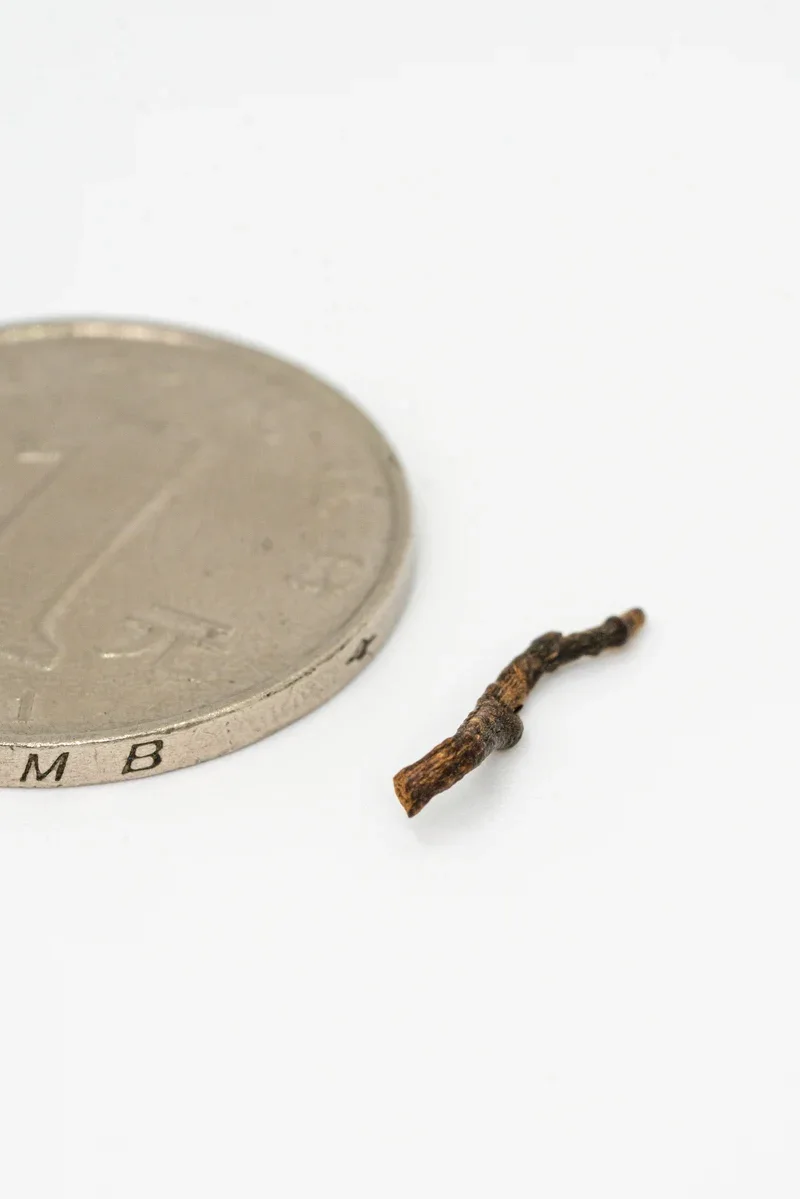
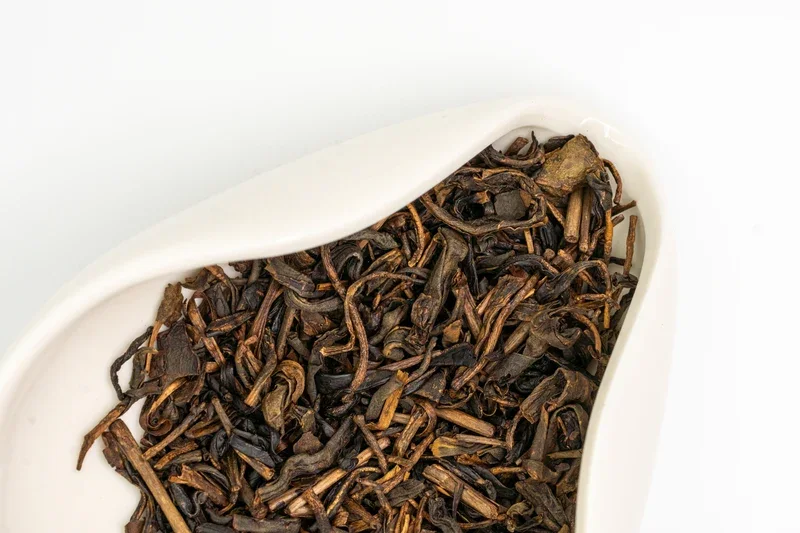
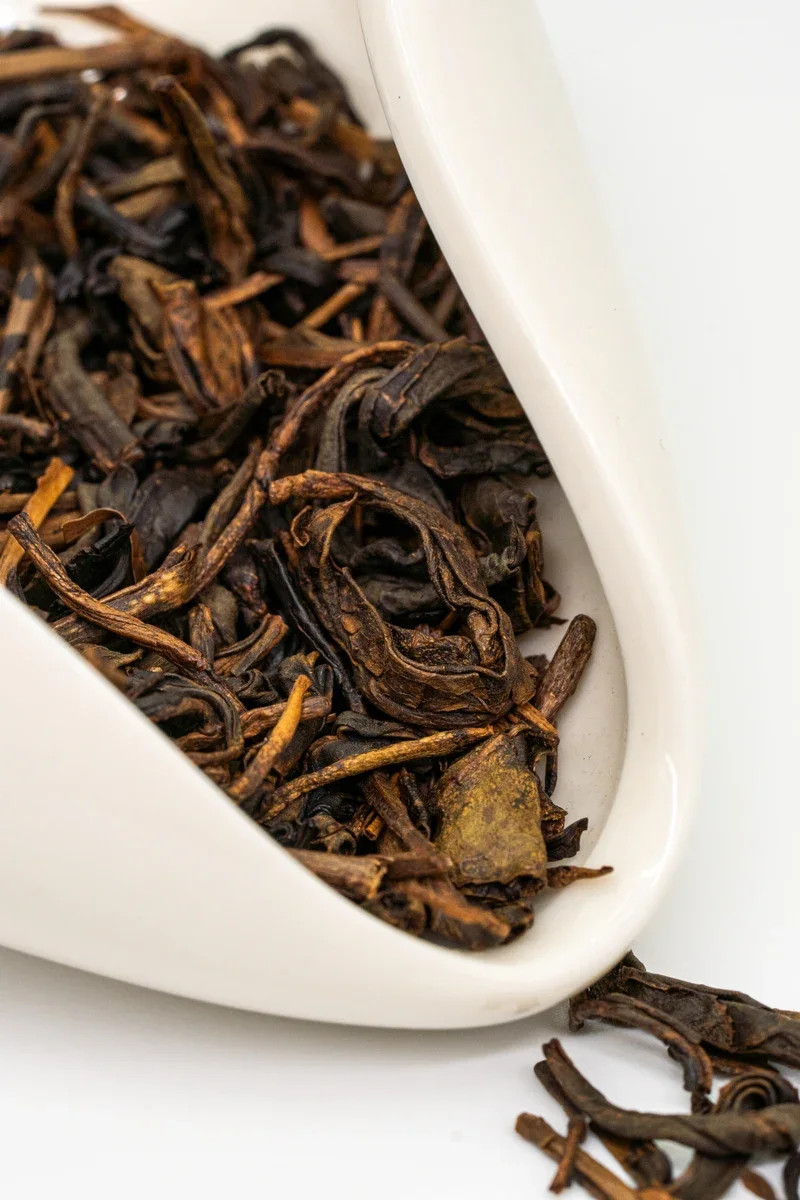
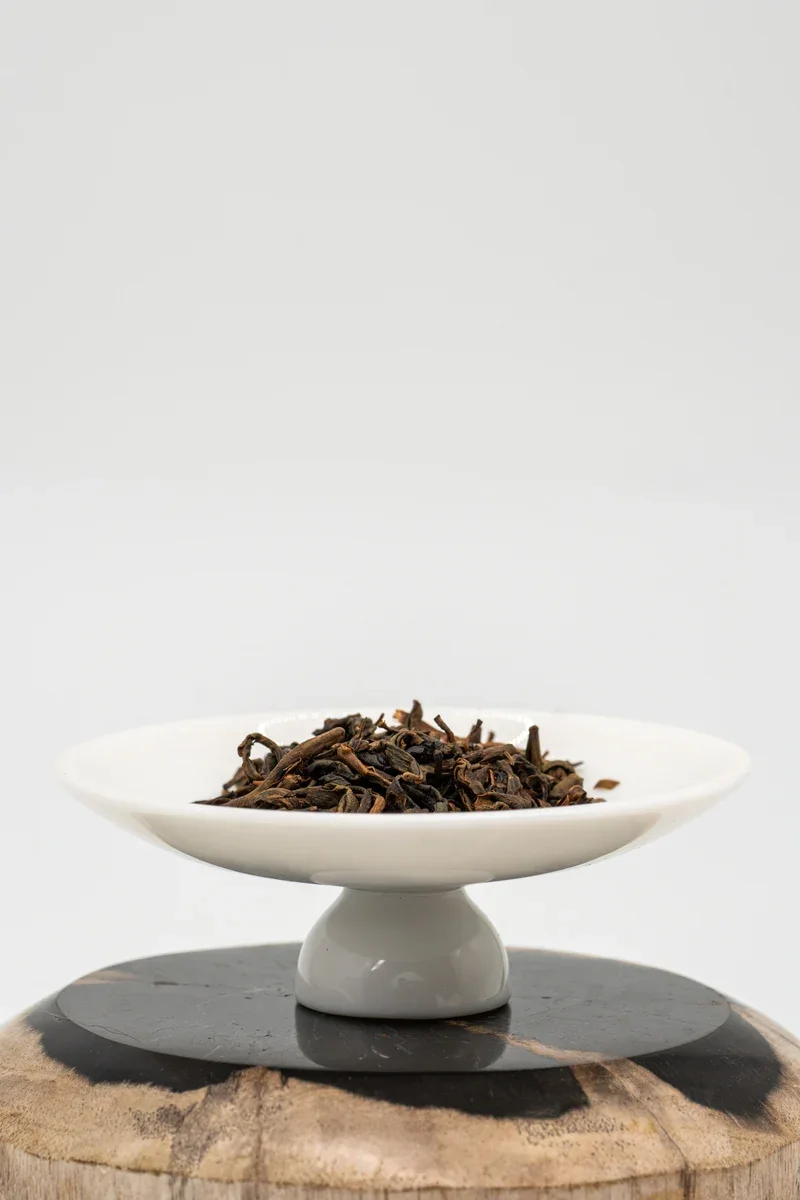
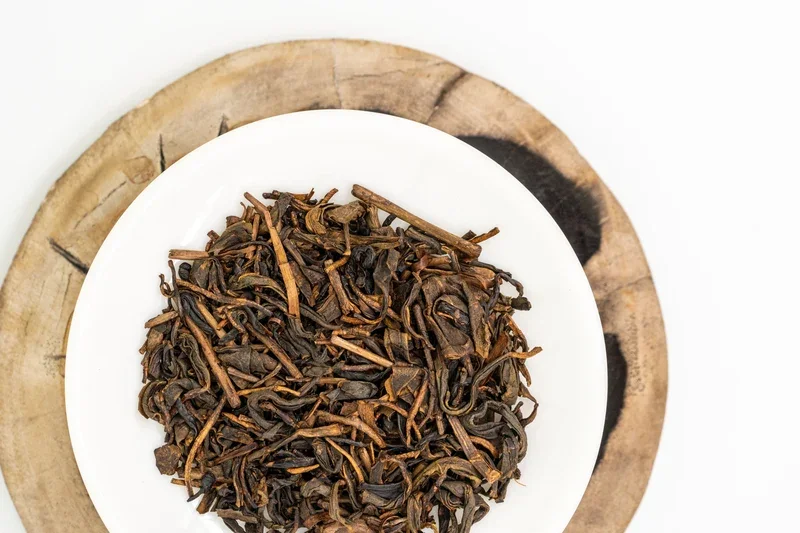
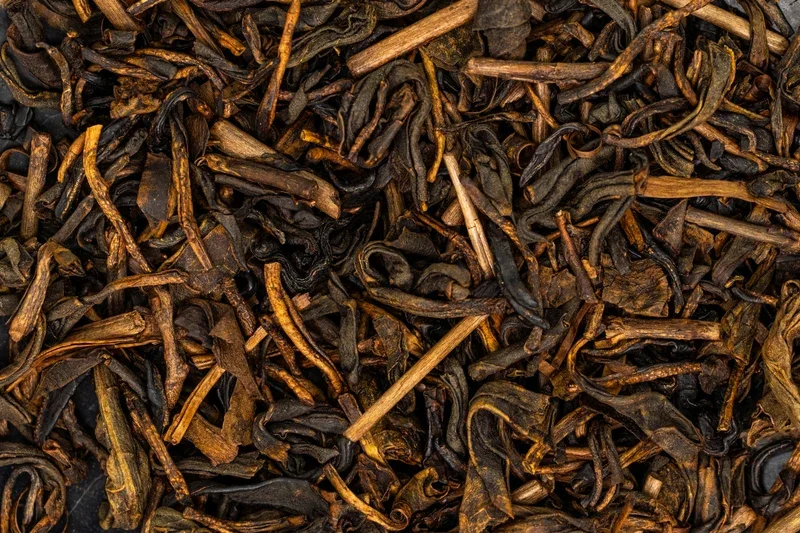
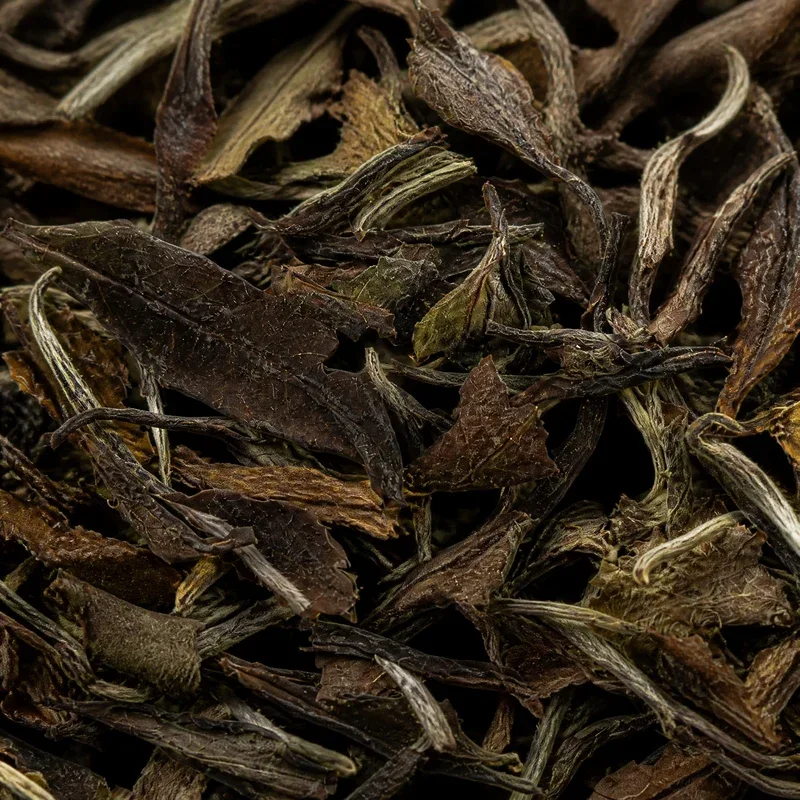
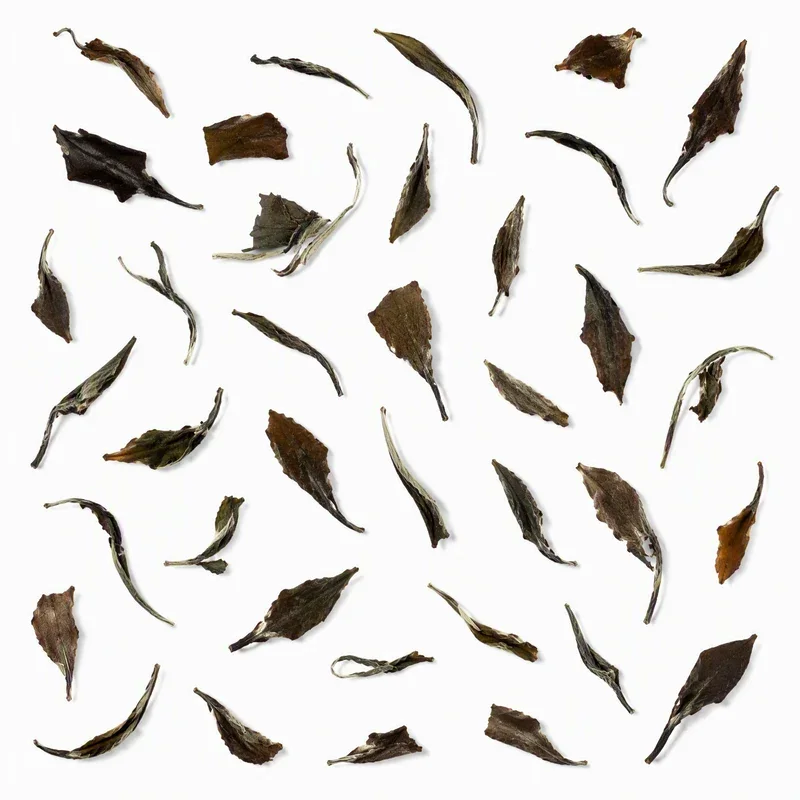
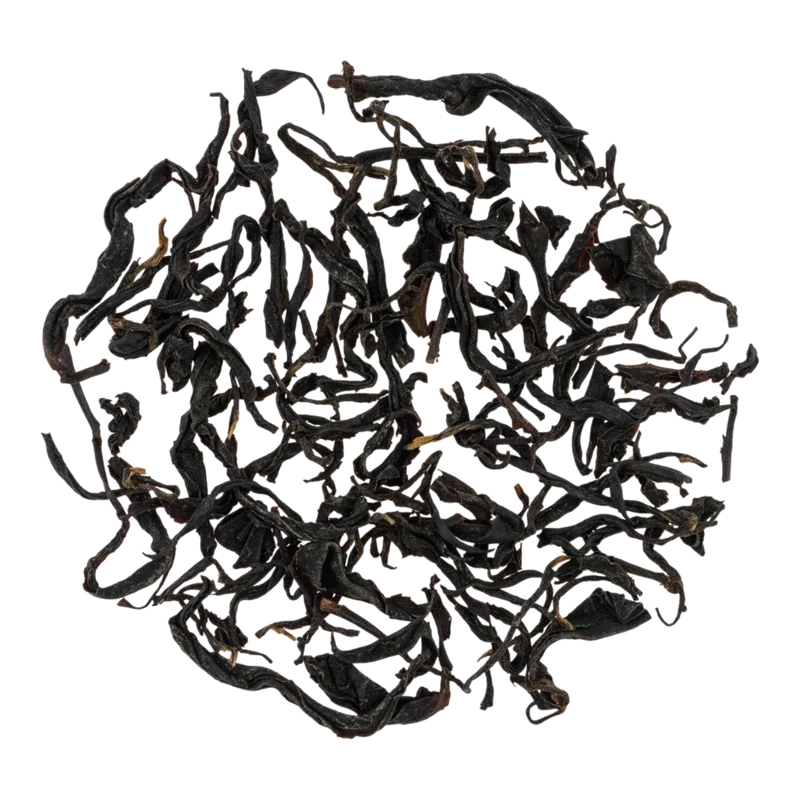
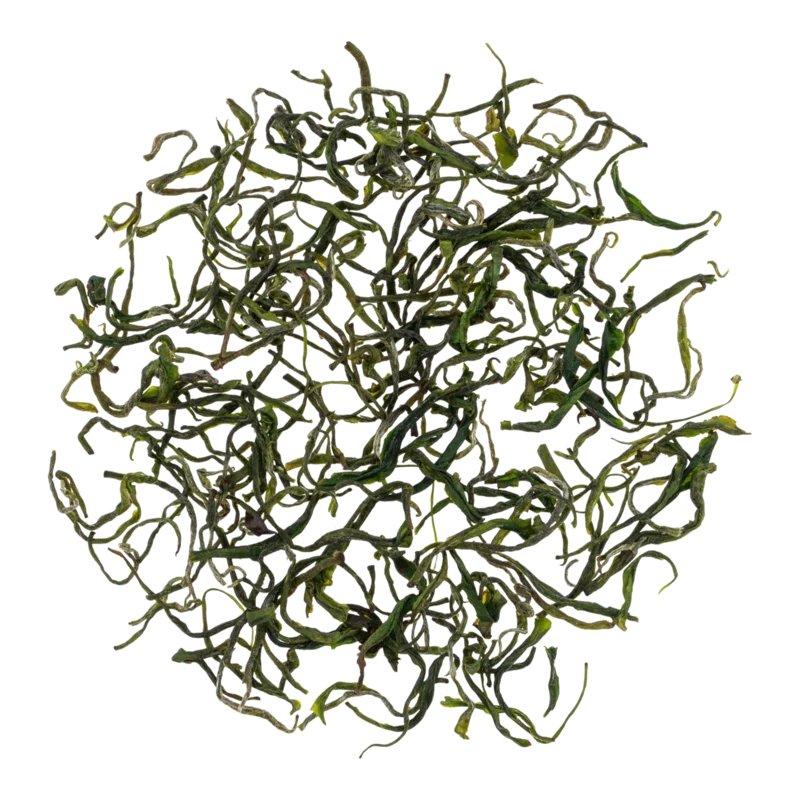
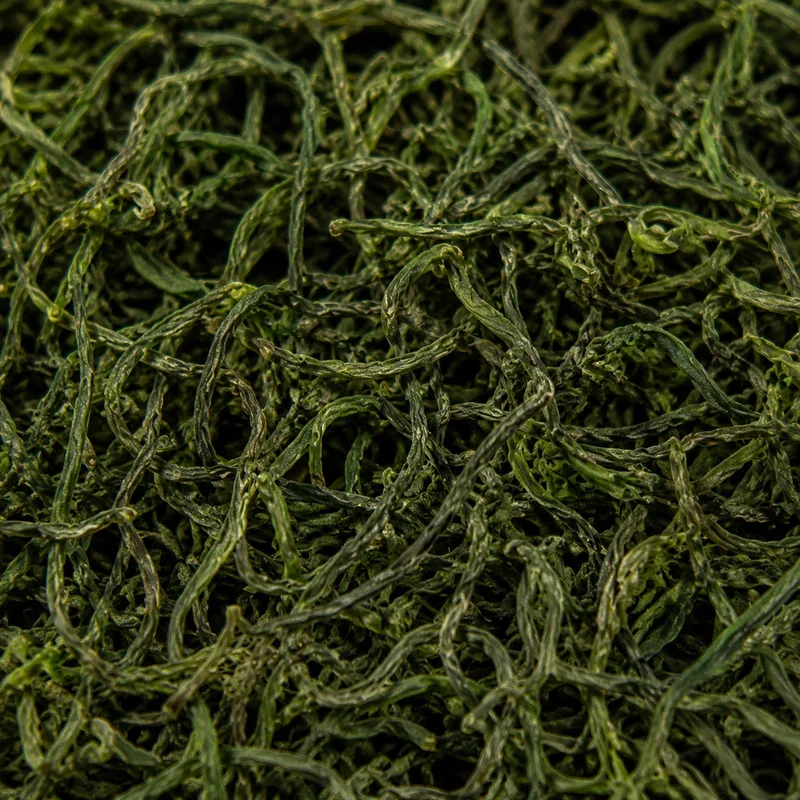
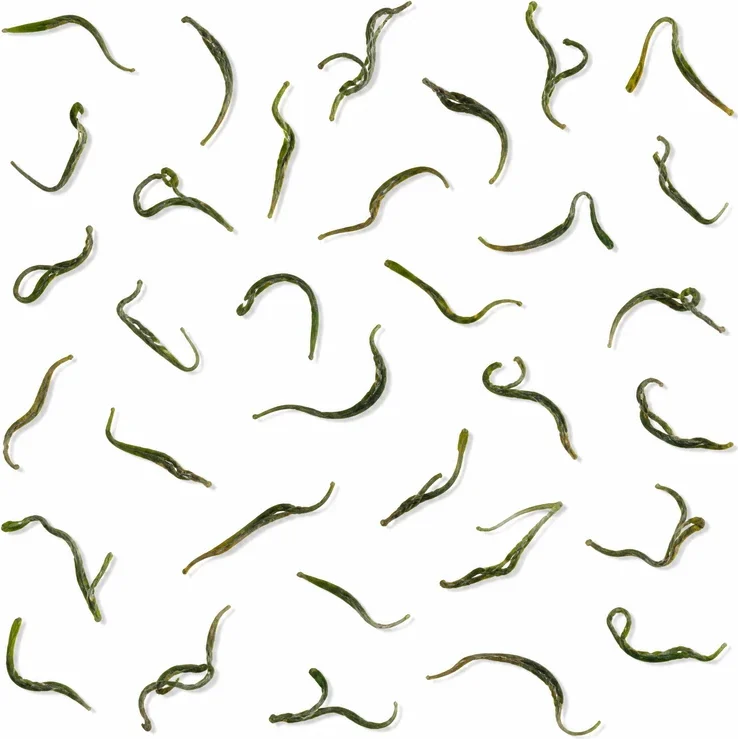
Dry Leaf Appearance: Tea leaves thin, tightly rolled, slightly curved (细紧微曲), resembling pine needles in shape. Color — rich emerald with distinct silvery down (翠绿显毫). Highest grade teas consist almost entirely of buds with delicate pearlescent sheen.
Dry Leaf Aroma: Pure and delicate (清香), with subtle orchid notes (兰花香, lánhuā xiāng), which are especially pronounced in tea from the core productive zone. Delicate nuances of fresh greenery and light "milky" sweetness are present.
Liquor Aroma: Persistent, subtle and "deep" (清香幽长) — main note described as "youxiang" (幽香, "quiet, hidden aroma"). Unfolds with floral orchid tones and fresh-cut grass, with light chestnut undertone in final steeps.
Liquor Color: Tender green, bright and clear (嫩绿明亮). For special grade — with light yellowish gleam; for first grade — light yellow, transparent (淡黄透亮).
Spent Leaves: Tender, uniform, living green color, leaves unfold into whole "buds" (嫩匀鲜活成朵).
Taste: Fresh and pure (鲜醇爽口). Soft, enveloping body with pronounced natural sweetness (清甜). Bitterness and astringency minimal due to low polyphenol content (about 14.7%) and elevated amino acid content. Bright huígān (回甘) — returning sweetness that builds with each steep.
Alkaloids: Caffeine (咖啡碱) — 3.1–4.38% depending on cultivar (according to Zhejiang Tea Research Institute data), below critical threshold of 4.5% favorable for green tea freshness formation. Theobromine and theophylline — in trace amounts.
Amino Acids: ≥ 4.2% in spring harvest (according to geographical indication), in Longjing 43 cultivar — up to 4.49%. L-theanine (茶氨酸, L-theanine) dominates, providing characteristic "umami-sweet" profile and calming effect. High amino acid content — result of abundant mists and diffused lighting.
≥ 36% (GI standard), in individual samples — up to 49.6%. High indicator points to richness and density of liquor.
About 15 mg/100 g — comparatively high content due to volcanic soils.
Include linalool, geraniol, nerolidol — typical carriers of floral and orchid notes characteristic of high-altitude Zhejiang green teas. Low-temperature final drying maximally preserves volatile aromatic fractions.
Minerals: Iron, magnesium, manganese, zinc, potassium — elevated content due to mineral composition of volcanic soils.
Polyphenols: Content ≤ 26% (according to geographical indication standard), in typical samples — 14.7–19.15% depending on cultivar and season. Relatively low polyphenol content for green tea explains the mildness and low bitterness of the liquor. Main components — catechins (epigallocatechin gallate — EGCG, epicatechin — EC, etc.).
Vitamins: Vitamin C (ascorbic acid) — characteristic of lightly oxidized green teas; B-group vitamins (B₁, B₂, B₃-niacin), folic acid.
Catechins and polyphenols effectively neutralize free radicals, contributing to slowing cellular aging processes.
Caffeine combined with L-theanine provides mild, balanced stimulation — mental clarity without excessive nervousness. Effect of "calm alertness" (轻松提神).
Polyphenols promote normalization of lipid metabolism, reduce low-density cholesterol levels, strengthen vessel walls.
Catechins stimulate digestive enzyme secretion, help fat breakdown, reduce feeling of heaviness after meals.
High fluorine content (15 mg/100 g) and antibacterial properties of polyphenols suppress activity of cariogenic bacteria.
Complex of vitamins C and B-group, as well as zinc and manganese support body's protective functions.
L-theanine improves attention concentration, stimulates brain alpha-wave generation, promotes state of relaxed focus.
Traditionally recommended in hot weather — promotes normalization of heat exchange, thirst quenching.
Tea Amount: 3 g per 150 ml (ratio 1:50).
Teaware: Glass tumbler (玻璃杯, bōlí bēi) — allows admiring bud unfolding; gaiwan (盖碗, gàiwǎn) volume 100–120 ml — for controlled steeping.
Water Temperature: 80–85°C. Temperature above 85°C destroys chlorophyll, causing liquor yellowing and increasing bitterness.
Container: Airtight packaging — vacuum foil bags or ceramic jars with tight lid. Avoid transparent glass and plastic containers.
Enemies: Light, moisture, high temperature, foreign odors, oxygen.
6–12 months from production date. New tea recommended to age 10–15 days in dark place for "fire dissipation" (褪火气, tuì huǒqì) before consumption. After package opening, preferably consume within 72 hours for maximum aroma preservation.
Local saying exists "three years won't lose — golden bud" (三年不败黄金芽), indicating relative aroma stability with proper storage.
Temperature: Recommended storage in refrigerator at 0–5°C (as with most high-quality green teas).
Price Category: Tea of medium-high and high price segment among Chinese green teas. Special grade (全单芽) — from 980 yuan/jin (≈ 500 g) and higher. First grade — 400–800 yuan/jin. Second grade — 150–350 yuan/jin. Price formed by harvest altitude, manual labor share, raw material grade and specific farm reputation.
No reviews yet. Tell us what you think of this tea.
Rate this tea and share your impressions. We review each submission before publishing it.