Brewing
Gongfu brewing
- Water temperature
- 75 °C
- Tea amount
- 5 g
- Water volume
- 100 ml
- First steep
- 10 s
- Time added per infusion
- 5 s
- Infusions
- 3

xiānrénzhǎng chá
Choose a brewing method. Start with the recommended quantities and time, then adjust to taste.
Brewing
Brewing
Taste
Tea encyclopedia
Category: National Geographical Indication Product (国家地理标志保护产品, 2015). In 2014, the production technology was included in the National Intangible Cultural Heritage Registry of the PRC (国家级非物质文化遗产). In 1985 — "Golden Cup" of Húběi Province (湖北省"金杯奖"). Historical "tribute tea" (贡茶) of the Ming and Qing dynasties.
Category: National Geographical Indication Product (国家地理标志保护产品, 2015). In 2014, the production technology was included in the National Intangible Cultural Heritage Registry of the PRC (国家级非物质文化遗产). In 1985 — "Golden Cup" of Húběi Province (湖北省"金杯奖"). Historical "tribute tea" (贡茶) of the Ming and Qing dynasties.
Coordinates: 111°59′07″—112°09′22″ East longitude, 31°14′06″—31°34′53″ North latitude.
Origin: China, Húběi Province (湖北, Húběi), Dāngyáng City (当阳市, Dāngyáng Shì). Geographical indication zone — the entire Dangyang municipal district. Terroir core — southern slope of Yùquán Mountain (玉泉山, Yùquán Shān), territory of the Buddhist monastery Yuquansi and adjacent villages (玉泉村, 百宝寨村), in immediate proximity to the famous Pearl Spring (珍珠泉, Zhēnzhū Quán).
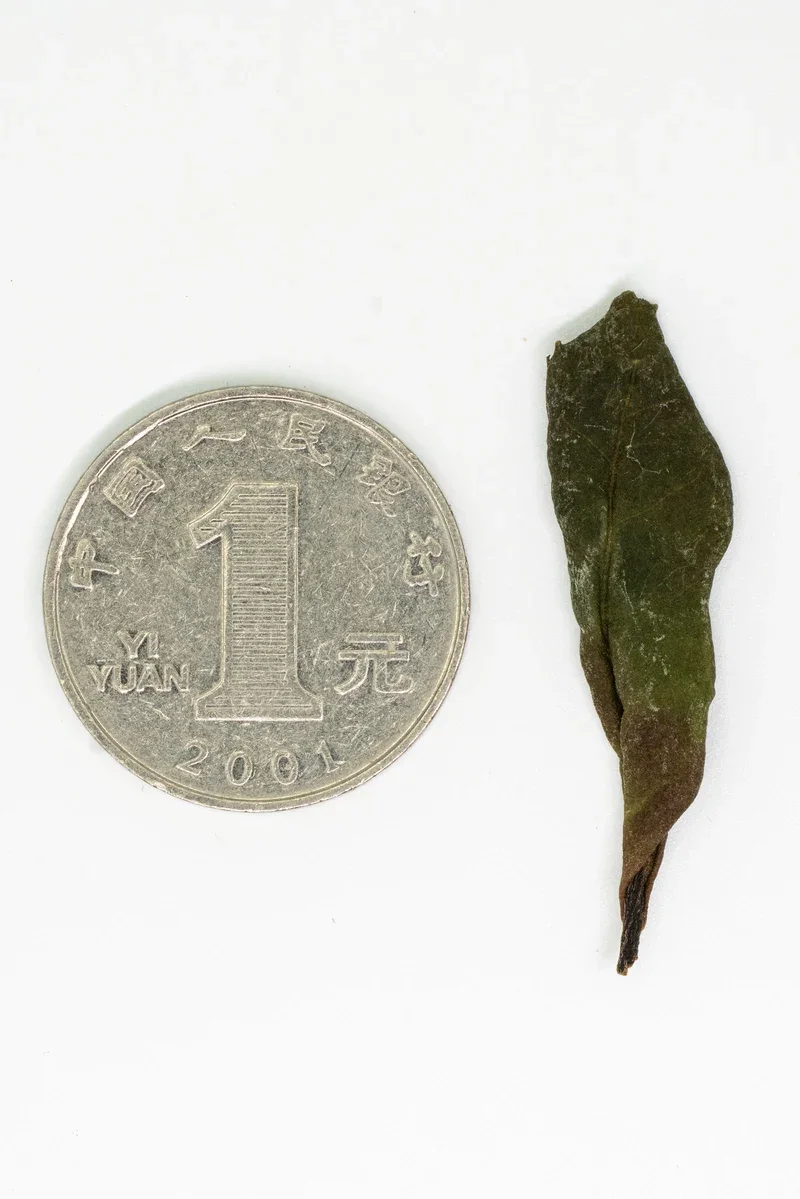
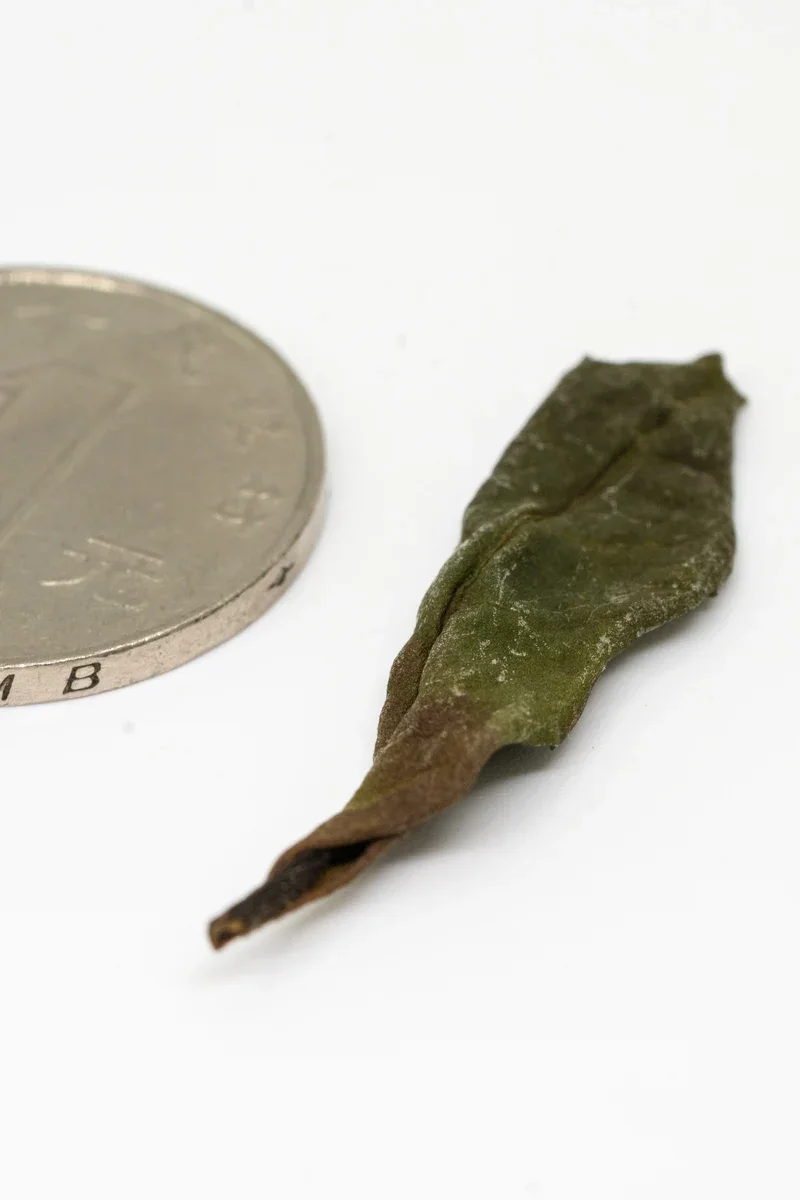
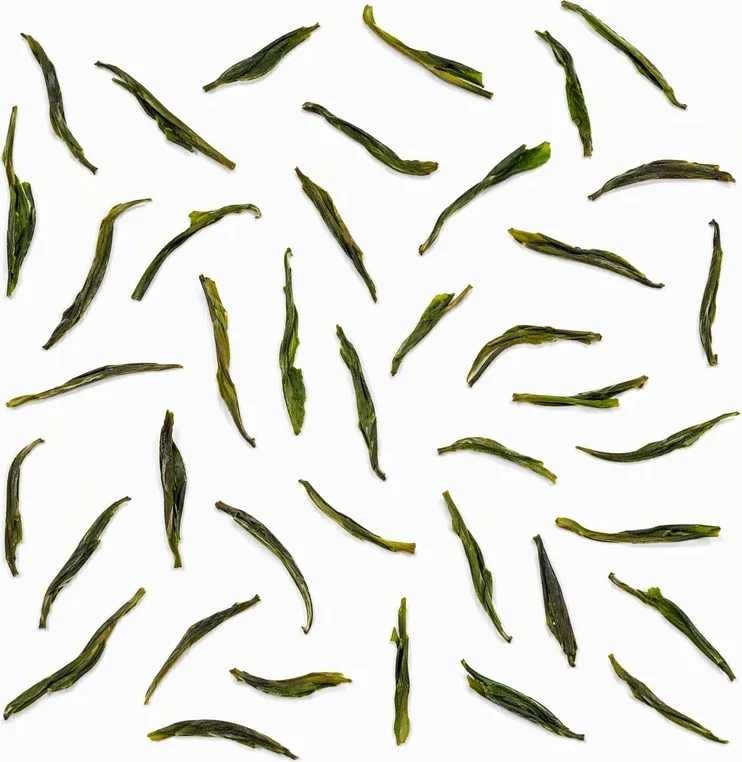
Type: Green tea (non-oxidized). Belongs to steamed green teas (蒸青绿茶, zhēngqīng lǜchá) — enzyme fixation is achieved by steam, not pan-firing in a wok. By shape — flat, "palm-shaped" (掌形, zhǎngxíng).
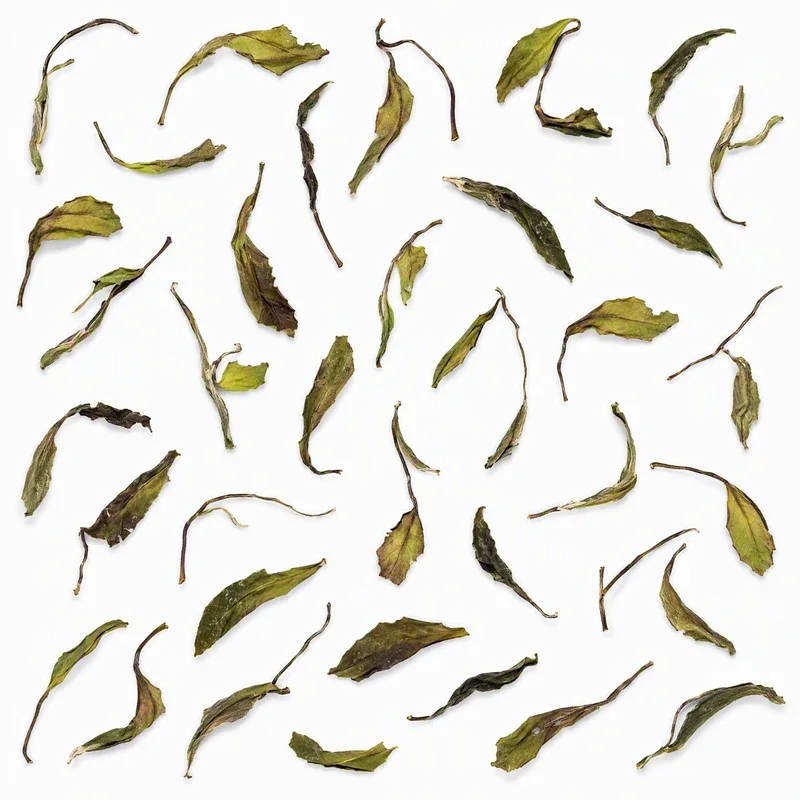
characteristic flat "palm" — unique shape not found in other teas. Twisted or needle-shaped leaves — different tea type.
green leaf, green liquor, green spent leaves. Yellowish liquor — sign of pan-fired, not steamed tea.
clean, delicate, without "roasted" notes. Chestnut or bean aroma — different technology type.
suspiciously low — sign of counterfeit.
Cultural Significance: Xianrenzhang Cha — a tea with a unique "literary passport": Li Bai's poem transformed it from a monastic beverage into a cultural artifact of world significance. Yuquansi monastery — one of China's most ancient Buddhist temples (founded in 593), and its Pearl Spring — a famous natural landmark. Steaming technology (蒸青) — a "living fossil" of the Tang era: this very method was used in the times of Li Bai and Lu Yu, and was later transferred to Japan, where it became the foundation for producing sencha and gyokuro.
History: Around 760 (Shangyuan period, 上元, Tang era) Buddhist monk Zhōngfú (中孚禅师), belonging to the Lì clan (李) — the same family as poet Li Bai — collected fresh leaves from tea bushes growing near the Milk Grotto Cave (乳窟洞, Rǔkū Dòng) on the monastery grounds of Yuquansi, and produced a flat tea of unusual shape resembling an open palm.
Cultivar: Yuquanshan Quntichong (玉泉山群体种) — local indigenous medium-leaf variety of Camellia sinensis var. sinensis of bush type. Leaf — elliptical, fleshy. Active vegetation period — from March to September. High resistance to adverse conditions. Distinguished by increased ability to absorb selenium from soil (硒吸收率较高).
Picking: Spring — primary. For supreme grade (特级) — one bud with one leaf, "bud longer than leaf" (芽长于叶). Down — abundant, white. For first grade — one bud with one to two leaves. For second grade — one bud with two to three leaves.
Raw Material: Tender, uniform shoots without purple leaves, pest damage, or disease. Processing — on the day of picking.
Altitude: 400–800 meters above sea level. Core — southern slope of Yuquan Mountain.
Climate: Subtropical humid monsoon. Average annual temperature — 16.4°C, annual precipitation — 1250 mm, relative humidity — ≥78%.
Soil: Yellow-brown soils (黄棕壤) and red sandy soils (红砂岩风化沙质土), pH 4.5–6.5. Organic matter content — ≥1.5%.
Mountain gorges are constantly shrouded in clouds and mist. Numerous underground springs, including the famous Pearl Spring (珍珠泉) — clear water rich in minerals. Forest coverage — 70%, over 300 tree species (including laurel and lotus) create a unique "high-mountain cloud forest" ecosystem (高山云雾).
At 100°C, duration — 50–60 seconds. Steam instantly inactivates enzymes, preserving the maximally bright green color (锁鲜保"三绿") — "three greens": green dry leaf, green liquor, green spent leaves. Steam fixation precisely gives "three greens" — a characteristic unattainable with pan-firing fixation.
After steaming, leaves are quickly cooled with an air stream.
Three stages:
"Shaking and scattering" (抖散, dǒusàn) — separating stuck leaves.
Alternating "shaking" and "smothering" (抖闷结合) — aroma development.
Key technique — "抓按" (zhuā àn, "grasping and pressing") — the master grasps leaves and presses them against the wok wall, forming the characteristic flat "palm-shaped" form (掌形, zhǎngxíng). The entire process — manual, with precise temperature control to prevent leaf reddening.
At 70°C to moisture content ≤5%.
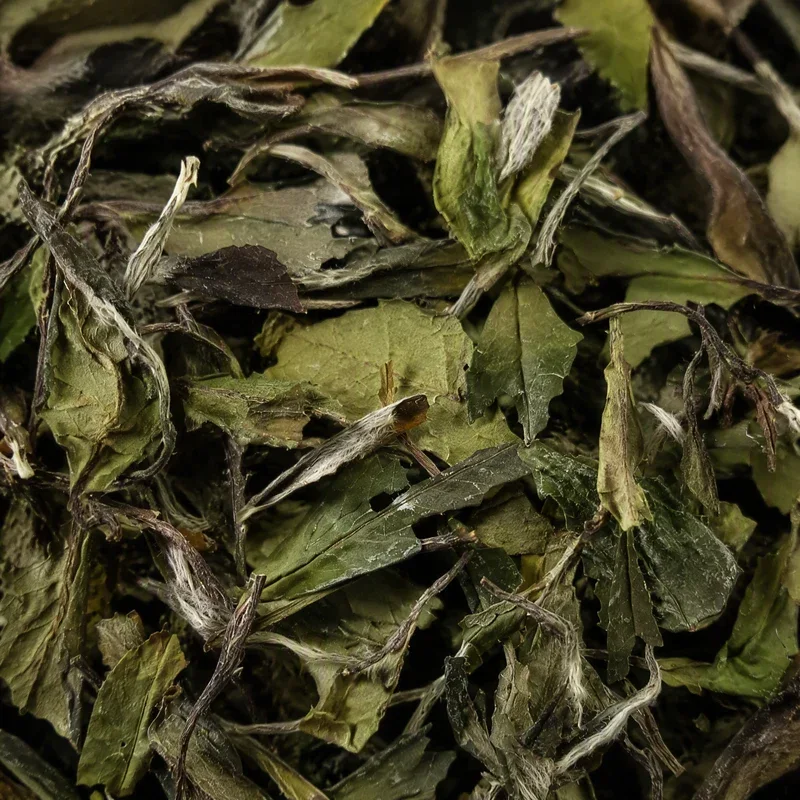
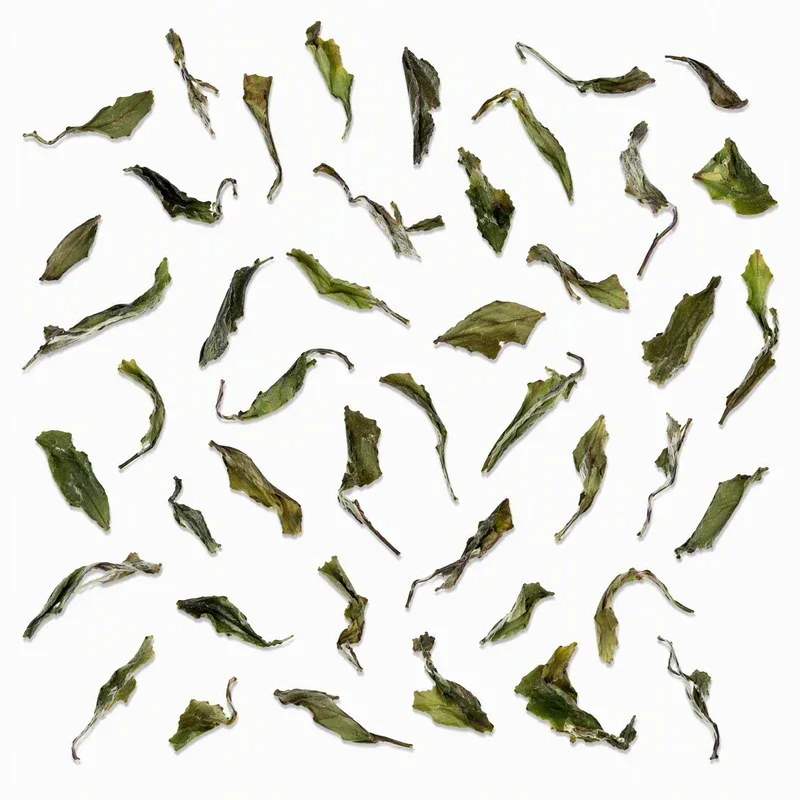
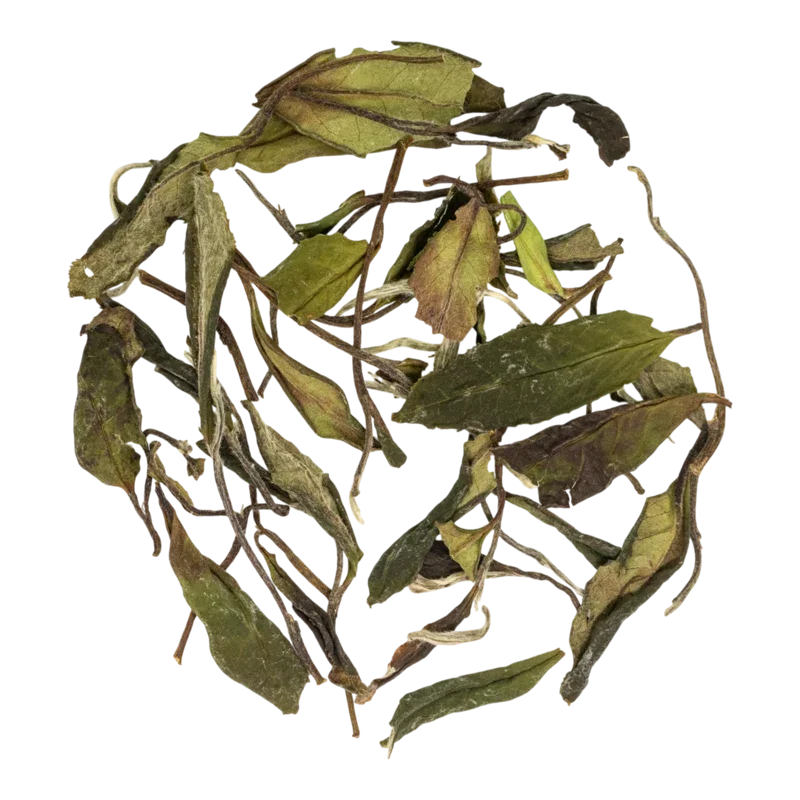
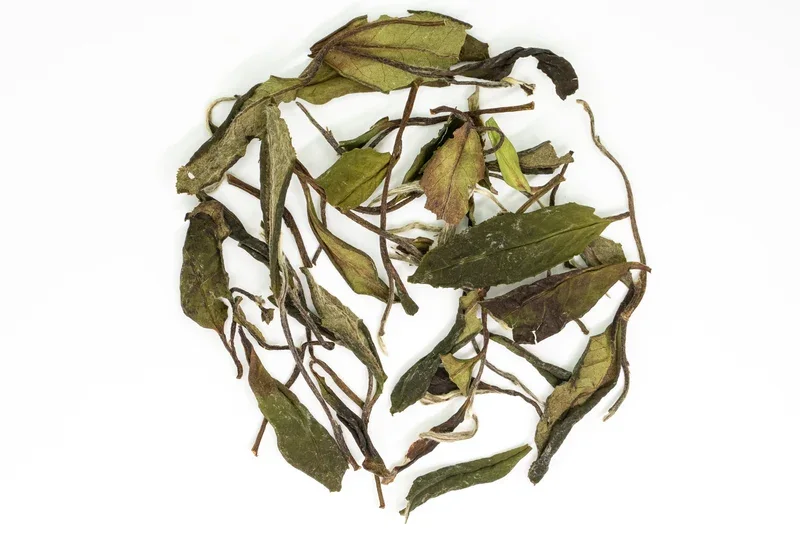
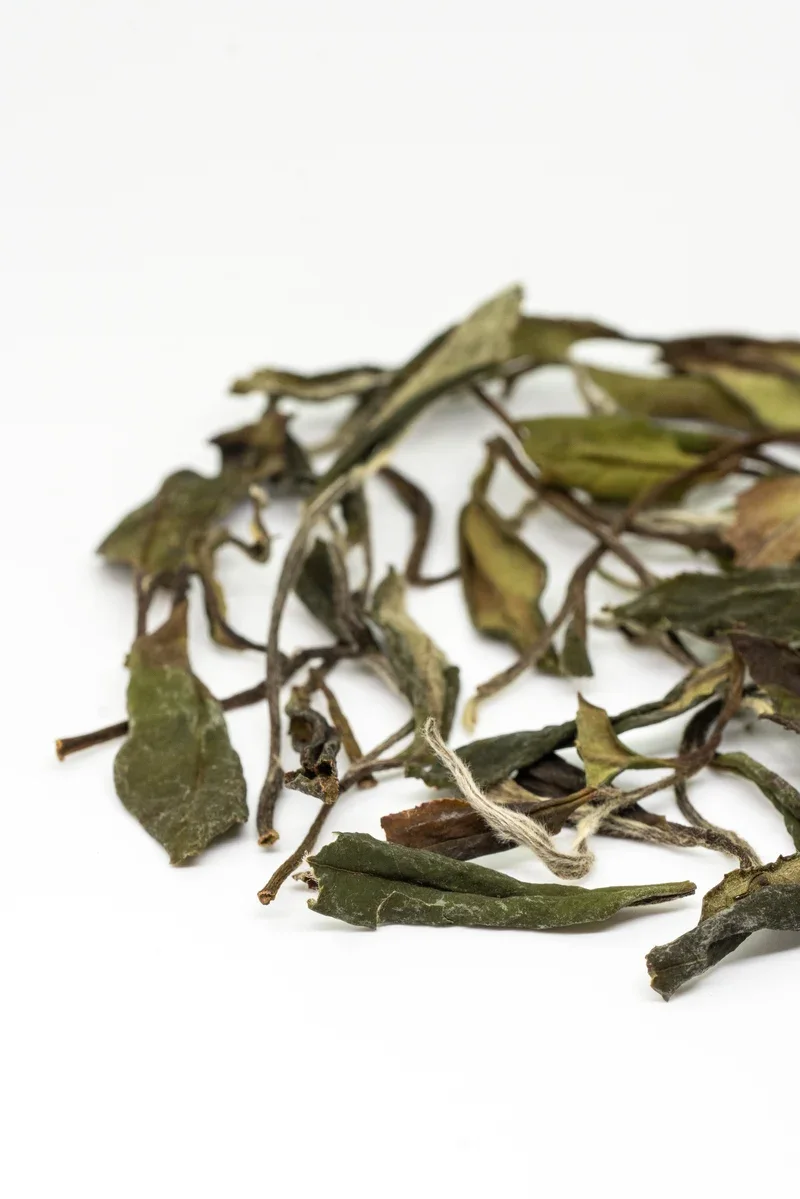
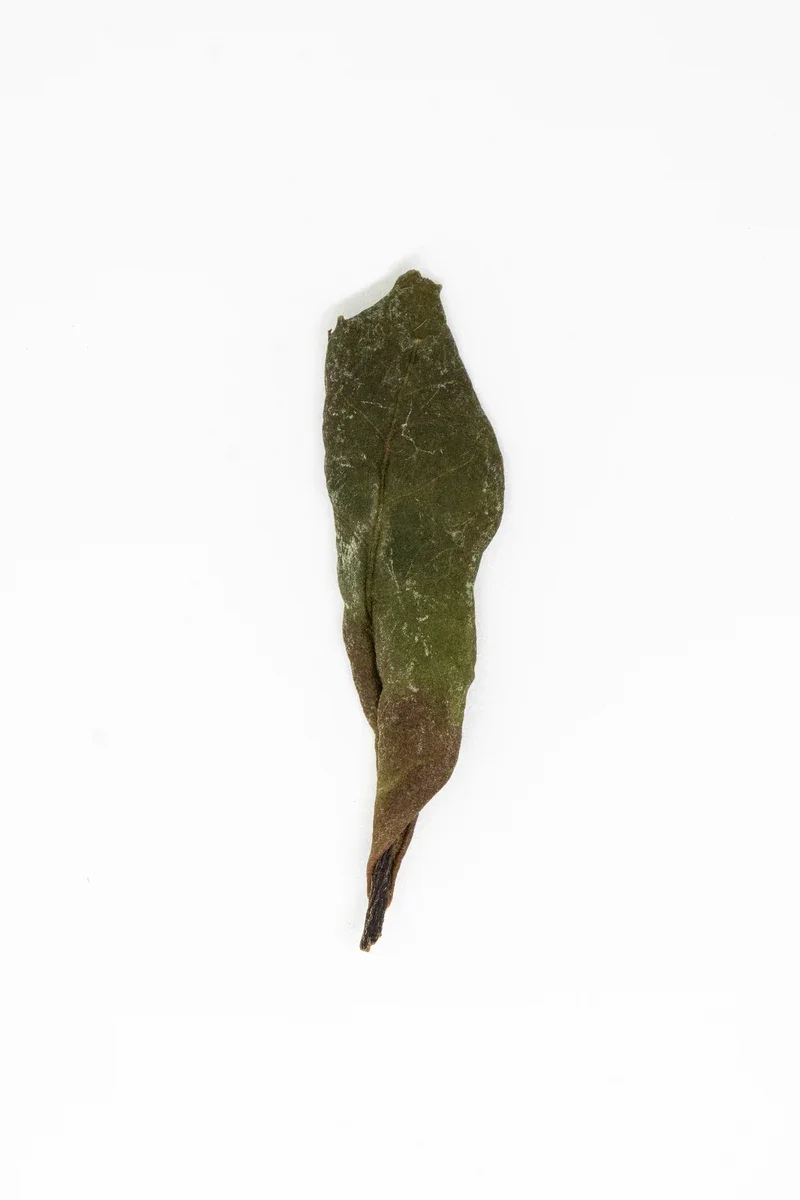
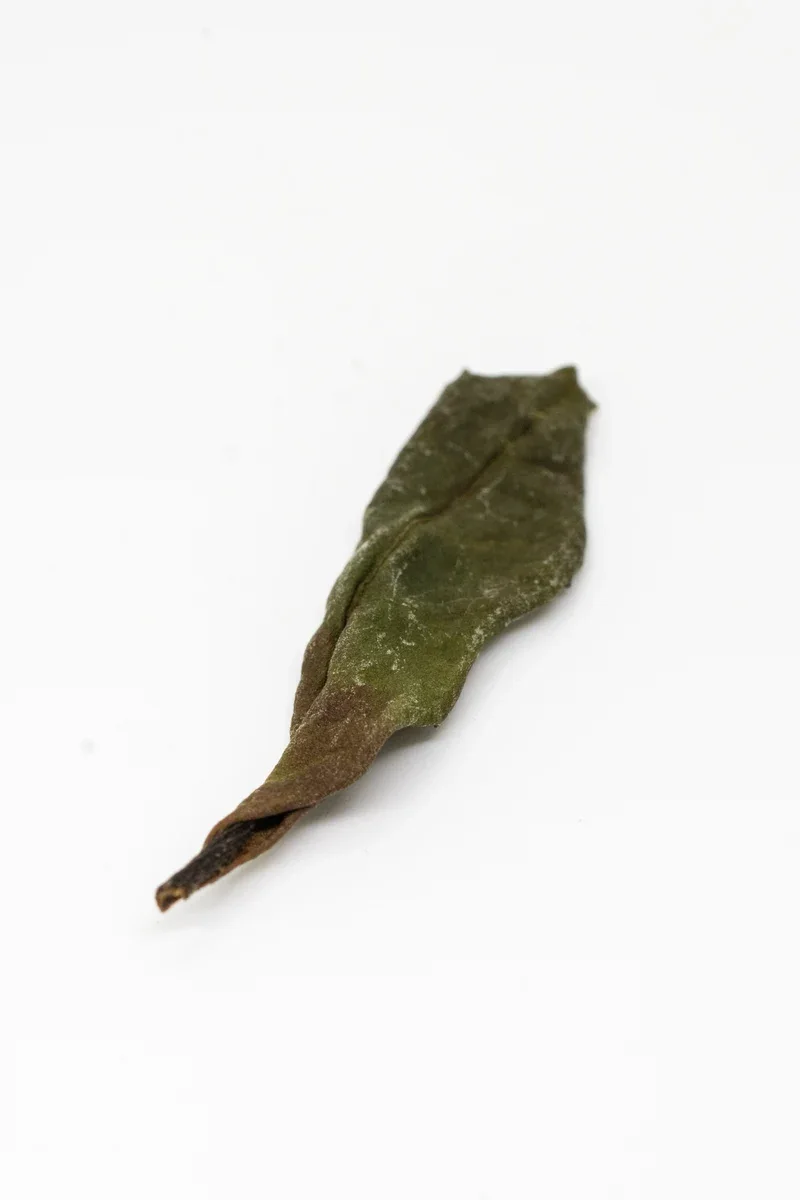
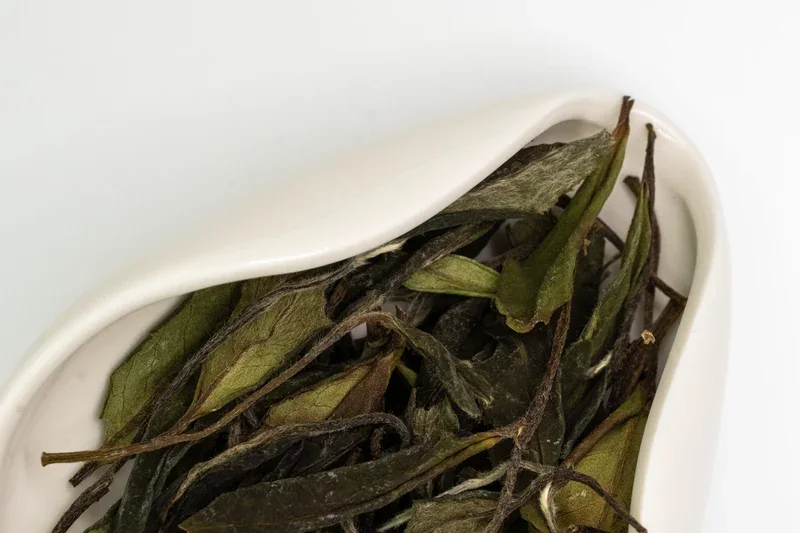
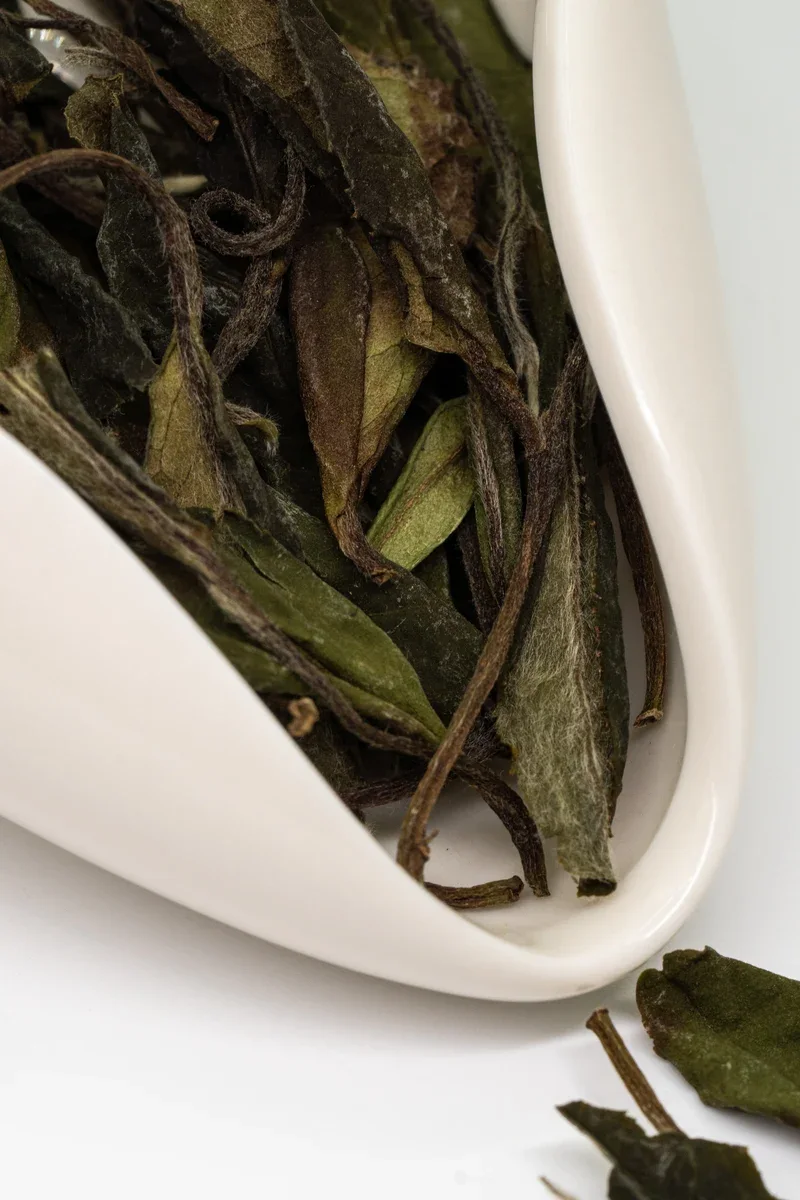
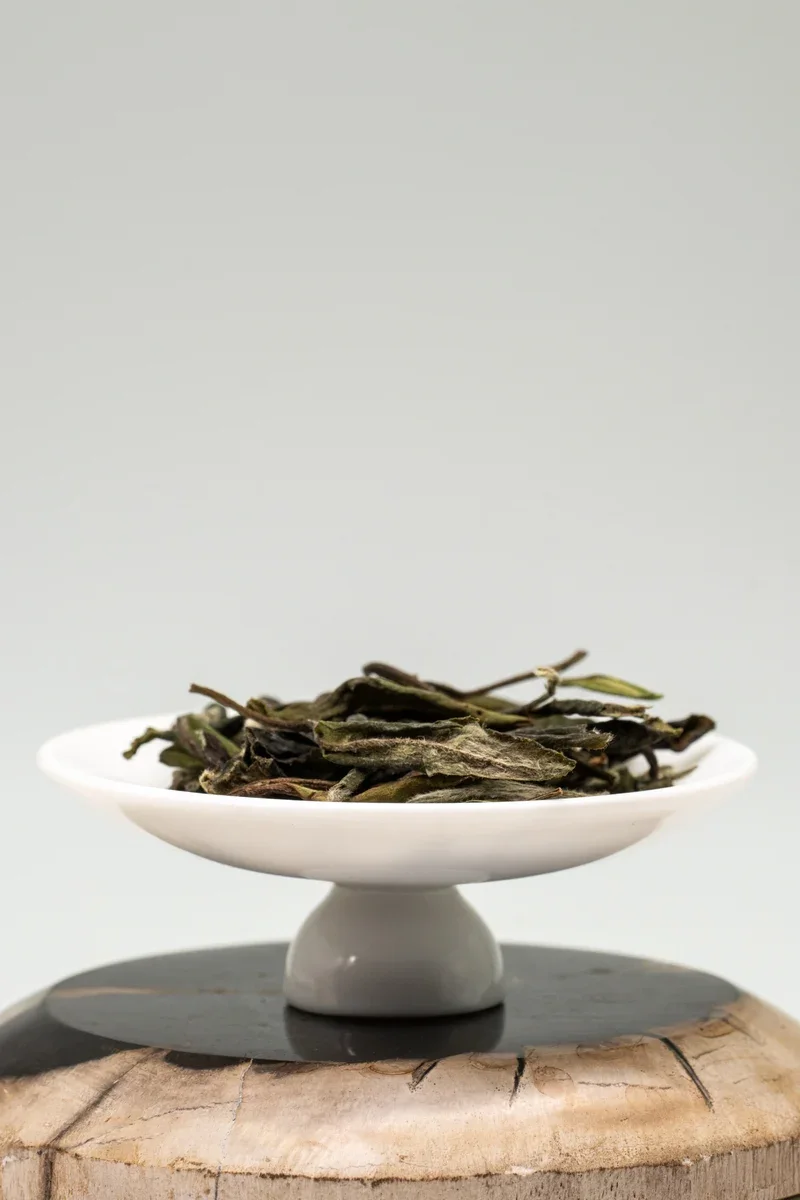
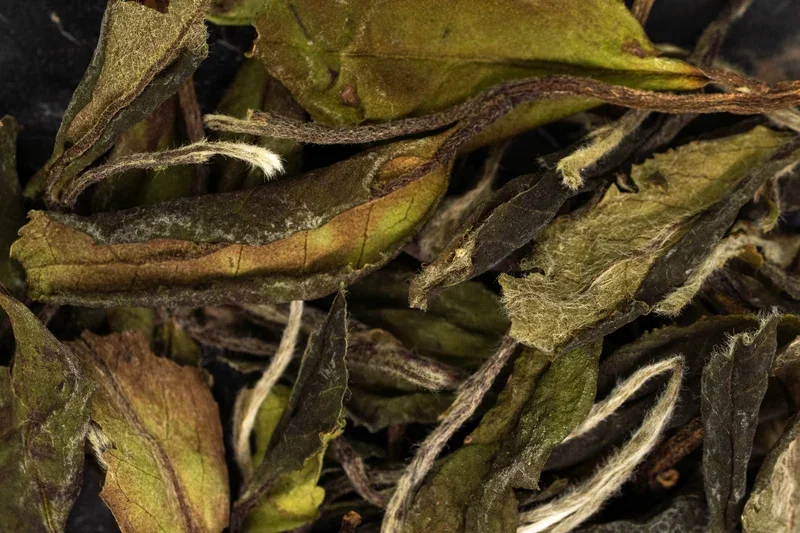
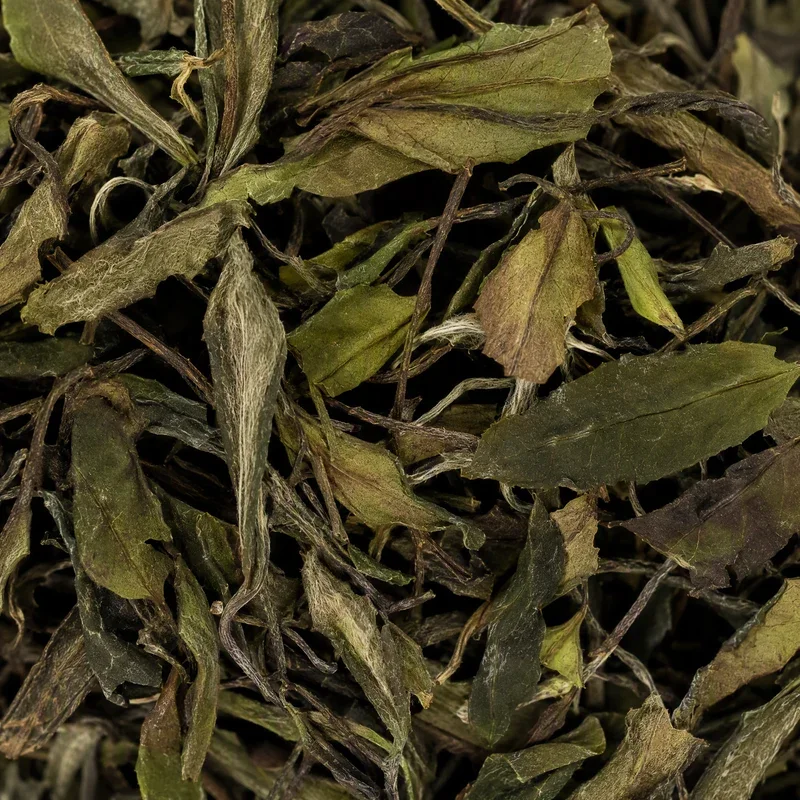
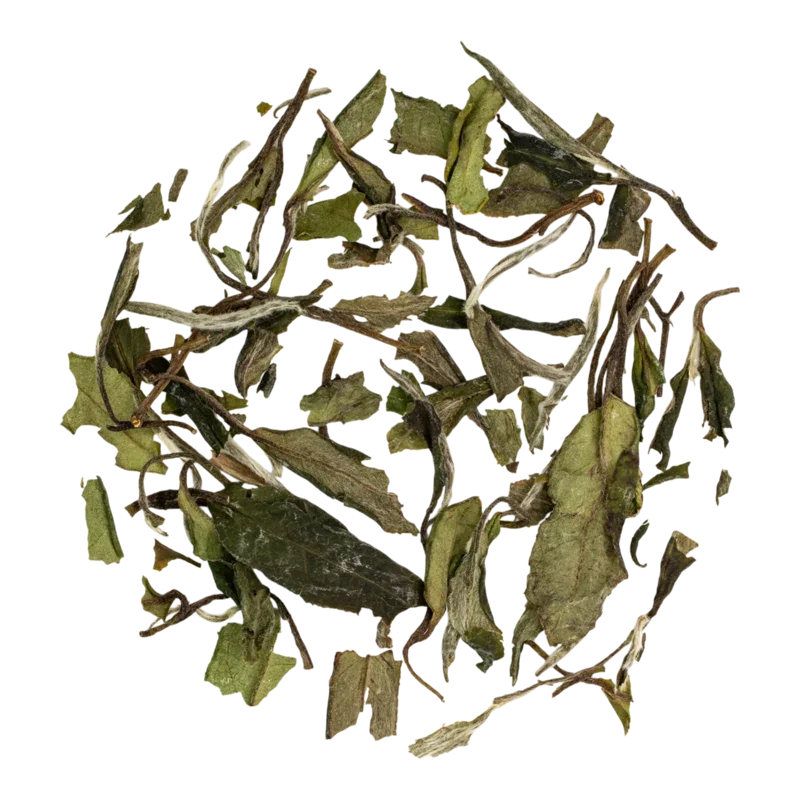
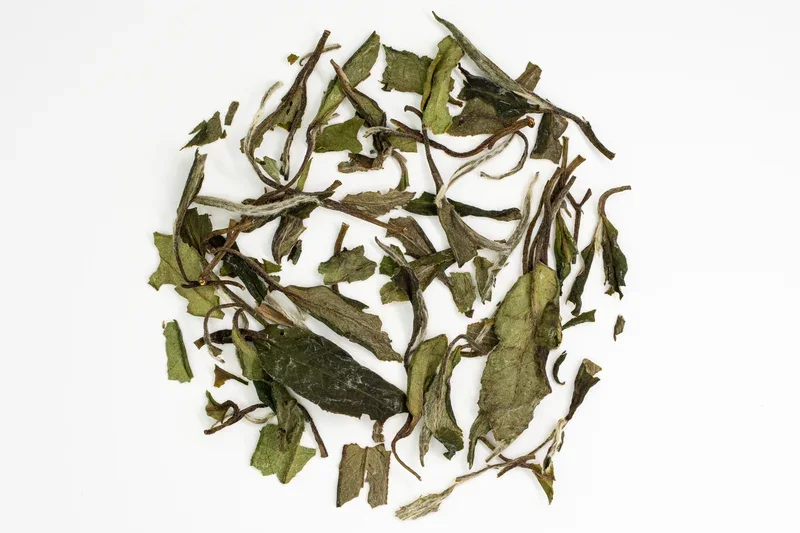
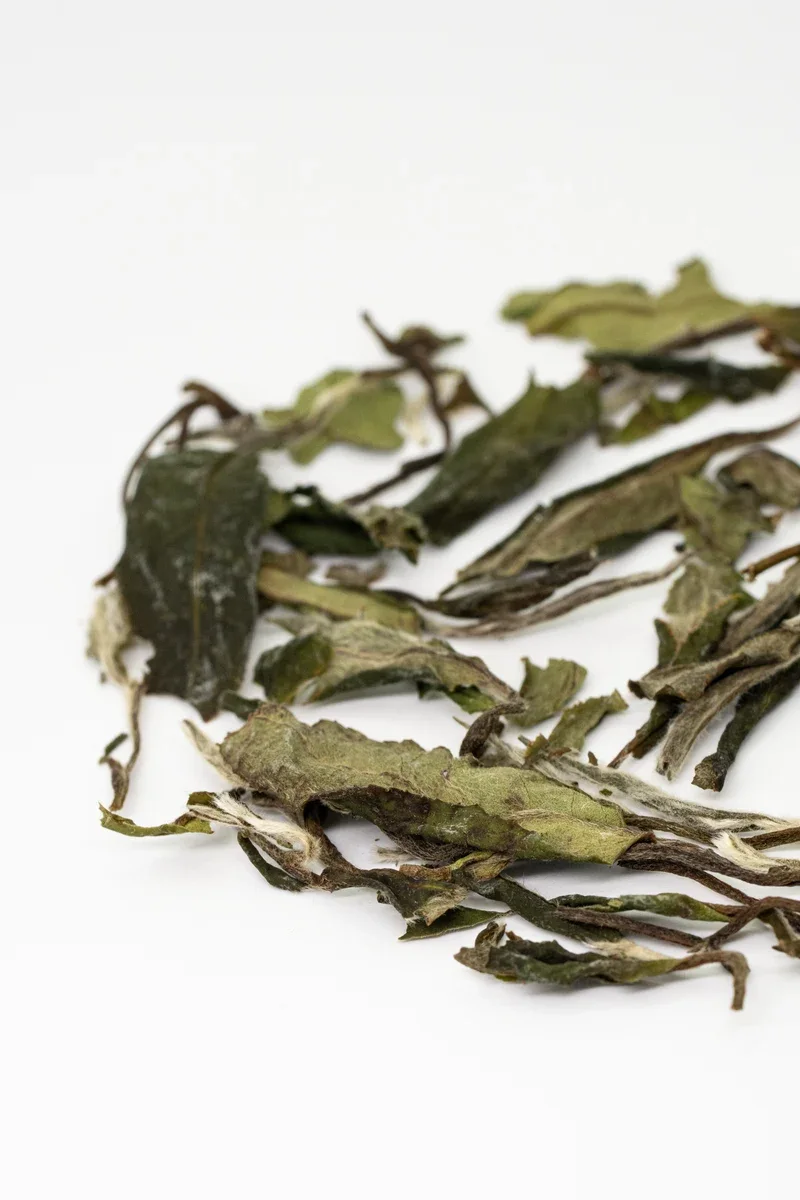
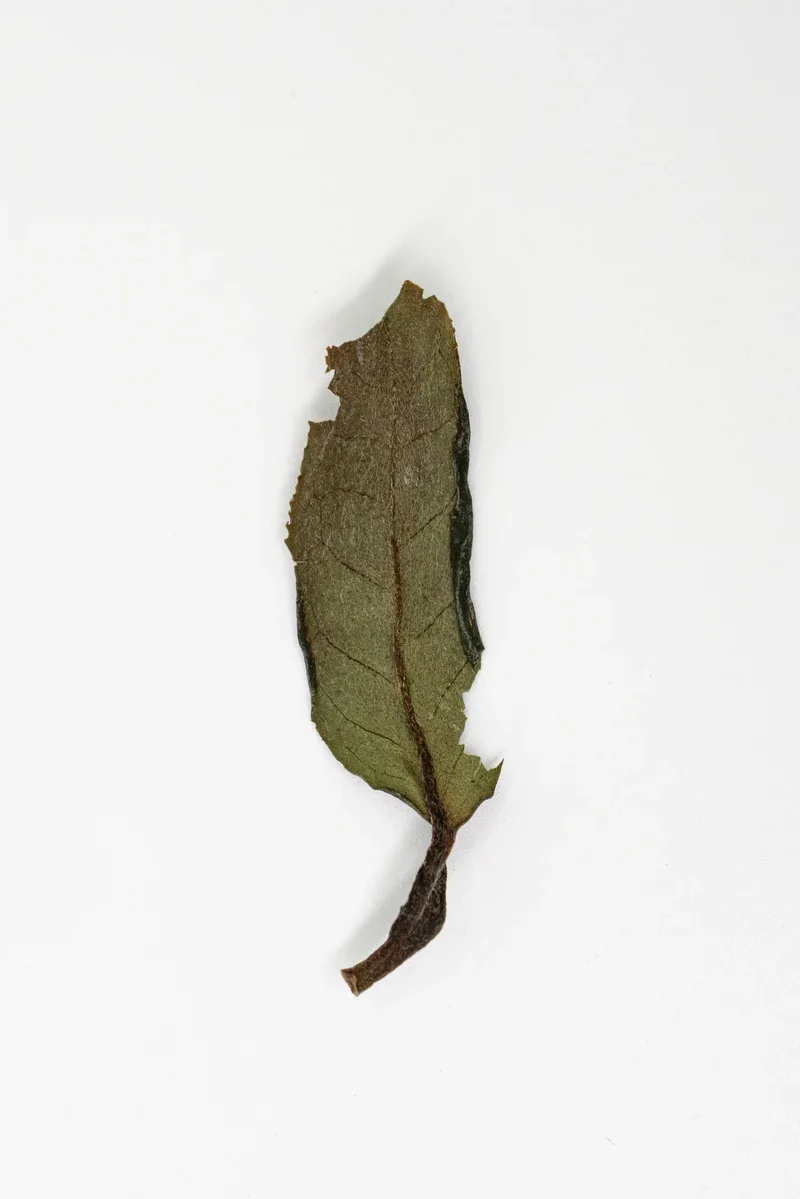
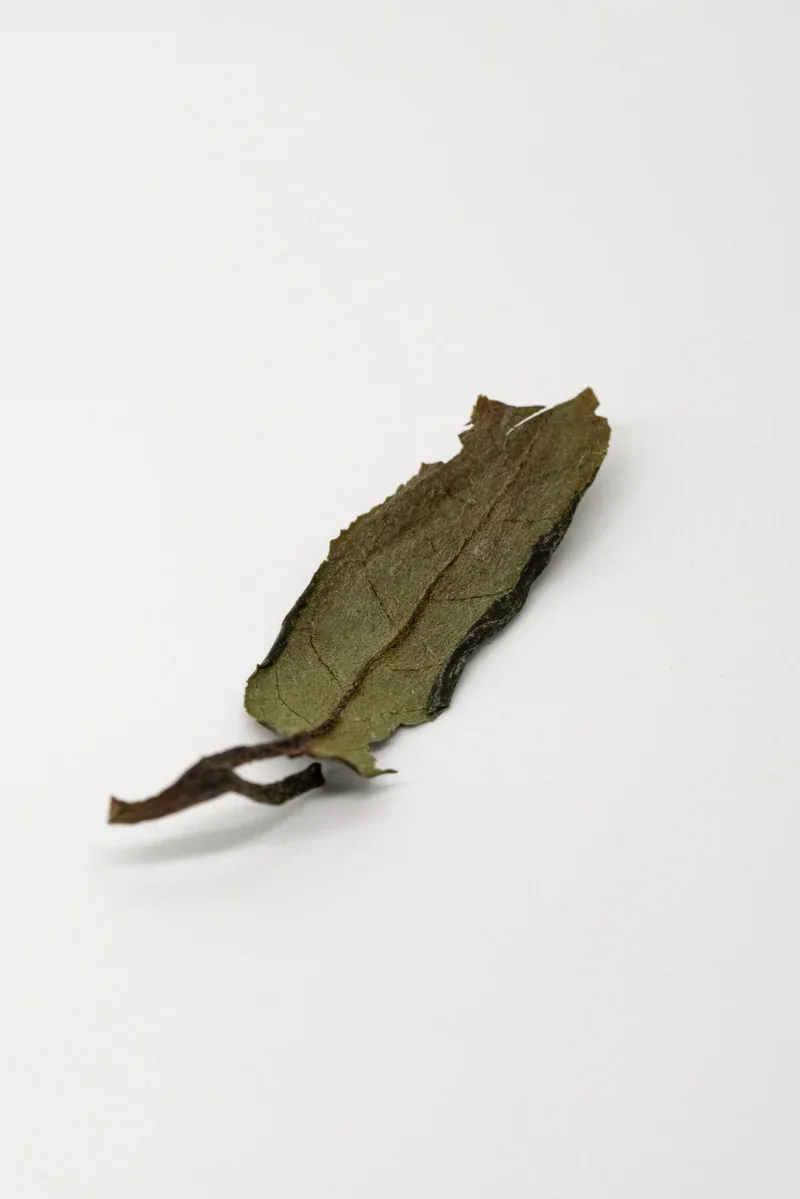
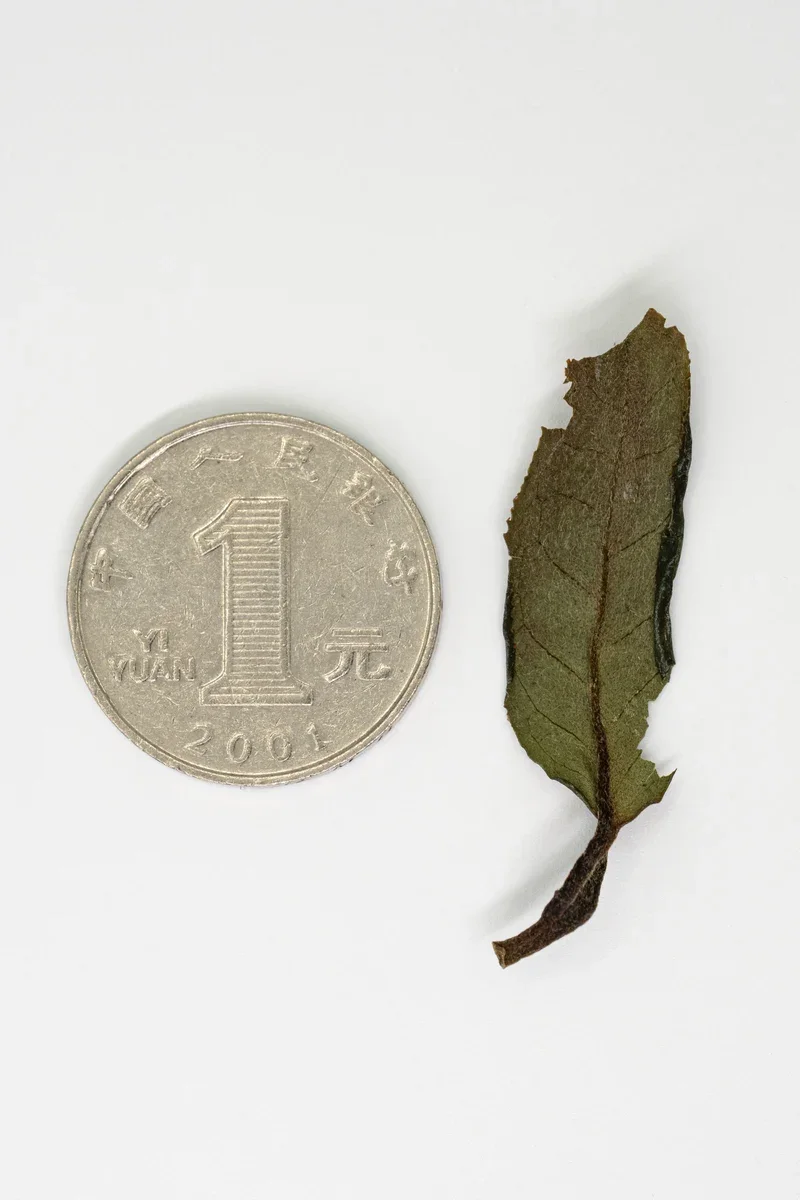
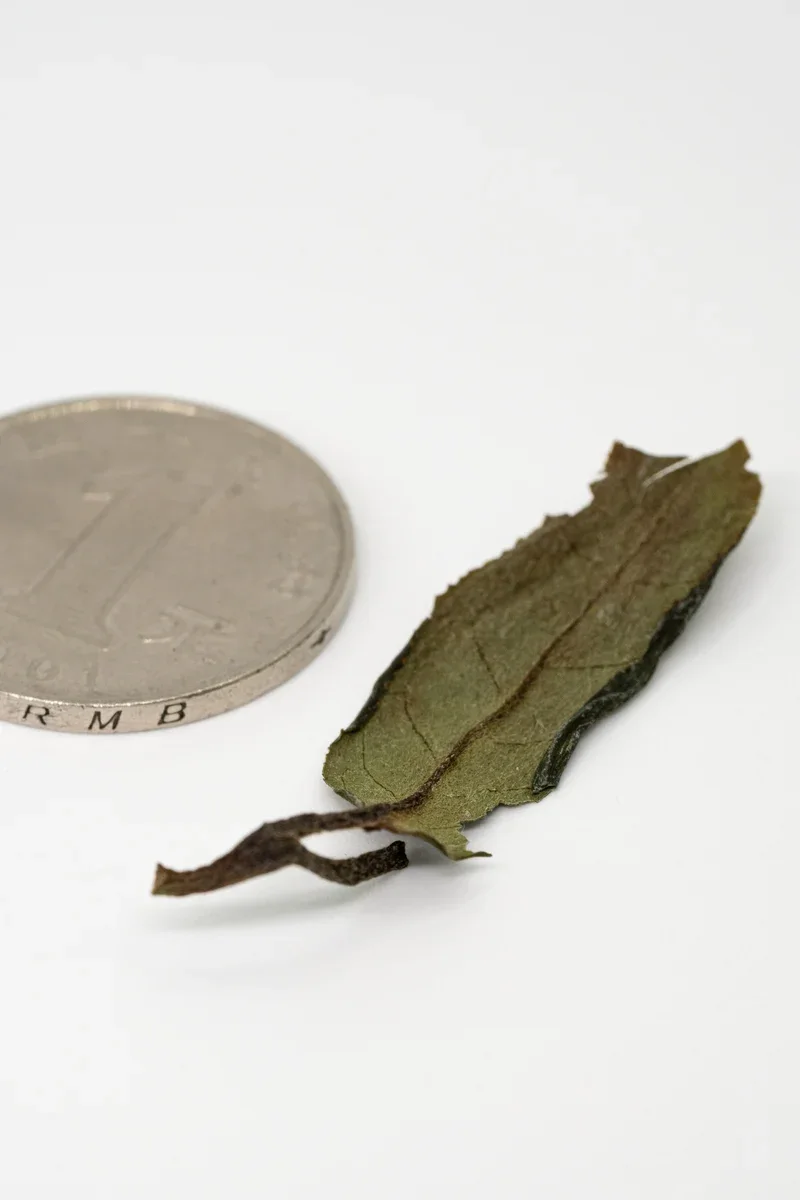
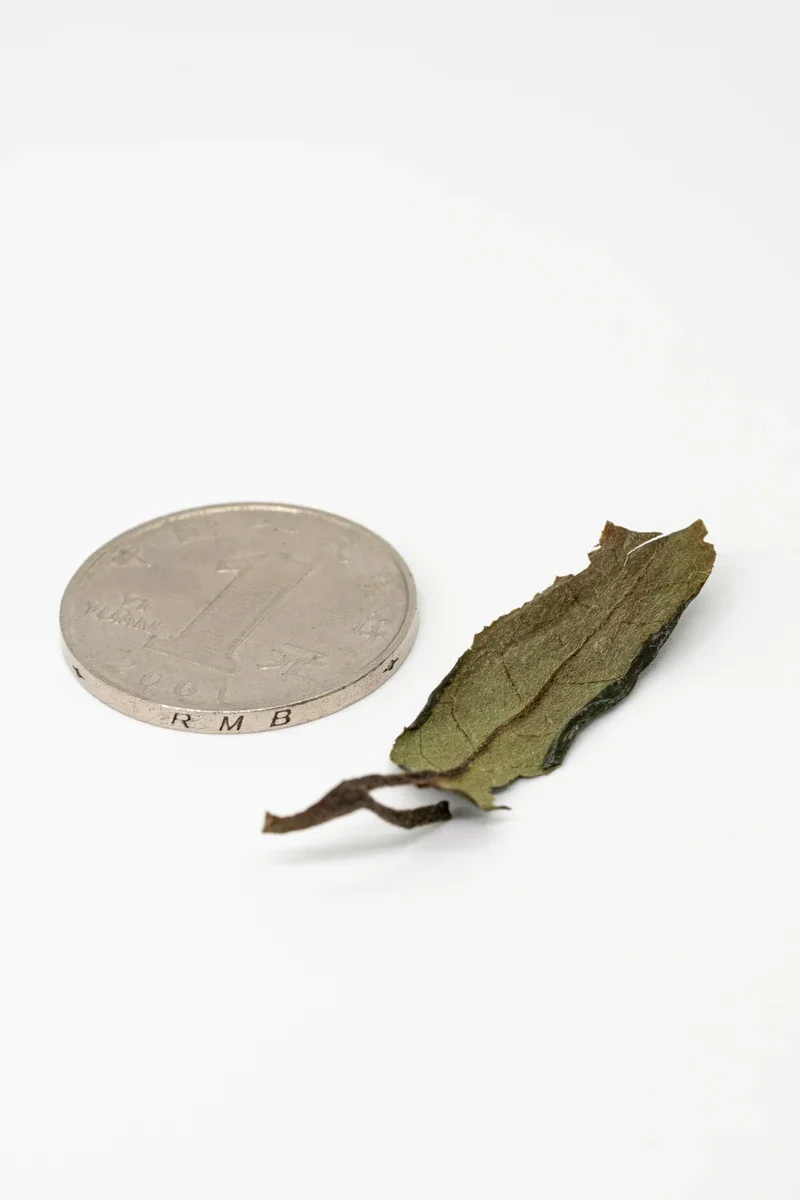
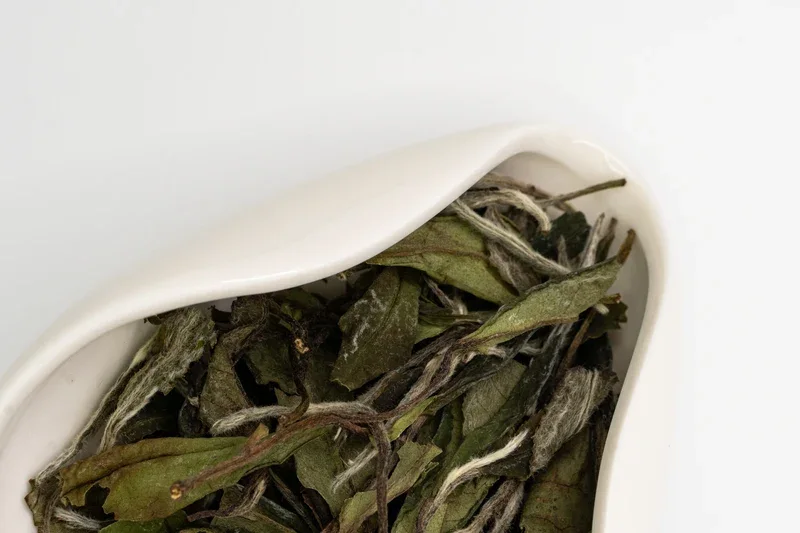
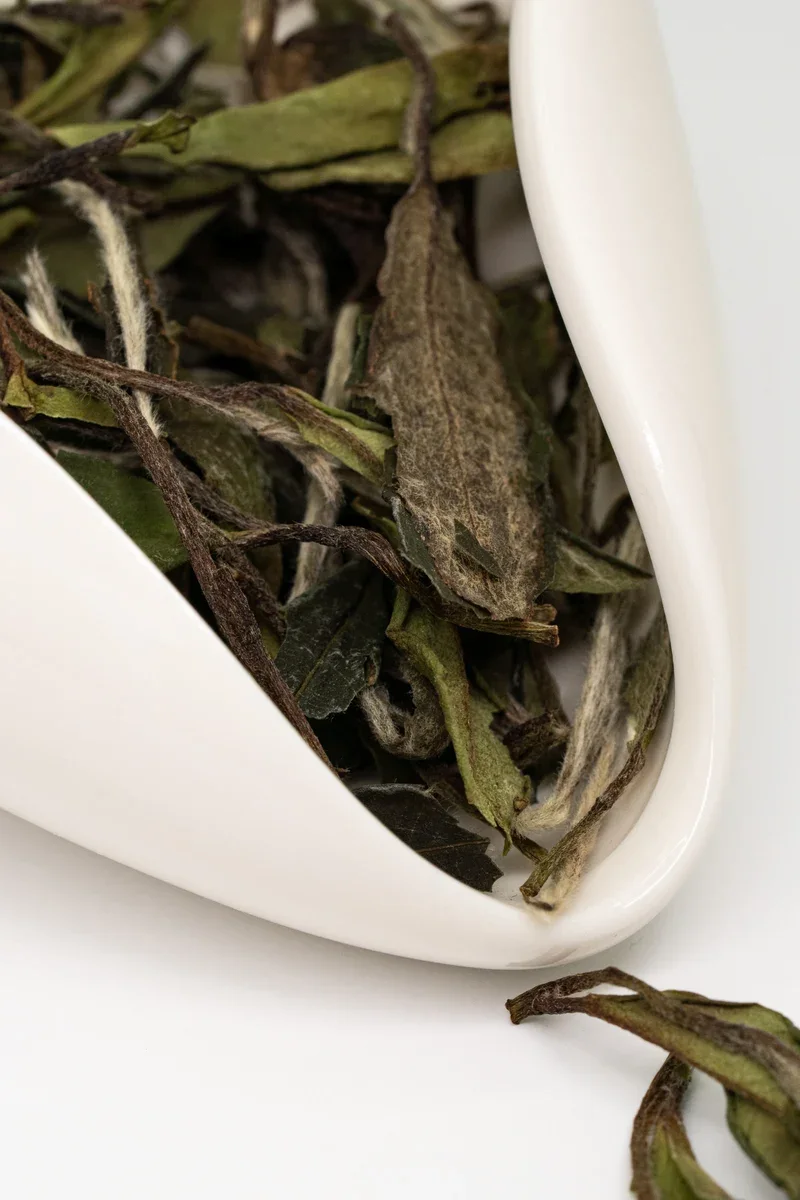
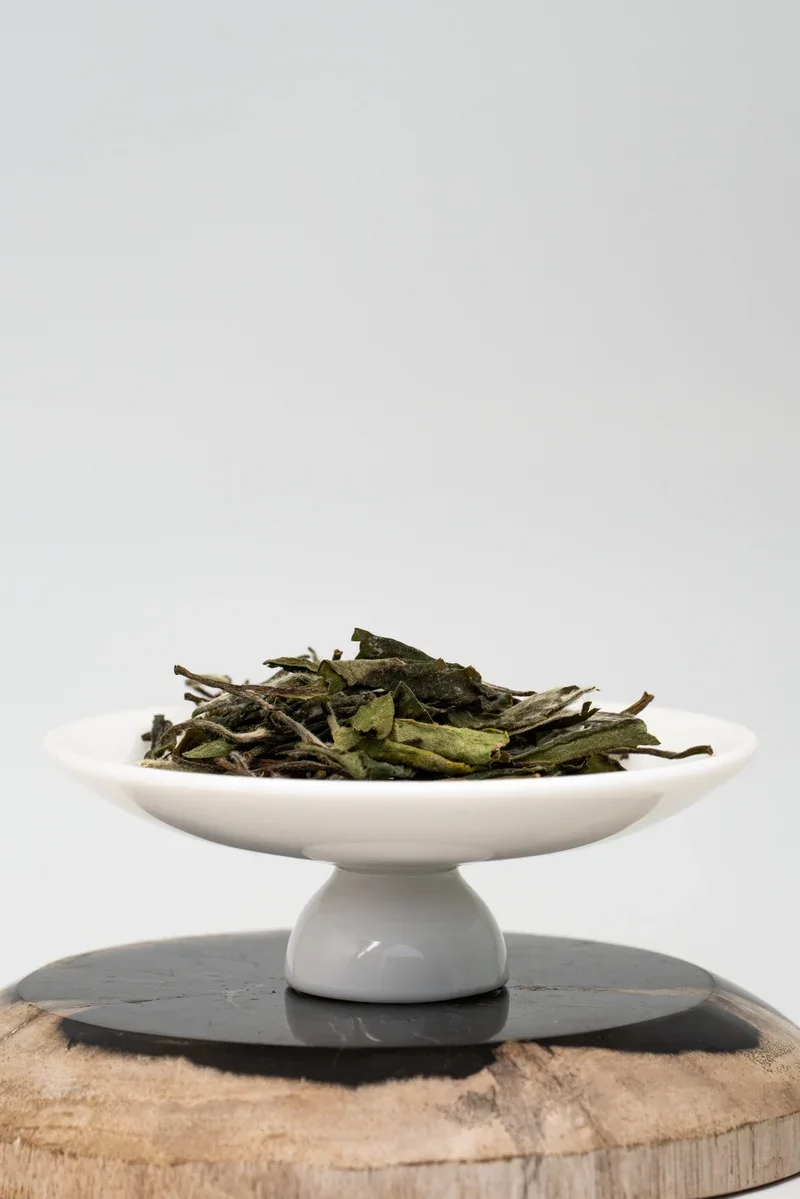
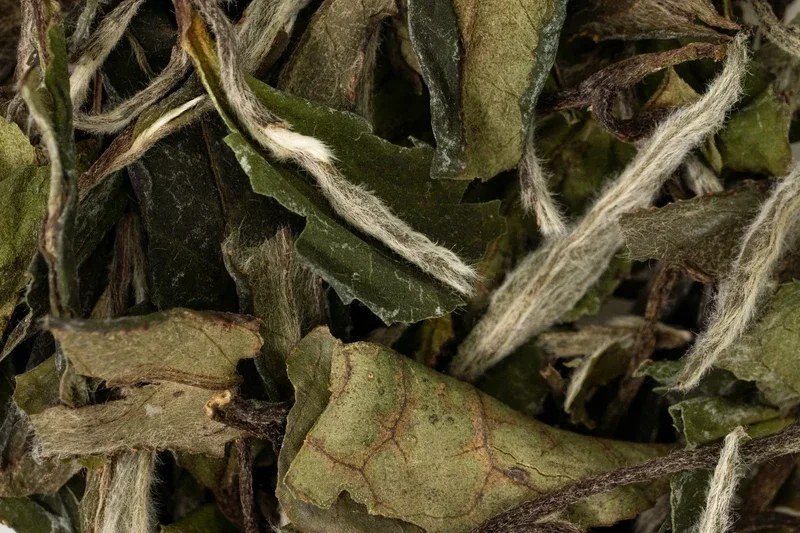
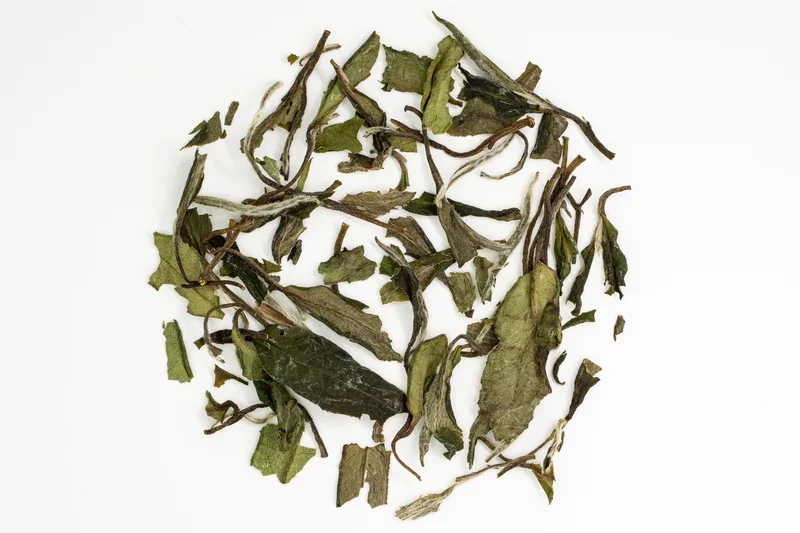
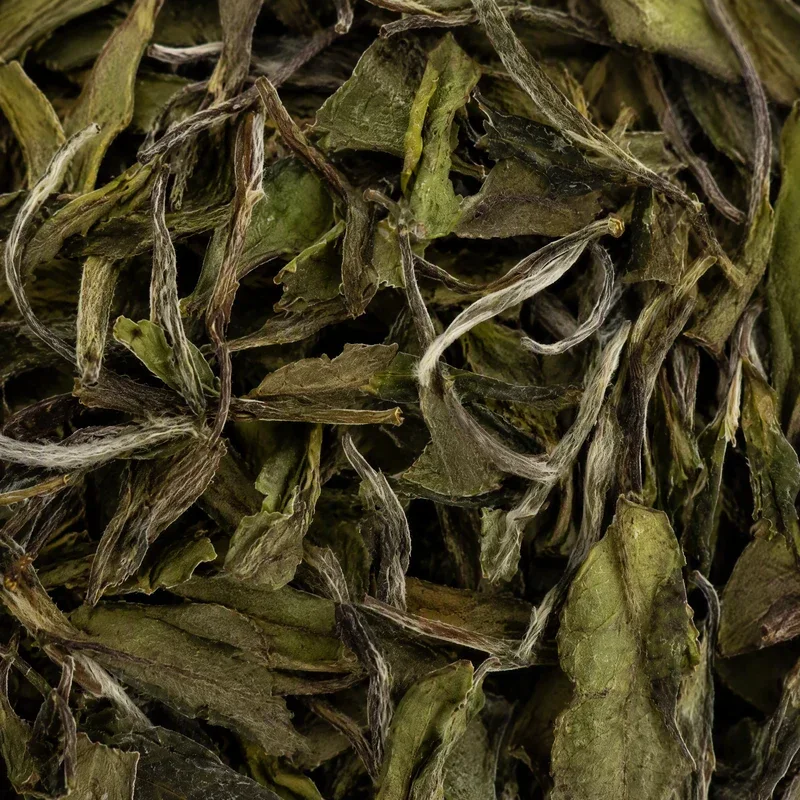
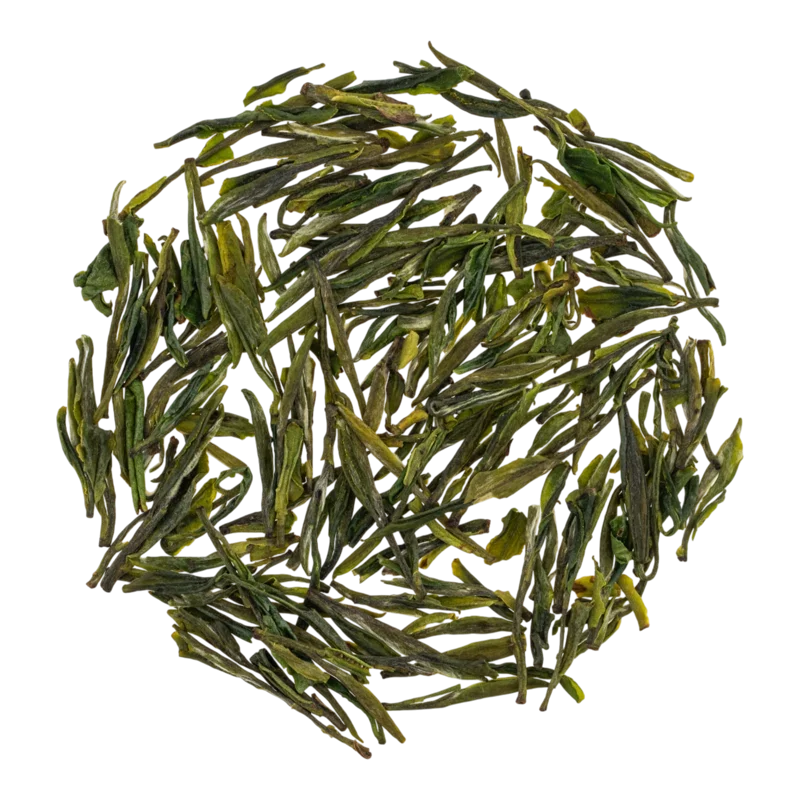
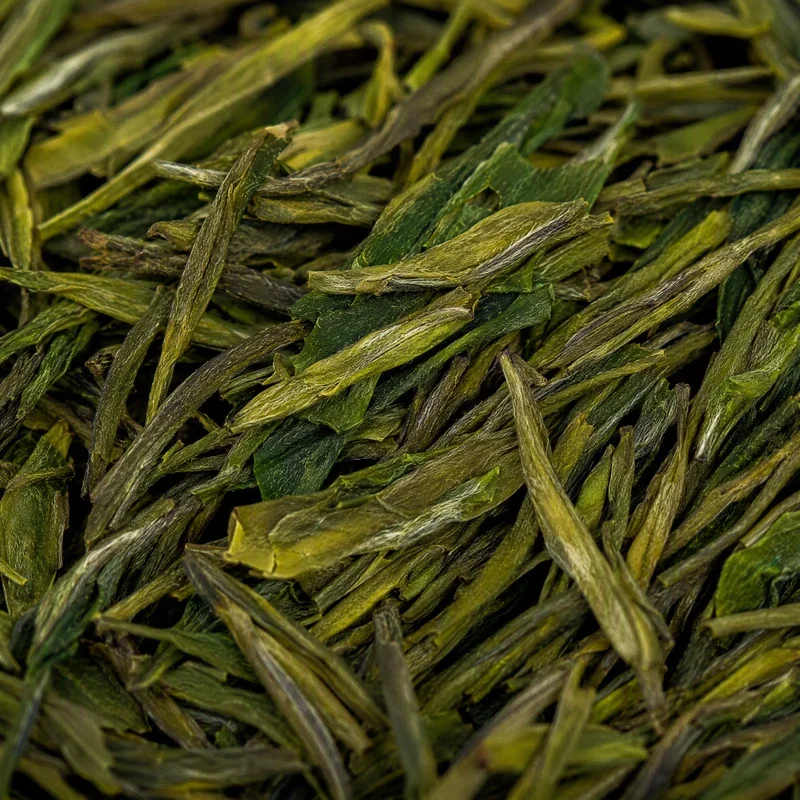
Dry Leaf Appearance: Flat, straight, even tea particles of characteristic "palm-shaped" form (掌形, zhǎngxíng — shape of an open palm). Color — bright emerald green (翠绿). Abundant silvery down (显毫). "Three greens" (三绿, sān lǜ): green dry leaf, green liquor, green spent leaves — calling card of steaming technology.
Dry Leaf Aroma: Clean, elegant (清香雅淡, qīngxiāng yǎdàn). Light "sunny" note (日晒气, rìshài qì) — subtle overtone characteristic of steamed green teas.
Liquor Aroma: Clean, persistent, with delicate green freshness. Without "roasted" notes — result of steaming rather than pan-firing fixation.
Liquor Color: Tender green, bright and clear (嫩绿明亮) — more intensely green than pan-fired teas, thanks to maximum chlorophyll preservation during steaming.
Spent Leaves: Tender, uniform shoots of bright green color — the third of the "three greens".
Taste: Fresh and brisk (鲜爽, xiānshuǎng), sweet (甘, gān), mellow and rich (醇厚, chúnhòu), with pronounced returning sweetness (回甘, huígān). Astringency minimal. Taste more "green" and "clean" than pan-fired teas — without chestnut-nutty notes characteristic of "炒青".
Alkaloids: Caffeine — moderate content.
Amino Acids: Elevated content — steaming fixation at 100°C is gentler to thermolabile amino acids than pan-firing at 140–200°C.
Significantly elevated content — steaming maximally preserves green pigment. Chlorophyll precisely determines the intensely green color of the liquor.
Elevated content. According to research, Xianrenzhang Cha possesses significant activity against influenza viruses and streptococci — the effect is attributed to flavonoids and chlorogenic acid (绿原酸, lǜyuánsuān).
Elevated content — anti-inflammatory and antioxidant agent.
Polyphenols: Significant content. Steaming preserves catechins in less oxidized form than pan-firing.
Vitamins: Vitamin C (maximally preserved thanks to gentle steaming fixation).
Traditional properties of steamed green tea.
Traditional medicine attributes to this tea the ability to relieve cough and shortness of breath.
Polyphenols + flavonoids + chlorogenic acid — triple antioxidant complex.
Polyphenols and chlorogenic acid.
Flavonoids and chlorogenic acid significantly suppress influenza viruses and streptococci.
the listed properties are based on publicly available data and are not medical recommendations.
From Hubei. Also steamed (蒸青), also from Hubei. Yulu — needle-shaped, with "Japanese" character; Xianrenzhang — flat, "palm-shaped", with Tang aura.
Also steamed (蒸し製). But sencha — more "marine" and "umami"-oriented; Xianrenzhang — more "clean" and delicate, with "sunny" note.
From Nanjing — the city where Li Bai gave the tea its name. Yuhua Cha — pan-fired, needle-shaped; Xianrenzhang — steamed, flat. Different technologies, but — common Nanjing connection.
Also flat, but — pan-fired (炒青), with pronounced bean-chestnut aroma. Longjing — "structural" and "umami"; Xianrenzhang — more "clean", without roasted notes, with "three greens" of steaming type.
freshly purchased tea is recommended to rest ~2 weeks for "fire taste dissipation". When evaluating tea, pay attention to absence of mold — distinguish natural white down (白毫) from moldy coating (霉斑).
Tea Amount: 3 g per 150 ml water (1:50 ratio).
Teaware: Glass tumbler or white porcelain gaiwan.
Water Temperature: 85–90°C.
characteristic flat "palm" — unique shape not found in other teas. Twisted or needle-shaped leaves — different tea type.
green leaf, green liquor, green spent leaves. Yellowish liquor — sign of pan-fired, not steamed tea.
clean, delicate, without "roasted" notes. Chestnut or bean aroma — different technology type.
suspiciously low — sign of counterfeit.
No reviews yet. Tell us what you think of this tea.
Rate this tea and share your impressions. We review each submission before publishing it.