Brewing
Gongfu brewing
- Water temperature
- 93 °C
- Tea amount
- 5 g
- Water volume
- 100 ml
- First steep
- 10 s
- Time added per infusion
- 5 s
- Infusions
- 4

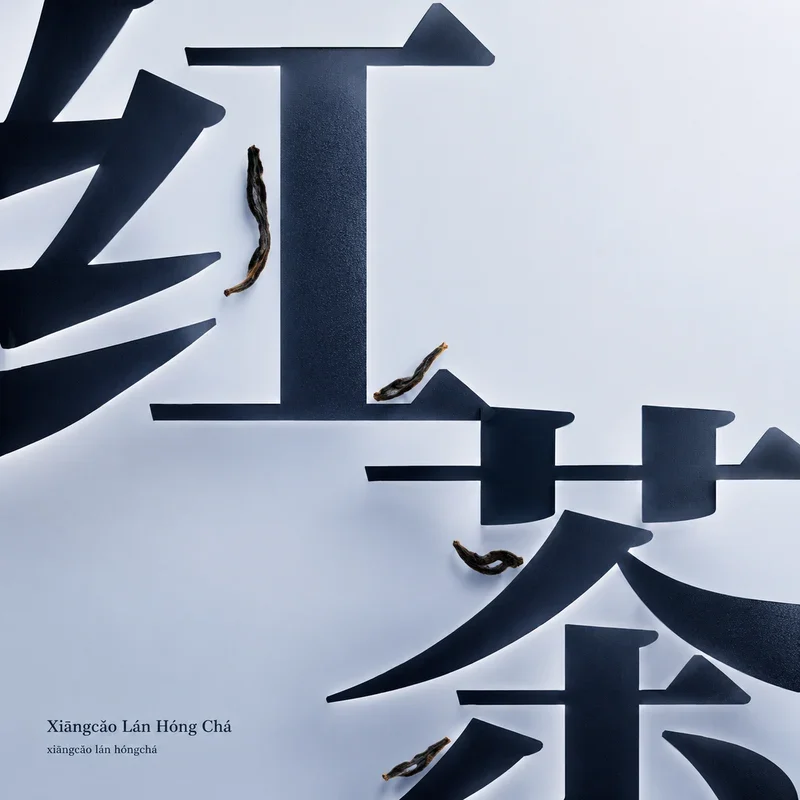
xiāngcǎo lán hóngchá
Choose a brewing method. Start with the recommended quantities and time, then adjust to taste.
Brewing
Brewing
Taste
Tea encyclopedia
Category: Scented red tea (black tea) (调味红茶 / 添香红茶). Belongs to the broad category of "hua cha" (花茶) in an expanded understanding — teas with added natural flavourings. However, the technology differs fundamentally from classic jasmine tea: instead of repeated floral "kunzhi" (窨制, xūnzhì — layering aroma from fresh flowers), this uses an adsorption method with extract from fermented vanilla pods.
Category: Scented red tea (black tea) (调味红茶 / 添香红茶). Belongs to the broad category of "hua cha" (花茶) in an expanded understanding — teas with added natural flavourings. However, the technology differs fundamentally from classic jasmine tea: instead of repeated floral "kunzhi" (窨制, xūnzhì — layering aroma from fresh flowers), this uses an adsorption method with extract from fermented vanilla pods.
Coordinates: approximately 18°48′ N, 110°23′ E (Wanning/Xinglong area).
Origin: China, Hǎinán Province (海南省, Hǎinán Shěng). Main production area — Wanning County-level City (万宁市, Wànníng Shì) and adjacent Xīnglóng zones (兴隆, Xīnglóng). Hainan is China's only fully tropical province, located south of the Tropic of Cancer, creating conditions for cultivating both tea trees and vanilla orchid.
Type: Reprocessed/scented tea (再加工茶, zài jiāgōng chá) based on red tea (black tea) (红茶, hóngchá).
Cultural Significance: Xiangcao Lan Hong Cha is a product reflecting Hainan's tropical identity: the island, located in China's far south, cultivates ingredients unavailable to the rest of the country's territory. Vanilla orchid, cocoa beans, coffee, coconuts — all this is part of Hainan's unique "tropical signature". The tea became one of the "calling cards" of Hainan tropical products, alongside Xinglong coffee, pepper and coconut oil.
History: Hainan's tea tradition, though not as ancient as mainland China's, has its own specificity: the island's tropical climate allows year-round cultivation of large-leaf tea varieties, and in the 1950s a base was established here for producing export red tea (black tea) (红碎茶, hóngsuì chá — CTC tea), which was compared in quality to Indian and Ceylon teas.
Name Breakdown: "Xiangcao" (香草) — literally "fragrant grass", the general Chinese designation for vanilla. "Lan" (兰) — "orchid", refers to vanilla's botanical belonging to the Orchidaceae family (Orchidaceae). "Hong Cha" (红茶) — "red tea (black tea)". The full name means "Red tea (black tea) with vanilla orchid". The abbreviated general name of the series — "Xianglan Cha" (香兰茶, "vanilla-orchid tea").
Large-leaf varieties grown in Hainan: Yúnnán Dàyè Zhǒng (云南大叶种, Camellia sinensis var. assamica), adapted to Hainan's climate, as well as Hǎinán Dàyè Zhǒng (海南大叶种) — a local large-leaf variety. Other cultivars present on the island may also be used: Fuding Dabai Cha, Qílán (奇兰), Fuyun 6th (福云6号). Large-leaf raw material is preferable for red tea (black tea) base: high polyphenol content ensures a rich liquor with dense body capable of withstanding vanilla scenting without losing tea character.
Hainan's tropical climate permits picking practically year-round (March to November), however the best batches are spring (March–April).
One bud with one to two leaves (一芽一二叶). For mass batches — more mature leaf.
Vanilla planifolia Andrews (syn. Vanilla fragrans (Salisb.) Ames) — perennial vine of the Orchidaceae family (Orchidaceae). Native to Mexico and Central America; cultivated in tropical zones worldwide, largest producers — Madagascar, Indonesia, Uganda. In Hainan, vanilla has been grown since the early 1990s in Wanning, Tunchang, Qionghai and Ding'an counties, typically under artificial shade canopies. Pods (fruits) 15–25 cm long contain 150–170 aromatic compounds; the main one — vanillin (香兰素, xiānglán sù), providing the characteristic sweet vanilla-chocolate aroma. Pods undergo a lengthy fermentation process: fresh fruits are blanched, then subjected to a multi-week cycle of "sweating–drying–conditioning", during which enzymes break down glucovanillin into free vanillin.
Climate: Tropical monsoon. Average annual temperature 22–26°C. Frost-free period — year-round. Annual precipitation — 1500–2500 mm. High humidity (>80%) and abundant rains May–October. Conditions are ideal for both tea trees and vanilla orchid, which requires constant high humidity, diffused light and temperature not below 15°C.
Soil: Red lateritic soils (砖红壤, zhuānhóngrǎng), acidic (pH 5.0–6.5), well-drained, with high organic matter content. Volcanic soils in several areas (including Haikou area) are enriched with minerals.
From sea level to 500–800 m; main plantations — in foothill and hilly areas of the central-southern part of the island (Wuzhishan, Baisha, Qiongzhong) and on the coast (Wanning).
Hainan experienced a "vanilla boom" in the 1990s, when dozens of hectares were planted with vanilla orchid. By the end of the decade, many plantations were abandoned due to high costs, unstable harvests and pests, however some farms in the Wanning and Xinglong areas survived and still supply raw material for Xianglan Cha production.
One bud with one to two leaves.
Reducing leaf turgor to elastic state; in Hainan's tropical climate this stage may be shorter than in continental provinces due to higher air temperature.
Breaking cell walls and bringing juice to the surface for even oxidation.
Full oxidation until formation of characteristic red-copper colour and fruity-sweet aroma of red tea (black tea).
Stopping oxidation, fixing base aroma.
Selecting suitable fraction for subsequent scenting.
Fermented vanilla pods (Vanilla planifolia) contain more than 200 aromatic and bioactive compounds. These substances are extracted by extraction and concentration methods — resulting in vanilla extract (tincture or oleoresin) containing vanillin, vanillic acid, vanillyl alcohol, acetovanillone, cinnamic acid and dozens of other components.
Ready tea base is treated with vanilla extract using technology based on modern adsorption theory: tea leaf acts as a porous adsorbent, absorbing aromatic molecules. The process occurs under controlled temperature and humidity conditions to ensure even aroma distribution.
After adsorption, tea is dried to fix aroma and reduce moisture to safe levels.
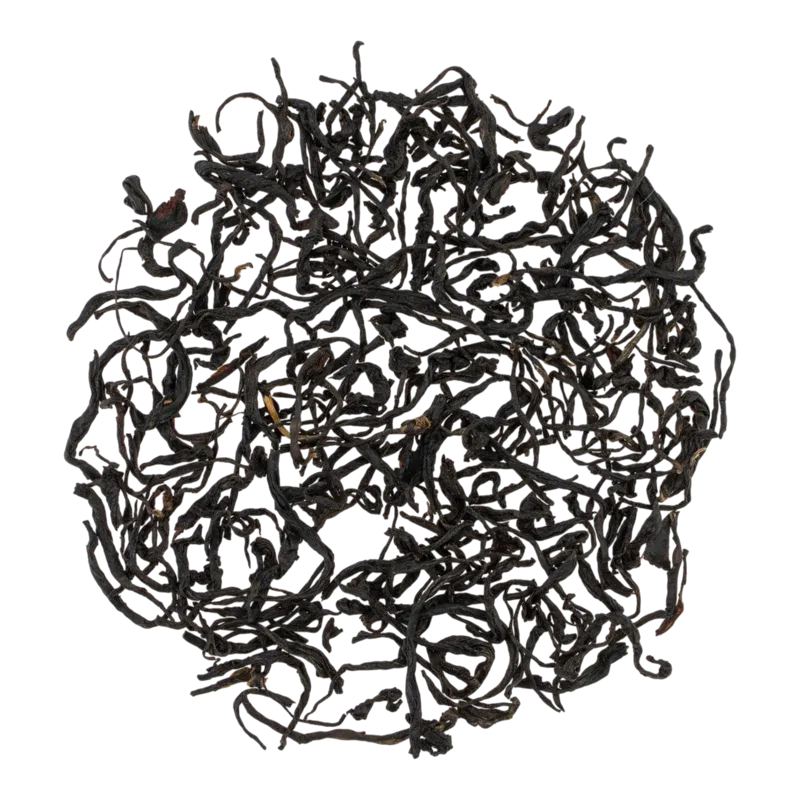
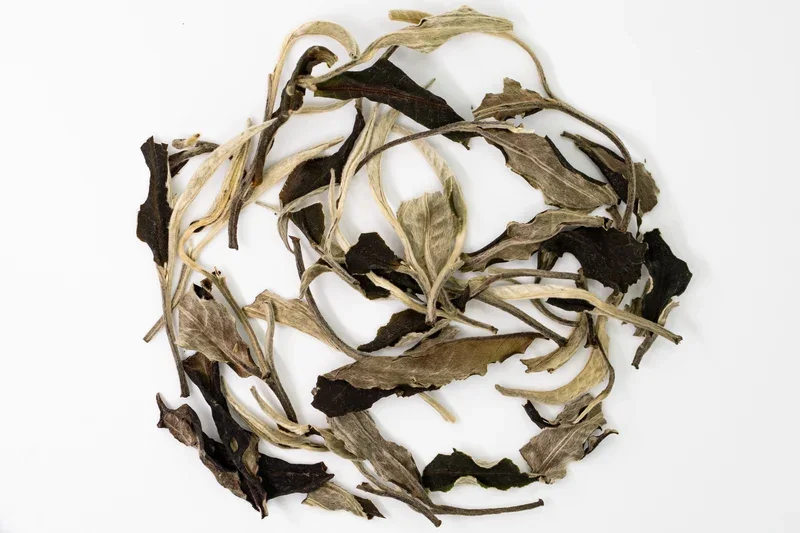
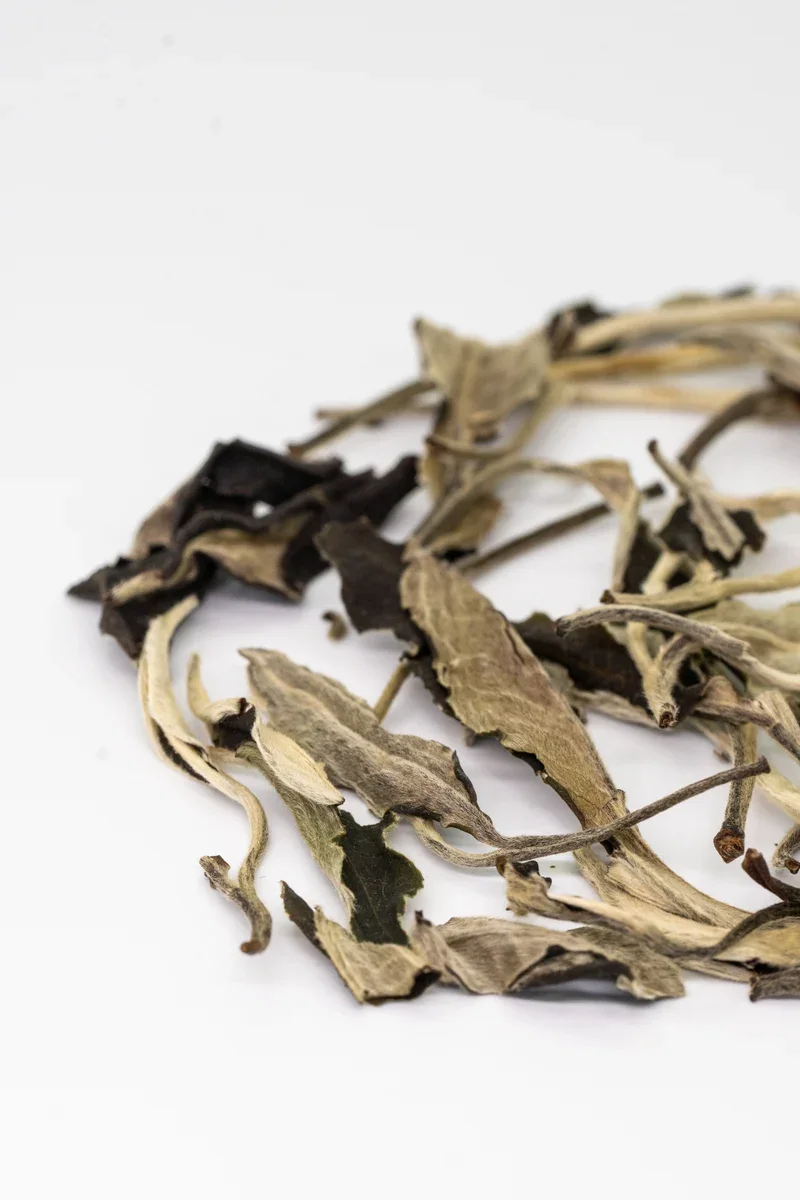
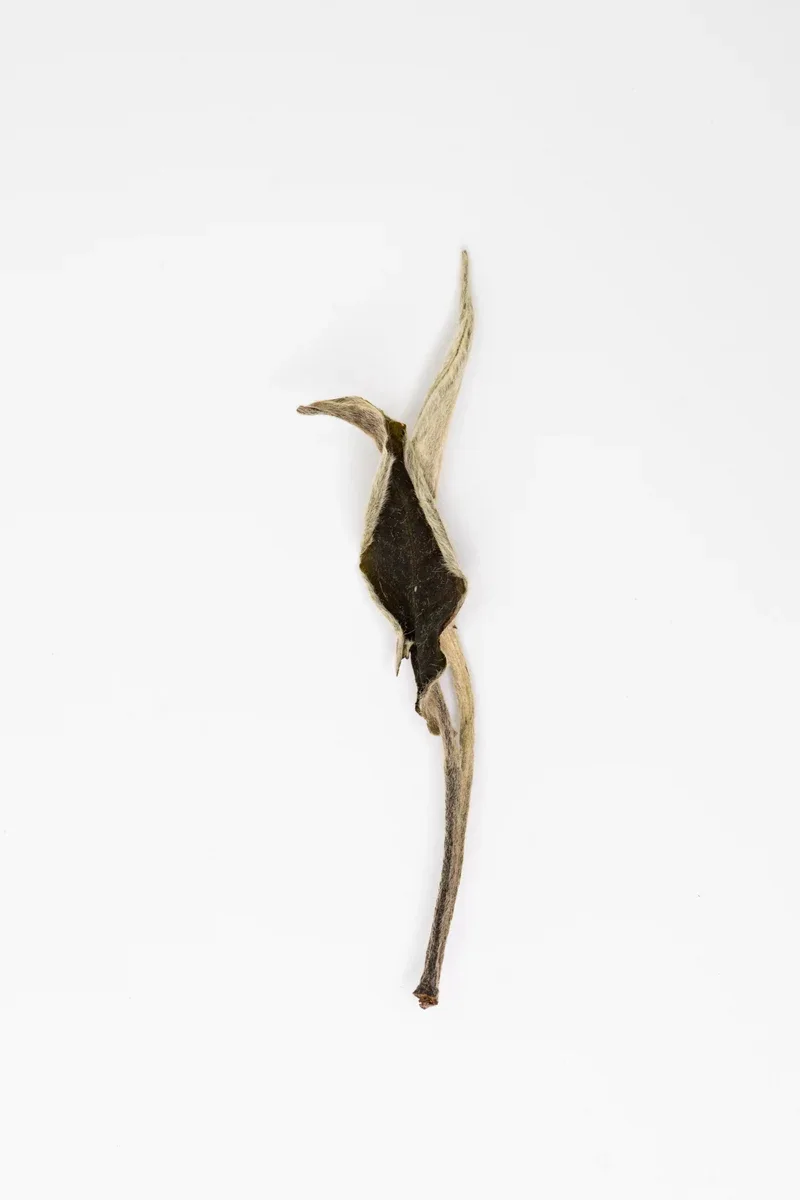
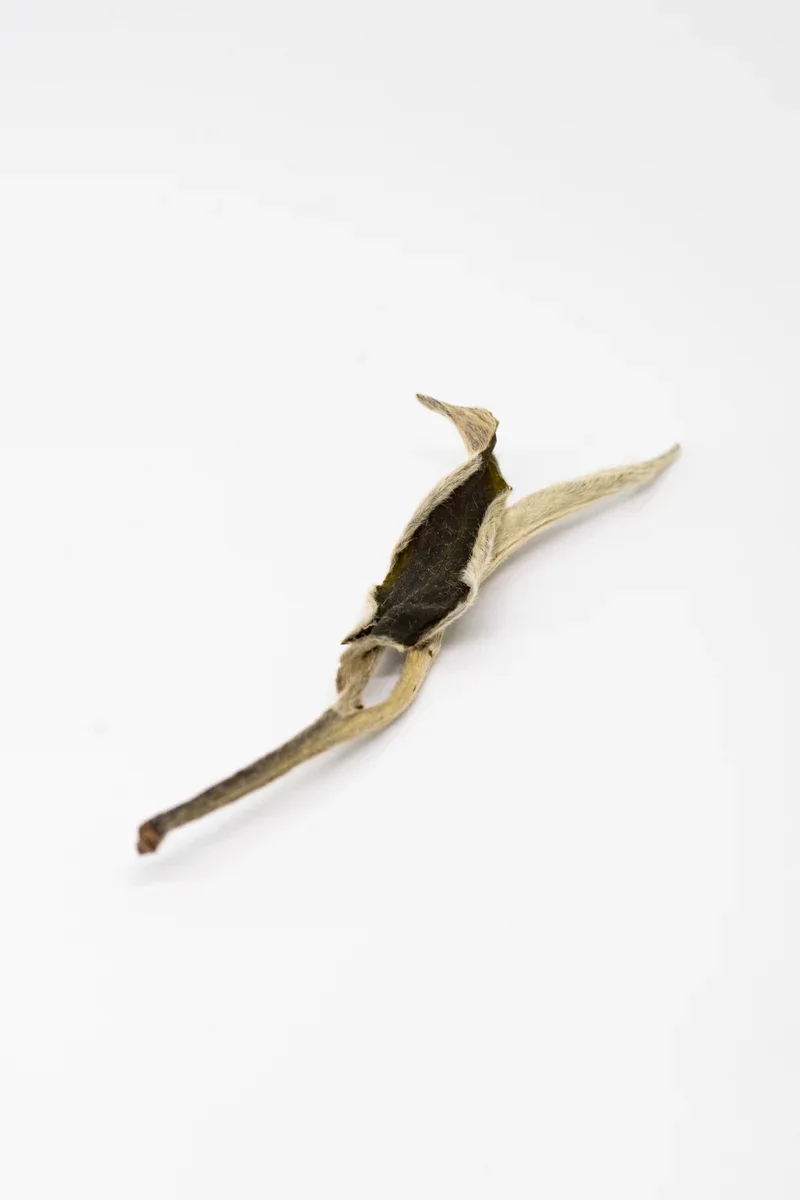
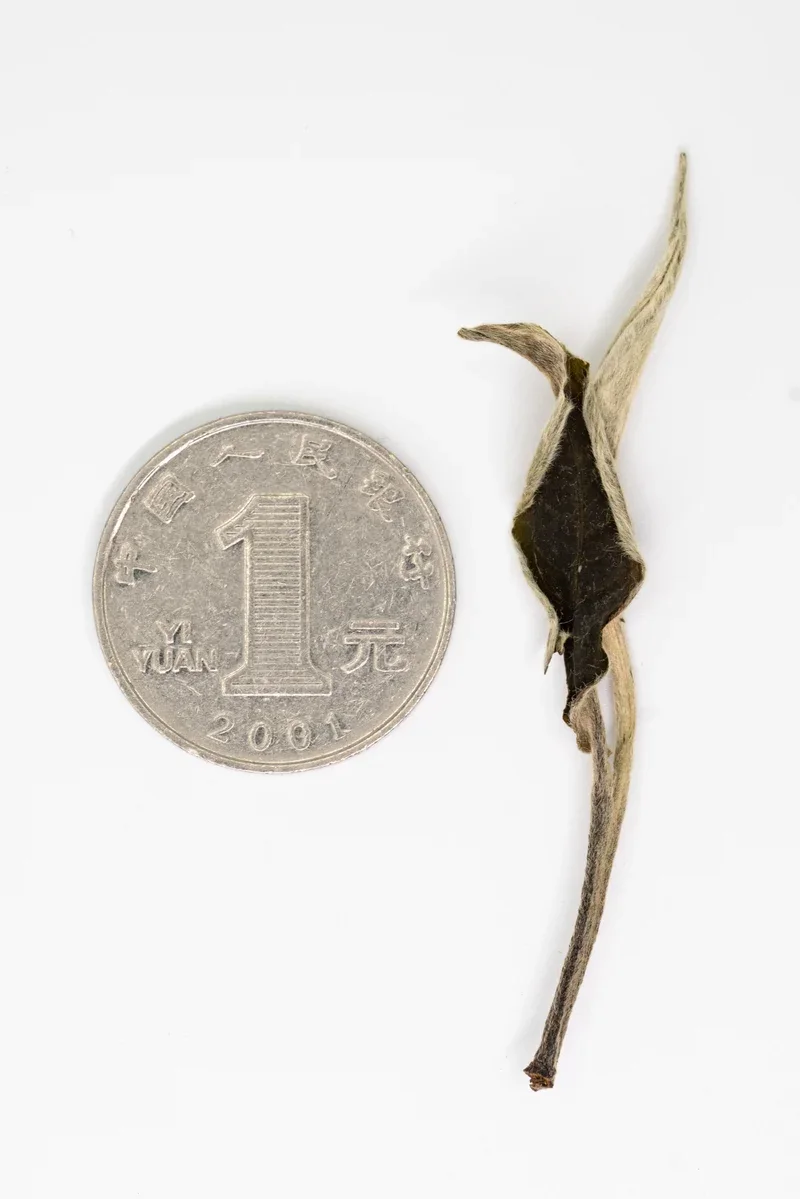
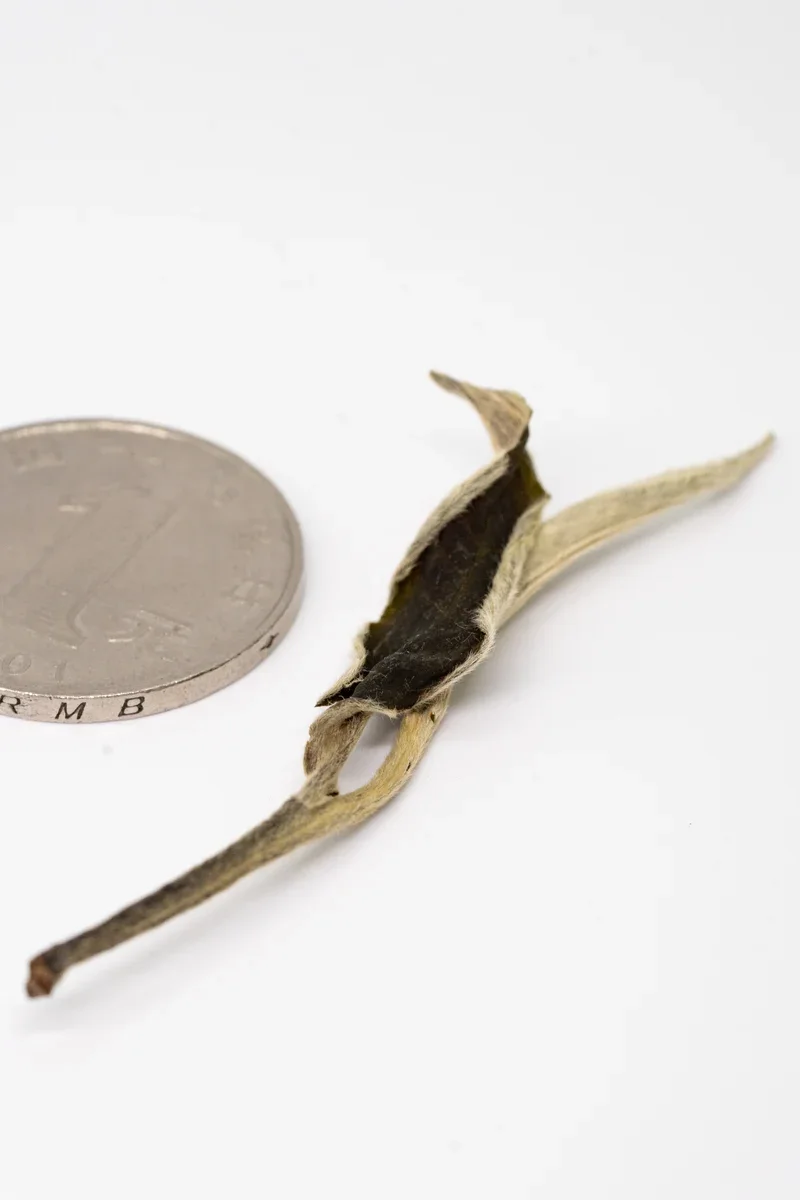
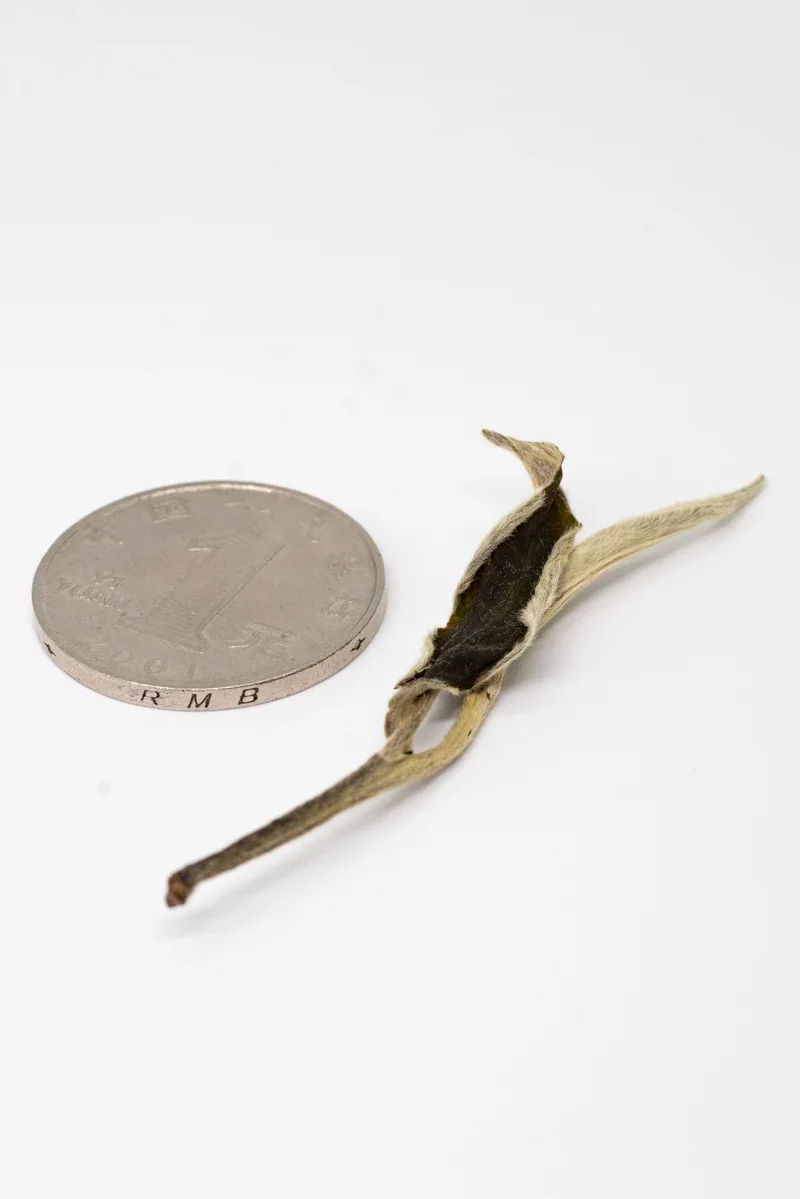
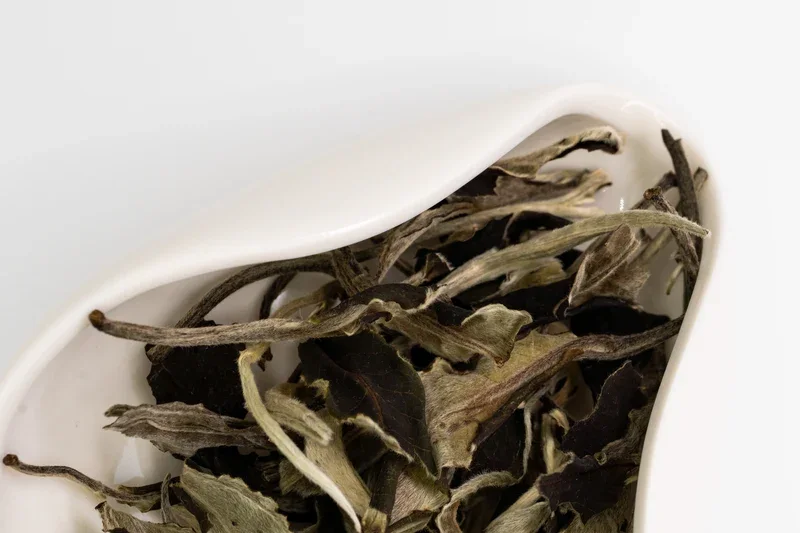
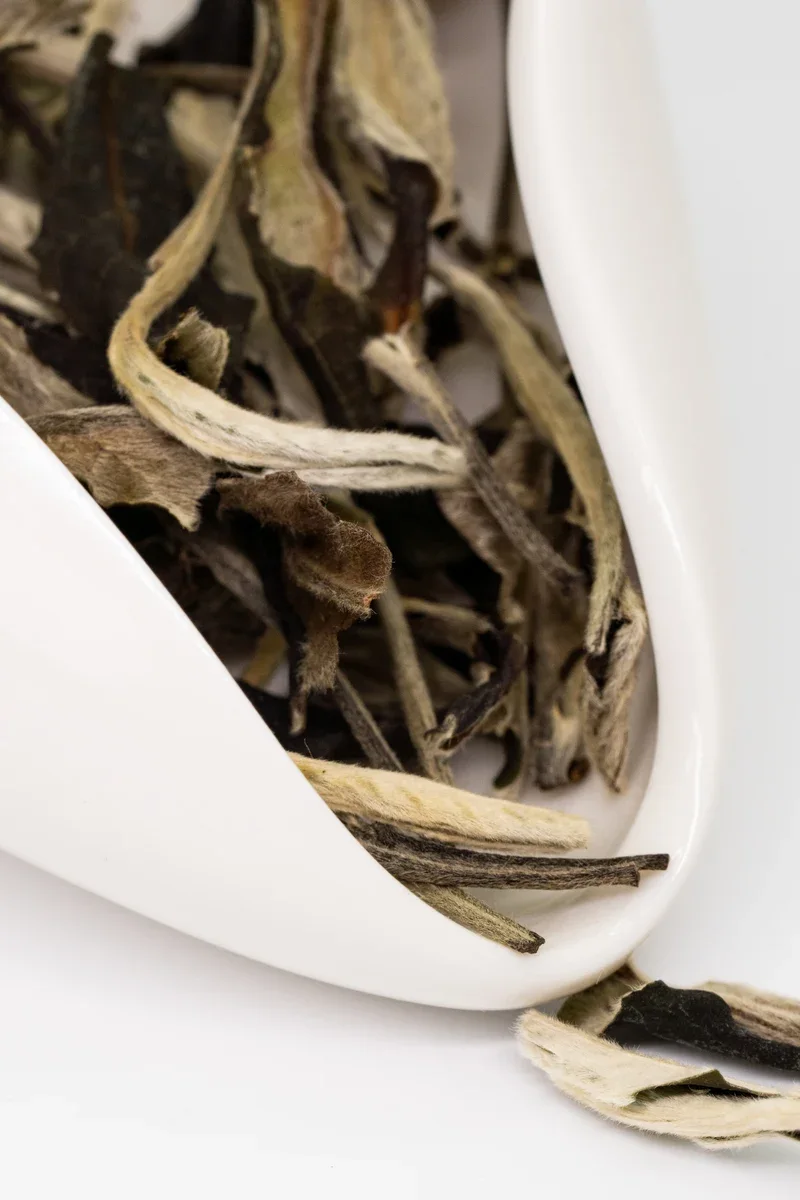
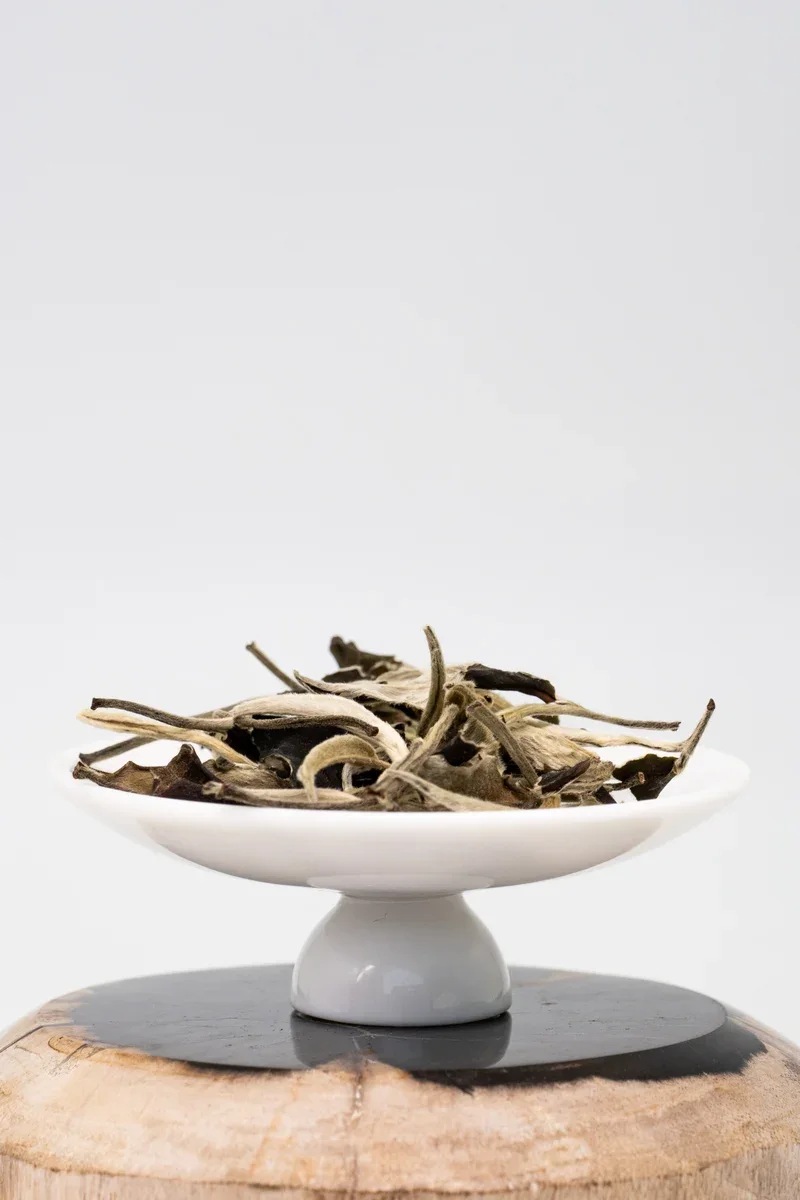
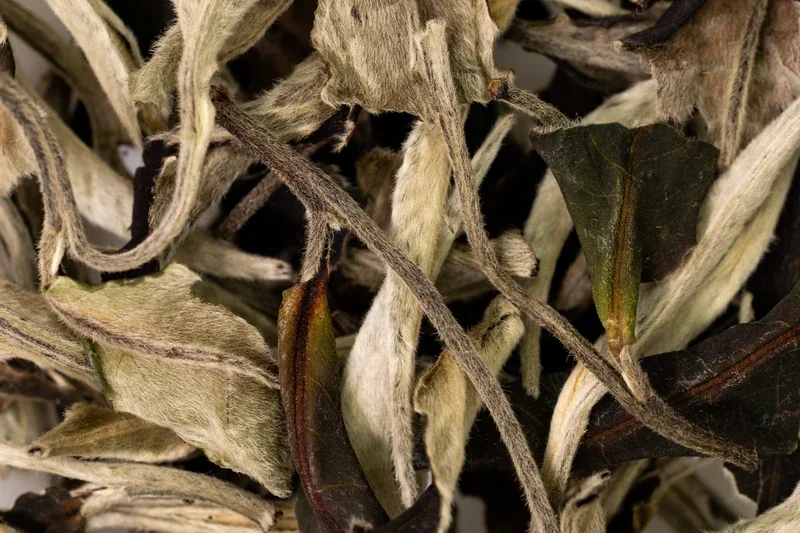
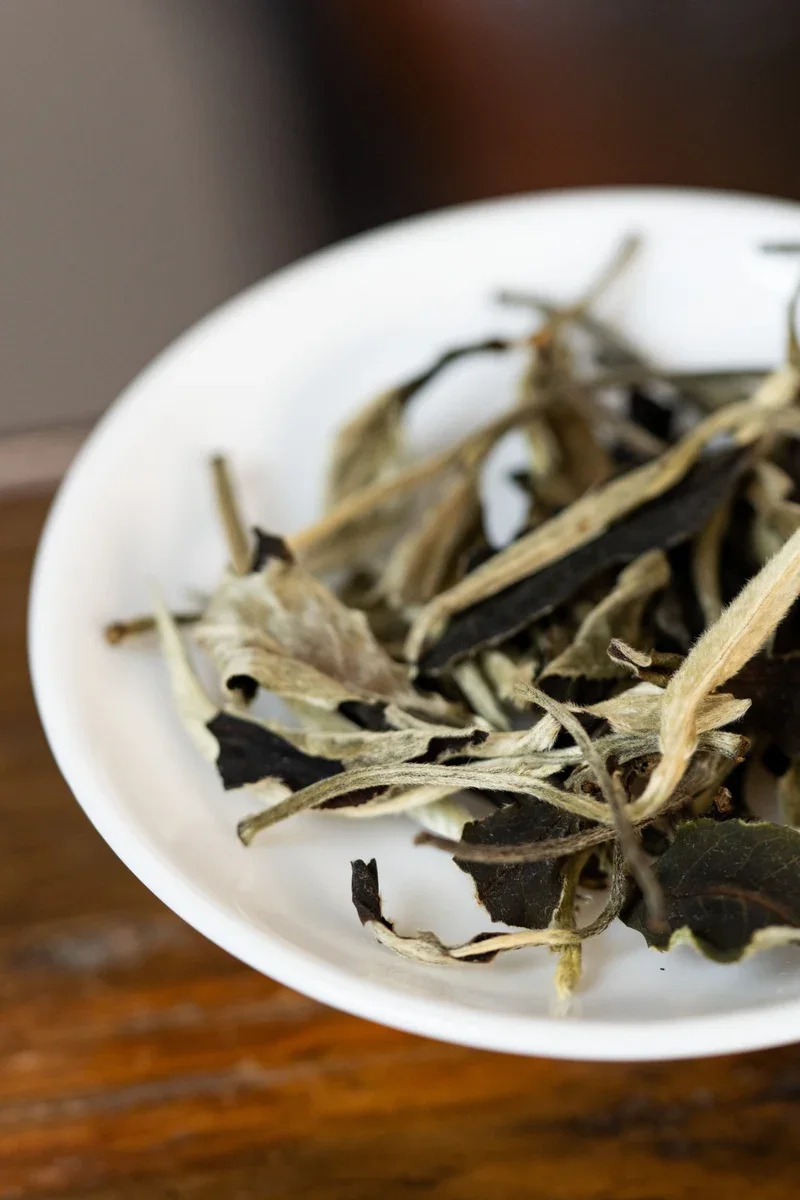
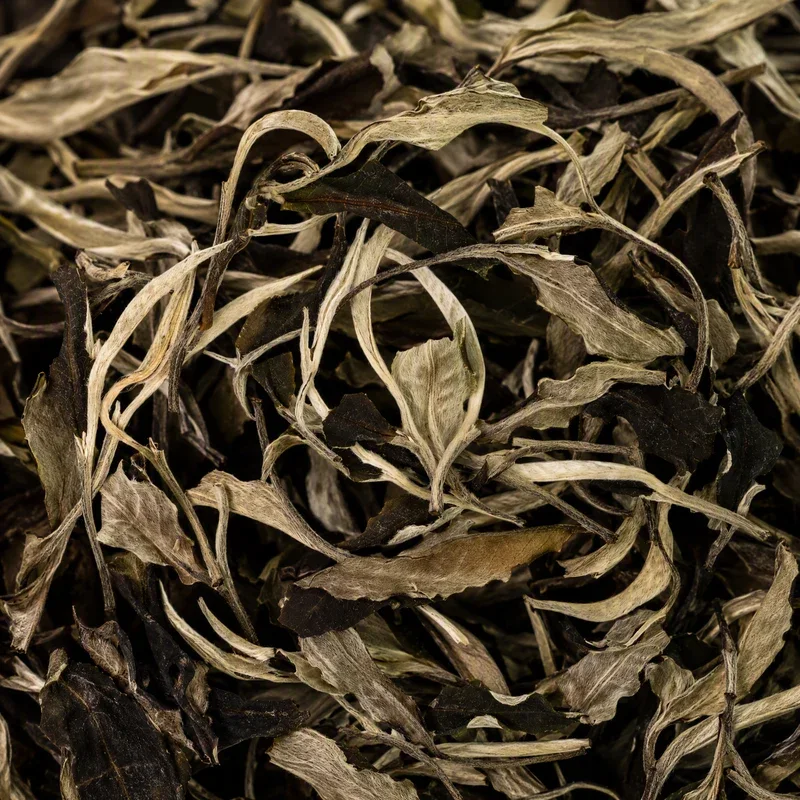
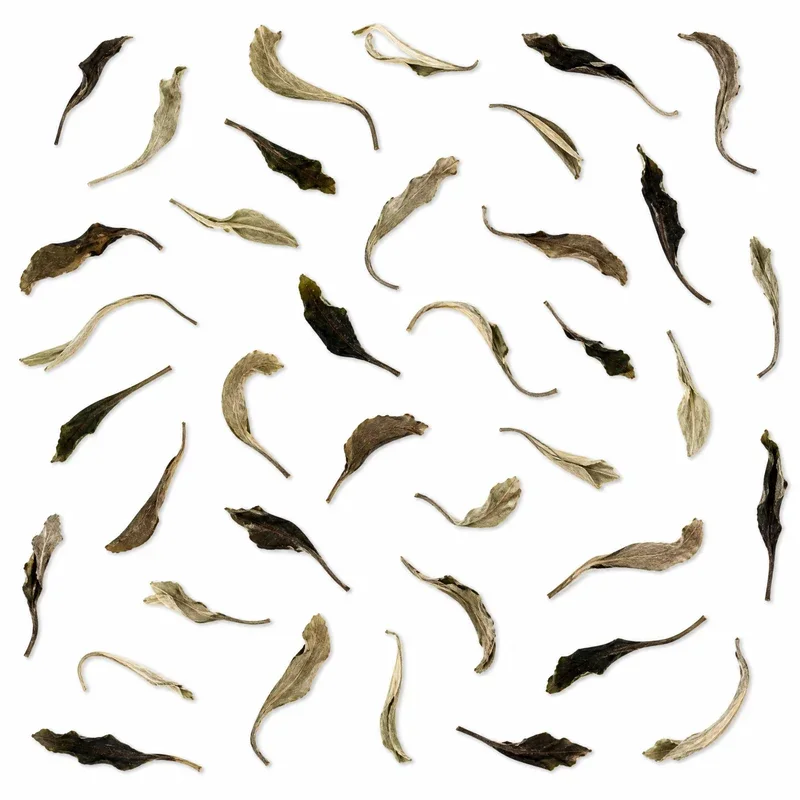
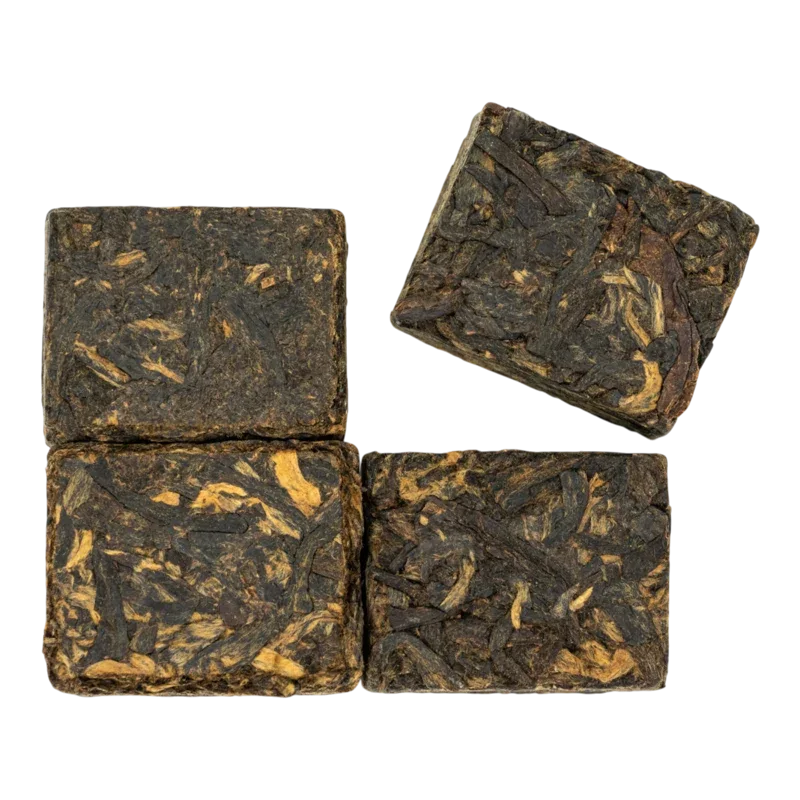
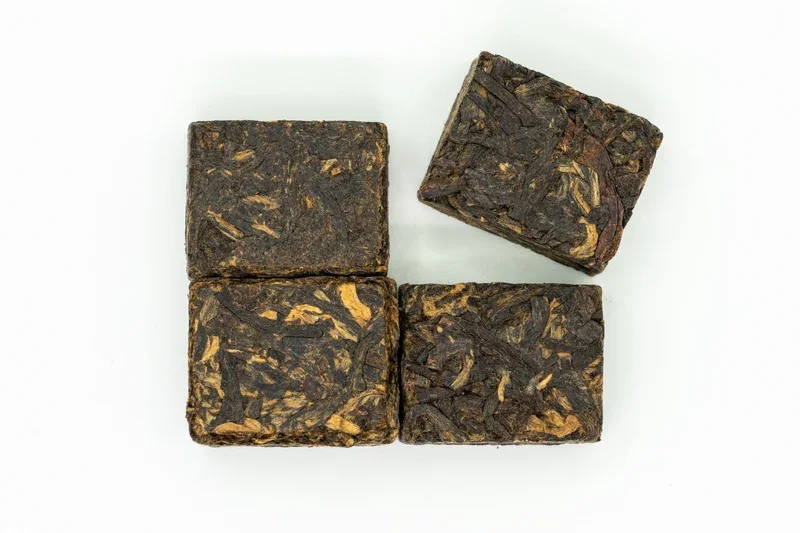
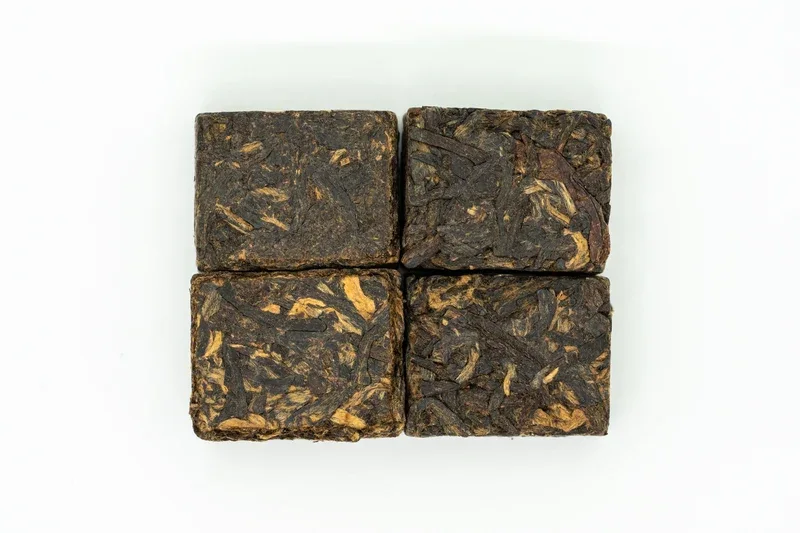
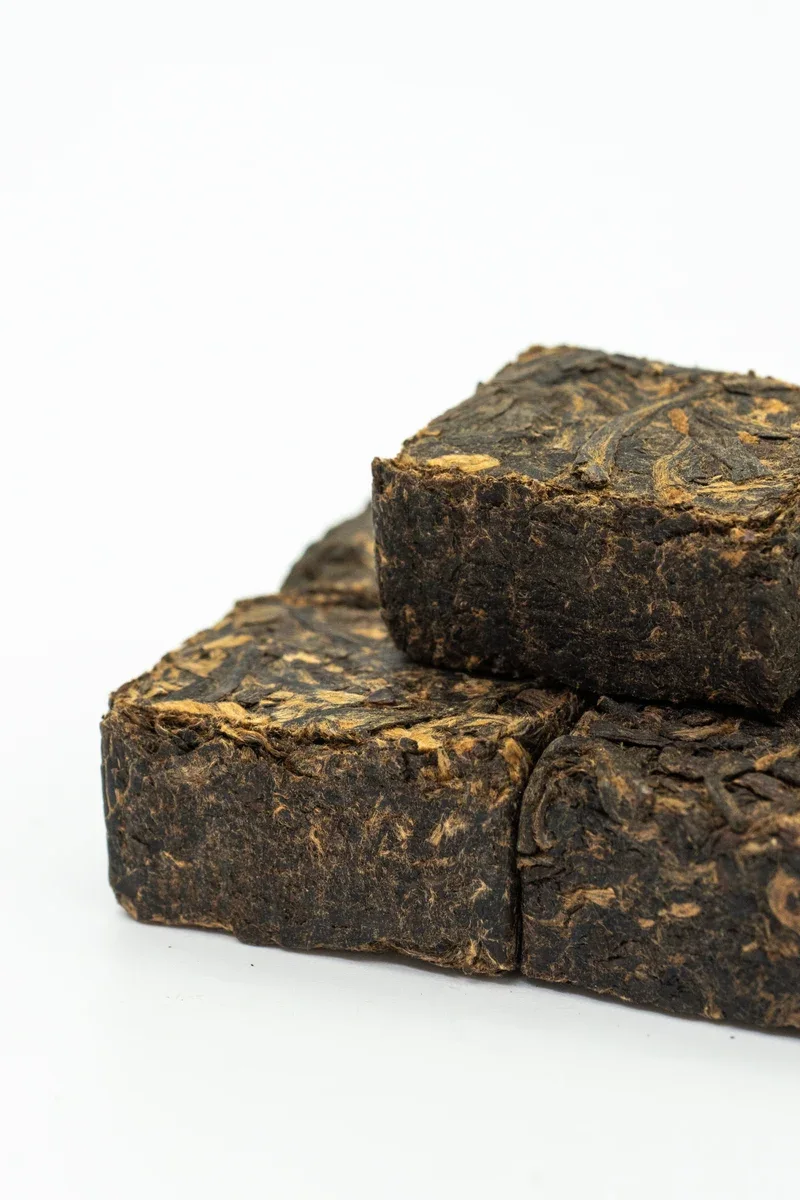
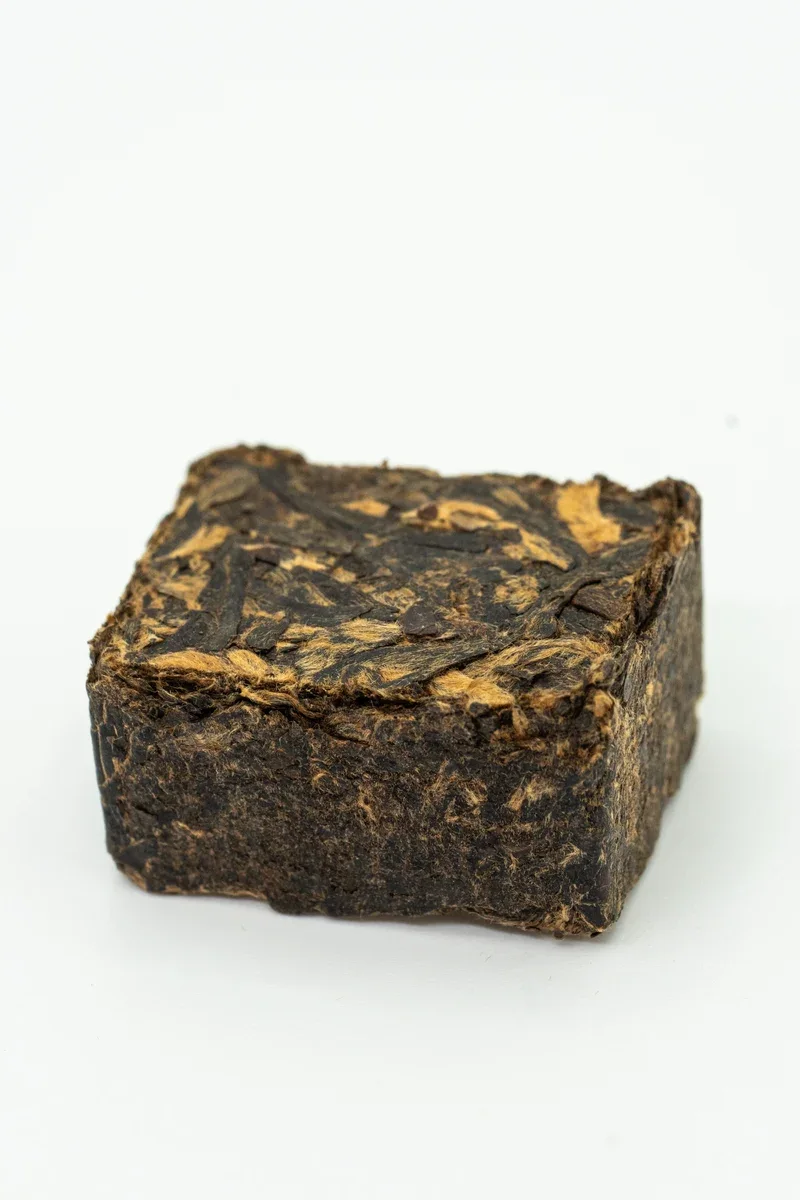
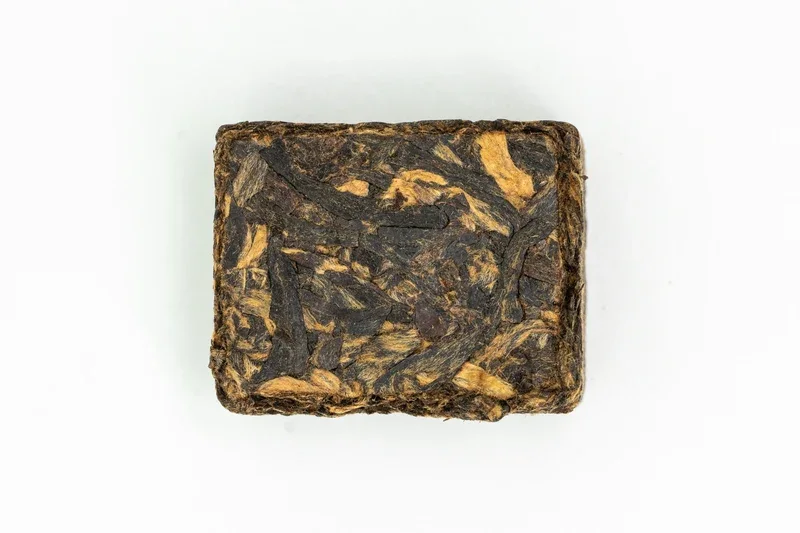
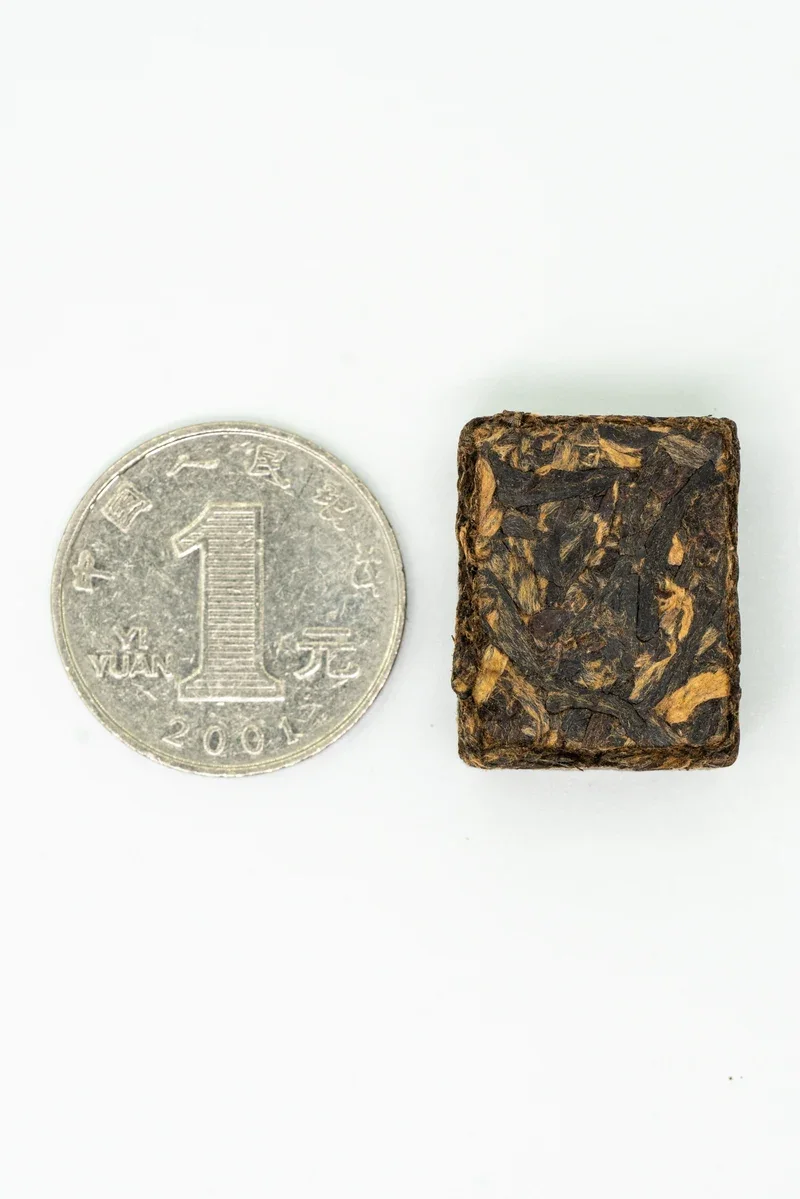
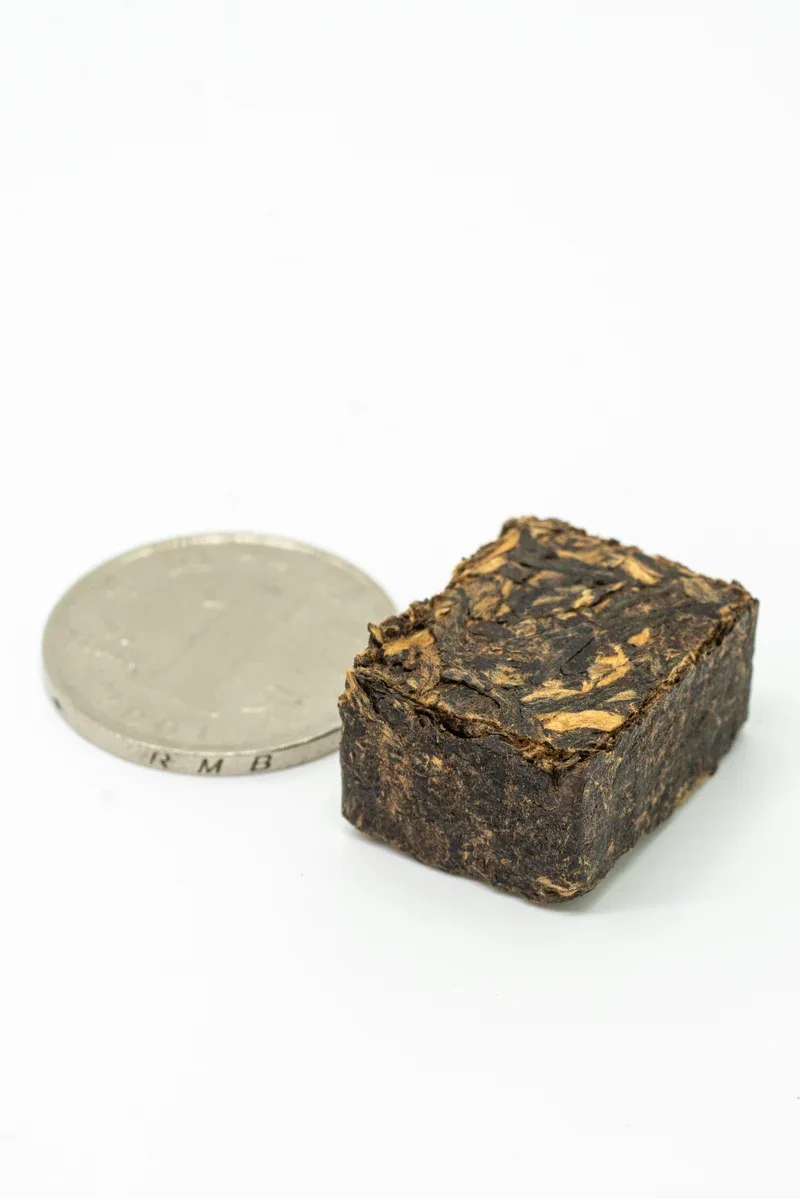
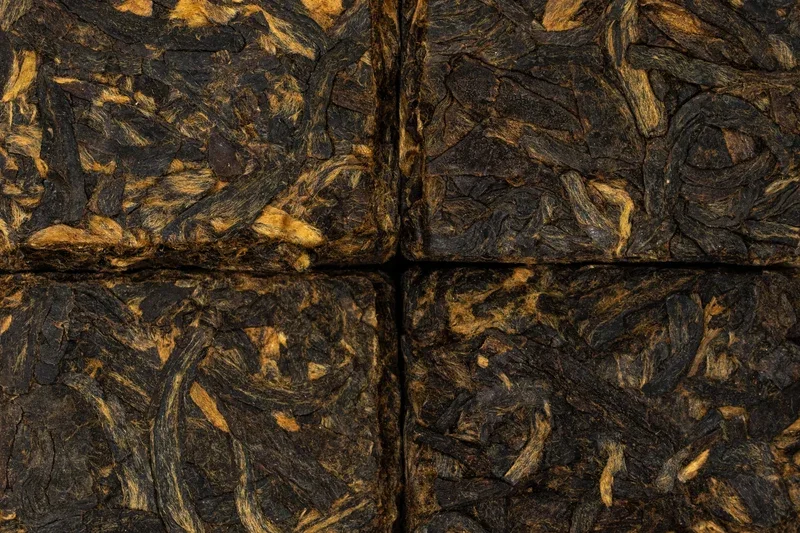
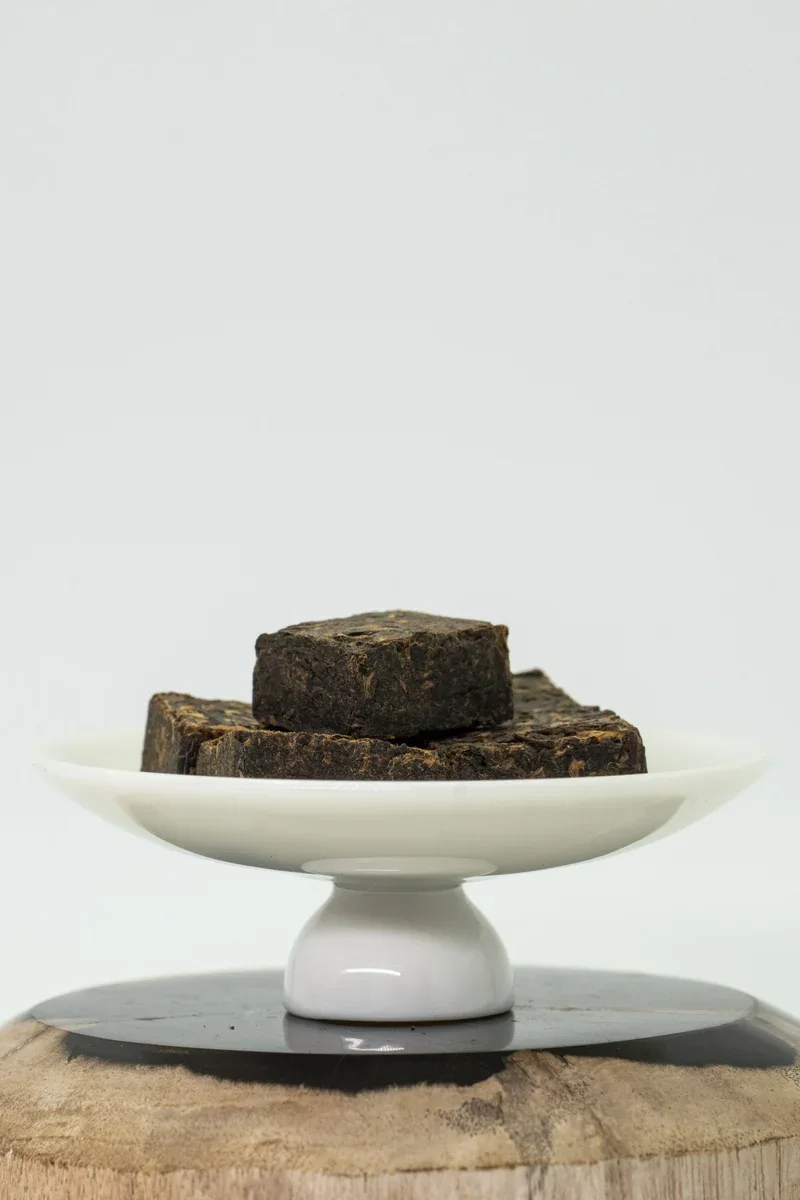
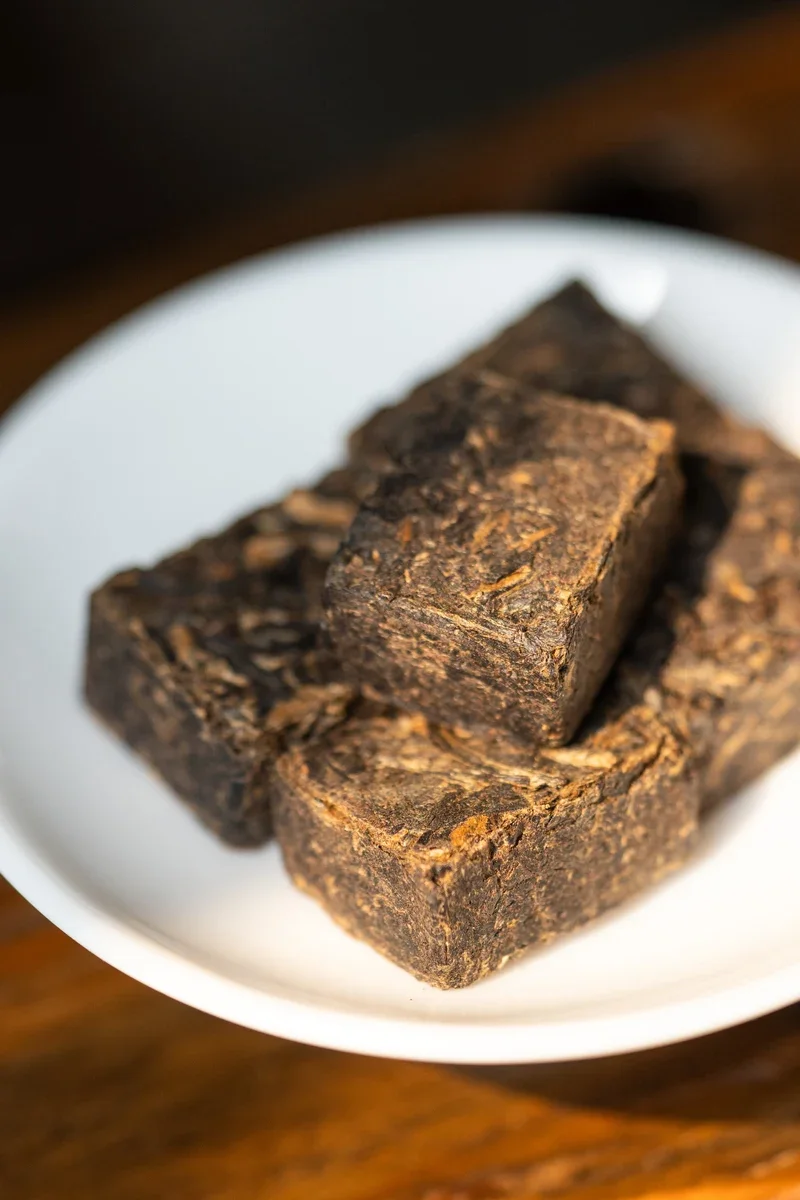
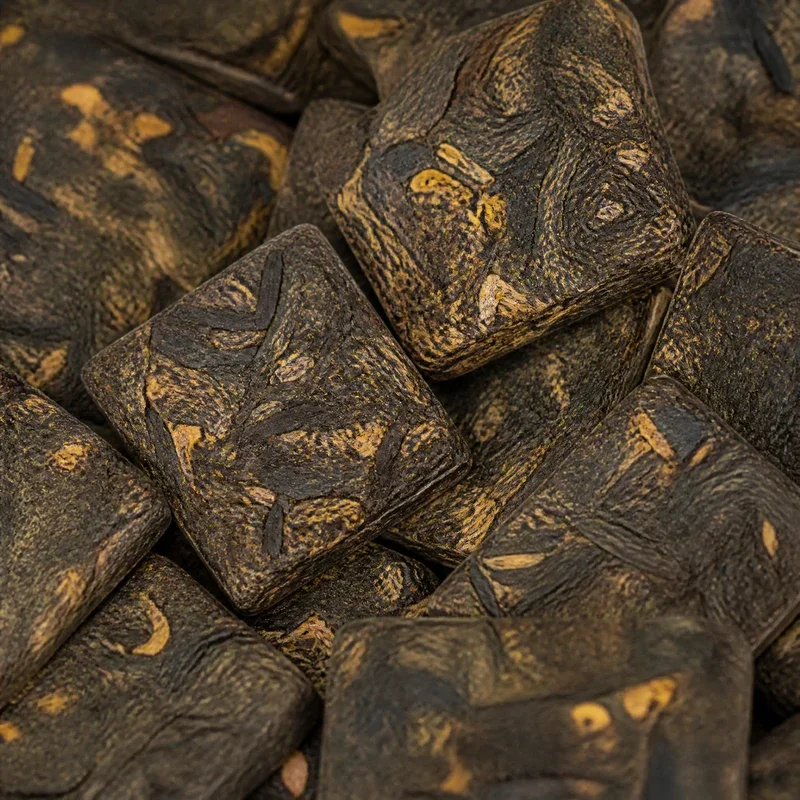
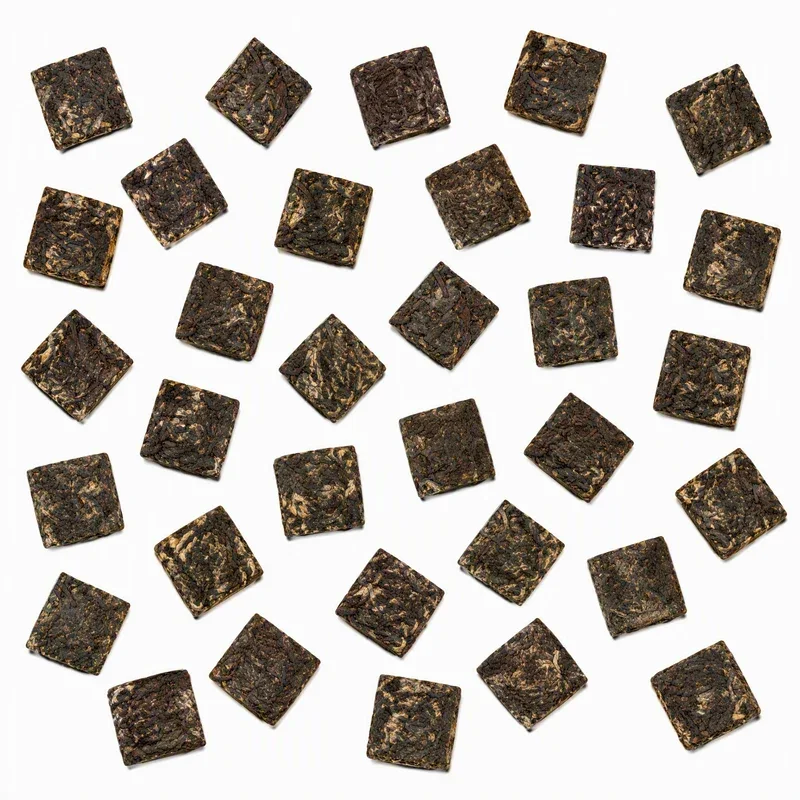
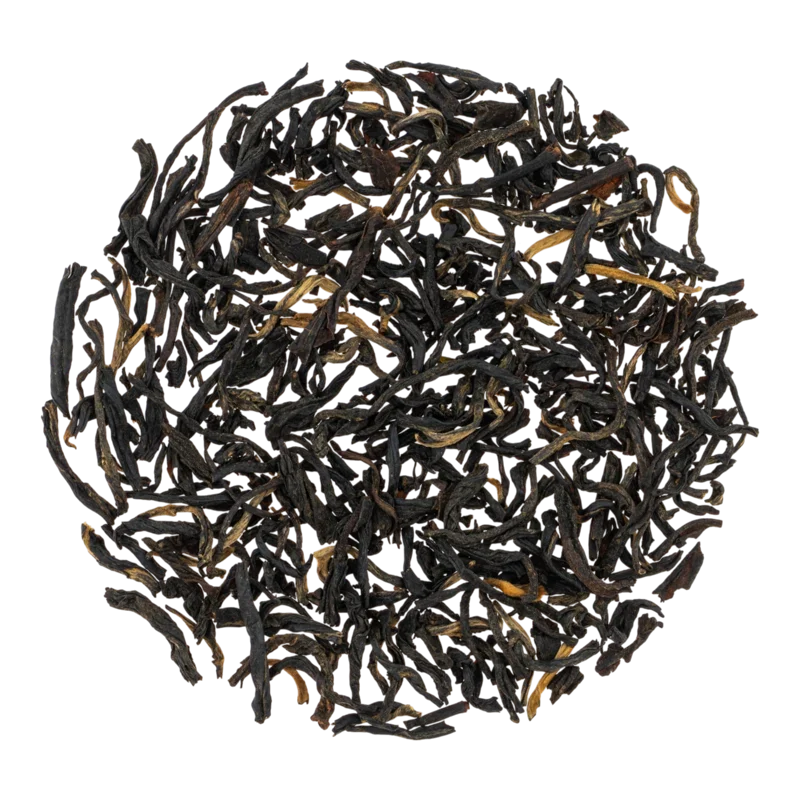
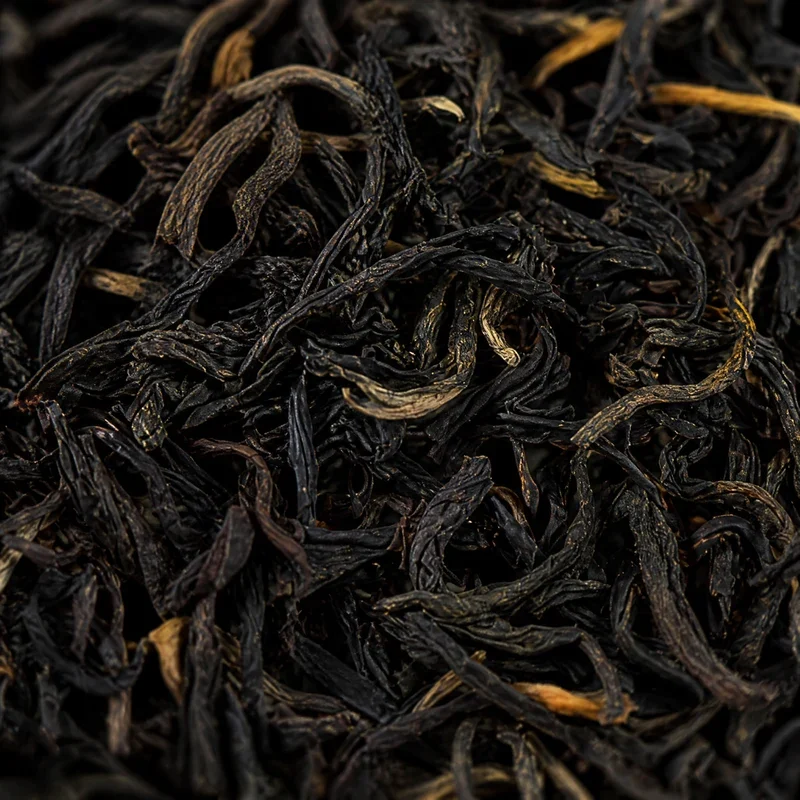
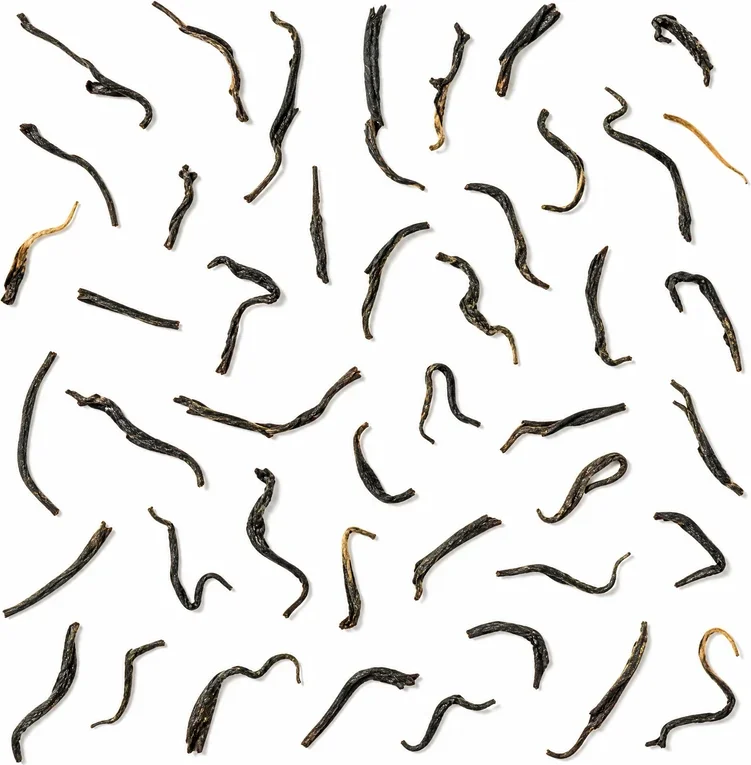
Dry Leaf Appearance: Fine or medium twist; dark brown colour with natural lustre. In higher grades, golden tips are noticeable. Externally — typical good-quality red tea (black tea).
Dry Leaf Aroma: Bright, unusual profile: pure, sweet vanilla in the foreground, behind which creamy-caramel tones and light chocolate notes can be detected. Base notes of red tea (black tea) (malt, dried fruits) form a deep background.
Liquor Aroma: Multi-layered and persistent: warm, sweet vanilla, milk chocolate, caramel, cream. As it cools, fruity and floral notes of the tea base emerge. Aroma persists through three or more infusions.
Bright red, clear and brilliant. Strong liquor — ruby with amber tint.
Spent Leaves: Red-copper, elastic. In high grades — leaves more whole and even.
Taste: Dense, rounded, with pronounced sweetness and mild astringency. The vanilla component adds creamy smoothness and caramel aftertaste without suppressing tea character. Pronounced returning sweetness (回甘, huígān). Especially good with milk — the vanilla-cream theme receives logical development. As a cold drink with added ice — refreshing and dessert-like.
Alkaloids: Caffeine (from tea base) — tonic effect; theobromine and theophylline — in trace amounts.
Amino Acids: L-theanine (from tea) + 17 essential amino acids from vanilla extract (according to chemical analysis data of Vanilla planifolia pods).
Vanillin (香兰素, xiānglán sù) — key aromatic aldehyde (2–3% dry mass of fermented pod); vanillic acid; vanillyl alcohol; acetovanillone; 4-hydroxybenzaldehyde; cinnamic acid and cinnamic alcohol; guaiacol; anisic aldehyde and anisyl alcohol — and dozens more minor components forming the "complete" vanilla aroma, indistinguishable from the aroma of whole fermented pods.
Essential Oils: Combination of tea terpenoids (linalool, geraniol) and vanilla aromatic components, creating an unusual "hybrid" bouquet.
Minerals: Potassium, magnesium, calcium, manganese, zinc.
Polyphenols: Theaflavins and thearubigins, formed during full oxidation of large-leaf raw material. Form body, colour and antioxidant potential of the liquor.
Vitamins: Vitamin C, vitamins B1, B2, vitamin E (from tea base).
Caffeine and theanine from the tea base provide mild and prolonged energy without sharp peaks.
Theaflavins and thearubigins from red tea (black tea) — powerful antioxidants.
Red tea (black tea) is traditionally considered "warm" (温性) and beneficial for digestion; vanilla in traditional medicine is also associated with appetite improvement and digestive relief.
Vanilla aroma has proven influence on reducing anxiety levels and creating comfort sensation — this effect is widely used in aromatherapy.
Synergy of caffeine, theanine and vanilla compounds promotes improved concentration and mood.
17 amino acids from vanilla extract complement the amino acid profile of the tea base, expanding the spectrum of nutritional microelements.
Vanilla in traditional Chinese and Latin American medicine is used as a tonic and general strengthening remedy with cardiotonic and antiseptic action. Scientific data confirm antioxidant properties of vanillin.
Xiāngcǎo Làn Hóng Chá is excellent as a base for milk tea (奶茶, nǎichá) — the vanilla-caramel profile harmonises perfectly with cream. Also excellent for cold brewing and as iced tea (冰红茶, bīng hóngchá): pour strong liquor over ice — creates a refreshing dessert drink.
Tea Amount: 4–5 g per 100–120 ml (gongfu method); 2–3 g per 200–250 ml (cup or teapot).
Teaware: Porcelain gàiwǎn (盖碗) or porcelain teapot; glass teaware allows appreciation of the bright red liquor colour. Clay teaware not recommended — porous clay may absorb vanilla aroma and affect subsequent brewings of other teas.
Water Temperature: 90–95°C. For delicate tippy batches — 85–90°C.
Classic Chinese scented tea (usually on green or white base). Scenting — repeated "kunzhi" with fresh jasmine flowers. Profile — light, floral, airy. Xiangcao Lan Hong Cha — on red tea (black tea) base, with completely different vector: warm, sweet, dessert-like, chocolate-vanilla. The two teas represent polar opposites of the scented world.
Red tea (black tea) scented with osmanthus flowers (Osmanthus fragrans). Profile — fruity-apricot with honey sweetness. Guihua Hong Cha is closer in spirit to Xiangcao Lan Hong Cha (both on red tea (black tea) base, both sweet), but the vanilla-chocolate vector of Xiangcao Lan differs fundamentally from the fruity-floral Guihua.
Western scented tea — usually black Ceylon or Keemun, scented with bergamot oil (Citrus bergamia). If Earl Grey is citrus freshness over tea bitterness, then Xiangcao Lan Hong Cha is creamy vanilla warmth over tea sweetness. Both teas combine excellently with milk, but create completely different moods.
Indian spiced tea (cardamom, cinnamon, ginger, cloves). Masala — spicy, sharp, warming; Xiangcao Lan — sweet, creamy, enveloping. Both excellent with milk, but masala is "fire", while Xiangcao Lan is "velvet".
No reviews yet. Tell us what you think of this tea.
Rate this tea and share your impressions. We review each submission before publishing it.