Brewing
Gongfu brewing
- Water temperature
- 93 °C
- Tea amount
- 5 g
- Water volume
- 100 ml
- First steep
- 10 s
- Time added per infusion
- 5 s
- Infusions
- 4

Wǔzhǐshān hóngchá
Choose a brewing method. Start with the recommended quantities and time, then adjust to taste.
Brewing
Brewing
Taste
Tea encyclopedia
Category: Regional red tea (black tea) of Hainan Province; produced in several commercial forms: gongfu hong cha (工夫红茶), traditional broken red tea (红碎茶, hóng suìchá), and CTC.
Category: Regional red tea (black tea) of Hainan Province; produced in several commercial forms: gongfu hong cha (工夫红茶), traditional broken red tea (红碎茶, hóng suìchá), and CTC.
Coordinates: 18°38′–19°02′ North latitude, 109°19′–109°44′ East longitude (boundaries of the protected zone according to certificate AGI2015-03-1770).
Origin: China, Hǎinán Province (海南省, Hǎinán Shěng), Wǔzhǐshān City (五指山市, Wǔzhǐshān Shì). Main production zones: Shuǐmǎn Township (水满乡, Shuǐmǎn Xiāng), Maoyang (毛阳镇), Nansheng (南圣镇), Fanyang (番阳镇) and others. Also cultivated in the Jianfengling Ridge (尖峰岭) area in the south of the island.
Type: Chinese red tea (black tea) (红茶, hóngchá), fully oxidized. Belongs to large-leaf red teas (大叶种红茶, dàyèzhǒng hóngchá).
Cultural Significance: Wuzhishan Hong Cha is one of Hainan's symbols and an integral part of local hospitality culture. The tradition of "Laoba Cha" (老爸茶, "papa's tea") — leisurely tea drinking with red tea (black tea), often with added condensed milk or lemon — is a signature of the island's tea daily life. Tea has become an instrument of economic revival for mountain villages of the Li and Miao peoples: "company + cooperative + peasant household" programs have turned tea cultivation into the main source of income for thousands of families in Shuiman and neighboring villages.
History: Tea cultivation in the Wuzhishan area has a centuries-old history. The Lì (黎族, Lízú) and Miáo (苗族, Miáozú) peoples, indigenous inhabitants of the island, have long collected wild tea leaves for treating colds, fever, and digestive disorders. In "Qiongtai Zhi" (《琼台志》, "Description of Qiongtai", 1512, Ming dynasty, Zhengde reign), tea production in the Wuzhishan mountains was already recorded: "among the most famous is tea produced in Shuiman of Wuzhishan, whose trees are as large as an arm's embrace, and whose taste is pure and wonderful." During the Qing dynasty, tea from Shuǐmǎn (水满茶, Shuǐmǎn Chá) was included in the registry of "southern frontier tributes" (南荒贡品) and sent to the imperial court. The modern history of industrial red tea (black tea) begins in 1959, when an export base for red tea (black tea) was established in Hainan on the initiative of the Guangdong Province foreign trade department. The report "Hainan Dao Chaye Kancha Baogao" (《海南岛茶叶勘察报告》, 1959) stated that the local large-leaf cultivar produces red tea (black tea) comparable in quality to Indian and Ceylon analogues. By 1965, the area of new tea gardens on the island reached 1,500 mu, with annual production of 350 tons of dry tea. The peak of development came in 1988–1993, when after the formation of Hainan Province, the state invested over 10 million yuan in the tea industry; by 1993, more than 50 tea enterprises operated on the island, garden area was 120,000 mu, annual production was 8,000 tons. It was
Name Breakdown: "Wuzhishan" (五指山) — "Five Finger Mountain," Hainan's main peak (1,867 m), named for its characteristic silhouette of five peaks. For the Li people, this is a sacred mountain, the center of the universe. "Hong cha" (红茶) — red tea (black tea). Local tea is also known by the historical name "Shuiman Cha" (水满茶): "shuiman" in the Li language means "ancient, highest."
Cultivar: main cultivar — Hǎinán Dàyè Zhǒng (海南大叶种, Hǎinán Dàyè Zhǒng), also known as "Hua Cha 16" (华茶16号, GSCT16), recognized as a first-class national standard variety in 1984. Belongs to Camellia sinensis var. assamica, large-leaf, tree-like or semi-tree-like. Characterized by thick fleshy leaves, large buds, high tenderness retention, and abundant content of polyphenols and amino acids. Wild trees in the Wuzhishan mountains reach heights of 10 m and more. Three ecotypes are distinguished: wild (野生型), cultivated (栽培型), and "feral" (野放型, yěfàng xíng) — plantation trees that have gone wild. Varieties introduced from Yunnan (Assam large-leaf lines) are also used.
Picking: thanks to the tropical climate, tea trees vegetate practically year-round; picking is conducted up to 9 rounds per year over 11 months. Early spring picking (late January — February) produces "Zhongguo di yi zaochun cha" (中国第一早春茶, "China's First Early Spring Tea"). Spring and autumn batches are valued higher than summer ones.
Pluck Standard: 1 bud + 1–2 leaves for gongfu hong cha; for CTC and broken tea, more mature leaves are acceptable.
Raw Material: fresh, whole leaves without mechanical damage; processing must begin as soon as possible after picking due to high enzyme activity in the tropical climate.
Altitude: main tea gardens are located at 300–800 m elevation; wild trees are found up to 1,200 m. Average elevation of the Shuiman tea district is about 600 m.
Climate: tropical oceanic monsoon with elements of mountain tropical rainforest. Key feature — low latitude (below 19° North latitude) combined with altitude, creating a unique combination: long daylight hours, mild winters without frost, abundant precipitation (over 2,500 mm/year), and high humidity. Cloudy and foggy days comprise more than 200 per year. Average annual temperature 22.4°C; pronounced diurnal temperature variation promotes accumulation of aromatic substances and amino acids. The area is not subject to typhoons thanks to mountain protection.
Soil: brick-red lateritic soils (砖红壤, zhuānhóng rǎng) — deep, loose, rich in iron and aluminum, formed by intensive chemical and biological weathering under tropical conditions. pH 4.5–6.5. High organic content thanks to abundant forest litter.
Wuzhishan is the core of the ecological zone of central Hainan, part of the National Tropical Rainforest Park. Forest coverage exceeds 80%, biodiversity includes over 3,800 species. The territory is the island's most important watershed.
air in mountain tea gardens contains up to 120,000 negative ions per cubic centimeter — a 6th class indicator and higher, testifying to exceptional atmospheric purity.
hand picking of "1 bud + 1–2 leaves" standard.
"soft light withering" technology (柔光萎凋, róuguāng wěidiāo) is used, where leaves lose moisture gradually and evenly. Leaves become soft, light floral aroma appears.
destruction of cell walls to release juice. Large-leaf Hainan Daye Zhong raw material with thin cuticle and tender cellular structure easily submits to rolling, ensuring abundant juice release and uniform oxidation.
key stage in forming color, aroma, and taste. High content of epigallocatechin-3-gallate (L-EGCG) and other ester catechins in large-leaf raw material ensures intensive formation of theaflavins and thearubigins, forming the characteristic "amber" tone of the liquor.
rapid drying with hot air to stop oxidation.
evening out leaf moisture.
bringing moisture content to intermediate level.
adjusting moisture content to ≤7%, fixing aroma.
separation by fractions, formation of commercial batches.
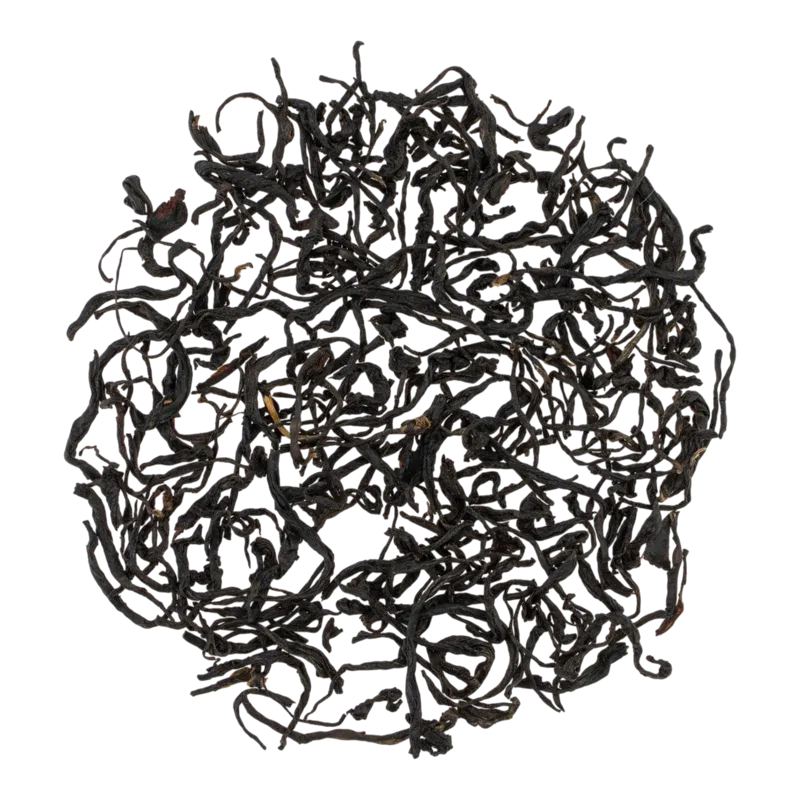
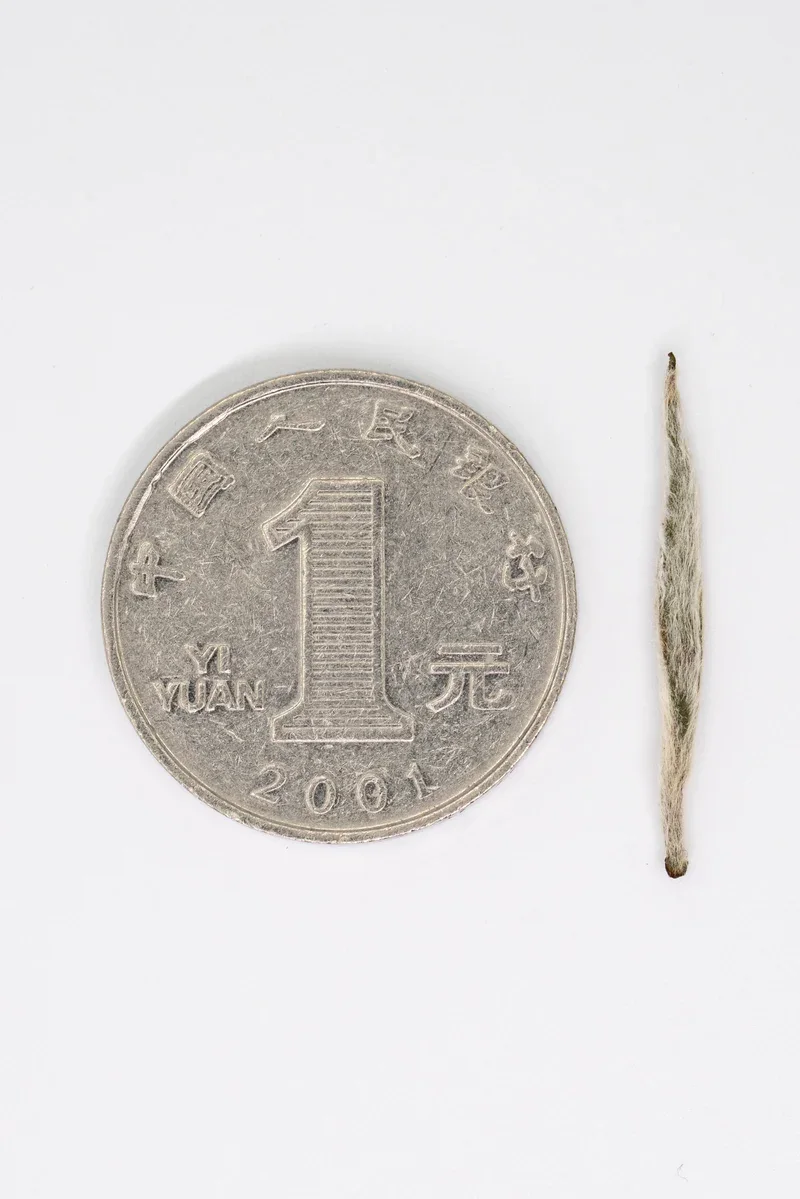
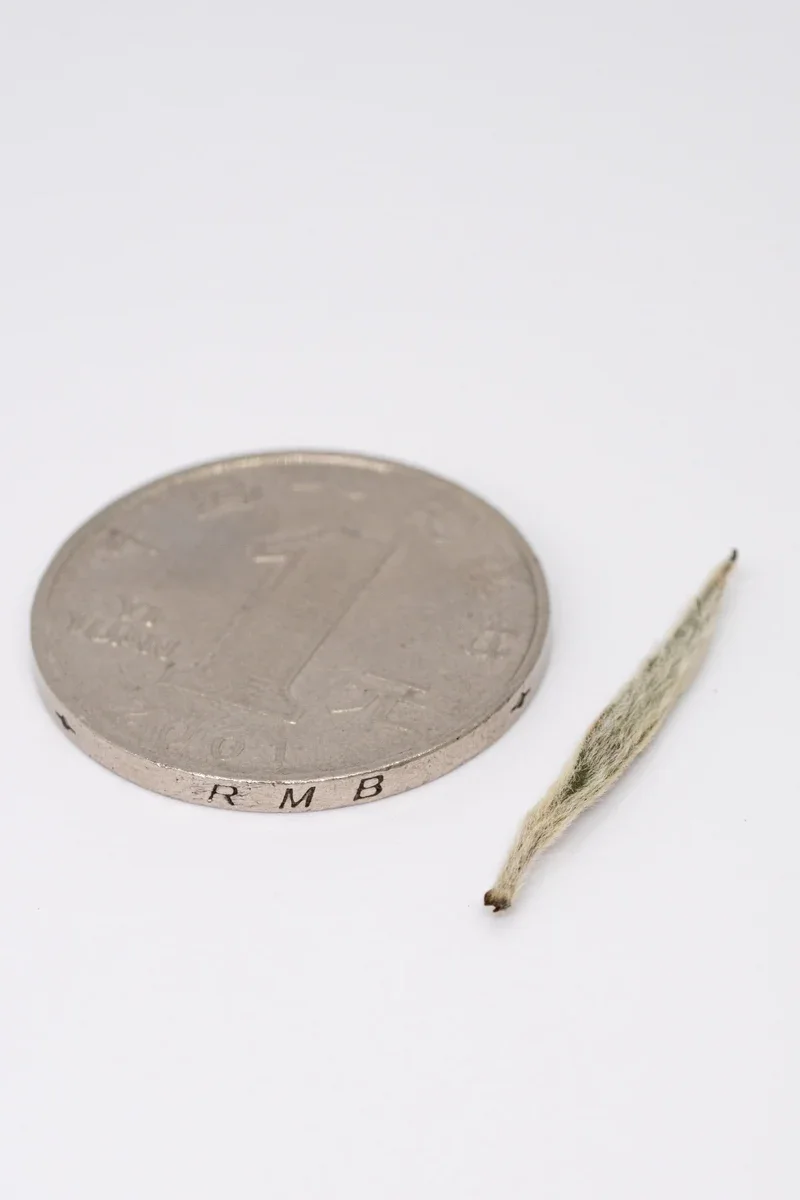
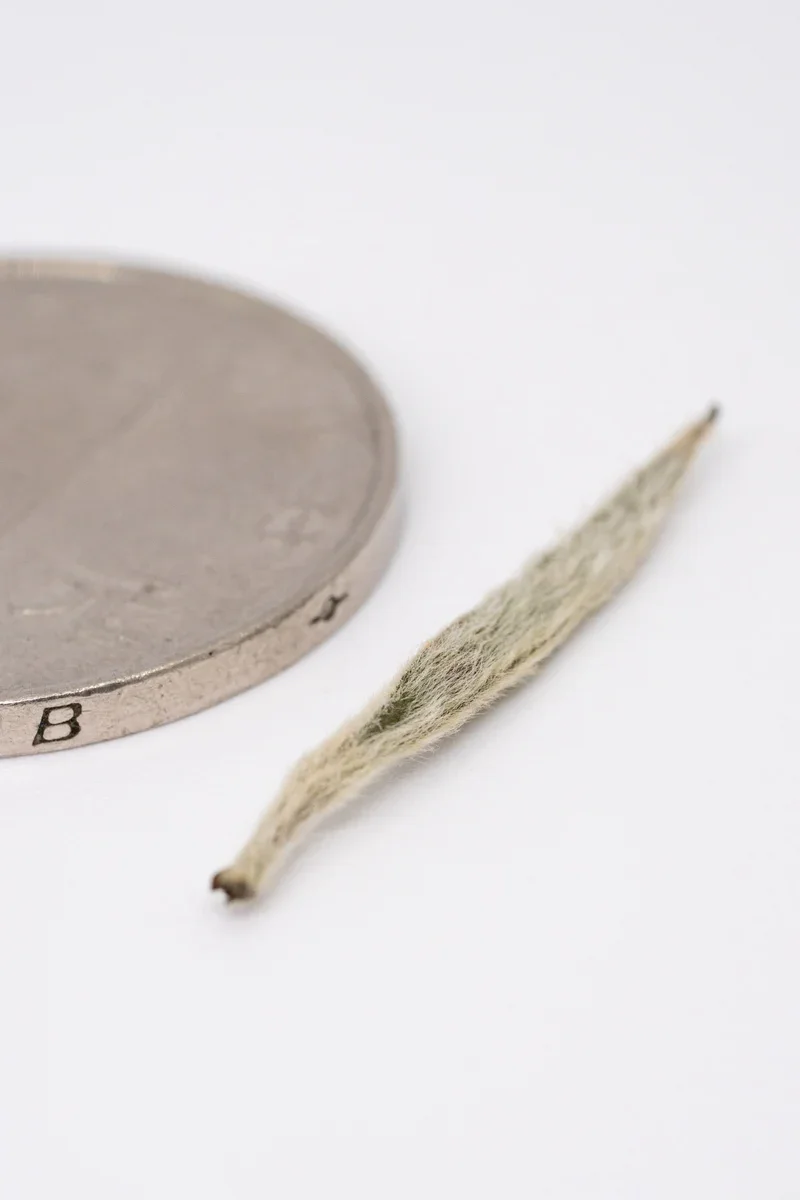
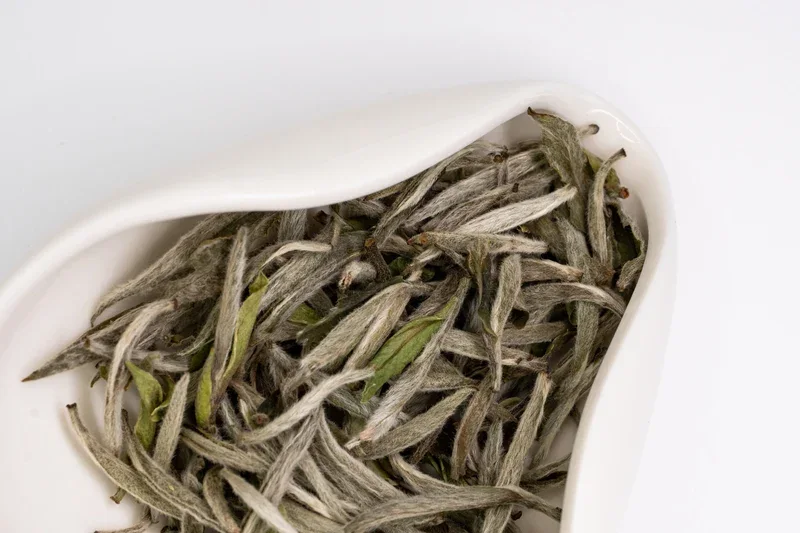
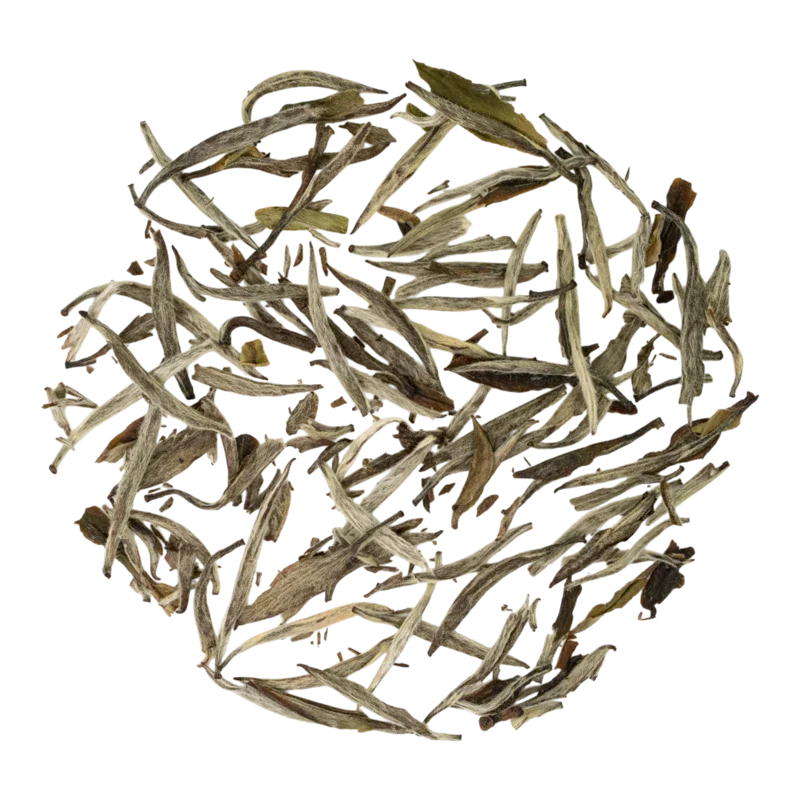
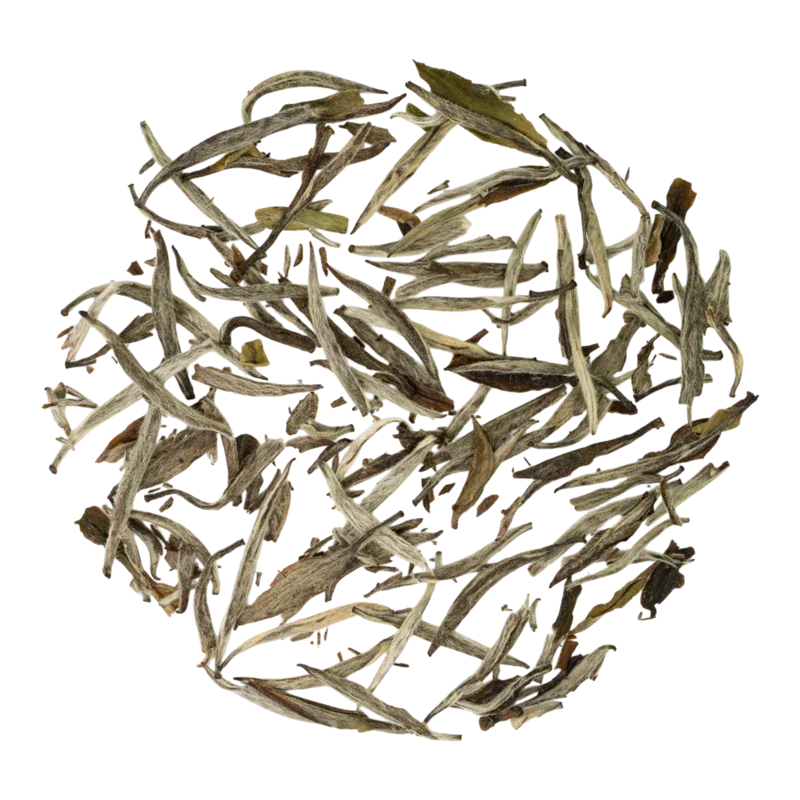
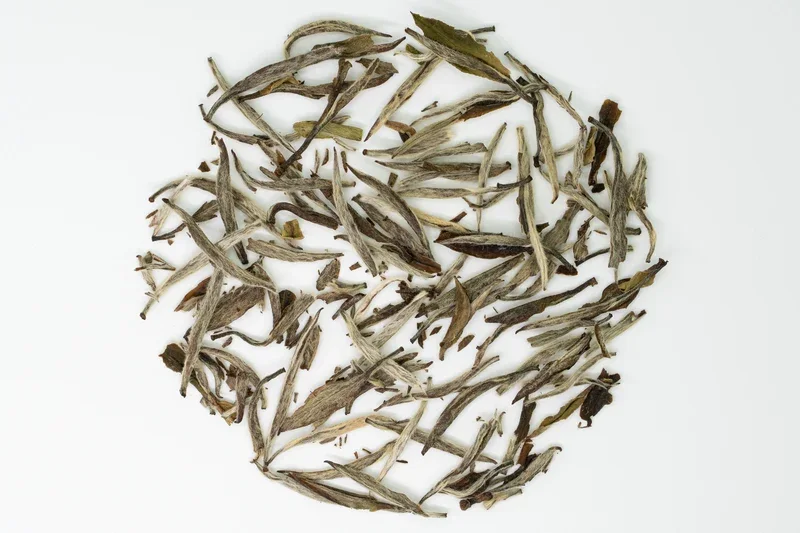
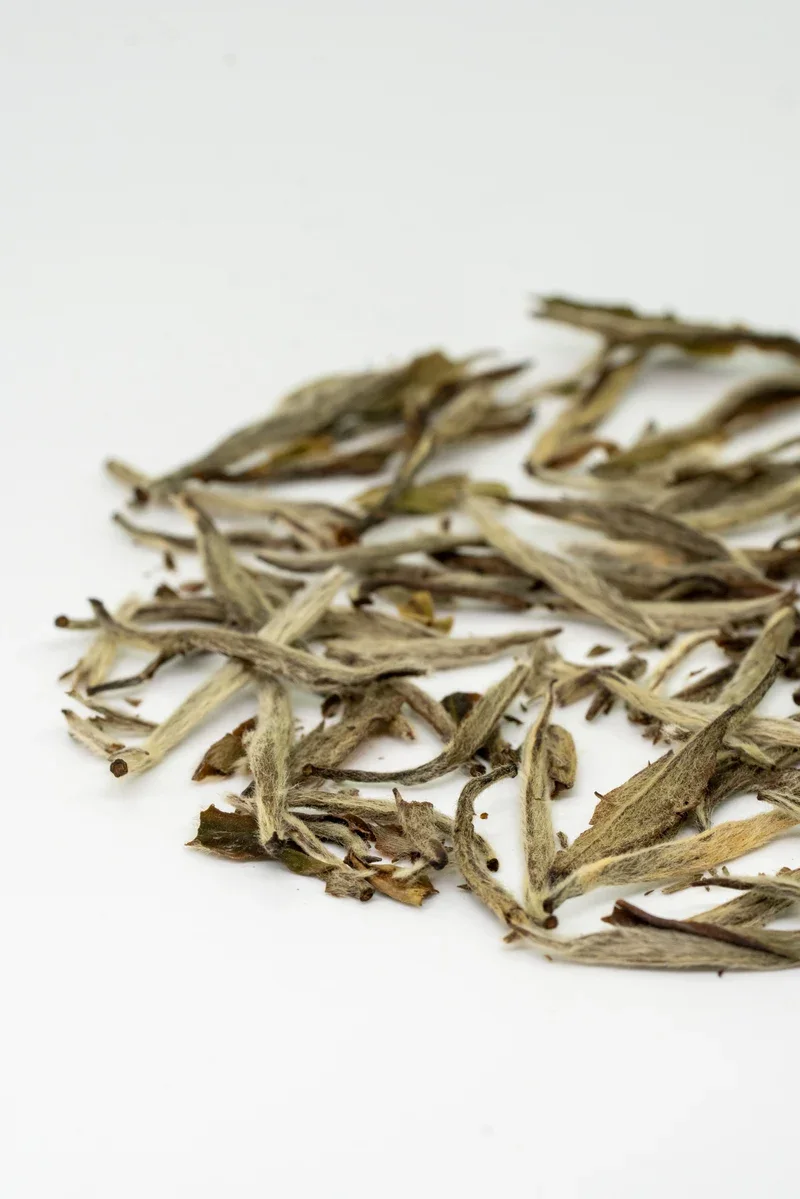
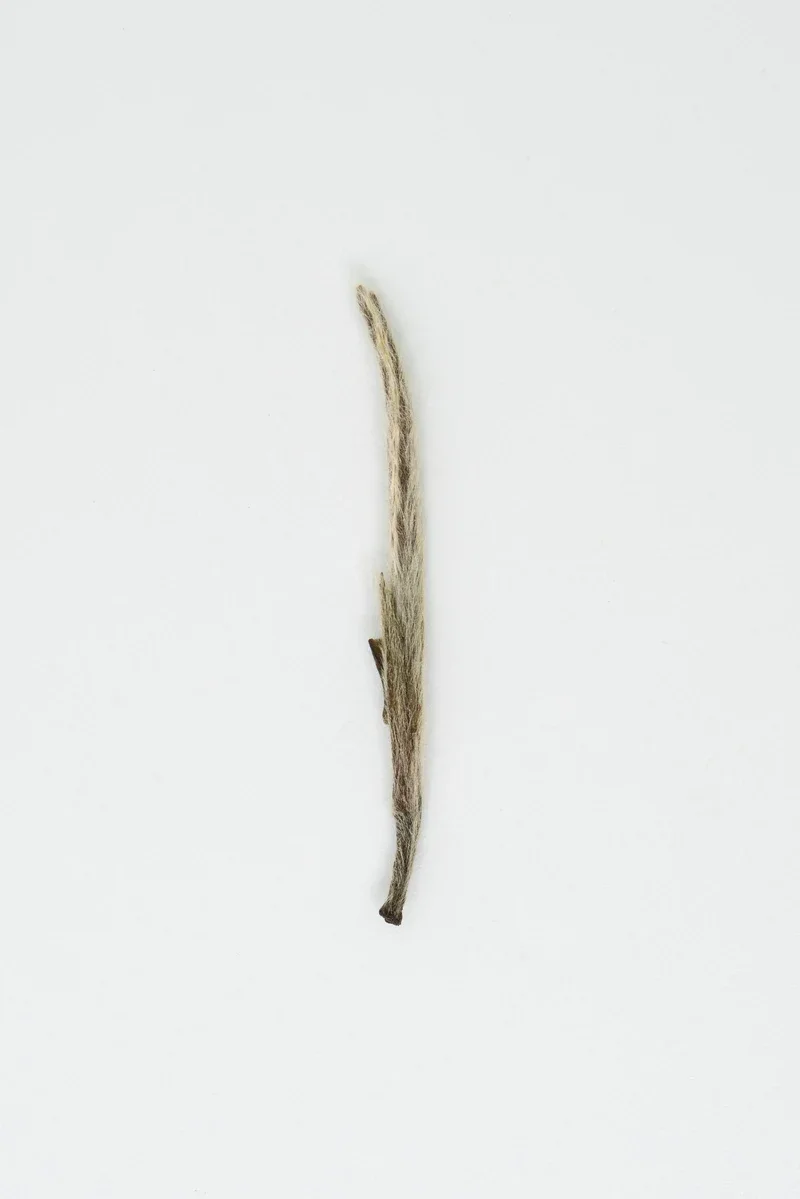
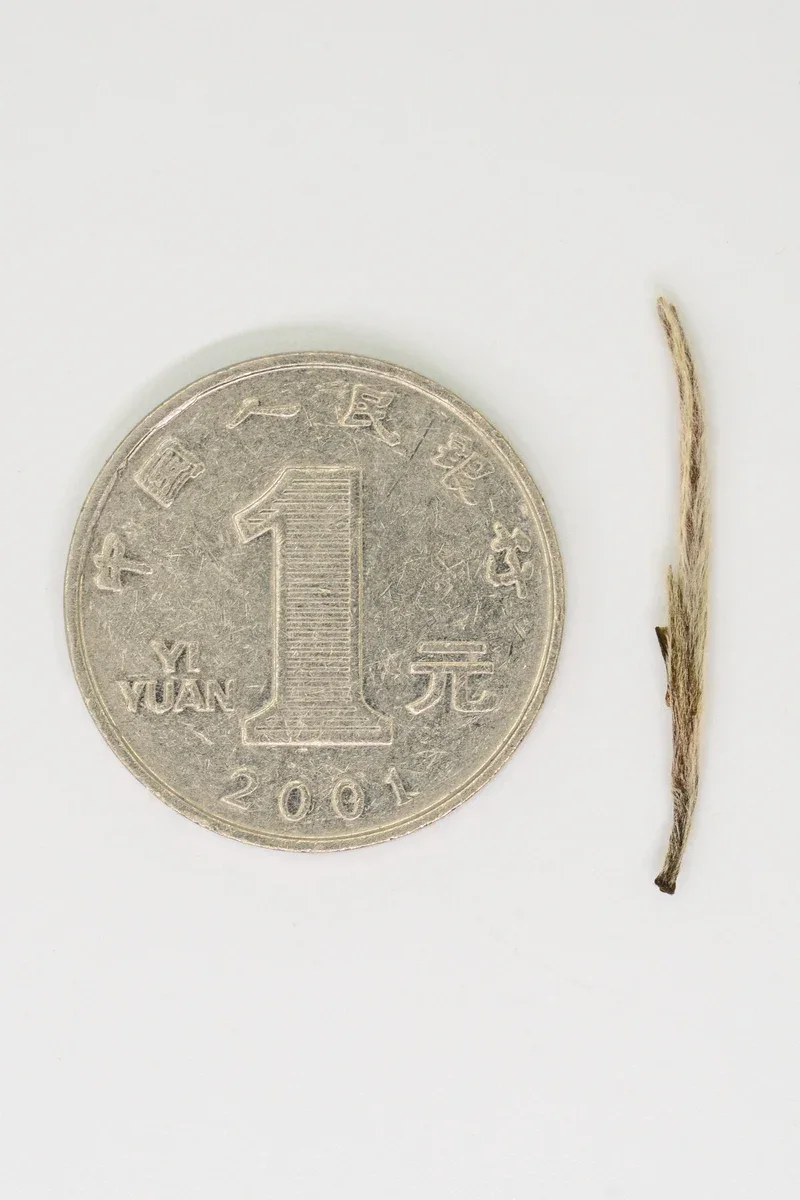
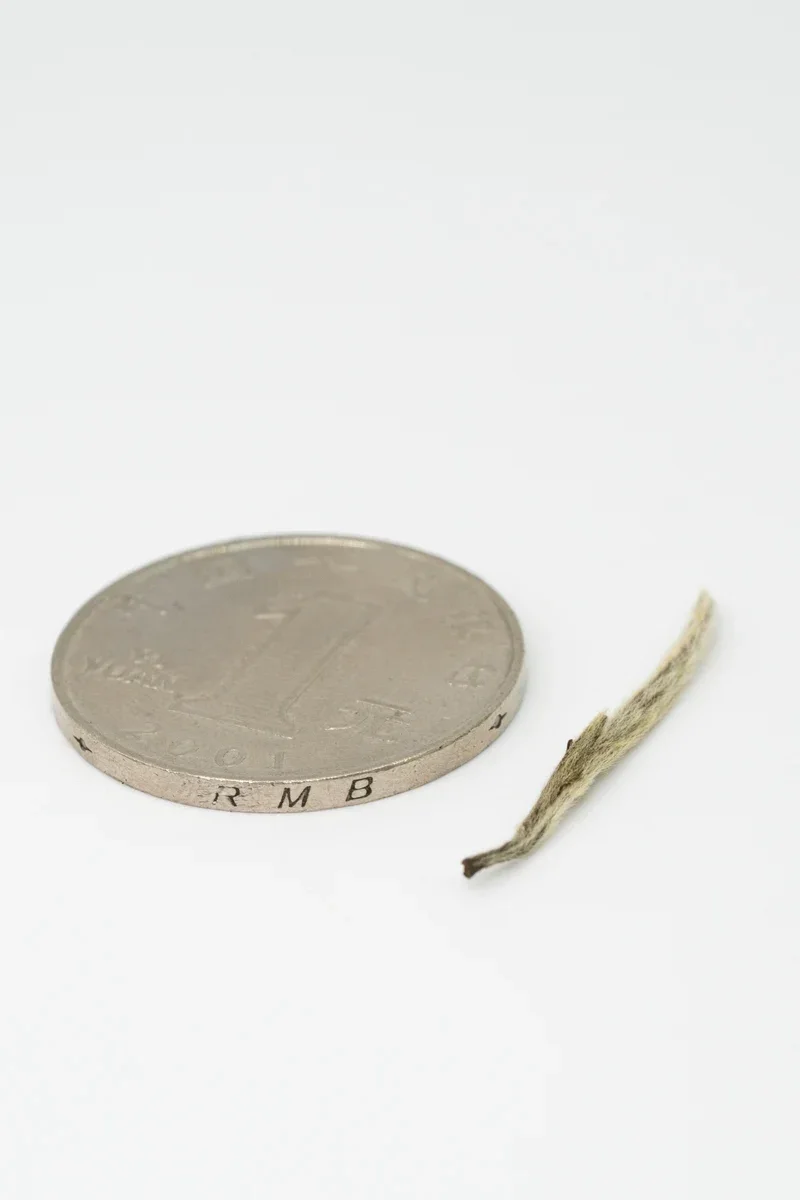
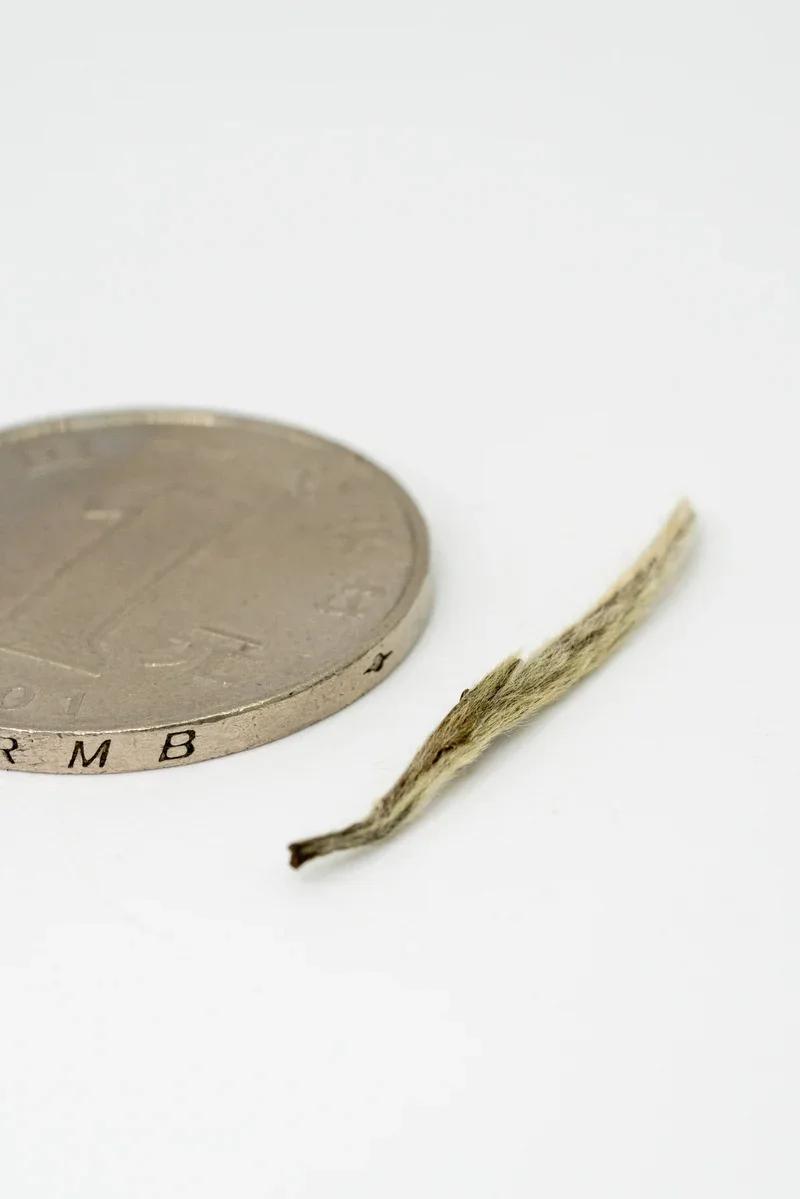
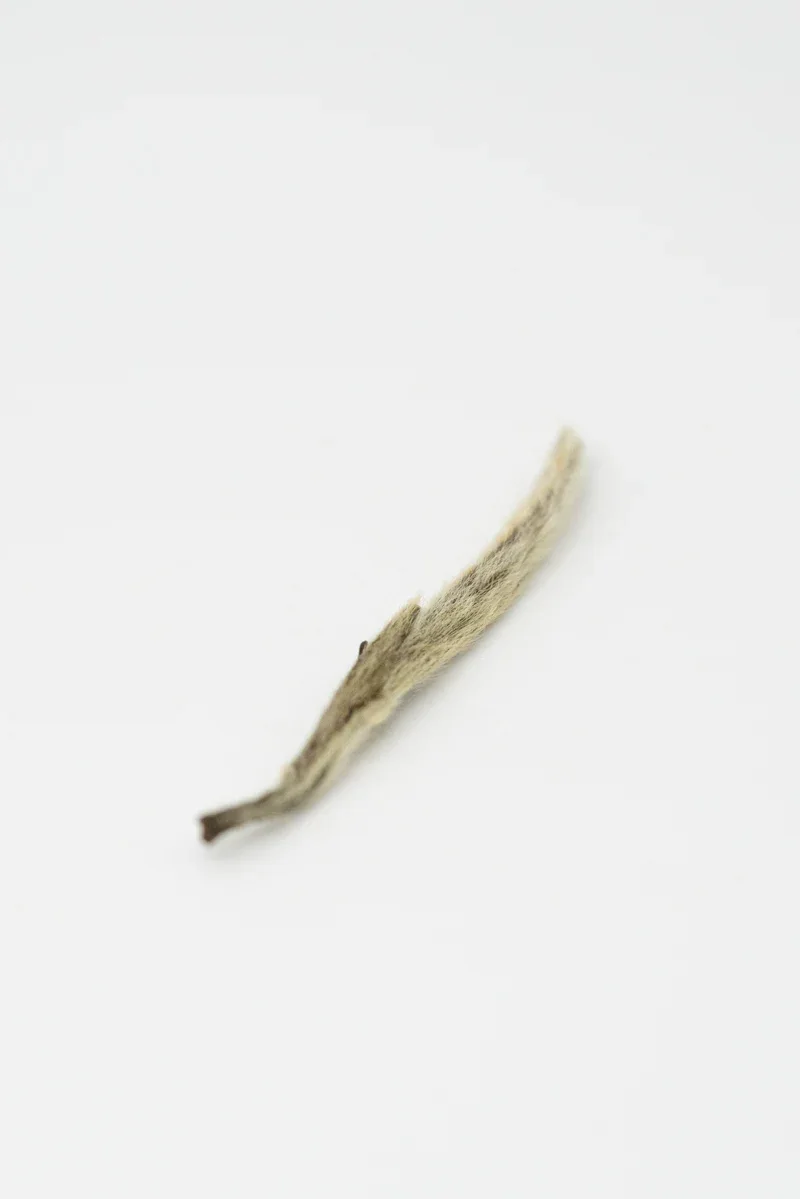
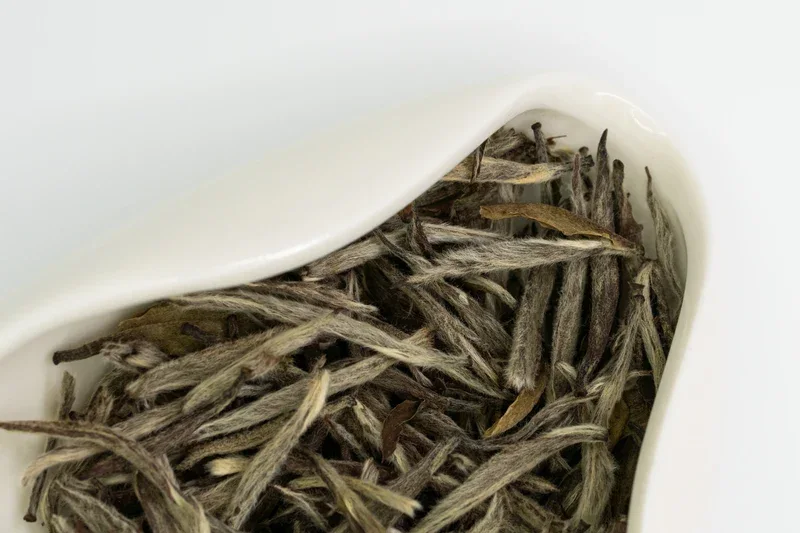
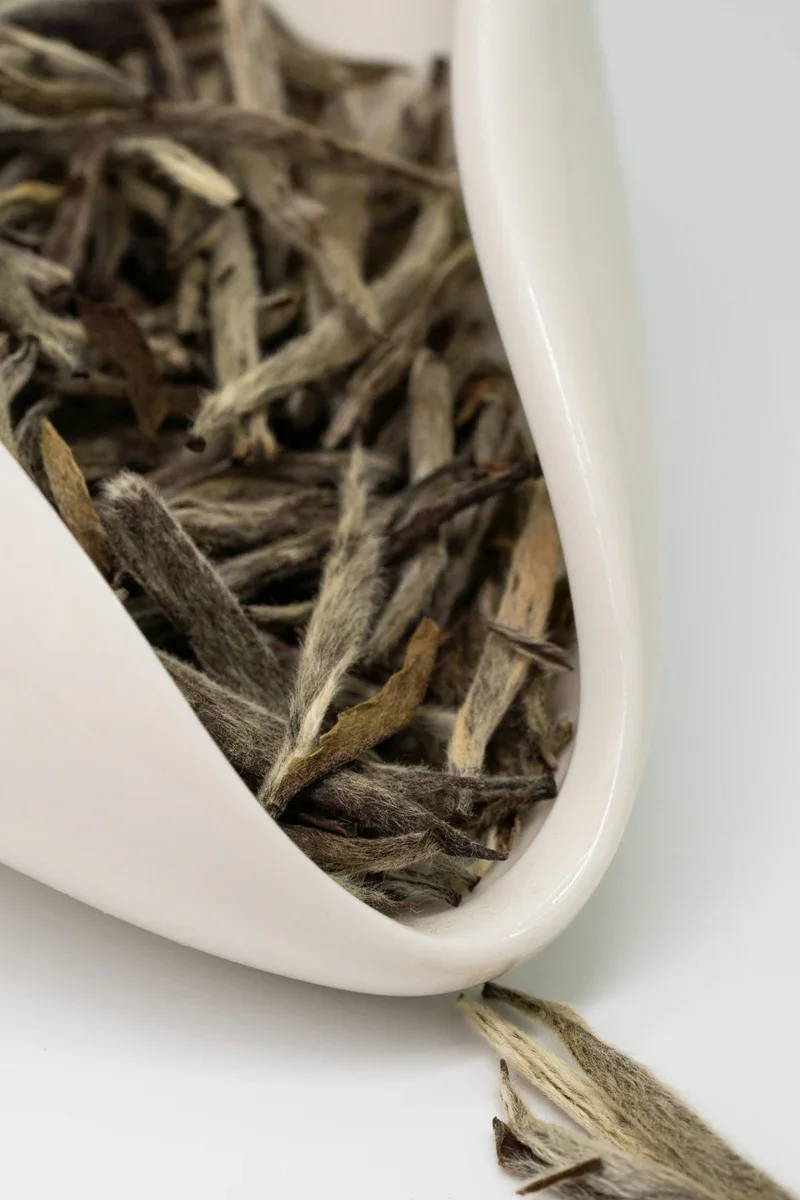
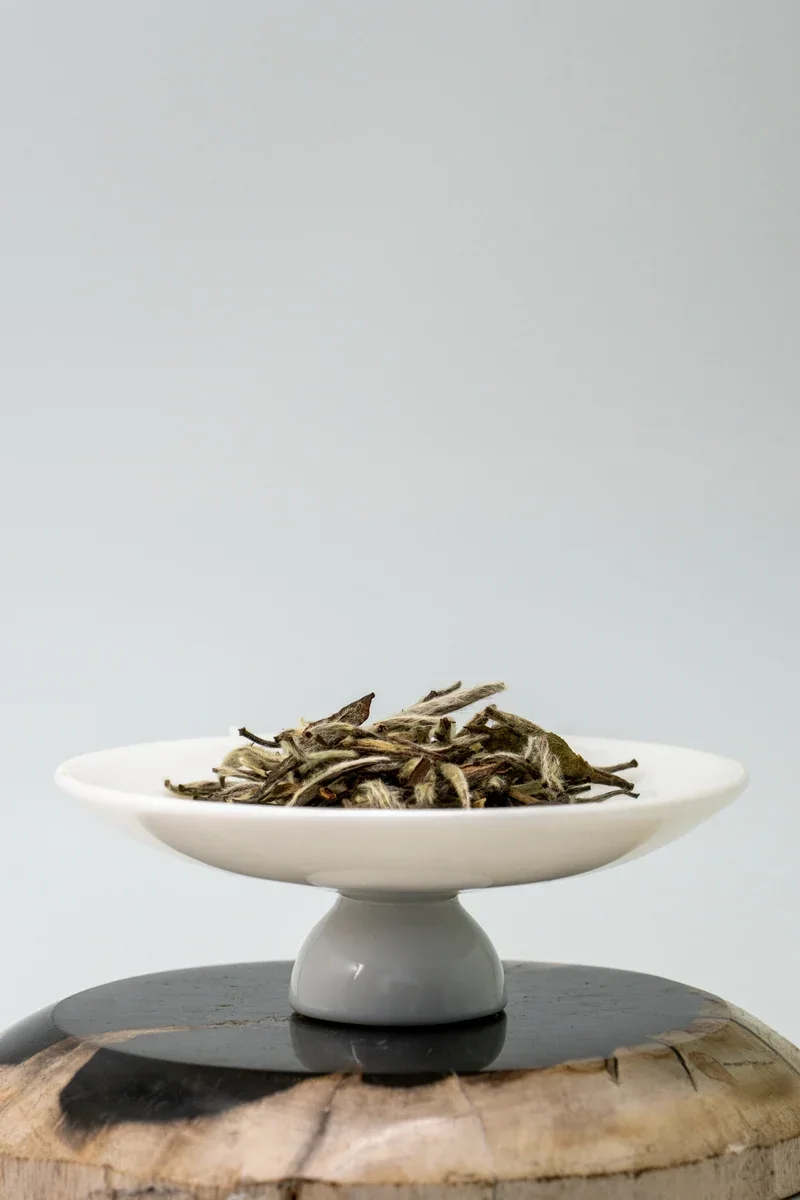
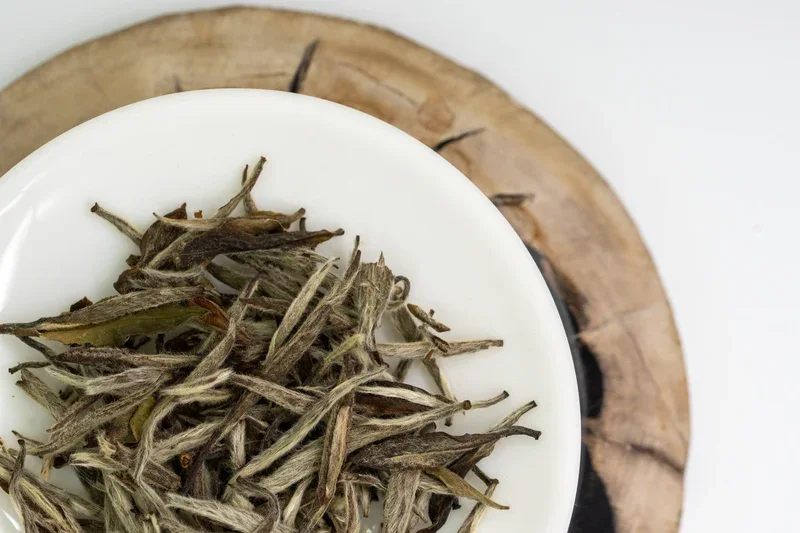
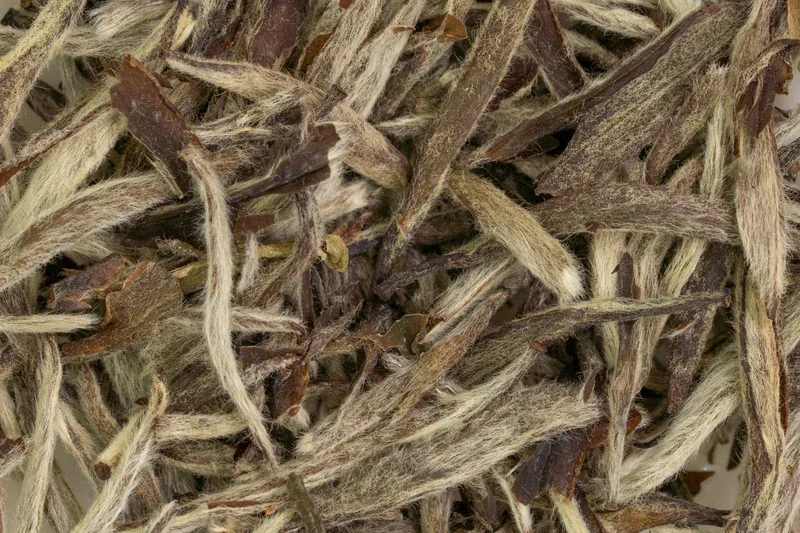
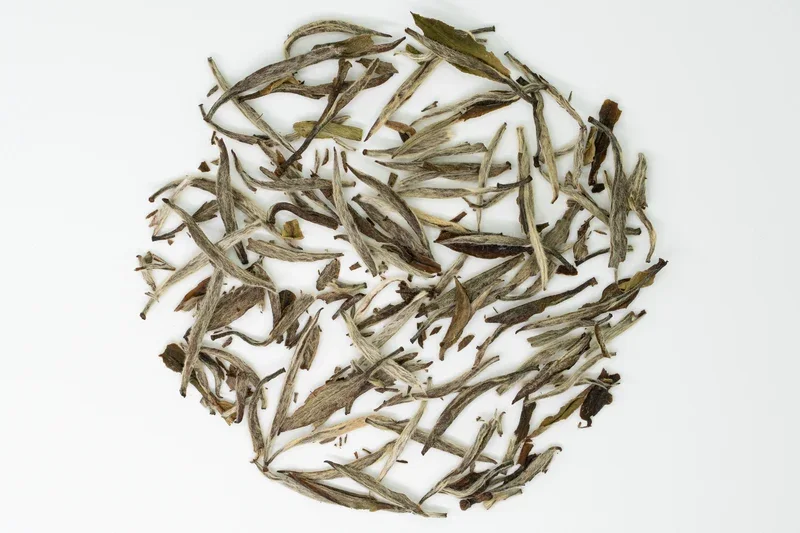
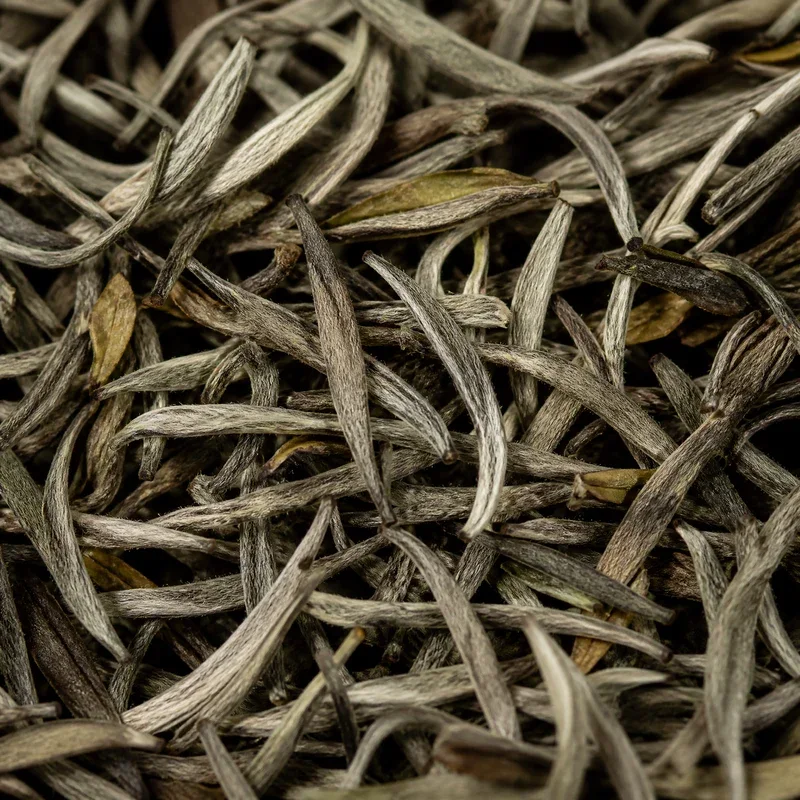
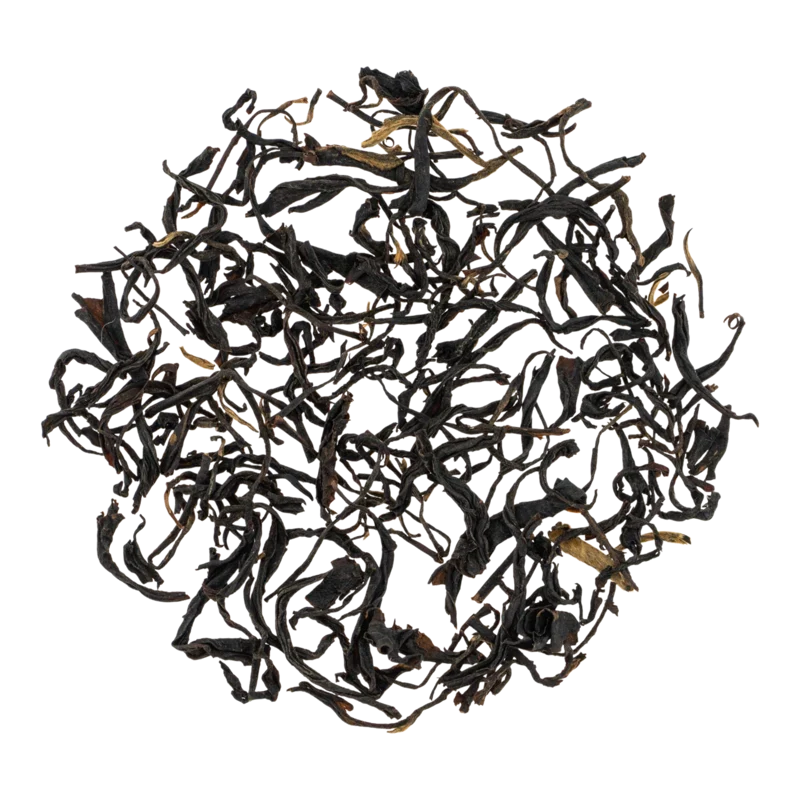
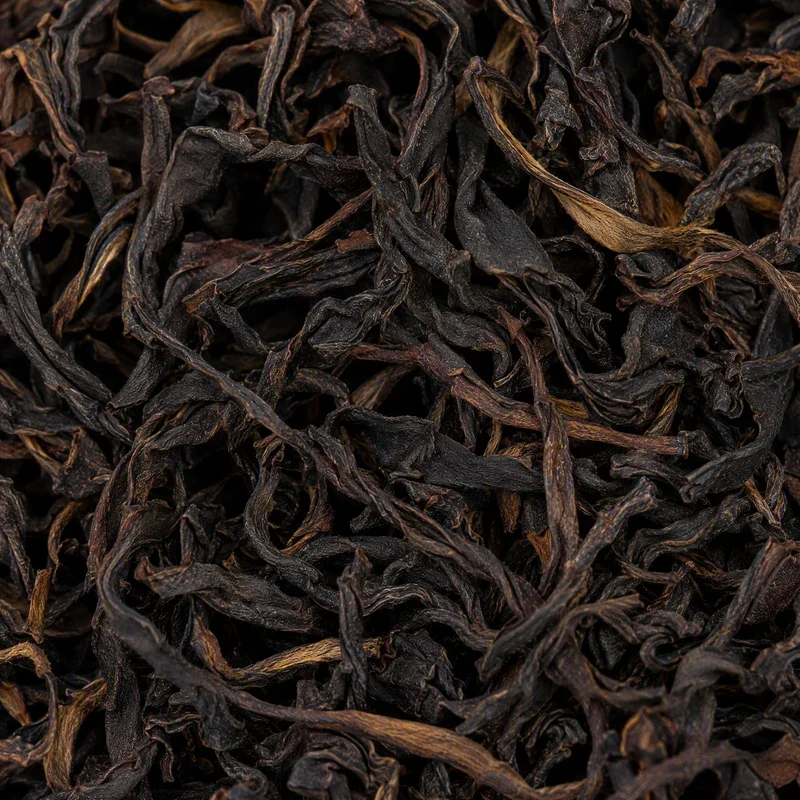
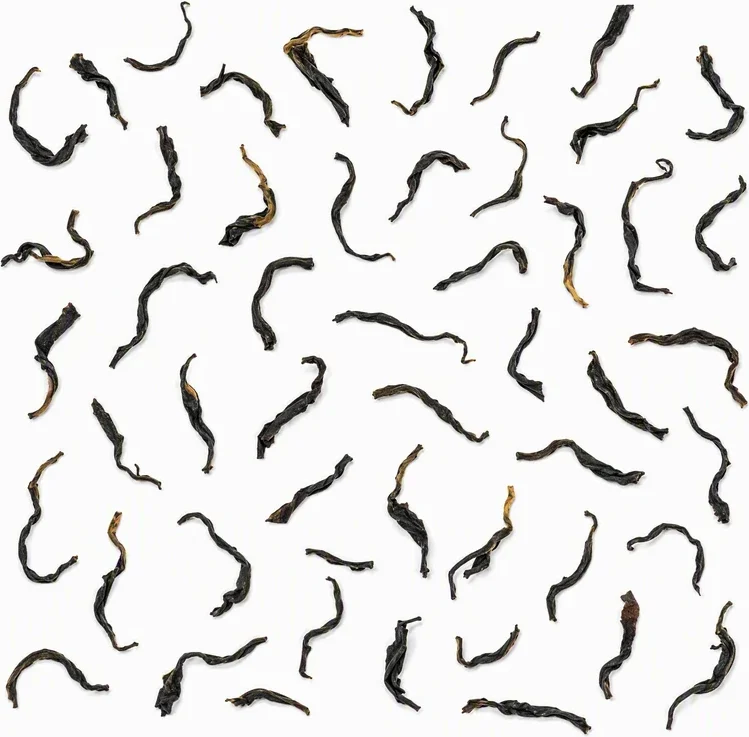
Dry Leaf Appearance: tightly twisted, large and resilient strips (条索紧结肥硕, tiáosuǒ jǐnjié féishuò); brown-chestnut color with oily luster (棕褐油润, zōnghè yóurùn). Golden tips are noticeable.
Dry Leaf Aroma: pronounced milky-honey (奶蜜香, nǎi mì xiāng) — the signature of Wuzhishan Hong Cha. Complemented by notes of roasted chestnut and light floral background.
Liquor Aroma: deep, enveloping, with dominance of milky honey and warm pastry; when cooling, dried fruit nuances unfold.
Liquor Color: red-amber (红琥珀色, hóng hǔpò sè), bright and clear — the image of "amber liquor" is part of the brand's official description.
Spent Leaves: large, fat, soft, bright red (肥软红亮, féi ruǎn hóngliàng), with well-distinguishable whole buds.
Taste: sweet, full-bodied and "smooth" (甜醇爽滑, tiánchún shuǎnghuá); body is rich, rounded, with long honey aftertaste and distinct returning sweetness (回甘). Astringency is minimal, taste is soft and "velvety."
Alkaloids: caffeine ≥2% of dry mass; theobromine and theophylline present in trace amounts.
Amino Acids: free amino acid content >1.5%; L-theanine is the dominant amino acid, ensuring taste softness and "milky" note.
≥34.0% — indicator of high taste richness and abundance of internal components.
≤7.0%, indicating raw material purity.
cobalt, molybdenum, zinc, selenium — characteristic richness of trace elements, related to mineralization of tropical volcanic soils.
the ratio of polyphenols to amino acids in Hainan Daye Zhong is close to optimal, ensuring balance between body richness and taste softness — a rare quality for large-leaf red teas (black teas).
Polyphenols: tea polyphenol content ≥10% (according to GI standard); thanks to large-leaf raw material, content of ester catechins (L-EGCG, L-ECG, L-EGC) is significantly higher than small-leaf analogues, ensuring intensive formation of theaflavins (≥0.1%) and thearubigins (≥2.5%).
Vitamins: B vitamins present, vitamin C (partially preserved even after full oxidation).
caffeine combined with theanine provides steady, prolonged alertness without spikes and "caffeine swings."
theaflavins and thearubigins effectively neutralize free radicals; large-leaf raw material provides increased antioxidant concentration compared to small-leaf analogues.
polyphenol oxidation products gently stimulate peristalsis and secretion of digestive enzymes; traditionally Li and Miao peoples used tea to treat intestinal disorders.
regular moderate consumption of red tea (black tea) is associated with improved blood lipid profile and maintenance of vascular elasticity.
tea polyphenols possess antiviral and antimicrobial activity; Li peoples historically used wild tea for preventing cold diseases.
red tea (black tea) in Chinese dietetics is classified as a "warm" product; recommended for people with sensitive stomachs.
natural content of cobalt, molybdenum, and selenium in Wuzhishan soils transfers to tea leaves, helping replenish micronutrient deficiencies.
brew strong red tea (black tea), add a spoonful of condensed milk or lemon slice, serve with light snacks — traditional style of daily tea drinking on the island.
Tea Amount: 5–6 g per 100–120 ml (gongfu method); 3 g per 200–250 ml (European method).
Teaware: porcelain gaiwan (盖碗) 100–120 ml — best choice for aroma evaluation; glass teapot allows admiring liquor color. For dense batches, clay teapot is acceptable.
Water Temperature: 90–95°C for standard gongfu hong cha; 85–90°C for delicate tippy batches.
No reviews yet. Tell us what you think of this tea.
Rate this tea and share your impressions. We review each submission before publishing it.